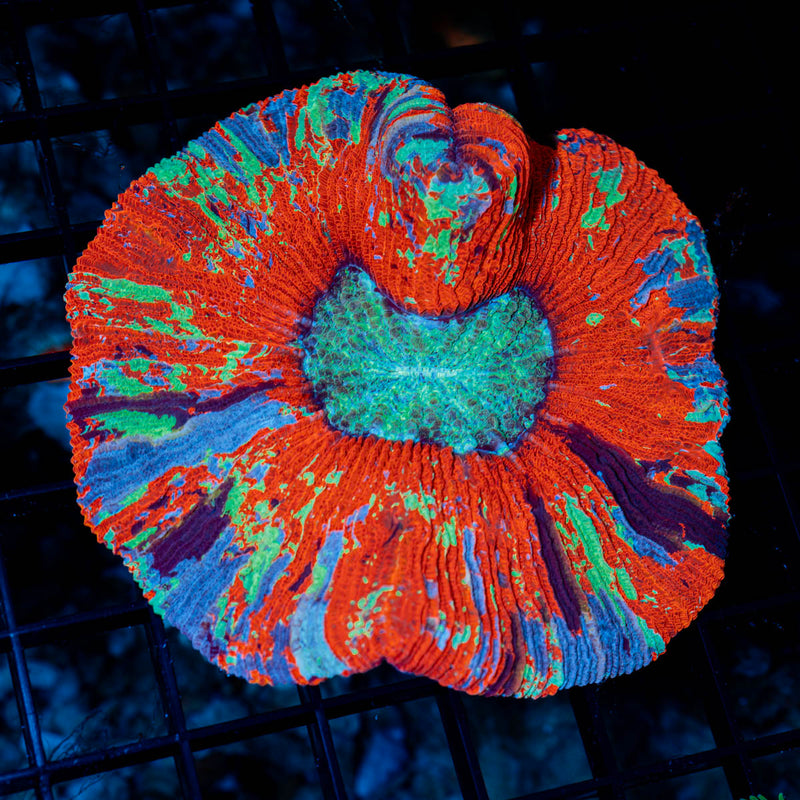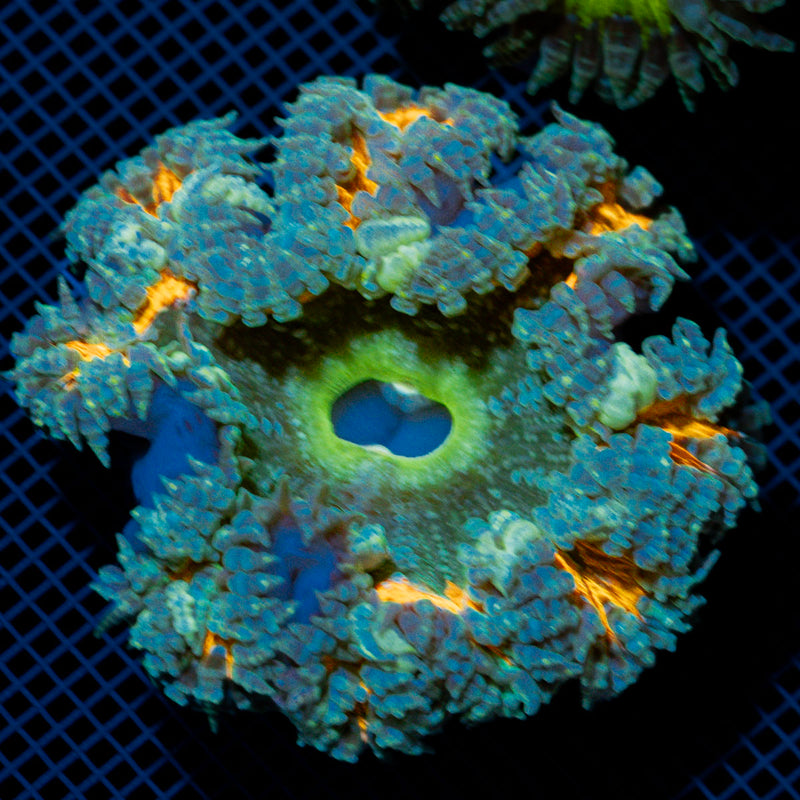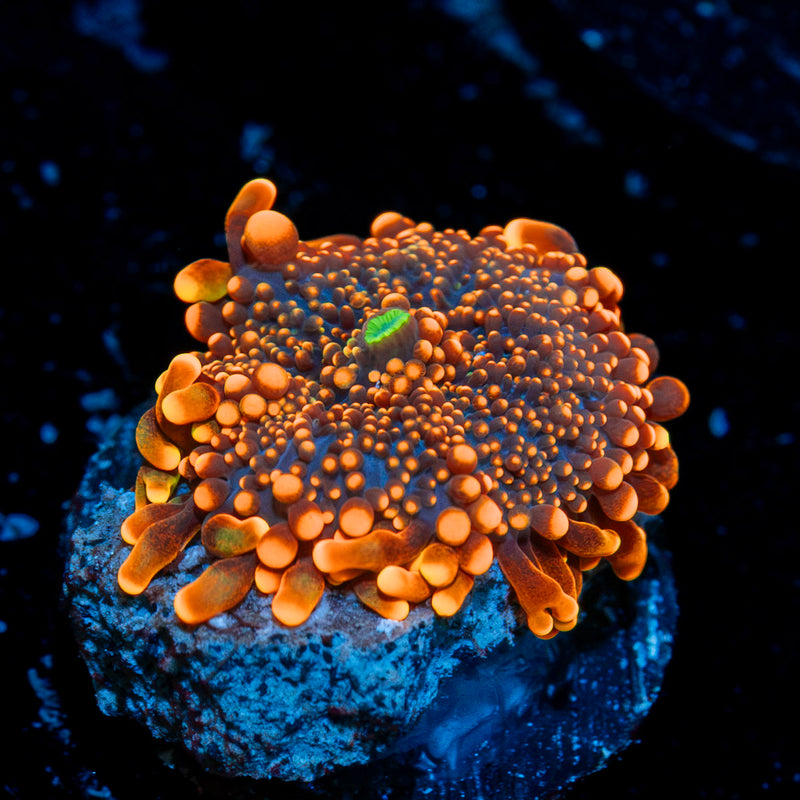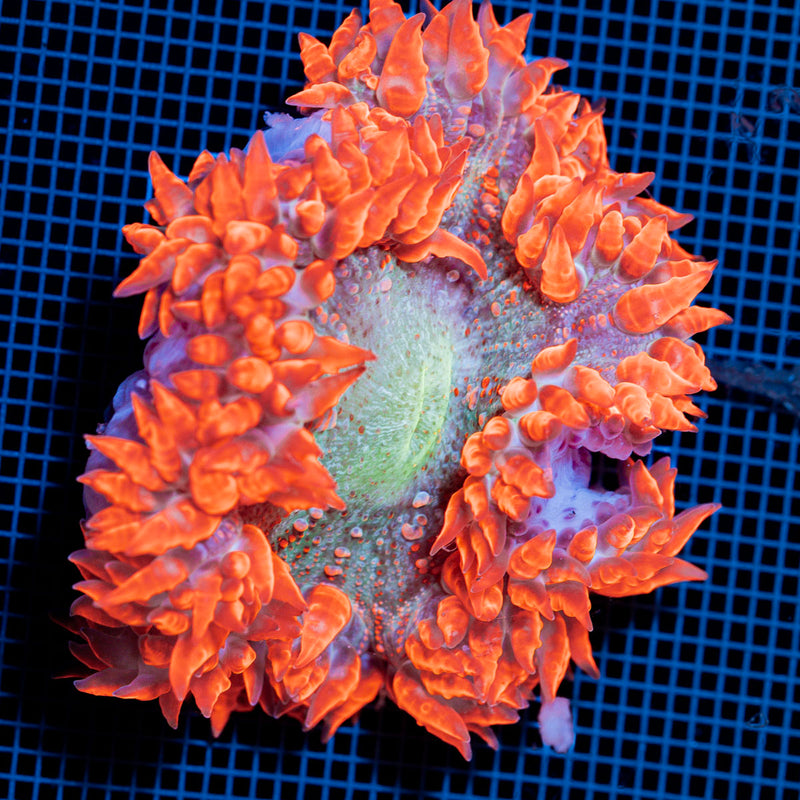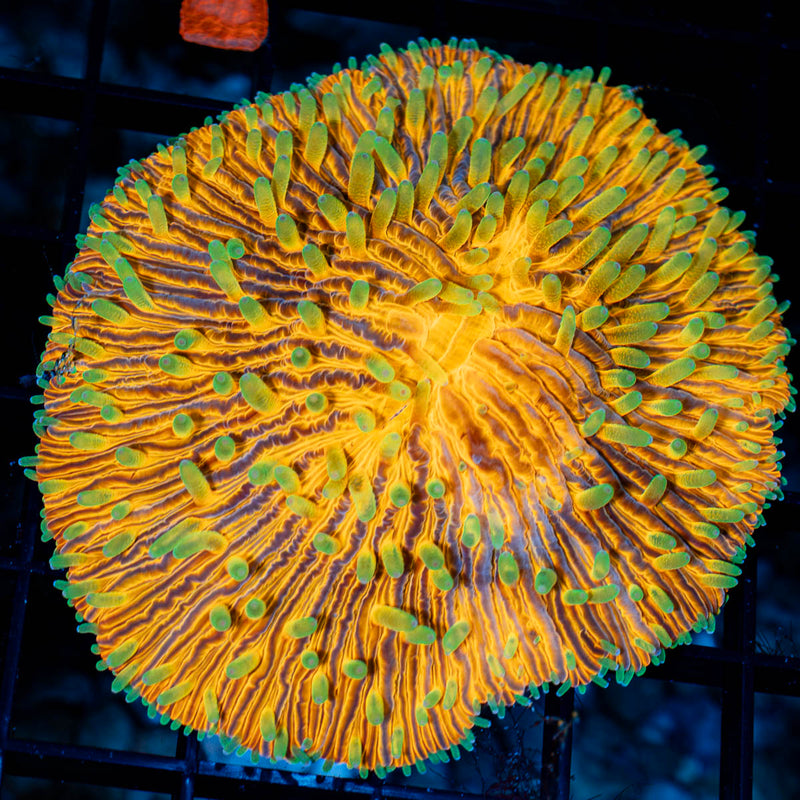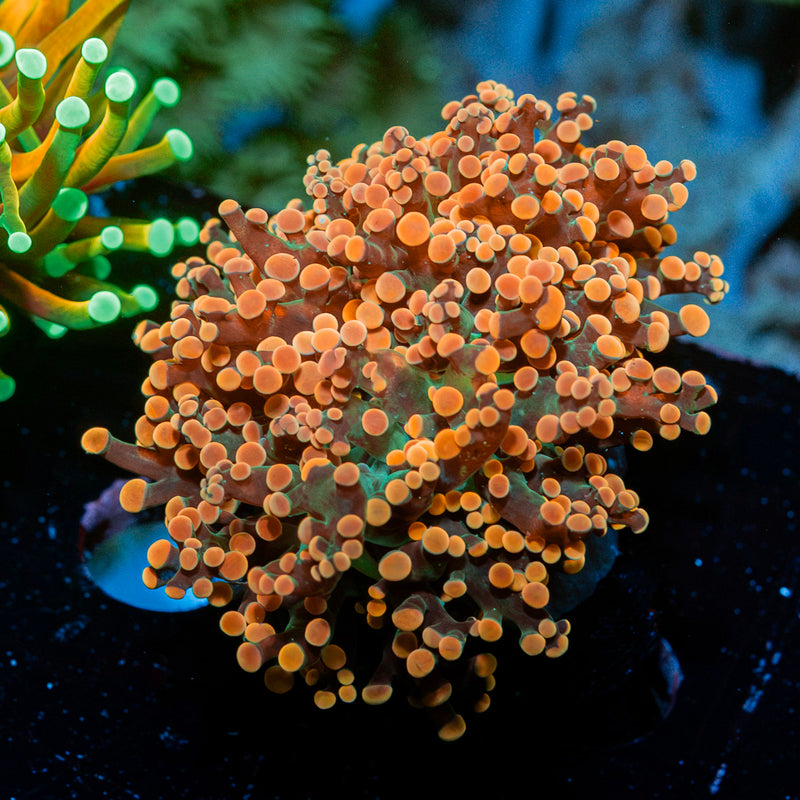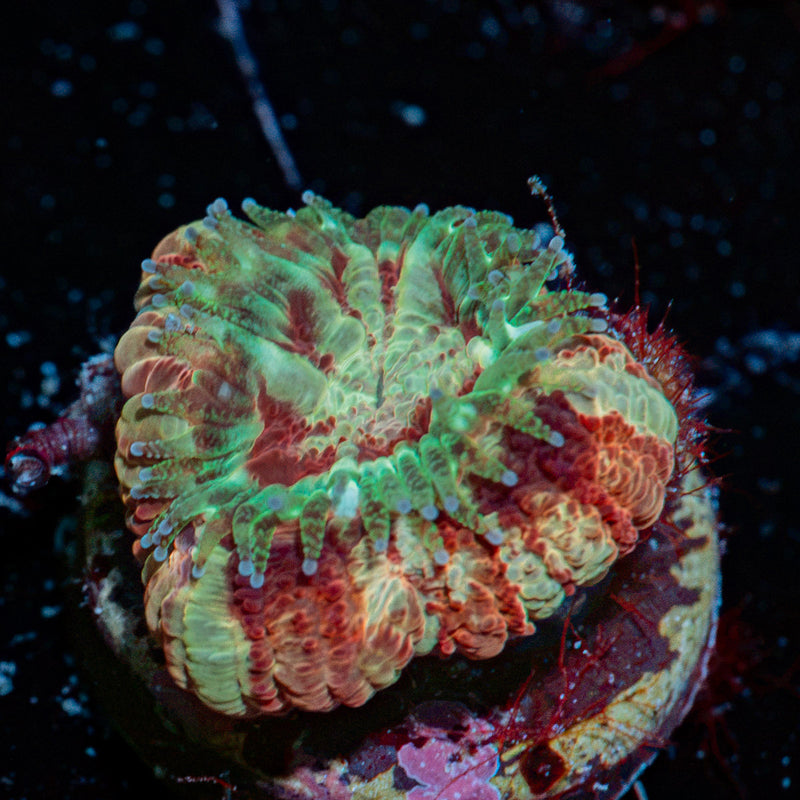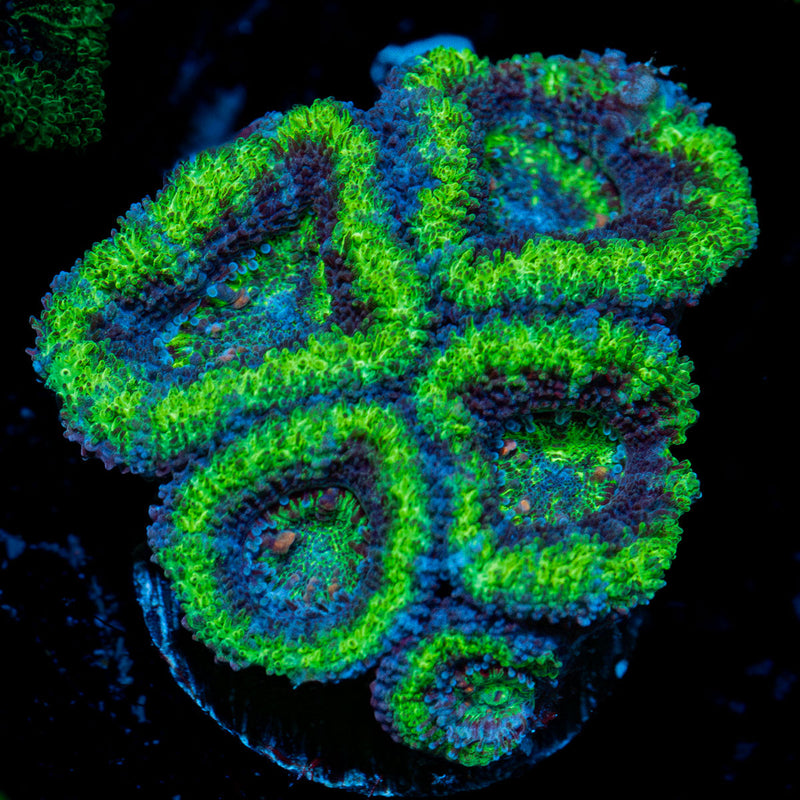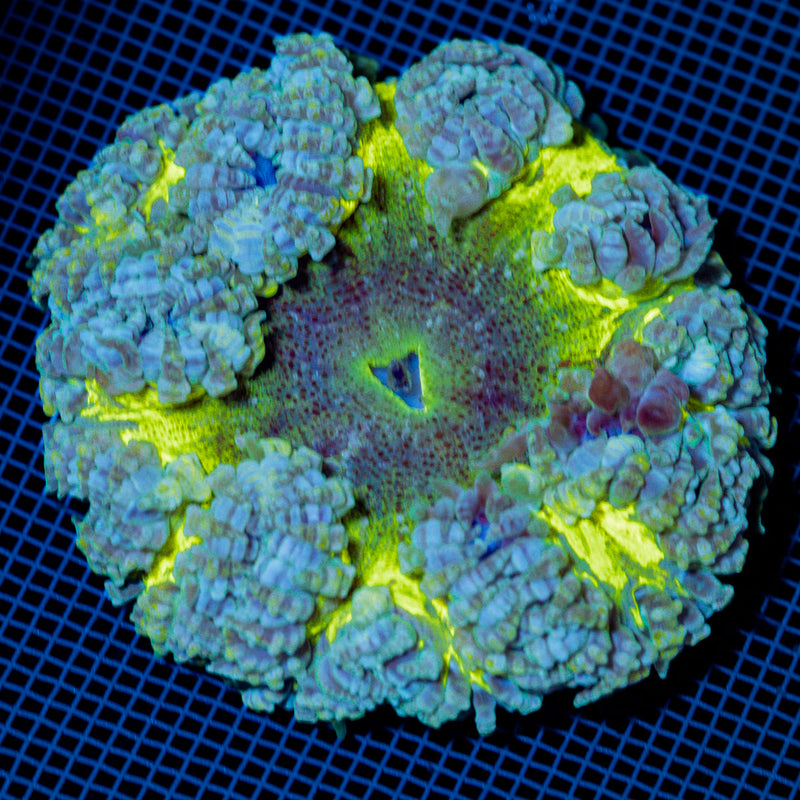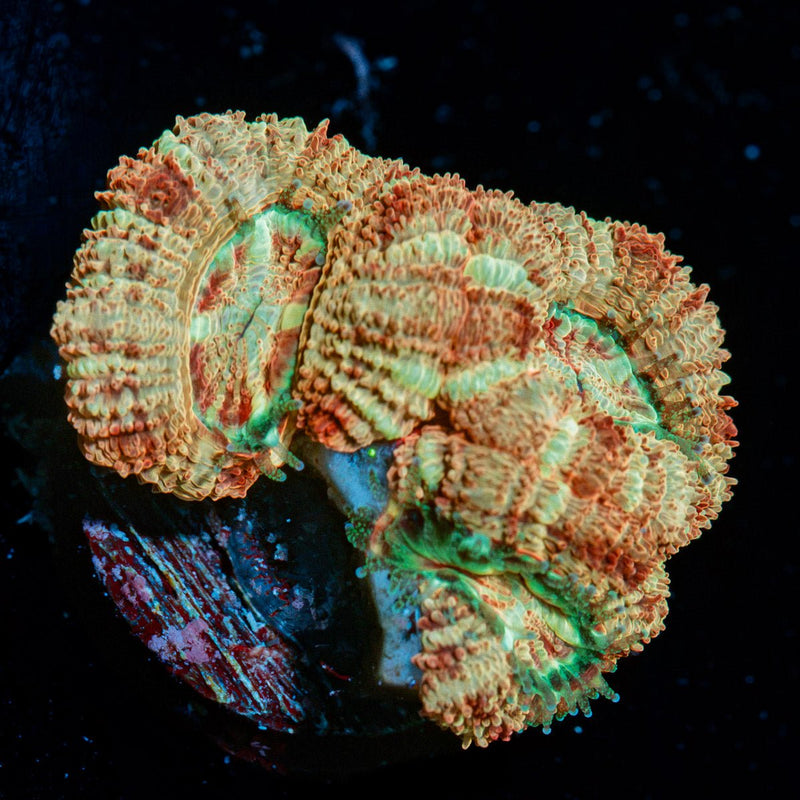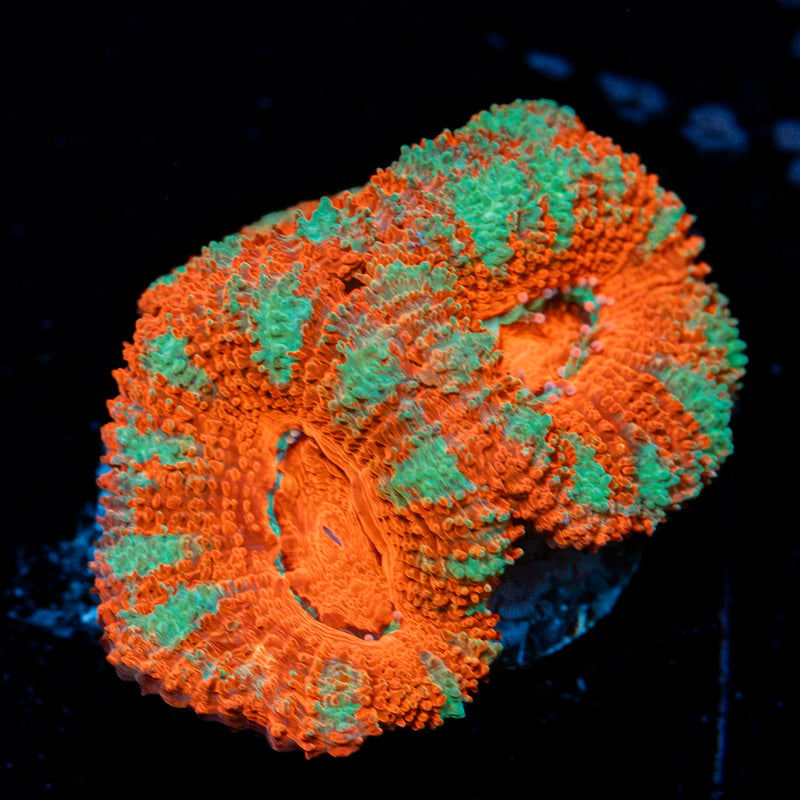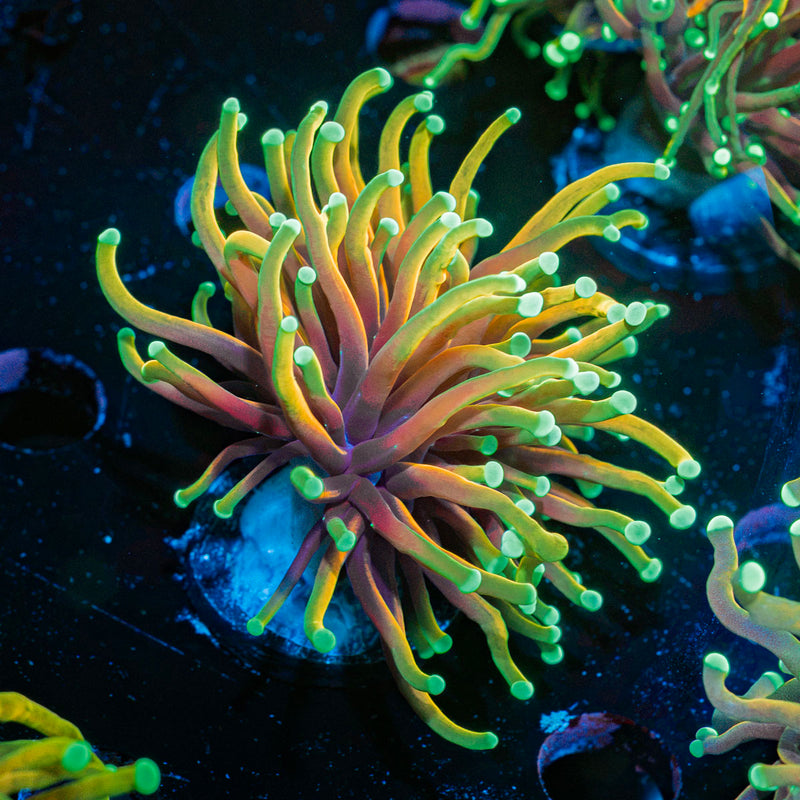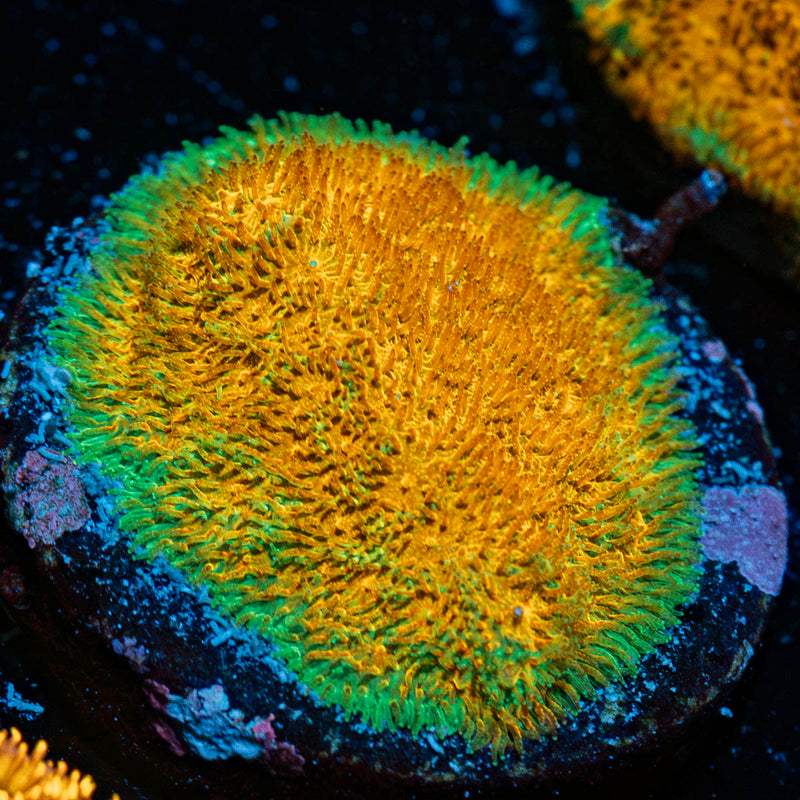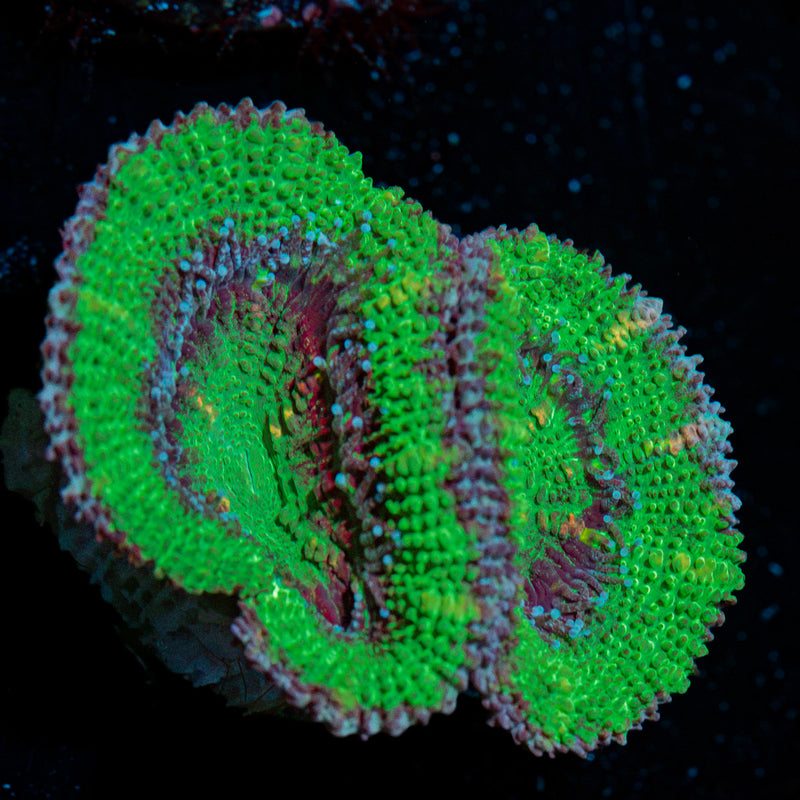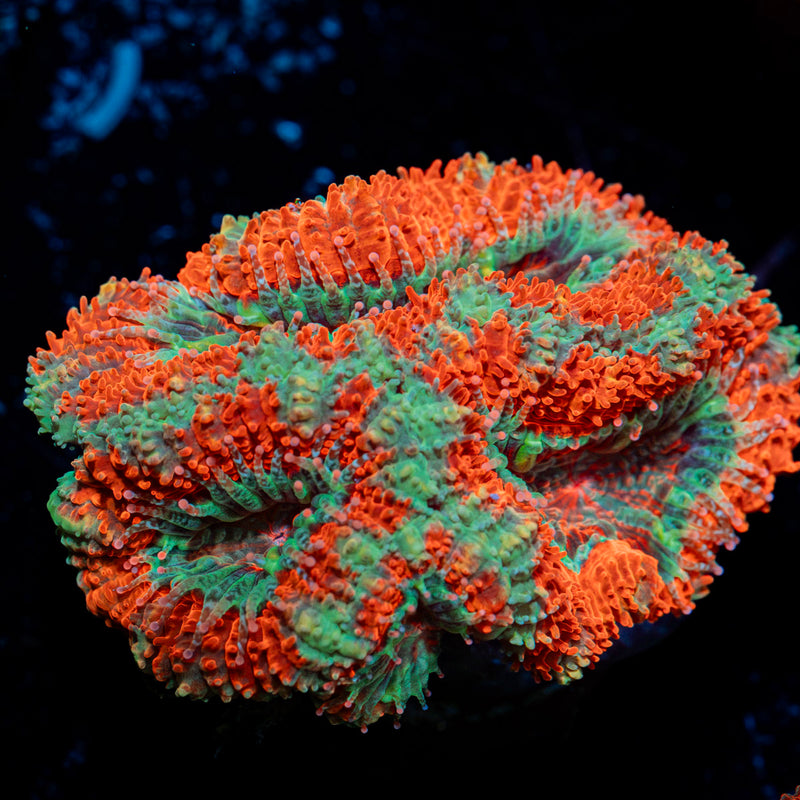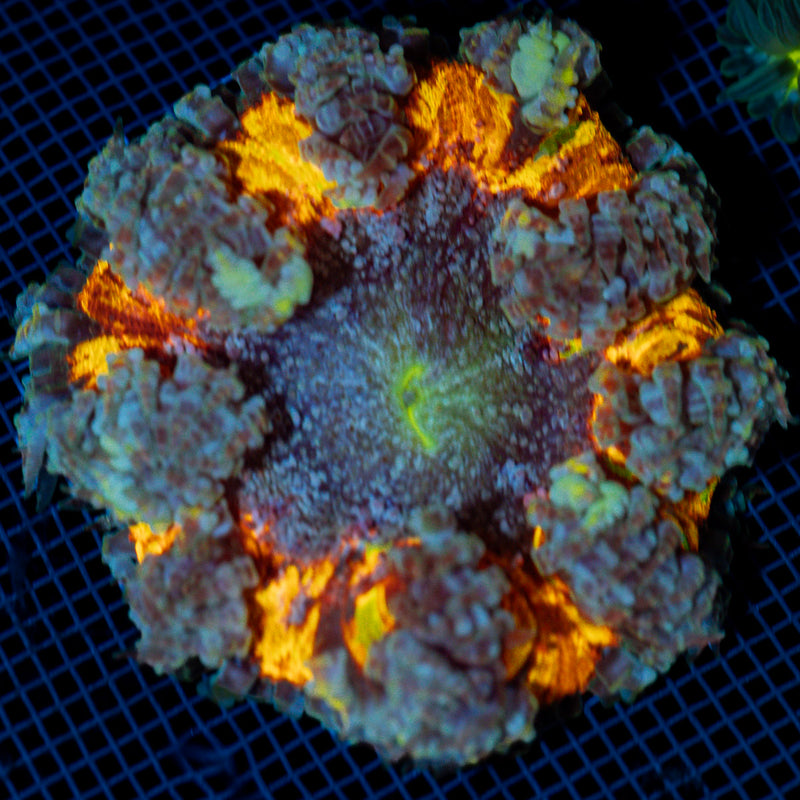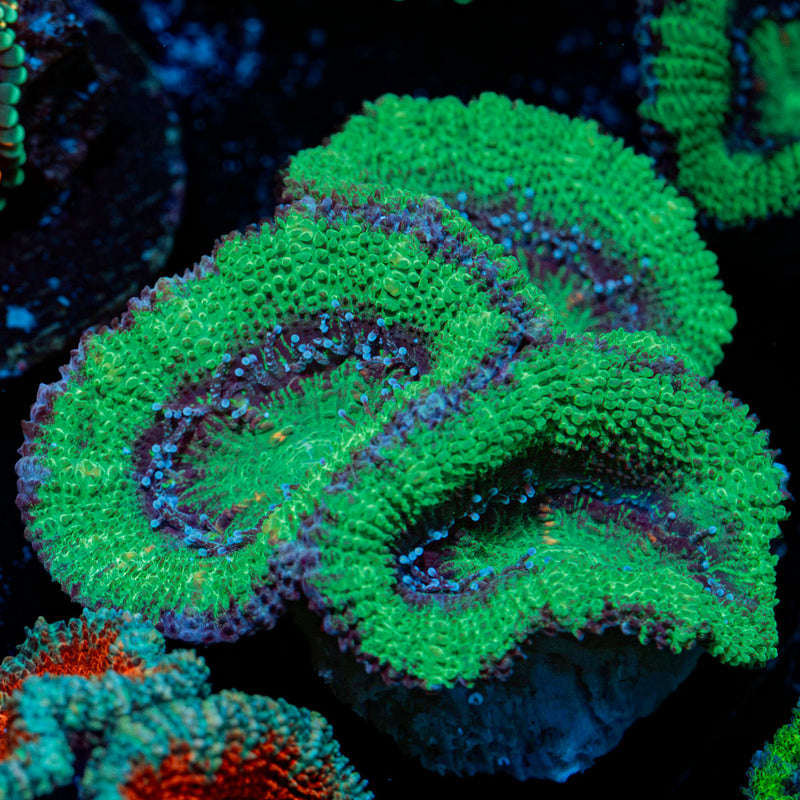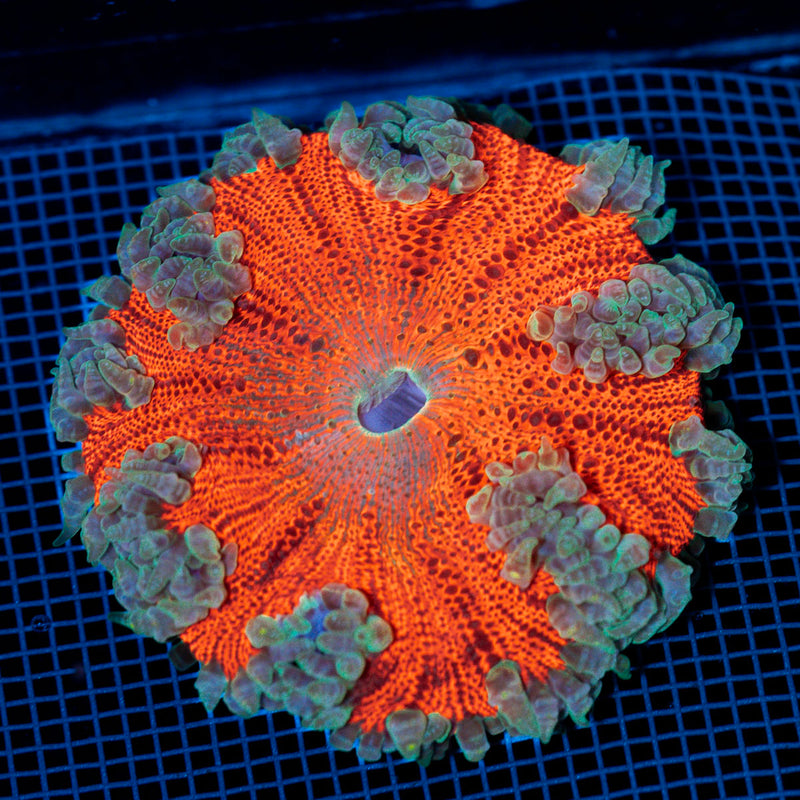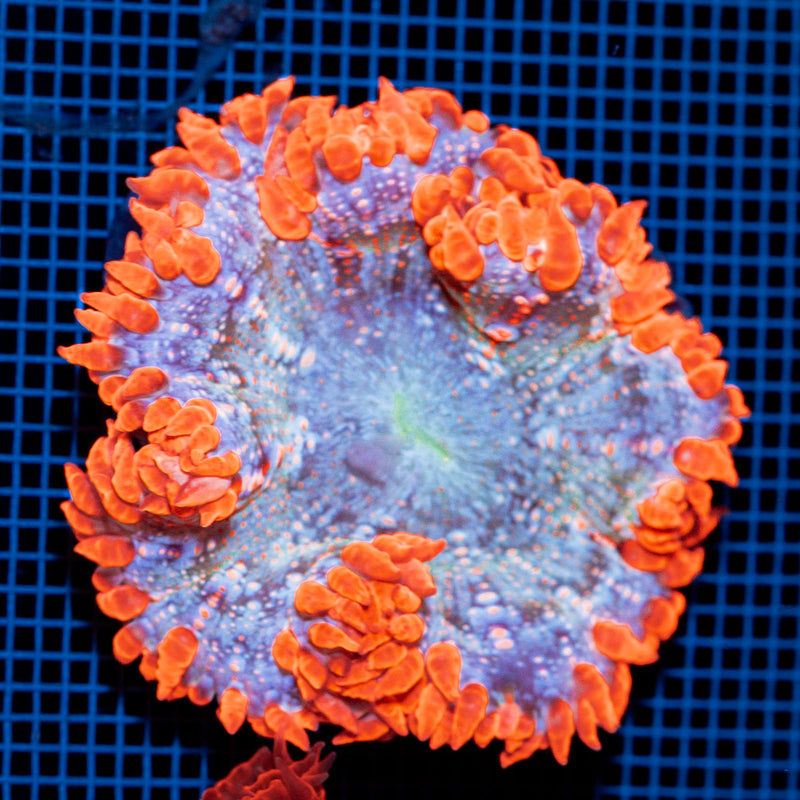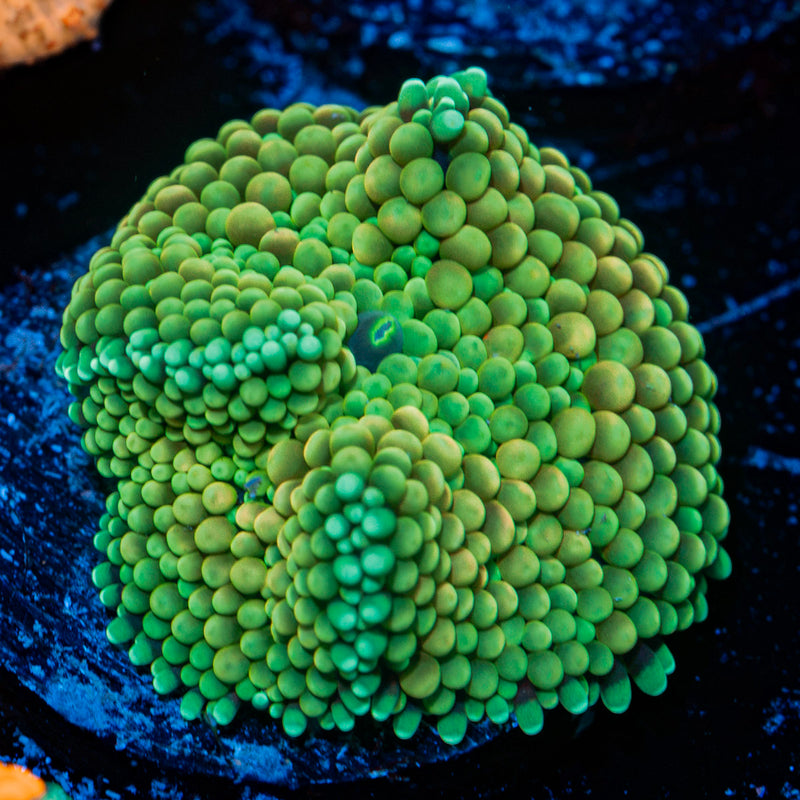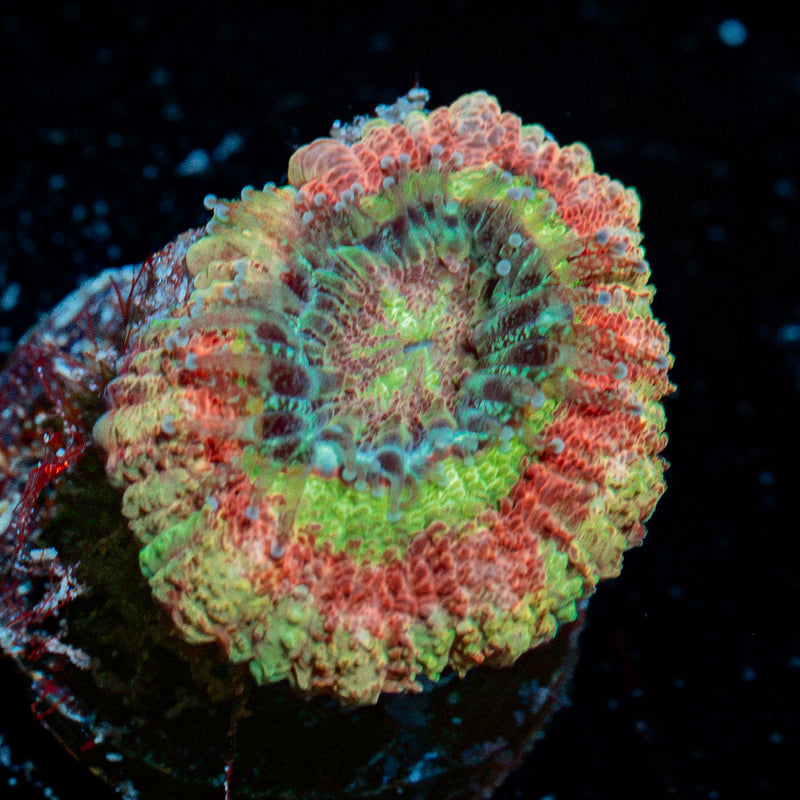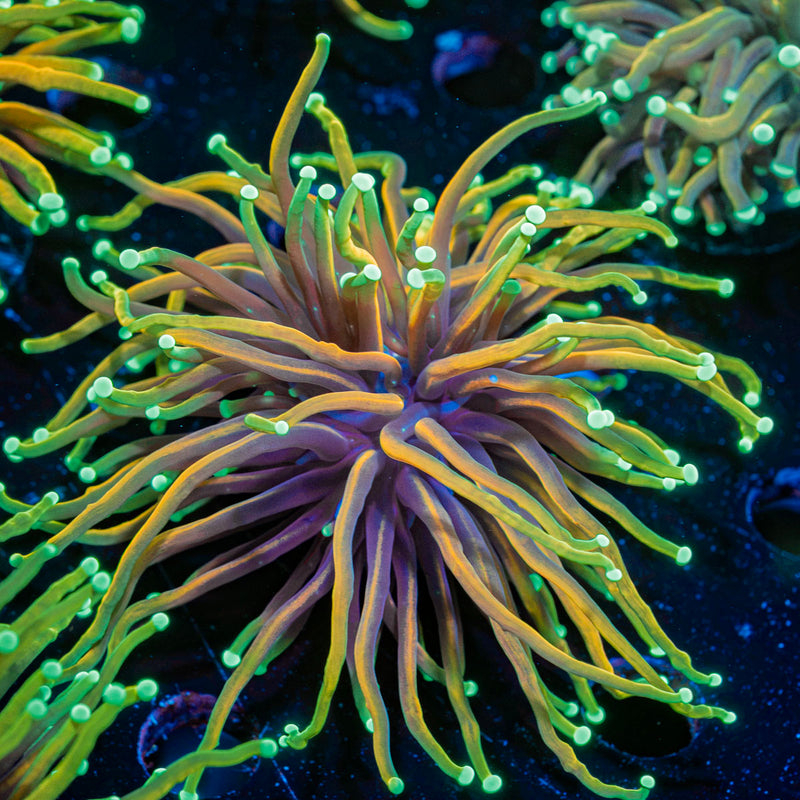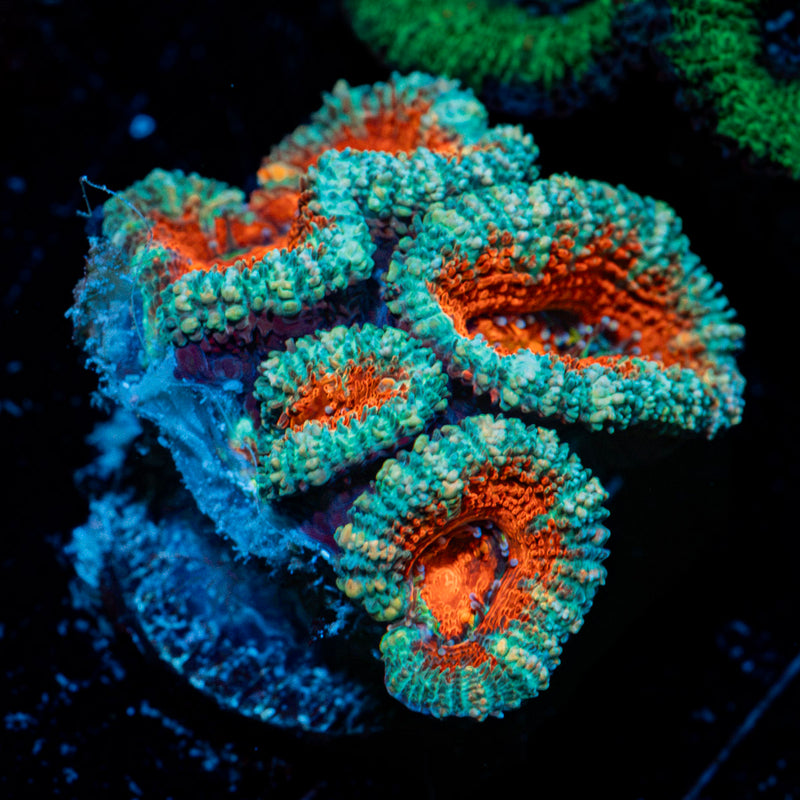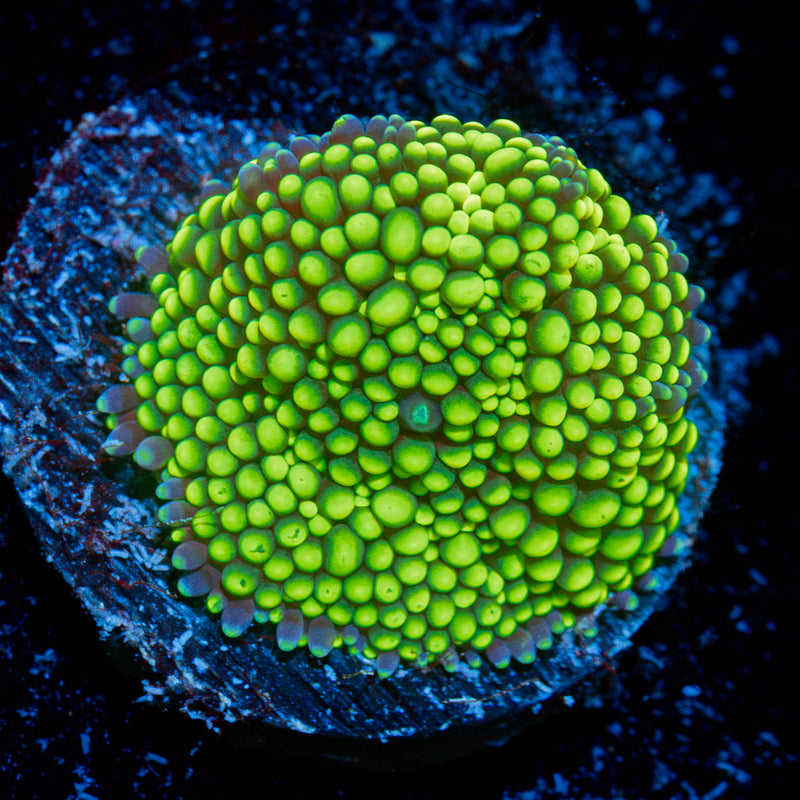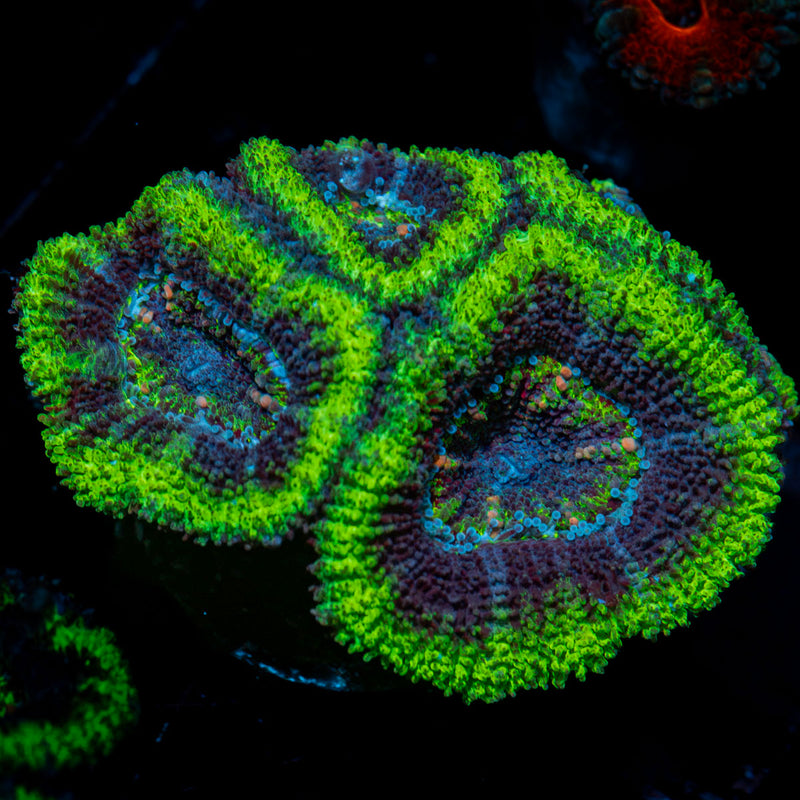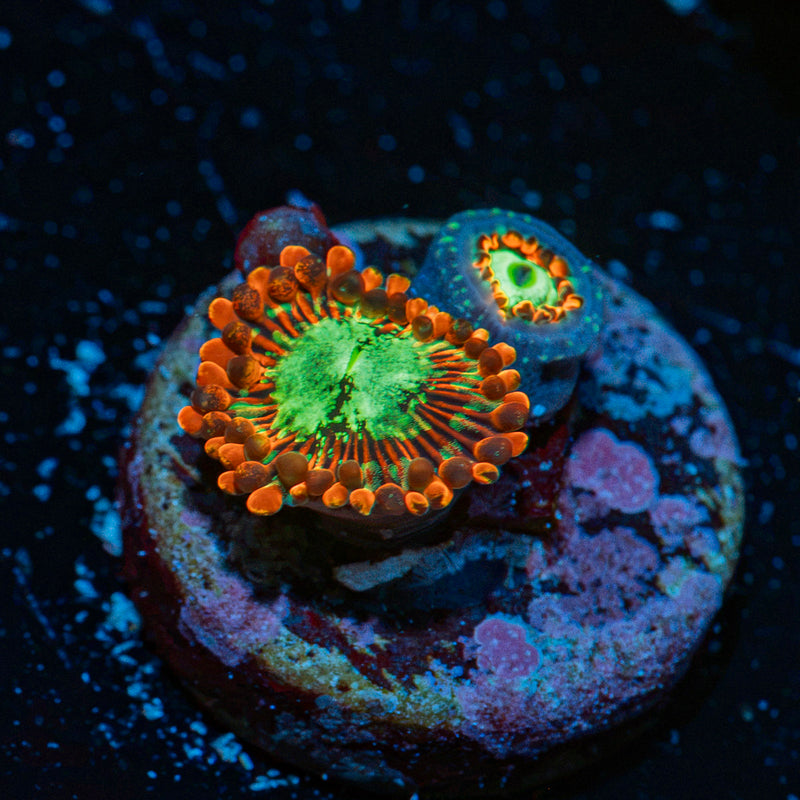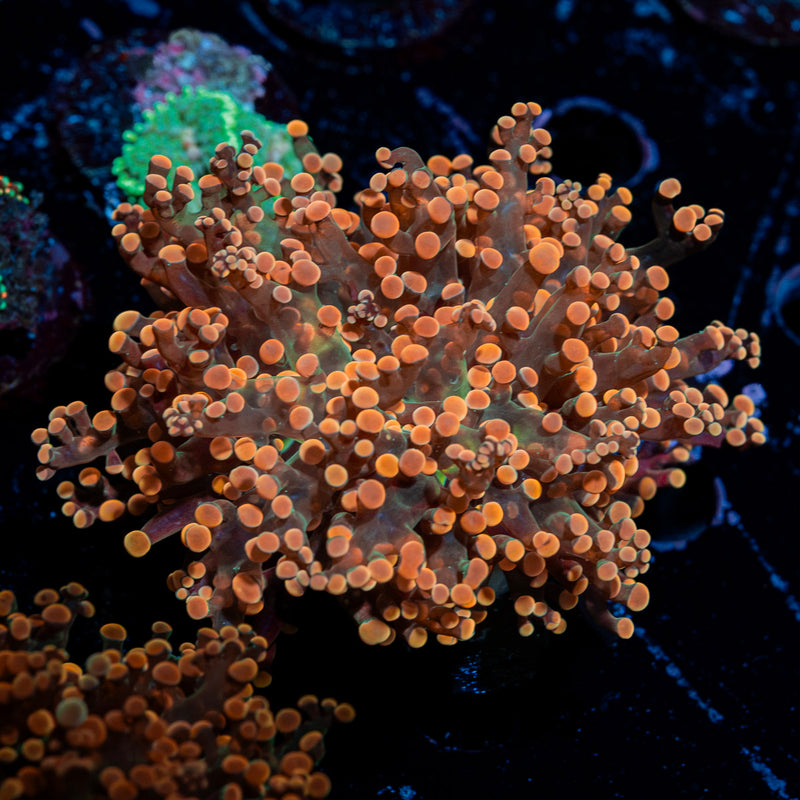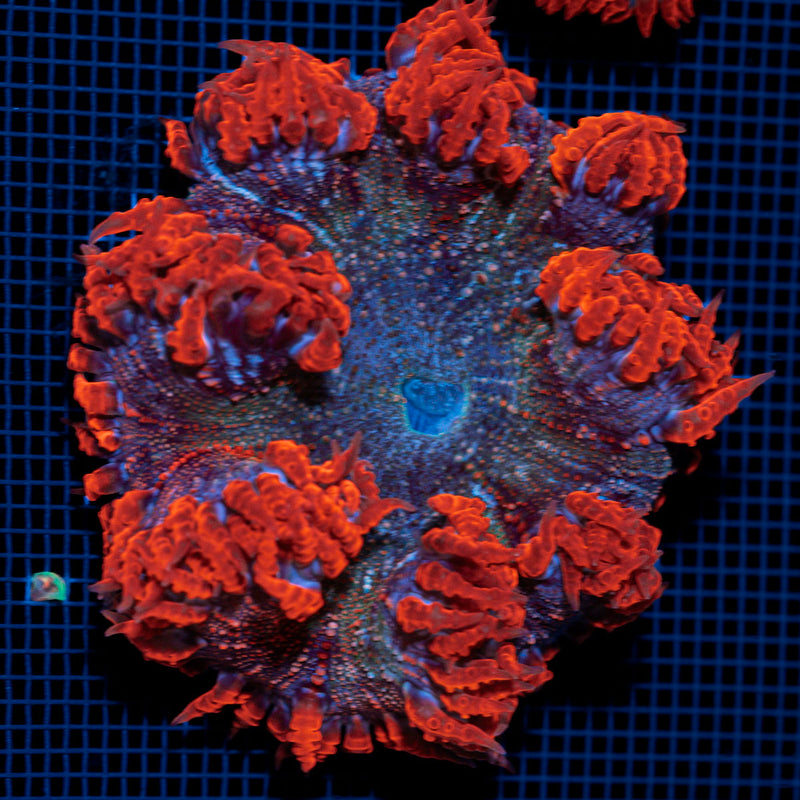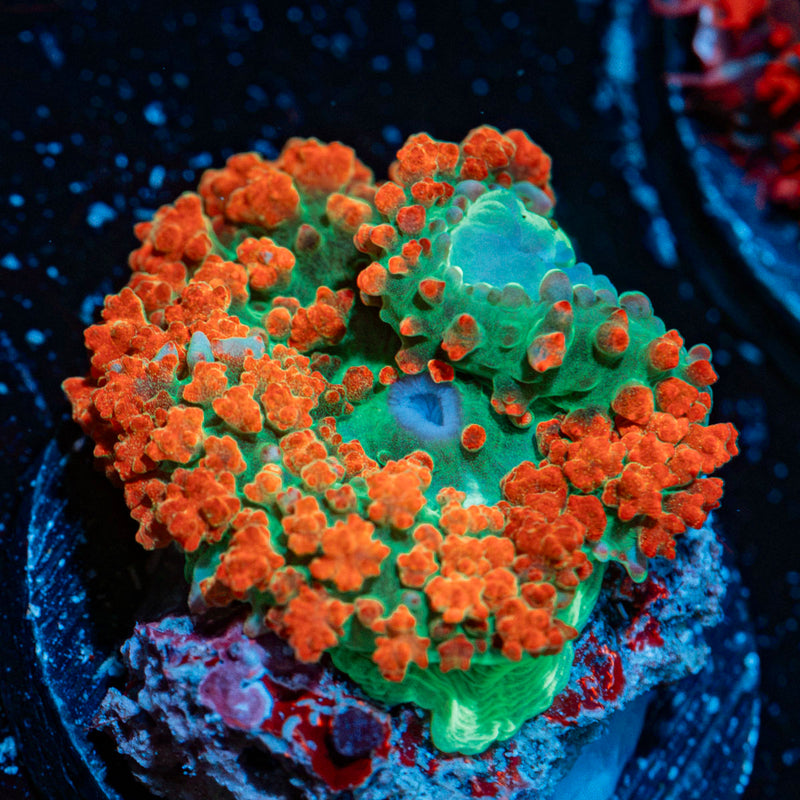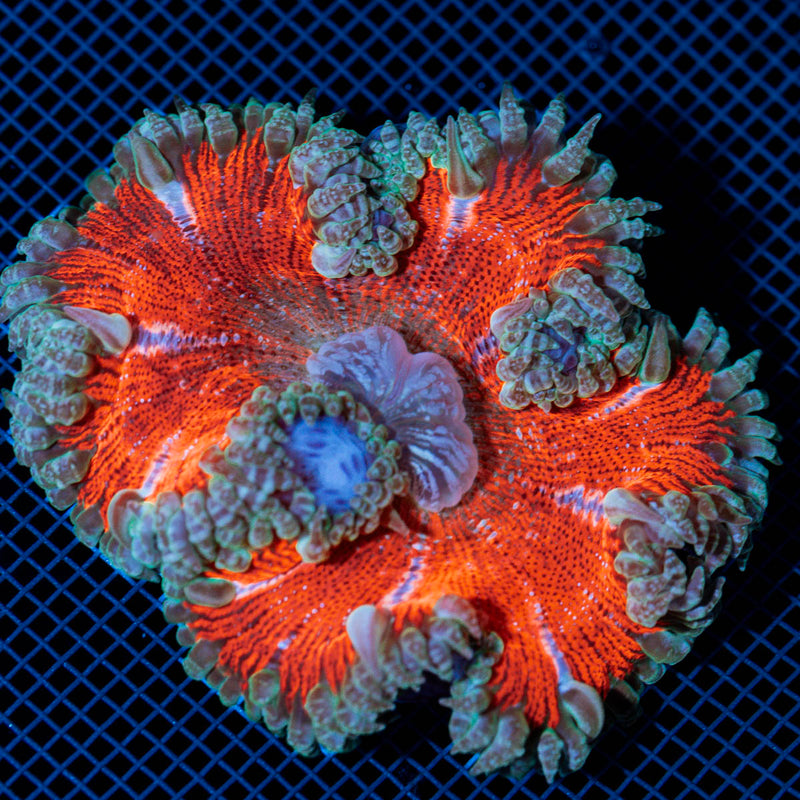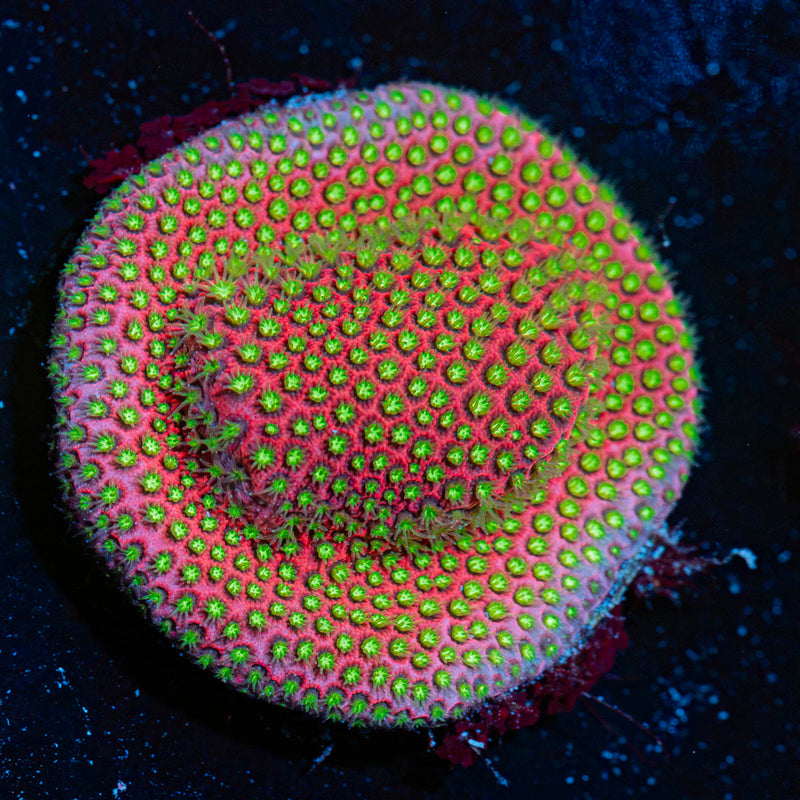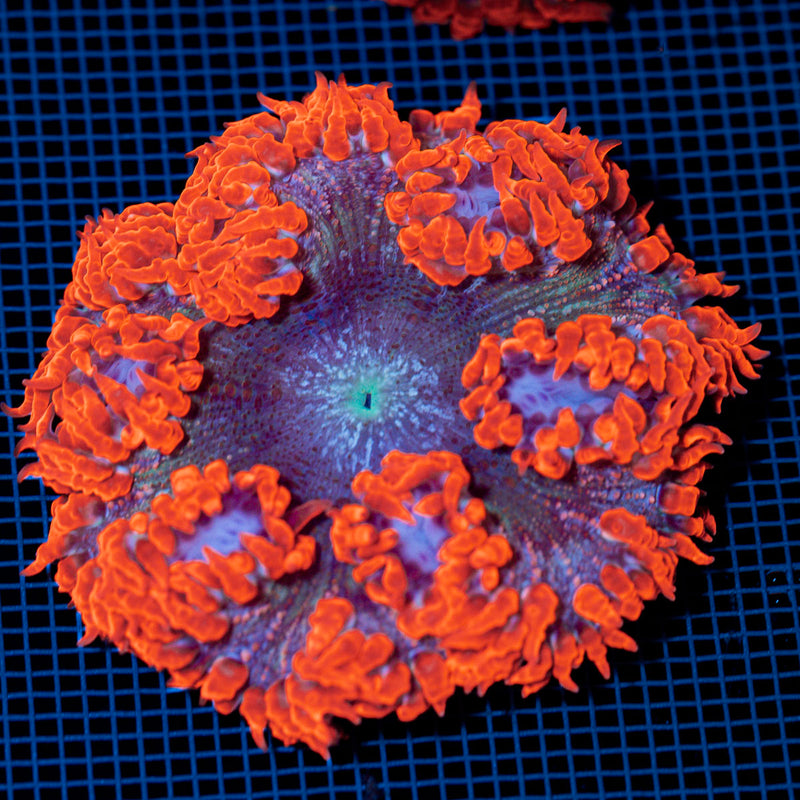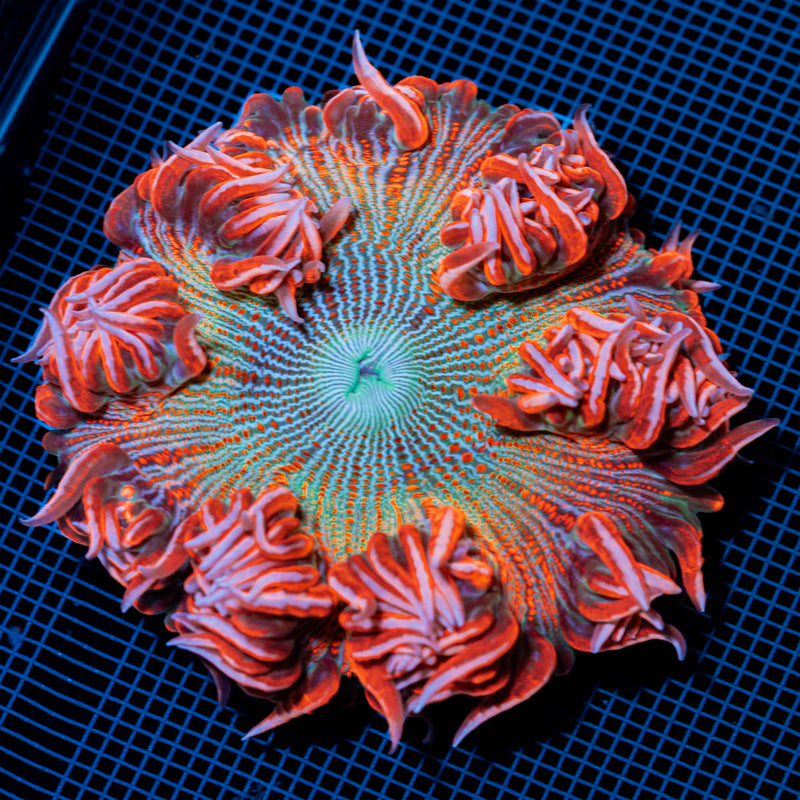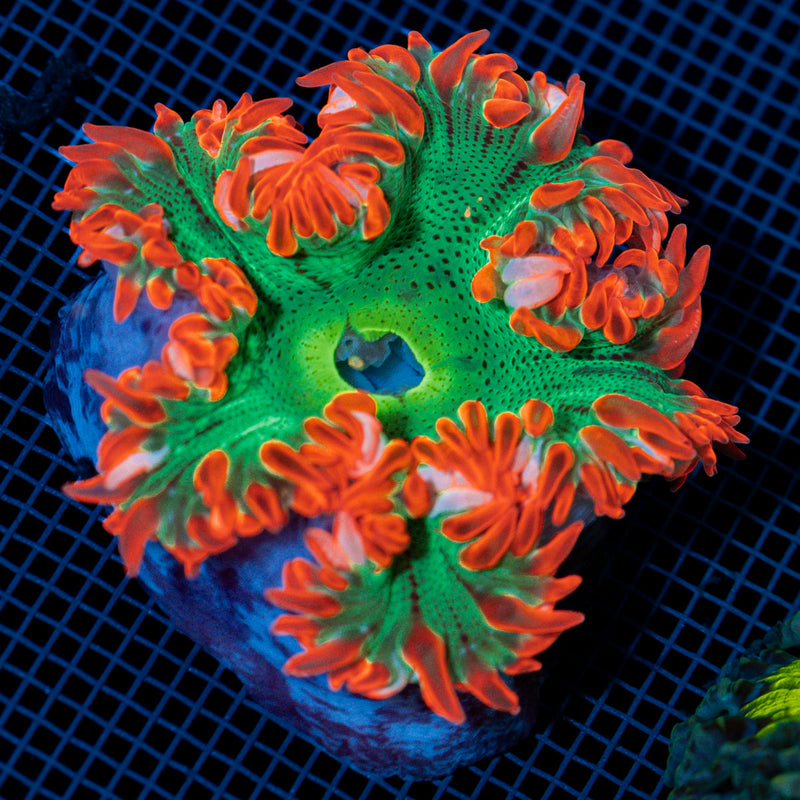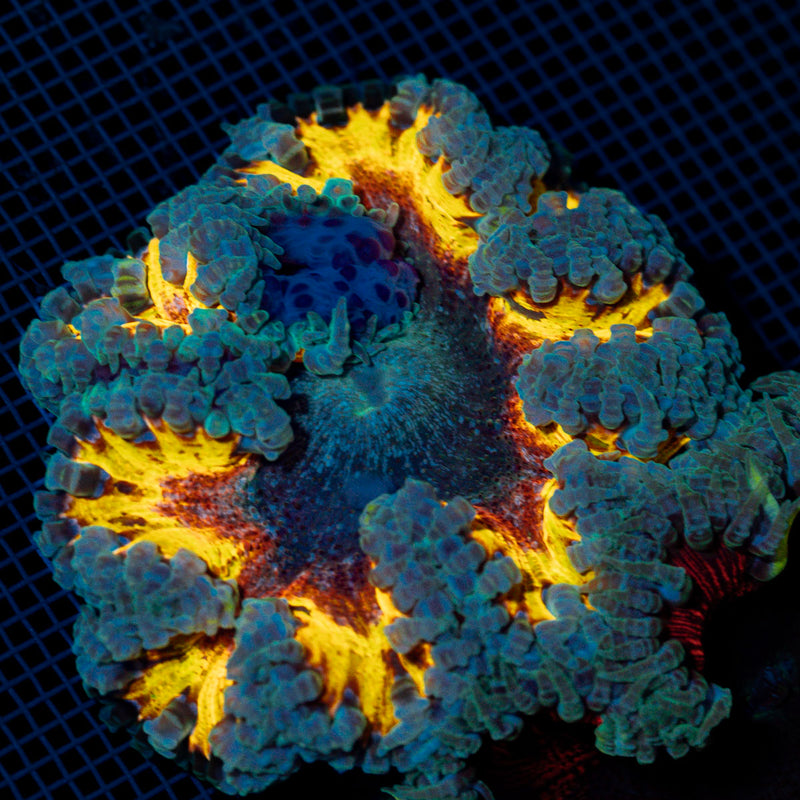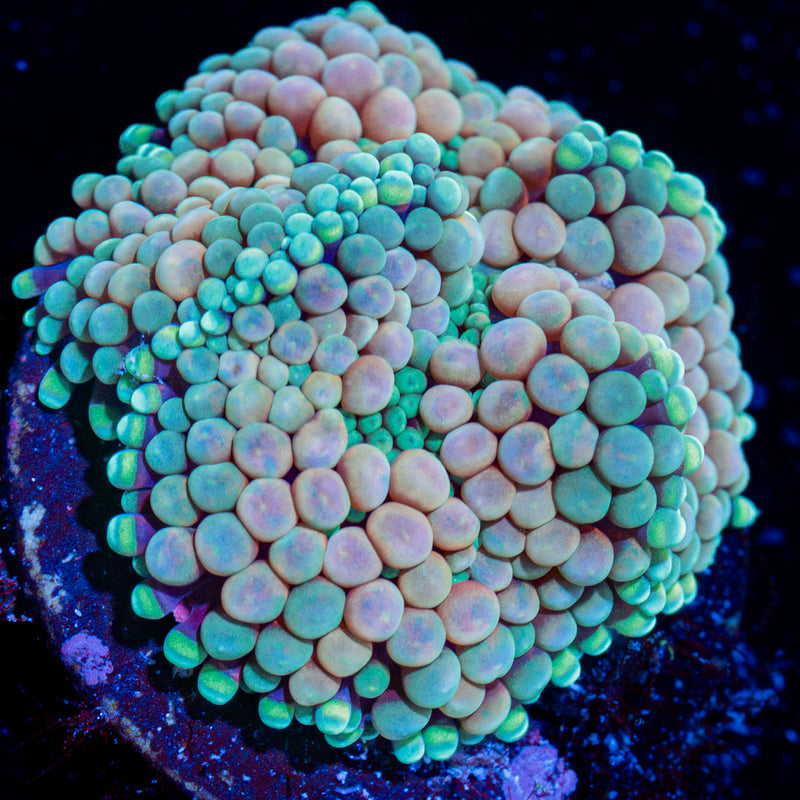
A thriving reef tank rarely stays still. A healthy zoanthid colony spreads across its plug, a hammer coral adds a new head, and a colorful Acropora develops fresh branch tips under stable conditions. That natural growth is the heart of coral propagation - and it is one reason aquacultured corals have become such an exciting choice for home reef keepers.
For hobbyists, propagation is more than cutting a coral into smaller pieces. It is a practical, reef-friendly way to grow living jewels that are already adapted to aquarium life. It also makes the hobby more approachable: a small, healthy frag can become a showpiece colony with patience, consistent care, and the right placement.
What Coral Propagation Actually Means
Coral propagation is the process of creating new coral fragments or colonies from existing healthy corals. In nature, corals reproduce sexually by spawning and asexually by budding, branching, and fragmentation. In reef aquariums, propagation most often refers to carefully dividing or cutting a healthy coral so each piece can heal, attach, and continue growing.
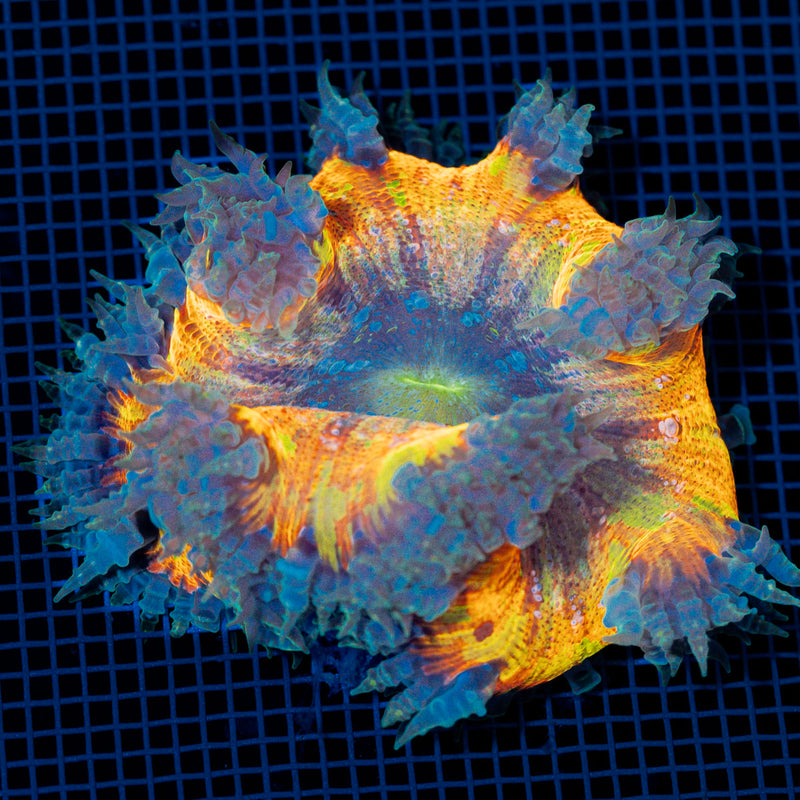
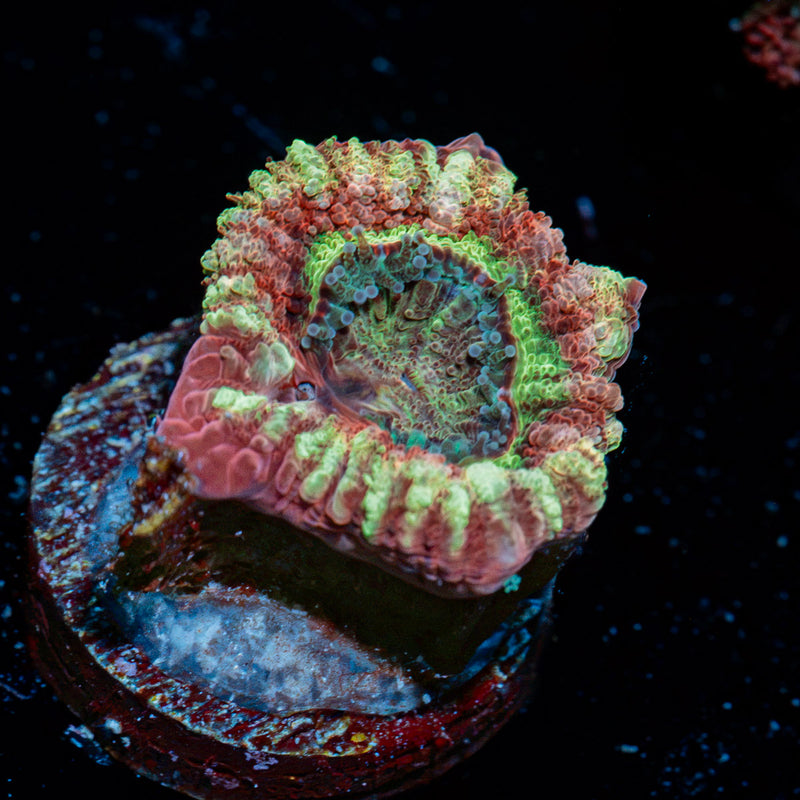
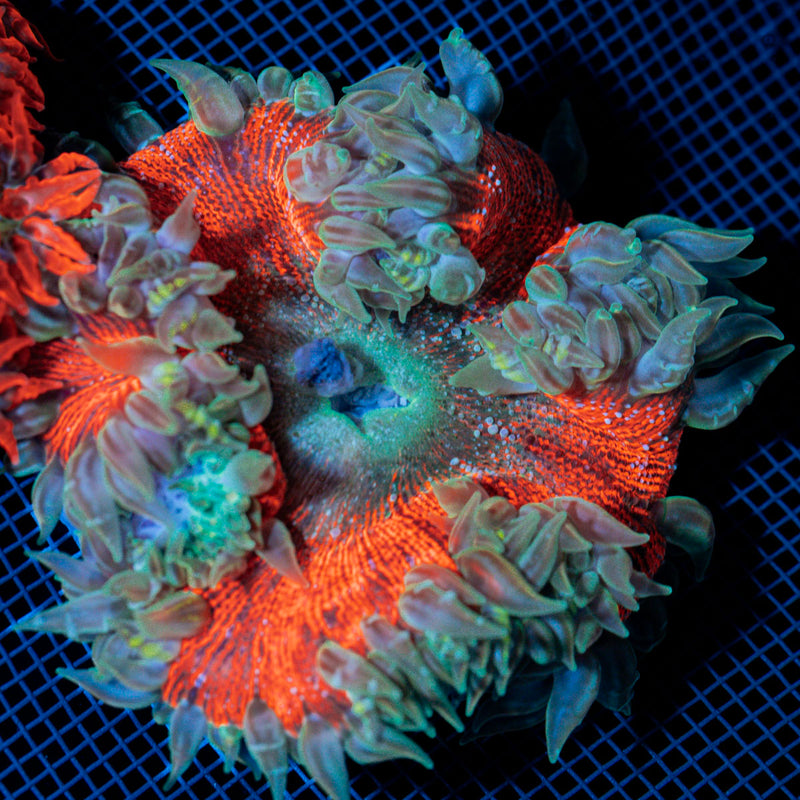
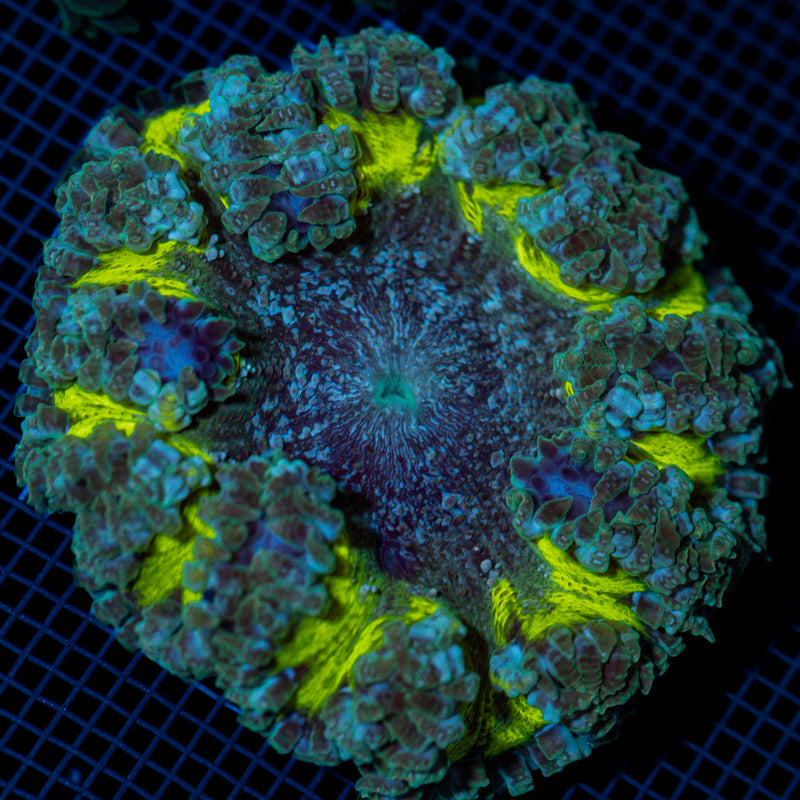
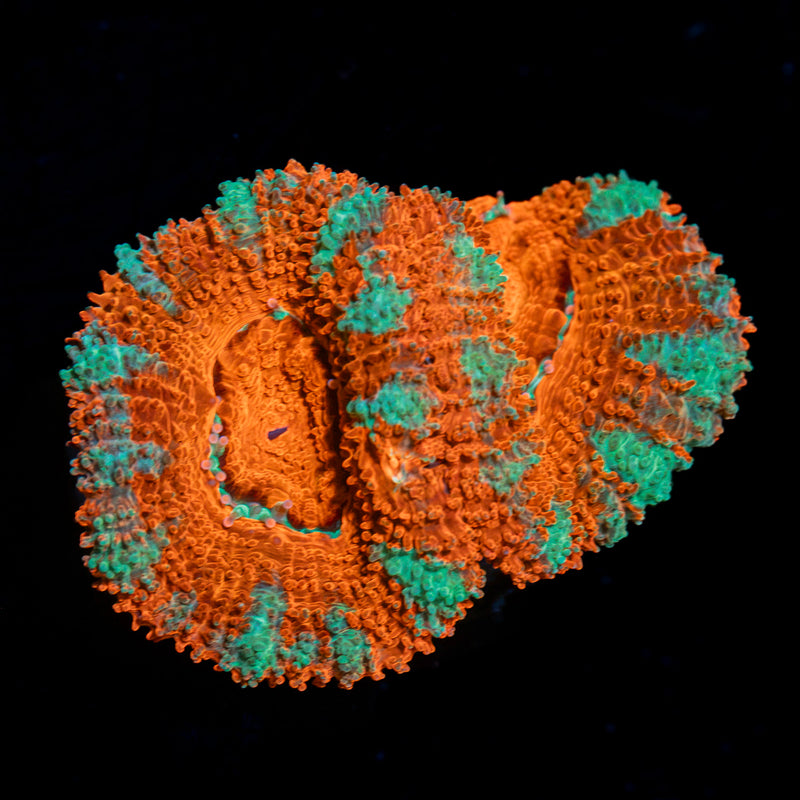
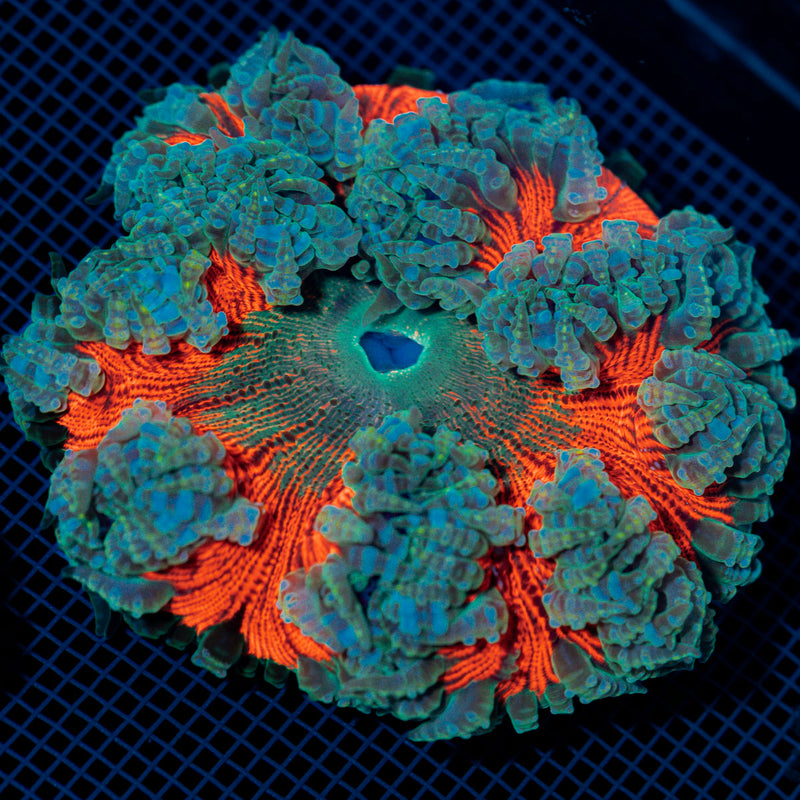
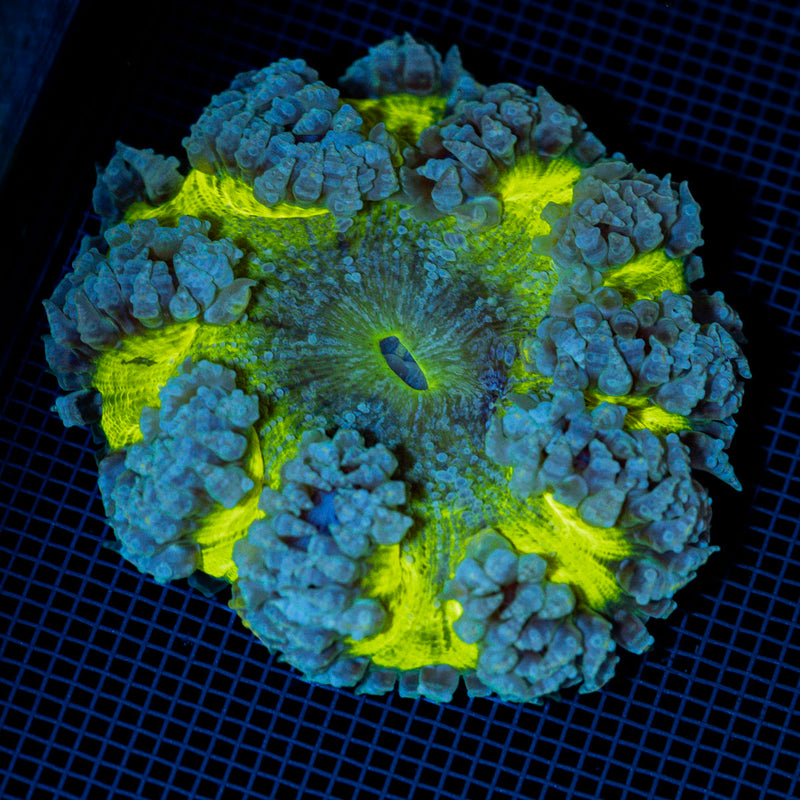
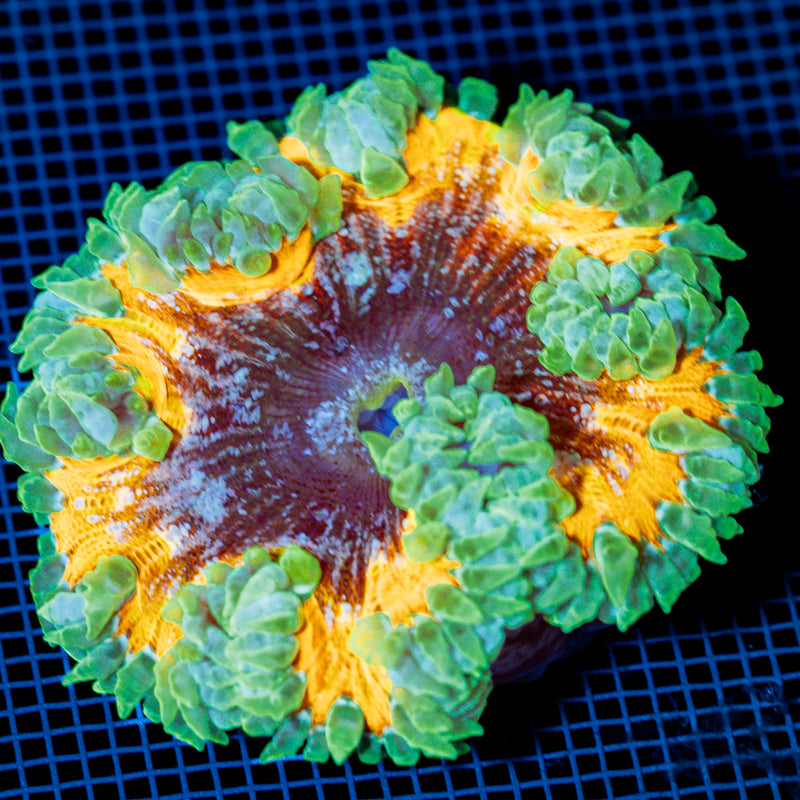
That sounds simple, but the method depends on the coral. A branching SPS coral such as Acropora or birdsnest may be clipped into small pieces. Zoanthids can be divided by separating a section of the mat. Mushrooms may reproduce by naturally splitting or can be carefully divided. LPS corals require more caution because their fleshy tissue and hard skeleton need to be protected during any handling.
The goal is never to force growth from a stressed animal. Good propagation begins with a stable, well-established parent colony that is fully expanded, feeding, showing color, and free of pests or tissue recession.
Why Aquacultured Frags Are Worth Choosing
An aquacultured frag has spent time growing under aquarium conditions rather than being freshly collected from a wild reef. That history matters. These corals are generally accustomed to the lighting, flow, feeding patterns, and water chemistry challenges that define home reef keeping.
For a beginner, that can mean a more reassuring starting point. A healthy soft coral, mushroom, zoanthid, or hardy LPS frag often gives you room to learn how your system behaves without beginning with a highly demanding specimen. For experienced hobbyists, aquacultured SPS offers the appeal of collecting vibrant named varieties while supporting a more sustainable path to building a reef display.
Propagation also creates a useful feedback loop in the hobby. When a coral grows well in captivity, it can be fragged, shared, traded, or offered to new reef keepers. One successful colony can help reduce pressure on wild collection while bringing more colorful, aquarium-adapted corals into the hobby.
Coral Propagation Starts With Tank Stability
The most impressive coral-cutting tools cannot compensate for an unstable tank. Corals grow when the fundamentals remain steady, not when parameters swing between water changes or equipment adjustments.
Temperature, salinity, alkalinity, calcium, magnesium, nitrate, and phosphate all influence coral health. The ideal numbers vary somewhat by system and coral type, but consistency is the priority. A sudden alkalinity shift can be especially hard on SPS corals, while nutrient-starved tanks may leave many LPS and soft corals pale, undersized, or slow to recover.
Lighting and flow are equally important. SPS corals often need stronger light and brisk, varied water movement. Many LPS corals prefer moderate light and indirect flow that keeps their tissue moving gently without blasting it against the skeleton. Soft corals and mushrooms are often more forgiving, though they still benefit from stable placement rather than constant rearranging.
Before fragging, watch the parent coral for several weeks. Look for regular polyp extension, new growth, stable color, and no signs of pests, bleaching, or tissue damage. If a coral is struggling, solve the underlying husbandry issue first.
Which Corals Are Best for Beginners?
Not every coral is a smart first propagation project. The easiest choices tend to be hardy corals that heal well and show obvious growth in a stable reef tank.
Zoanthids and palythoas are popular because colonies naturally expand across plugs and rockwork. Mushrooms are another approachable option, particularly varieties that multiply through splitting or budding. Many soft corals, including leather corals and certain branching varieties, are also forgiving when properly handled.
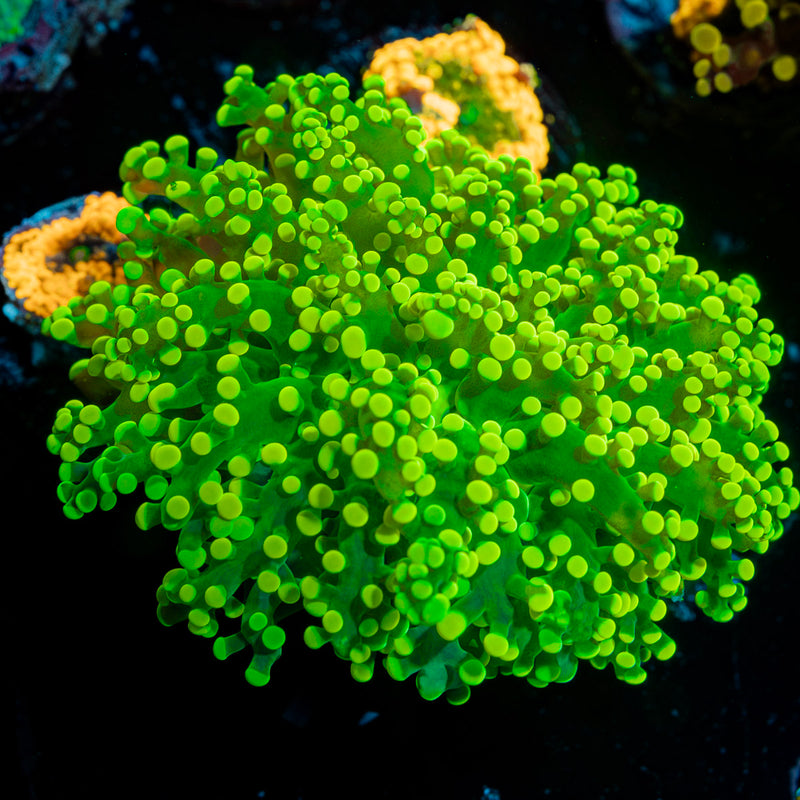
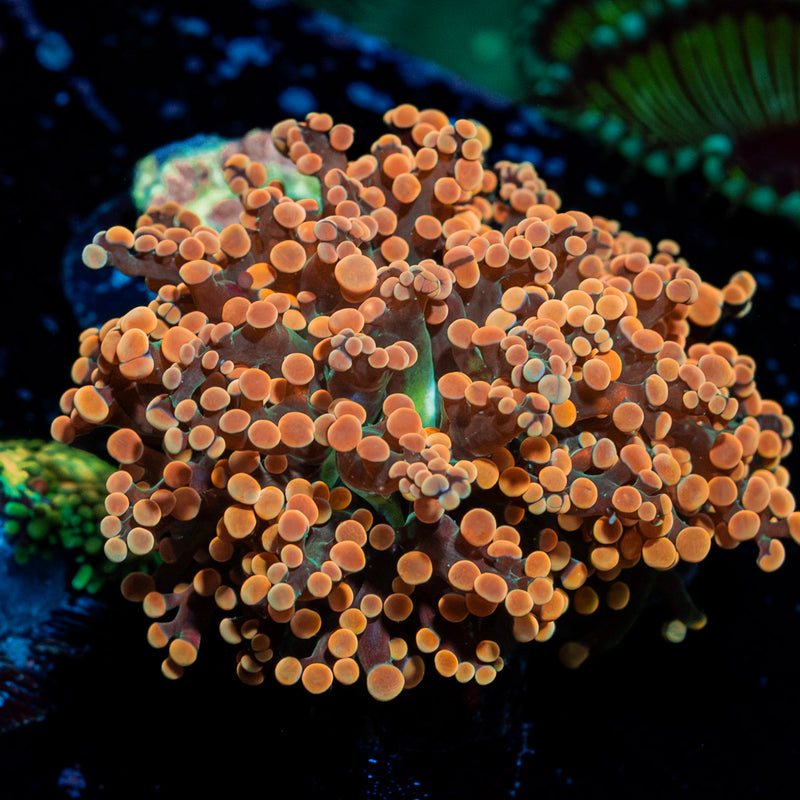
For hobbyists ready to move beyond soft corals, branching hammer corals, frogspawn, and some other Euphyllia can grow into beautiful multi-head colonies. They should be fragged with more care than a zoanthid mat, however, and only through clean skeletal divisions that avoid damaging living tissue. Branching SPS such as birdsnest, montipora, and certain Acropora can also be propagated successfully, but they demand tighter control of light, flow, and water chemistry.
The best choice depends on your tank, not just the coral’s reputation. A beautiful high-light SPS frag is not automatically the right next step for a newer aquarium. Choosing a coral that matches your current system is how a small frag becomes a confident long-term success.
How to Frag Coral Carefully
When you are ready to try coral propagation at home, preparation keeps the process calm and clean. Set up a dedicated work area away from the tank, with a container of aquarium water for holding and rinsing frags. Use clean tools designed for the coral type, such as bone cutters for branching SPS or a coral saw for skeleton-heavy LPS pieces.
Wear gloves and eye protection. This is especially important with zoanthids and palythoas, which can contain palytoxin. Avoid touching your face, keep the workspace well ventilated, and wash hands and tools thoroughly when you are finished.
Make the smallest practical cut or division. With branching SPS, select a healthy branch and clip it cleanly. For encrusting corals, it is often safer to remove a small section of the substrate beneath the coral rather than cutting through the living tissue. With LPS, only cut through exposed skeleton where there is a clear gap between heads or tissue sections.
Afterward, secure the frag to a plug or stable rubble piece using an appropriate reef-safe adhesive. Place it in moderate conditions while it heals. Freshly cut corals usually do better with gentler flow than the parent colony receives, but they still need enough movement to keep detritus from settling on the wound.
The First Weeks Matter Most
A newly fragged coral may look smaller, duller, or less expanded for a few days. That does not always signal trouble. Healing takes energy, and each species responds differently.
Resist the urge to move a new frag every day. Give it time to settle, then monitor its tissue, color, and polyp behavior. A healthy healing frag should gradually show extension, maintain intact tissue, and begin attaching or encrusting. If tissue pulls away from the skeleton, algae grows on an exposed area, or the coral remains tightly closed for an extended period, check water parameters and inspect for pests or excessive flow.
Feeding can support recovery for corals that capture larger foods, particularly many LPS corals. Still, clean water and stable chemistry are more valuable than frequent heavy feeding. Overfeeding can create nutrient issues that work against the frag and the rest of the reef.
Buying Propagated Corals With Confidence
You do not need to frag your own colonies to enjoy the benefits of propagation. Purchasing aquacultured coral frags lets you add new color and variety while starting with specimens raised for aquarium life.
Look closely at the coral’s condition and size, especially when shopping WYSIWYG pieces. You want clear, accurate images, visible healthy tissue, and a frag that is appropriately mounted or securely attached. A tiny fresh cut can be a great value for an experienced grower, while a more established, encrusted frag may offer extra confidence for someone building a first reef.
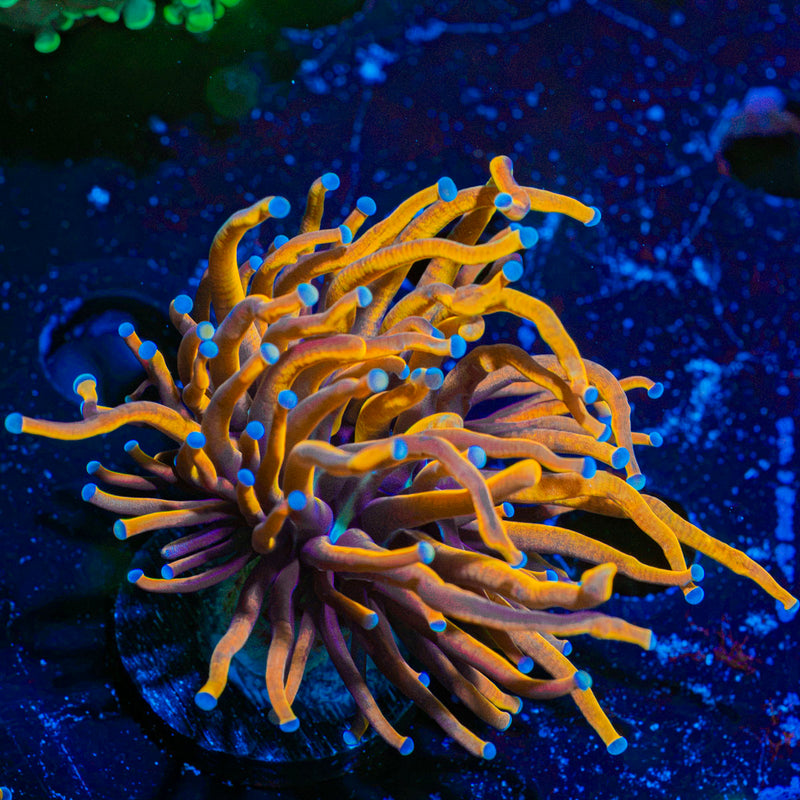
Think about placement before your coral arrives. Match the coral to your lighting, flow, and available space, and leave room for future growth. That small torch, chalice, or SPS branch may look modest on day one, but healthy corals are meant to grow.
At Riptide Aquaculture, that growth is part of the excitement. Each carefully selected frag has the potential to become a vibrant part of your reef and, with patient care, a future colony worth sharing. Start with a coral suited to your system, give it stability, and let the living color build one healthy new branch, head, or polyp at a time.