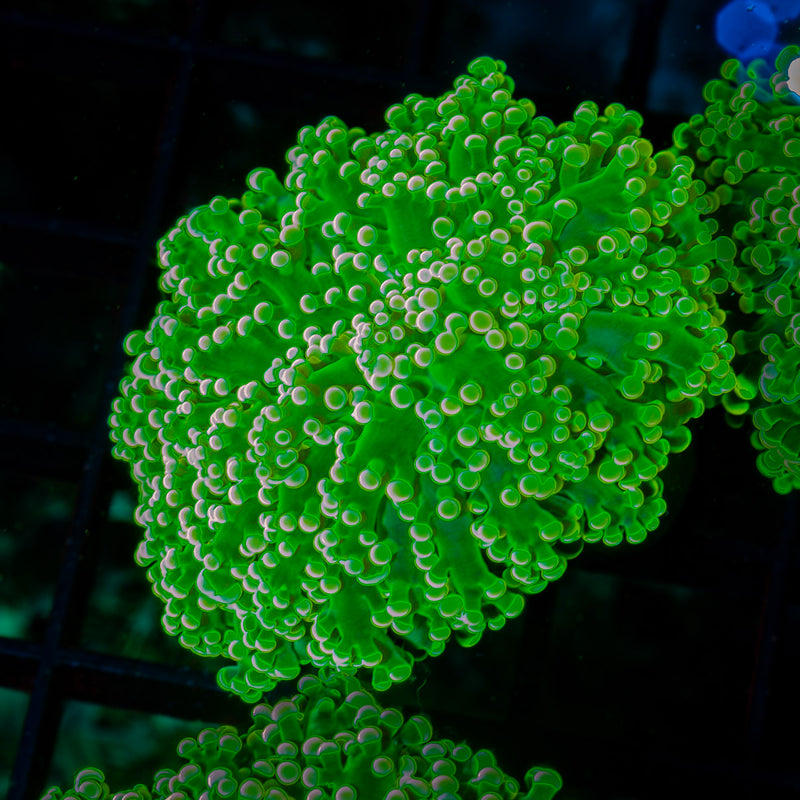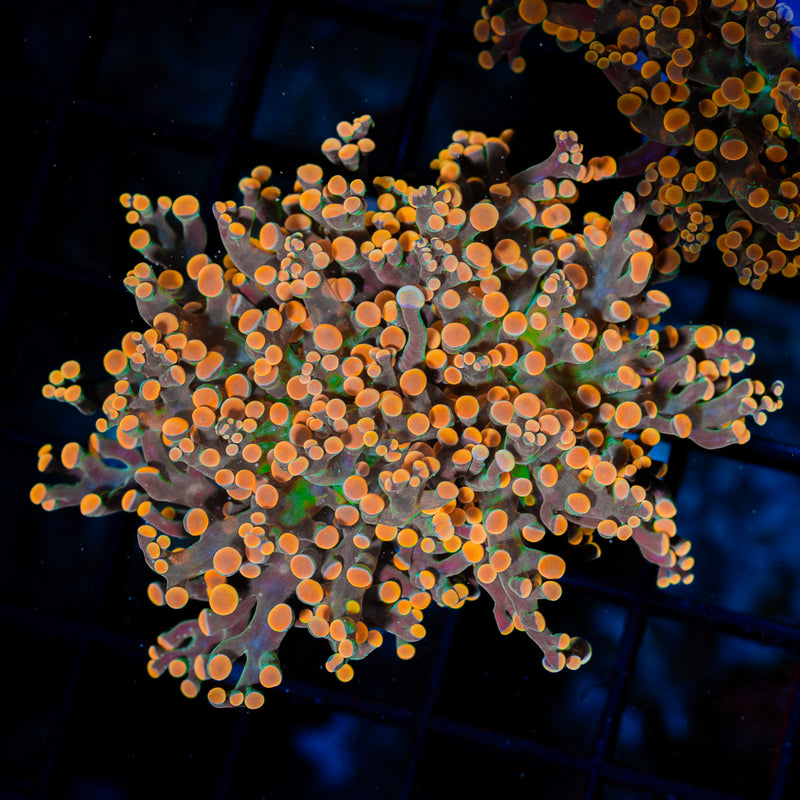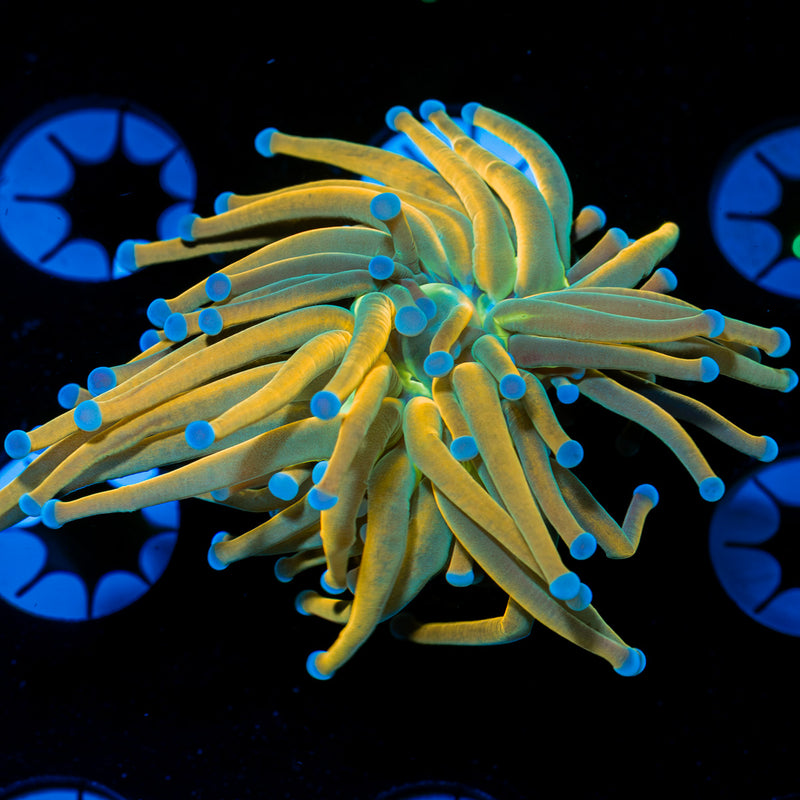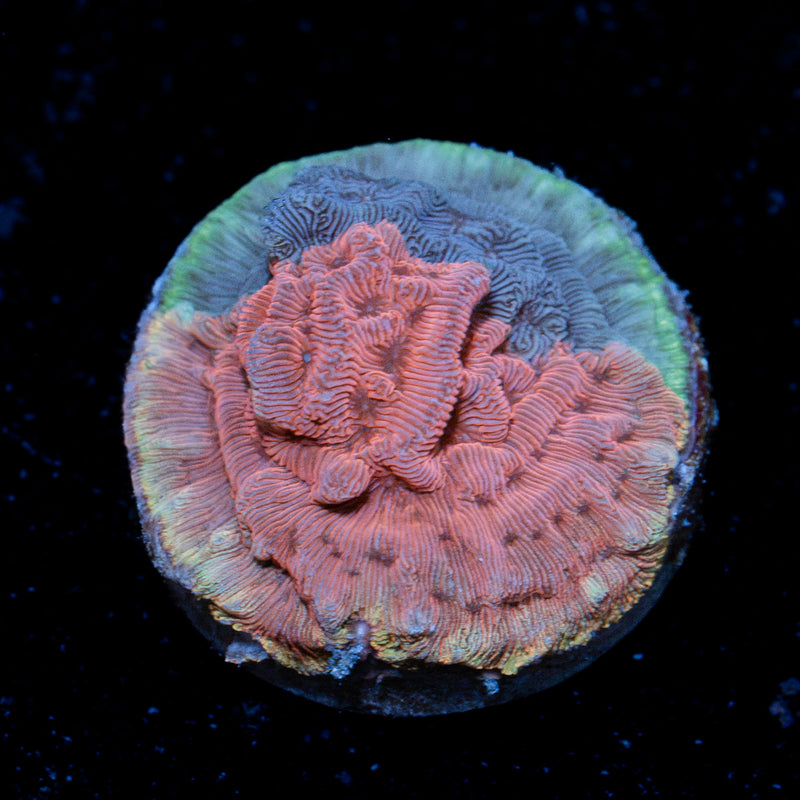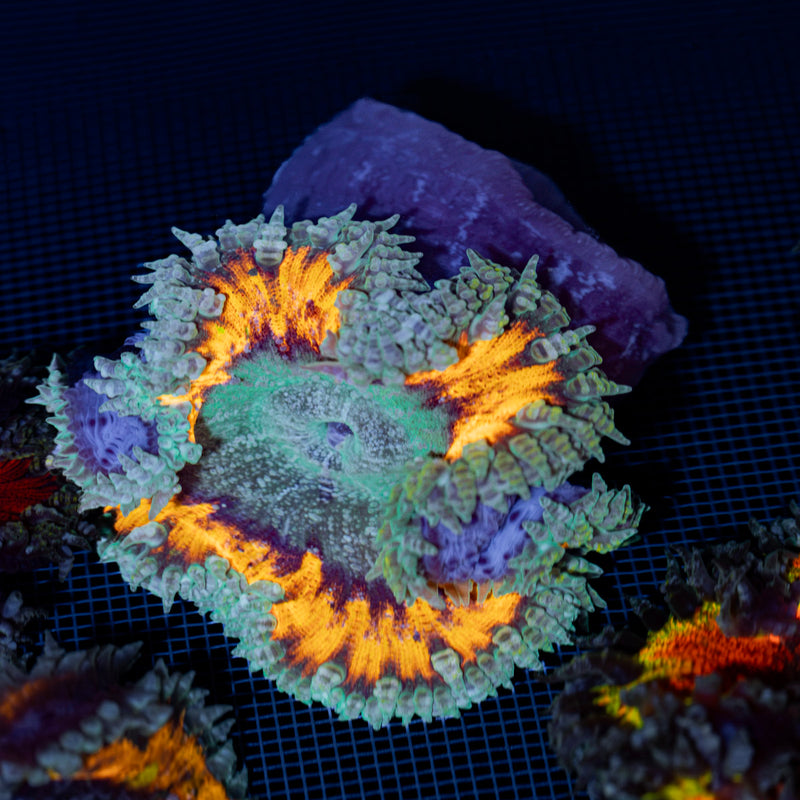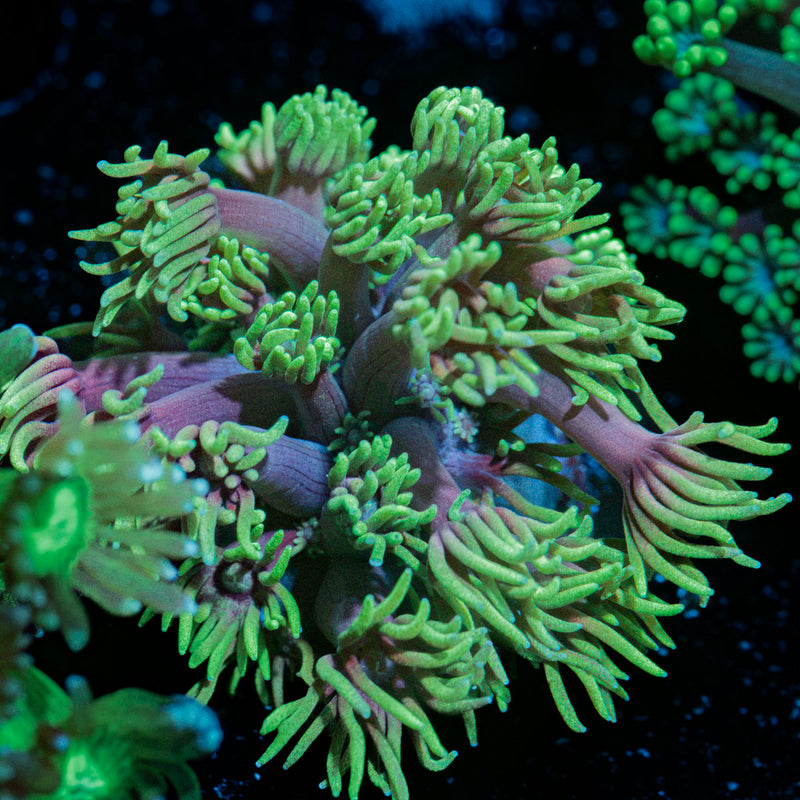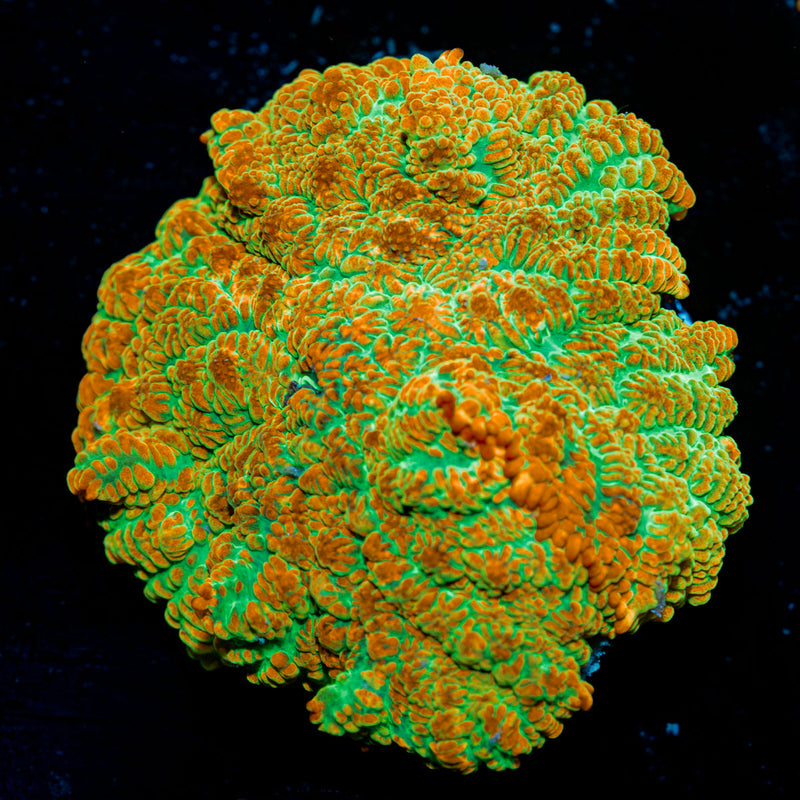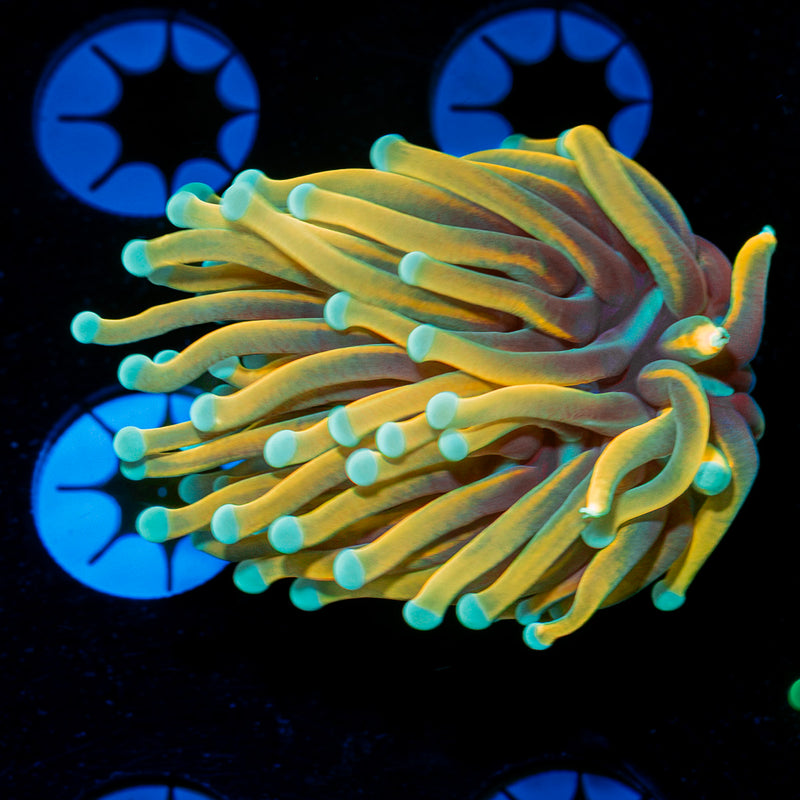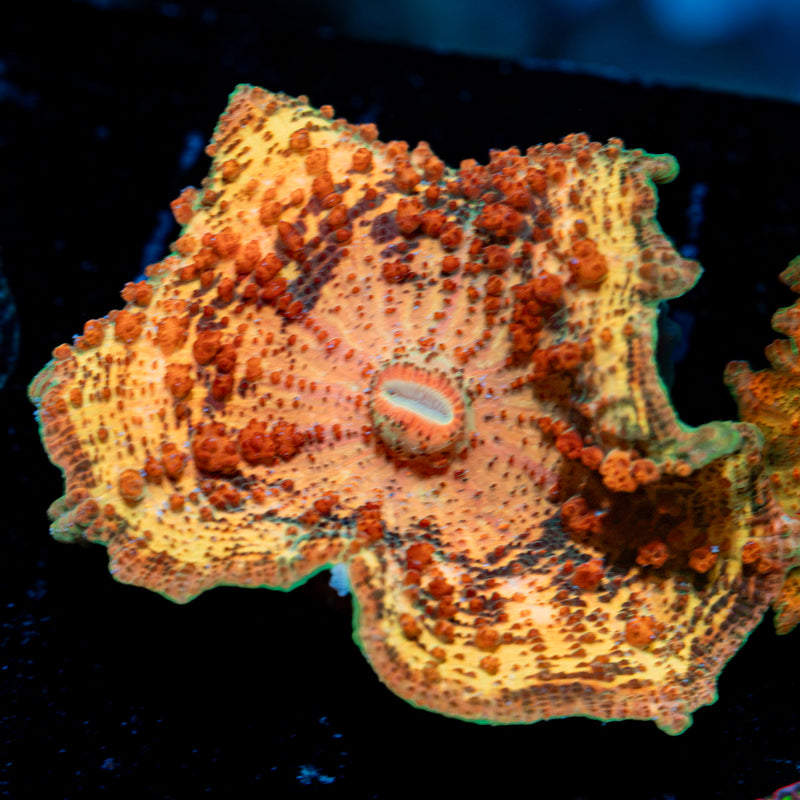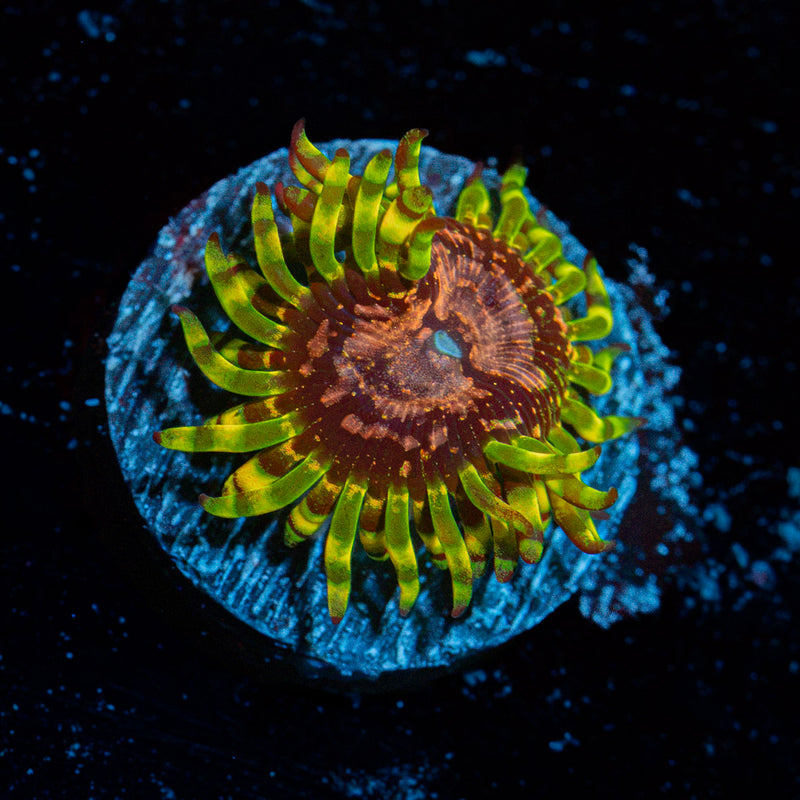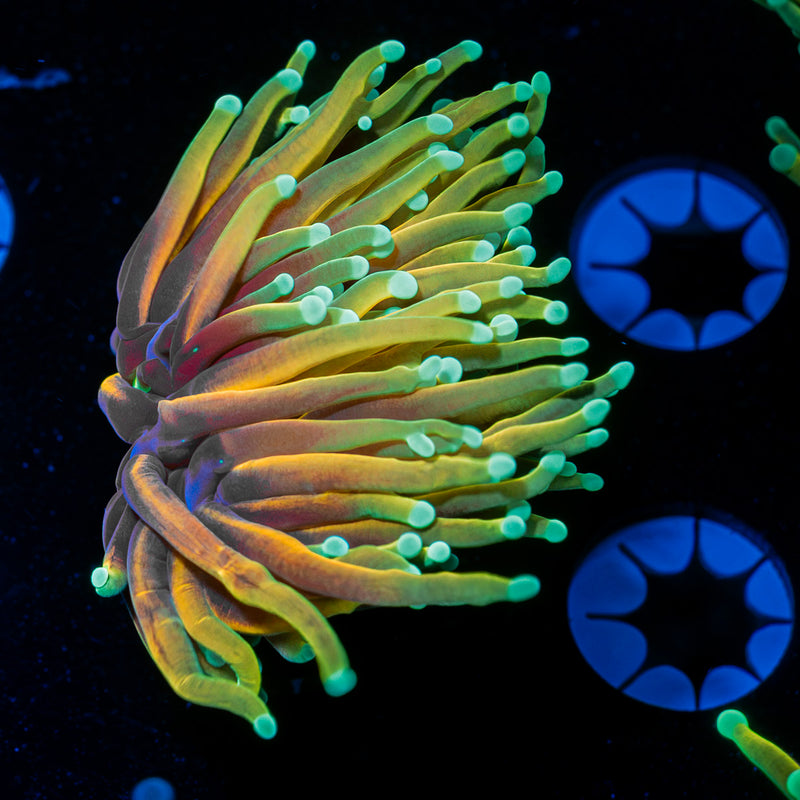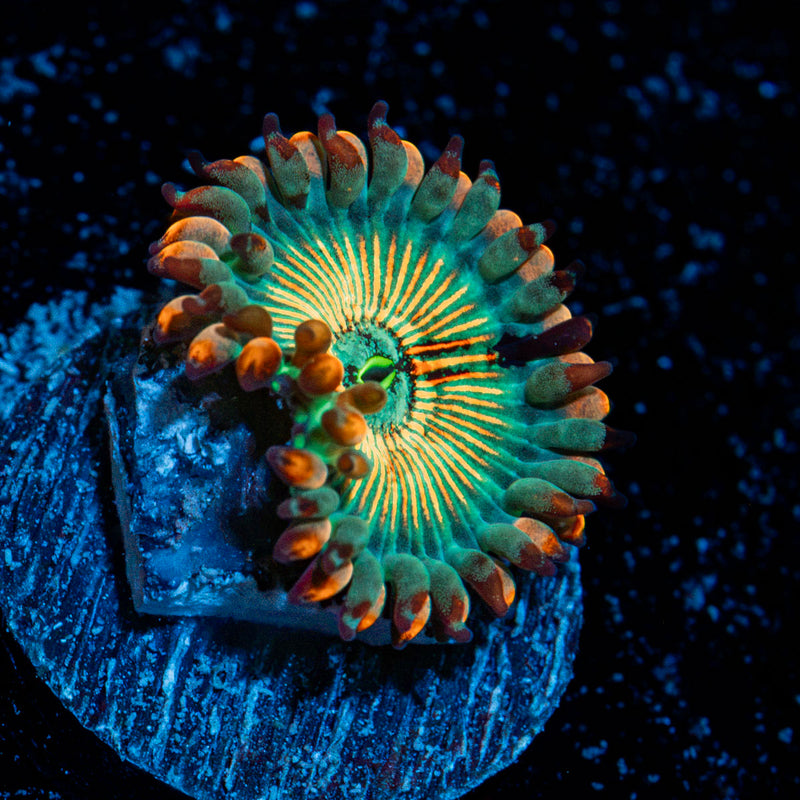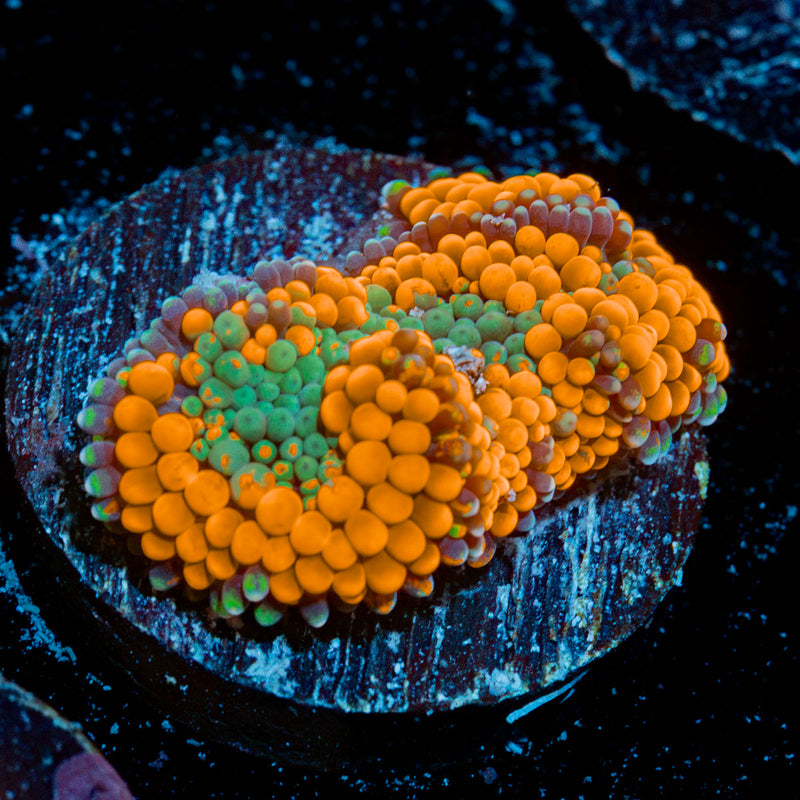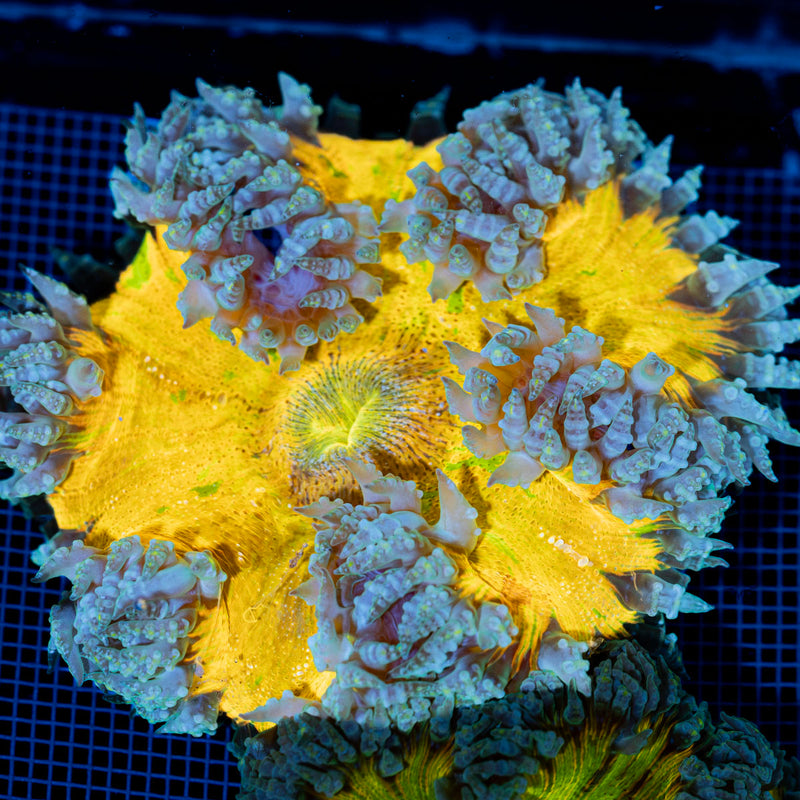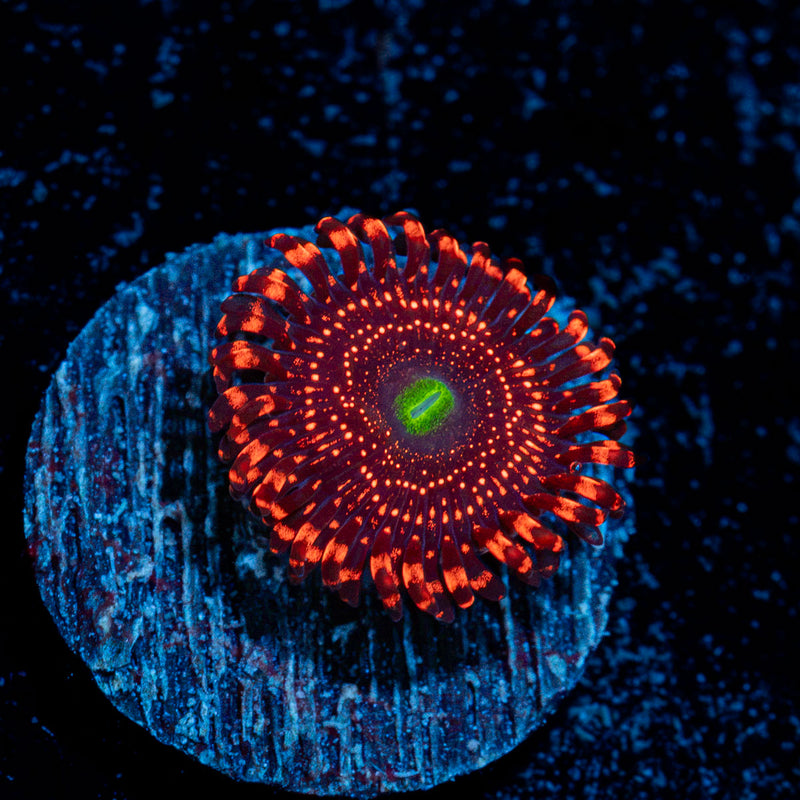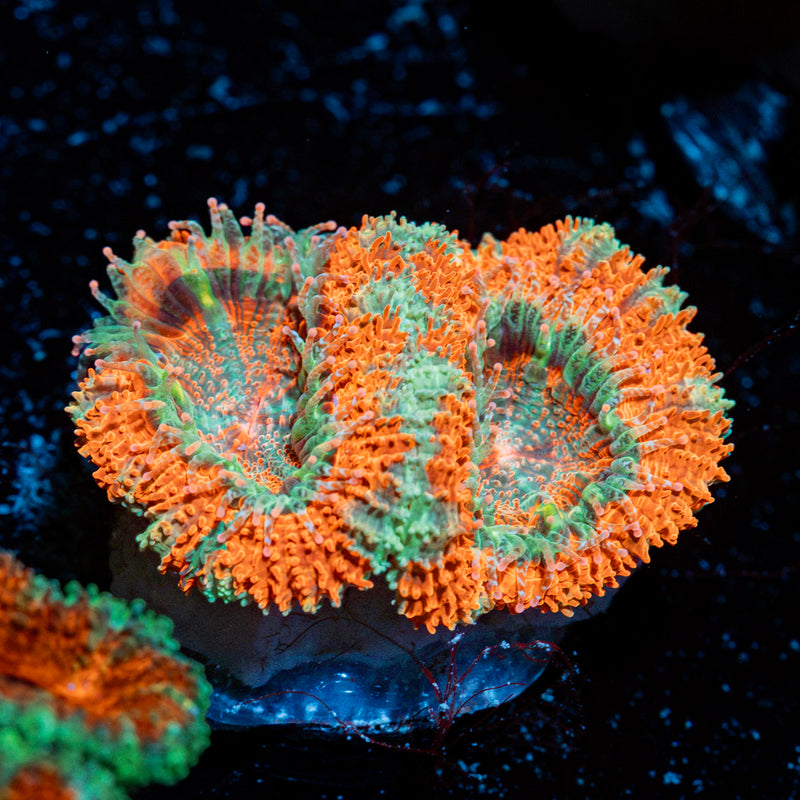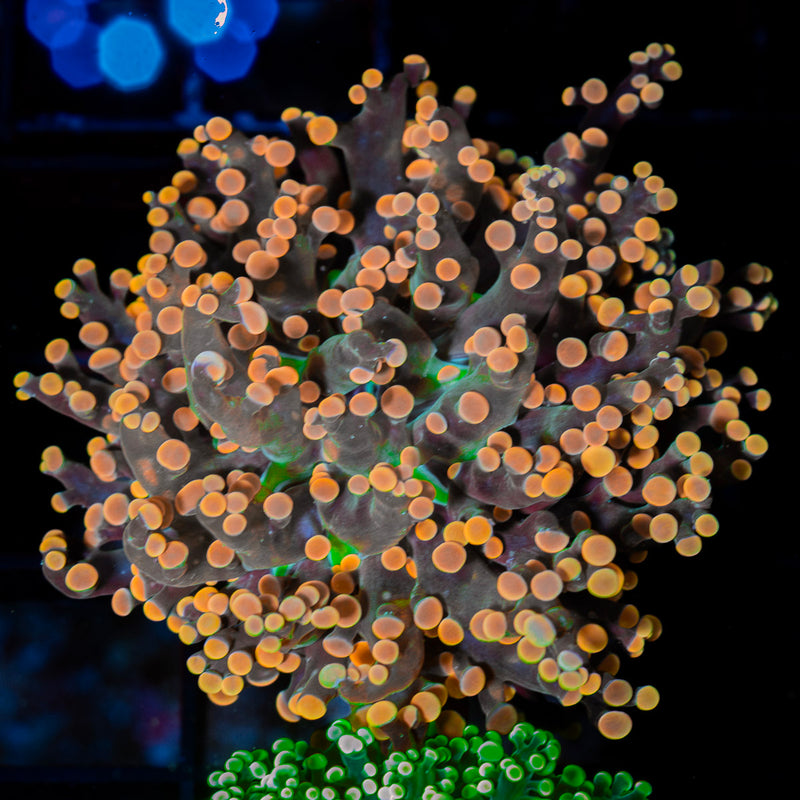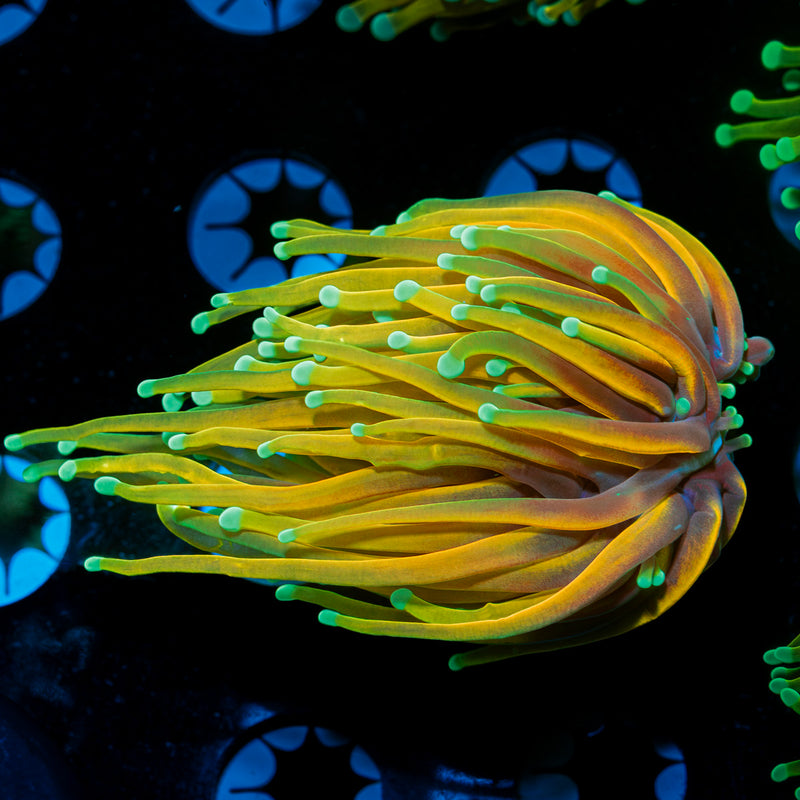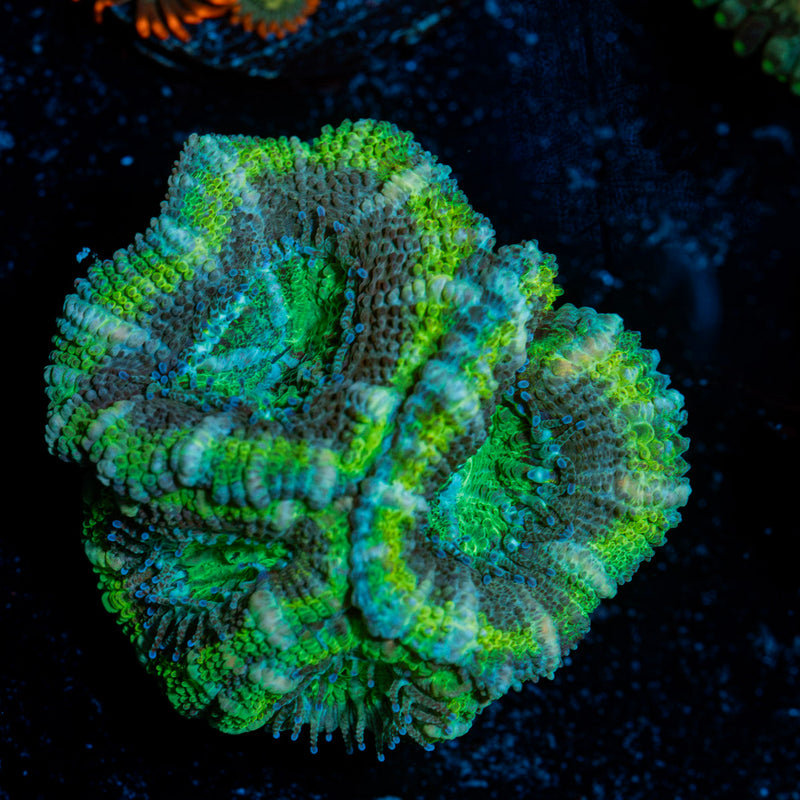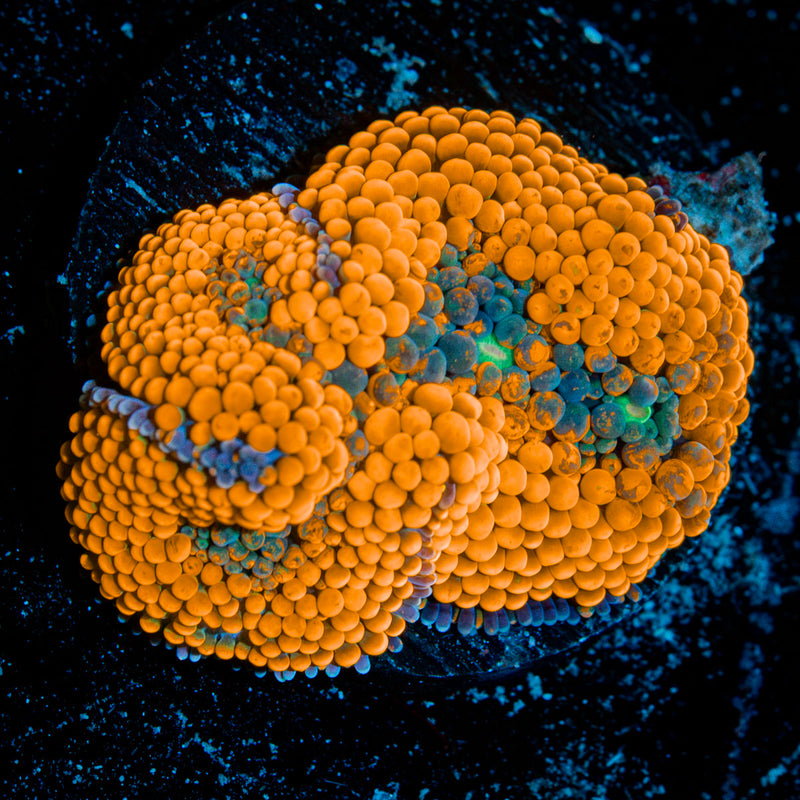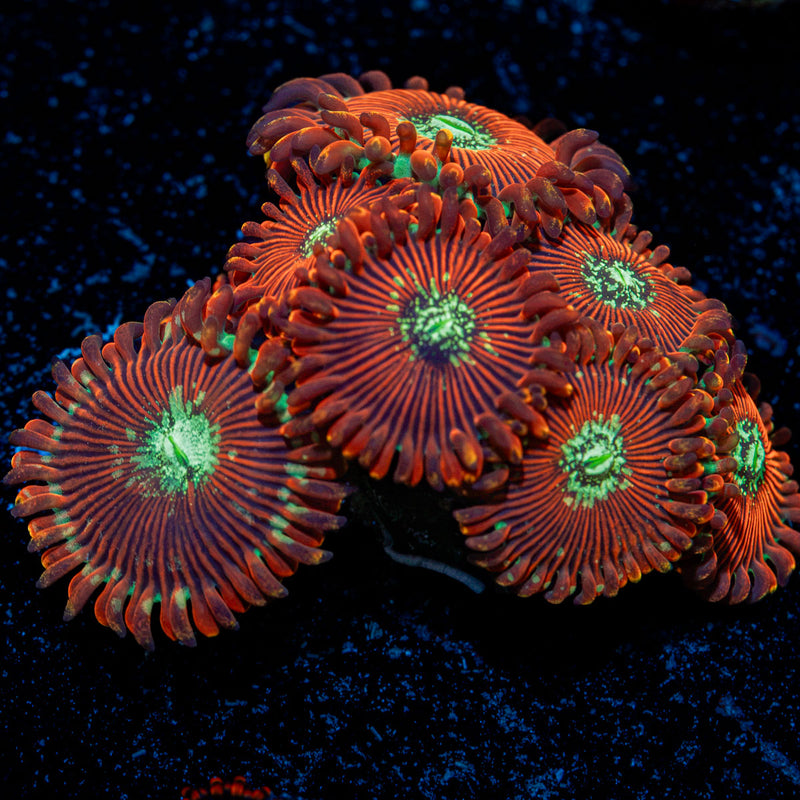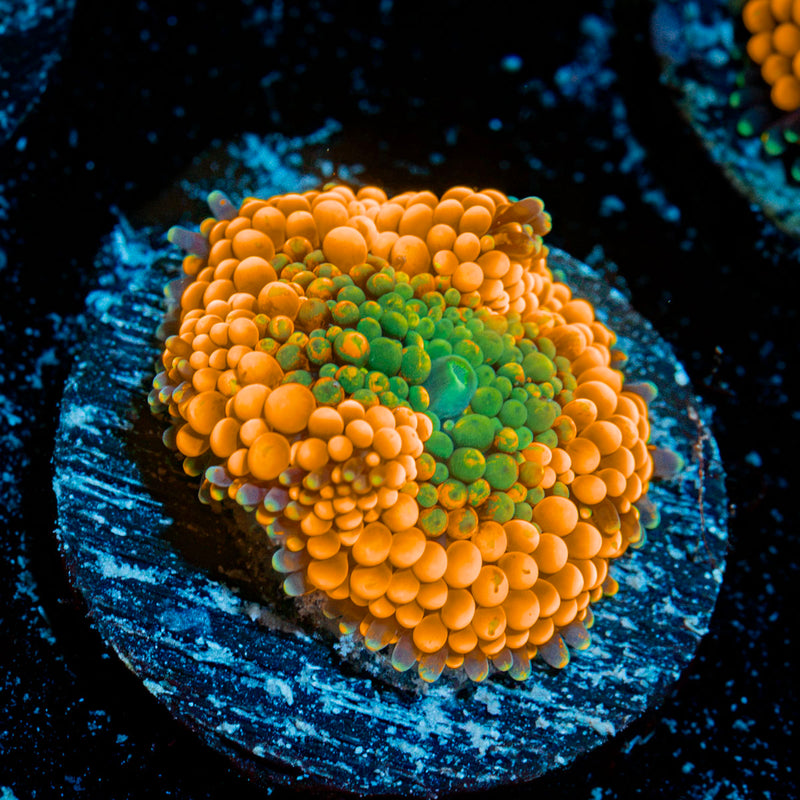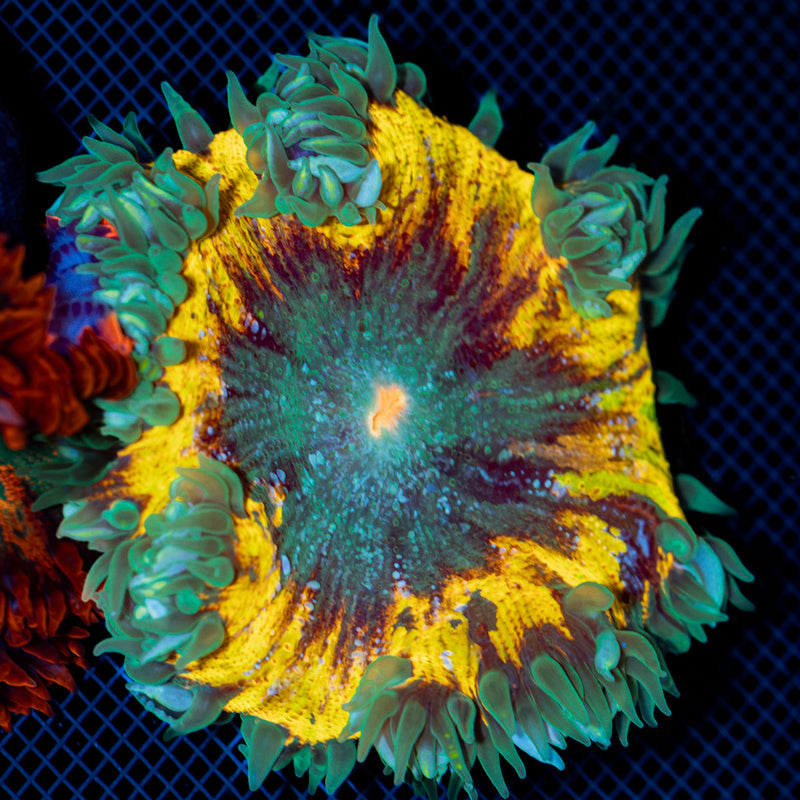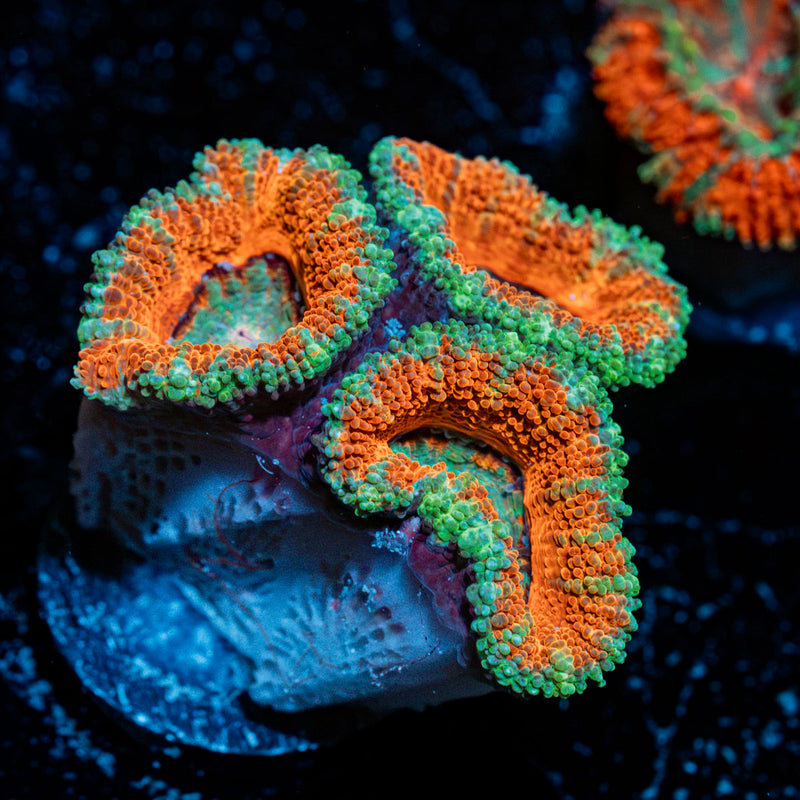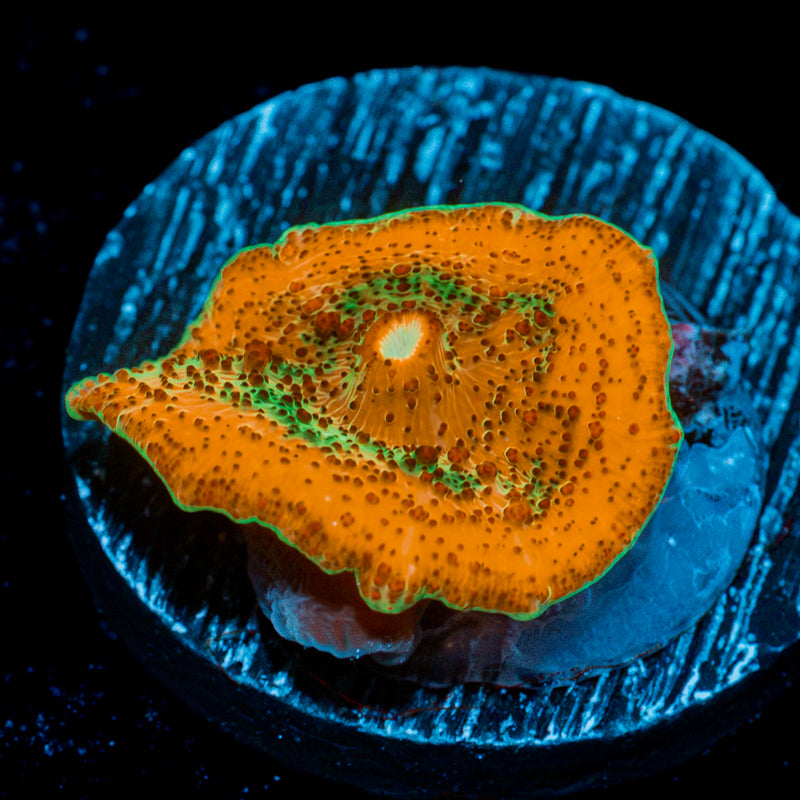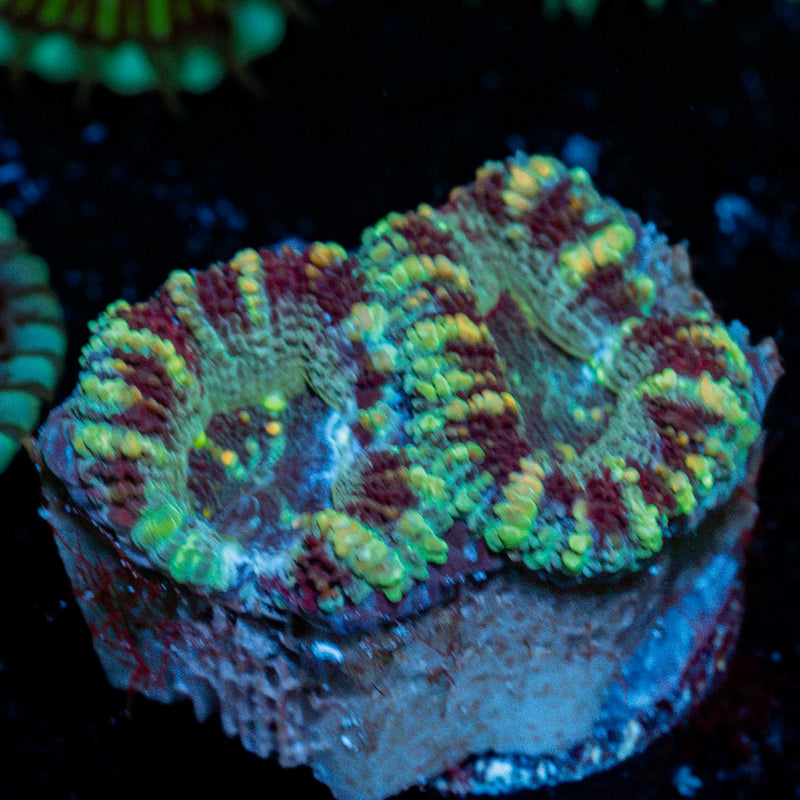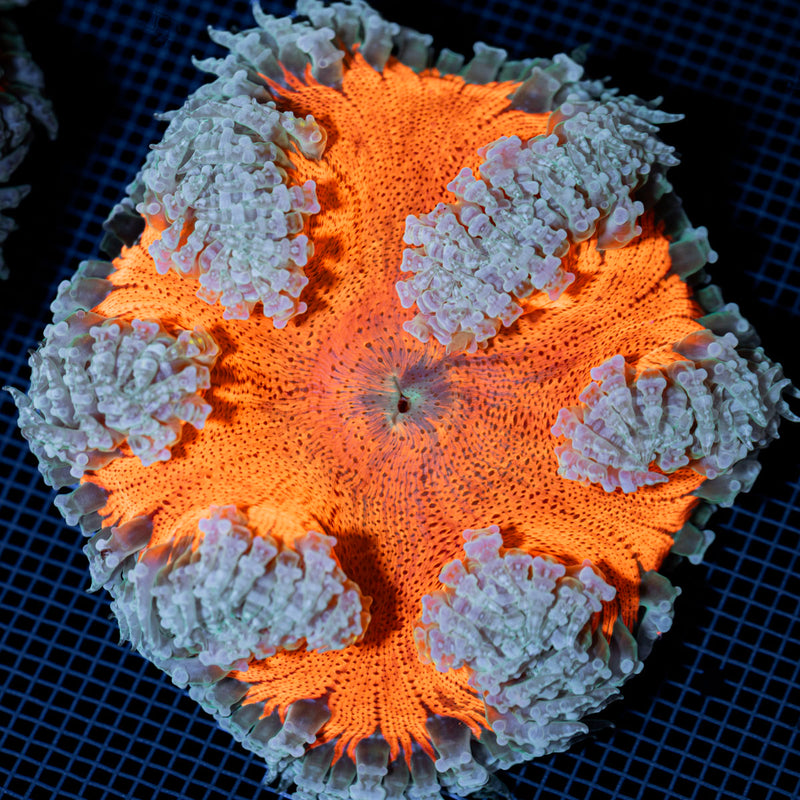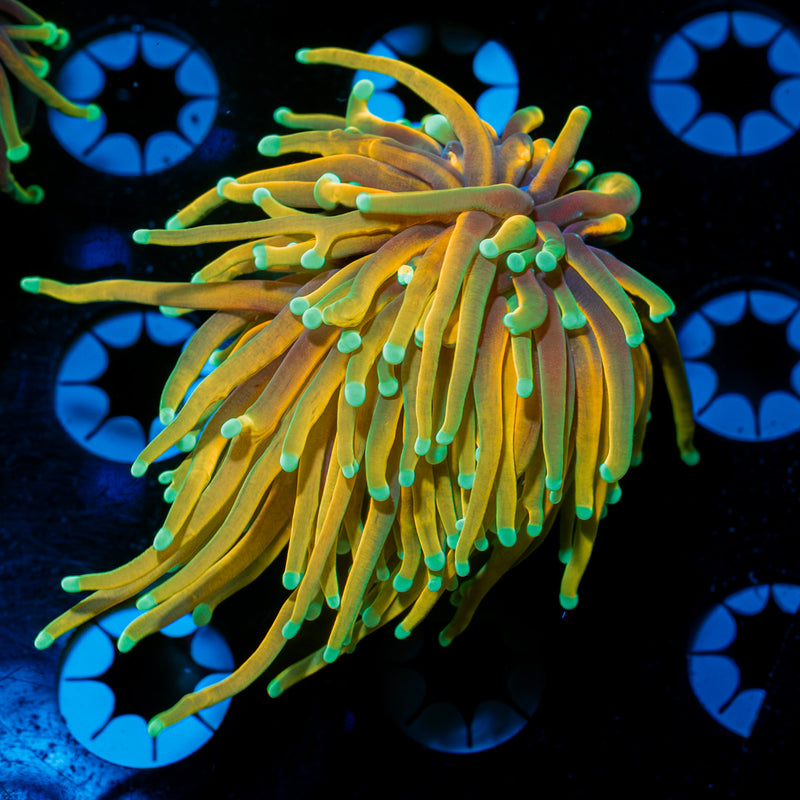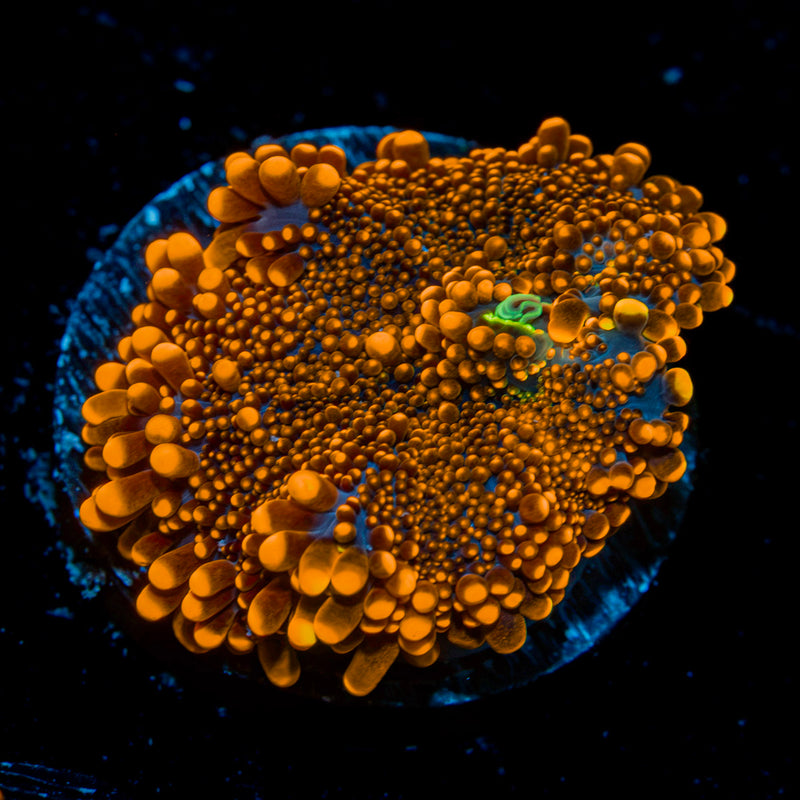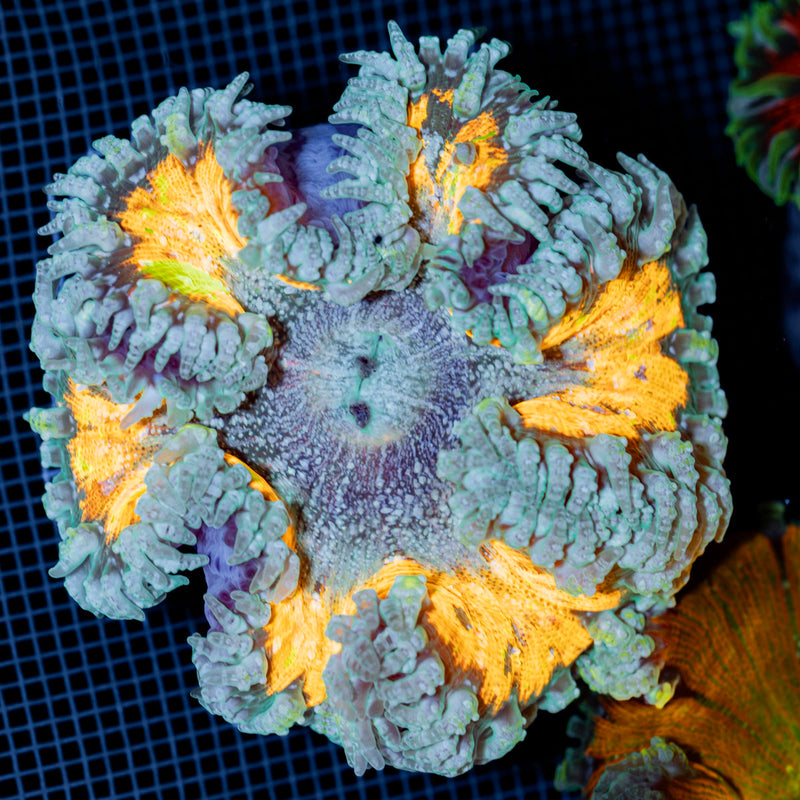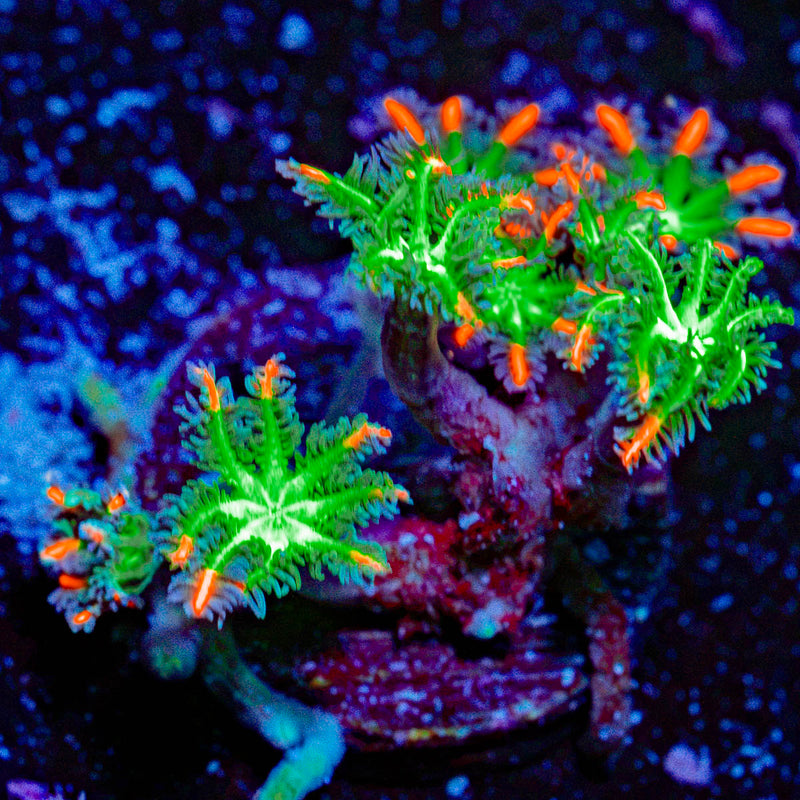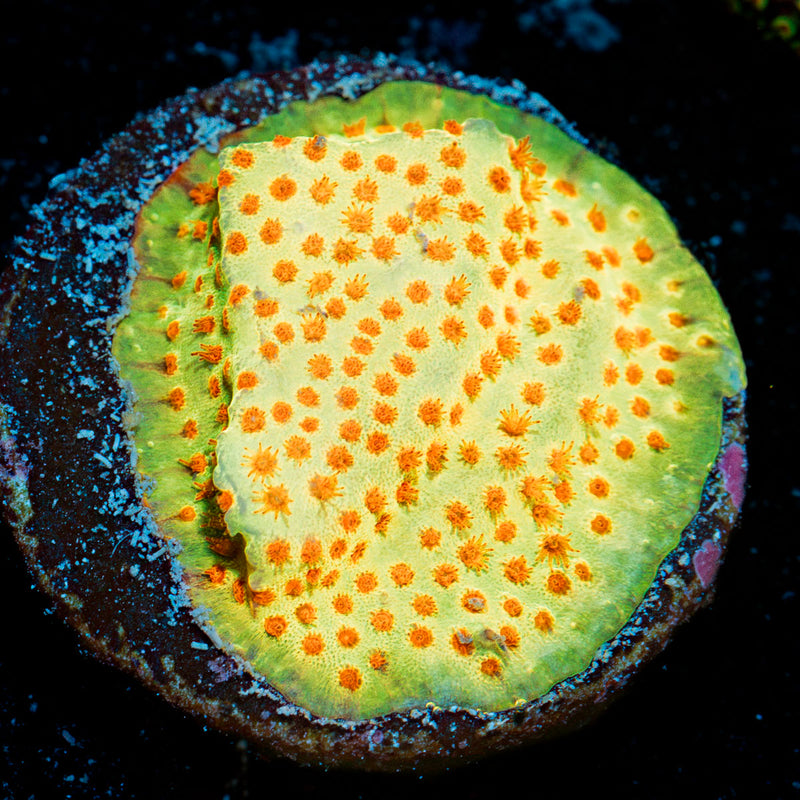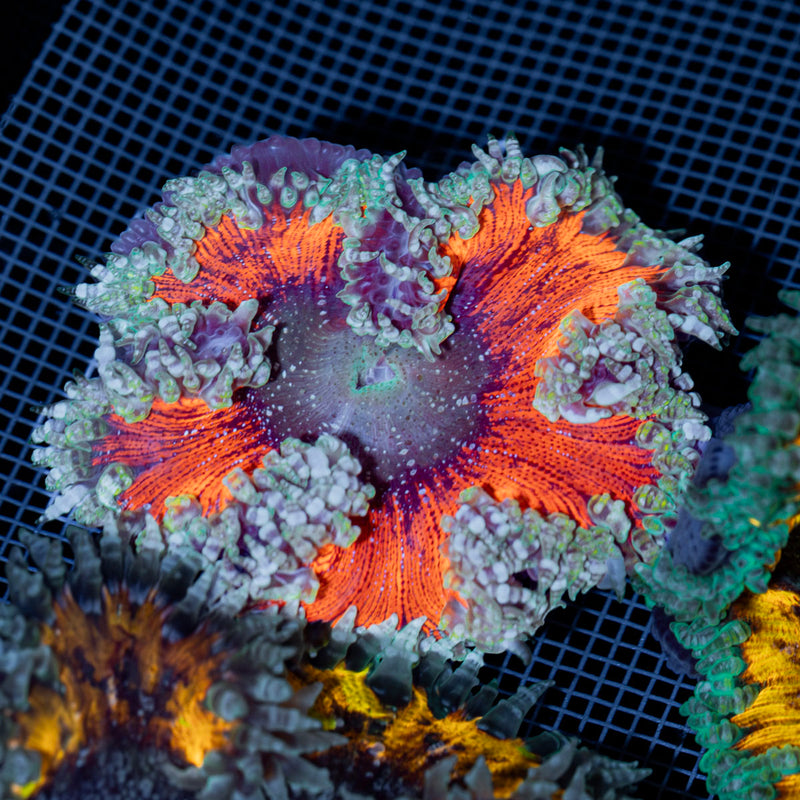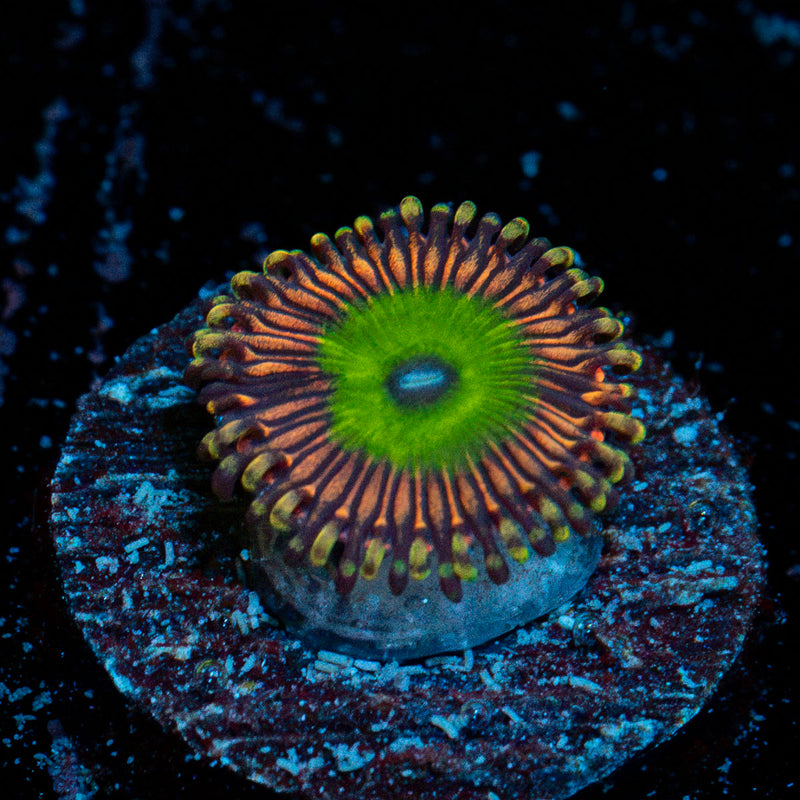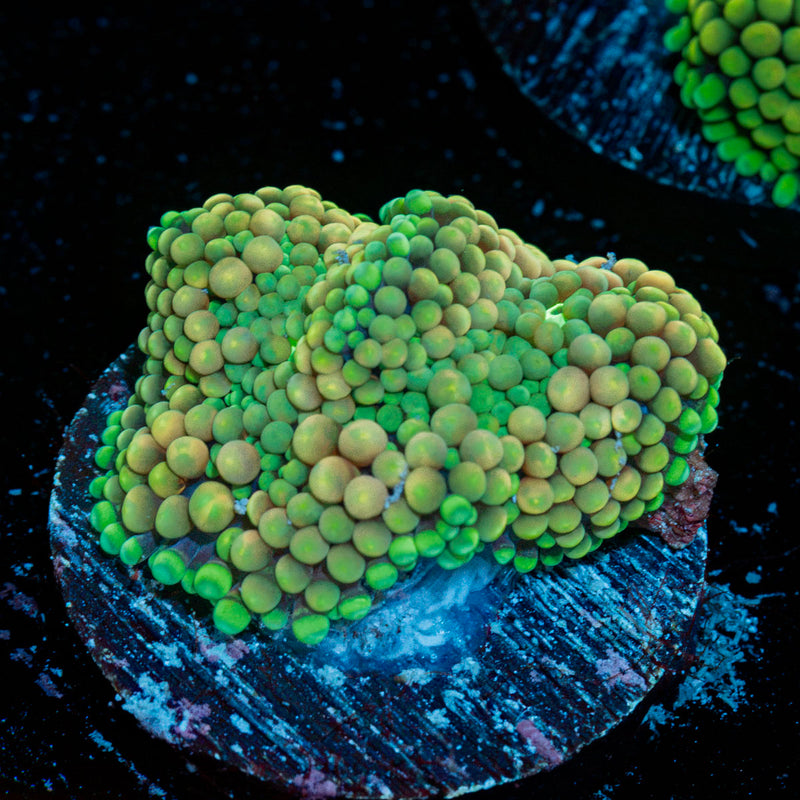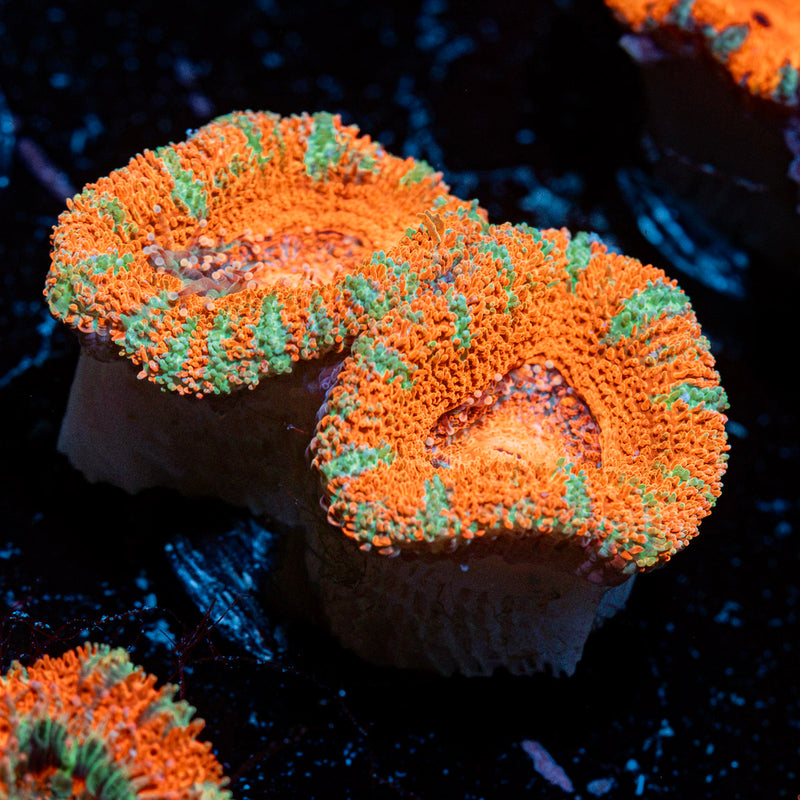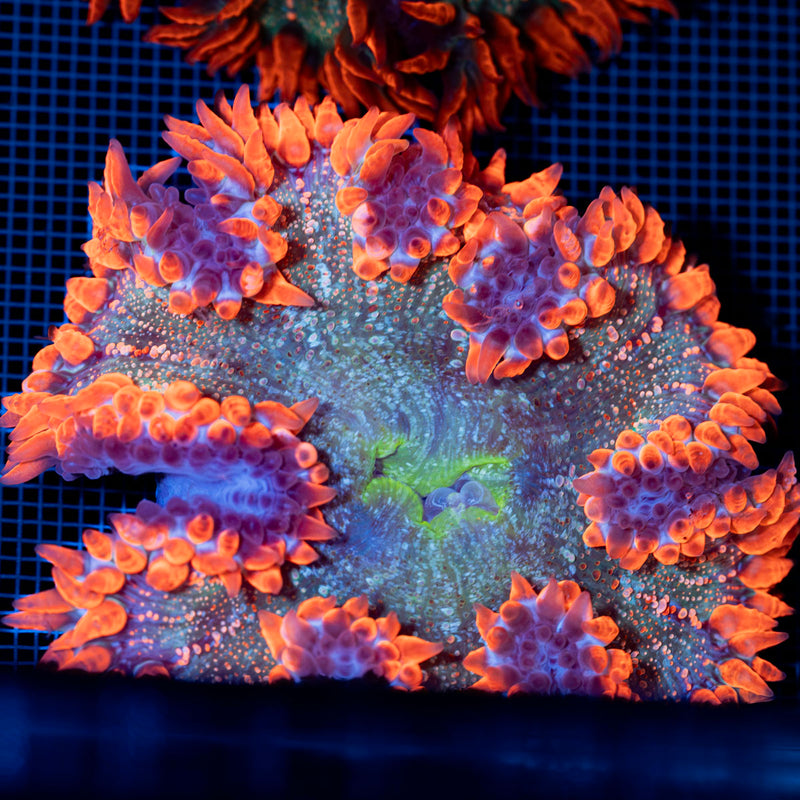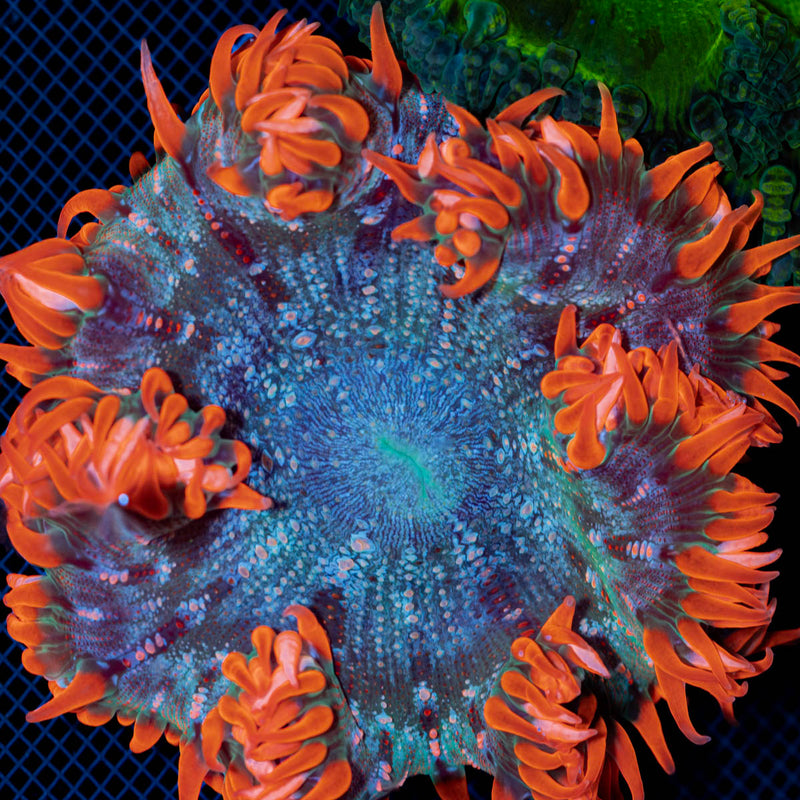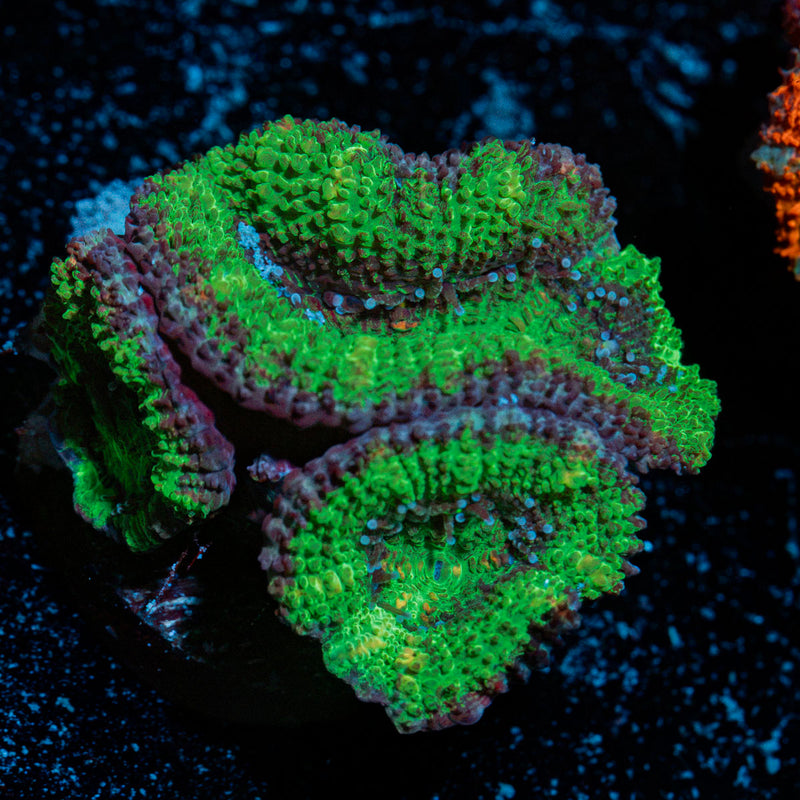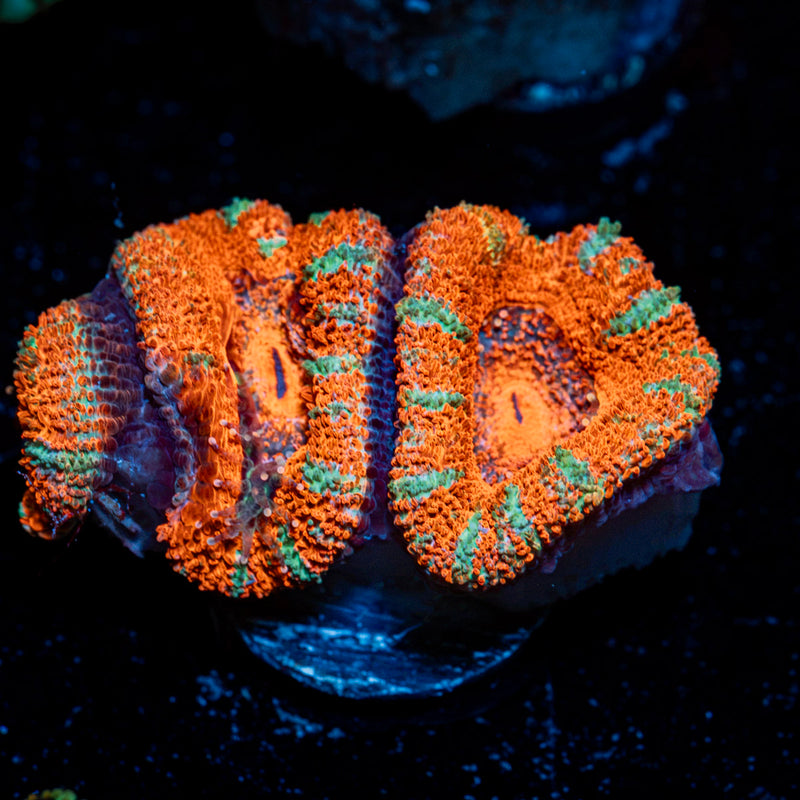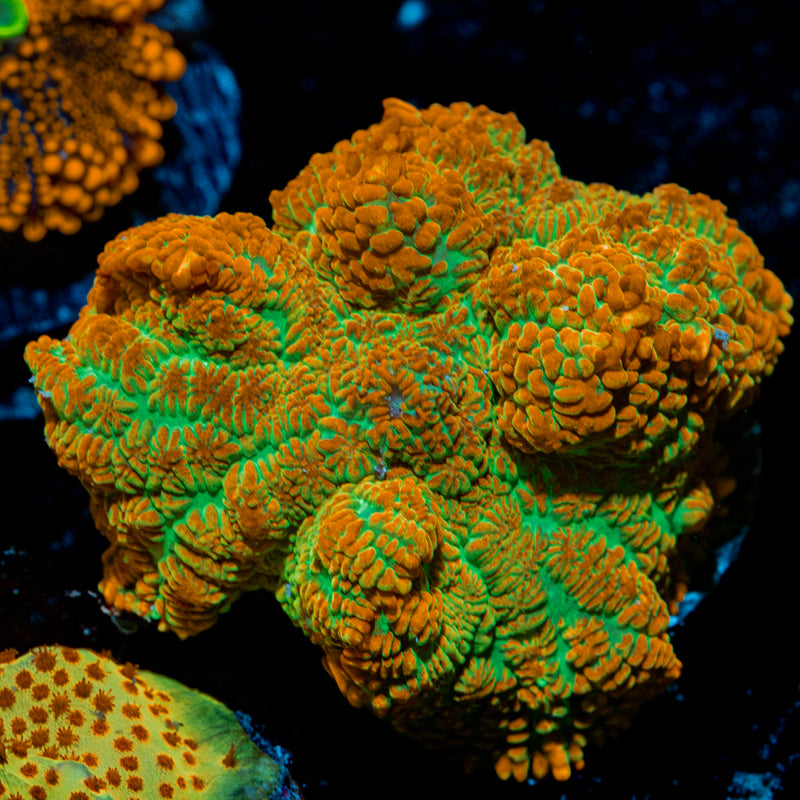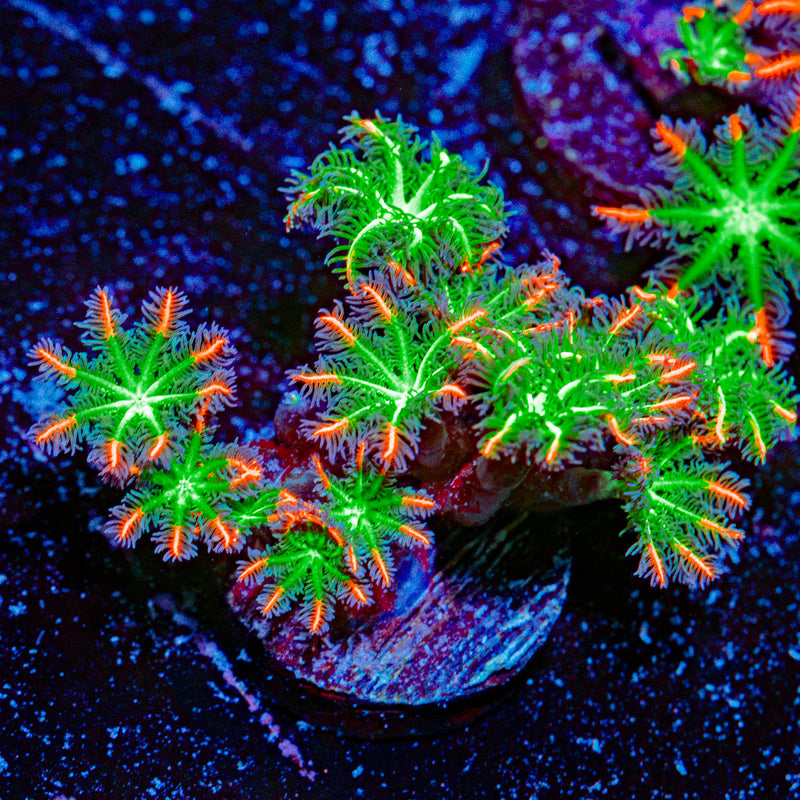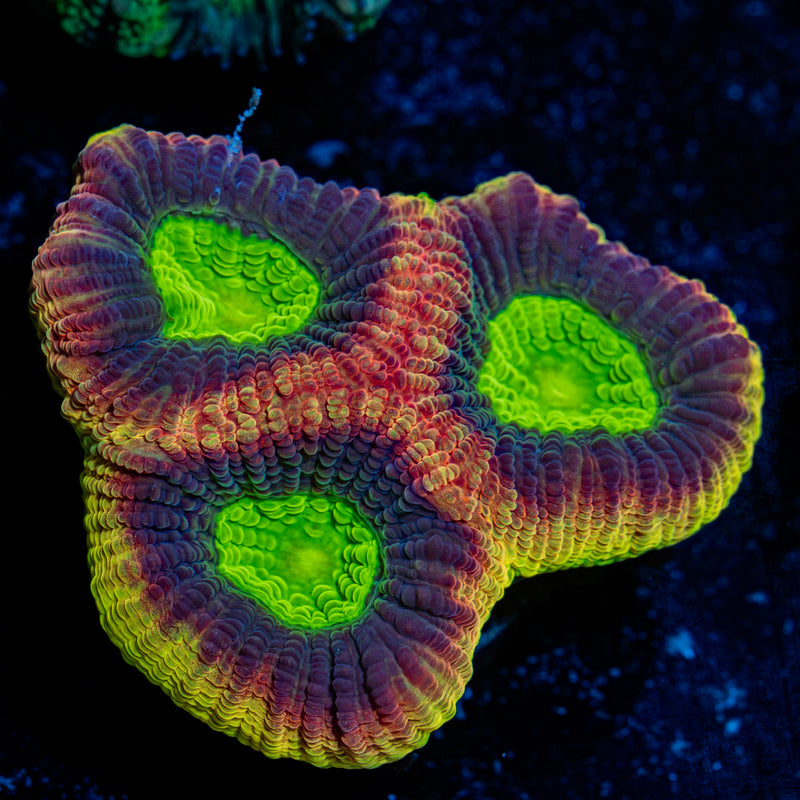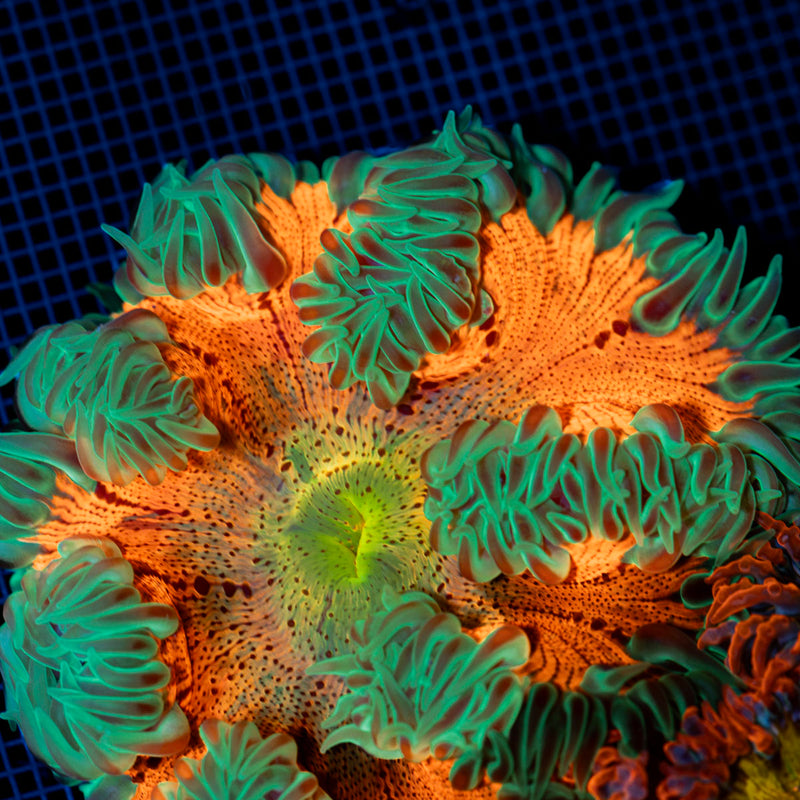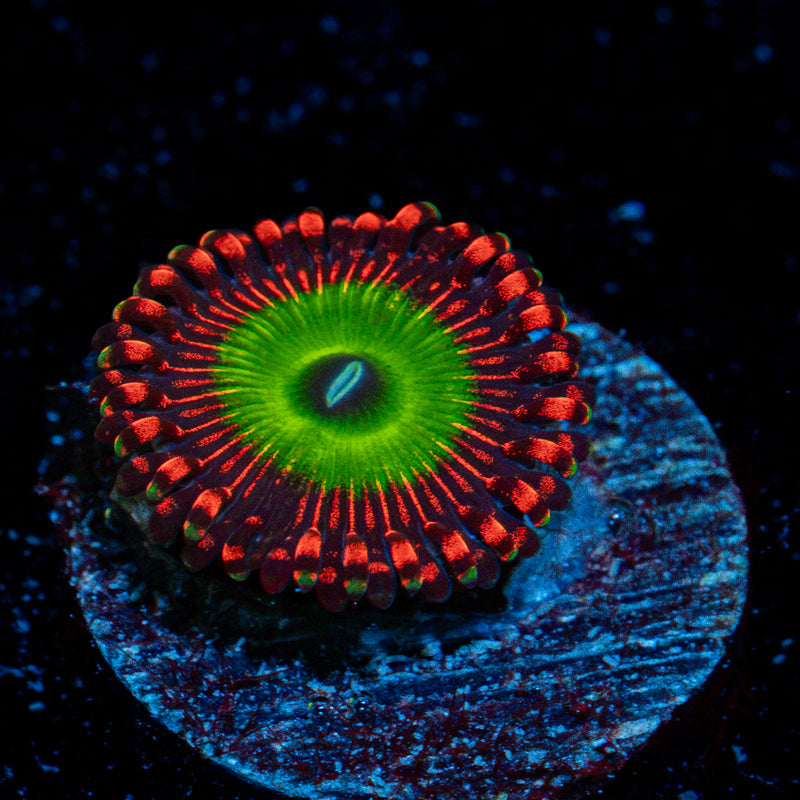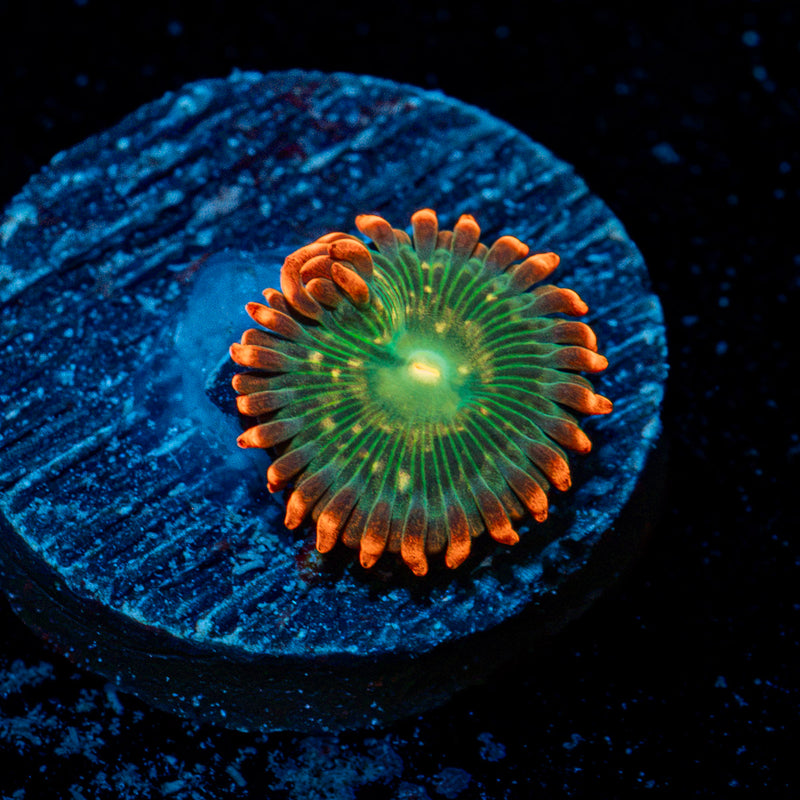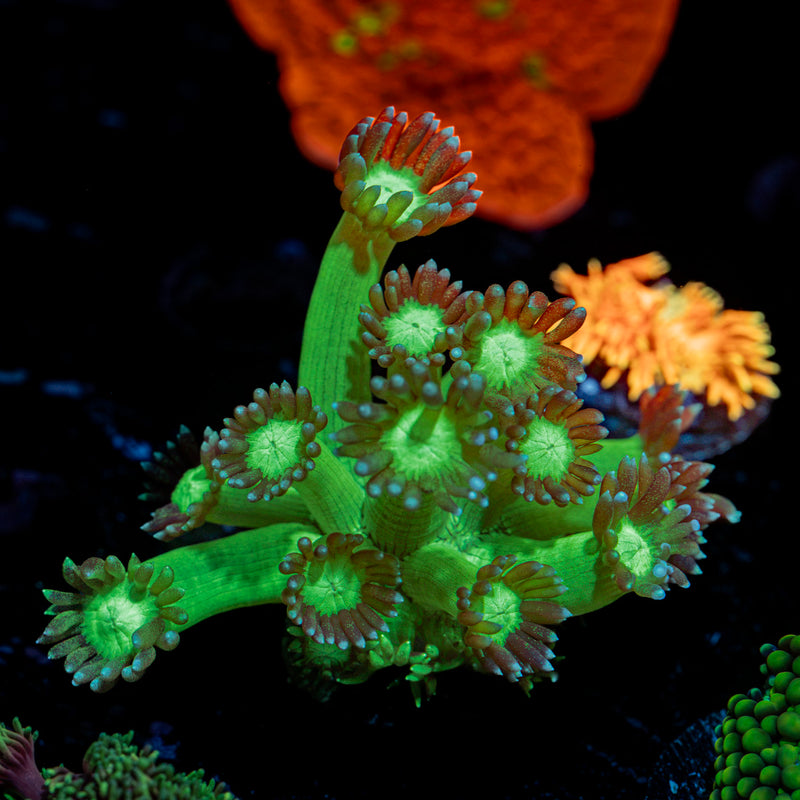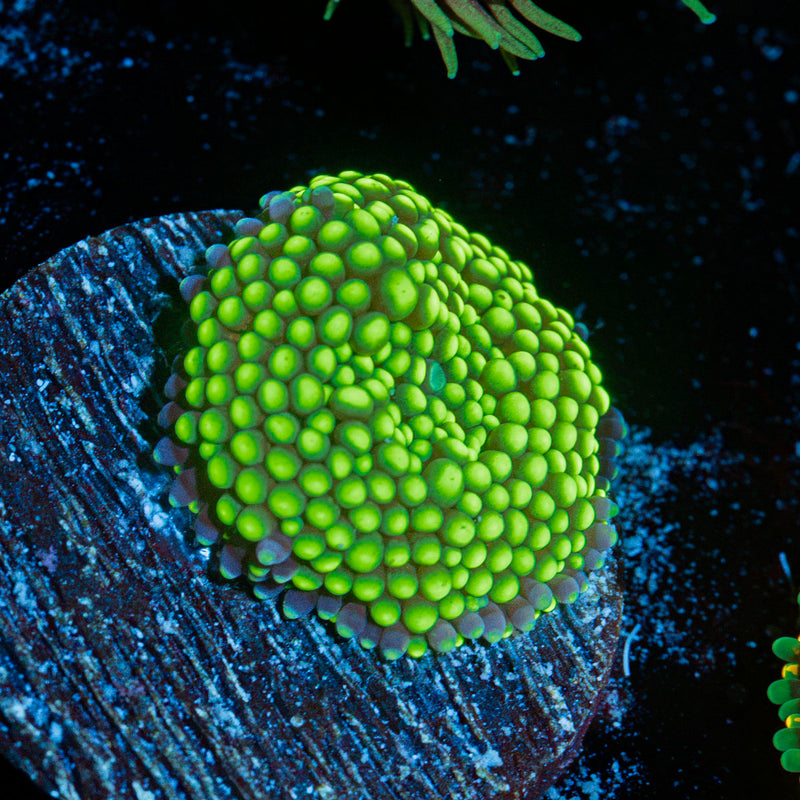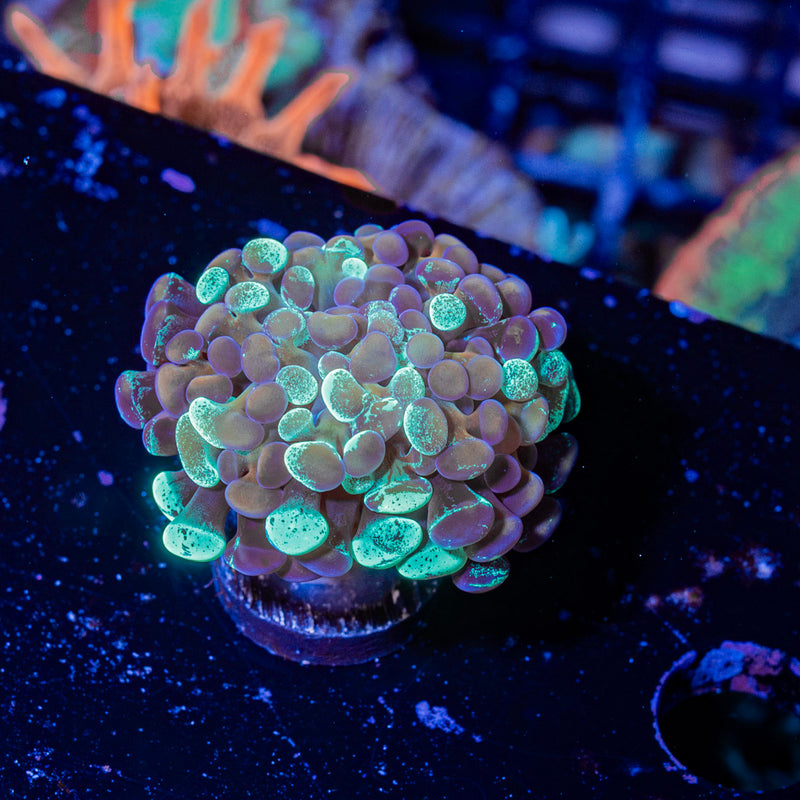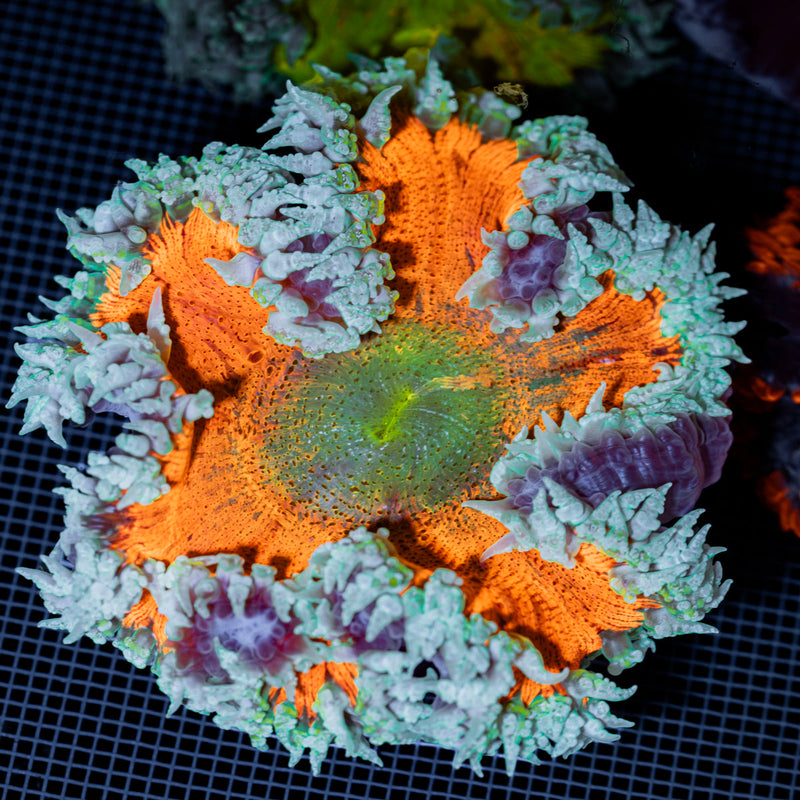
A hungry torch coral does not always look hungry. Its tentacles may still sway beautifully under blue light, and a fleshy acan may stay inflated even when it would benefit from a meal. Learning how to feed LPS corals is less about forcing food into every polyp and more about recognizing the balance between nutrition, water quality, and each coral's natural feeding response.
Large-polyp stony corals are some of the most rewarding living jewels in a reef aquarium. Hammers, frogspawn, torches, acans, blastomussa, favia, chalices, scolymia, and similar corals get much of their energy from zooxanthellae, the beneficial algae living in their tissue. Good lighting is still foundational. But many LPS corals also capture suspended foods and benefit from occasional target feeding, especially in a newer system, a low-nutrient tank, or a display stocked with faster-growing coral competitors.
How to Feed LPS Corals Successfully
Start with a stable, healthy aquarium. Feeding cannot compensate for unsuitable flow, weak lighting, fluctuating salinity, or poor placement. An LPS coral that stays tightly closed, recedes at the edges, or develops damaged tissue needs a care review before it needs a bigger meal.
When the coral is settled and extending normally, feed small portions of appropriately sized food. The goal is to give the coral a chance to capture nutrition without creating a snowstorm of leftovers that settle into the rockwork. LPS corals are forgiving compared with many more demanding reef animals, but overfeeding is one of the quickest ways to turn a beautiful display into a nutrient-management project.
Choose food that matches the coral
Most LPS corals respond well to finely chopped meaty marine foods, quality frozen blends, copepods, rotifers, mysis shrimp, brine shrimp enriched with marine nutrition, and purpose-made coral foods. The right particle size matters more than choosing the most expensive option.
Acans, blastomussa, favia, scolymia, and meatier chalices can often take a small piece of mysis or a similar bite-sized food directly on the mouth. Torches, hammers, and frogspawn usually do better with smaller particles delivered gently across their tentacles. Foods that are too large may be dropped, rejected, or sit on the coral long enough to irritate tissue.
Powdered and liquid coral foods can be useful for broad feeding, particularly when a mixed reef includes smaller-polyp species, filter feeders, and fish that will consume the excess. They are not automatically safer, though. A tiny scoop can carry a surprising nutrient load. Mix only what your tank can use and observe how your nitrate and phosphate respond over the following days.
Feed when tentacles are out
Many LPS corals show their strongest feeding behavior after the lights dim or go out. Look for extended feeder tentacles, puffier tissue, or mouths becoming more visible. This is an excellent time to offer food, but it is not the only option. Corals can be conditioned to feed during the day if feeding is done consistently and calmly.
For daytime feeding, turn off or reduce the circulation pumps for a few minutes. A small amount of diluted food added upstream can encourage a feeding response. Once tentacles are visible, use a pipette or turkey baster to gently deliver food near the coral. Avoid blasting the polyp. A strong stream can make a torch retract or send food sailing across the aquarium.
Keep the return pump and wavemakers off just long enough for the coral to capture its meal, usually five to 15 minutes. If fish, shrimp, or hungry hermit crabs immediately steal the food, a feeding dome or cut plastic container can help. Give the coral its quiet moment, then restore normal flow so no leftovers remain trapped around the base.
A Practical LPS Coral Feeding Schedule
For most established mixed reefs, target feeding LPS corals once or twice each week is plenty. A heavily stocked tank with fish fed daily already contains dissolved and particulate nutrition, so the corals may need less supplemental food than expected. In a very clean, lightly stocked aquarium, feeding two or three small meals per week may support fuller tissue, stronger color, and steady growth.
Newly introduced frags deserve a lighter touch. Let them acclimate to their placement, flow, and lighting before trying to feed aggressively. An aquacultured frag that is opening well and showing healthy tissue can receive a tiny meal after several days, but there is no prize for feeding on day one.
It also depends on the coral. A plump acan with visible feeding tentacles may enthusiastically accept a few mysis pieces. A branching hammer can thrive with gentle broadcast feeding and may not need individual attention every week. Watch the coral rather than following a rigid calendar.
Portion Size Matters More Than Frequency
A useful rule is to feed only what each polyp can capture and consume within a few minutes. For a single mouth, that may mean one small mysis shrimp, a few copepods, or a modest dusting of powdered food. If food accumulates on the skeleton, drifts away untouched, or triggers a bacterial-looking film in the tank, scale back.
Do not confuse bigger, puffier tissue with a guarantee that the coral needs more food. Some LPS corals inflate in response to light, flow, or changes in water chemistry. Their best health signals are consistent extension, intact tissue, gradual growth, stable color, and a reliable feeding response over time.
Overfeeding can elevate nitrate and phosphate, fuel nuisance algae, reduce water clarity, and make sensitive corals unhappy. Underfeeding, especially in an ultra-low-nutrient aquarium, can leave LPS corals pale, less inflated, and slower to recover from stress. The sweet spot is measurable: test your water, observe your corals, and adjust one variable at a time.
Broadcast feeding versus target feeding
Broadcast feeding sends fine food into the water column for the entire reef. It feels natural and can be a great fit for a mixed tank, because every coral has a chance to capture particles. The trade-off is control. Fish and filtration may take most of the food, and it is easier to add more nutrients than intended.
Target feeding is more precise. It lets you feed a showpiece scolymia, a colorful acan colony, or a recovering chalice while limiting waste. It also gives you a close look at each coral's condition. The trade-off is time, particularly as your collection grows.
Many successful reef keepers use both approaches: a light broadcast feeding once a week and targeted meals for larger, fleshier LPS corals that clearly respond. There is no need to make feeding complicated. Consistency and restraint beat elaborate routines.
Common LPS Feeding Mistakes
The most common mistake is adding food before confirming that the aquarium can process it. If nitrate and phosphate are already climbing, improve export, reduce fish feeding, or pause coral food rather than adding another nutrient source. A clean protein skimmer, sensible mechanical filtration changes, and regular testing make feeding decisions much easier.
Another mistake is feeding a stressed coral directly. A receding torch, a gaping coral, or a colony with brown jelly-like tissue needs immediate attention to flow, water parameters, and possible infection risk. Food resting on compromised tissue can make the situation worse.
Finally, avoid judging results after one feeding. Coral growth is slow enough to reward patience. Take occasional photos under similar lighting, watch for new heads or encrusting edges, and notice whether the coral extends predictably at feeding time. Those small changes tell a more honest story than a single extra-puffy evening.
A vibrant LPS reef is built through steady care, not oversized meals. Offer clean, appropriately sized food, keep your water stable, and let each coral show you what it prefers. With time, your hammers, acans, torches, and other colorful favorites can become the healthy, expressive centerpiece of the reef you set out to build.