A reef aquarium can look full long before it is actually ready for more livestock. That is the central challenge behind a successful reef tank stocking guide: creating a display packed with colorful living jewels without crowding fish, stressing corals, or outpacing the system’s ability to keep water stable.
The best stocked reefs are not built in one shopping session. They grow in layers. A few carefully chosen fish establish movement and personality, resilient corals settle into their preferred light and flow, and each new addition earns its place in the aquascape. Patience is not the boring part of reef keeping. It is how a promising new tank becomes a vibrant, mature reef.
Start With Your Tank’s Real Capacity
Tank volume matters, but it is not the whole answer. A 40-gallon breeder with open rockwork, a dependable skimmer, and consistent maintenance can sometimes support a more successful community than a cluttered 75-gallon system with limited swimming room and weak flow.
Think about capacity in three ways: water volume, open territory, and filtration. Fish need room to swim and establish personal space. Corals need open surfaces where they can grow without touching, shading, or chemically irritating their neighbors. Filtration needs enough biological capacity to process the waste created by every fish, feeding, and future coral colony.
A new aquarium should also prove that it can hold steady. Before adding a meaningful fish population or a premium coral collection, confirm that salinity and temperature remain consistent and that ammonia and nitrite are zero. Nitrate and phosphate do not need to be zero in a reef tank. In fact, corals often respond better to measurable nutrients than to aggressively stripped water. What matters most is stability and a trend you can manage.
Stock Fish for Behavior, Not Just Inches
The old “one inch of fish per gallon” rule falls apart quickly in a saltwater aquarium. A small, active fish can create more waste and require more territory than a larger, calm fish. Adult size, temperament, diet, swimming style, and compatibility all matter more than a simple length calculation.
A pair of clownfish, a watchman goby, a firefish, or a small group of peaceful cardinalfish can make excellent early residents for many reef setups. These fish bring color and movement while leaving room for the tank to mature. For tanks with enough swimming space, a tang may eventually be a stunning focal point, but it should be selected for the aquarium’s long-term footprint, not the fish’s size at purchase.
Avoid building a stocking list around fish that occupy the same territory. Several sand-sifting fish may compete for limited food in the substrate. Multiple aggressive rock-dwellers can turn one section of aquascape into a constant territorial dispute. Even a fish labeled reef-safe can be a poor match if it is likely to nip fleshy LPS corals, clam mantles, or ornamental invertebrates.
Add Fish Slowly Enough to Read the Tank
Adding one or two compatible fish, then allowing several weeks between additions, gives the biofilter time to adapt. It also makes it easier to identify the source if nutrients rise, algae blooms, or behavior changes.
Quarantine and observation are equally valuable. A beautiful fish should arrive healthy, eat well, and show normal behavior before it joins the display. Introducing disease to an established reef can create far more disruption than a slower stocking pace ever will.
Build Your Coral Garden in Zones
Corals are not decorations that can be placed anywhere there is an empty rock. Light intensity, water movement, growth form, and aggression determine where a coral will thrive. Planning zones before the first frag arrives keeps the display beautiful as colonies grow.
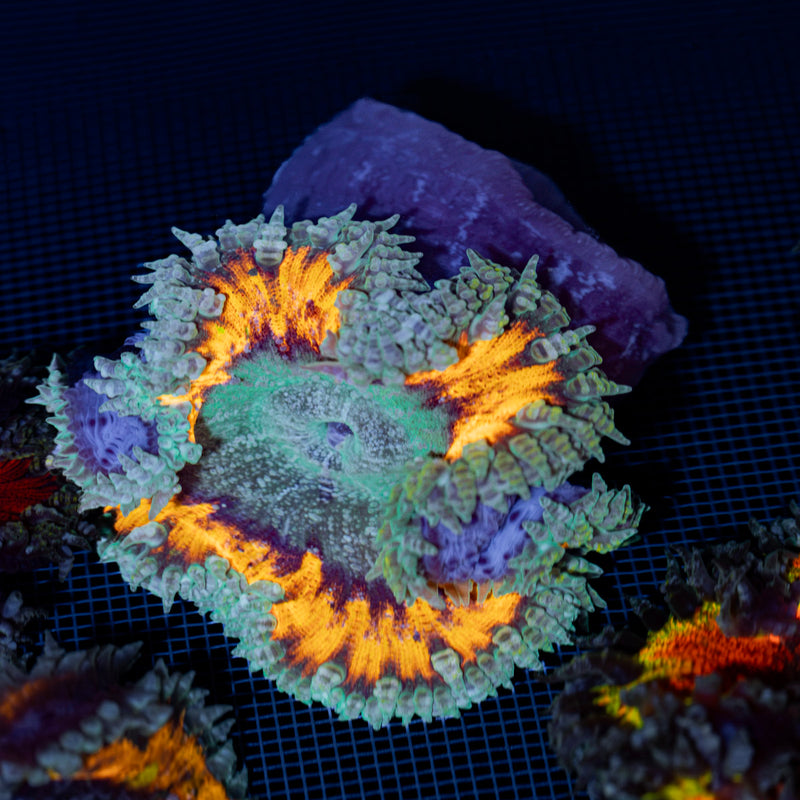
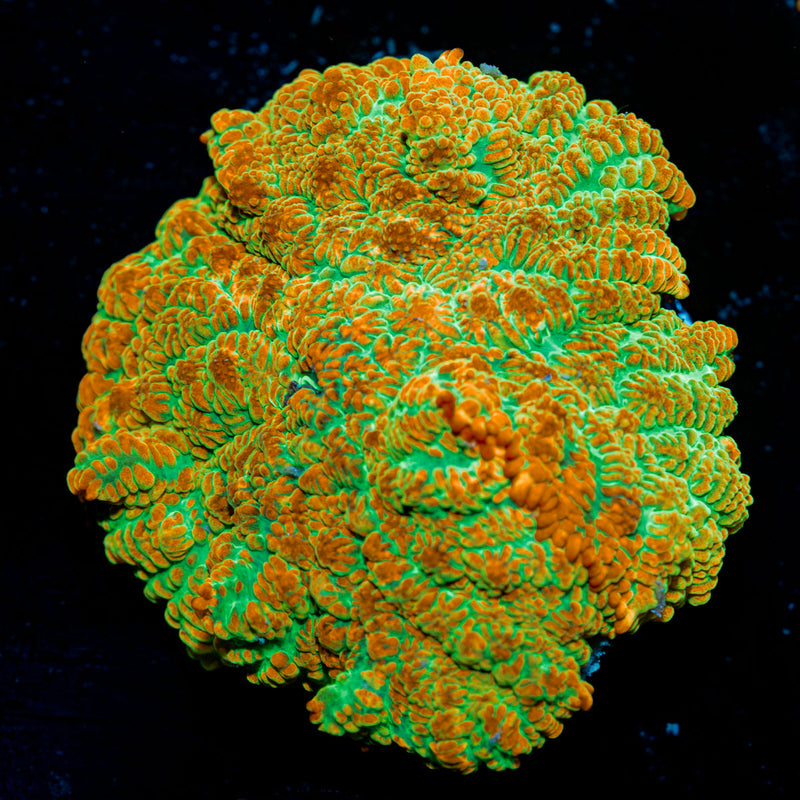
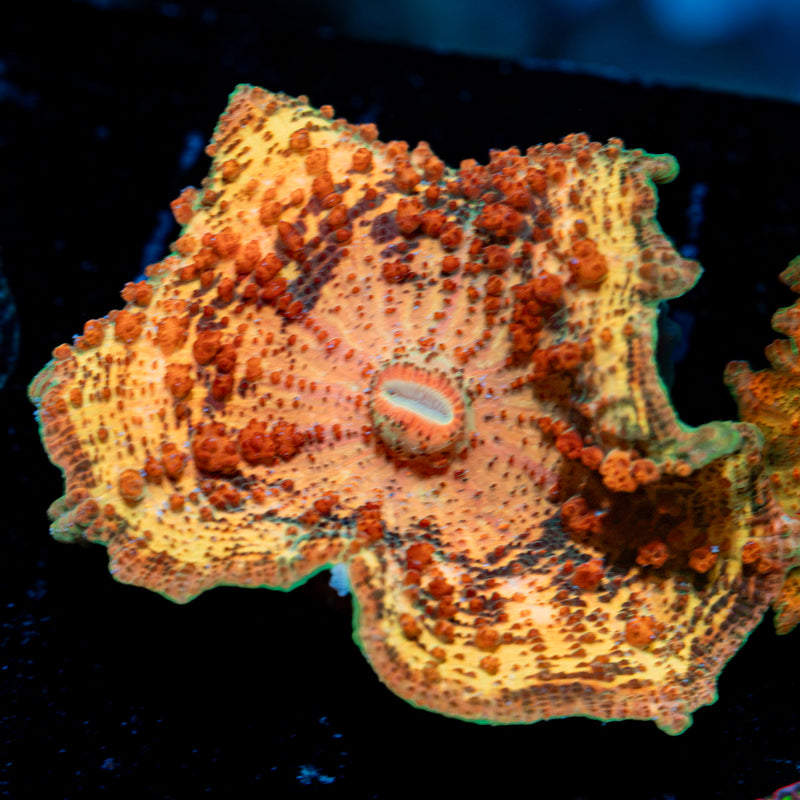
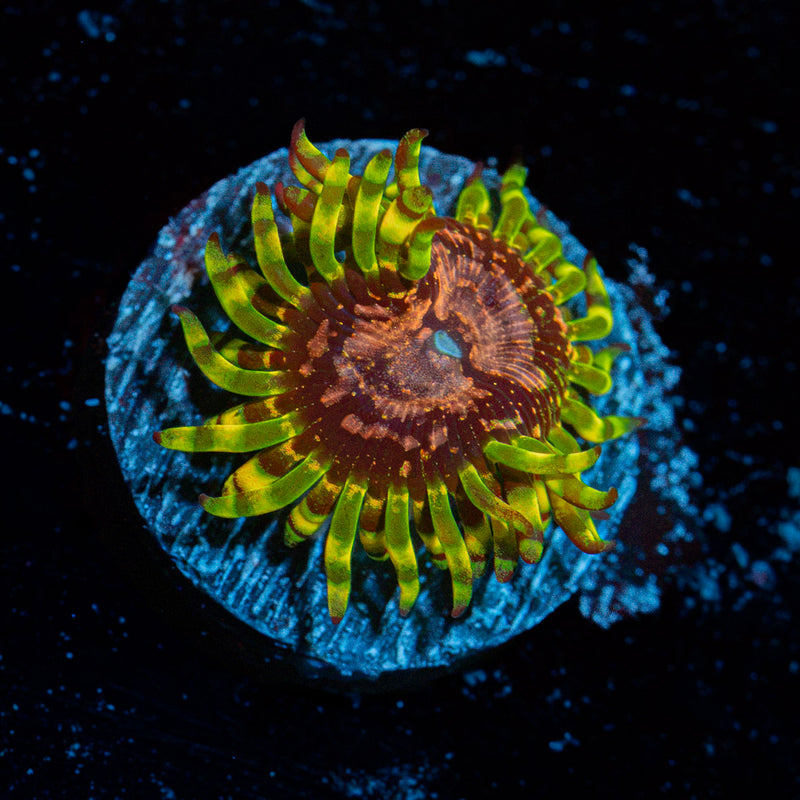
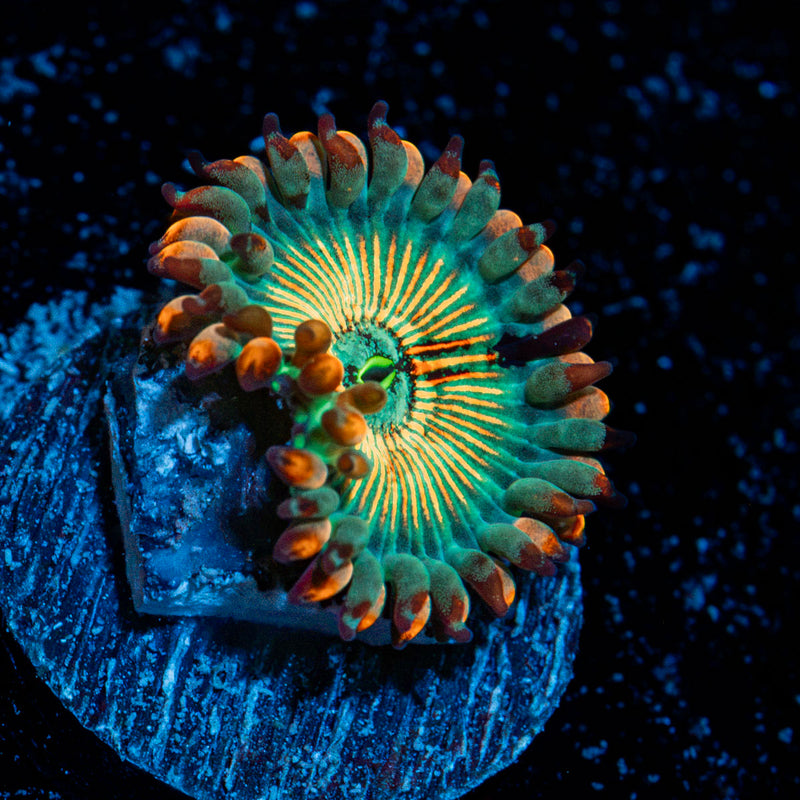
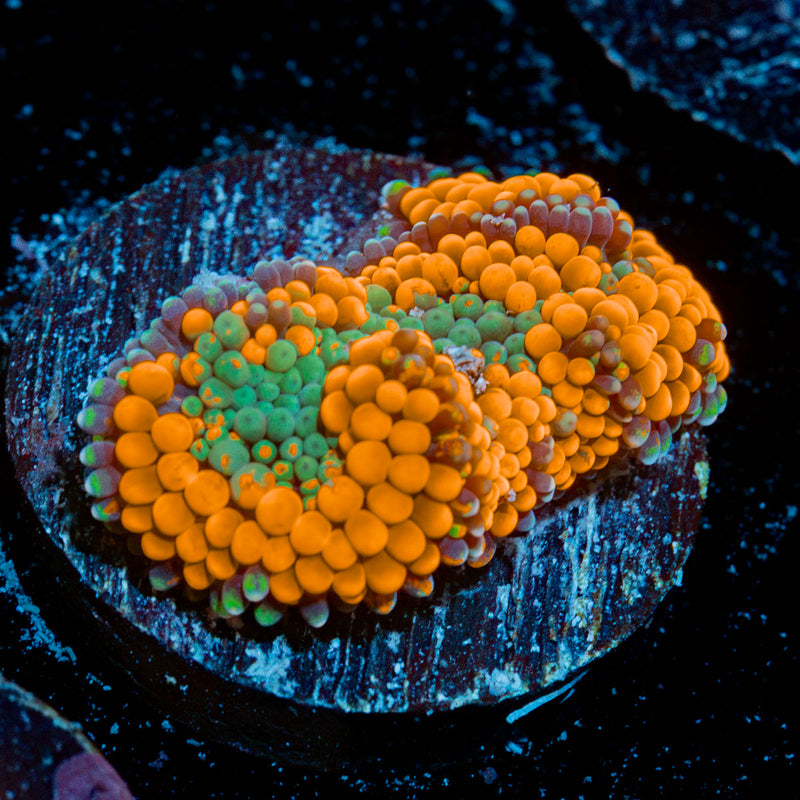
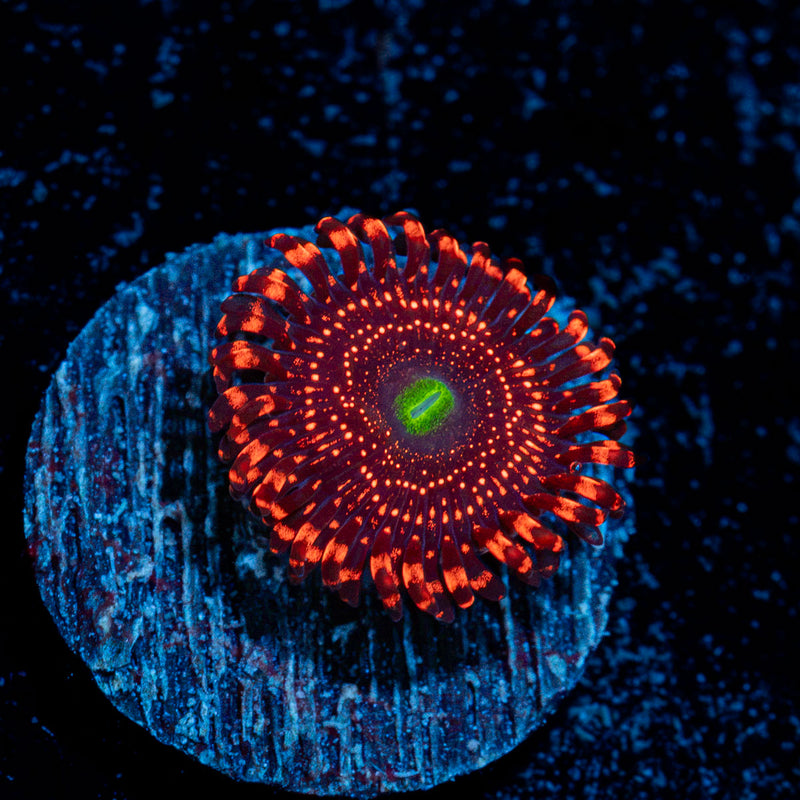
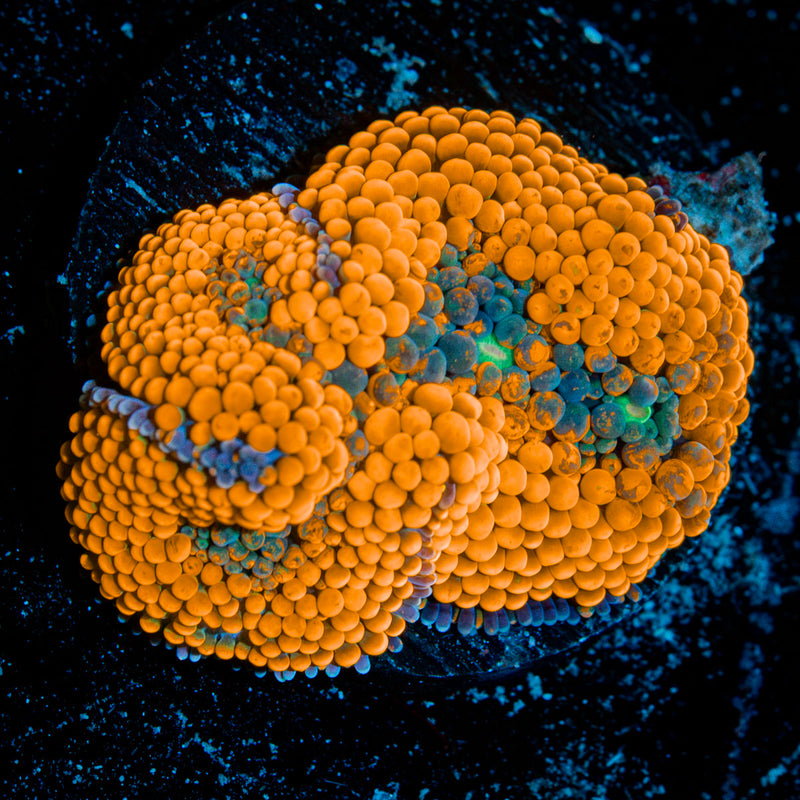
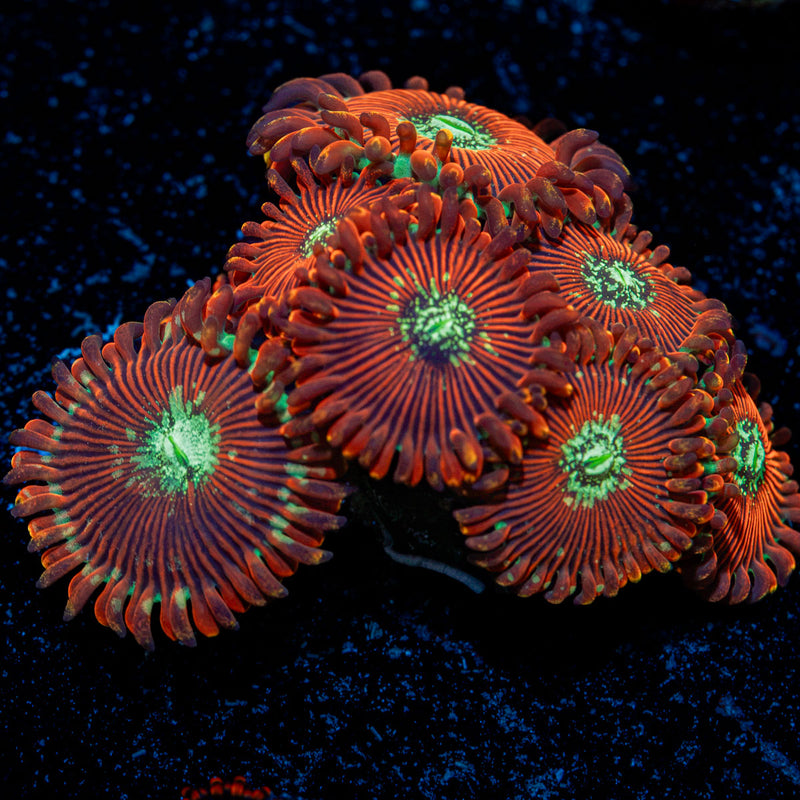
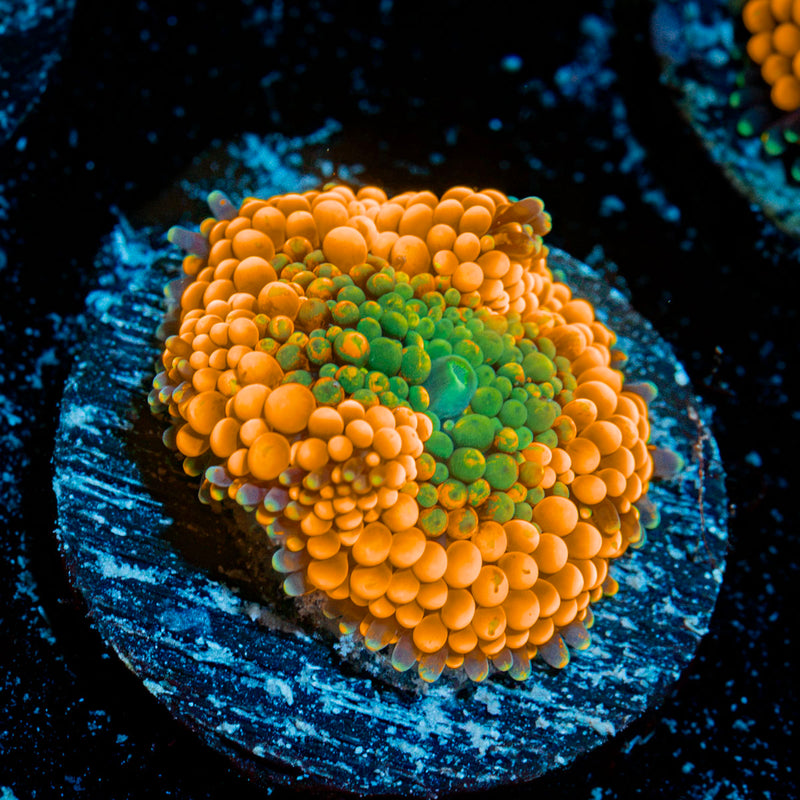
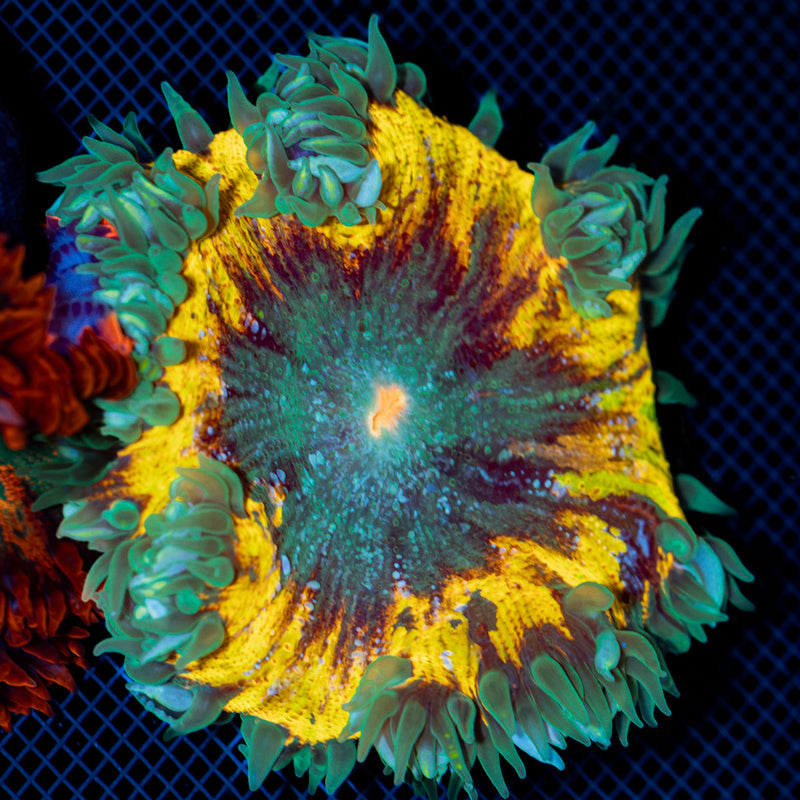
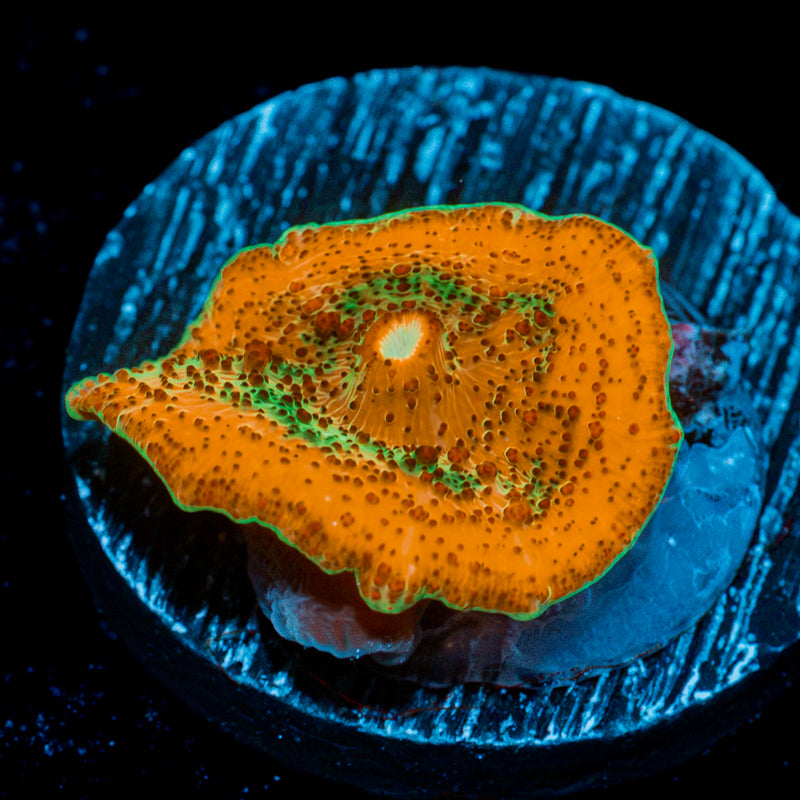
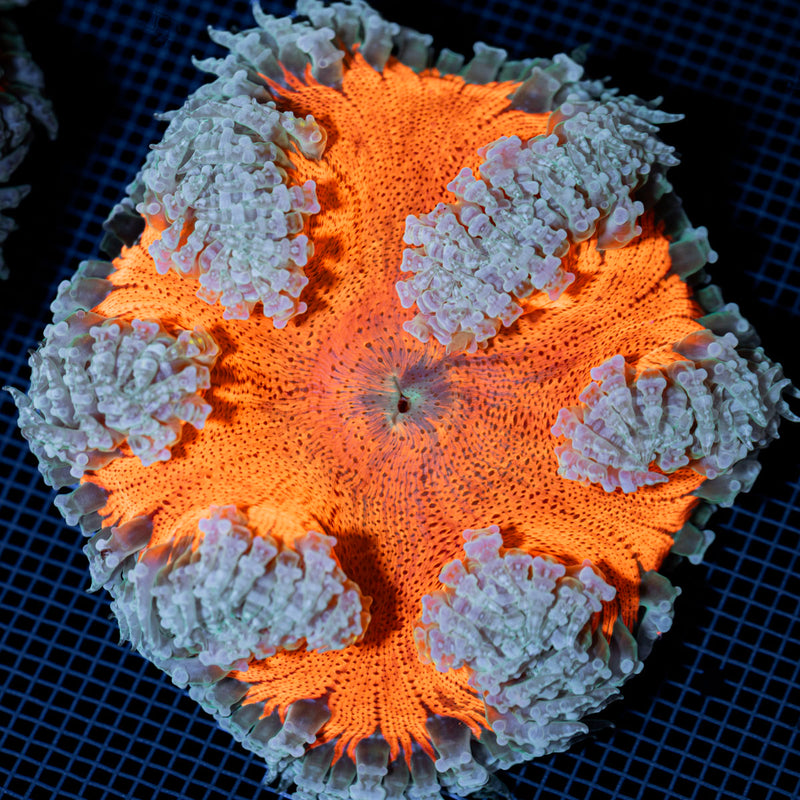
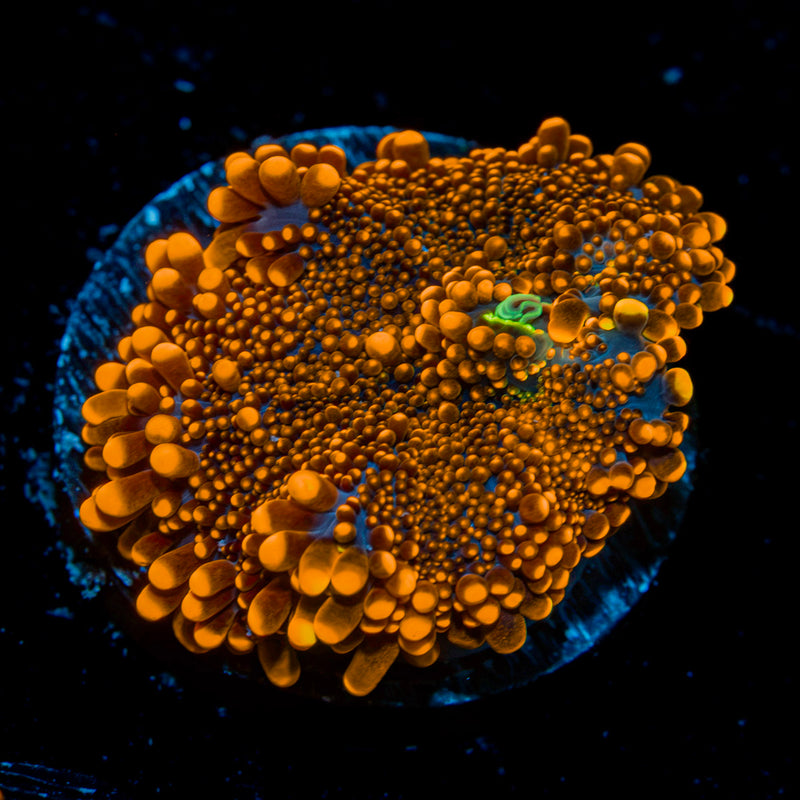
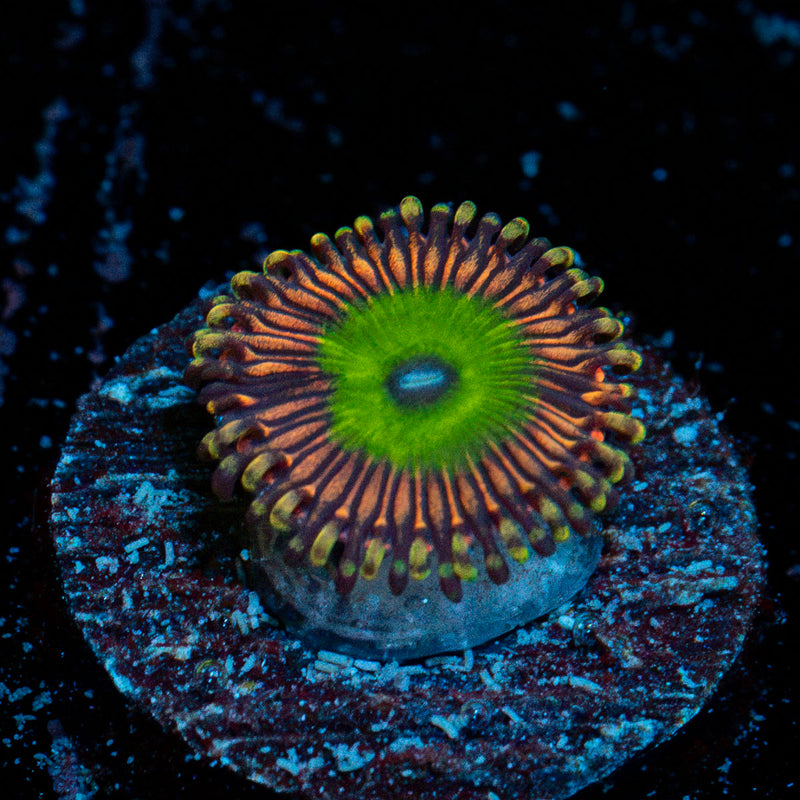
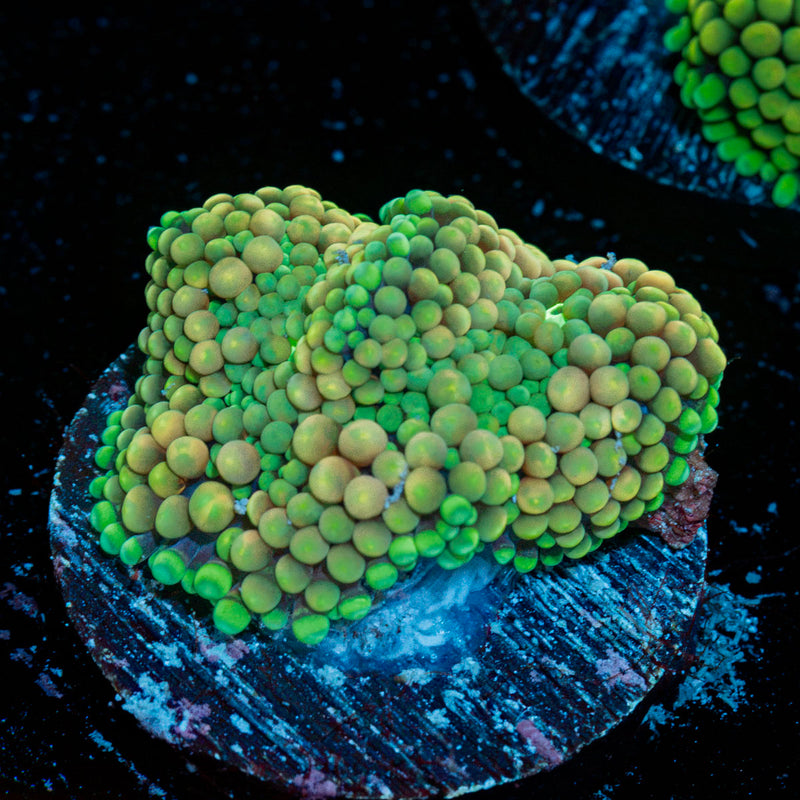
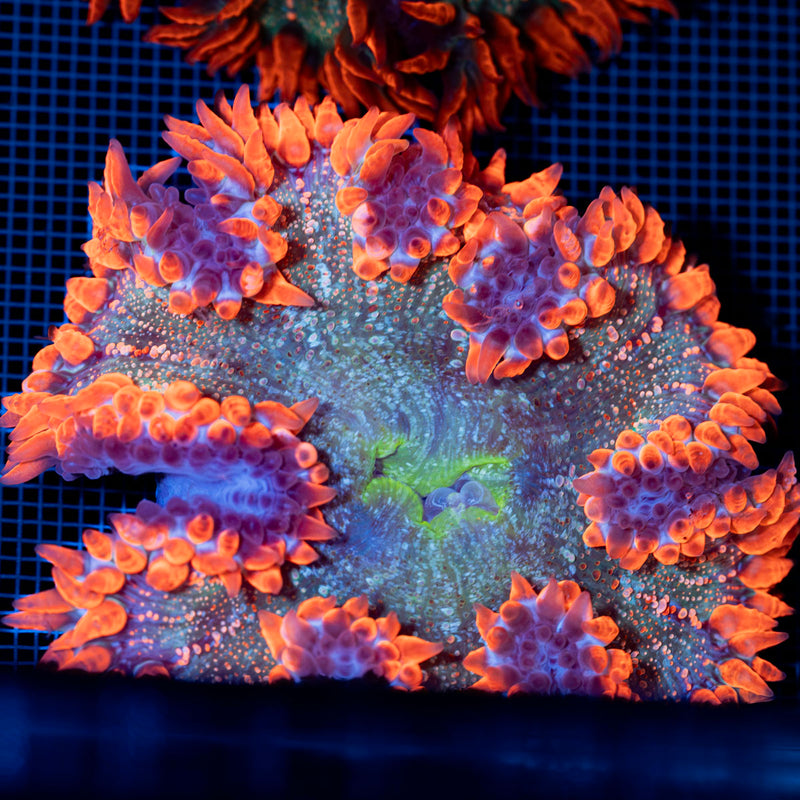
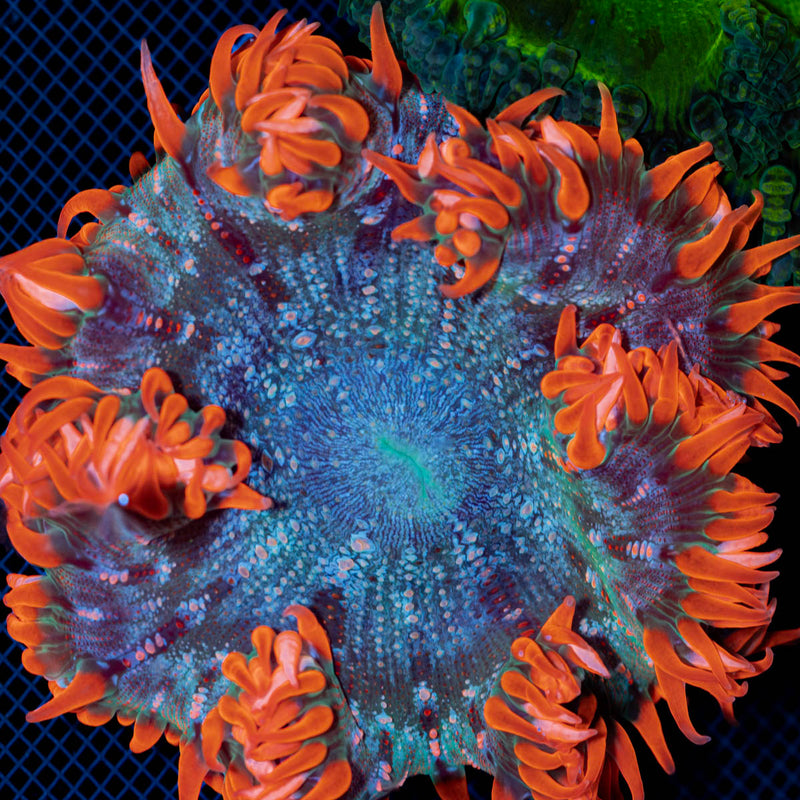
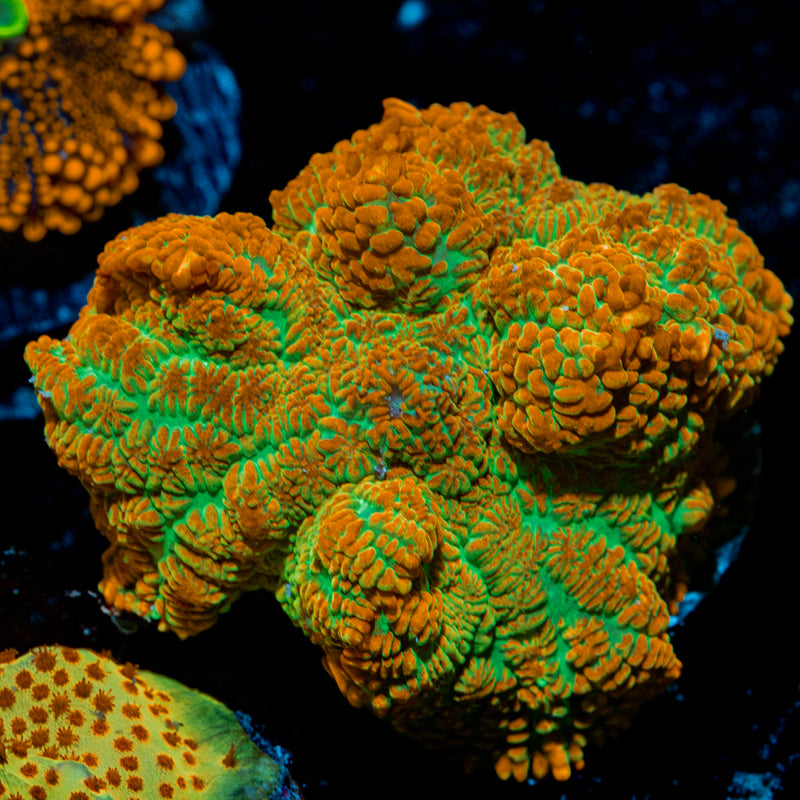
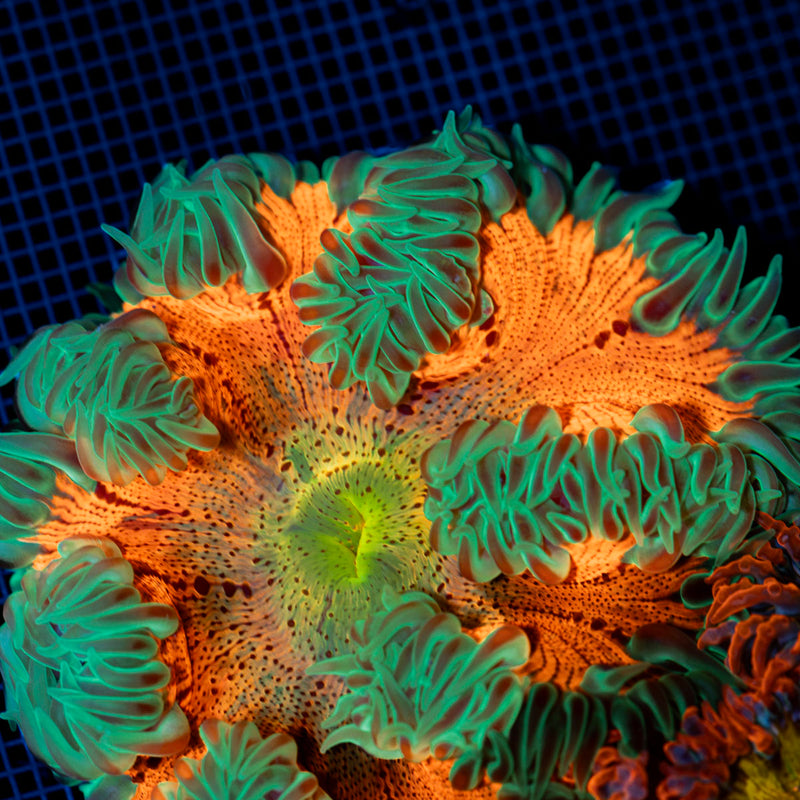
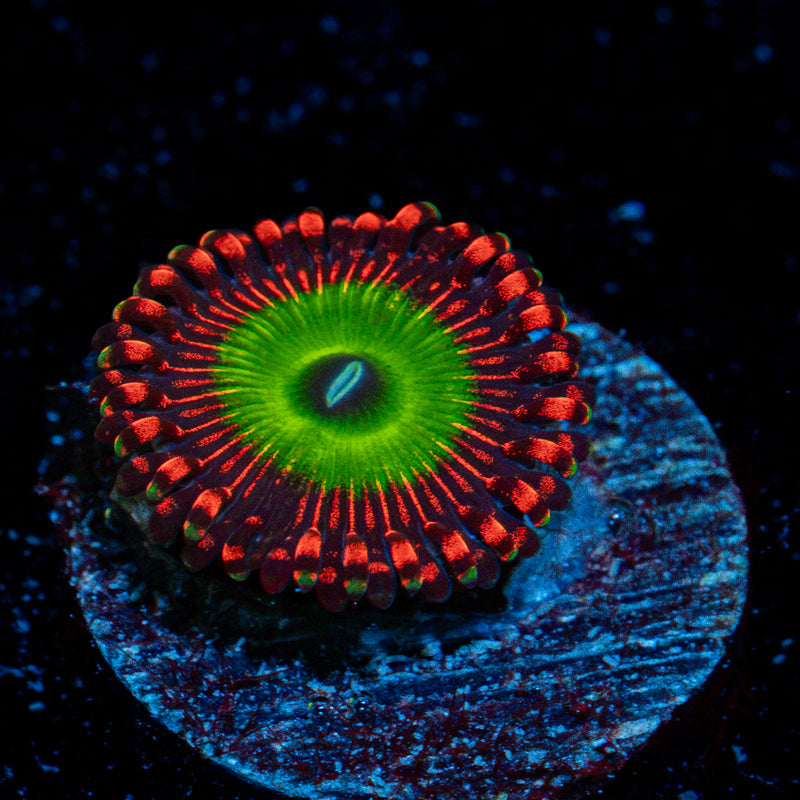
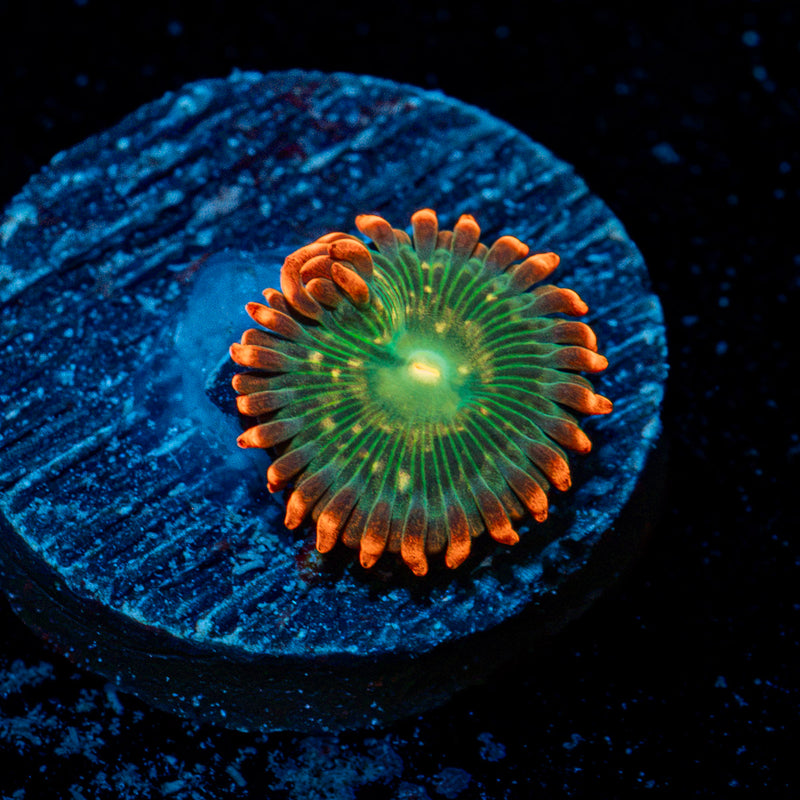
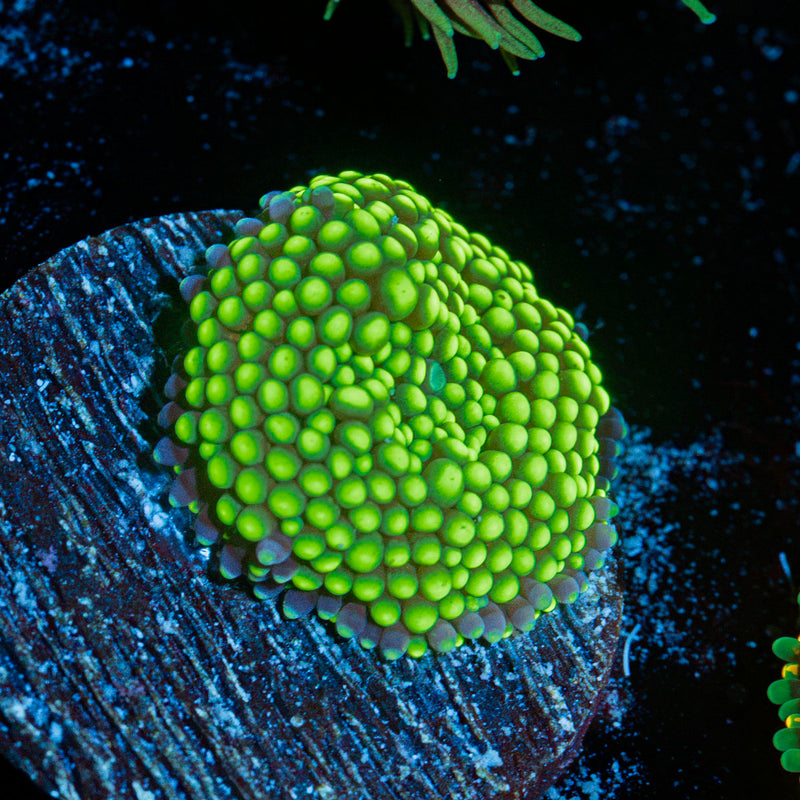
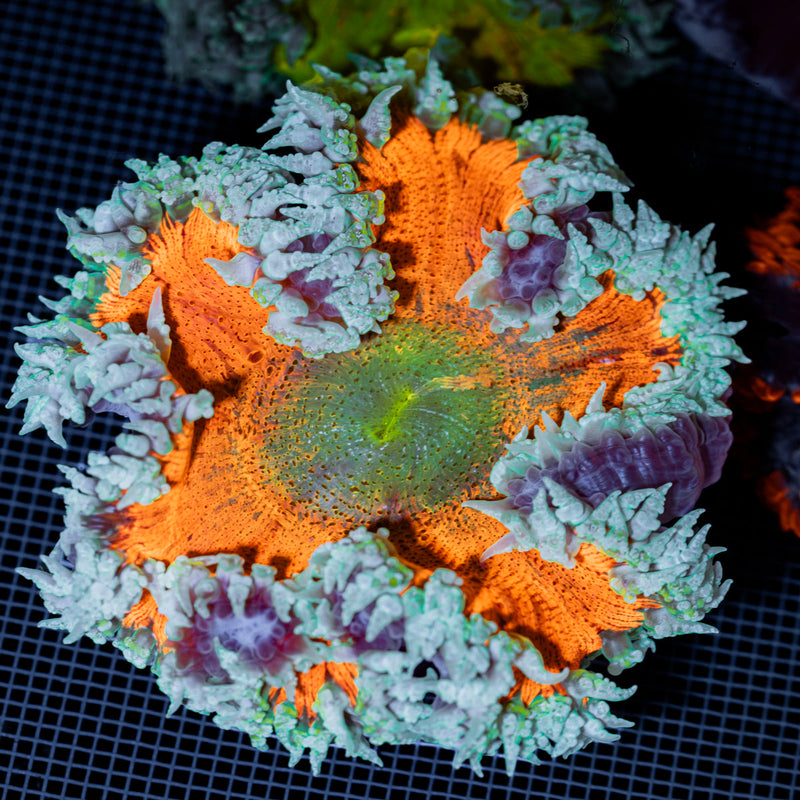
A practical coral layout often starts low and gentle. Mushrooms, many zoanthids, and other soft corals can be excellent choices for lower-light areas or for hobbyists learning how their new system responds. Their color and movement make them approachable starting points, though some varieties spread quickly and deserve their own isolated rock if you want to keep their expansion controlled.
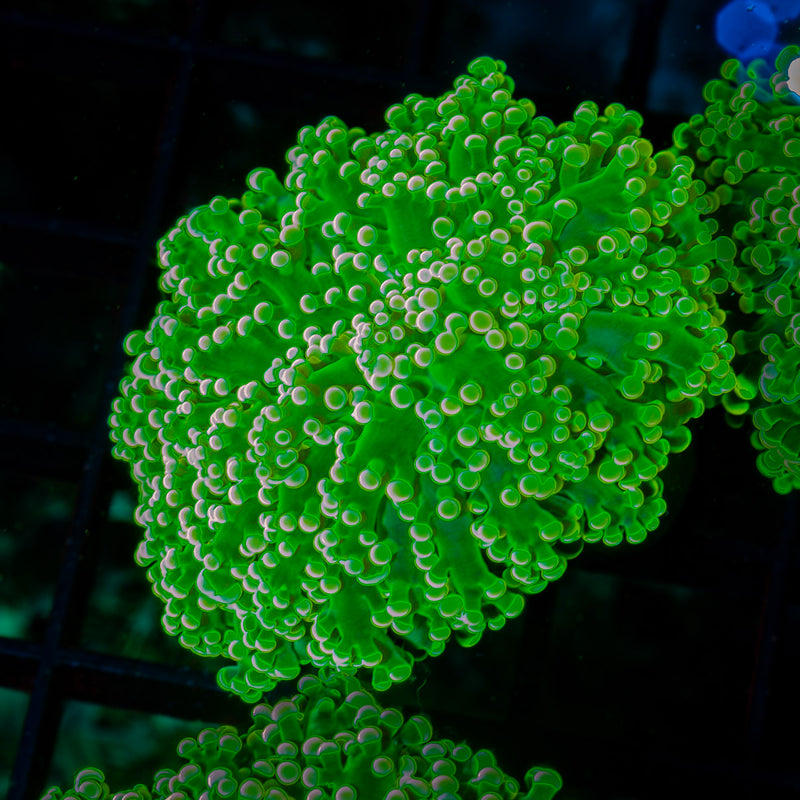
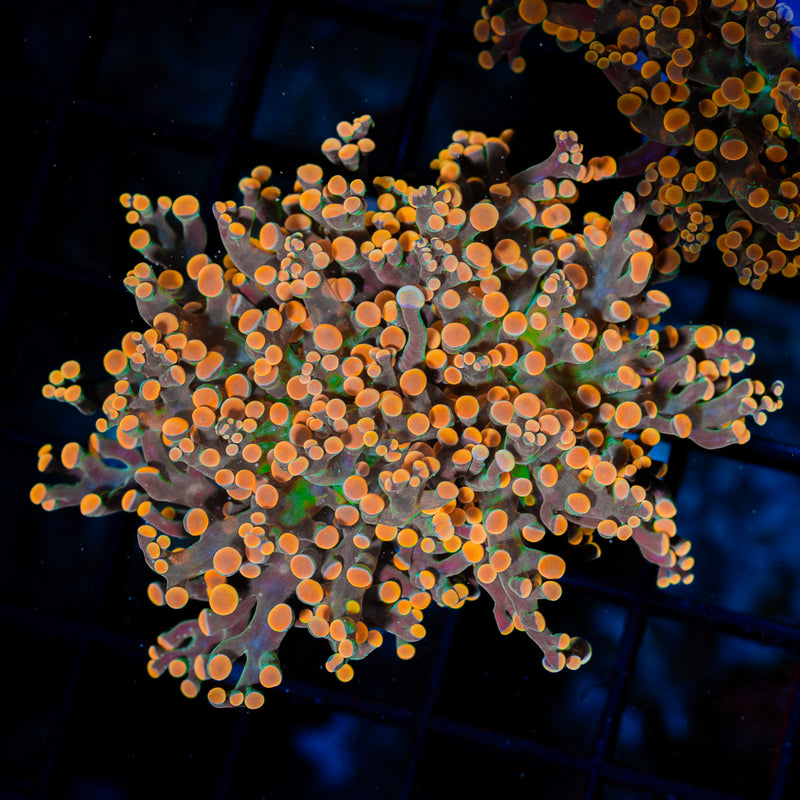
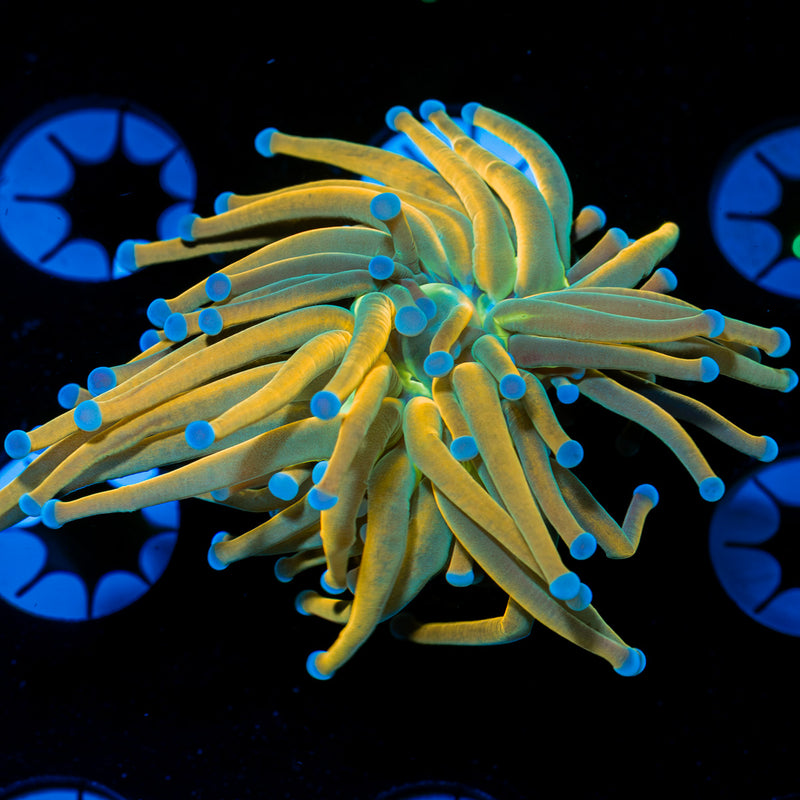
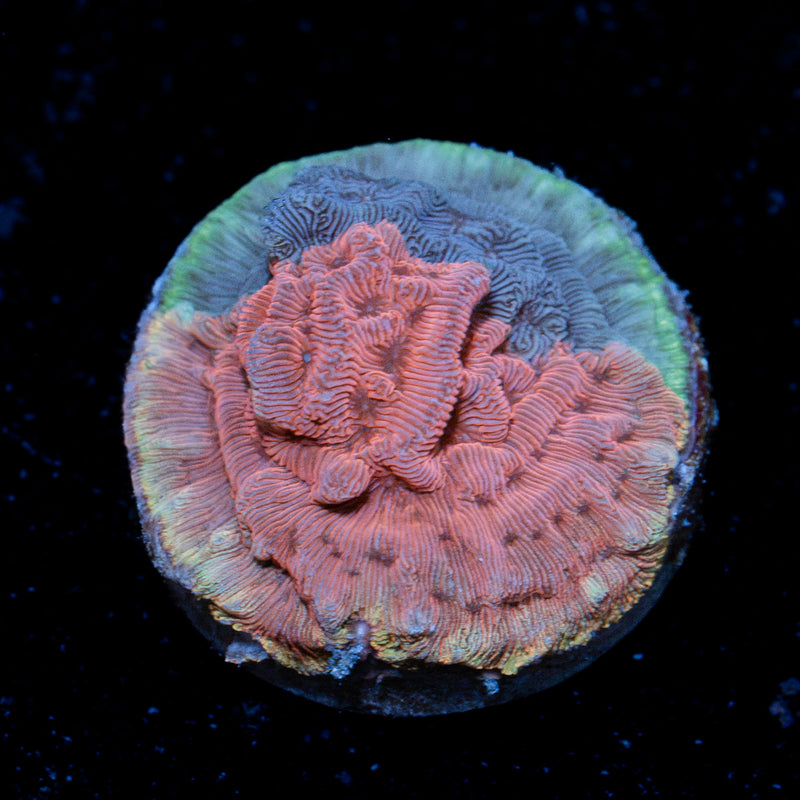
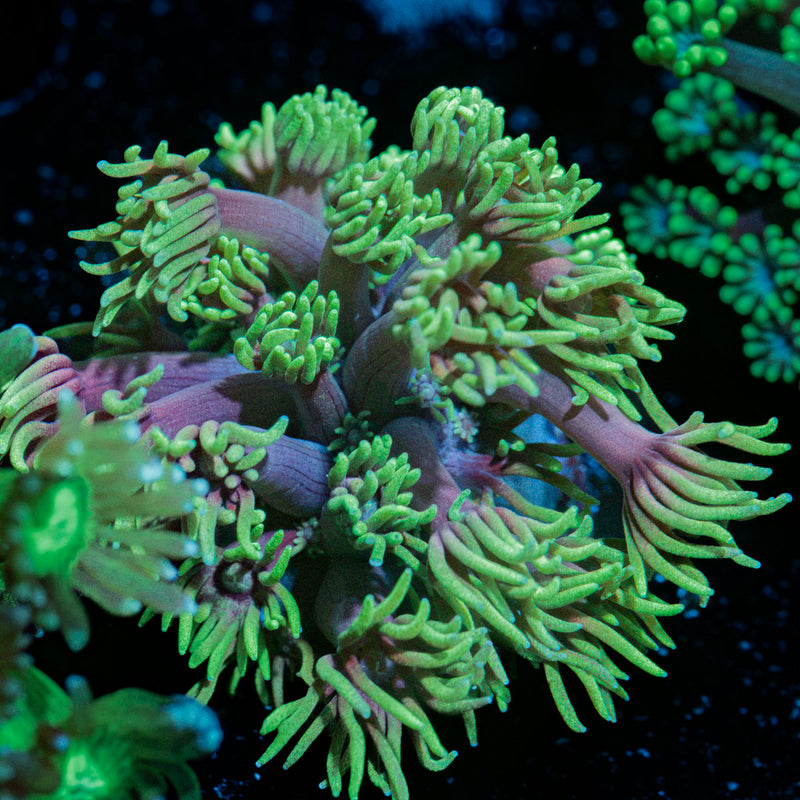
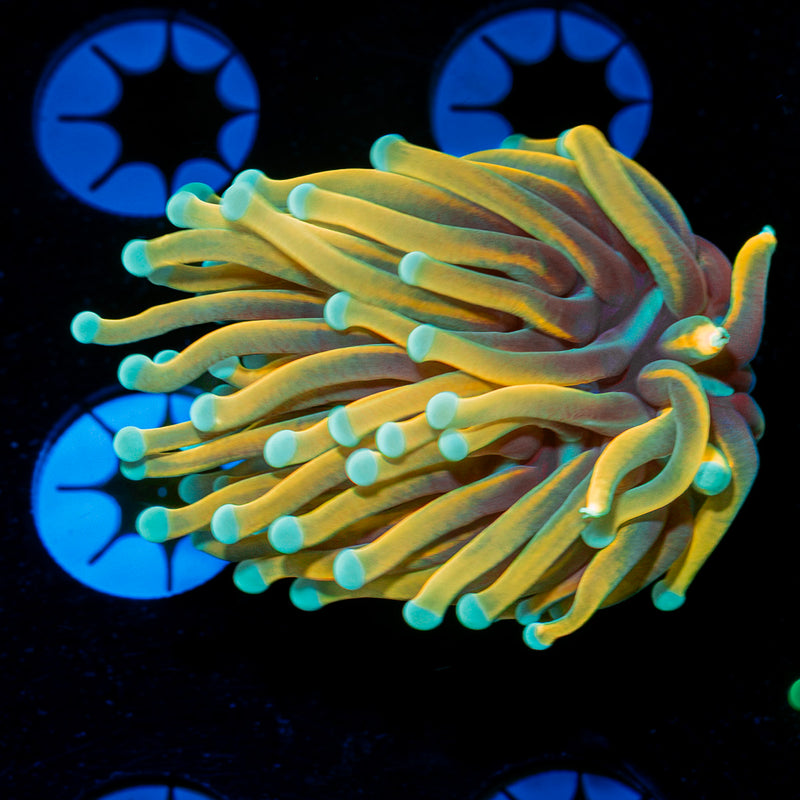
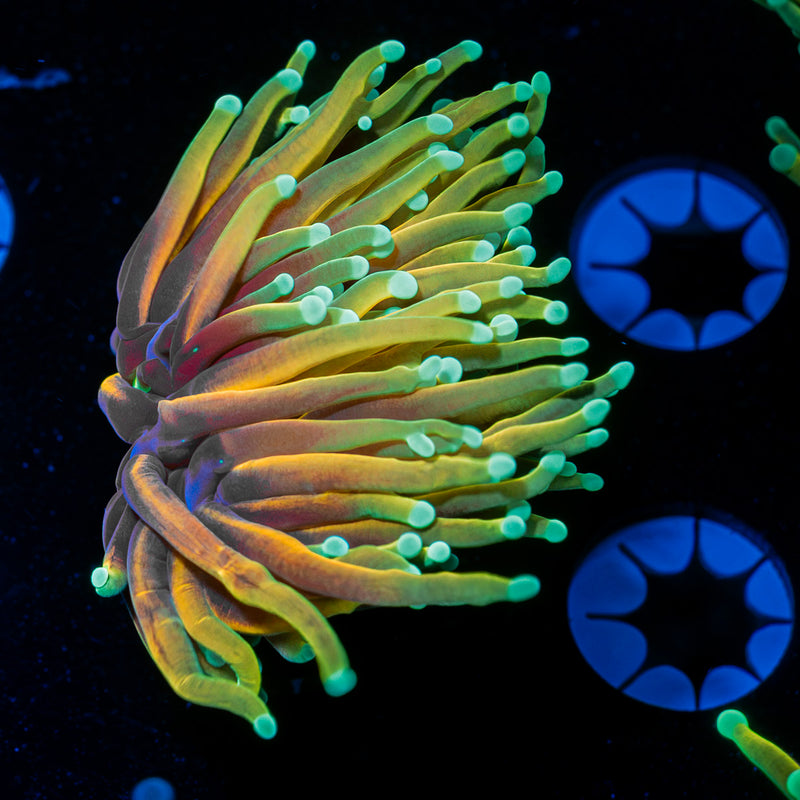
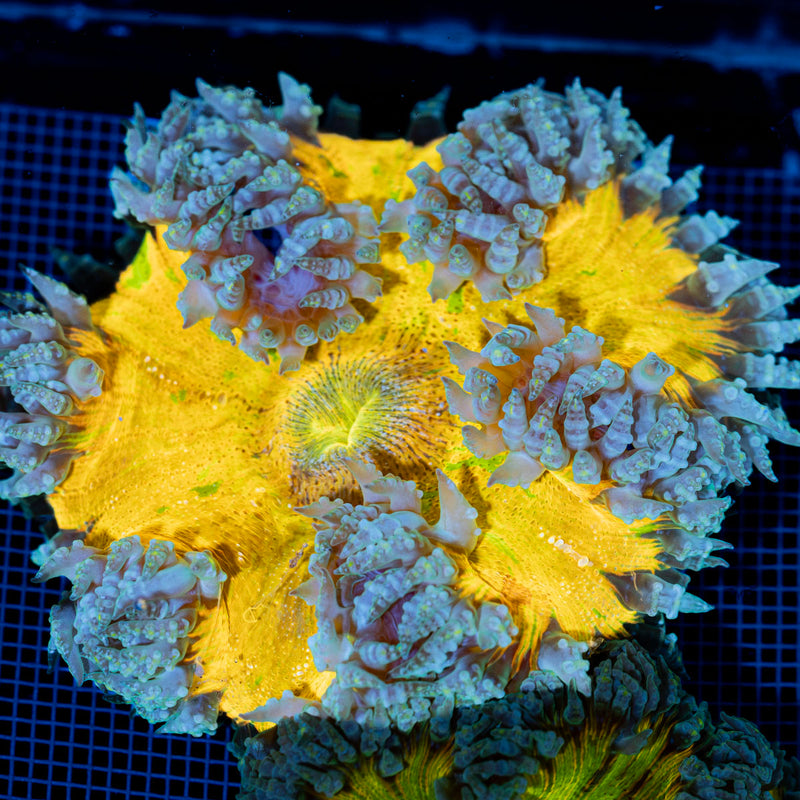
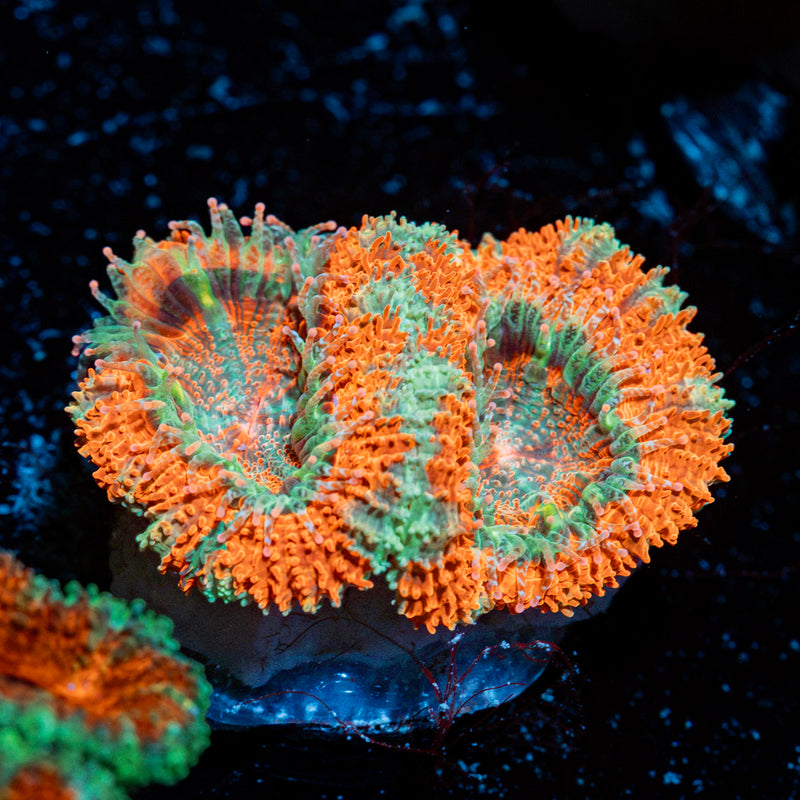
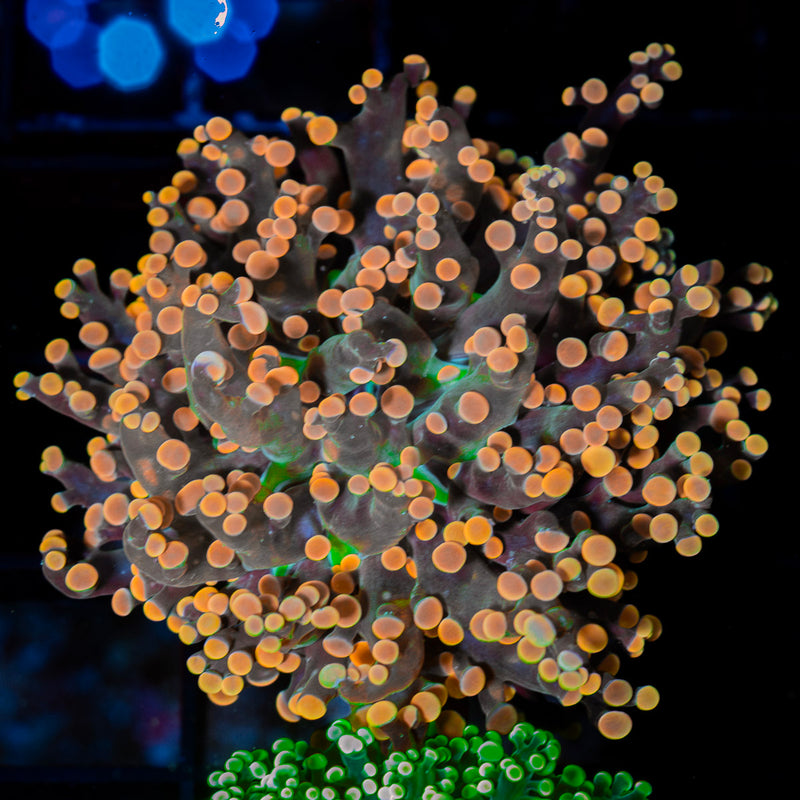
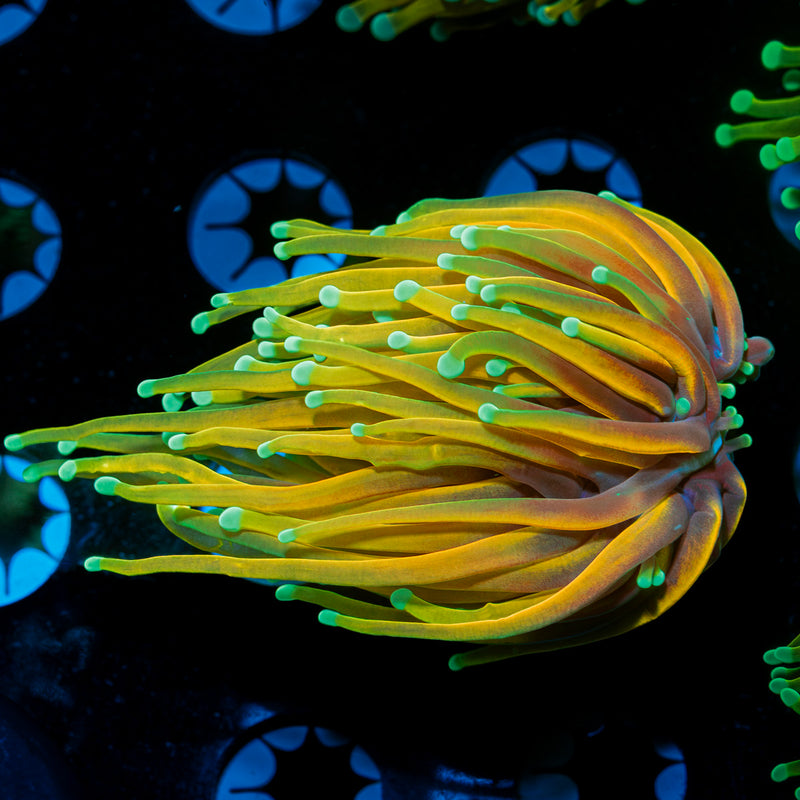
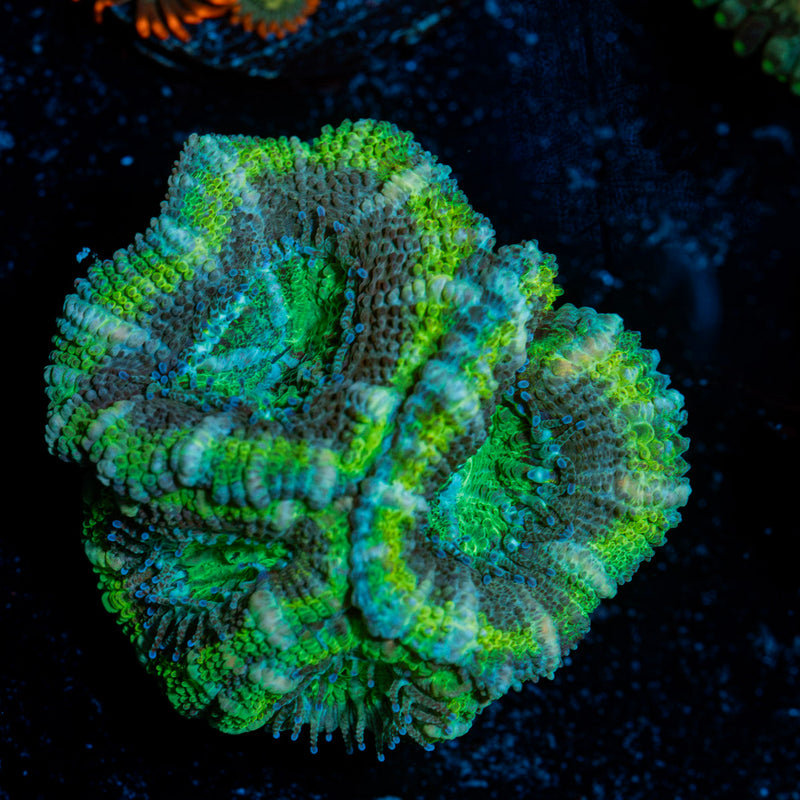
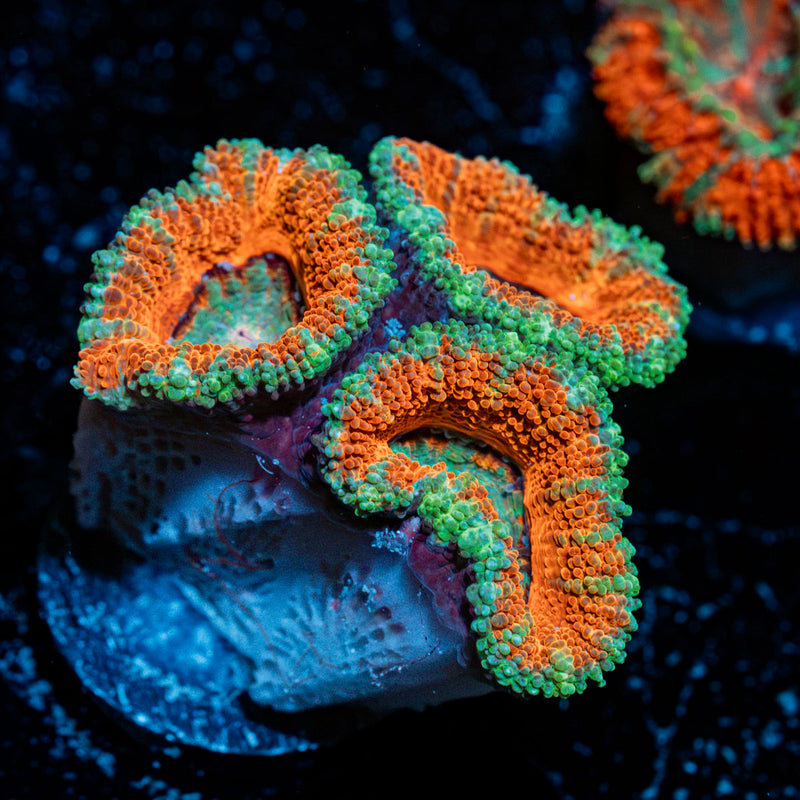
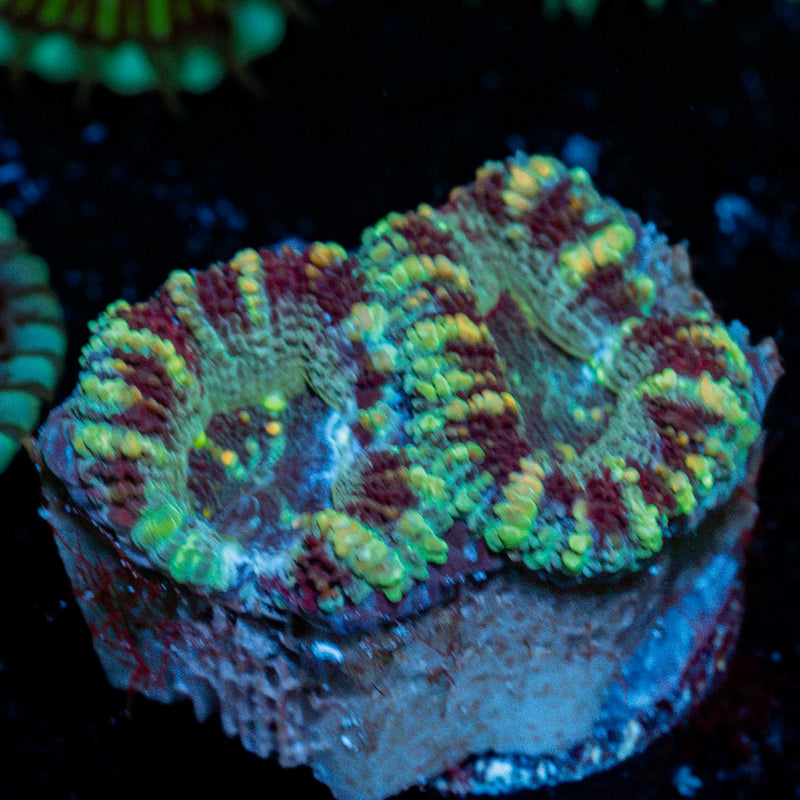
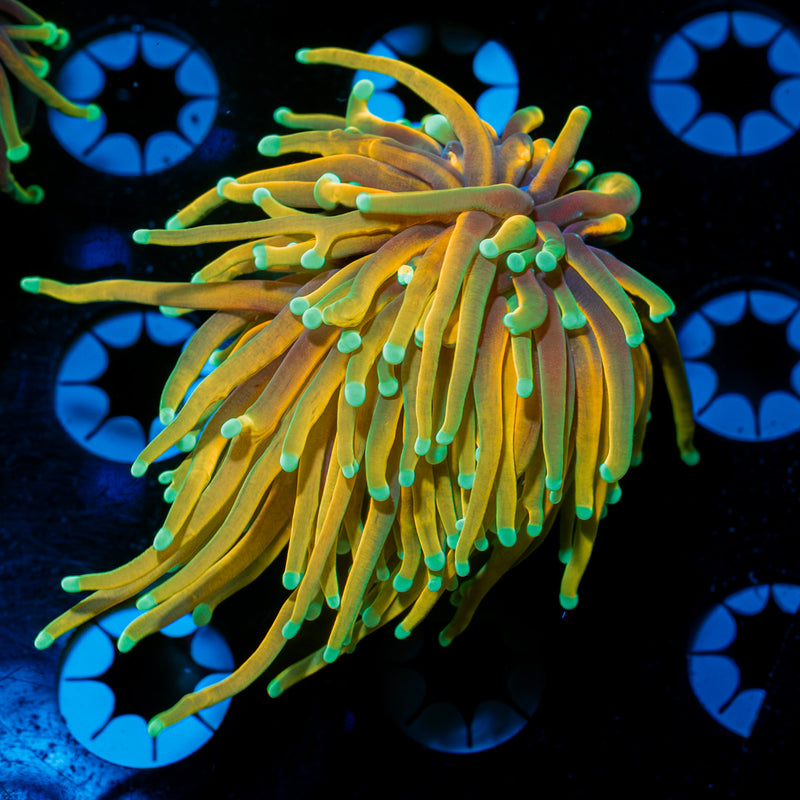
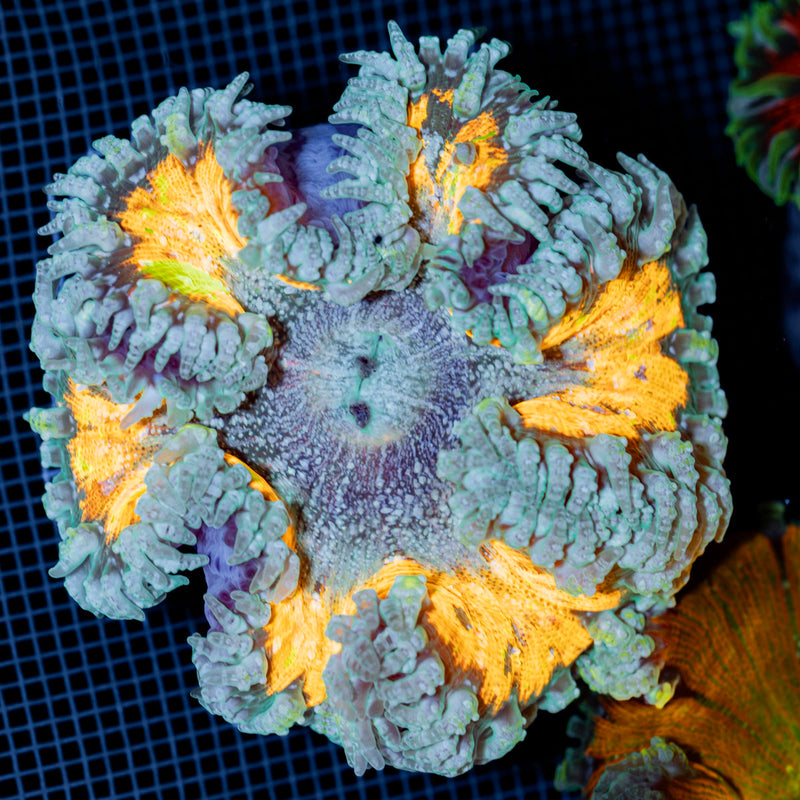
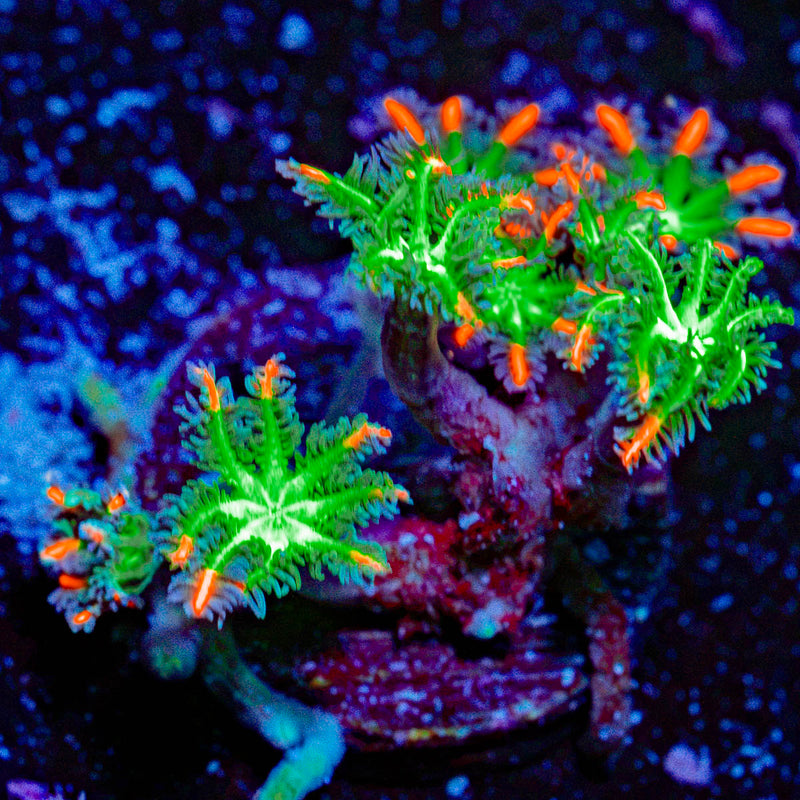
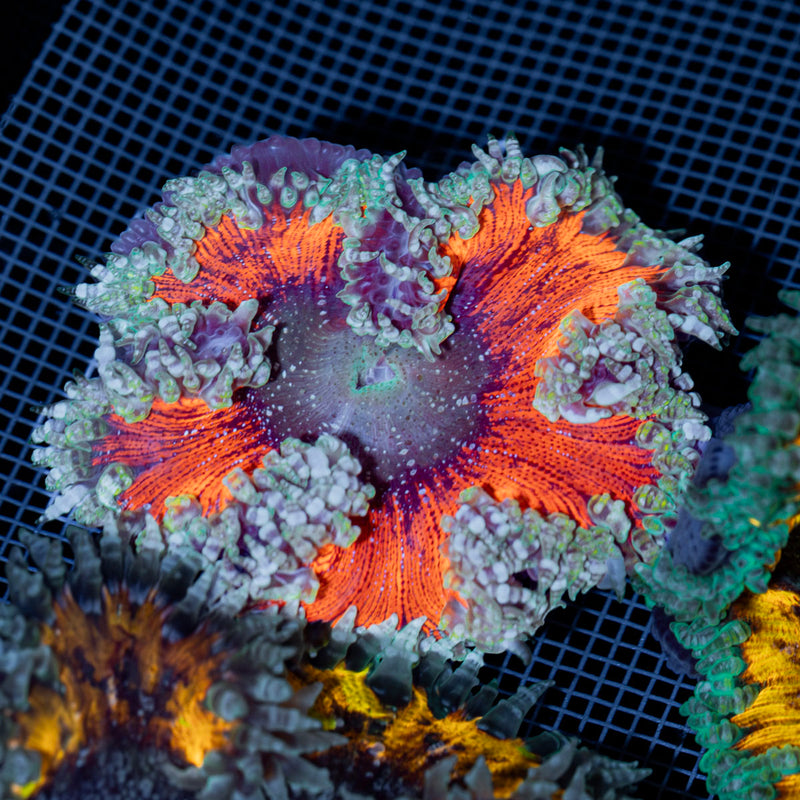
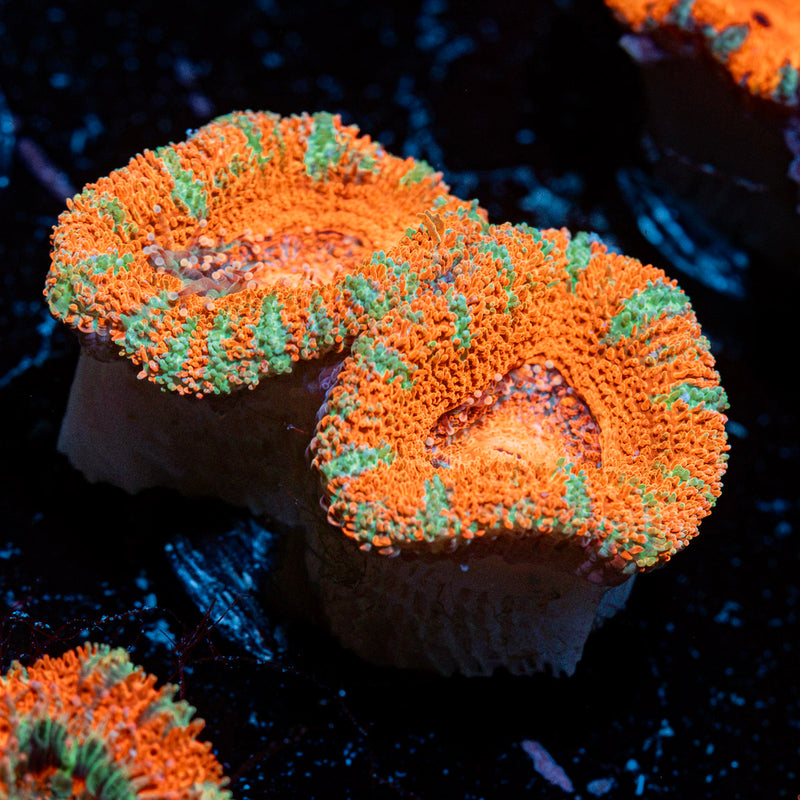
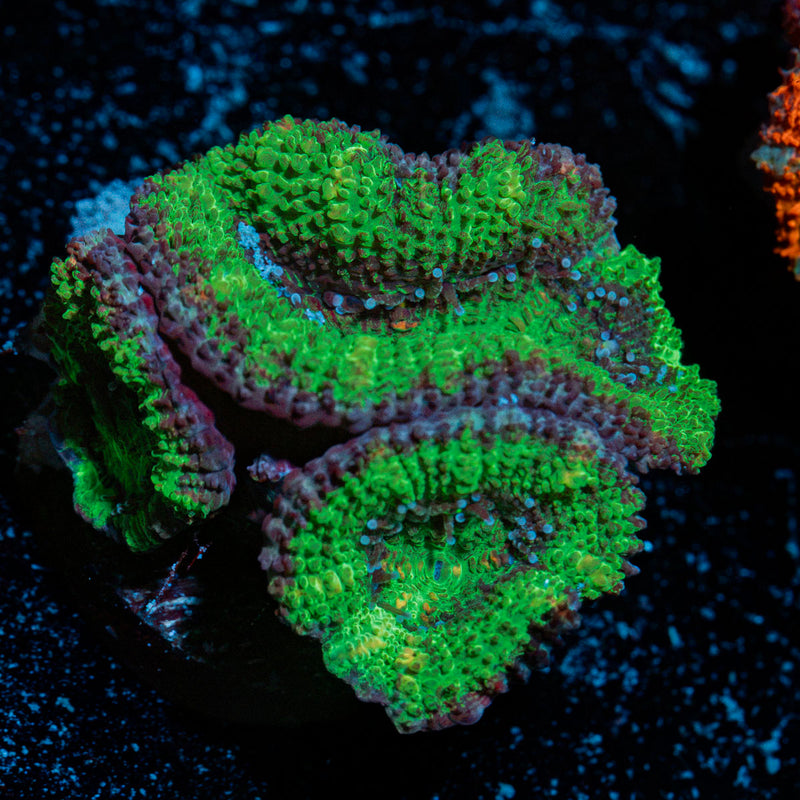
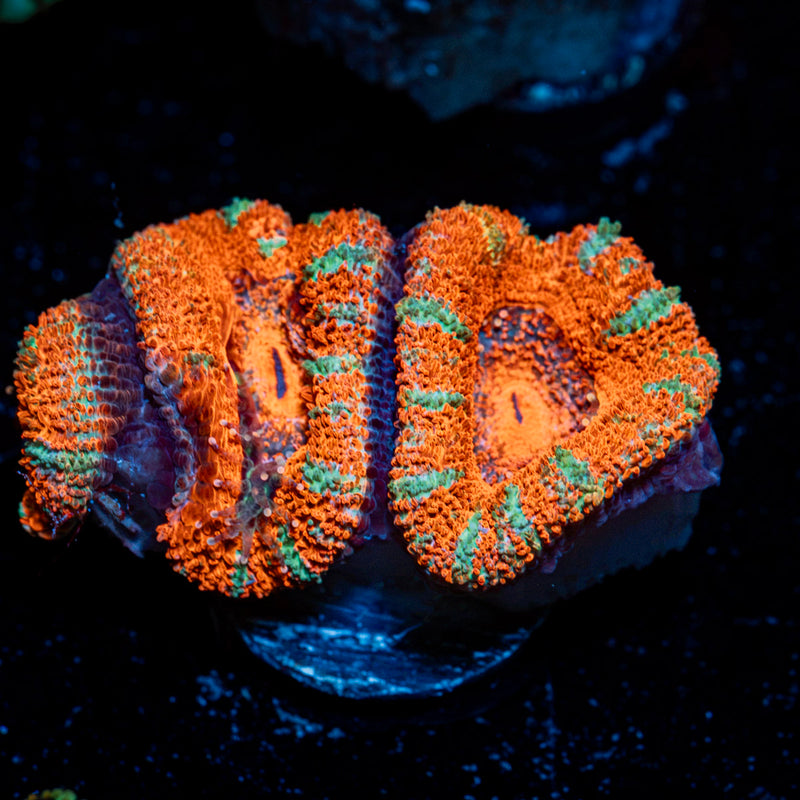
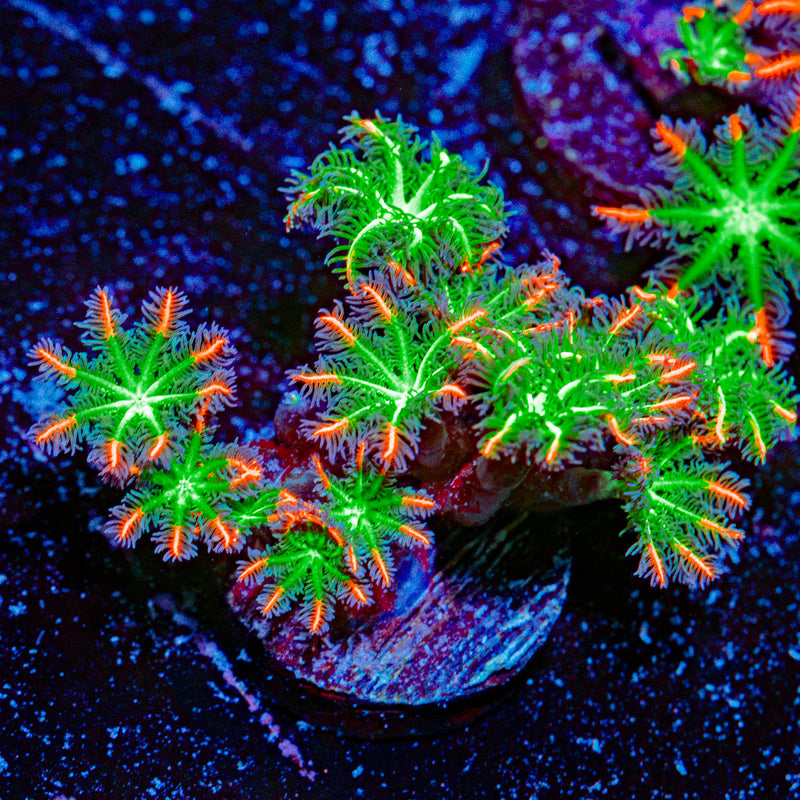
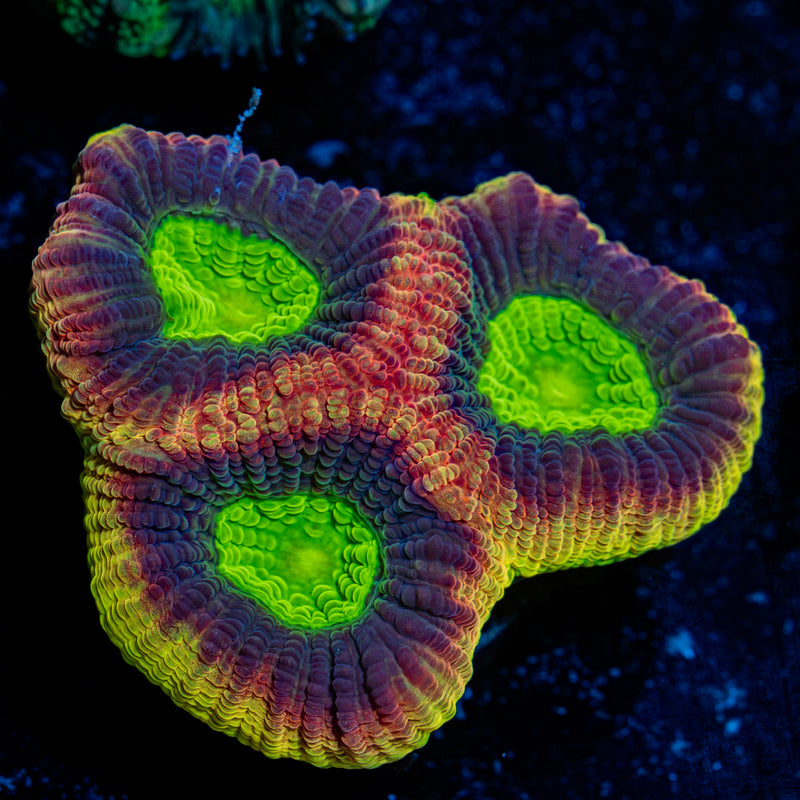
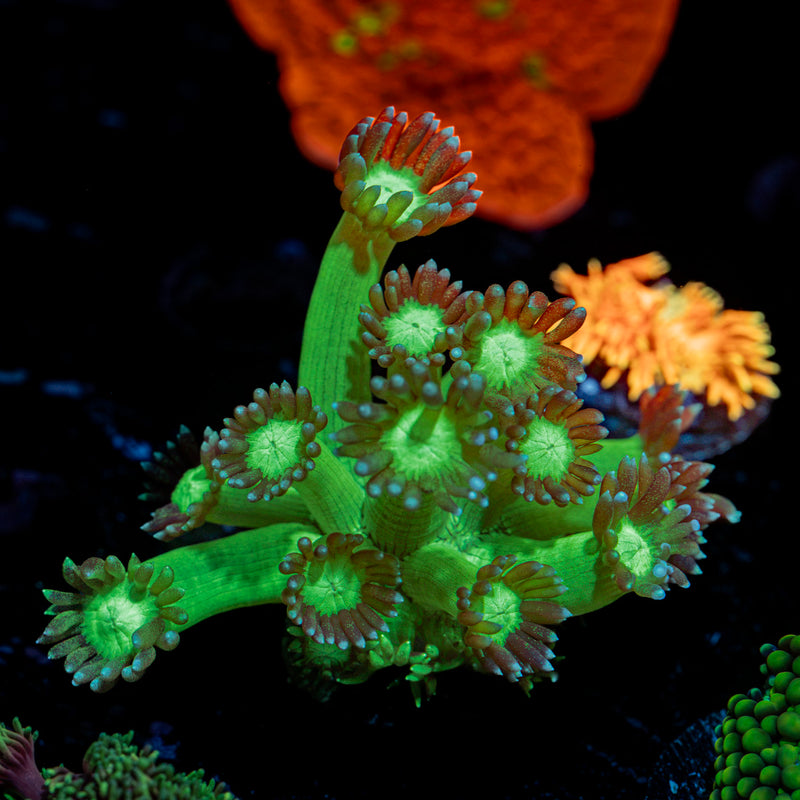
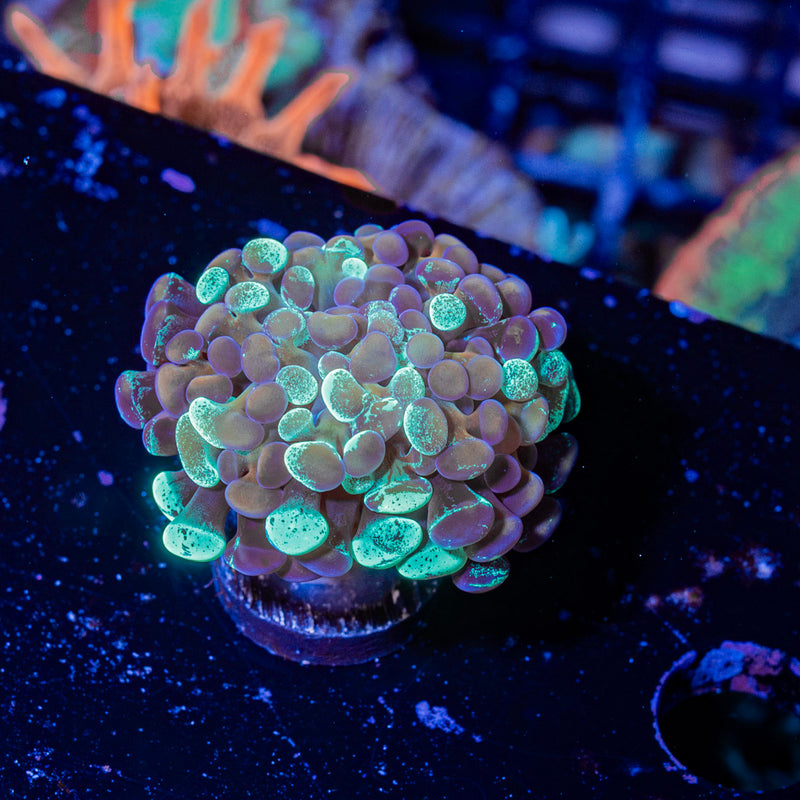
LPS corals such as hammers, frogspawn, torches, acans, and chalices deliver bold color, texture, and movement. Many appreciate moderate light and indirect, varied flow. They also need space. Sweeper tentacles and inflated tissue can reach much farther than a small frag plug suggests, particularly after lights-out.
SPS corals, including Acropora and Millepora, are often placed high in the aquascape where lighting and turbulent flow are strongest. Their branching silhouettes can become dramatic showpieces, but they are less forgiving of unstable alkalinity, temperature swings, and changing nutrient levels. A mature tank with a consistent care routine is the right foundation for an SPS-focused collection.
Leave Room for the Coral You Bought, Not Only the Frag
A one-inch frag of hammer coral can become a broad, flowing colony. A small acropora can branch into neighboring space. Zoanthids can cover a rock with a colorful living carpet. Give each coral a realistic growth path before mounting it permanently.
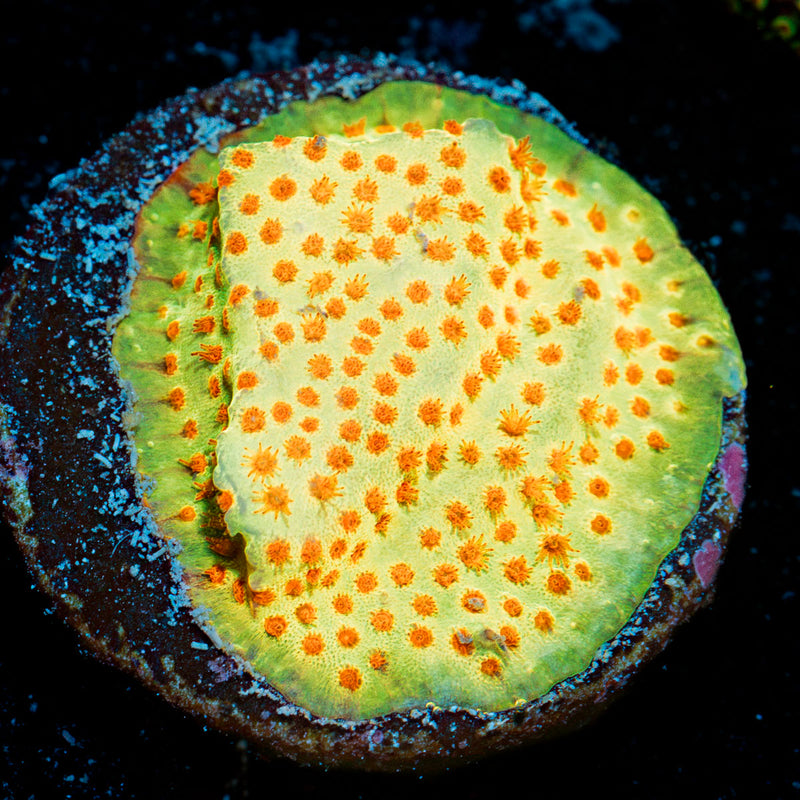
Keep aggressive species separated, especially torch corals and other long-tentacled LPS. Place fast-growing corals where they can be trimmed or contained without dismantling the aquascape. When choosing WYSIWYG corals, enjoy the confidence of receiving the exact specimen pictured, but still plan for the mature colony it can become.
A Reef Tank Stocking Guide Needs a Timeline
The most reliable stocking plan moves from foundational livestock to more demanding additions. Start with a modest fish load and a cleanup crew matched to the tank’s actual algae and detritus. A cleanup crew is not a substitute for maintenance, and adding large numbers of snails or crabs before there is enough natural food can lead to unnecessary losses.
Once the tank is stable, add beginner-friendly corals that suit your lighting and flow. Watch them for several weeks. Good polyp extension, steady color, and visible growth are encouraging signs, but do not chase a number or change multiple parameters at once because one coral looks different for a day.
As confidence and stability build, add corals with more specific requirements or a carefully selected centerpiece fish. This gradual approach preserves room for adjustment. It also helps you learn whether your tank runs nutrient-rich, nutrient-lean, high-flow, or relatively calm, which is far more useful than copying another hobbyist’s exact stocking list.
Balance Nutrients Before Adding More Life
A tank that is “clean” is not automatically a tank that is balanced. Fish food provides nutrients that support coral coloration and growth, but excess feeding can drive nuisance algae and elevate nitrate or phosphate beyond your comfort range. The answer is rarely to stop feeding everything. It is usually to feed intentionally, export waste consistently, and avoid adding livestock faster than the system can support it.
Test regularly, especially after fish additions, major coral purchases, equipment changes, or changes to your feeding routine. Maintain stable salinity with reliable top-off practices, and keep alkalinity, calcium, and magnesium appropriate for your coral mix. As stony coral colonies grow, their demand for these building blocks increases. A dosing routine may eventually become helpful, but it should follow measured consumption rather than guesswork.
Flow deserves the same attention. Dead spots collect detritus and can irritate corals, while direct blasting flow can keep LPS corals retracted. Aim for broad, changing circulation that keeps food and waste suspended without turning every polyp into a windsock.
Common Stocking Mistakes That Are Easy to Avoid
The fastest route to frustration is adding livestock to solve a problem the aquarium has not yet outgrown. A tang is not an algae-control plan for a small tank. A dozen snails cannot compensate for excess nutrients. A new coral will not necessarily thrive because another coral in the same tank looks healthy.
Another common mistake is choosing corals solely for their appearance under intense blue lighting. Those electric colors are part of the magic, but ask whether the coral’s care needs fit your system. A curated mix of hardy zoanthids, mushrooms, and LPS can create a spectacular display without requiring the precision of an SPS-dominant reef.
Finally, resist the urge to fill every open rock ledge. Open sand, negative space, and clear swimming lanes make a reef feel larger and give corals the room they need to become the colorful, mature colonies that make the aquarium unforgettable.
At Riptide Aquaculture, aquacultured corals and exact-item WYSIWYG selections make it easier to choose with confidence, but the real secret is still thoughtful placement and pacing. Choose livestock that fits the reef you want six months from now, not just the empty space you see today.