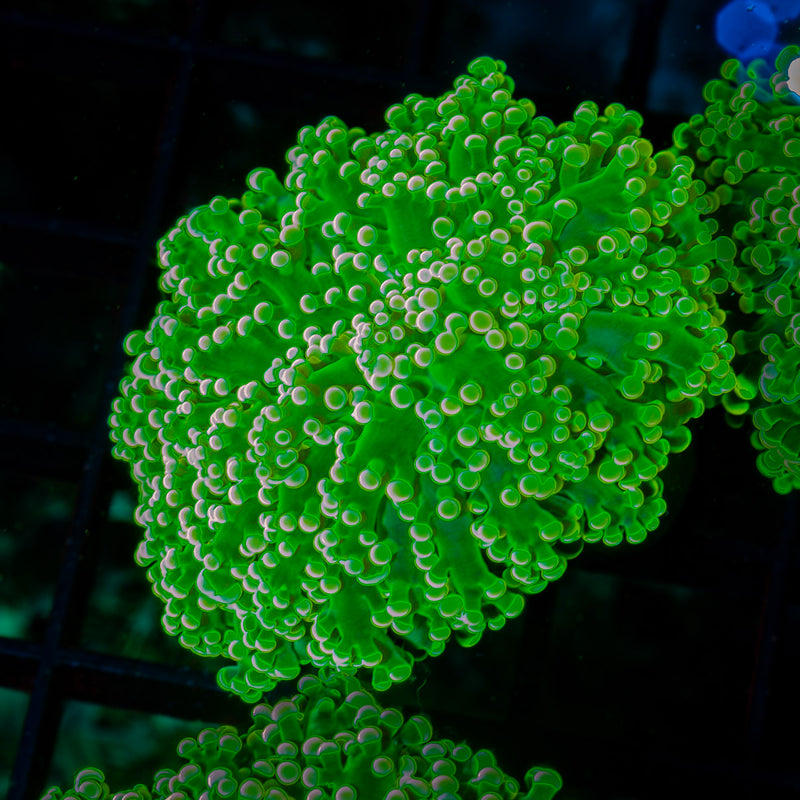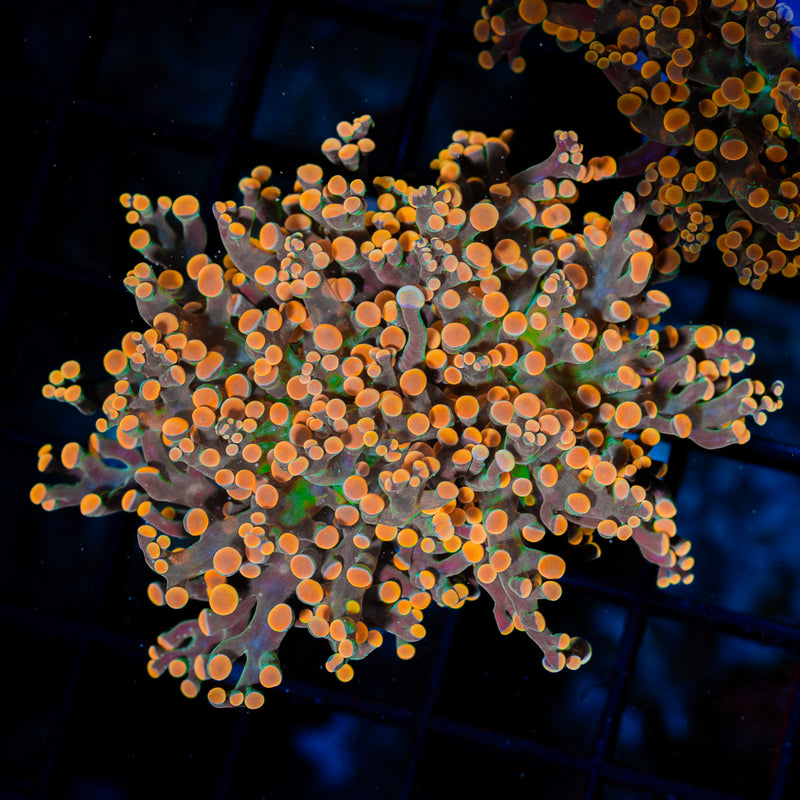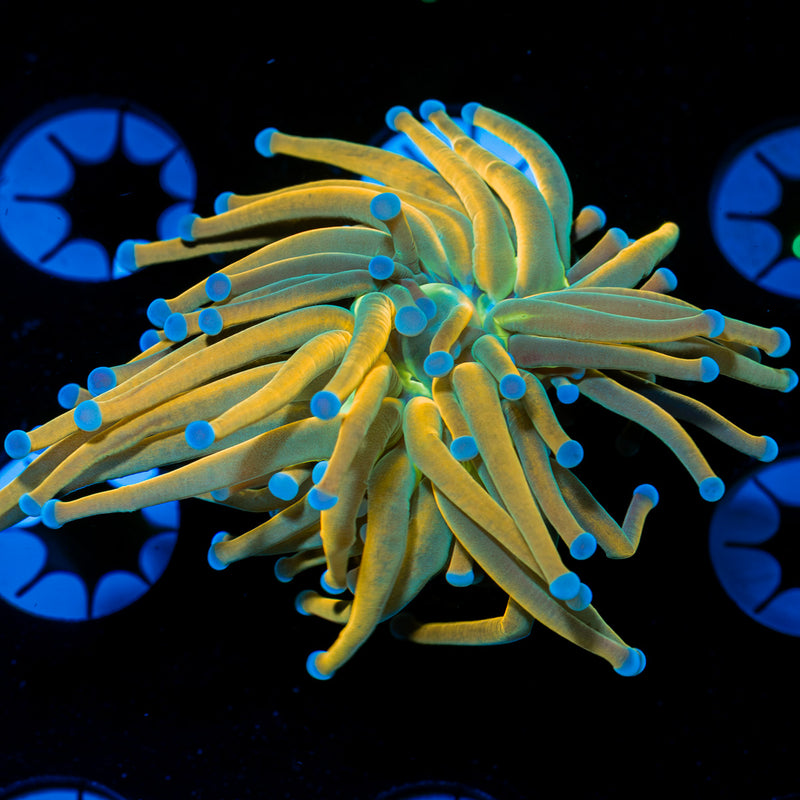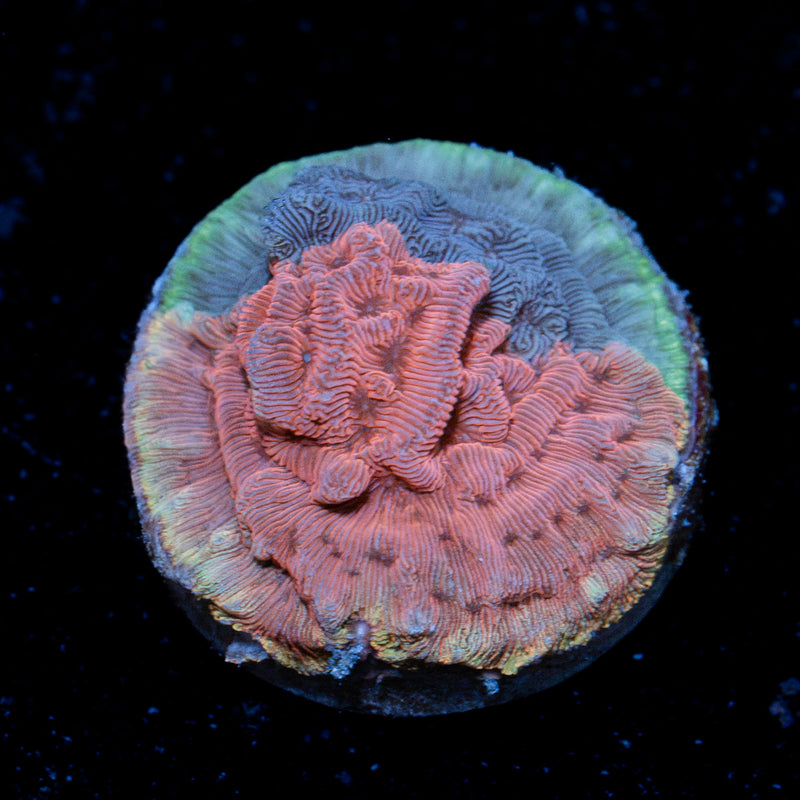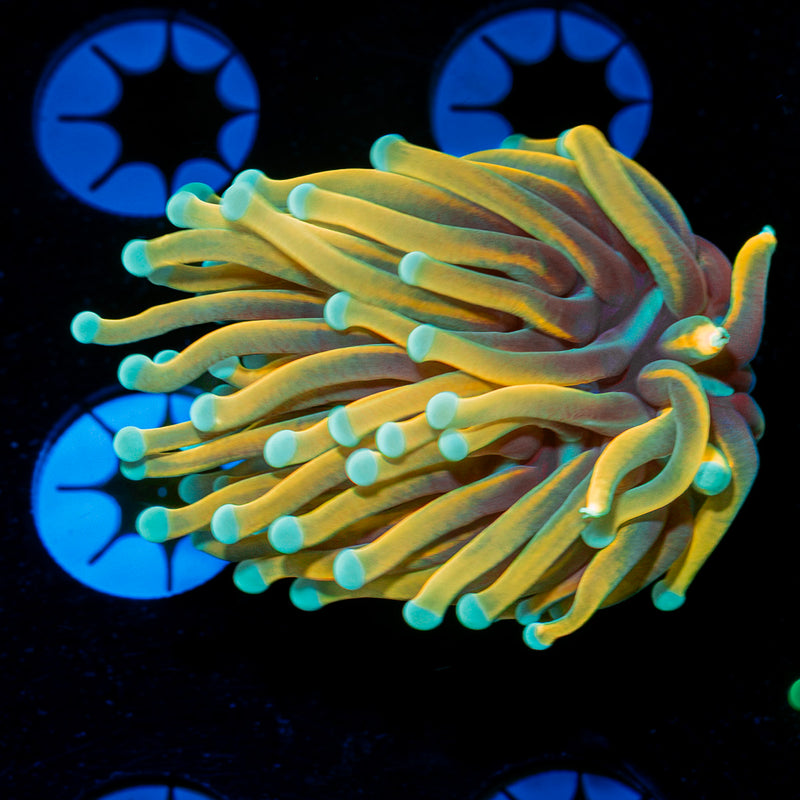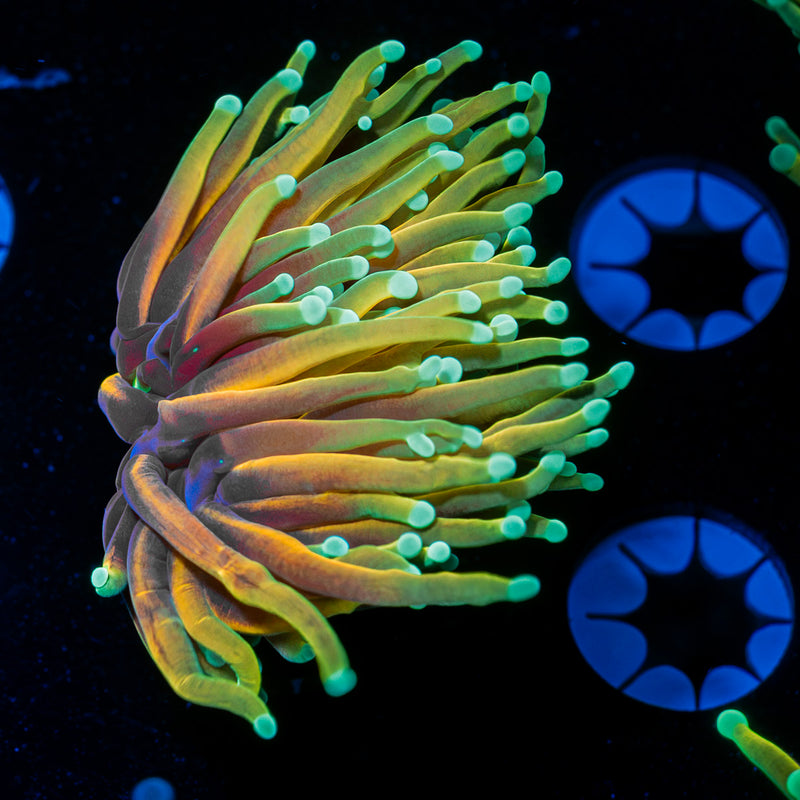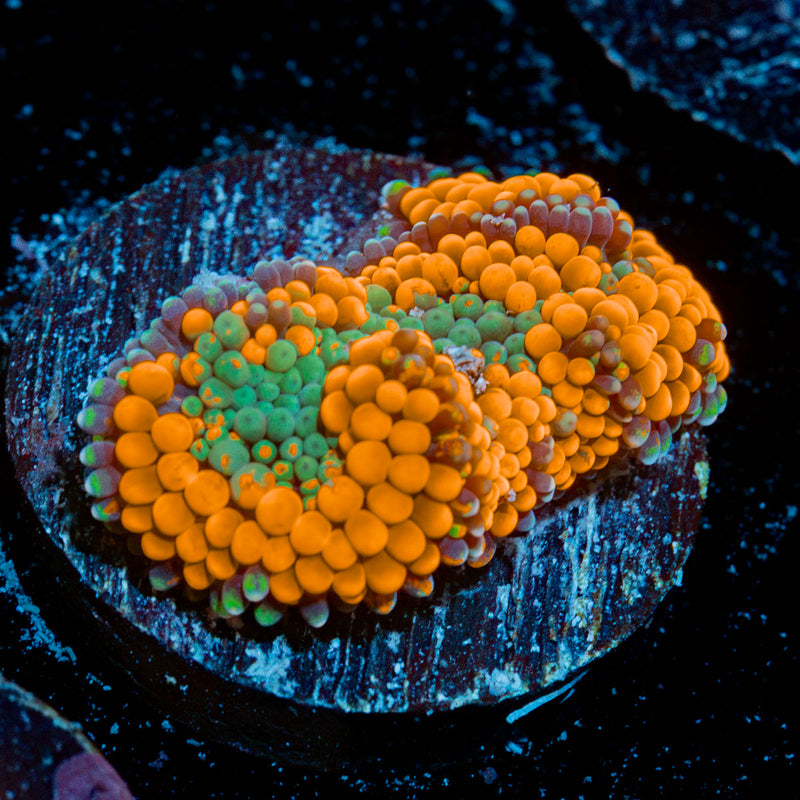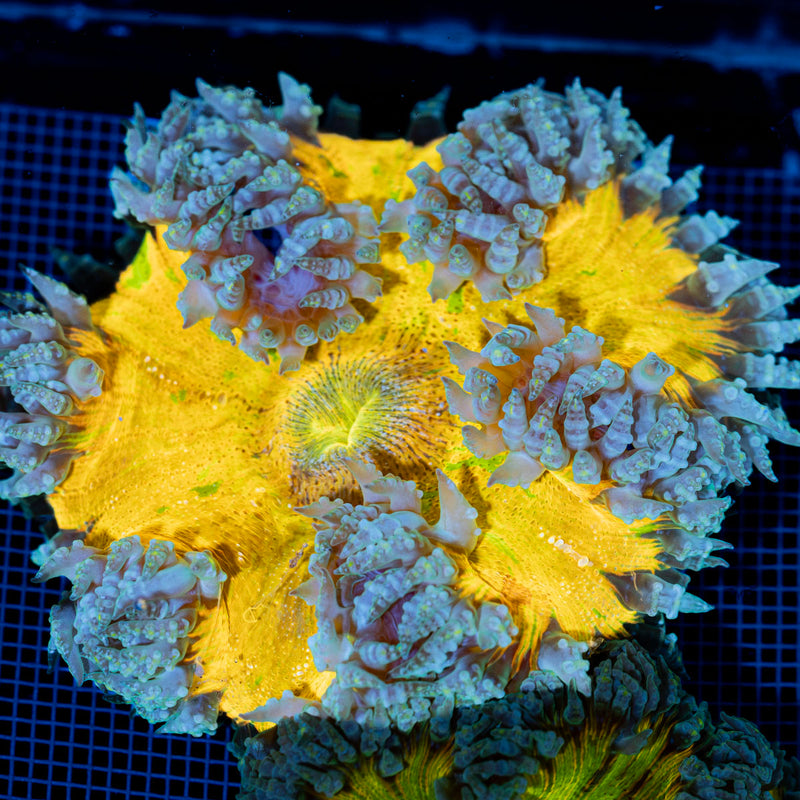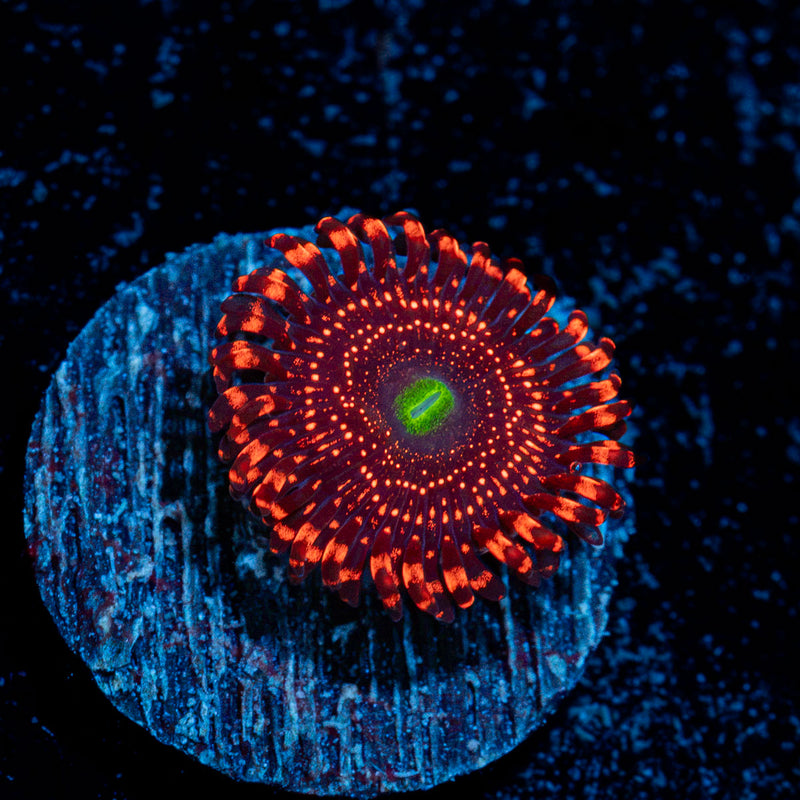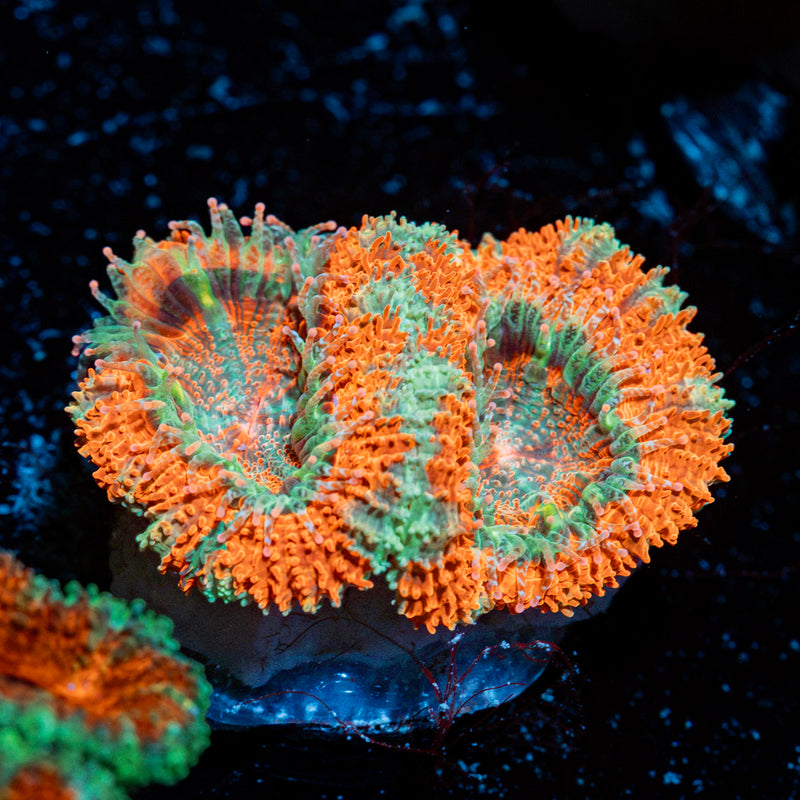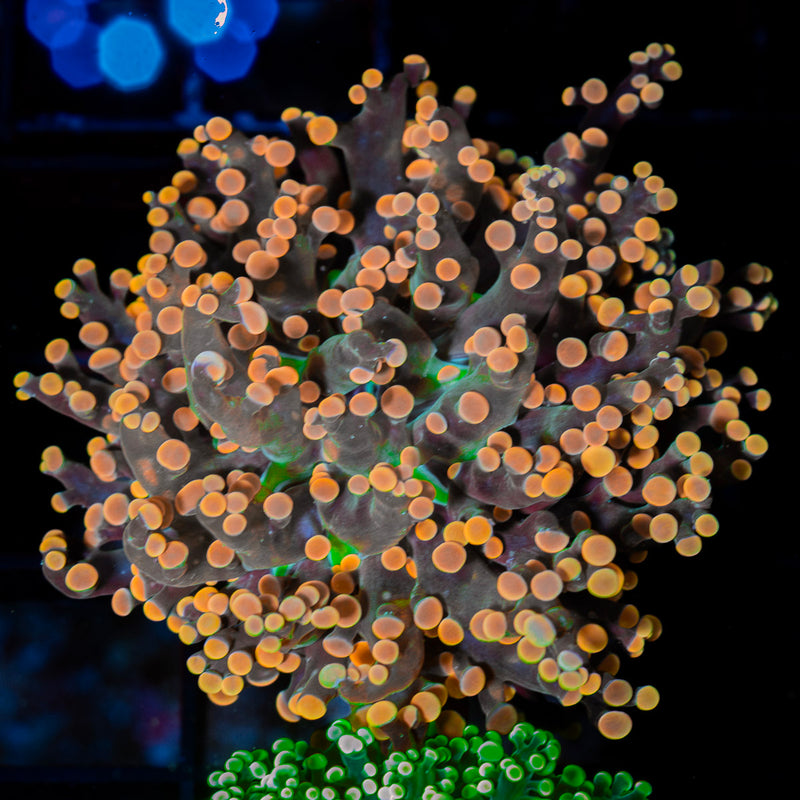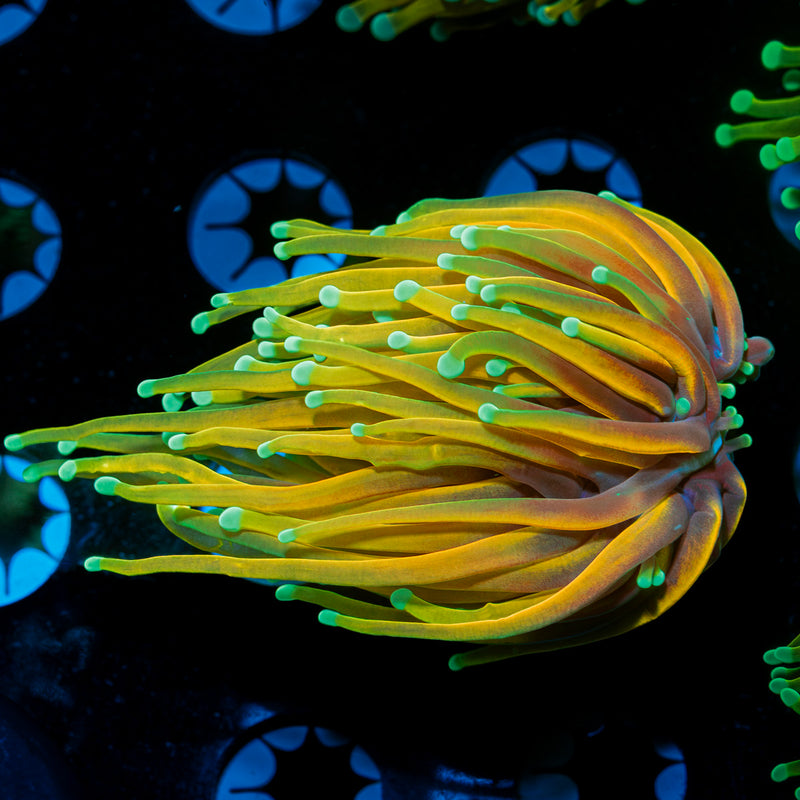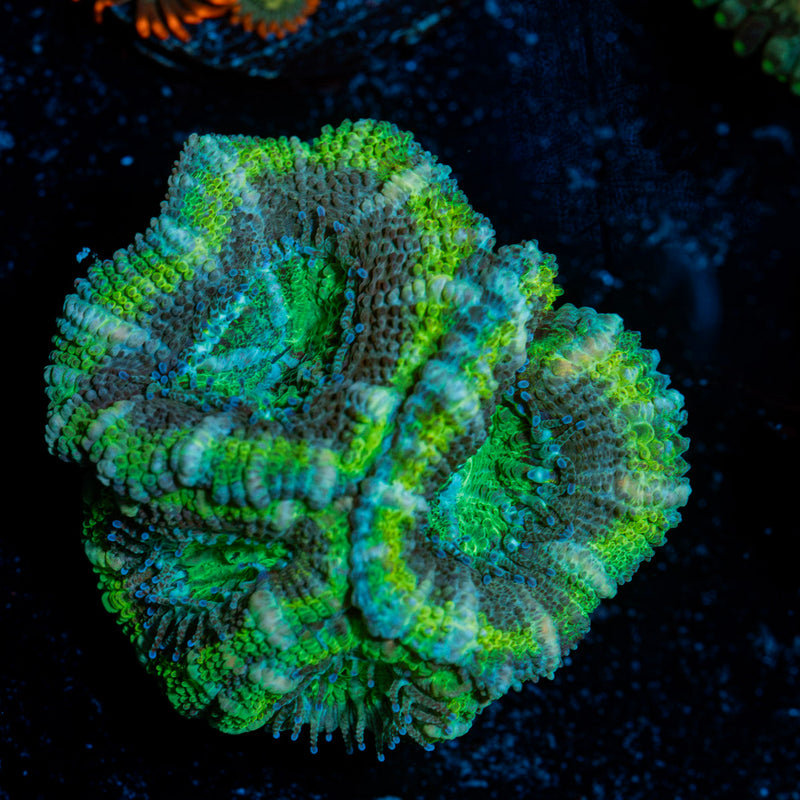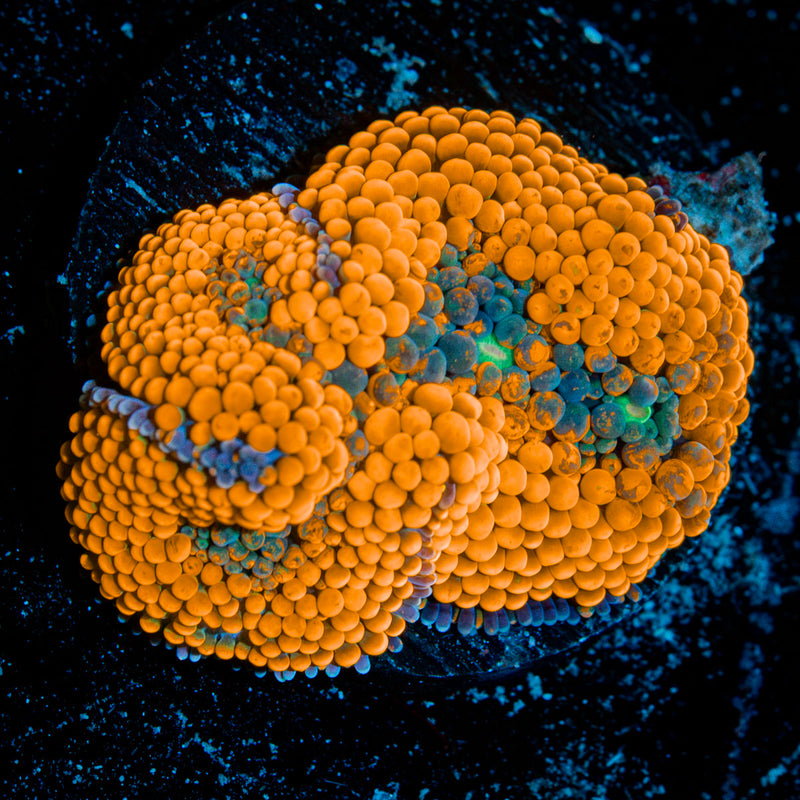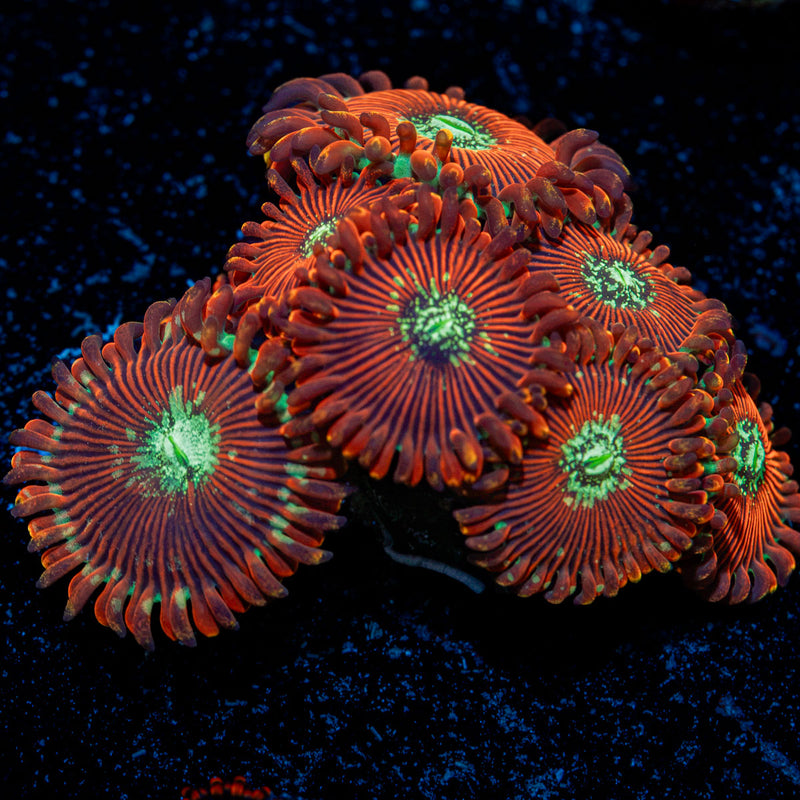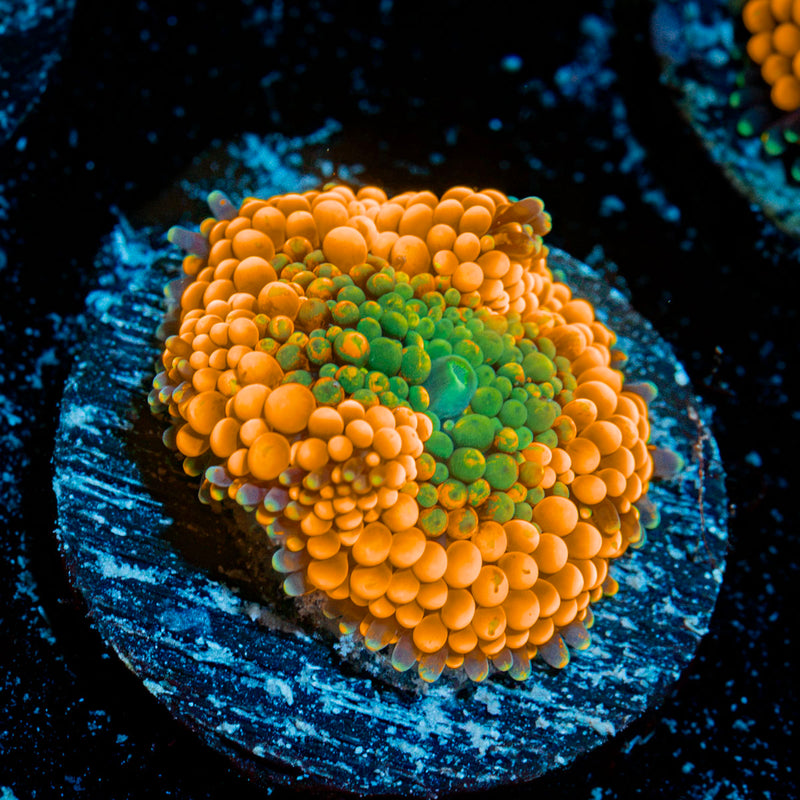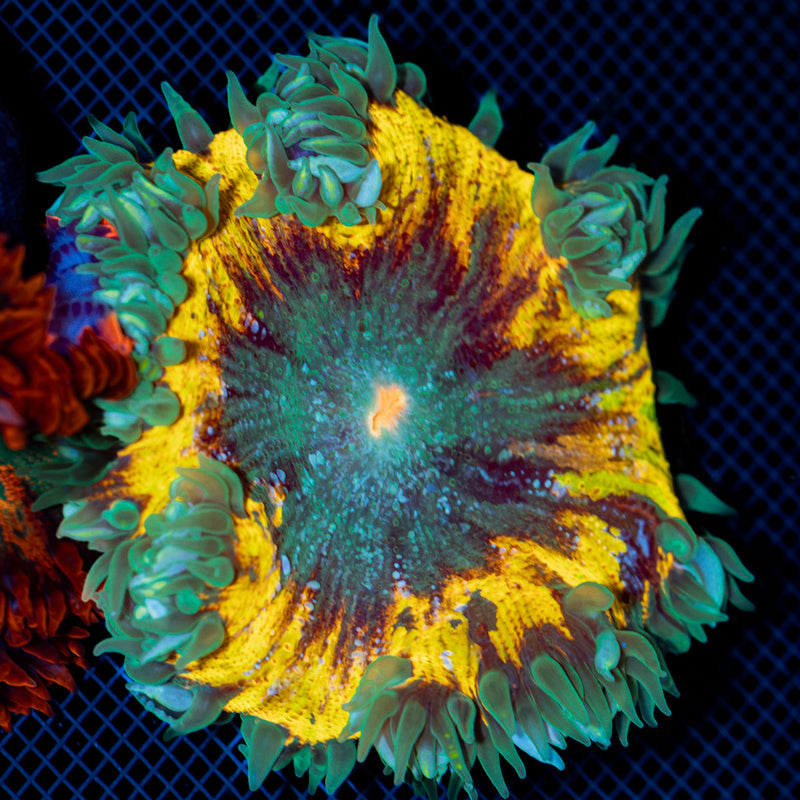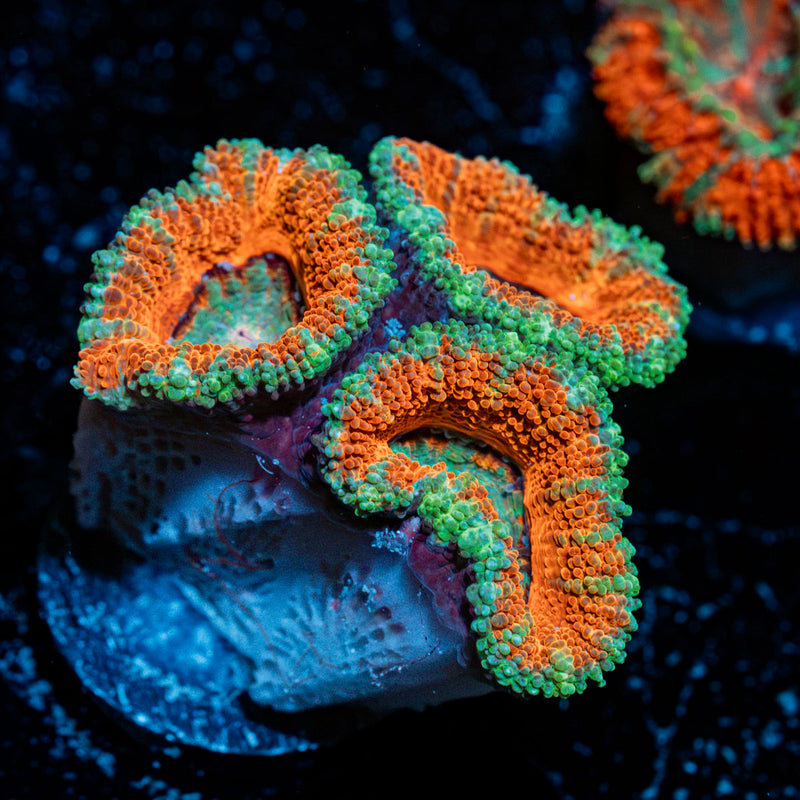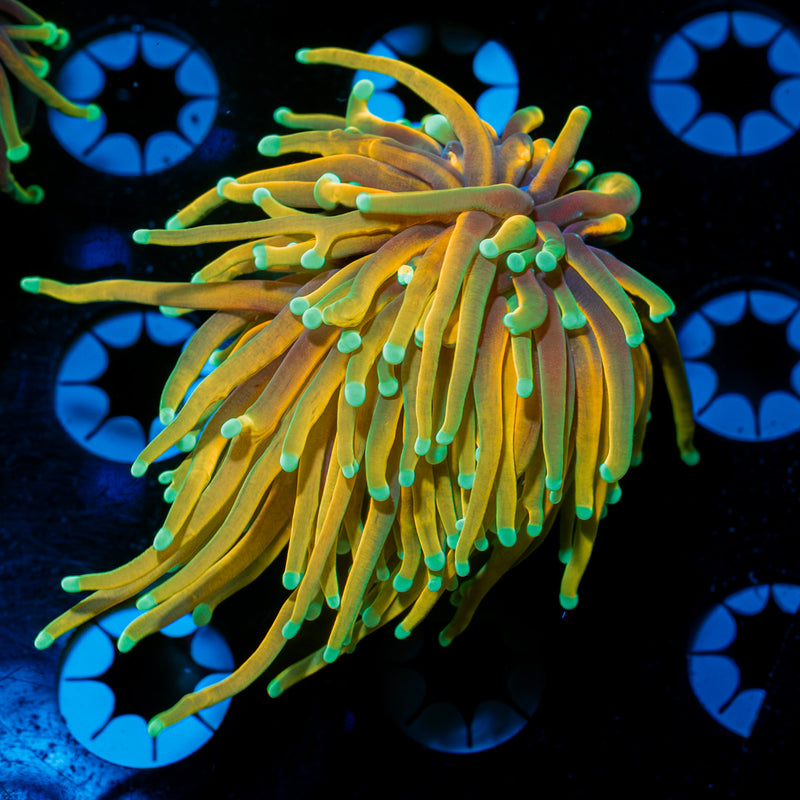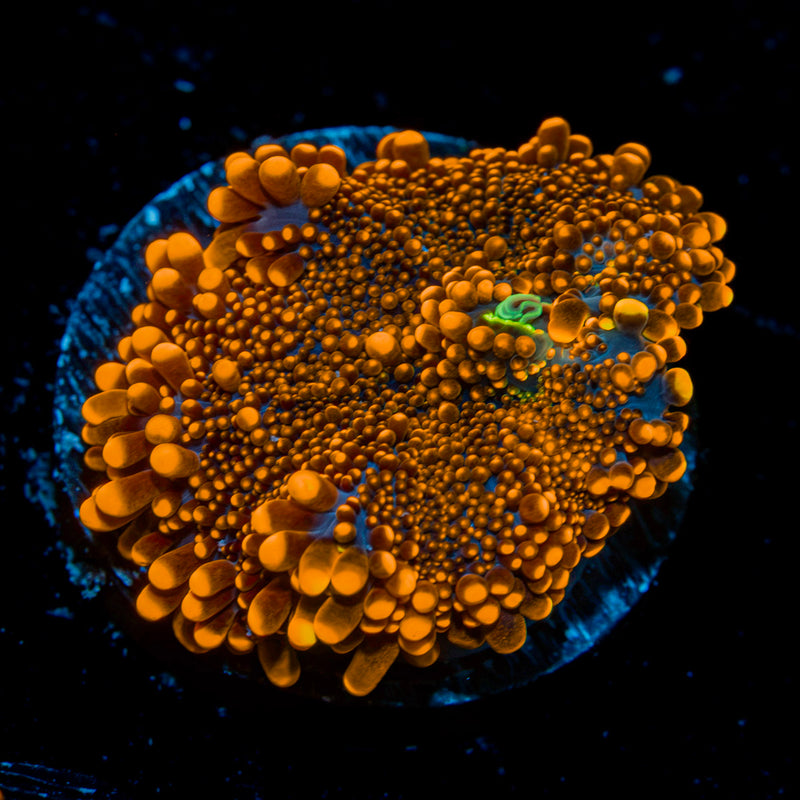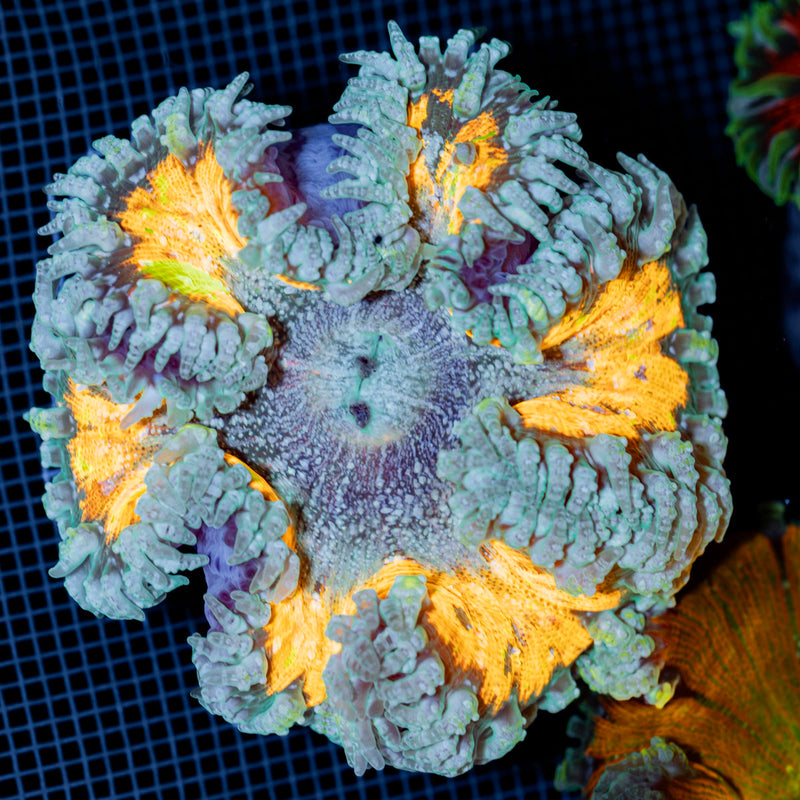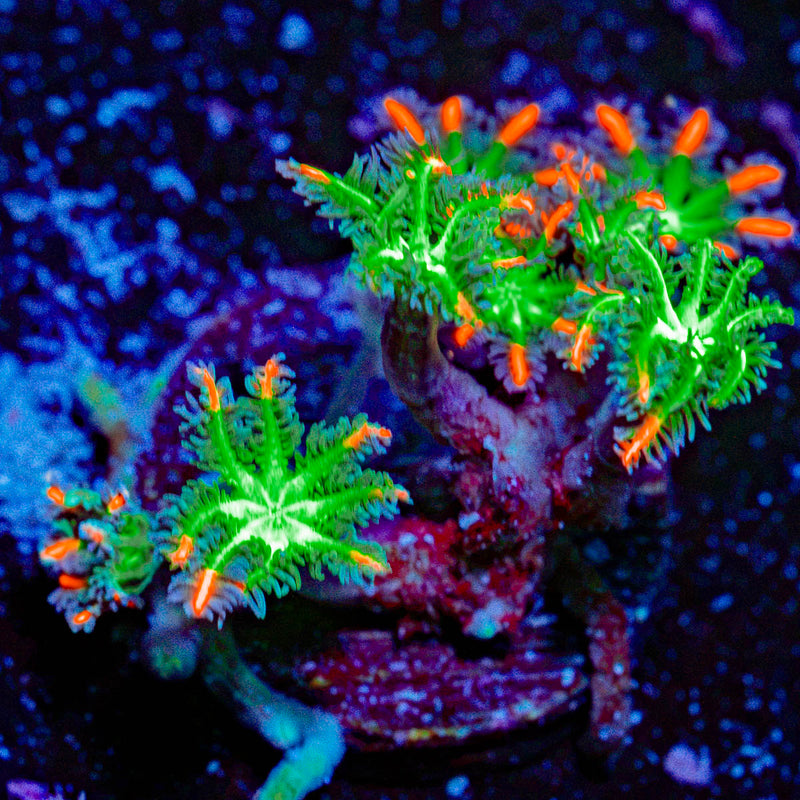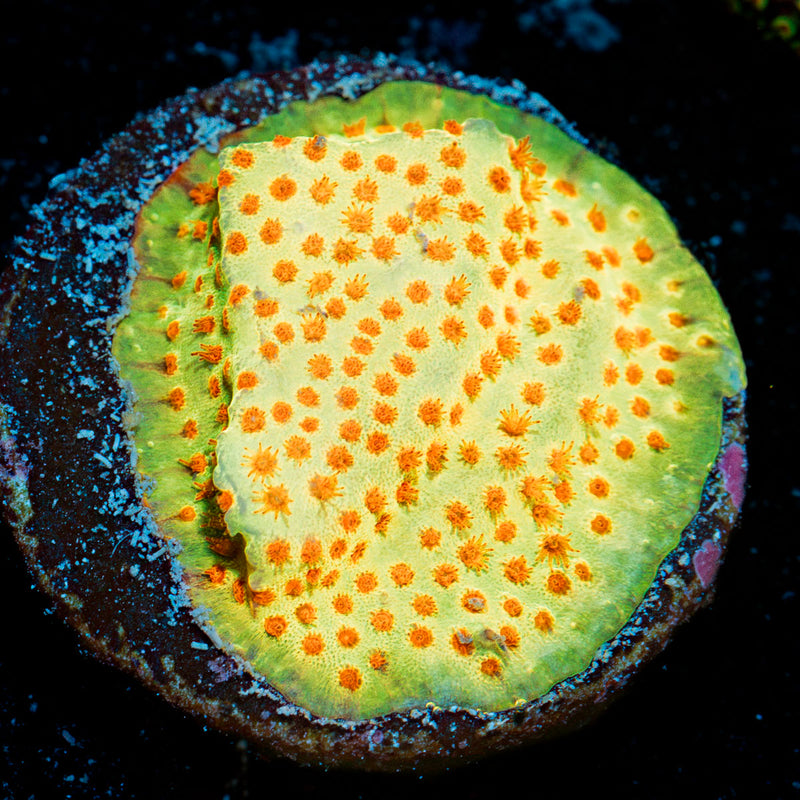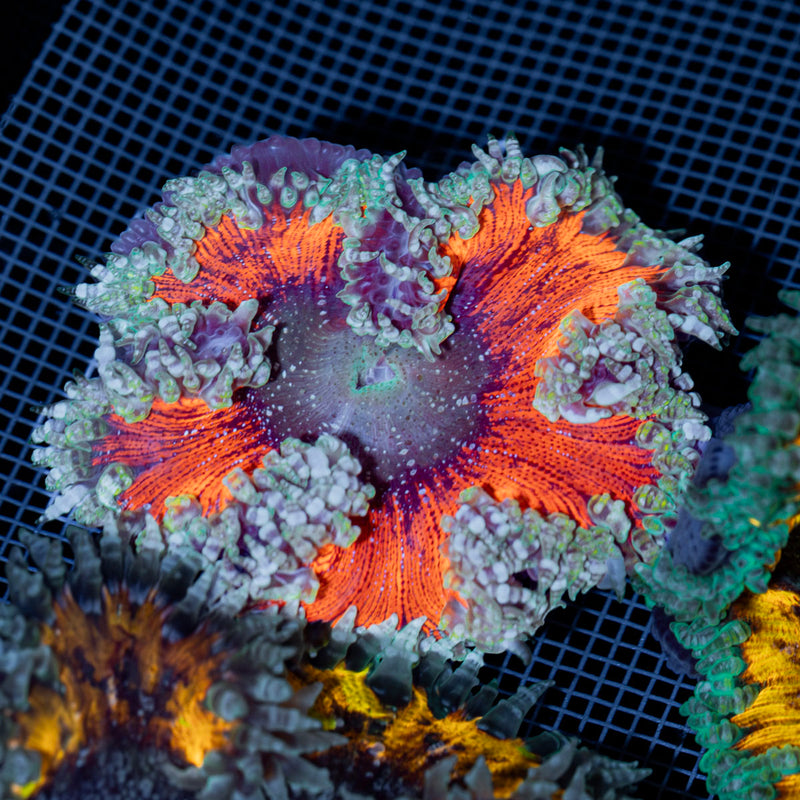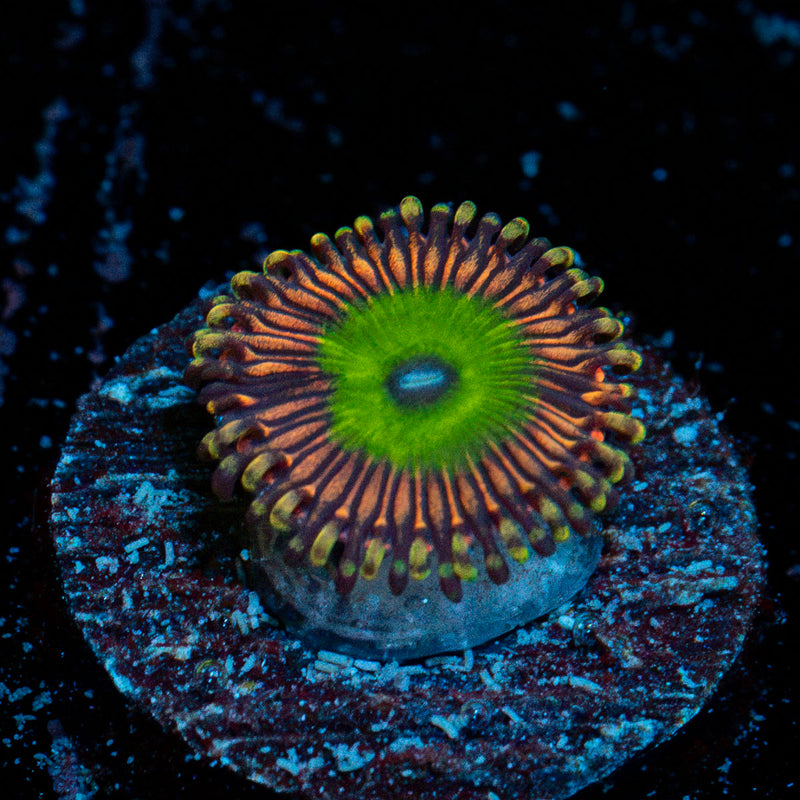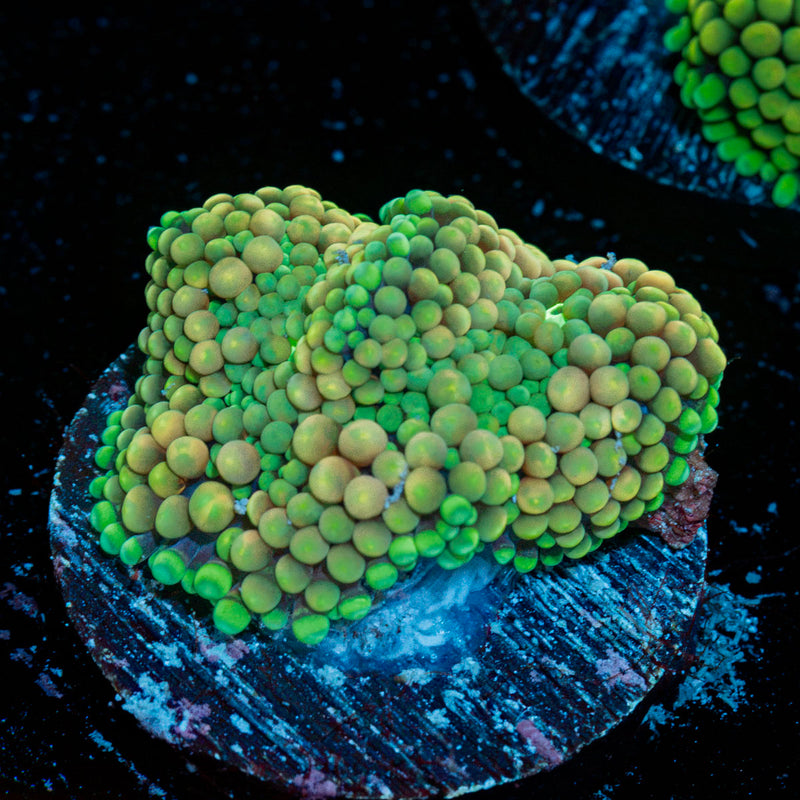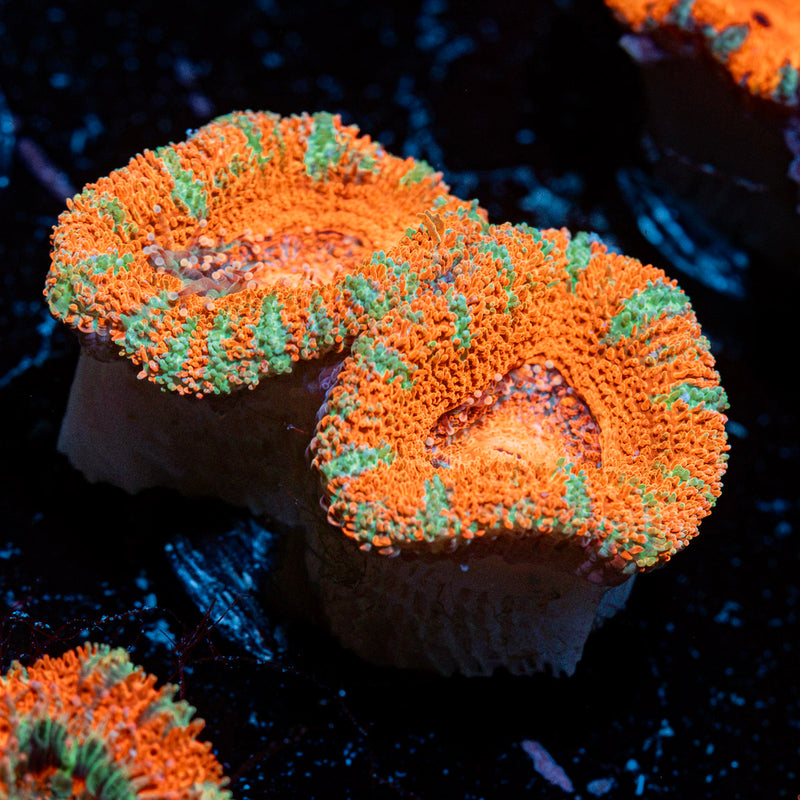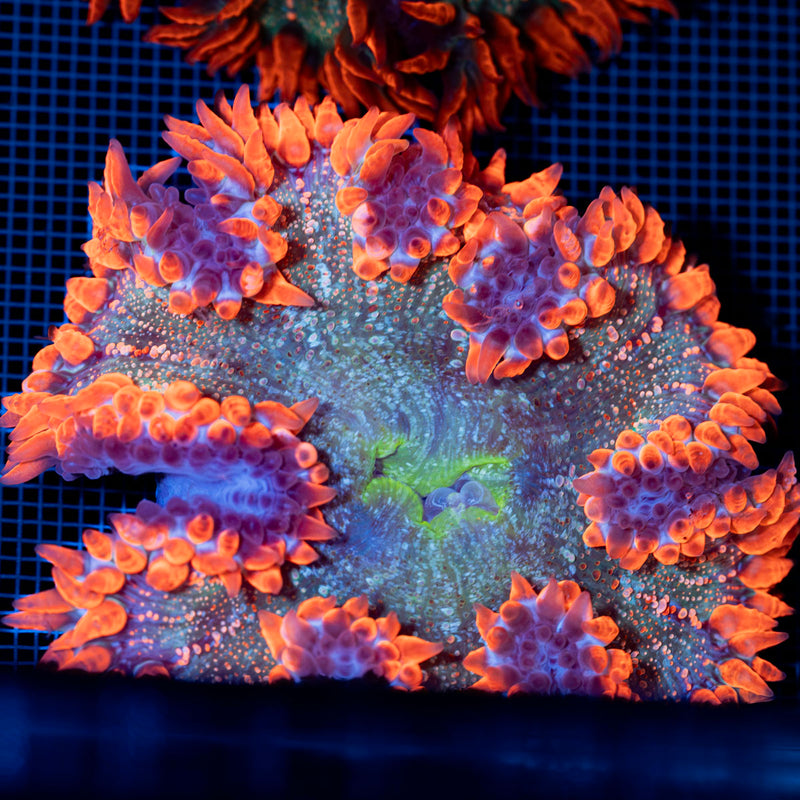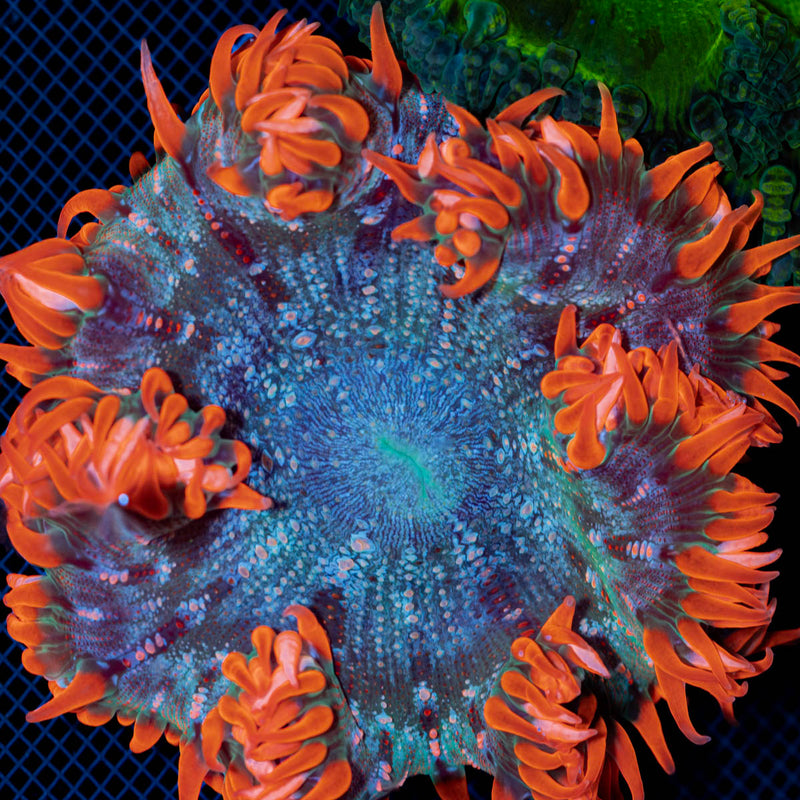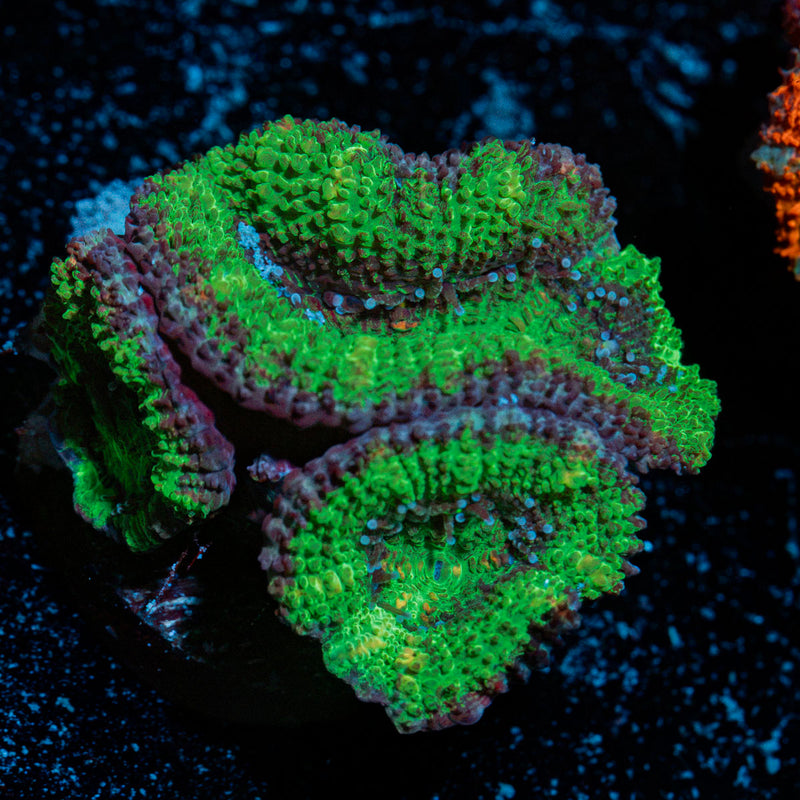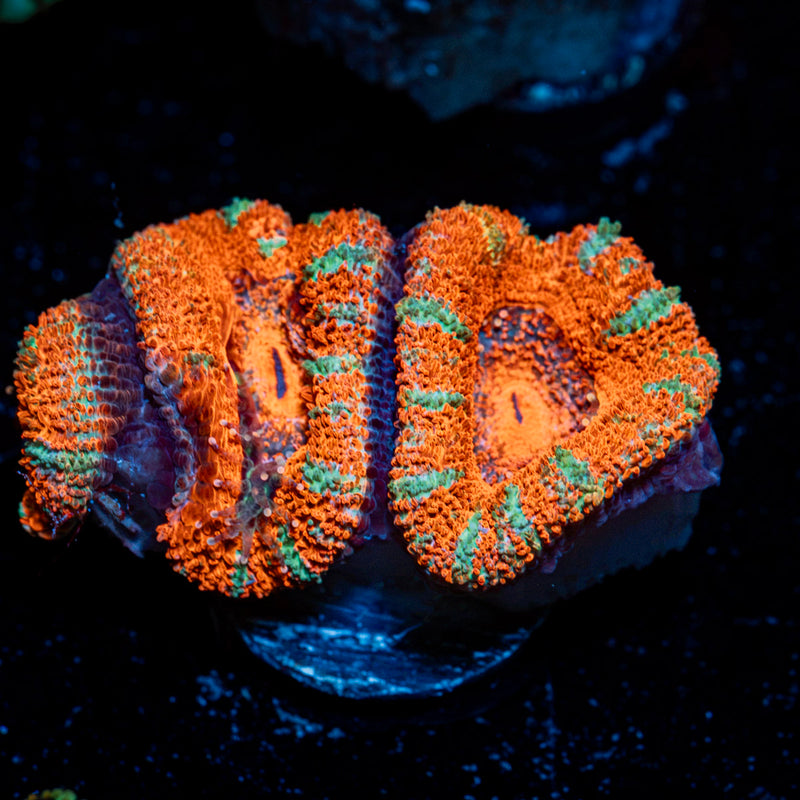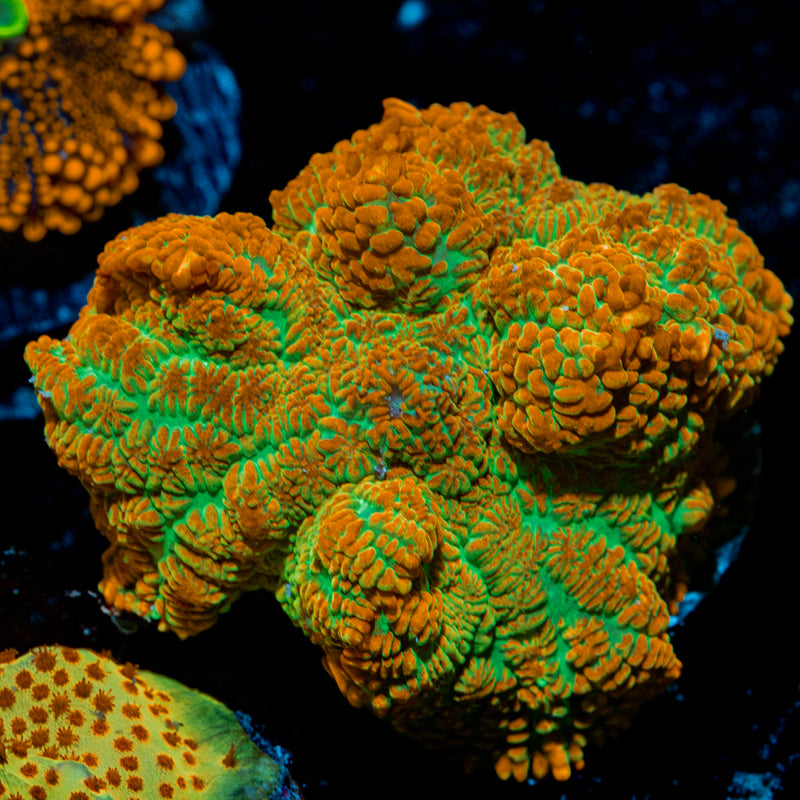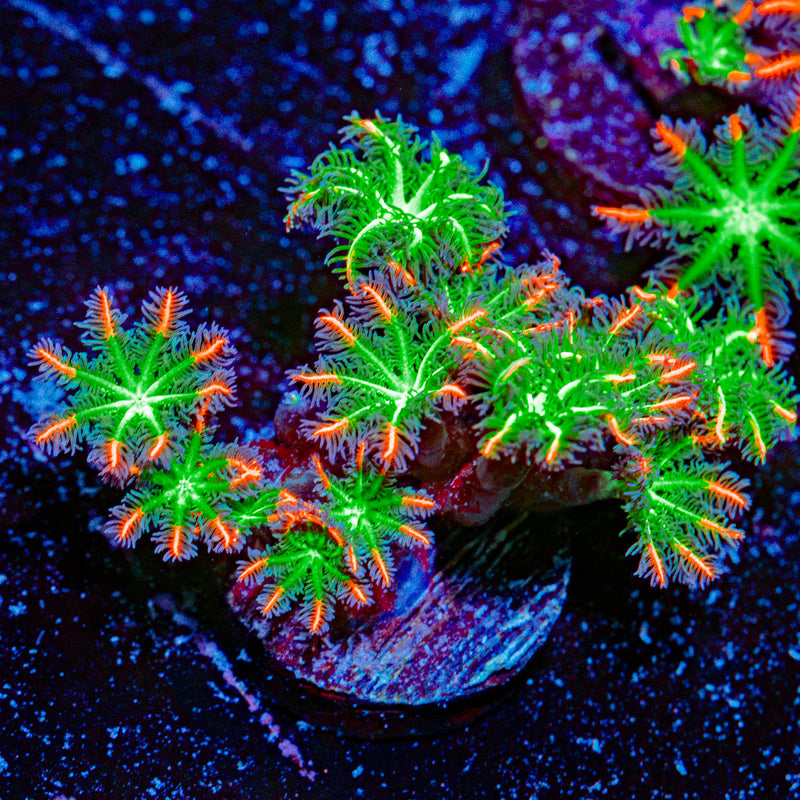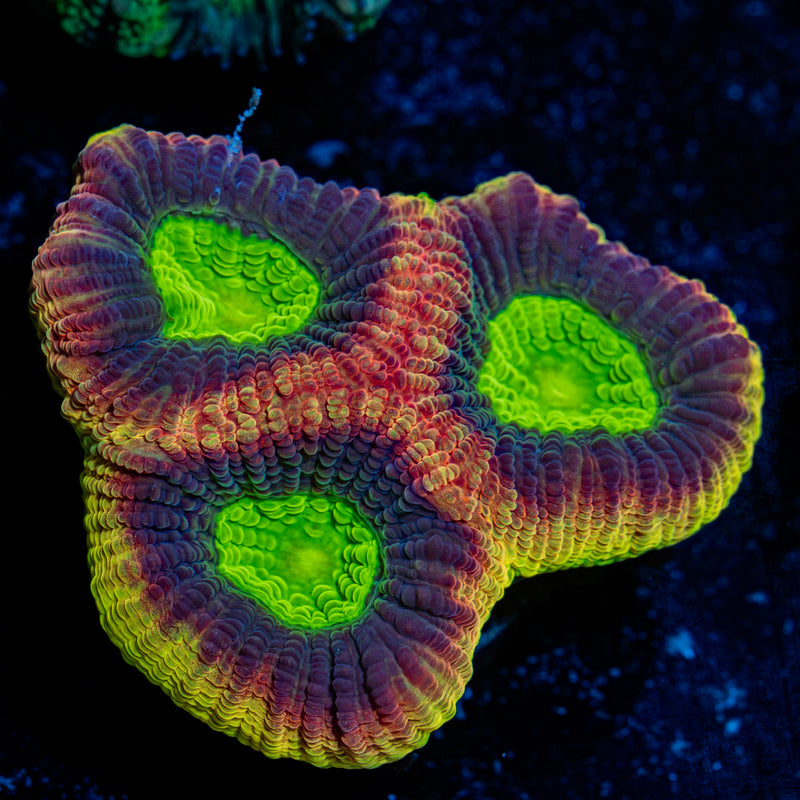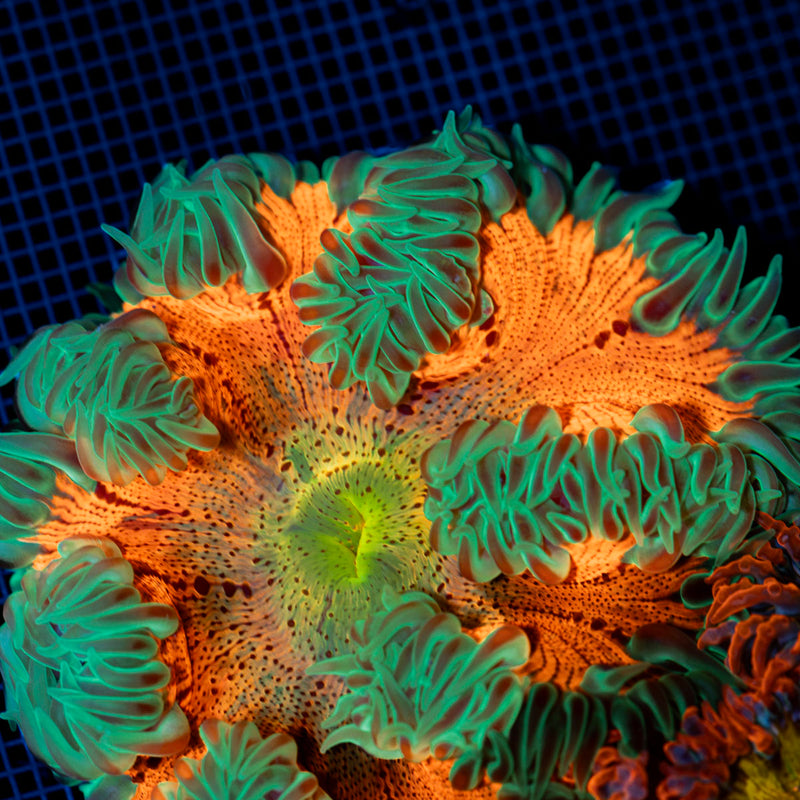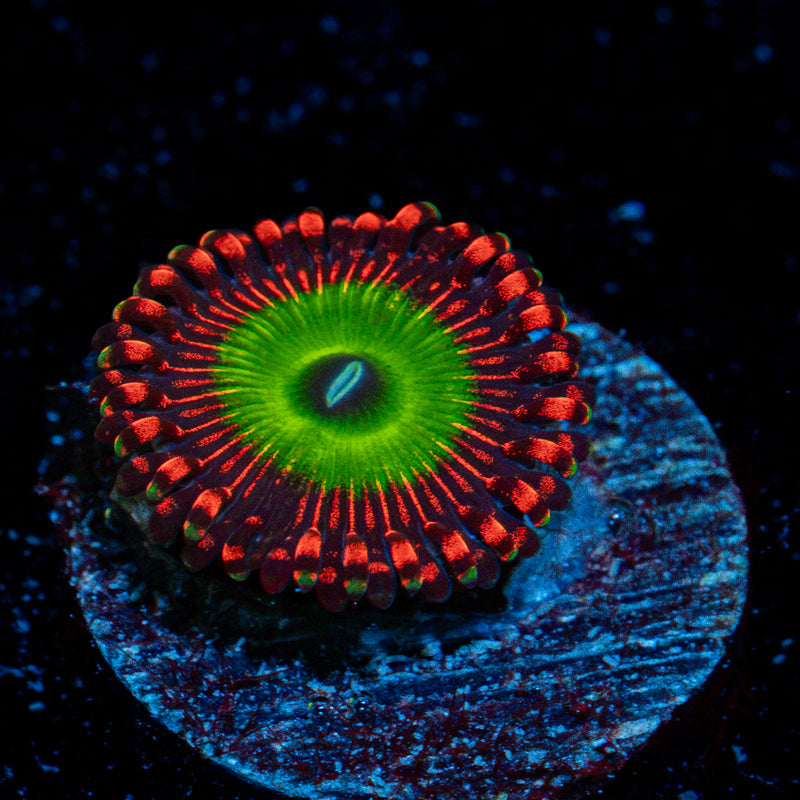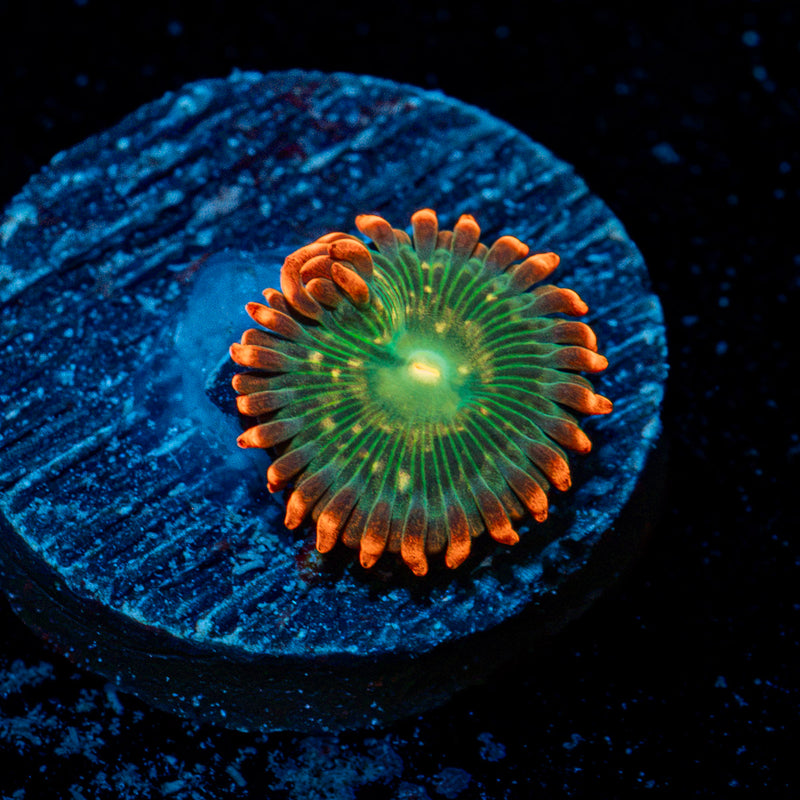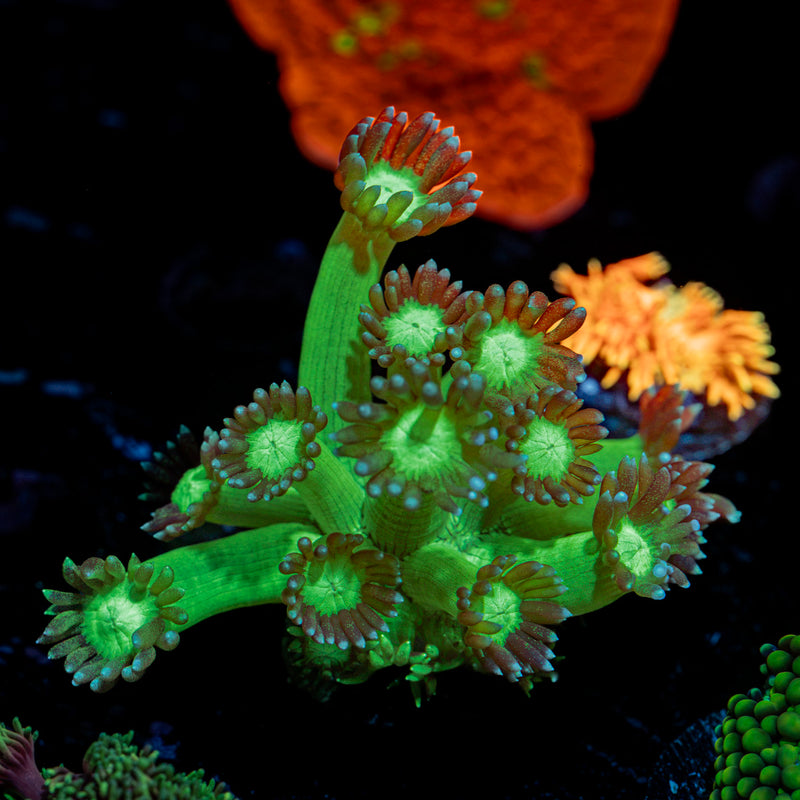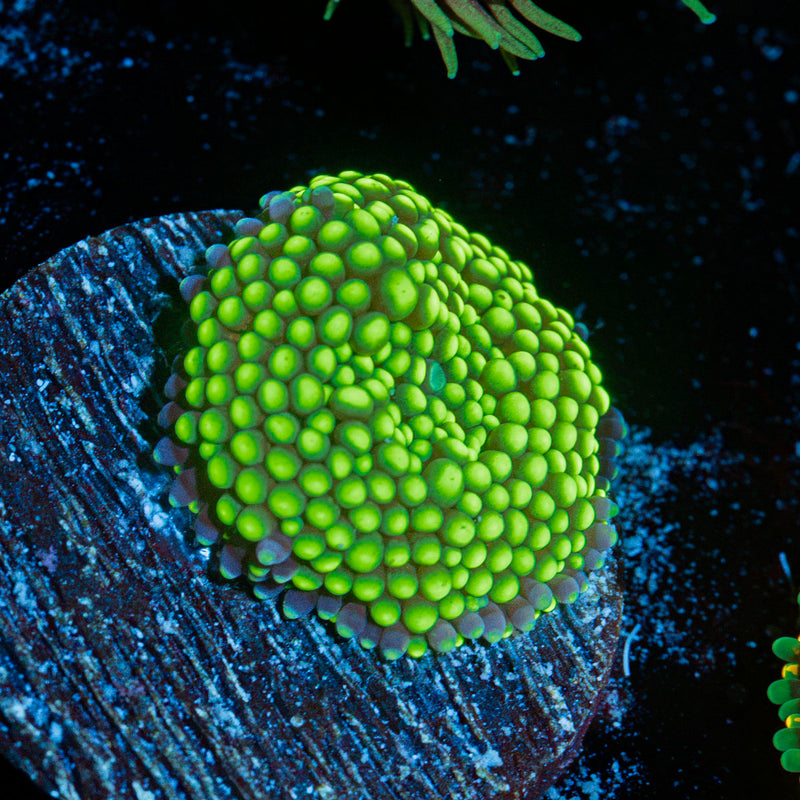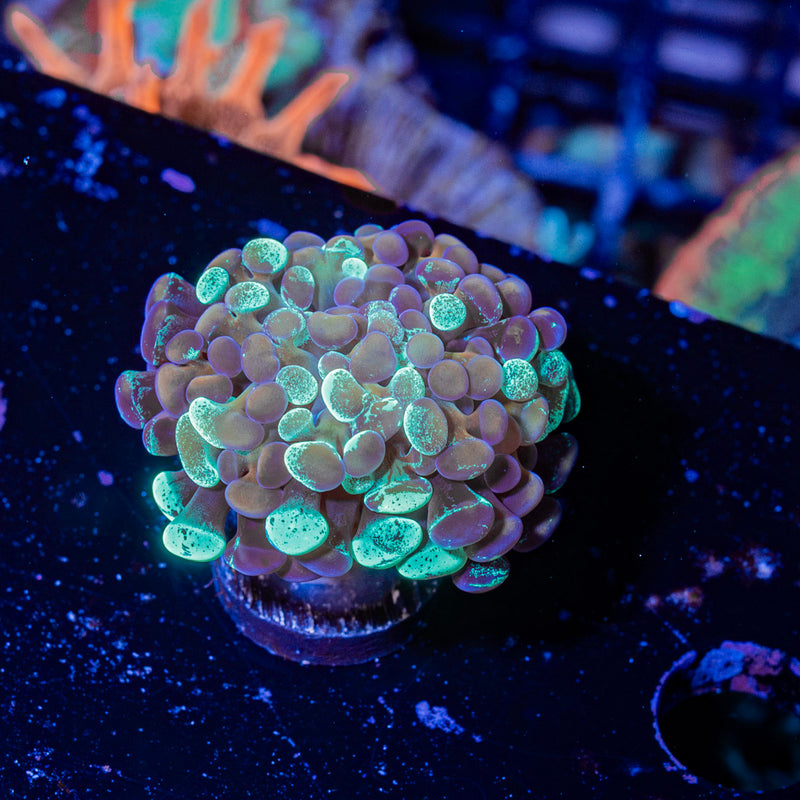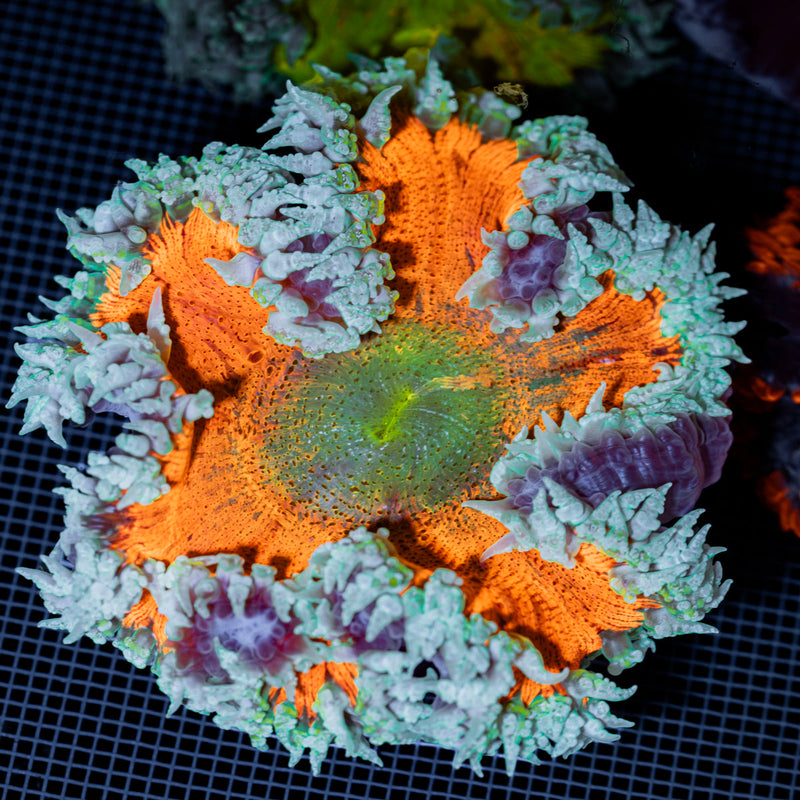
A torch coral can look full and vibrant under blue lights yet still grow slowly if it is relying only on what it captures from the water and produces through its symbiotic algae. The top coral foods for growth do more than make polyps extend for a photo - they supply the proteins, fatty acids, and fine particles corals use to build tissue, recover from fragging, and hold rich color over time.
Feeding is not a shortcut around stable reef chemistry. It is one part of a healthy system alongside appropriate lighting, steady alkalinity, calcium, magnesium, flow, and nutrient levels. Get those fundamentals right first, then use food to help your living jewels thrive rather than to chase growth with a cloudy, nutrient-heavy tank.
What Coral Food Actually Does
Most photosynthetic corals get a meaningful share of their energy from zooxanthellae, the beneficial algae living in their tissue. That is why lighting matters so much. But photosynthesis does not supply every nutrient a coral needs, especially in clean, heavily filtered aquariums where dissolved and particulate foods are limited.
Corals also capture plankton, organic particles, and dissolved nutrients from the water column. A smart feeding routine can support fuller polyp extension, stronger tissue, brighter coloration, and more consistent growth. The best choice depends on the corals in your tank, how mature the system is, and how easily your nutrient levels rise.
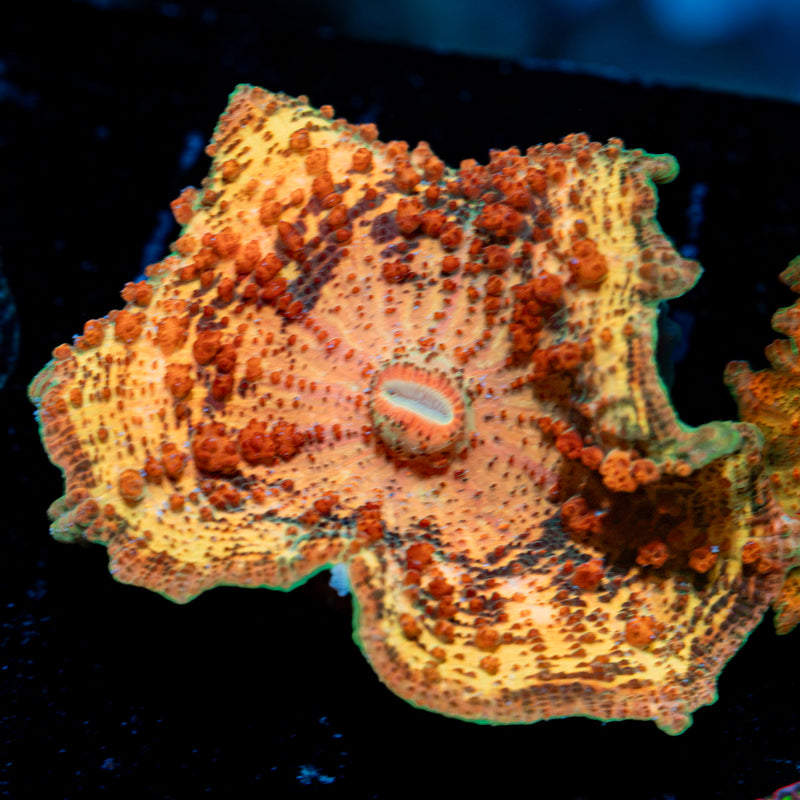
LPS corals with large mouths often respond beautifully to occasional meaty feedings. SPS corals generally benefit more from consistently available fine particle foods and stable dissolved nutrients. Soft corals, zoanthids, and mushrooms are often less demanding, but they can still show improved fullness and color when the tank receives an appropriate mix of small foods.
Top Coral Foods for Growth by Food Type
There is no single best bottle, powder, or frozen food for every reef. A mixed reef often does best with a layered approach: fine foods for the entire water column, targeted portions for large-polyp corals, and careful observation between feedings.
Phytoplankton for Filter Feeders and Tank Balance
Live or preserved phytoplankton is made of microscopic algae. It is especially useful in reef aquariums with sponges, feather dusters, clams, copepods, and other filter-feeding life, while also contributing to a more natural food web.
Some corals may use phytoplankton directly or benefit indirectly as it supports microfauna. Think of it as a broad, gentle food source rather than a fast-growth meal for a hungry Euphyllia. It is typically easy to distribute throughout the tank, but it can still add nutrients, so dose with purpose rather than treating it like harmless green water.
Zooplankton and Copepod-Based Foods
Zooplankton foods provide animal-based nutrition in small particle sizes. Rotifers, copepod blends, and similar planktonic foods can be excellent options for corals that feed from the water column, particularly when offered after lights dim and feeding behavior increases.
These are among the most useful top coral foods for growth in mixed reefs because they can reach corals with smaller feeding structures while still offering substantial nutrition. Particle size matters. A food that looks ideal on the label may be too large for many SPS polyps, while ultra-fine foods may not give a large-mouthed coral the satisfying meal it can readily capture.
Powdered and Fine Particle Coral Foods
Powdered coral foods are popular for a reason: they disperse well and can feed a wide range of corals at once. Many blends combine marine proteins, plankton, algae, amino acids, and vitamins in very fine particles that stay suspended long enough for polyps to encounter them.
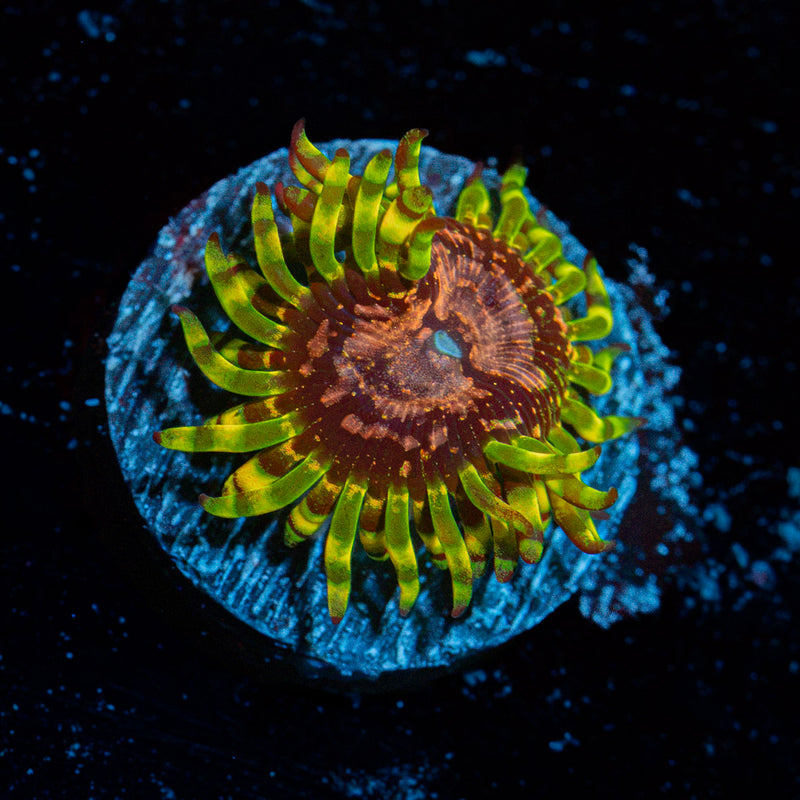
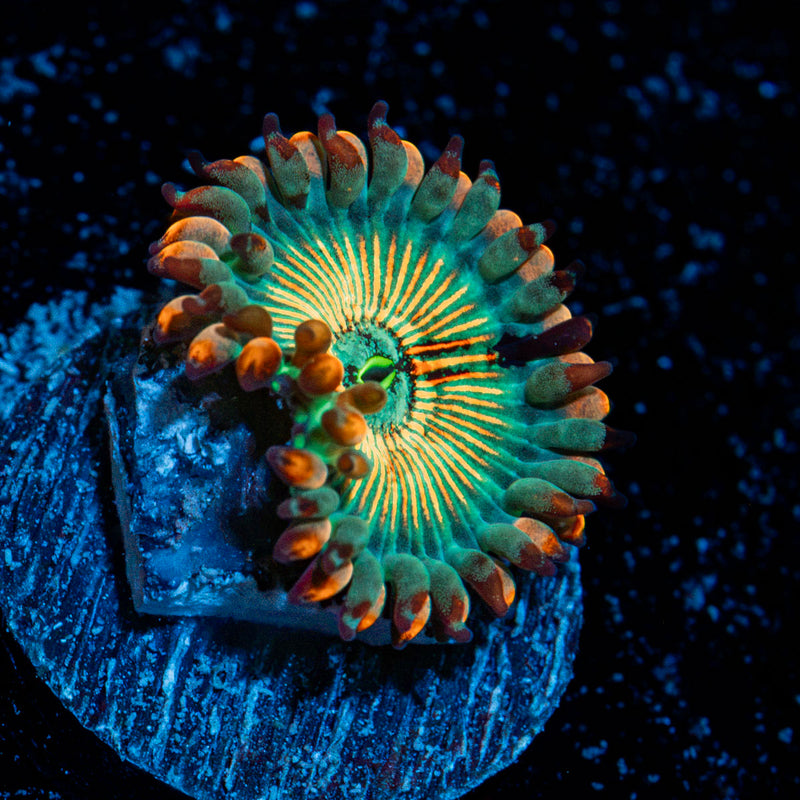
They are particularly practical for SPS, zoanthids, acans, chalices, goniopora, and mixed coral gardens. Start smaller than you think. Fine powders are concentrated, and too much can quickly elevate phosphate or nitrate, fuel nuisance algae, or leave a film on rockwork.
For best control, mix a small portion with tank water and gently target feed or broadcast feed in a low-flow period. You do not need to shut every pump down for long. Turning down circulation briefly can help food remain near the coral, then restoring flow after a few minutes helps carry excess particles to filtration.
Frozen Meaty Foods for LPS Corals
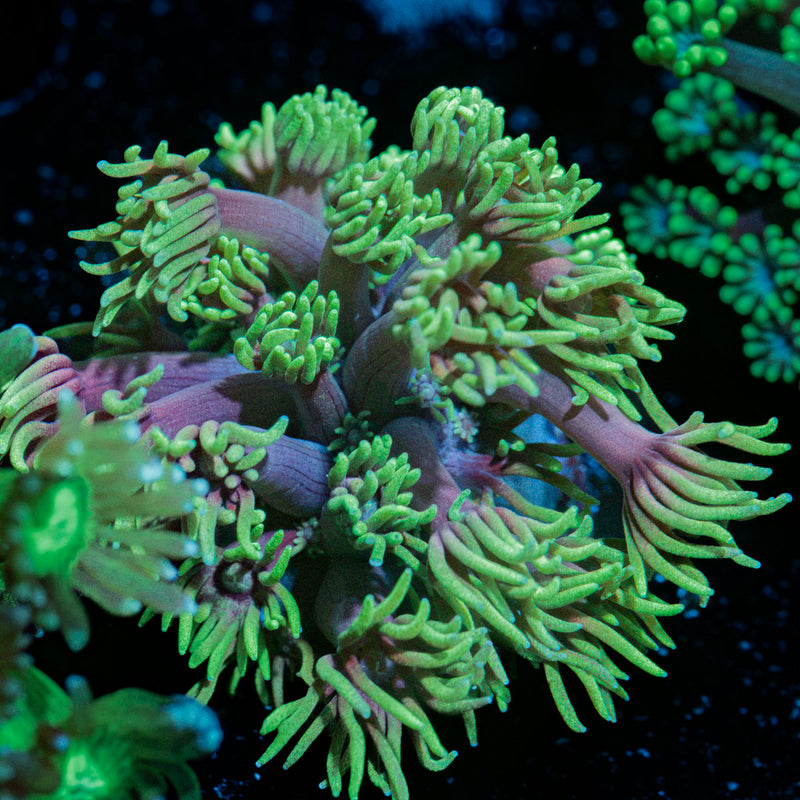
Mysis, finely chopped shrimp, clam, fish eggs, and enriched frozen blends can be outstanding targeted foods for fleshy LPS corals. Torches, hammers, frogspawn, acans, scolymia-type corals, trachyphyllia, and many chalices can often accept a carefully sized piece when their feeder tentacles are out.
The key is portion size. A piece of food larger than a coral can comfortably ingest may be rejected later, decay in the tissue, or get stolen by fish and shrimp. Offer a modest bite - usually smaller than the coral's open mouth - once or twice a week, then watch how the coral responds over the next day.
Frozen foods can be nutrient-dense, which is great for growth but demanding on water quality. Rinsing thawed food may reduce excess packing liquid, though it can also remove some fine nutrition. For a lightly stocked reef with very low nitrate and phosphate, a small amount of that liquid may be useful. For a tank already fighting algae, rinsing and feeding more precisely is usually the safer call.
Amino Acids and Liquid Supplements
Amino acid supplements are not a replacement for real particulate food, but they can complement a thoughtful feeding plan. Corals may use dissolved organic compounds, and many hobbyists notice stronger polyp extension or richer color when amino acids are used carefully.
This category requires restraint. More is not better, and visible feeding response is not proof that a dose is appropriate. Follow the product directions, begin below the recommended amount if your system is young or nutrient-sensitive, and check nitrate and phosphate regularly. If algae or cyanobacteria appears after starting a supplement, reduce or pause dosing before adding more equipment.
Match Food to the Corals You Keep
A beautiful reef does not need every food on the shelf. It needs the right food in the right quantity for its residents.
For SPS-dominant tanks, prioritize stable parameters and fine suspended foods. Acropora, millepora, birdsnest, and montipora are built for frequent access to tiny particles, not oversized chunks. Gentle broadcast feeding one to three times weekly is often more useful than occasional heavy meals.
For LPS-focused tanks, combine fine water-column food with selective target feeding. Euphyllia may benefit from fine foods and occasional small meaty portions, while acans and other hungry fleshy corals often show a clear response to spot feeding. Avoid blasting food directly into delicate tissue. Let the current carry it in naturally.
For soft corals, zoanthids, and mushrooms, consistency matters more than intensity. These corals can flourish in a well-maintained tank with modest nutrients and occasional fine foods. If they are open, colorful, and spreading, there is little reason to force-feed them simply because another coral in the tank has a bigger appetite.
Build a Feeding Routine Without Overfeeding
Begin with one coral food and one or two feedings per week. Feed when you can watch the tank for several minutes afterward. Many corals extend feeding tentacles in the evening, but feeding at night is not mandatory if your corals readily respond during the day.
Use small portions, then track the results for several weeks. Healthy signs include reliable polyp extension, tissue that looks full rather than receded, gradual encrusting or new heads, and color that remains vivid without browning. Growth takes time, especially after a coral has been moved, shipped, or recently fragged.
Watch your water as closely as you watch the corals. A reasonable rise in nitrate and phosphate can support a colorful reef, especially one packed with SPS. Rapidly climbing nutrients, algae on the glass every day, bacterial haze, or cyanobacteria tell you the system is receiving more food than it can process. In that case, reduce feeding before assuming you need stronger filtration.
A turkey baster or coral feeder makes targeted feeding easier, but patience is the real tool. Feed fish first so they are less likely to steal from corals, turn down flow briefly, and deliver only what each coral can capture. Crabs, shrimp, and eager wrasses may still interfere, so a feeding dome can be helpful for prized LPS specimens.
Growth Starts With a Stable Home
The finest coral food cannot compensate for swings in alkalinity, depleted calcium, poor flow, or lighting that does not suit the coral. New frags often need time to settle before they show visible growth, even when they are receiving excellent nutrition. Give them stable placement and resist the urge to move them every few days.
At Riptide Aquaculture, we love seeing an aquacultured frag become a colorful colony that transforms a reef. Start with modest feedings, let your corals show you what they can use, and enjoy the small signs of progress: a new mouth, a fresh growth edge, or a fuller polyp reaching into the current.