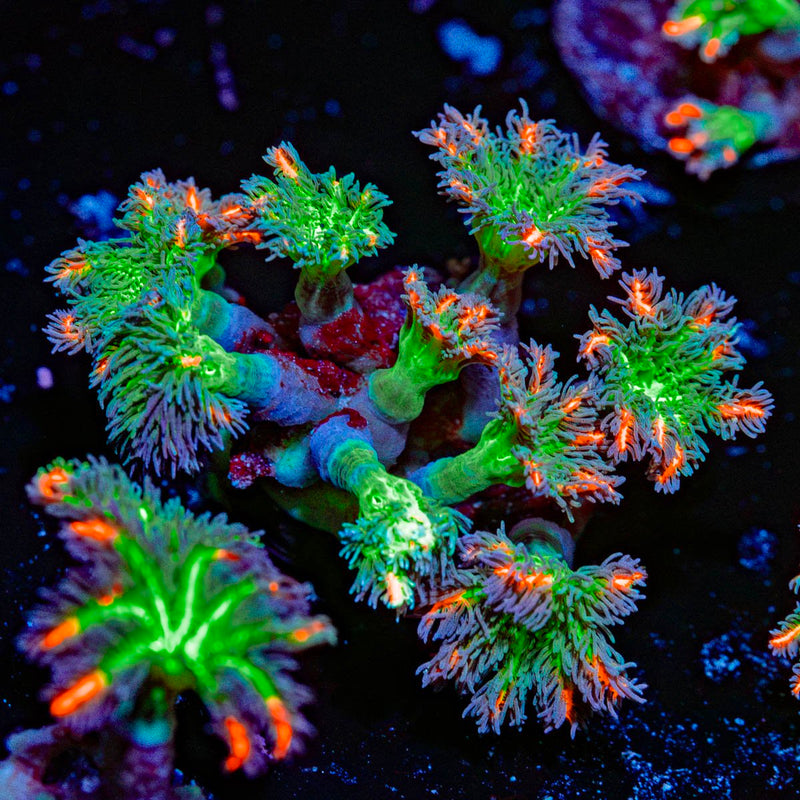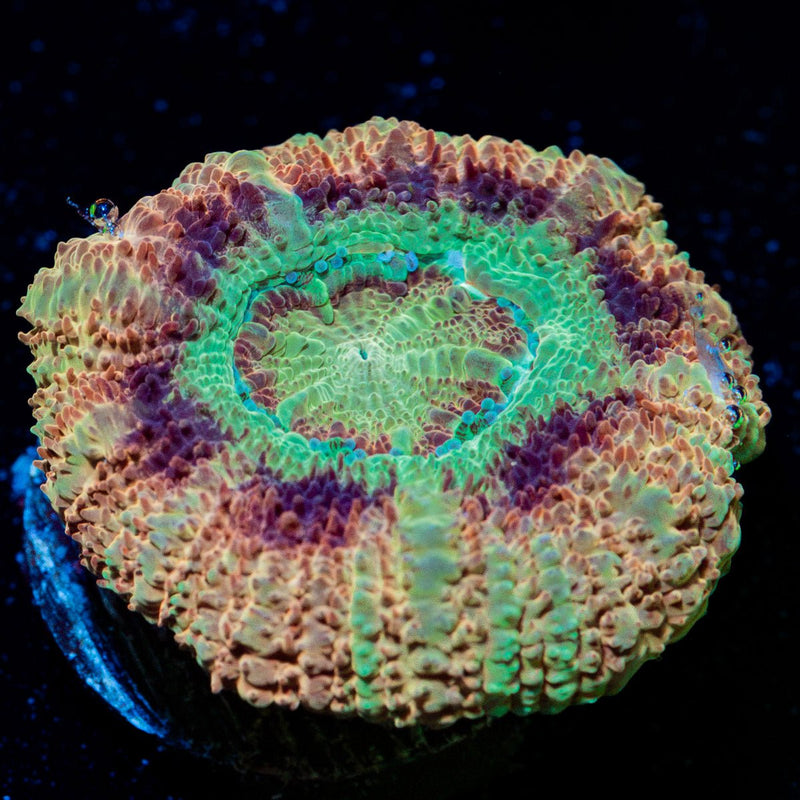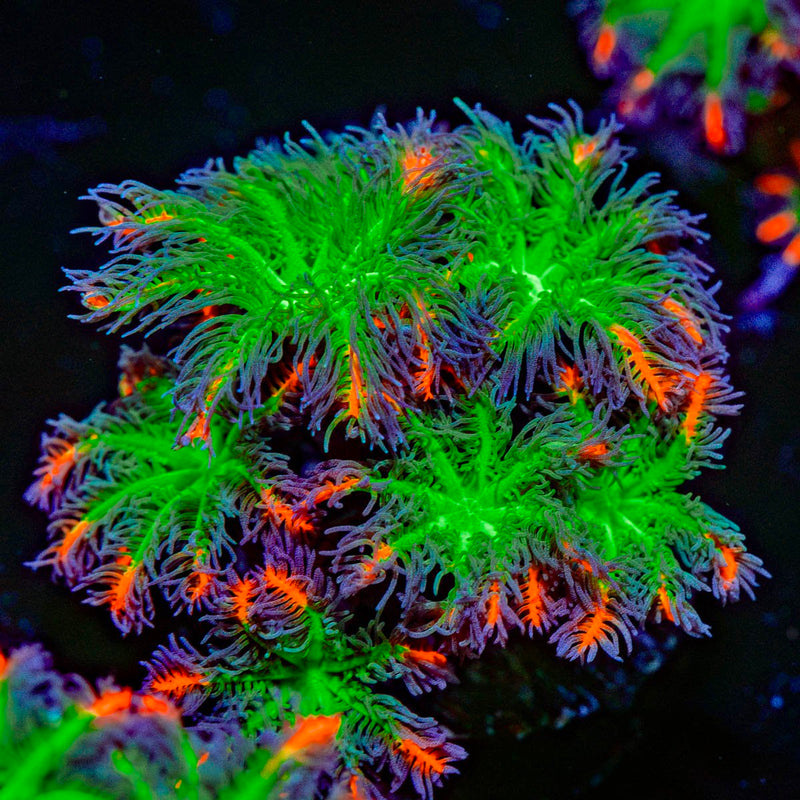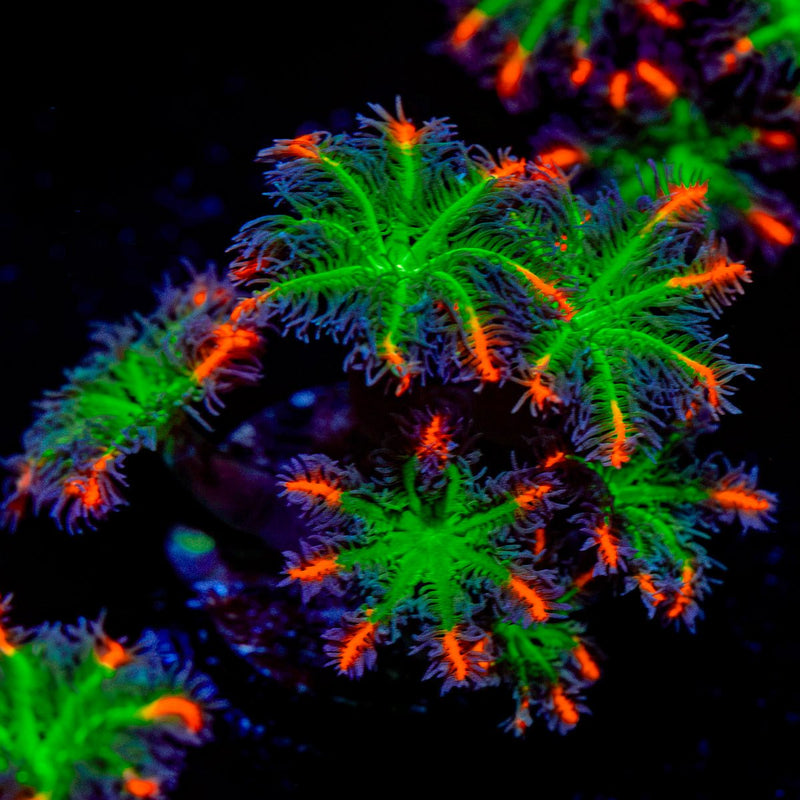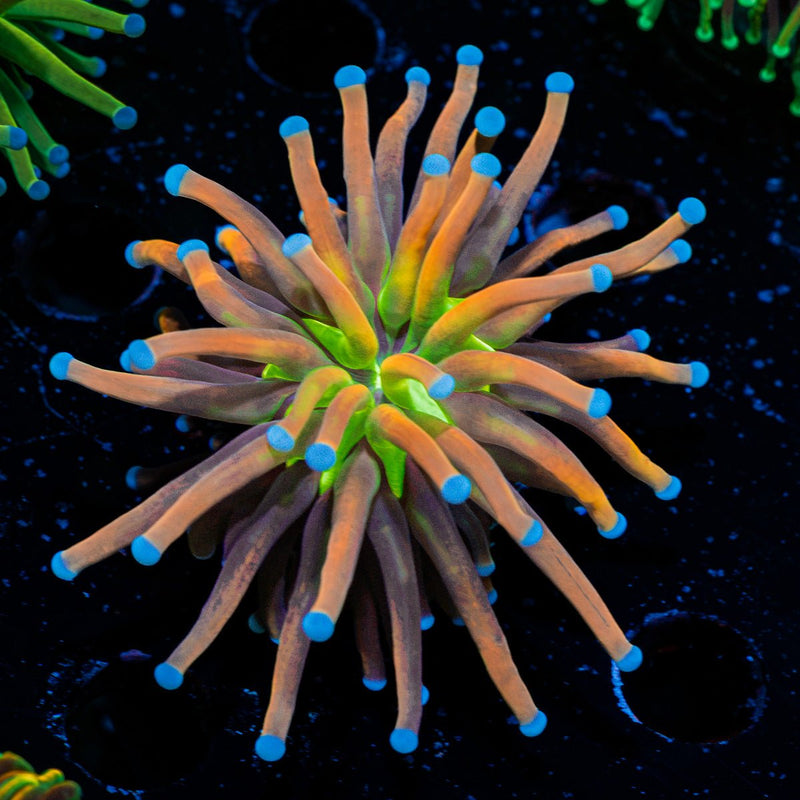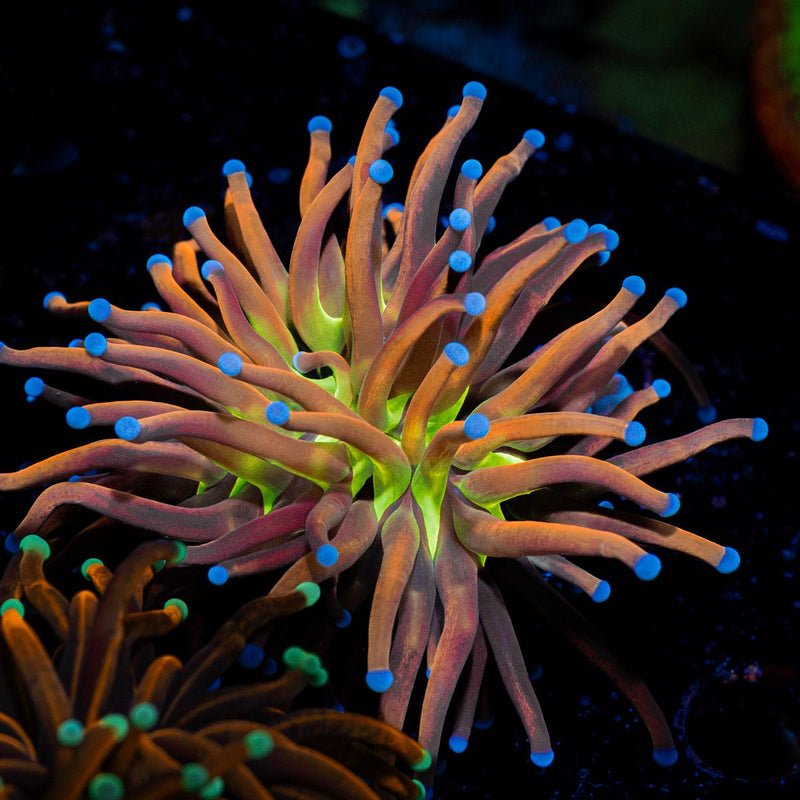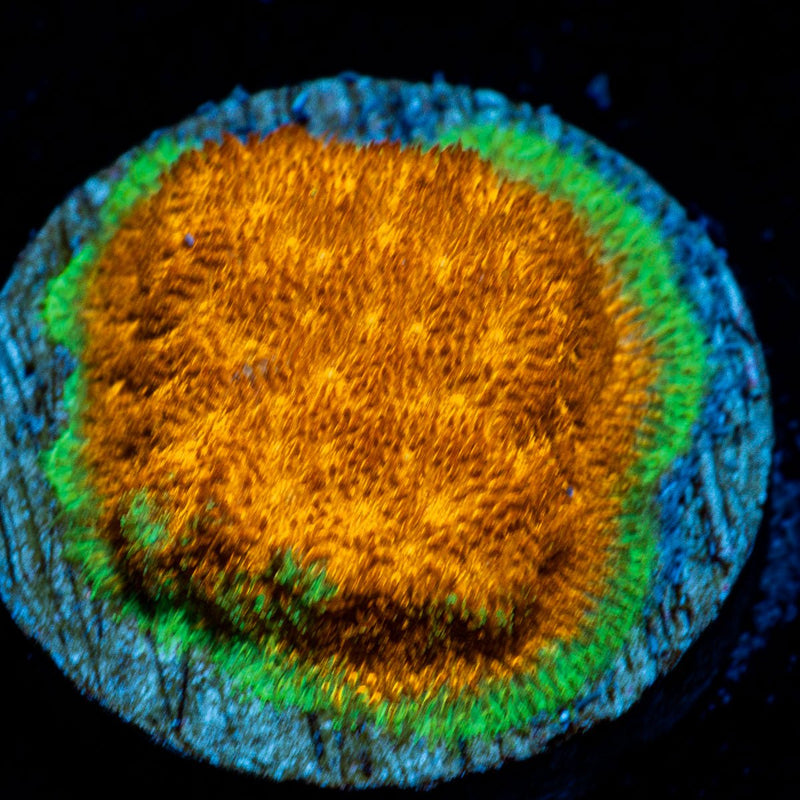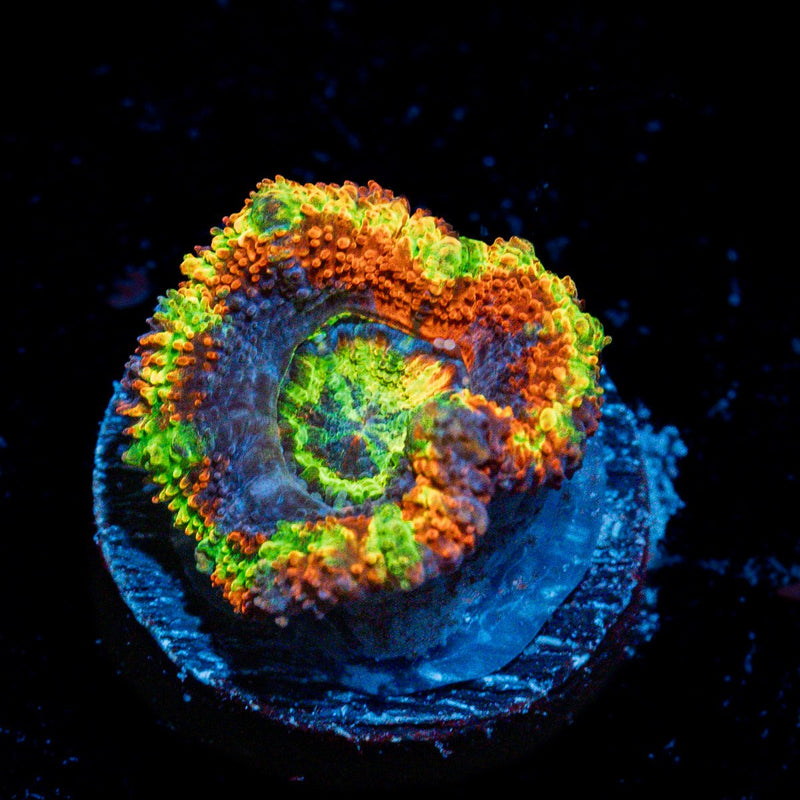
A coral can look enormous in a close-up photo and arrive as a healthy, properly sized frag that is smaller than you pictured. That is why coral frag sizes explained is more than a shopping question. Understanding size helps you compare pieces fairly, plan your aquascape, and choose a coral that fits both your budget and your vision for the reef.
A frag is a small piece of a parent coral that has been grown, healed, and prepared for life in a new aquarium. It may be a single torch head, a small zoanthid colony, a mounted Acropora branch, or a mushroom on a plug or rubble. There is no single industry-wide ruler for every coral category, so the best way to shop is to consider the coral type, the number of heads or polyps, the mounting method, and the listing photos together.
Coral Frag Sizes Explained by Coral Type
Size means something different for every coral. A one-inch SPS frag and a one-inch mushroom frag do not offer the same visual footprint, growth pattern, or value. The coral's natural shape matters as much as the measurement.
Small or mini frags
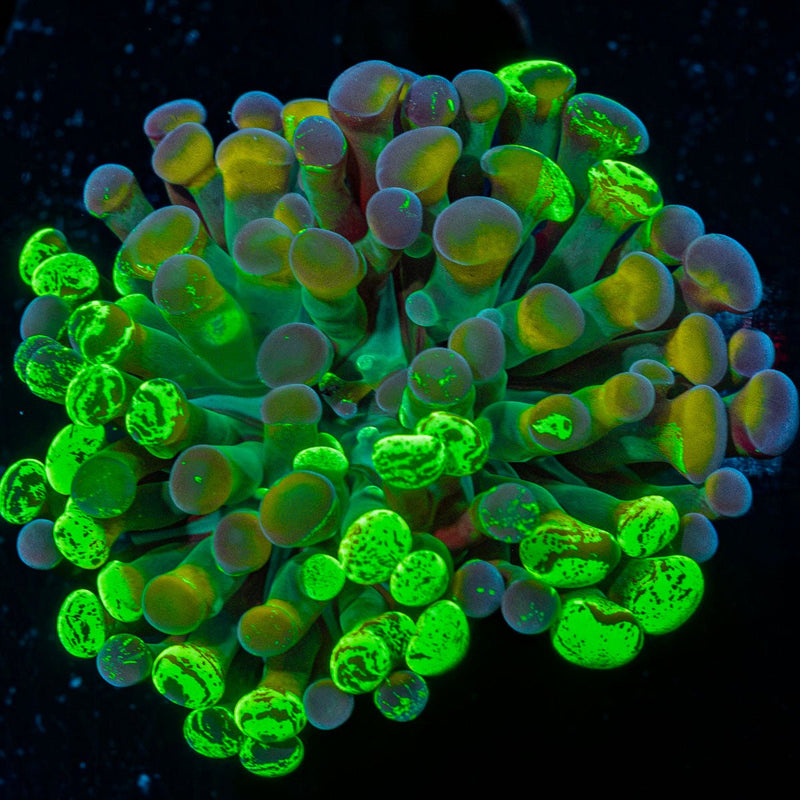
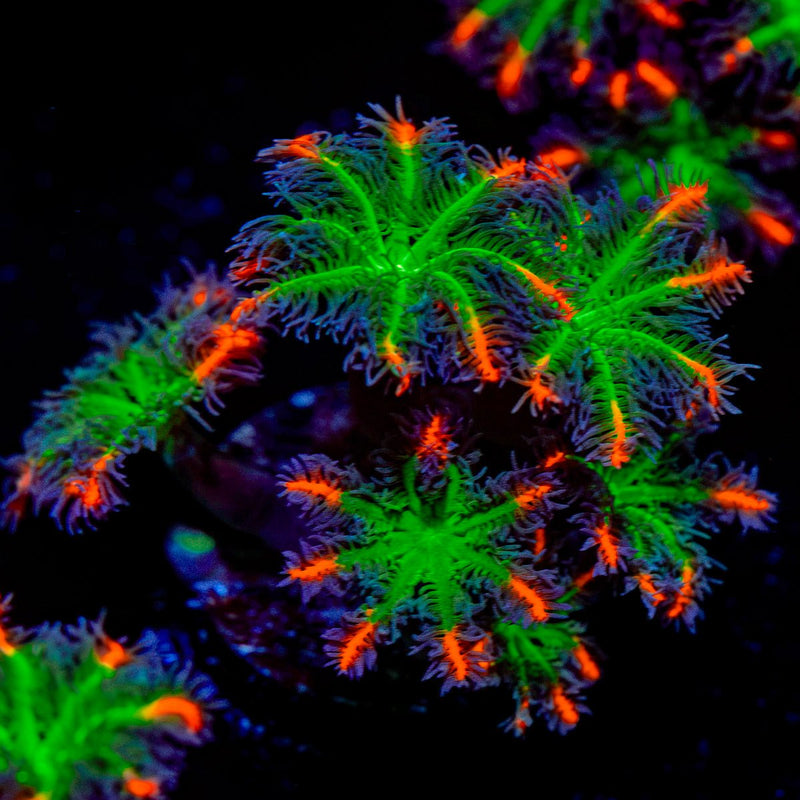
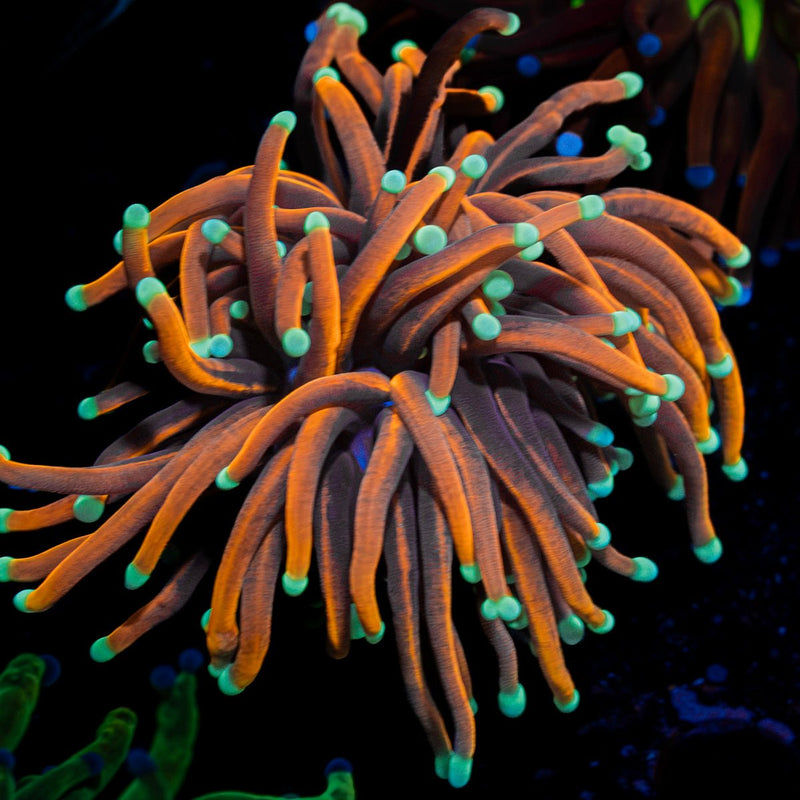
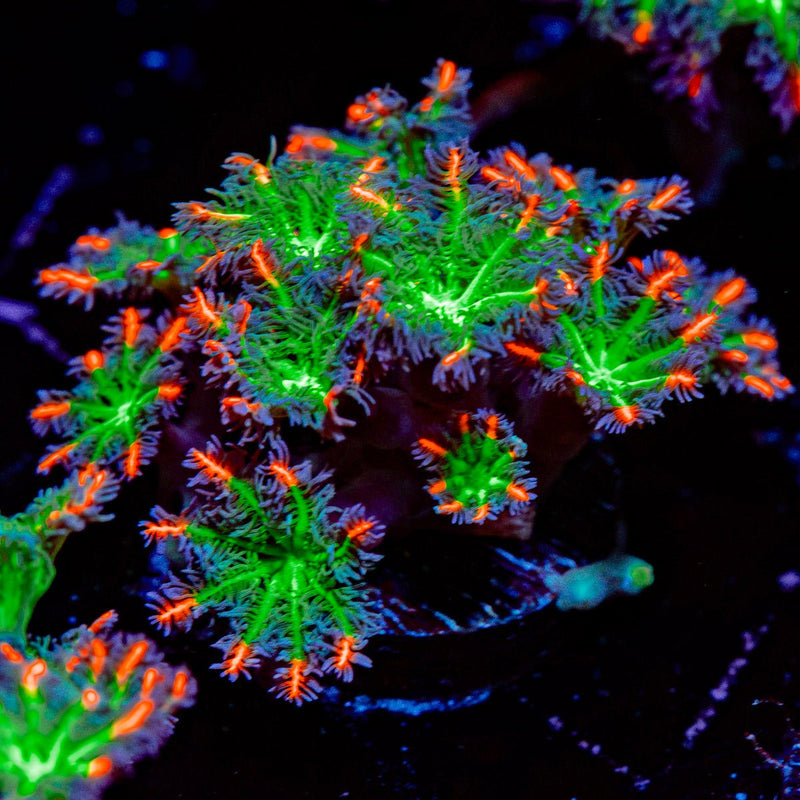
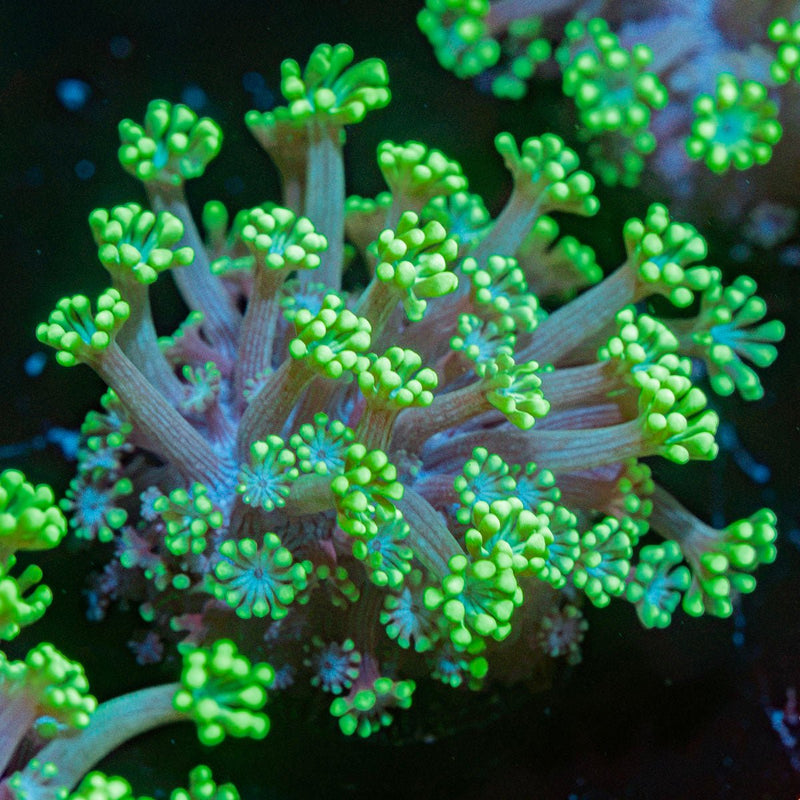
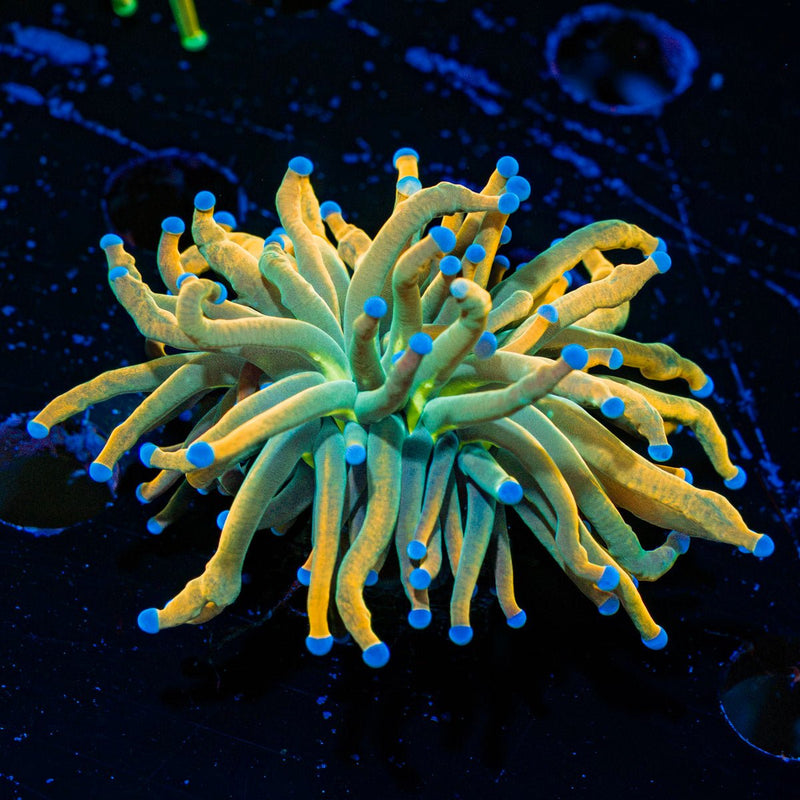
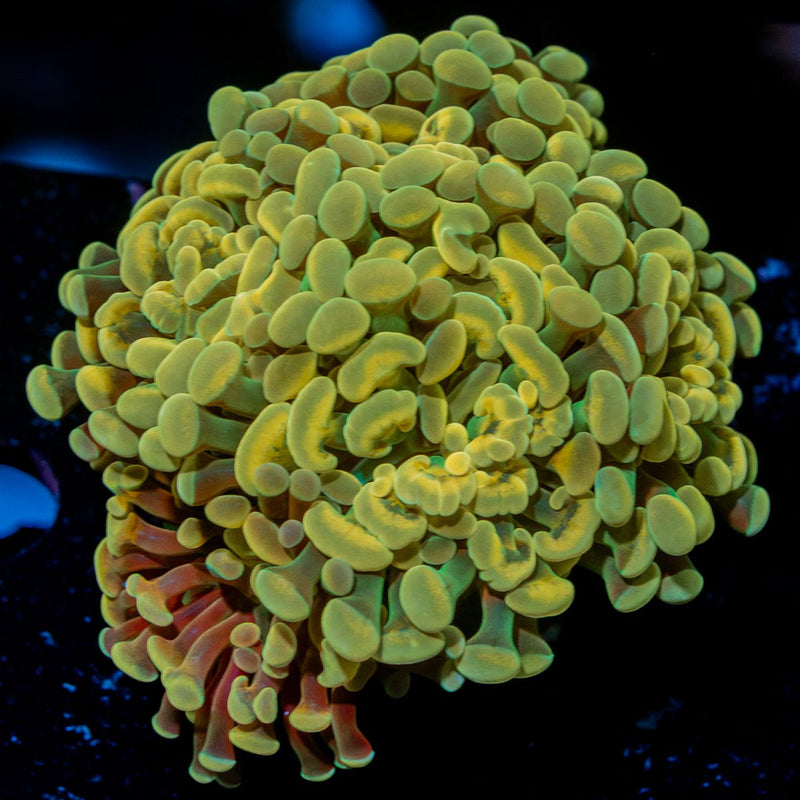
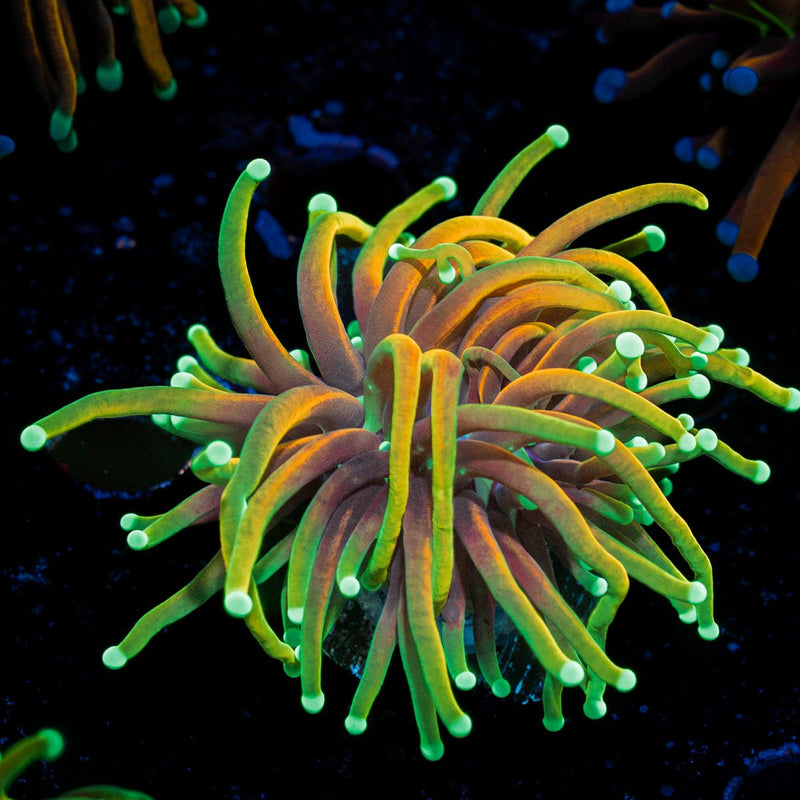
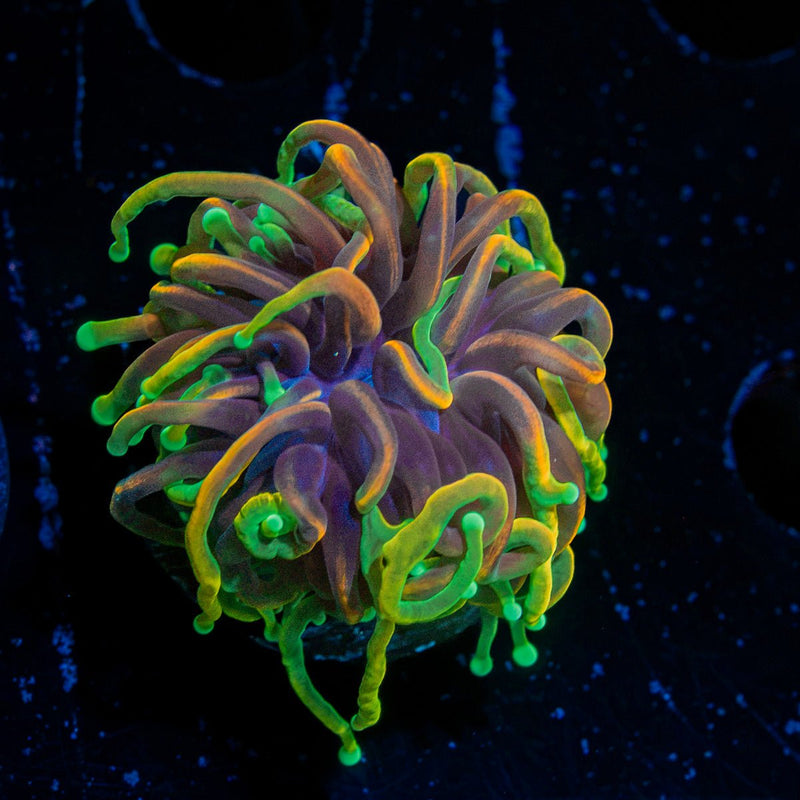
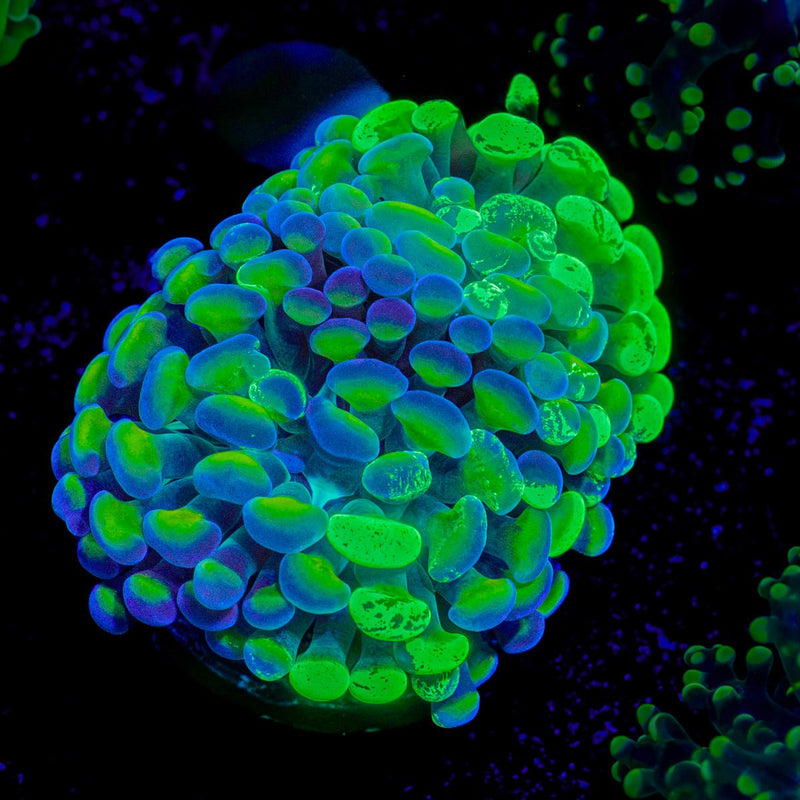
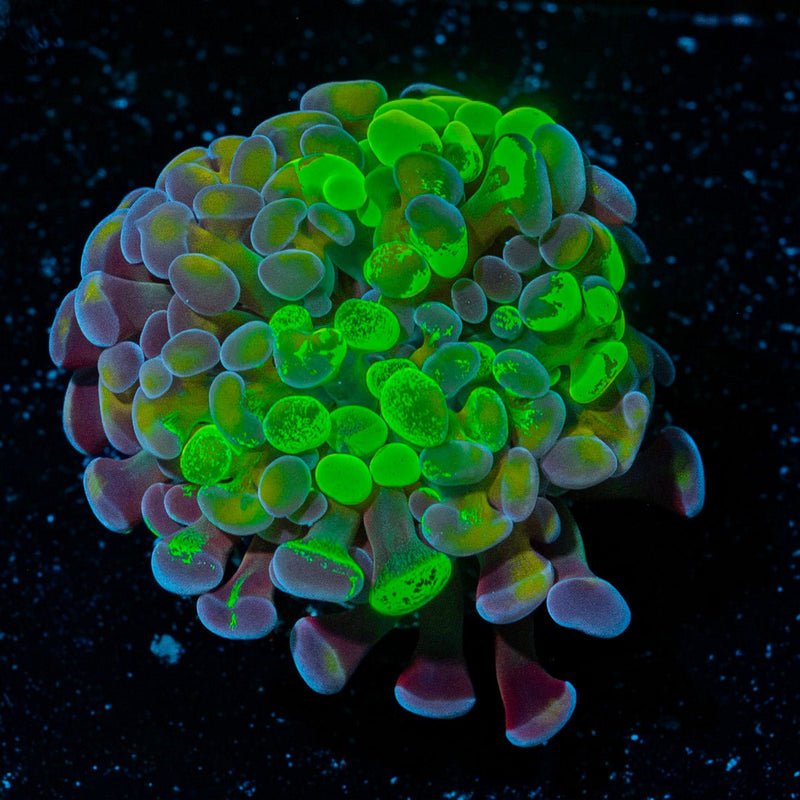
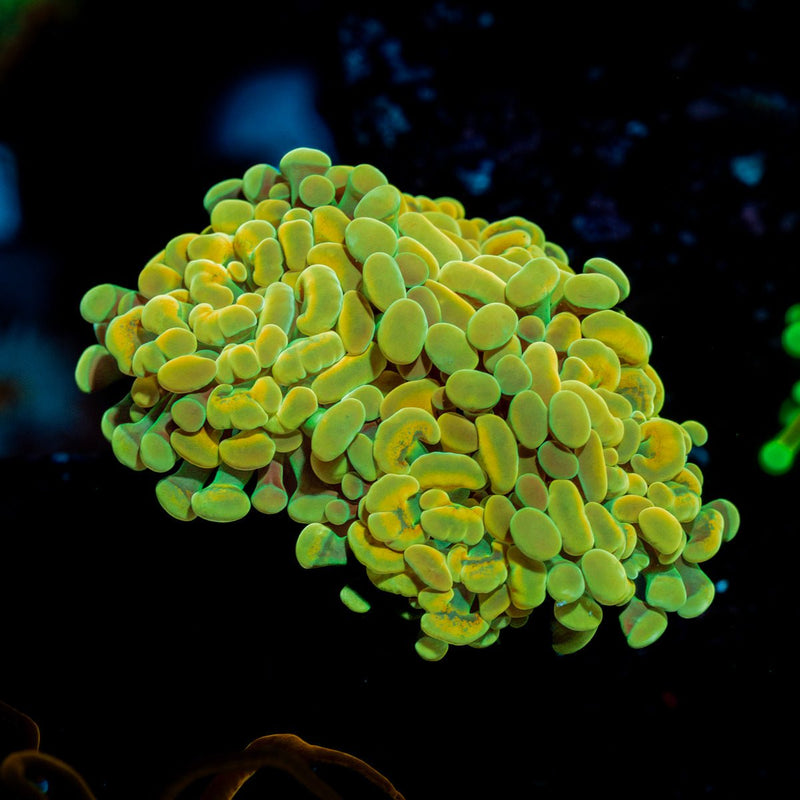
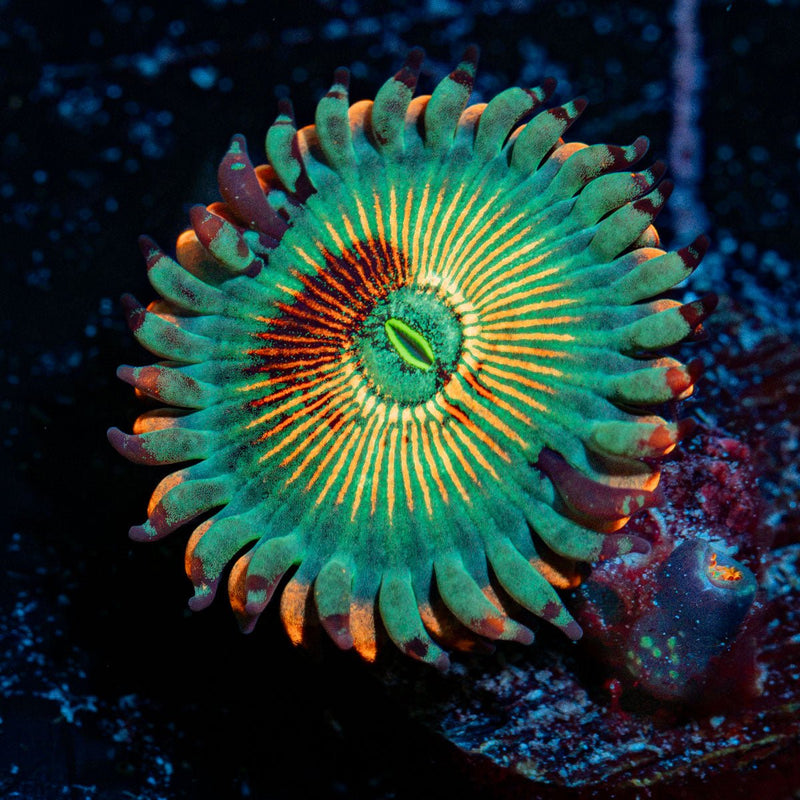
Mini frags are typically the smallest healthy, established pieces offered for sale. For branching SPS corals such as Acropora, Millepora, or birdsnest, that may mean a short encrusted branch around three-quarters of an inch to one inch. For zoanthids, it can mean a small cluster of several polyps. For LPS, a mini frag may be one head of a hammer, frogspawn, or torch.
These pieces are often a smart entry point for hobbyists building a collection over time. They take up little real estate, cost less than larger specimens, and leave room to explore more color varieties. The trade-off is patience. A small frag can become a stunning focal point, but it needs stable water parameters and time to grow into that role.
Standard frags
A standard frag is usually a more substantial, established piece. In SPS, it may have multiple branches, a thicker base, or visible encrustation across the plug. In zoanthids, expect a fuller grouping of polyps rather than a tiny starter cluster. With euphyllia, a standard size may include a larger single head or multiple developing heads, depending on the specific coral.
For many reef keepers, this is the sweet spot. Standard frags have enough presence to contribute color and movement right away, while still fitting comfortably into a growing reef tank. They can also be more forgiving visually: a slightly larger piece is easier to place, photograph, and enjoy from across the room.
Large frags and mini colonies
Large frags and mini colonies are designed for shoppers who want immediate impact. A larger SPS piece may feature several developed branches and an established encrusted base. A zoanthid mini colony can cover a meaningful portion of a plug with dense, colorful polyps. LPS specimens may have several heads, fuller tissue, or a larger skeletal structure.
These corals can make an aquarium feel established faster, especially when you are filling a prominent section of rockwork. They also cost more because they represent additional grow-out time, space, and care. Larger does not automatically mean easier, though. A bigger coral still needs appropriate light, flow, and room to expand.
WYSIWYG pieces
When a listing is WYSIWYG, or What You See Is What You Get, the photo shows the exact coral you are purchasing. This is particularly valuable for premium Acropora, torches, mushrooms, chalices, and other corals where coloration, pattern, branching, or polyp count can vary dramatically.
With WYSIWYG corals, use the image as the primary size reference, then look for details such as the plug diameter, number of heads, or stated dimensions. The exact item photo gives you a far clearer sense of its shape and fullness than a generic category image ever could.
Why Plug Size Can Be Misleading
Most coral frags are mounted on a ceramic or plastic plug, often around one inch across. That plug gives the coral a secure base and makes placement easier, but it is not the same thing as coral size.
A tiny Acropora branch on a one-inch plug is still a small frag. Conversely, an encrusted montipora or a dense zoanthid colony can extend well beyond the plug and carry far more visual weight than its base suggests. Some corals are also mounted on frag discs, rubble, or cut skeleton rather than traditional plugs.
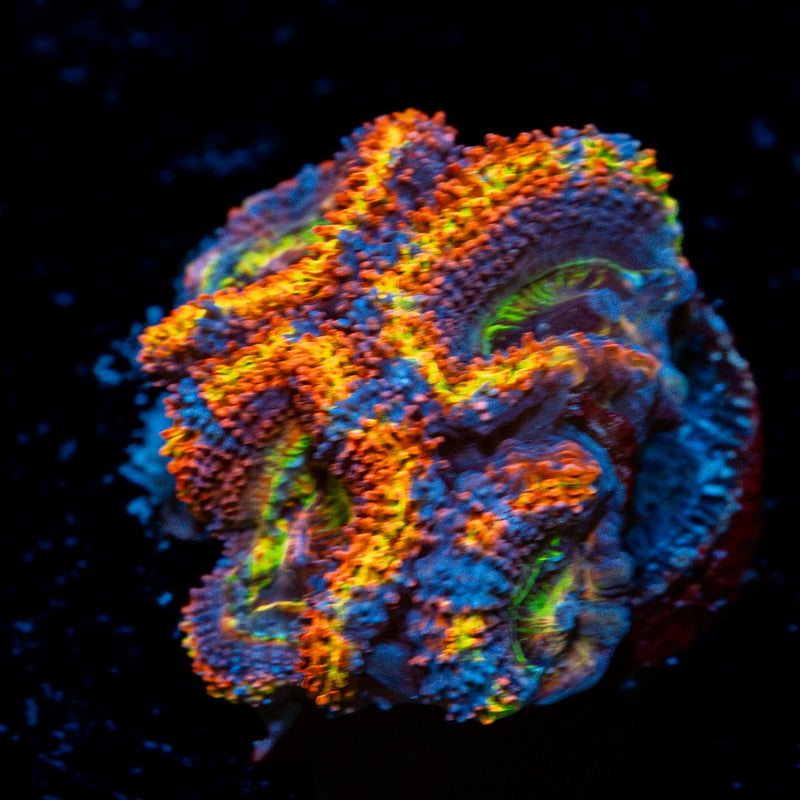
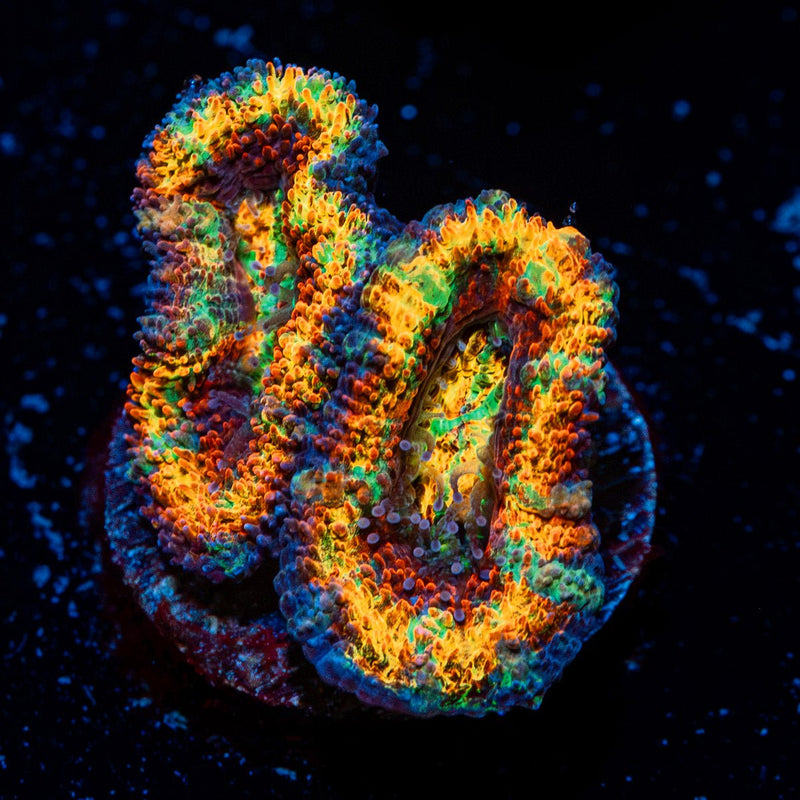
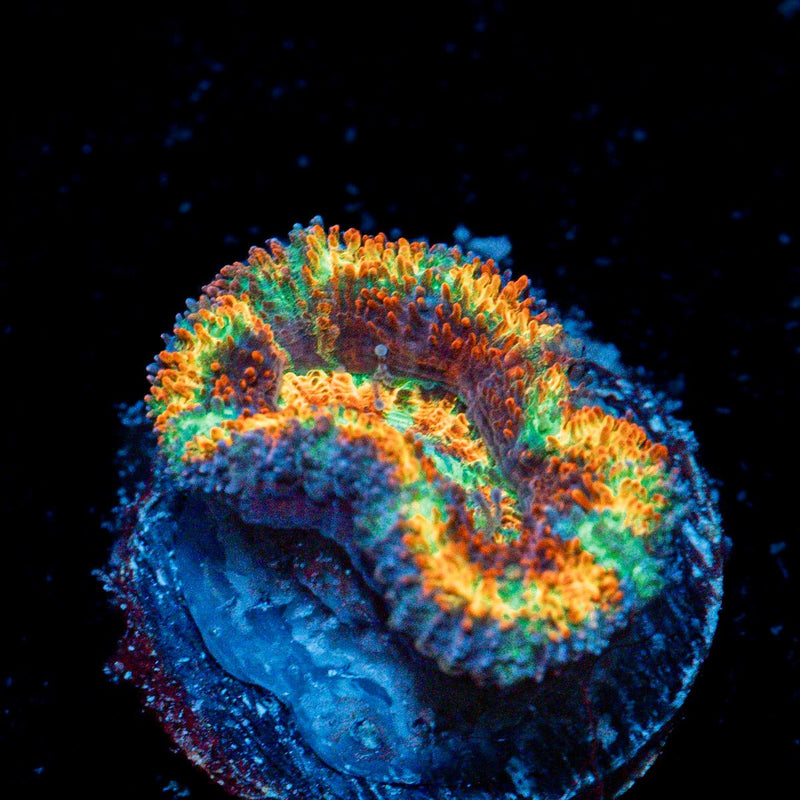
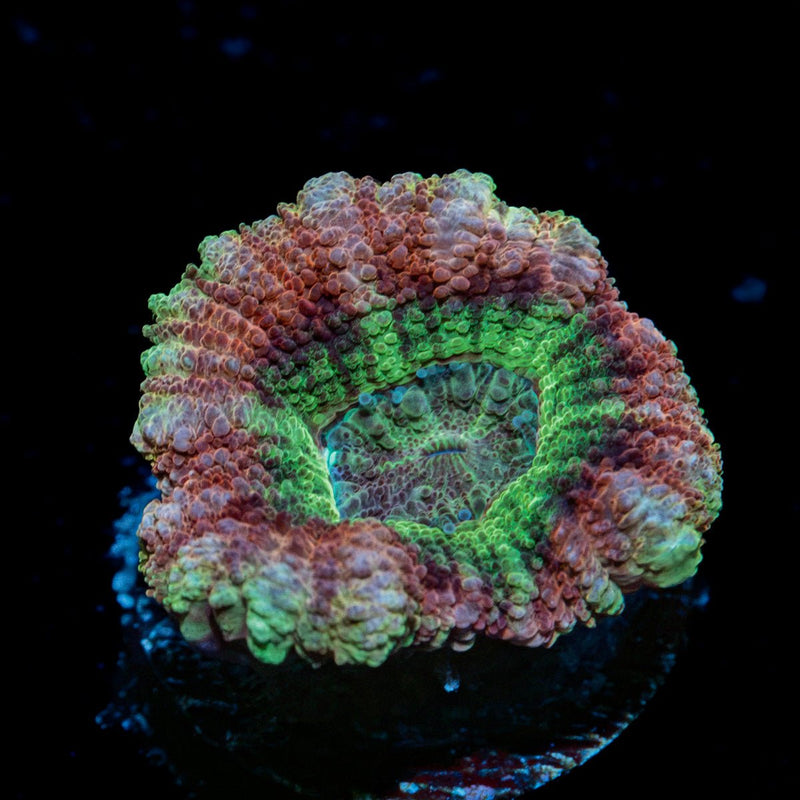
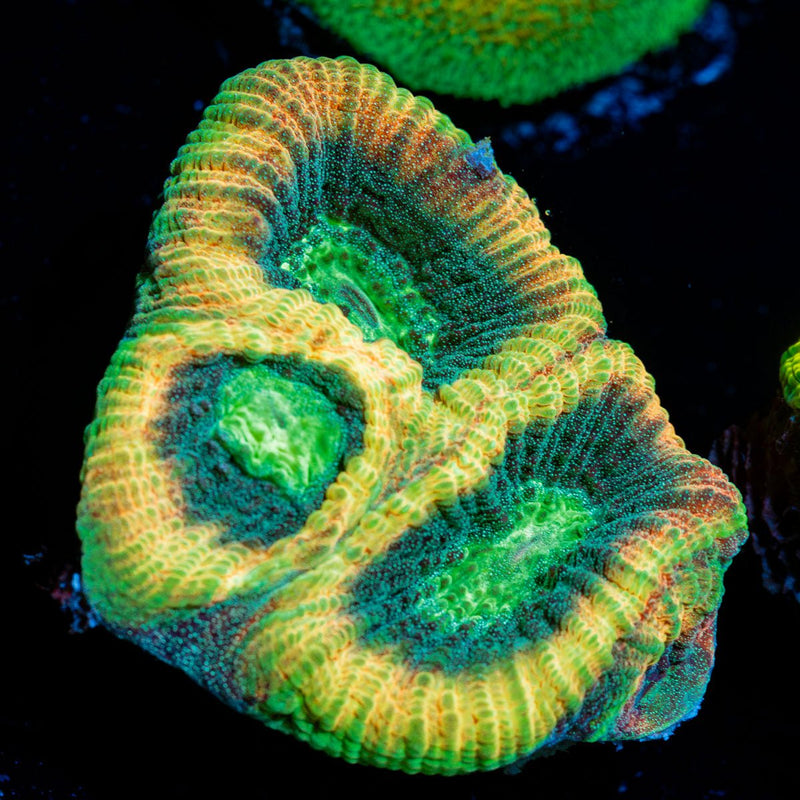
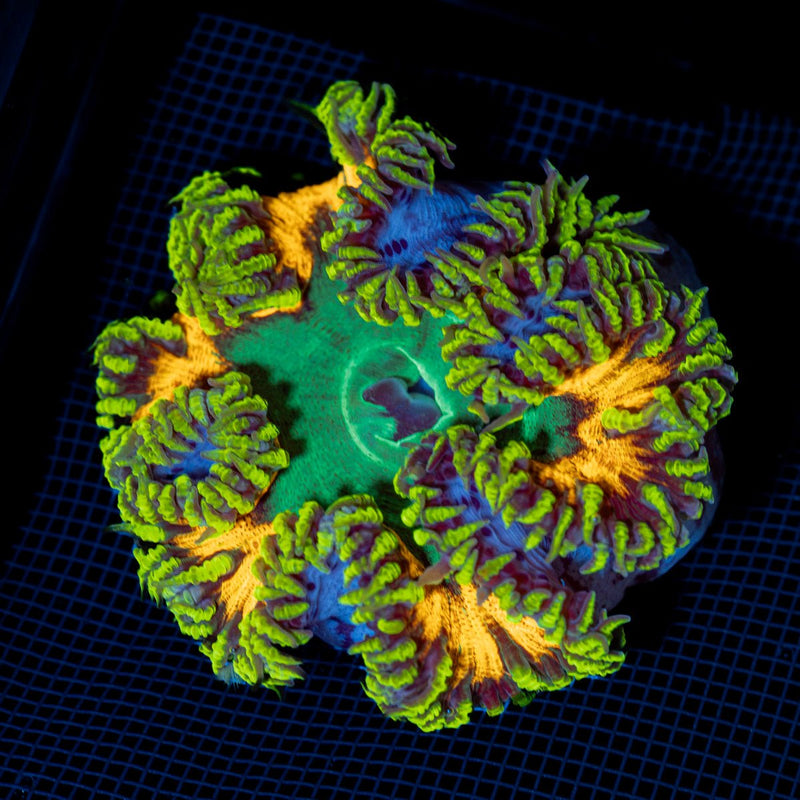
When comparing listings, focus first on the living tissue. For branching corals, look at branch length, thickness, and number of growing tips. For zoanthids and palythoas, count visible polyps when that information is available. For euphyllia, head count is useful, but tissue extension and skeletal size also tell part of the story. For mushrooms, chalices, and encrusting corals, ask how much of the plug or disc the coral covers.
Size Is Only One Part of Coral Value
It is tempting to compare corals strictly by inches, but healthy coral value is more nuanced. A small, intensely colored aquacultured frag from a proven lineage may be more desirable than a larger, less distinctive piece. Growth form, rarity, coloration, health, and the time required to grow and heal the coral all matter.
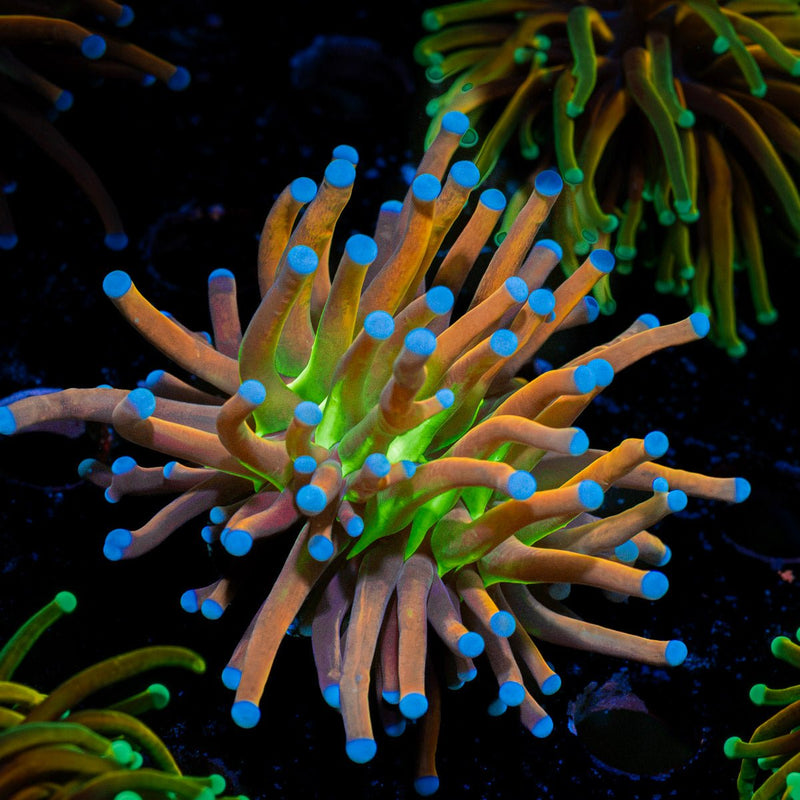
A one-head torch is a good example. One head can be a fantastic purchase if it has full tissue, a strong skeleton, vibrant coloration, and a desirable pattern. A multi-head piece delivers more immediate volume, but it may not be the better fit if your tank is young, your placement options are limited, or you are still learning how your aquarium handles flow and light.
Aquacultured corals also deserve a different perspective than freshly cut pieces. A properly healed frag has had time to attach, recover, and establish itself before it reaches your reef. That stability can be more meaningful than chasing the largest possible specimen for the price.
Choosing the Right Frag Size for Your Tank
For a newer reef tank, smaller to standard frags are often the most practical choice. They allow you to test placement and learn your aquarium's conditions without crowding the rockwork too quickly. Beginner-friendly soft corals, zoanthids, mushrooms, and many hardy LPS options can add plenty of color while keeping the learning curve approachable.
For an established tank, larger frags and mini colonies can help fill visual gaps or create a showpiece zone. They are especially appealing when you already know the light and flow requirements of the coral group you are adding. A mature reef can also support the extra spacing that fast-growing corals will eventually demand.
Leave room for growth regardless of the frag size you choose. Torches, hammers, and frogspawn need space to sway and can sting nearby corals. SPS corals may look tidy as frags but develop wide branches over time. Zoanthids and encrusting corals can spread across rockwork faster than expected. A small coral today is often a future centerpiece, so place it with that future shape in mind.
How to Read Coral Photos With Confidence
Online coral photography can make colors pop, but perspective can distort scale. A macro photo is ideal for appreciating a coral's texture, fluorescence, and pattern, yet it can make a single zoanthid polyp or small mushroom look much larger than it is. That is not a reason to avoid online shopping. It is a reason to use every available reference point.
Look for the frag plug, egg crate, ruler, or neighboring coral structure in the photo. Read whether the item is WYSIWYG or representative. If a piece is listed by head count, remember that heads can vary in size by species and maturity. A healthy, fully extended coral may also look different after acclimation, when it settles into your own tank's light and flow.
At Riptide Aquaculture, exact-item selections help remove much of that guesswork. You can shop the coral in front of you, not just a stock image of a similar specimen, and choose the size and character that feels right for your reef.
Buy for the Reef You Want to Build
The best frag size is not always the biggest one. It is the piece that gives you confidence: healthy tissue, a form you understand, enough room to grow, and a color story that makes you pause when you look into the tank. Choose with the finished reef in mind, then give that living jewel the patience and stable care it needs to earn its place.