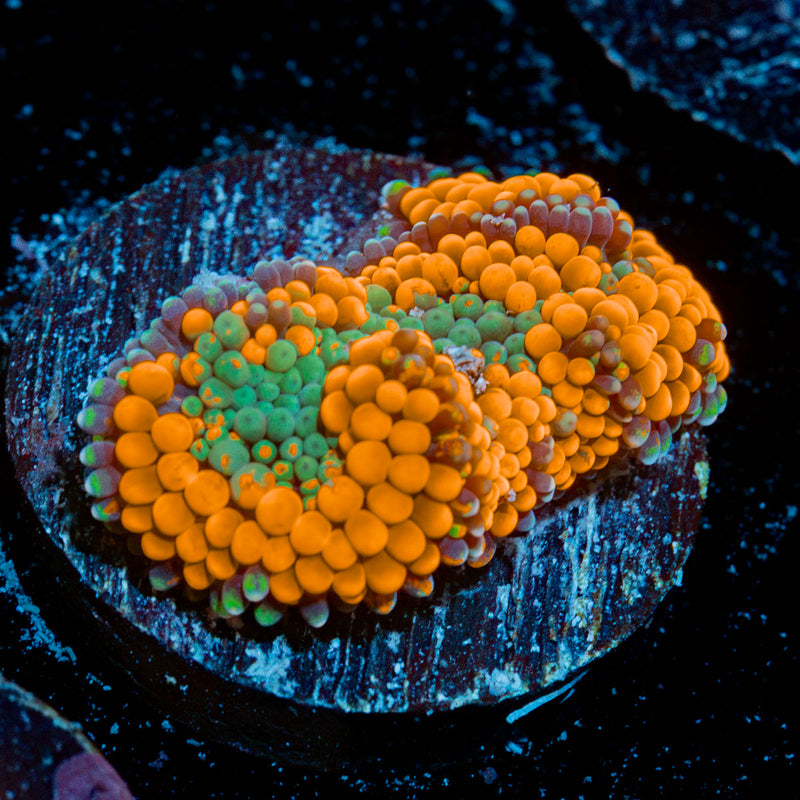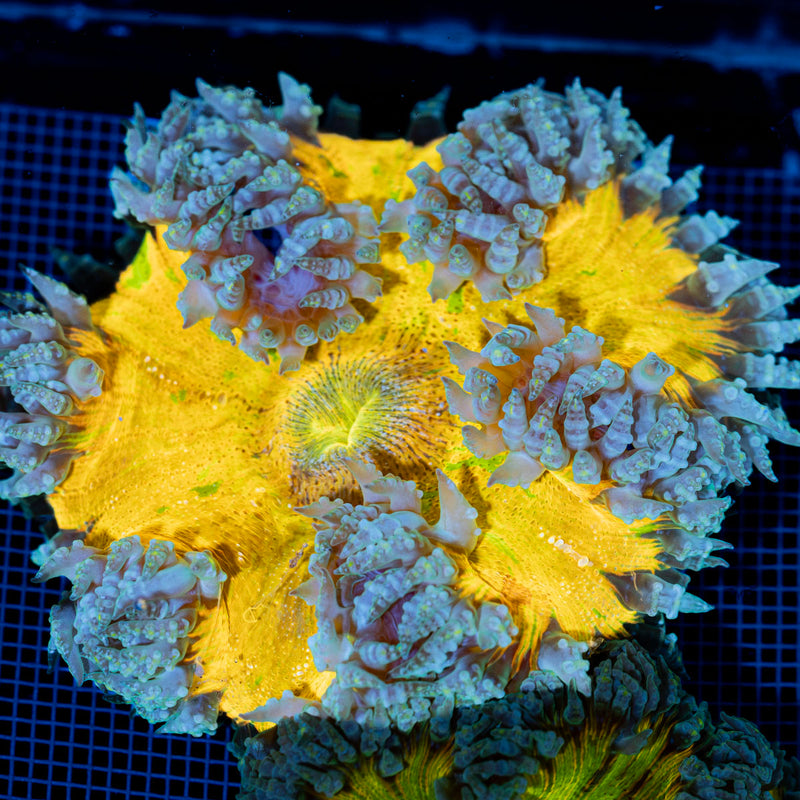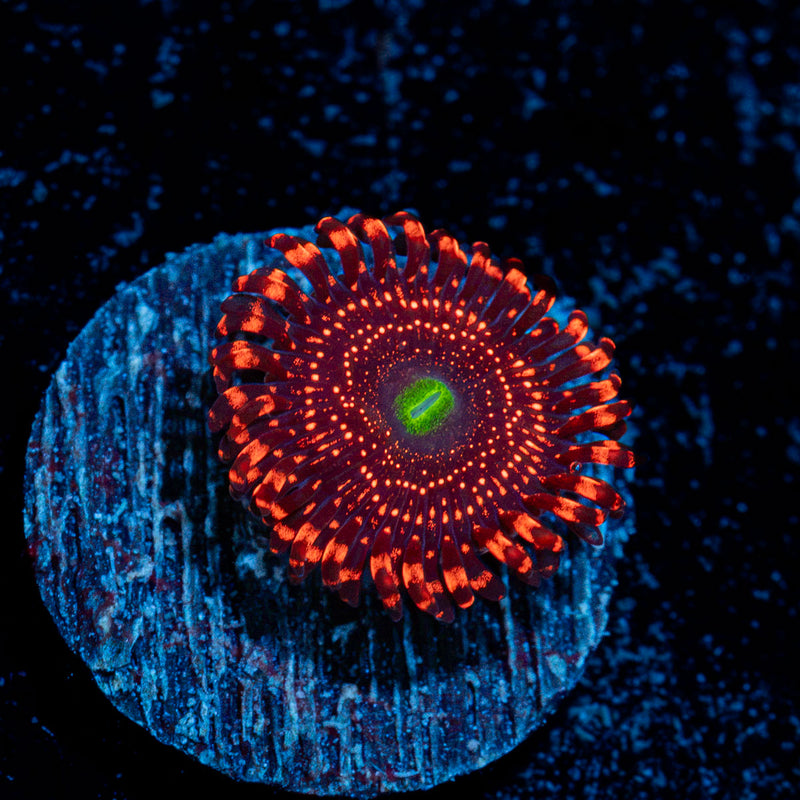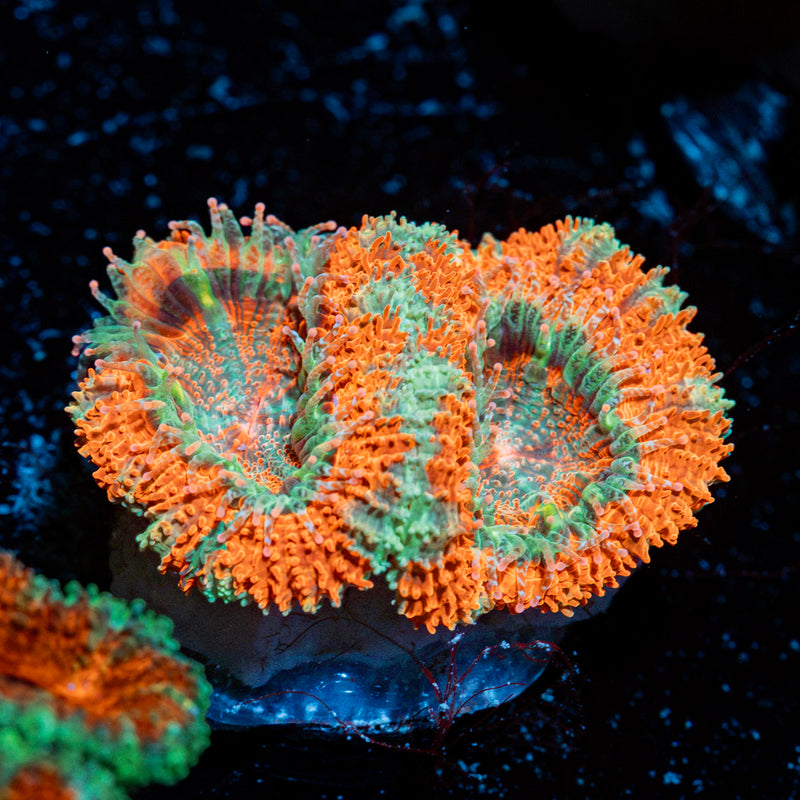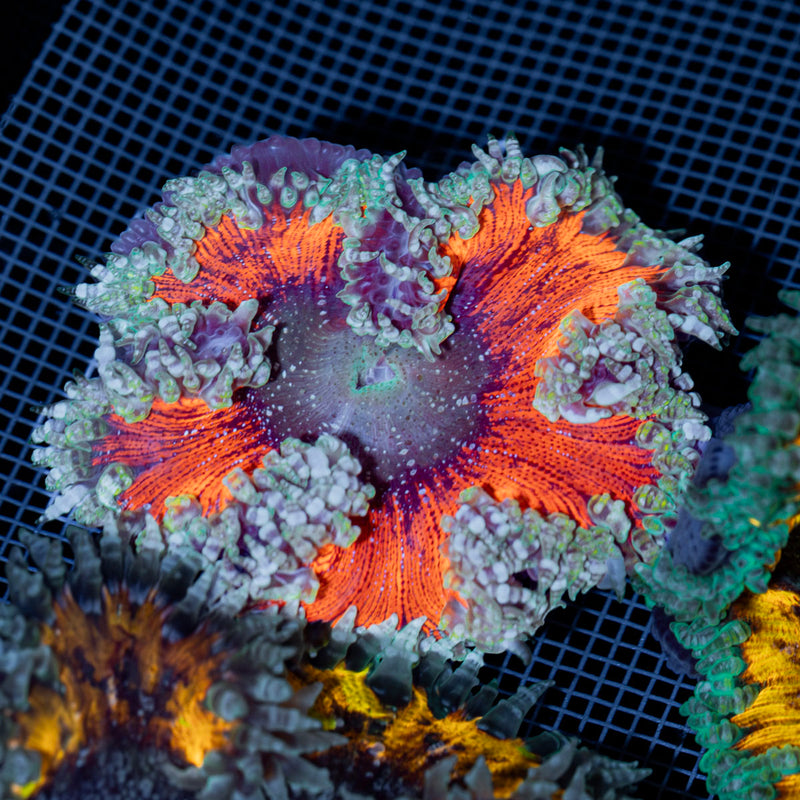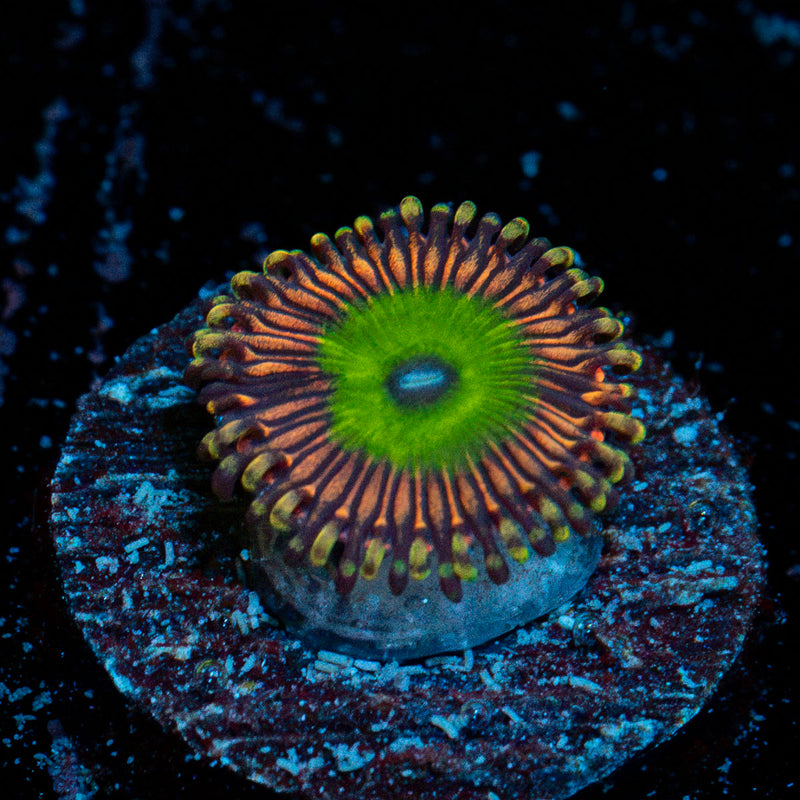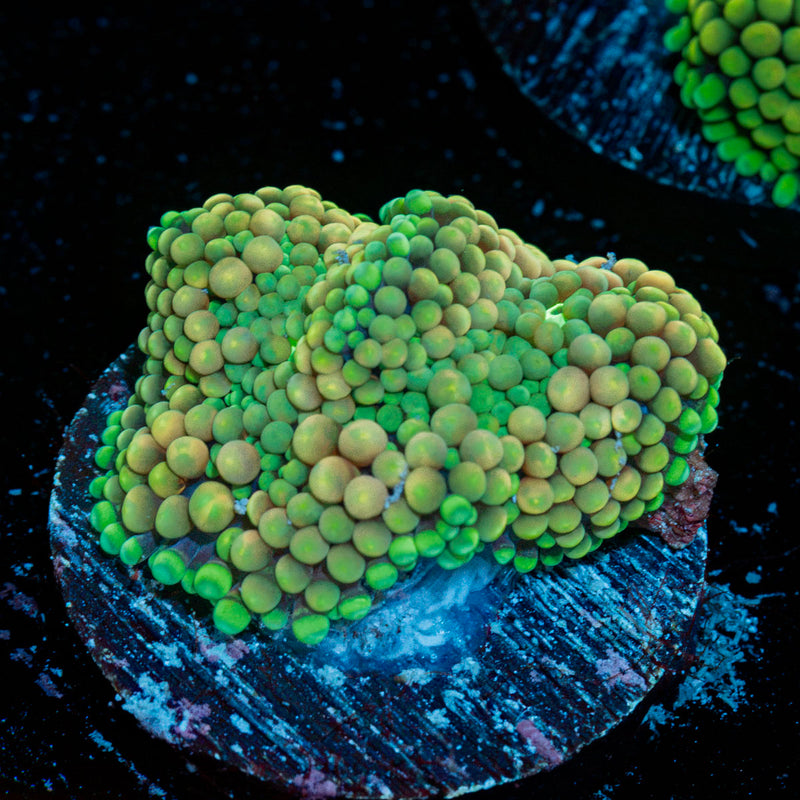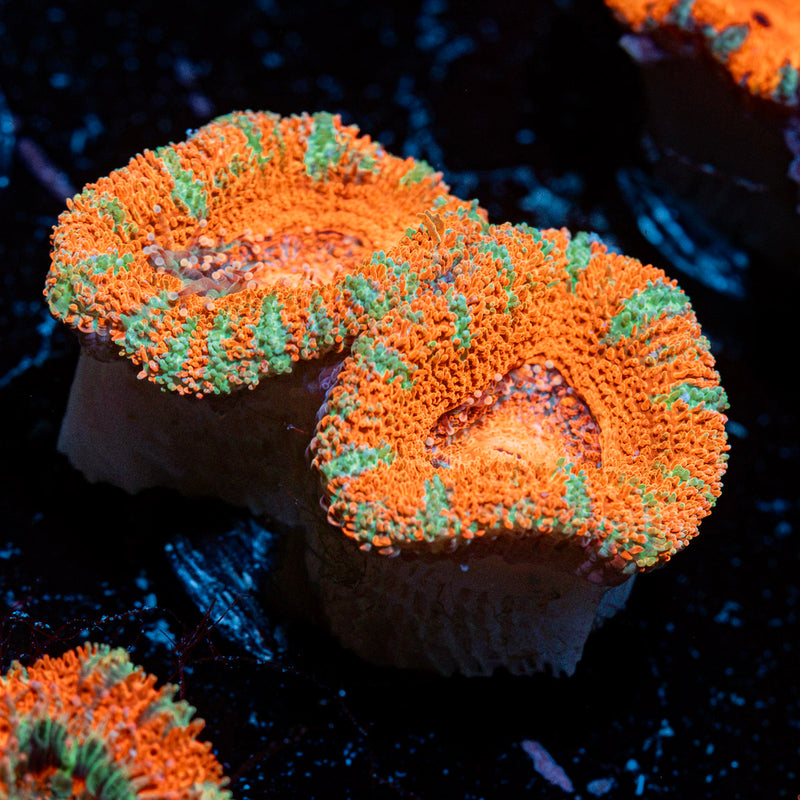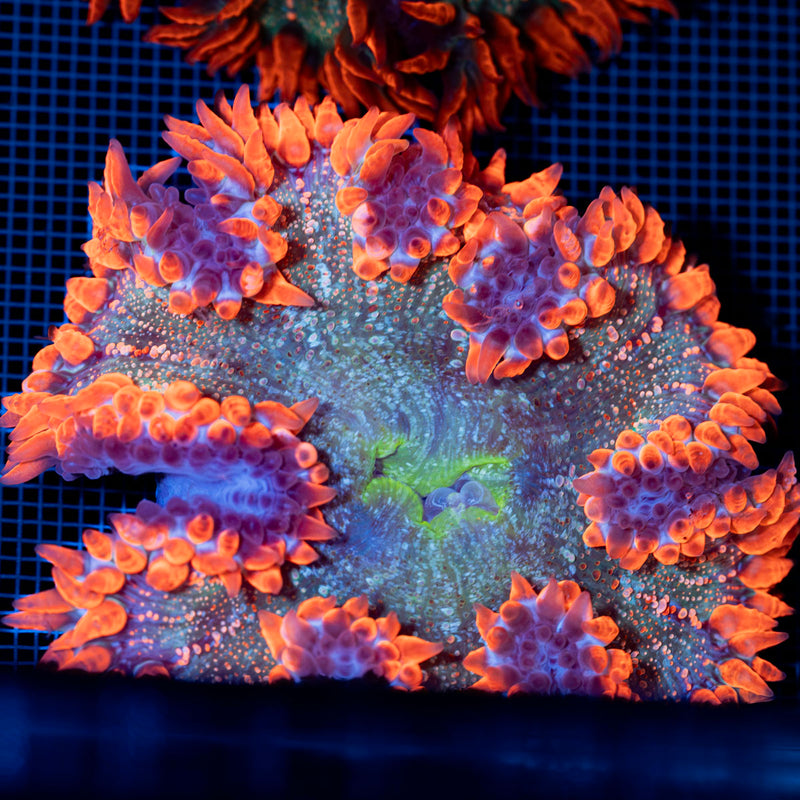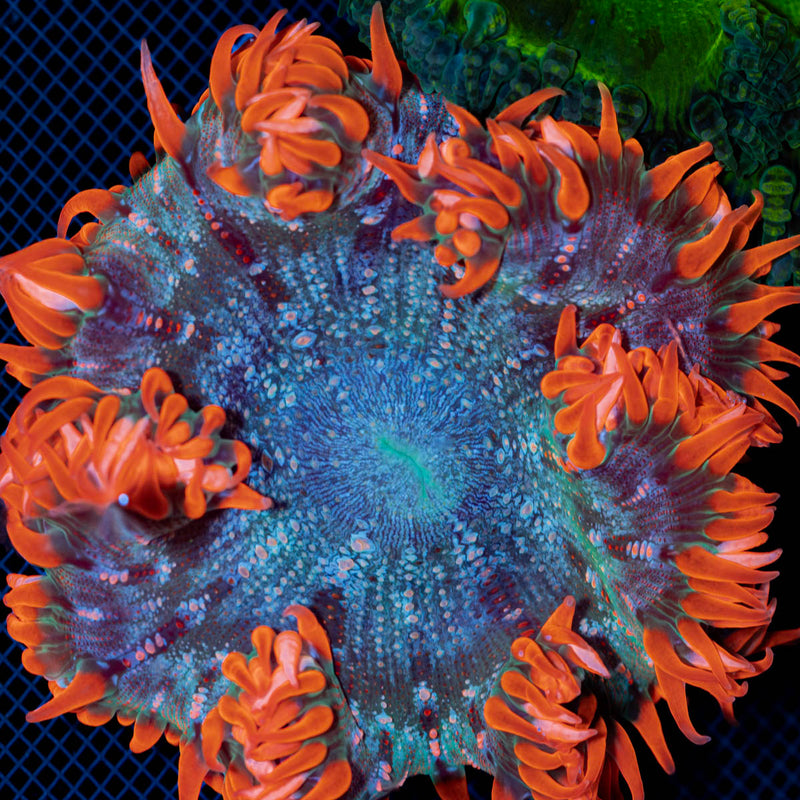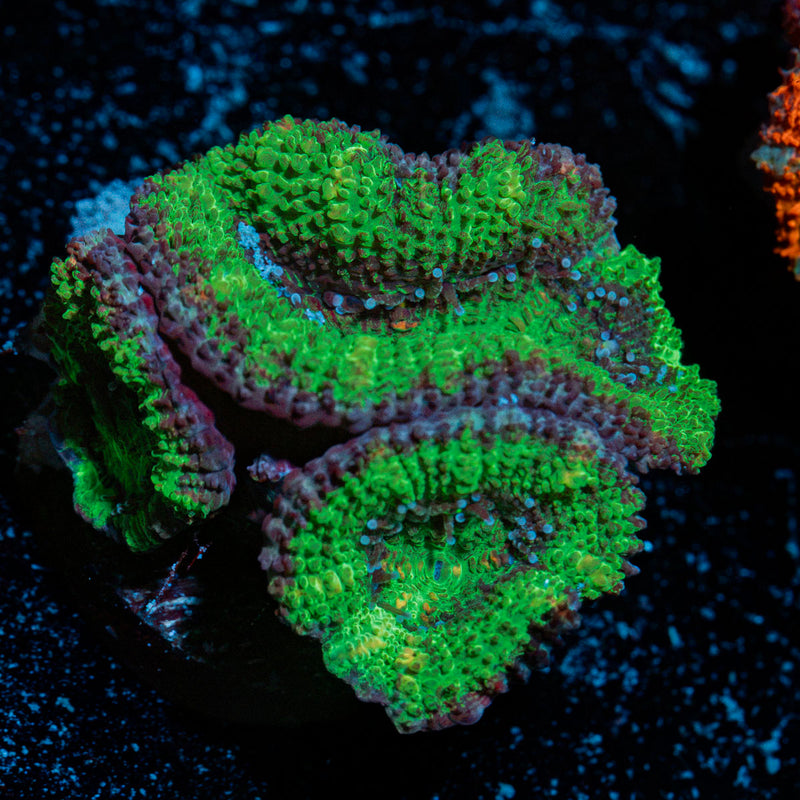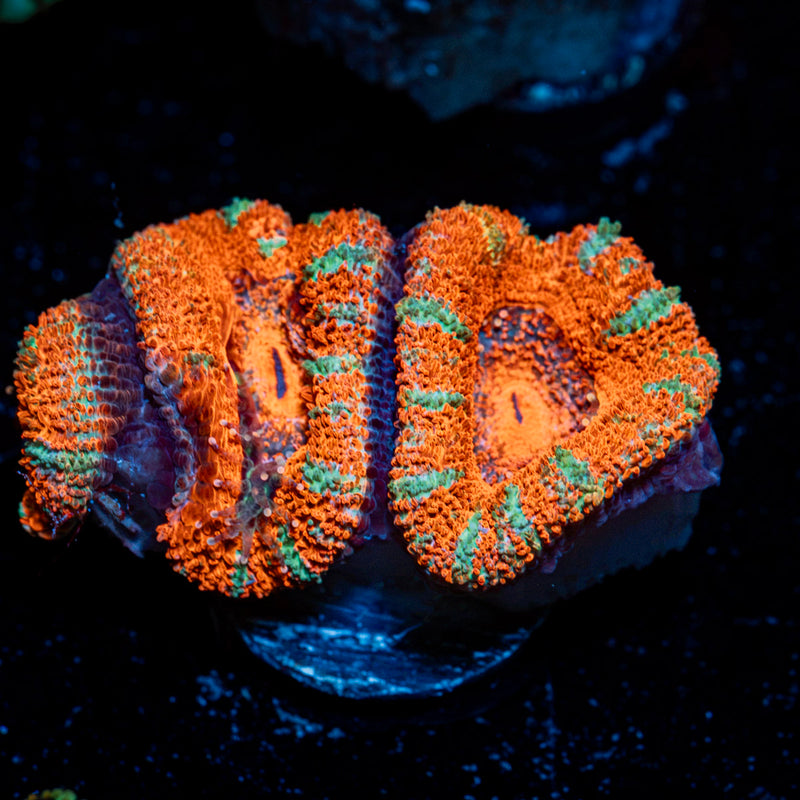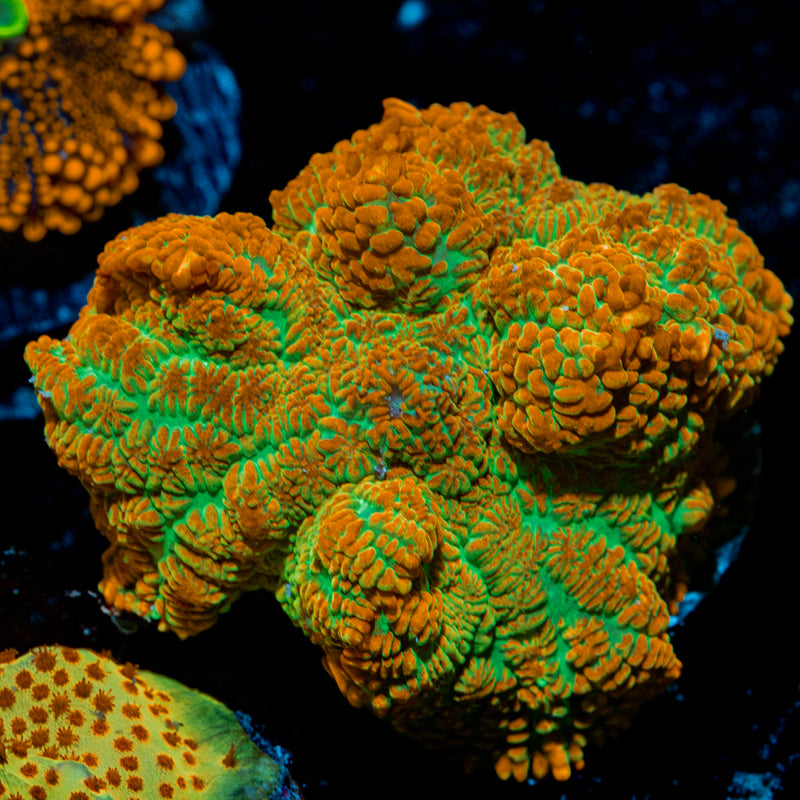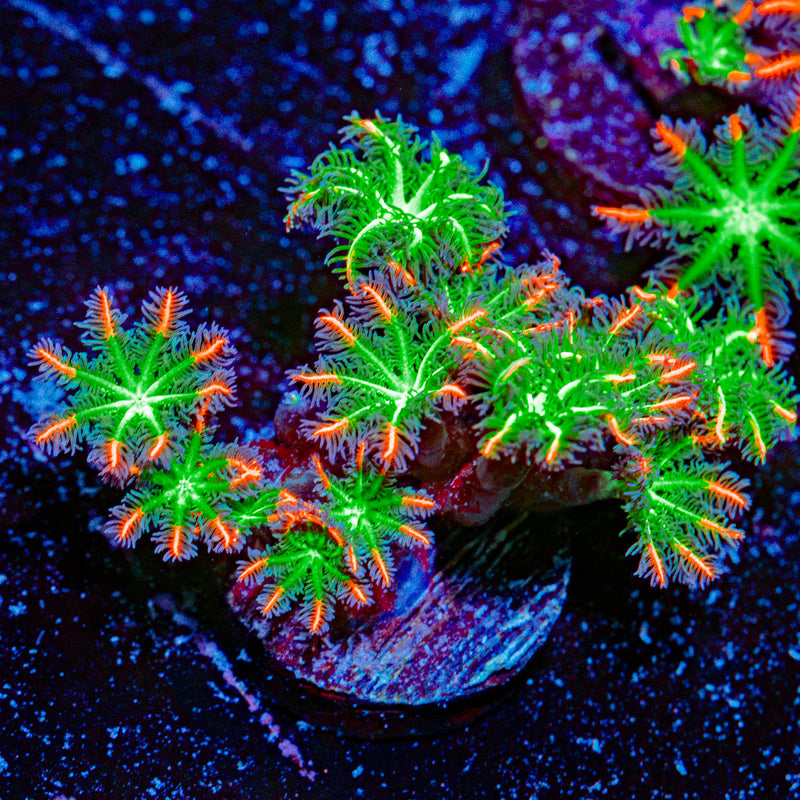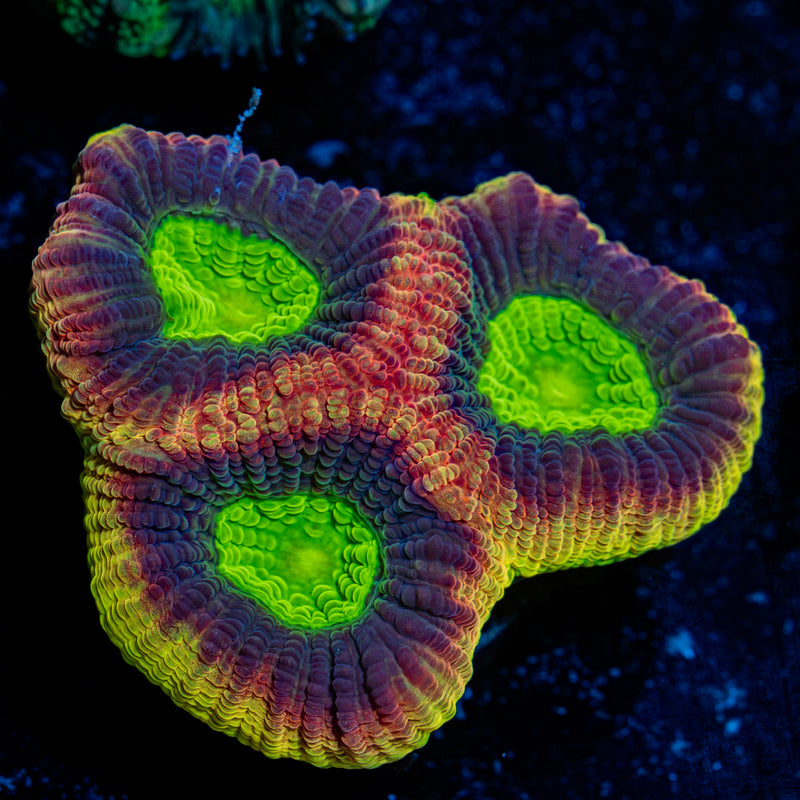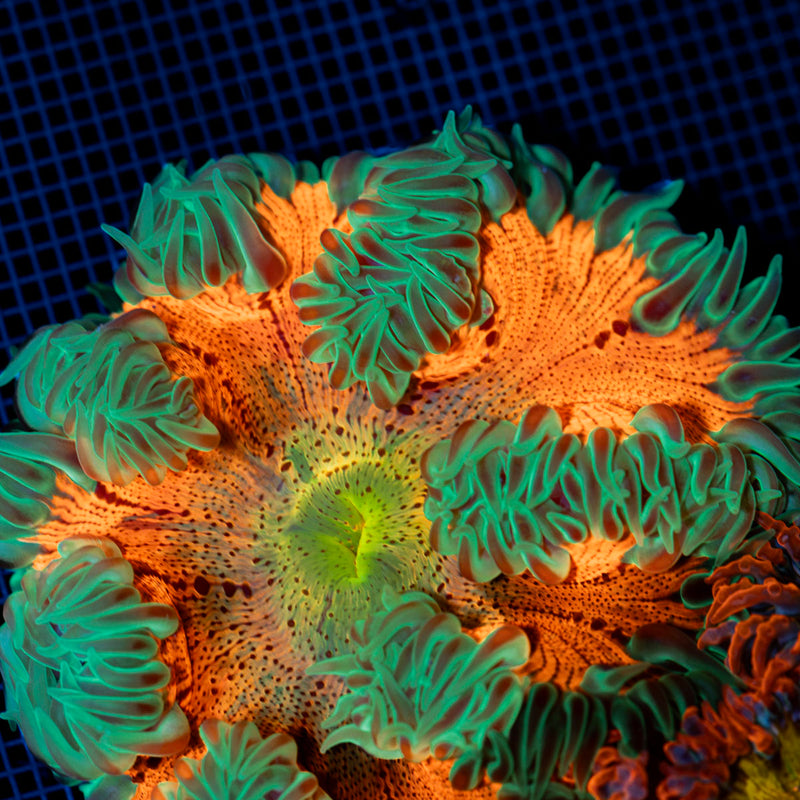
A reef tank can look ready long before it is ready for coral. Clear water, bright lights, and a clean aquascape are exciting milestones, but when to add coral frags comes down to biological stability, not appearance. A patient start gives each colorful new frag a much better chance to open, grow, and become part of the living reef you imagined.
For most new tanks, the right answer is after the nitrogen cycle is complete and the tank has had time to settle. That often means waiting beyond the day ammonia and nitrite first read zero. Corals do not need a tank packed with fish, but they do benefit from consistent chemistry, stable temperature and salinity, and a system beginning to develop its own rhythm.
When to Add Coral Frags: The Reef-Ready Checklist
Your aquarium is ready for its first coral frags when ammonia and nitrite are consistently zero, not just zero on a single test. Nitrate should be present but controlled, since a completely stripped system can be just as challenging as one with excessive nutrients. For many beginner-friendly corals, a modest nitrate reading is perfectly acceptable and often preferable to chasing sterile water.
Stability matters more than a single "perfect" number. Salinity should hold steady around your chosen reef target, commonly 1.025 to 1.026 specific gravity. Temperature should remain consistent day and night, ideally with minimal swings. Alkalinity, calcium, and magnesium should be in a reasonable reef range and, more importantly, should not be bouncing around as you learn to test and dose.
Give a newly cycled tank at least a few additional weeks to prove that it can stay stable. If you can maintain salinity, temperature, and nutrients without daily surprises, you are in a far better position to add coral. Many successful hobbyists introduce their first hardy frags around four to eight weeks after setup, depending on how the tank was cycled, stocked, and maintained.
A little natural algae growth is not an automatic warning sign. In fact, early diatoms and light film algae are common signs that a young aquarium is maturing. What you want to avoid is an uncontrolled bloom, unstable nutrients, or a cycle that is still shifting every few days.
Start With Corals That Match a Young Tank
The first coral in a new reef tank does not need to be the rarest piece on your wish list. It should be a healthy, aquacultured coral with care needs that fit your current setup and your comfort level. Starting with forgiving options lets you learn how your lighting, flow, and water chemistry behave with real coral in the aquarium.
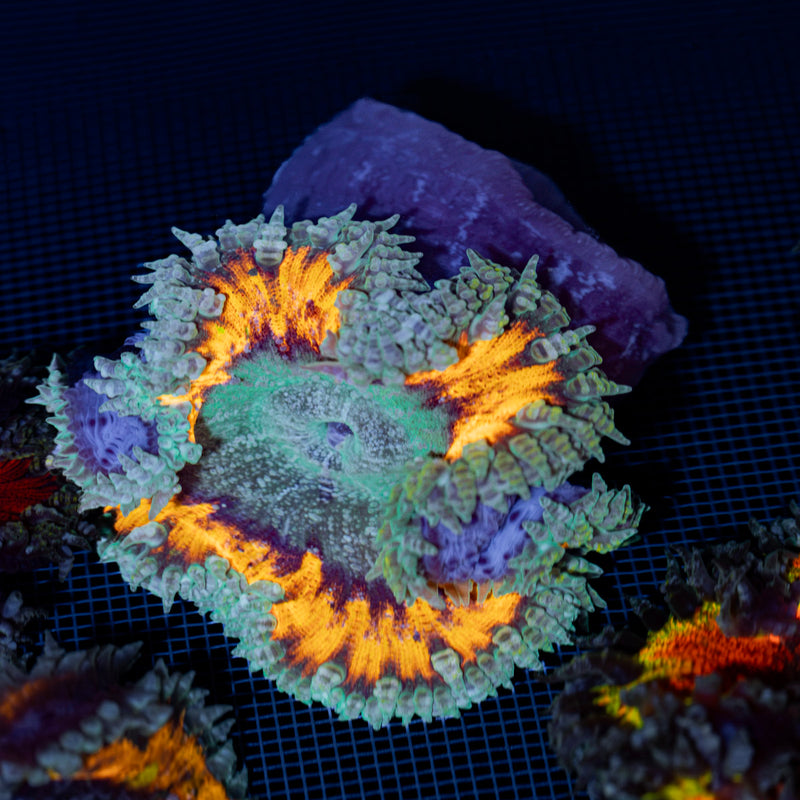
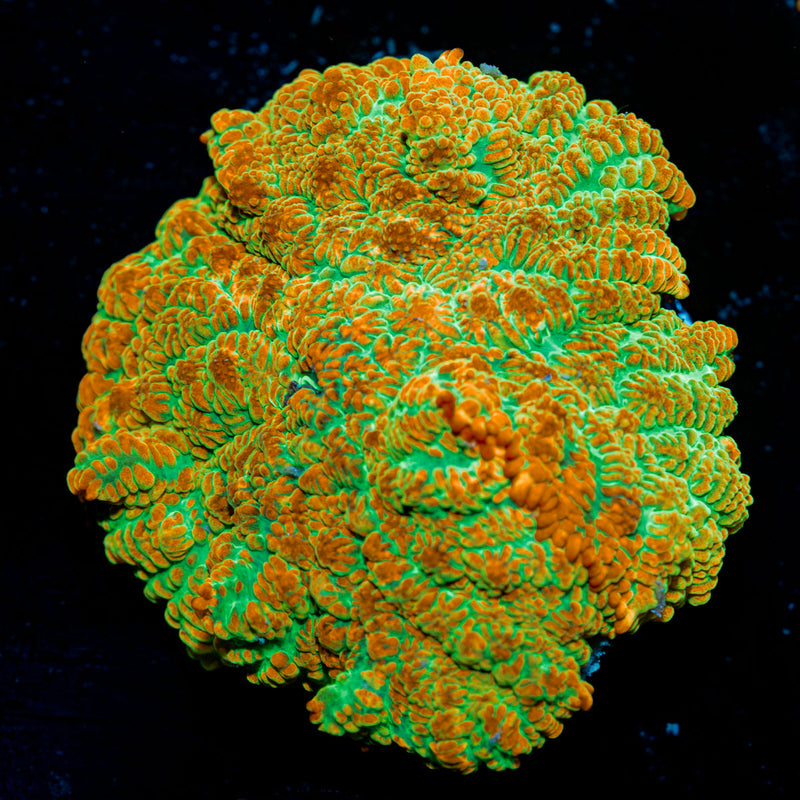
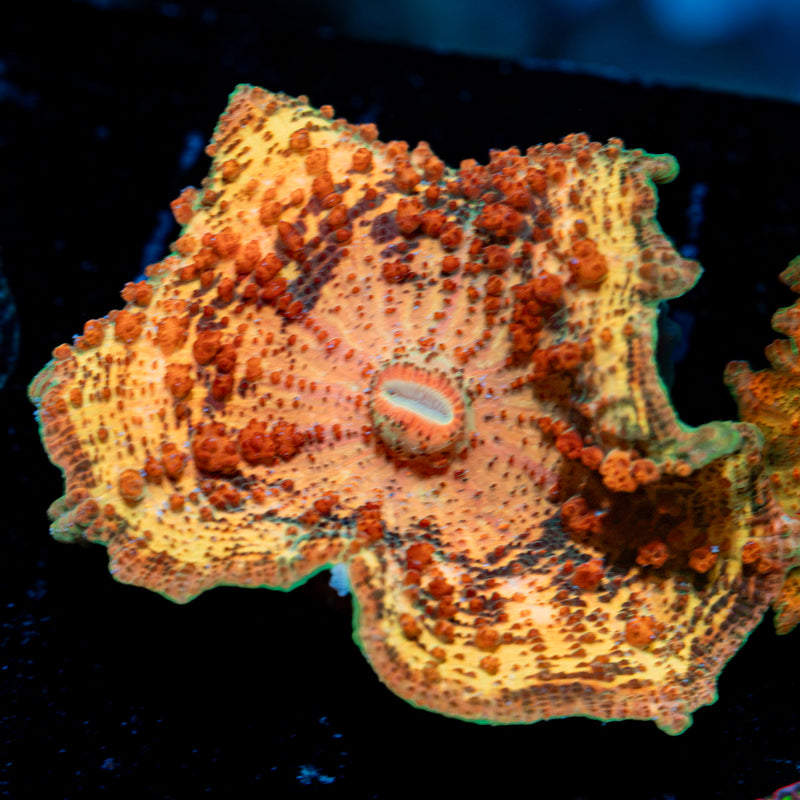
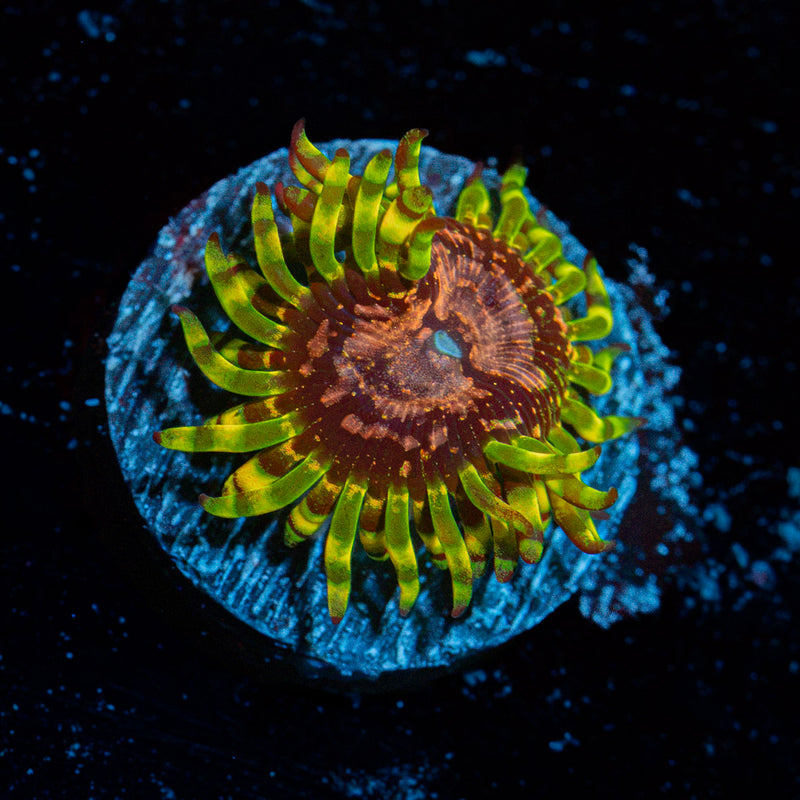
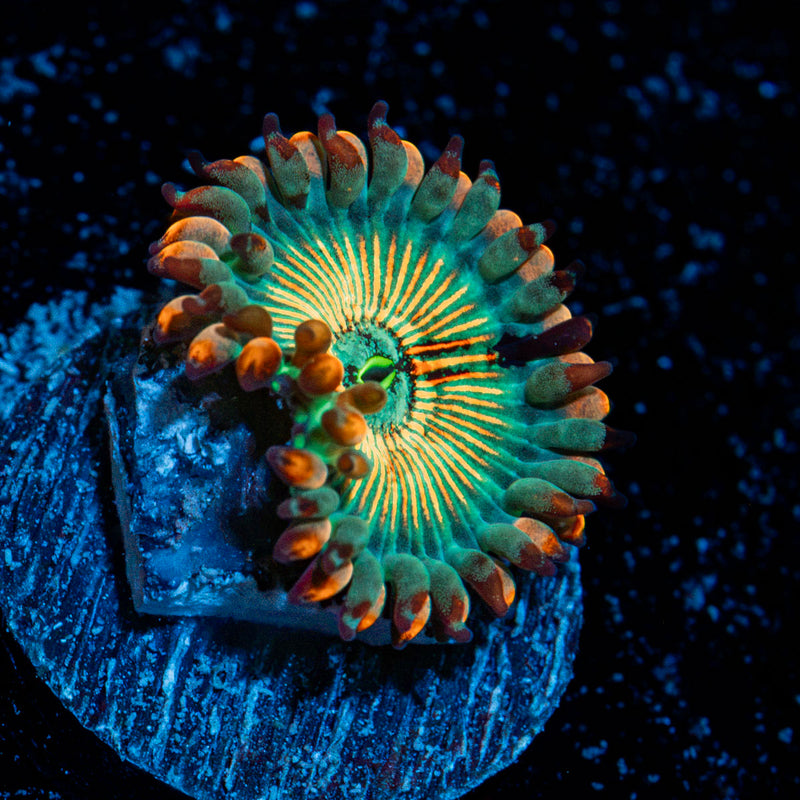
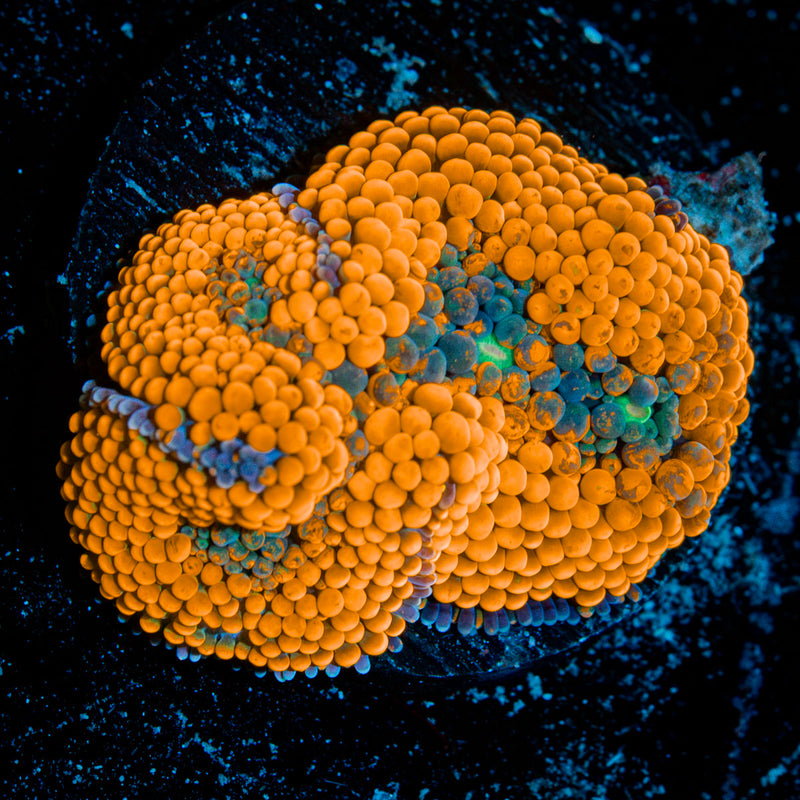
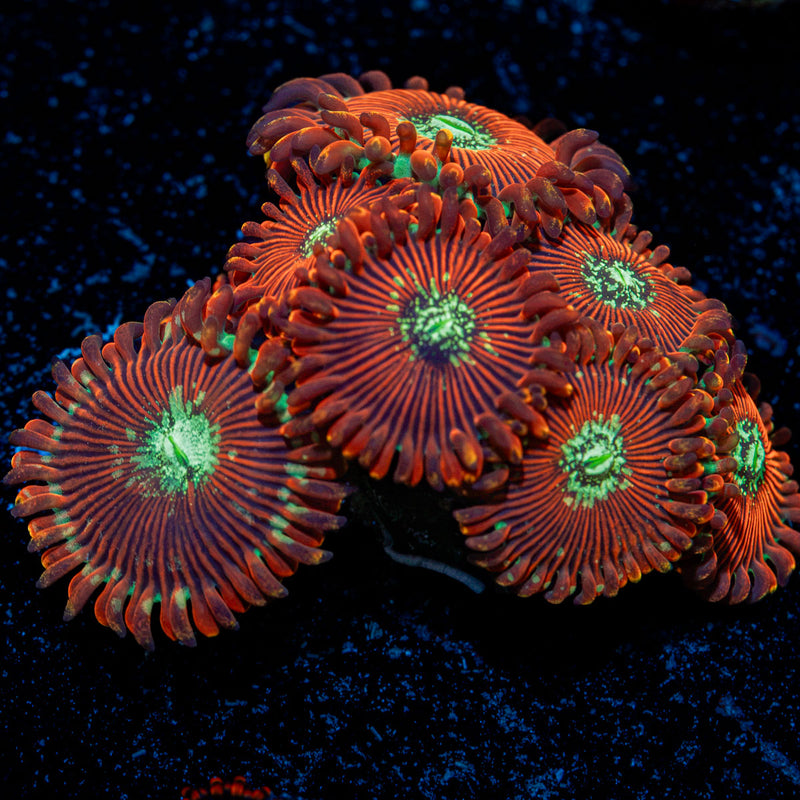
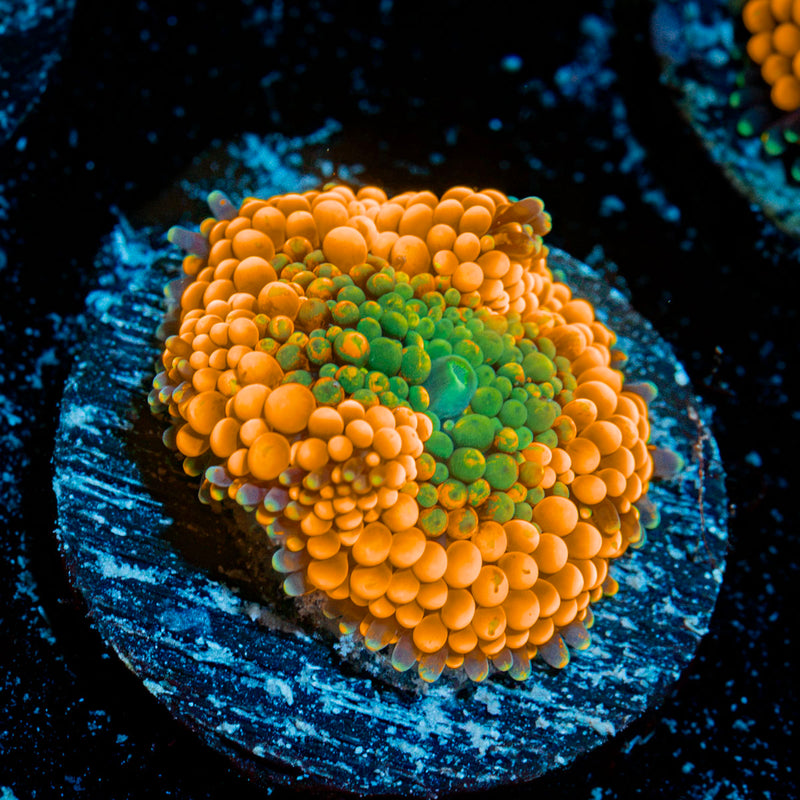
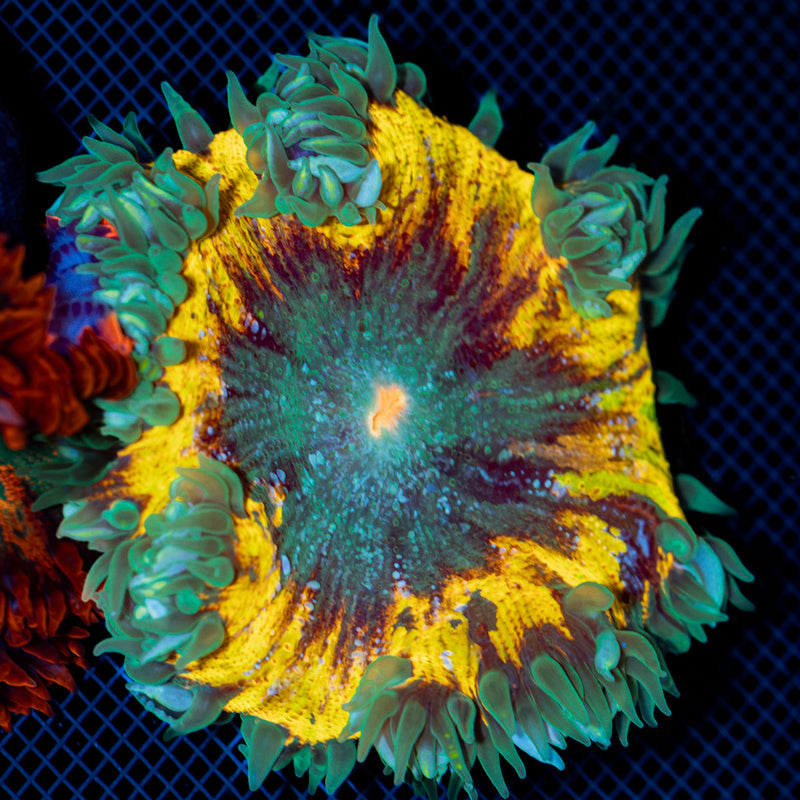
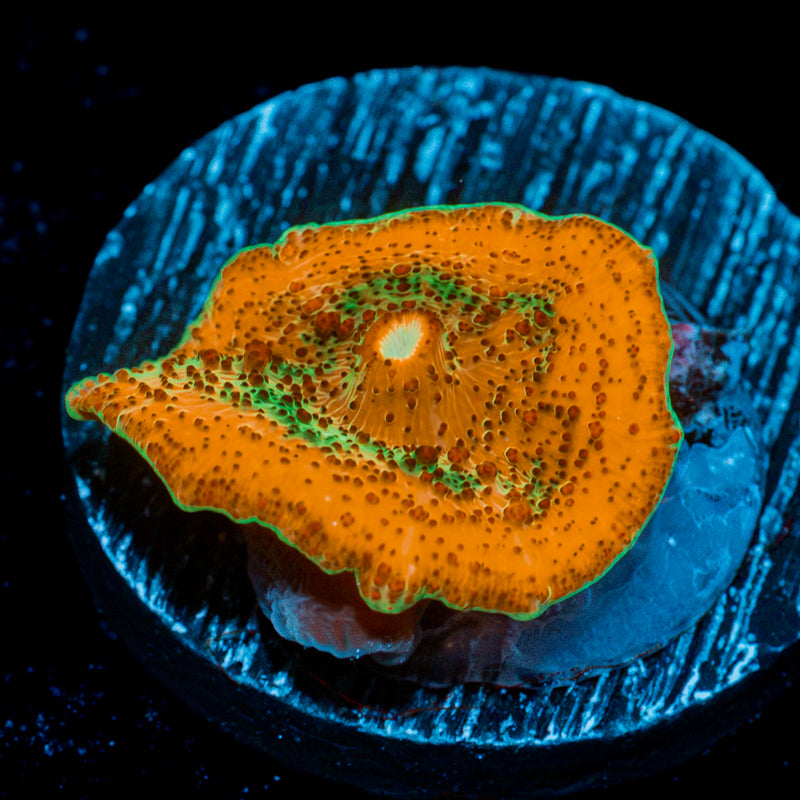
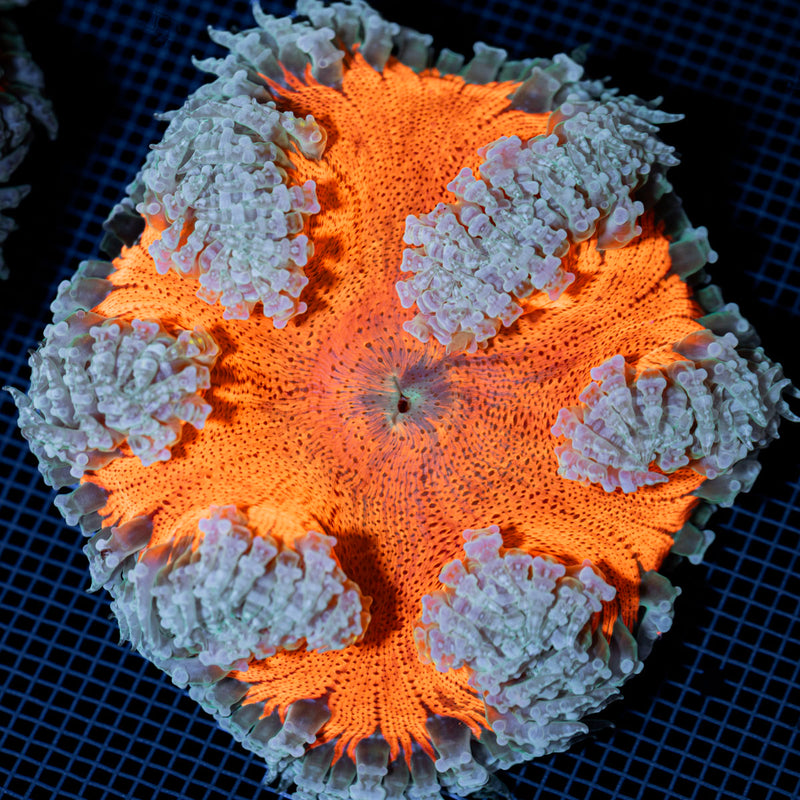
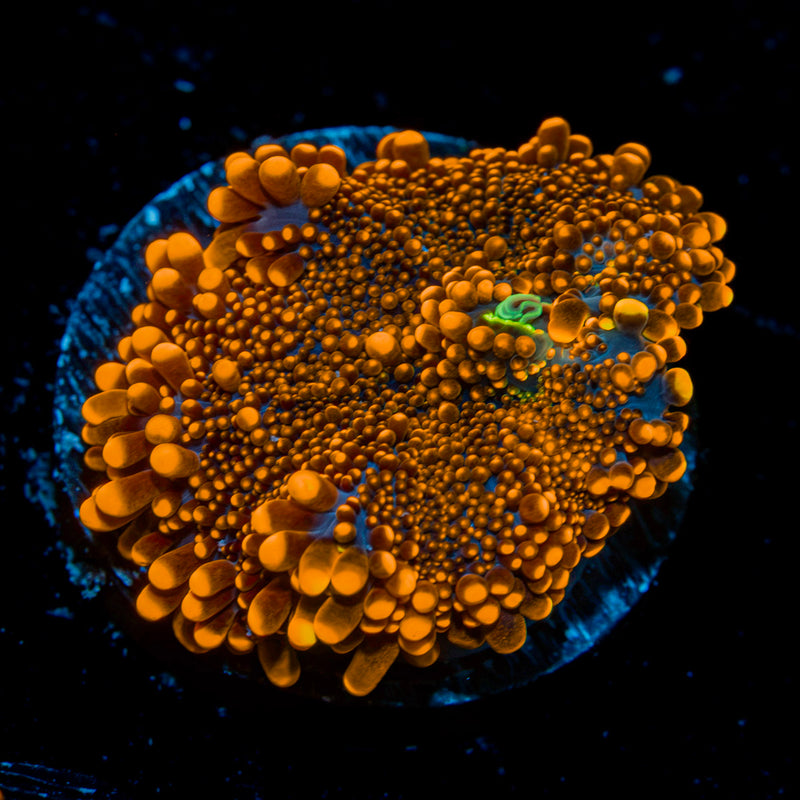
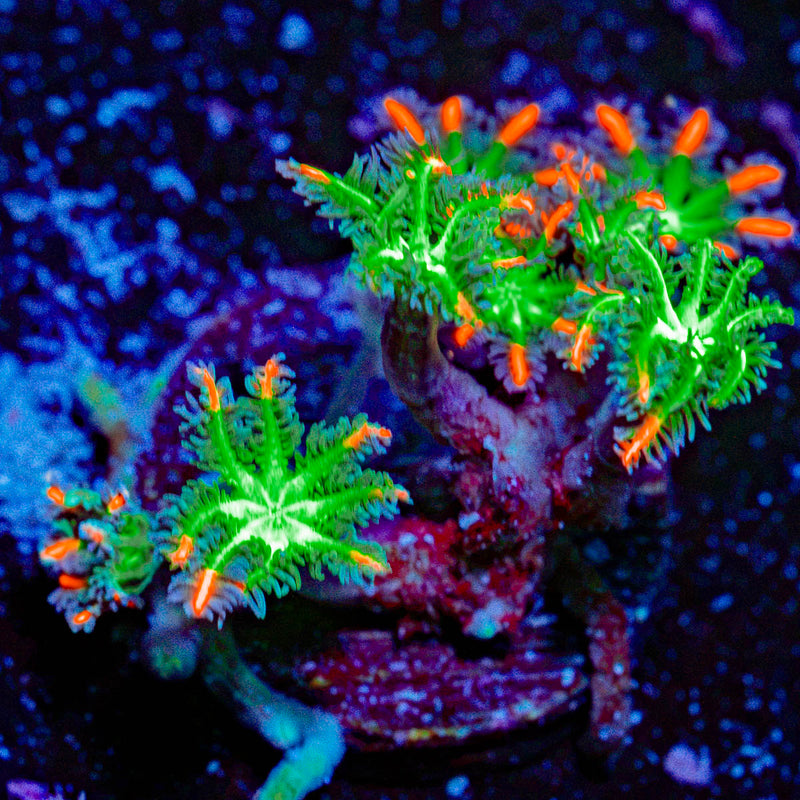
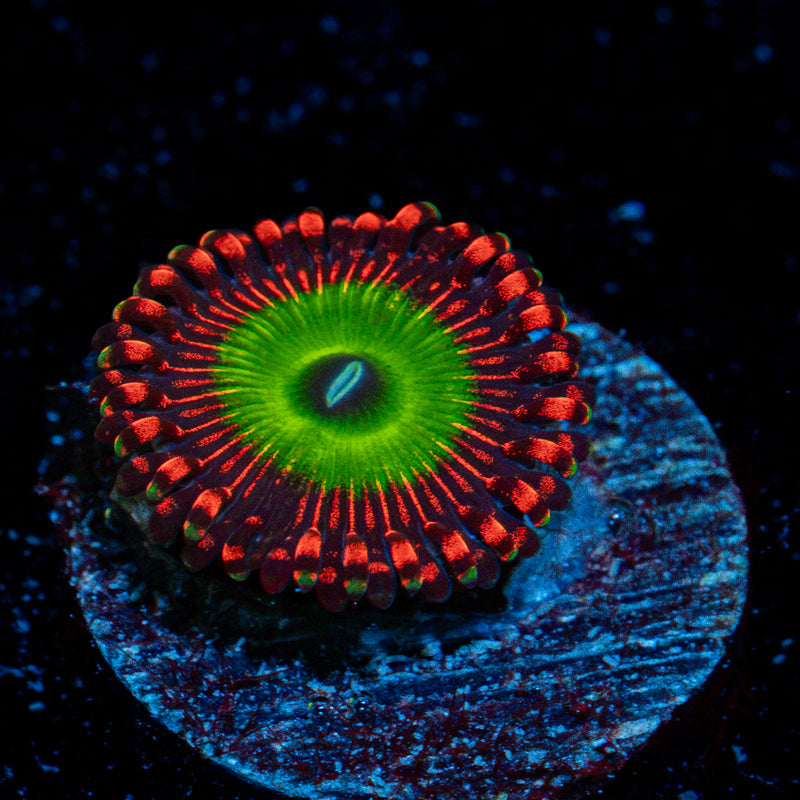
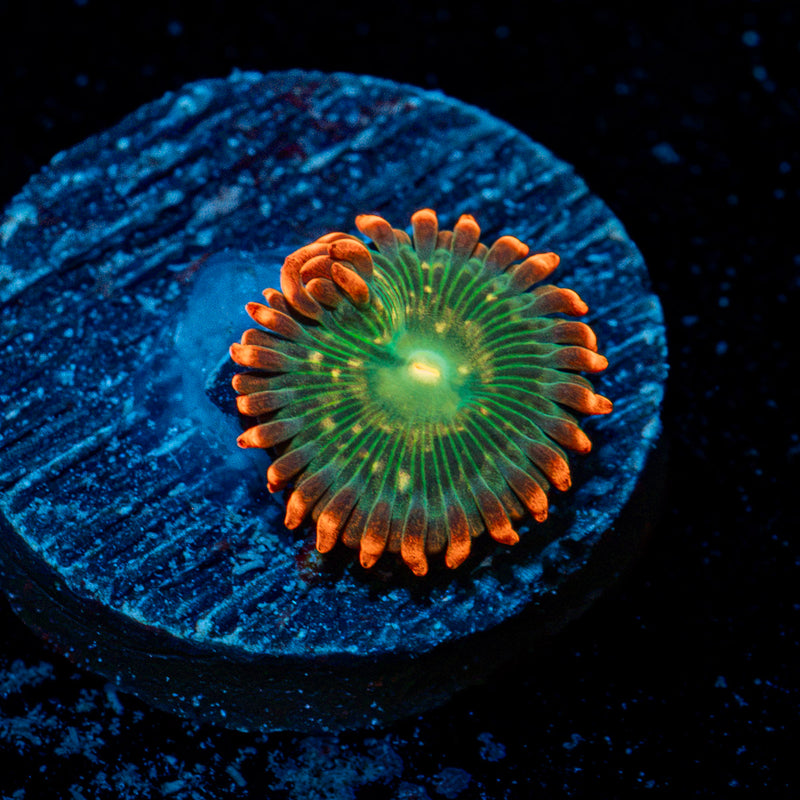
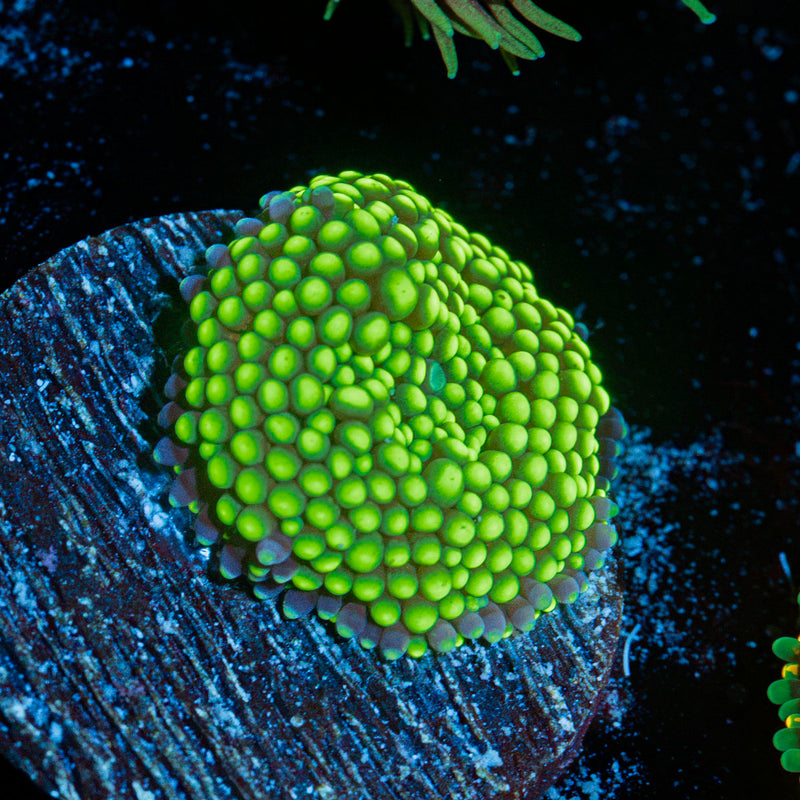
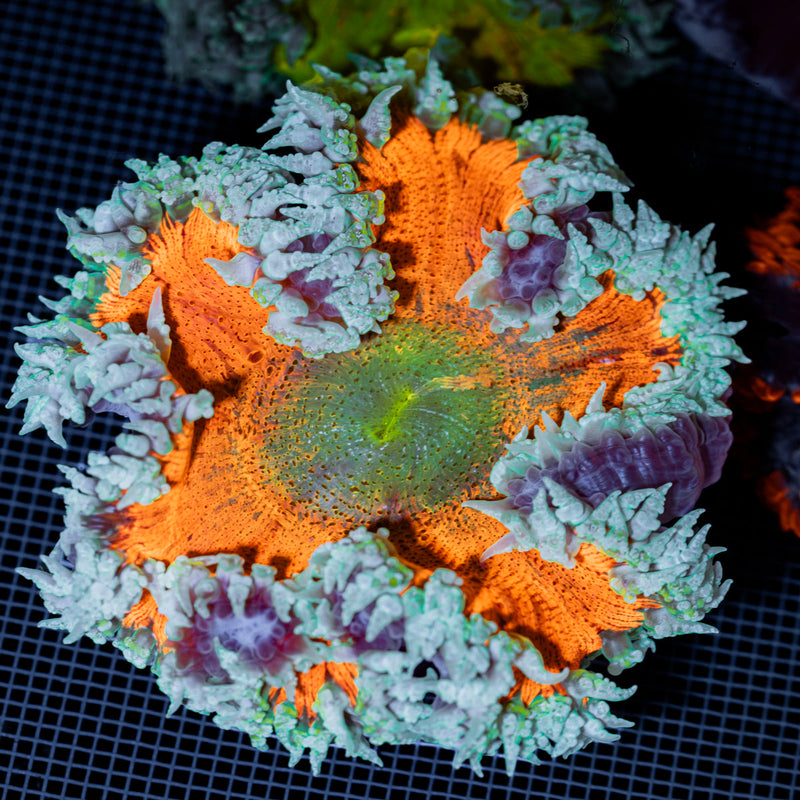
Soft corals, many mushroom corals, zoanthids, and select LPS corals can be excellent first additions when their individual care requirements are met. Their movement, color, and personality bring instant life to a new display without demanding the ultra-stable conditions that many SPS corals prefer.
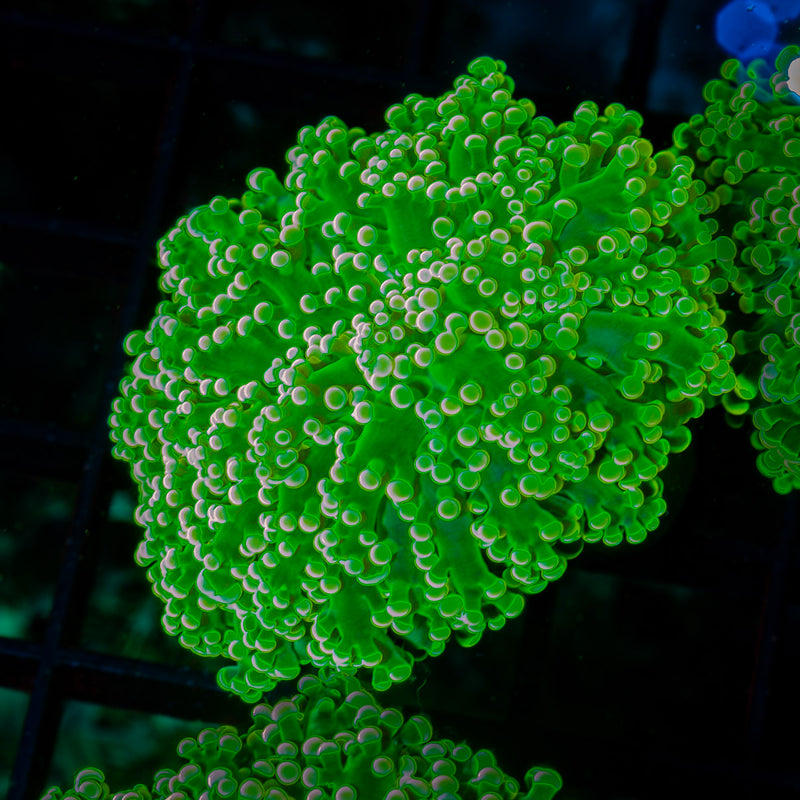
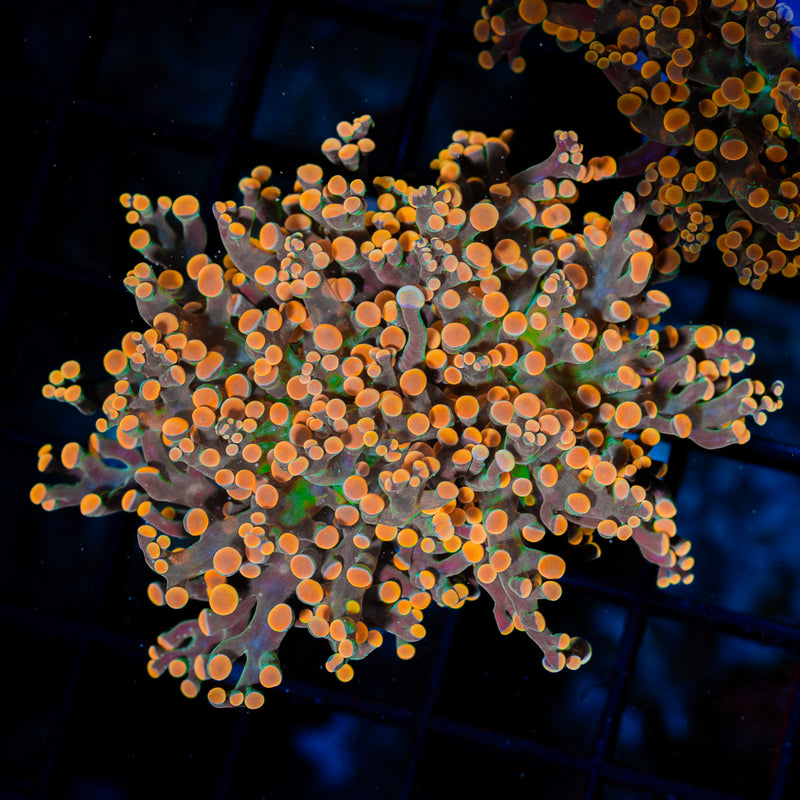
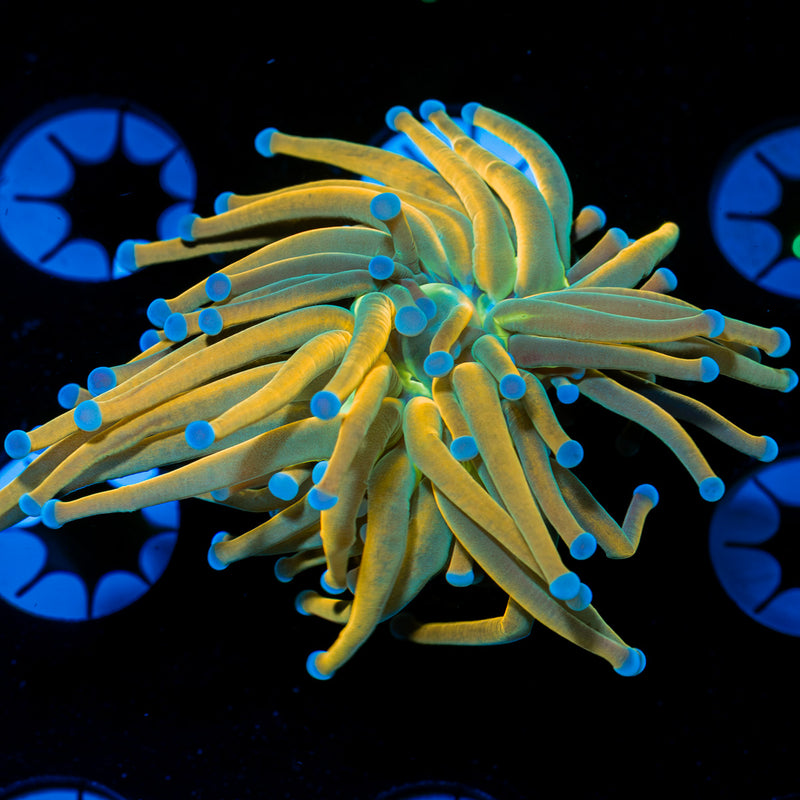
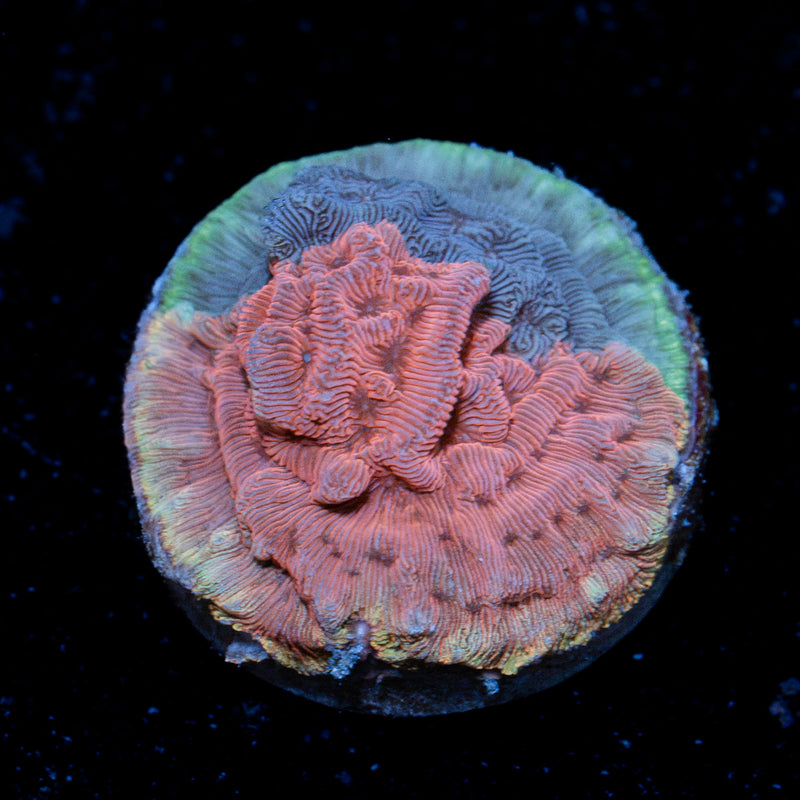
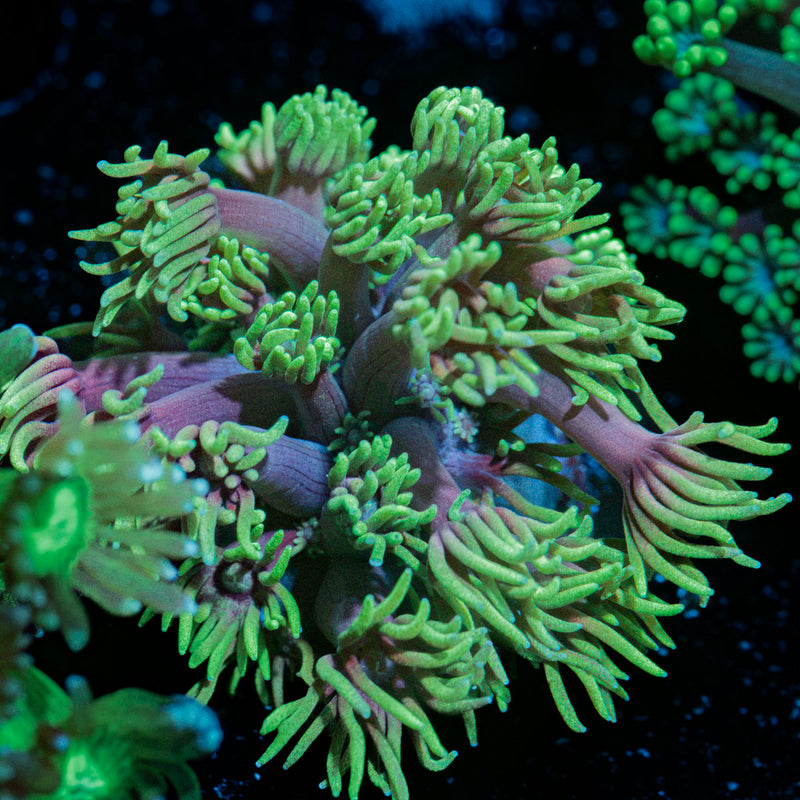
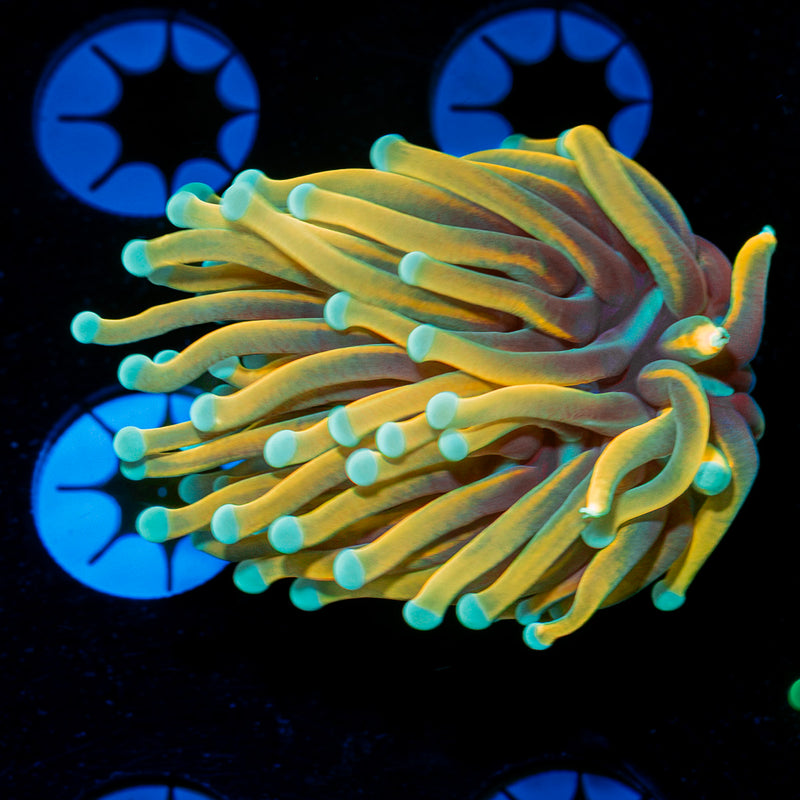
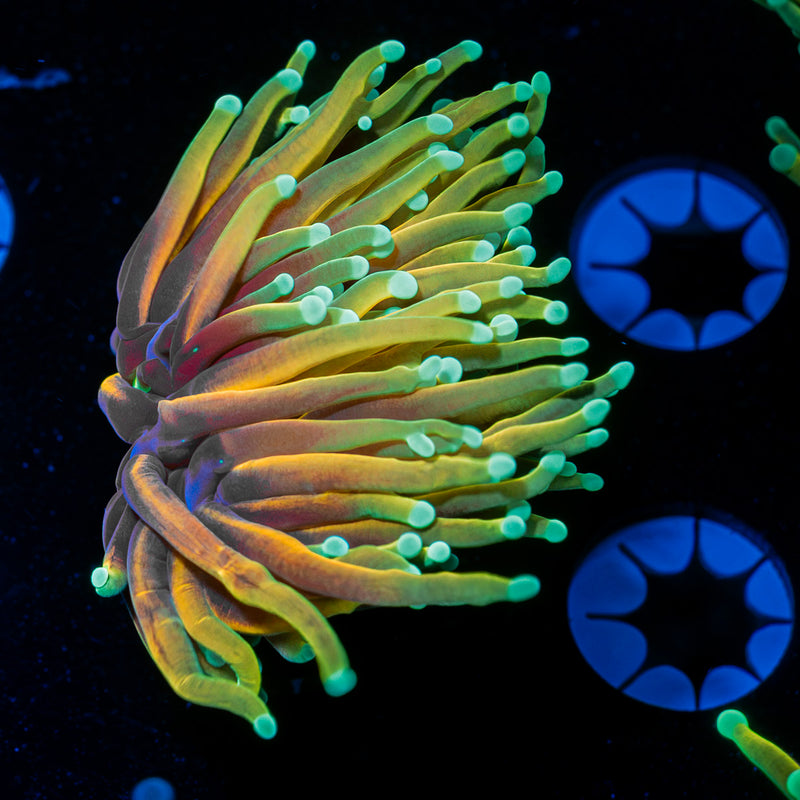
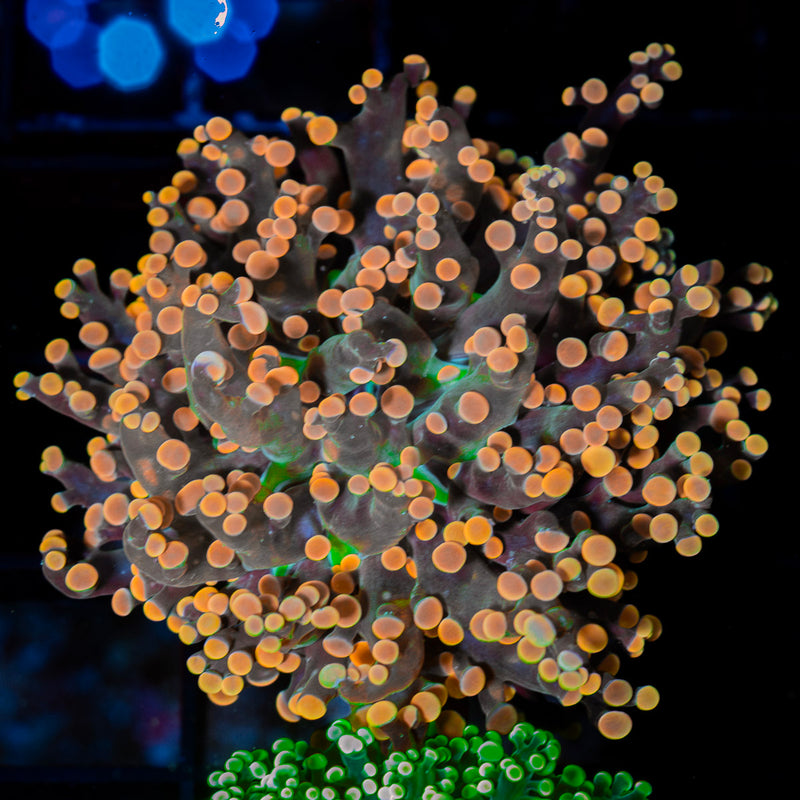
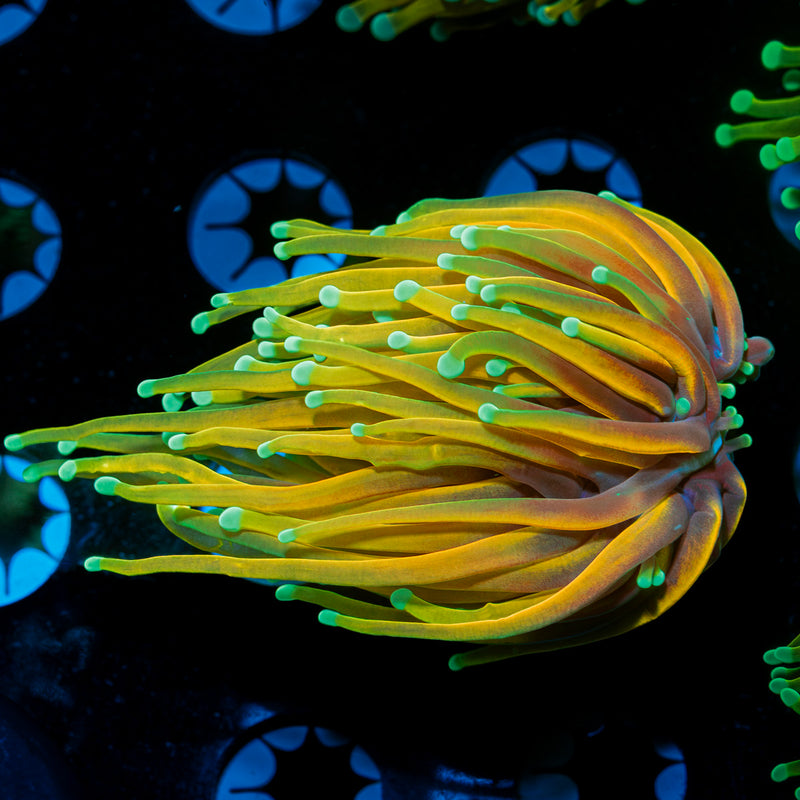
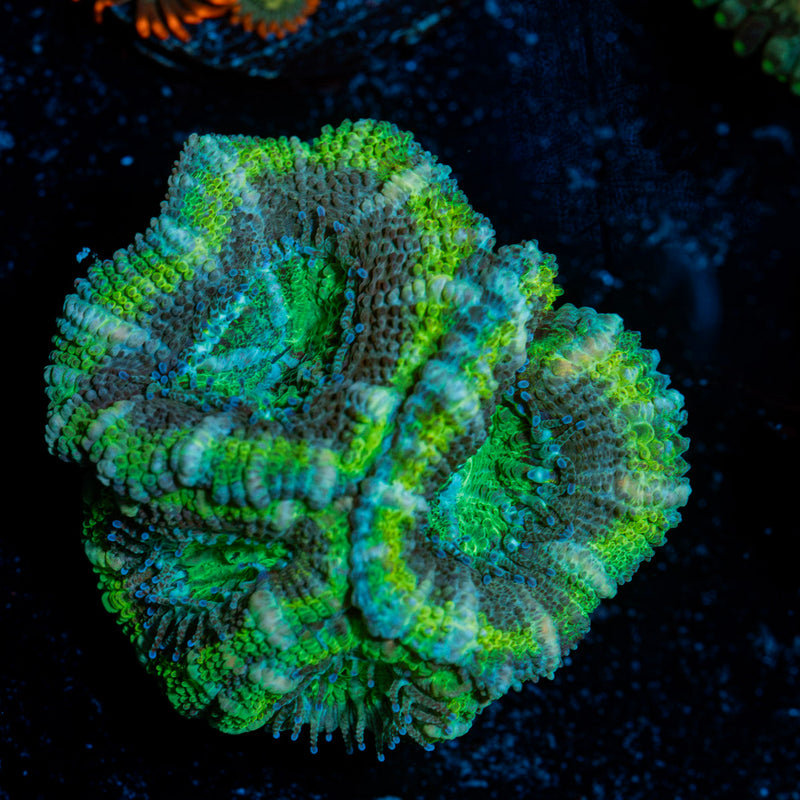
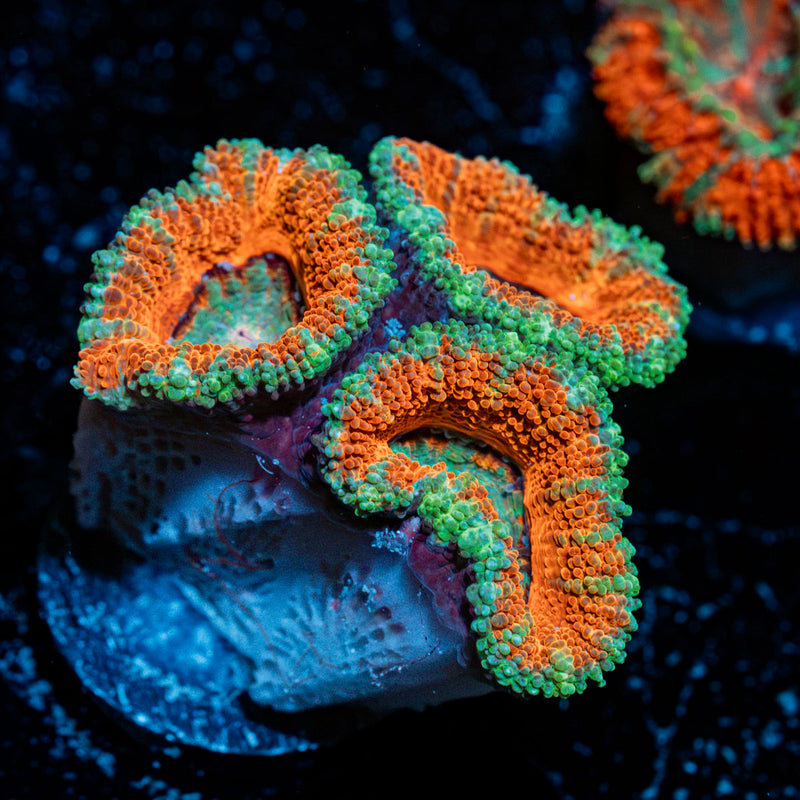
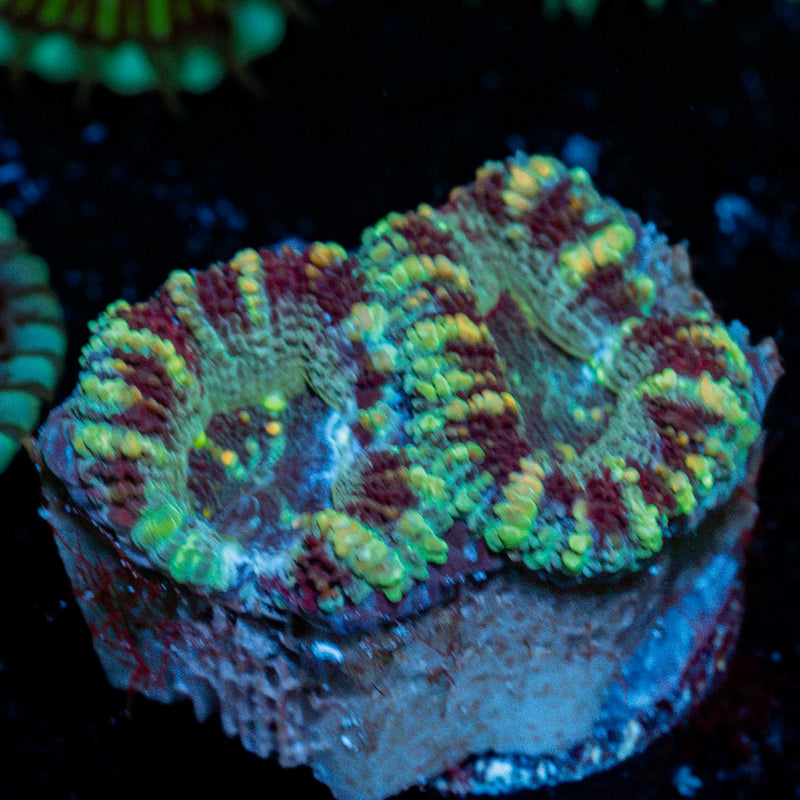
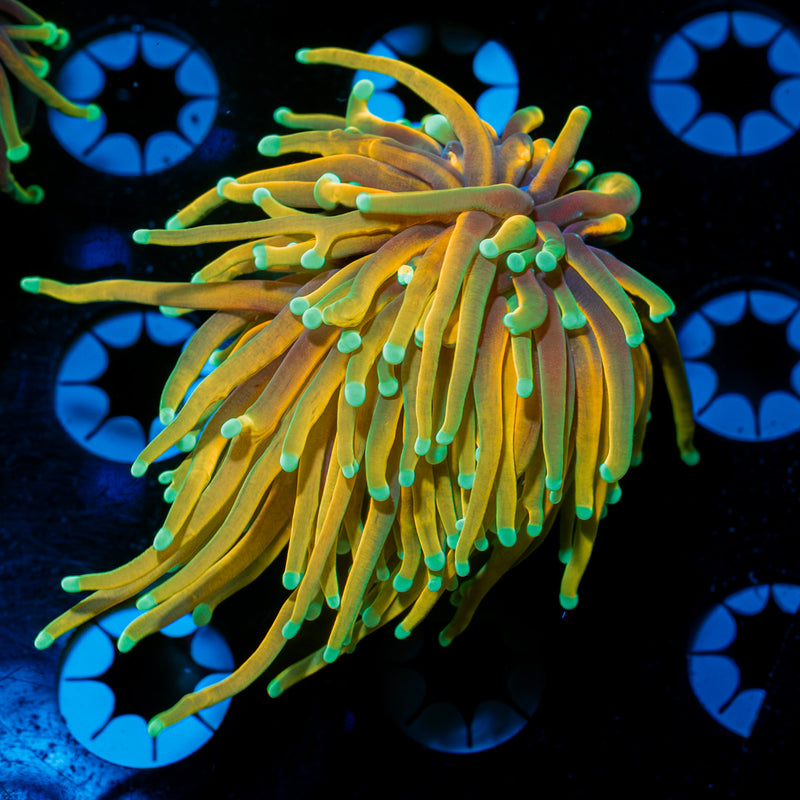
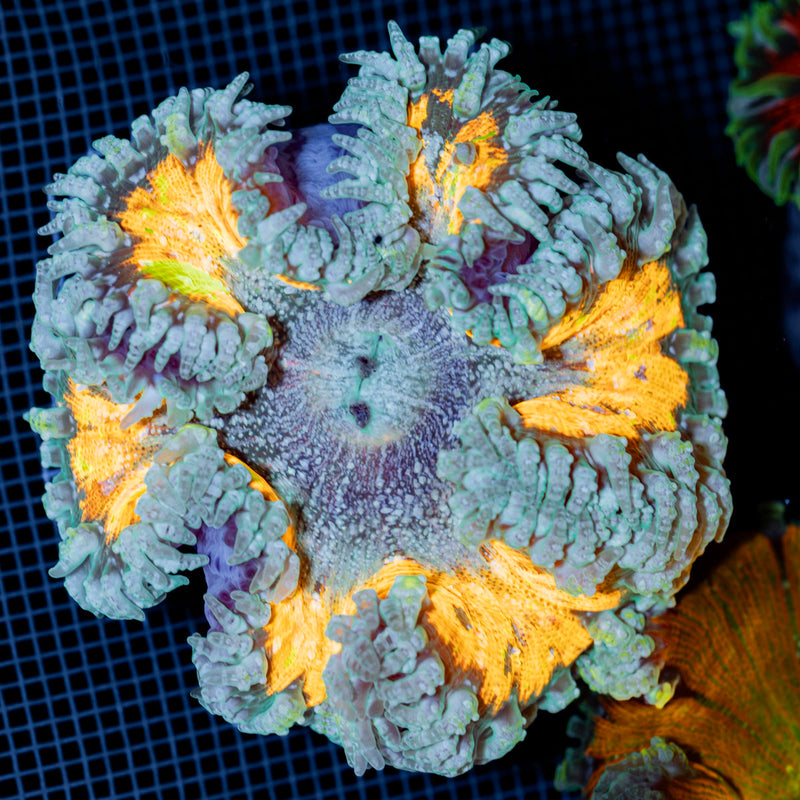
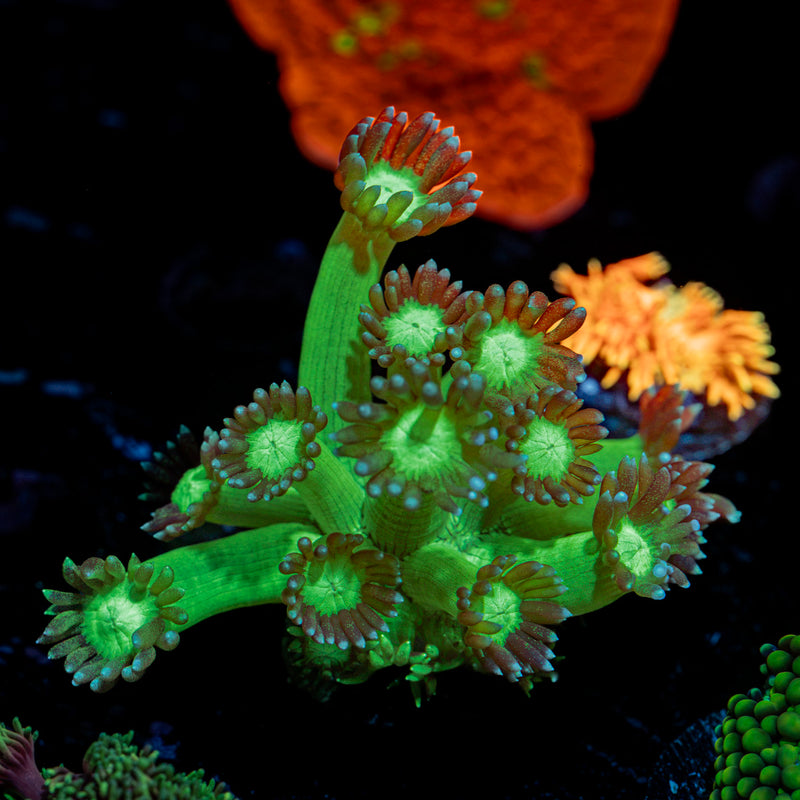
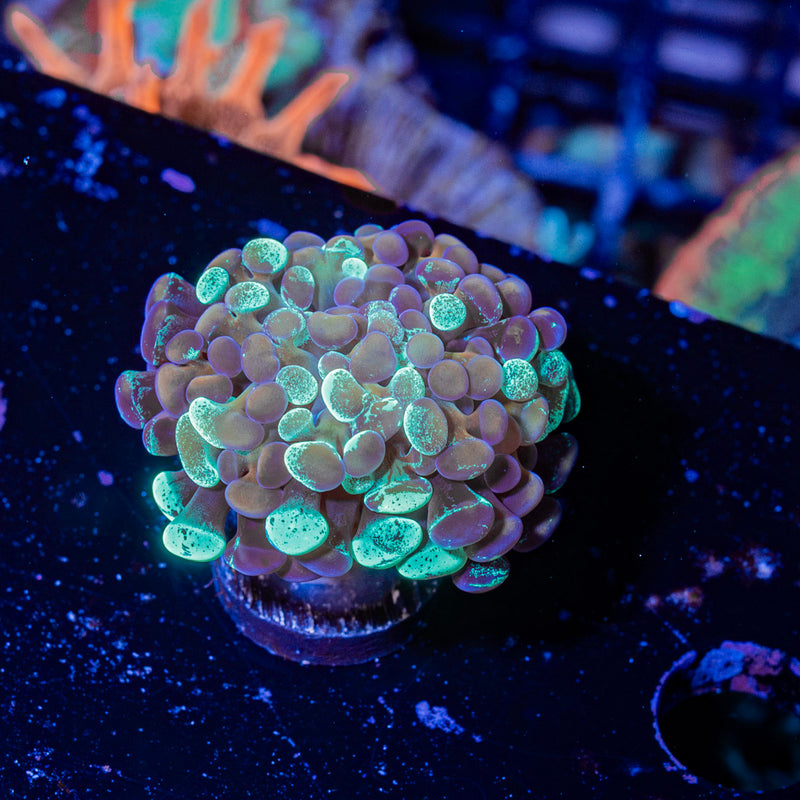
There is still room for nuance. A healthy hammer, frogspawn, torch, or acan may do wonderfully in a young but stable reef, yet these corals can react poorly to sudden salinity changes, overly aggressive flow, or major swings in alkalinity. Give them adequate spacing as well. LPS corals can extend sweepers after lights-out, and a stunning new frag should not become a nighttime neighbor dispute.
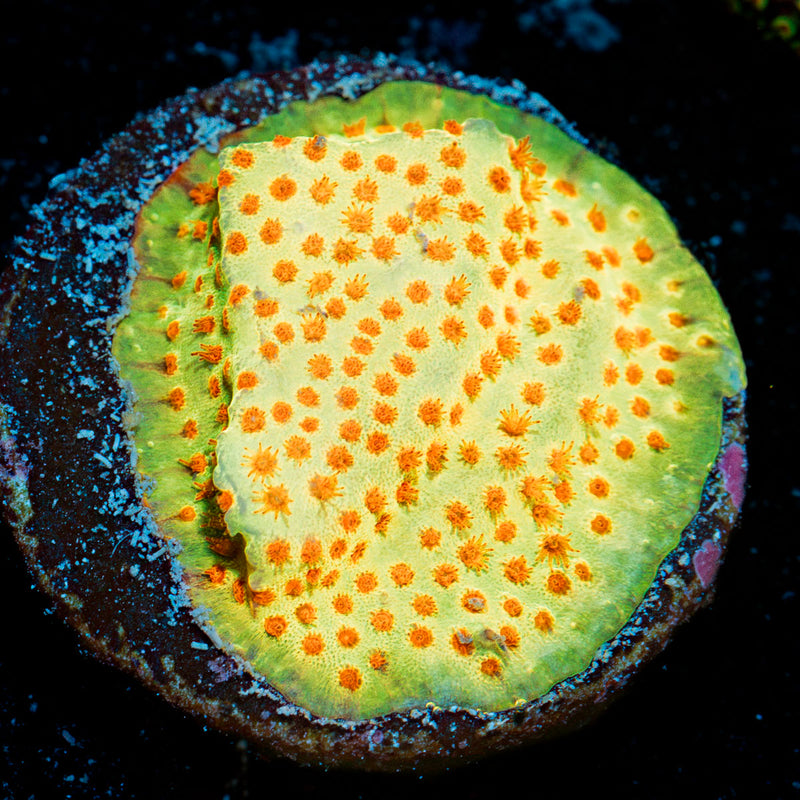
SPS corals, especially Acropora and other high-demand varieties, are usually best saved for a more mature system. This is not because SPS are impossible, but because they often reveal instability before less demanding corals do. Once your tank has several months of consistent parameters, established nutrient management, and proven lighting and flow, those vibrant branching showpieces become a more confident next step.
Add a Few Frags, Then Let the Tank Respond
New reef keepers sometimes wait patiently to make their first coral purchase, then add a large mixed collection all at once. The excitement is understandable, but small additions are easier to manage. Begin with a few compatible frags and watch how the system responds over the next two to four weeks.
Each coral changes the aquarium slightly. Corals consume alkalinity and calcium, release mucus, compete for space, and respond to available nutrients. In a small tank, even a handful of new frags can make a noticeable difference. Adding gradually gives you time to recognize changes before they become problems.
This approach also helps you learn placement. A frag that looks perfect on the sandbed may prefer a lower-flow ledge. A zoanthid may stretch for more light, while a mushroom may shrink or wander if the current is too strong. Observation is part of reef keeping, and your first additions are the best teachers.
Check Lighting and Flow Before the Frags Arrive
Corals can survive shipping and acclimation only to struggle later because the tank environment is too intense or too dim. Before adding frags, make sure your reef lighting has a predictable schedule and is not running at maximum intensity simply because it looks bright to the eye.
If you are using powerful LEDs, start conservatively. Corals arriving from another system may be accustomed to different spectrum and intensity, even when they are healthy and well established. Lower placement, a reduced acclimation schedule, or a shortened photoperiod can help prevent light shock. Pale tissue, excessive retraction, or bleaching are reasons to reassess intensity quickly.
Flow should keep detritus from settling while allowing coral polyps to move naturally. Soft corals and LPS generally appreciate indirect, varied movement rather than a constant hard stream. SPS often require stronger, more turbulent flow, but even they should not be blasted directly by a pump. Watch the coral, not just the equipment. Fully extended, gently moving polyps are often a better sign than a pump setting on paper.
Acclimate New Coral Frags With Care
Once your tank is ready, the arrival day matters. Turn down or turn off the aquarium lights while you inspect each frag. Look for intact tissue, secure mounting, and any signs of pests or unwanted hitchhikers. A careful dip and inspection are smart habits, especially when building a collection over time.
Temperature acclimation and a gradual introduction to your tank water can reduce stress, but avoid leaving coral in shipping water longer than necessary. Shipping water can decline quickly after a long trip. Follow the acclimation guidance provided with the coral, then place the frag in a lower-light, appropriate-flow area to settle in.
Do not judge success by the first hour. Some corals open quickly; others need a day or several days to adjust. A coral that stays closed briefly is not necessarily in trouble. What matters is the trend: stable tissue, improving extension, and gradual color recovery are encouraging signs.
Know When to Wait
The best time to add coral is not always the day you planned. Hold off if ammonia or nitrite appears, salinity has been fluctuating, temperature equipment is unreliable, or you are fighting a major algae outbreak. It is also wise to wait after a large water-chemistry correction, a medication event, or a major aquascape rebuild.
Vacation timing matters, too. Adding new living jewels right before leaving town creates unnecessary uncertainty. Give yourself several days to observe a fresh addition, adjust placement if needed, and confirm that the coral is settling comfortably.
A mature tank is helpful, but it is not a substitute for care. Even an established aquarium can be a poor home for new frags if alkalinity is swinging, nutrients are being stripped too aggressively, or livestock is overcrowded. The goal is not to reach a certain tank age. The goal is to create consistent conditions that let corals thrive.
Riptide Aquaculture's aquacultured coral frags are selected to bring vibrant, reef-safe color to tanks at every stage, but the most rewarding collections are built with intention. Start with corals suited to your system, make measured additions, and let each new frag tell you what your reef needs next.