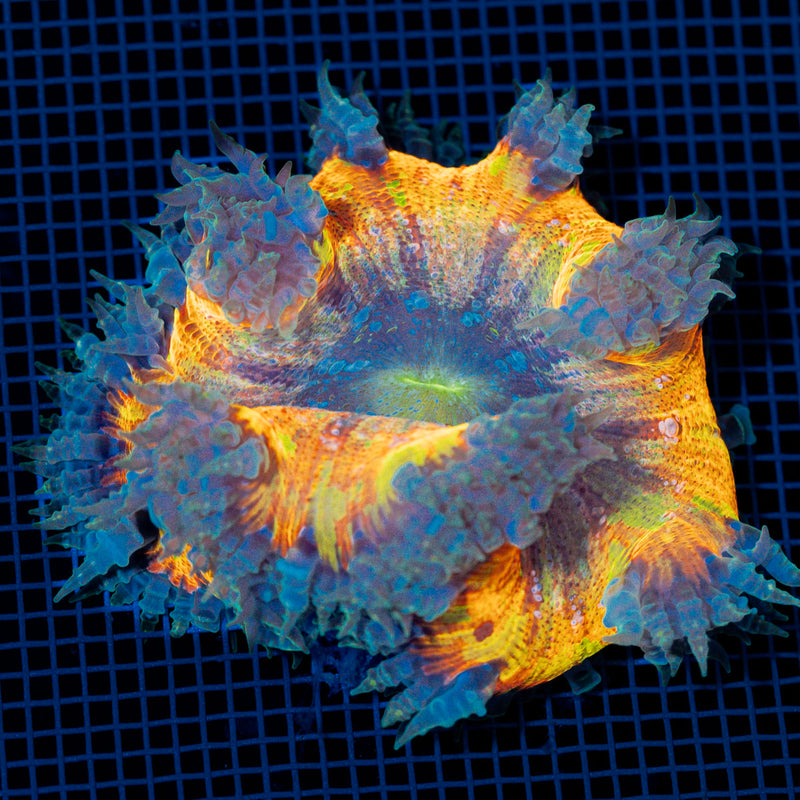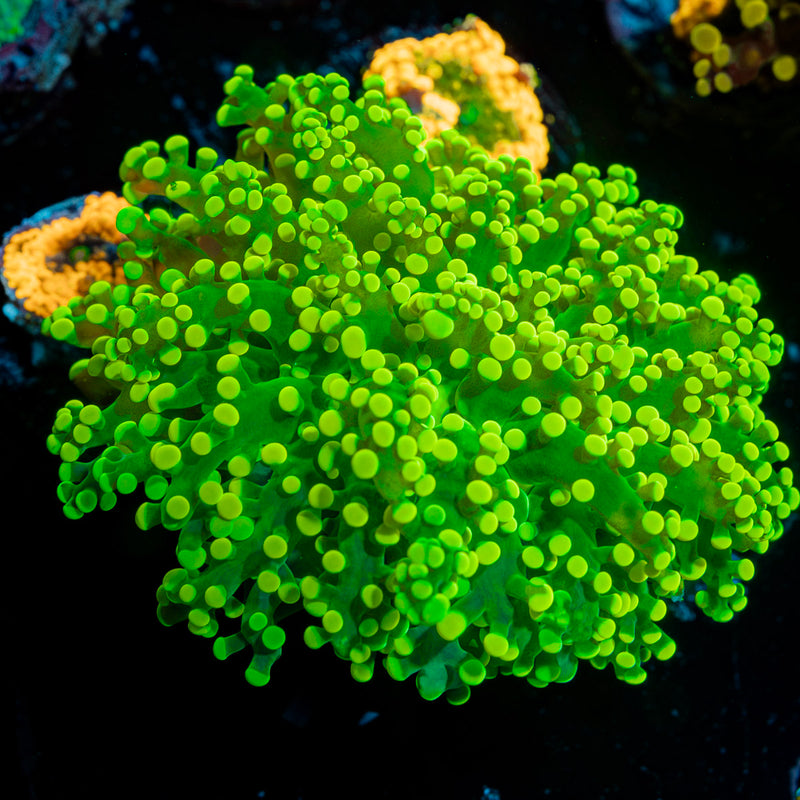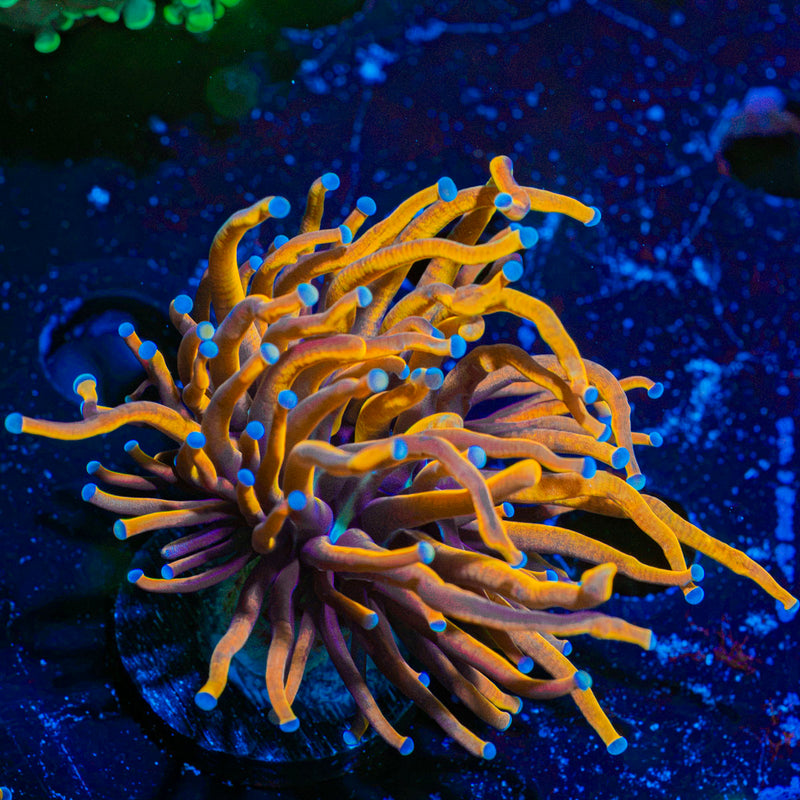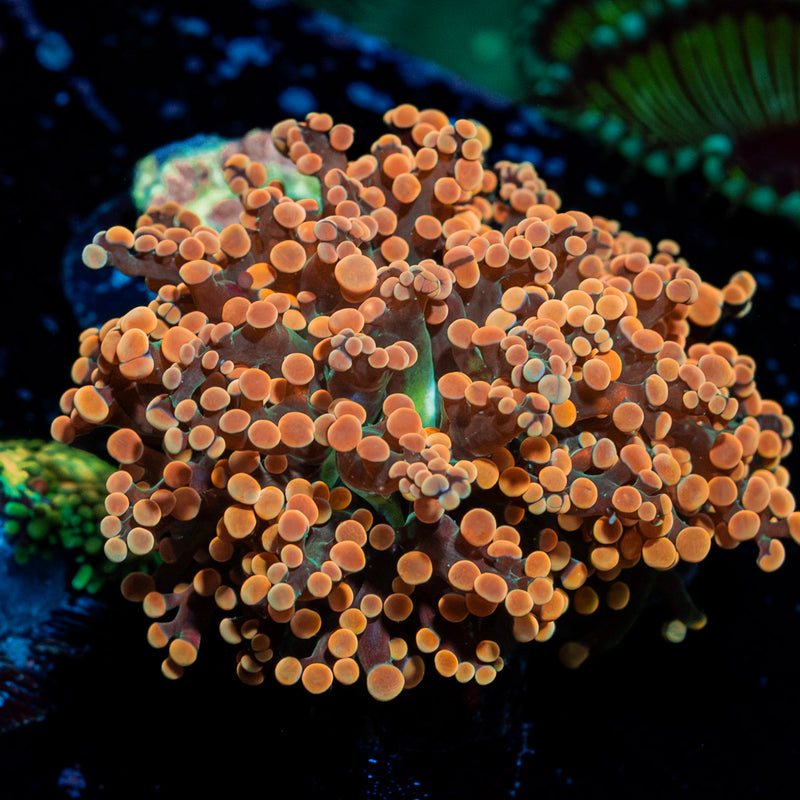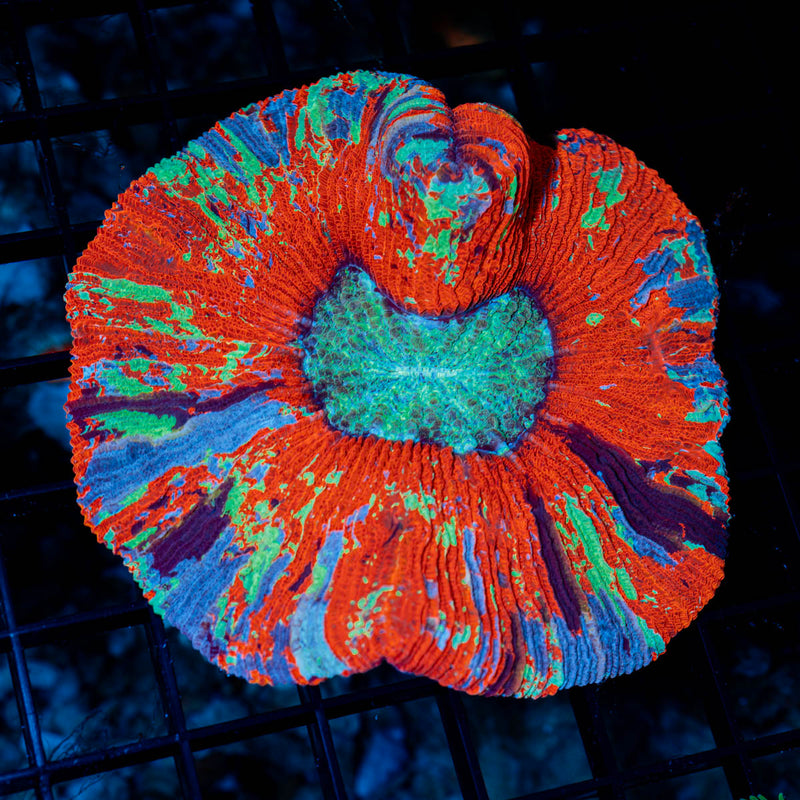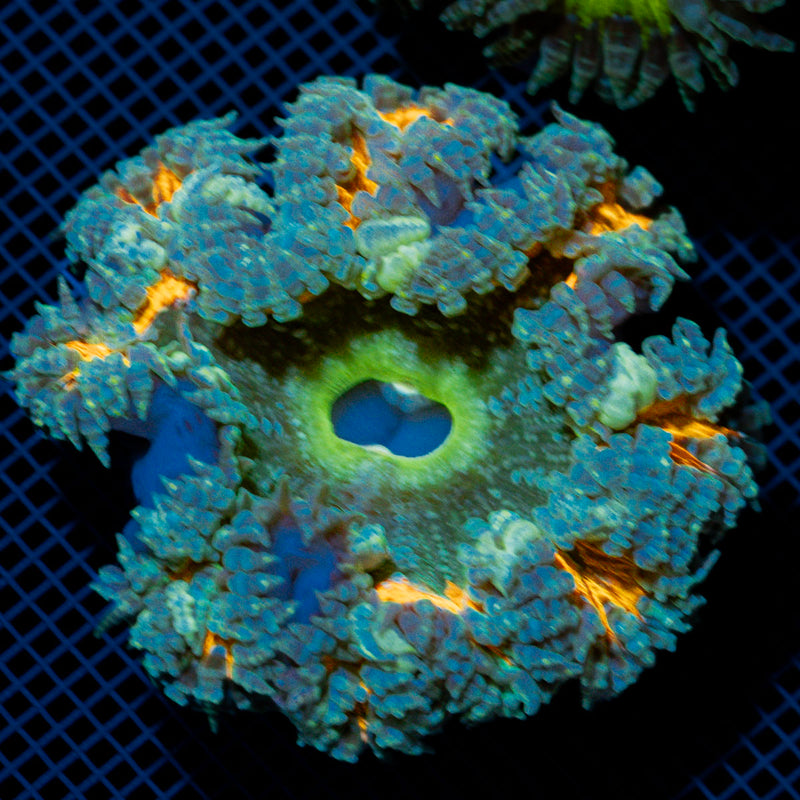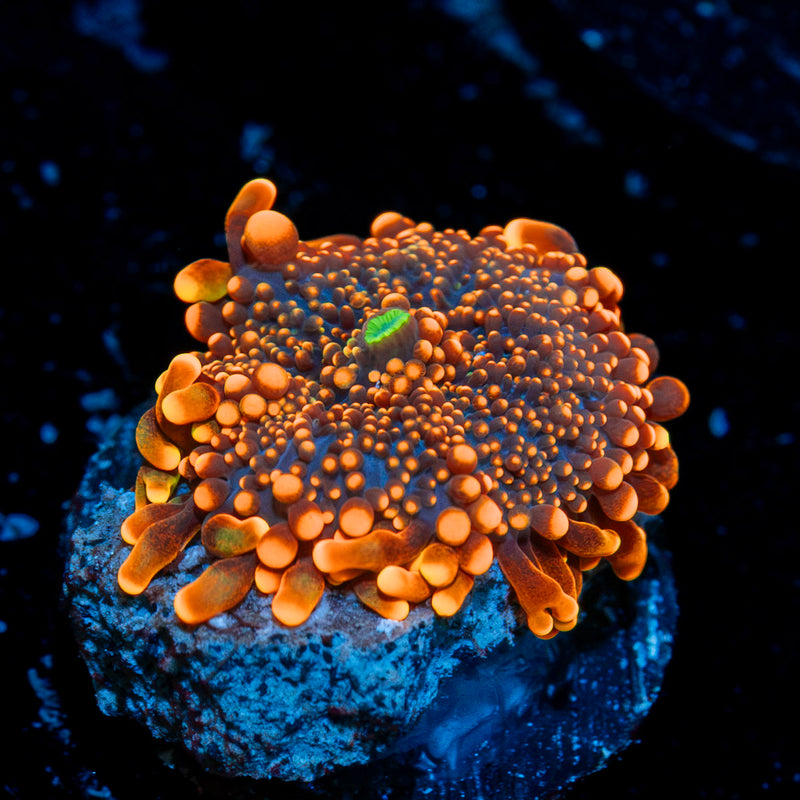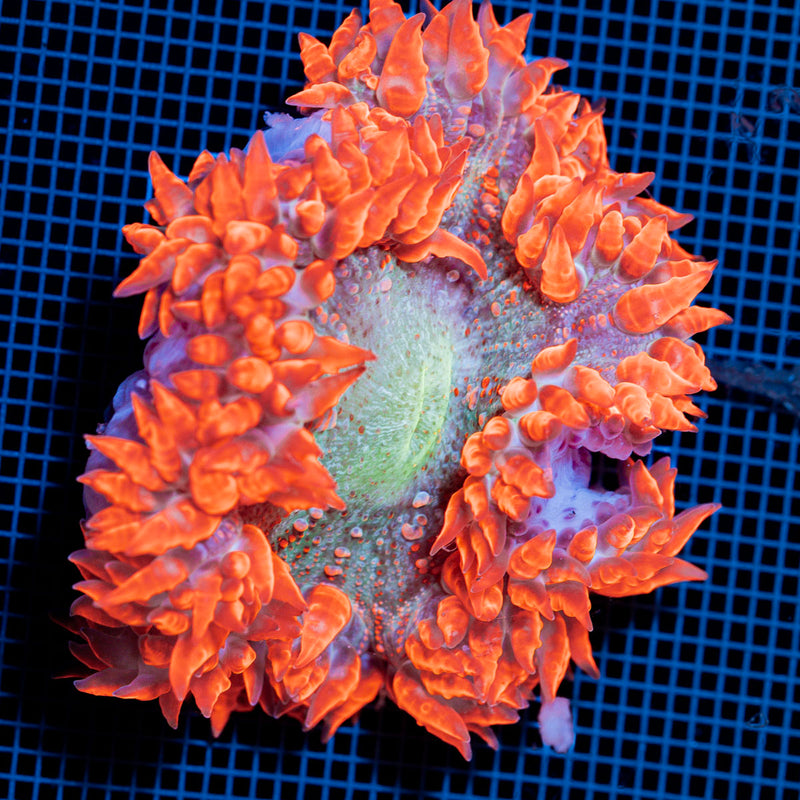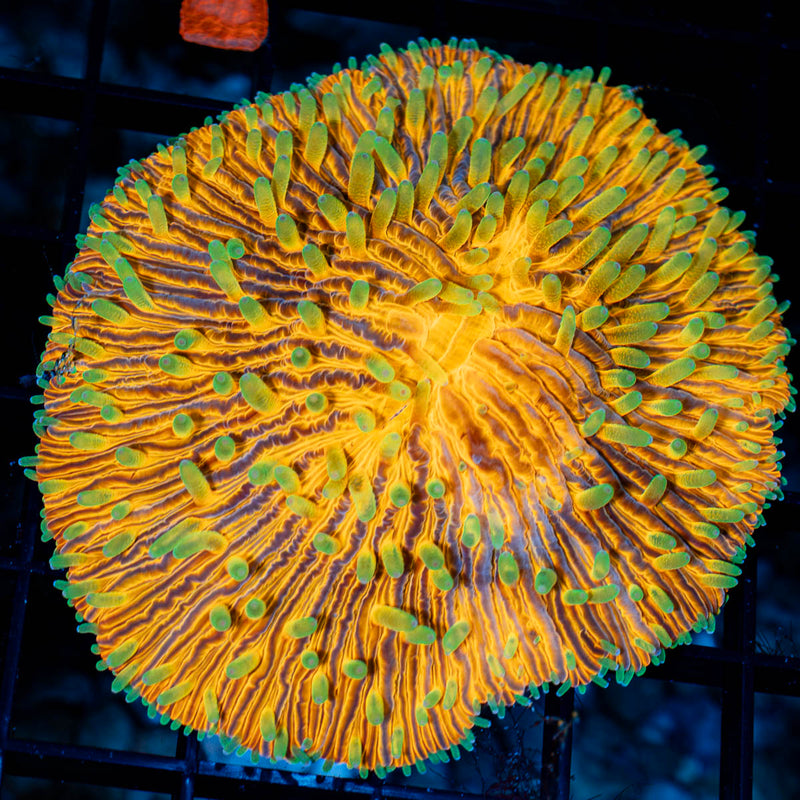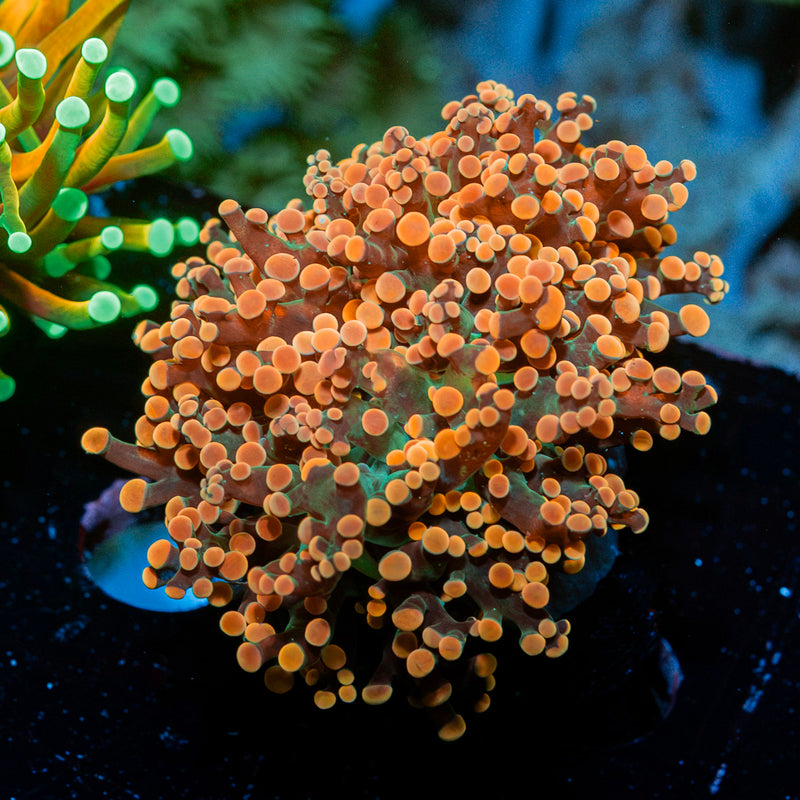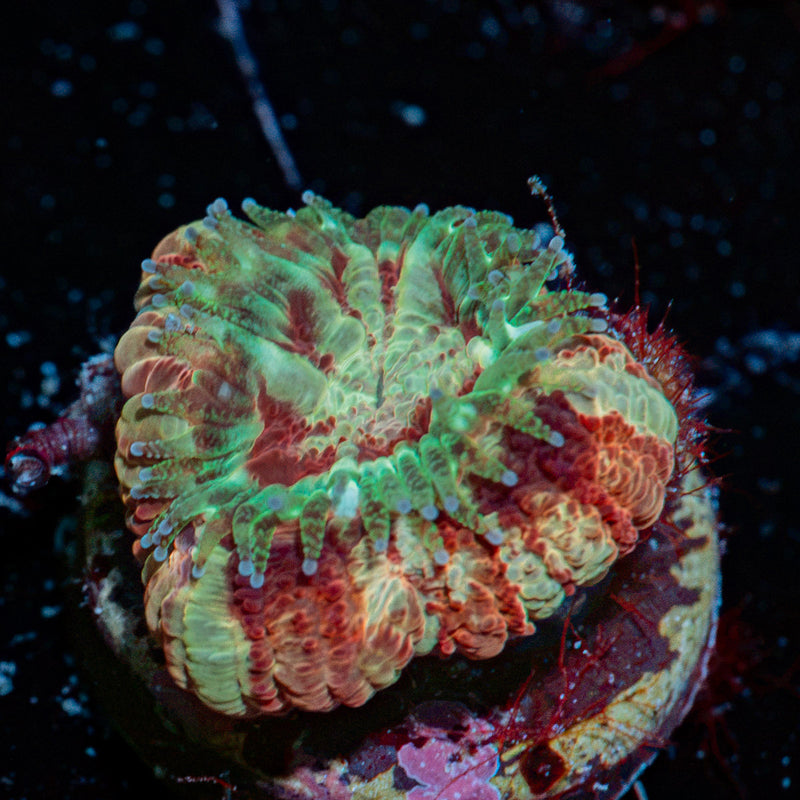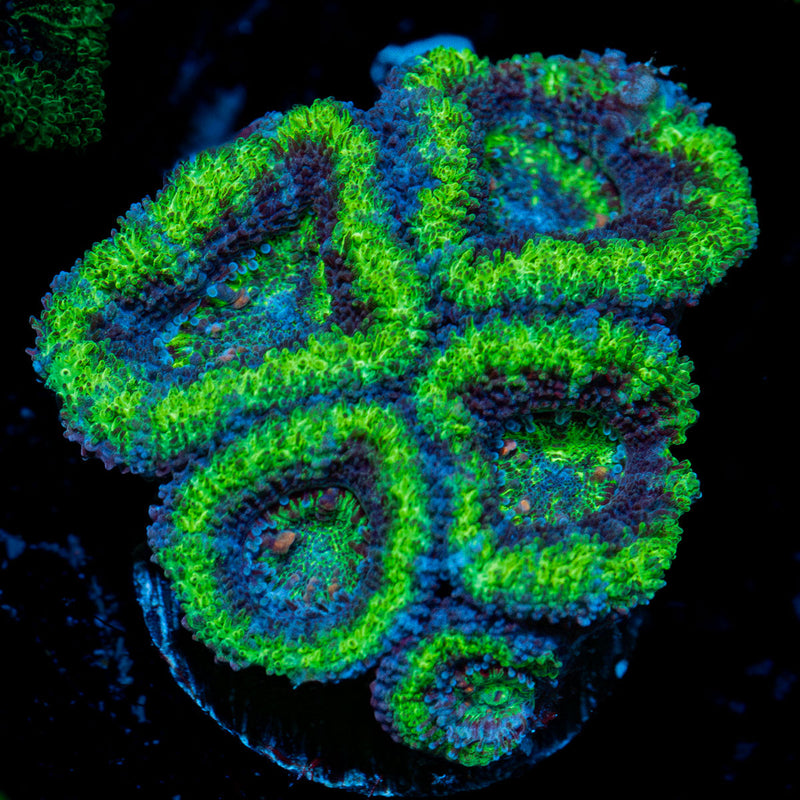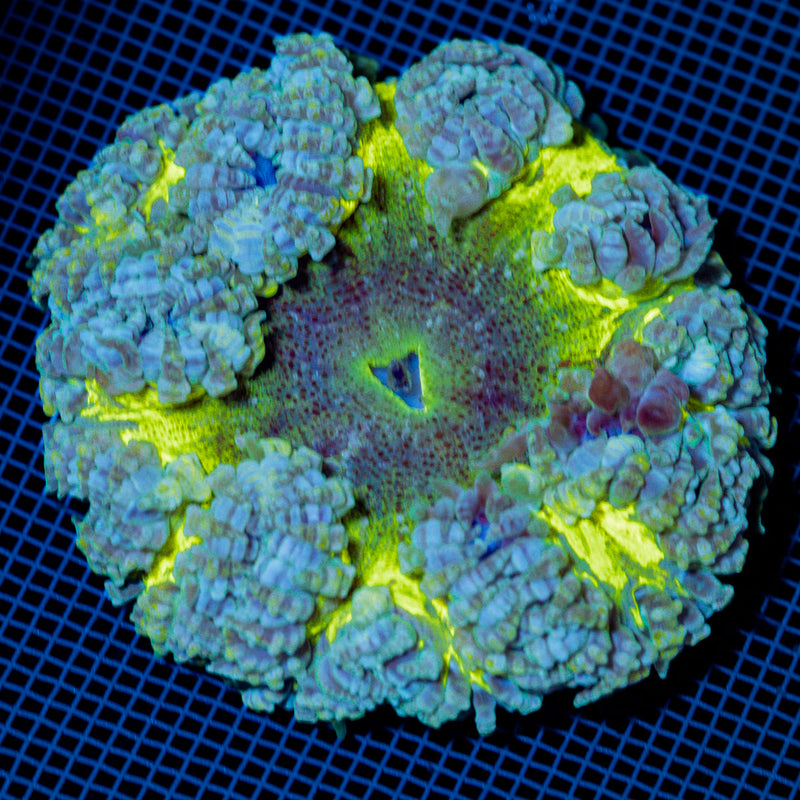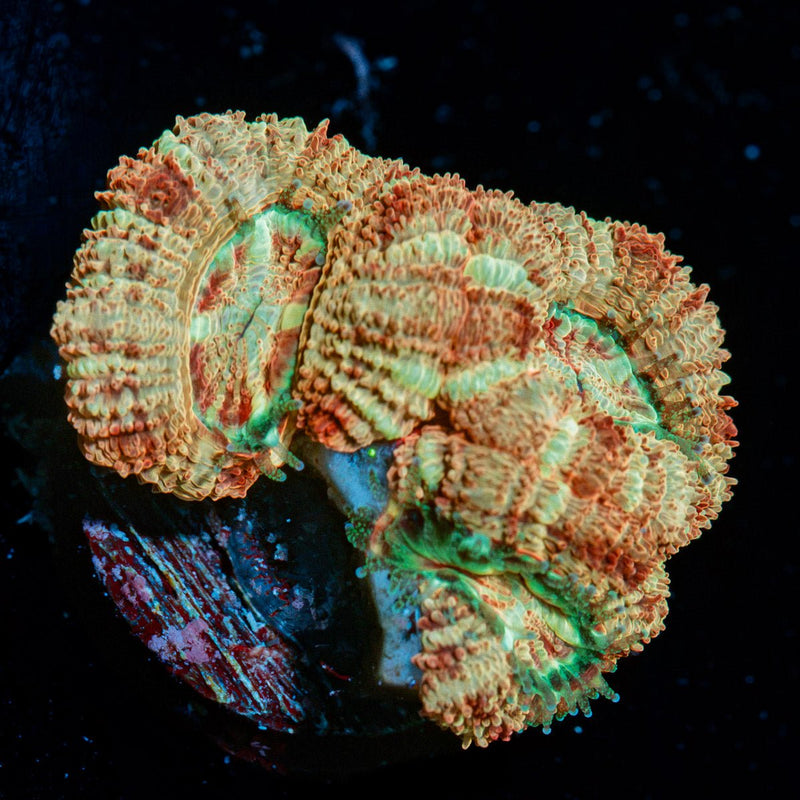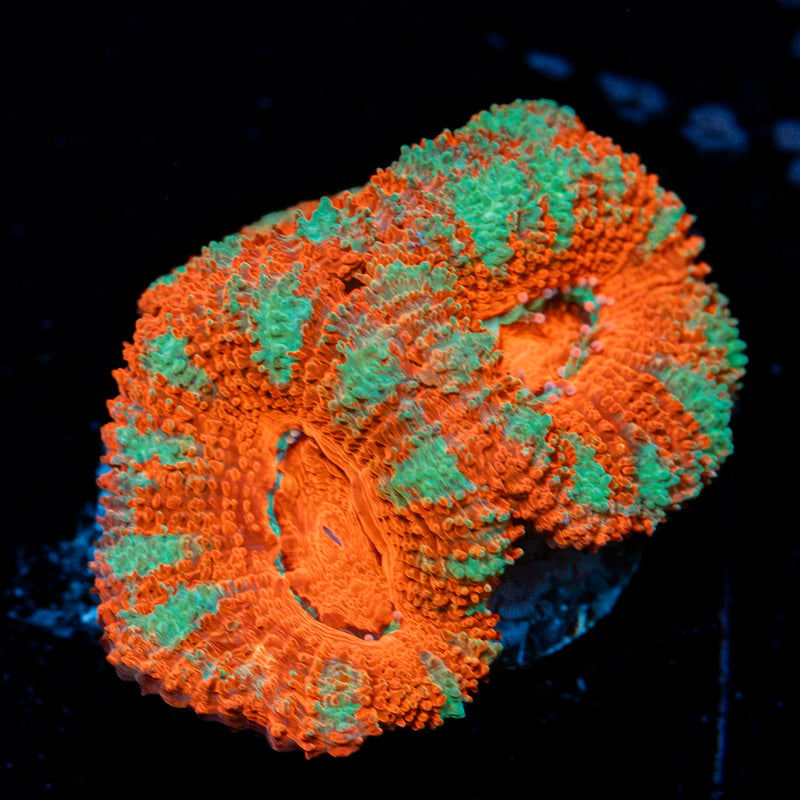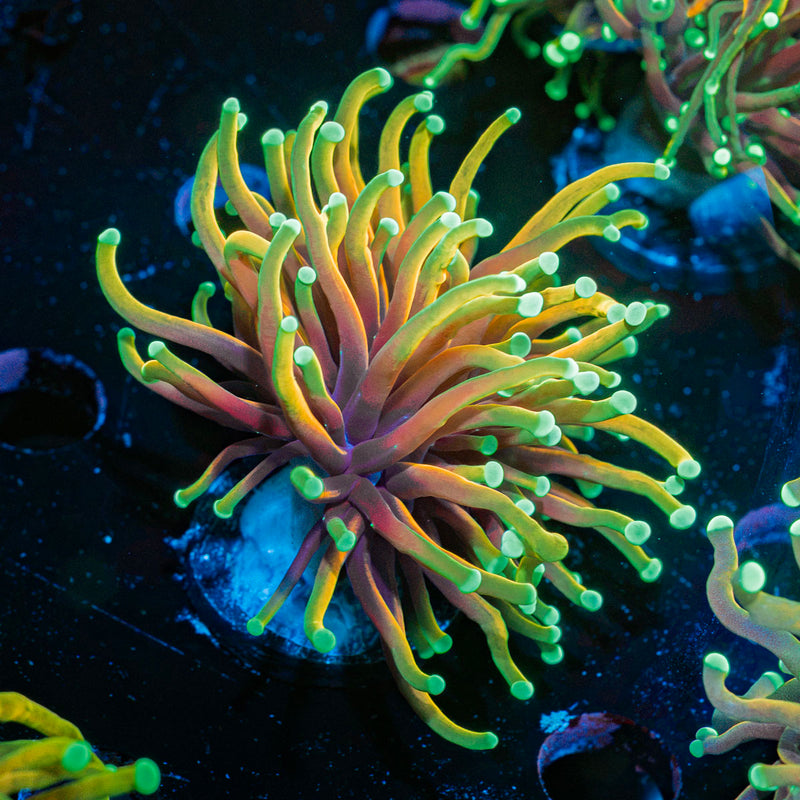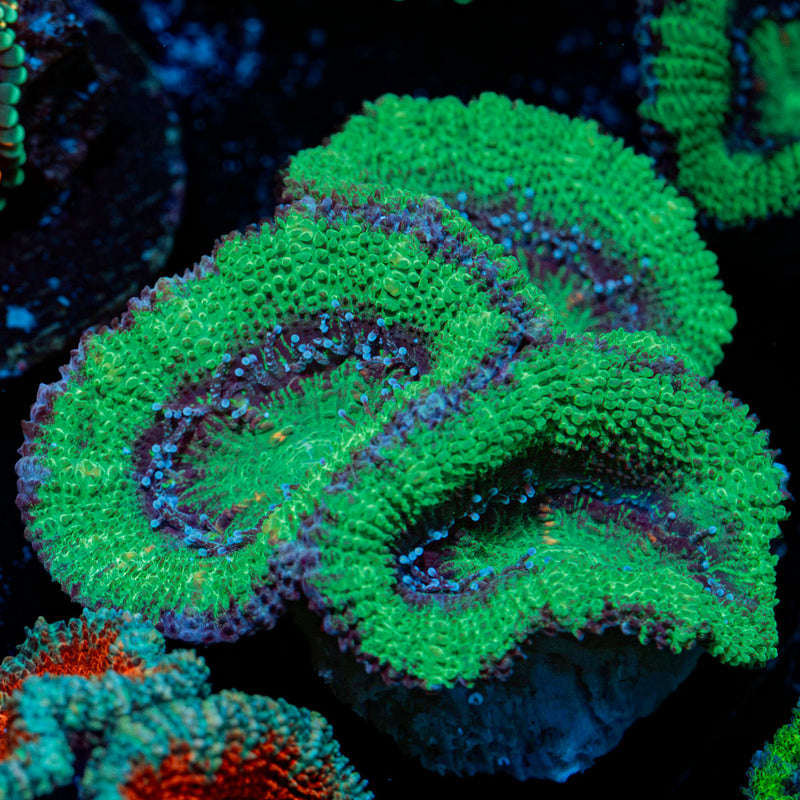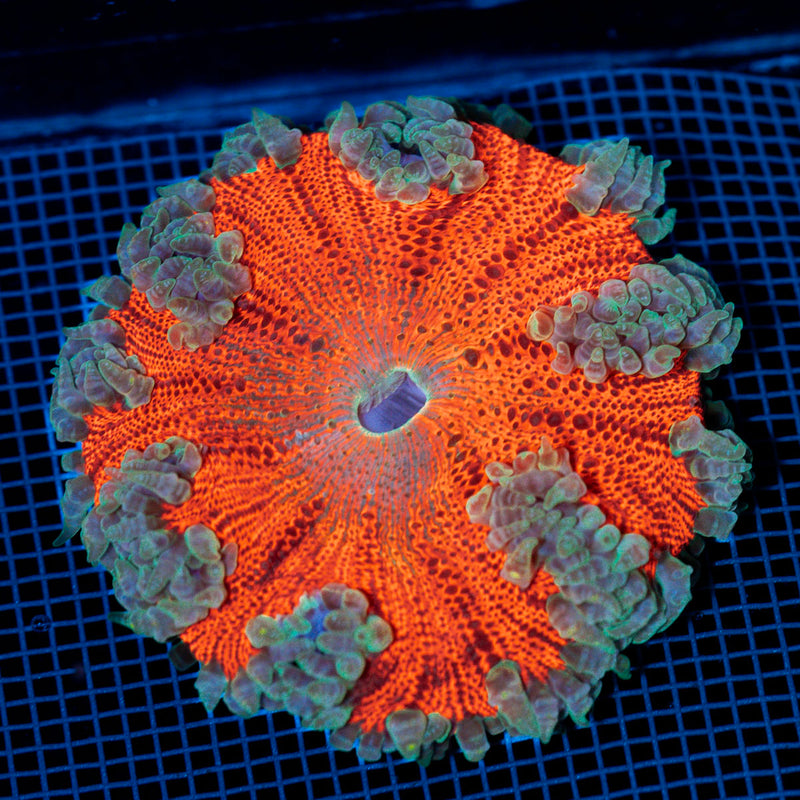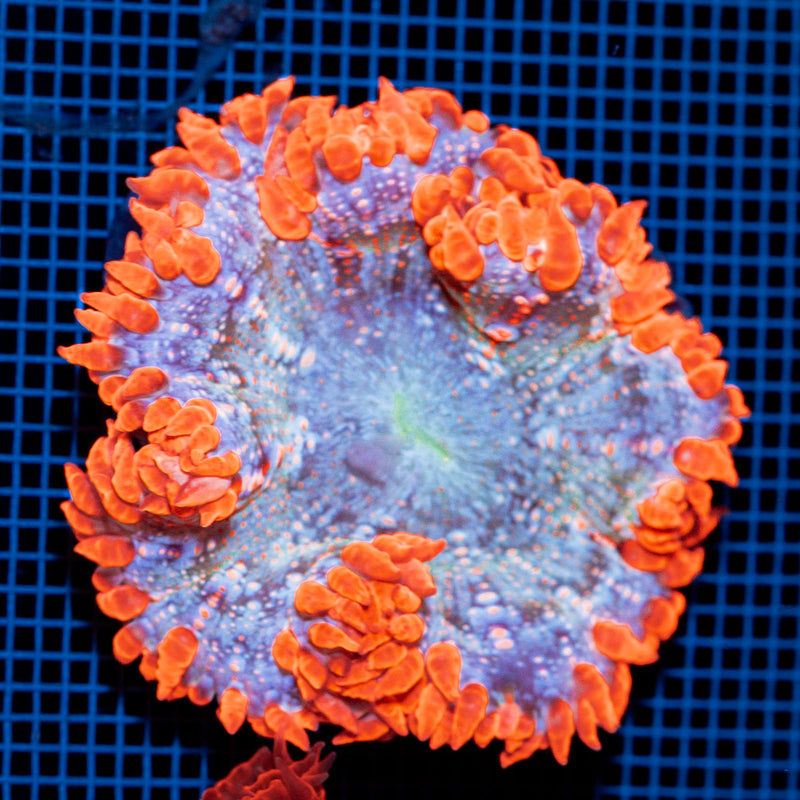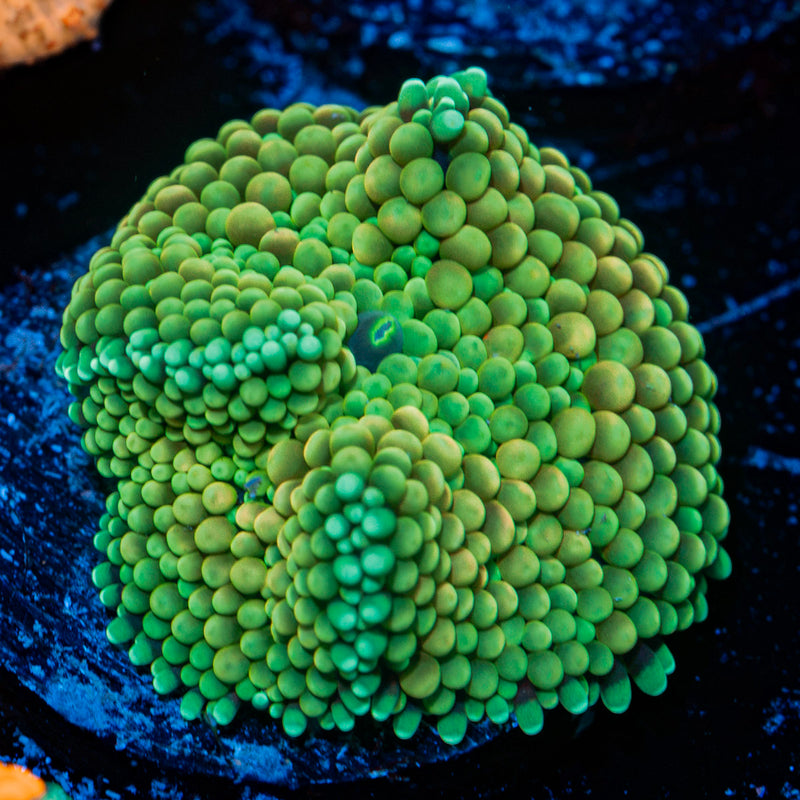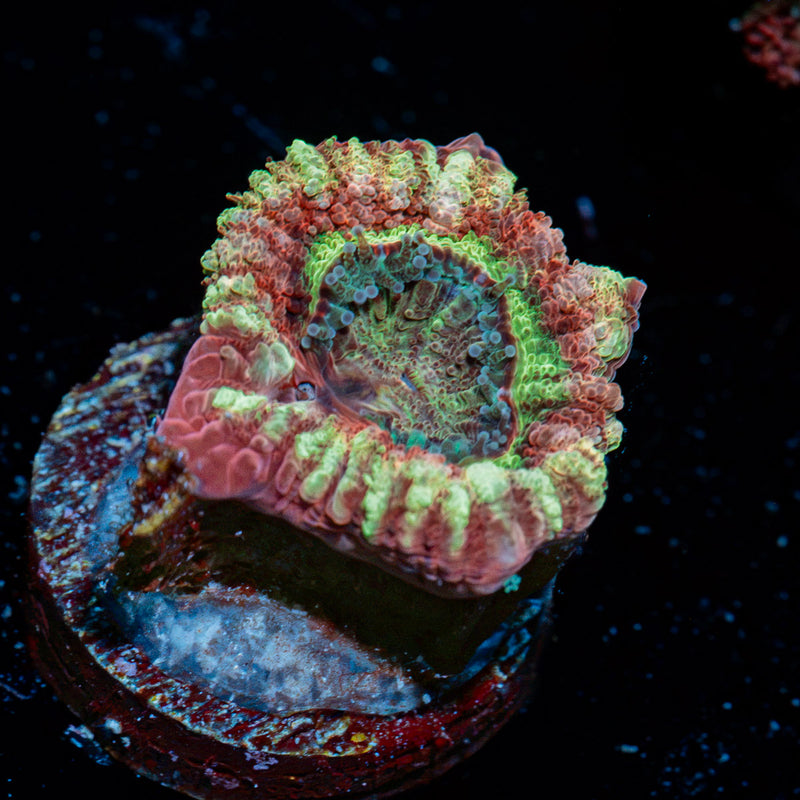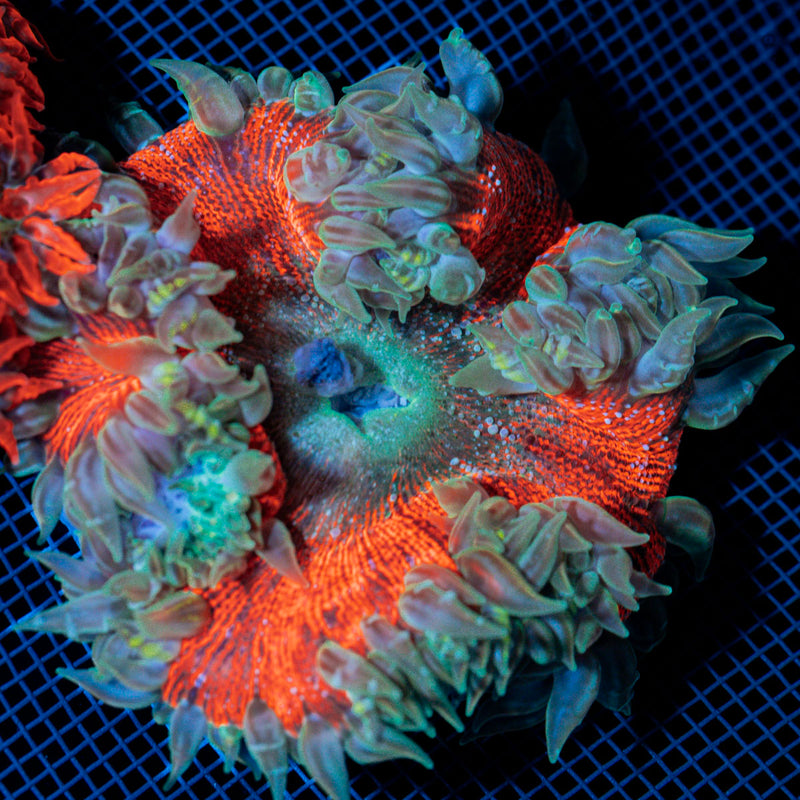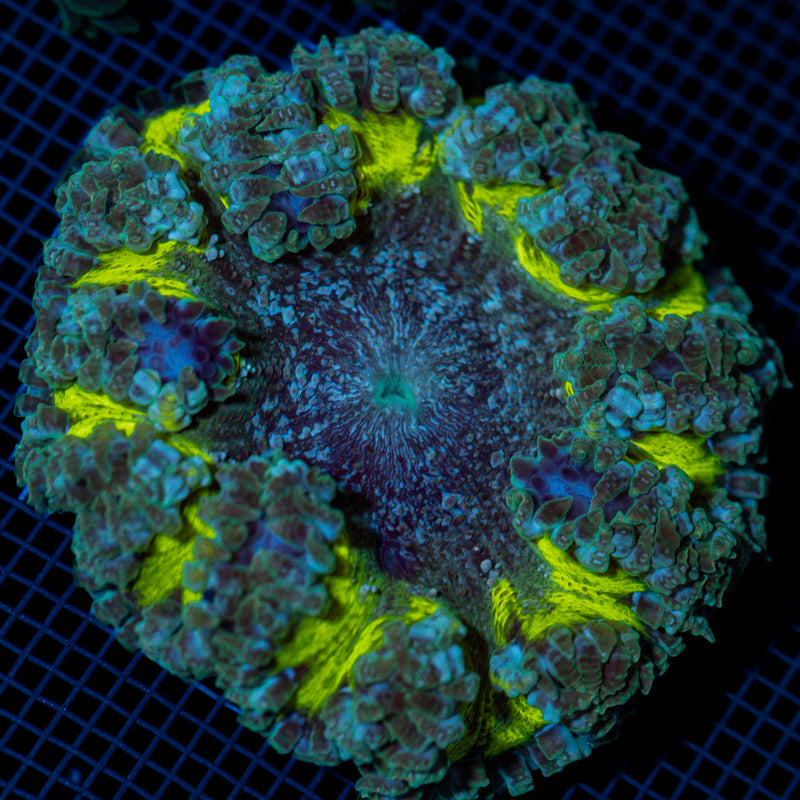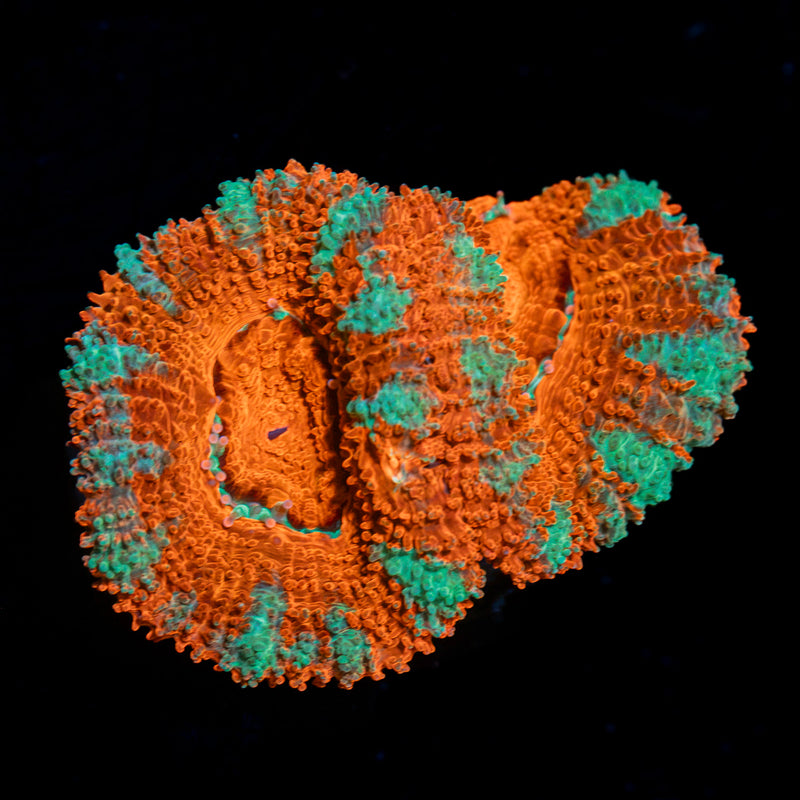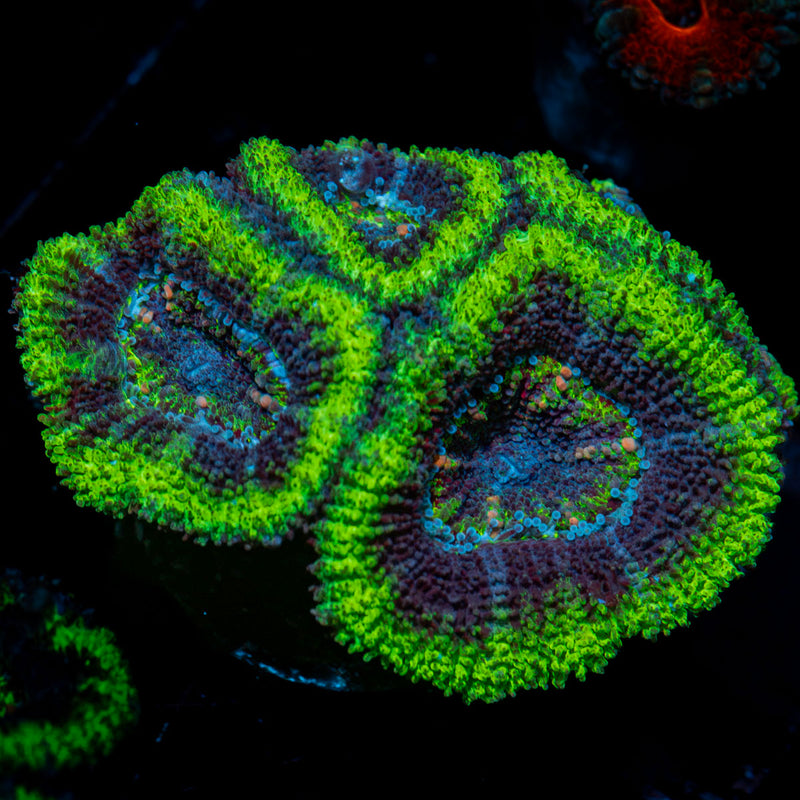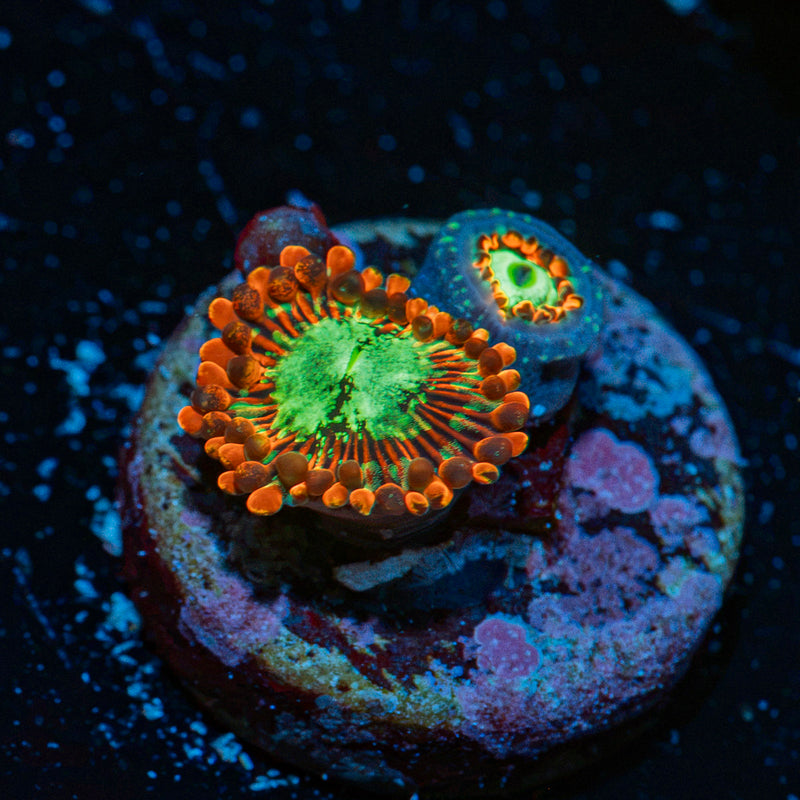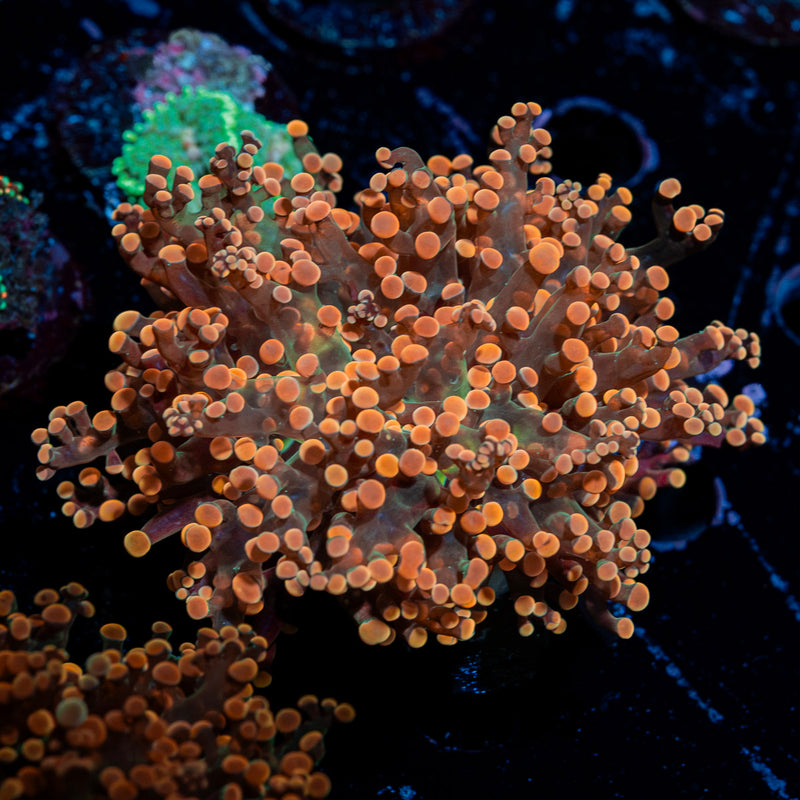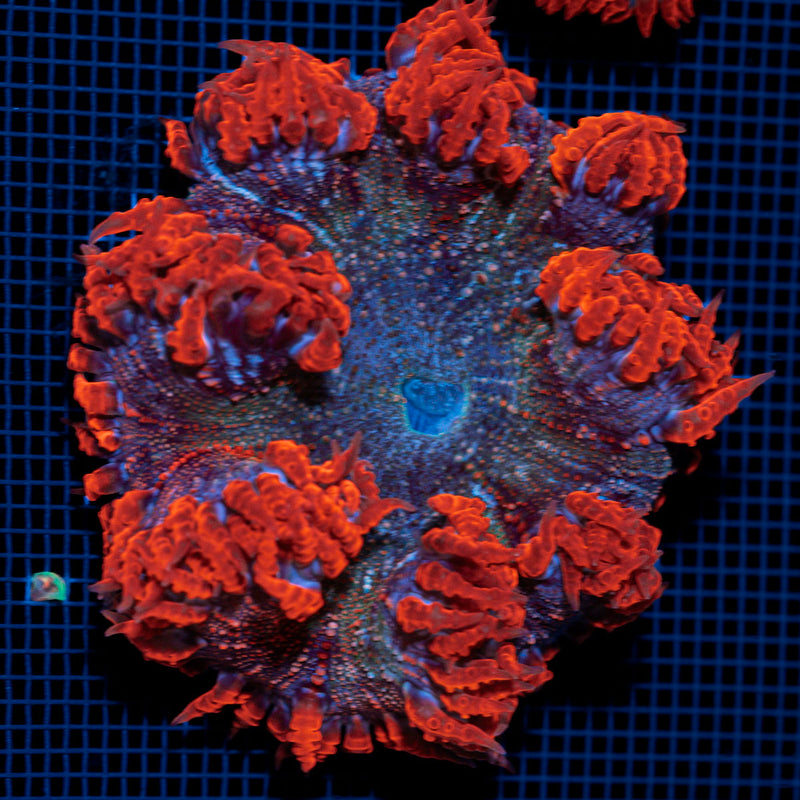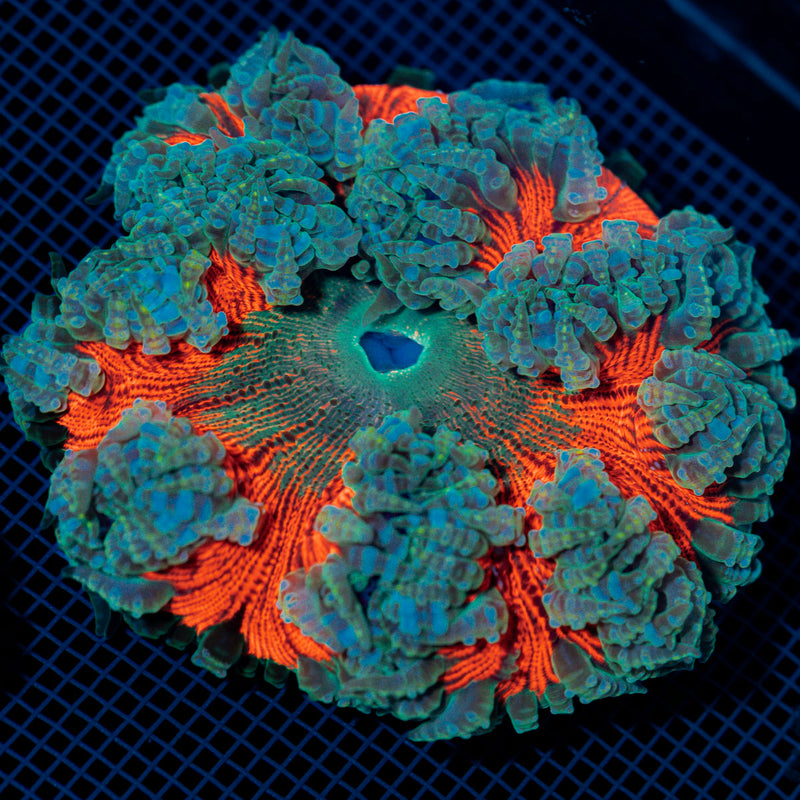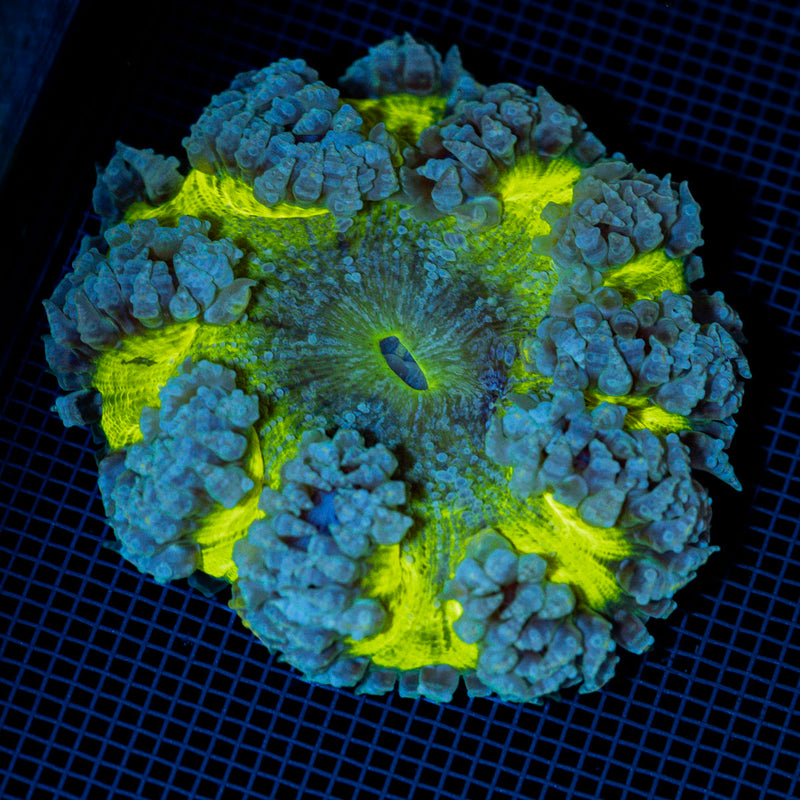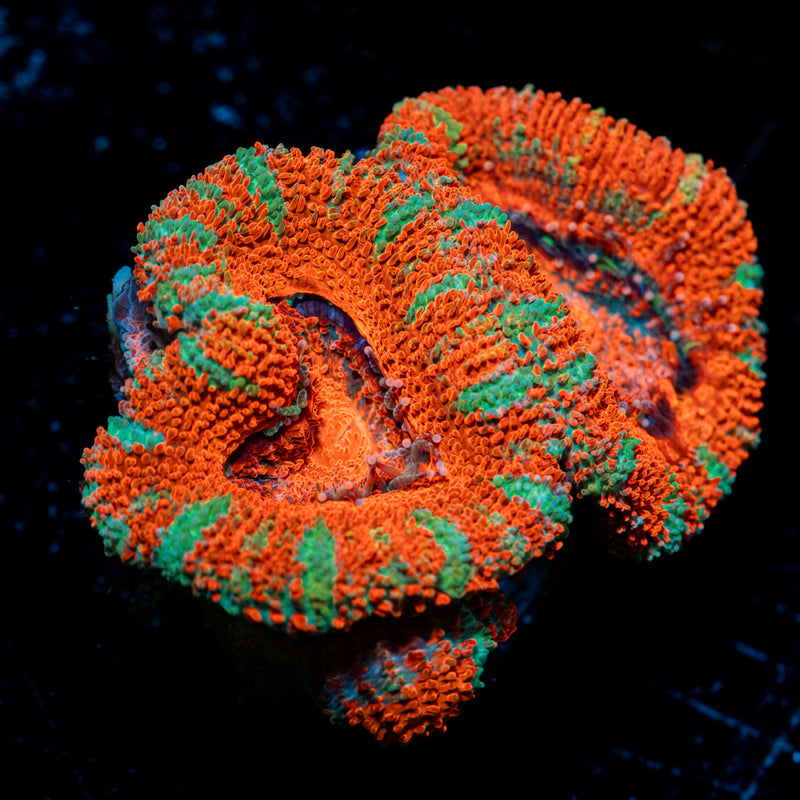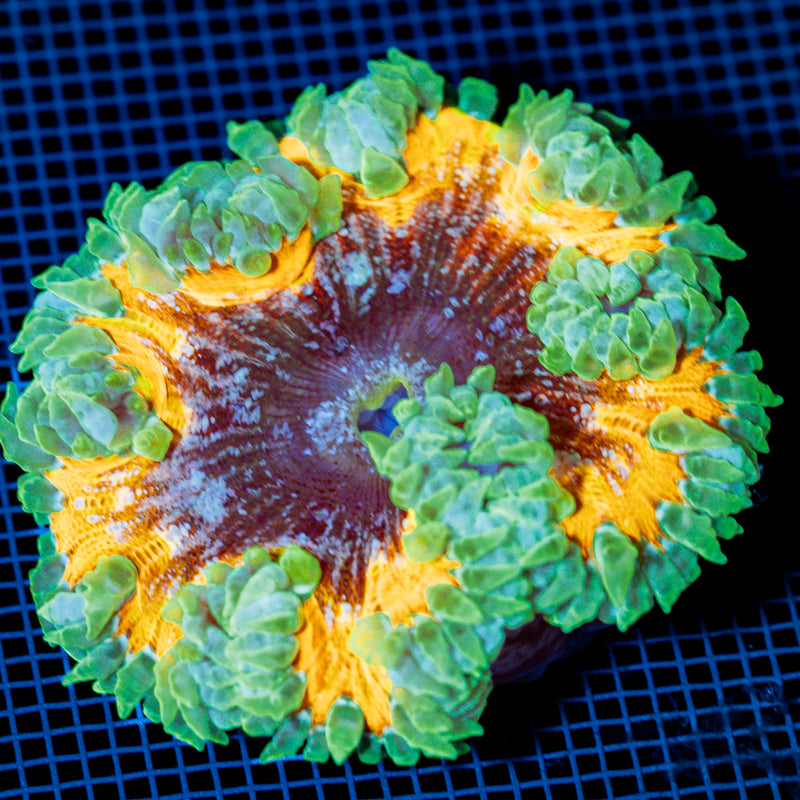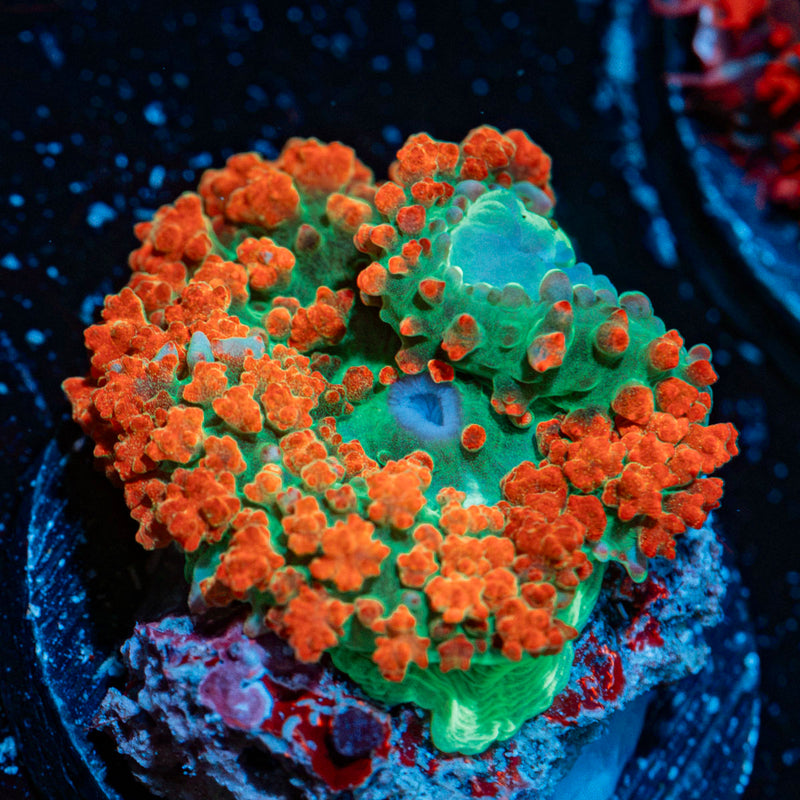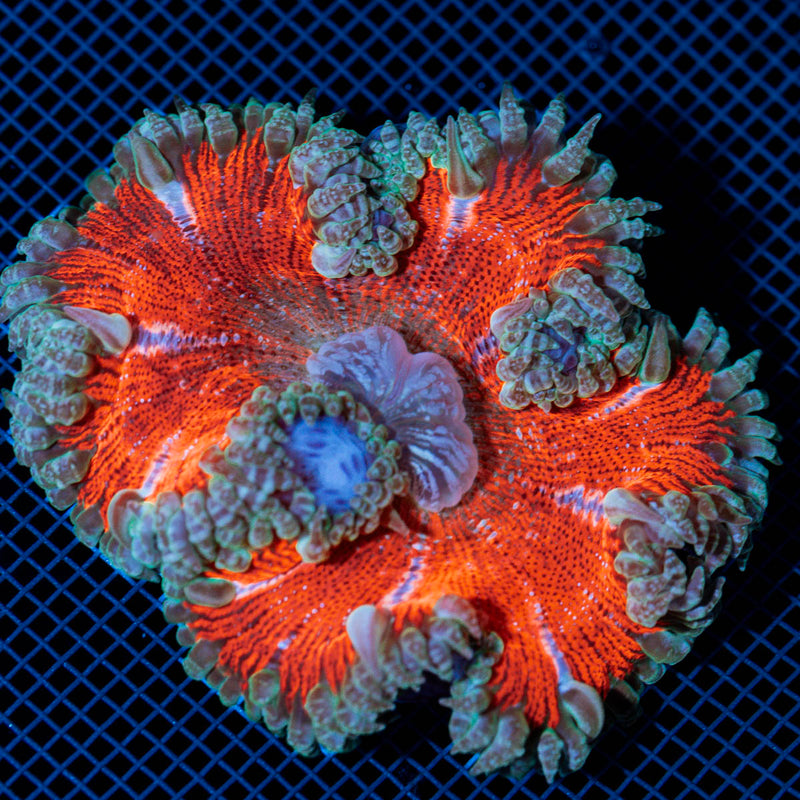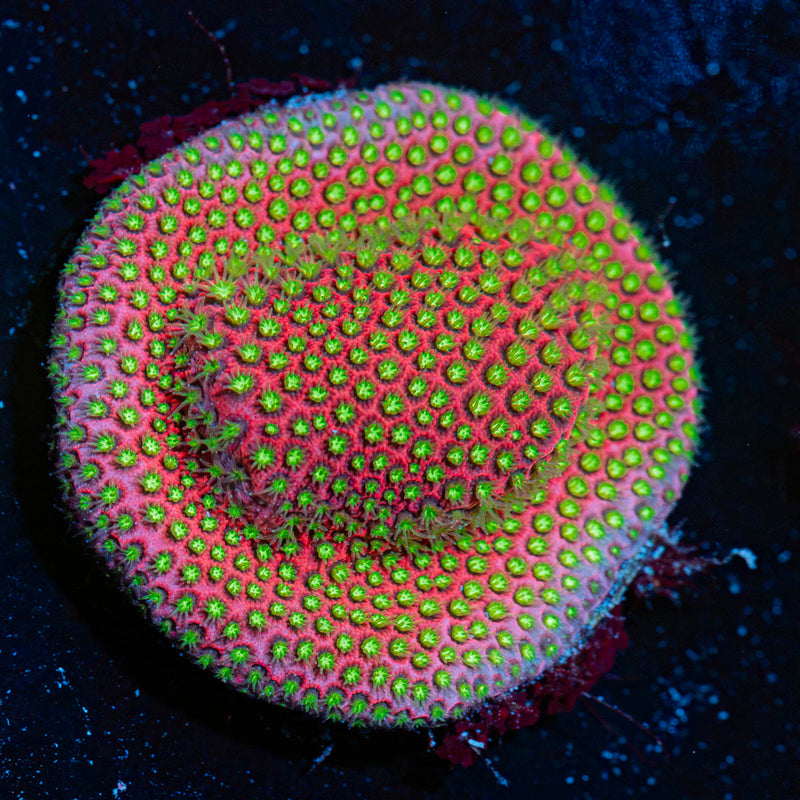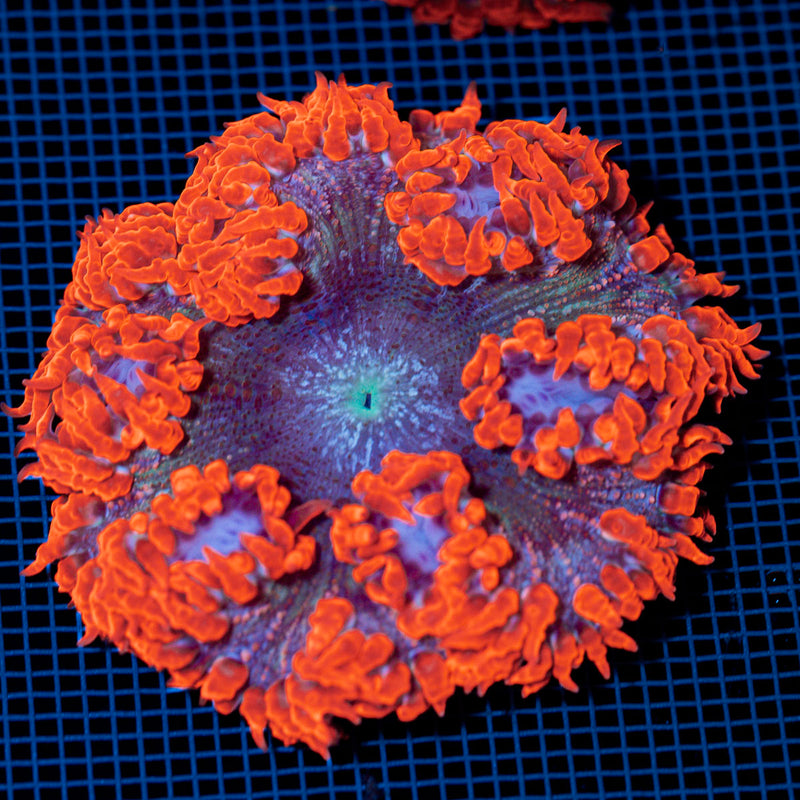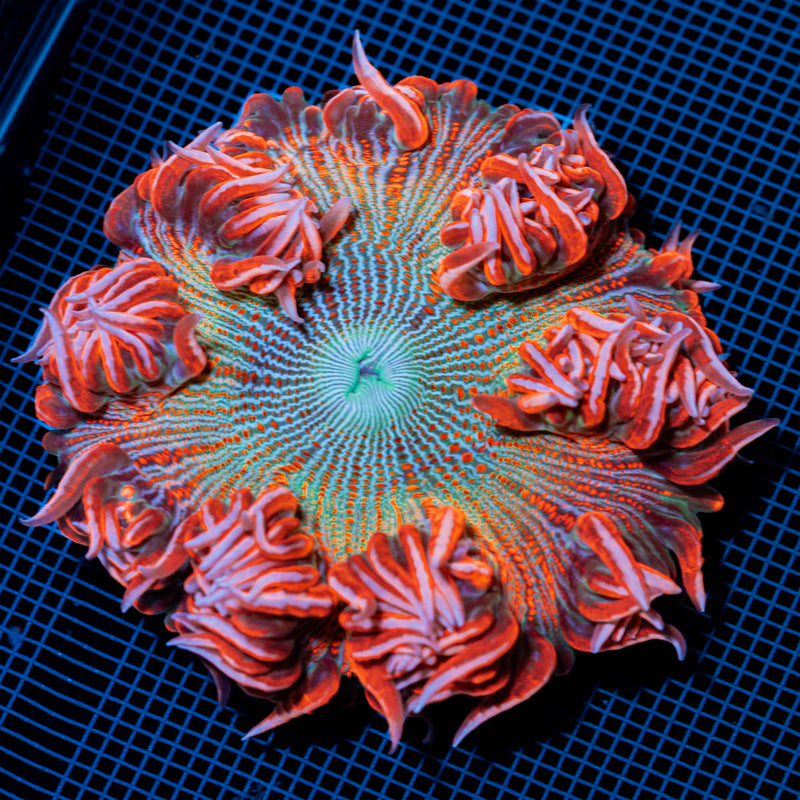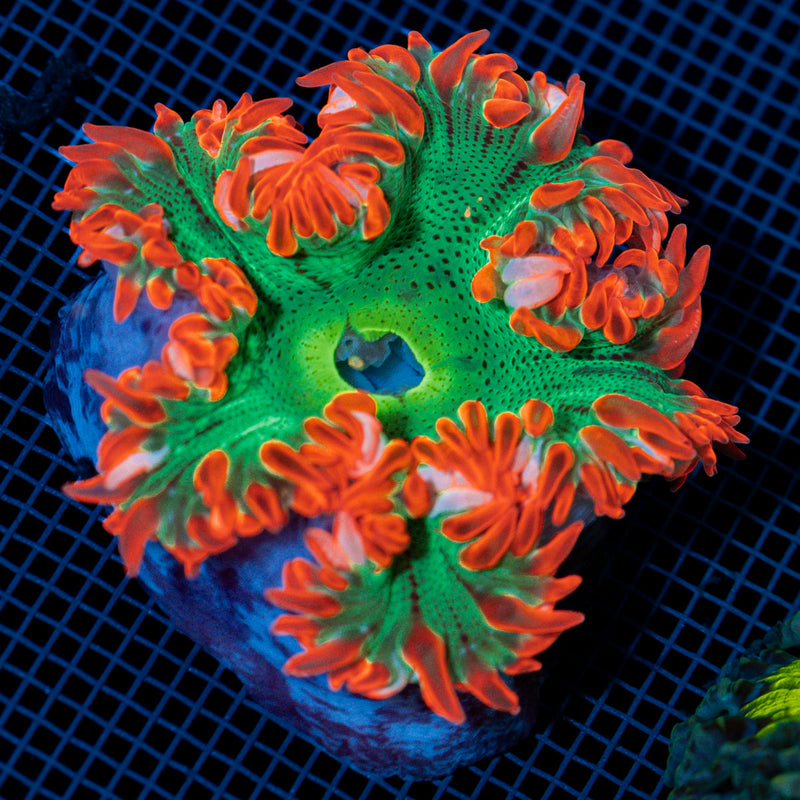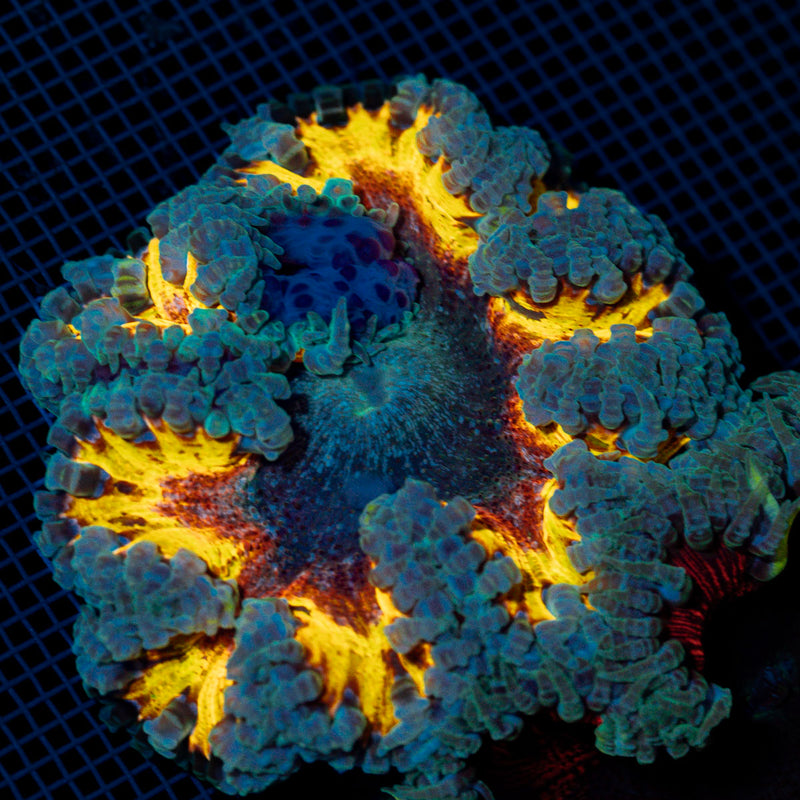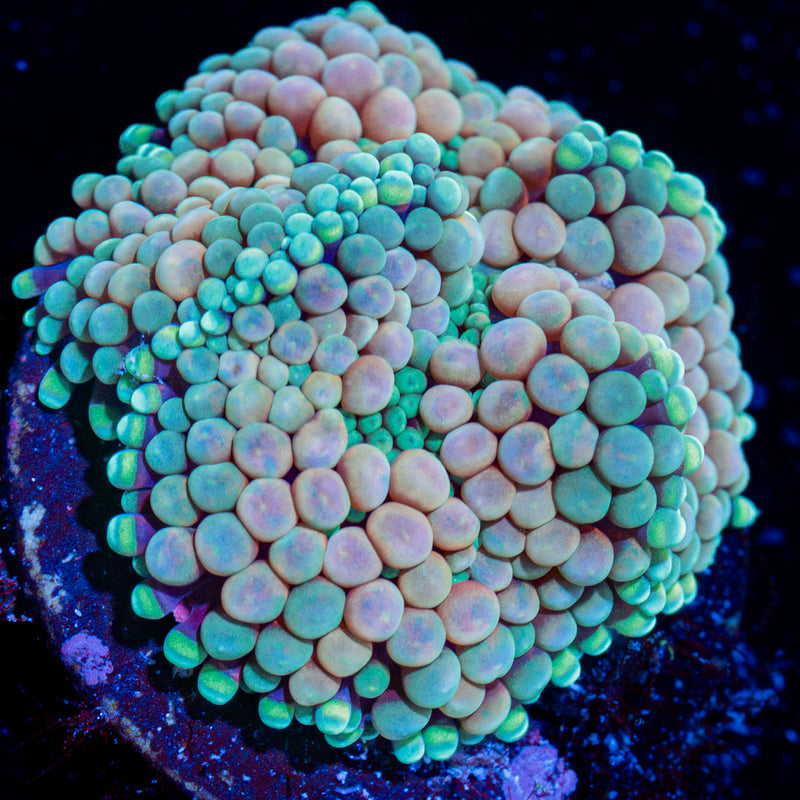
You float the bag, get the frag into the tank, and then... nothing. The polyp extension you expected never shows up, the zoas stay tight, or that new hammer looks like it wants absolutely no part of your reef. If you are wondering why coral frags stay closed, the short answer is stress - but the real answer is usually a mix of shipping, acclimation, placement, and tank conditions.
That does not always mean something is wrong. Many healthy, vibrant frags stay closed for a day or two while they settle in. Others need a bit longer, especially after overnight shipping, a fresh dip, or a move into brighter light and stronger flow than they were used to. The key is knowing the difference between normal adjustment and a coral that is clearly heading in the wrong direction.
Why coral frags stay closed in a new tank
Freshly added frags are dealing with more than one change at a time. Temperature shifts, handling, transport stress, new salinity, new nutrients, and different lighting all hit at once. Even aquacultured corals that are generally hardier can close up while they recalibrate.
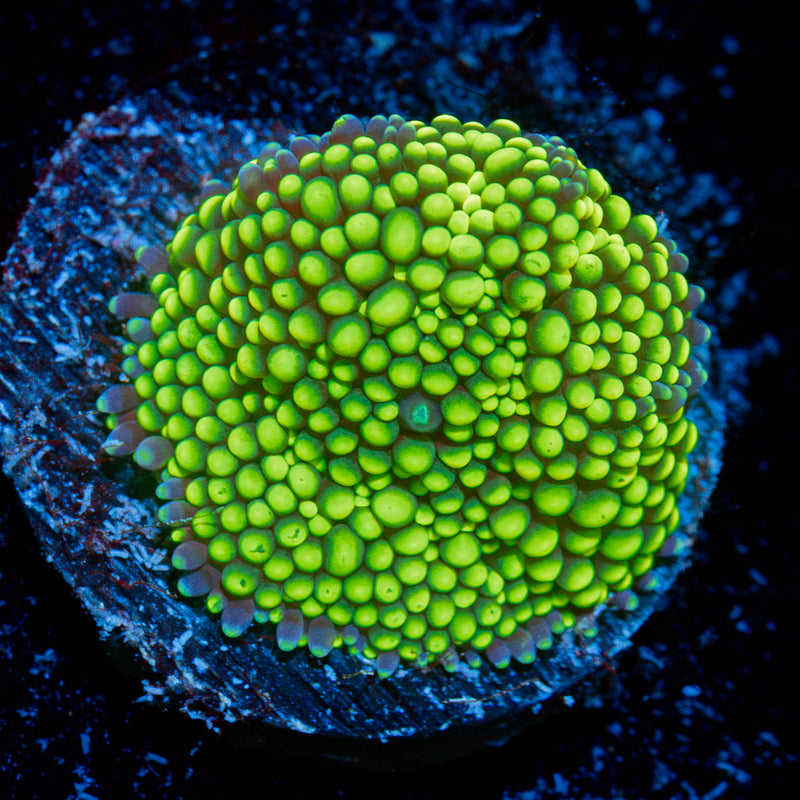
Soft corals and zoanthids often react by staying tight and withdrawn. LPS may look deflated, puffy in an odd way, or keep their feeders tucked in. SPS can hold color but show limited polyp extension. None of that is automatically a red flag on day one.
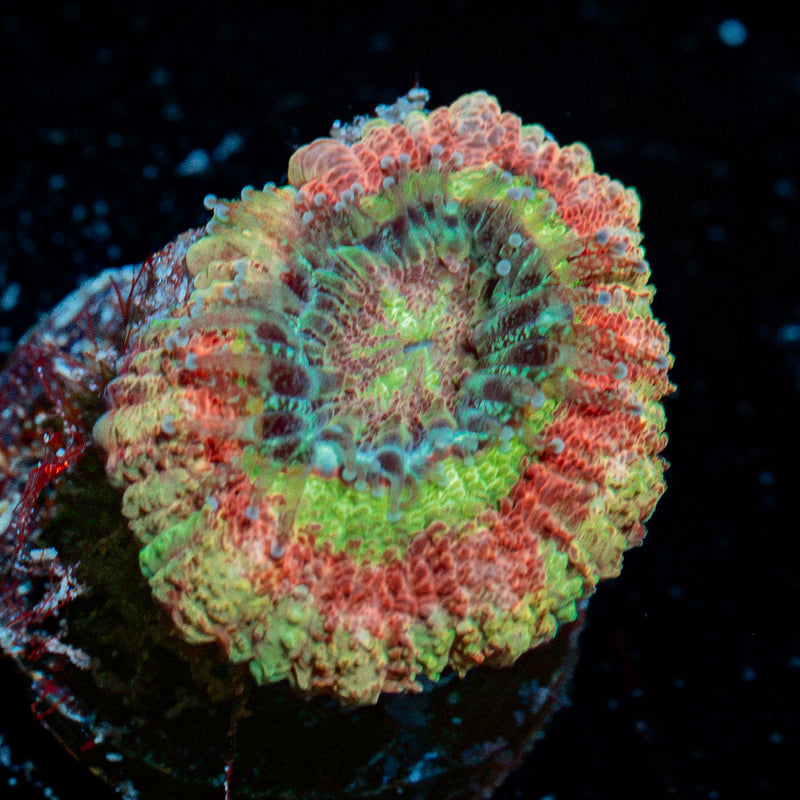
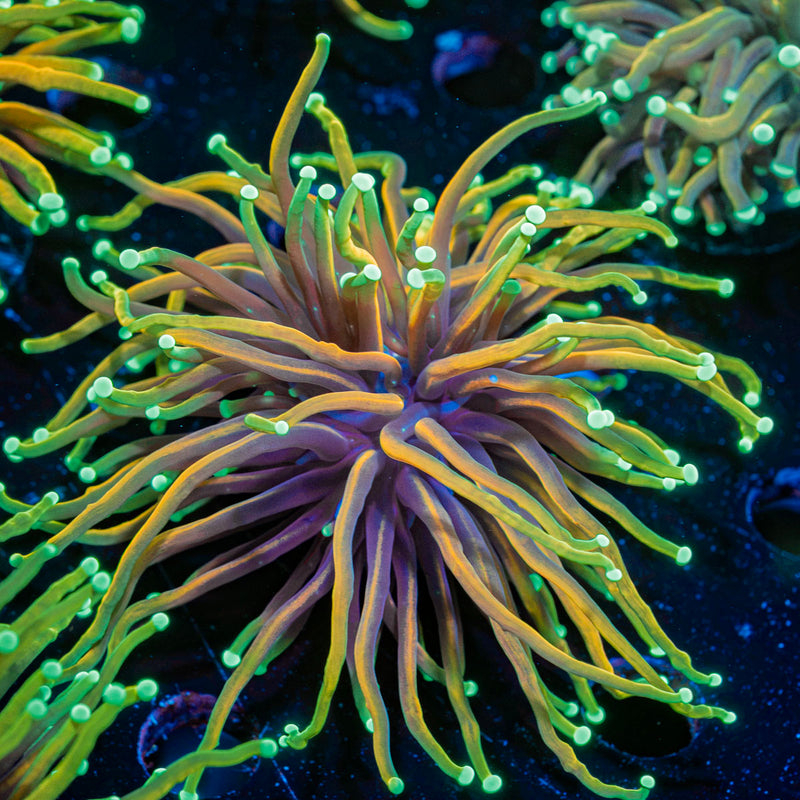
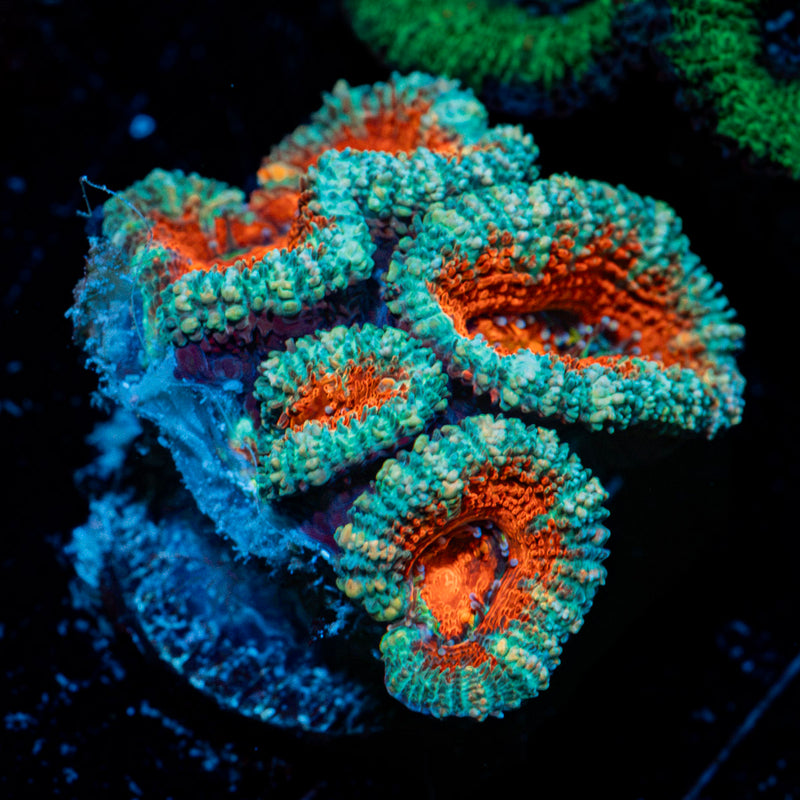
The timeline depends on the coral. Zoas may open within hours or take several days. Hammers, frogspawn, and torches can stay grumpy after placement changes, especially if flow is too direct. Acans and chalices sometimes look fine quickly but still need a week or more before they show their best feeding response. SPS are especially dependent on stable parameters, so even if tissue looks intact, they may stay reserved until the environment feels consistent.
The most common reasons a frag stays closed
Light is one of the biggest culprits. A coral that came from lower or more diffused light can clamp down under LEDs that are too intense, too blue-heavy, or too close to the surface. Bleaching is the dramatic version of this, but before that happens, many corals simply stay closed as a protective response.
Flow is just as important. Too little flow can let waste settle on the frag and keep tissue irritated. Too much direct flow can prevent polyps from opening at all. Euphyllia are a classic example - they want movement, but not the kind that whips tissue in one direction all day.
Water chemistry is another major factor. Corals tolerate a lot less instability than fish, and frags often show that first. Salinity swings, low alkalinity, elevated nutrients, bottomed-out nutrients, or a recent pH drop can all keep a coral closed. Sometimes the numbers are not terrible, but the change was fast. Corals notice swings more than hobbyists often expect.
Then there is simple irritation. Dips are useful, but some corals sulk afterward. Glue can briefly annoy tissue at the base. Sand settling on a fresh frag plug can keep polyps retracted. Even a crab, shrimp, or overly curious fish picking at a new addition can be enough to stop it from opening.
What is normal, and what is not
A closed frag is not the same thing as a dying frag. That distinction matters, because many new reef keepers start chasing the problem too aggressively and make things worse.
Normal signs of adjustment include closed polyps with intact tissue, stable color, and no foul smell or sloughing. The coral may look unimpressed, but it is still structurally sound. In many cases, patience is the best move.
Troubling signs look different. Tissue recession, brown jelly, exposed skeleton spreading upward, a melting zoa colony, or a frag that keeps losing color day by day deserves action. If an SPS frag starts paling at the tips or base while remaining tightly shut, think stability first. If an LPS coral is receding and showing sharp skeleton edges, check flow and chemistry right away. If a soft coral develops a film but still has firm tissue, it may just be shedding. If it turns mushy, that is another story.
Placement mistakes that keep corals closed
A lot of frustration comes down to placement that was close, but not quite right. Corals are living jewels, but they are not decorative objects you can set anywhere and expect instant color and movement.
Putting a frag into the brightest available spot is a common mistake, especially when the goal is maximum pop. New frags usually do better when they start in a lower-stress area and move up gradually if needed. Light acclimation matters even for premium aquacultured pieces.
The same goes for flow. Random, indirect flow usually helps more than a constant blast. If a torch is staying tight, or zoas never fully open, watch the tissue movement. If it looks pinned down or folded over, the coral is probably telling you the spot is wrong.
Spacing matters too. A new frag placed too close to a neighbor may be getting stung at night without you noticing during the day. Sweepers from euphyllia, chalices, and other LPS can quietly turn a normal adjustment period into a problem.
Why coral frags stay closed even when your parameters look fine
This is where reef keeping gets humbling. Your test results can look acceptable and a frag can still stay closed because acceptable is not the same as stable, and stable is not the same as ideal for that coral.
Alkalinity is a great example. A reading of 8.5 dKH is fine, but if it was 7.2 two days ago and 9.0 yesterday, the number itself is not the whole story. Salinity can be similar. A tank sitting at 1.025 is great, but if the bag water arrived significantly lower and the coral was rushed into the display, that swing can be enough to keep it shut.
Nutrients also have a sweet spot. Ultra-low nutrient systems can make some corals look clean and crisp, but certain LPS, zoas, and softies may stay less extended if the tank is too lean. On the other hand, dirty water can irritate tissue and suppress opening in a different way. It depends on the coral, which is why broad advice only goes so far.
What to do before you start changing everything
When a frag stays closed, resist the urge to fix five variables in one afternoon. That usually creates more stress than the original issue.
Start by observing the basics. Check salinity with a calibrated tool, confirm temperature is stable, and test alkalinity, calcium, magnesium, nitrate, and phosphate if you can. Then look at placement. Is the frag in harsh light? Is flow too strong or too weak? Is detritus collecting around it? Is another coral close enough to sting it?
If the coral is newly added and tissue looks healthy, give it some time. A gentle placement adjustment is reasonable. A full tank overhaul is not. If lighting is suspect, reduce intensity or move the frag lower rather than bouncing it between multiple spots every few hours.
For irritated LPS, slightly less direct flow often helps. For zoas and other polyps, moderate light and enough flow to keep the surface clean usually works better than extremes. For SPS, focus less on making them open instantly and more on keeping parameters steady for days in a row.
If pests are possible, inspect closely before dipping again. Repeated dipping can add stress if the real issue is environmental. If a frag arrived with obvious damage, a clean stable environment gives it a better shot than constant handling.
Patience is part of successful coral keeping
One of the hardest lessons in reefing is that healthy corals do not always perform on command. A frag can be stunning, colorful, and fully viable while still acting withdrawn in a new system. That is especially true after shipping, acclimation, or a major tank change.
Confidence comes from reading the coral, not just reacting to the clock. Closed for twelve hours is very different from closed for six days with tissue loss. When you slow down, watch closely, and correct the most likely source of stress, many frags settle in and open on their own.
That is the beauty of aquacultured coral once it adjusts - the same piece that looked uncertain on day one can become one of the most vibrant parts of your reef. Give it a stable home, make thoughtful changes instead of dramatic ones, and let the coral tell you what it needs.