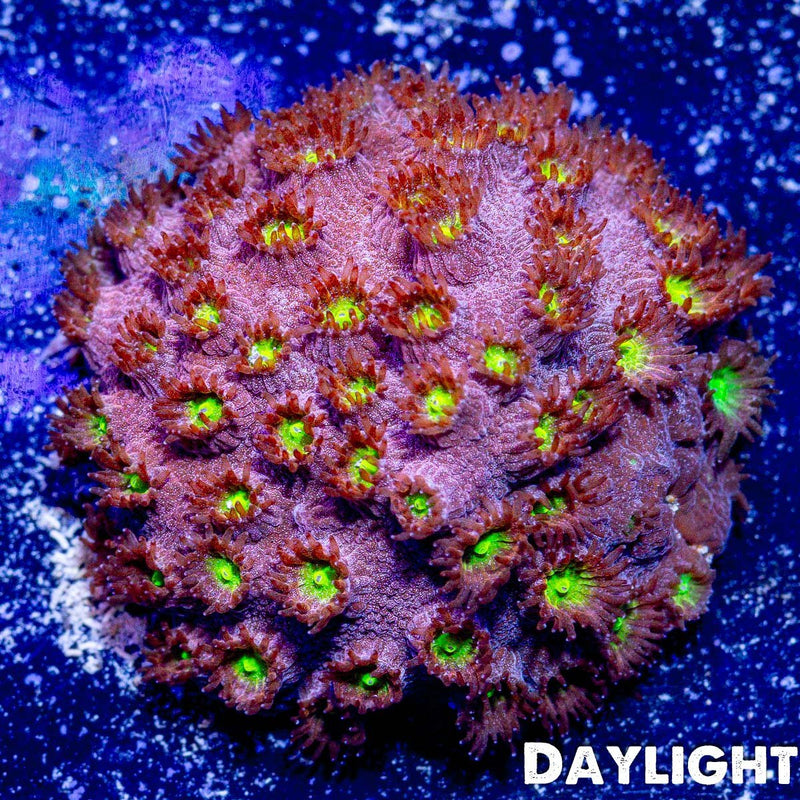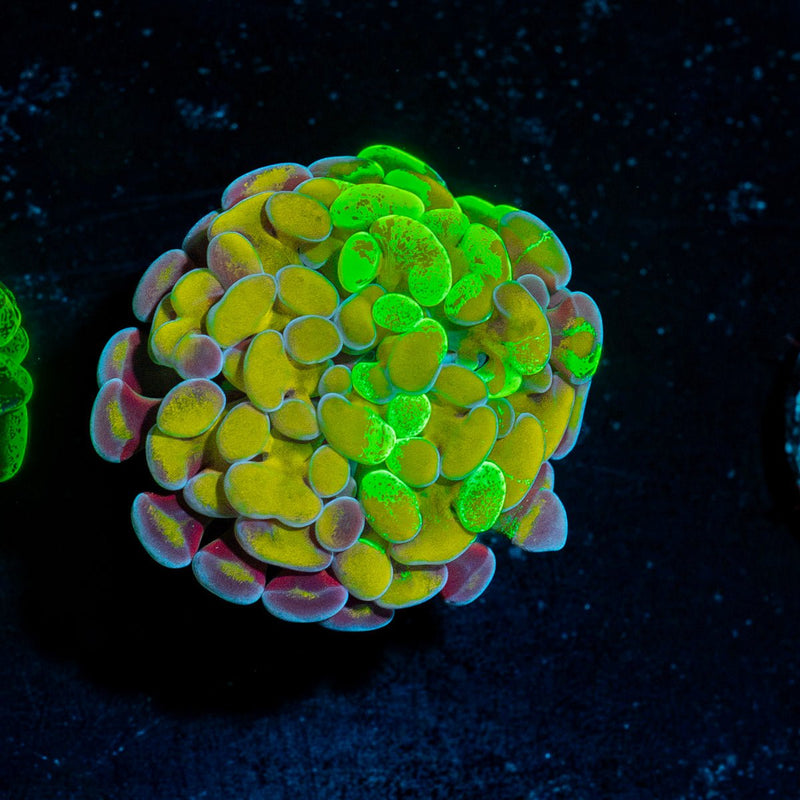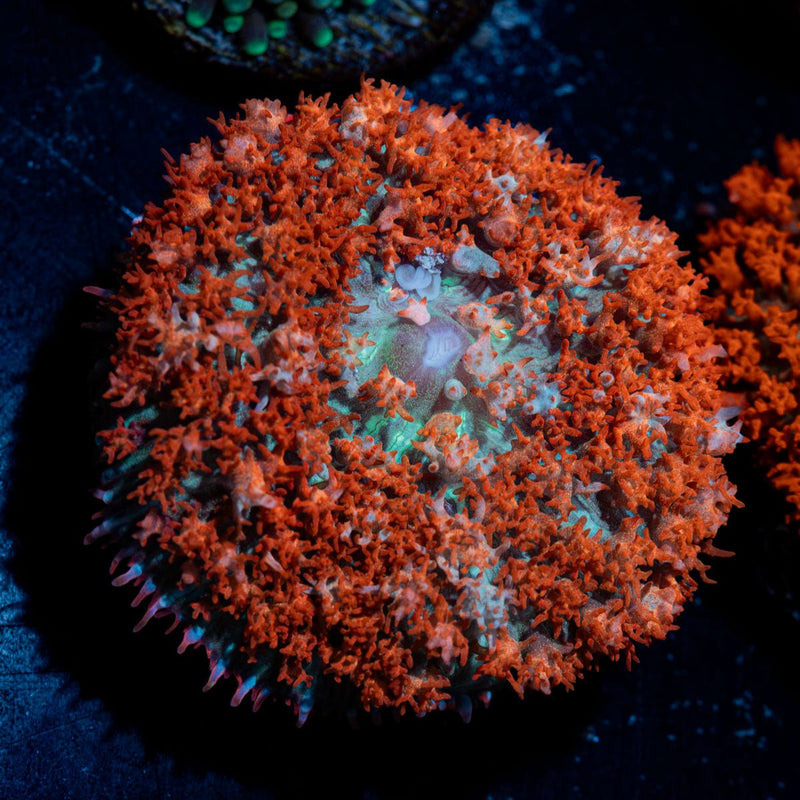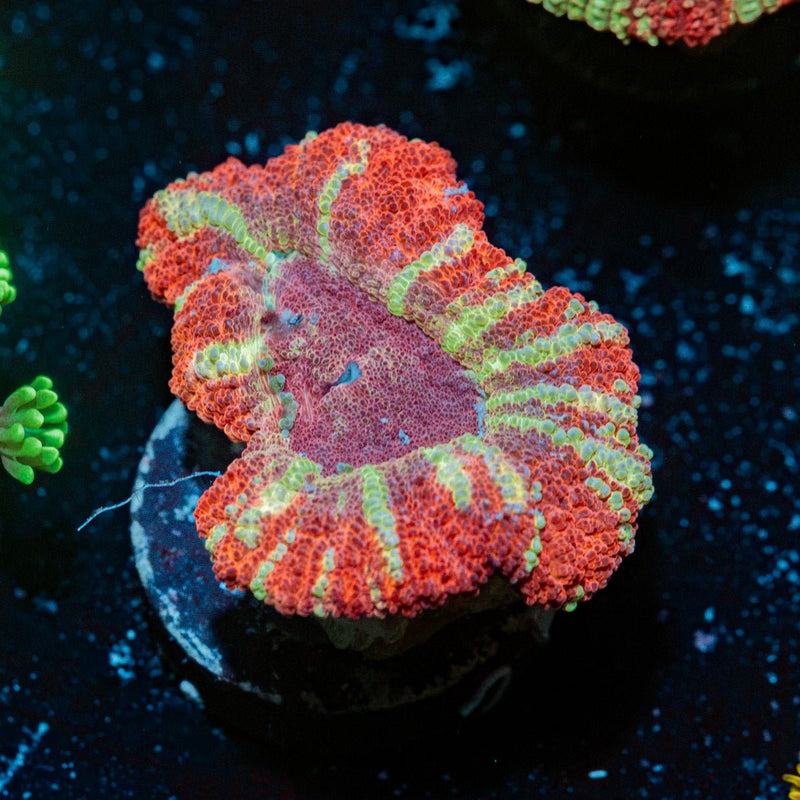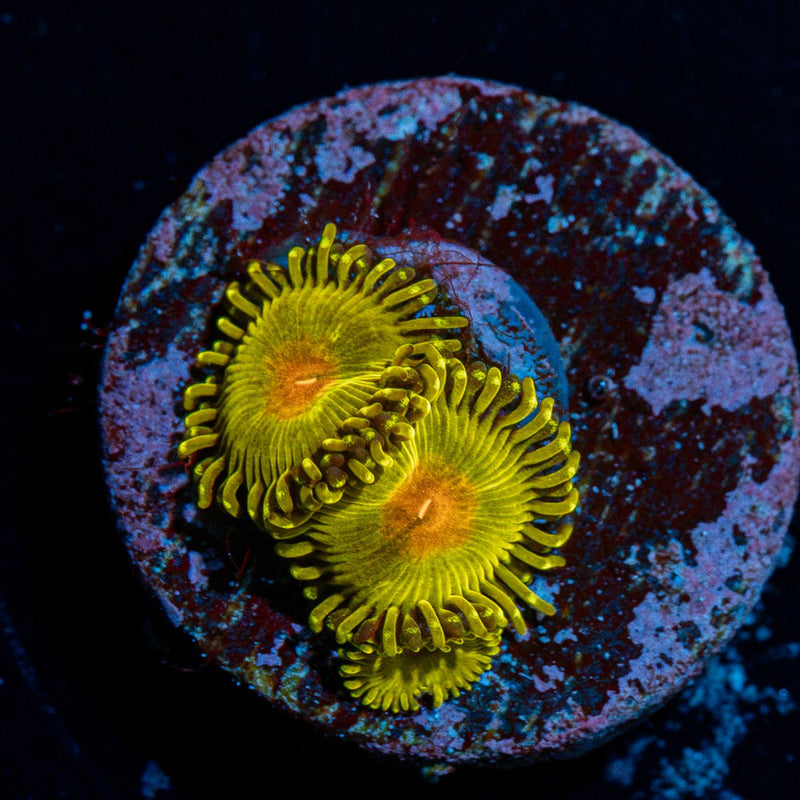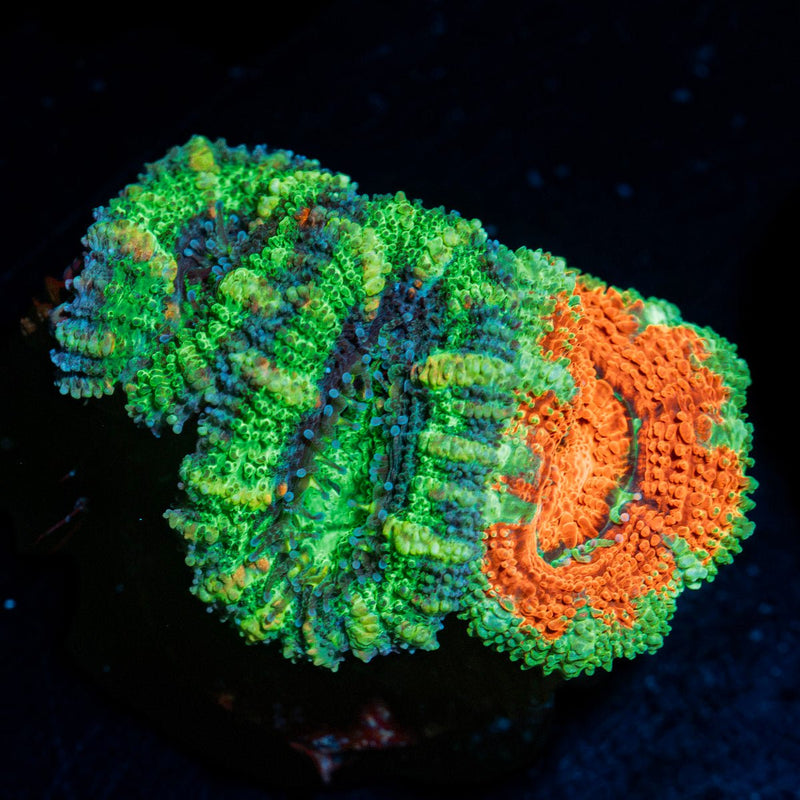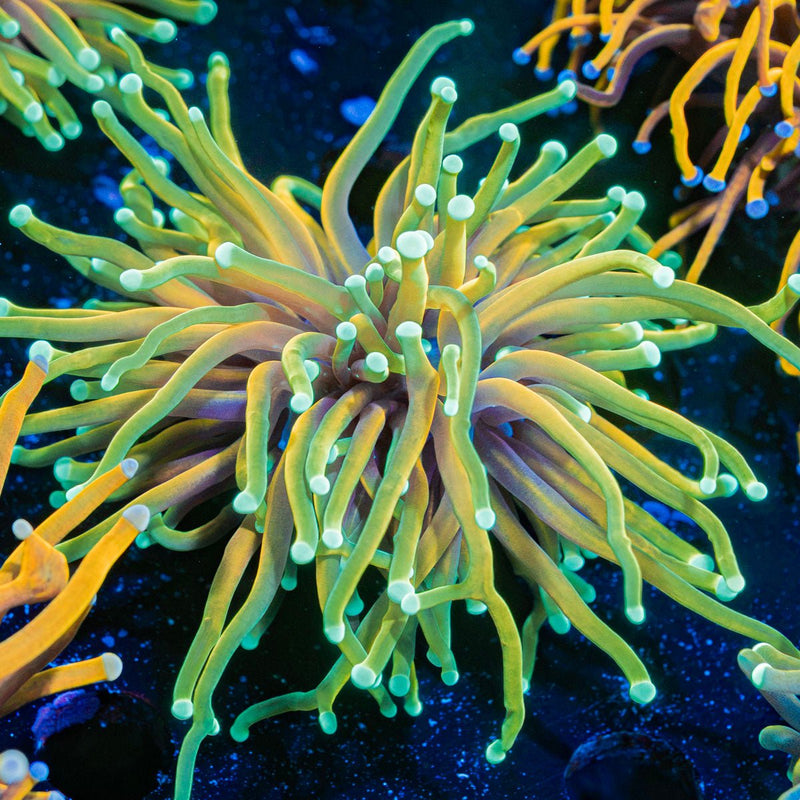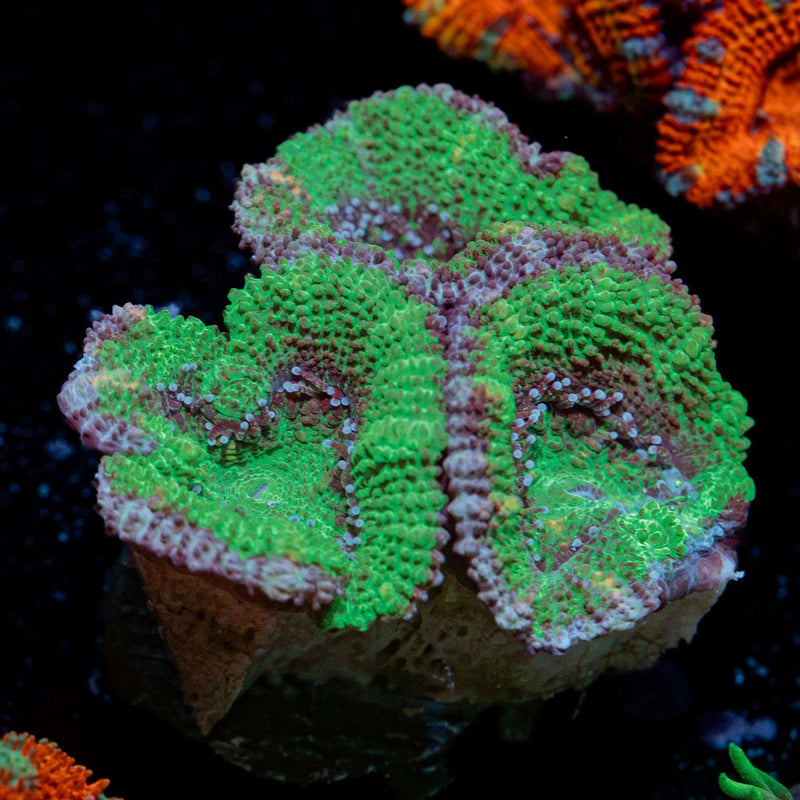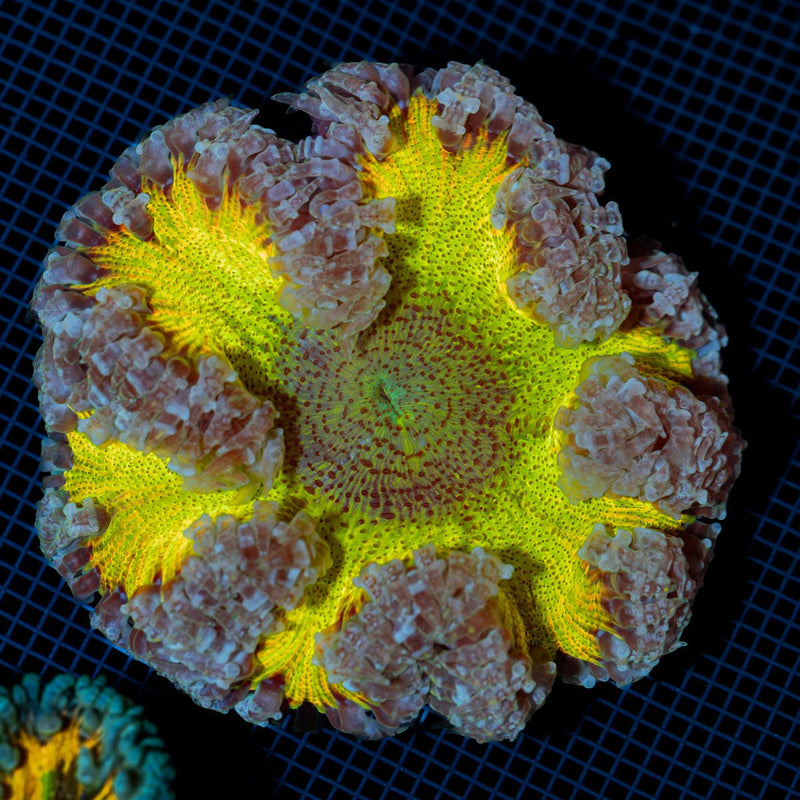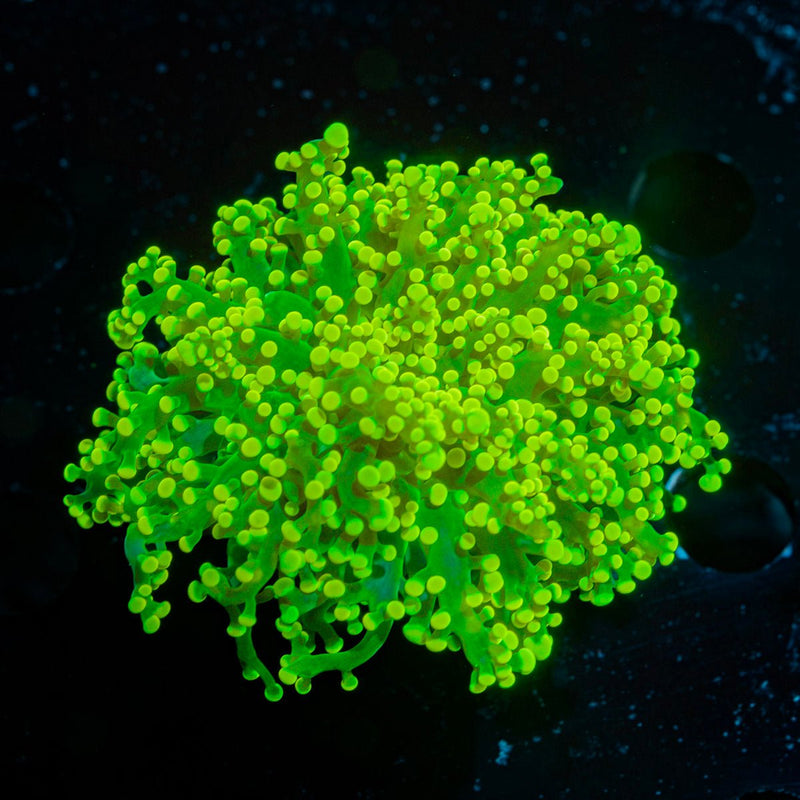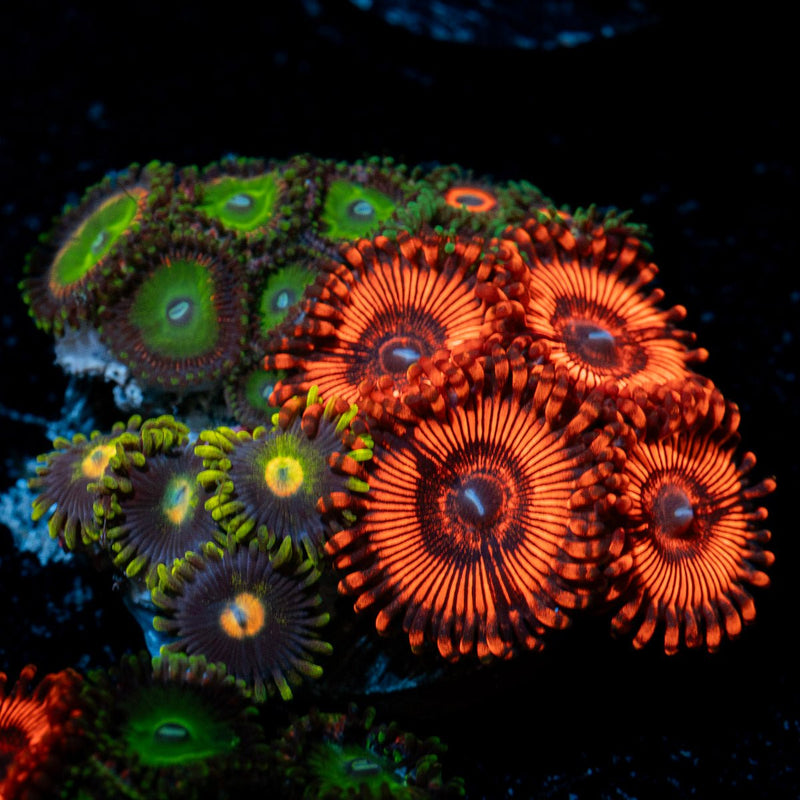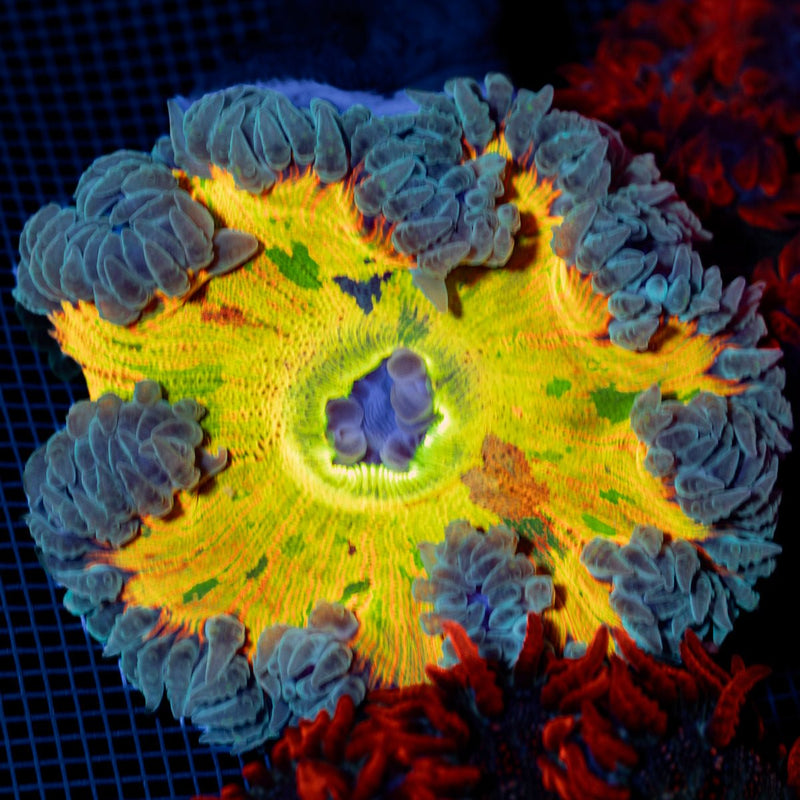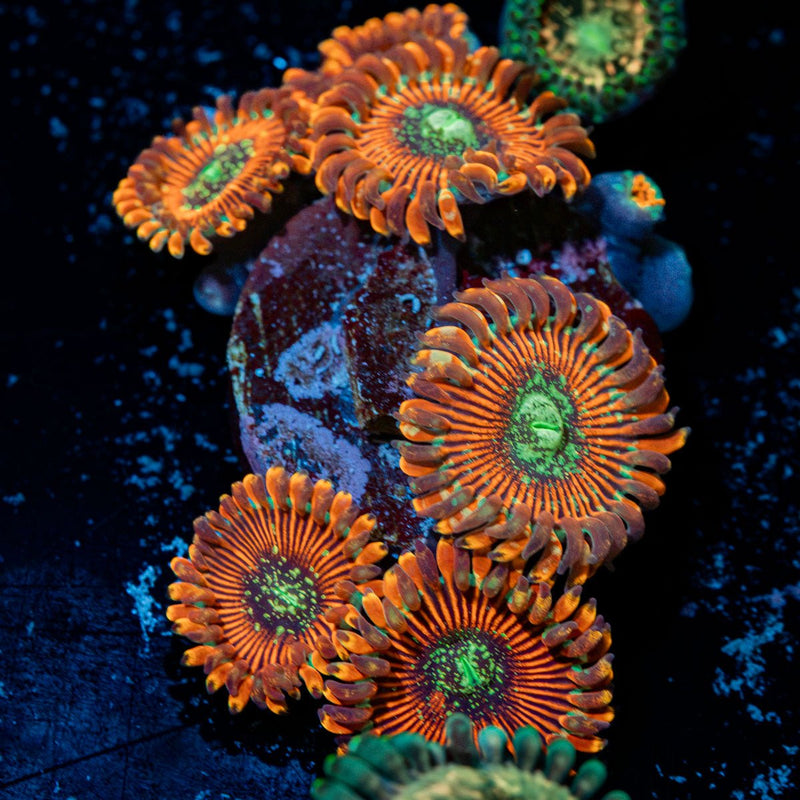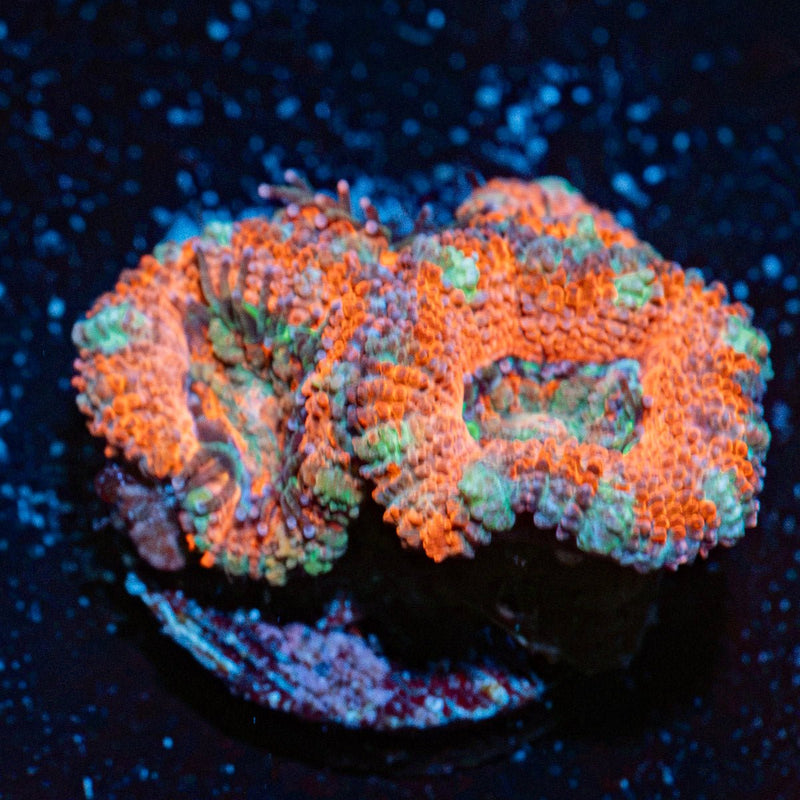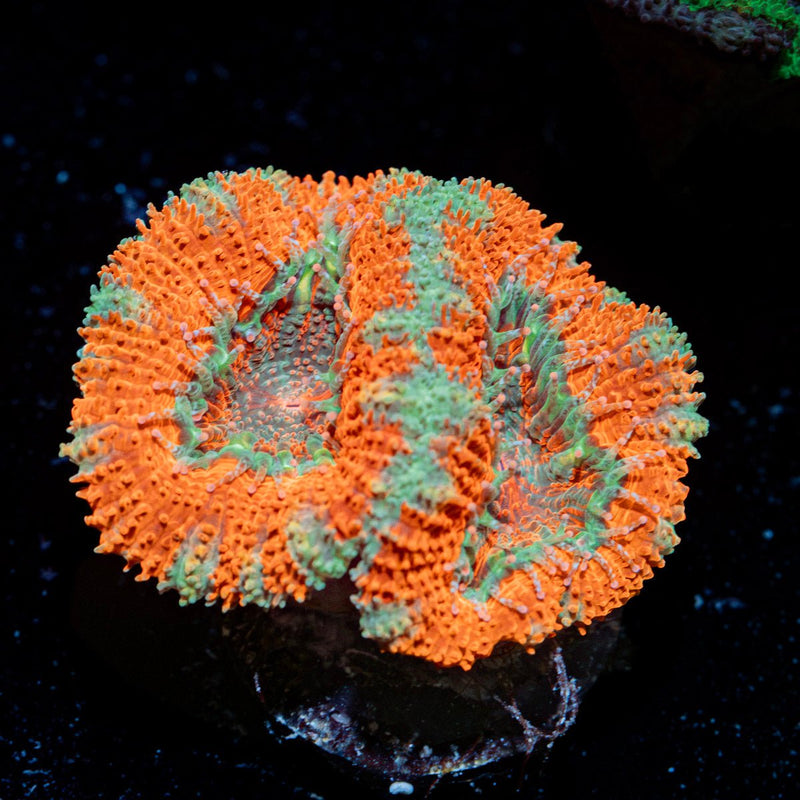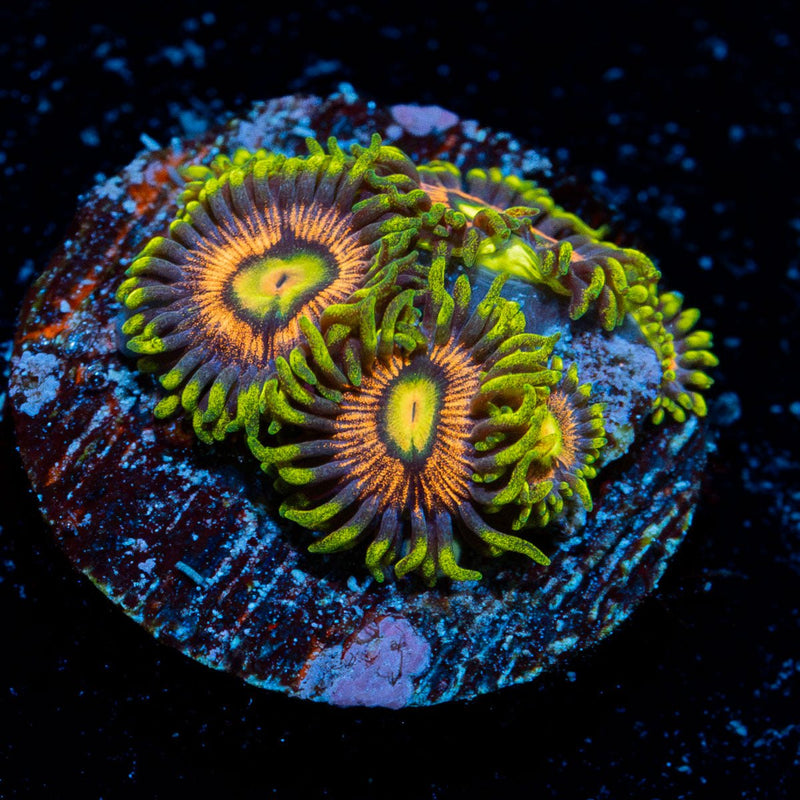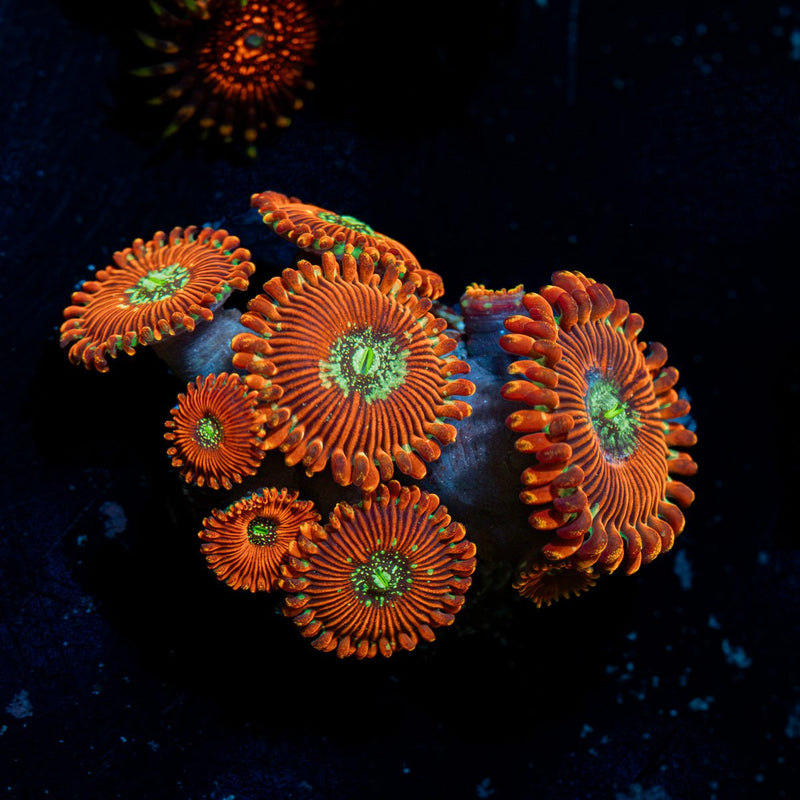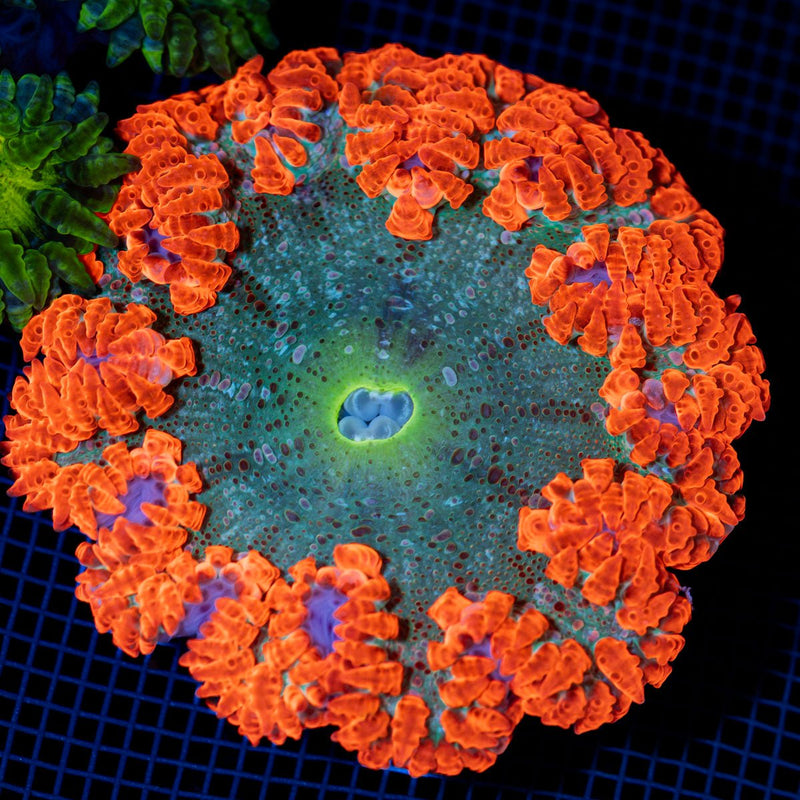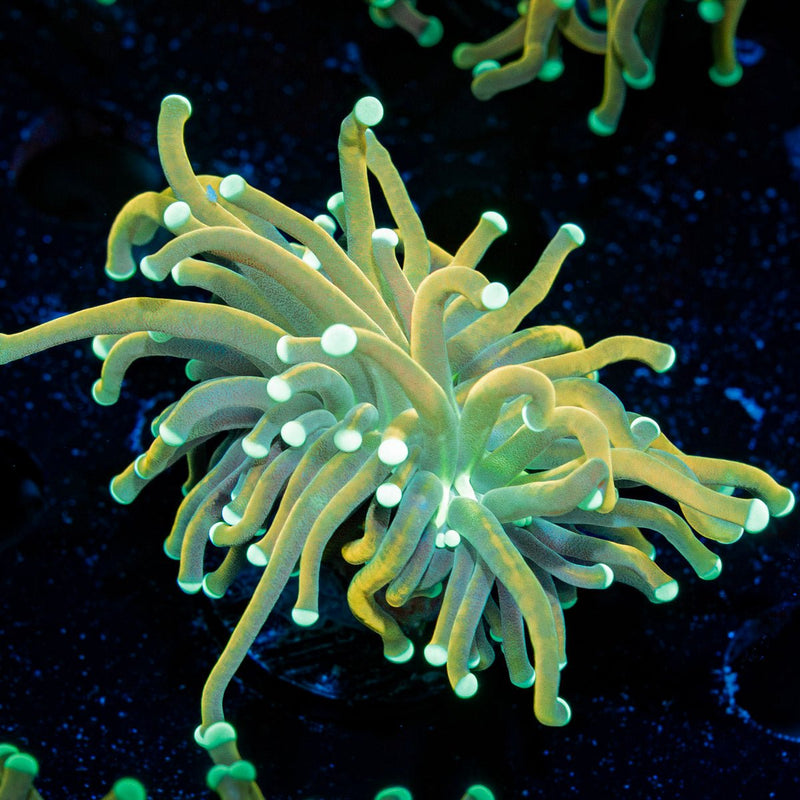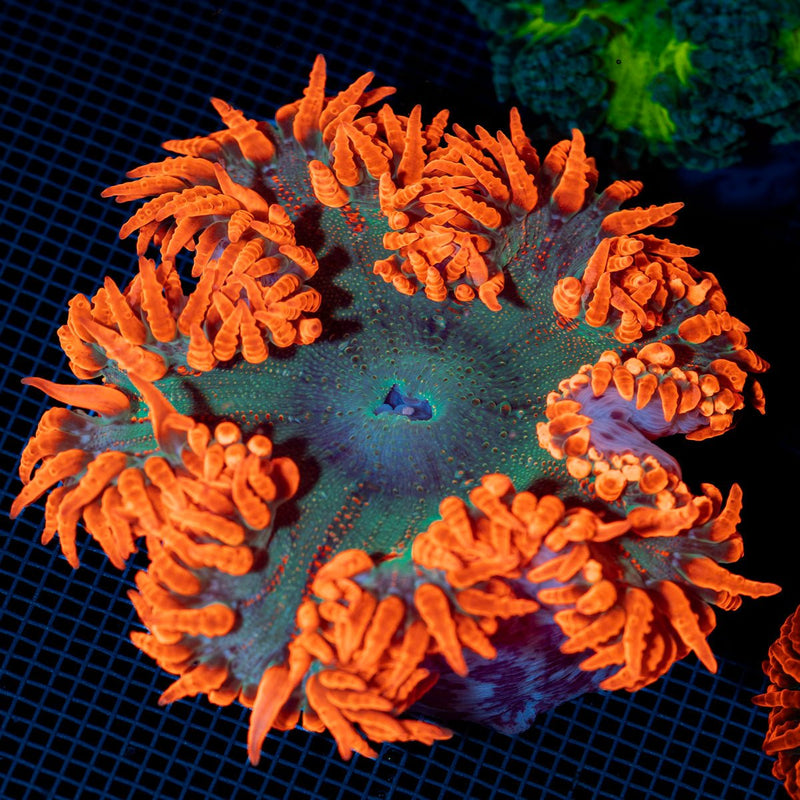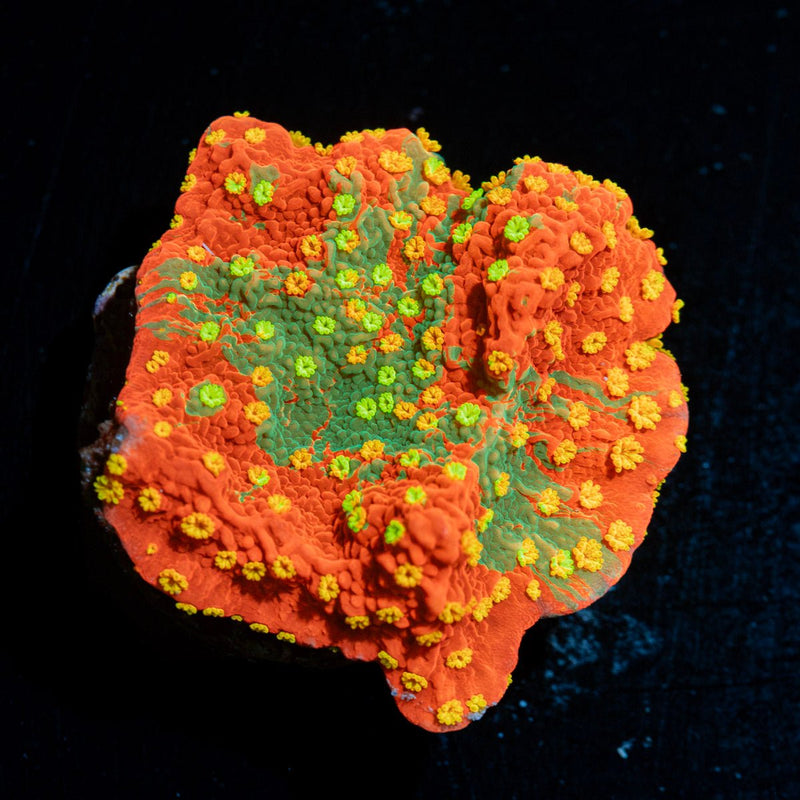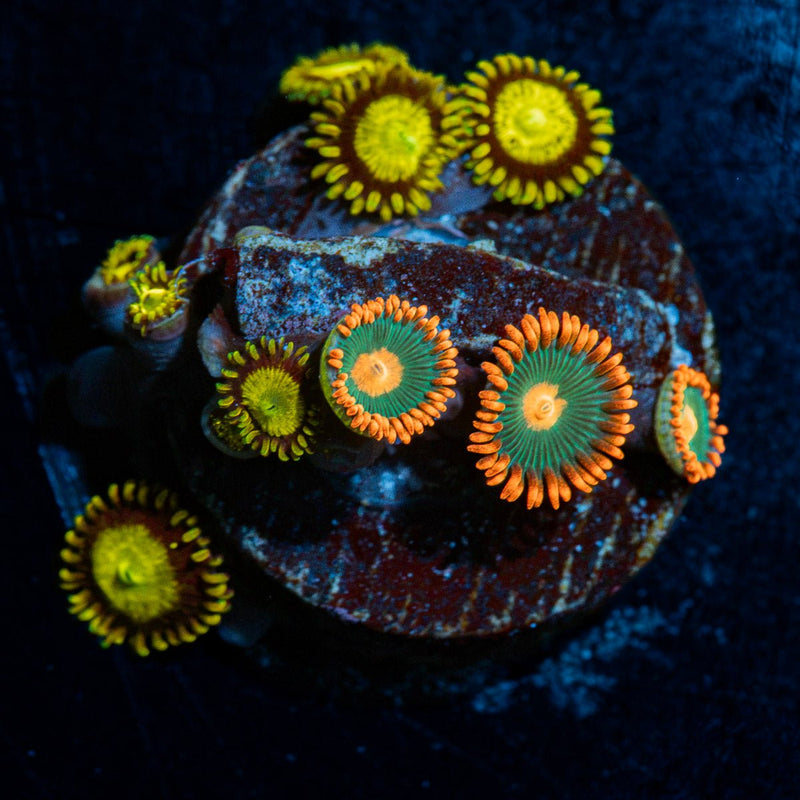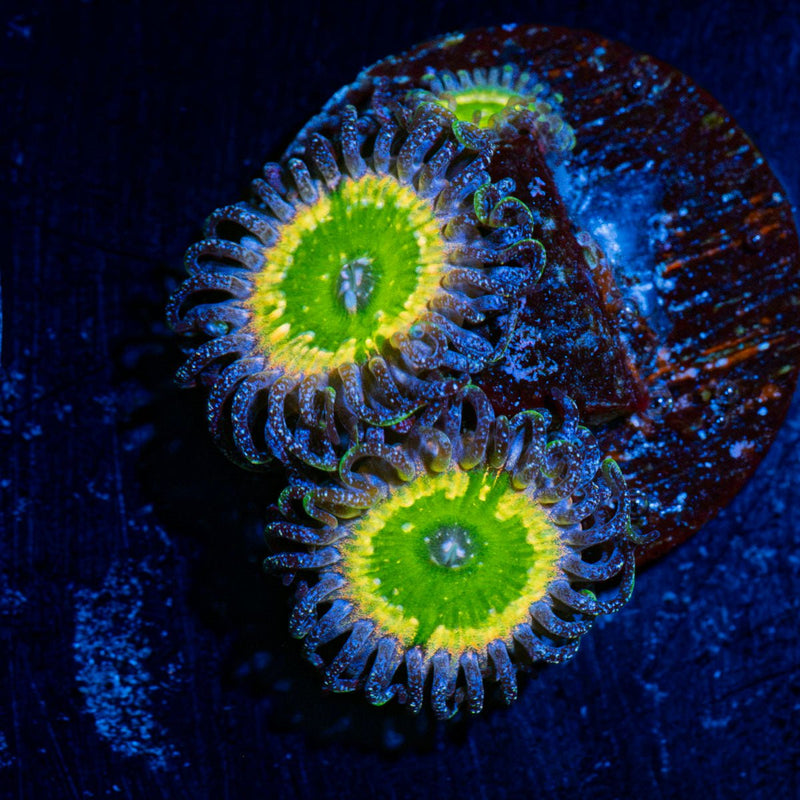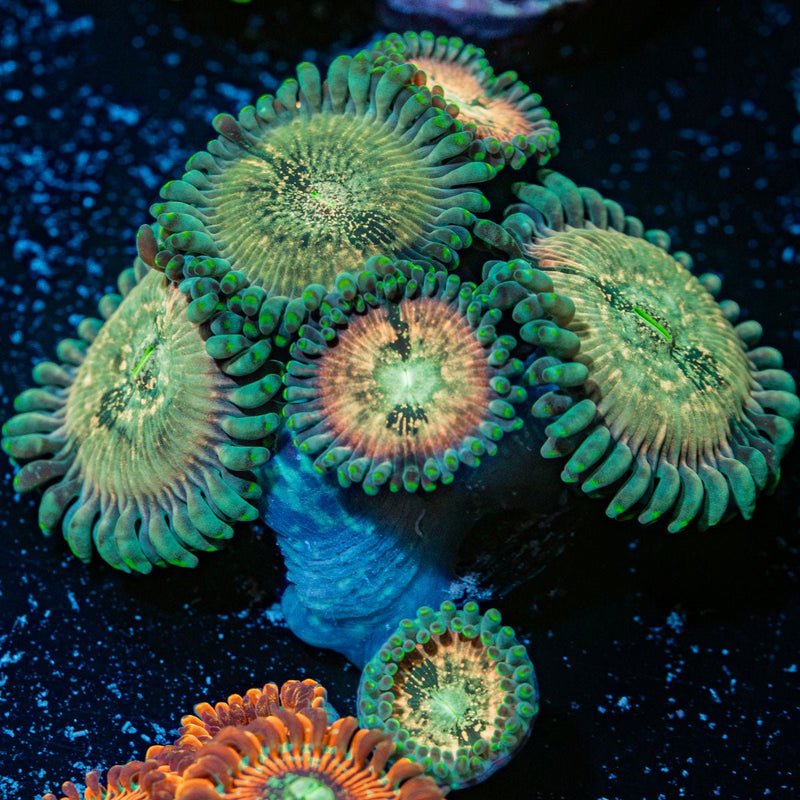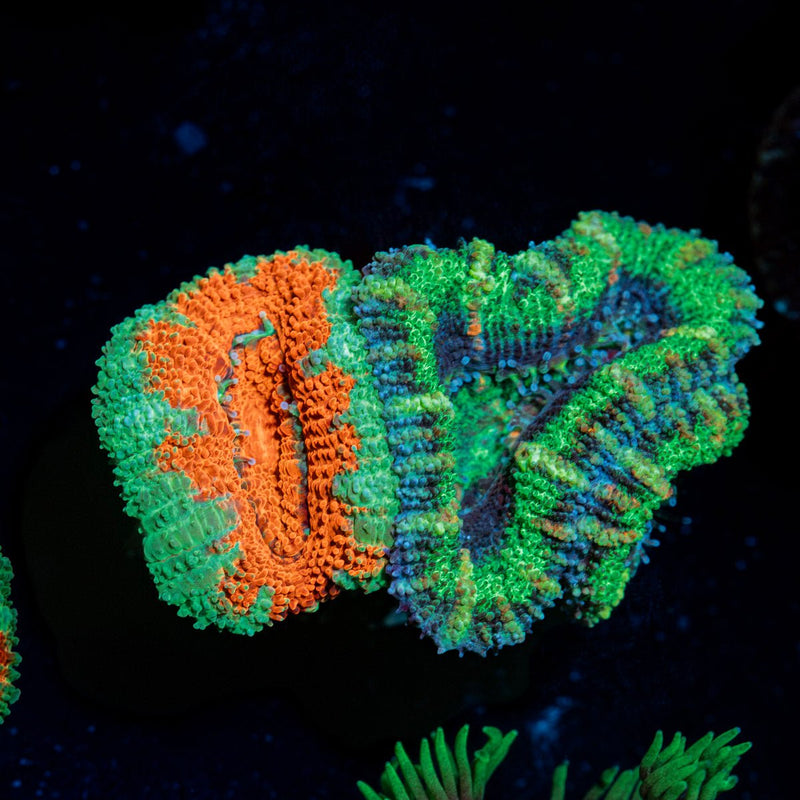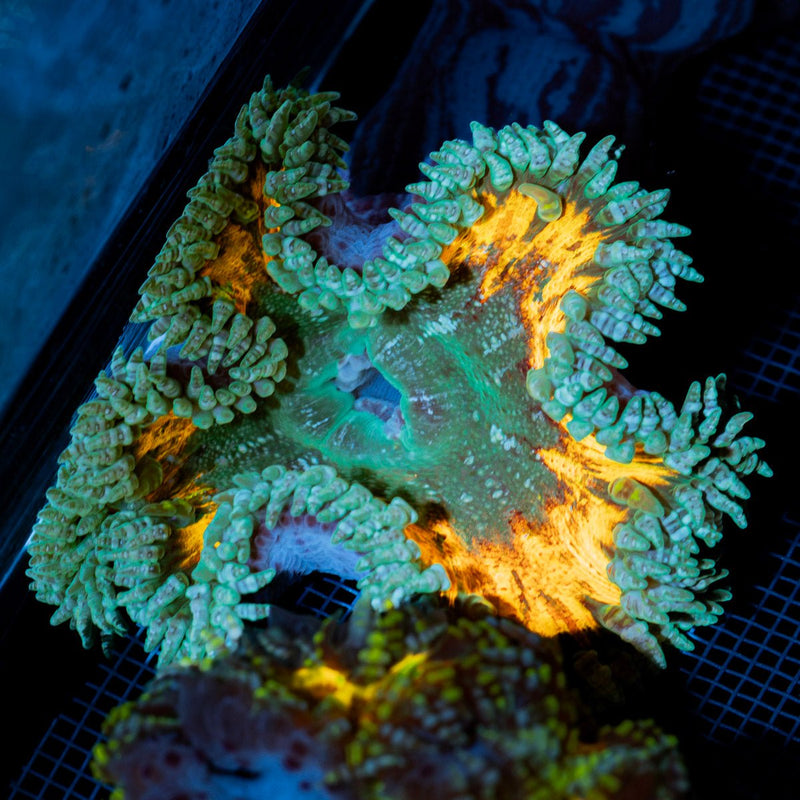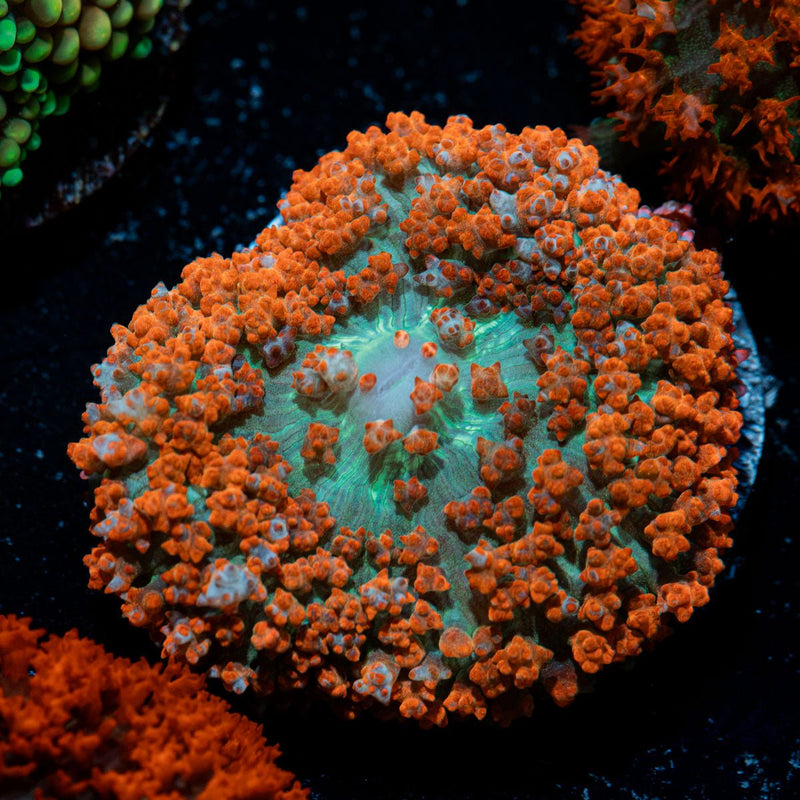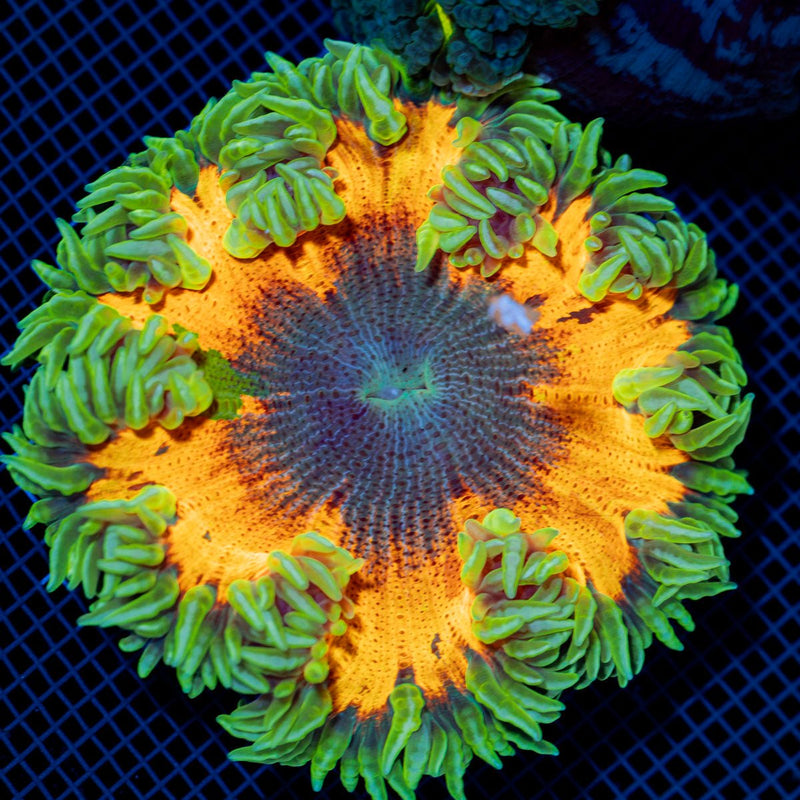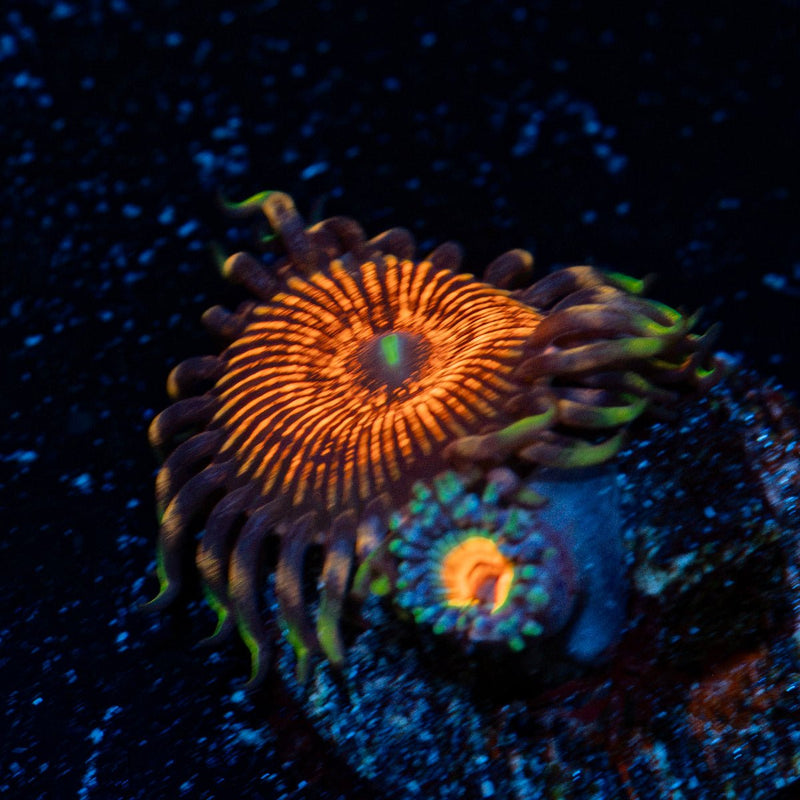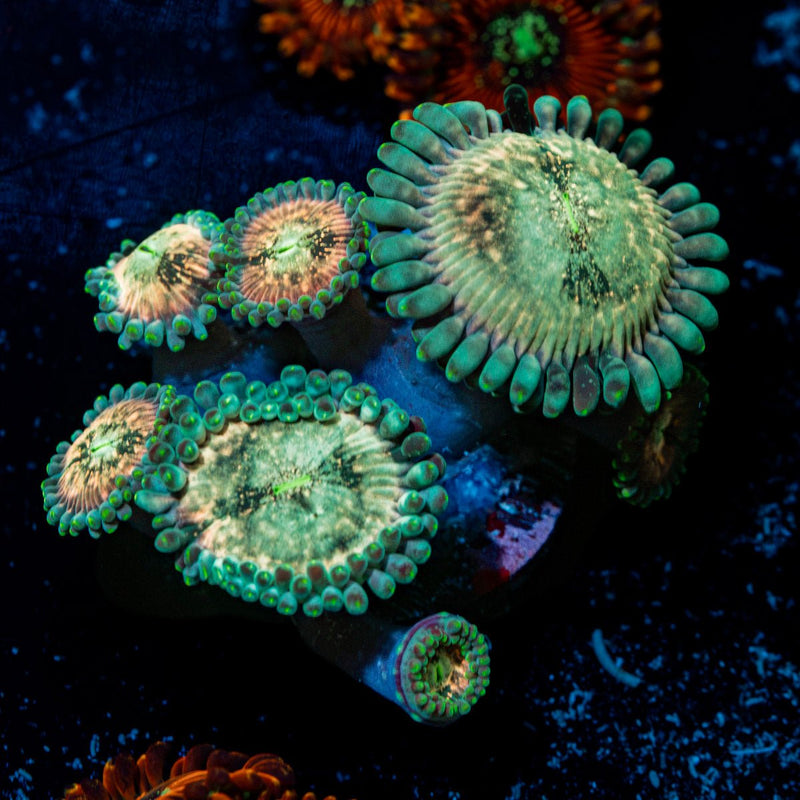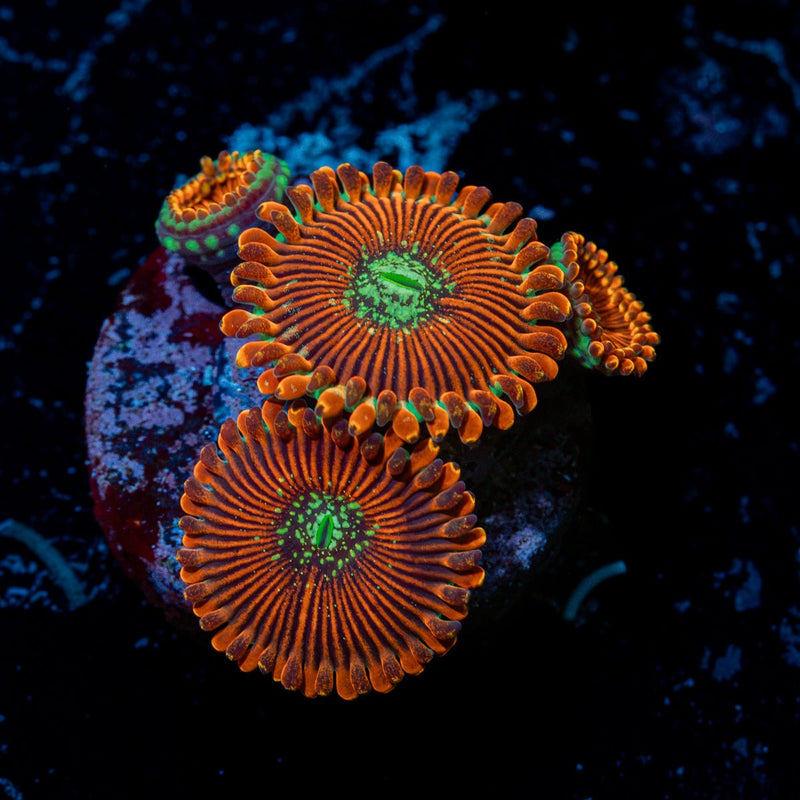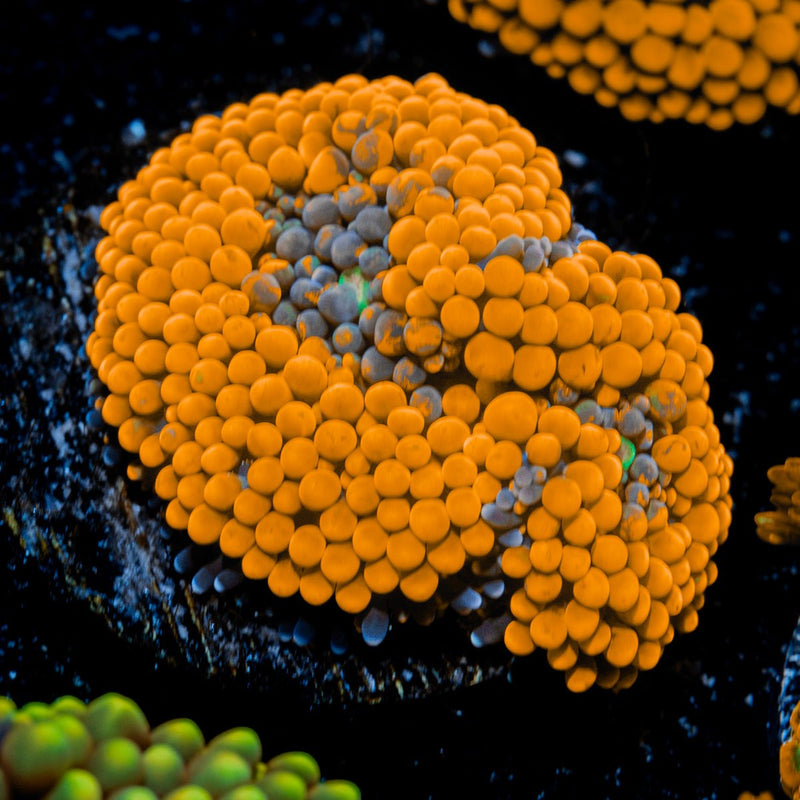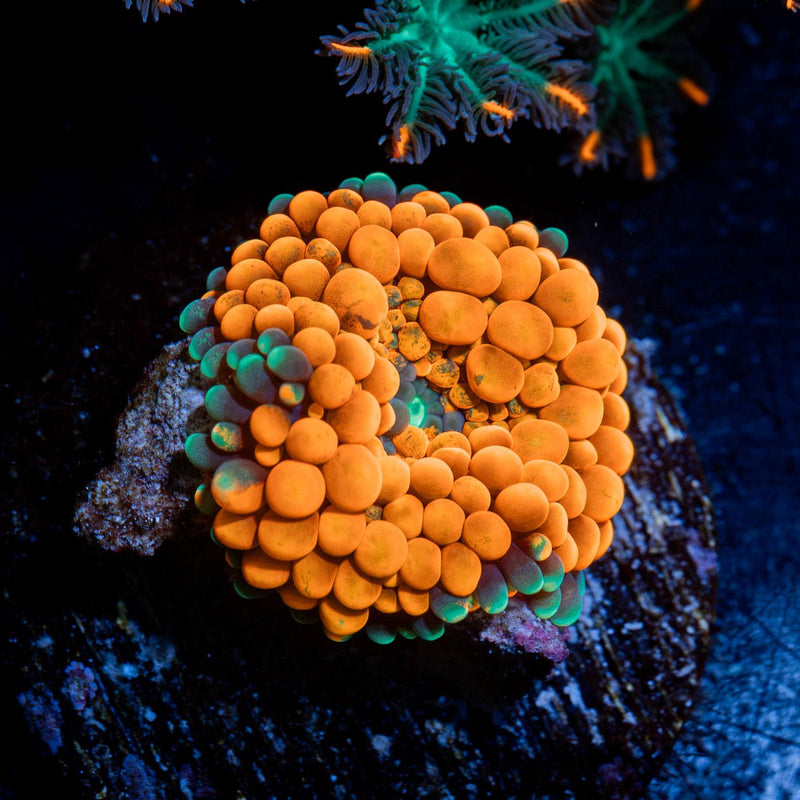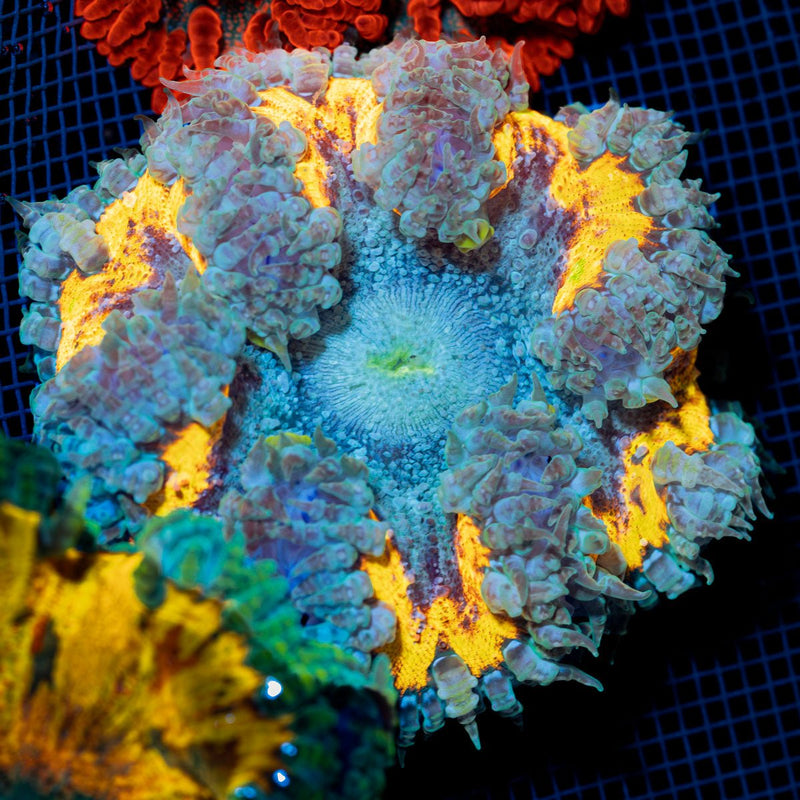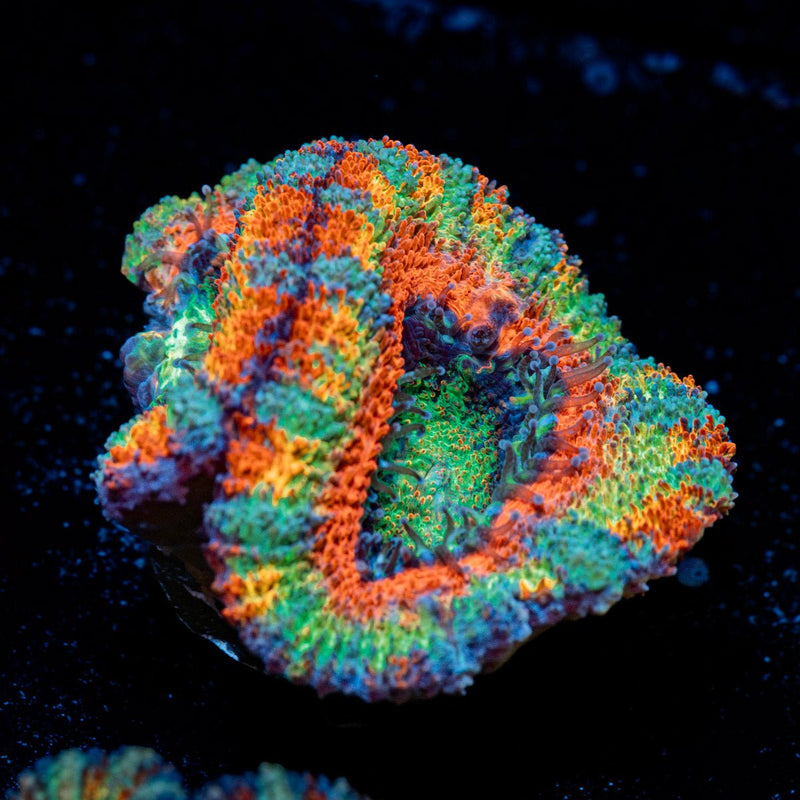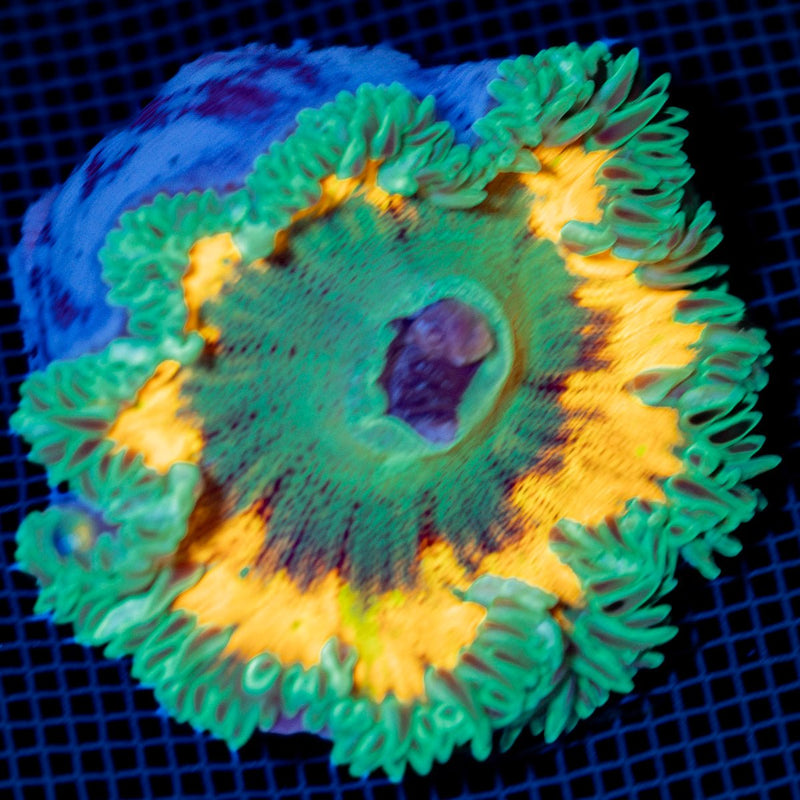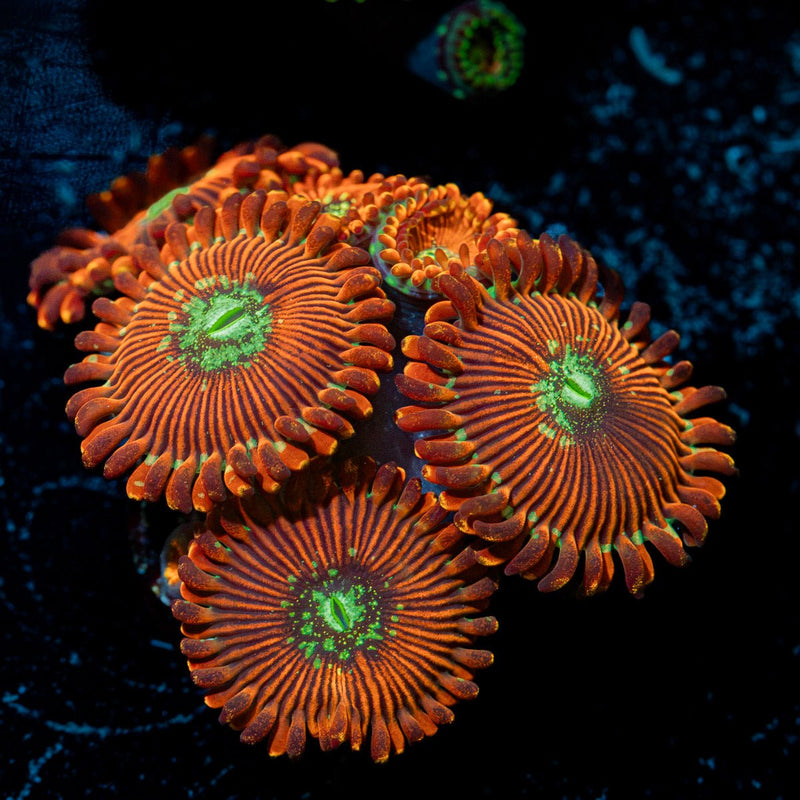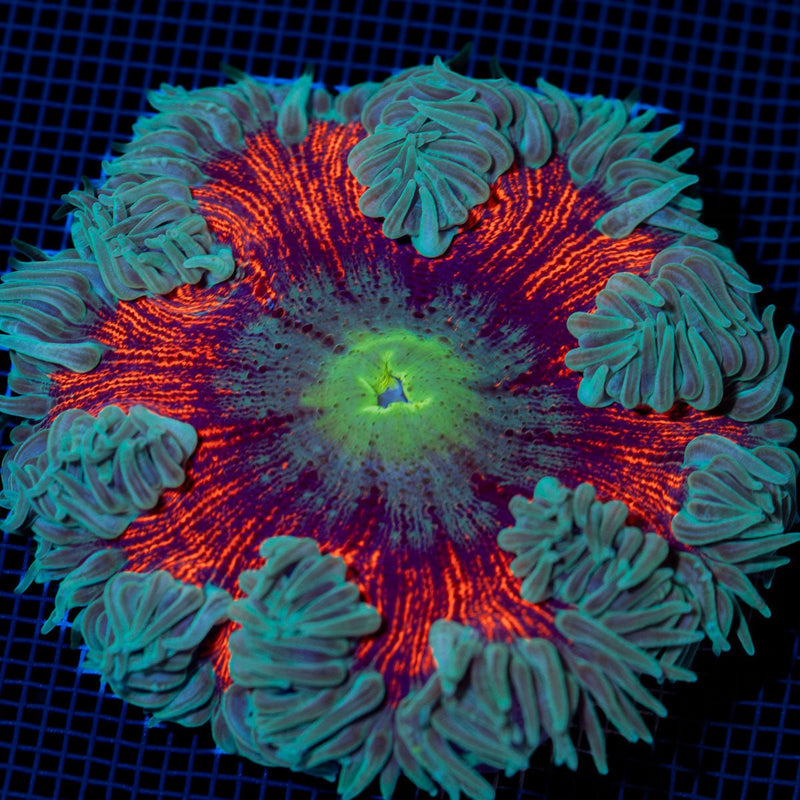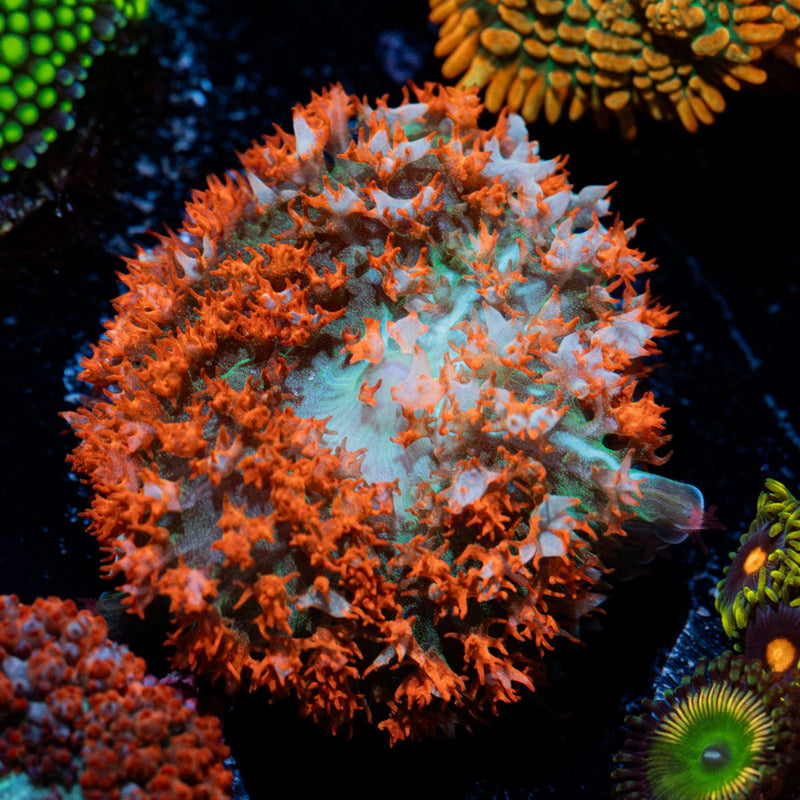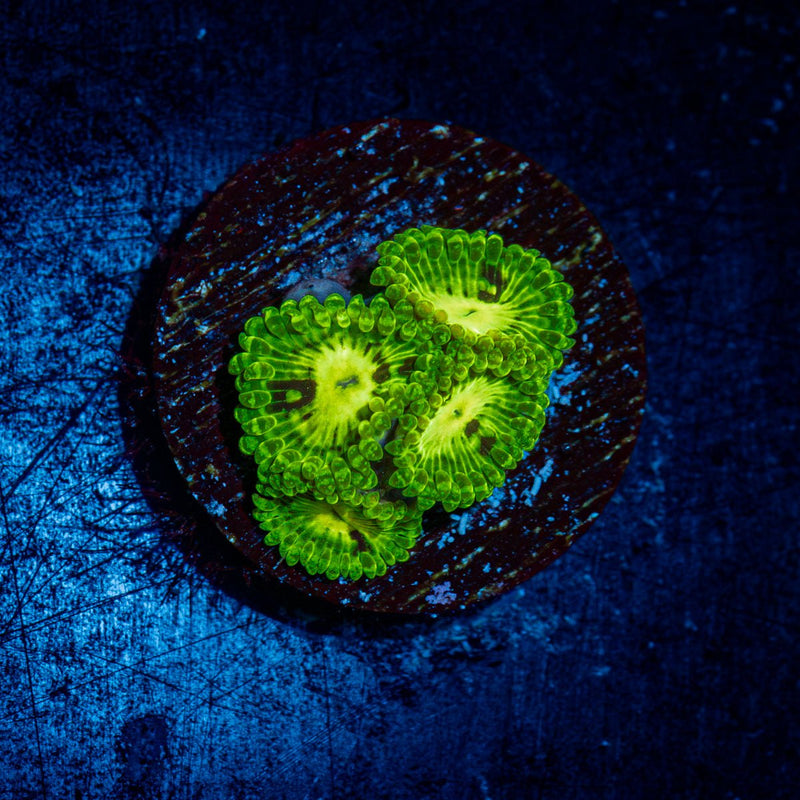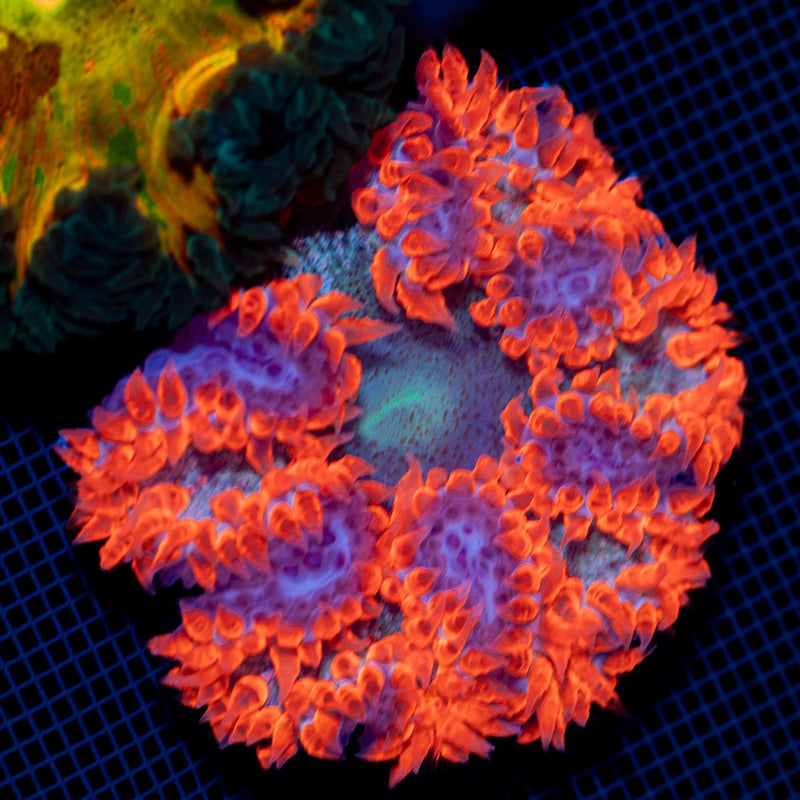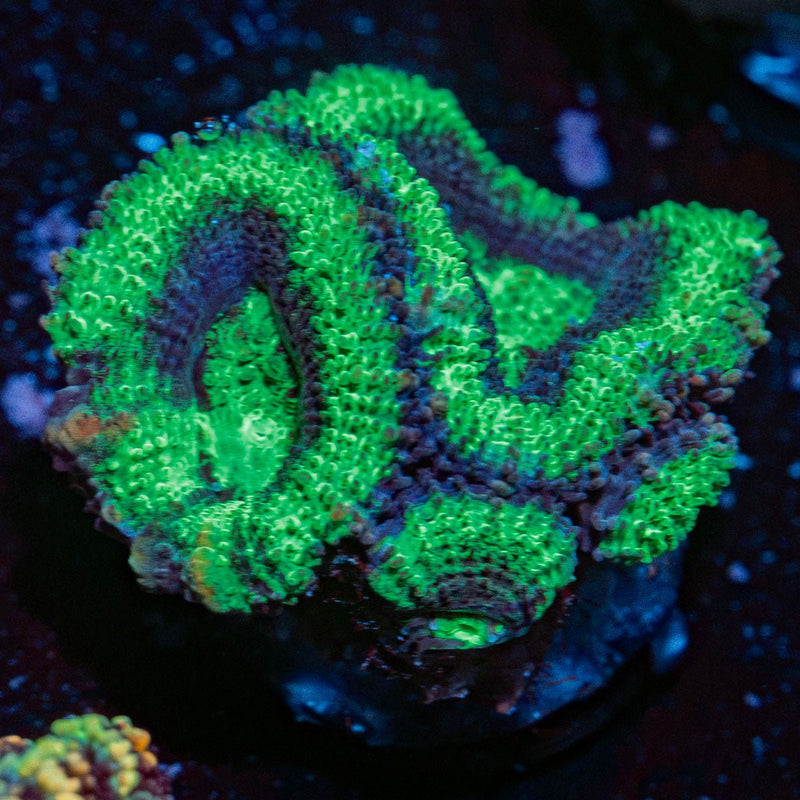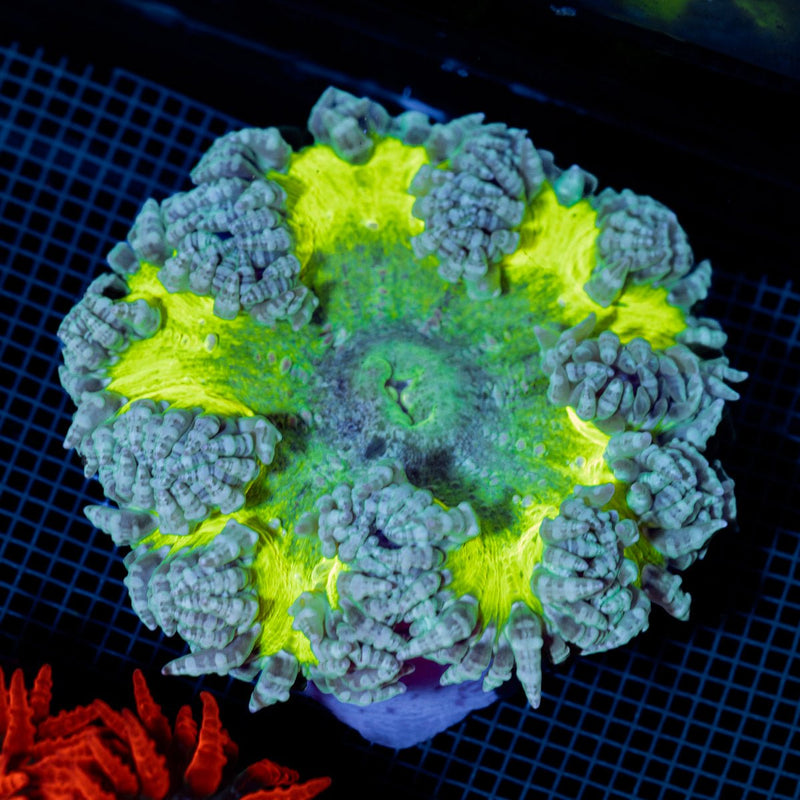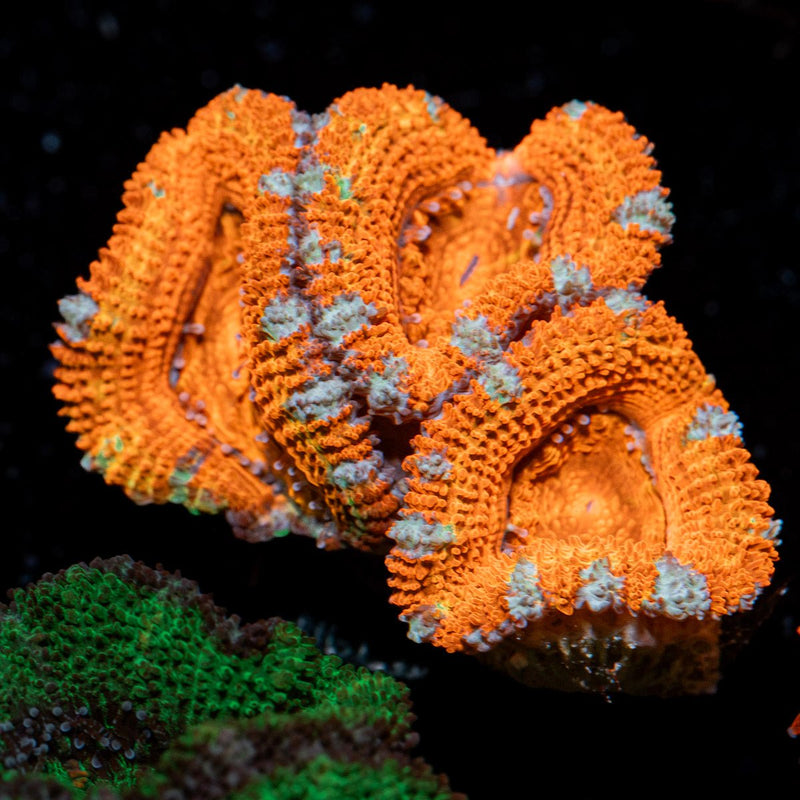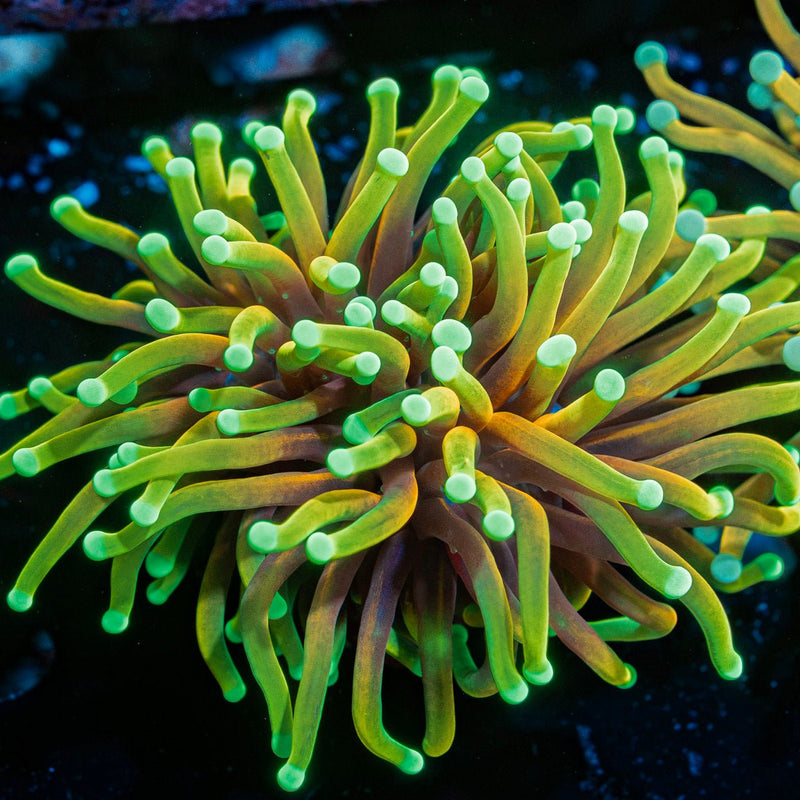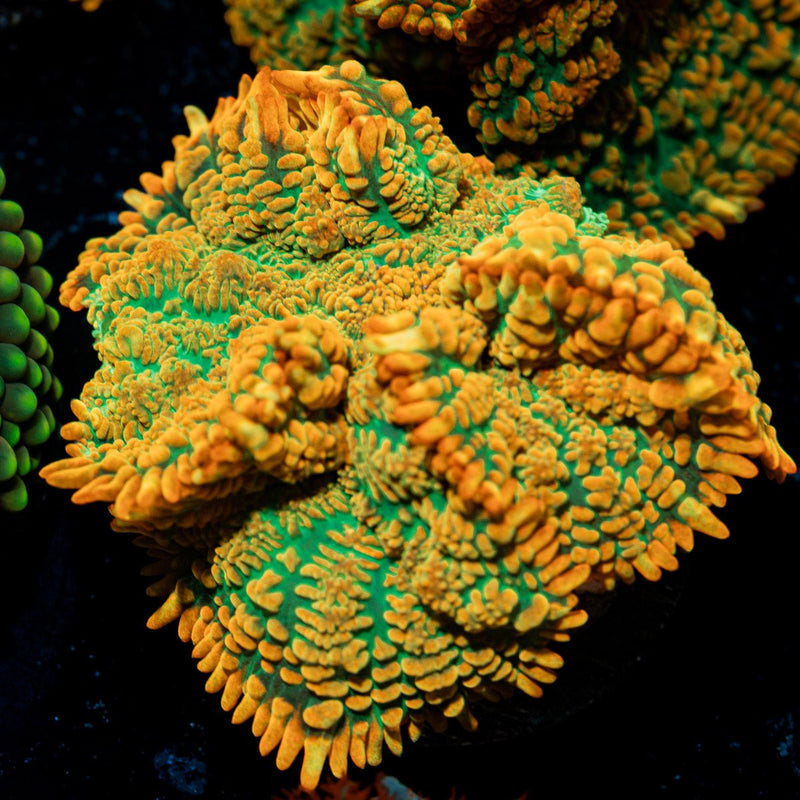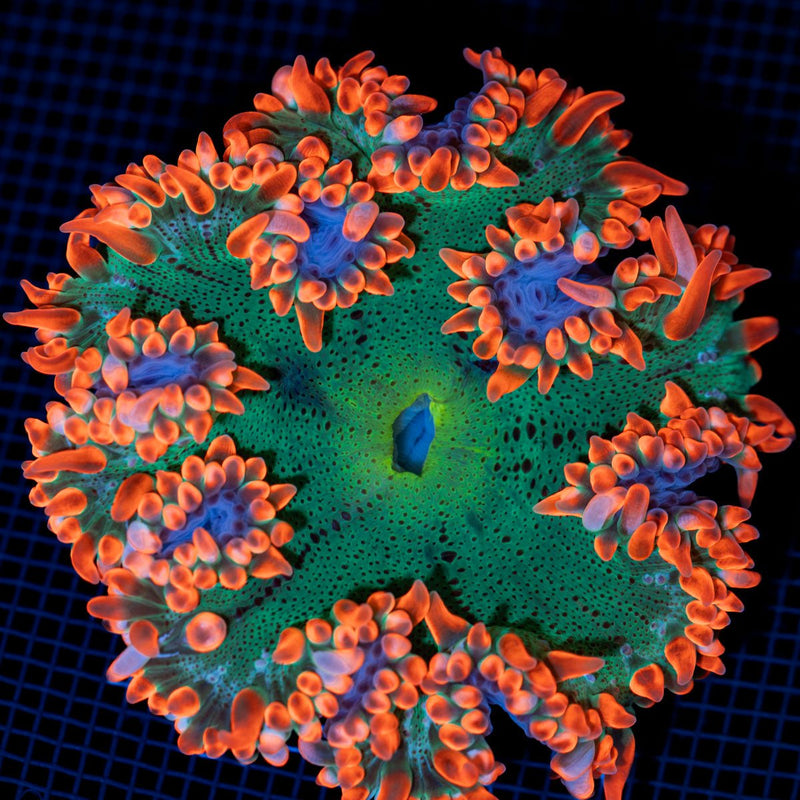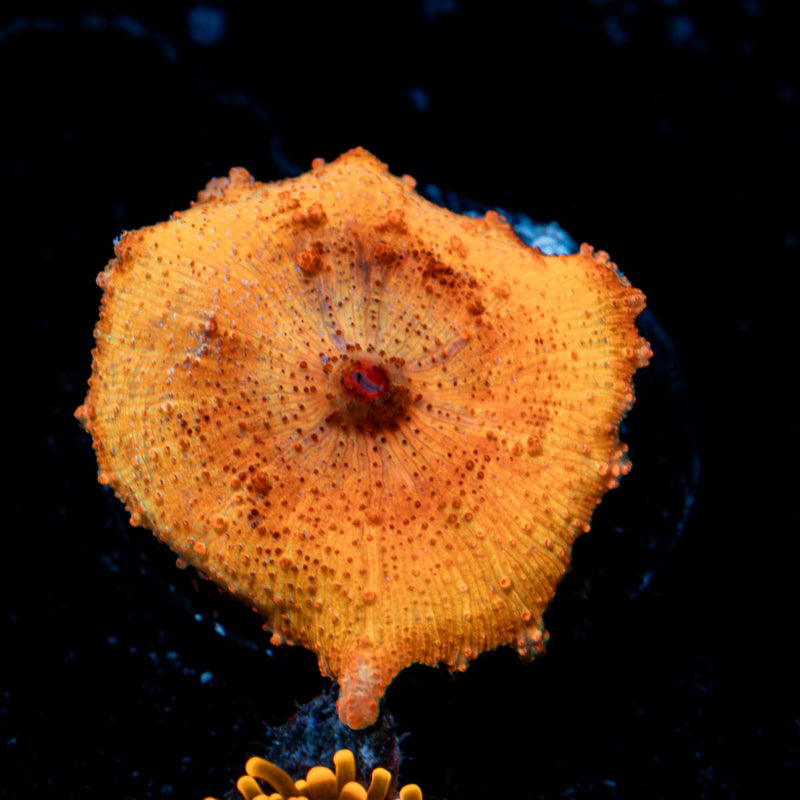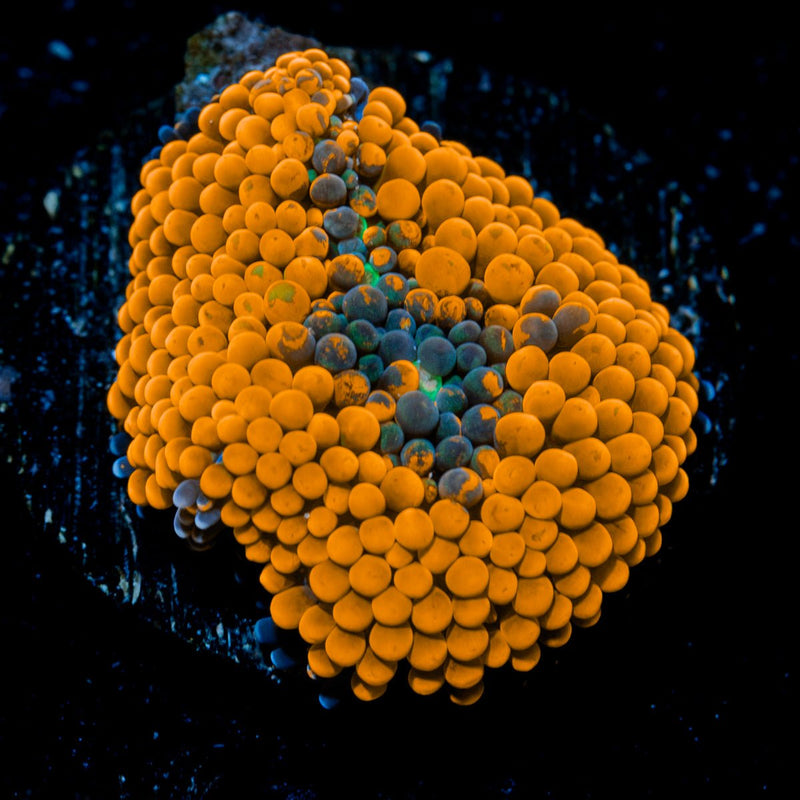
A great chalice can change the whole look of a reef tank. One vivid frag with glowing eyes, layered texture, and rich contrast can pull attention from every corner of the aquascape. That is why shoppers searching for chalice coral for sale are usually not just browsing for filler - they are looking for a piece with real visual presence.
Chalice corals have earned their place as some of the most striking LPS options in the hobby. They bring saturated color, unusual growth patterns, and a wide range of personalities, from beginner-friendly frags to collector-level showpieces. But buying one online takes more than picking the brightest photo. The best choice depends on your tank, your lighting, your comfort level, and how much confidence you have in what is actually being shipped.
Why chalice coral for sale gets so much attention
Chalice corals stand out because they do not look flat or predictable. Their surfaces can be smooth, ridged, rippled, or deeply textured. Many develop glowing mouths or eyes in colors that contrast sharply against the base, which is why they often look electric under reef lighting. Even a small frag can feel like a centerpiece when the coloration is strong.
They also appeal to a wide range of reef keepers. Newer hobbyists often like chalices because many varieties can do well in stable tanks with moderate care. More experienced reefers chase specific lineage names, rare color combinations, or eye-heavy growth that turns a frag into a future colony with serious display value.
That said, not every chalice is right for every reef. Some are forgiving. Some are touchier about swings in nutrients, alkalinity, or placement. A smart purchase starts with understanding what you are really buying beyond the photo.
What to check before buying a chalice coral online
The first thing to look at is whether the coral is WYSIWYG. For chalices, this matters a lot. Color pattern, eye placement, and frag shape can vary dramatically from piece to piece, even within the same named strain. When the exact item is shown, you know whether you are getting that balanced ring of color, that bright edge, or that unusual eye count that caught your attention in the first place.
Health is the next filter. A healthy chalice frag should show clean tissue coverage over the skeleton, good coloration for its type, and no obvious recession along the edges. Tiny imperfections are not unusual in aquacultured coral, but exposed skeleton, damaged tissue, or washed-out coloration deserve a closer look. Chalices can recover from stress, but most hobbyists shopping online want to start with a frag that is already on solid footing.
Size matters too, and not just in the obvious way. A one-inch frag with strong encrustation and multiple eyes may be a better buy than a larger but freshly cut piece. Growth edge, tissue thickness, and overall condition often tell you more about future success than a simple measurement.
Color, lighting, and expectations
One of the biggest misunderstandings around chalice coral for sale comes down to lighting. Chalices can look unbelievably vibrant under heavy blue spectrum lighting, especially in professionally photographed WYSIWYG listings. That does not mean the coral is being misrepresented. It means the coral is being shown under conditions common in reef displays, and your tank may produce a different look depending on your spectrum, intensity, and nutrient balance.
If you run a bluer tank, you may see that same fluorescent pop. If your lighting is more balanced or daylight-heavy, the coral may present as deeper, moodier, or less neon. Neither is wrong. It is just part of owning live coral rather than buying a static decoration.
This is where experienced sellers make a difference. Clear photography, consistent presentation, and accurate item representation help set better expectations. That confidence is especially valuable with chalices, where subtle differences in hue and contrast can be a big part of the appeal.
Placement and care after purchase
Most chalices prefer lower to moderate light and gentle to moderate flow, but there is plenty of variation between varieties and systems. If you place a new chalice directly into intense light, you may see fading, stress, or tissue irritation. In many tanks, a lower placement with room to adjust upward works better than dropping it high on the rockwork right away.
Flow should keep debris from settling while avoiding direct blasting. Too little movement can leave the coral dirty. Too much can irritate tissue, especially on thinner-fragged pieces. The sweet spot is usually indirect and steady.
Stability matters more than chasing perfection. Chalices tend to reward hobbyists who keep salinity, alkalinity, calcium, and nutrients reasonably consistent. A mature tank with predictable parameters will usually give you a much better shot at strong coloration and clean growth than a newer system that still swings from week to week.
Are chalices beginner friendly?
Some are, and some are better saved for later. That is the honest answer.
If your tank is stable, your placement options are flexible, and you already understand the basics of acclimation and coral observation, many chalice frags can be approachable. They are often less intimidating than delicate SPS, and they can deliver dramatic color without demanding the highest-light real estate in the tank.
But beginners still need to respect the details. Chalices do not love rough handling, rapid changes, or careless placement near aggressive neighbors. They can also be surprisingly potent when it comes to sweeper tentacles, depending on the variety. A beautiful frag tucked too close to another coral can become a problem faster than expected.
For newer reef keepers, it makes sense to start with hardy, aquacultured pieces from a seller that clearly describes what you are getting. That cuts down on guesswork and gives you a better foundation for success.
Why aquacultured chalices are worth a closer look
Aquacultured coral has a lot going for it, especially in a category as visually driven as chalices. These frags are adapted to captive systems, generally more familiar with aquarium conditions, and often better suited to the realities of home reef keeping than freshly imported wild pieces. That does not guarantee perfect results, but it can tilt the odds in your favor.
There is also a practical confidence factor. When a chalice has been grown, healed, and cut in an aquaculture setting, you are often looking at a coral that has already proven it can live and grow under managed reef conditions. For online shoppers, that matters. You are not just buying color. You are buying a better chance at lasting color.
For a brand like Riptide Aquaculture, that combination of aquacultured stock and WYSIWYG transparency is what makes online coral buying feel more approachable. You get the excitement of choosing a stunning living jewel for your reef, with less of the uncertainty that used to make online livestock shopping feel like a gamble.
How to spot real value when comparing listings
Price alone rarely tells the whole story with chalices. A cheaper frag may be smaller, newly cut, less established, or less vibrant in person. A pricier frag might offer stronger coloration, more eyes, cleaner encrustation, better symmetry, or a rarer strain with more long-term appeal.
It helps to ask a simple question: what am I paying for here? Sometimes the answer is rarity. Sometimes it is visible health and grow-out potential. Sometimes it is the peace of mind that comes from exact-item photography and careful fulfillment.
If you are building a reef with long-term visual impact in mind, the best value usually comes from buying a coral you will still love after the novelty wears off. That may be a flashy collector piece, or it may be a well-grown, affordable chalice frag that settles in quickly and takes off.
Buying chalice coral for sale with confidence
The best chalice purchase is not always the most expensive or the brightest under heavy blue lights. It is the one that fits your tank, matches your expectations, and arrives with the kind of health and presentation that lets you enjoy the coral instead of worrying about it.
A strong listing should make you feel more informed, not more uncertain. You should be able to evaluate the shape, color, condition, and size of the frag with confidence. You should also have a realistic sense of whether that coral belongs in a beginner-friendly mixed reef, a growing LPS garden, or a more specialized collection.
When you shop carefully, chalices offer one of the most rewarding combinations in reef keeping - manageable placement, standout color, and the satisfaction of watching a small frag turn into a layered, glowing showpiece. Pick one you genuinely want to see every day, give it stable conditions, and let it become the coral people notice first.
Products from the article