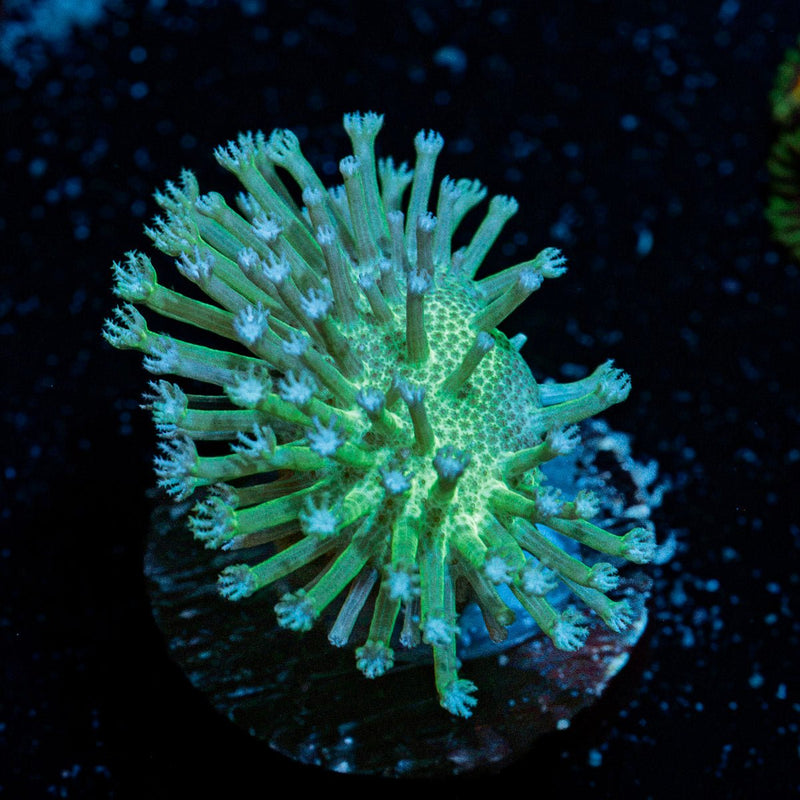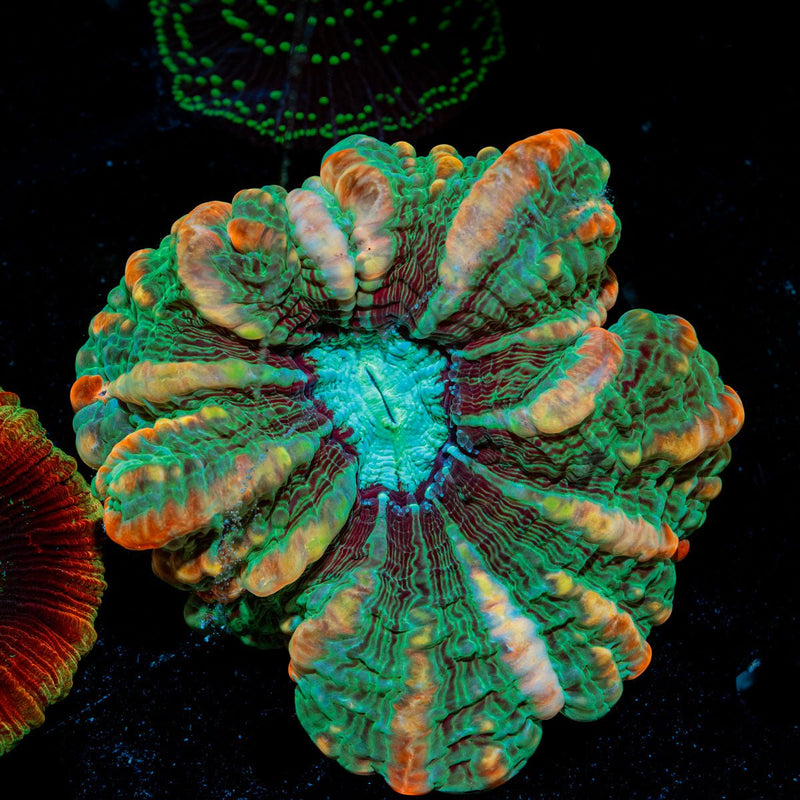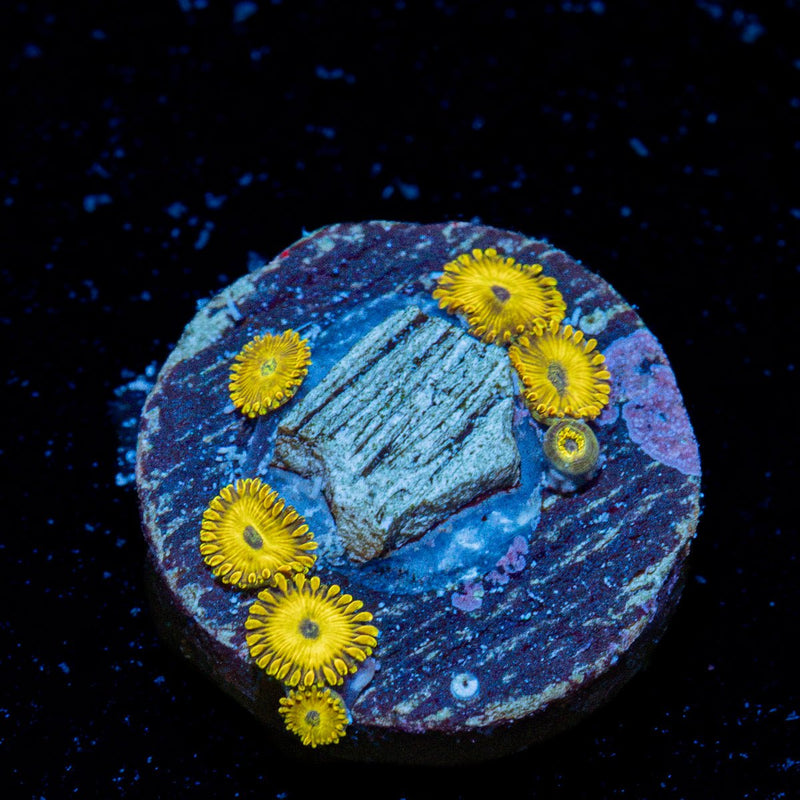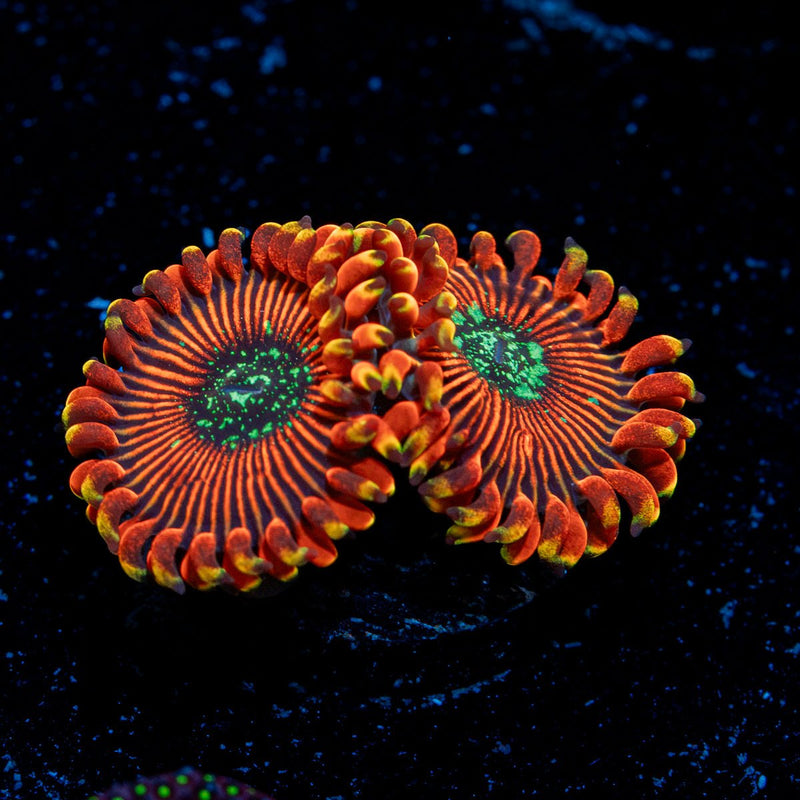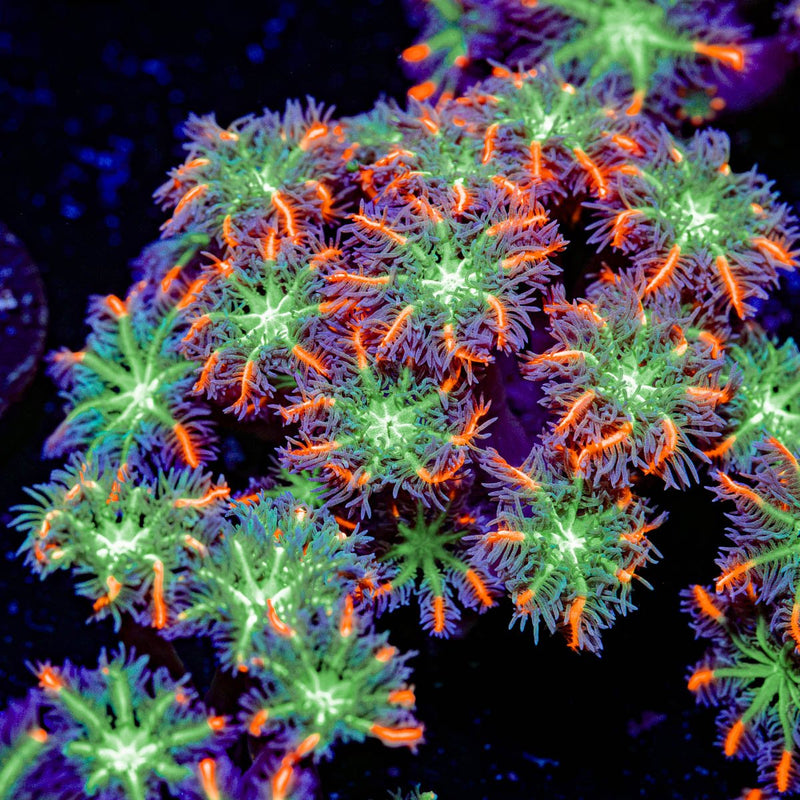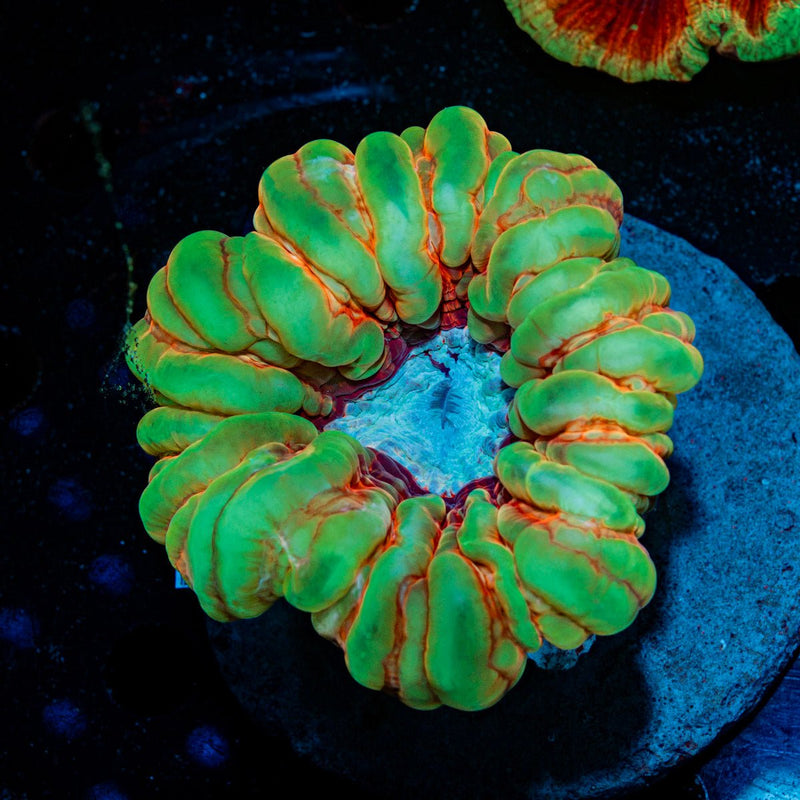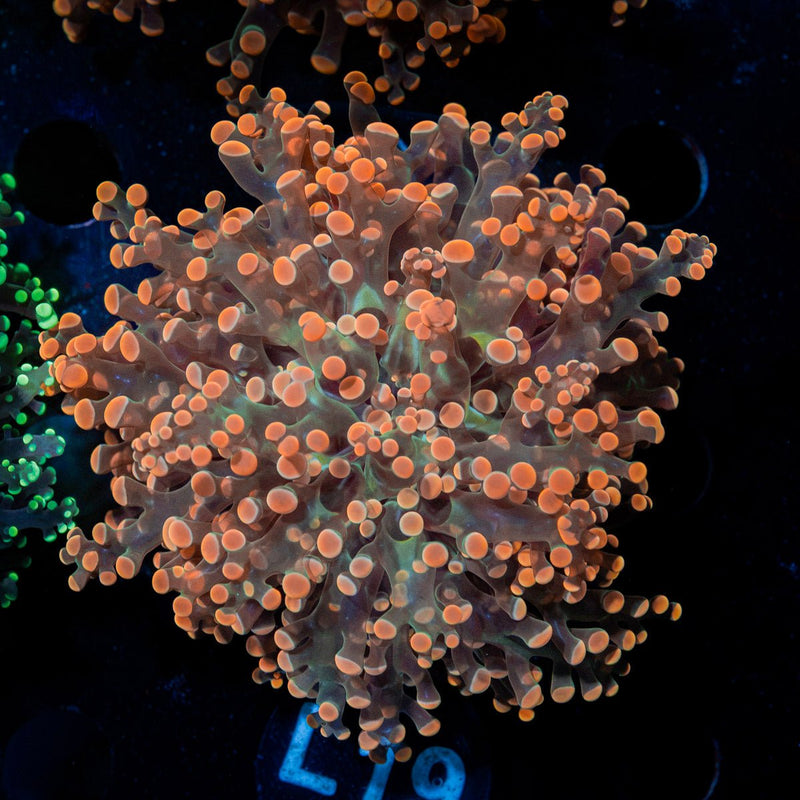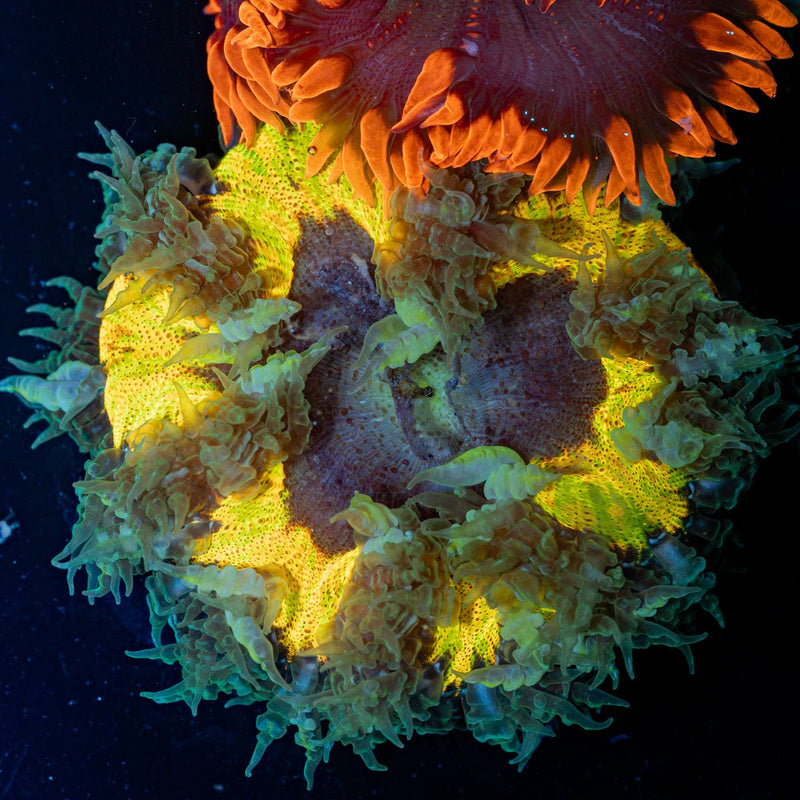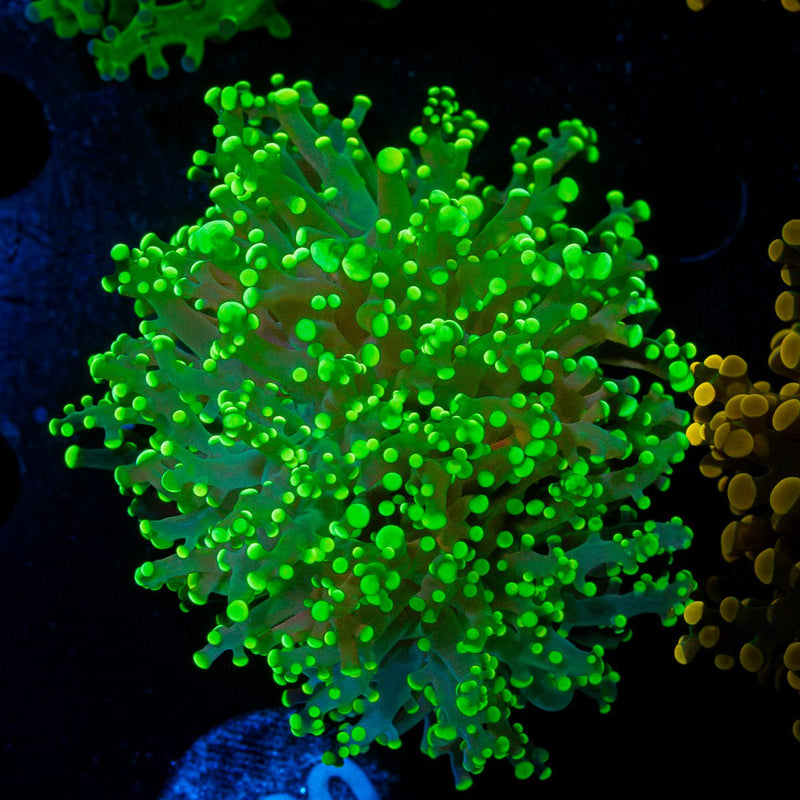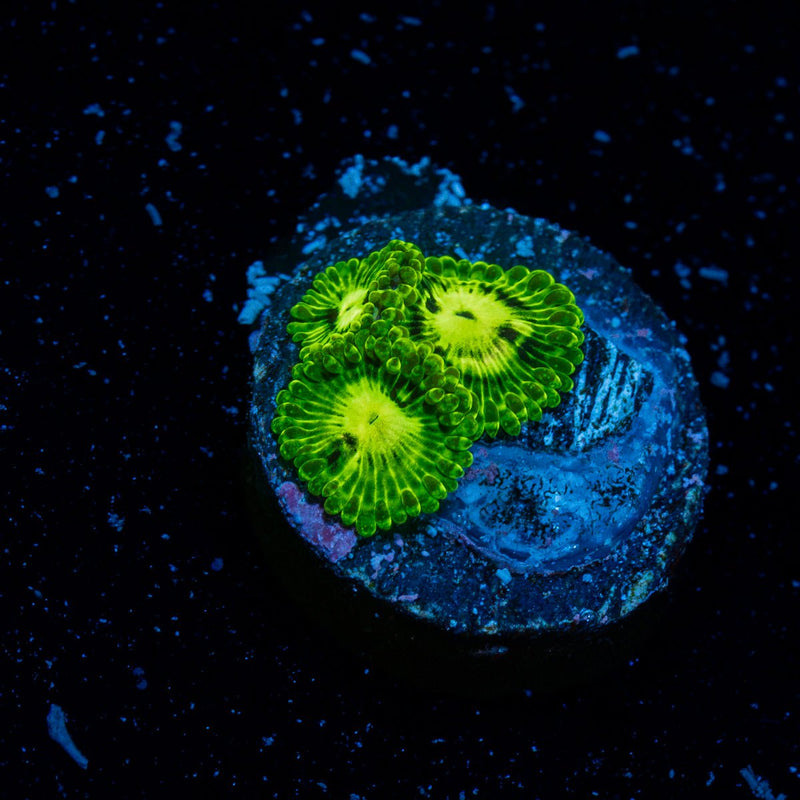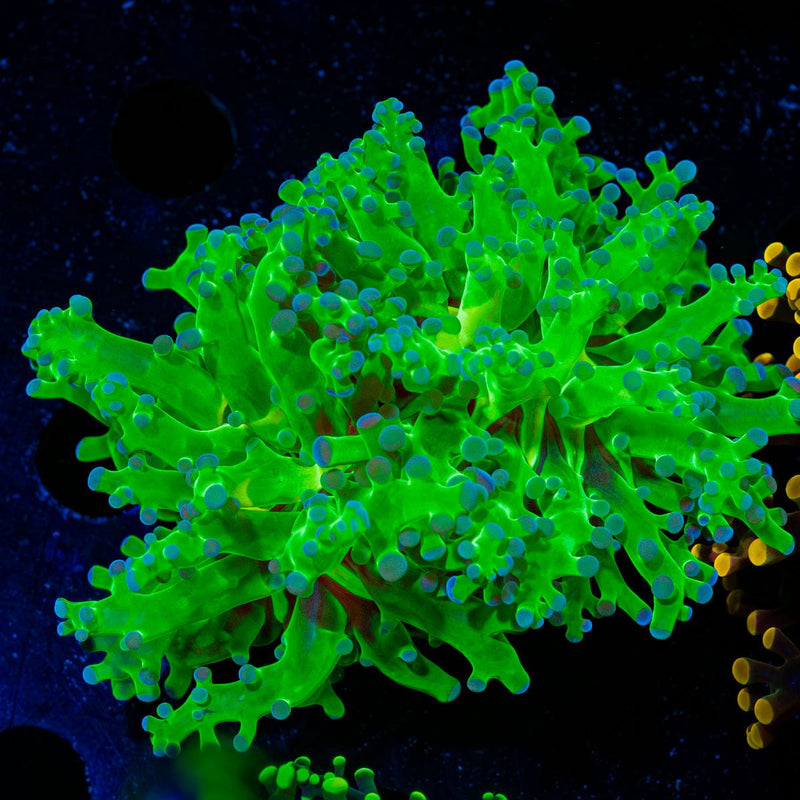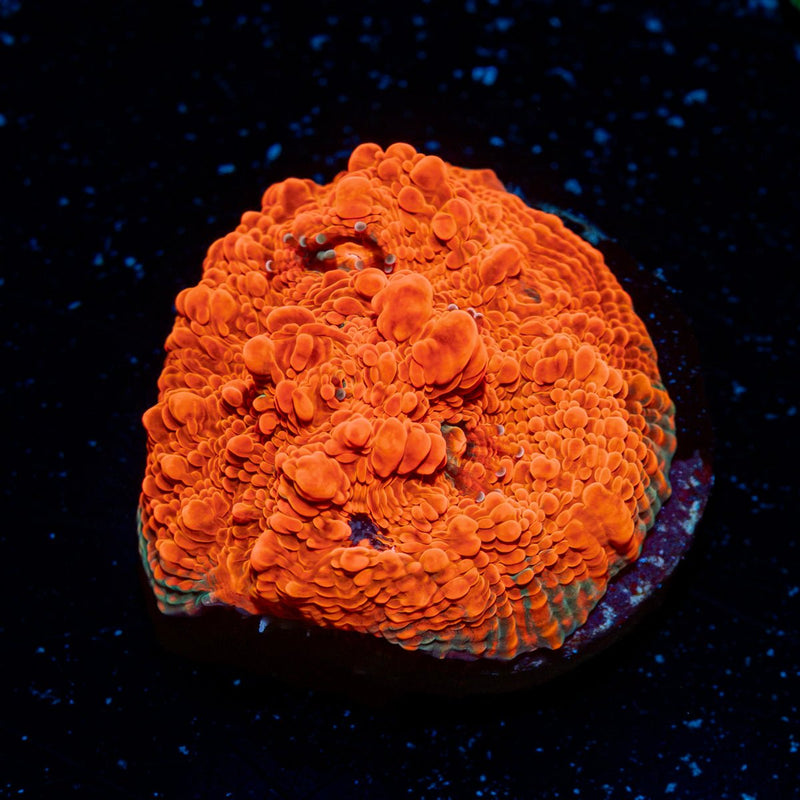
A first coral order usually comes with two competing goals - you want a reef that looks colorful fast, and you do not want to learn expensive lessons the hard way. That is exactly why coral frag packs for beginners make so much sense. Instead of guessing which pieces belong together, a well-curated pack gives new hobbyists a safer, more balanced way to add vibrant life to a reef tank without overcomplicating the process.
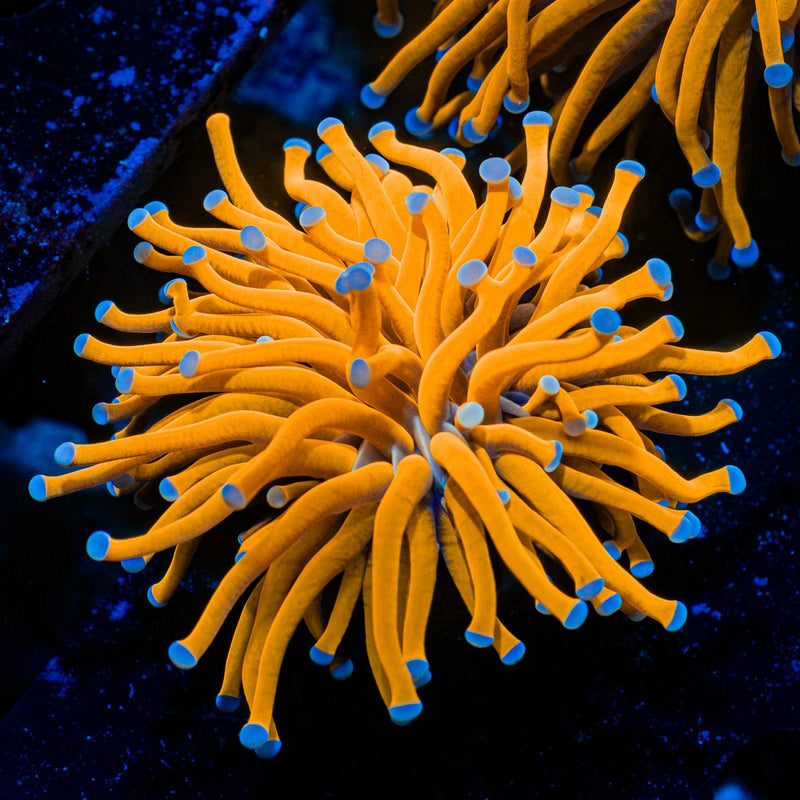
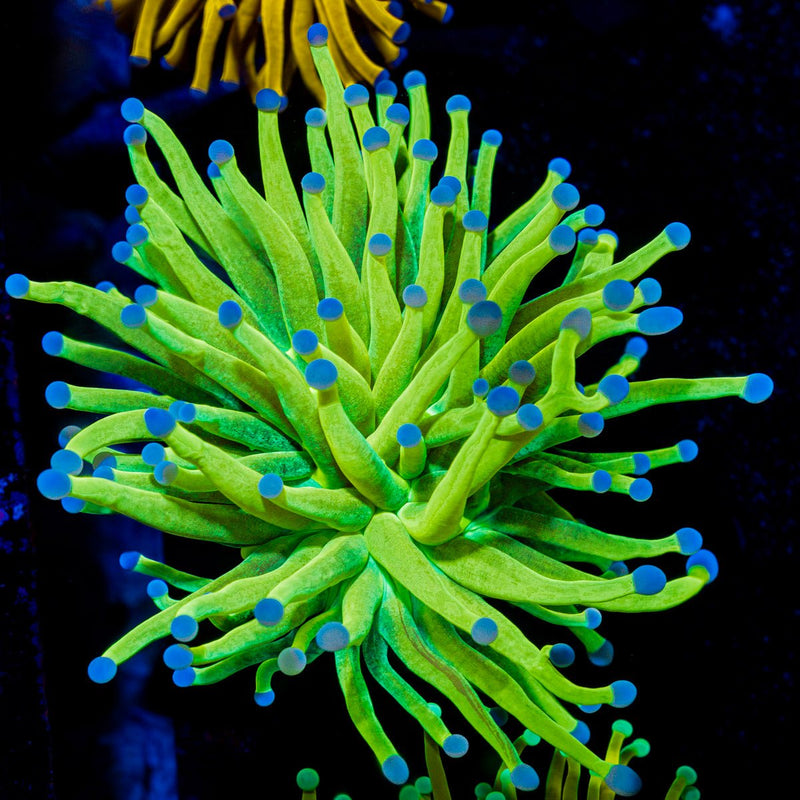
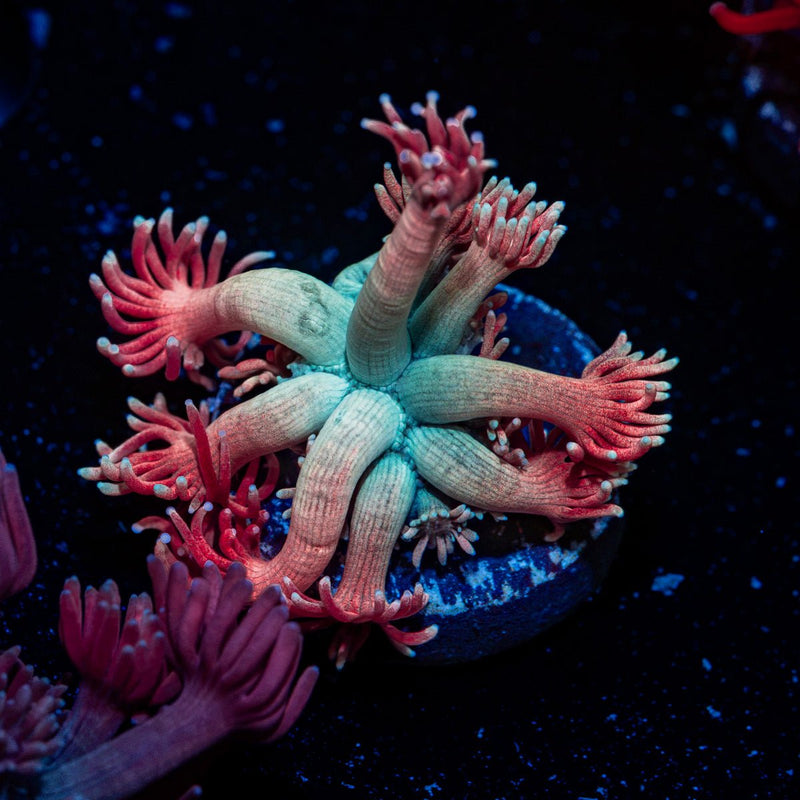
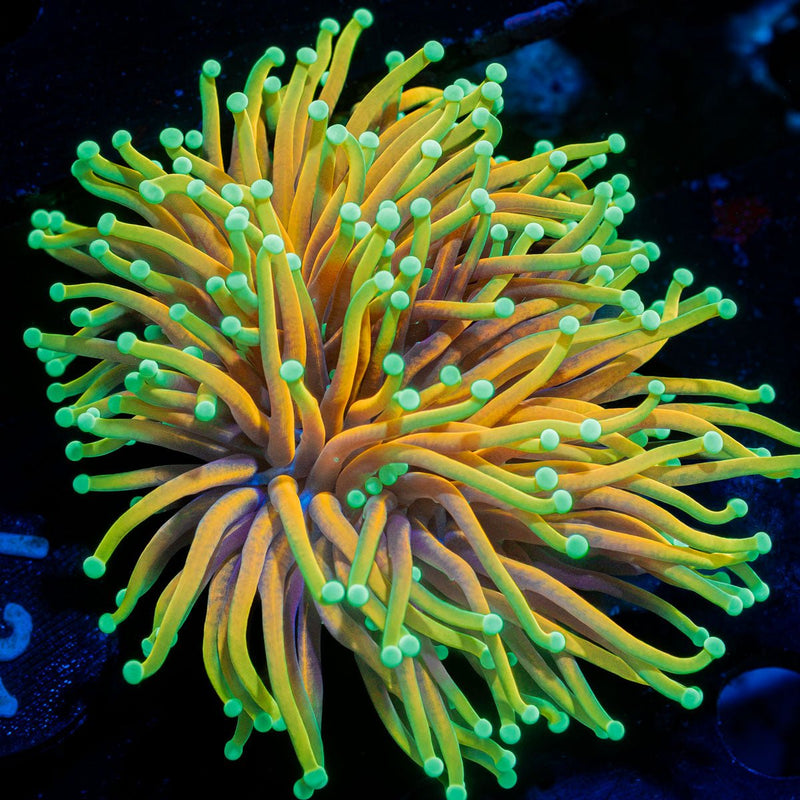
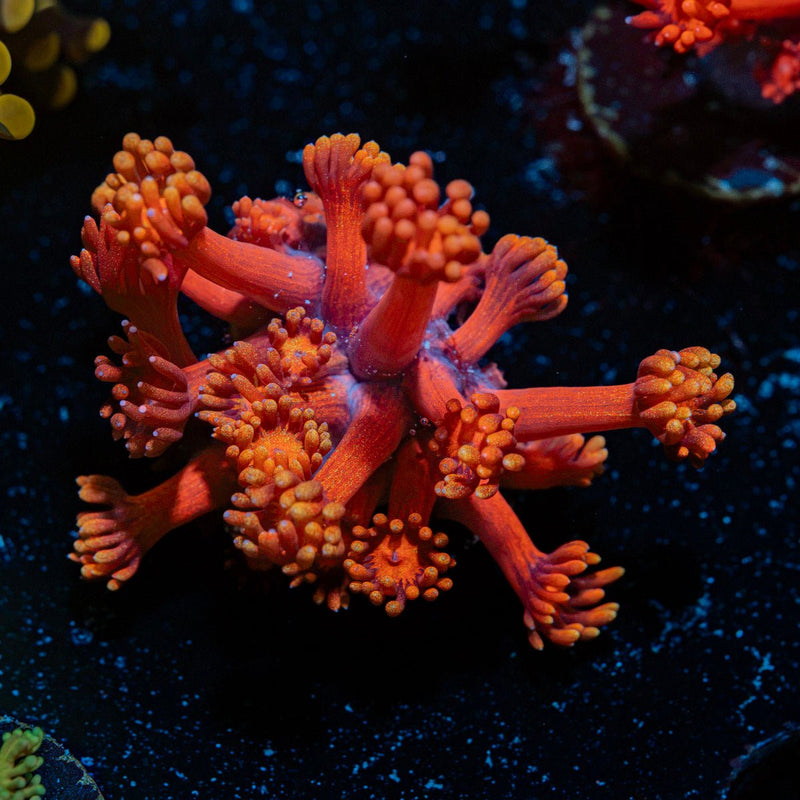
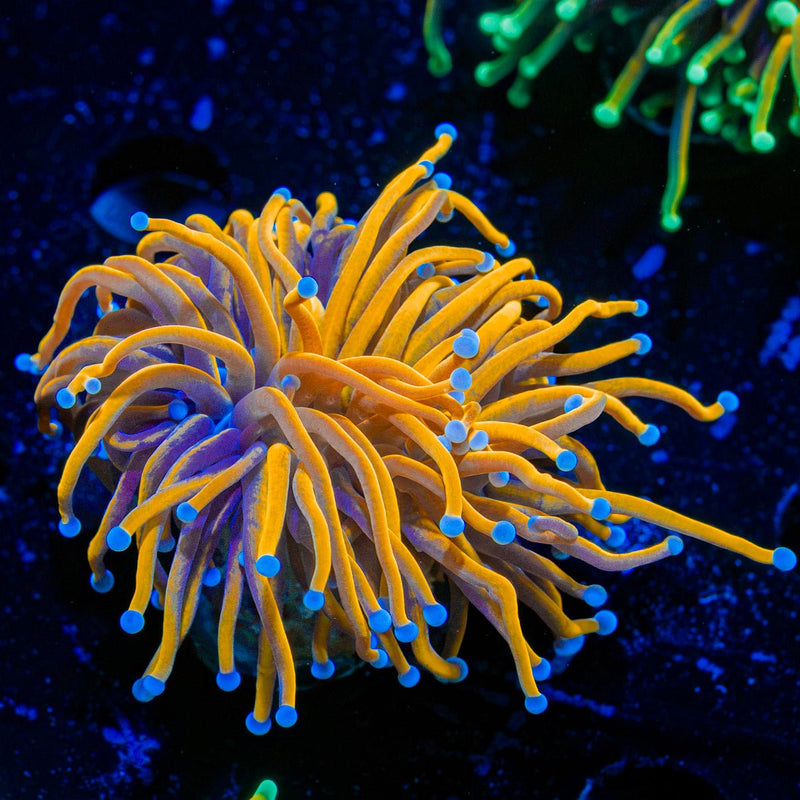
For many new reef keepers, the biggest challenge is not enthusiasm. It is selection. There are torches with dramatic movement, mushrooms with glowing color, zoanthids that spread into bright little gardens, and stony corals that can turn a tank into a showpiece. The problem is that not every beautiful coral is a smart first coral. Beginner-friendly frag packs help narrow the field to pieces that are more forgiving, visually rewarding, and easier to place in a mixed reef.
Why coral frag packs for beginners work so well
Buying individual corals one by one can be fun, but it often leads to a scattered first stocking plan. A beginner might choose one coral for color, another for hype, and a third because the photo looked stunning, only to end up with animals that want very different flow, lighting, or spacing. A curated frag pack reduces that mismatch.
The best packs create a more natural starting point. You get a group of corals chosen to fit a beginner reef more comfortably, often with an eye toward variety in texture, movement, and color. That means your tank can feel lively and intentional earlier on, even if you are still learning the finer points of placement and long-term growth.
There is also a confidence factor. New hobbyists often worry about making the wrong choice online. A beginner-focused frag pack signals that the selection has already been filtered through practical reef-keeping experience. That matters when you are buying living jewels for a tank that is still maturing.
What to look for in a beginner frag pack
Not all coral packs are equally beginner-friendly. The label alone is not enough. A good starter pack usually includes corals that tolerate minor swings better than delicate species and do not demand expert-level stability from day one.
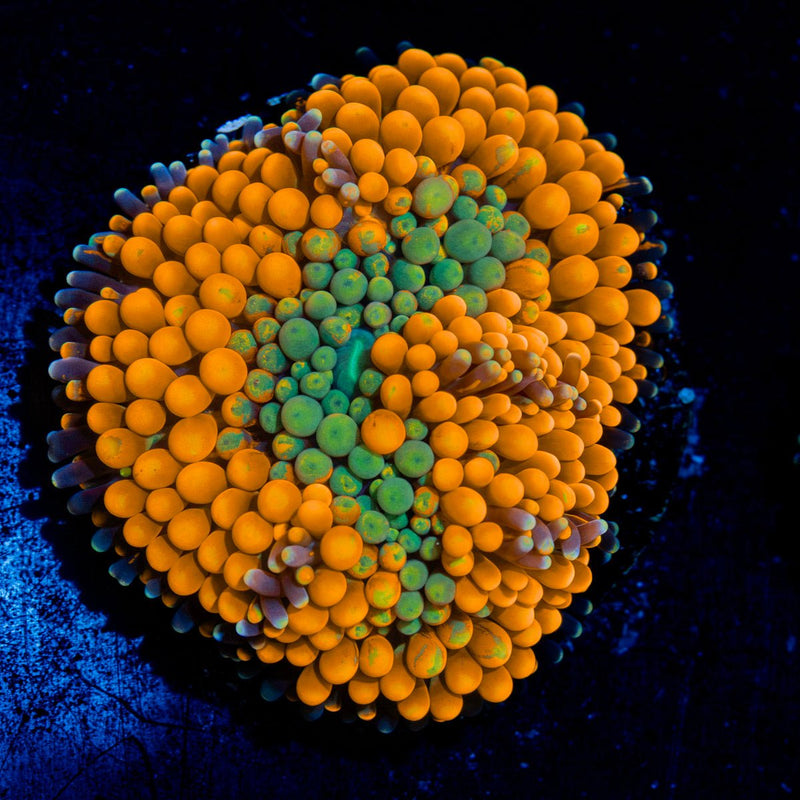
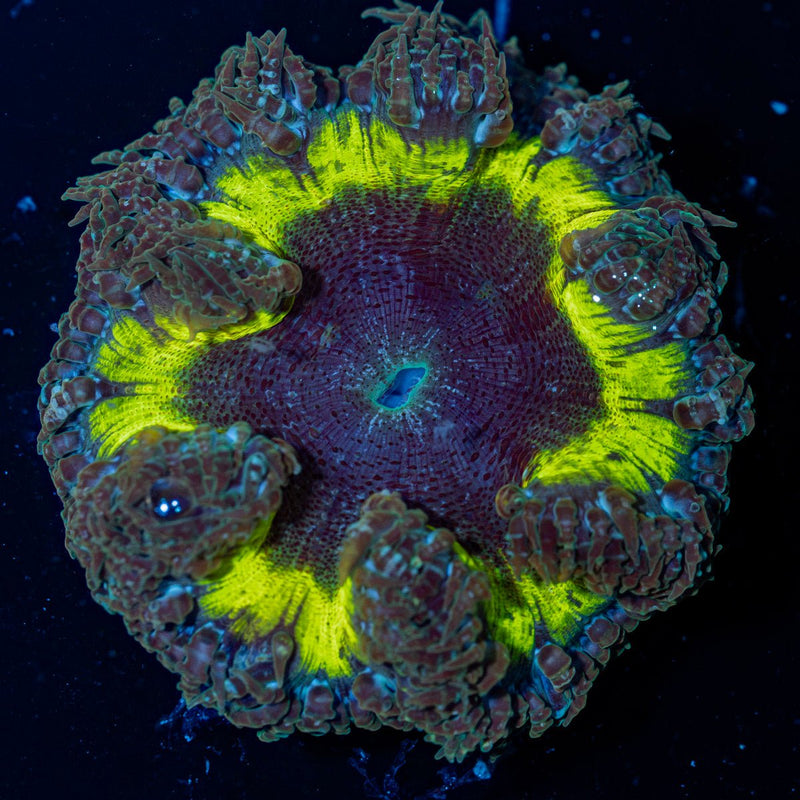
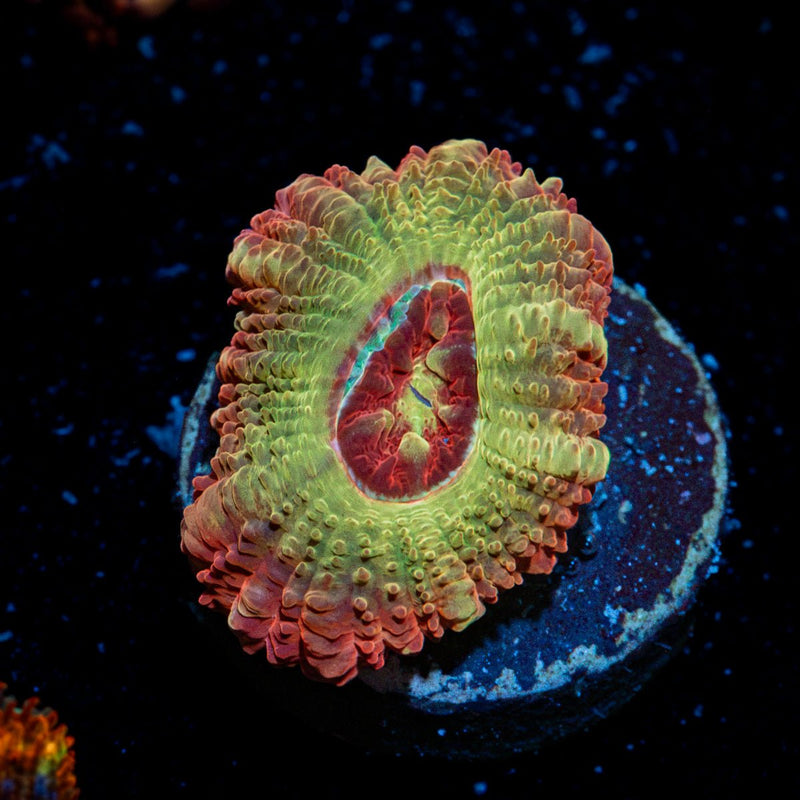
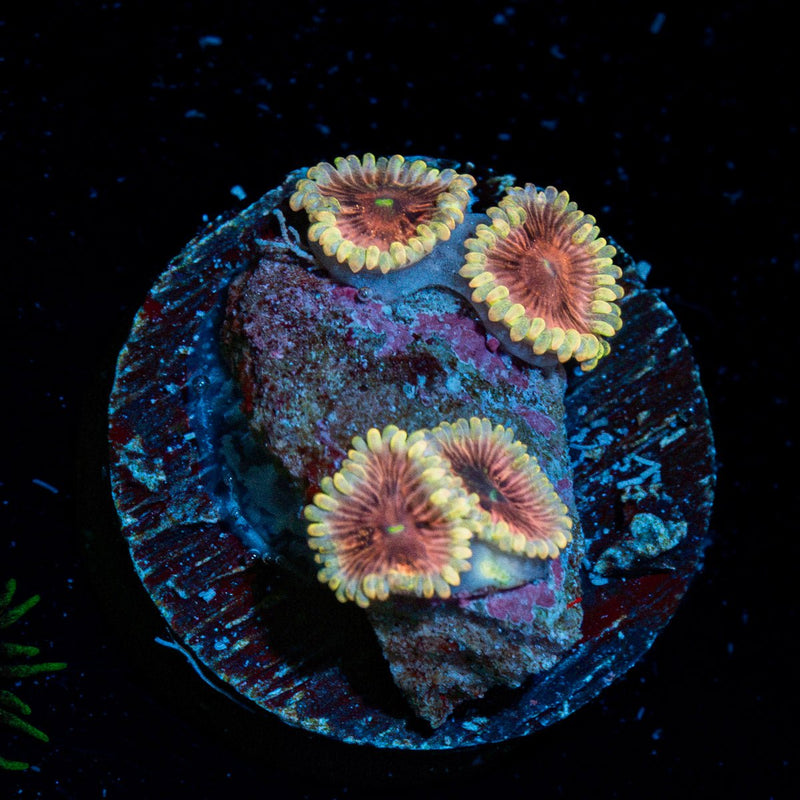
Soft corals are often a strong place to begin. Mushrooms, many zoanthids, and other easier softies tend to adapt well and offer bold color without requiring intense precision. LPS can also be excellent for newer reef keepers, especially when the mix focuses on more manageable options rather than higher-drama pieces that need extra attention. A pack that blends hardy soft corals with a few approachable LPS frags can give a tank visual variety without pushing a beginner into difficult territory too soon.
It also helps to look for a pack with realistic variety. Variety is good, but too much complexity is not. If every coral in the pack has completely different placement needs, feeding habits, and aggression levels, the learning curve gets steep fast. A beginner pack should feel curated, not random.
Aquacultured frags are another major advantage. Corals that have been grown in captivity are often better adapted to life in home aquariums than freshly imported wild pieces. They are also a more responsible long-term choice for the hobby. For a beginner, that extra margin of resilience can make the difference between a rewarding first experience and a frustrating one.
The best coral types in coral frag packs for beginners
When people picture a dream reef, they often imagine intense color, motion, and contrast. You can absolutely get that look with beginner-safe corals if the pack is built thoughtfully.
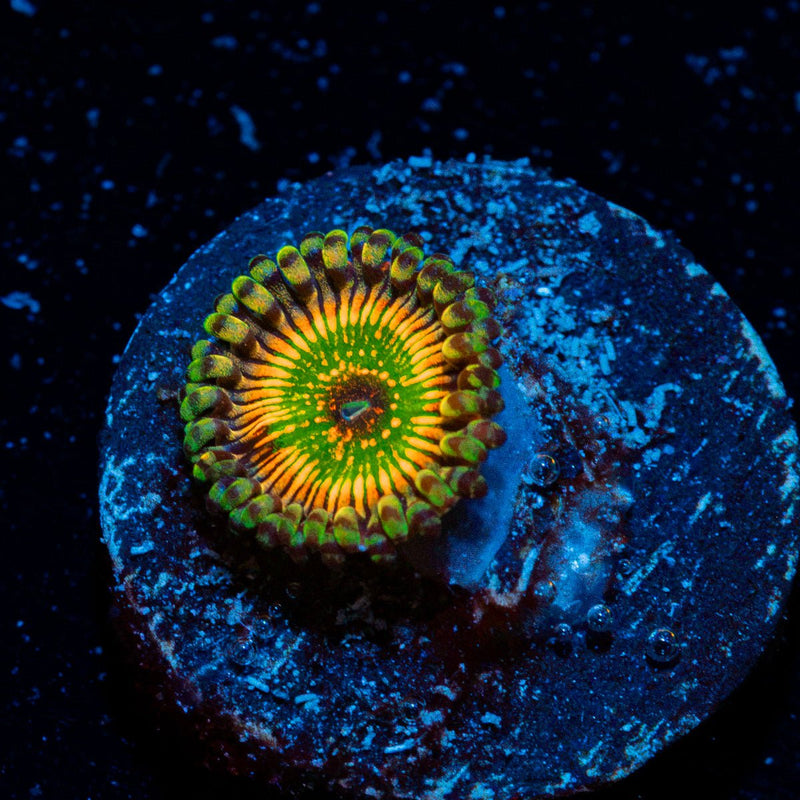
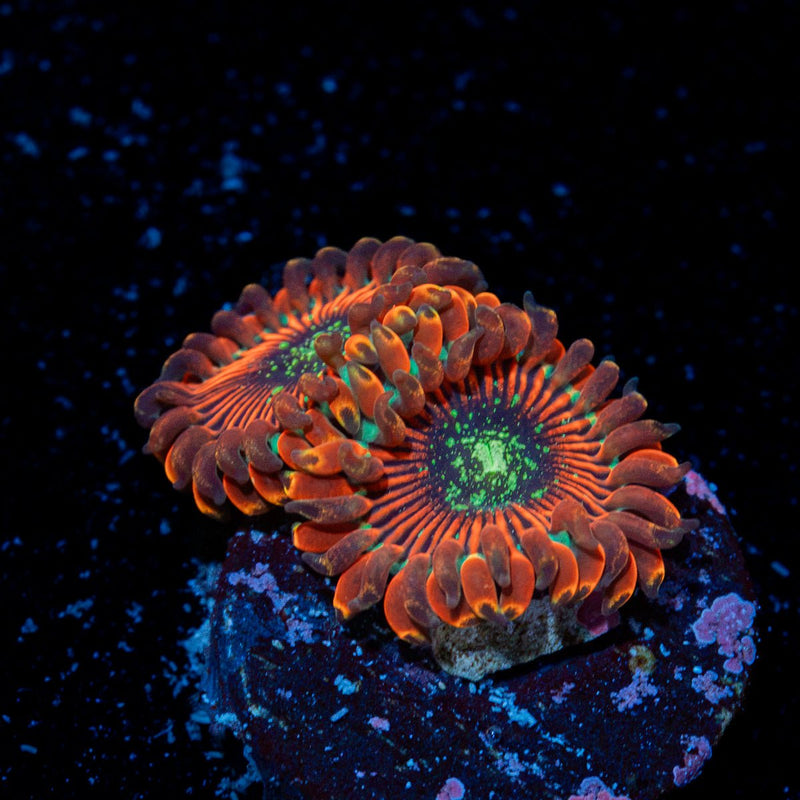
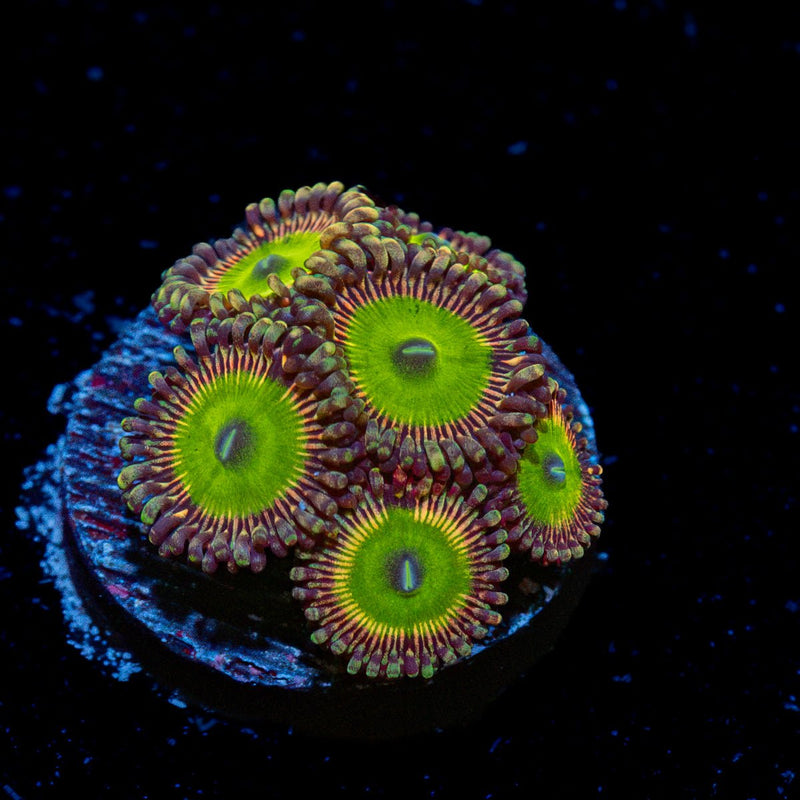
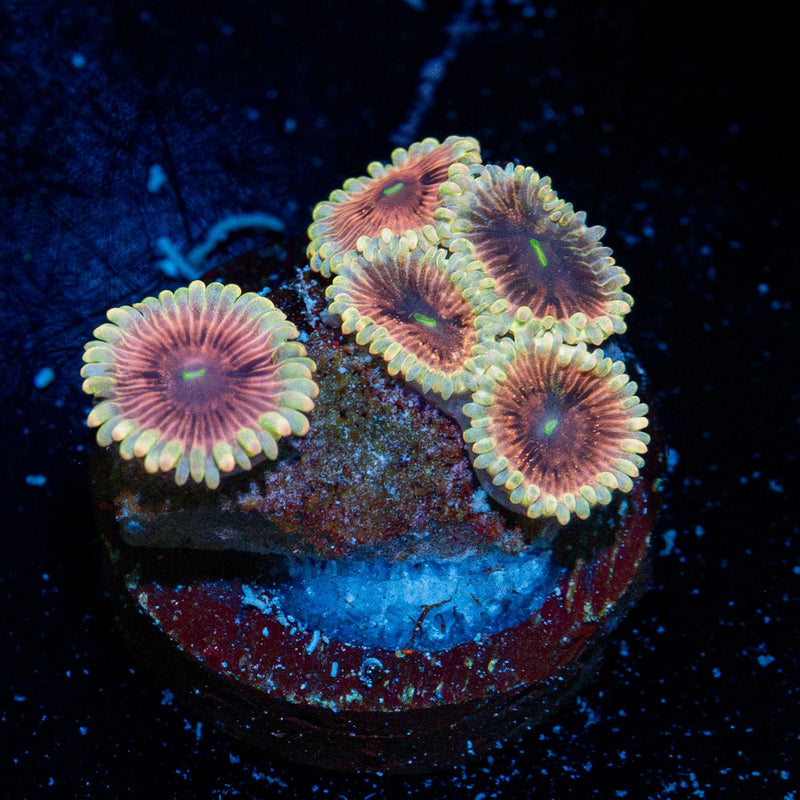
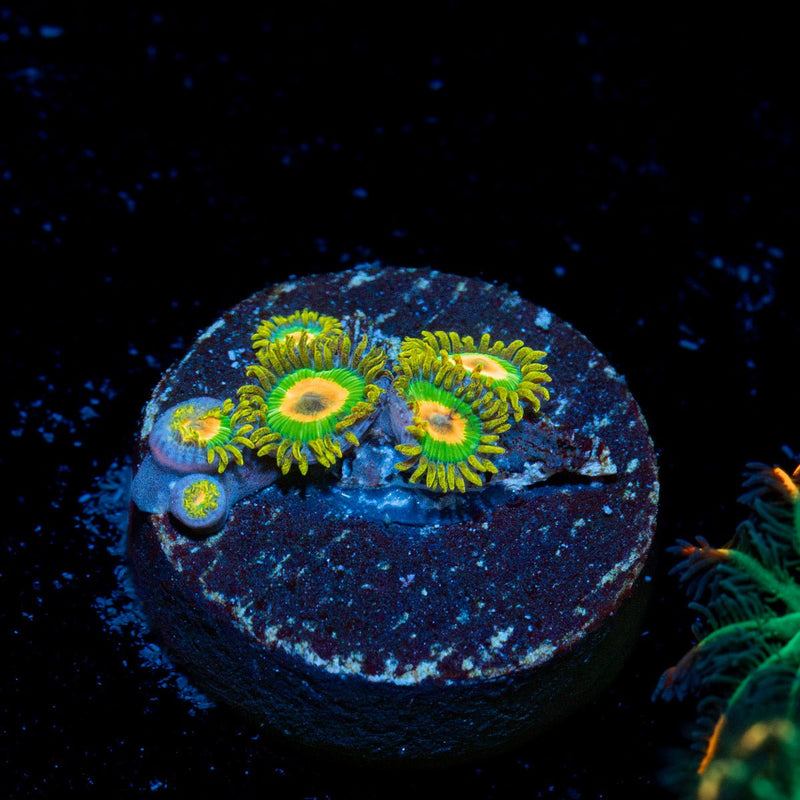
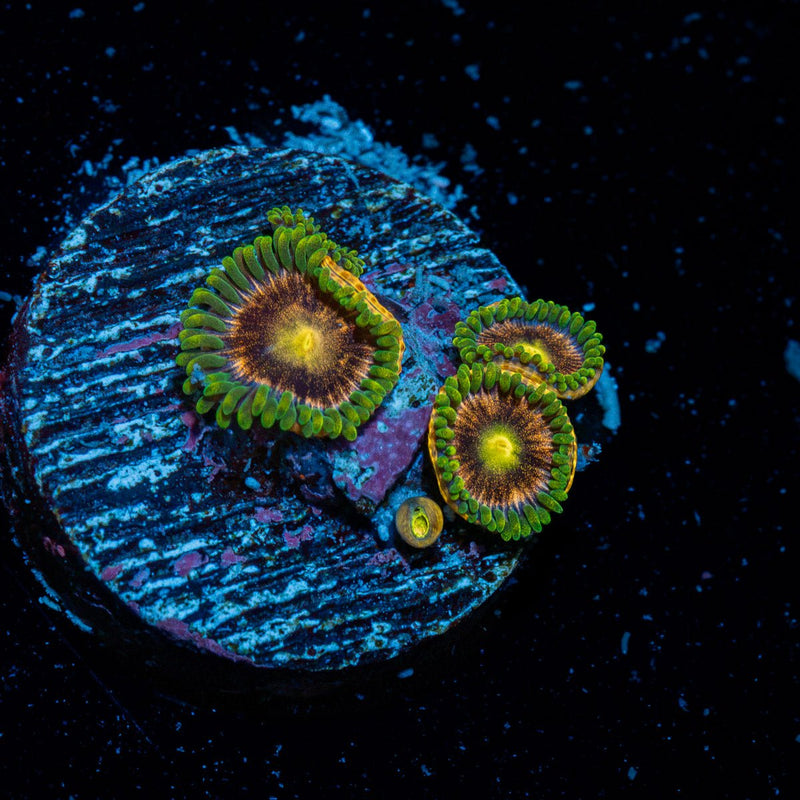
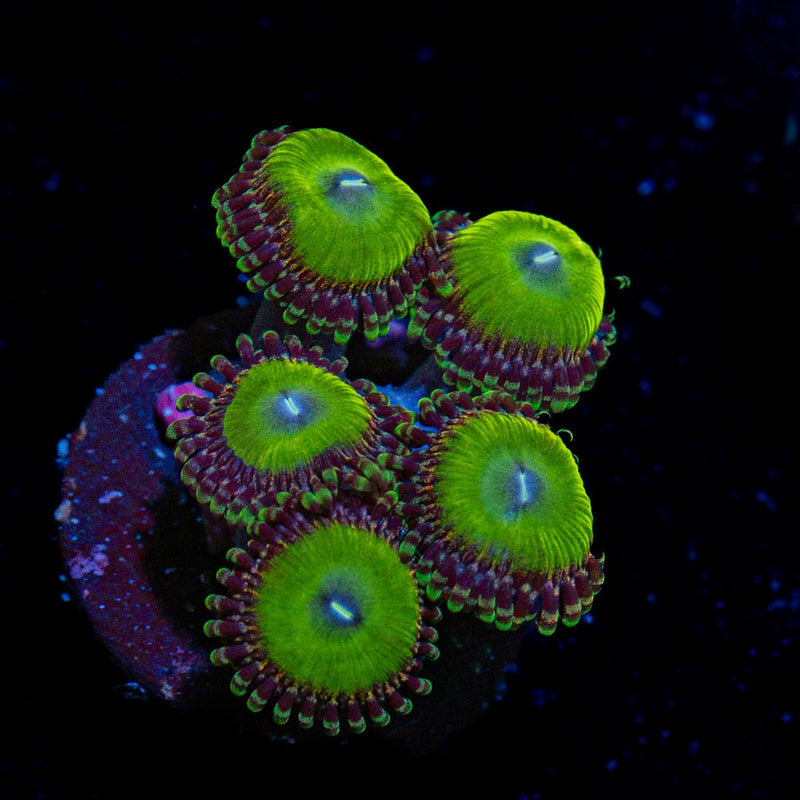
Zoanthids are a favorite for good reason. They come in a wide range of bright colors and patterns, and many varieties are adaptable enough for newer tanks that have reached basic stability. They also give a frag pack that instant pop most beginners want.
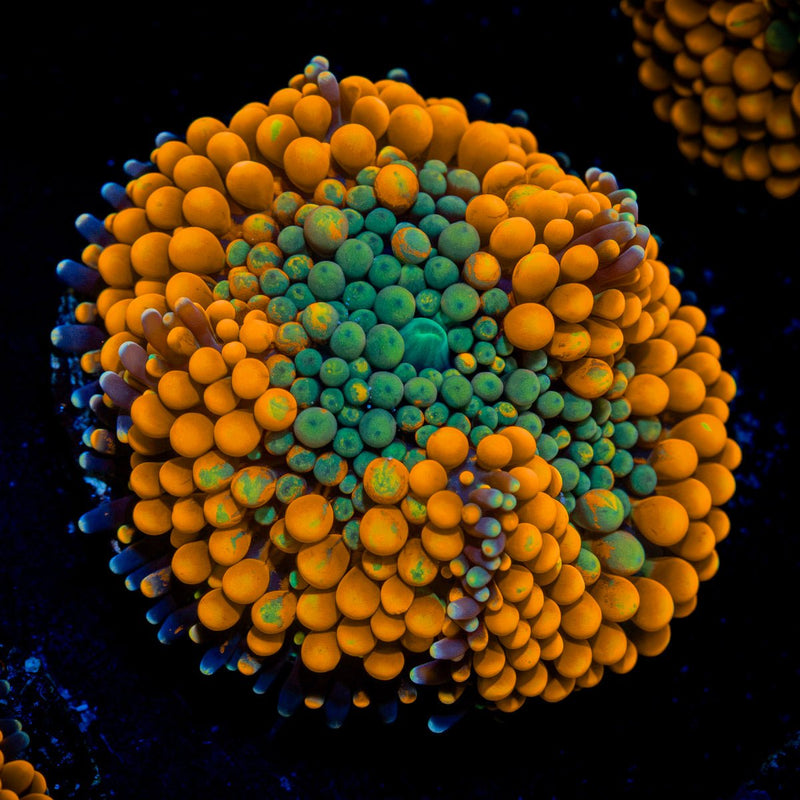
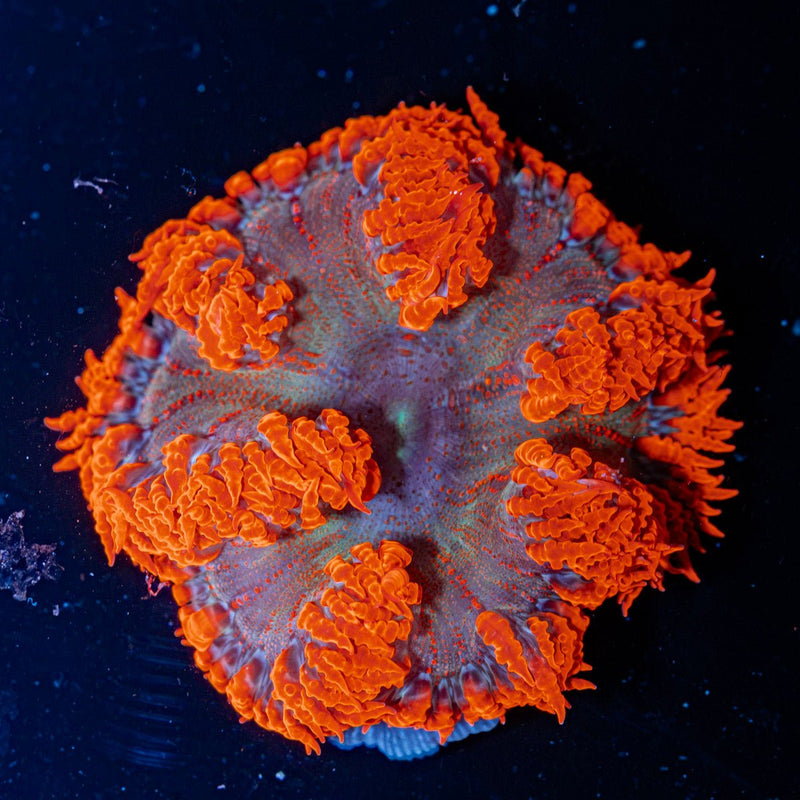
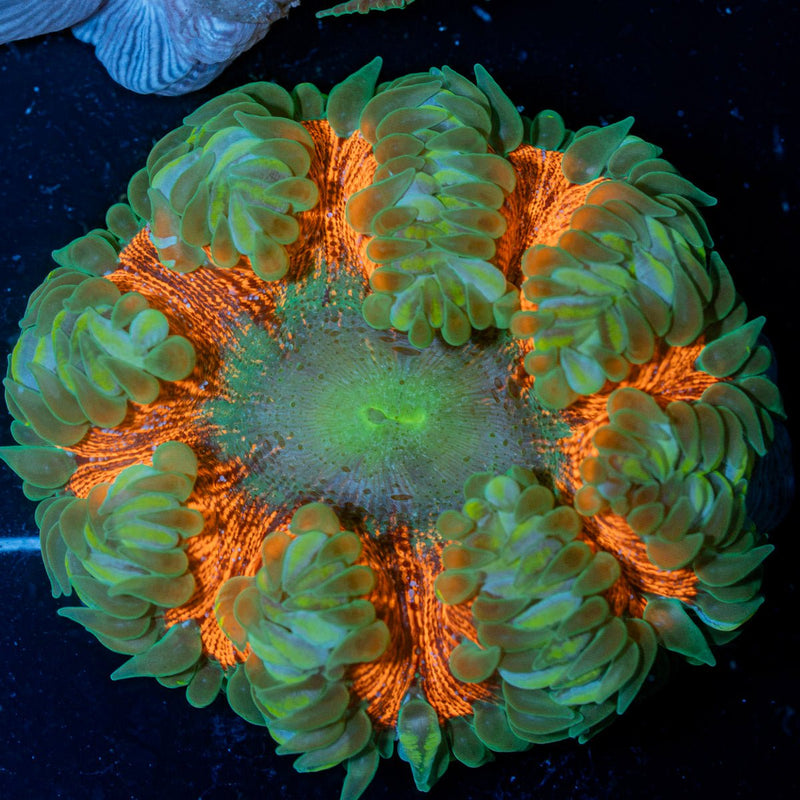
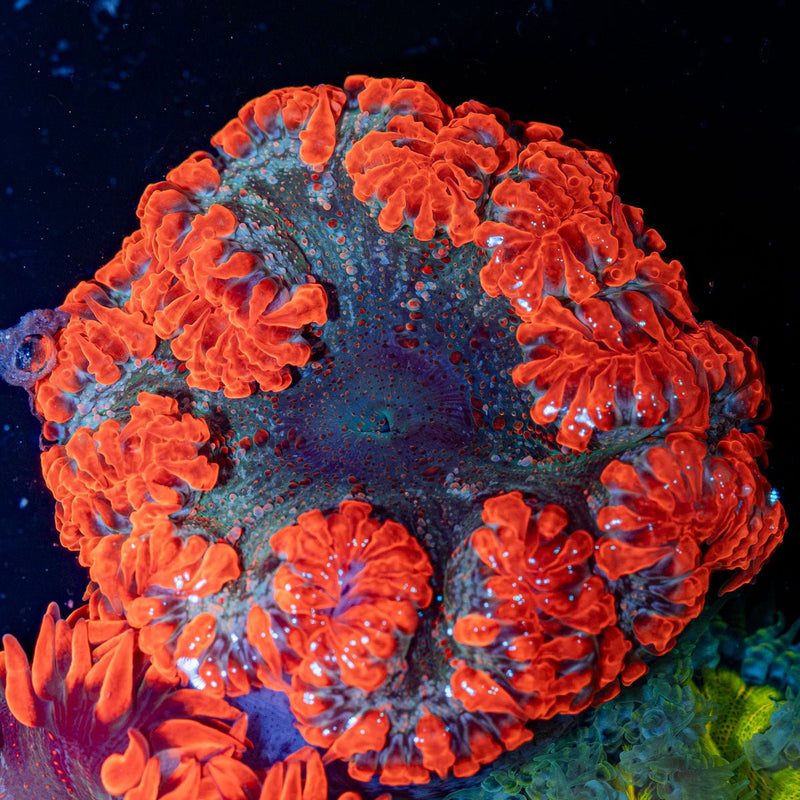
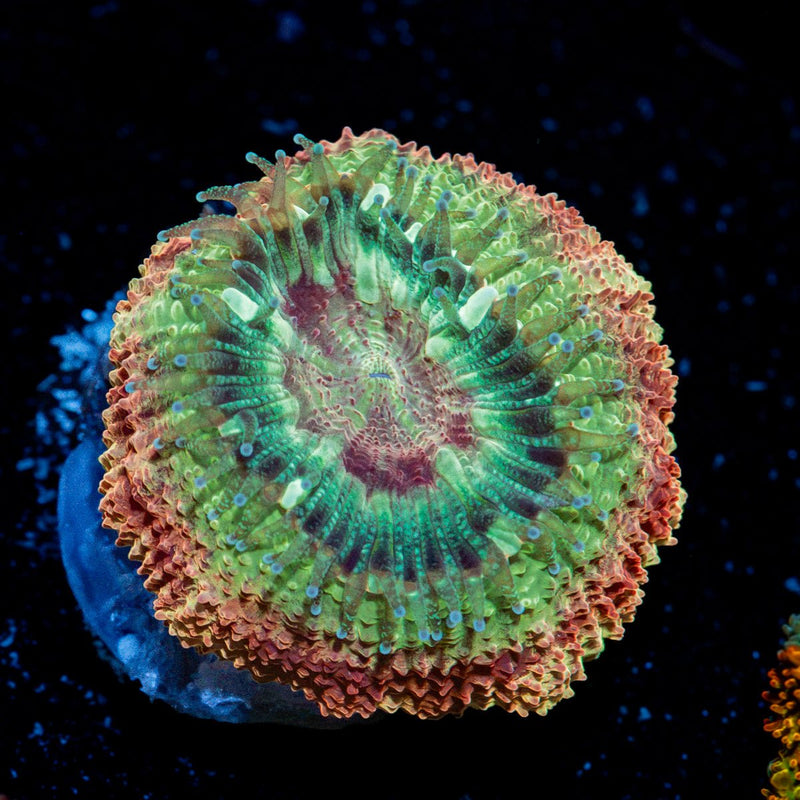
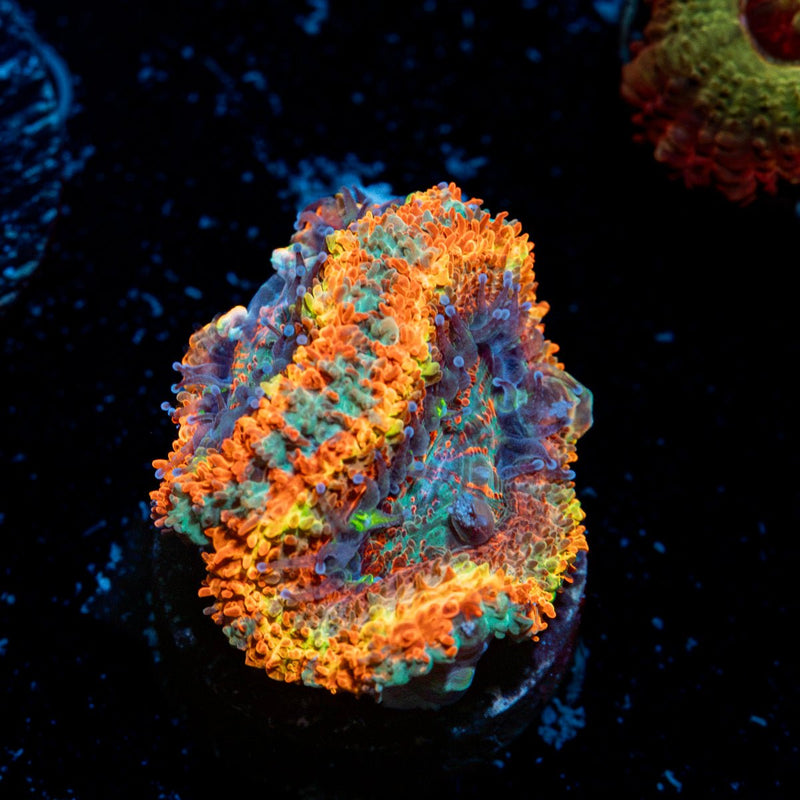
Mushrooms are another reliable choice. They can add rich color and a softer, fleshy look that balances out more structured corals. Some stay compact, while others can spread and fill space over time. That makes them forgiving, though it also means you should think ahead about where you want them to grow.
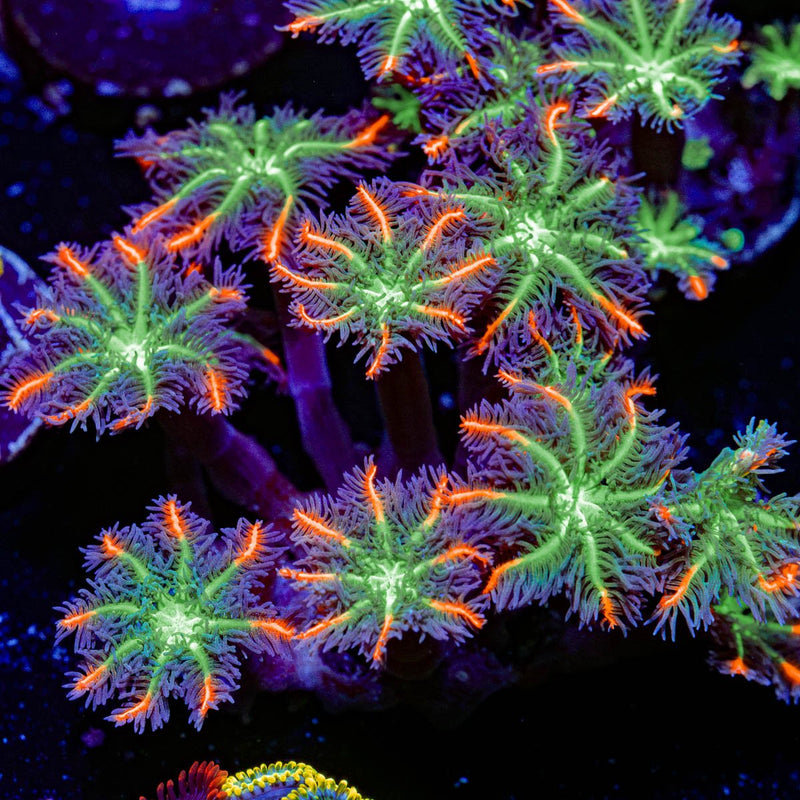
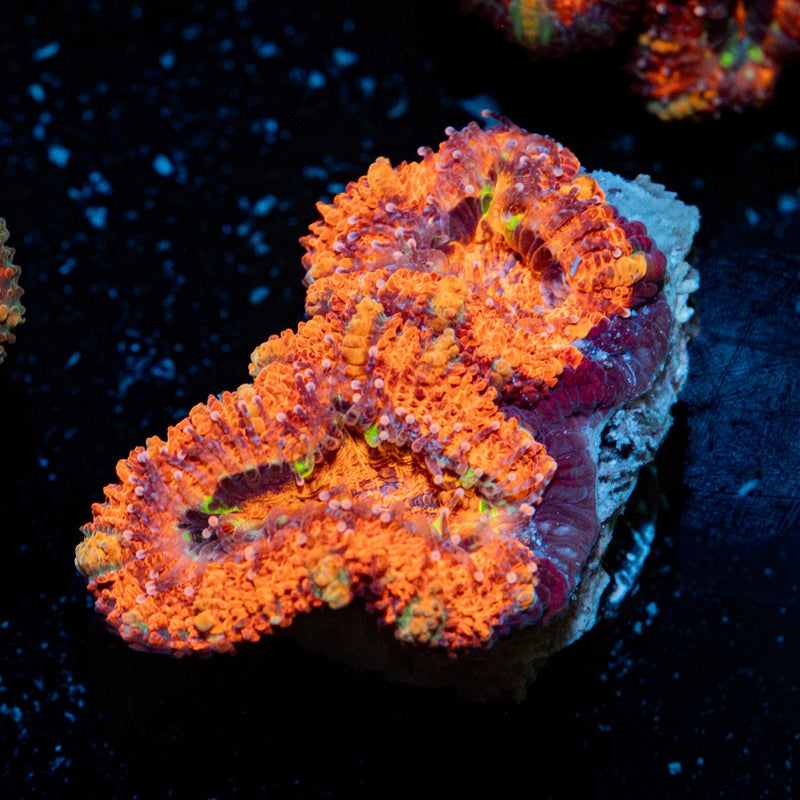
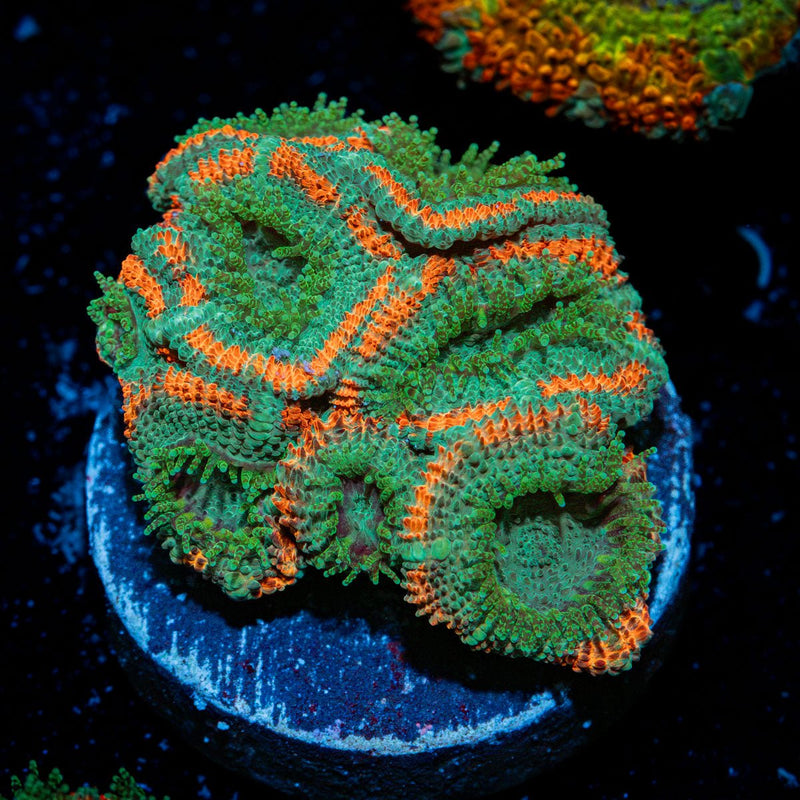
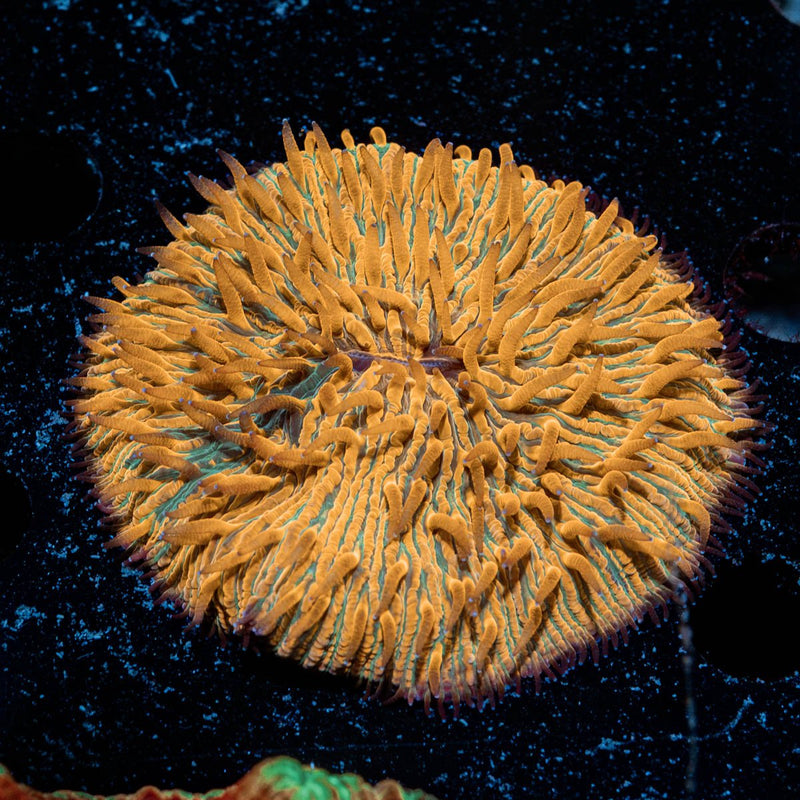
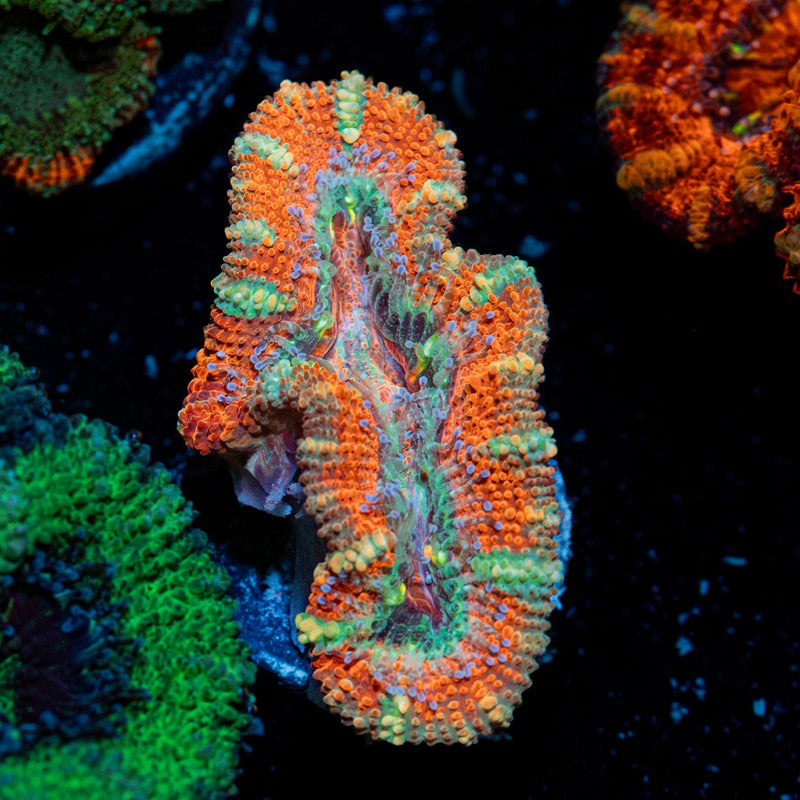
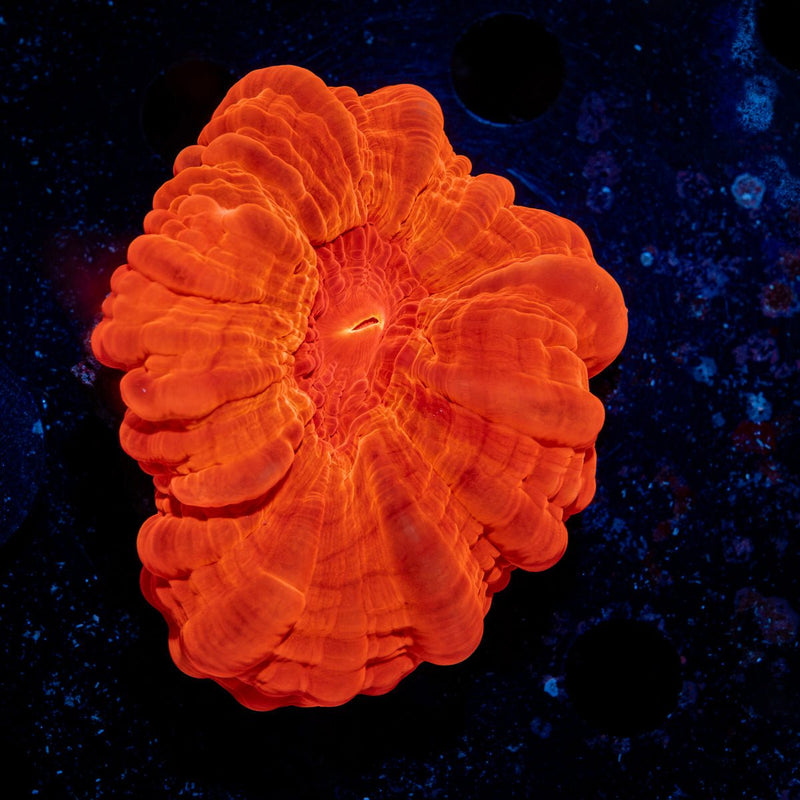
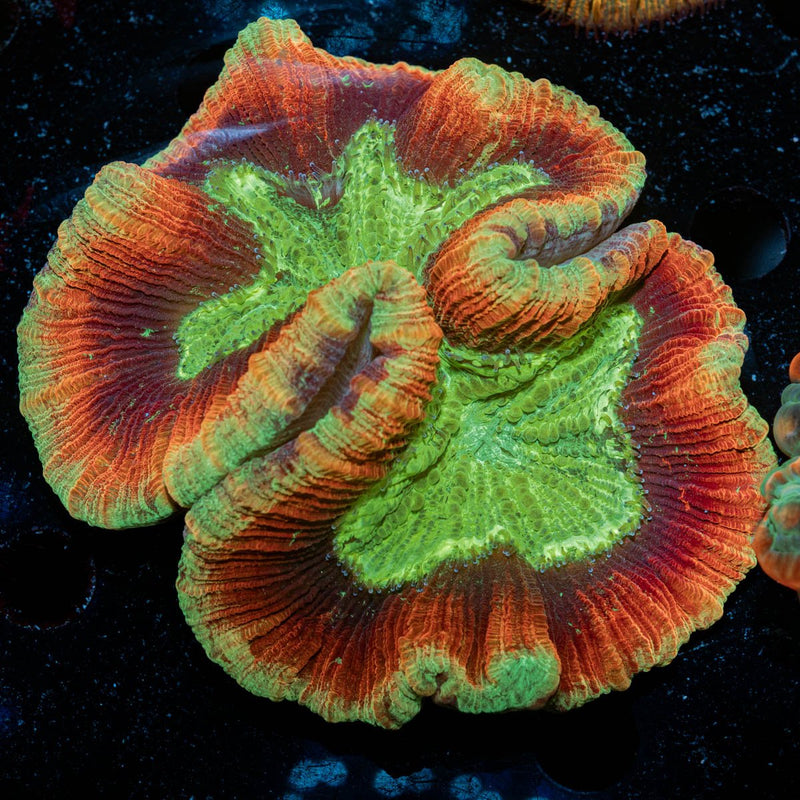
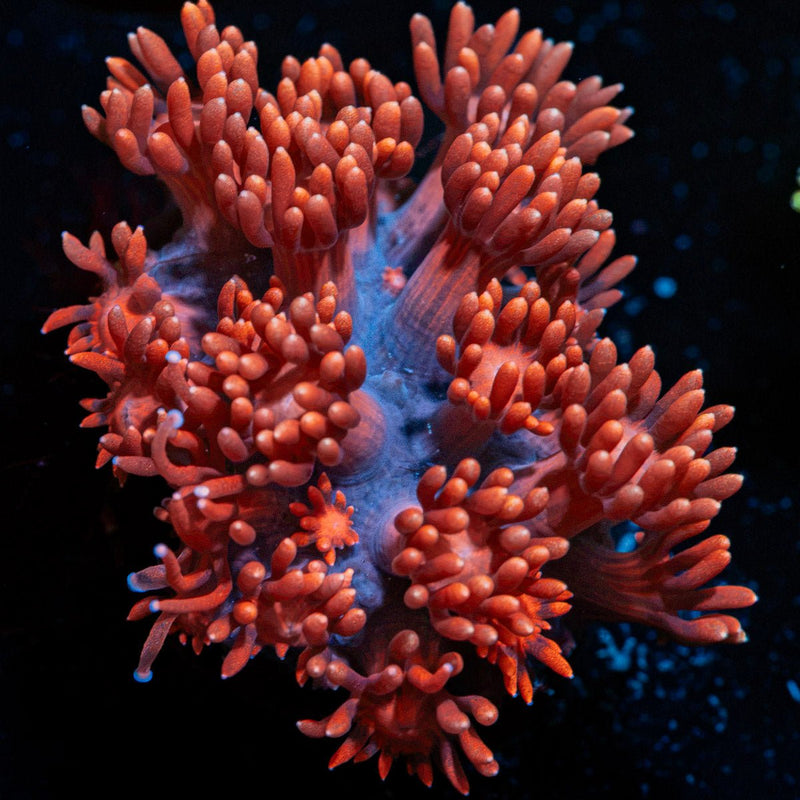
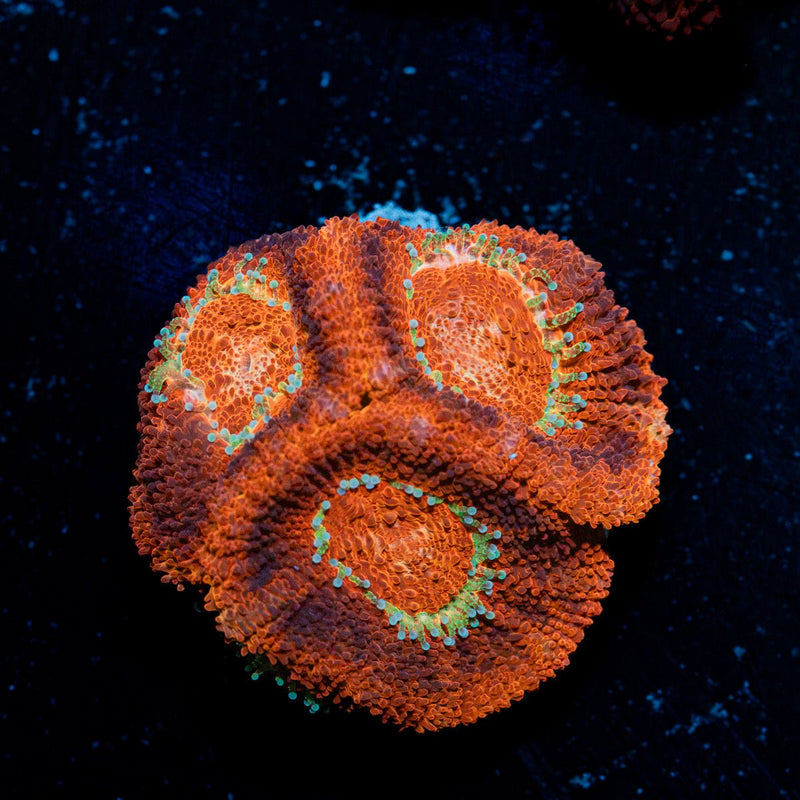
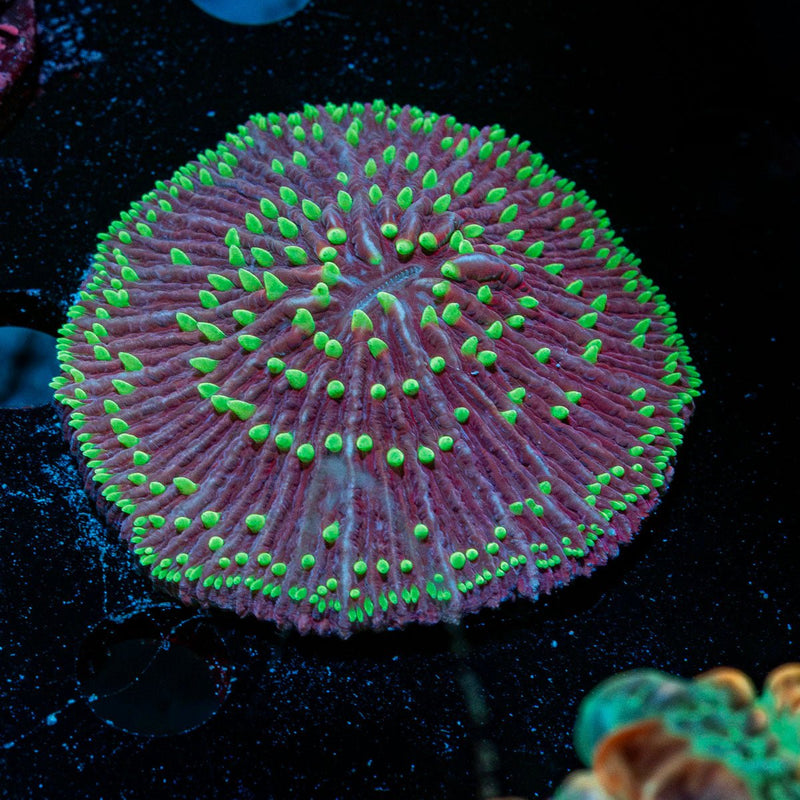
Certain LPS corals can round out a starter pack beautifully. Pieces with gentle movement and fuller polyps can make a tank feel established quickly. The trade-off is that LPS usually need more thought around spacing because some can extend sweeper tentacles or sting nearby neighbors. That does not make them bad beginner corals. It just means placement matters.
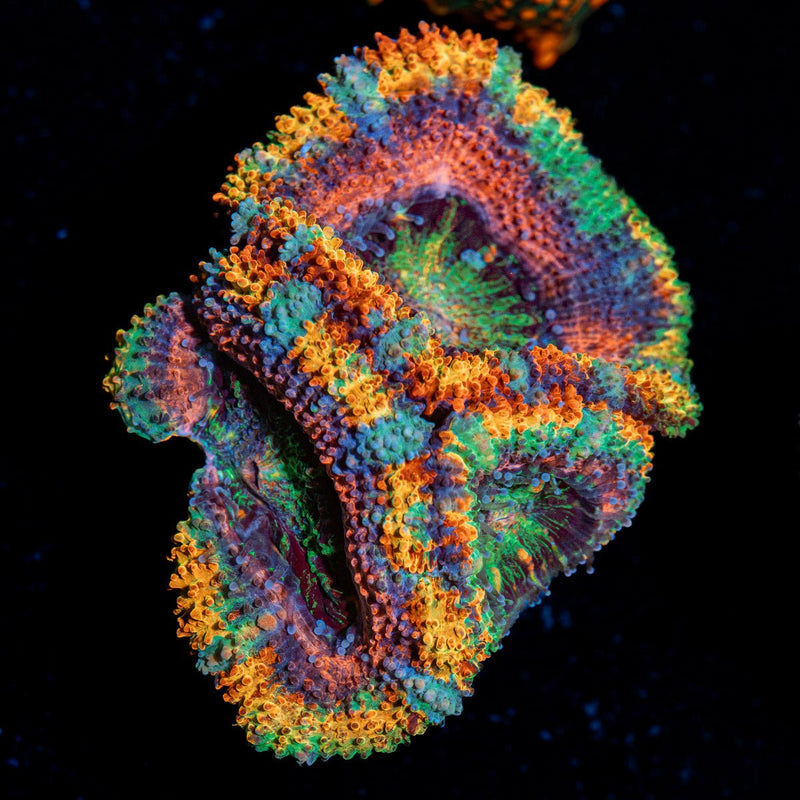
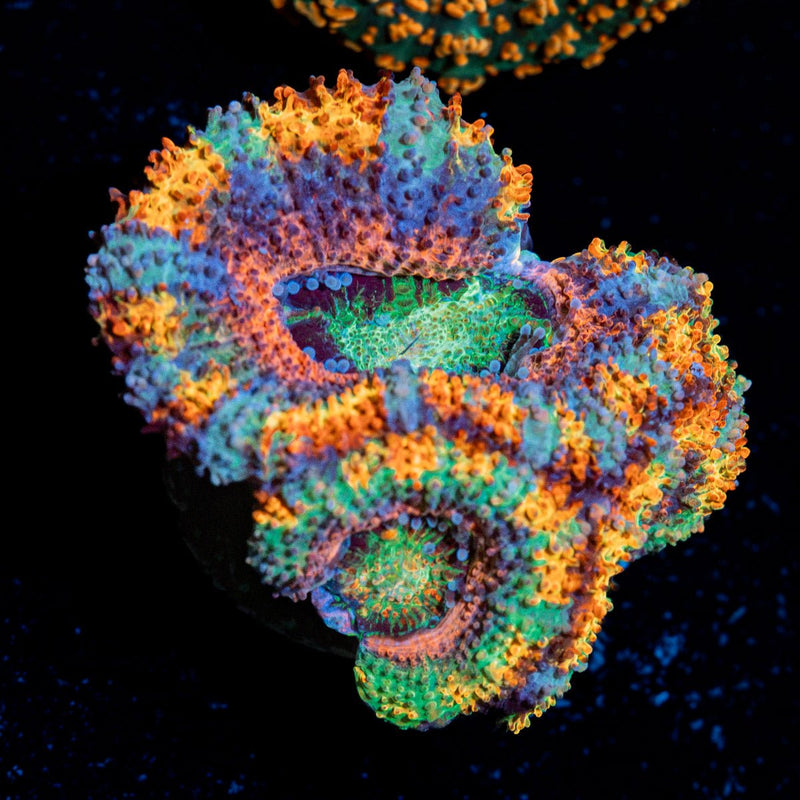
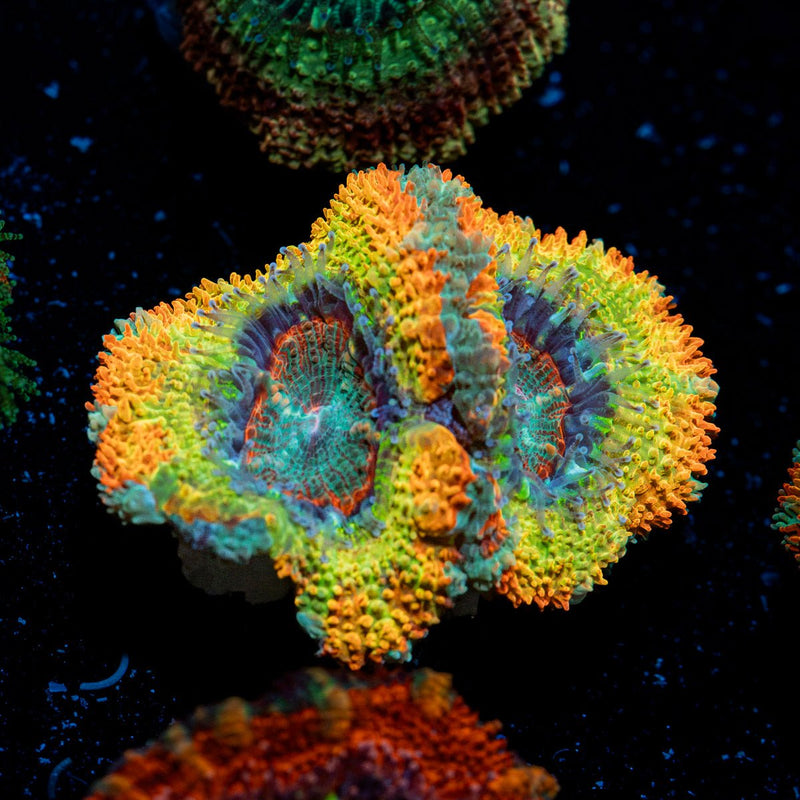
SPS are where new hobbyists should be more selective. Some beginners do succeed with easier SPS once their systems are stable, but a pack made mostly of SPS is usually not the ideal starting point for a first coral order. If your tank is still young, it is smarter to build confidence with corals that are less demanding and add SPS later.
How to know if your tank is ready
A beginner frag pack is beginner-friendly, not magic. Even hardy corals need a tank that has moved past the brand-new stage. If your salinity drifts, your temperature swings, or your nutrients bounce wildly from week to week, the issue is not the corals. The issue is timing.
Before adding your first pack, you want a tank with stable salinity, temperature, alkalinity, calcium, and magnesium. Lighting should already be installed and consistent, not something you are still changing every few days. Flow should be adequate across the tank, with enough movement to prevent dead spots without blasting every frag at once.
Nutrients deserve special attention. Many new reef keepers chase ultra-clean water because it sounds ideal, then wonder why corals look irritated or faded. Corals generally do better in a tank with stable, reasonable nutrients than in one that swings between excess and zero. The exact target depends on the system, but stability matters more than perfection.
If you are unsure whether the tank is ready, patience is still the cheapest upgrade in reef keeping.
Placement and acclimation matter more than beginners expect
The first few days after delivery are where many beginner mistakes happen. A healthy frag can still struggle if it goes from shipping stress to full-intensity light and aggressive flow with no adjustment period.
Take acclimation seriously, but do not overcomplicate it. Match temperature carefully, inspect each frag, and place them thoughtfully. Many hobbyists start new corals lower in the tank or in slightly reduced light, then move them gradually if needed. That approach gives frags time to adjust and lets you observe polyp extension, color response, and general behavior.
Spacing is equally important. Beginner packs often include corals with different growth habits, and those frags may not stay small for long. Leaving room now prevents future problems with shading, crowding, or stinging. A rack can help at first, but long-term success usually comes from deciding where each coral can grow, not just where it looks good on day one.
What a good online coral buying experience should include
When you are buying corals online, trust is part of the product. Beginners especially benefit from clear descriptions, healthy aquacultured stock, and confidence that the corals arriving at the door match what was promised.
That is why curated packs and transparent merchandising matter. Exact-item presentation is ideal when available, but even when buying a grouped pack, the seller should clearly communicate the style of corals included and the care level you can expect. Strong purchase confidence also comes from practical details like shipping guidance and live arrival assurance.
This is where a specialist retailer can make the process feel much more approachable. Brands like Riptide Aquaculture build confidence by combining vibrant aquacultured selections with beginner-friendly curation, which takes some of the uncertainty out of a first coral purchase.
Common beginner mistakes frag packs can help avoid
A good frag pack does not eliminate mistakes, but it can reduce a few common ones. The biggest is buying based on appearance alone. A coral may look stunning in a photo and still be a poor fit for a first reef. Packs built for beginners put ease of care closer to the center of the decision.
Another mistake is adding too much difficulty at once. New reef keepers sometimes try to prove they are ready for advanced corals before their system has shown that it is ready. A beginner pack creates a better on-ramp. You still get a colorful, impressive display, but with corals that are more likely to reward consistency instead of punishing every small mistake.
There is also the issue of visual balance. Tanks stocked one random frag at a time can look disjointed for a while. Curated packs usually create a more polished early look, which makes the hobby more enjoyable while you build experience.
The best beginner reef is not the one that tries to do everything in month one. It is the one that grows into something stunning because the first coral choices were smart, healthy, and suited to the tank. If you choose a frag pack with that mindset, your reef has a much better chance to become the colorful, thriving display you imagined when you started.