That first coral addition can feel bigger than it looks. A reef tank goes from rock and equipment to something alive, colorful, and full of personality the moment you place your first frag. The best beginner reef tank corals make that moment exciting instead of stressful - hardy enough to handle small mistakes, vibrant enough to transform the tank, and forgiving enough to let you learn as you go.
For most new reef keepers, the goal is not finding the rarest showpiece on day one. It is building a healthy, stable reef with corals that open reliably, grow steadily, and give you visual payoff without demanding expert-level precision. That usually means choosing aquacultured corals with a reputation for durability, moderate light needs, and feeding habits that fit a newer system.
What makes beginner reef tank corals beginner-friendly?
A coral can be beautiful and still be a poor first choice. Beginner-friendly usually means a few things working in your favor at once. The coral should tolerate normal fluctuations better than sensitive species, adapt to a range of lighting and flow, and show clear signs of how it is doing. Corals that stay open, inflate well, and respond predictably make it easier to spot issues before they turn into losses.
It also helps when growth is steady rather than explosive or painfully slow. Fast-enough growth gives you encouragement, but not so much that the coral overruns neighbors before you learn placement and spacing. Aquacultured frags are especially appealing here because they are typically well adapted to aquarium life and offer more consistency for newer hobbyists who want healthy, reef-safe additions with less guesswork.
7 beginner reef tank corals worth starting with
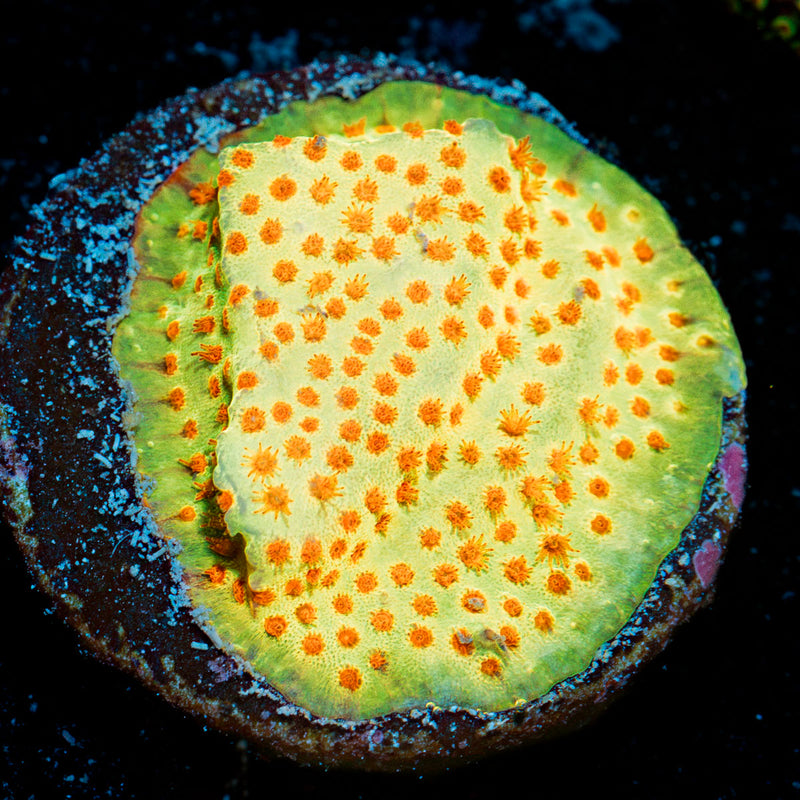
Zoanthids
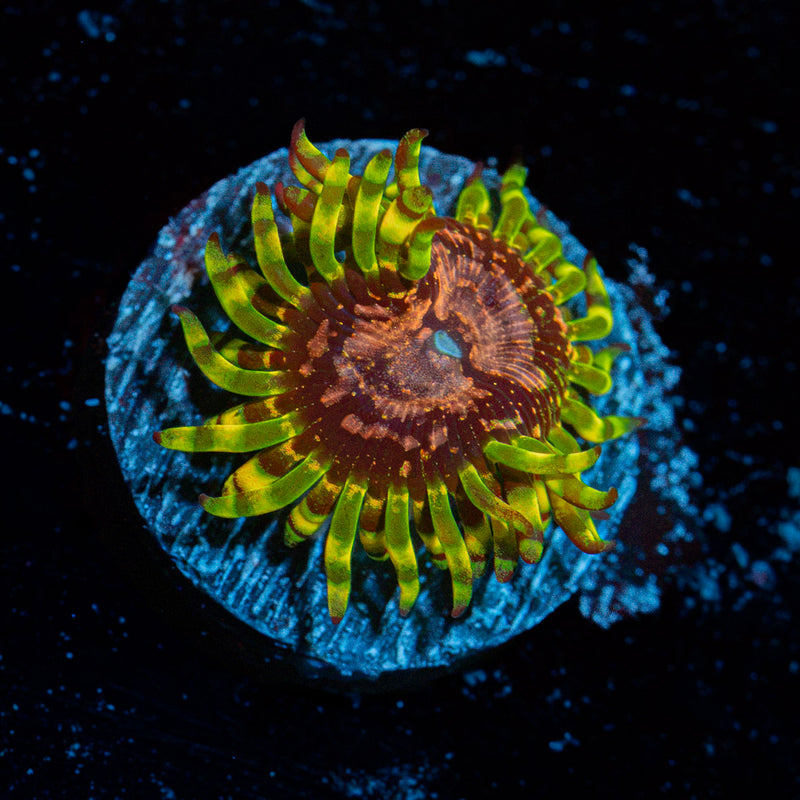
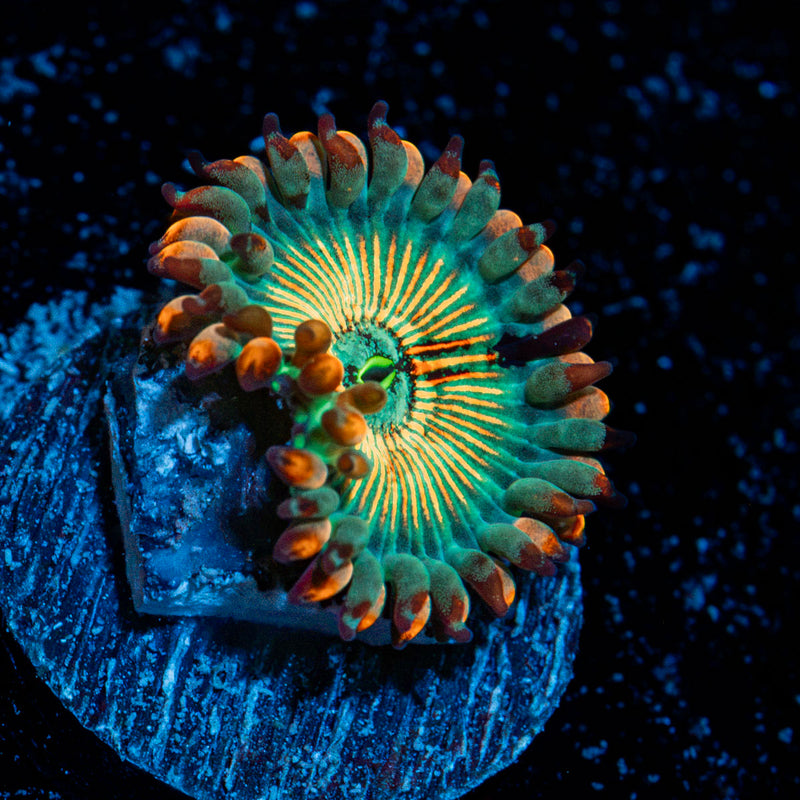
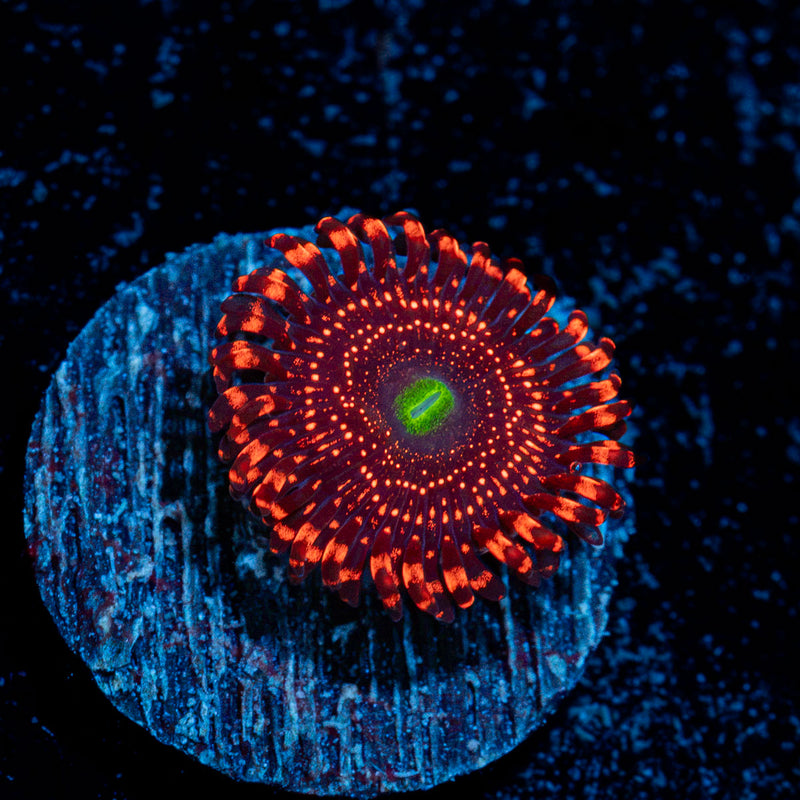
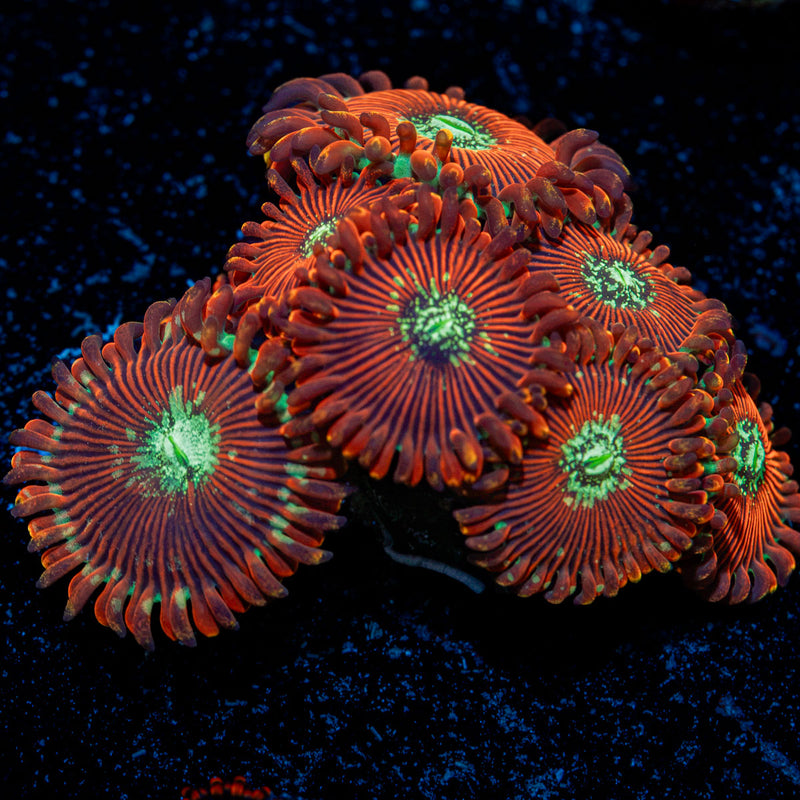
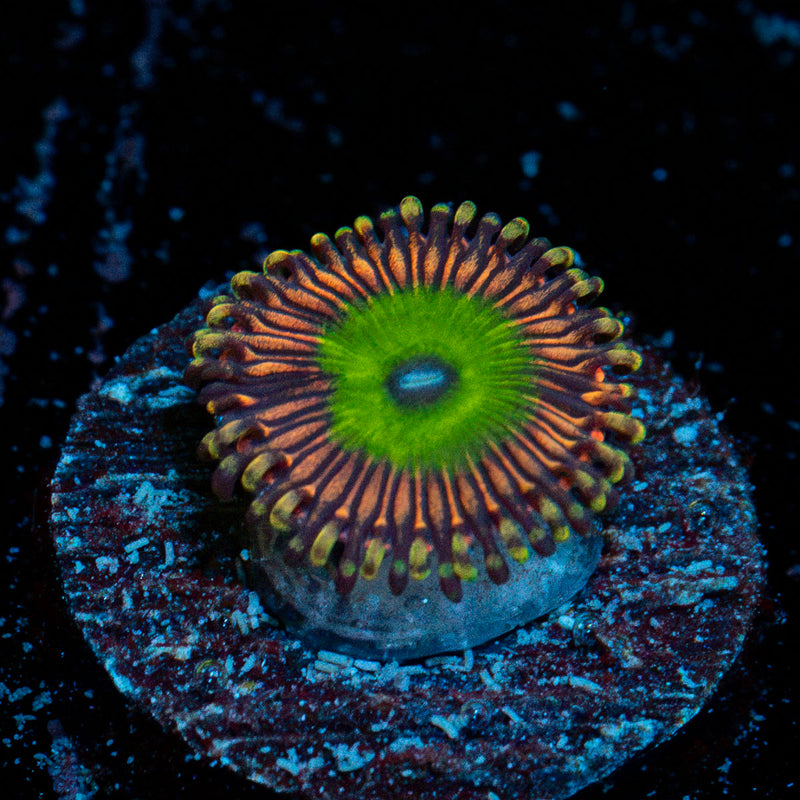
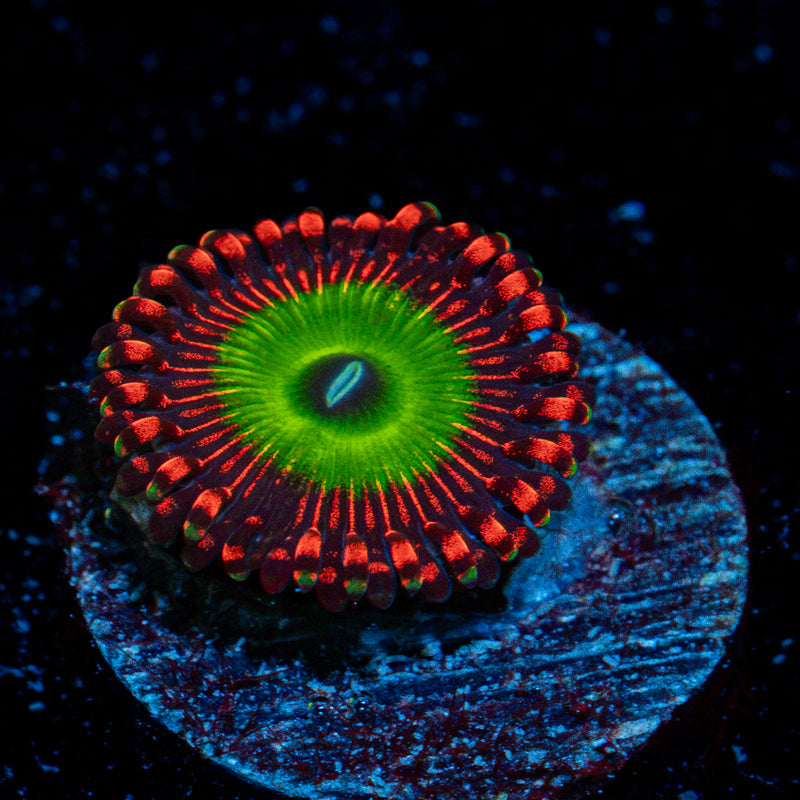
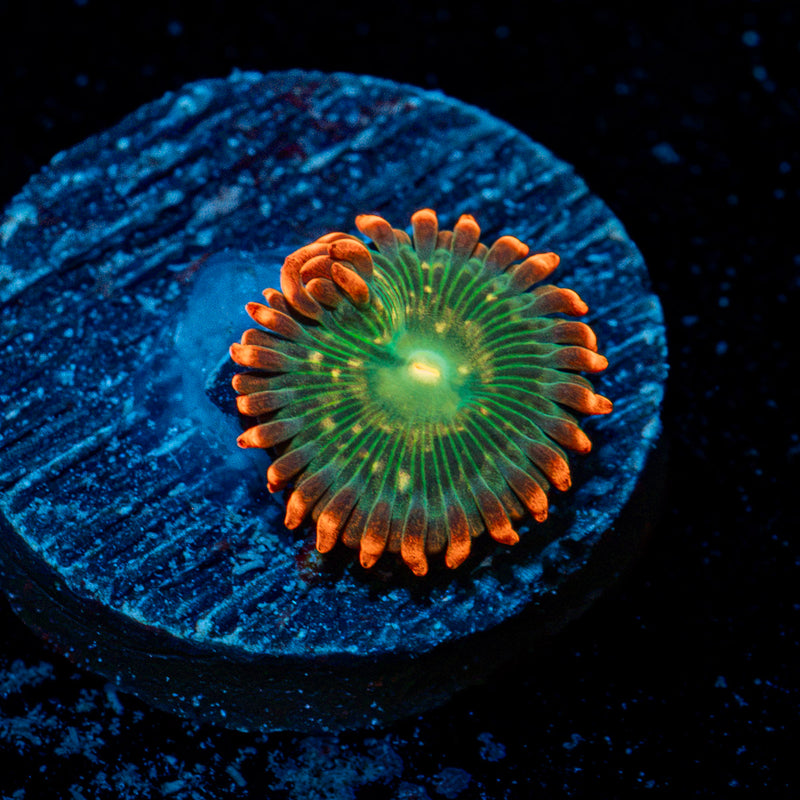
Zoanthids are often one of the first corals reef keepers fall for, and for good reason. They come in an incredible range of colors and patterns, from glowing greens to fiery oranges and speckled multi-color morphs that can make even a simple rock look like a centerpiece. They are also one of the easier ways to build that full, vibrant reef look without jumping straight into demanding corals.
They generally do well in moderate light and moderate flow, although exact preference can vary by variety. The trade-off is that some zoas spread quickly, so placement matters. Give them room, keep an eye on neighboring corals, and they can become one of the most rewarding early additions in the tank.
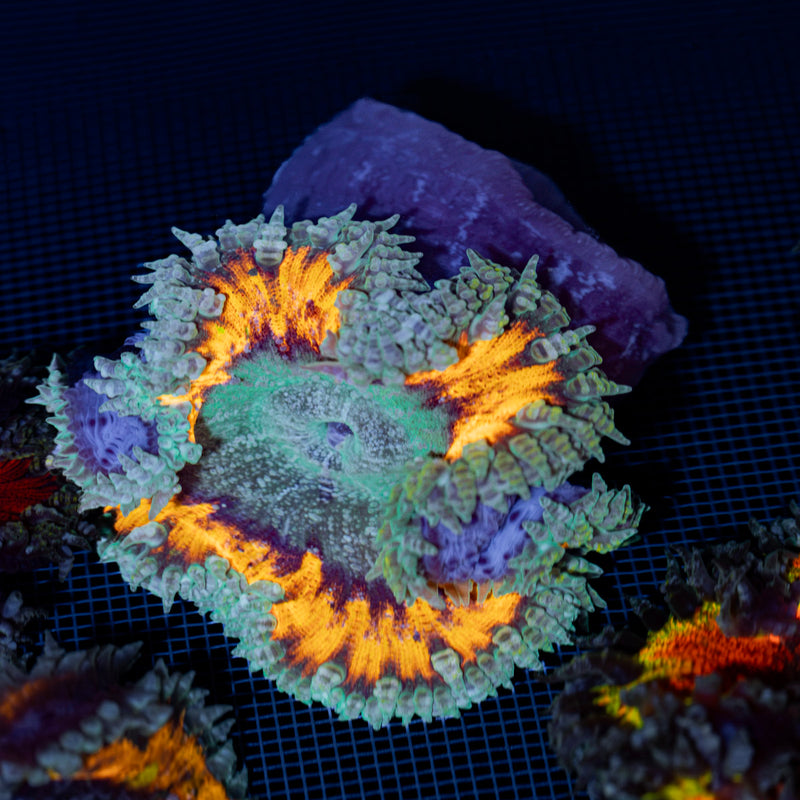
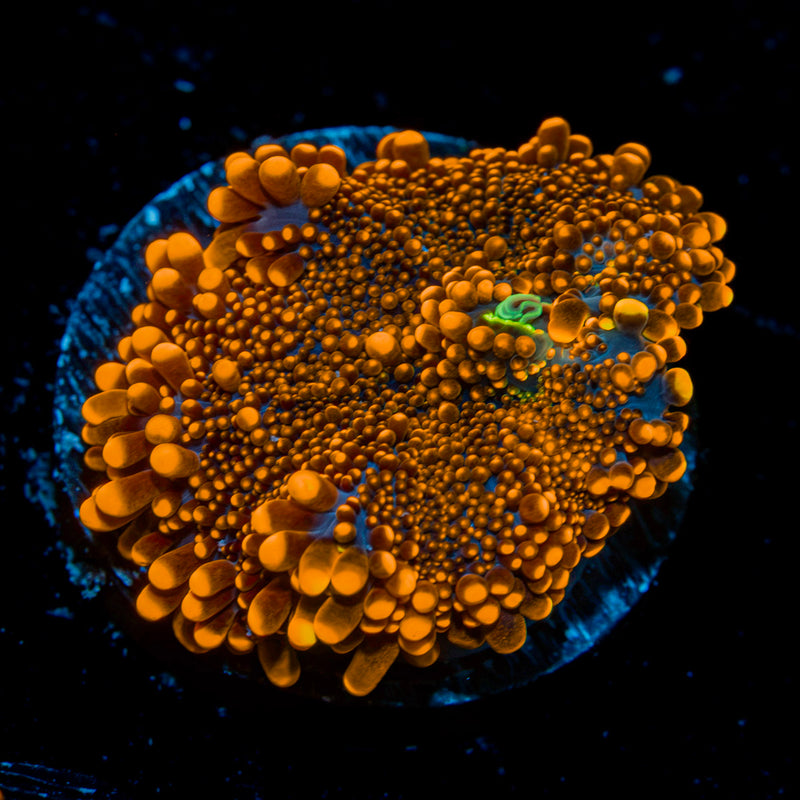
Mushroom corals
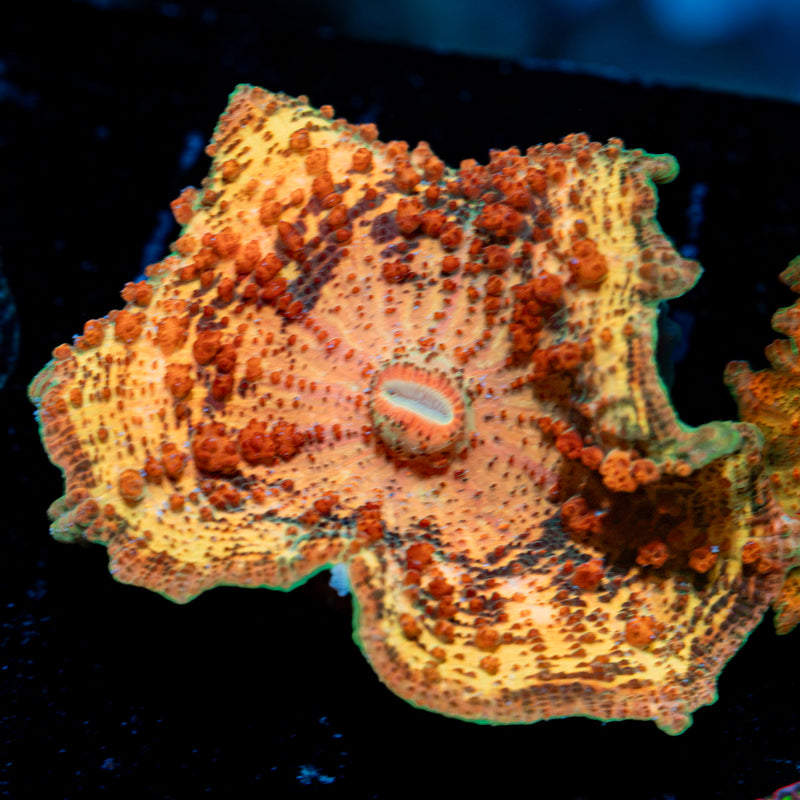
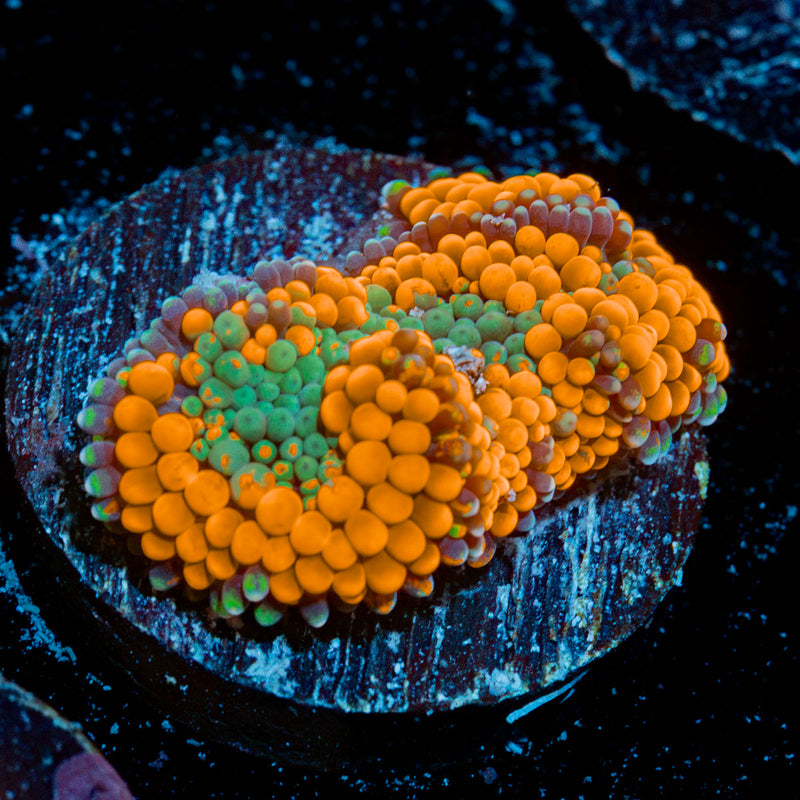
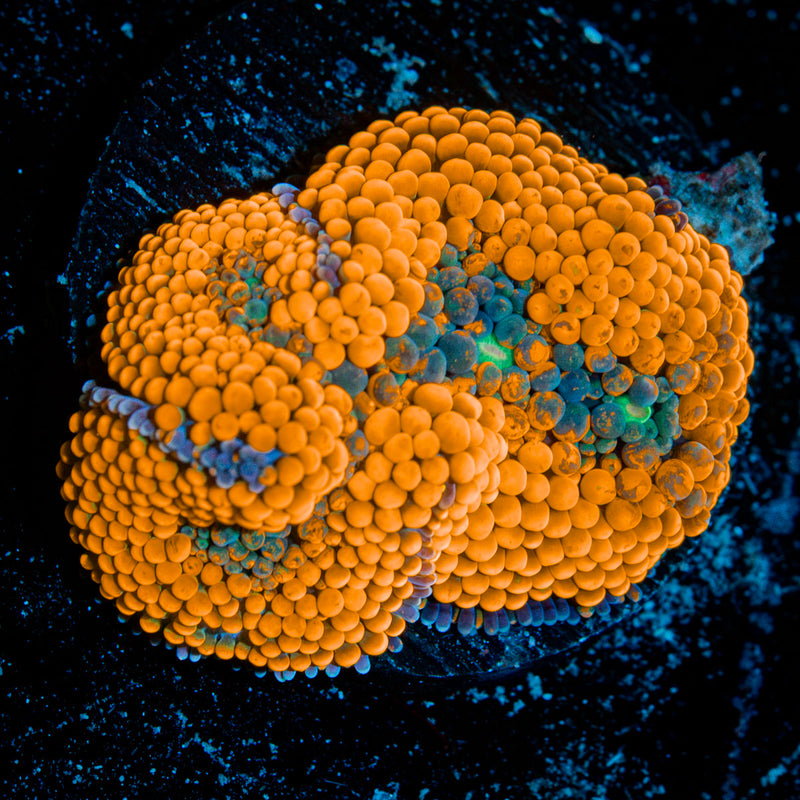
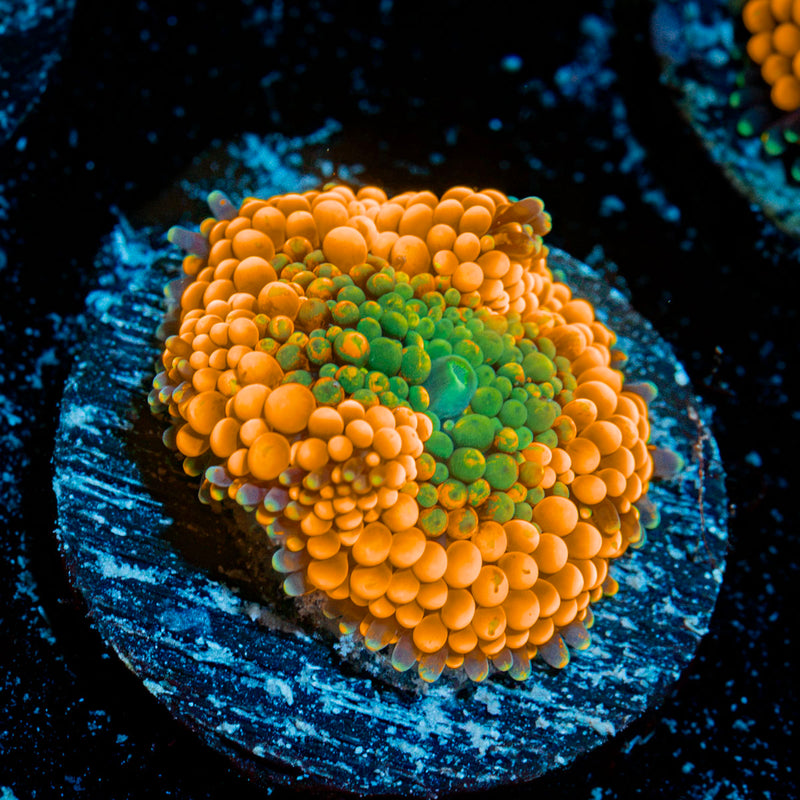
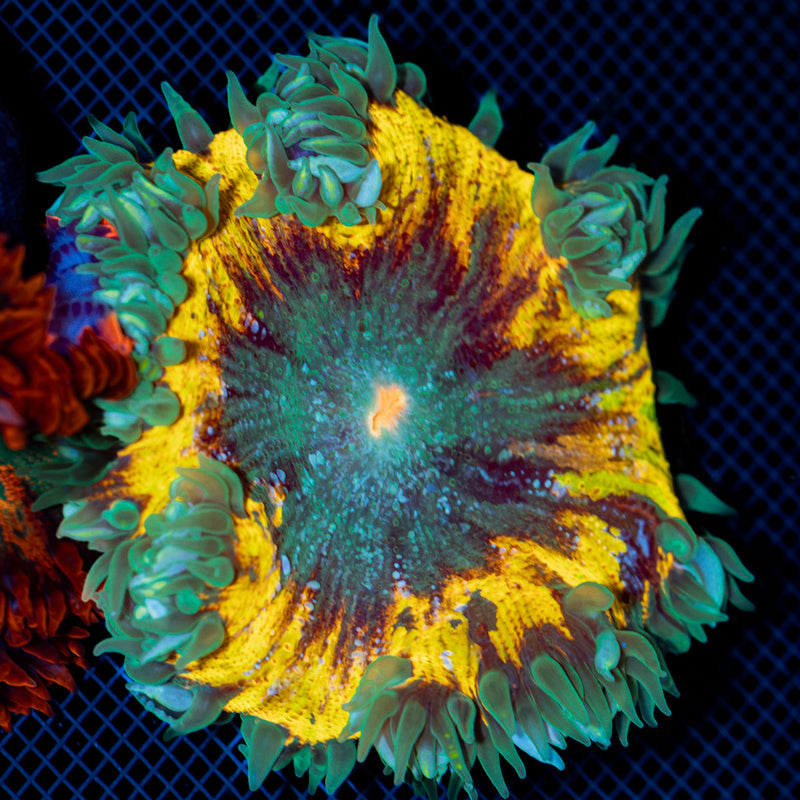
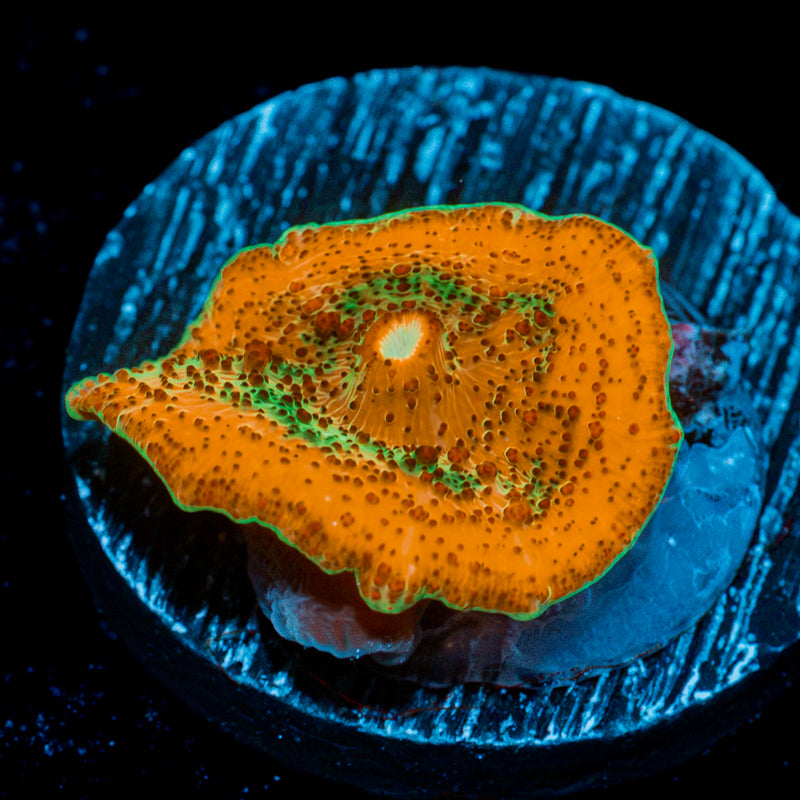
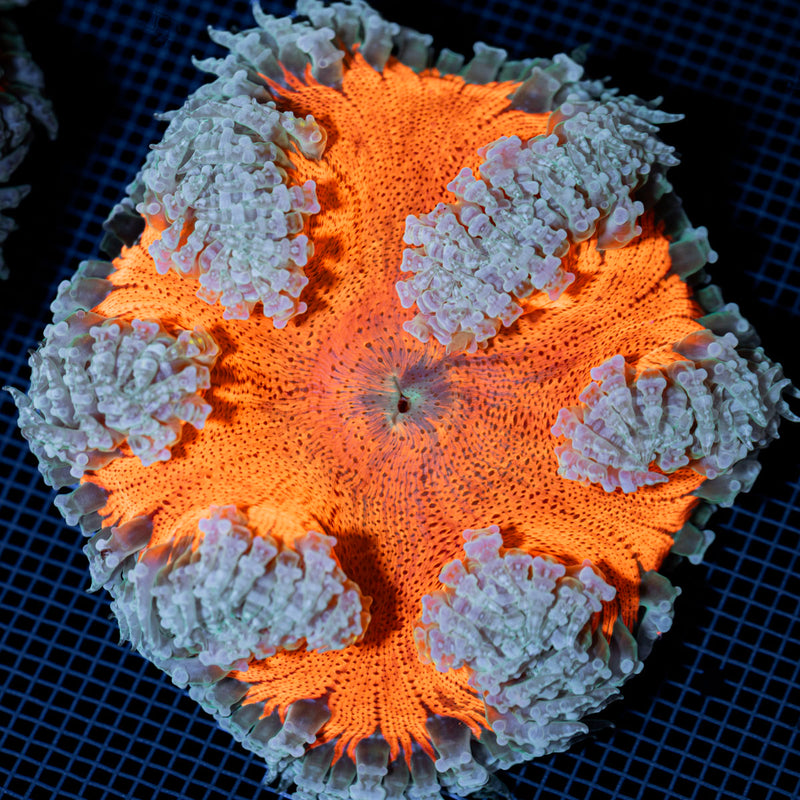
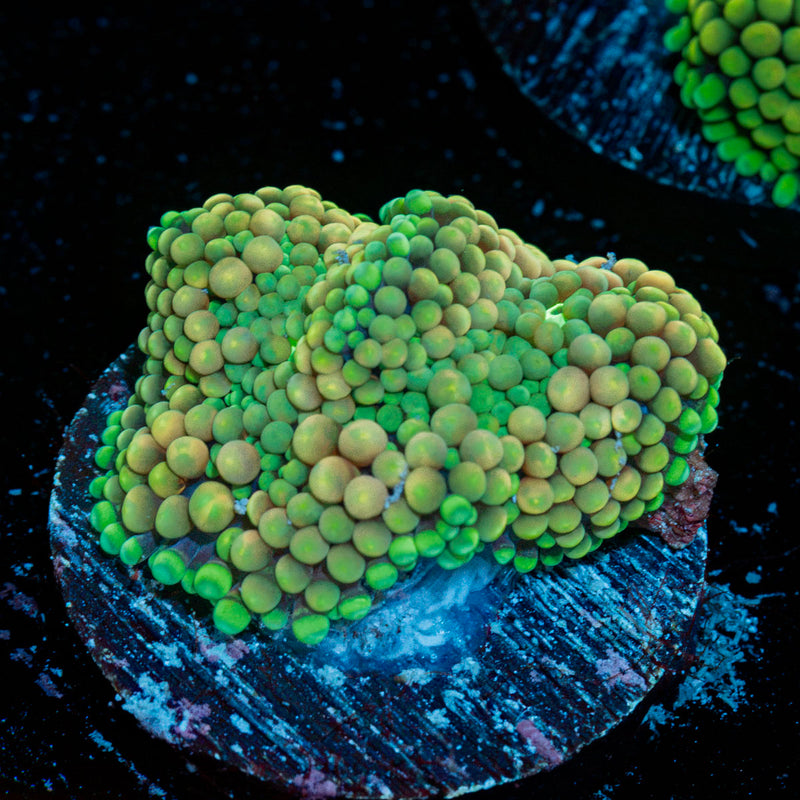
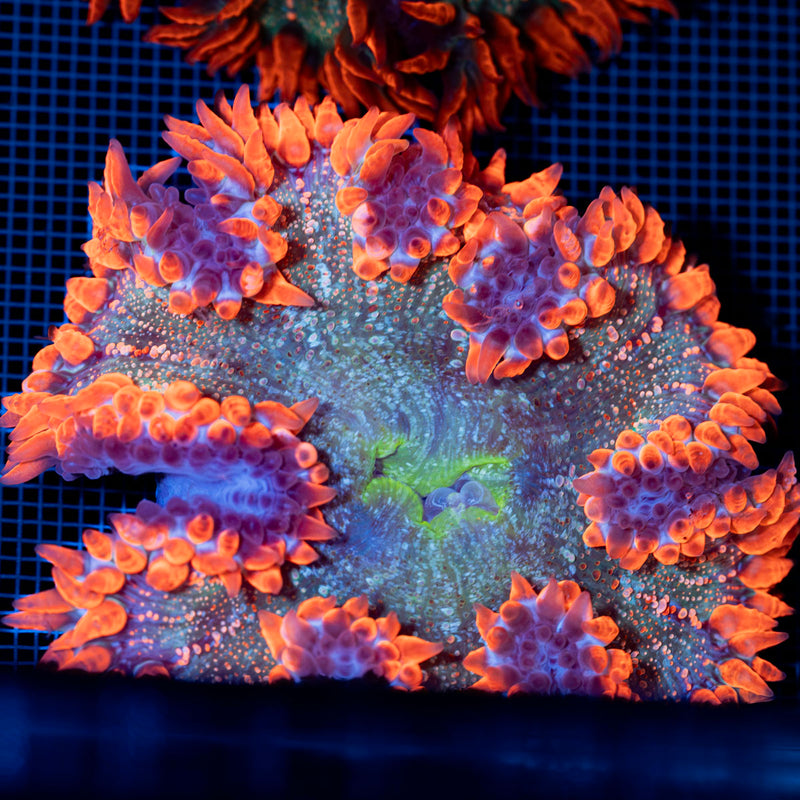
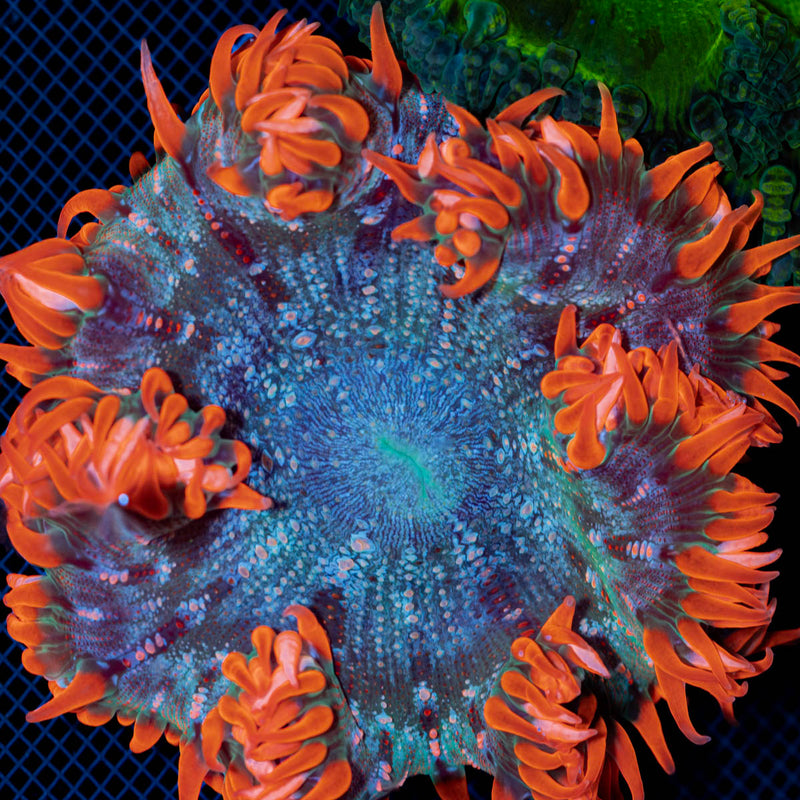
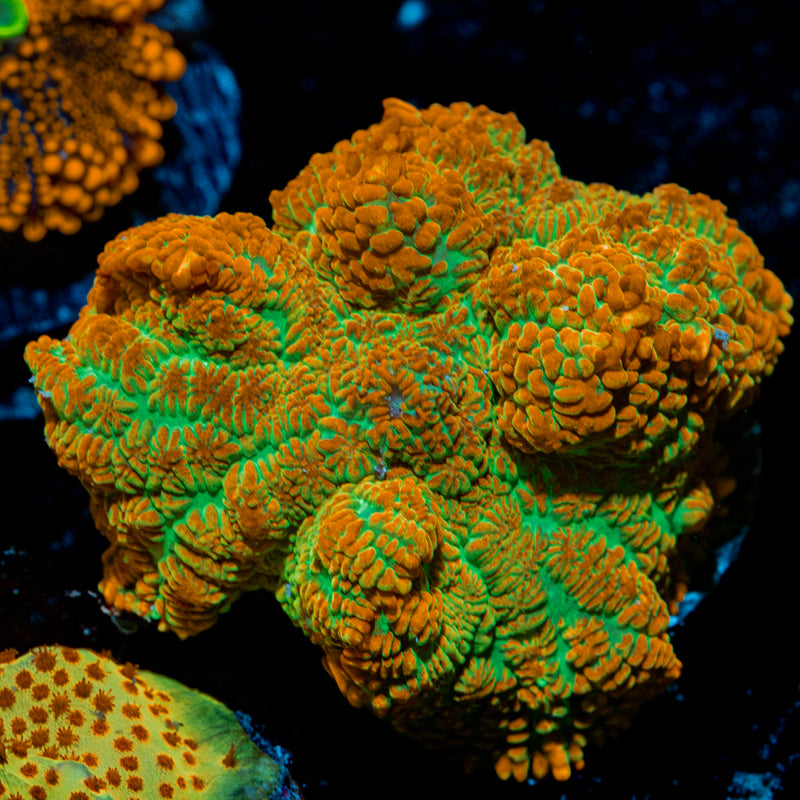
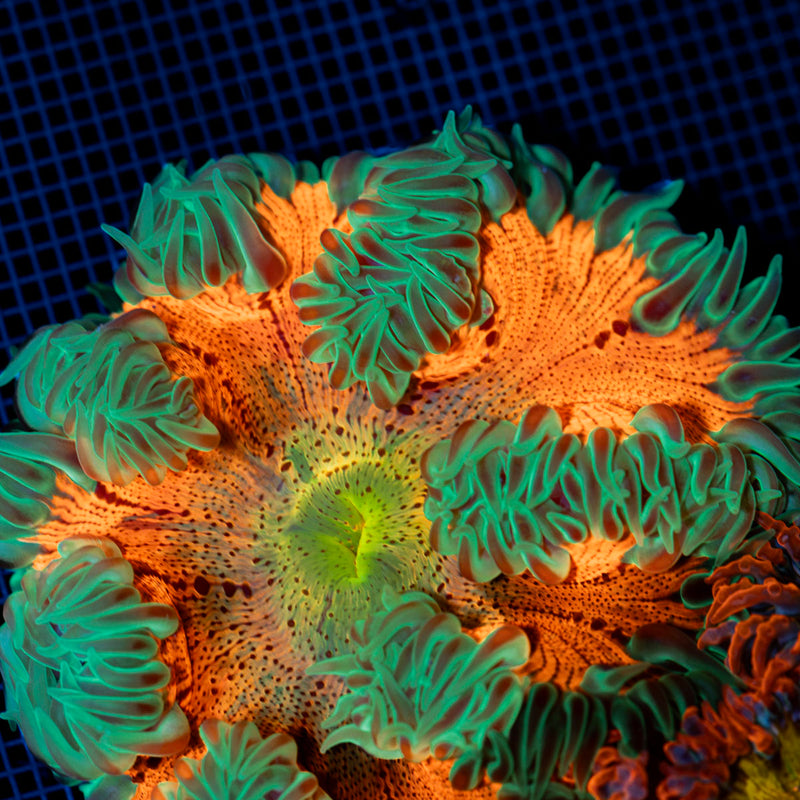
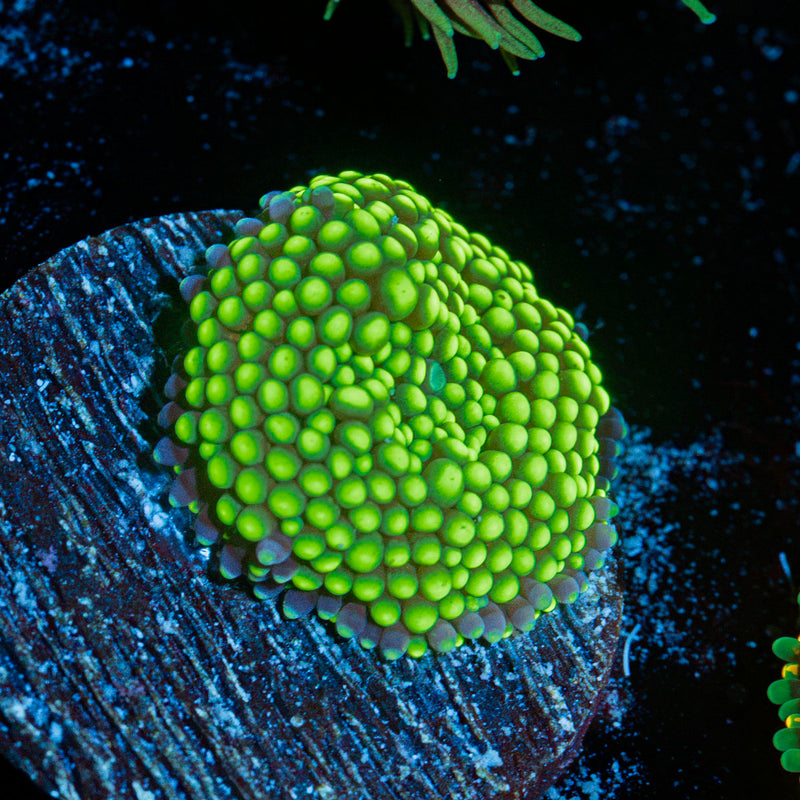
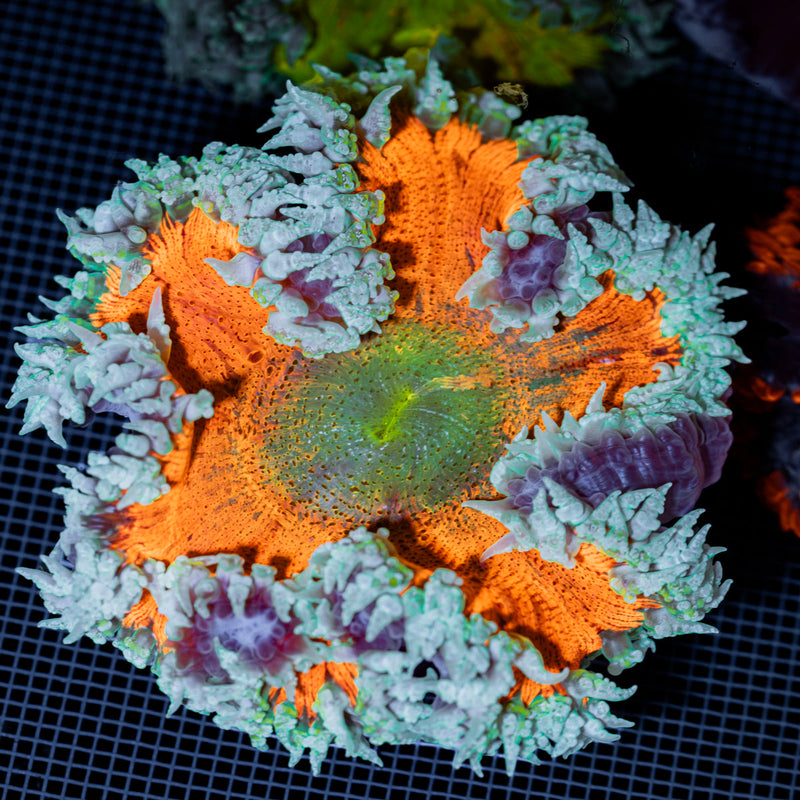
Mushrooms are classic beginner coral territory because they are forgiving, colorful, and adaptable. Many tolerate lower to moderate light and gentle to moderate flow, which makes them a strong option if your tank is still settling in or you are working with a simpler lighting setup. Their soft, fleshy appearance also adds movement and texture that contrasts nicely with stony corals.
They are not always the best choice if you want a super structured, neatly spaced aquascape. Some mushrooms can spread or detach and relocate. Still, for new hobbyists who want hardy living color and a coral that does not demand constant fine-tuning, mushrooms are hard to beat.
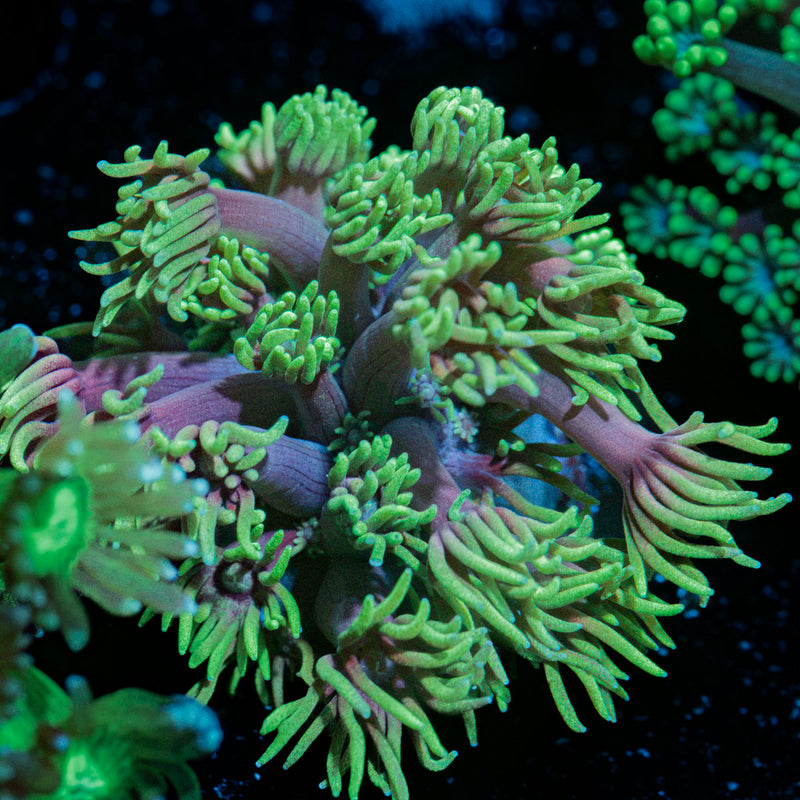
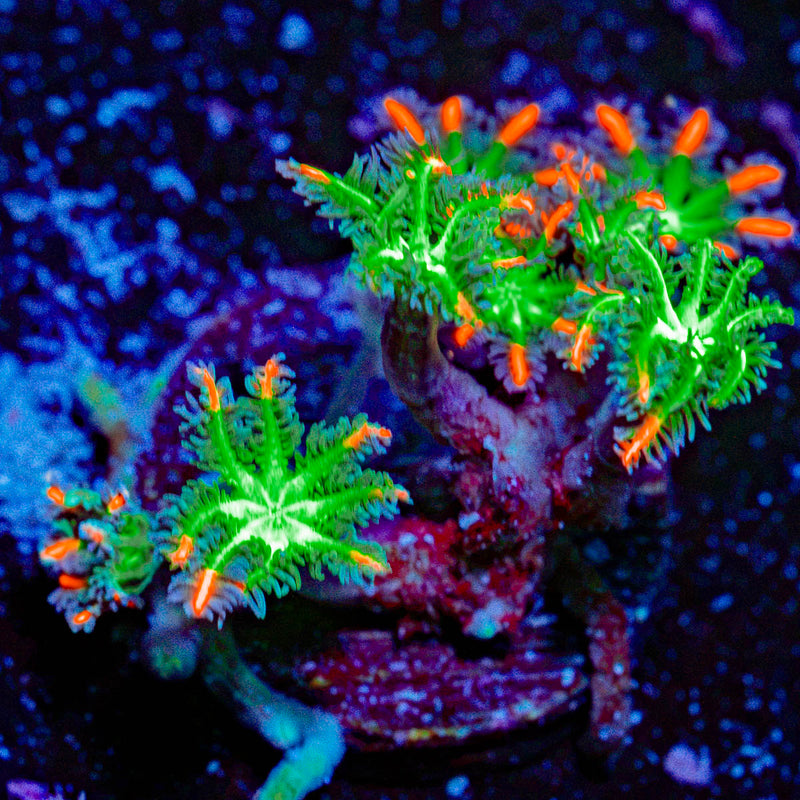
Green star polyps
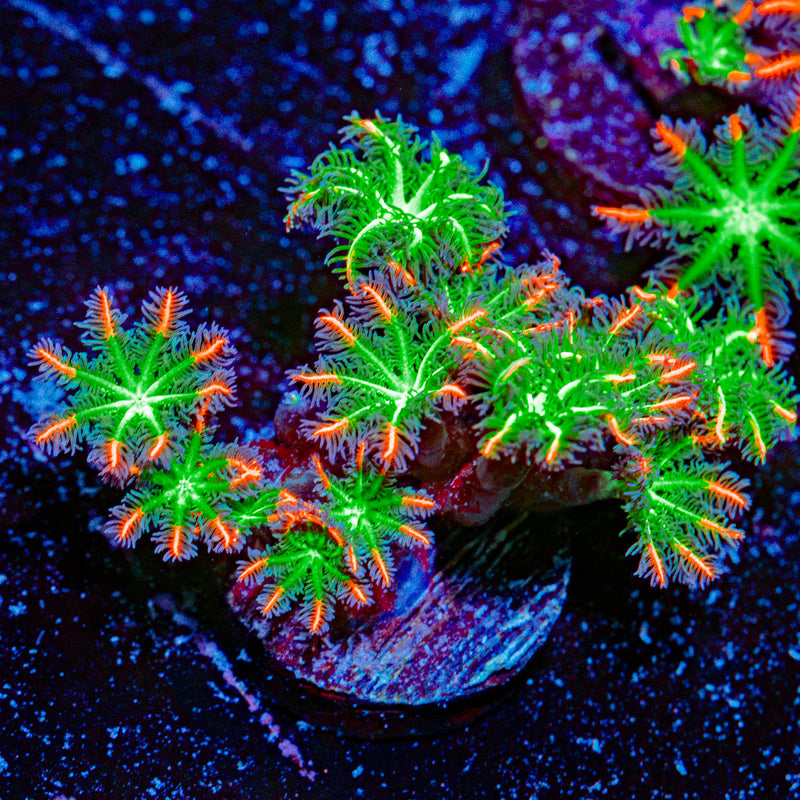
If you want obvious motion in the tank, green star polyps deliver. Their bright green polyps waving in the current create that classic reef energy many beginners picture when planning their first setup. They are hardy, visually striking, and often open readily once established.
The caution with green star polyps is simple - they can grow aggressively. That makes them easy, but not always low-maintenance in the long run. Many hobbyists place them on an isolated rock or back wall area where they can spread without competing with slower-growing corals.
Toadstool leather coral
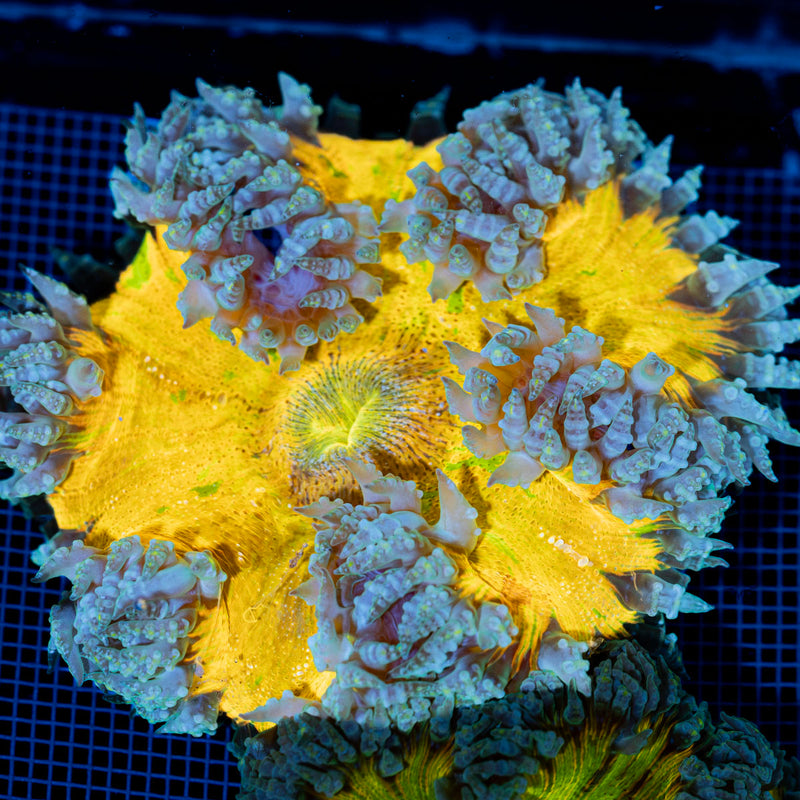
A toadstool leather brings a mature reef look surprisingly early. Its cap-and-stalk shape adds height and structure, and when its polyps extend, it creates soft movement that feels natural and full. This is one of those corals that can look understated one week and absolutely stunning the next once it settles in.
Toadstools are generally hardy and beginner-safe, but they do go through periods where they close up and shed a waxy layer. That can alarm new reef keepers if they are not expecting it. Usually, with stable parameters and decent flow, they bounce back just fine.
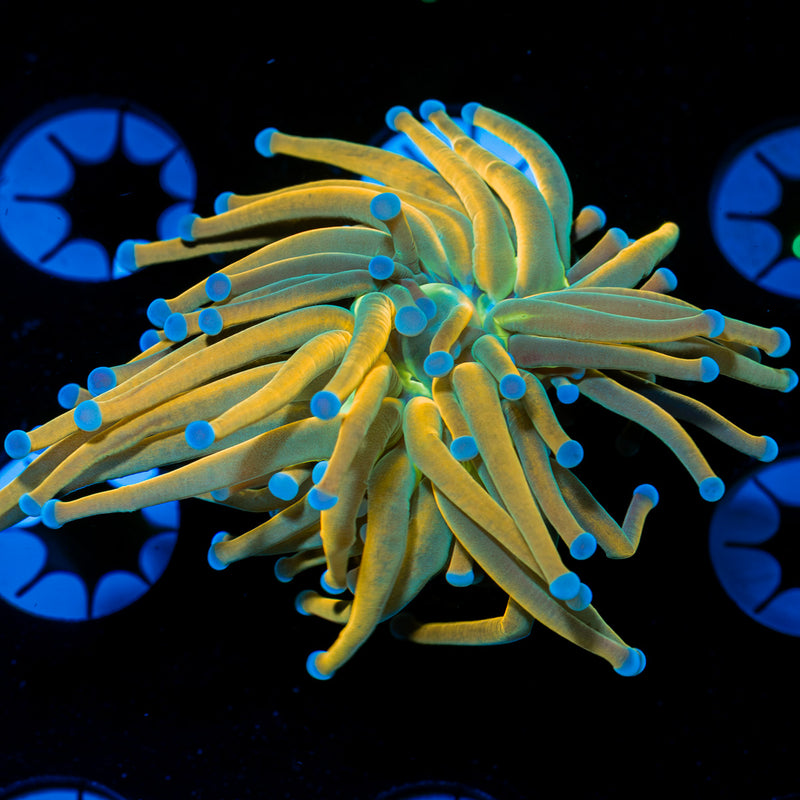
Hammer coral
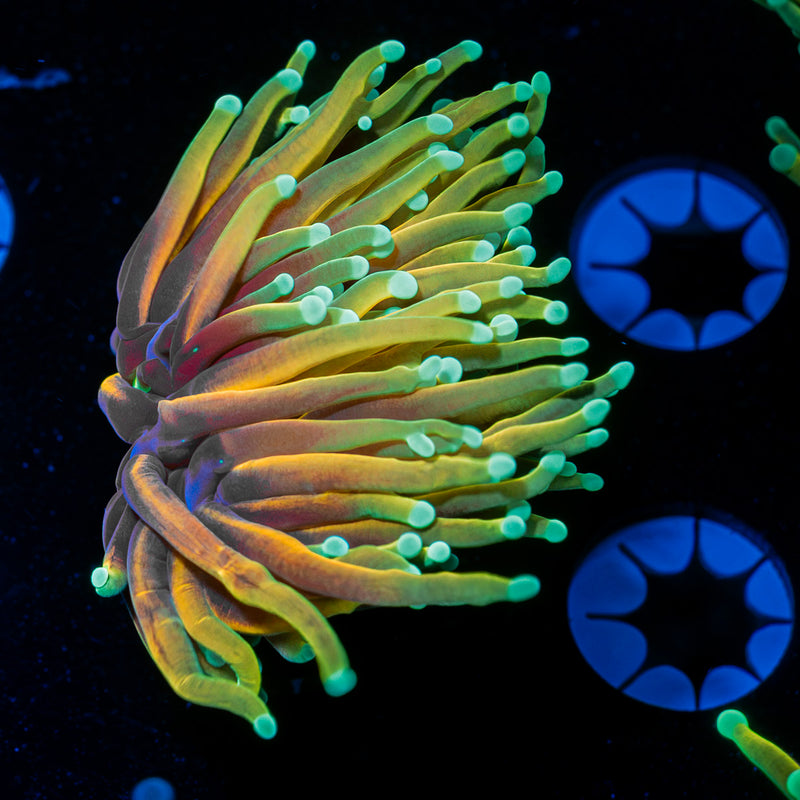
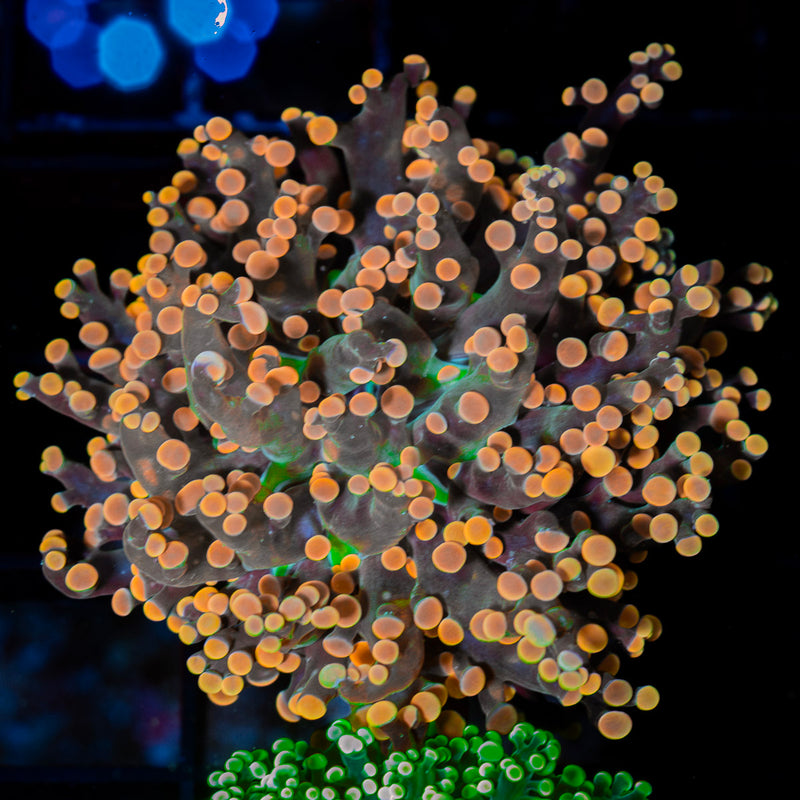
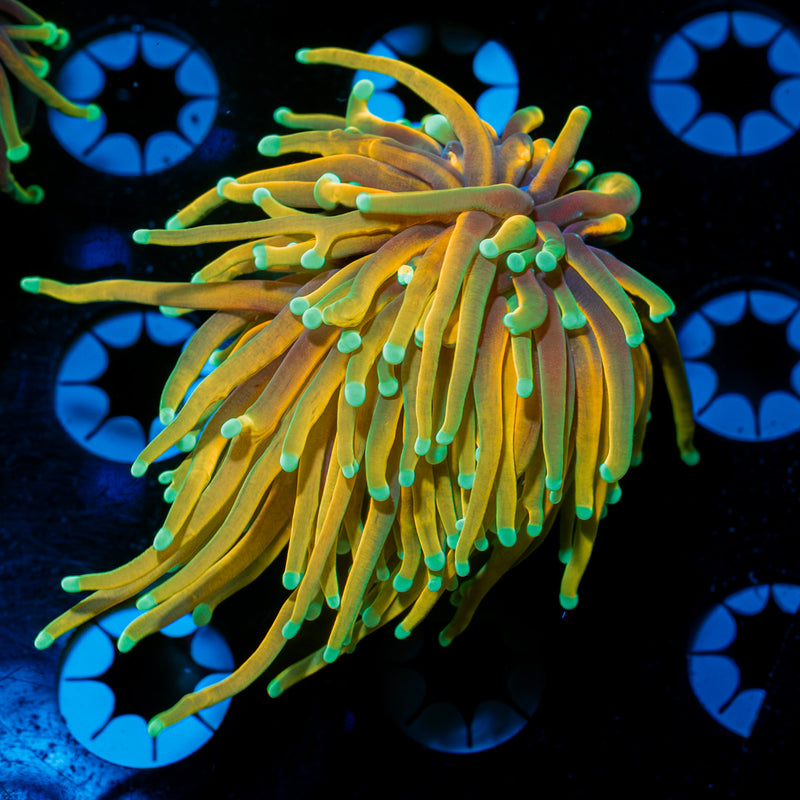
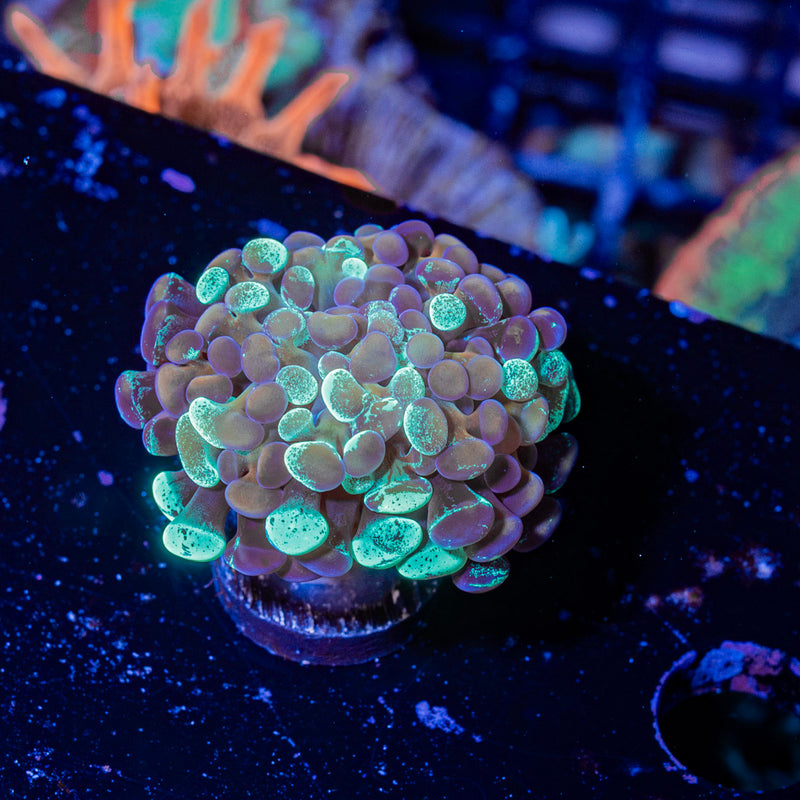
For hobbyists ready to try an LPS coral without going straight to the most demanding options, hammer corals are a strong next step. Their branching heads and flowing tentacles bring movement, shape, and a premium look that instantly elevates a tank. In the right placement, a healthy hammer can become one of the true living jewels of a beginner reef.
This is where the word beginner needs a little nuance. Hammer corals are beginner-friendly compared with many other LPS and SPS choices, but they still prefer more stability than mushrooms or leather corals. Moderate light, moderate flow, and careful spacing are key since their sweeper tentacles can sting nearby corals.
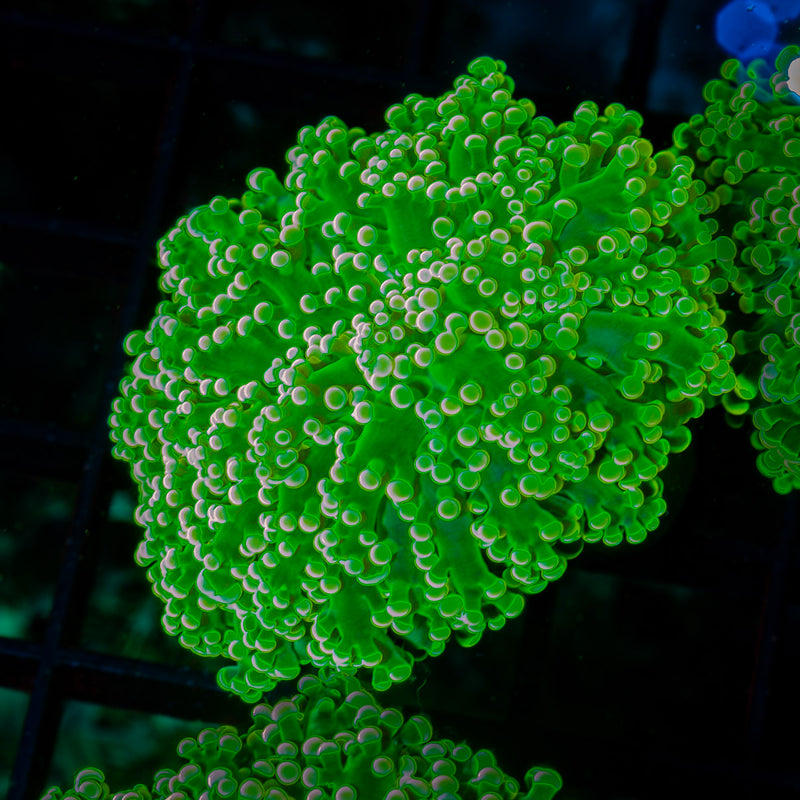
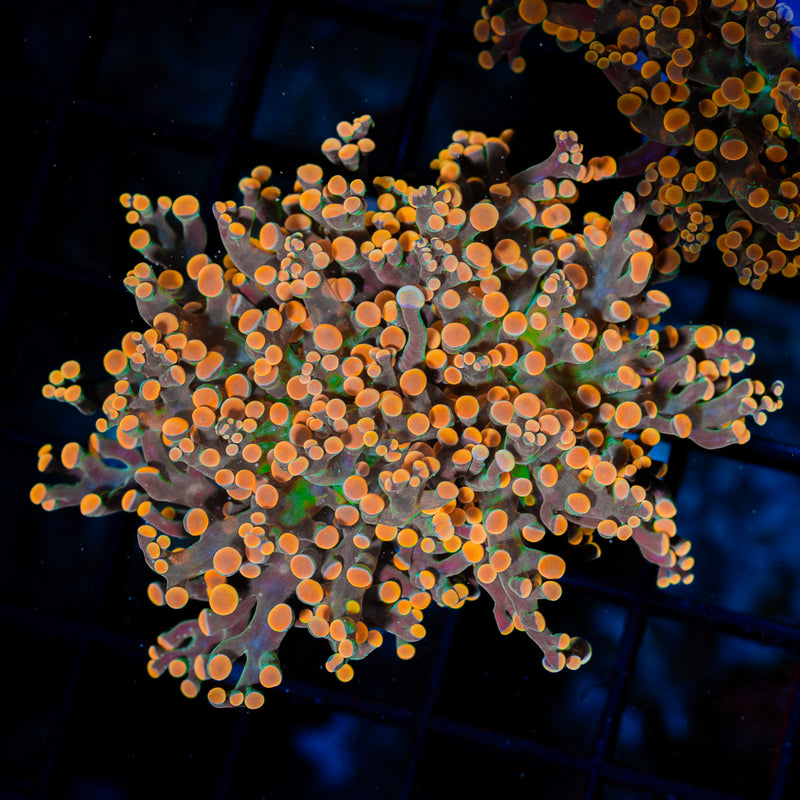
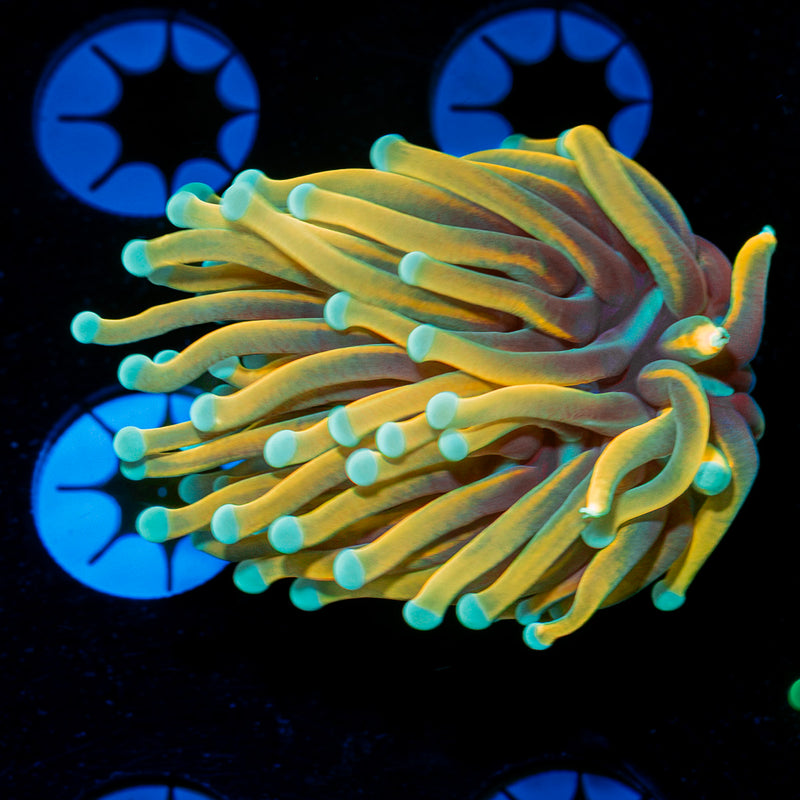
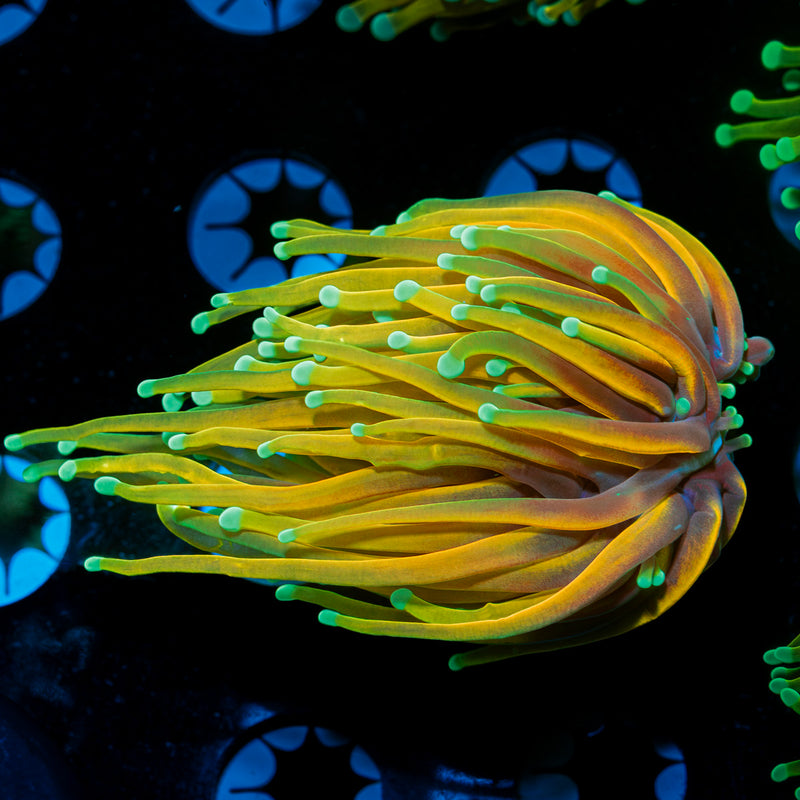
Frogspawn coral
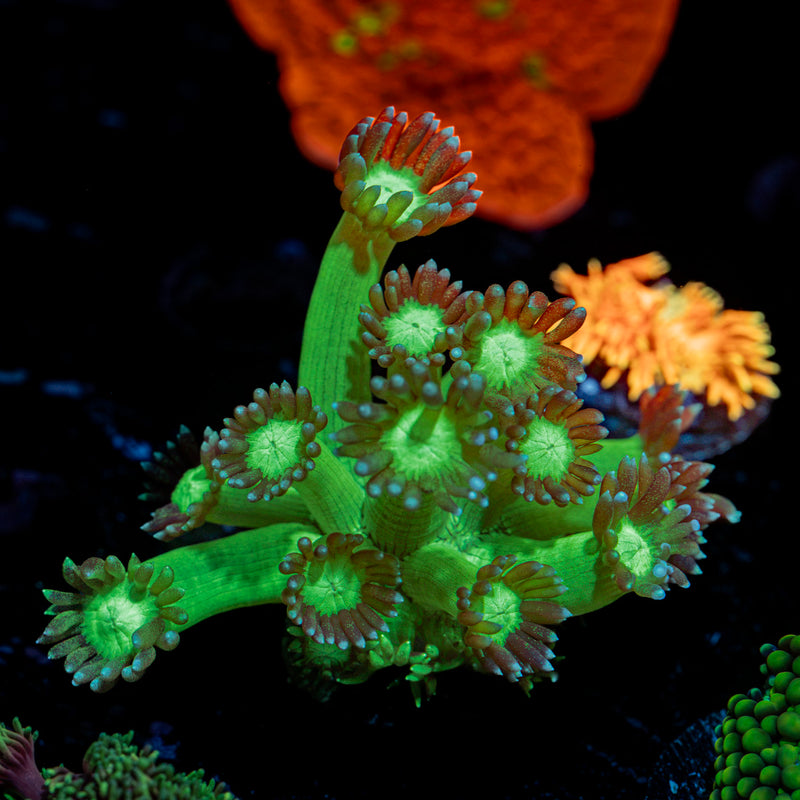
Frogspawn corals offer a similar appeal to hammers with slightly different polyp shape and movement. They have a lush, animated look that many reef keepers love, especially as the tank starts moving from beginner setup to polished display. Their color can be gorgeous under reef lighting, giving the tank a bright, high-end feel without requiring expert-only care.
Like hammer corals, frogspawn benefits from stable water quality and thoughtful placement. Too much direct flow can keep the polyps from extending comfortably, while too little flow can let debris settle. If your tank parameters are steady and you are ready for a coral that asks a little more from you, frogspawn is a very reasonable step up.
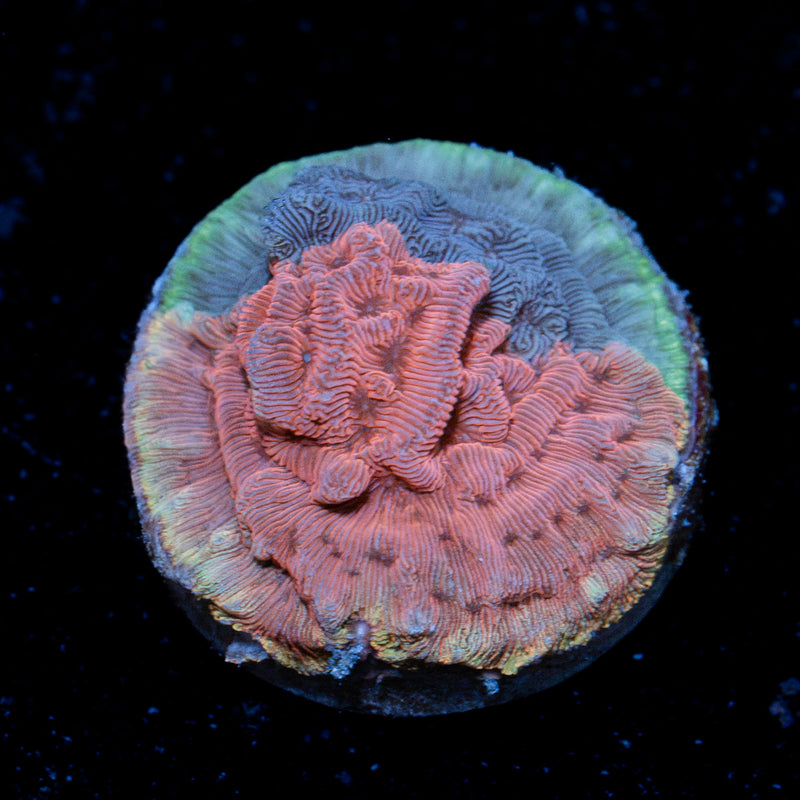
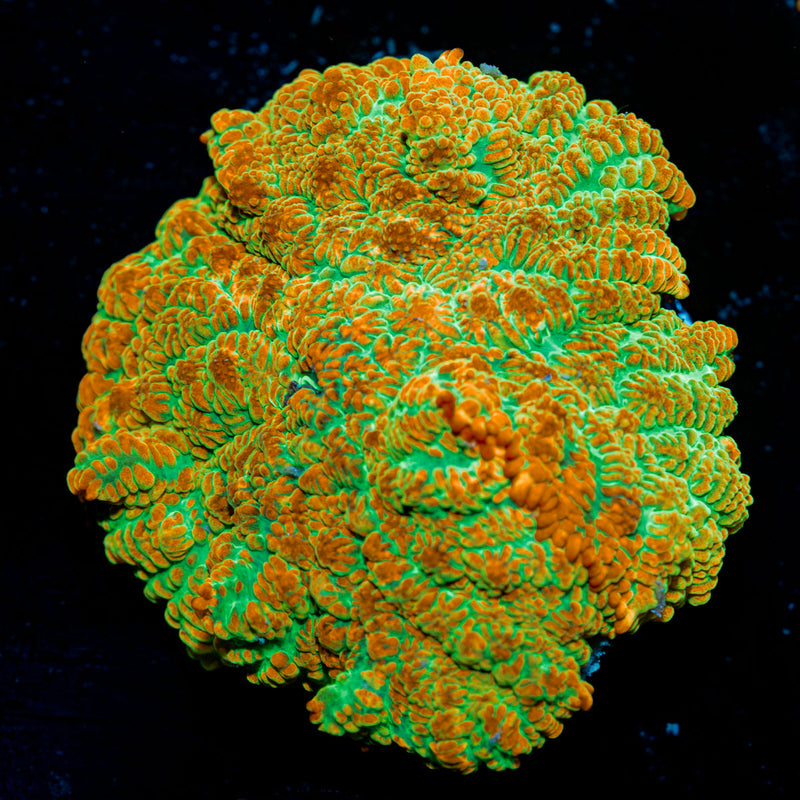
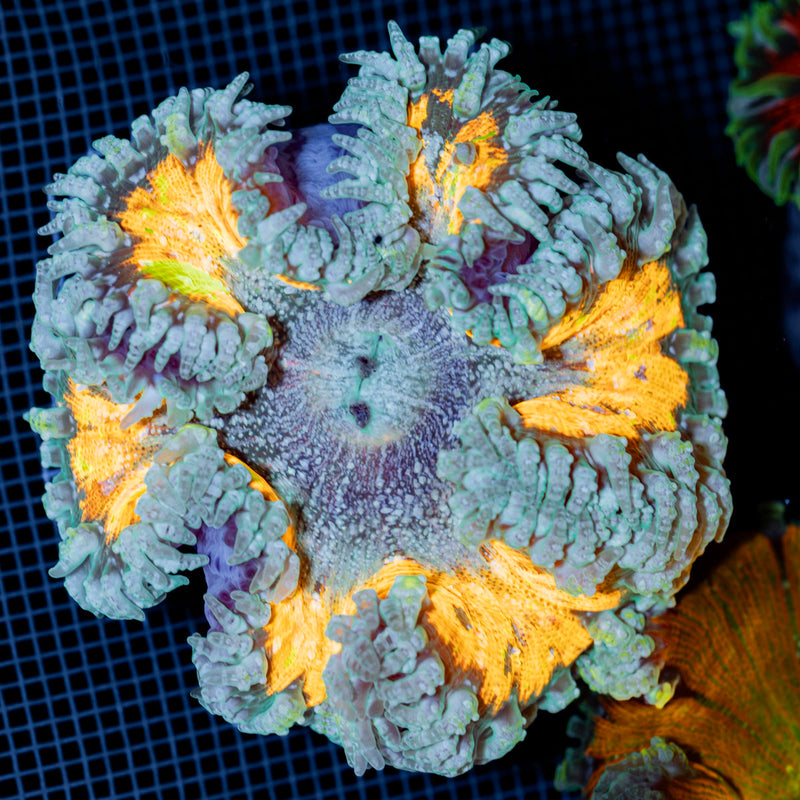
Acan corals
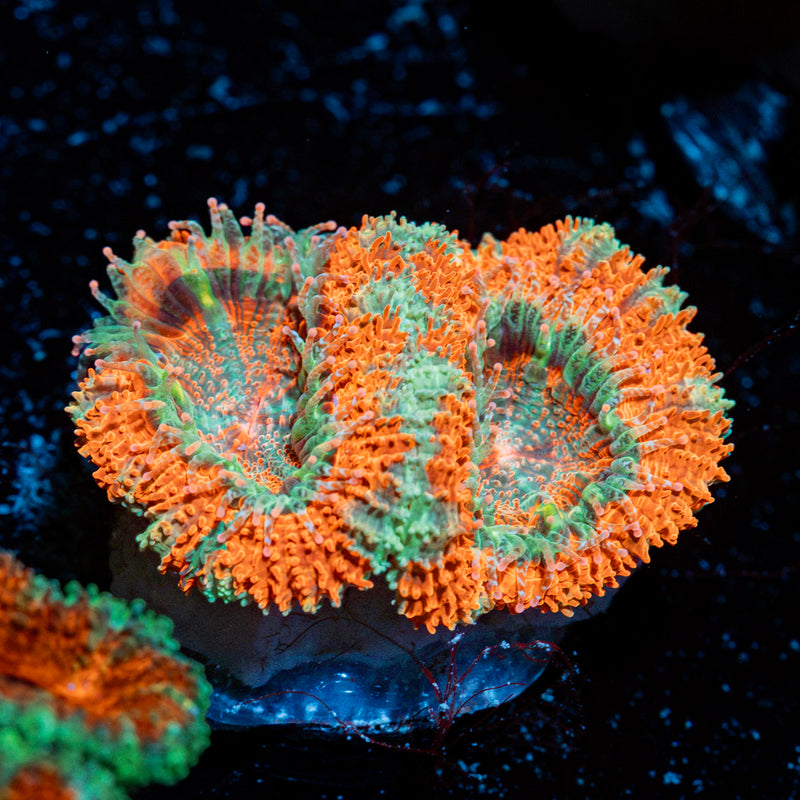
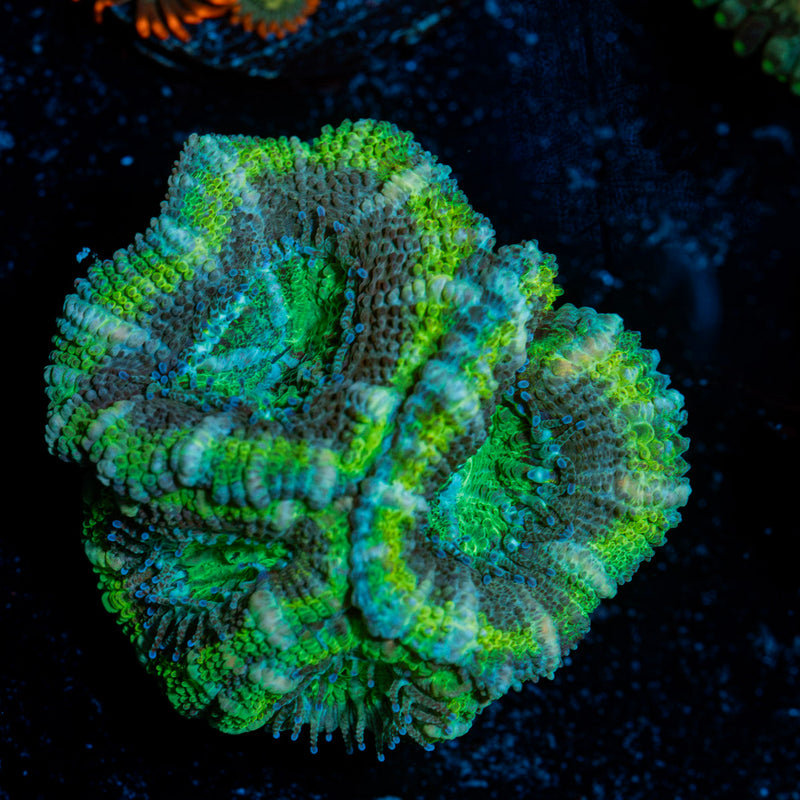
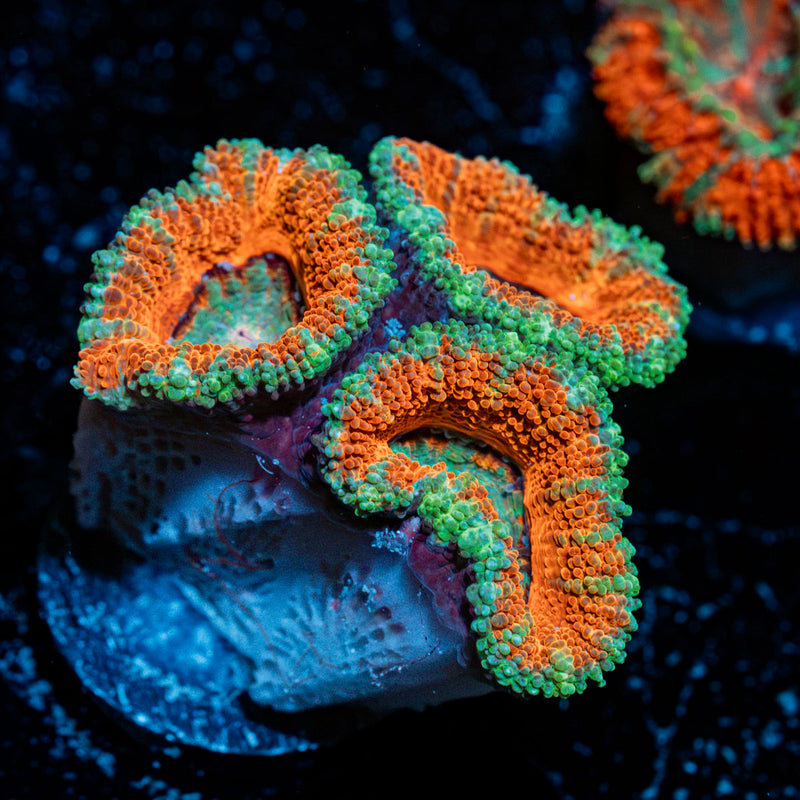
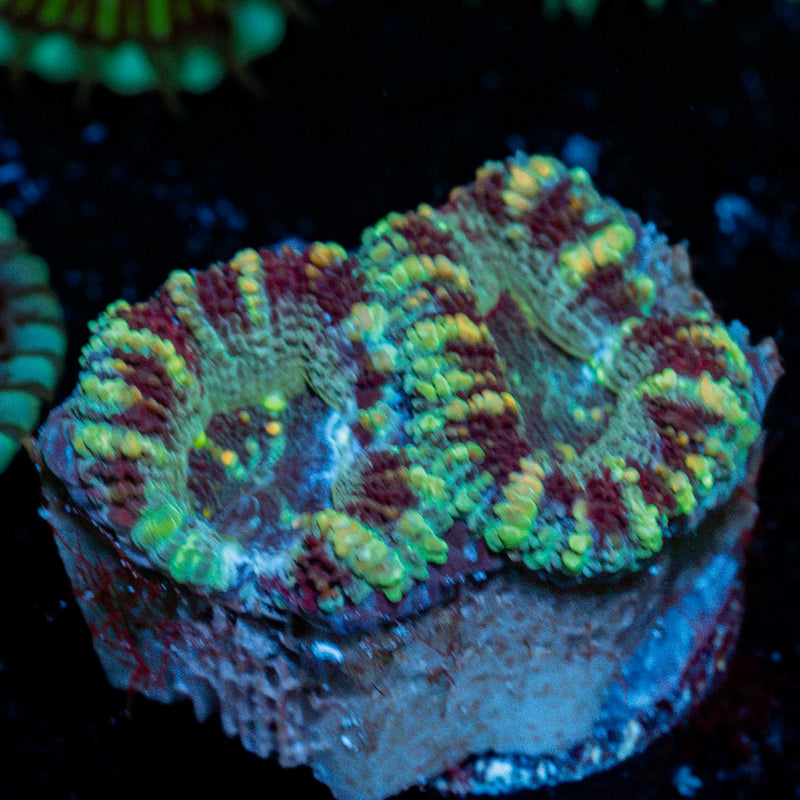
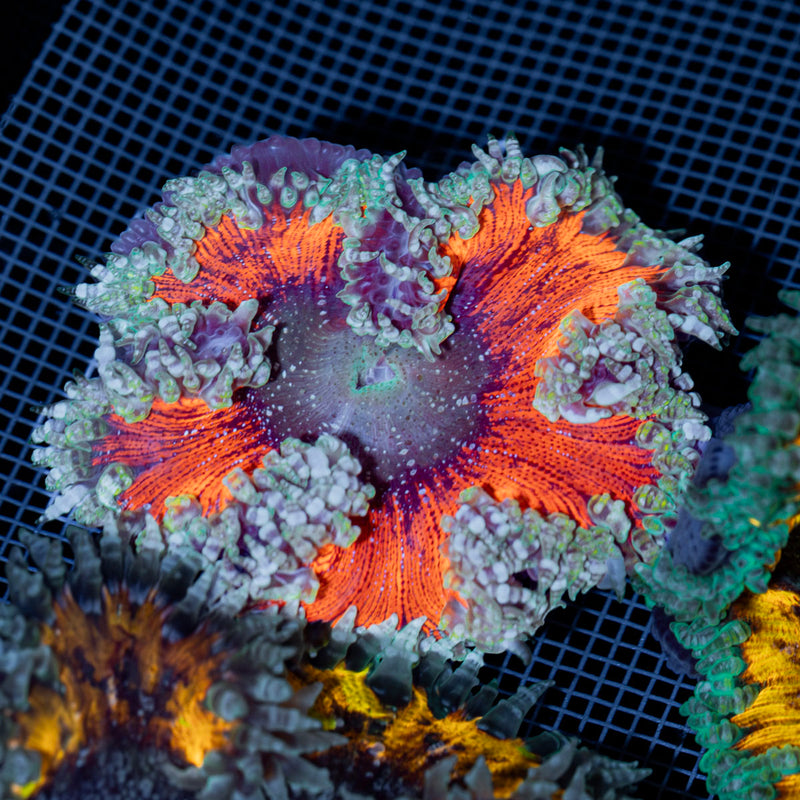
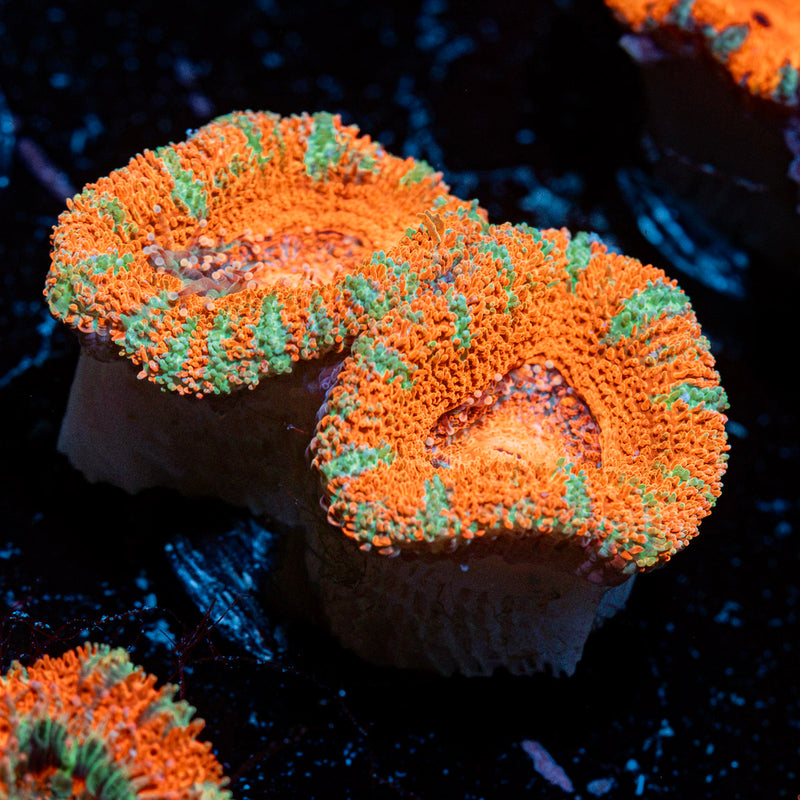
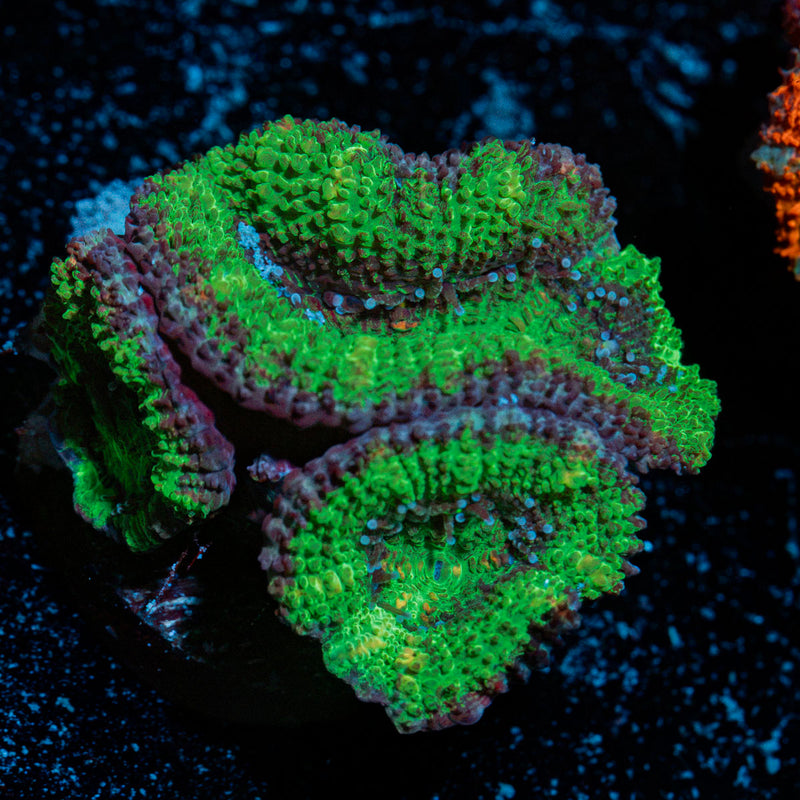
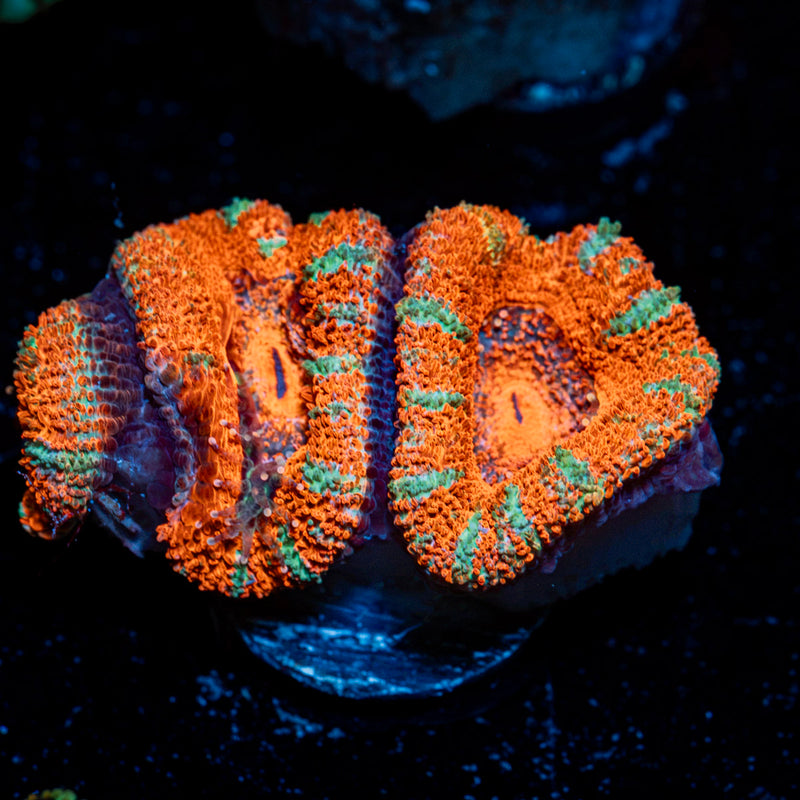
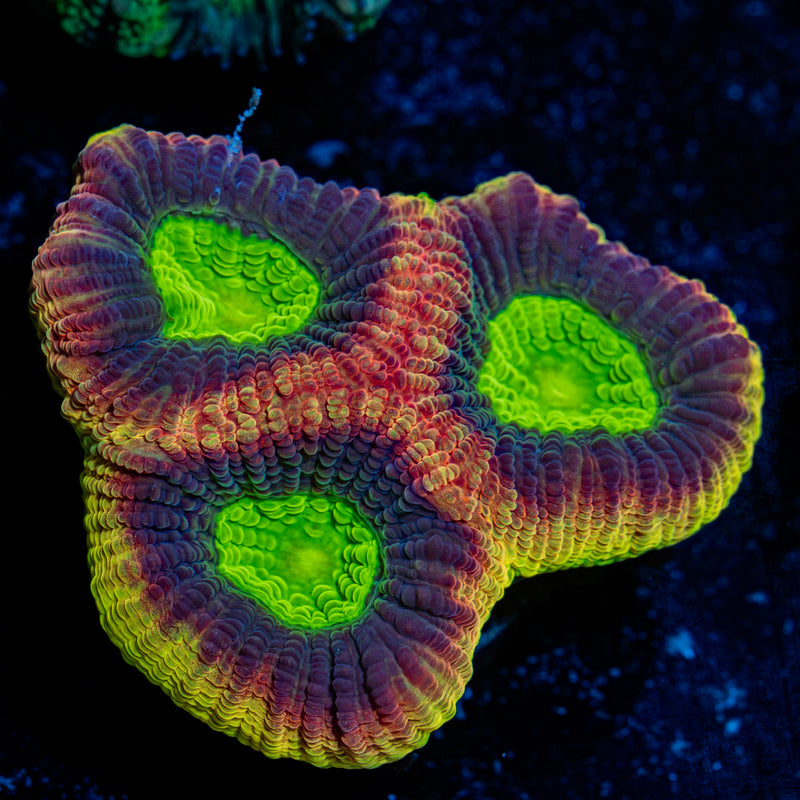
Acans are a favorite for newer hobbyists who want rich color and fleshy LPS texture without jumping into a high-risk category. Many varieties show off vivid reds, oranges, greens, and striped patterns that pop beautifully on lower rockwork. They often look expensive and dramatic even in smaller frags, which makes them a satisfying purchase early on.
They tend to prefer lower to moderate light and gentler flow than some other corals, and many respond well to occasional target feeding. The main thing to watch is stability. While acans are approachable, they usually appreciate cleaner, more consistent conditions than the most forgiving soft corals.
How to choose the right first coral for your tank
The best beginner reef tank corals are not just the easiest corals on paper. They are the ones that match your current tank, your equipment, and your comfort level. If your lighting is modest and your tank is still new, mushrooms, zoanthids, and leather corals are often safer first picks than fleshy LPS with tighter stability demands.
Placement matters just as much as species. Corals with more aggressive growth can crowd neighbors, while corals with sweeper tentacles need room to avoid stinging. A mixed reef can absolutely work for beginners, but it works best when you think ahead about space, flow zones, and how each coral will look once it grows out.
Buying aquacultured frags also stacks the odds in your favor. Healthy, established frags tend to transition more predictably into home aquariums, which is exactly what beginners need. That is part of why many hobbyists starting out prefer curated, beginner-friendly selections from specialists like Riptide Aquaculture rather than taking a gamble on whatever happens to be available.
A few mistakes that make easy corals seem hard
New reef keepers often blame themselves too quickly when a coral stays closed for a day or two. Sometimes a coral just needs time to adjust after shipping, dipping, or placement. Constantly moving it around usually creates more stress, not less.
The bigger issue is usually instability. Chasing numbers, changing lighting too fast, overcorrecting salinity, or adding too many corals at once can turn hardy species into struggling ones. Beginner corals are forgiving, but they still need consistency.
It is also easy to buy for color alone and ignore growth habits. That bright mat of green star polyps or that fast-spreading zoa colony may be perfect in one spot and a problem in another. A beautiful reef is not just about what you add. It is about giving each coral a place where it can thrive without creating trouble later.
Building confidence before you build complexity
There is nothing boring about starting simple. A reef packed with healthy zoanthids, glowing mushrooms, a swaying toadstool, and a well-placed hammer or frogspawn can look absolutely stunning. More importantly, it teaches you how your tank behaves, how your corals communicate, and when to leave well enough alone.
That confidence is what turns a first reef into a lasting one. Choose corals that give you color, movement, and room to learn, and your tank will reward patience with the kind of vibrant growth that makes this hobby so addictive.