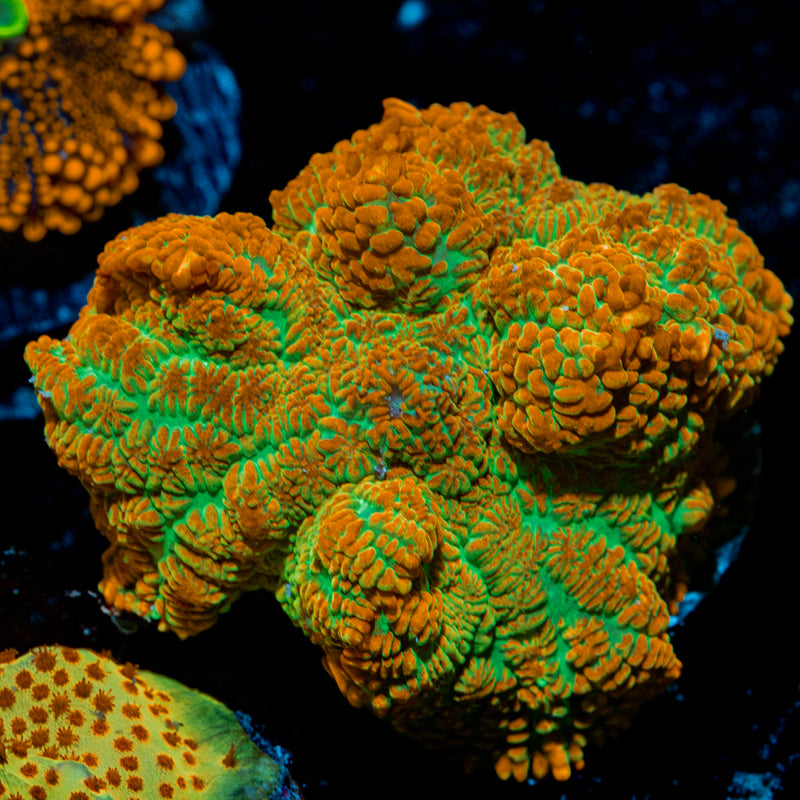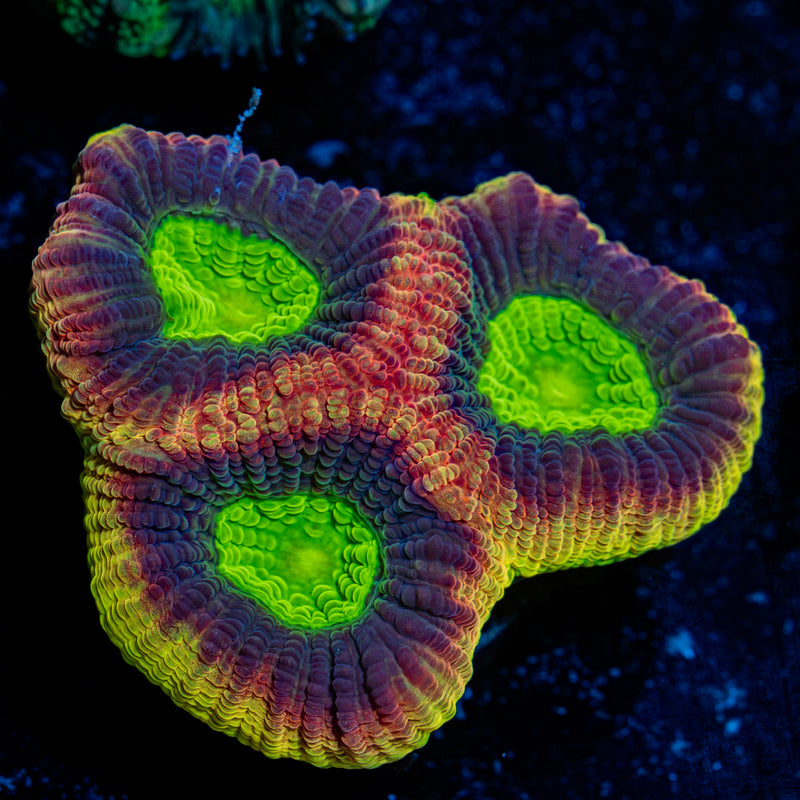
If your reef looks a little too still, soft corals for reef tank setups can change the entire feel of the display. They bring movement, texture, and bright color in a way that feels instantly alive, whether you are filling out a newer tank or adding contrast to a mature mixed reef. For many hobbyists, they are the first corals that make the aquarium look less like rock and more like a living reef.
That appeal is not just visual. Soft corals are popular because many varieties are forgiving, adaptable, and quick to show growth under solid reef conditions. They can be a smart starting point for beginners, but they also earn their place in advanced systems where flow, motion, and color balance matter just as much as rarity.
Why soft corals for reef tank systems are so popular
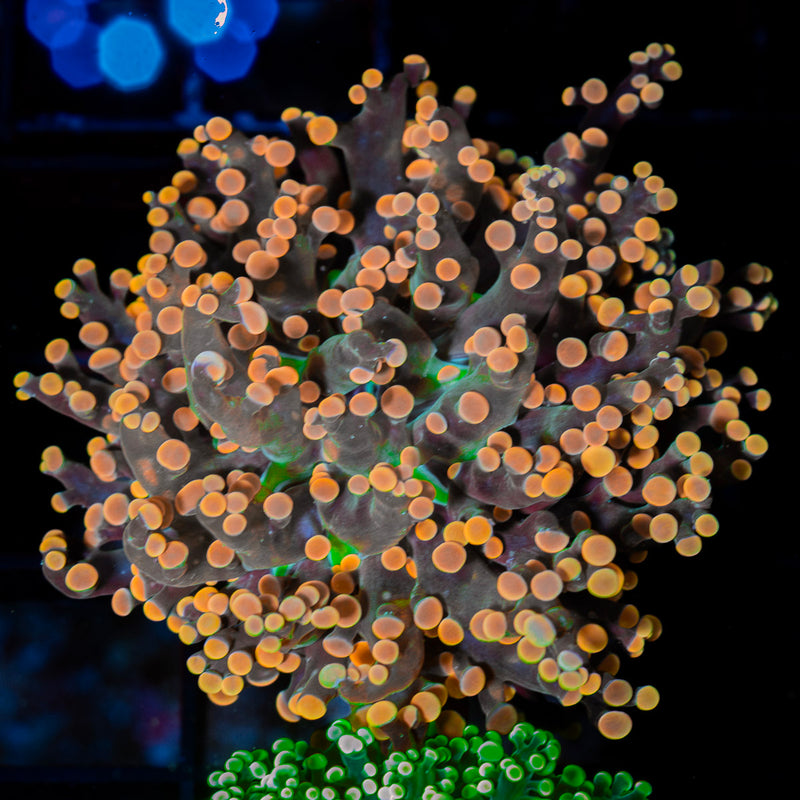
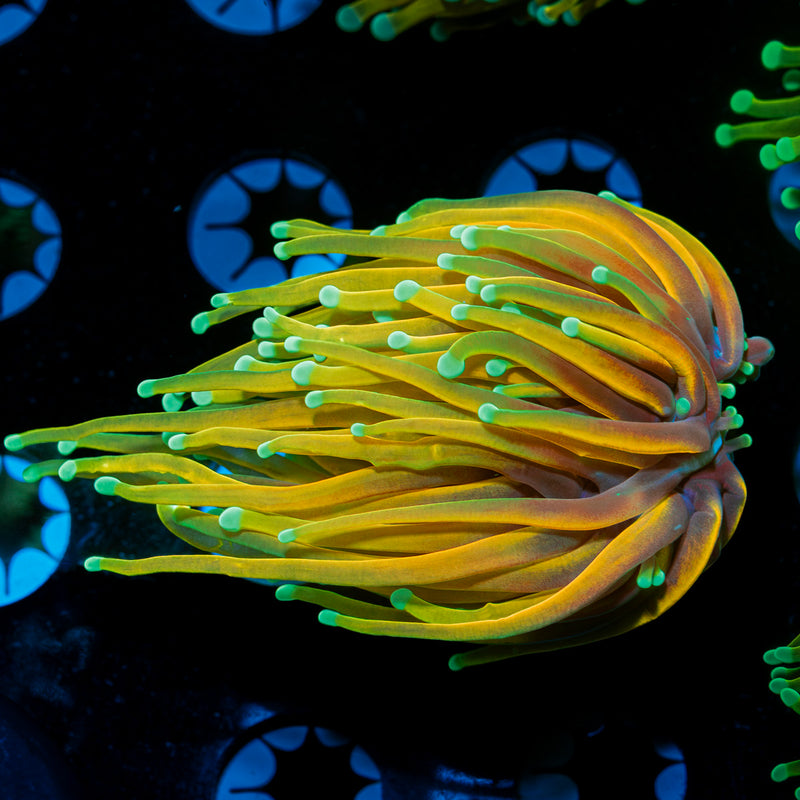
Soft corals tend to be approachable, but they are not boring. A good soft coral section can give a tank swaying movement that stony corals simply do not replicate. Polyps extend, branches pulse, and colonies develop into full, vibrant shapes that keep the eye moving across the aquascape.
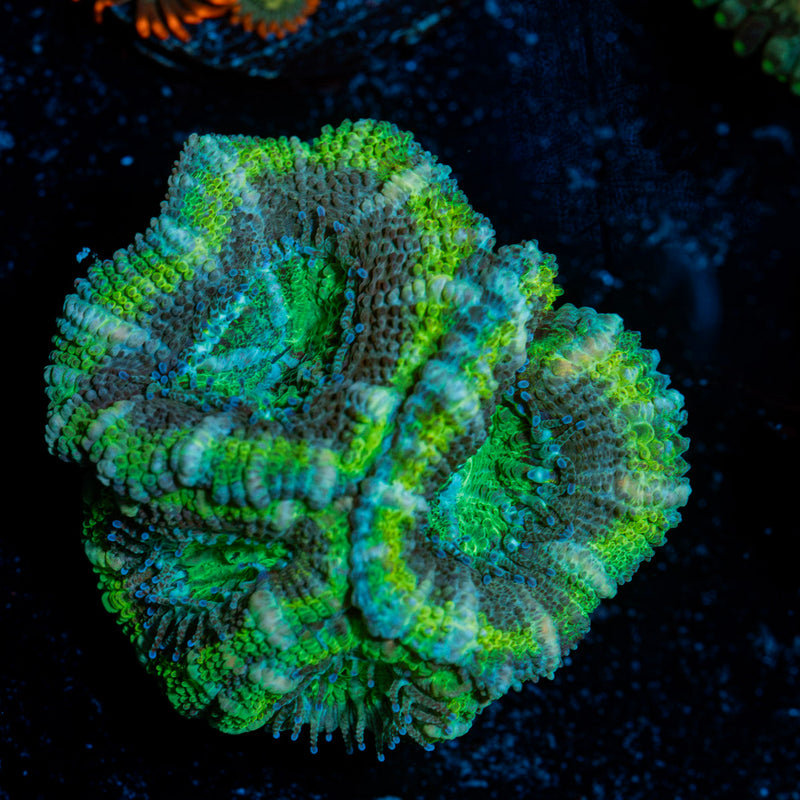
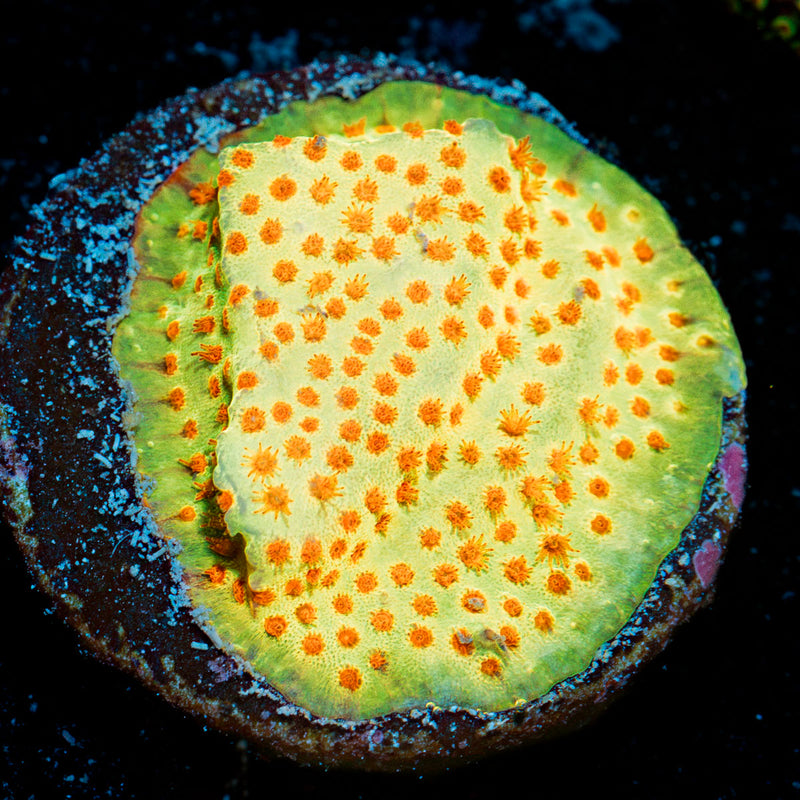
They also cover a wide range of looks. Some are feathery and delicate, some are bold and leathery, and some spread into colorful mats that completely change the personality of a rock. That variety gives hobbyists plenty of room to build a reef that feels curated instead of random.
The other reason they are so well loved is practical. Many soft corals tolerate the normal swings that happen in real home aquariums better than more sensitive species. That does not mean they thrive in neglect, but it does mean they often reward stable, reasonable care without demanding ultra-precise conditions from day one.
Best beginner soft corals to consider
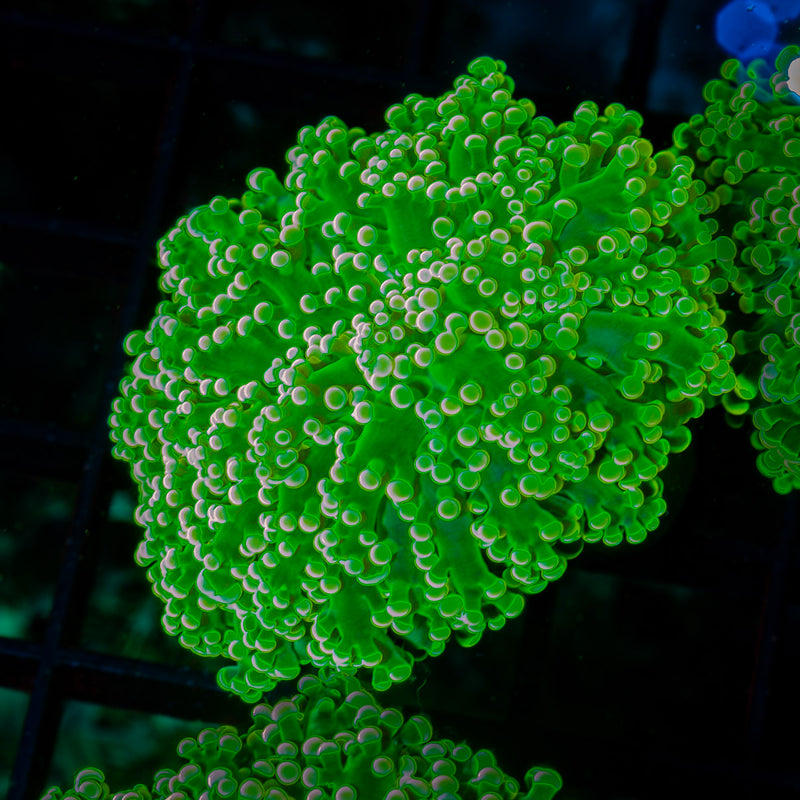
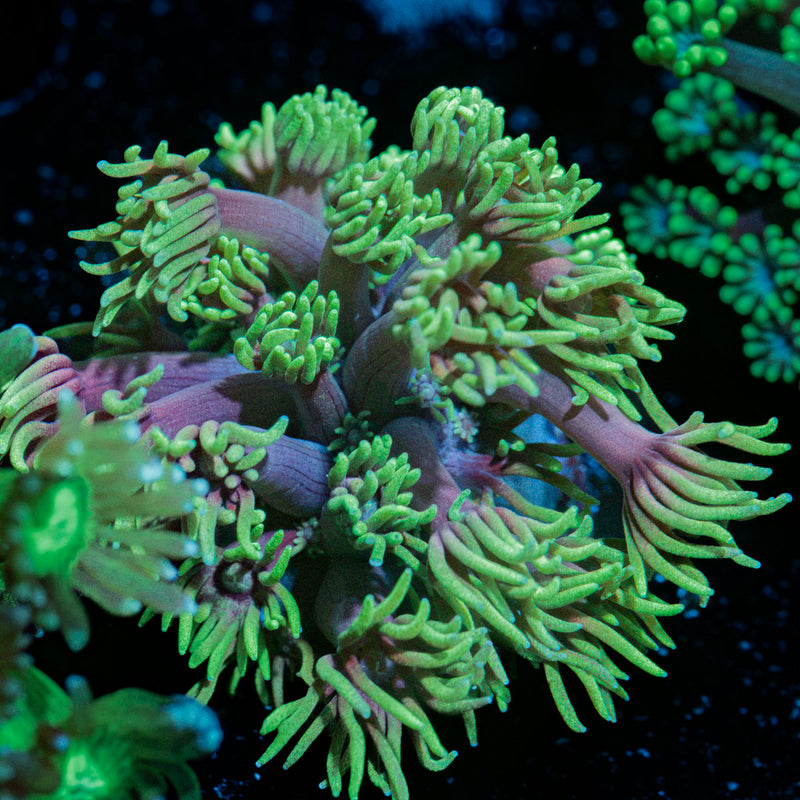
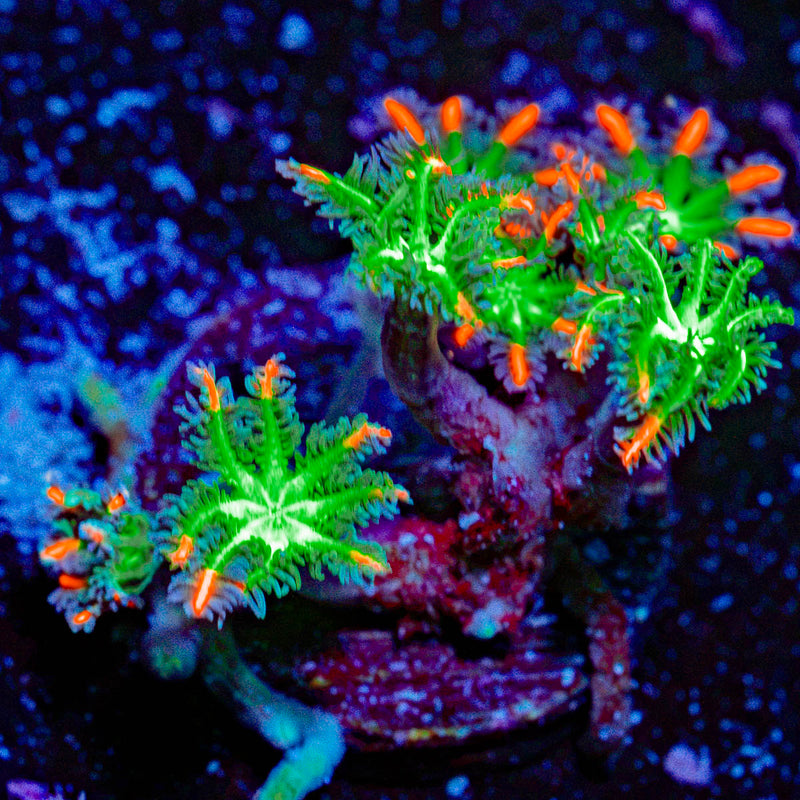
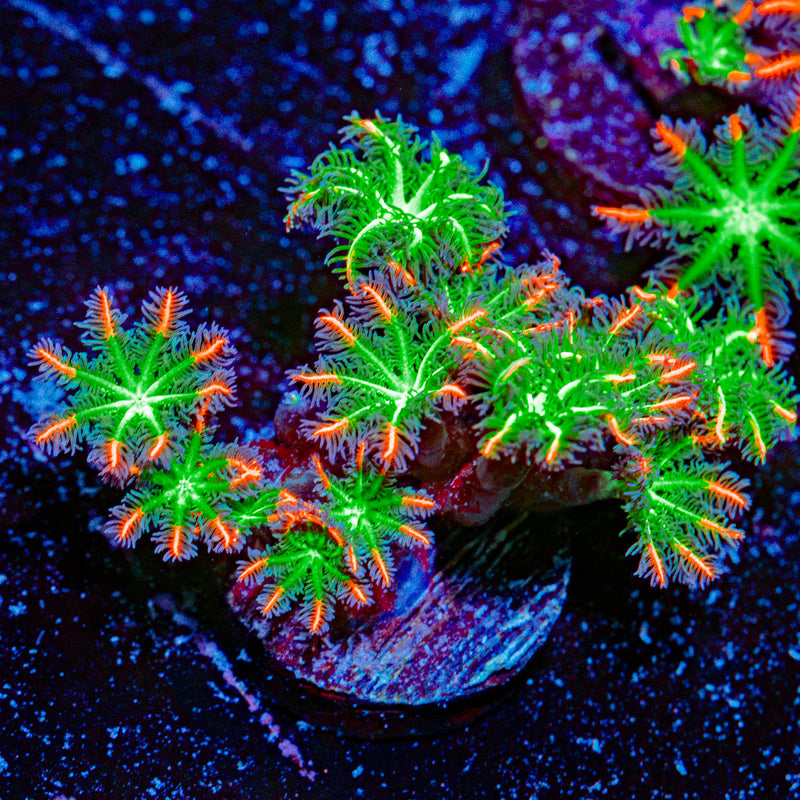
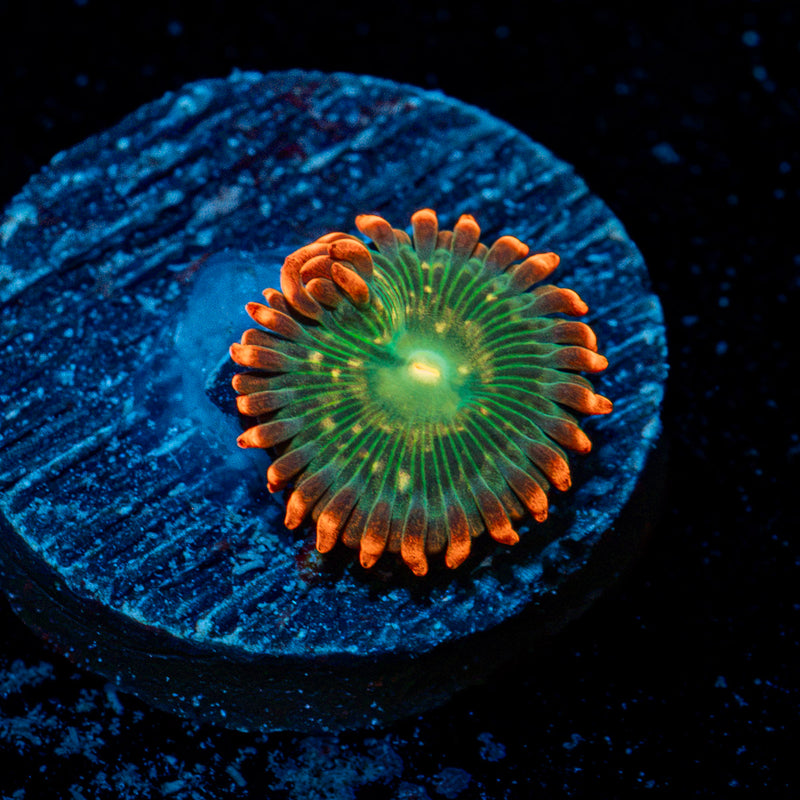
For a first reef tank, a few soft corals stand out because they combine strong visual payoff with manageable care. Green star polyps are a classic example. They create a bright, waving field of polyps that can look stunning on an isolated island or back wall section. The trade-off is growth rate. In the right tank, they can spread fast, so placement matters from the start.
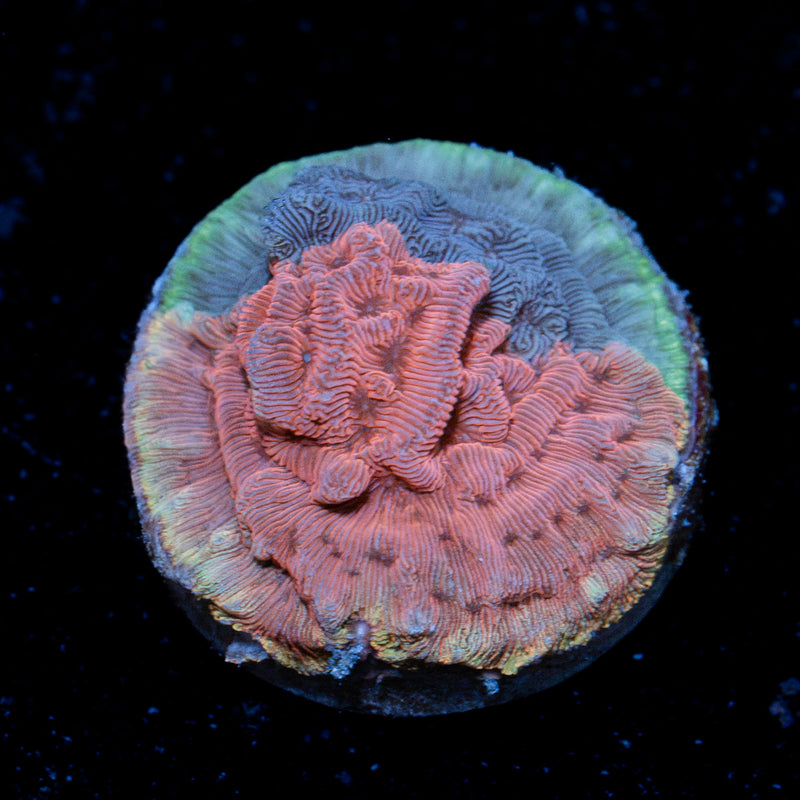
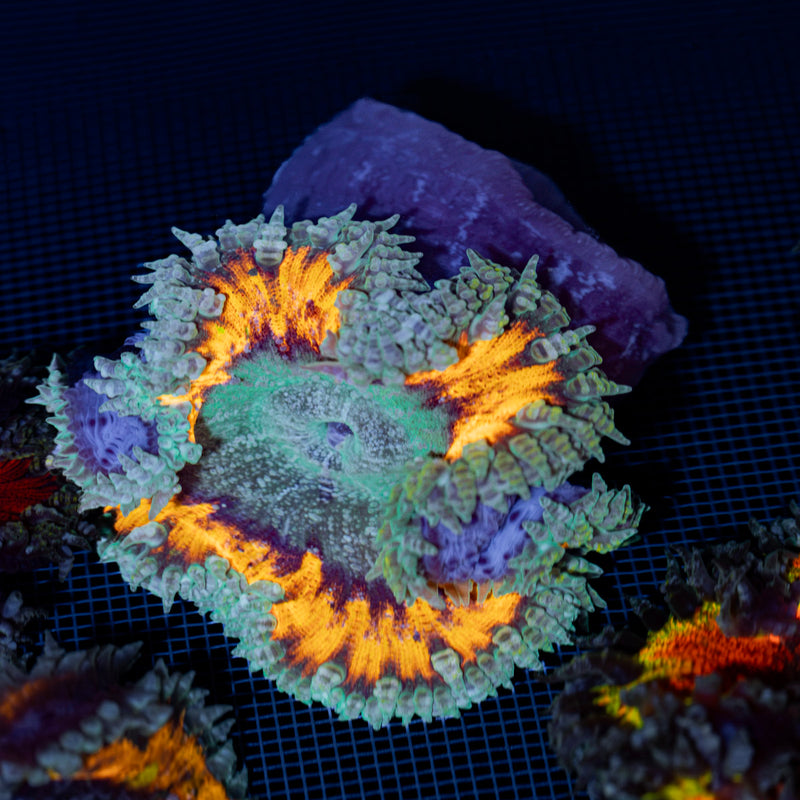
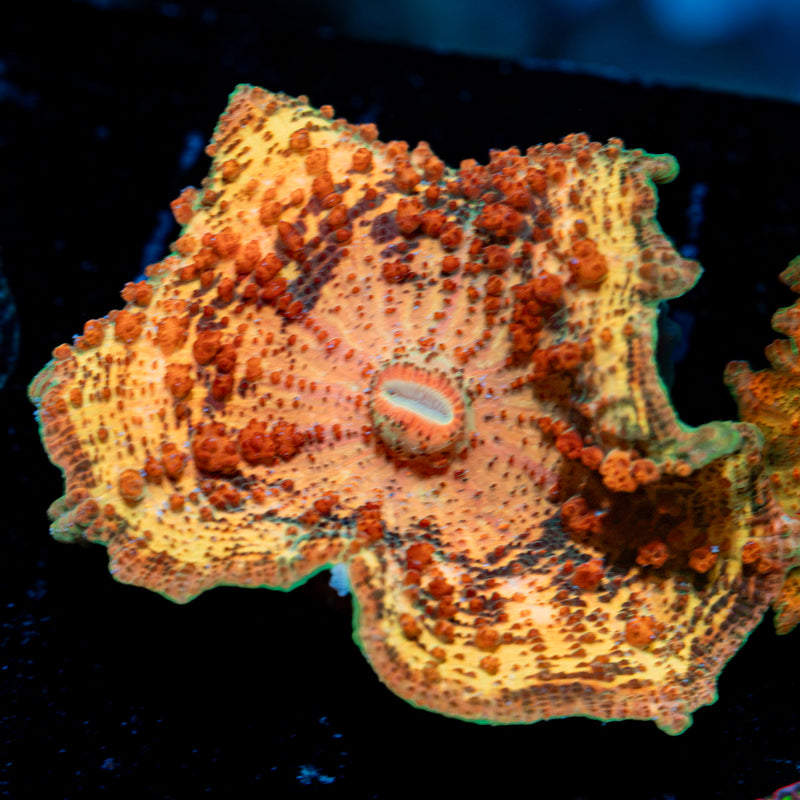
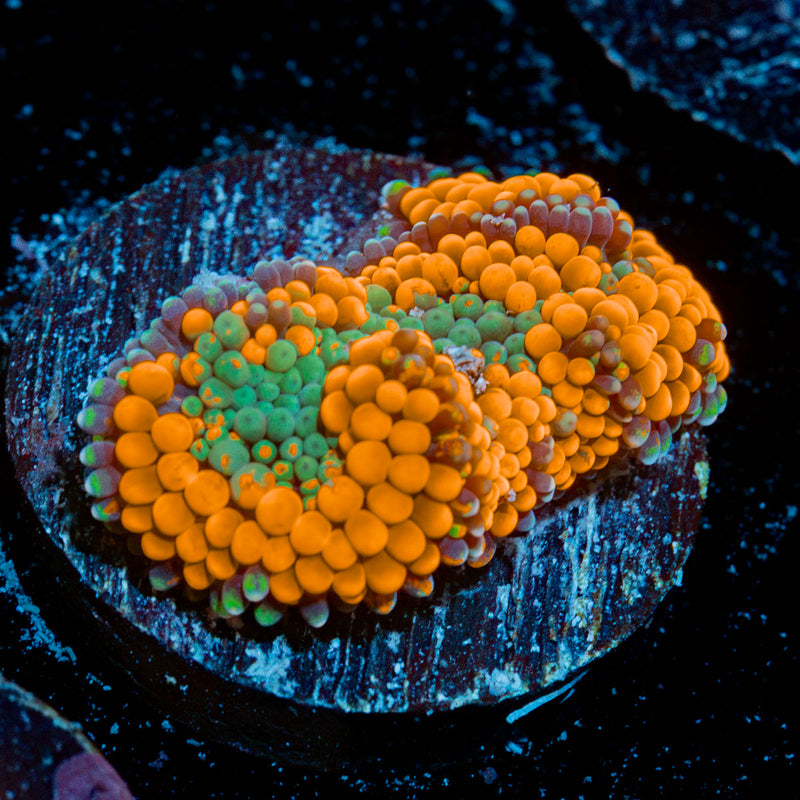
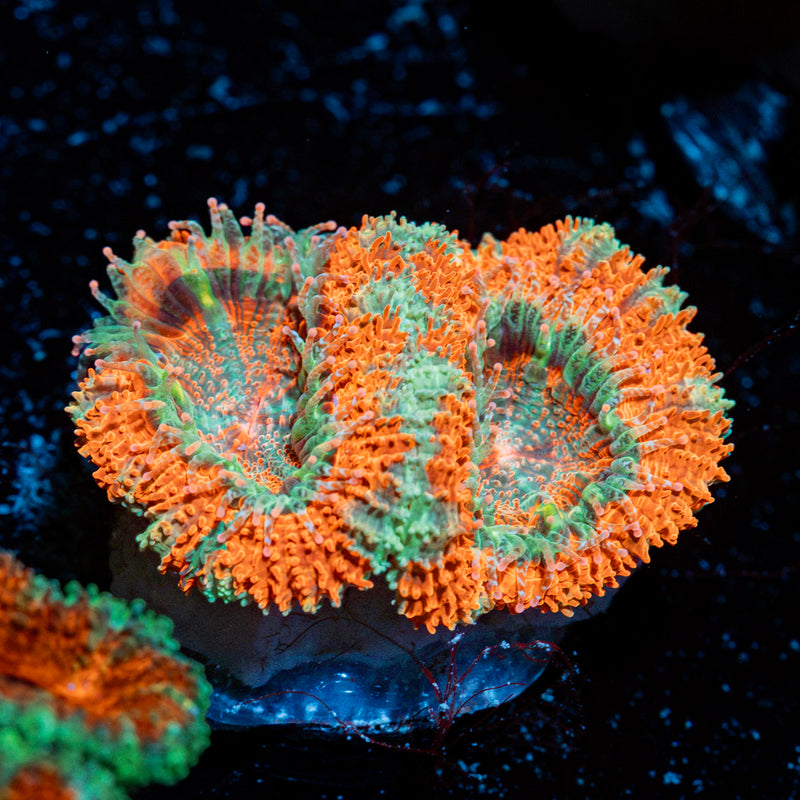
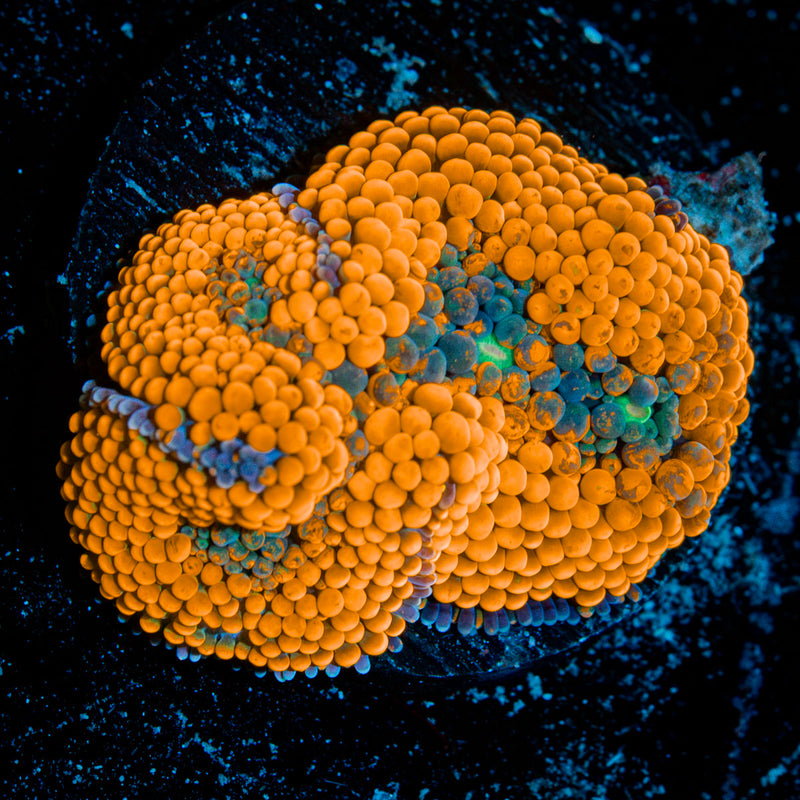
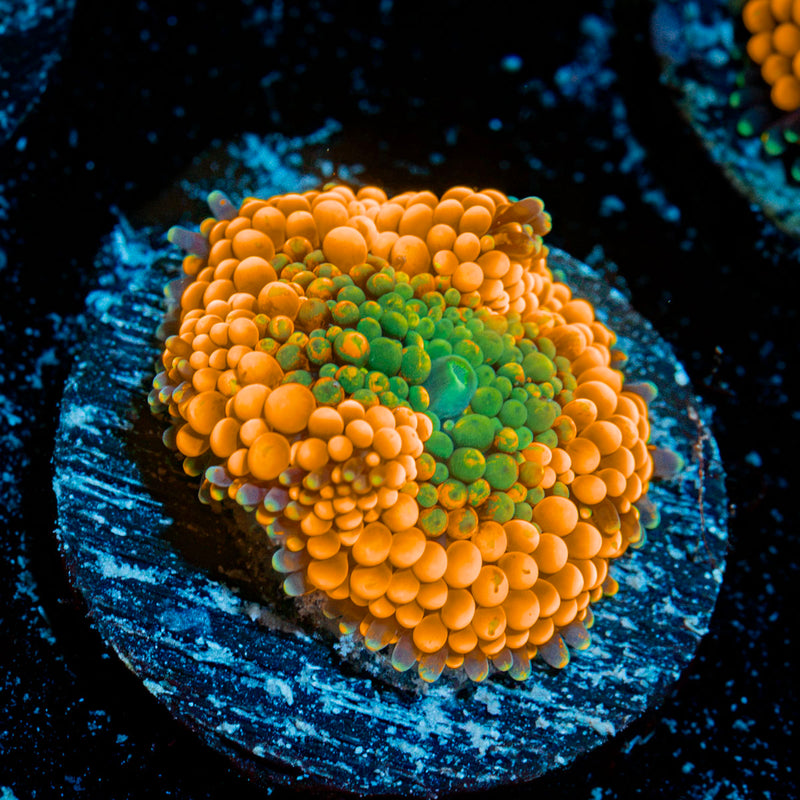
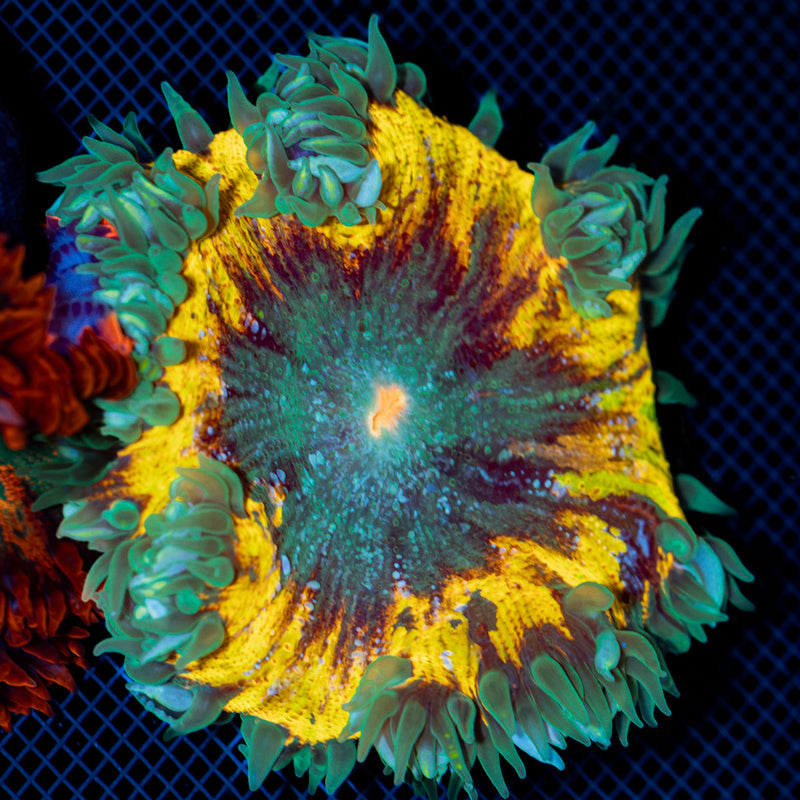
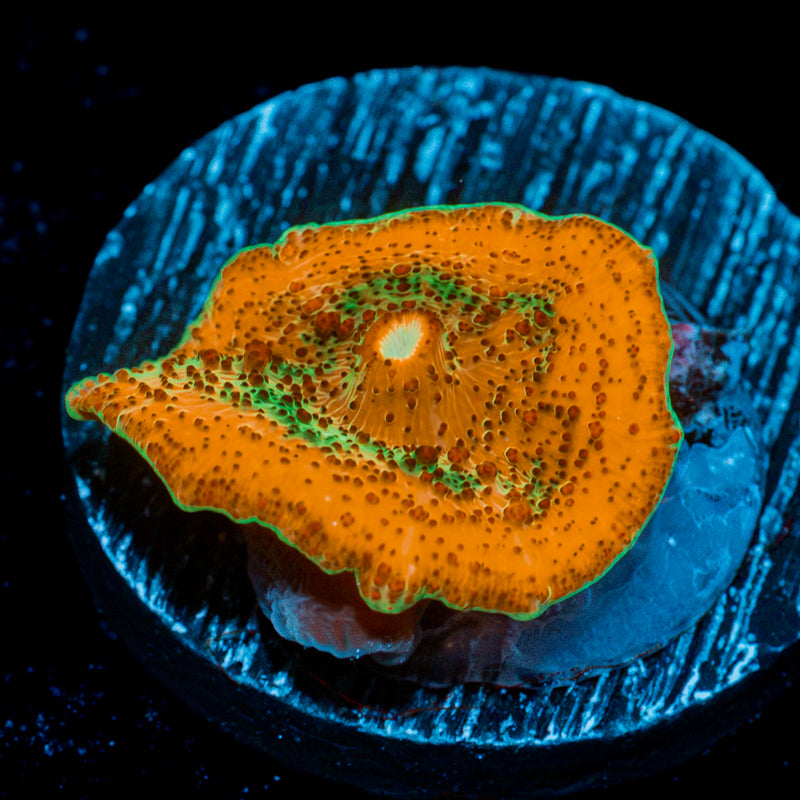
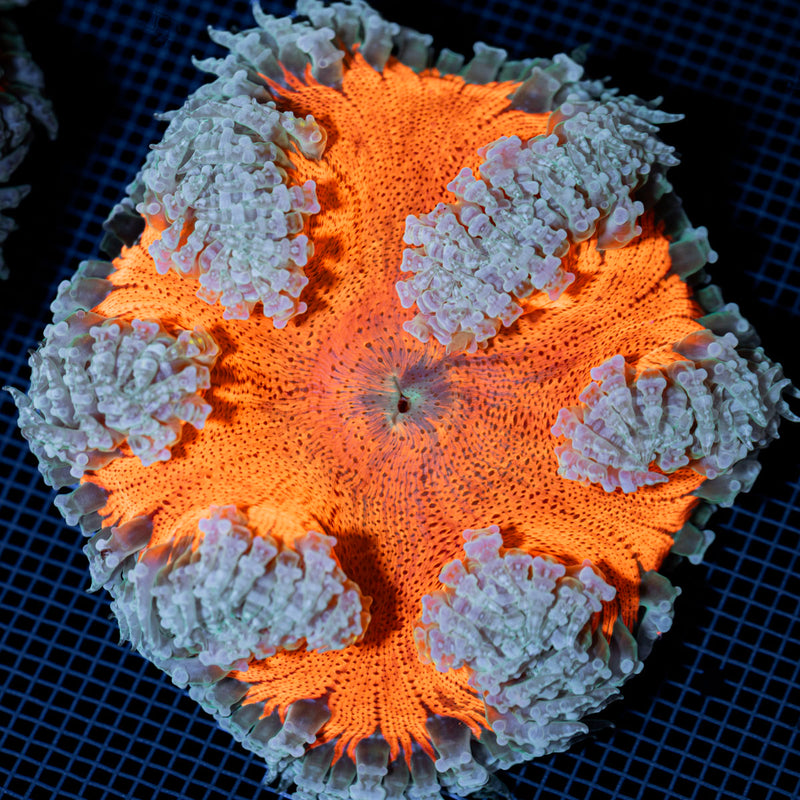
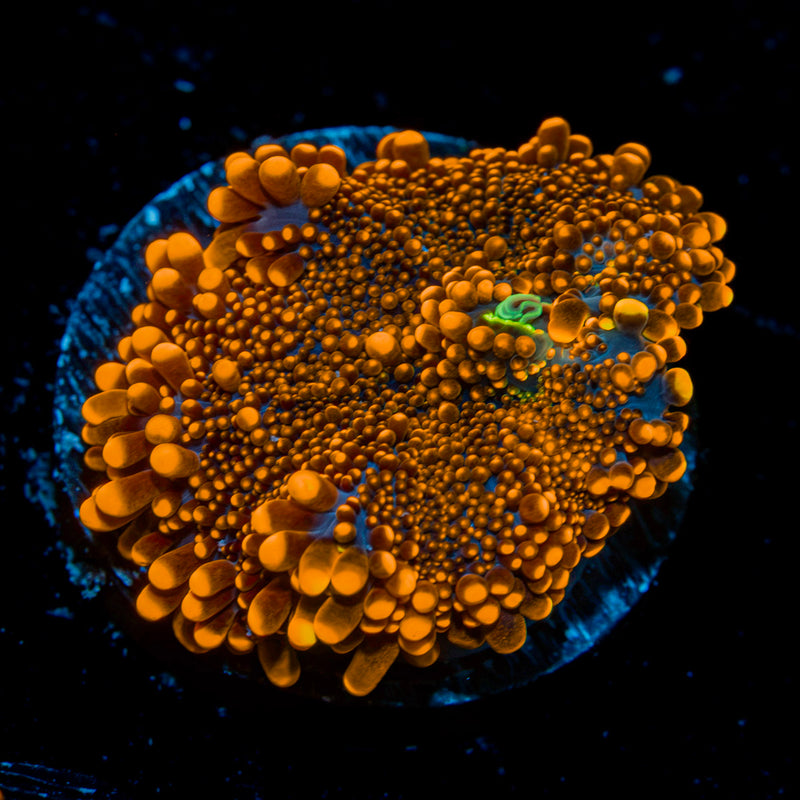
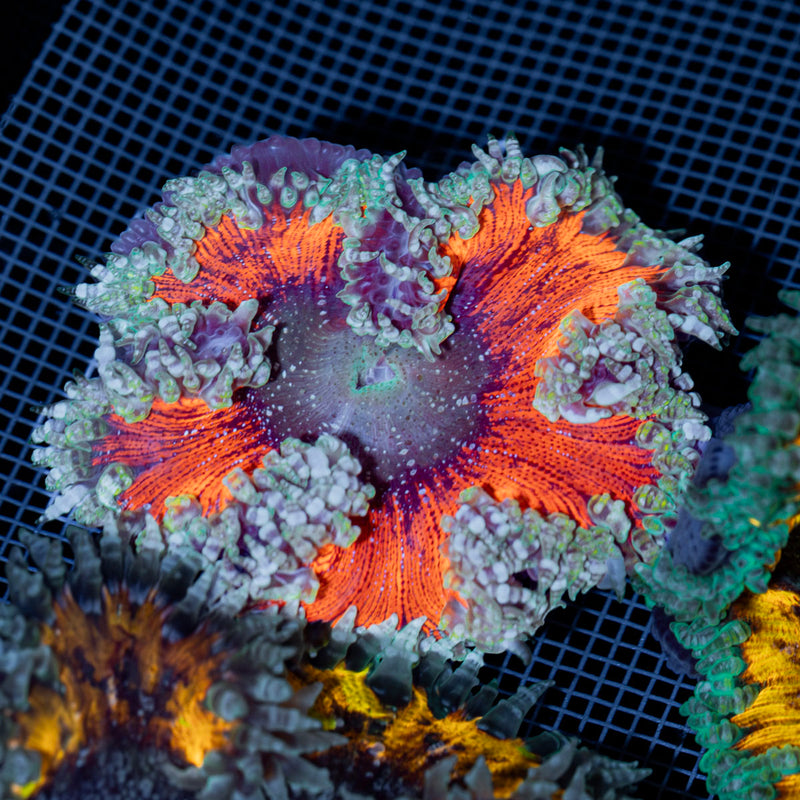
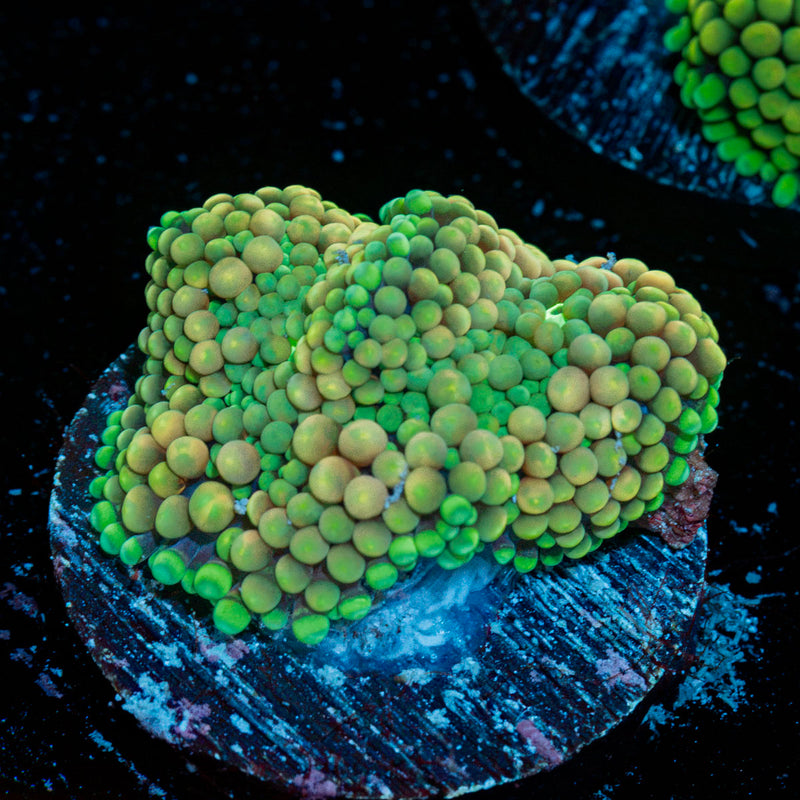
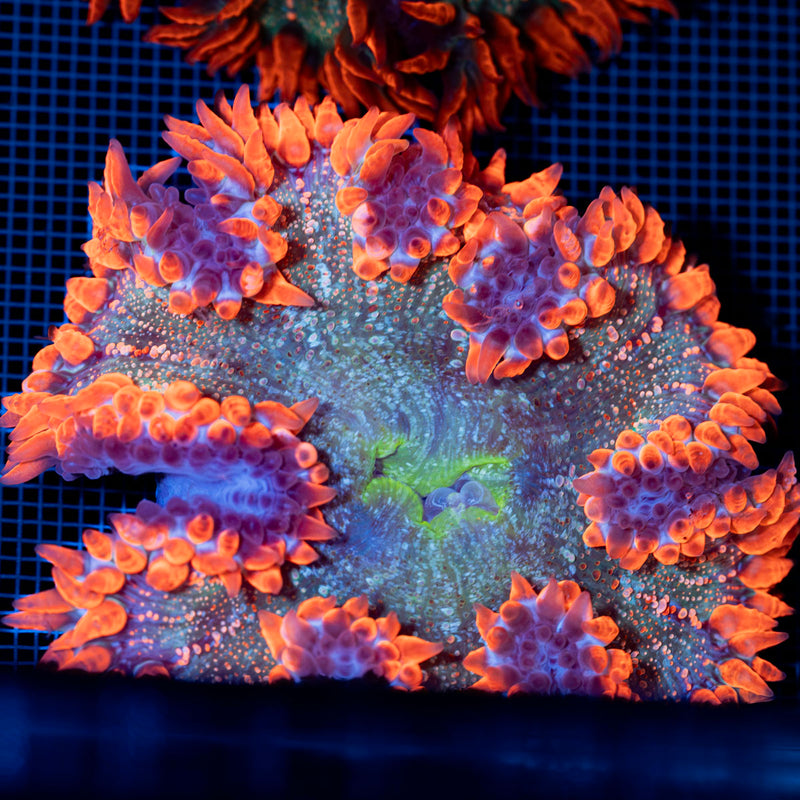
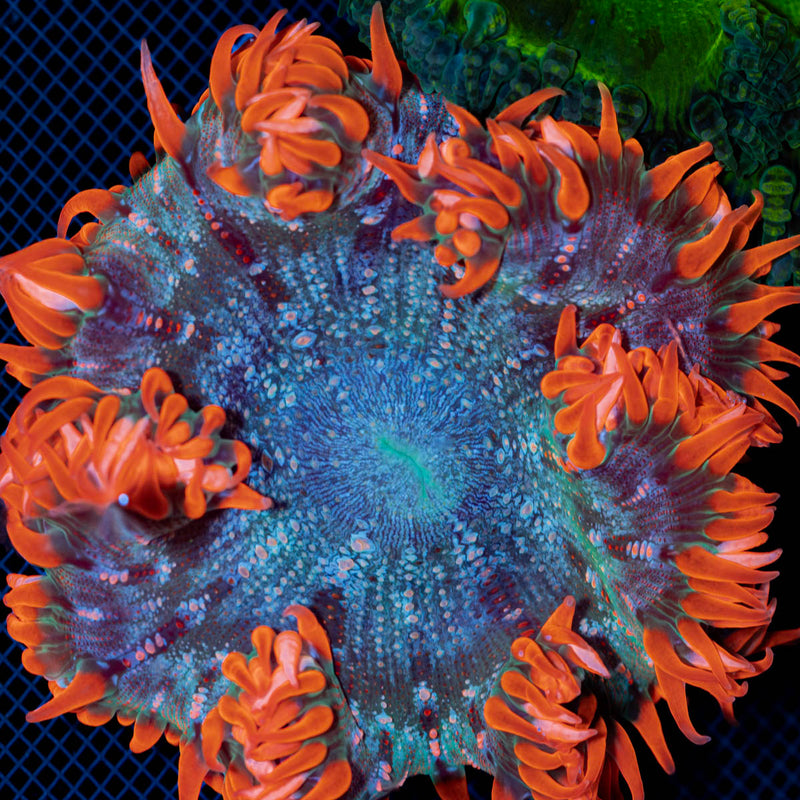
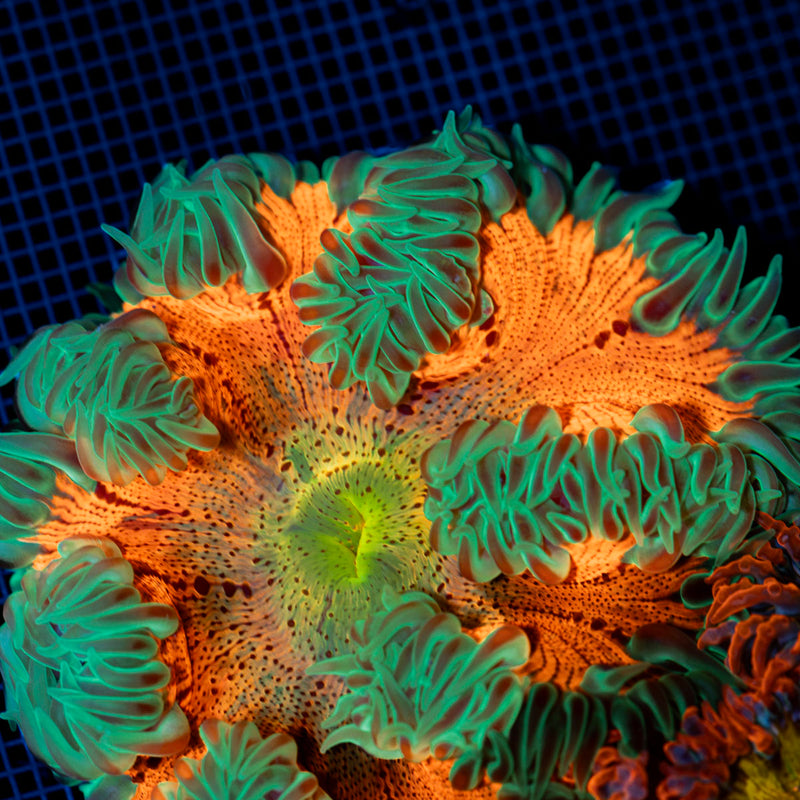
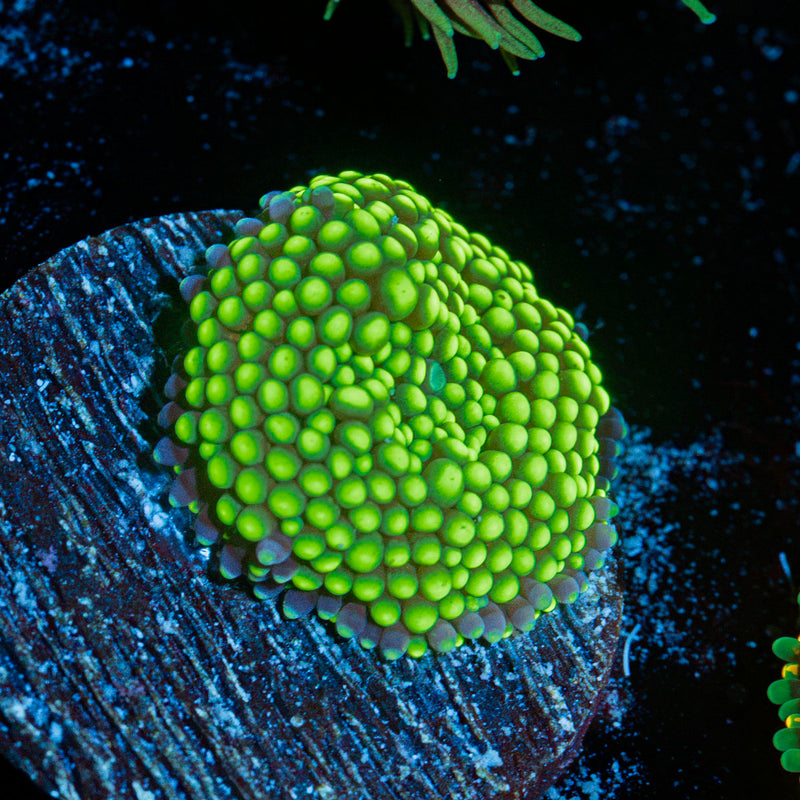
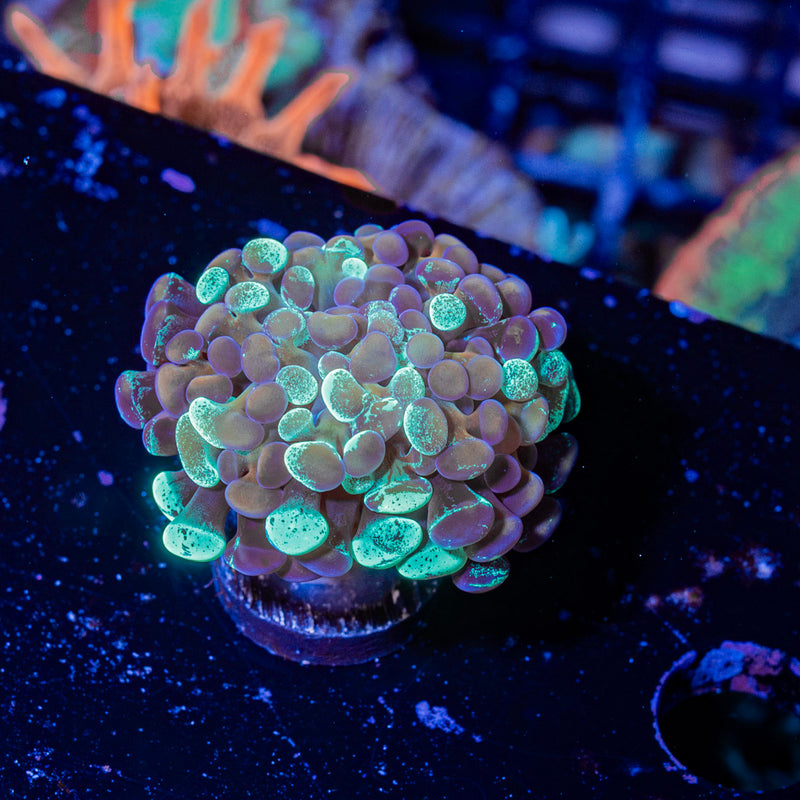
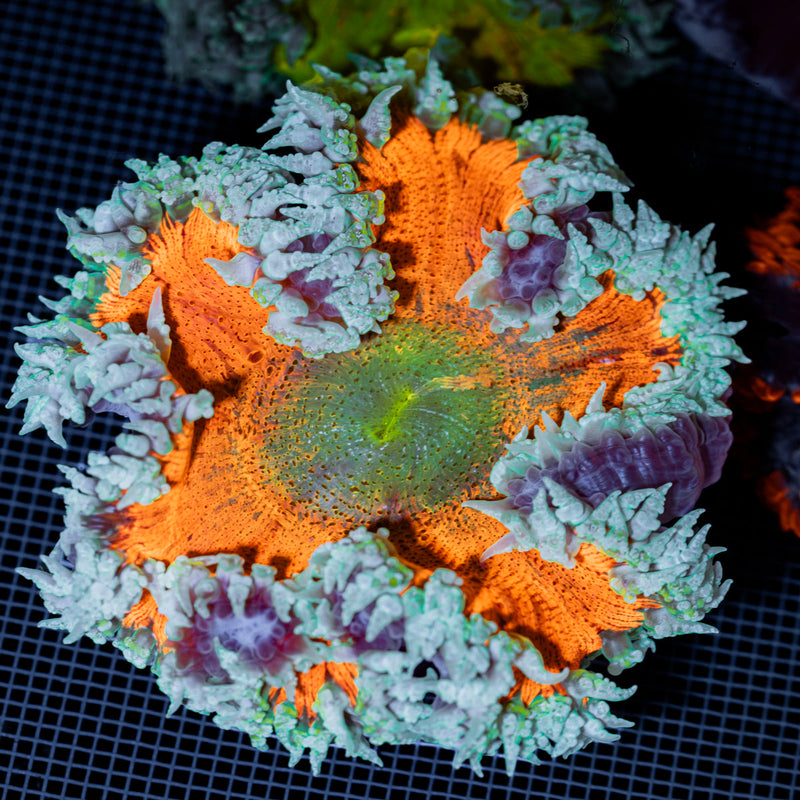
Mushrooms are another reliable favorite, even though some hobbyists group them separately in casual conversation. They are colorful, hardy, and excellent for adding soft texture to lower-light areas. Many varieties expand nicely and help fill visual gaps without needing intense flow.
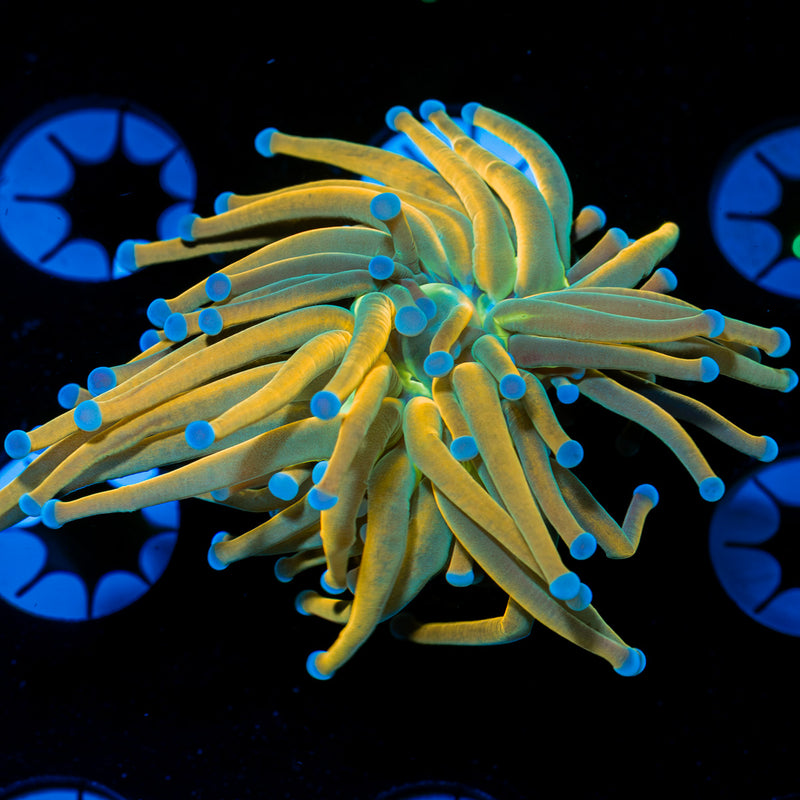
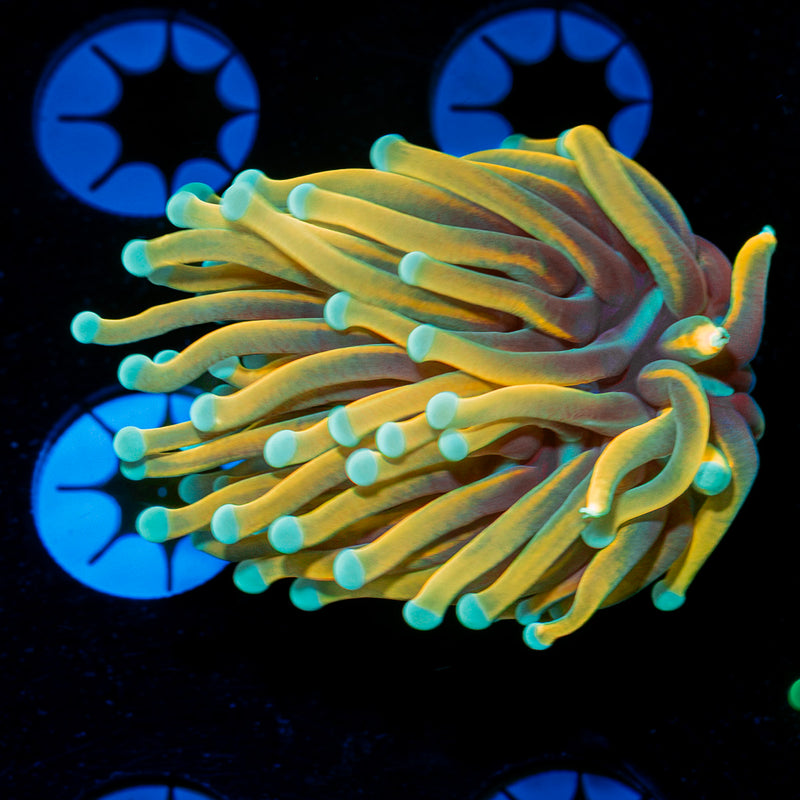
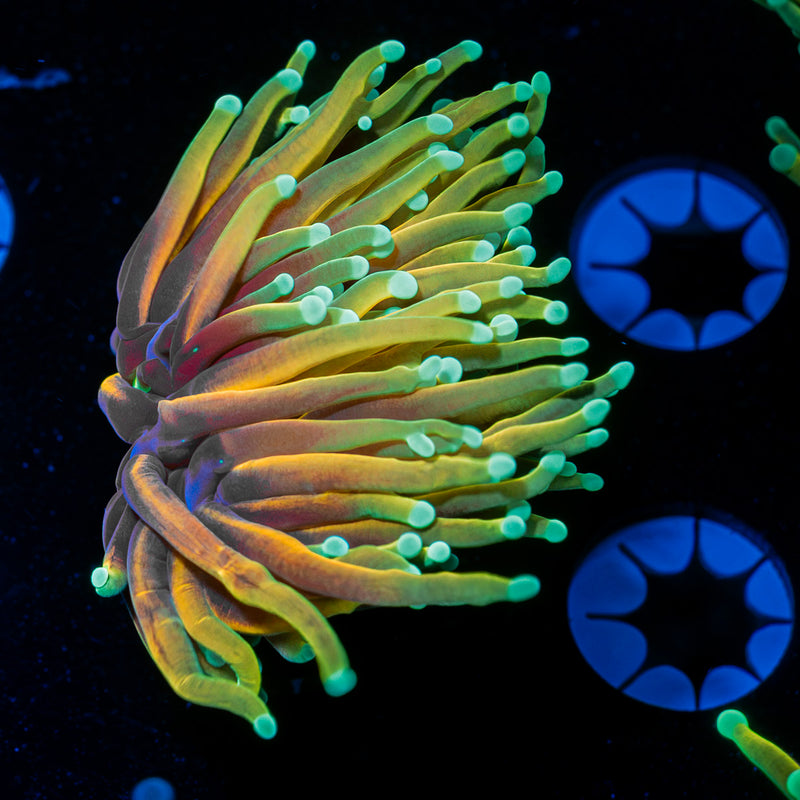
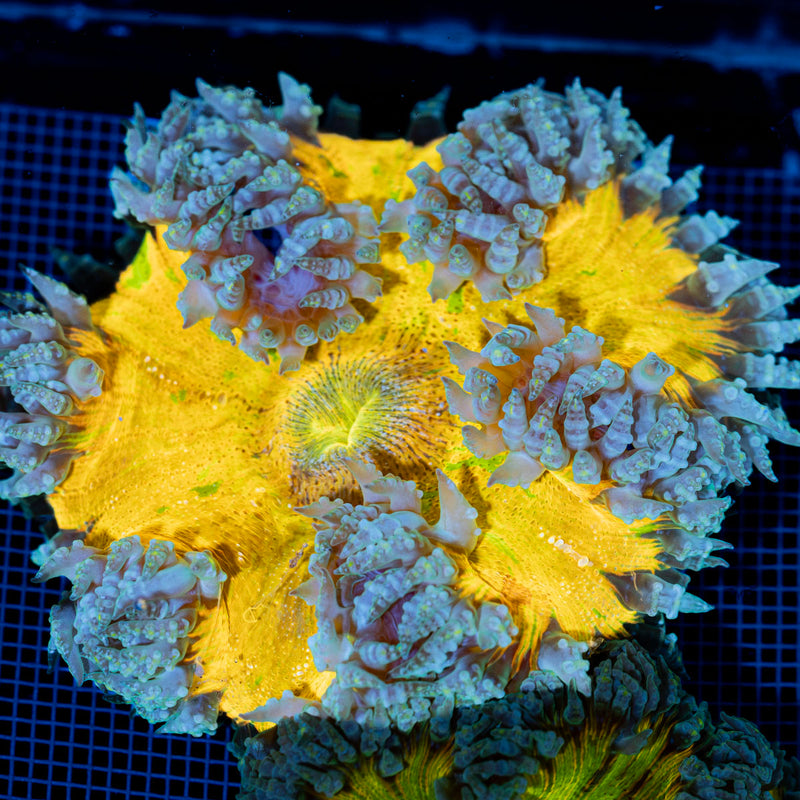
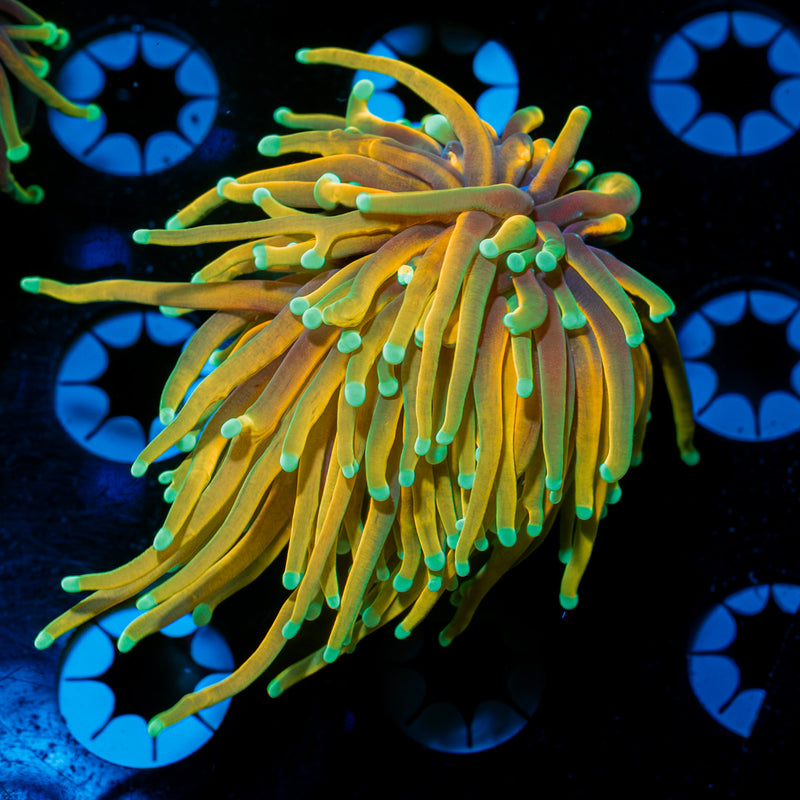
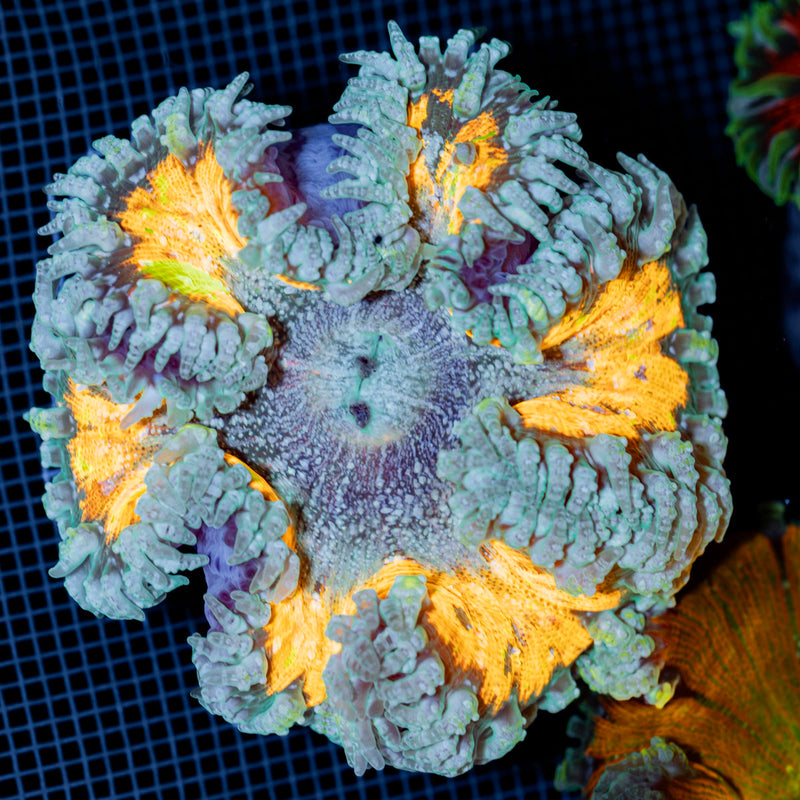
Leather corals are often where beginners start to feel like they are keeping true showpieces. Toadstools, finger leathers, and similar varieties can grow into impressive centerpiece colonies with long polyp extension and graceful movement. They are generally forgiving, but they do better when given enough room and moderate flow to keep their surface clean.
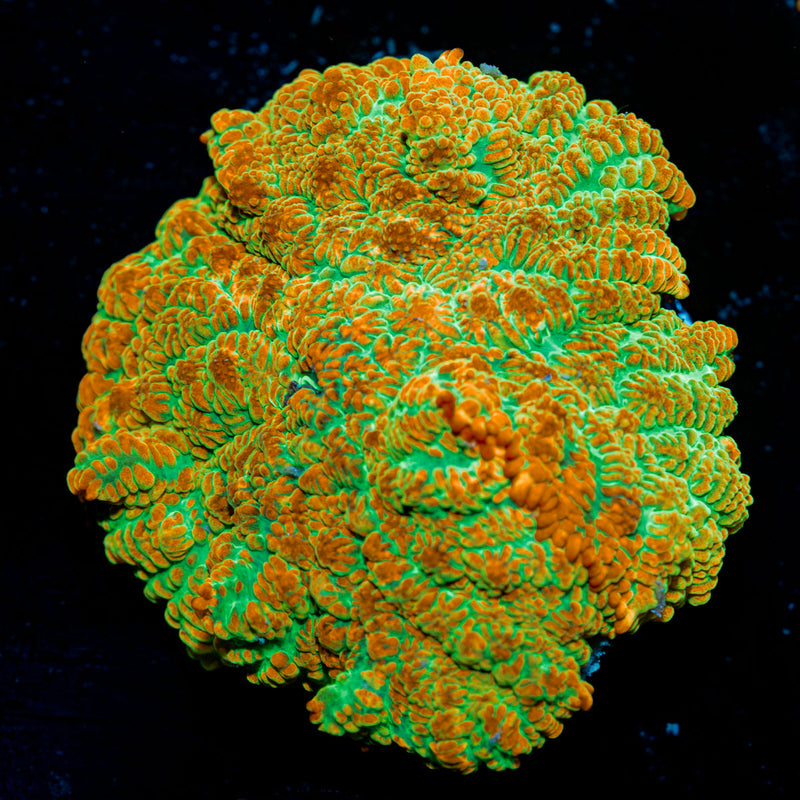
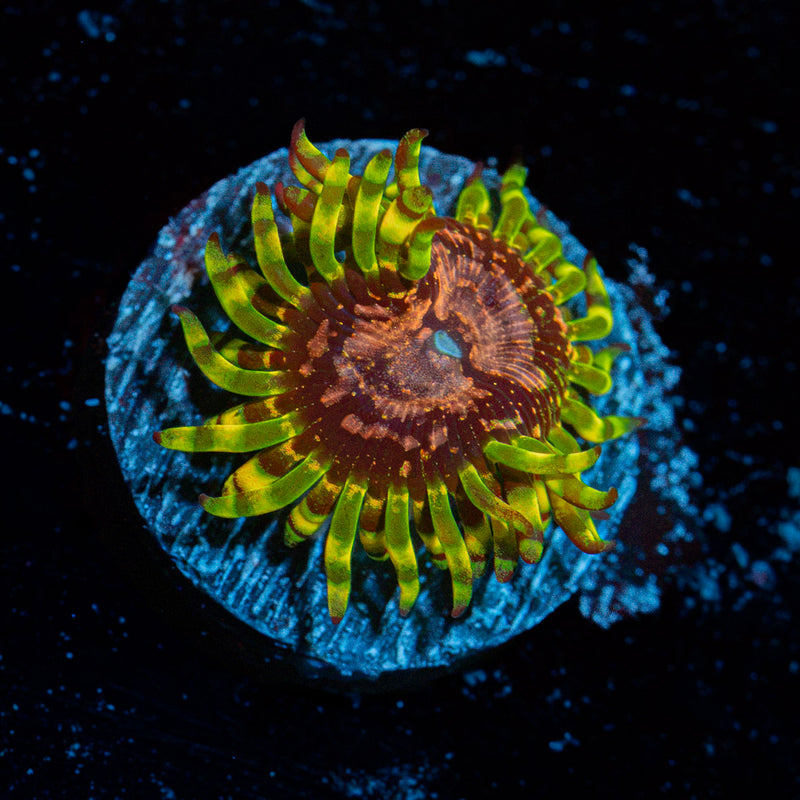
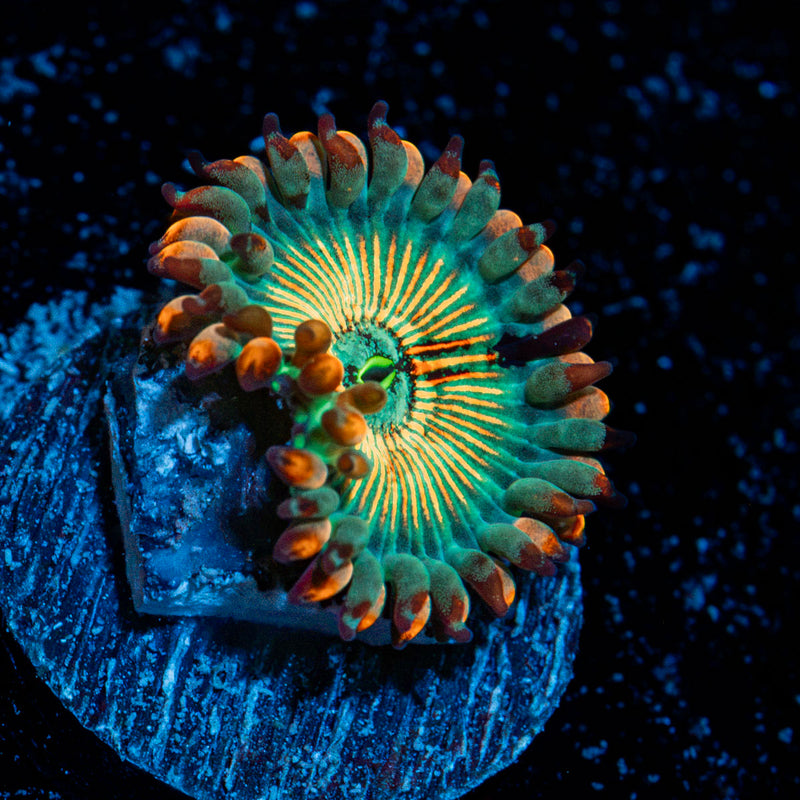
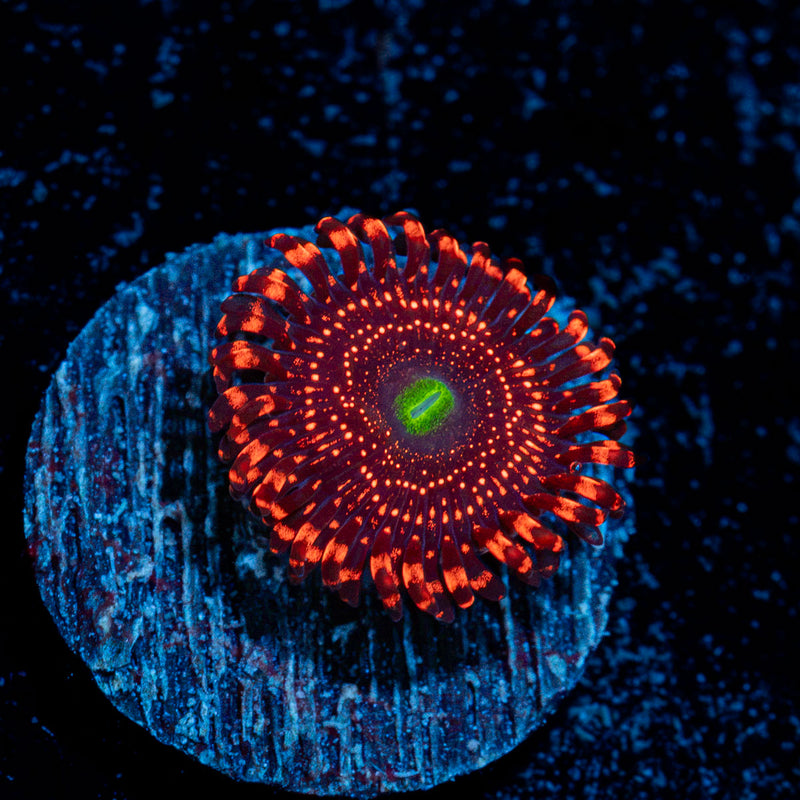
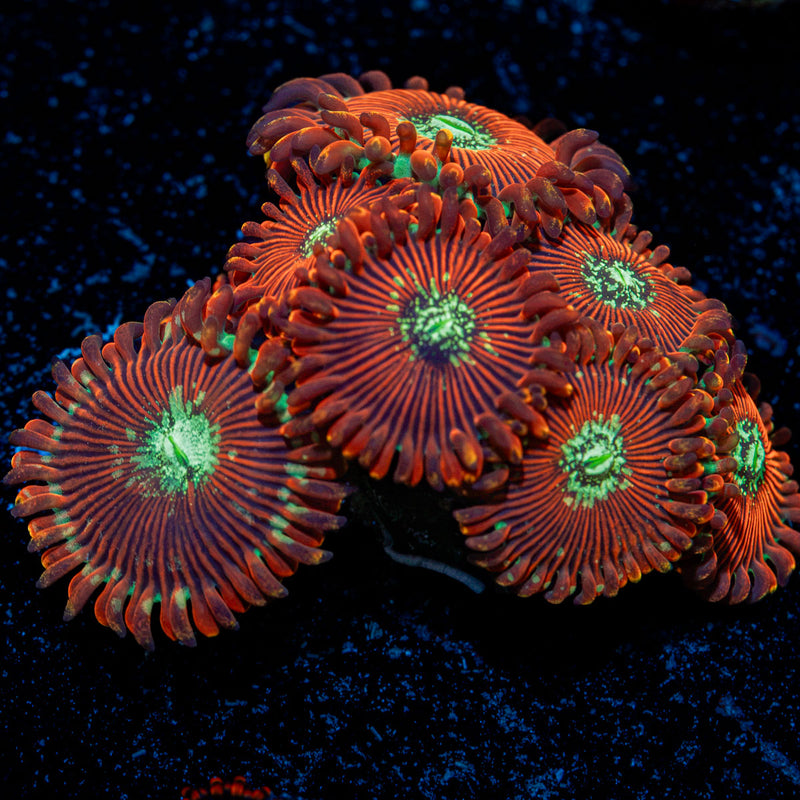
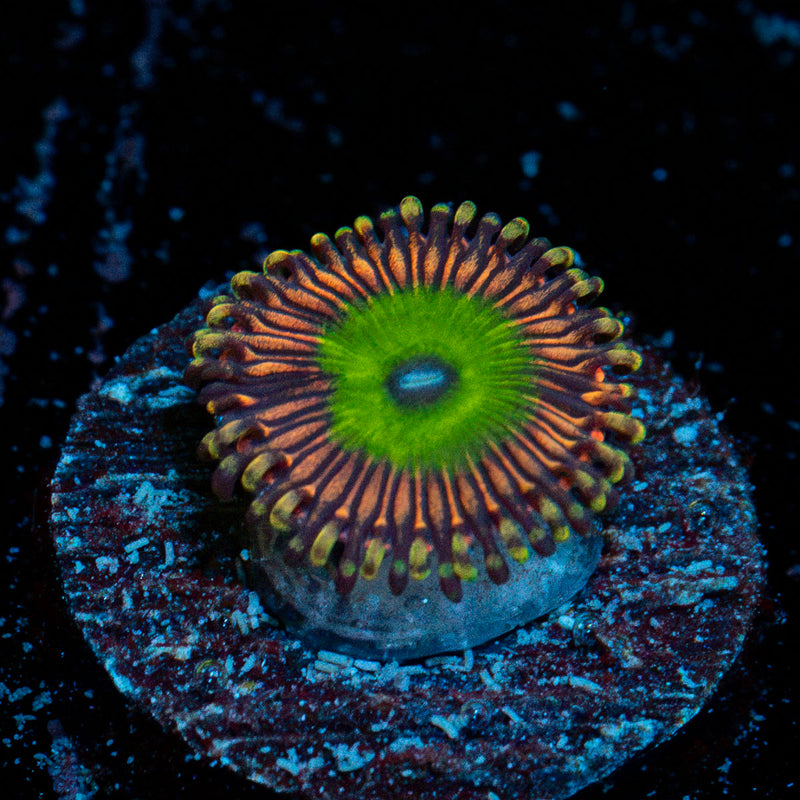
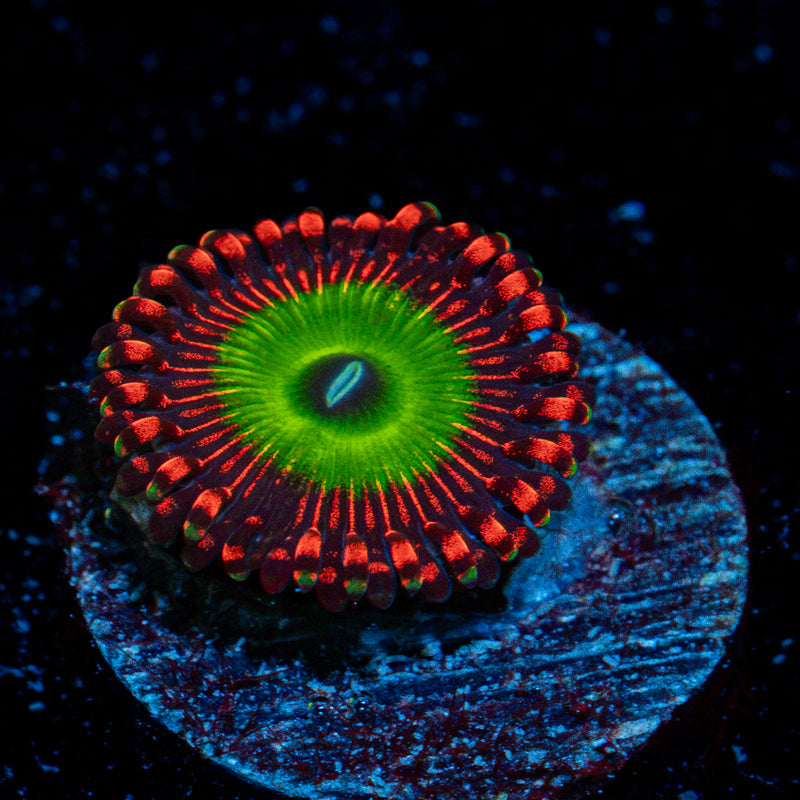
Zoanthids are often part of the soft coral conversation for good reason. They offer huge color variety, from subtle earth tones to neon patterns that pop under blue-heavy lighting. They are easy to mix into many aquascapes, though some strains grow much faster than others.
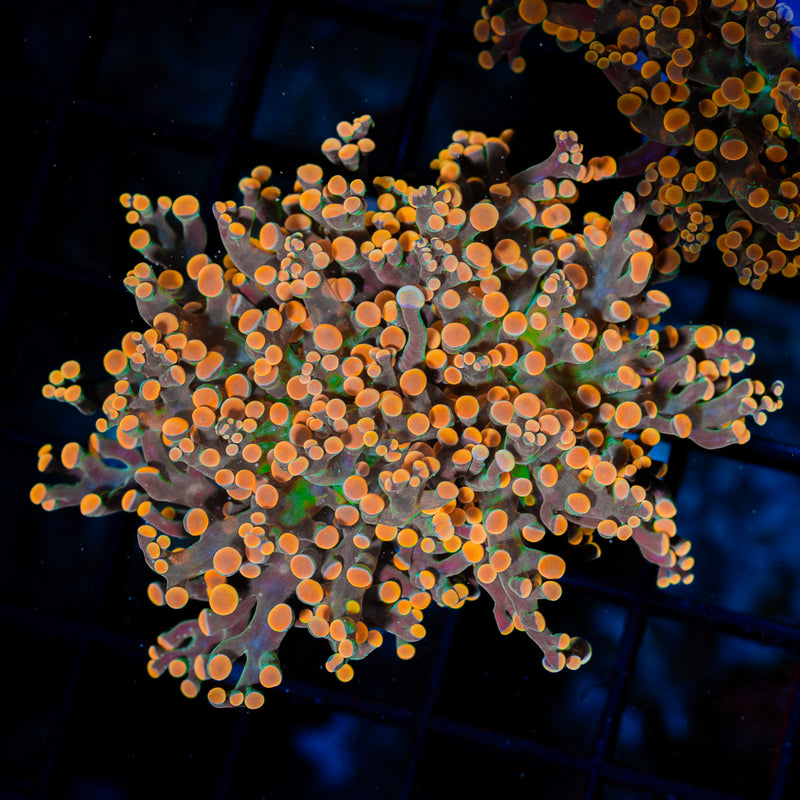
Xenia is one of the most recognizable options because of its pulsing motion. When it is happy, it can become one of the most eye-catching corals in the tank. It is also one of the best examples of why beginner-friendly and easy-to-control are not always the same thing. Xenia can spread quickly, and in some systems it grows almost too well.
How to choose the right soft corals
The best soft coral is not always the rarest or brightest one. It is the one that fits your tank, your lighting, your flow pattern, and your goals for long-term growth. A coral that looks amazing in a frag rack photo may become frustrating if it outcompetes everything around it or prefers conditions your system does not naturally provide.
Start by thinking about placement. Some soft corals stay relatively compact for a while, while others encrust, branch, or spread into neighboring rock. If you want a clean aquascape with distinct colonies, choose slower-growing varieties or give faster growers their own isolated areas.
Lighting is the next piece. Many soft corals are adaptable, but adaptable does not mean identical. Mushrooms often appreciate lower to moderate light, while many zoanthids, leathers, and green star polyps can handle moderate to higher light levels once acclimated. Sudden changes are where problems start, especially with freshly introduced frags.
Flow matters just as much. Soft corals generally prefer enough movement to keep tissue clean and polyps active, but not so much that they stay closed or look compressed all day. Random, indirect flow tends to work well for a lot of soft coral tanks. If a coral is not extending well, placement is often the first thing worth adjusting.
Care basics that actually make a difference
Stable water quality beats chasing perfect numbers. Soft corals usually respond well when salinity, temperature, alkalinity, and nutrient levels stay consistent. Most hobbyists see better results by avoiding sharp swings than by obsessing over tiny day-to-day variations.
Nutrients are one of the biggest areas where soft corals differ from the ultra-clean-tank mindset some reef keepers chase. Many soft corals appreciate a tank with some available nutrients rather than water stripped completely clean. If your system is aggressively filtered and every coral looks pale or stalled, the issue may not be too little equipment. It may be too little food in the water column.
That said, there is still a balance. Elevated nutrients can support growth, but excess buildup can fuel nuisance algae and irritate coral tissue. The sweet spot depends on the tank, the coral mix, and how heavily you feed.
Acclimation deserves patience. New frags often need time to adjust to your lighting and flow, even if they arrive healthy and fully opened. Start conservatively, observe polyp extension, and make changes gradually. This is especially true when you are buying vibrant aquacultured frags that have been grown under stable conditions and then introduced into a very different home system.
Common mistakes with soft corals for reef tank setups
One of the most common mistakes is treating all soft corals like they behave the same way. A toadstool leather, a pulsing Xenia, and a zoa colony may all be beginner-friendly, but they grow differently, compete differently, and respond to placement in different ways.
Another mistake is underestimating growth. A tiny frag can look harmless for months and then suddenly become the dominant feature on that rock. This is especially common with green star polyps, Xenia, and some zoanthids. Planning for future spread is much easier than trying to peel back a thriving colony later.
Chemical competition is another factor hobbyists sometimes overlook. Soft corals can release compounds into the water, especially in mixed reefs with a lot of different species. Good filtration, regular maintenance, and thoughtful spacing can help keep the system balanced.
It is also easy to chase a problem that is actually normal behavior. Leather corals, for example, may close up and shed a waxy film before reopening beautifully. That can alarm newer reef keepers, but it is often part of their normal cycle. Knowing the difference between stress and routine behavior saves a lot of unnecessary intervention.
Buying soft corals with confidence
When you shop for soft corals online, confidence comes from clarity. You want healthy, well-established frags, accurate photos, and enough guidance to know whether a coral is a smart match for your system. Exact-item presentation matters because color, polyp extension, and frag size all shape expectations.
Aquacultured corals are especially appealing here. They are already adapted to aquarium life, which can make the transition into a home reef smoother than with less-established specimens. For beginners, that can mean less guesswork. For experienced hobbyists, it often means more predictable performance and cleaner, more consistent growth.
This is where a curated approach really helps. At Riptide Aquaculture, the value is not just in offering colorful options. It is in making those options feel approachable, whether you are choosing your first leather coral or adding a standout soft coral frag to a packed mixed reef.
Building a reef that feels alive
Soft corals are often the pieces that make a tank feel finished. They fill the quiet spaces between rock and light with motion, texture, and color that changes throughout the day. A reef with the right soft corals does not just look stocked. It looks alive.
If you choose thoughtfully, place them with growth in mind, and give them stable conditions, soft corals can be some of the most rewarding additions in the hobby. Start with a few that match your tank and your goals, then let the reef show you what wants to thrive.