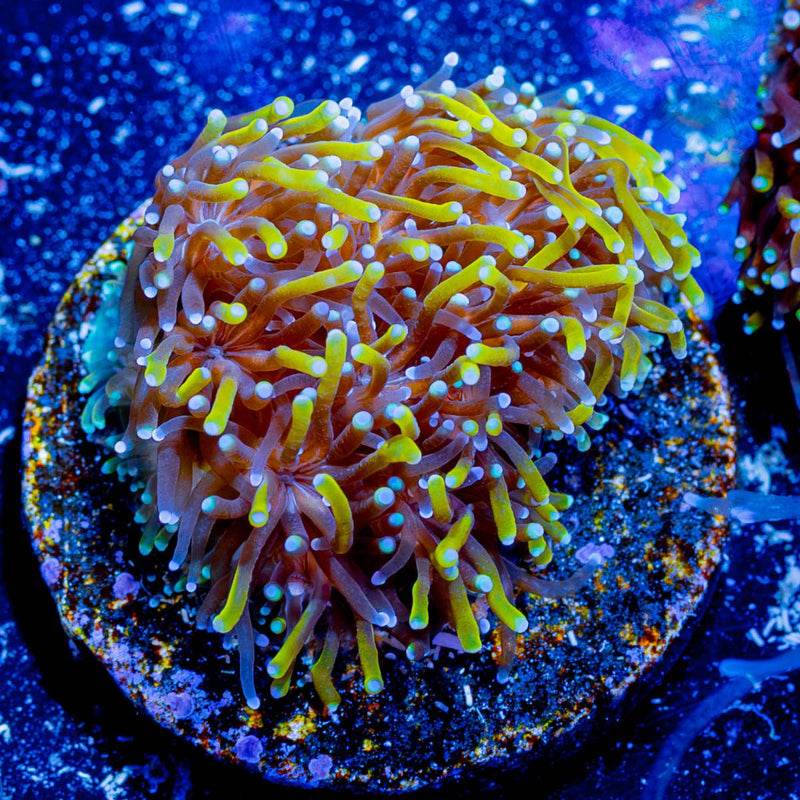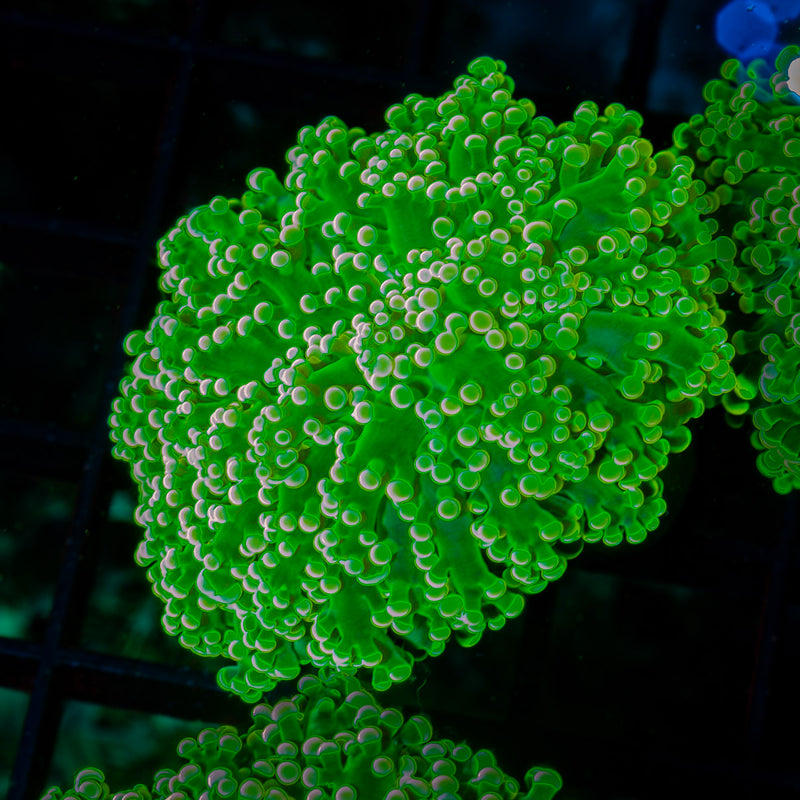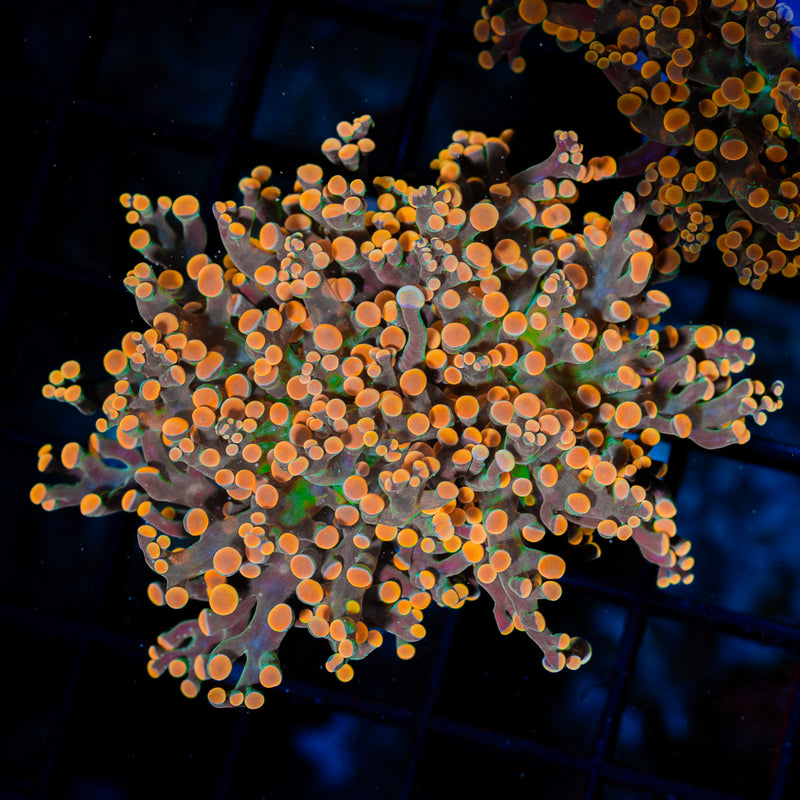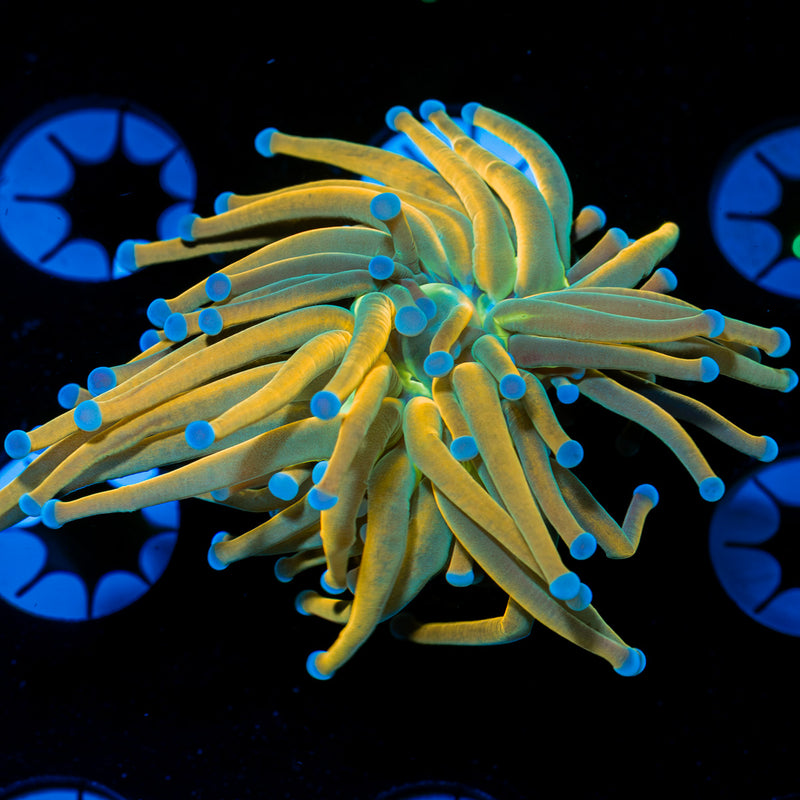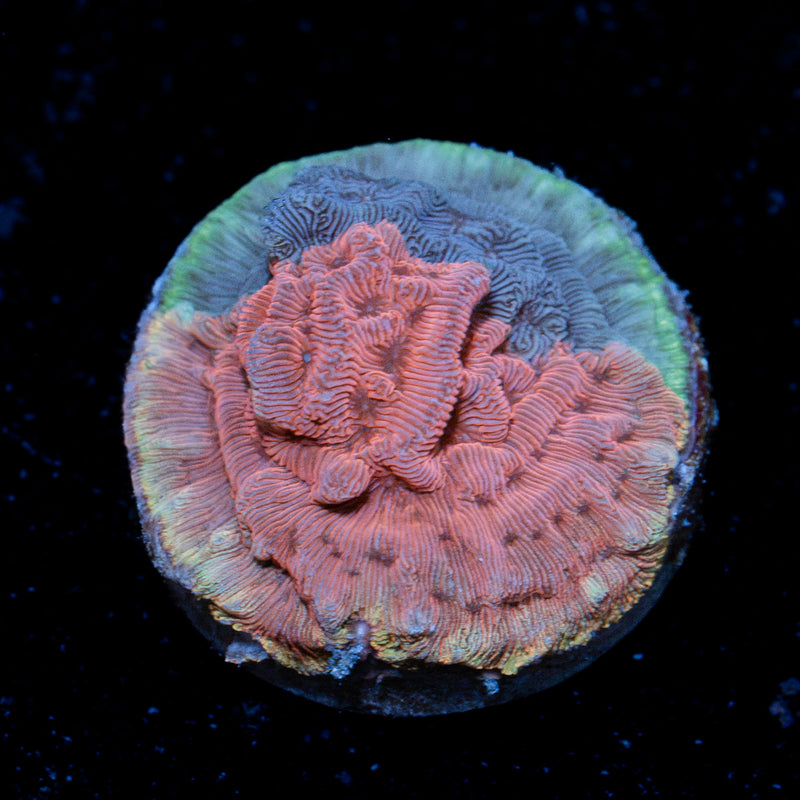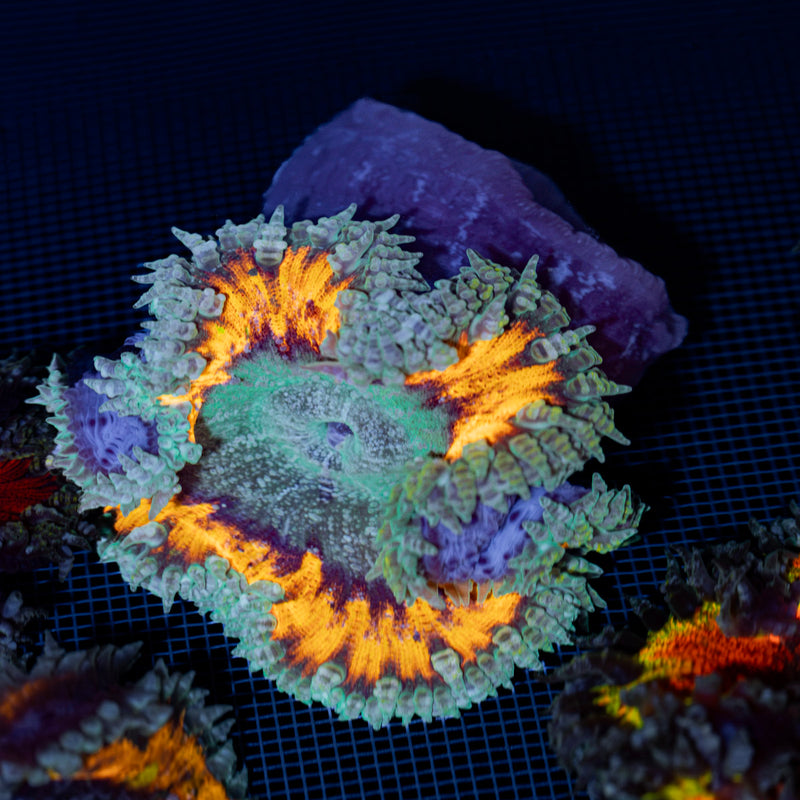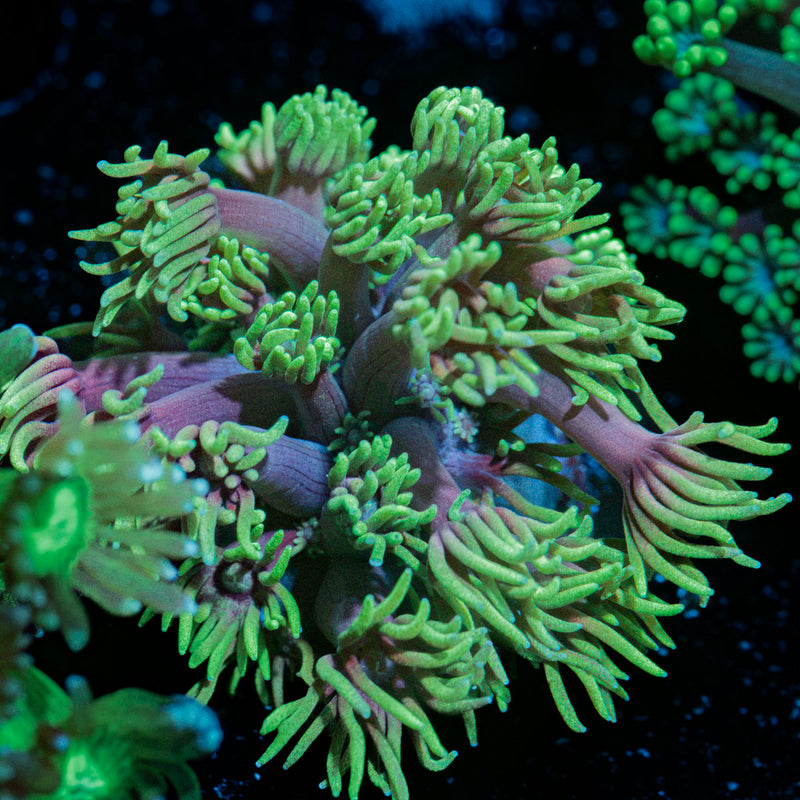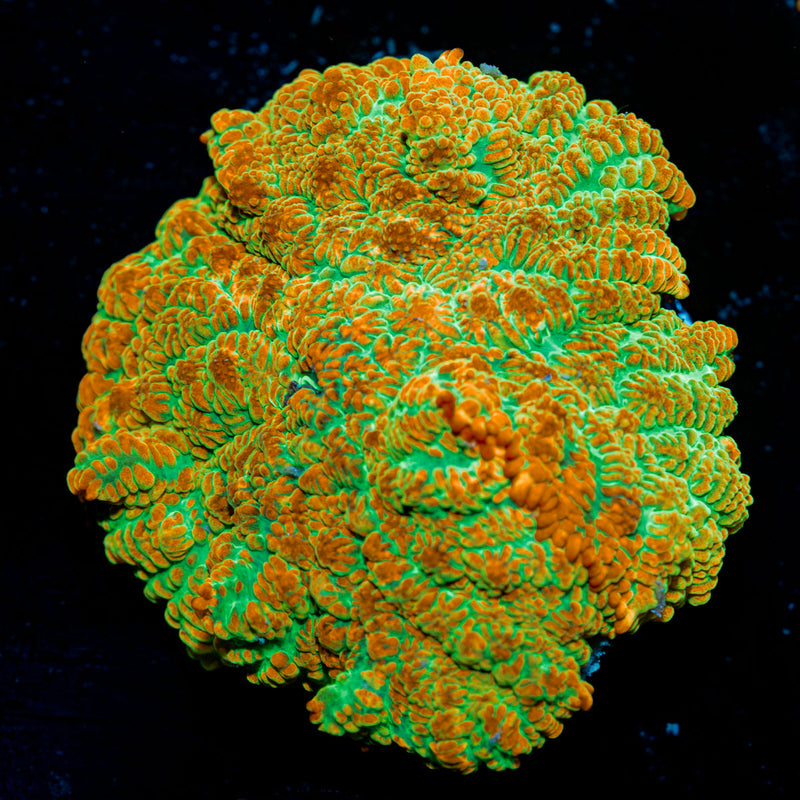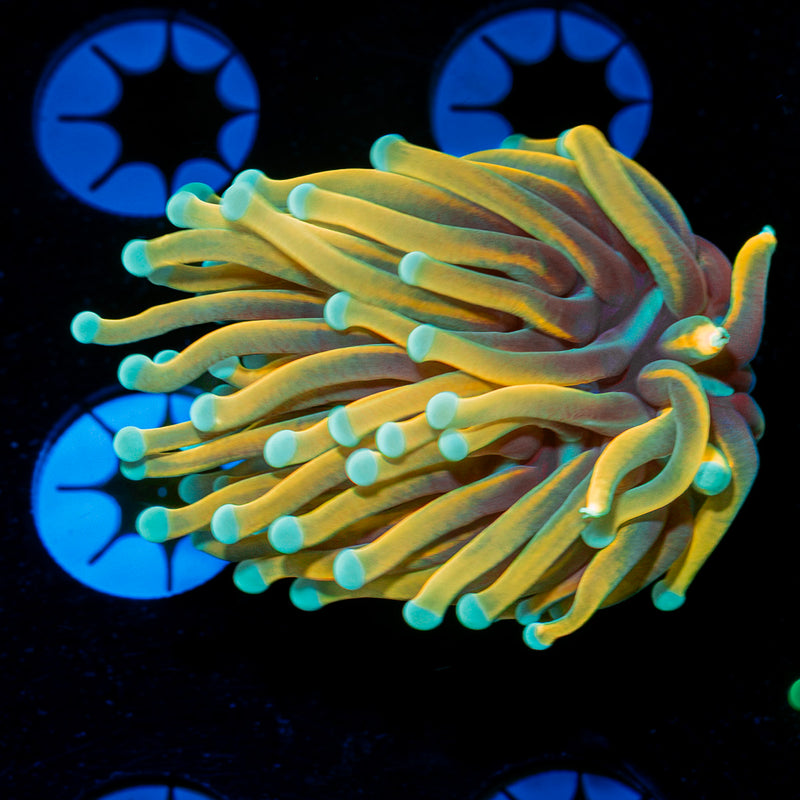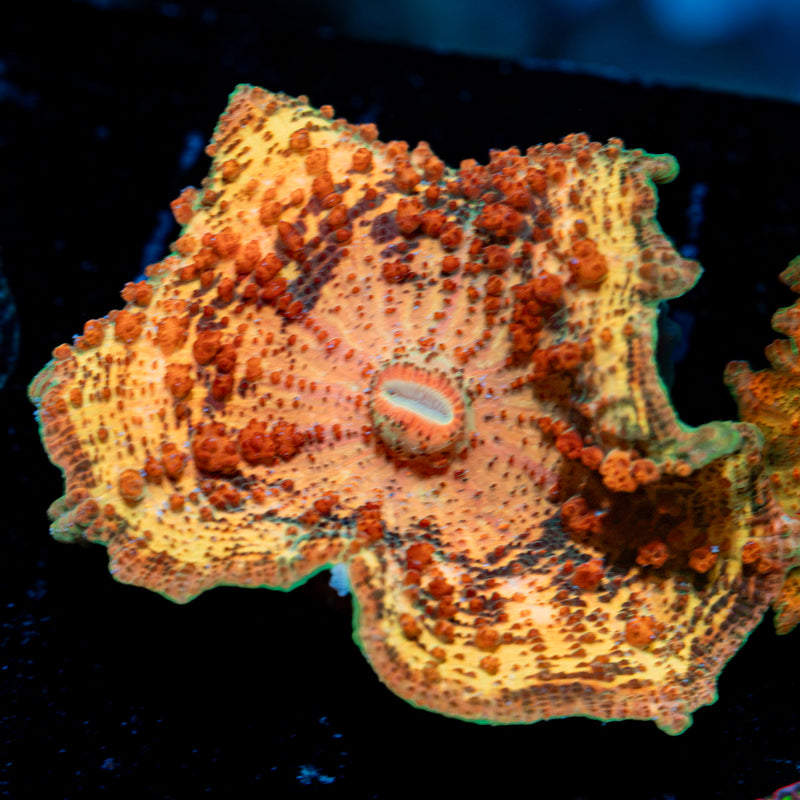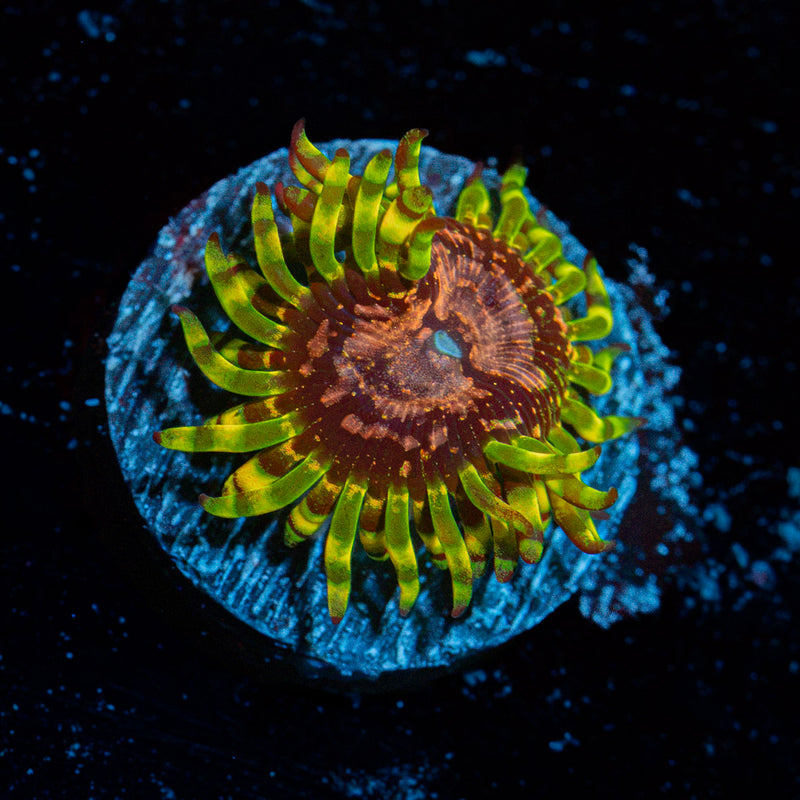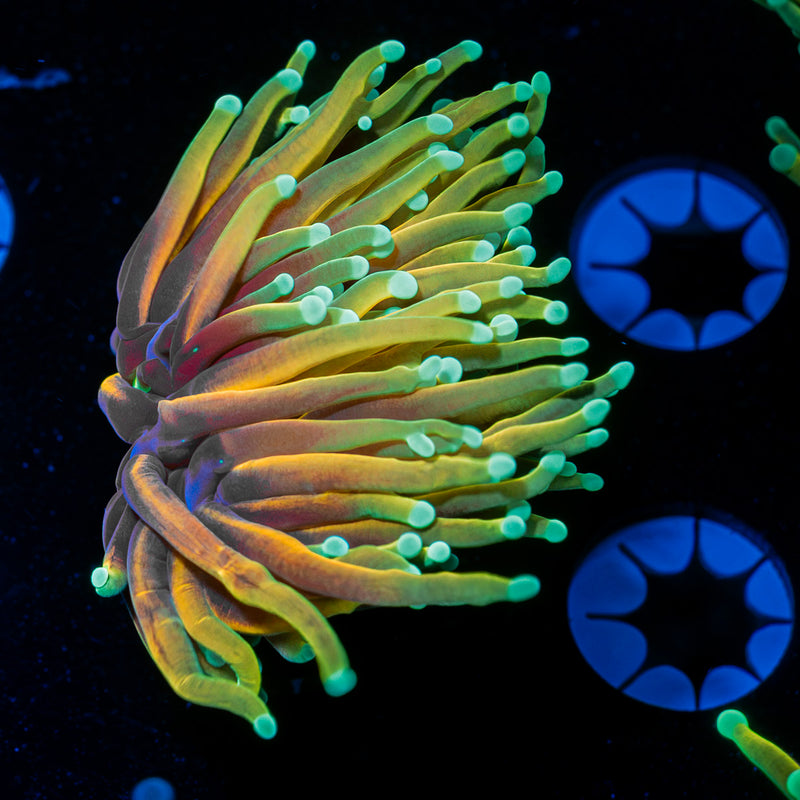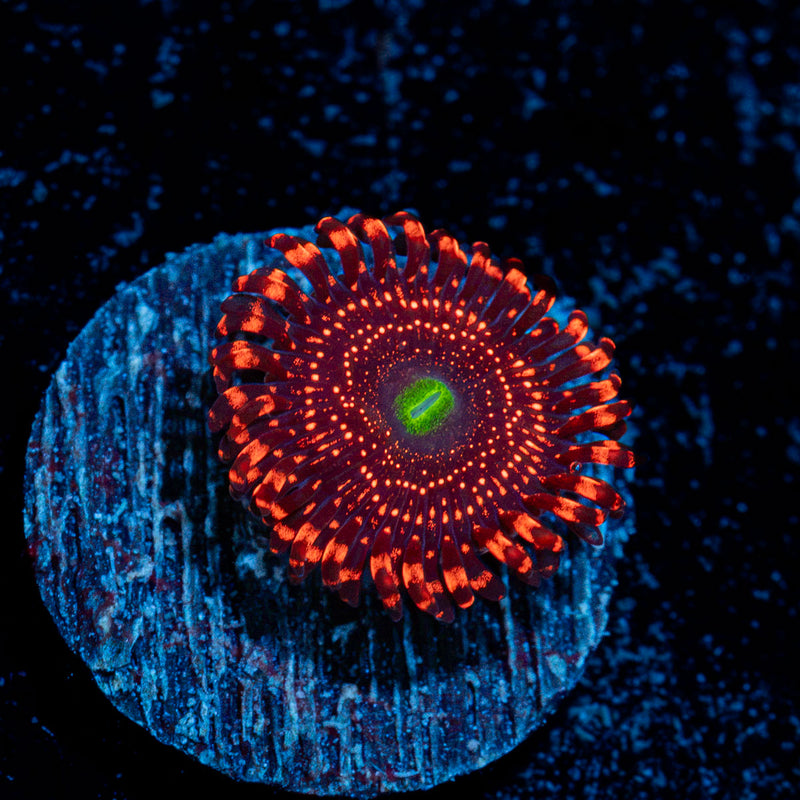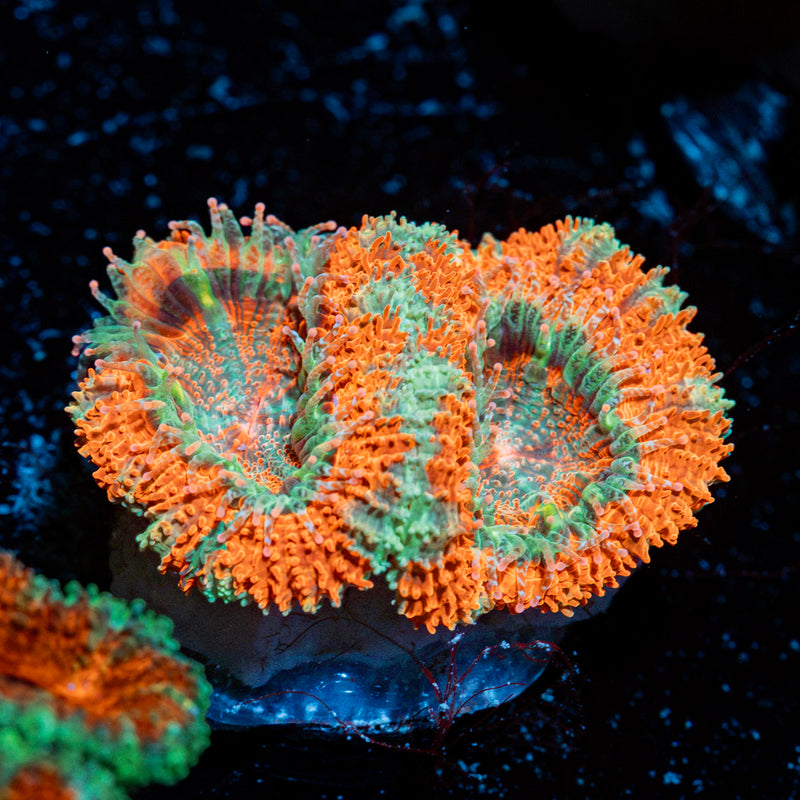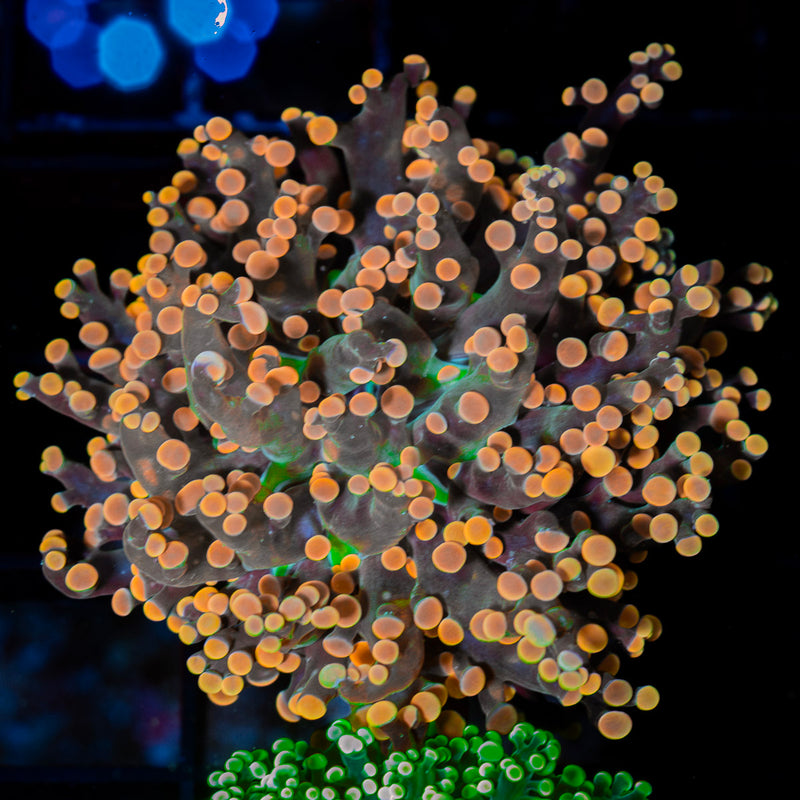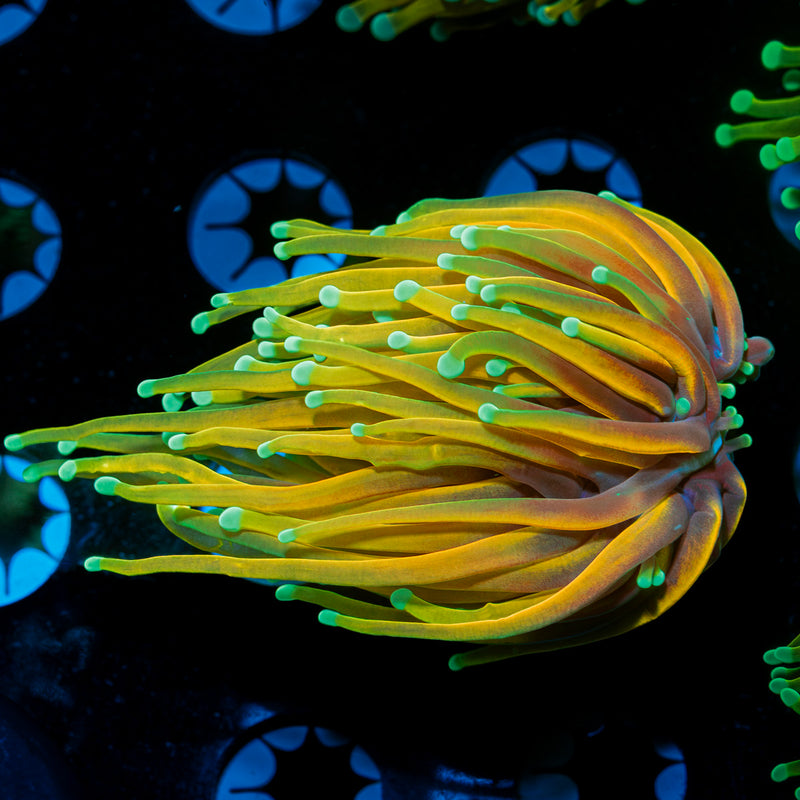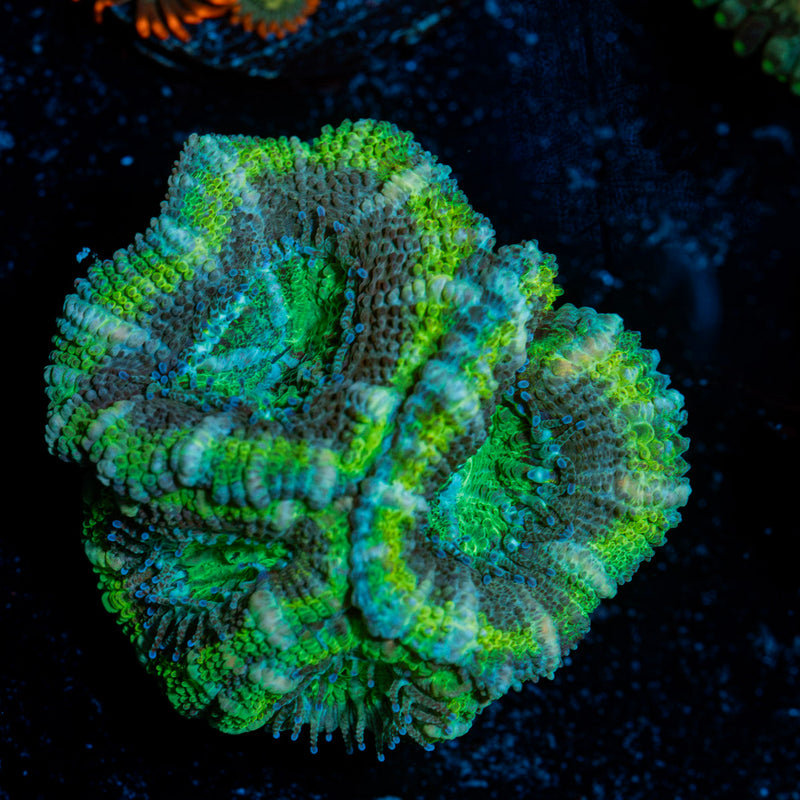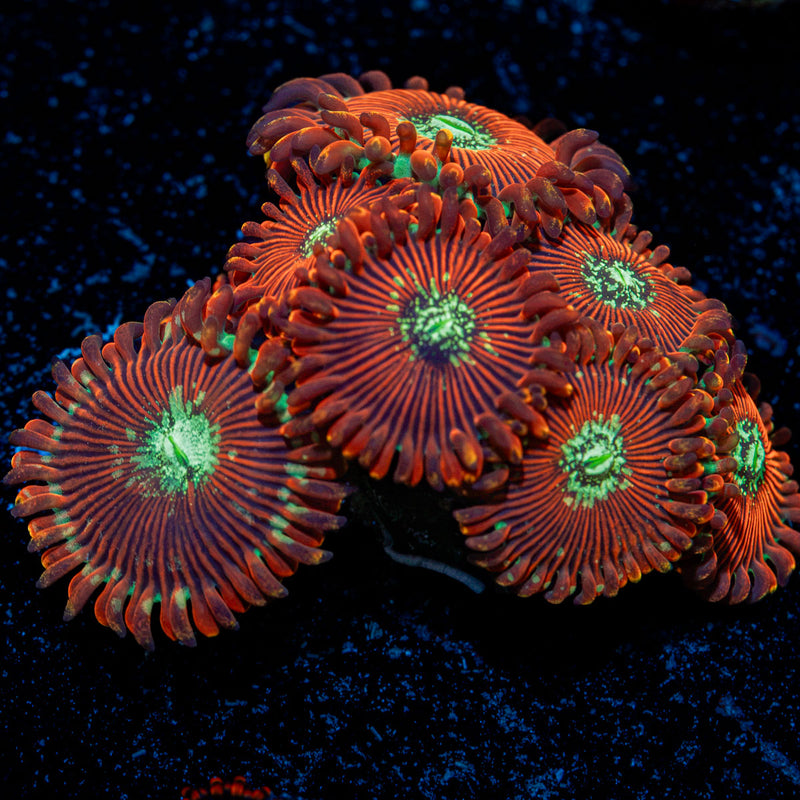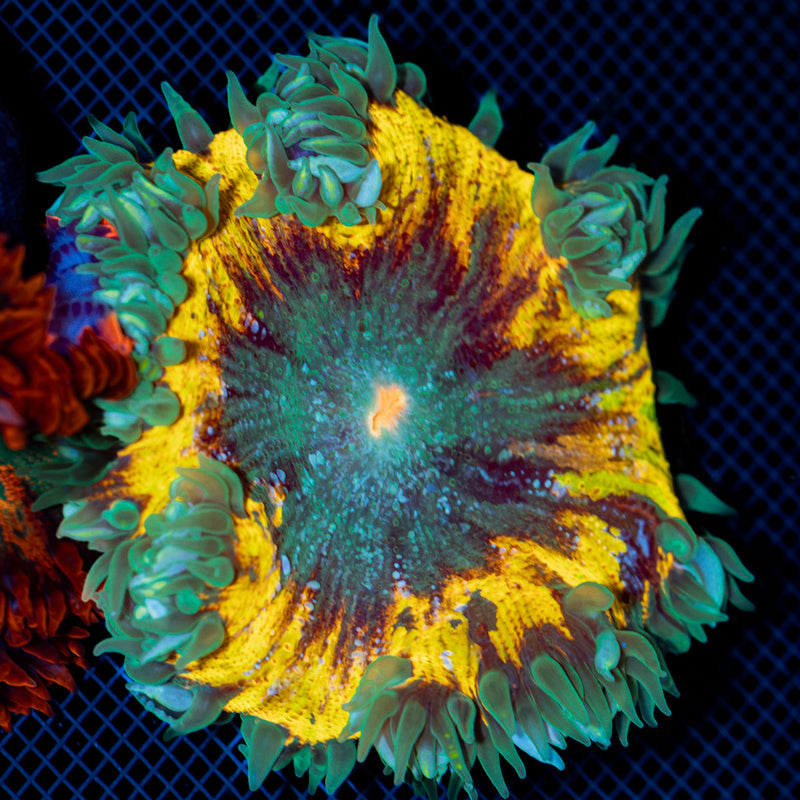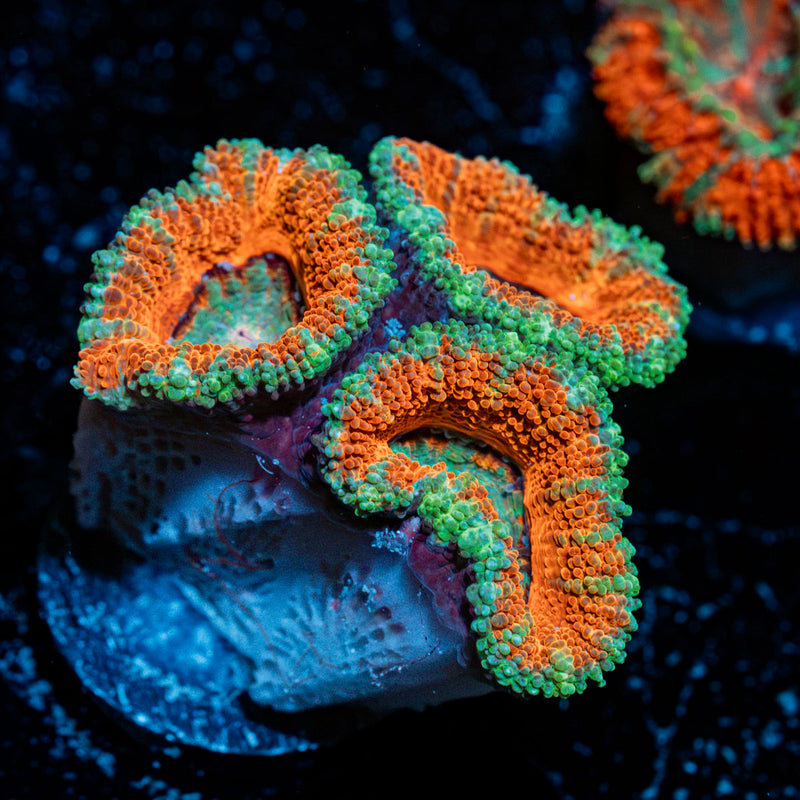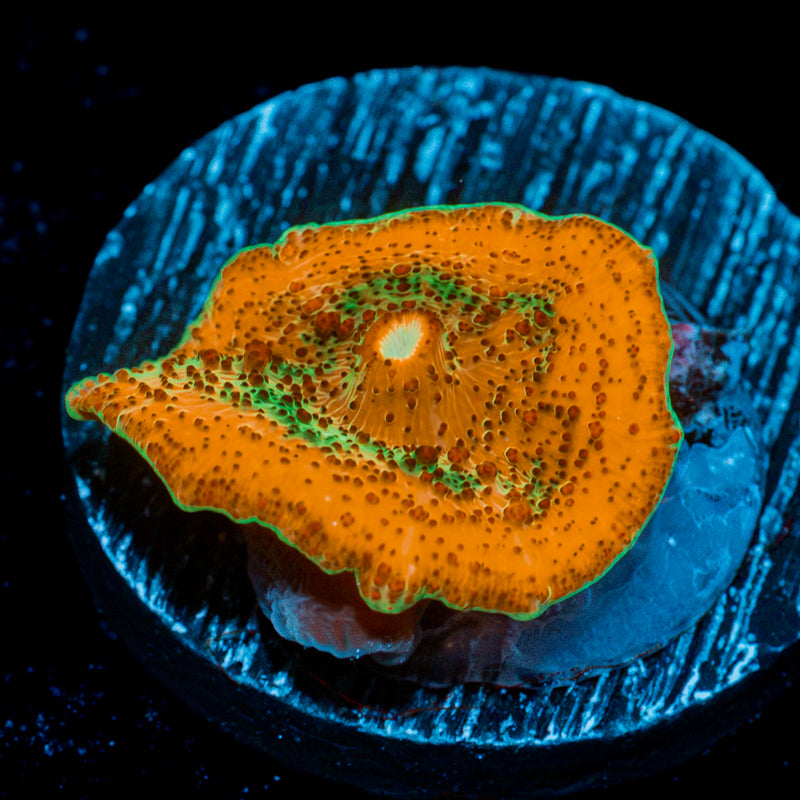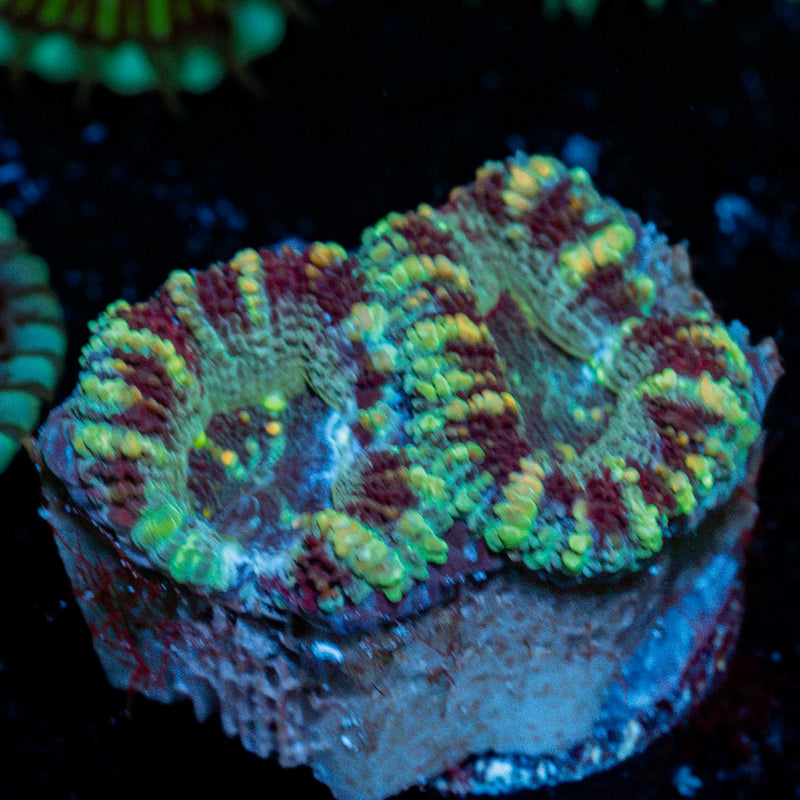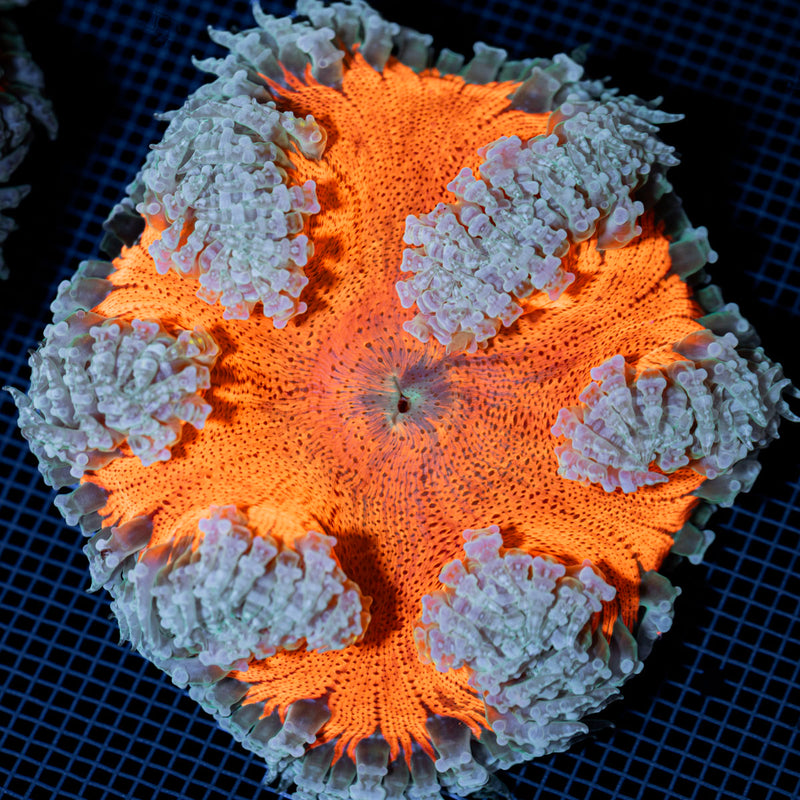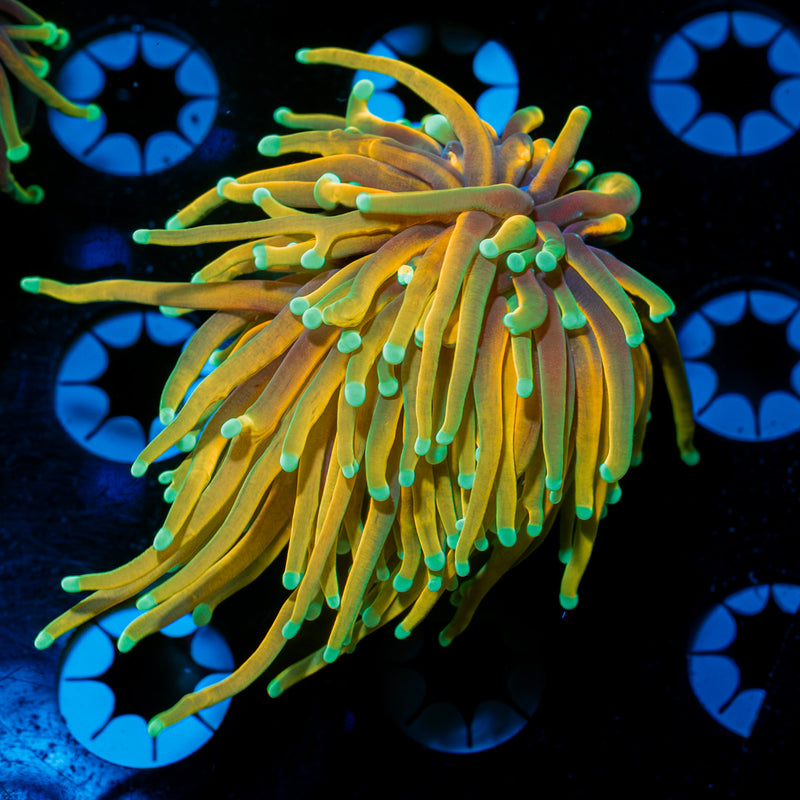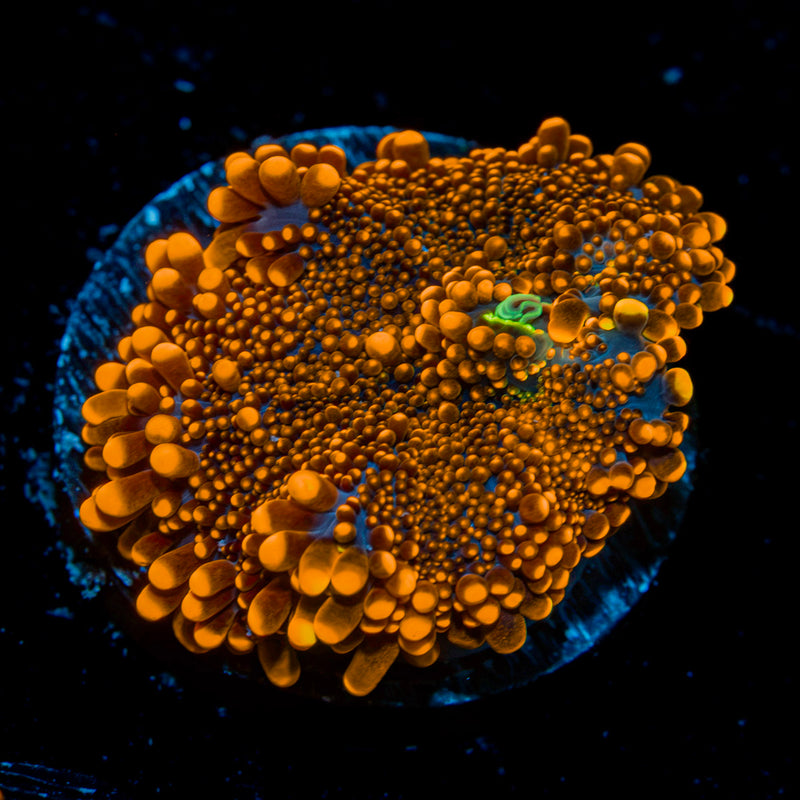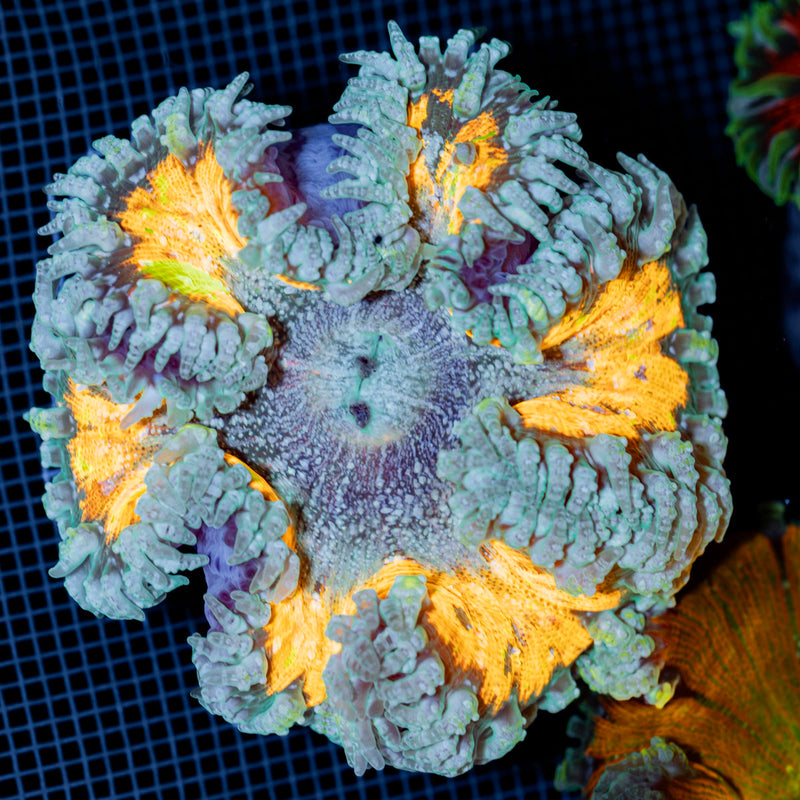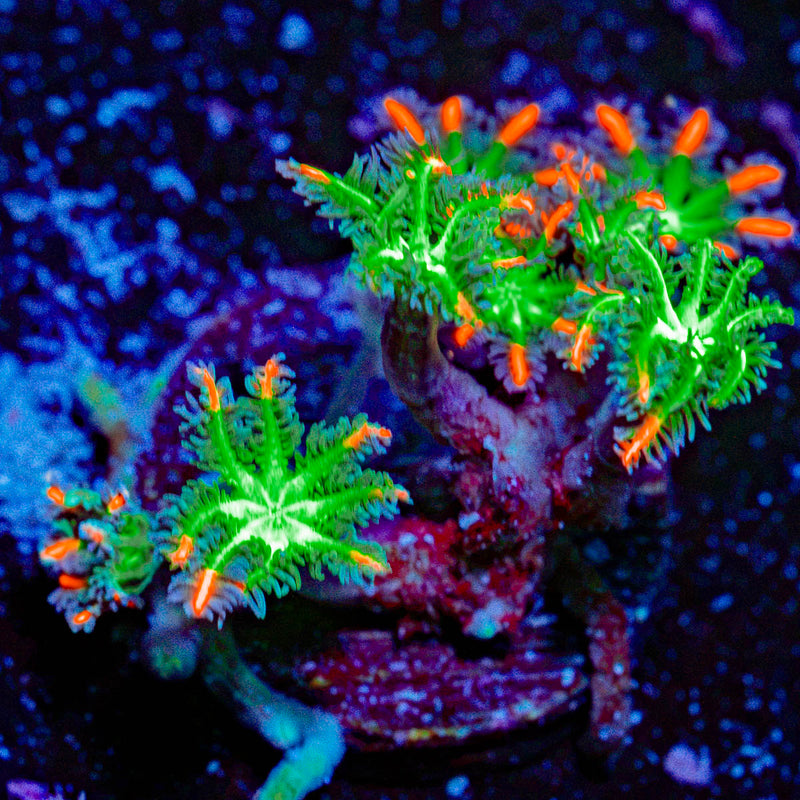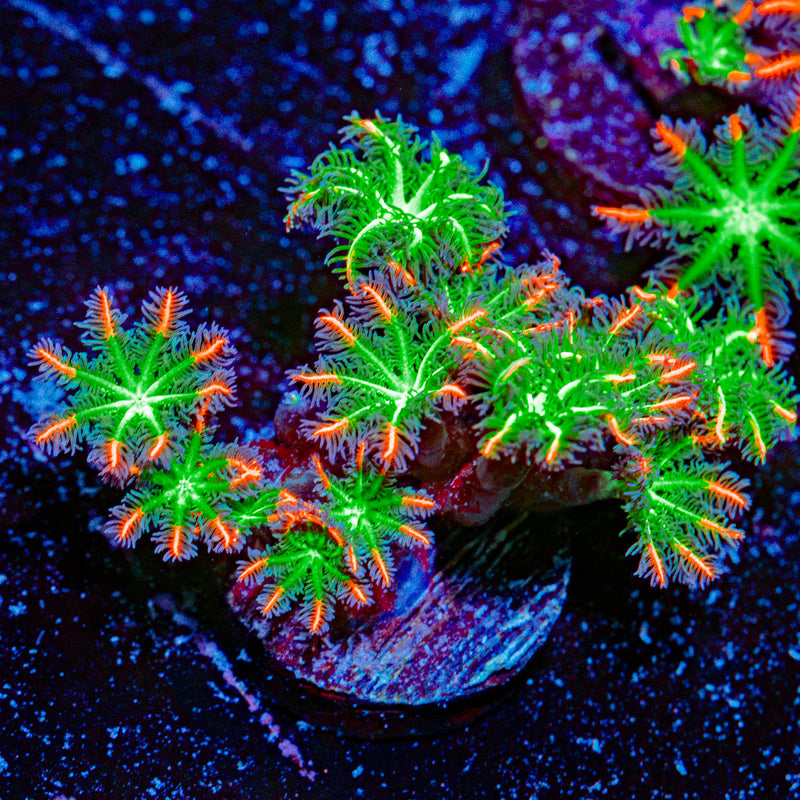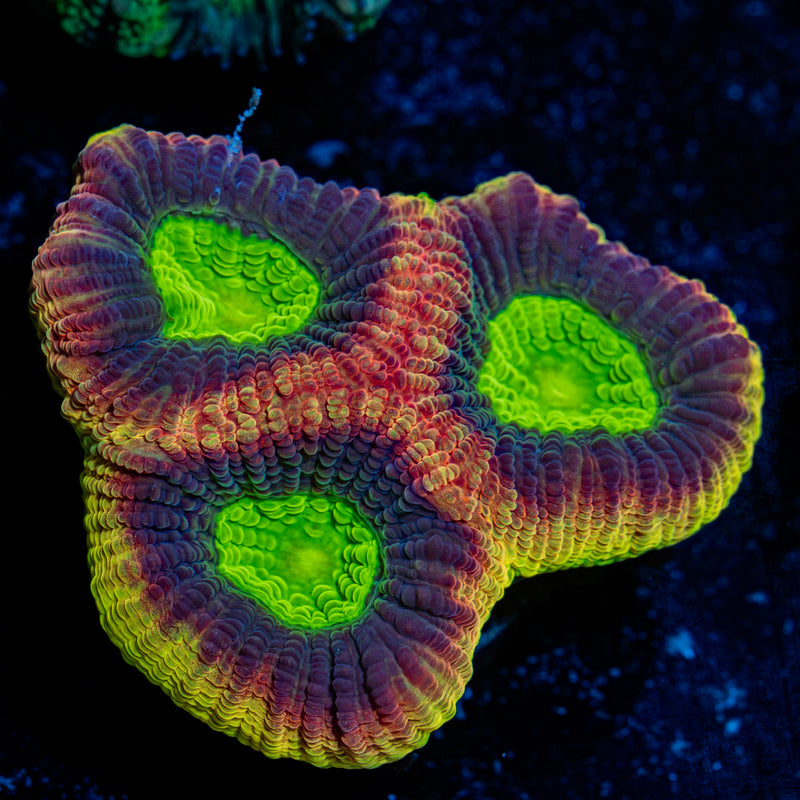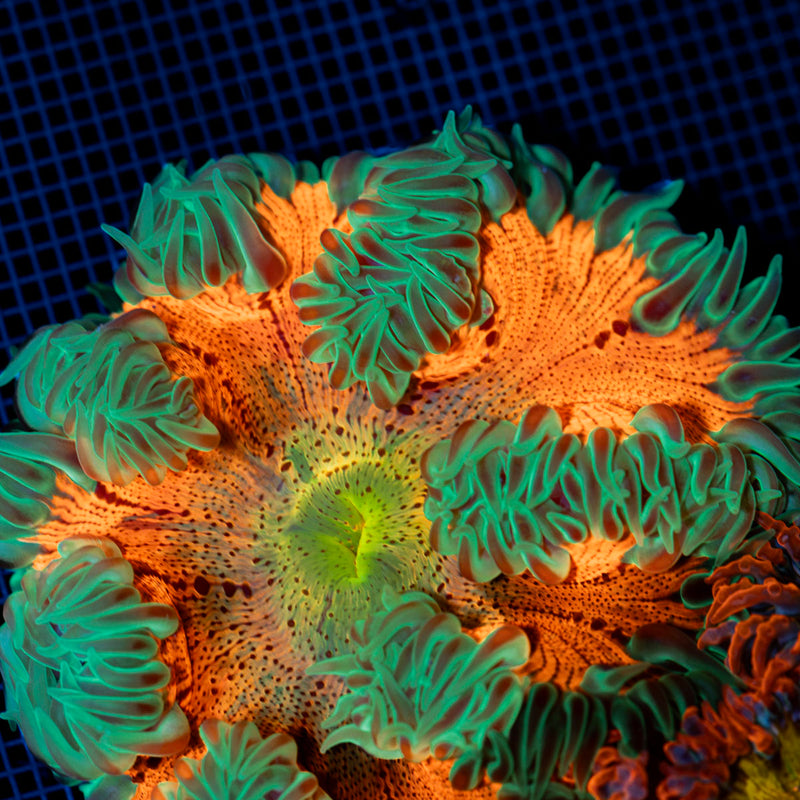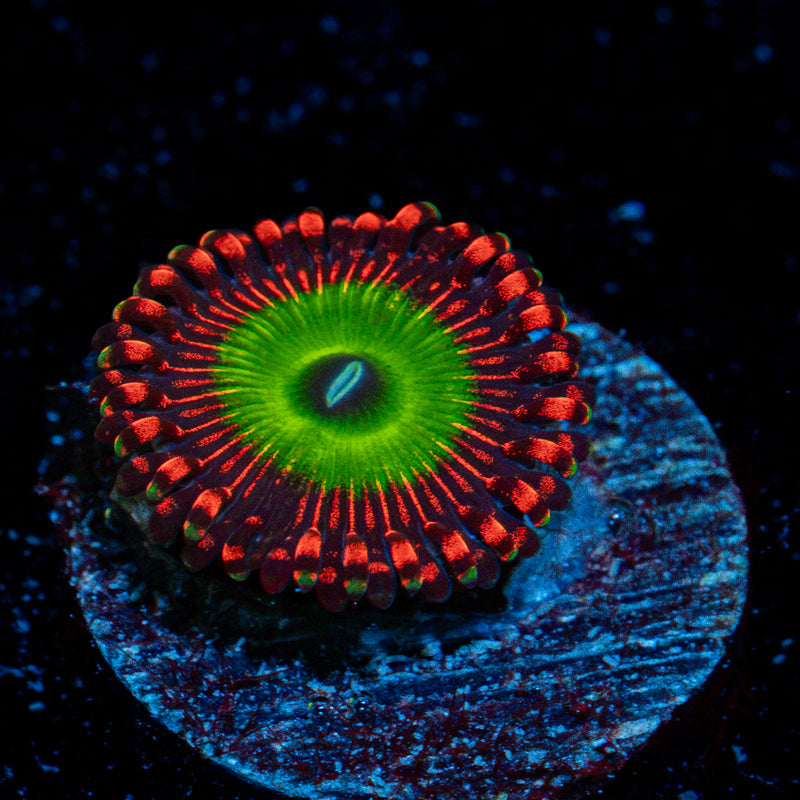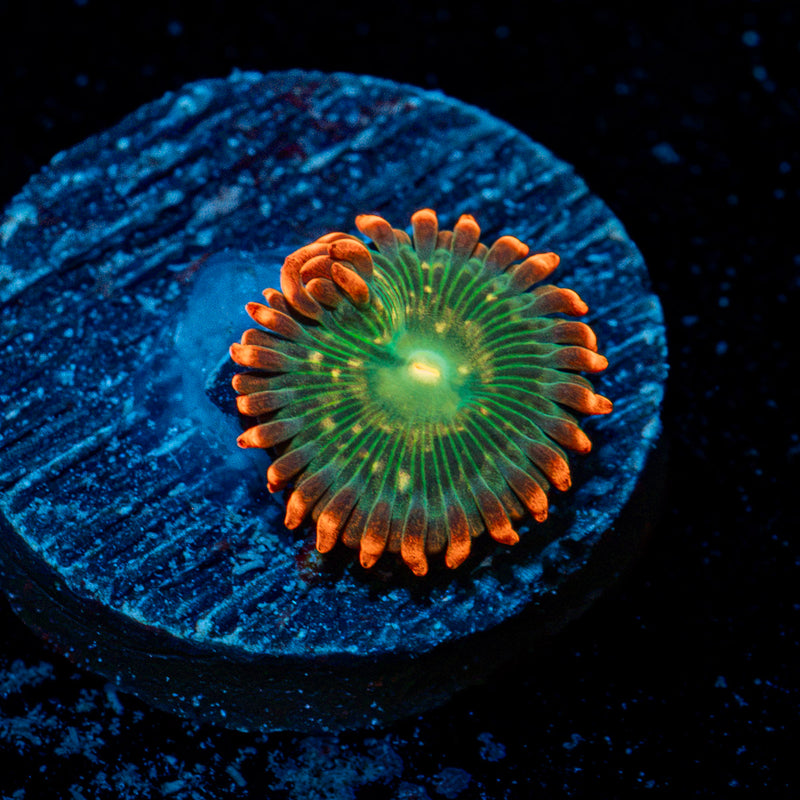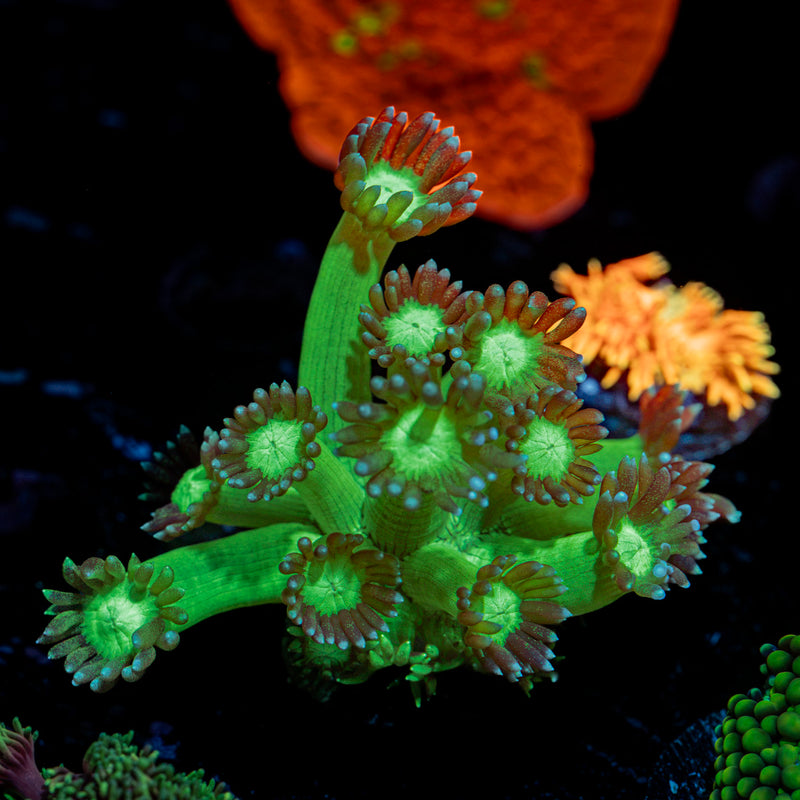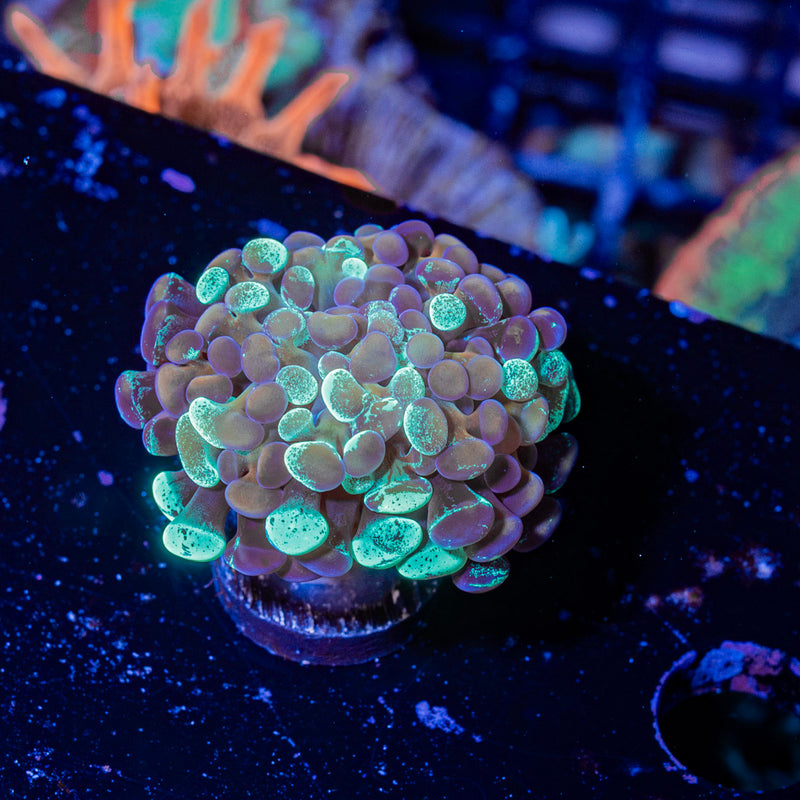
A frogspawn that looks inflated, colorful, and gently swaying can steal the whole tank. The one that stays tucked in, gets blasted by flow, or starts stinging its neighbors usually has one problem at the root of it - placement. This frogspawn coral placement guide is built to help you find that sweet spot early, so your coral can settle in with less stress and a lot more color.
Why placement matters so much for frogspawn
Frogspawn coral is one of those classic LPS pieces that feels both showy and approachable. It brings movement, bright tips, and that unmistakable branching look that can make a reef feel established fast. But it is also a coral that reacts clearly to its environment, which makes placement more than a cosmetic decision.
Light, flow, and spacing all work together. If the light is too intense, frogspawn may stay withdrawn or bleach. If flow is too weak, detritus can settle between the heads. If flow is too strong, the tissue can whip around and stay irritated. Add aggressive neighbors too close by, and a healthy frag can turn into a stressed one in a hurry.
The good news is that frogspawn usually gives you visible feedback. When it likes its spot, the polyps extend fully and move with a soft, rhythmic sway. When it does not, you can usually see the warning signs before things get serious.
Frogspawn coral placement guide: start in the middle
For most reef tanks, the best starting point is the middle third of the aquarium. That usually gives frogspawn moderate light and moderate, indirect flow, which is where many frags settle in best.
This is not a hard rule. A newer aquacultured frag that has been grown under controlled lighting may adapt well a bit lower at first, then move upward over time if needed. In a high-output LED setup, even the middle of the tank can be fairly intense. In a dimmer mixed reef, upper-middle placement might work perfectly. The goal is not a fixed shelf on the rockwork. The goal is to give the coral enough energy without overwhelming it.
If you are placing a new frogspawn for the first time, resist the urge to put it high right away just because you want it featured. A slightly more conservative position often leads to better extension during the first few weeks.
The best light for frogspawn
Frogspawn generally does best under moderate light. For many hobbyists, that means roughly the range where other beginner-friendly LPS corals also thrive. You want enough light to support healthy growth and vibrant color, but not so much that the coral retracts or fades.
If your tank runs strong LEDs, watch for signs of excess intensity such as pale tissue, shortened extension, or a frag that looks fine in the morning and irritated later in the photo period. If the tank is too dim, the coral may survive but lose some of the full, lively look that makes frogspawn so appealing.
Acclimation matters here. A frogspawn that just arrived and opened nicely in the bag or after placement still needs time to adjust to your system. Light shock can show up after a day or two. Starting lower and moving gradually is often the safer call, especially in tanks with powerful reef lighting.
The right flow looks gentle, not stagnant
Flow is where many placement mistakes happen. Frogspawn wants movement, but not a direct blast. Picture the tentacles swaying back and forth in a relaxed, rolling pattern. That is what you are after.
When flow is too strong, the polyps can look compressed, overly bent in one direction, or unable to open fully. Constant harsh movement can irritate tissue and increase the risk of damage against the skeleton. On the other side, low flow can allow waste to collect and reduce that healthy, inflated look.
Aim for indirect, alternating flow if possible. A frogspawn placed just off the main stream of a powerhead often does better than one directly in it. If you are tweaking pumps after adding a new coral, small adjustments are usually smarter than dramatic ones.
Give frogspawn more space than you think
Frogspawn is beautiful, but it is not passive. Like other Euphyllia-type corals, it can send out sweeper tentacles and sting nearby neighbors. That matters a lot when you are building a colorful mixed reef and every ledge starts to look like open real estate.
Leave room around the colony, especially near slower-growing or more delicate corals. The exact safe distance depends on the individual coral, your flow pattern, and whether the tentacles extend farther at night, but giving several inches of clearance is a smart baseline. More space is better if you have it.
There is also the practical side of future growth. A small aquacultured frag can become a showpiece over time. If you wedge it into a tight spot because it fits today, you may create a problem later when the heads expand and start reaching into neighboring corals.
Can frogspawn go near hammer or torch corals?
This is where reef keeping turns into an "it depends" hobby. Some hobbyists keep certain Euphyllia close together with no visible issues, while others see irritation or damage. Identification, strain differences, and tank-specific behavior all play a role.
If you want the safest path, give frogspawn its own space. Torches in particular can be more aggressive. Hammers and frogspawn may seem like natural companions, but close placement is still a gamble unless you know how your specific corals behave over time. When in doubt, separate them.
Sand bed or rockwork?
Both can work, but each has trade-offs.
Rockwork is often the better long-term choice because it gives the frag a stable base and keeps it elevated into moderate flow and light. Branching frogspawn also tends to look more natural and prominent when mounted securely on rock.
The sand bed can work well for acclimation or in tanks with stronger light, especially if you need a gentler starting zone. The risk is instability. A frag on the sand can get knocked over by snails, fish, or flow, and tissue damage from repeated contact with the substrate is never worth it. If you start on the sand, think of it as temporary unless that spot truly delivers the right conditions and a stable mount.
Signs your frogspawn is happy in its spot
A well-placed frogspawn usually tells you pretty clearly. The heads extend, the tissue looks full, and the motion is smooth and controlled. Color stays rich rather than washed out, and the coral begins to look settled instead of defensive.
Growth can be slow at first, especially after shipping or a recent move, so do not judge success only by new heads. Consistent extension, steady color, and the absence of tissue recession are the better early indicators.
If your frag came from a healthy aquacultured system, that is a real advantage. Aquacultured frogspawn often adapts well to home reef tanks because it has already been grown in captivity rather than taken straight from the ocean. At Riptide Aquaculture, that captive-grown stability is part of what makes these corals feel so approachable for both new and experienced reef keepers.
Signs placement needs to change
Not every unhappy frogspawn needs to be moved immediately. Sometimes the issue is alkalinity swing, a recent salinity change, or a lighting adjustment that affected the whole tank. But there are placement-specific clues worth watching.
If the coral stays tightly retracted for several days, gets pushed hard in one direction, develops irritated tissue on the skeleton, or starts paling after being moved upward, placement is a likely suspect. If detritus keeps collecting around the base or between heads, the flow pattern may be too weak in that area.
Make one change at a time. Move the coral, adjust flow, or reduce light intensity, then give it time to respond. Constant repositioning can create a cycle where the coral never gets a chance to adapt.
A simple approach for new frogspawn frags
If you want the lowest-stress starting plan, place the frag in the lower-middle to middle area of the tank, out of direct flow, with several inches of space around it. Let it settle for a week or two while you watch extension and color. If it looks healthy but slightly shaded compared to the rest of the tank, you can gradually move it upward.
This measured approach is especially helpful in mixed reefs where lighting and flow are designed around many coral types at once. Frogspawn is flexible, but it still benefits from a thoughtful introduction instead of a guess.
A great reef display is not just about buying a stunning coral. It is about giving that coral the right stage, the right neighbors, and enough room to become the living jewel you pictured when you added it to your tank.
Products from the article