A nano reef can look incredible fast - and that is exactly why coral choice matters so much. In a small tank, every frag stands out, every inch of growth counts, and the best corals for nano reefs are the ones that bring vibrant color without turning your limited space into a stinging contest six months later.
Small reef tanks reward restraint. A coral that behaves beautifully in a 120-gallon system can become a problem child in a nano, either by growing too aggressively, extending long sweeper tentacles, or demanding a level of stability that smaller water volumes do not always provide. The goal is not just to fill space. It is to build a colorful, healthy reef that still has room to breathe.
What makes the best corals for nano reefs?
The sweet spot for a nano coral is simple. You want strong visual impact, reasonable growth, and care requirements that match the reality of a smaller system. That usually means corals that tolerate minor swings better than delicate species, adapt to moderate lighting and flow, and look great even as a single frag.
Aquacultured corals are especially appealing here. They are typically better adapted to aquarium life, more predictable in behavior, and a smart choice for hobbyists who want healthy, reef-safe additions with more confidence from day one. In a compact reef, that kind of reliability matters.
Soft corals that shine in nano reefs
Soft corals are often where nano reef keepers start, and for good reason. Many are forgiving, colorful, and constantly in motion, which gives a small tank that lively, finished look.
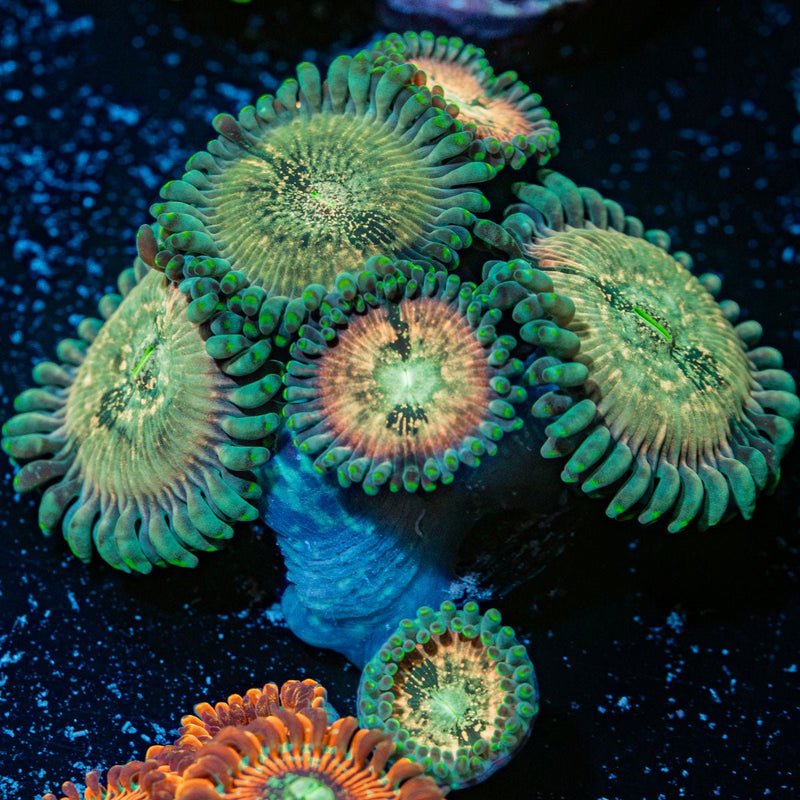
Zoanthids
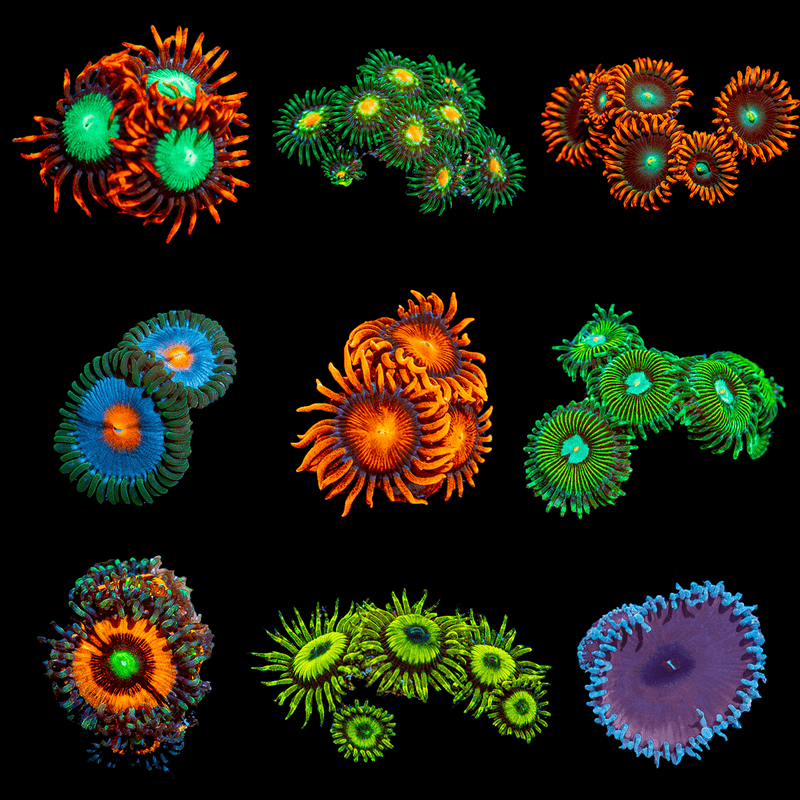
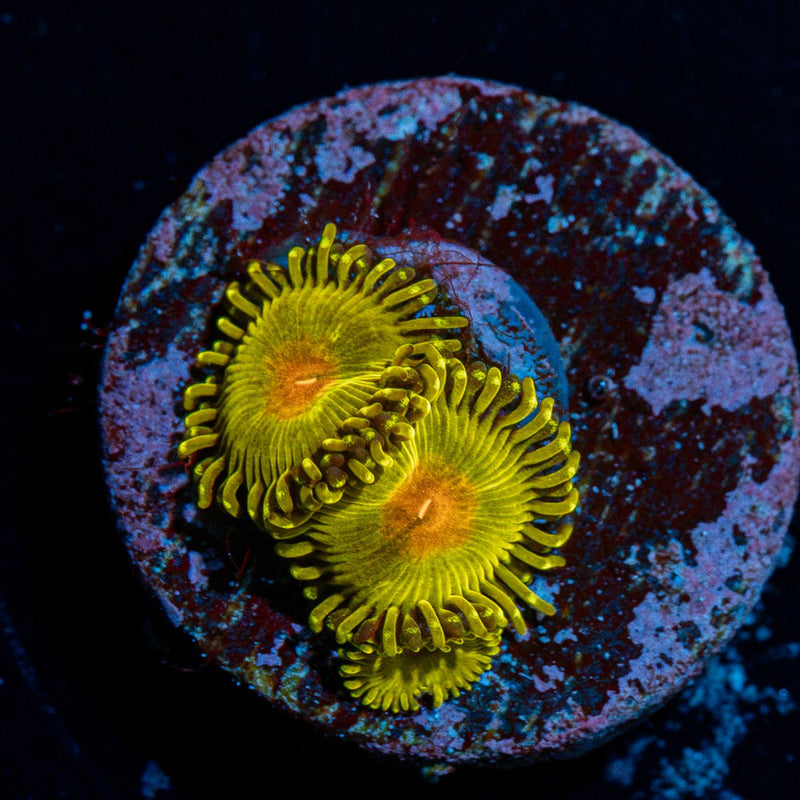
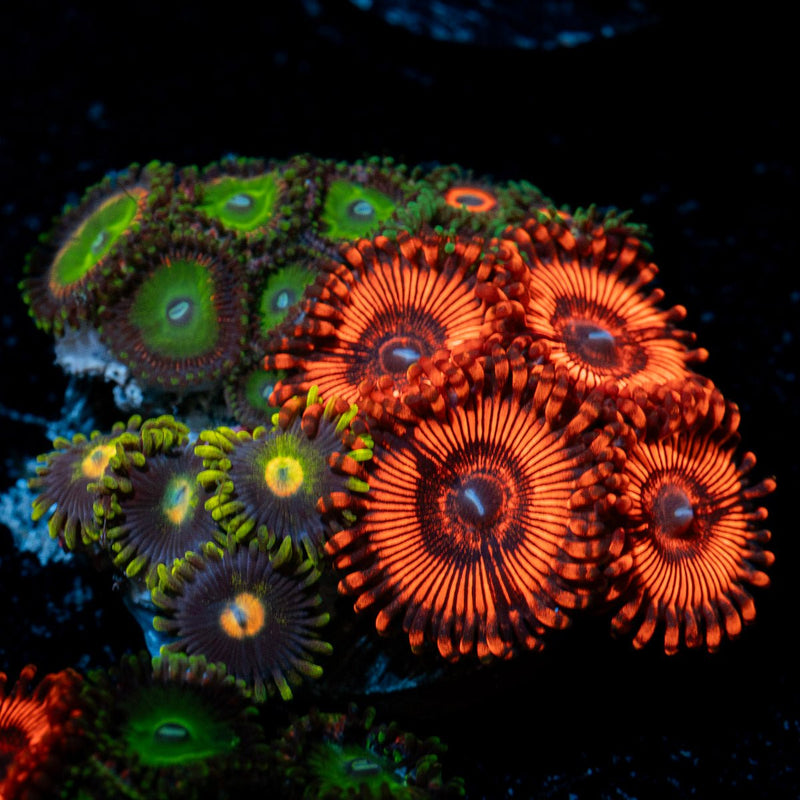
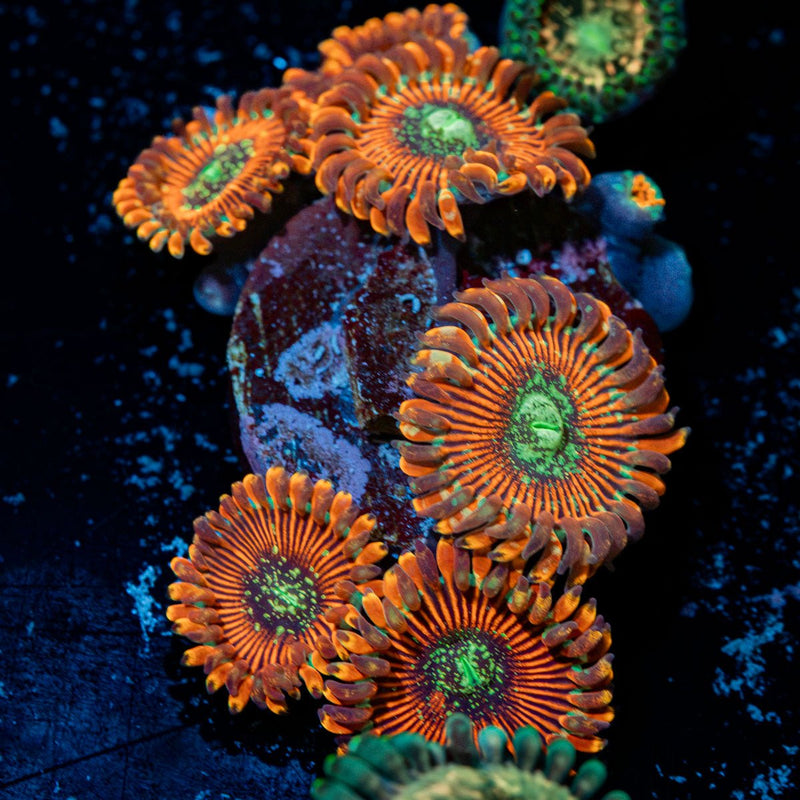
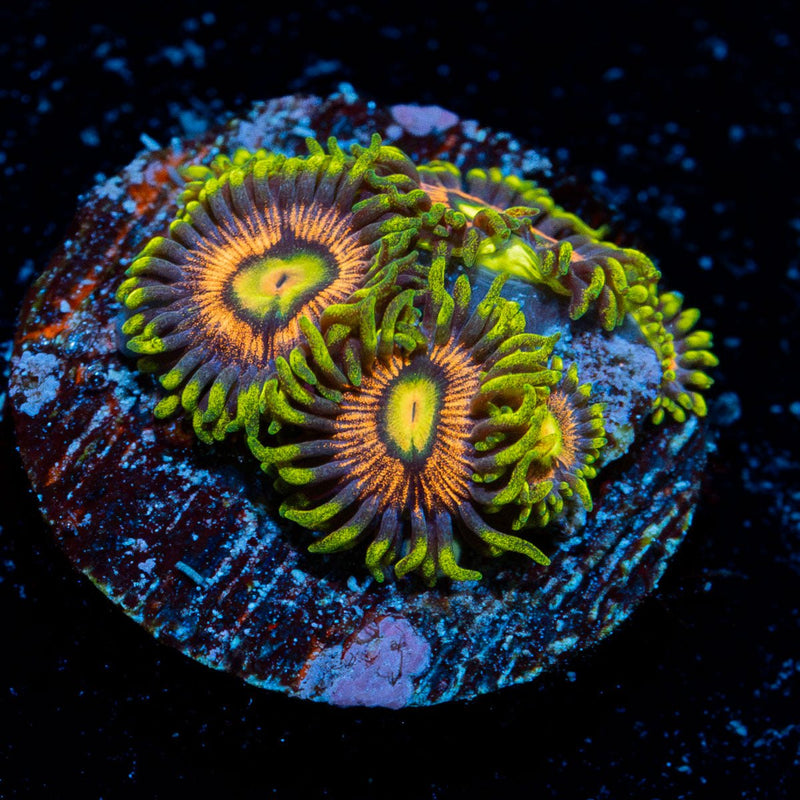
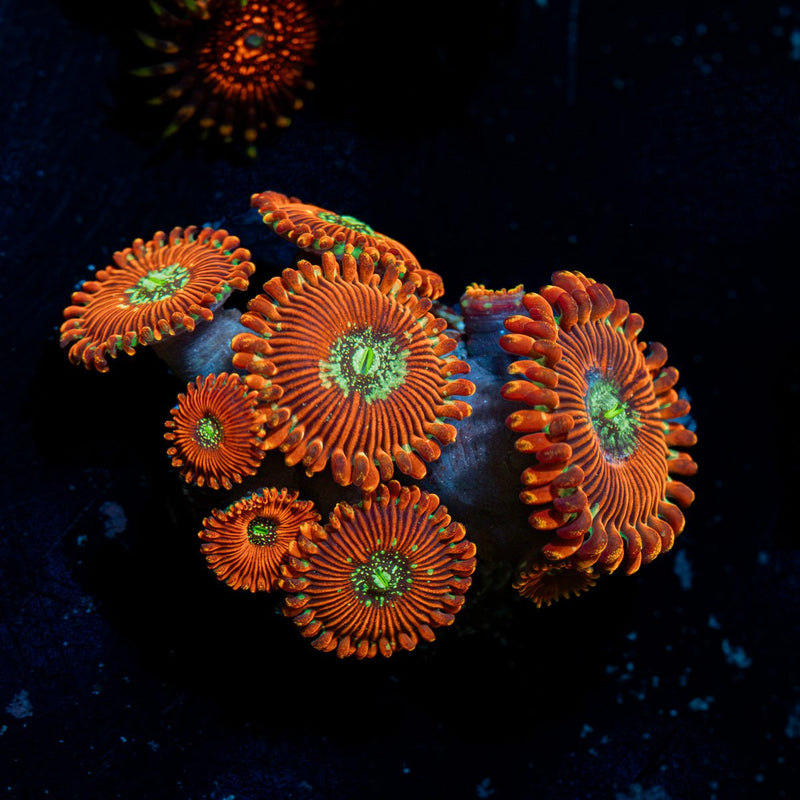
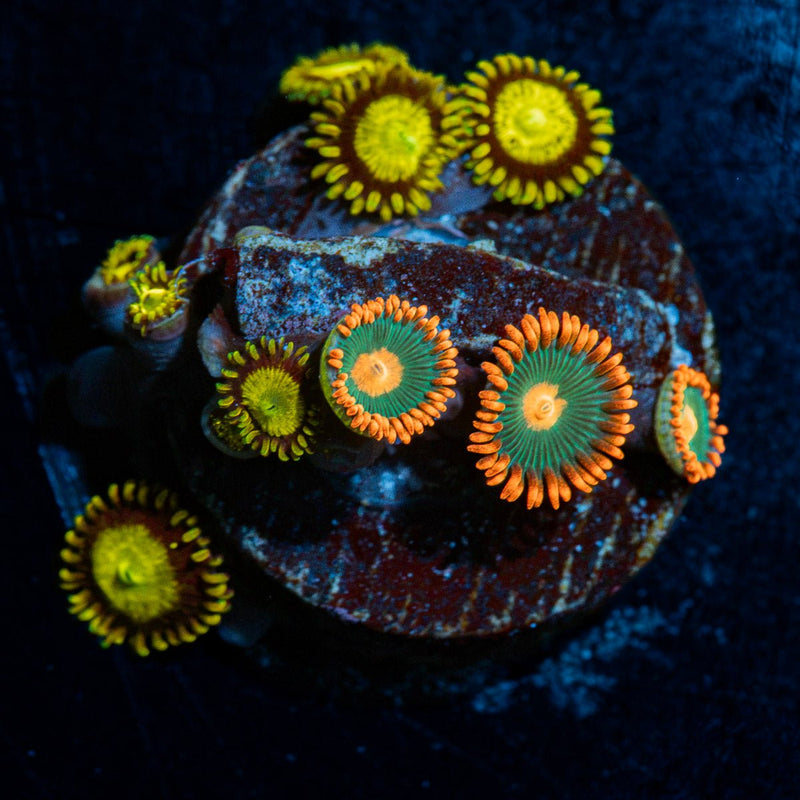
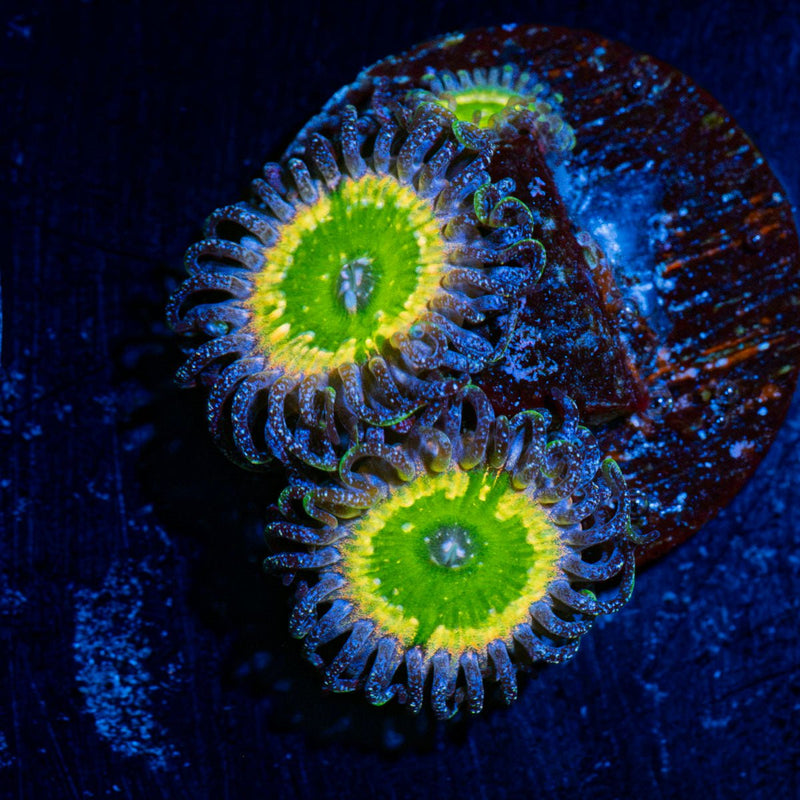
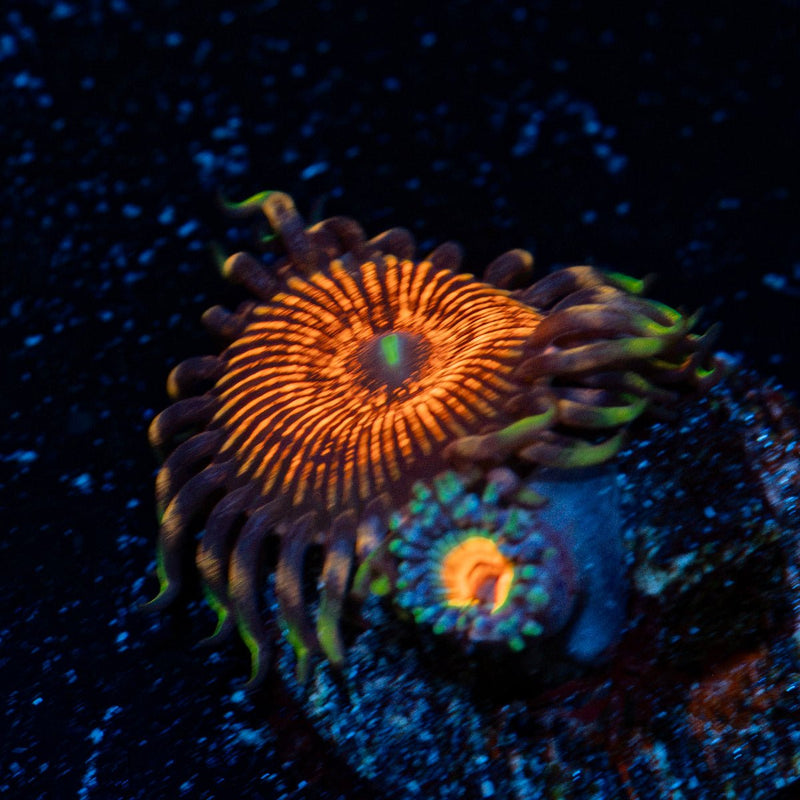
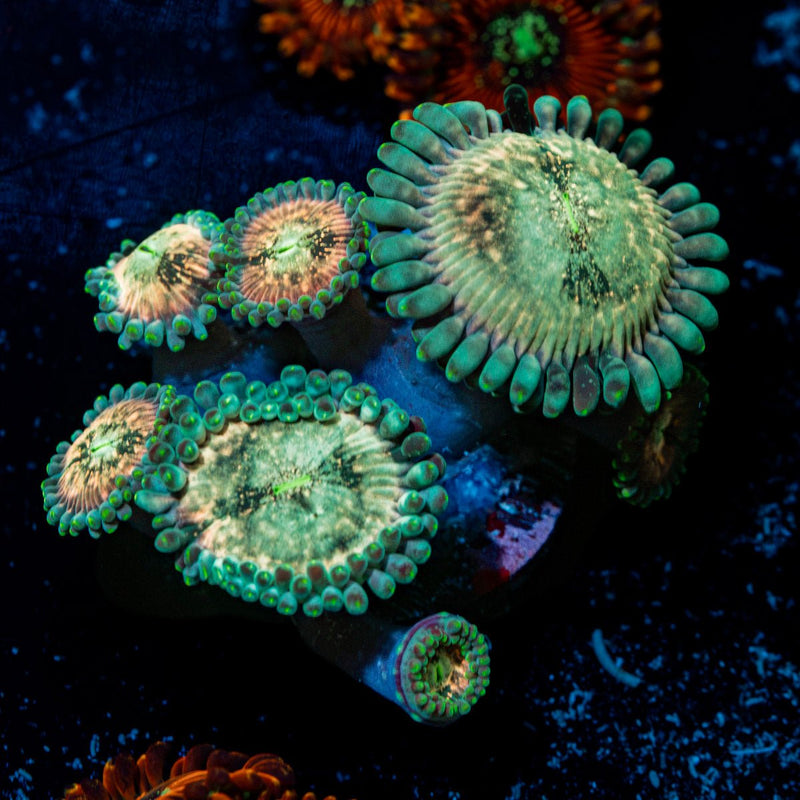
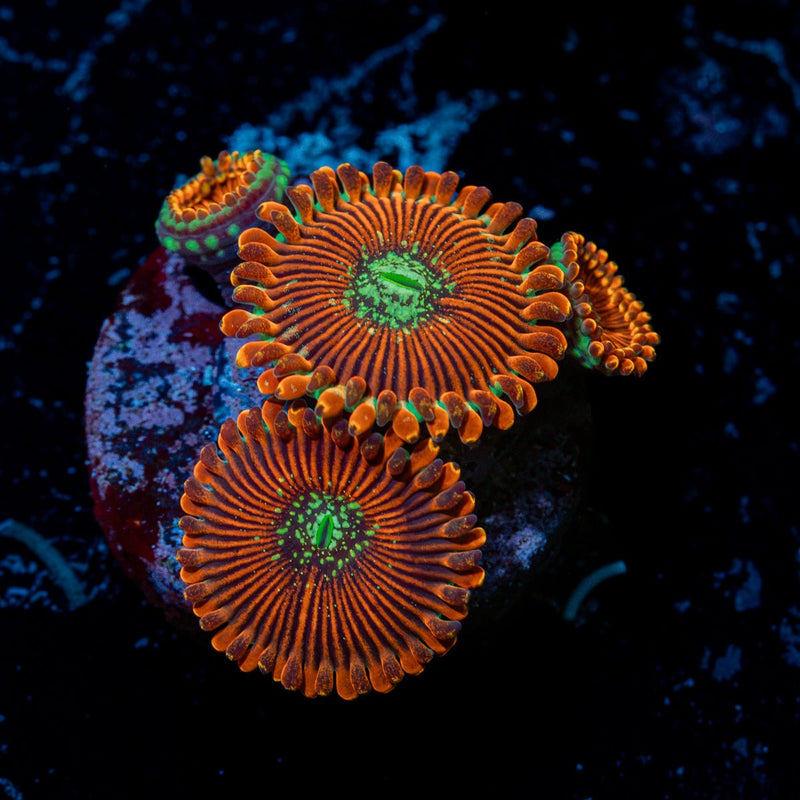
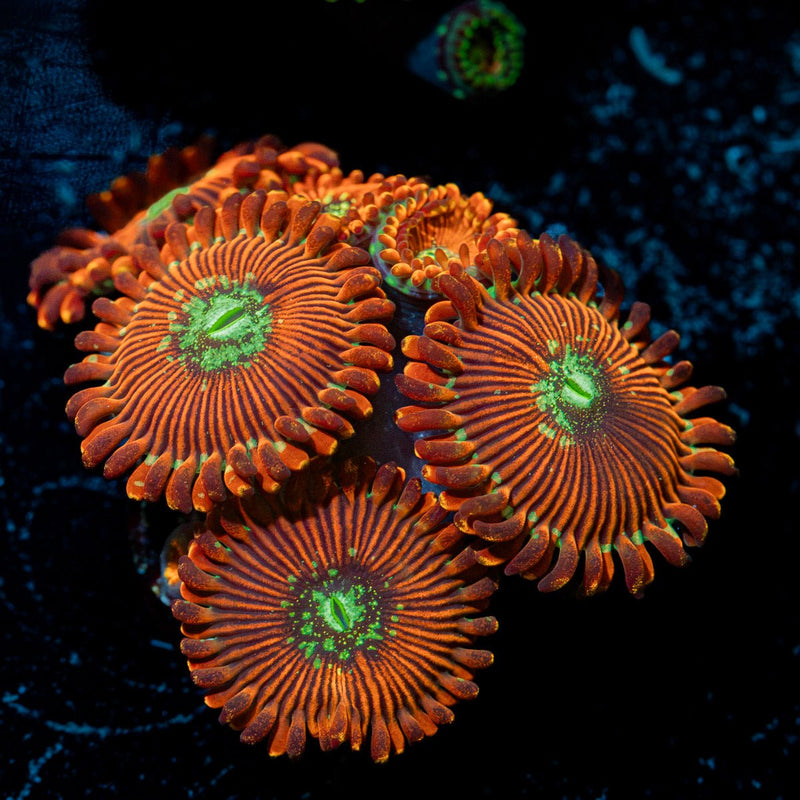
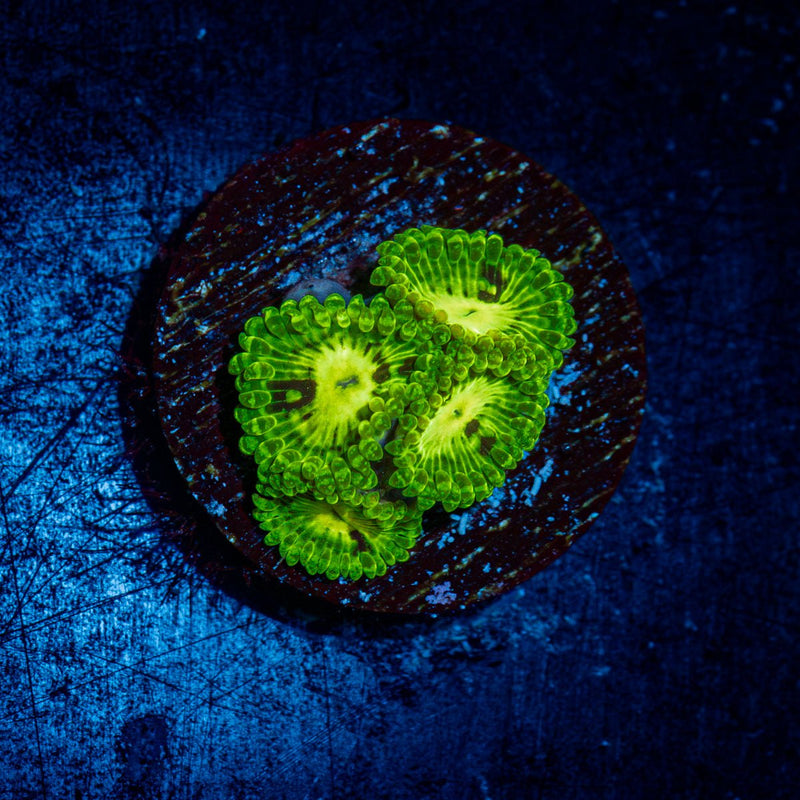
Zoanthids are one of the easiest answers to the question of the best corals for nano reefs. They come in a huge range of colors and patterns, from bright orange and neon green to multi-ring varieties that look like living confetti under blue light. A small frag can become a vivid island in the aquascape without needing much room at first.
The trade-off is growth. Some zoas spread quickly, which is great if you want coverage, but less great if you want clean separation between colonies. Giving them their own rock or a defined zone makes long-term placement much easier.
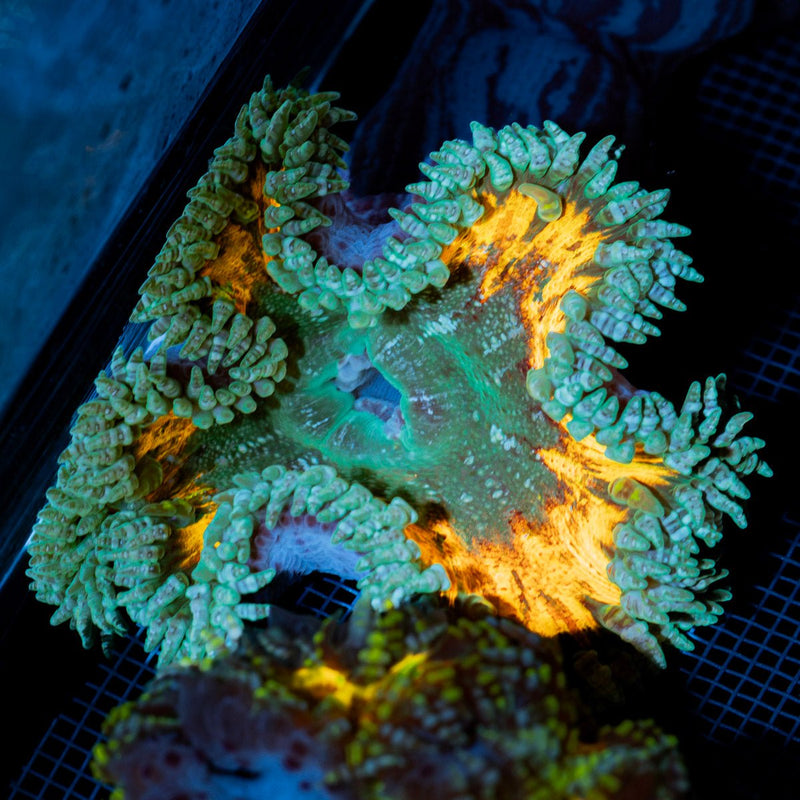
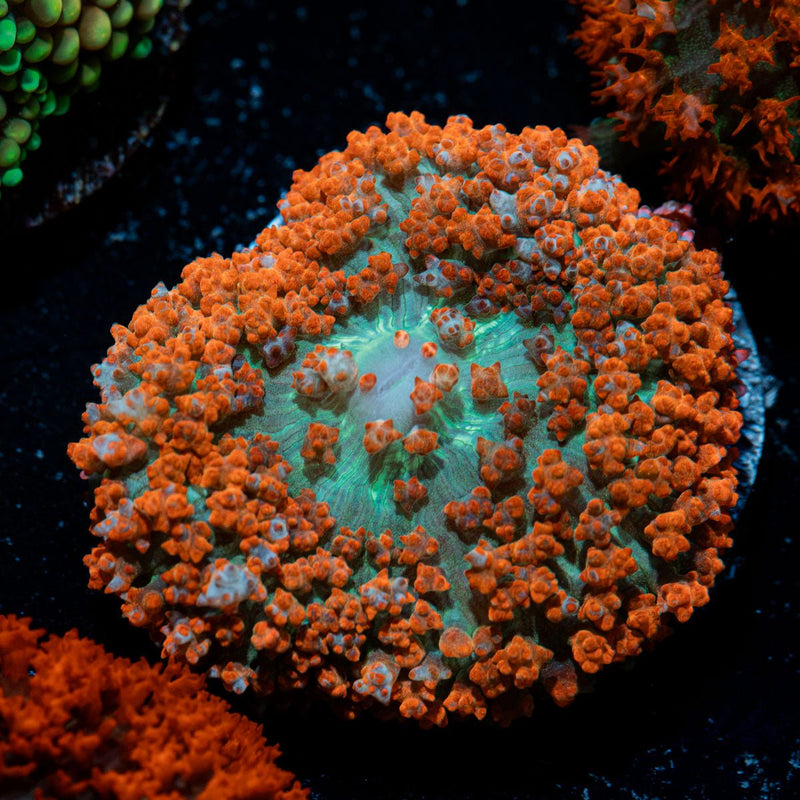
Mushroom corals
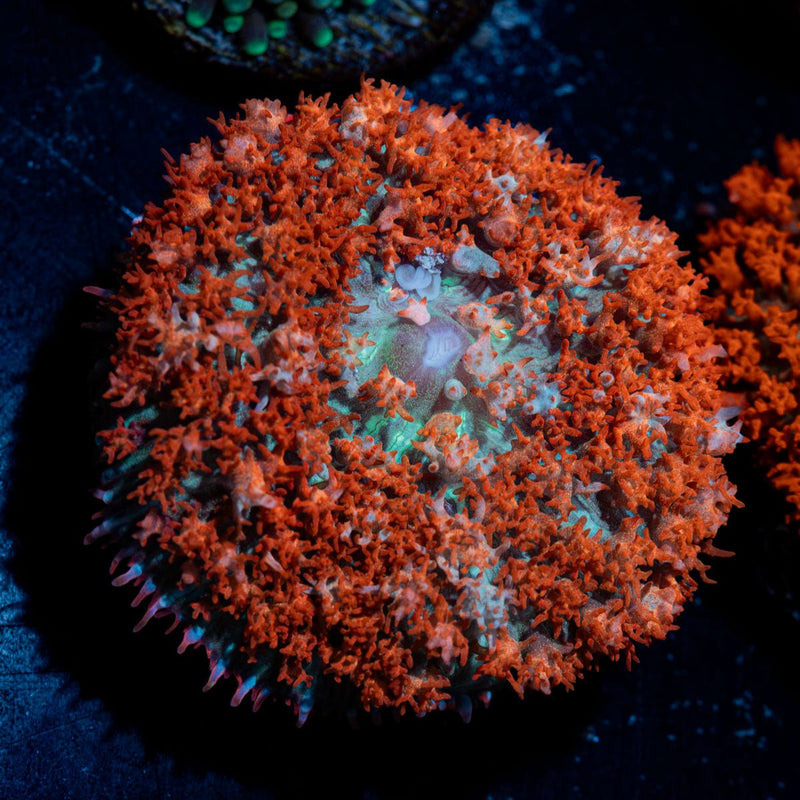
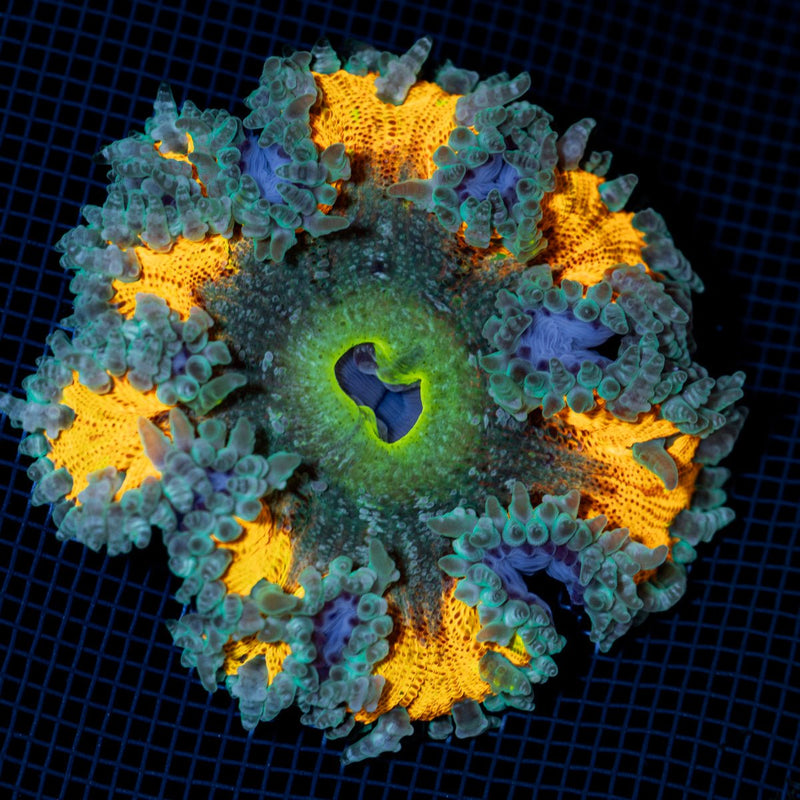
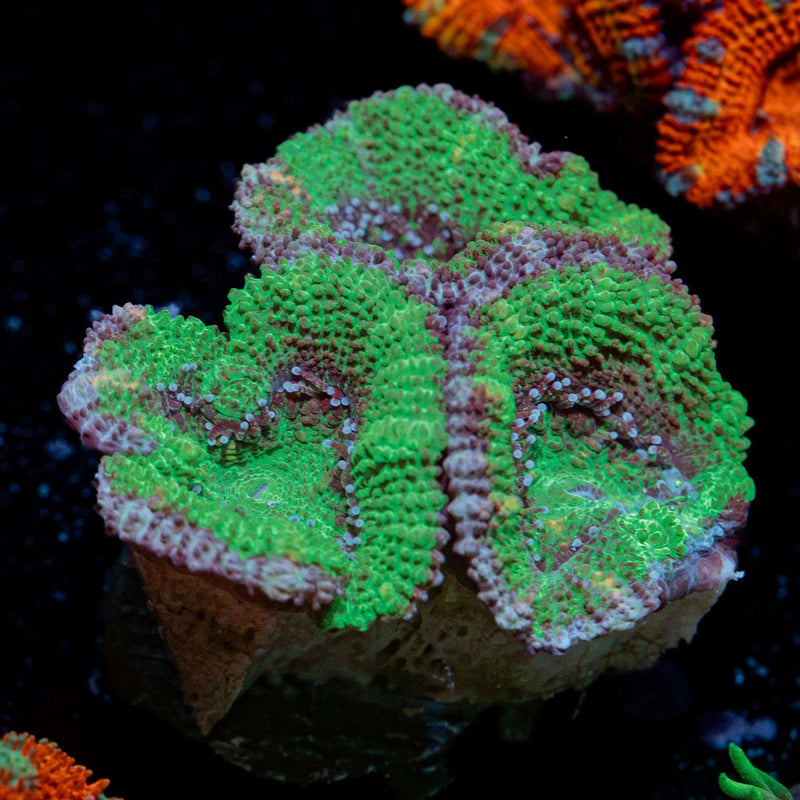
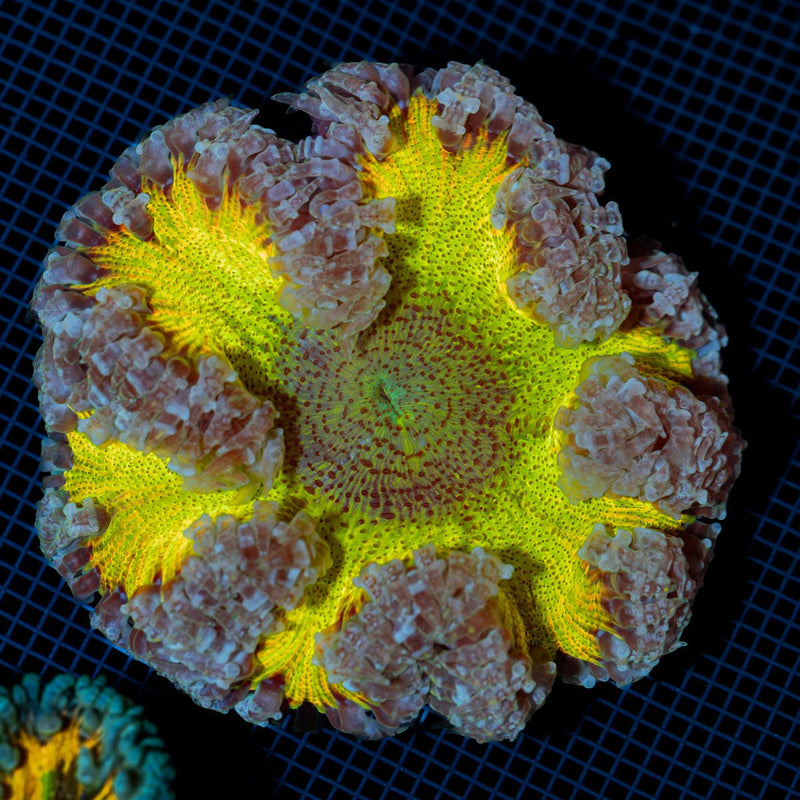
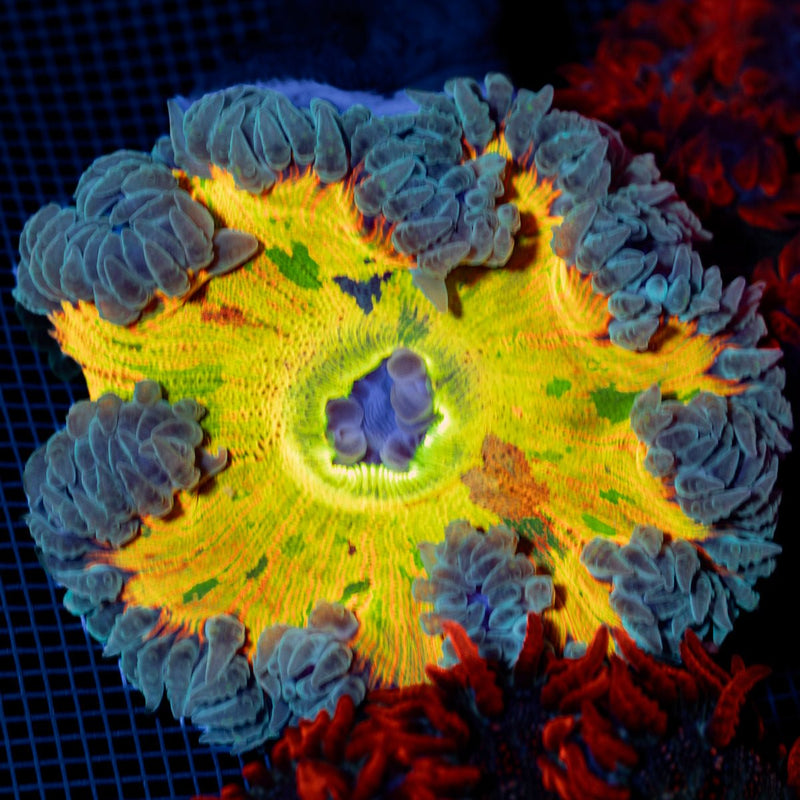
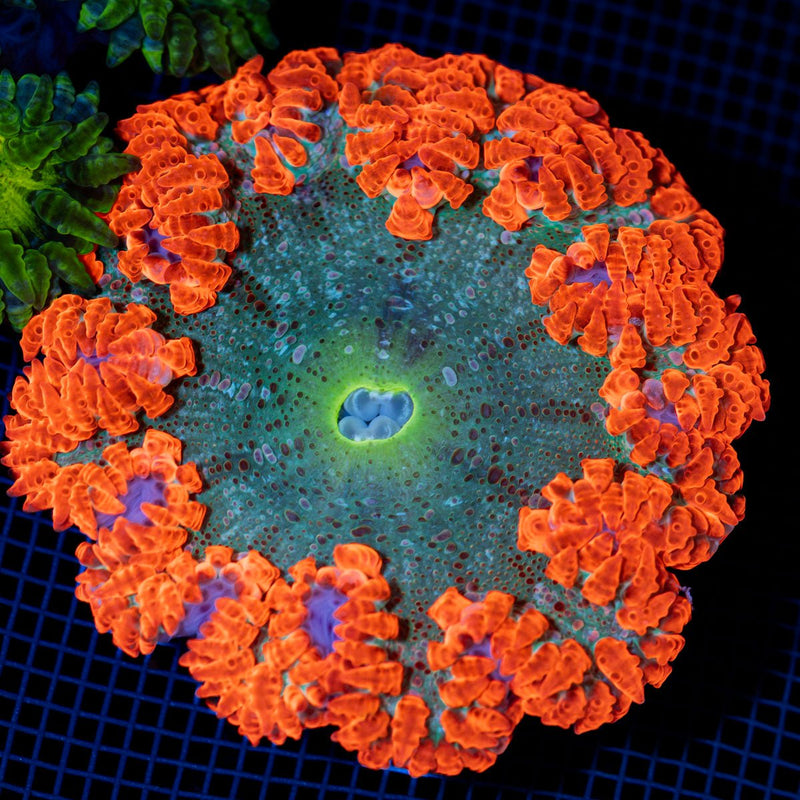
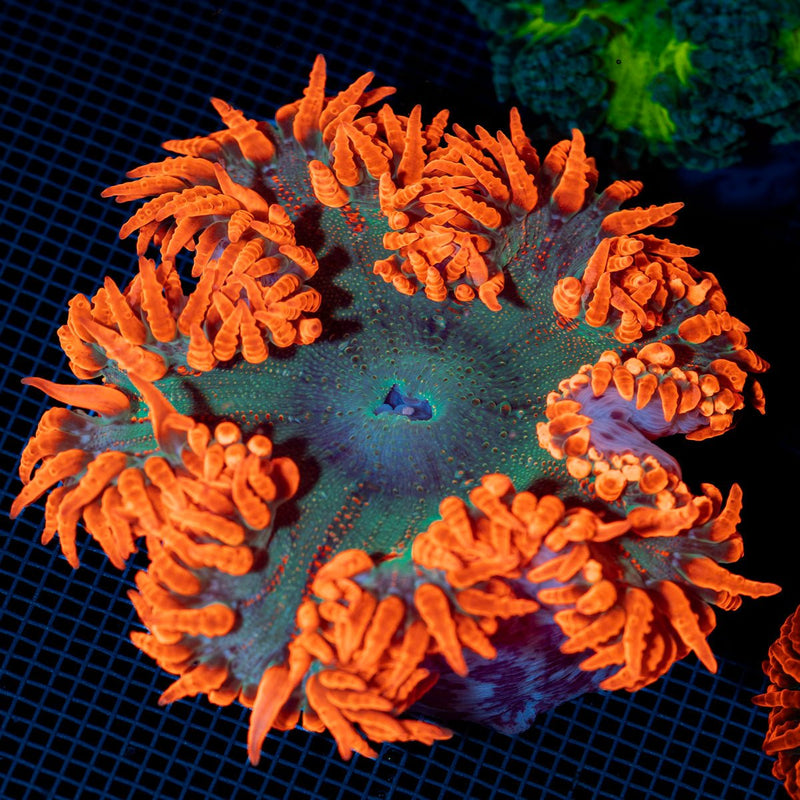
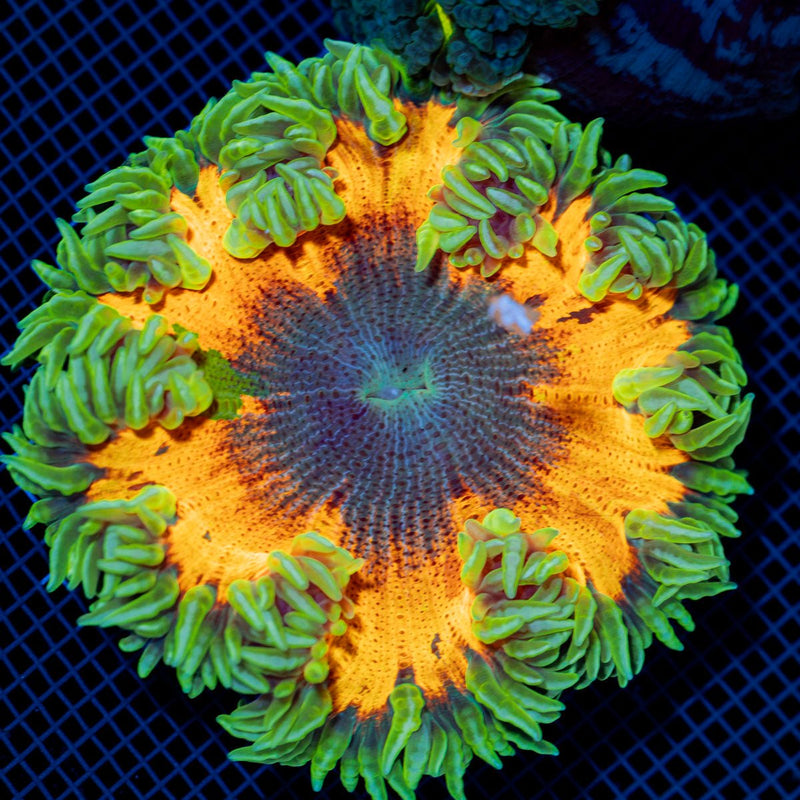
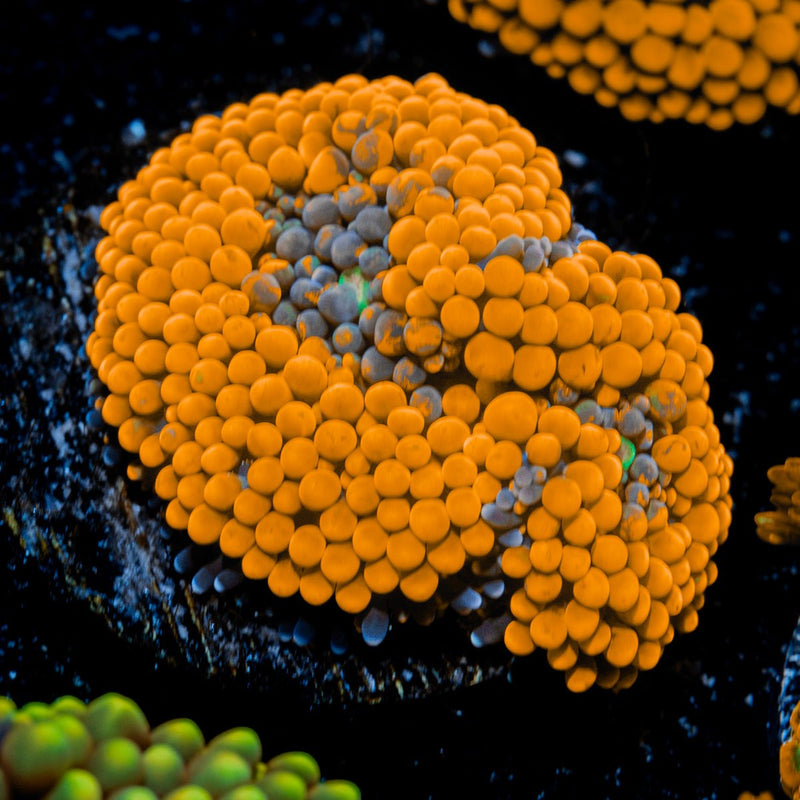
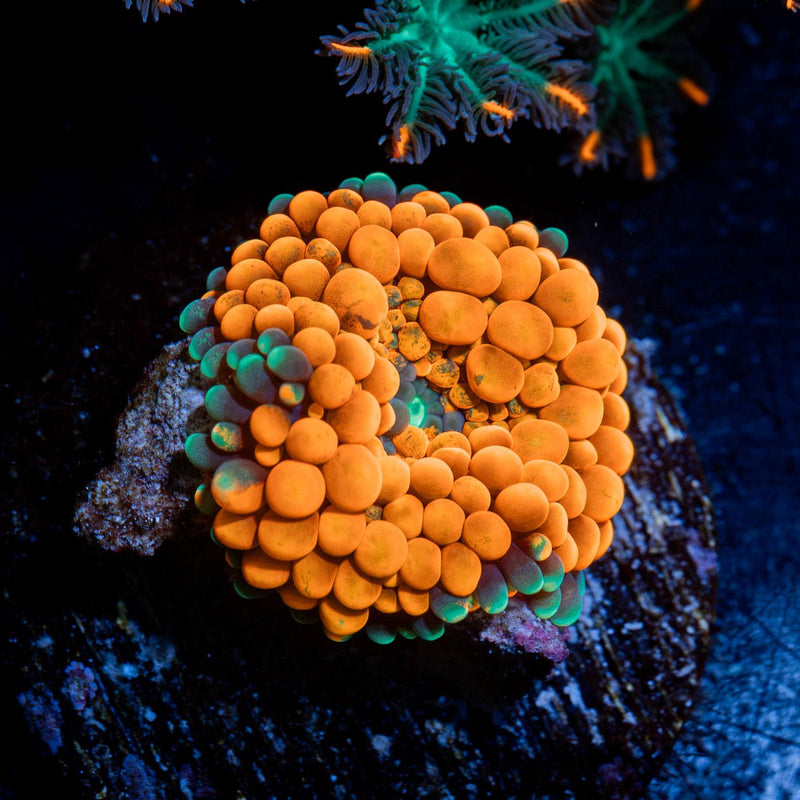
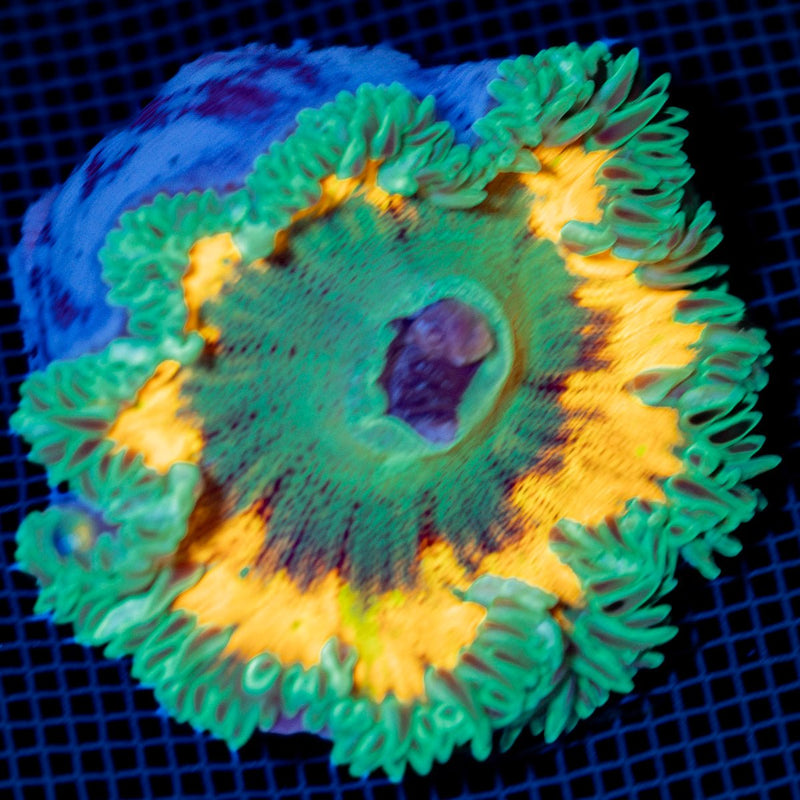
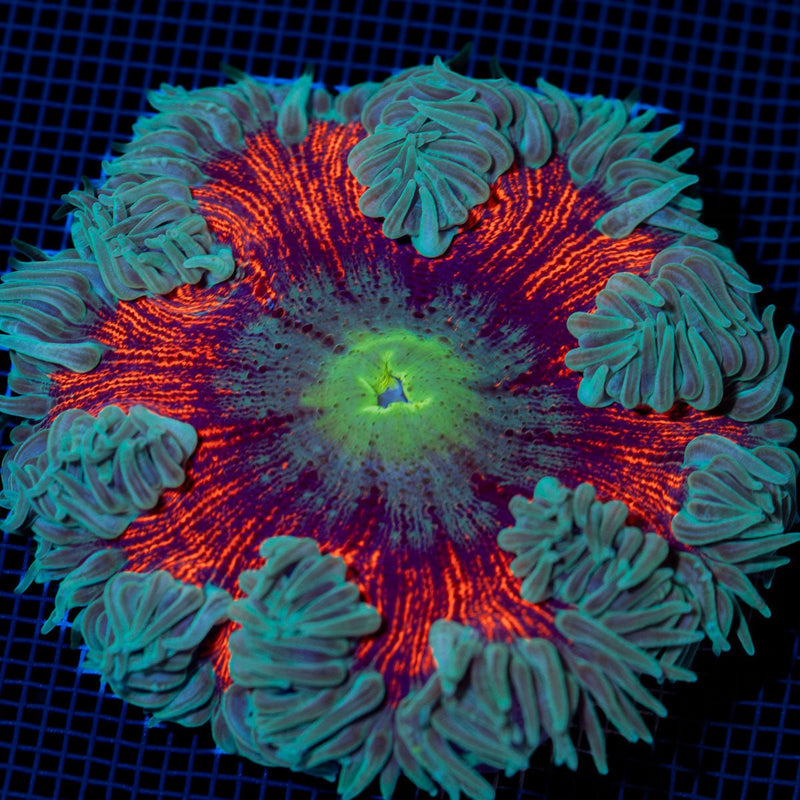
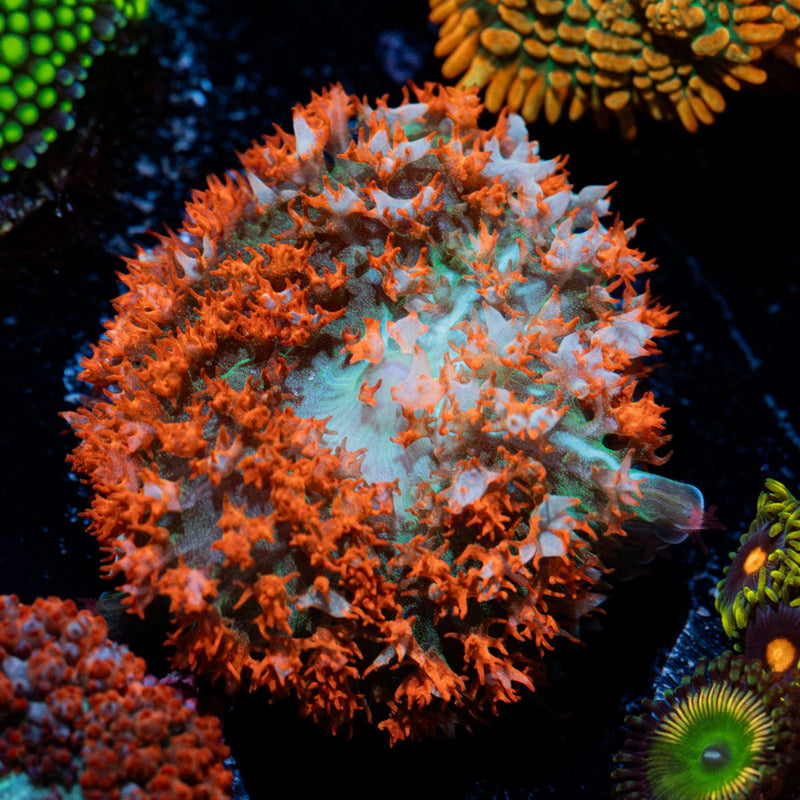
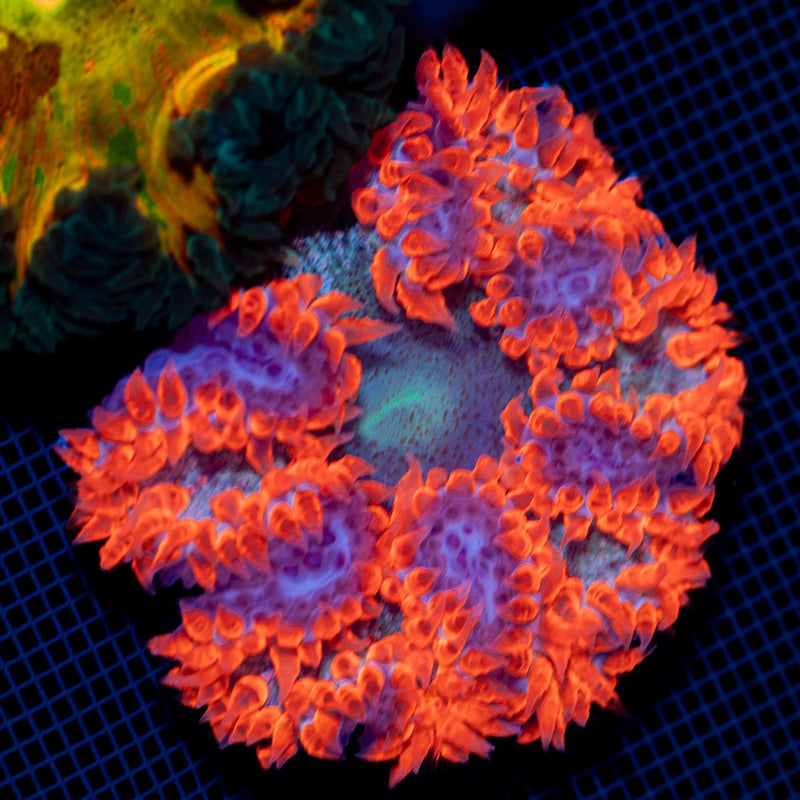
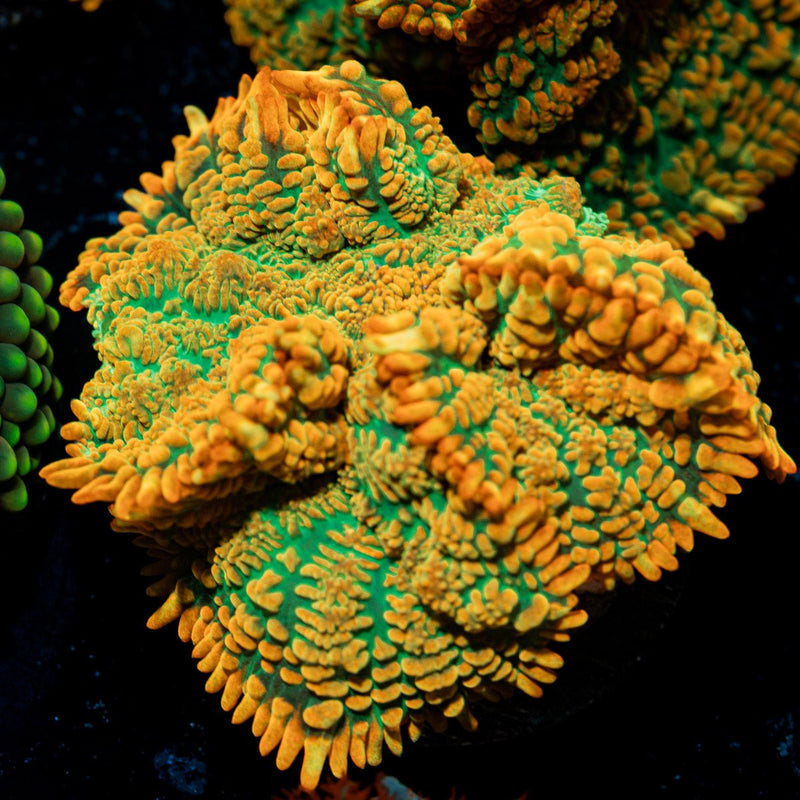
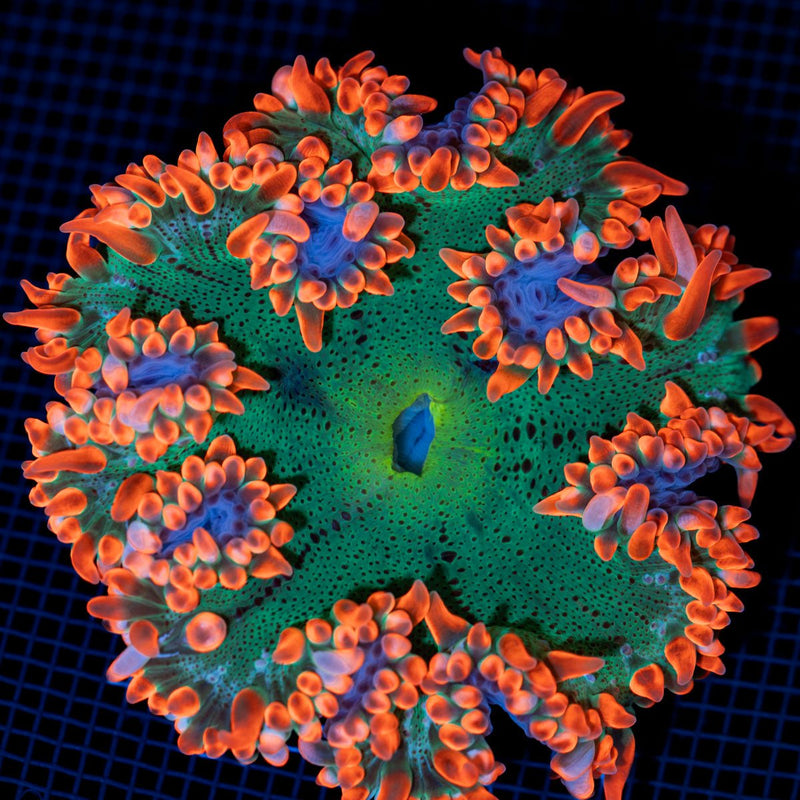
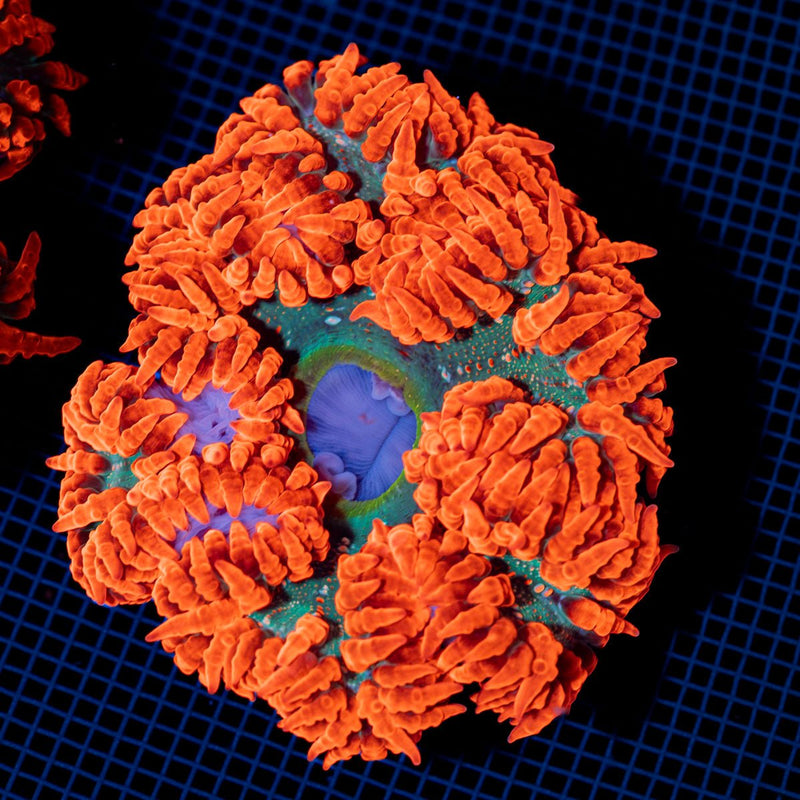
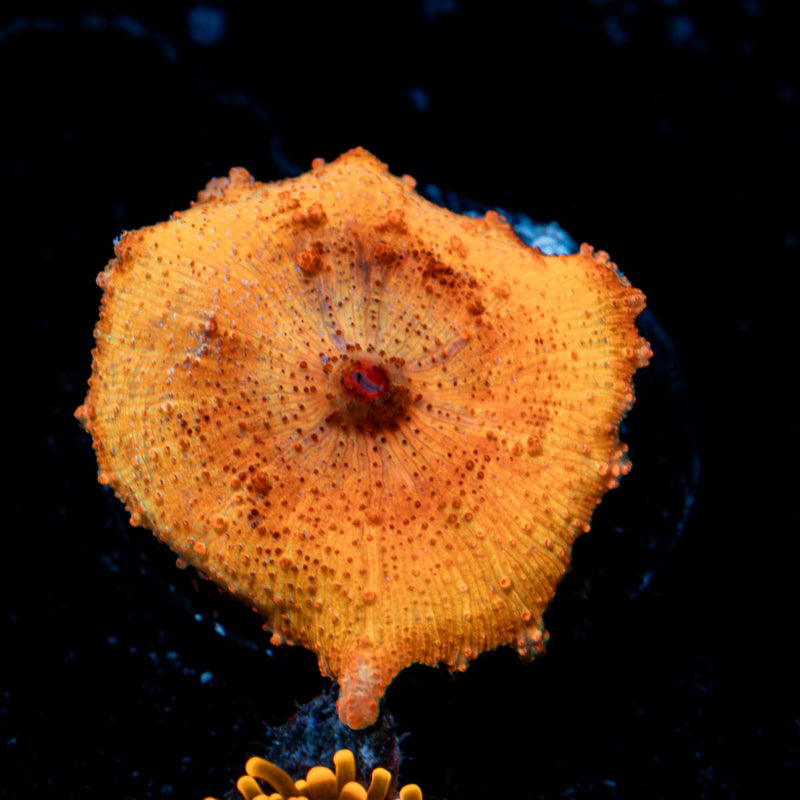
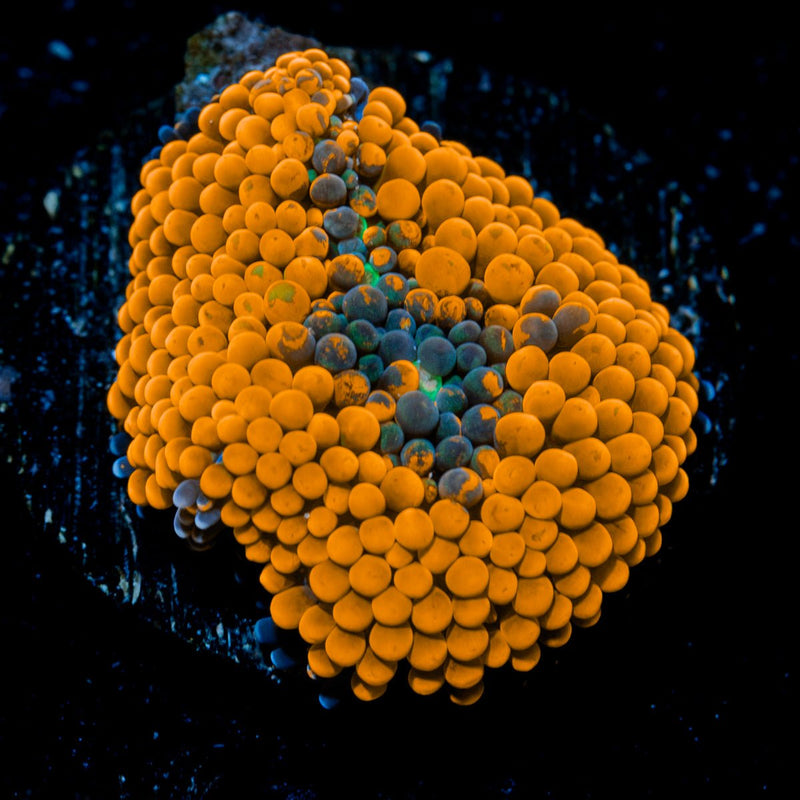
Mushrooms are classic nano reef material. They are hardy, visually bold, and available in styles that range from understated discosomas to richly textured ricordea with glowing, almost jeweled color. In a small aquarium, one healthy mushroom colony can become a focal point.
They do best when you do not overthink them. Moderate light, gentle to moderate flow, and stable conditions are usually enough. Just remember that some mushrooms expand more than new hobbyists expect, so placement should account for their fully inflated size, not just the frag plug.
Kenya tree and similar softies
If you want movement, few corals deliver it as easily as branching soft corals like Kenya tree. Their flowing polyps add softness and motion to rockwork that can otherwise look static. They are beginner-friendly and generally tolerant, which makes them appealing for newer reef keepers.
Still, they are not for everyone. In a carefully curated nano, fast-growing softies can become a little too enthusiastic. If you love a more natural, filled-in look, they are a great fit. If you want tightly controlled placement, you may prefer slower growers.
LPS corals with big presence in small tanks
LPS corals are often the showstoppers in nano reefs because they offer fleshy movement, dramatic color, and a premium look without requiring a large colony to make an impression.
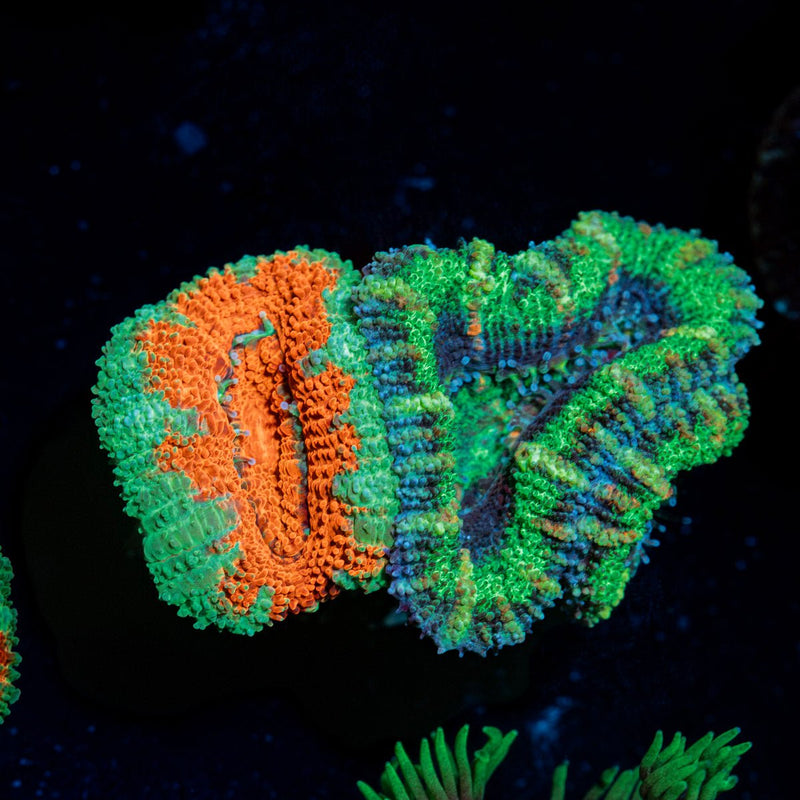
Acan corals
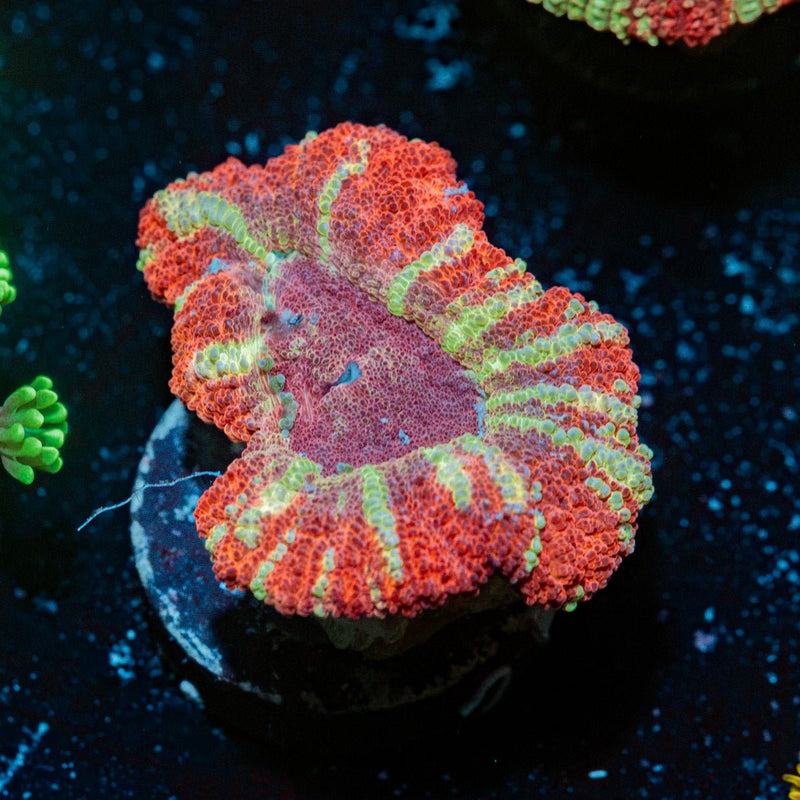
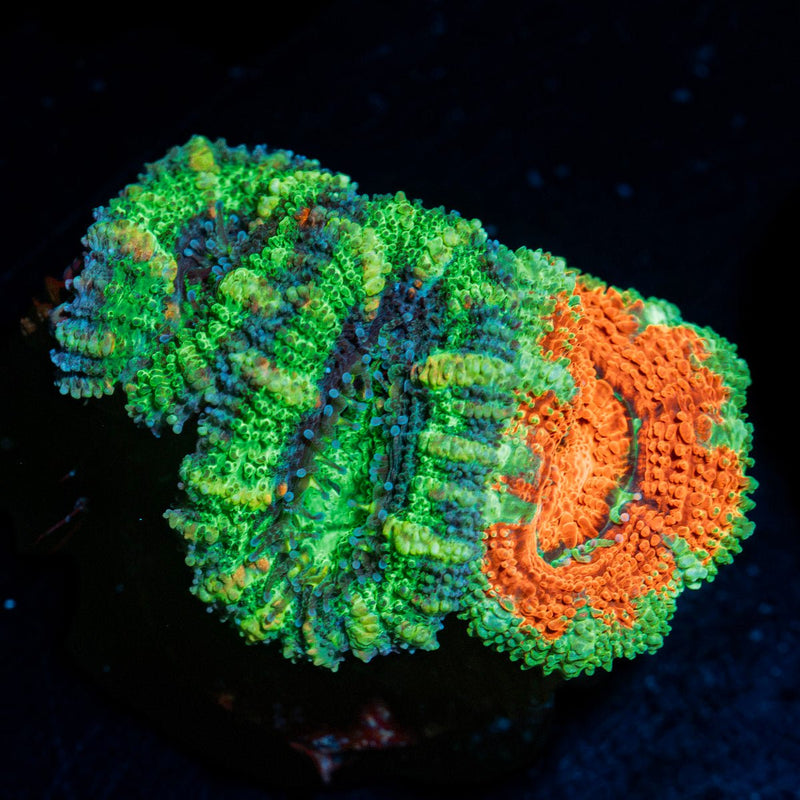
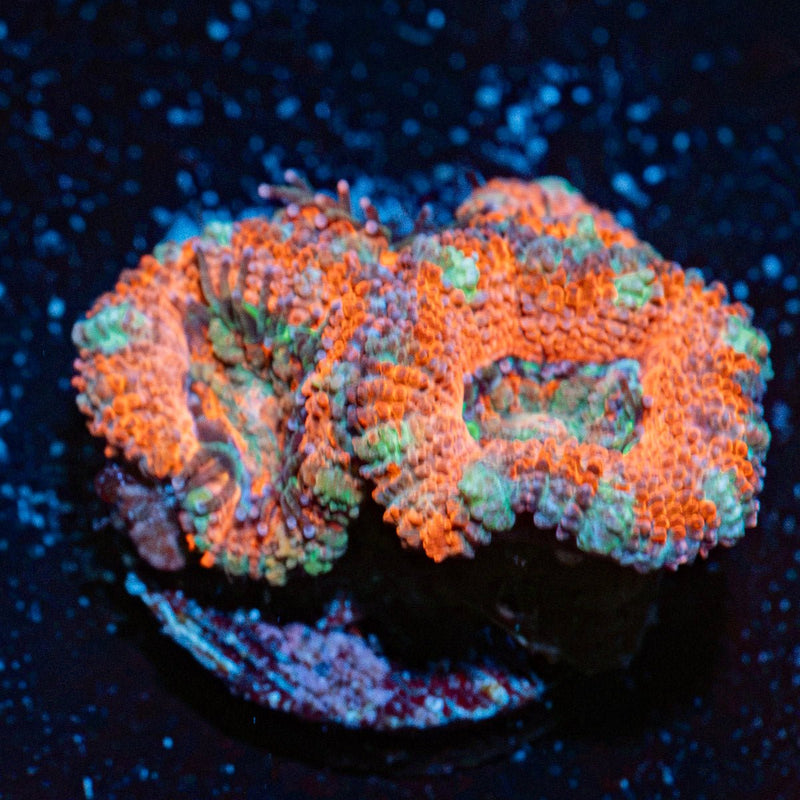
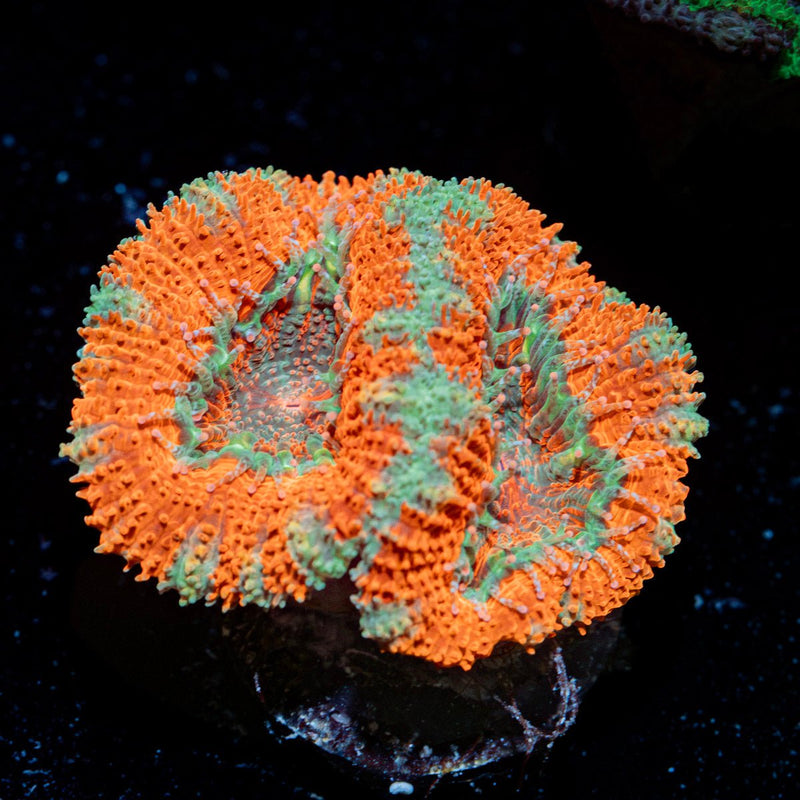
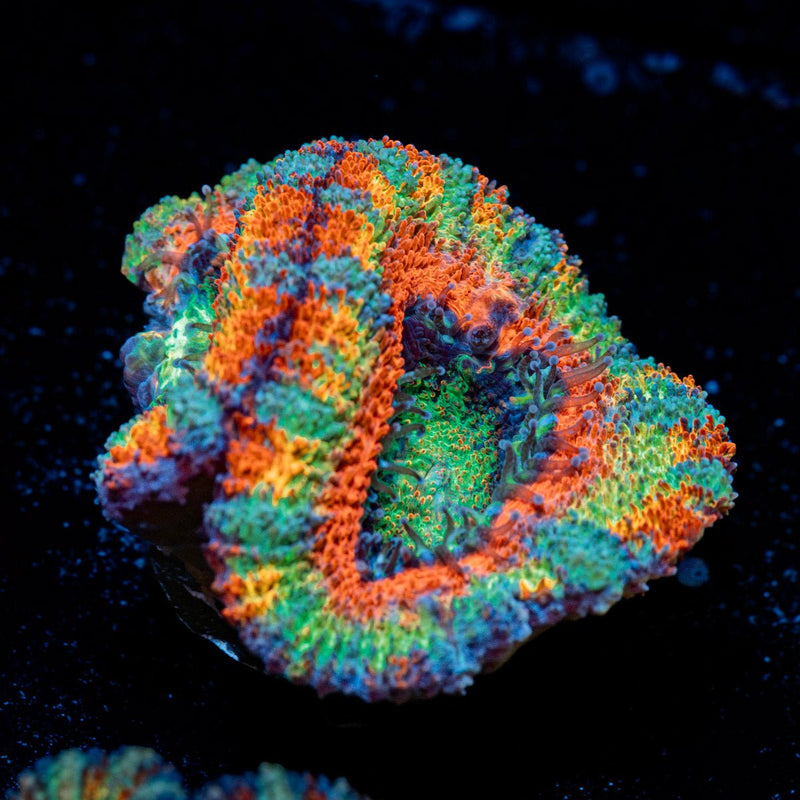
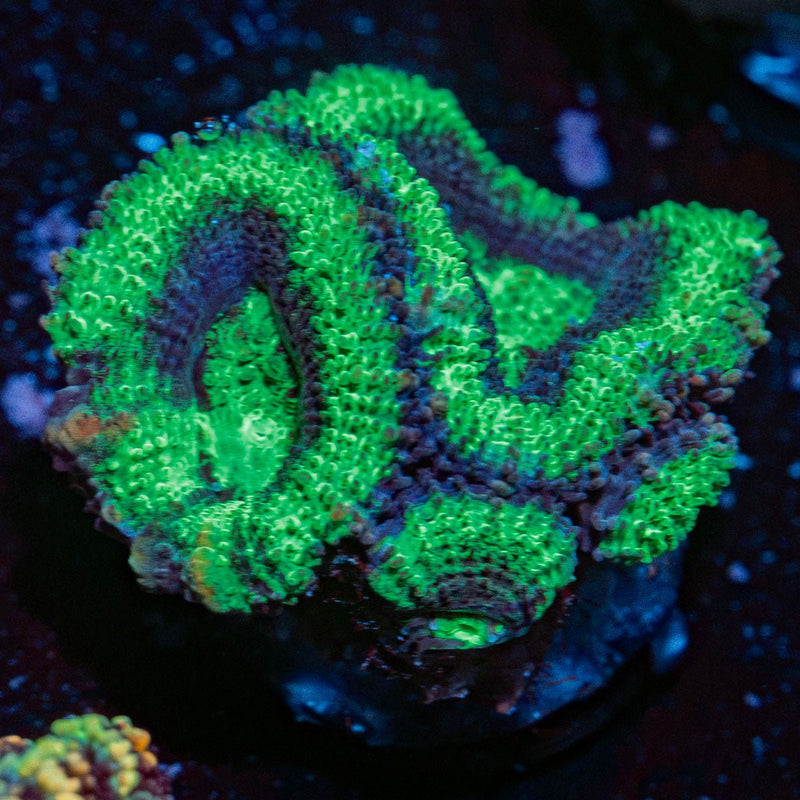
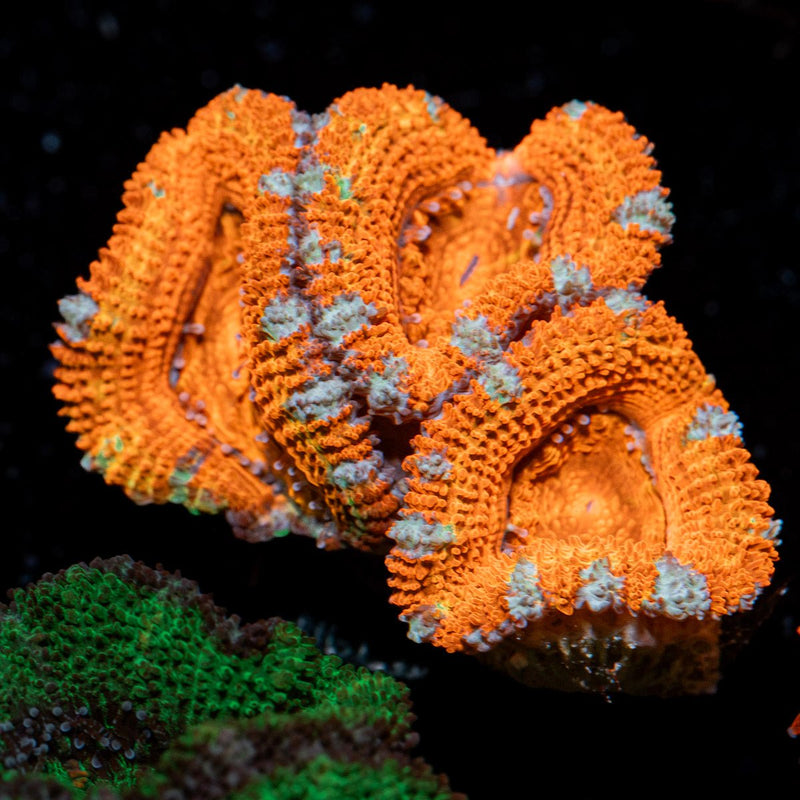
Acans are one of the most dependable choices for hobbyists who want colorful, meaty-polyp corals that stay manageable. Their reds, oranges, blues, and rainbow patterns can bring serious visual richness to a nano reef, and even a small frag looks substantial.
They usually prefer lower to moderate light and moderate flow, which works well in many all-in-one nano setups. The main caution is spacing. While they are not the most aggressive coral in the tank, they still need room away from close neighbors.
Blastomussa
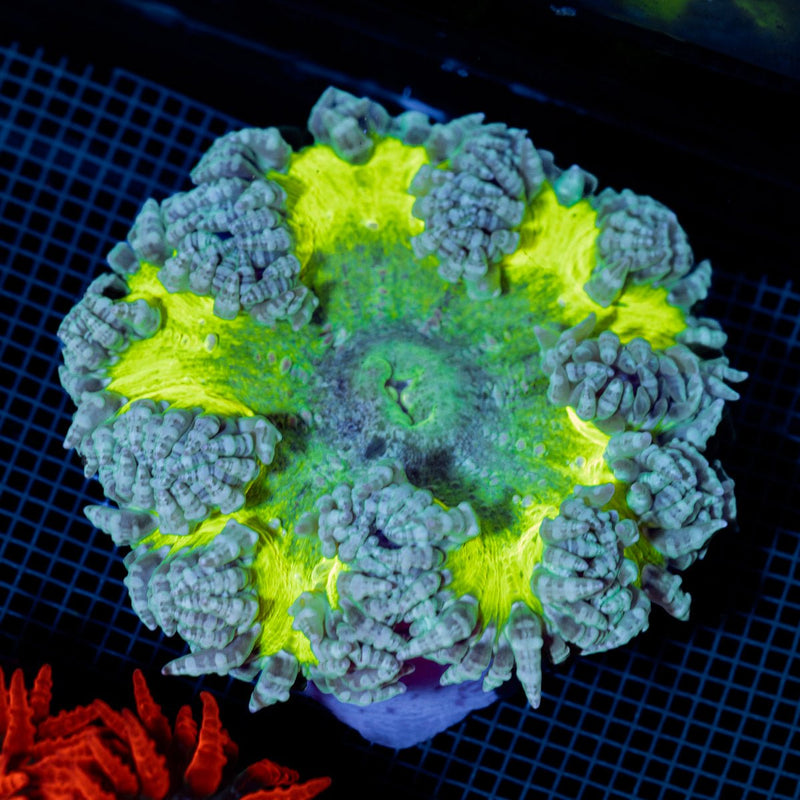
Blastomussa is underrated in small reefs. It has a softer, puffed-up look than acans and can bring rich color without creating visual clutter. In a nano, that matters. You want each coral to stand out, not compete for attention in a cramped rockscape.
Blastos tend to suit hobbyists who like a slightly more relaxed pace. They are not the fastest growers, but that can be a benefit in a small display where control is part of the appeal.
Duncan corals
Duncans bring movement, personality, and a very approachable care profile. Their extended polyps create a bright, open look, and they often respond well in stable nano systems. A small colony can feel like a centerpiece surprisingly quickly.
The only real caution is planning for growth. Duncans can branch out nicely over time, which is a good problem to have, but they should not be wedged into a tight gap from the start.
Hammer and frogspawn corals
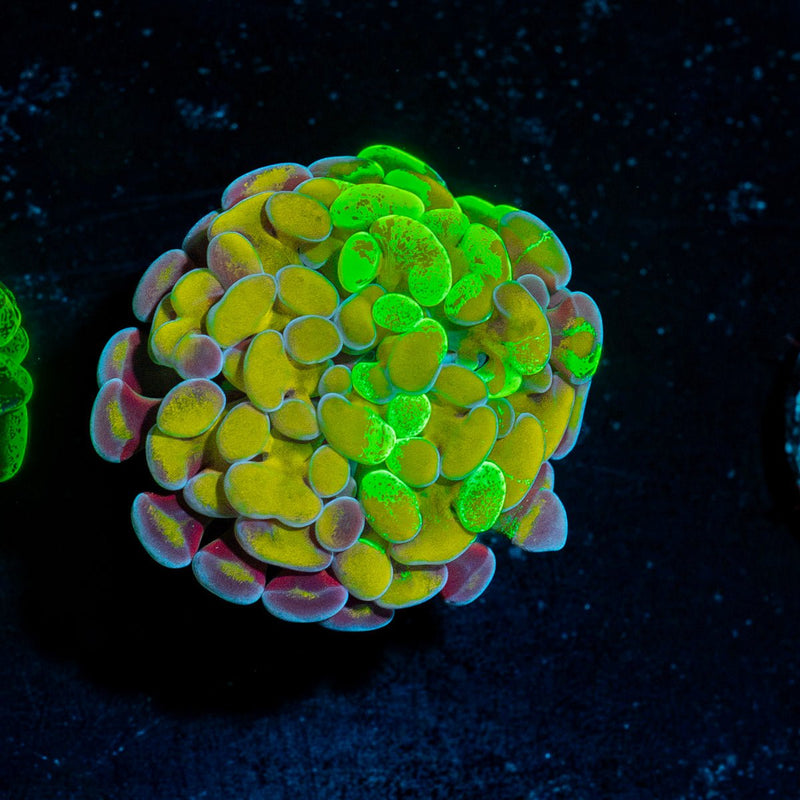
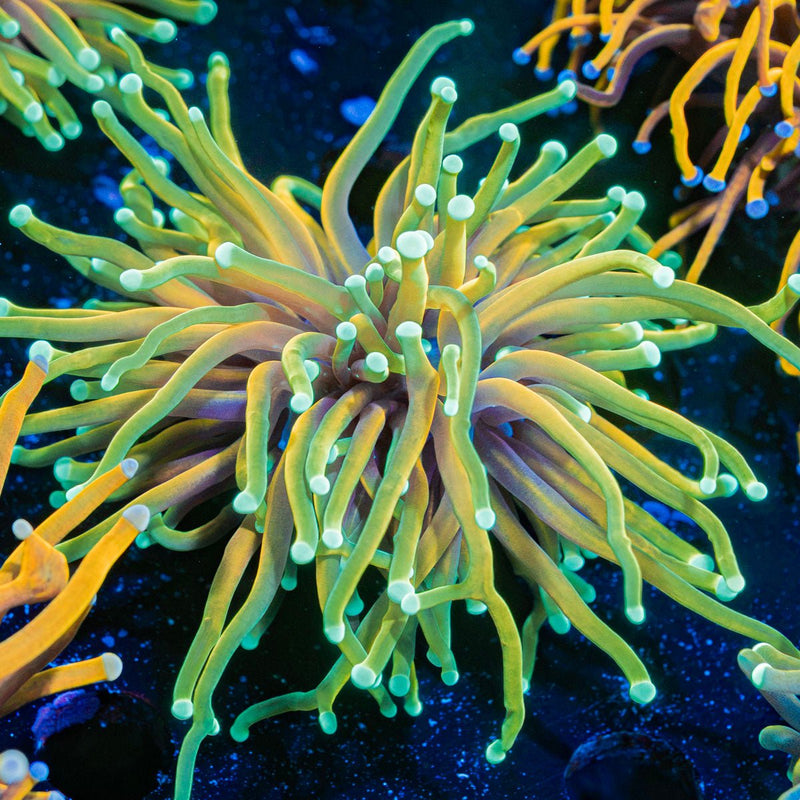
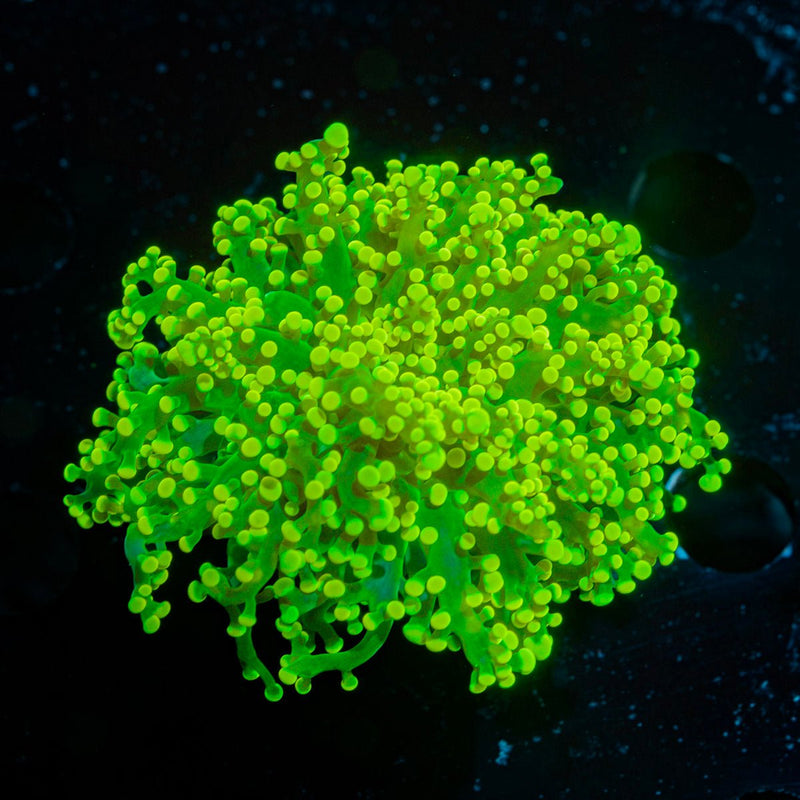
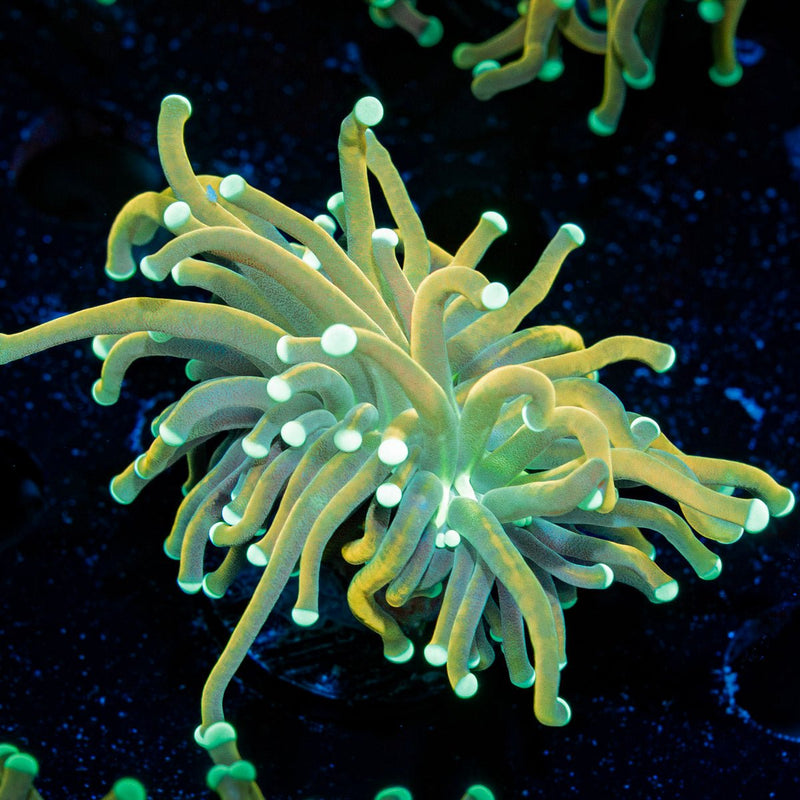
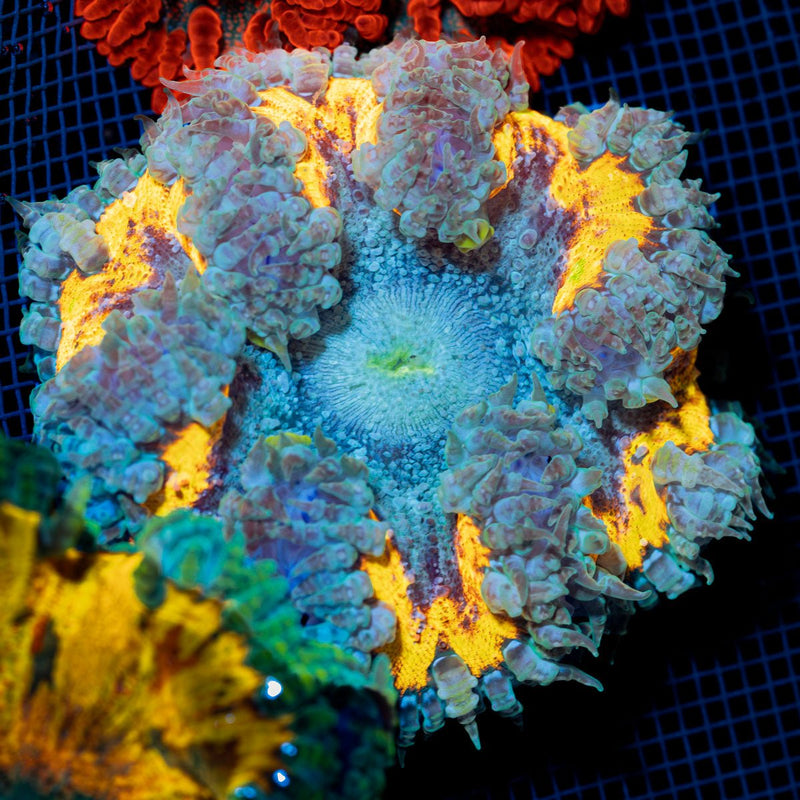
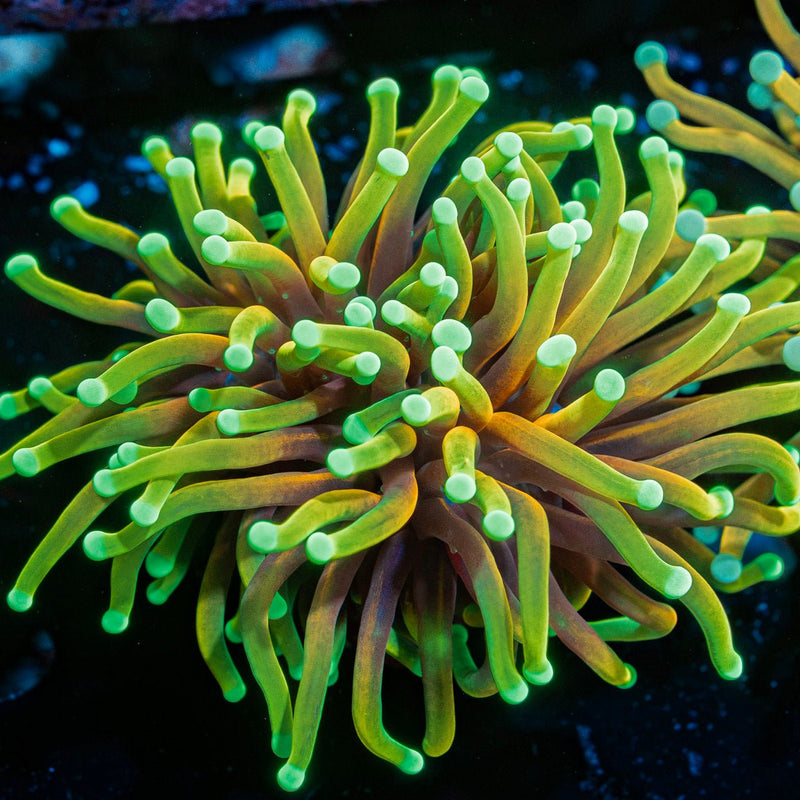
For hobbyists chasing that classic flowing LPS look, hammers and frogspawn are easy to love. Their tentacles catch light beautifully and add that unmistakable reef movement people picture when they imagine a vibrant saltwater tank.
They can work in nano reefs very well, but placement is everything. Euphyllia need room because of their sweepers and fleshy extension. In a small aquarium, one beautiful hammer coral can be a better choice than three medium-aggression LPS corals packed together. Less crowding usually means fewer headaches.
SPS options for experienced nano reef keepers
SPS can absolutely thrive in nano tanks, but they are not the automatic best choice for every setup. Small water volume means less margin for error with alkalinity, calcium, and nutrient swings. If your tank is stable and you enjoy dialing in parameters, a few SPS can add serious structure and color.
Montipora
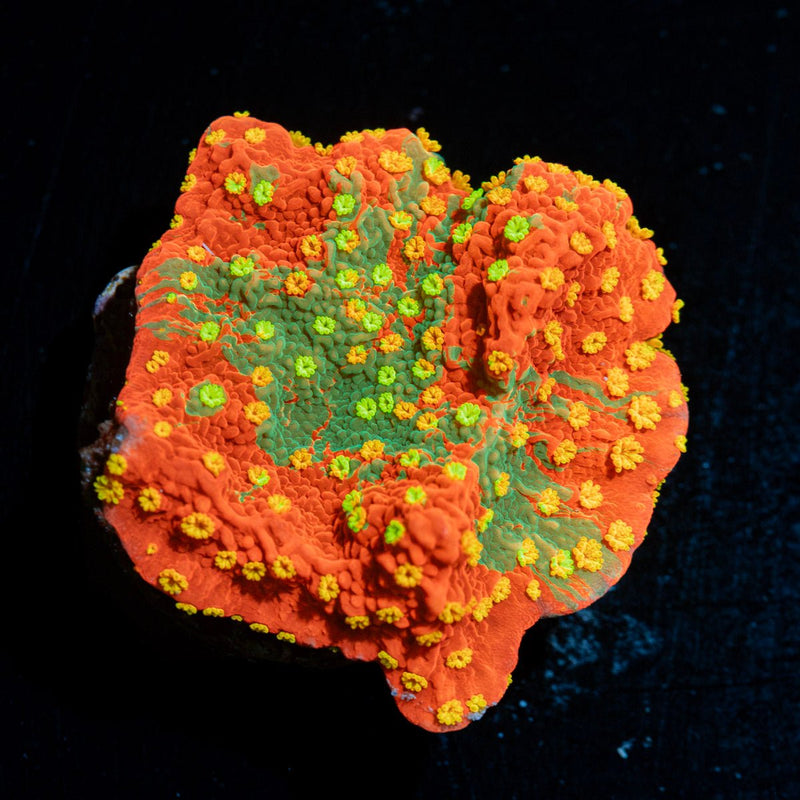
Montipora is often the most realistic SPS starting point for a nano reef. Encrusting montis are especially useful because they can create bright plates of color across rock surfaces without the same level of sensitivity many hobbyists associate with acropora. Orange, green, red, and purple varieties can look stunning under reef lighting.
The trade-off is growth pattern. An encrusting coral can slowly claim prime real estate, while plating montis can shade corals beneath them. In a nano, that is not a small detail. Placement should reflect what the coral will do later, not just how it looks now.
Birdsnest coral
Birdsnest adds delicate branching texture that contrasts beautifully with fleshy LPS and rounded soft corals. It can be a strong option for intermediate hobbyists who already have stable nutrients and consistent parameters.
It is less about difficulty in a broad sense and more about consistency. In a nano, good SPS results usually come from disciplined maintenance, not luck.
Corals that look tempting but need more caution
Not every attractive coral belongs in every nano reef. Goniopora, certain chalices, and some high-end acropora can absolutely be kept successfully, but they ask more of the system and the keeper. That does not make them bad choices. It just means they are better treated as intentional additions, not impulse buys.
The same goes for highly aggressive corals. In larger tanks, spacing mistakes can be corrected more easily. In a nano, one coral with long sweepers can limit your stocking plan in a hurry.
How to build a balanced nano reef coral mix
A great nano reef usually looks curated rather than crowded. One of the smartest approaches is to mix coral types by shape and behavior. Pair a zoa garden area with a mushroom or two, then add a standout LPS such as an acan, Duncan, or hammer as a focal piece. If your tank is mature and stable, a monti can provide contrast and upward visual structure.
What you want to avoid is choosing every coral based on how it looks on day one. Small frags grow, extend, divide, and compete. A balanced nano reef is as much about negative space as color. Leaving room around premium pieces often makes the tank look more polished, not less full.
For beginners, the safest path is usually a soft coral and LPS mix with moderate demand. That gives you strong color, good movement, and more flexibility if conditions fluctuate a bit. For intermediate and advanced hobbyists, adding a carefully chosen SPS piece can elevate the whole display, but only if the tank is ready for it.
Buying coral for a nano reef with confidence
Because space is limited, every purchase matters more in a nano. You are not just buying livestock. You are choosing how your reef will look and function months from now. That is why many hobbyists prefer aquacultured frags and WYSIWYG selections when available. Clear sizing, healthy tissue, and exact-item confidence help take some of the guesswork out of planning a small display.
At Riptide Aquaculture, that approach fits the way many nano reef keepers shop. When you only have room for a few standout pieces, accuracy and coral health are not extras. They are the whole game.
The best nano reefs are not built by stuffing in every colorful frag you can find. They come together when each coral has a reason to be there, enough room to grow, and the kind of stable environment that lets those living jewels really show off.
Products from the article