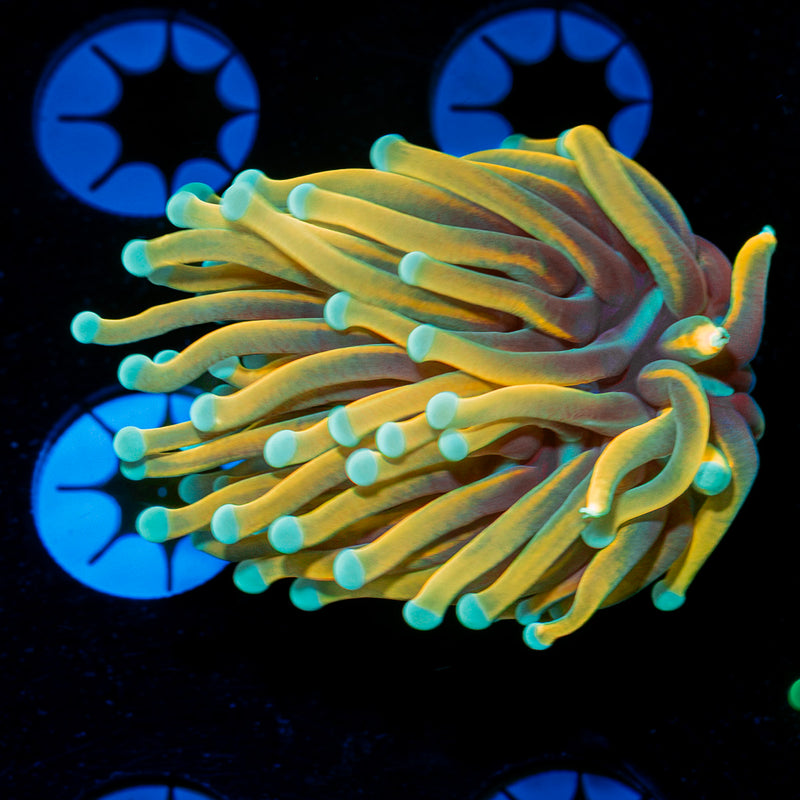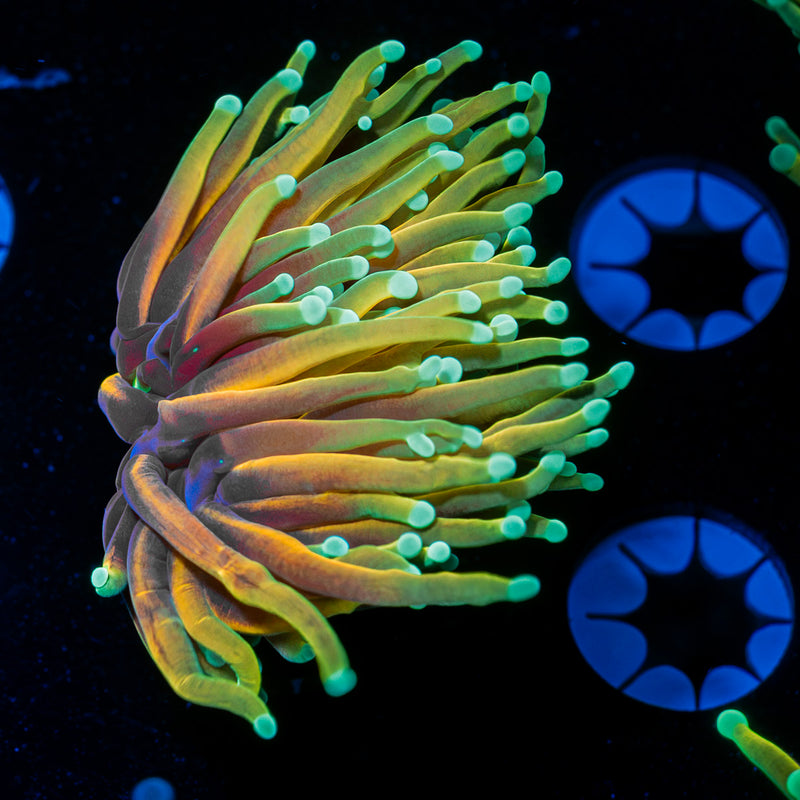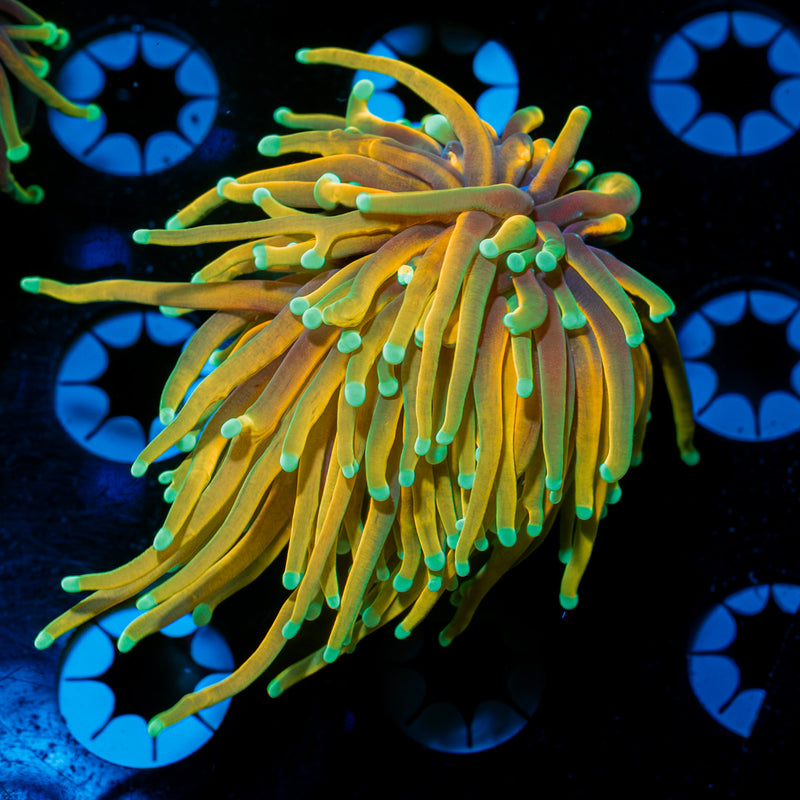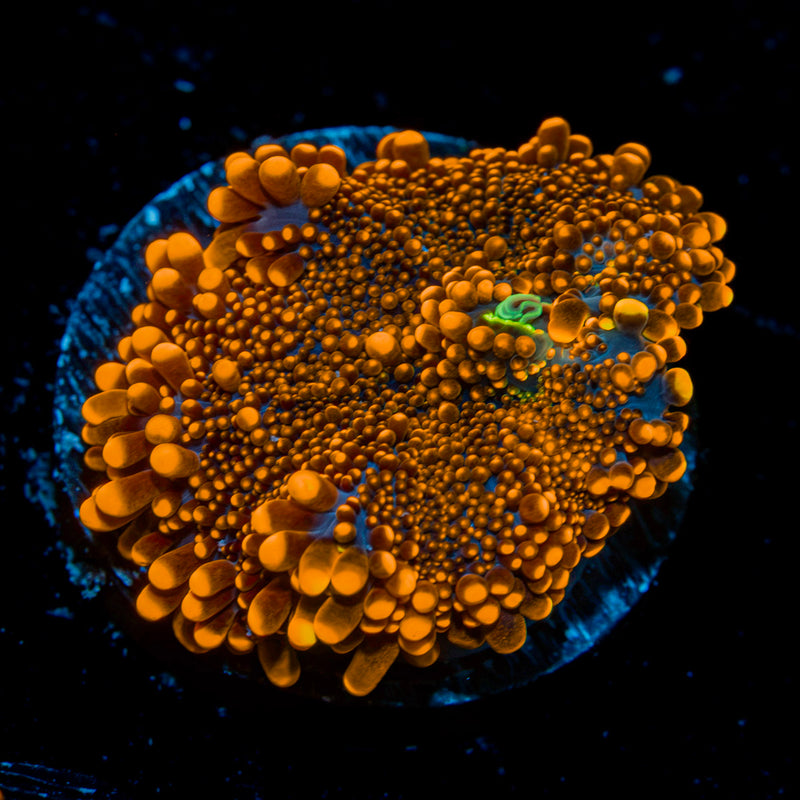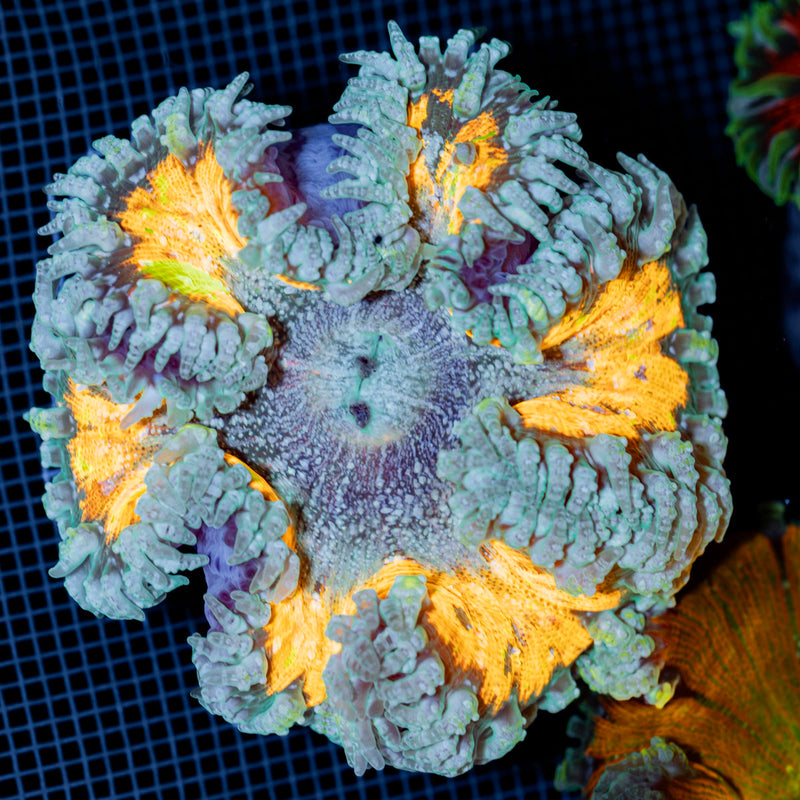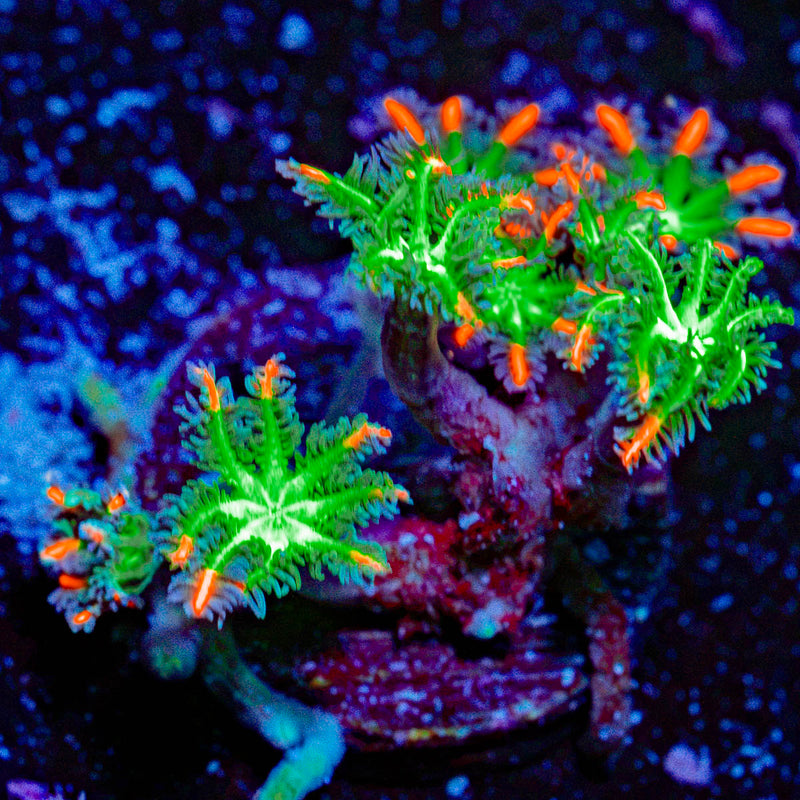
A shaded ledge, a lower rock shelf, or the corners beneath a powerful LED fixture do not have to remain empty. Choosing the best corals for low light gives those quieter areas of a reef tank real purpose, with color, movement, and texture that can make the entire aquascape feel more natural. The key is choosing corals that genuinely tolerate lower PAR, then placing and acclimating them with the same care you would give any premium frag.
Low light does not mean no light. Even hardy corals need usable spectrum and stable water chemistry to grow, color up, and stay healthy. It also means different things from one aquarium to another. A coral receiving 60 PAR under one fixture may be receiving much more or less in another tank based on mounting height, rockwork, water clarity, and flow. A PAR meter is the clearest way to know, but careful observation remains valuable.
What Low Light Means in a Reef Tank
For many reef keepers, low light is roughly 30 to 100 PAR. That range is a comfortable starting point for many mushrooms, zoanthids, and selected LPS corals. Some species can live below it, while others will look better and grow faster closer to the upper end. Avoid treating a coral's placement label as a permanent rule. Its response should guide the final spot.
A coral that is stretching upward, losing color, or opening unusually wide may be asking for more light. Bleaching, shrinking, pale tissue, or a tightly closed appearance can point to too much light or a too-fast acclimation. Flow, nutrients, and temperature can create similar symptoms, so look at the full picture before moving a frag.
Best Corals for Low Light Placement
Mushroom Corals
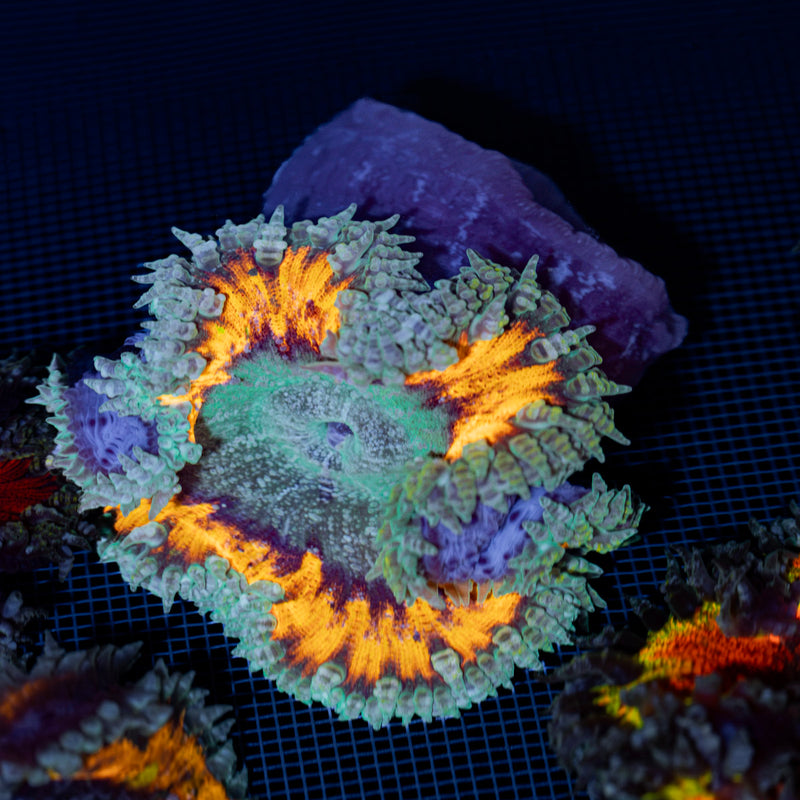
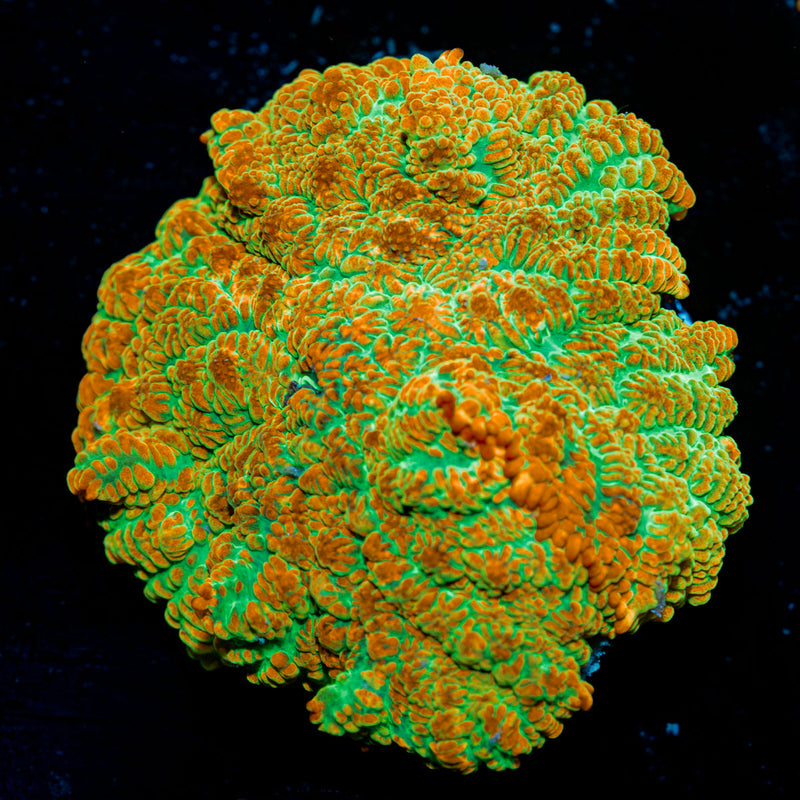
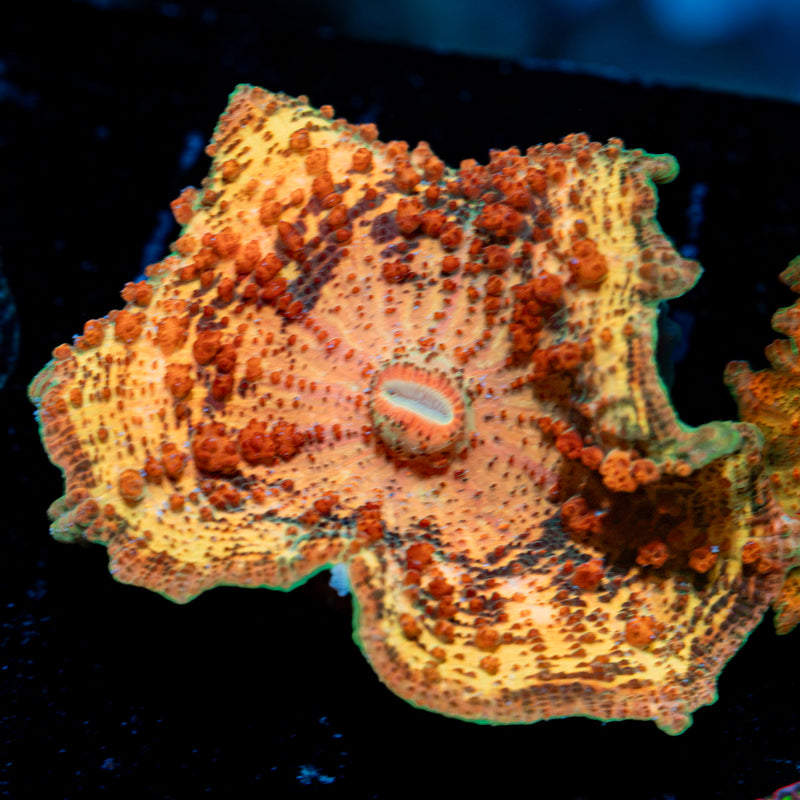
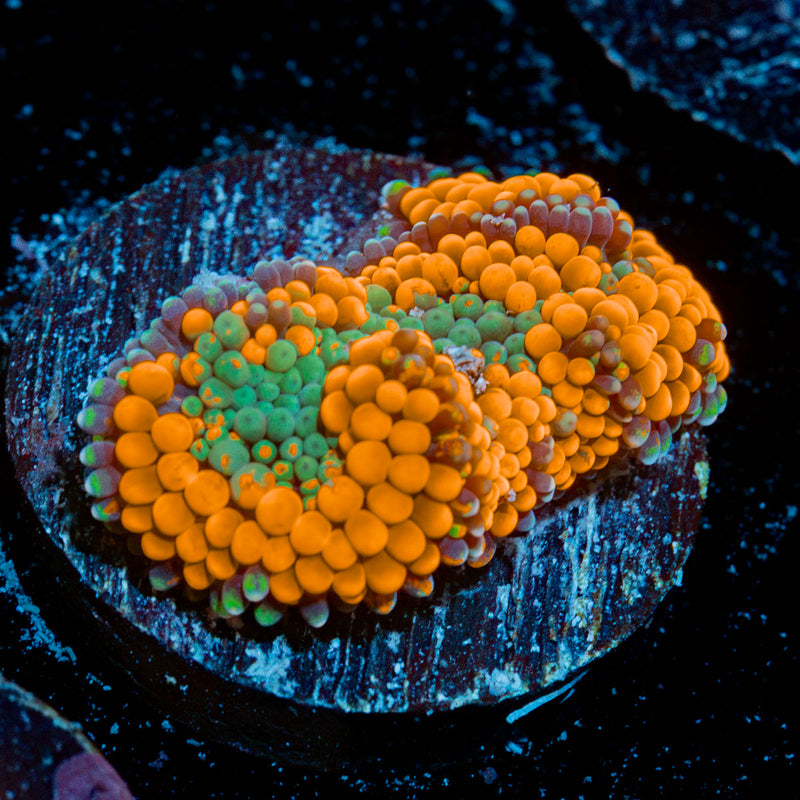
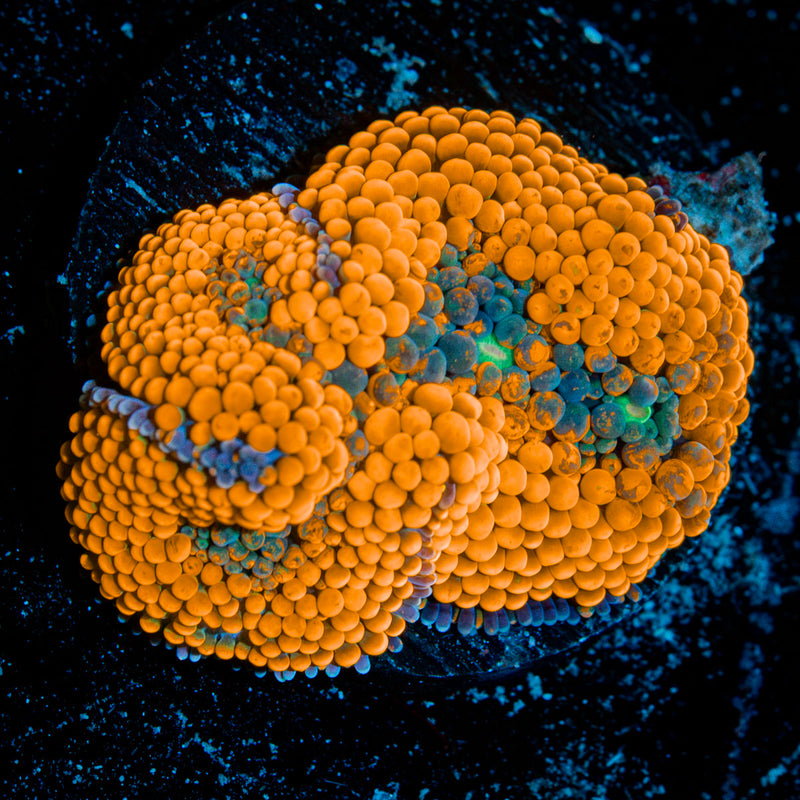
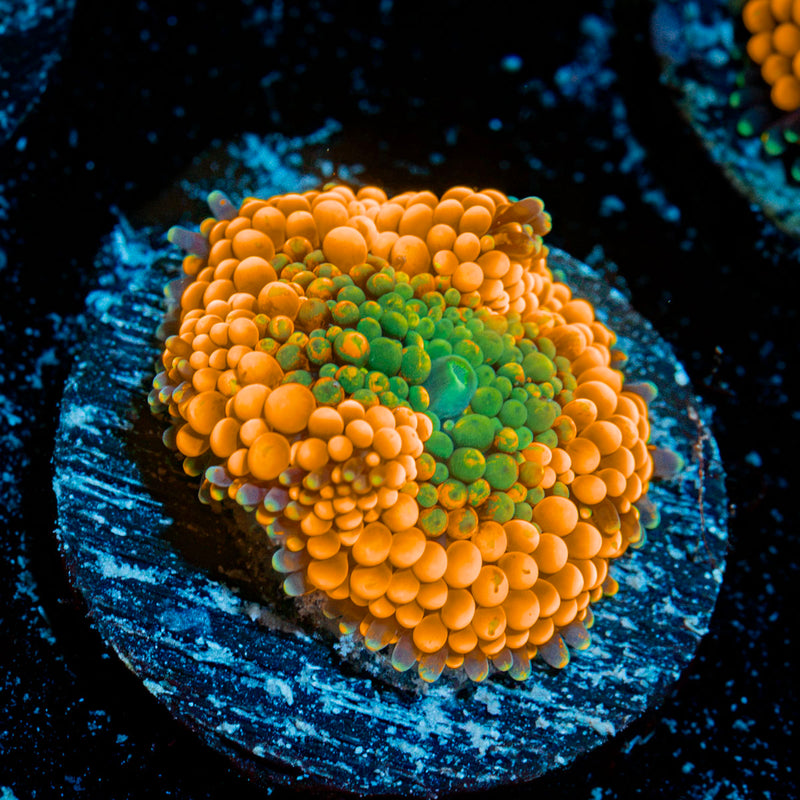
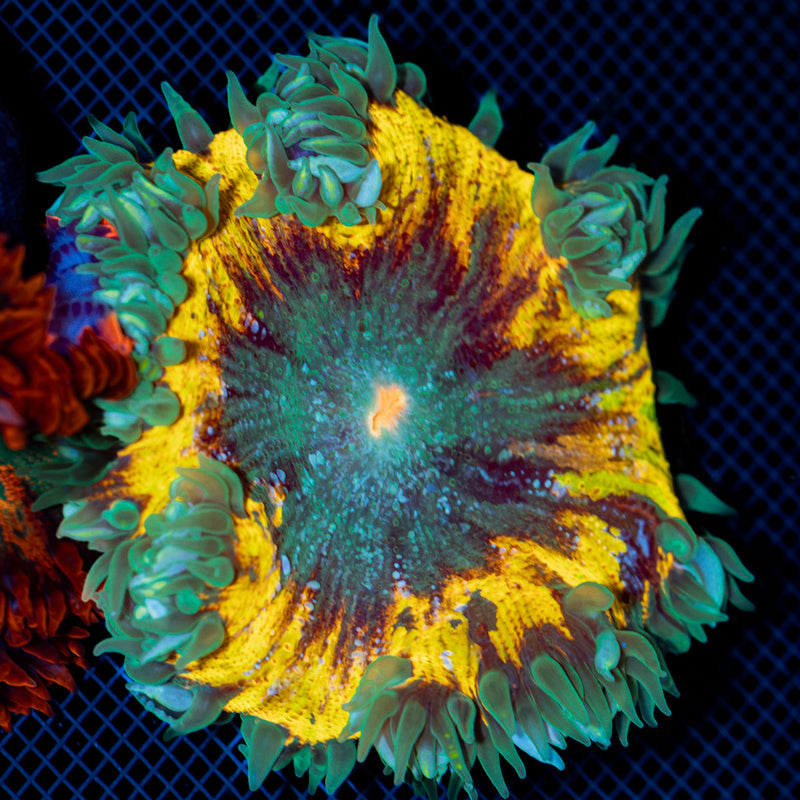
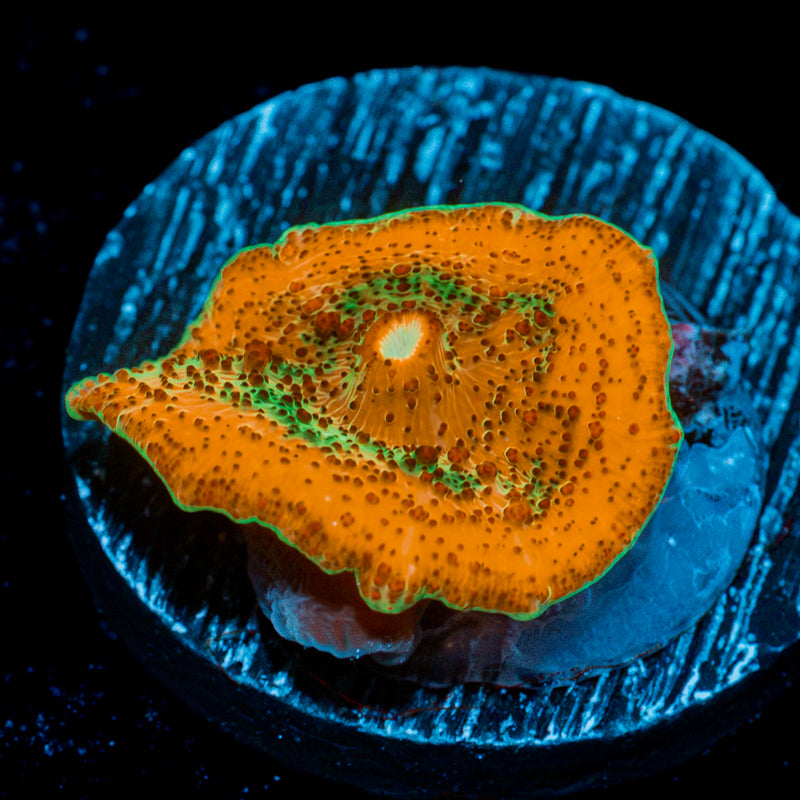
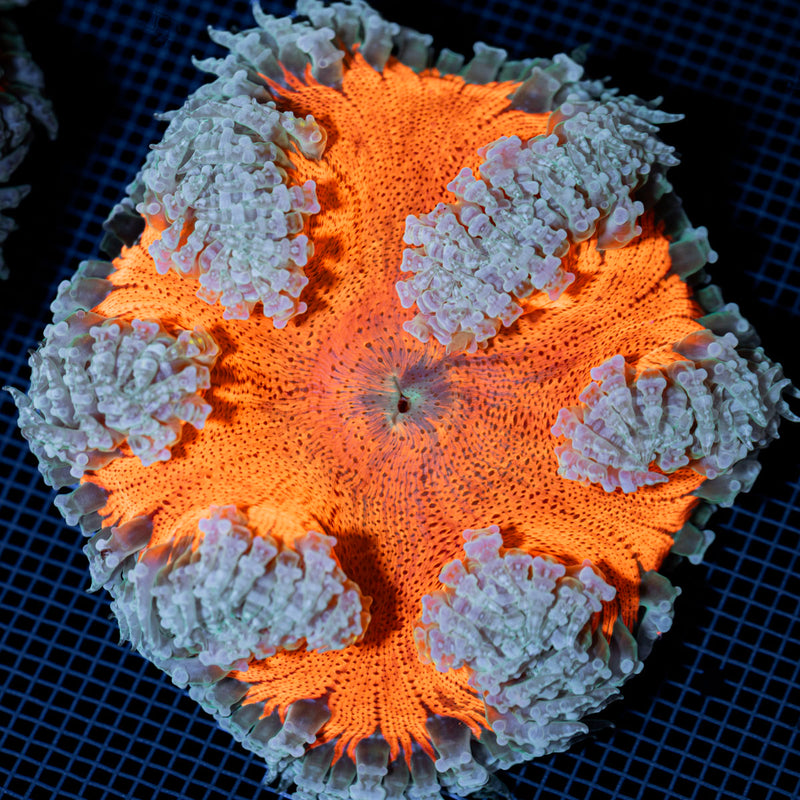
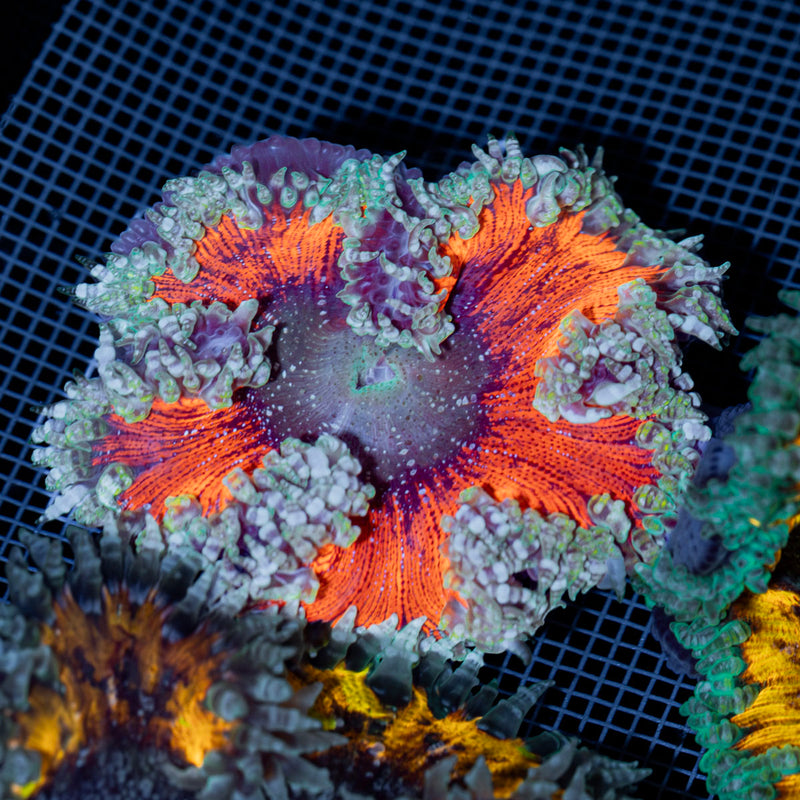
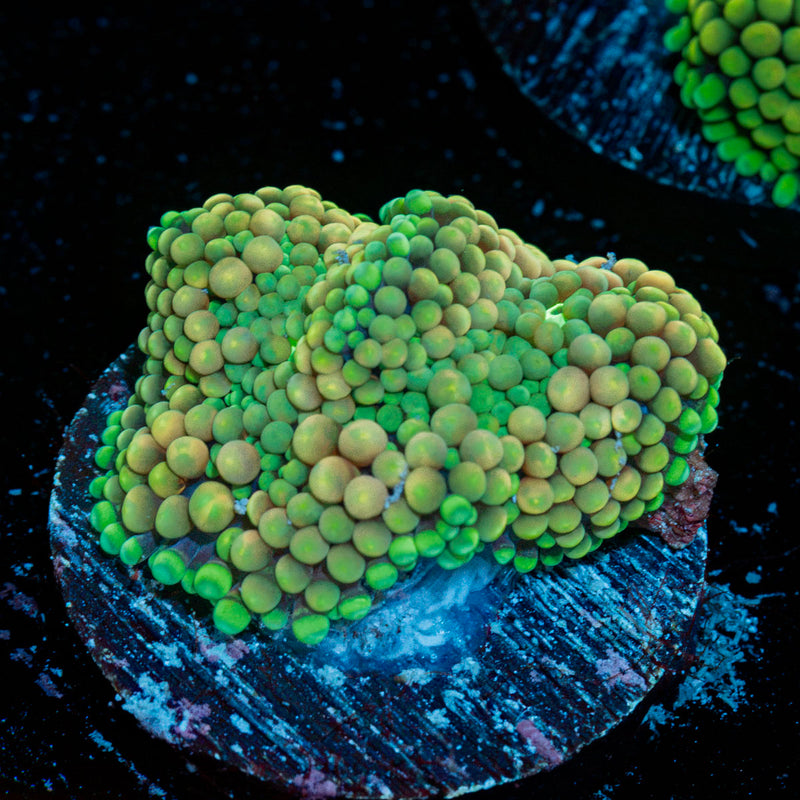
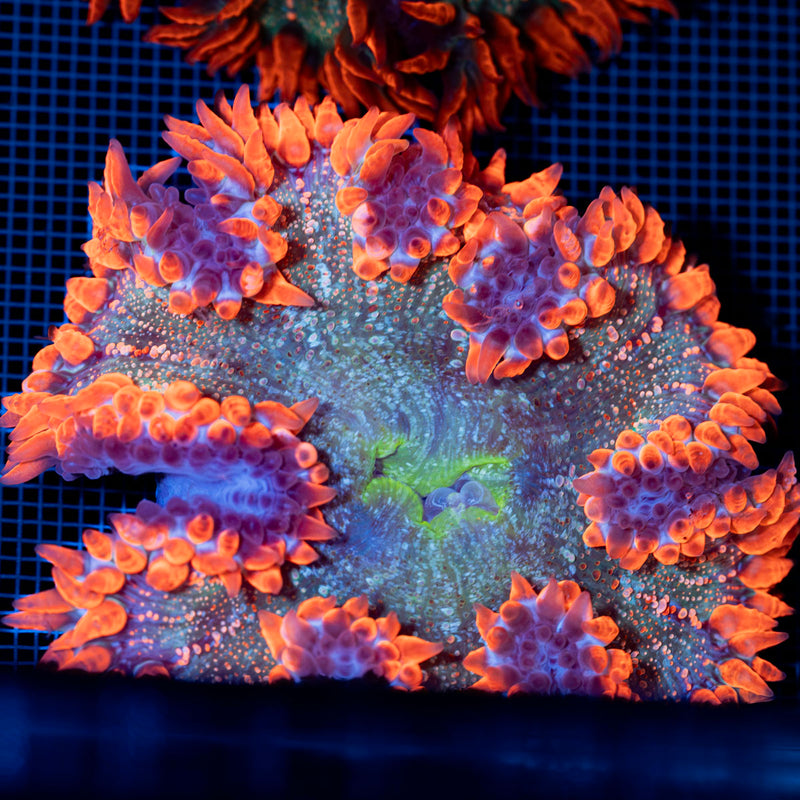
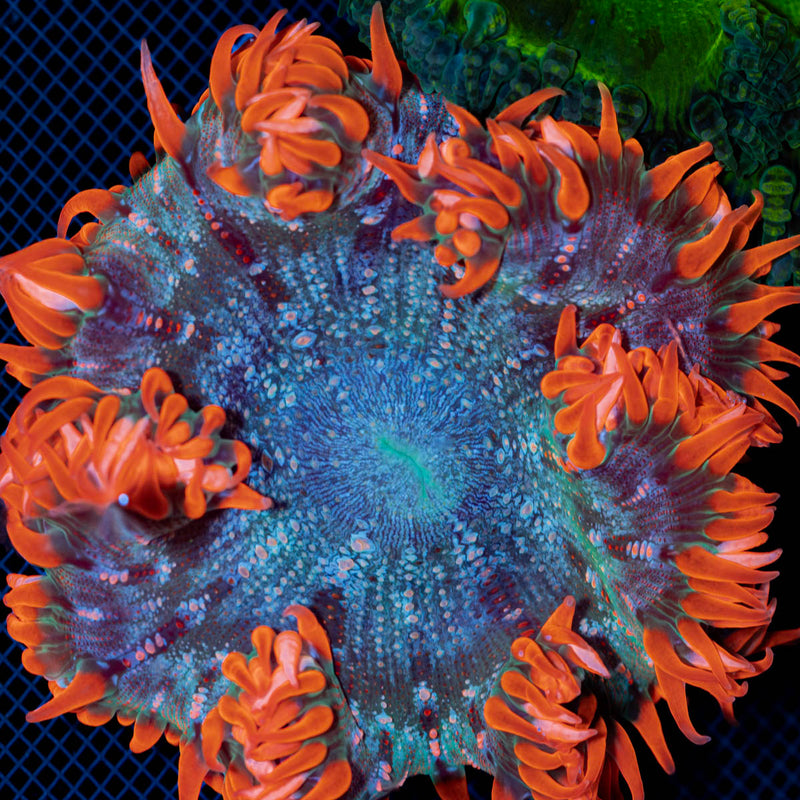
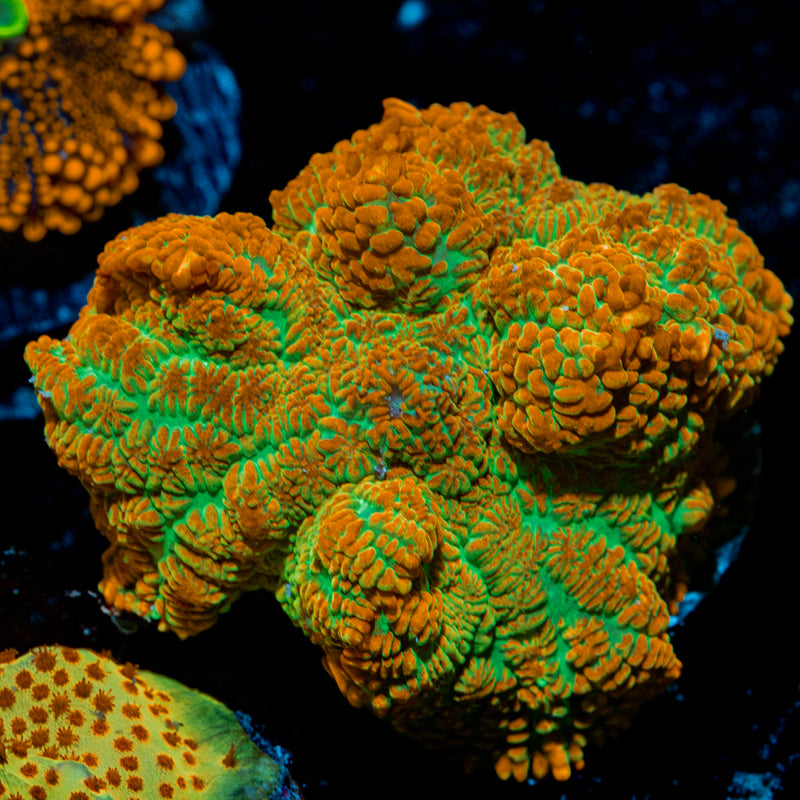
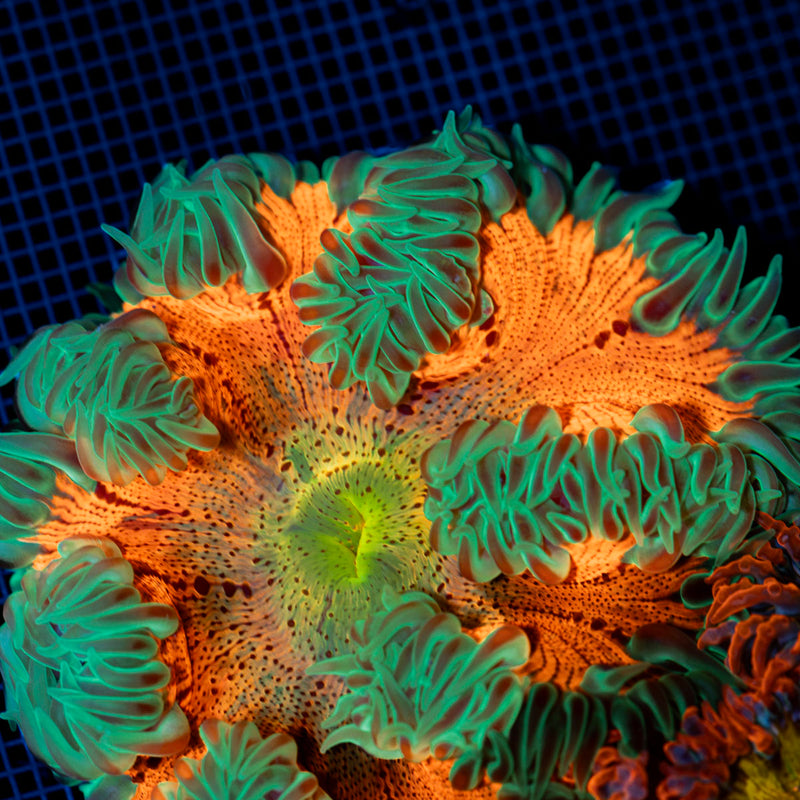
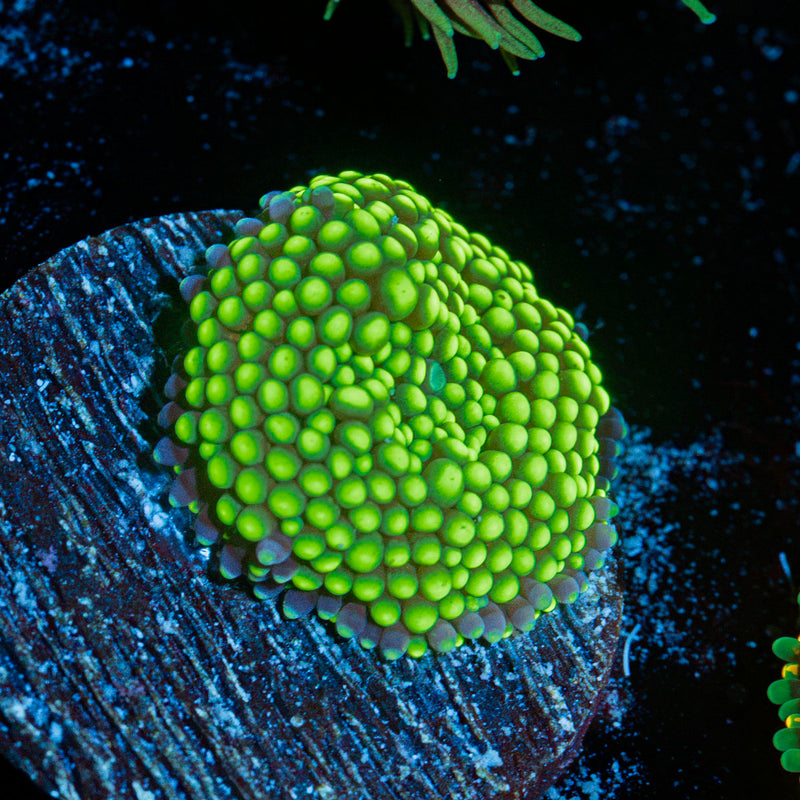
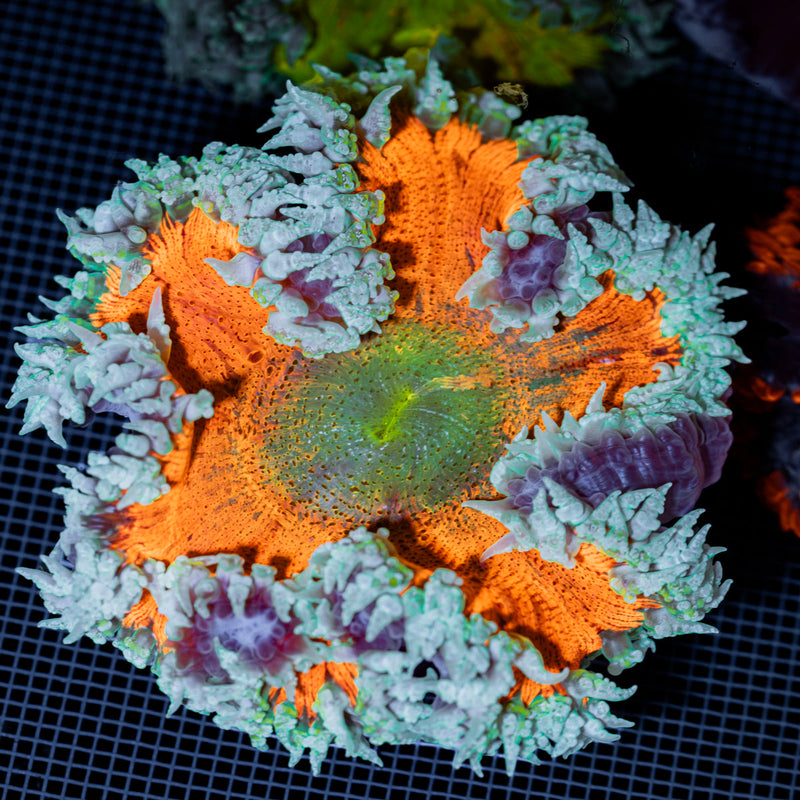
Mushrooms are among the most forgiving and visually rewarding choices for dimmer reef zones. Discosoma, Rhodactis, and Ricordea varieties offer everything from rich blue and neon green to fiery orange, red, and multi-color patterns. Their soft, inflated profiles bring a different texture to a tank dominated by branching or stony corals.
Most mushrooms appreciate low to moderate light and gentle to moderate, indirect flow. They are excellent for sandbed islands, shaded rock faces, and lower areas of a mixed reef. Ricordea often enjoy a little more light than some common mushrooms, so start them lower and adjust based on expansion and color.
Mushrooms can spread, particularly in established systems with stable nutrients. That is a benefit when you want a lush coral garden, but it is worth giving fast-growing varieties their own rock or a little space from prized neighbors.
Zoanthids and Palythoas
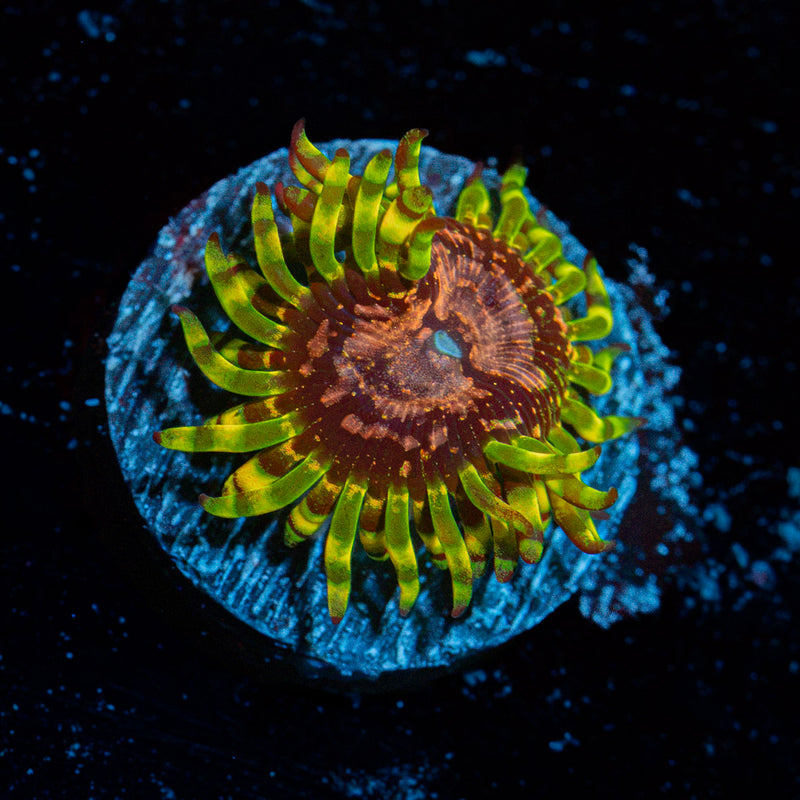
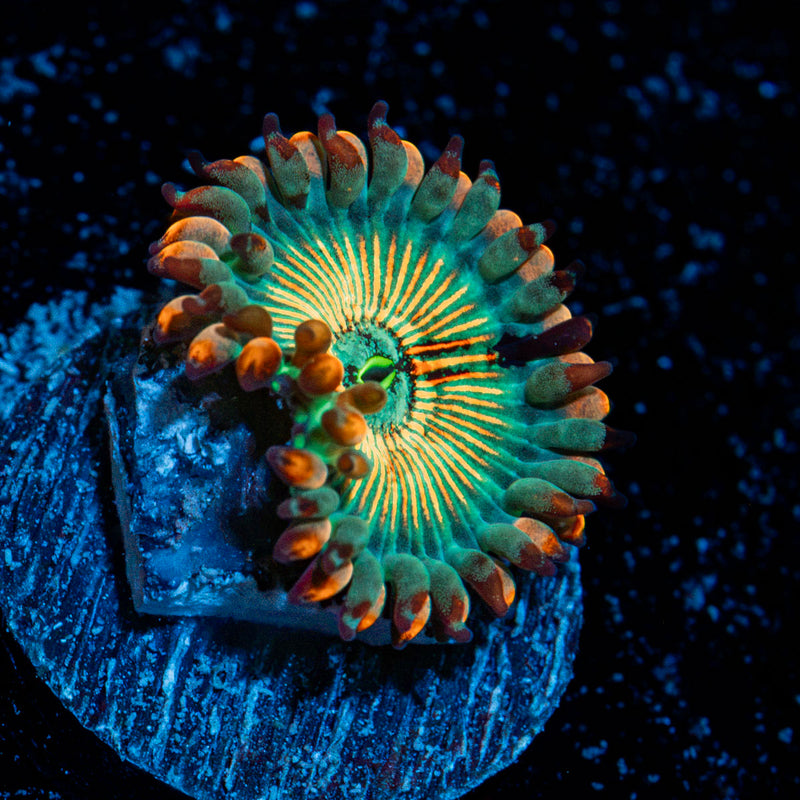
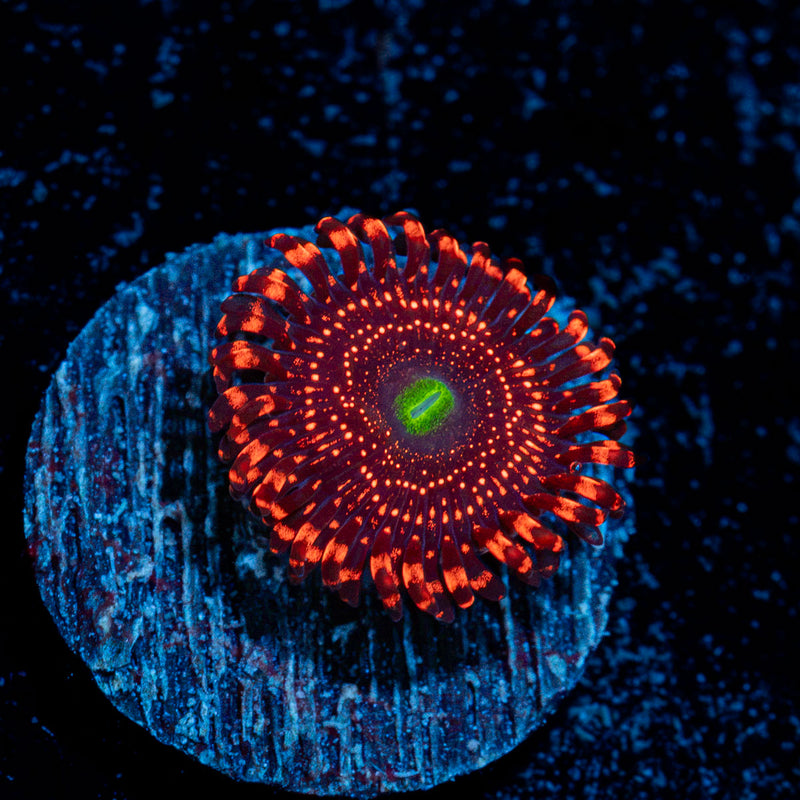
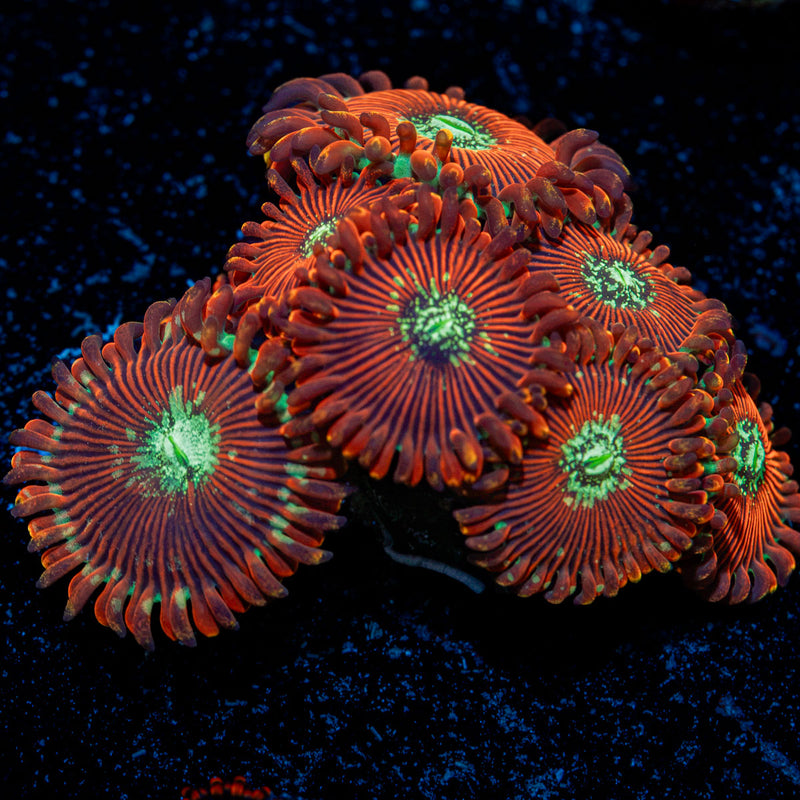
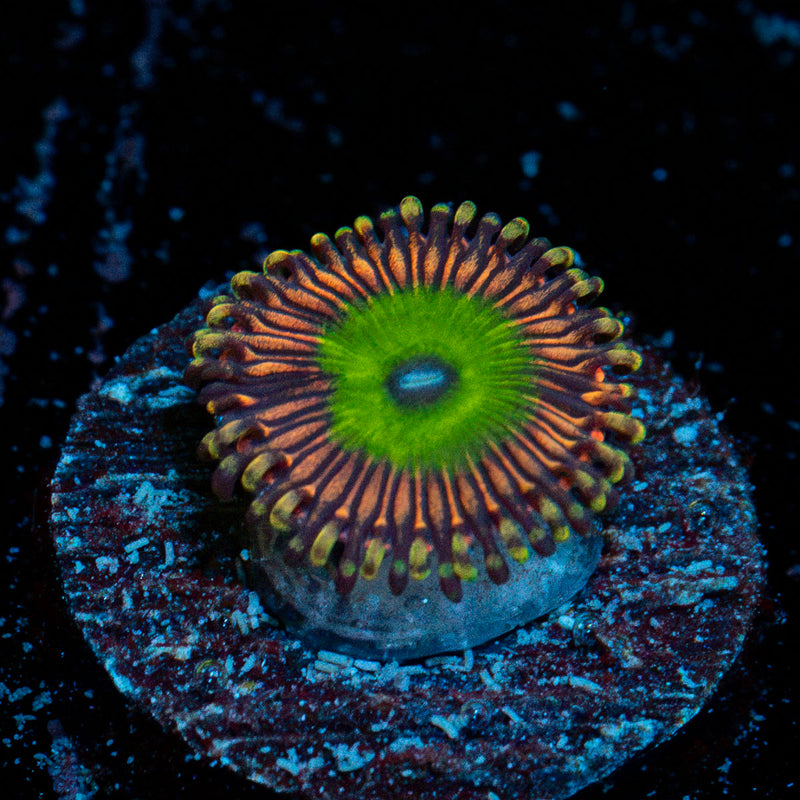
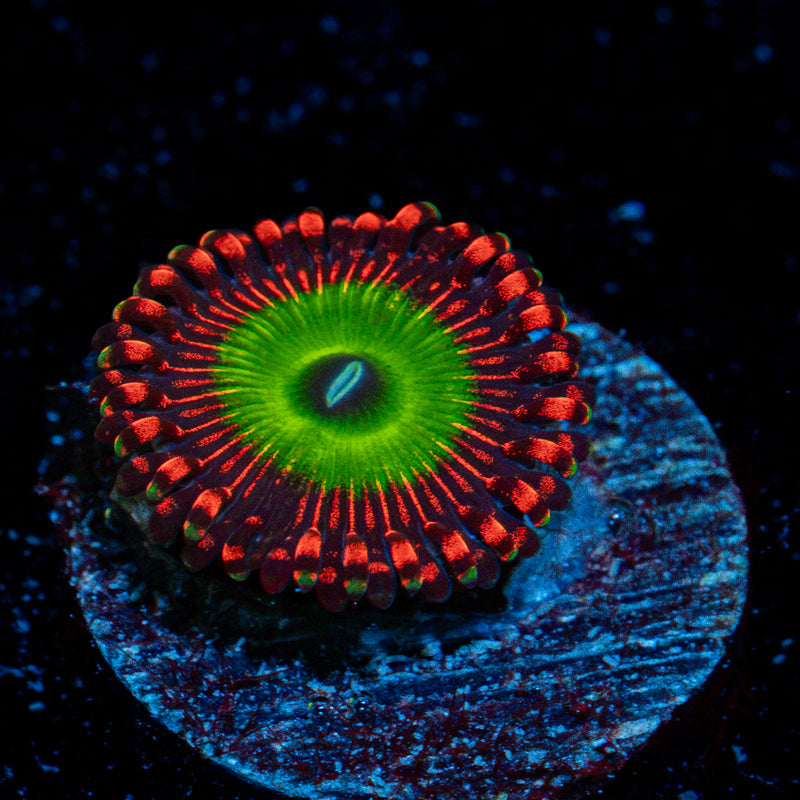
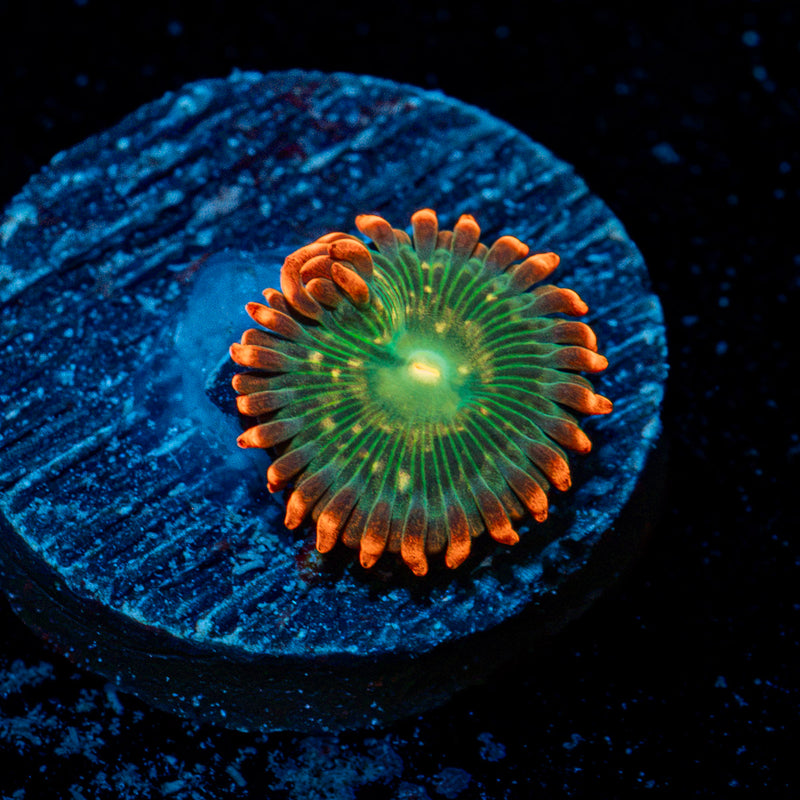
Zoanthids are living jewels for low and mid-level rockwork. Their compact polyps come in an enormous range of colors and patterns, making it easy to build a bright garden without filling the upper half of the tank. Many varieties perform beautifully in low to moderate light with moderate flow that keeps detritus from settling on the colony.
Zoas are often beginner-friendly, but they still reward consistency. Stable salinity, reasonable nutrient levels, and routine maintenance matter more than chasing a specific number. Place new frags where they receive enough flow to gently move the polyps without blasting them shut.
Use care whenever handling, fragging, or scrubbing zoanthids and palythoas. Wear gloves and eye protection, avoid aerosolizing material, and wash up afterward. Their beauty belongs in the display, not on unprotected skin or in your eyes.
Leather Corals
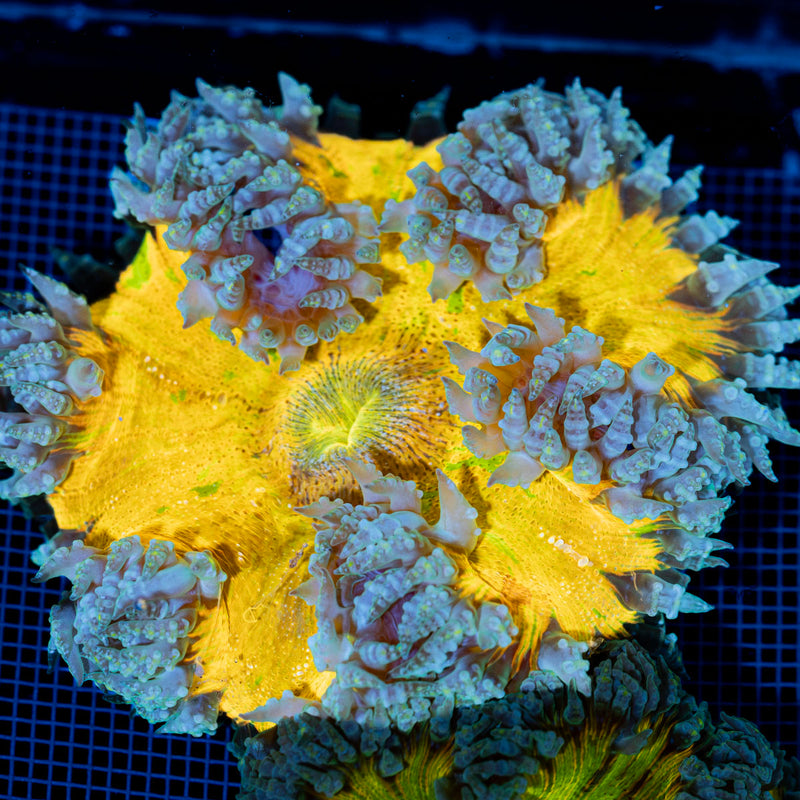
Toadstool leathers, finger leathers, and similar soft corals are dependable options for lower-light displays. A healthy leather can become a true centerpiece, with polyps extending into a soft, waving canopy that adds motion to the aquascape.
They generally prefer low to moderate light and moderate, varied flow. Leather corals periodically retract and shed a waxy surface layer, which can look alarming at first. Good flow usually helps them clear it naturally. Give them room as they mature, and consider chemical filtration and regular water changes in coral-dense systems since soft corals can release compounds that irritate nearby stony corals.
Blastomussa
Blastomussa is a classic lower-light LPS choice for reef keepers who want substantial, fleshy polyps without placing a coral directly beneath high-output lighting. Their rounded heads can show beautiful combinations of red, green, purple, orange, and blue, especially under reef-spectrum LEDs.
Place Blastomussa on the sandbed or lower rockwork in low to moderate, indirect flow. They do not appreciate being blasted by a powerhead. While they receive much of their energy from light, occasional target feeding with an appropriate fine coral food can support growth. Keep space around the colony, as nearby corals can sting or shade it as they expand.
Micromussa and Acan-Type Corals
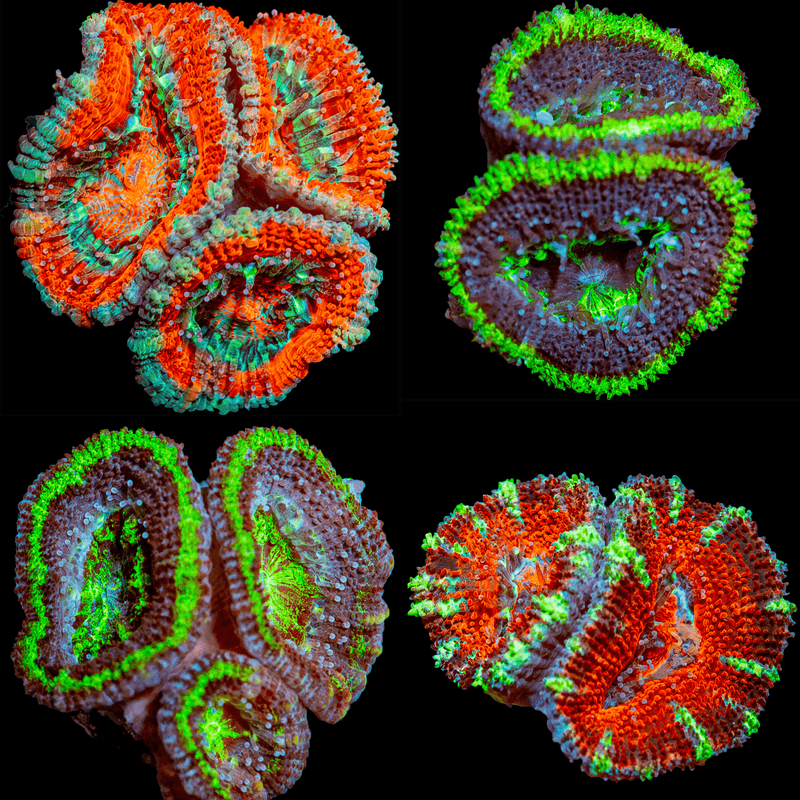
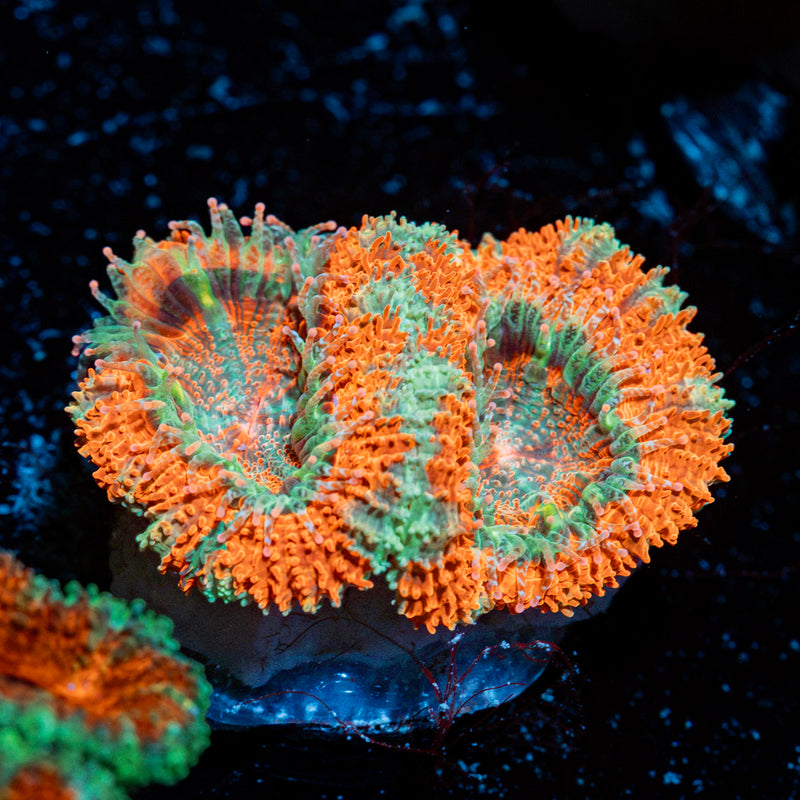
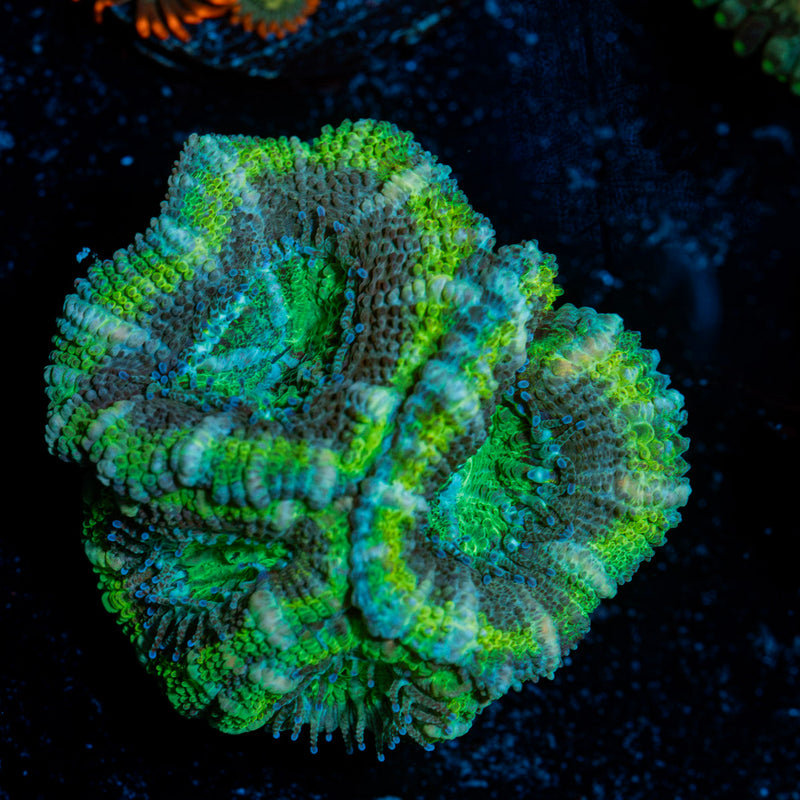
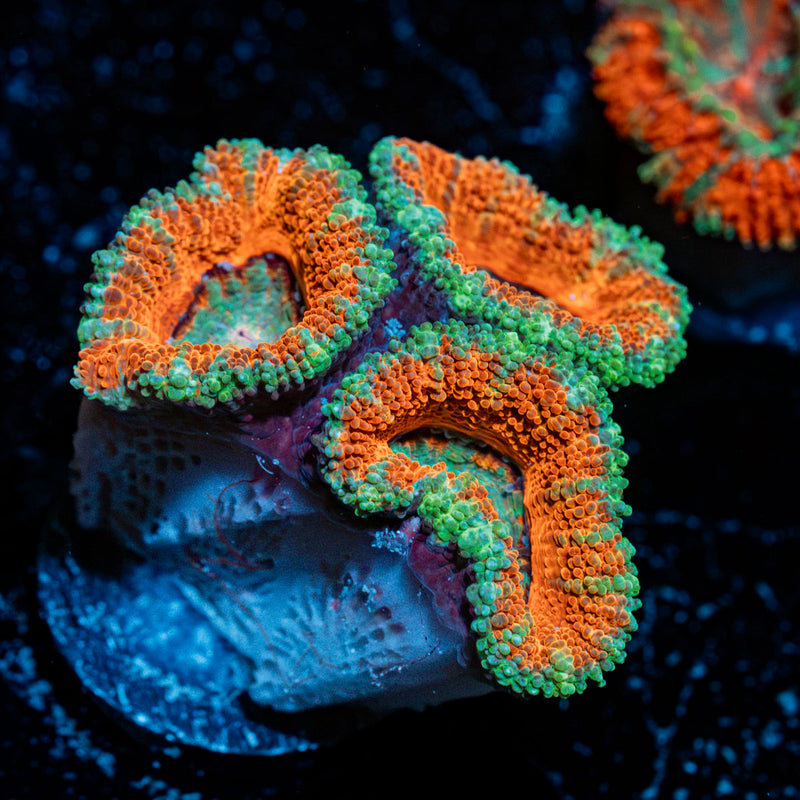
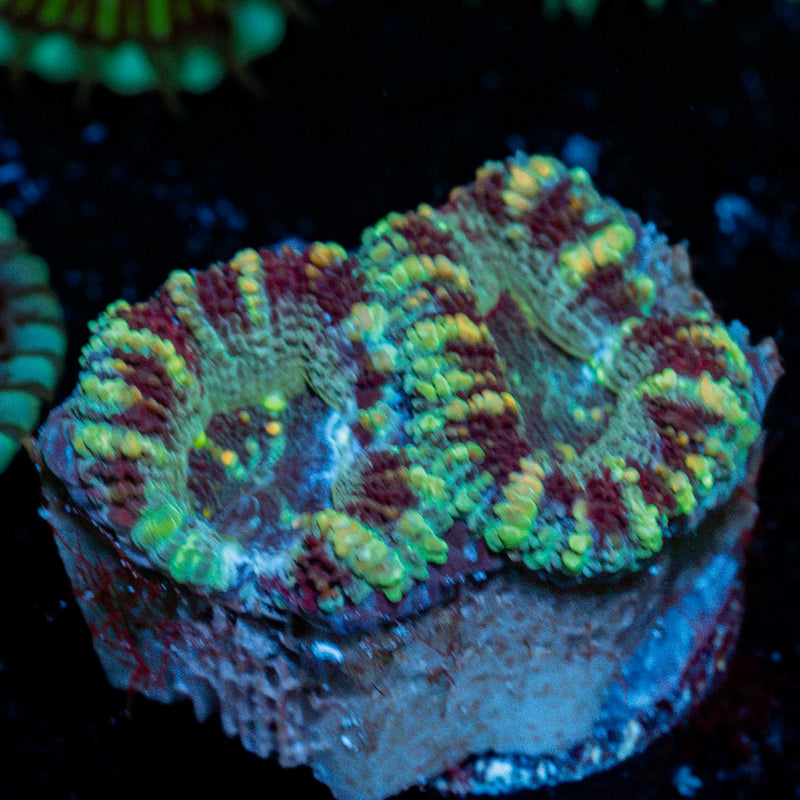
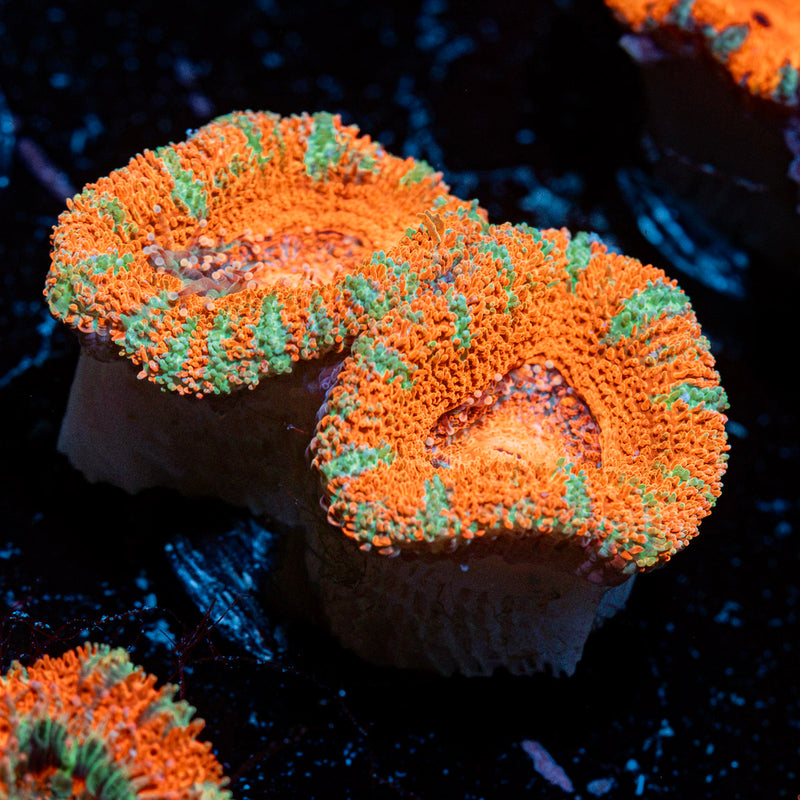
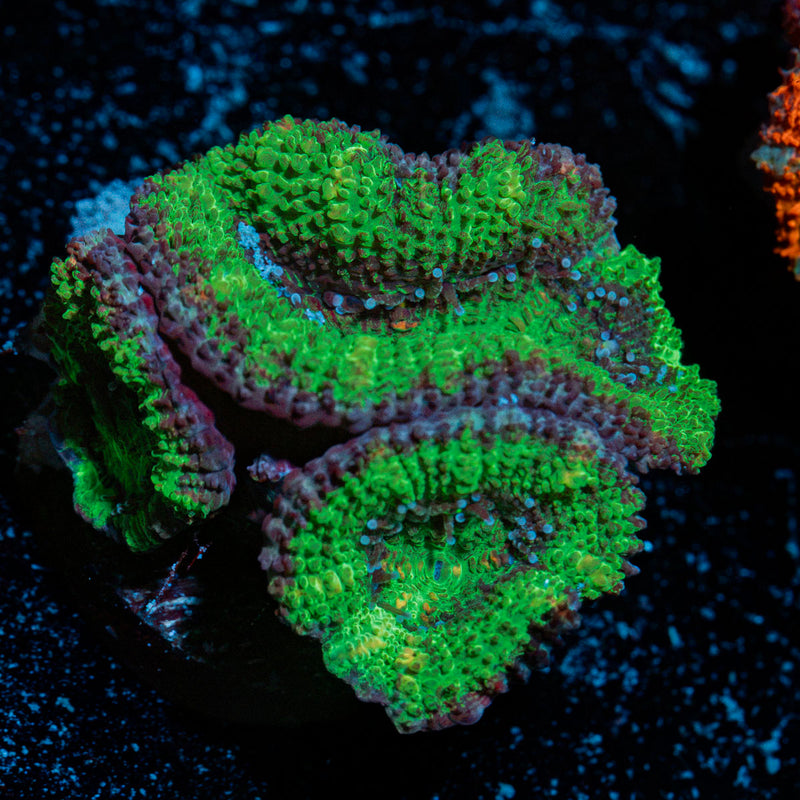
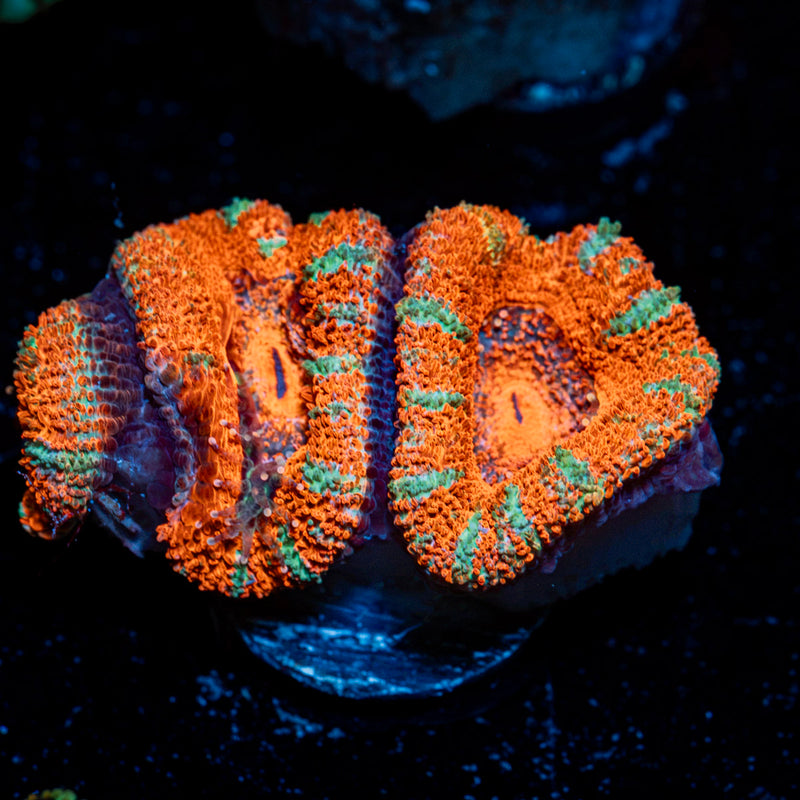
Micromussa, commonly still called acans by many hobbyists, are colorful LPS corals that can thrive in lower sections of a reef tank. Their bold mouths, contrasting rings, and fleshy texture make them especially satisfying WYSIWYG pieces because every colony can present a distinct pattern.
They typically do well in low to moderate light with low to moderate flow. A little more light may enhance color in some specimens, but sudden intensity increases can stress them. Start low, let the coral settle, and move it upward only if it is clearly reaching for more light. Occasional feeding can encourage fuller tissue and growth, provided water quality stays balanced.
Chalice Corals
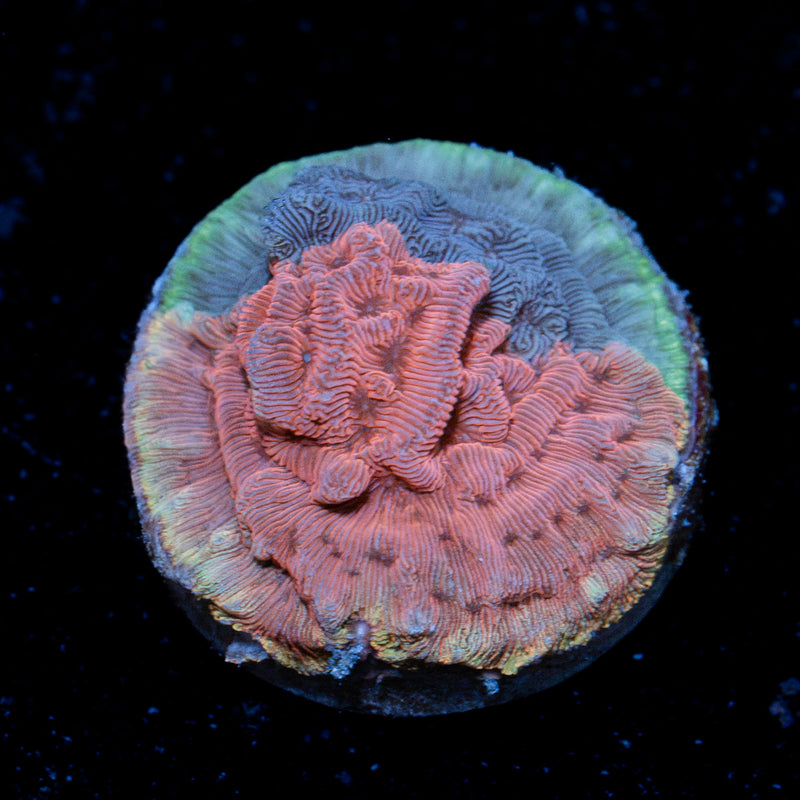
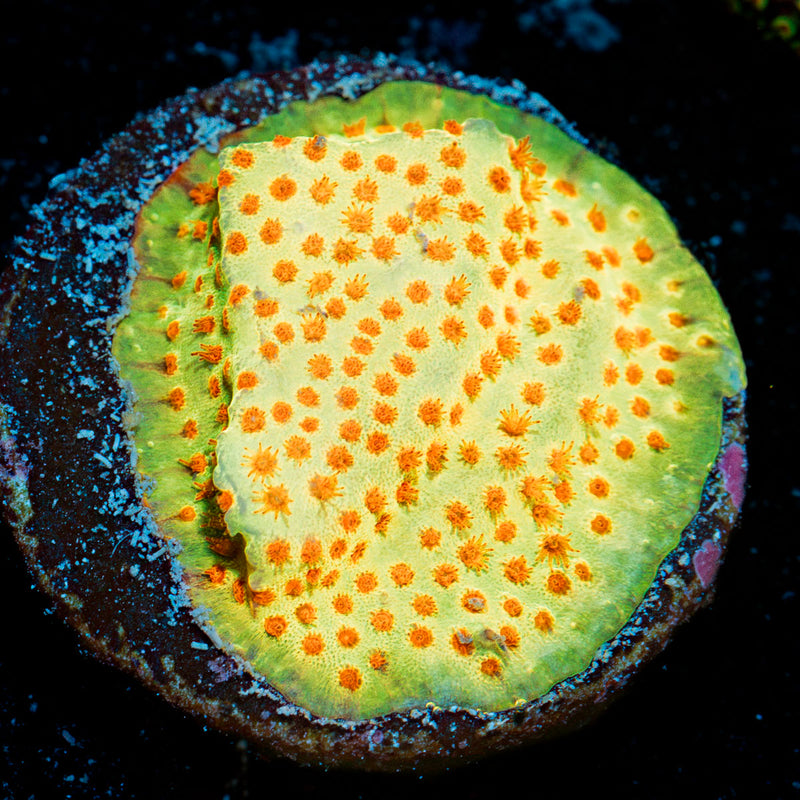
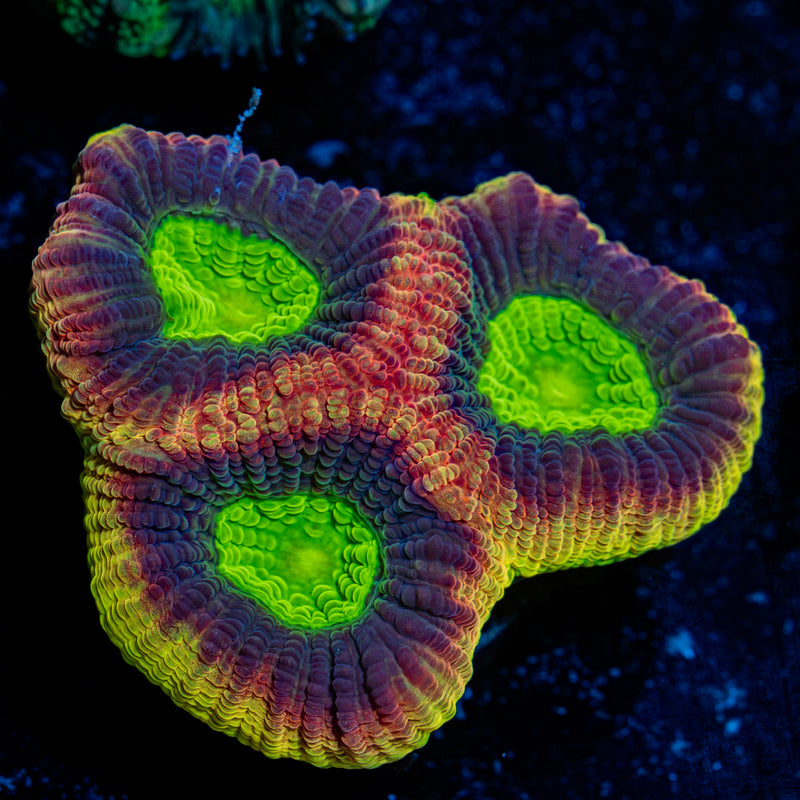
Chalices bring a completely different look to dimmer areas: encrusting plates with glowing eyes, intricate ridges, and striking contrast. Many chalice varieties prefer low to moderate light, making them a strong choice for a lower shelf where their fluorescent detail can shine.
The trade-off is that chalices need planning. They can send out long sweeper tentacles at night and may sting nearby corals. Give a new frag a generous buffer zone and avoid crowding it against mushrooms, acans, or other encrusters. Low, indirect flow helps keep the surface clean without causing tissue to peel or recede.
Favia and Favites
Favia and Favites are durable, patterned LPS corals that often adapt well to low to moderate lighting. Their brain-like corallites add structure and visual weight among softer, more flowing corals. They are well suited to a lower-rockwork placement with gentle to moderate flow.
These corals are usually hardy once established, but they are not passive neighbors. Many extend feeding tentacles after lights out, so leave room around them. The best placement is one with enough open space for future growth rather than a tight gap that looks good only on day one.
Candy Cane Corals
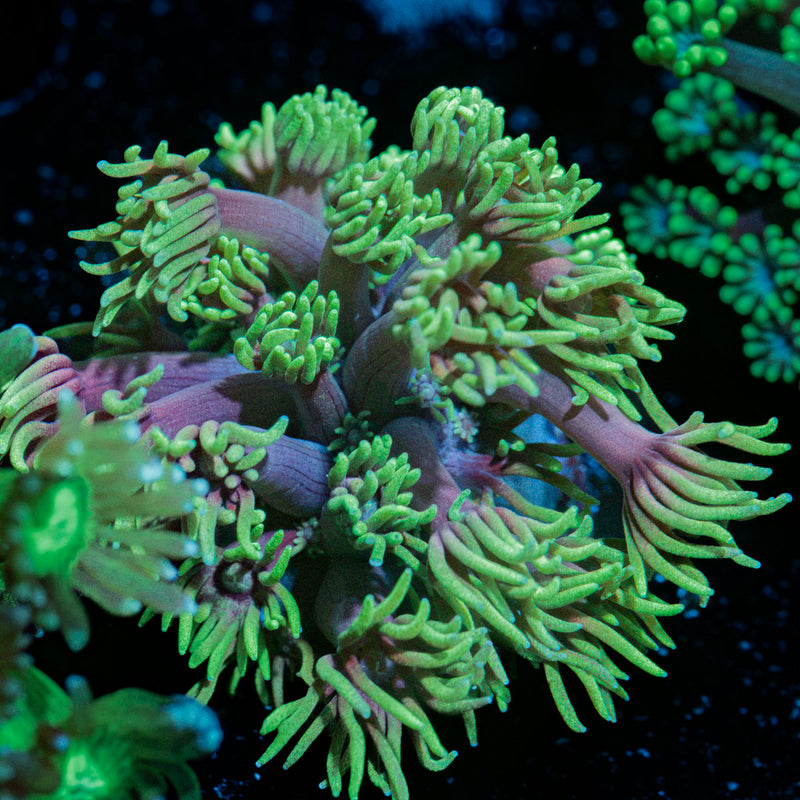
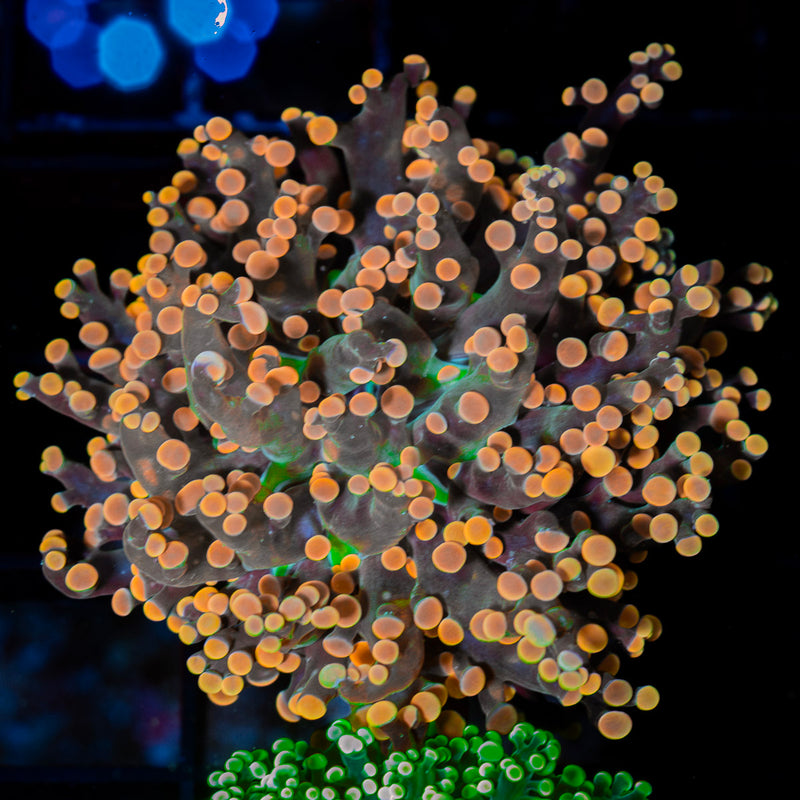
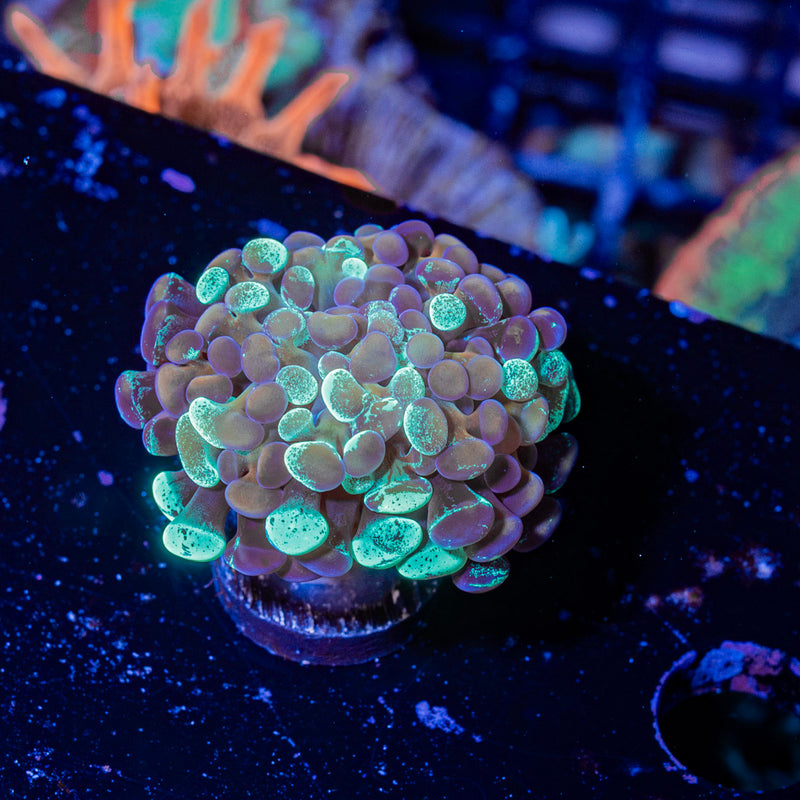
Candy canes, also known as trumpet corals or Caulastrea, are one of the friendliest LPS choices for a lower-light reef. Their branching heads are easy to read: inflated tissue and strong color usually signal that the coral is comfortable. Green, teal, blue, and neon varieties can create an impressive cluster as the colony develops new heads.
Moderate light is often ideal, but many candy canes adapt well to the lower end of the range when acclimated patiently. Keep flow gentle enough that the polyps can remain open, yet active enough to prevent debris from collecting between heads.
Duncan Corals
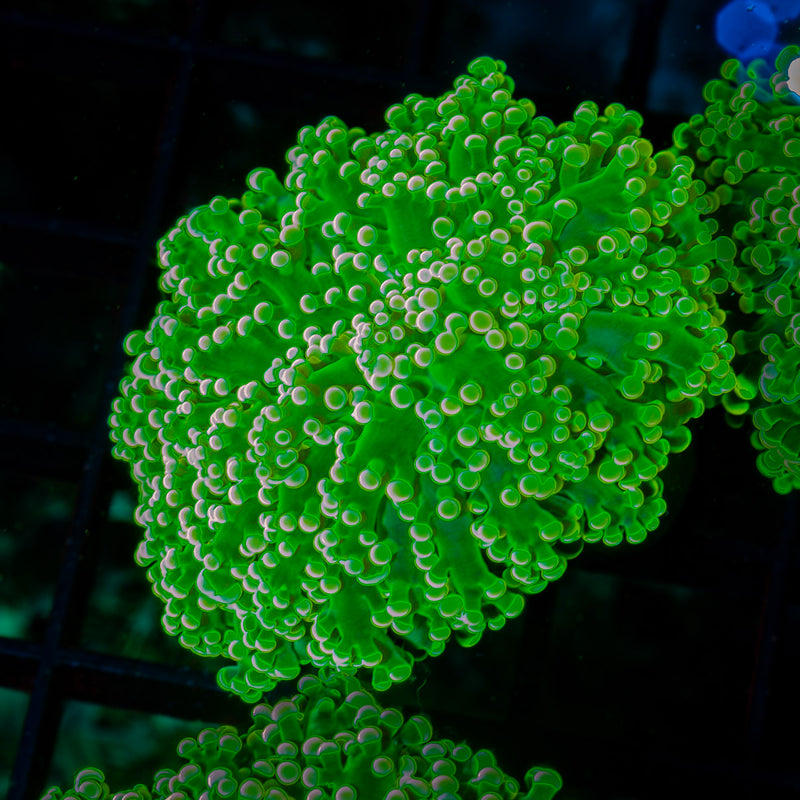
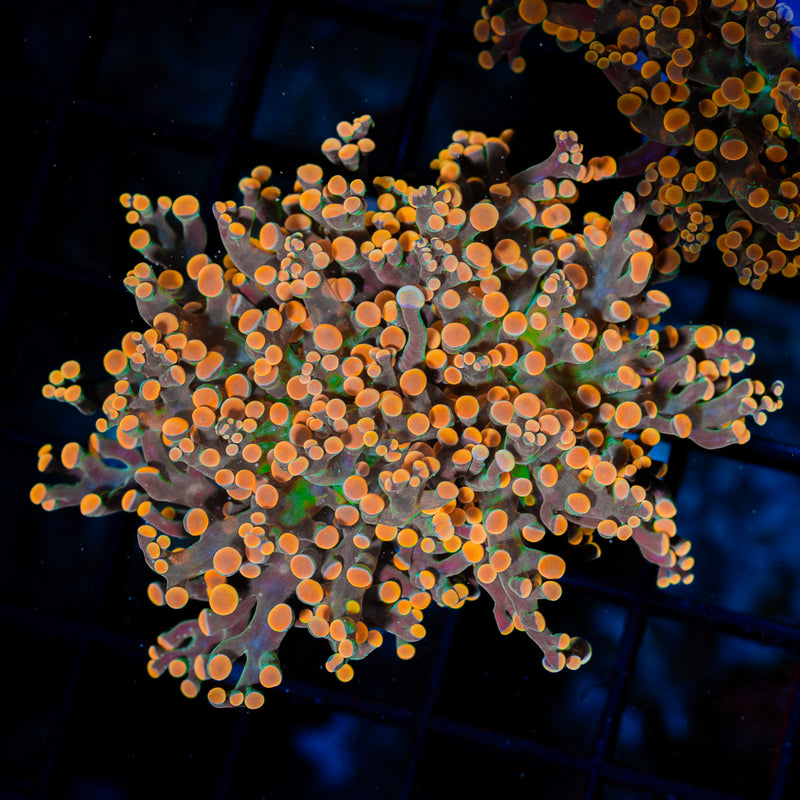
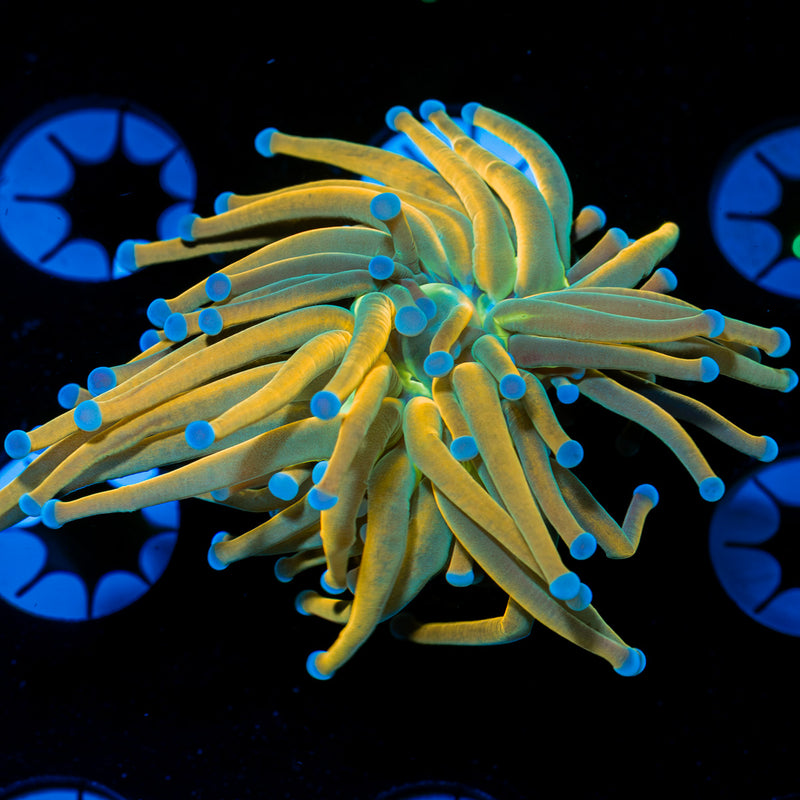
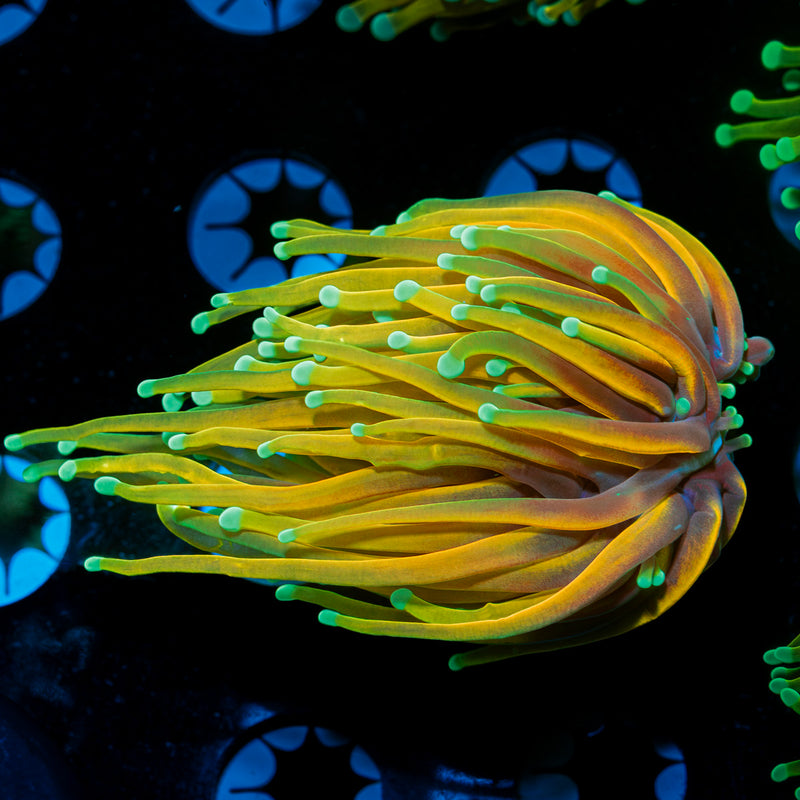
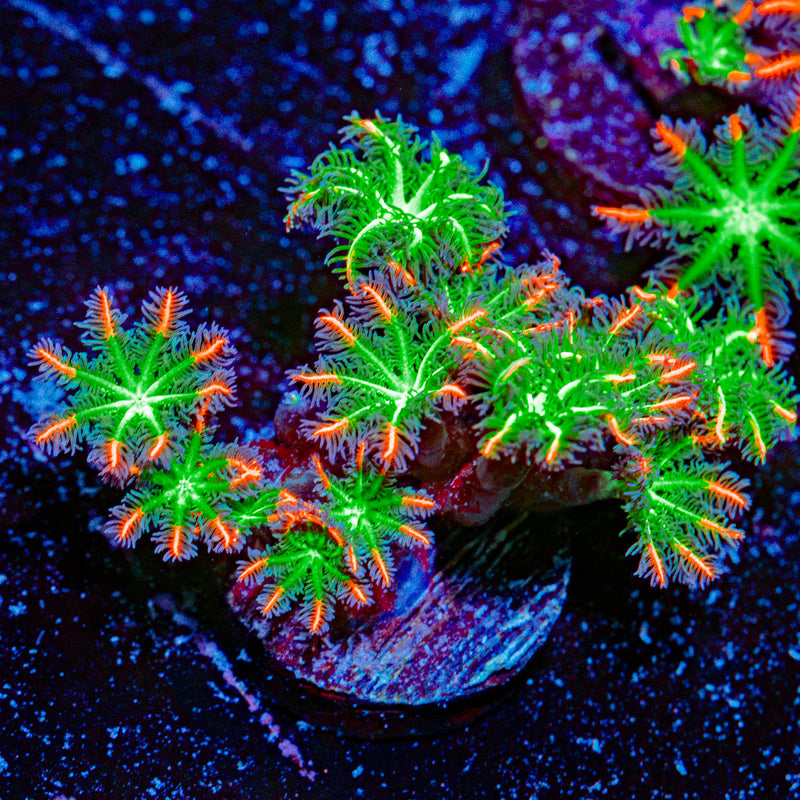
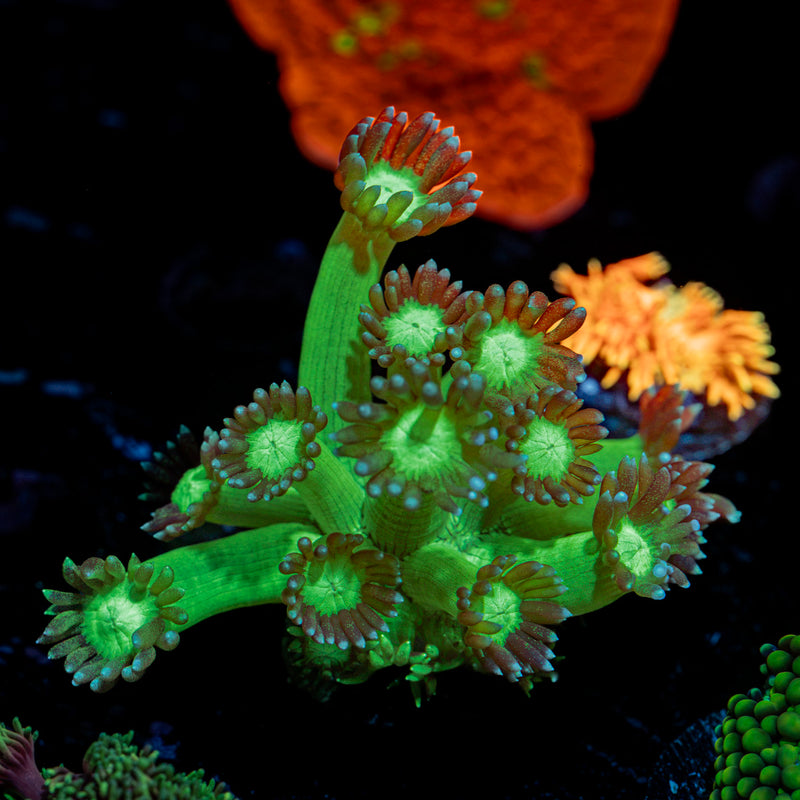
Duncans pair bright green centers with long, graceful tentacles, bringing movement to a lower-light area without the demands of many anemone-like corals. They generally tolerate low to moderate light and moderate flow, and they are enthusiastic feeders when offered small meaty foods.
They can grow into impressive colonies, so do not wedge a small frag into a crowded crevice. A stable spot on lower rockwork with room for new heads will serve it far better over time.
How to Acclimate Low-Light Corals
Even the hardiest low-light coral can be stressed by an abrupt lighting change. New frags may have been grown under different spectrum, PAR, and photoperiod conditions than your aquarium. Begin lower in the tank or in partial shade, then give the coral at least a week or two to respond before making major adjustments.
If your lights are powerful, use an acclimation program or reduce intensity temporarily. Resist the urge to move a coral every day. Frequent changes make it harder to identify whether light, flow, or water chemistry is causing a reaction. Stable alkalinity, salinity, temperature, and nutrients are the foundation beneath every successful placement decision.
Build a Reef That Uses Every Level
The best corals for low light are not second-choice livestock for the parts of the tank that missed the spotlight. They are an opportunity to create layers: glowing mushroom gardens near the sand, vibrant zoa clusters on shaded stone, and colorful LPS colonies filling the lower reef with texture and movement.
Choose aquacultured frags that fit your available space and lighting, especially when selecting exact WYSIWYG pieces. With patient acclimation and thoughtful spacing, those overlooked corners can become some of the most colorful parts of your reef.
Products from the article