A new coral frag can look perfect in the bag, then lose color or stay closed for weeks after it enters the tank. Often, the issue is not the coral itself. It is placement. Coral frag placement by species gives each living jewel the right starting point for light, water movement, room to grow, and peaceful neighbors.
A reef tank is not one uniform environment. Light intensifies toward the surface, flow changes around every rock, and corals compete chemically and physically for space. Start every new frag in a conservative location, then make intentional adjustments as it settles in. That approach protects your investment and gives colorful aquacultured corals the stable conditions they need to thrive.
Start With Your Tank’s Light and Flow Map
Before deciding where a frag belongs, look at what your aquarium actually provides instead of relying only on a coral’s general care label. A PAR meter is the clearest way to understand light, particularly for SPS corals and brightly colored Acropora. If you do not have one, use your existing coral placement as a guide. Areas where demanding SPS have maintained strong color and growth are likely higher-light zones; shaded ledges and lower rockwork will be gentler.
Flow matters just as much. Watch the tank after feeding or when fine particles are moving through the water. You are looking for areas of steady, varied movement rather than a hard powerhead blast or a stagnant pocket. Most corals appreciate water that reaches all sides over time, carrying away waste and delivering nutrients.
New frags also need time to adjust to your lighting. Even a healthy aquacultured specimen may come from a different light spectrum and intensity. Begin lower than its intended final position, especially under powerful LEDs, and move it upward gradually over several weeks. This is a slower path to a more vibrant result.
Coral Frag Placement by Species and Type
Species-level needs can vary, but coral categories provide a practical placement framework. Observe the individual frag after placement. Polyp extension, tissue color, inflation, and growth tell you more than a single rule ever can.
Acropora, Millepora, and Other SPS
Most Acropora, Millepora, Birdsnest, Stylophora, and similar SPS corals are strongest candidates for upper rockwork with high light and brisk, indirect flow. They need enough current to keep their branches clean, but direct laminar flow can strip tissue from one side or prevent polyps from extending.
Secure SPS frags firmly. A loose plug that shifts in the current can damage fresh growth and make the coral repeatedly adapt to a new angle. Give branching colonies meaningful room from the start. Their future shape can shade nearby corals long before they touch them.
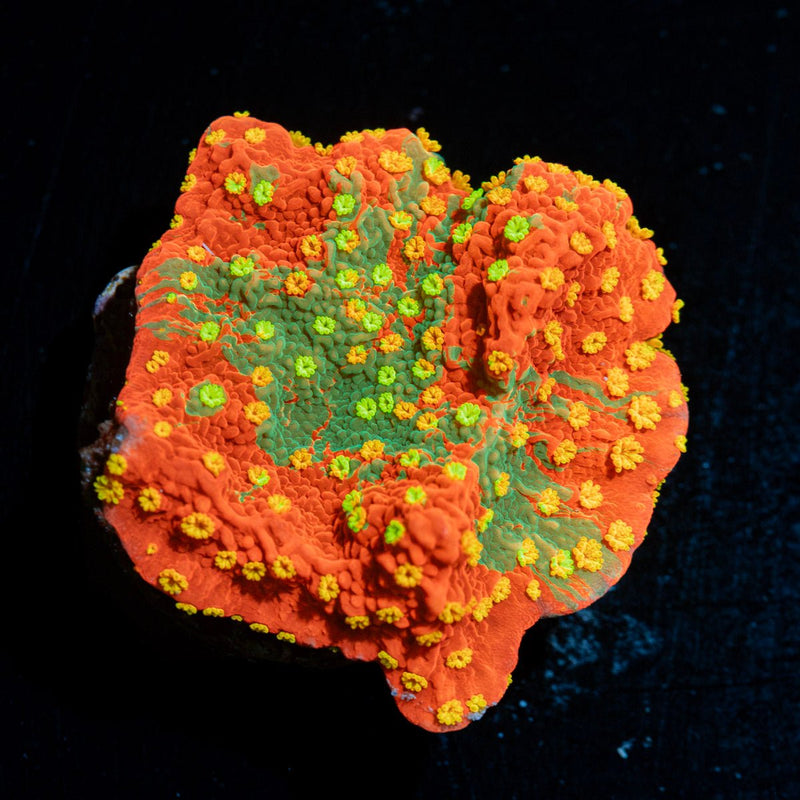
Montipora deserves a little extra thought. Plating varieties may begin on mid-level rockwork but will eventually cast shade beneath their growing shelves. Encrusting varieties can spread across plugs, rock, and neighboring colonies. Place them where their growth can become part of the aquascape rather than a takeover plan.
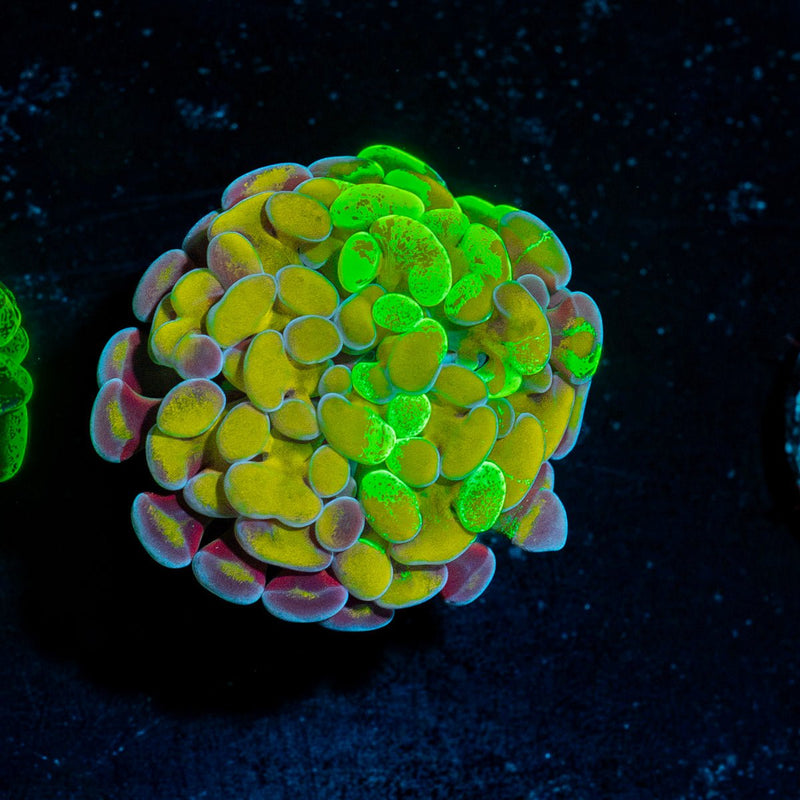
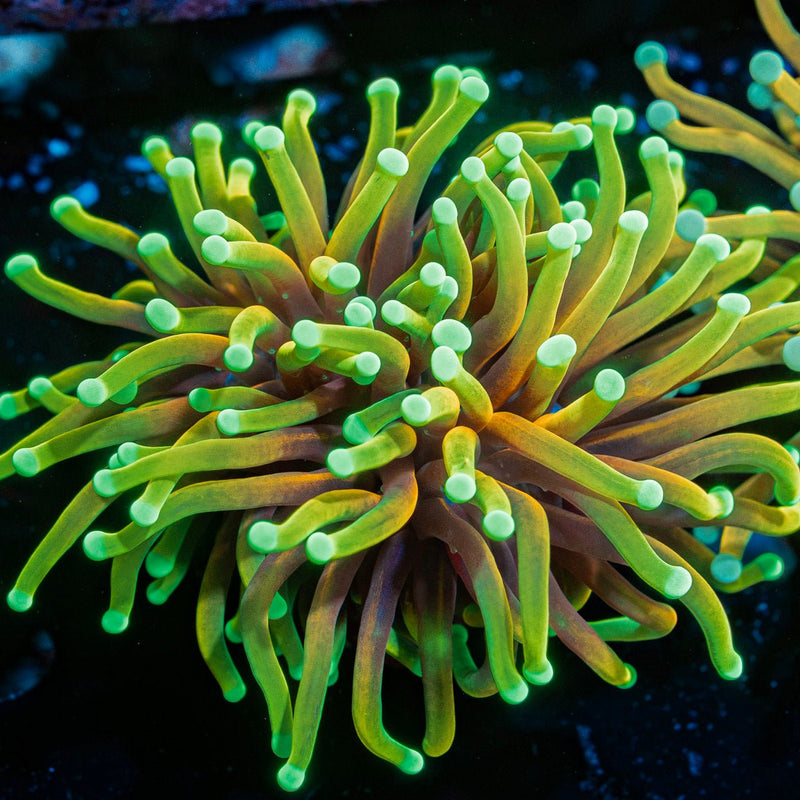
Torches, Hammers, Frogspawn, and Other Euphyllia
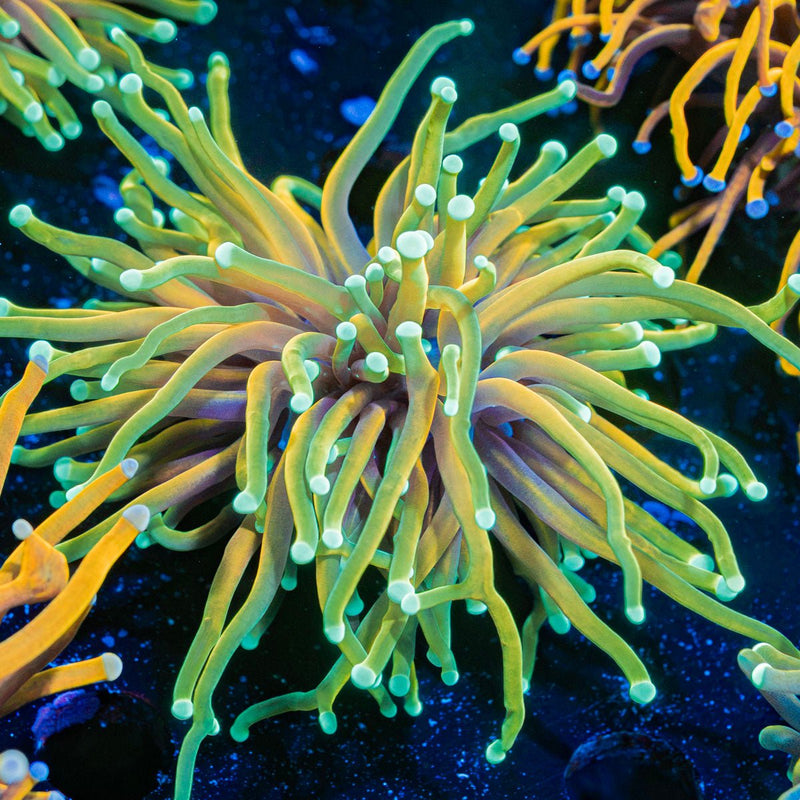
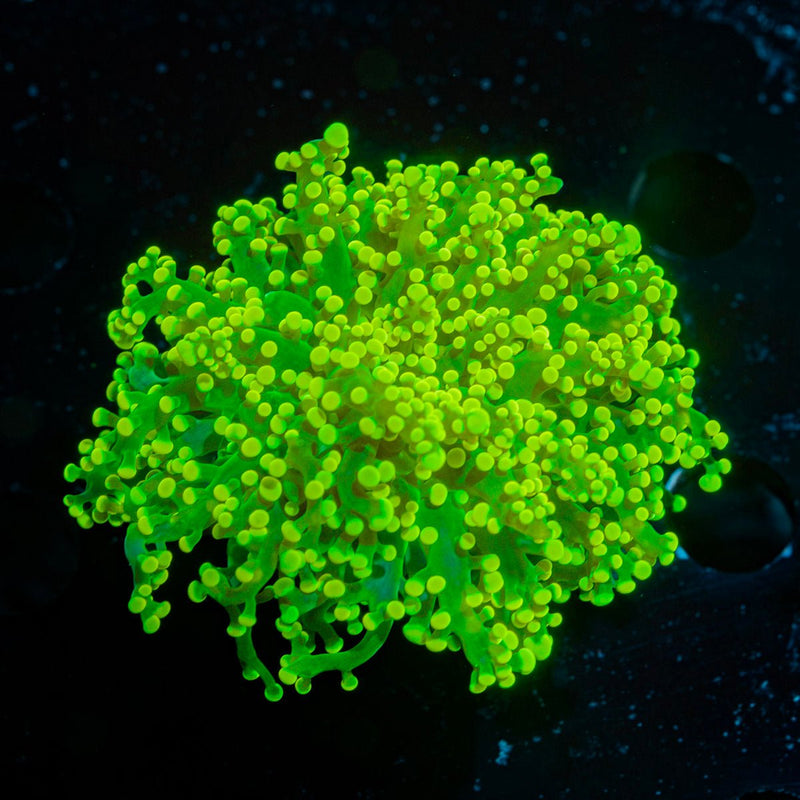
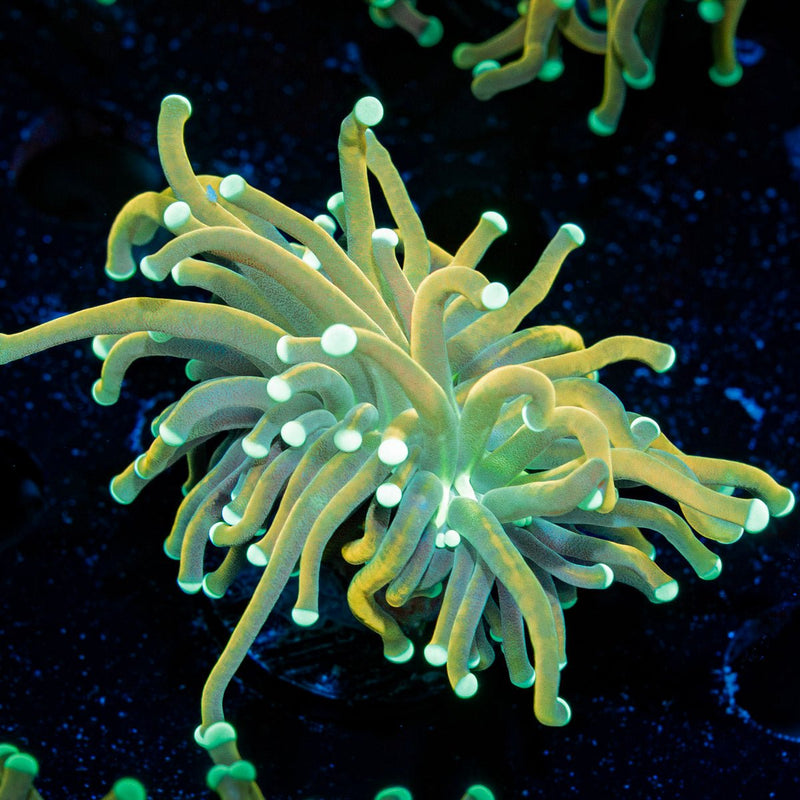
Euphyllia are showpiece LPS corals, with flowing tentacles and vivid color that make them natural focal points. They generally do best in moderate light and moderate, irregular flow. Their tentacles should sway and move freely, not fold sharply in one direction or whip violently.
Placement is mostly about space. Torch corals, in particular, can extend long sweeper tentacles after lights out and sting nearby corals well beyond their daytime appearance. Keep a generous buffer between torch corals and other LPS, SPS, or soft corals. Hammers and frogspawn may coexist more peacefully with closely related varieties, but compatibility still depends on the individual colonies and should never be assumed.
A mid-level ledge with open water around it often gives Euphyllia the light, movement, and visual prominence they deserve. Avoid putting them in a tight crevice where their tissue can scrape rock as they inflate.
Acans, Favias, Chalices, and Other LPS
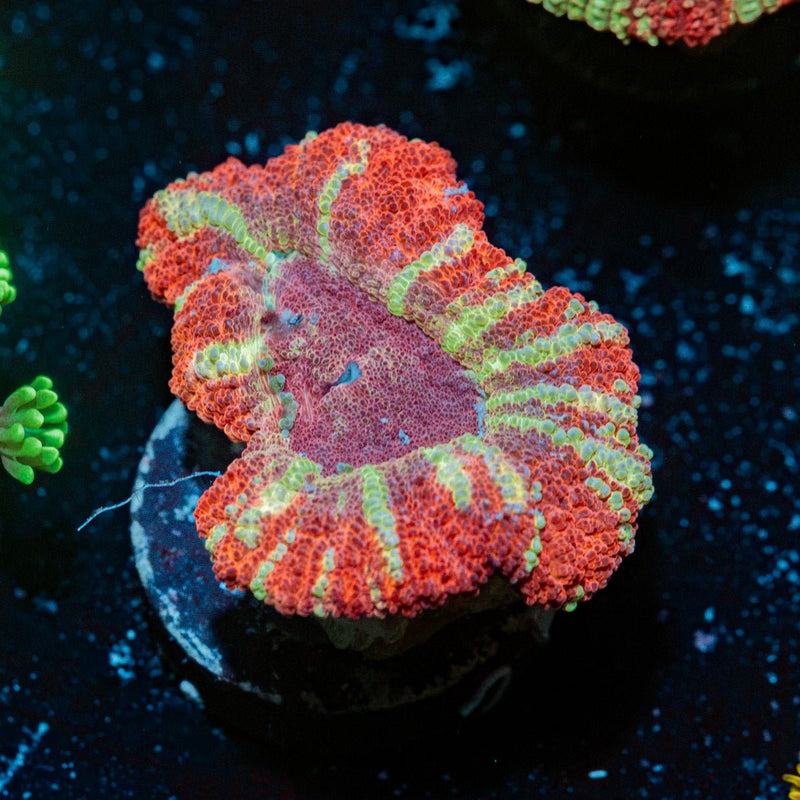
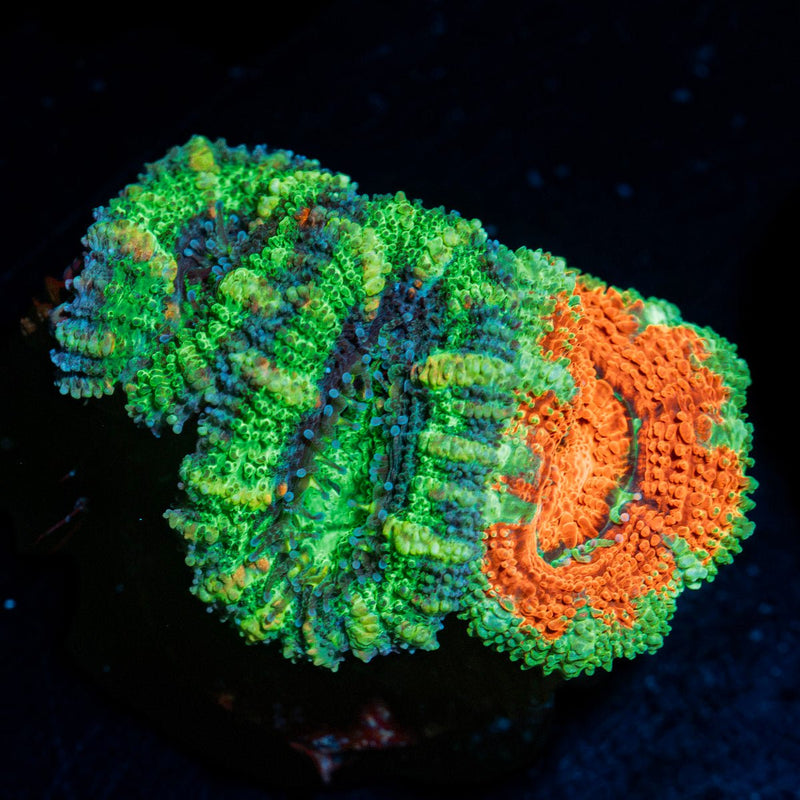
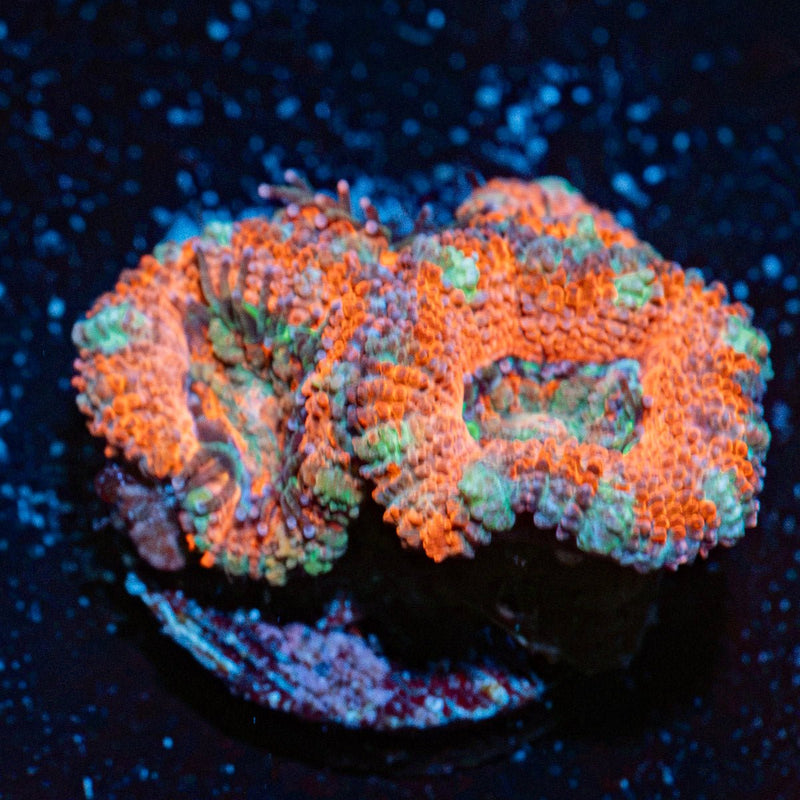
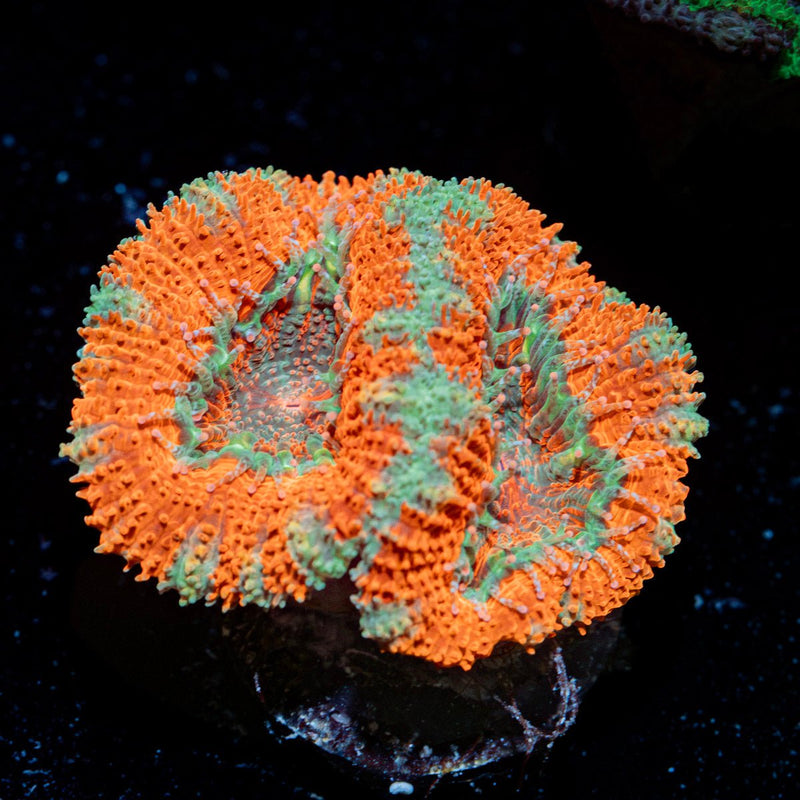
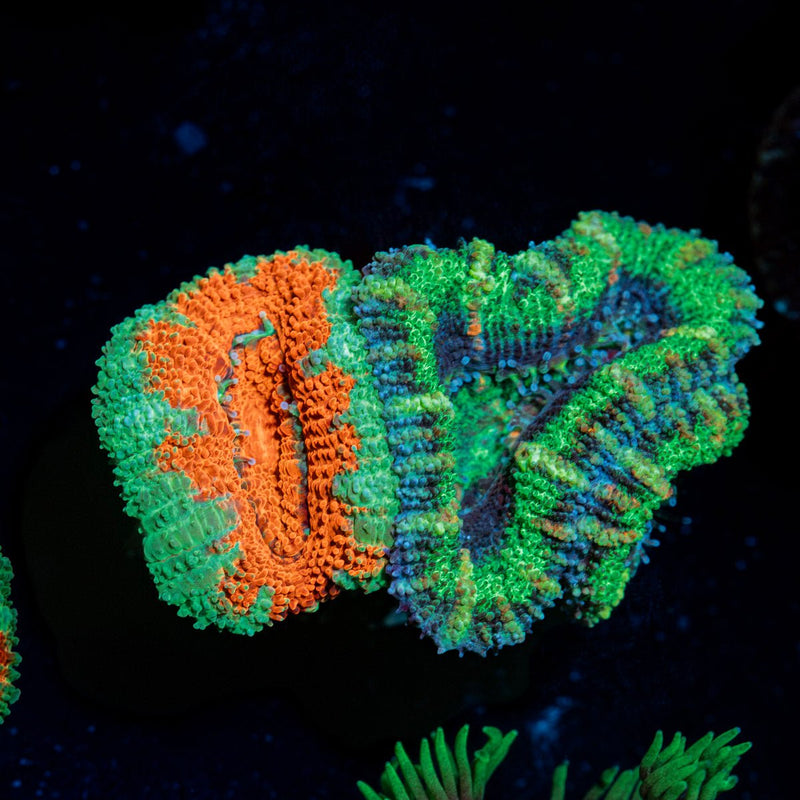
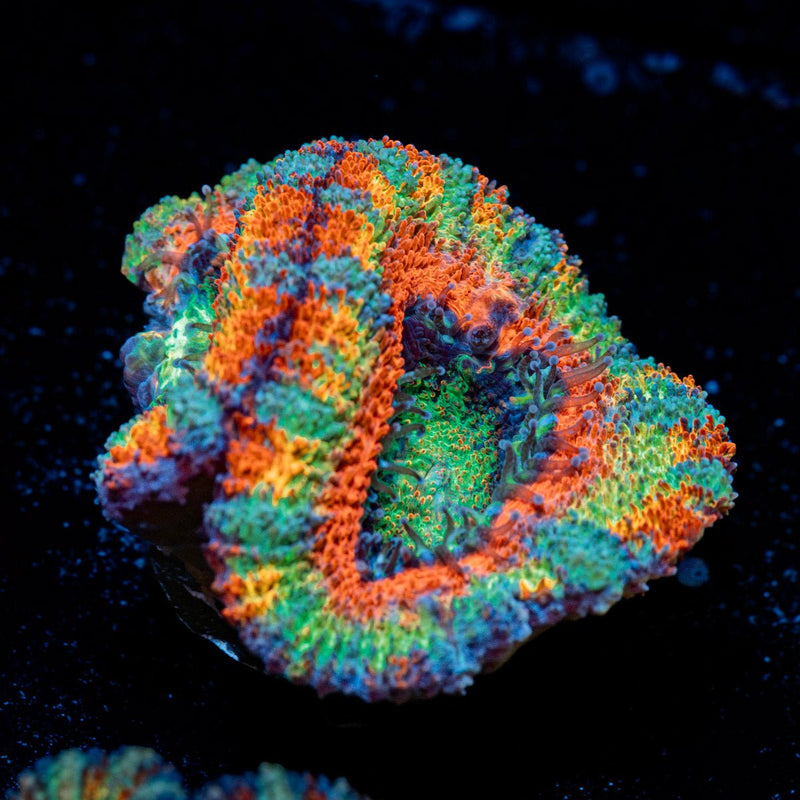
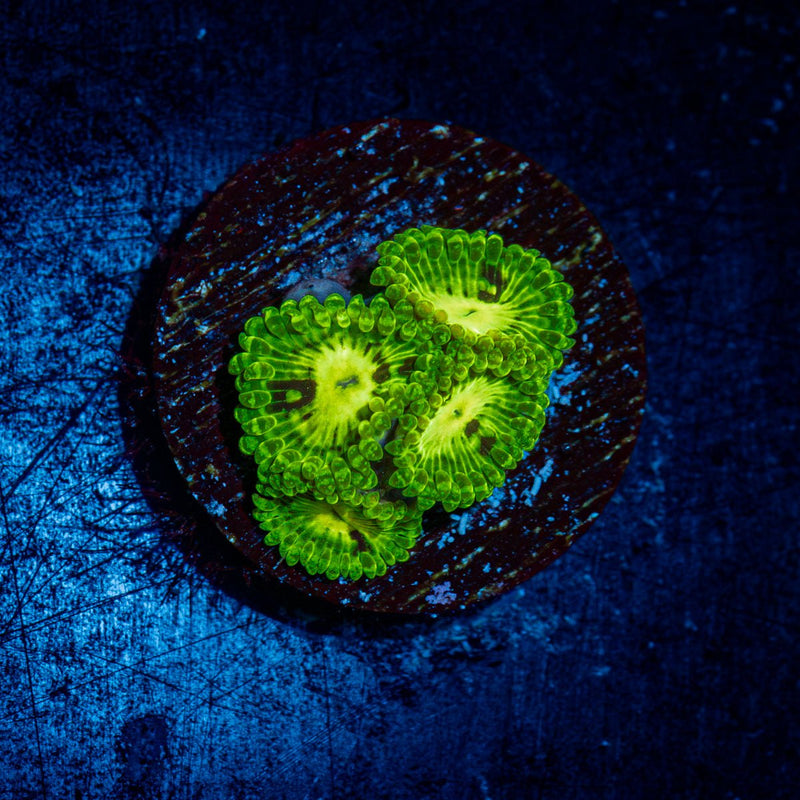
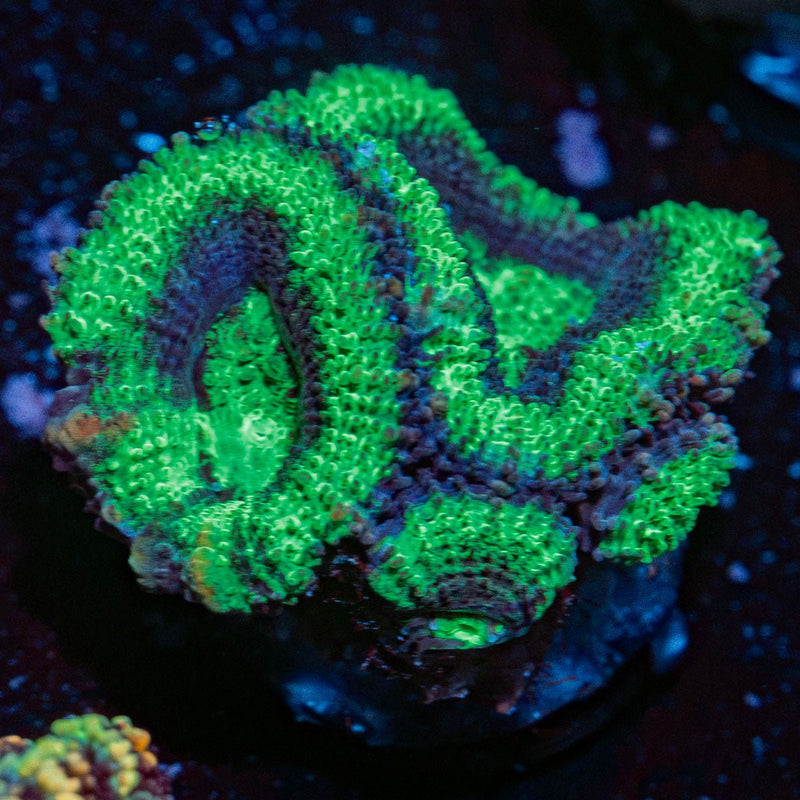
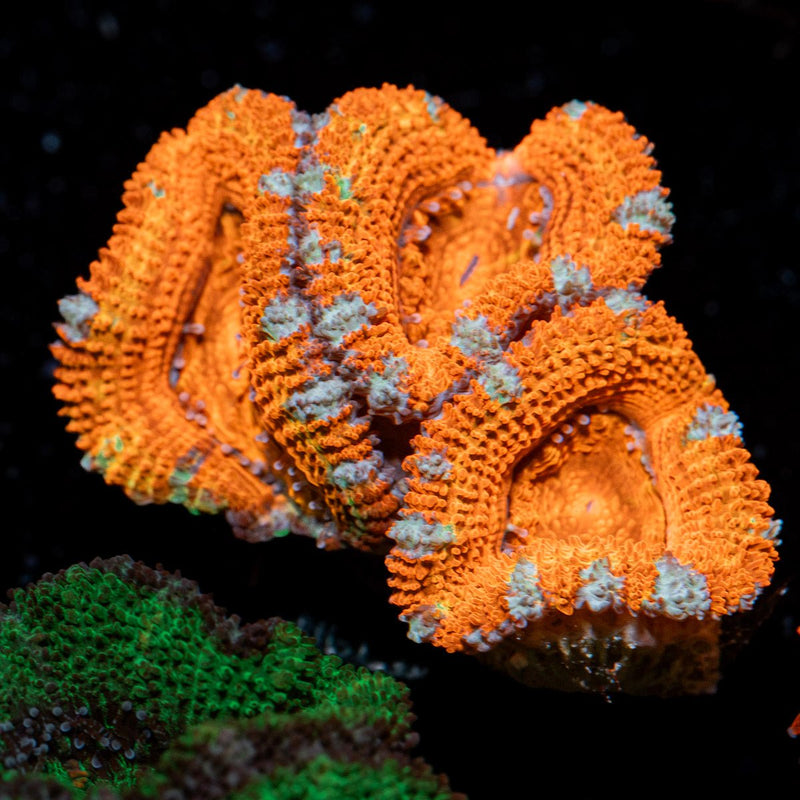
Micromussa, commonly called acans, are excellent lower-to-mid reef residents. They often develop rich color under moderate light and gentle to moderate flow. Too much direct flow can keep their fleshy polyps retracted, while excessive light may lead to fading or stress.
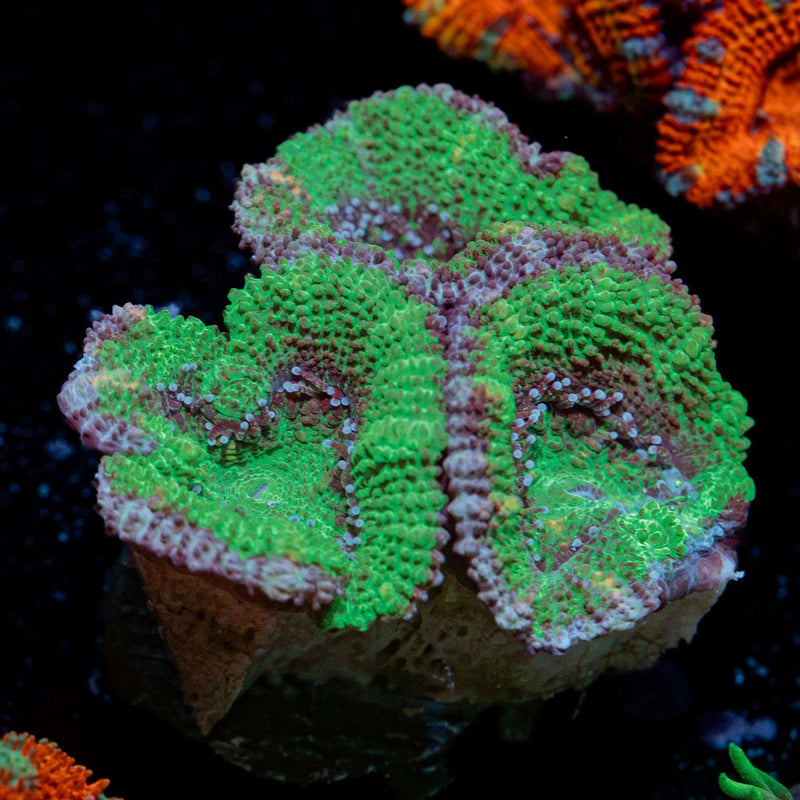
Favias and related brain corals should have open territory. Their nighttime sweepers can be surprisingly long, and a small frag can become an aggressive neighbor as it matures. Chalices are usually best placed low to mid in gentler flow, where their plated tissue will not collect debris but is not battered by current. Keep their growing edges clear of rock and nearby corals.
For these fleshy LPS, make sure the plug or colony is stable and upright. Tissue resting against rough rock can become irritated, especially in corals that expand dramatically after lights dim.
Zoanthids, Palythoas, Mushrooms, and Soft Corals
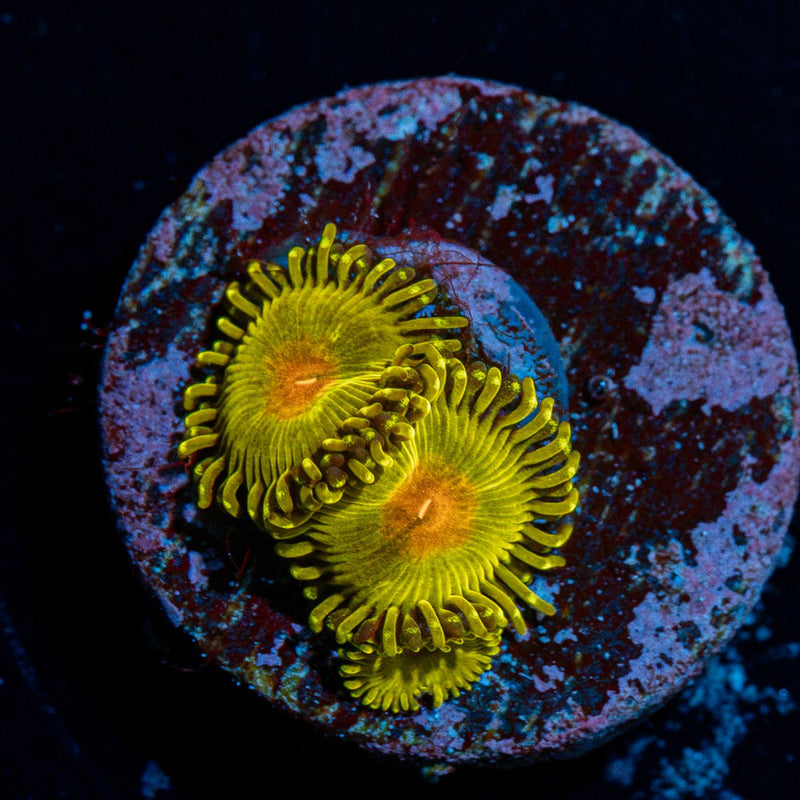
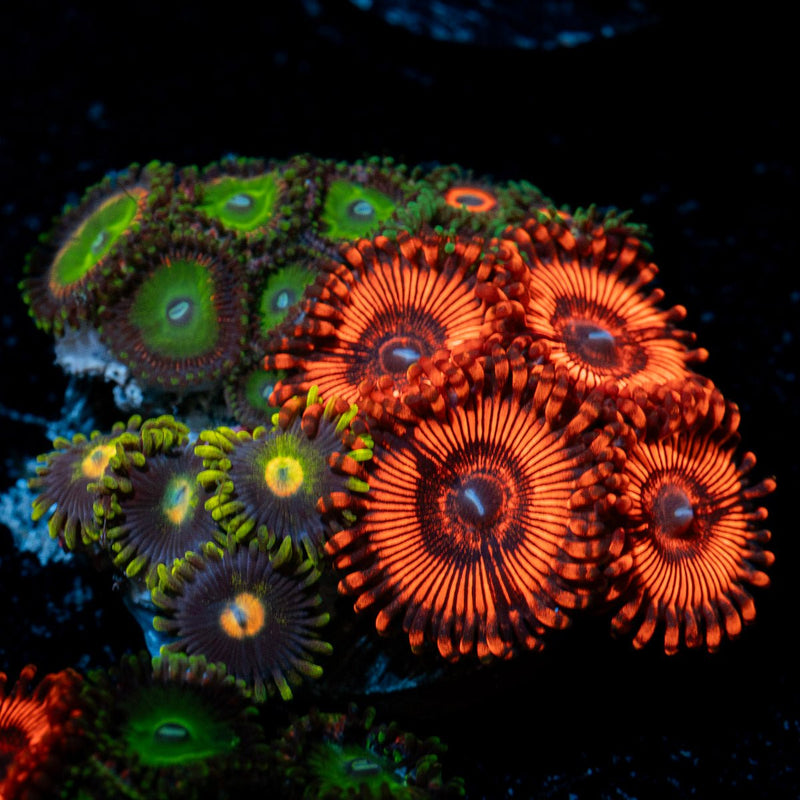
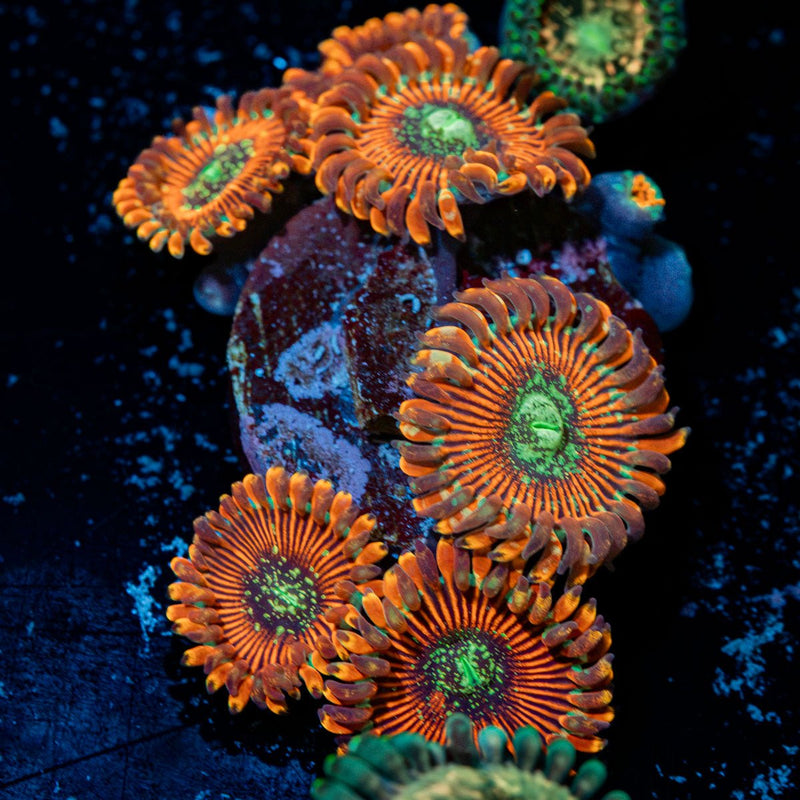
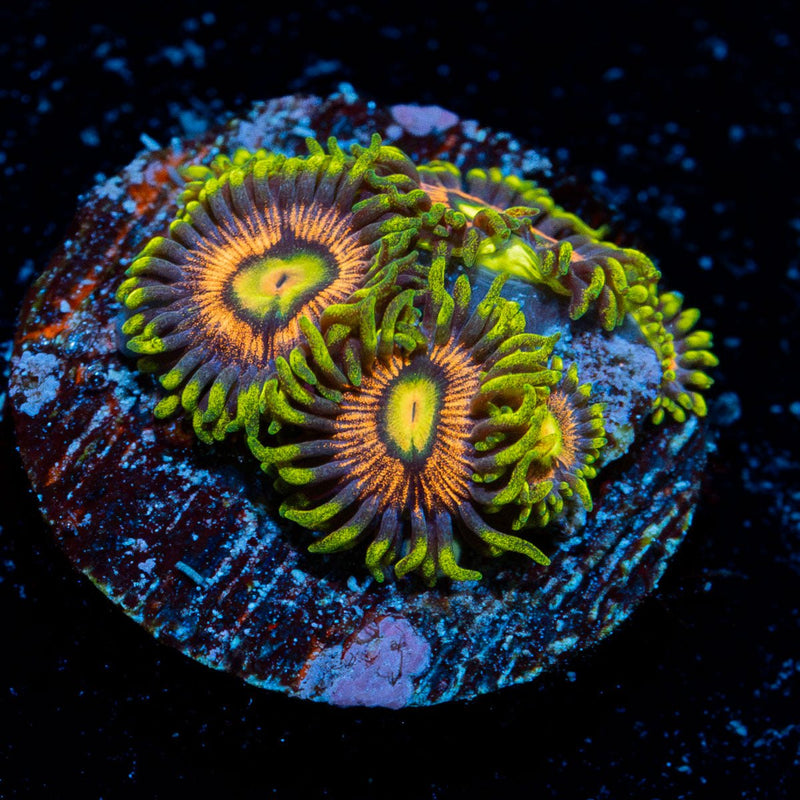
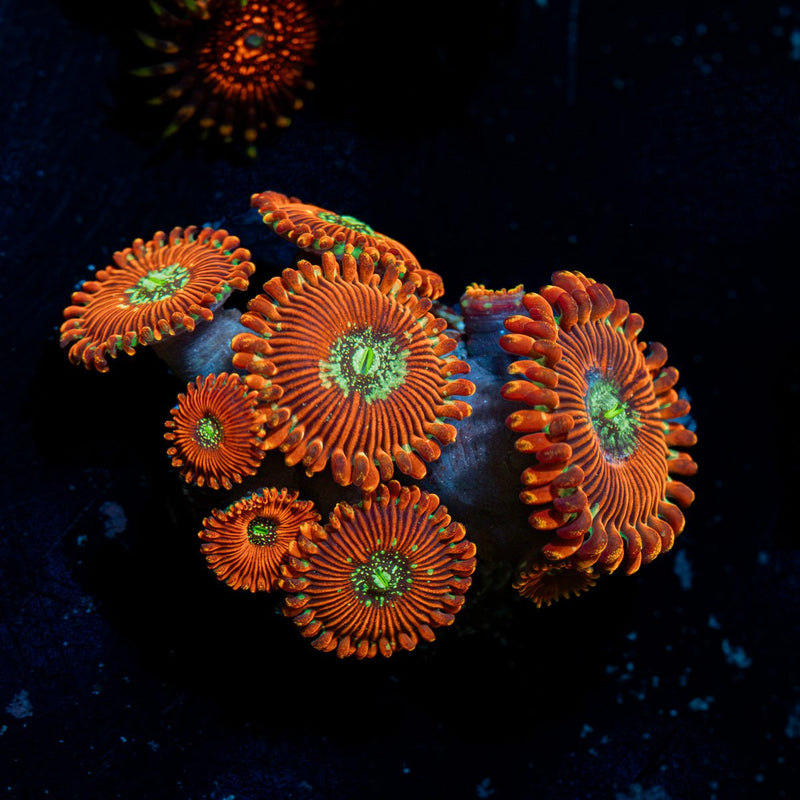
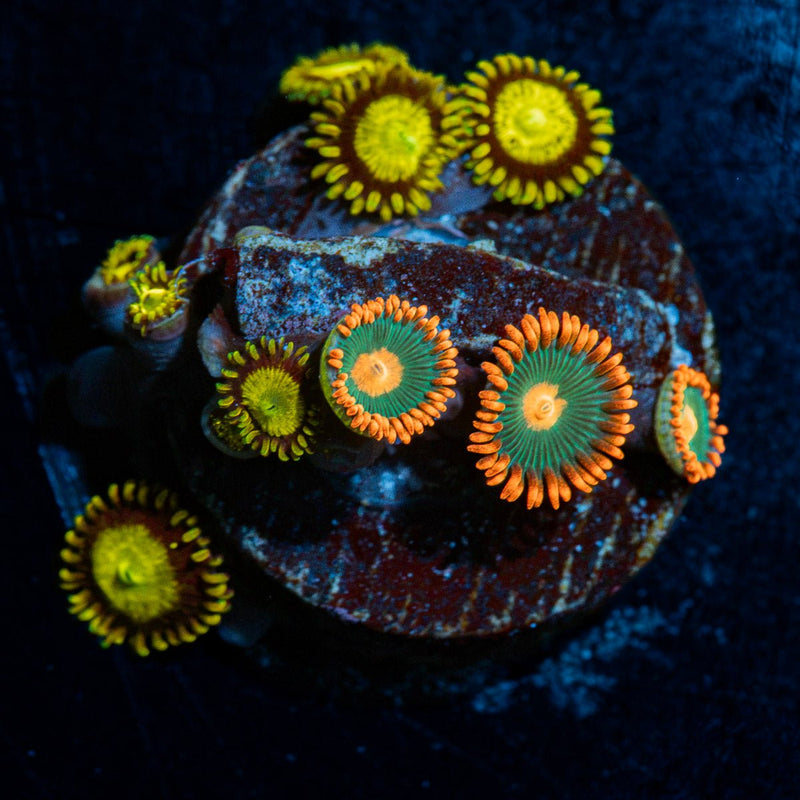
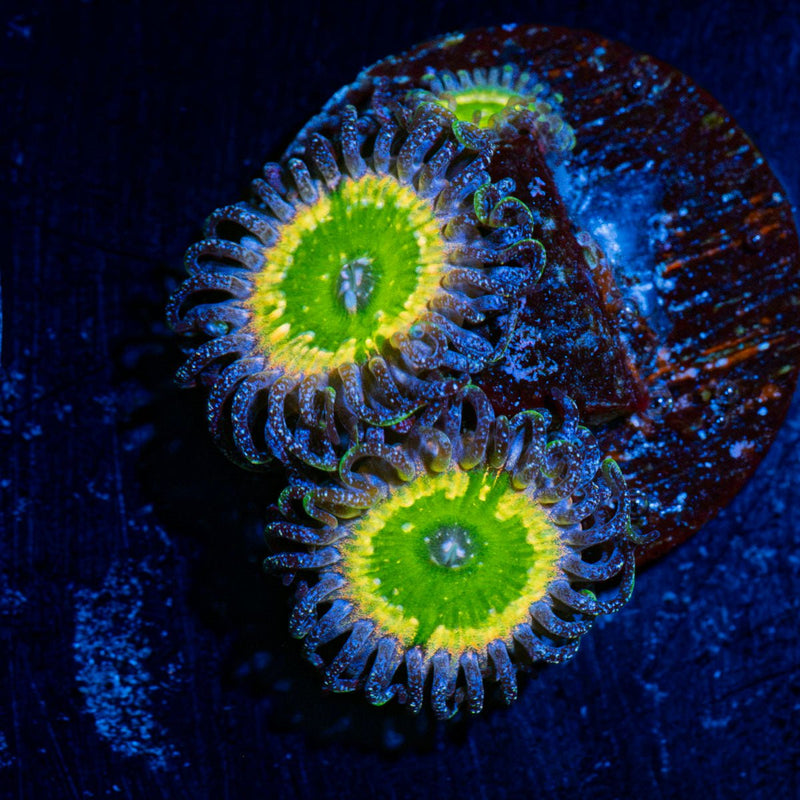
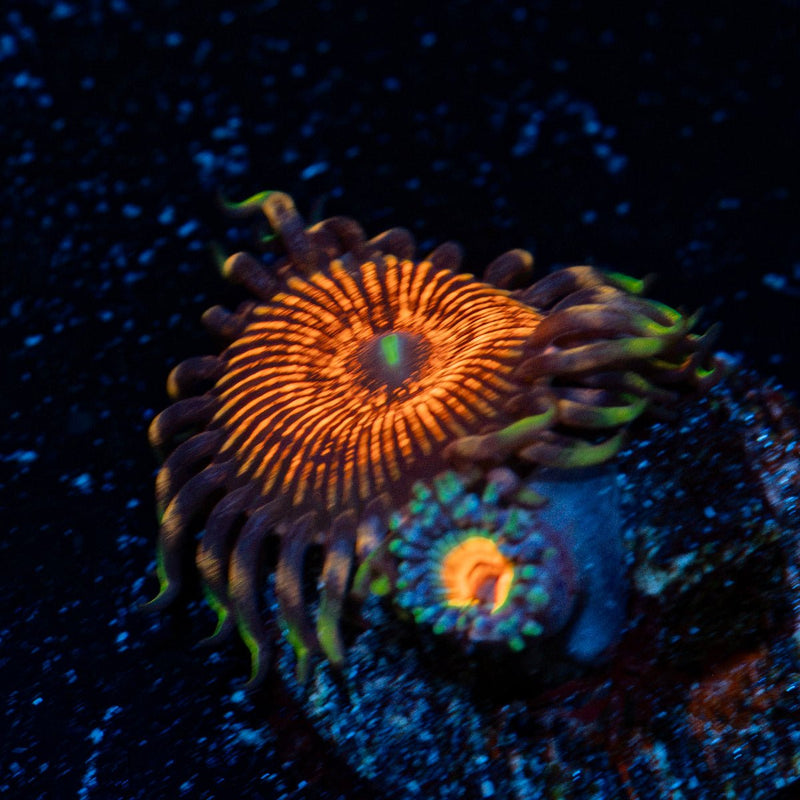
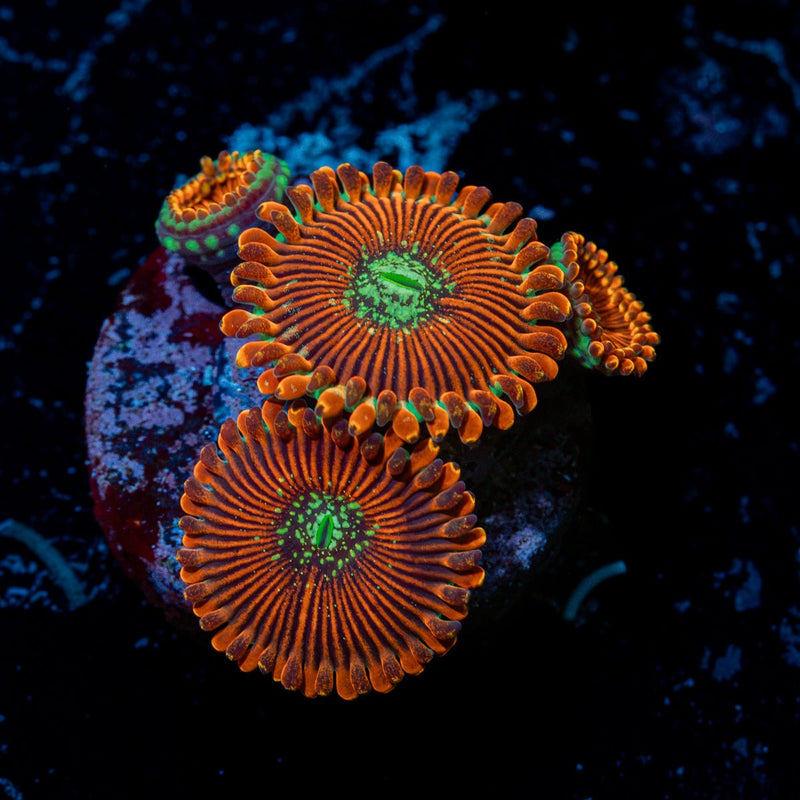
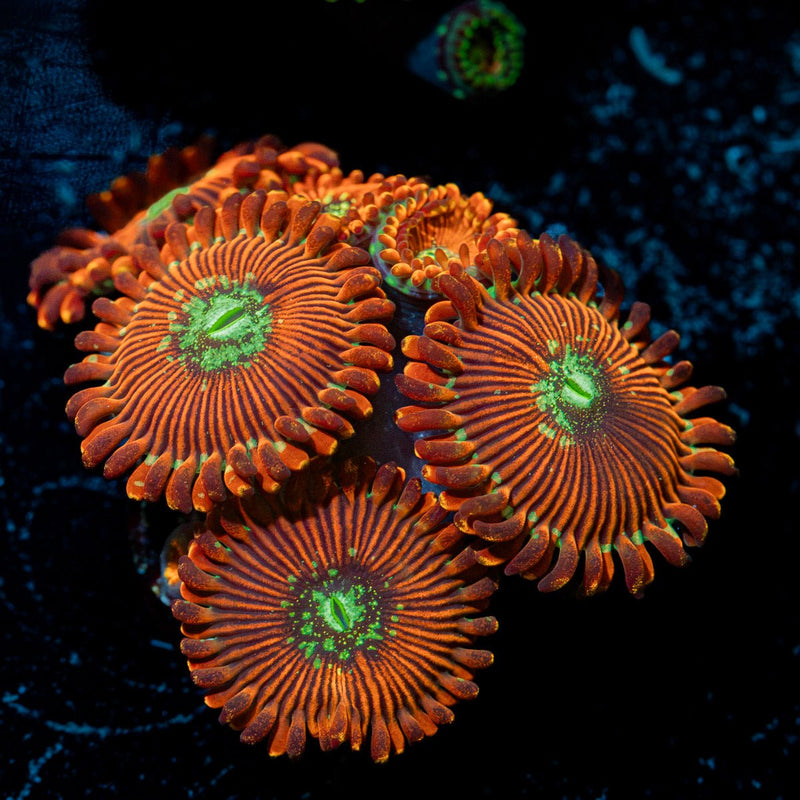
Zoanthids are adaptable, colorful additions for lower and middle areas of the reef. Moderate light and moderate flow are dependable starting conditions. They can tolerate more light once adjusted, but sudden intensity changes may cause them to stay closed or lighten in color.
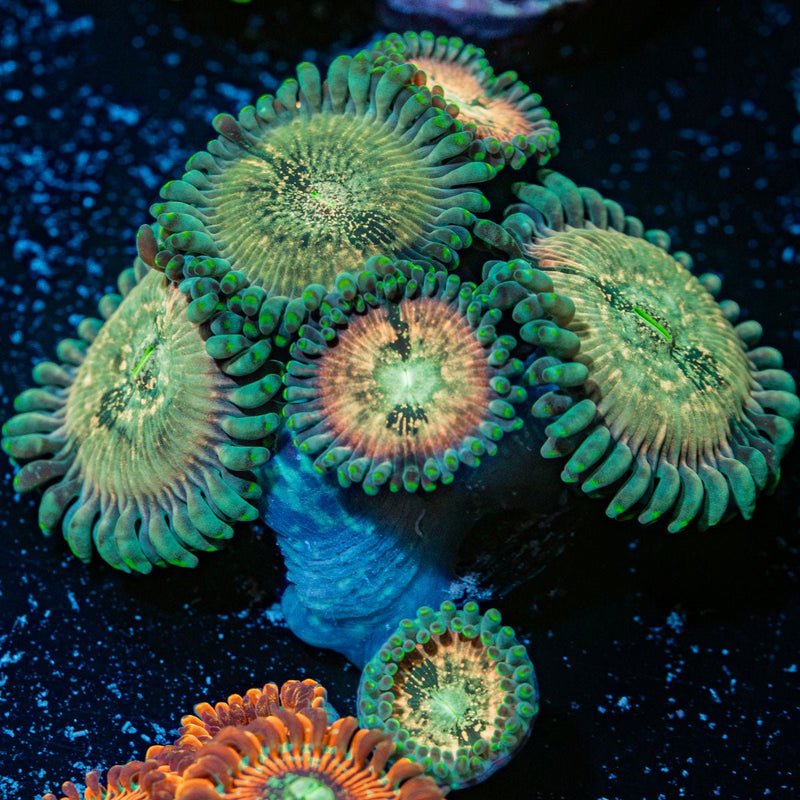
Give zoanthids their own island or a clearly defined section of rock whenever possible. Their ability to spread is part of their appeal, but they can quickly cover a prized patch of rock intended for slower-growing corals. Palythoas deserve the same planning and careful handling, particularly when fragging or moving colonies.
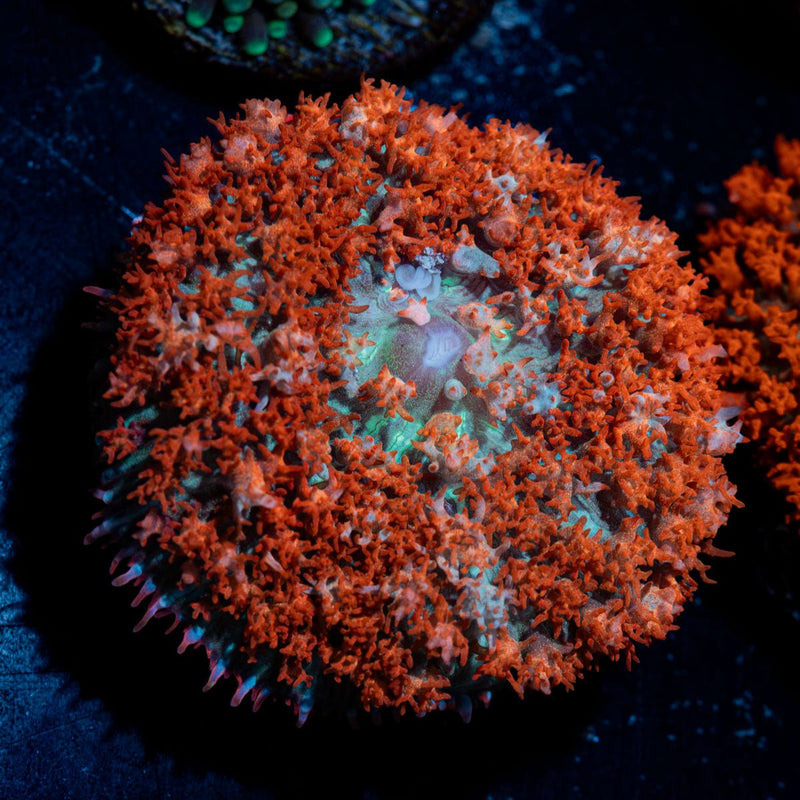
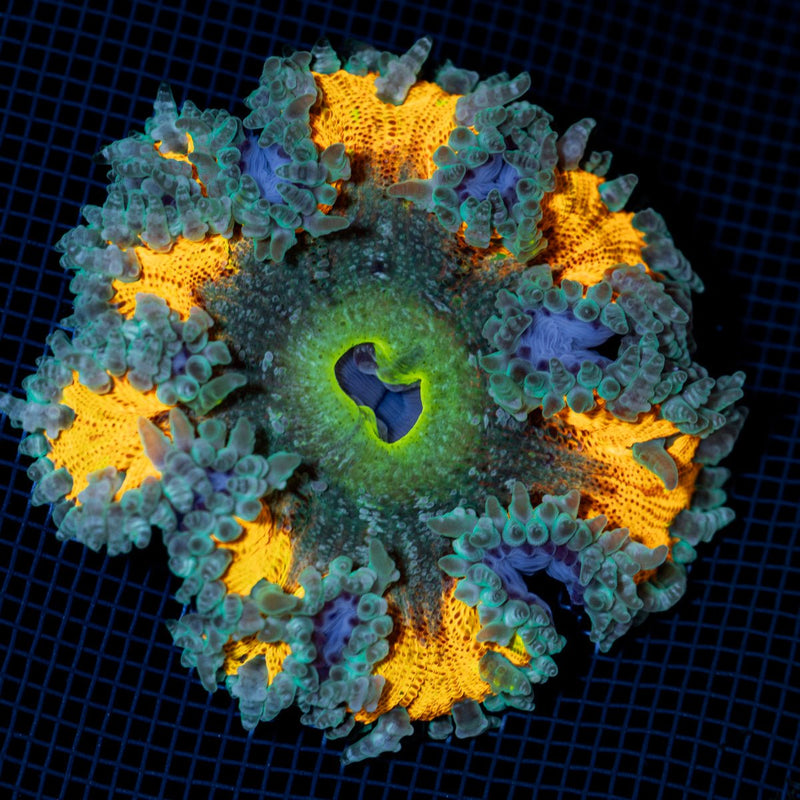
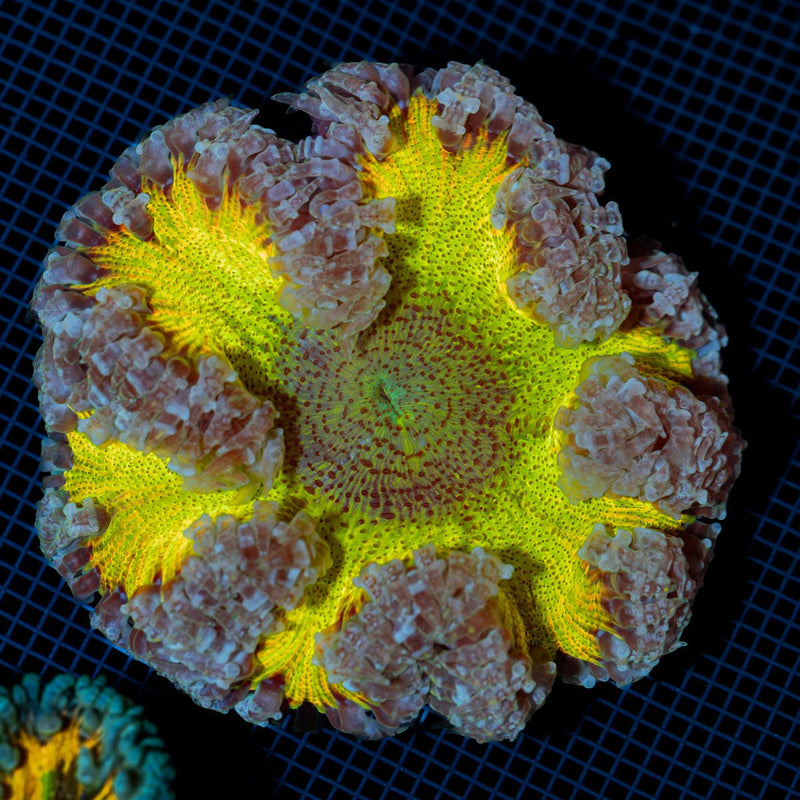
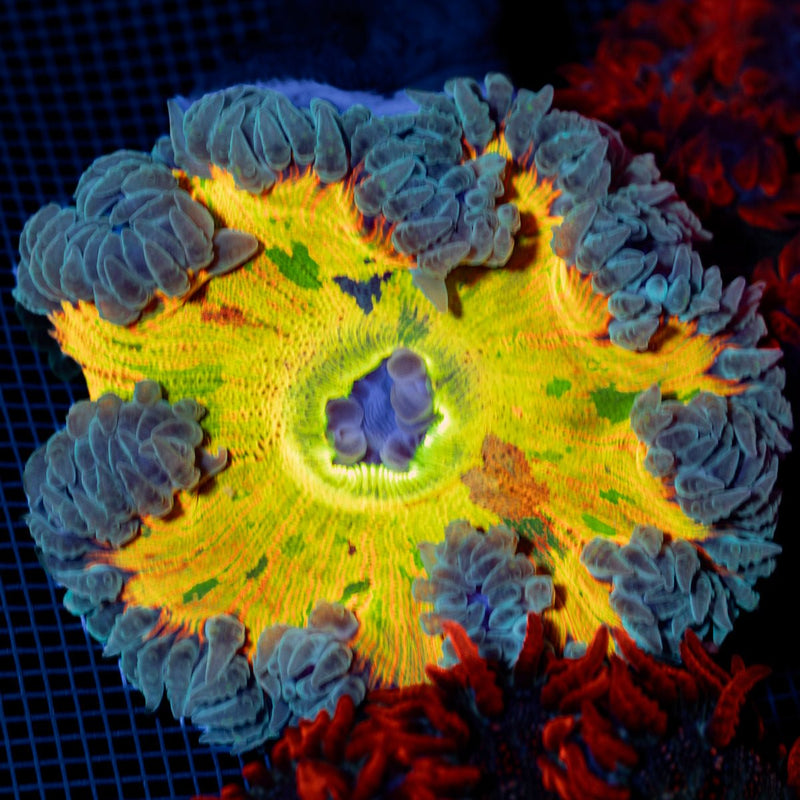
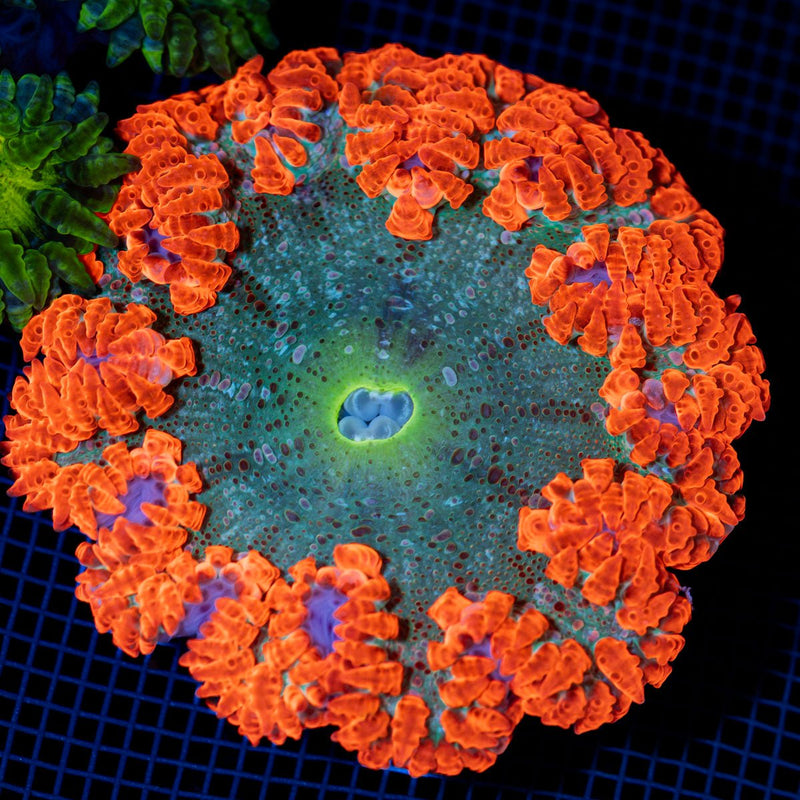
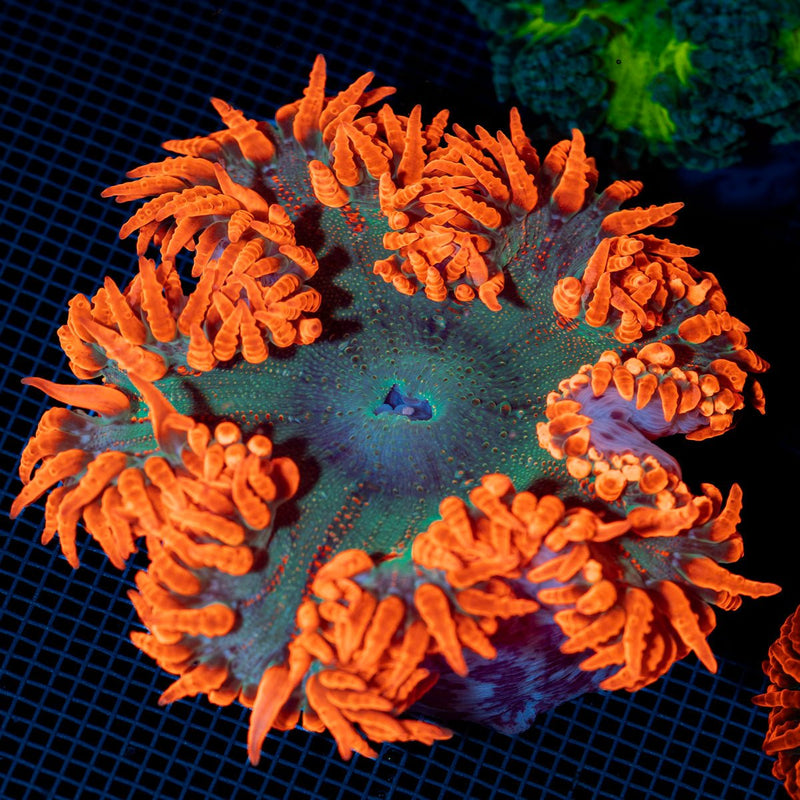
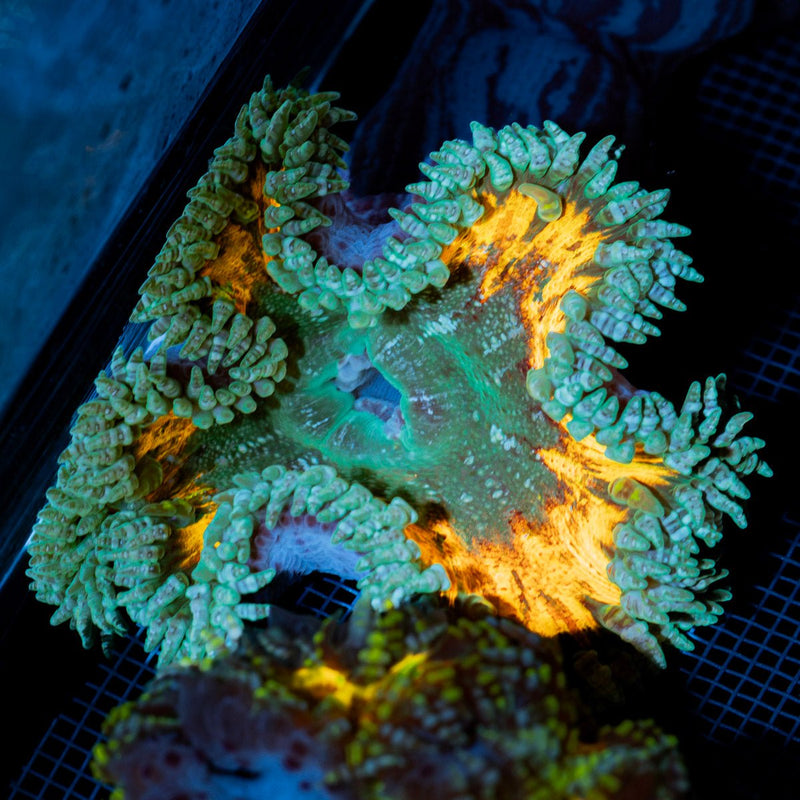
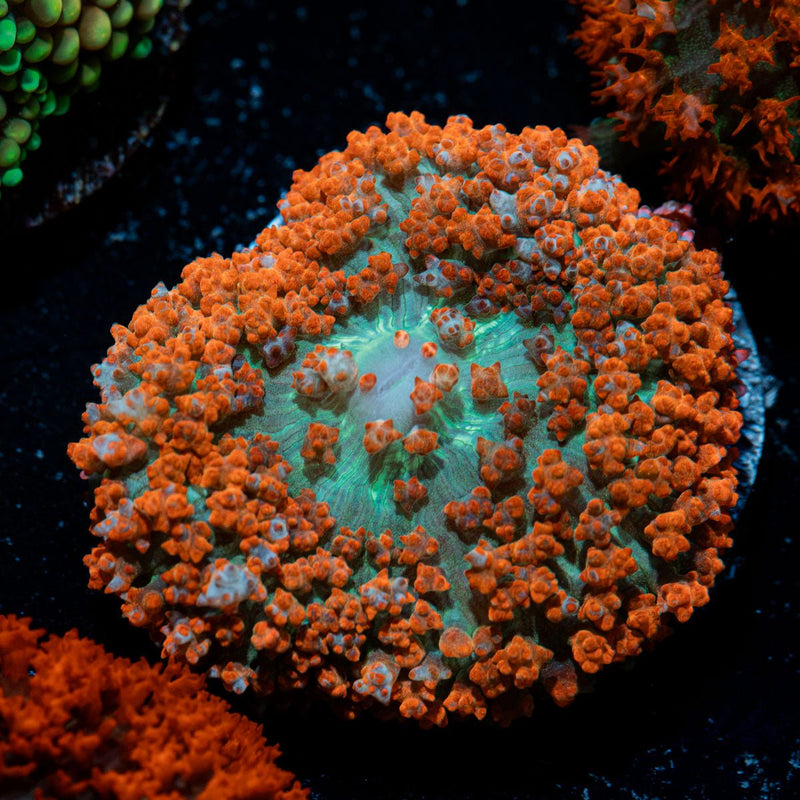
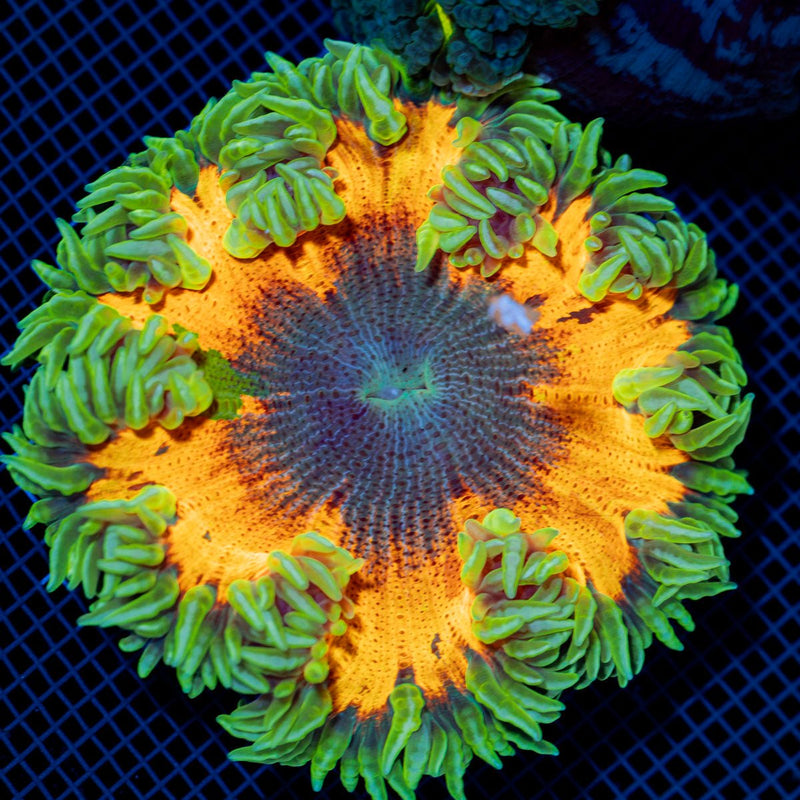
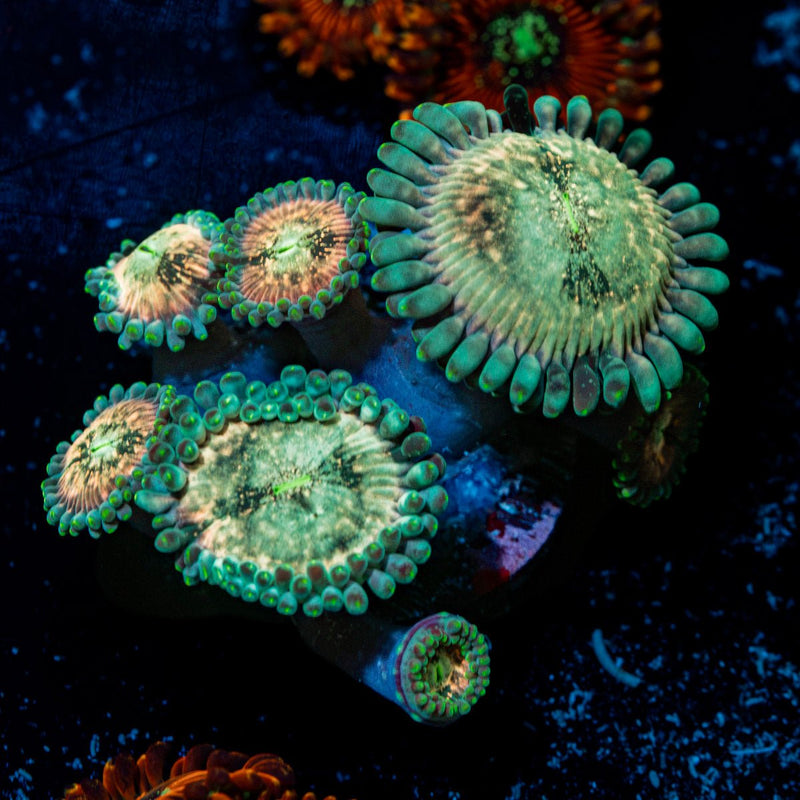
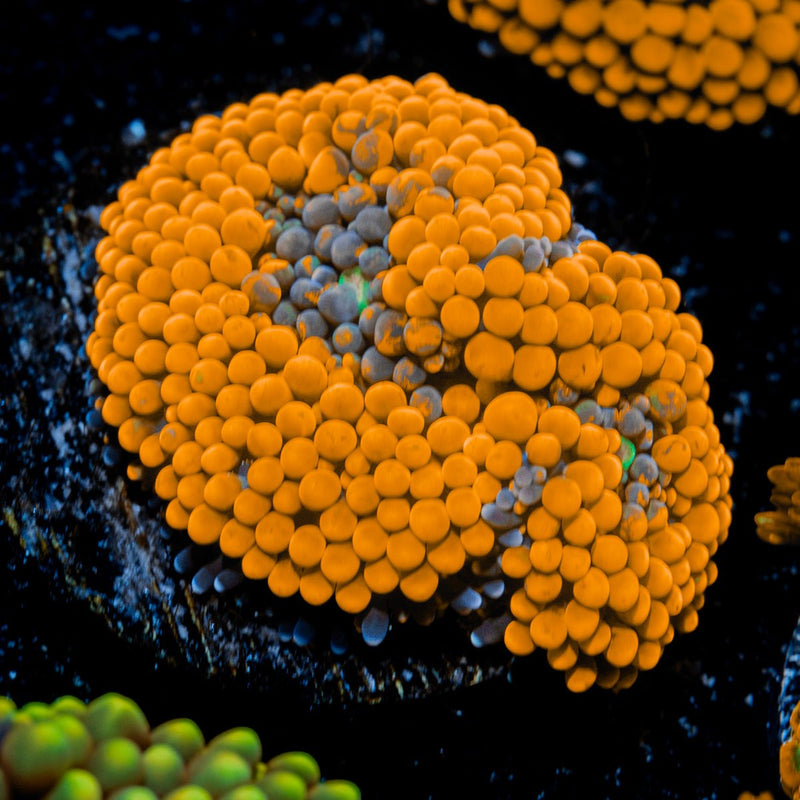
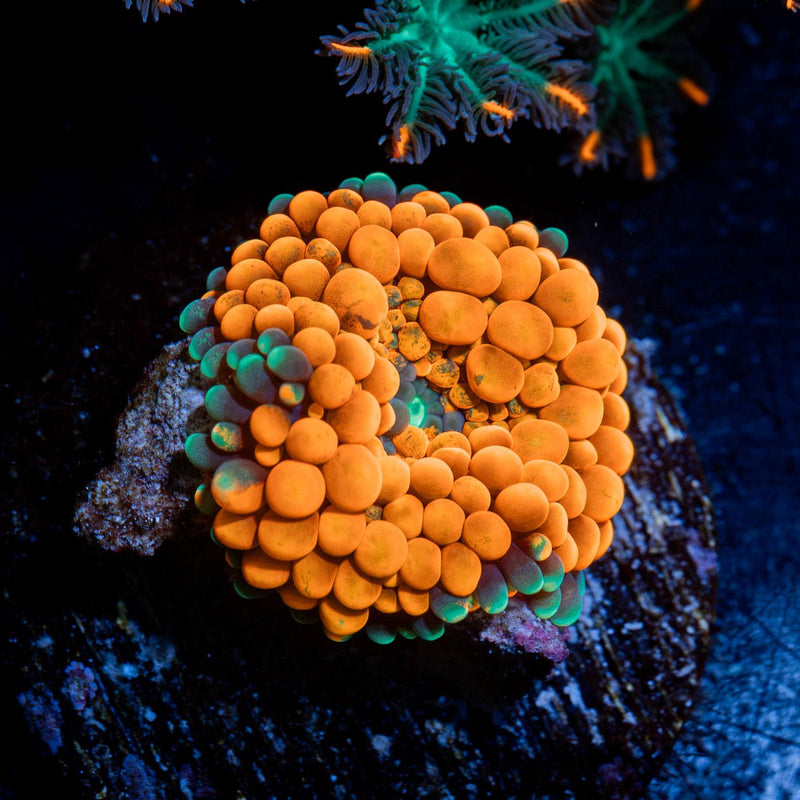
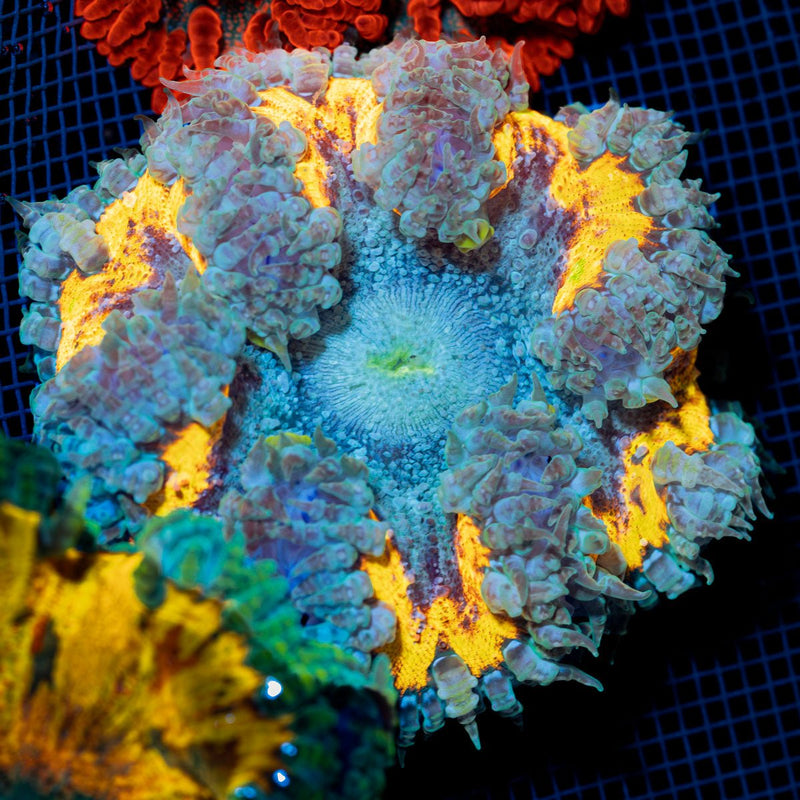
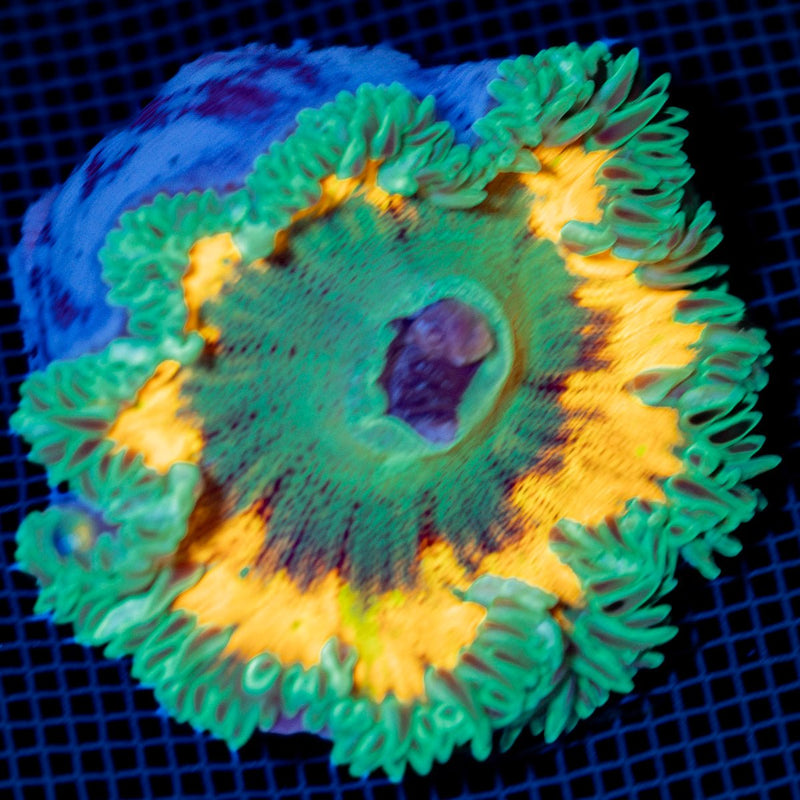
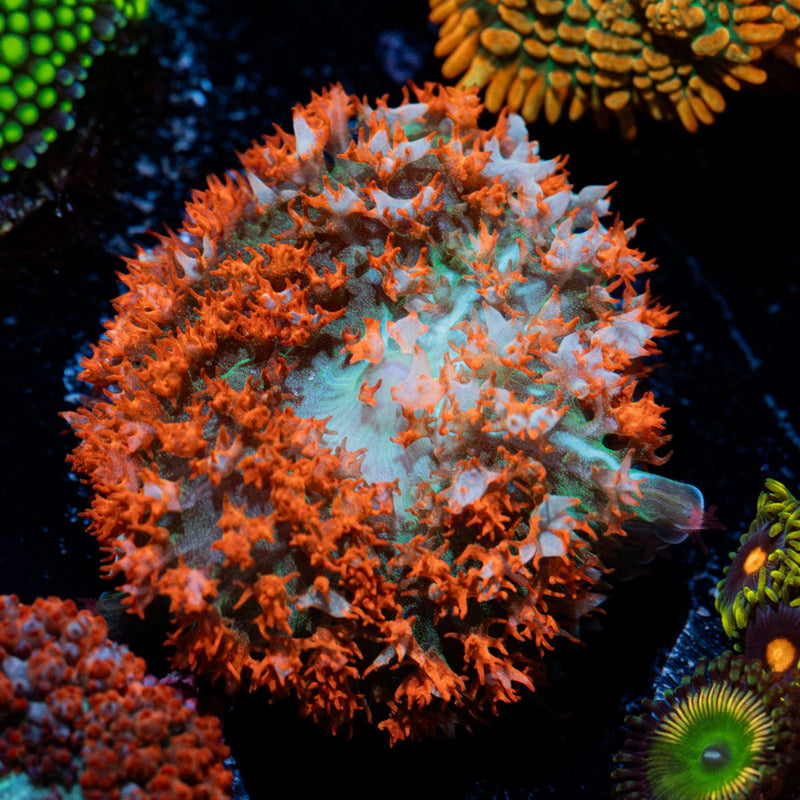
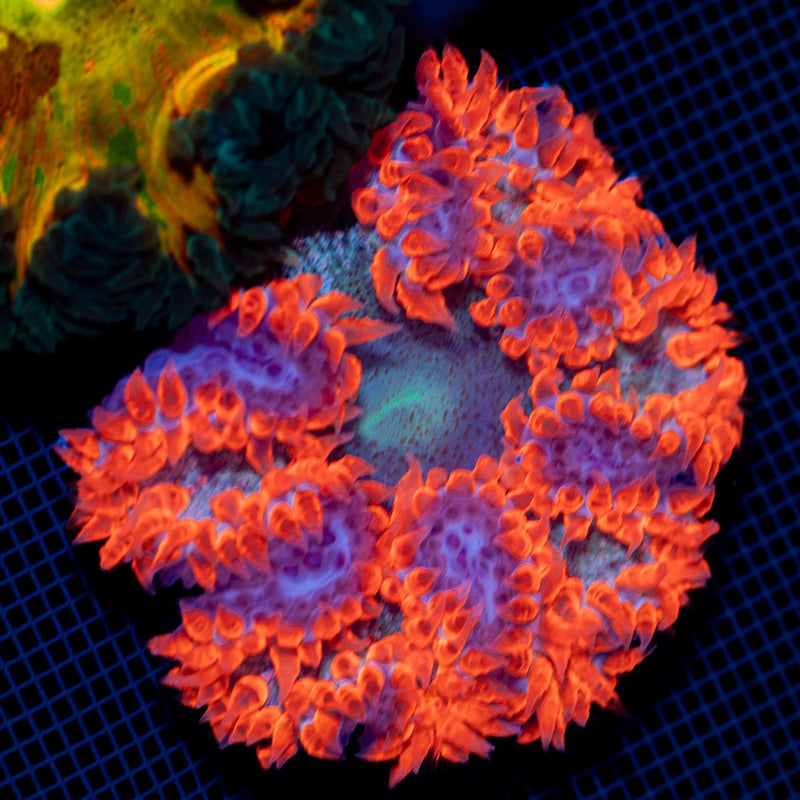
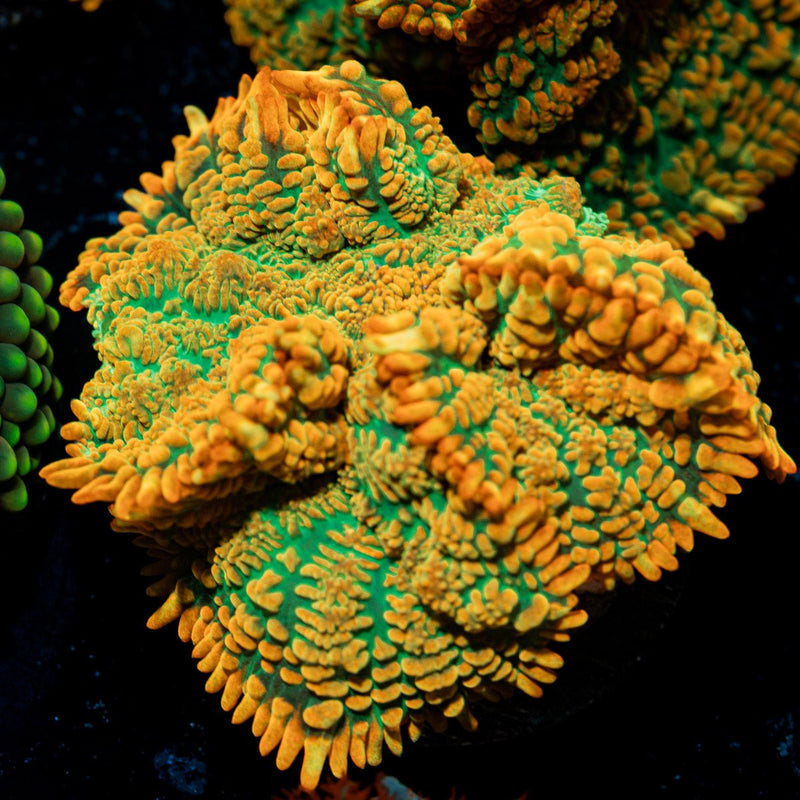
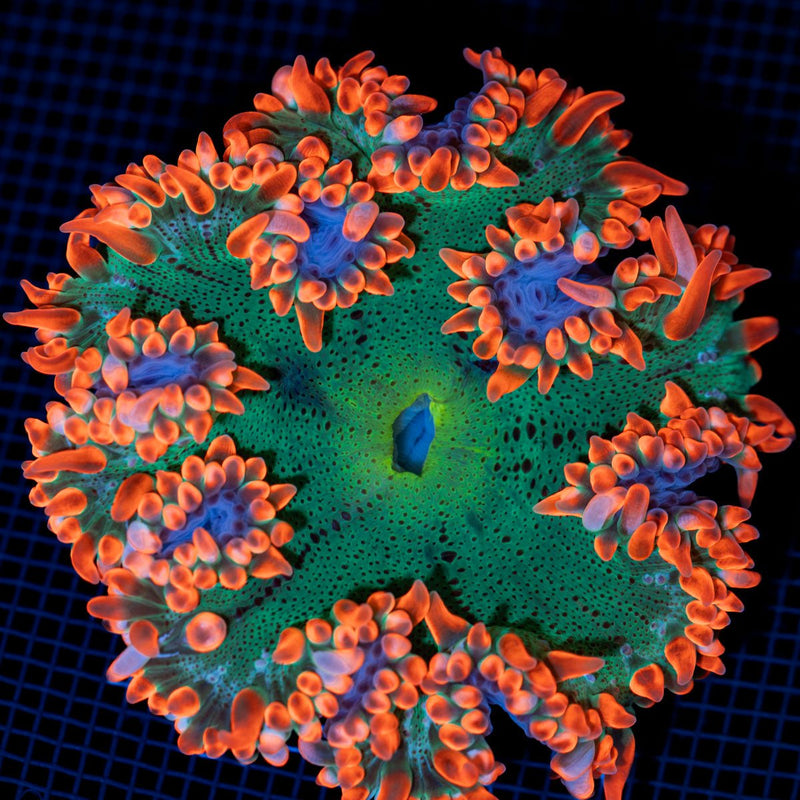
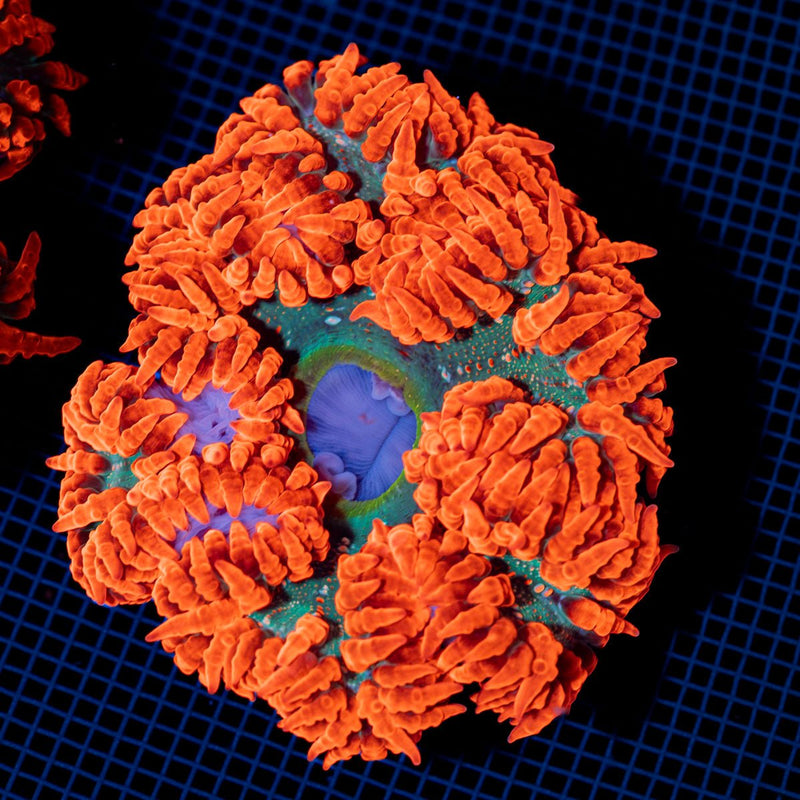
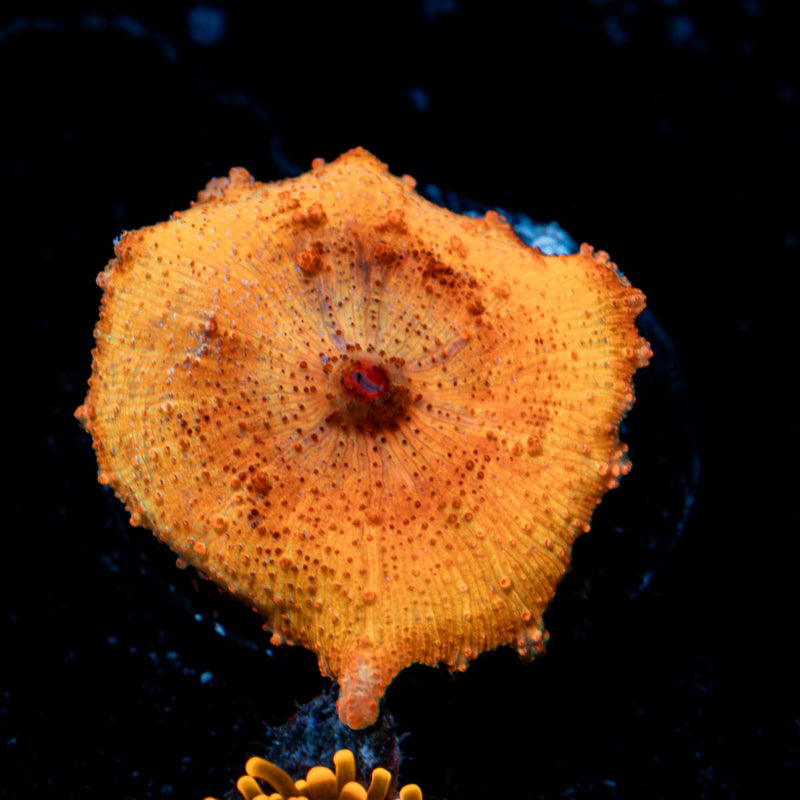
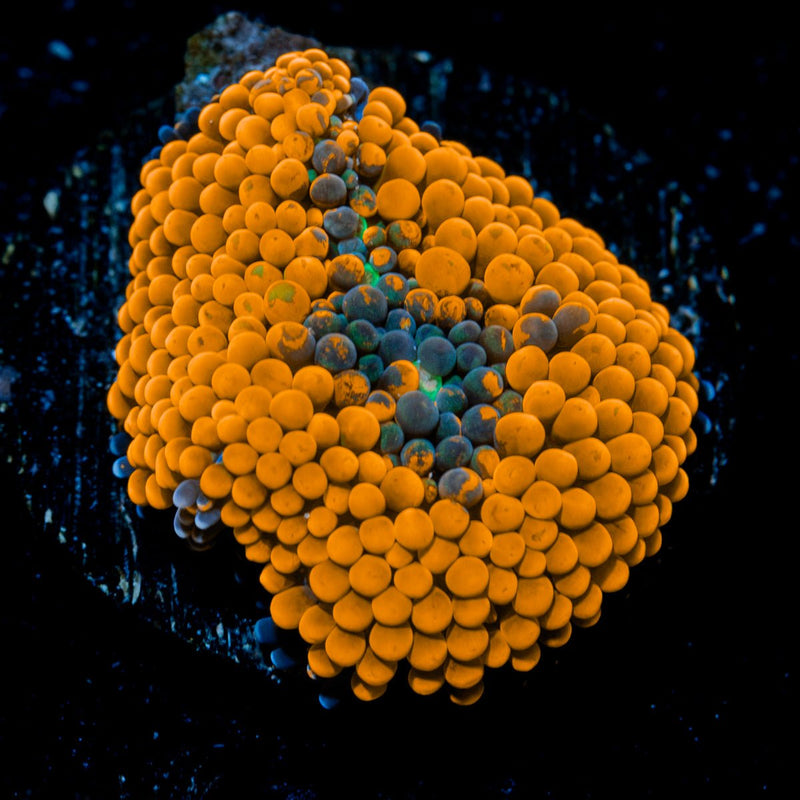
Mushrooms usually prefer lower light and gentler flow. Ricordea may tolerate somewhat brighter conditions than many Discosoma mushrooms, but both can detach and drift if they are not secured properly. Set them in a shallow cup-like rock depression or a low-flow zone until they attach. Once established, their movement and multiplying behavior make a dedicated mushroom garden a smart choice.
Leathers, Kenya trees, and other soft corals often enjoy moderate light with enough flow to shed mucus and detritus. They can release chemical compounds that irritate stony corals, especially in smaller systems. Leave space, maintain consistent filtration and water changes, and avoid crowding sensitive SPS directly down-current from a large leather colony.
Anemones Need Their Own Plan
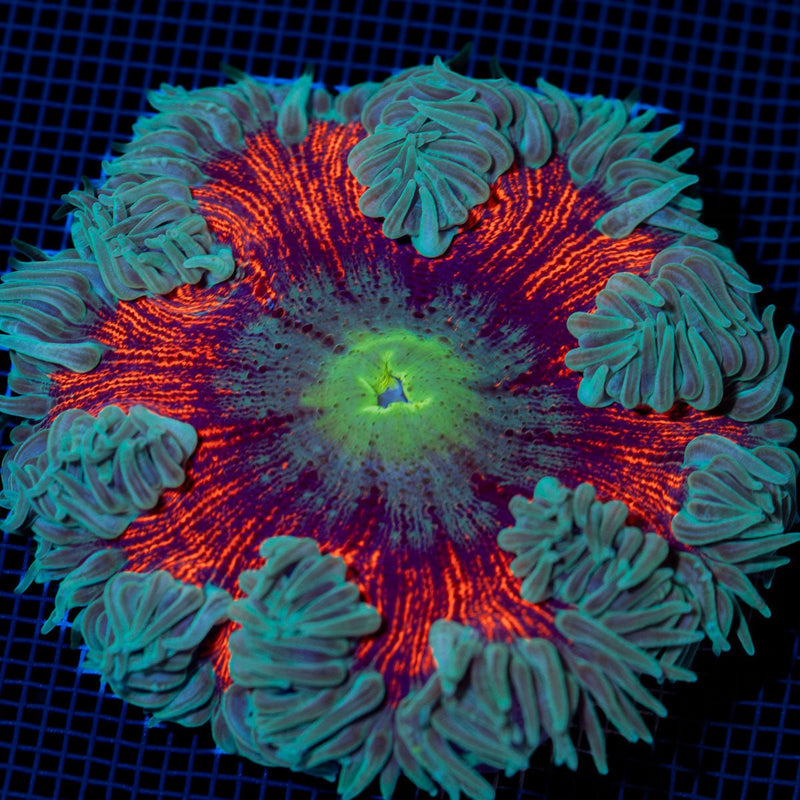
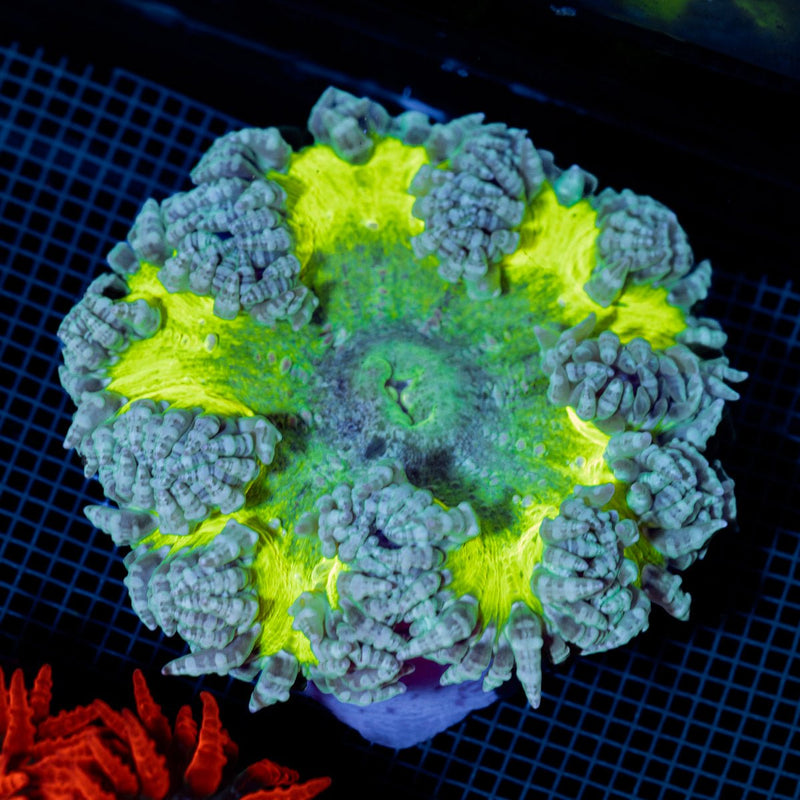
Anemones are not coral frags, and they should not be treated like fixed coral placements. Bubble tip anemones can move toward their preferred light and flow, potentially stinging corals along the way. Introduce them only to a stable, mature system, protect pump intakes, and reserve an area with a clear path away from valuable coral colonies.
If an anemone begins roaming, resist the urge to repeatedly force it into a new location. First assess whether its current position has unsuitable light, flow, or water quality. A settled anemone is far less likely to become a wandering hazard.
Space Is a Care Requirement, Not Empty Real Estate
A frag rack can make corals look safely separated, but the display reef tells a different story. Corals grow, shade, sting, and sometimes engage in chemical competition. Plan placement for the colony a frag can become, not only the one-inch piece you brought home.
Leave extra room around fast-growing SPS, encrusting Montipora, zoanthid colonies, and aggressive LPS. Consider vertical space too. A coral placed beneath a future plating Montipora or a large branching Acropora may thrive now and struggle later.
When possible, keep corals with similar demands together. A higher-light SPS zone, a moderate-flow Euphyllia garden, and a lower-light mushroom or chalice area make it easier to tune your tank without compromising one group for another. It also creates a more intentional, visually layered reefscape.
Read the Coral Before You Move It
Do not relocate a new frag every day. Corals need time to respond, and frequent moves can create more stress than the original placement. After an initial acclimation period, look for patterns over several days rather than reacting to one closed afternoon.
Signs a coral may need less light include bleaching, paling, or tissue that remains tightly withdrawn. A coral reaching or stretching upward may be asking for more light, although flow and general health can also affect posture. Tissue recession, persistent debris buildup, or one-sided damage often points to a flow issue. With LPS, inflated tissue and natural, relaxed movement are usually encouraging signs.
Make one adjustment at a time. Move the frag a little lower, higher, or sideways into different flow, then allow it to settle. Stable temperature, salinity, alkalinity, calcium, magnesium, and nutrient levels remain the foundation. Perfect placement cannot compensate for unstable water chemistry.
Riptide Aquaculture corals are grown for reef aquariums, but every home tank has its own light, flow, and personality. Place each new frag with patience, leave room for its future, and let its response guide the next small adjustment. That is how a collection of beautiful frags becomes a reef that looks vibrant from every angle.