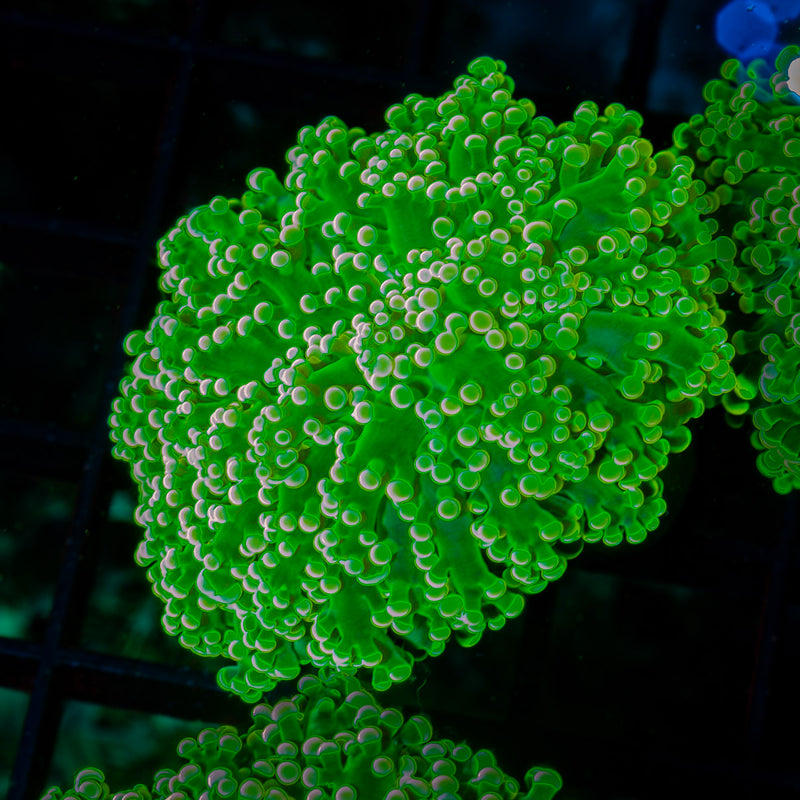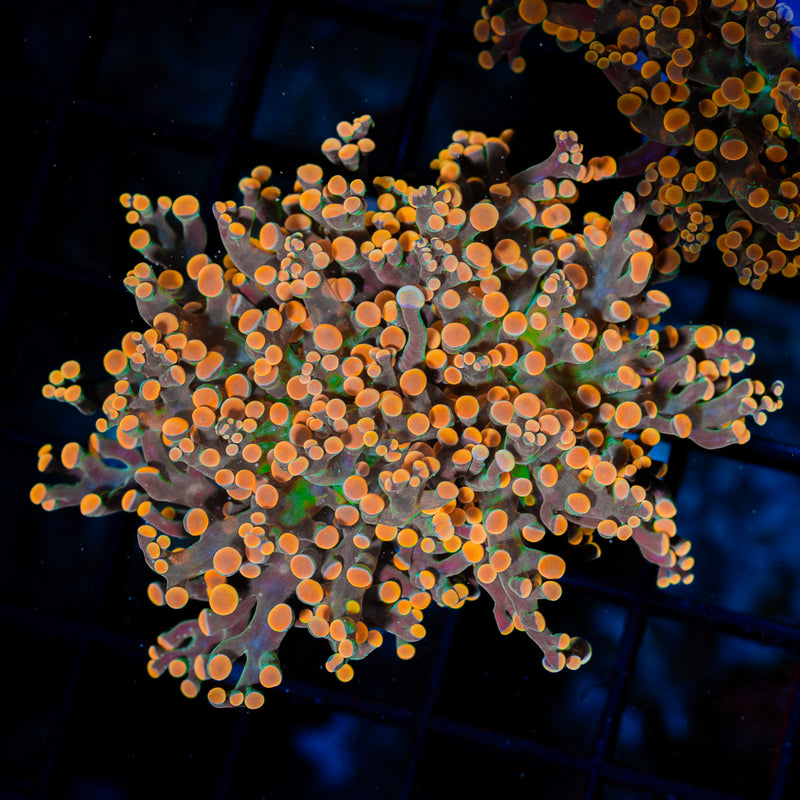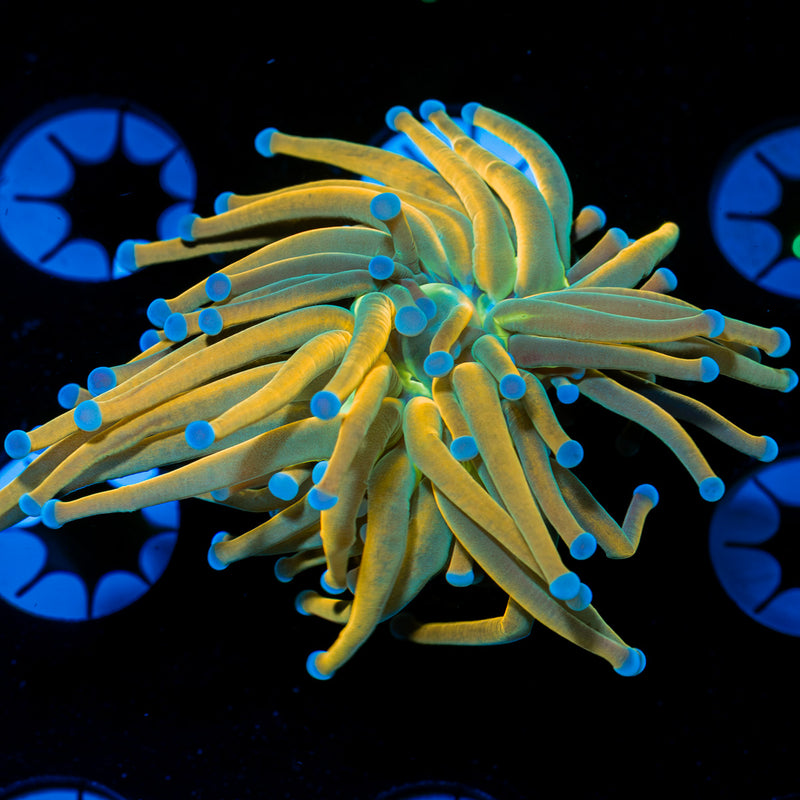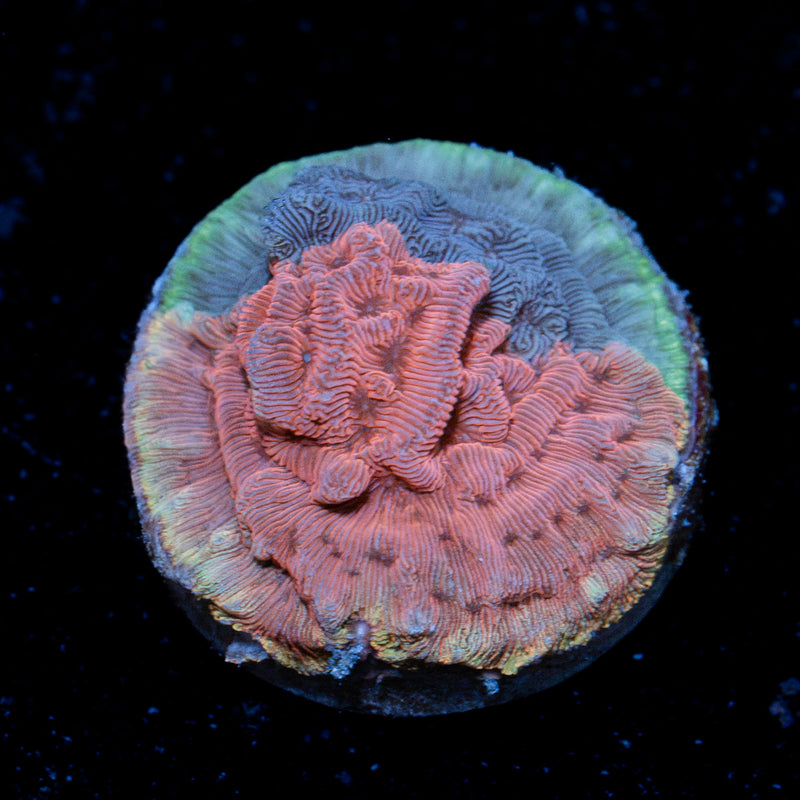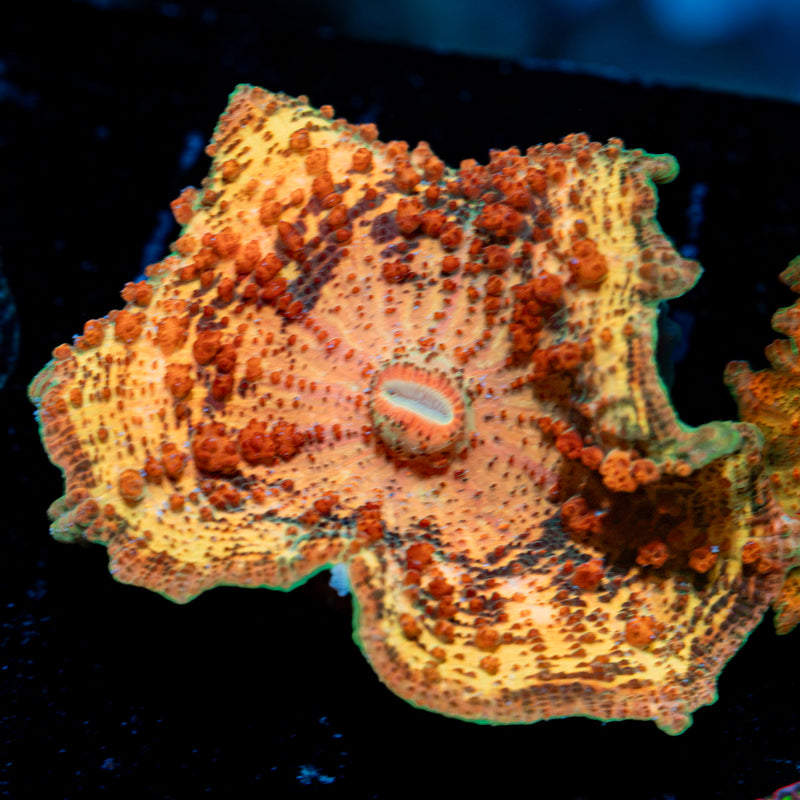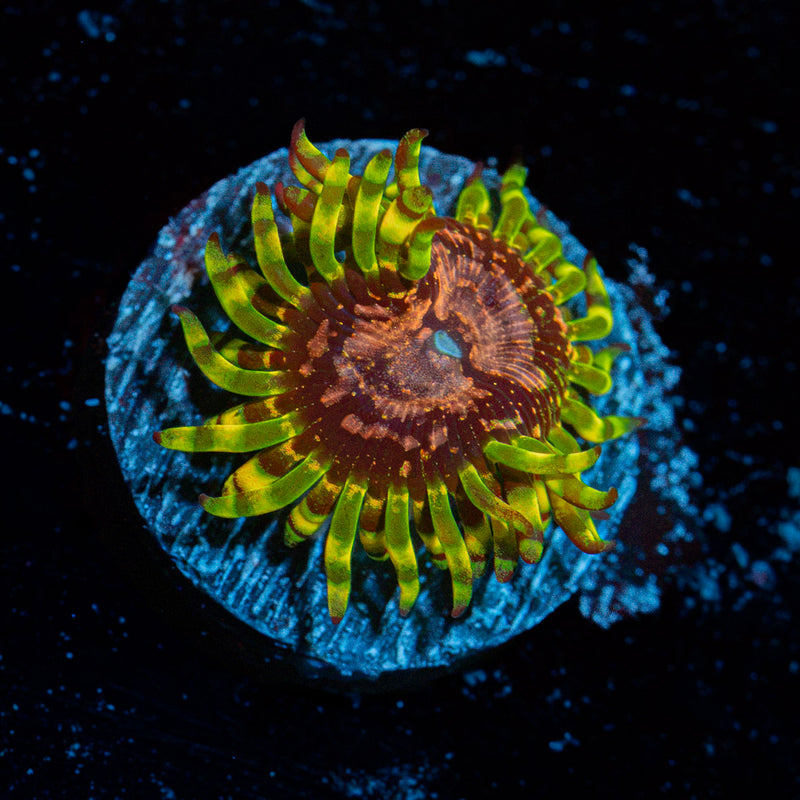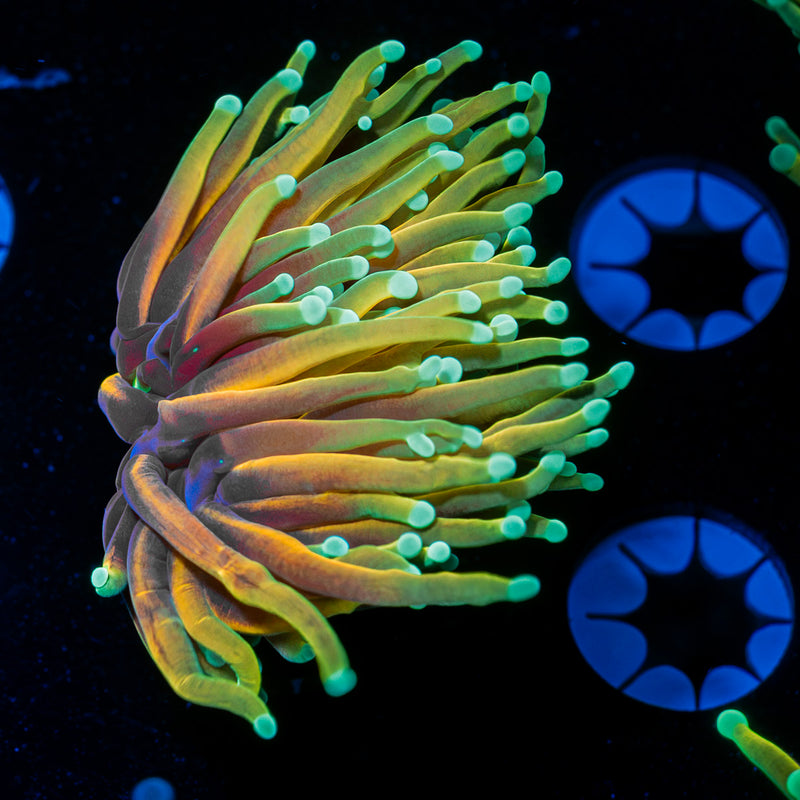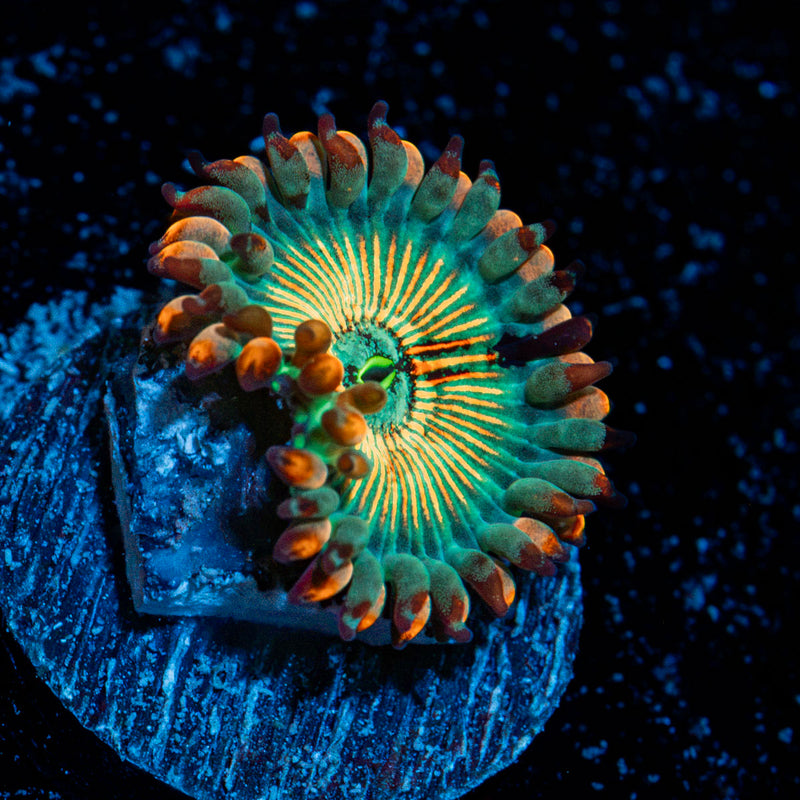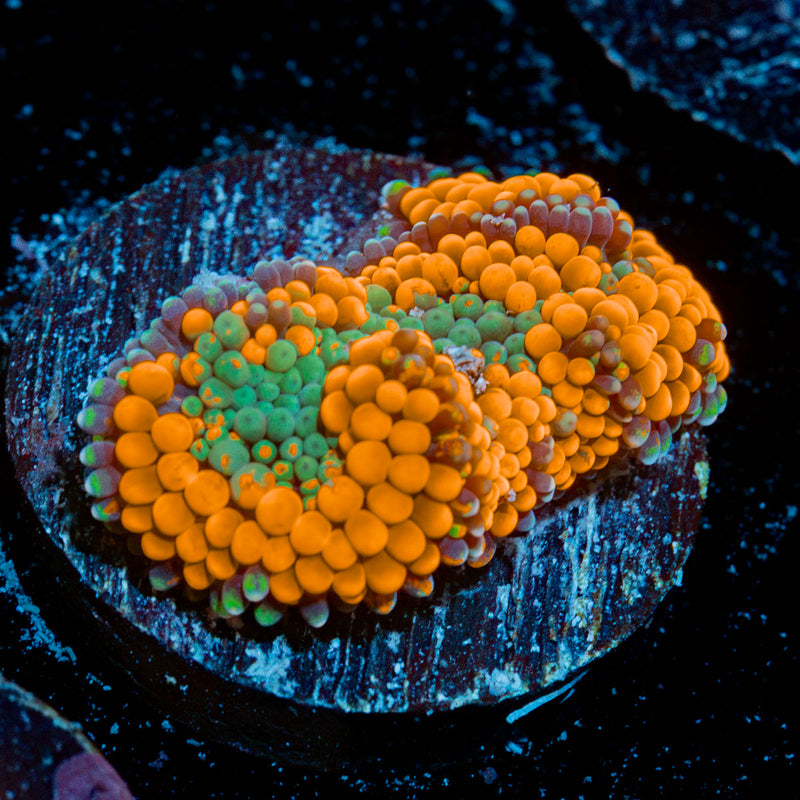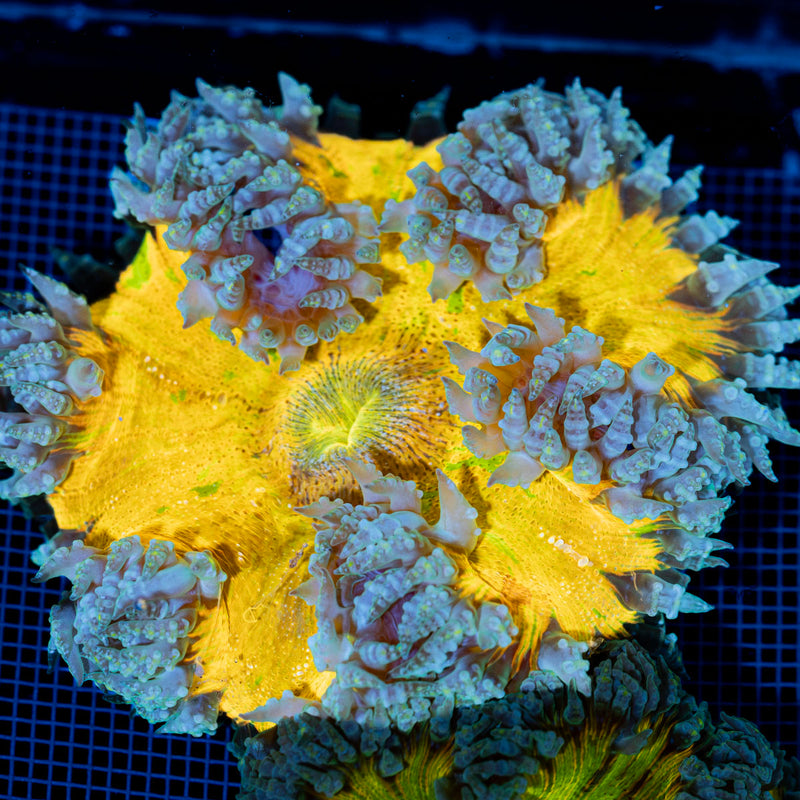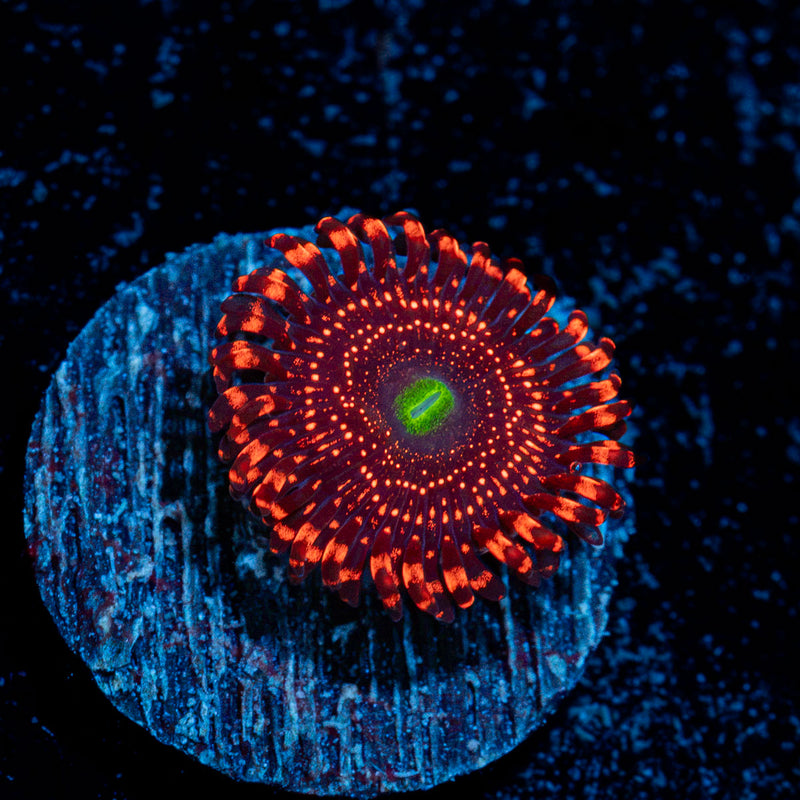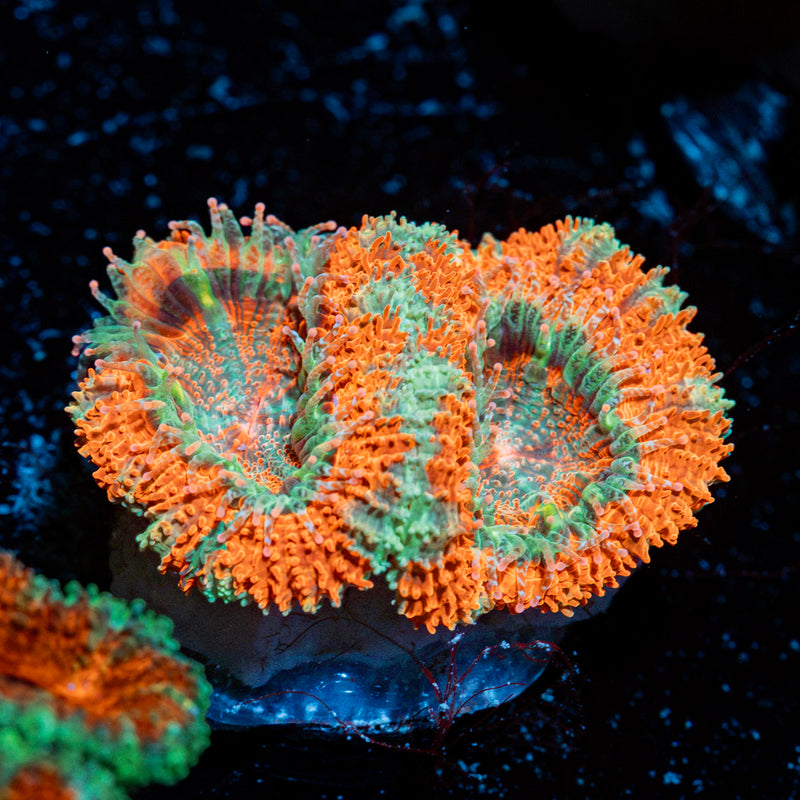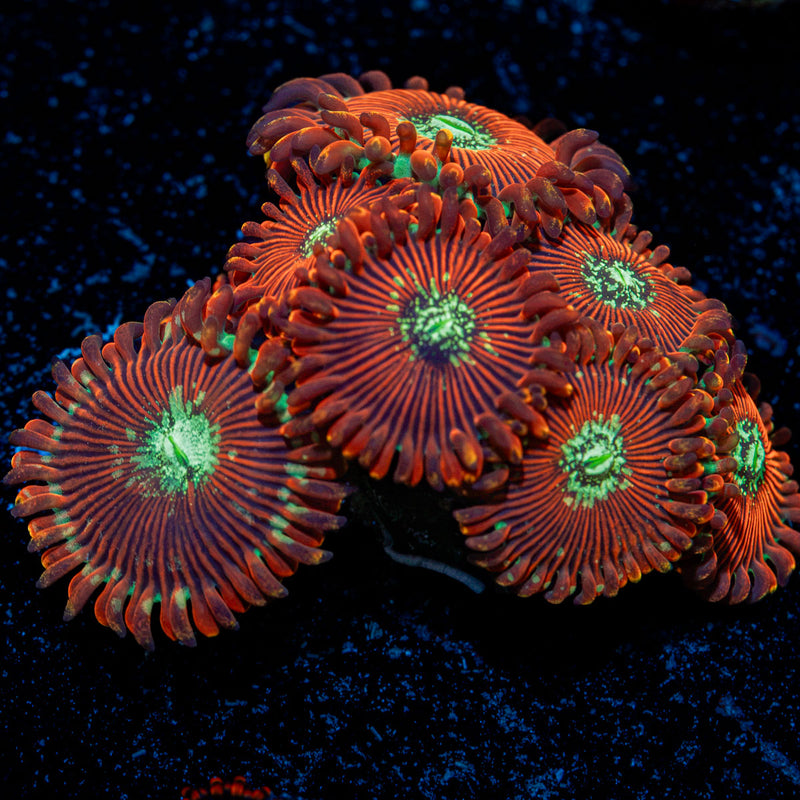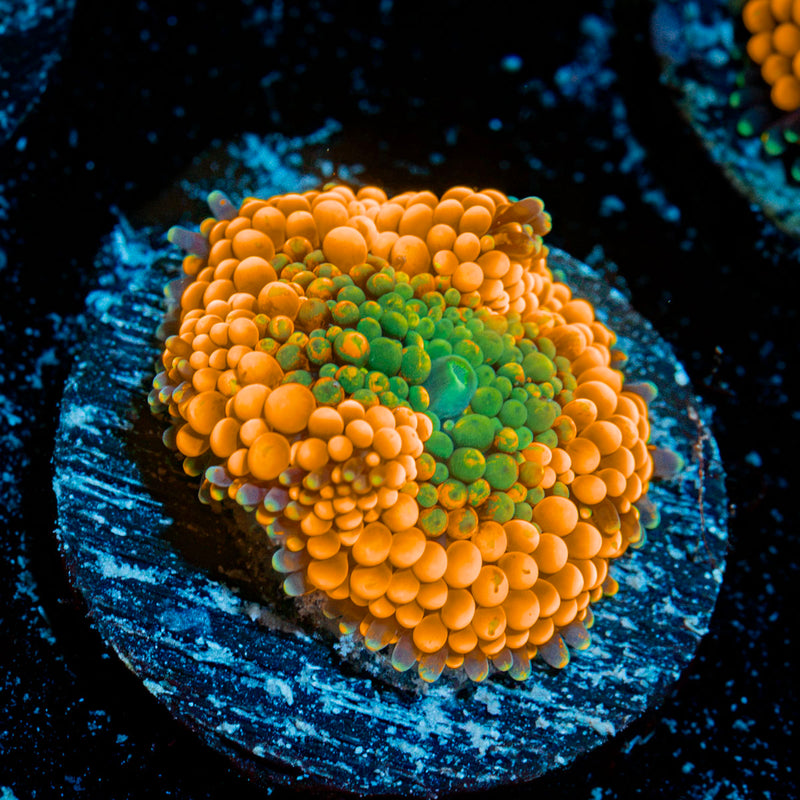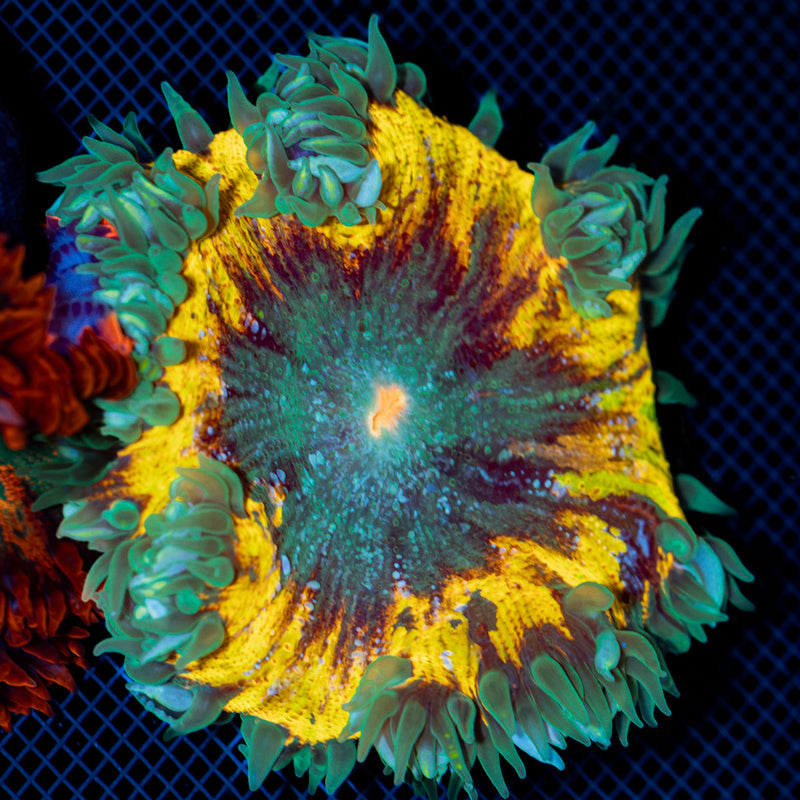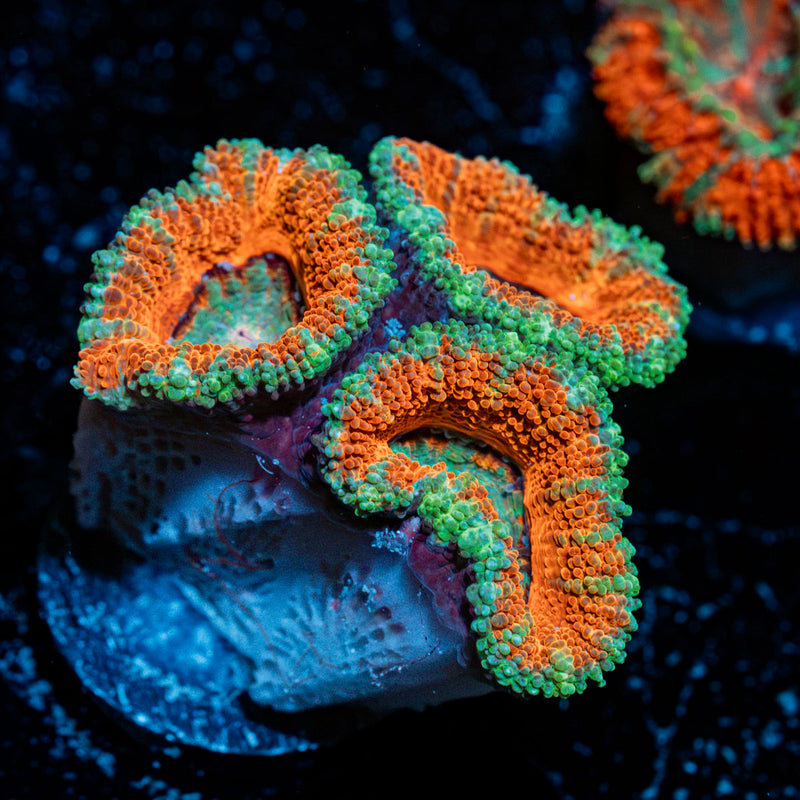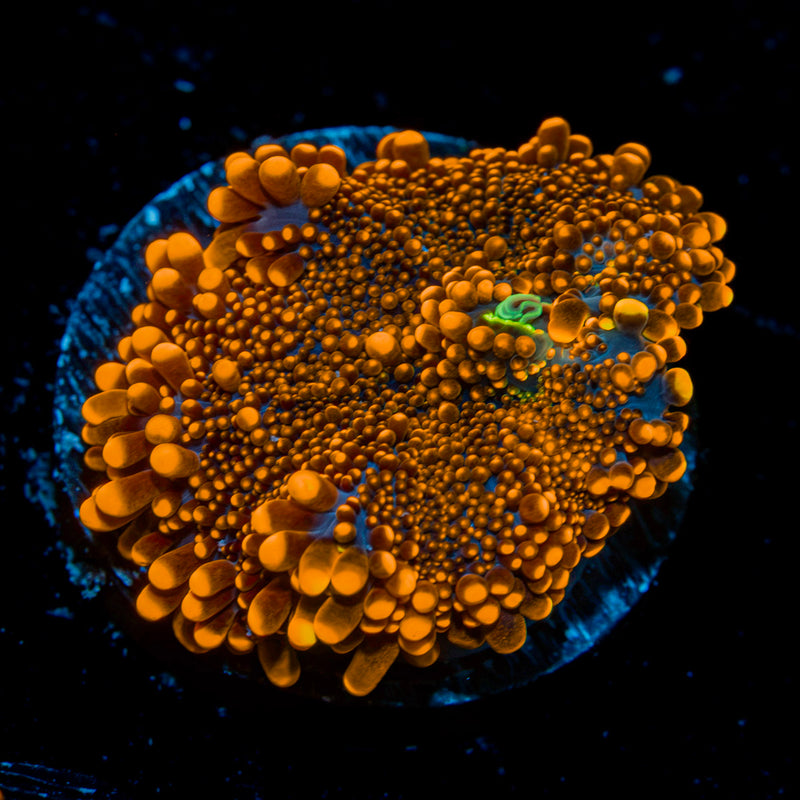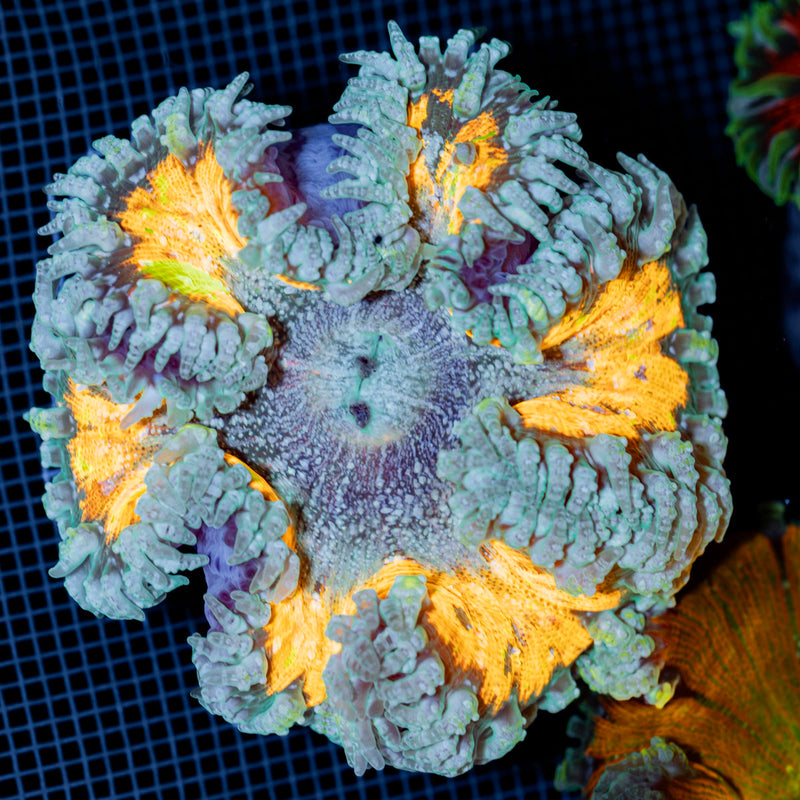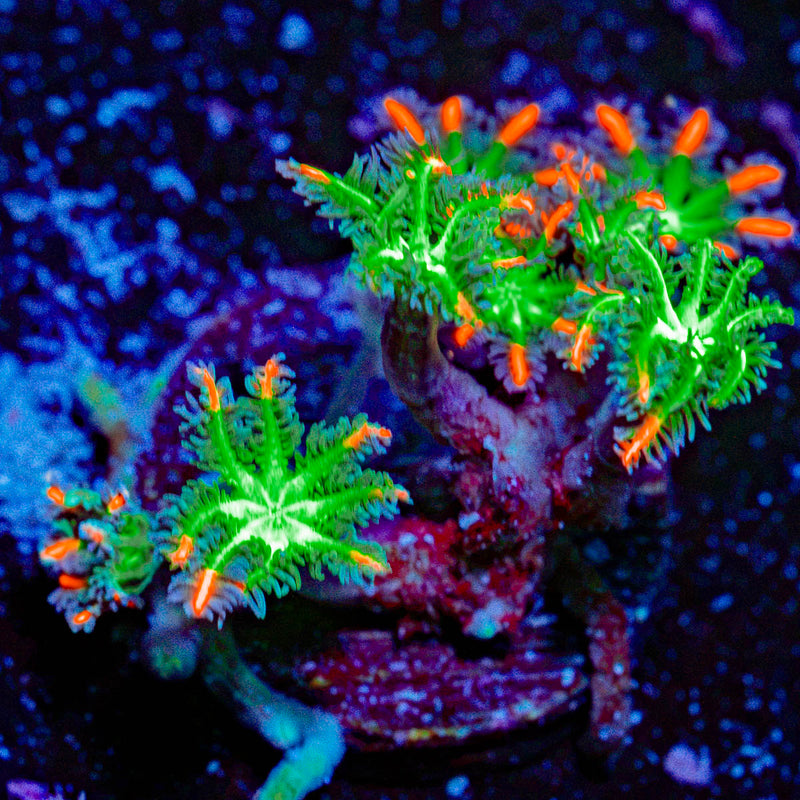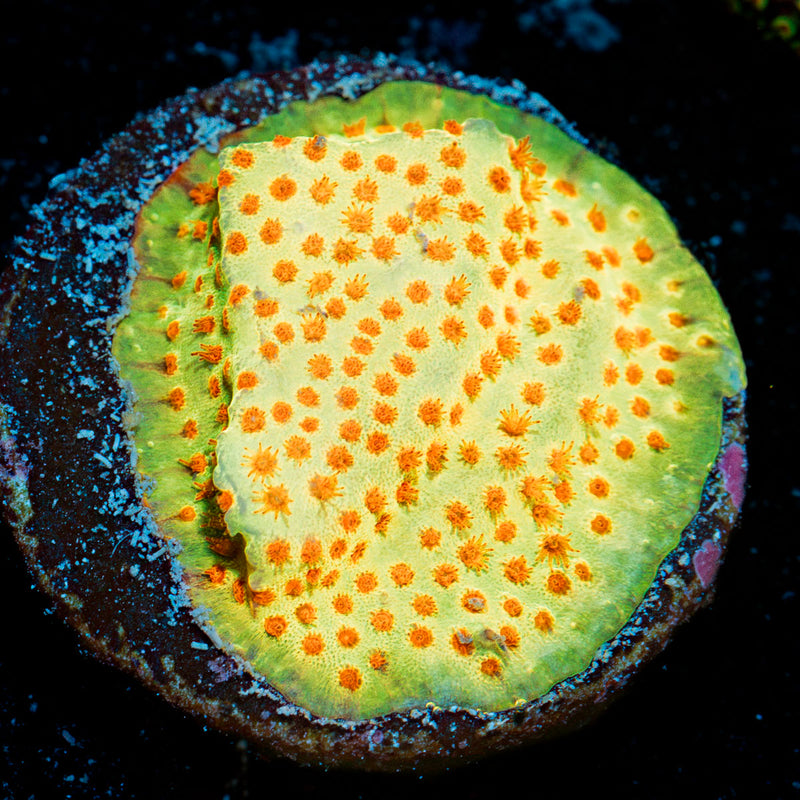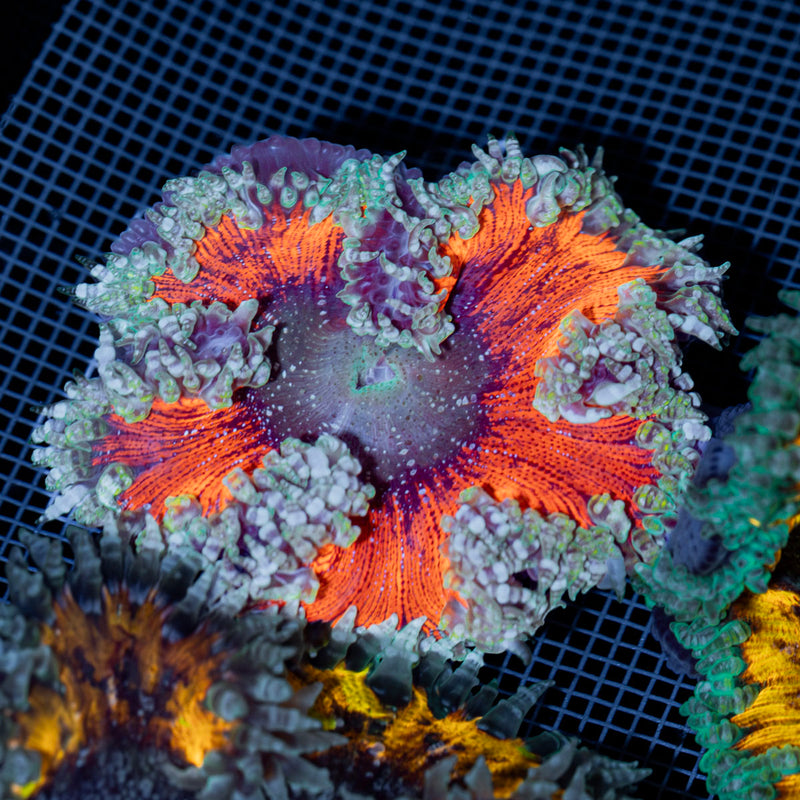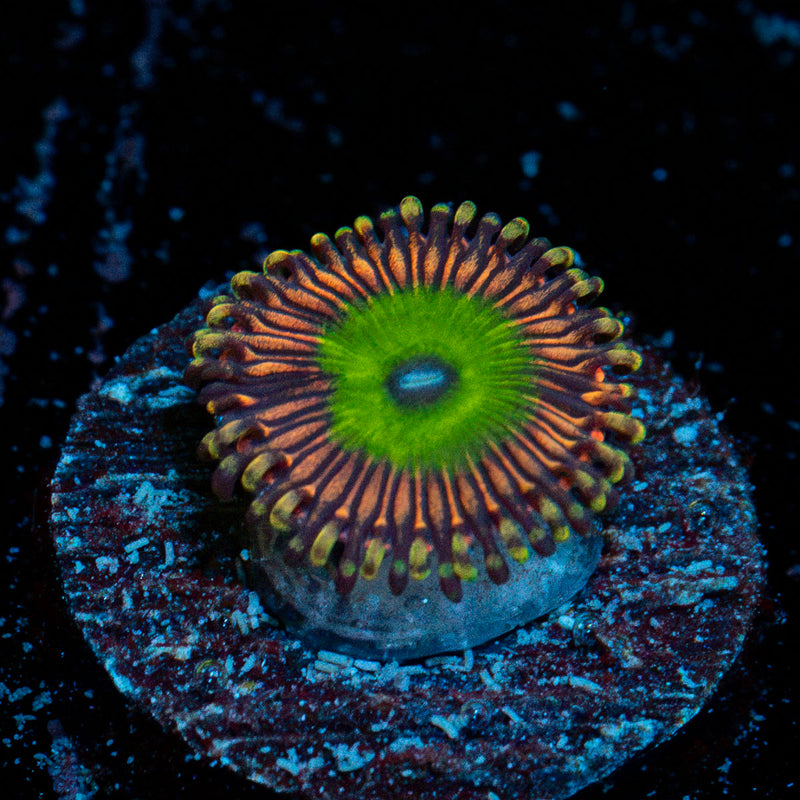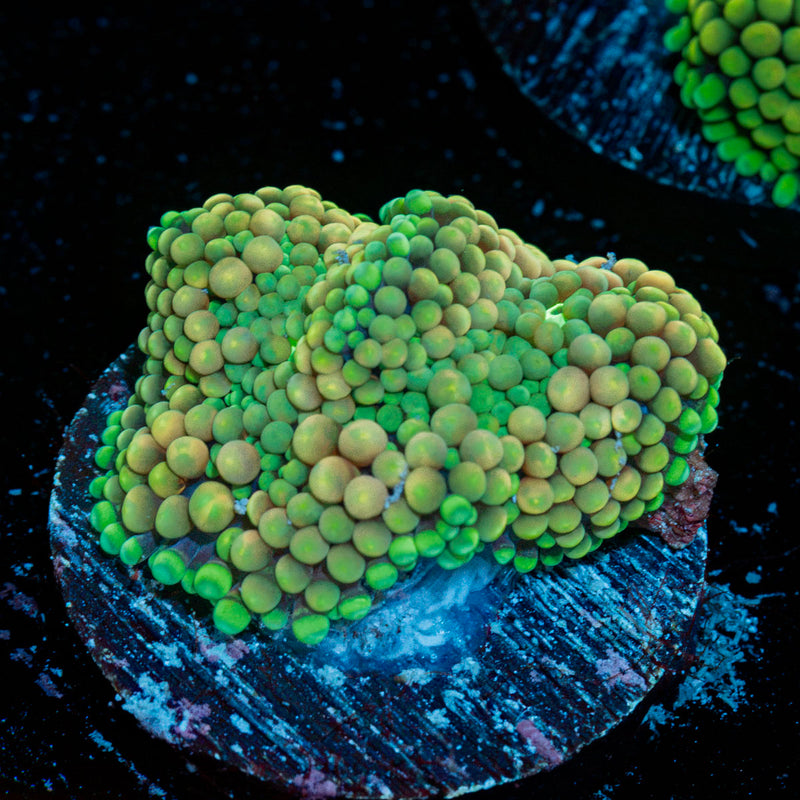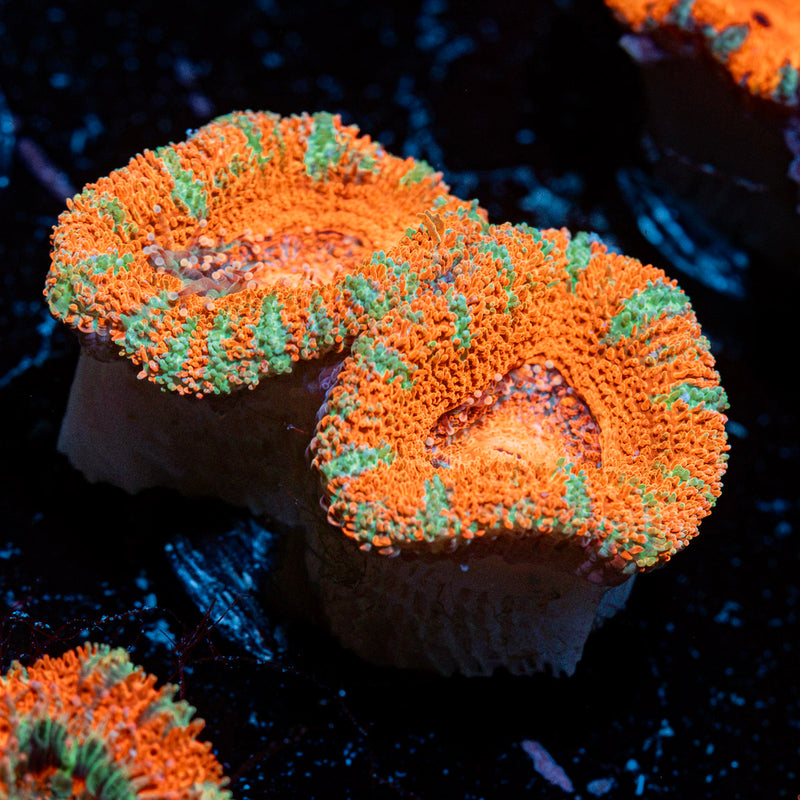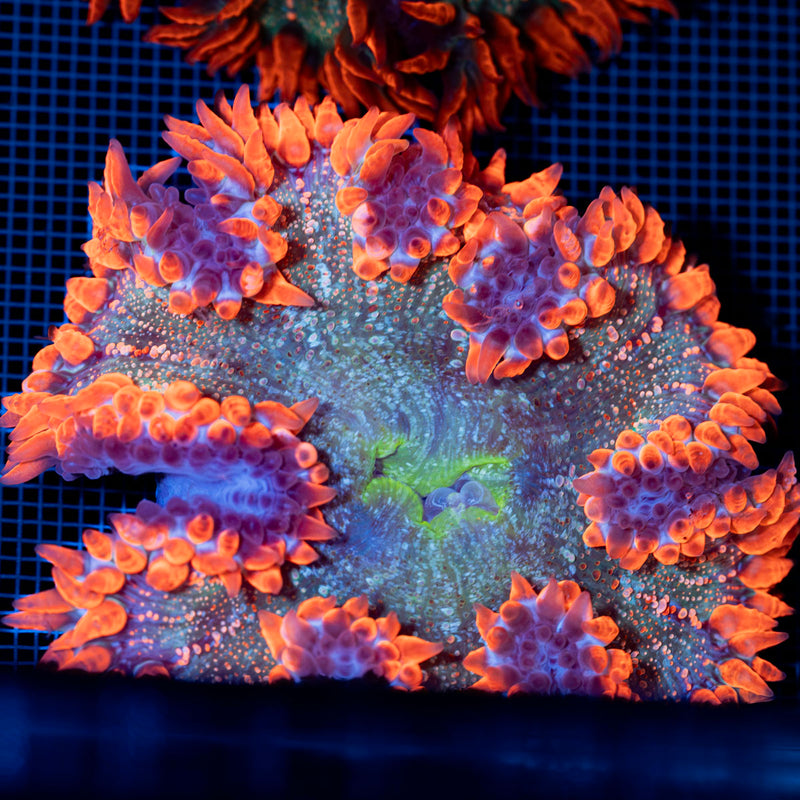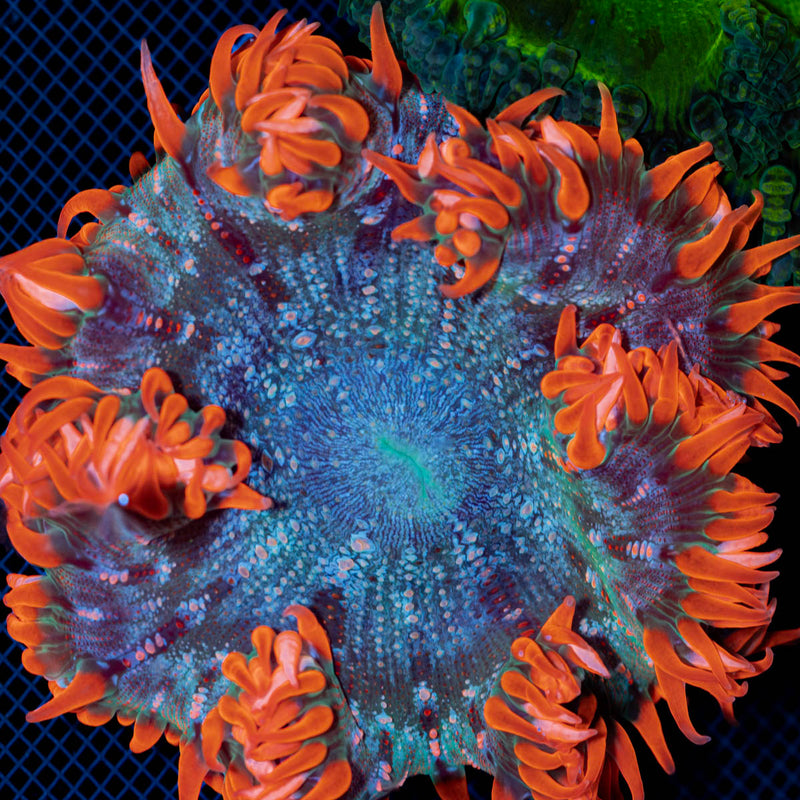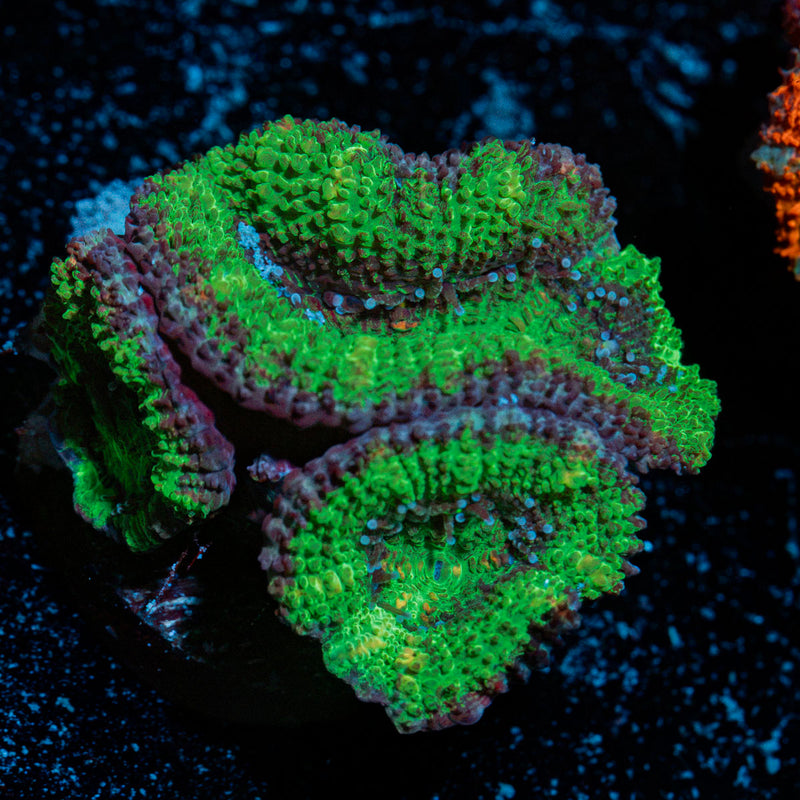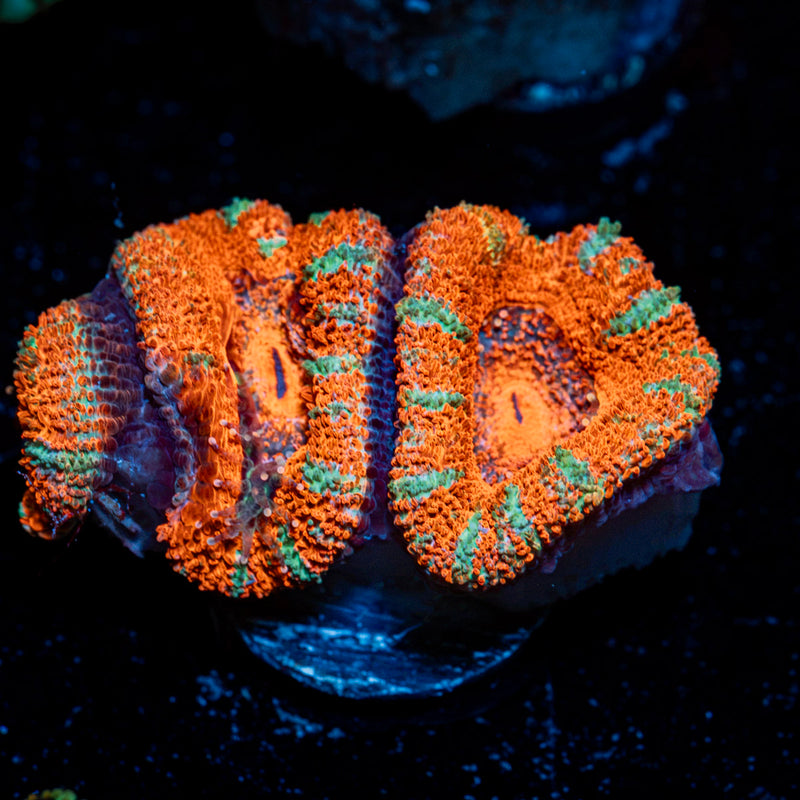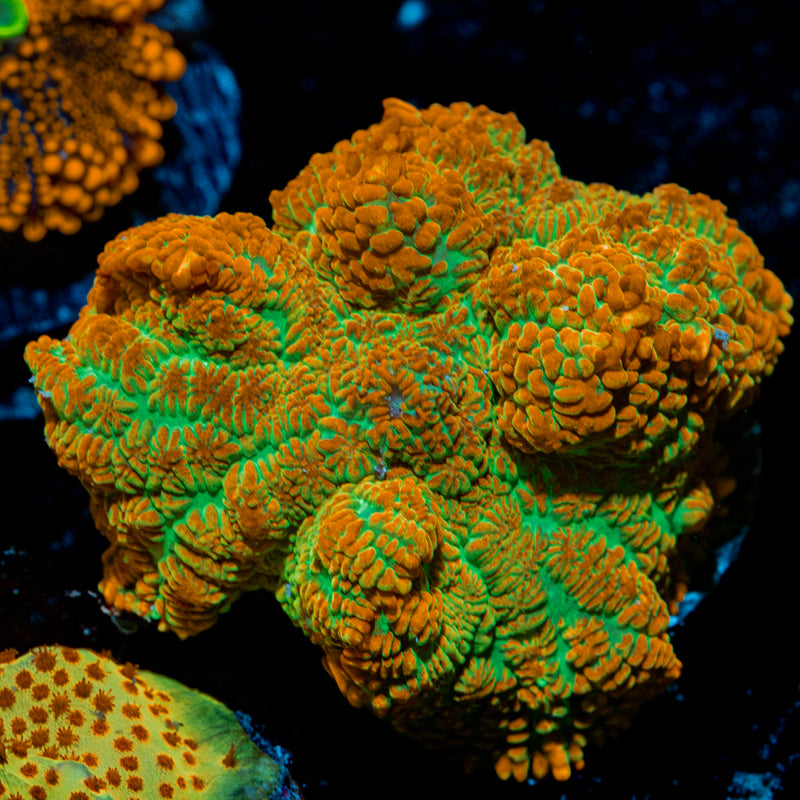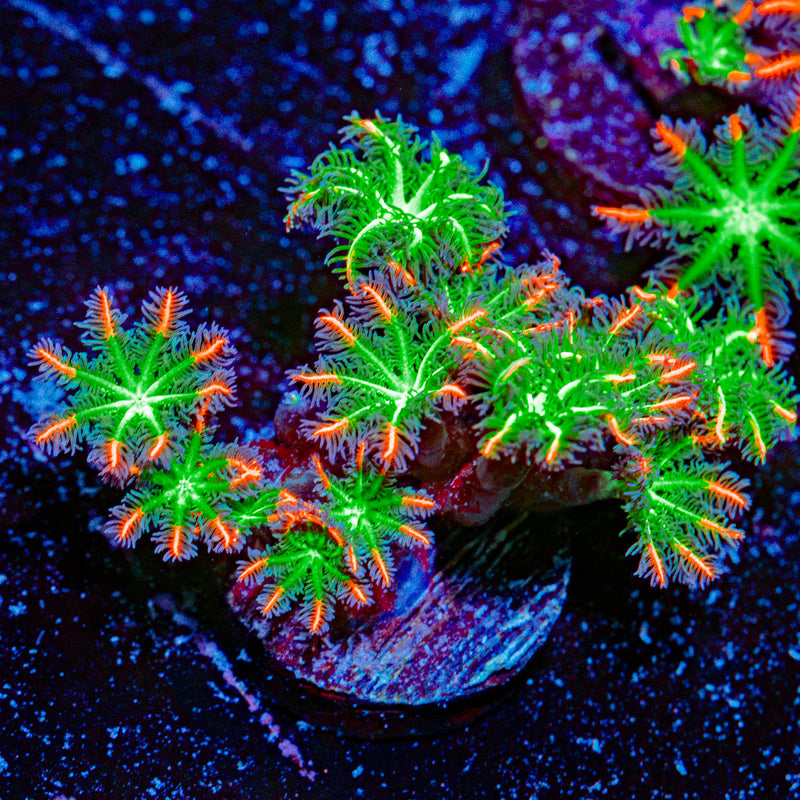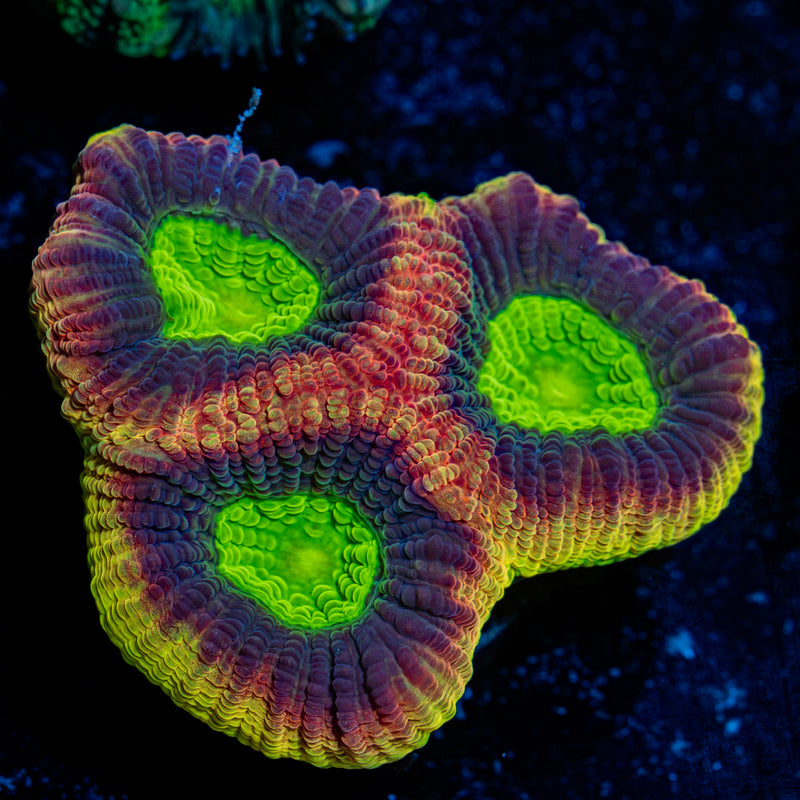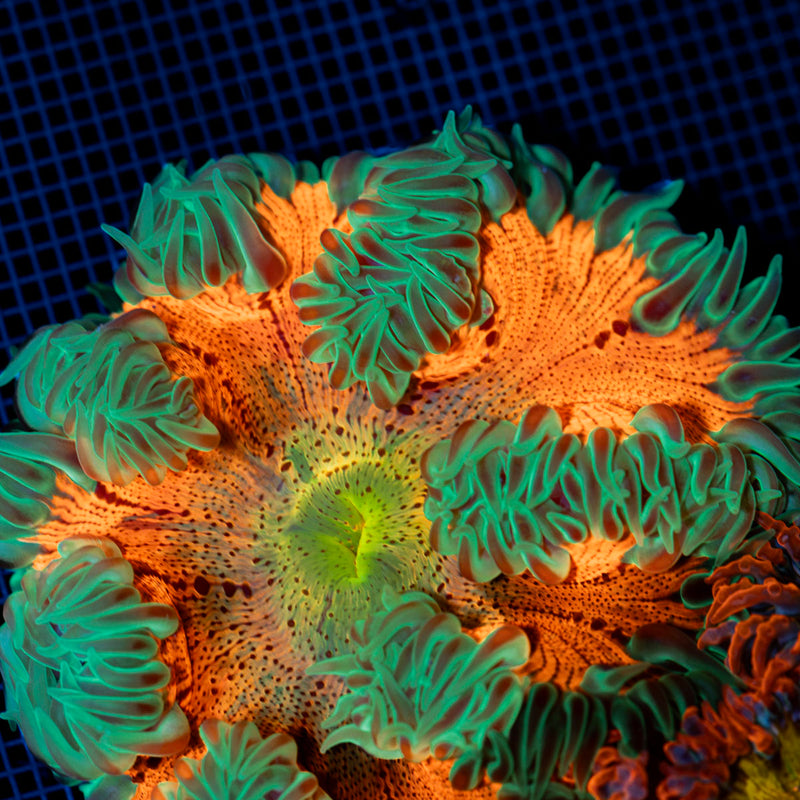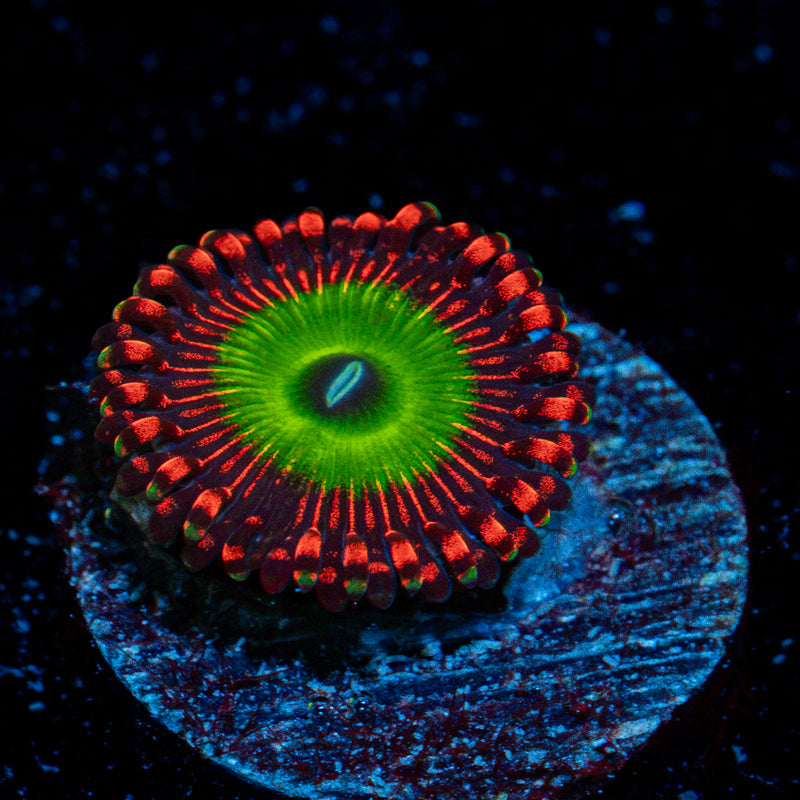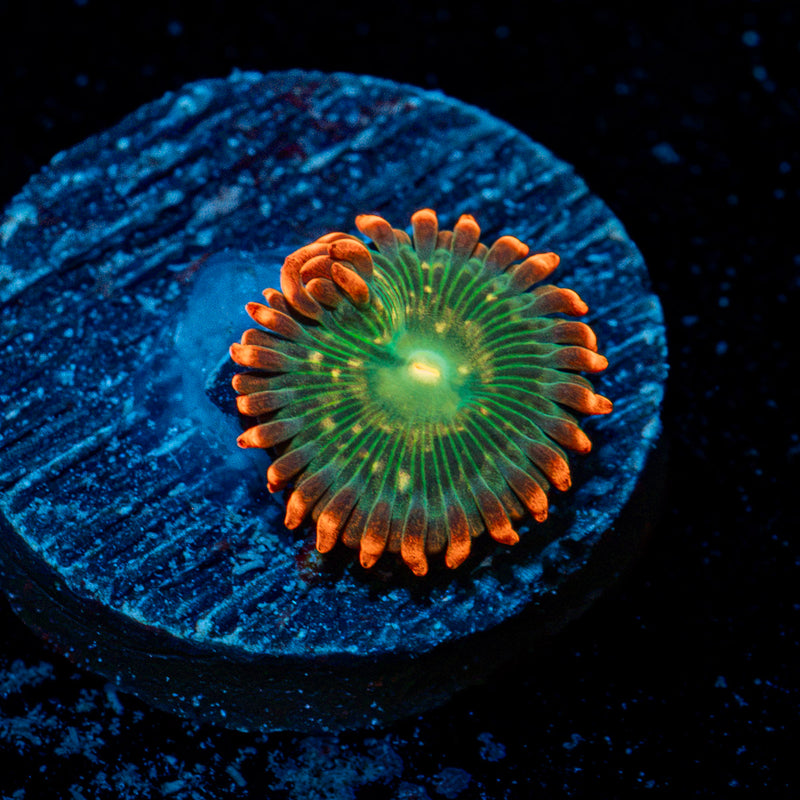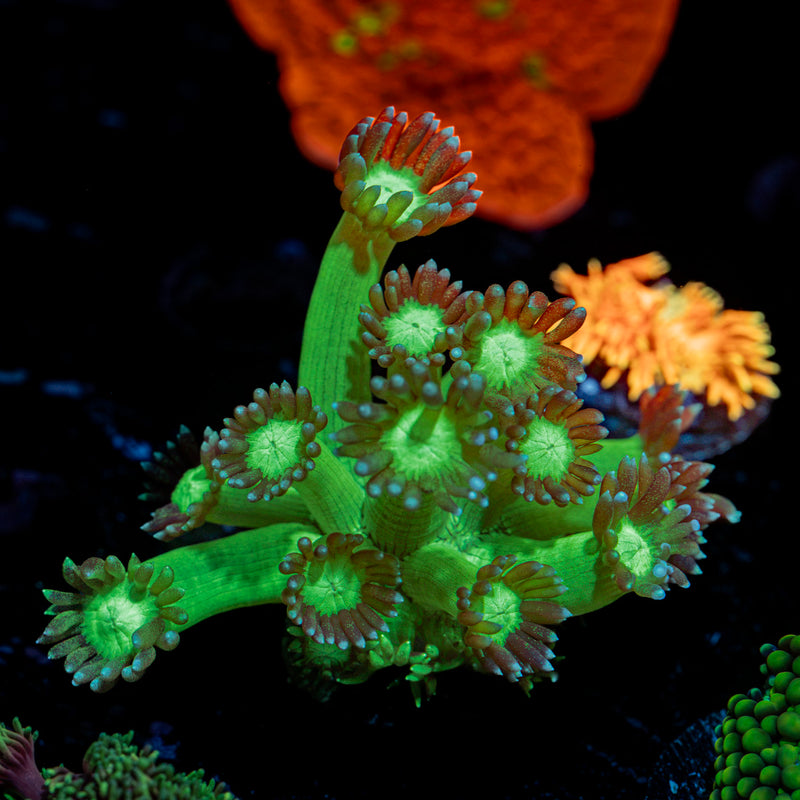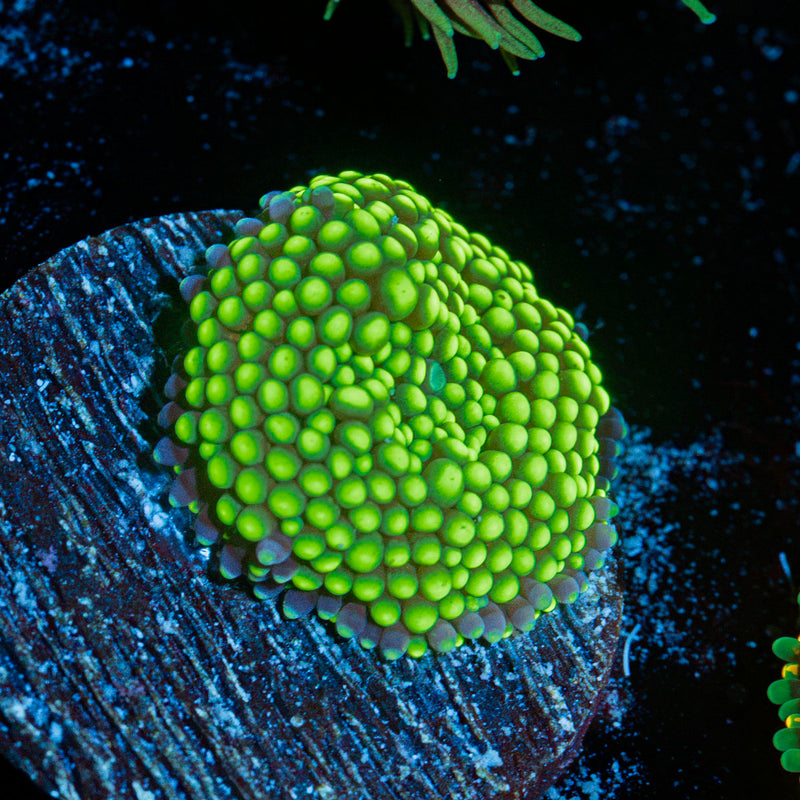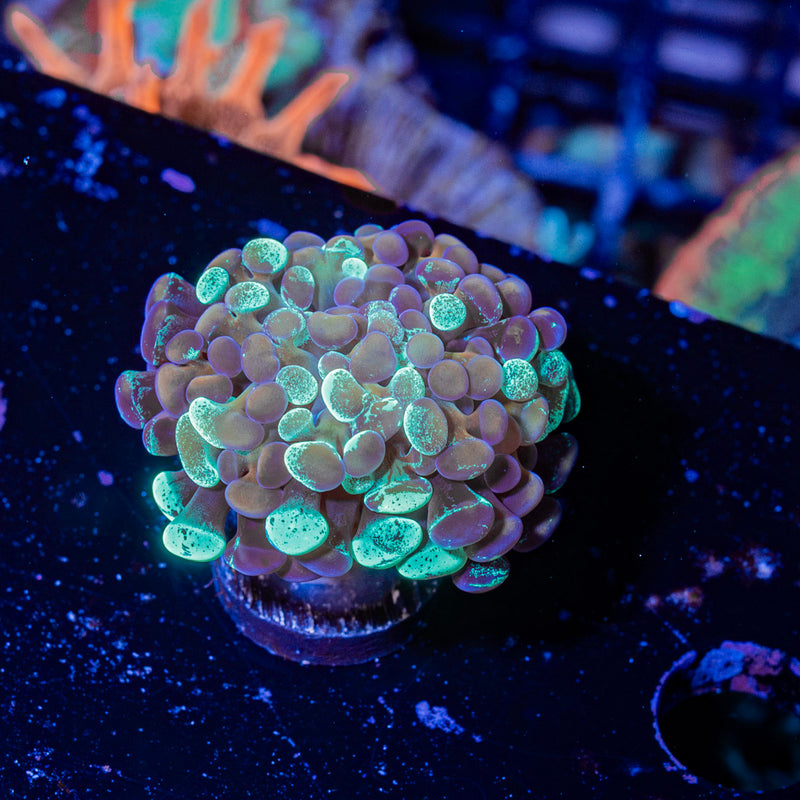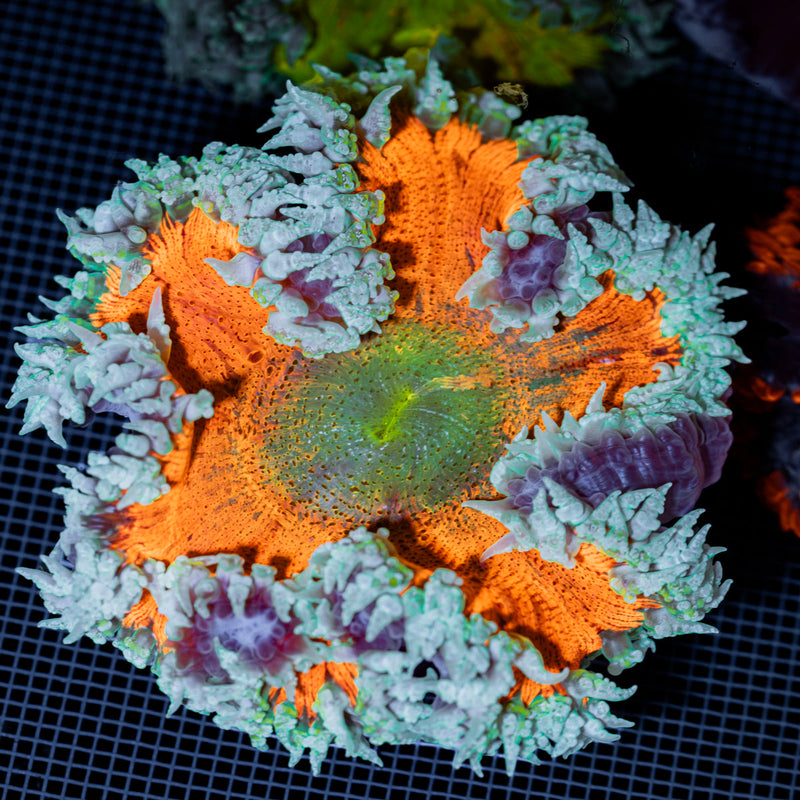
A colorful coral frag can look like a tiny living jewel under reef lighting, but every hobbyist knows the question behind the purchase: will it actually thrive in my tank? Aquarists often ask, “Are aquacultured corals easier to keep?” In many cases, yes. Captive-grown corals are commonly better prepared for aquarium life than freshly collected wild specimens. That advantage is real, but it does not replace stable water, sensible placement, or patience during acclimation.
For a first reef tank, aquacultured corals can remove some of the uncertainty from stocking. For an established reef, they can offer dependable growth, striking color, and a more reef-safe way to build a collection. The key is understanding what “easier” really means.
Why Aquacultured Corals Are Often Easier
Aquacultured corals have spent generations, or at least substantial time, growing under aquarium conditions. They are accustomed to filtered saltwater, artificial lighting, controlled flow, regular feeding, and the small day-to-day variations that happen in a home reef system. Wild corals must make a much bigger adjustment when they move from the ocean into an aquarium.
That familiarity can make a noticeable difference after introduction. A healthy aquacultured frag is more likely to recognize aquarium lighting and feeding opportunities, settle onto its new rockwork, and resume opening or encrusting once it has acclimated. This does not mean every frag will thrive in every tank. It means the coral starts with experience in an environment much closer to yours.
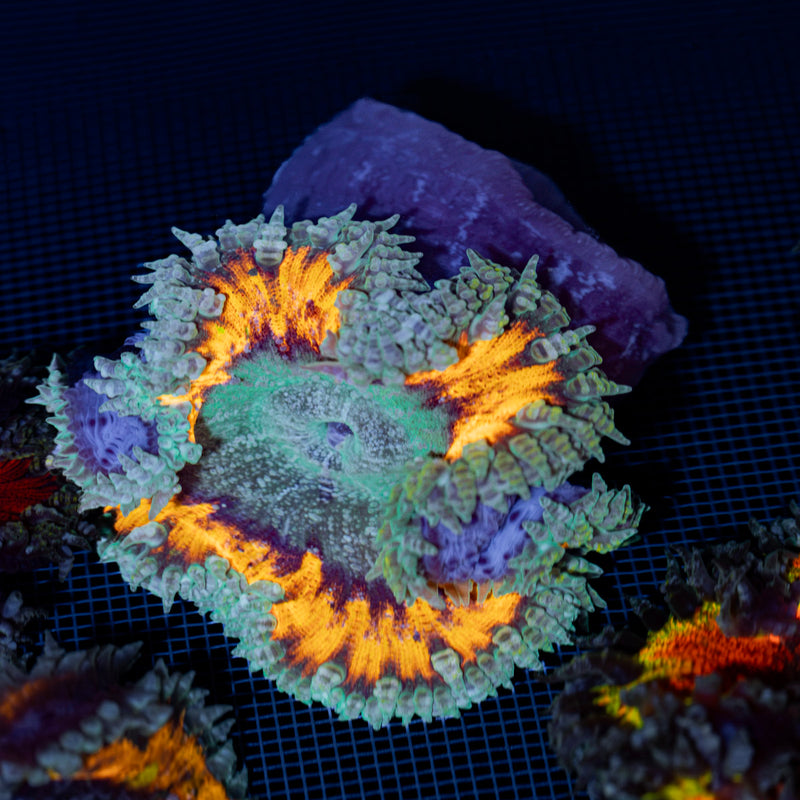
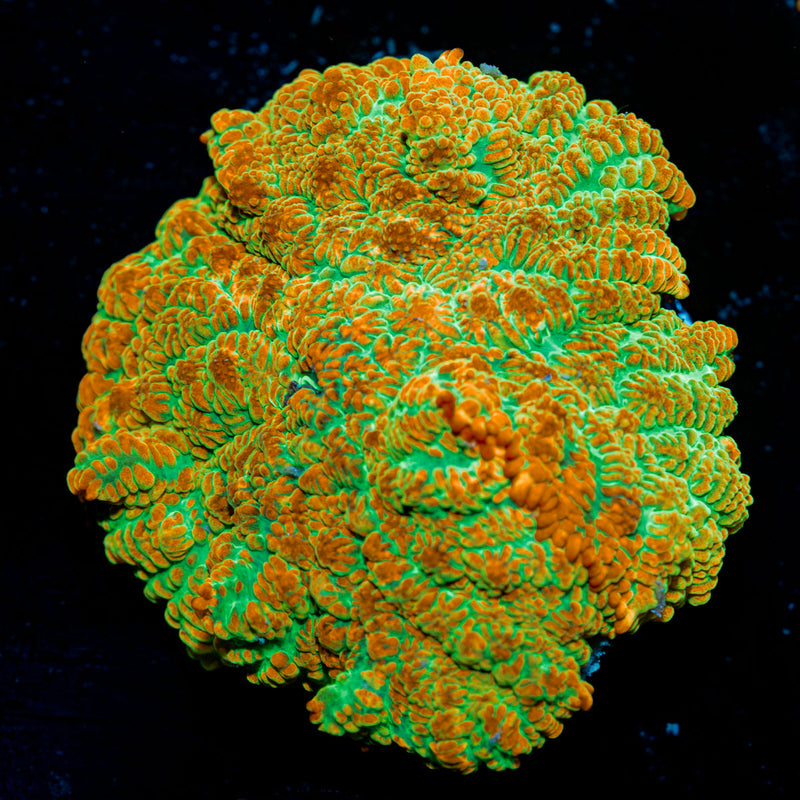
Captive-grown corals are also often handled, cut, mounted, and observed more regularly before sale. A well-healed frag has already recovered from propagation and demonstrated that it can continue growing in captivity. That history gives hobbyists useful confidence, especially when shopping for a first hammer, zoanthid colony, mushroom, or colorful LPS showpiece.
Are Aquacultured Corals Easier for Beginners?
They can be, particularly when a beginner chooses the right coral category instead of shopping only by color. Hardy soft corals, mushrooms, many zoanthids, and beginner-friendly LPS corals tend to be forgiving of the small mistakes that happen while a new reef matures. These corals still want stable parameters, but they are generally less demanding than high-energy SPS such as Acropora or Millepora.
Aquacultured frags offer another beginner advantage: their care needs are often more predictable. If a coral has been grown successfully under common reef aquarium conditions, its preferred light and flow range can usually be described in practical terms. Moderate light, moderate indirect flow, and room to expand are easier instructions to act on than trying to recreate a specific section of wild reef habitat.
Still, “beginner-friendly” does not mean maintenance-free. A new tank that is cycling, swinging in salinity, or struggling with temperature stability is not ready for coral just because the frag is aquacultured. Start with a fully cycled reef, use reliable testing habits, and add livestock gradually. The coral’s hardiness is a cushion, not a substitute for foundational care.
The Tank Matters More Than the Label
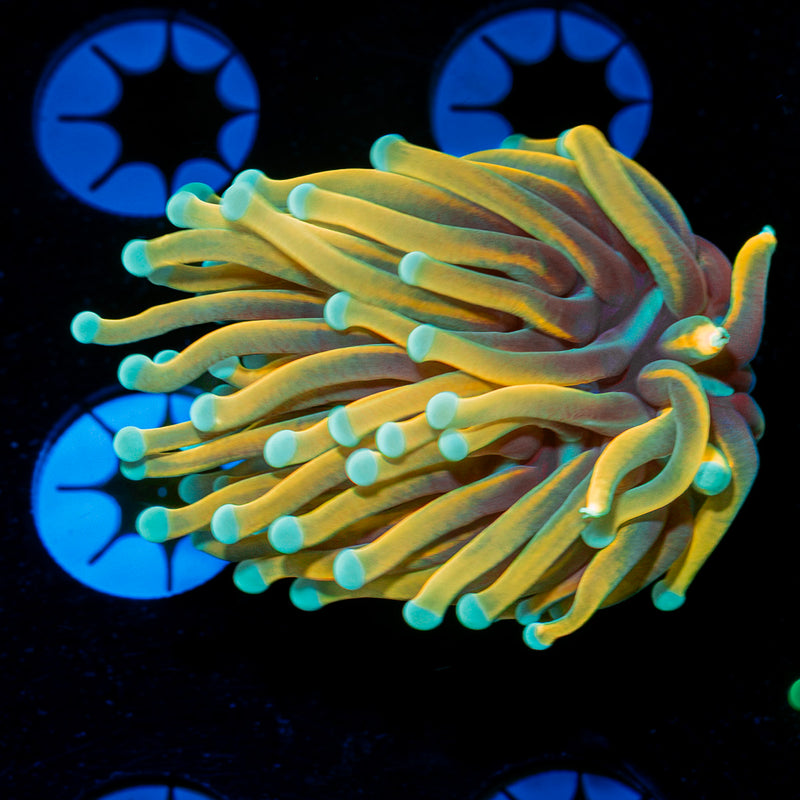
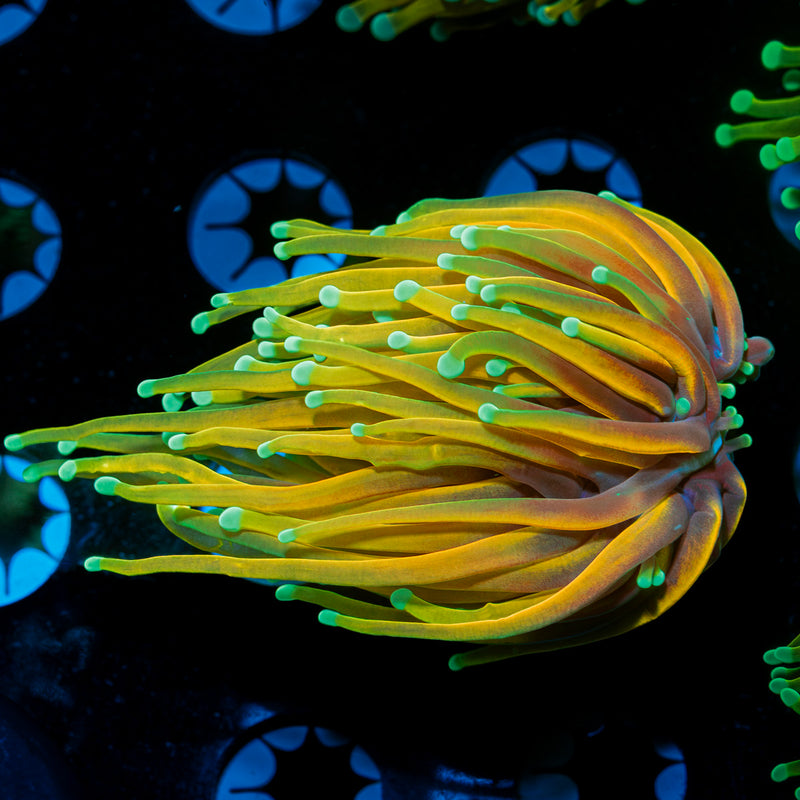
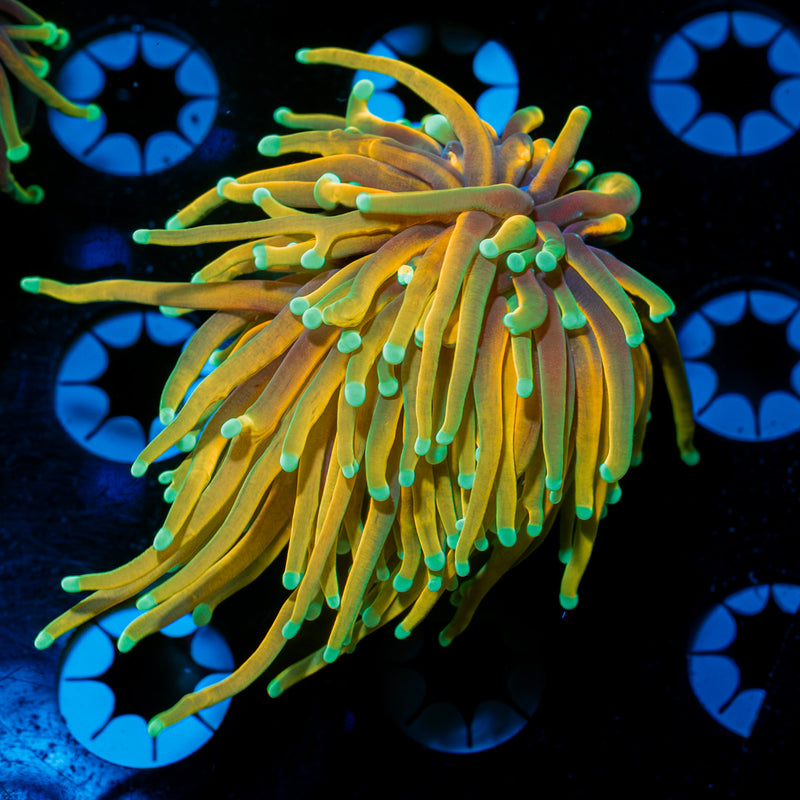
An aquacultured torch coral may be more adapted to aquarium life than a wild-collected torch, but it is still a torch coral. It needs enough space for its flowing tentacles, stable alkalinity, appropriate lighting, and water movement that keeps tissue gently moving without blasting it. Likewise, an aquacultured Acropora is still an SPS coral with higher expectations for consistency.
Think of aquaculture as a head start. It improves the odds, but the aquarium determines whether that head start turns into sustained growth and color.
The Practical Advantages of Captive-Grown Frags
The biggest benefit is adaptation, but it is not the only one. Aquacultured corals are often available as smaller frags that can grow into a reefscape over time. That makes it easier to plan coral placement, leave room for future expansion, and build a display that feels intentional rather than crowded from day one.
There is also a reef-safe sourcing benefit. Propagated corals reduce pressure on natural reef collection and allow exceptional color morphs to remain available within the hobby. A bright mushroom, vivid chalice, neon green hammer, or high-end SPS piece can be grown and shared repeatedly rather than removed from the wild each time a hobbyist wants one.
For online shoppers, healthy aquacultured livestock pairs especially well with WYSIWYG selection. Seeing the exact coral you are purchasing helps set realistic expectations for size, coloration, branching structure, and polyp extension. Lighting, camera settings, and your own aquarium spectrum can affect how a coral appears, but exact-item photos offer far more confidence than choosing from a generic stock image.
At Riptide Aquaculture, that combination of aquacultured care and WYSIWYG transparency helps hobbyists choose corals for the tank they have now, not just the reef they hope to build someday.
What Can Still Make an Aquacultured Coral Struggle?
The most common issue is a mismatch between the frag and the aquarium. Corals can be aquacultured under excellent conditions and still react poorly when moved into lighting that is dramatically stronger, weaker, or different in spectrum. This is why light acclimation matters. Begin a new coral lower in the tank or under reduced intensity when appropriate, then move it slowly toward its final placement.
Water flow is another common trouble spot. Too little flow allows debris to settle and can irritate tissue. Too much direct flow can cause a coral to stay retracted, lose tissue, or fail to extend naturally. LPS corals usually appreciate a gentler, indirect movement, while many SPS corals need stronger, more varied circulation.
Parameter swings cause more losses than most hobbyists want to admit. Salinity changes from rushed top-offs, temperature spikes, sudden alkalinity corrections, and nutrient crashes can stress even the hardiest captive-grown frag. Corals respond best to steady conditions, not constant attempts to chase perfect numbers.
Nutrients deserve a balanced approach. Corals need available nutrition, and a system stripped too clean can lead to pale color and poor extension. At the same time, excessive nutrients can fuel nuisance algae and reduce coral health. Aim for consistency and observe how your specific corals respond rather than changing filtration or dosing every few days.
How to Give a New Frag Its Best Start
A thoughtful introduction is where the advantage of aquacultured coral really pays off. Float or temperature-acclimate the coral according to your preferred livestock protocol, inspect it closely, and place it where light and flow match its category. Secure the frag only after you are confident about its location, especially with corals that may need more room as they grow.
Avoid making large changes immediately after adding a new piece. Do not raise the lights, overhaul the flow, begin aggressive dosing, and add several more corals all in the same week. Give the frag time to respond. Healthy signs may include normal polyp extension, inflated tissue in LPS and soft corals, stable coloration, and gradual new growth at the base or edges.
A coral that stays closed for a day or two is not automatically in trouble. Shipping, handling, and a new environment can cause a temporary adjustment period. Watch for persistent recession, bleaching, brown jelly-like tissue issues, or a complete lack of recovery over several days. Early observation is far more useful than reacting to every hour of changed behavior.
Choosing Easier Corals Without Settling for Ordinary
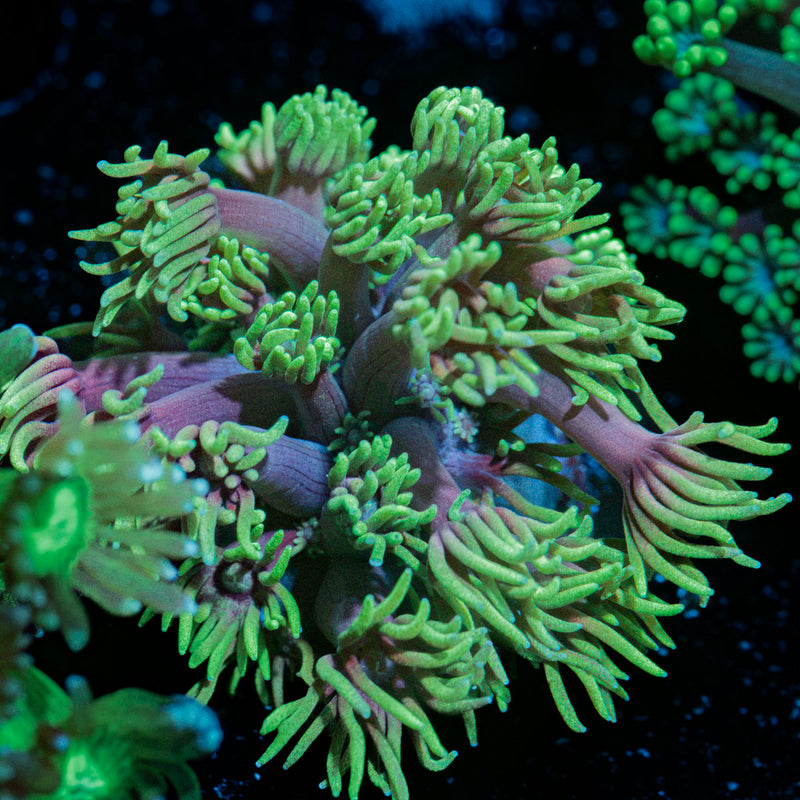
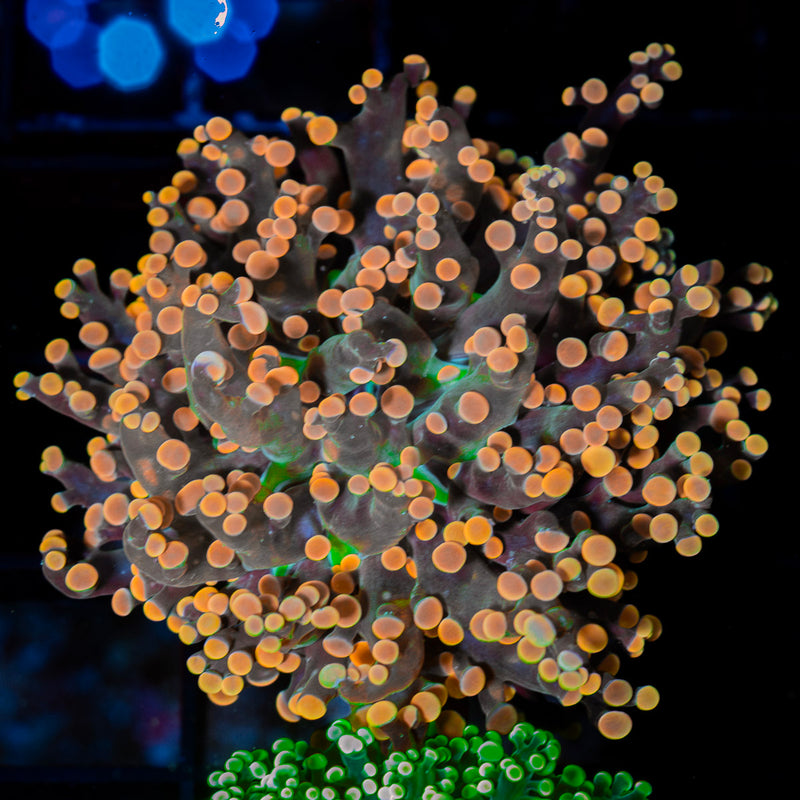
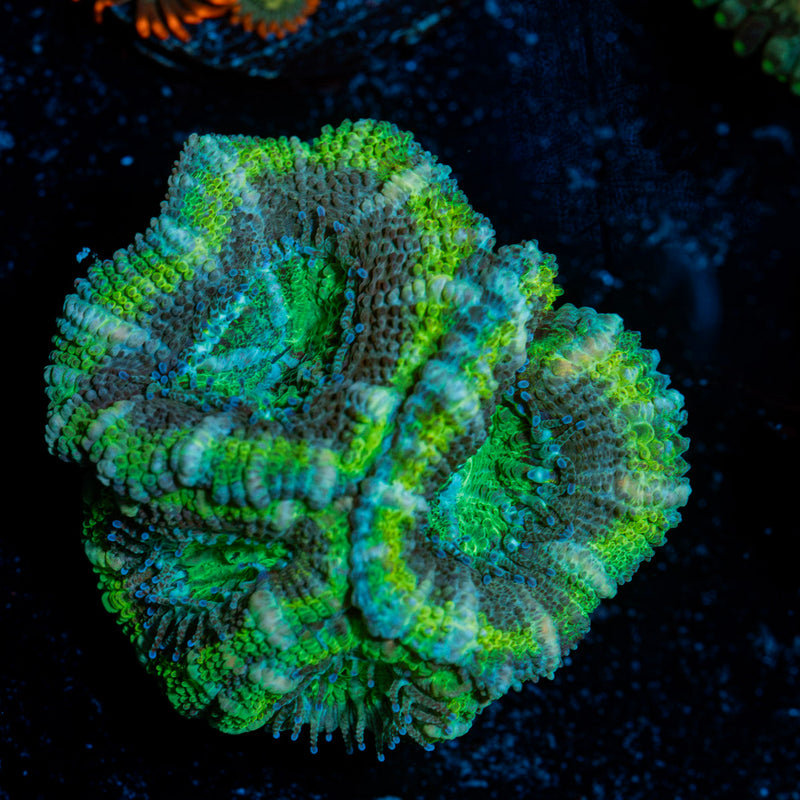
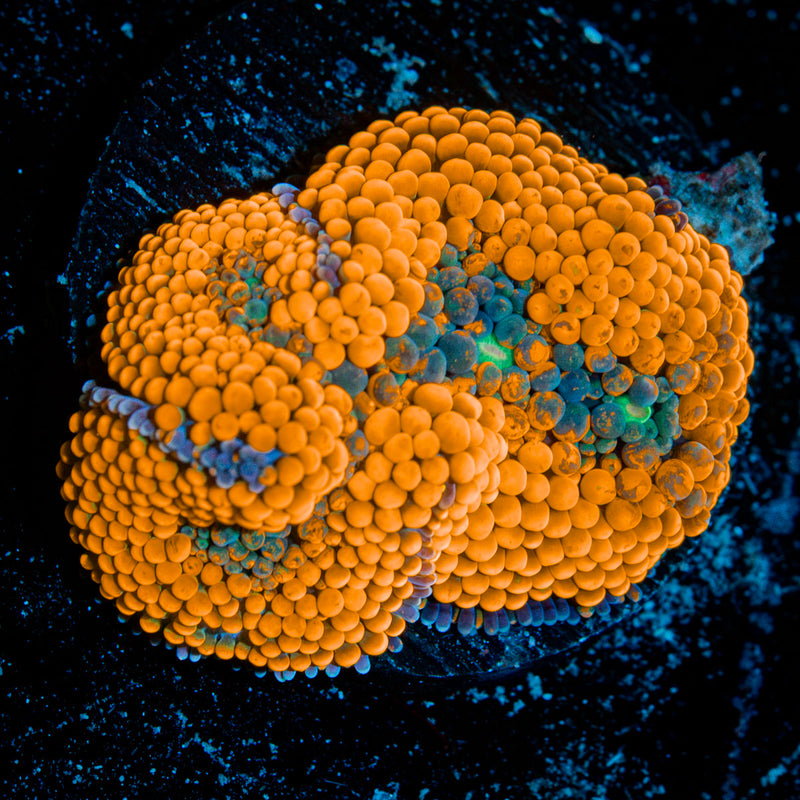
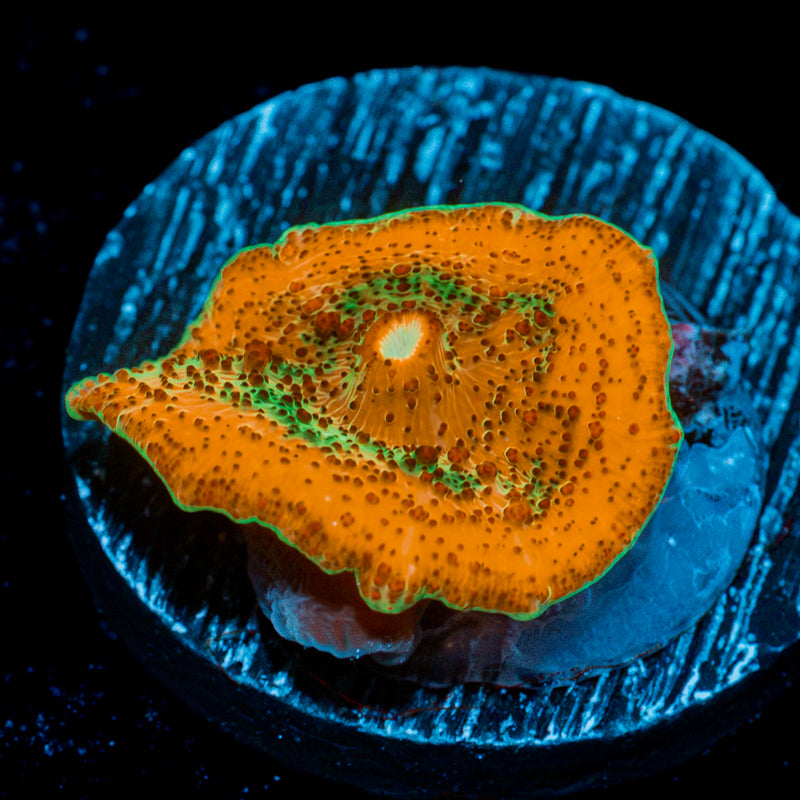
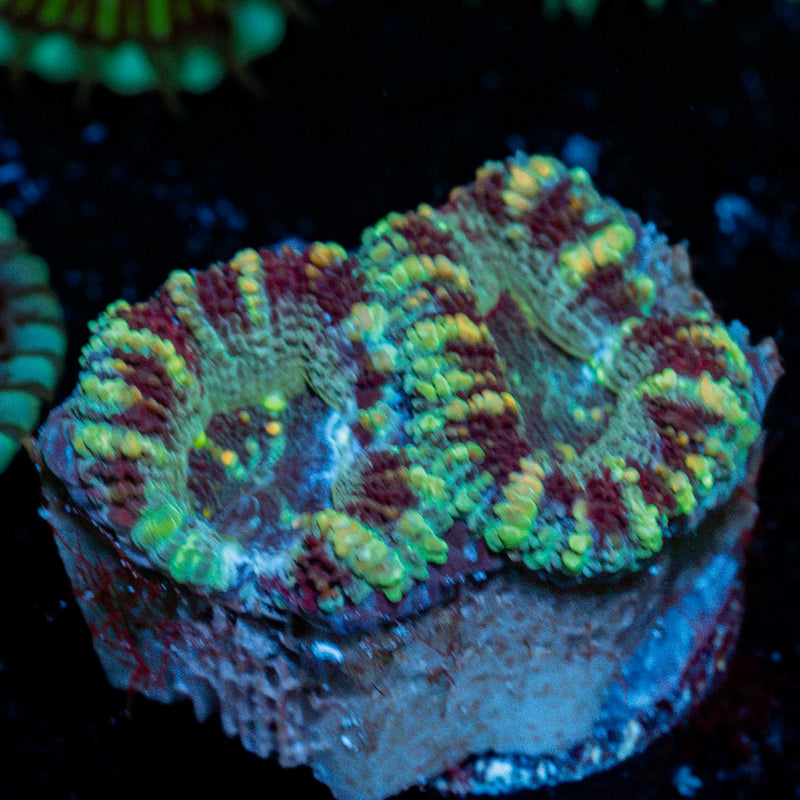
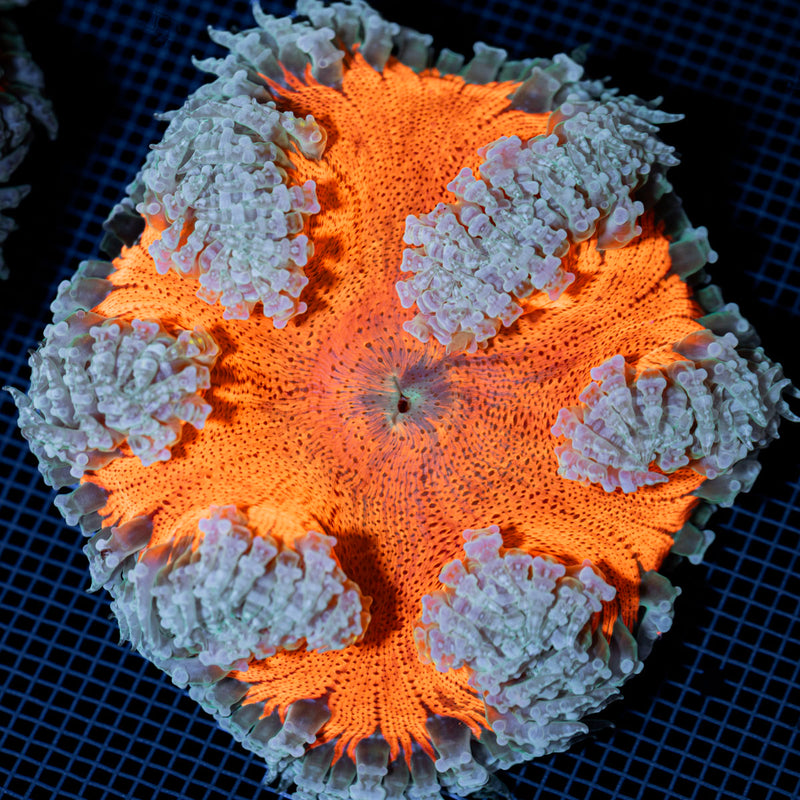
Starting with adaptable corals does not mean your tank has to look basic. Some of the most eye-catching reef displays are built around luminous zoanthids, textured mushrooms, glowing acans, branching hammers, frogspawn, and torches with dramatic movement. These pieces bring color and personality while giving newer hobbyists room to learn their system.
As your tank becomes more stable, you can expand into more demanding LPS, chalices, and SPS corals. The best progression is based on your aquarium’s performance, not a calendar. If your current corals show steady growth, maintain color, and respond well to consistent care, you are building the kind of environment that can support a wider range of living jewels.
The most rewarding coral is not necessarily the rarest or most difficult frag on the rack. It is the one that matches your tank, opens confidently under your lights, and becomes more beautiful with every month it grows.