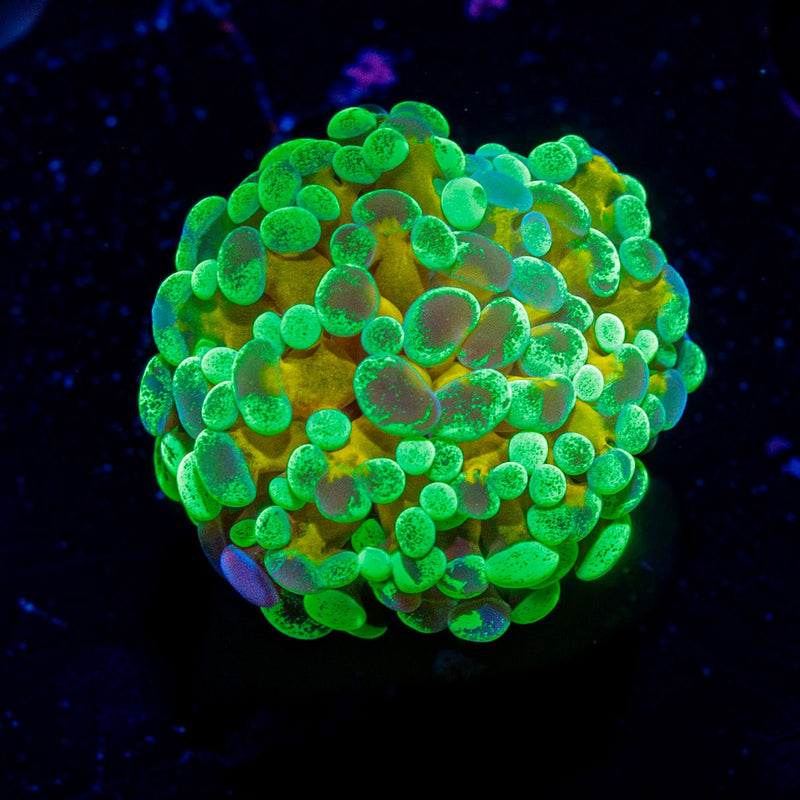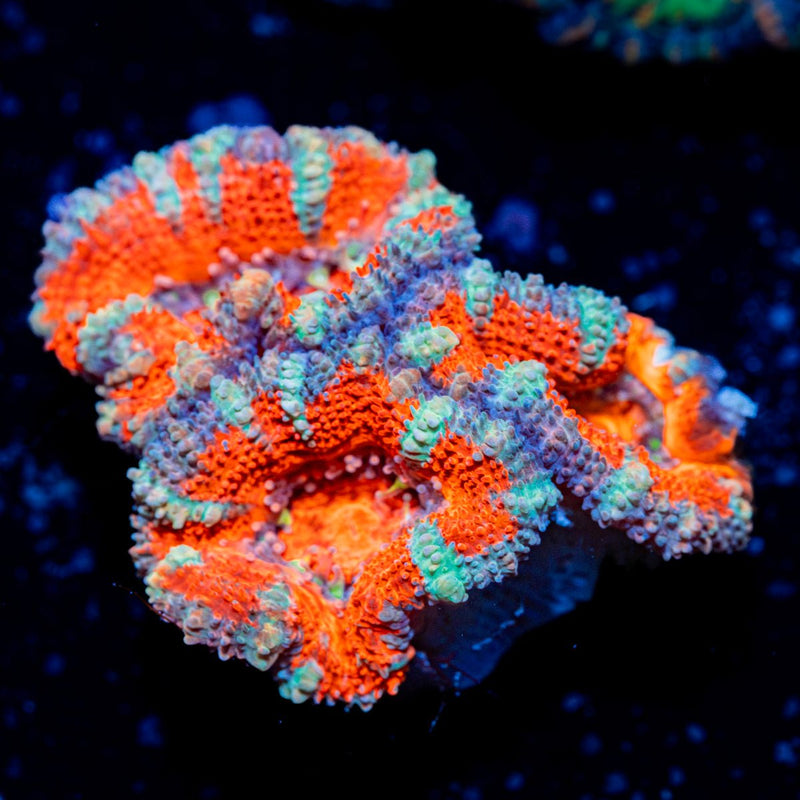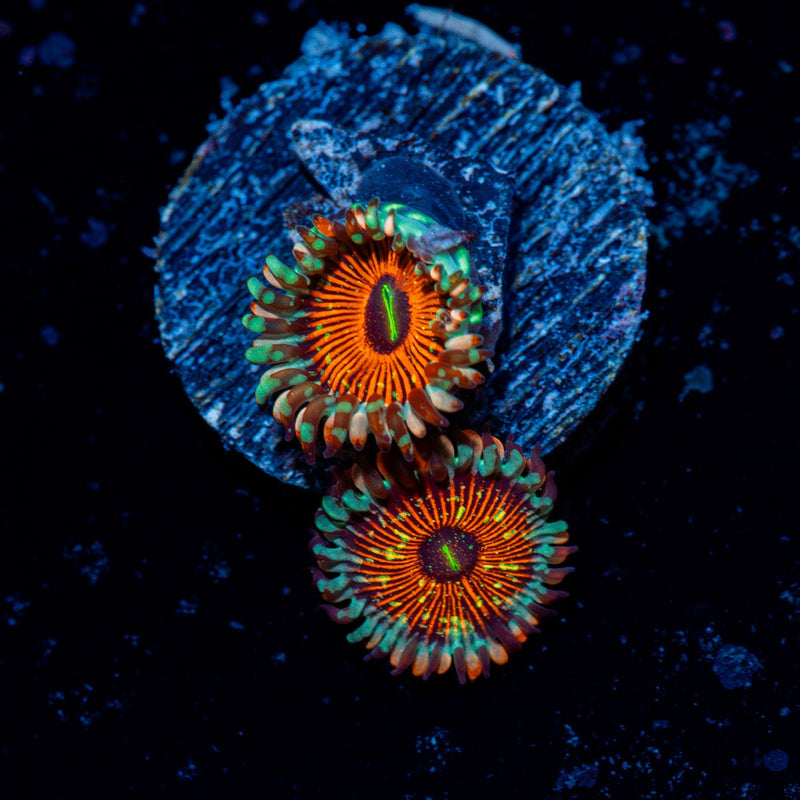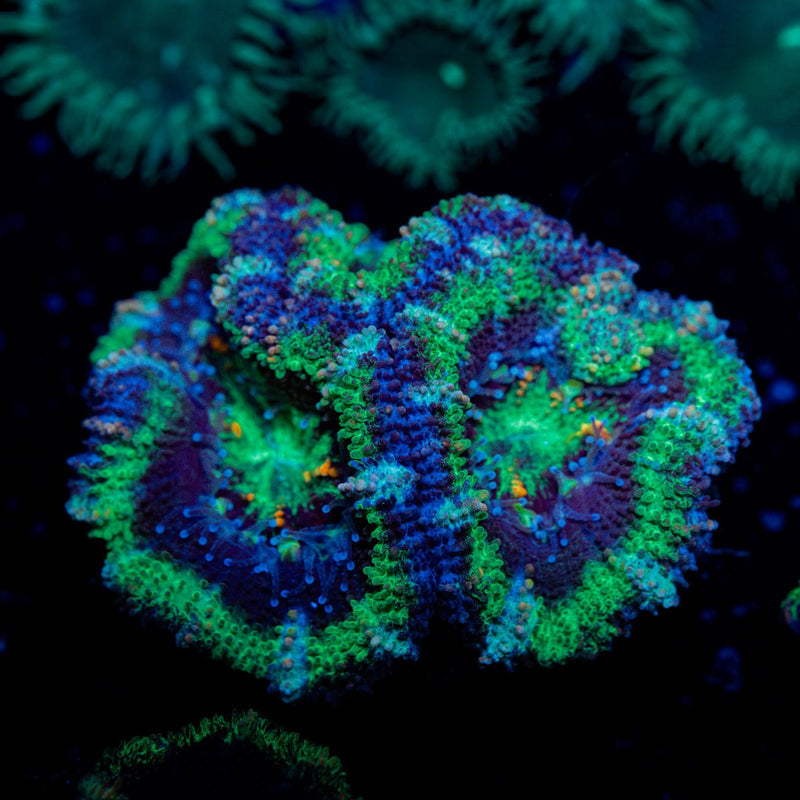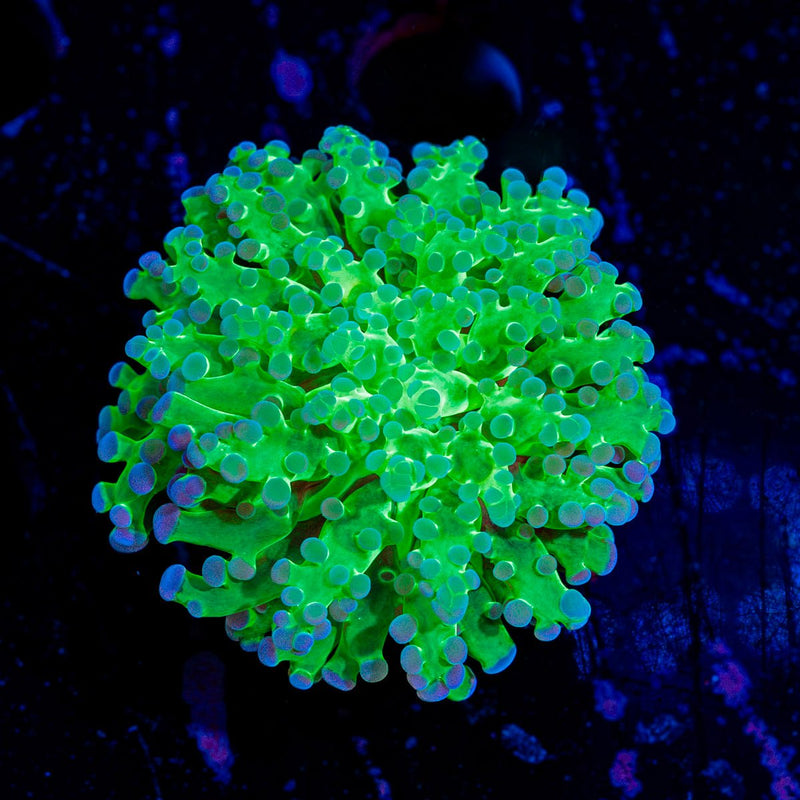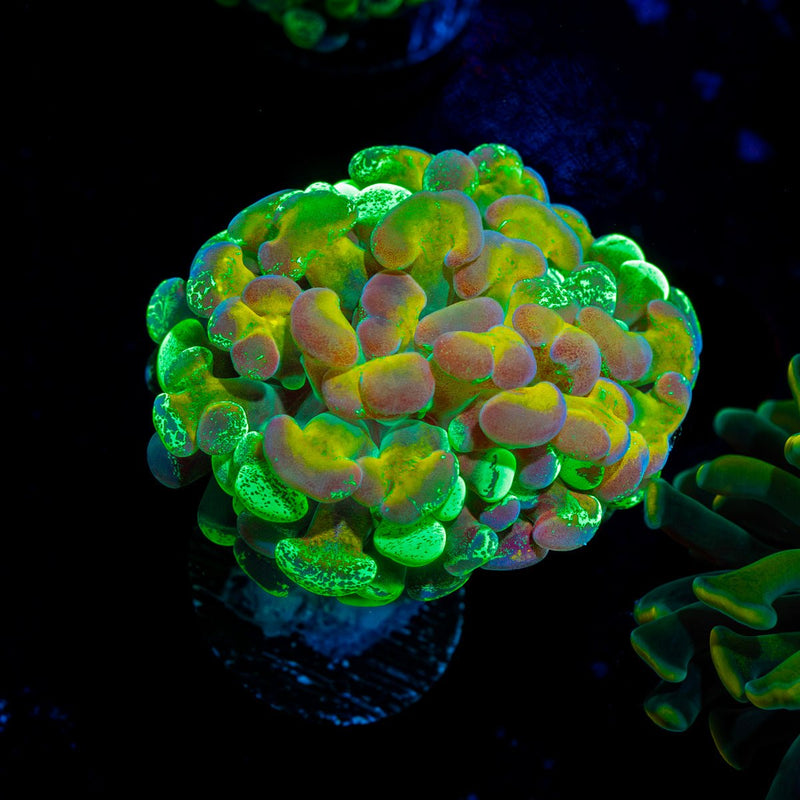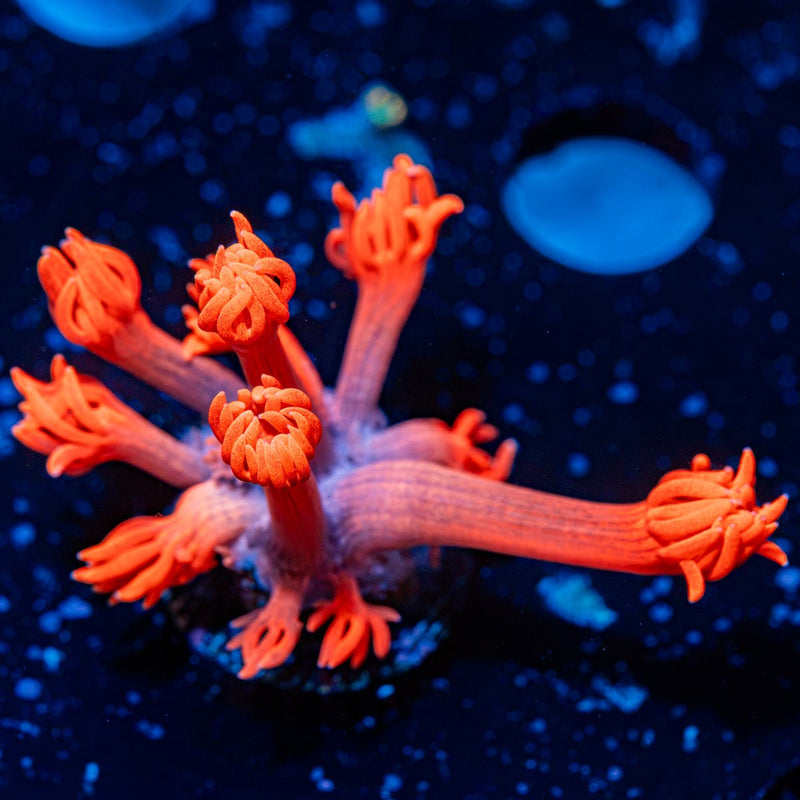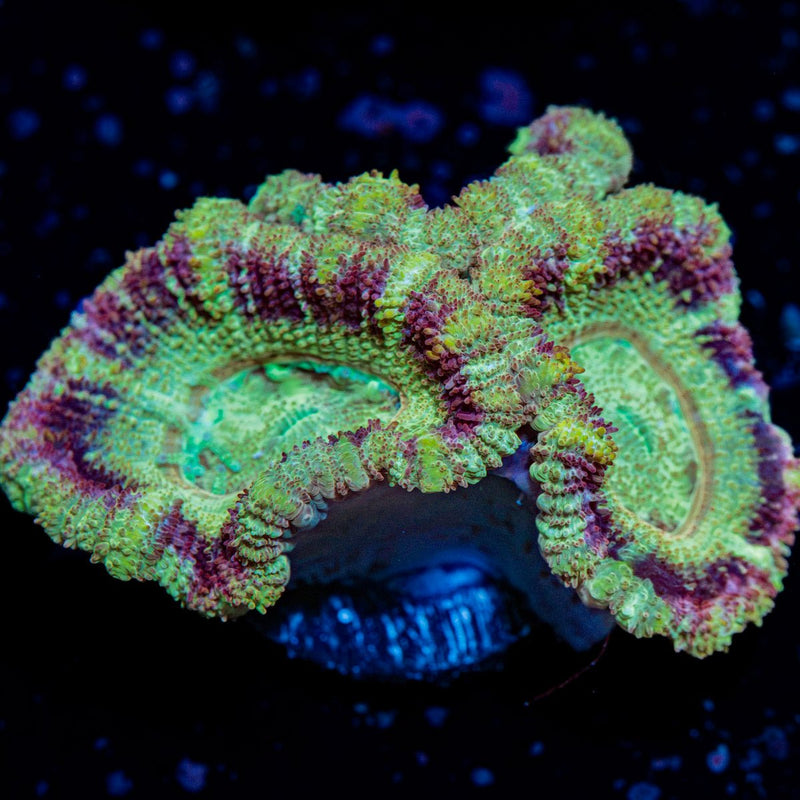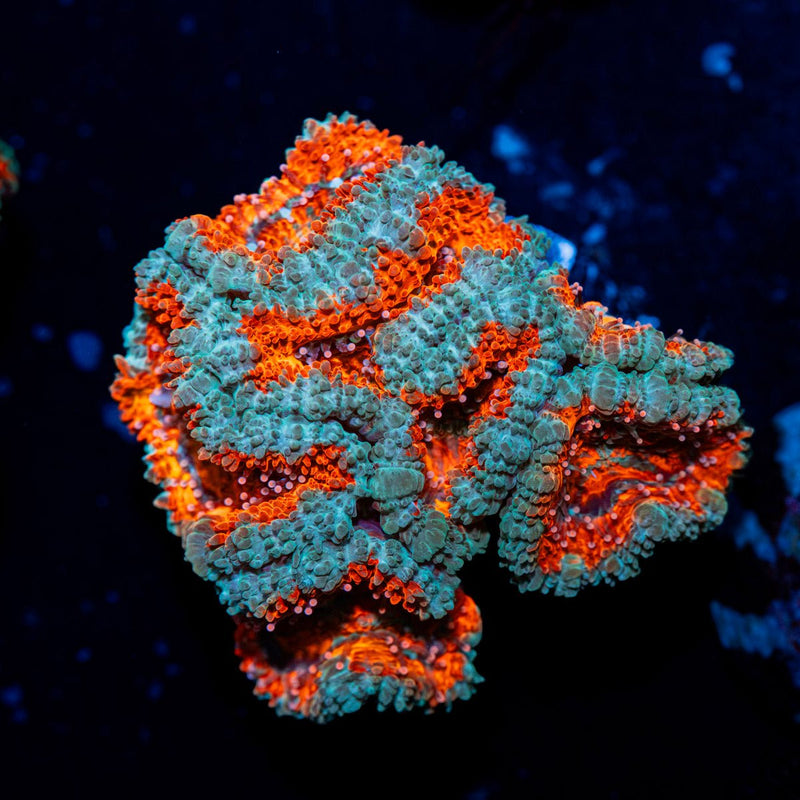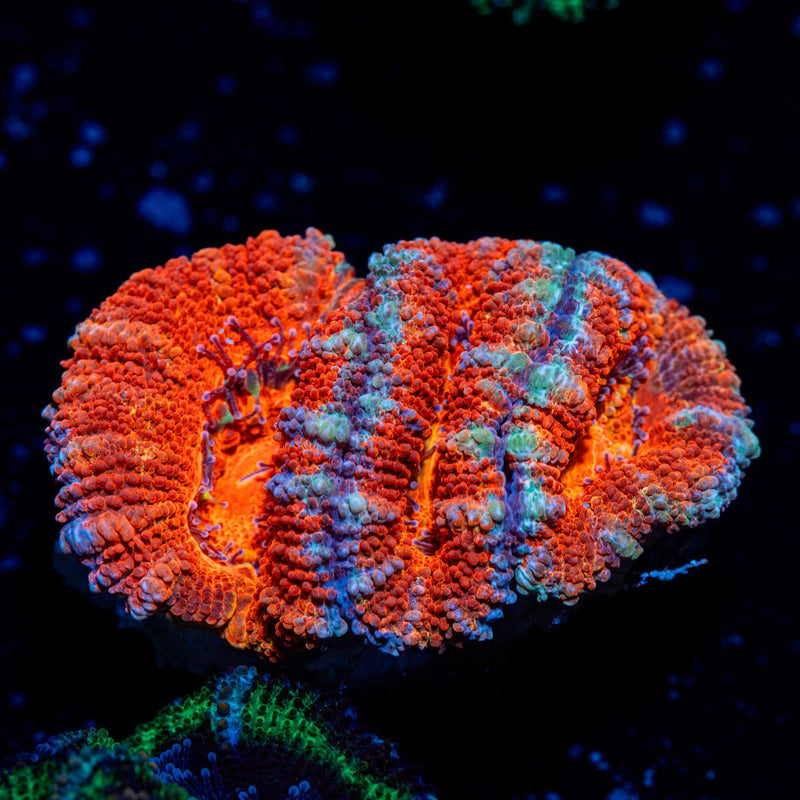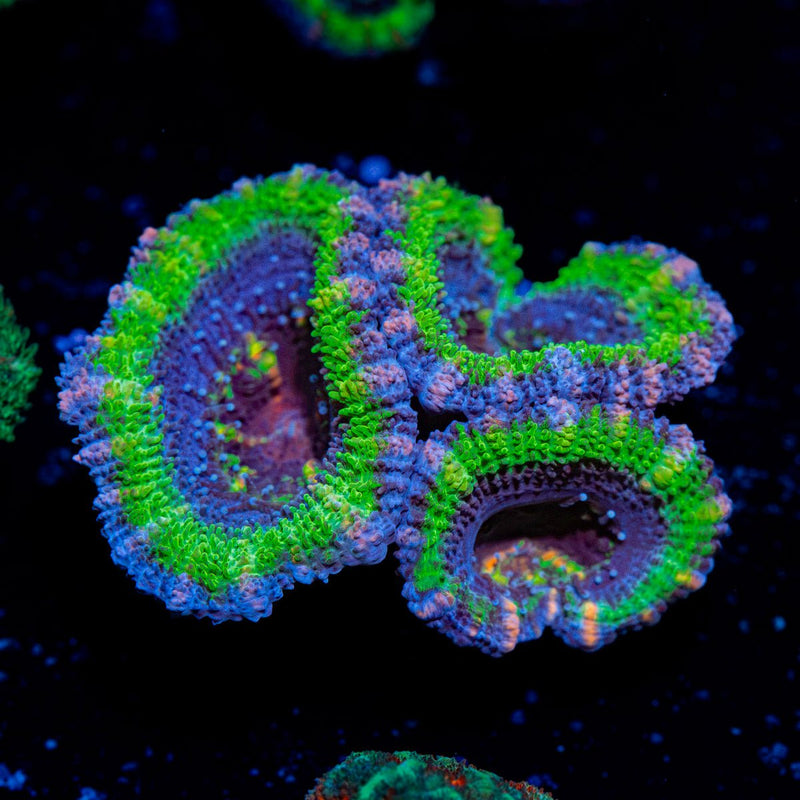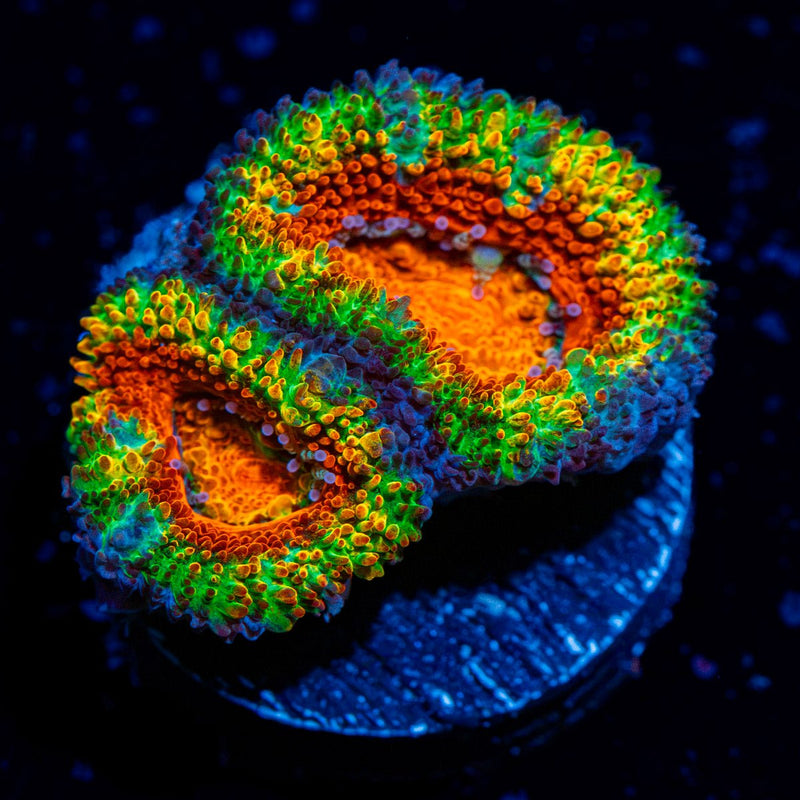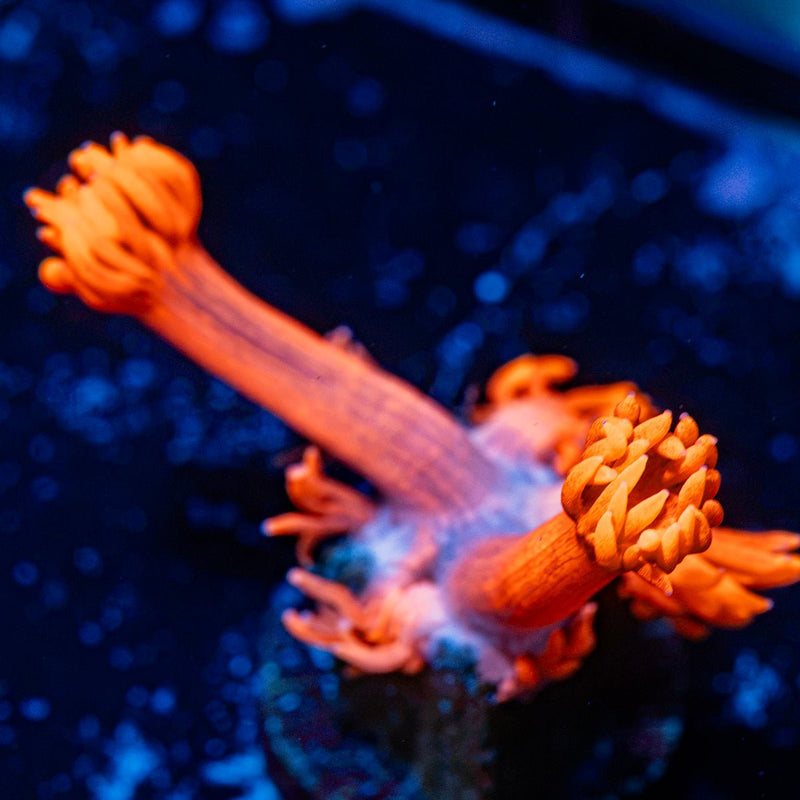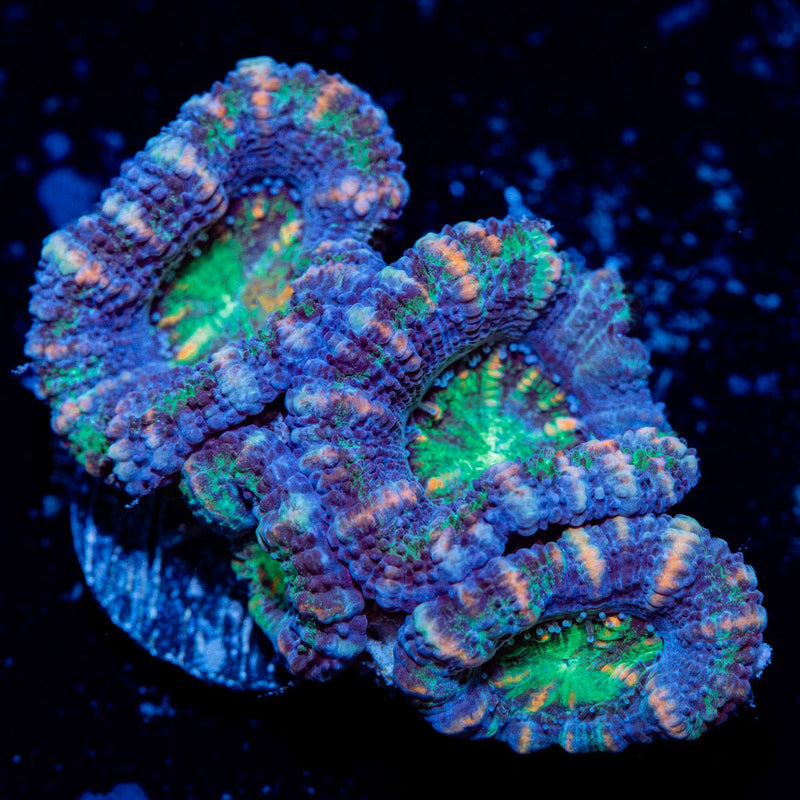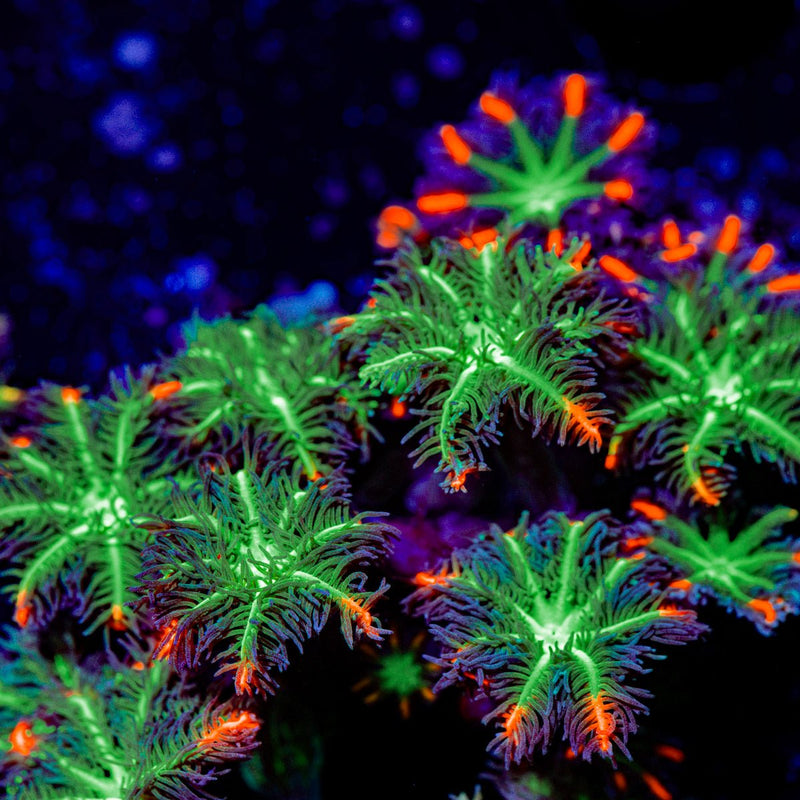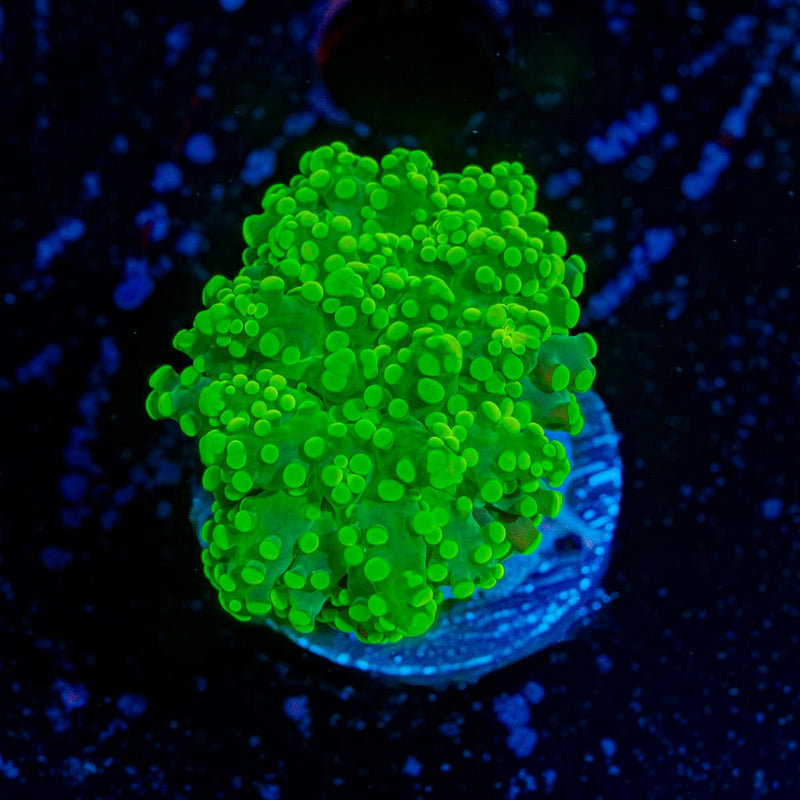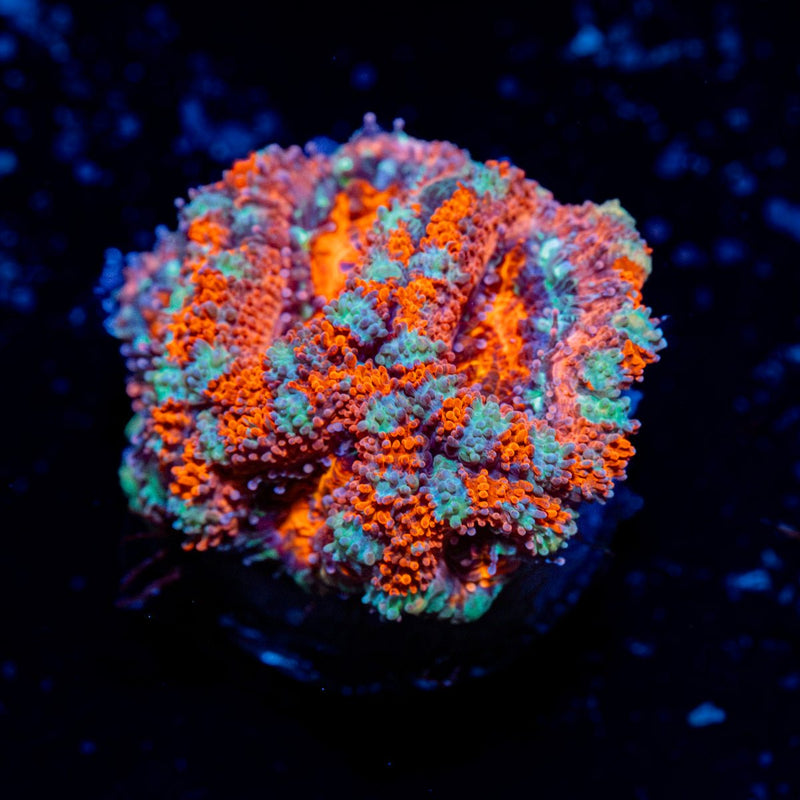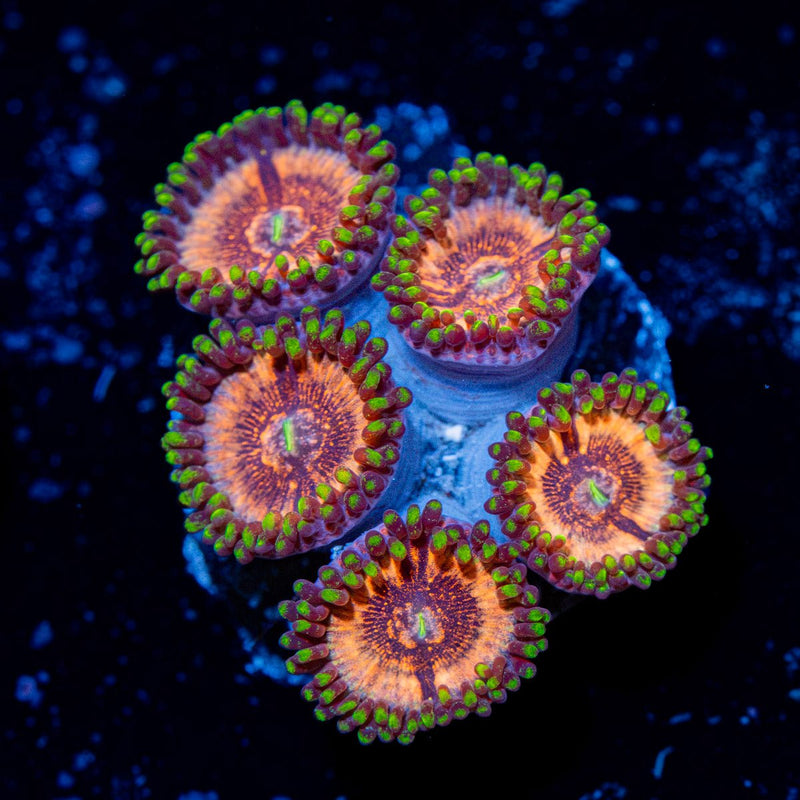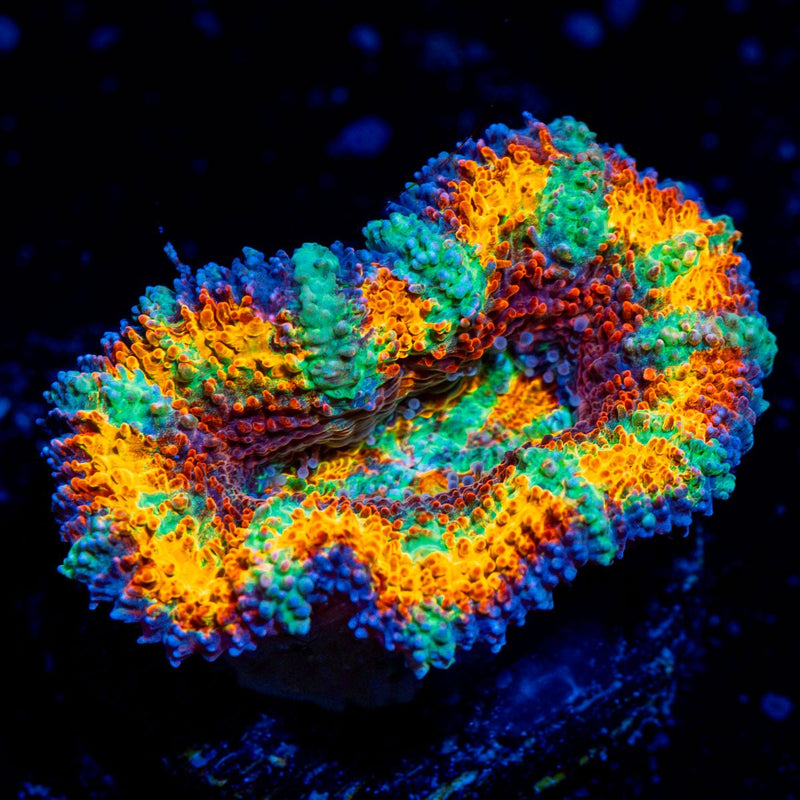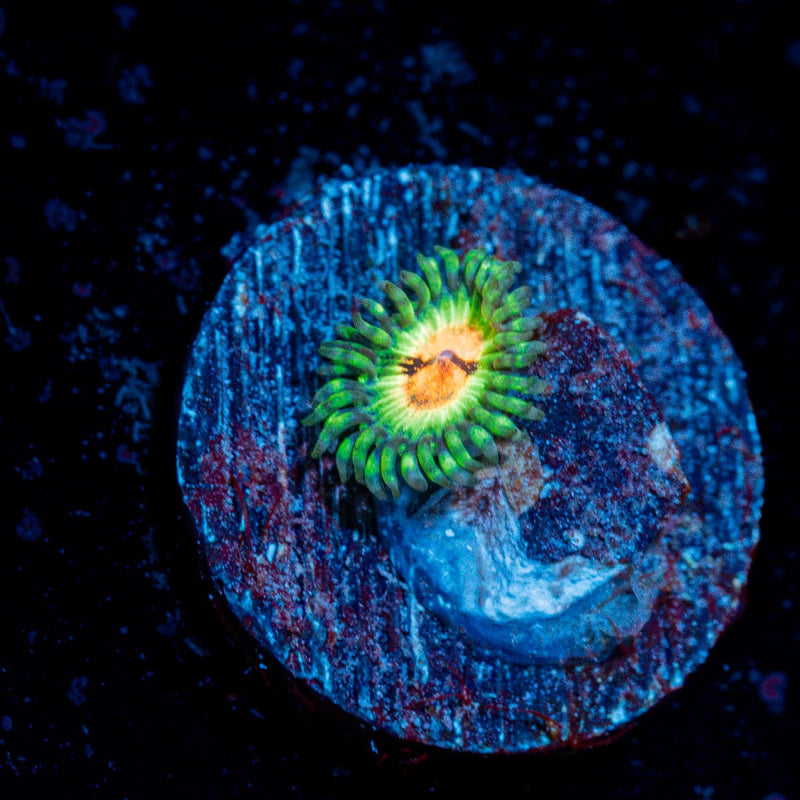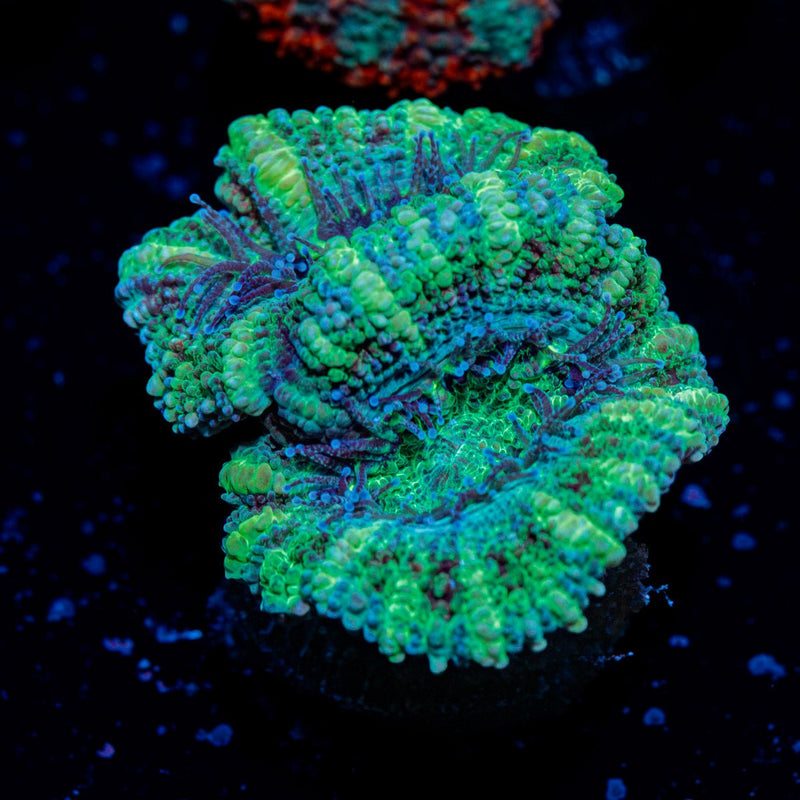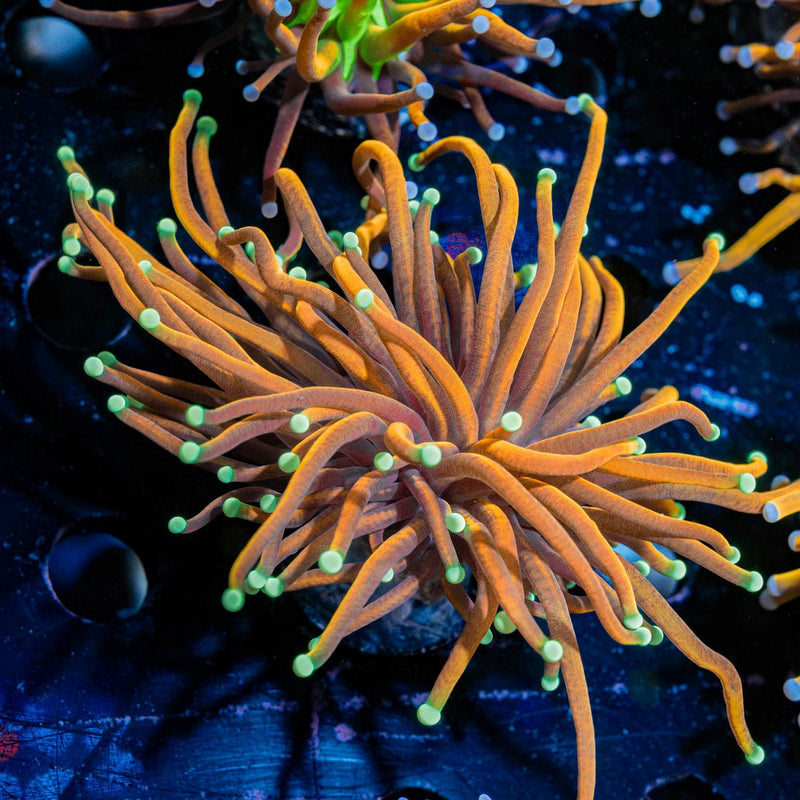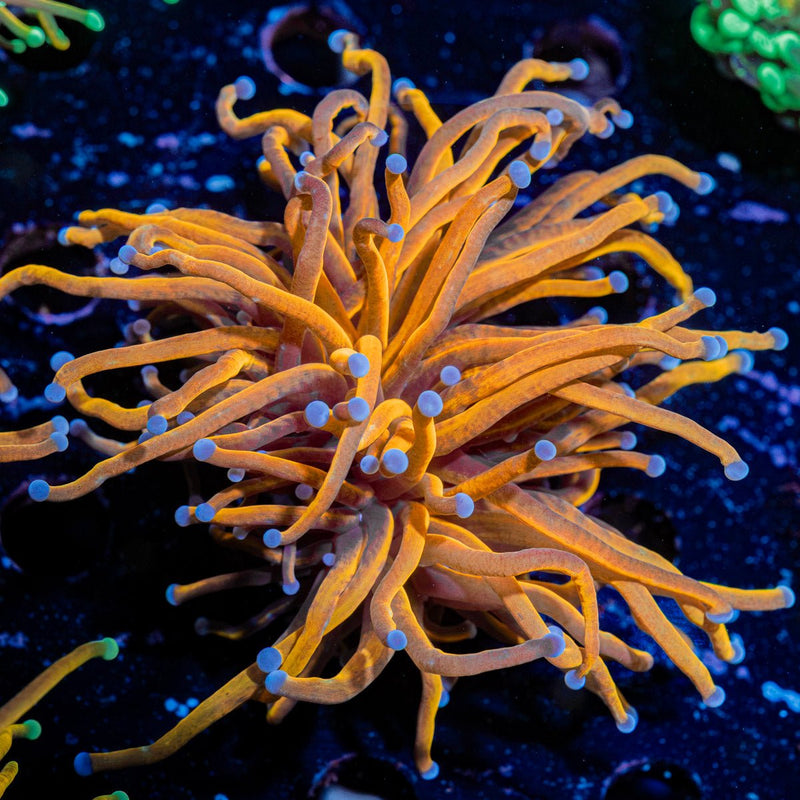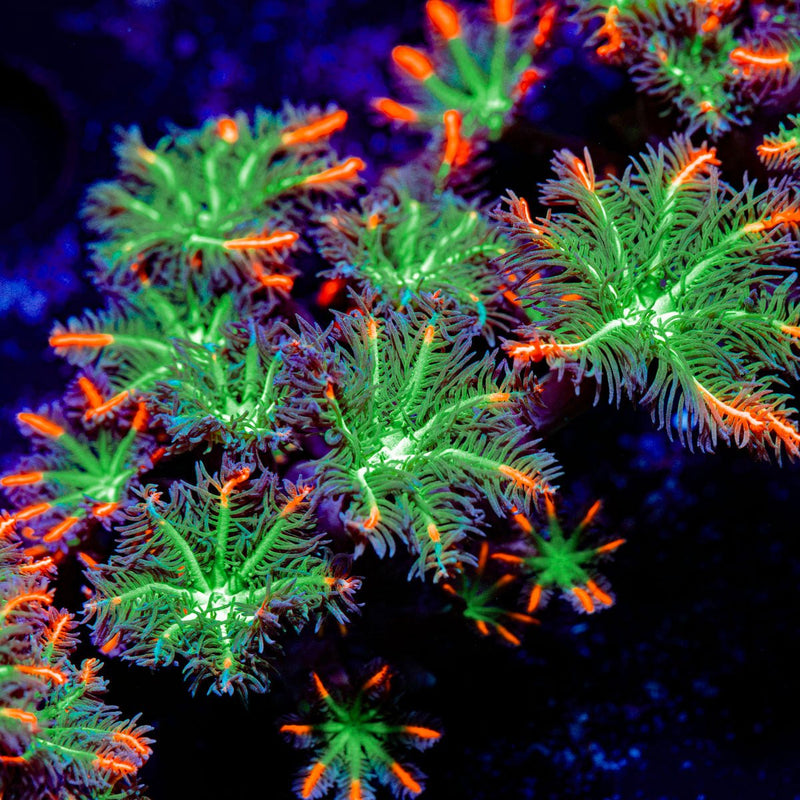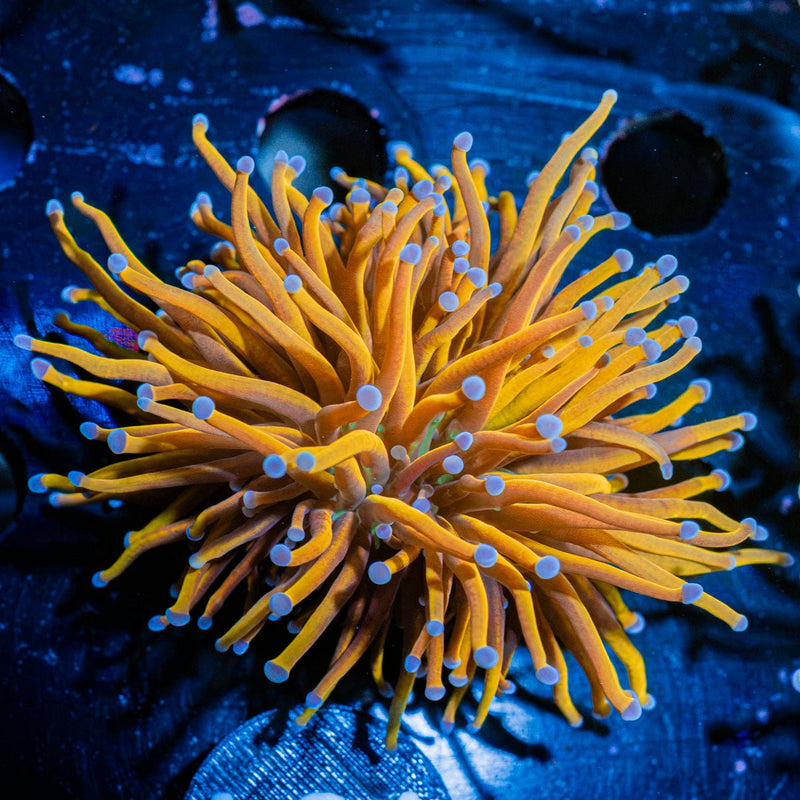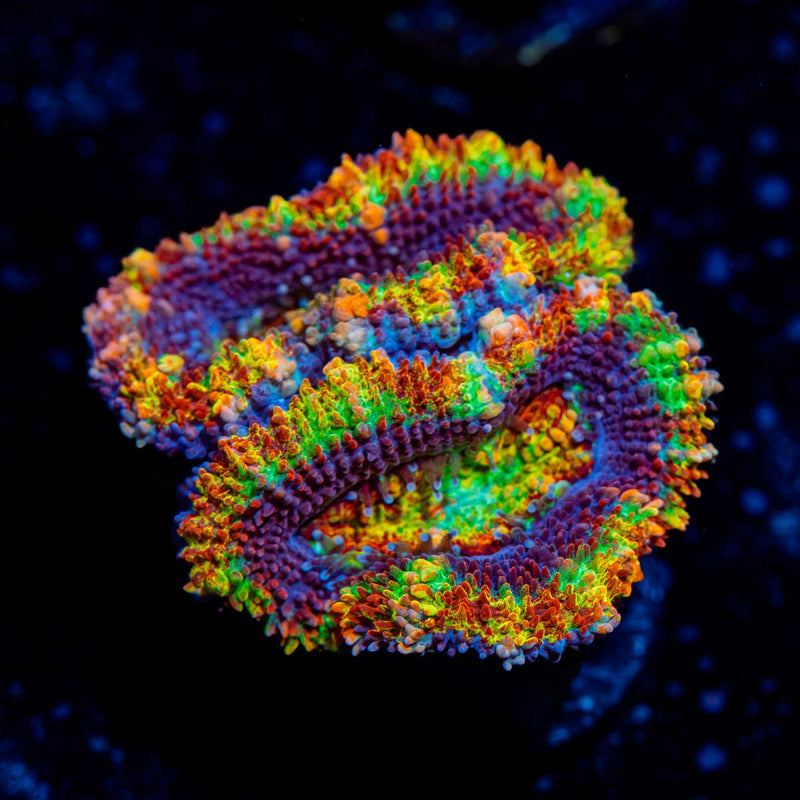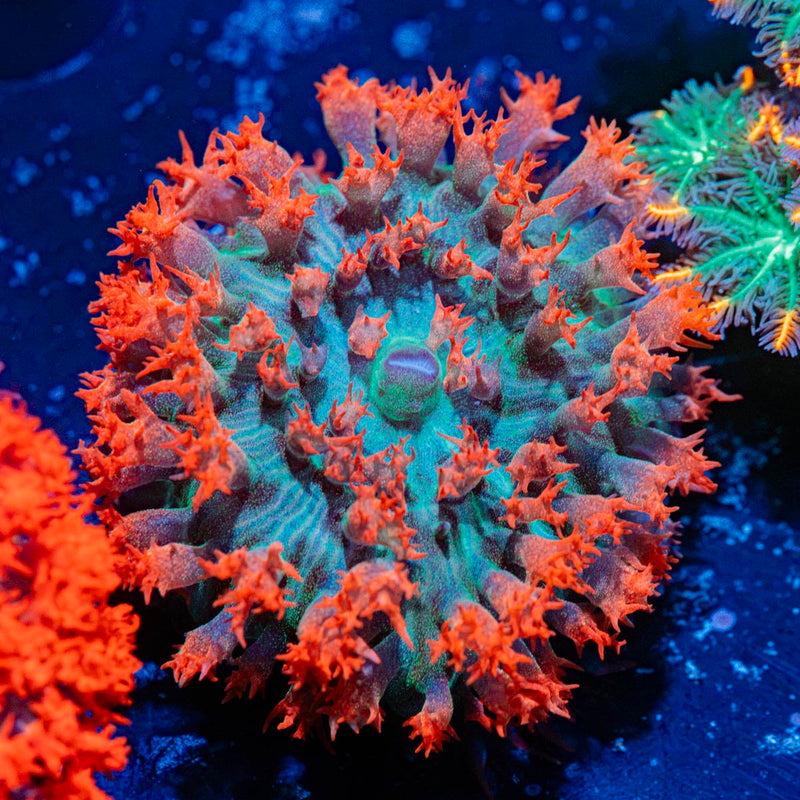
A bright torch coral opening under blue LEDs or an Acropora frag settling onto a new rockscape is more than a beautiful addition to a reef tank. It is often the result of years of careful captive coral breeding: selecting healthy parent colonies, growing fragments in stable systems, and learning which corals thrive in aquarium conditions. For hobbyists, that process can mean a more confident start with livestock that is already adapted to life behind glass.
Aquacultured corals have become a cornerstone of the modern reef hobby. They make it possible to fill home aquariums with colorful, vibrant living jewels while reducing reliance on wild collection. They also give growers and hobbyists an opportunity to preserve exceptional color morphs, improve hardiness over time, and share successful corals throughout the community.
What Captive Coral Breeding Actually Means
People often use “breeding” as a broad term, but captive coral breeding can describe two different processes. The most familiar in the aquarium hobby is asexual propagation, commonly called fragging. A healthy parent colony is divided into smaller pieces, and each fragment grows into a genetically identical new colony.
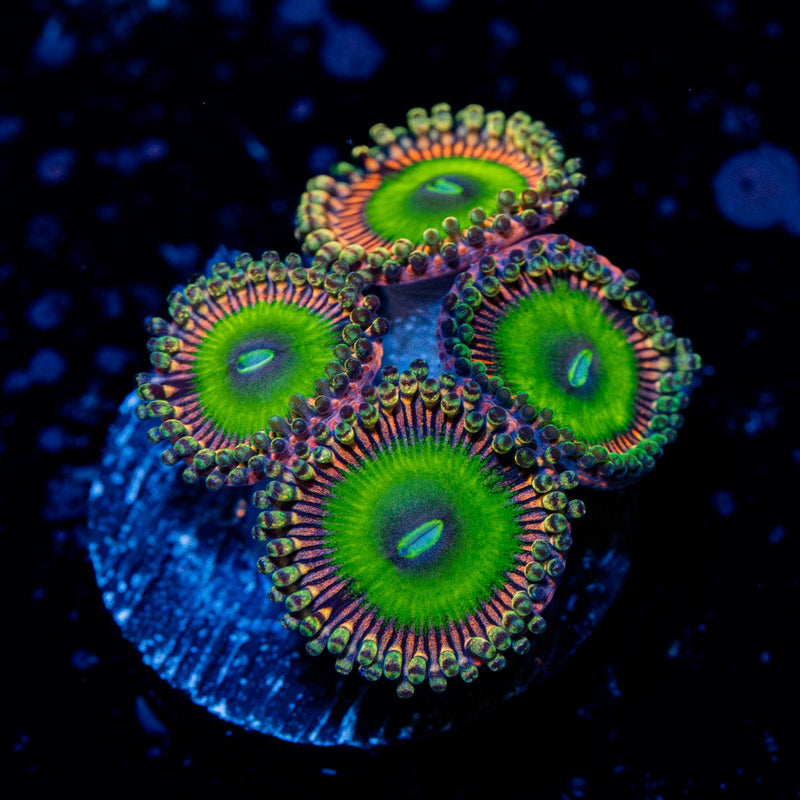
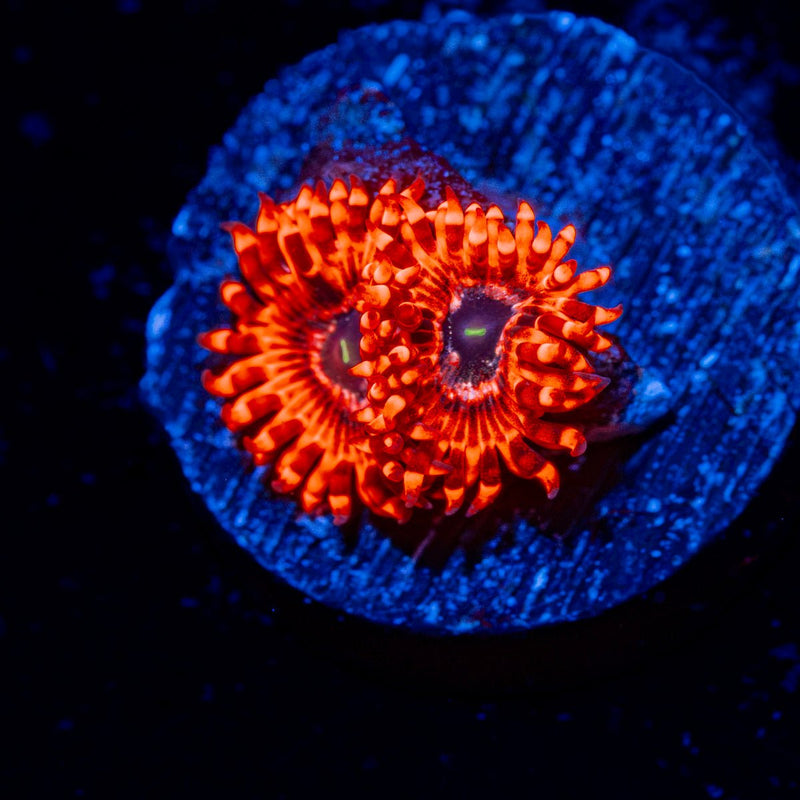
This is why a standout hammer, chalice, zoanthid, or SPS colony can eventually become available to many reef keepers. A colorful parent coral is carefully cut or divided, mounted to a plug or disc when appropriate, healed in a controlled grow-out system, and monitored until it is ready for a new aquarium. The resulting frags retain the parent’s recognizable coloration and growth form, which is especially valuable when shopping WYSIWYG specimens.
Sexual reproduction is the other side of the story. Some coral species release eggs and sperm during spawning events. In specialized aquaculture facilities, those gametes can be collected, fertilized, settled onto suitable surfaces, and raised into juvenile corals. Unlike frags, sexually produced corals are genetically unique. This creates new diversity rather than making copies of an existing colony.
Both approaches matter. Fragging efficiently expands healthy, proven corals. Sexual propagation supports genetic diversity and may help build future coral populations with a broader range of traits.
Why Aquacultured Corals Make Sense for Home Reefs
A coral that has spent generations or extended time in captivity has learned a different rhythm than a newly collected specimen. It has lived under aquarium lighting, adapted to recirculating water, and grown through the normal shifts of a managed reef system. That does not make it indestructible, but it can make the transition to a well-prepared home tank more predictable.
For beginners, this is a meaningful advantage. Hardy soft corals, mushrooms, zoanthids, and many LPS corals can offer movement, color, and personality without demanding the same level of precision as a sensitive high-end Acropora. An aquacultured frag from an established parent colony gives new reef keepers a practical way to build confidence while adding genuine visual impact.
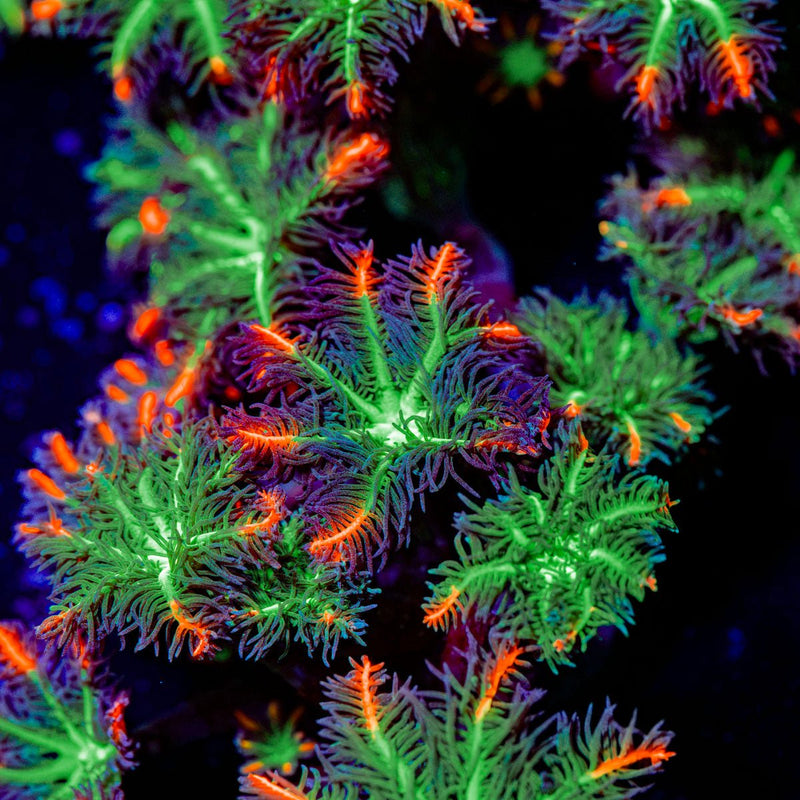
Experienced hobbyists benefit too. Captive-grown SPS, torches, acans, and chalices provide access to distinctive colors and named strains that can be tracked through established lineages. When the exact coral pictured is the one shipped, WYSIWYG shopping adds another layer of confidence: you can choose the specific polyp structure, coloration, and size that fits your aquascape.
There is also a reef-safe reason to prefer cultured livestock. Every healthy captive-grown frag that enters the hobby is one less coral that needs to be removed from a wild reef. Aquaculture is not a single-handed solution to the challenges facing natural coral reefs, but it is a practical choice hobbyists can make every time they stock a tank.
The Trade-Off: Captive-Grown Still Needs Proper Care
“Captive-bred” should never be confused with “care-free.” Even the hardiest aquacultured coral is a living animal with specific needs for light, flow, chemistry, and stability. A stressed coral may lose color, remain closed, recede, or struggle to attach and grow, regardless of how carefully it was raised.
The good news is that successful care is usually more about consistency than chasing perfect numbers. Stable salinity, reliable temperature, appropriate alkalinity and nutrient levels, and gradual adjustments give corals the best chance to settle in. A new frag does not need to be blasted with maximum light on day one to prove it belongs in an SPS system. In fact, a measured acclimation period is often the smarter move.
Placement depends on the coral. A pulsing soft coral may enjoy moderate light and gentle-to-moderate, indirect flow. A torch needs room to extend its sweeper tentacles and should not be packed against neighboring corals. Many Acropora and Millepora varieties prefer stronger lighting and turbulent flow once acclimated, but each system differs in spectrum, intensity, and circulation pattern.
That is why matching the coral to your tank matters as much as choosing a beautiful specimen. A beginner-friendly mushroom can become a stunning focal point in a newer reef, while a high-demand SPS frag may be better saved for a mature, stable system. Neither choice is inherently better. The right choice is the coral that fits your current experience and aquarium conditions.
How Healthy Coral Frags Are Grown
Quality aquaculture is not simply cutting a coral and calling it ready. The healing and grow-out period is where much of the work happens. Freshly fragmented corals need clean water, suitable flow, stable parameters, and close observation while damaged tissue recovers.
Growers also watch for pests, disease signs, tissue recession, and changes in coloration. A healthy frag should show secure tissue, good polyp extension when applicable, and signs that it is actively settling or encrusting. For branching SPS, visible growth tips and a stable base are encouraging signs. For LPS, a full, responsive polyp and intact tissue around the skeleton matter more than a perfectly posed photo.
Lighting plays a major role in the final appearance of a coral. The glowing greens, fiery oranges, electric blues, and rainbow tones hobbyists love are influenced by genetics, lighting spectrum, nutrients, and overall health. A coral may look somewhat different under your lights than it did in a seller’s system, especially during its first few weeks. That is normal. Given stable care, many corals gradually reveal their strongest colors as they acclimate.
Choosing Captive-Grown Corals With Confidence
The best shopping experience begins with realistic expectations. Look beyond a coral’s name or a dramatic color photo and consider its care category, adult size, aggression, placement needs, and compatibility with the rest of your reef.
If you are building your first coral collection, start with a few pieces that share similar needs rather than adding every coral type at once. A curated mix of mushrooms, zoanthids, and forgiving LPS can create a full, colorful display while you learn how your tank responds. As your system matures, you can layer in more specialized pieces, including showpiece torches or SPS with higher light and flow demands.
For any order, prepare before the box arrives. Have your salinity and temperature checked, make room on the rockwork, and know where each coral will begin its acclimation. Inspect every frag on arrival, follow the seller’s acclimation guidance, and avoid making multiple major changes to your aquarium that same day.
Quarantining and dipping can be wise practices, but the method should fit the coral type and your experience. Some hobbyists maintain a dedicated coral quarantine system. Others use a careful inspection and dip protocol before placing new frags in the display. The goal is the same: protect both the new coral and the established animals already thriving in your aquarium.
A Better Future, One Frag at a Time
Captive coral breeding connects the excitement of owning a stunning reef aquarium with a more thoughtful way to grow the hobby. It gives keepers access to hardy, colorful corals that have been raised for aquarium life, while supporting a culture of propagation rather than constant extraction.
Whether you choose a beginner-friendly mushroom, a garden of zoanthids, or a carefully selected WYSIWYG SPS frag, give it a stable place to grow. The most rewarding reef tanks are not built overnight. They are built one healthy coral, one patient adjustment, and one new burst of color at a time.