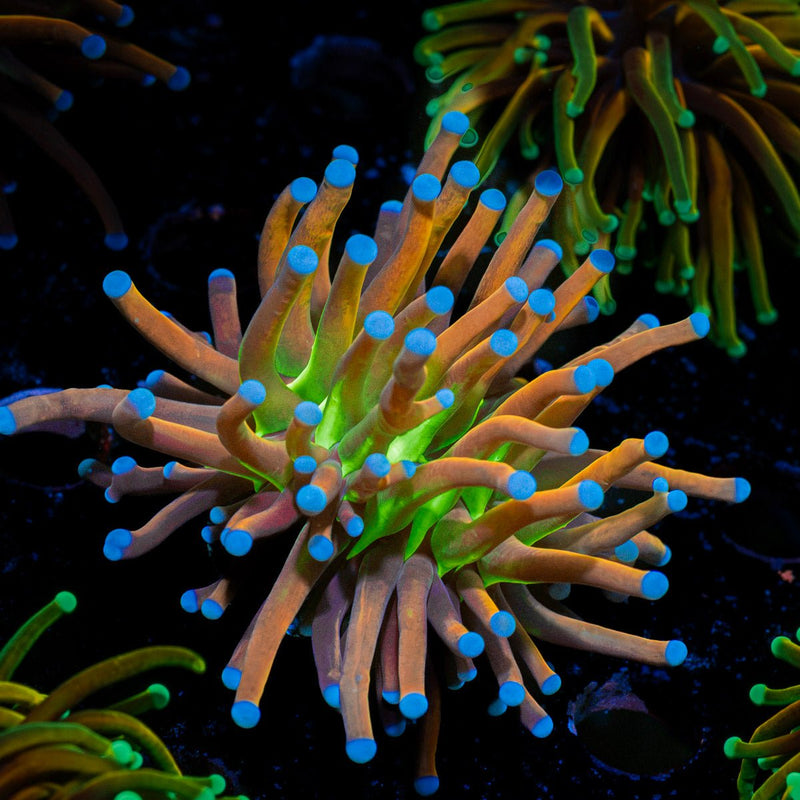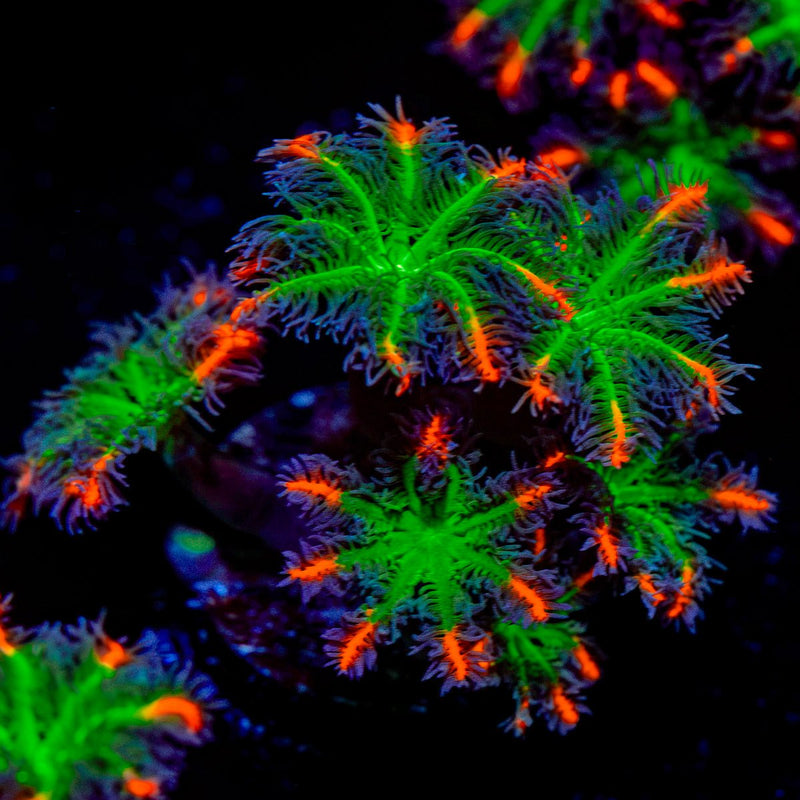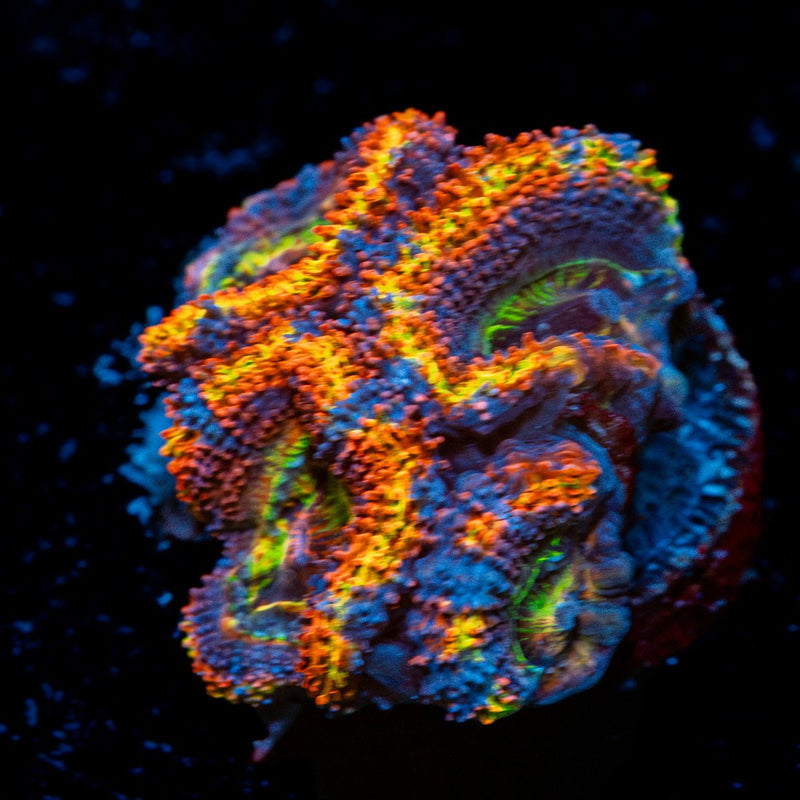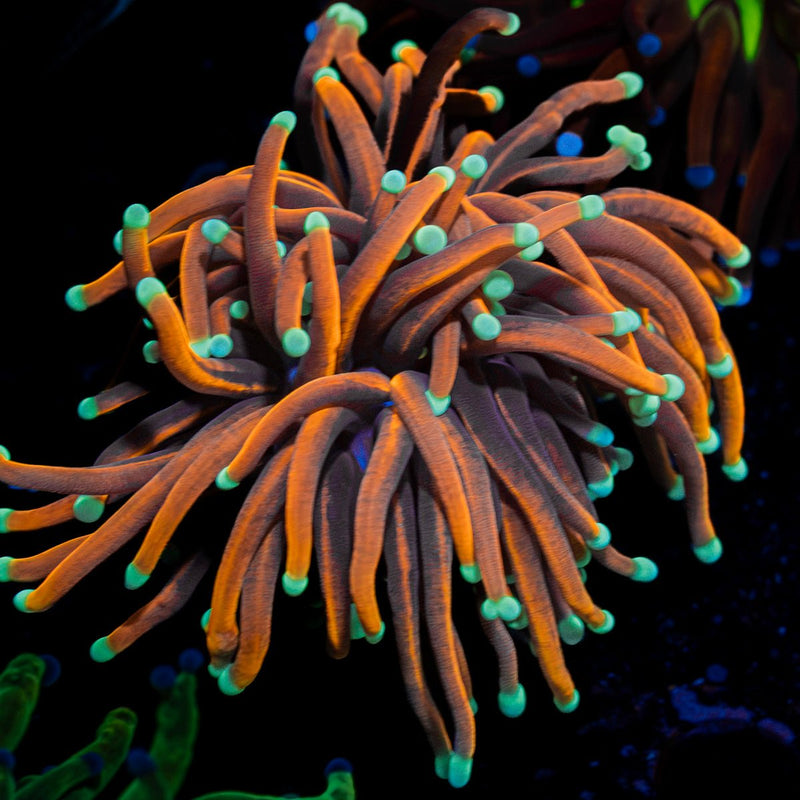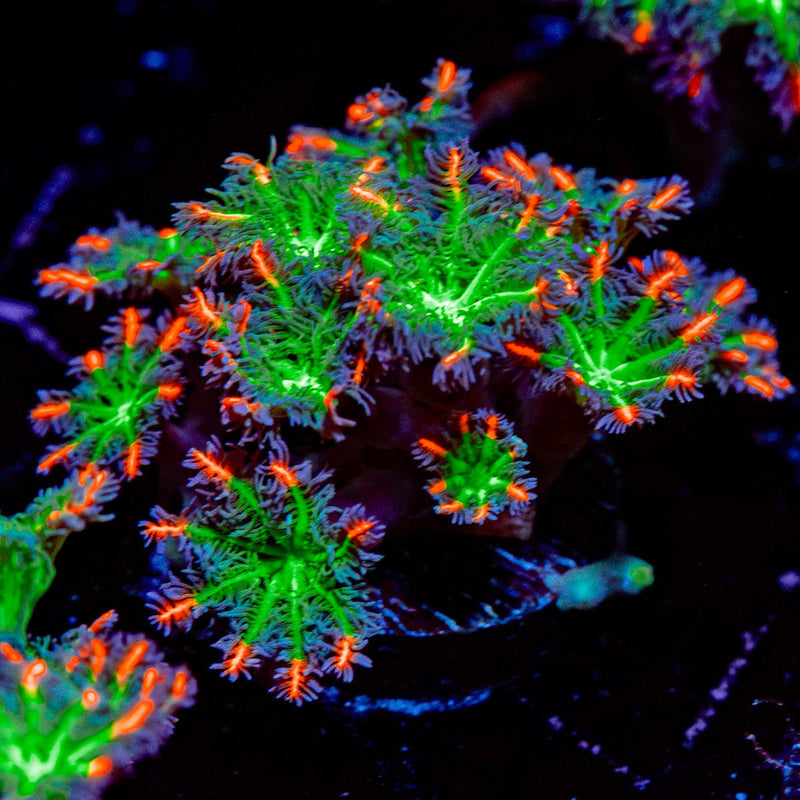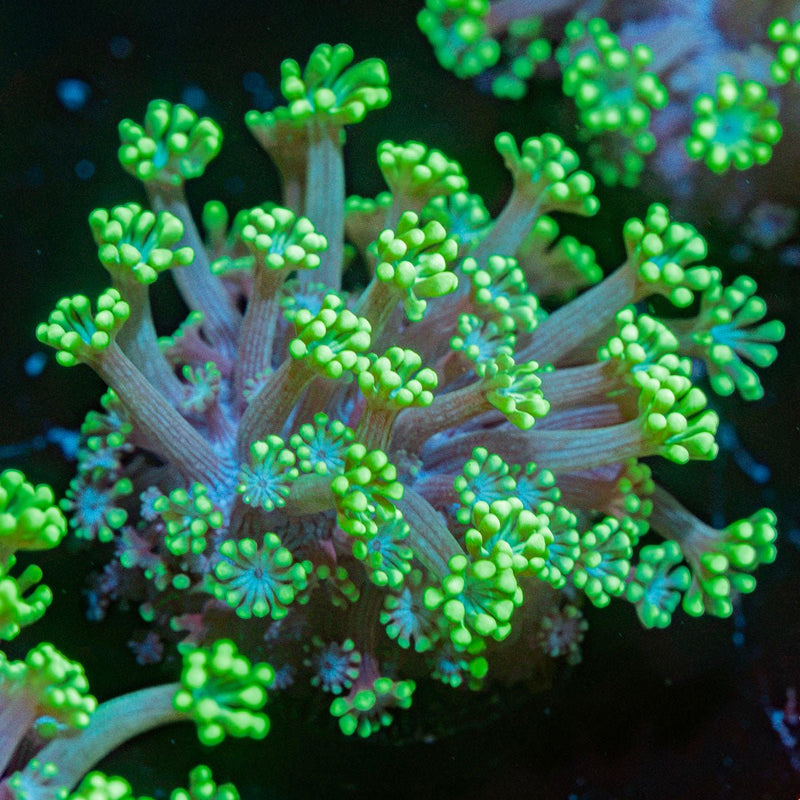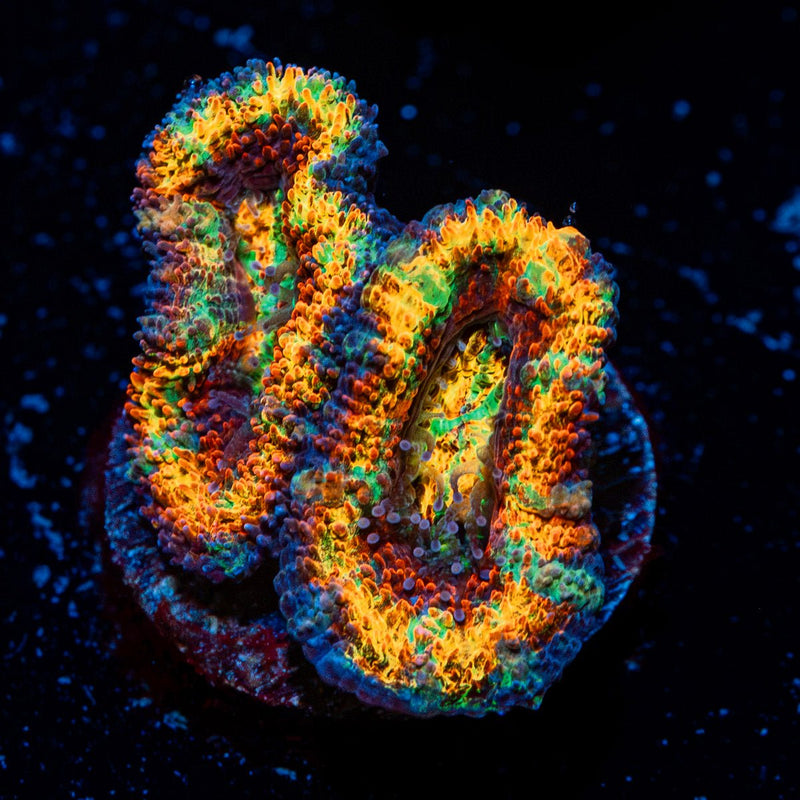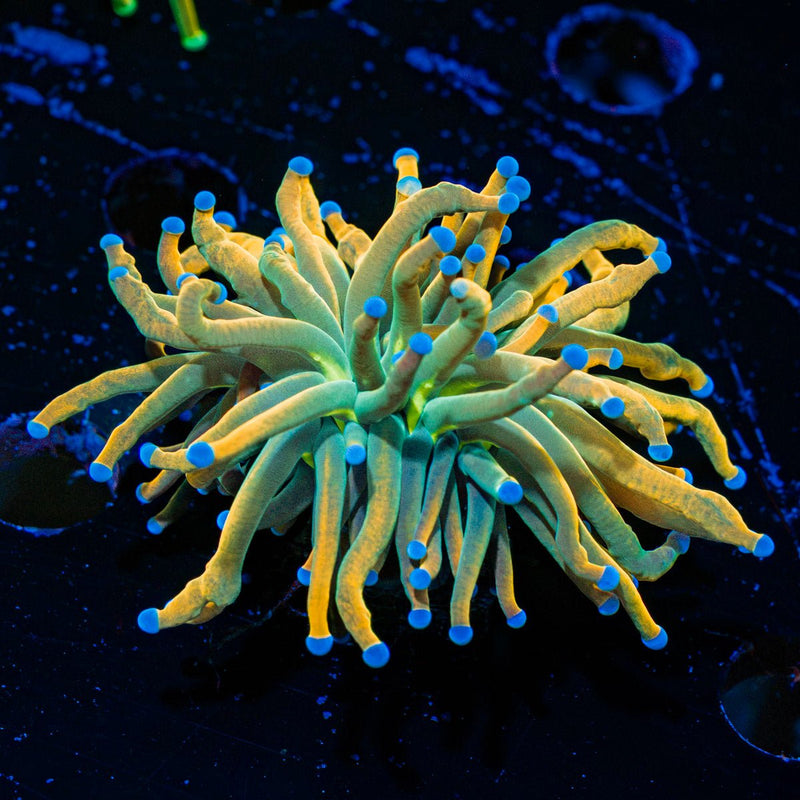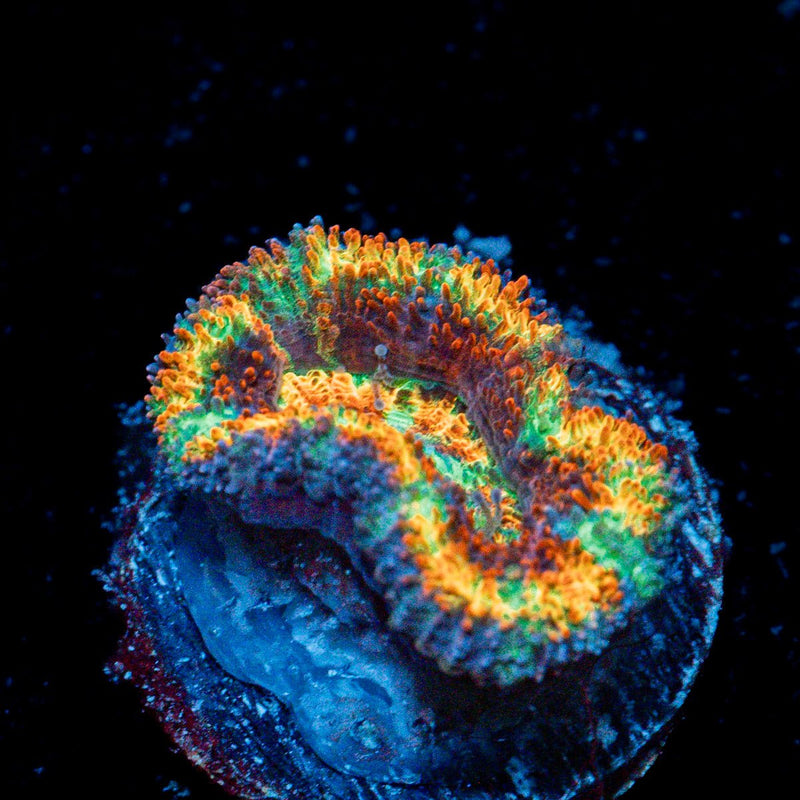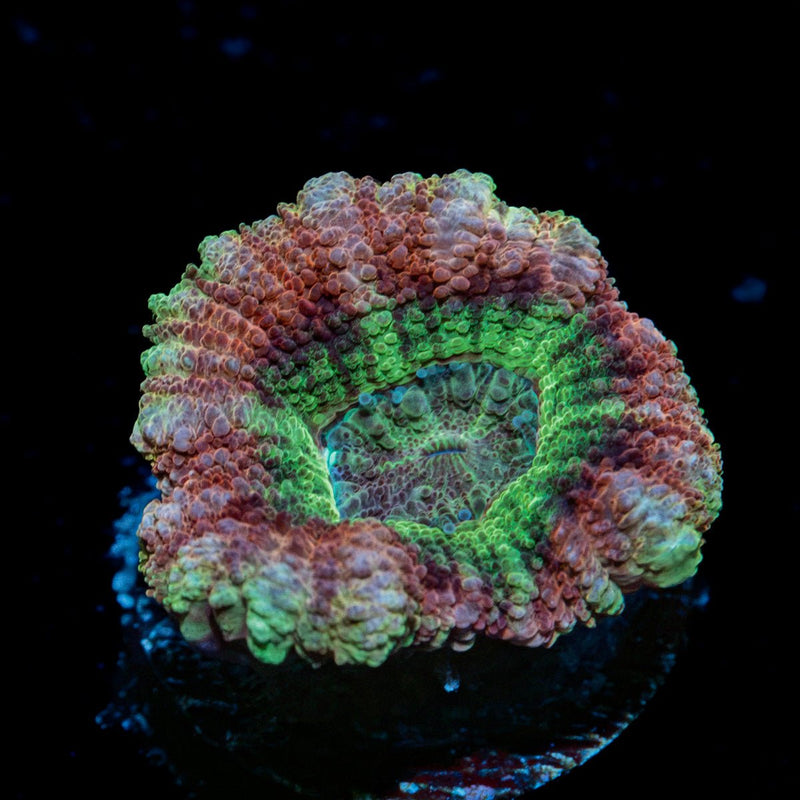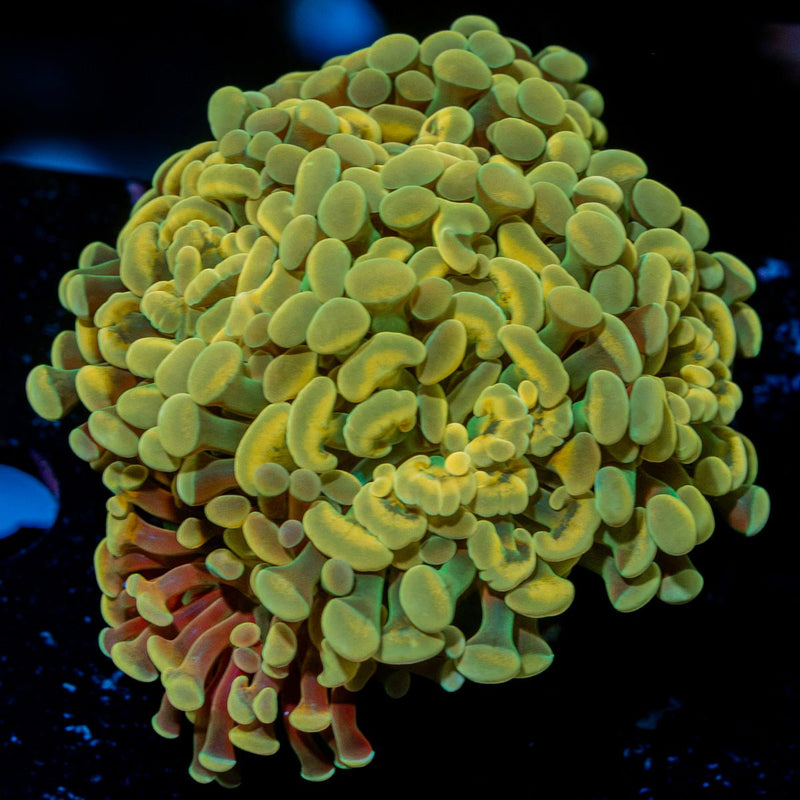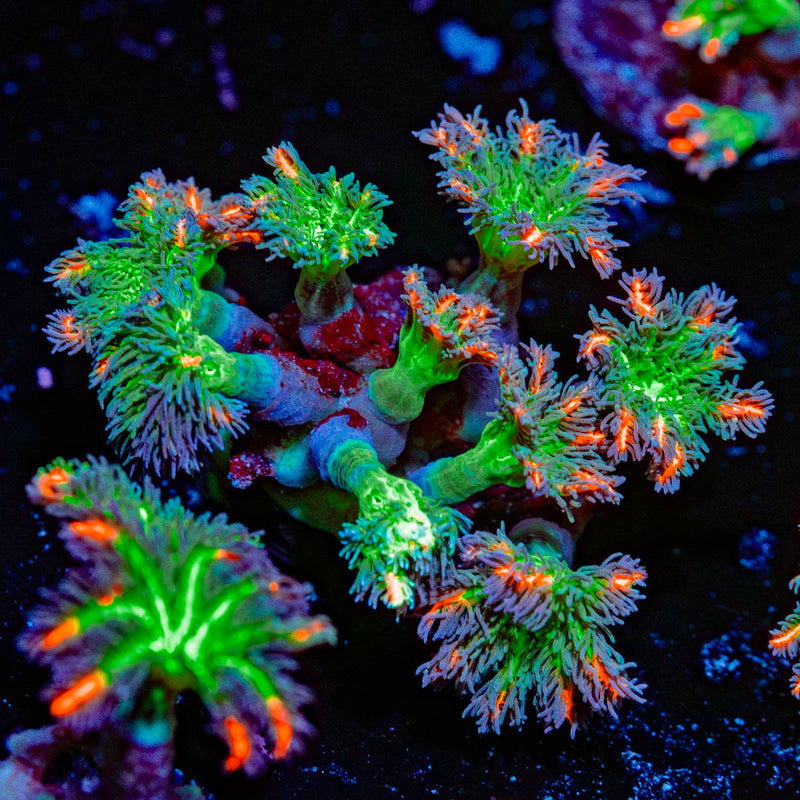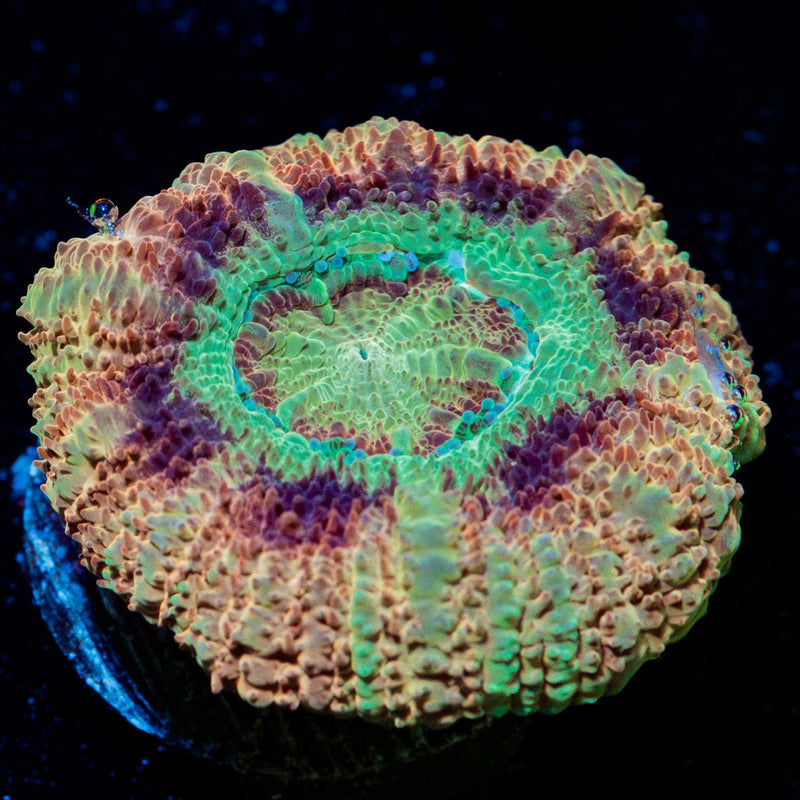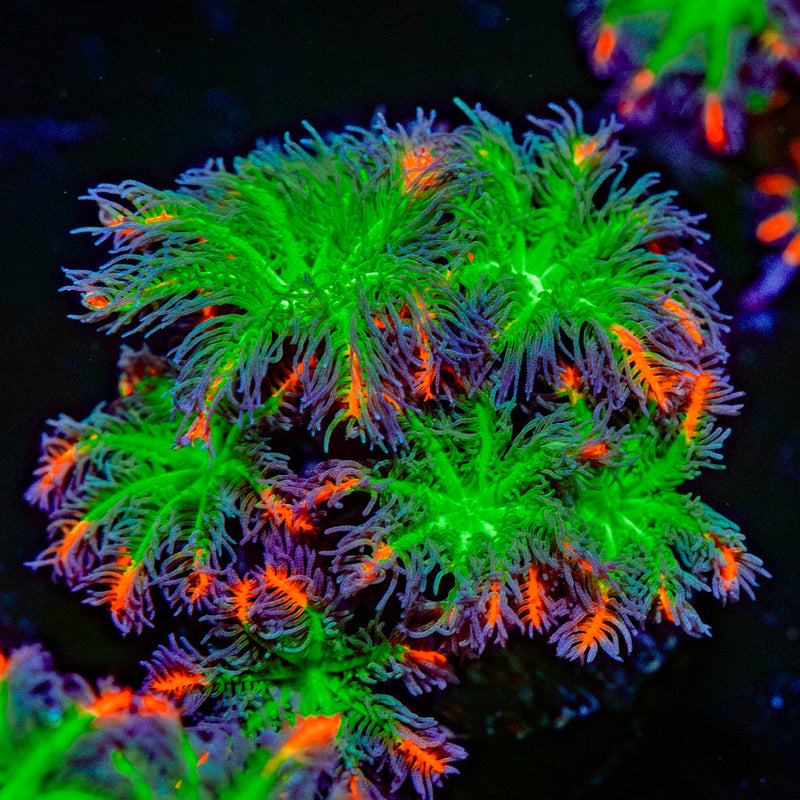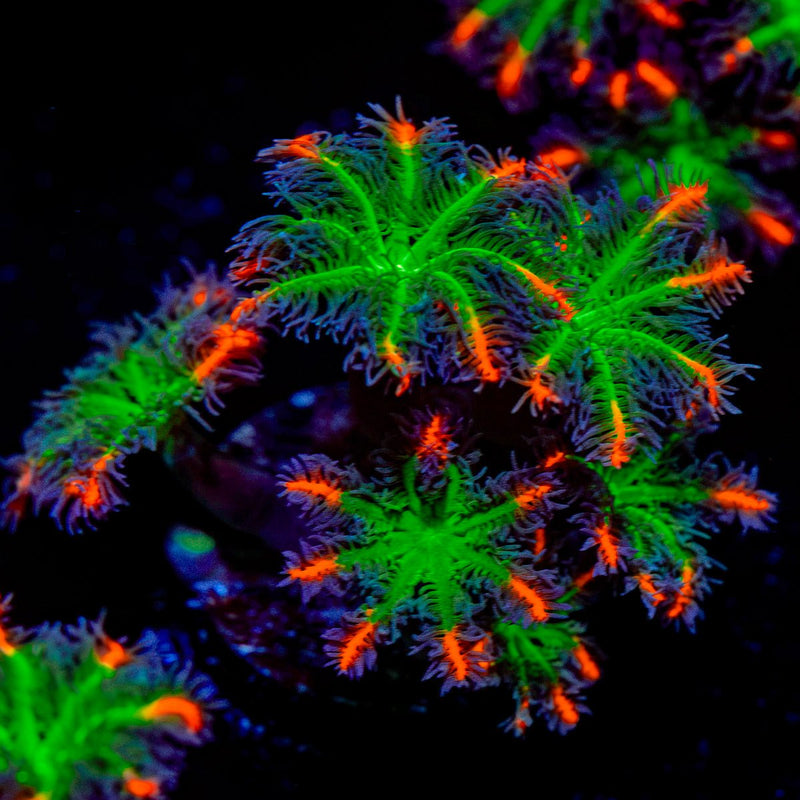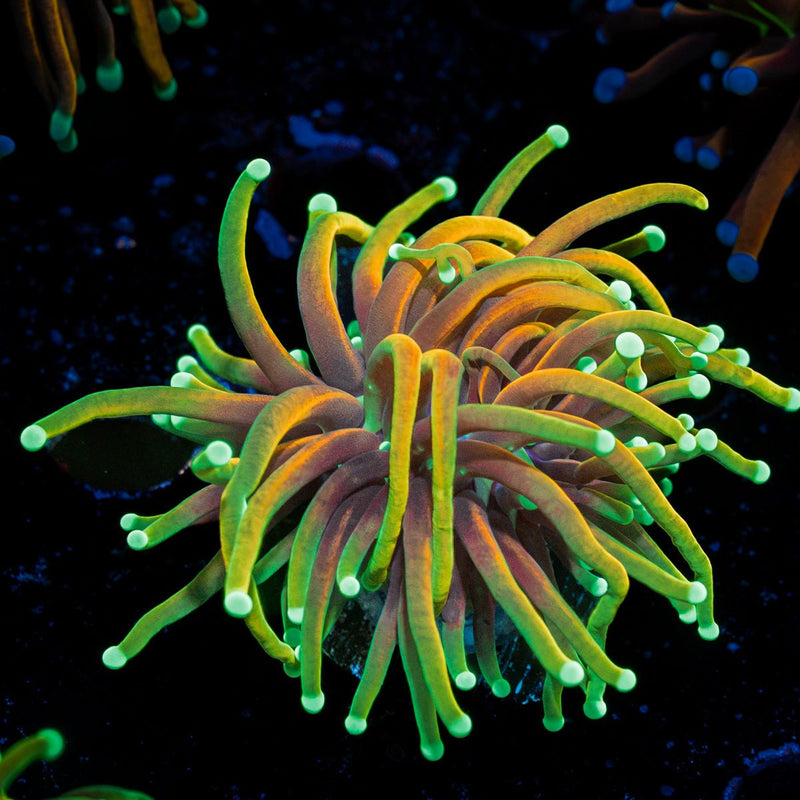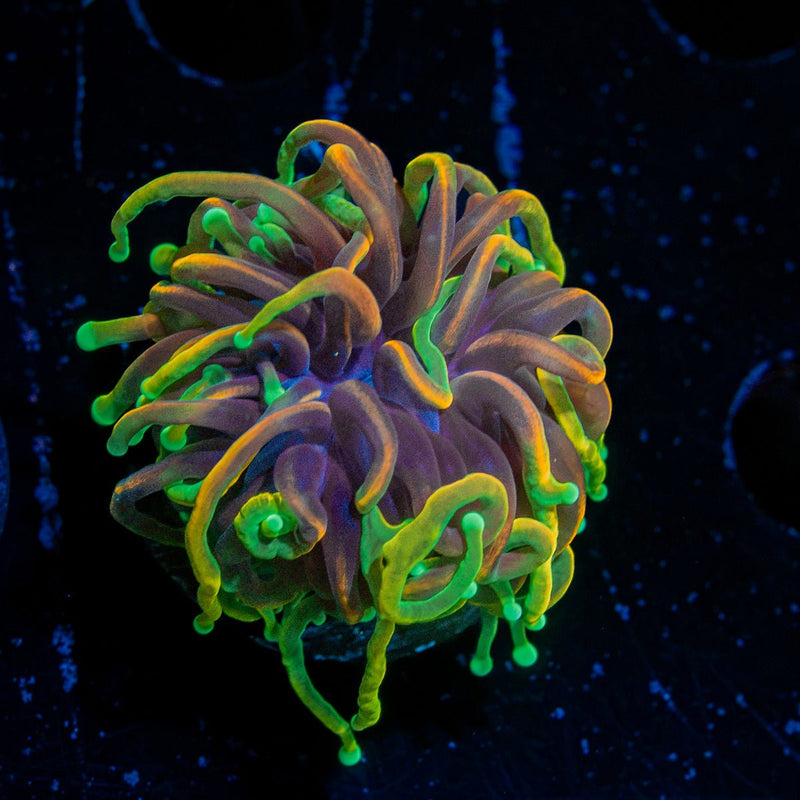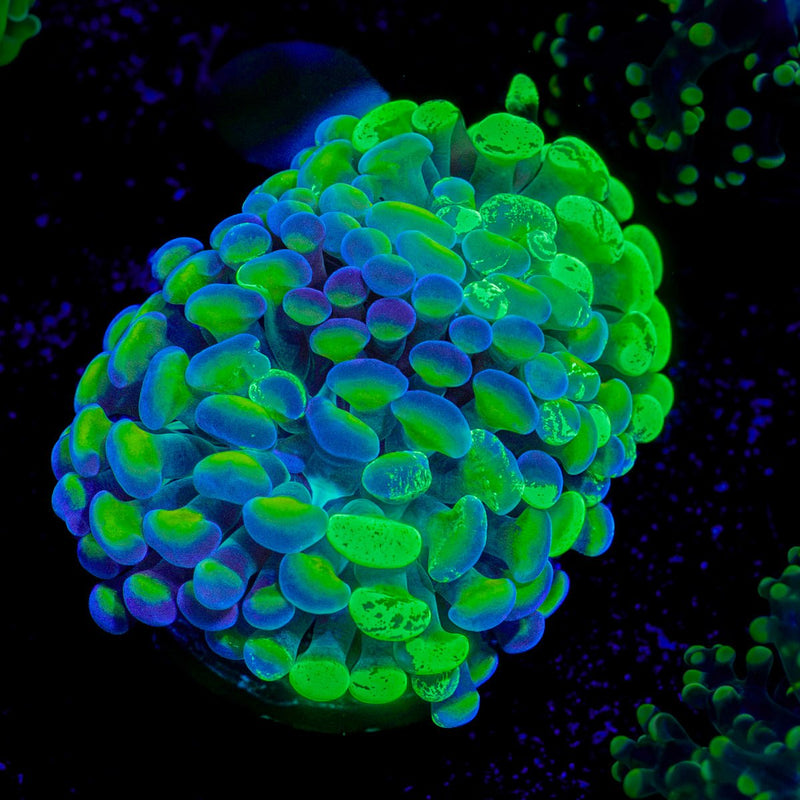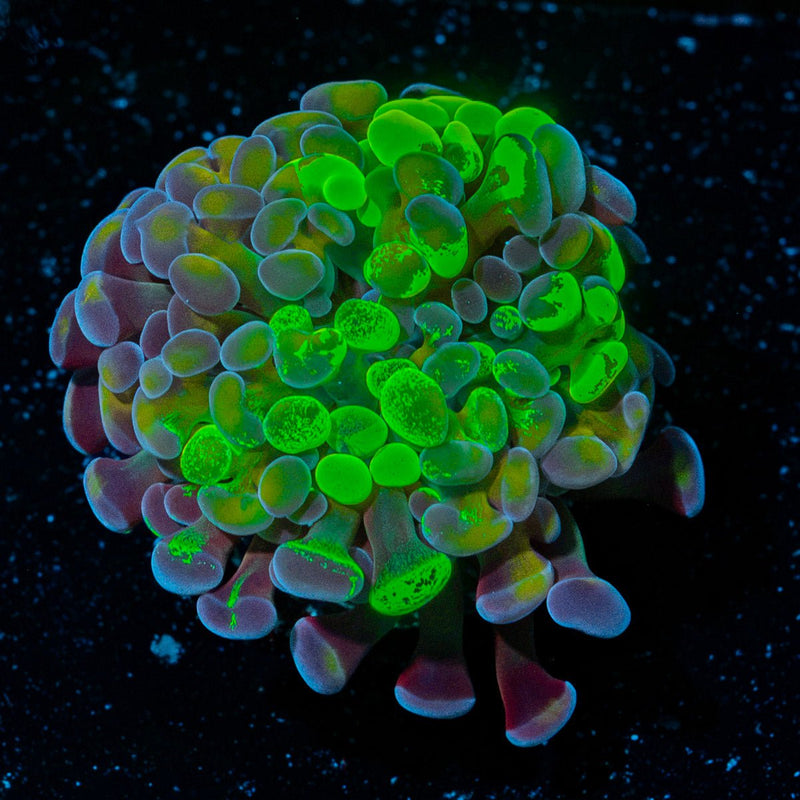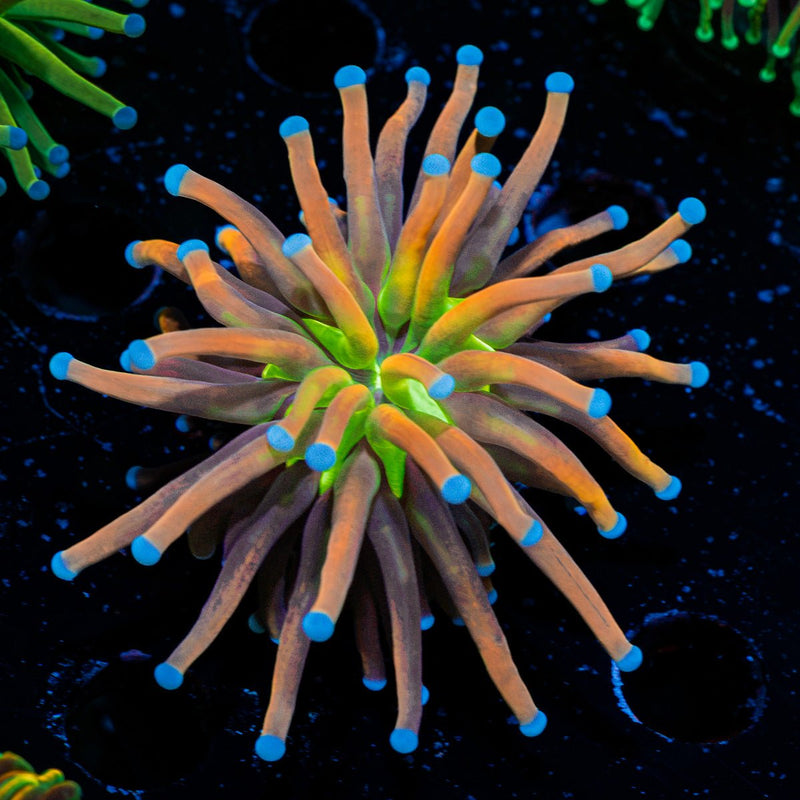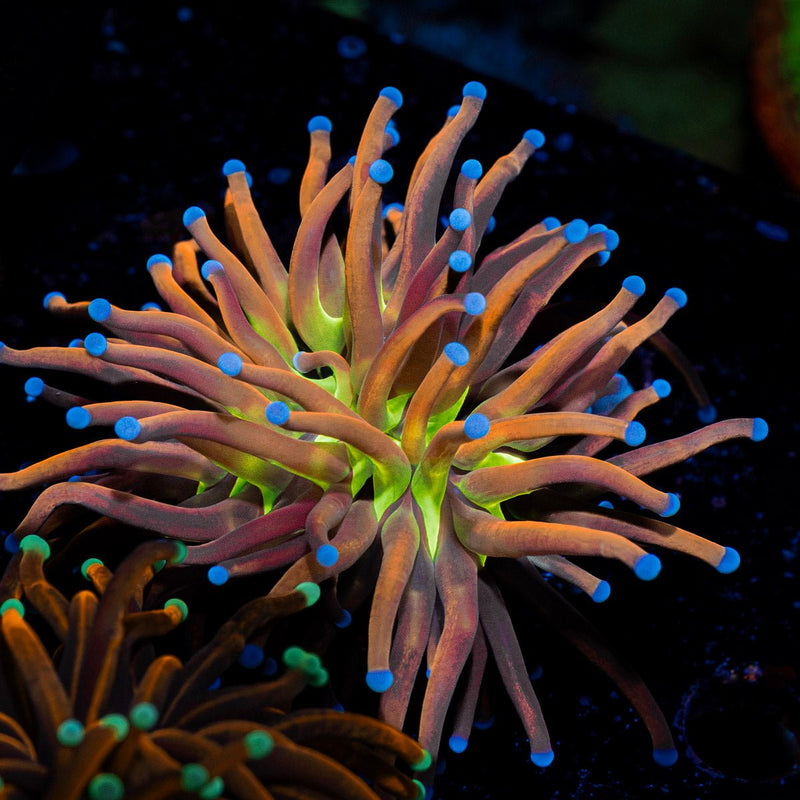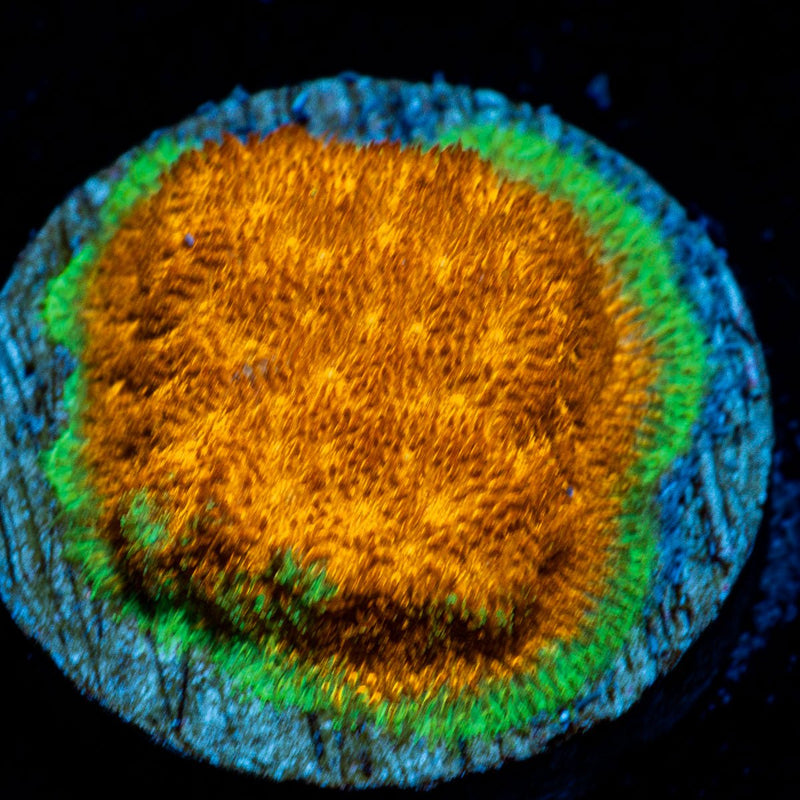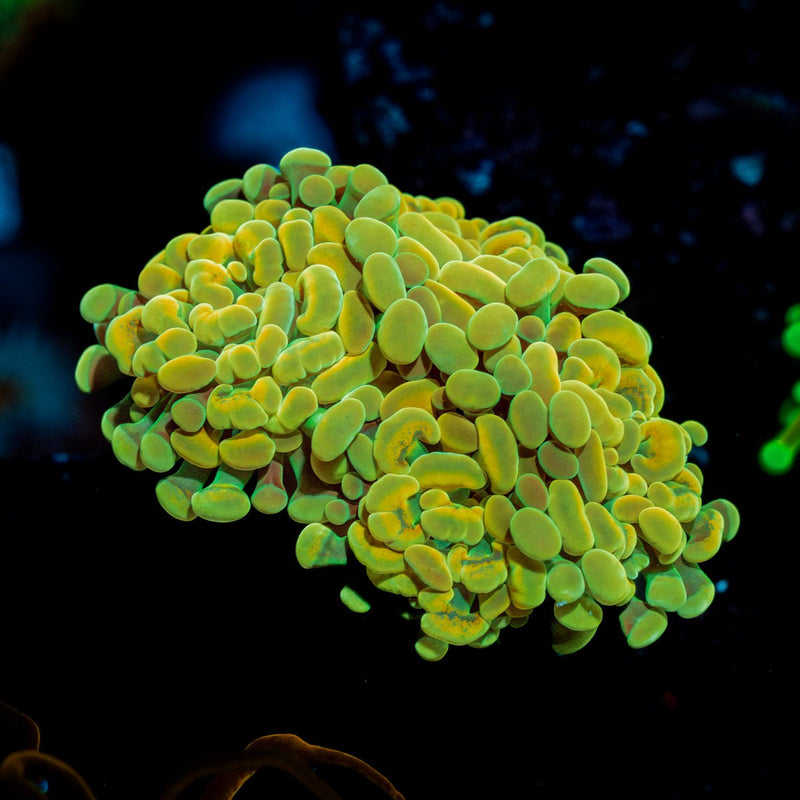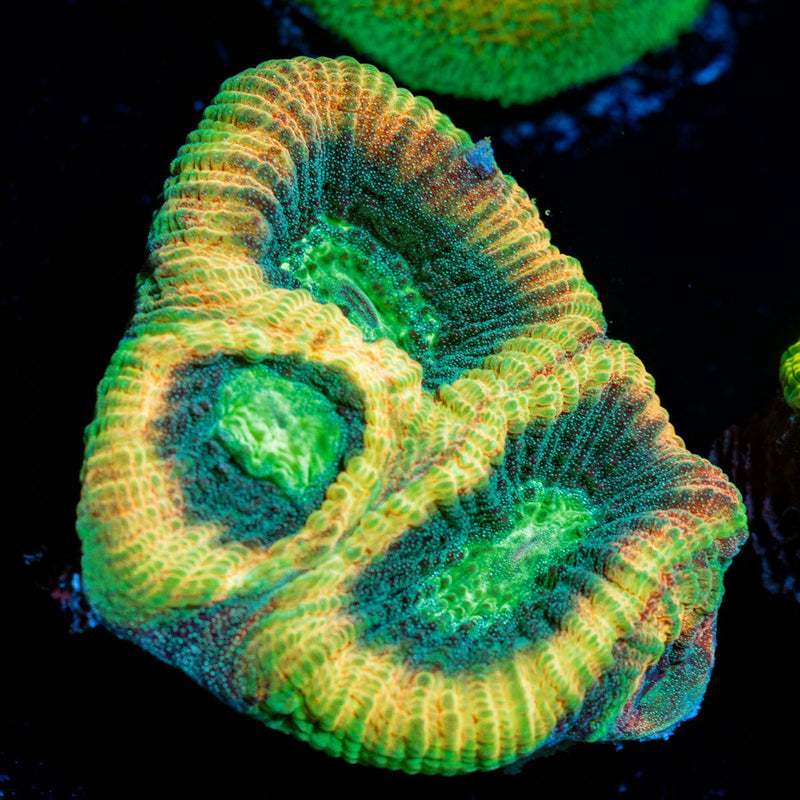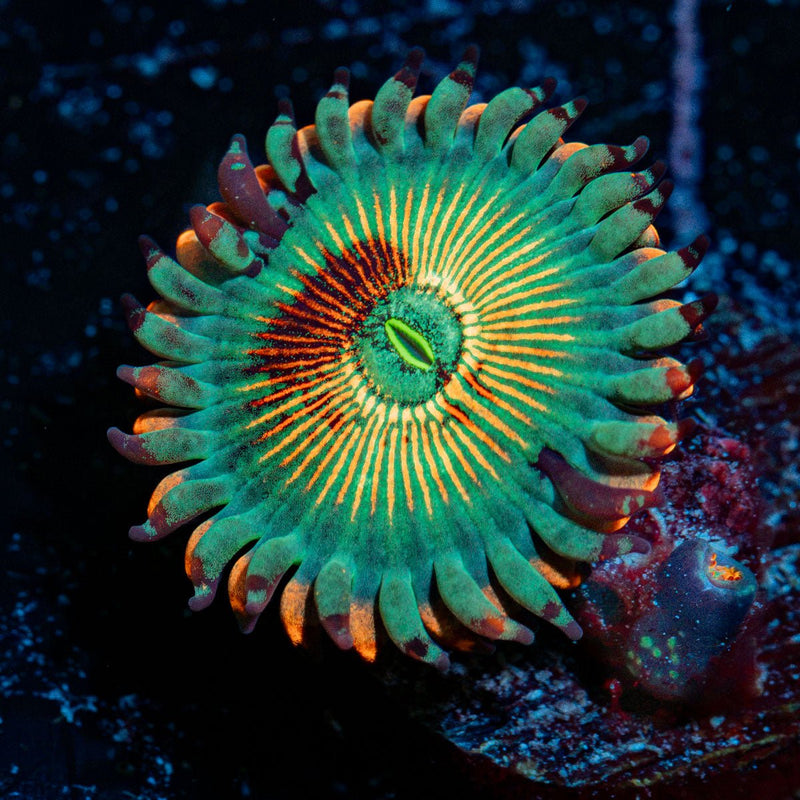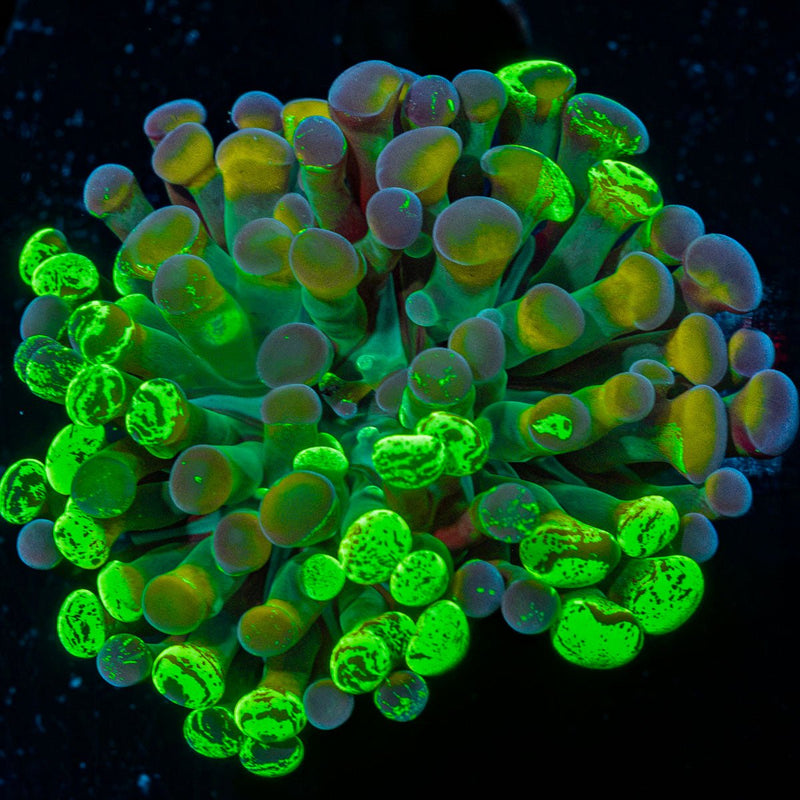
A bright torch swaying in the current, a garden of zoanthids spreading across the rockwork, a single showpiece Acropora growing into a colony - these are the moments that make a reef tank feel alive. Coral farming is what helps make more of those moments possible, giving hobbyists access to colorful, tank-adapted corals without relying solely on wild collection.
For reef keepers, aquacultured corals offer more than a feel-good sourcing story. They are often raised under aquarium lighting, aquarium flow, and aquarium water chemistry. That history can make them a smart fit for home reef systems, whether you are choosing your first easy-care mushroom coral or adding a vivid WYSIWYG SPS piece to an established display.
What Coral Farming Means for Reef Hobbyists
Coral farming is the deliberate propagation and grow-out of corals in controlled systems. A healthy parent colony is carefully fragged, then each piece is mounted, healed, grown, and monitored until it is ready for a new home. In land-based aquaculture facilities, this process happens in saltwater systems built to support stable light, flow, nutrition, and water parameters.
The process is not simply cutting coral and waiting. Farmers select healthy parent colonies, watch for consistent coloration and growth, manage pests, and allow frags enough time to recover. A fresh cut frag can look impressive on day one, but a healed, established frag is generally better prepared for the stress of shipping and acclimation.
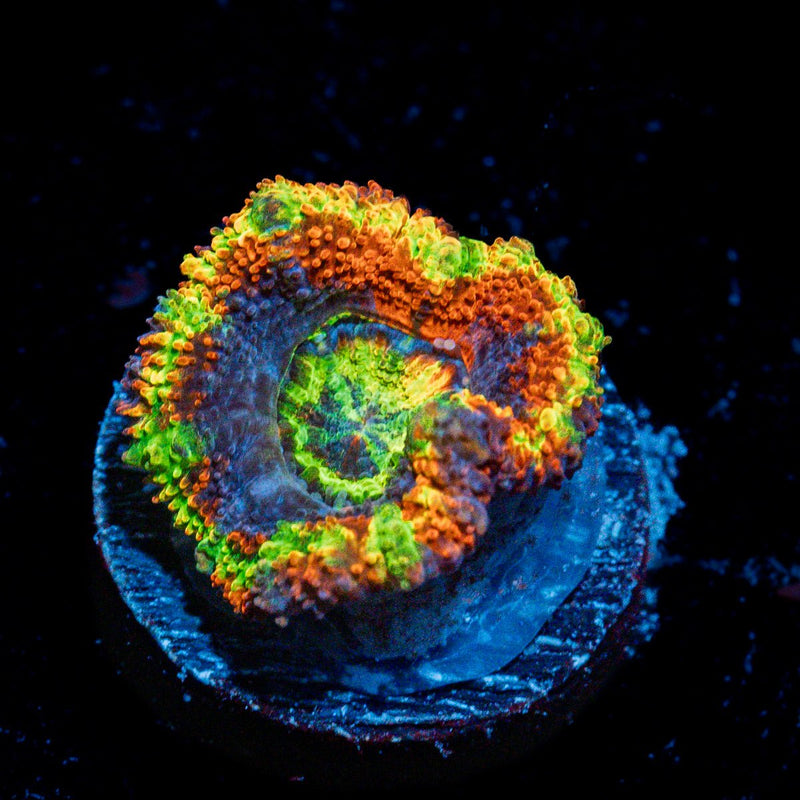
Many familiar aquarium favorites can be farmed this way. Soft corals, zoanthids, mushrooms, hammers, frogspawn, torches, acans, chalices, and many SPS corals all lend themselves to propagation. The growth rate and difficulty vary dramatically. A fast-growing green star polyp is not managed like a slow-growing, high-color Acropora, but both can begin as a carefully tended frag.
Why Aquacultured Coral Can Be a Better Starting Point
The clearest benefit of coral farming is that it creates more coral from existing broodstock. That can reduce pressure on natural reefs while giving aquarists access to a wider and more dependable selection of captive-grown livestock. It also allows outstanding color morphs and proven aquarium performers to remain available long after a wild colony would have been unavailable or difficult to source.
For the home aquarist, the practical advantages matter just as much. Corals grown in aquariums have already adapted to artificial lighting, pumps, filtration, and the small day-to-day changes that occur in closed reef systems. That does not mean they are invincible. Every coral still needs a stable tank, thoughtful acclimation, and parameters appropriate to its species. But a farmed frag has experience living in conditions closer to yours than a newly imported wild specimen may have.
Aquaculture also supports a better shopping experience. When a retailer can grow, observe, photograph, and classify corals over time, shoppers gain useful context around care level, color, and growth habit. Exact-item WYSIWYG coral shopping adds another layer of confidence: the coral in the photo is the piece you receive, rather than a representative image of a colony that may vary in pattern or coloration.
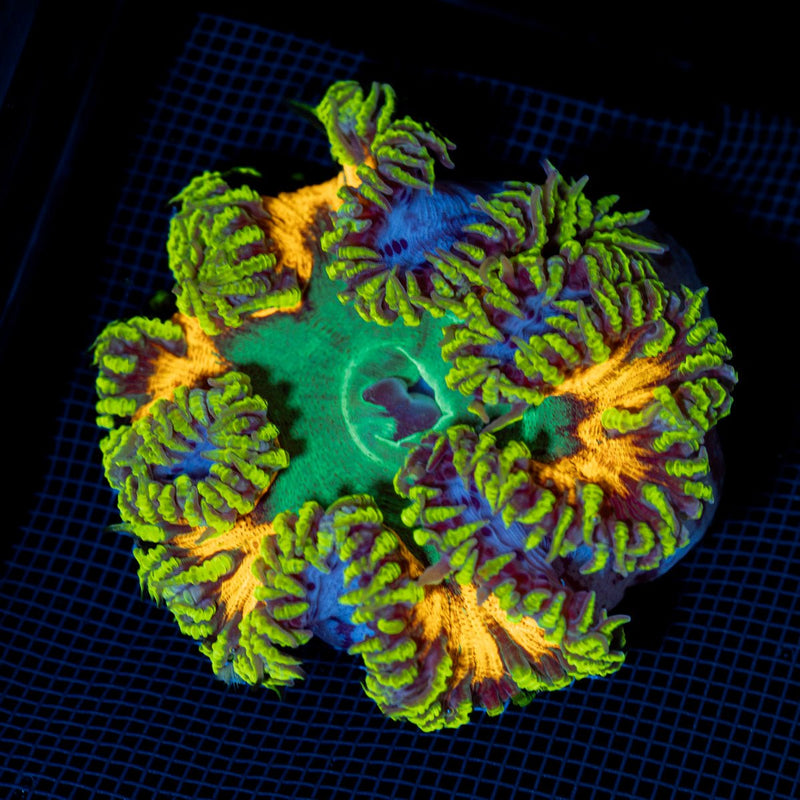
That transparency is especially valuable with living jewels such as rainbow chalices, multicolor scolymia-style corals, premium torches, and named SPS frags. No two pieces are exactly alike. Size, eye placement, branching pattern, and coloration can all influence which specimen feels right for your reef.
Farmed Does Not Mean Care-Free
A healthy aquacultured frag is a strong starting point, not a substitute for good husbandry. The most successful coral purchases begin with an honest match between the coral and the tank.
Beginner-friendly soft corals, mushrooms, many zoanthids, and hardier LPS corals can be excellent choices for newer systems that have completed their cycle and developed stable salinity and temperature. They often tolerate moderate lighting and flow, though each coral still has preferences. A hammer coral may flourish in moderate, indirect movement, while a mushroom generally prefers lower light and gentler flow.
SPS corals, particularly Acropora and Millepora, are usually better suited to mature systems with strong, consistent lighting, ample random flow, and close attention to alkalinity, calcium, and nutrient stability. Their vibrant colors can be stunning, but they reveal inconsistency quickly. If your tank is still swinging in alkalinity from week to week, it may be wiser to build confidence with forgiving corals before filling the top rockwork with high-end sticks.
Coral farming can make a coral more aquarium-adapted, but it cannot erase mismatched conditions. Ask whether your tank can provide the light, flow, placement, and chemistry the coral needs now, not just after the next equipment upgrade.
How to Shop Coral Farming With Confidence
When buying online, look beyond the label “aquacultured.” A quality coral program should give you a clear view of what is being offered and help you understand where it belongs in a reef tank. WYSIWYG photographs are ideal for collectors who want the exact frag shown. For hobbyists building a balanced reef, curated frag packs can make it easier to add complementary color and coral types without guessing.
Pay attention to the frag itself. A well-healed base, open polyps where appropriate, healthy tissue coverage, and clear coloration are encouraging signs. Some corals naturally ship with polyps retracted, and colors can shift slightly under different lighting, so no single visual cue tells the full story. Still, the overall presentation should look cared for rather than rushed.
It also helps to shop by your experience level. A reef tank does not need to be packed with rare corals to look premium. A thoughtful mix of hardy zoanthids, glowing mushrooms, a few textured LPS corals, and one or two focal pieces can create a colorful display while leaving room for the tank to grow with you.
At Riptide Aquaculture, that confidence comes from aquacultured livestock, curated categories, and WYSIWYG options that let hobbyists select corals with a clearer idea of what will arrive at their door.
Give New Frags Their Best Start
The first week after arrival matters. Shipping, even when handled carefully, is a temporary stress event. Your goal is to make the transition calm and predictable rather than dramatic.
Match temperature carefully, inspect the coral and its plug, and follow the seller’s acclimation guidance. If you dip new corals as part of your quarantine routine, use a coral-safe product and observe the coral closely afterward. A separate quarantine or observation system is ideal when possible, especially if you are protecting an established collection from pests such as flatworms, nudibranchs, or unwanted hitchhikers.
Light acclimation deserves patience. Even corals grown under bright farm lighting can react poorly if placed immediately at the highest point of your aquascape under a different fixture and spectrum. Begin with lower or moderate placement, use acclimation settings when available, and move the coral gradually as it responds. Watch tissue, polyp extension, and color over several days rather than making hourly adjustments.
Flow should be deliberate too. LPS corals often look their best with a gentle, changing sway, not a constant blast that keeps their tissue pinned in one direction. SPS corals generally need stronger flow, but dead spots and direct jets can still create problems. Observe how the coral moves, where detritus settles, and whether the polyps are able to extend naturally.
A Growing Reef Is the Real Reward
The beauty of coral farming is that it turns careful stewardship into something visible. A small frag can become a centerpiece, then eventually a source for future frags shared with other hobbyists. That cycle brings the reef aquarium hobby closer to what it should be: a place to enjoy extraordinary color while growing corals with patience and respect.
Choose corals that fit your current tank, give them stable conditions, and leave enough space for their future growth. The most rewarding reef is rarely the one filled fastest. It is the one where every coral has room to become its best, brightest version.