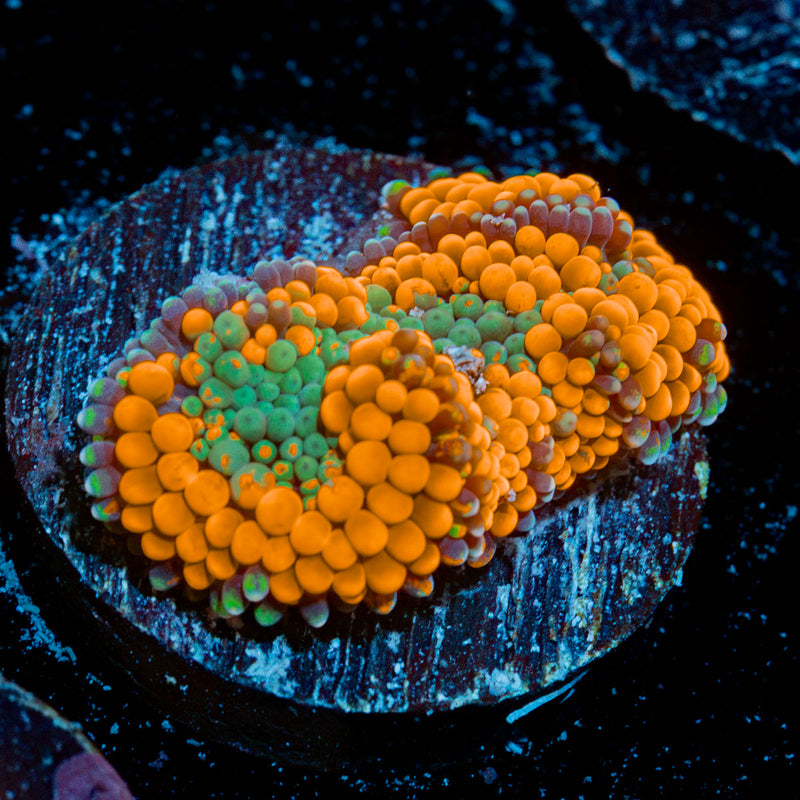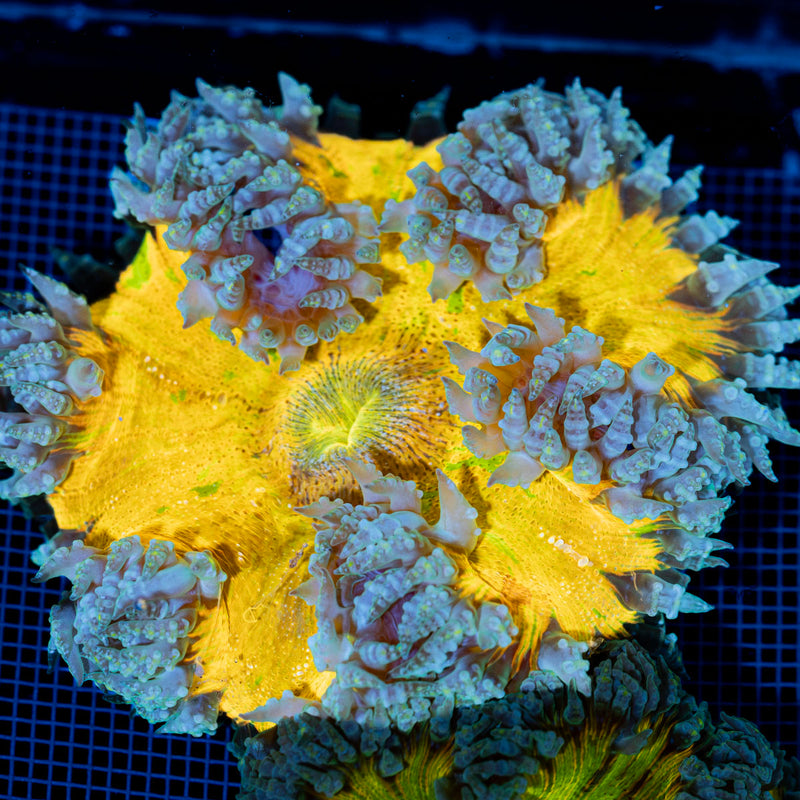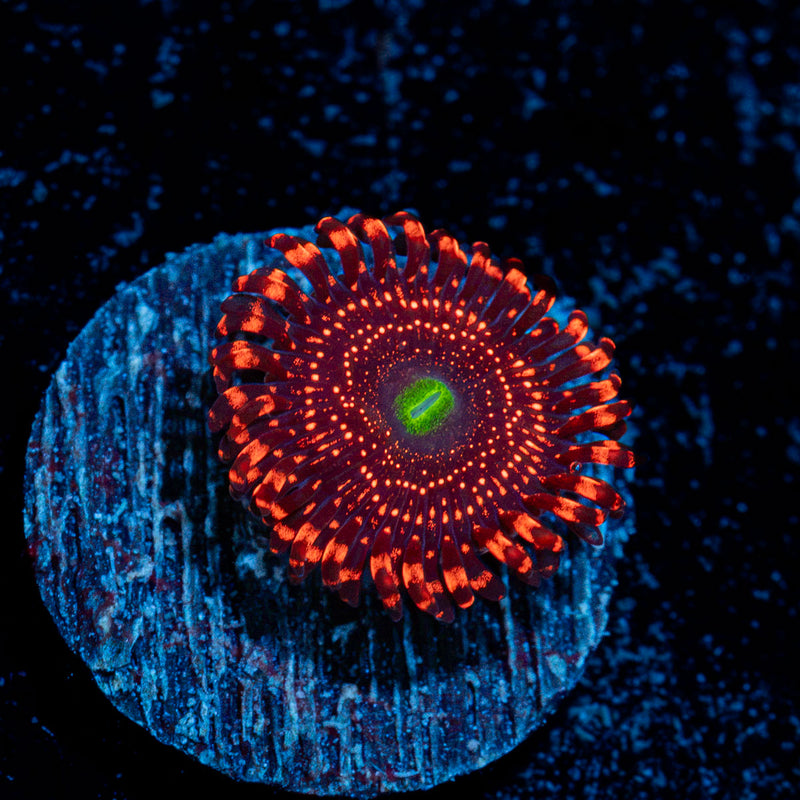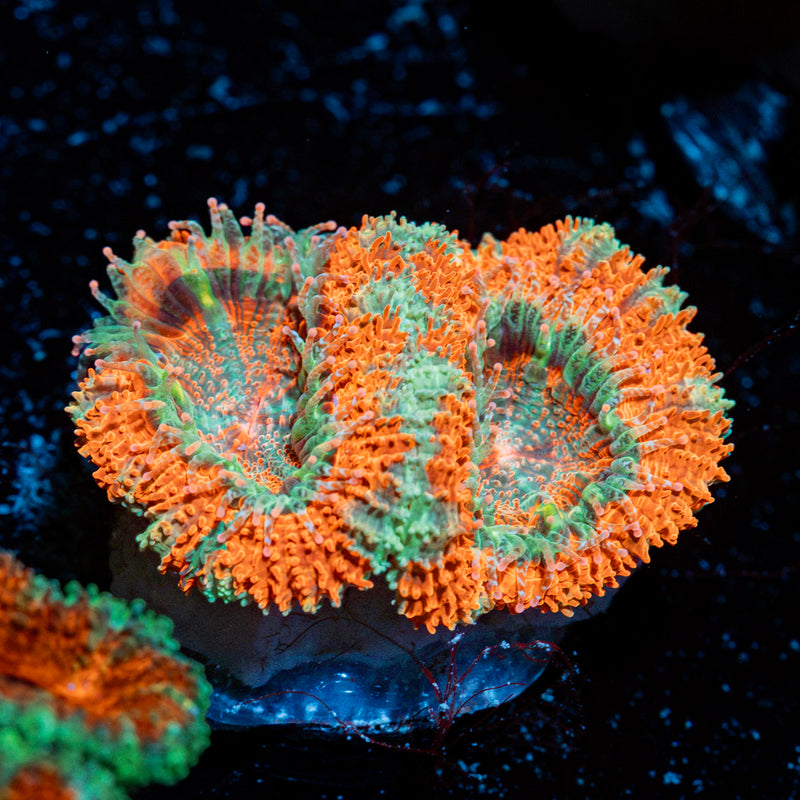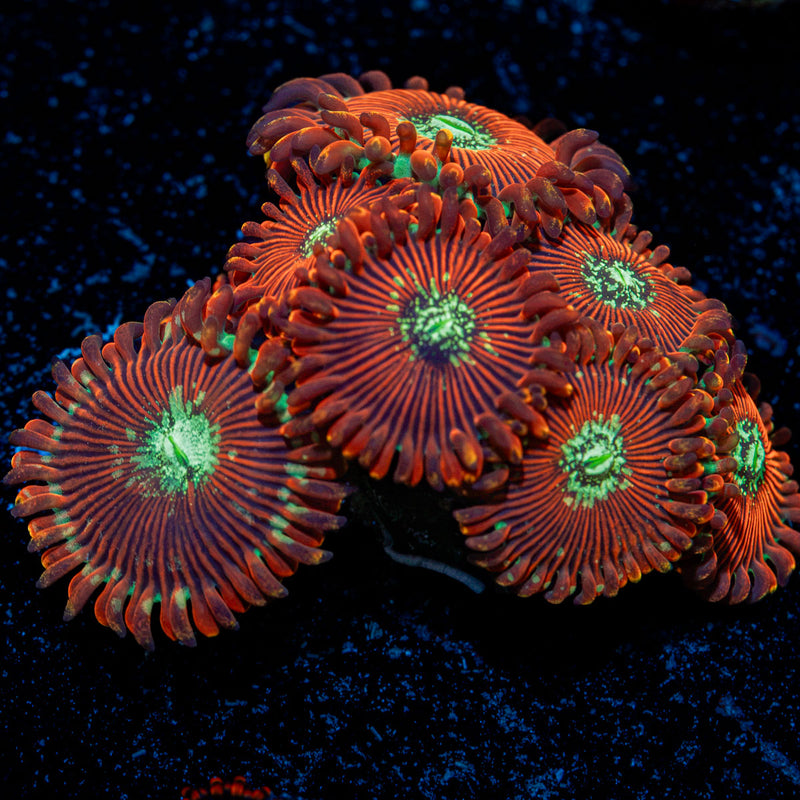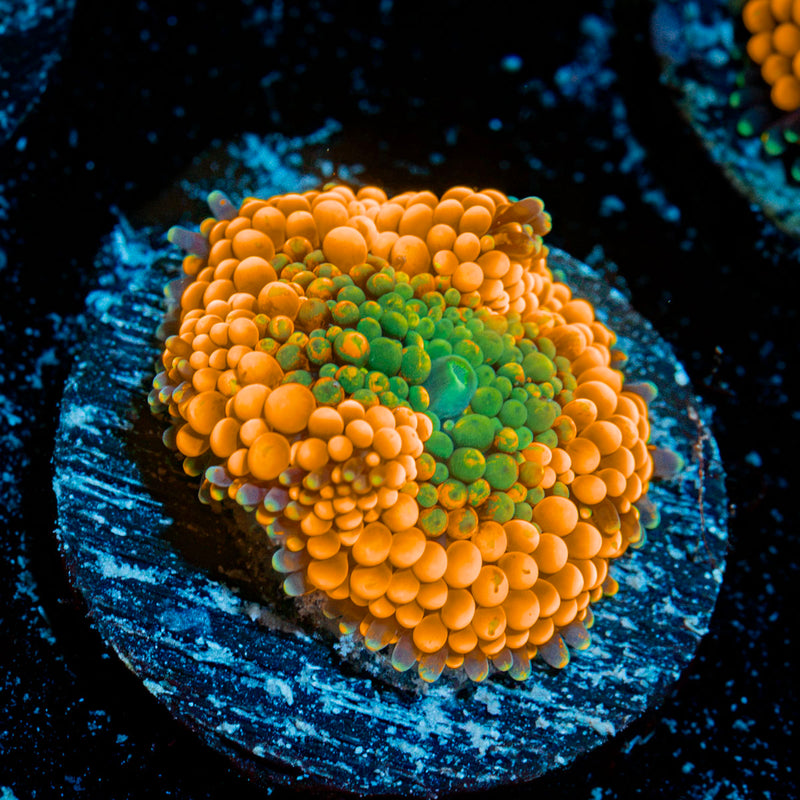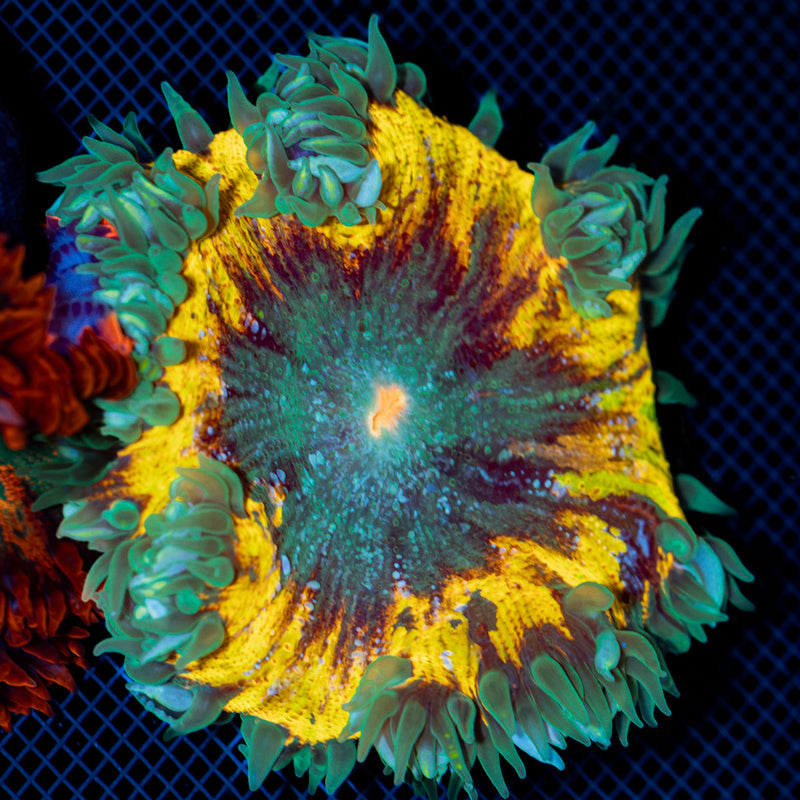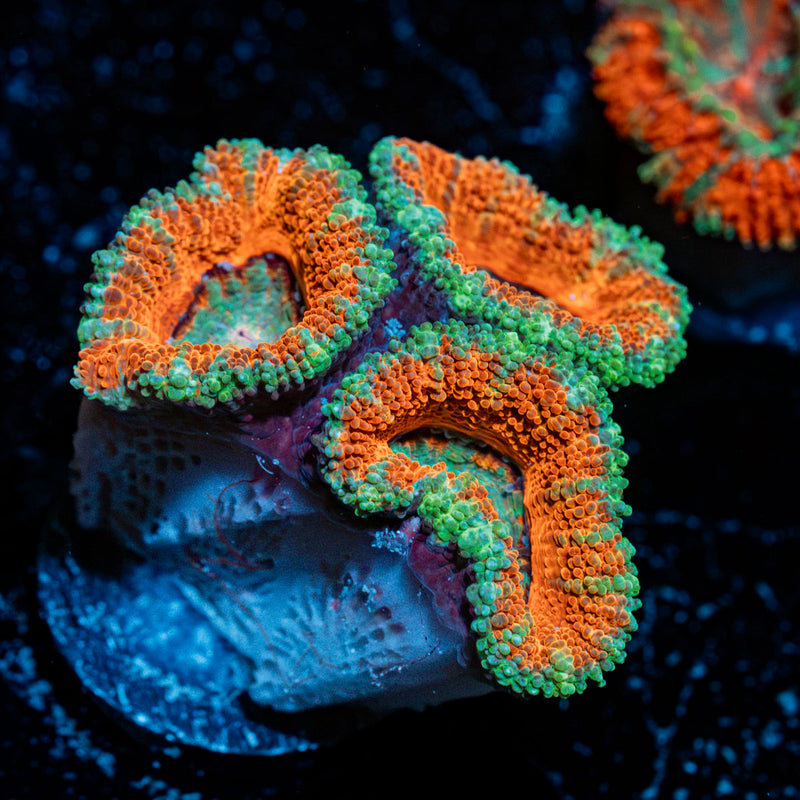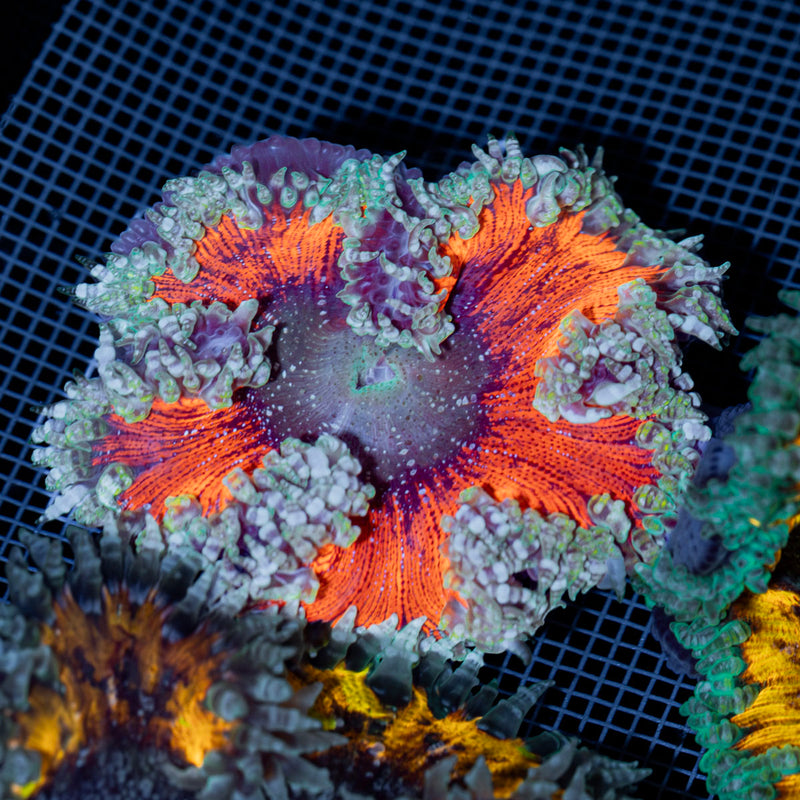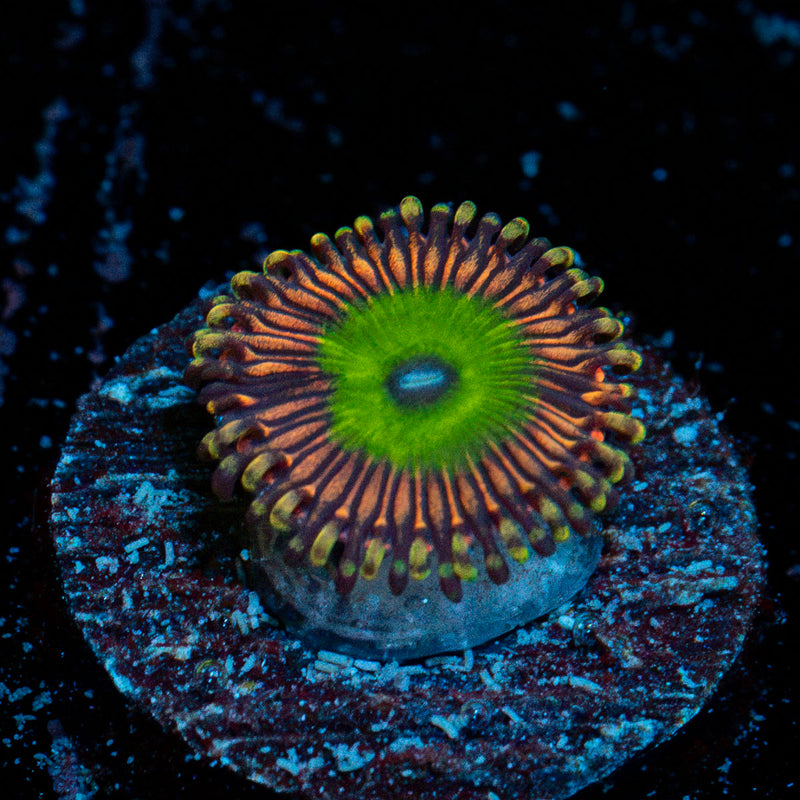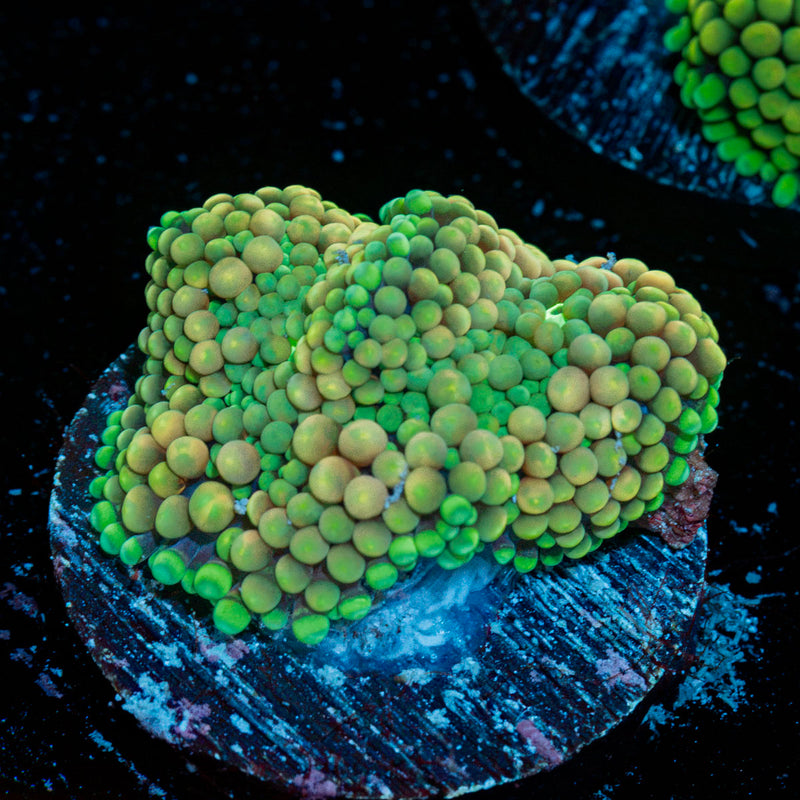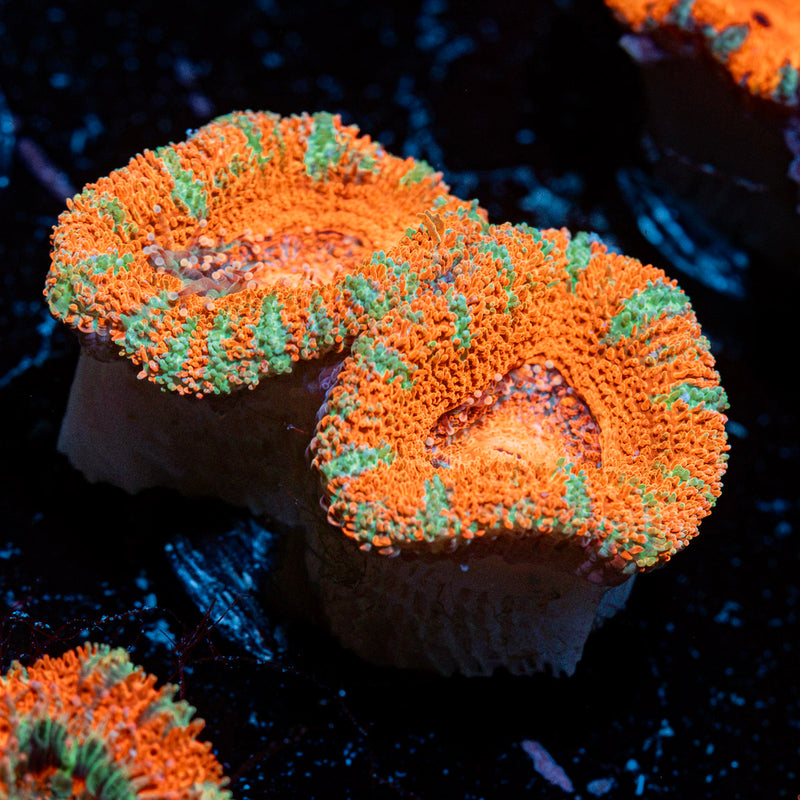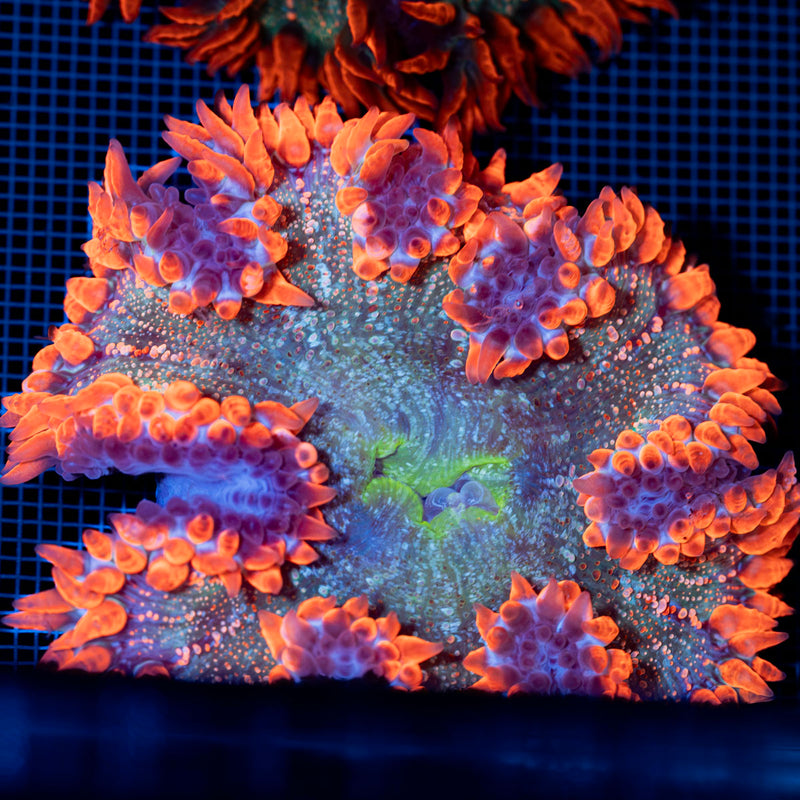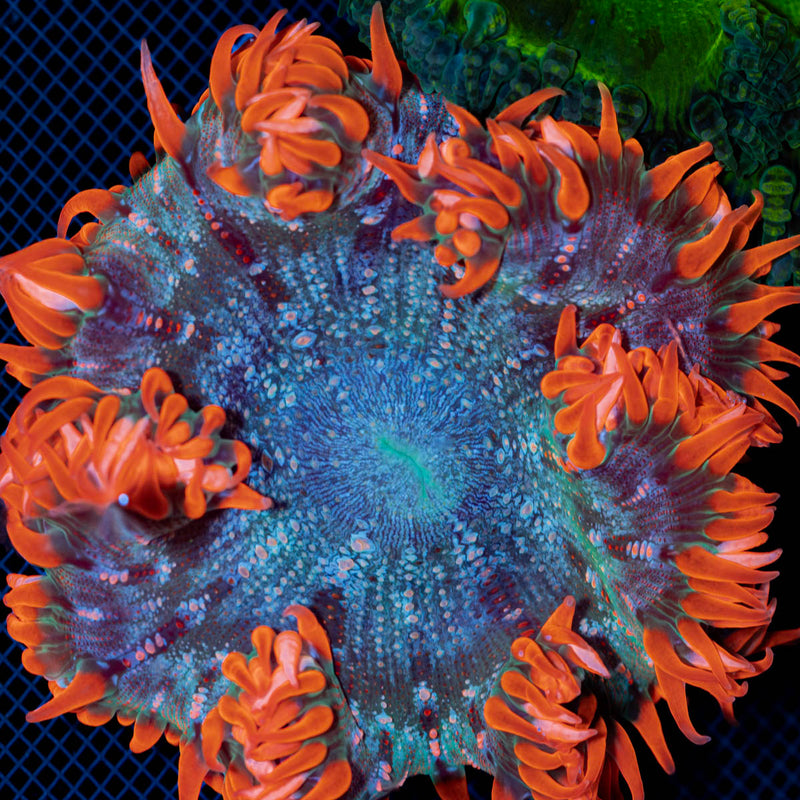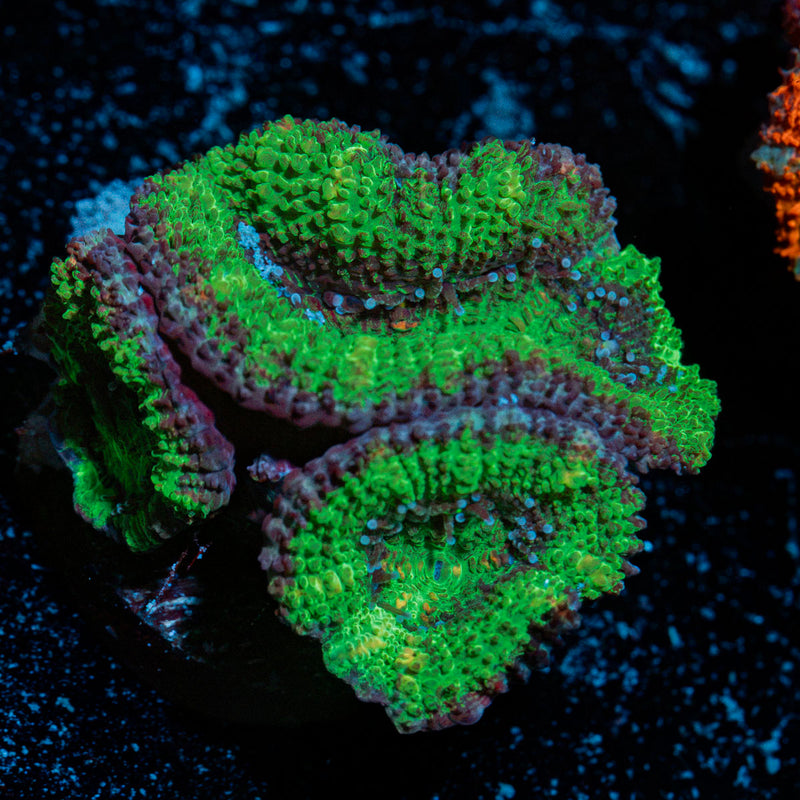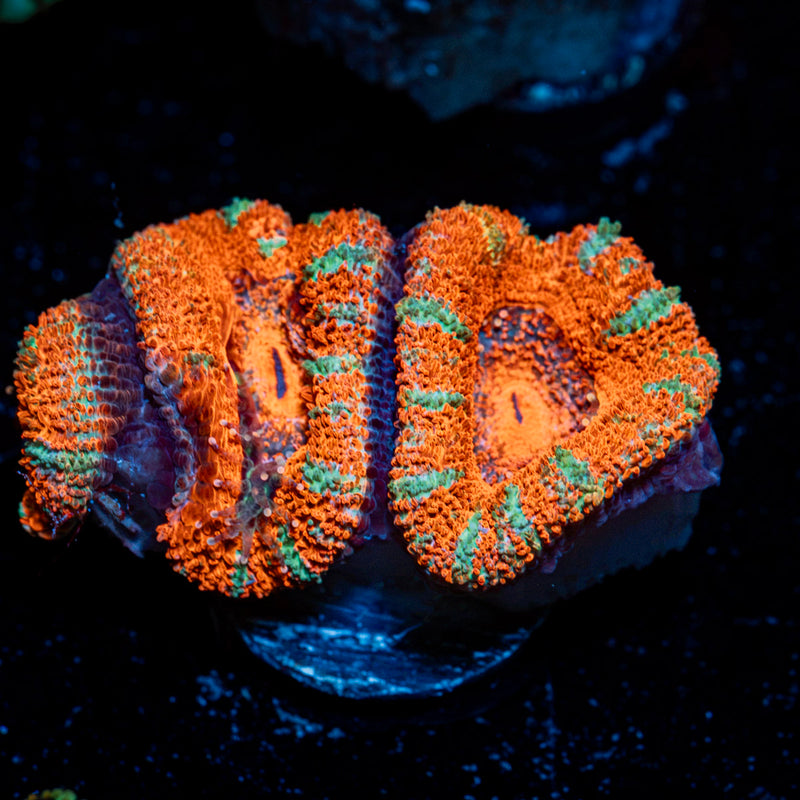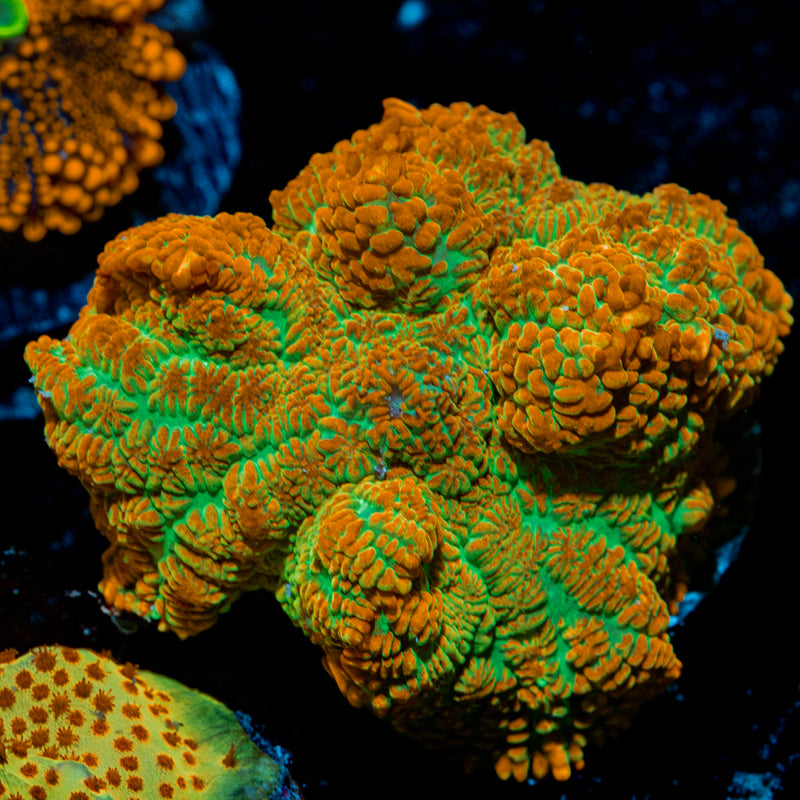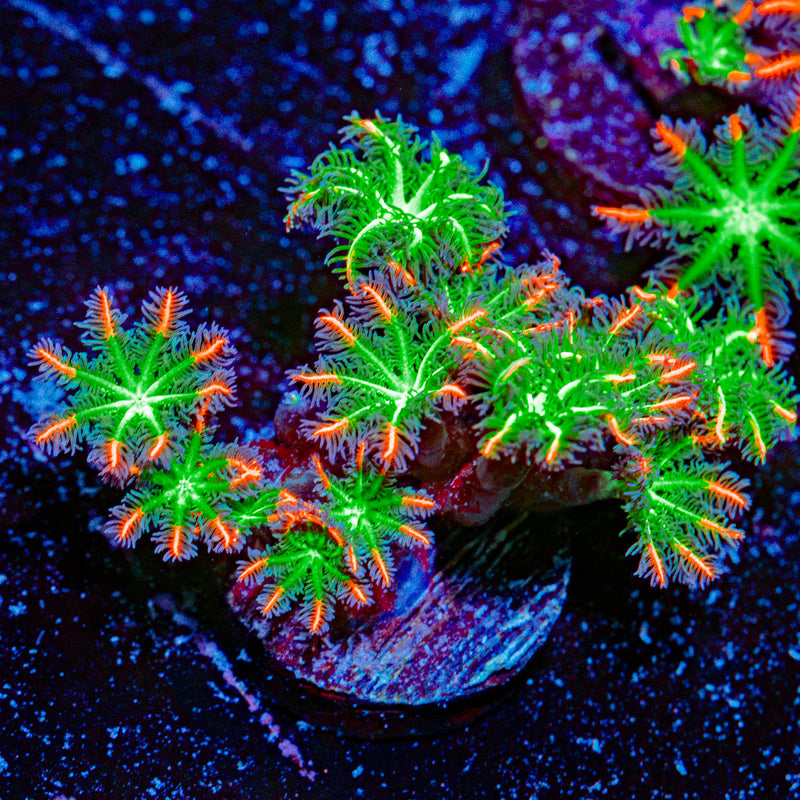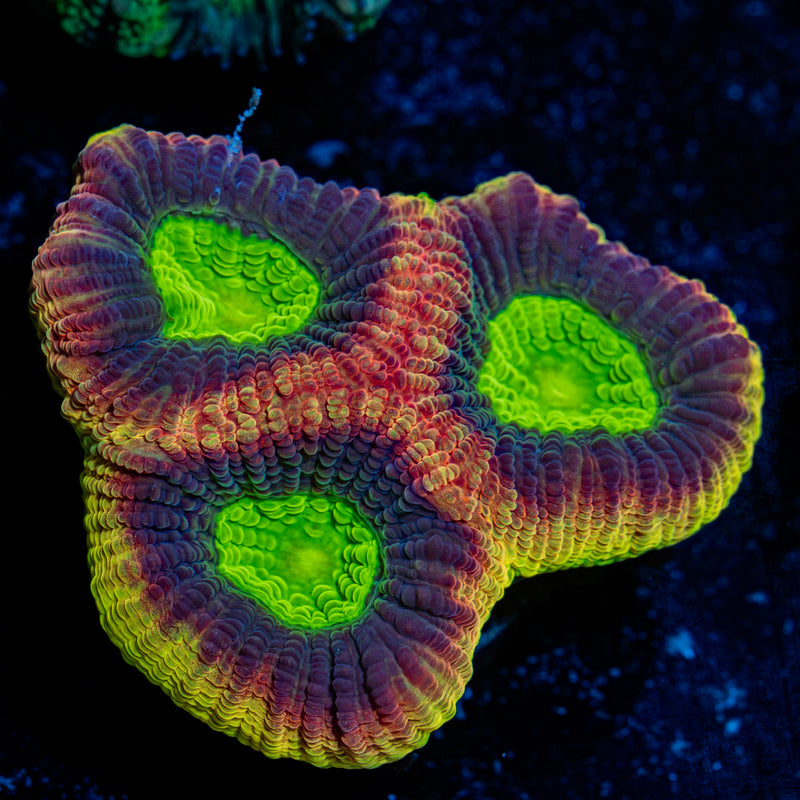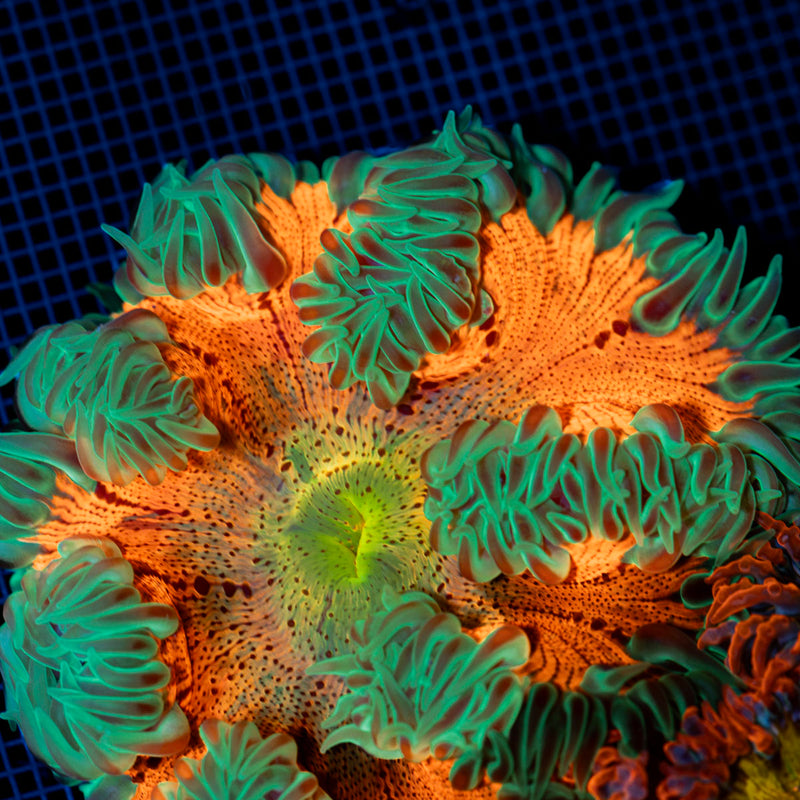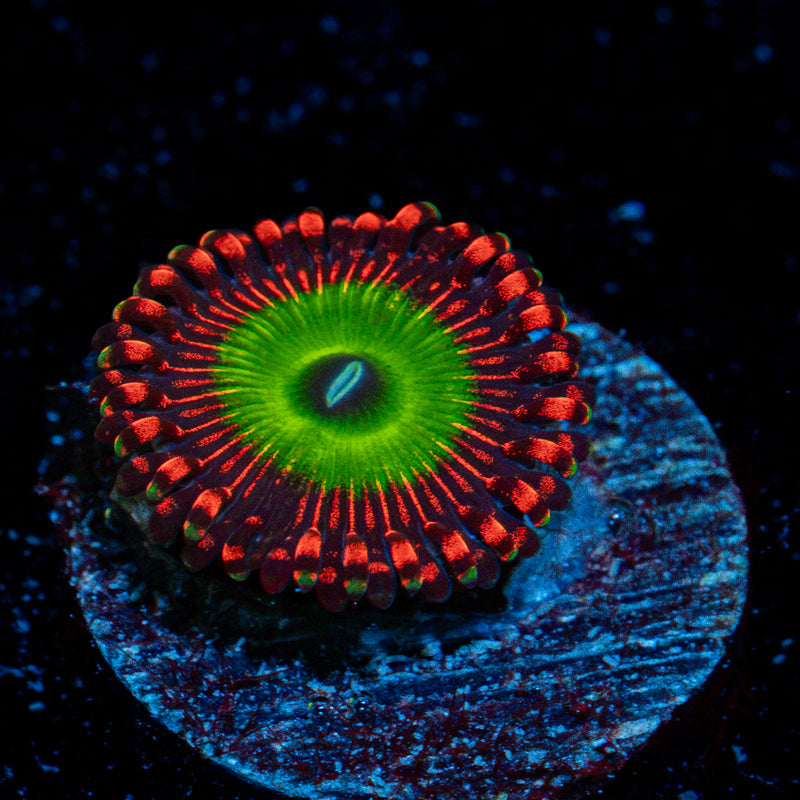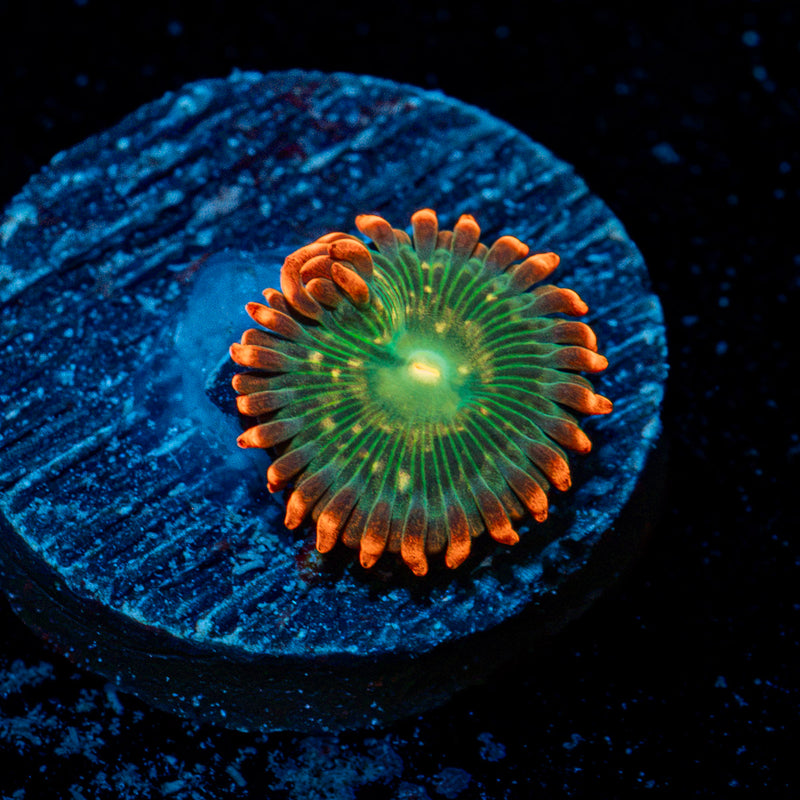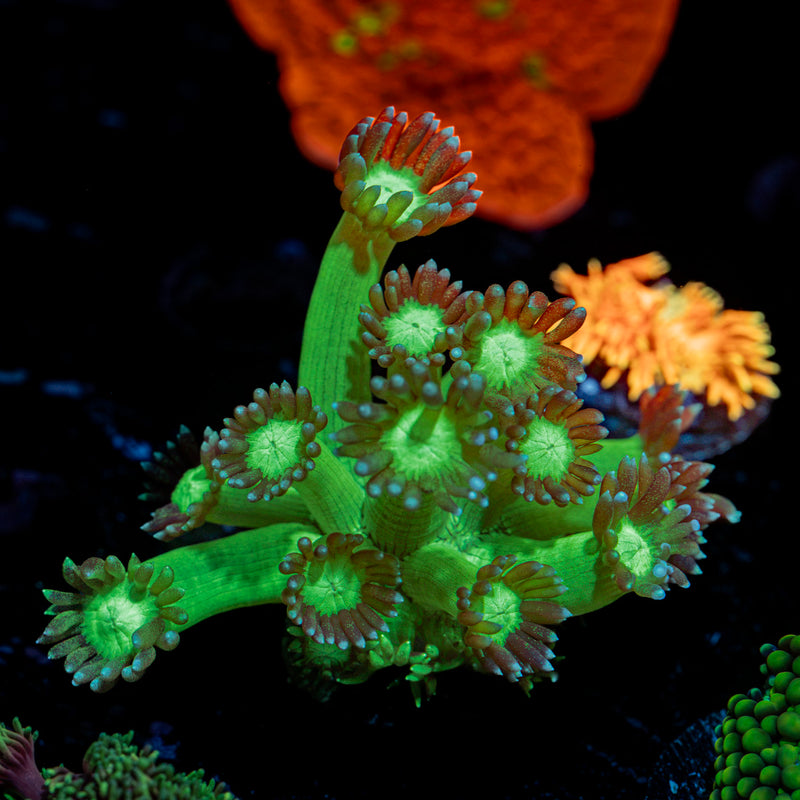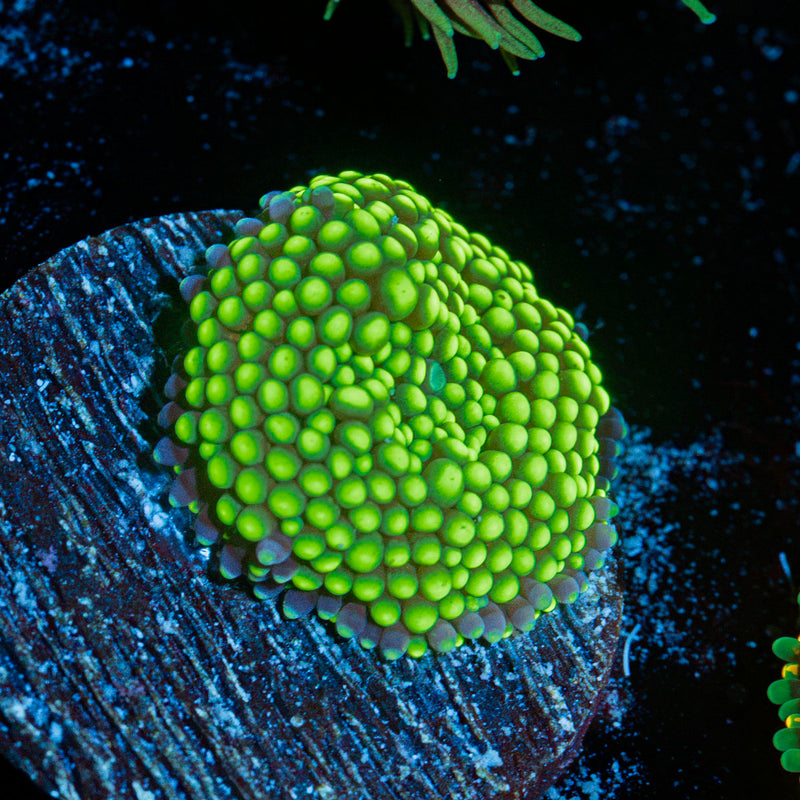
A coral can look like a living jewel under blue lights, then become a costly disappointment if it is placed in a tank that is not ready for it. The best reef aquarium coral buying guide does not start with the rarest color morph or the biggest polyp. It starts with your aquarium: its stability, available space, lighting, flow, and the time you can give it.
Buying coral is exciting because every frag has the power to change the personality of a reef. A bright torch can become the focal point of a mixed reef, while a carefully placed zoanthid colony can turn bare rock into a colorful garden. The right purchase should complement the reef you have now and still make sense as it grows.
Start With a Reef Tank That Is Ready
A newly mixed saltwater aquarium may look clean and promising, but coral needs more than clear water. It needs stable water. Before adding your first frag, make sure the tank is fully cycled and has held steady parameters long enough to support a reliable cleanup crew and fish.
Consistency matters more than chasing one supposedly perfect number. Keep salinity stable, maintain an appropriate reef temperature, and test alkalinity, calcium, magnesium, nitrate, and phosphate regularly. Corals use these conditions differently, but sudden swings can stress almost any species.
For many new hobbyists, a few months of stable operation is a better signal than a calendar date. If alkalinity changes sharply from week to week, nutrients are bottoming out, or salinity drifts between water changes, solve those problems before adding a premium frag. A healthy coral deserves a predictable home.
Match Coral Types to Your Experience
Coral categories offer useful clues about care needs, growth habits, and placement. They are not rigid rules, but they help you shop with confidence.
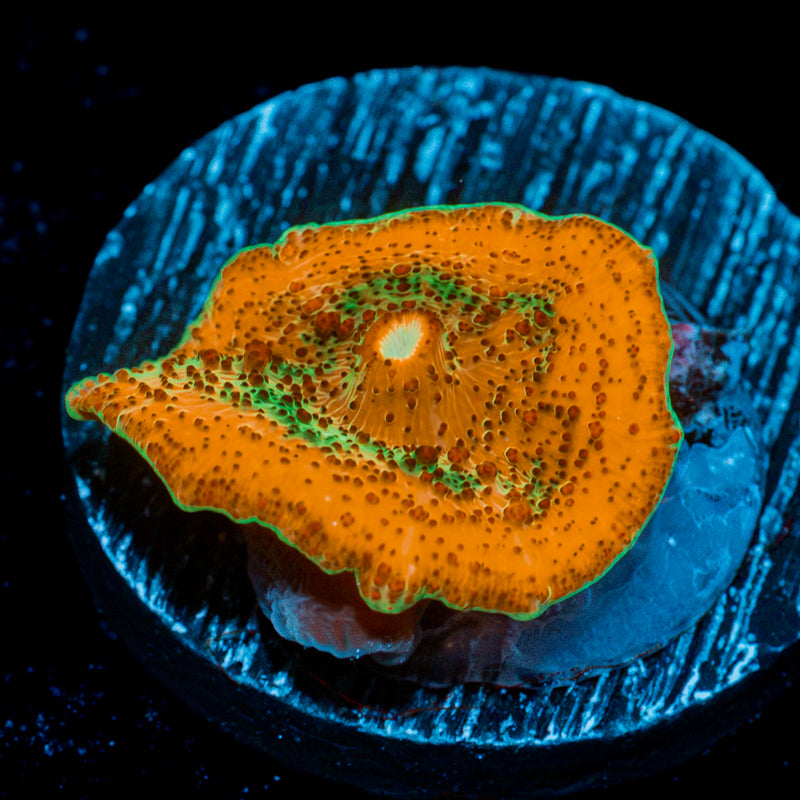
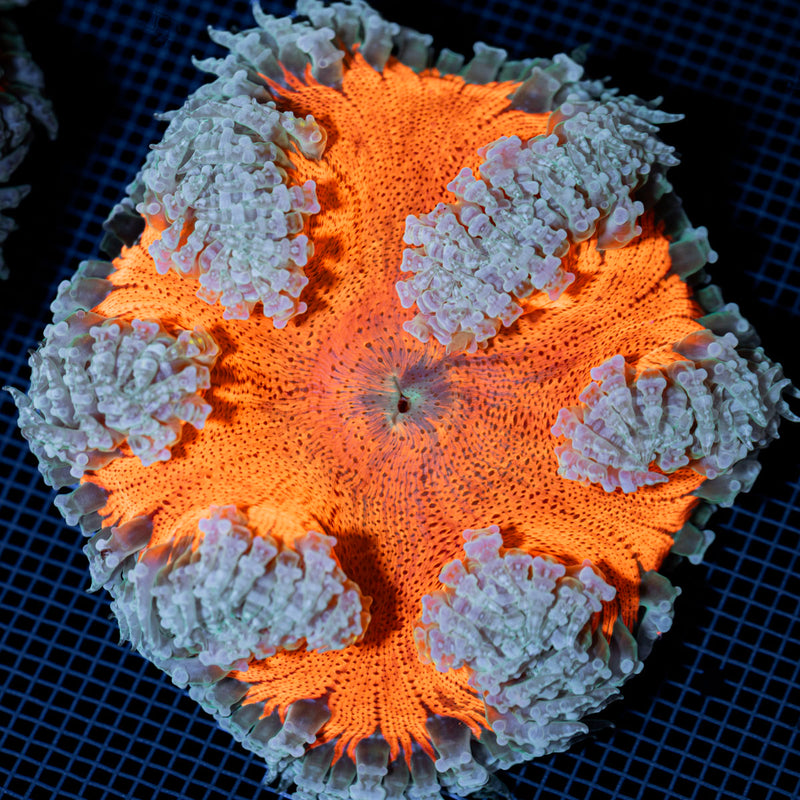
Soft corals, mushrooms, and zoanthids
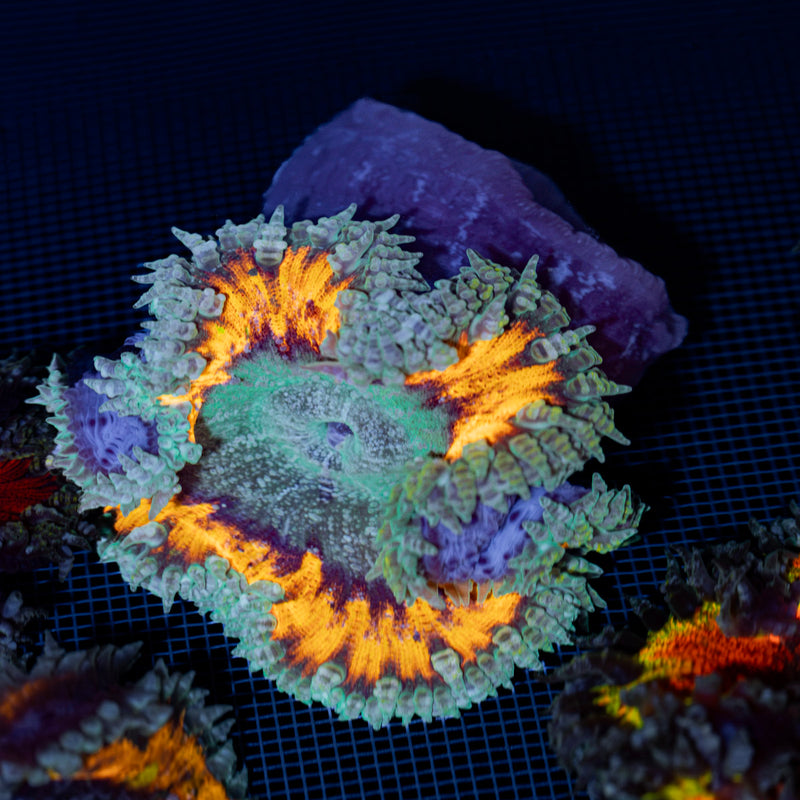
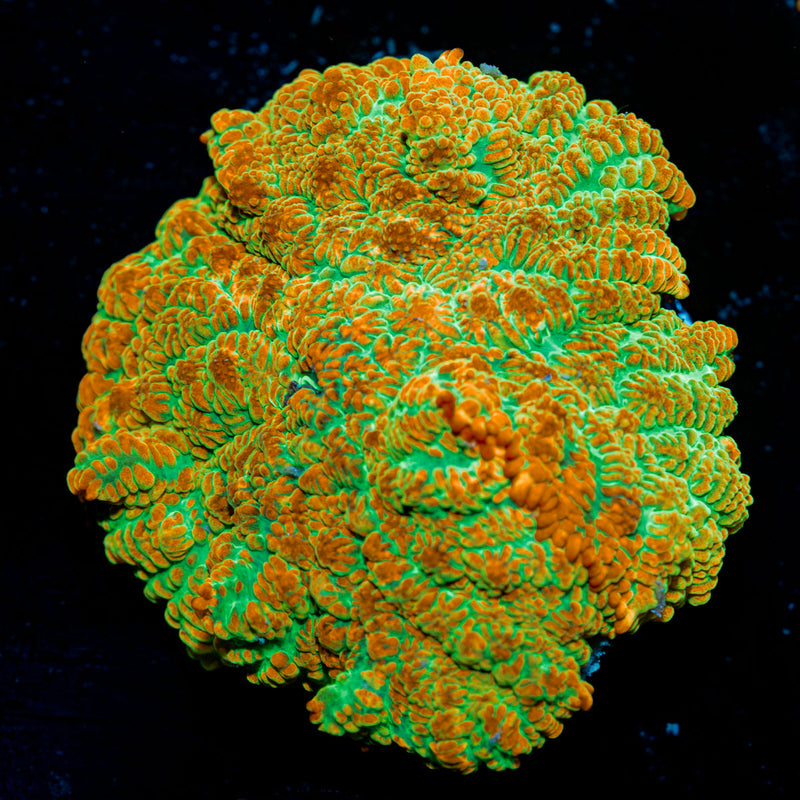
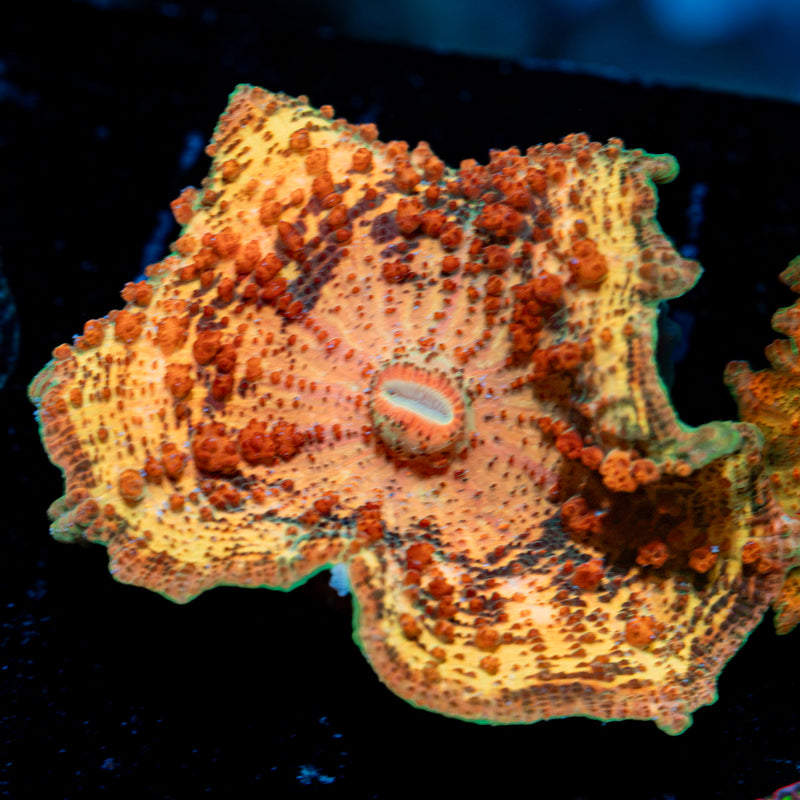
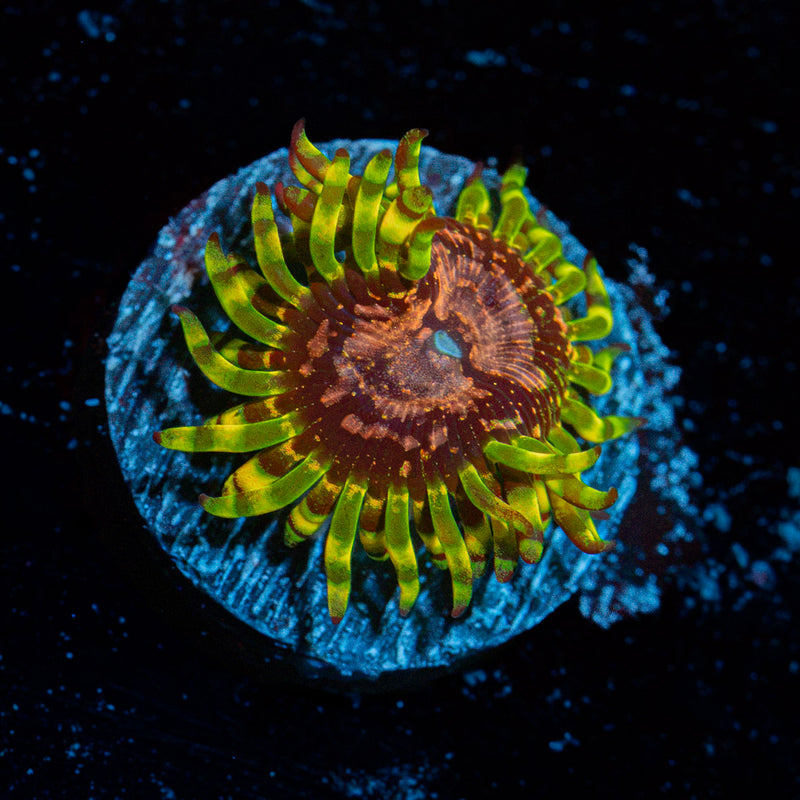
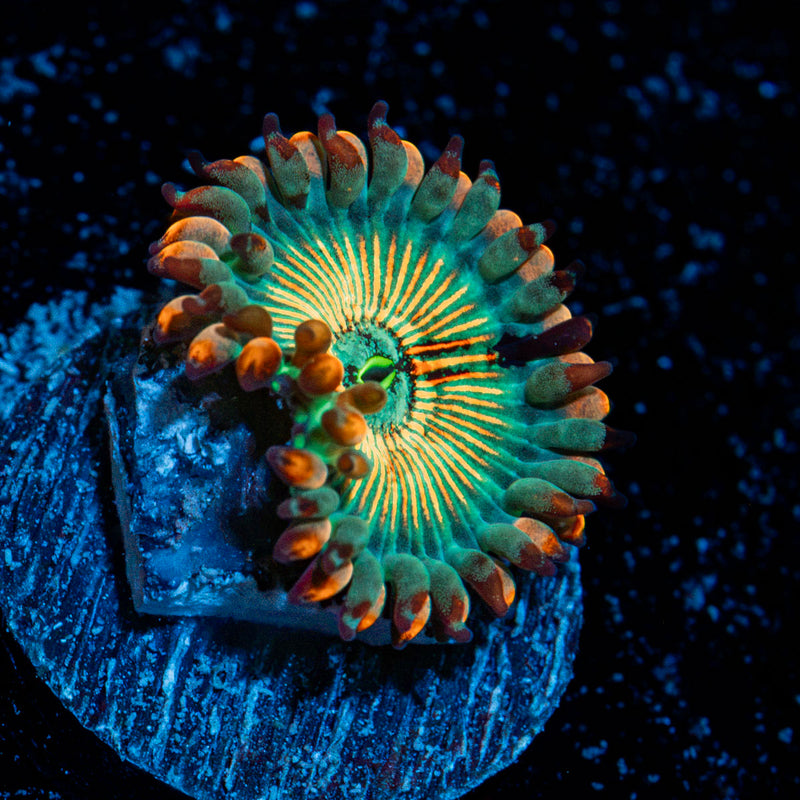
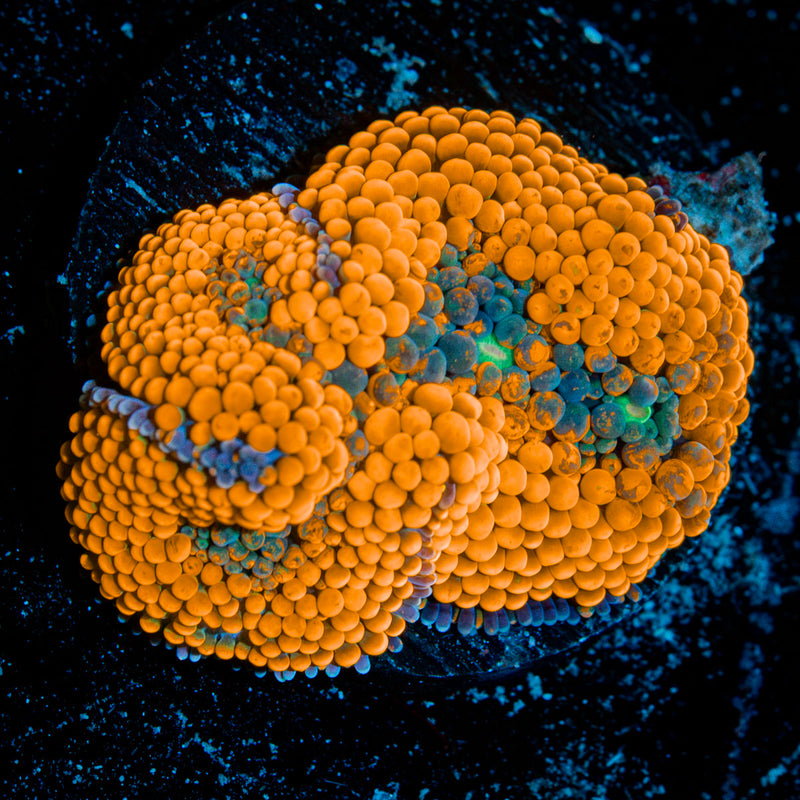
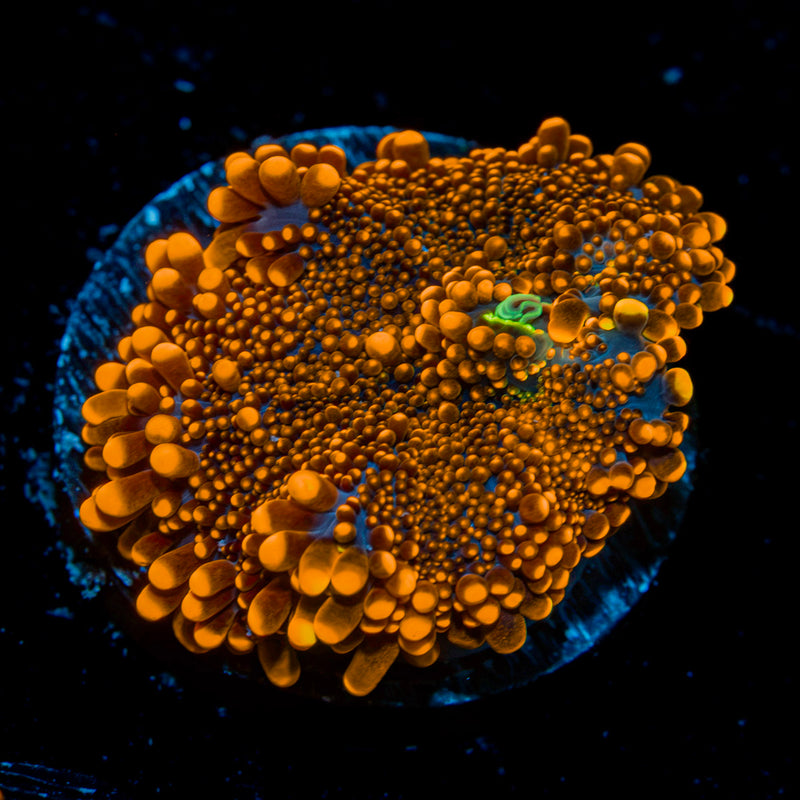
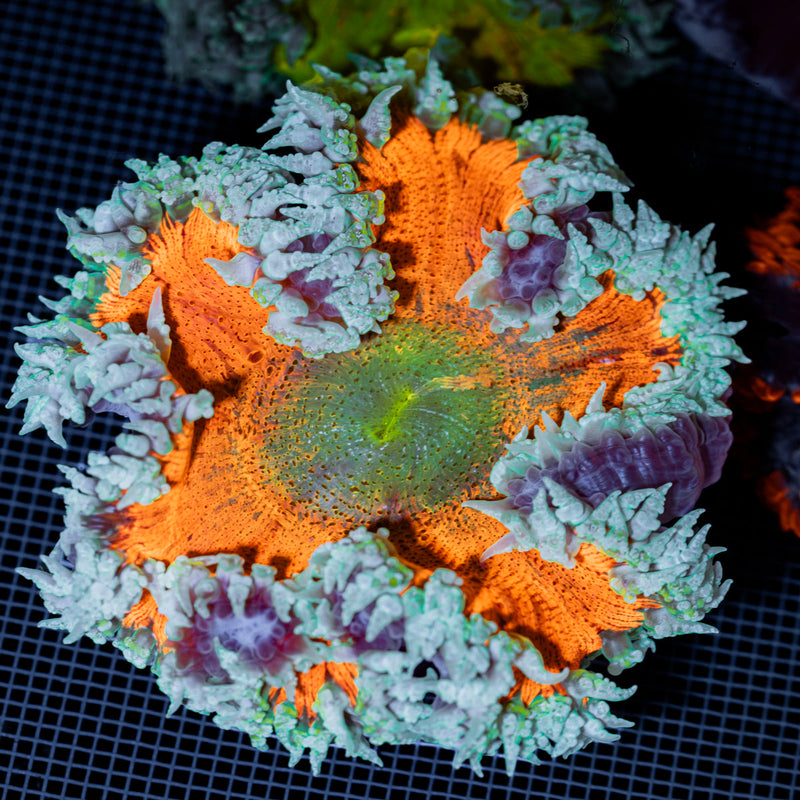
Soft corals, mushrooms, and zoanthids are often excellent choices for newer reef keepers. Their motion, texture, and intense color can make a young tank look established quickly. Many tolerate moderate light and moderate flow, though individual varieties can have their own preferences.
These corals also require planning. Zoanthids and some mushrooms can spread steadily across nearby rock, while larger soft corals may shade slower-growing neighbors. Give them a designated area rather than placing a small frag beside the coral you hope will become a centerpiece next year.
LPS corals for movement and impact
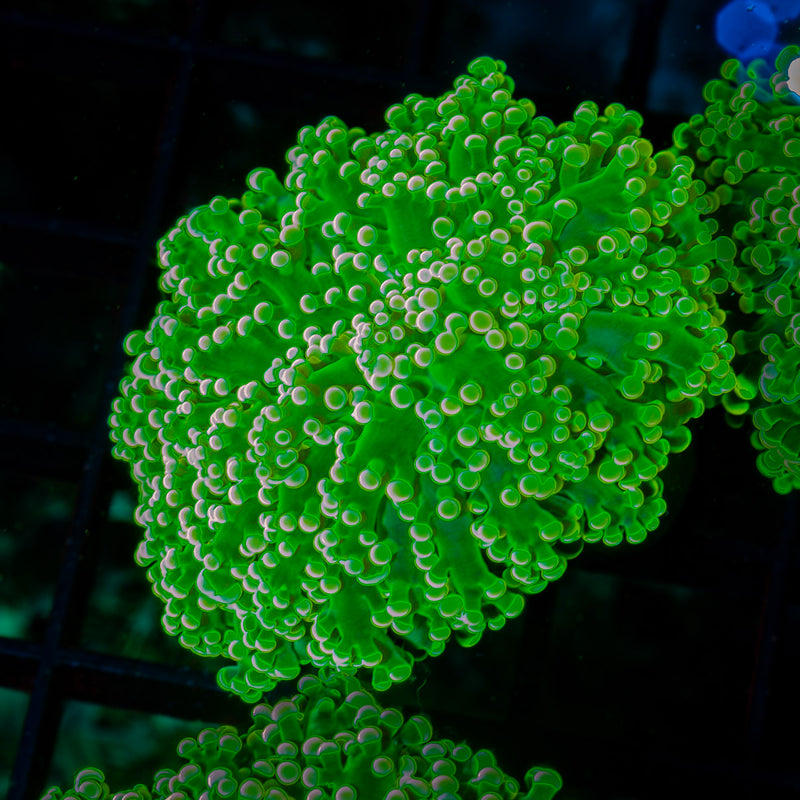
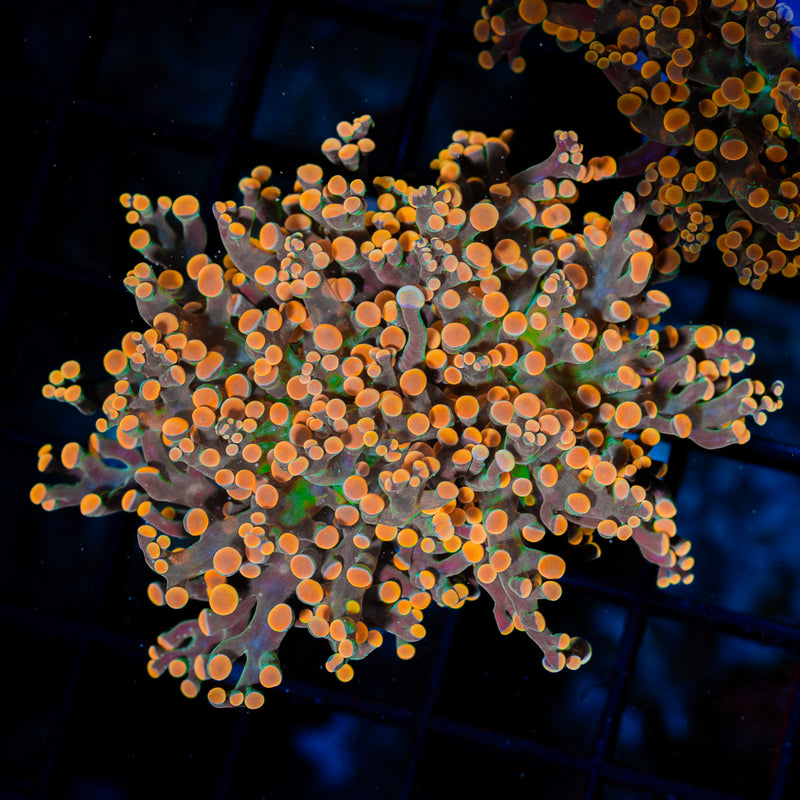
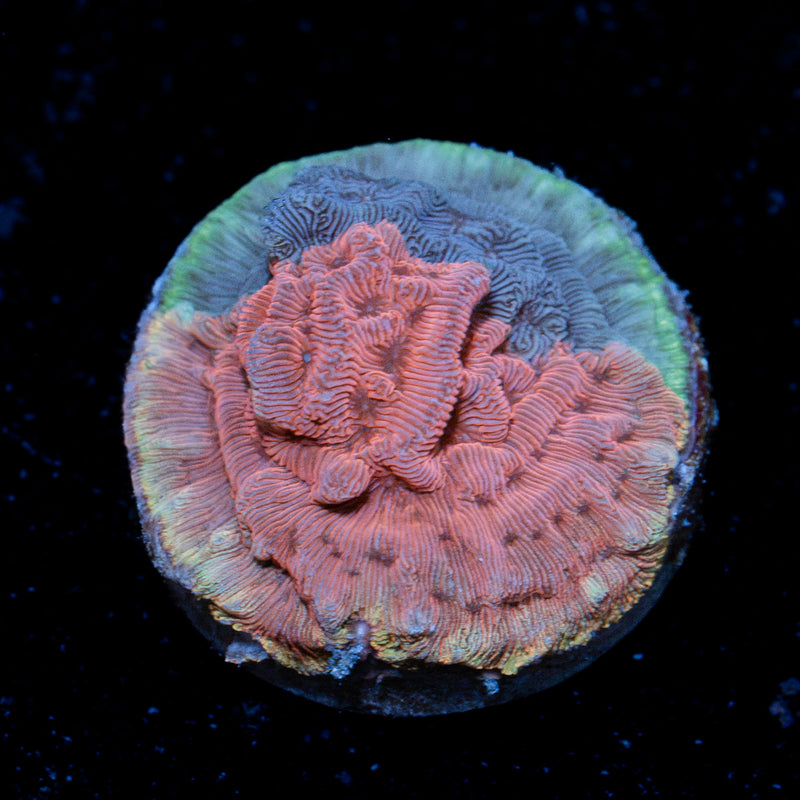
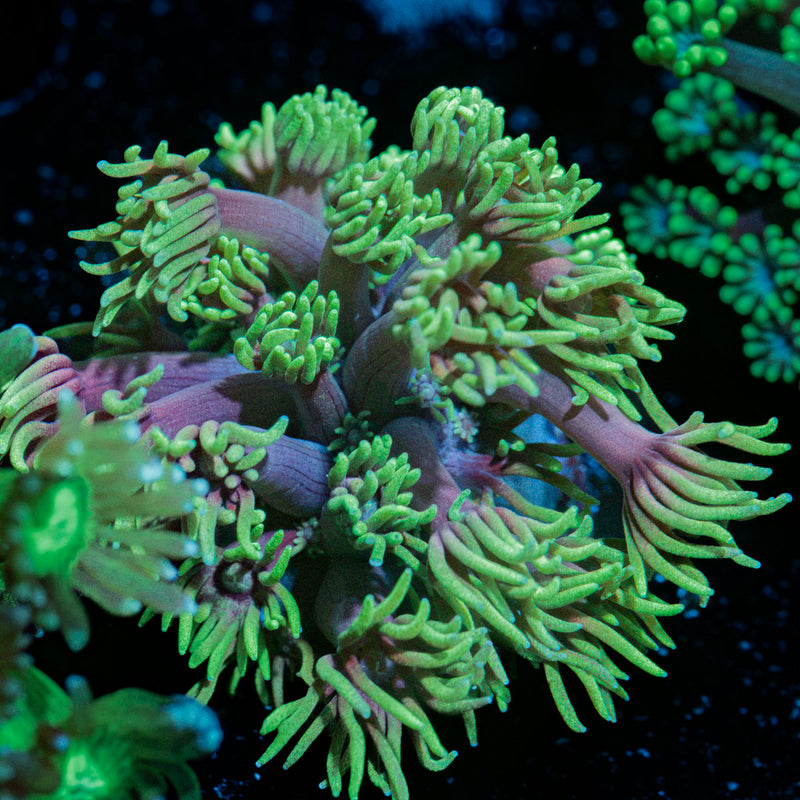
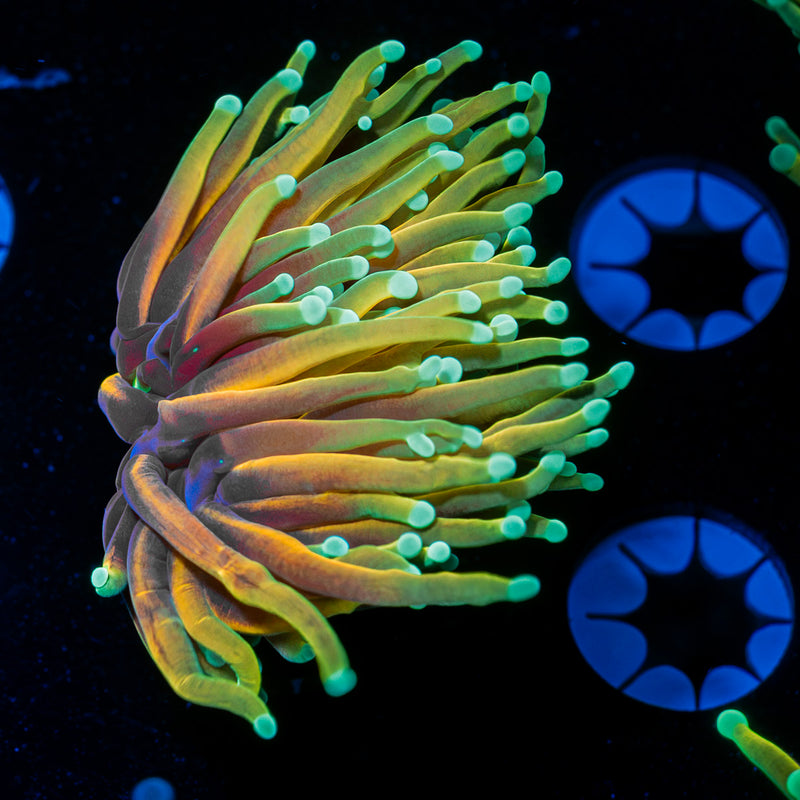
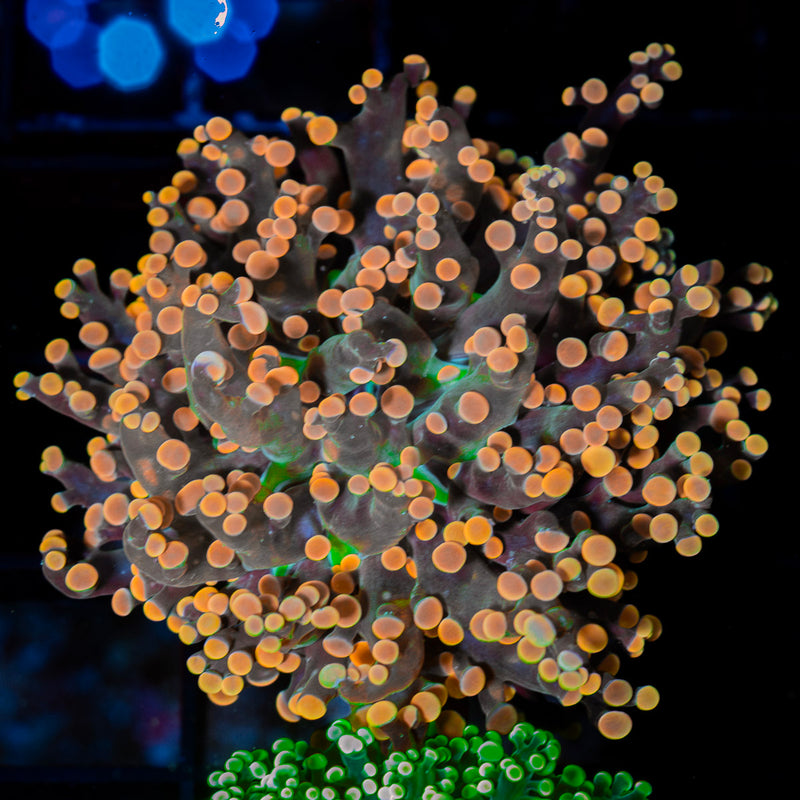
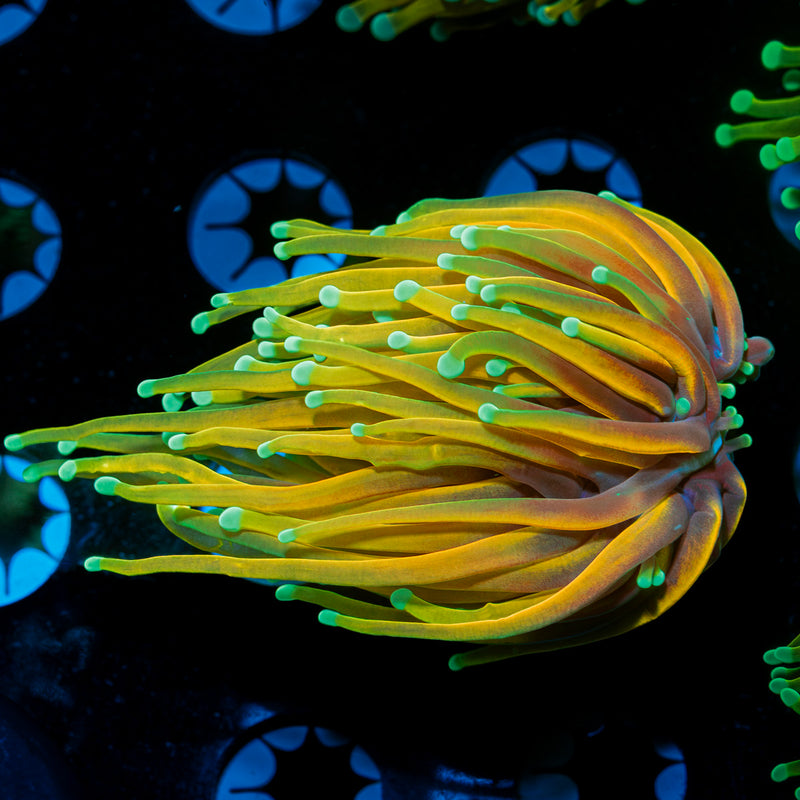
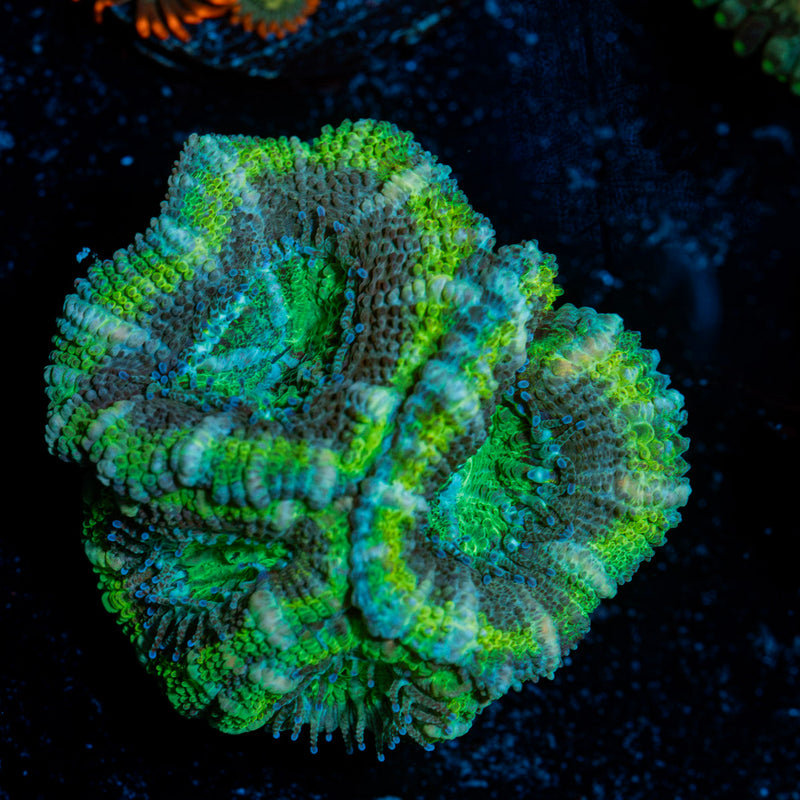
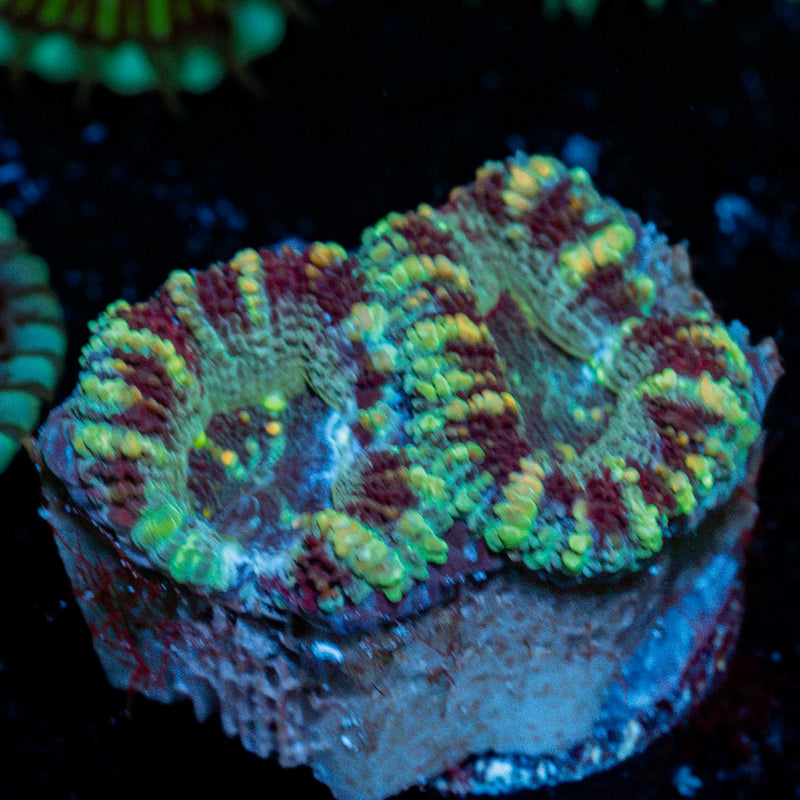
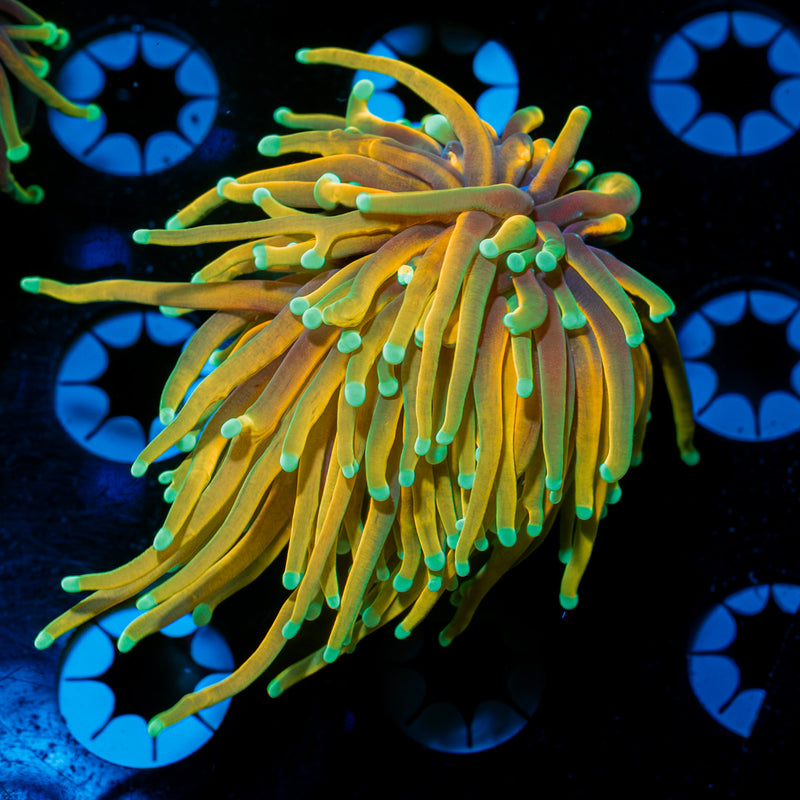
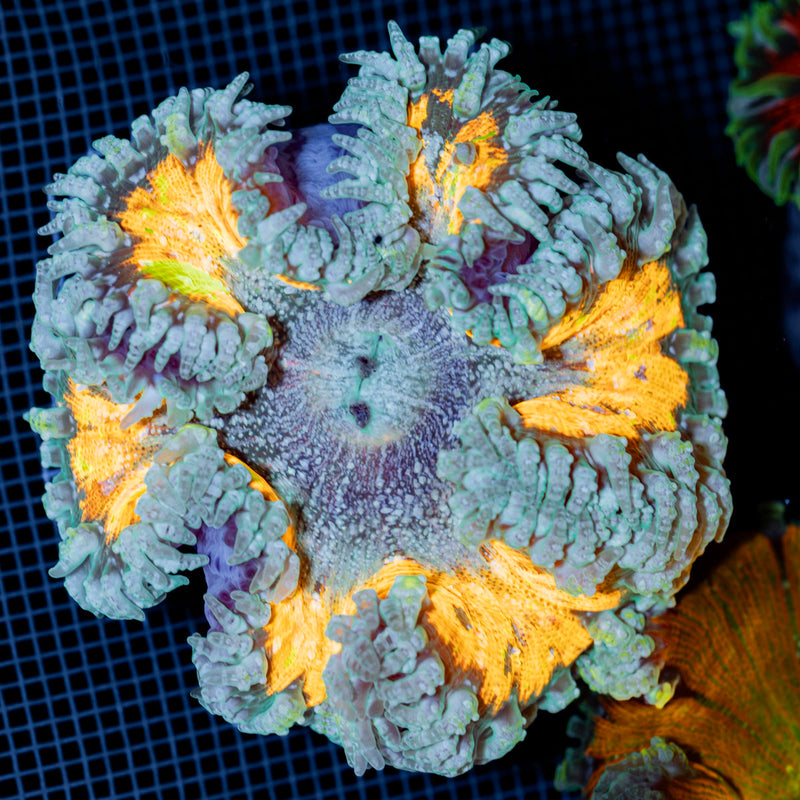
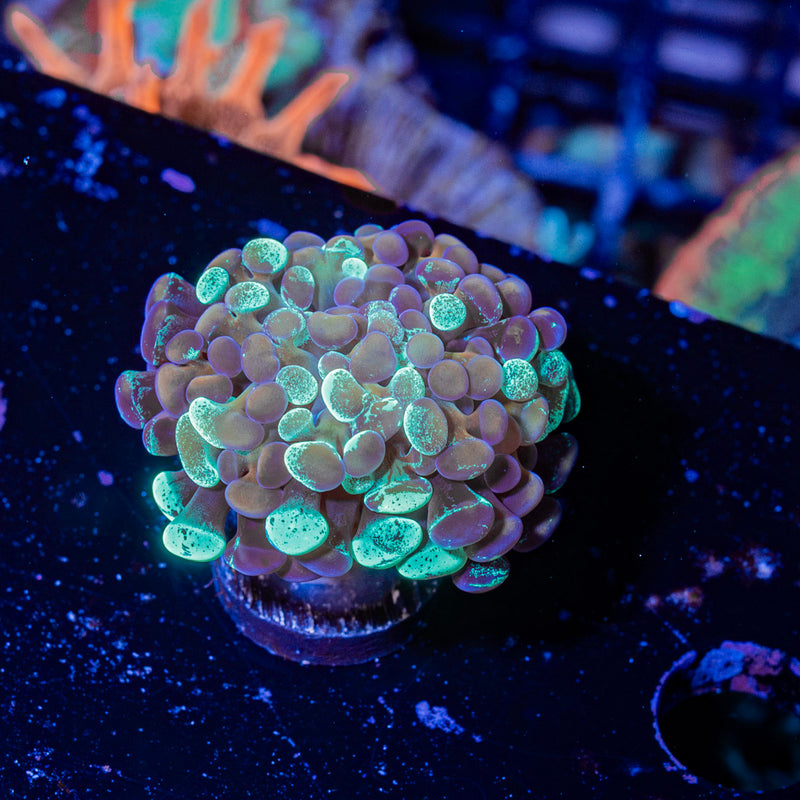
Large polyp stony corals, commonly called LPS, include favorites such as hammers, frogspawn, torches, acans, and chalices. Their fleshy polyps and bold coloration give a reef that lush, high-end look many aquarists want.
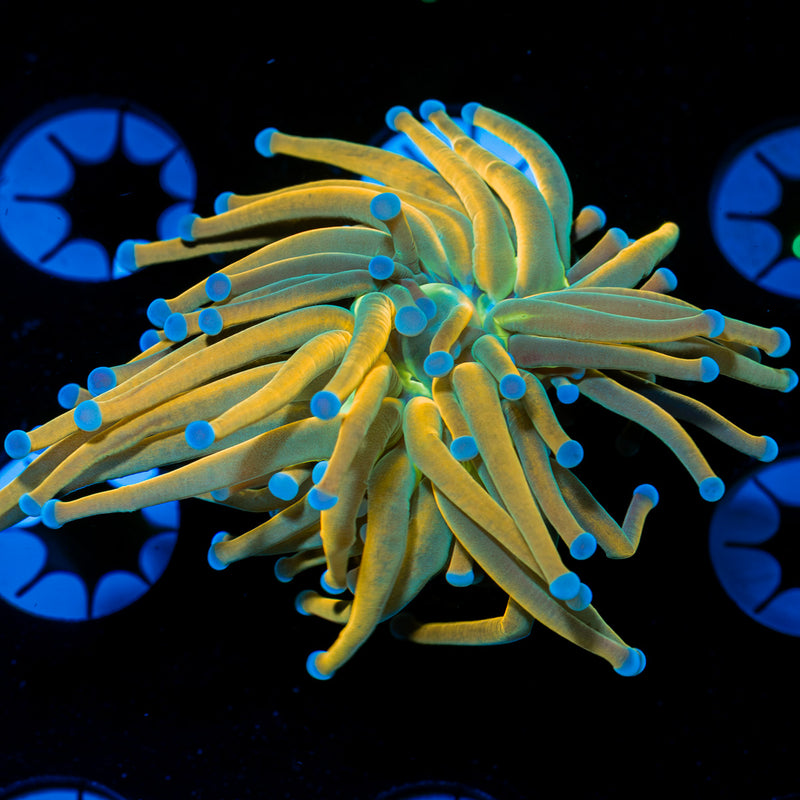
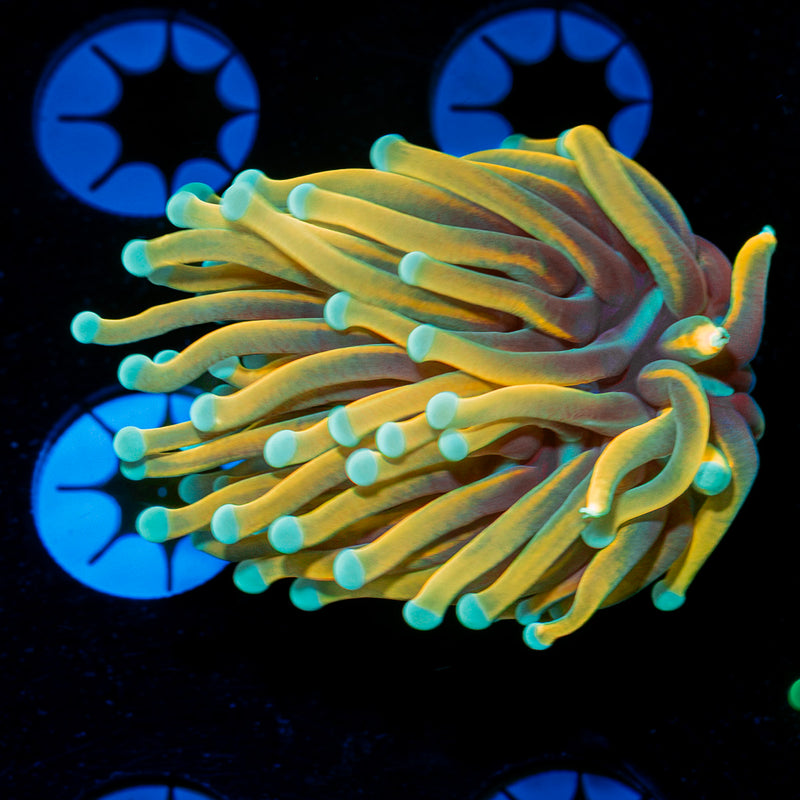
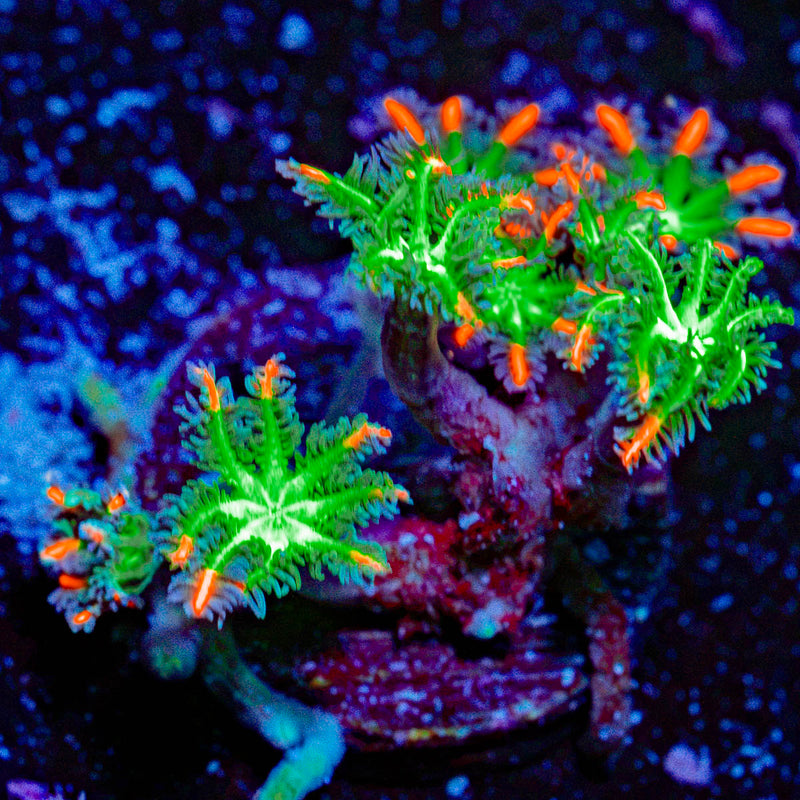
LPS is not automatically beginner-proof. Euphyllia corals, especially torches, need enough room to extend and can sting nearby corals. Acans generally appreciate gentler conditions than a high-flow SPS zone. Chalices may look compact when purchased but can expand and develop long sweeper tentacles after lights out. Research the specific coral, not just the broad category.
SPS corals for established systems
SPS corals such as Acropora and Millepora reward attentive aquarists with intricate branch structure, electric color, and the satisfaction of measurable growth. They also tend to reveal instability quickly. Strong, well-distributed flow, capable lighting, dependable alkalinity, and stable nutrients are part of the equation.
That does not mean every SPS coral is reserved for experts. Some hardier SPS options can work in a well-maintained intermediate reef. Still, buying a showpiece Acropora for an unstable tank is usually an expensive shortcut. Build your confidence and your system before making that leap.
Choose for Lighting and Flow, Not Just Color
Every coral listing should be viewed through the lens of your own equipment. Ask where the coral will live, not merely whether it can survive somewhere in the tank.
Lighting intensity and spectrum influence color, growth, and placement. A coral grown under powerful LED lighting may need an acclimation period under a different fixture. Start it lower or in a less intense zone when appropriate, then move it gradually after observing polyp extension and coloration. Moving a coral directly into the brightest location can cause bleaching or stress.
Flow should keep detritus from collecting around the coral without blasting tissue in one direction. Soft corals often look their best in a gentle, changing current. Many LPS corals prefer a fuller, indirect sway. SPS usually benefit from stronger, randomized movement that reaches all sides of their branches.
Watch the coral after placement. A closed coral is not always a crisis during its first few days, but persistent retraction, tissue damage, or a coral being pushed over by flow calls for an adjustment. Placement is a process, not a single decision.
Buy Healthy, Aquacultured Frags
A healthy frag gives you the best starting point, even before it enters your aquarium. Look for intact tissue, clear coloration appropriate to the coral, secure attachment to a frag plug or base, and no obvious algae or damaged areas around the living tissue. For corals with polyps, visible extension can be encouraging, but remember that shipping, photography, and lighting affect what you see.
Aquacultured corals are grown and propagated in captivity rather than collected directly from a wild reef. They are a thoughtful choice for hobbyists who value reef-safe sourcing, and they are often accustomed to aquarium conditions. That does not make them maintenance-free, but it can provide a more confident foundation for long-term success.
When buying online, exact-item transparency matters. WYSIWYG, or What You See Is What You Get, means the photographed specimen is the coral being offered. This is especially valuable for high-end pieces, unusual patterns, and corals where size, branching, or coloration vary meaningfully from frag to frag. You can buy with a clearer understanding of the living jewel headed to your door.
At Riptide Aquaculture, curated aquacultured selections and WYSIWYG options make it easier to shop for the coral you actually want, whether you are choosing a beginner-friendly mushroom or a statement SPS frag.
Plan Space Before You Fill Every Rock
A reef tank can look sparse when the first few frags arrive. That empty space is useful. Corals grow, expand, shade one another, and sometimes defend their territory. Leaving room now prevents difficult rescapes later.
Think in terms of mature size and reach. Give torches, hammers, and frogspawn generous space from other corals because their sweeper tentacles can extend well beyond their daytime appearance. Keep fast-spreading zoanthids and mushrooms on isolated rocks if you want to contain them. Place branching SPS where they can grow upward and outward without touching their neighbors.
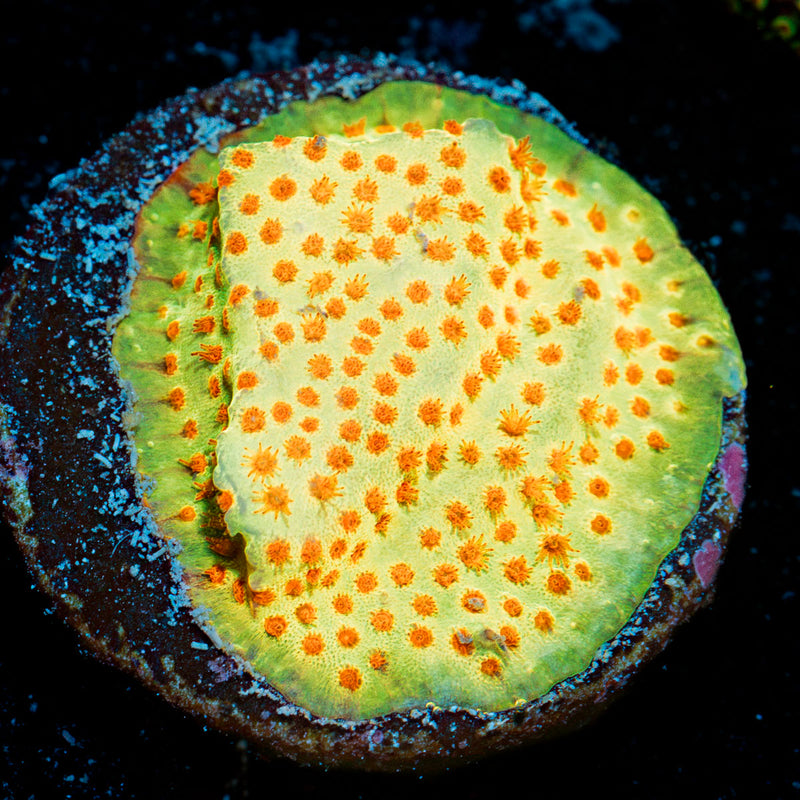
A mixed reef often looks best when it has contrast: soft movement in one area, colorful encrusting corals across a lower rock face, and a few carefully chosen focal pieces. You do not need every category at once. A smaller collection of compatible, healthy corals usually looks more intentional than a crowded assortment of impulse buys.
Have an Arrival and Acclimation Plan
The buying decision continues after checkout. Live coral shipping requires preparation, especially during seasonal temperature extremes. Know the delivery day, avoid leaving the package outdoors, and make time to inspect the shipment soon after arrival.
Before placing a coral in the display, inspect it carefully and follow a responsible acclimation routine suited to your system and the vendor's instructions. Temperature acclimation, salinity adjustment when needed, and a coral dip can help reduce stress and limit the chance of introducing unwanted pests. Quarantining new corals is an added layer of protection when you have the space and process to do it consistently.
Document where each new frag was placed, along with the date and any early observations. A quick photo each week can reveal progress that is easy to miss day to day. It also helps you identify whether a color shift is normal adjustment or a sign that light, flow, or water chemistry needs attention.
Buy With a Long-Term Vision
The best coral purchase is not always the flashiest specimen on the page. Sometimes it is the hardy, colorful frag that lets you learn your tank's rhythm. Other times, after months of stable care, it is the WYSIWYG showpiece that becomes the center of your reef.
Choose corals that fit your current conditions, leave them room to thrive, and enjoy the small changes that turn a fresh frag into part of a living reef. That patient approach is what makes every new addition feel even more rewarding.