A reef tank can look absolutely stunning with either large, fleshy LPS colonies or tight-branched SPS growth, but the wrong match for your setup can turn a dream display into a frustrating one. When hobbyists ask about lps versus sps corals, they are usually really asking a more useful question: which coral type fits my tank, my routine, and my experience level right now?
That is the right way to think about it. LPS and SPS are not just two labels on a coral category page. They often behave differently in light, flow, feeding response, placement, and day-to-day tolerance for small mistakes. One is not automatically better than the other. The better choice depends on what kind of reef you want to build and how stable your system already is.
LPS versus SPS corals at a glance
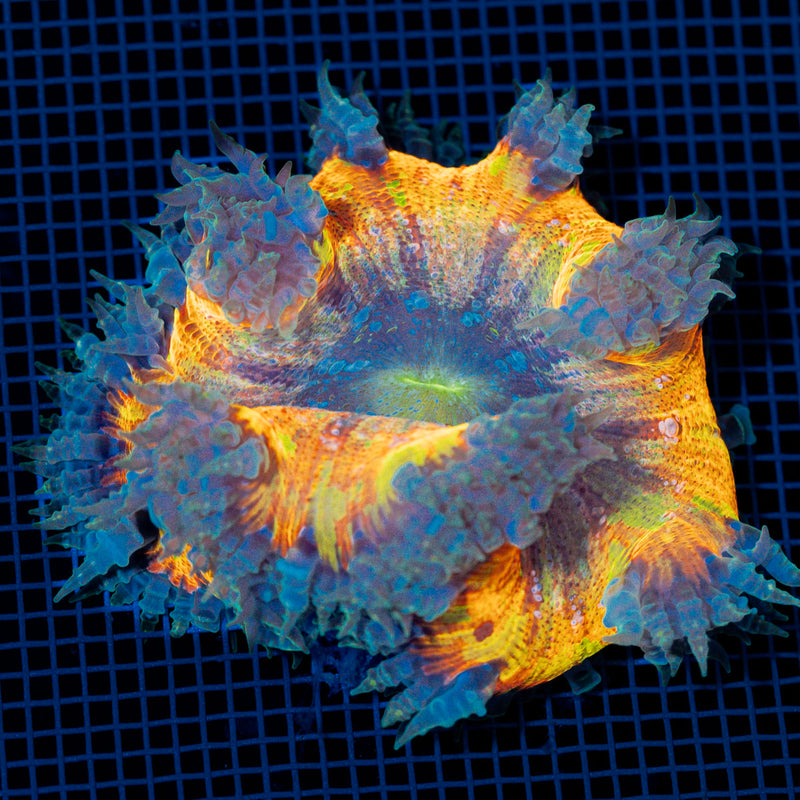
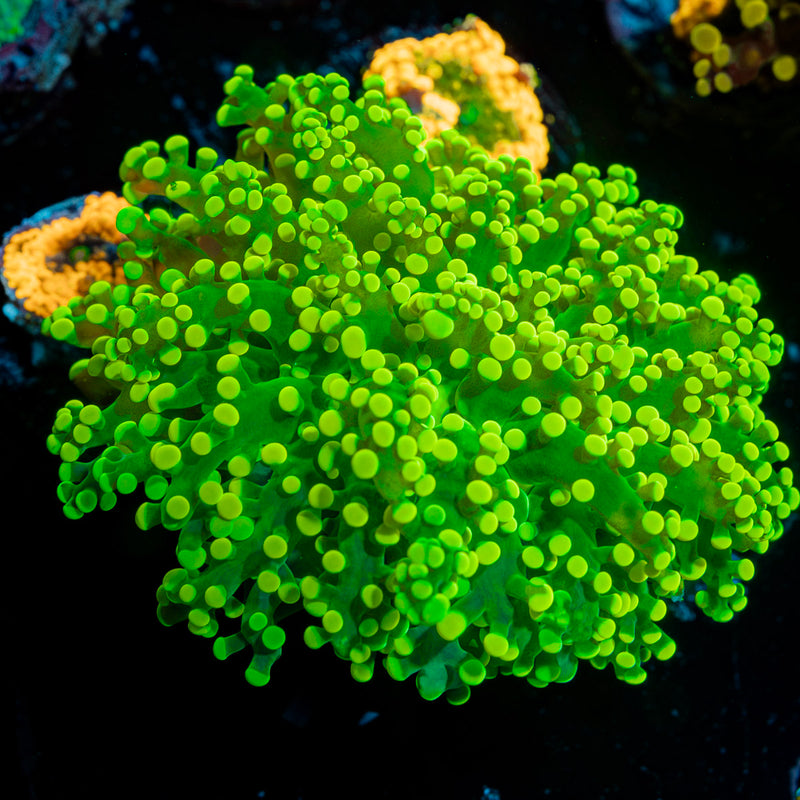
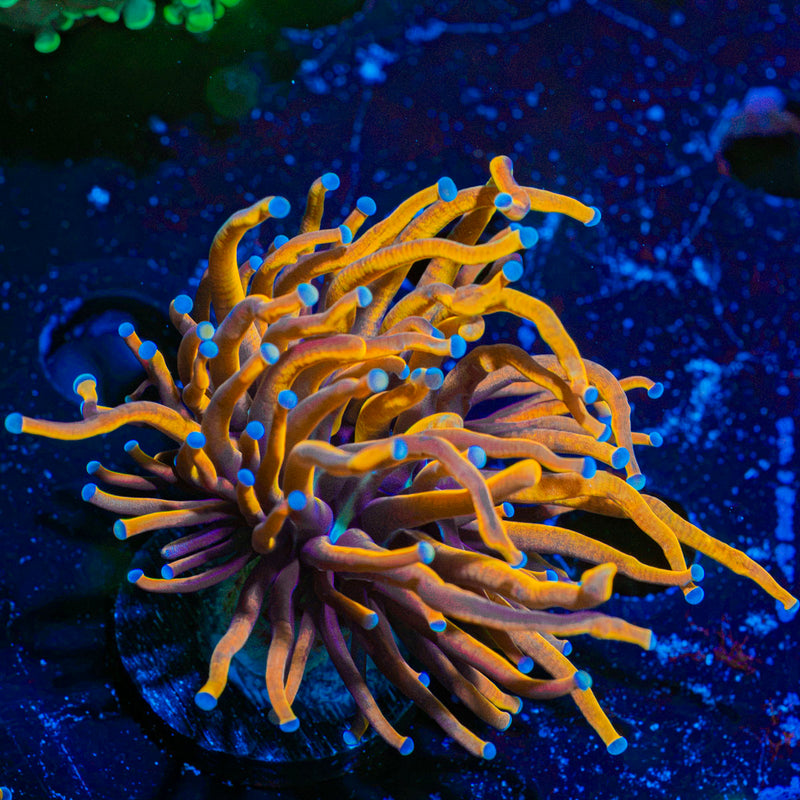
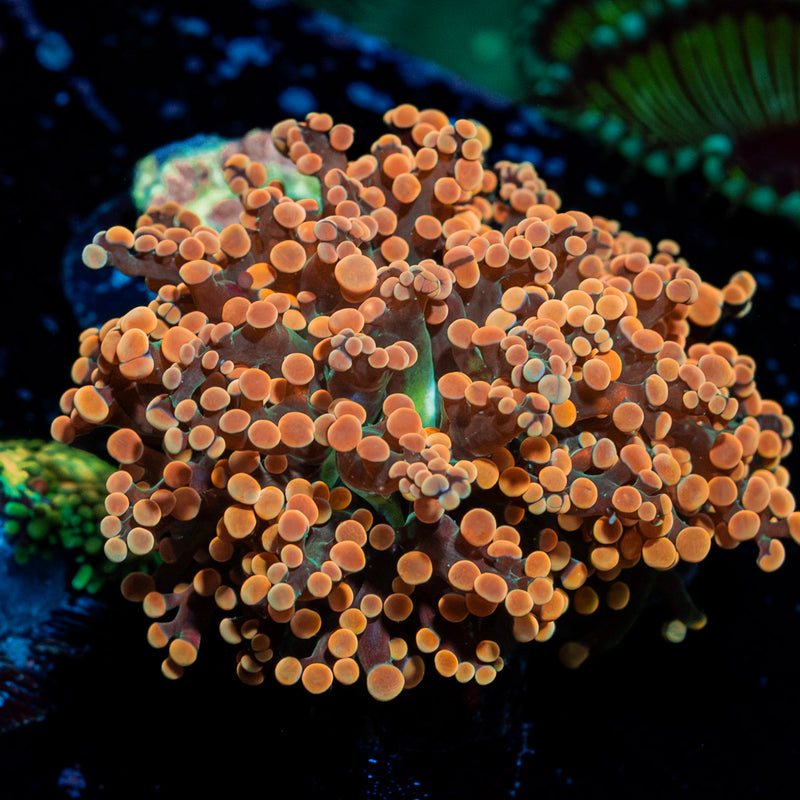
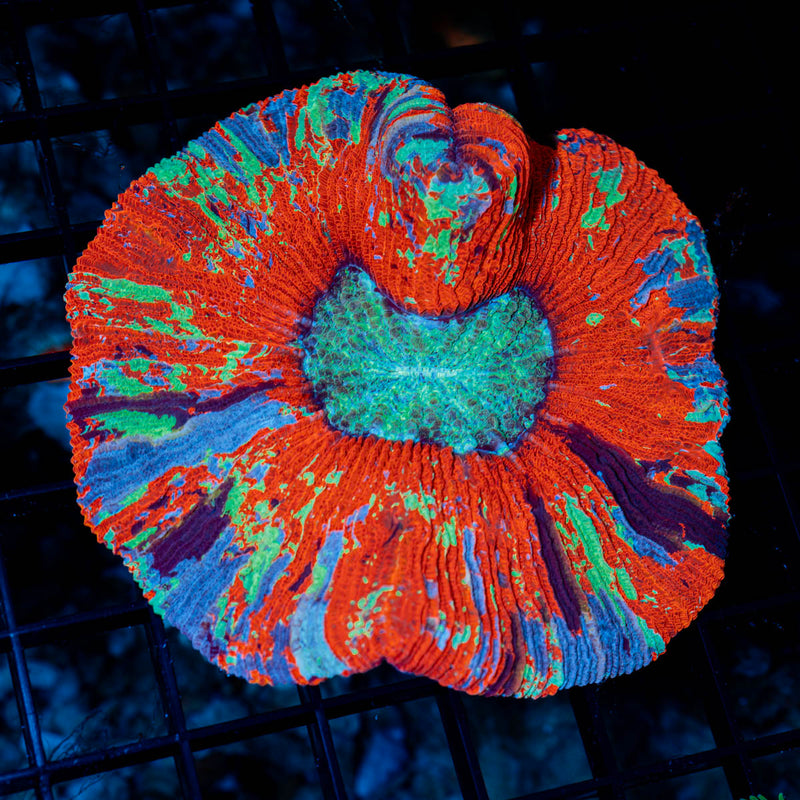
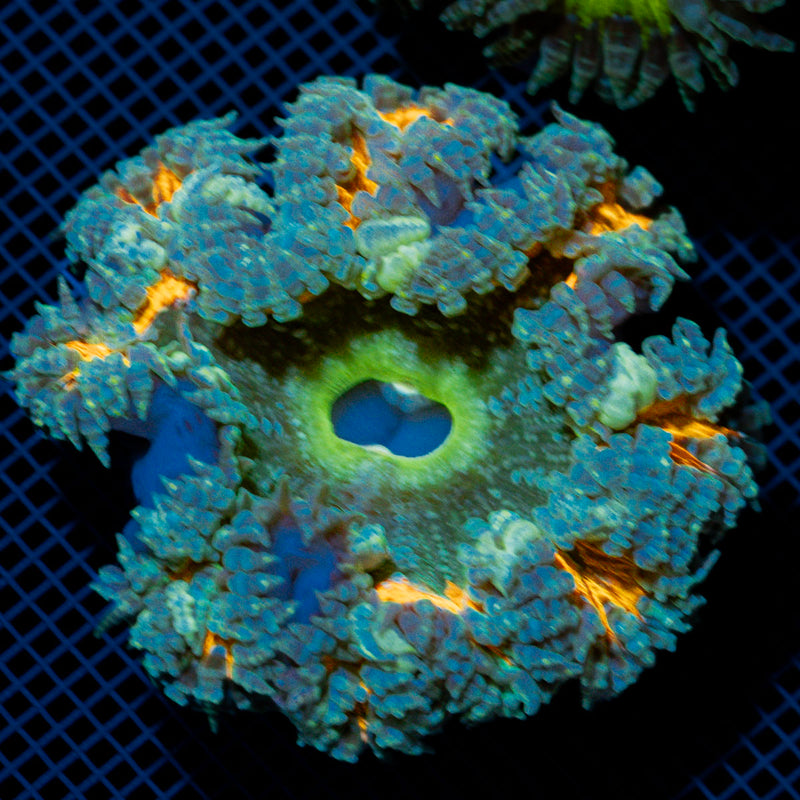
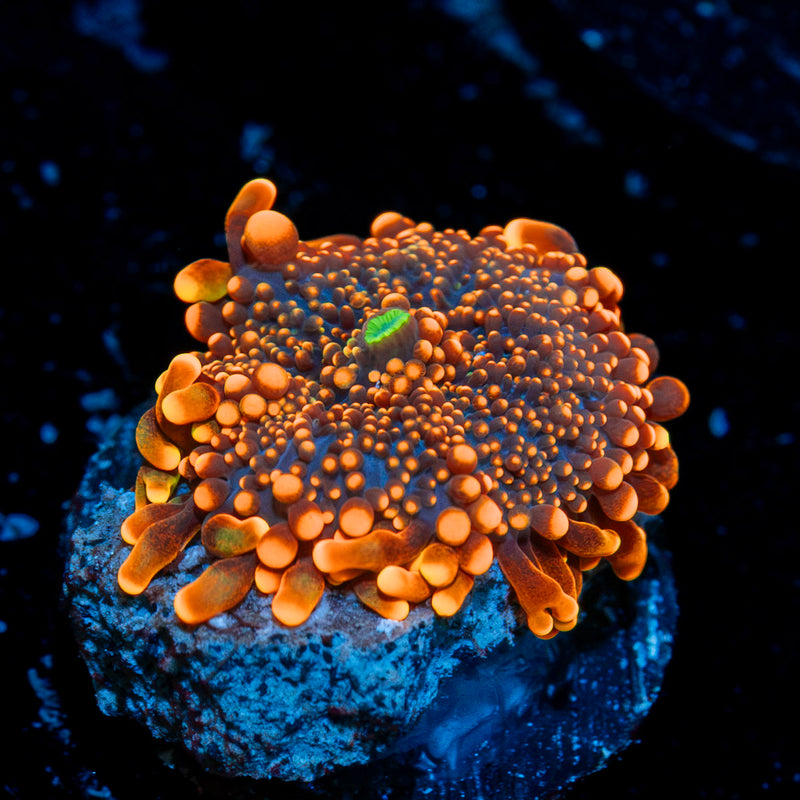
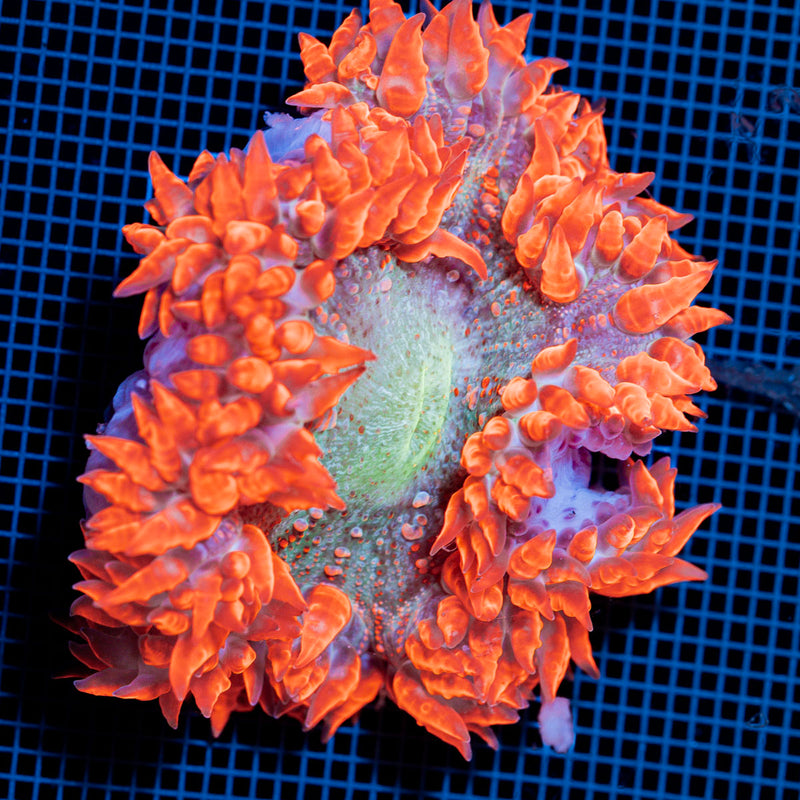
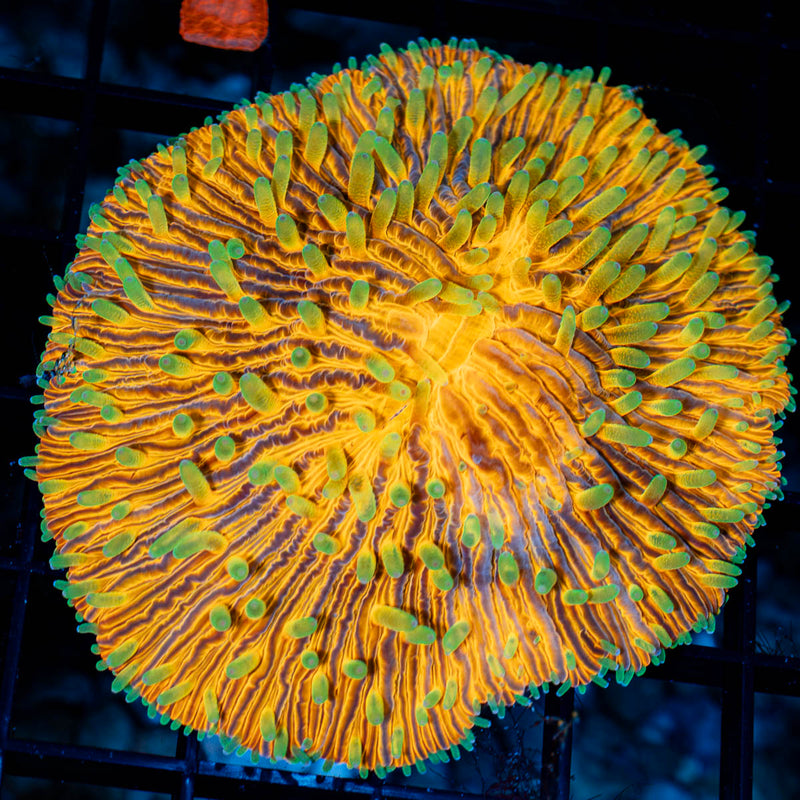
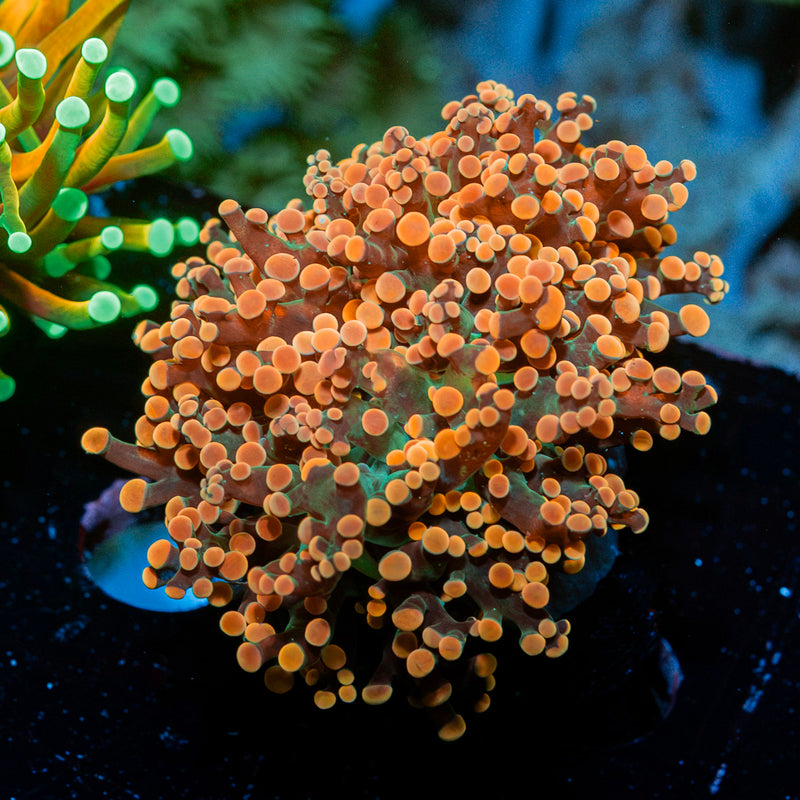
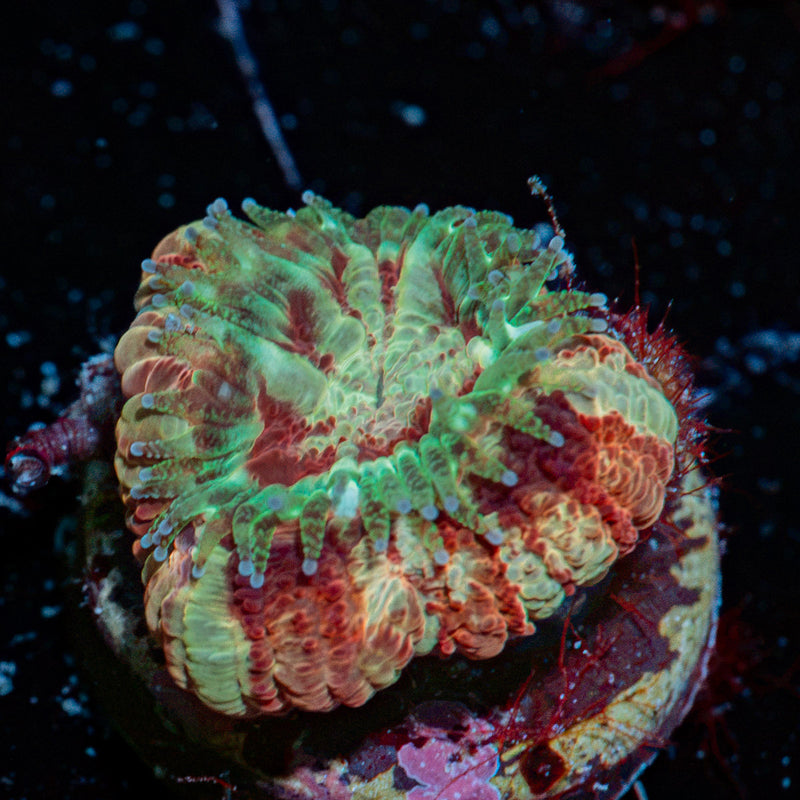
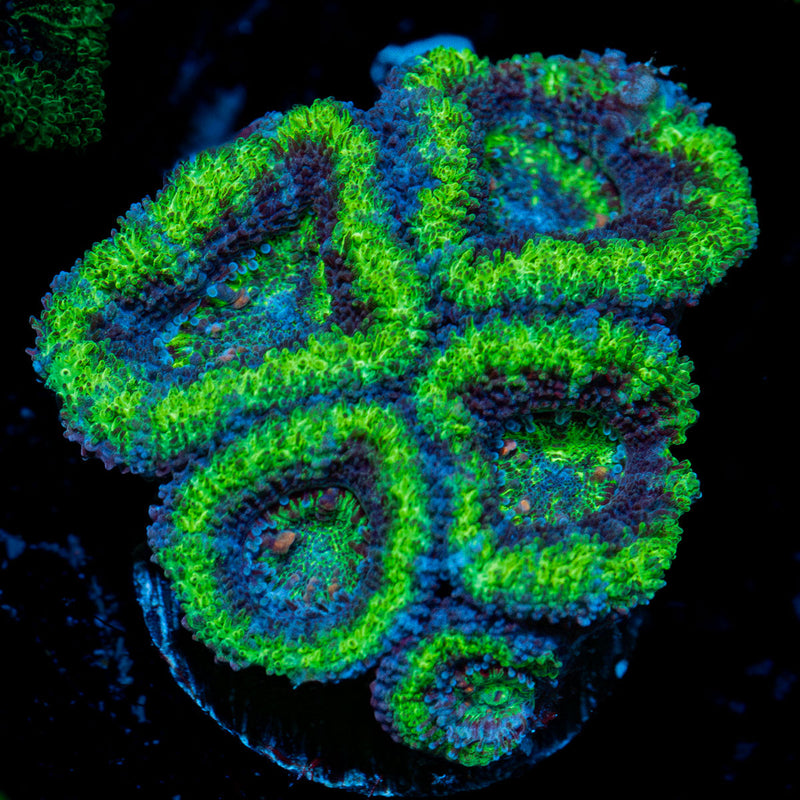
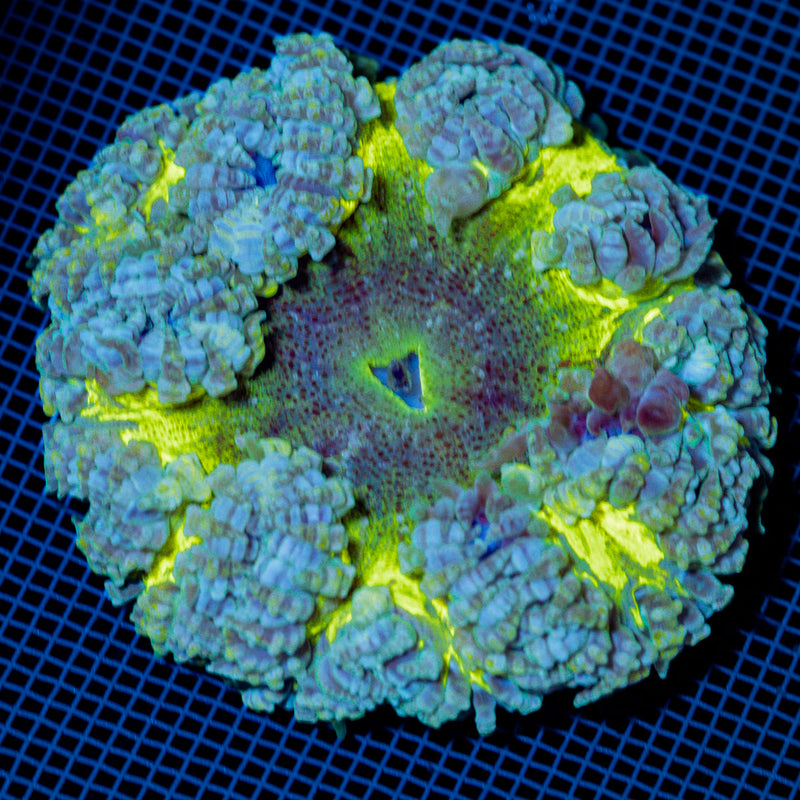
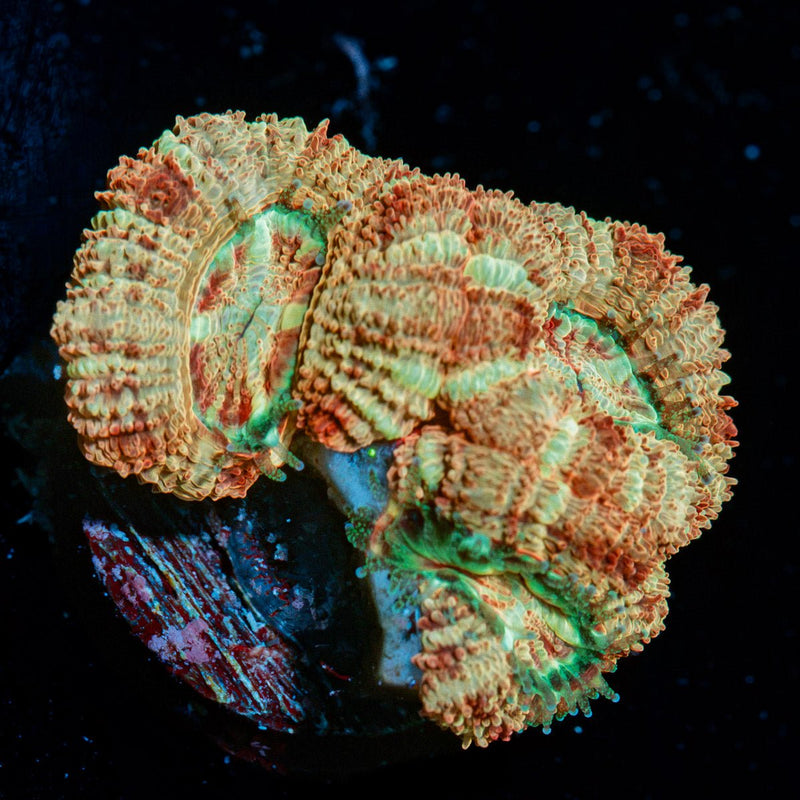
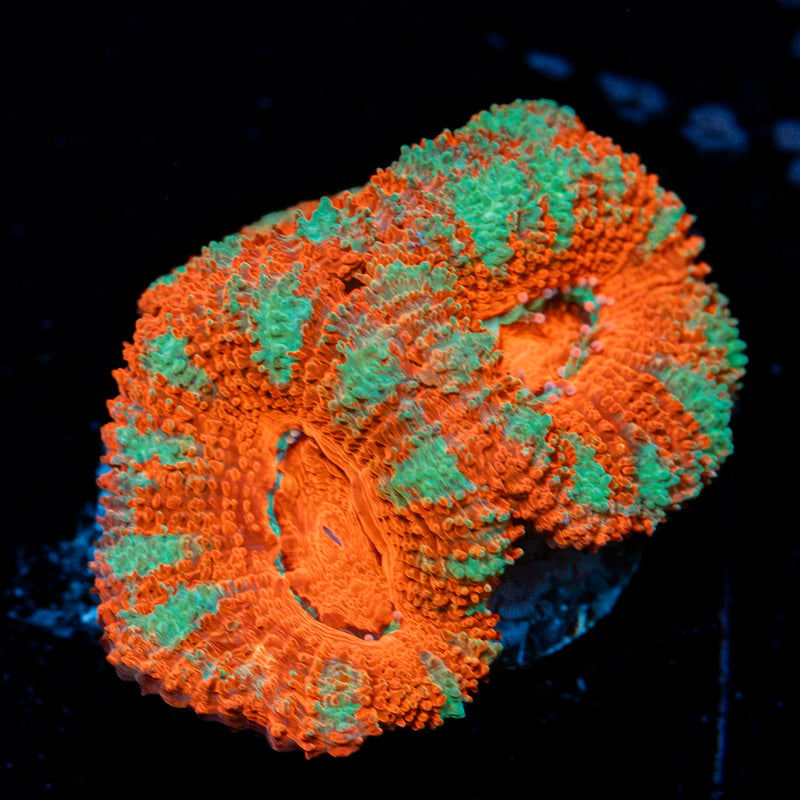
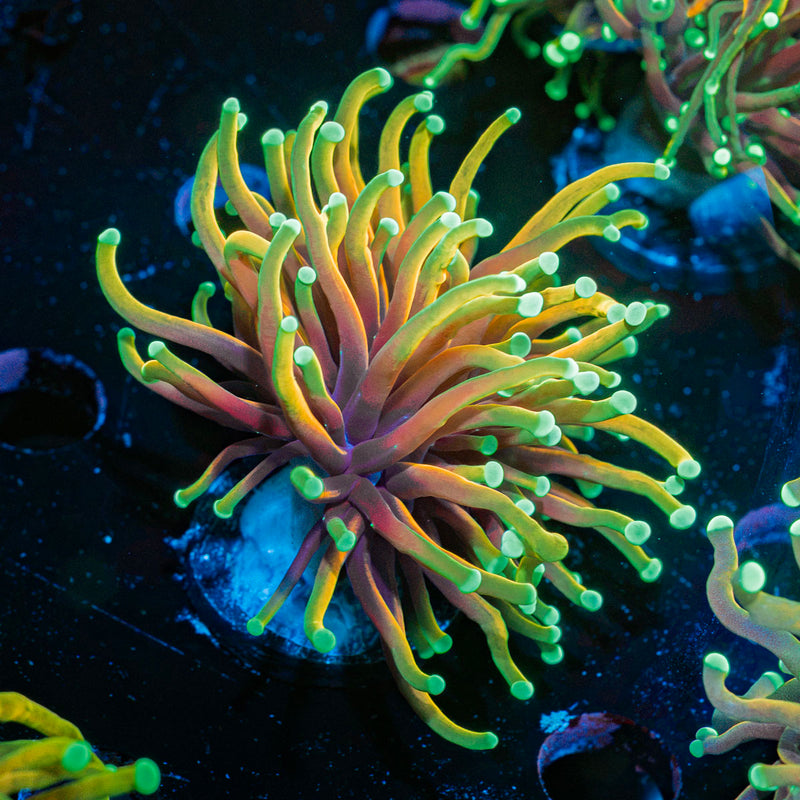
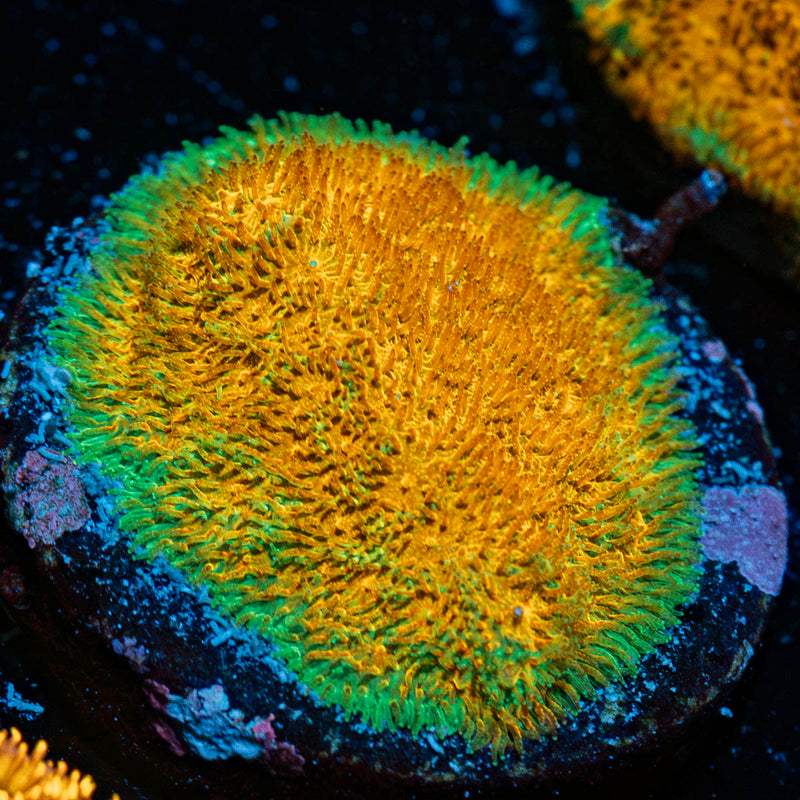
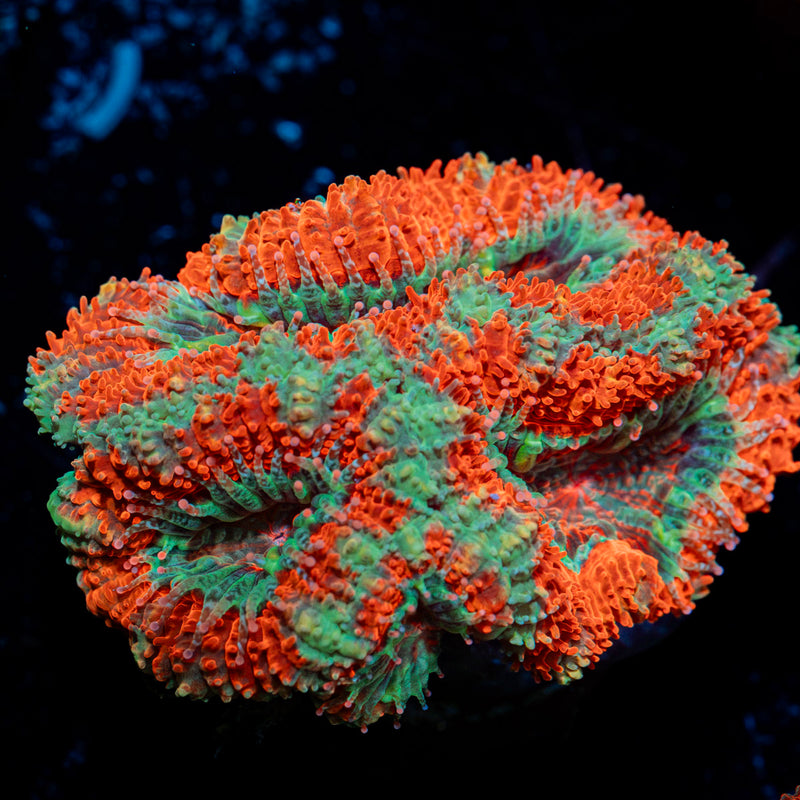
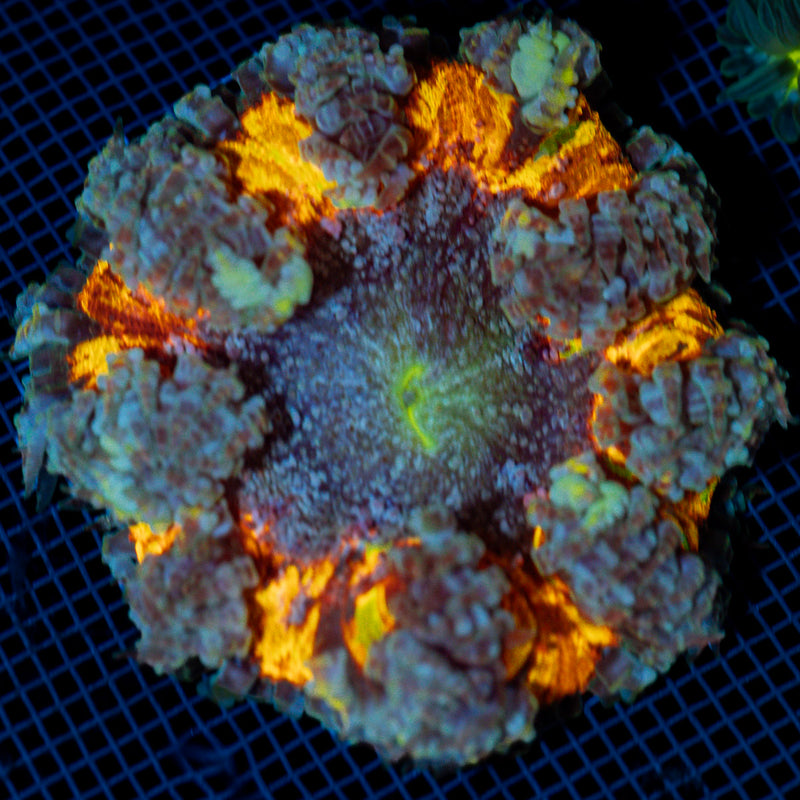
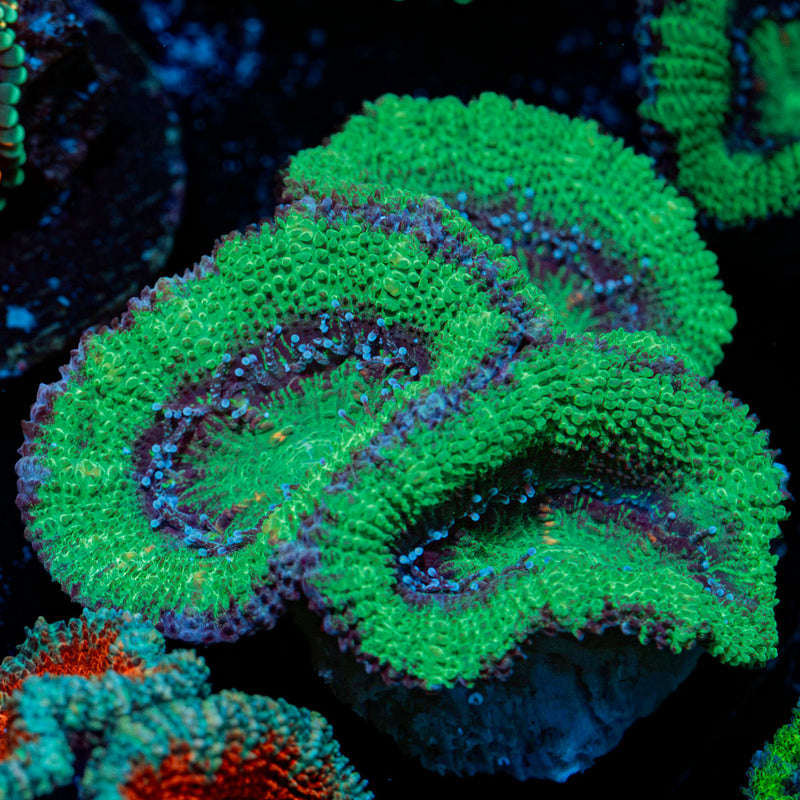
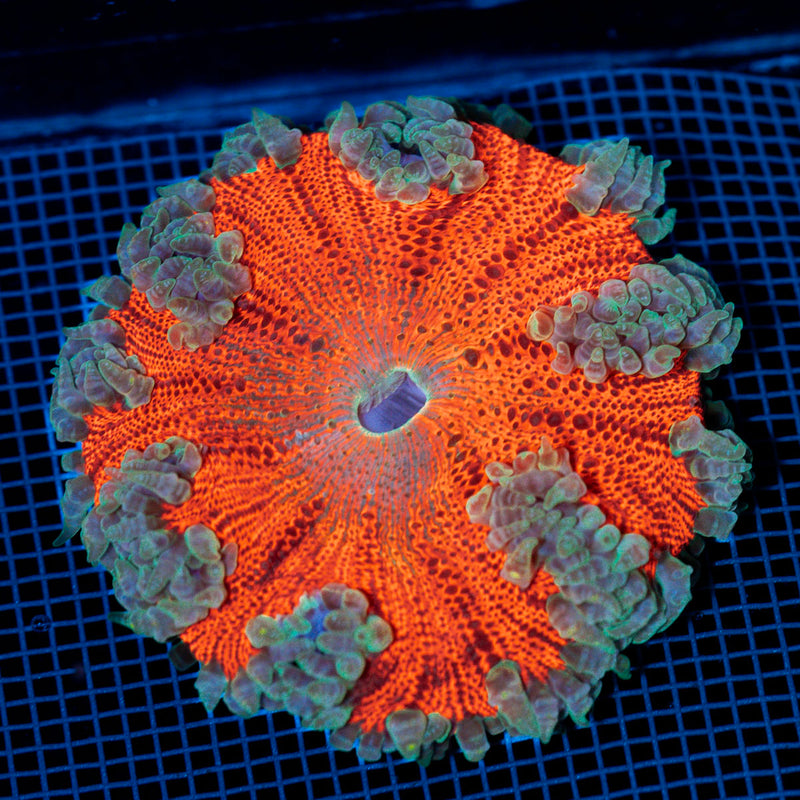
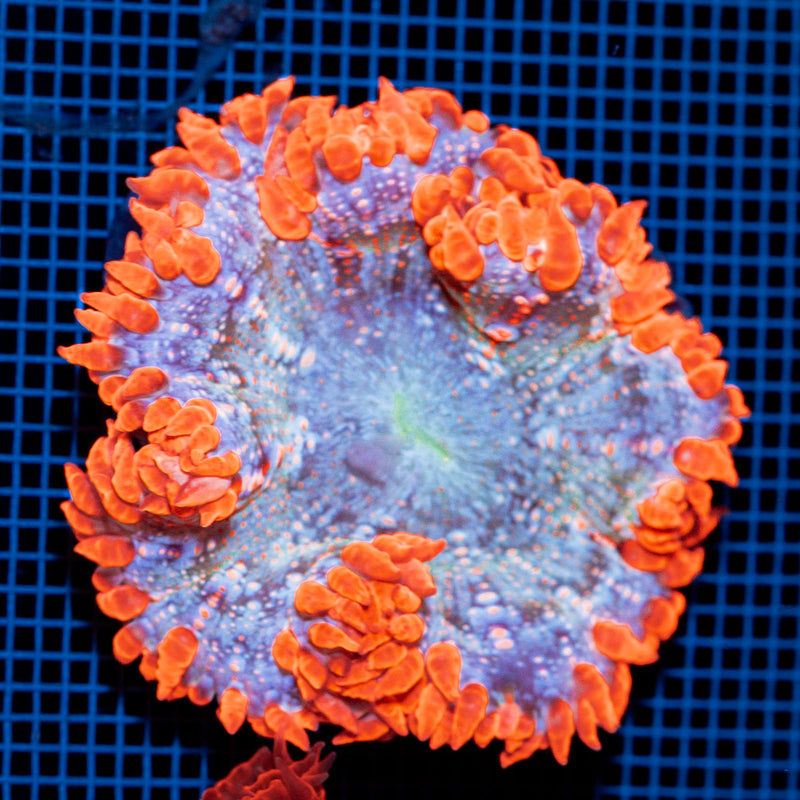
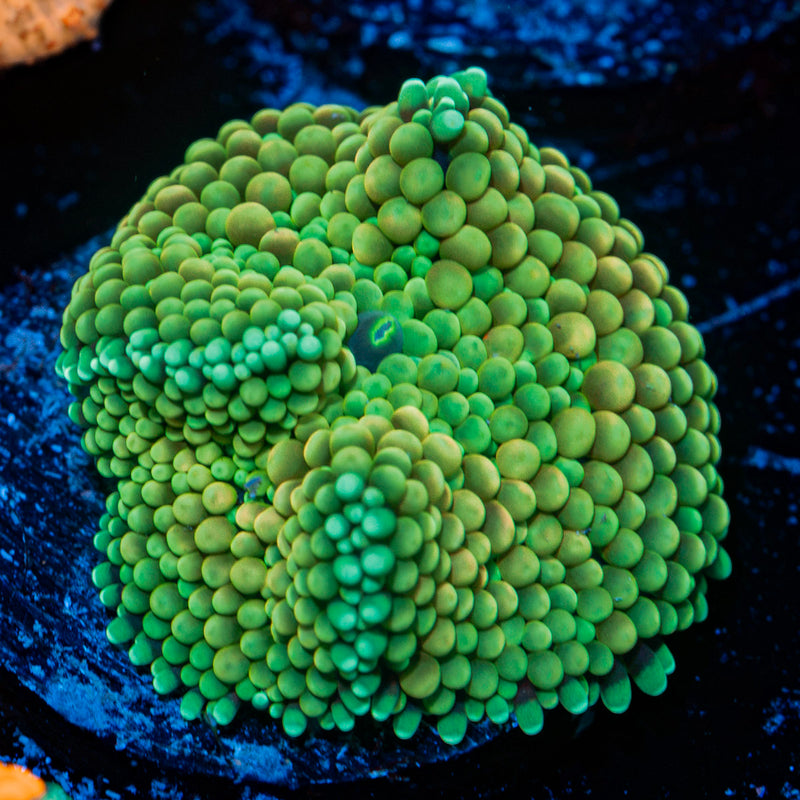
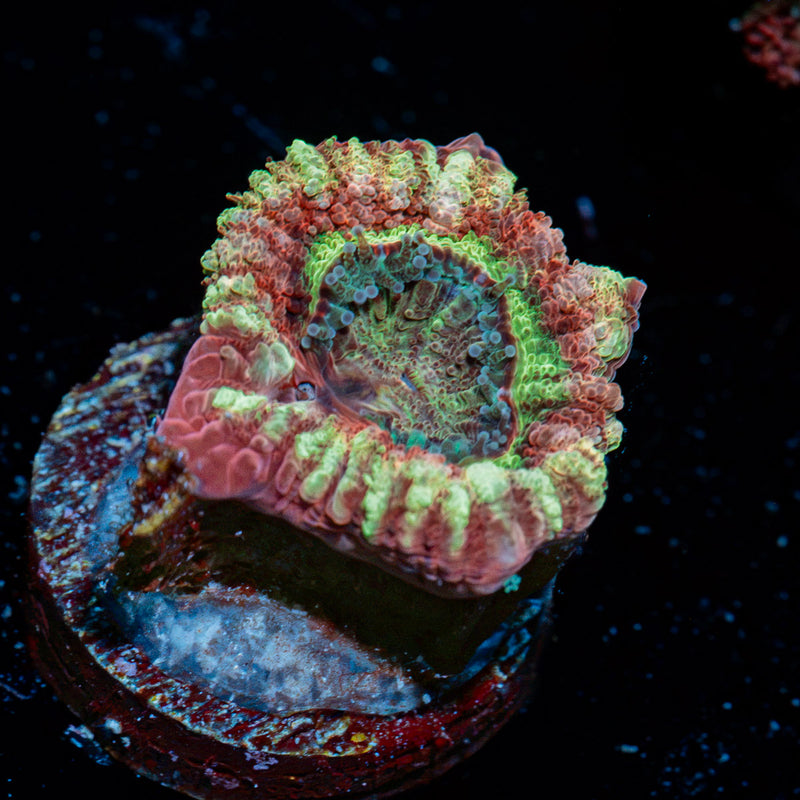
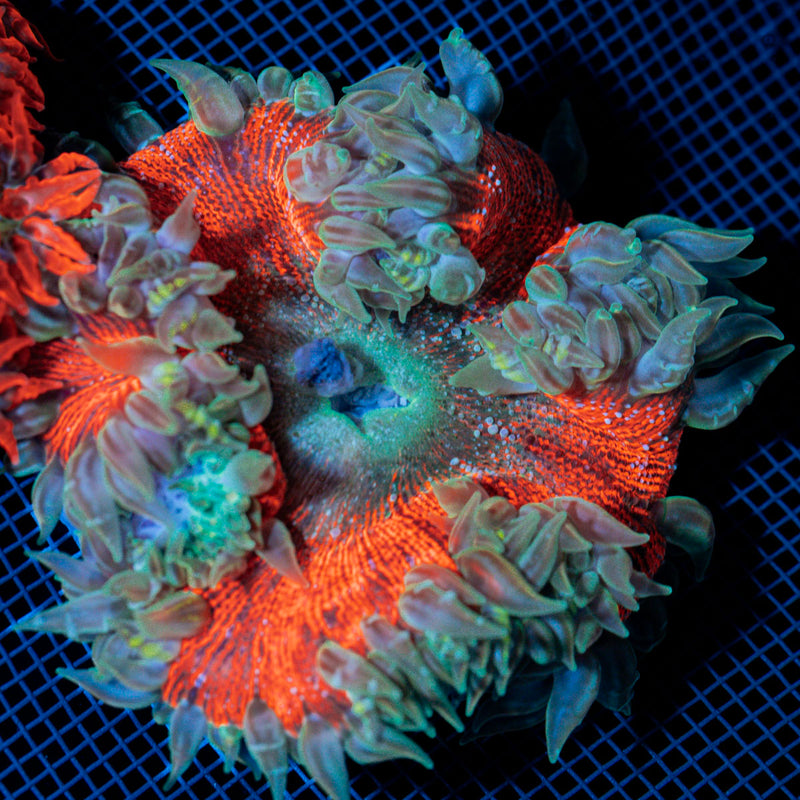
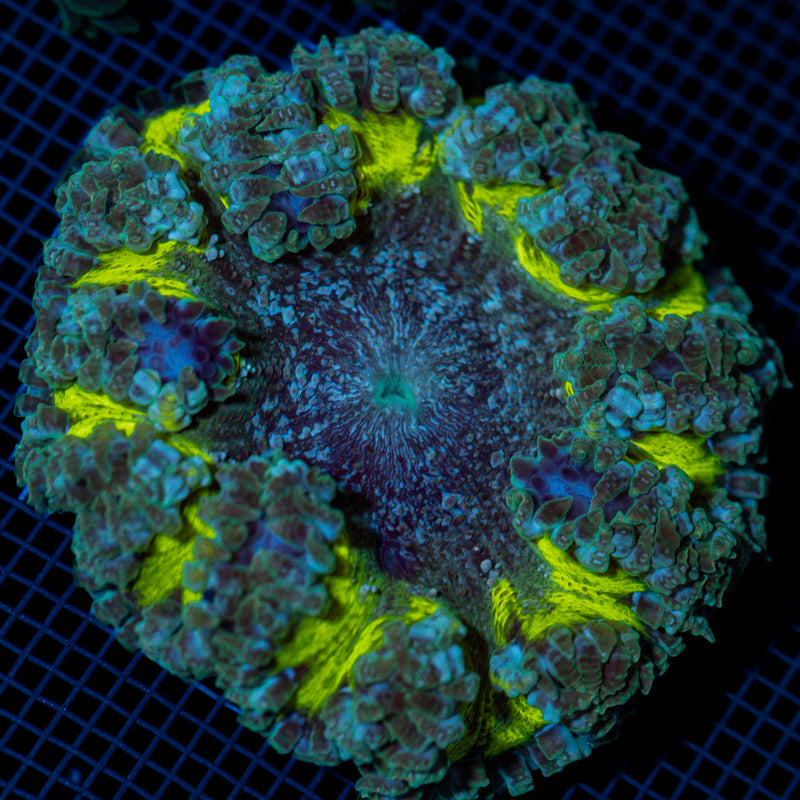
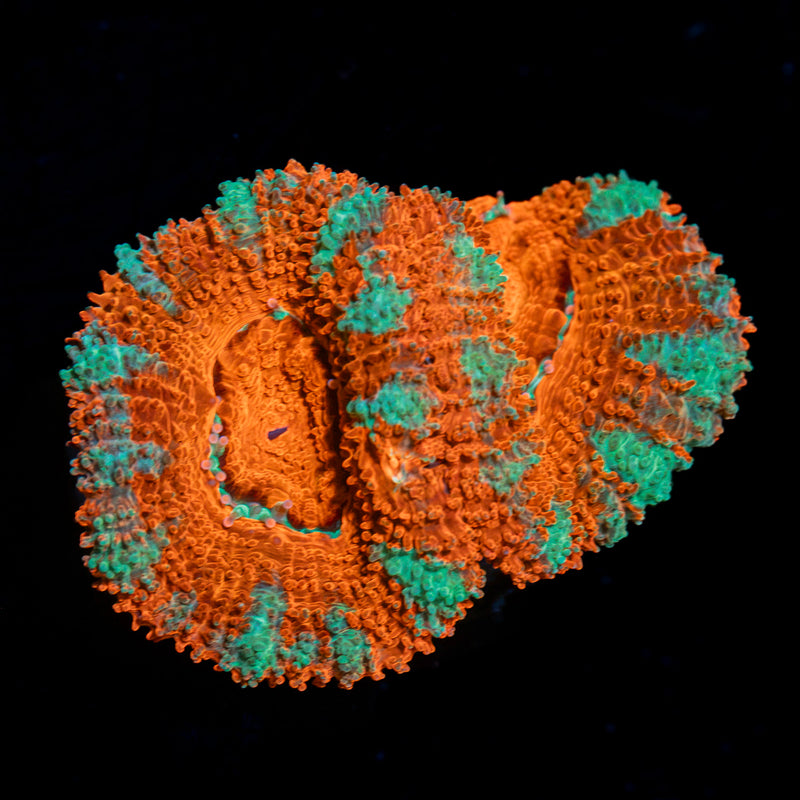
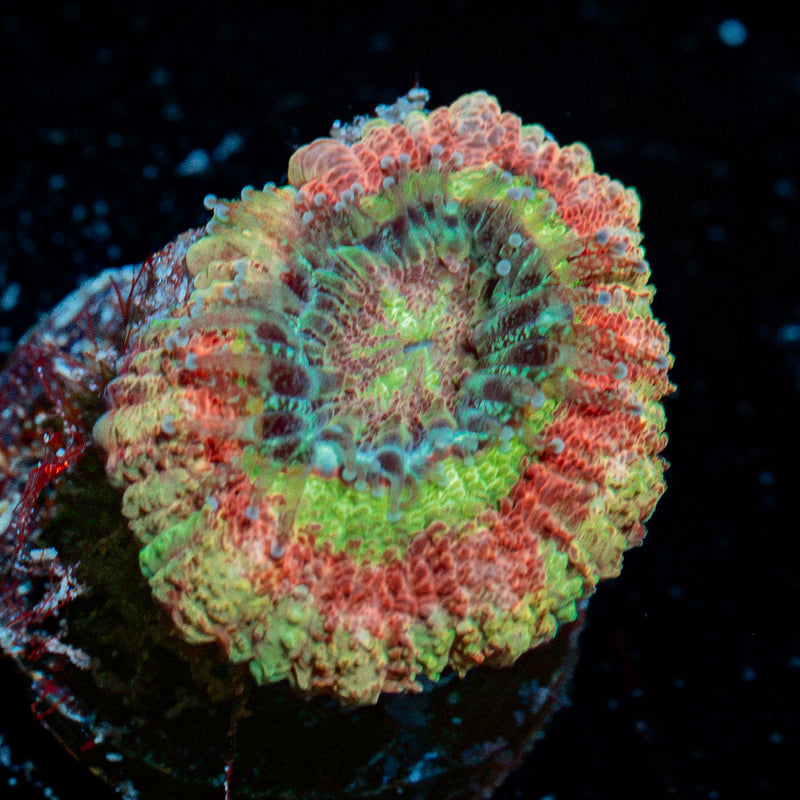
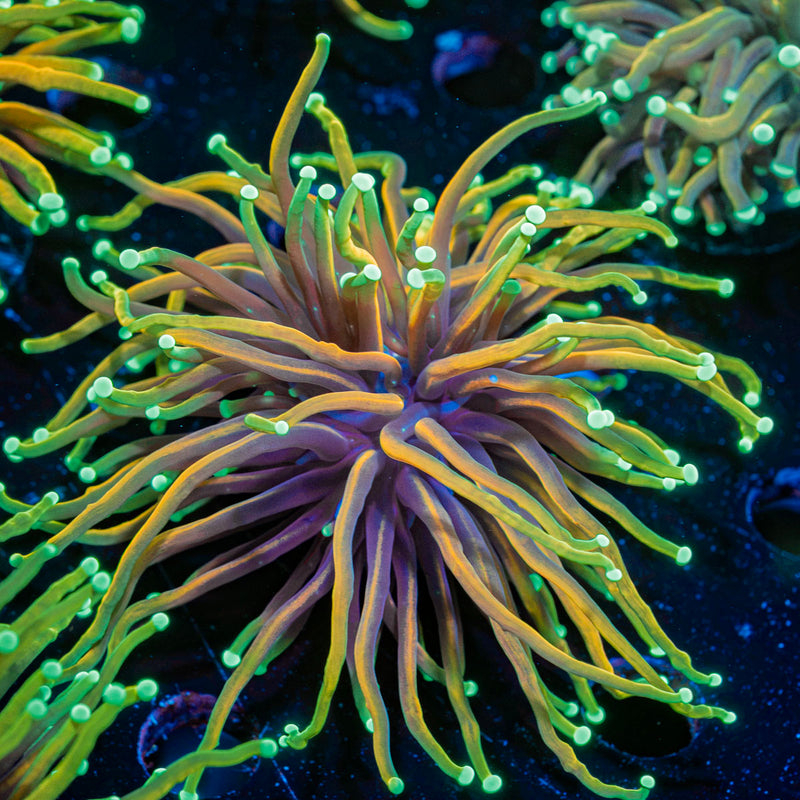
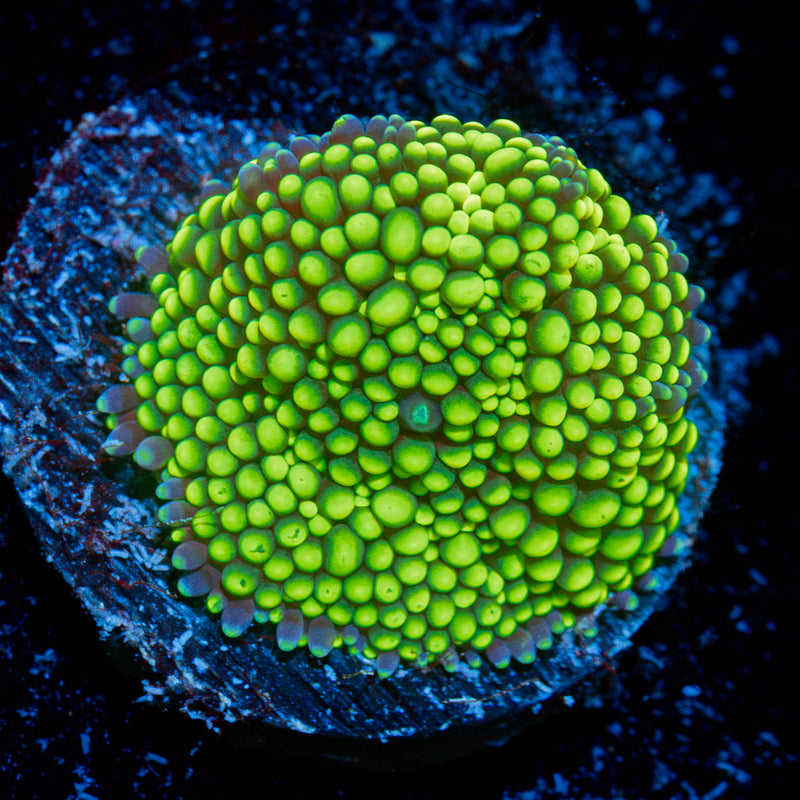
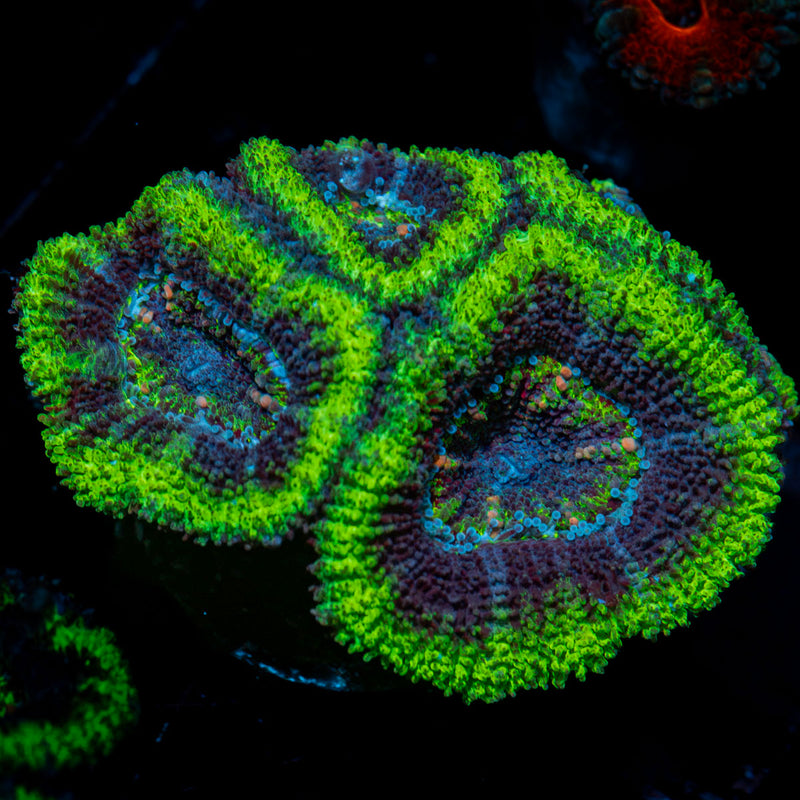
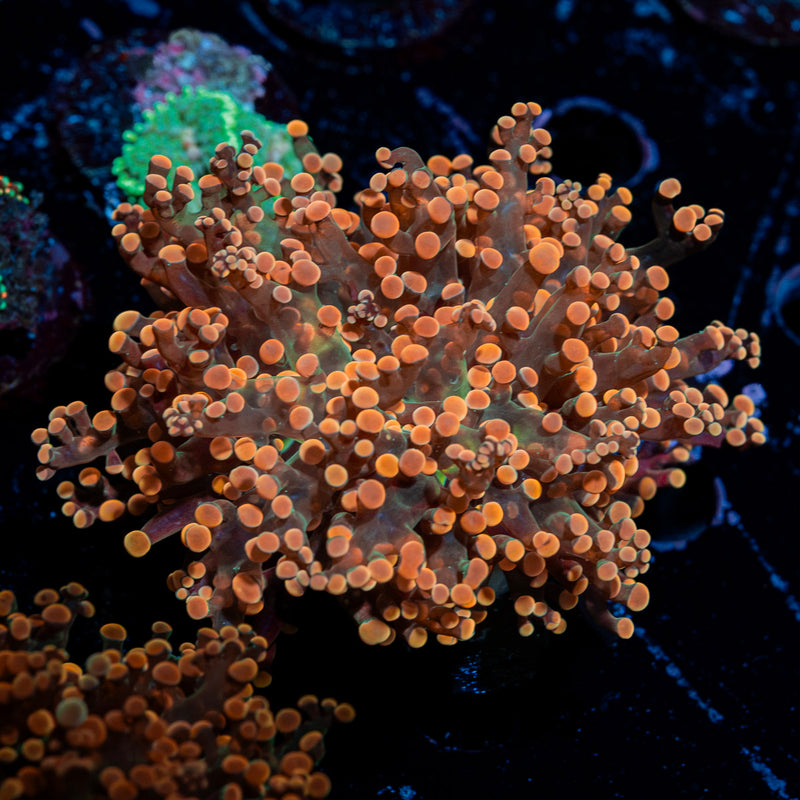
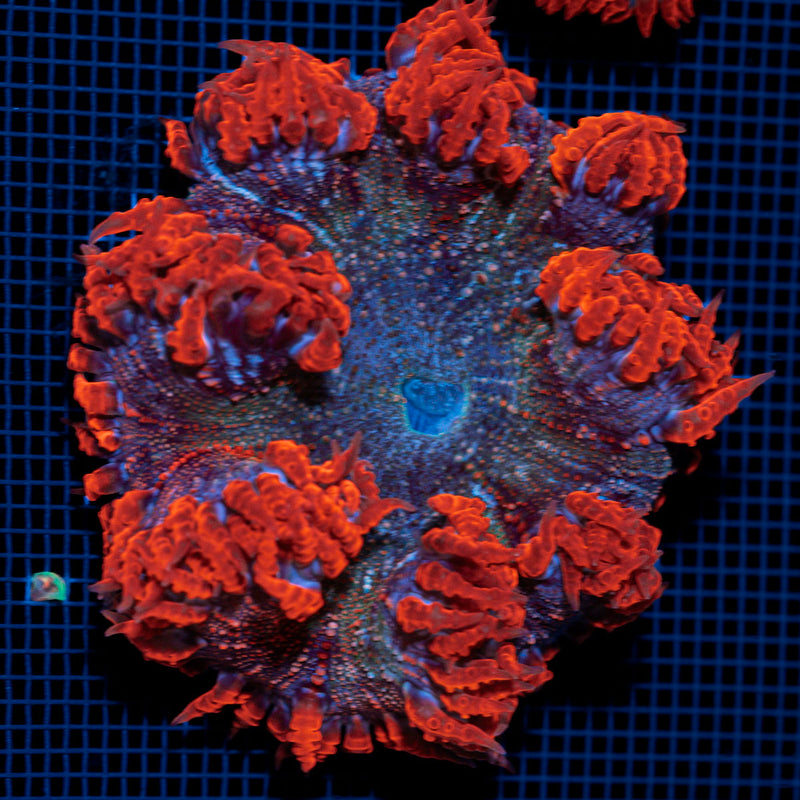
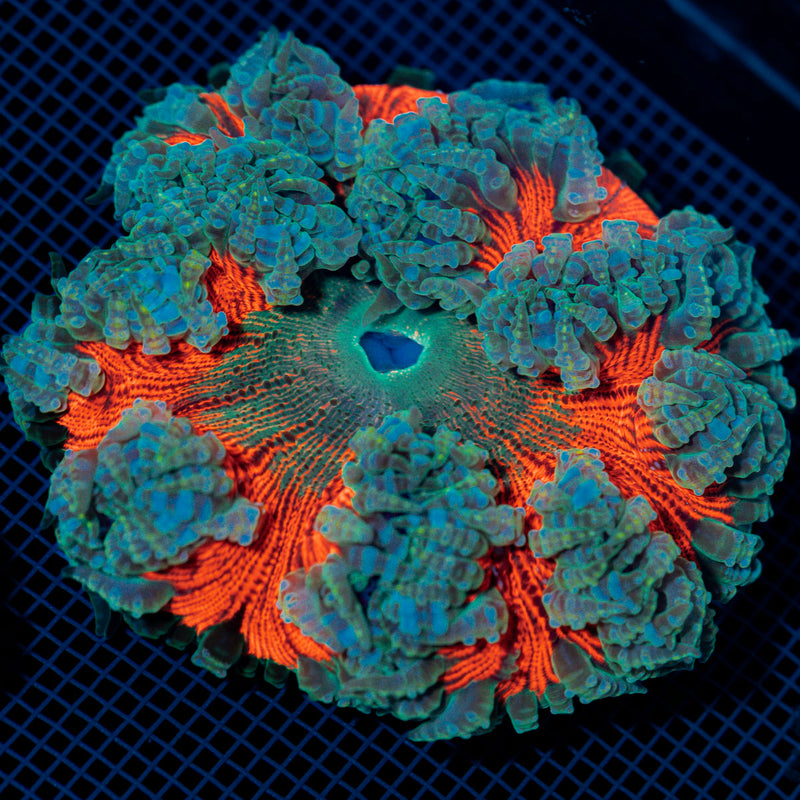
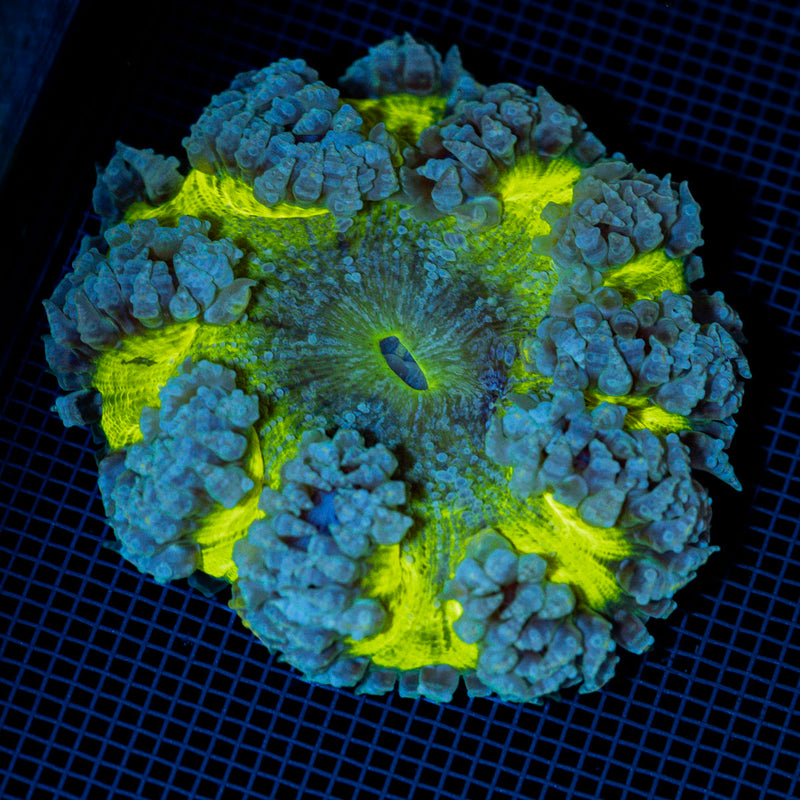
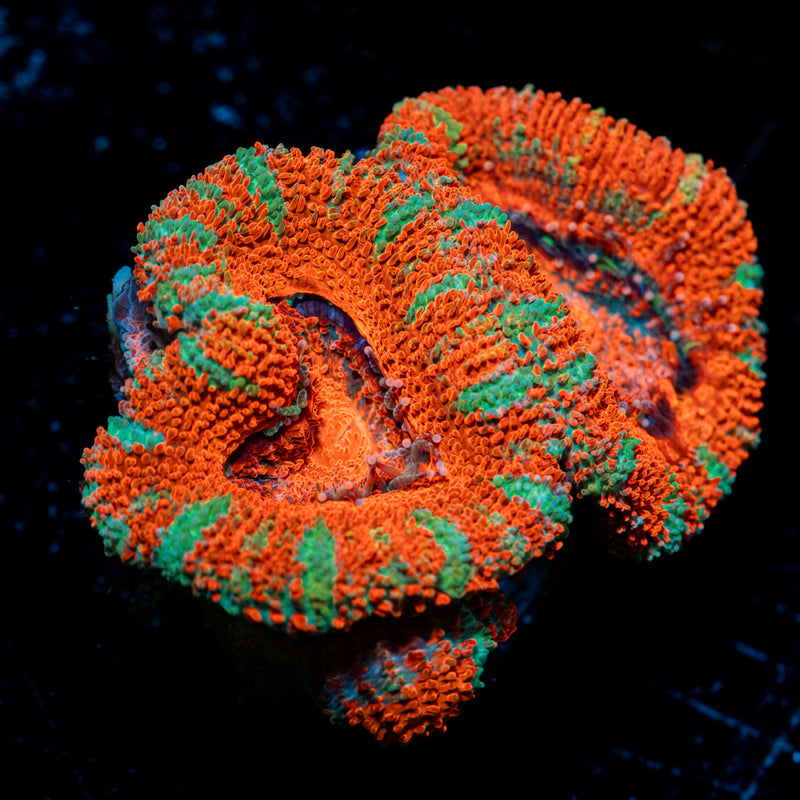
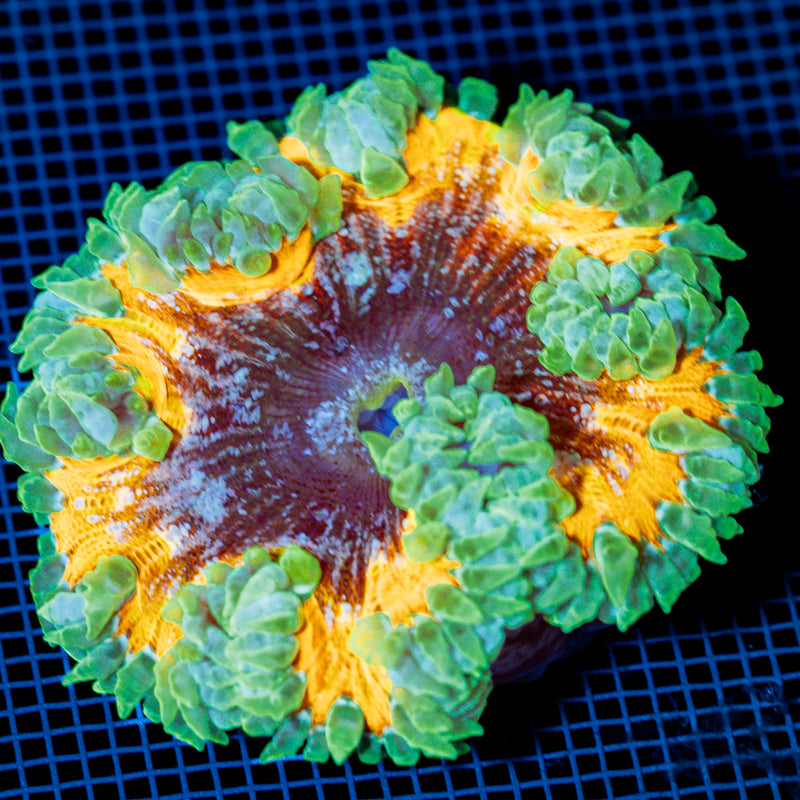
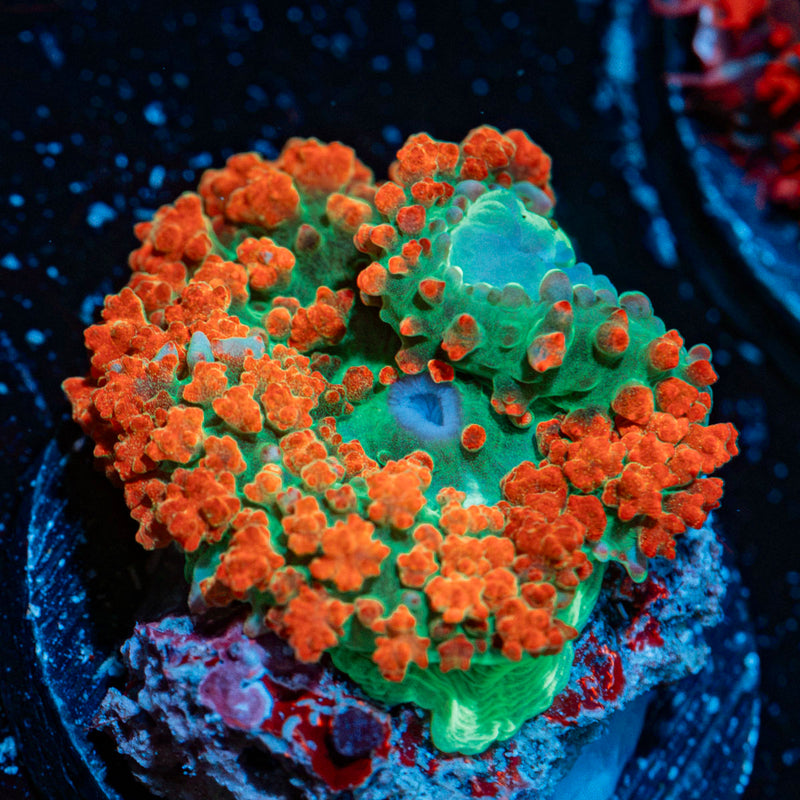
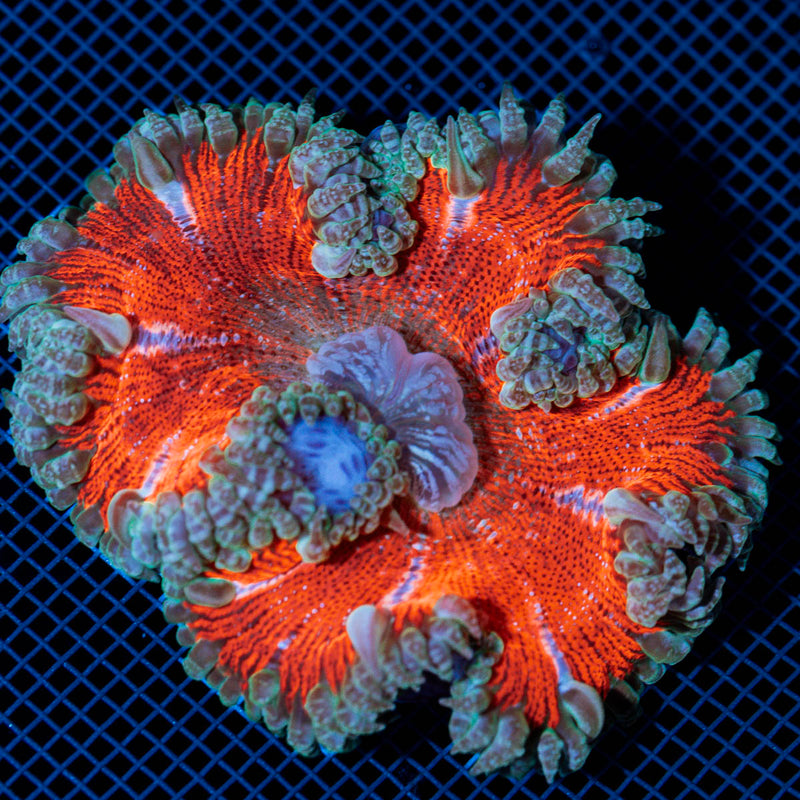
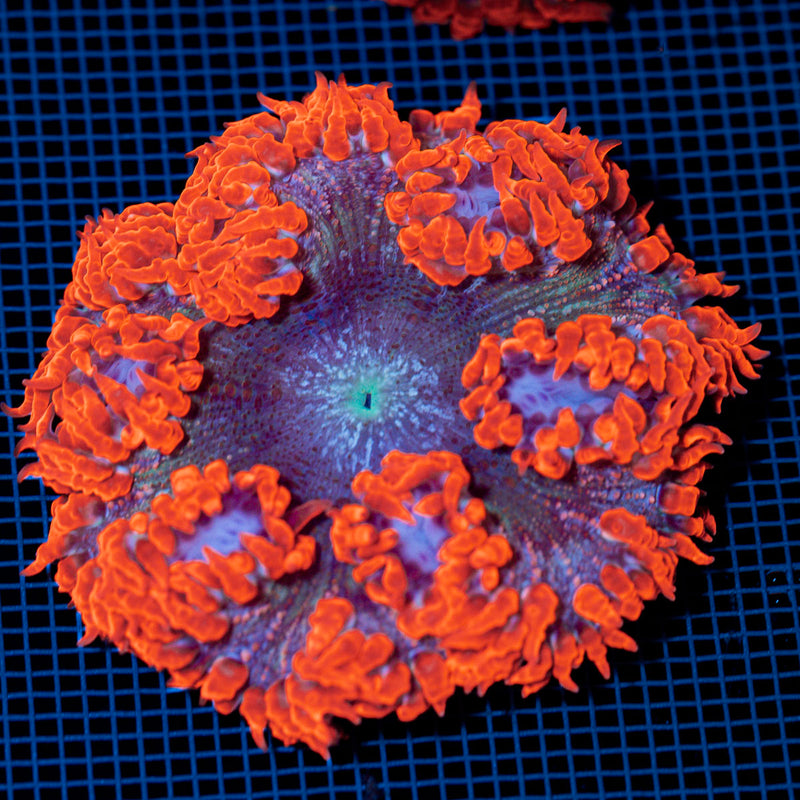
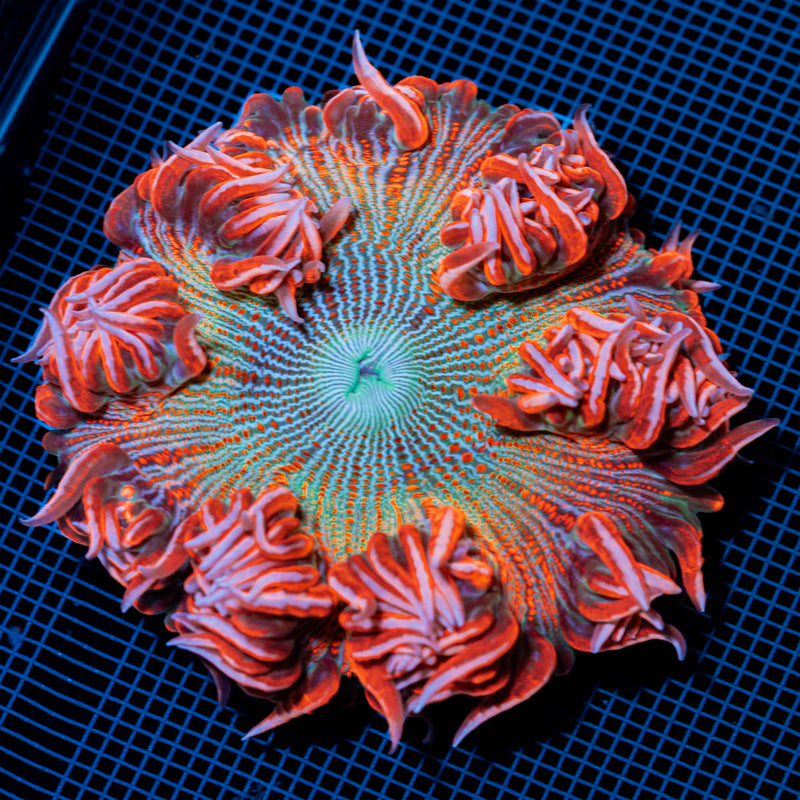
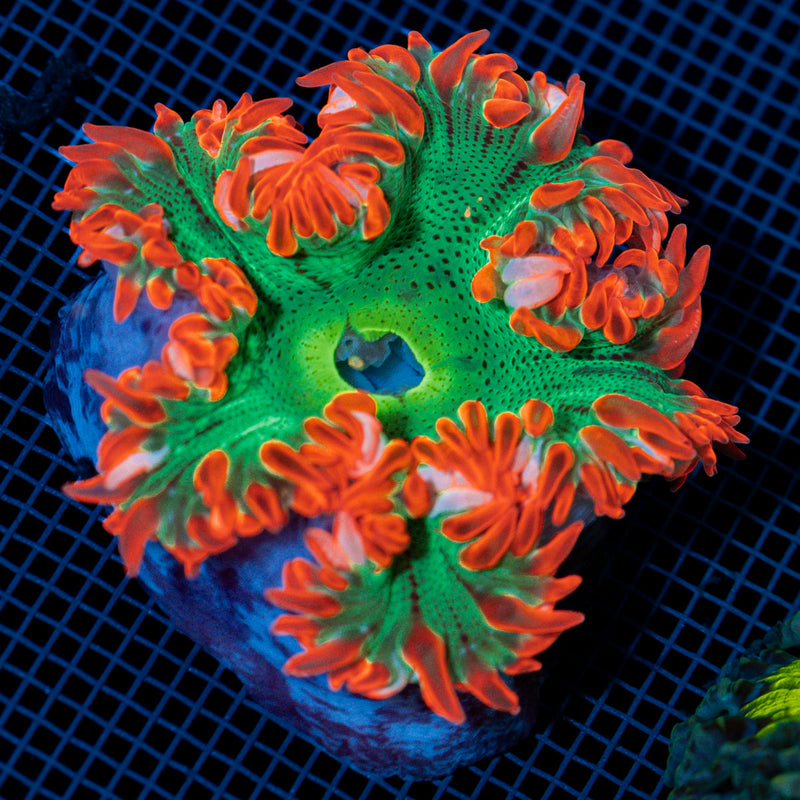
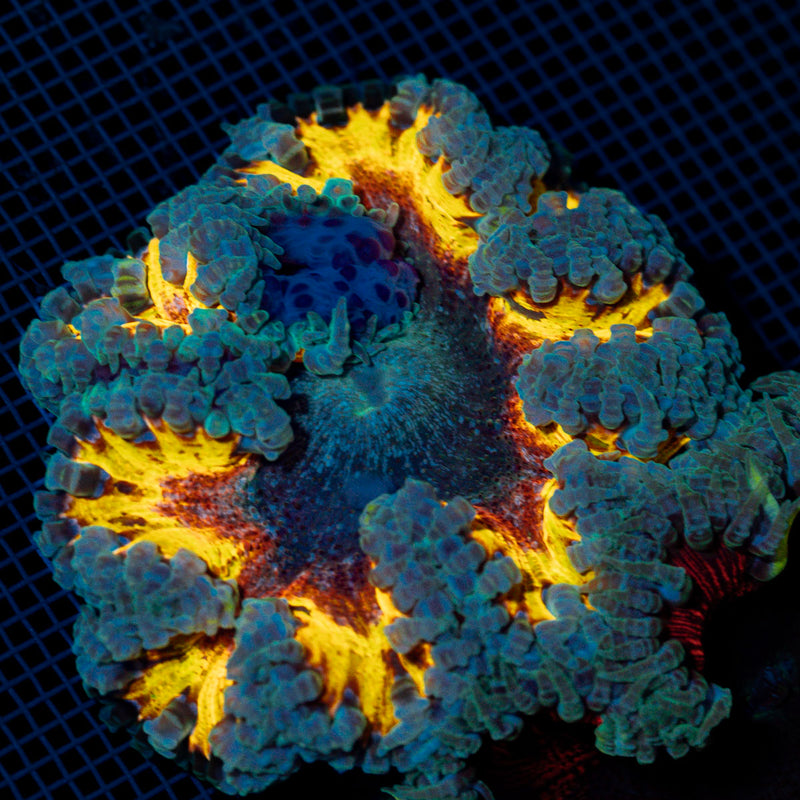
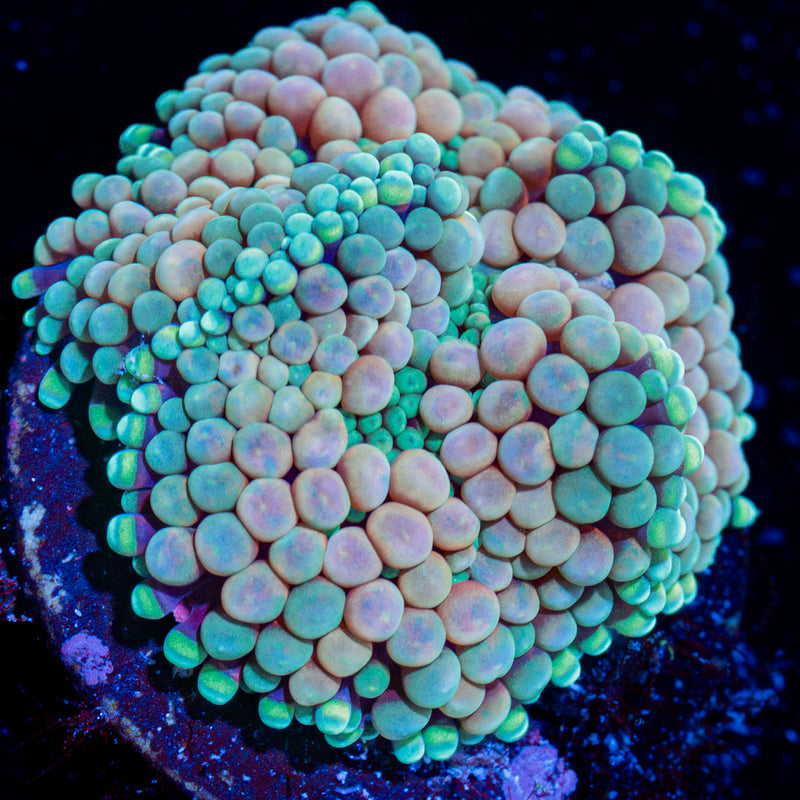
LPS stands for large polyp stony corals. These are the corals many hobbyists fall in love with first because they bring obvious movement, bold flesh, and bright, inflated color to a reef. Think torches, hammers, frogspawn, acans, and chalices. They often look vibrant even in younger mixed reefs and can deliver that high-impact, living-jewel look without demanding razor-thin parameter control.
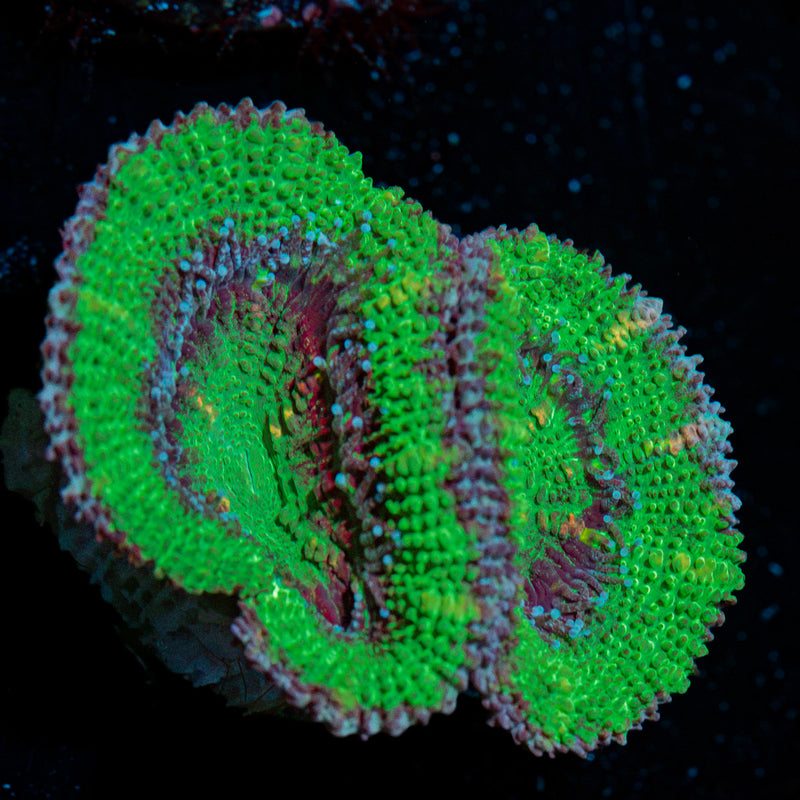
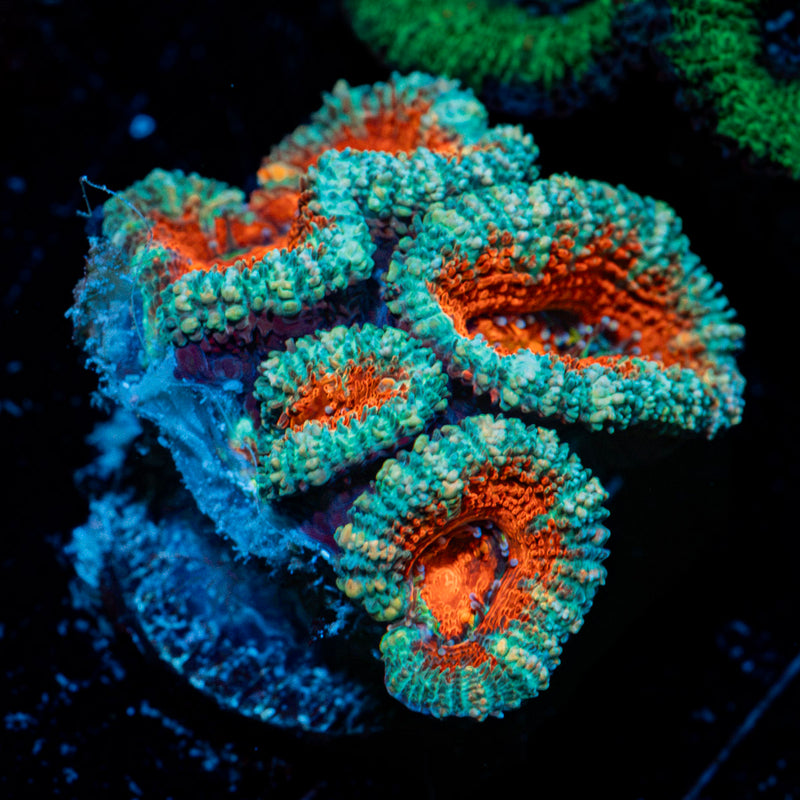
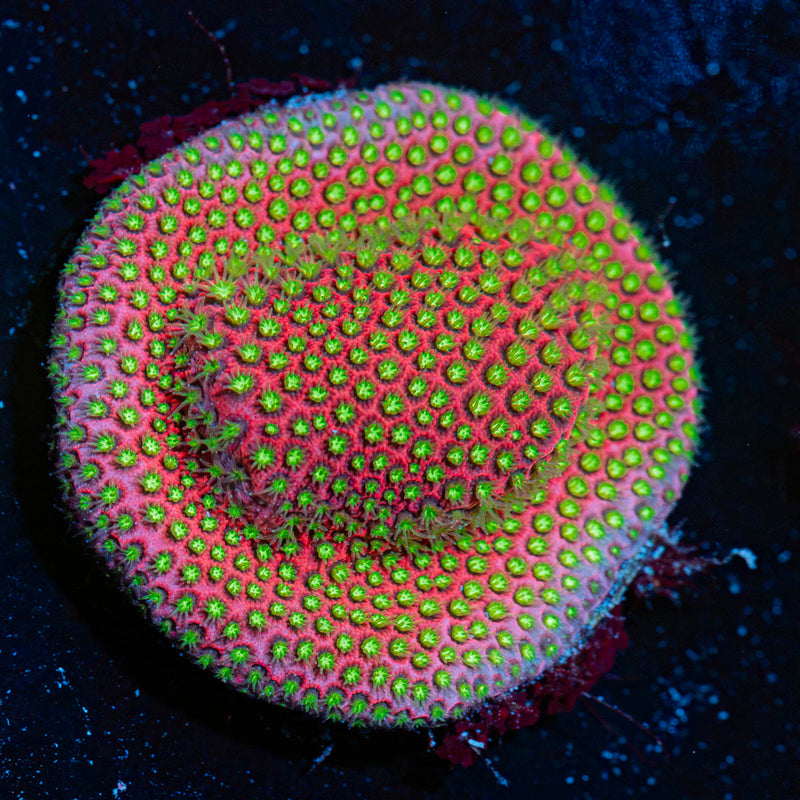
SPS stands for small polyp stony corals. This group includes many of the iconic branching and plating corals that create the crisp, structured architecture seen in advanced reef tanks. Acropora, Montipora, and Millepora are common examples. SPS corals can be absolutely breathtaking, especially when they color up under strong lighting and stable water chemistry, but they usually reward consistency more than correction.
If you want a simple distinction, LPS tends to be more visually fleshy and expressive, while SPS tends to be more skeletal, fine-textured, and growth-form driven. That does not mean every coral in each group follows the same rule. Reef keeping always has exceptions.
The biggest difference is tolerance
For most hobbyists, the real difference between LPS and SPS is not what they look like. It is how they respond when your tank swings.
LPS corals are often more forgiving of small shifts in nutrients, alkalinity, and flow. That flexibility makes them appealing for newer reef keepers or anyone with a mixed reef that is still maturing. A healthy hammer or acan can still look colorful and full while your system settles in, as long as the basics are in line.
SPS corals usually want more stability. Not just decent parameters, but repeatable ones. A tank that drifts from day to day in alkalinity, temperature, or nutrient availability can leave SPS looking pale, retracted, or worse. That is why experienced hobbyists often say SPS does not just need good water quality - it needs predictable water quality.
This matters because many losses blamed on a coral being hard are really a mismatch between the coral and the system. A beautiful Acropora frag in a tank with fluctuating alkalinity is not a fair test of whether SPS is for you.
Lighting and flow are where the gap widens
LPS and SPS both need appropriate light and water movement, but they usually want those conditions delivered differently.
LPS corals often prefer moderate lighting and moderate, indirect flow. Too little flow and debris can settle around tissue. Too much and fleshy polyps may stay irritated or fail to extend properly. A torch, for example, looks best when it has enough movement to sway naturally, not enough to be whipped around all day.
SPS corals typically thrive under stronger lighting and higher, more chaotic flow. Their compact polyps and rigid growth forms are built for environments where water movement constantly brings oxygen and nutrients while carrying waste away. In a reef tank, that often means placement higher in the rockwork and in more active flow patterns.
This is one reason mixed reefs can be tricky. The same tank may need calmer lower zones for fleshy LPS and brighter, more turbulent upper zones for SPS. It can absolutely be done, but it works best when aquascape and equipment are planned around both groups from the start.
Feeding and nutrients are not one-size-fits-all
One of the most enjoyable parts of keeping many LPS corals is their feeding response. Plenty of them will extend feeder tentacles or show clear interest when food hits the water. That can make them feel interactive and rewarding, especially for hobbyists who like visible growth and tissue expansion.
SPS corals feed too, but the process is less dramatic to the eye and usually more tied to overall nutrient balance, particle availability, and dissolved organics in the system. In practical terms, LPS often gives you more visual feedback, while SPS asks you to trust the process and watch long-term signs like polyp extension, encrusting, and color.
Nutrients are another area where nuance matters. Many LPS corals tolerate or even appreciate slightly richer water compared to ultra-clean systems. SPS often colors and grows best when nutrients are controlled but not bottomed out. Chasing perfectly sterile water can create its own problems, especially with SPS. The goal is balance, not stripping the tank.
Growth pattern changes how your reef feels
If you are choosing between lps versus sps corals, think beyond care and look at the kind of display you actually want to see every day.
LPS creates a reef with motion, puffed tissue, and dramatic individual colonies. A single torch or chalice can become a focal point fast. These corals often read as luxurious and bold, with shape and movement doing as much work as color.
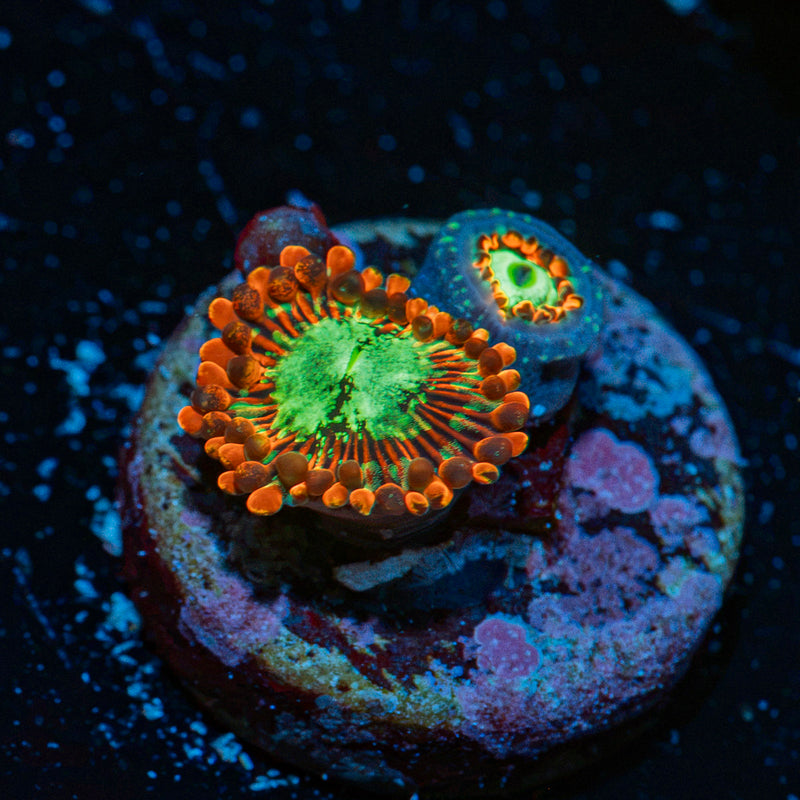
SPS creates structure. Branches, plates, and tight growth forms can turn rockwork into a layered reef skyline. A mature SPS tank has a clean, high-energy look that many advanced hobbyists love because it feels dense, intricate, and alive in a different way.
Neither aesthetic is more impressive across the board. It depends on your taste. Some reef keepers want a garden of flowing hammers and glowing acans. Others want a wall of branching sticks with intense coloration and fast upward growth. Plenty want both, and that is where coral placement becomes everything.
Which is better for beginners?
Most beginners will have an easier time starting with beginner-friendly LPS rather than jumping straight into a heavily SPS-focused tank. That is not a knock on SPS. It is just a reflection of how reef tanks mature.
Early on, new systems often experience minor instability in nutrients, consumption, and bacterial balance. LPS can be more forgiving while you learn how your tank behaves. You still need proper acclimation, placement, and chemistry, but the margin for error is usually wider.
SPS becomes much more realistic when your tank has settled into a dependable rhythm. If you can keep alkalinity steady, maintain good export without starving the system, and provide strong light and flow, SPS starts to feel less like a gamble and more like a next step.
That is why many successful hobbyists build confidence with a few hardy LPS pieces, then add select SPS as the tank proves itself. It is a smart progression, not a compromise.
Shopping wisely matters as much as care
Coral success starts before the frag enters your tank. Healthy aquacultured frags, clear category descriptions, and accurate WYSIWYG presentation make a real difference because they reduce the guesswork. When you know what type of coral you are buying and what kind of care it generally prefers, placement and acclimation become much more straightforward.
This is especially helpful if you are still learning your reef's personality. A curated, beginner-friendly LPS pick can be a confidence builder. A vibrant SPS frag from a stable aquacultured source can be a great choice once your parameters and equipment are ready for it. At Riptide Aquaculture, that kind of transparency is part of what helps hobbyists buy with more confidence.
So, should you choose LPS or SPS?
Choose LPS if you want vibrant motion, strong visual impact, and a more forgiving path into stony corals. Choose SPS if your tank is already stable, your lighting and flow are dialed in, and you want to build that crisp, architectural reef look that rewards consistency.
If your answer is both, that can be a beautiful direction too. Just be honest about your current tank conditions and place corals according to their needs rather than forcing every frag into the same zone.
The best reef tanks are not built by chasing what looks most advanced. They are built by matching beautiful corals to the environment you can actually provide, then letting them grow into something even better over time.