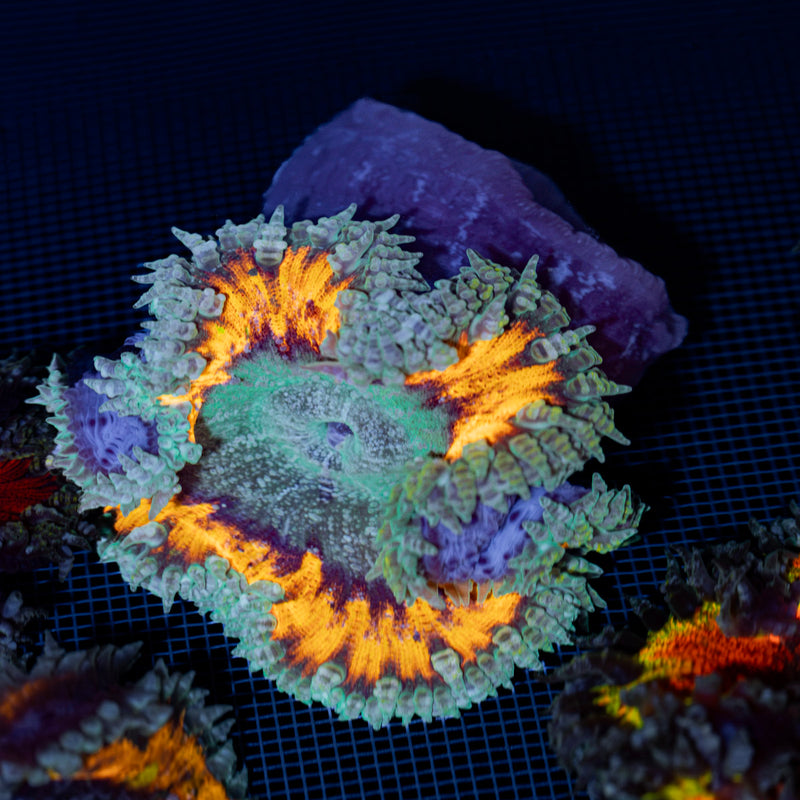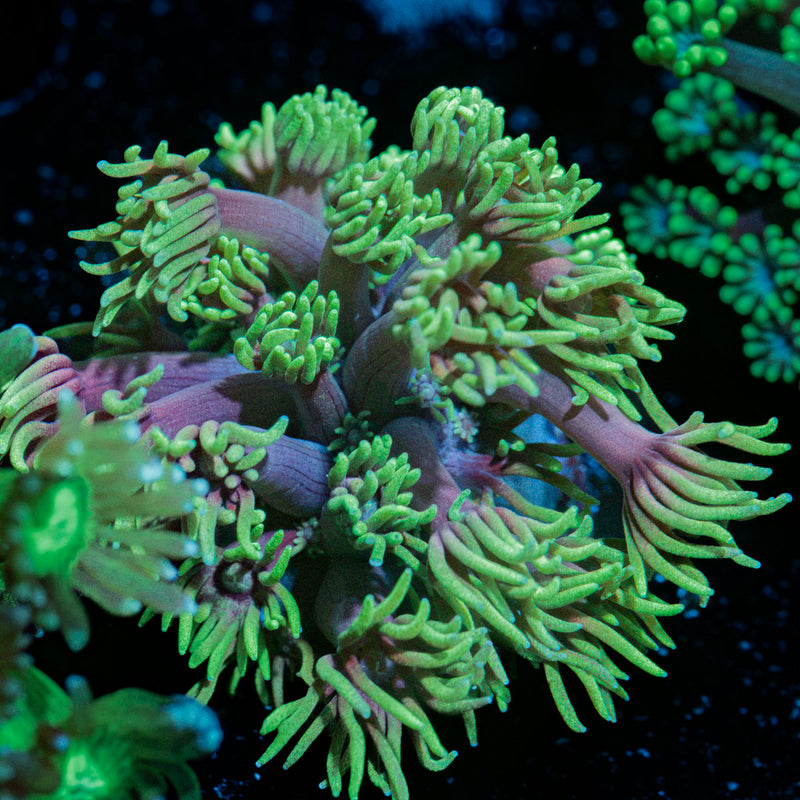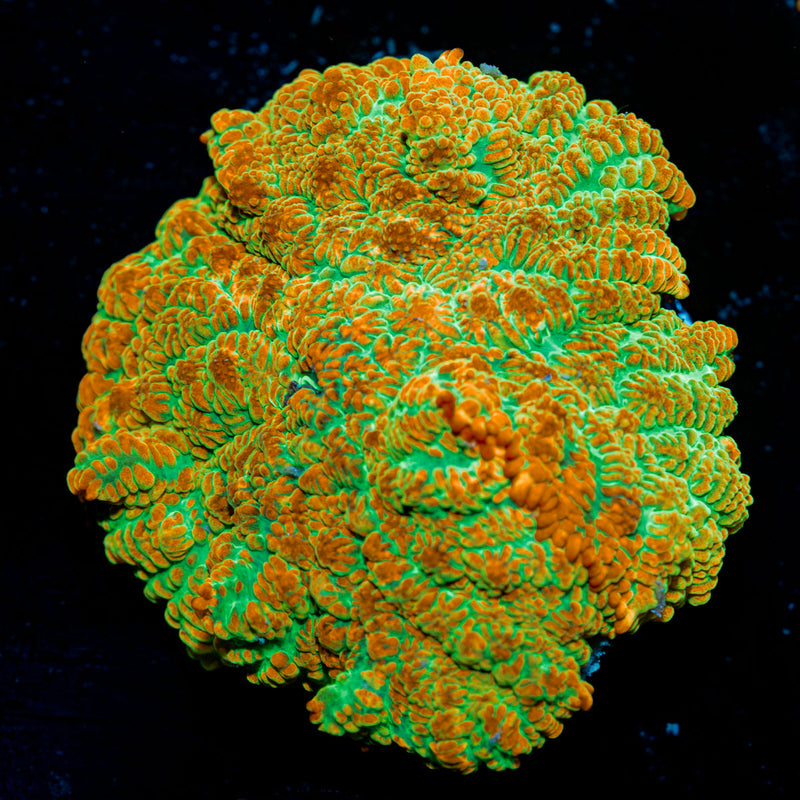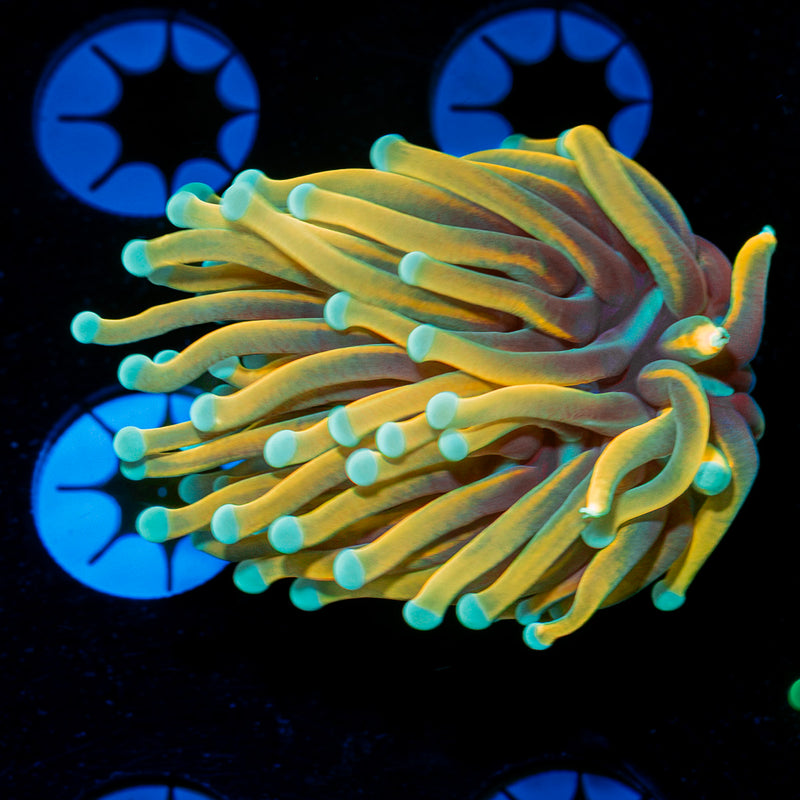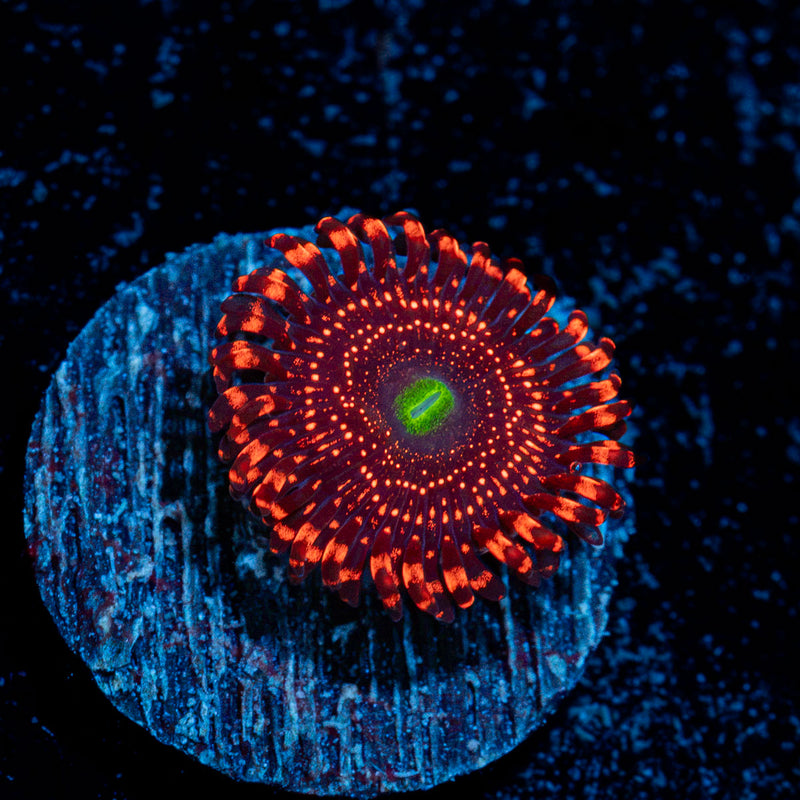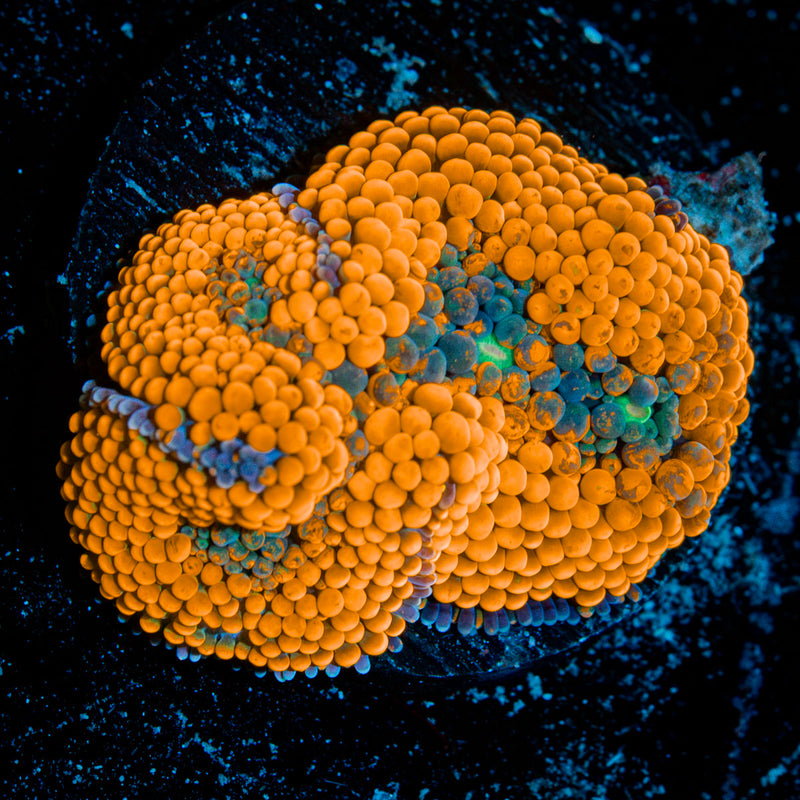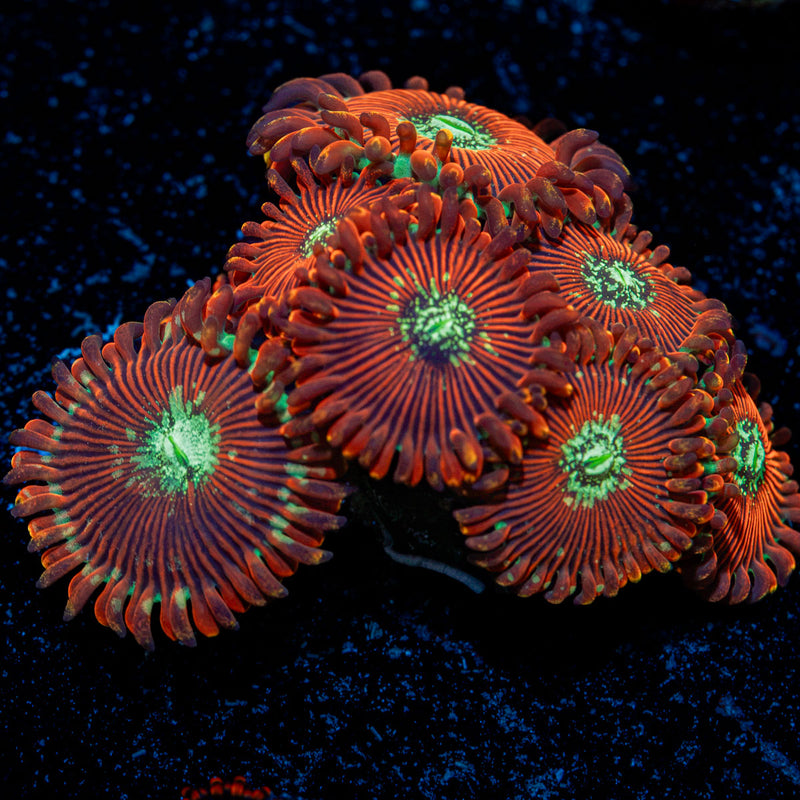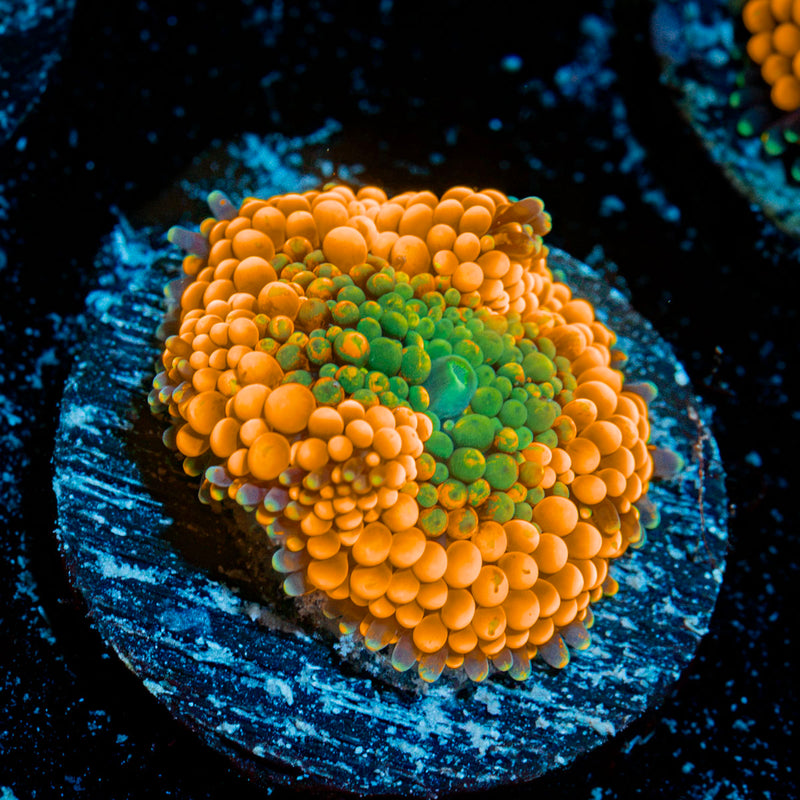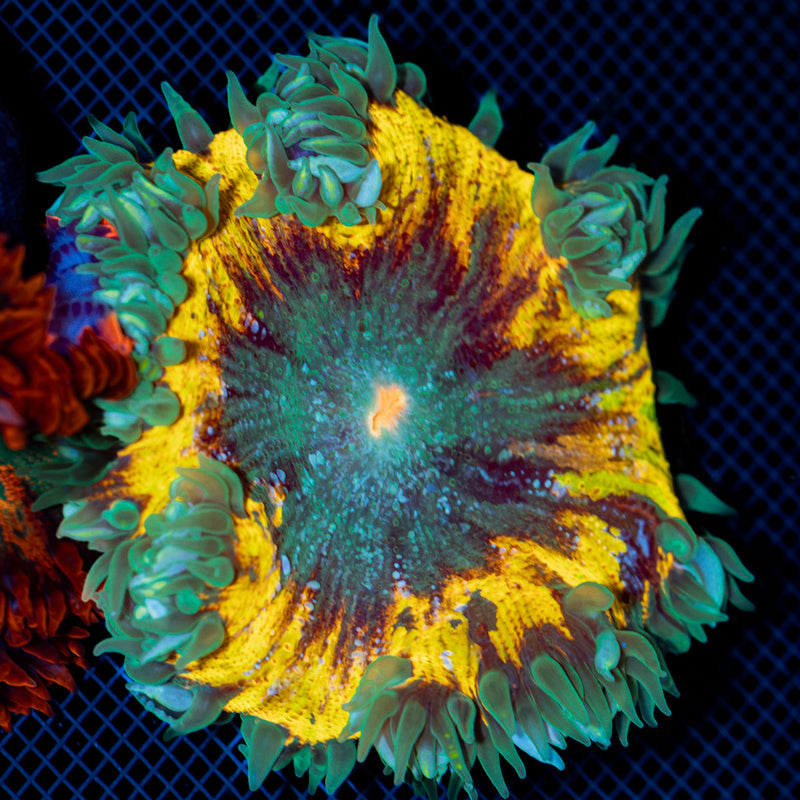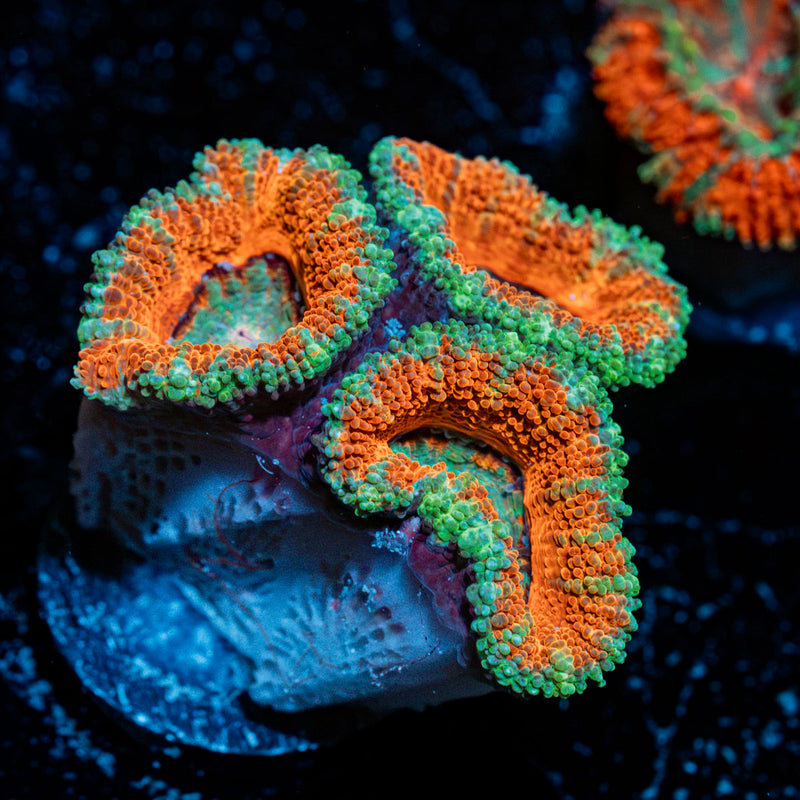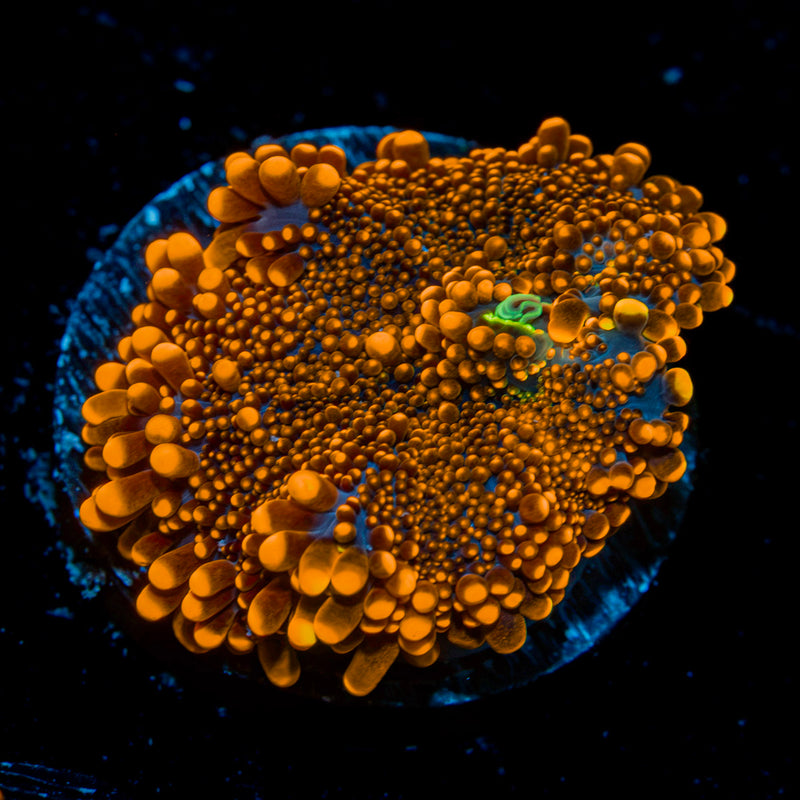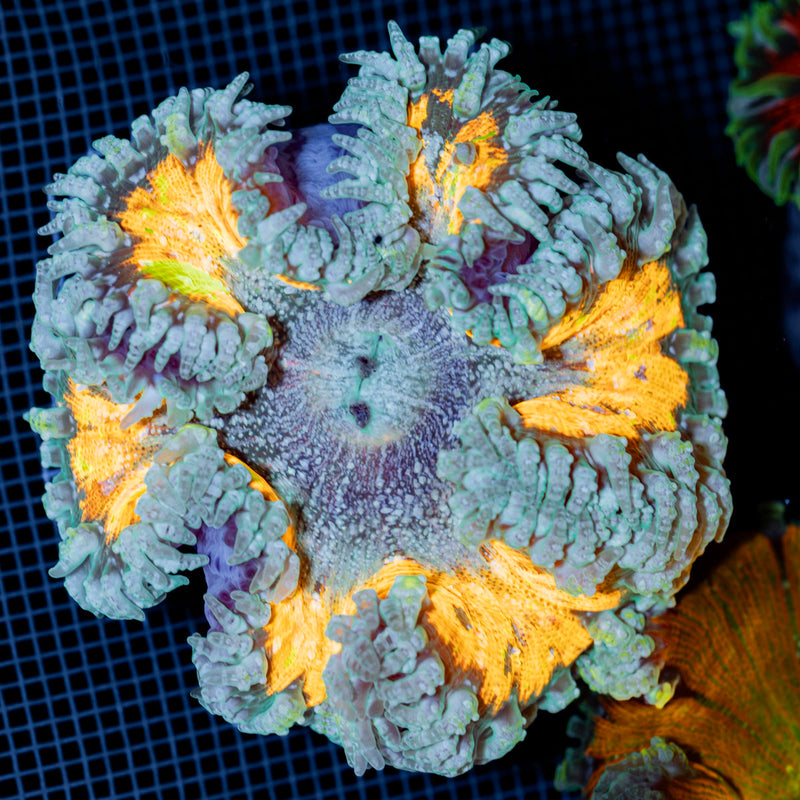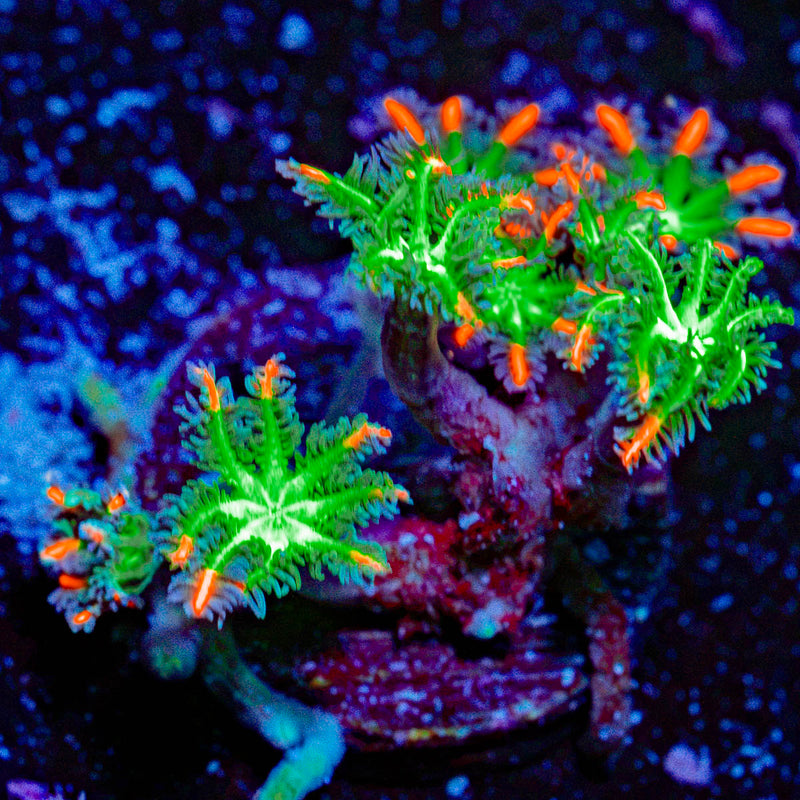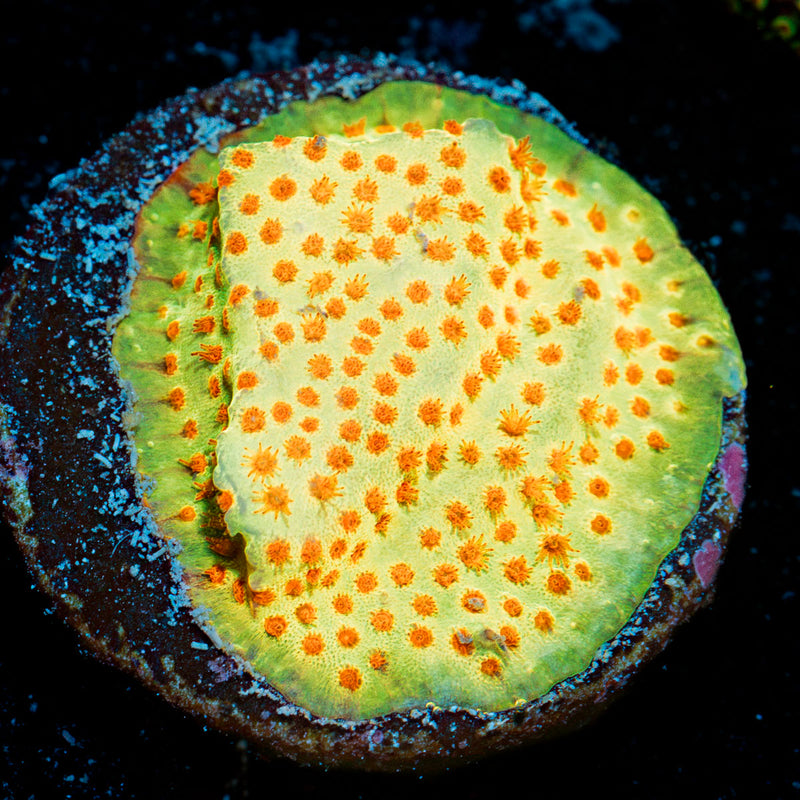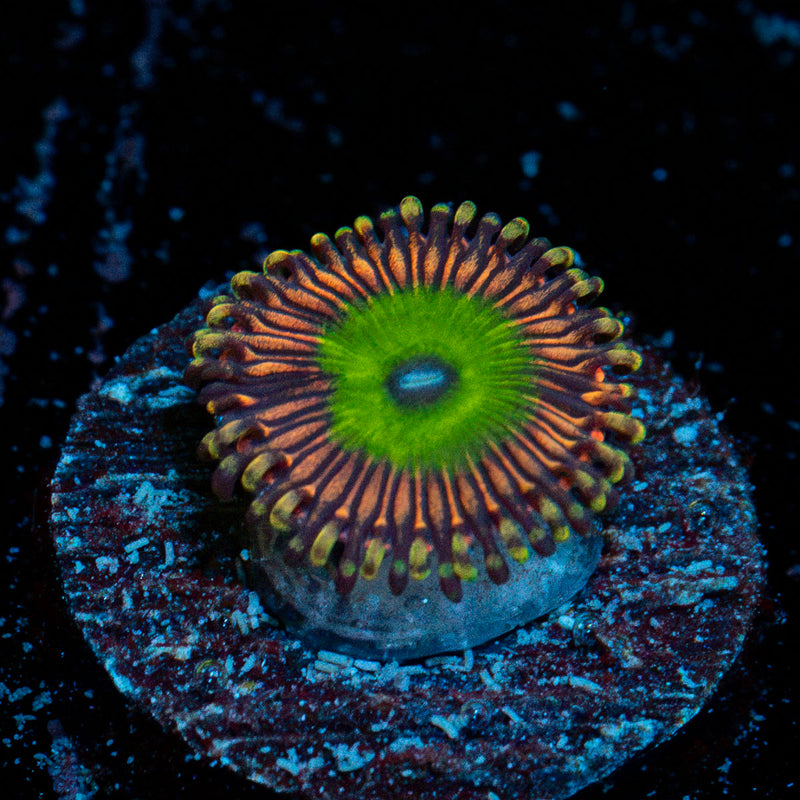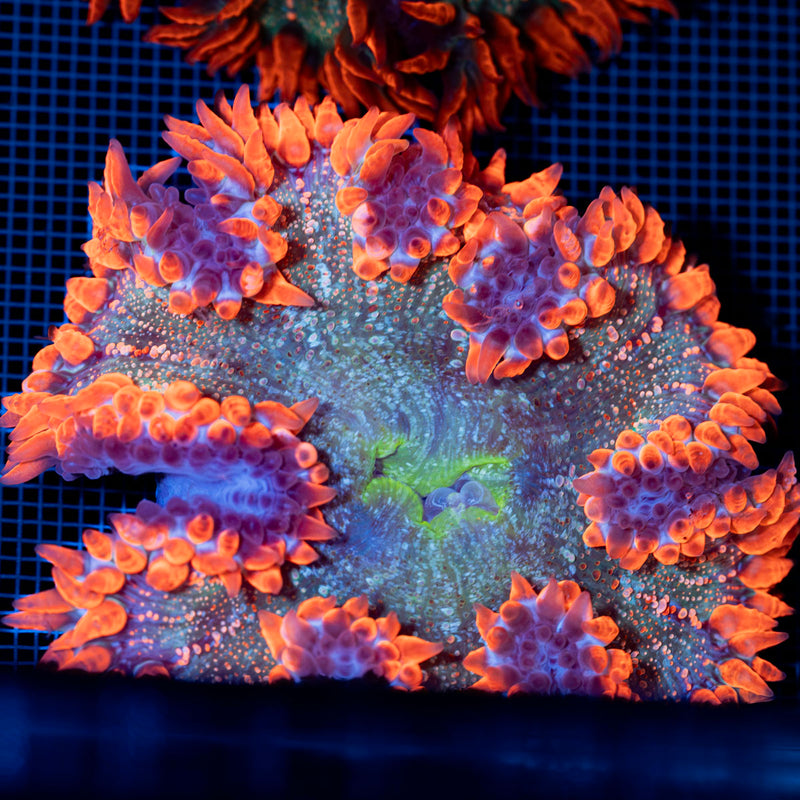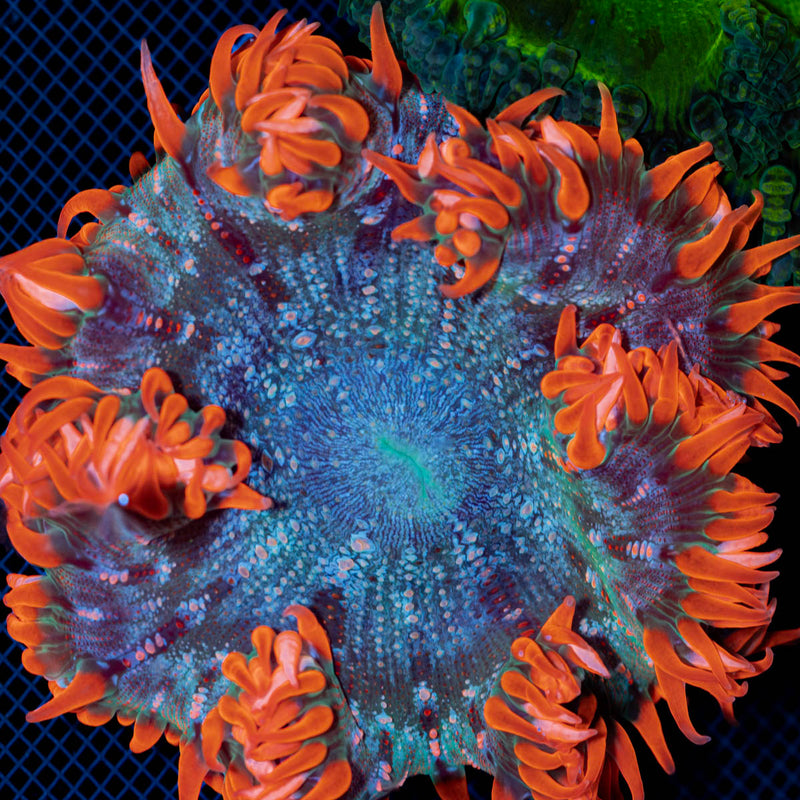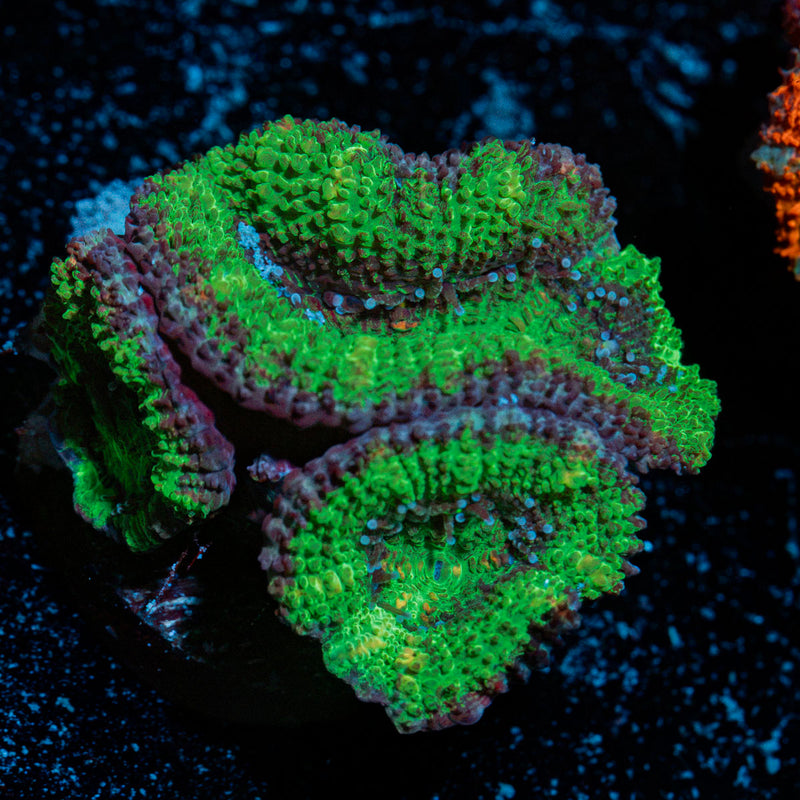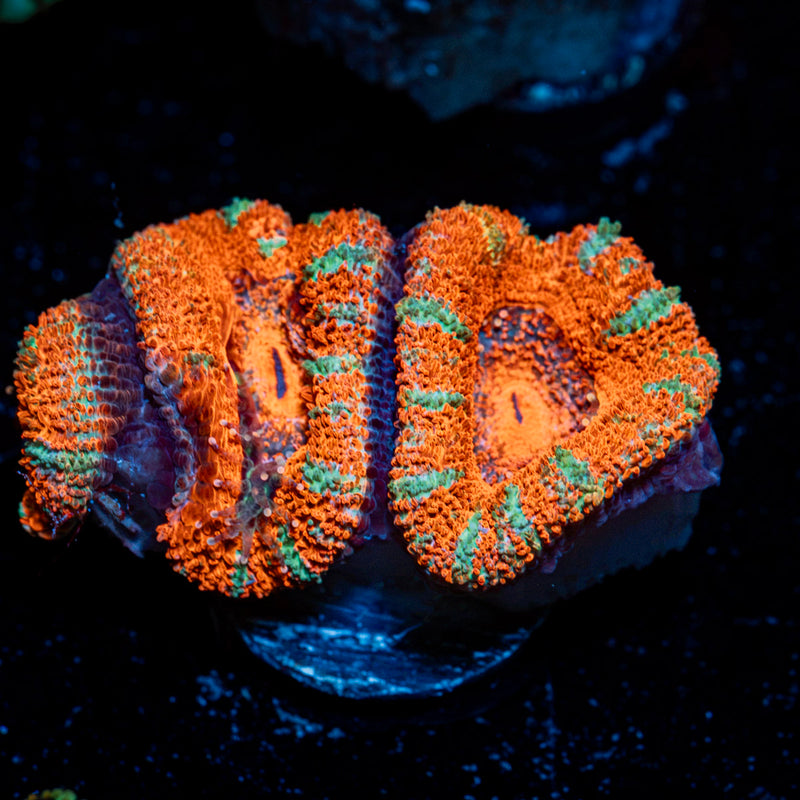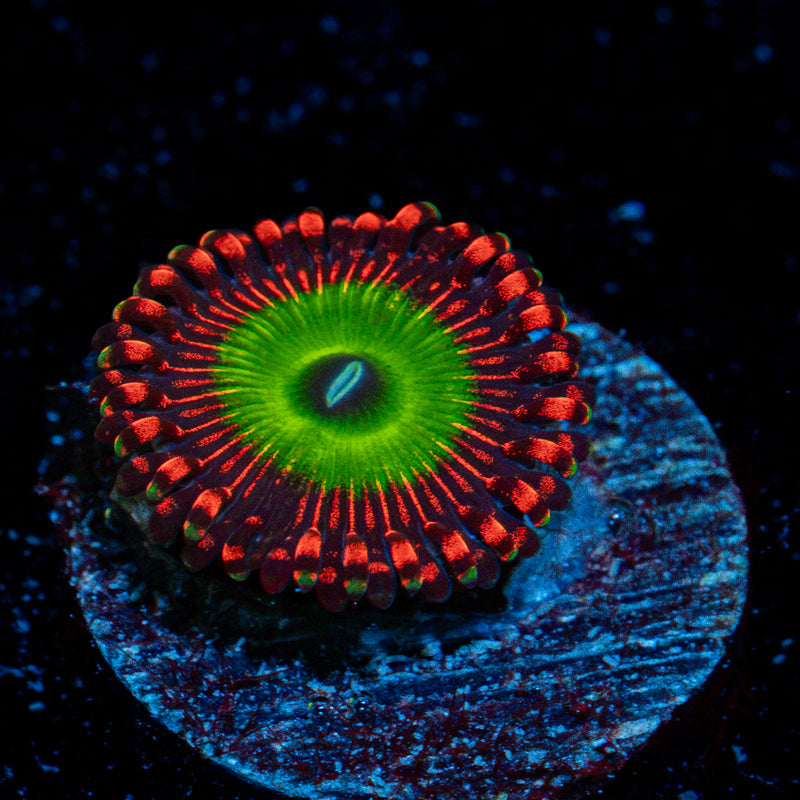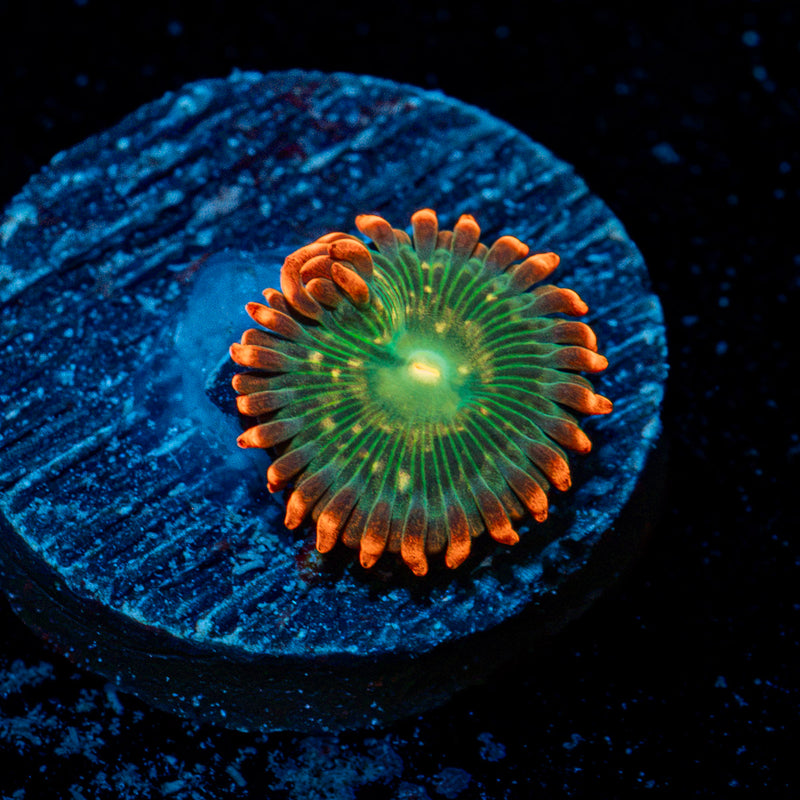
A frag rack full of zoas can make a reef tank look instantly alive. Few corals deliver that much color, pattern, and movement with such approachable care, which is why the zoanthid coral care level is often considered beginner-friendly. That said, easy does not mean automatic. Zoanthids still respond to light swings, unstable water chemistry, and poor placement, and the difference between surviving and truly thriving usually comes down to a few practical details.
What the zoanthid coral care level really means
When hobbyists ask about zoanthid coral care level, they are usually asking a bigger question: are these corals forgiving enough for my tank and my experience level? In most established reef systems, the answer is yes. Zoanthids are widely seen as one of the more accessible coral groups because they tolerate a reasonable range of conditions and adapt well when introduced carefully.
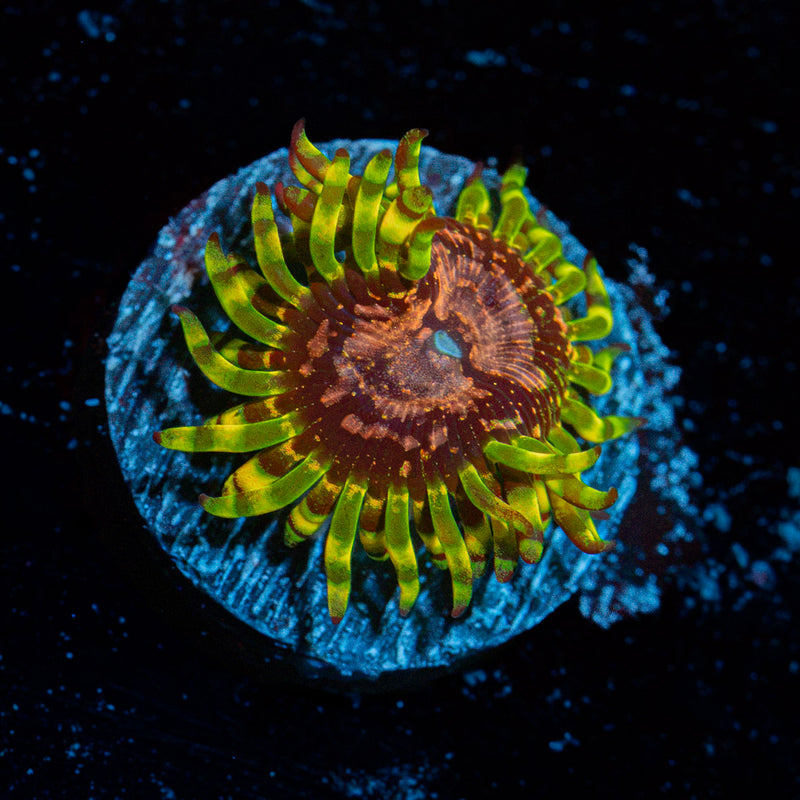
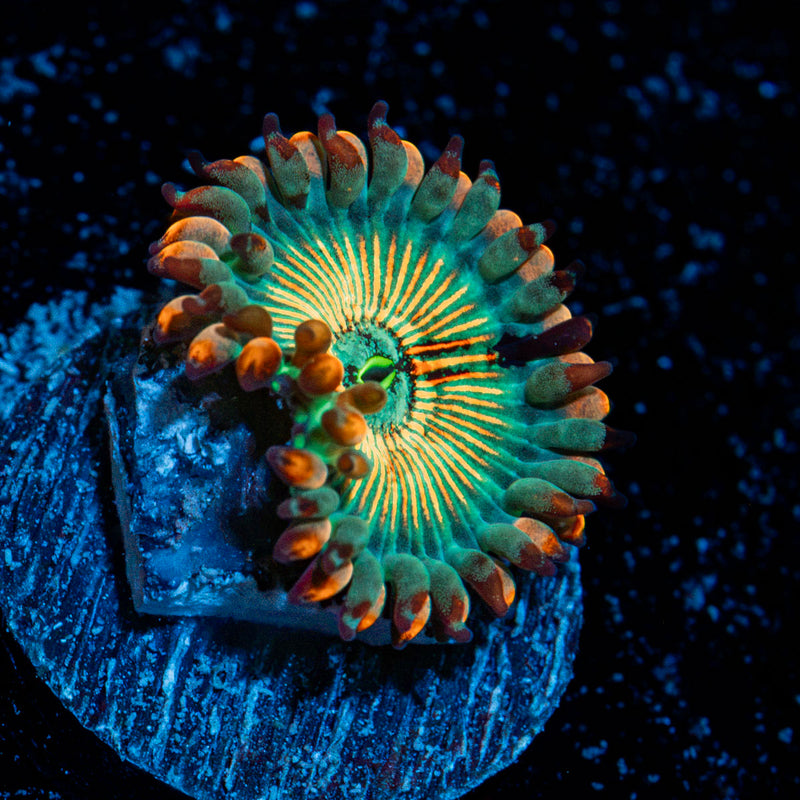
That reputation is well earned, but it has limits. Some named varieties are hardier and faster growing, while others are slower to settle in or more sensitive to abrupt changes. A common green or orange zoa may open quickly and spread with very little fuss. A higher-end morph with brighter contrast or tighter polyp structure might take longer to adjust and react more noticeably to stress. So the care level is best described as easy to moderate, depending on the specific morph and how stable your tank is.
For beginners, that is good news. Zoanthids can be an excellent first coral because they offer visible feedback. If they are happy, they open fully, show strong color, and gradually form a colorful mat. If something is off, they usually tell you by staying closed, stretching, shrinking, or fading.
Why zoanthids are popular in beginner and mixed reefs
Zoanthids earn their place in so many reef tanks because they check a lot of boxes at once. They are vibrant, available in a huge range of colors, and often aquacultured successfully, which makes them a practical choice for hobbyists who want healthy, reef-safe coral frags with a strong chance of adapting well.
They also fit beautifully into mixed reefs. You can place them on isolated islands, build a dedicated zoa garden, or tuck a few standout frags into open rockwork for pops of color. Their size makes them versatile, and their visual impact is immediate. In a tank full of branching or fleshy corals, a cluster of bright zoas can look like living jewels across the rockscape.
The trade-off is that some zoanthids can spread quickly in favorable conditions. That is a benefit if you want coverage and growth, but it can become a maintenance issue if you prefer strict spacing between corals. Easy to keep does not always mean low planning.
Lighting and flow for success
Most zoanthids do well under moderate lighting. They can adapt to a range of reef lighting setups, but stability matters more than chasing a perfect number. If a frag comes from lower light and goes straight under intense LEDs, it may stay closed, bleach, or look washed out. Starting lower in the tank and moving it gradually is usually the safer move.
A useful rule of thumb is to aim for enough light to maintain color and encourage opening without pushing the coral into stress. If polyps begin stretching upward on long stalks, they may be asking for more light. If they remain tightly closed or lose color after a lighting change, they may be getting too much too fast.
Flow should be moderate and indirect. Zoanthids generally like enough movement to keep detritus from settling on the colony, but they do not usually appreciate a direct blast. Too little flow can let debris and film algae build up between polyps. Too much can keep them irritated and partially closed. Gentle, varied movement tends to work best.
Placement and acclimation matter more than people think
One reason zoanthids get labeled as easy is that they can adapt, but that does not mean they enjoy abrupt changes. Freshly shipped frags, even healthy ones, benefit from a calm introduction. Temperature matching, a careful dip routine, and slow light acclimation can make a major difference in how quickly they open.
Placement should also account for future growth. A single frag plug may not look like much on day one, but a happy colony can expand across nearby surfaces. If you want to keep a certain morph contained, placing it on a separate rock island is often smarter than mounting it directly into a central structure.
It also helps to avoid placing new zoas too close to aggressive neighbors. While zoanthids are not the most demanding coral in the tank, they still compete for space. Giving them breathing room reduces one more source of stress while they settle in.
Water chemistry and tank stability
Stable reef parameters are the real foundation behind the zoanthid coral care level. These corals are more forgiving than many SPS, but they still perform best in clean, consistent conditions. Large swings in salinity, alkalinity, or temperature can lead to closed polyps and stalled growth.
Most hobbyists see good results with salinity around 1.025, temperatures in the upper 70s, and reef-safe levels of alkalinity, calcium, and magnesium. Nitrate and phosphate should not be driven to extremes. Ultra-clean water can sometimes leave zoanthids looking dull or slow-growing, while excess nutrients can fuel nuisance algae that irritates the colony.
This is one of those it depends areas. A mature mixed reef with slight nutrient availability often grows zoas very well. A newer tank with fluctuating chemistry may struggle, even if the numbers look acceptable on a given day. Stability beats perfection.
Do zoanthids need feeding?
Zoanthids get much of their energy from light, so direct feeding is not always necessary for success. In many healthy reef tanks, they grow well with regular fish feeding and dissolved nutrients in the water. That is part of what makes them attractive to beginners.
Still, some hobbyists report better growth or fuller appearance with occasional fine coral foods. If you feed, think light and measured rather than heavy and messy. Overfeeding can degrade water quality faster than it benefits the coral. For most tanks, feeding is optional support, not a requirement.
Common problems and what they usually mean
Closed polyps are the most common concern with zoanthids, and the cause is not always dramatic. A recent move, a lighting shift, excess flow, or a bit of detritus can all keep them closed temporarily. If the colony otherwise looks intact, patience is often part of the fix.
Stretching usually points toward insufficient light. Fading can suggest too much light, unstable parameters, or a nutrient imbalance. If a colony remains tightly shut for several days, inspect for pests, algae growth around the base, or irritation from nearby corals.
New hobbyists sometimes assume zoanthids are failing when they simply need time to adjust. A fresh frag may stay partially closed before settling in and then begin opening more consistently after a few days. Watching the trend matters more than reacting to every hour of behavior.
Are zoanthids safe for every reefer?
This topic deserves a straightforward mention. Zoanthids can contain palytoxin, so handling should always be done with care. Gloves and eye protection are wise when fragging, moving colonies, or cleaning rocks with attached polyps. Common-sense safety matters, especially if you are cutting or disturbing a colony outside the tank.
This does not make zoanthids a bad choice. It just means they should be treated with respect. For most hobbyists, safe handling habits are all that is needed.
Who should keep zoanthids?
If you are building your first reef and want colorful coral that offers visual payoff without a punishing care curve, zoanthids are one of the best places to start. They are also excellent for intermediate reefers who want to fill in rockwork, create a dedicated zoa garden, or add eye-catching contrast to a mixed reef.
Advanced hobbyists keep them too, not because they are simple, but because the variety is addictive. There is always another pattern, another color combination, another standout frag that changes the whole look of a scape.
That is really the sweet spot of zoanthids. They are approachable enough to welcome new reef keepers and vibrant enough to stay interesting for years. Start with a healthy aquacultured frag, give it stable conditions, and let it show you what your reef can become.