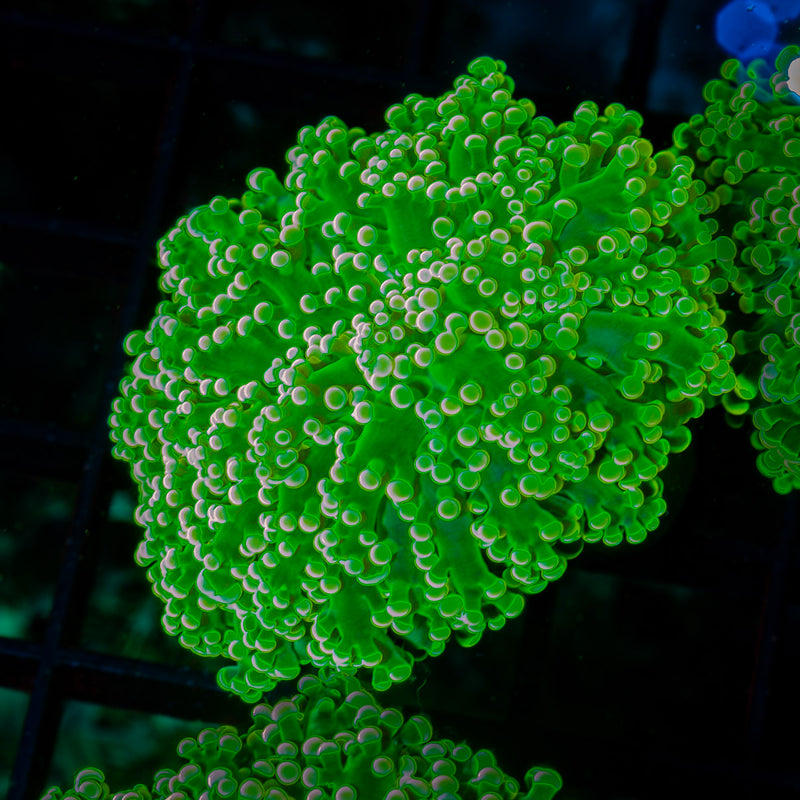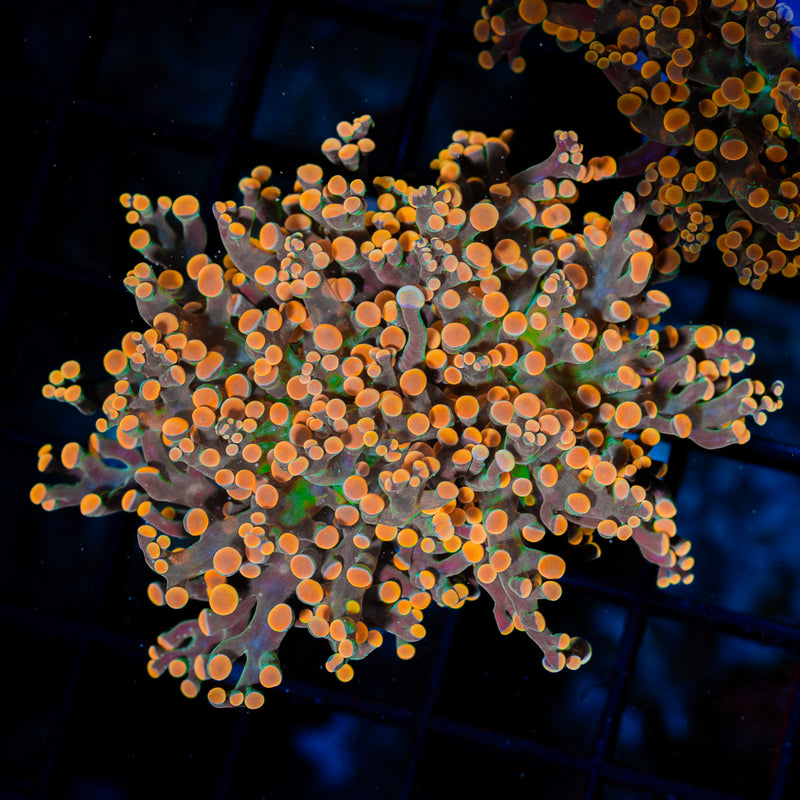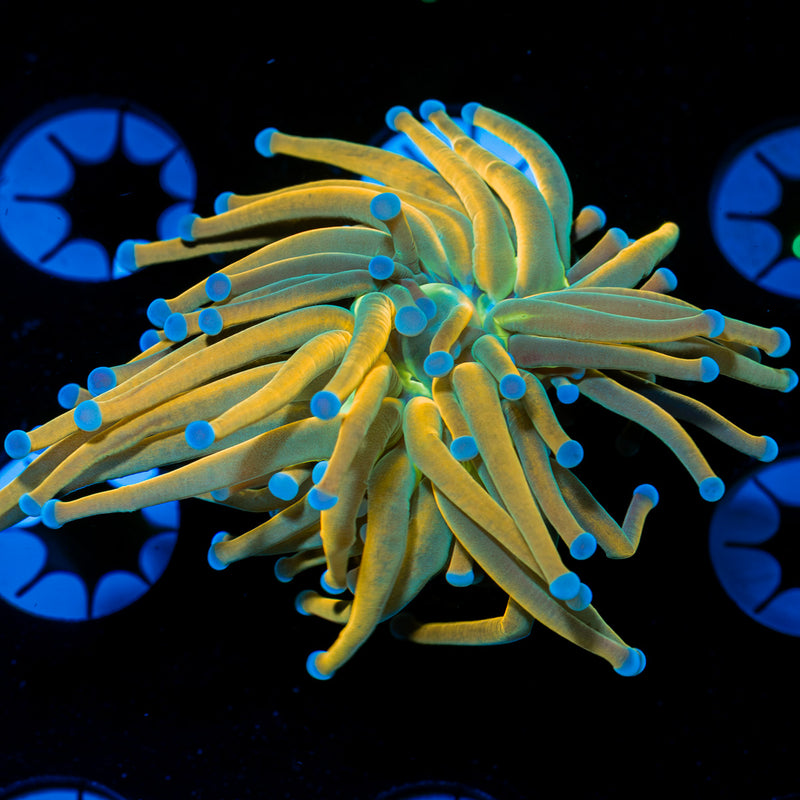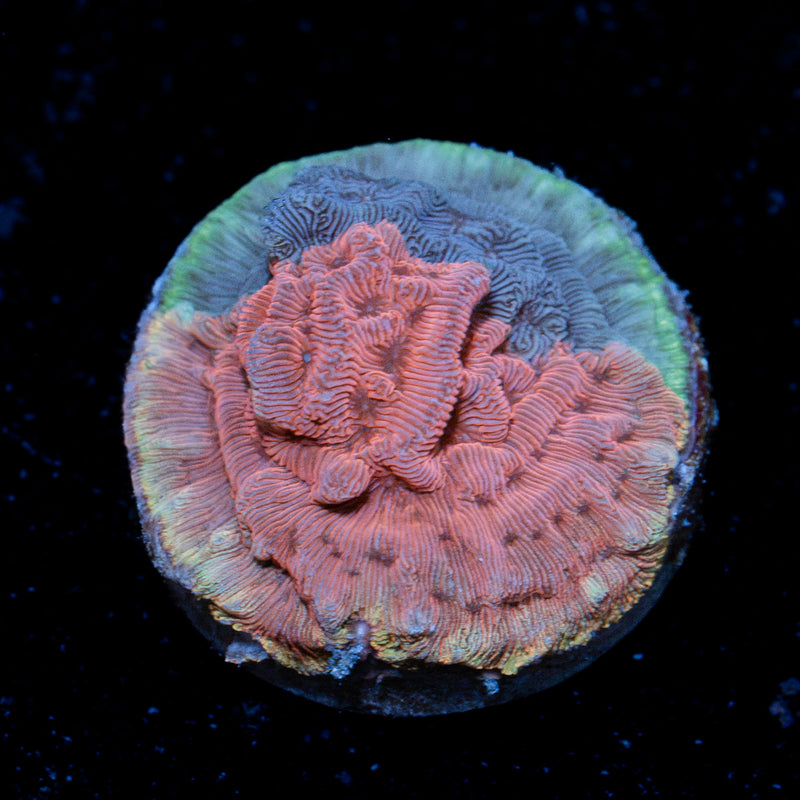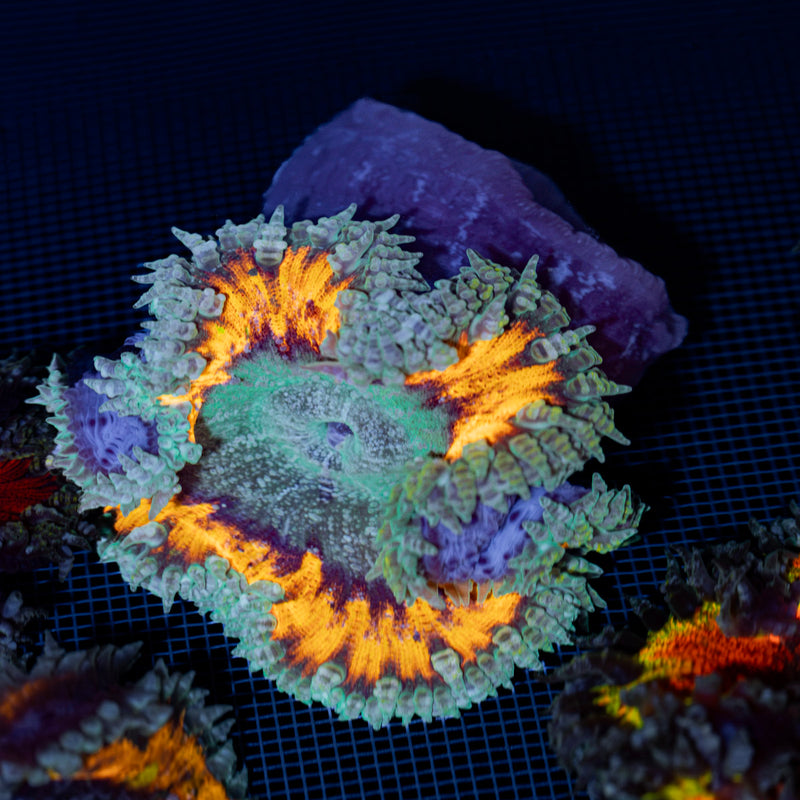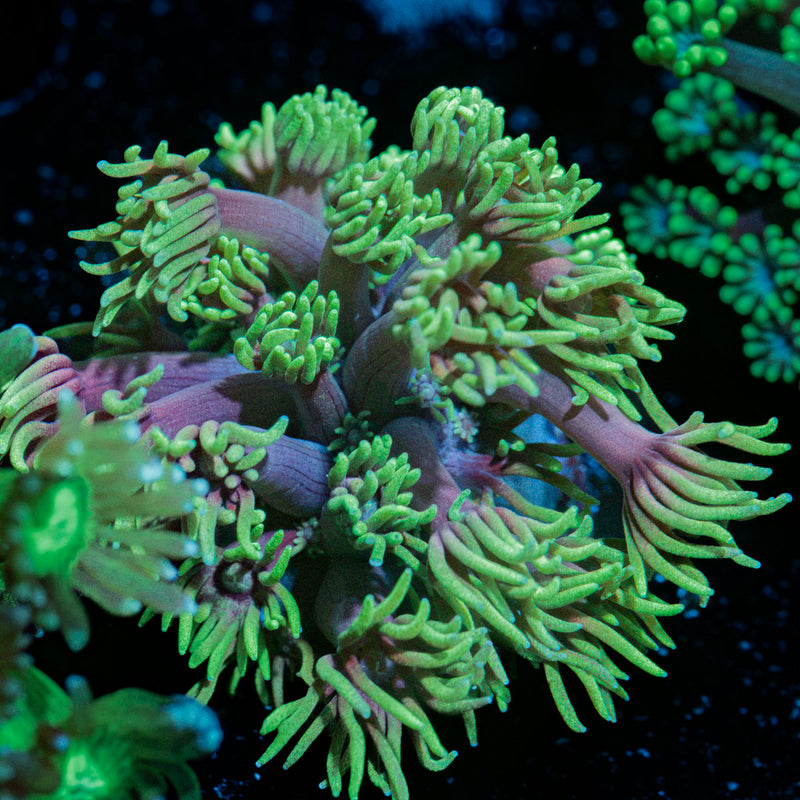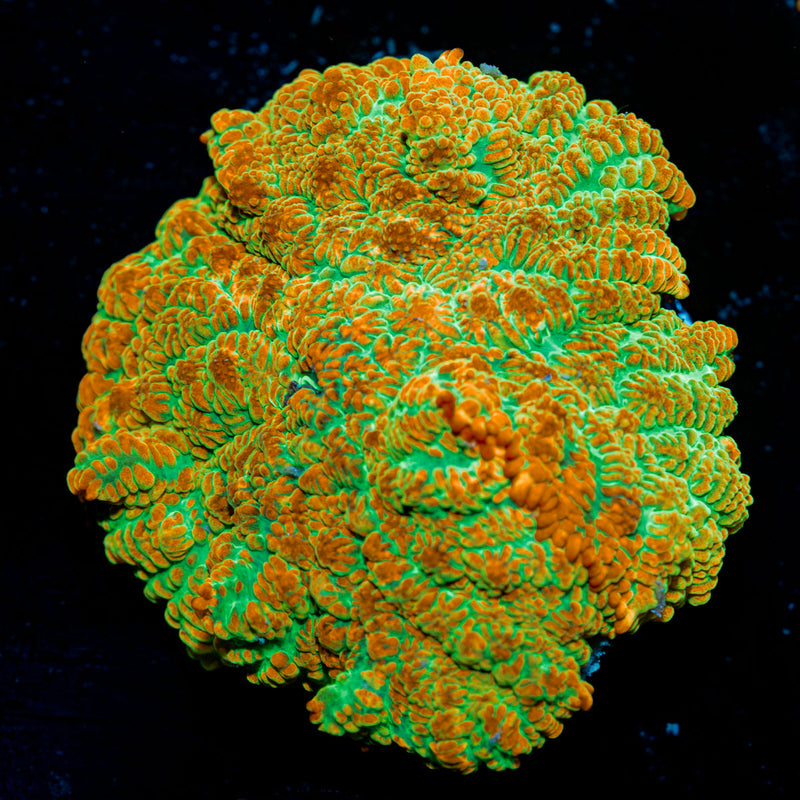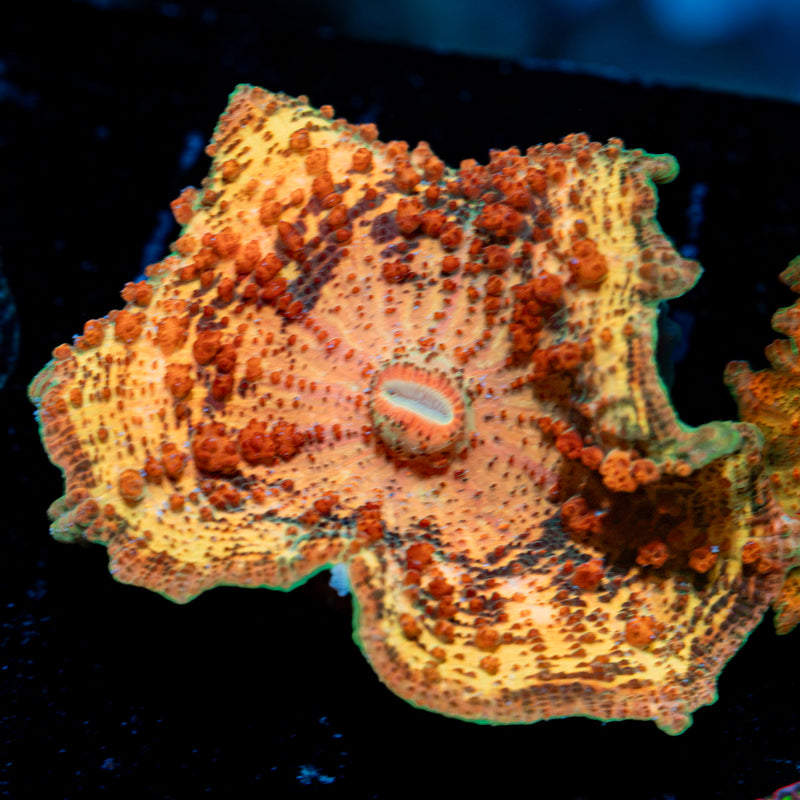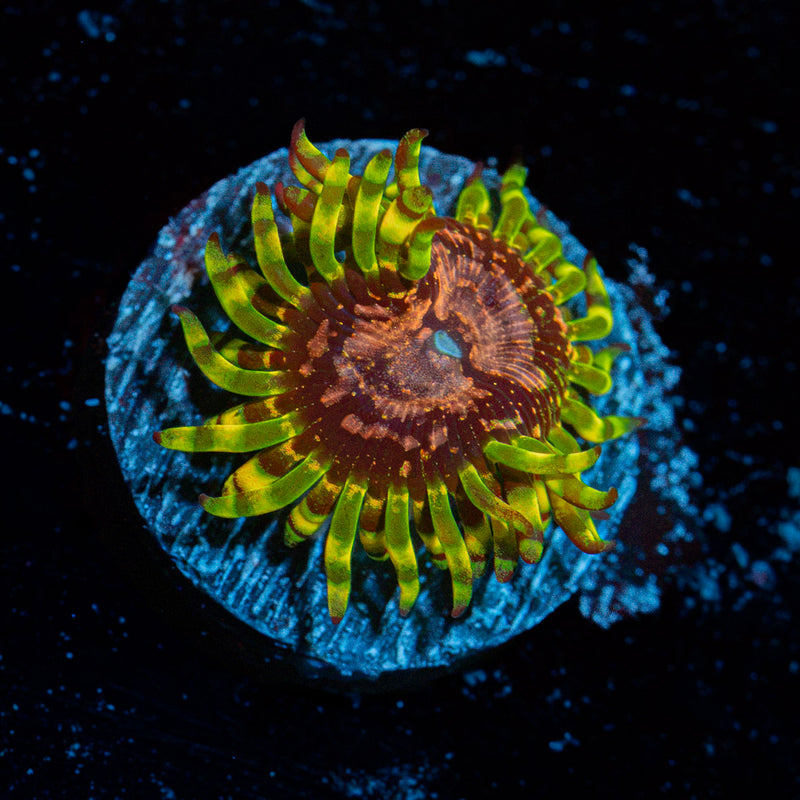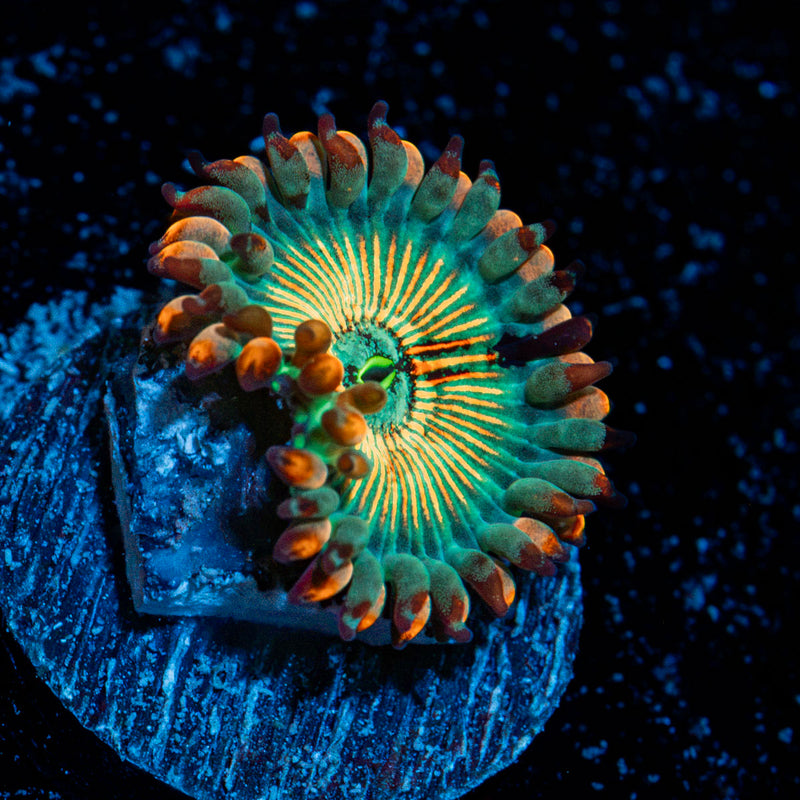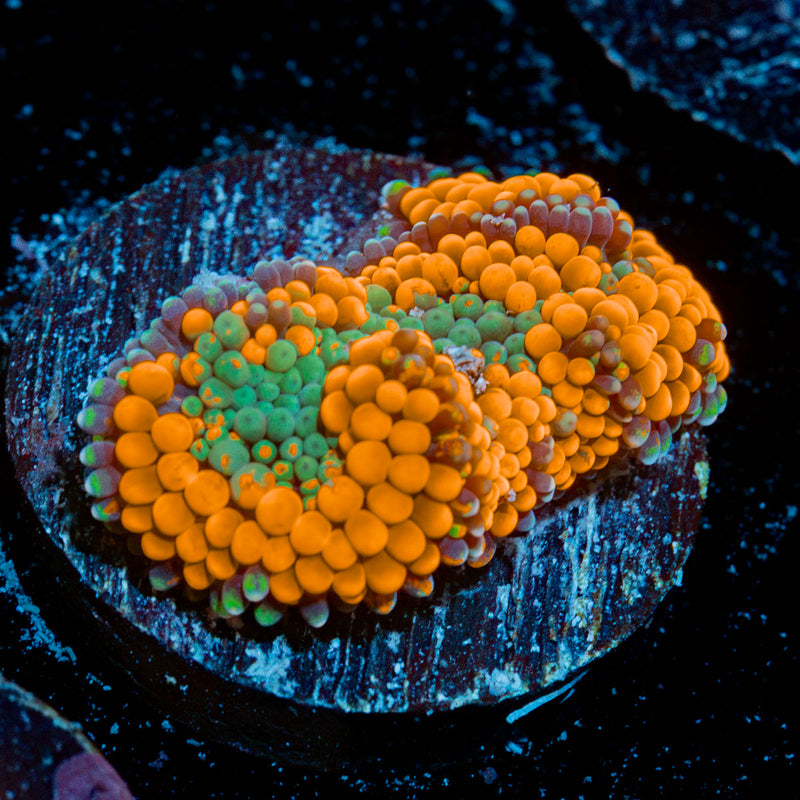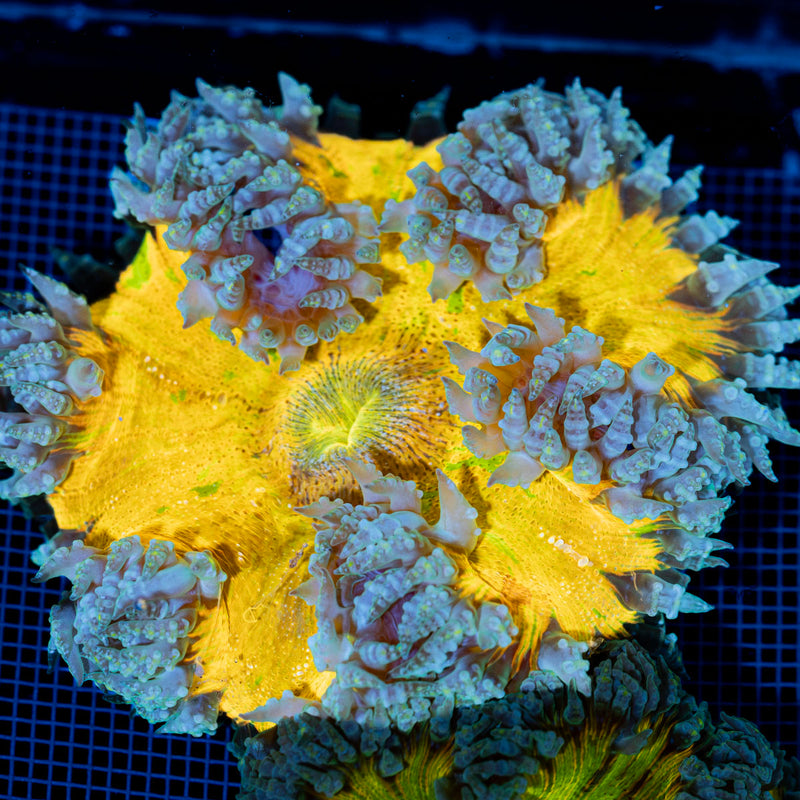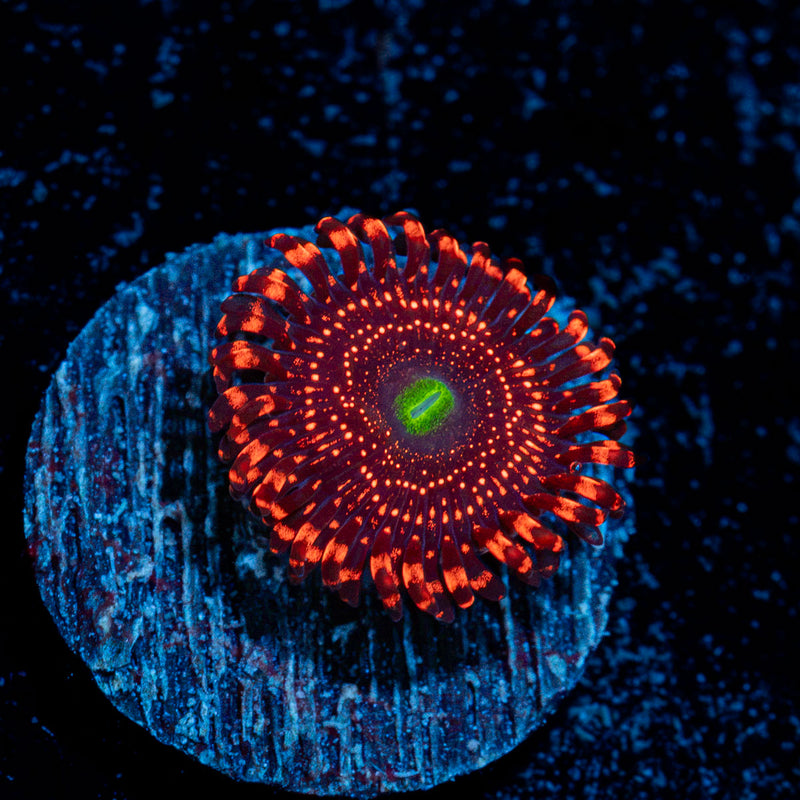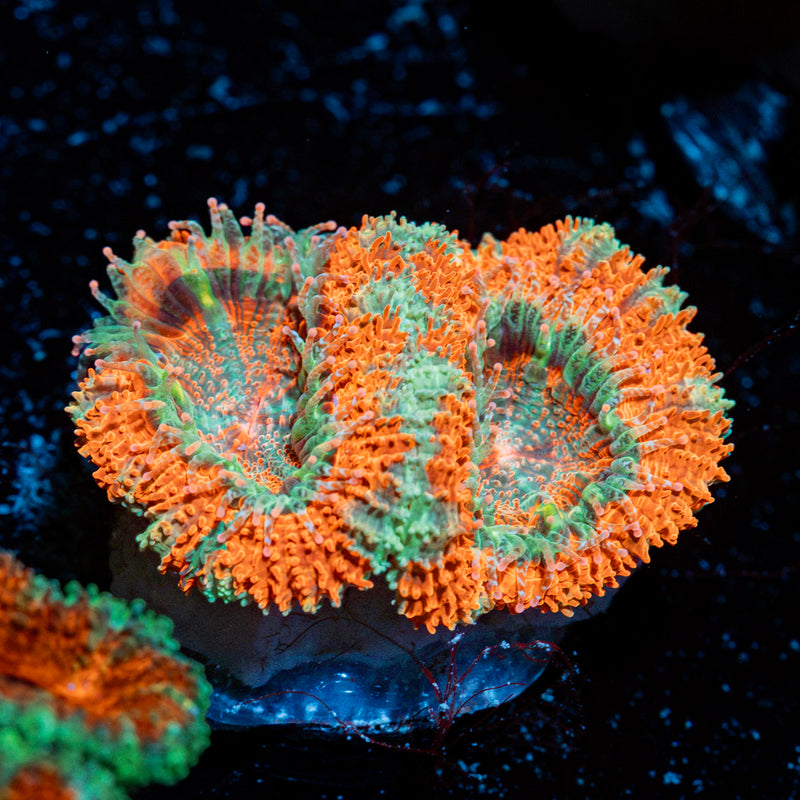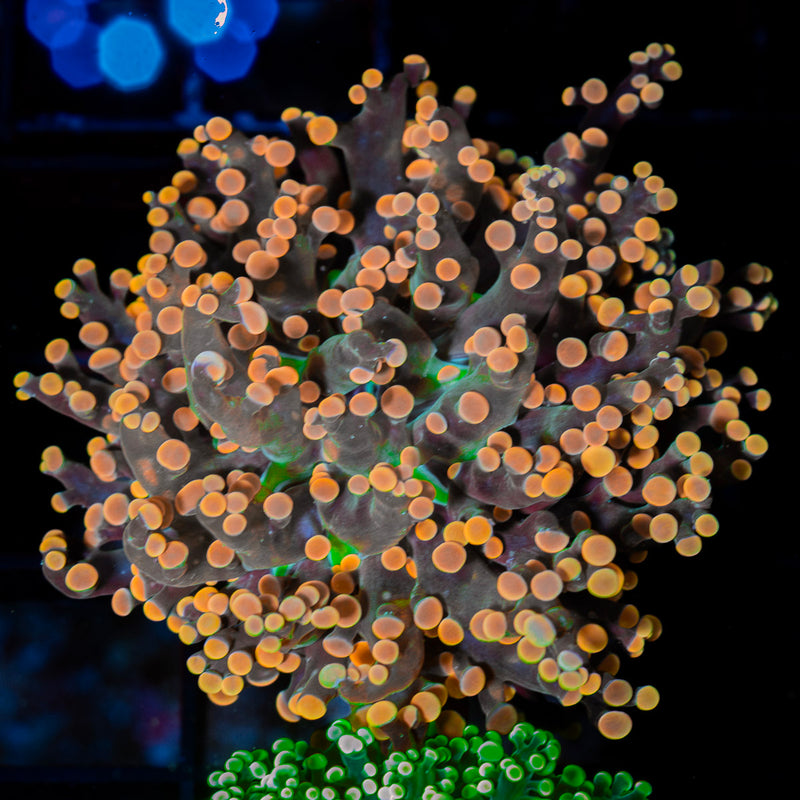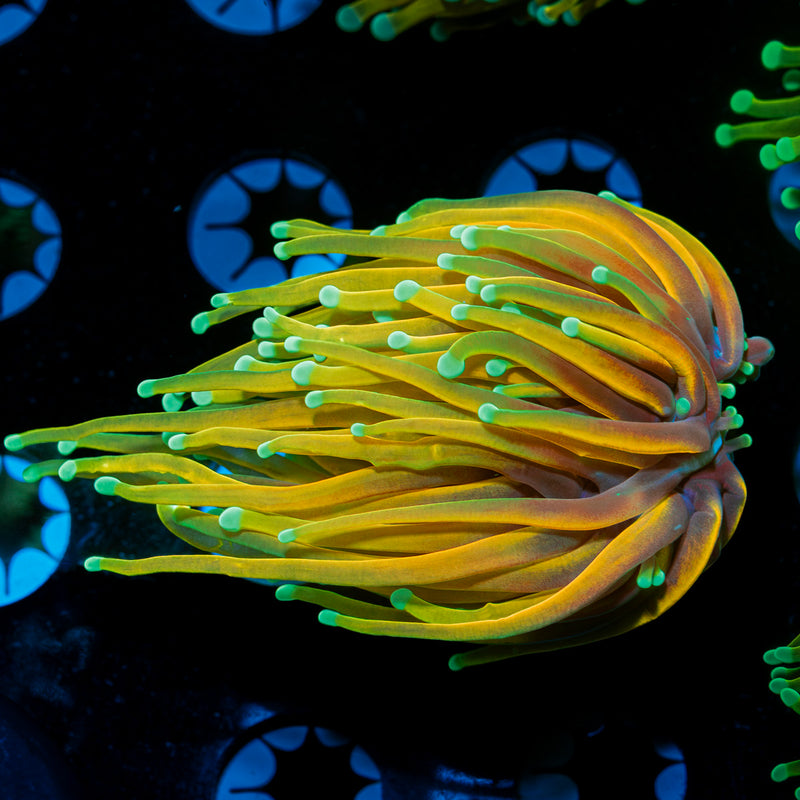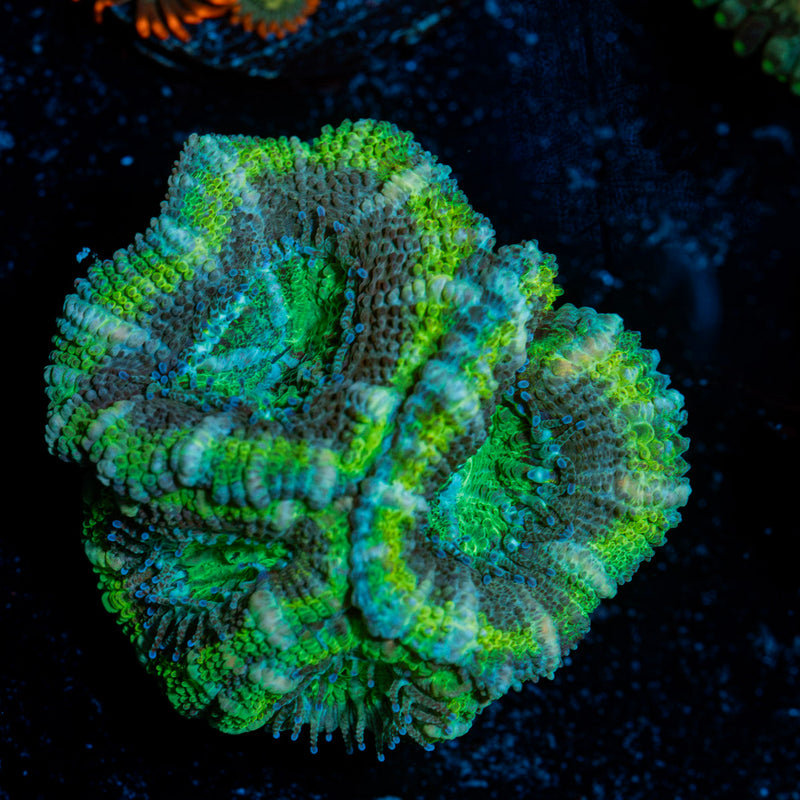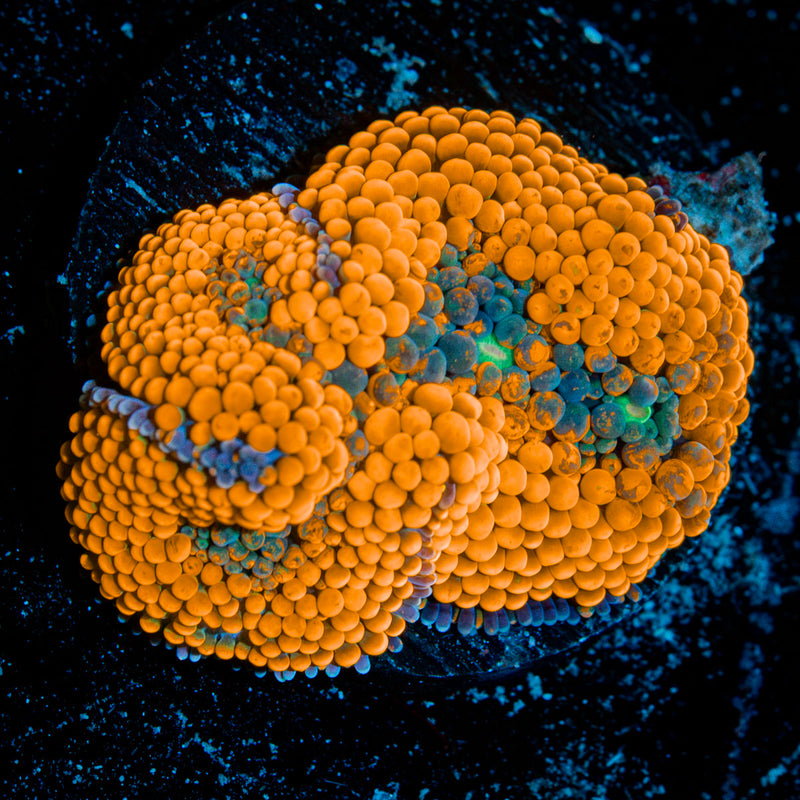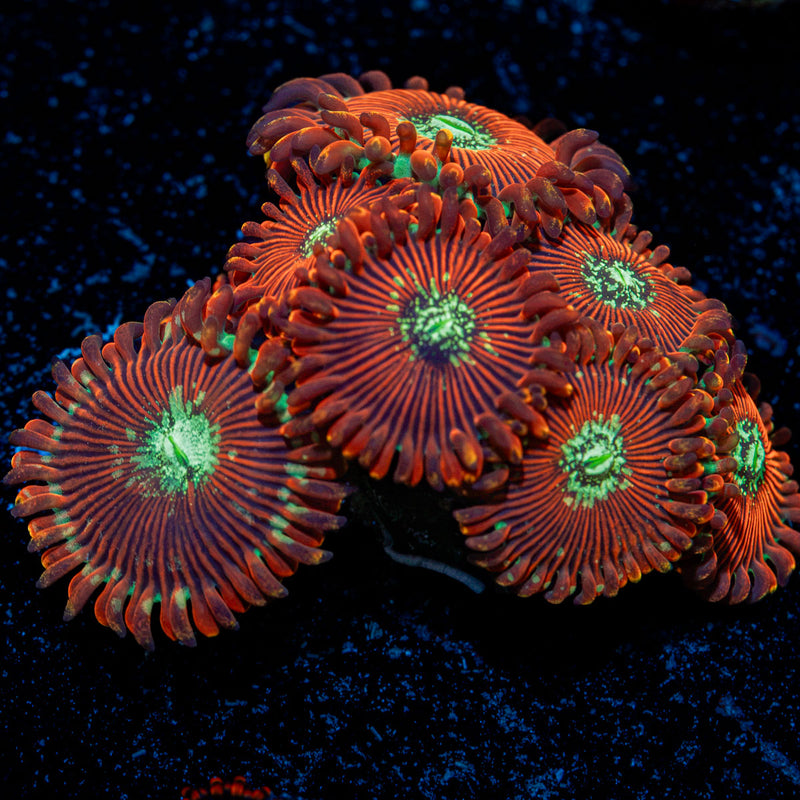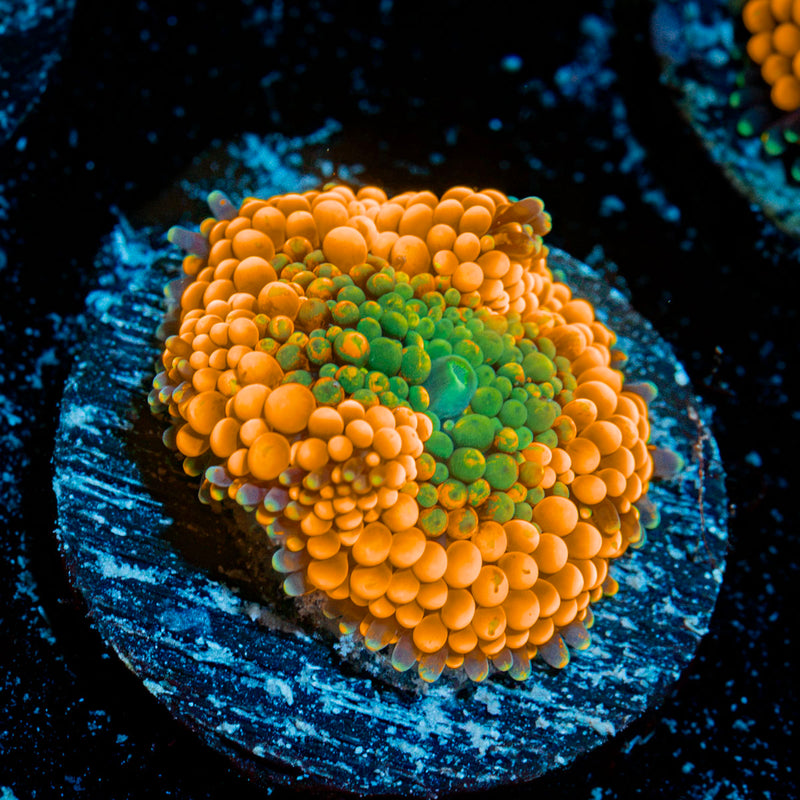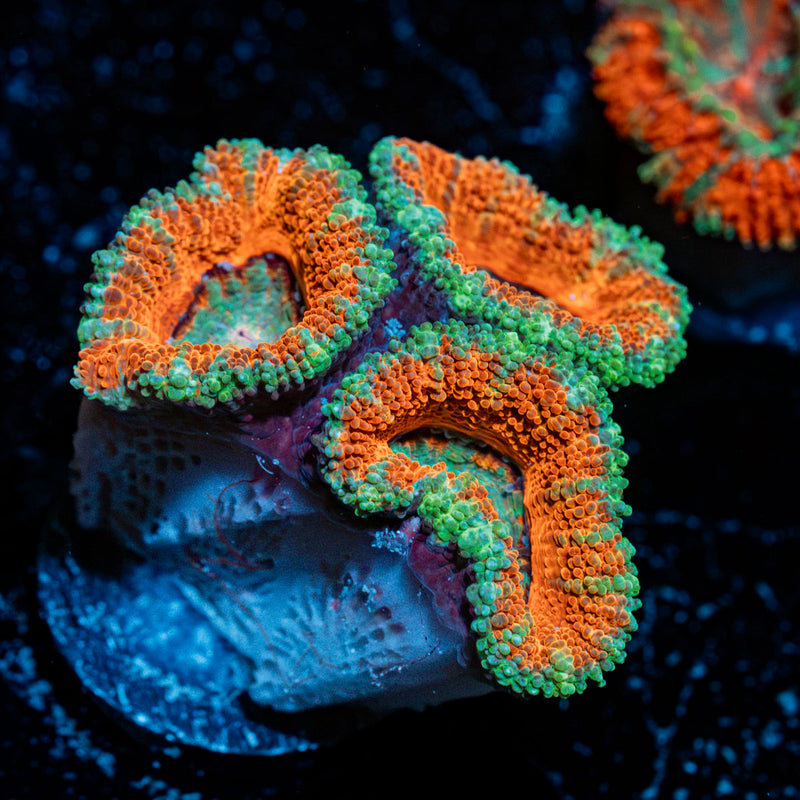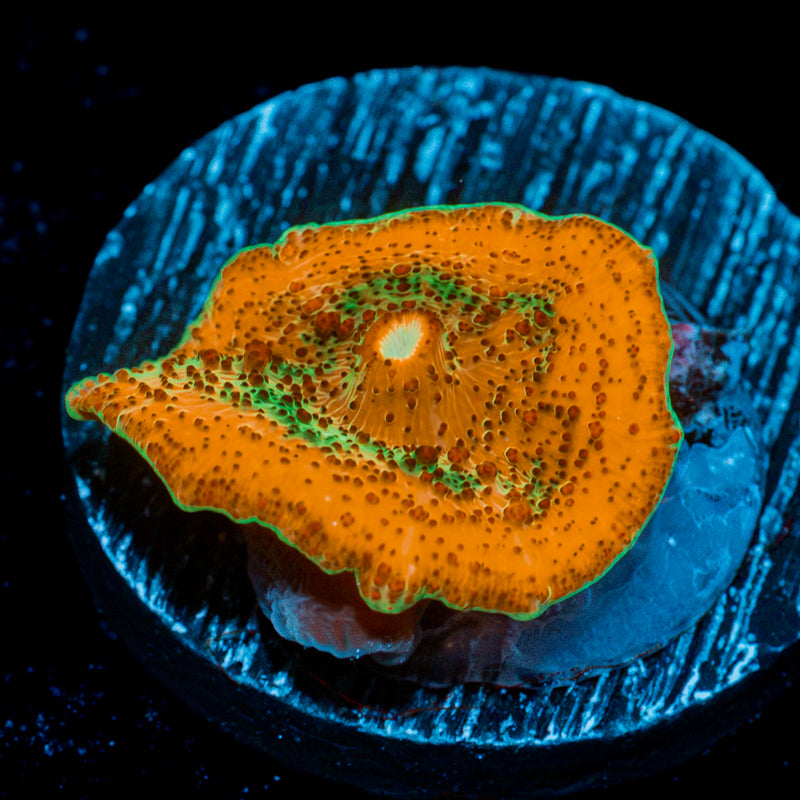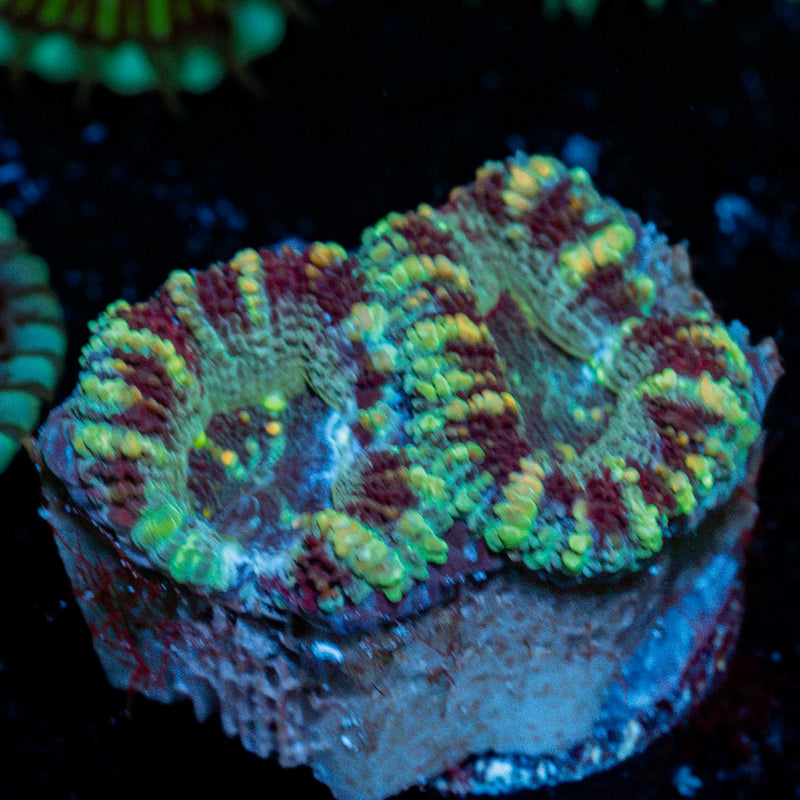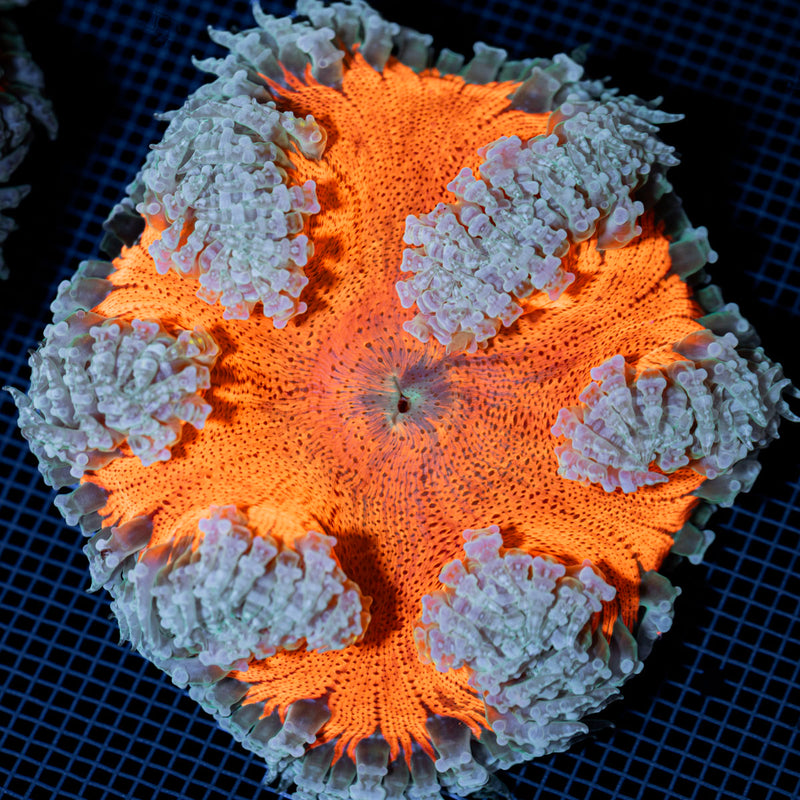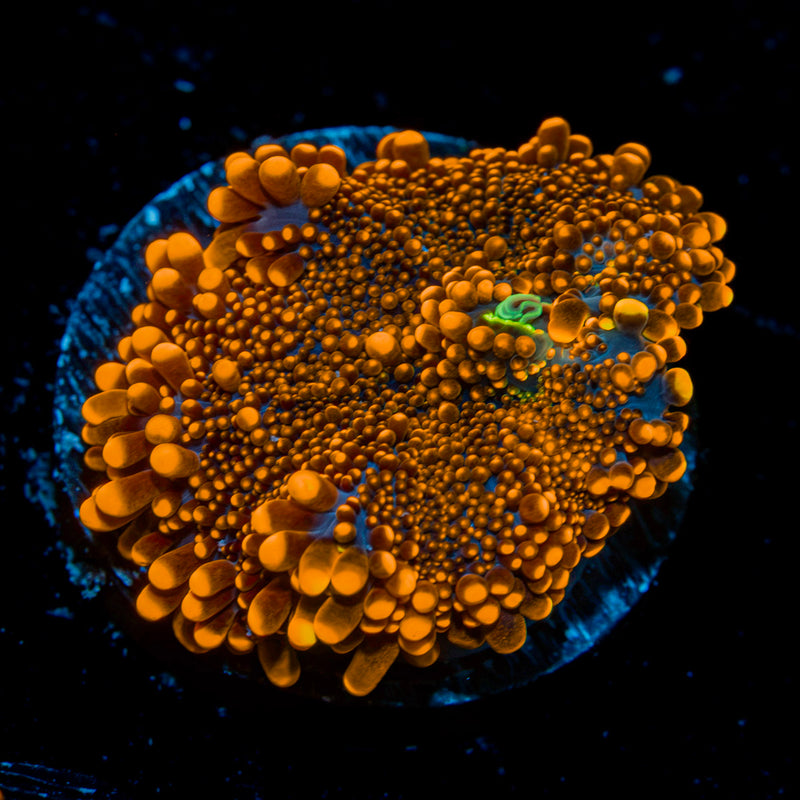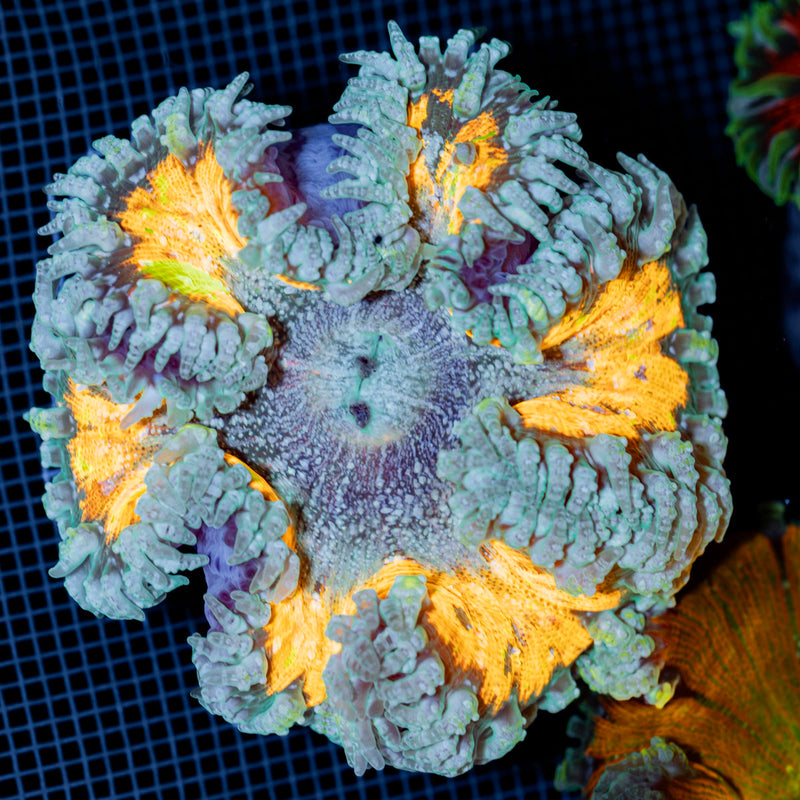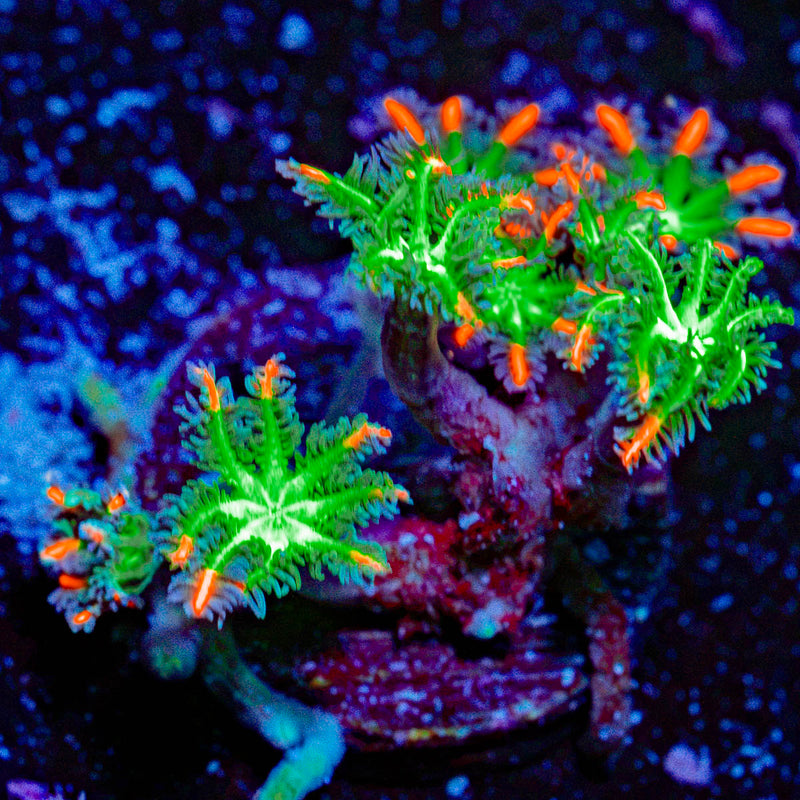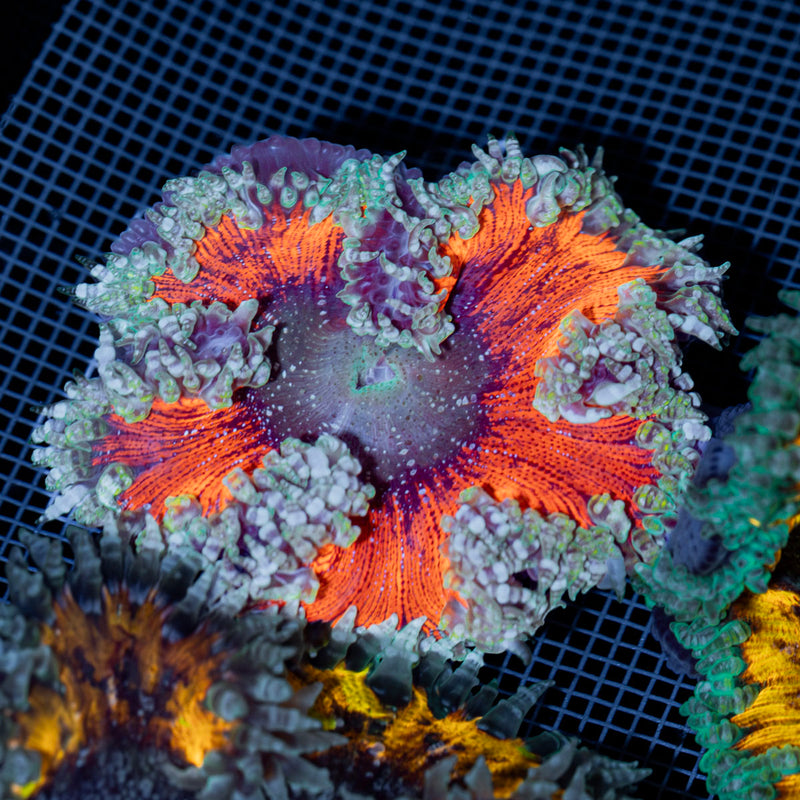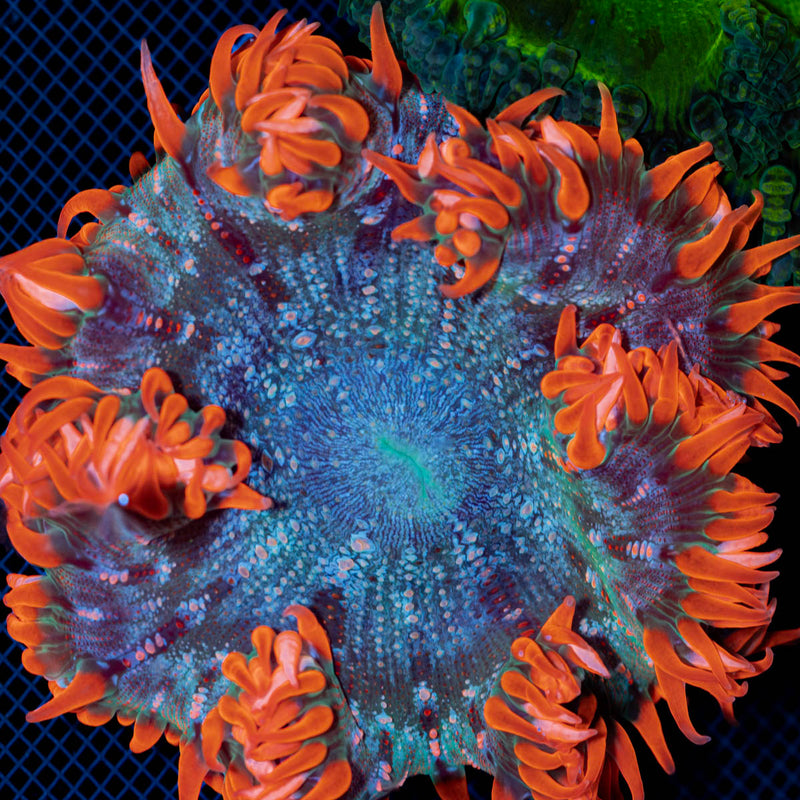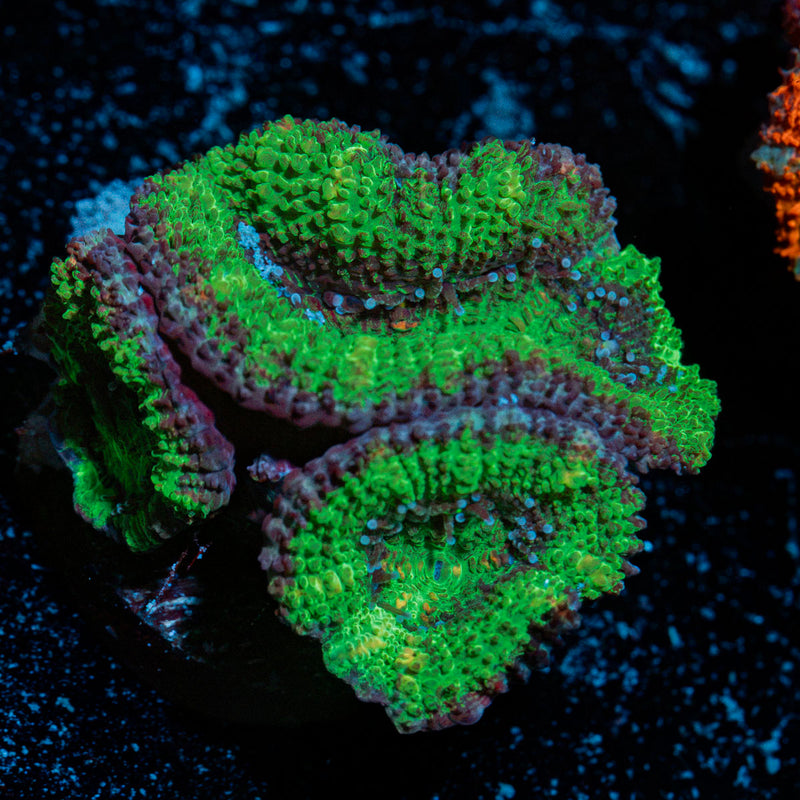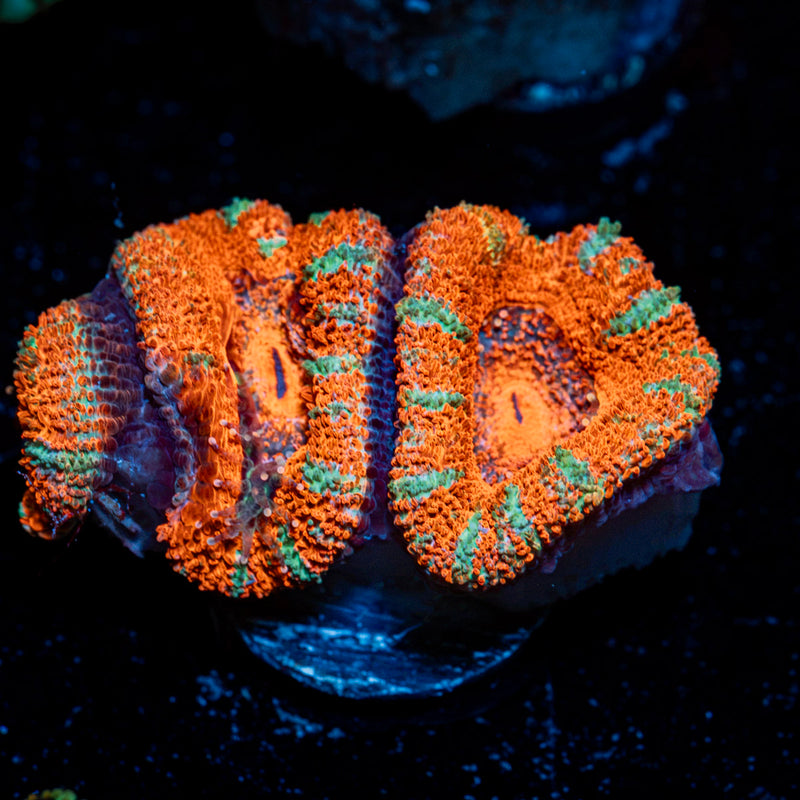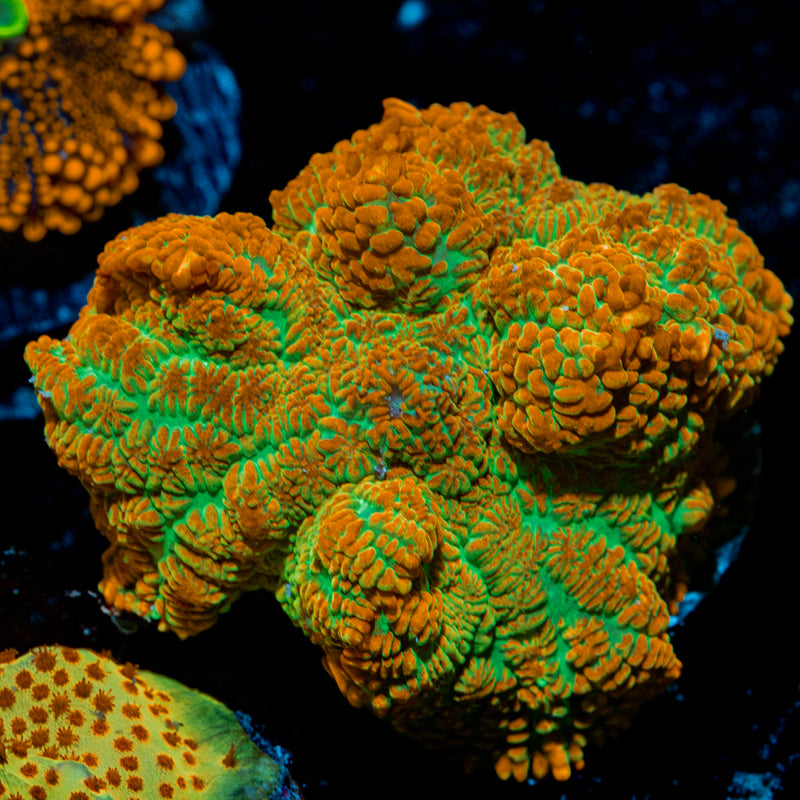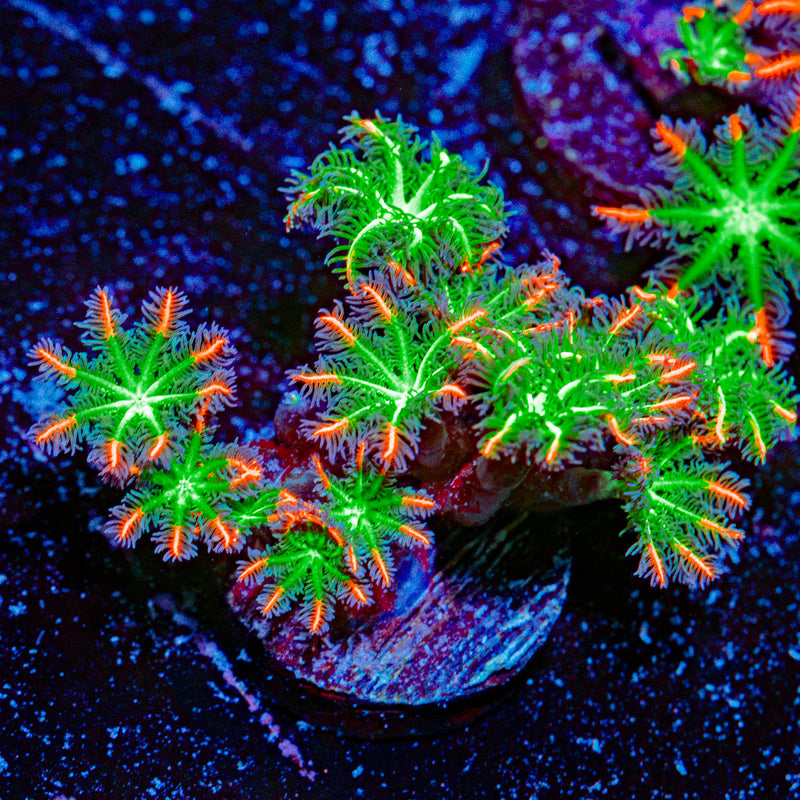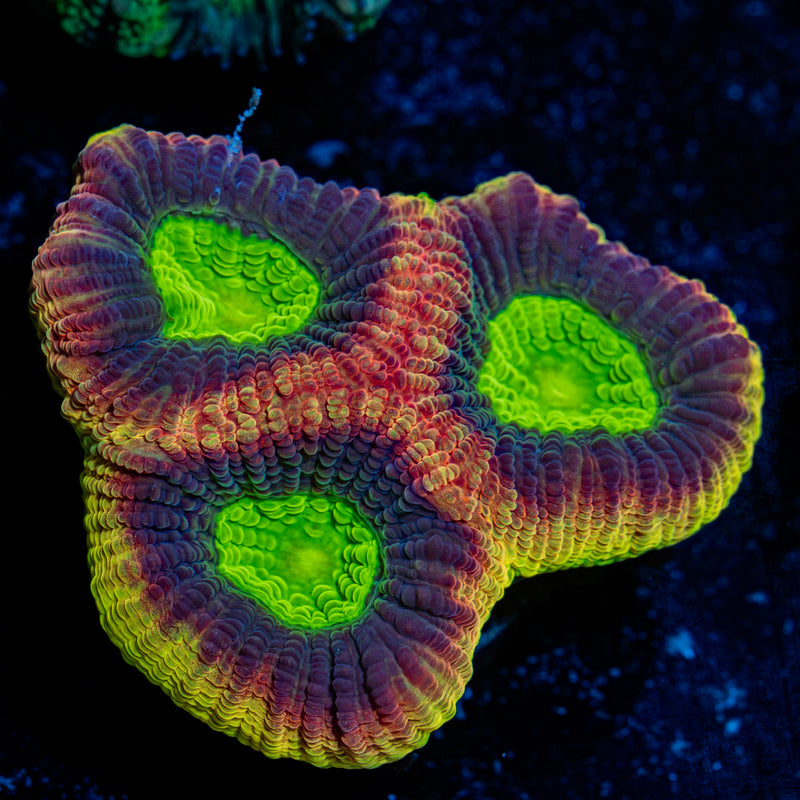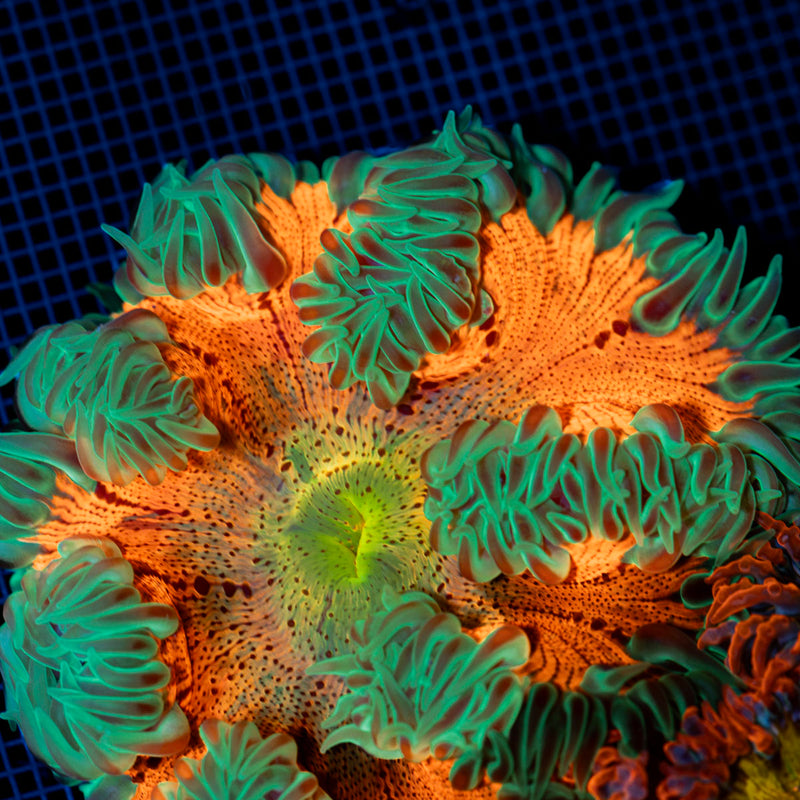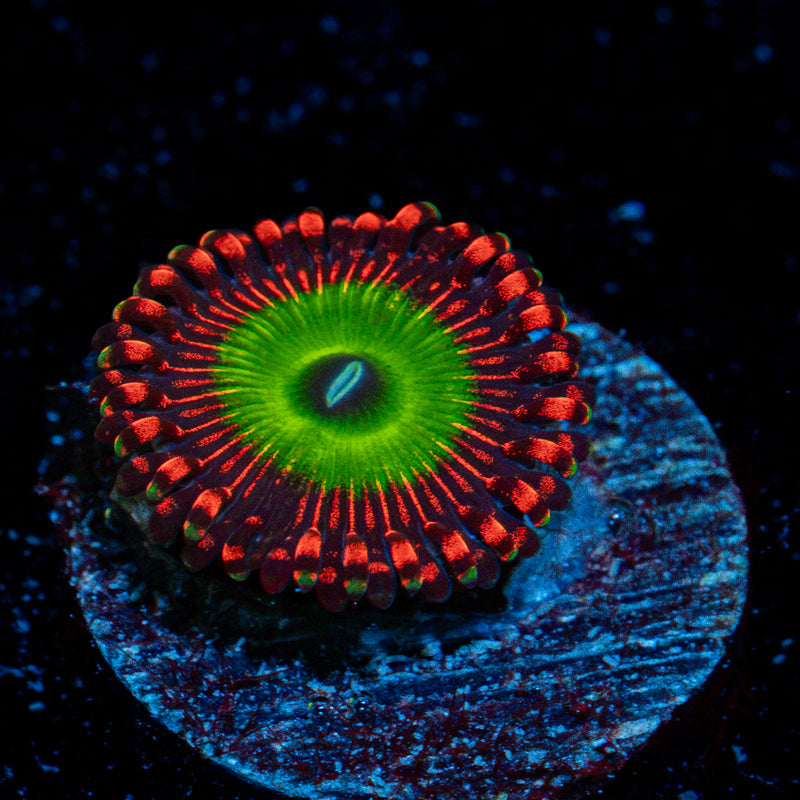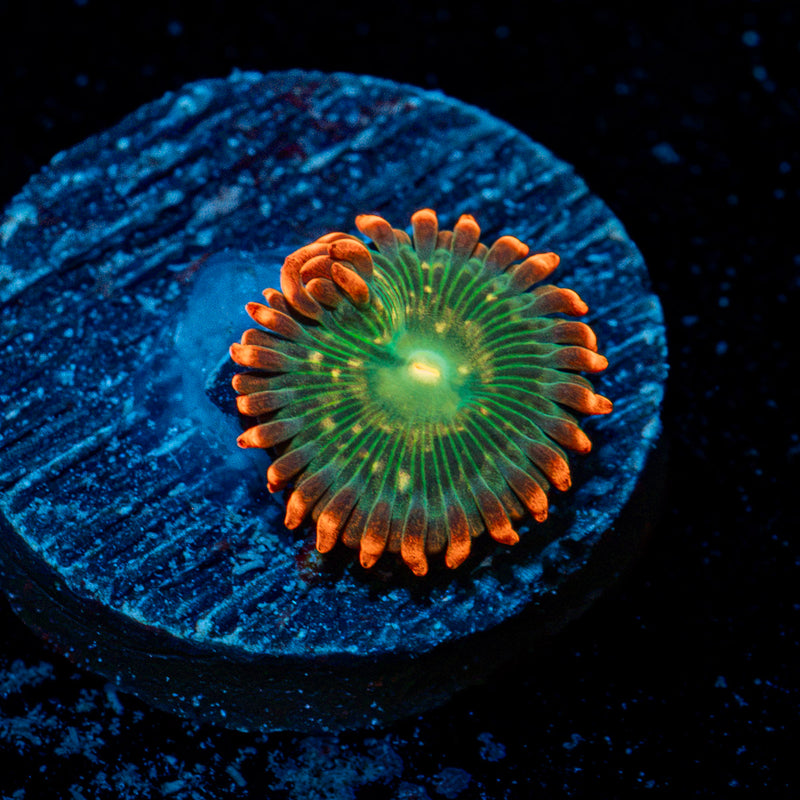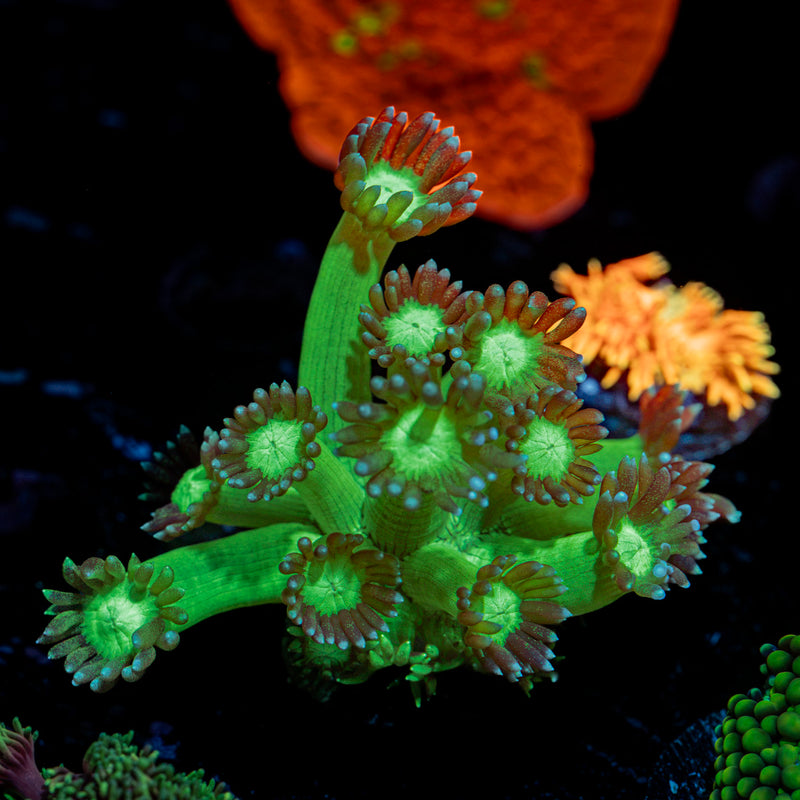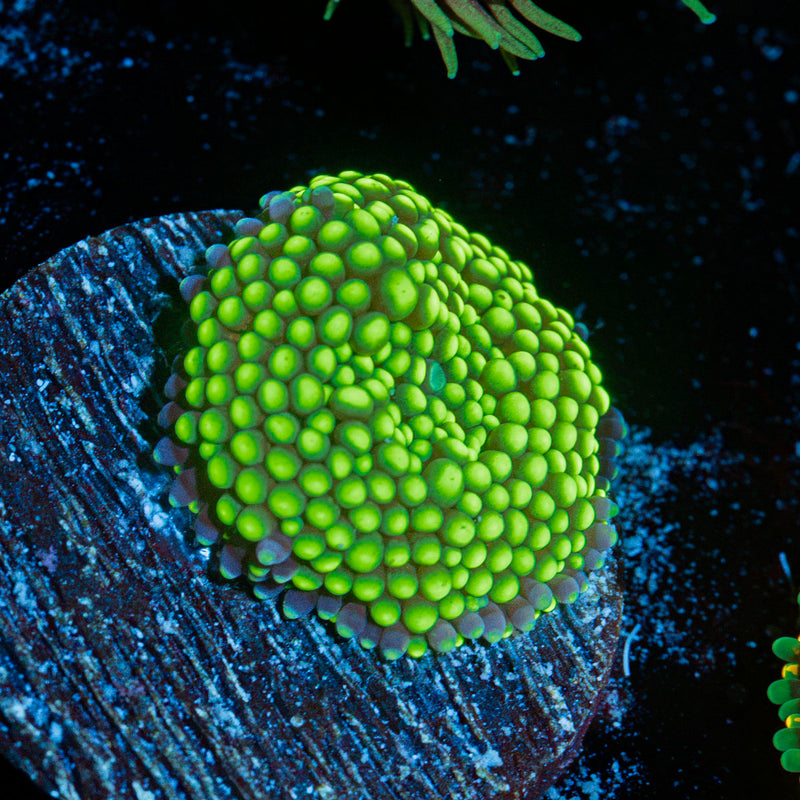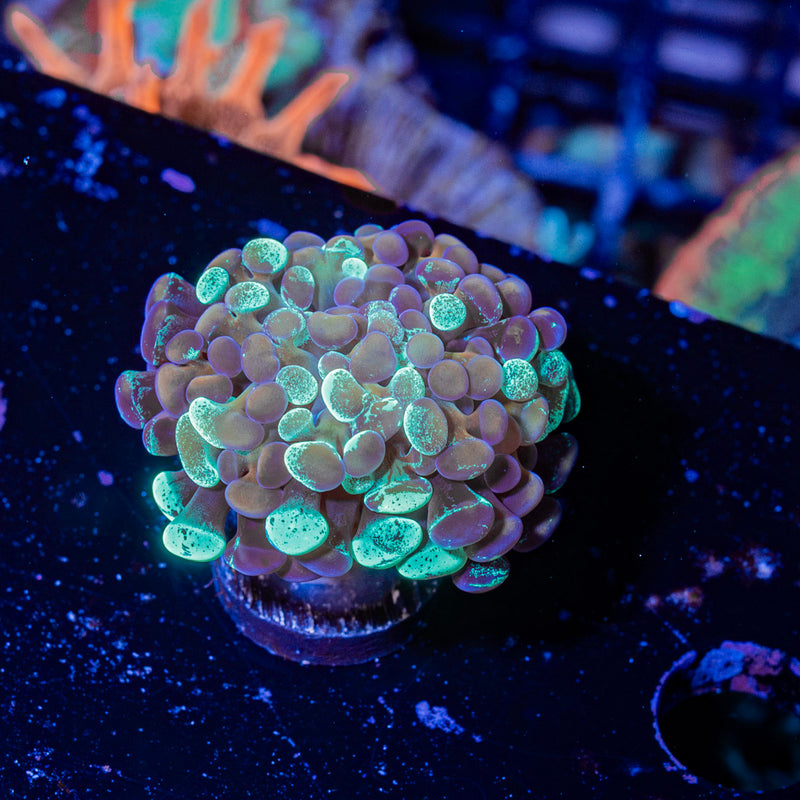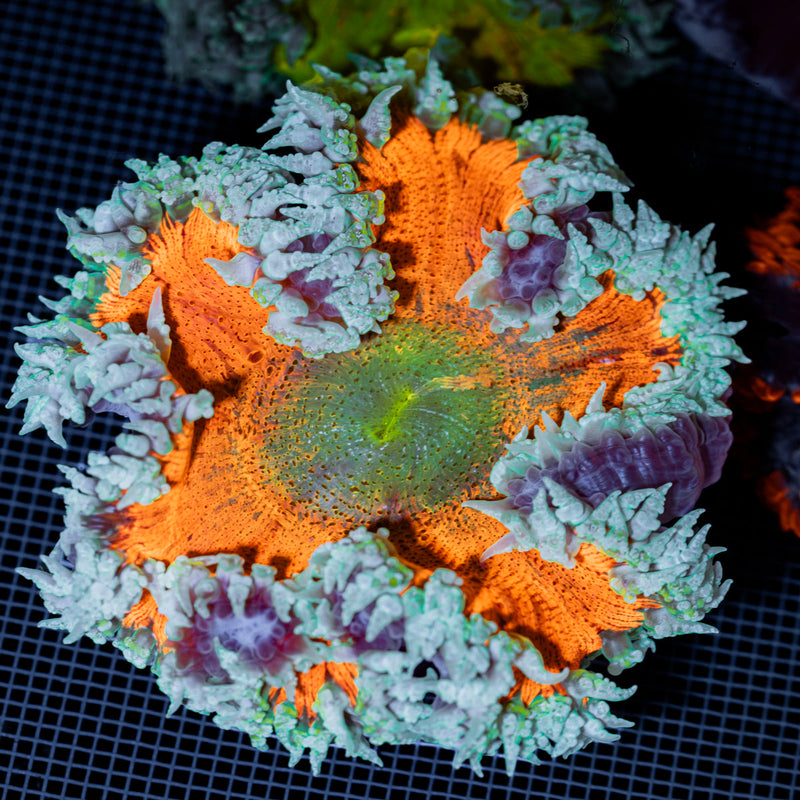
A coral photo can make a reef keeper stop scrolling instantly: a torch with glowing gold tips, a chalice packed with electric eyes, or an Acropora with color that seems painted on. But before adding it to your cart, there is one question worth asking: are you buying the exact coral pictured? Understanding WYSIWYG corals versus standard frags helps you shop with clearer expectations and choose livestock that fits both your reef and your budget.
Neither option is automatically better. WYSIWYG is often the right fit when the individual coral’s pattern, coloration, and growth form are the reason you want it. Standard frags can be an excellent value when you love a coral variety and do not need to select a particular piece. The best choice depends on what matters most for that next space on your rockwork.
What WYSIWYG Corals Really Mean
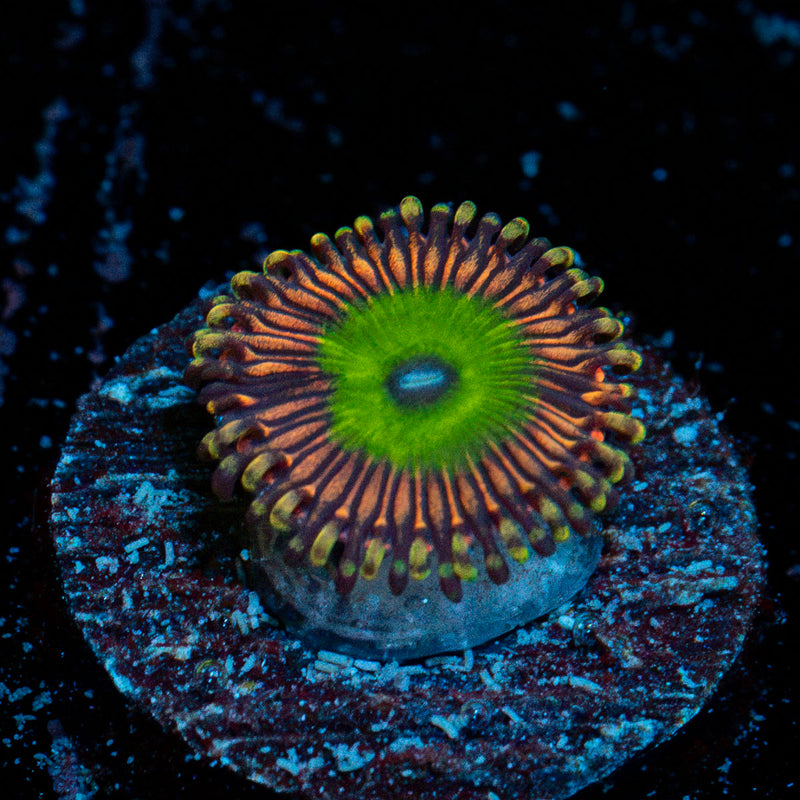
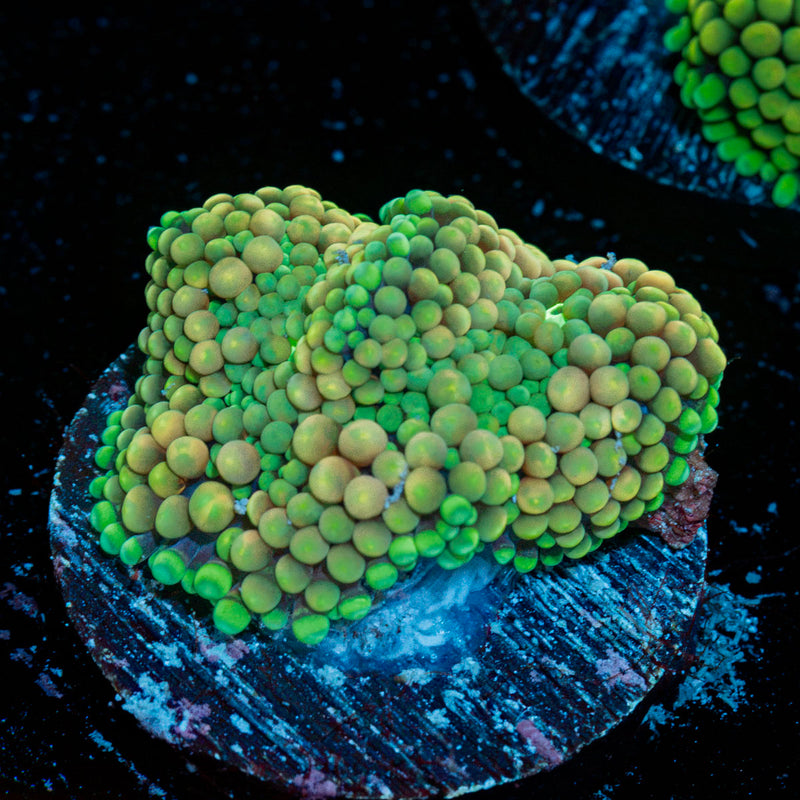
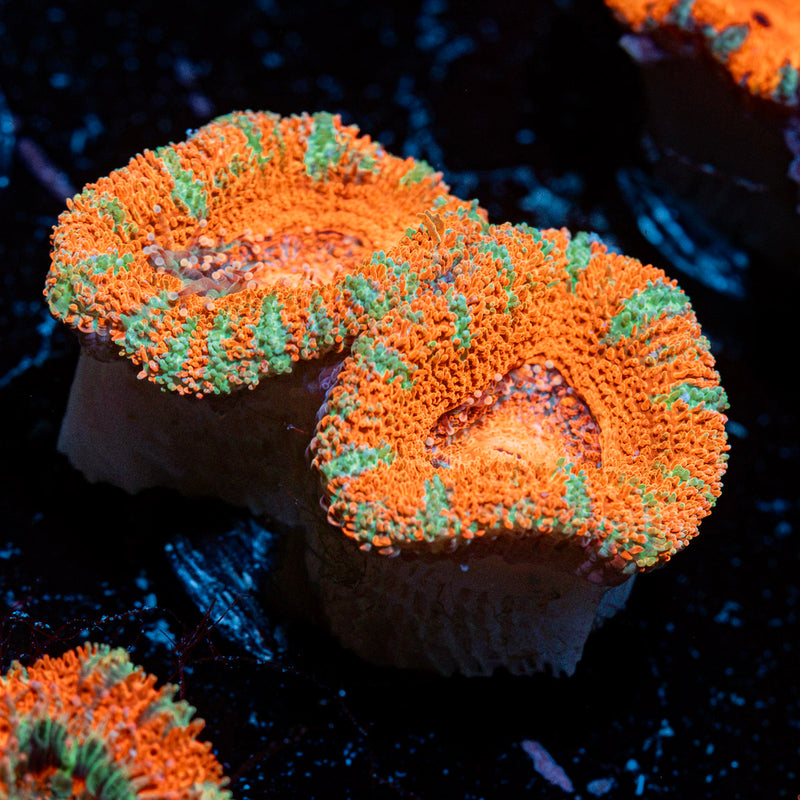
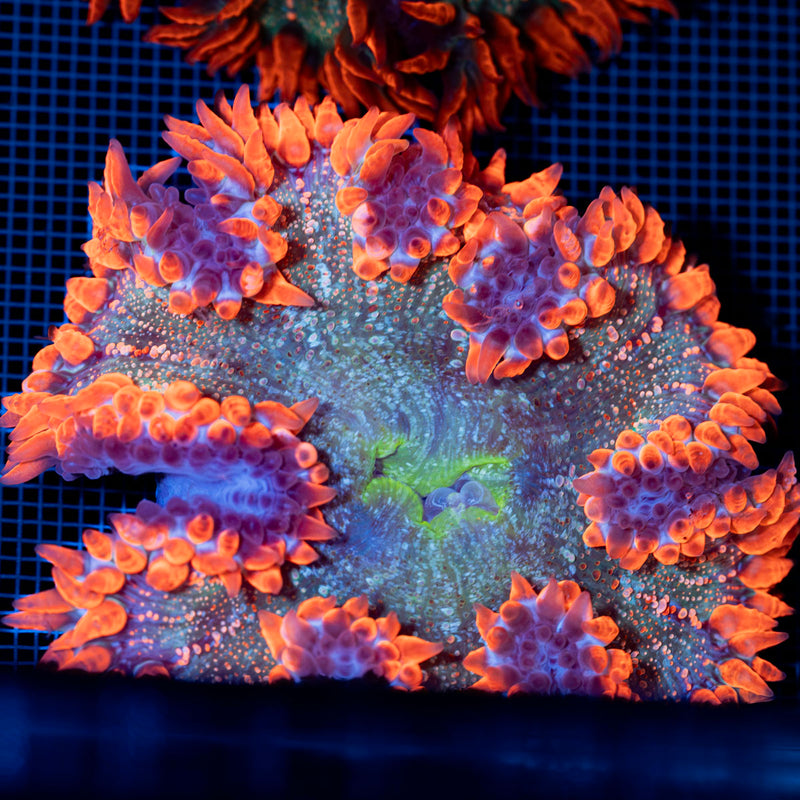
WYSIWYG stands for “What You See Is What You Get.” When a coral is listed this way, the photo shows the specific frag that will be packed and shipped to you. The branching shape, number of heads, placement of color, polyp pattern, and plug size shown in the listing belong to your coral.
That exact-item confidence is especially valuable with corals that can vary dramatically from frag to frag. A zoanthid frag may have a different number of polyps. A hammer may have fuller or more compact heads. An SPS frag may have a uniquely attractive branch structure or a standout patch of coloration. With a WYSIWYG listing, there is no guesswork about which piece has been selected from a larger group.
WYSIWYG shopping is also ideal for hobbyists building a deliberate reefscape. Maybe you need a low-profile mushroom for a particular ledge, a multi-head frogspawn for a focal area, or a showpiece Acropora that already has the form and color presence you want. Seeing the exact specimen makes placement planning much easier.
There is an important expectation to keep in mind: WYSIWYG means the photo represents the coral you receive, not that it will look identical forever. Corals are living animals. Their color, polyp extension, and growth response can shift as they acclimate to your lighting, flow, nutrients, and water chemistry. A healthy coral may look slightly different after shipping or under a different spectrum, then develop beautifully as it settles in.
How Standard Frags Are Different
A standard frag listing represents a coral type rather than one individually photographed specimen. The image may show a typical example, a mature colony, or a representative frag from that variety. You receive a healthy piece of that coral, but its exact shape, head count, polyp count, and color layout may vary.
That variation is not a drawback when you are shopping for a coral’s overall look and care profile. If you want a hardy green star polyp, a colorful zoanthid, a beginner-friendly mushroom, or an established LPS variety, the goal may be adding that species or strain to your reef rather than choosing one specific arrangement of polyps.
Standard frags are commonly a smart way to fill out a growing collection. They can offer approachable entry points into favorite coral categories and leave more room in the budget for essentials such as quality lighting, testing supplies, flow, and stable water parameters. In reef keeping, those fundamentals do more for long-term coral success than chasing a photo-perfect piece before the tank is ready.
Because standard frags are selected from healthy available inventory, a little natural variation should be expected. One frag might be slightly larger, another might have a different branch angle, and another may show its strongest color after a few weeks in your system. For many hobbyists, watching that individuality develop is part of the fun.
WYSIWYG Corals Versus Standard Frags: The Real Trade-Offs
The biggest difference is certainty. A WYSIWYG coral lets you choose a specific living jewel. A standard frag lets you choose a coral variety while remaining flexible about the individual piece. That distinction affects price, planning, and the kind of buying experience you prefer.
WYSIWYG pieces may carry a higher price because each coral is photographed, listed, and reserved individually. This extra attention is particularly meaningful for premium pieces with exceptional coloration, unusual patterns, multiple heads, or larger sizes. If a coral’s visual details are why you fell in love with it, paying for exact-item selection can be well worth it.
Standard frags often provide more value when the exact appearance is less critical. They work well for new reef keepers who want to learn coral placement and care, for hobbyists stocking a larger tank, or for anyone collecting several varieties at once. A standard frag can grow into a stunning centerpiece with time, stable conditions, and good placement.
Tank maturity should influence the decision, too. A newer reef may benefit from forgiving, beginner-friendly standard frags that allow you to gain confidence without putting all your coral budget into one premium specimen. An established system with consistent alkalinity, temperature, nutrient levels, and lighting can be a great home for a higher-end WYSIWYG SPS or a distinctive LPS showpiece.
When It Makes Sense to Choose WYSIWYG
Choose WYSIWYG when the individual coral is the purchase. This is often true for rare or high-end Acropora, Millepora, torches, hammers, chalices, and mushrooms where color placement or physical form varies from piece to piece. It is also a strong option for collectors who want a particular size, head count, or polyp arrangement.
Exact-item listings are helpful when you are concerned about scale. A close-up coral photo can be visually dramatic, so seeing the actual frag and its plug offers a more realistic sense of what will arrive. For a carefully planned nano reef or an already full display, that added clarity can prevent a beautiful purchase from becoming an awkward fit.
WYSIWYG is not only for advanced hobbyists. A beginner can absolutely choose one if the coral’s care needs match the tank. The key is to select a piece for its suitability as well as its appearance. A vibrant, aquacultured coral that fits your lighting, flow, and experience level is far more rewarding than a difficult specimen chosen only for its photo.
When a Standard Frag Is the Better Buy
Choose a standard frag when you care most about adding a specific coral variety, building diversity, or getting the most from your livestock budget. It is a practical choice for creating movement with soft corals, adding dependable color with zoanthids and mushrooms, or starting a garden of compatible LPS corals.
Standard frags also make sense if you enjoy the long game. A small frag is not a lesser coral. Given time, it can encrust, branch, split, and become one of the most memorable parts of your aquarium. Many of the reefs hobbyists are proudest of began as modest frags that were allowed to settle, grow, and claim their space.
This option is particularly useful when buying multiples. If you are adding several corals to create a mixed reef, spending thoughtfully across different categories can help you build color, texture, and motion without overcrowding one area with expensive showpieces. A curated mix of standard frags can create a vibrant display while leaving space for one or two exact-item favorites later.
Shop the Photo, Then Shop the Care Needs
Whether you choose WYSIWYG or standard, start with the coral’s needs. Look at recommended lighting and flow, expected growth form, temperament, and placement. Consider how much room it will need in six months, not just on the day it arrives. A torch may need generous clearance for its sweepers, while a fast-spreading soft coral may be best kept on an isolated rock.
Then consider the photo honestly. Images can be taken under blue-heavy reef lighting that makes fluorescent pigments pop. That vivid presentation helps reveal a coral’s potential, but your own fixture, spectrum, camera settings, and tank conditions will shape how it appears at home. Ask yourself whether you love the coral’s underlying color and structure, not only its brightest glow.
Finally, give every new frag a calm start. Float and acclimate according to the seller’s guidance, inspect the plug and coral, place it in an appropriate lower-light or lower-flow area if needed, and resist the urge to move it repeatedly. Stable placement gives a coral time to open, adjust, and show you what it can become.
A great reef is not built by choosing WYSIWYG or standard frags every time. It is built one healthy, well-placed coral at a time. Pick the option that gives you confidence for this purchase, then give that new living jewel the stable home it needs to thrive.