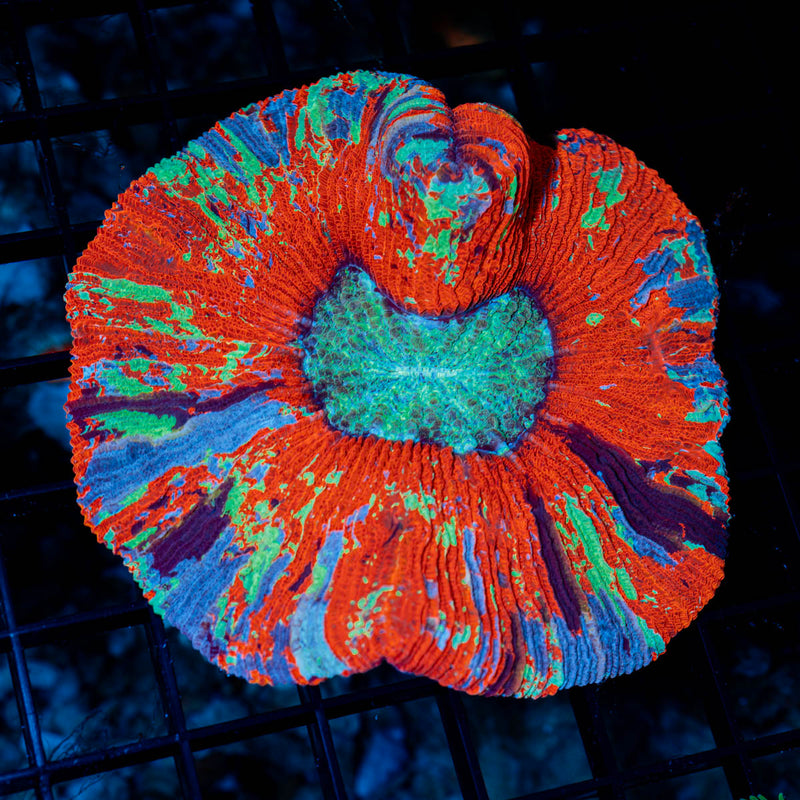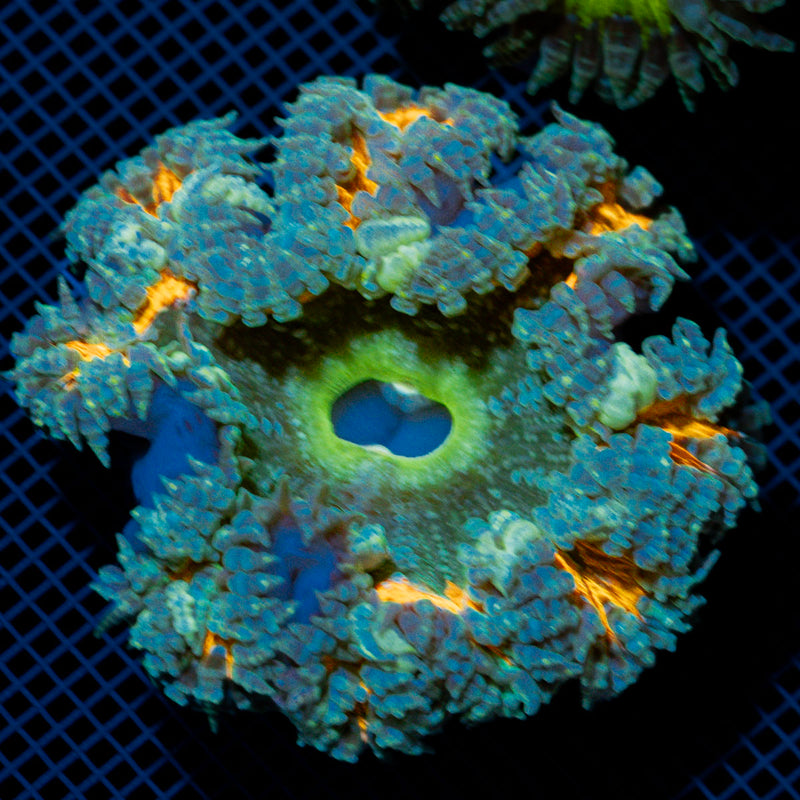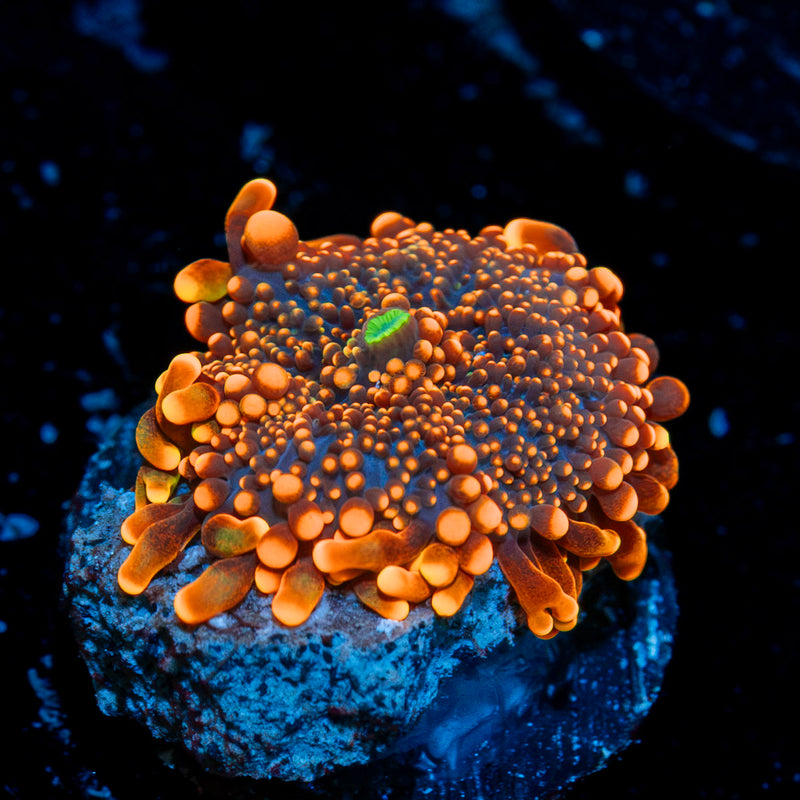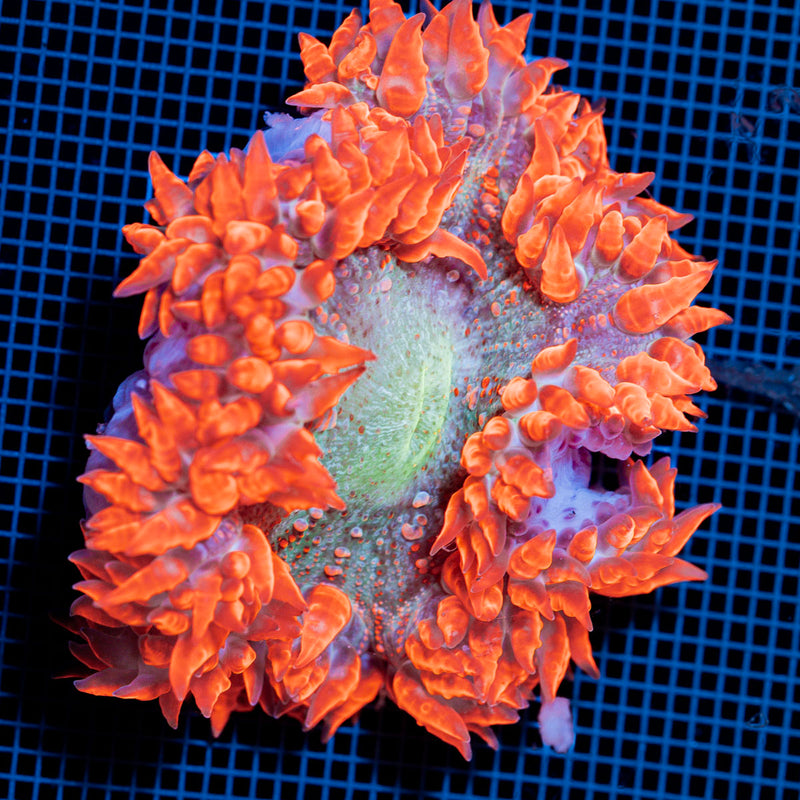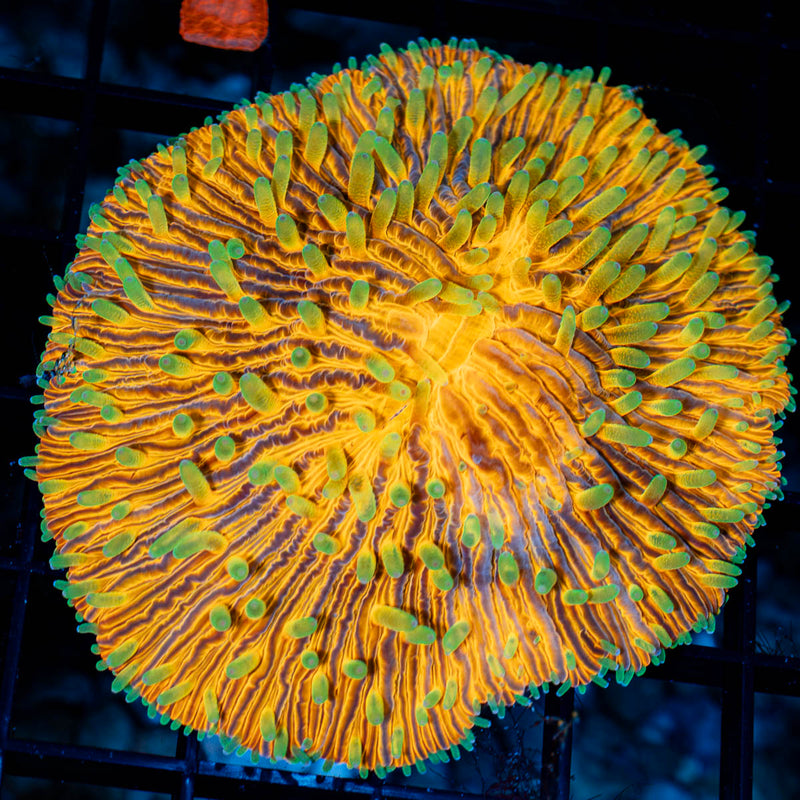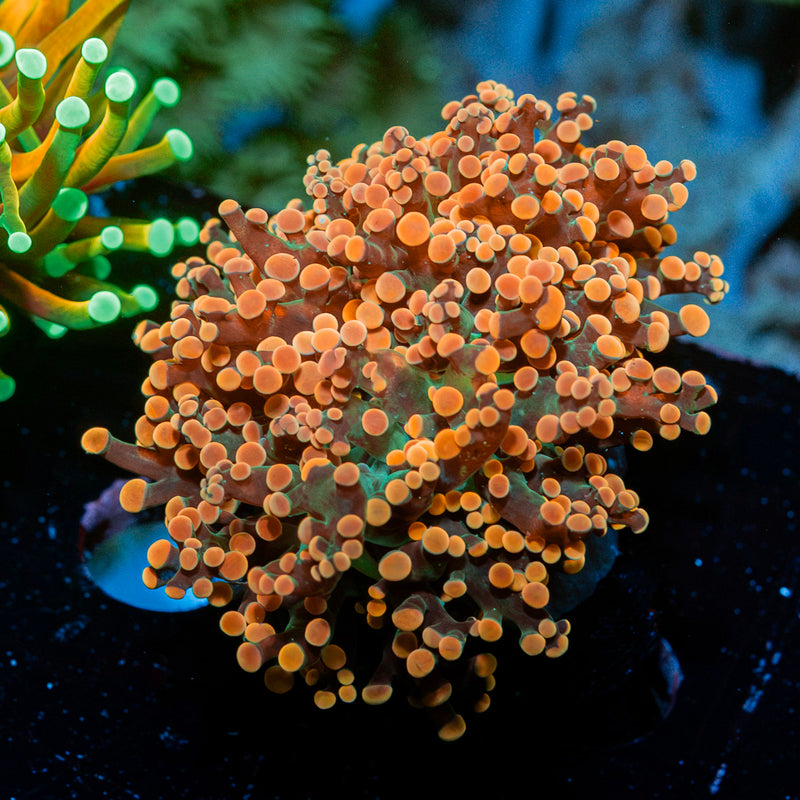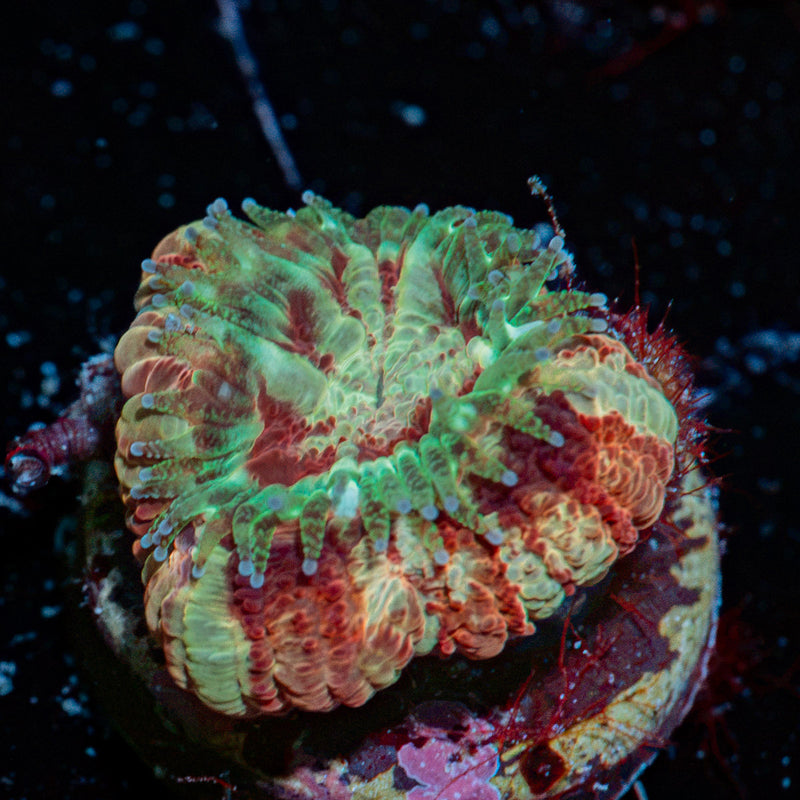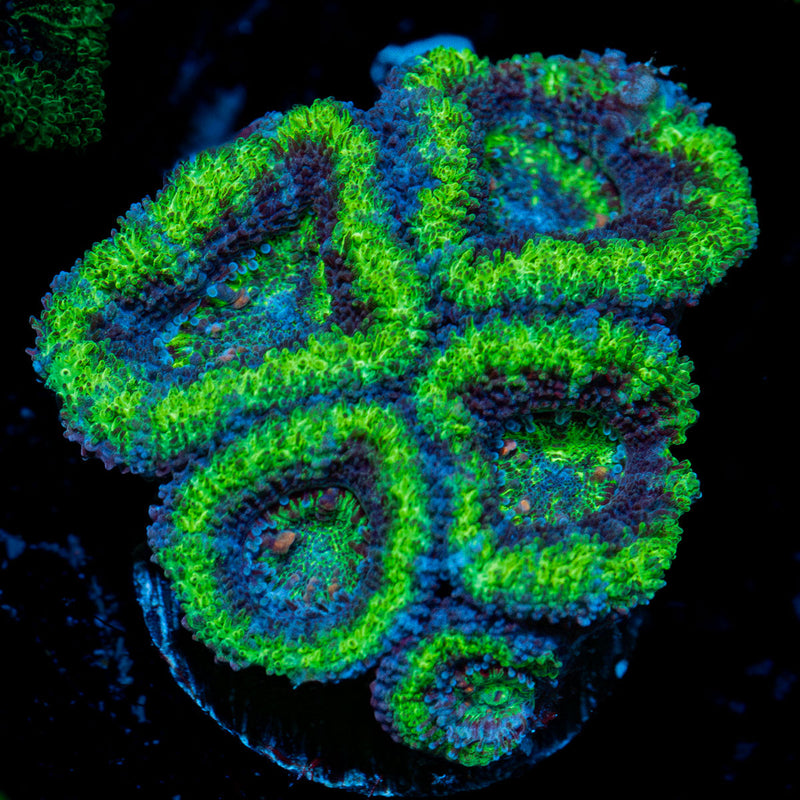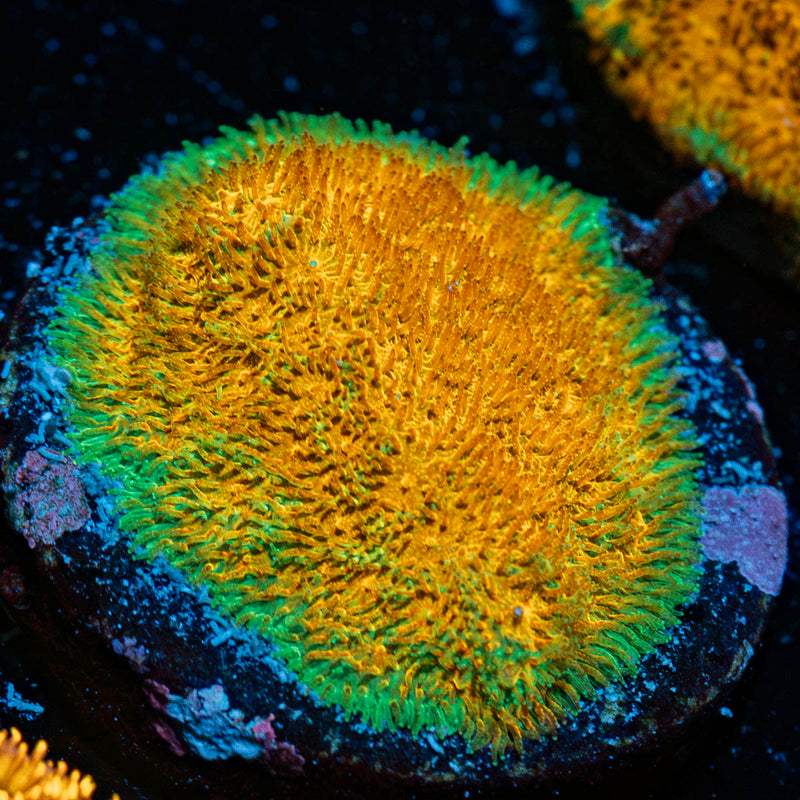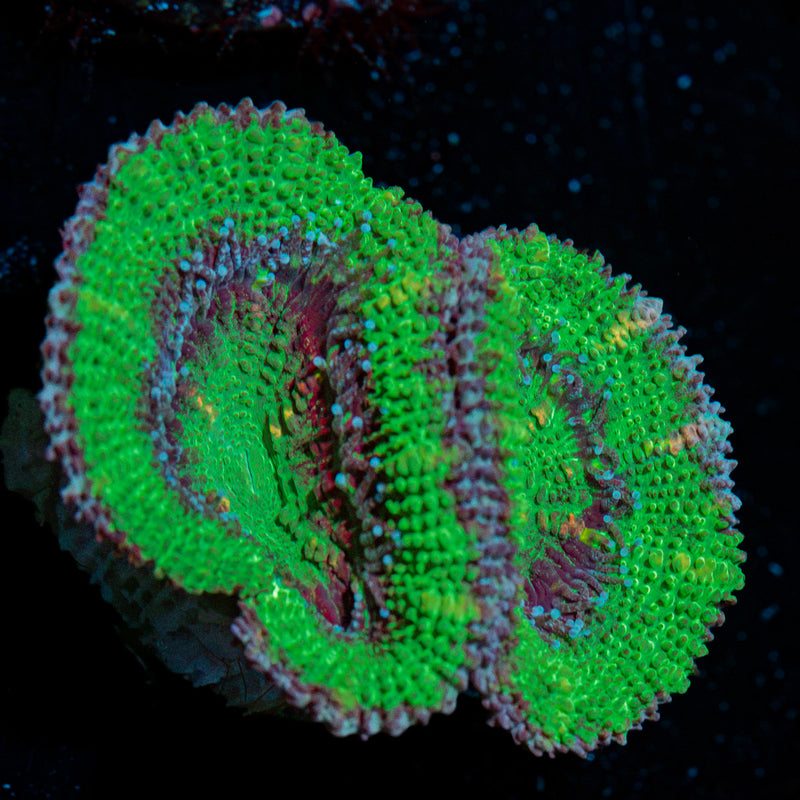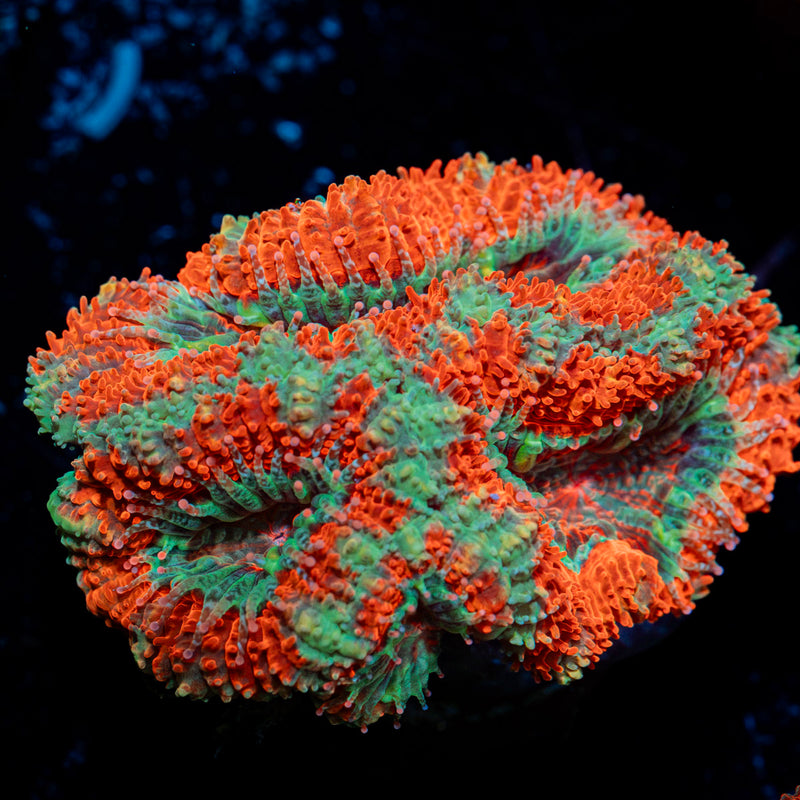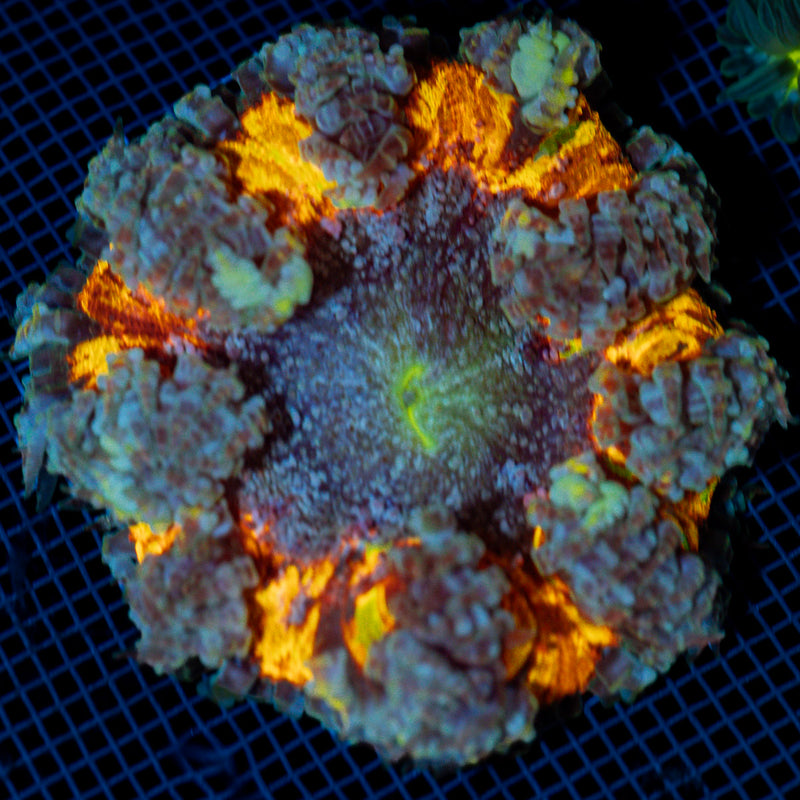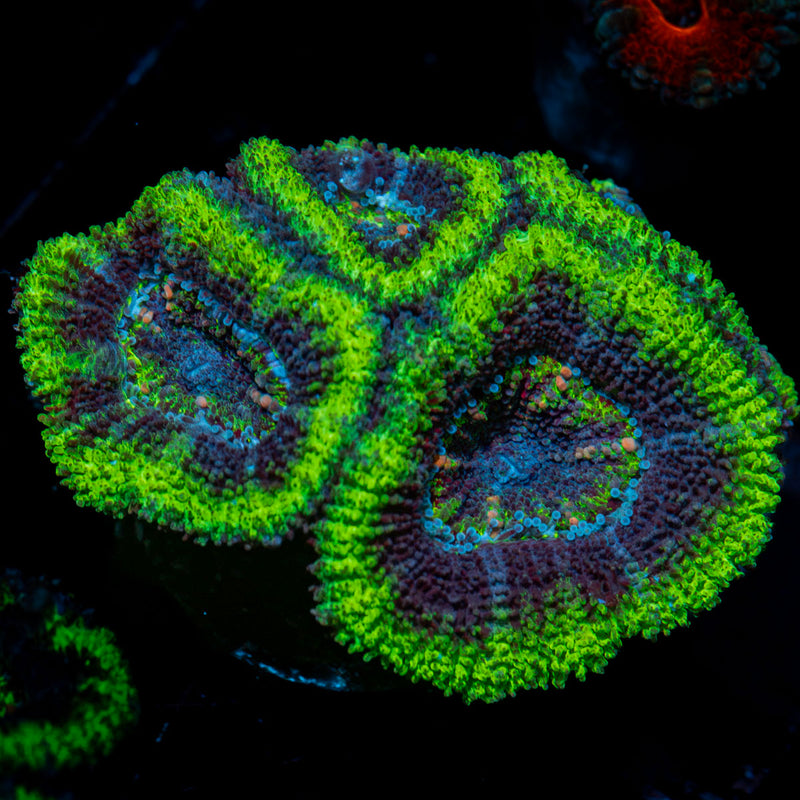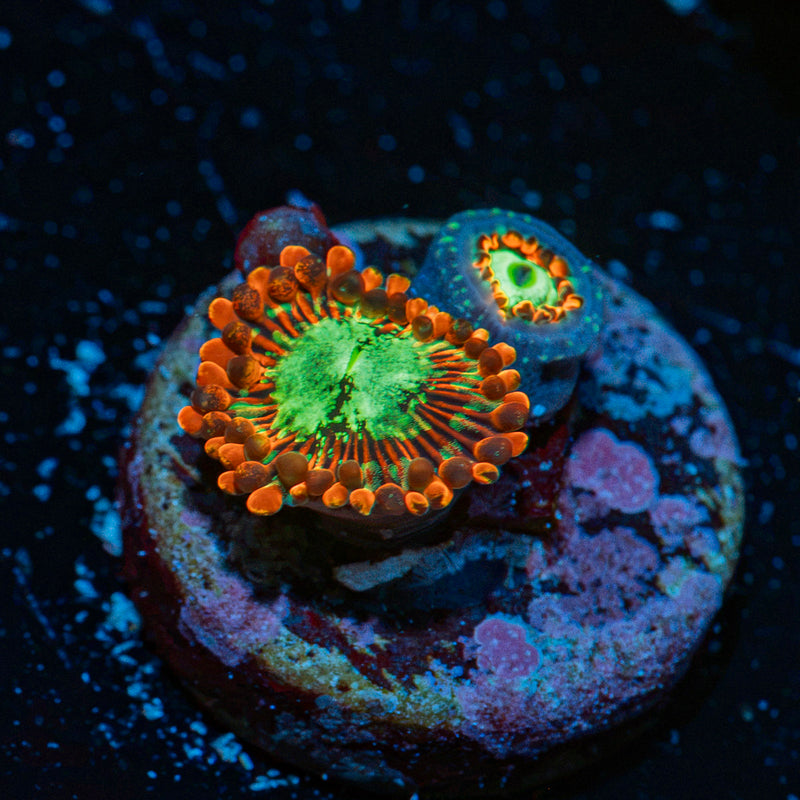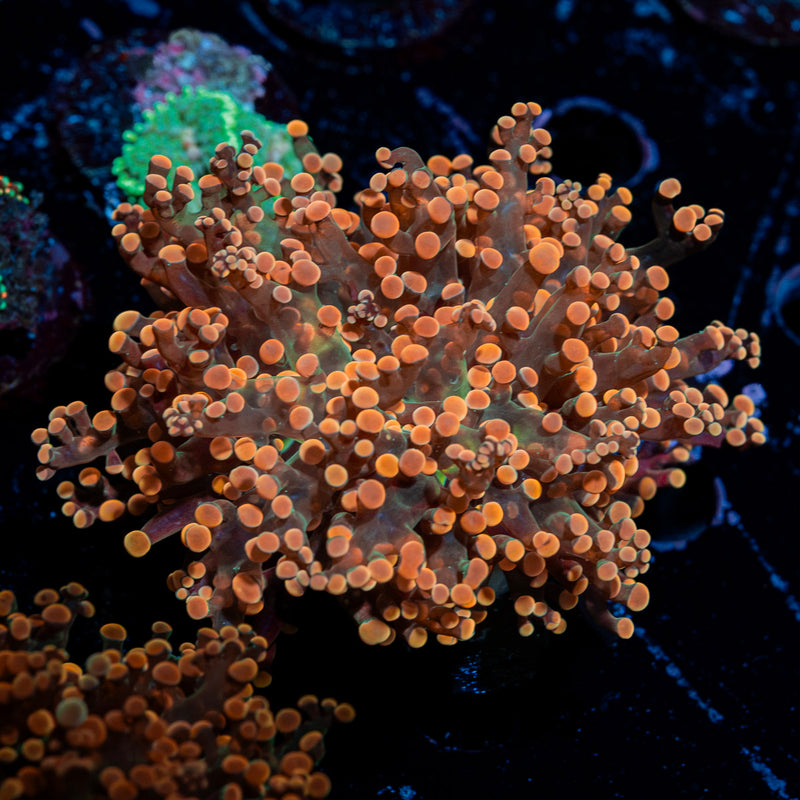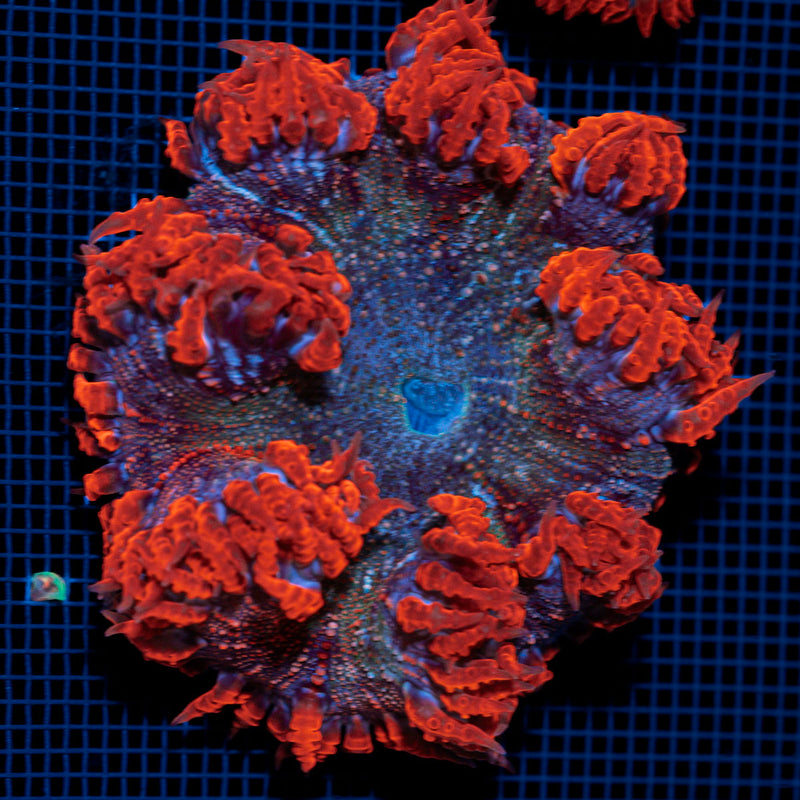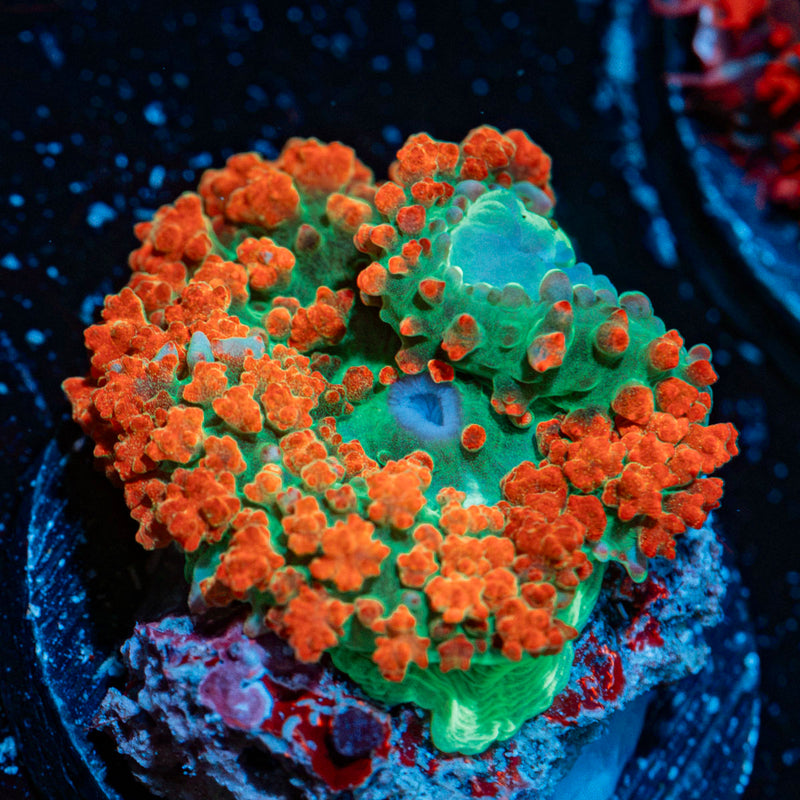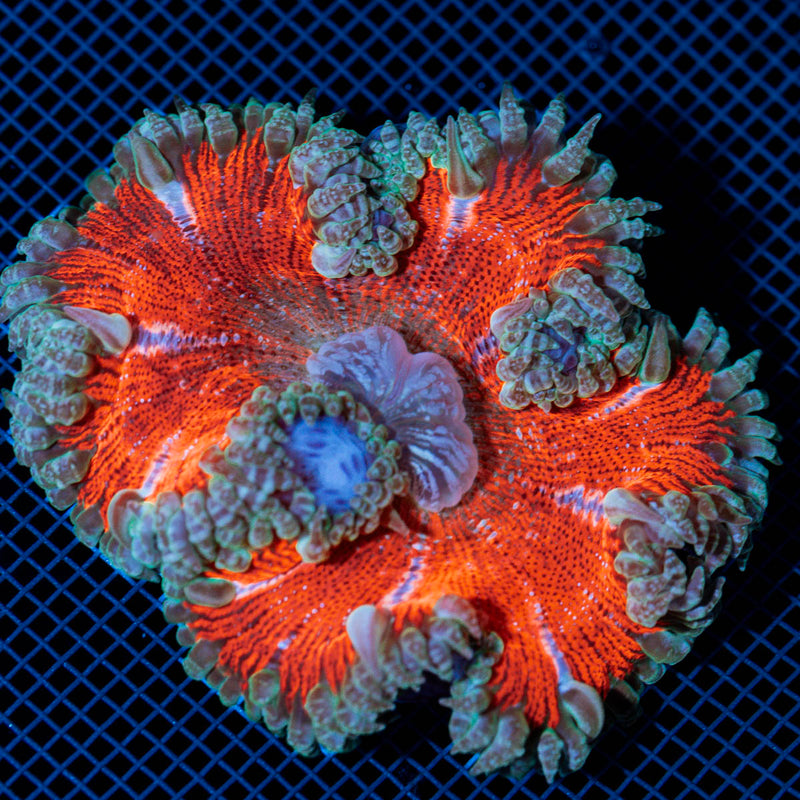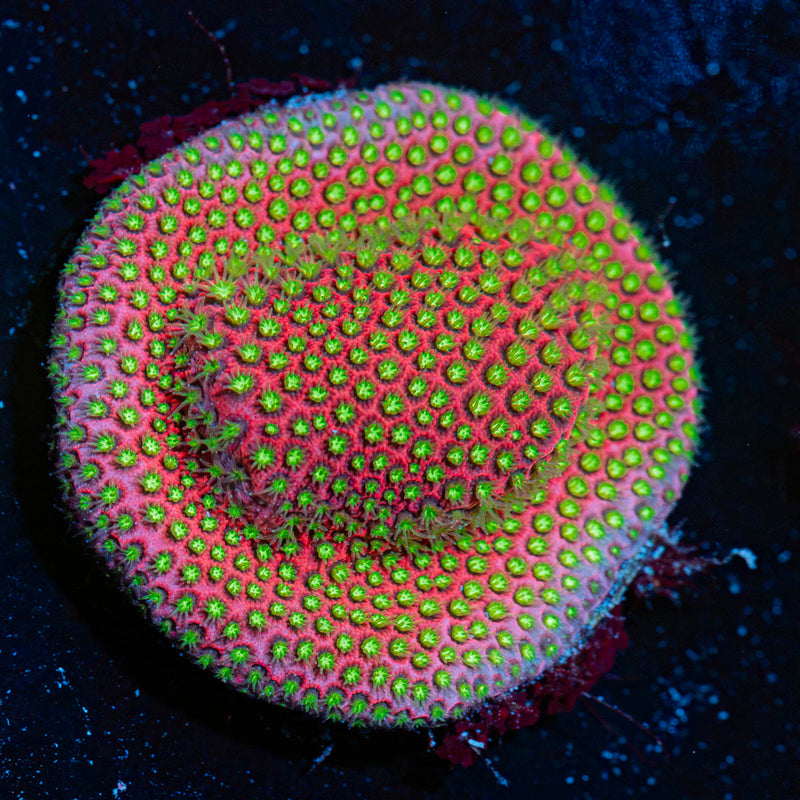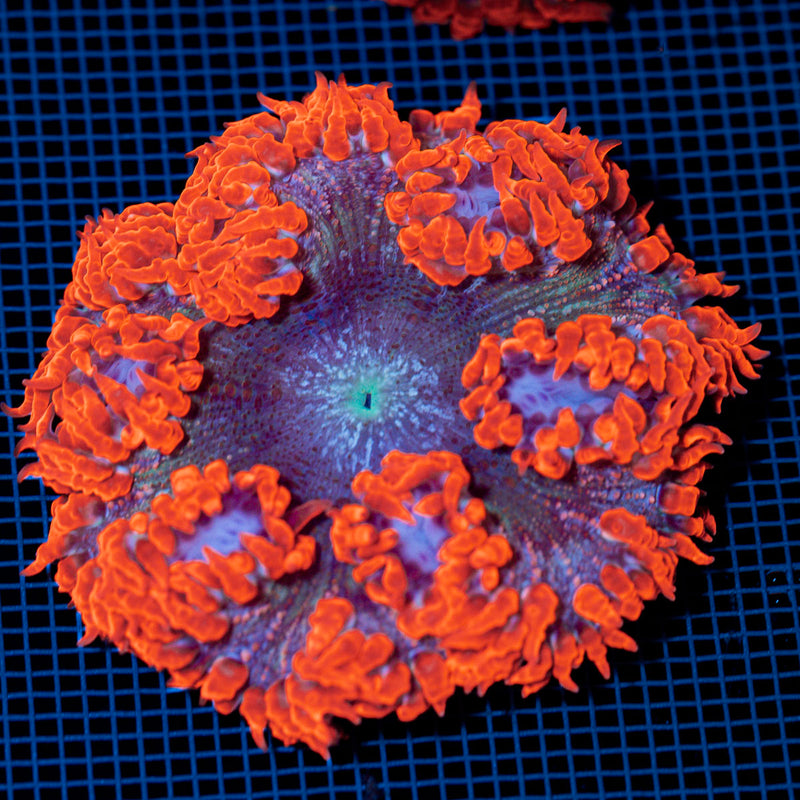
A tiny coral frag can look less intimidating than a full colony, but are coral frags easier to keep? Often, yes - especially when the frag is healthy, aquacultured, and matched to a stable reef tank. Still, small does not automatically mean simple. A frag has less reserve tissue than a large colony, so it depends on the coral species, its condition on arrival, and how ready your aquarium is to support it.
For many hobbyists, frags are the most rewarding way to build a colorful reef. They let you add living jewels gradually, learn each coral's preferences, and watch a small cutting become a showpiece colony. The key is choosing corals with care requirements that fit your tank rather than choosing strictly by frag size.
Why Coral Frags Can Be Easier to Keep
A frag is a small, intentionally separated piece of coral that is mounted to a plug, disc, or other base. In an aquacultured setting, it has typically healed and begun encrusting before sale. That healing matters. A well-established frag is not a loose, freshly broken piece of coral. It is a growing animal that has already adapted to aquarium life.
The biggest advantage is flexibility. A small frag is easy to place, move, and acclimate while you learn how it responds to your lighting and flow. If a coral needs slightly less light, a gentler current, or more room from a neighboring sweeper tentacle, you can make that adjustment without rearranging half the aquascape.
Frags are also a practical way to stock a reef at a comfortable pace. Rather than adding several large colonies at once, you can create a balanced collection over time. That slower approach gives you space to monitor nutrient levels, calcium and alkalinity consumption, and the behavior of each new coral.
Aquacultured frags offer another meaningful advantage. Corals grown in captivity have been living under aquarium lighting, filtration, and feeding routines. They are generally more familiar with the conditions found in a home reef than a newly imported wild colony. That does not make them invincible, but it can make the transition more predictable.
The Catch: Small Frags Have Less Margin for Error
A small coral is not always easier than a larger colony. A mature colony has more tissue, more energy reserves, and sometimes a greater ability to withstand a brief swing in conditions. A tiny SPS frag, for example, may react quickly to unstable alkalinity, a sudden temperature change, or a major lighting adjustment.
This is why the question is not simply whether coral frags are easier to keep. The better question is: easier than what, and in which tank? A healthy hammer coral frag in a stable, established aquarium can be a comfortable first LPS coral. A delicate Acropora frag in a newly cycled tank with fluctuating parameters is a much more demanding project, even if the piece is only an inch tall.
Frag plugs can create a few practical challenges, too. They may introduce a coral close to pests or algae if they have not been inspected. Before placement, check the plug and underside of the coral for nuisance algae, flatworms, nudibranchs, eggs, or other unwanted hitchhikers. Following a careful coral-dipping routine and observing new additions closely is part of smart reef keeping.
Are Coral Frags Easier to Keep for Beginners?
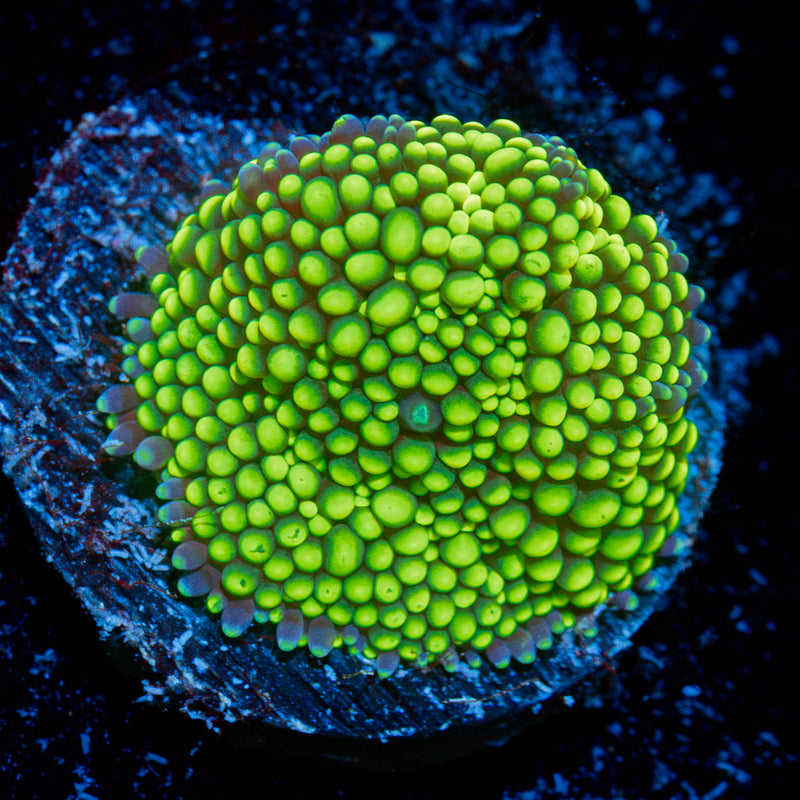
They can be, provided beginners start with forgiving coral types. Soft corals, many zoanthids, mushrooms, and select LPS corals are often excellent choices because they tolerate a broader range of lighting and flow than advanced SPS. Their movement, inflation, and polyp extension also give clear visual clues about how they are feeling.
A beginner-friendly frag should be visibly healthy, securely attached, and selected for its care fit rather than its rarity. Look for open polyps where appropriate, full tissue coverage, rich coloration, and no exposed skeleton or recession around the base. WYSIWYG shopping can be especially reassuring because you see the exact coral you are bringing home, including its size, color, and growth form.
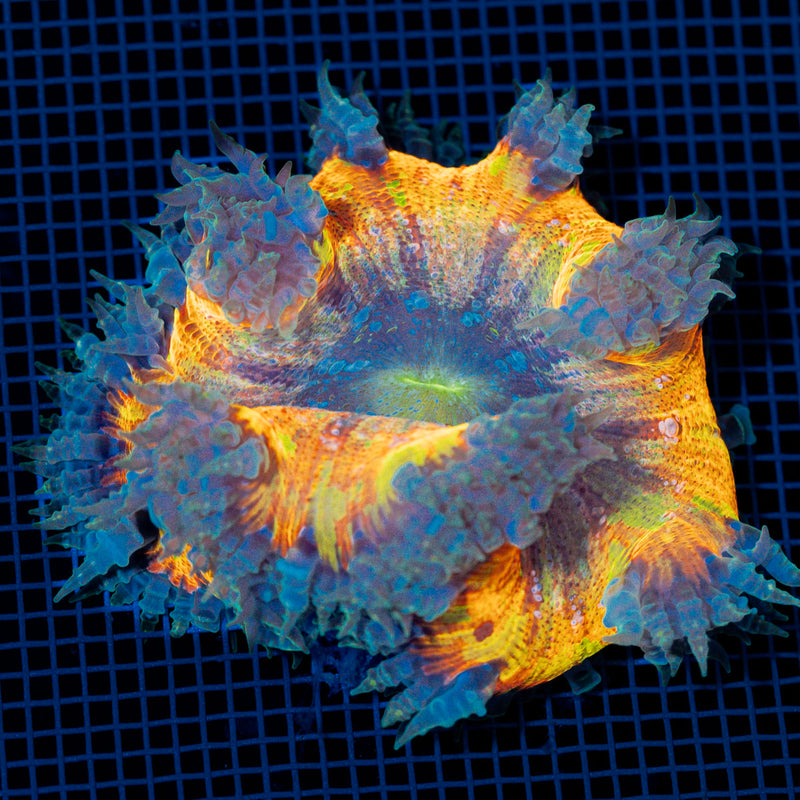
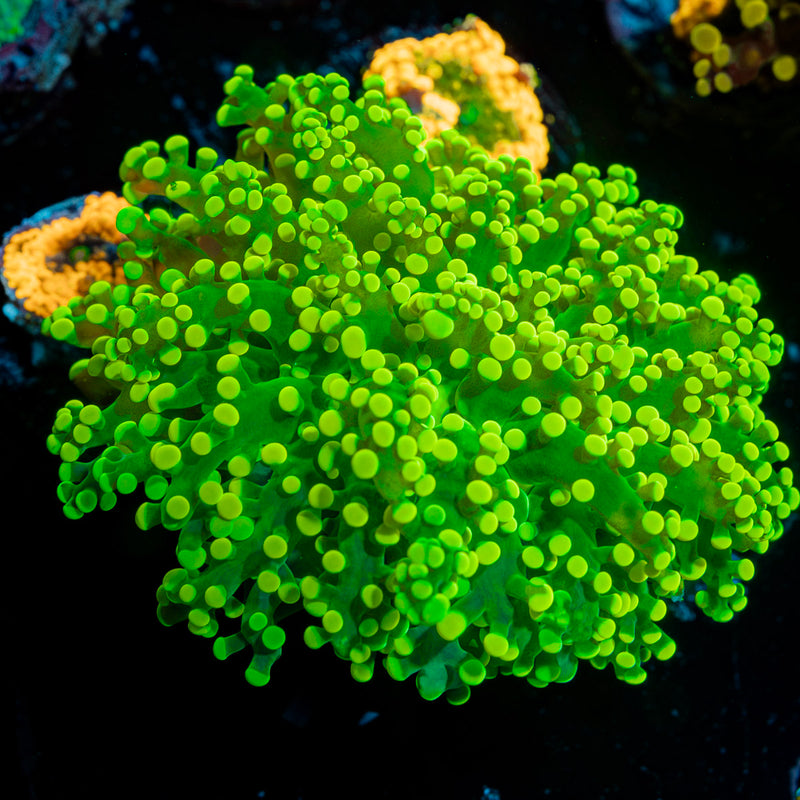
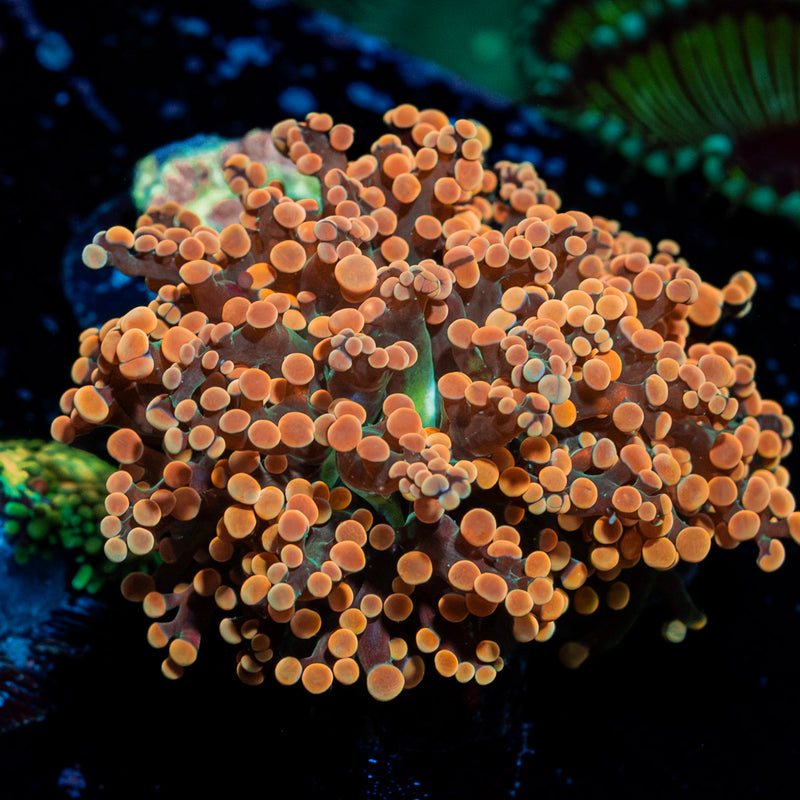
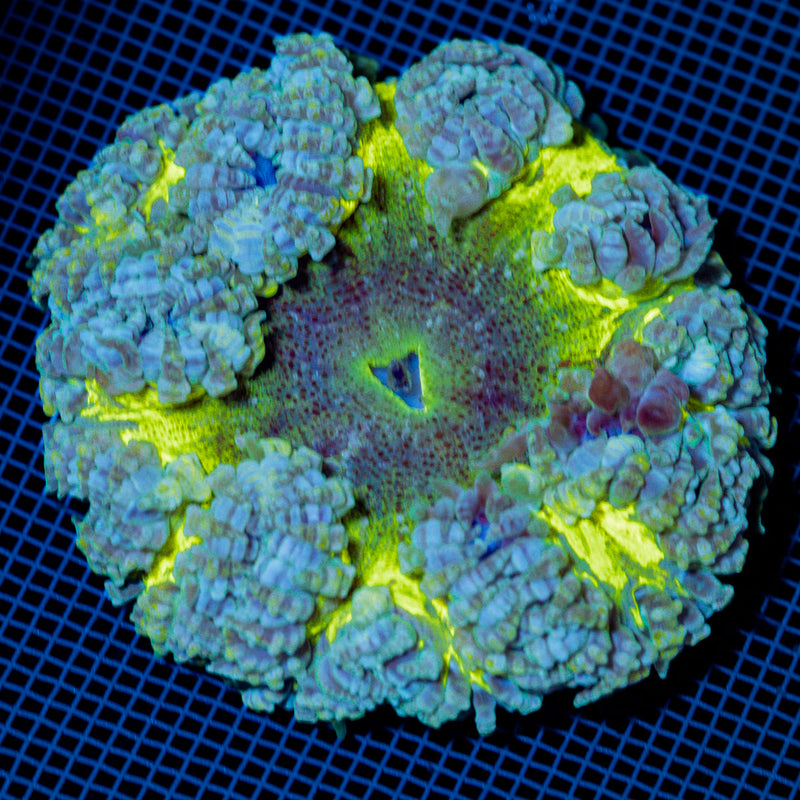
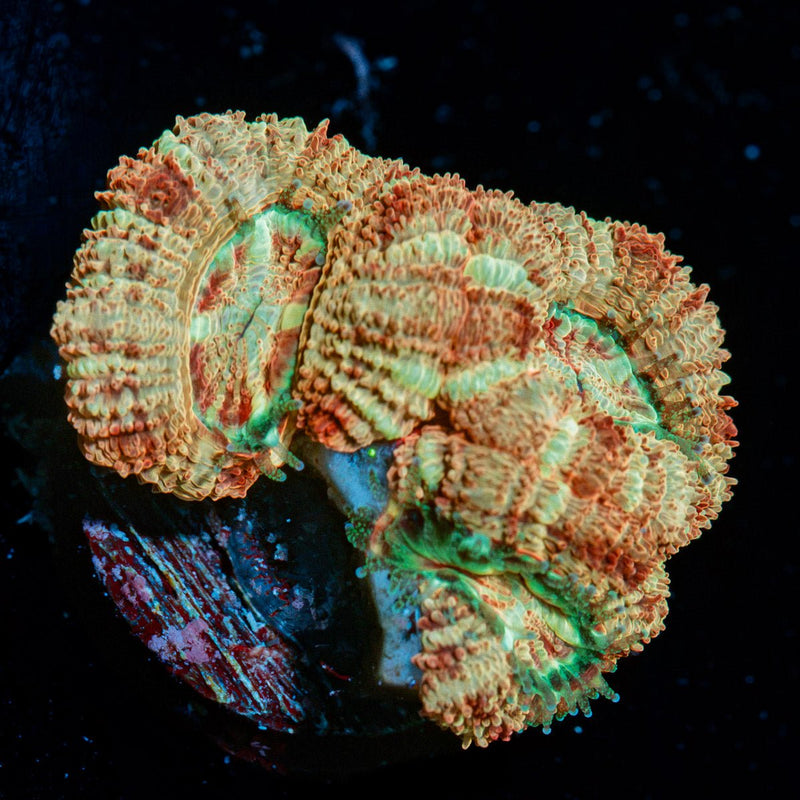
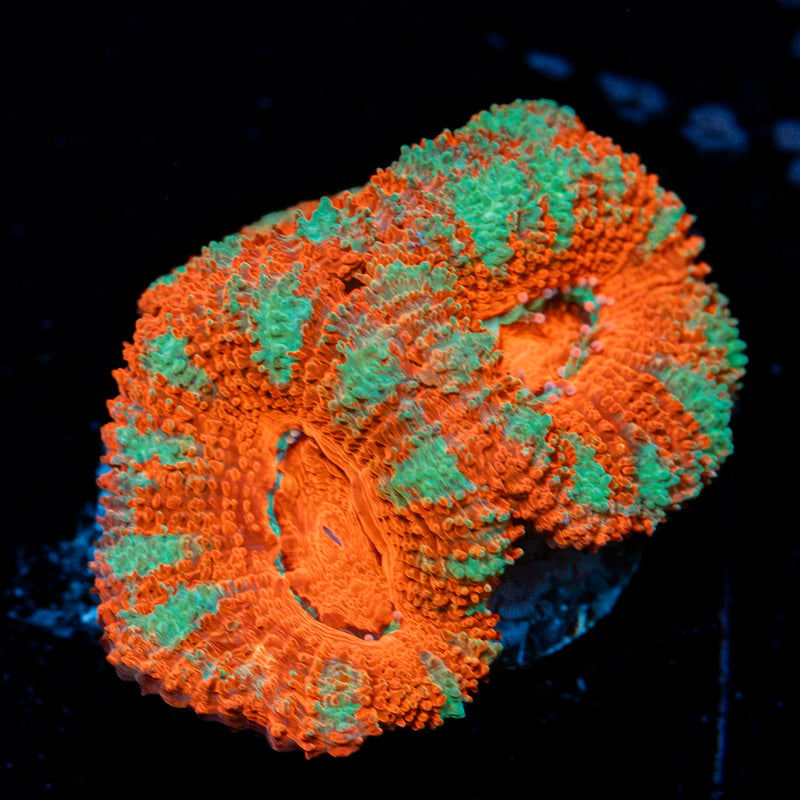
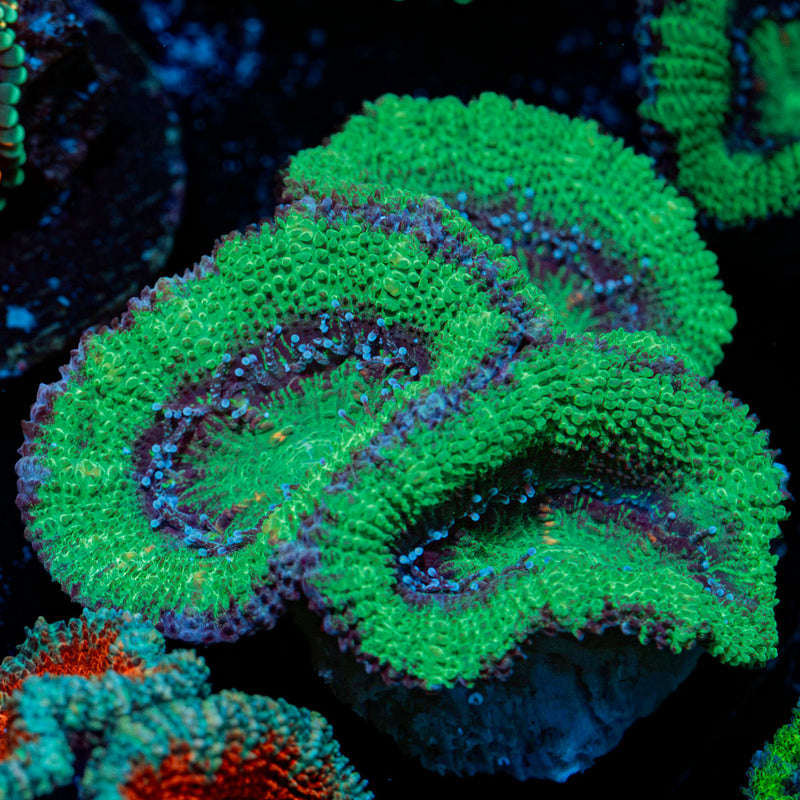
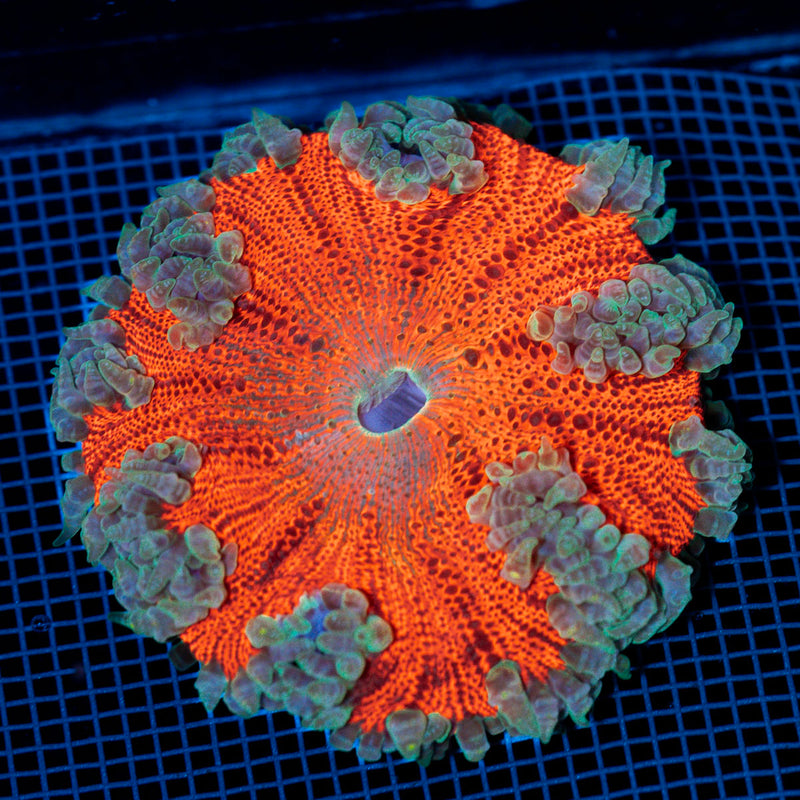
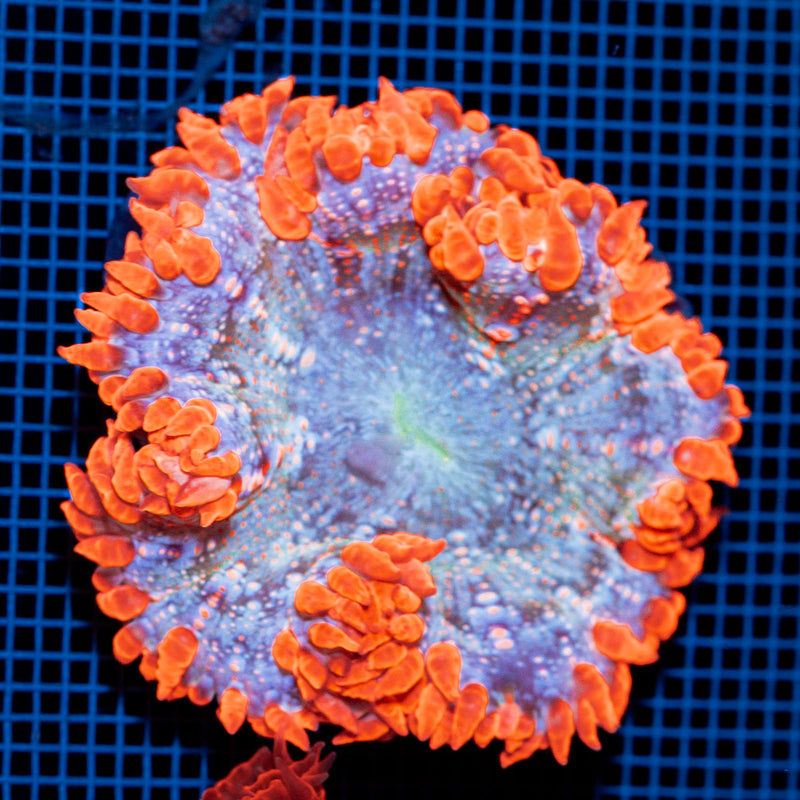
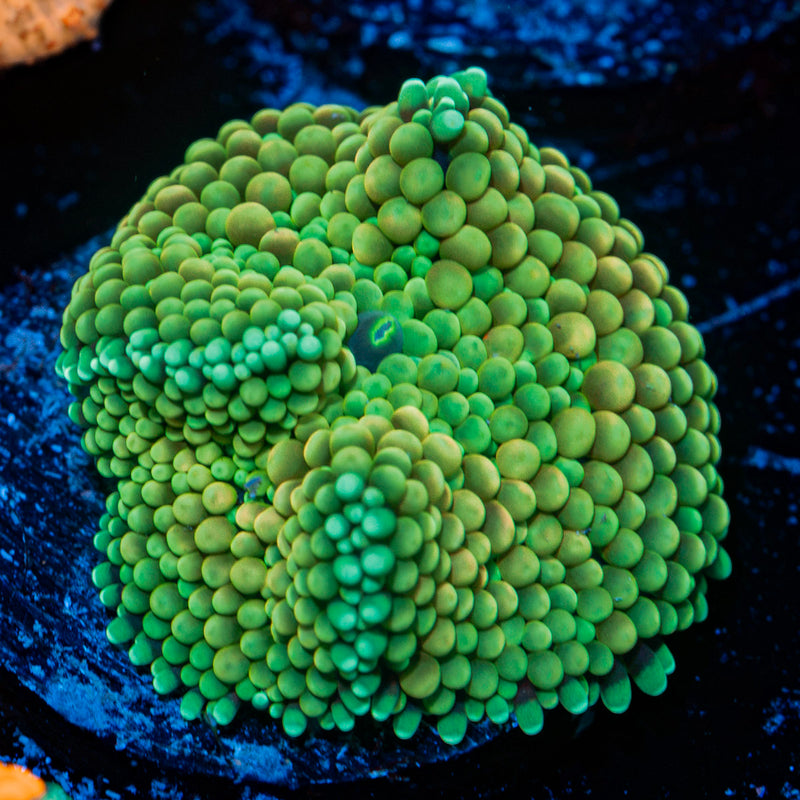
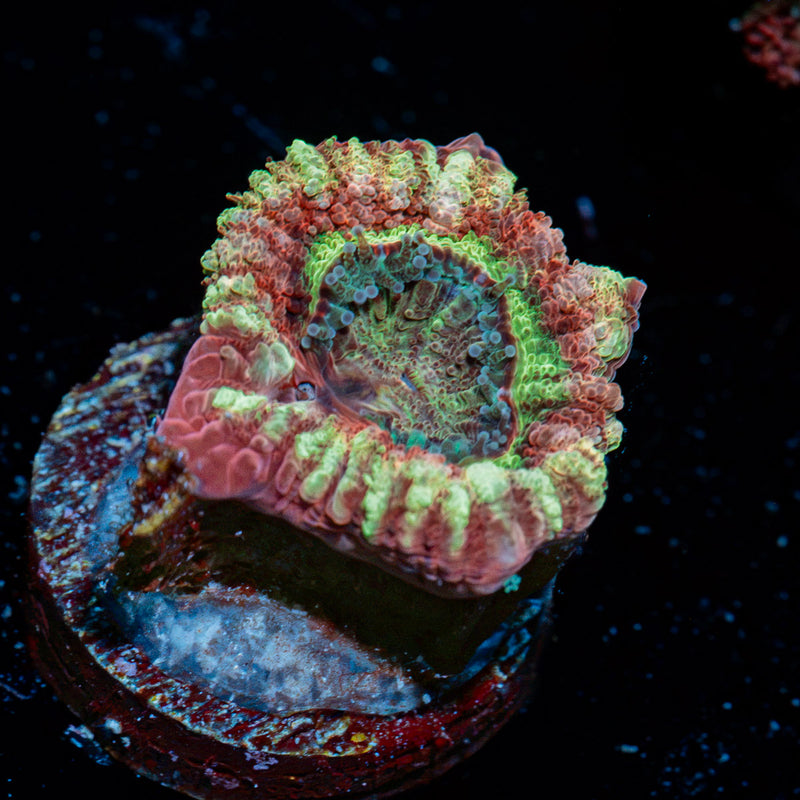
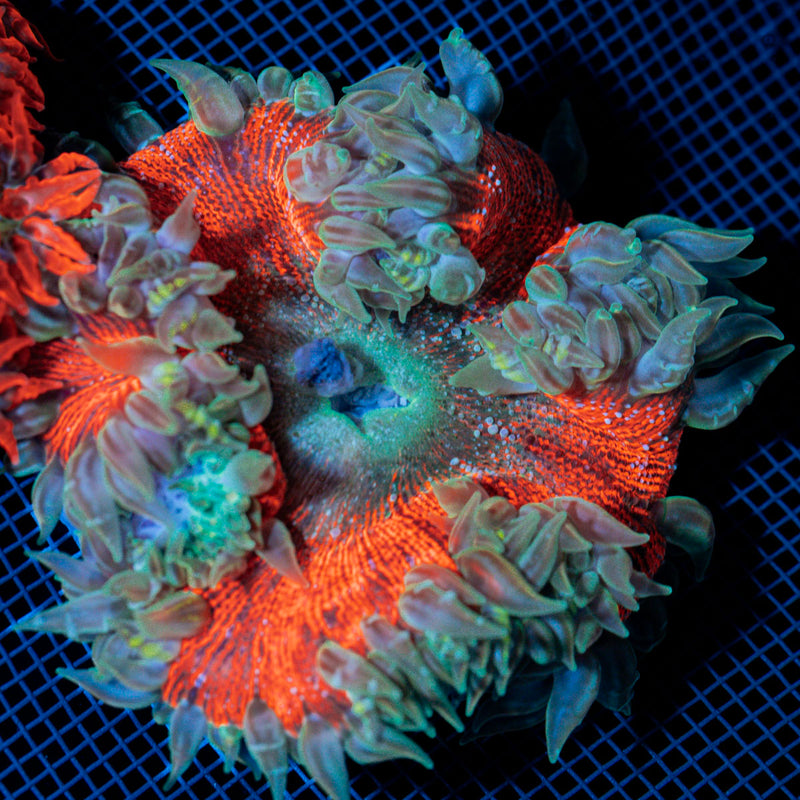
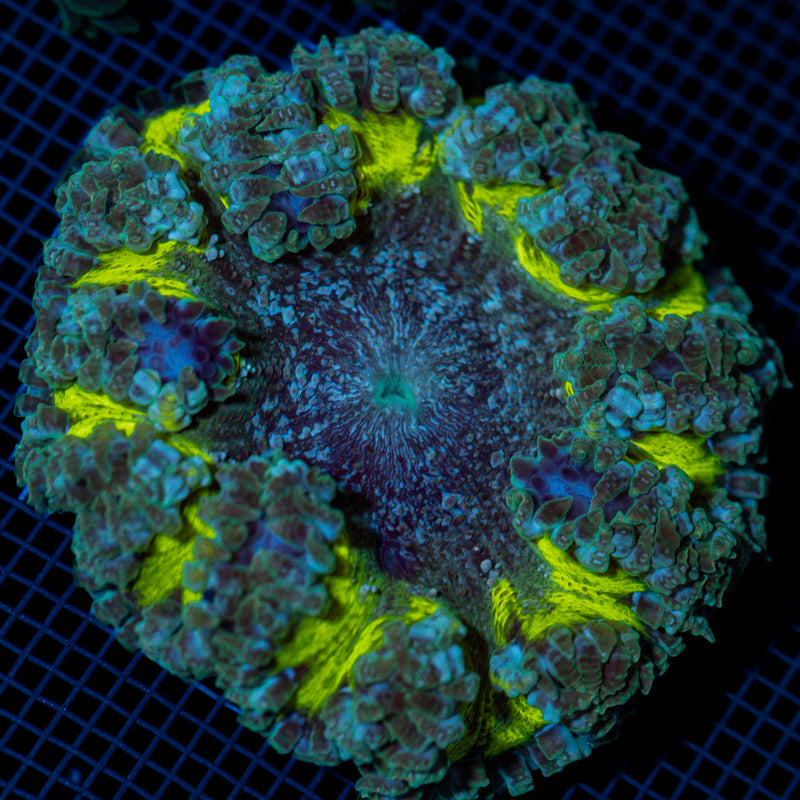
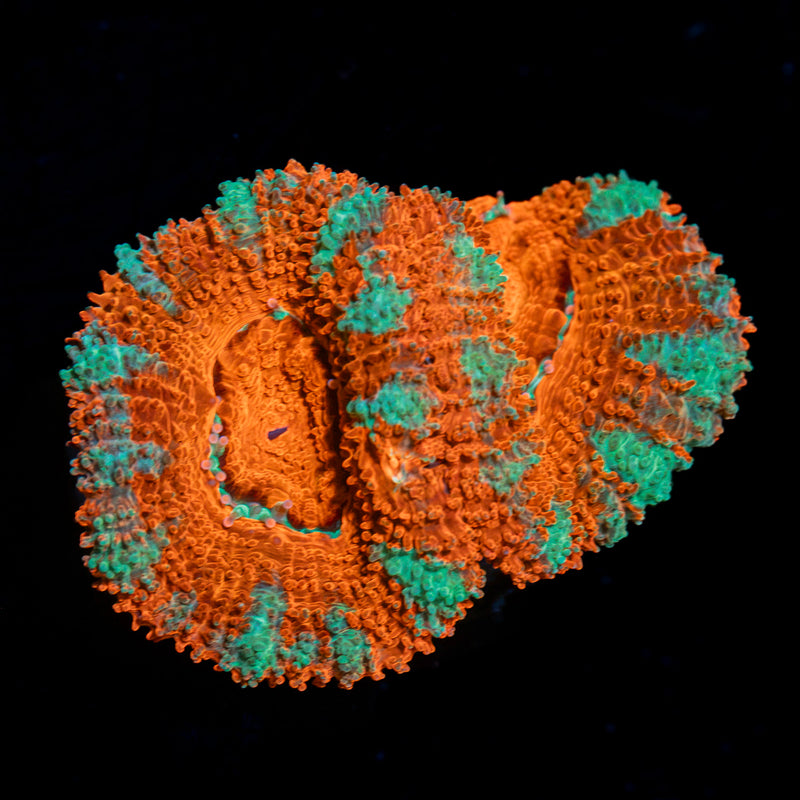
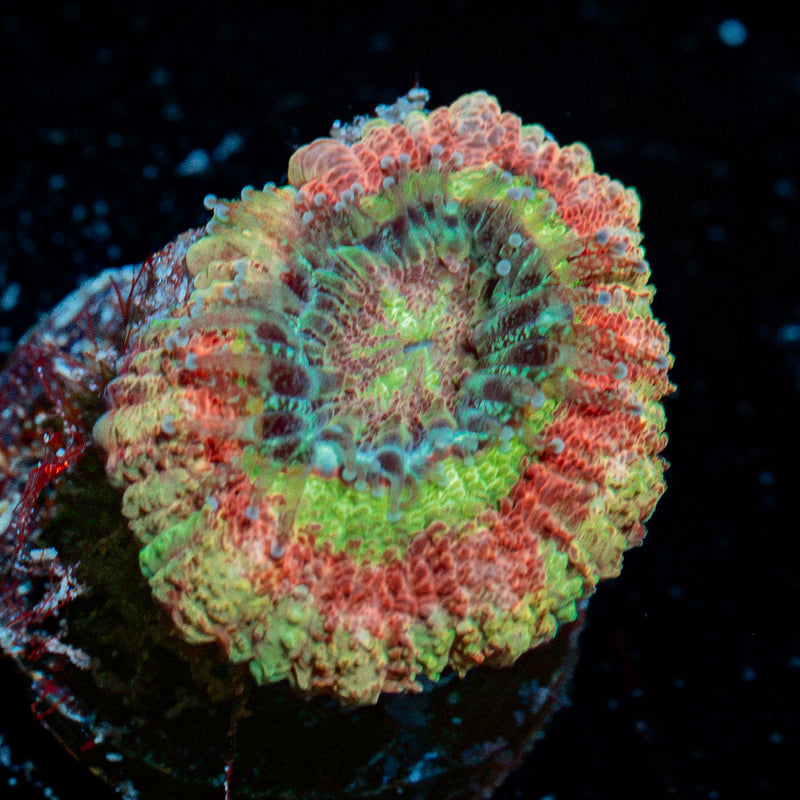
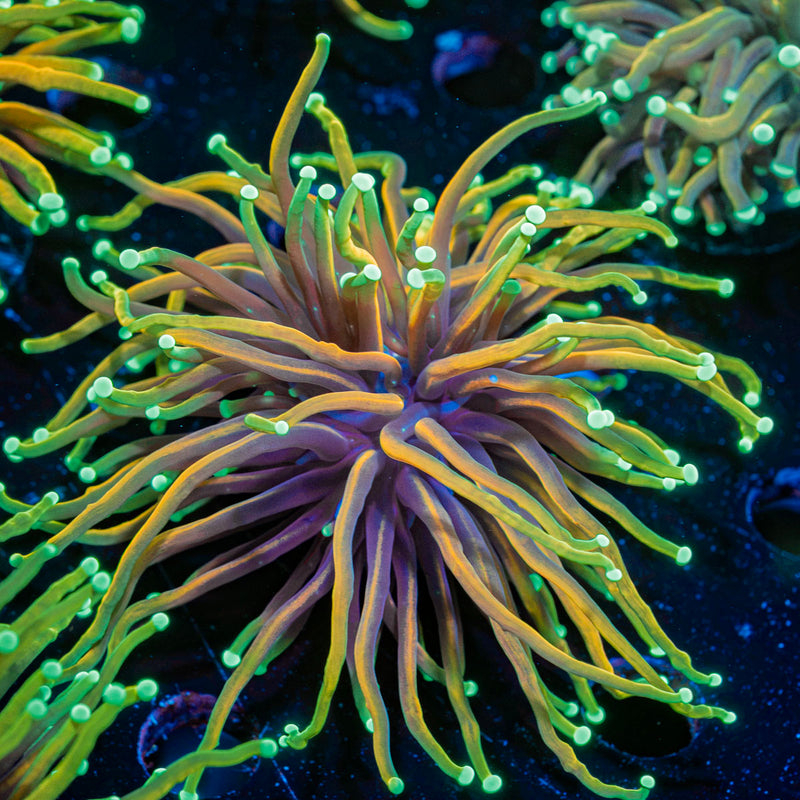
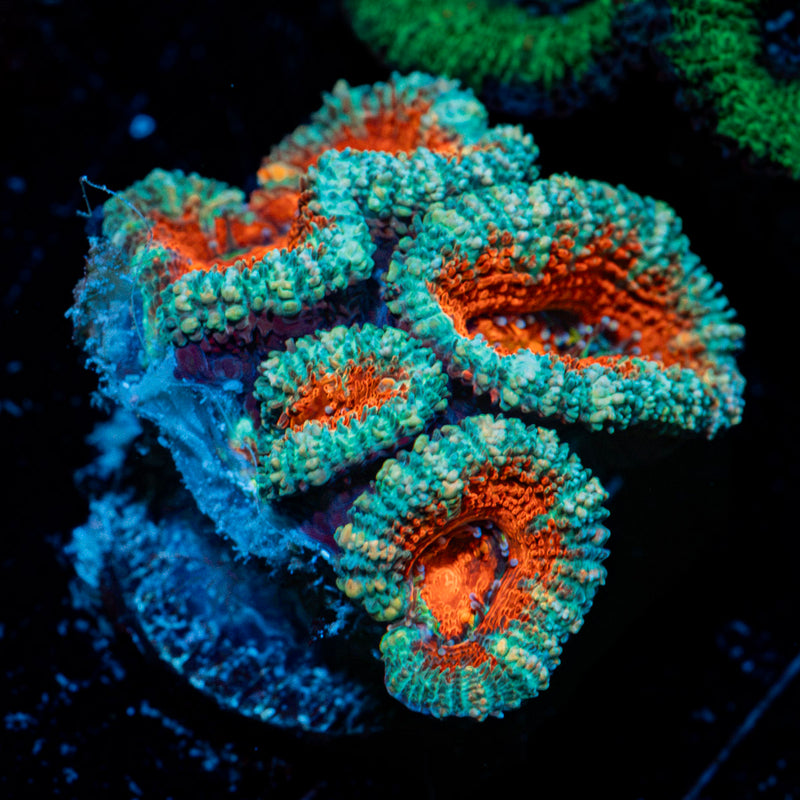
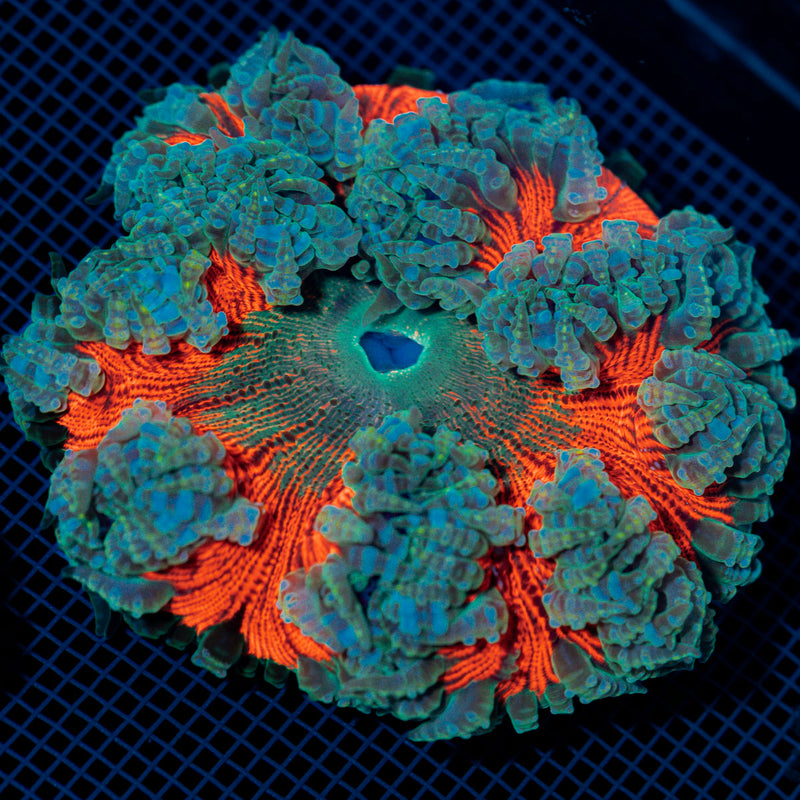
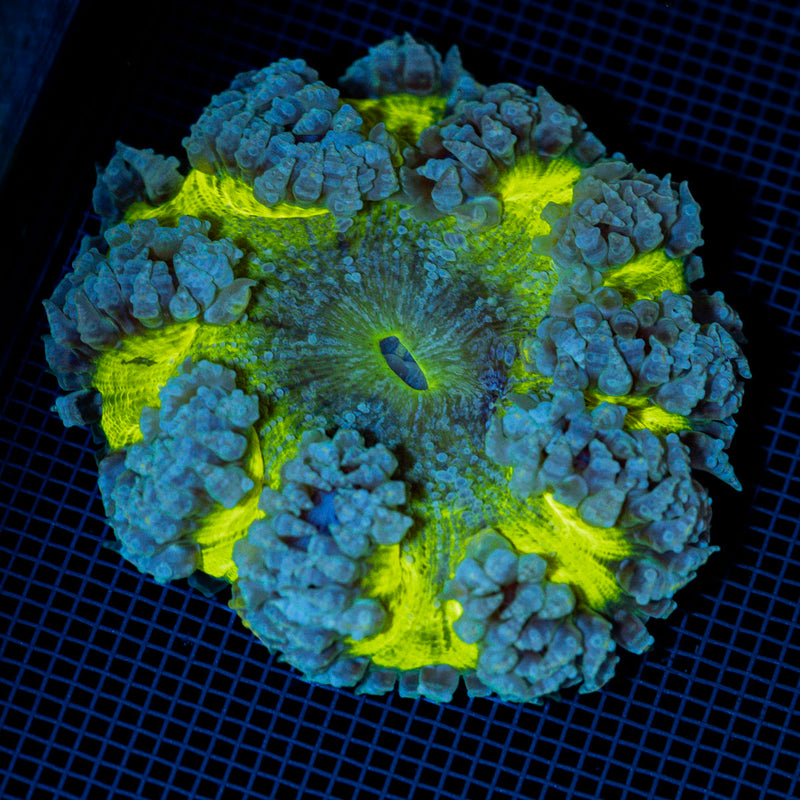
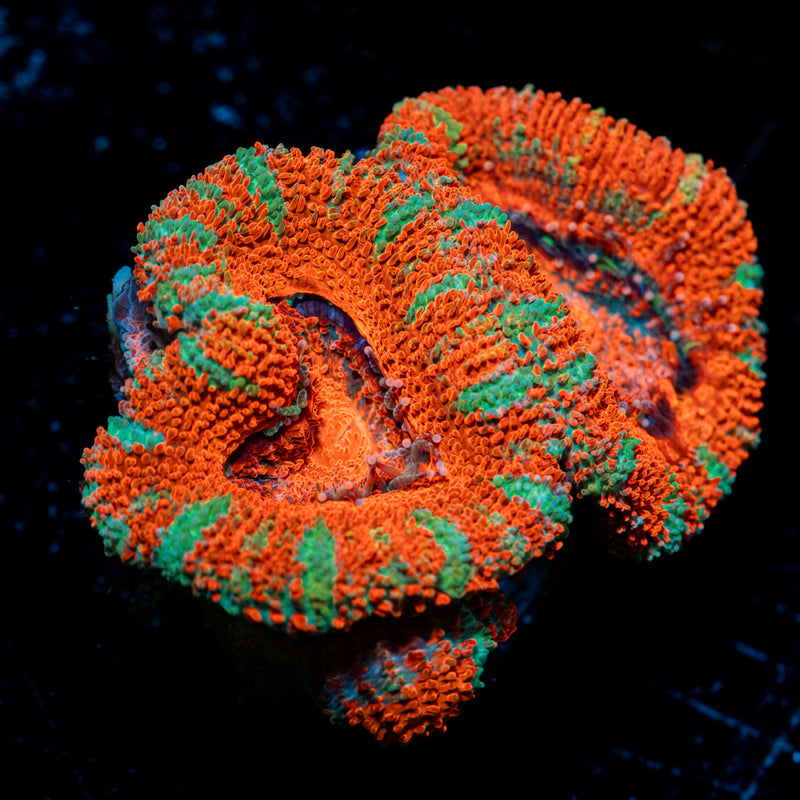
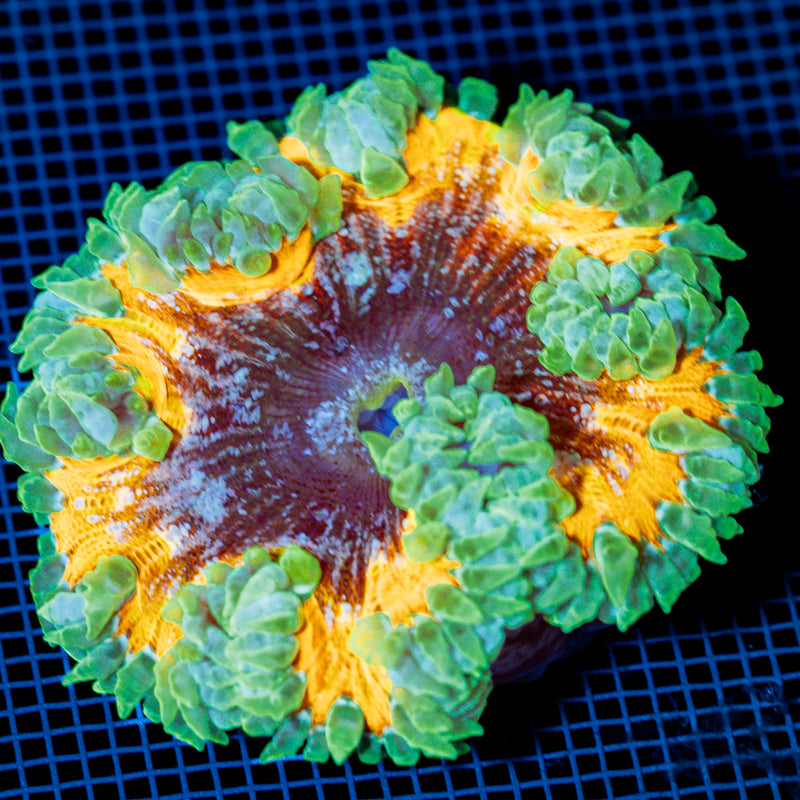
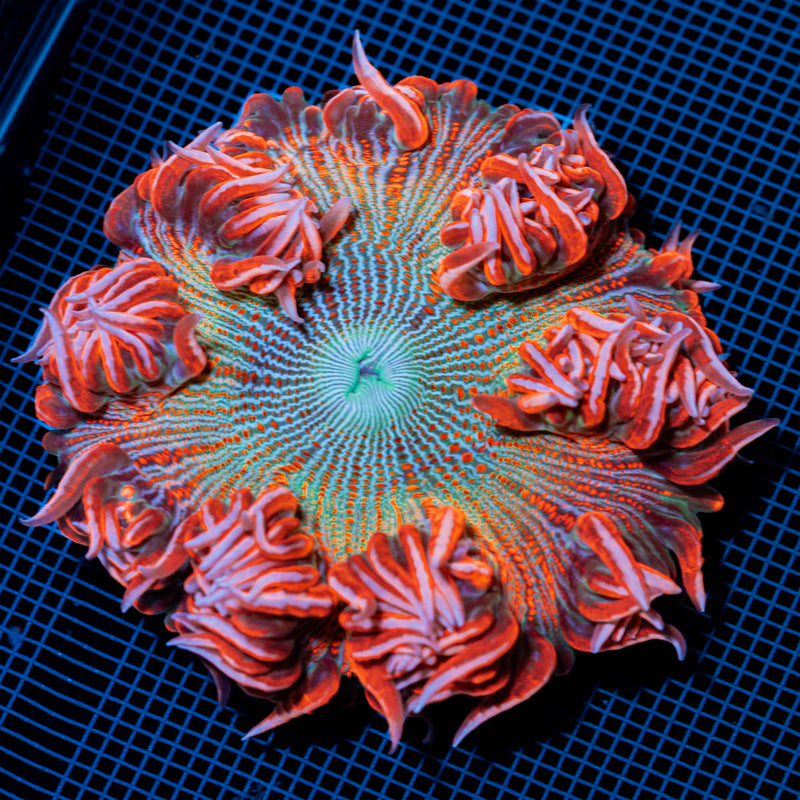
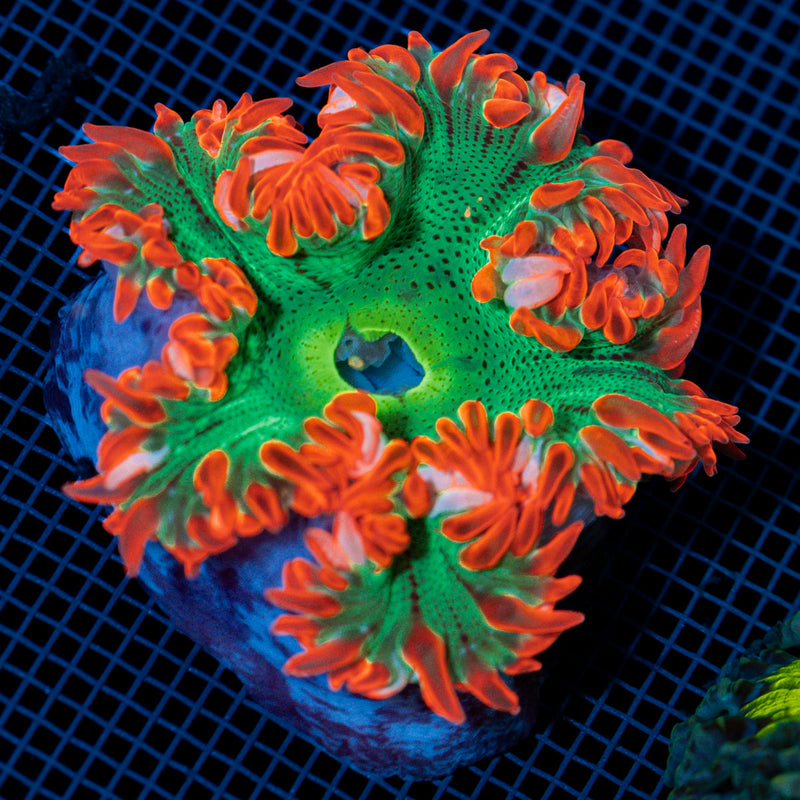
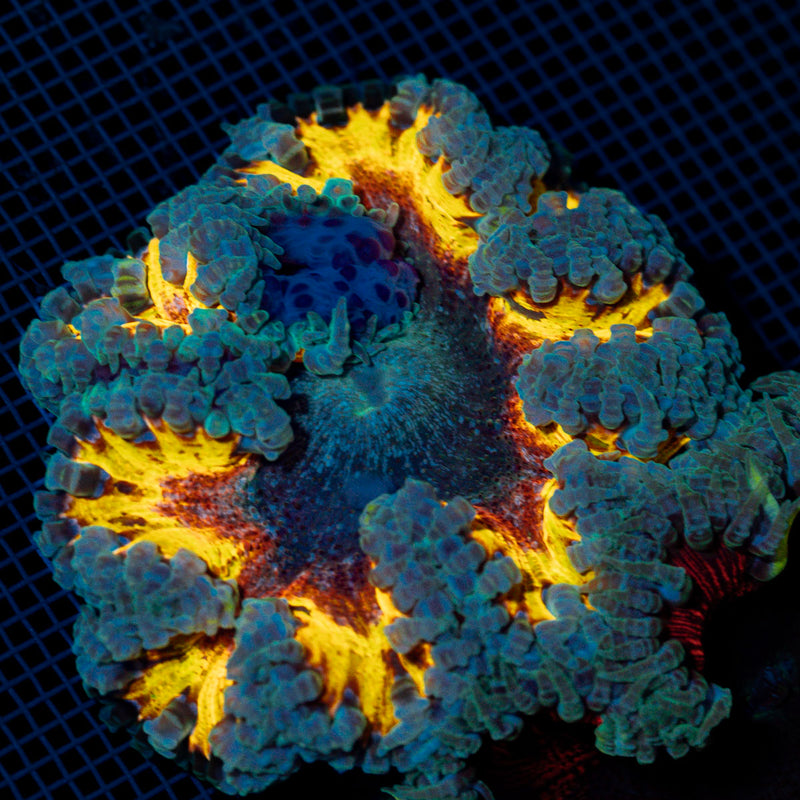
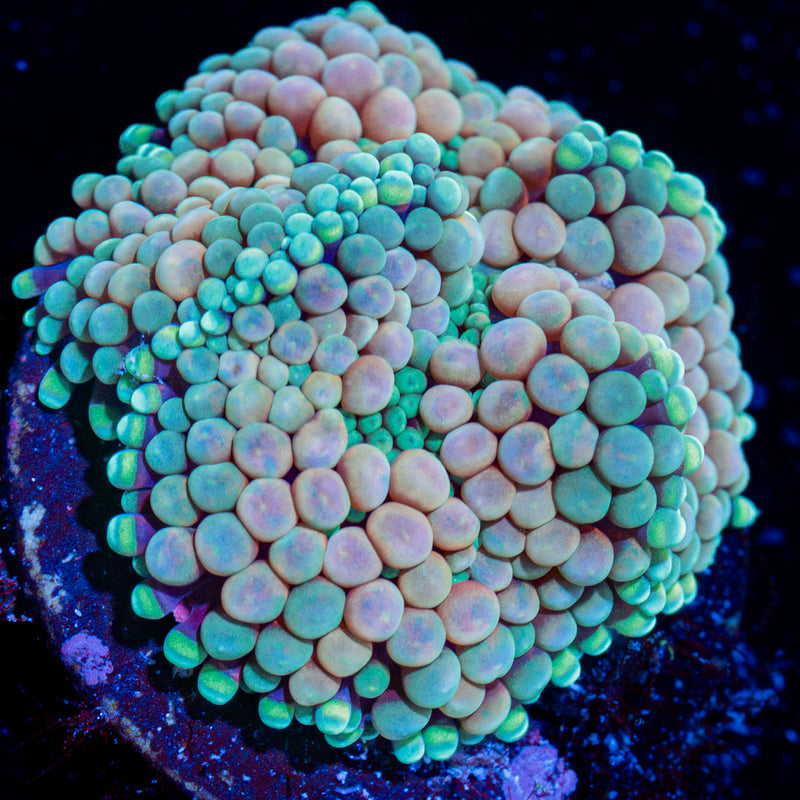
Zoanthid frags can add instant color and often grow into lush gardens under moderate conditions. Mushroom corals bring texture and saturated color to lower-light zones. Hammers, frogspawn, and certain acans offer the flowing, fleshy movement that makes a reef feel alive, though they need room from nearby corals because their tentacles can sting.
A new hobbyist does not need to avoid all SPS forever. Montipora and some hardier branching SPS can be a logical next step once the tank has consistent chemistry and the reefer has learned to maintain it. The goal is not to rush toward the most challenging coral. It is to build a reef that stays vibrant month after month.
Stable Conditions Matter More Than Frag Size
Corals do not need perfect numbers as much as they need consistent ones. A stable temperature, salinity, alkalinity, calcium level, magnesium level, and nutrient range create the foundation for growth. Large, sudden corrections can be harder on corals than an imperfect but steady parameter.
Before adding frags, make sure the aquarium is fully cycled and has had time to settle. You should be able to test basic water parameters with confidence and perform regular water changes or dosing as your reef's demand increases. If you are still seeing frequent ammonia or nitrite, or if salinity shifts noticeably from day to day, wait before adding more coral.
Lighting deserves a measured approach. Even a coral that thrives under higher light can bleach or retract when moved too quickly under a powerful fixture. Start new frags lower in the tank or reduce intensity through your light's acclimation setting, then gradually move them into their intended placement over the following weeks.
Flow is equally important. Soft corals and LPS usually appreciate indirect, changing flow that lets their tissue move naturally without being blasted from one direction. SPS generally need stronger, more turbulent flow to keep detritus from settling and to support healthy tissue. Watch the coral, not just the equipment: tissue that stays tightly retracted, bends harshly, or collects debris is telling you something.
How to Help a New Frag Settle In
The first few days are about reducing stress, not forcing immediate growth. Float the sealed bag to equalize temperature, then use a careful acclimation process suited to the coral and shipping conditions. Inspect and dip the frag as appropriate, avoiding any dip on coral types that are known to require specialized handling.
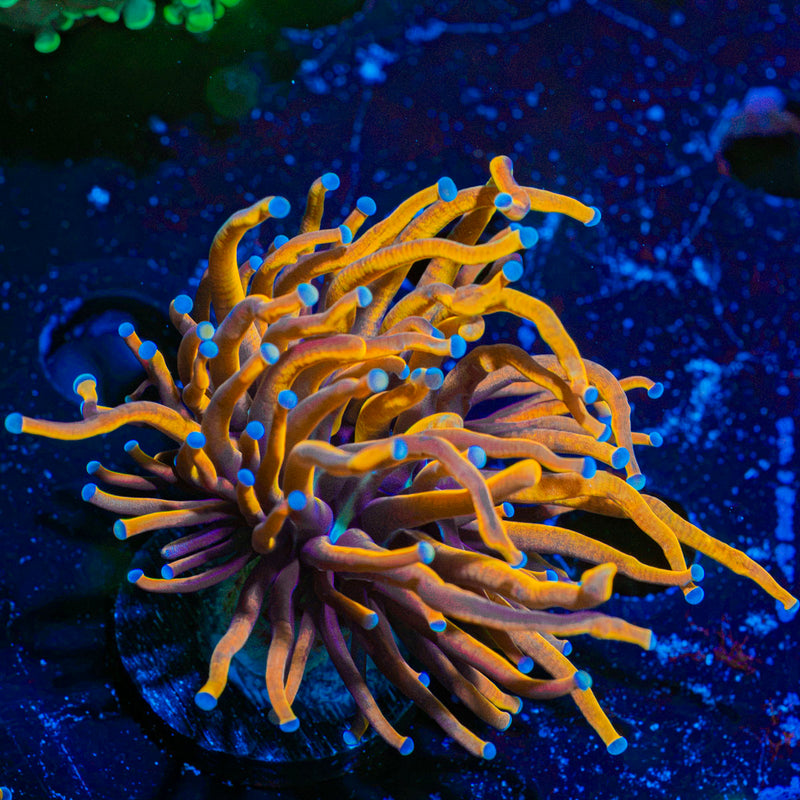
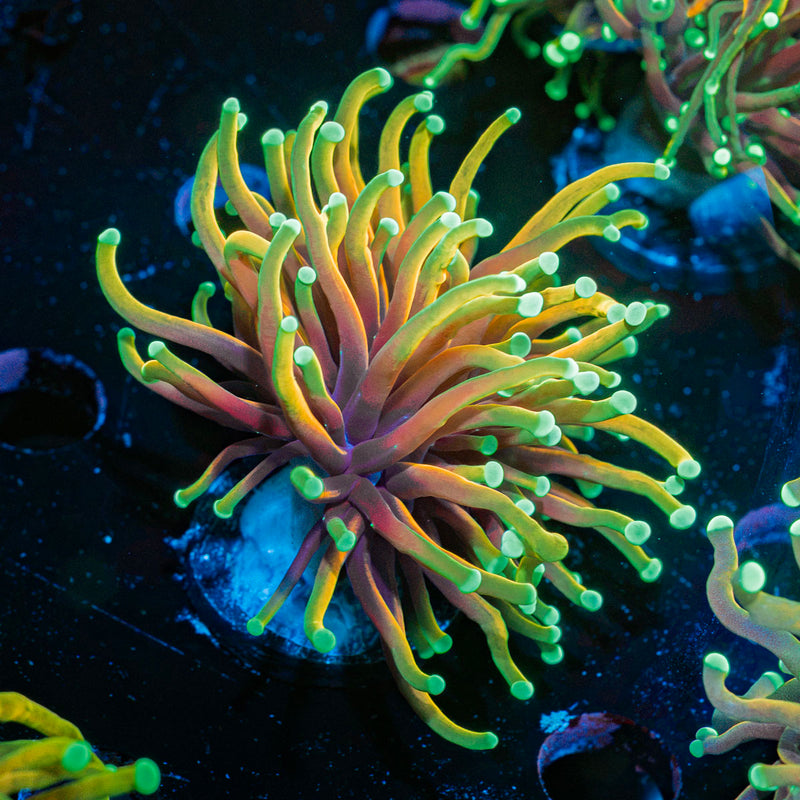
Once the frag is in the tank, choose placement deliberately. Give it enough space to grow and account for the reach of neighboring corals. A tiny torch coral may look safely distant from an acan today, but its tentacles can extend far beyond its skeleton after lights dim. Planning for future growth prevents a beautiful mixed reef from becoming a stinging contest.
Secure the frag only after you are happy with its placement. Reef-safe adhesive, epoxy, or a combination of both can keep it from falling into the rockwork or being knocked over by snails and fish. Then resist the urge to move it every day. Corals need time to adjust, and constant relocation makes it harder to read their response.
For the first week or two, observe more than you intervene. Check for normal extension, tissue recession, fading color, pest activity, and signs of irritation. If something looks off, review the basics first: temperature, salinity, alkalinity, light intensity, flow direction, and nearby coral aggression. Small, thoughtful changes are usually better than a dramatic reset.
Choose Frags That Match the Reef You Want to Grow
Coral frags make reef keeping approachable because they allow your aquarium to develop with intention. A single colorful mushroom can become a focal point in a nano reef. A curated mix of zoanthids, acans, and euphyllia can create a lush LPS display. A collection of SPS frags can become a branching reefscape for hobbyists ready to maintain high, stable flow and chemistry.
At Riptide Aquaculture, aquacultured coral frags and exact-item WYSIWYG selections help take some of the guesswork out of that first choice. But the most successful purchase is still the coral that suits your current equipment, maintenance routine, and experience level.
Start with healthy, compatible frags, give them stable conditions, and allow them time to settle. The small piece on a plug is not just a safer way to add color - it is the beginning of the reef you get to grow.