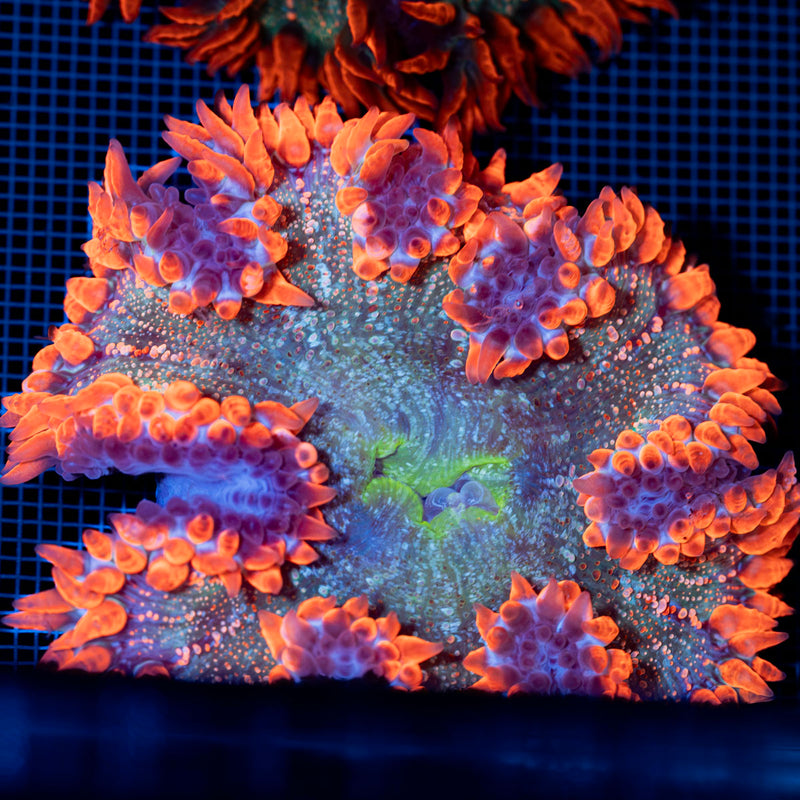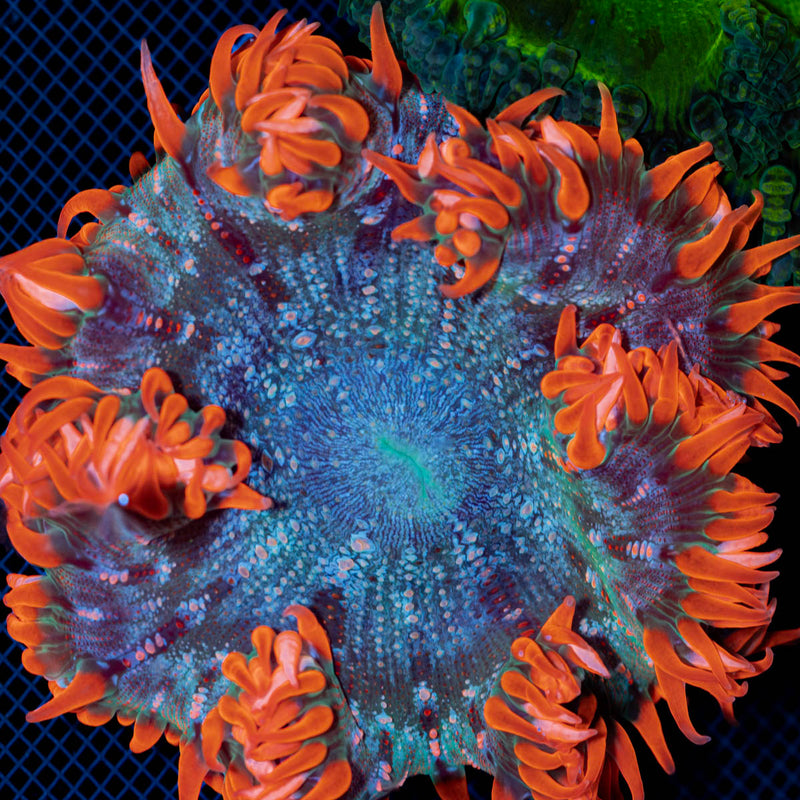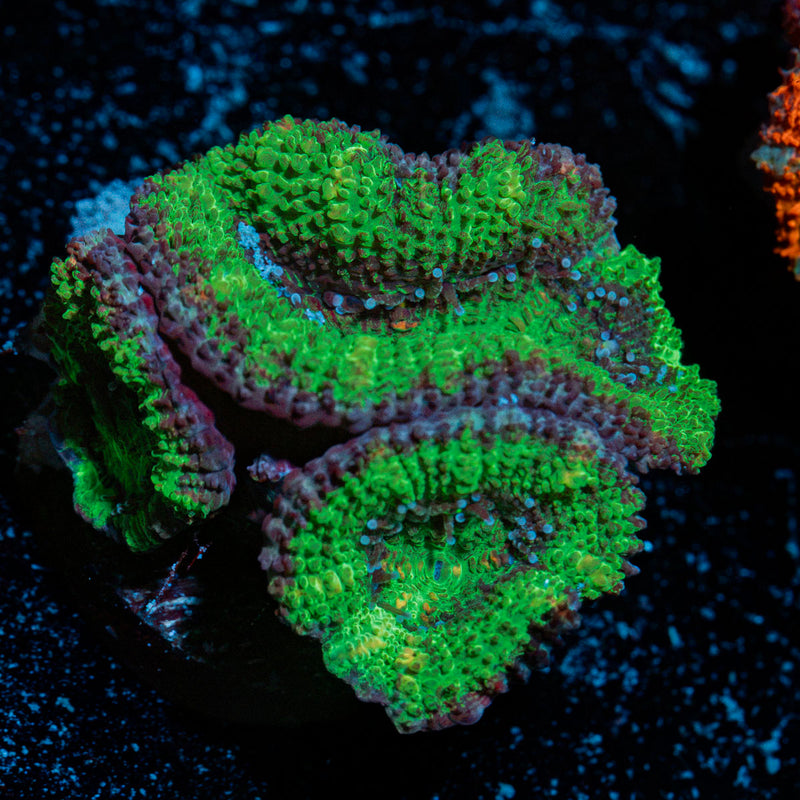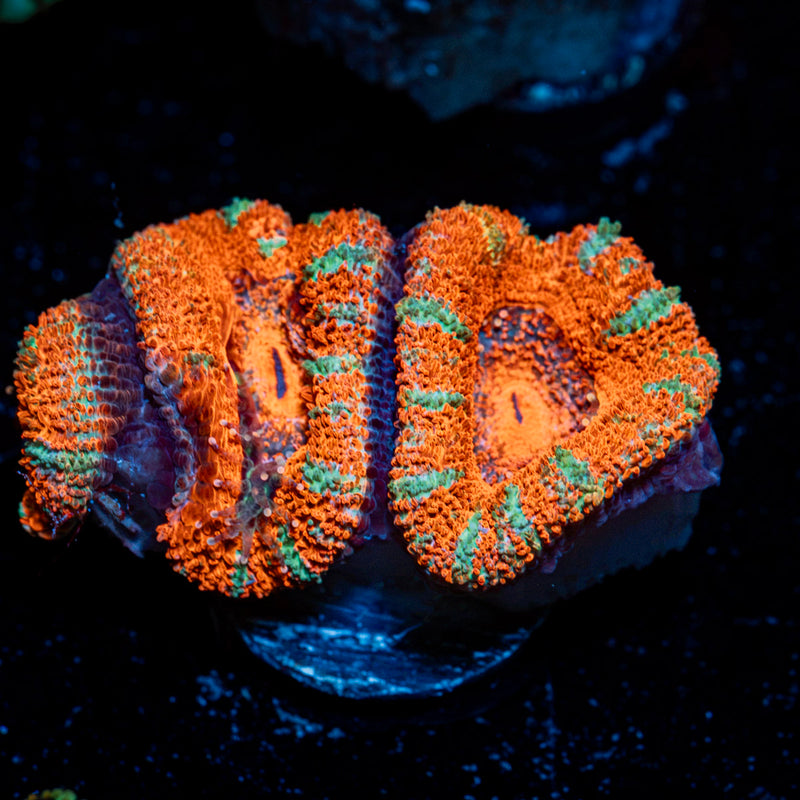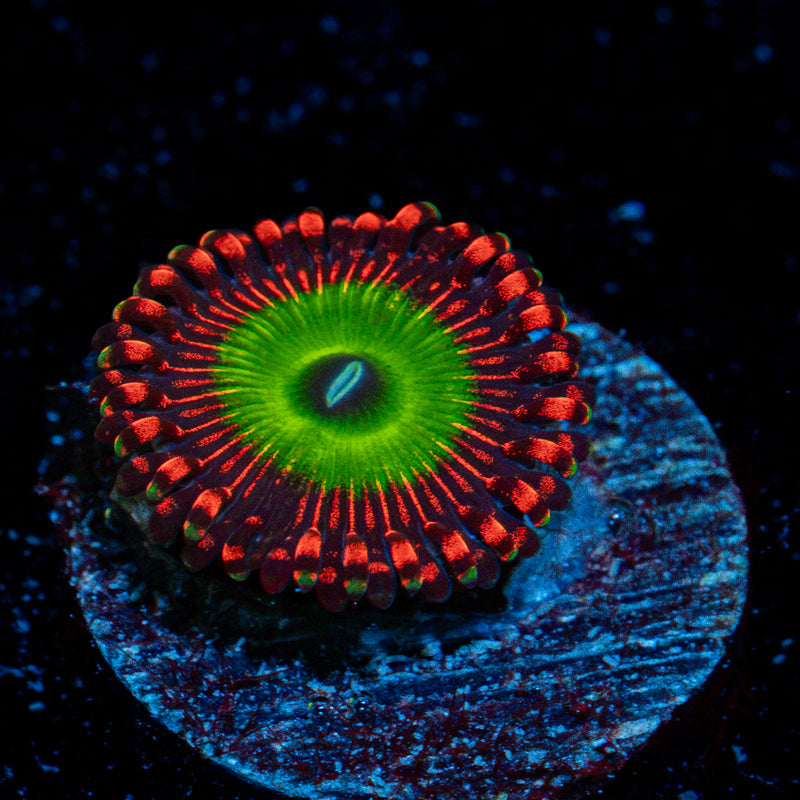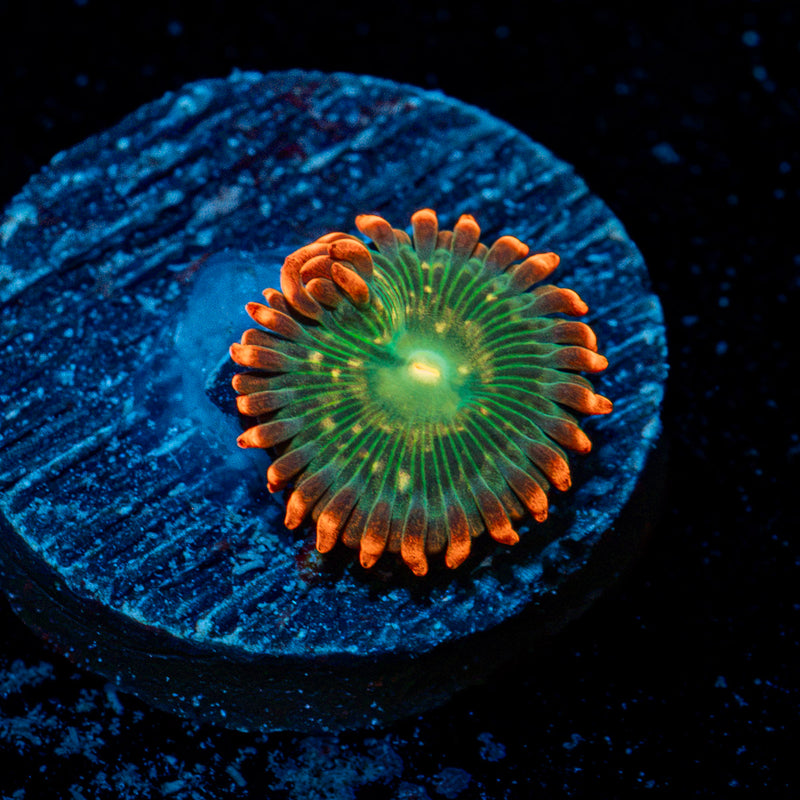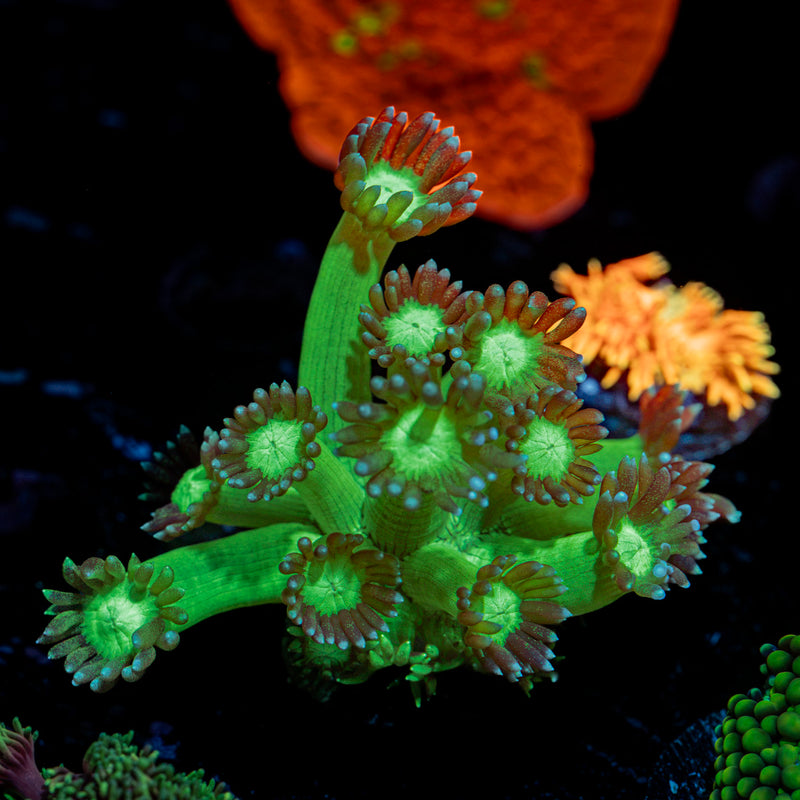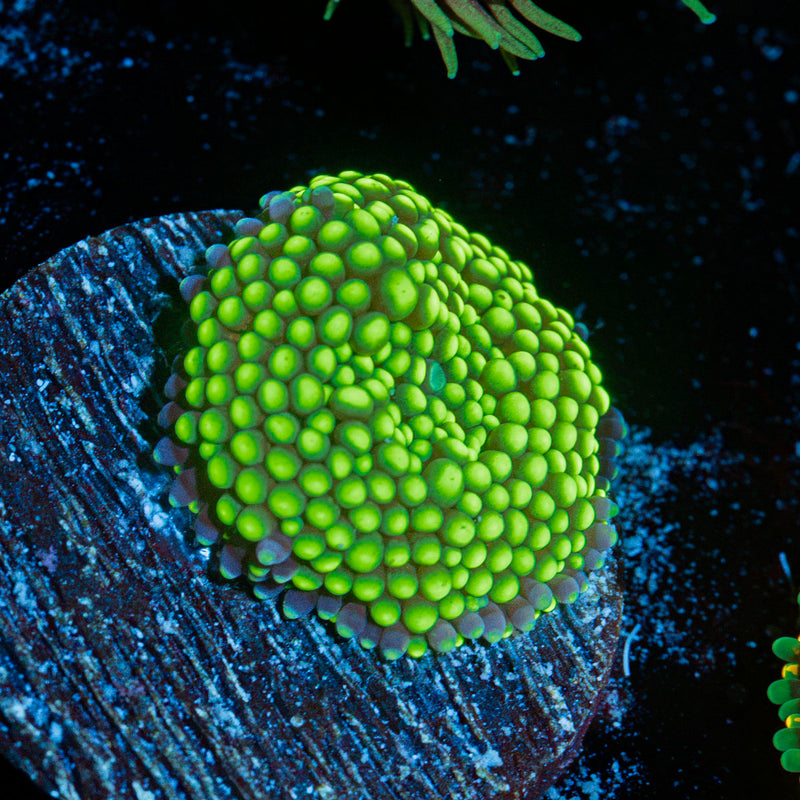
A coral frag may be small when it arrives, but it can become the colorful centerpiece of your reef. Learning how to choose coral frags starts with more than picking the brightest photo. The right choice matches your tank’s current conditions, your experience level, and the look you want to build over time.
A stunning Acropora may be perfect for a mature, high-energy SPS system, while a vibrant hammer coral or mushroom can be a far better first addition to a newer reef. Choose for the tank you have today, not the tank you hope to have after a few more upgrades.
Start With Your Tank’s Stability
Before shopping for coral, take an honest look at the aquarium supporting it. Coral frags do best in a stable reef with consistent salinity, temperature, alkalinity, calcium, and nutrient levels. A tank does not need to be packed with expensive equipment to grow beautiful corals, but it does need predictable conditions.
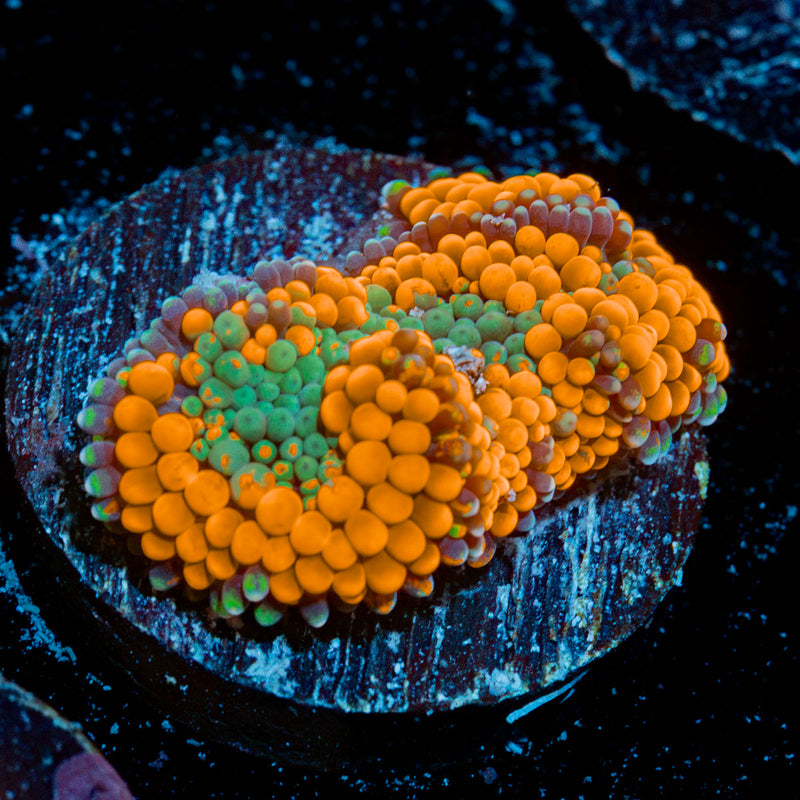
If your system is newly established or you are still dialing in maintenance habits, lean toward adaptable soft corals, mushrooms, zoanthids, and many LPS options. These corals can bring immediate movement, texture, and color without demanding the intense lighting and tight parameter control that many SPS corals prefer.
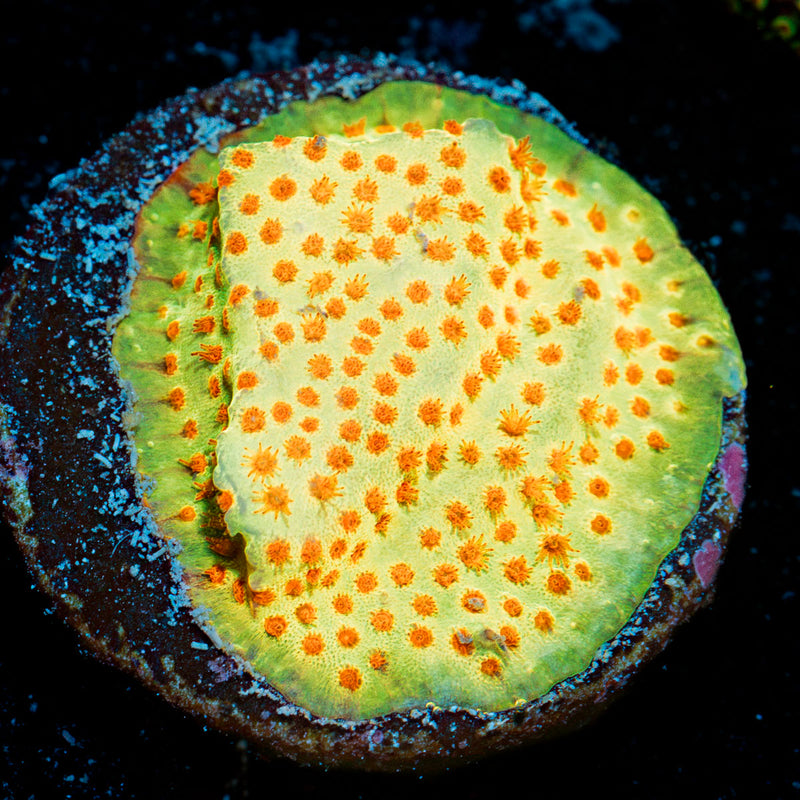
More experienced reef keepers with mature systems may be ready for Acropora, Millepora, Montipora, and other SPS frags. These living jewels can offer remarkable branching forms and electric color, but they are less forgiving of swings in alkalinity, temperature, or flow. The trade-off is simple: higher-demand corals can be incredibly rewarding, but they ask more from the system and the aquarist.
Match Coral Frags to Light and Flow
Lighting and water movement are two of the biggest factors in choosing a frag that will thrive instead of merely survive. It is tempting to select based on color alone, especially when browsing a lineup of vibrant WYSIWYG corals, but placement needs should shape the decision.
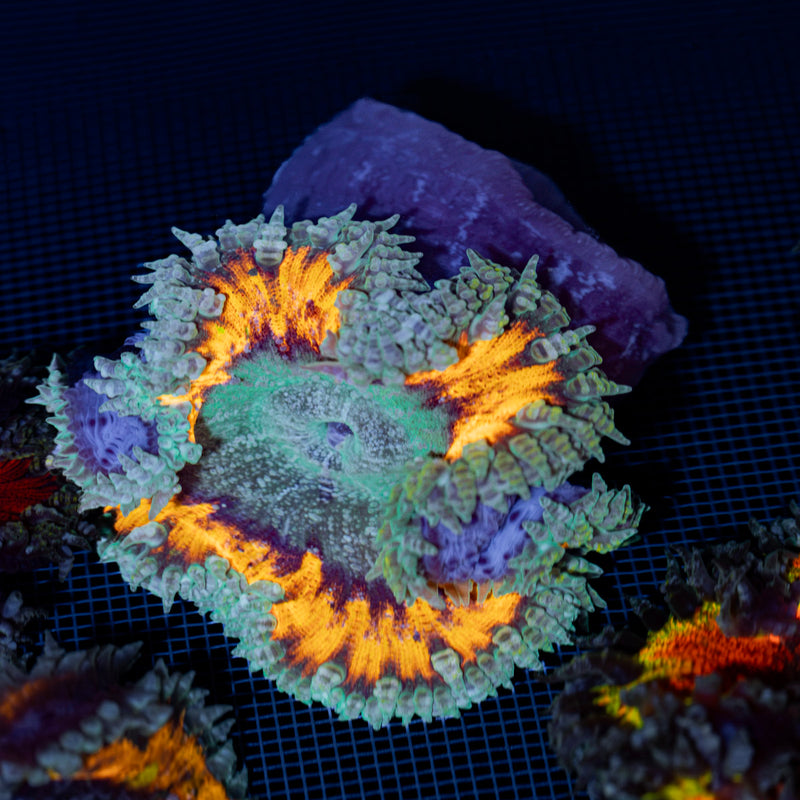
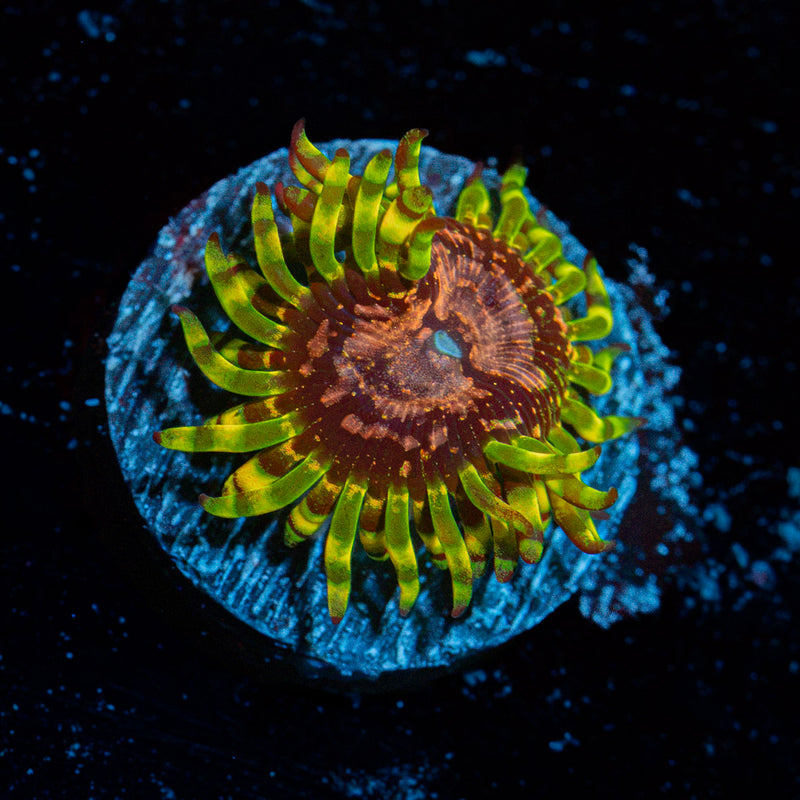
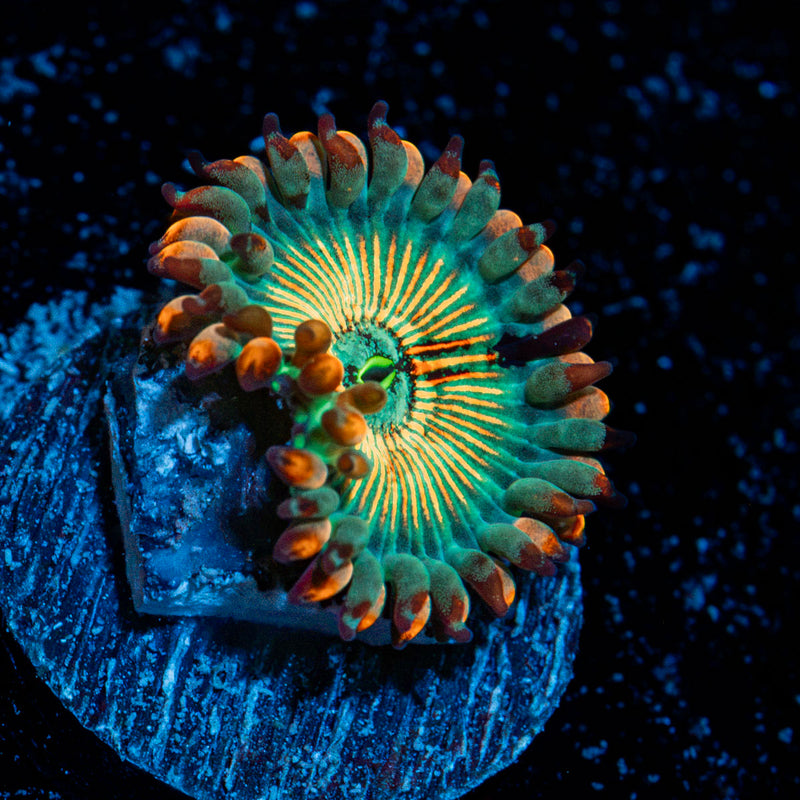
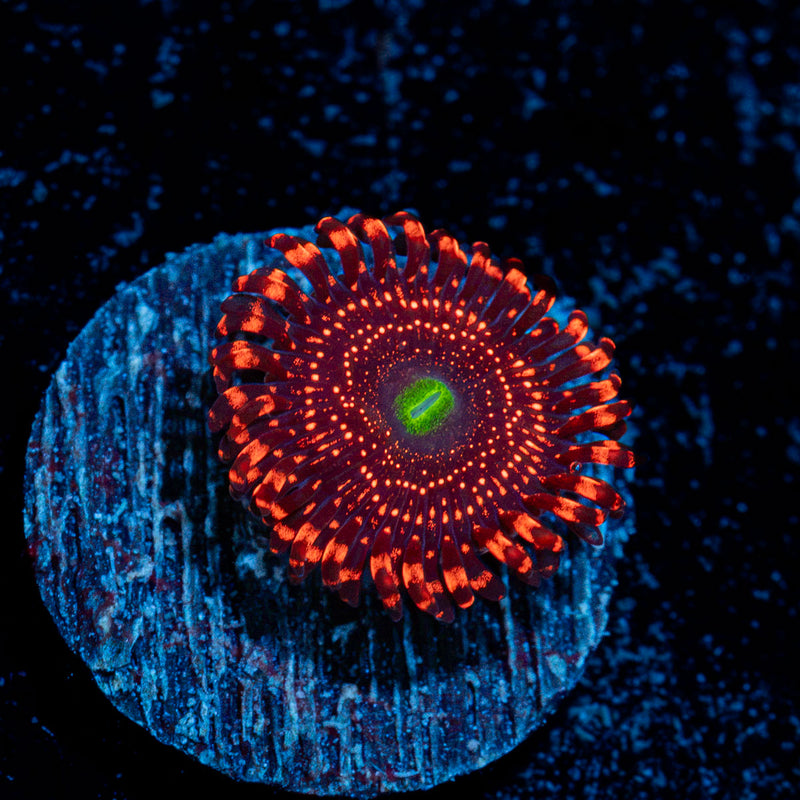
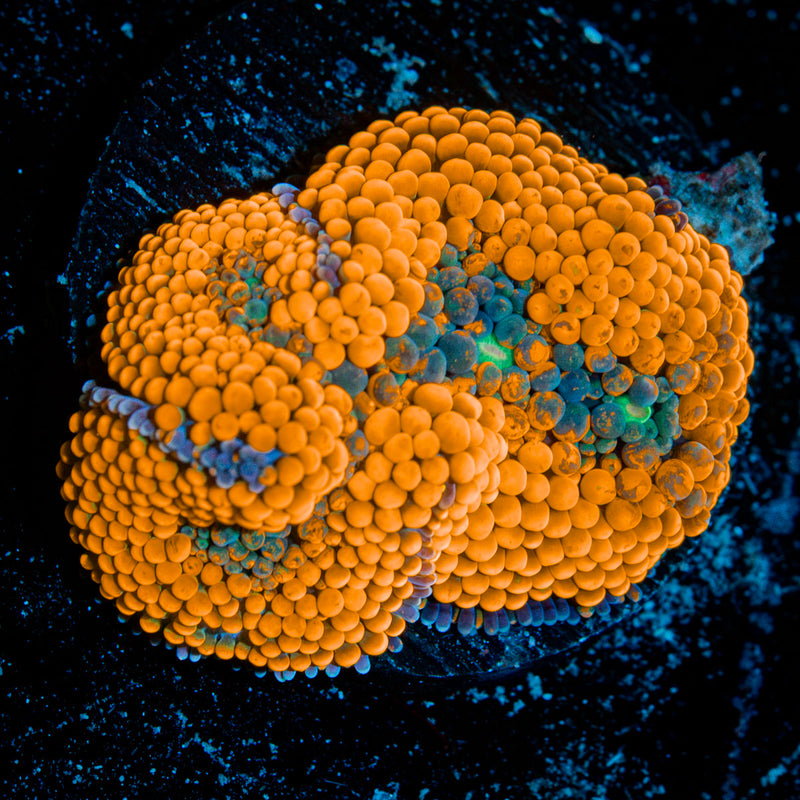
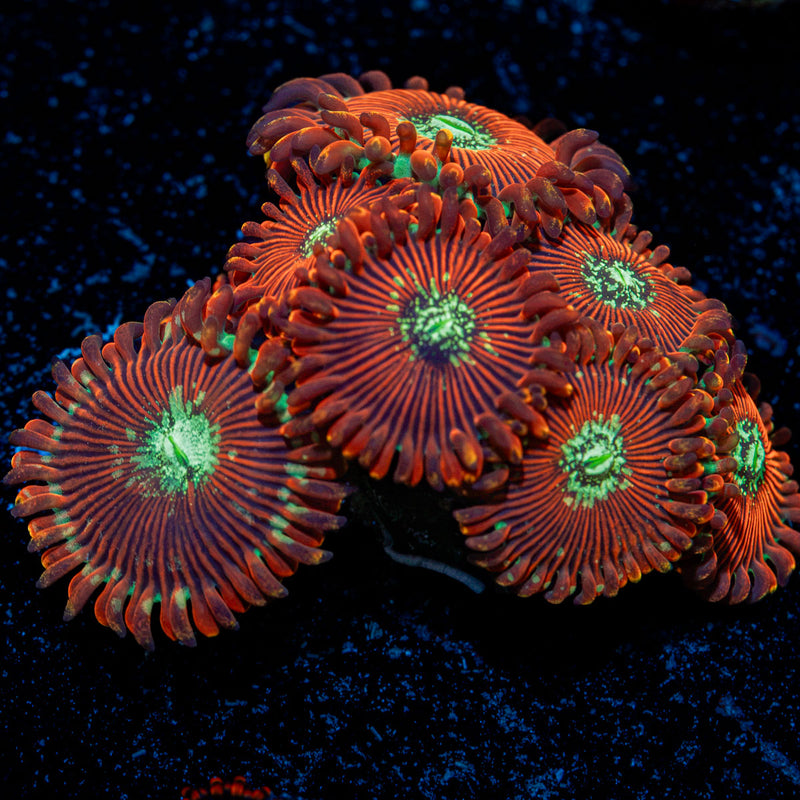
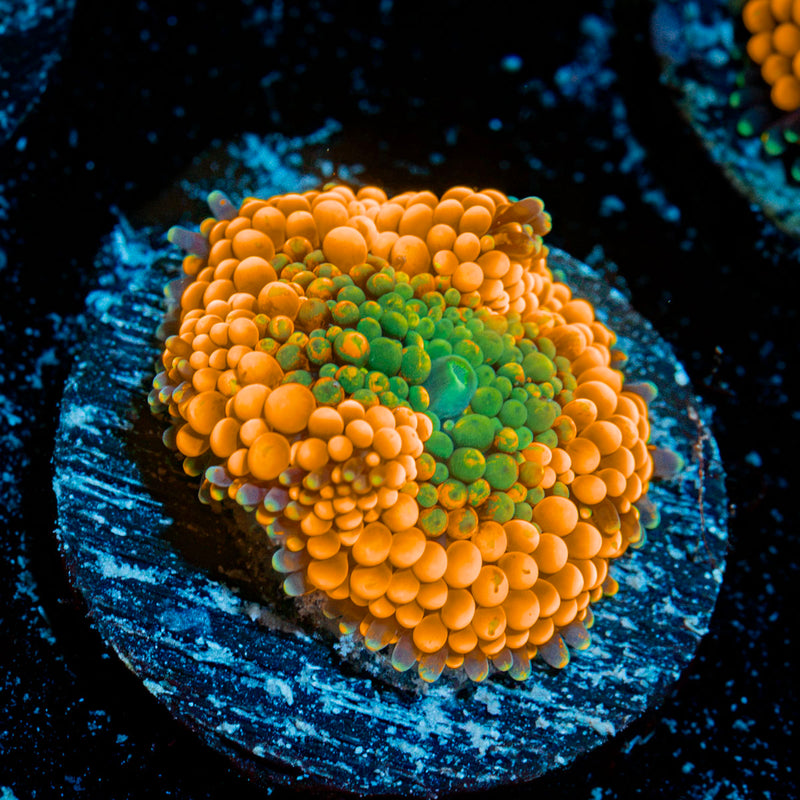
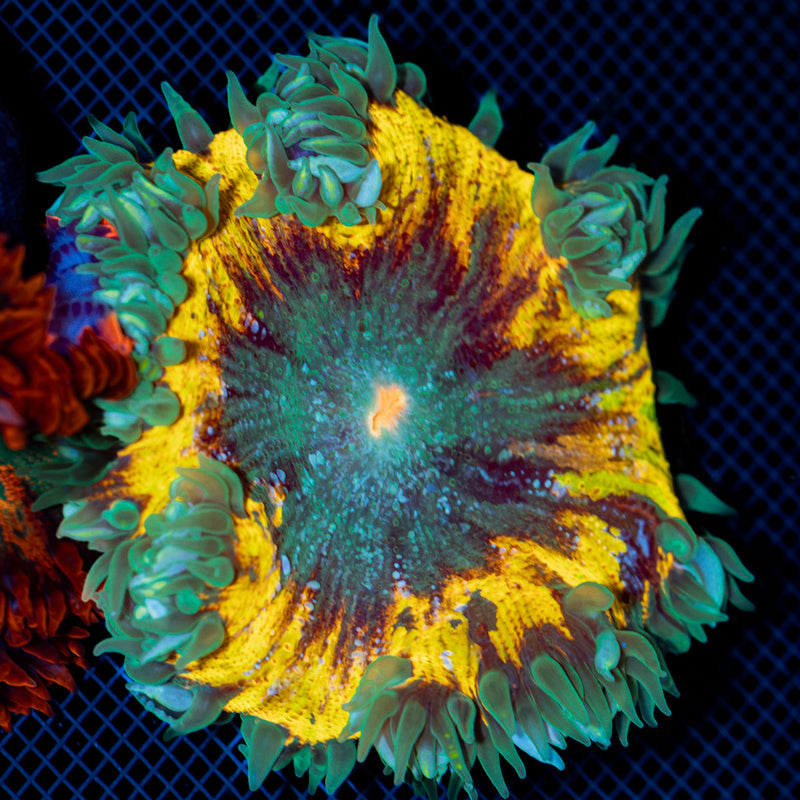
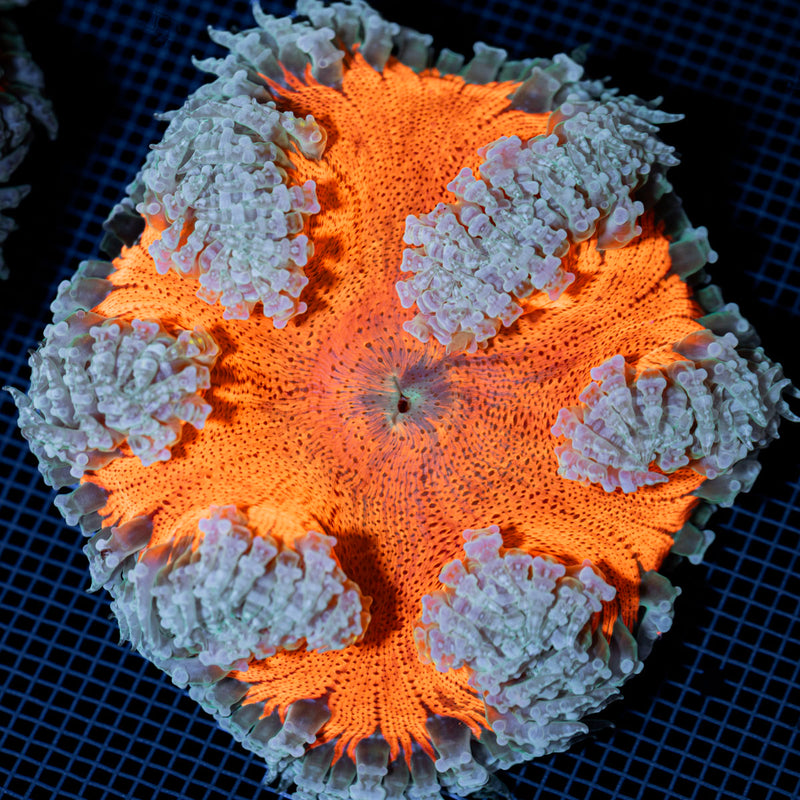
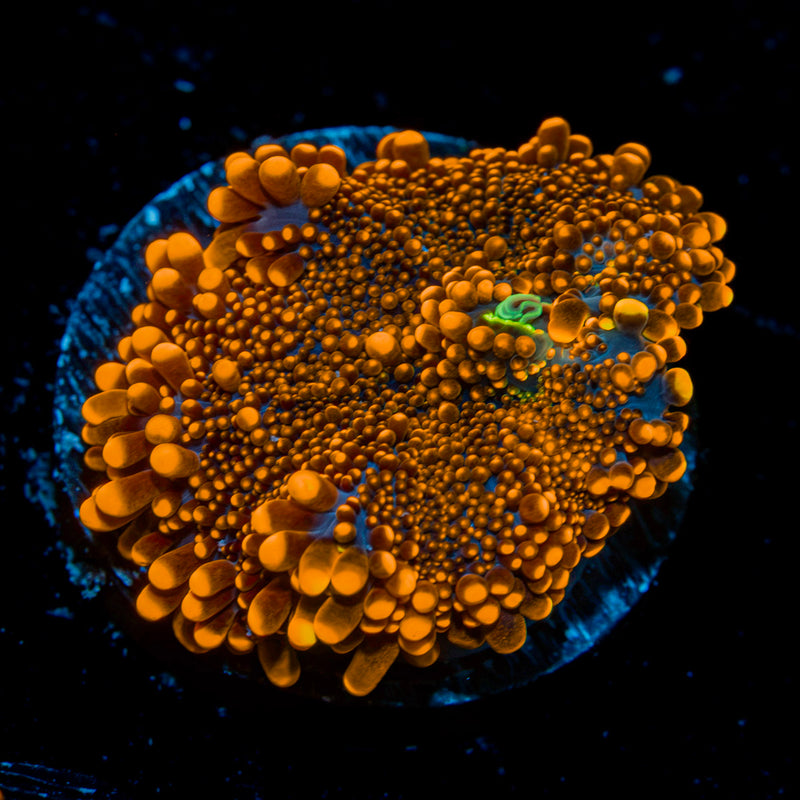
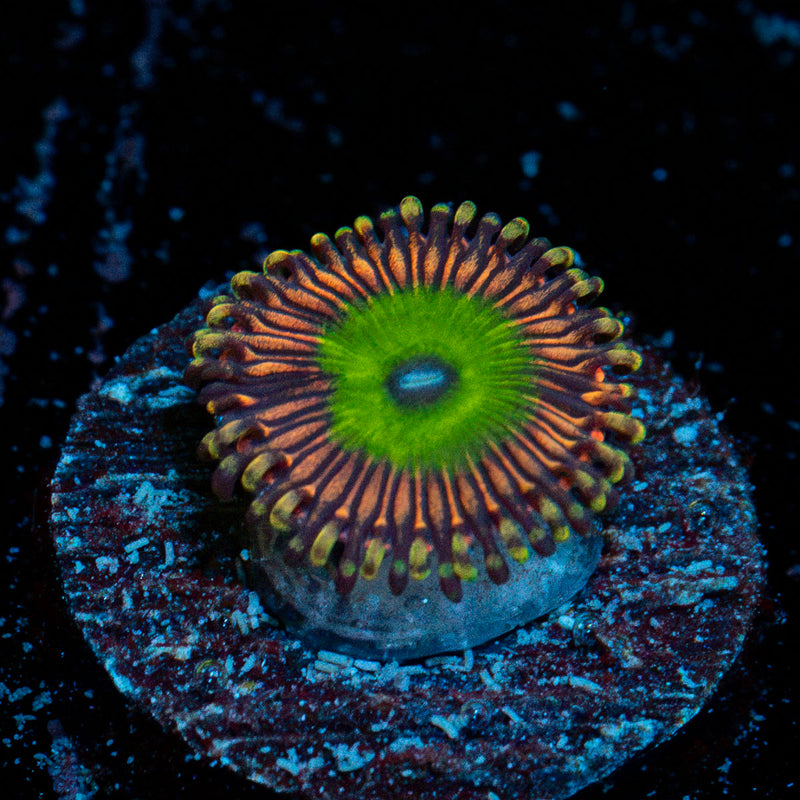
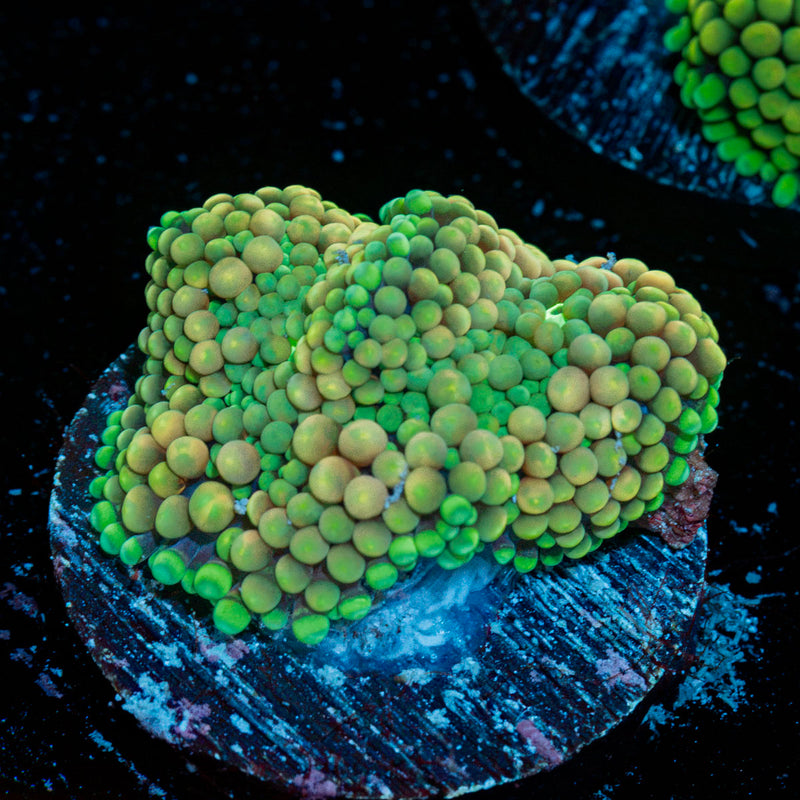
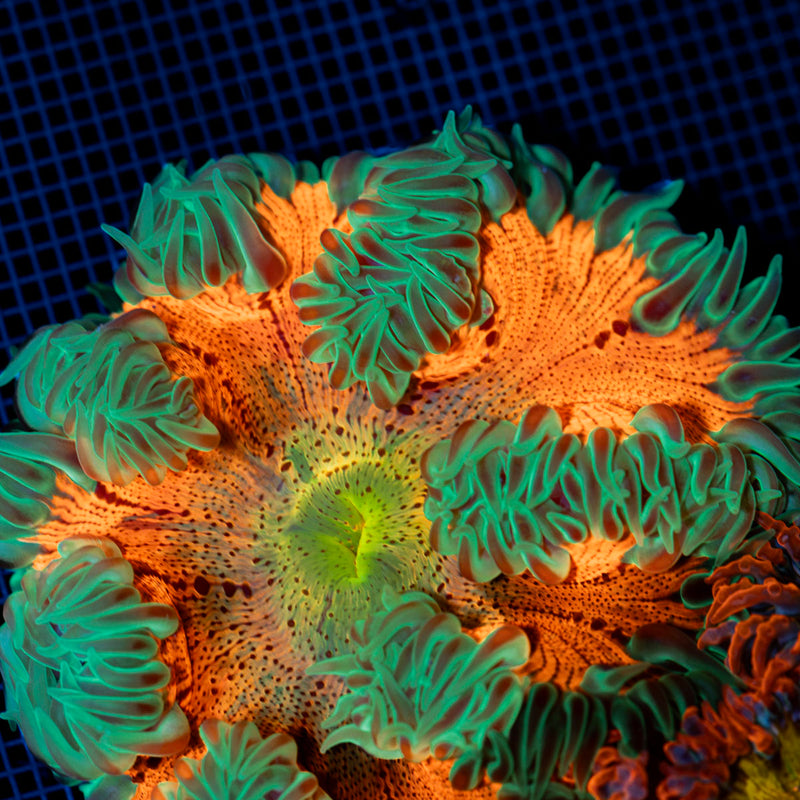
Soft corals and many mushrooms generally appreciate lower to moderate light and gentle to moderate flow. Their movement can create a relaxed, natural look in areas where a more demanding coral might struggle. Zoanthids are also popular for their broad color range and often flexible placement, though each morph can respond a little differently.
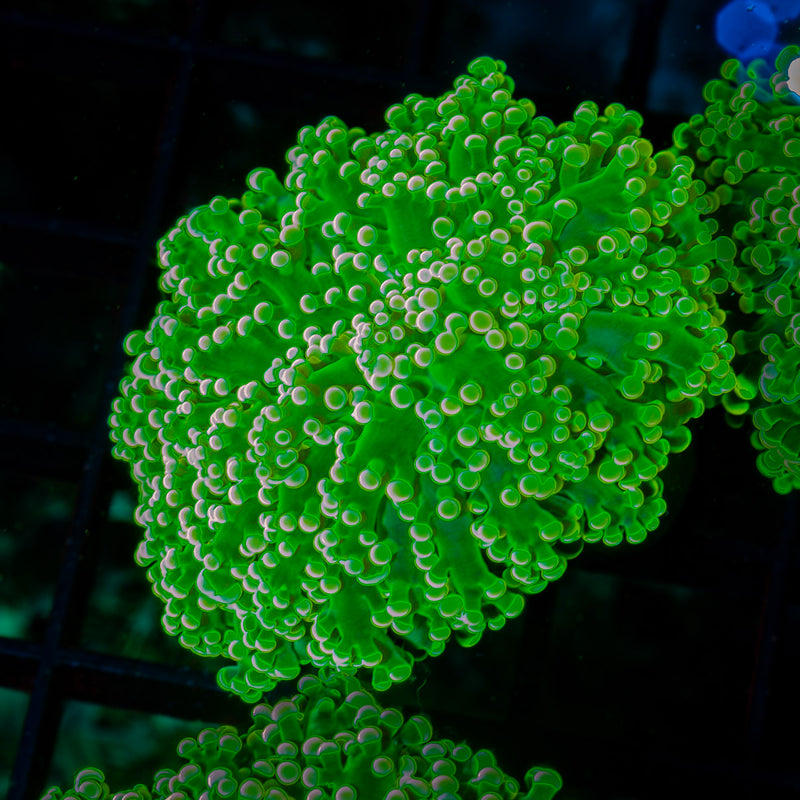
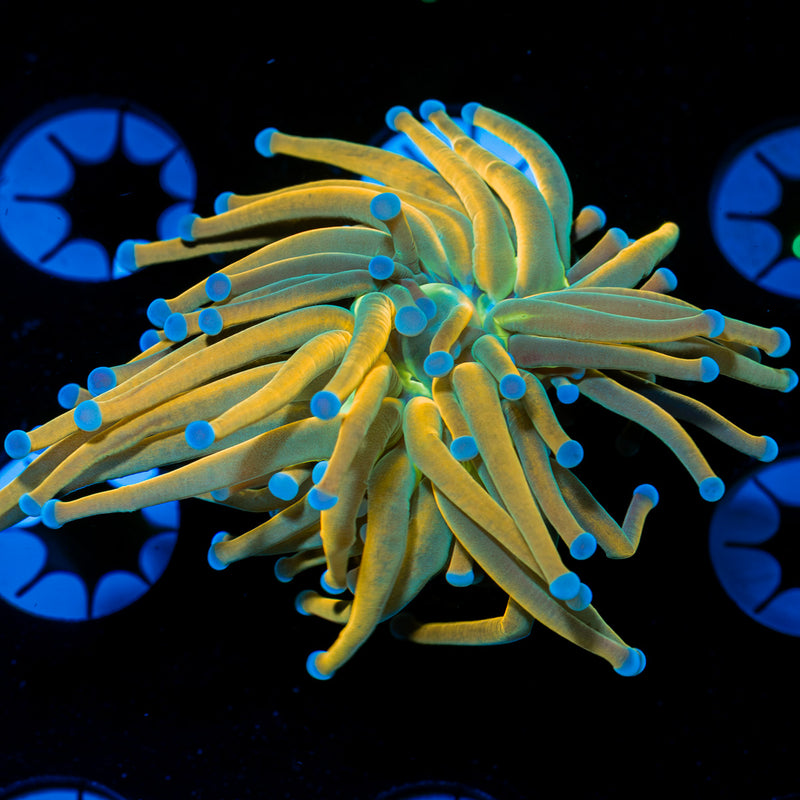
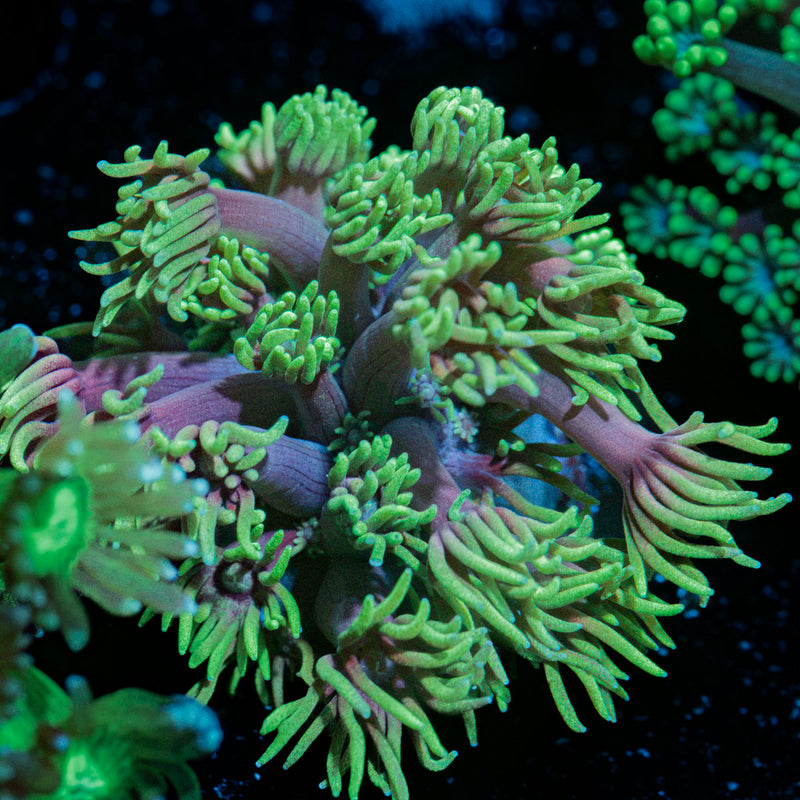
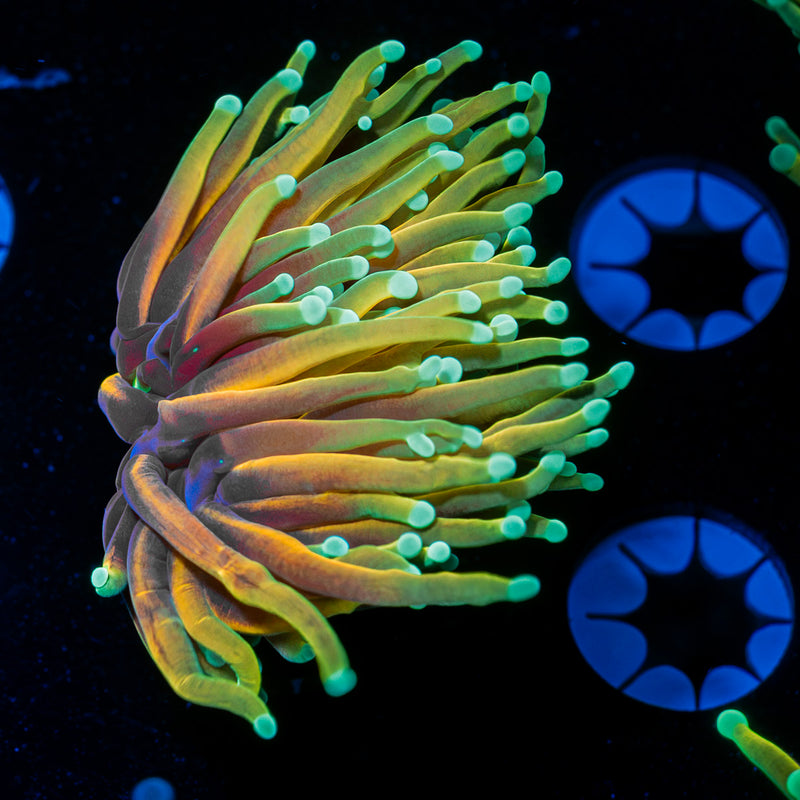
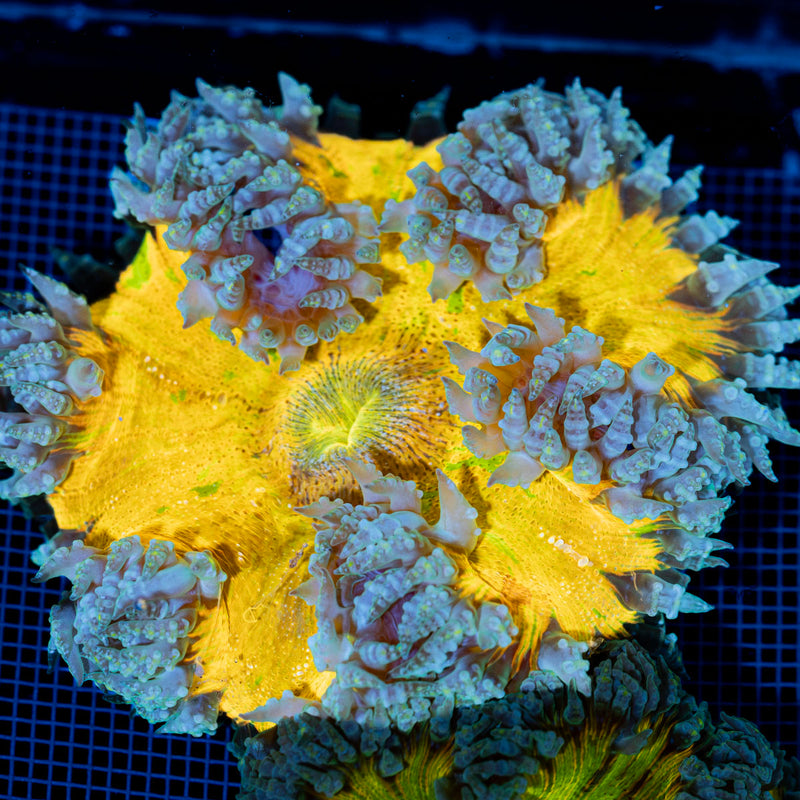
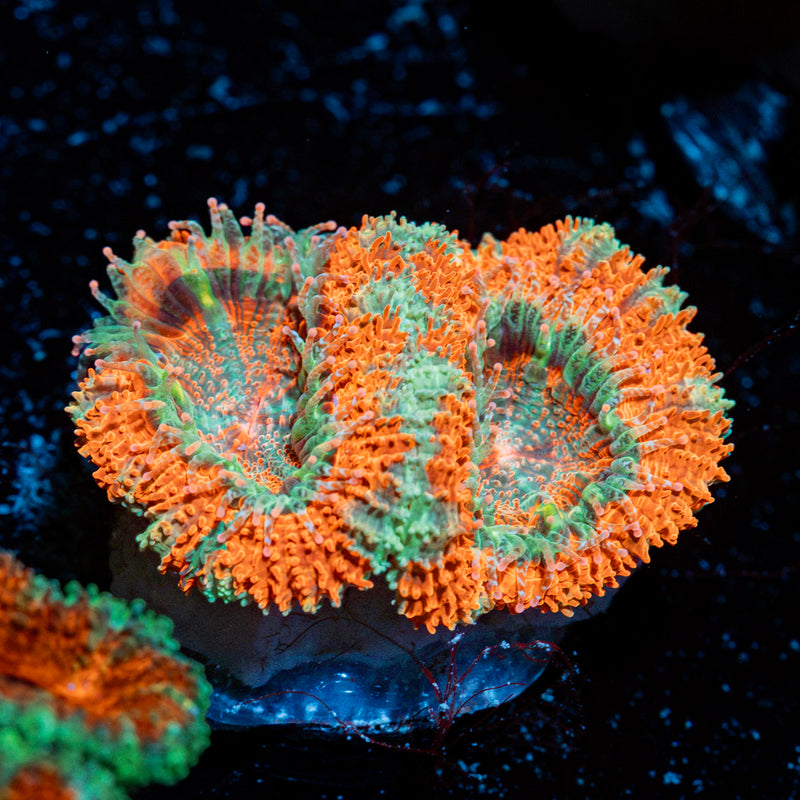
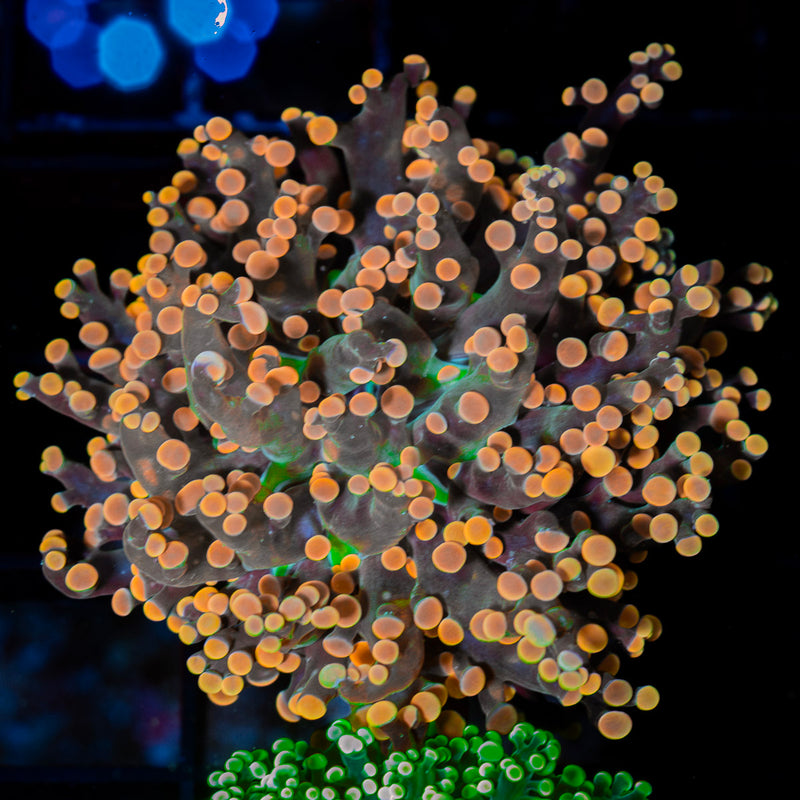
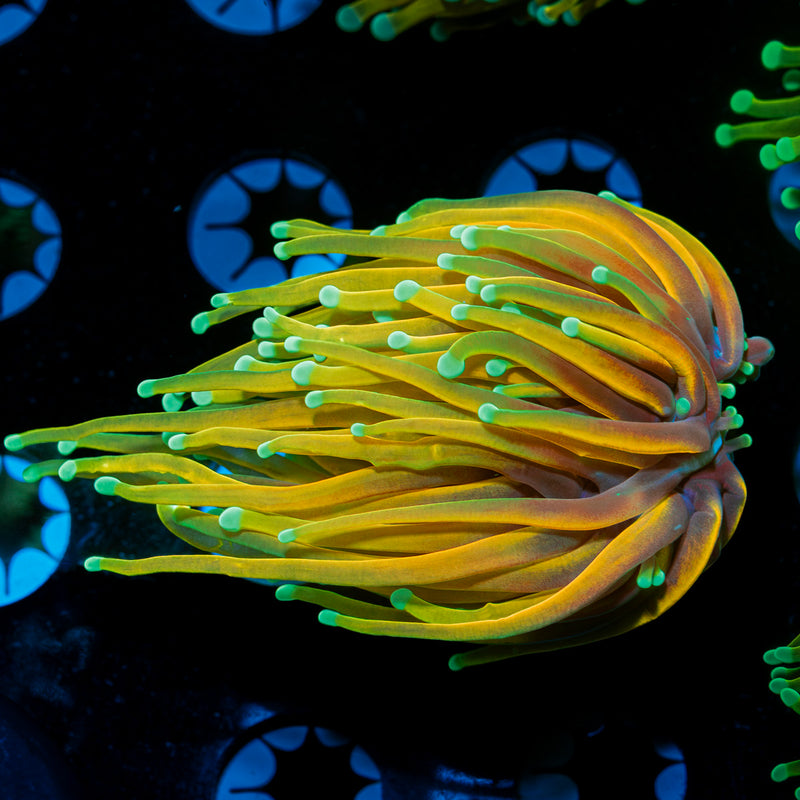
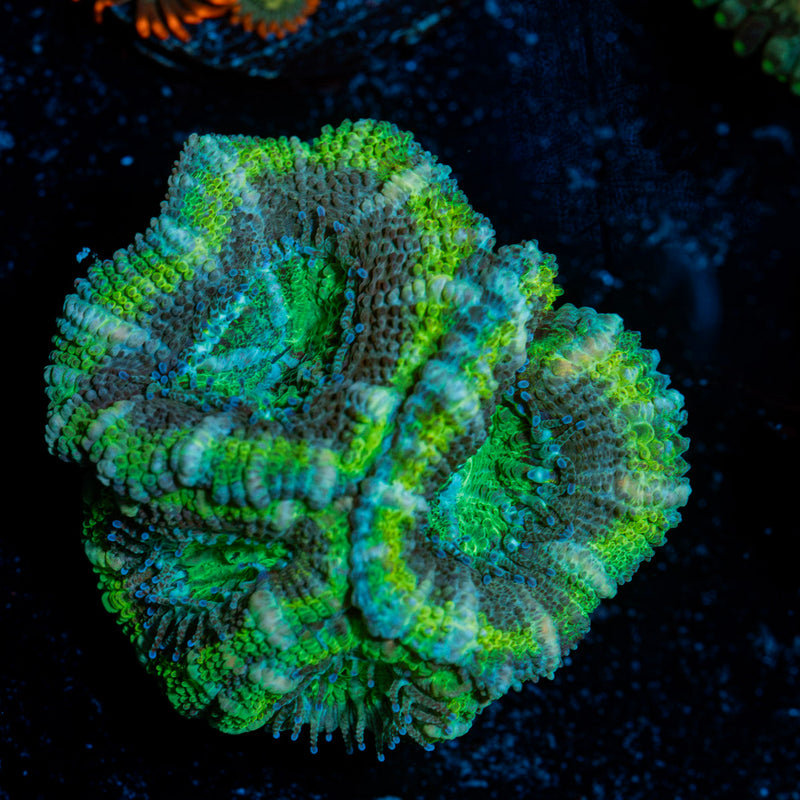
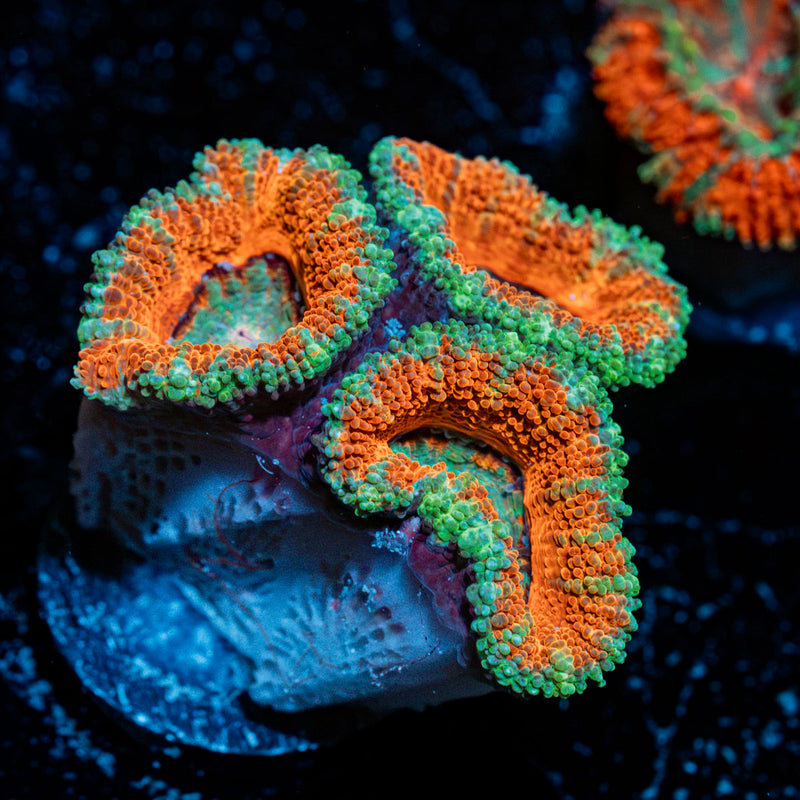
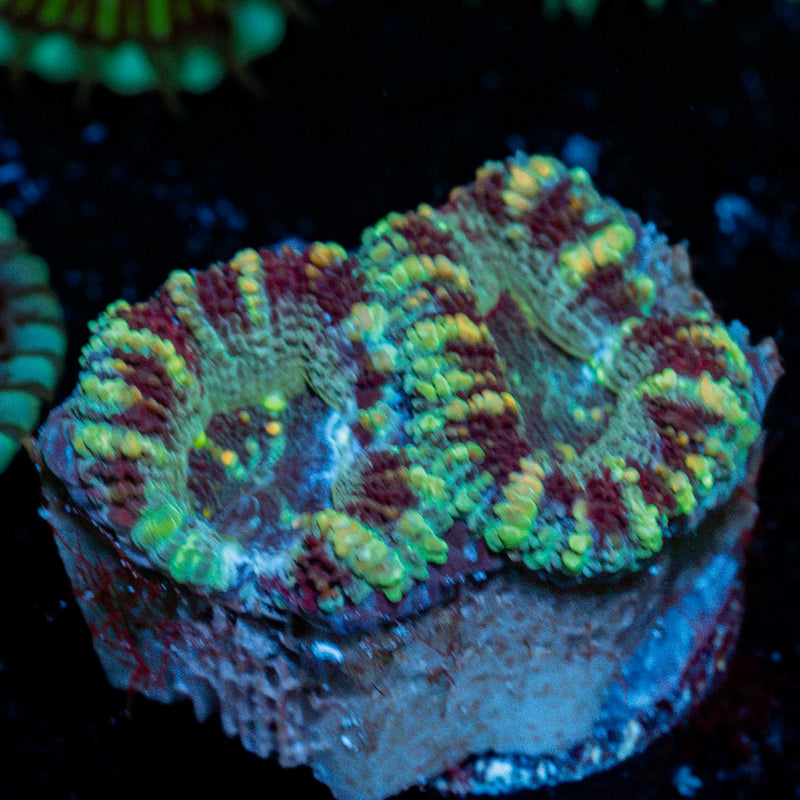
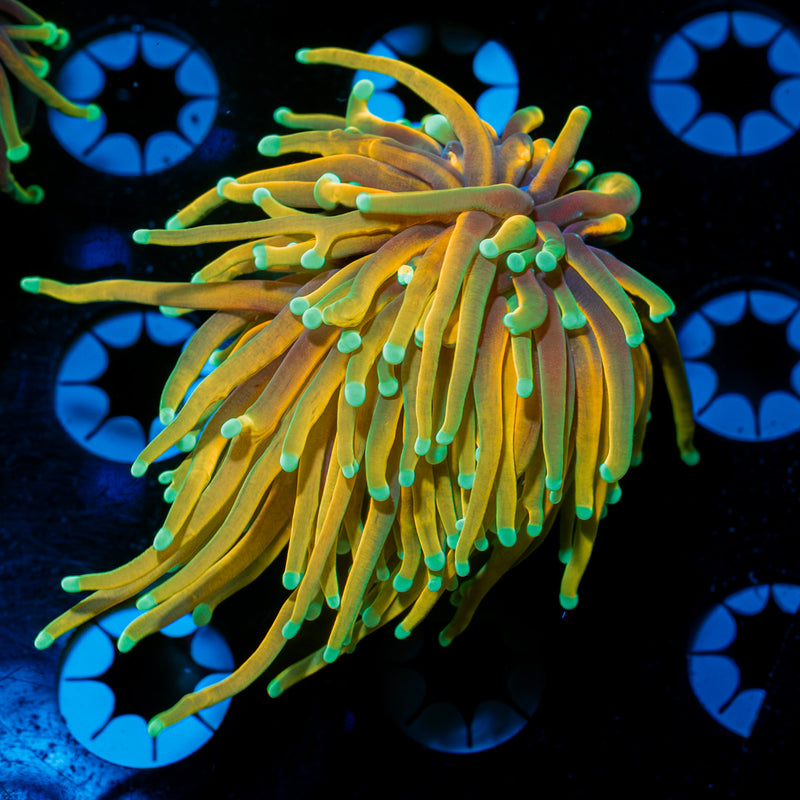
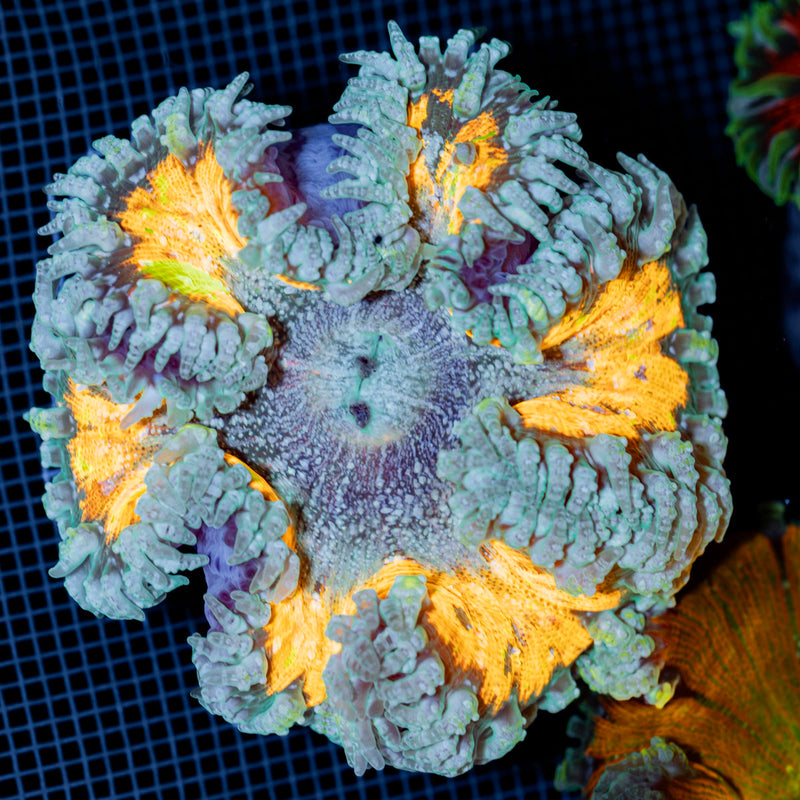
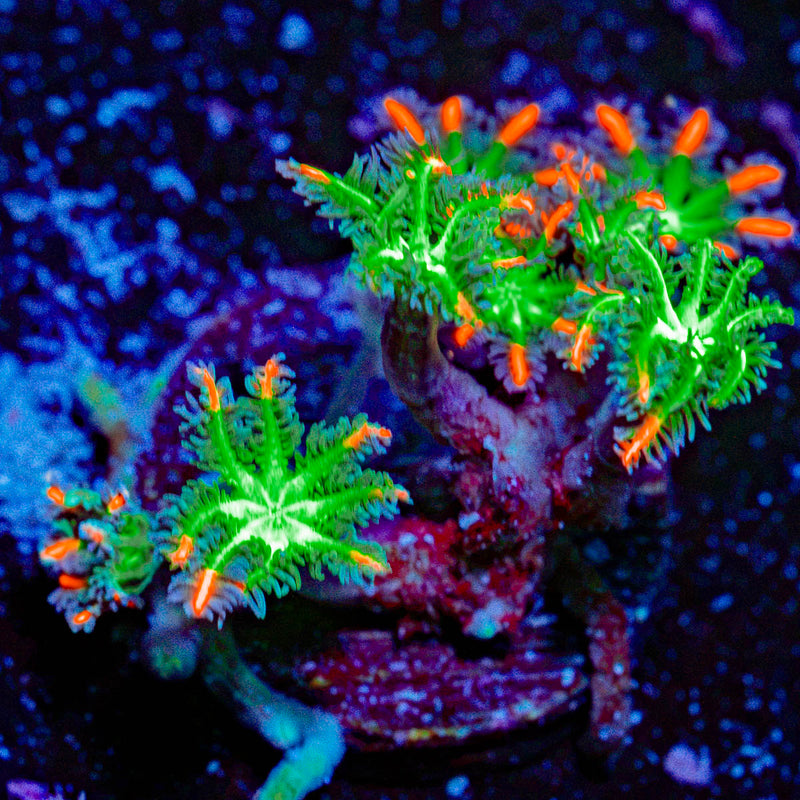
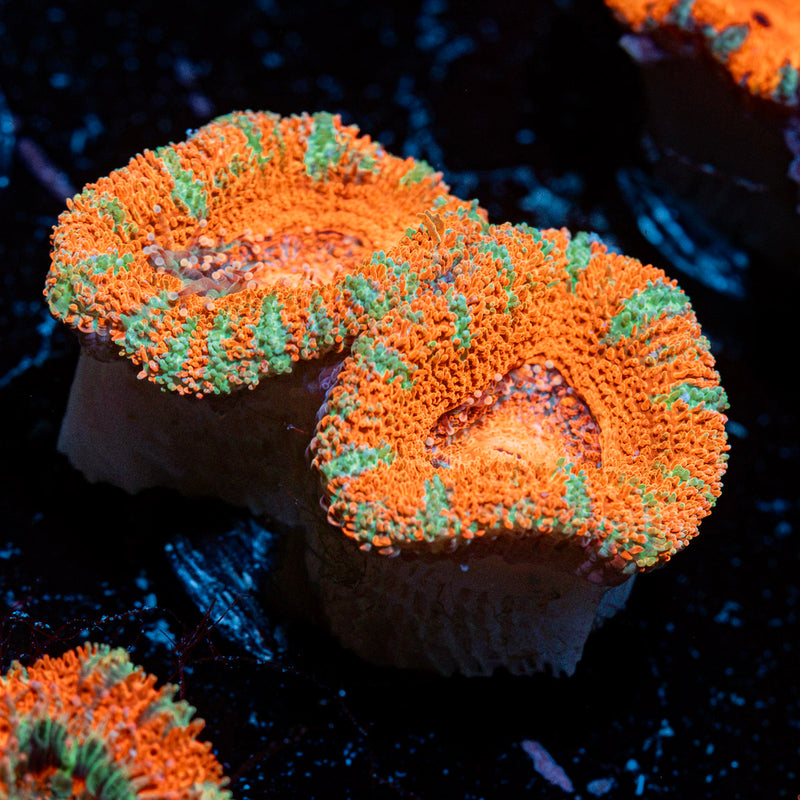
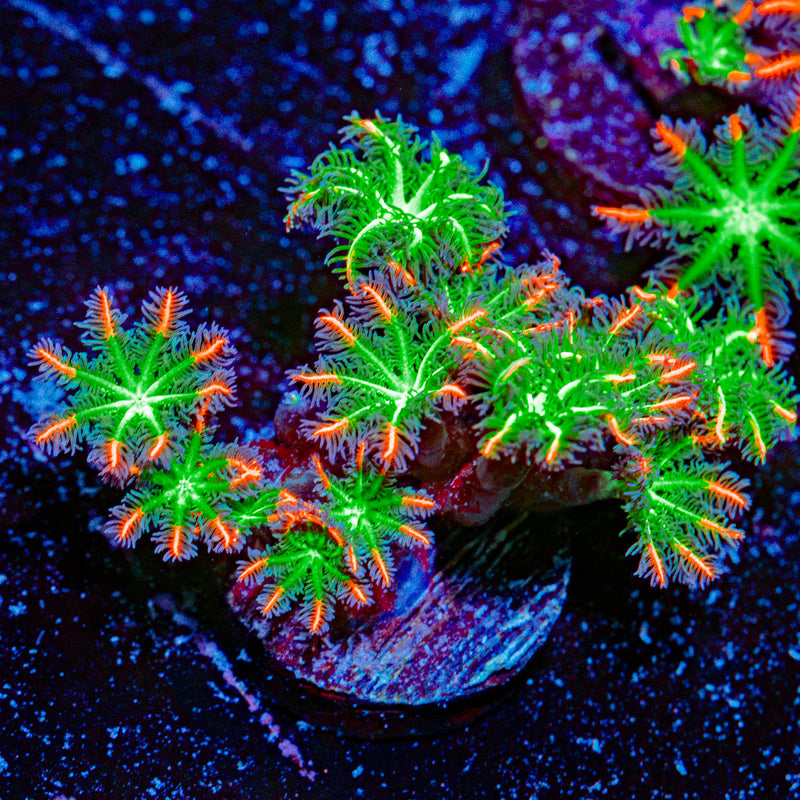
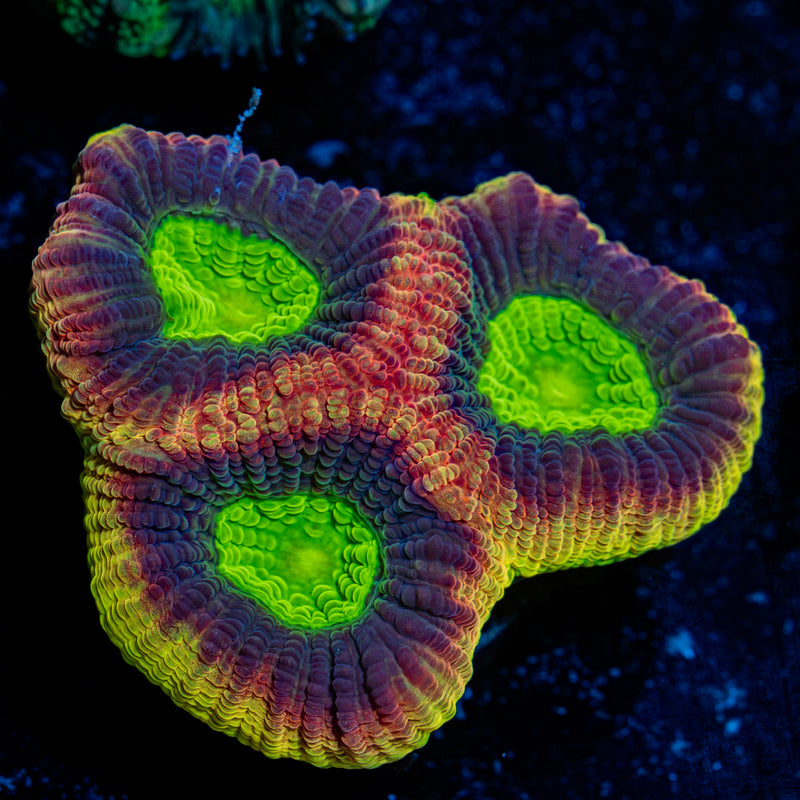
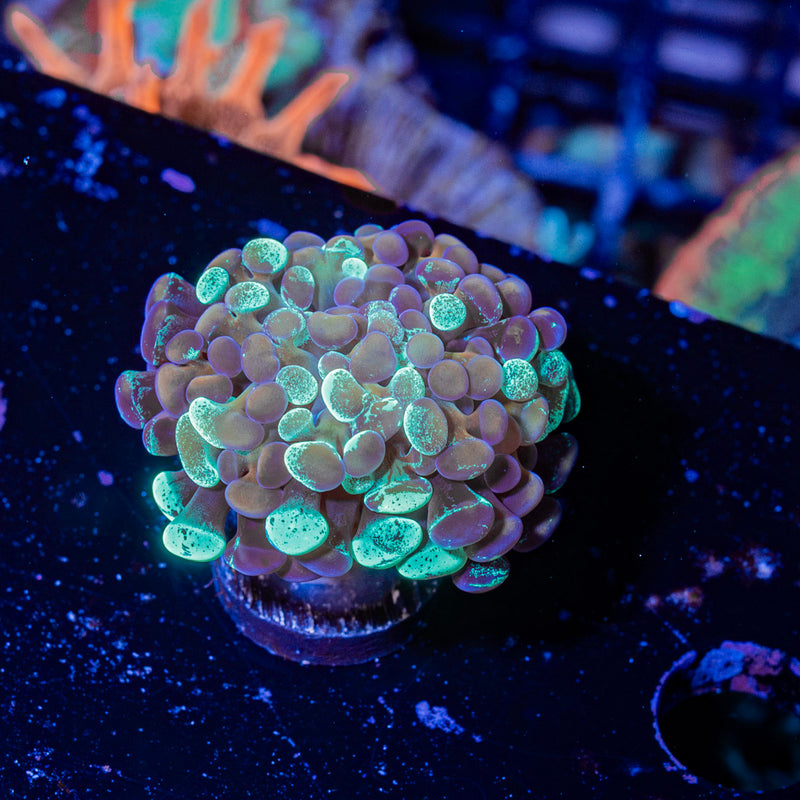
LPS corals such as hammers, frogspawn, torches, acans, and many chalices usually do well under moderate light. They often prefer indirect, variable flow that lets their tissue move without being blasted from one direction. A hammer with gently swaying tentacles looks full and healthy. A hammer being pushed sideways all day may be telling you that the flow is too strong.
SPS corals generally need brighter light and stronger, more random flow. They should not sit in a dead spot where detritus settles on their branches or tissue. If you do not know your light output or have not observed flow patterns throughout the tank, it makes sense to start with forgiving species while you learn what your reef can provide.
Think About Placement Before You Buy
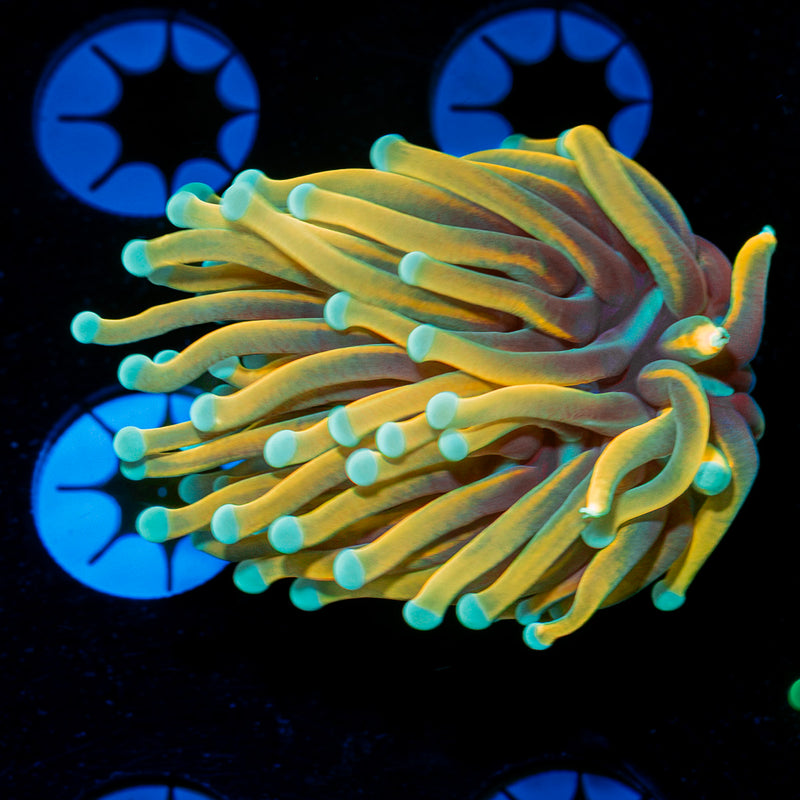
A frag plug is not a permanent home. Picture where the coral will live once it grows into a colony. Branching SPS need room above and around them. Torches need generous spacing because their long sweepers can sting nearby corals. Encrusting corals and zoanthids can spread across rockwork quickly, which is beautiful when planned and frustrating when they overtake a prized section of your aquascape.
Give each coral space based on its adult behavior, not its current frag size. This single habit prevents many avoidable coral conflicts later.
Choose a Coral Type That Fits Your Goals
Every reef has its own personality. Some hobbyists want a soft, flowing garden of euphyllia and leathers. Others want a high-contrast zoanthid collection, a mushroom-dominated lagoon look, or an SPS reef with dense branches and crisp pastel tips. There is no wrong direction, but a little intention creates a more cohesive display.
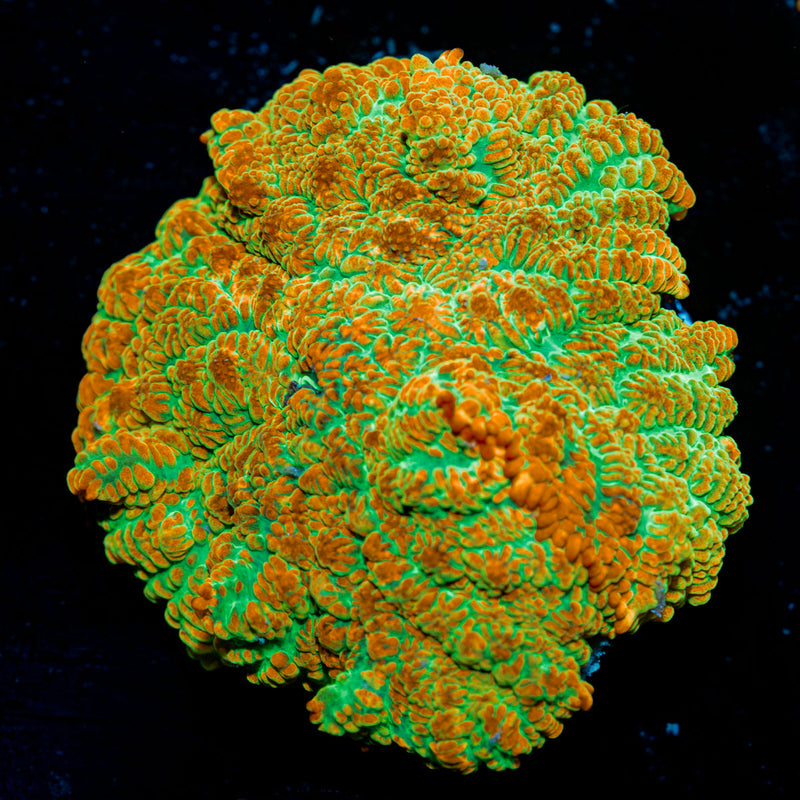
For a first reef, beginner-friendly corals are often the best path to success. Mushrooms offer rich texture and saturated color. Zoanthids can create bright fields of color on lower rockwork. Hardy LPS options add movement and a premium focal point without requiring an advanced SPS setup. A carefully selected frag pack can also help new hobbyists build a balanced starting collection with complementary coral types.
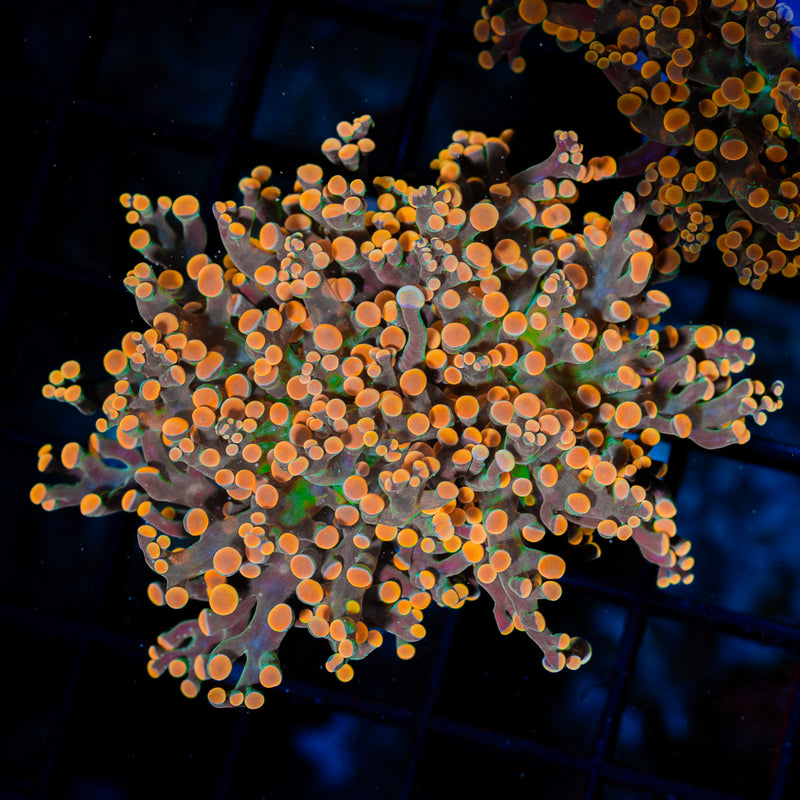
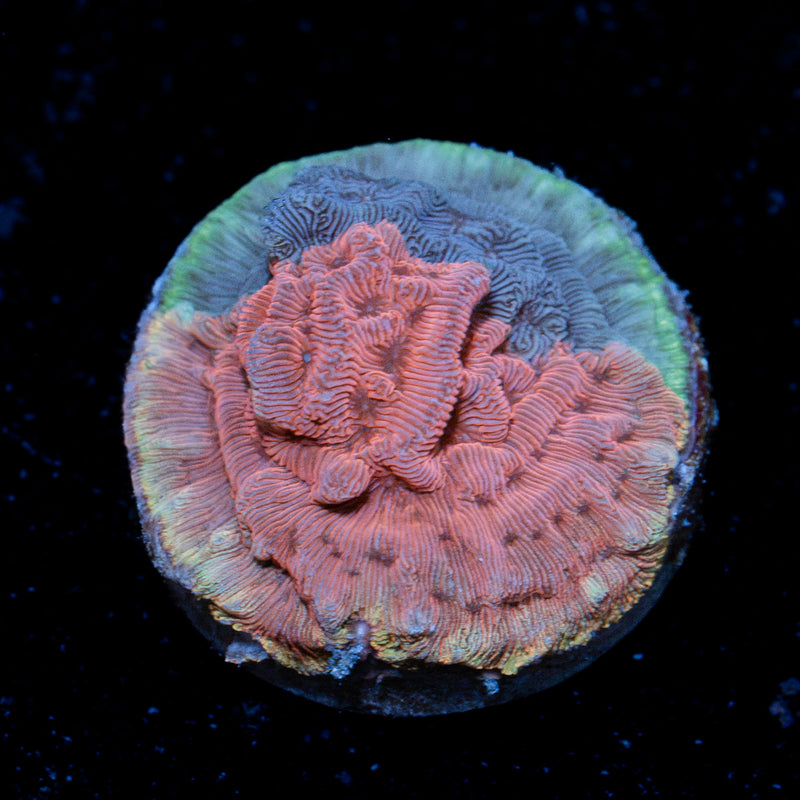
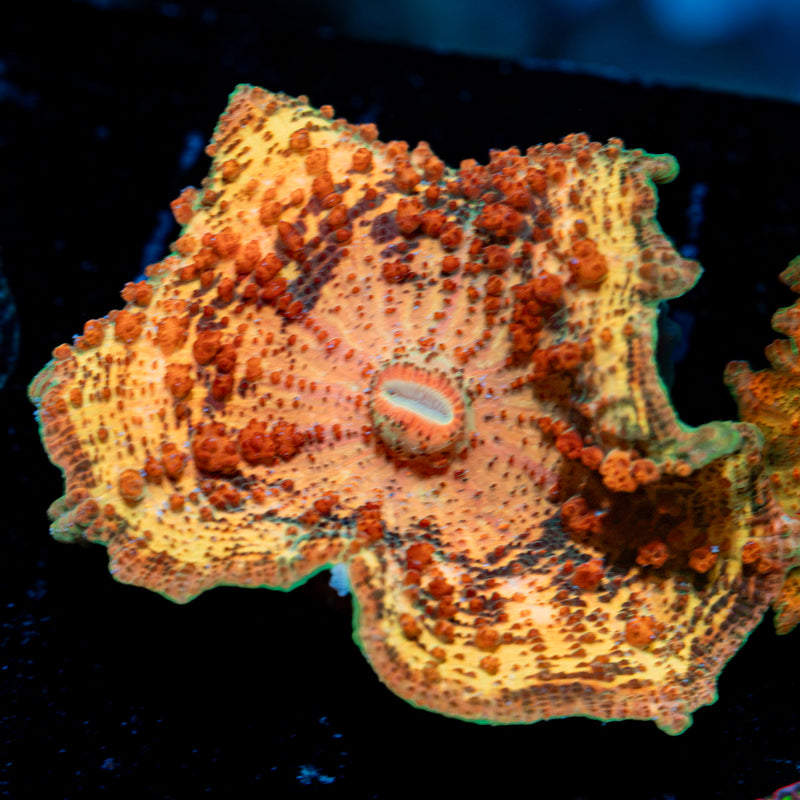
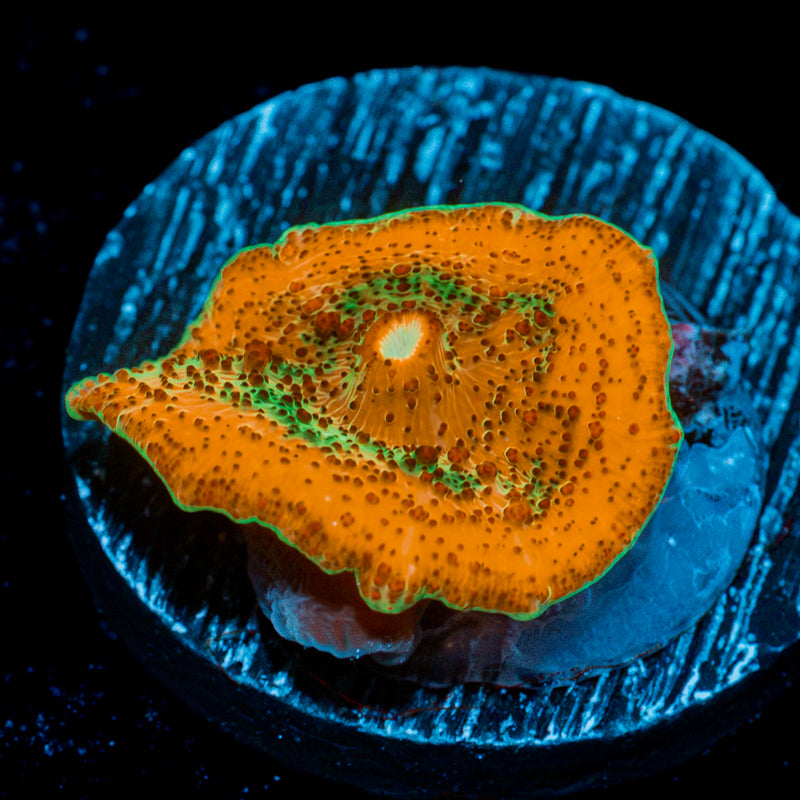
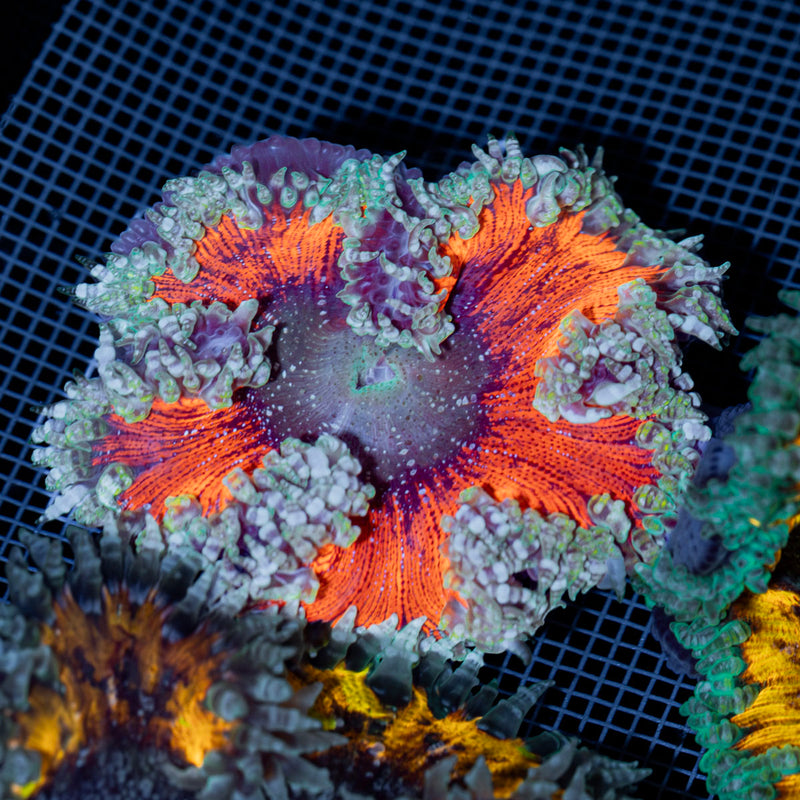
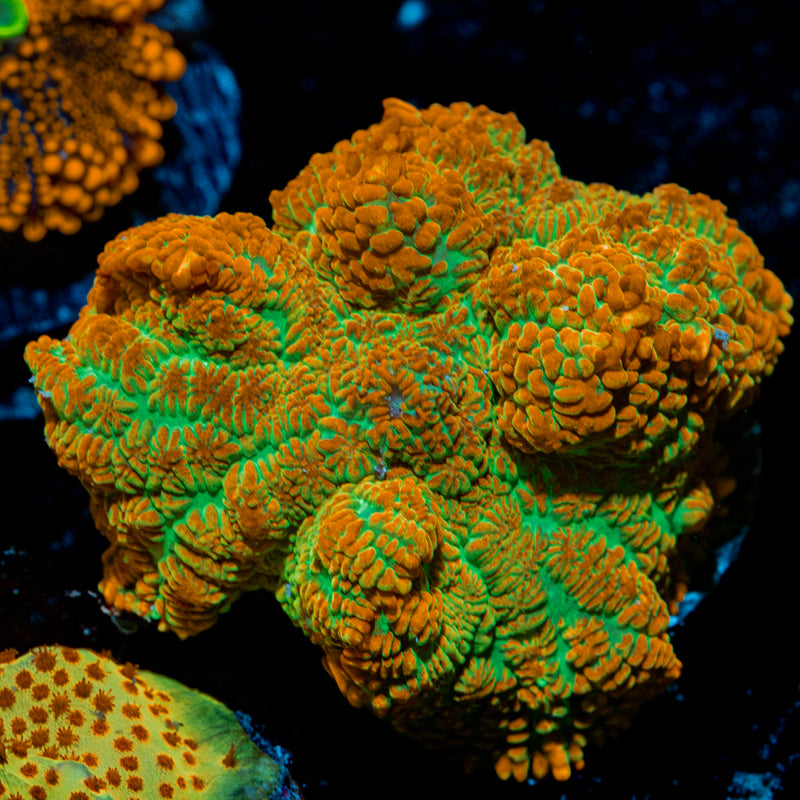
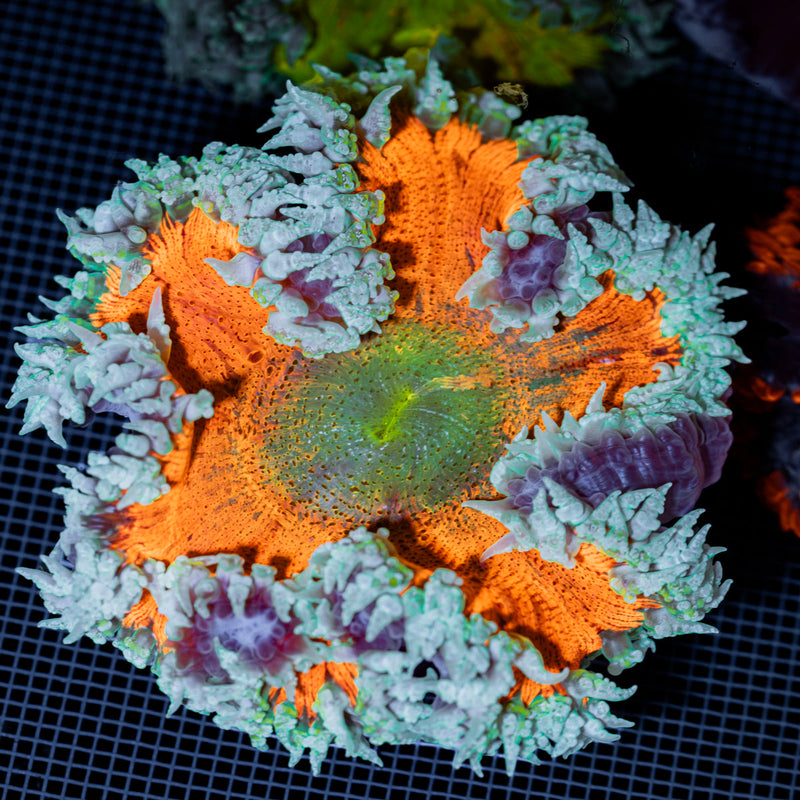
If you are expanding an established reef, focus on what your aquascape is missing. A tank full of static encrusting corals may benefit from the flowing tentacles of a torch or frogspawn. A reef dominated by green can come alive with a fiery orange mushroom, a rainbow chalice, or a high-color WYSIWYG showpiece. Color is worth considering, but contrast in shape, movement, and growth form often makes the bigger visual difference.
How to Choose Coral Frags That Look Healthy
Whether you are shopping in person or online, healthy tissue and clear presentation matter more than a trendy name. A coral should show intact tissue, good color for its species, and no obvious signs of recession. For stony corals, inspect the area where tissue meets the skeleton. Bright white exposed skeleton where tissue should be present can indicate damage or stress.
Polyp extension can be useful, especially for LPS and soft corals, but it is not the only measure of health. Some corals retract during shipping, after handling, or under unfamiliar lighting. Look at the whole specimen: Is the tissue full? Is the coloration consistent? Is the frag securely mounted? Does the coral appear clean and free of algae, pests, or suspicious bare patches?
WYSIWYG, meaning “what you see is what you get,” adds valuable confidence when choosing premium or uniquely colored pieces. You can evaluate the exact frag’s pattern, size, growth form, and plug condition rather than relying on a representative photo. At Riptide Aquaculture, that exact-item approach is especially useful for hobbyists selecting a standout coral where individual coloration truly matters.
Keep one expectation in mind: coral color can shift after arrival. Lighting spectrum, nutrient availability, placement, and water chemistry all influence how a coral presents in your home aquarium. A healthy aquacultured frag gives you the best starting point, but its final coloration is partly a reflection of your reef.
Favor Aquacultured Coral When Building Confidence
Aquacultured frags are grown in captivity and adapted to aquarium conditions. That makes them an appealing choice for hobbyists who want reef-safe sourcing along with corals that are accustomed to captive lighting, filtration, feeding, and handling.
Aquacultured does not mean every coral has identical care needs. A high-end Acropora is still an Acropora, and it will still reward stability. What it can mean is a more confident starting point, especially compared with a fresh wild import that has not yet adjusted to life in a home reef.
For online buyers, a healthy aquacultured specimen, accurate photos, and a live arrival assurance work together to reduce uncertainty. Live coral shipping is a specialized process, and seasonal weather may affect shipping schedules. Plan your order for a day when you can receive the package promptly, inspect each frag, and begin acclimation without rushing.
Buy With Your Maintenance Routine in Mind
The best coral collection is not necessarily the rarest or most expensive one. It is the collection you can enjoy and care for consistently. Consider how often you test water, whether you dose alkalinity and calcium, how reliable your lighting schedule is, and how much room remains in the tank for future growth.
A hobbyist who loves weekly hands-on reef care may enjoy the challenge of building an SPS garden. Someone who wants a colorful, lower-pressure display may be happier with a mix of mushrooms, zoanthids, leathers, and forgiving LPS. Both can create a stunning reef.
It also pays to buy gradually. Adding a few carefully chosen frags lets you observe how your tank responds, fine-tune placement, and preserve room for the next coral that catches your eye. A reef is not finished when the last frag is glued down. It becomes more personal as each healthy coral settles in, grows out, and adds its own color and character to the display.