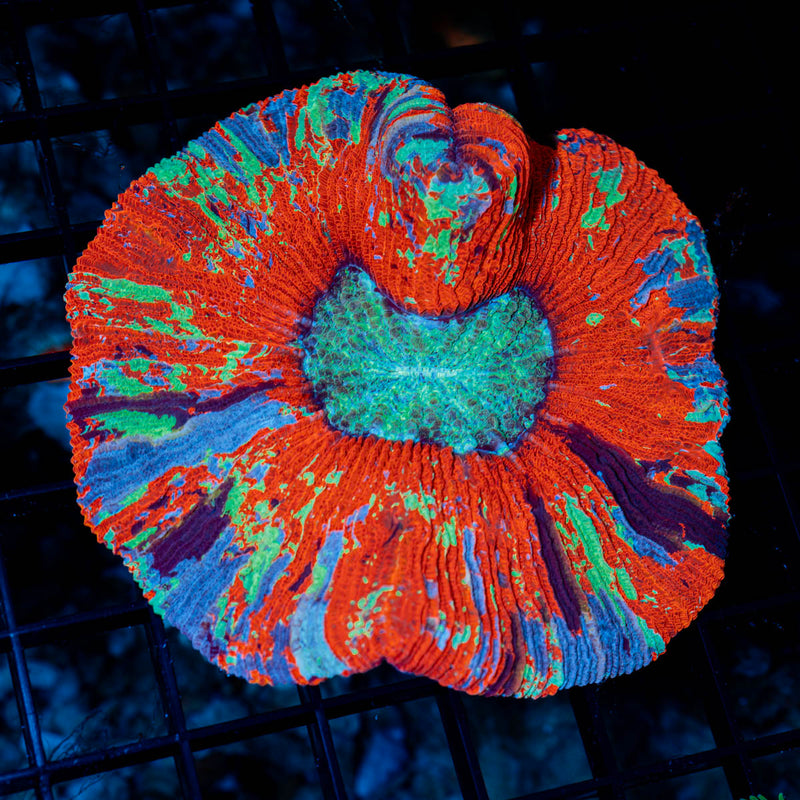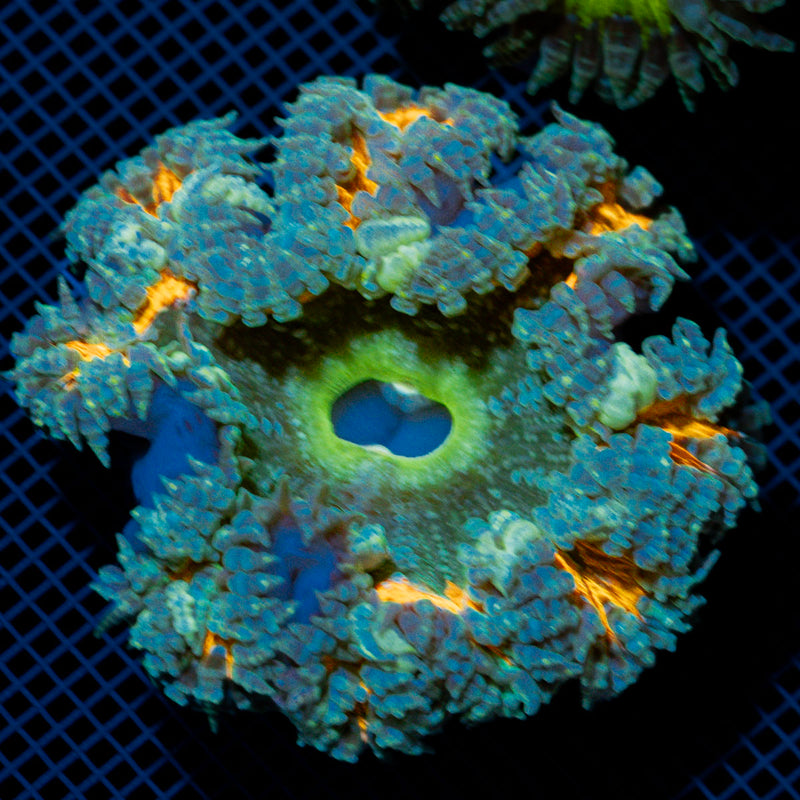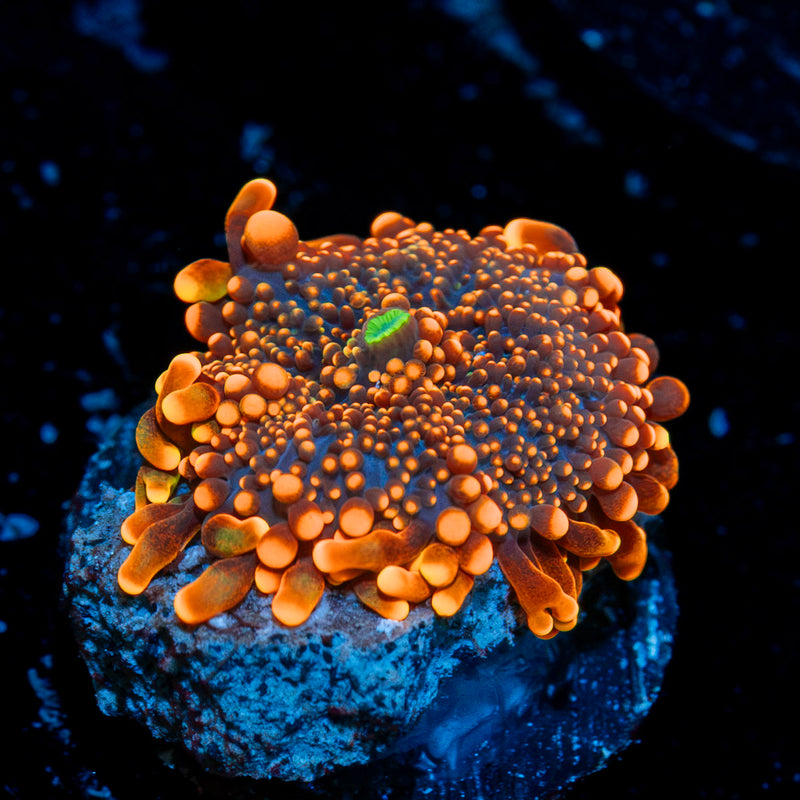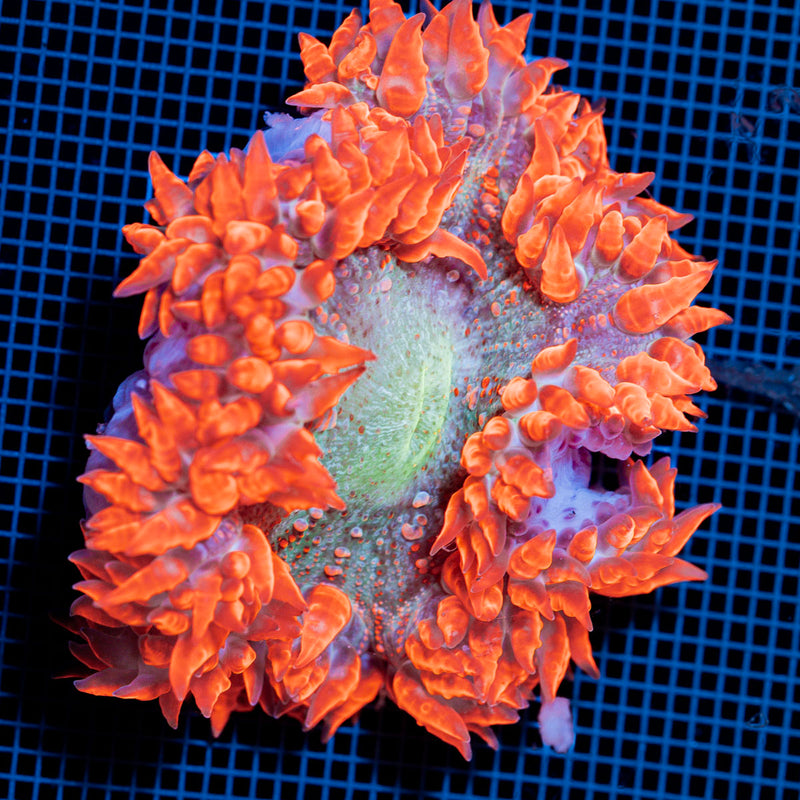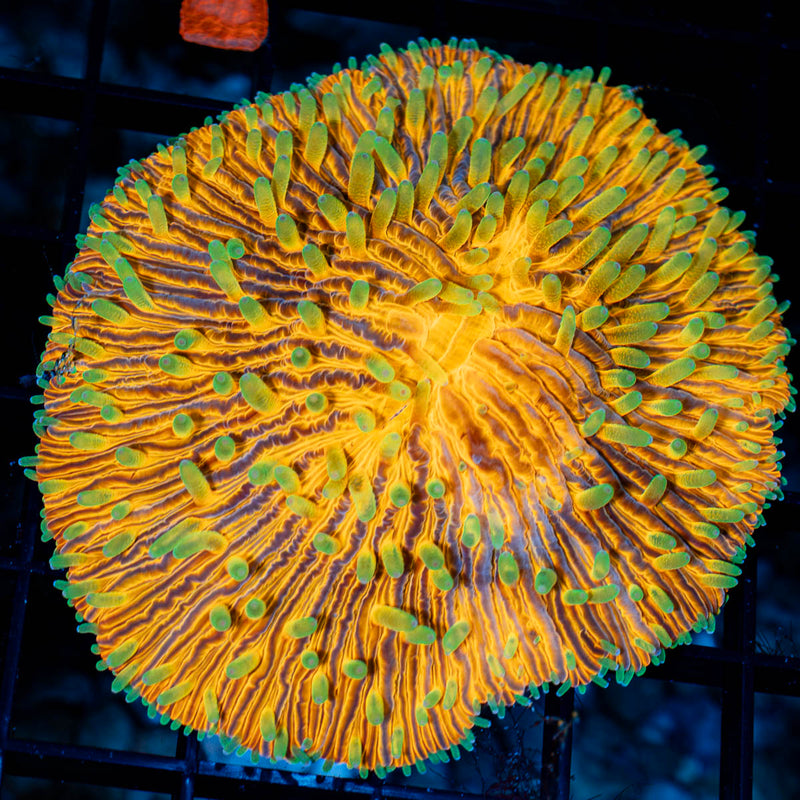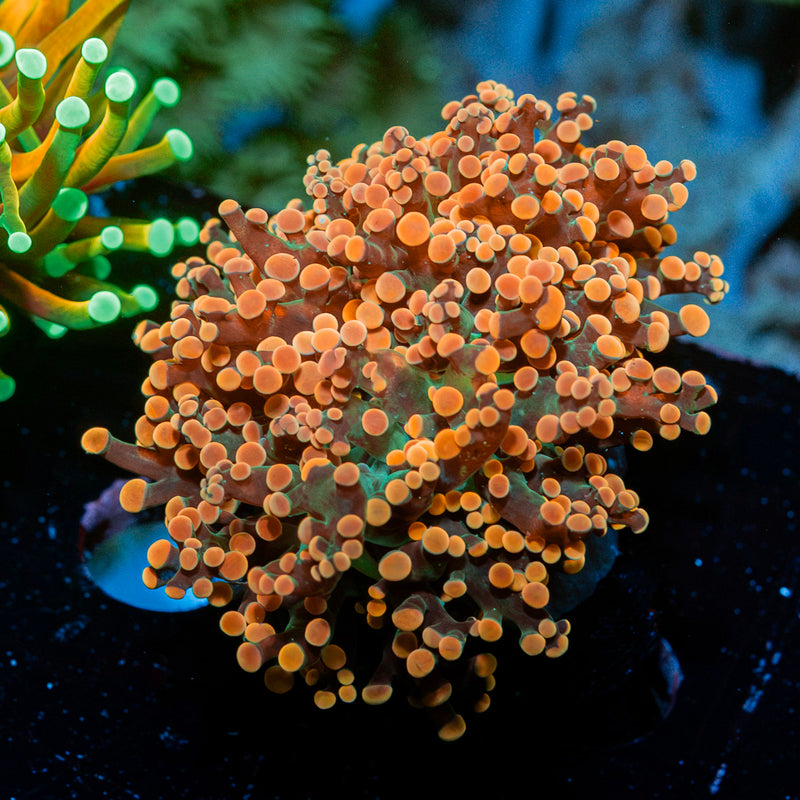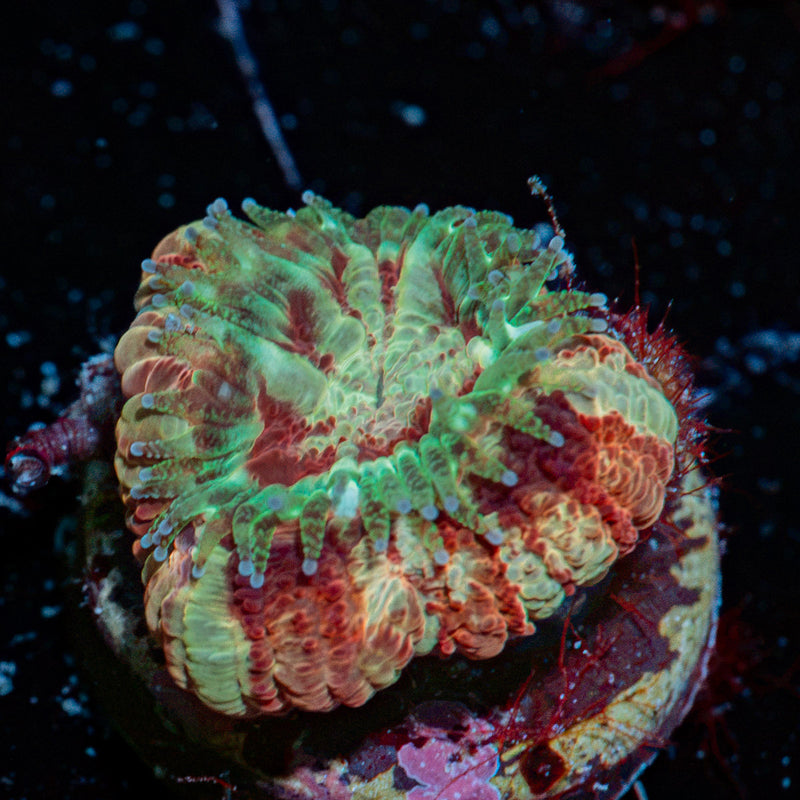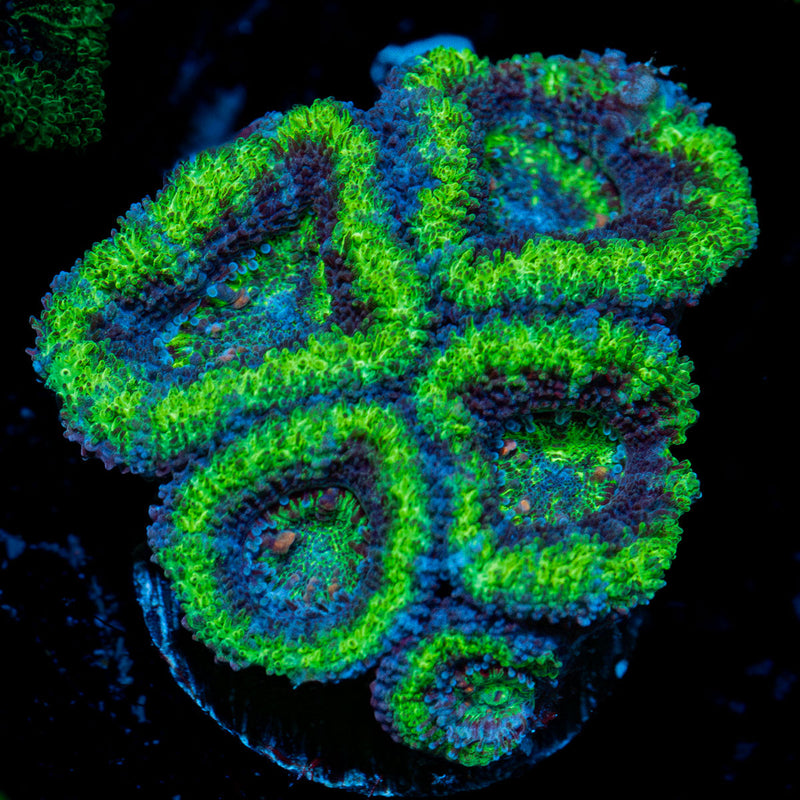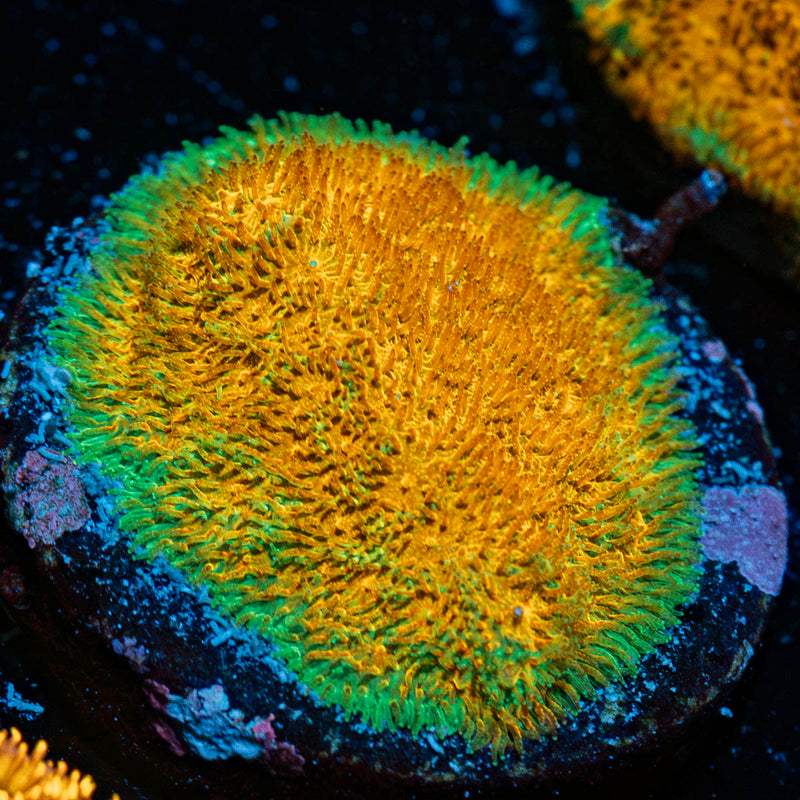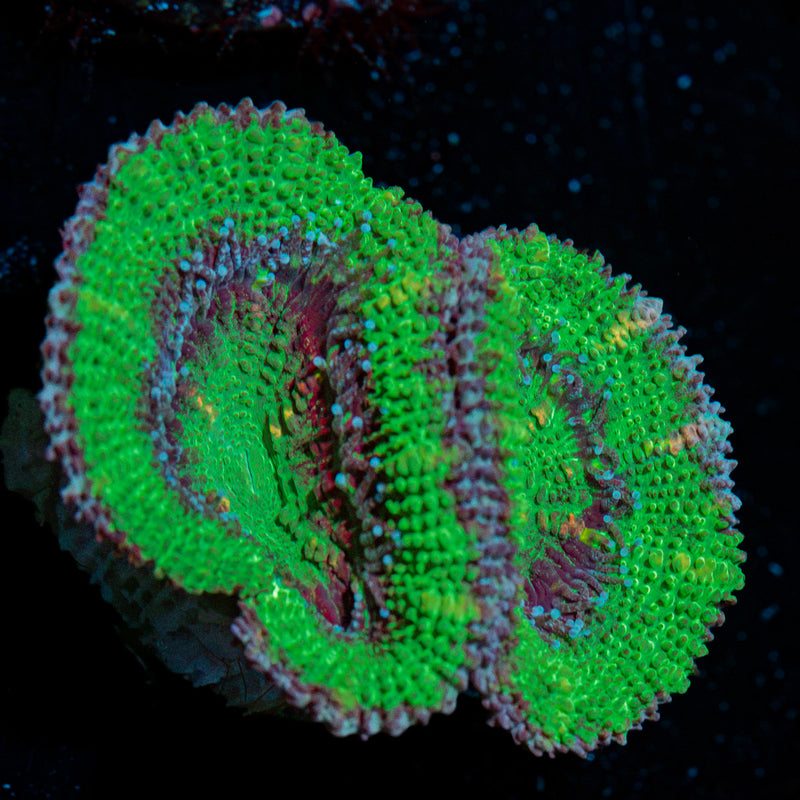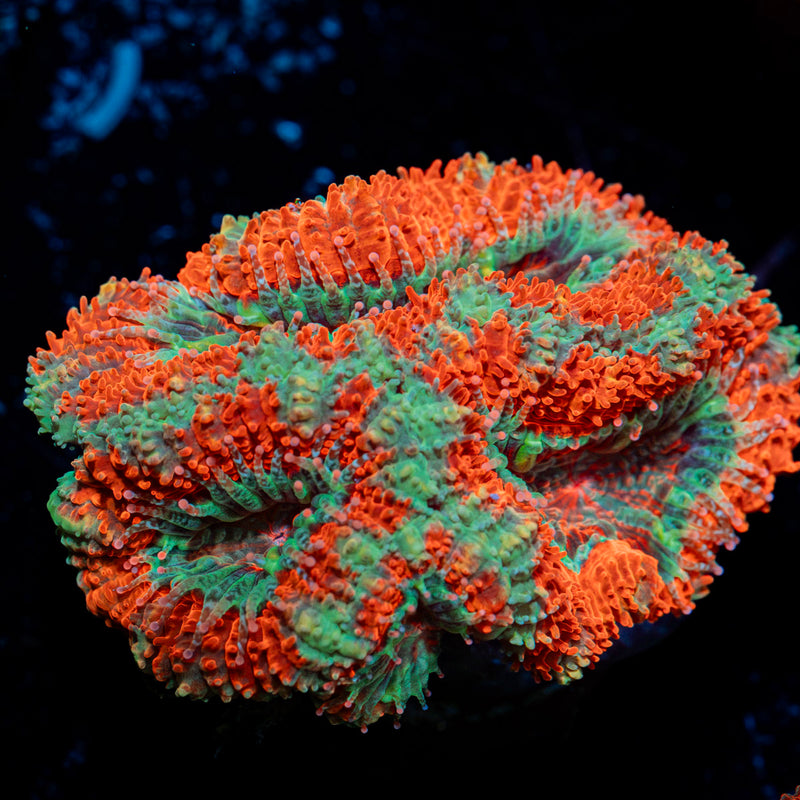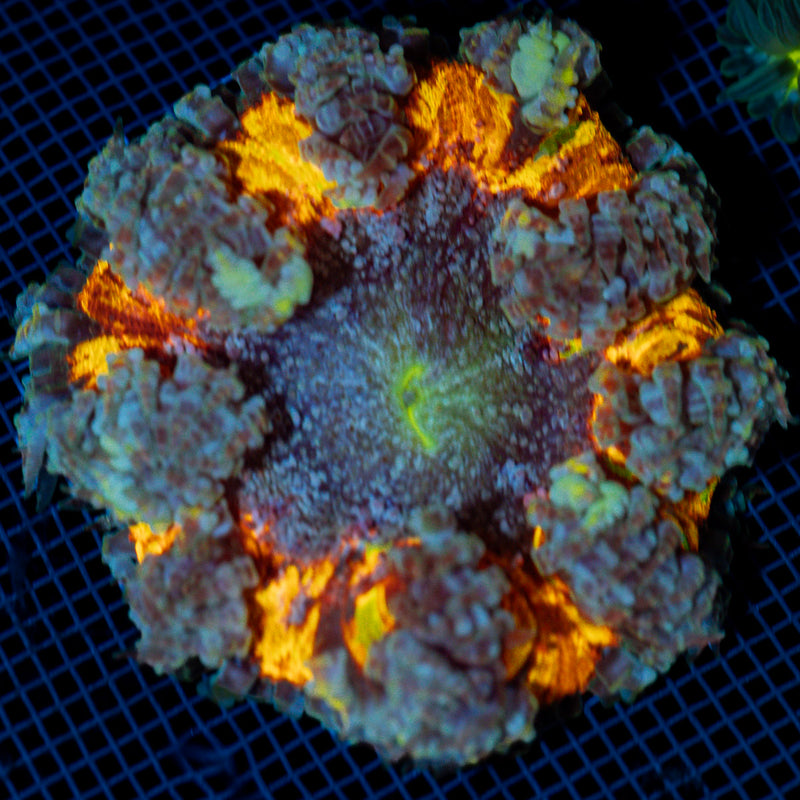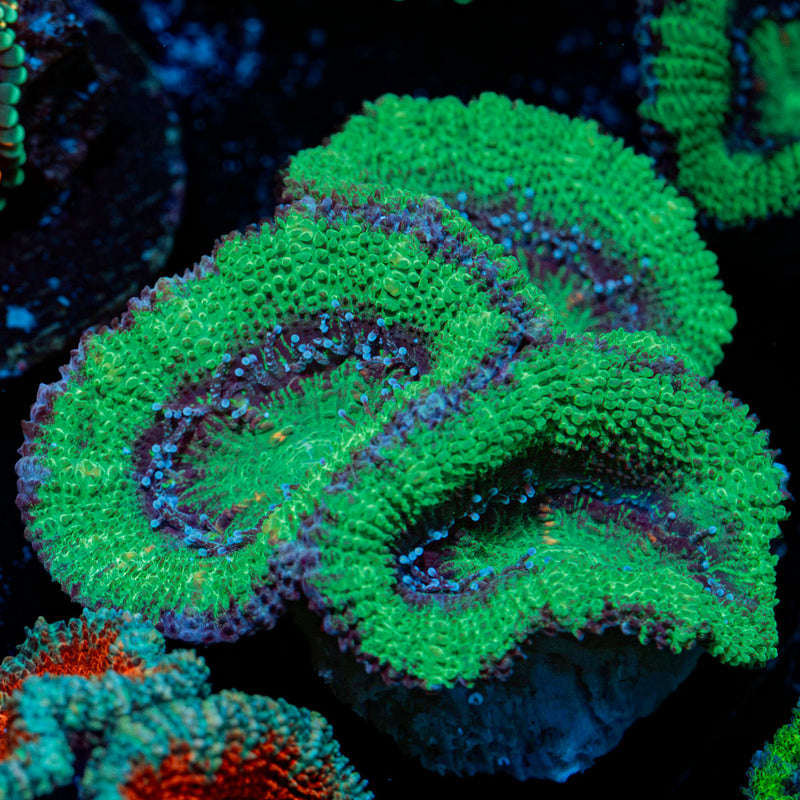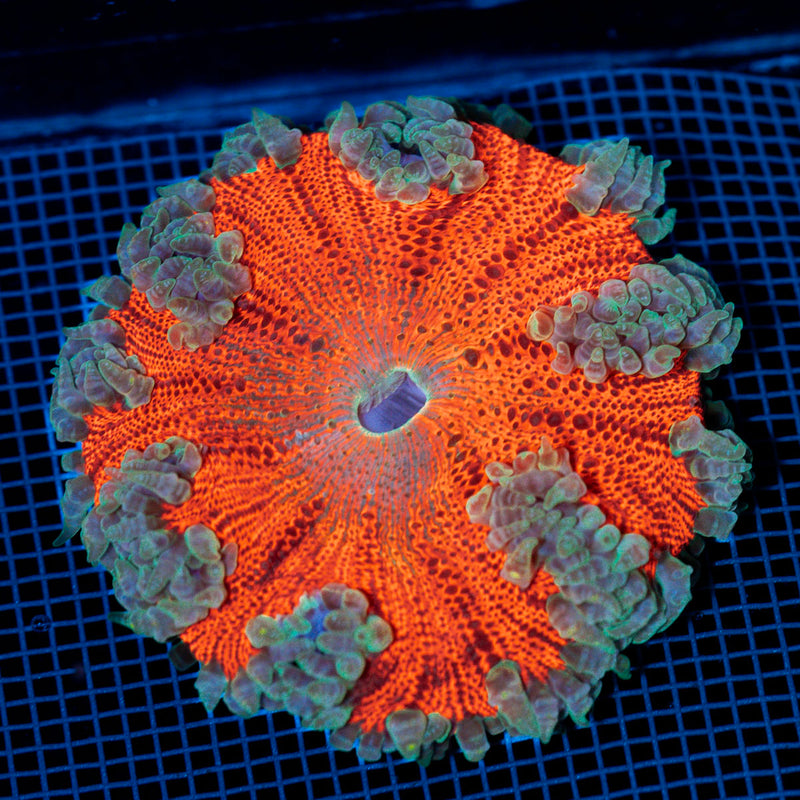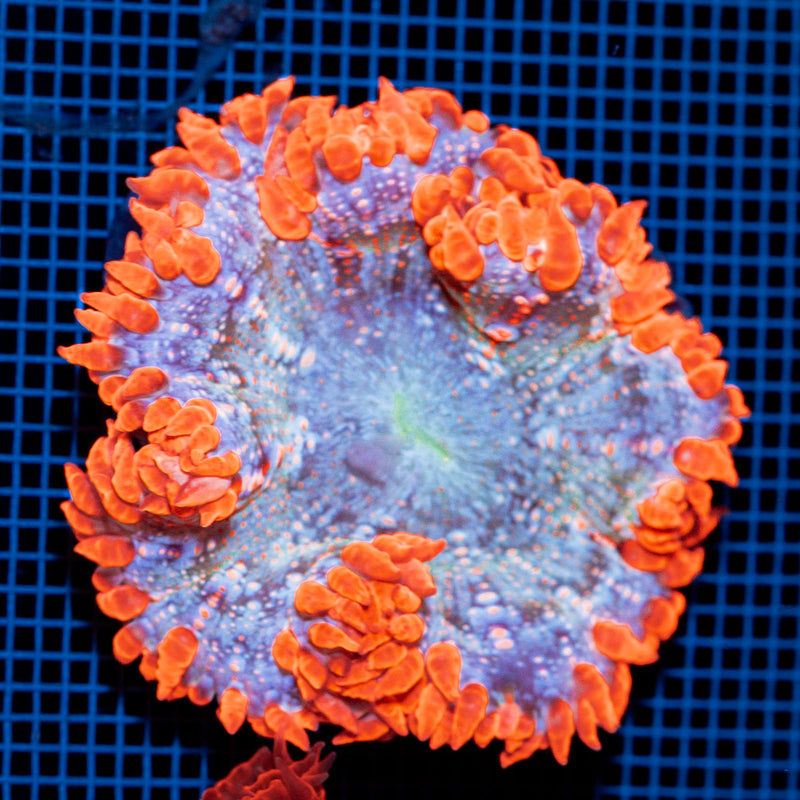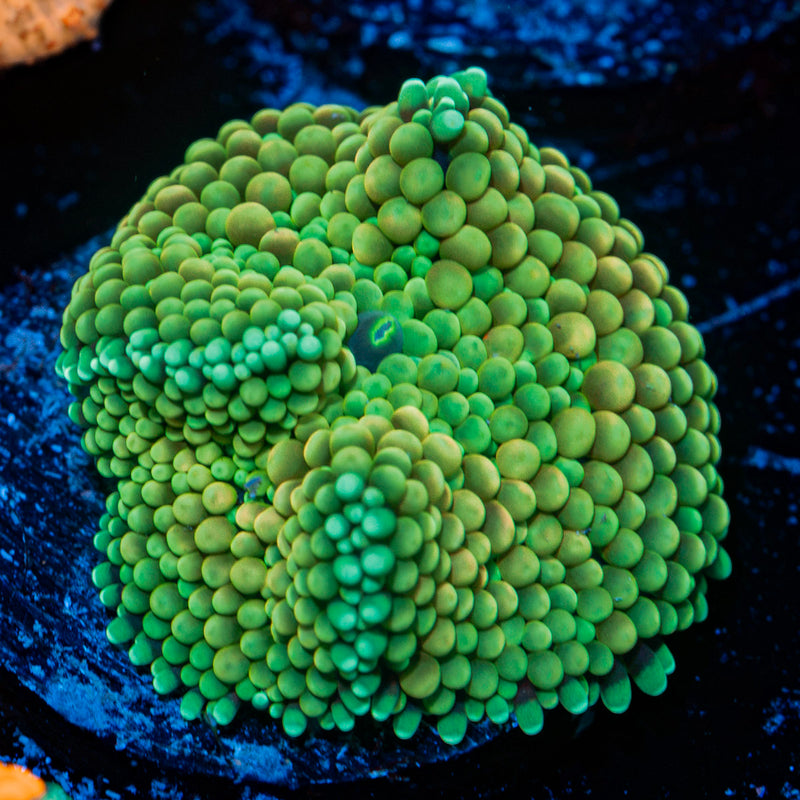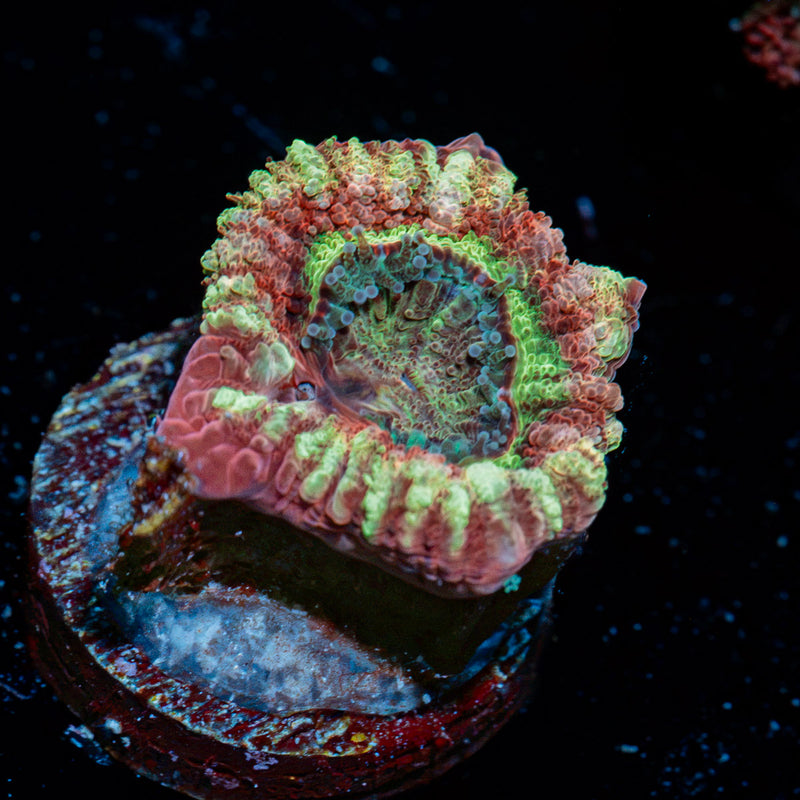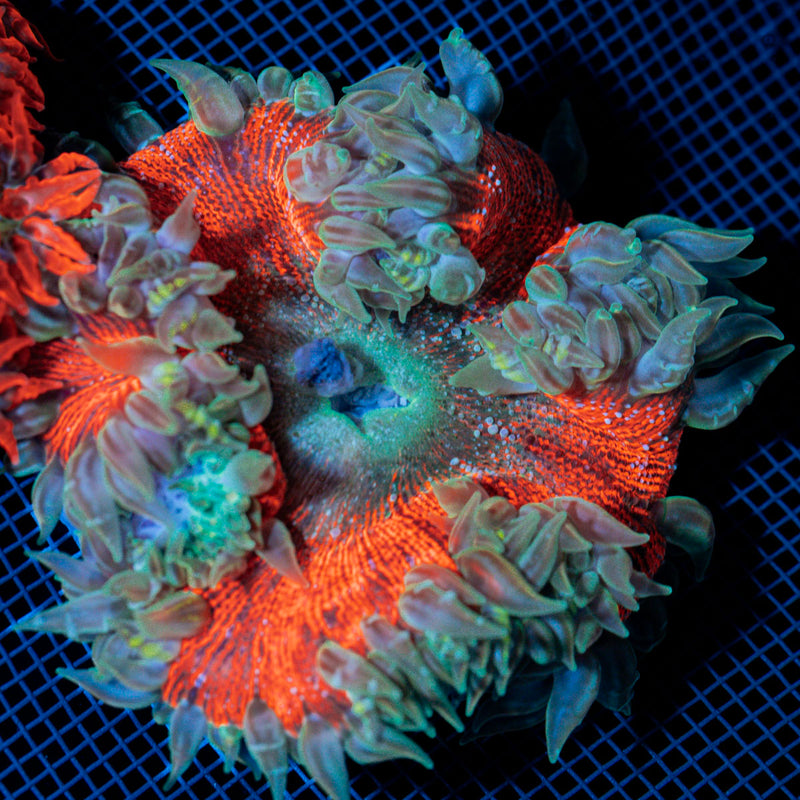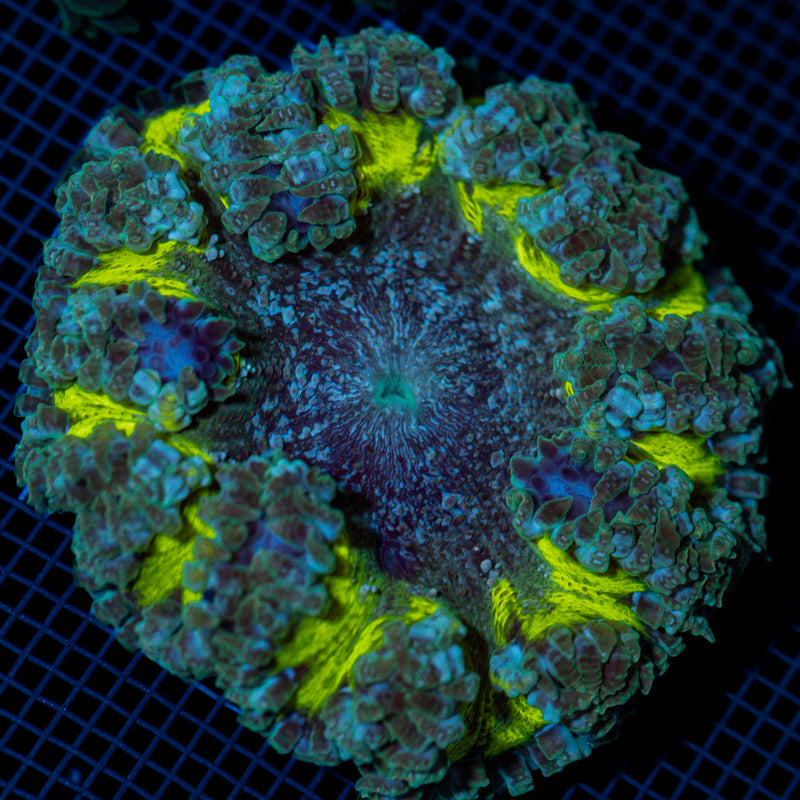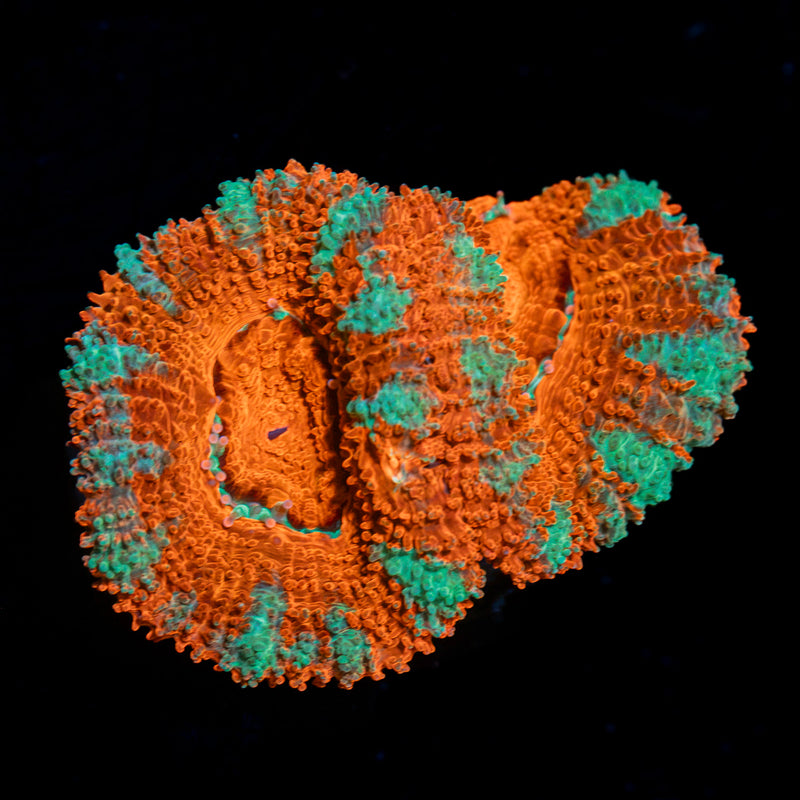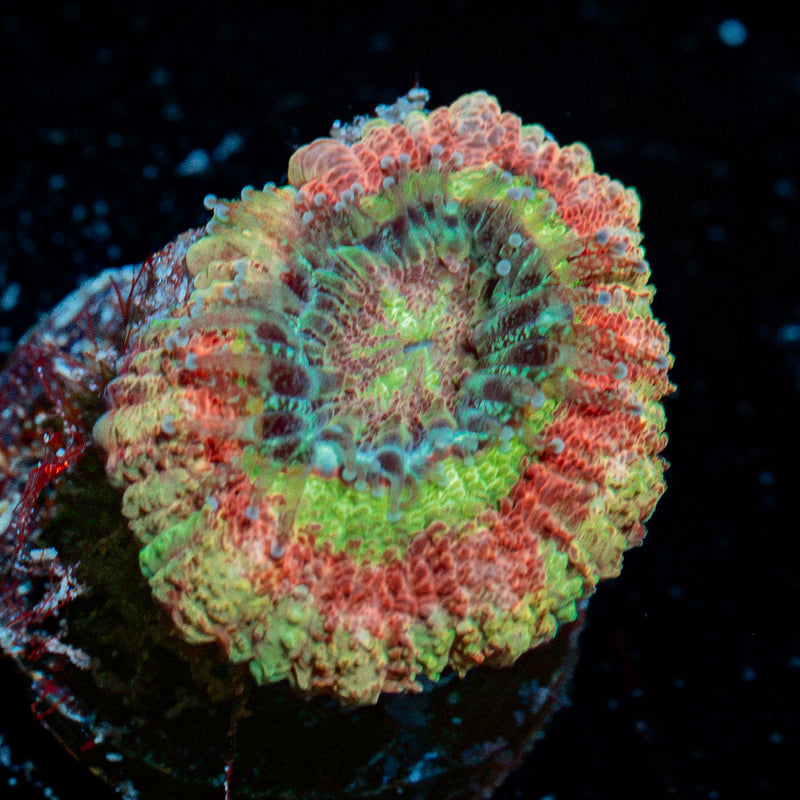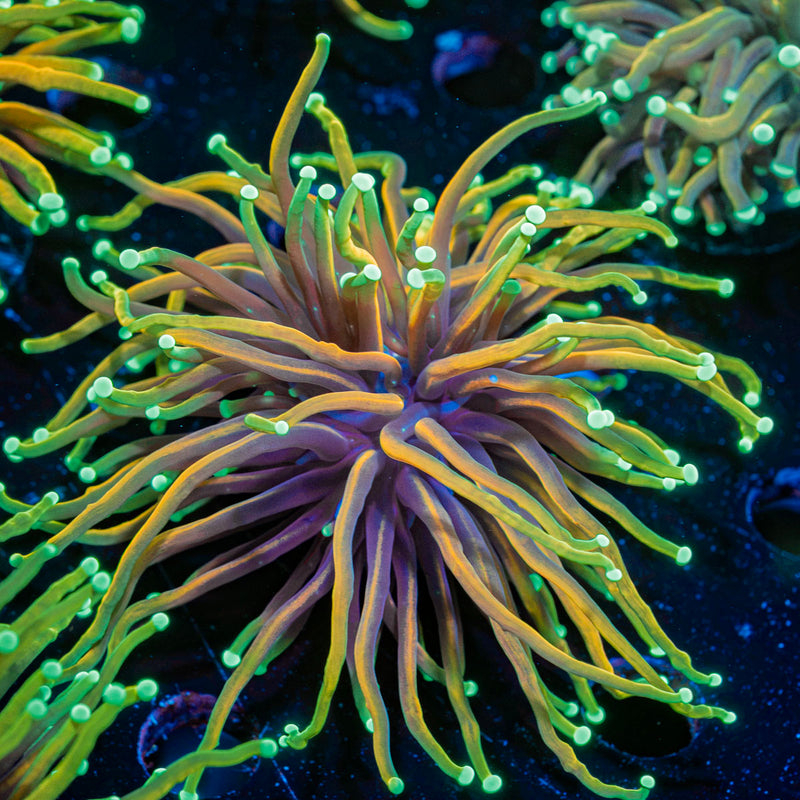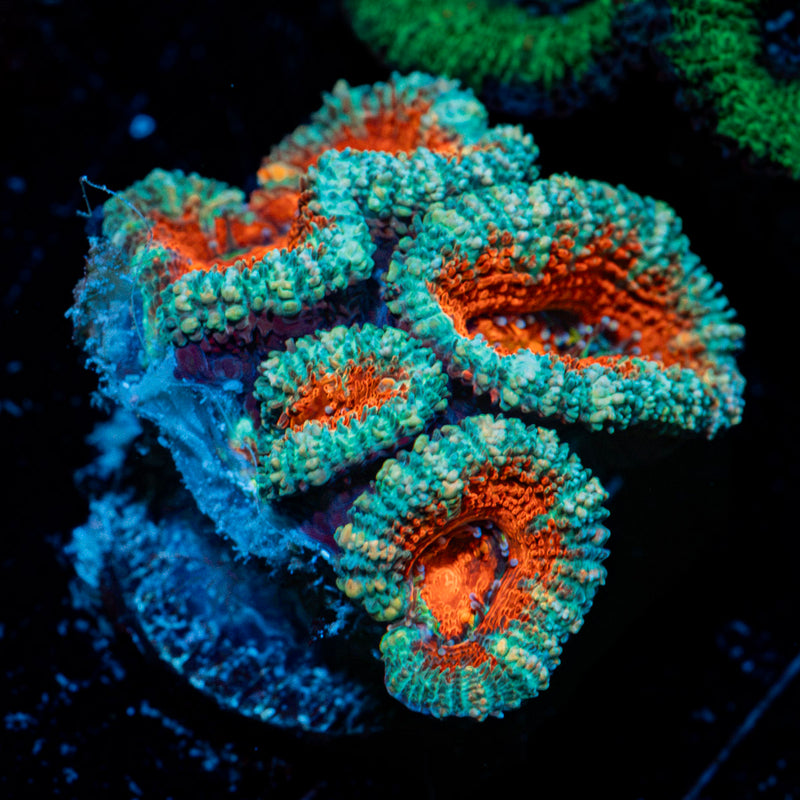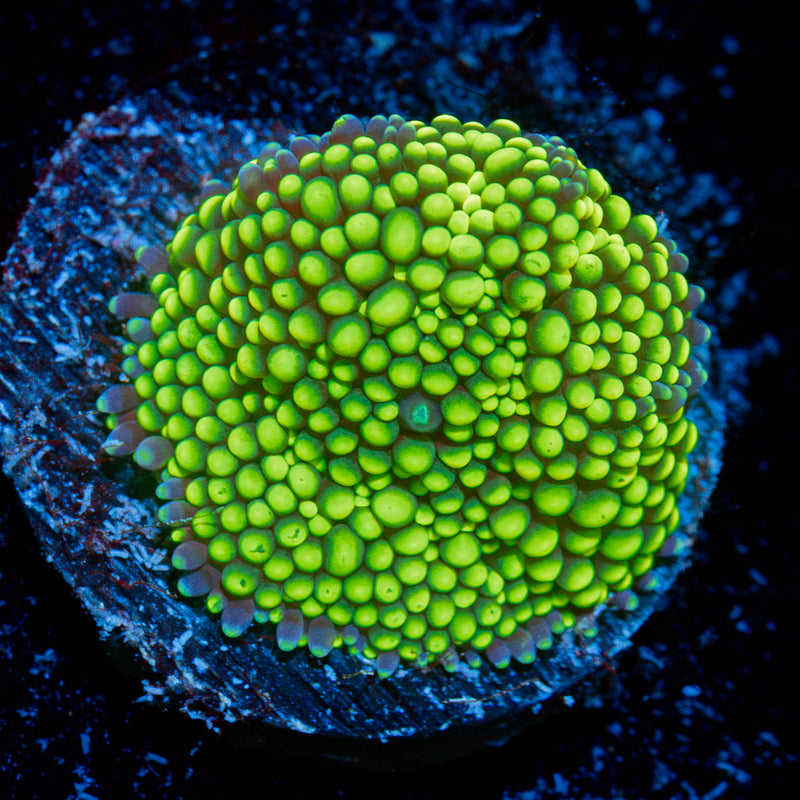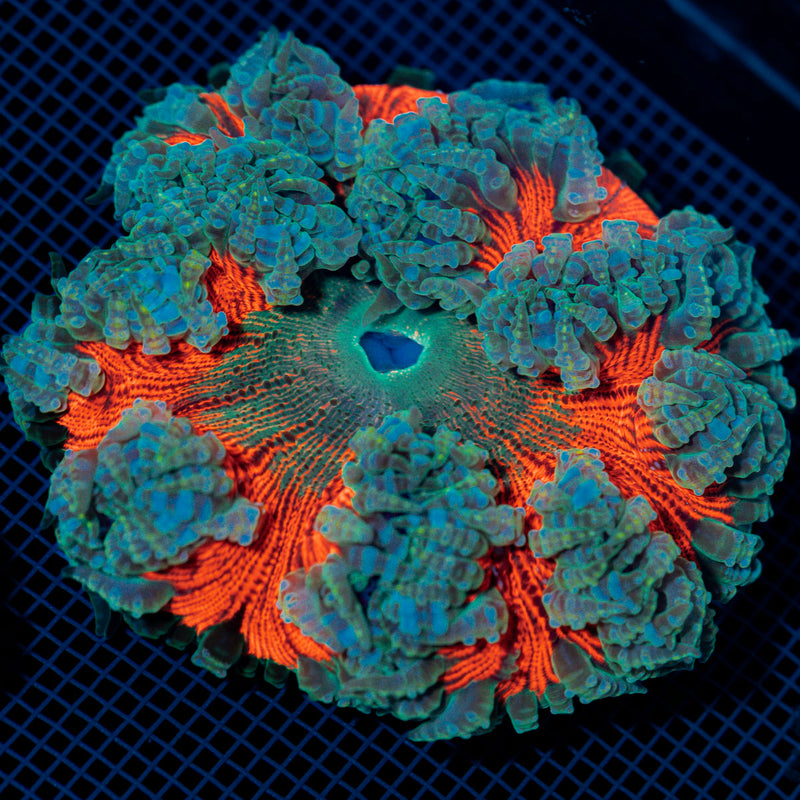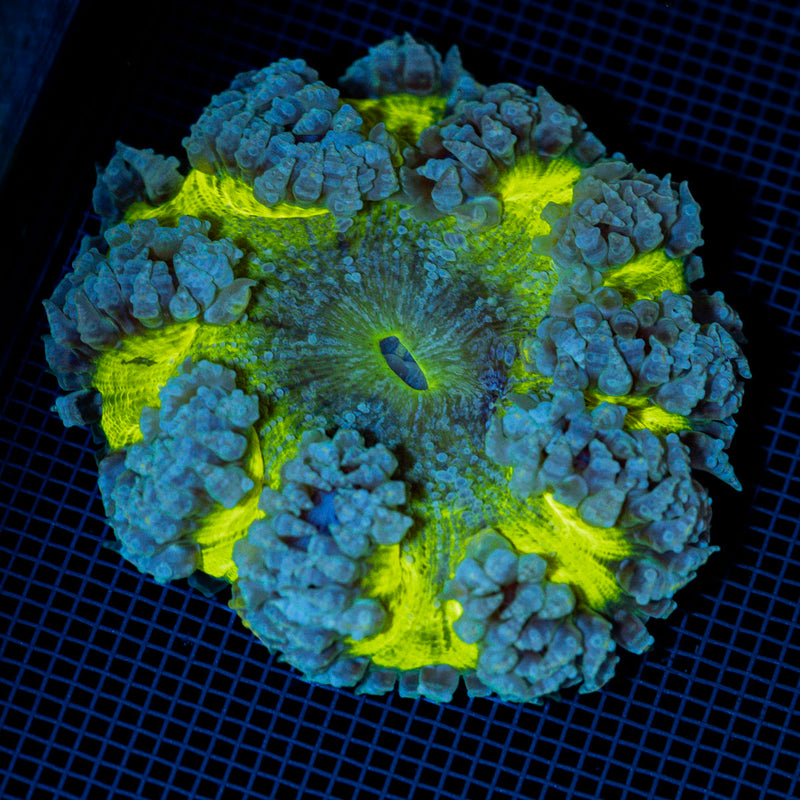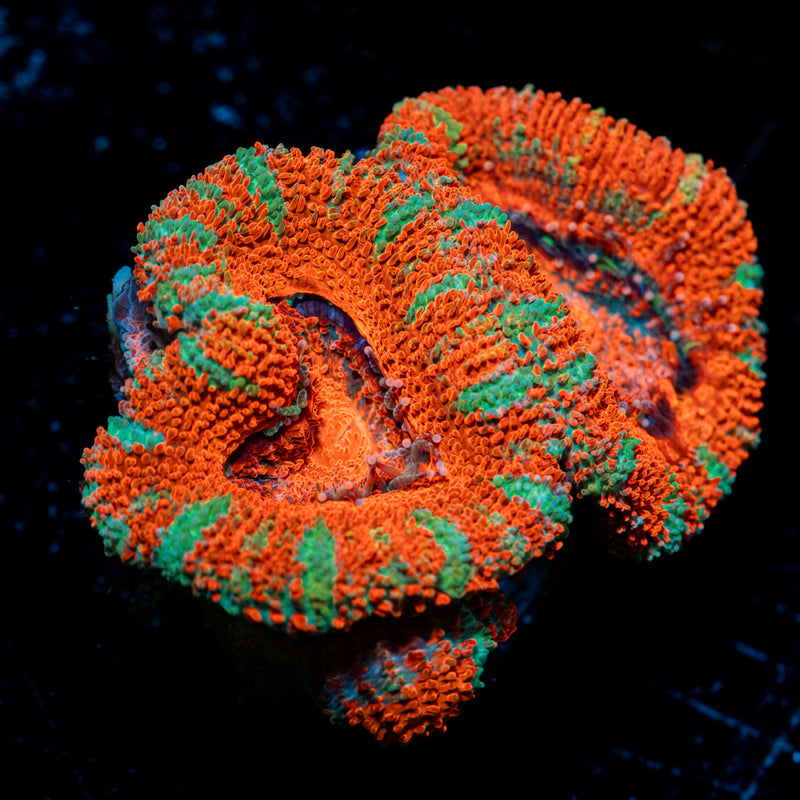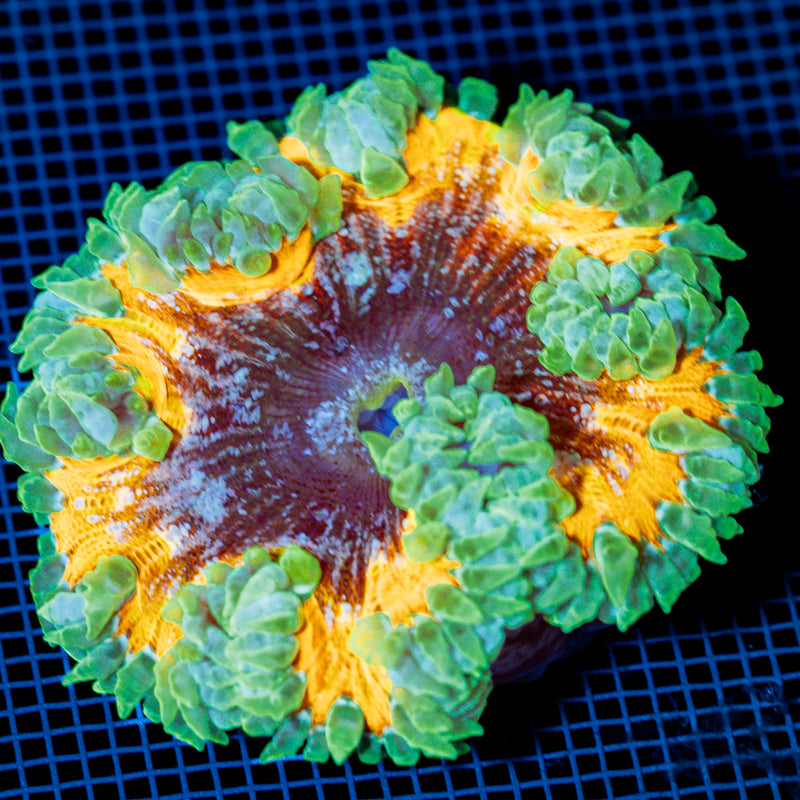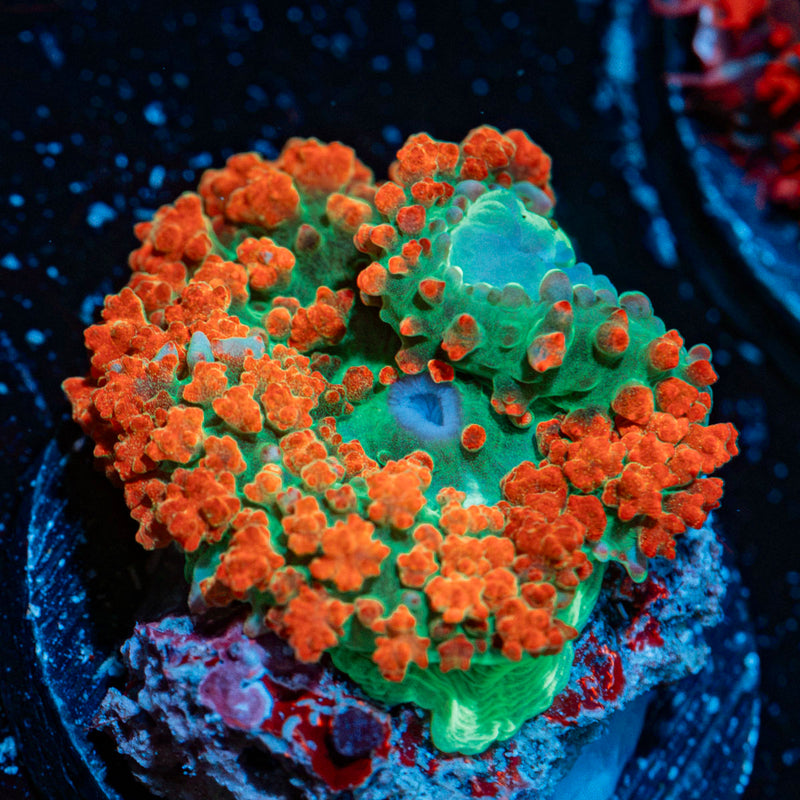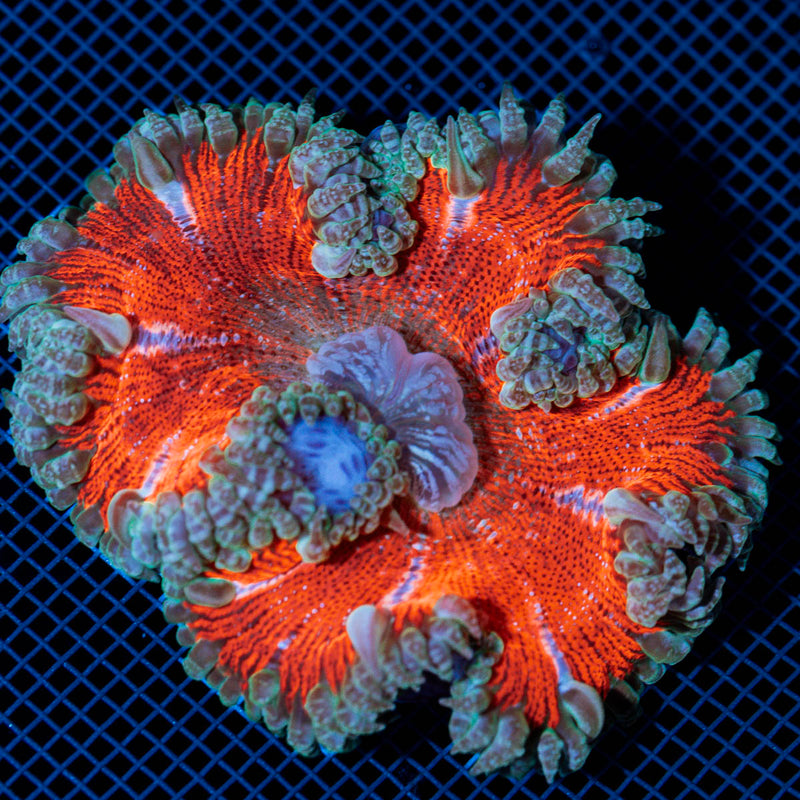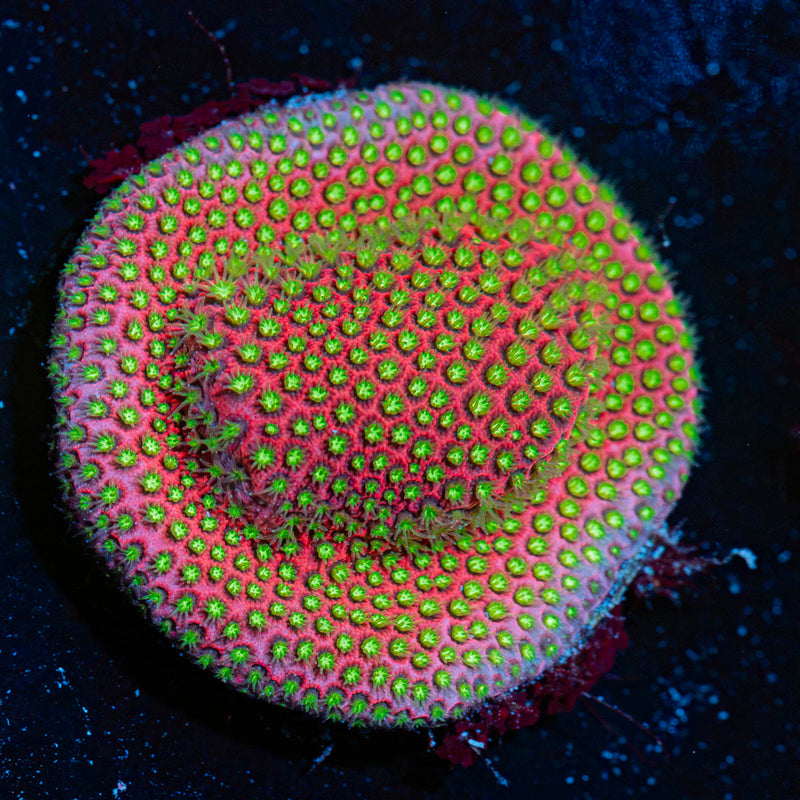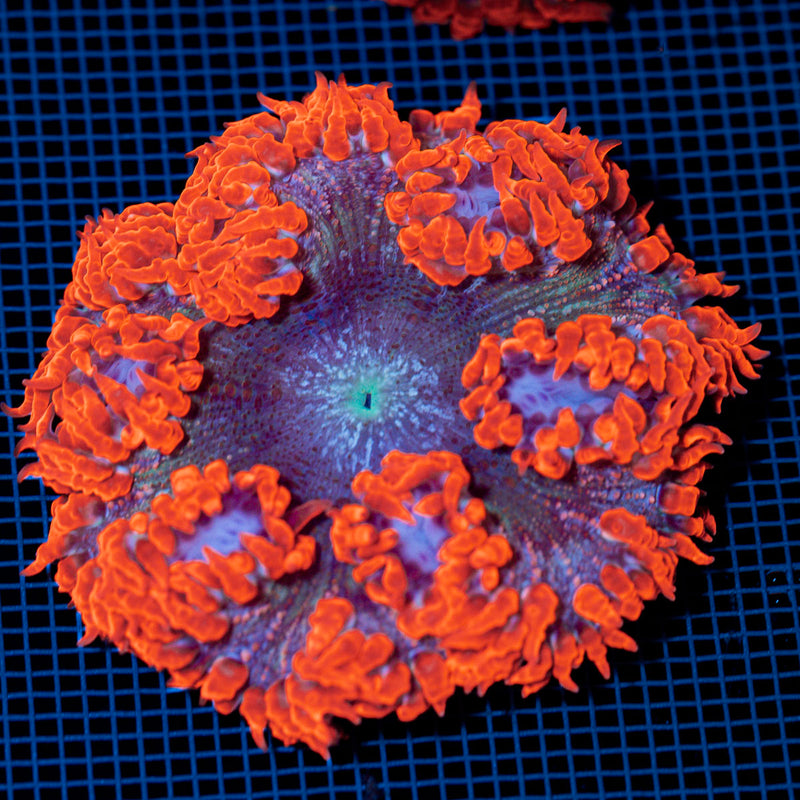
A great zoanthid frag can transform an open patch of rock into a colorful garden of living jewels. The trick is learning how to buy healthy zoanthids before a striking photo, a flashy name, or a low price makes the decision for you. Healthy zoas are often forgiving corals, but starting with a strong, well-established frag gives your reef its best chance to stay vibrant long after the box arrives.
Start With the Coral, Not the Name
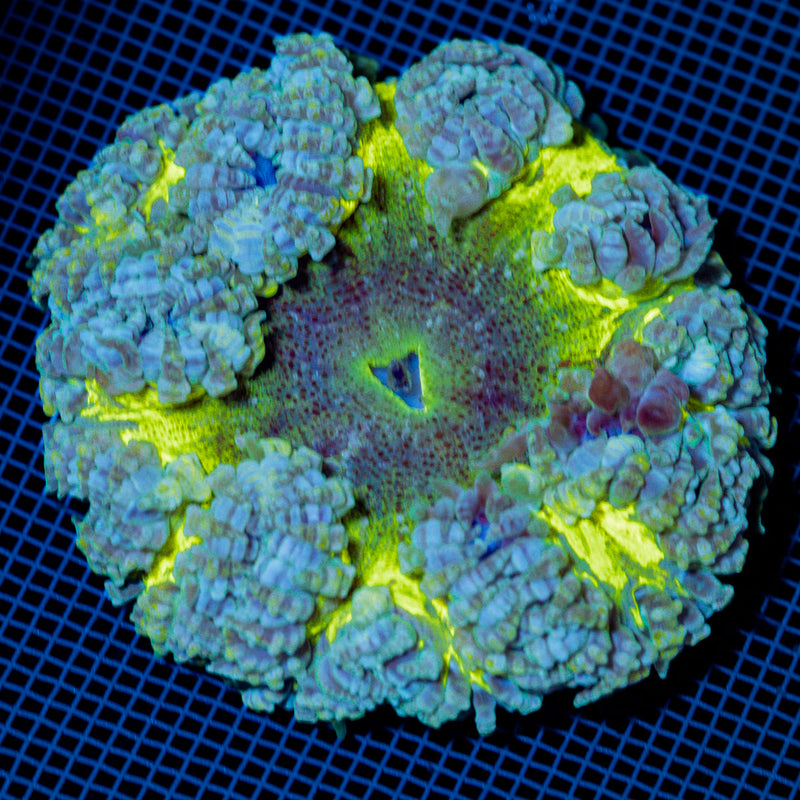
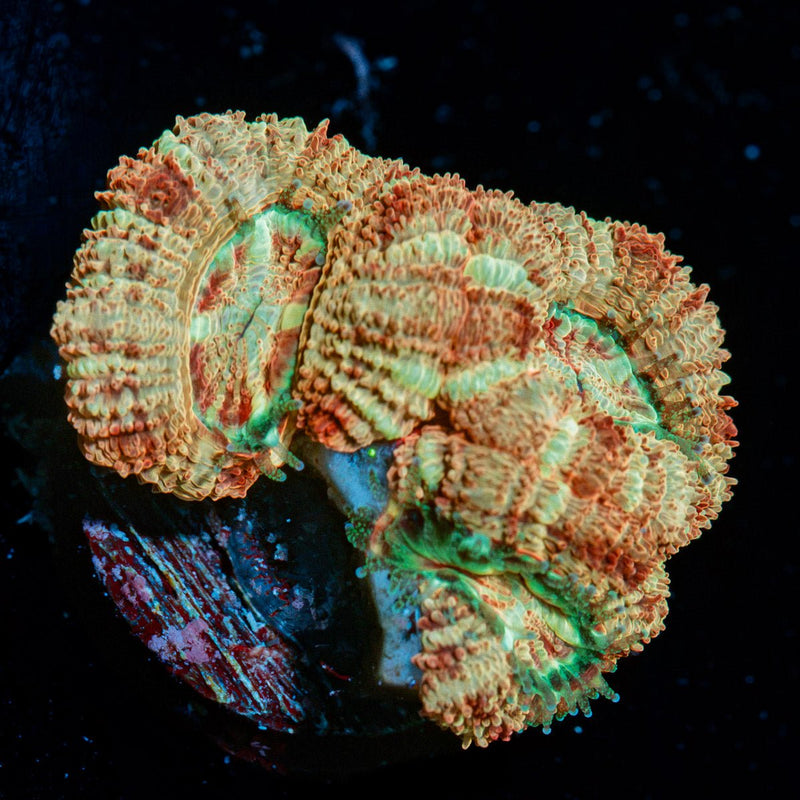
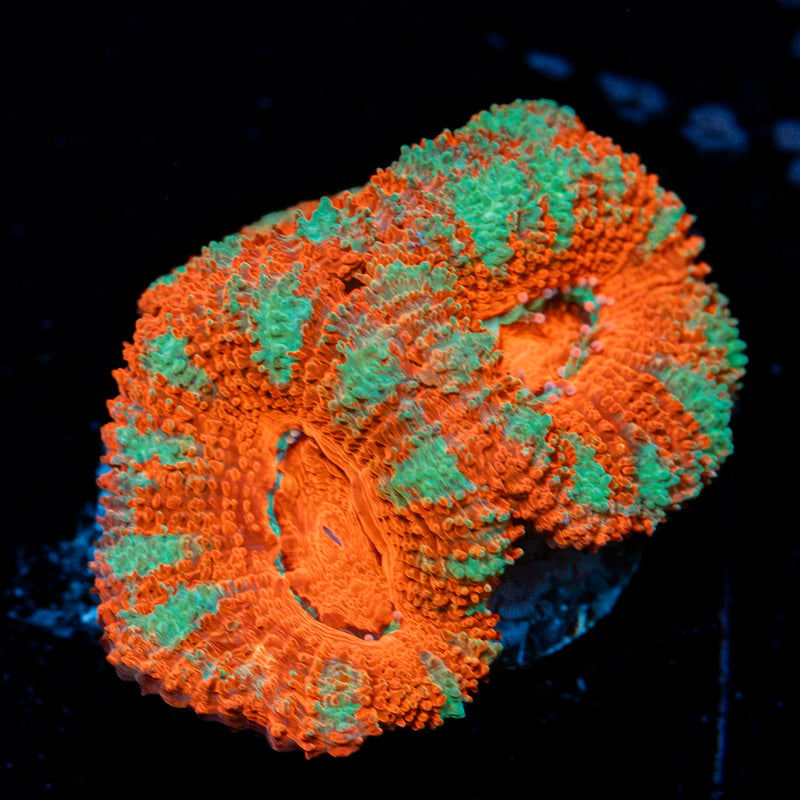
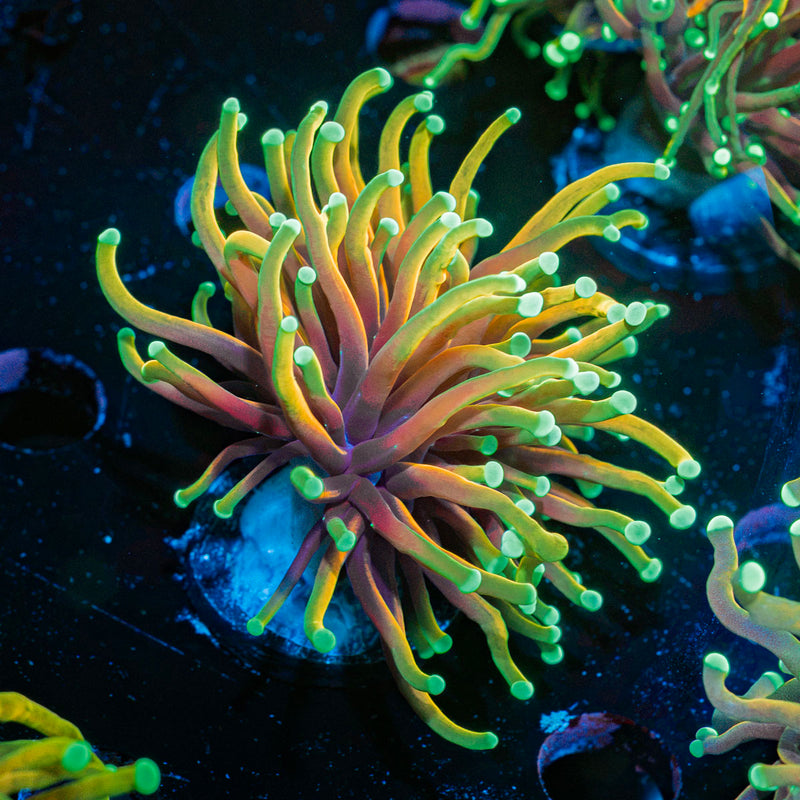
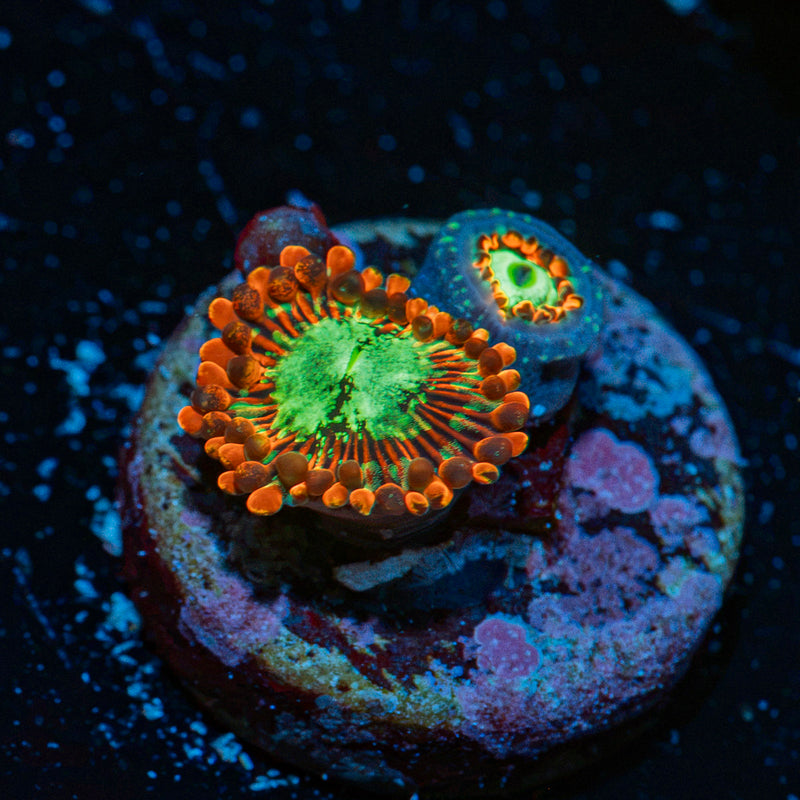
Zoanthids are available in an incredible range of colors, patterns, and trade names. Some glow neon green under blue lighting, while others layer orange, red, yellow, purple, and metallic speckles into a single small polyp. That visual variety is exactly what makes them so fun to collect, but a name alone does not tell you whether a frag is healthy.
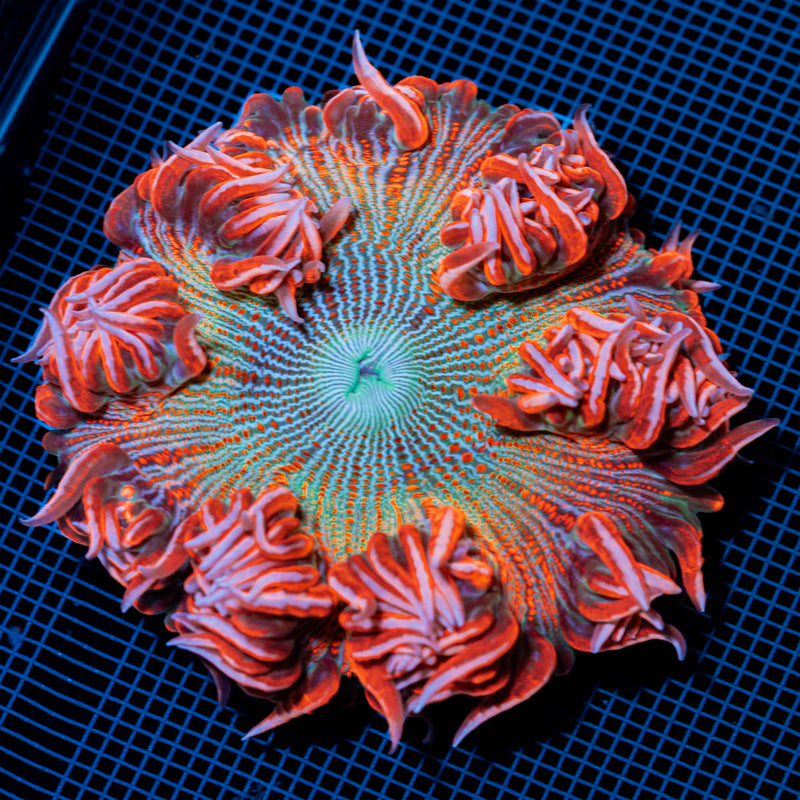
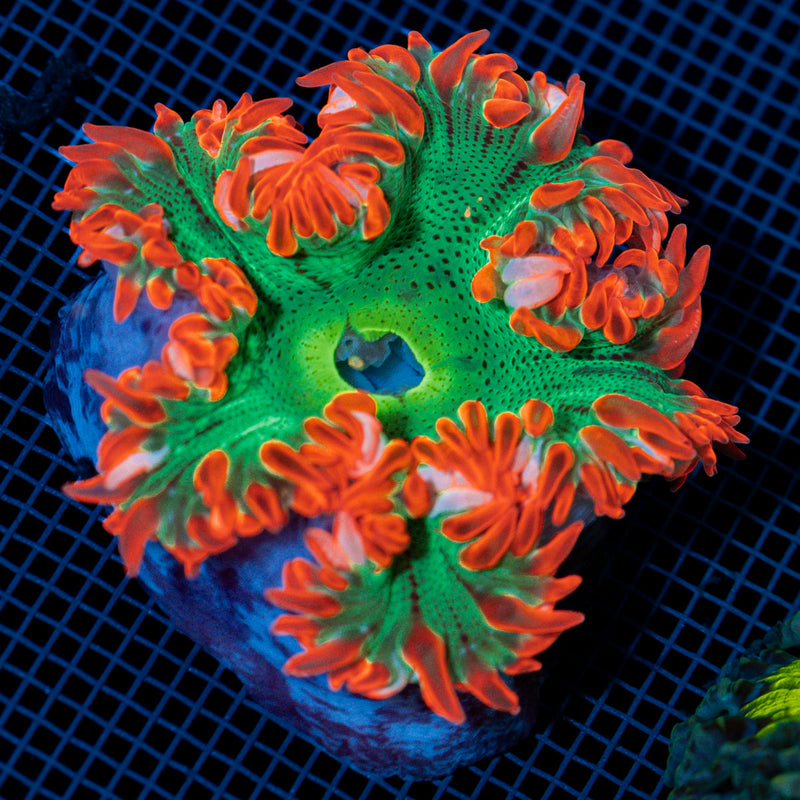
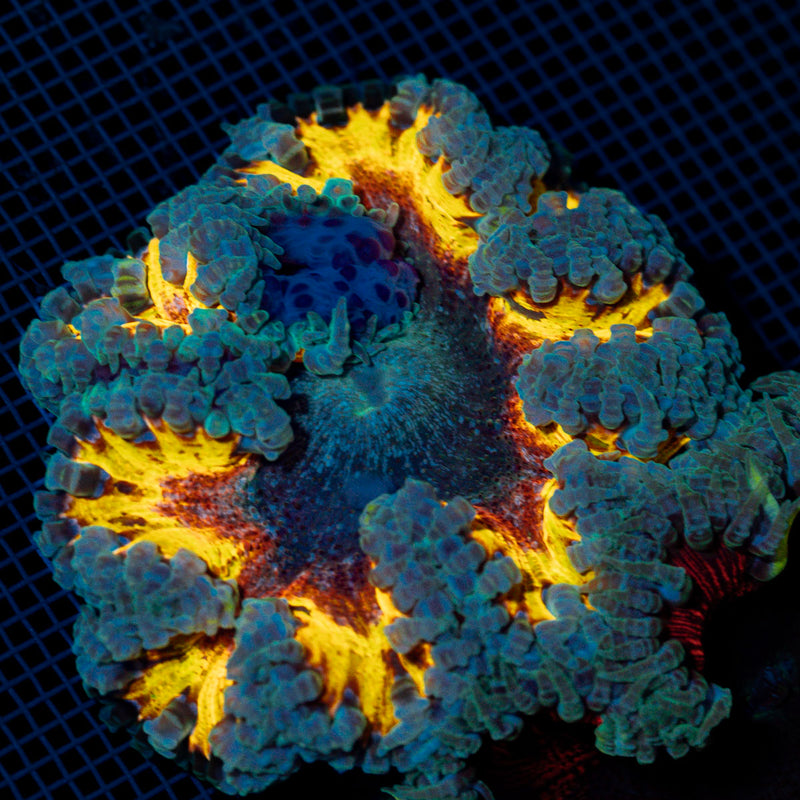
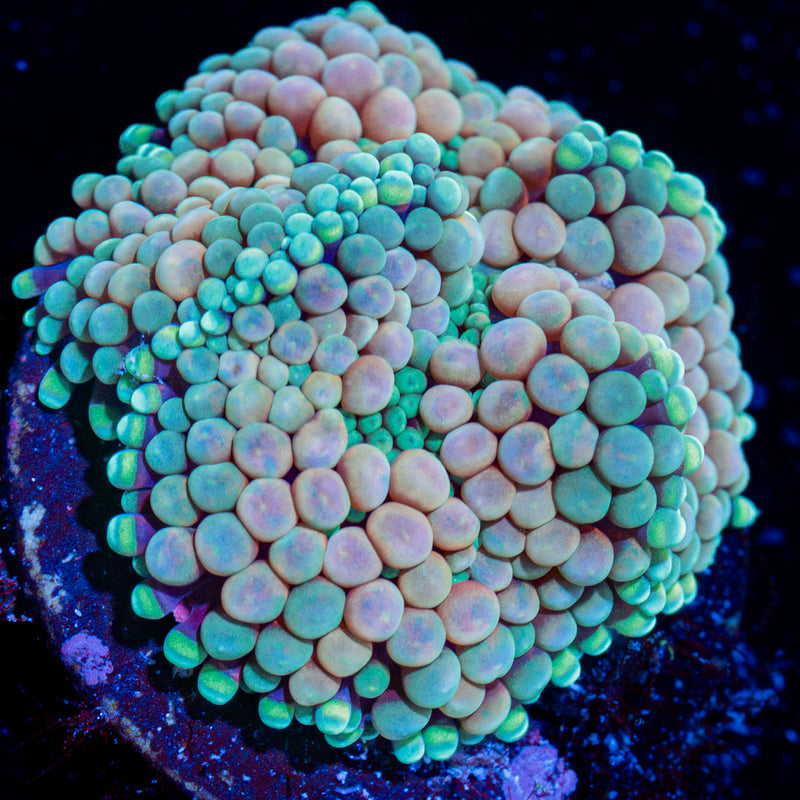
Look first at the polyp tissue. Healthy zoanthids should appear full, intact, and firmly attached to their frag plug or rock. Most polyps should be open when photographed under normal daytime conditions, with a clean, round oral disc and a visible skirt of tentacles. A few closed polyps are not automatically a concern, especially after handling or shipping, but a frag with many tightly closed, shrunken, or melting polyps deserves more scrutiny.
Color should look clear and consistent with the specimen's lighting. Rich coloration is exciting, but extremely blue photos can make almost any coral look more fluorescent than it will under your aquarium lights. WYSIWYG - what you see is what you get - listings are especially valuable because they let you evaluate the exact frag rather than relying on a generic stock image. You can see its polyp count, growth form, plug condition, and true presentation before purchasing.
What Healthy Zoanthid Frags Look Like
A healthy frag does not need to be huge. A small, established cluster with several open, well-formed polyps is often a smarter purchase than a larger frag with damaged tissue or a loose attachment. Zoanthids grow by spreading across a surface, so stable attachment matters. Check that the base of the colony is encrusting the plug, rubble, or rock rather than peeling away from it.
Pay attention to the area between polyps. The connecting mat should look solid, not thin, slimy, or discolored. Avoid frags with obvious bare patches where tissue appears to be receding, especially if the surrounding polyps are collapsed. White, fuzzy growth, brown jelly-like material, or exposed areas that seem to be spreading can indicate stress, damage, or a health issue that may worsen after introduction.
Some minor algae on a plug is normal and rarely a deal-breaker. In fact, a lightly seasoned plug can suggest that the frag has spent time growing in a stable system. Heavy nuisance algae, thick cyanobacteria, or pest growth around the base is different. It can make inspection difficult and may require extra cleanup or quarantine work at home.
Open Polyps Are a Good Sign, Not the Only Sign
Open polyps are reassuring, but they are not the sole measure of coral health. Zoanthids close for reasons that are not necessarily serious: recent fragging, flow changes, feeding, nighttime behavior, or the simple disruption of being moved for photography. What matters is the overall condition of the colony.
A frag with plump tissue, a clean base, and mostly open polyps is generally a strong candidate. A frag with consistently pinched, stretched, disintegrating, or mucus-covered polyps is a higher-risk purchase, even if one or two polyps happen to be open in the photo.
Choose a Source That Prioritizes Coral Conditioning
Where a zoanthid was grown and how it was handled before sale matters as much as its color. Aquacultured zoanthids have been grown and conditioned in aquarium systems, which can make them better adapted to life in a home reef than freshly imported wild colonies. They are also a more reef-conscious choice for hobbyists building collections over time.
Look for a seller that provides current, detailed photos, clear coral information, and reliable live-arrival support. Exact-item photography reduces guesswork. You should be able to assess whether you are purchasing a two-polyp starter frag, a fuller multi-polyp colony, or a standout showpiece with a particular color pattern.
At Riptide Aquaculture, WYSIWYG selections make it easier to shop for the exact colorful frag that catches your eye, while aquacultured coral helps bring more purchase confidence to a live-animal purchase. That transparency is particularly useful with zoanthids because polyp count, coloration, and growth stage can vary widely from one frag to the next.
Price can be part of the decision, but it should not be the only decision. A less expensive coral is not necessarily a bargain if it arrives stressed, undersized compared with the listing, or poorly prepared for shipping. On the other hand, a premium price can make sense for an established frag with proven coloration, strong polyp extension, and a substantial number of healthy heads. Compare condition and value, not just the label.
Match the Frag to Your Tank and Experience
Zoanthids are commonly considered beginner-friendly, but they still need a stable reef environment. Before buying, make sure your tank has completed its cycle and has consistent salinity, temperature, alkalinity, and nutrient levels. A coral cannot compensate for a tank that is still swinging from day to day.
Most zoanthids do well in low to moderate flow and low to moderate lighting, although exact preferences vary by morph and by the conditions in which the frag was grown. Strong, direct flow can keep polyps closed or irritate their tissue. Very intense lighting can cause a newly introduced frag to fade or stay shut, particularly if it came from a lower-light system.
If you are newer to reef keeping, choose a healthy, established frag with multiple polyps rather than chasing the rarest high-end morph. More polyps provide a little more resilience and make it easier to tell whether the coral is settling in. Beginner-friendly zoanthids can still bring stunning color to a reef without adding unnecessary pressure to your acclimation routine.
Ask yourself where the frag will live before you order it. Zoanthids spread, which is wonderful when you want a bright garden on a dedicated island rock. It can be less wonderful when they begin creeping toward slow-growing SPS or a prized LPS coral. Give them a location with room to expand, or place the frag on a removable rock that lets you manage growth later.
Inspect for Pests Before Adding Any Coral
Healthy-looking zoanthids can still carry hitchhikers. Quarantine is the most cautious approach, especially if you maintain a mixed reef with valuable coral collections. A separate observation system gives you time to watch for pests, confirm that the polyps open normally, and avoid introducing unwanted organisms into your display.
Whether you quarantine or not, inspect every frag closely under good light. Look around the plug, beneath the colony, and between polyps for nudibranchs, sundial snails, eggs, flatworms, or other unwanted hitchhikers. Coral dips can be a useful part of a careful intake process, but follow the product directions precisely and understand that a dip is not a substitute for ongoing observation.
Zoanthids and palythoas can contain palytoxin, a potent natural toxin. Handle frags with care, wear gloves and eye protection when cutting, scrubbing, or dipping them, and avoid actions that can create splashes or aerosols. Never boil or expose these corals to extreme heat. This is simple, sensible reefkeeping safety, not a reason to avoid enjoying zoanthids.
Plan for Shipping Day and Acclimation
Even a healthy coral experiences stress during transit. Plan to receive your delivery on the first attempt, bring the package inside promptly, and inspect the frag soon after arrival. Delays on a hot porch or in freezing weather are hard on any live coral.
When the frag arrives, compare it with its listing and check for obvious damage. Zoanthids may be closed after shipping, so resist the urge to judge them immediately. After temperature acclimation and a careful introduction to your system, place the frag in lower light and gentler flow than its intended final position. Give it several days to open and settle before moving it upward or into brighter conditions.
Keep your hands out of the tank as much as possible during that first week. Stable water and patience are more helpful than repeatedly moving a closed frag around the aquascape. Once polyps are opening consistently, you can gradually adjust placement if the coral appears to need more or less light or flow.
The best zoanthid purchase is not always the loudest color or the rarest name. It is the frag that arrives healthy, fits your reef's conditions, and gives you that small rush of excitement every time its polyps open under your lights. Choose condition first, make room for growth, and let a well-selected zoanthid become the colorful start of a coral garden you will be proud to watch develop.