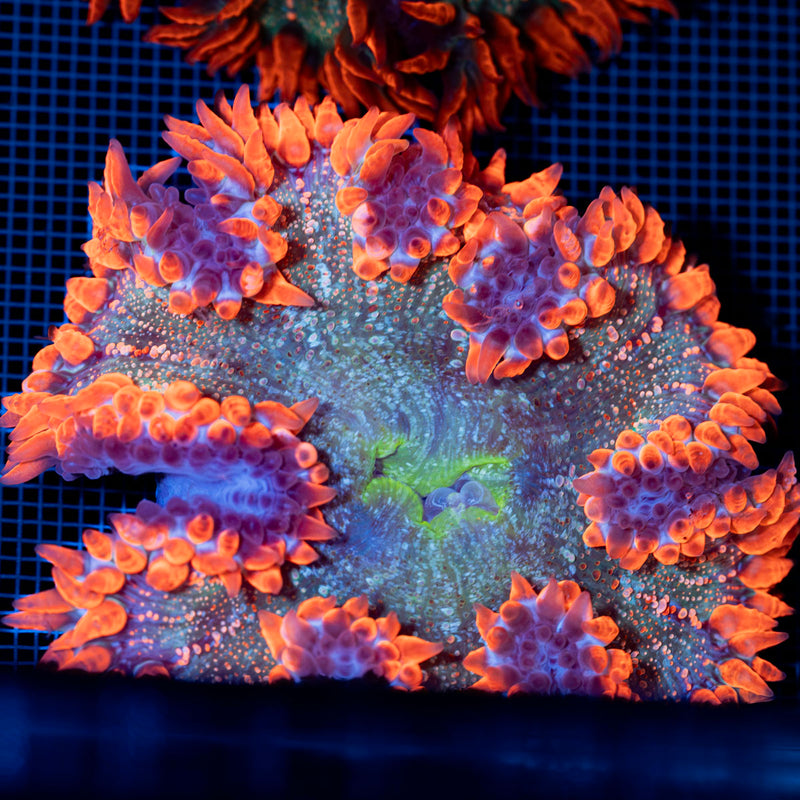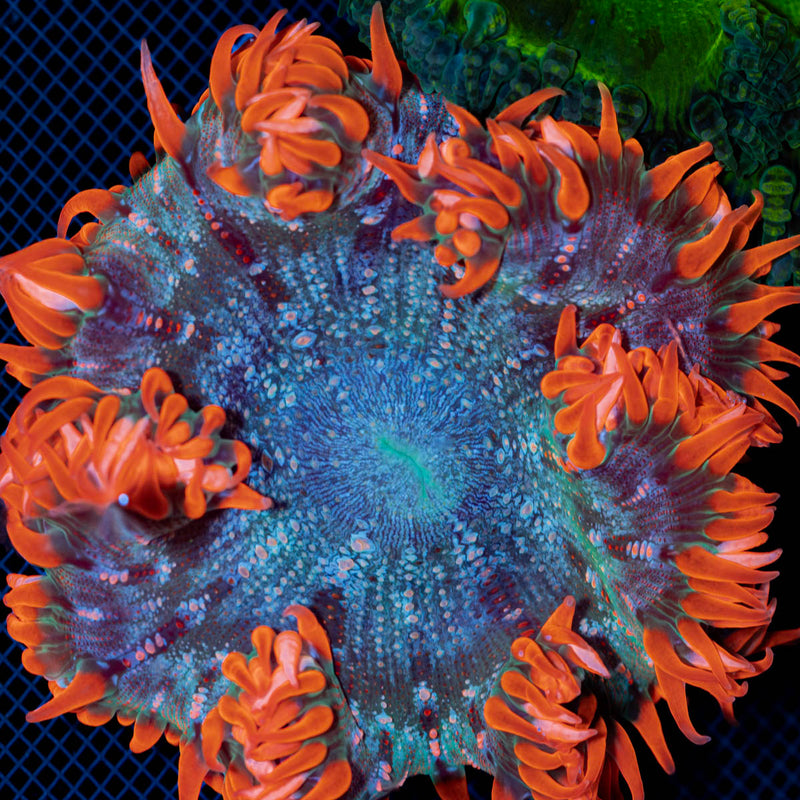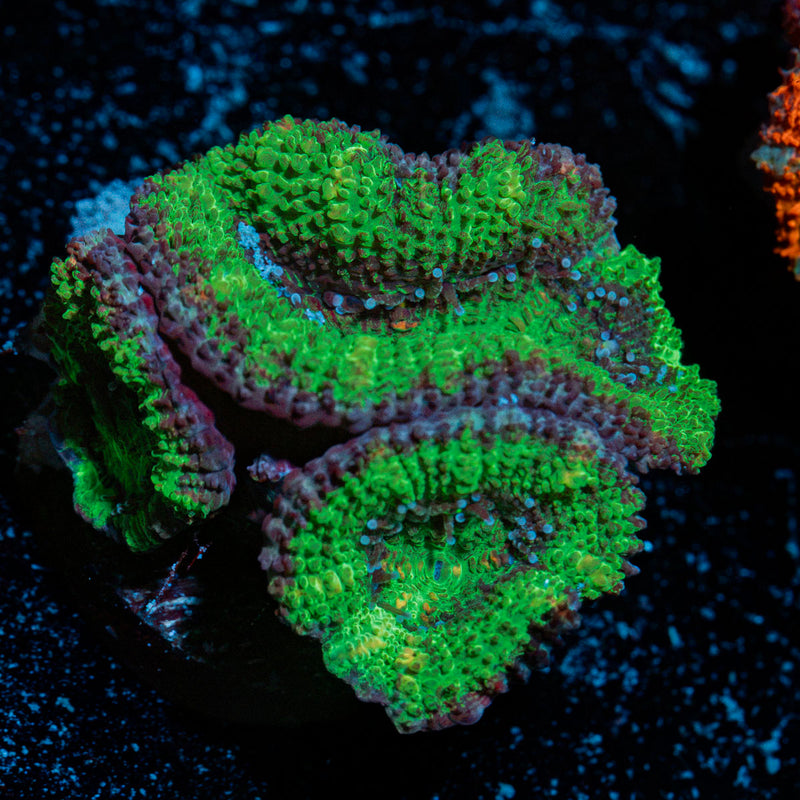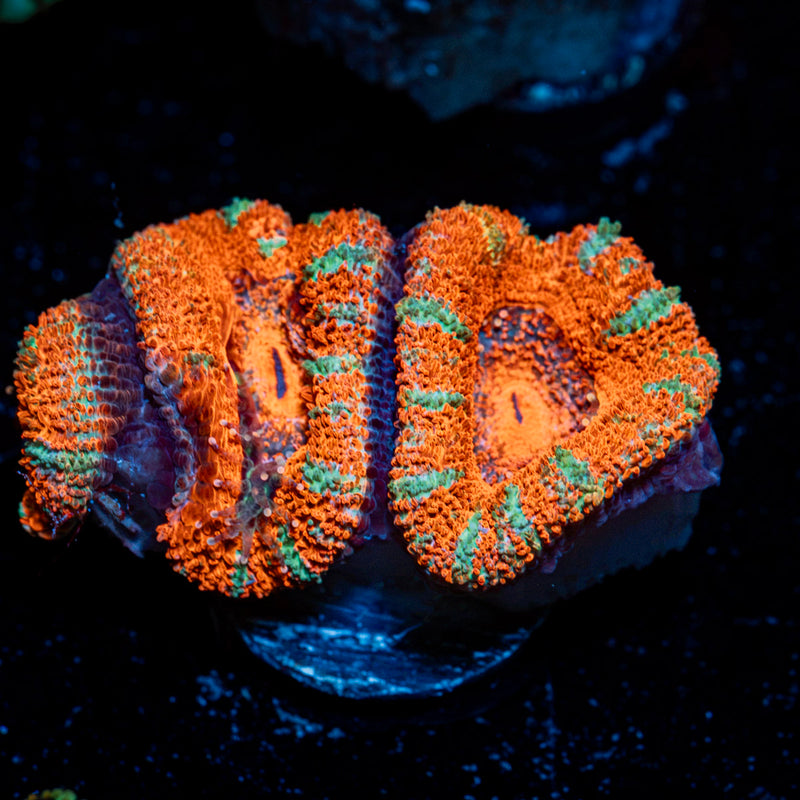
A coral can look incredible in a photo and still be the wrong fit for your reef. That is why buy aquacultured reef corals is more than a sourcing question. It is a decision about health, predictability, sustainability, and how confidently you can build a colorful reef that lasts.
Aquacultured corals are grown and propagated in controlled aquarium systems rather than collected directly from wild reefs. For hobbyists, that often means receiving a coral that is already accustomed to aquarium lighting, flow, feeding routines, and the day-to-day chemistry of captive life. You are not simply adding a stunning new frag. You are choosing a coral with a practical head start in the environment you provide.
Why Buy Aquacultured Reef Corals?
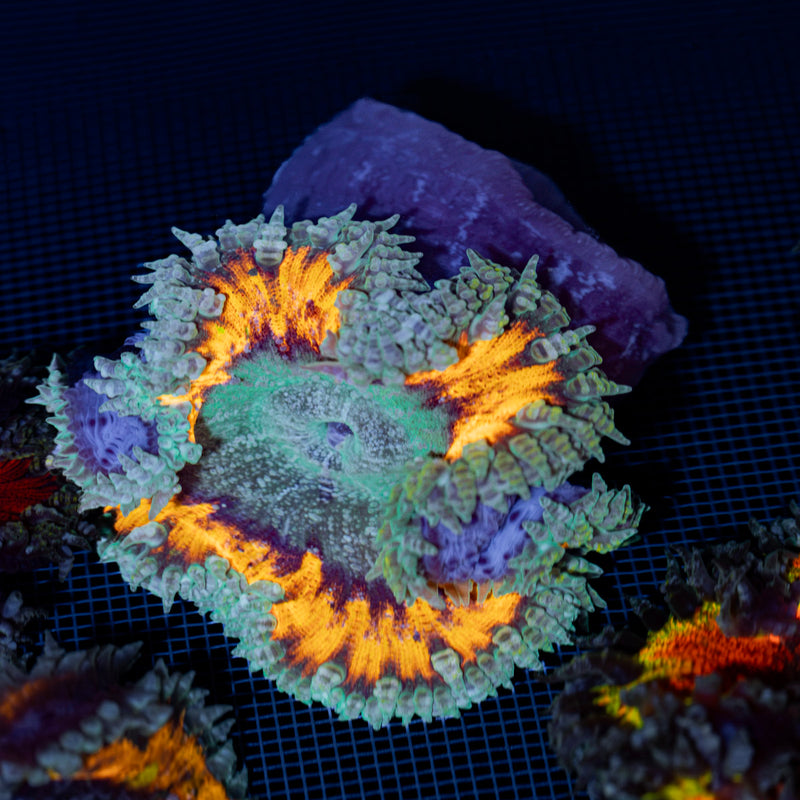
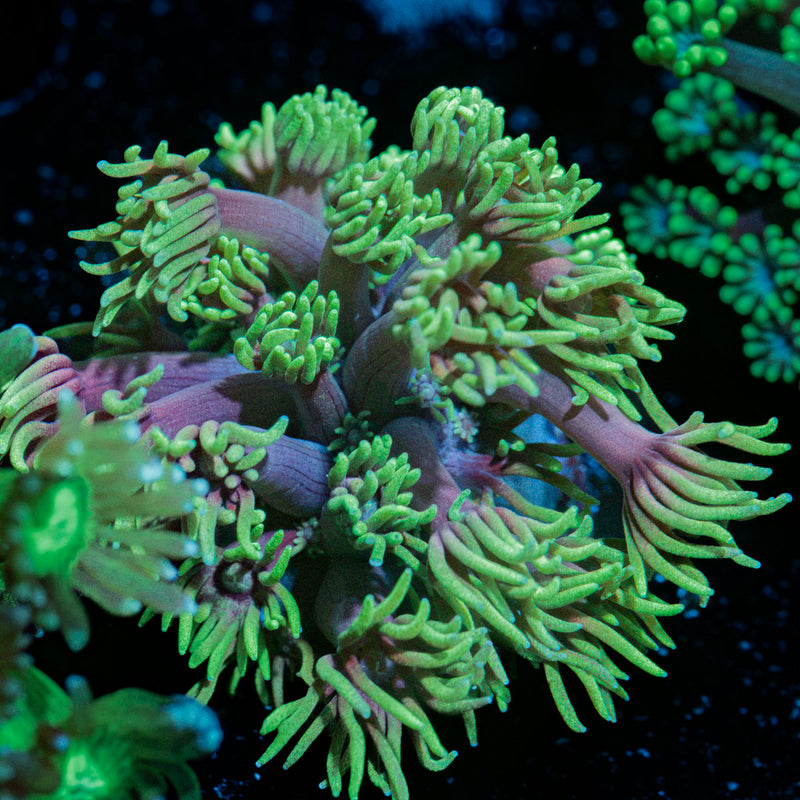
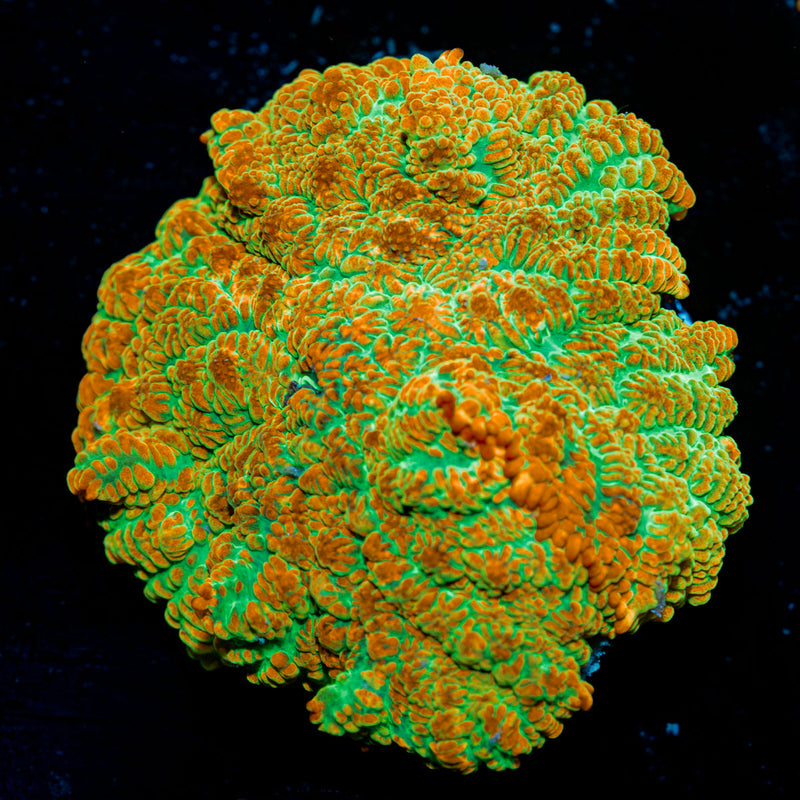
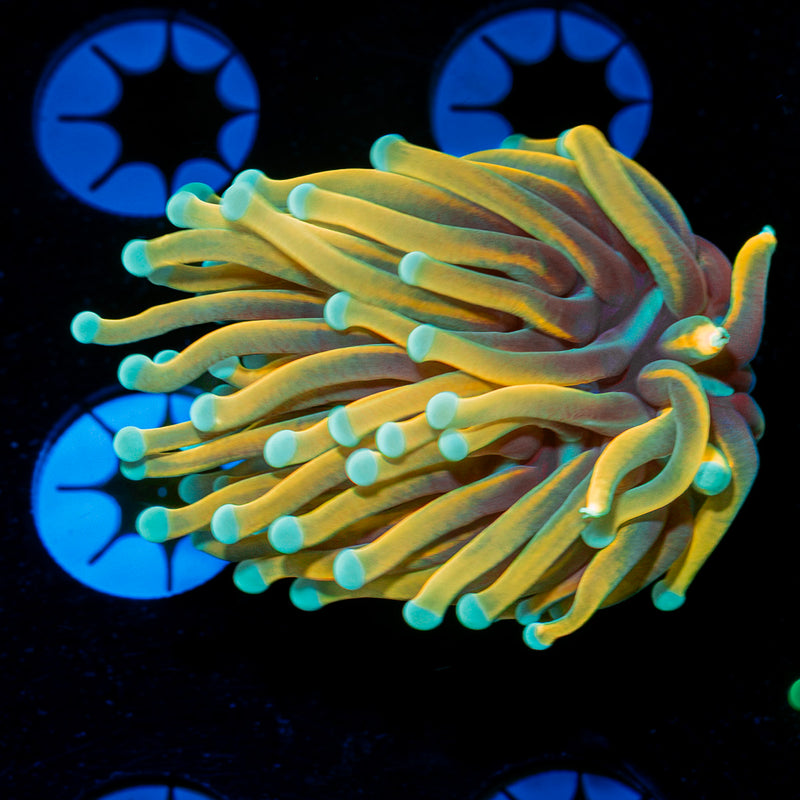
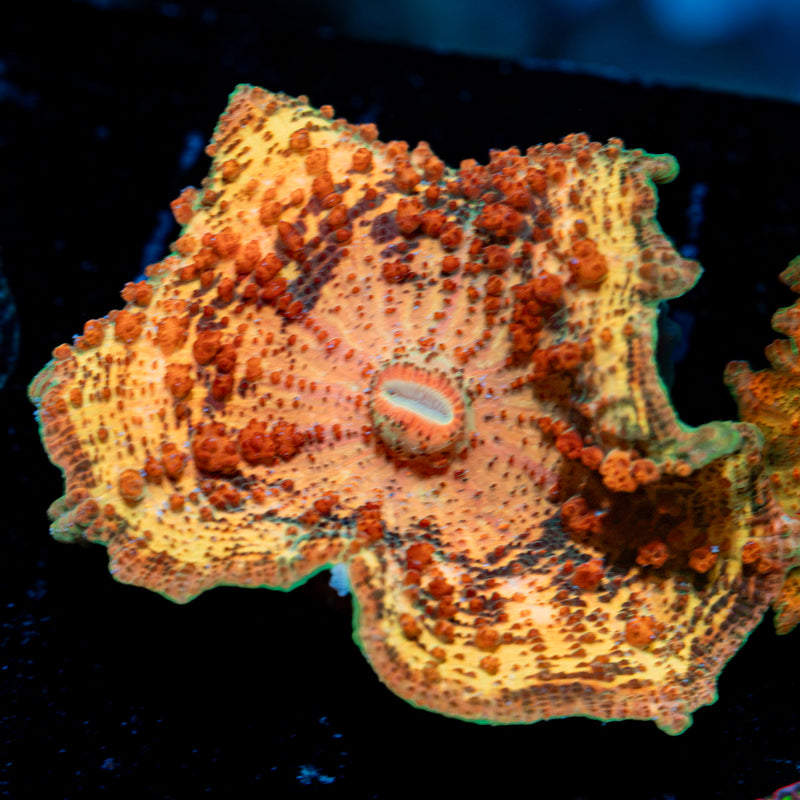
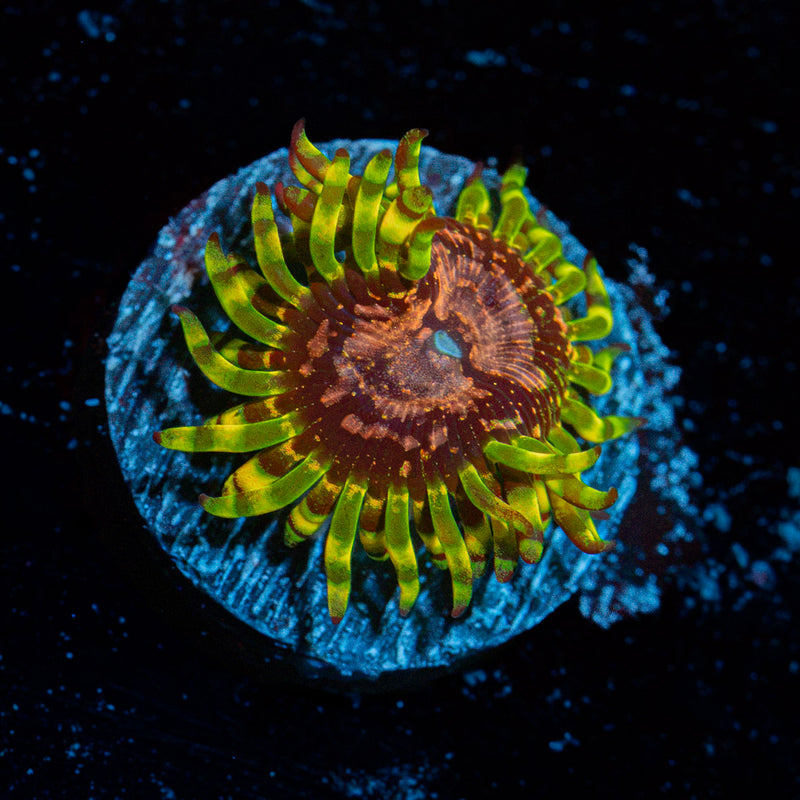
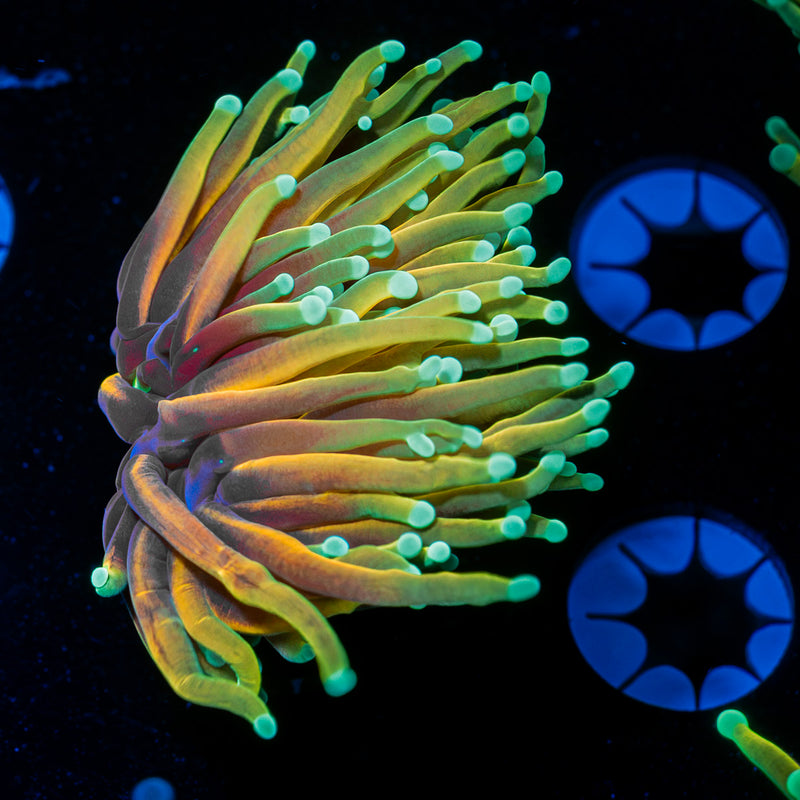
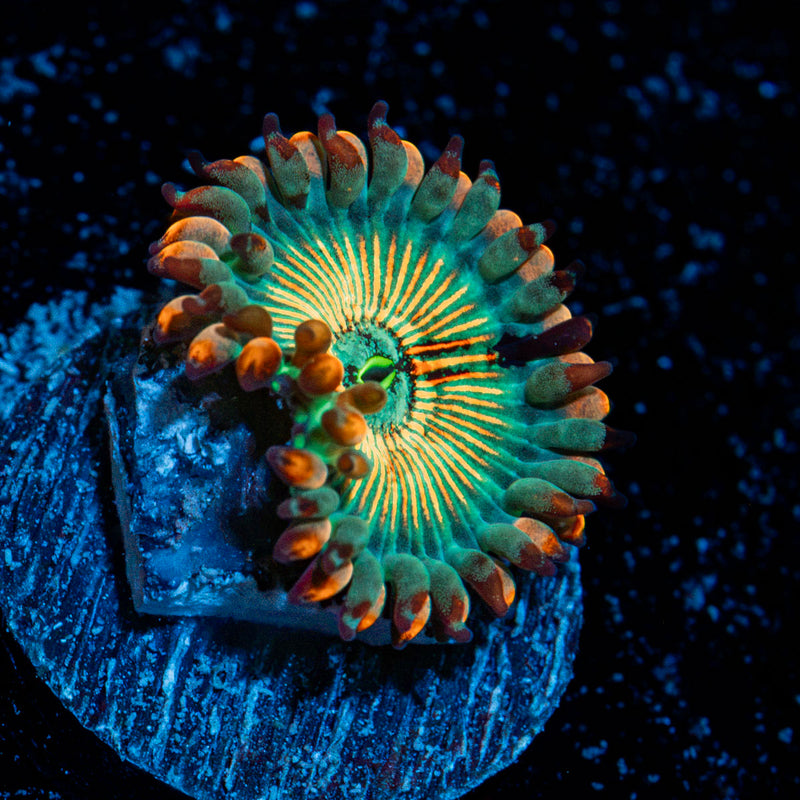
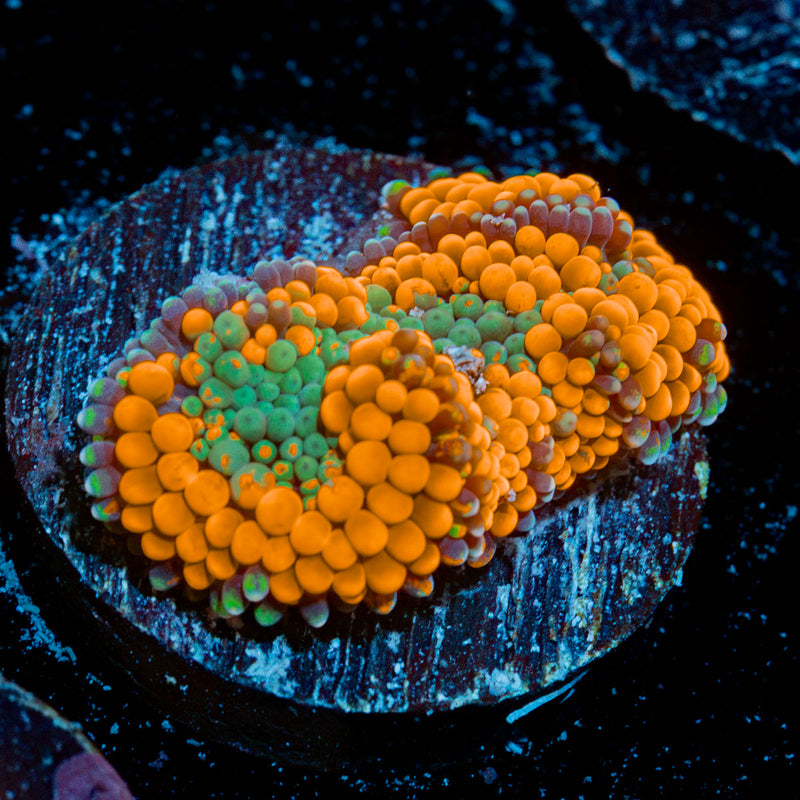
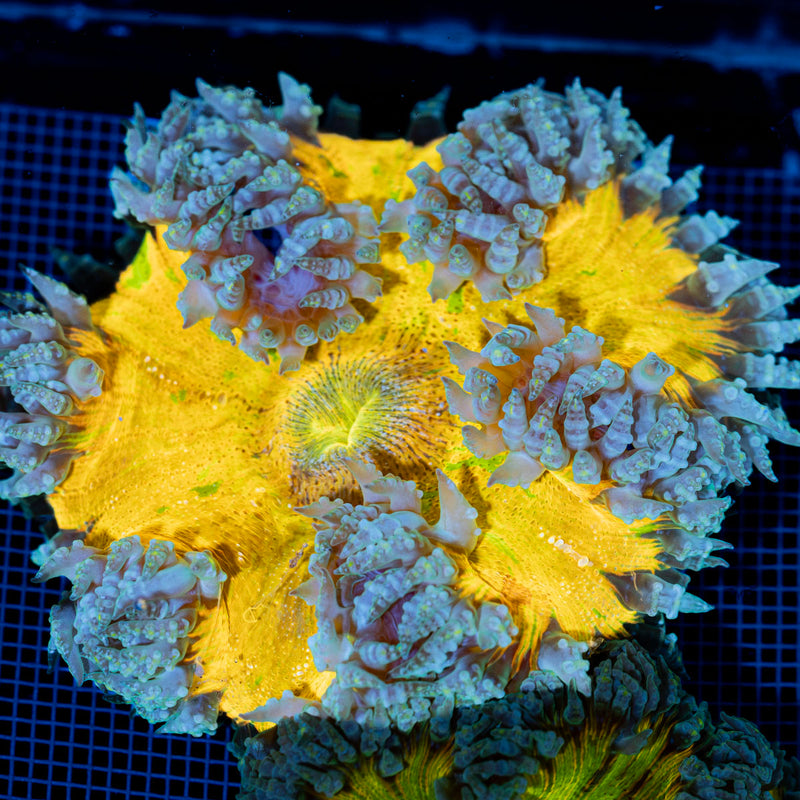
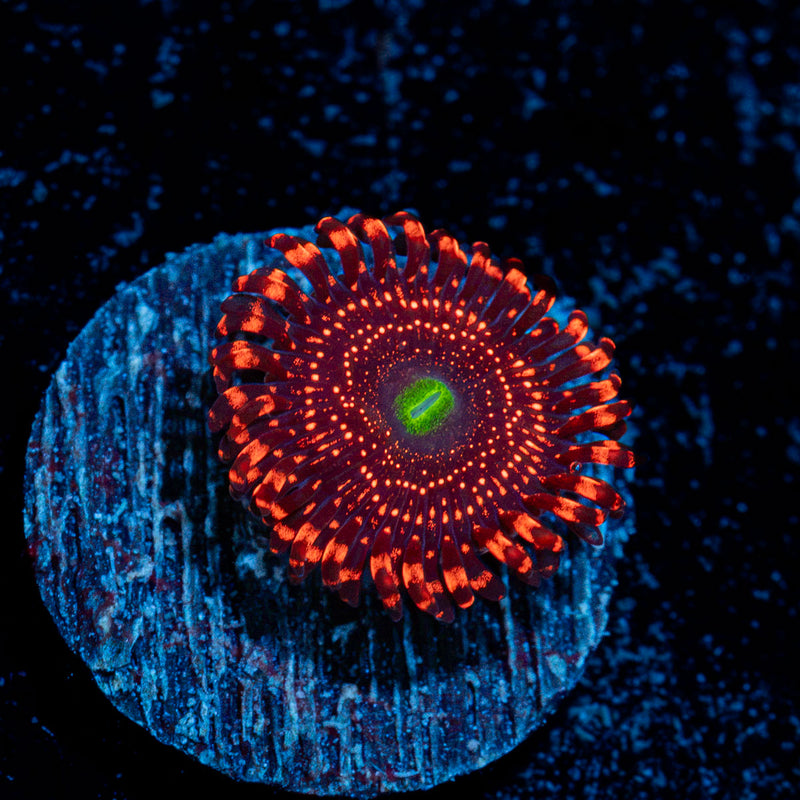
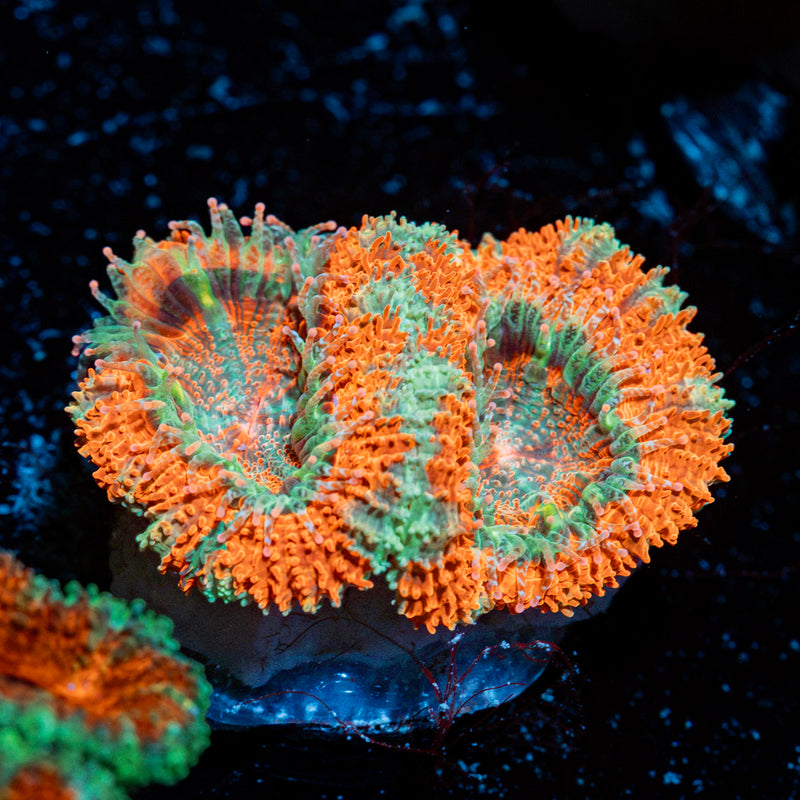
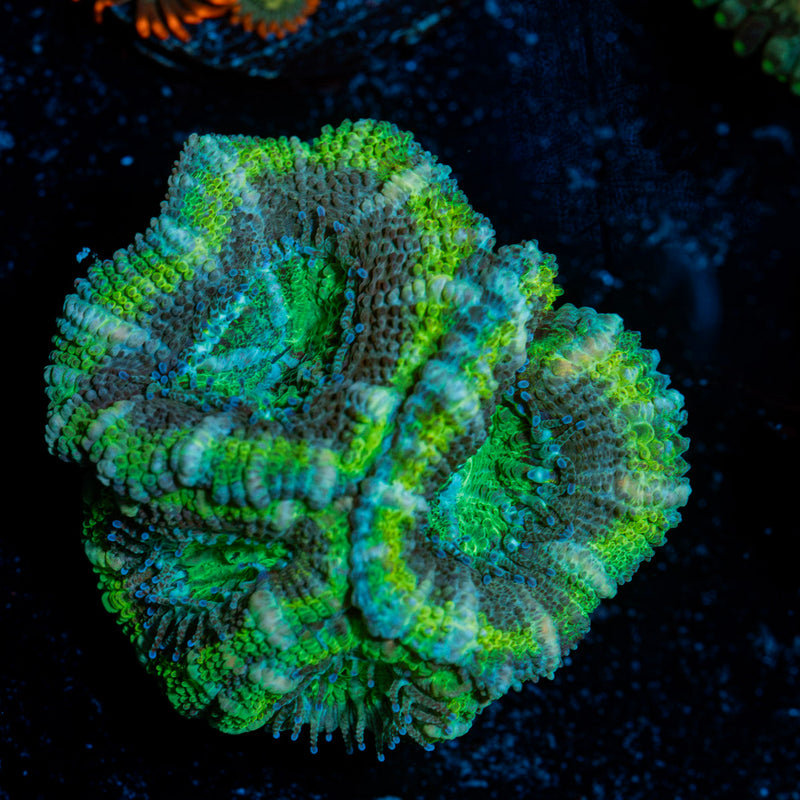
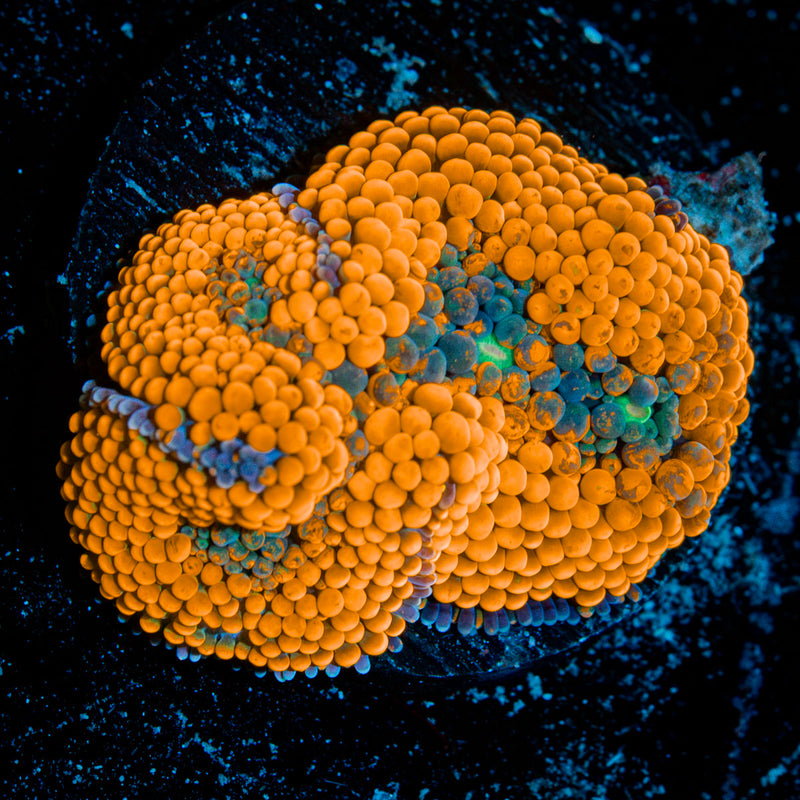
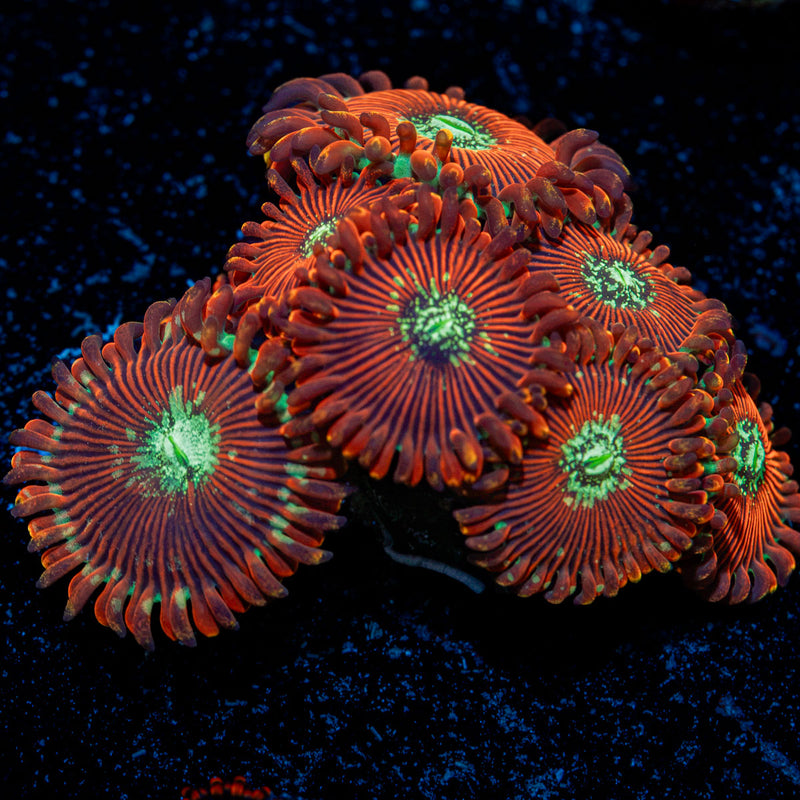
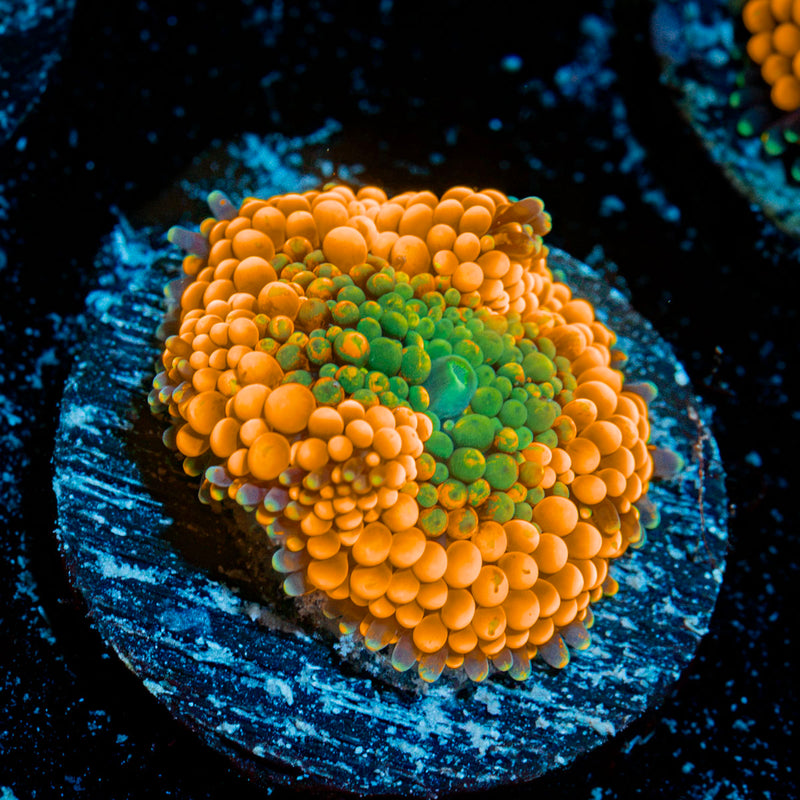
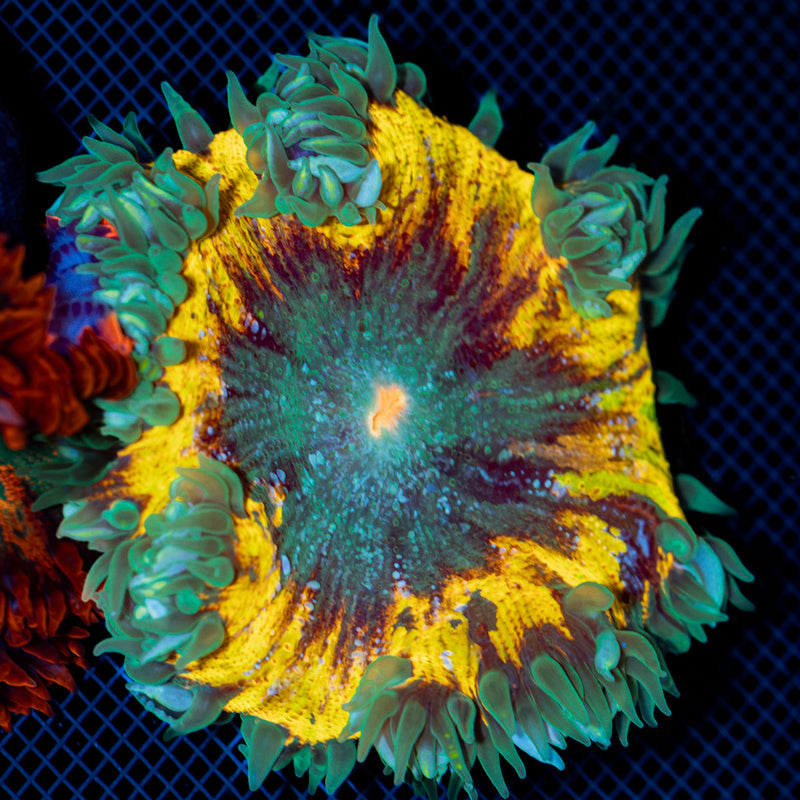
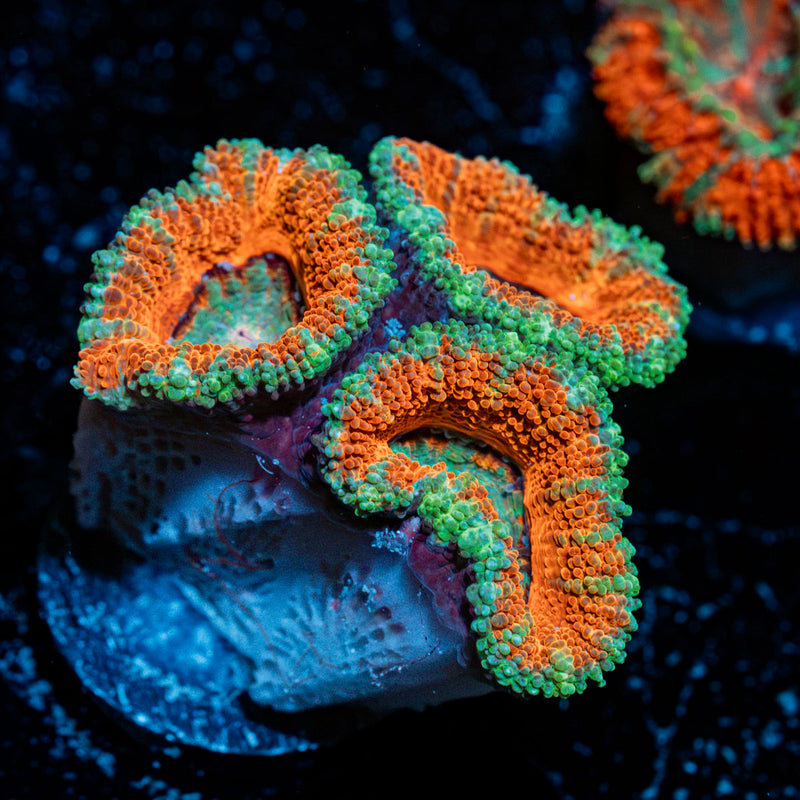
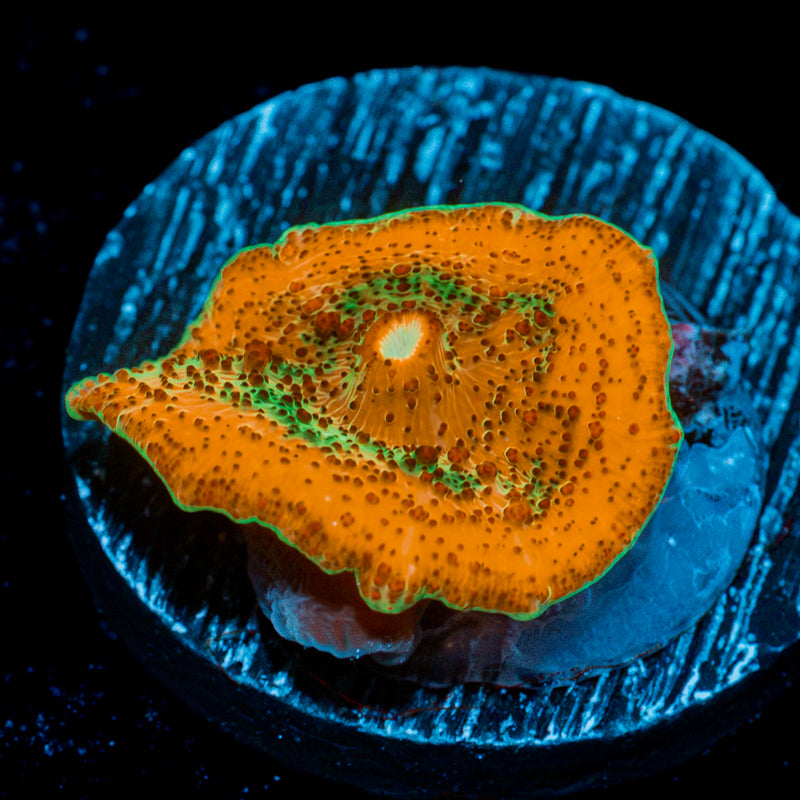
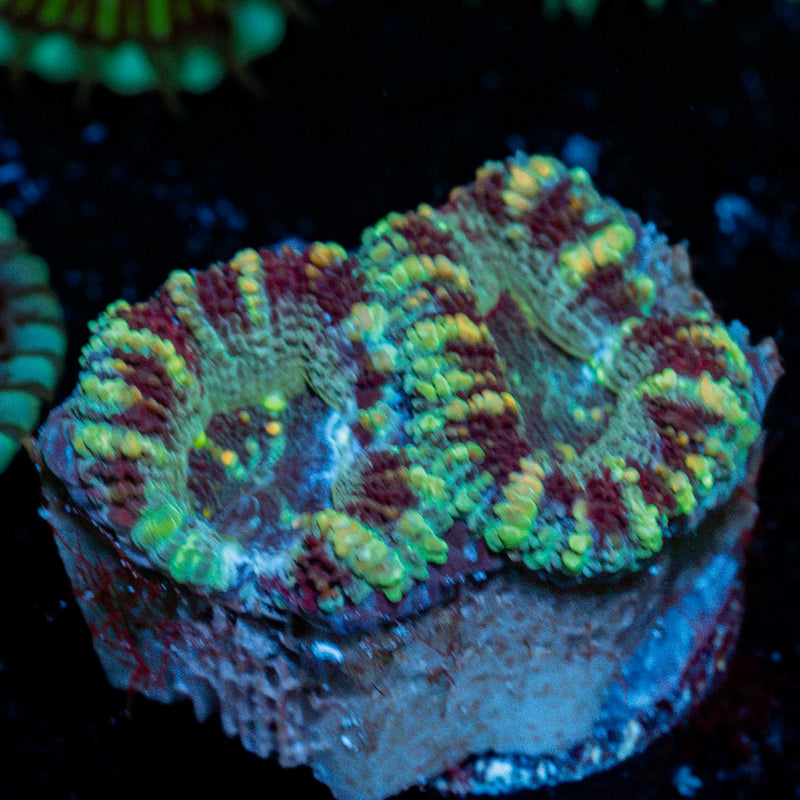
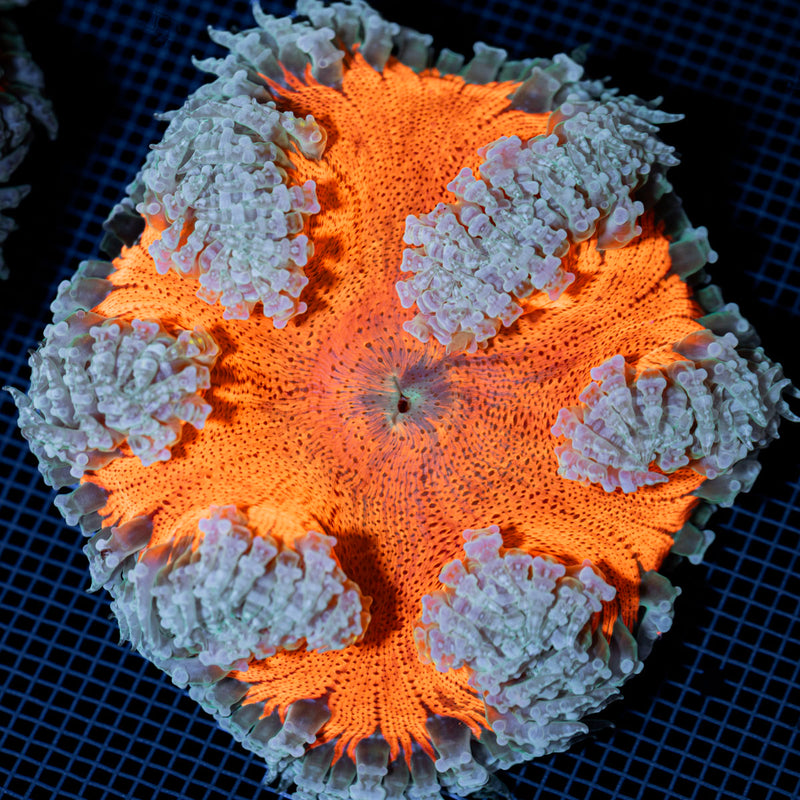
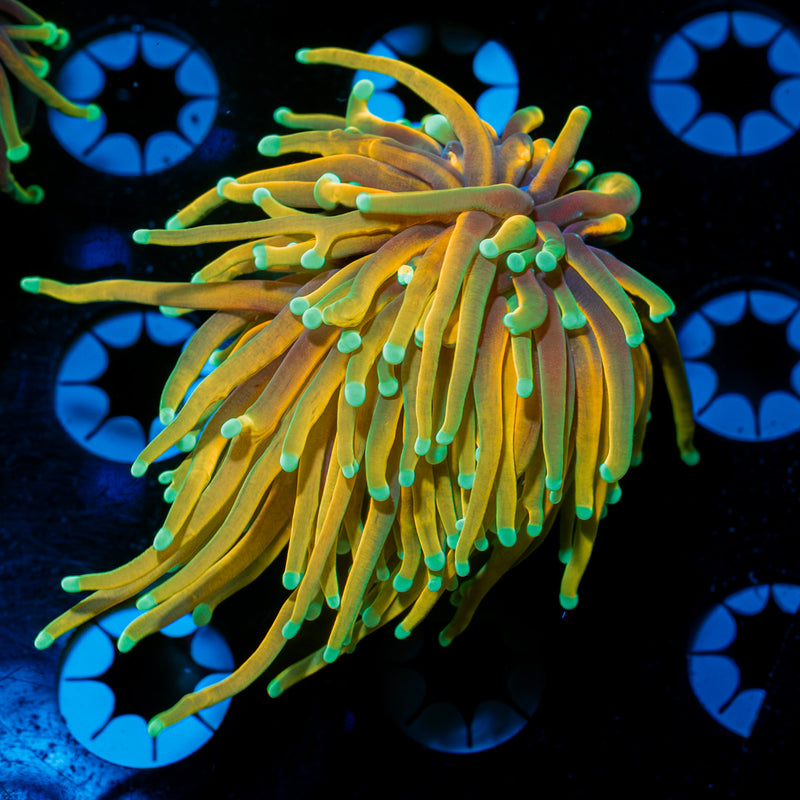
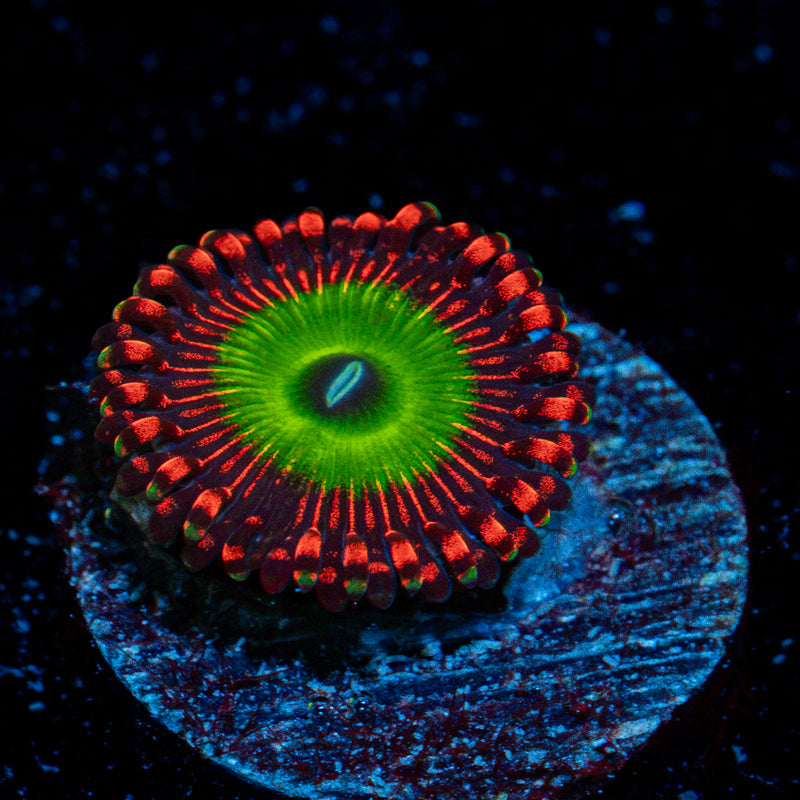
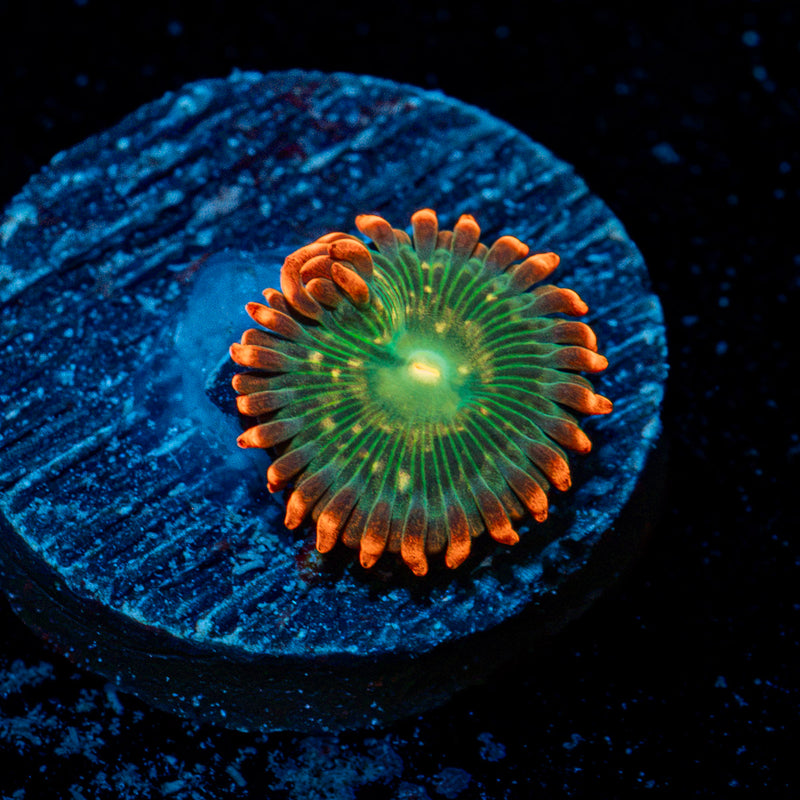
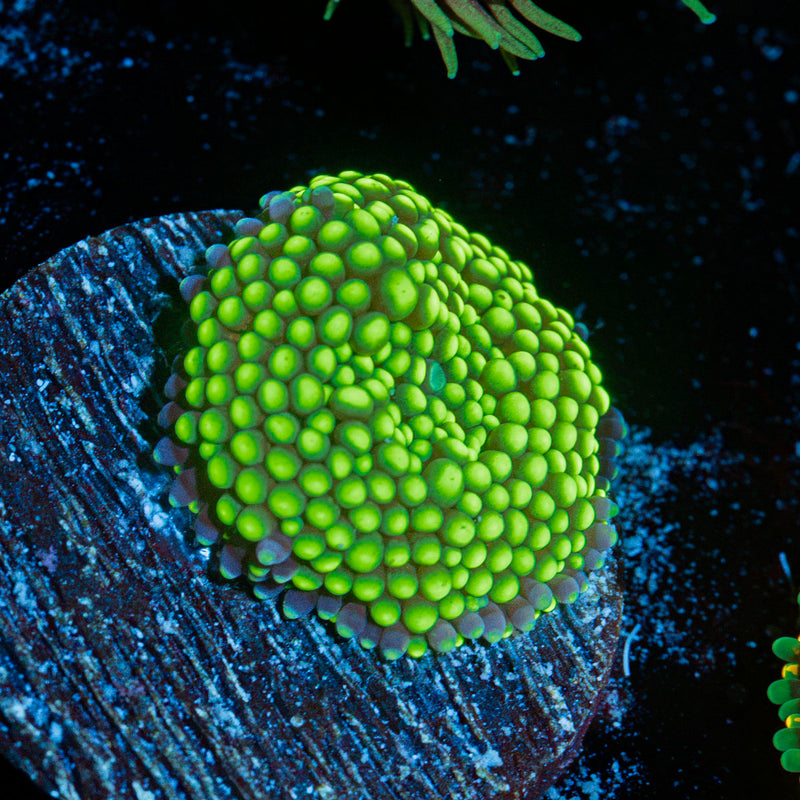
The biggest advantage is adaptation. A captive-grown torch, acan, zoanthid, mushroom, or Acropora frag has spent its life under artificial lighting and in circulated saltwater. Its parent colony has also proven it can grow in an aquarium setting. That does not guarantee success in every tank, but it can reduce the shock that sometimes comes with moving wild-collected livestock into a home reef.
Aquacultured corals can also arrive in better condition for the journey ahead. Healthy propagation systems reward stable parameters, consistent care, and close observation. When a coral is grown for aquarium life, its color, polyp extension, growth habits, and overall response to captive conditions can be evaluated over time. That gives sellers a stronger basis for offering pieces that are not only beautiful, but established.
For a new hobbyist, this matters. A beginner-friendly soft coral or hardy LPS frag can offer motion, color, and personality without demanding an advanced SPS-level routine from day one. For experienced reef keepers, aquacultured SPS can provide the same excitement in a more aquarium-adapted package, whether you are chasing branching structure, intense coloration, or a future showpiece colony.
A More Reef-Safe Way to Build Color
Wild reefs deserve to remain where they are: alive, complex, and supporting entire ecosystems. Aquaculture gives hobbyists a way to enjoy living jewels at home while reducing reliance on direct collection from natural reef environments.
That benefit becomes more meaningful as your tank grows. A single frag may feel like a small purchase, but reef aquariums are often built one carefully chosen coral at a time. Choosing propagated corals helps support a supply chain centered on growing, fragging, and sharing established captive colonies.
It also keeps the hobby moving forward. Many of the vibrant corals reef keepers love have been maintained, selectively propagated, and passed through aquarium systems for years. Those lineages represent real effort from growers and hobbyists who learned what each coral needs to thrive. When you choose aquacultured livestock, you are participating in that cycle of responsible propagation.
More Predictable Care Does Not Mean Care-Free
Aquacultured corals are often easier to acclimate than wild-collected pieces, but they are not automatic. A coral can be fully adapted to aquarium life and still struggle if it moves from stable conditions into a tank with swinging salinity, low alkalinity, excessive nutrients, or inappropriate light and flow.
The goal is compatibility, not a magic shortcut. Before adding a frag, consider your tank's age, lighting, nutrient levels, available space, and the corals already in residence. A thriving Euphyllia garden needs room for sweepers. Fast-growing zoanthids may need a rock of their own. An Acropora may flourish under strong, stable lighting but be frustrating in a newly established tank that is still finding its balance.
This is where thoughtful category selection helps. Soft corals, mushrooms, many zoanthids, and select LPS pieces can be welcoming options for newer systems. SPS corals, especially premium Acropora and Millepora, generally ask for tighter stability and a more deliberate approach. The right coral is not always the rarest or most expensive one. It is the one that fits your system now and still leaves you excited to care for it six months from now.
You Can See What You Are Choosing
Coral is not a standardized product. Two frags with the same name can differ in size, shape, coloration, polyp extension, and growth form. That is why WYSIWYG, or What You See Is What You Get, is so valuable when shopping online.
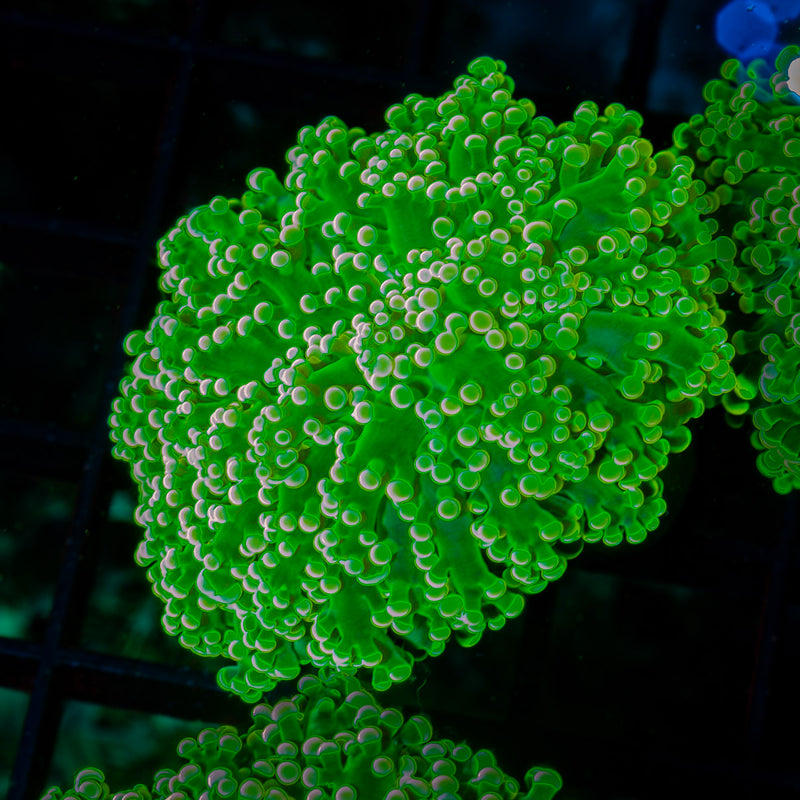
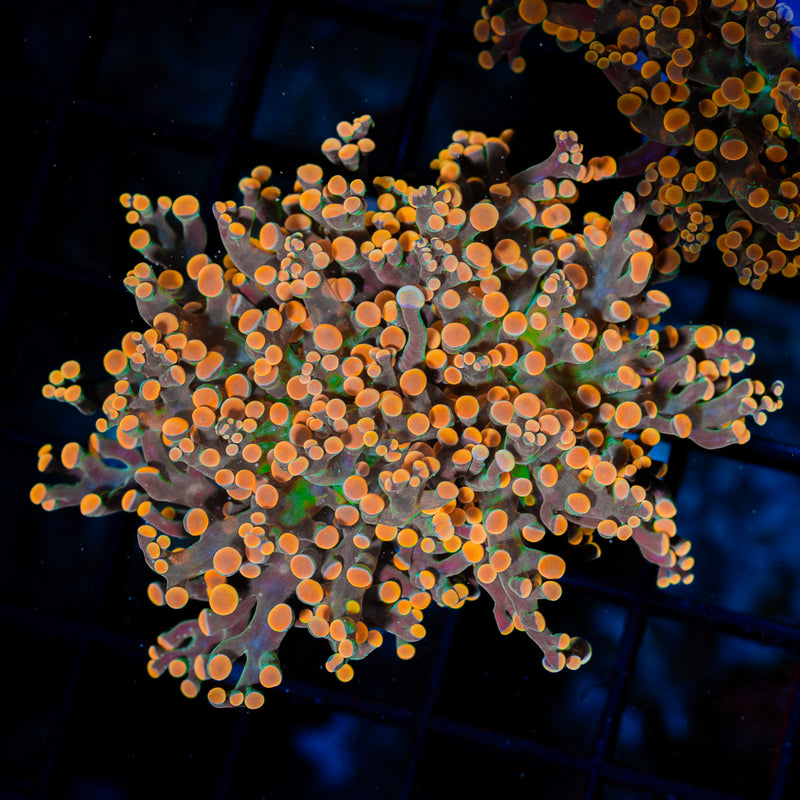
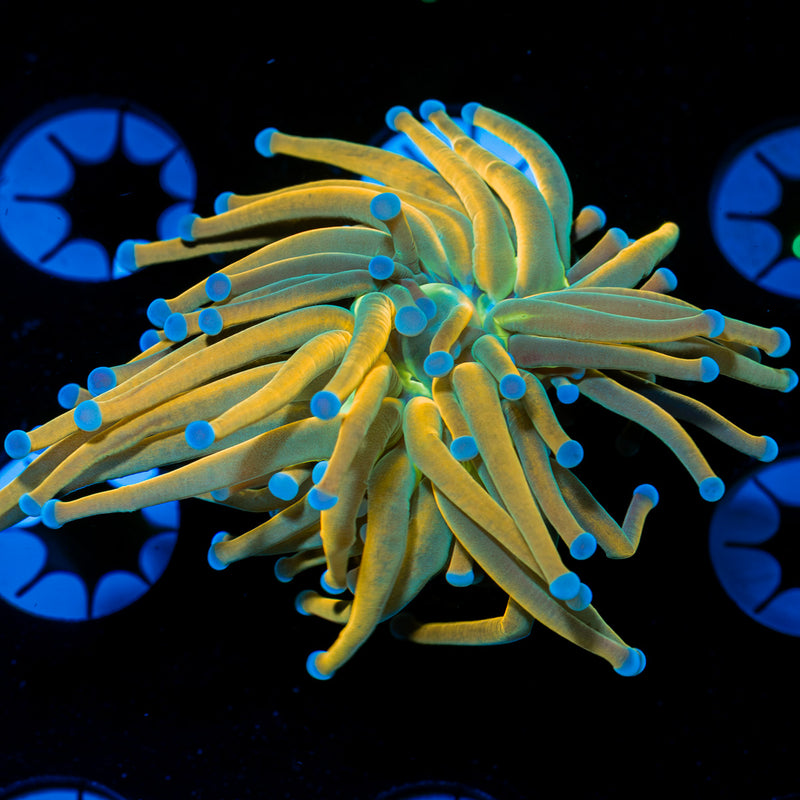
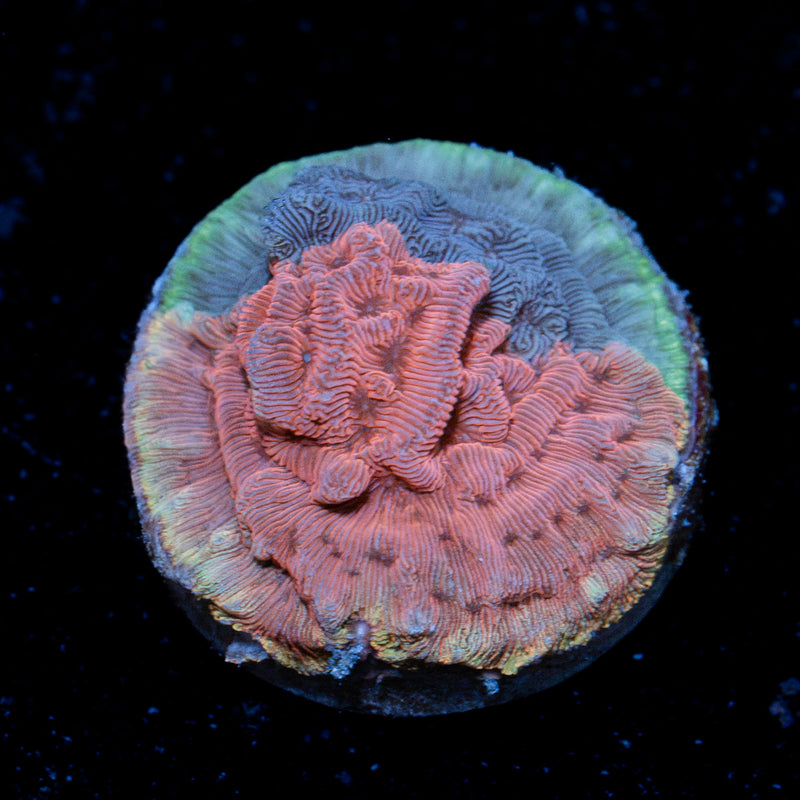
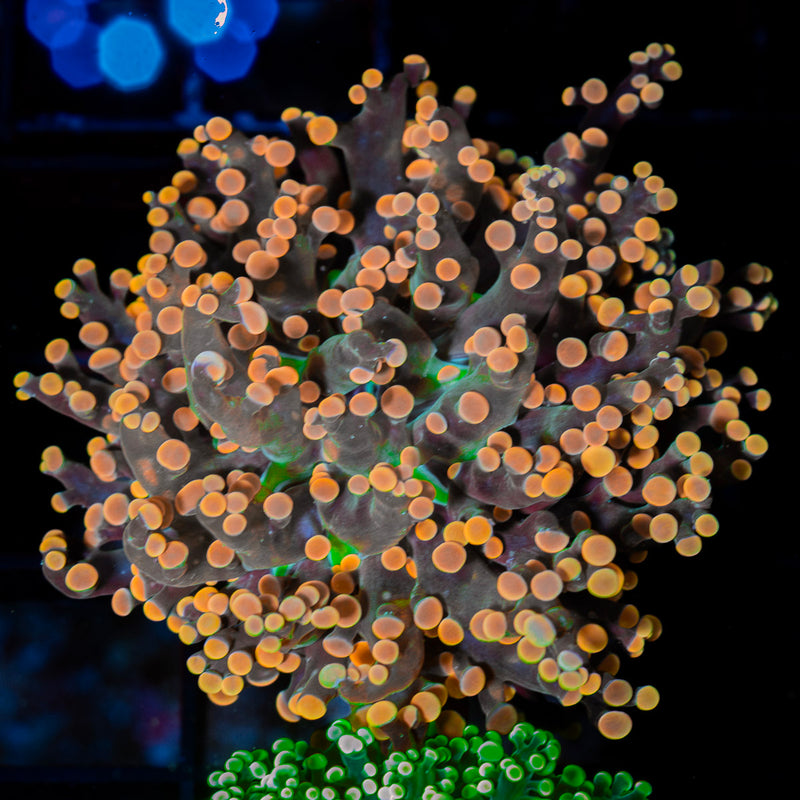
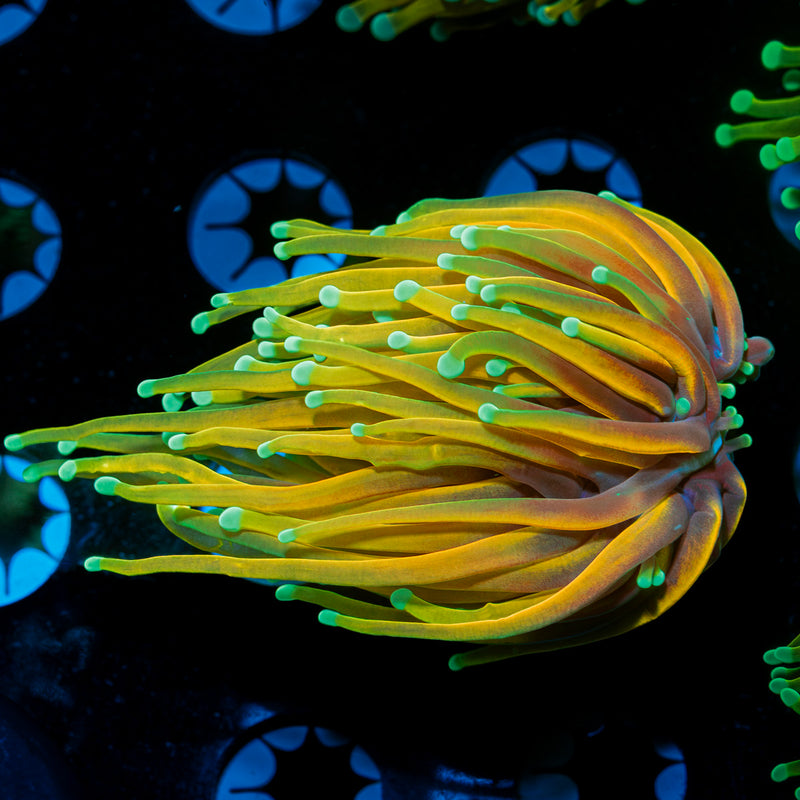
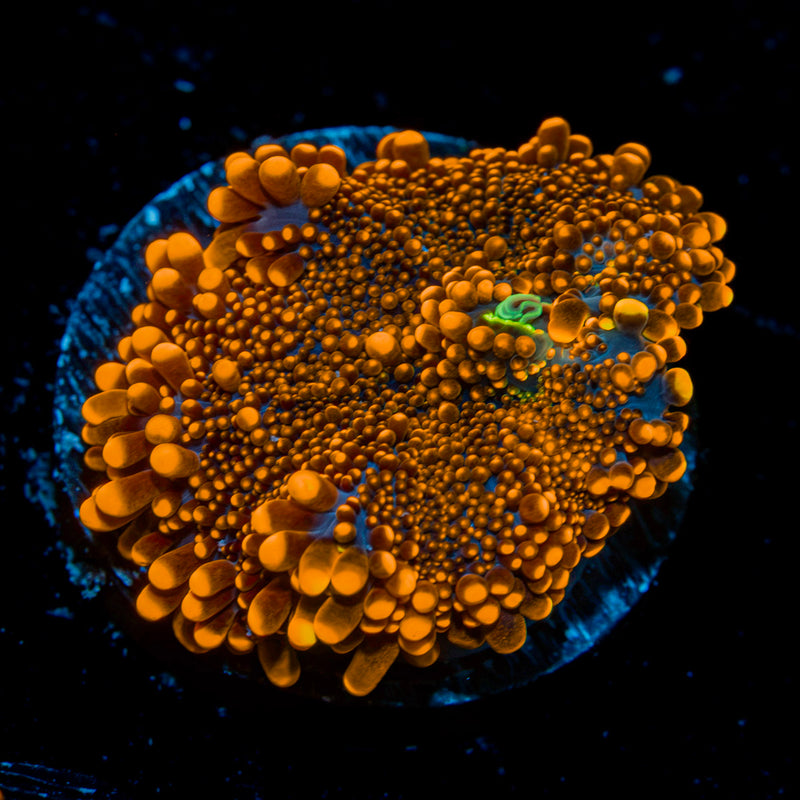
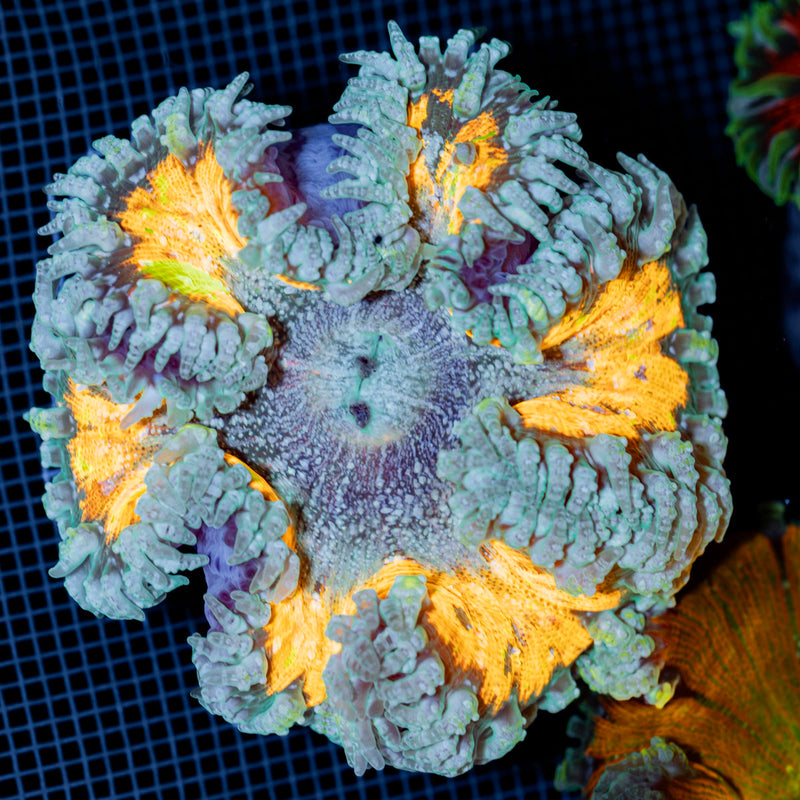
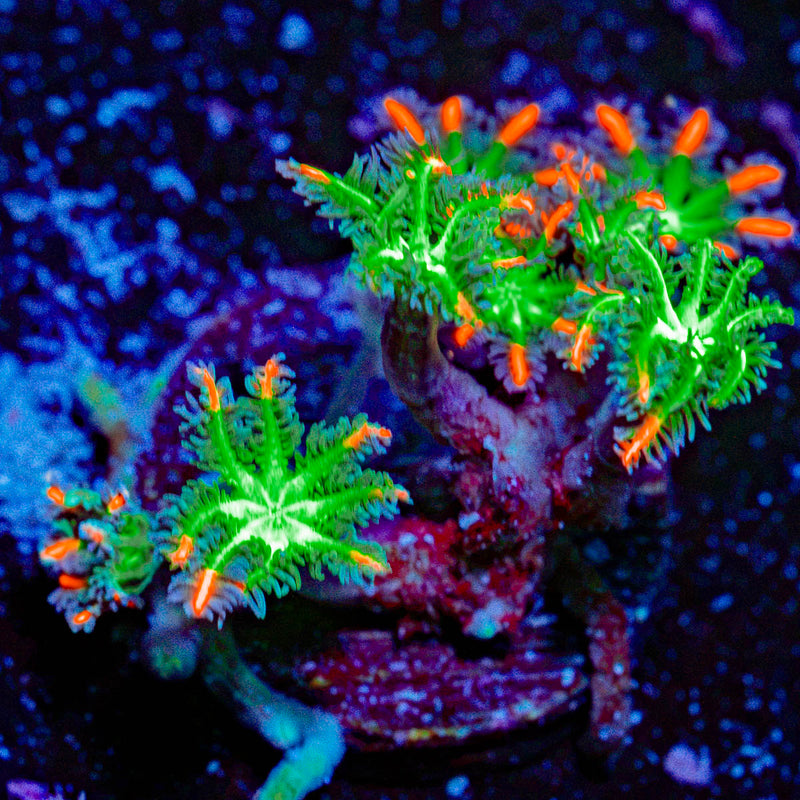
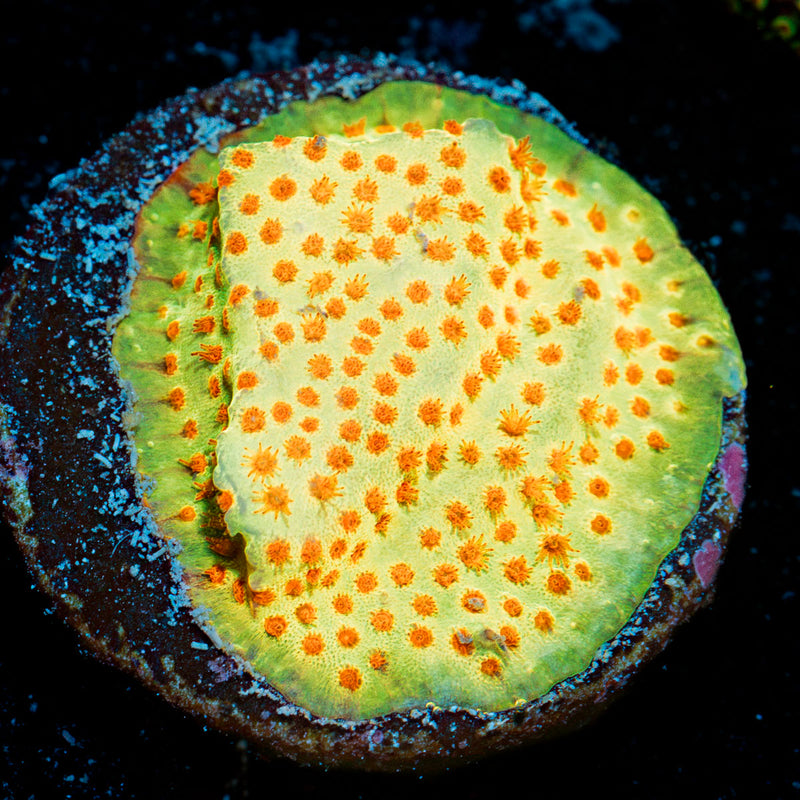
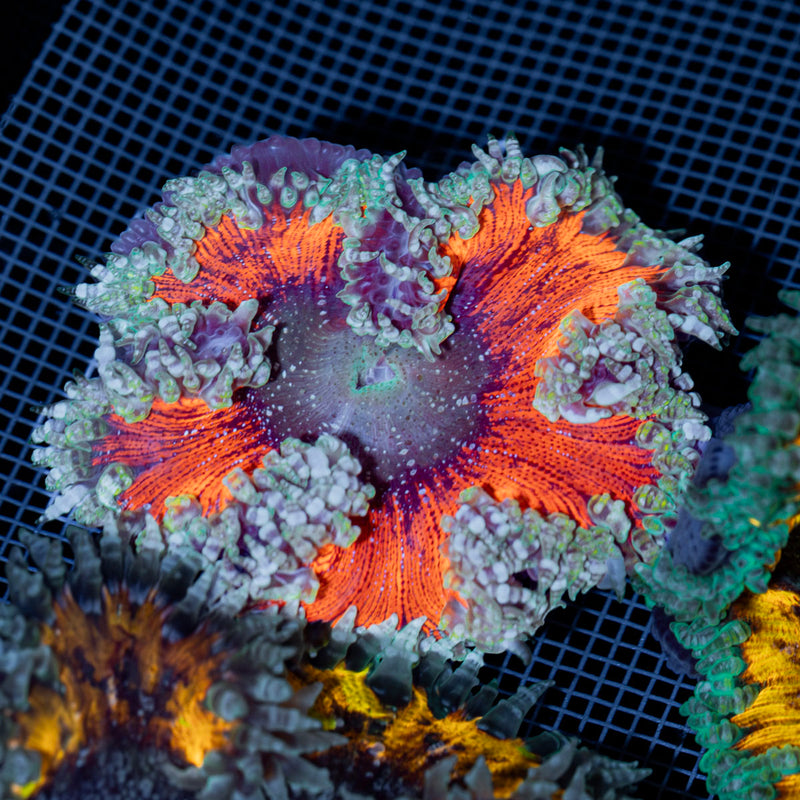
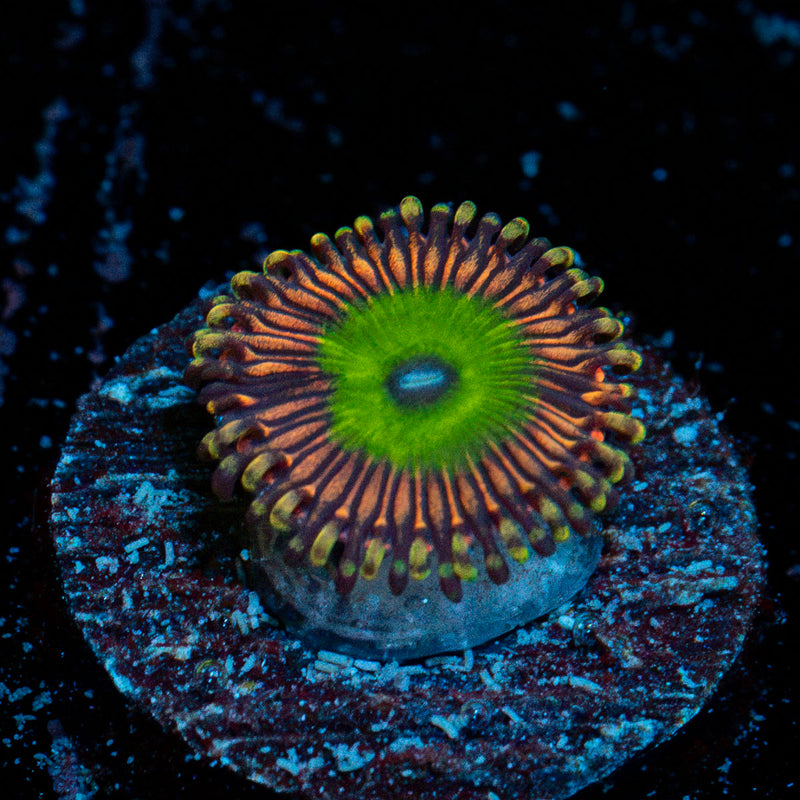
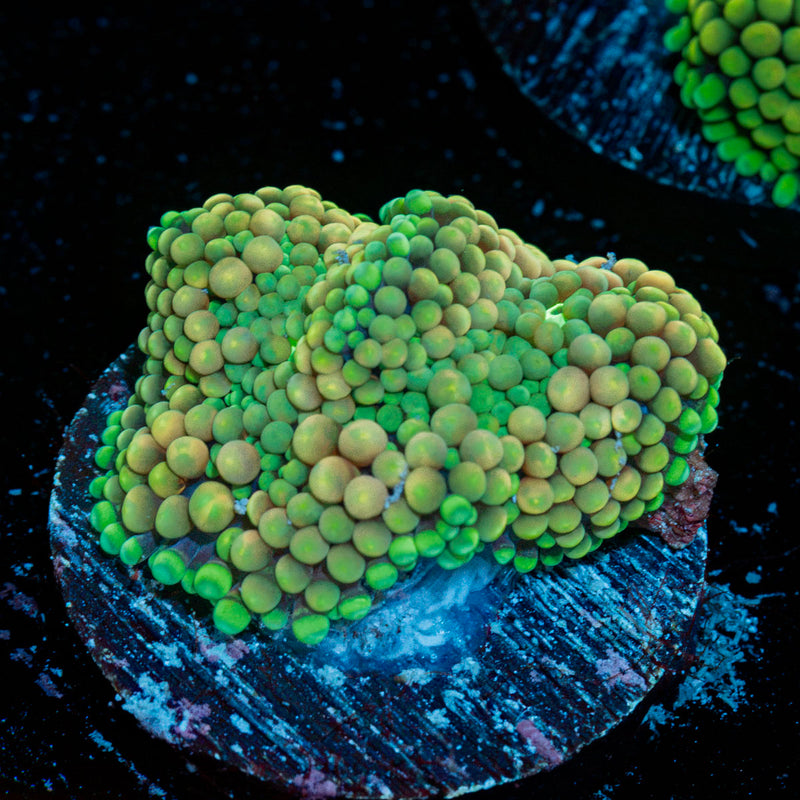
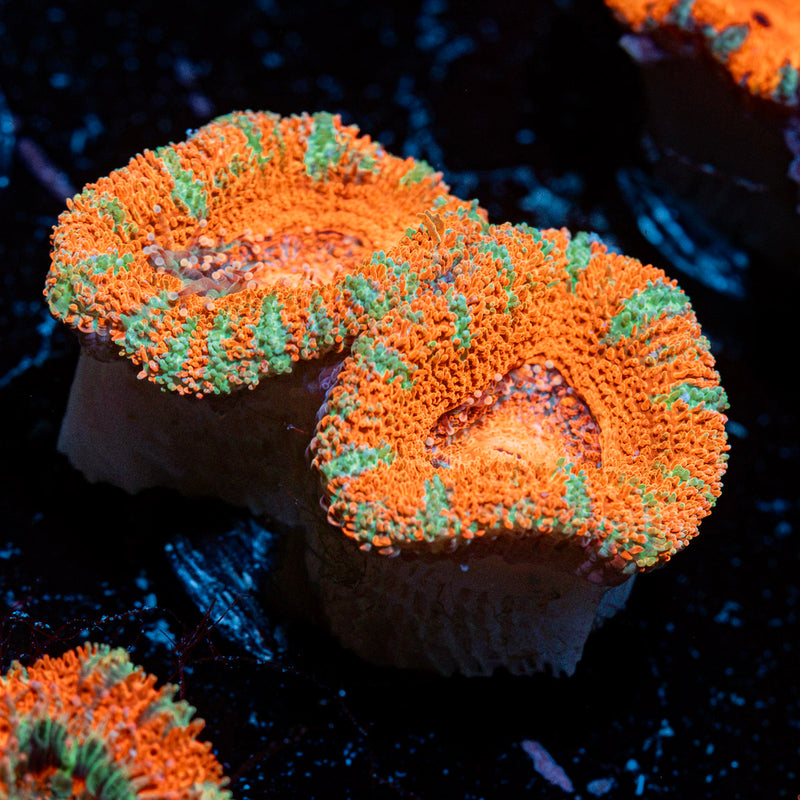
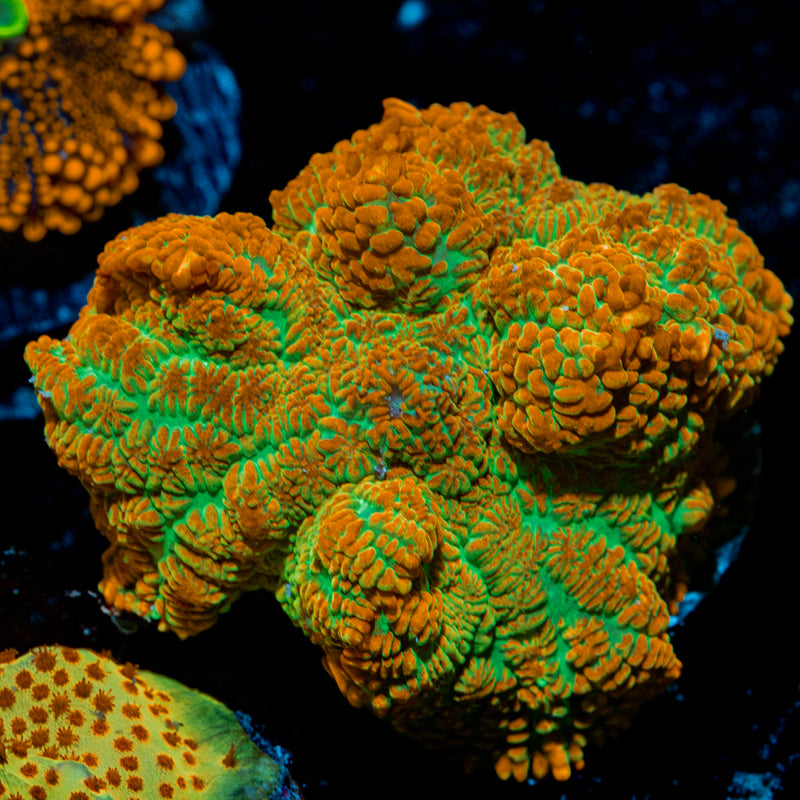
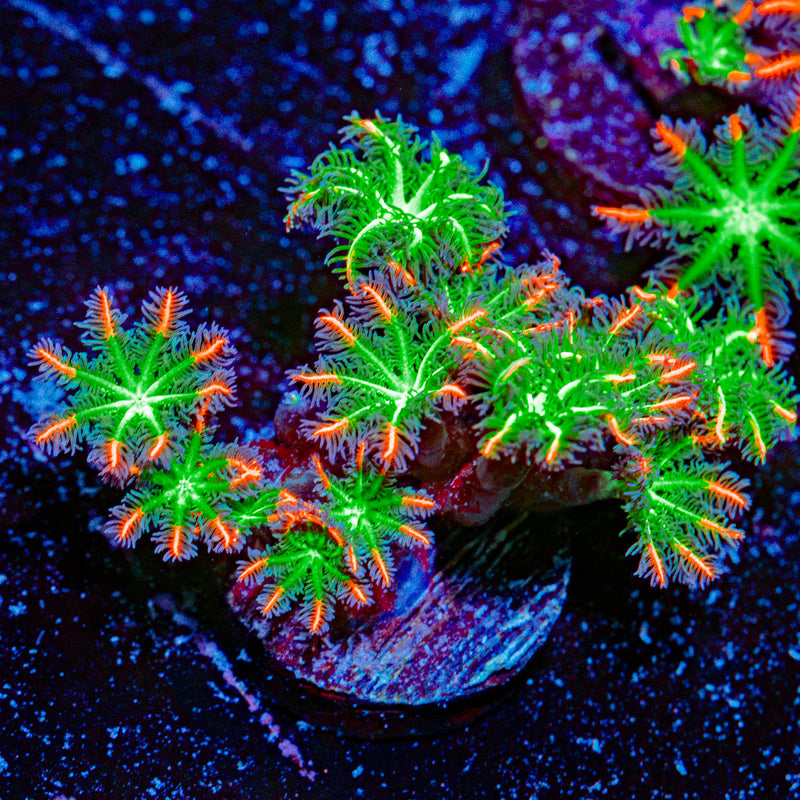
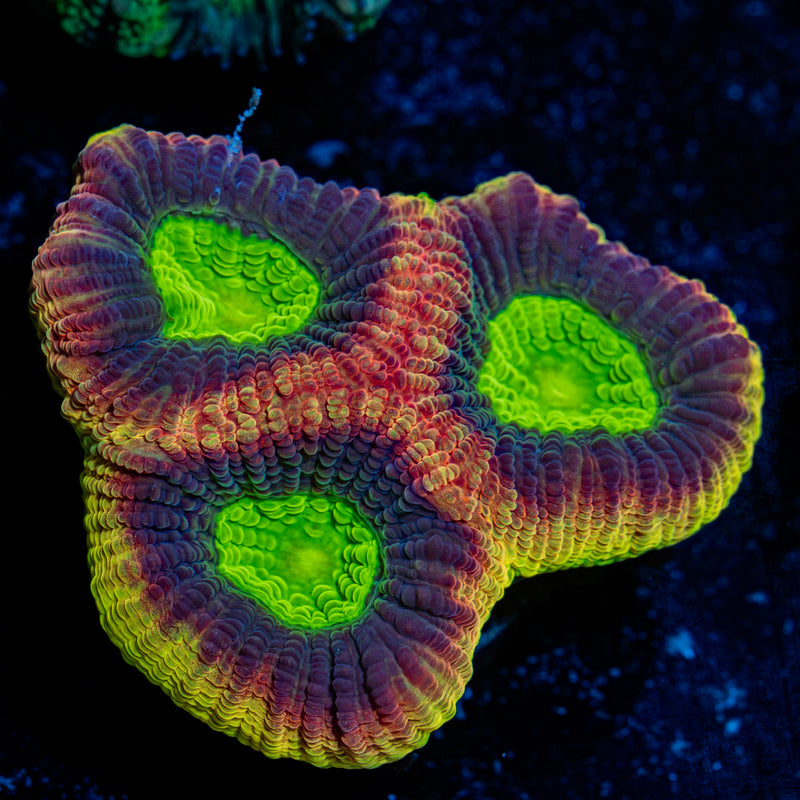
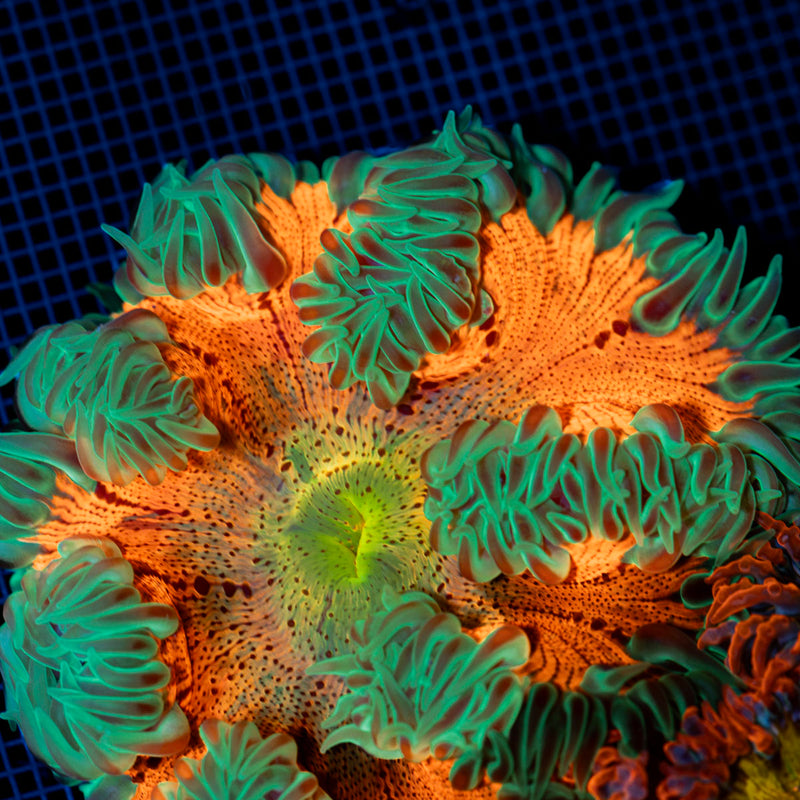
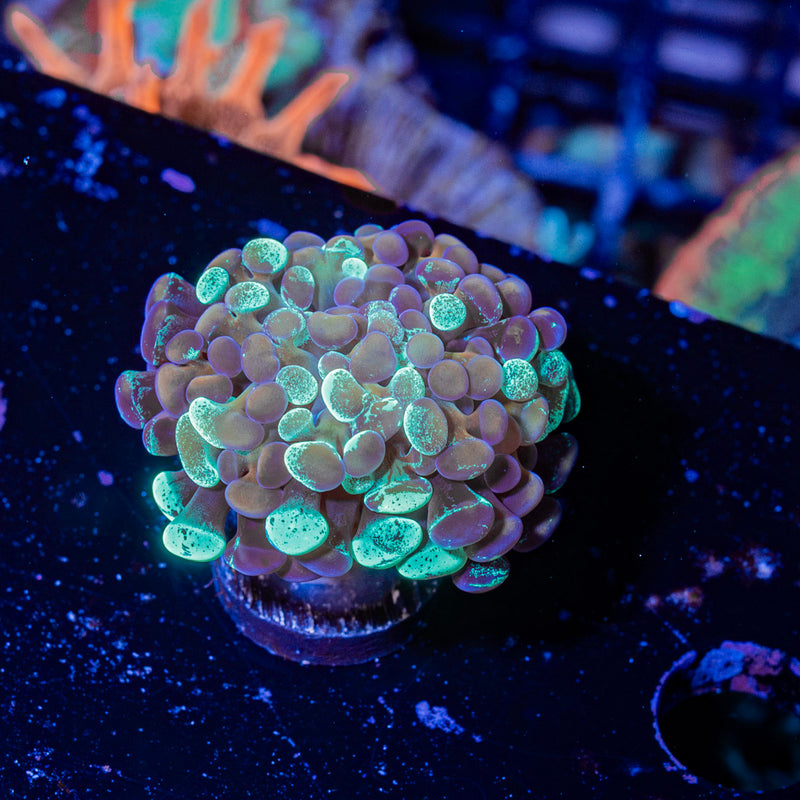
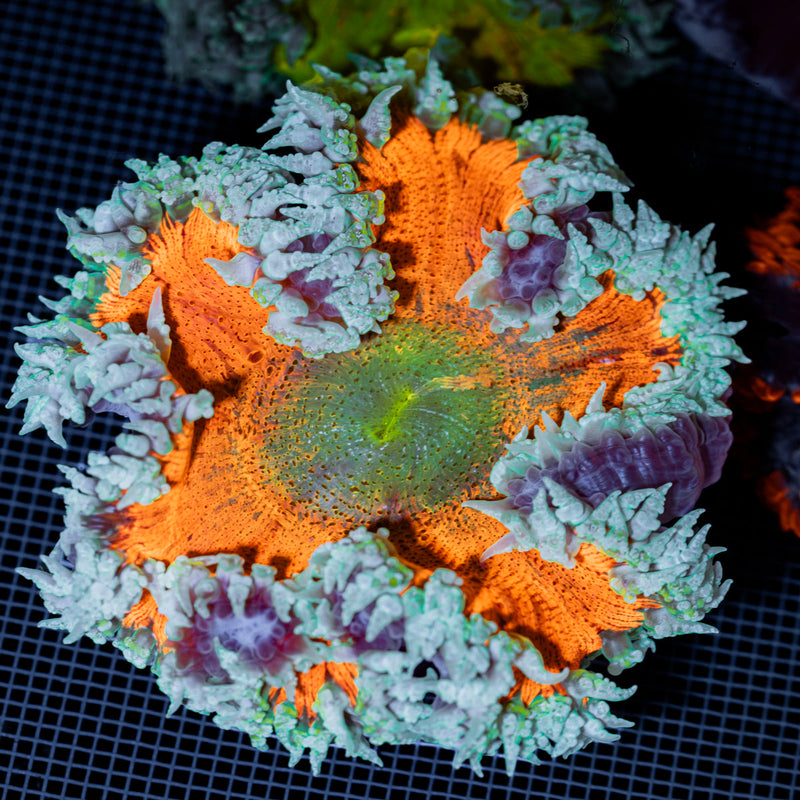
With an exact-item coral, the specimen in the photo is the specimen headed to your aquarium. You can evaluate the branching pattern of an SPS frag, the number and size of heads on a hammer or torch, the color contrast in a chalice, or the unique patterning of a mushroom before making your choice. That transparency makes buying live coral online feel far less like a gamble.
It is especially helpful when selecting a centerpiece. A dramatic torch, a richly colored scoly, or a high-end Acropora deserves more consideration than a generic stock image can provide. Exact-item shopping lets you choose the coral that speaks to your eye and your aquascape.
Healthier Starts Support Better Long-Term Growth
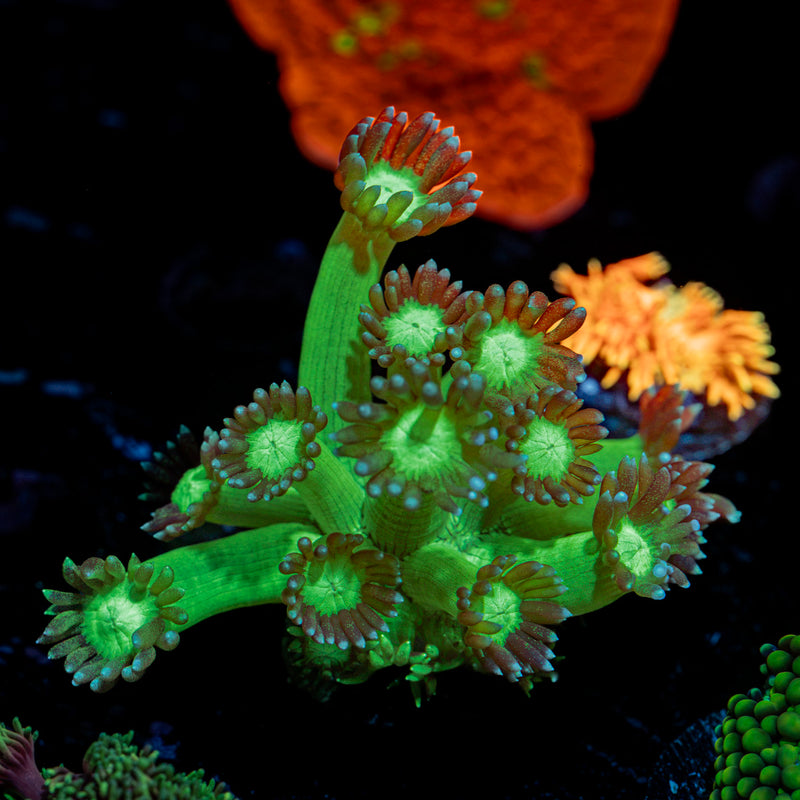
A coral frag may be small, but that is part of the appeal. Given stable water and enough space, a healthy frag can become a defining part of your reef. Watching a tiny branching SPS develop into a colony or a few heads of frogspawn become a flowing garden is one of the most rewarding parts of the hobby.
Aquacultured frags are built for that story. They are often cut from established parent colonies that have demonstrated growth under captive conditions. Once healed and growing again, they offer a practical starting point for reef keepers who want to cultivate a display rather than simply fill it overnight.
There is a trade-off. Premium aquacultured corals, particularly named strains and carefully conditioned WYSIWYG pieces, may cost more than an unidentified coral offered elsewhere. Part of that price reflects the time involved in growing, maintaining, healing, photographing, and responsibly shipping living livestock. In return, you are usually buying more information and more confidence, not just a frag plug.
Better Buying Decisions Start With Your Tank
The best coral purchase begins before checkout. Measure the space where the coral will live, not just the empty space it occupies on arrival. Think about how it may grow, what it may shade, and whether neighboring corals can coexist peacefully.
Match the coral to your current equipment and routine. If you enjoy a lower-maintenance reef with gentle movement and bold color, a curated mix of mushrooms, zoanthids, and LPS can create a stunning display. If you have mature, stable parameters and enjoy fine-tuning light, flow, and dosing, SPS can bring structure and electric color to the upper reaches of your aquascape.
It also pays to buy with shipping and acclimation in mind. Plan to receive your order when you can unpack it promptly, check temperature and condition, and introduce each coral carefully. Follow the seller's acclimation guidance, inspect new arrivals, and give them time to settle before making major placement changes. Patience often protects both your investment and your existing reef.
Build a Reef You Feel Good About
The appeal of aquacultured coral is not only ethical or practical. It is personal. Your aquarium becomes more meaningful when you know the colorful torch waving in the current, the glowing zoanthid colony, or the intricate Acropora branch began as a carefully grown piece of captive reef life.
At Riptide Aquaculture, that confidence is part of the experience: vibrant aquacultured corals, clear choices for different skill levels, and WYSIWYG transparency for hobbyists who want to know exactly what is coming home.
Choose the coral that suits your tank today, give it stable conditions tomorrow, and leave enough room for it to become the living centerpiece you pictured when you started your reef.