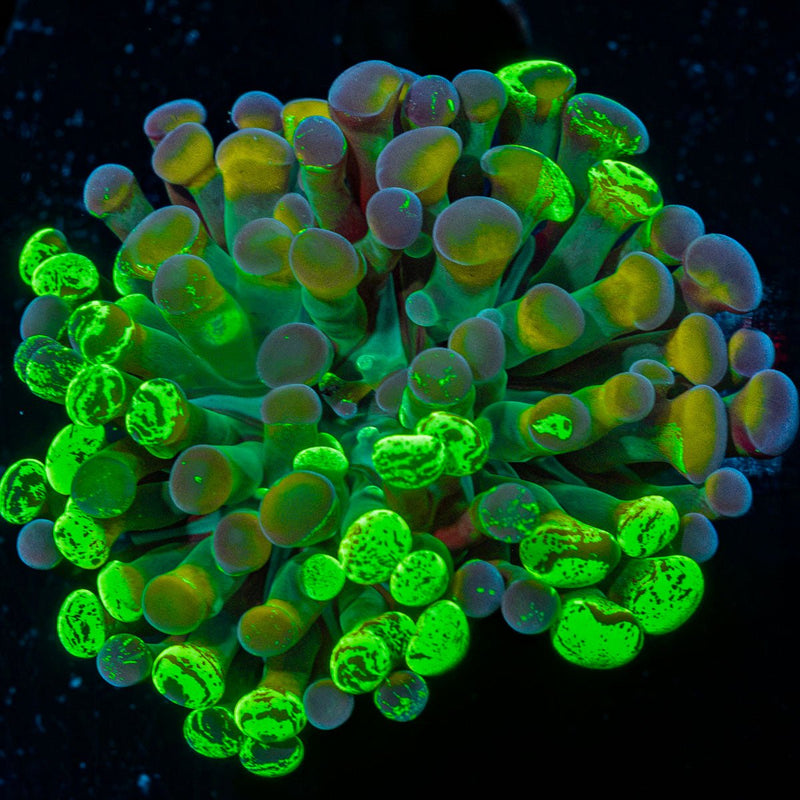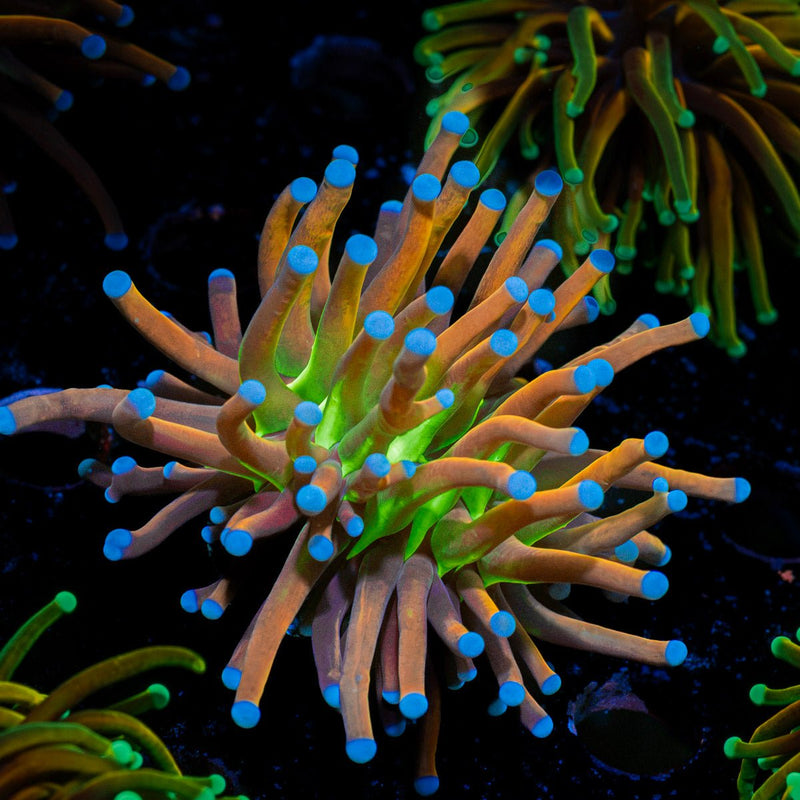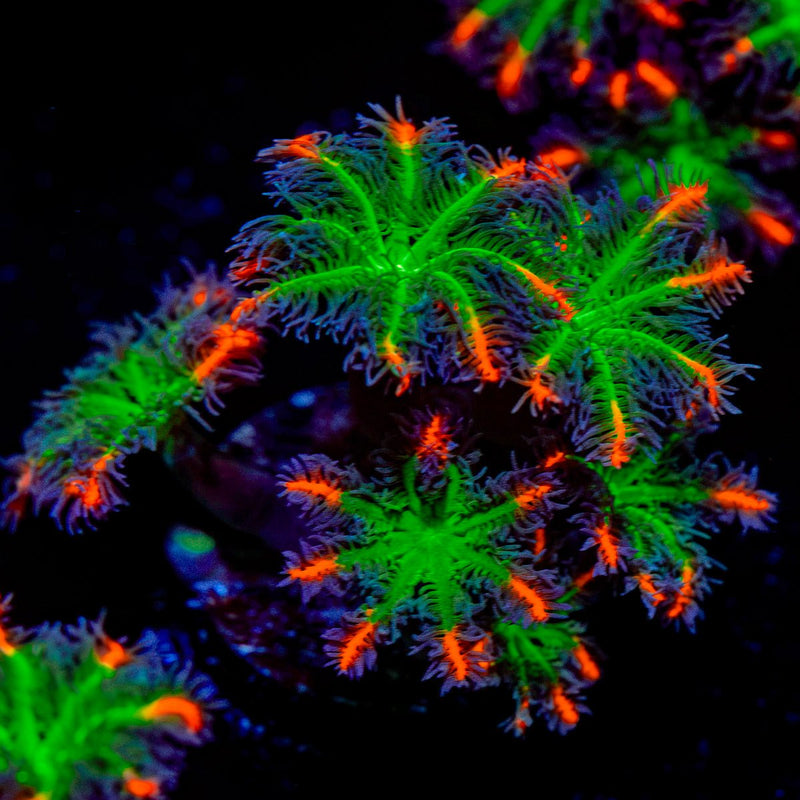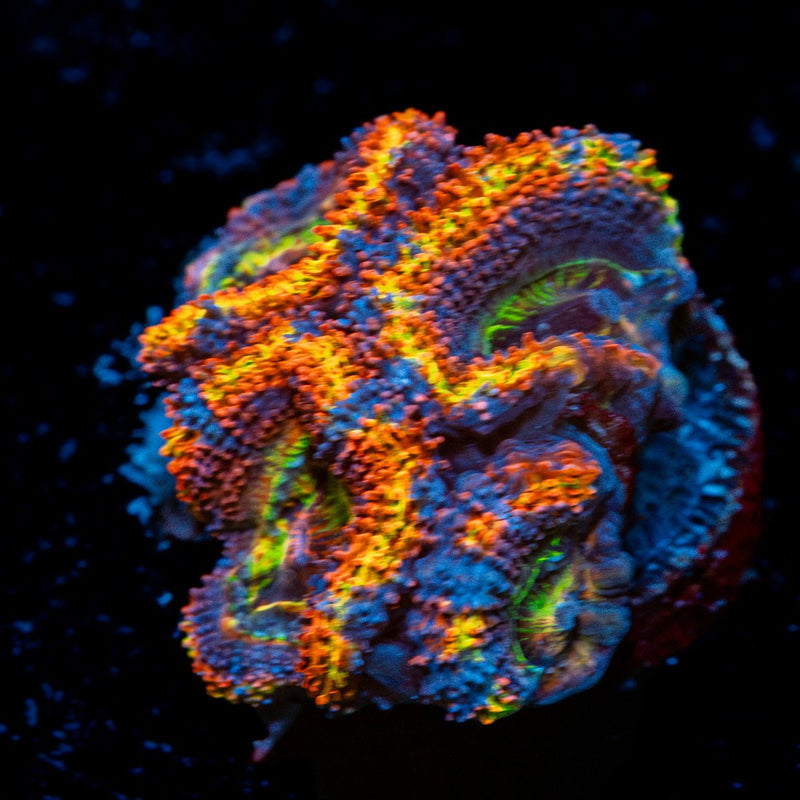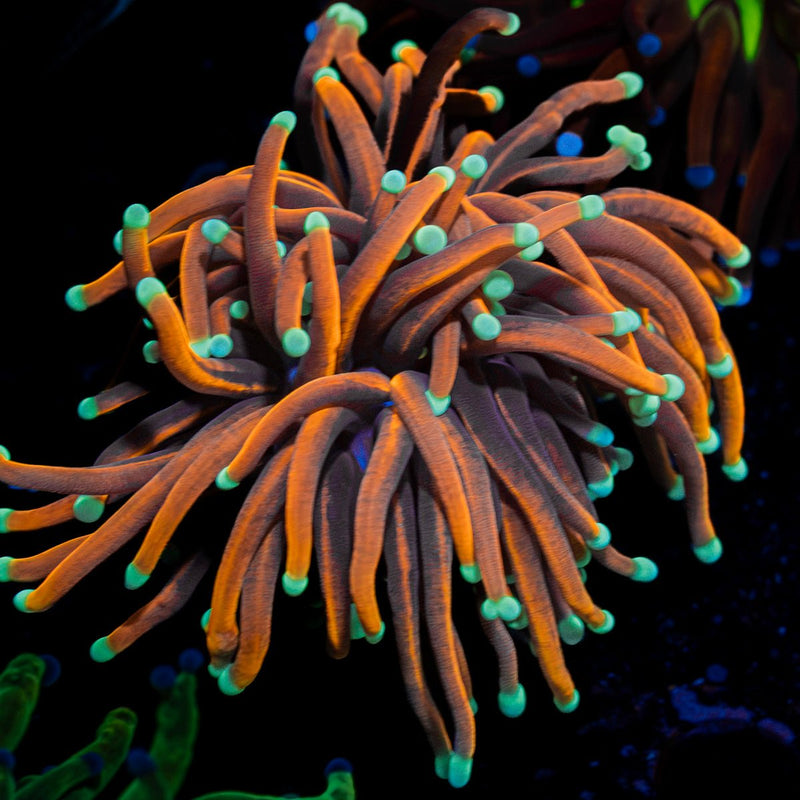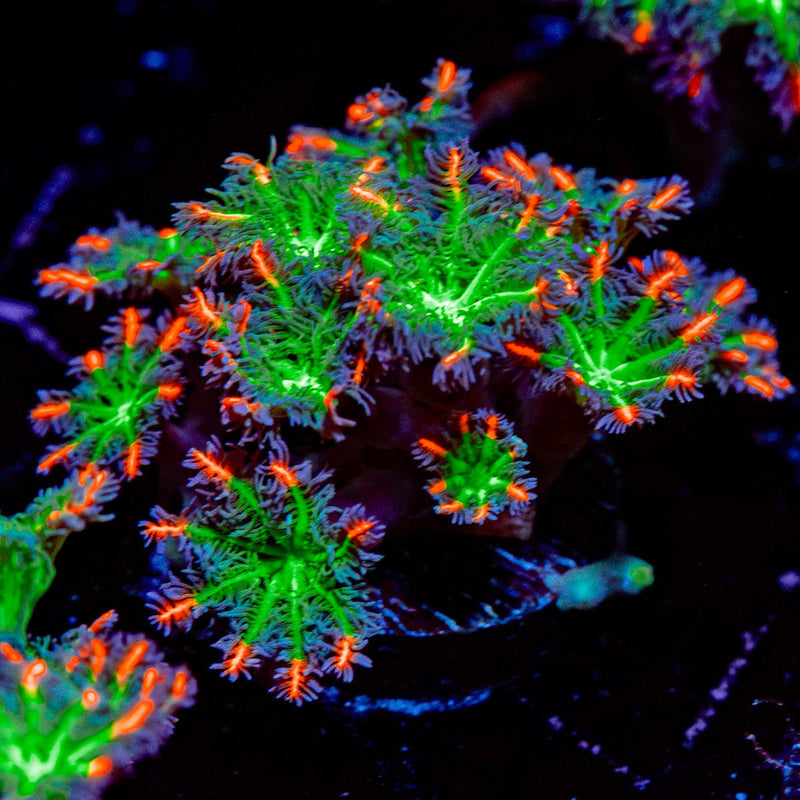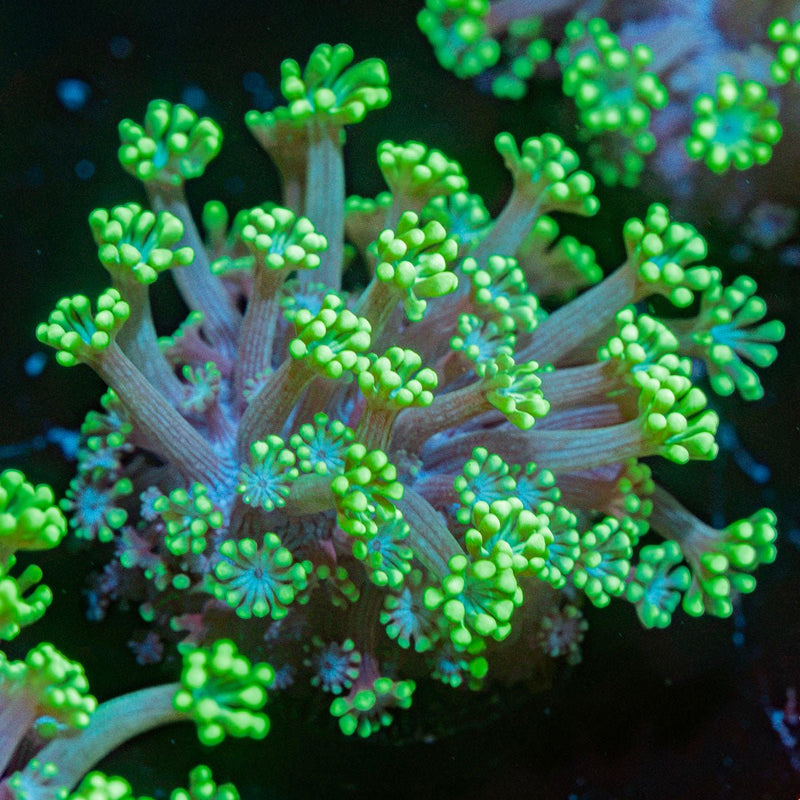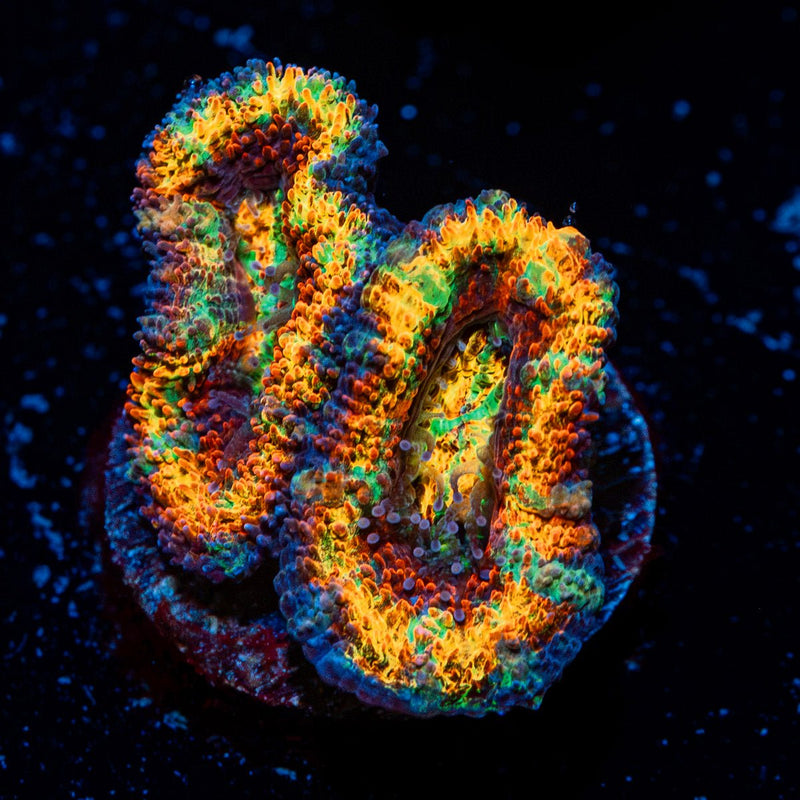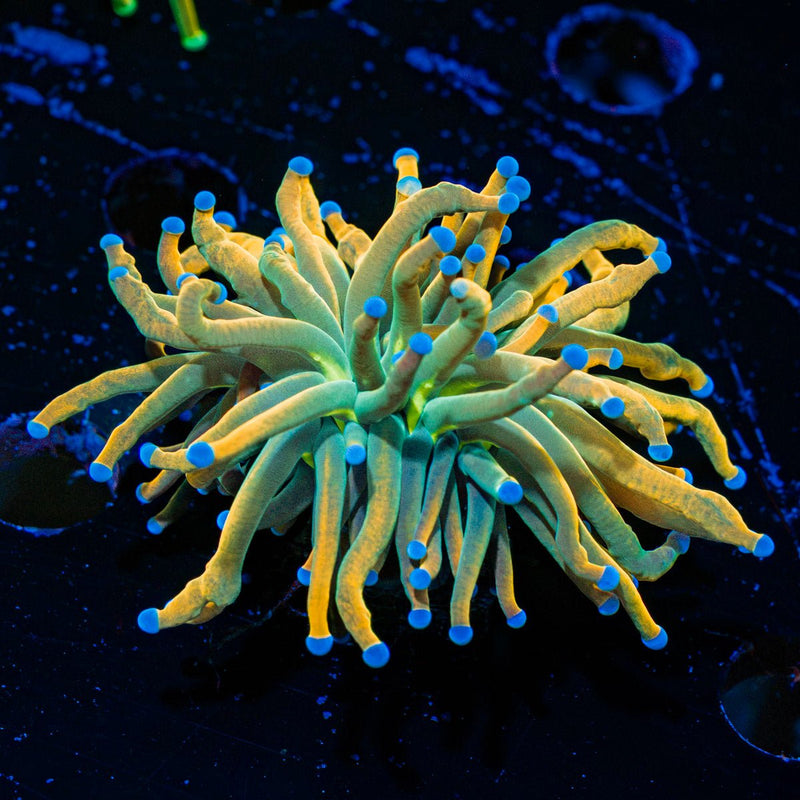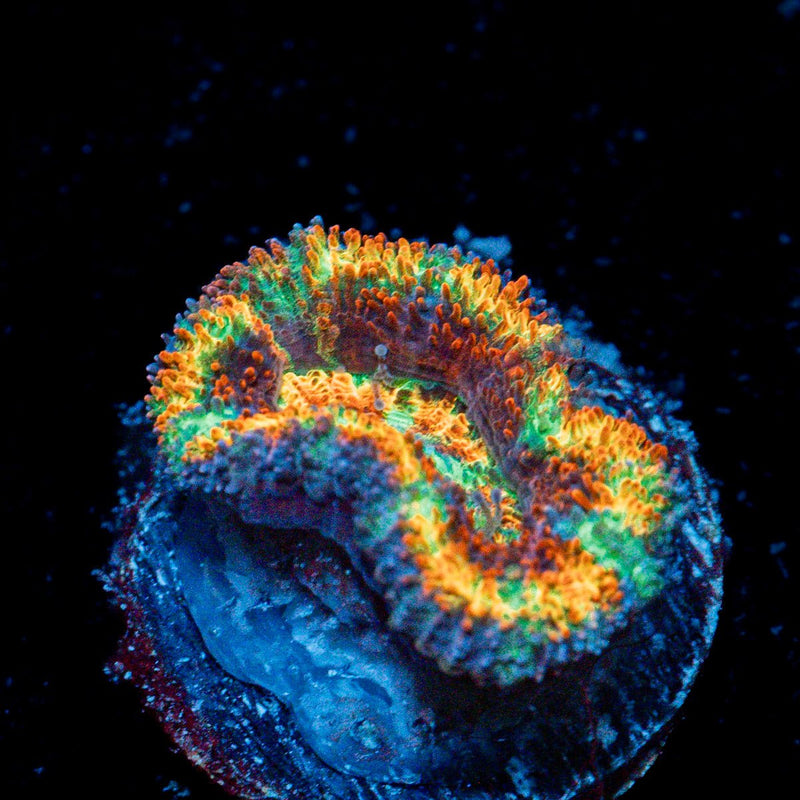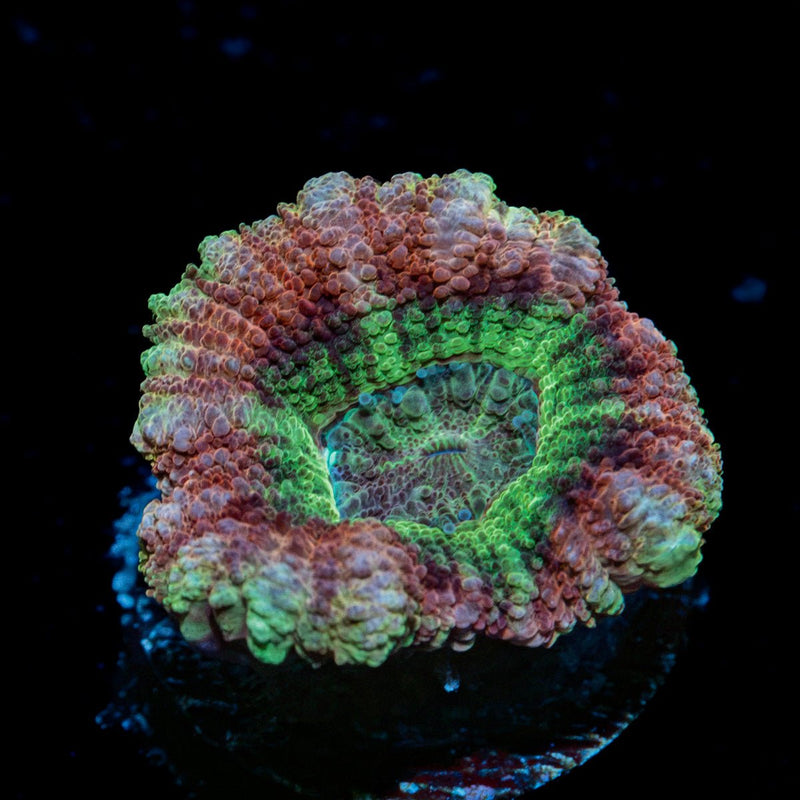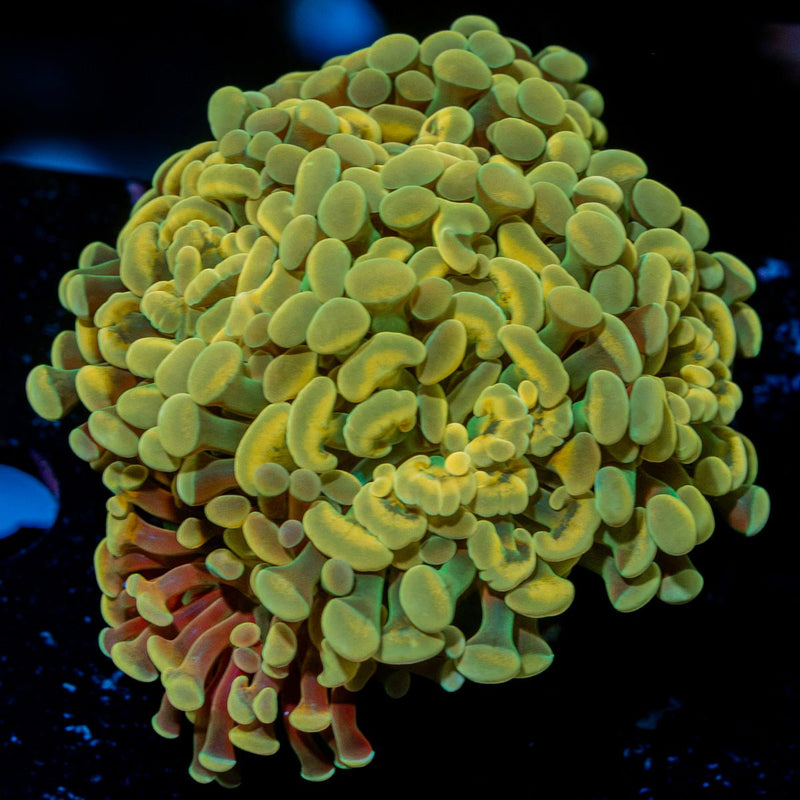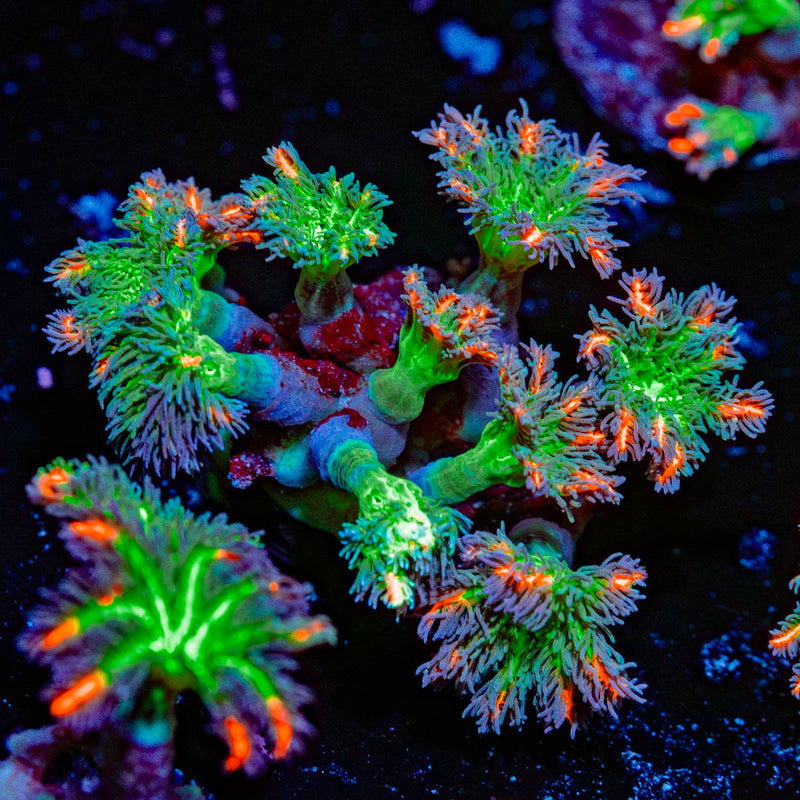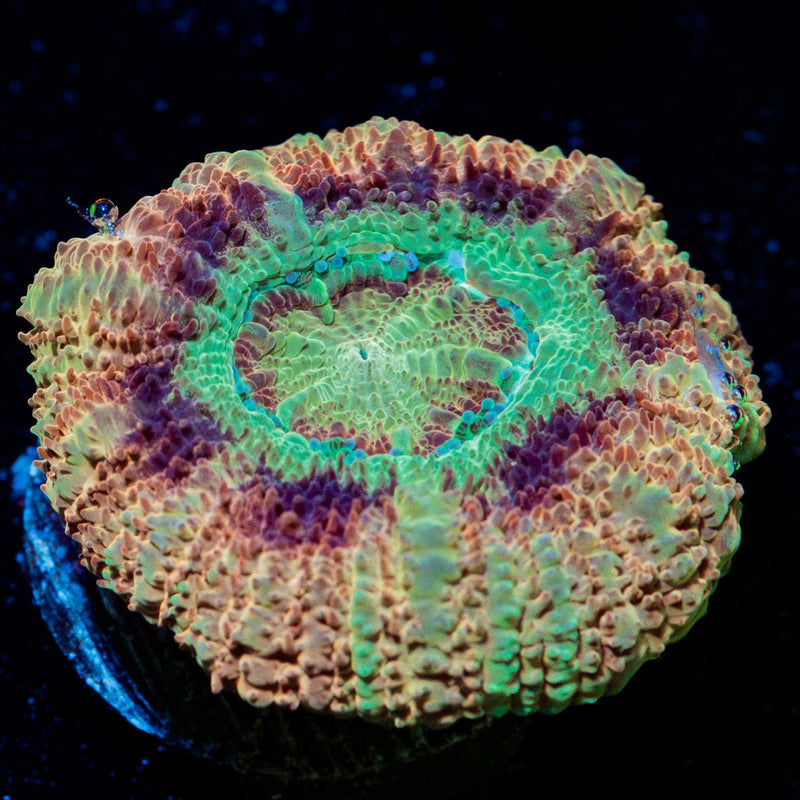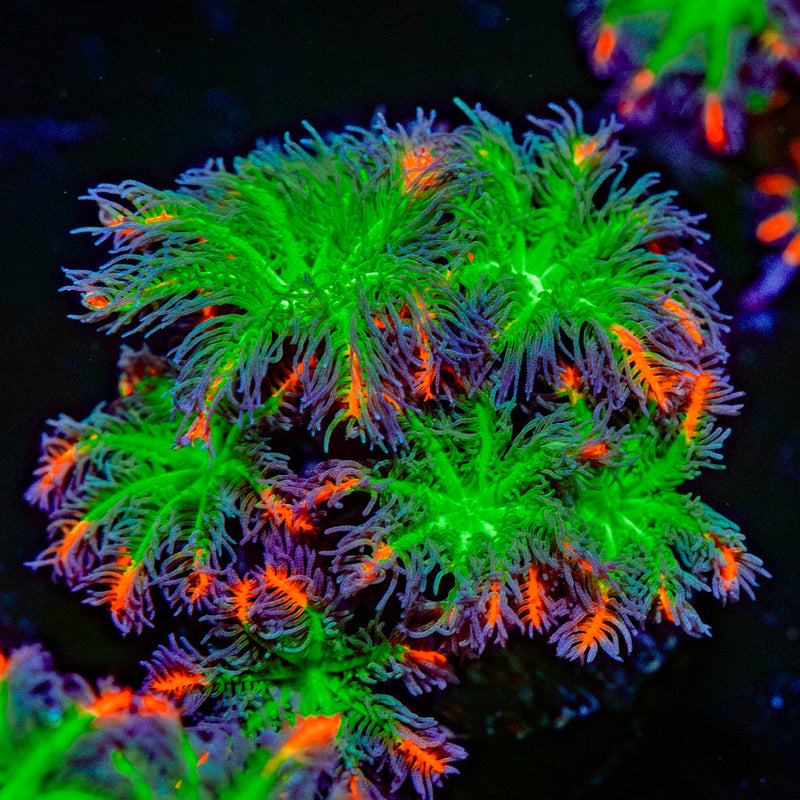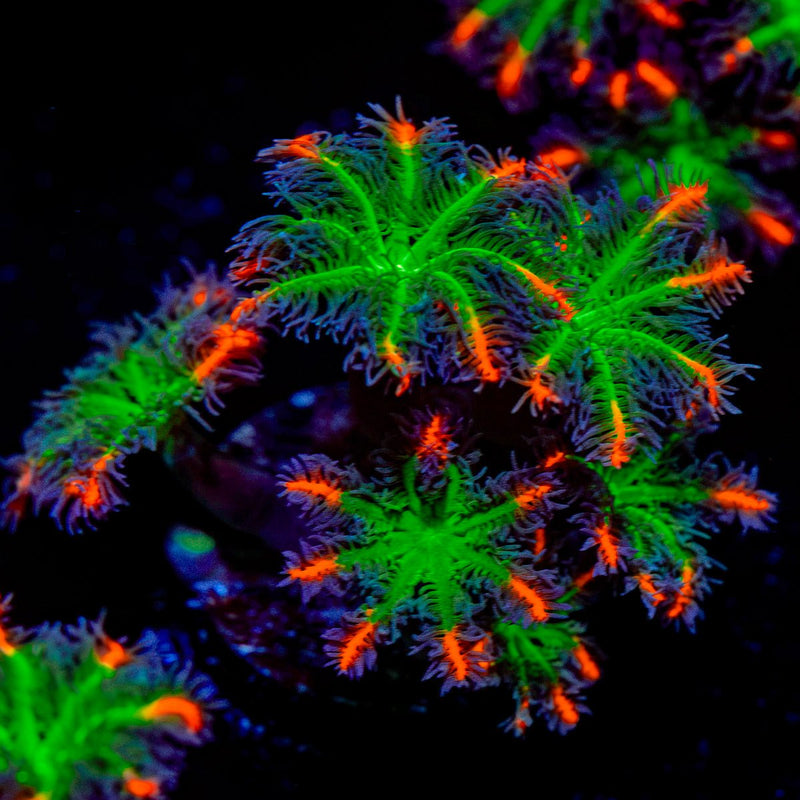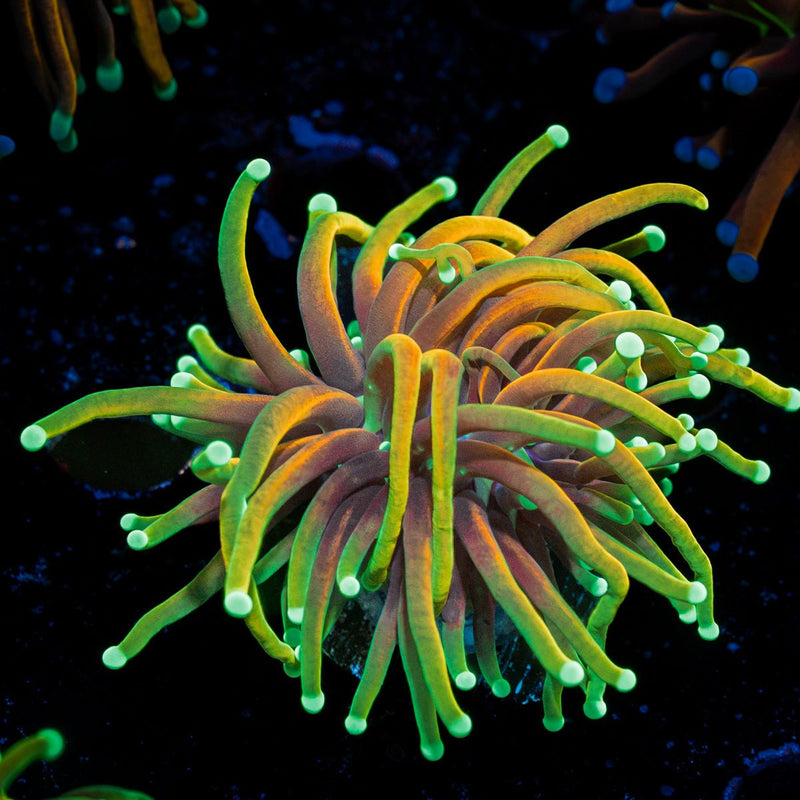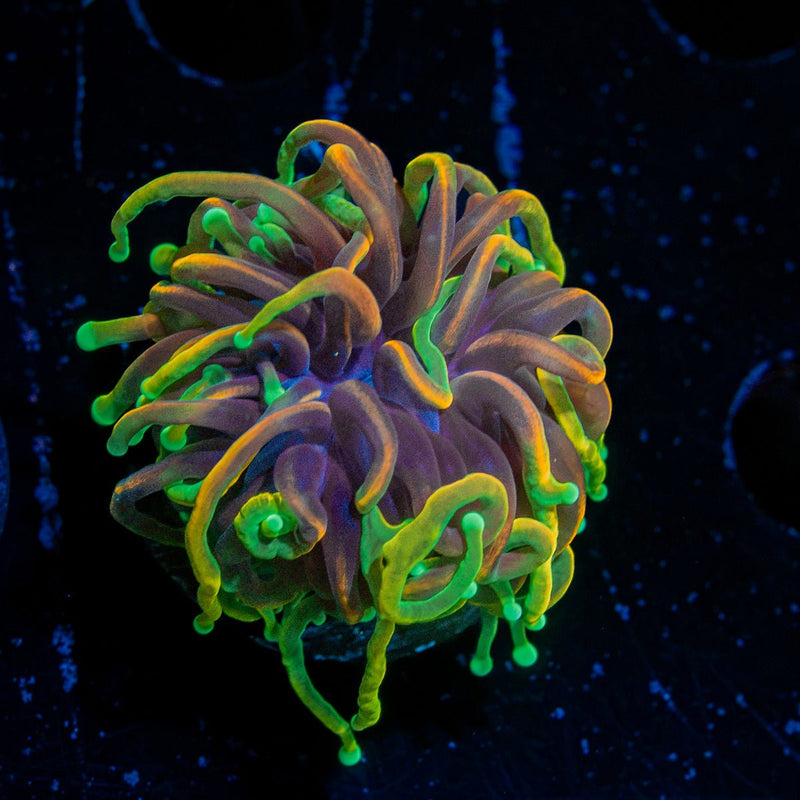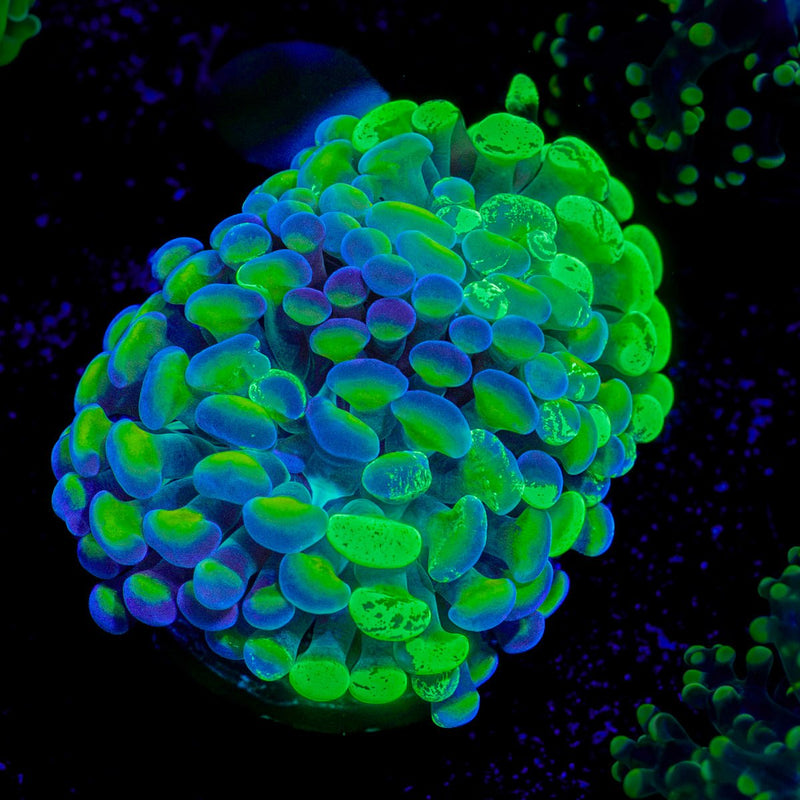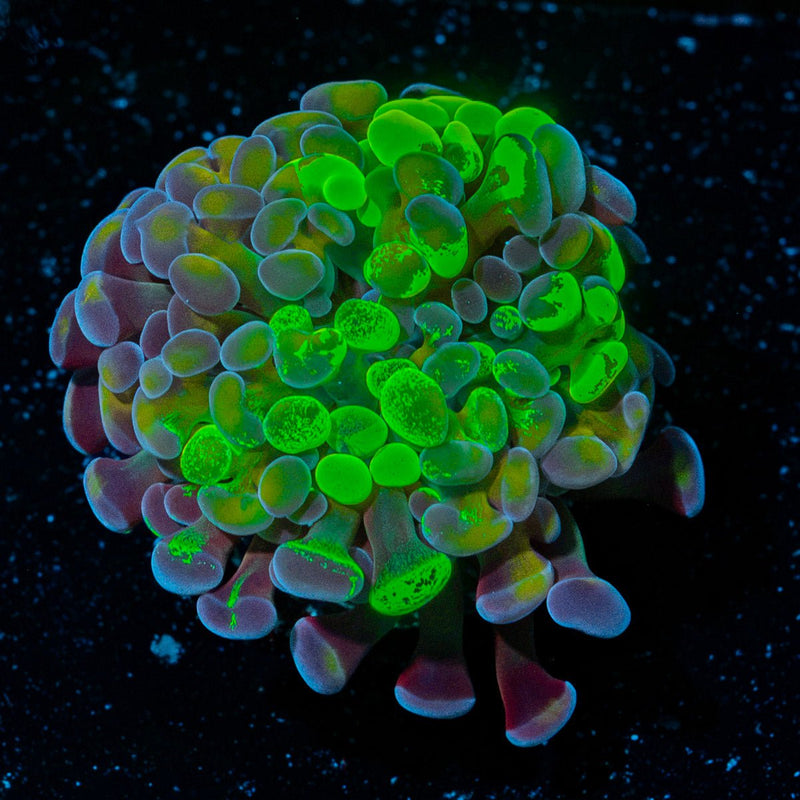
A vibrant torch, a delicate Acropora frag, or a colorful zoanthid colony can travel safely across the country, but only when every detail supports the animal inside the box. Learning how to ship live corals is less about finding a bigger box and more about controlling temperature, oxygen, movement, timing, and communication from the moment a frag is packed until it reaches its new reef.
Live coral shipping deserves care because coral is not a standard e-commerce product. It is a living jewel with real needs, and the goal is not simply to get it delivered. The goal is to have it arrive healthy, identifiable, and ready for a calm acclimation into a stable aquarium.
Start With a Healthy, Prepared Coral
The best shipping materials cannot compensate for a stressed or freshly cut frag. Give newly cut corals time to heal and attach securely before they travel. A healed frag is less likely to slough tissue, release excess mucus, or become damaged during transport.
Before packing, inspect each coral under good lighting. Look for solid tissue, normal polyp extension for the species, no exposed skeleton where there should be tissue, and a stable frag plug or mounting point. Remove any nuisance algae, pests, loose debris, or damaged material that could foul the shipping water.
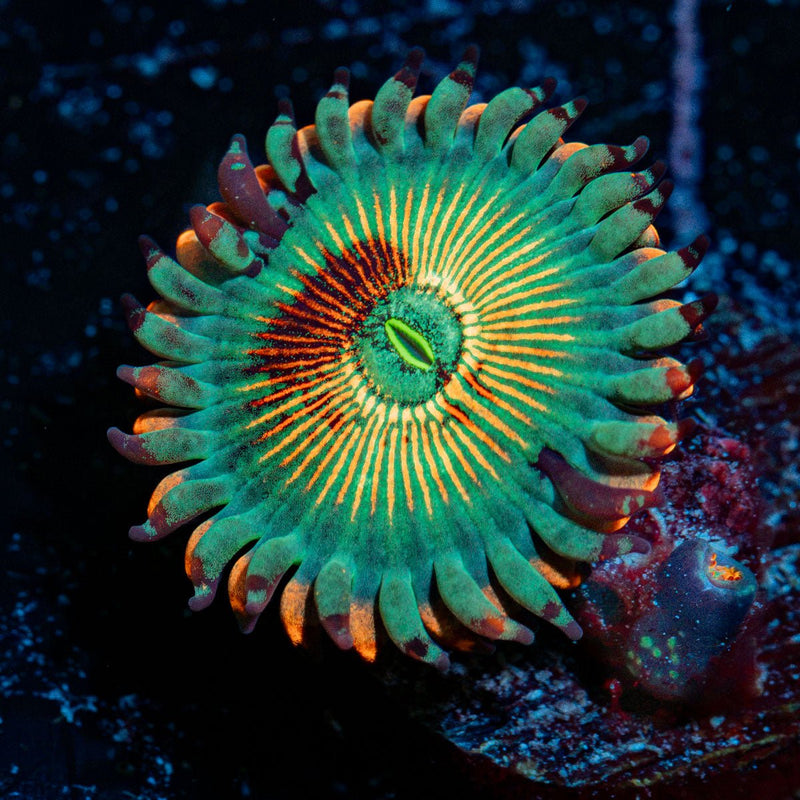
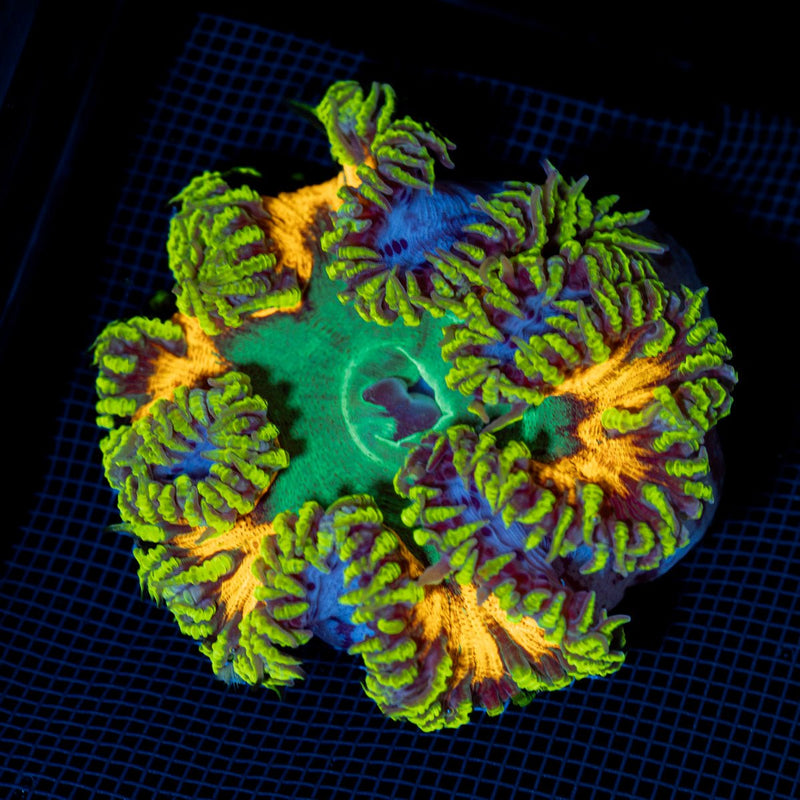
Different corals also call for slightly different handling. Hardy mushrooms, zoanthids, and many LPS frags generally tolerate shipping well when packed correctly. Thin-branched SPS, fleshy open-brain style corals, and sharp skeletal pieces deserve extra attention because tissue can rub against a bag or break if the specimen shifts. When possible, choose a container shape and water volume that keeps the coral from contacting hard surfaces.
How to Ship Live Corals With the Right Water Volume
Use clean saltwater with stable salinity and temperature that matches the coral's holding system. Shipping water should be clear and freshly prepared or taken from a well-maintained system, not water loaded with food, detritus, or dissolved waste.
Water volume is a balance. Too little water can change temperature quickly and leaves less room for waste dilution. Too much water adds weight, increases freight cost, and can create more sloshing. For most coral frags, use enough water to fully submerge the specimen while leaving substantial room in the bag for oxygen. The exact amount depends on coral size, expected transit time, and the bag or specimen container being used.
Avoid feeding corals heavily immediately before shipment. Corals and their associated organisms can release waste in transit, particularly in a warm box. Packing a clean, healthy coral in clean water gives it the best chance of arriving in excellent condition.
Pack the Coral So It Cannot Shift
Movement is one of the most preventable risks in coral shipping. A frag that tumbles freely may scrape tissue, snap branches, or arrive upside down with a fleshy coral pressed against the bag. Secure the specimen before sealing the outer package.
For many mounted frags, a snug specimen cup or a coral shipping insert can keep the plug in place. For bagged corals, position the frag so the coral stays submerged and protected rather than bouncing against the sides. Do not use materials that can puncture the bag, release residue, or crush tissue.
A dependable packing setup includes these distinct layers:
- A leak-resistant inner bag or specimen container sized for the coral
- An outer bag as a backup against leaks
- Absorbent material around the inner container
- An insulated foam shipper or insulated liner inside a sturdy cardboard box
- A temperature-control pack when weather and transit conditions call for one
Control Temperature, Not Just Cold or Heat
Temperature swings are often more dangerous than a modest, stable variation. The right approach depends on the season, the origin and destination forecast, the carrier network, and whether the box may sit on a porch after delivery.
In cold weather, use an appropriately sized heat pack only after it has activated and is producing steady warmth. Keep it separated from the coral bag with cardboard, foam, or another buffer. A heat pack touching a bag can create a dangerous hot spot, even when the outside air is cold.
In warm weather, a cold pack may be helpful, but direct contact is just as risky. Wrap it and isolate it from the coral container. Overcooling a small insulated box can be as harmful as overheating it. For mild conditions, insulation alone may be the safer choice.
This is where experience and restraint matter. More heat packs or larger cold packs do not automatically mean safer shipping. Build the package around a realistic forecast and the expected time in transit. If weather is extreme at either end, postponing the shipment is often the most coral-friendly decision.
Choose the Fastest Practical Transit Window
Overnight service is the standard for most live coral shipments because it minimizes time in a closed container and reduces exposure to temperature changes. Shipping early in the week helps avoid a weekend delay if a carrier misses a service commitment.
Check carrier policies before offering live shipments. Policies can differ by service, account type, destination, and type of live animal. You should also understand applicable federal, state, and local requirements, especially when moving protected species or shipping to locations with livestock restrictions. Aquacultured corals and transparent recordkeeping help support responsible, reef-safe commerce, but legal compliance is still the shipper's responsibility.
Do not ship right before a major holiday, during a known service disruption, or when severe weather is affecting key carrier hubs. A one-day delay may be manageable for a properly packed coral, but no packing method can make a multi-day, temperature-exposed delay risk-free.
Make Arrival Easier for the Customer
A great coral shipment includes more than the coral itself. Clear arrival guidance builds confidence and helps the hobbyist act quickly. Let the recipient know the expected delivery date, encourage them to bring the package inside promptly, and ask them to inspect the coral upon arrival.
The unboxing process should feel organized rather than stressful. The customer should be able to identify the coral, confirm that the bag is intact, and understand the next steps for temperature adjustment, acclimation, dipping if appropriate for their process, and placement in the aquarium.
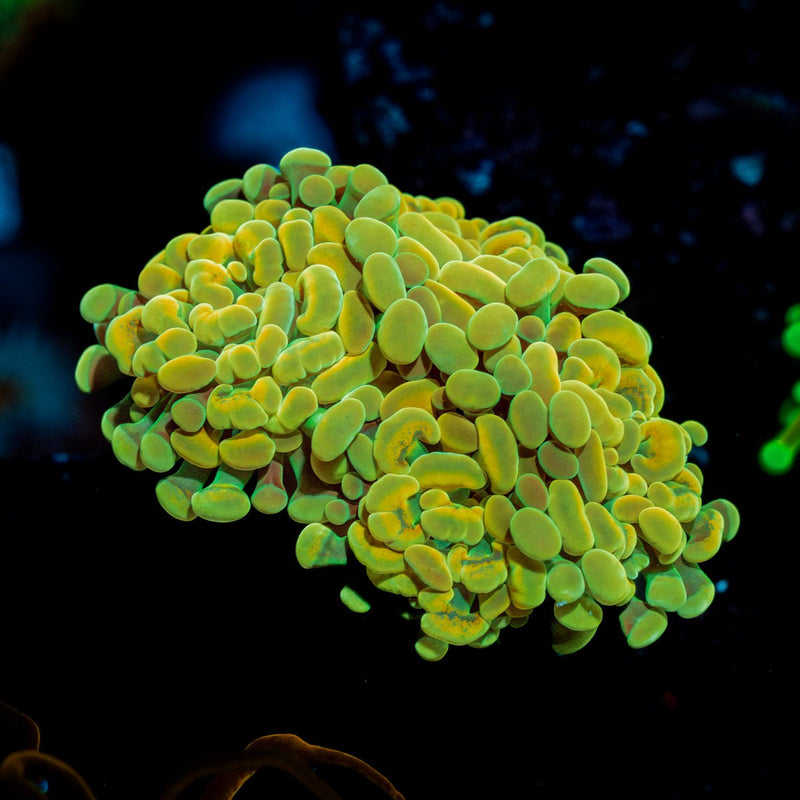
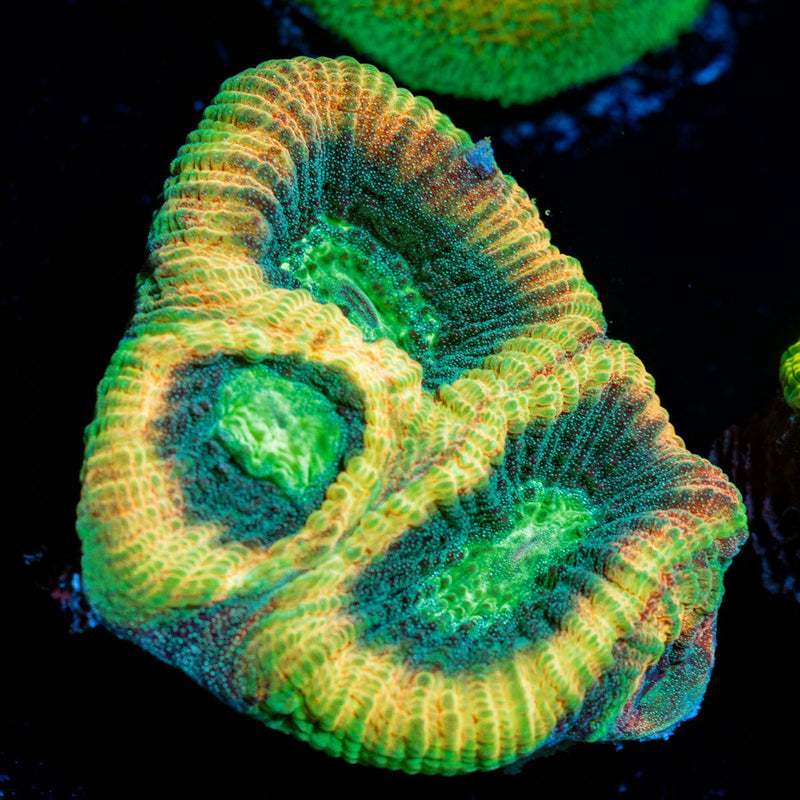
For exact-item livestock, accurate labeling matters. WYSIWYG shoppers expect the colorful coral they selected to be the coral they receive. Label each specimen carefully and keep your fulfillment workflow organized so a bright green hammer, a rainbow chalice, or a prized Acropora does not get mixed up during a busy packing day.
Encourage a gentle start in the receiving tank. Freshly shipped corals benefit from stable parameters, moderate flow, and lighting that is appropriate for the species rather than an immediate blast of intense light. A mushroom or zoanthid may settle differently than a high-light SPS frag, so the best placement is always coral-specific.
Build Confidence With a Repeatable Process
The most successful coral shippers do not rely on luck or a single packing trick. They use a repeatable process: inspect healthy livestock, pack securely, insulate thoughtfully, choose reliable transit timing, and communicate clearly with the buyer. Keep records of weather conditions, packing choices, transit performance, and arrival feedback. Those details reveal what works for your coral selection and shipping lanes.
At Riptide Aquaculture, the same principle guides every carefully selected aquacultured frag: beautiful corals deserve a journey that protects their health as much as their color. Pack with patience, ship with the forecast in mind, and give every new reef keeper the confidence of opening a box filled with a healthy new piece of the reef.