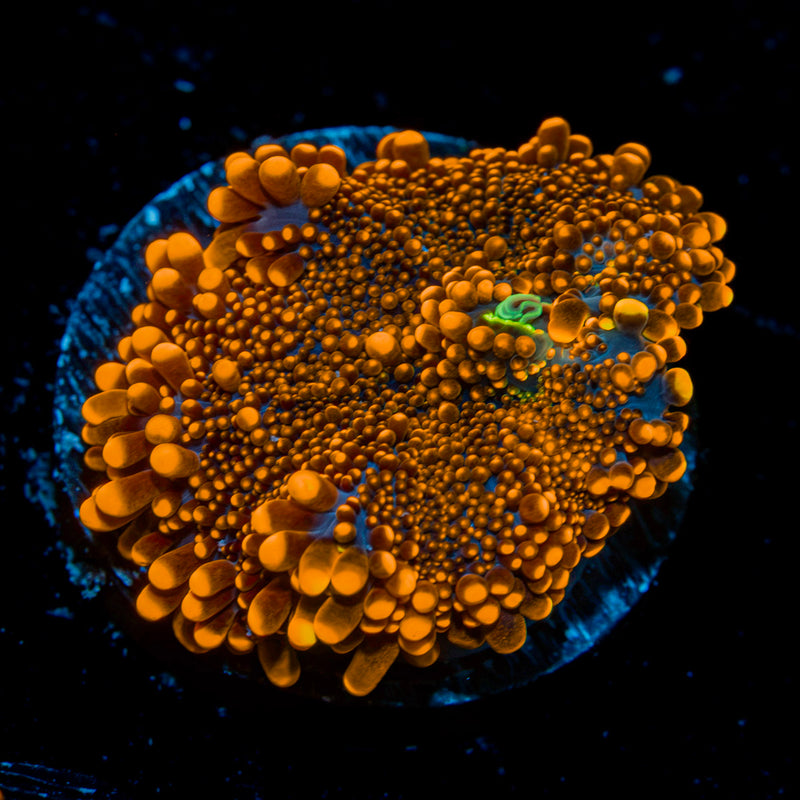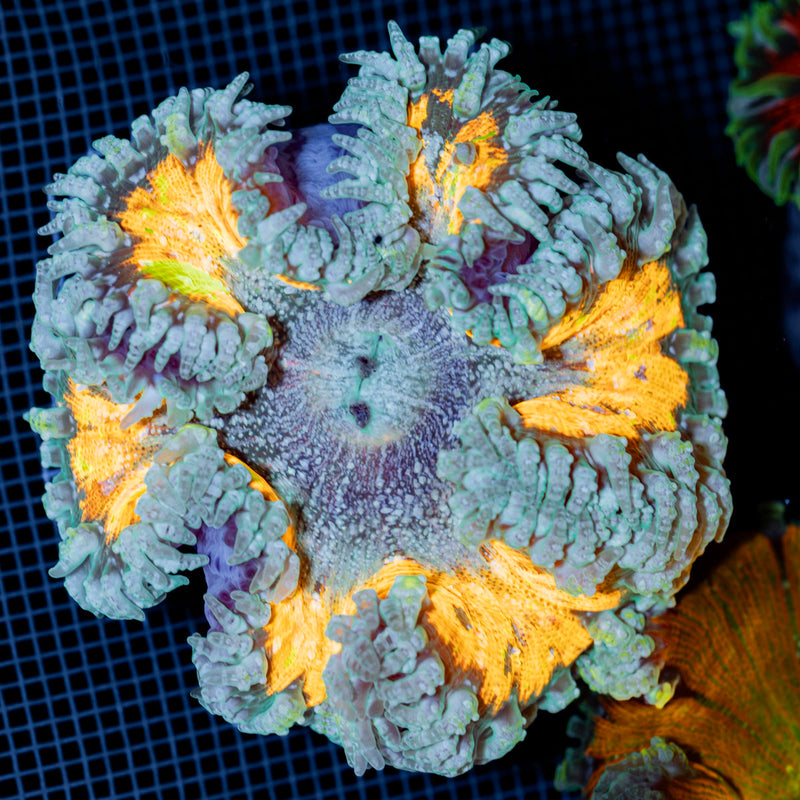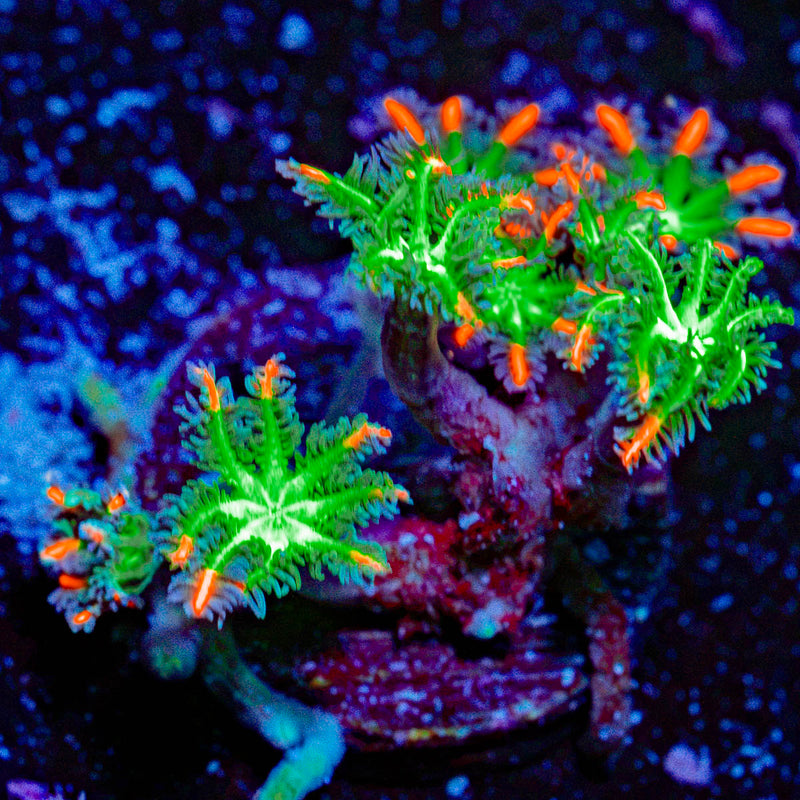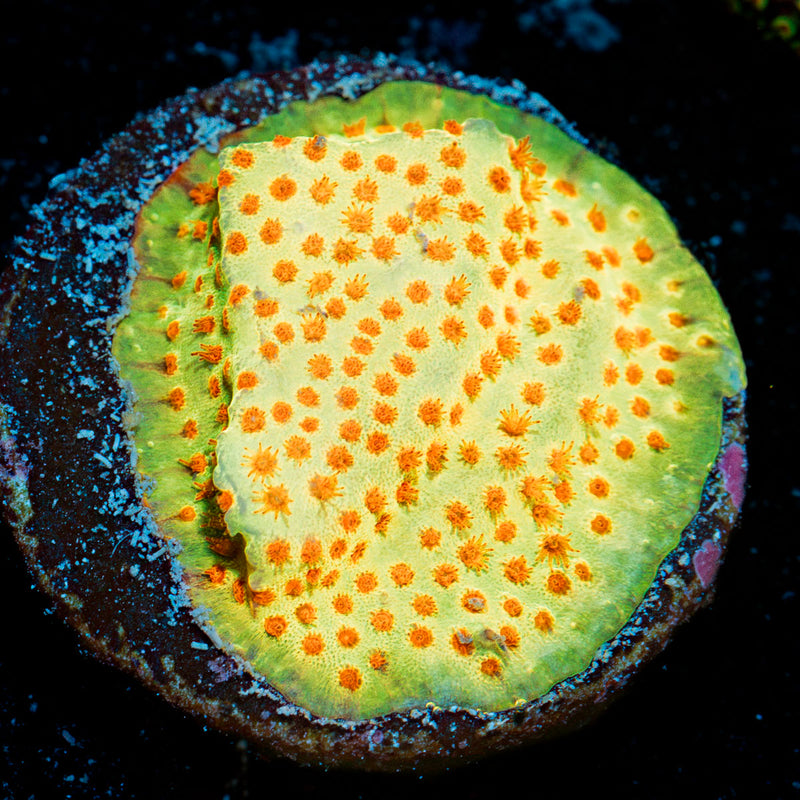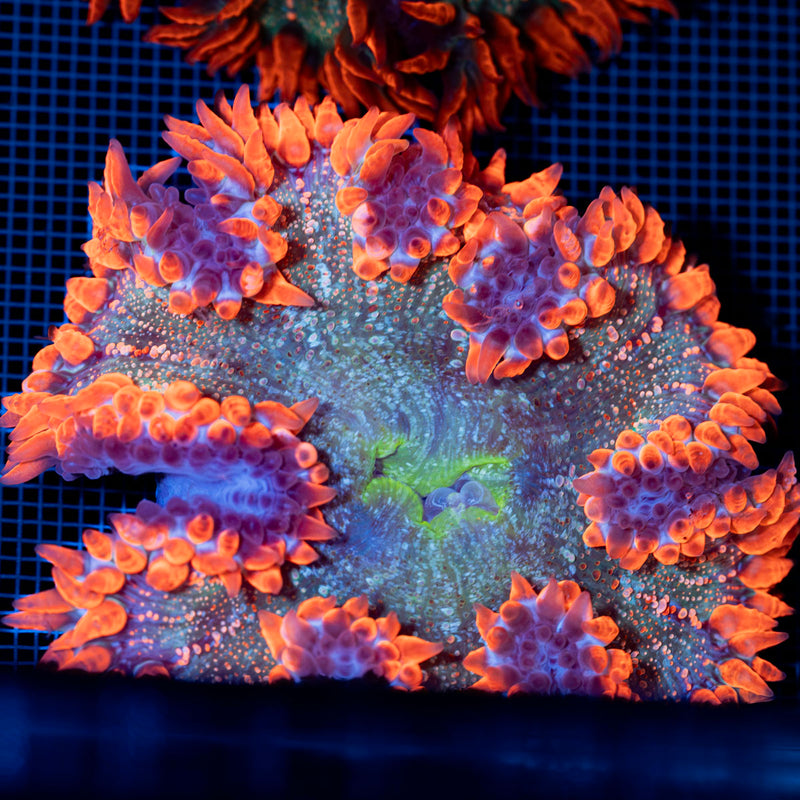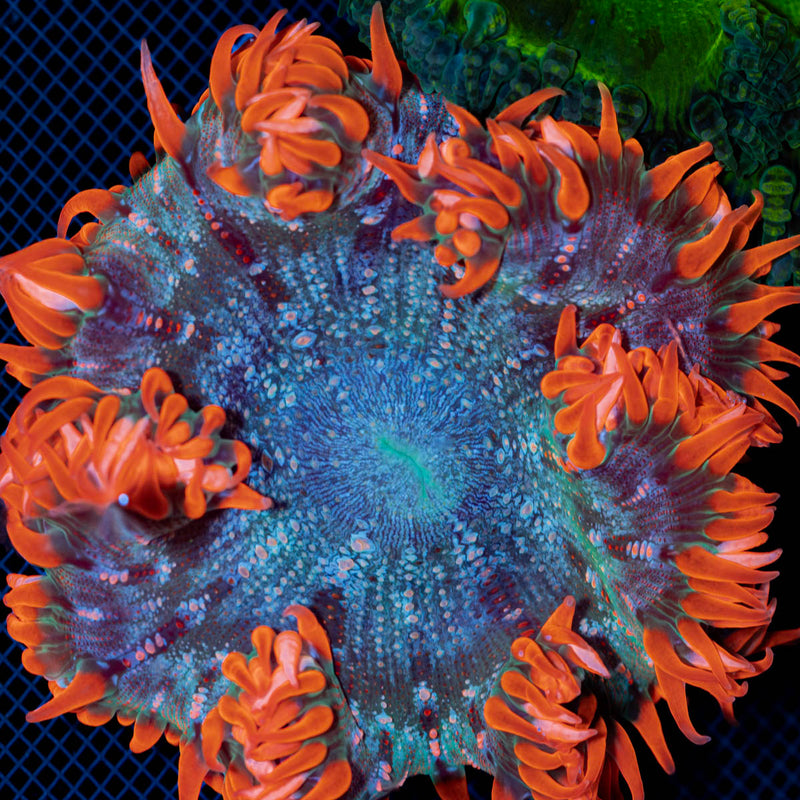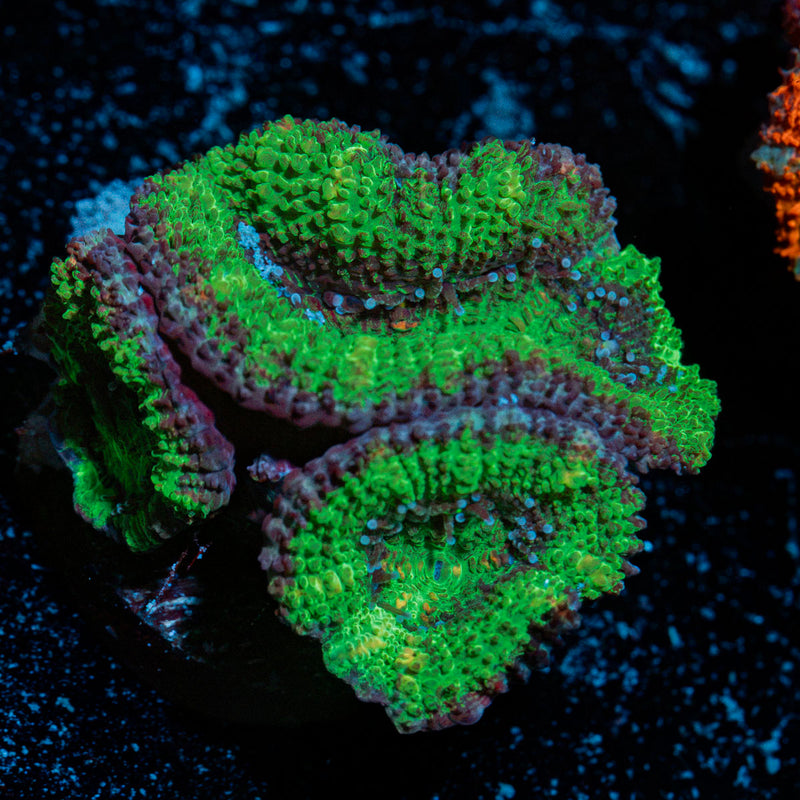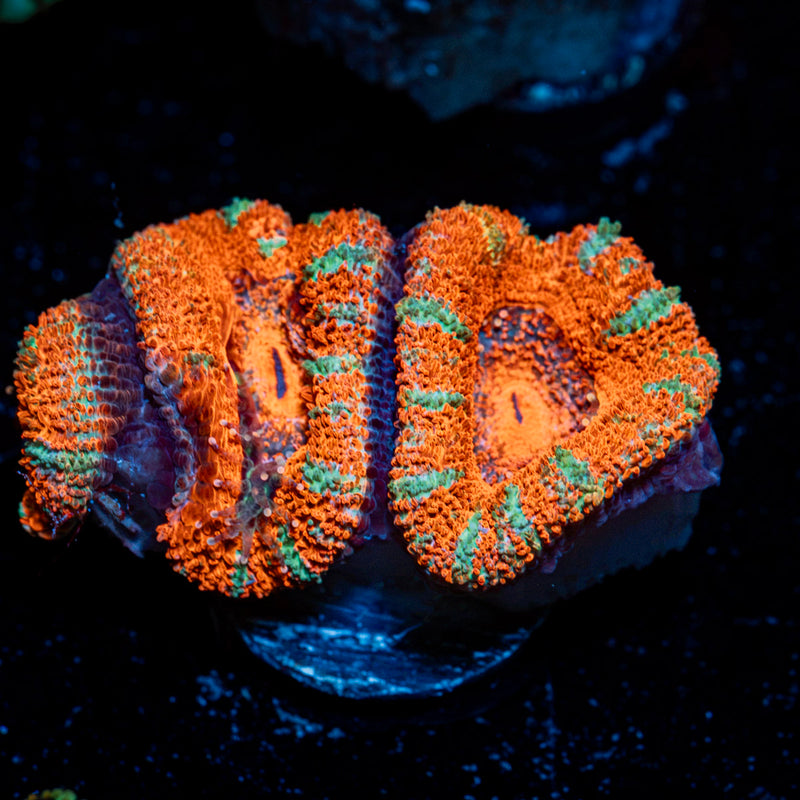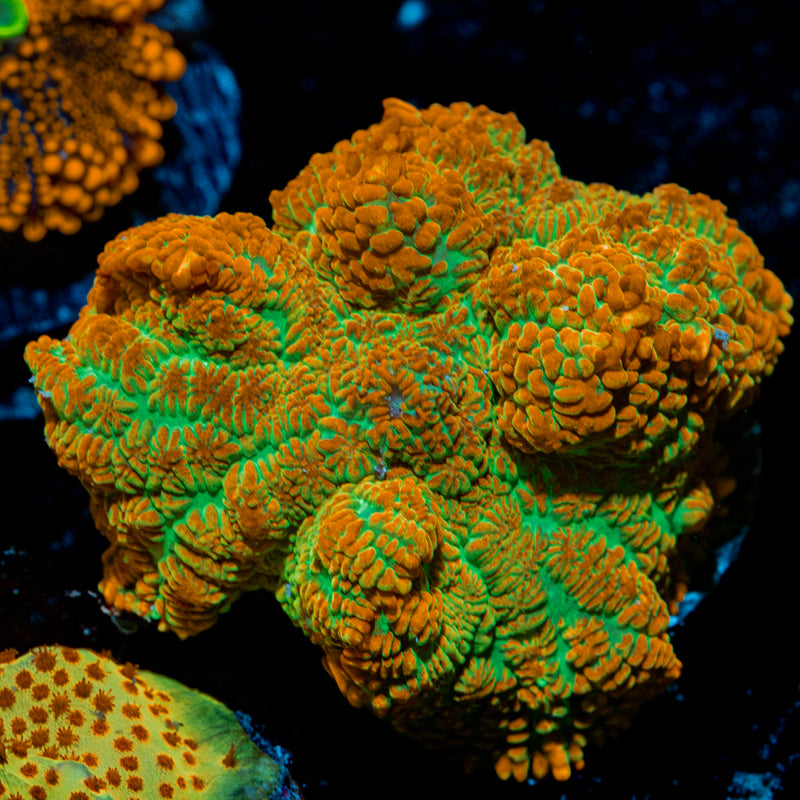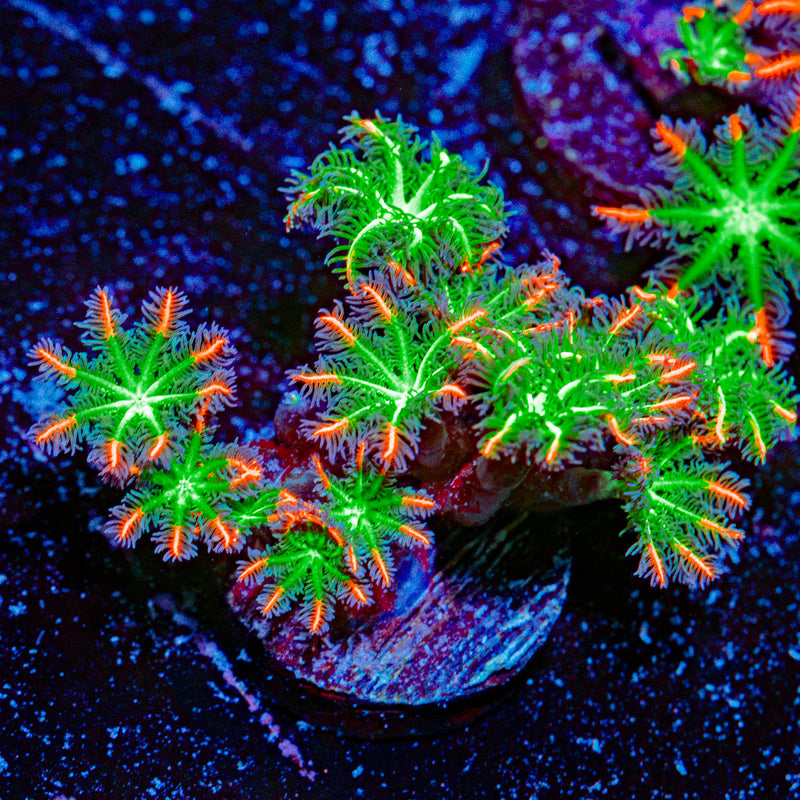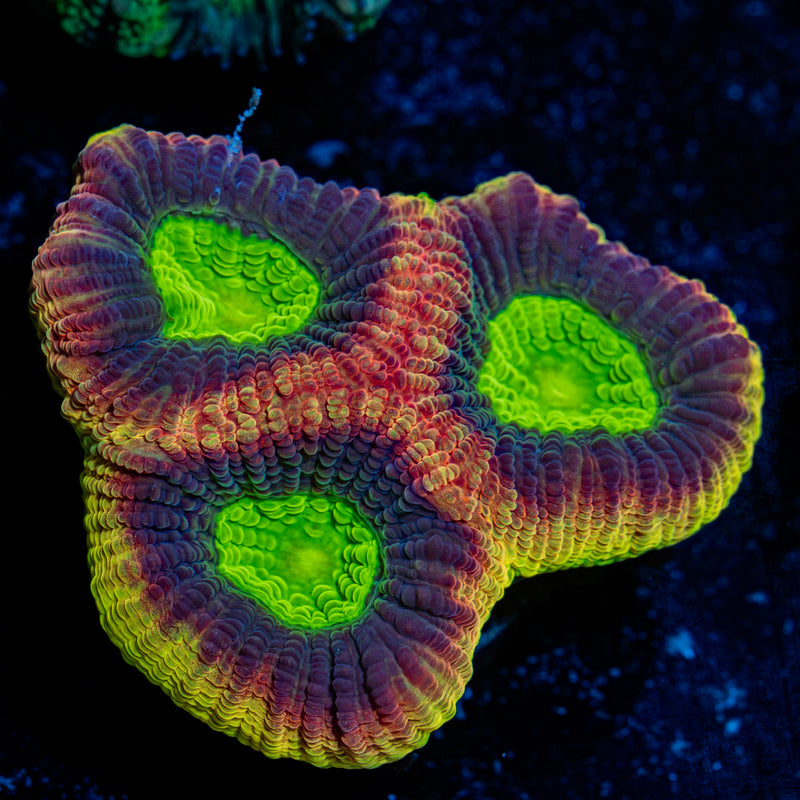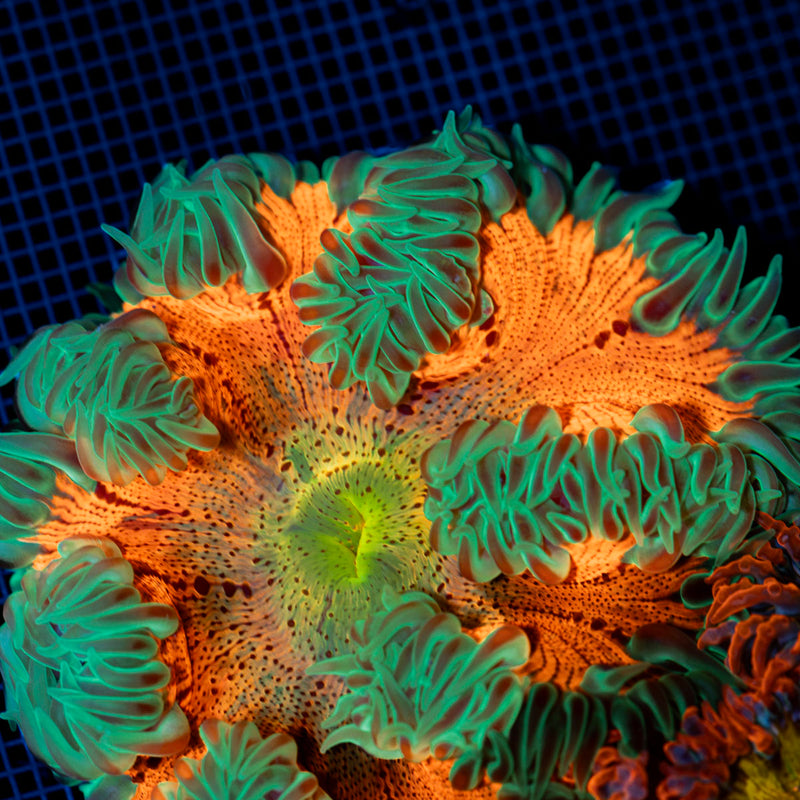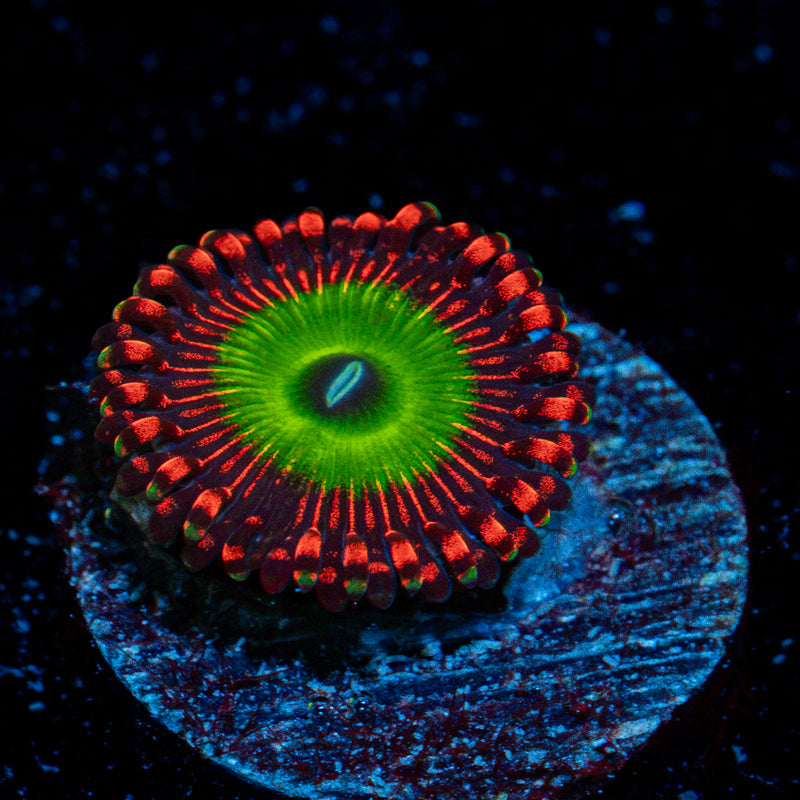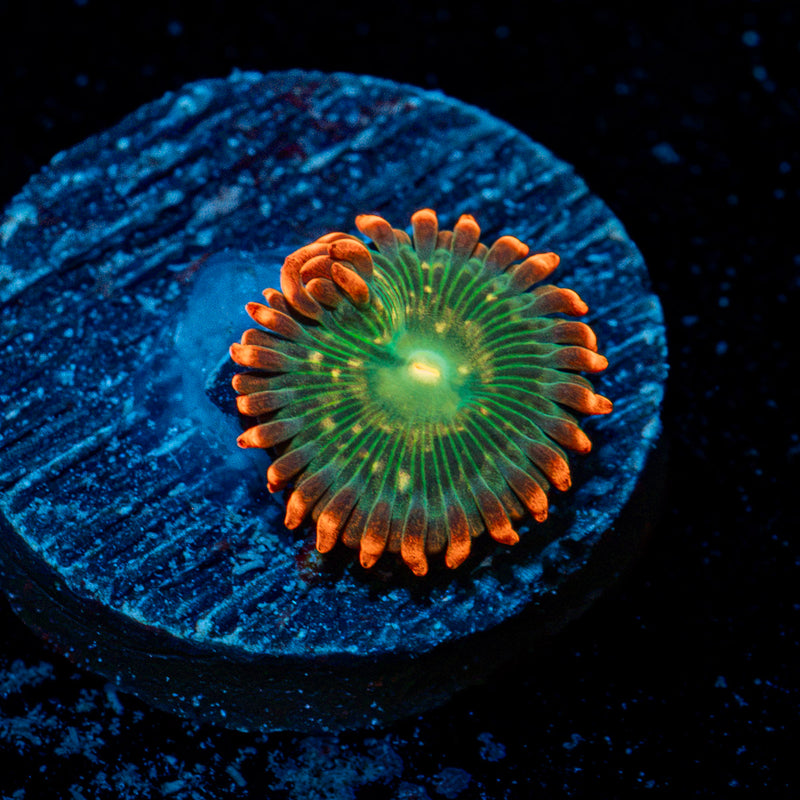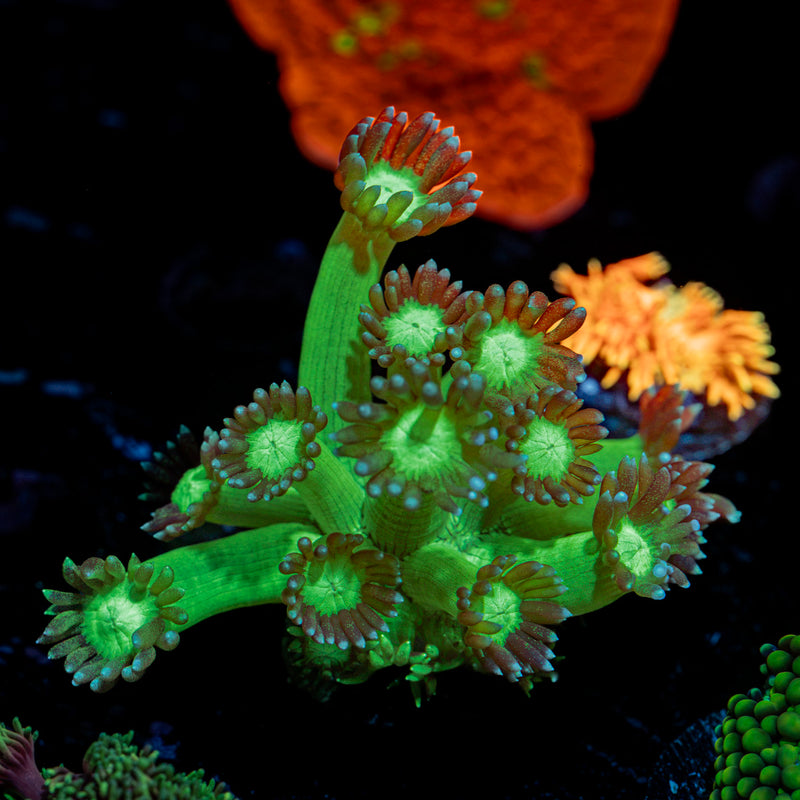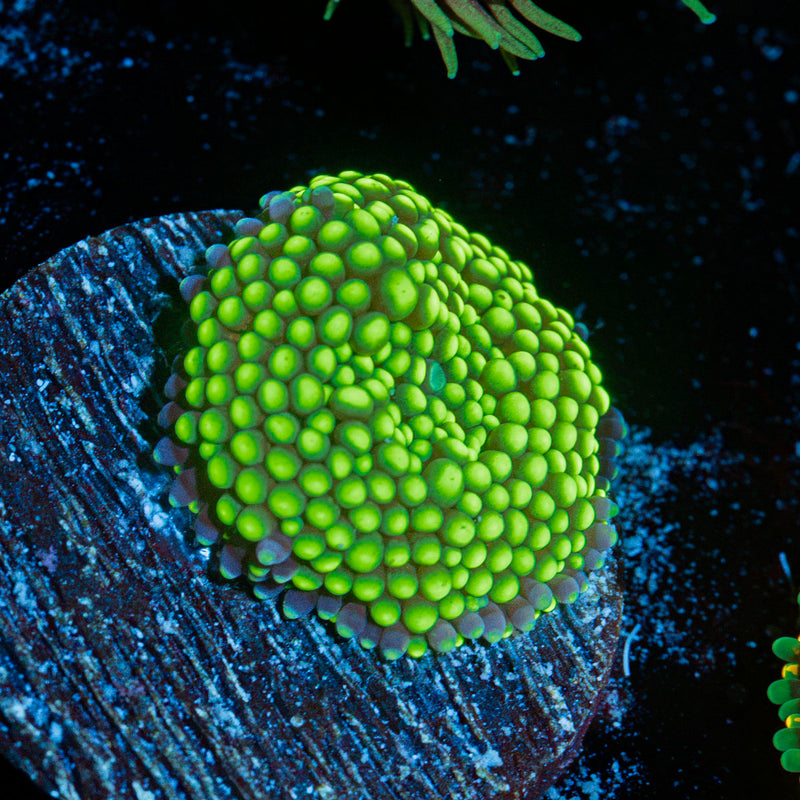
A great coral pack is more than a handful of frags added to a cart. It is a small reef community with a shared look, compatible care needs, and enough room to become something spectacular. Learning how to build coral packs starts with a simple shift in mindset: choose corals that will thrive together in your specific tank, not just pieces that look incredible on their own.
A thoughtfully built pack can give a new reef tank an exciting foundation or help an established display develop a more intentional color story. The best part is that a pack can be customized around your lighting, flow, available space, and experience level.
Start With Your Tank, Not the Coral Photos
Before choosing a single frag, take an honest look at your reef aquarium. Tank maturity, lighting, nutrient stability, flow, and available rockwork all influence which corals belong in your pack.
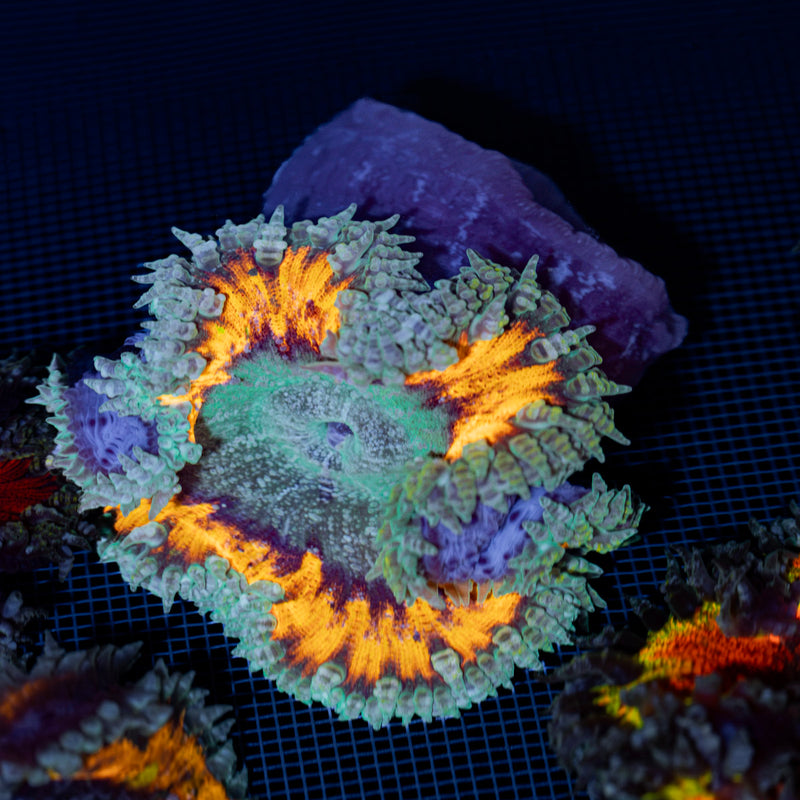
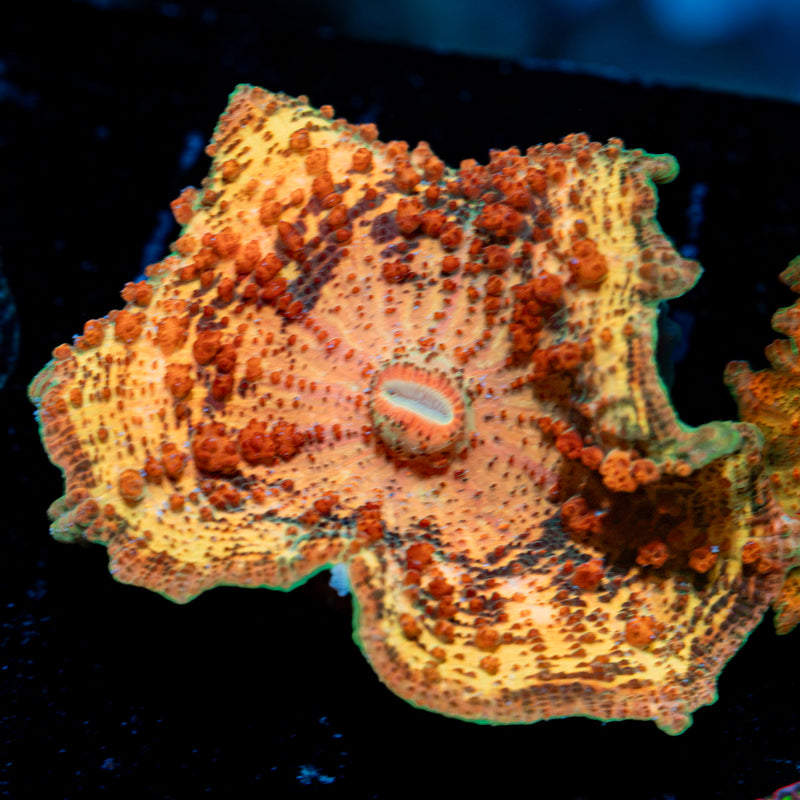
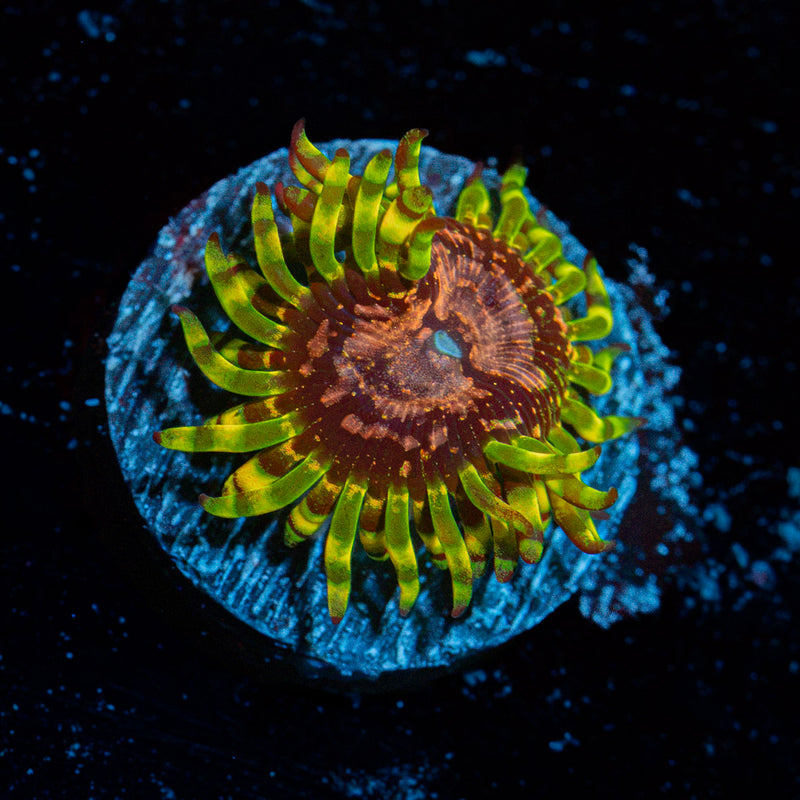
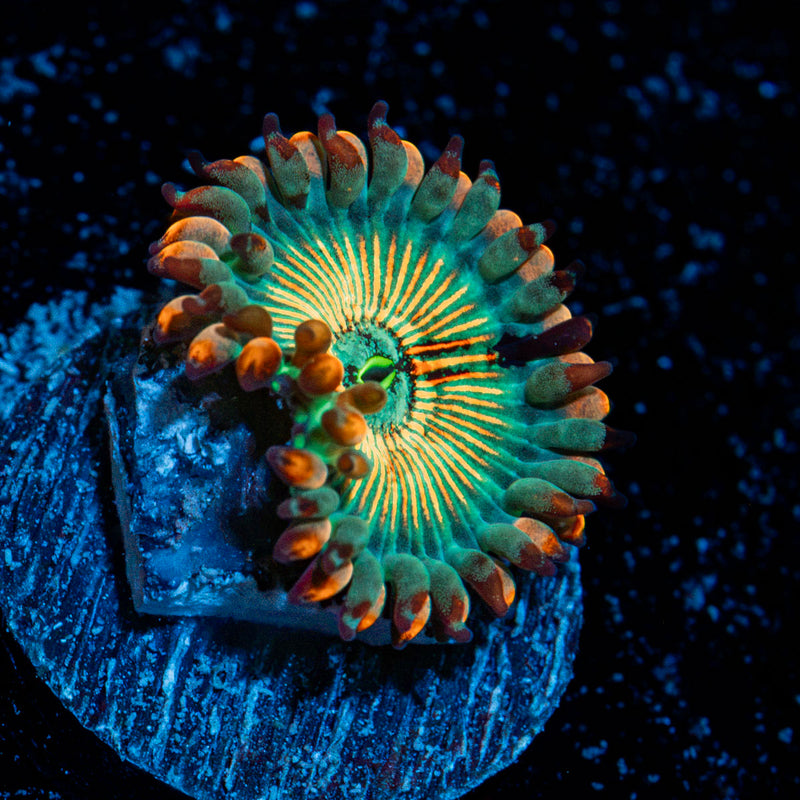
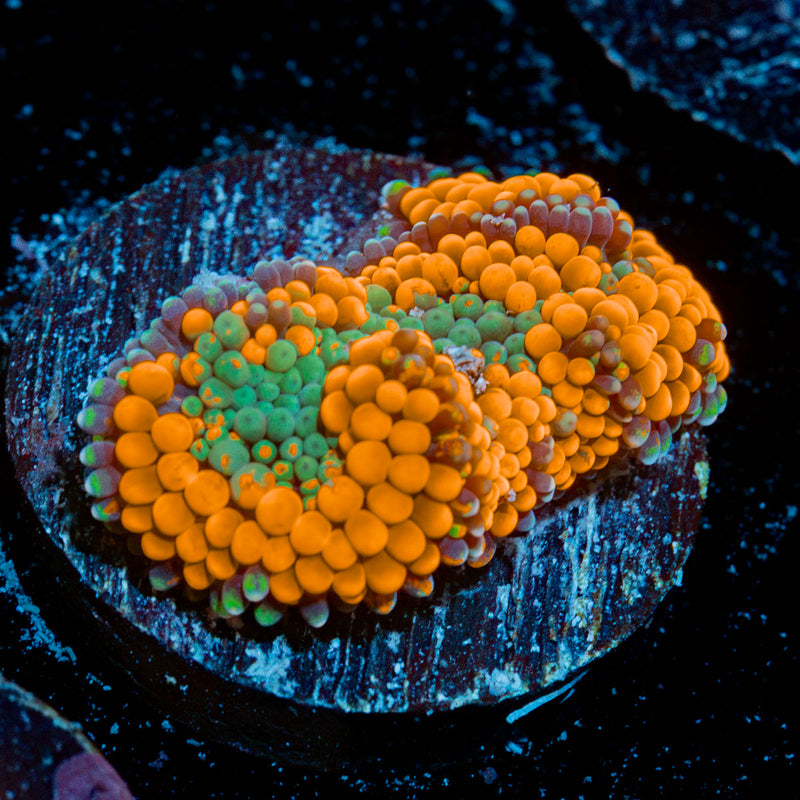
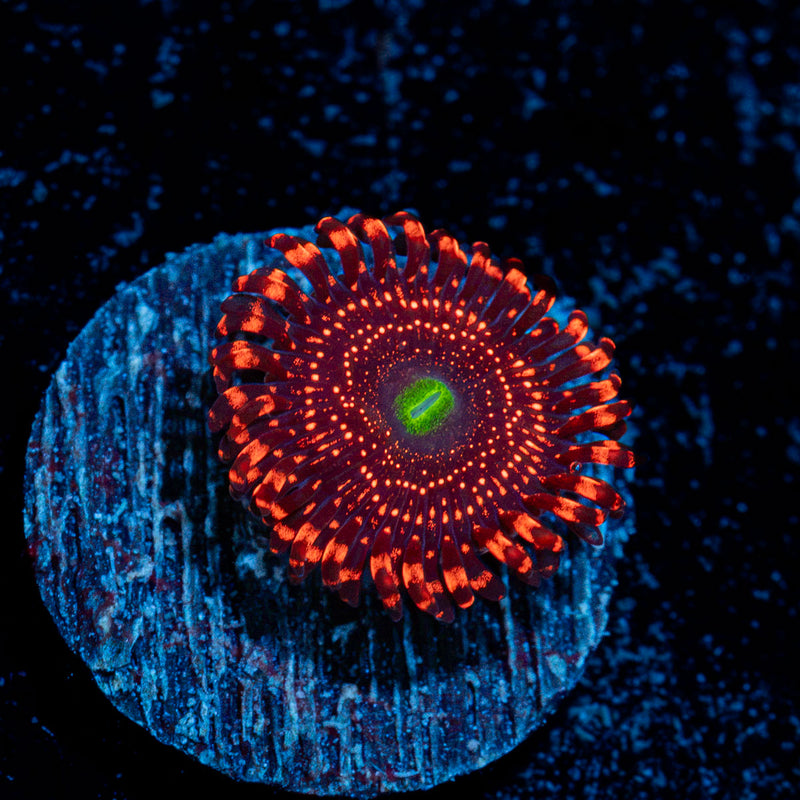
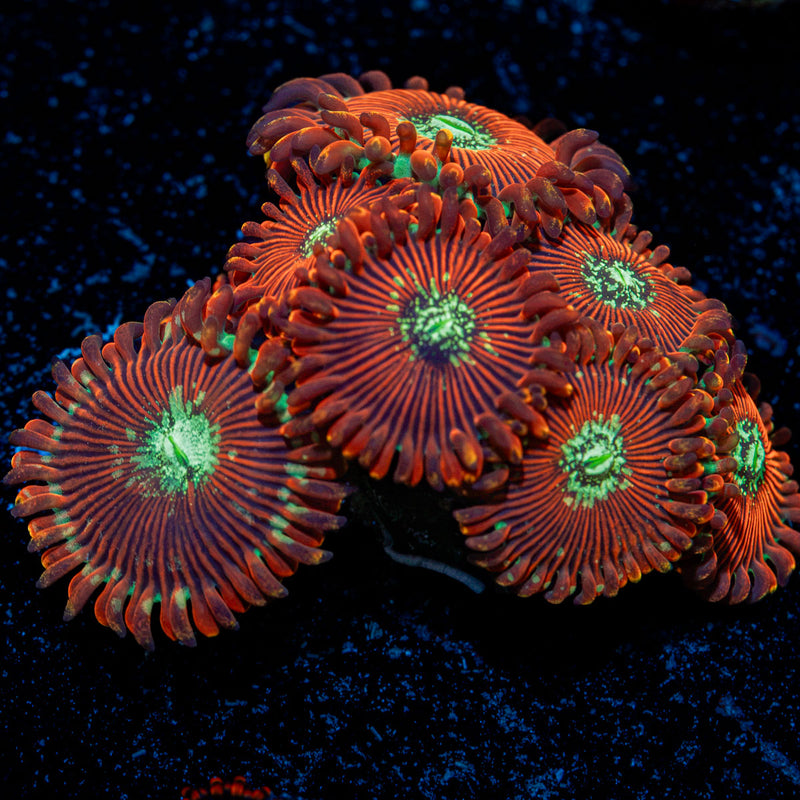
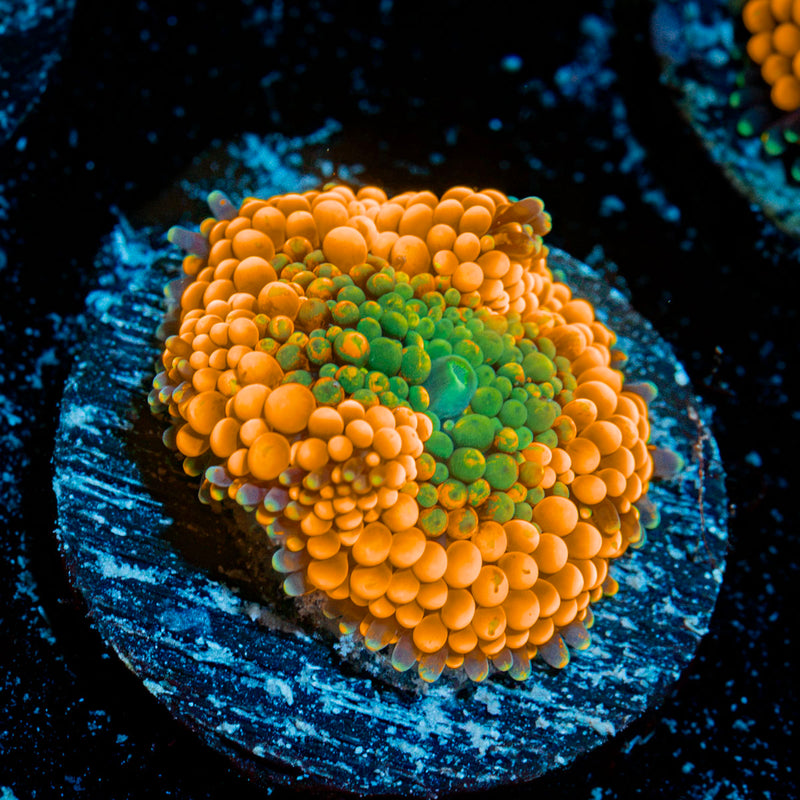
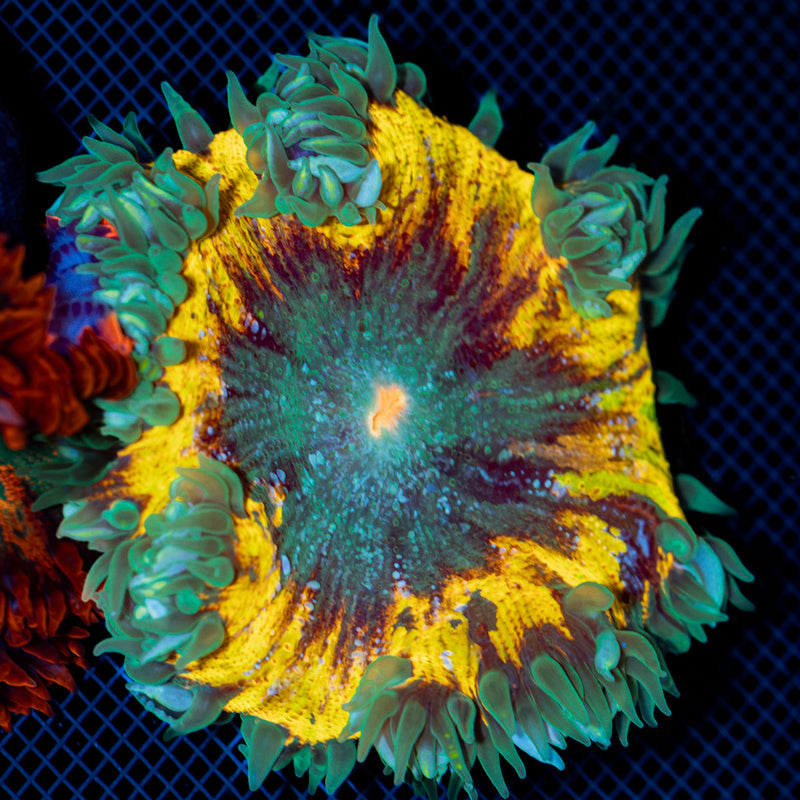
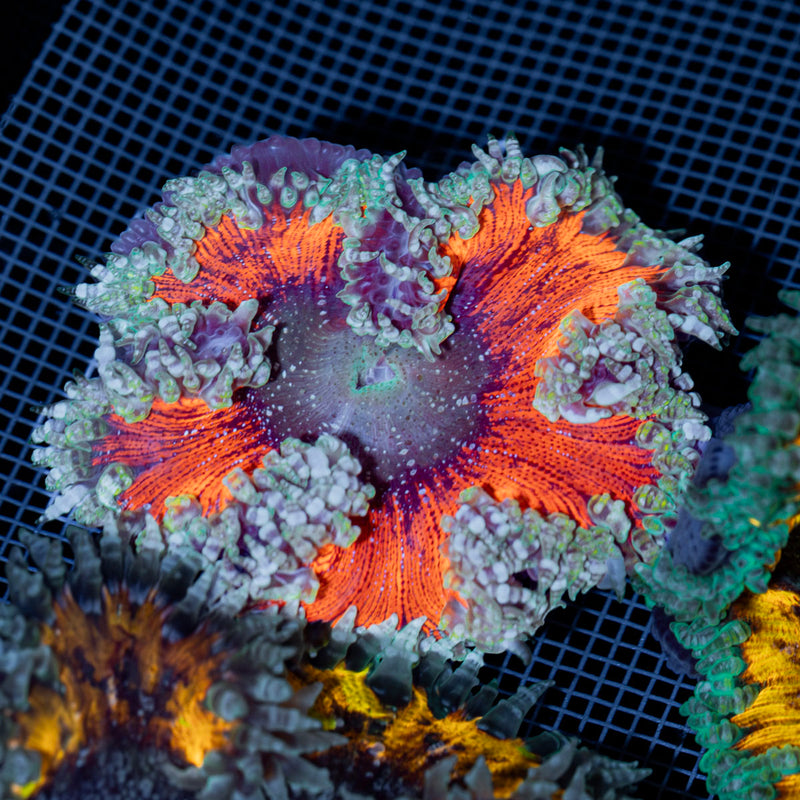
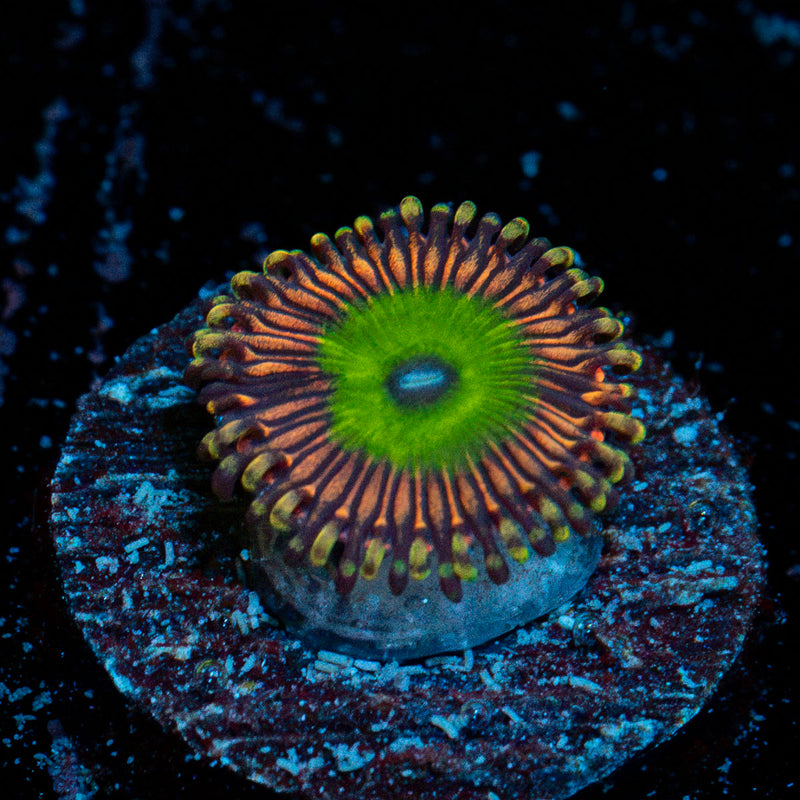
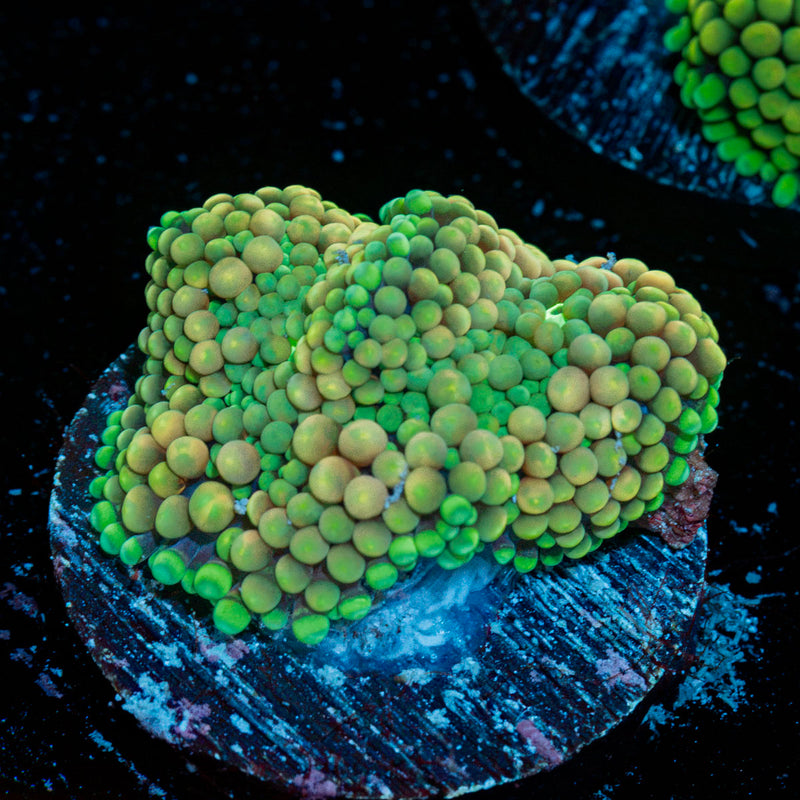
For a newer reef tank, softer, more forgiving corals are often the smarter choice. Zoanthids, mushrooms, many leather corals, and beginner-friendly LPS can bring immediate color while allowing you to build confidence with placement and maintenance. These corals are often more tolerant of small swings than demanding SPS varieties, although stable parameters still matter for every coral.
In a mature system with strong, consistent lighting and well-managed alkalinity, calcium, and nutrients, you can build a pack around SPS corals such as Acropora, Millepora, or other colorful branching frags. SPS packs can create a stunning garden of texture and movement as they grow, but they demand more consistency. If your tank is still settling in, it is usually better to let it mature before making SPS the centerpiece of a larger order.
Also consider scale. A five-gallon nano reef does not have the same real estate as a 75-gallon mixed reef. A coral that begins as a compact frag may eventually shade its neighbors, send out sweepers, or spread across a rock. Leave room for the reef you want six to twelve months from now.
Choose One Clear Goal for the Pack
The easiest way to create a pack that feels curated rather than random is to give it a purpose. You may be building a colorful beginner reef, filling a lower-light area, creating an LPS garden, or adding high-end SPS accents to an established display.
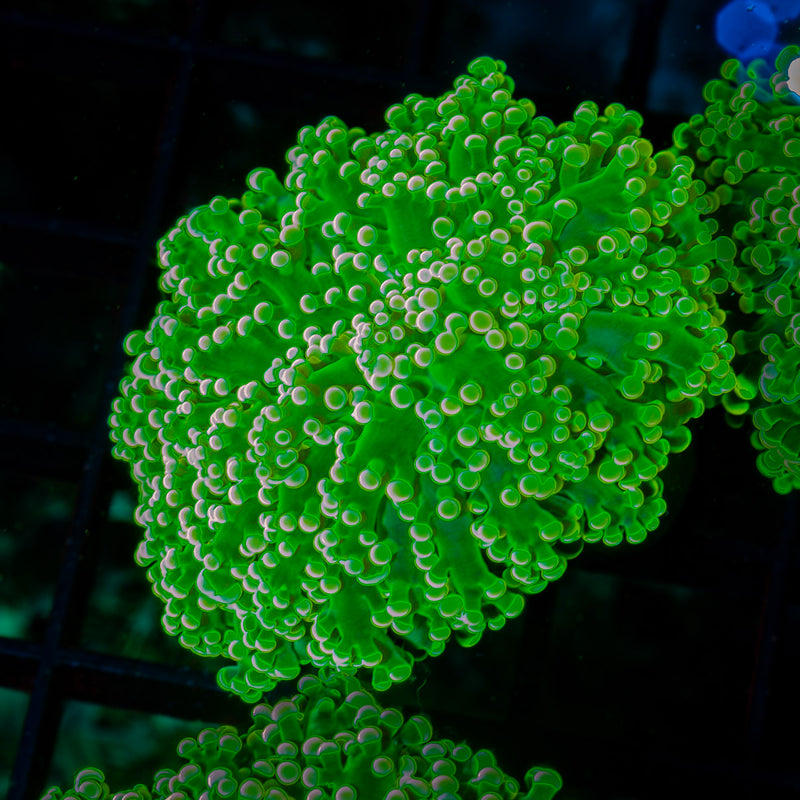
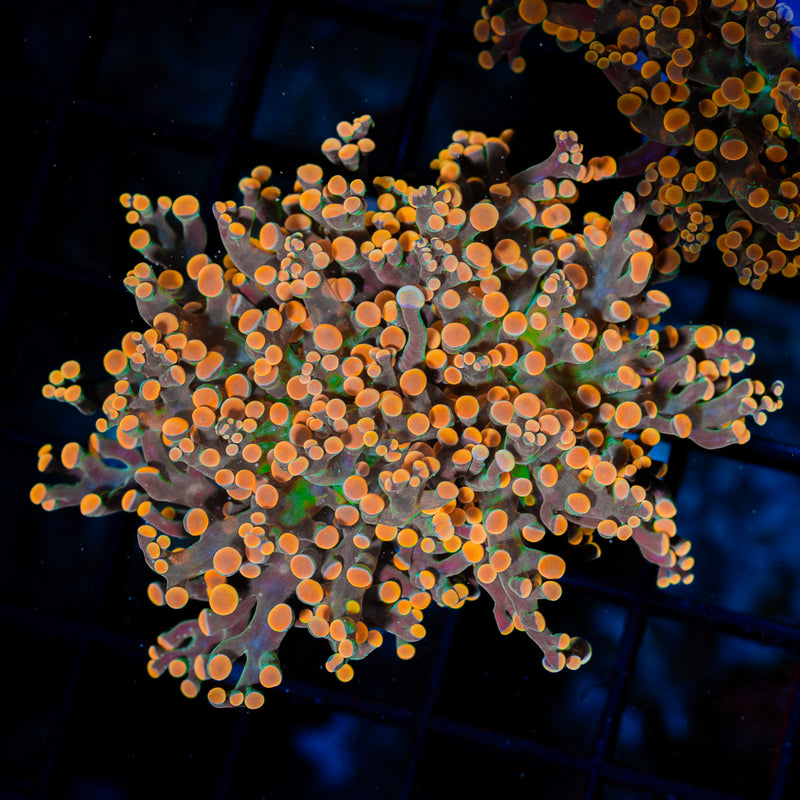
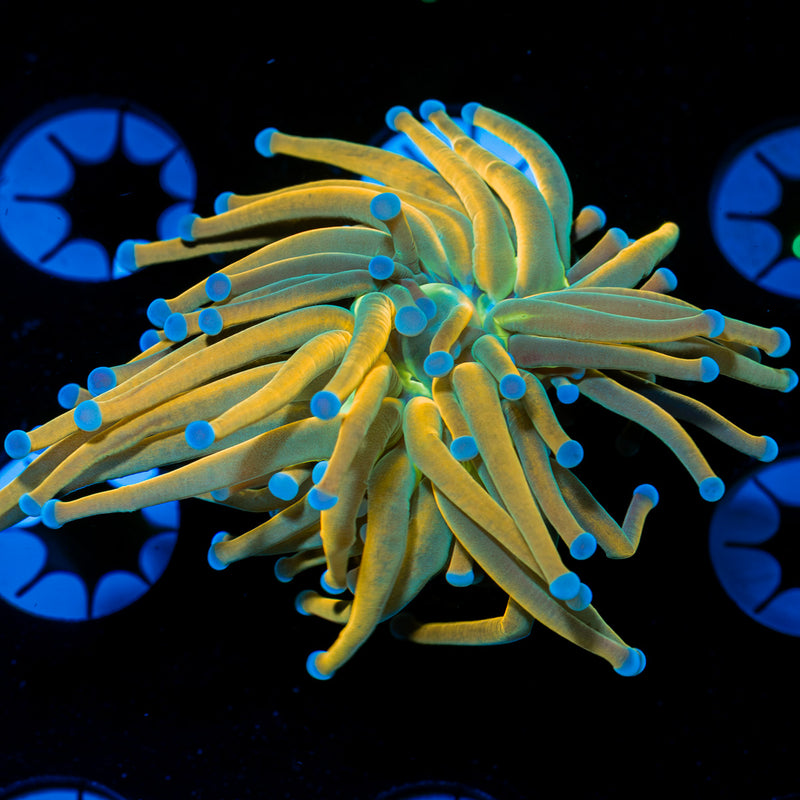
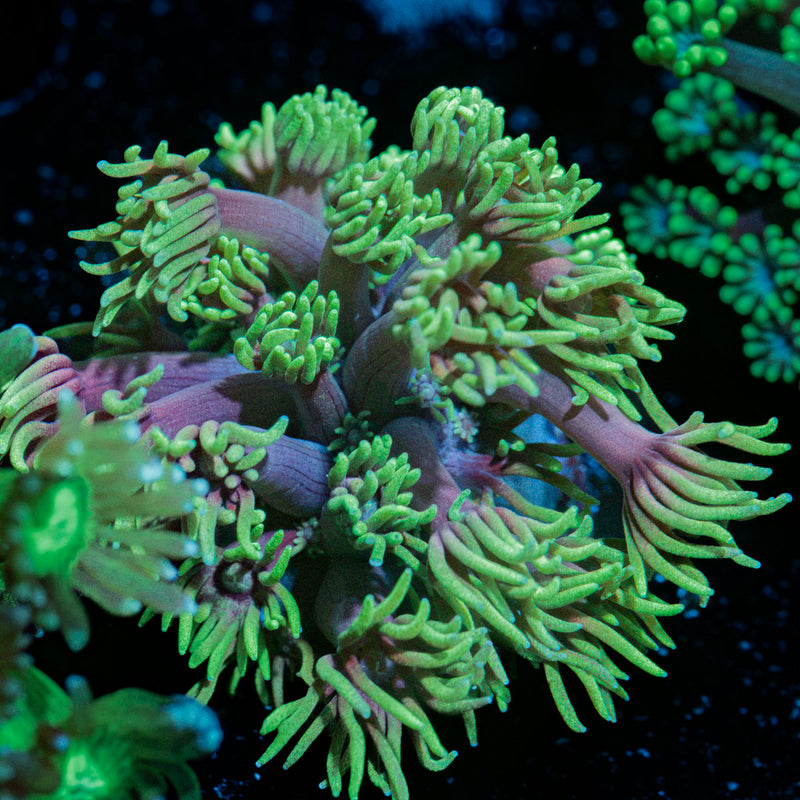
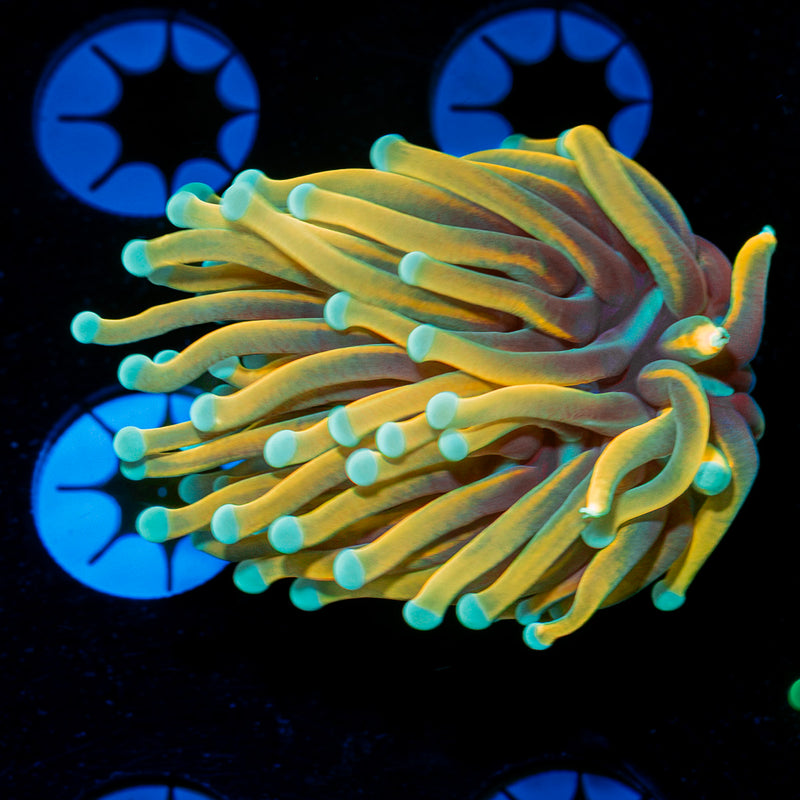
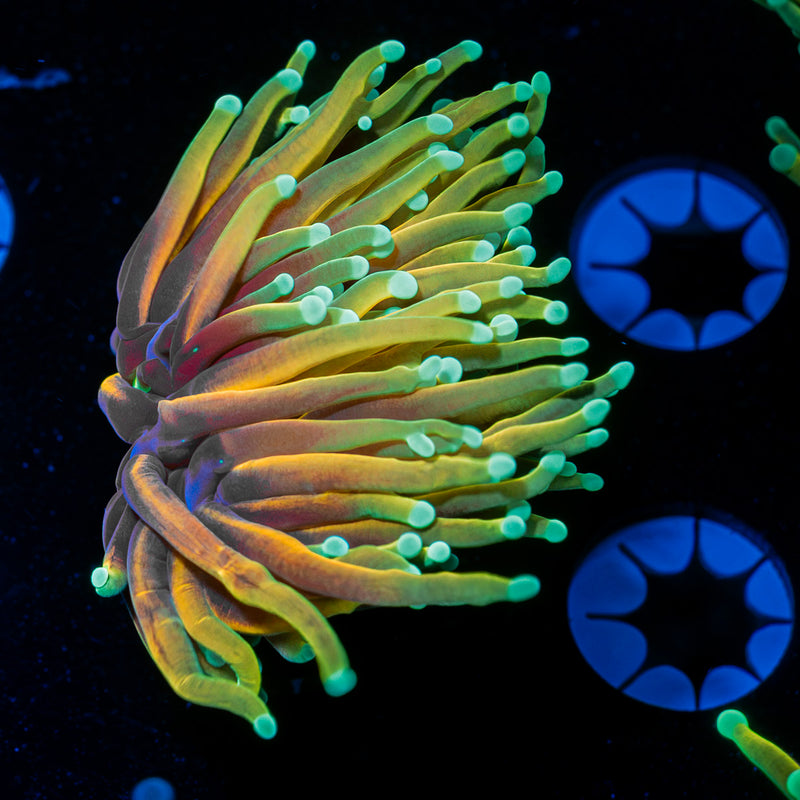
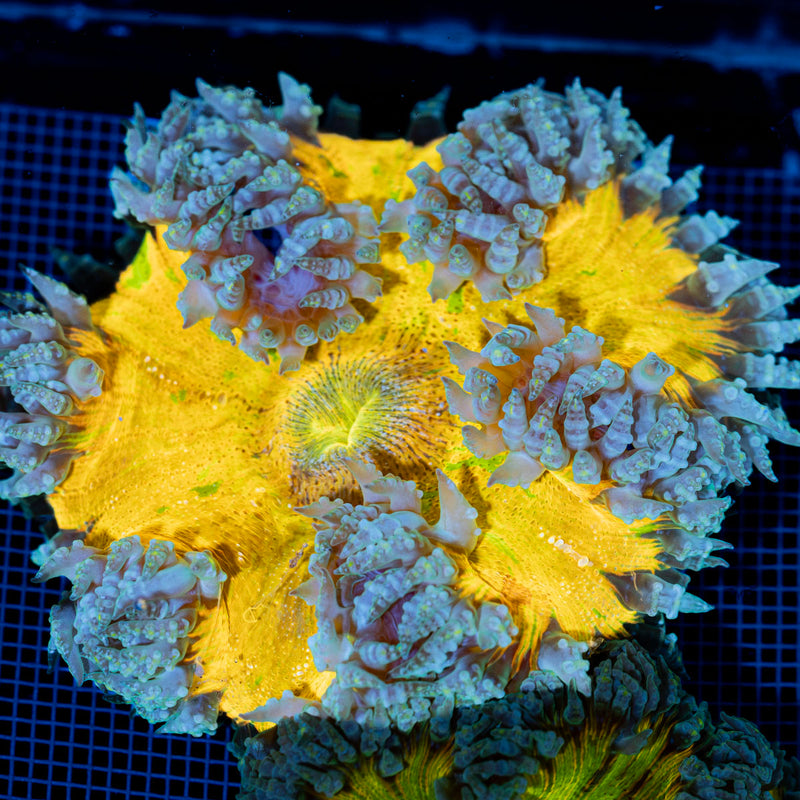
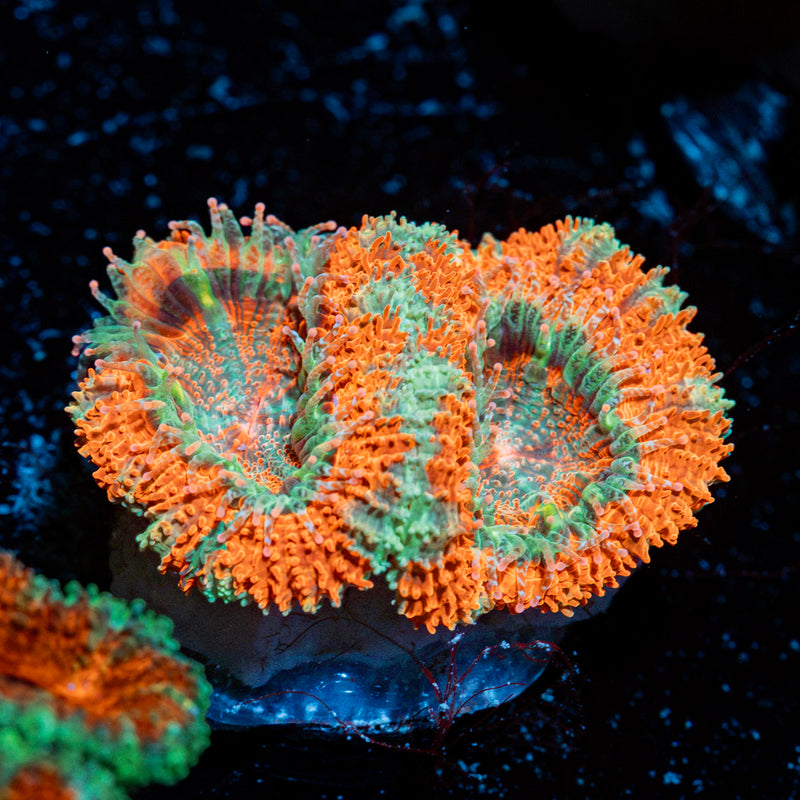
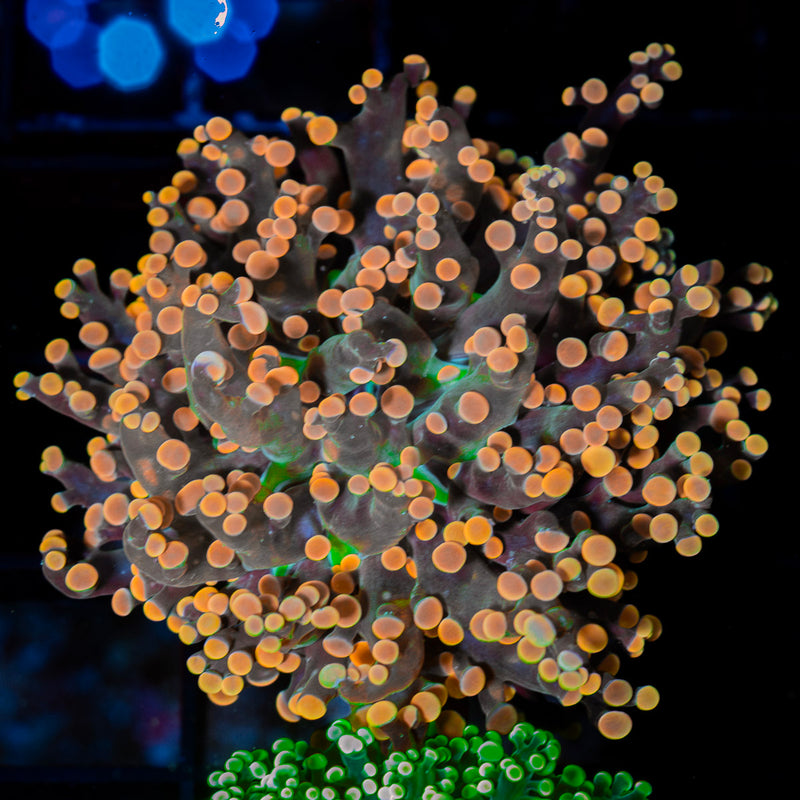
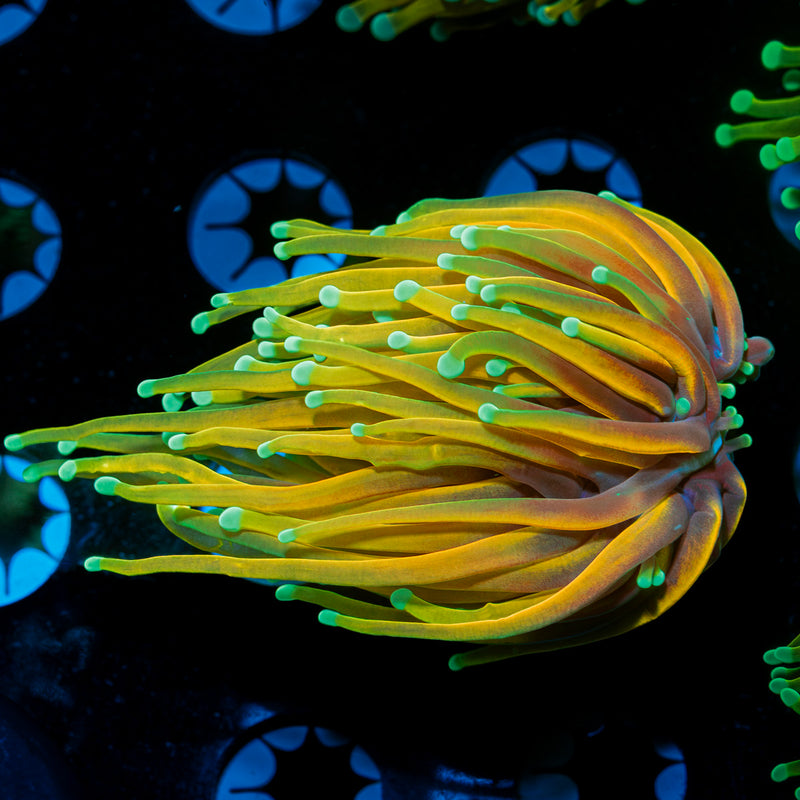
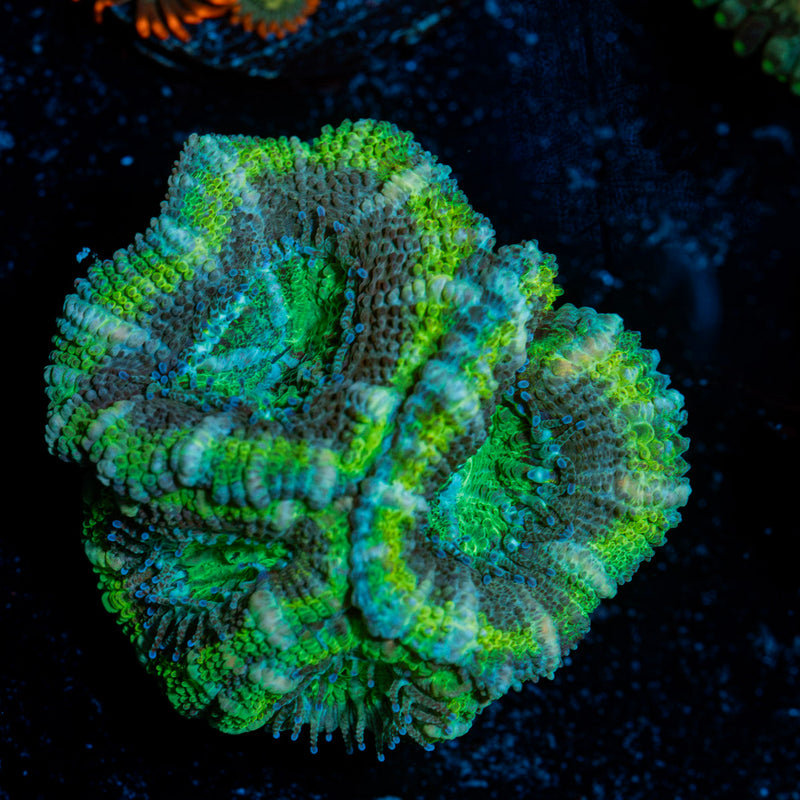
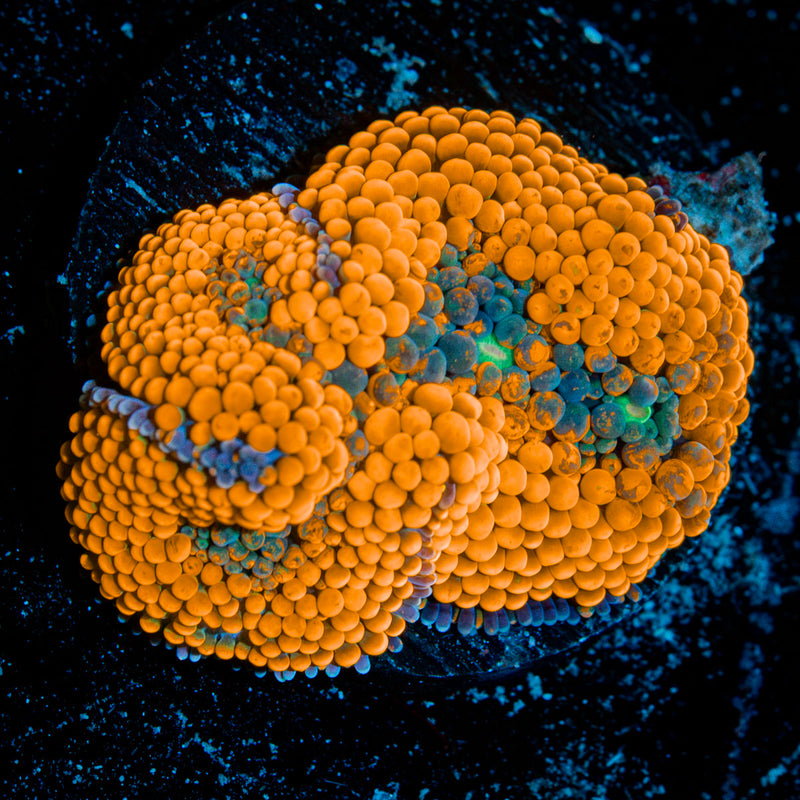
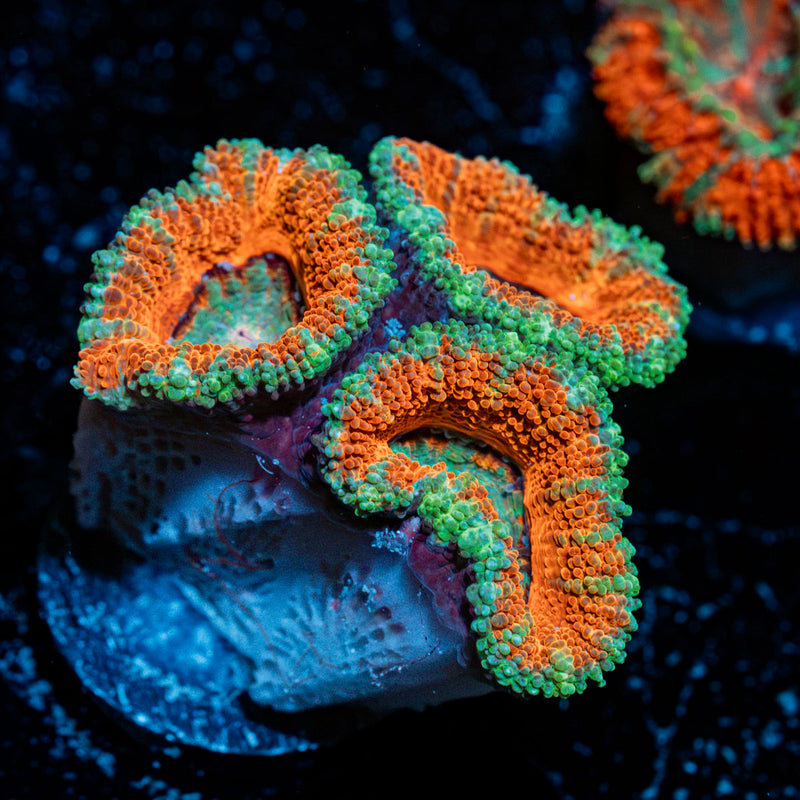
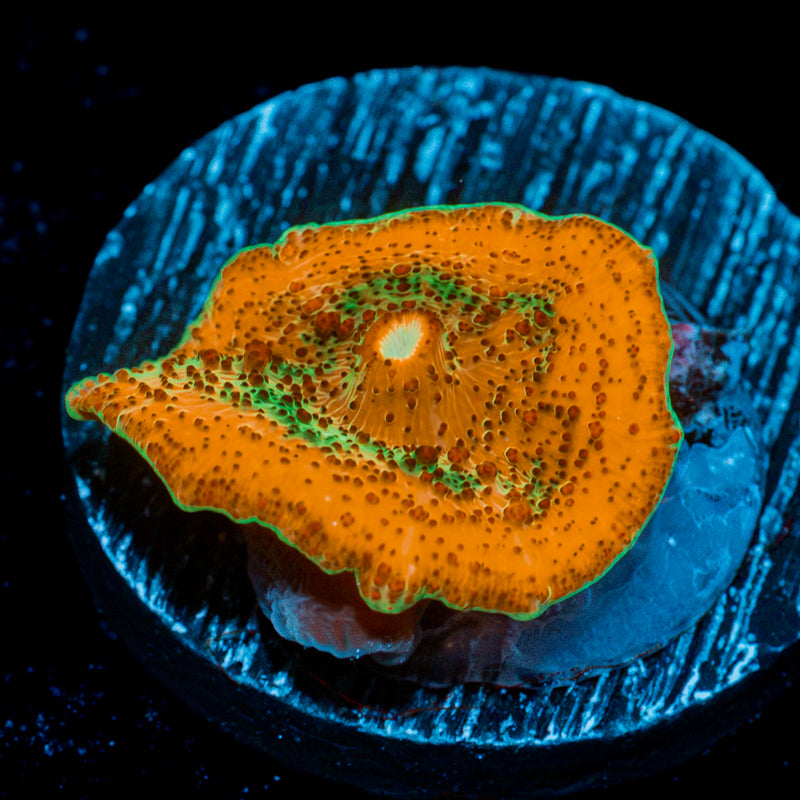
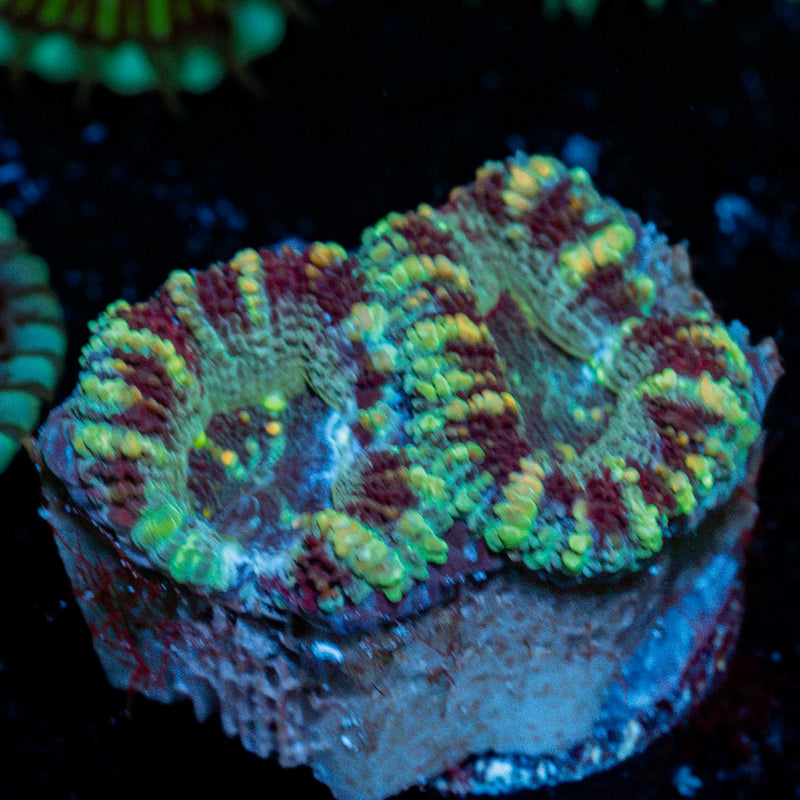
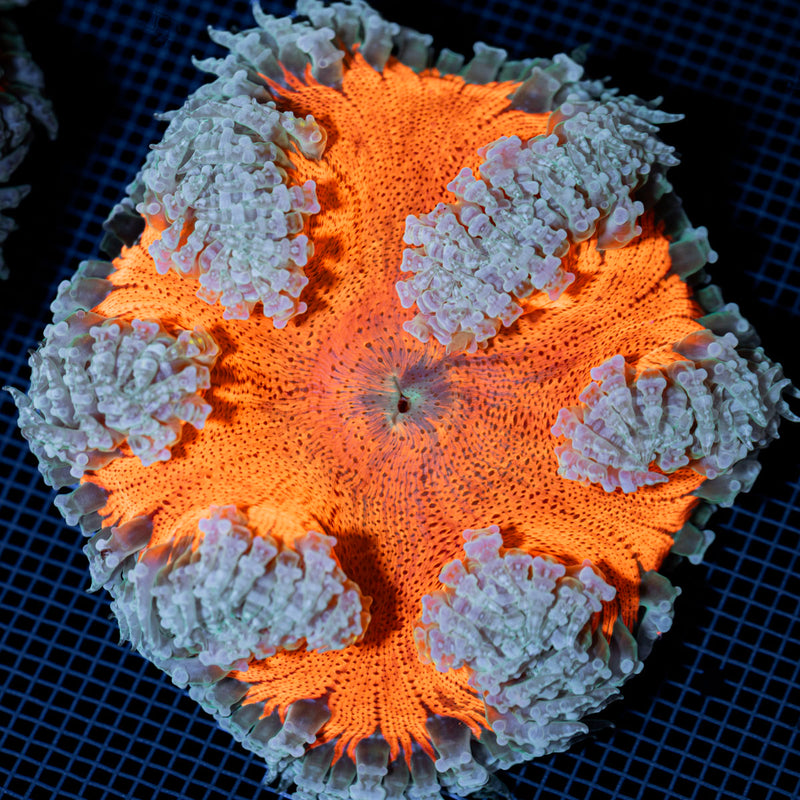
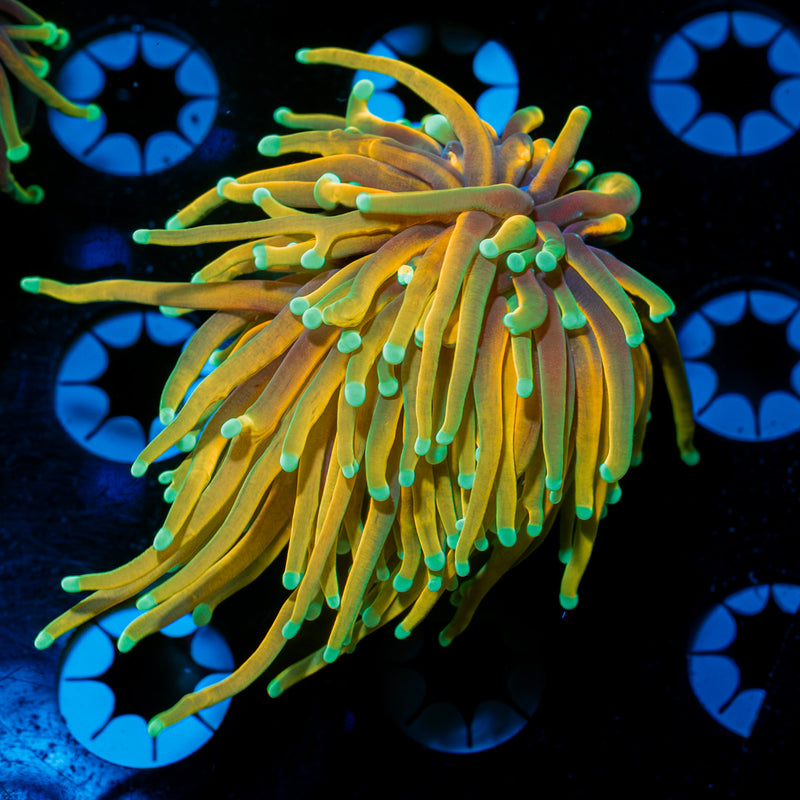
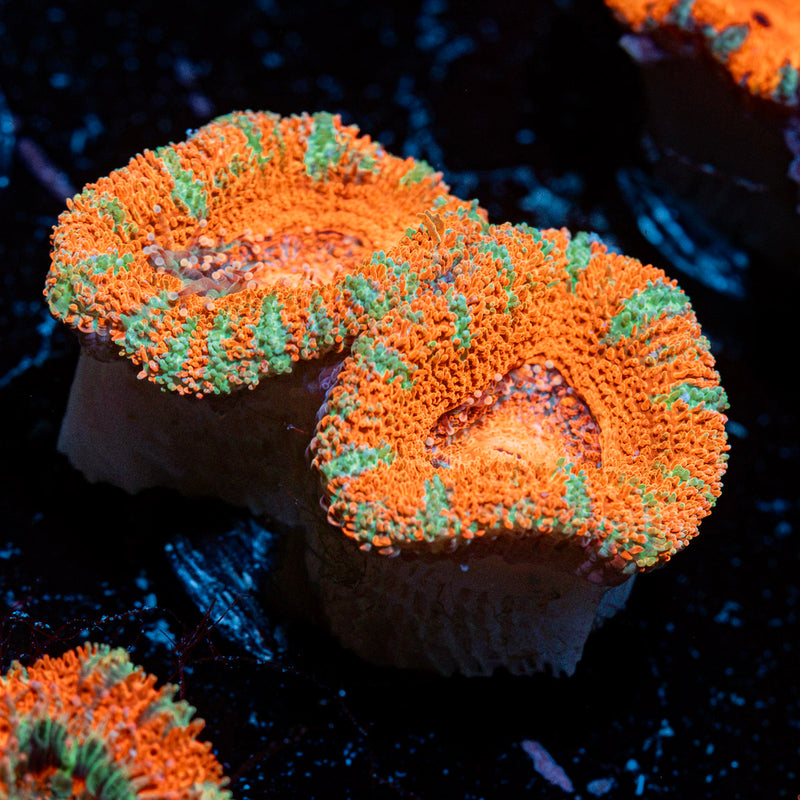
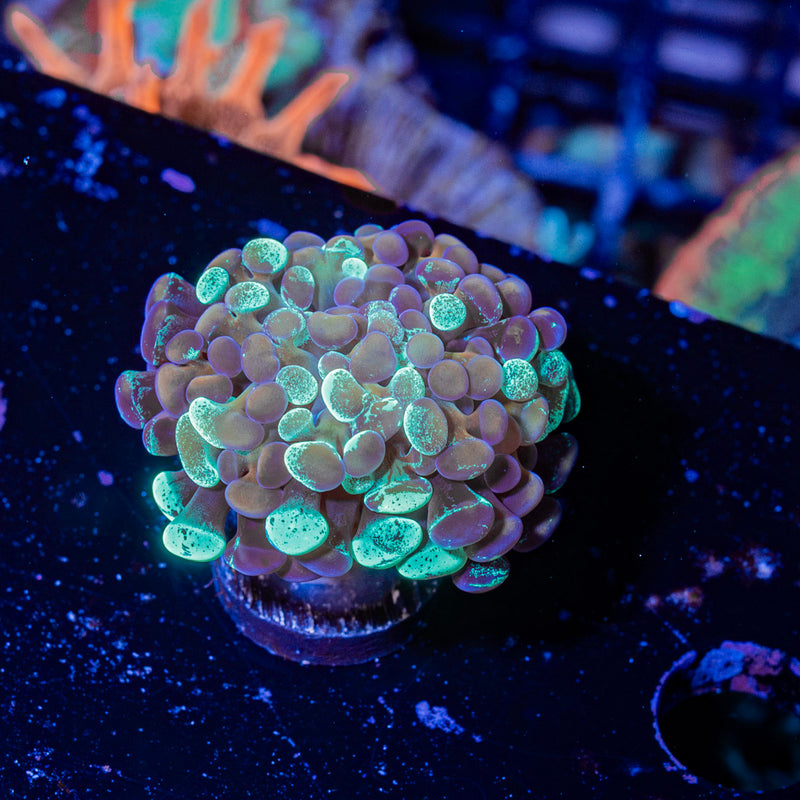
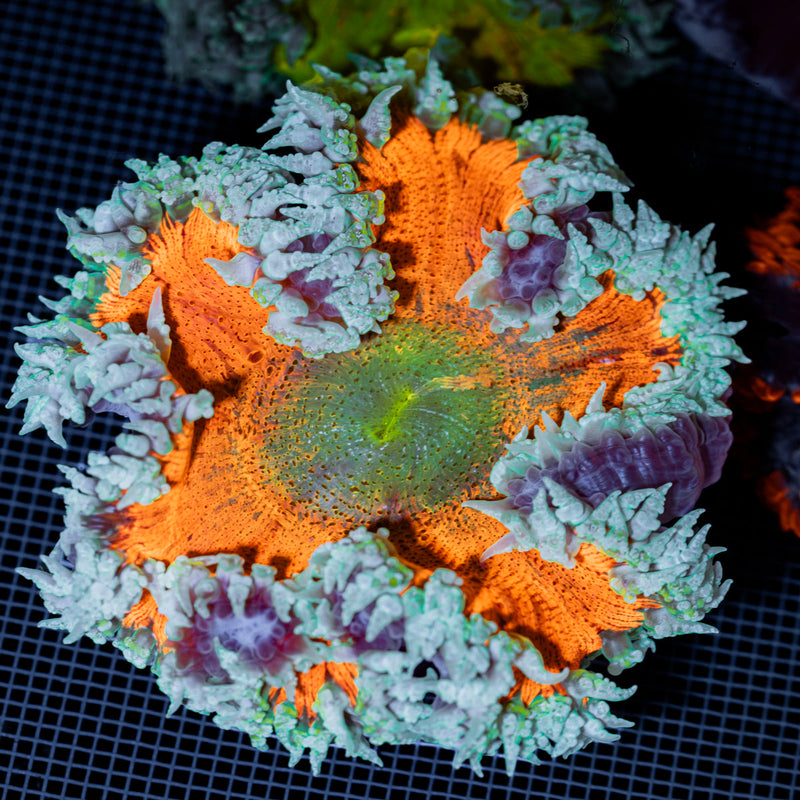
A beginner-friendly color pack might combine vibrant zoanthids, a bright mushroom, a hardy hammer, and an acan. The mix offers different shapes and colors without requiring every coral to occupy the same high-light, high-flow zone. A torch- and hammer-focused LPS pack can create dramatic movement, but it needs more spacing and thoughtful placement because Euphyllia can sting nearby corals.
For an SPS-focused pack, choose pieces with similar placement requirements rather than chasing every color at once. A few compatible branching corals in the upper third of the tank can look far more polished than a crowded collection of frags competing for light. Start with a manageable number, then add varieties as you learn how your system responds.
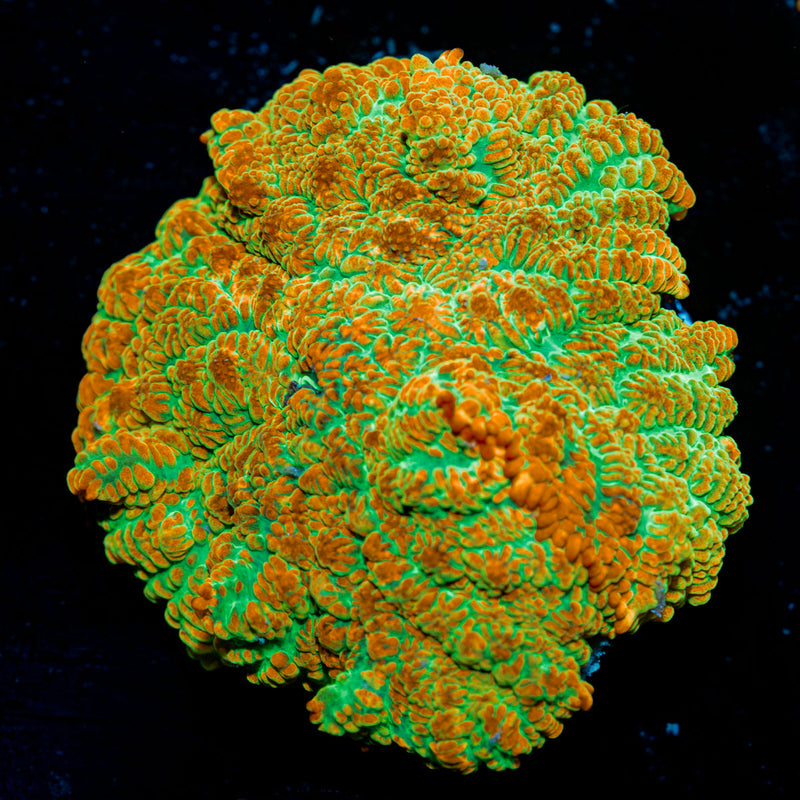
Color is still part of the fun. Think in contrast: a neon green coral pops beside a red or orange piece, while a deep blue or purple specimen can create depth against warm-toned corals. Mixing growth forms matters, too. Branching SPS, fleshy LPS, encrusting chalices, and rounded mushrooms create a display with more visual dimension than one shape repeated across every rock.
How to Build Coral Packs Around Compatibility
Compatibility is not only about whether corals can technically live in the same aquarium. It is about whether they can grow comfortably without constant intervention.
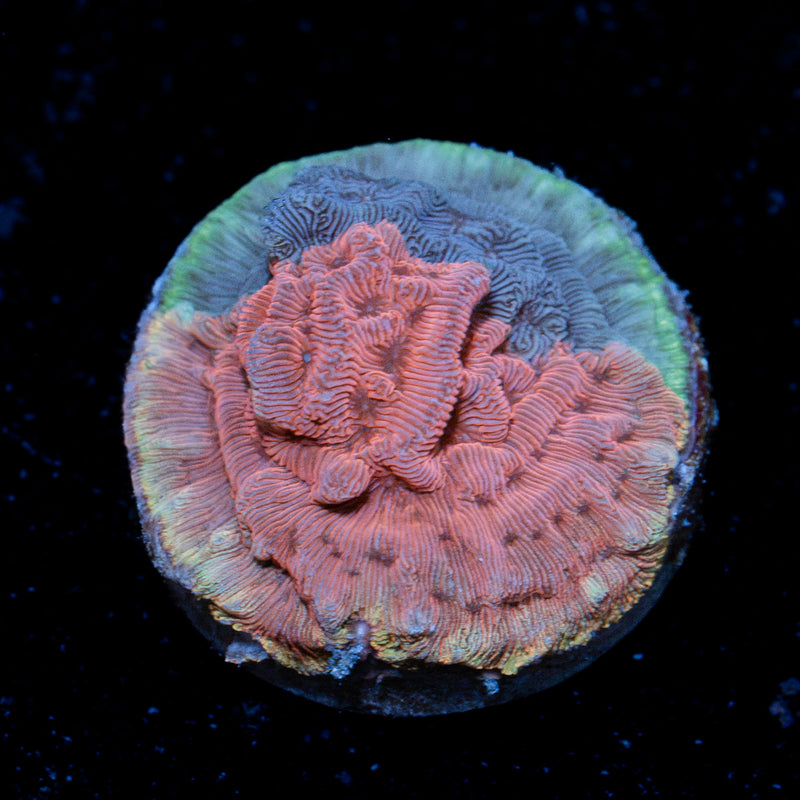
Start by grouping corals according to their preferred light and flow. Soft corals and many mushrooms generally appreciate lower to moderate lighting and gentler, indirect flow. Acans and chalices often do well in lower areas with moderate flow. Many Euphyllia corals prefer moderate light and a flowing current that lets their tentacles sway without whipping harshly. SPS typically need brighter light and stronger, more random flow.
This naturally points to a mixed reef layout: place SPS higher on the rockwork, reserve middle zones for LPS, and use lower ledges or sandbed-adjacent areas for mushrooms, chalices, and select acans. It is not a rule for every species, but it is a dependable starting plan.
Spacing deserves just as much attention. Corals defend themselves in different ways. Some LPS extend long sweeper tentacles after lights out, while fast-growing soft corals and zoanthids can gradually claim more surface area than expected. Give each frag a buffer zone at the start. You can always move a coral closer later, but repairing a sting-damaged colony is less enjoyable than planning for space up front.
When building a pack, avoid putting several aggressive species into a small footprint unless you already have a clear placement plan. A gorgeous torch coral may be worth featuring as a focal point, for example, rather than surrounding it immediately with other fleshy LPS.
Build in Layers Instead of Buying All at Once
A coral pack does not need to fill every open space on day one. In fact, staged stocking is often the more successful approach, especially for newer tanks.
Begin with a foundation of hardy, visually rewarding corals. Watch how they respond to your light schedule, flow pattern, and maintenance routine over several weeks. Strong polyp extension, stable color, and visible new growth are encouraging signs that your system is ready for more.
Your next pack can add contrast or a new growth form. If your first selection is mostly zoanthids and mushrooms, consider a few LPS pieces for movement and height. If your reef already has hammers and frogspawn, an encrusting chalice or colorful acan can add a different texture near the base of the aquascape.
This approach also protects your budget. Premium WYSIWYG corals and rare collector pieces deserve the conditions that allow them to shine. Adding them after you understand your tank’s patterns can be a better value than introducing them into an unstable environment.
Select Healthy Frags With a Confident Eye
The quality of the coral matters as much as the plan behind the pack. Aquacultured frags are especially appealing because they are grown in aquarium conditions and can be a reef-safe, responsible choice for home aquarists.
Look for full tissue coverage, clear coloration appropriate to the species, and signs of life such as open polyps or healthy extension when applicable. A frag should be securely mounted and free of obvious recession, damaged tissue, or algae overtaking the plug. WYSIWYG selections are particularly valuable when you want confidence in the exact coloration, size, and growth form entering your tank.
Do not judge a coral only by the most fluorescent image. Lighting, camera settings, and your own aquarium spectrum can change how a piece appears. Instead, choose corals you would enjoy in a range of lighting conditions and give them time to settle. A healthy coral may look reserved for the first few days after shipping, then become one of the brightest living jewels in the tank once acclimated.
Plan Placement Before the Box Arrives
There is a simple habit that can make a new coral pack much easier to manage: decide where each coral will go before delivery day. Take a quick photo of your aquascape and identify high-, medium-, and low-light zones. Notice where flow is direct, where it is gentle, and where detritus tends to settle.
If you are adding several frags, place them on the sandbed or a coral rack first when practical. This gives you time to observe their response before committing to glue. It also reduces the temptation to place every new coral at the top of the rockwork simply because it is open space.
Acclimate thoughtfully, follow the seller’s arrival guidance, and inspect each frag before it enters the display. Many hobbyists use a coral dip as part of their quarantine or pest-prevention process, but the right method depends on the product instructions and the coral type. Handle fleshy LPS gently, avoid exposing sensitive tissue to unnecessary stress, and make sure plugs are stable before placing them in the tank.
Let the Pack Grow Into a Reef
The most rewarding coral packs are not the ones with the highest frag count. They are the selections that still look balanced after growth begins. Give each coral time, keep your water chemistry stable, and resist the urge to move frags repeatedly during their first adjustment period.
At Riptide Aquaculture, curated aquacultured selections make it easier to shop with a plan, whether you want colorful beginner-safe additions or showpiece pieces for a thriving established reef. Start with corals that fit your system now, leave room for their future growth, and let your reef tell its story one healthy frag at a time.