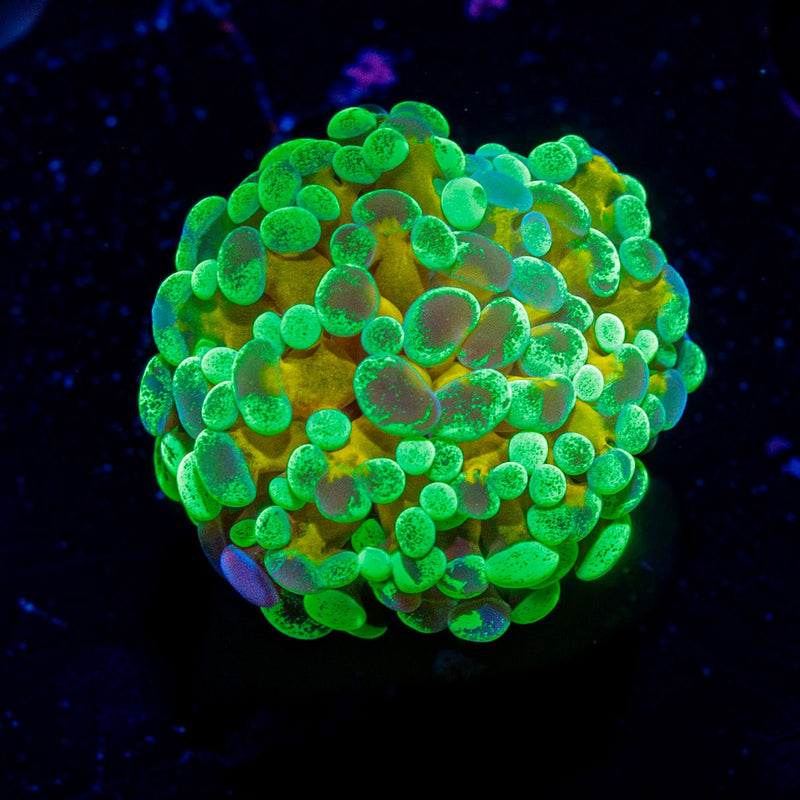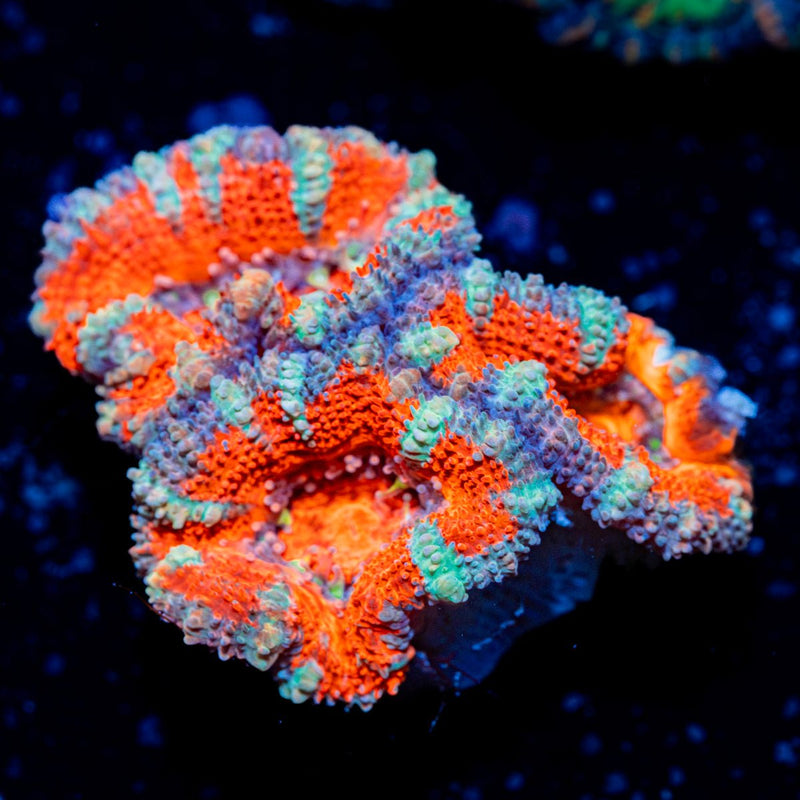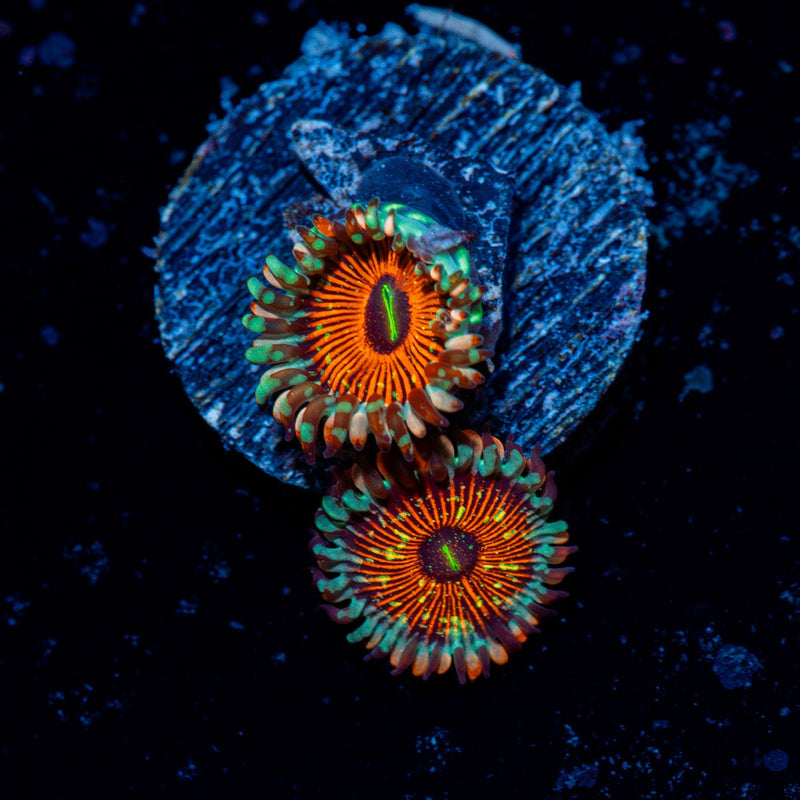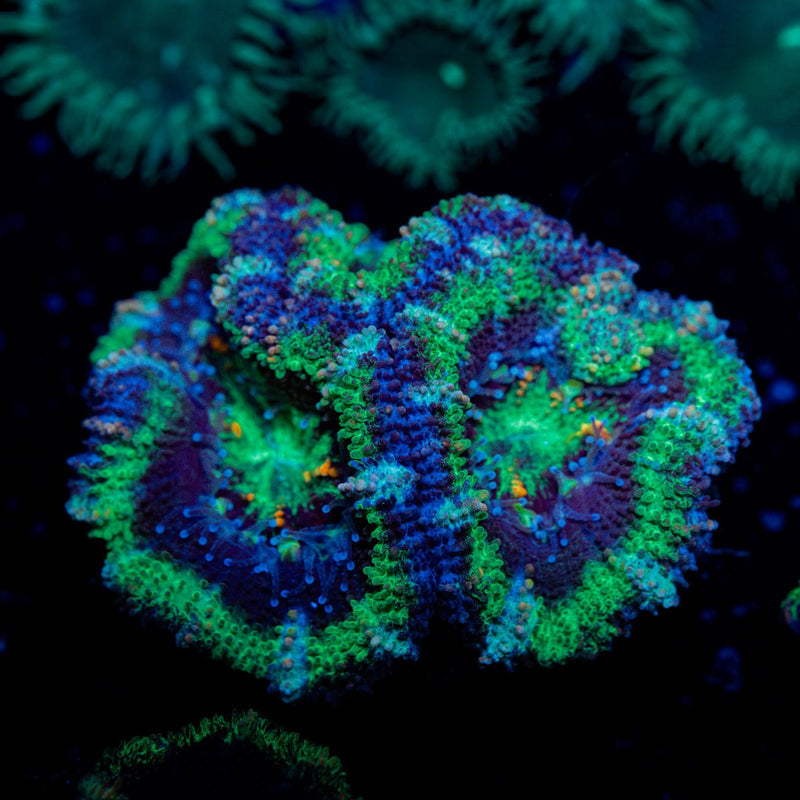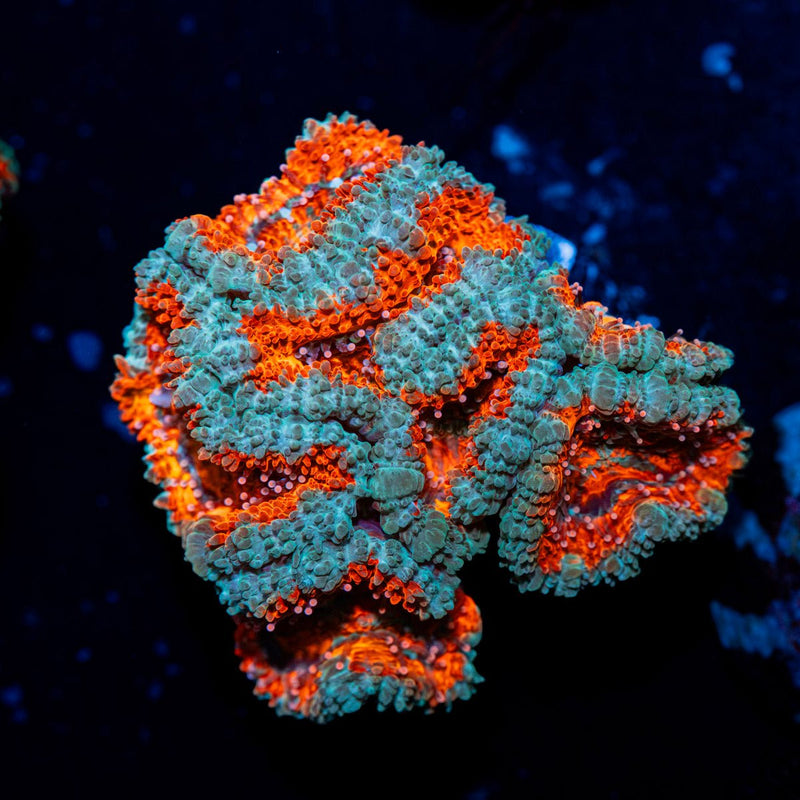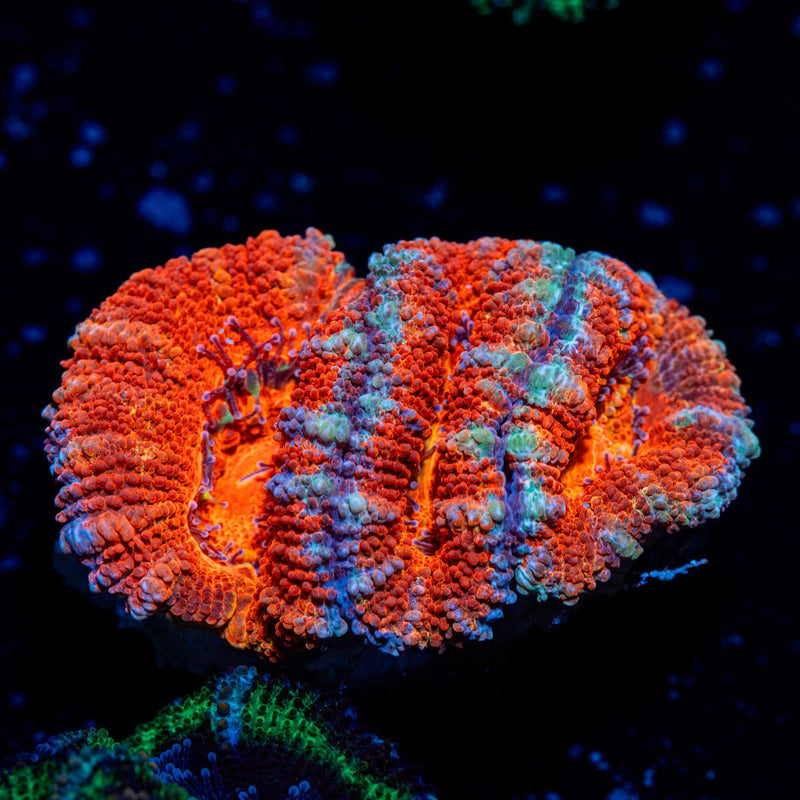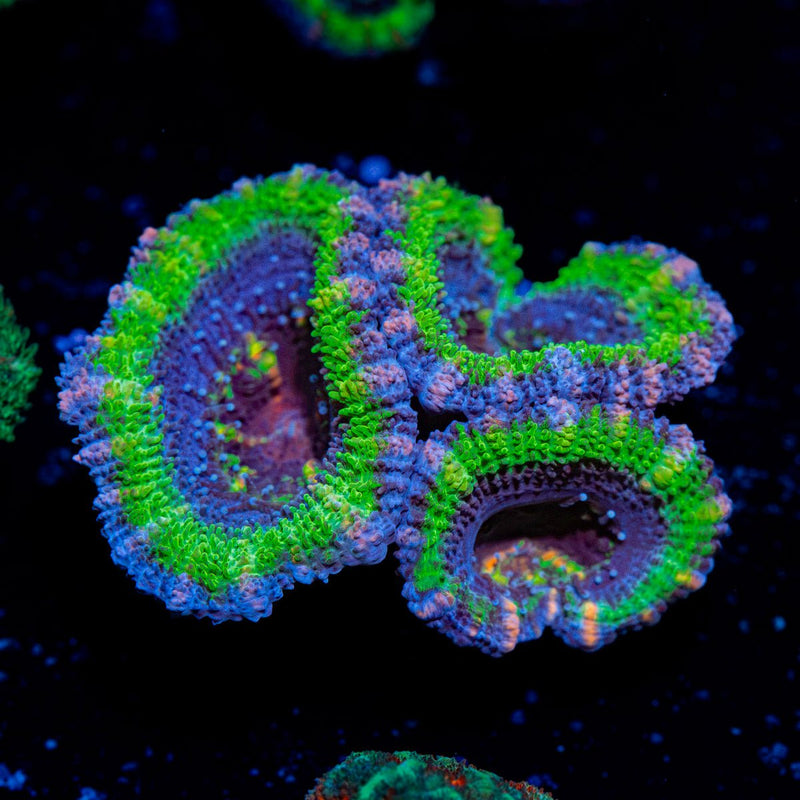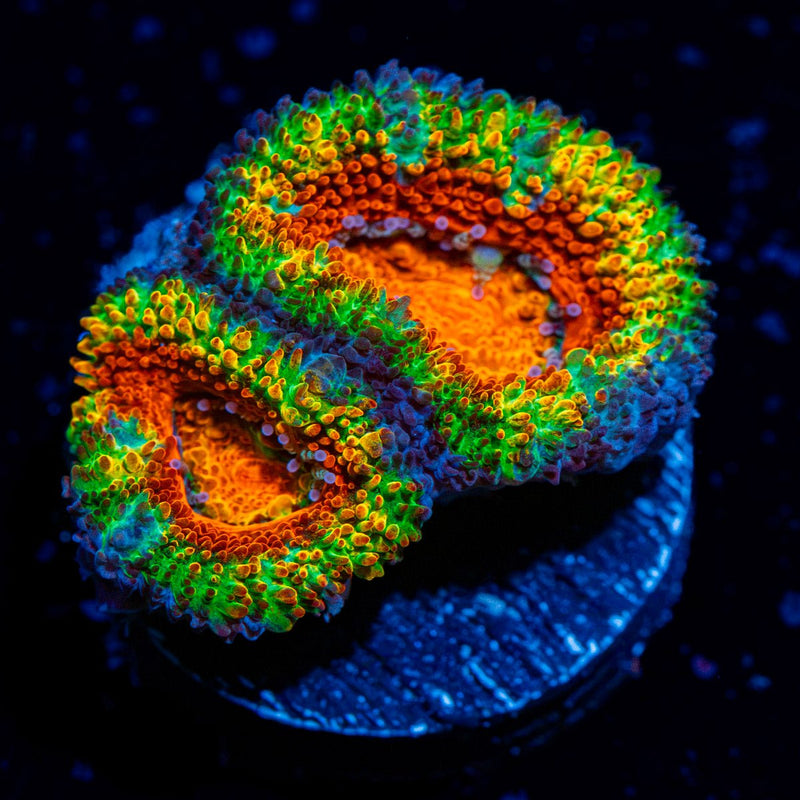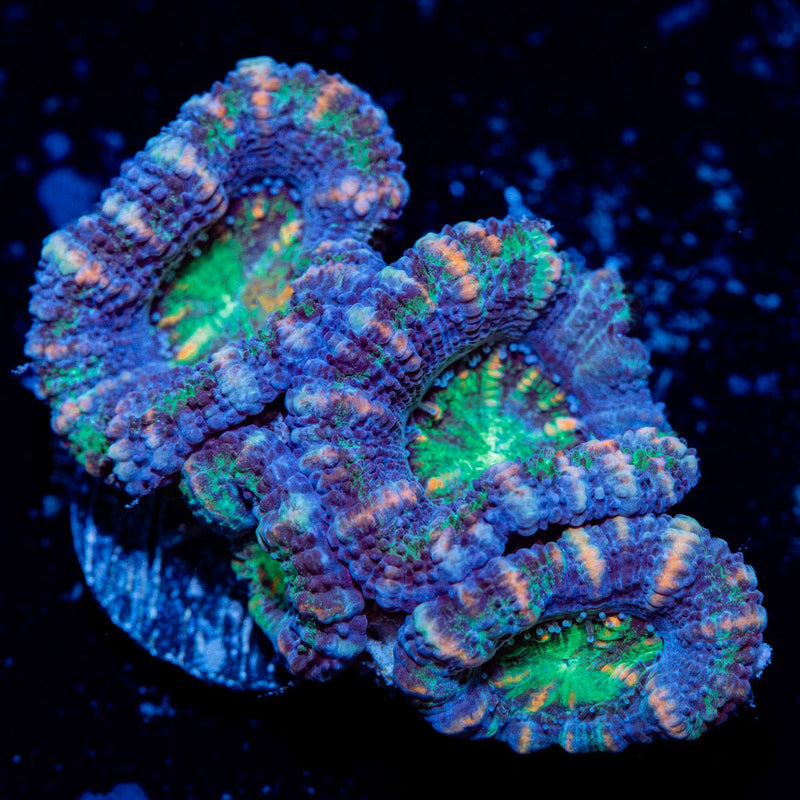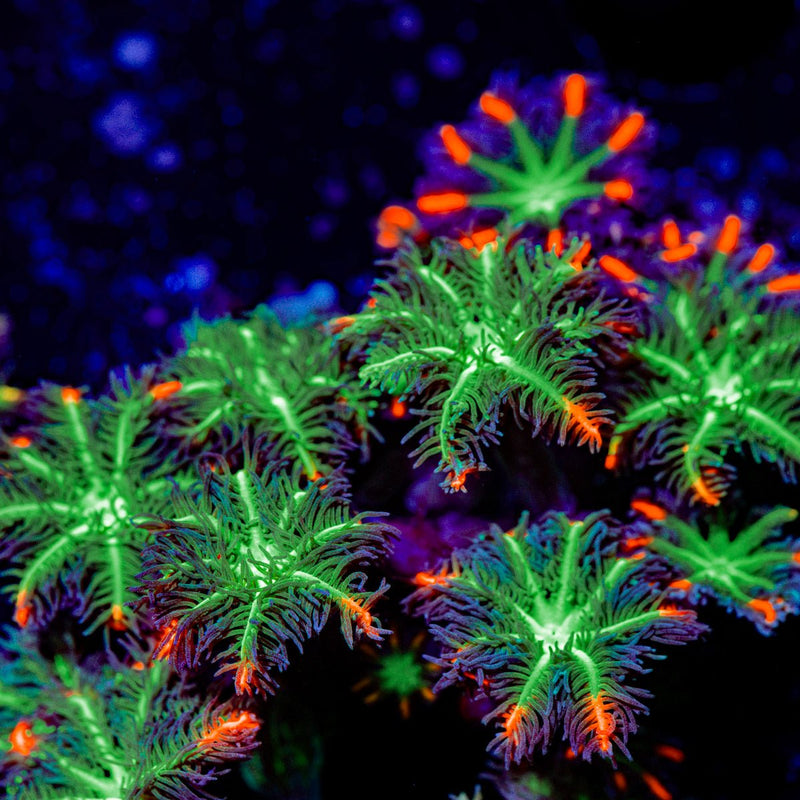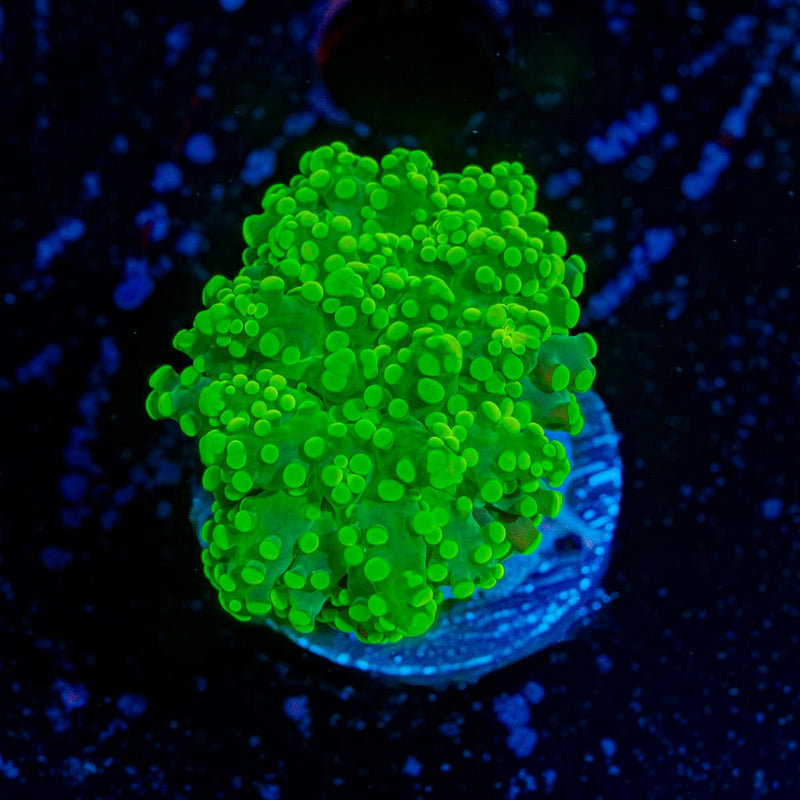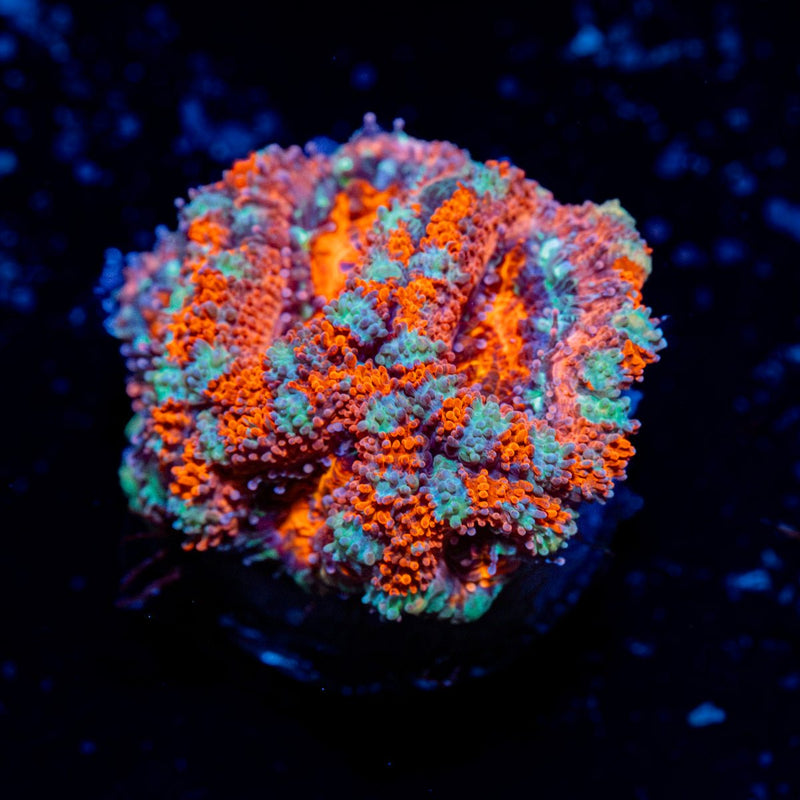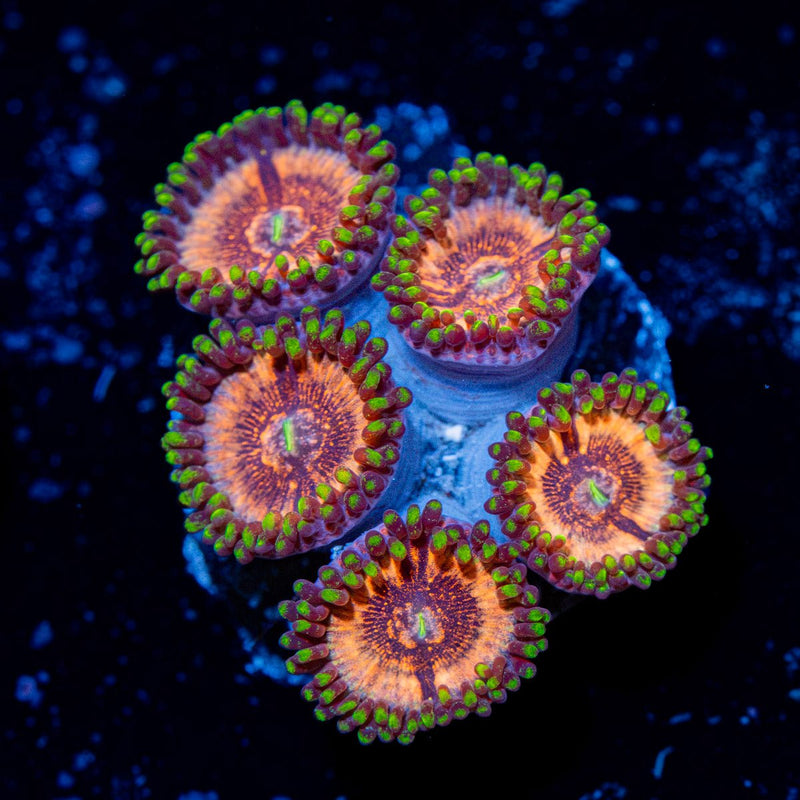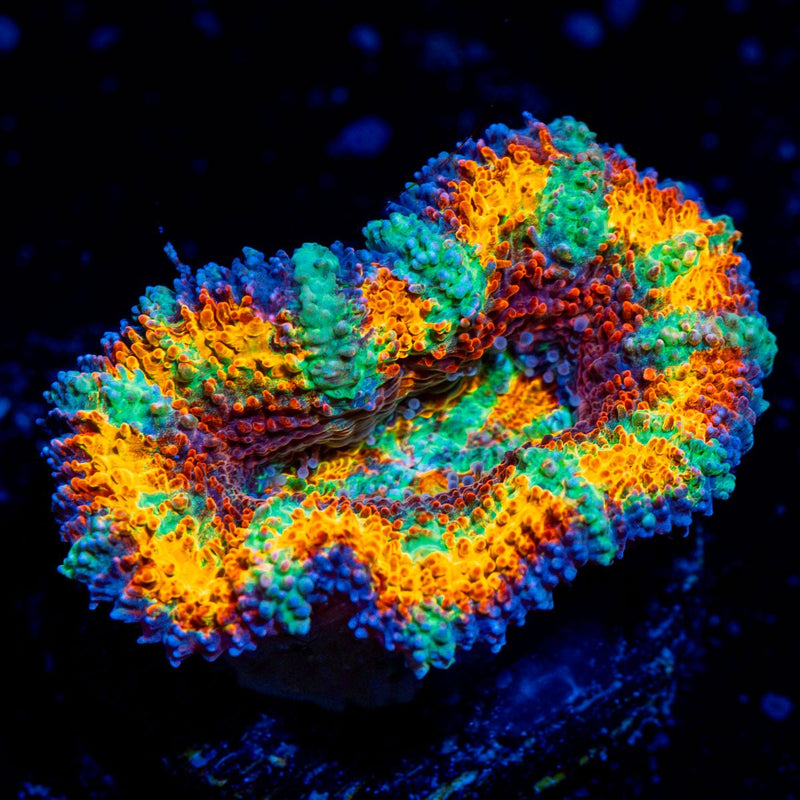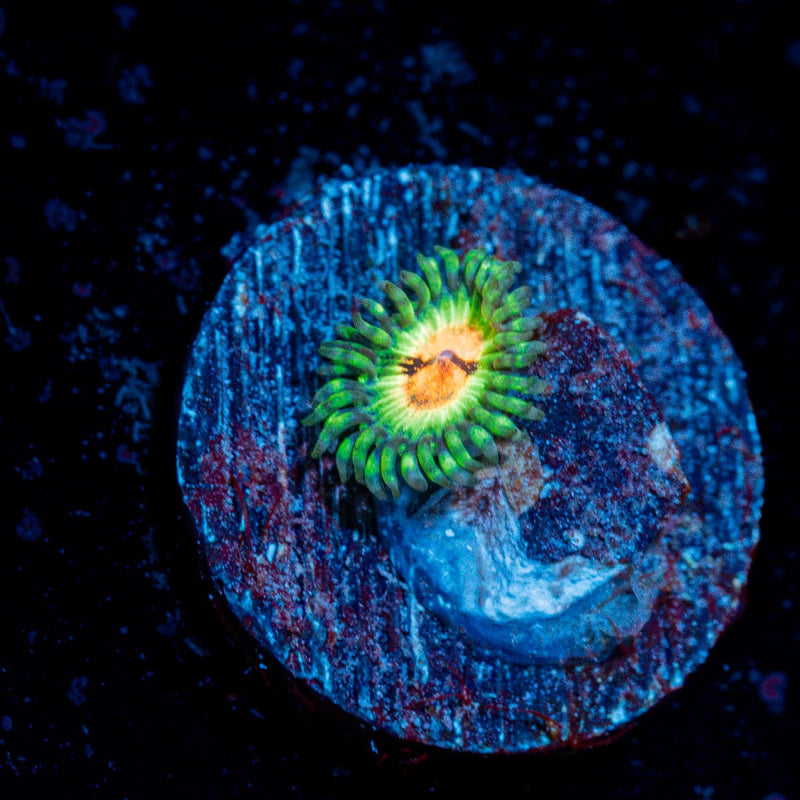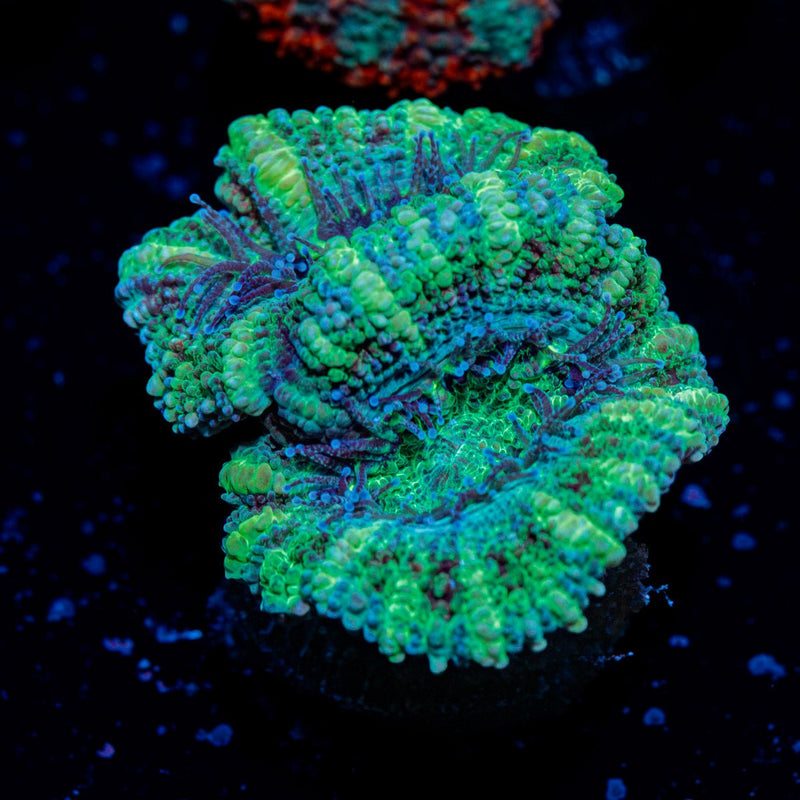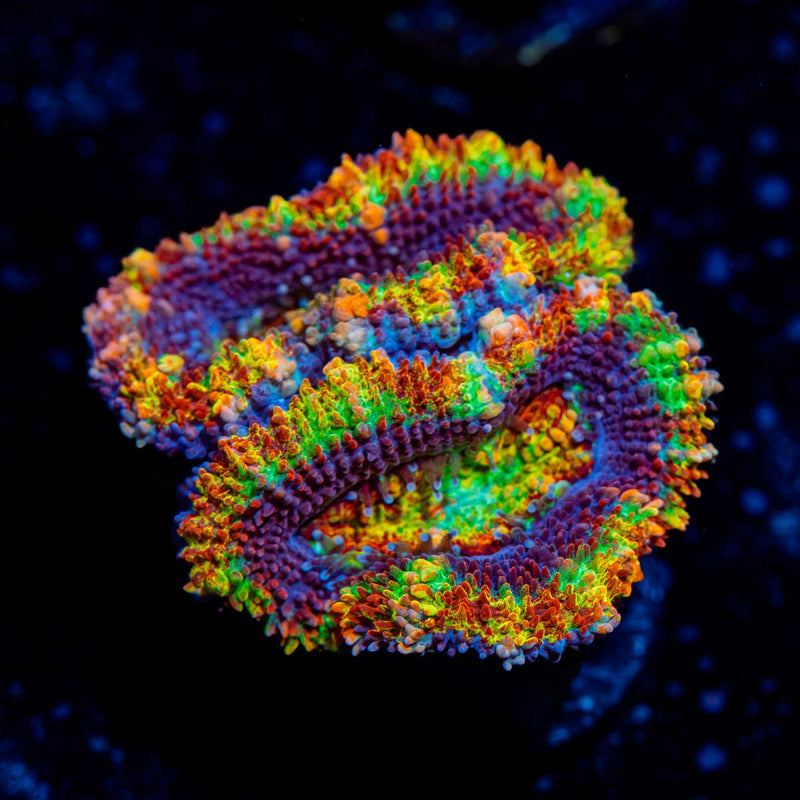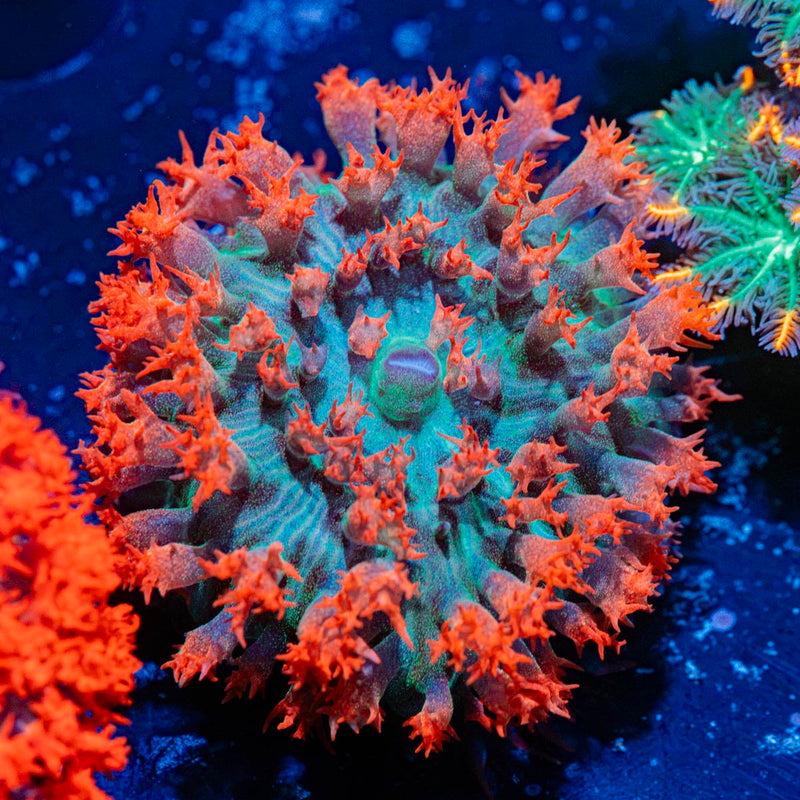
A fresh frag can look like a tiny treasure one day and a cause for concern the next. This coral frag healing guide is built for that in-between period: when a newly cut, shipped, or relocated coral is settling into your reef and needs consistency more than constant intervention. A little patience, paired with smart placement and stable parameters, gives your new living jewel its best chance to attach, open fully, and bring its color back online.
What Healing Looks Like in a Coral Frag
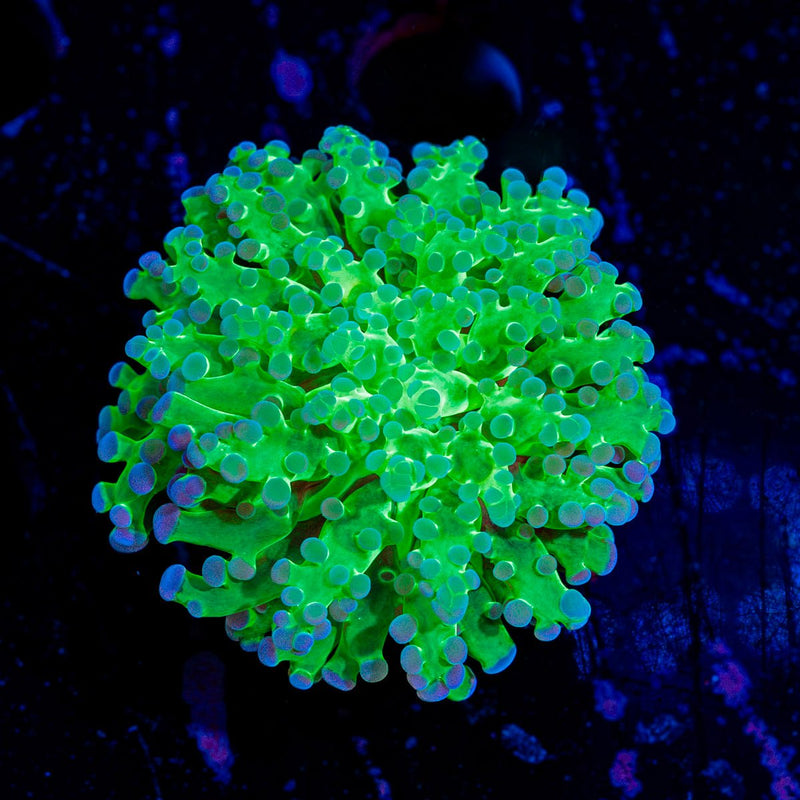
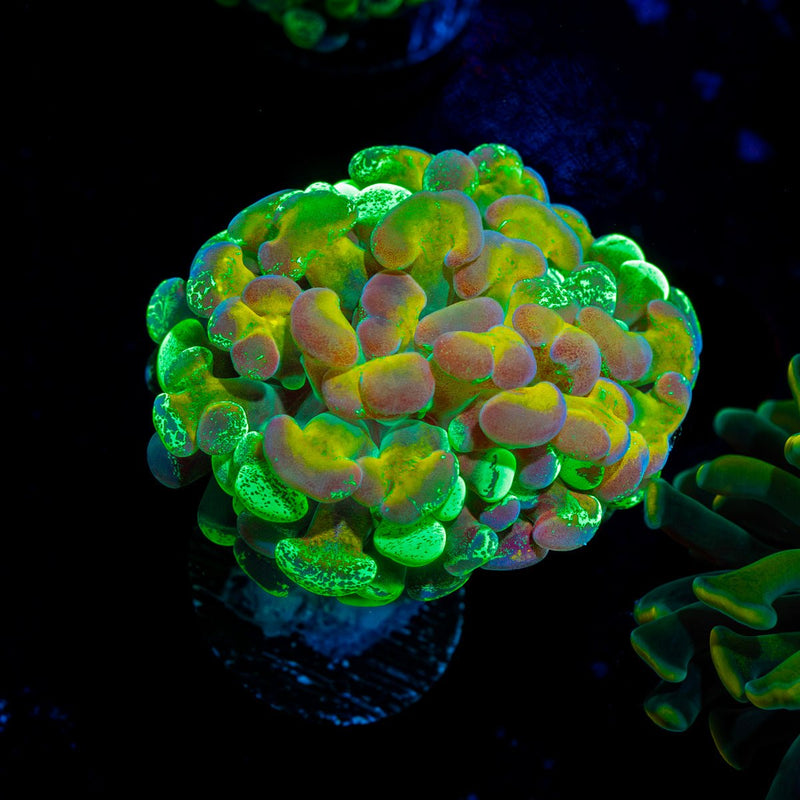
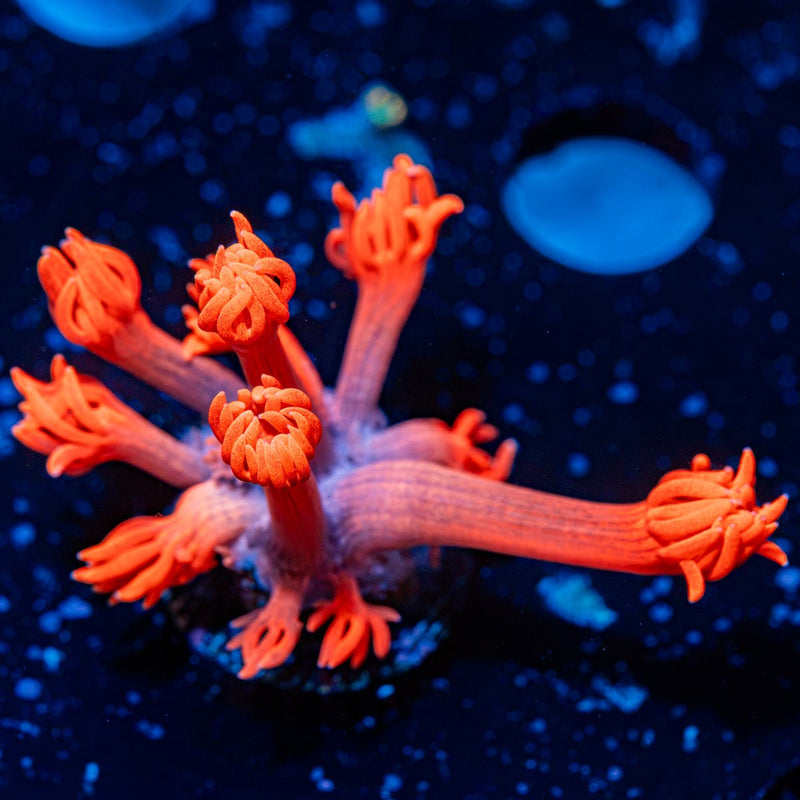
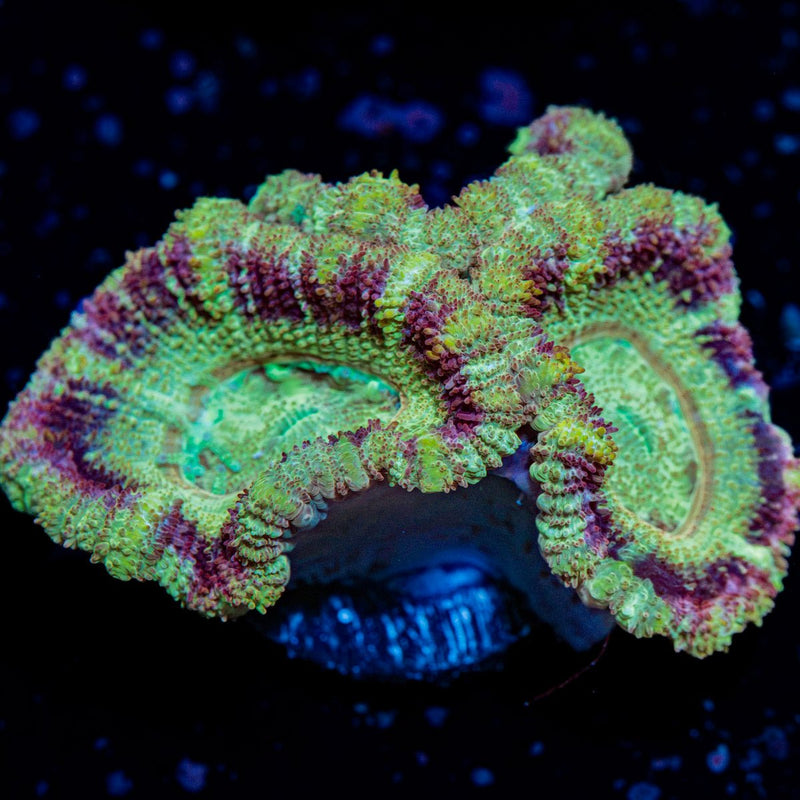
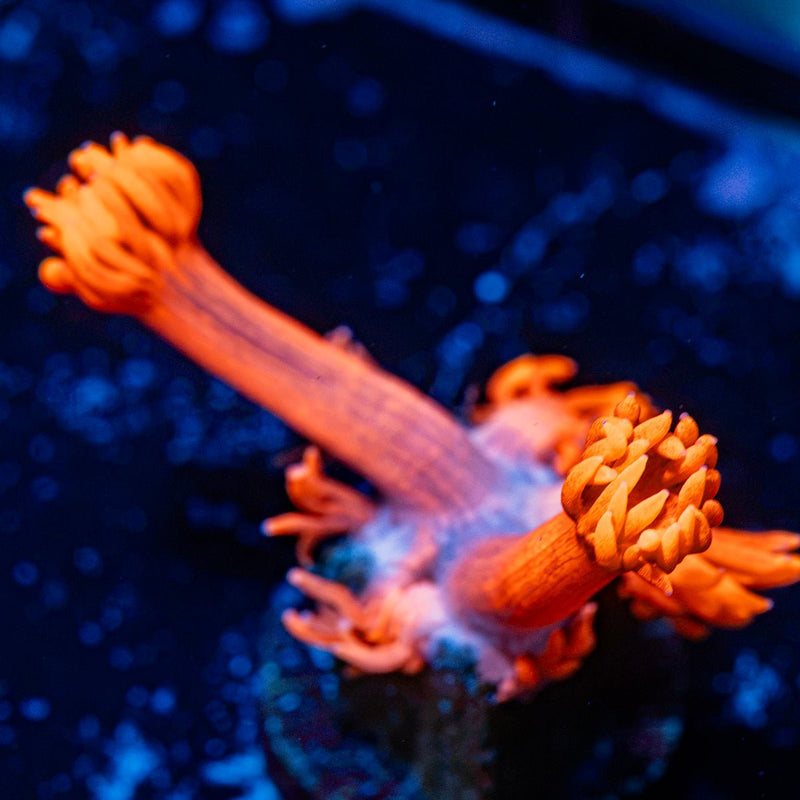
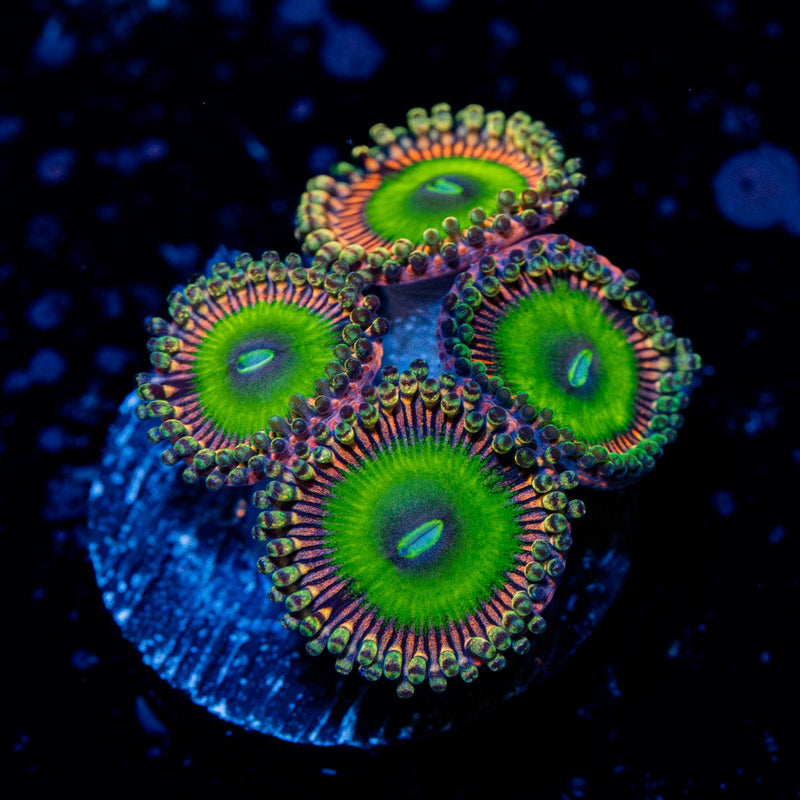
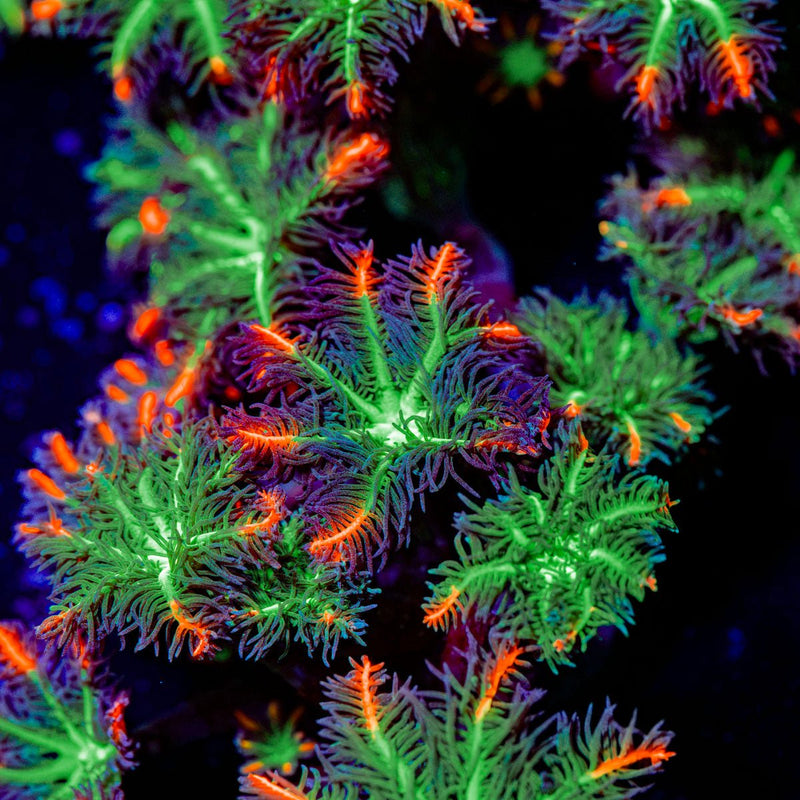
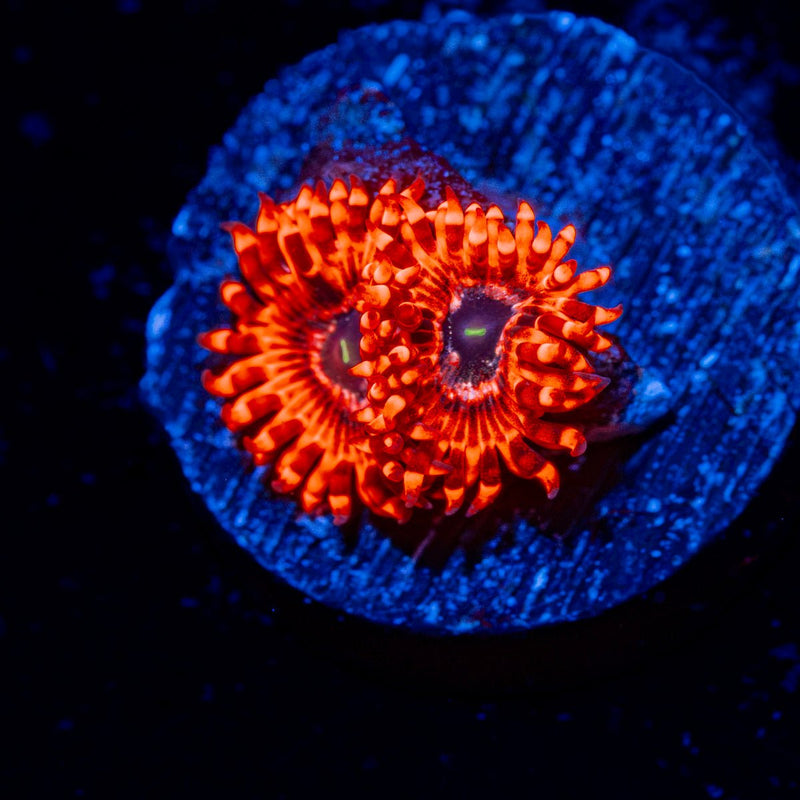
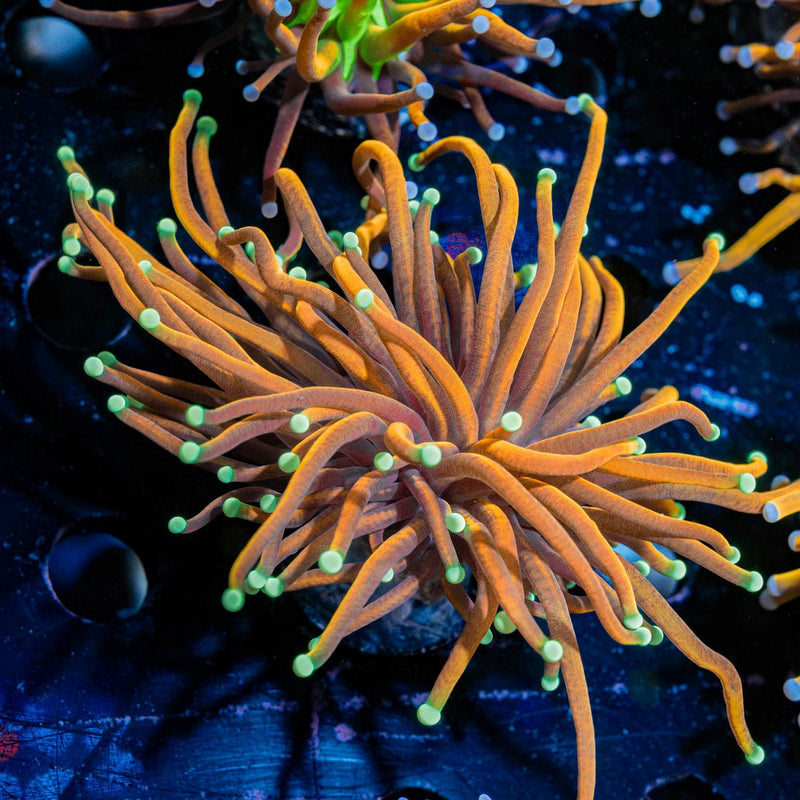
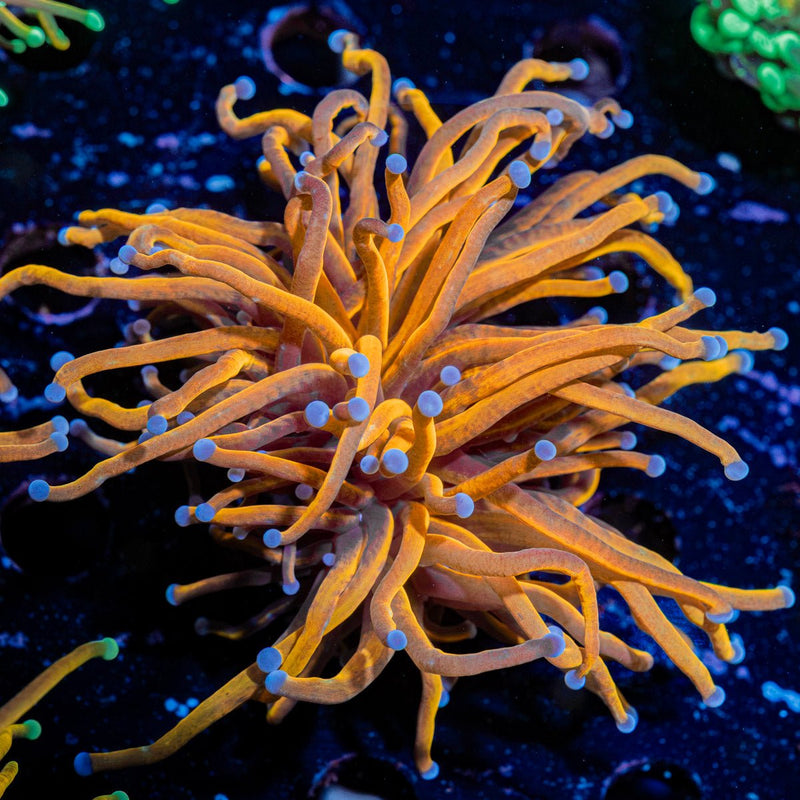
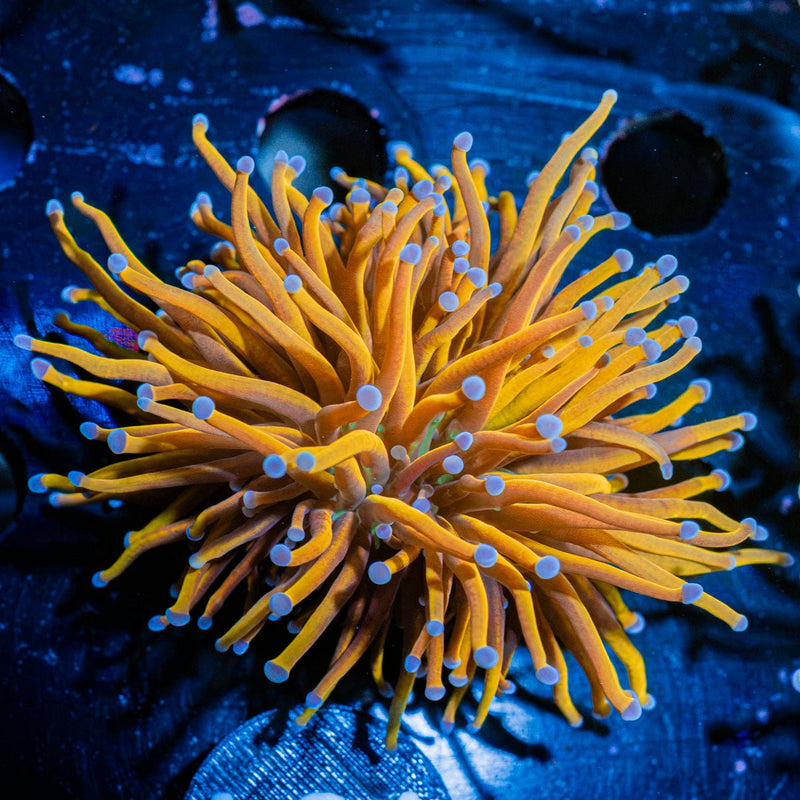
Healing does not look identical across every coral category. A hardy zoanthid or mushroom may open within hours of entering a stable aquarium, while an SPS frag may hold its polyps tight and look slightly muted for several days. LPS corals such as hammers, torches, acans, and chalices can be especially expressive, expanding when comfortable and withdrawing when flow, light, or water chemistry feels off.
In the first week, look for small, encouraging signs rather than expecting instant growth. Tissue should remain intact over the cut area, the frag should stay firmly mounted, and polyps should gradually become more responsive. A slight loss of brightness after shipping or fragging can be normal. Healthy recovery is usually a slow return to extension, feeding response, and color, not a dramatic overnight change.
A coral that is healing may appear less showy before it looks better. That is why chasing a quick visual fix often creates more stress than it solves.
Start With Stable Water, Not Perfect Numbers
Corals tolerate a range of parameters better than they tolerate swings. Before adjusting anything, test your aquarium and look for stability in temperature, salinity, alkalinity, calcium, magnesium, nitrate, and phosphate. A stable reef does not need to chase one exact set of numbers from a chart. It needs consistent conditions appropriate for the corals you keep.
For most mixed reefs, a temperature around 77 to 79 degrees Fahrenheit and salinity near 1.025 to 1.026 specific gravity provide a dependable foundation. Alkalinity stability matters especially for SPS corals and other calcifying frags. Large, sudden corrections can cause more trouble than being modestly outside a preferred target.
Nutrients deserve the same measured approach. Coral frags generally do not thrive in water stripped completely clean of nitrate and phosphate, but excess nutrients can encourage algae to overtake a damaged edge or frag plug. The goal is balanced, consistent water quality that supports coral tissue, zooxanthellae, and beneficial microbial life.
If a new frag looks unhappy, resist the urge to change lighting, flow, alkalinity, and feeding all at once. Make one informed adjustment, then give the coral time to respond. A reef tank rewards observation.
Coral Frag Healing Guide: Light and Flow Placement
Placement is one of the biggest variables you can control. New frags are often coming from different lighting, flow, and nutrient conditions than your aquarium. Even a vibrant aquacultured coral benefits from time to adjust to its new home.
Start most new frags lower in the tank or on a frag rack where you can observe them easily. This is especially helpful for SPS, chalices, mushrooms, and colorful zoanthids that can fade or close up under an abrupt jump in PAR. If your lighting system allows acclimation programming, use it. If it does not, reduce intensity temporarily or move the frag upward in stages over one to three weeks.
Flow should keep detritus from settling on the frag without blasting tissue. Soft corals and zoanthids generally appreciate a gentle, varied sway. LPS corals need movement that looks natural rather than violent. A torch coral with tentacles pinned in one direction all day, or a fleshy acan repeatedly folding over itself, is often receiving too much direct flow.
SPS frags need stronger, more variable circulation, but direct laminar flow can strip tissue from a freshly cut edge. Aim a powerhead across the tank or bounce flow off rockwork instead of pointing it directly at the frag. The right placement can change as the coral grows, so treat the first location as a starting point, not a permanent decision.
Handle Fresh Frags Carefully
Every time a frag is moved, dipped, remounted, or handled, it spends energy recovering. Inspect it carefully when it arrives, but keep the process calm and efficient. Use clean tools, avoid touching living tissue whenever possible, and hold the plug or bare skeleton rather than the coral itself.
A coral dip can be useful when following a thoughtful quarantine or pest-prevention routine. It can help remove unwanted hitchhikers and reduce certain risks, but dipping is also stressful. Follow the dip product directions exactly, provide clean rinse water, and do not extend the treatment because you think more time must be better.
If a frag arrives loose from its plug, it is usually worth remounting promptly. Dry the base of the plug and the non-living mounting surface of the coral, use a small amount of reef-safe cyanoacrylate gel, and allow it to set before returning the frag to the tank. For encrusting SPS, chalices, and some LPS pieces, make sure glue does not cover healthy tissue along the edge.
A healing cut site is vulnerable to algae and detritus. Keep the plug clean, and gently baste away buildup with a turkey baster during routine maintenance. Do not scrape aggressively around delicate tissue.
Feeding and Recovery: When Less Is More
A new frag does not need a heavy feeding schedule to heal. In fact, overfeeding can raise nutrients and create an algae problem before the coral has settled in. Let the coral’s behavior guide you.
Fleshy LPS corals, including acans, blastos, and many chalices, may benefit from occasional targeted feeding once they show a reliable feeding response. Small portions are enough. For torch, hammer, and frogspawn corals, stable light and clean, moving water are often more valuable than frequent direct feeding.
Zoanthids, mushrooms, and soft corals can capture fine foods from the water column, but they are also highly dependent on appropriate light and a stable environment. SPS corals gain much of their energy from light and dissolved nutrients, although well-managed broadcast feeding can support the system as a whole.
The trade-off is simple: feeding can support a thriving reef, while excess feeding can make healing harder. Feed for the needs of your tank, not because a new frag looks like it needs to be rescued with food.
Know the Difference Between Adjustment and Trouble
A coral that stays closed for a day or two after shipping may simply be acclimating. A coral with rapidly receding tissue, exposed skeleton spreading beyond the cut site, brown jelly-like material, or a foul odor needs faster attention. Isolate the issue if possible, inspect water parameters, and evaluate whether the frag is being irritated by flow, pests, or contact with a nearby coral.
For SPS, watch for tissue recession that progresses from the base or tips. For LPS, look for damaged flesh pulling away from the skeleton or persistent inflation and deflation cycles. For zoanthids, closed polyps are not always an emergency, but melting tissue or a spreading film across the colony deserves investigation.
Before moving a struggling frag, check for the obvious: detritus buildup, a snail or crab bothering it, a powerhead shifted toward it, or a neighboring coral’s sweeper tentacles reaching farther than expected. Many problems have a physical cause that is easier to correct than a chemistry issue.
A Simple First-Week Routine
During the first week, observation is your most useful tool. Check the frag at different times of day because some corals expand more under blue light, after lights out, or around feeding time. A quick daily visual check can catch a problem early without turning the tank into a constant project.
Keep an eye on these five details:
- Tissue remains attached and does not recede beyond the original cut area.
- Polyps gradually open, extend, or show a feeding response.
- The frag plug and surrounding tissue stay free of trapped detritus and nuisance algae.
- Flow moves around the coral without whipping, pinning, or blasting it.
- Your major parameters remain steady from day to day.
At Riptide Aquaculture, we love seeing carefully chosen frags become the colorful, established colonies that define a home reef. Give your newest piece a stable place, resist the temptation to fuss with it daily, and let the small signs of recovery tell you when it is ready to shine.