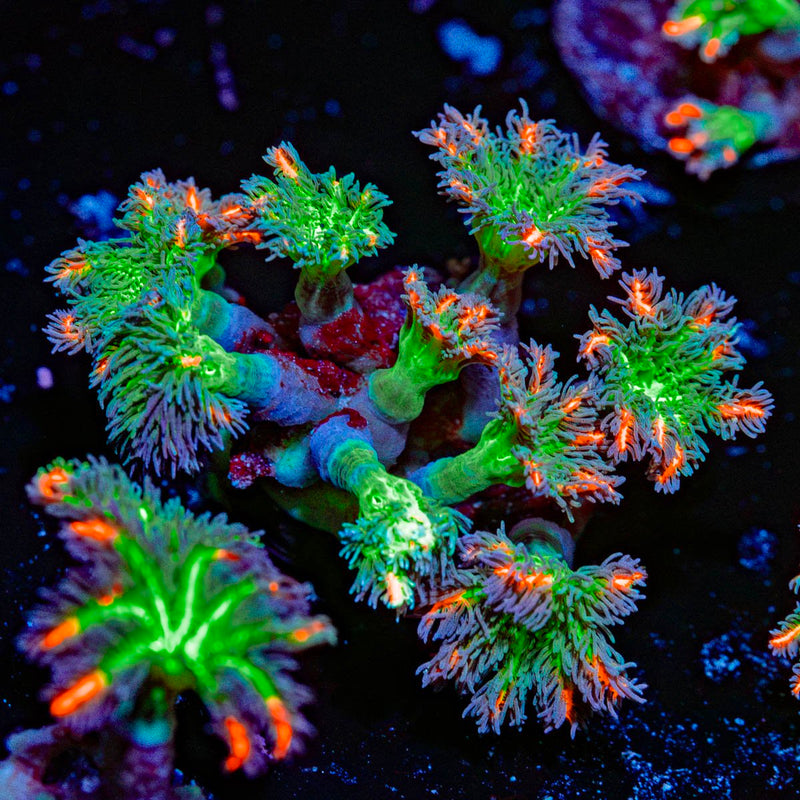
A beginner coral pack example should make your first reef look exciting without asking every coral to tolerate the same level of light, flow, and daily attention. The best first pack is not a random assortment of colorful frags. It is a small, compatible collection that gives a new reef tank room to grow while filling the aquascape with movement, texture, and vibrant color.
For a newer hobbyist, that usually means choosing hardy aquacultured corals with straightforward care needs, then placing them thoughtfully from the start. A few living jewels that thrive will always create a better display than a crowded rockscape full of stressed frags.
What a Beginner Coral Pack Example Should Include
A well-curated beginner pack often includes four to six frags across a few forgiving coral groups. Soft corals, mushrooms, zoanthids, and select LPS corals are popular choices because they offer bold color and personality without demanding the intense lighting and highly stable chemistry often preferred by many SPS corals.
Here is an example of a balanced six-frag starter collection for an established reef aquarium:
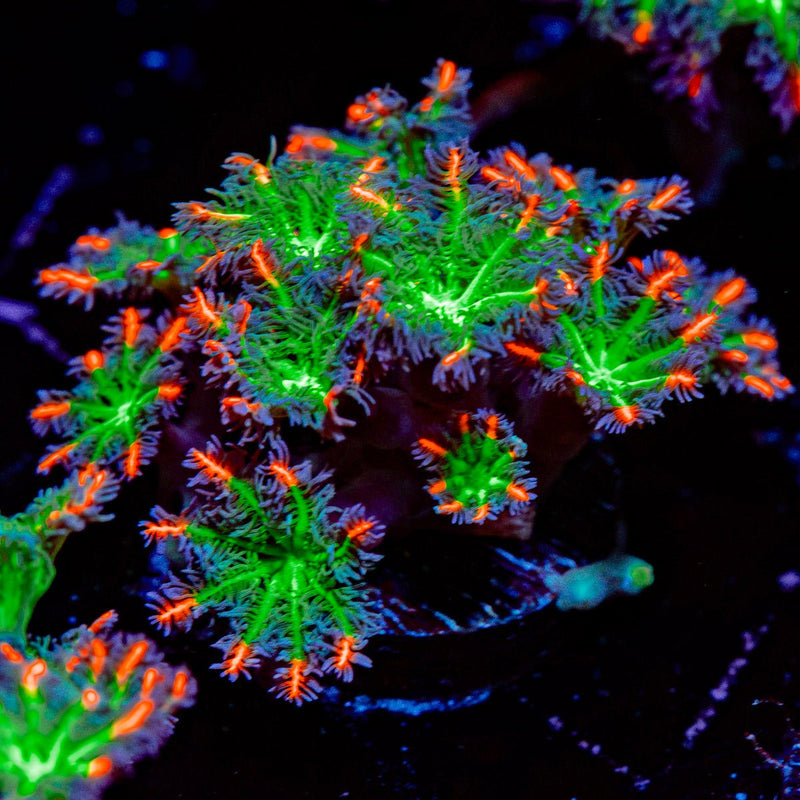
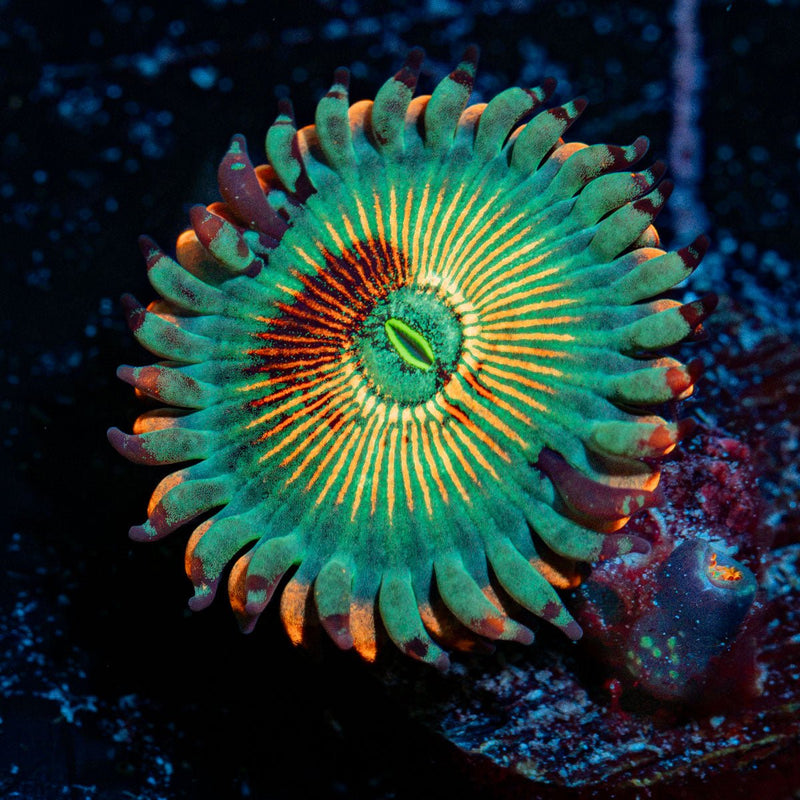
- A colorful zoanthid frag for bright, flower-like polyps and easy placement in moderate light.
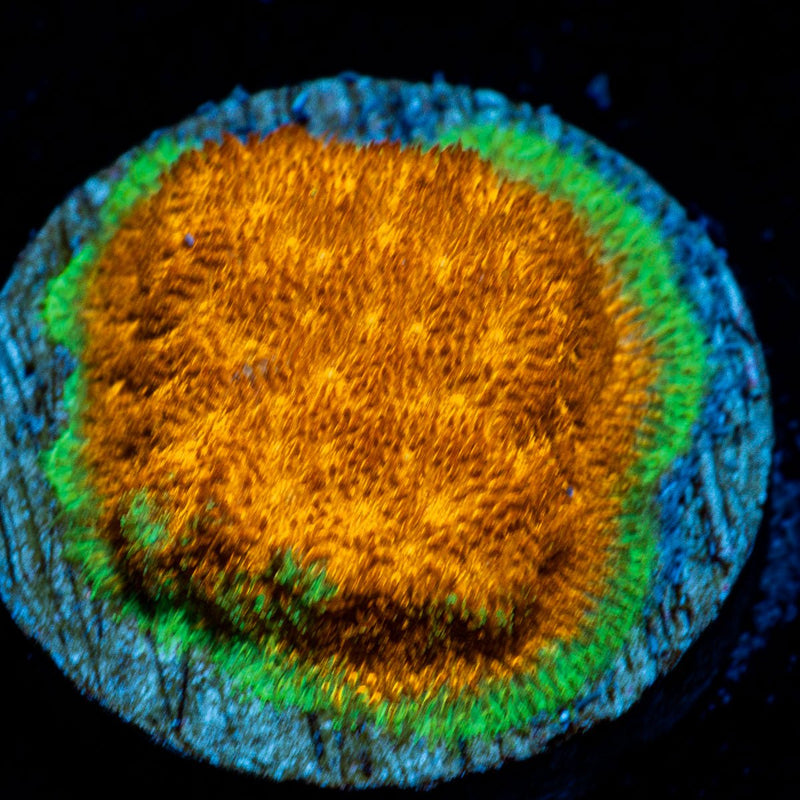
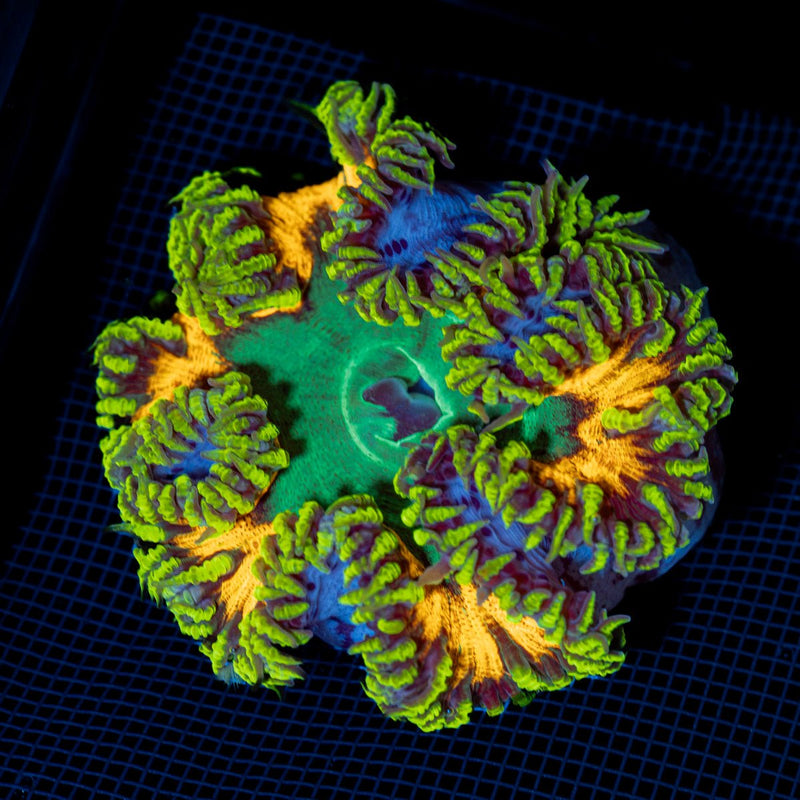
- A mushroom coral frag for a soft, glowing look in a lower-light area of the rockwork.
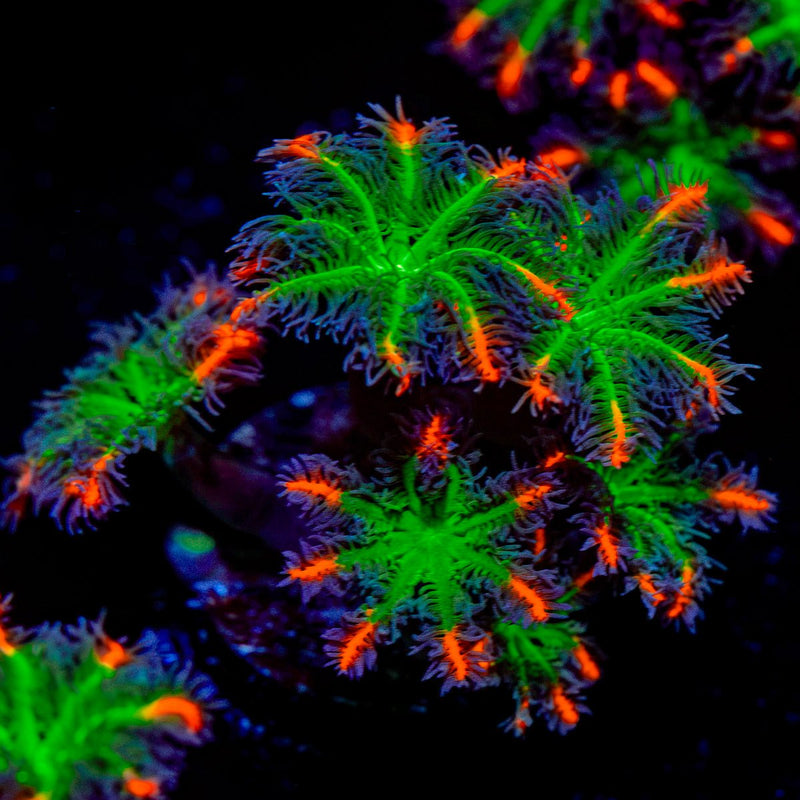
- A toadstool leather or similar soft coral for height, movement, and a classic reef silhouette.
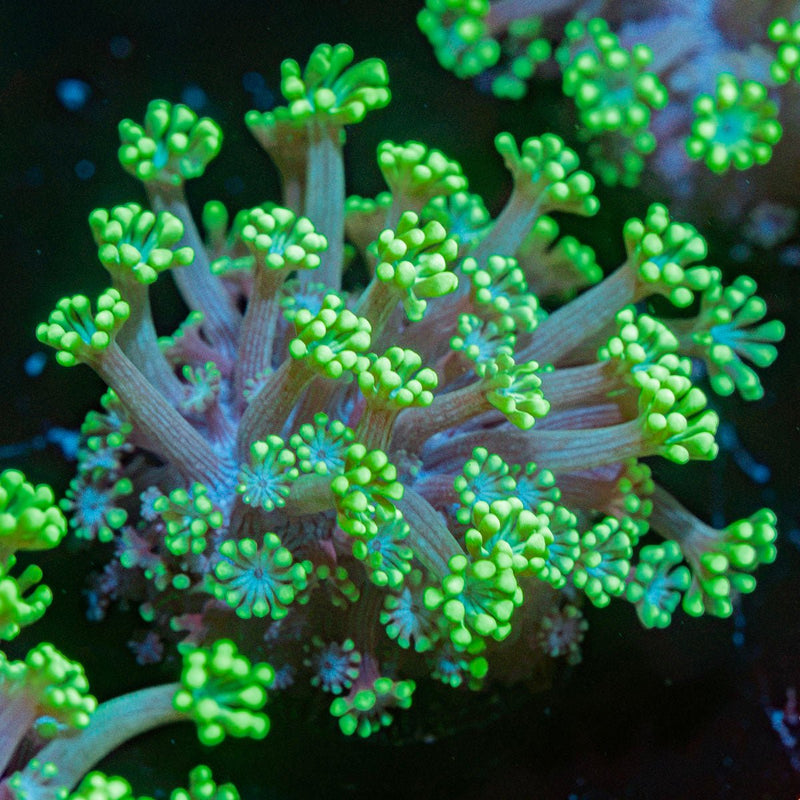
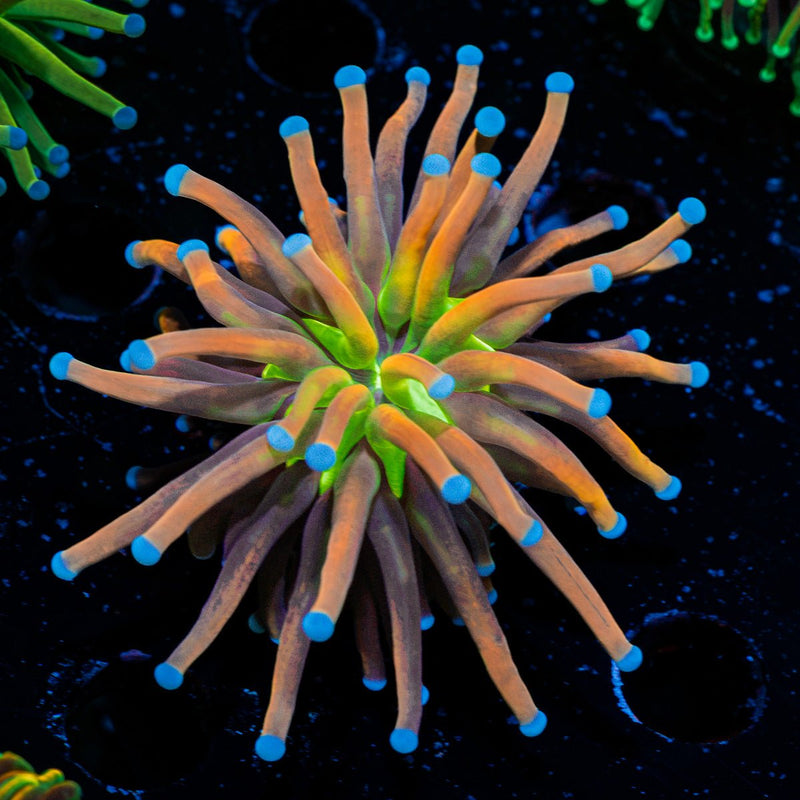
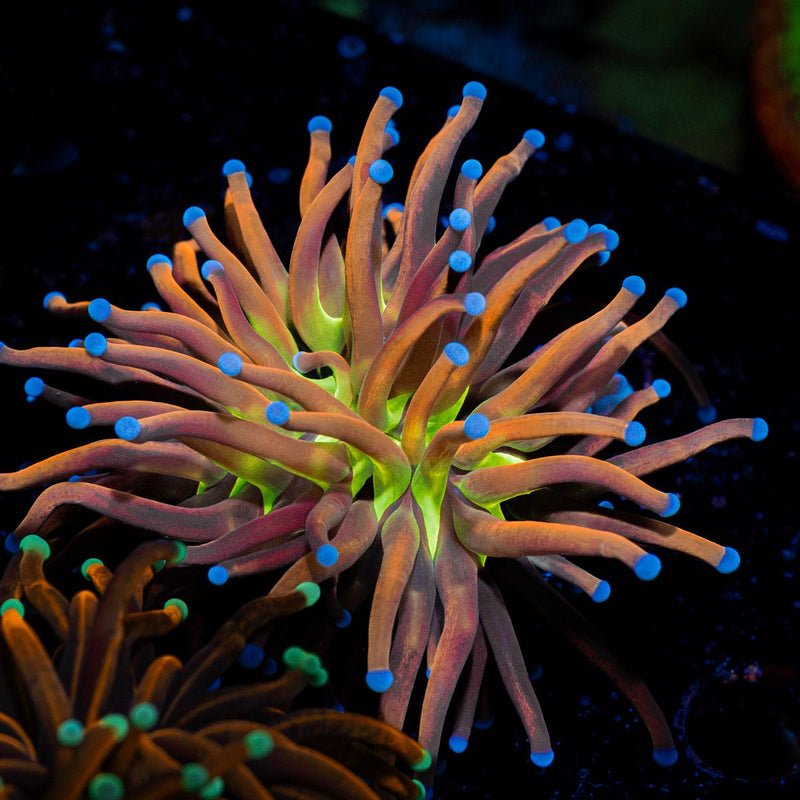
- A candy cane coral frag for fleshy LPS texture and a defined colony shape as it grows.
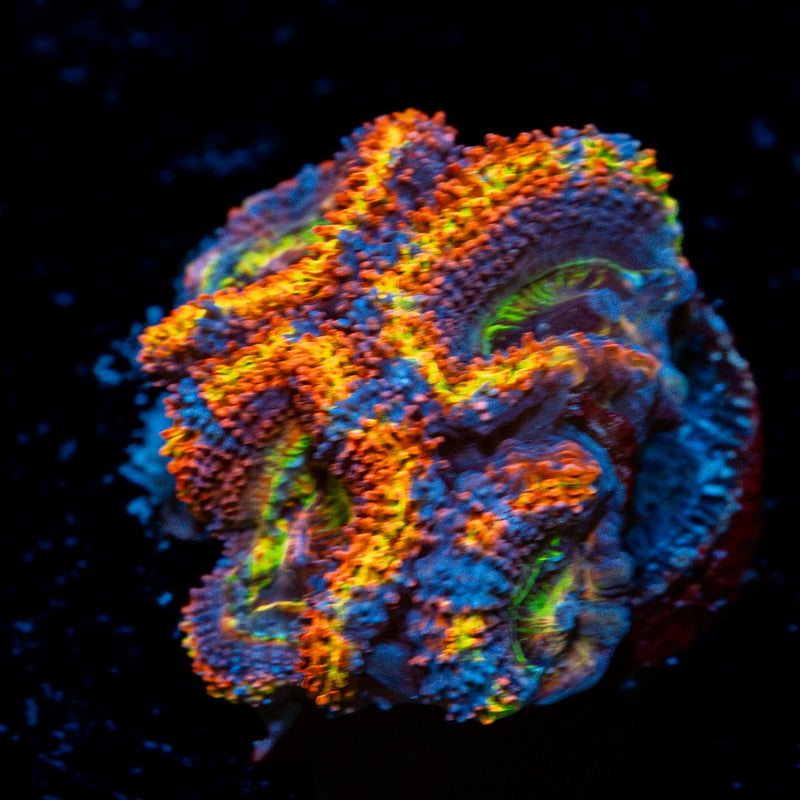
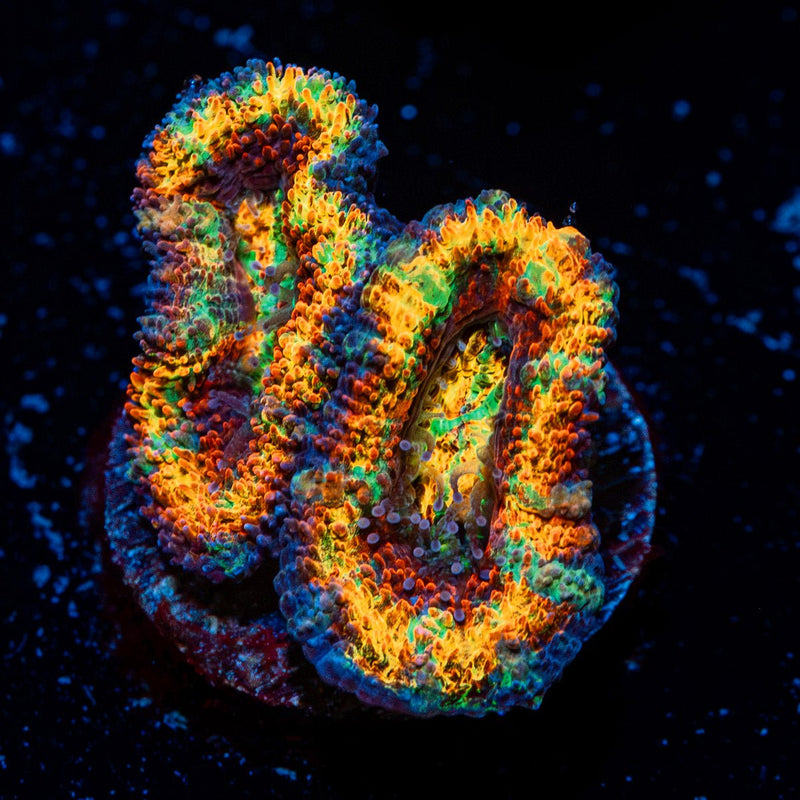
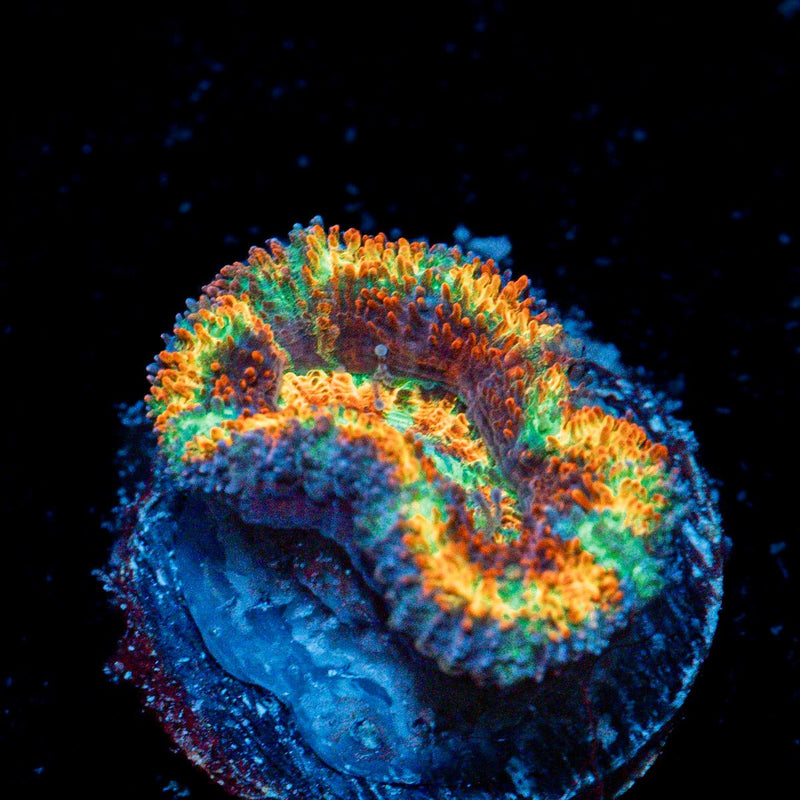
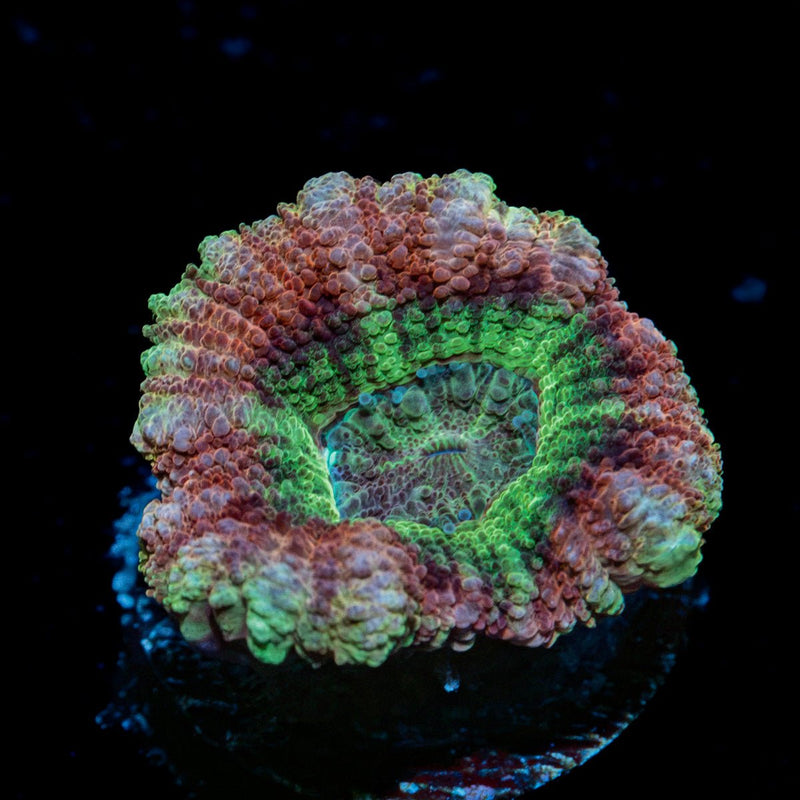
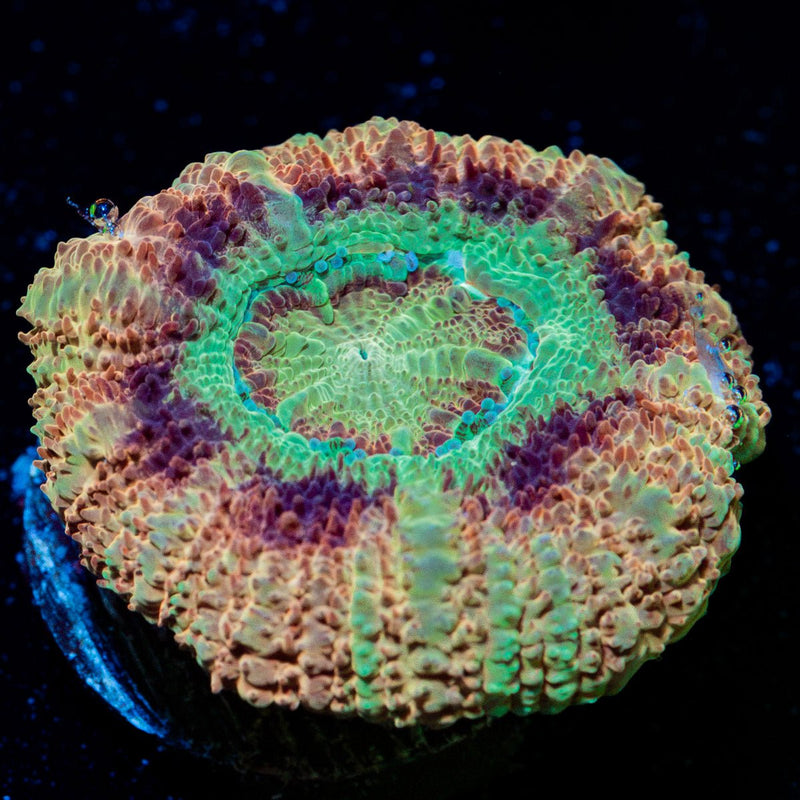
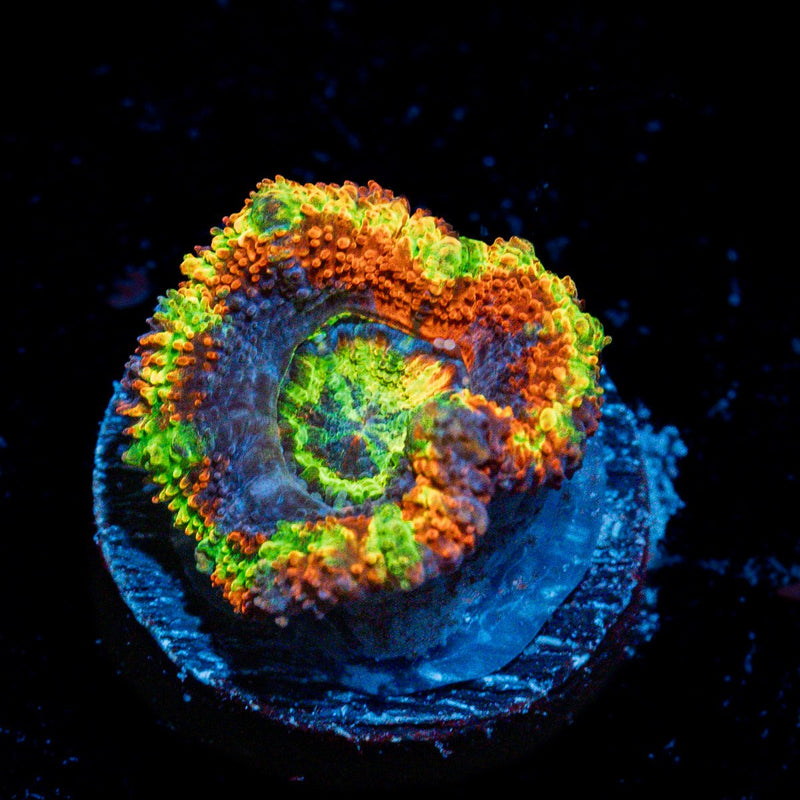
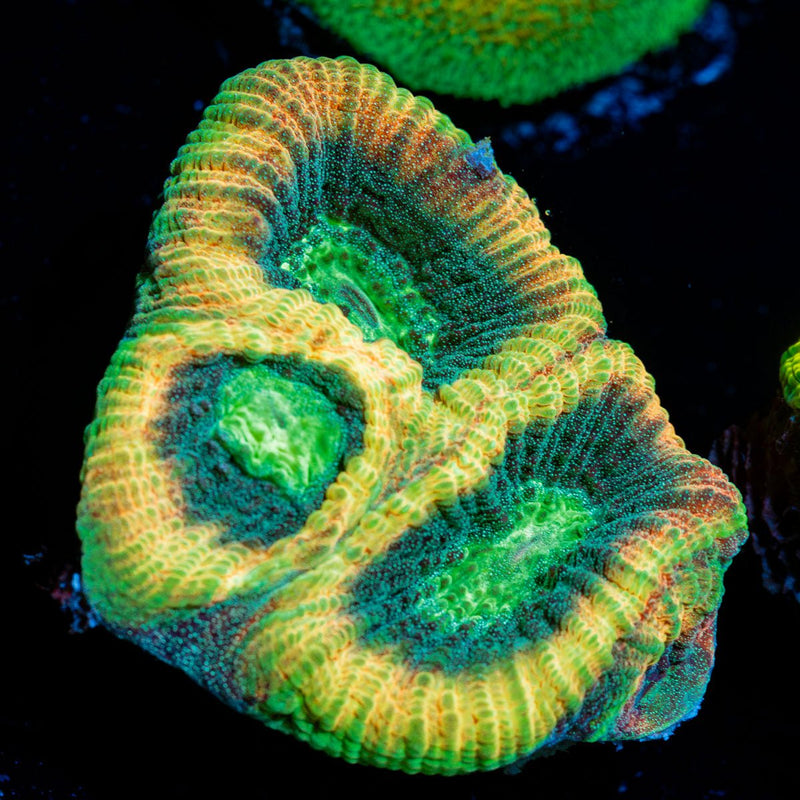
- A hardy acan frag for rich color and a lower placement near the sand bed or base rock.
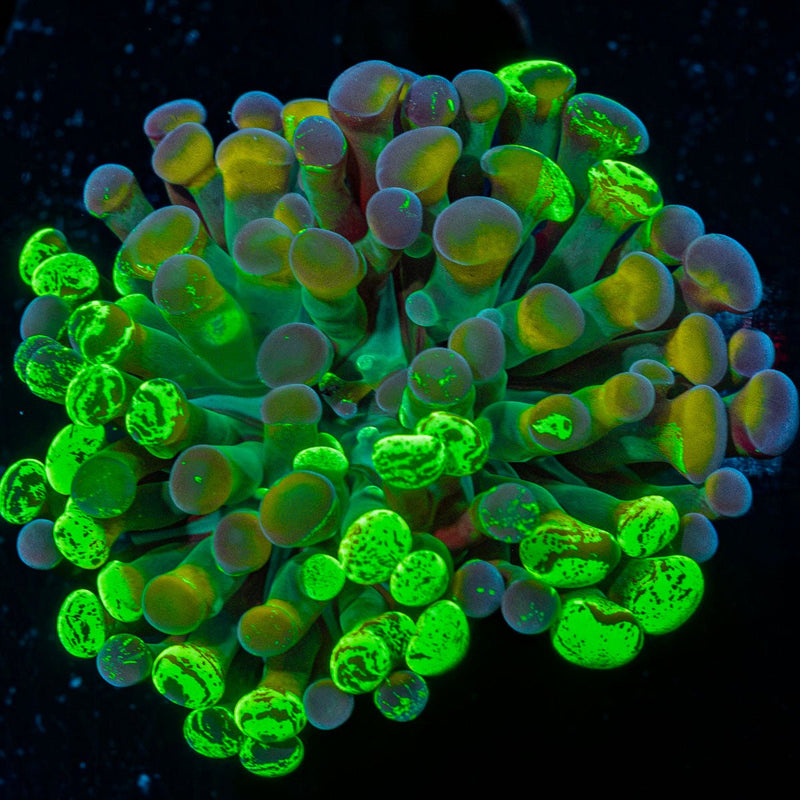
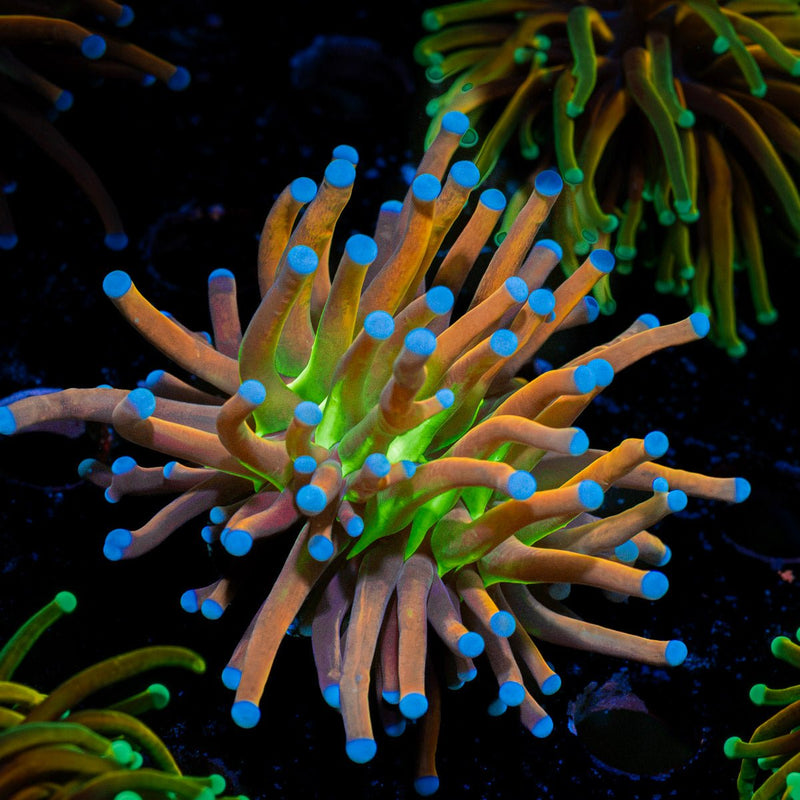
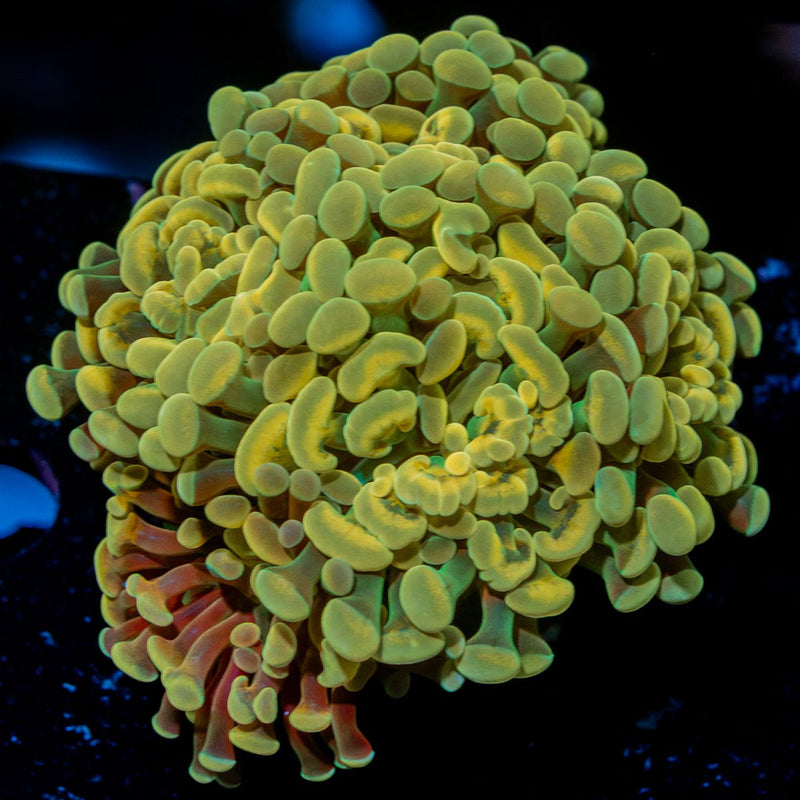
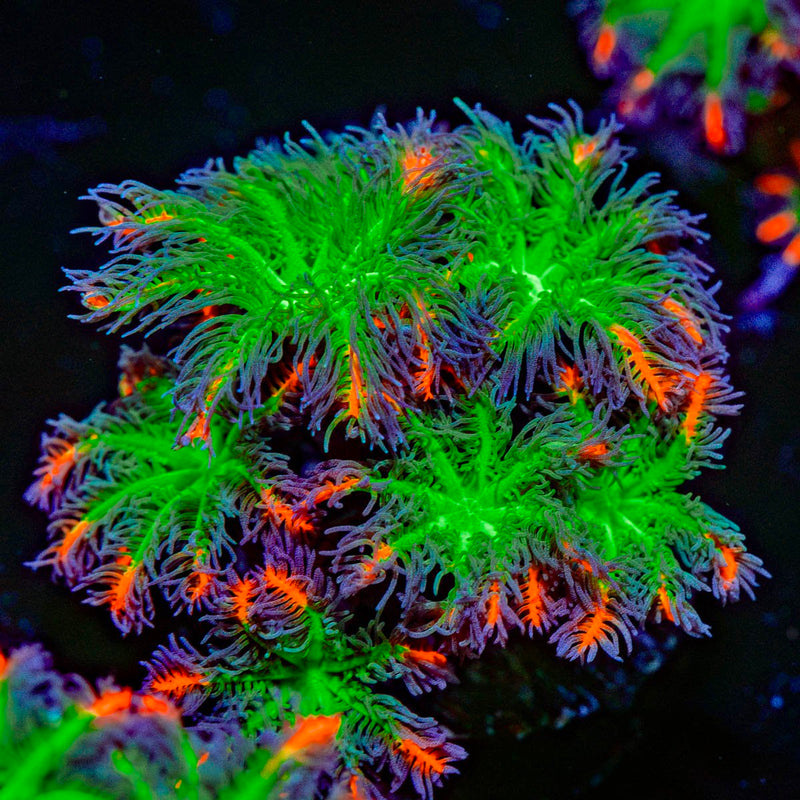
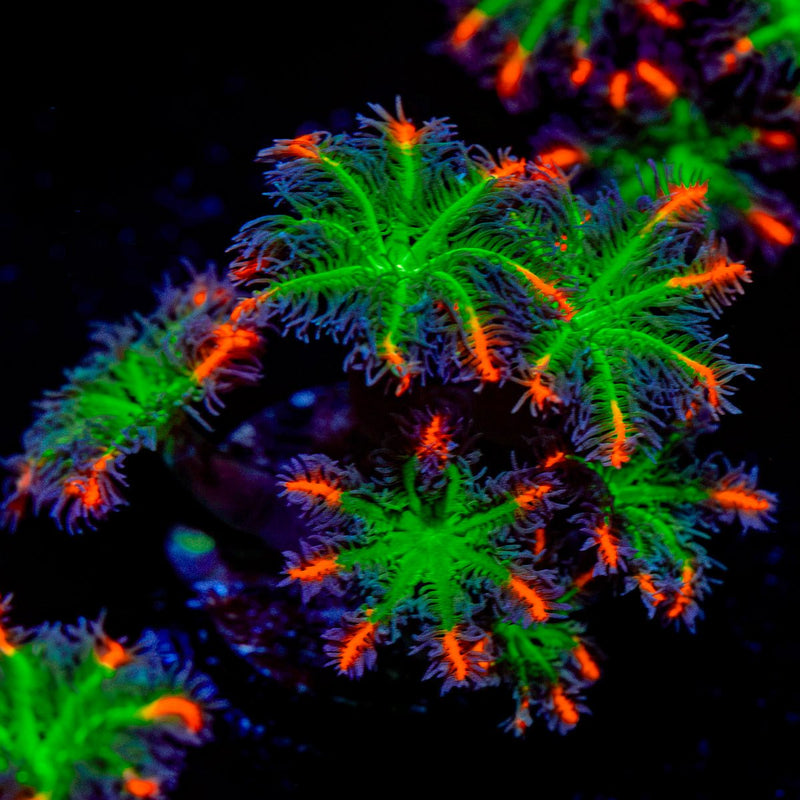
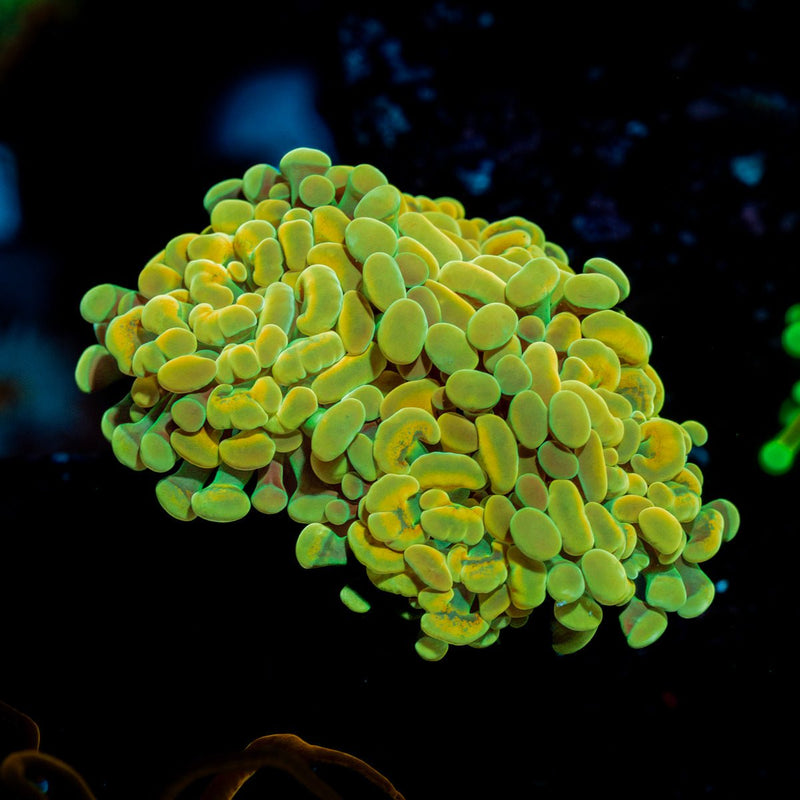
- A hammer coral frag for flowing tentacles and the visual drama that makes a reef tank feel alive.
The exact frags can change based on what catches your eye. That is part of the fun. But the care profiles should remain close enough that one lighting and flow plan can serve the whole collection.
Start With Tank Stability, Not a Shopping List
Even beginner-friendly coral is not “cycle-day-one” livestock. A tank needs to be fully cycled, with stable salinity, temperature, alkalinity, and nutrients before corals arrive. Many new reef keepers focus on chasing a perfect number, but consistency matters more than tiny day-to-day adjustments.
A practical target is a stable salinity around 1.025 to 1.026, a temperature in the upper 70s, and measurable nitrate and phosphate rather than water stripped completely clean. Corals need nutrients. A system that is overly aggressive with filtration can leave them pale, closed, or slow to grow.
It also helps to have basic test kits and a regular water-change routine in place before buying your first pack. You do not need an elaborate dosing system for a handful of beginner corals, especially if routine water changes maintain calcium and alkalinity. As the corals grow and demand increases, you can adjust your approach with confidence.
Why These Coral Types Work Well Together
Zoanthids and mushrooms bring color quickly and usually adapt well to moderate reef lighting. They are excellent for filling open sections of rock, although both can spread over time. Give them their own small rock or a defined area so future growth feels intentional rather than invasive.
Leather corals add motion that static coral colonies cannot replicate. Their polyps sway in the current, helping the tank look full even while other frags are still growing. A leather may periodically stay closed while shedding a waxy surface layer. That can look alarming to a beginner, but it is often normal behavior when water flow and conditions are otherwise sound.
Candy canes and acans offer the plush, luminous appeal many hobbyists want from LPS. They generally appreciate gentler to moderate flow and benefit from being placed where detritus will not settle on their tissue. They can be fed, but they do not require constant target feeding to be enjoyable first corals.
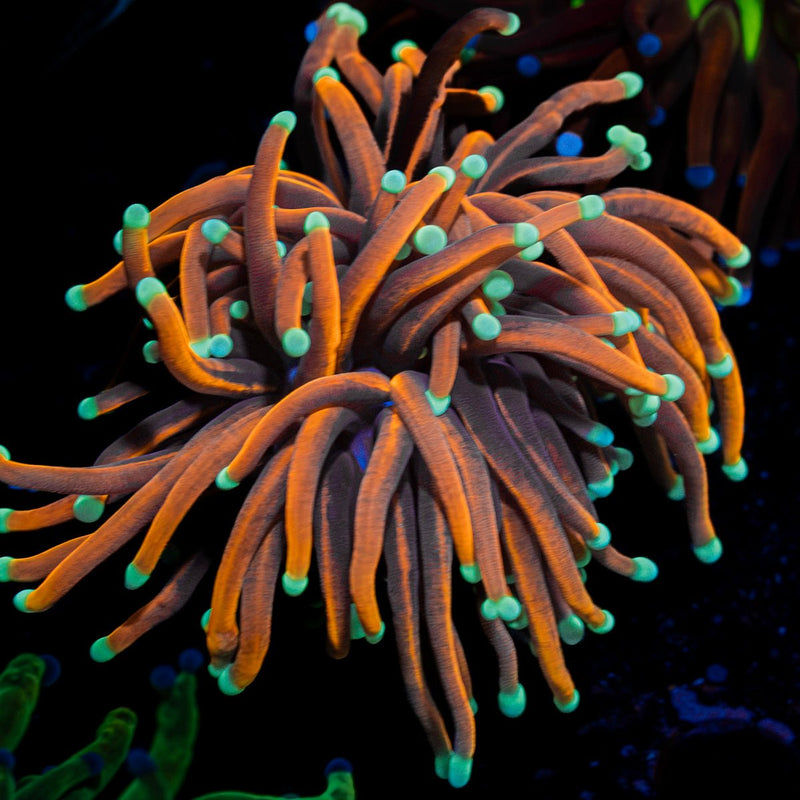
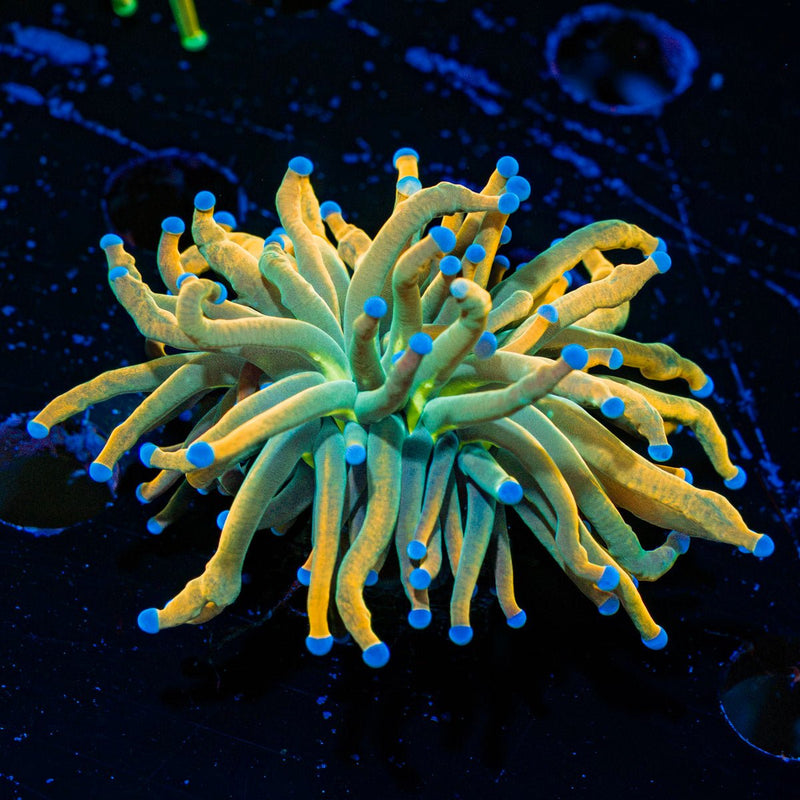
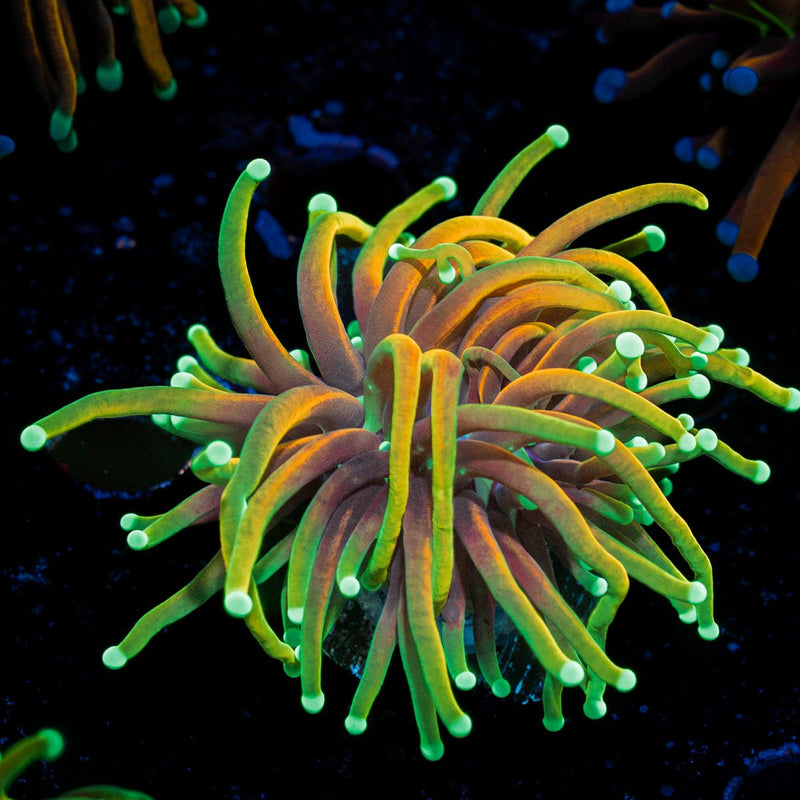
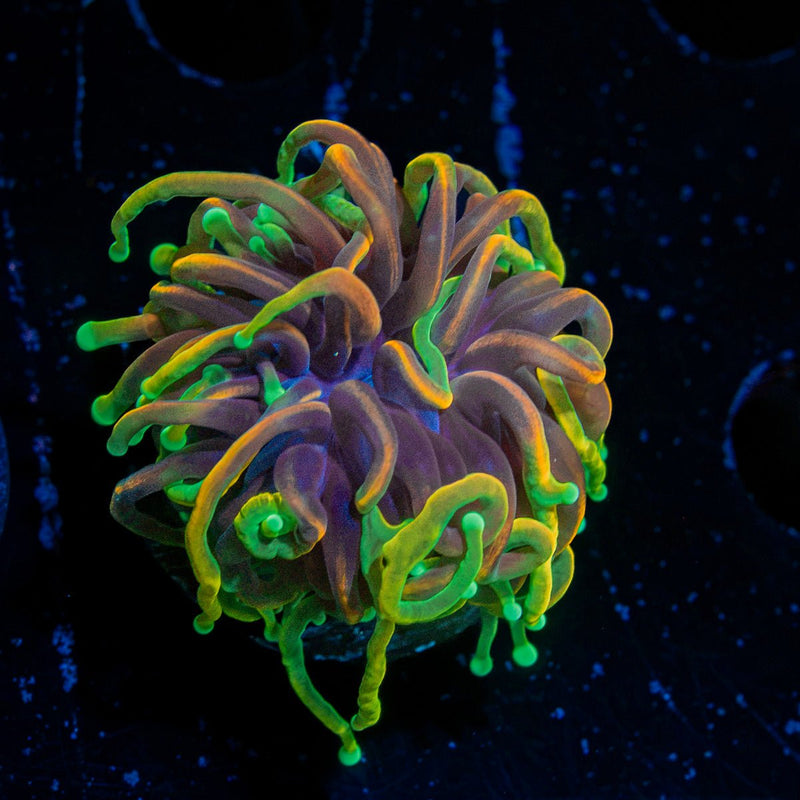
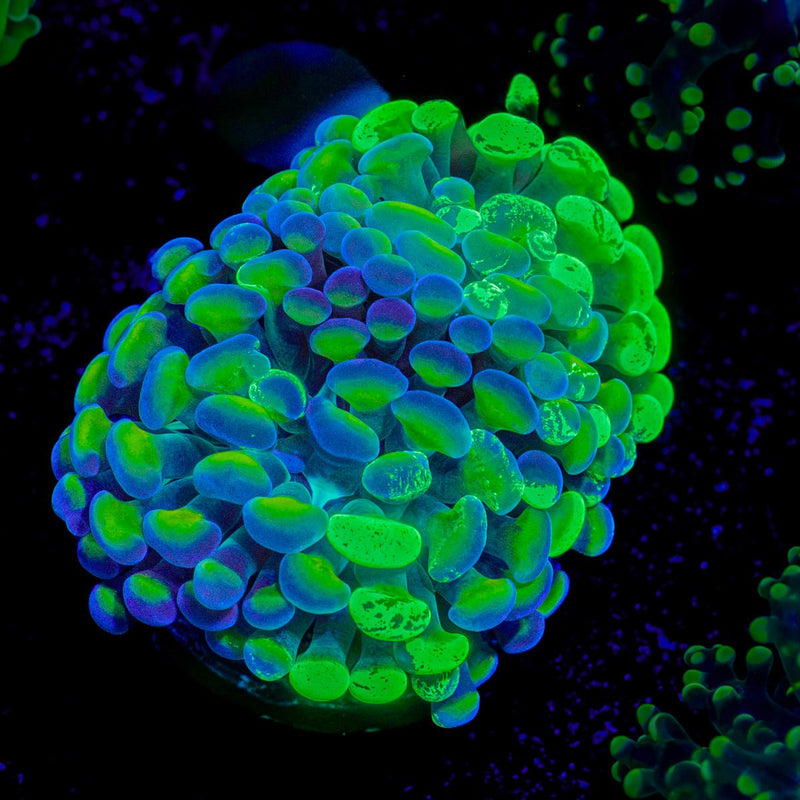
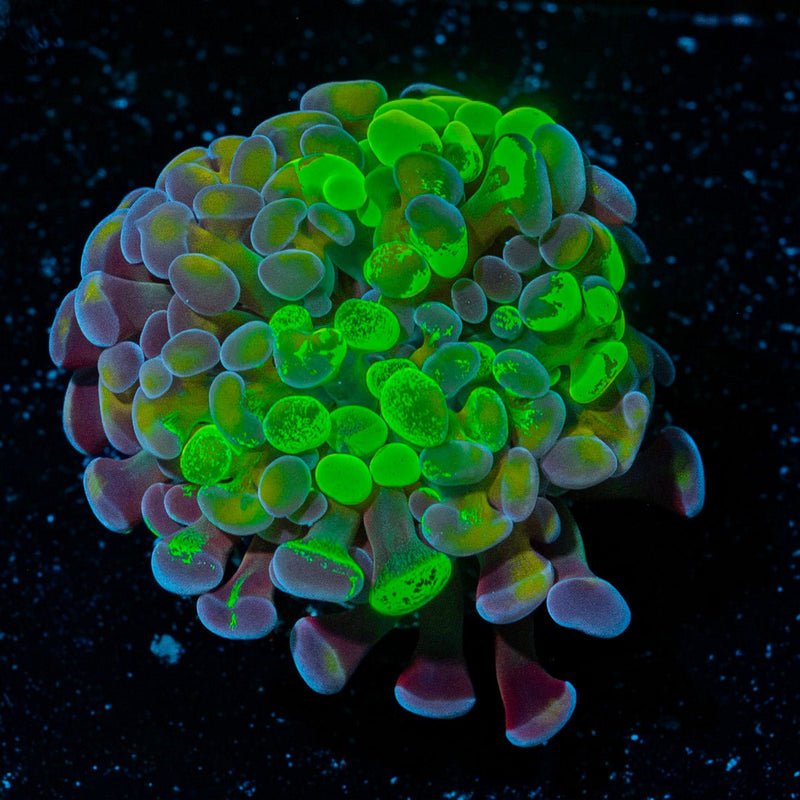
Hammers are often a favorite because their flowing tentacles bring instant movement to an aquascape. They need space. Euphyllia corals can extend sweeper tentacles, especially after lights out, and may sting nearby corals. Give a hammer several inches of clearance and avoid placing it directly beside mushrooms, zoanthids, or other LPS frags just because the rack looked spacious on delivery day.
Placement Matters More Than Most Beginners Expect
A beginner coral pack is easier to manage when placement follows a simple pattern: lower light lovers low, moderate-light corals in the middle, and corals that need room placed away from their neighbors. Begin with lower to moderate light intensity and acclimate every frag to the tank’s lighting over several days or weeks.
Mushrooms and acans are natural candidates for lower sections of the aquascape. Zoanthids often do well on middle-level rockwork with moderate flow. A leather can sit higher if it receives enough room to open fully, while a hammer should be placed where its tentacles can sway gently rather than whip sharply in direct pump output.
Flow should move food and detritus through the tank without constantly blasting coral tissue. If a hammer stays bent in one direction, or a mushroom repeatedly pulls tight and refuses to open, redirect the flow before making dramatic changes to lighting or water chemistry.
When you receive coral frags, inspect each plug, acclimate according to your preferred livestock process, and secure them only after you have a placement plan. Coral glue or reef-safe epoxy can keep frags from tumbling, but do not glue every piece permanently on day one. Leaving room to move a coral is useful while you learn how it responds in your specific system.
The Trade-Off: Variety Versus Simplicity
A larger pack can feel like a better value, but more frags also mean more decisions about spacing, placement, and future growth. For a first reef, six thoughtfully chosen corals may be more rewarding than 15 assorted pieces competing for the same rockwork.
It depends on tank size, too. A compact nano reef can look complete with just a few carefully selected frags, while a larger aquarium may need more visual spread. In either case, plan for the coral you expect in a year, not just the small frag plug in front of you now.
This is also why a mixed pack should not automatically include SPS simply for variety. Acropora, Millepora, and other SPS corals can be stunning showpieces, but they typically reward more experienced reef keepers who have stable parameters, stronger lighting, and a consistent maintenance rhythm. There is no rush. A thriving soft coral and LPS garden is a beautiful reef in its own right.
Buying With Confidence Online
When choosing a beginner pack online, look beyond the number of frags. Clear photos, honest sizing, aquacultured origin, and coral categories that match your experience level all help reduce guesswork. WYSIWYG selections are especially reassuring when you want the exact colorful specimen pictured rather than a general representation.
Aquacultured corals are a strong fit for a first reef because they have been grown in captive conditions and are accustomed to aquarium life. At Riptide Aquaculture, curated coral selections are designed to make it easier to shop by care level and coral type while still bringing home the vibrant color that makes reef keeping so addictive.
Keep the first order manageable, allow each coral to settle, and resist the urge to change everything when a new frag takes a day or two to open. A patient start gives your reef the space to become what you imagined: a healthy, colorful display that gets better every month.