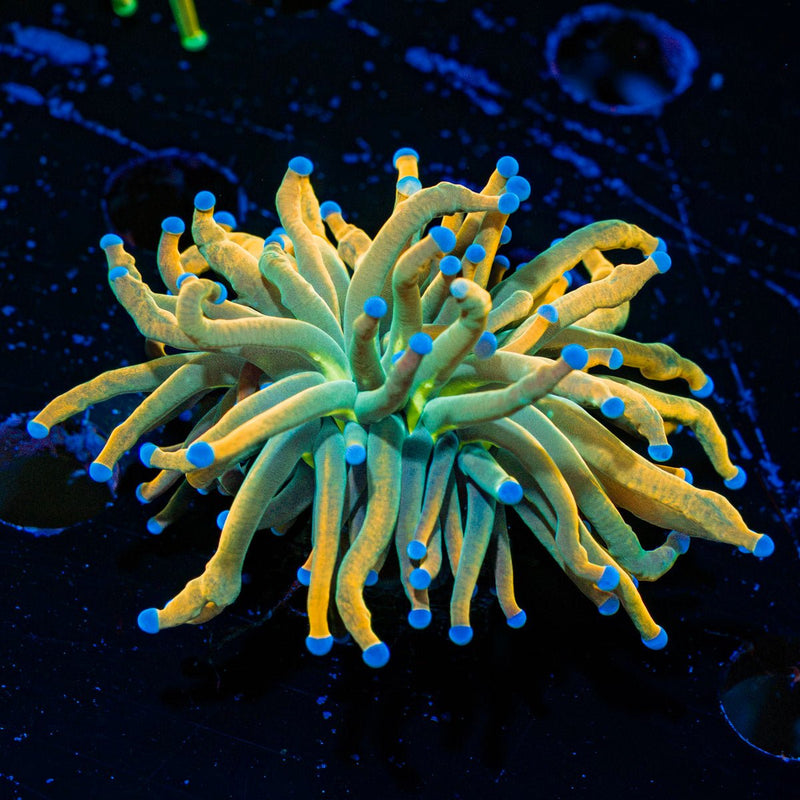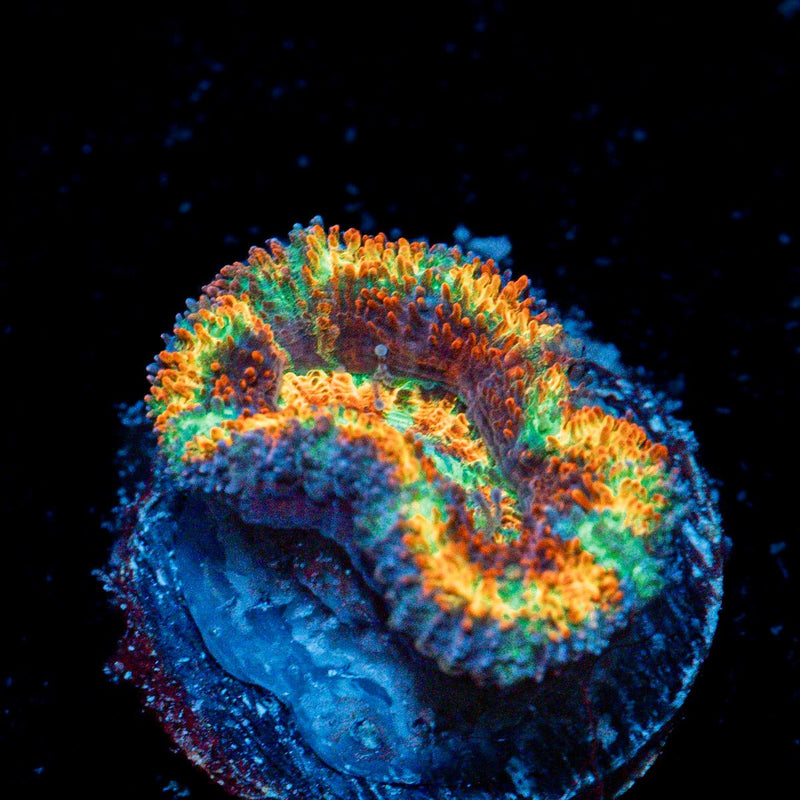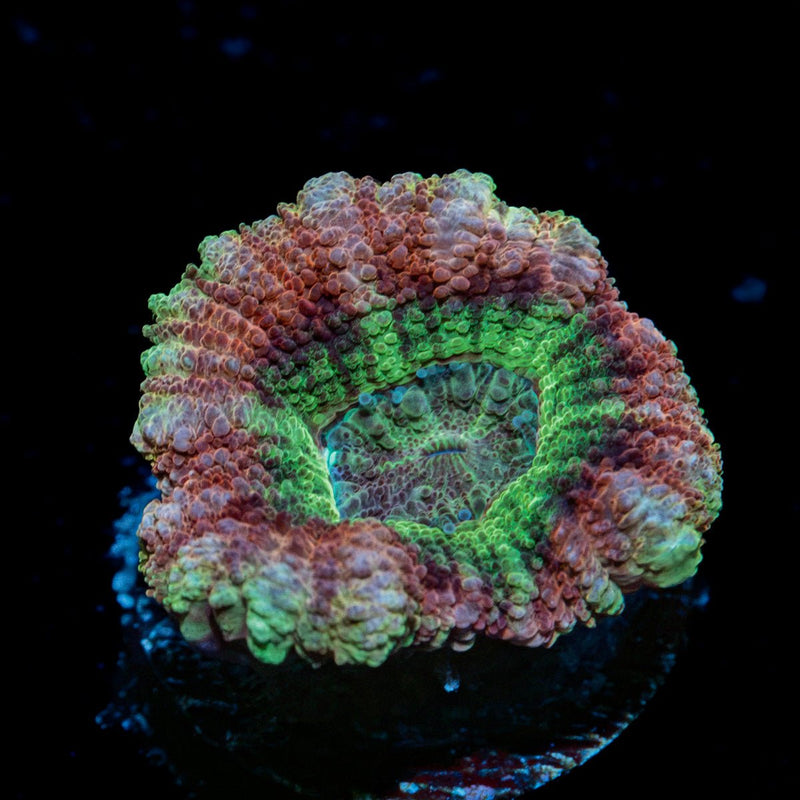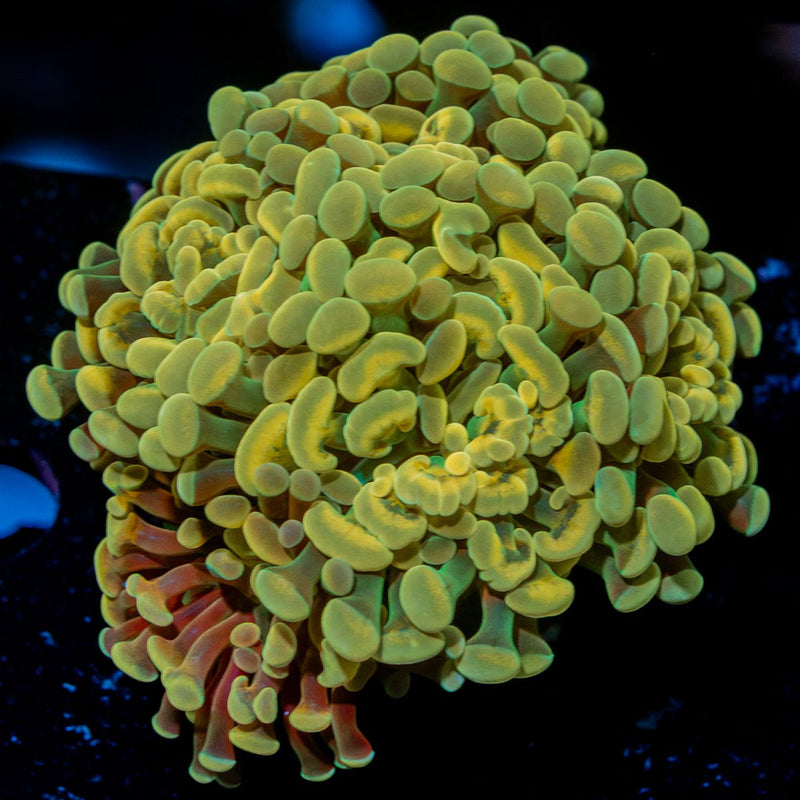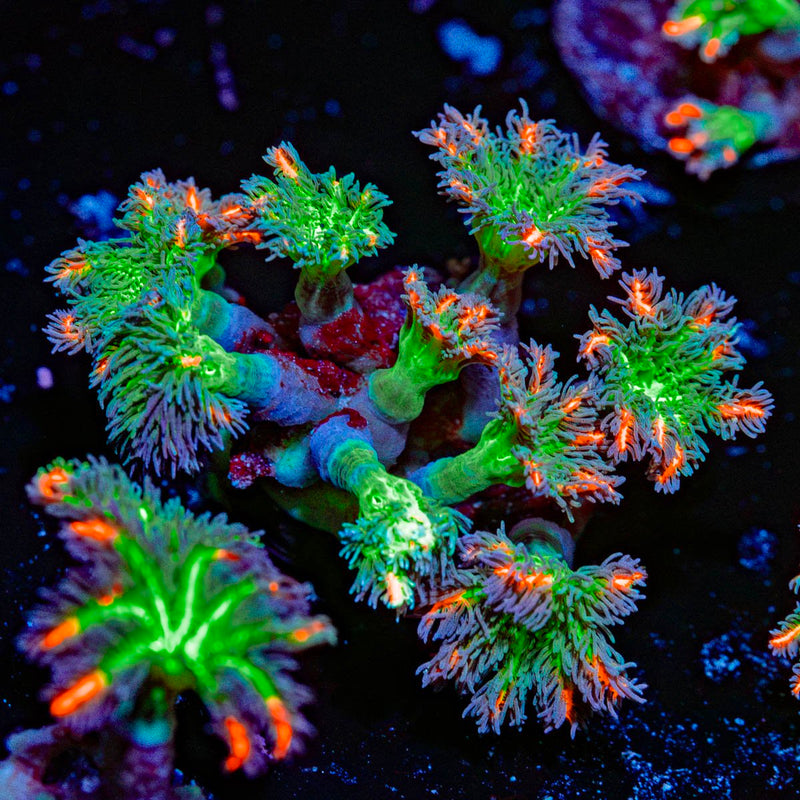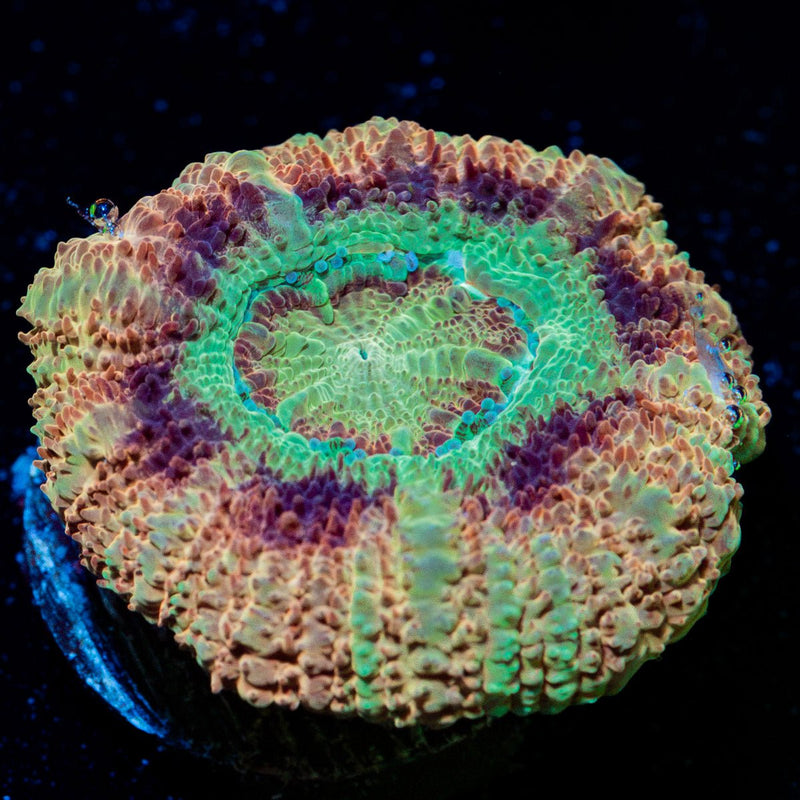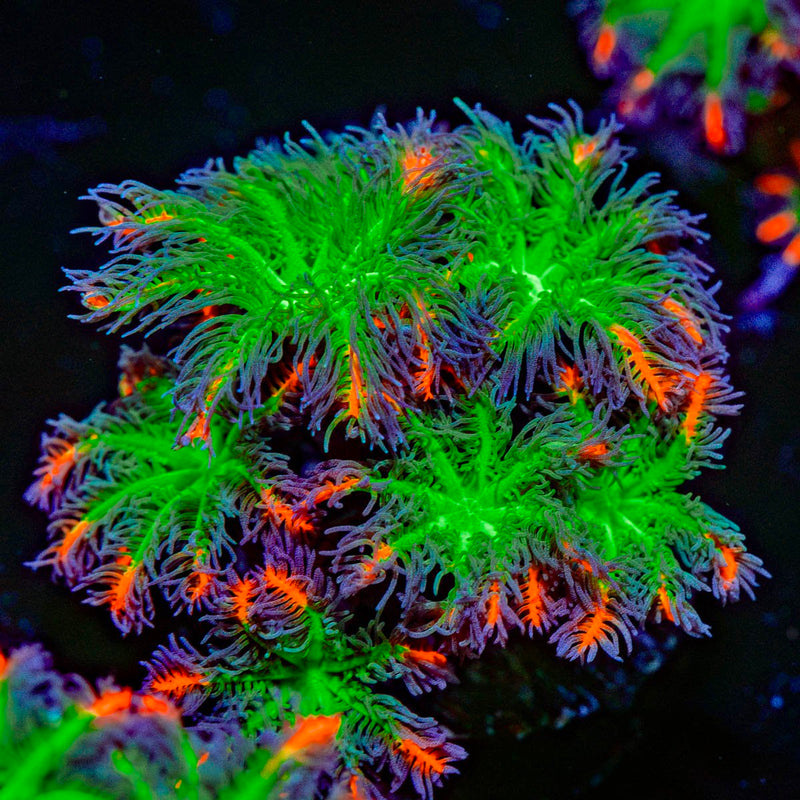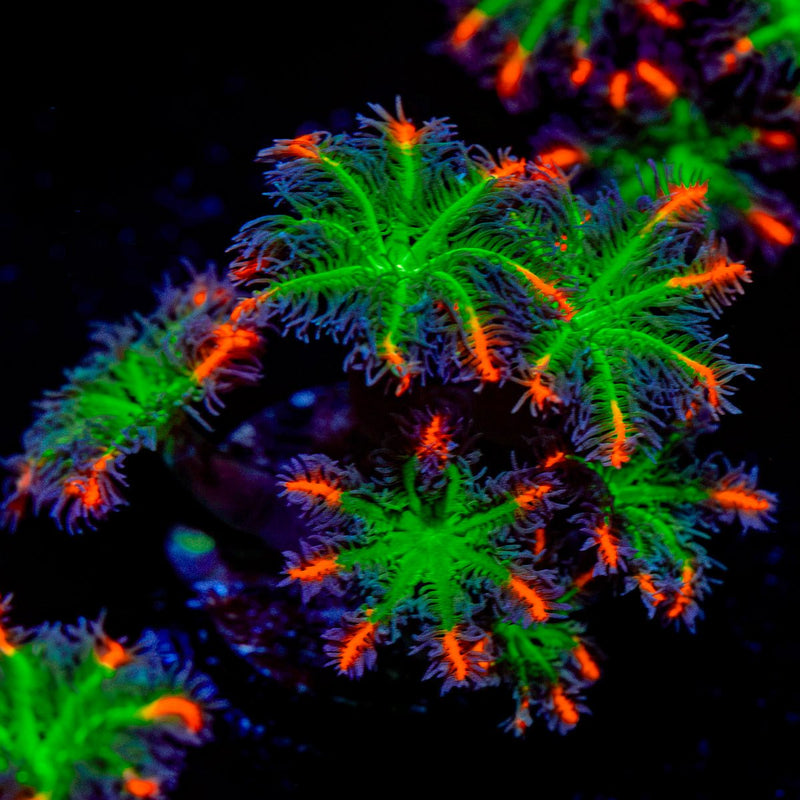
A healthy anemone can become the moving centerpiece of a reef tank: luminous tentacles stretching into the current, a clownfish slipping into its folds, and color that changes the entire feel of the aquascape. It can also be one of the most demanding animals in the aquarium. This reef tank anemone guide is built around the decision that matters most: whether your tank is ready for an anemone before you bring one home.
Anemones are not just decorative reef inhabitants. They are mobile animals with strong lighting needs, a preference for stable chemistry, and a habit of moving when their chosen spot does not suit them. Success comes from matching the species to a mature system, then giving it time to settle.
Start With a Reef Tank Anemone Guide to Readiness
The best time to add an anemone is not when a new reef tank first looks clear. It is when the tank has demonstrated consistency. For most hobbyists, that means a system that has been established for at least six months, with stable salinity, temperature, alkalinity, and nutrient levels. Mature rockwork and a dependable maintenance routine matter more than chasing a single “perfect” test result.
Aim for a temperature around 76-79°F, specific gravity near 1.025-1.026, and steady alkalinity in a reef-friendly range. Ammonia and nitrite must be zero. Nitrate and phosphate do not need to be stripped away. In fact, an overly sterile tank can make it harder to maintain the balanced environment anemones and corals appreciate. What matters is avoiding fast swings.
Lighting is equally important. Most photosynthetic anemones rely heavily on the symbiotic algae in their tissues for energy. A quality reef light with adequate intensity and an established schedule is far safer than adding an anemone under brand-new lighting or a fixture that cannot support photosynthetic livestock. If you are unsure of your light’s output, start with an anemone species known for adapting well to aquarium life rather than choosing solely by color.
Choose the Species for Your Tank, Not the Photo
Every colorful anemone is tempting, but species choice affects placement, flow needs, size, and compatibility. The right choice depends on your aquarium’s footprint and the kind of reef you want to build around it.
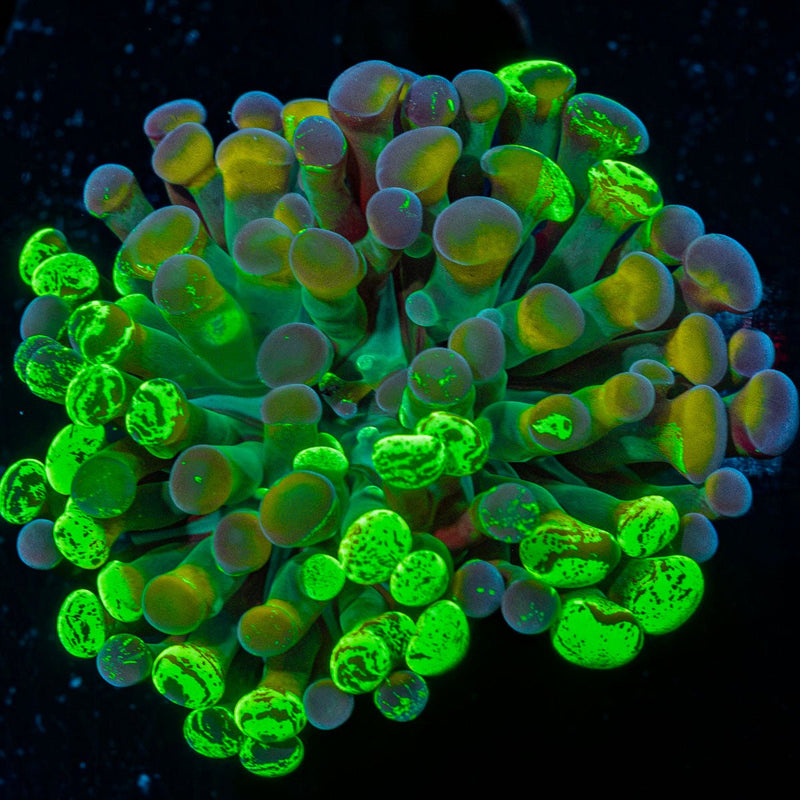
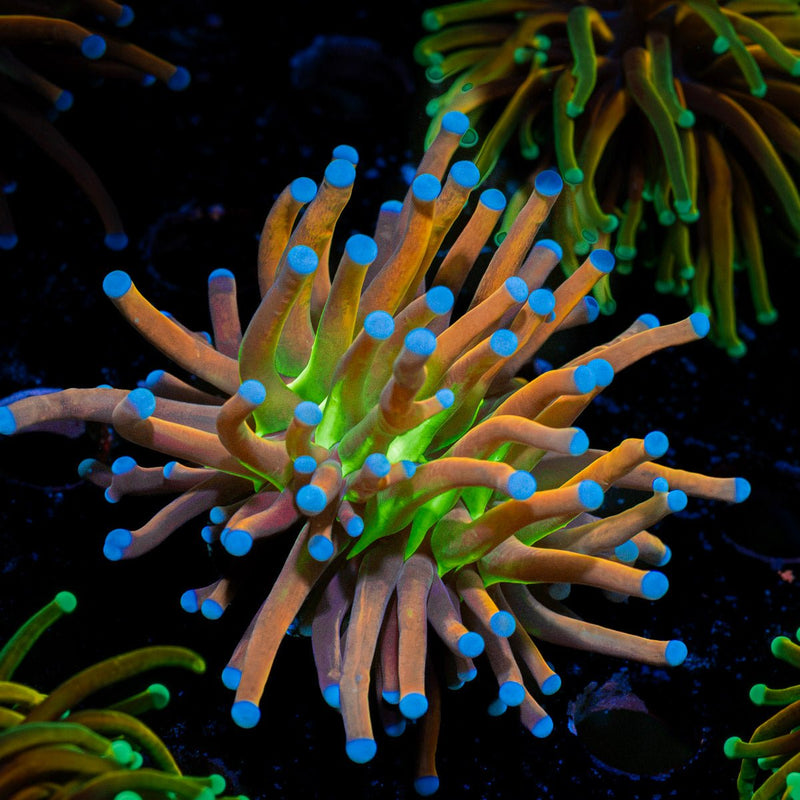
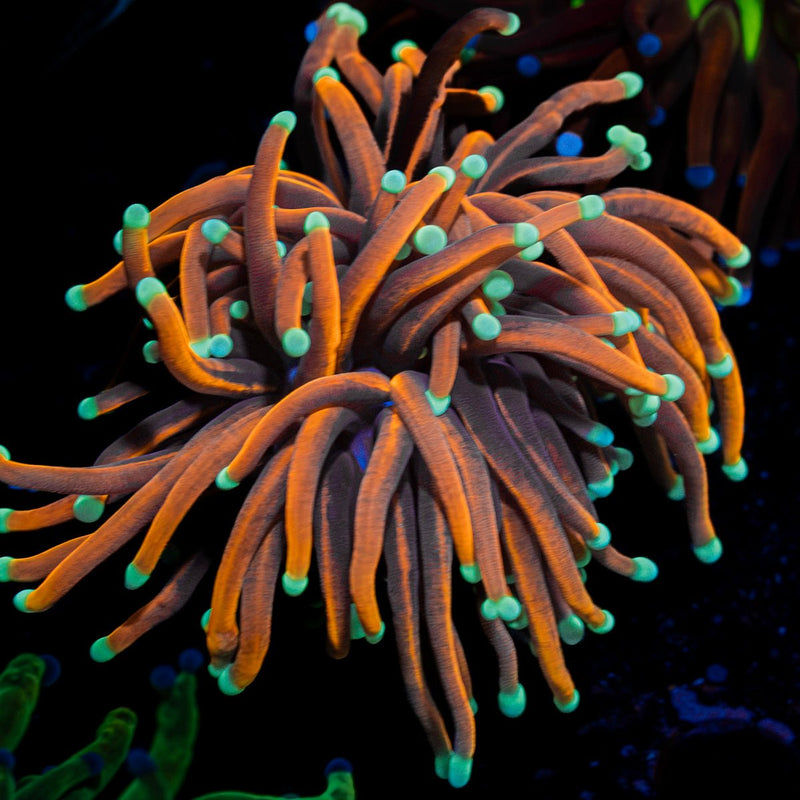
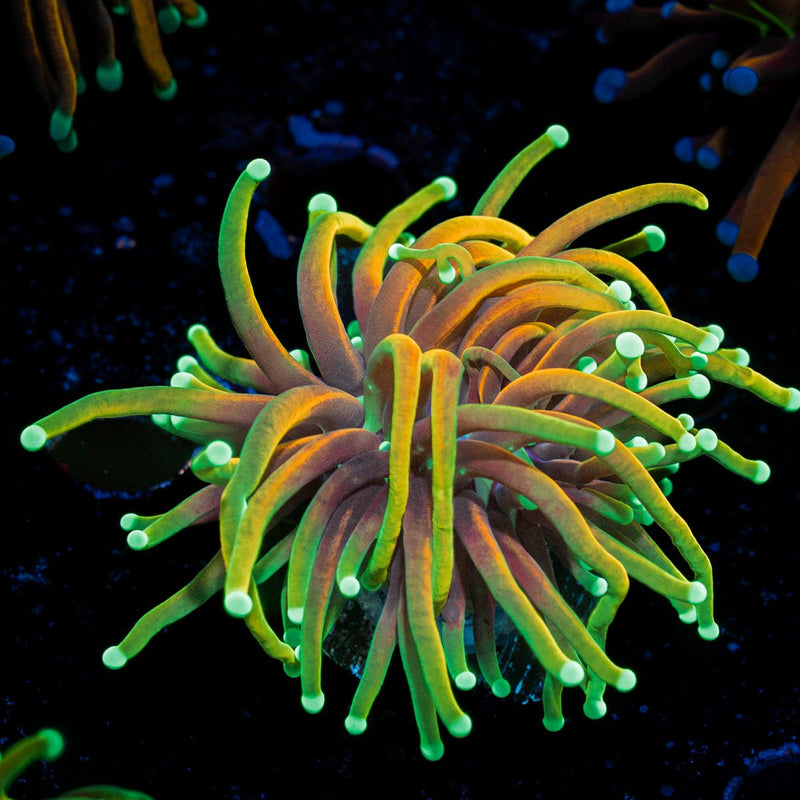
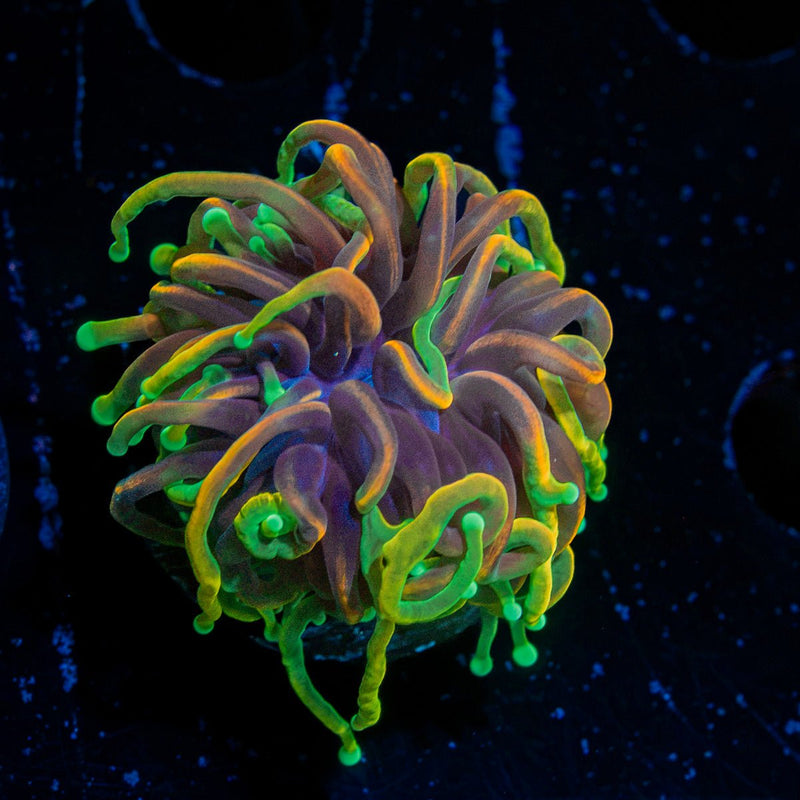
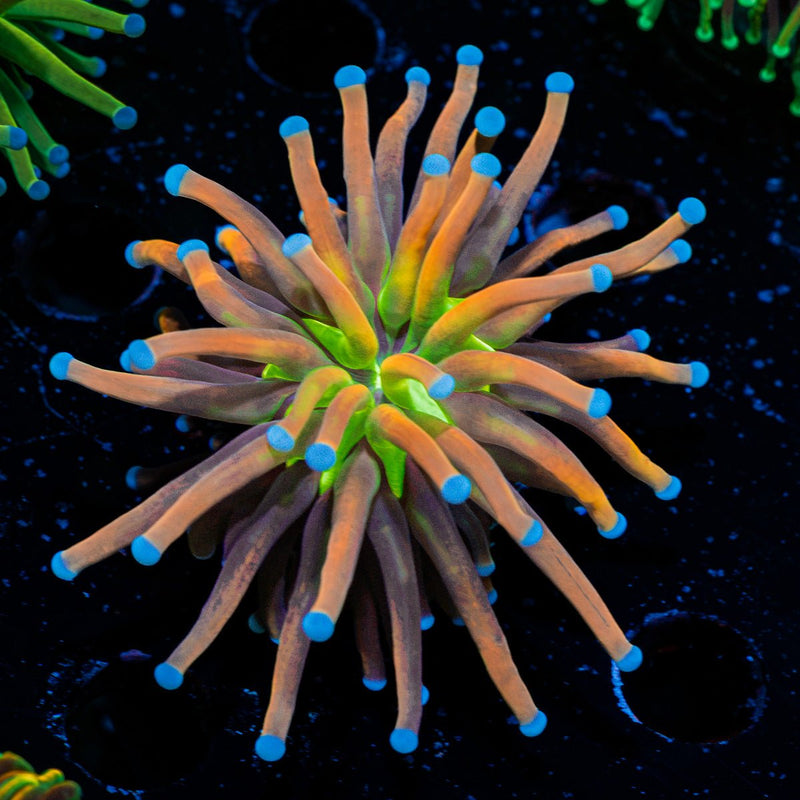
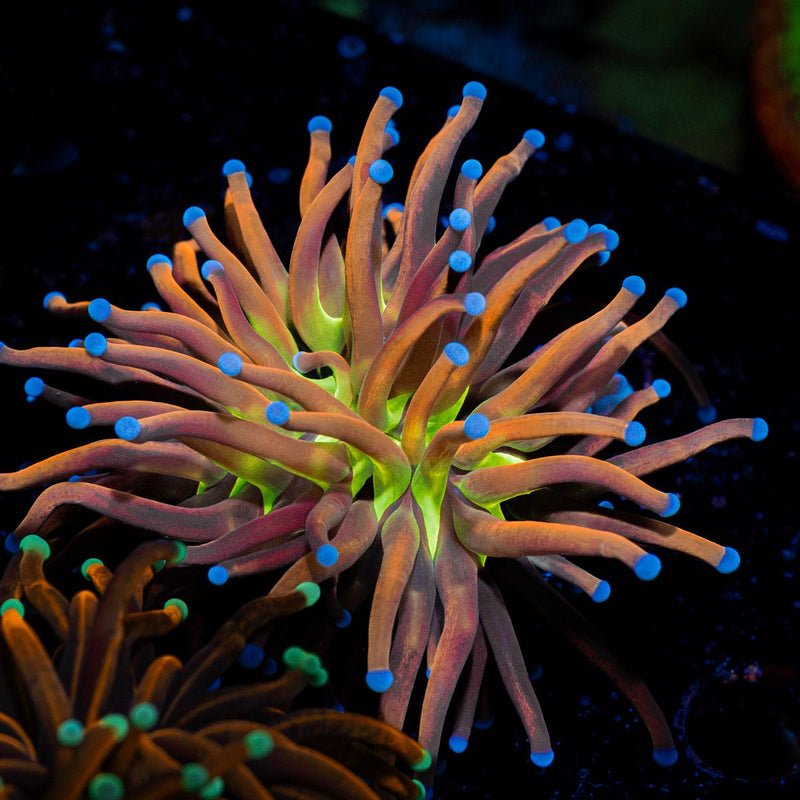
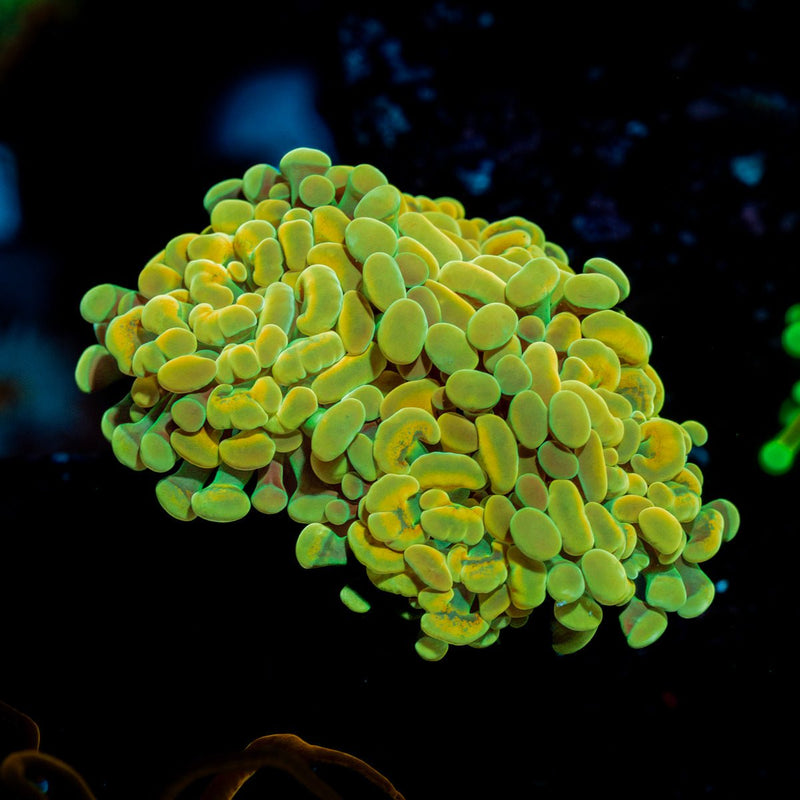
Bubble tip anemones are a favorite for good reason. Their flowing tentacles, broad range of colors, and frequent clownfish compatibility make them a natural showpiece. They can thrive in a well-established mixed reef, although “easy” should never be confused with low-maintenance. Bubble tips can wander, split, grow quickly, and sting nearby corals when they settle too close.
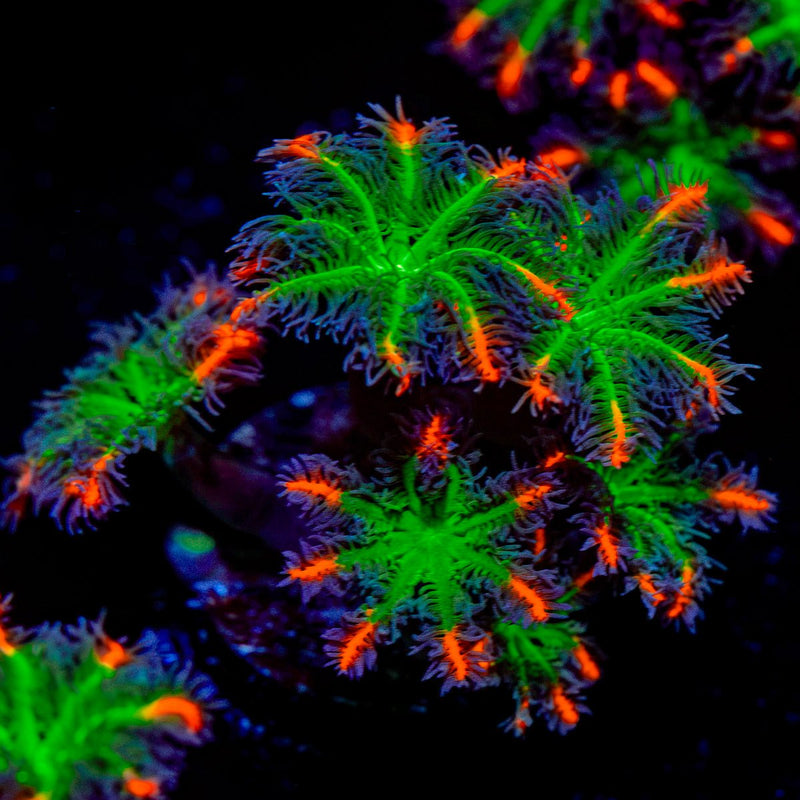
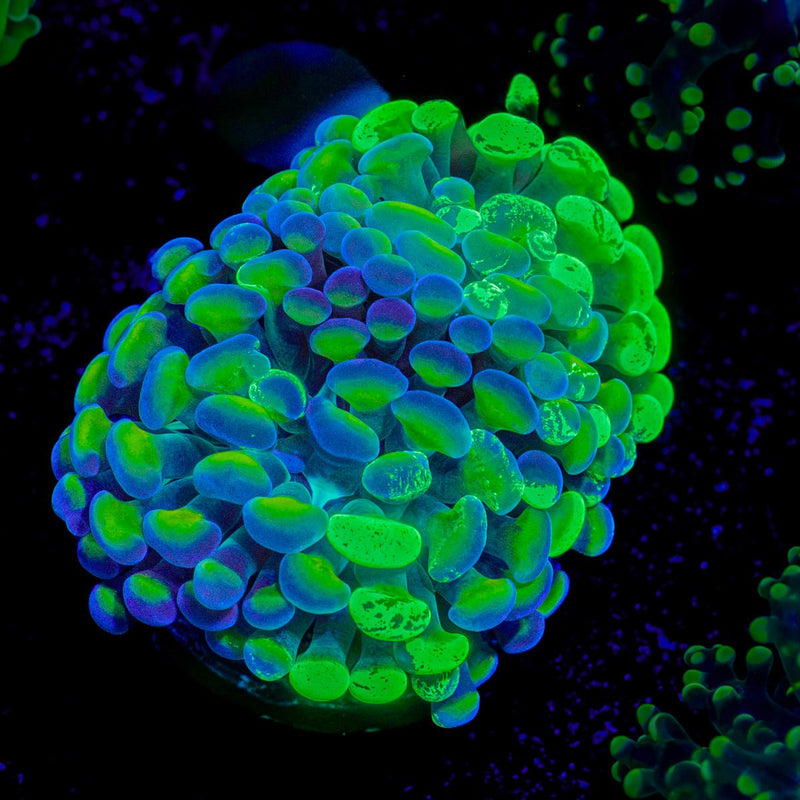
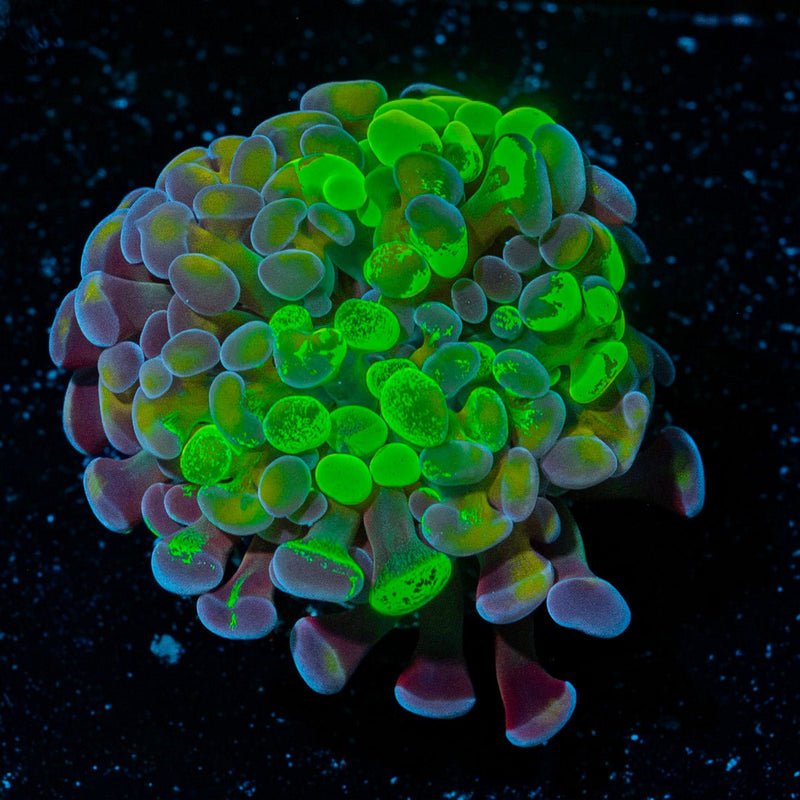
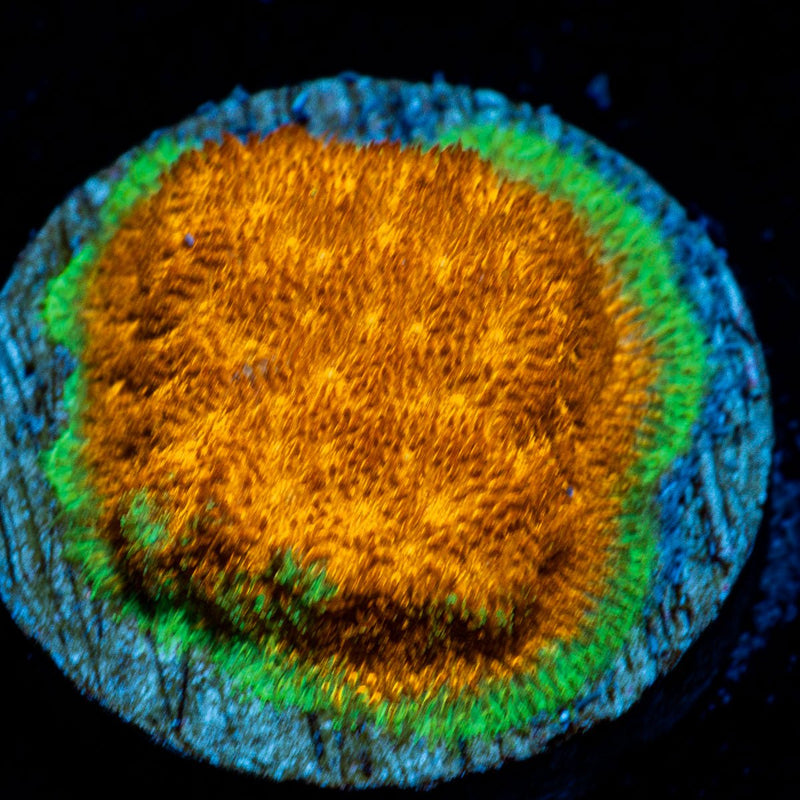
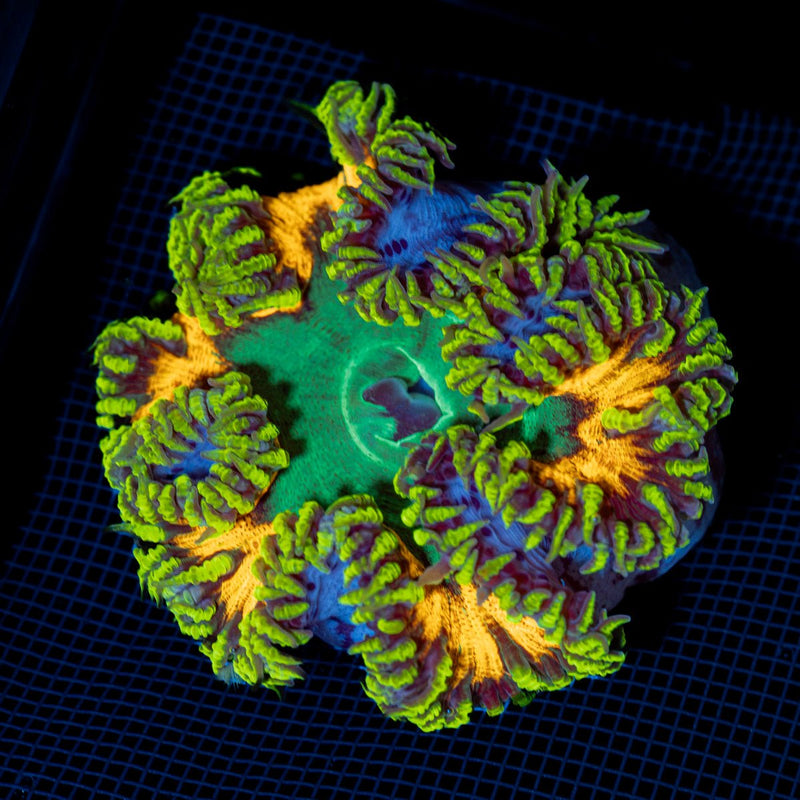
Rock flower anemones offer a different look. Often smaller and less inclined to roam than bubble tips, they bring intricate patterns and radiant color to lower areas of the aquascape or sandy sections near the rockwork. They are a strong option for hobbyists who want anemone character without building the tank around a single large animal.
Carpet anemones are spectacular but deserve more caution. Some species can grow very large, carry a powerful sting, and pose a genuine risk to small fish. They are generally better suited to experienced aquarists with appropriately sized, stable systems and a clear plan for livestock compatibility.
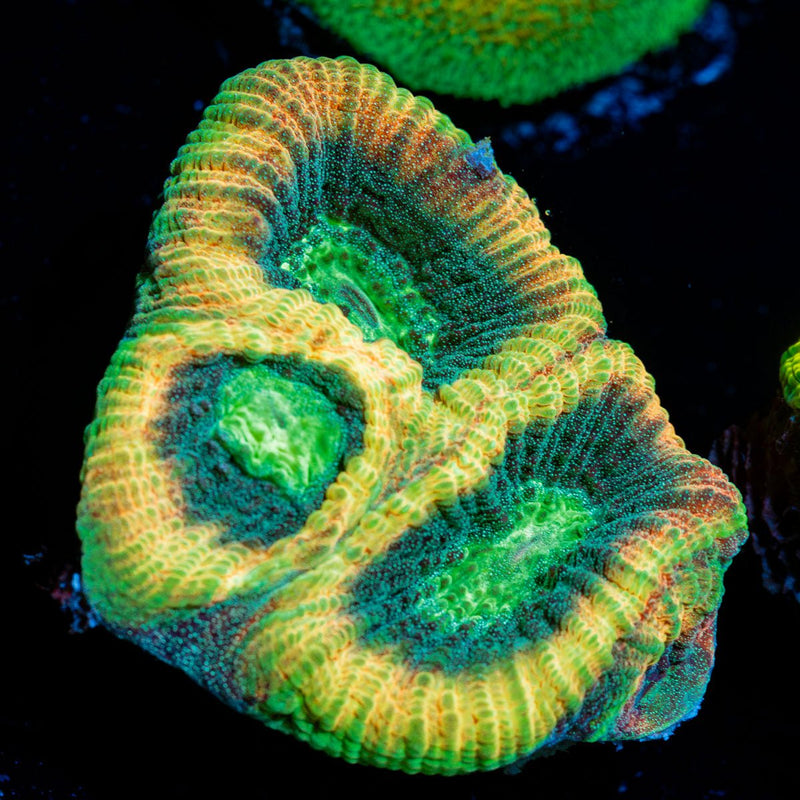
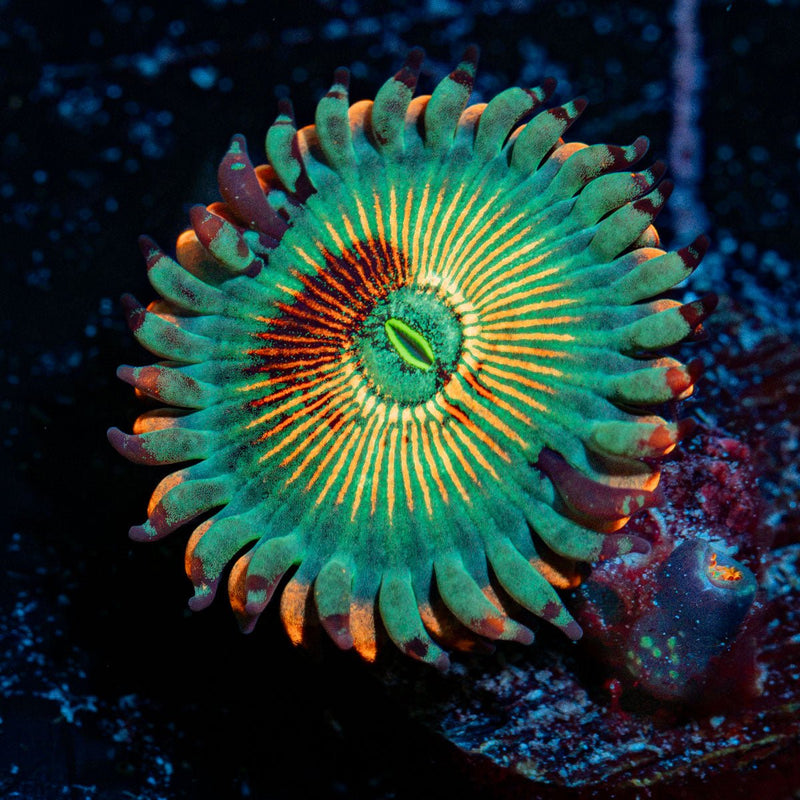
A WYSIWYG specimen is especially appealing with anemones because color, tentacle shape, and overall health are visible before purchase. Look for an animal with a firmly attached foot, full tentacles, good response to gentle changes in flow, and no gaping mouth. A healthy anemone may be somewhat contracted during shipping or acclimation, but it should not appear limp, severely deflated for long periods, or damaged around the foot.
Plan Placement Before Acclimation
Anemones do not always stay where you place them. That is normal behavior, not a sign that you failed. They are searching for the combination of light, flow, texture, and security that feels right. Your job is to make that search safe.
Before introducing one, cover every powerhead and overflow opening with appropriate guards. An unprotected pump can quickly injure an anemone that moves after lights-out. This is one of the most important precautions in any anemone tank, particularly during the first few weeks.
For a bubble tip, create a dedicated spot in a crevice or hole in the rockwork where it can anchor its foot while extending upward into light. Keep neighboring corals well outside its likely reach. The visible tentacles are only part of the equation: an anemone can expand dramatically, shift position overnight, and sting valuable frags that once seemed safely distant.
Rock flower anemones often appreciate a place at the sand-rock boundary or a shallow depression where their foot can tuck beneath rubble. Avoid forcing the foot into a hole or trying to glue it in place. Provide a suitable option, lower the animal gently nearby, and allow it to make the final choice.
Acclimate Slowly and Keep the First Week Quiet
Temperature acclimation and gradual adjustment to salinity are sensible for shipped livestock. Once the anemone is in the aquarium, resist the urge to handle it repeatedly or move it every few hours. Dimmer lighting on the first day can reduce stress, especially under powerful LED fixtures.
It is common for a newly introduced anemone to shrink, inflate, and reposition itself as it adjusts. The key is to distinguish normal settling from prolonged decline. A healthy newcomer may hide its foot, close slightly at night, or look different from the exact-item photo after transport. More concerning signs include a persistently open mouth, tissue breakdown, a detached foot that cannot grip, or repeated severe deflation that does not improve.
Do not respond to every change by changing flow, altering light intensity, feeding heavily, or dosing new additives. That pattern creates more instability. Test the water, confirm that pumps are guarded, and give the animal room to recover from shipping stress unless there is an immediate safety issue.
Light, Flow, and Feeding: Find the Middle Ground
Anemones generally prefer moderate to strong light, but the ideal intensity depends on species and the light source. Sudden exposure to very high PAR can bleach tissue or cause the animal to retreat. Acclimate gradually, particularly if it came from a system using different lighting.
Flow should be active but indirect. Tentacles should sway and move naturally, not whip hard in a narrow stream or remain motionless in a dead zone. A bubble tip often responds well to variable current that carries food and oxygen across the tentacles without blasting the oral disc. If it constantly folds inward or stretches awkwardly in one direction, reassess the flow pattern.
Photosynthesis does much of the daily work, but occasional feeding can support growth and color. Small portions of quality marine foods, such as finely cut shrimp, fish, or prepared meaty foods, once every one to two weeks are usually plenty for a settled anemone. Large meals can be regurgitated and may foul the water. Feed only what the anemone can take and retain comfortably.
Keep Corals, Clownfish, and Space in Mind
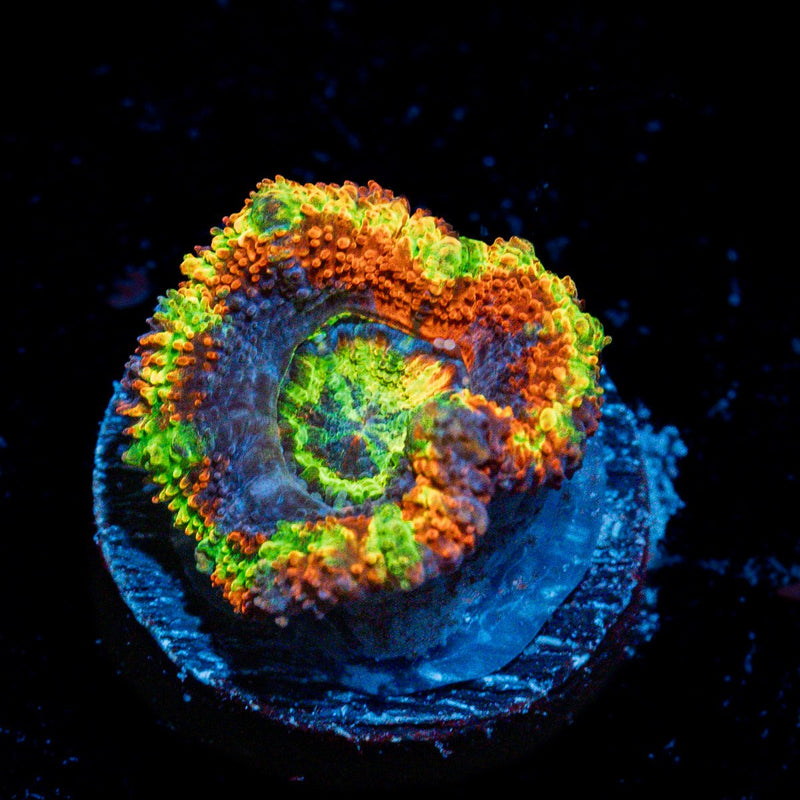
An anemone can be a wonderful companion to a coral collection, but it is not automatically reef-safe in the same way a stationary frag is reef-safe. It can move into prized zoanthids, sweep across LPS tissue, or shade lower-light corals as it expands. Give it a dedicated zone from the beginning and avoid packing every inch of rockwork with new frags.
Clownfish hosting is possible, not guaranteed. Some clownfish pairings begin hosting immediately, while others ignore the anemone for months. Do not select an anemone only as a clownfish accessory. Choose it because it fits the tank’s conditions and your long-term aquascape plan.
If your anemone starts wandering after being stable for weeks, look for a reason. A change in lighting schedule, flow direction, salinity, temperature, or nearby coral aggression may be involved. Sometimes it simply finds a better spot, but a sudden move can be useful feedback from the animal.
A thriving anemone rewards patience with motion, color, and personality no artificial centerpiece can match. Build stability first, leave it room to choose its home, and let your reef grow around this remarkable living jewel rather than asking it to fit into a crowded space.