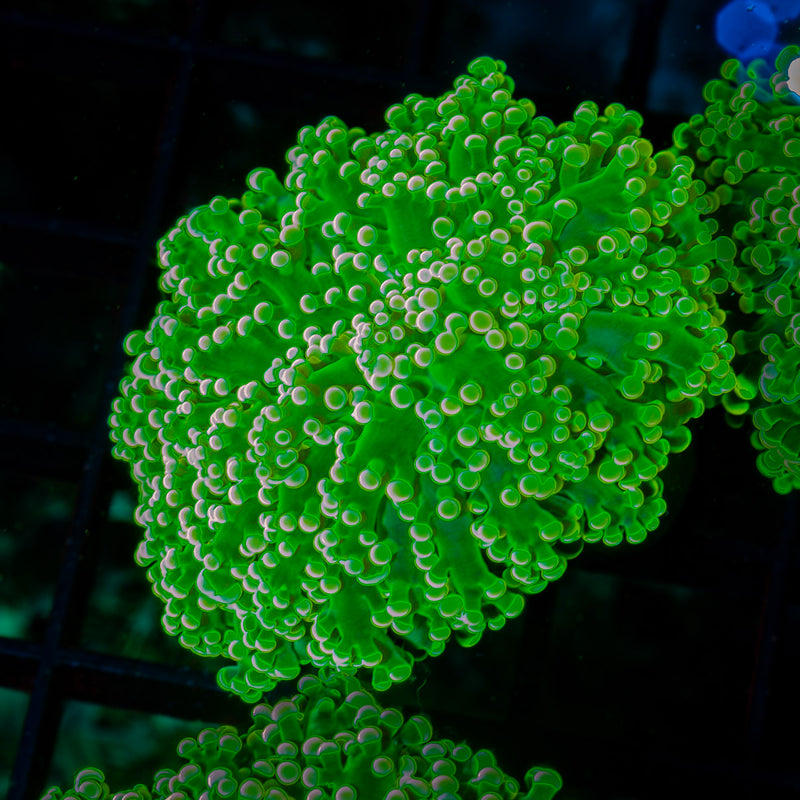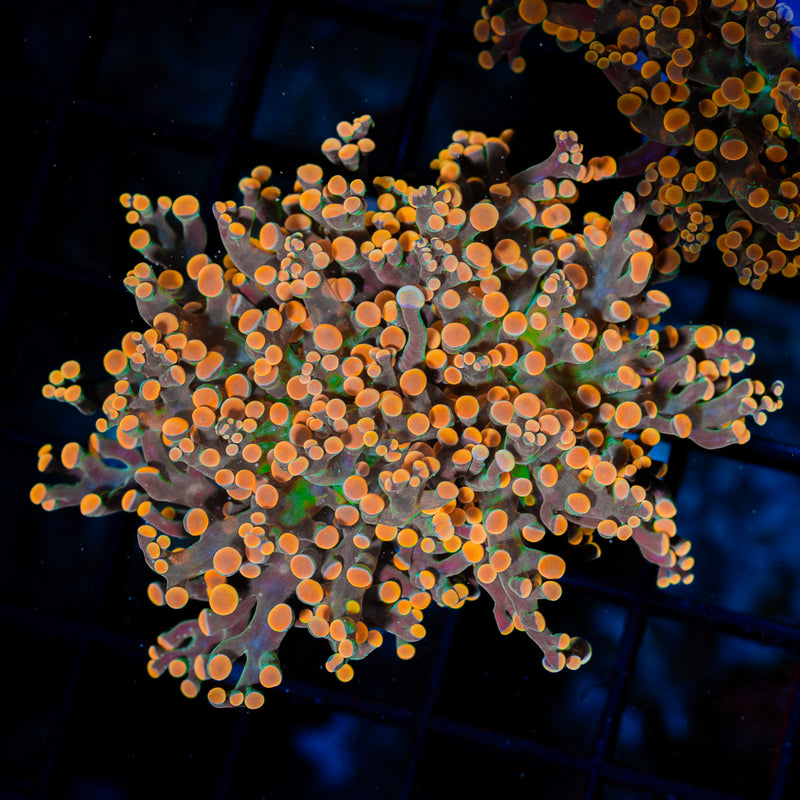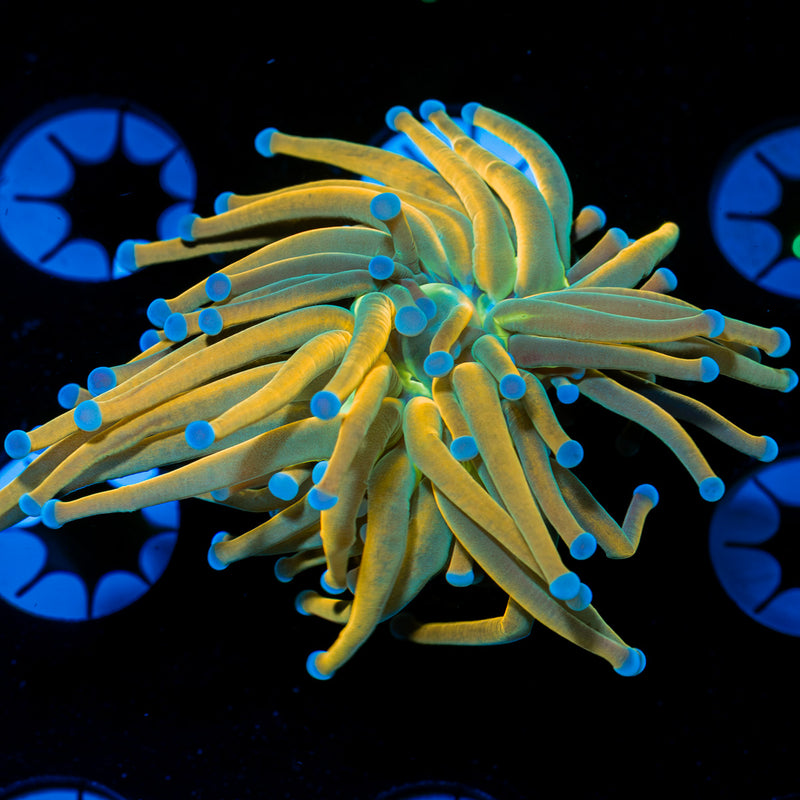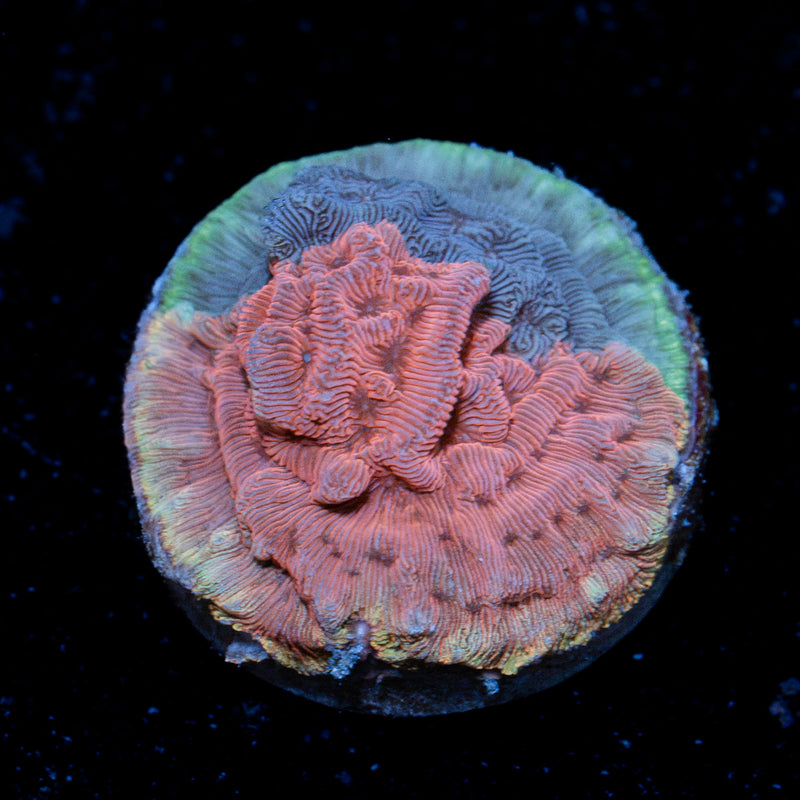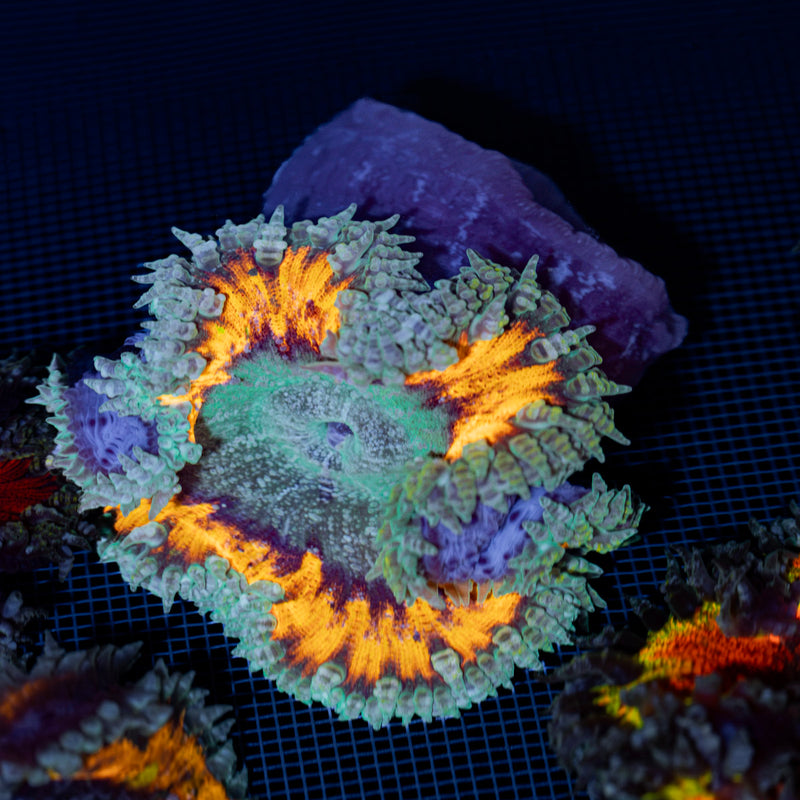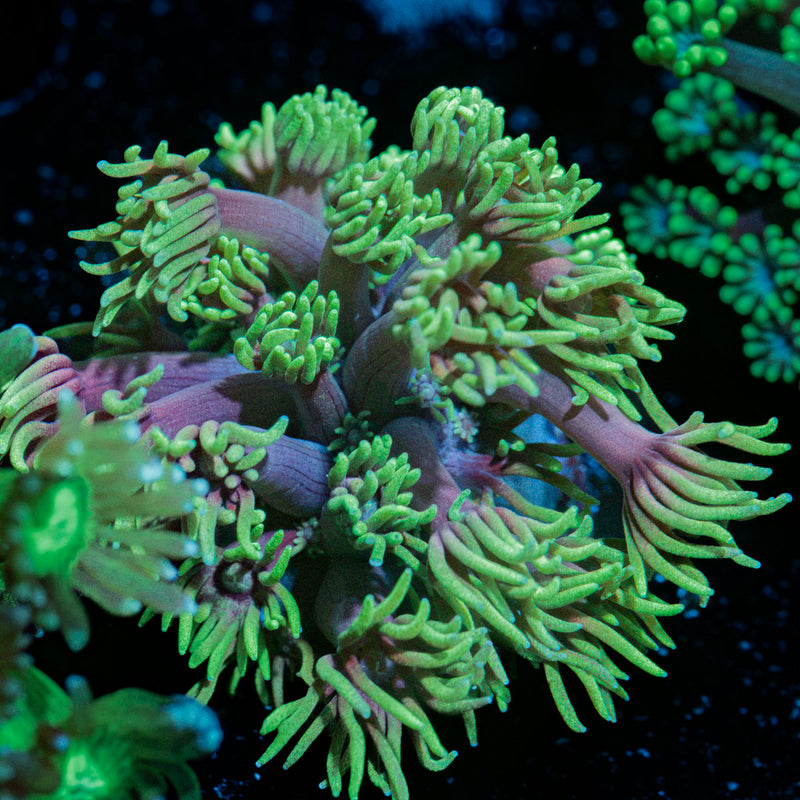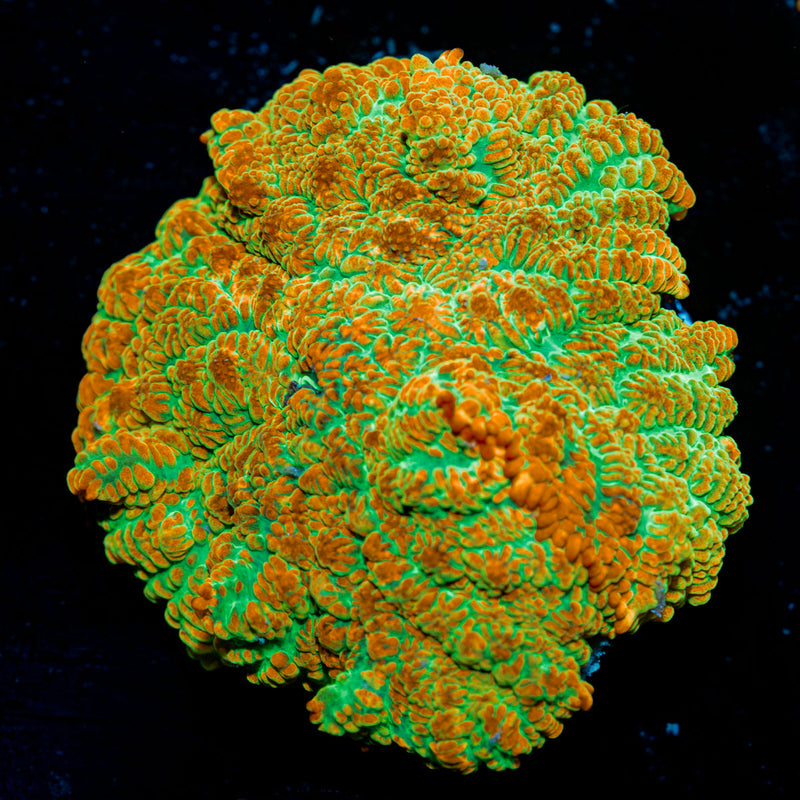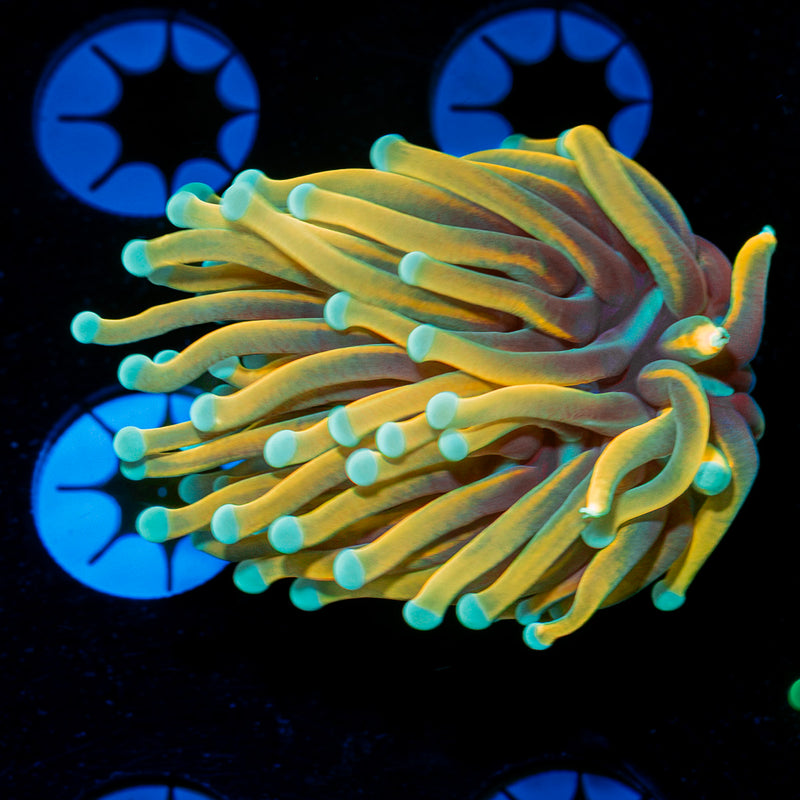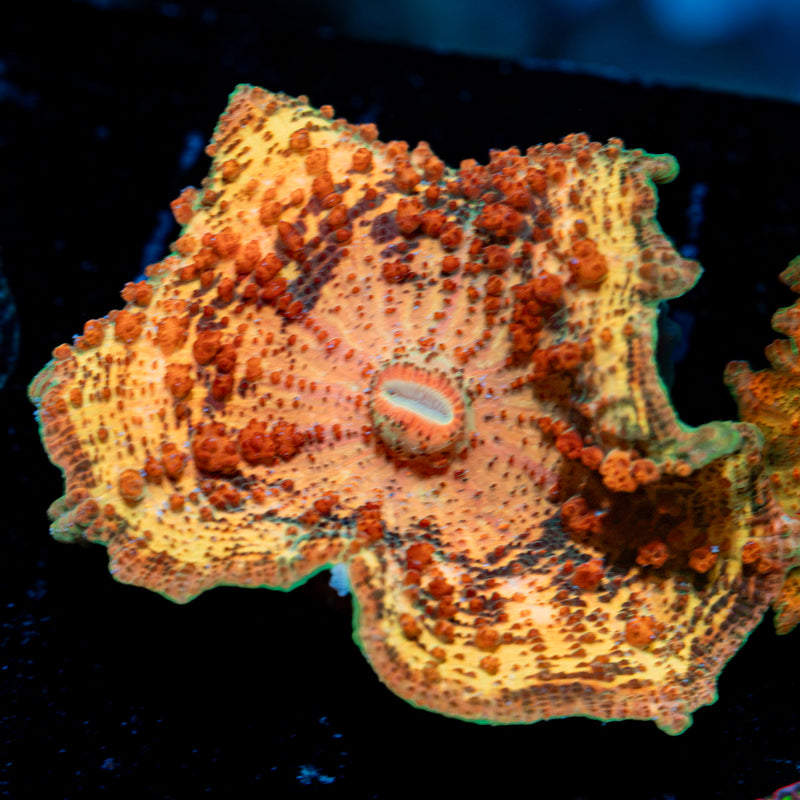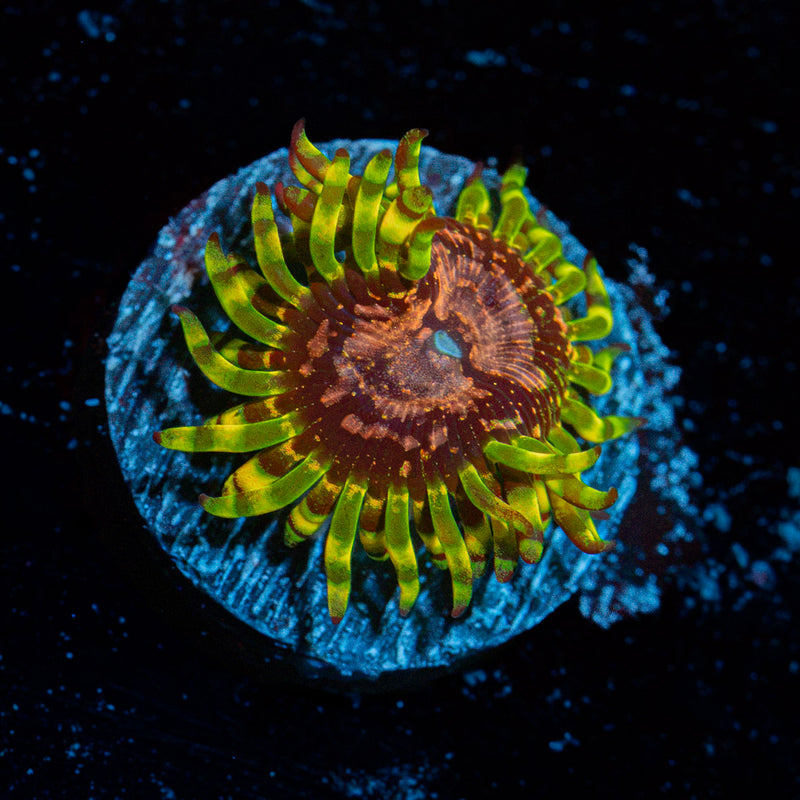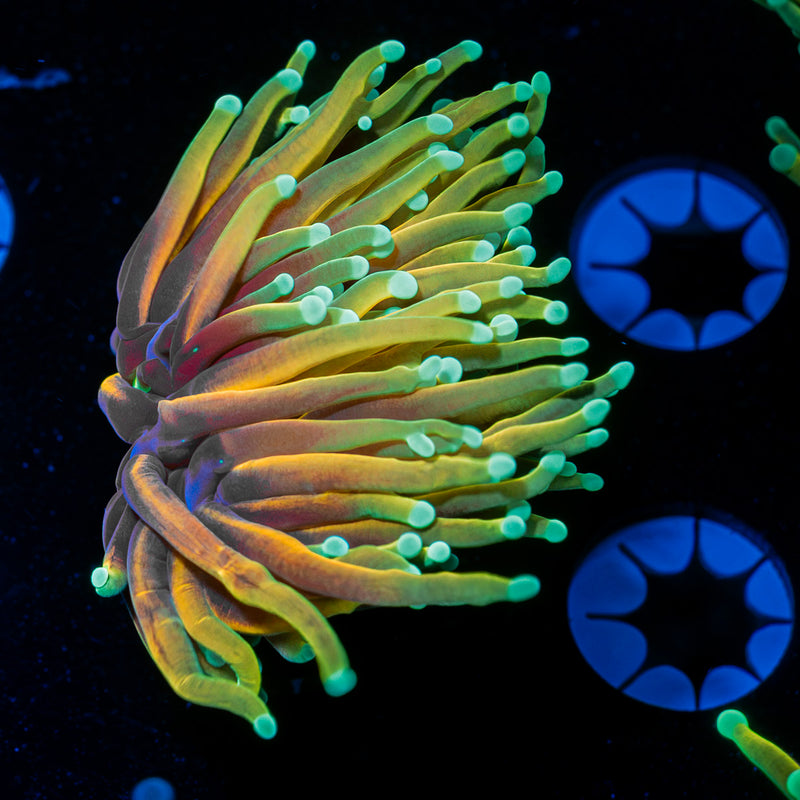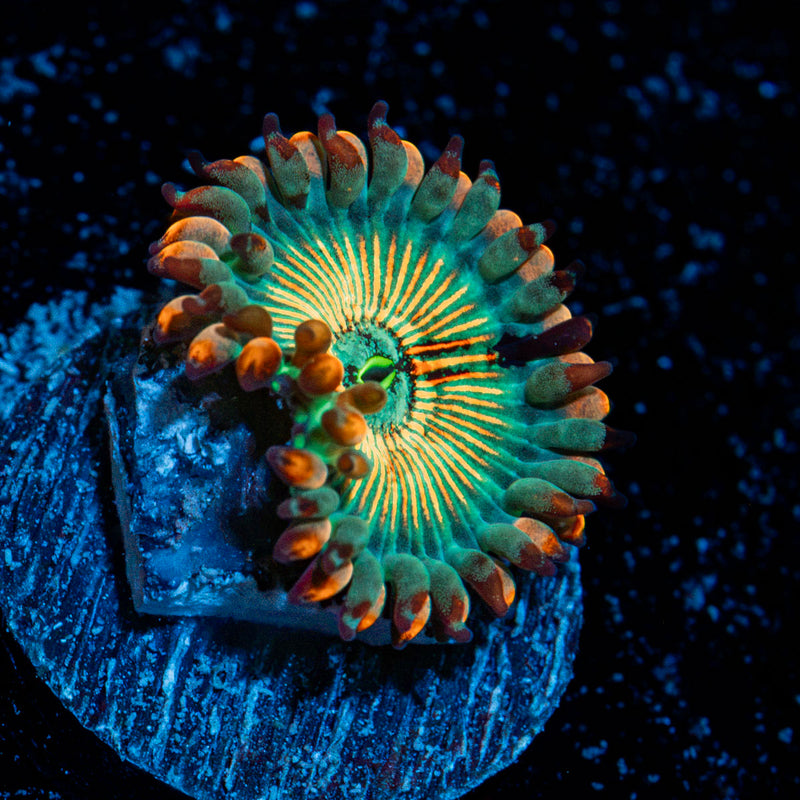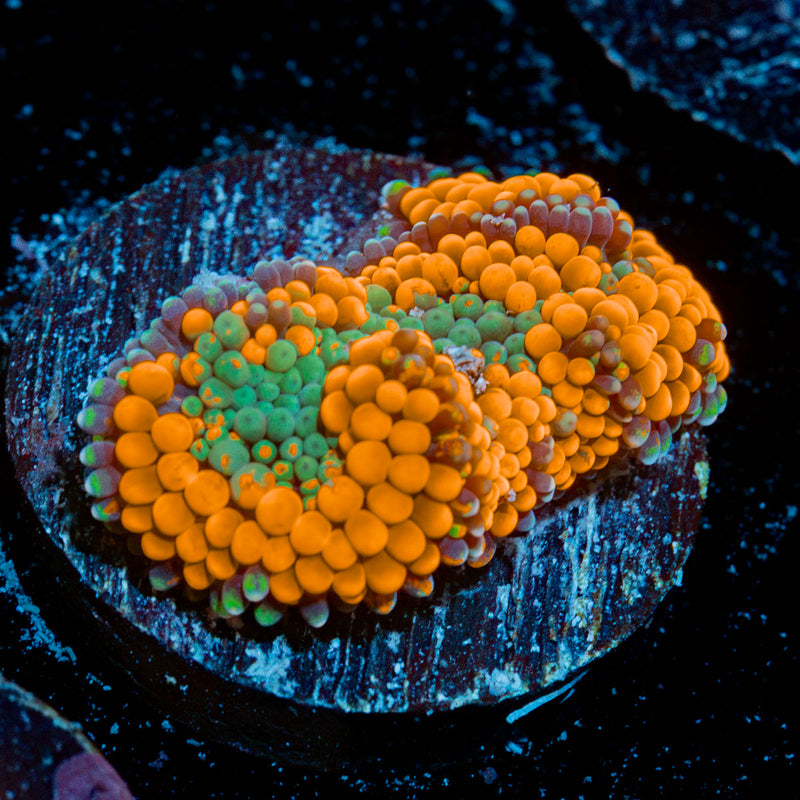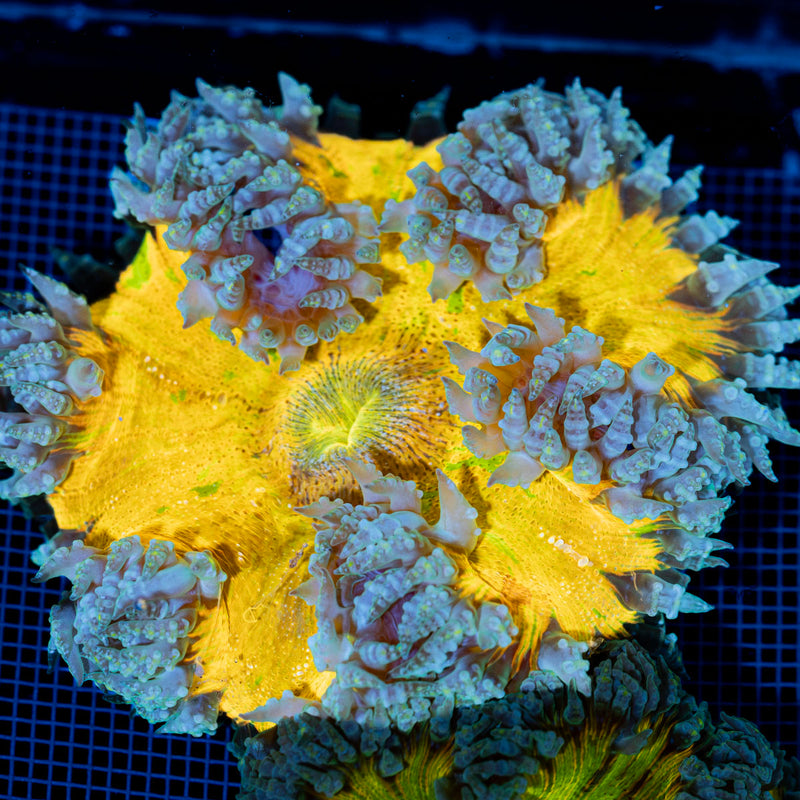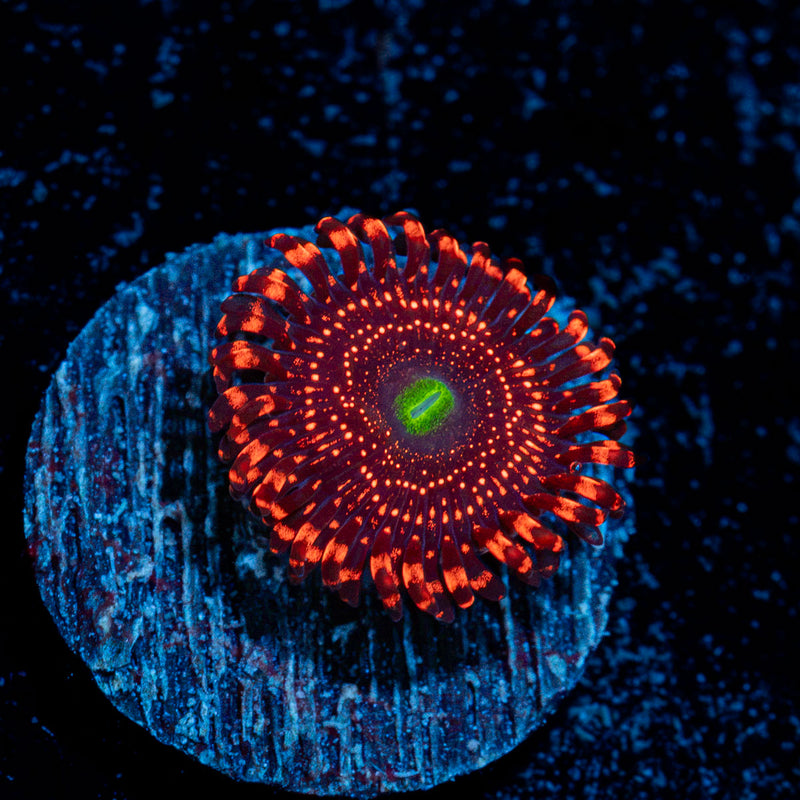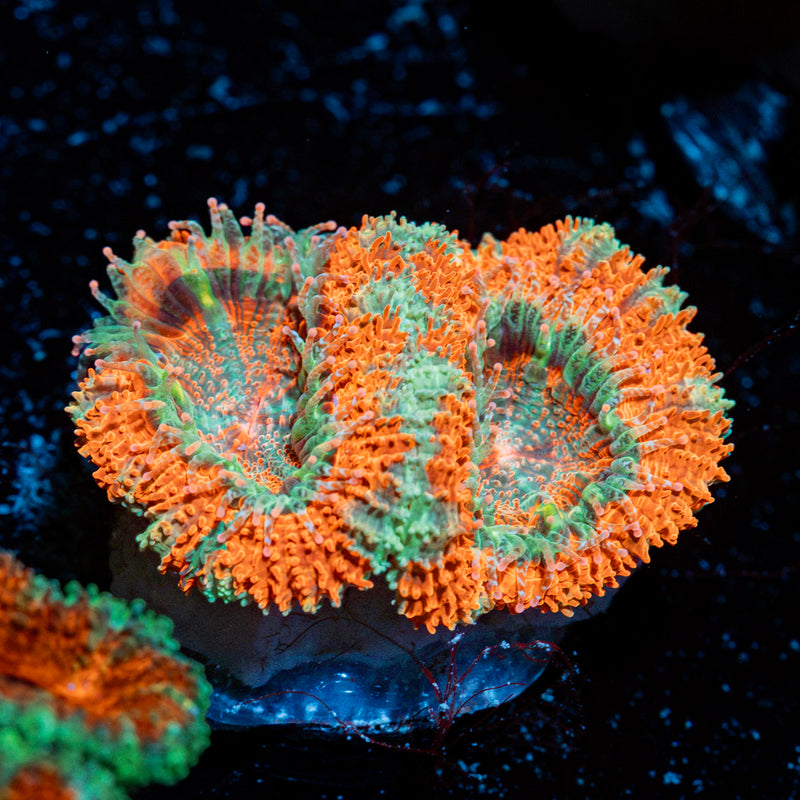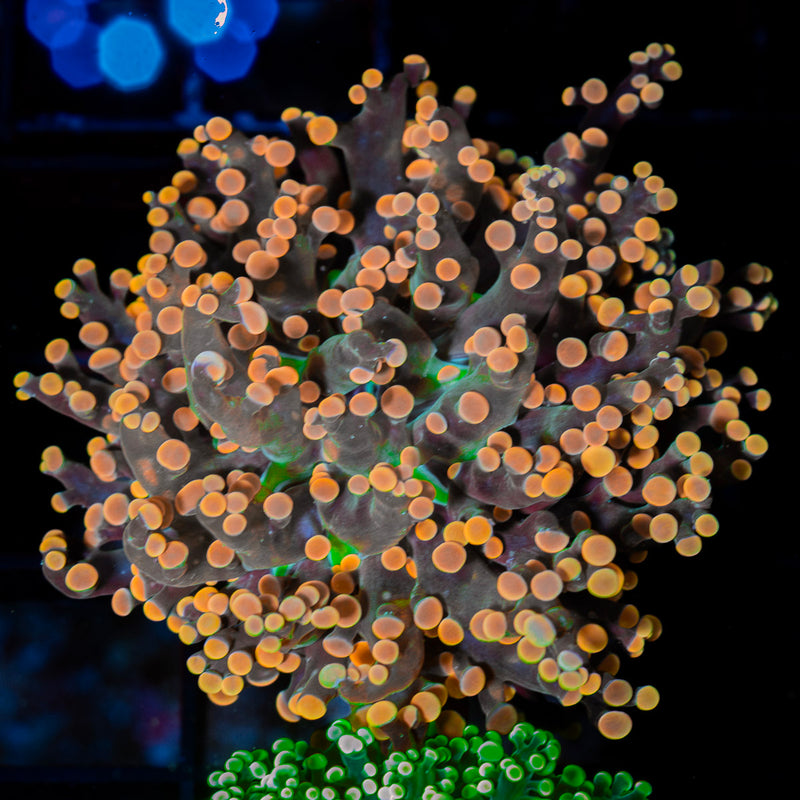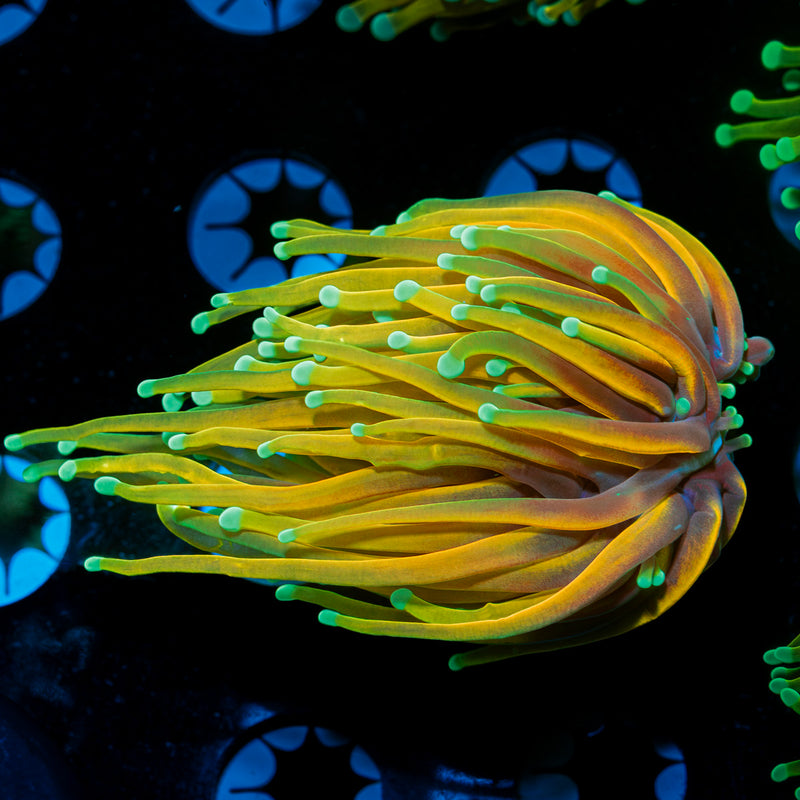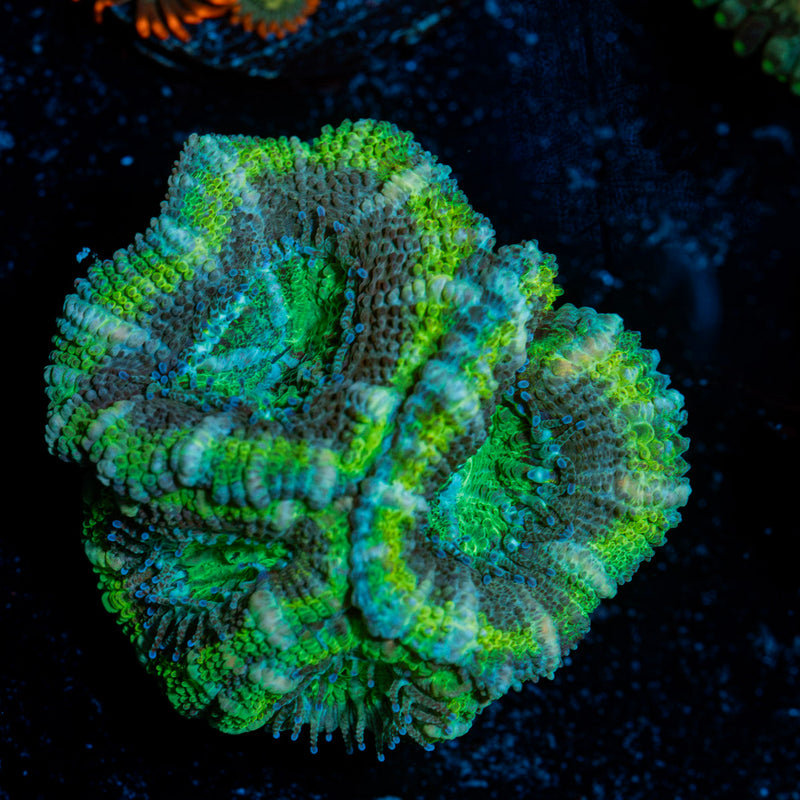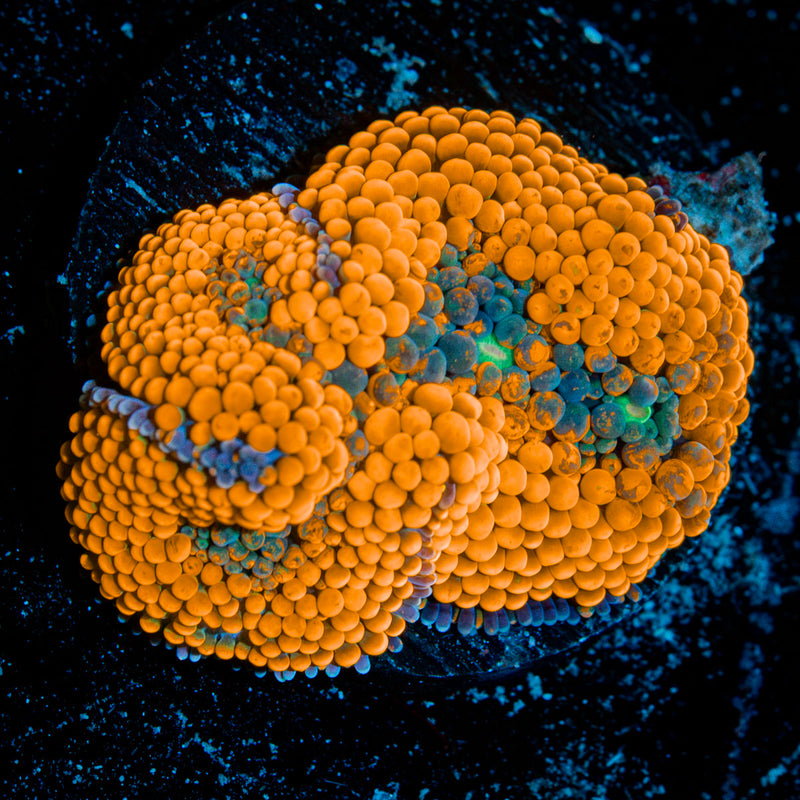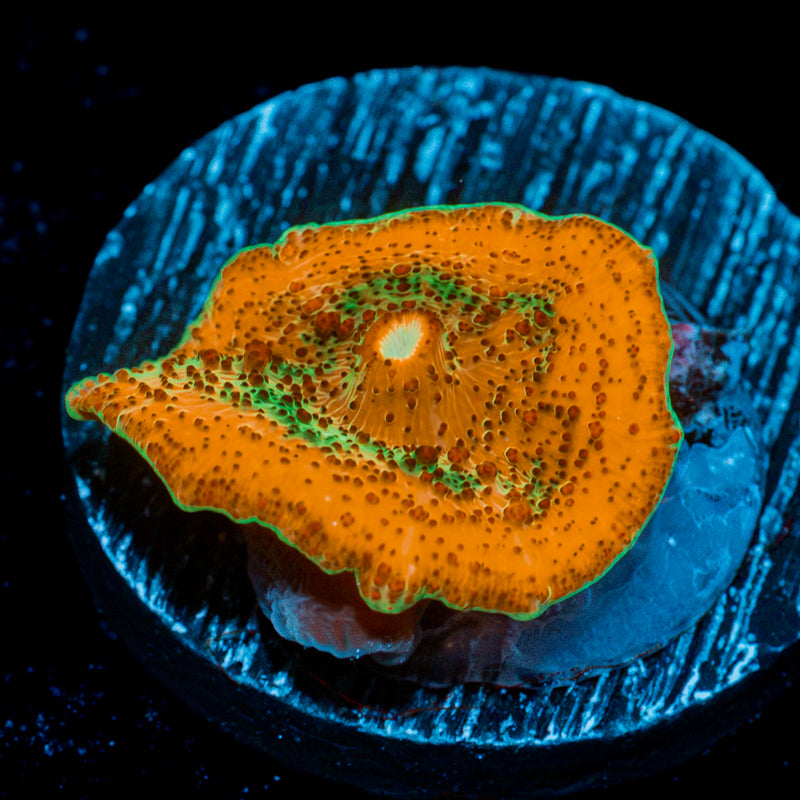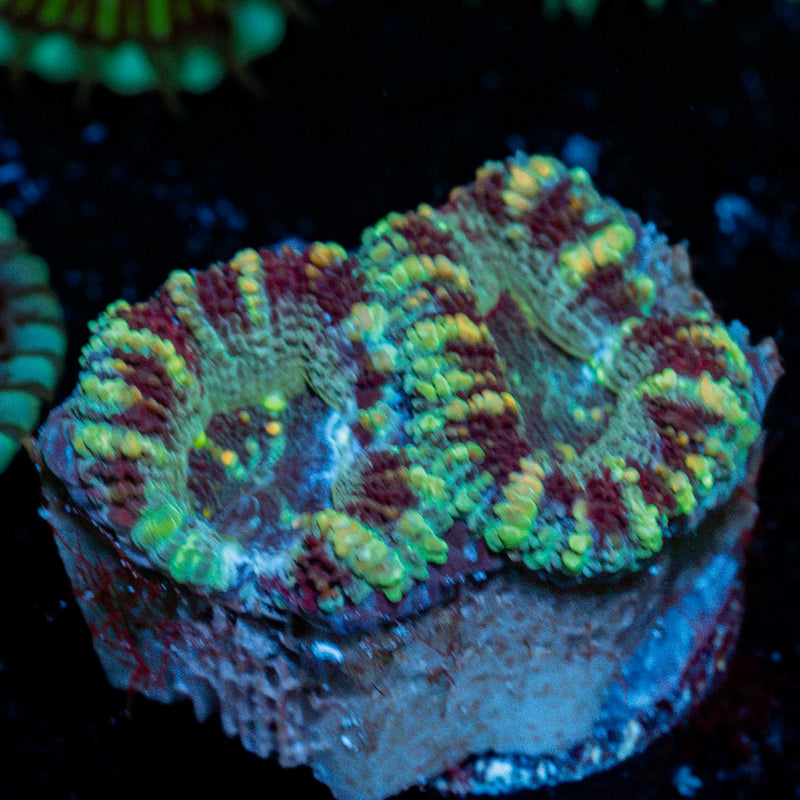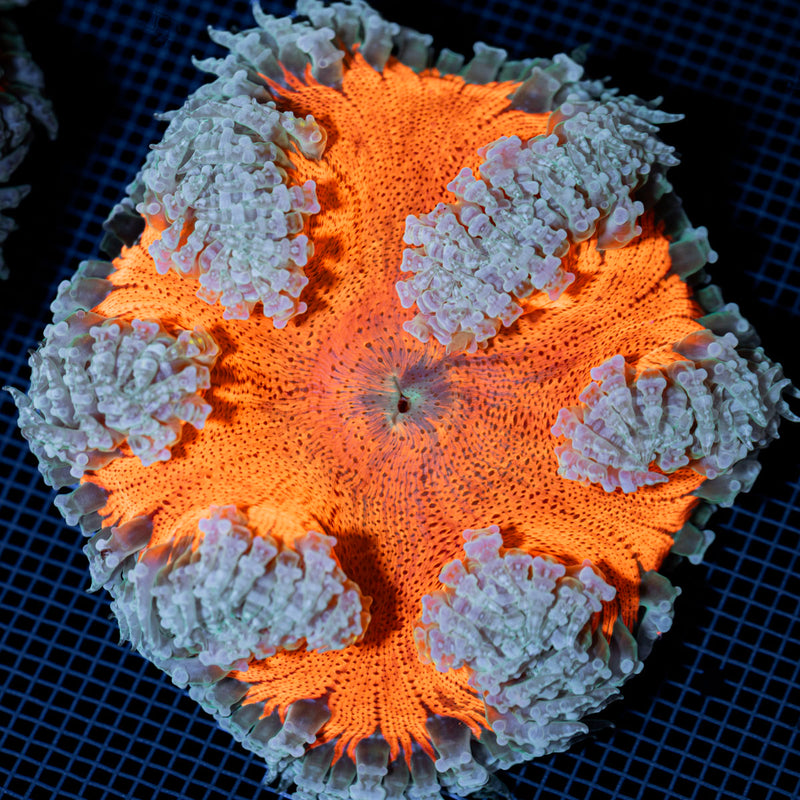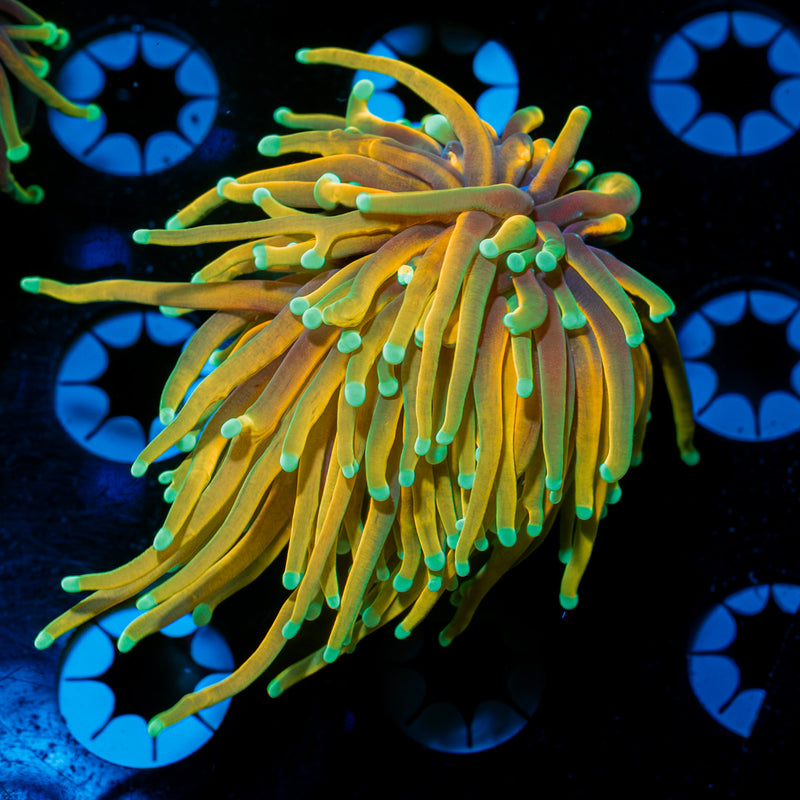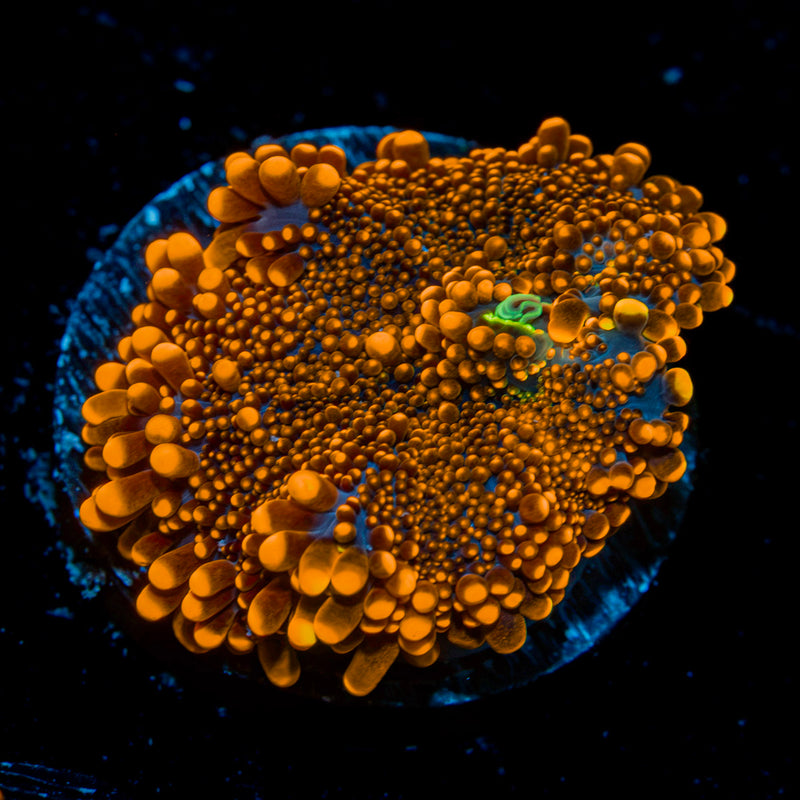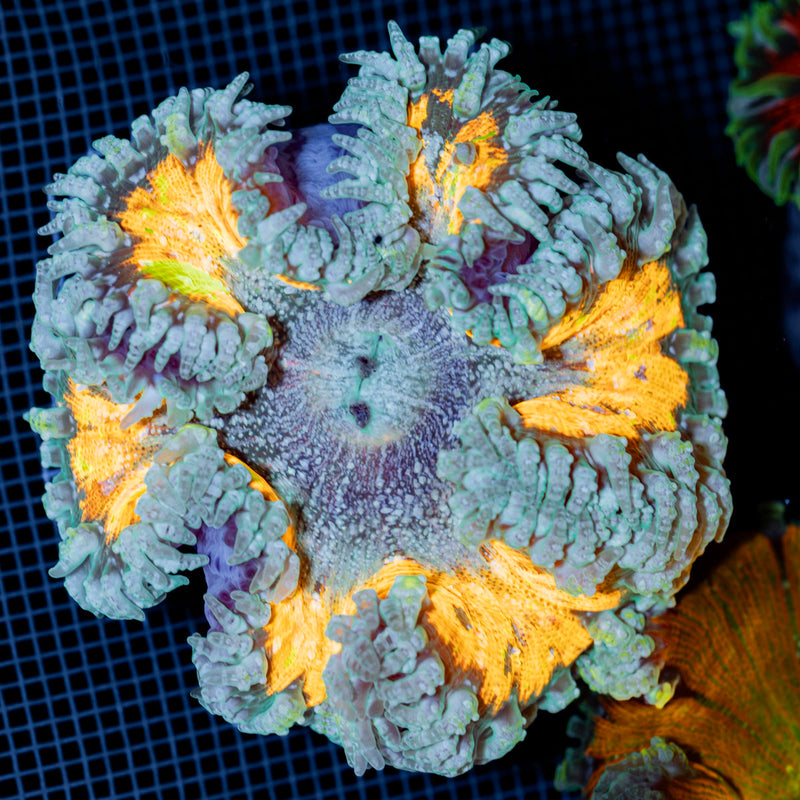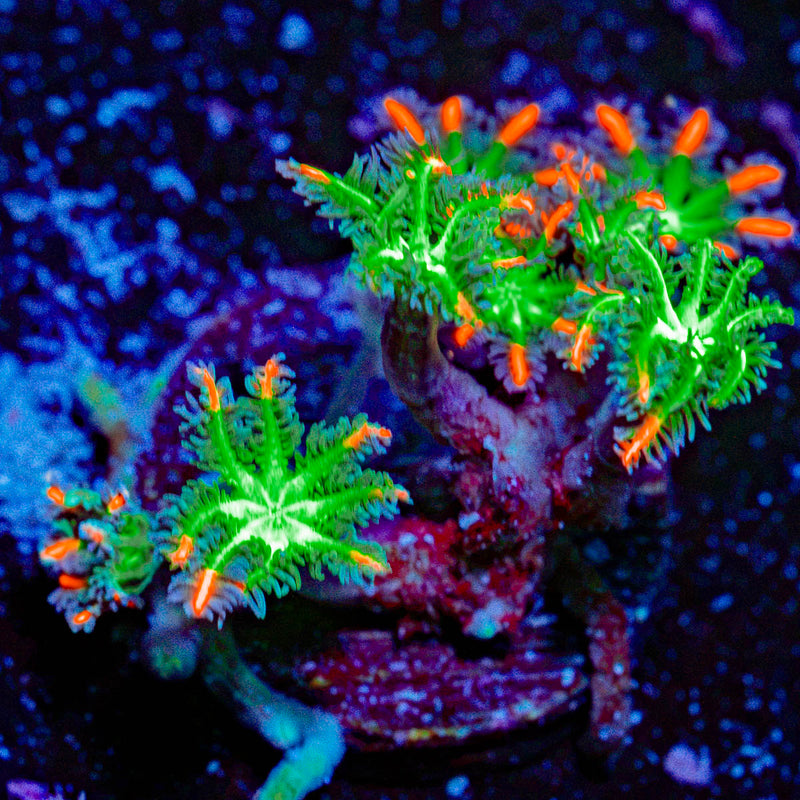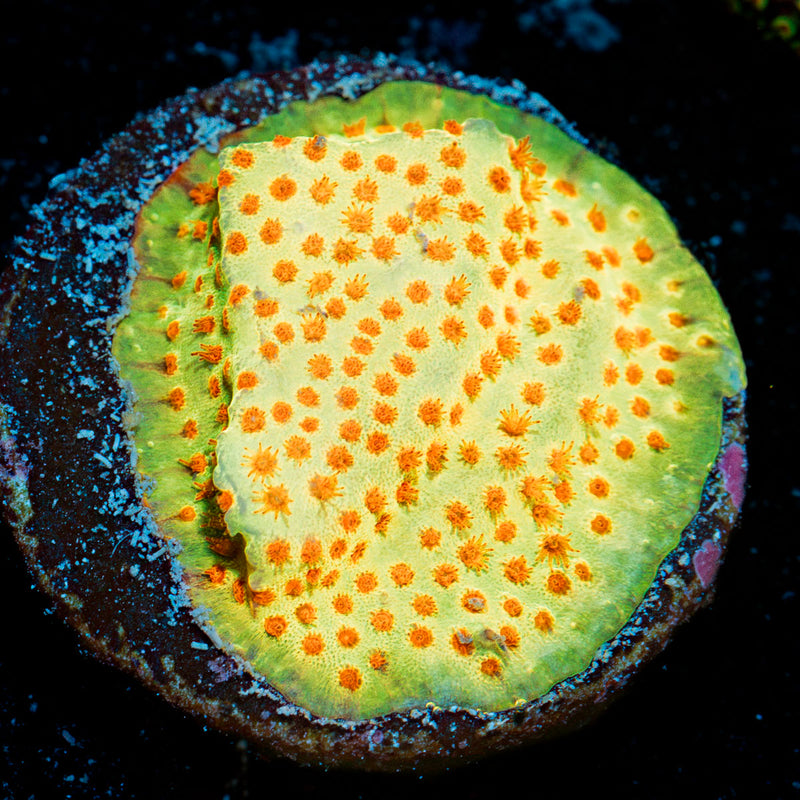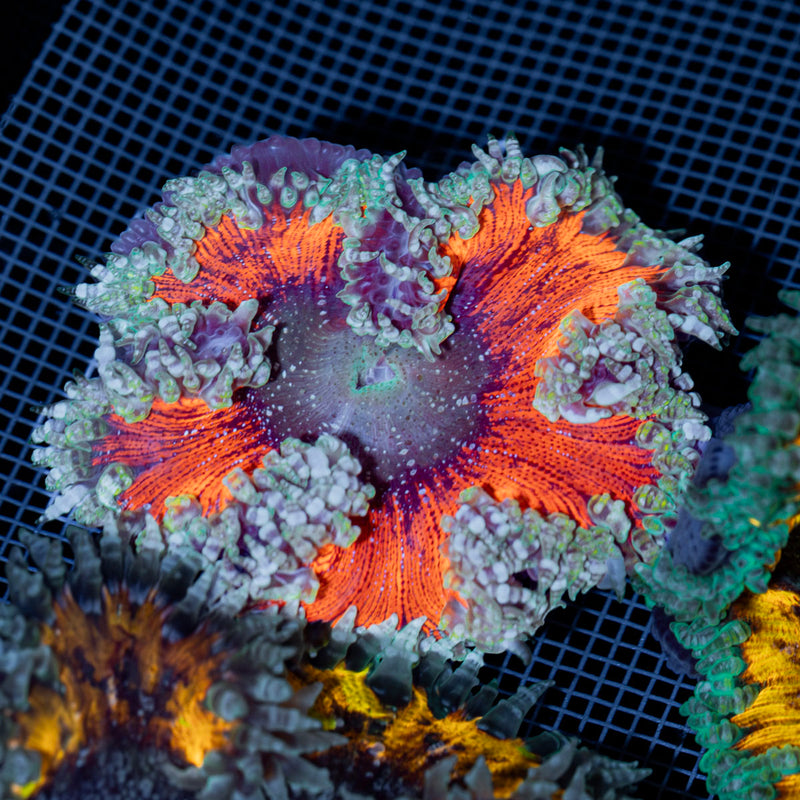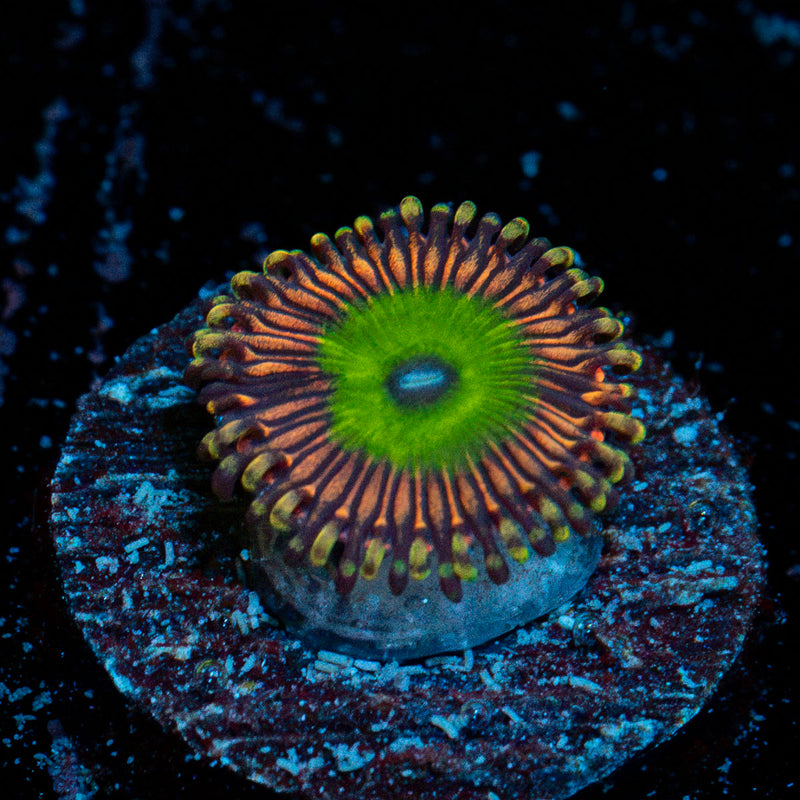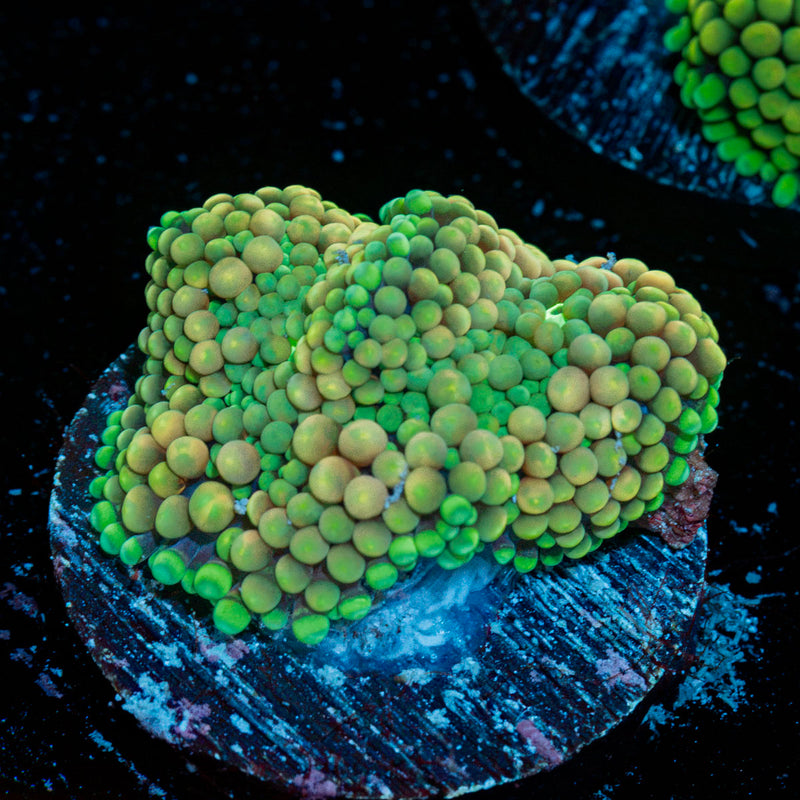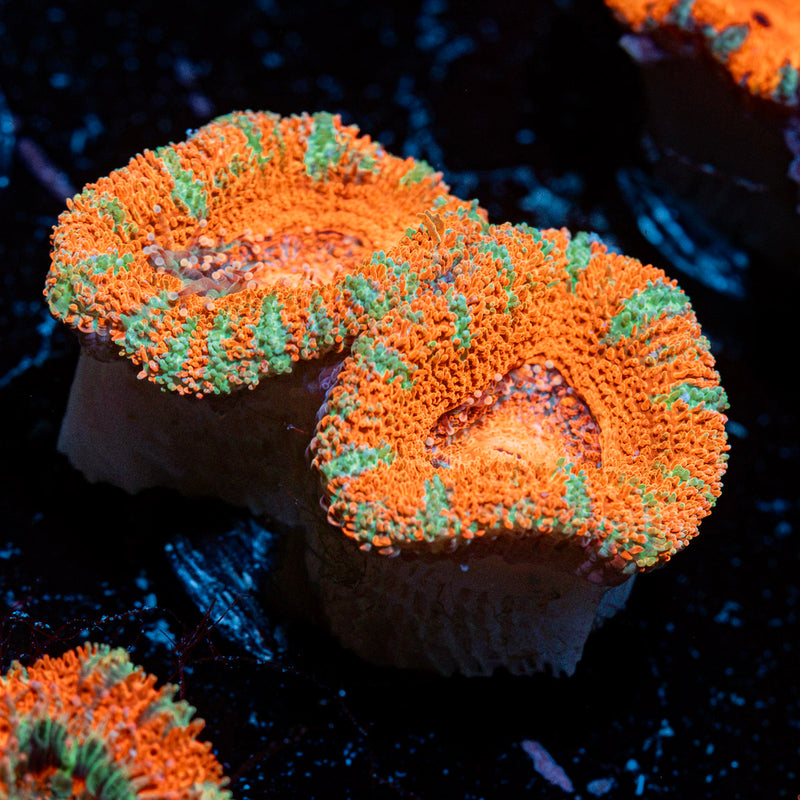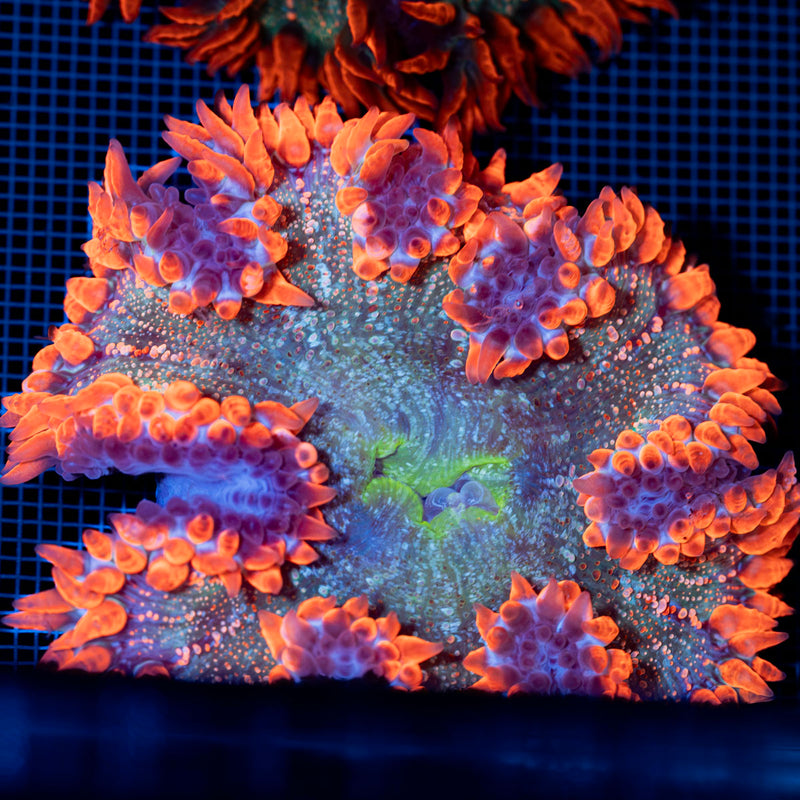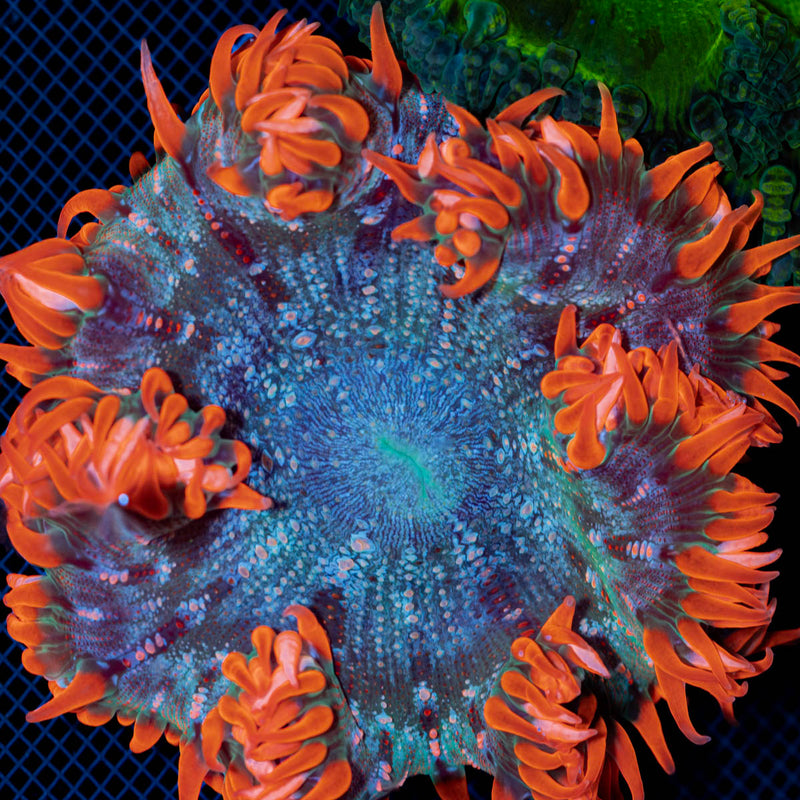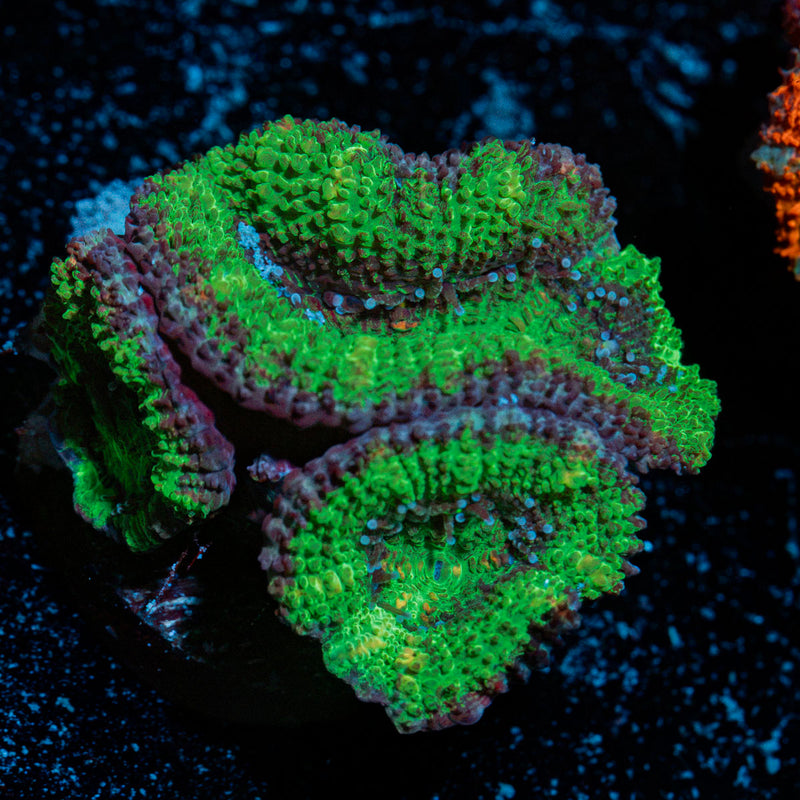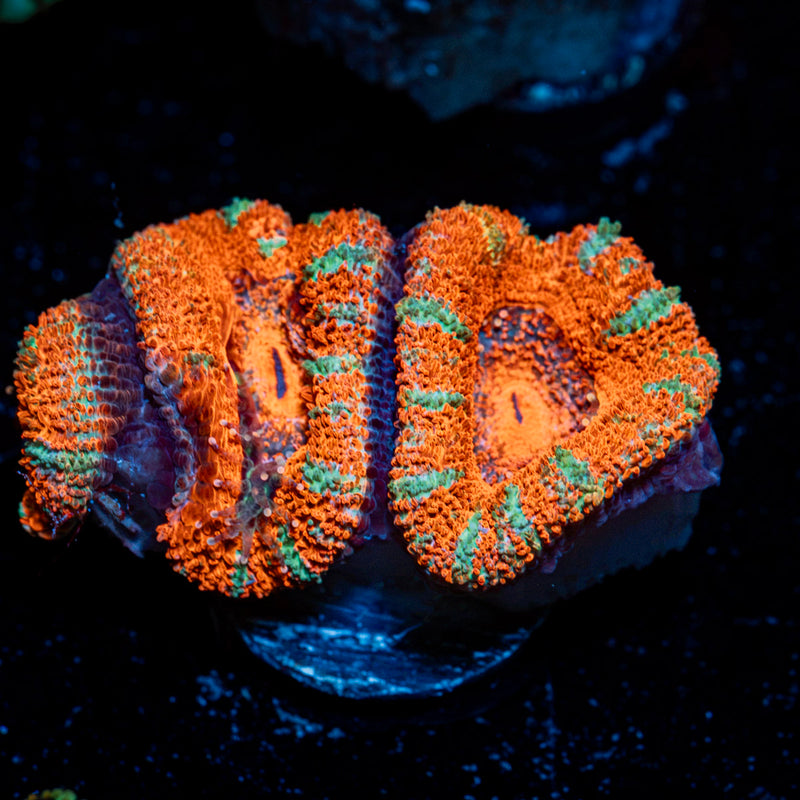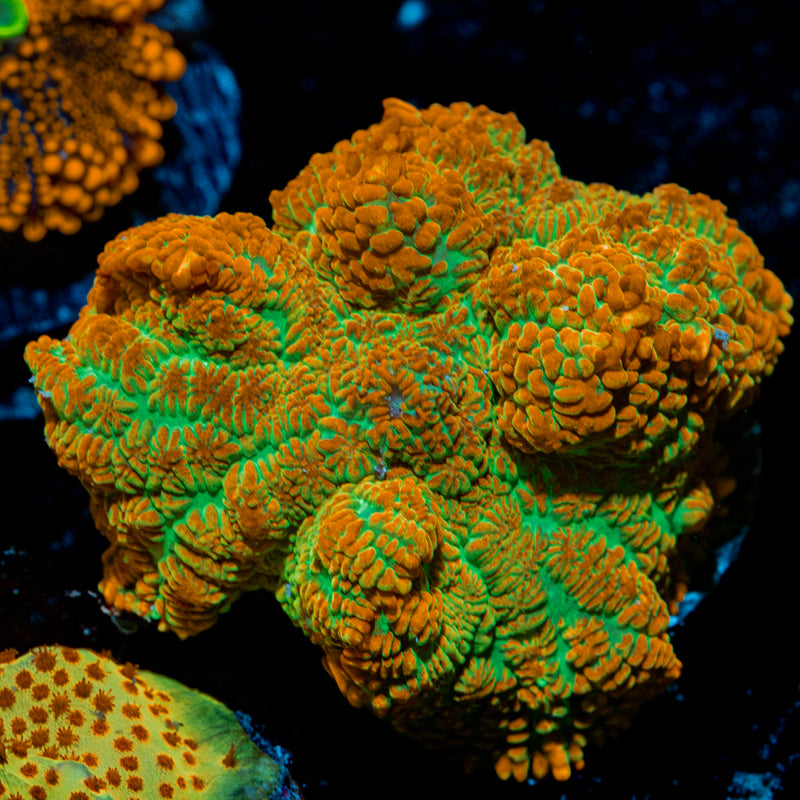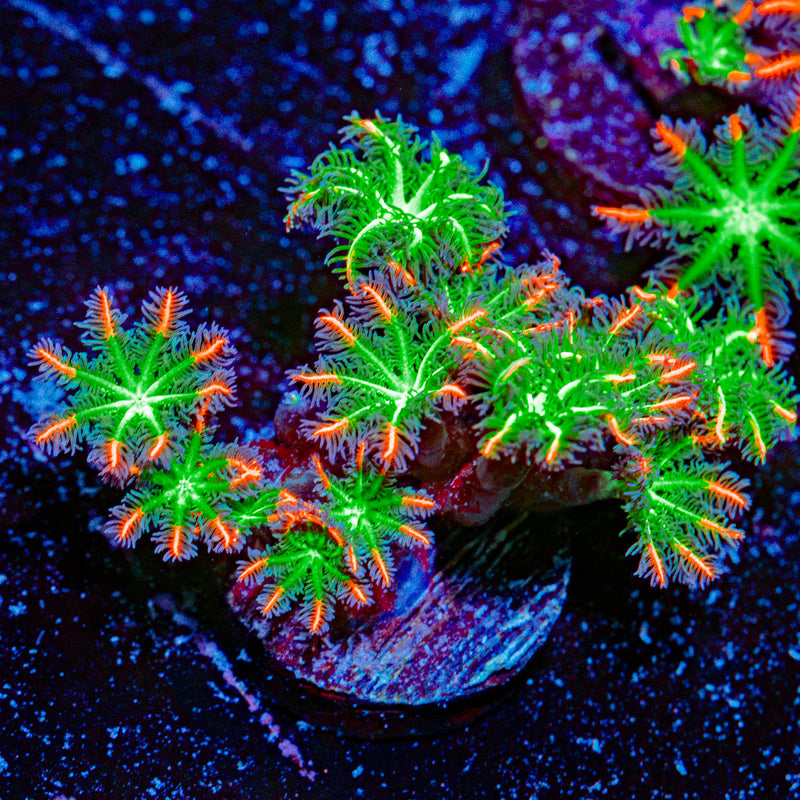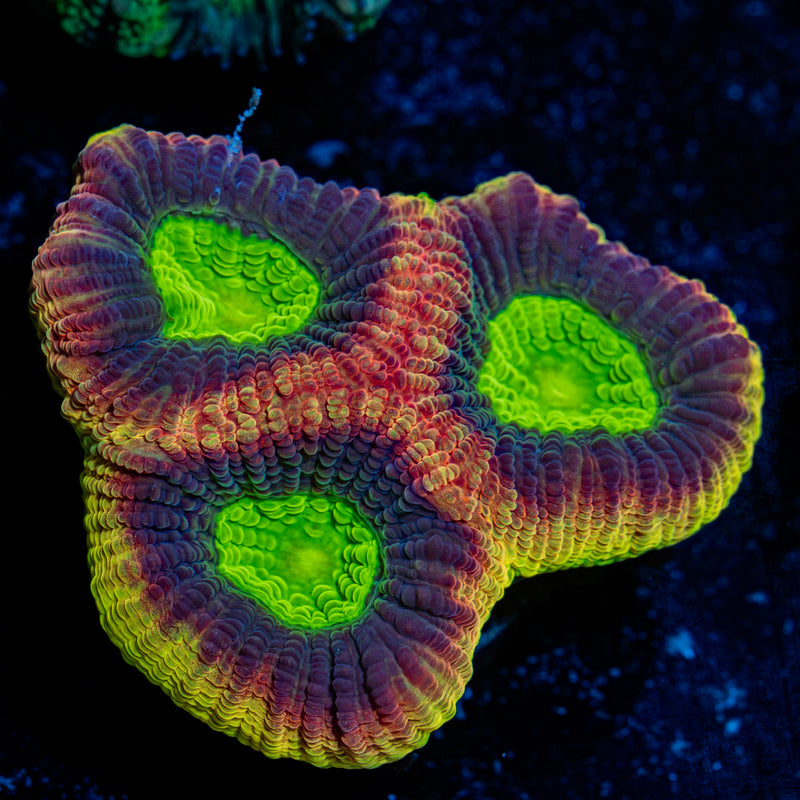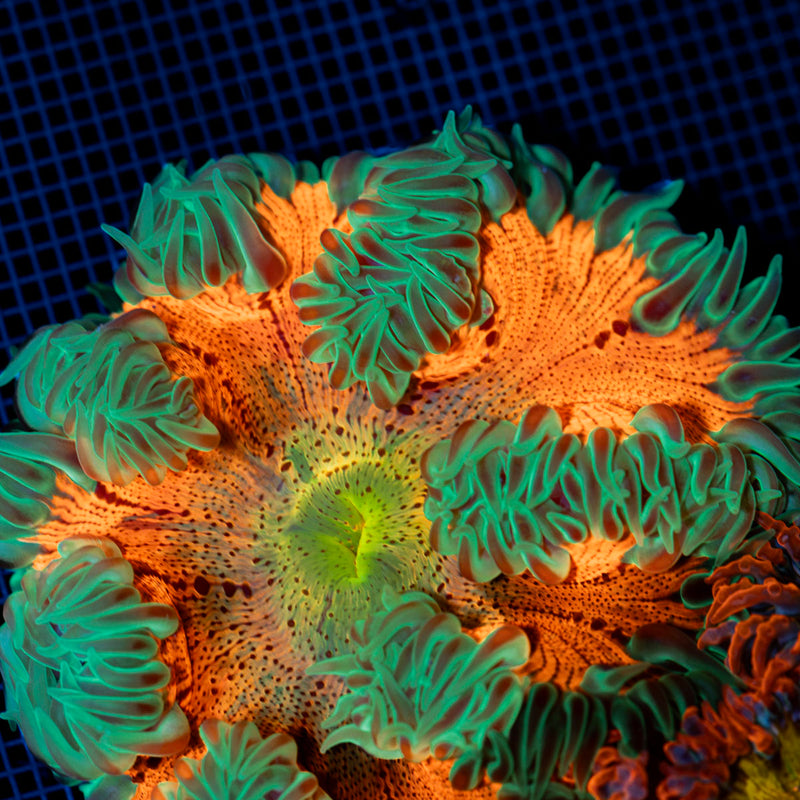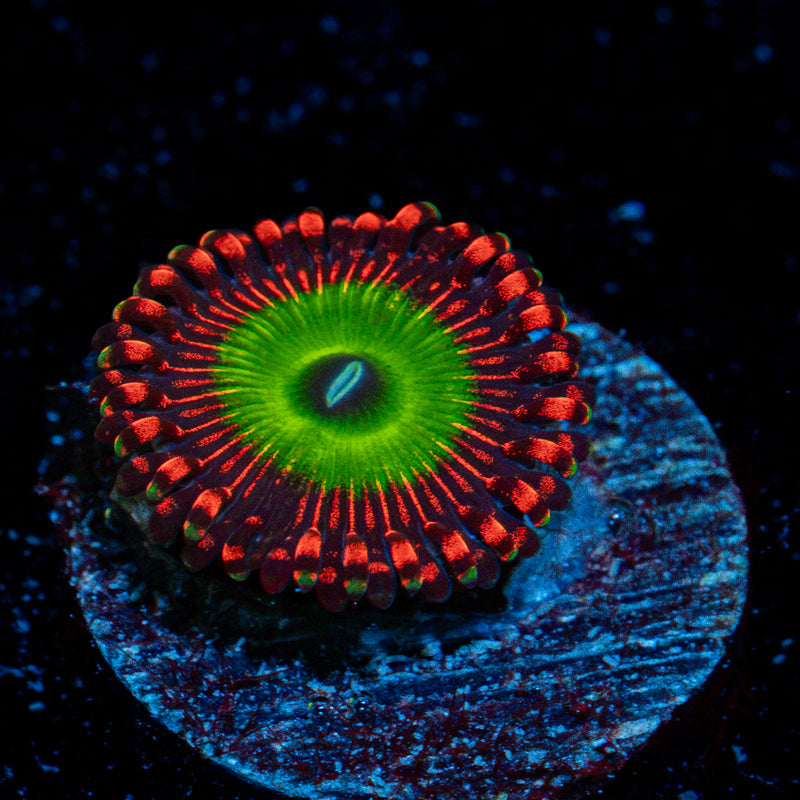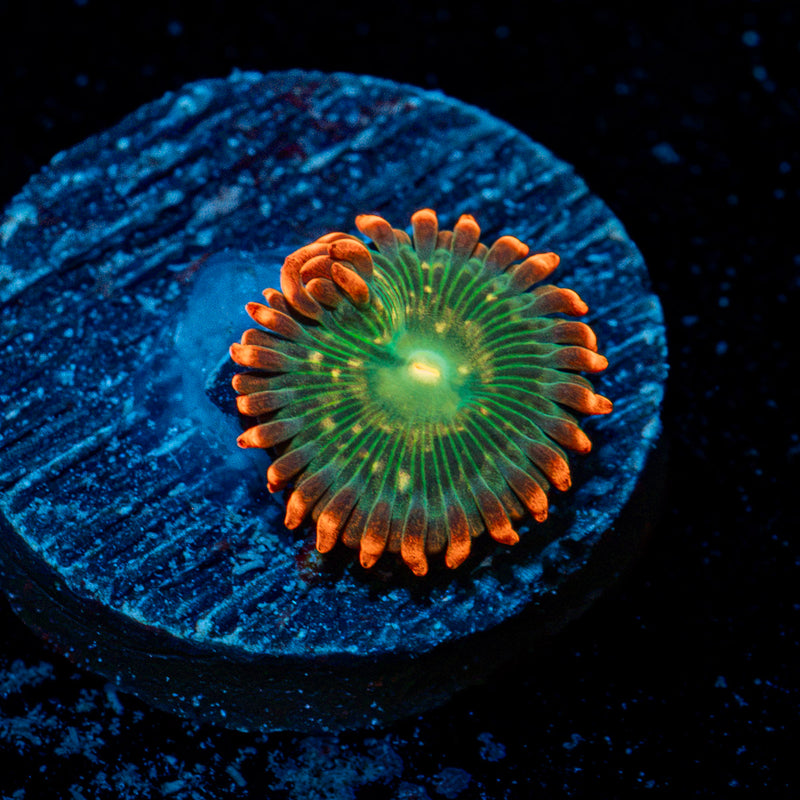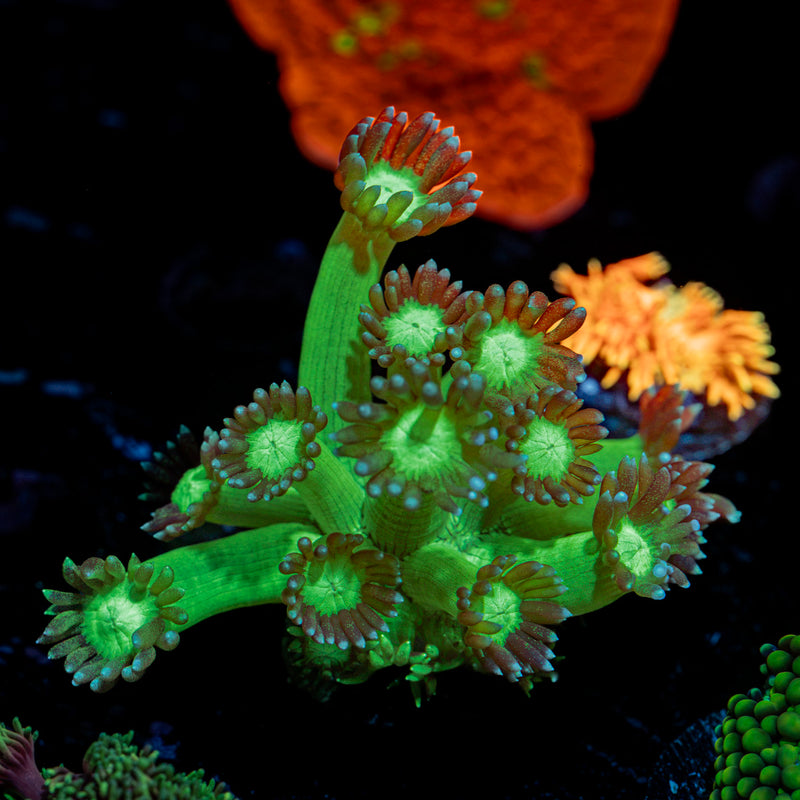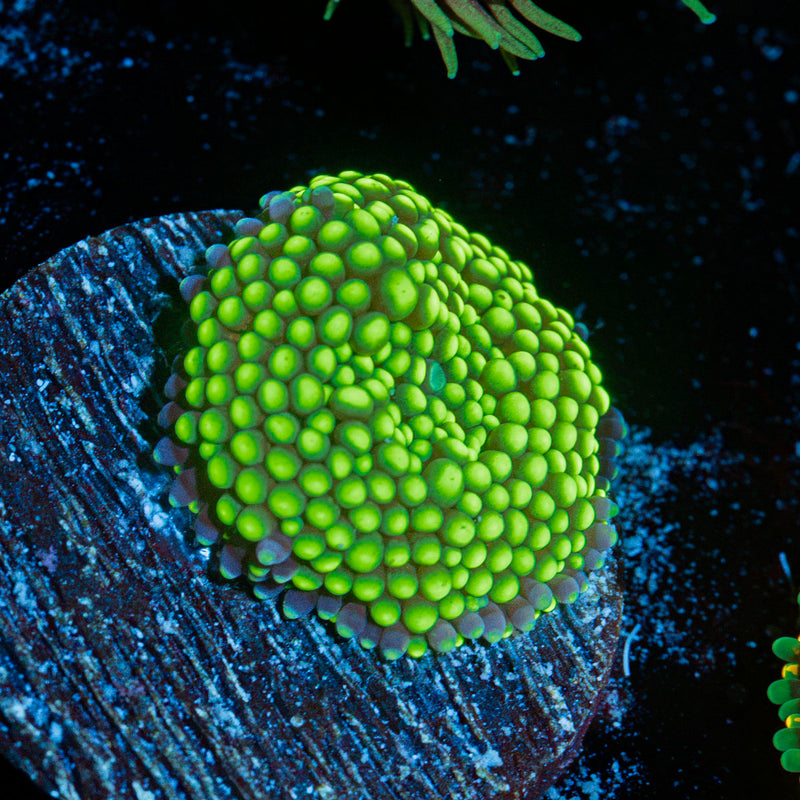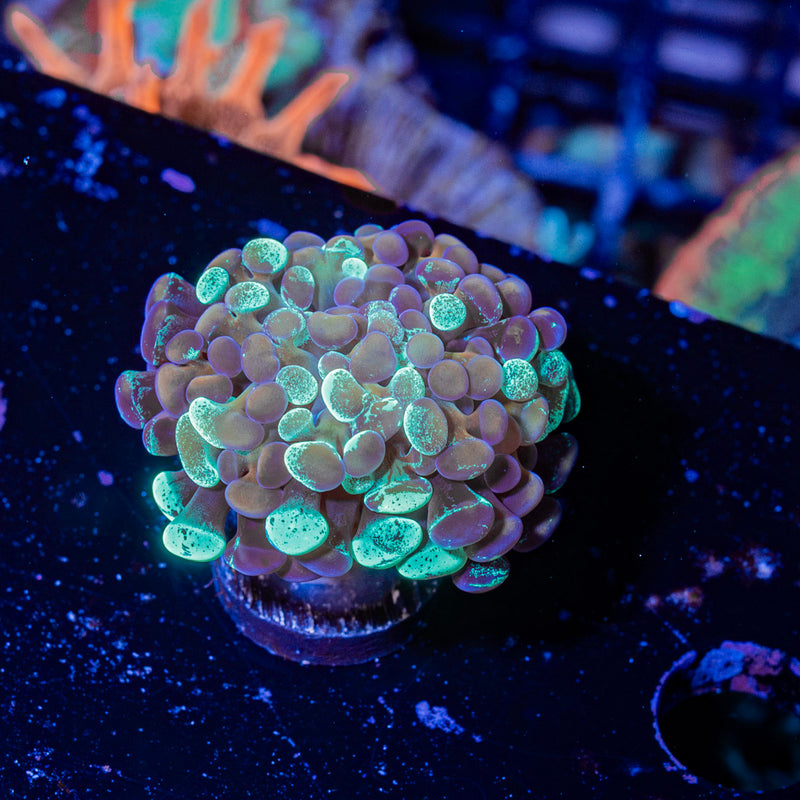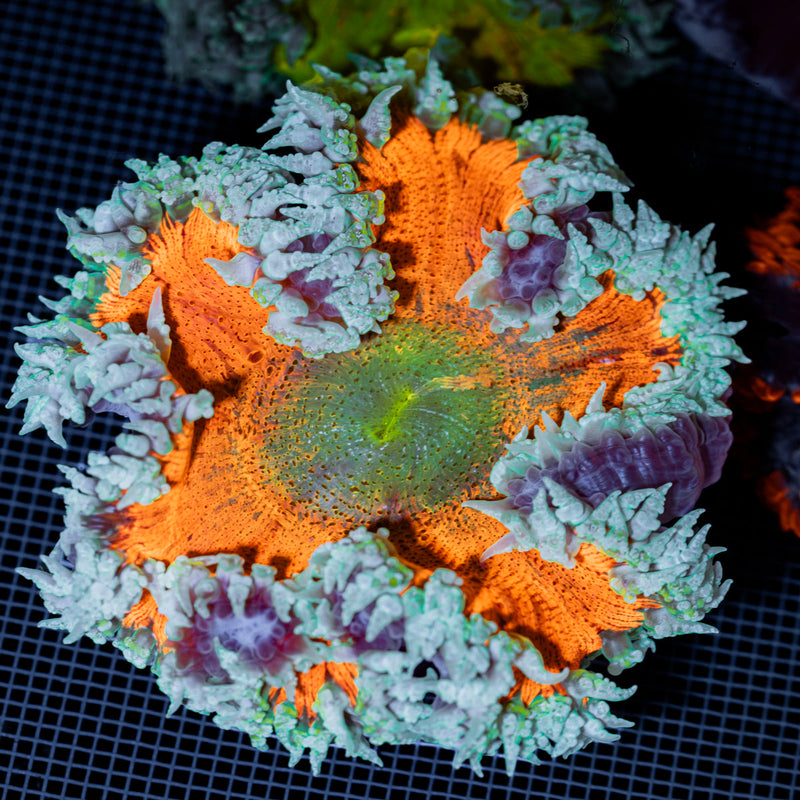
A great zoanthid garden does not look like a random collection of frags placed wherever there was room. It feels intentional: a vivid patchwork of color, texture, and movement that gives your reef tank a focal point worth stopping to admire. These zoanthid garden ideas can help you build that look while giving each colony the space and conditions it needs to thrive.
Zoanthids are among the reef hobby’s most approachable living jewels. Many adapt well to moderate light and flow, grow into satisfying colonies, and deliver color that stands out from across the room. The creative part is deciding how those colors will work together before every plug turns into a permanent part of the aquascape.
Start Your Zoanthid Garden With One Defined Zone
Choose a dedicated rock island, lower ledge, or removable rubble platform rather than scattering zoanthids across the entire aquascape. A defined zone makes the garden feel designed from day one, and it gives you a practical way to manage growth later.
A separate rock is especially helpful in established mixed reefs. Zoanthids can spread across nearby surfaces, so an isolated island creates a natural boundary between a fast-growing garden and prized LPS or SPS colonies. It also lets you lift, trim, or reposition the garden without disrupting the rest of the tank.
Leave some open rock around the first frags. A garden looks sparse at the beginning, but healthy aquacultured zoanthids can fill in with time. The empty space is not wasted - it is your plan for the colony’s future footprint.
1. Build a High-Contrast Color Wheel
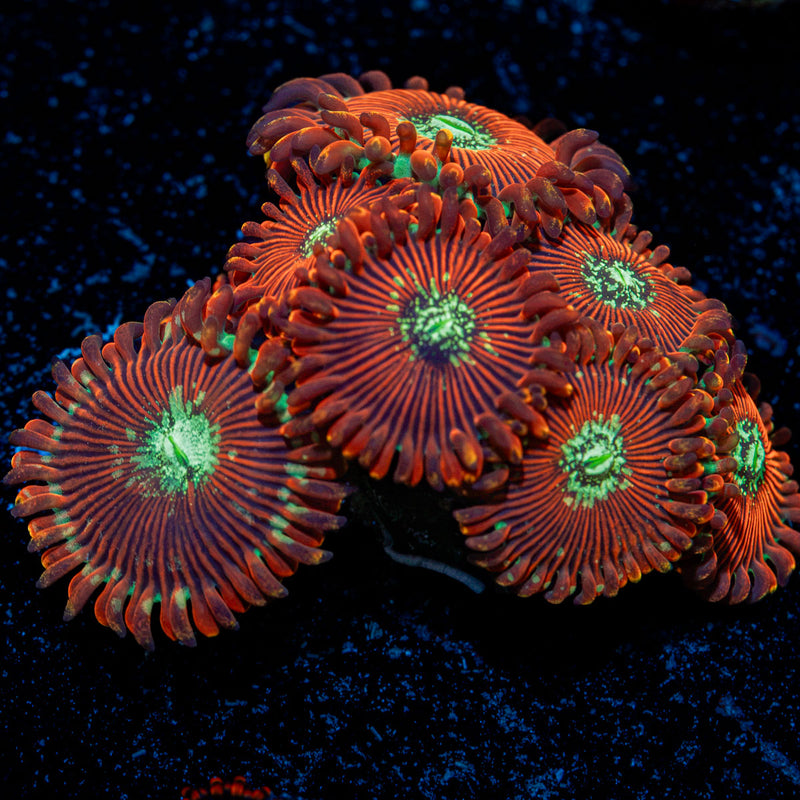
The easiest way to create instant visual impact is to pair colors that naturally pop beside one another. Think bright orange or red skirts against green-centered polyps, deep blue varieties near sunny yellow faces, or pink colonies beside electric green.
Avoid placing every intensely colored zoanthid in one tight cluster. When several similar colors compete side by side, the garden can read as one busy blur under blue-heavy reef lighting. Give each color family a small neighboring area of darker, lighter, or contrasting polyps so individual colonies remain visible.
If you are buying WYSIWYG corals, use the exact photos as a planning tool. Look beyond the center color and notice the skirt, ring, and mouth. Those smaller details are what create contrast when polyps are fully open together.
2. Create a Sunset-to-Deep-Water Gradient
A gradient garden brings a polished, natural flow to a reef without needing perfect symmetry. Begin with warm colors on one side - gold, orange, red, and pink - then transition toward purple, blue, and green as the eye moves across the rock.
This approach works beautifully on a long shelf or crescent-shaped island. Keep the transition gradual by using one or two bridge colors, such as a pink-and-purple morph between warm reds and cool blues. The result feels curated, even when every frag has a distinct pattern.
A color gradient is often more forgiving than a strict geometric design. As colonies expand at different speeds, the overall color story still holds together.
3. Use One Showpiece Colony as the Anchor
Every memorable garden benefits from a focal point. Choose one especially vibrant or unusual zoanthid frag and place it near the visual center of the garden, where it can be seen from the main viewing panel.
The anchor does not have to be the largest frag or the rarest name. It simply needs enough personality to draw the eye: a dramatic multicolor face, an unusually bright skirt, or a dense cluster with exceptional extension. Surround it with simpler colors that make the showpiece more noticeable rather than crowding it.
For a newer reef, a healthy, established aquacultured frag can be a smart focal-point choice. Strong polyp extension and a well-encrusted plug often tell you more about near-term success than chasing the most complicated color combination available.
4. Frame the Garden With Mushrooms or Rock Texture
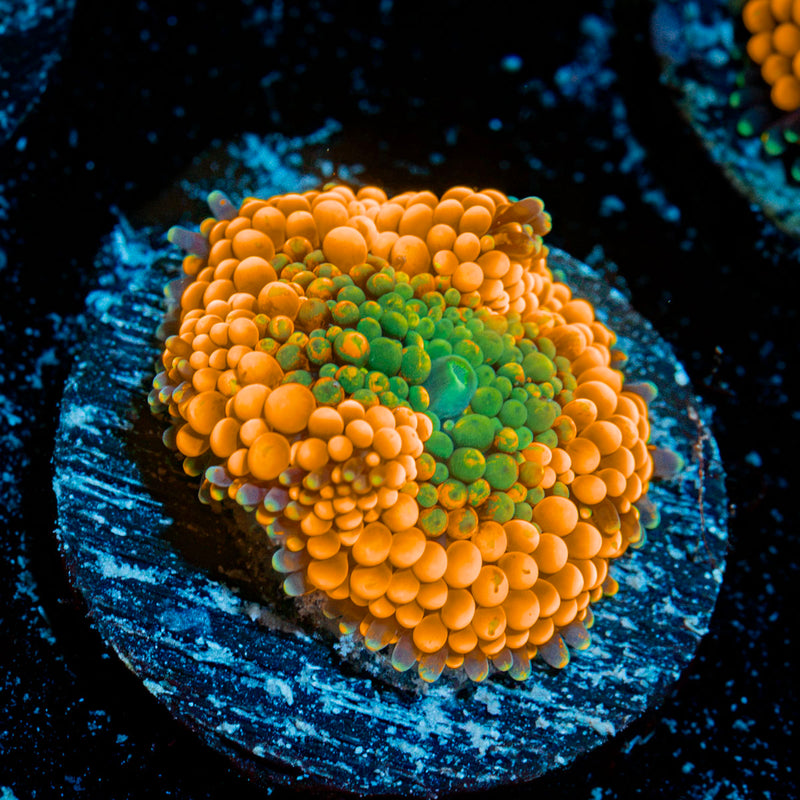
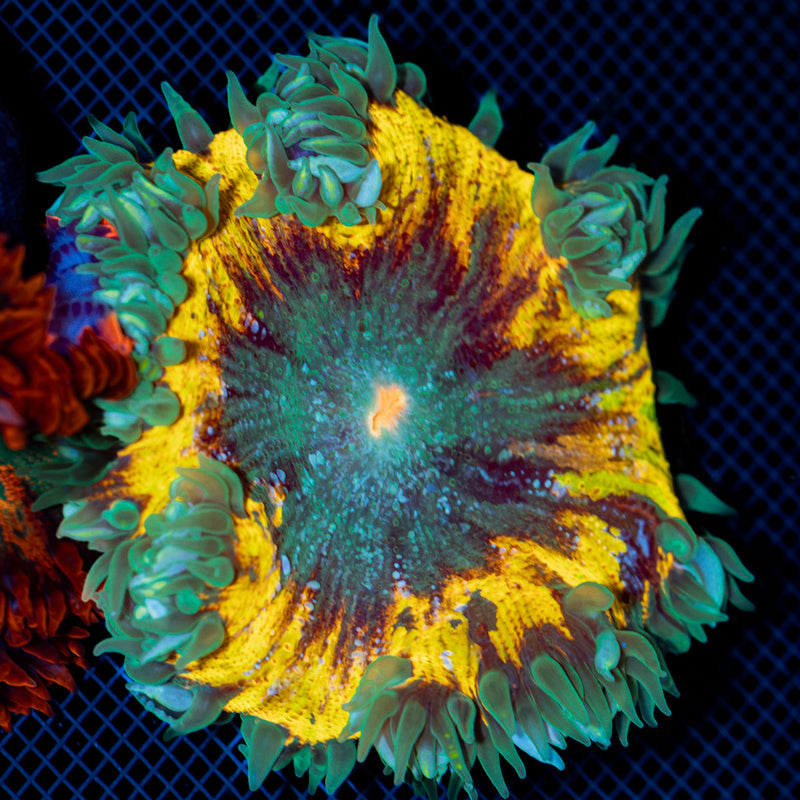
Zoanthids look even more vibrant when their small, repeating polyp faces are contrasted with a different texture. A few mushrooms placed outside the garden boundary can create a soft, rounded frame. Natural arches, branching rock, or coarse rubble can do the same without adding another coral type.
The key is separation. Do not place aggressive or fast-spreading neighbors where they will directly compete for the same surface. Leave a visible rock channel between coral types, especially if the garden is intended to stay neat over time.
In a smaller aquarium, rock texture alone may be the better choice. It provides contrast without adding another species that may need its own placement and growth management.
5. Make a Mosaic With Small, Repeating Patches
For hobbyists who enjoy collecting several varieties, a mosaic layout turns a frag garden into a colorful living tile wall. Place small groups of each morph in adjacent patches rather than arranging every frag in a straight line. Repeat one color or pattern in two places to make the design feel connected.
For example, a green-centered zoanthid can appear at both ends of a rock island, while warm orange and red varieties occupy the middle. Repetition gives the eye a place to rest and keeps a collection from looking accidental.
This style needs patience. Start with a few well-spaced patches and let them grow toward each other. Packing plugs tightly to get an immediate mosaic often leads to shading, awkward collisions, and difficult future rearranging.
6. Keep the Garden Low and Let It Glow
A low-profile zoanthid garden can create the effect of a glowing meadow beneath taller coral structures. Place the garden across a lower front ledge or at the base of a rock formation, where it remains easy to view and access.
This placement is especially useful when your tank already features branching SPS, euphyllia, or taller soft corals. The zoanthids provide color at the bottom of the aquascape without competing for the same visual space.
Moderate lighting is usually a sensible starting point for many zoanthids, though exact needs vary by morph and system. Watch the coral rather than chasing a universal number. Polyps that remain tightly closed, bleach, or stretch unusually may be asking for an adjustment in light, flow, or acclimation pace.
7. Design for Growth, Not Just Delivery Day
A single frag plug can look tiny on a large aquascape, but zoanthid gardens are built in chapters. Place each frag with enough room to encrust the rock, and consider where two neighboring colonies will meet six months from now.
You can encourage a more natural look by removing the plug once a frag has firmly attached to a small piece of rubble or rock. This is optional, not a requirement. Keeping corals on plugs can make future moves and trading easier, while direct attachment creates a more finished display sooner.
Growth rates will not always match. One variety may take off while another stays compact. That is normal, and it is why a garden should be checked regularly. If one colony begins shading or overtaking another, trim it back, move a plug, or create a small rock break before the issue becomes harder to manage.
Give Color a Stable Foundation
The most creative zoanthid garden ideas still depend on consistent reef fundamentals. Keep salinity, temperature, alkalinity, and nutrients stable rather than making frequent major corrections. Zoanthids are often forgiving, but they do not appreciate sudden swings.
Aim for indirect, varied water movement that keeps detritus from settling among the polyps. A constant hard blast can keep colonies retracted, while stagnant areas collect debris and make the garden look dull. Healthy zoanthids should open reliably and display full, expressive skirts during their normal light cycle.
Acclimate new frags carefully, inspect them before placement, and give them time to settle before judging their final color. Shipping, new lighting, and a different nutrient environment can all affect how a zoanthid presents at first. A vibrant coral may deepen, brighten, or shift slightly as it adapts to your tank.
Handle zoanthids thoughtfully. Some species can contain palytoxin, so wear gloves and eye protection when cutting, scraping, or handling colonies outside the water. Avoid creating aerosols, wash up afterward, and keep pets and children away from the work area. A little care keeps a creative coral project safely enjoyable.
The best garden is not the one with the most names on the rock. It is the one that looks more alive each month because its colors have room to grow, its placement suits the tank, and every new frag has a purpose in the picture you are building.