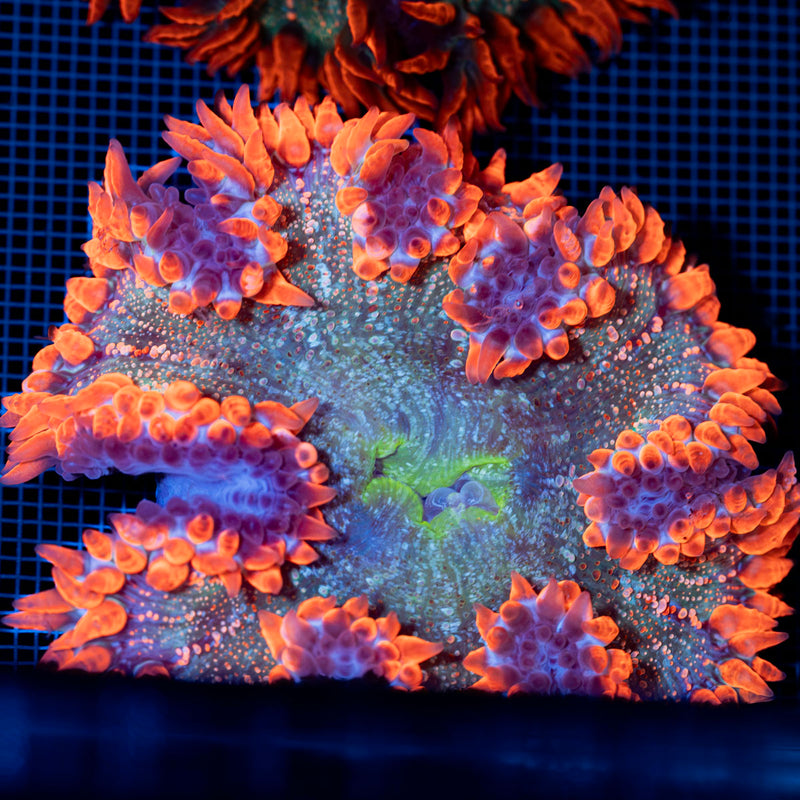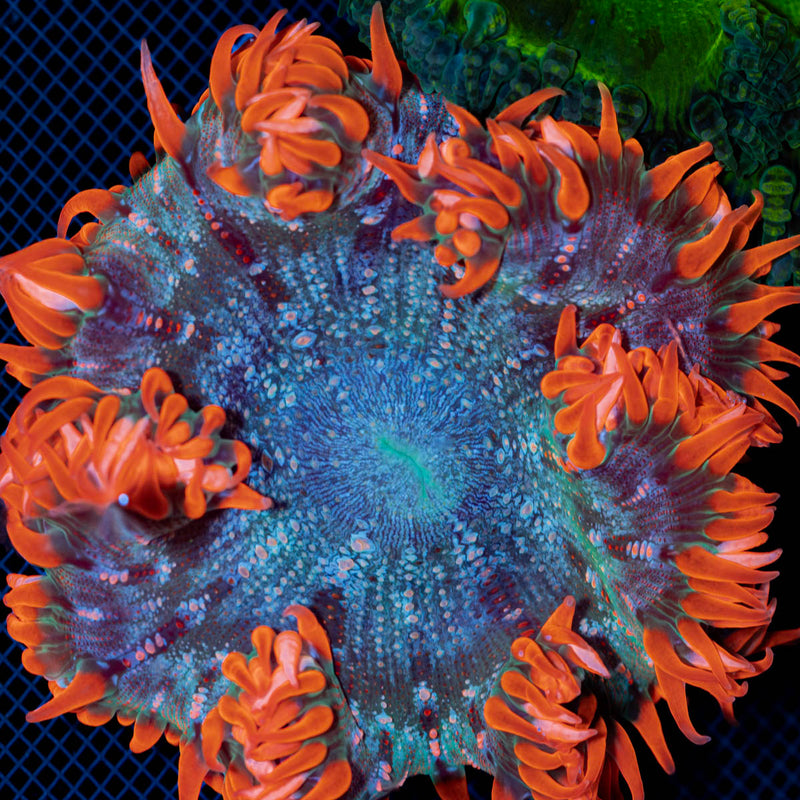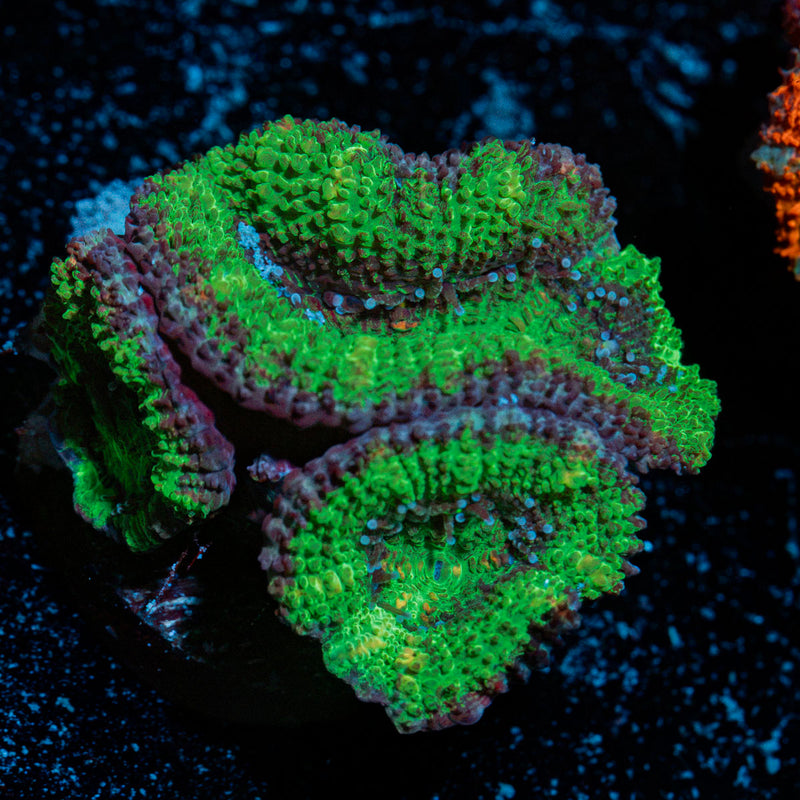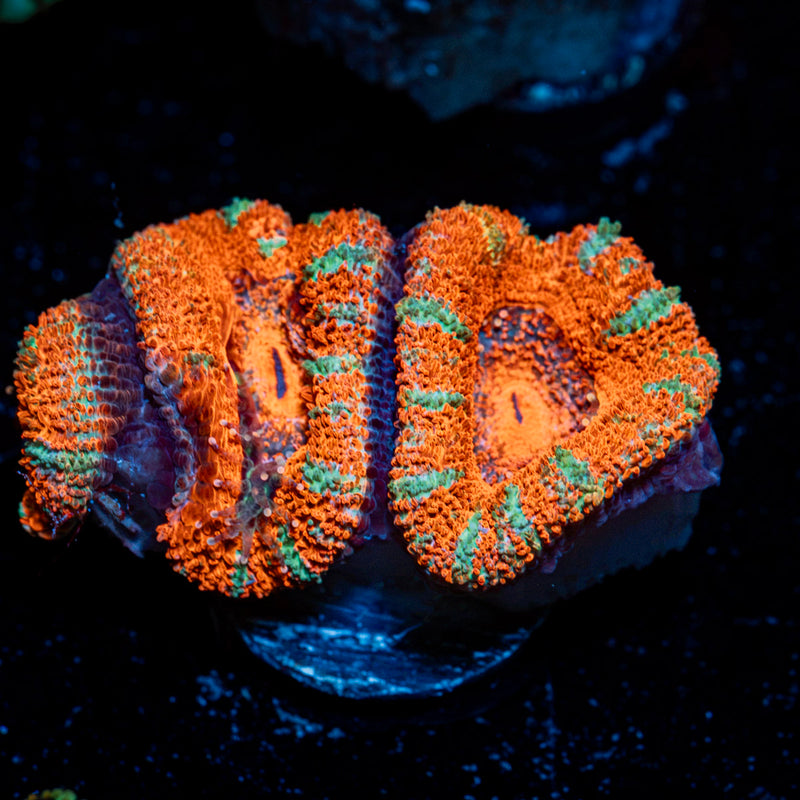
A coral can look like a living jewel one week and reveal a thin line of bare white skeleton the next. That line is the moment most reef keepers recognize something is wrong. If you are asking what causes coral tissue recession, the honest answer is rarely one single issue. Recession is a symptom of stress, injury, infection, or an environment that has changed faster than the coral can adapt.
The encouraging part is that early recession does not always mean a coral is lost. A steady response, accurate testing, and a close look at the coral's placement can often stop the damage before it spreads.
What Is Coral Tissue Recession?
Coral tissue recession occurs when living flesh pulls away from the coral skeleton, exposing bright white or recently bare areas underneath. It may start at the base, along a damaged edge, between branches, or around a colony's mouth and polyps. On a stony coral, that exposed skeleton is usually obvious. On soft corals, recession may appear as thinning, melting, holes, or a patch that no longer extends normally.
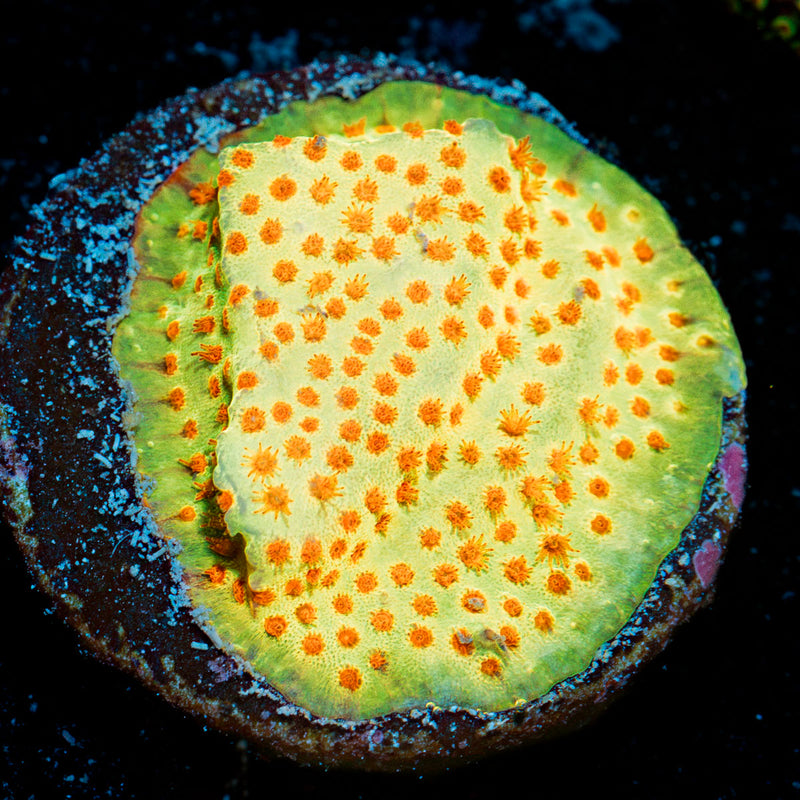
Do not confuse recession with normal growth. Encrusting SPS corals can lay down a pale growth edge as they expand, but healthy growth is covered by living tissue. Recession leaves exposed skeleton behind and tends to advance rather than fill in.
The speed matters. Slow tissue necrosis, commonly called STN, may creep along over days or weeks. Rapid tissue necrosis, or RTN, can strip tissue from an SPS coral in hours. Those labels describe the pace, not the precise cause. A coral with RTN still needs a careful diagnosis rather than a rushed assumption.
What Causes Coral Tissue Recession Most Often?
Water chemistry swings
Corals can tolerate a range of acceptable numbers better than they can tolerate abrupt change. A rapid alkalinity increase or drop is a frequent trigger, especially for Acropora, Millepora, and other SPS corals. Large shifts in salinity, temperature, calcium, magnesium, or pH can create the same problem.
Chasing a perfect target is often riskier than maintaining a stable, reasonable range. For example, raising alkalinity aggressively to correct a low reading can irritate sensitive corals even if the final number looks ideal on paper. Test results also deserve a second look. Expired reagents, uncalibrated probes, and testing at inconsistent times can send a reefer correcting a problem that is not really there.
Nutrients deserve nuance. Corals need access to nitrogen and phosphorus through the broader reef ecosystem. Nitrate and phosphate that are driven down too quickly can leave corals pale, stressed, and more prone to recession. On the other hand, chronically elevated nutrients can encourage algae, reduce water quality, and make recovery harder. Stability and gradual adjustment win here.
Lighting or flow that does not match the coral
A newly added coral may be exposed to much more PAR than it experienced in its previous system. High lighting can cause bleaching, but it can also weaken tissue and contribute to recession, particularly when the coral is already stressed from shipping or acclimation. Corals placed under powerful LEDs should be acclimated gradually, even when they are colorful, established aquacultured frags.
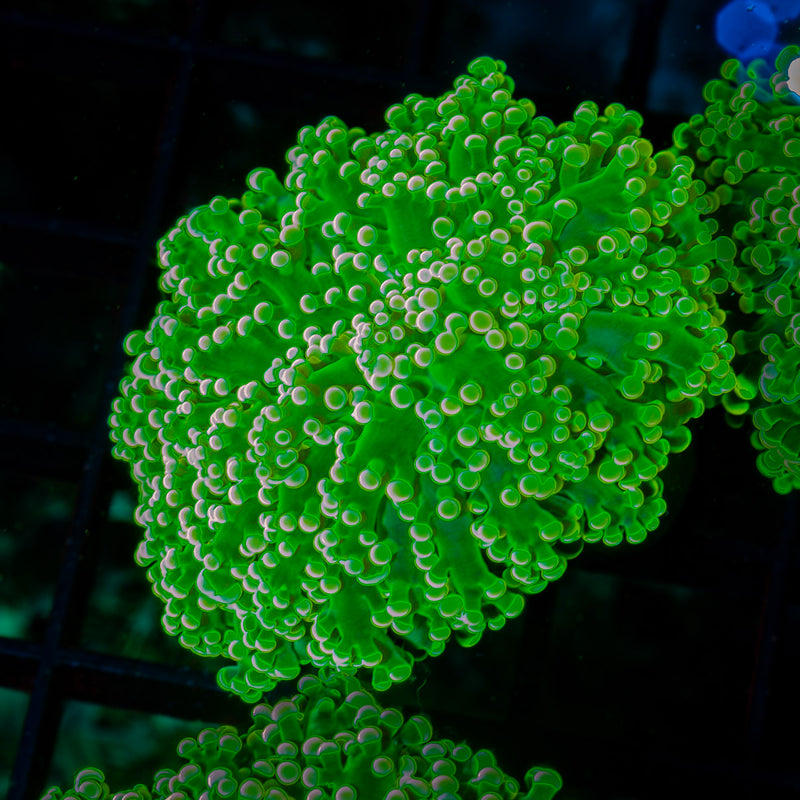
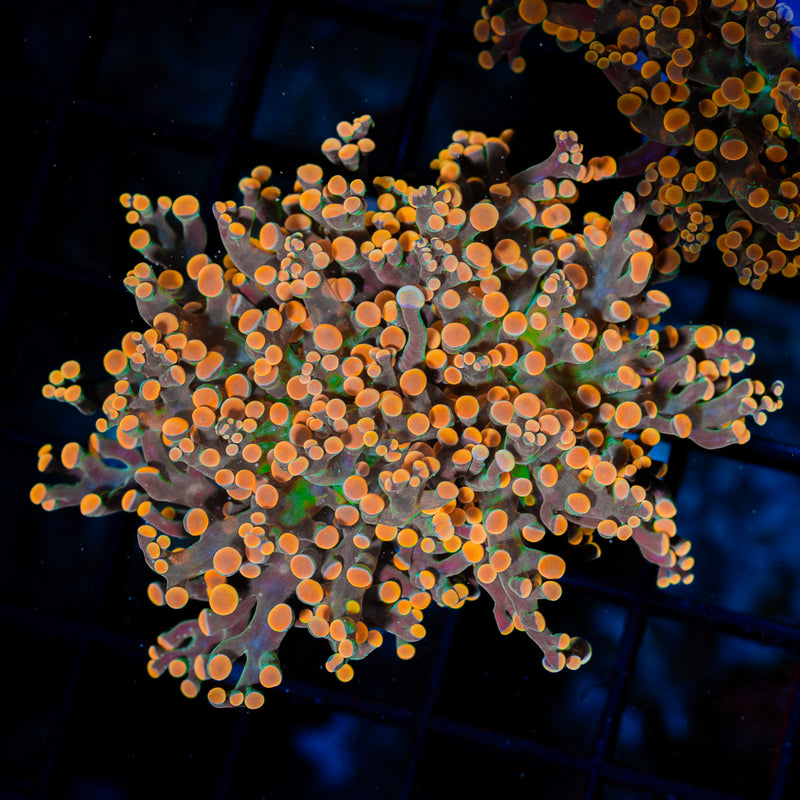
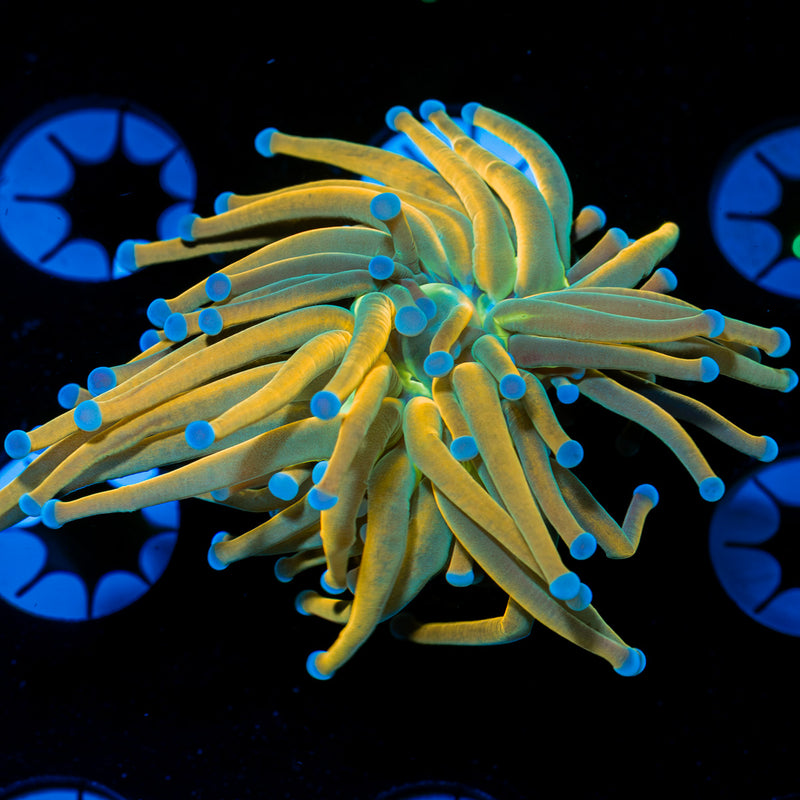
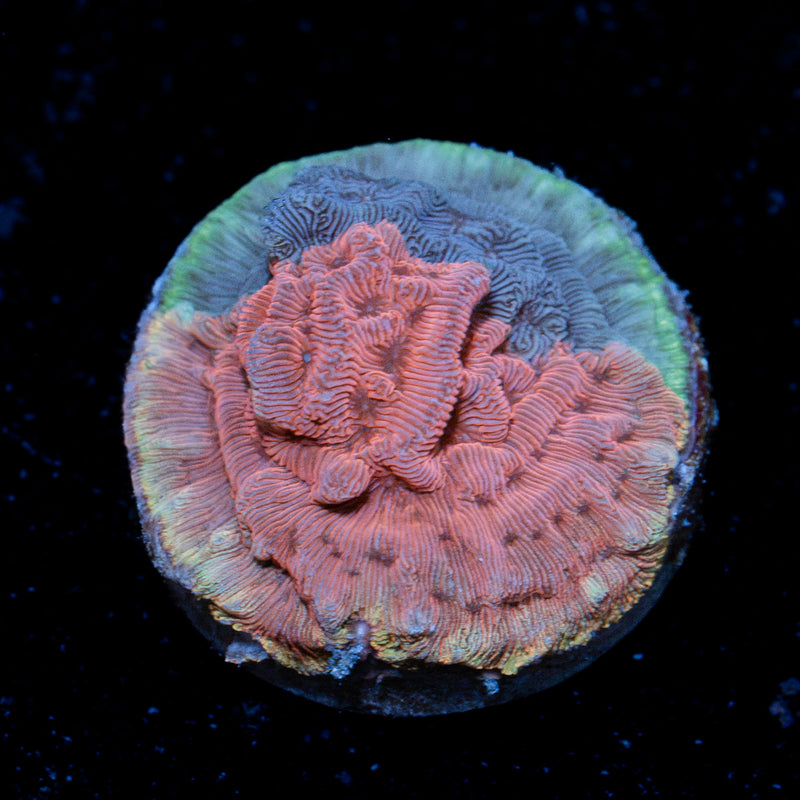
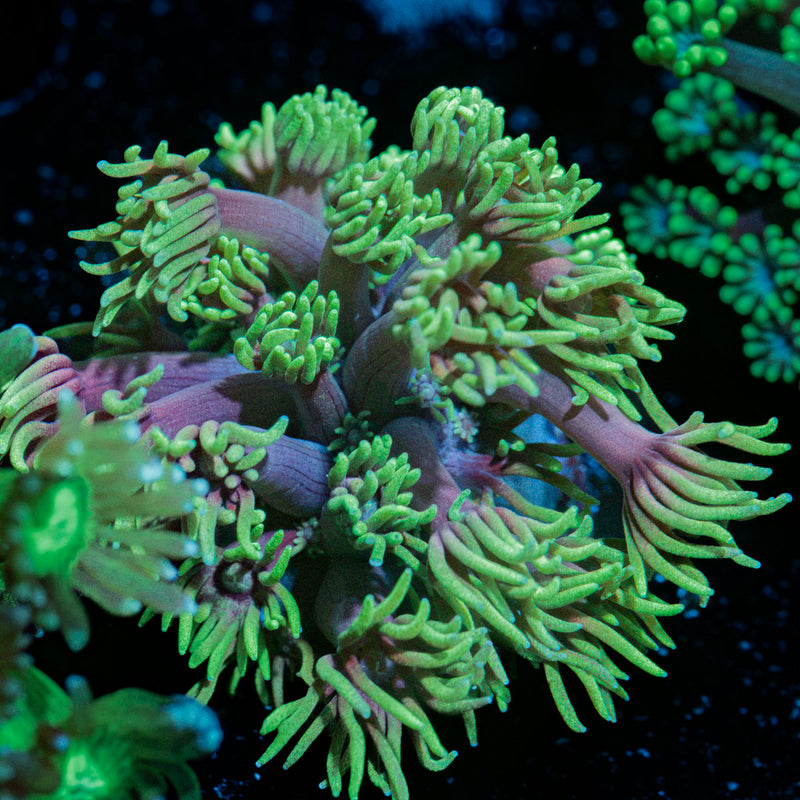
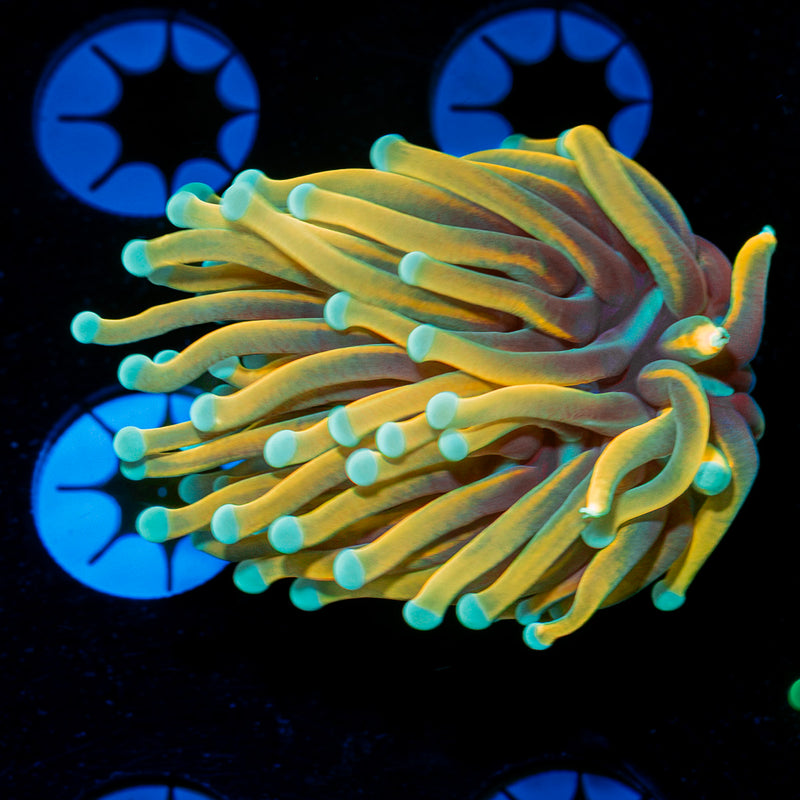
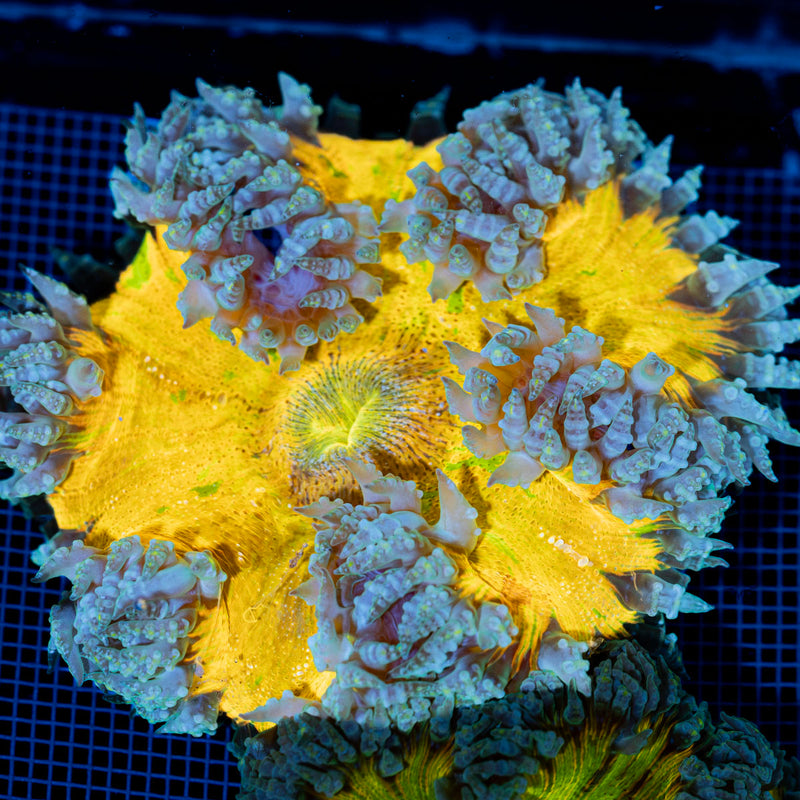
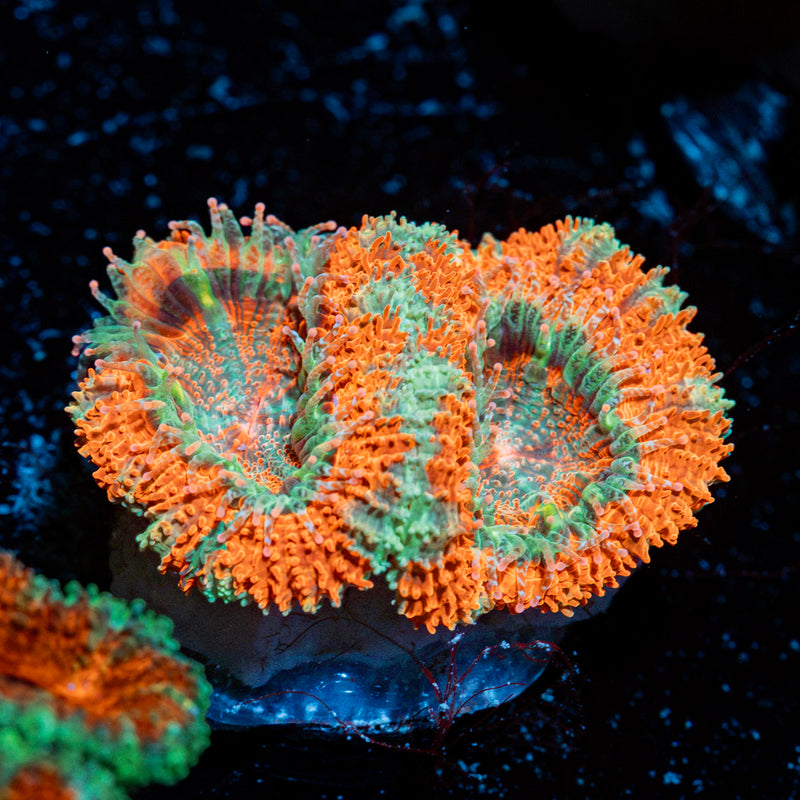
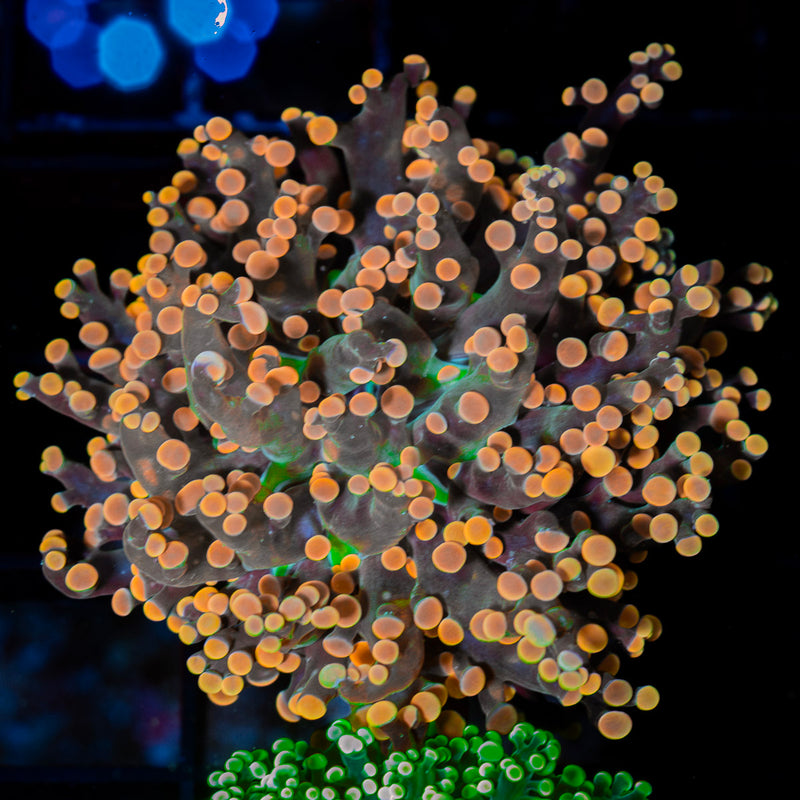
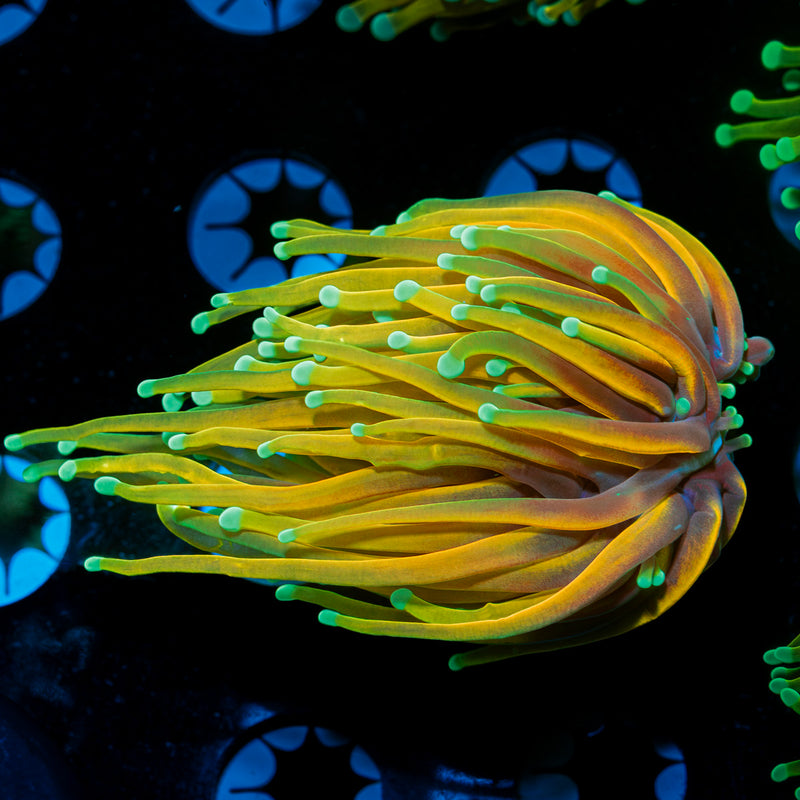
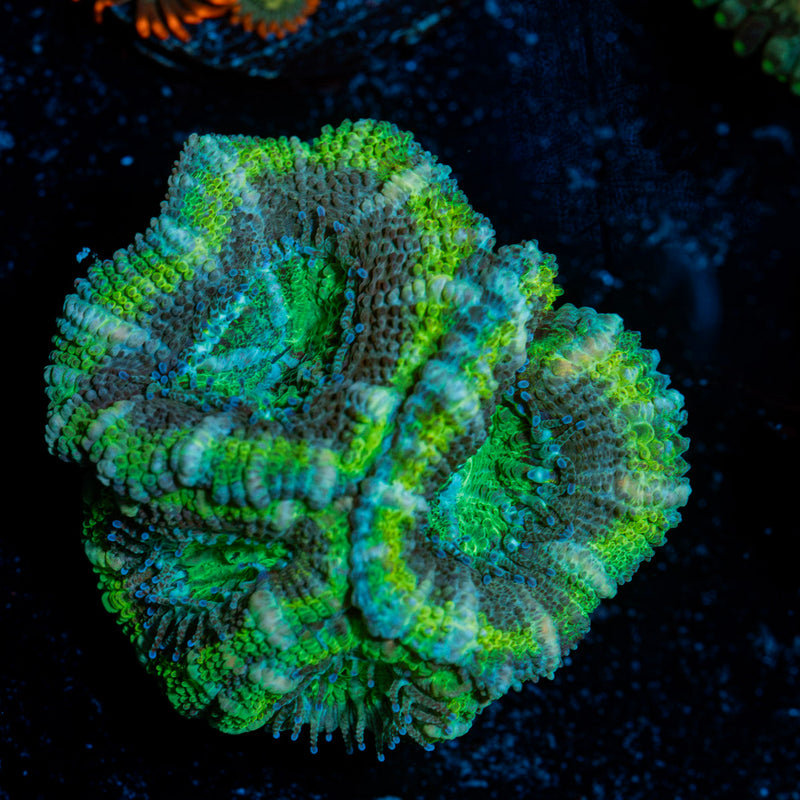
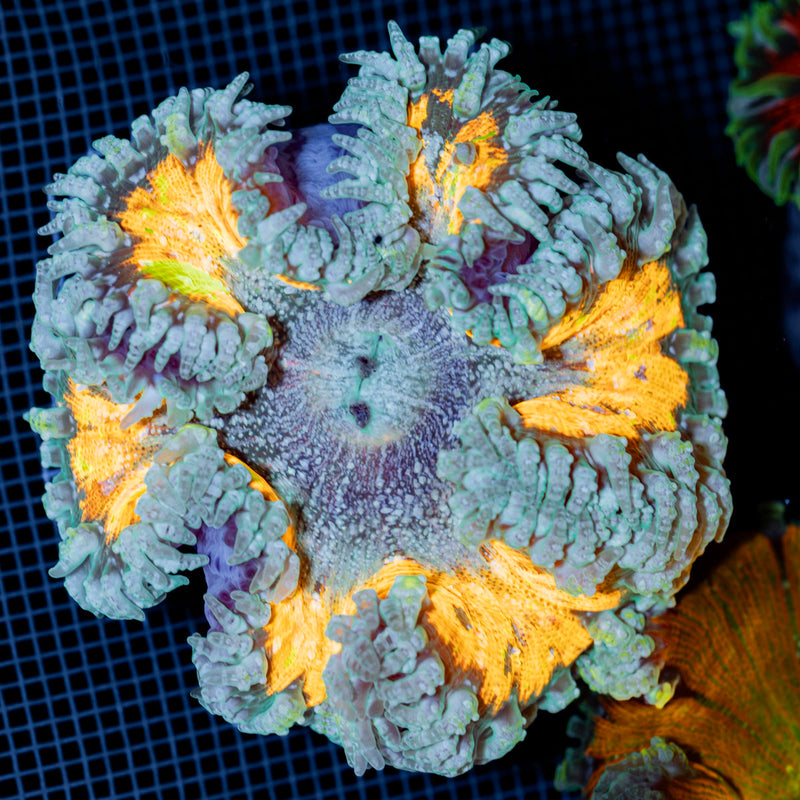
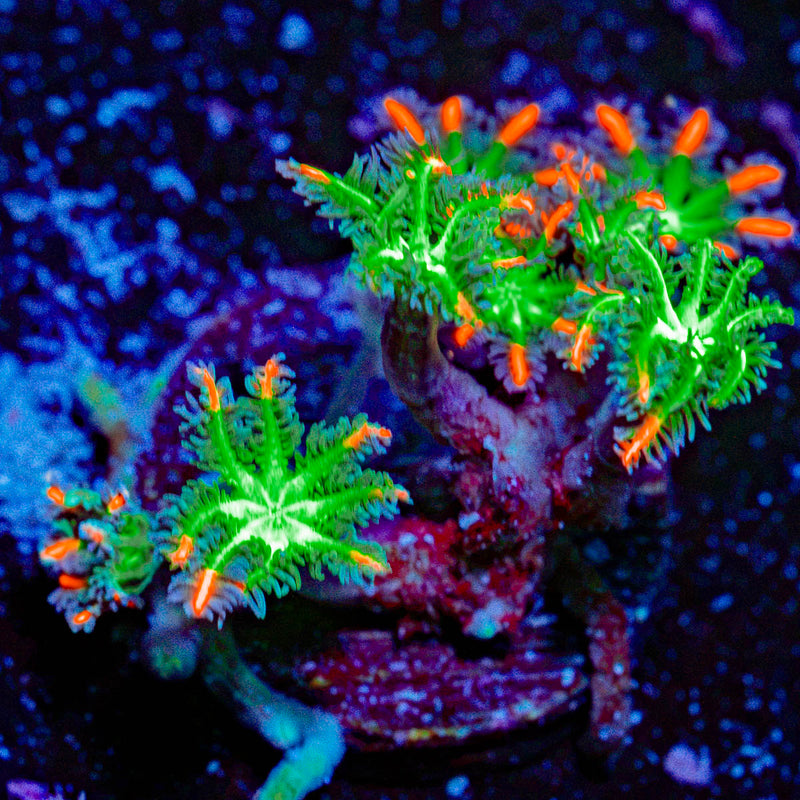
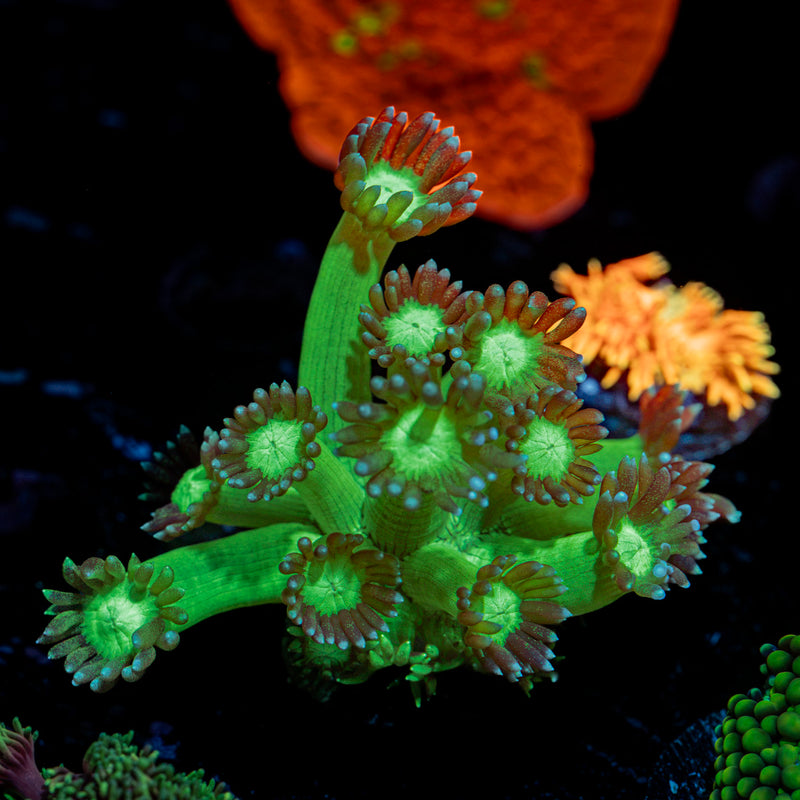
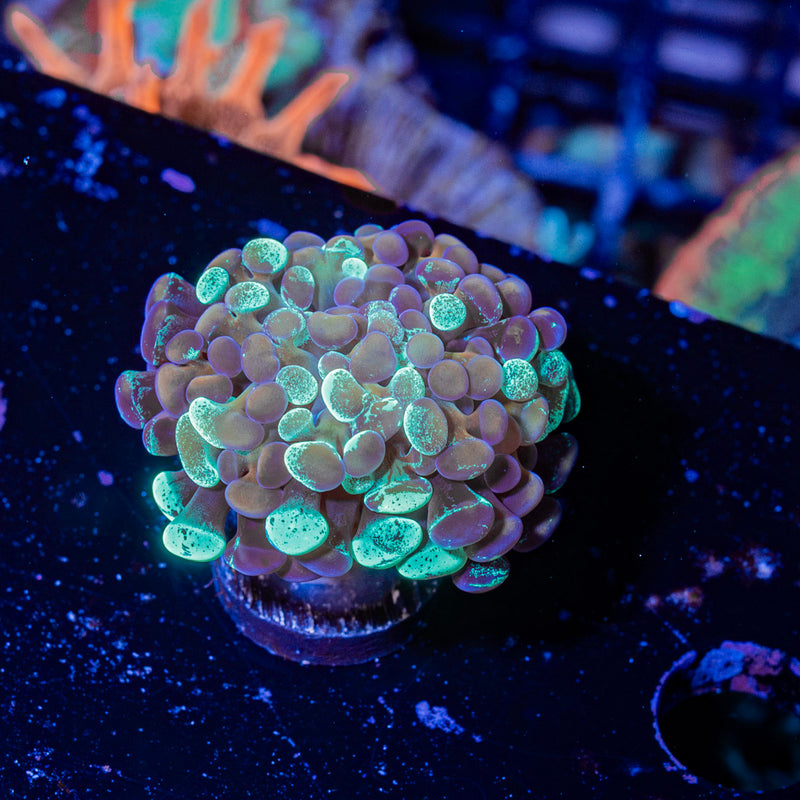
Flow has two opposite failure modes. Too little movement allows detritus and mucus to settle on tissue, especially in the tight branches of SPS colonies or around LPS skeletons. Too much direct, constant flow can scour a torch, hammer, frogspawn, chalice, or fleshy LPS coral until tissue begins to pull back.
Look for a broad, varied current rather than a pump blasting one side of the coral all day. A coral that stays retracted, folds in one direction, or develops recession only on the side facing a powerhead is giving you useful placement information.
Damage, aggression, and pests
Sometimes the cause is right in front of you. A coral may be stung by a neighboring torch, swept by long sweeper tentacles after lights out, nipped by a fish, or irritated by a crab. Even a small injury can become the starting point for tissue loss if the coral cannot heal in its current conditions.
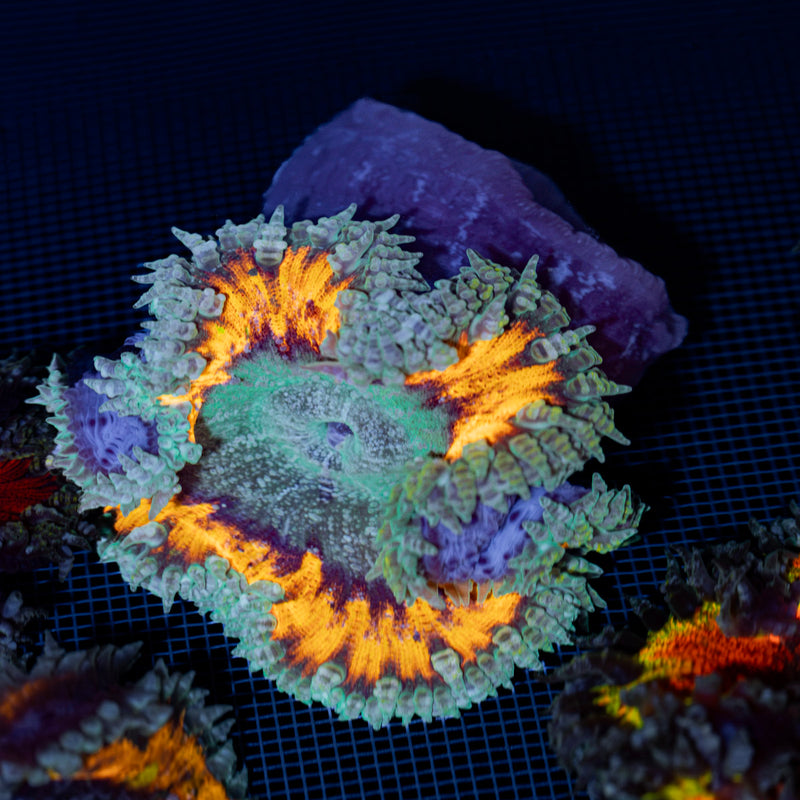
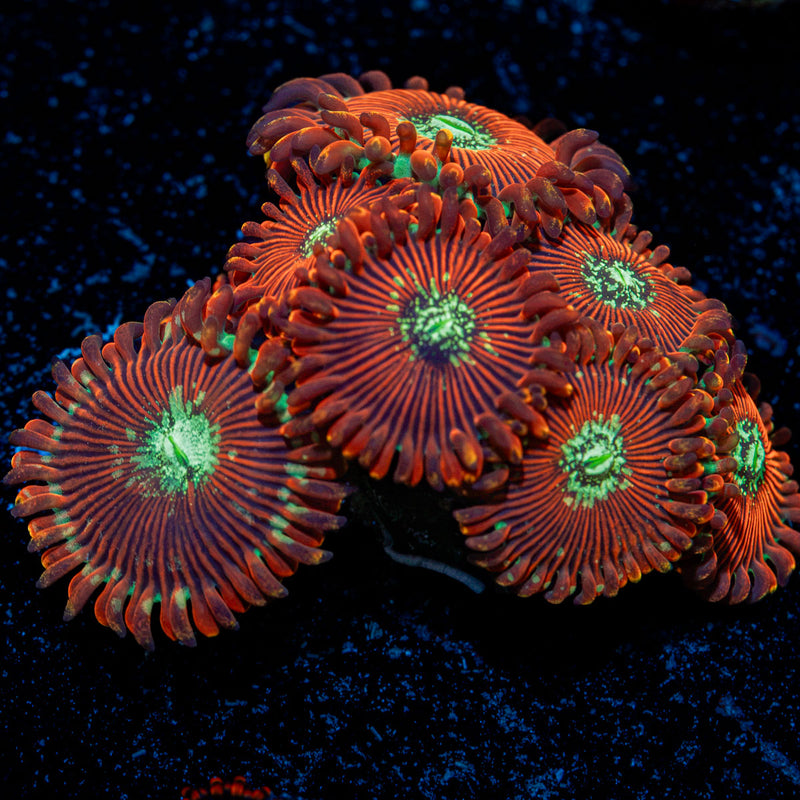
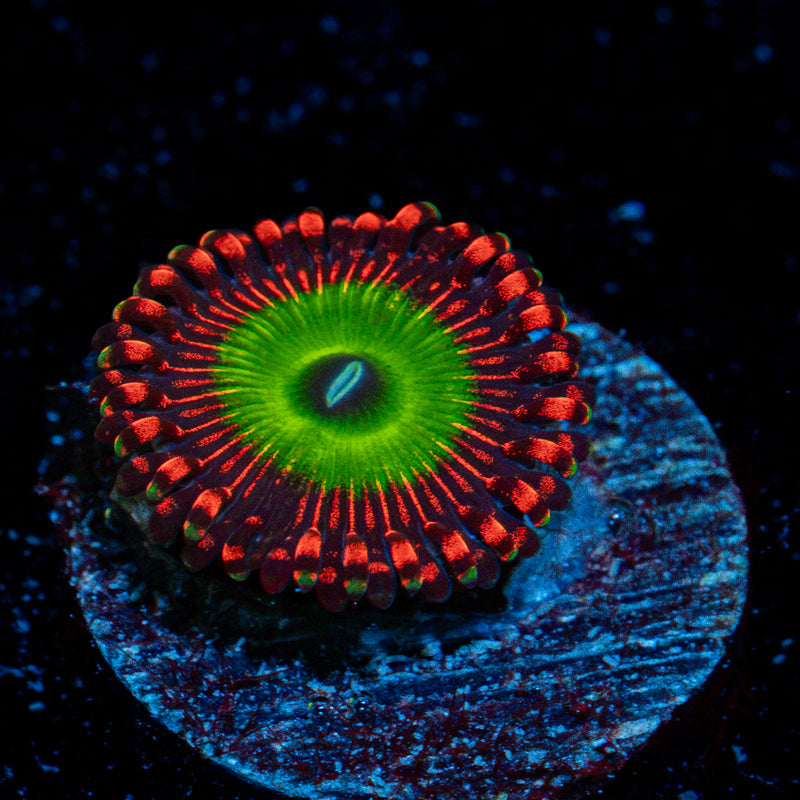
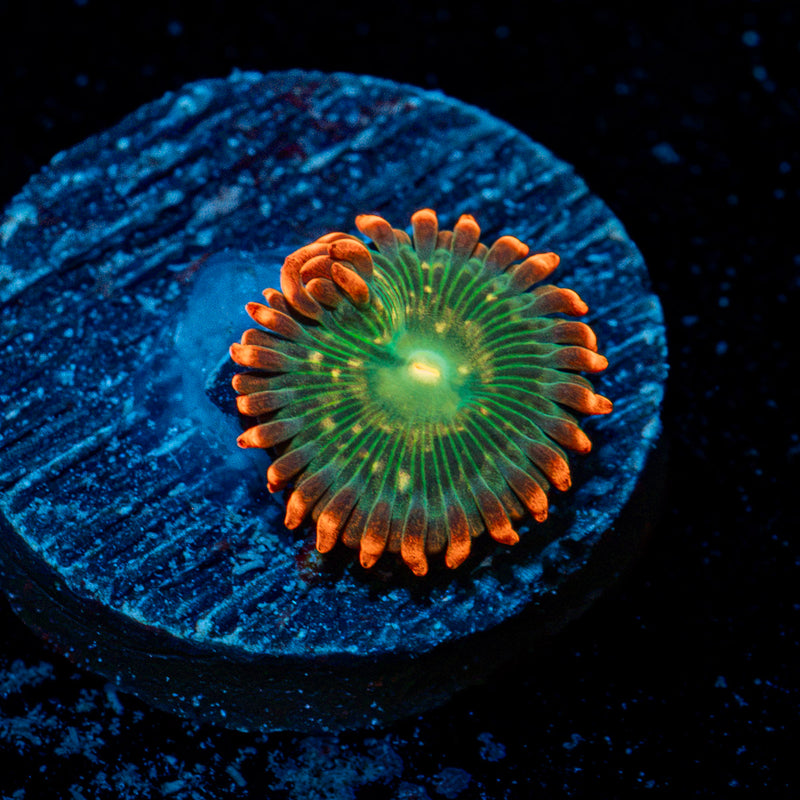
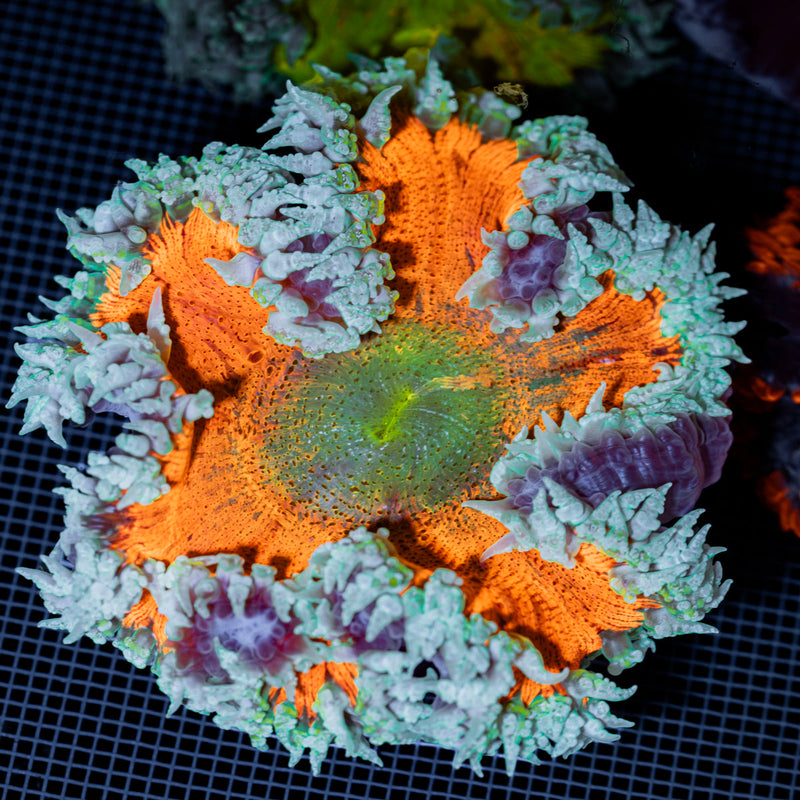
Chemical aggression is less visible but equally real. Leather corals, mushrooms, zoanthids, and other soft corals can release compounds that affect nearby stony corals, particularly in crowded tanks with limited filtration. Fresh activated carbon and regular water changes can help, but they do not replace good spacing and thoughtful coral placement.
Pests are another reason to inspect closely. Acropora-eating flatworms, red bugs, nudibranchs on zoanthids, and various coral-feeding invertebrates can create localized tissue damage. Examine the coral after lights out and inspect the underside, branch bases, and shaded areas. A dip may reveal hitchhikers, but dipping is stressful and should be done with a coral-safe product and a clear purpose, not as a random cure-all.
Disease and bacterial involvement
Some recession patterns are associated with disease or bacterial imbalance, but hobbyists should be careful about diagnosing every bare patch as an infection. Brown jelly disease, for example, is a fast-moving, mucus-heavy problem commonly seen in vulnerable LPS corals. It calls for immediate attention because affected tissue can deteriorate quickly and nearby corals may be at risk.
If a coral develops cloudy brown mucus, a foul appearance, rapidly sloughing tissue, or unusually fast progression despite stable parameters, isolate it if practical. Improve flow around the affected coral without blasting it, remove decaying tissue only when appropriate, and avoid allowing it to touch healthy neighbors. In severe cases, saving a healthy section of a branching coral by fragging well above the recession line may be the best option, though it is not guaranteed.
How to Find the Real Trigger
When tissue recession appears, resist the urge to change five things in one evening. That can turn a manageable stress event into a bigger one. Start by checking temperature, salinity, alkalinity, calcium, magnesium, nitrate, and phosphate. Compare the results to your normal readings, not just to a generic ideal range.
Then inspect the coral itself. Is recession beginning at the base, where shaded tissue or low flow may be involved? Is it on the side facing a powerhead, near a stinging neighbor, or directly under an intense light? Are other corals showing similar signs? One affected coral often points to a local issue such as placement, pests, or contact. Several corals declining at once suggests a system-wide shift, contamination, temperature event, or water chemistry problem.
Think back over the previous week. New livestock, a dosing adjustment, a filter change, a power outage, a missed top-off, new rock, aggressive algae treatment, and even a hand lotion or household spray near the aquarium can matter. Reef tanks reward pattern recognition. The change that seemed minor may be the clue.
A Calm Response Gives Corals Their Best Chance
First, stabilize the environment. Bring any clearly out-of-range parameter back gradually, verify salinity with a reliable instrument, and make sure temperature is not swinging between day and night. A modest water change with well-matched saltwater can be useful if water quality is questionable, but avoid huge corrective changes unless there is a confirmed emergency.
Next, remove the immediate stressor. Reposition a coral away from direct flow or aggressive neighbors, gently clear settled detritus, and provide appropriate light acclimation. Do not move a struggling coral repeatedly from place to place. Each move resets its adjustment period.
For a newly acquired frag, a measured acclimation period is part of good care, not a sign that the coral is weak. Healthy aquacultured corals are typically better adapted to aquarium life than wild-collected pieces, but every reef system has its own lighting, flow, nutrient level, and microbial community. Give a new coral stable conditions and time to settle before judging its long-term placement.
Preventing Recession in a Growing Reef
The best prevention is a tank built around consistency. Use a reliable top-off system, dose slowly when dosing is needed, maintain adequate random flow, and leave room for corals to grow without touching. Quarantine or closely observe new additions whenever possible, especially before introducing them to an established collection of prized SPS or LPS.
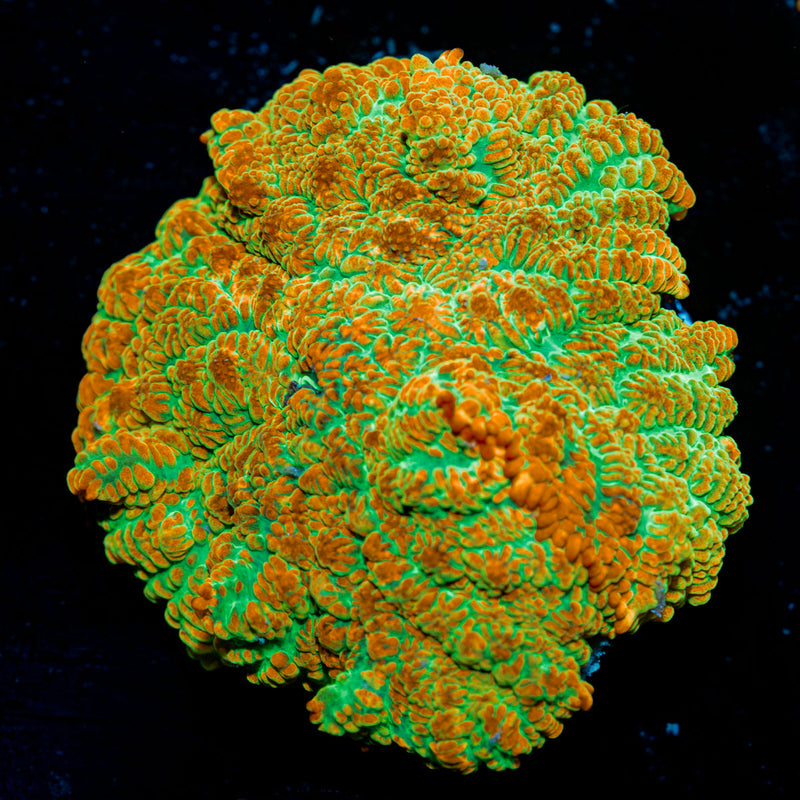
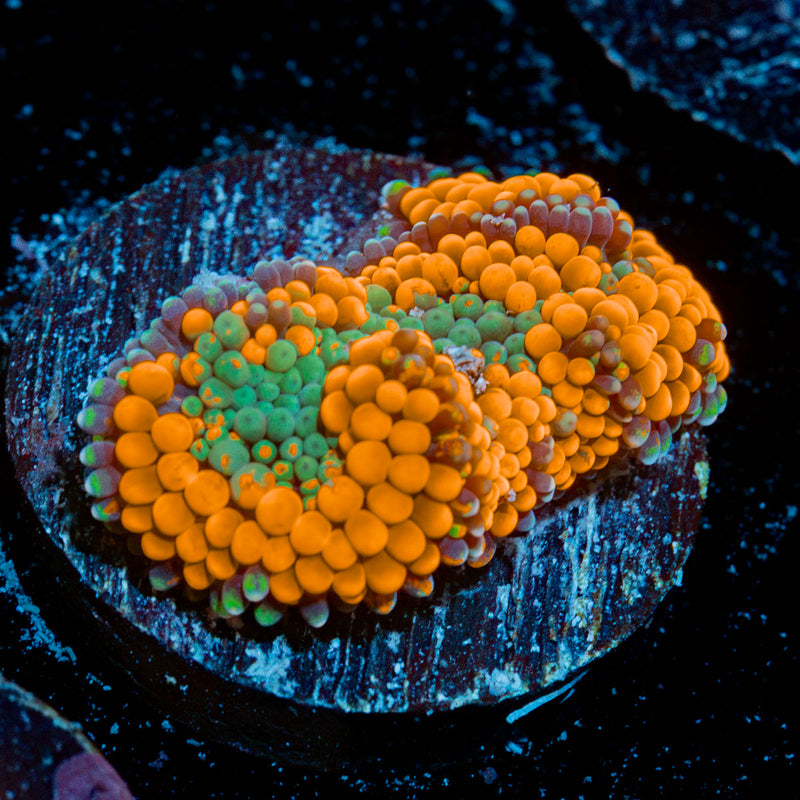
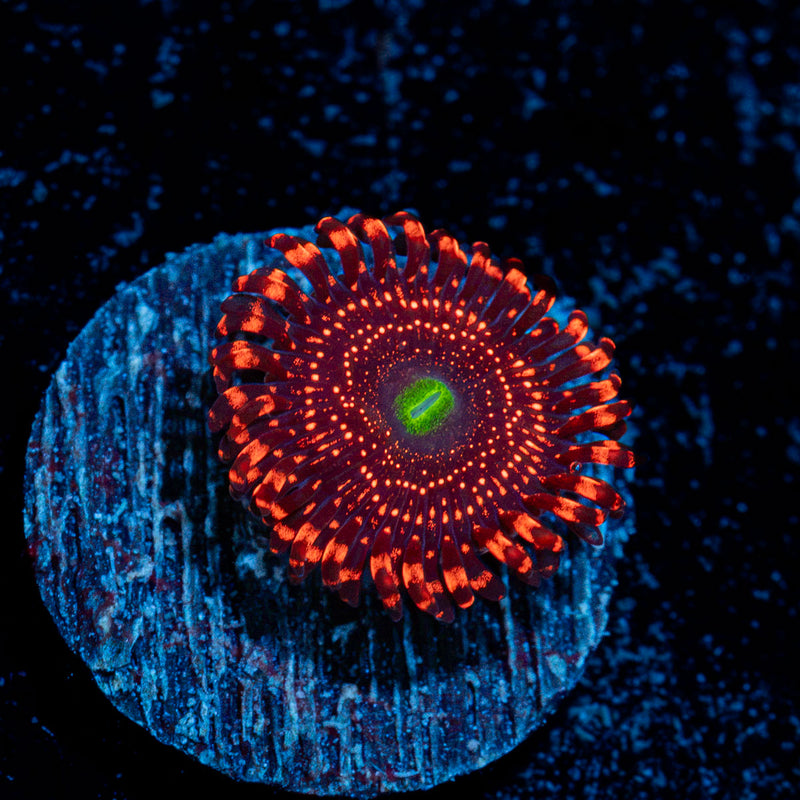
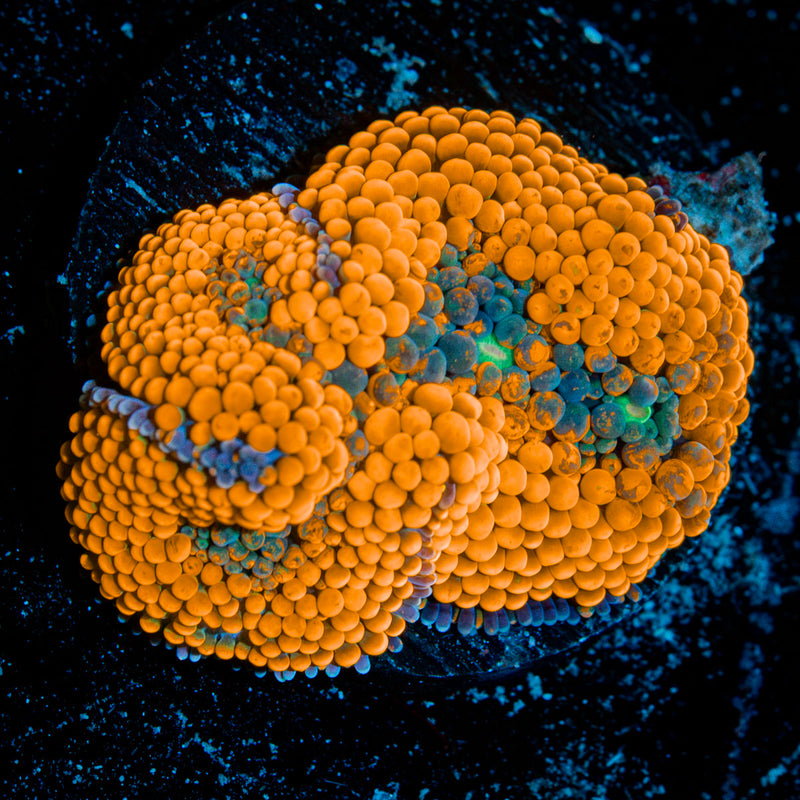
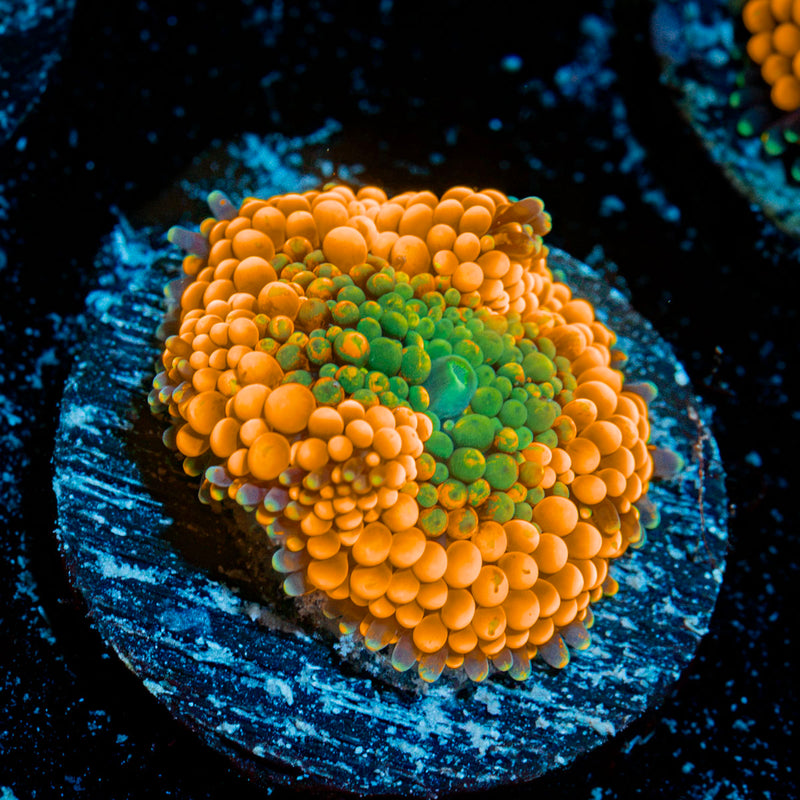
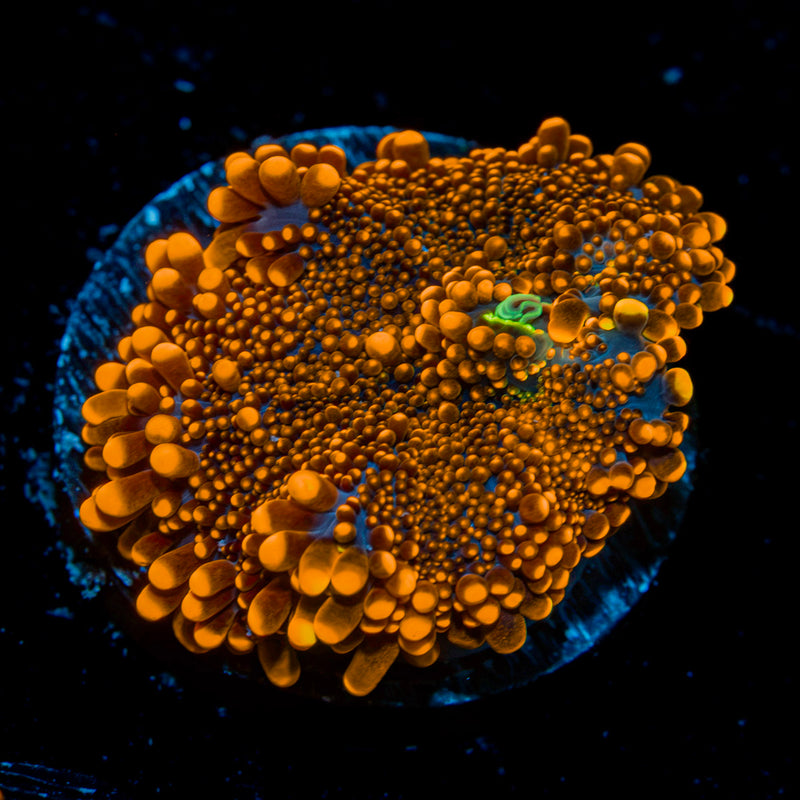
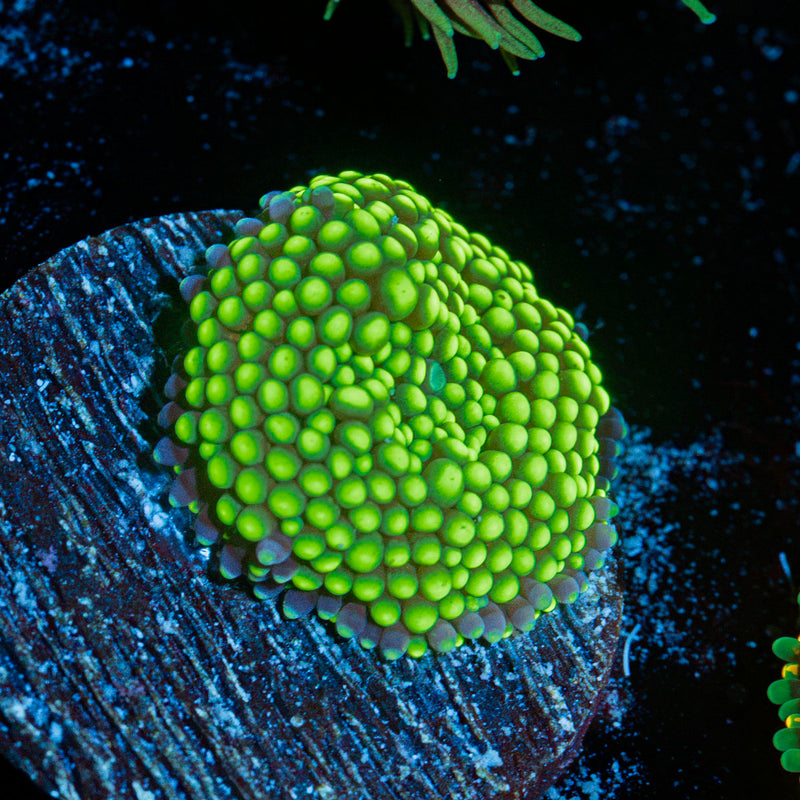
Choose corals that suit your current system rather than forcing your system to suit a demanding coral overnight. A vibrant beginner-friendly mushroom, zoanthid, or hardy LPS can build confidence and color while your reef matures. As stability becomes routine, more sensitive showpiece corals become a far more rewarding addition.
A bare patch is never the look you want in a reef display, but it can be a useful signal. Slow down, read what the coral and the tank are telling you, and give your living jewels the steady conditions they need to heal and thrive.