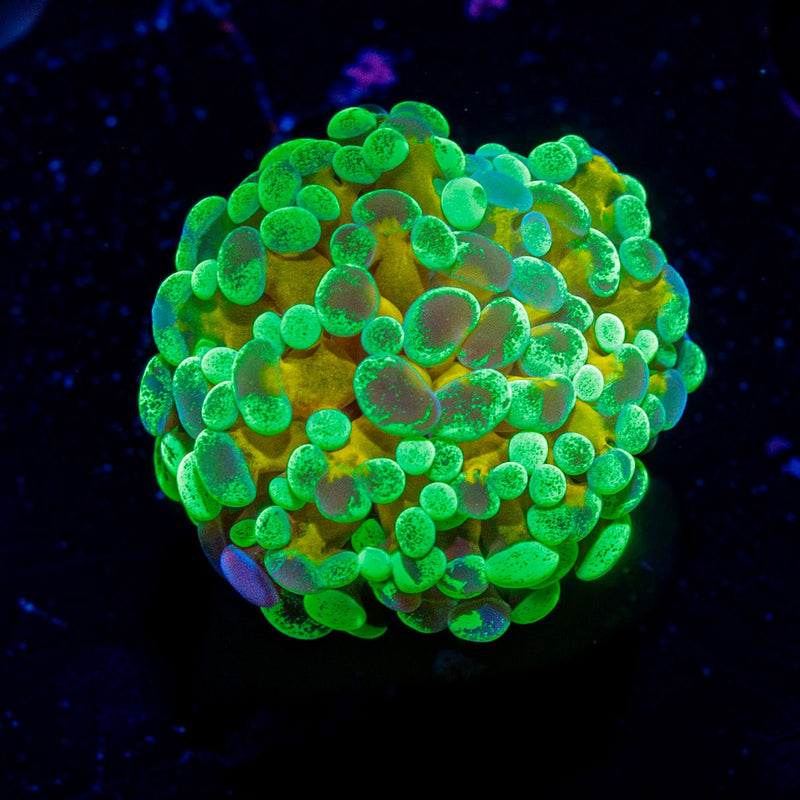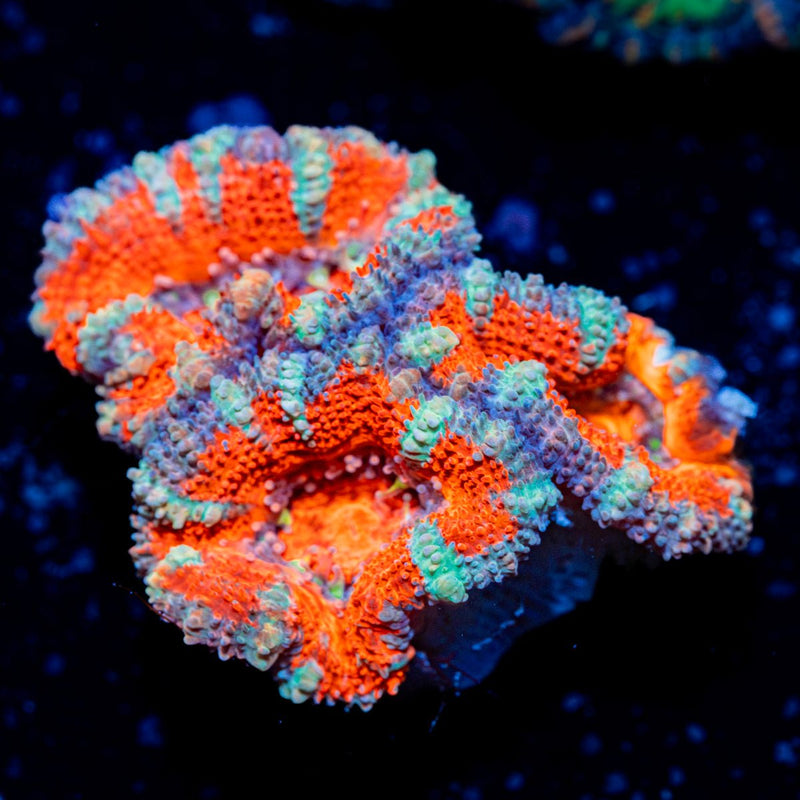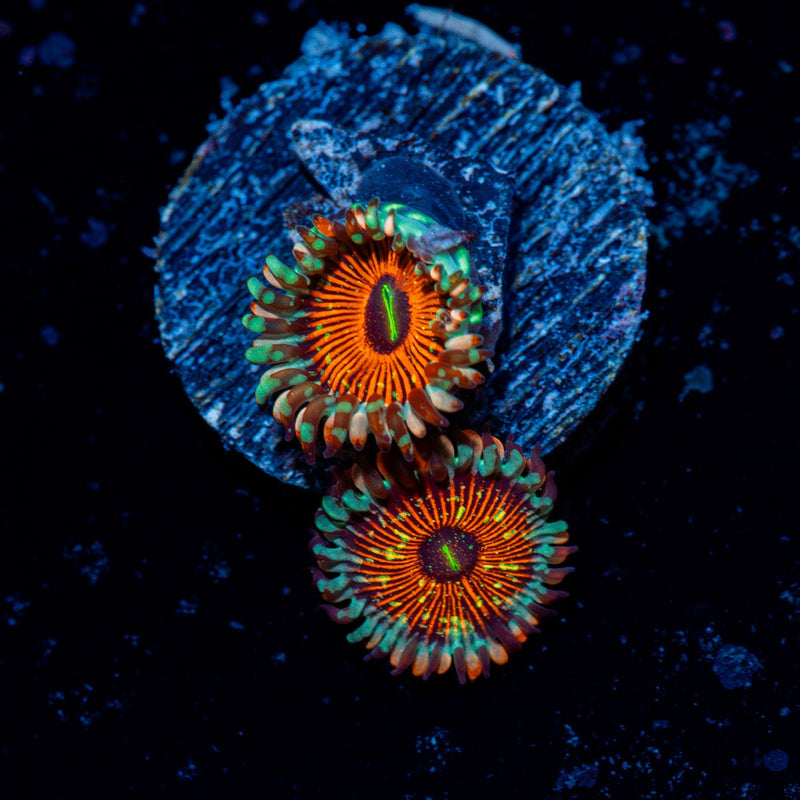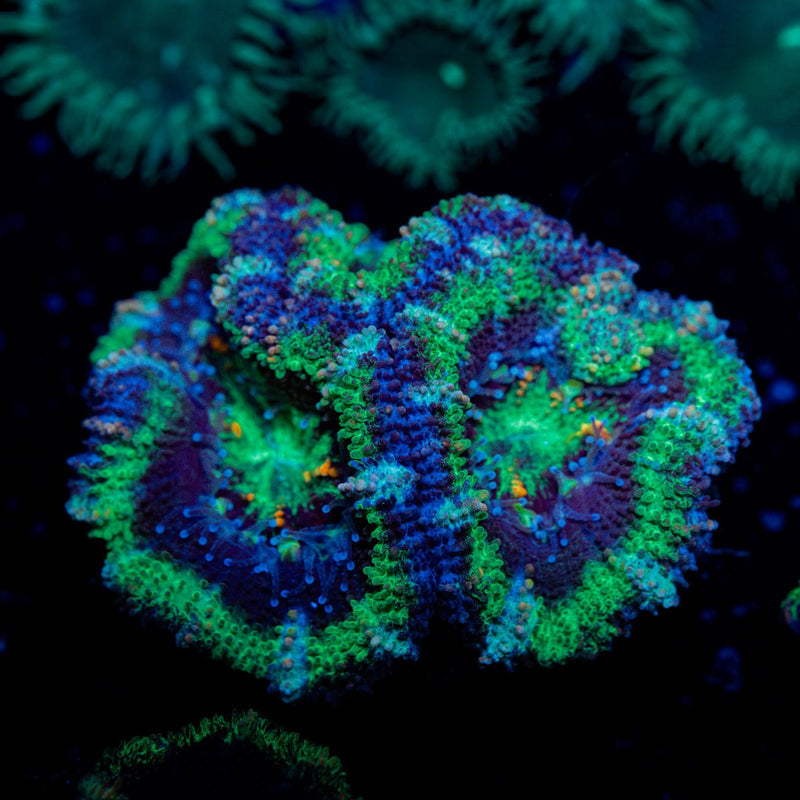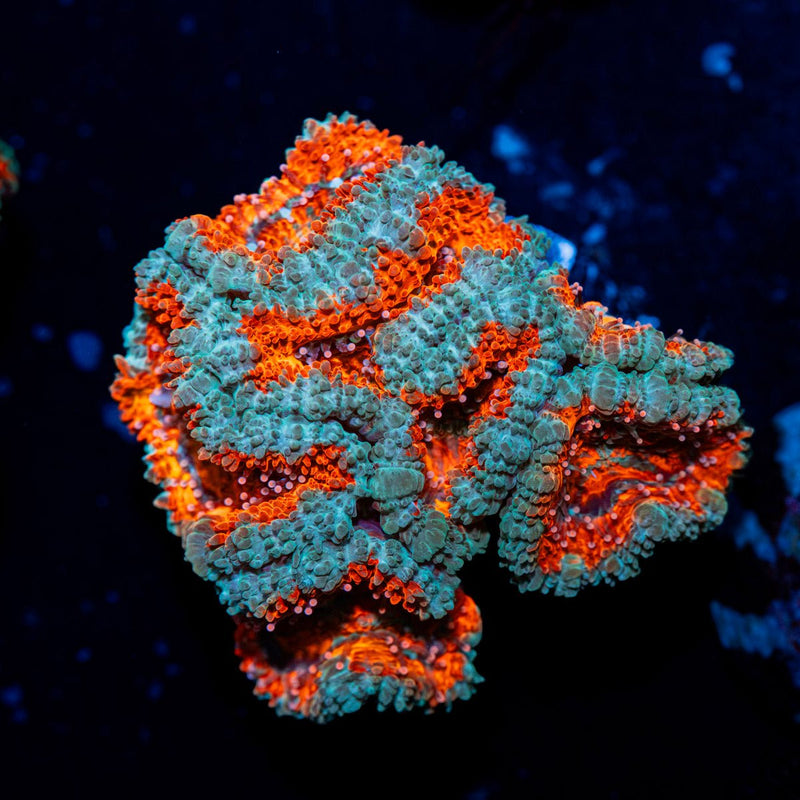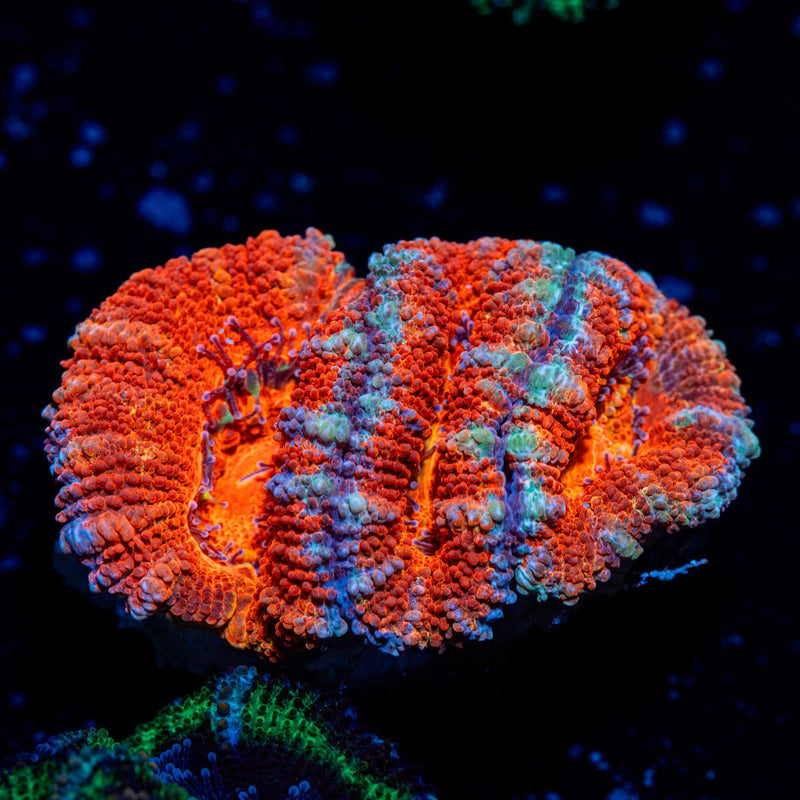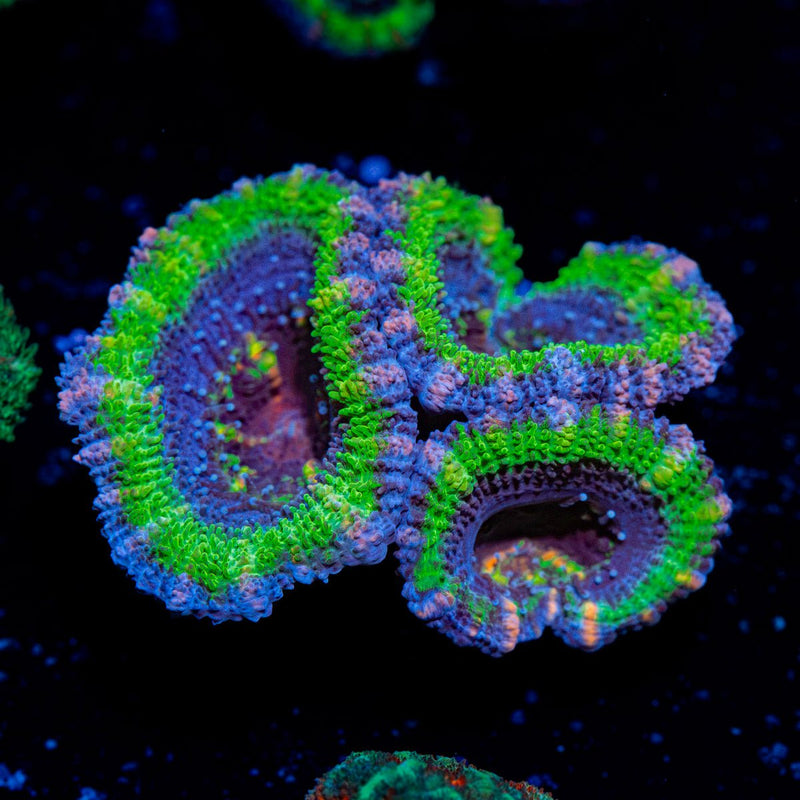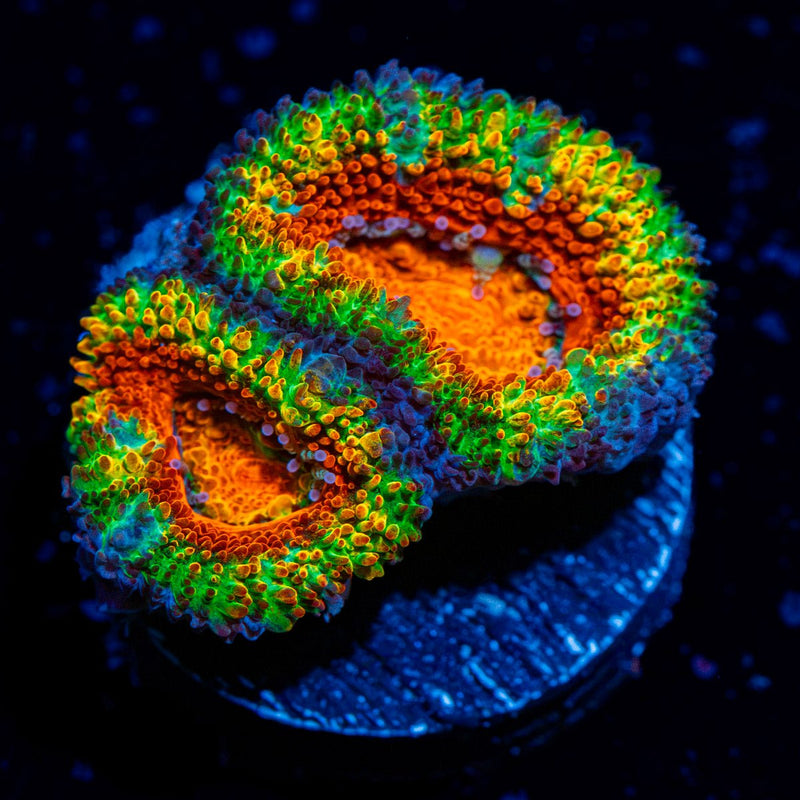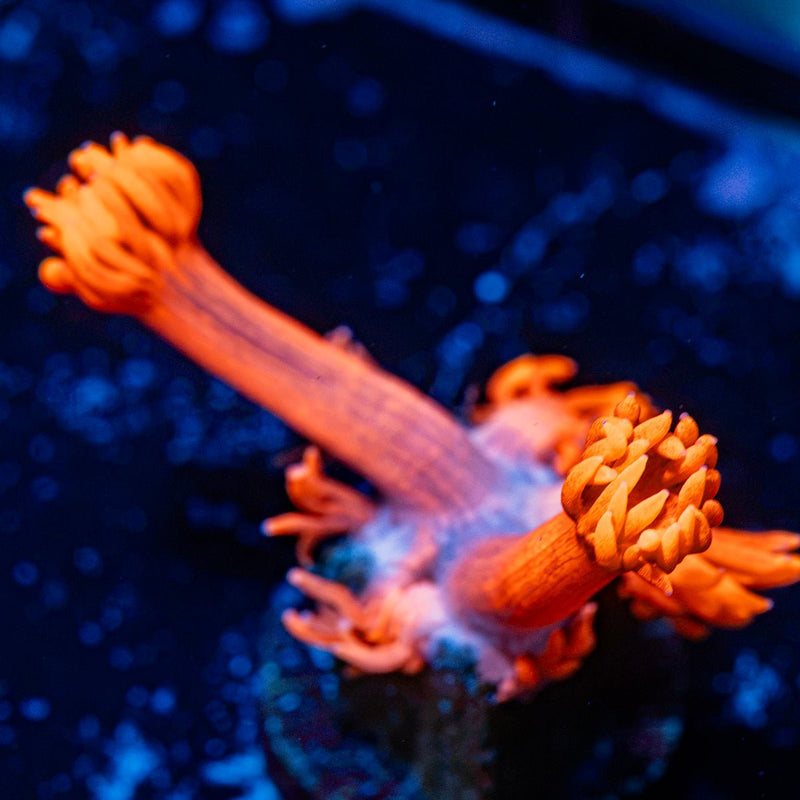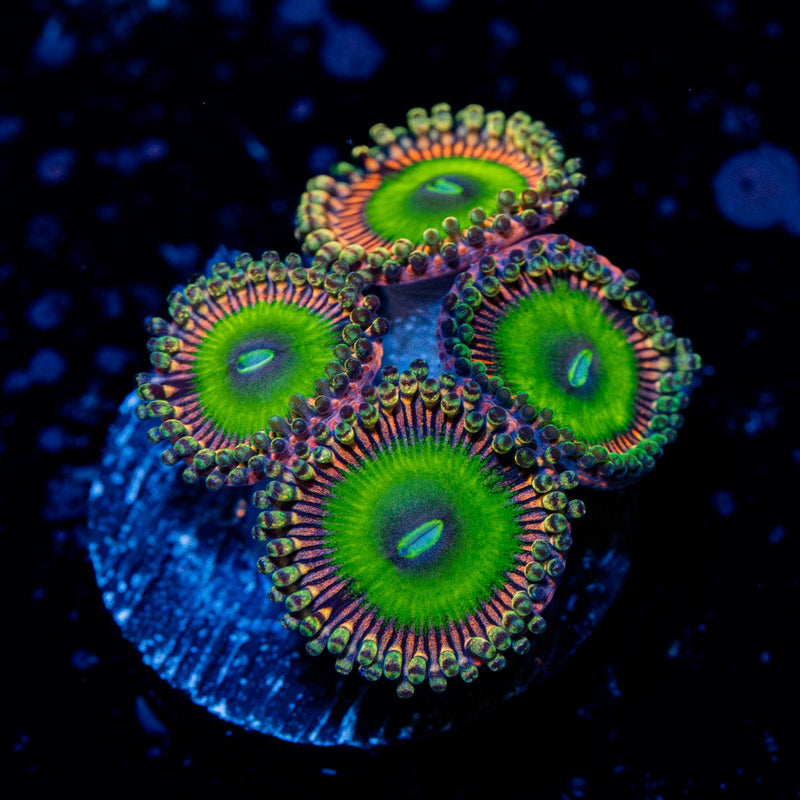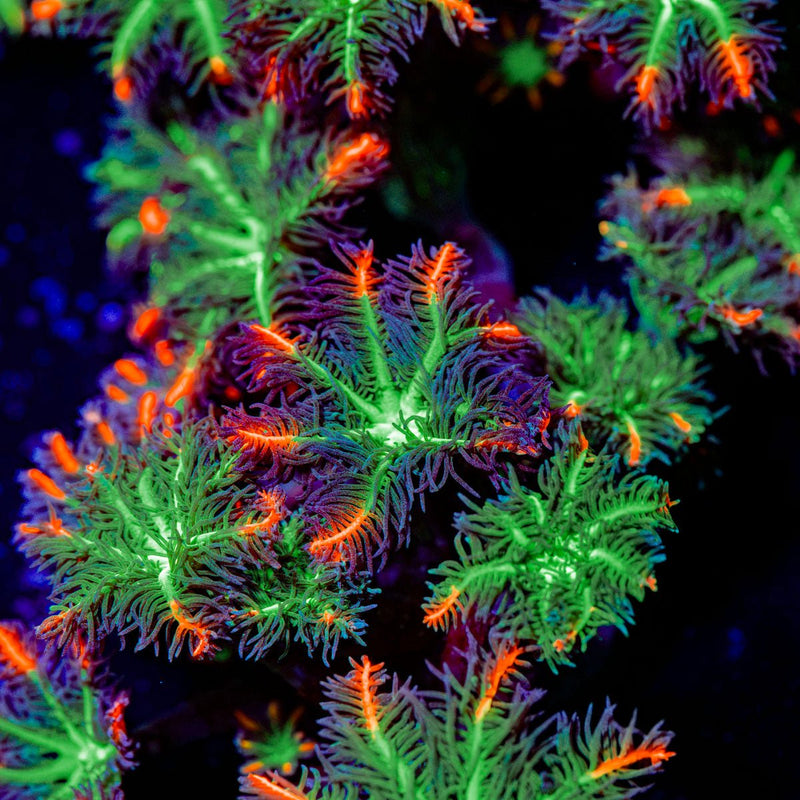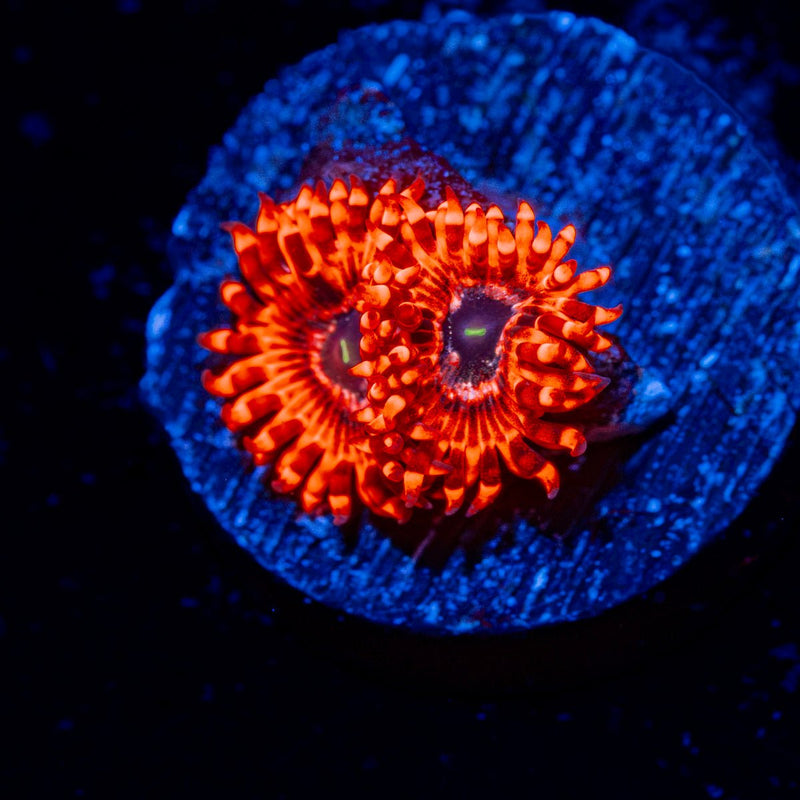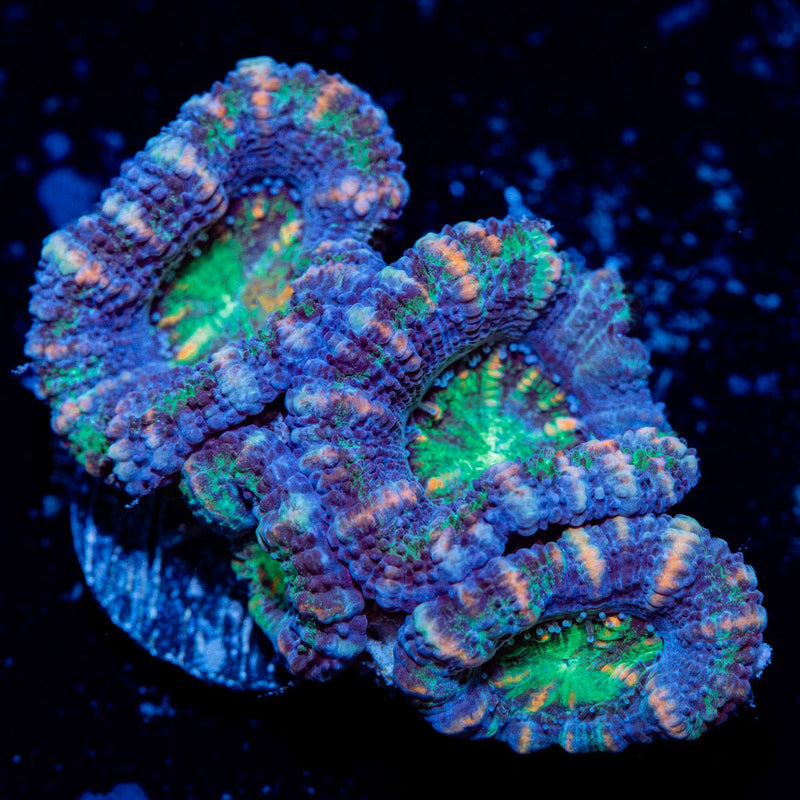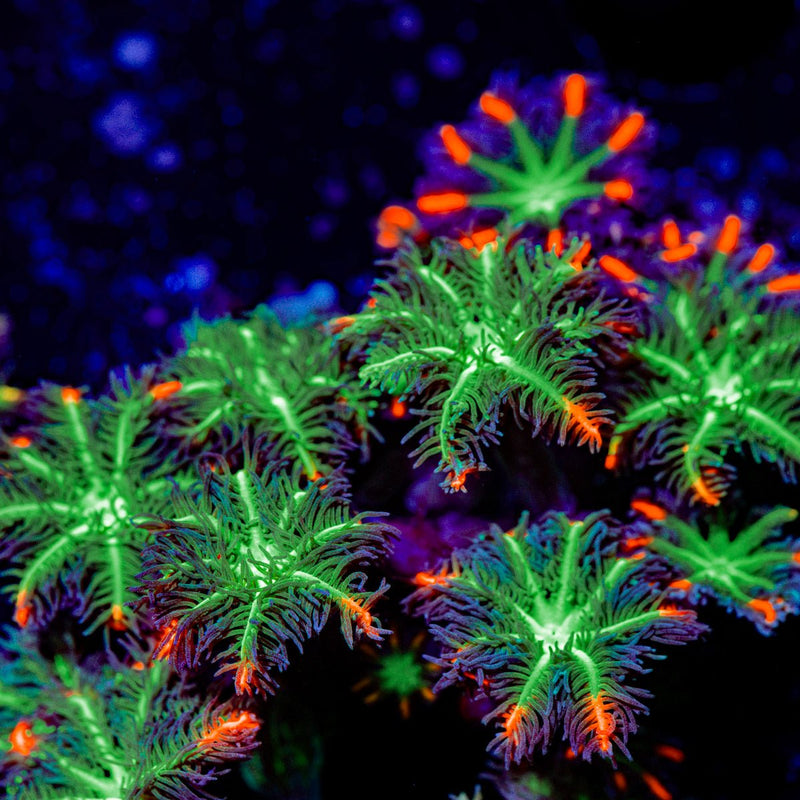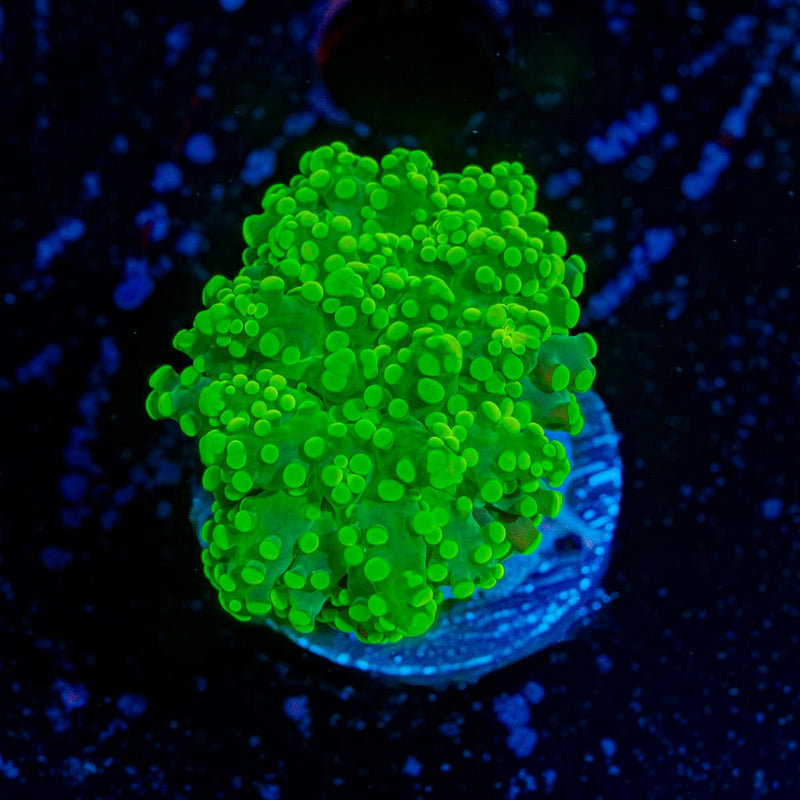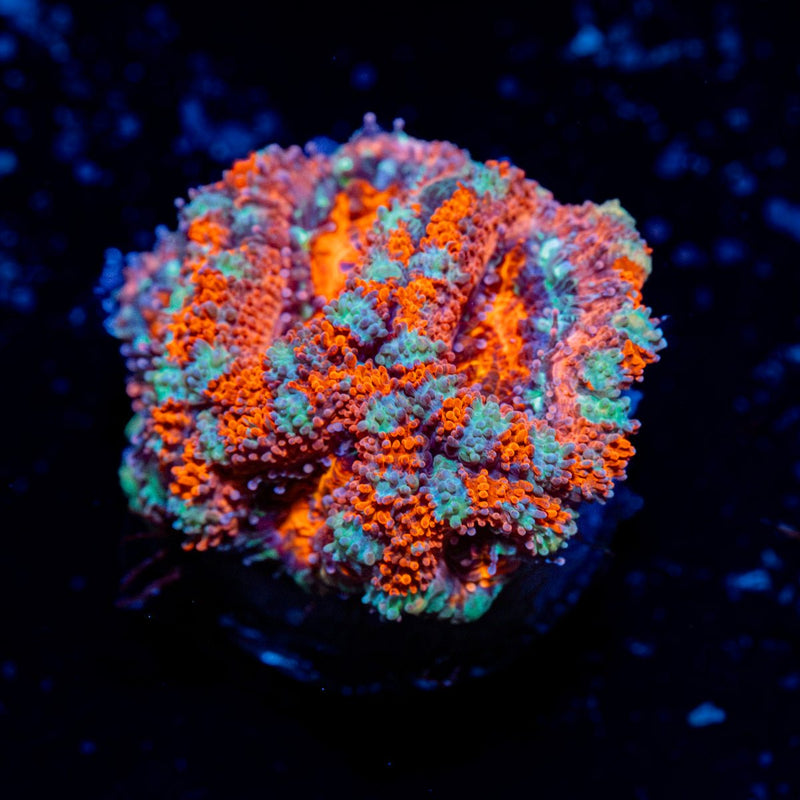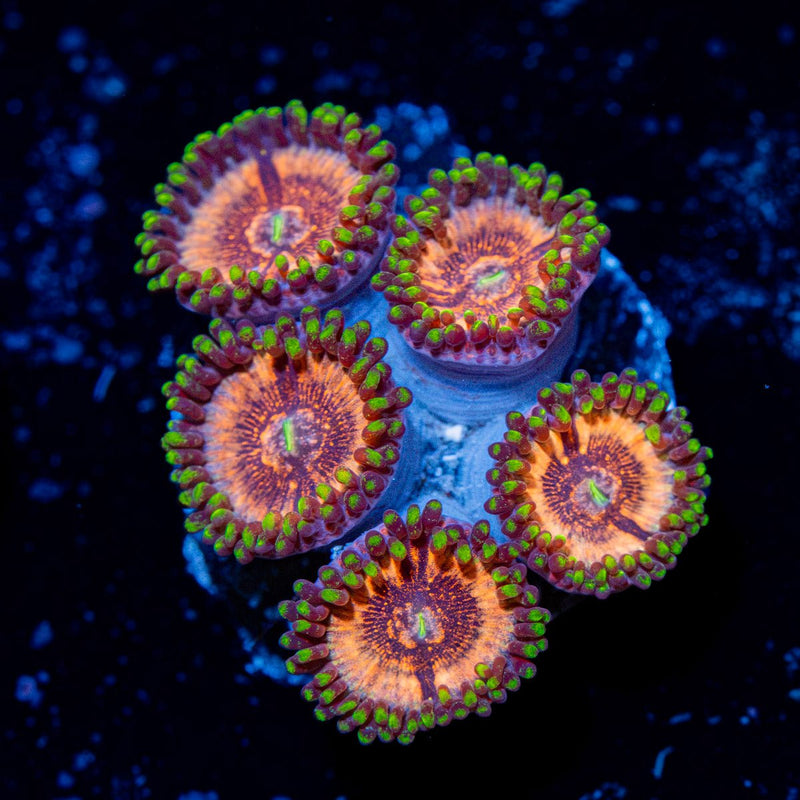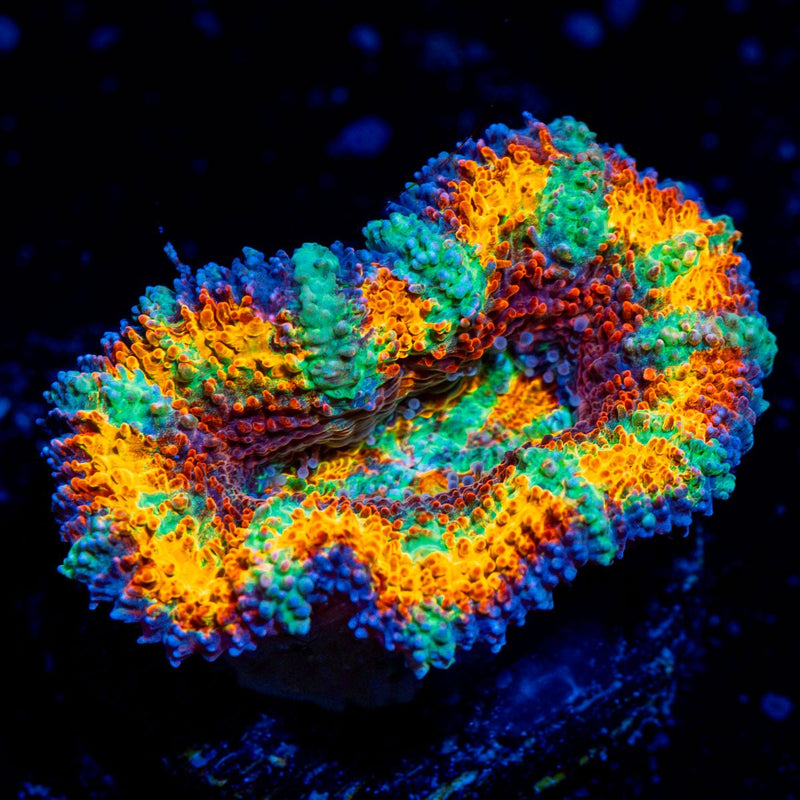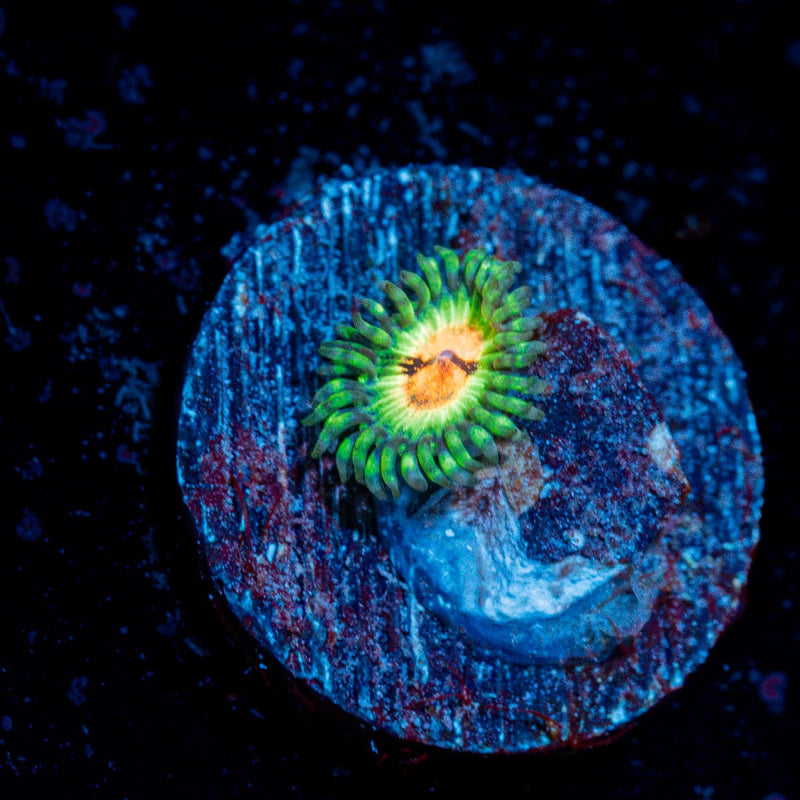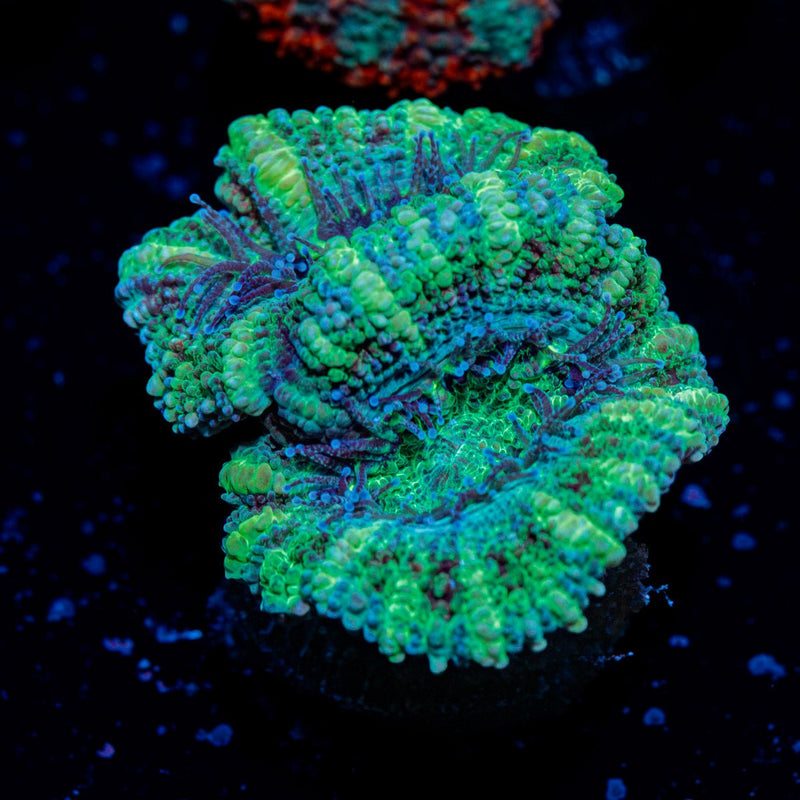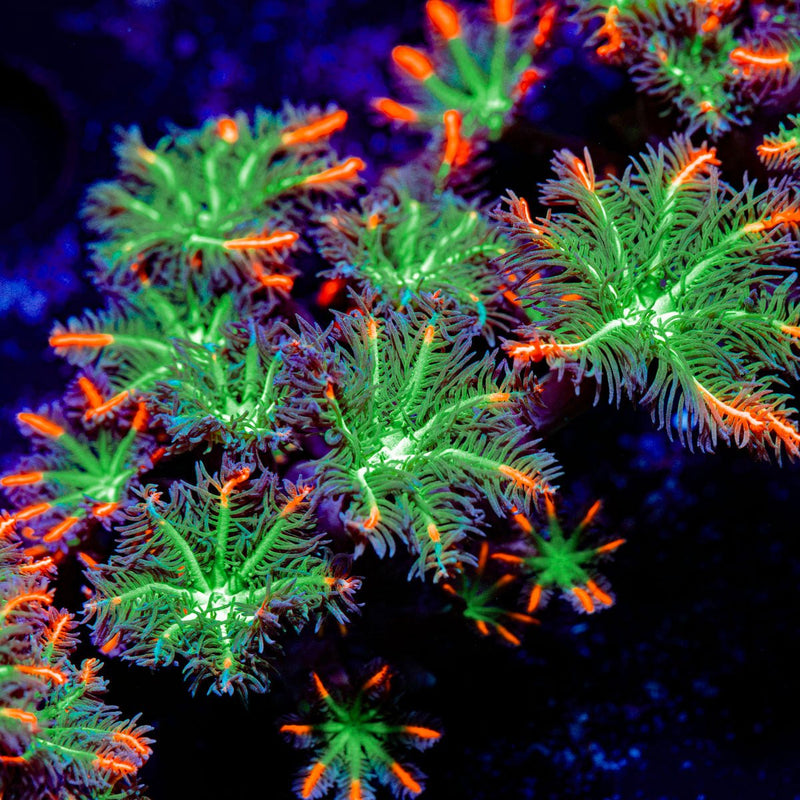
A zoanthid colony that looked like a field of tiny living jewels yesterday can look worrying when every polyp stays tightly shut today. So, why do zoanthids stay closed? Usually, they are reacting to a change in light, flow, water chemistry, handling, or irritation. The good news is that a closed zoa is not automatically a lost zoa. These adaptable corals often need stable conditions and a little time before they show their color again.
Why Do Zoanthids Stay Closed?
Zoanthids close to protect themselves. Their polyps retract when something feels off, whether that is a passing fish, a blast of sediment, an aggressive neighbor, or water conditions that have drifted out of range. A colony may also close after shipping, fragging, dipping, or being moved to a new spot in the aquascape.
The key is to look at timing and symptoms. A few closed polyps after feeding or a water change are different from an entire colony remaining closed for several days while developing mucus, dark spots, or tissue loss. Start by observing before making several big changes at once. Sudden corrections can create more stress than the original problem.
Give New Zoanthids Time to Settle
Newly introduced zoanthids commonly stay closed for a day or two, and sometimes longer after shipping. Even healthy aquacultured frags experience changes in temperature, salinity, lighting, and flow on their way into a new reef tank. The colony may open partially first, with a few polyps testing the environment before the rest follow.
Place a new frag in moderate light and gentle-to-moderate, indirect flow. Avoid mounting it immediately at the top of the rockwork under intense LEDs. A lower or middle placement gives the coral a chance to acclimate, especially if your lighting is stronger than the system where it was grown.
If the polyps are intact, the mat looks firm, and there is no foul odor or melting tissue, patience is often the best first move. Keep hands out of the tank, maintain stable parameters, and let the coral settle into its new home.
Check Light and Flow Before Chasing Numbers
Zoanthids appreciate light, but too much light too fast can keep them closed or make them appear pale and withdrawn. A frag moved from a shaded rack to a bright, high-mounted location may need a slower acclimation period. If you recently changed LED intensity, replaced a fixture, altered the schedule, or moved the coral upward, suspect light stress.
Flow matters just as much. Zoas should gently sway or receive enough movement to keep detritus from settling on their faces. A direct powerhead blast can prevent full extension, while stagnant water allows debris and algae to collect between polyps. Adjust the angle of the pump rather than aiming it straight at the colony.
The sweet spot depends on the morph, tank depth, and lighting system. Some zoanthids thrive in brighter areas, while others stay happiest in more moderate placement. Let polyp behavior guide you: consistently stretched, reaching polyps may want more light, while tight, faded polyps may need less intensity or a gentler transition.
Test for Stability, Not Just a Single Perfect Reading
A closed colony can be one of the first visible signs that a reef tank has become unstable. Test temperature, salinity, alkalinity, calcium, magnesium, nitrate, and phosphate, then compare the results with your normal range. The trend matters more than chasing one textbook number.
For most mixed reefs, stable salinity around 1.025 to 1.026 specific gravity and a consistent temperature in the upper 70s Fahrenheit provide a dependable baseline. Zoanthids also generally prefer nutrients that are present but controlled. Ultra-low nitrate and phosphate can leave corals pale, slow-growing, and reluctant to open, while excessive nutrients can encourage algae and bacterial irritation around the colony.
Alkalinity swings deserve special attention. A fast change after dosing, a large water change, or neglected evaporation can bother many corals, including otherwise hardy zoanthids. Correct issues gradually. A stable reef with slightly imperfect numbers is usually safer than a tank that receives repeated sharp adjustments.
Look Closely for Debris, Algae, and Irritation
A layer of sand, detritus, or film algae can be enough to keep zoanthids closed. Check the center of the colony and the spaces between polyps, where buildup is easy to miss. Use a turkey baster or gentle pump flow to lift loose debris away without scraping or blasting the tissue.
Watch nearby corals too. Sweeper tentacles from LPS corals, stings from anemones, and chemical competition from soft corals can all create a no-go zone for zoas. A colony that has been happy for months but suddenly closes after a neighbor grows larger may simply need more spacing.
Fish and invertebrates can also be the culprit. Some angelfish, butterflyfish, filefish, and crabs may nip at polyps. Certain snails and hermits are harmless grazers but can repeatedly crawl over a small frag, causing temporary closure. Observe the tank after lights out if the problem seems mysterious.
Rule Out Zoanthid Pests and Disease
If the colony remains closed for several days, inspect it under blue and white light. Zoanthid-eating nudibranchs, tiny egg spirals, spiders, sundial snails, and flatworms can hide remarkably well among the polyps. Look for bite marks, missing skirts, irregularly closed polyps, or pests that match the colony's color.
Zoanthid pox is another possibility. It often appears as small white or yellowish raised spots on the stalks, accompanied by polyps that stay closed. Brown slime, rapidly melting tissue, or a foul smell is more urgent and calls for quick isolation and targeted action.
Do not treat every closed zoa with a dip just because it has had a quiet day. Dips can be useful when pests, algae, or visible disease are present, but they also add stress. If you choose to dip, follow the product directions precisely, use clean saltwater for rinsing, and inspect the frag plug and underside of the colony. Wear gloves and eye protection whenever handling zoanthids, since some species can contain palytoxin.
A Simple Troubleshooting Order That Prevents Overcorrection
When a colony closes, work from the least invasive checks to the more involved ones. First, confirm that no detritus, algae, or animal is physically irritating the polyps. Next, review recent changes in placement, lighting, flow, dosing, water changes, or temperature.
Then test the water and correct only clear problems, slowly. If conditions are stable and the colony still shows pest or disease symptoms, inspect more closely and consider an appropriate treatment. This measured approach protects the coral from a common mistake: moving it, dipping it, changing the lights, and dosing the tank all within the same day.
When Closed Zoanthids Need Faster Action
A healthy zoa can stay closed temporarily, but certain symptoms should not be ignored. Act promptly if you see tissue peeling from the mat, a spreading brown film, exposed skeleton or plug where tissue has receded, strong odor, or multiple colonies closing at once. Those signs point beyond ordinary acclimation and may indicate a water-quality event, infection, or serious irritation.
Check for ammonia and nitrite if the tank is new, recently disturbed, or has experienced a livestock loss. Increase oxygenation and water movement at the surface if the tank looks cloudy or animals appear stressed. Isolating the affected frag can protect the rest of a collection while you identify the cause.
For a vibrant reef display, zoanthids reward consistency more than constant intervention. Start with a healthy, carefully inspected frag, give it moderate conditions, and watch its behavior over several days rather than several hours. With stable water and thoughtful placement, those closed polyps often reopen into the colorful garden you pictured when you built your reef.