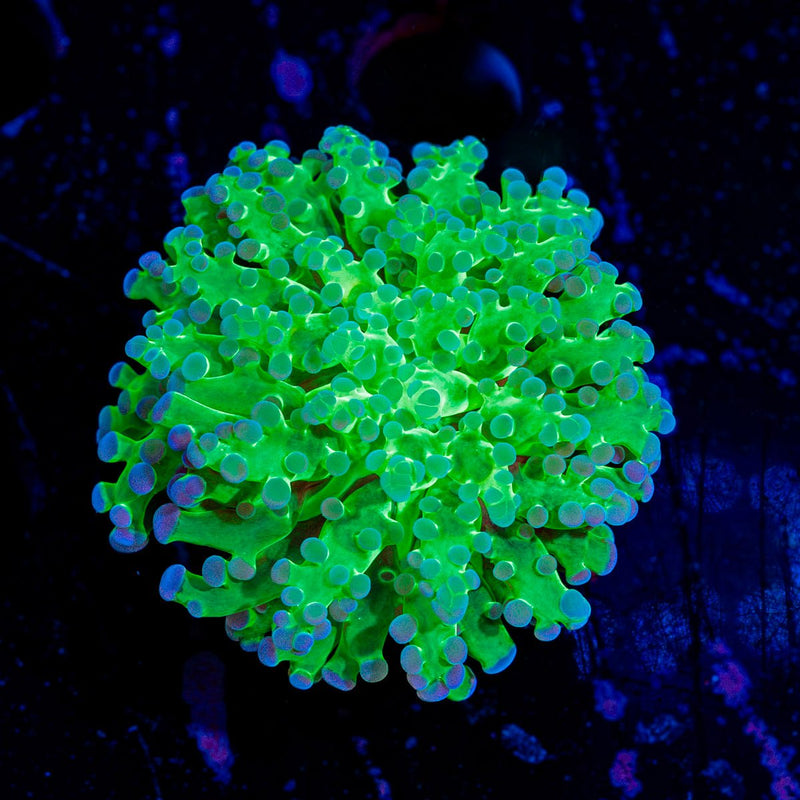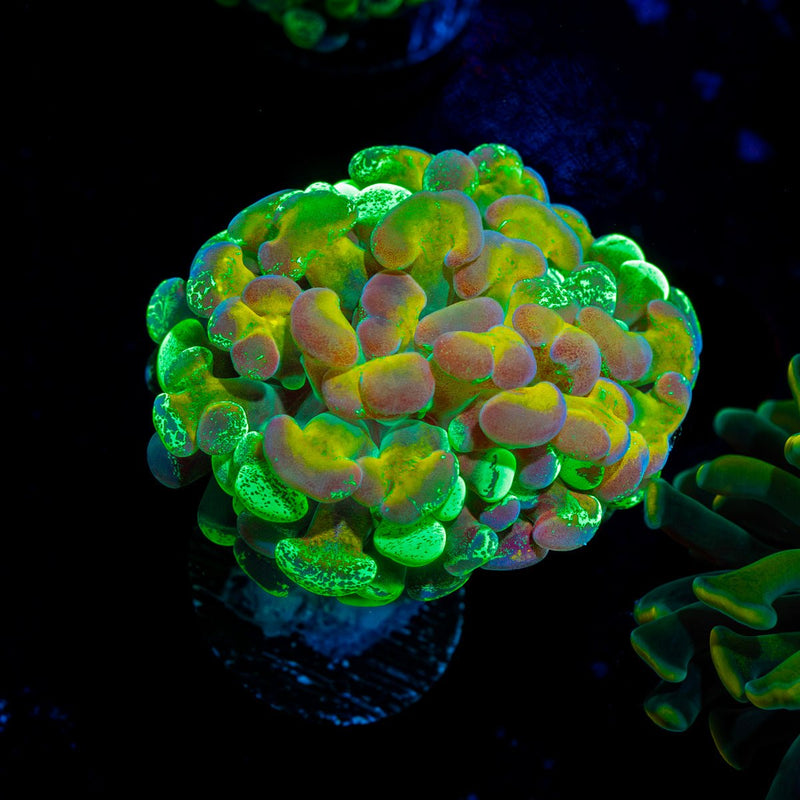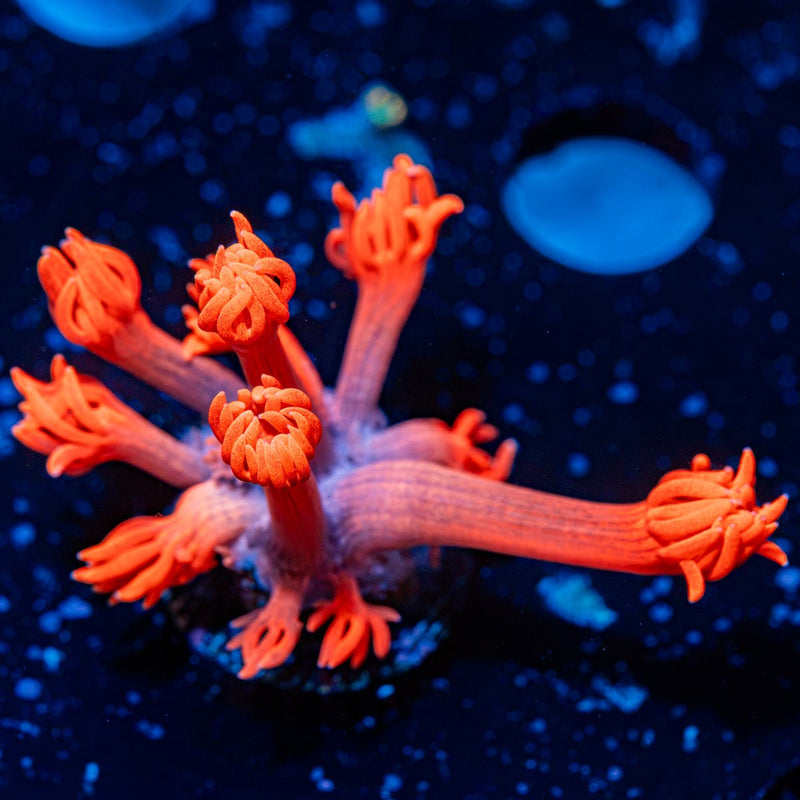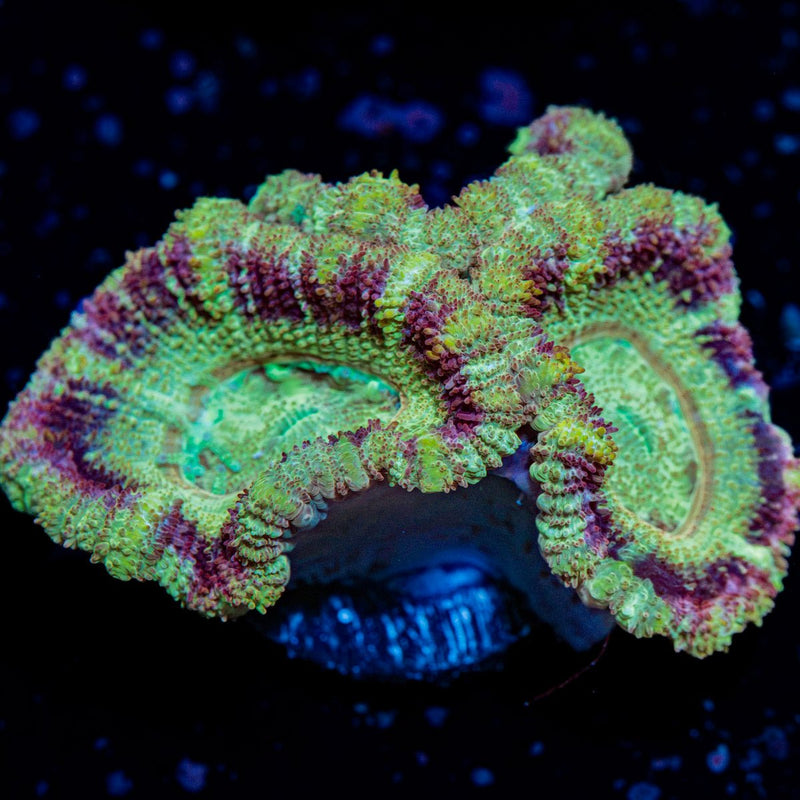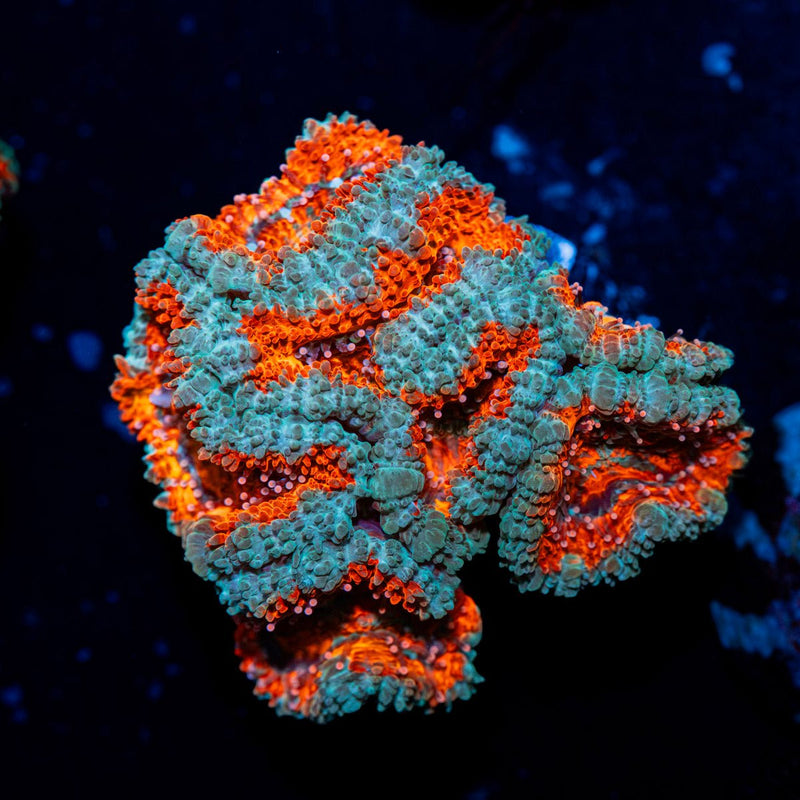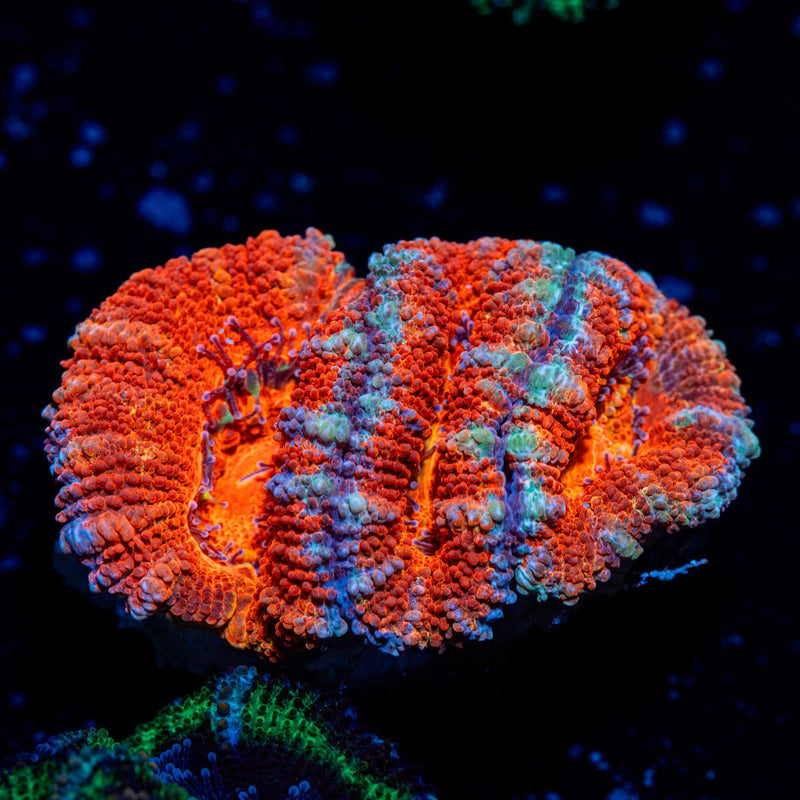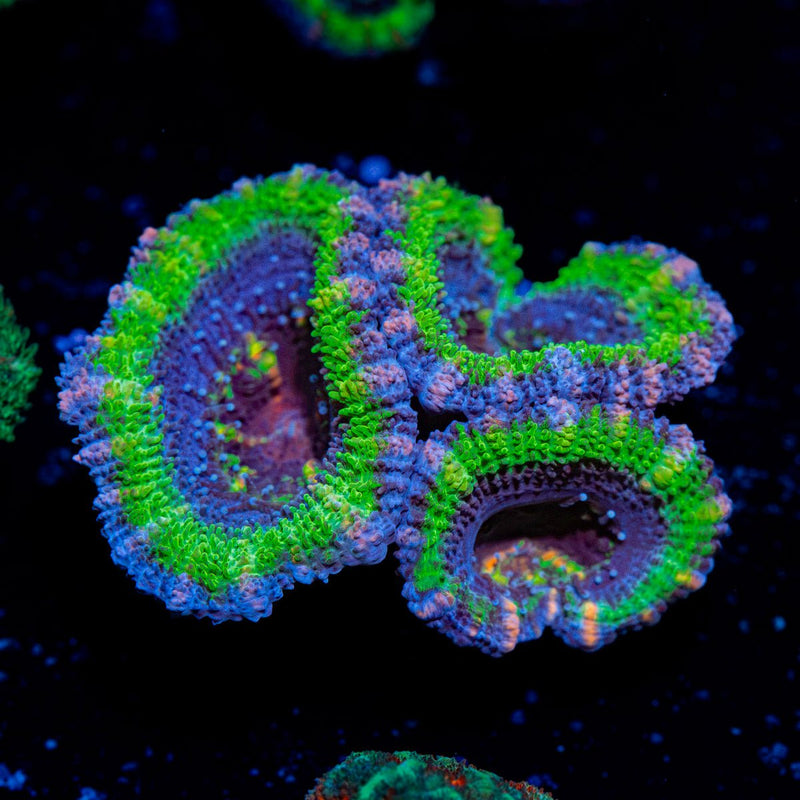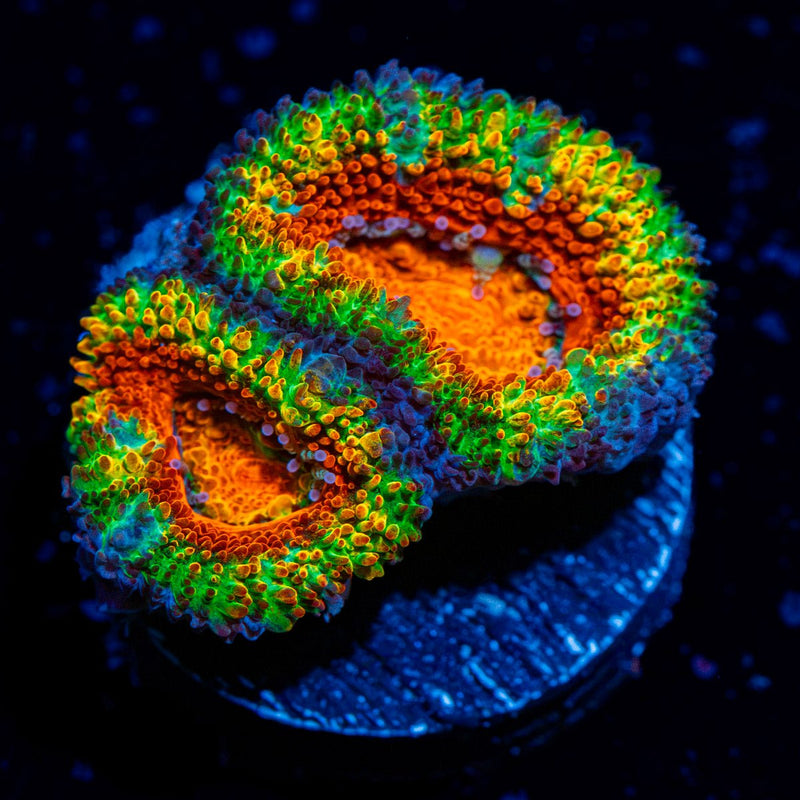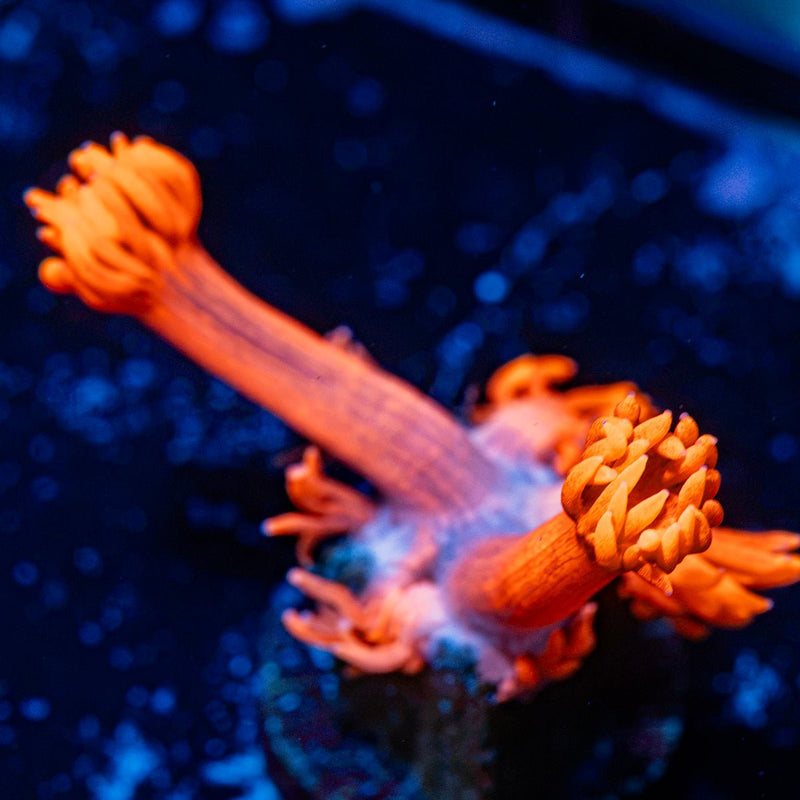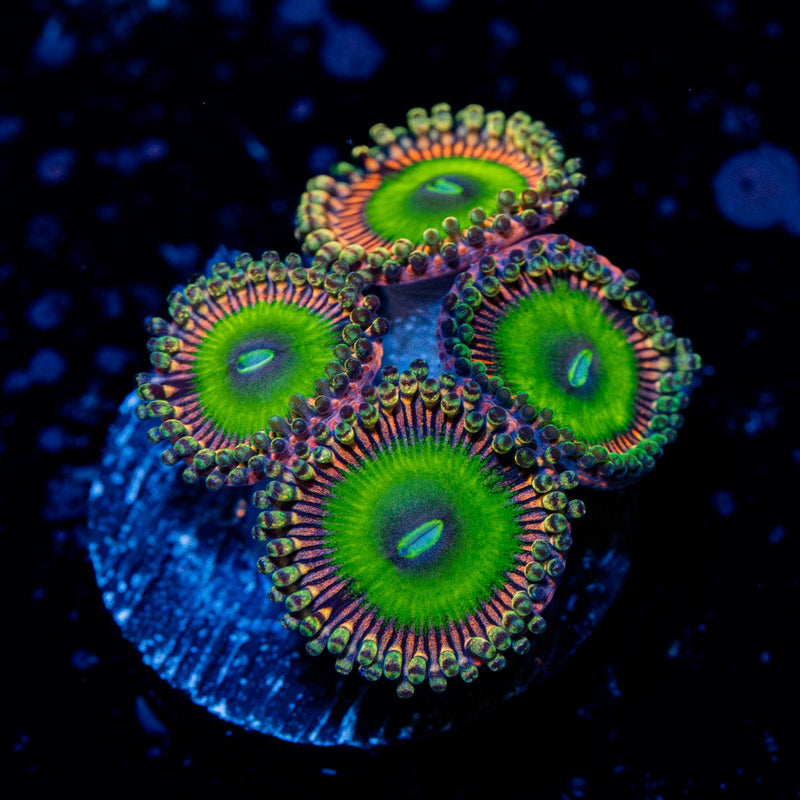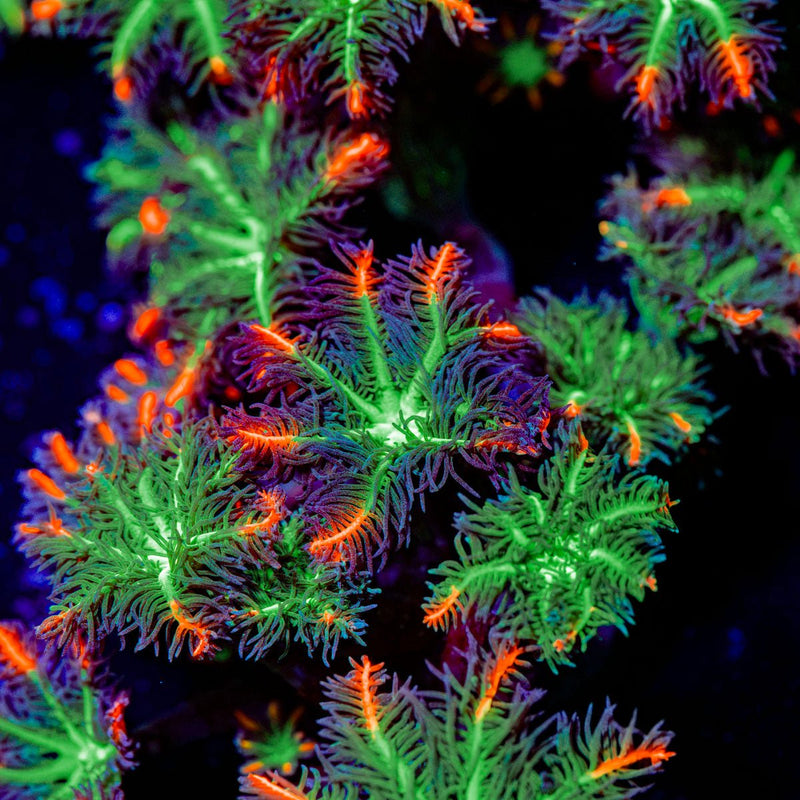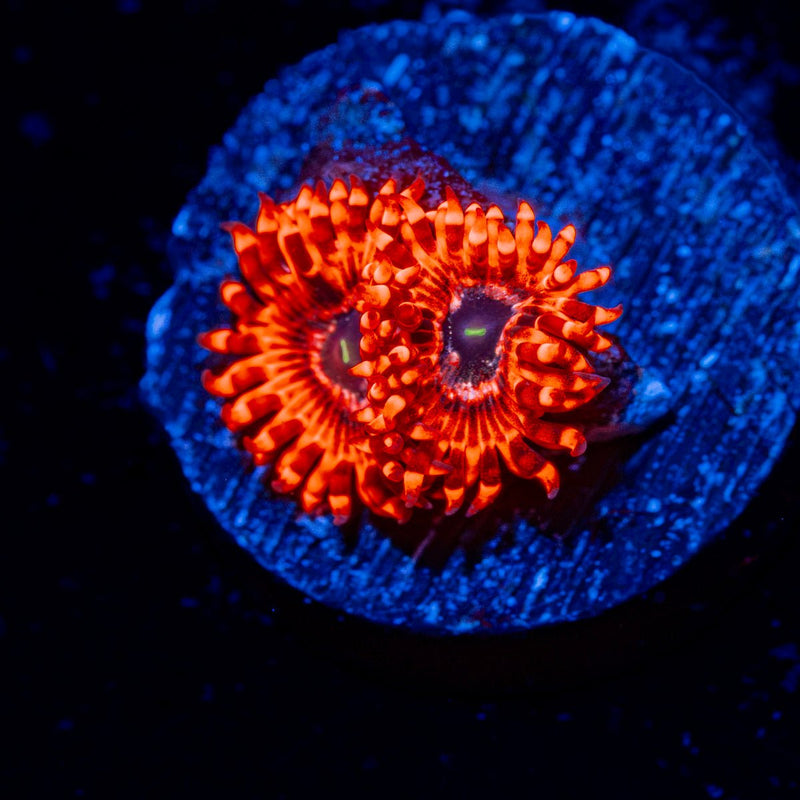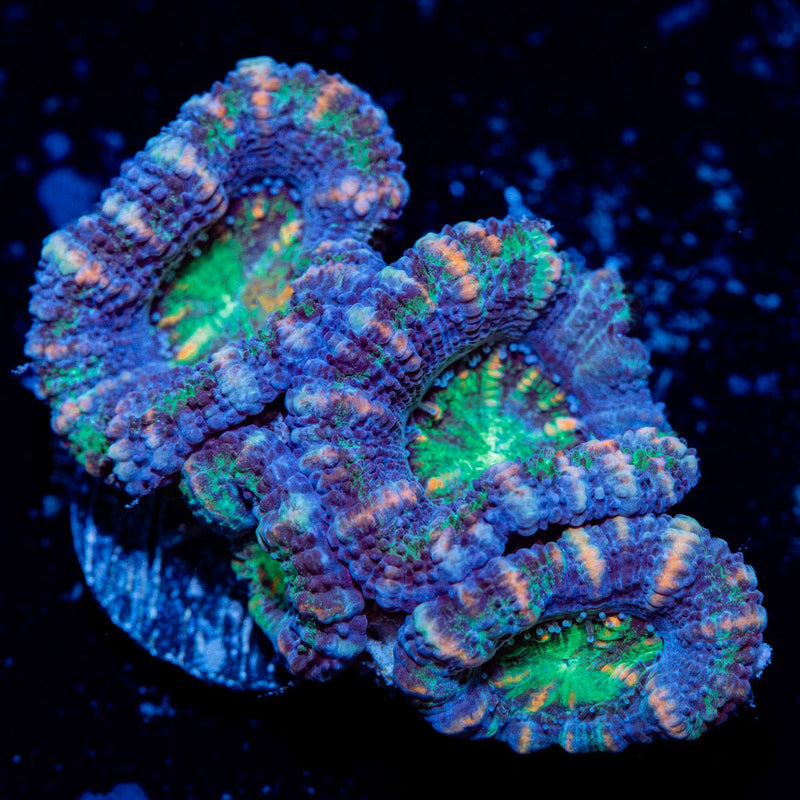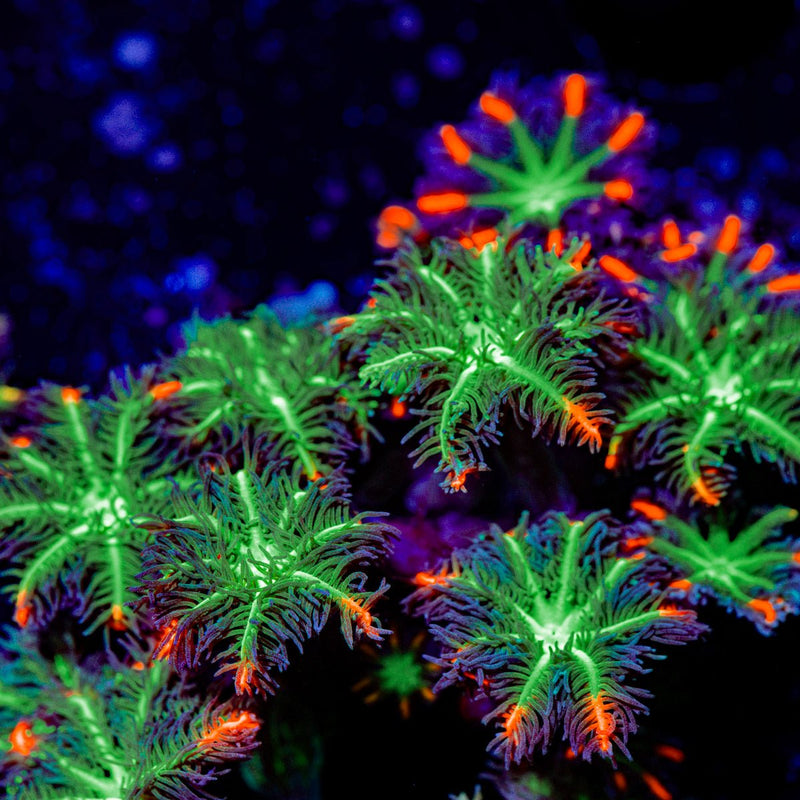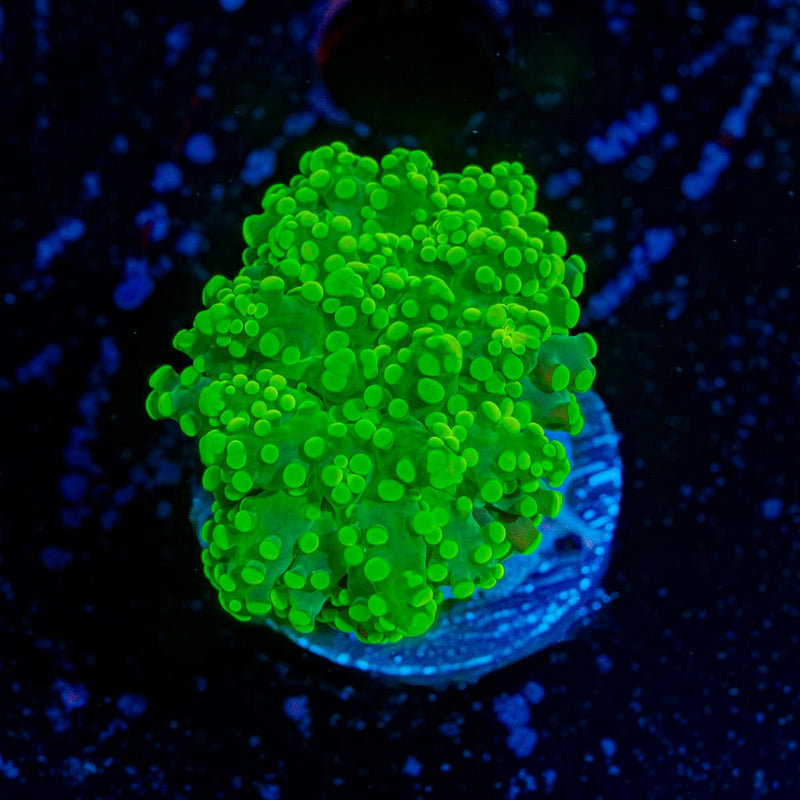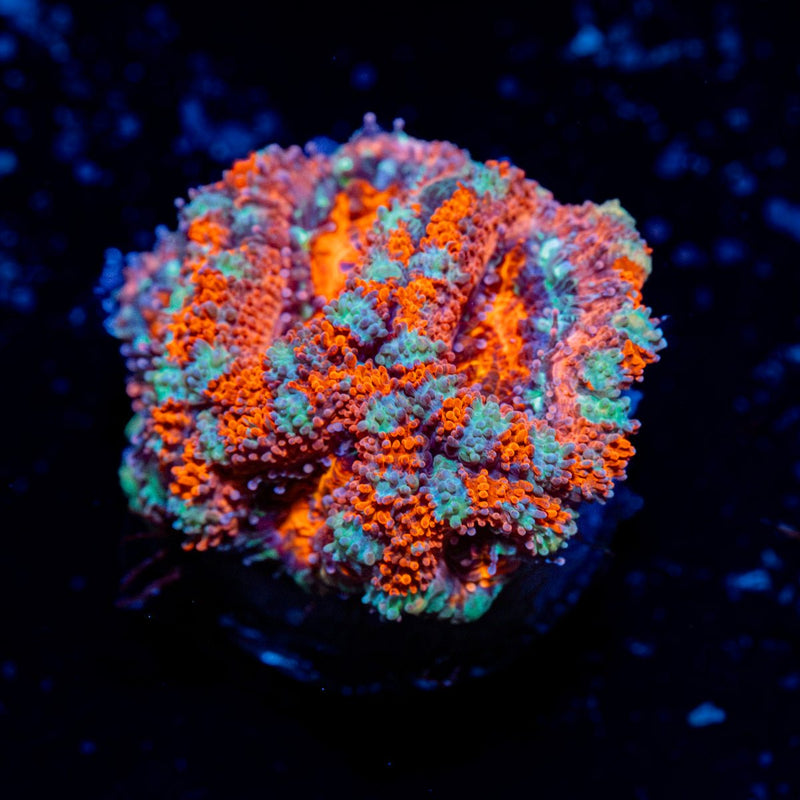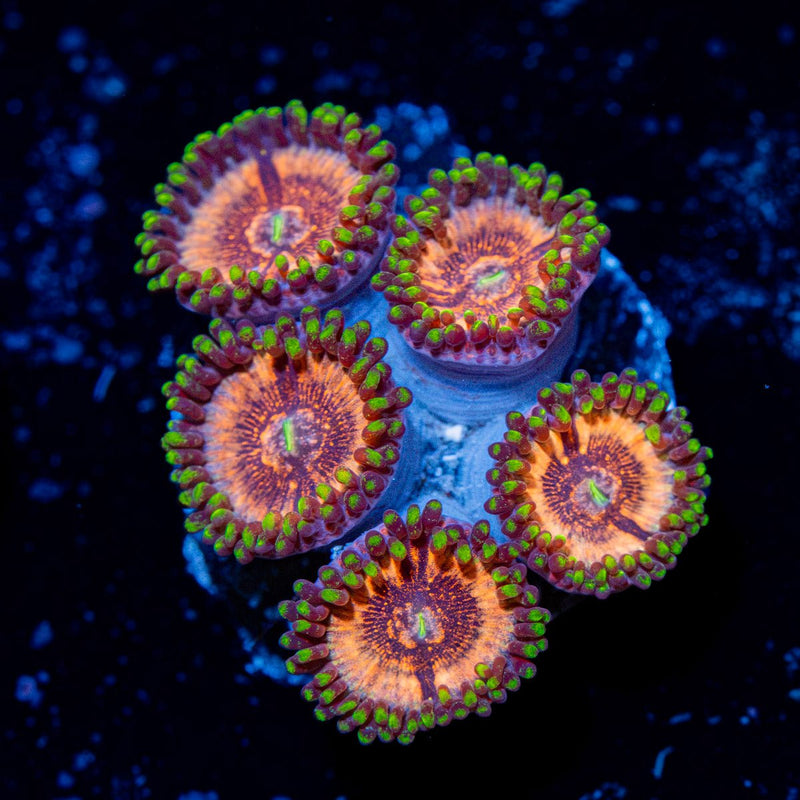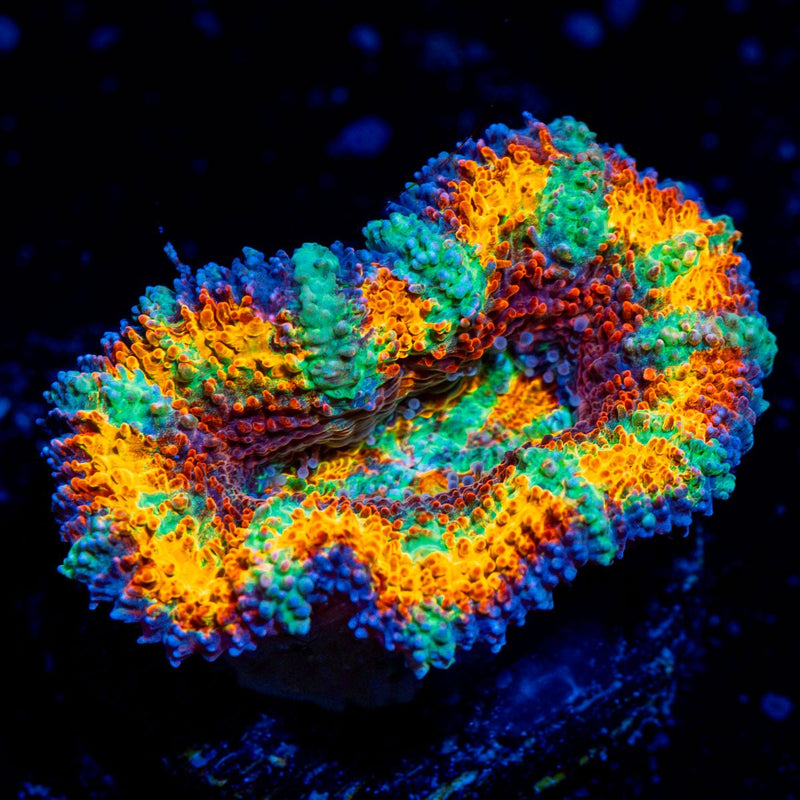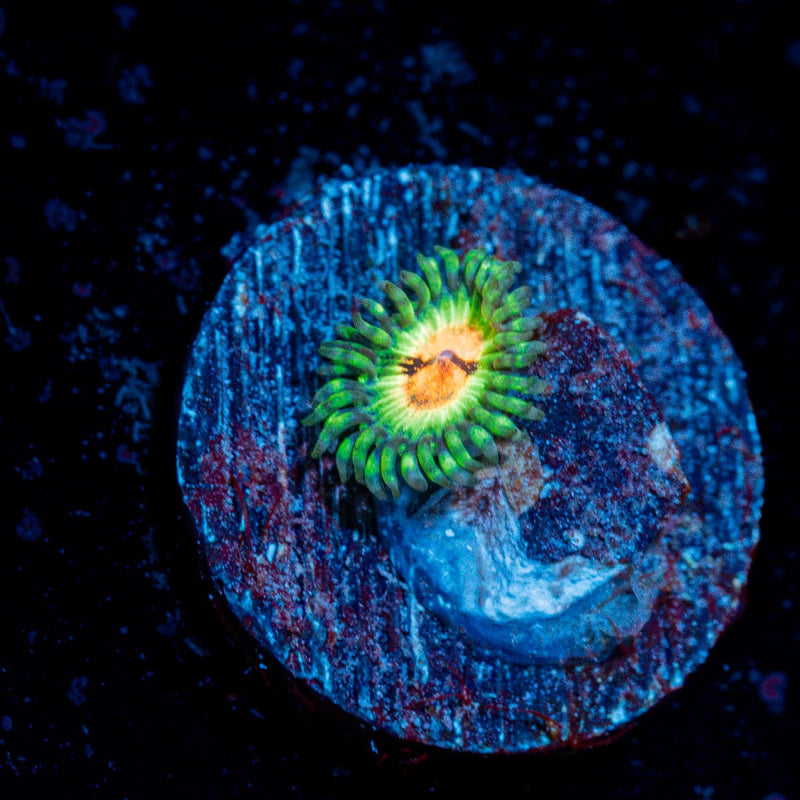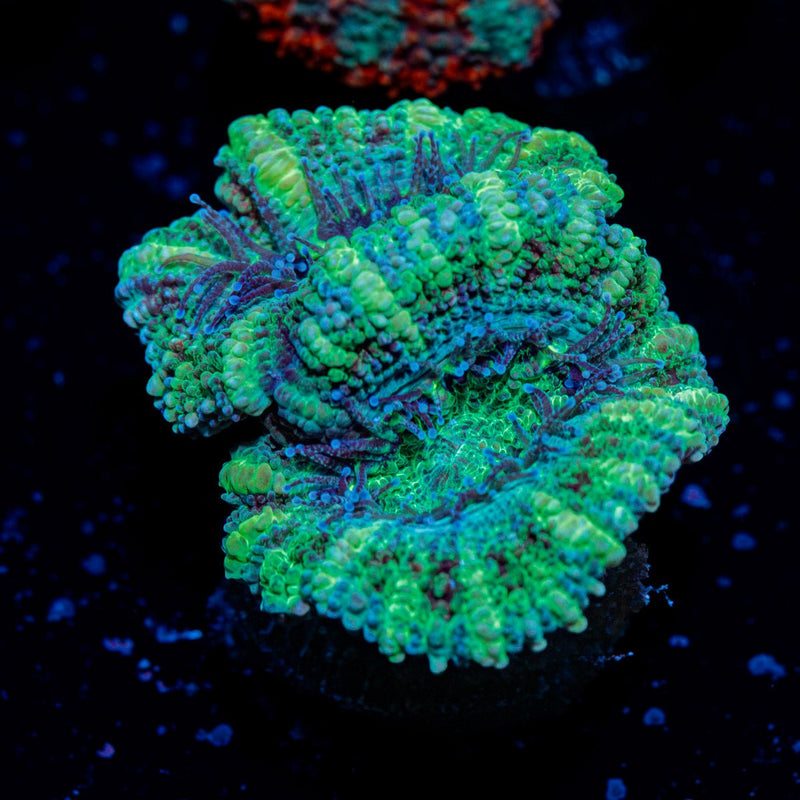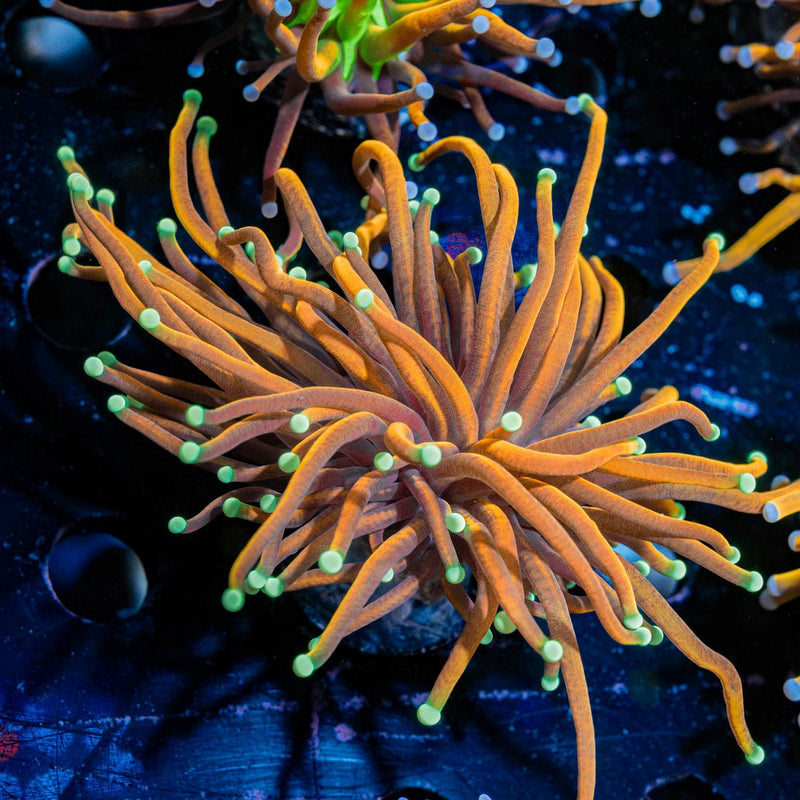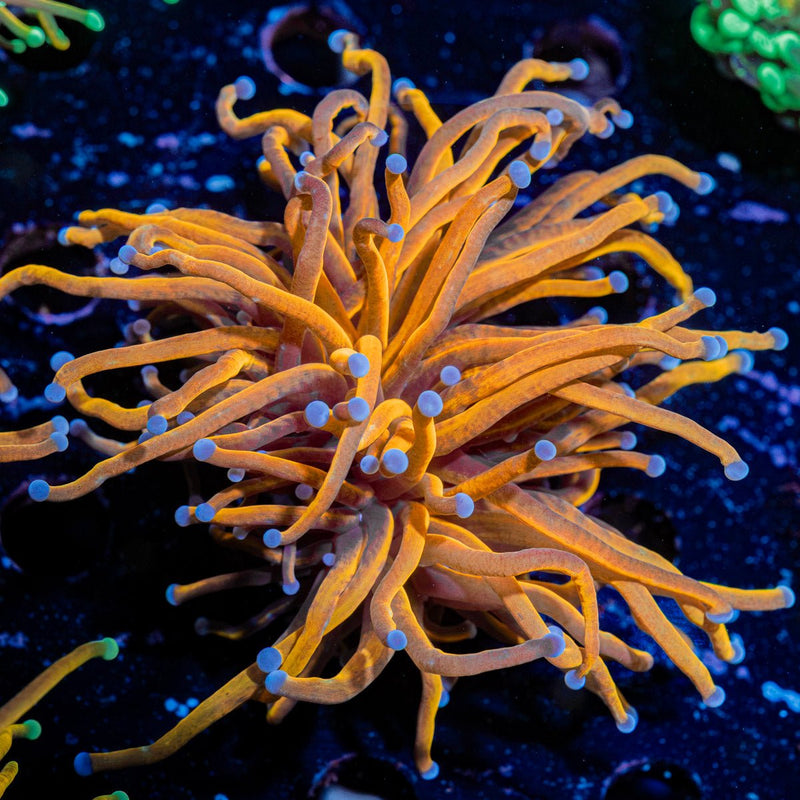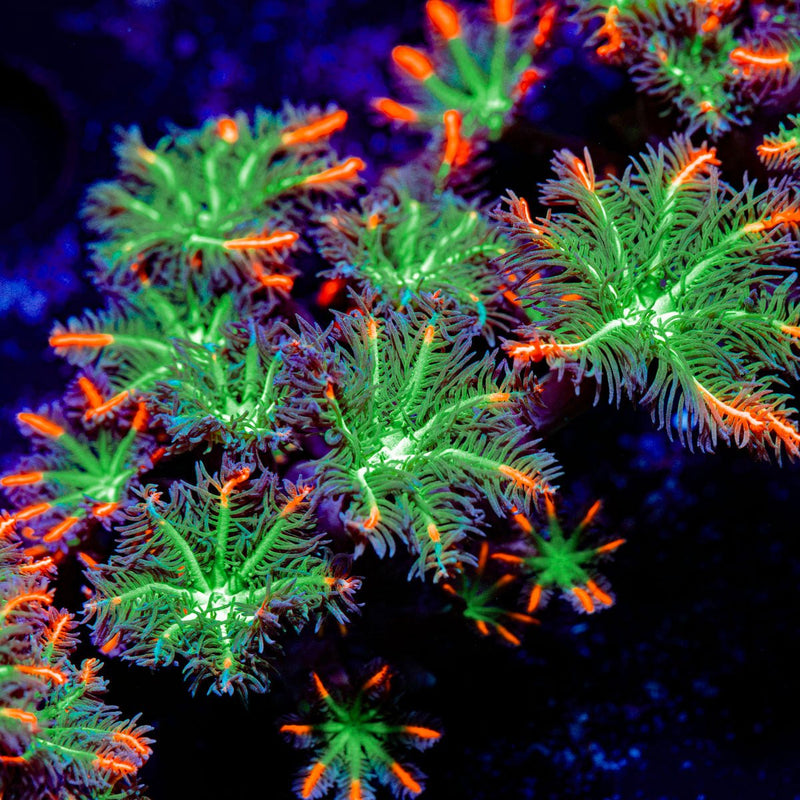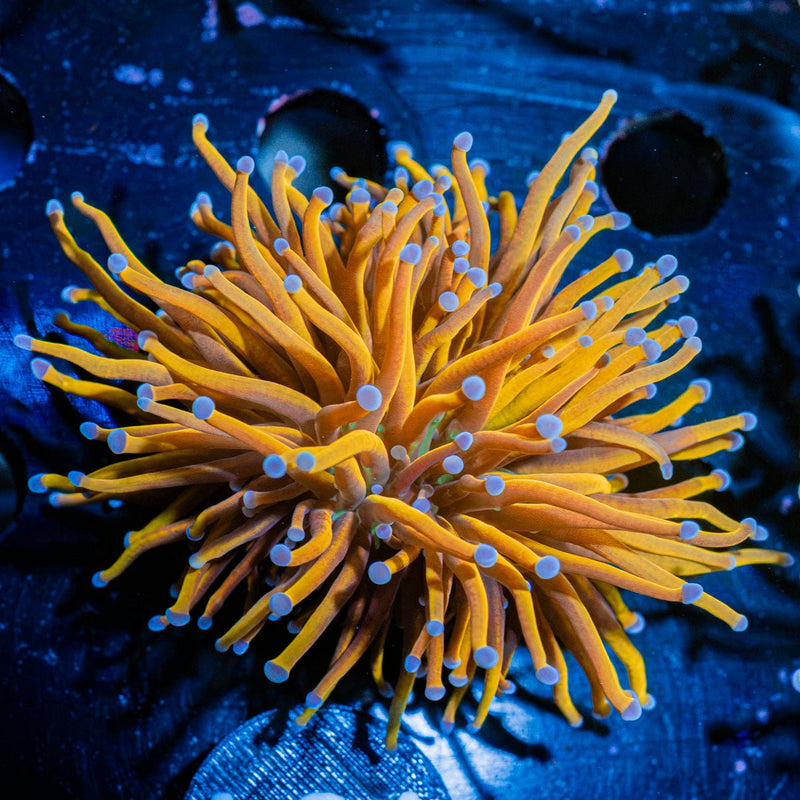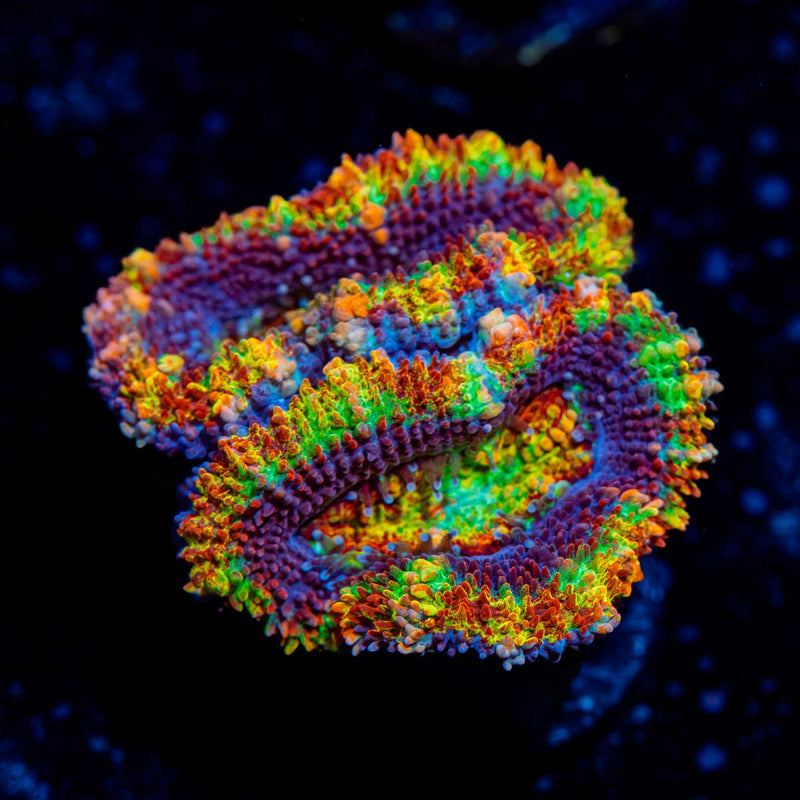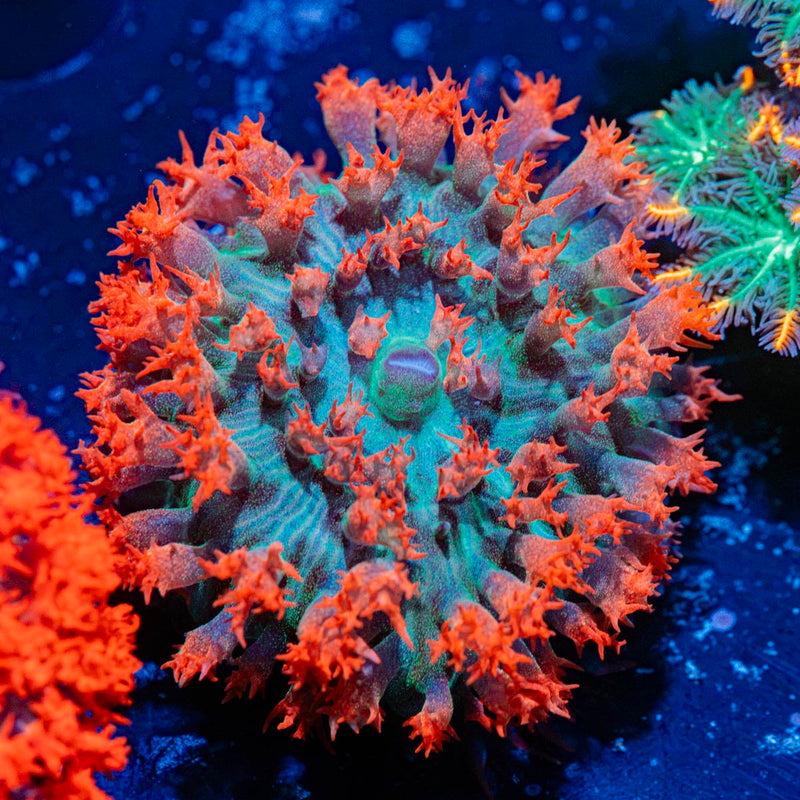
A coral that looked electric yesterday can look strangely faded after one lighting adjustment, a warm afternoon, or an overlooked swing in alkalinity. Knowing how to spot coral bleaching early gives you time to correct the cause before a colorful frag becomes a stressed, vulnerable colony.
Bleaching is not always an instant, bright-white event. In a home reef aquarium, it often begins as a subtle loss of saturation: a torch that looks washed out, a zoanthid colony with pale centers, or an Acropora that no longer shows its usual rich skin color. The key is learning what is normal for each coral, then responding calmly when something changes.
What coral bleaching looks like
Corals receive much of their color and energy from tiny symbiotic algae called zooxanthellae. When a coral is under enough stress, it may expel or lose these algae. With fewer zooxanthellae in its tissue, the coral’s underlying skeleton becomes more visible and the coral appears pale, pastel, translucent, or white.
The exact look depends on the coral. SPS corals often show bleaching first at the tips, upper branches, or areas directly under intense light. LPS corals may become noticeably lighter while still extending their tentacles, or their tissue may look thin over the skeleton. Soft corals, mushrooms, and zoanthids can lose their deep color and remain closed more often than usual.
True bleaching does not always mean the coral is dead. In fact, a bleached coral can still have living tissue and can regain color once conditions are stable. The goal is to distinguish a stressed but recoverable coral from one that is actively losing tissue.
Bleaching versus normal color shifts
Not every change in color is bleaching. Some corals naturally adjust their pigments after being moved to a new tank or placed under different LEDs. A coral may deepen, brighten, or develop new fluorescence as it adapts. This can be especially noticeable with WYSIWYG frags, where a specimen’s color under your lighting may settle in differently than it appeared under the seller’s photography system.
A healthy adjustment usually comes with normal polyp extension, intact tissue, and gradual change over several weeks. Bleaching tends to look abrupt or progressive in the wrong direction: color fades quickly, tissue becomes unusually pale, and the coral may retract, stay closed, or look less full than before.
Bleaching versus tissue loss
This distinction matters. Bleaching means the tissue is still present but has lost color. Tissue loss exposes bare white skeleton, often with a sharp edge where healthy tissue meets the stripped area. Rapid tissue necrosis and slow tissue necrosis can move quickly, especially in sensitive SPS corals.
If you can see a clean, bare skeletal surface where tissue used to be, treat it as an urgent health issue rather than simple bleaching. Check flow, inspect for pests, test major parameters, and avoid making multiple dramatic changes at once.
The most common reasons corals bleach in aquariums
Light is one of the most common triggers. A new coral placed directly under powerful LEDs, a sudden increase in intensity, or a shortened acclimation period can overwhelm its zooxanthellae. High-light SPS such as Acropora and Millepora may thrive under strong lighting once adapted, but even hardy pieces need a measured transition.
Temperature stress is another major culprit. A heater malfunction, a hot room, or a power outage can push temperatures beyond a coral’s comfort range. A brief spike may not affect every coral immediately, but repeated or prolonged heat stress can create a tank-wide paling event.
Water chemistry instability is equally important. Corals generally tolerate a reasonable target range better than frequent swings. Sudden changes in alkalinity are particularly risky for SPS, while salinity swings, low or high nutrients, unstable pH, and elevated contaminants can affect every coral category.
Flow also deserves attention. Too little flow allows waste to settle and can prevent proper gas exchange around the coral. Too much direct flow can cause tissue to stay retracted or peel away from exposed edges. A coral that receives the right amount of light but is being blasted by a powerhead may still fade.
Finally, consider recent changes. New lights, a different salt mix, a major water change, aggressive nutrient reduction, dosing adjustments, new livestock, or skipped maintenance can all provide a clue. The first question is rarely, “What product should I add?” It is usually, “What changed?”
How to spot coral bleaching before it becomes severe
Check your reef at roughly the same time each day, ideally when the main lights are on but not at their most extreme peak. You are looking for trends, not just dramatic problems. Compare the coral to its typical appearance and to recent photos on your phone.
Pay close attention to the top-facing surfaces of SPS, the oral discs and skirts of zoanthids, and the tissue fullness of fleshy LPS. A fading coral may still eat and extend, which is encouraging, but do not wait for it to decline further before investigating.
It also helps to look at the entire tank. If one new frag is pale while established corals look excellent, the issue may be placement or light acclimation. If several species are fading at the same time, think broader: temperature, salinity, lighting schedule, alkalinity, nutrients, or a contaminant.
What to do when you see bleaching
Start by testing the basics with reliable equipment. Check temperature, salinity, alkalinity, calcium, magnesium, nitrate, and phosphate. If a number is out of range, avoid chasing a perfect result in a single afternoon. Make a controlled correction and prioritize stability.
If light stress is likely, reduce intensity gradually or move the affected frag to a lower-light area. For corals already in place, shortening the peak photoperiod can be gentler than making a drastic spectrum change. Keep in mind that a coral accustomed to low light can bleach when moved upward, while a coral kept too dim may darken and lose some of its best coloration. Placement is always a balance.
Verify temperature with a second thermometer if anything seems suspicious. Keep heaters, fans, and controllers clean and dependable. During warm weather, a small fan across the water surface can make a meaningful difference, though evaporation will increase and top-off water must be managed carefully.
Maintain moderate, indirect flow around the coral. You want tentacles and polyps to move naturally, not fold over or remain pinned in one direction. For a stressed LPS coral, relocating it away from a direct pump blast can be as useful as moving it lower in the tank.
Avoid the temptation to repeatedly dip, move, feed heavily, or change additives without evidence of a pest, infection, or deficiency. A stressed coral benefits from stable, clean water more than constant intervention. If tissue is intact, give it room to recover.
Recovery is usually measured in weeks
A bleached coral rarely returns to full color overnight. Once the underlying stressor is corrected, you may first see improved extension, fuller tissue, and more consistent feeding behavior. Pigment recovery often follows slowly as the coral rebuilds its symbiotic algae population.
During this period, keep nutrient levels available but controlled. Ultra-low nutrients can make recovery harder for some corals, while excess nutrients can fuel algae and other problems. The best target depends on your system, coral mix, feeding habits, and filtration, but steady readings matter more than daily tinkering.
Newly purchased coral frags deserve an especially patient introduction. Start with thoughtful acclimation, moderate placement, and a realistic expectation that even healthy aquacultured corals need time to adjust to a new tank. A vibrant frag is a living animal, not a decoration that should be forced into its final display spot on day one.
Build a reef where color can hold
Preventing bleaching comes down to consistency. Use a dependable light schedule, acclimate corals to stronger lighting, keep temperature and salinity steady, and test enough to catch chemistry drift before it becomes a crisis. Photographing your favorite pieces every few weeks is also more useful than it sounds. It creates a visual record of growth, color, and subtle warning signs that memory can miss.
The payoff is more than avoiding loss. Stable conditions help your torches glow, your zoanthids stay lively, your mushrooms remain richly colored, and your SPS show the crisp, rewarding tones that make a reef tank feel like a living jewel. When you learn to notice the first hint of fading, you can give that coral the calm, consistent care it needs to color back up.