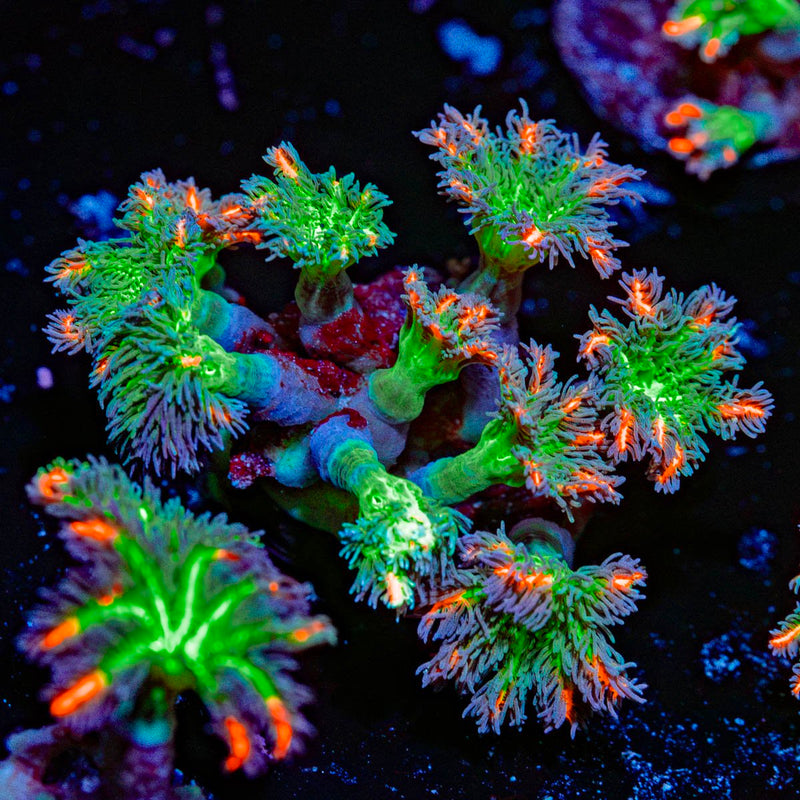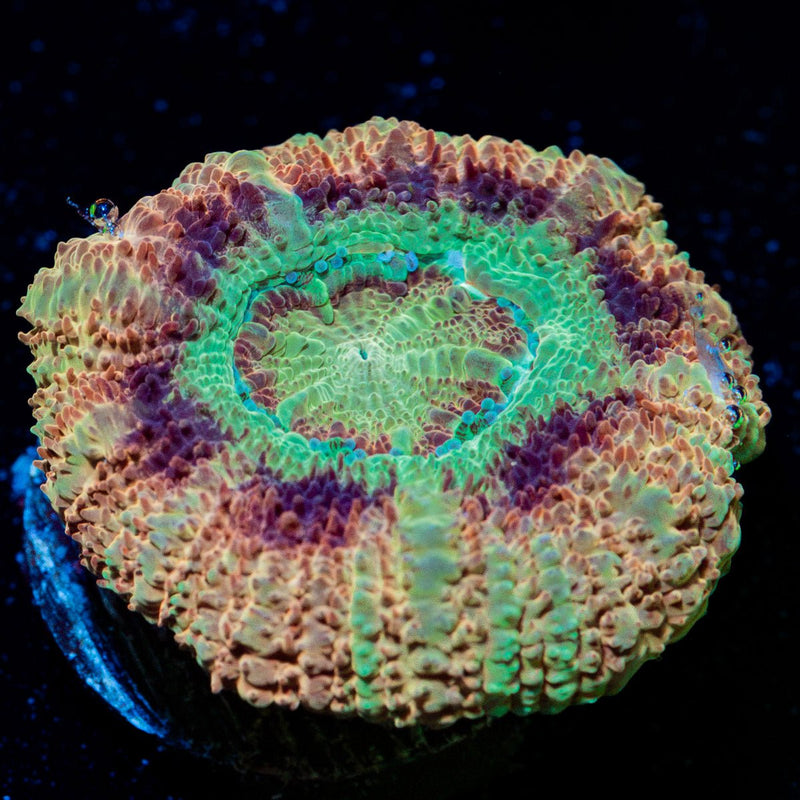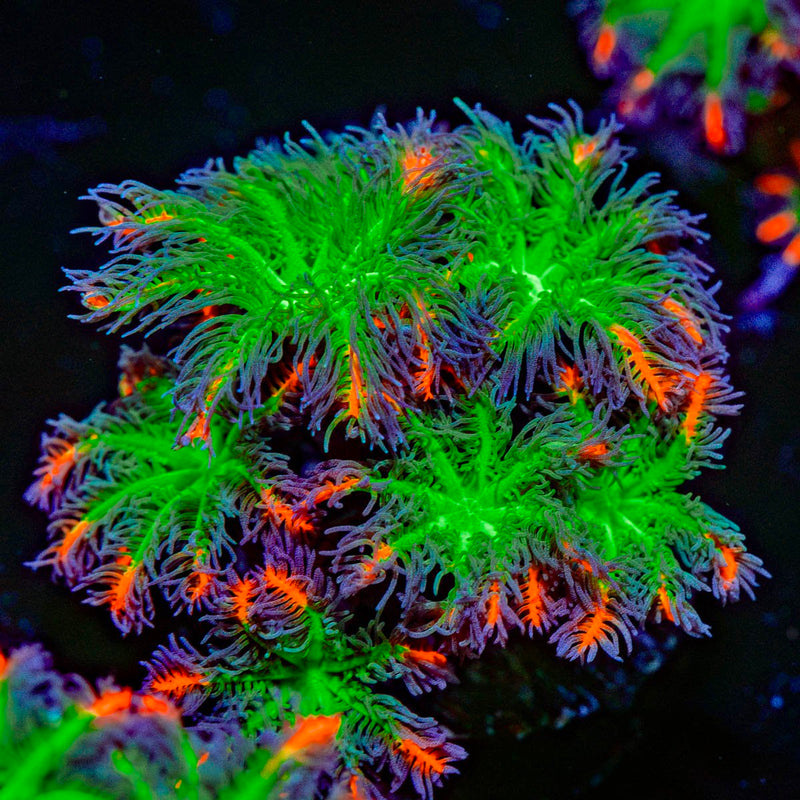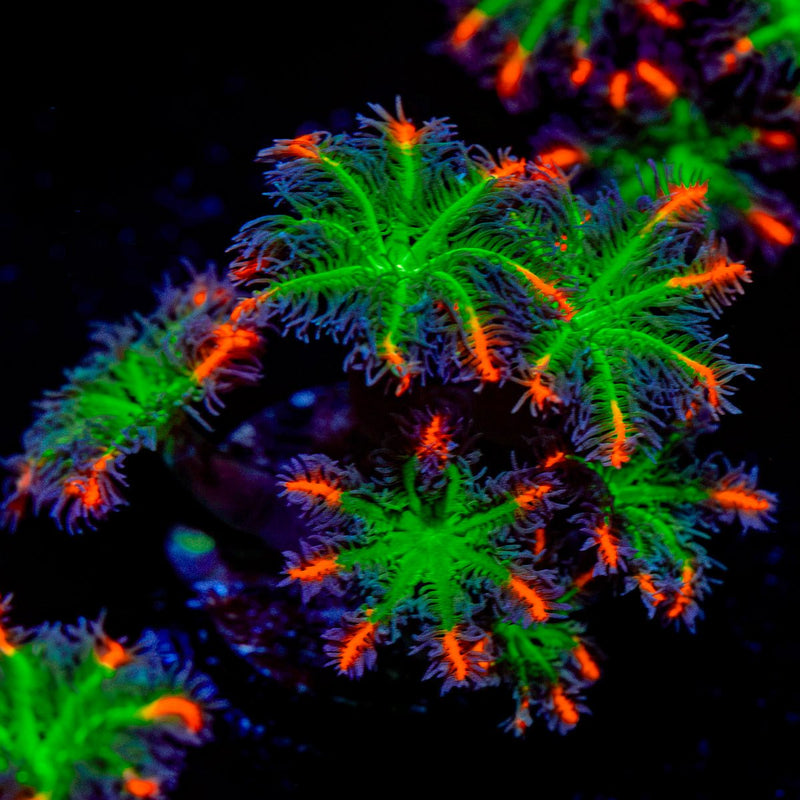
A coral that looked full and colorful on Monday can look withdrawn by Friday: less extension, duller tissue, a suspicious bare patch near the base. That change deserves attention, but not panic. Coral diseases are one possible cause, yet many aquarium problems that resemble disease begin with stress, unstable water chemistry, pests, aggression, or a sudden shift in light and flow.
The best response is calm observation followed by targeted action. Healthy aquacultured corals are resilient living jewels, but they still need stable conditions and a careful introduction to a new reef. Learning what you are seeing helps you protect the affected coral without disrupting the rest of your tank.
What Coral Diseases Can Look Like in a Reef Tank
In the hobby, the word “disease” is often used for any tissue loss or unusual appearance. True coral disease can involve bacterial, fungal-like, viral, or protozoan processes, but identifying the exact pathogen at home is rarely realistic. What matters most is recognizing the pattern, ruling out common environmental causes, and preventing a worsening issue from spreading.
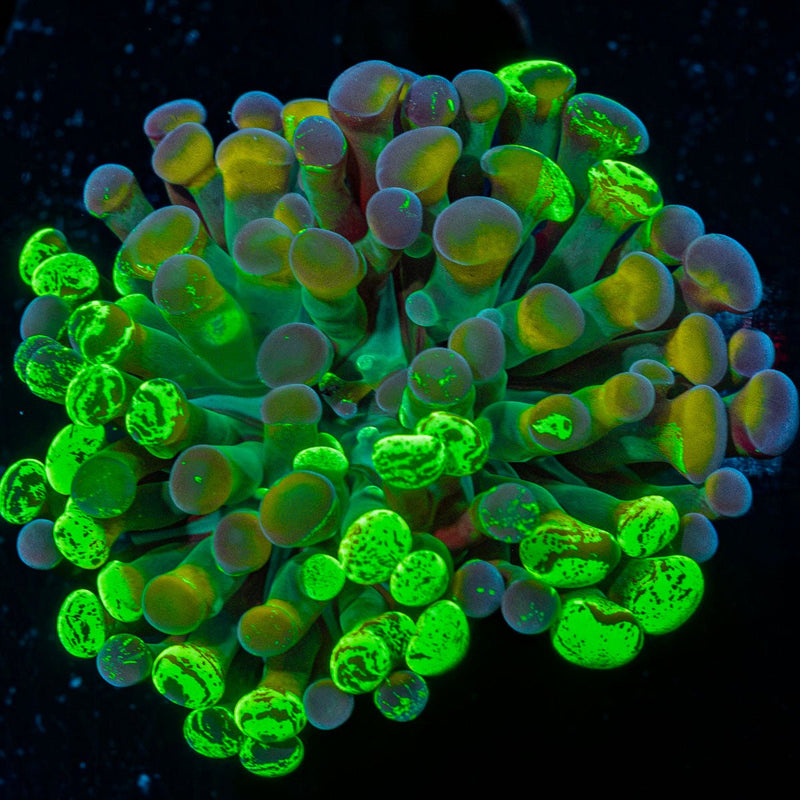
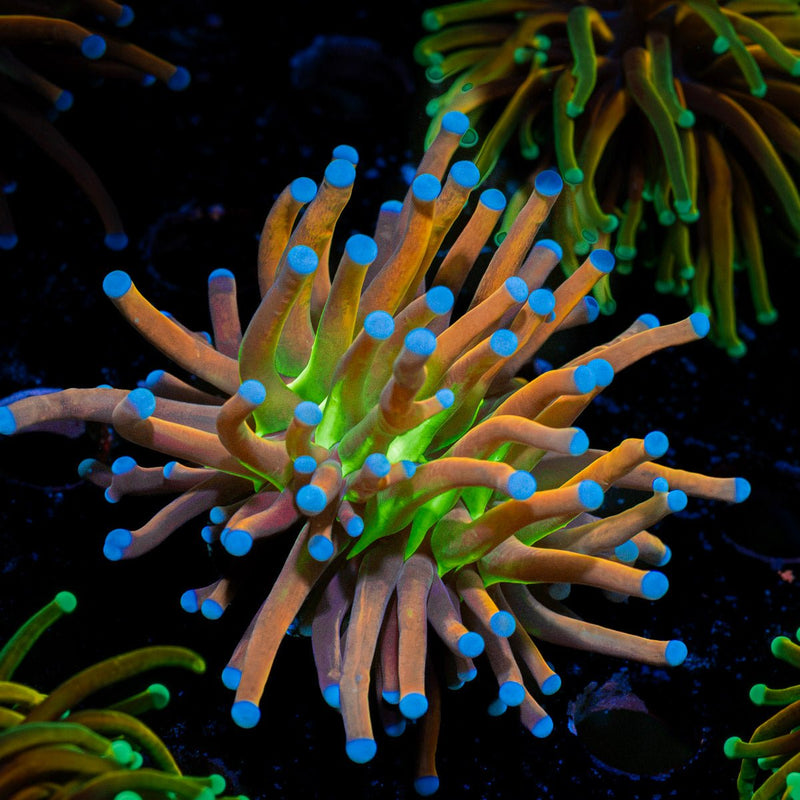
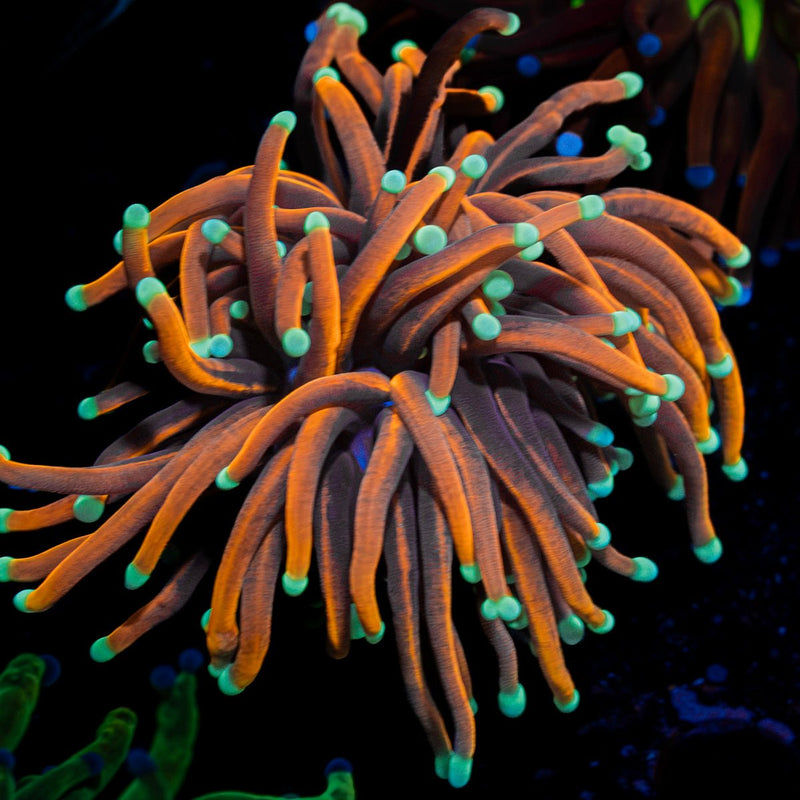
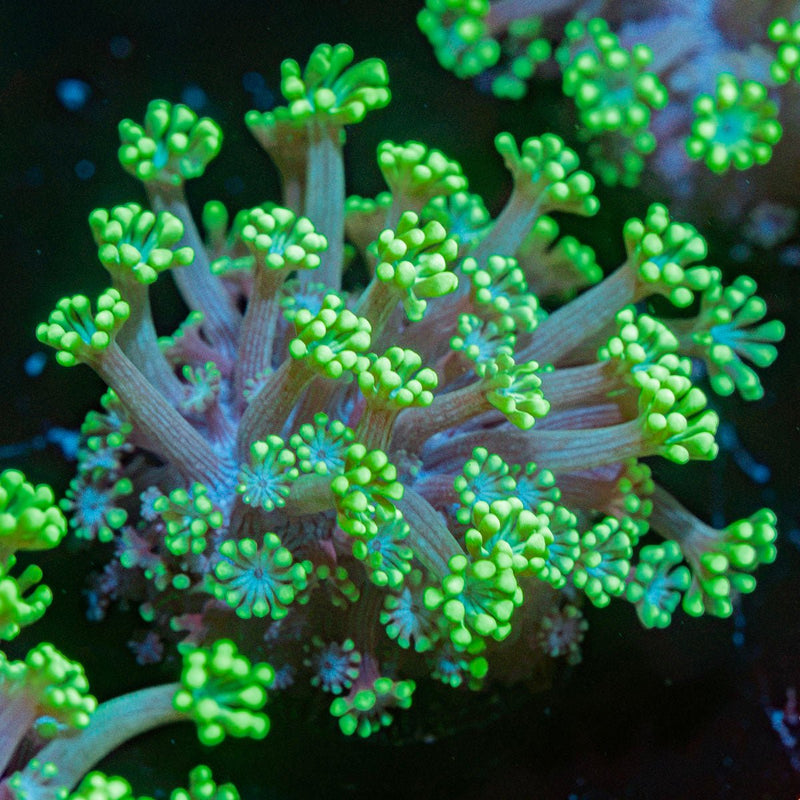
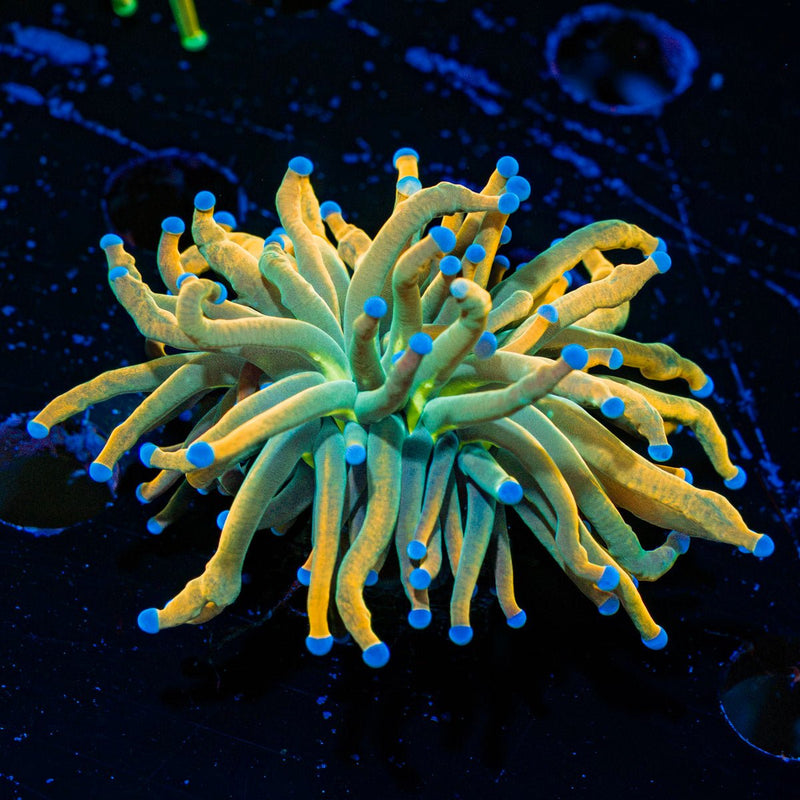
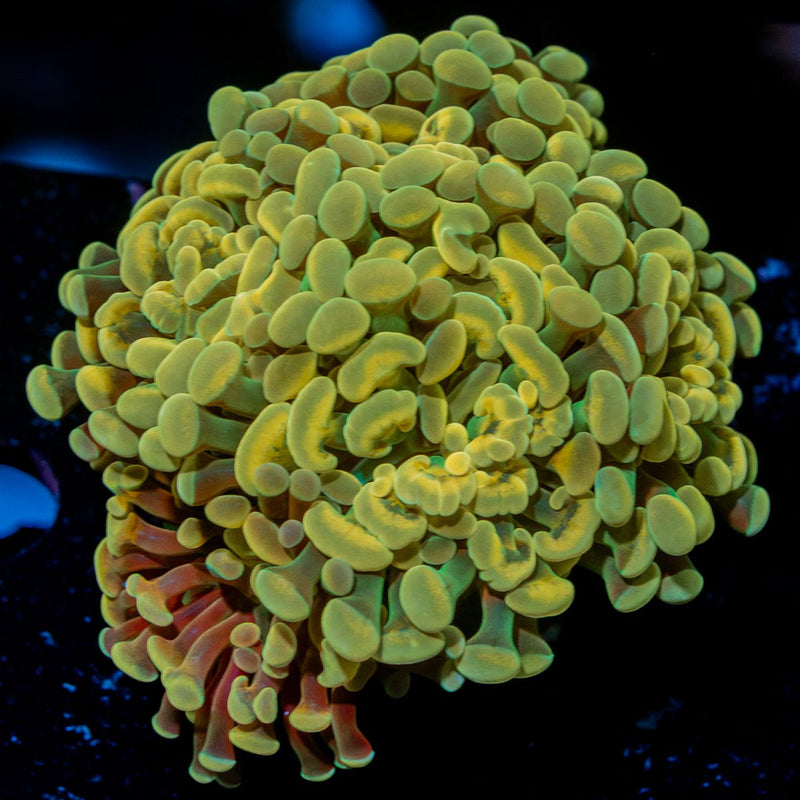
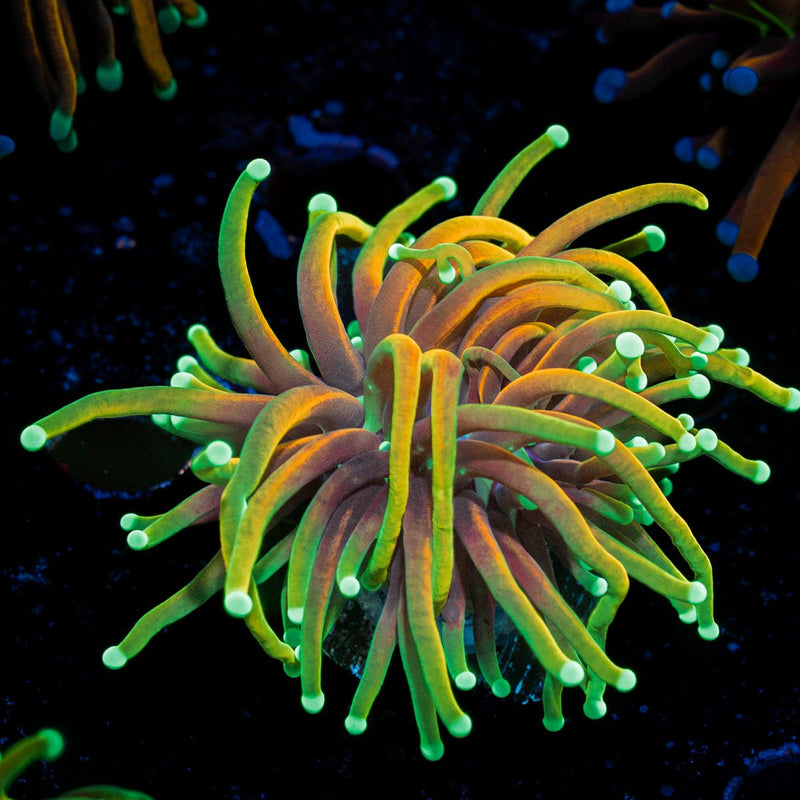
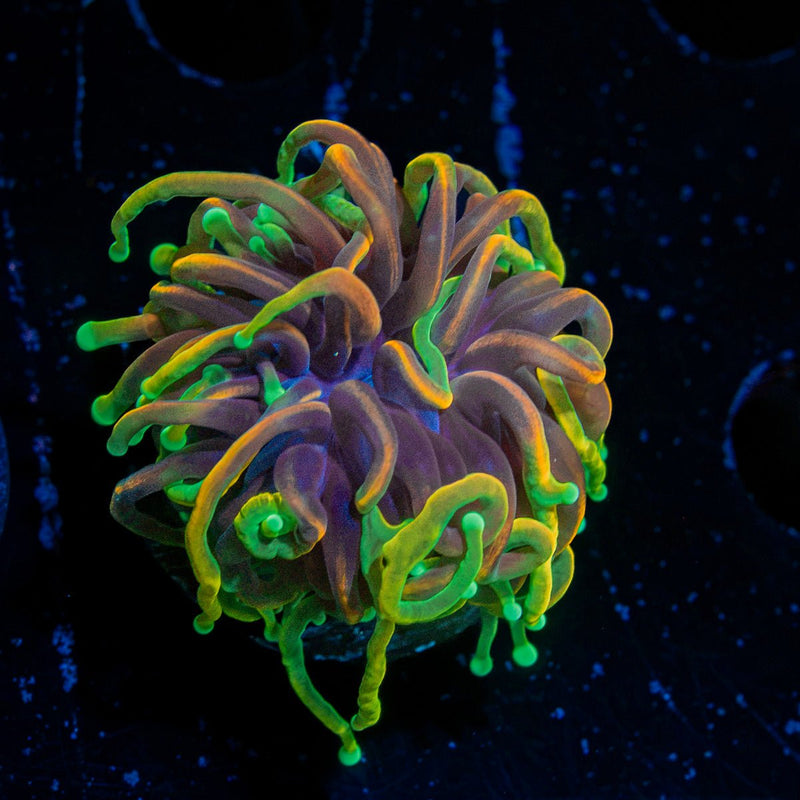
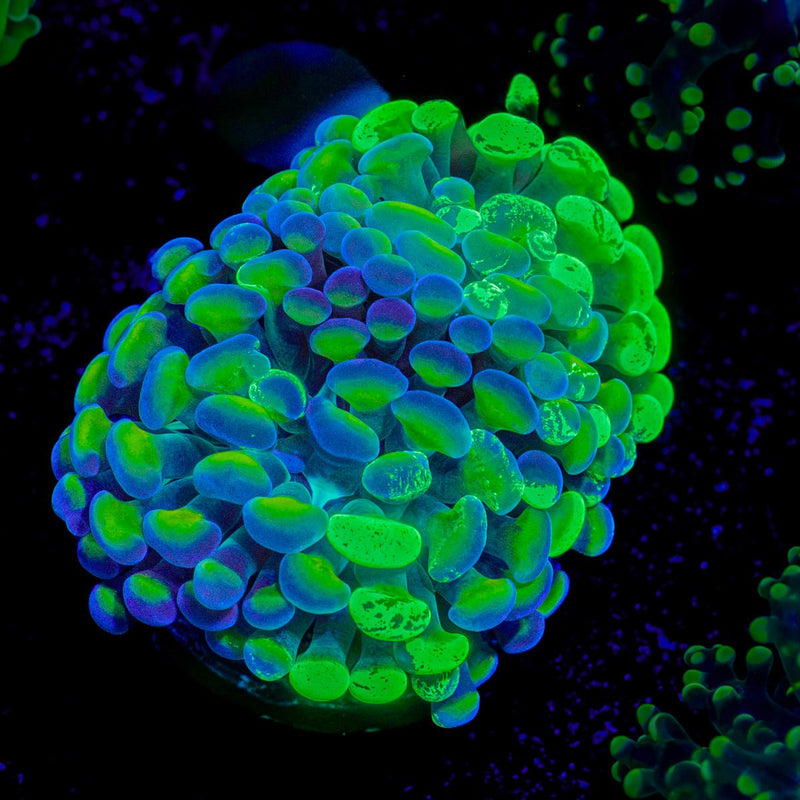
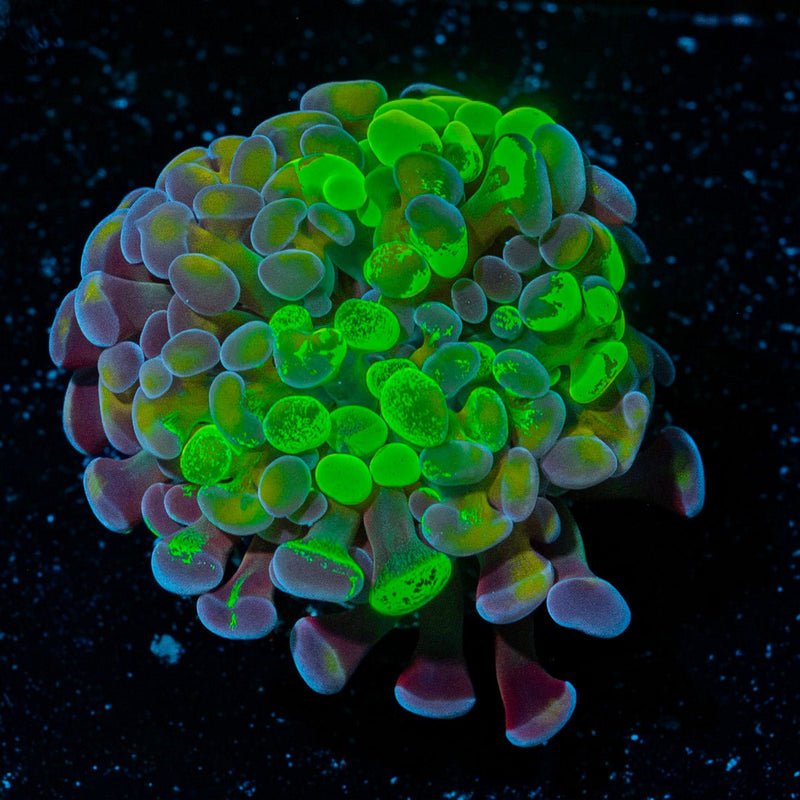
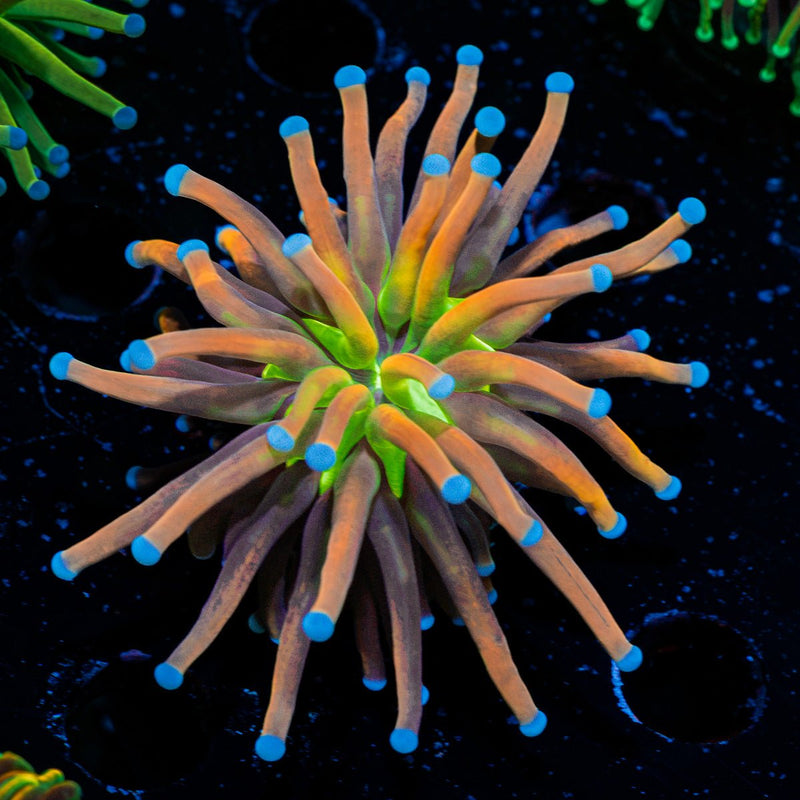
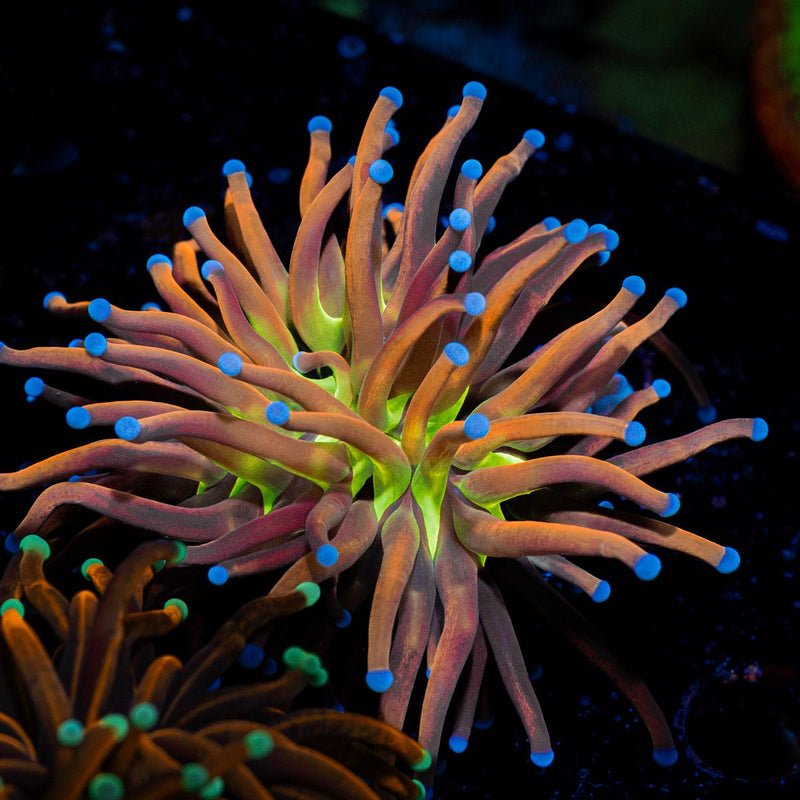
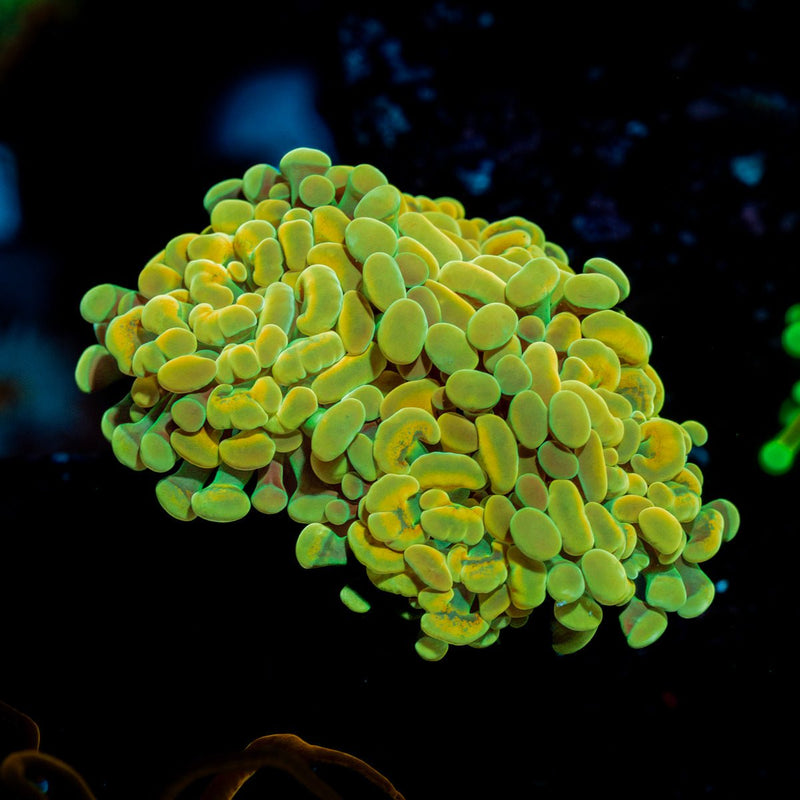
A few signs deserve prompt investigation. Rapid tissue loss can leave bright white skeleton exposed over hours or days, especially on SPS corals such as Acropora and Millepora. Slow tissue recession is more gradual, often beginning at the base or shaded areas. Brown jelly is a loose, brown, mucus-like material most often seen on damaged LPS corals, including torches, hammers, frogspawn, and other Euphyllia. It can move quickly and requires immediate isolation.
Bleaching looks different. A bleached coral loses much of its color and becomes pale or nearly white while tissue may remain intact. This is commonly a response to excess light, heat, or another major stressor rather than an infection. A pale coral can recover if its tissue is still present and conditions are corrected gently.
Also look closely for physical clues. Bite marks, flatworms, nudibranchs, vermetid snail webs, stinging neighbors, and detritus trapped around a coral's base can all create damage that is mistaken for coral diseases. A magnifying glass, blue-spectrum viewing light, and a few quiet minutes after lights-out can reveal a lot.
The Most Common Triggers Behind Coral Disease-Like Symptoms
Corals rarely decline for no reason. In a closed aquarium, a small swing in chemistry or a new livestock addition can create the opening for stress and infection. The cause may be obvious, such as a heater failure, or subtle, such as alkalinity drifting upward every day after a dosing adjustment.
Water stability is the foundation. Temperature swings, salinity changes, fluctuating alkalinity, and elevated nutrients can all reduce a coral's ability to recover from shipping, fragging, or minor damage. Low nutrients can also be stressful when paired with intense light, particularly for freshly added SPS. There is no single “perfect” nitrate or phosphate number for every tank. The goal is a stable, measurable range that supports the corals already thriving in your system.
Flow and placement matter just as much. Euphyllia may develop irritated tissue when blasted by a narrow pump stream, while an Acropora placed in low, stagnant flow may accumulate detritus and lose tissue near its base. A coral moved from a lower-light grow-out system directly under powerful LEDs may bleach even if every test result looks acceptable.
New additions introduce another variable. Even beautiful, healthy-looking frags can carry pests or microorganisms that your established tank has not encountered. This is not a reason to avoid adding new color to your reef. It is a reason to use a consistent acclimation and quarantine process whenever your space allows.
How to Tell Stress From a Spreading Problem
Start by asking whether the issue is isolated or contagious. One coral that is shrinking after being moved may be responding to placement. Several corals closing at once points more strongly to a tank-wide event, such as temperature, salinity, contamination, or a major chemistry swing.
Then examine the direction and speed of damage. A clean recession line that advances quickly across living tissue is more urgent than a stable patch of old damage. Brown jelly, foul-smelling tissue, or visible sloughing calls for fast action. On the other hand, a coral that is simply less extended for a day or two after shipping, dipping, or reaquascaping may need stable conditions and time rather than treatment.
Before making multiple corrections, test temperature, salinity, alkalinity, calcium, magnesium, nitrate, and phosphate. Compare the results with your usual numbers, not only a generic target chart. A value that is acceptable on paper may still be a problem if it changed suddenly. Check equipment too: confirm heater accuracy, inspect pumps, and make sure your auto-top-off is not causing daily salinity swings.
Take a clear photo each day under similar lighting. Coral decline can feel dramatic in the moment, and photographs make it easier to see whether recession is progressing, holding steady, or beginning to heal.
A Practical Response Plan for Suspected Coral Diseases
When tissue loss or suspicious mucus is present, act in a deliberate order. Avoid chasing every possible explanation with large water changes, new additives, and several treatments at once. That can create more stress than the original problem.
First, isolate the affected coral if it can be moved without causing additional injury. A separate observation tank is ideal, but a protected, lower-stress area in the display may be the better choice if the coral is firmly encrusted or movement would damage it. Increase gentle, indirect flow around the coral so debris cannot settle on compromised tissue.
Second, remove obvious sources of irritation. Relocate a stinging neighbor, brush away detritus with a turkey baster, remove pest snails or worms, and correct aggressive flow. If a diseased-looking section is clearly confined to one branch of an SPS colony, fragging well into healthy tissue may save the remaining colony. Use clean tools and discard infected tissue rather than allowing it to drift through the aquarium.
Third, consider a coral dip only when it matches the likely issue. Dips can help reduce some pests and surface organisms, but they are not harmless and they are not a cure-all. Follow the product instructions precisely, use aquarium water at matched temperature and salinity, and provide aeration during the dip when directed. Never assume that a stronger concentration or longer exposure will produce a better result.
Finally, stabilize the display tank. Keep lighting consistent or reduce intensity gradually if bleaching is suspected. Resume regular maintenance, but avoid sudden, oversized chemistry corrections. Good skimming, appropriate mechanical filtration, stable dosing, and clean water movement create better recovery conditions than a shelf full of emergency remedies.
Prevention Starts Before a Frag Enters the Display
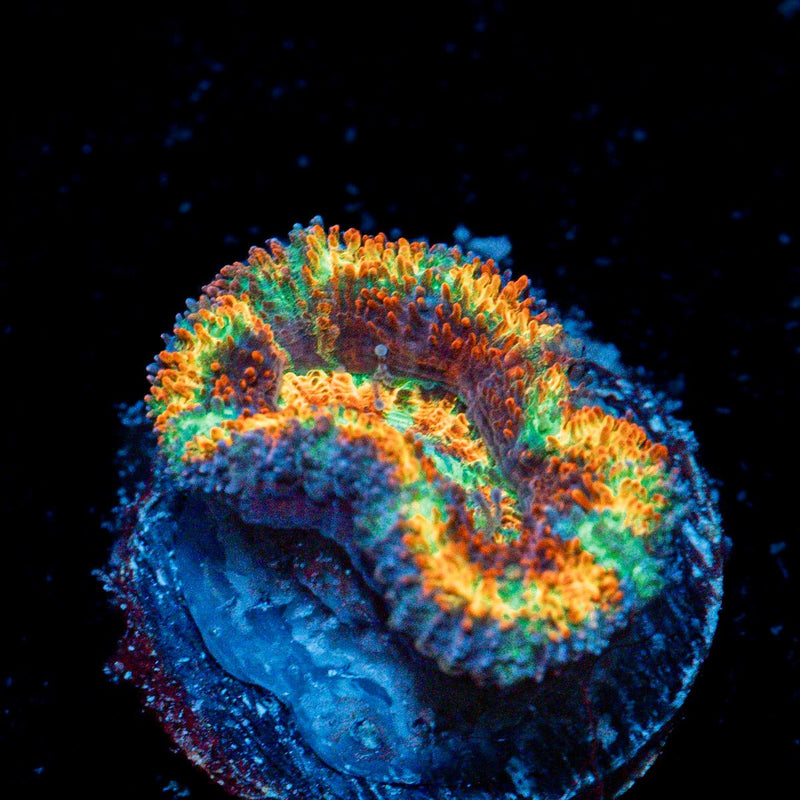
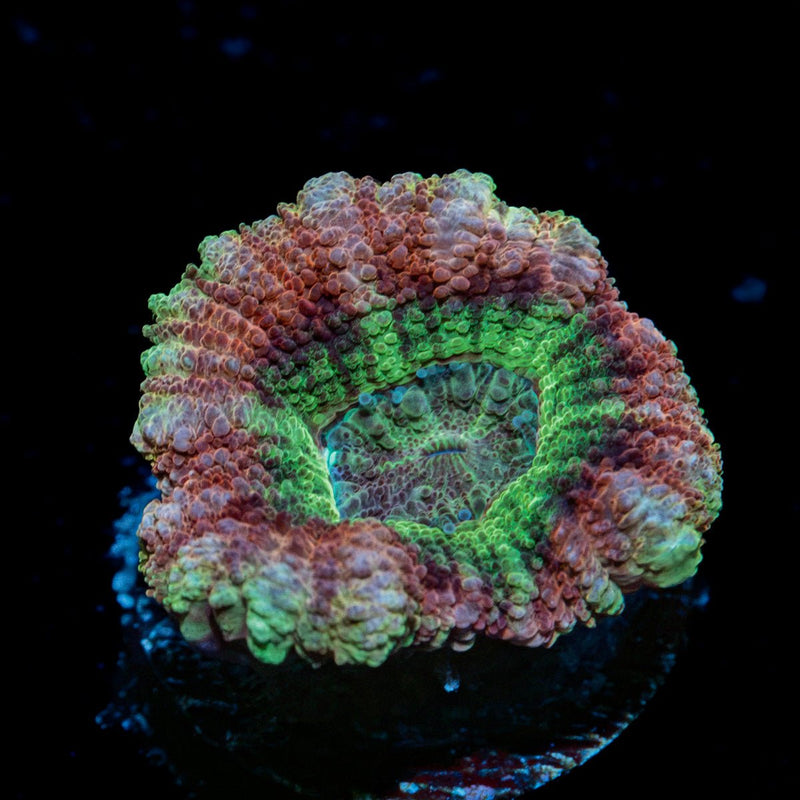
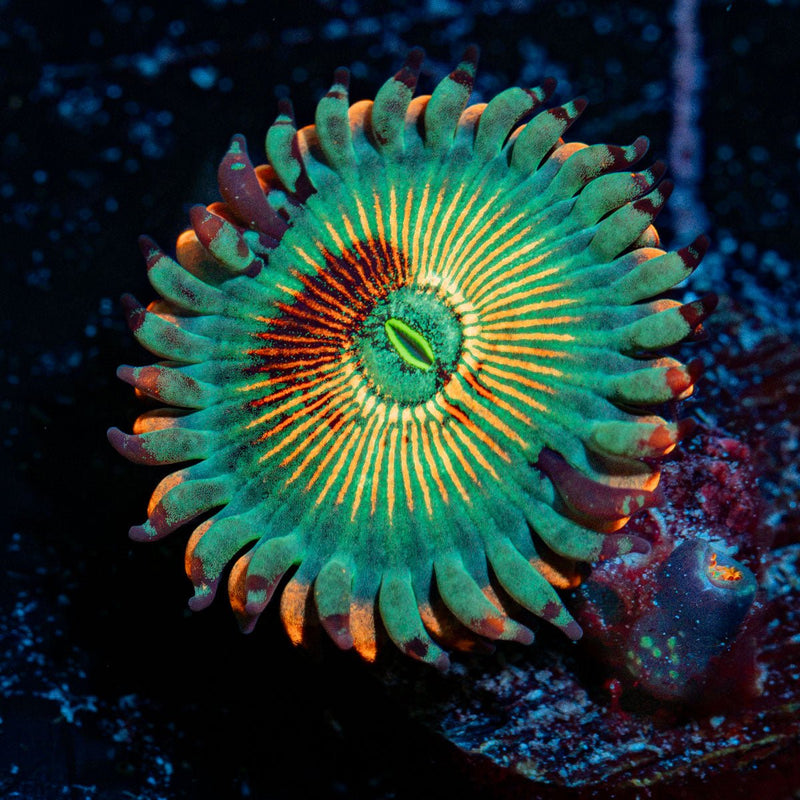
The most effective coral disease strategy is preventing avoidable stress. Choose aquacultured corals that have been grown under aquarium conditions and select species that fit your experience level, lighting, and flow. A beginner-friendly mushroom, zoanthid, or hardy soft coral may be a better first addition than a high-demand Acropora, even if both are stunning.
Acclimate new arrivals thoughtfully. Match temperature first, inspect the coral and plug closely, and avoid placing a new frag immediately under maximum light. Many reef keepers begin with lower light and gradually move corals upward as they show healthy color and polyp extension. Give each addition room from aggressive neighbors, especially sweepers from LPS corals that can reach much farther after dark than expected.
A dedicated quarantine system offers the strongest protection, particularly for collectors adding frequent SPS, Euphyllia, or high-value WYSIWYG pieces. Even a simple observation setup with stable heat, circulation, and appropriate lighting can help you spot pests and tissue issues before they enter the main display. If full quarantine is not practical, a careful inspection and species-appropriate dip routine are still worthwhile risk-reduction steps.
Riptide Aquaculture's aquacultured coral approach is built around the same principle: corals accustomed to aquarium life give hobbyists a stronger starting point, while thoughtful placement and stable care help that color last.
A reef tank does not need to be sterile to be successful. It needs consistency, observation, and a keeper willing to respond early without overreacting. When a coral changes, slow down, look closely, correct the stress you can identify, and give healthy tissue the calm conditions it needs to recover.