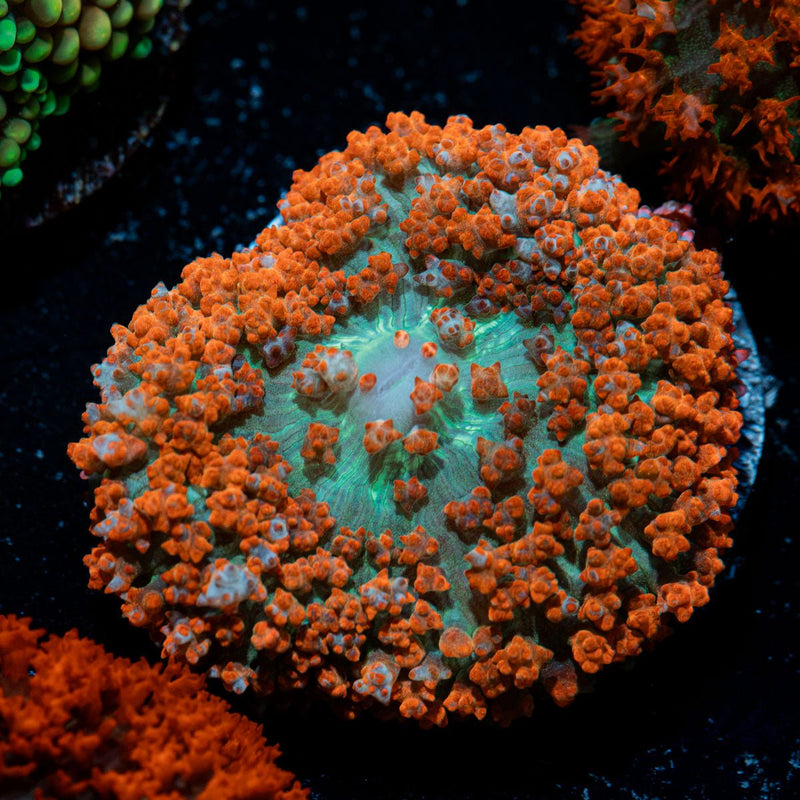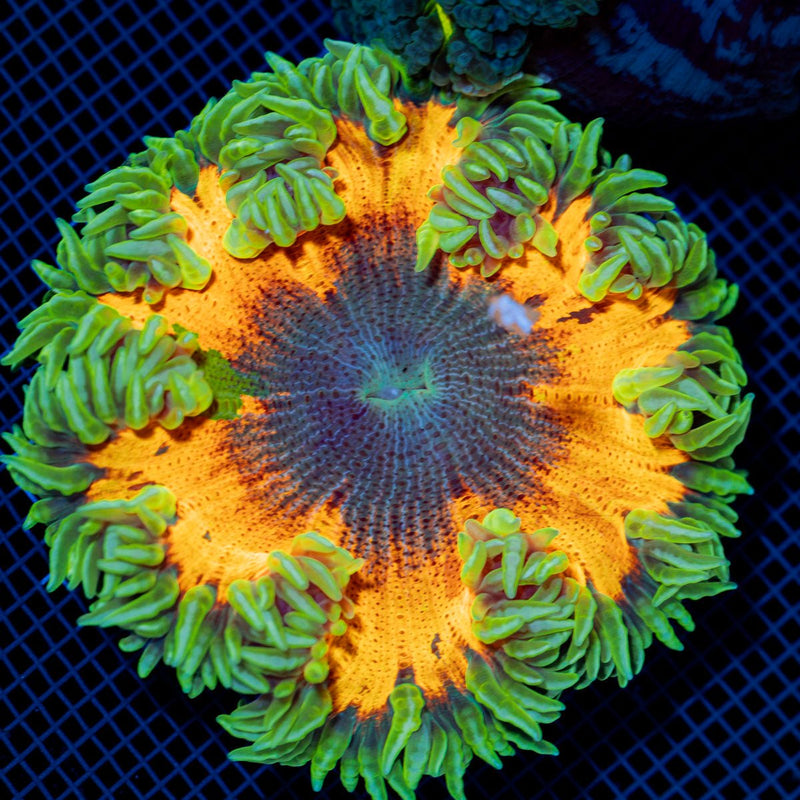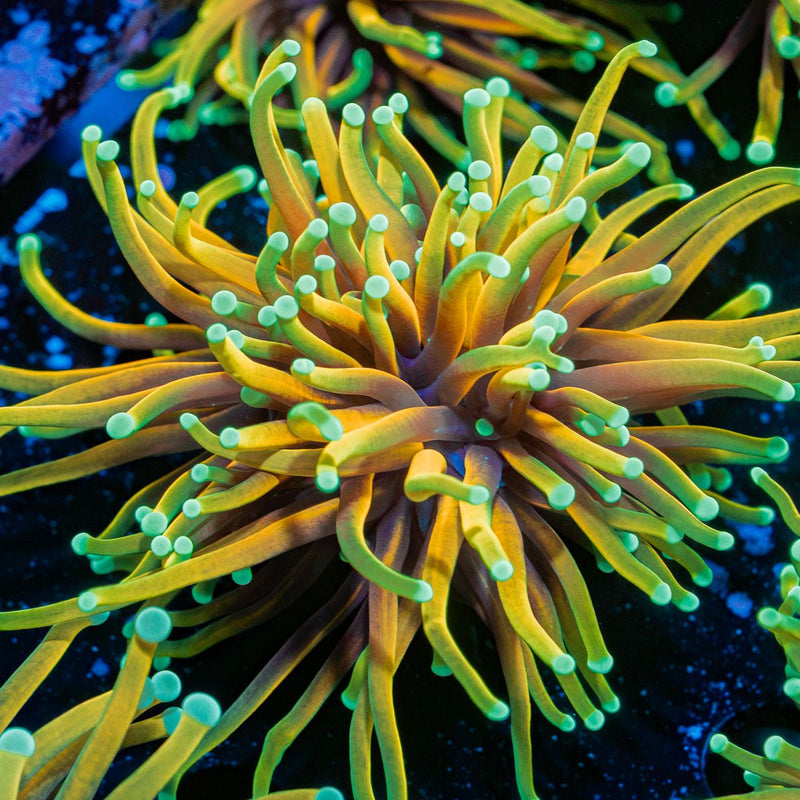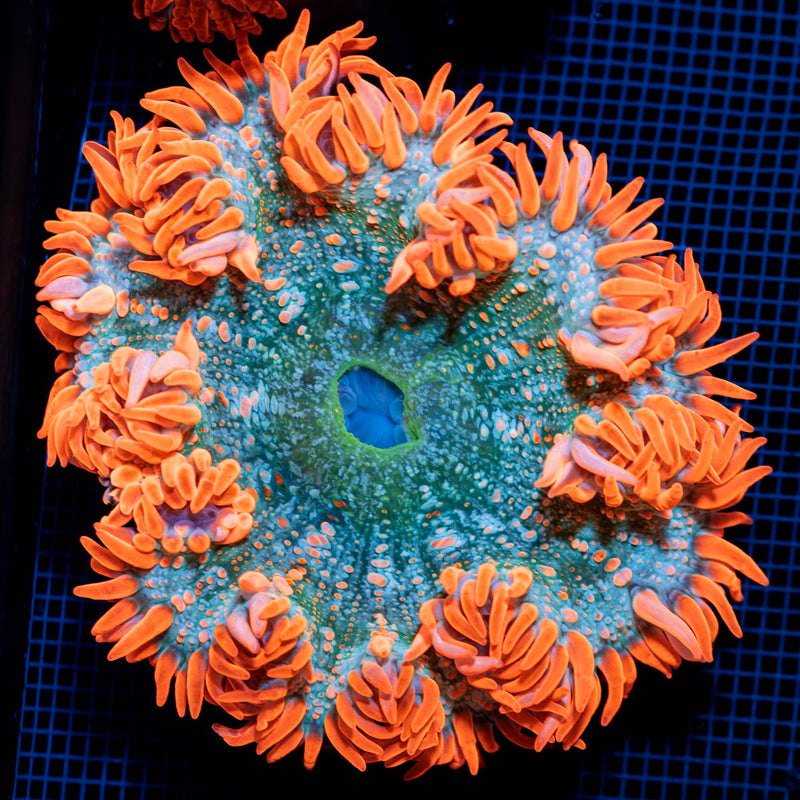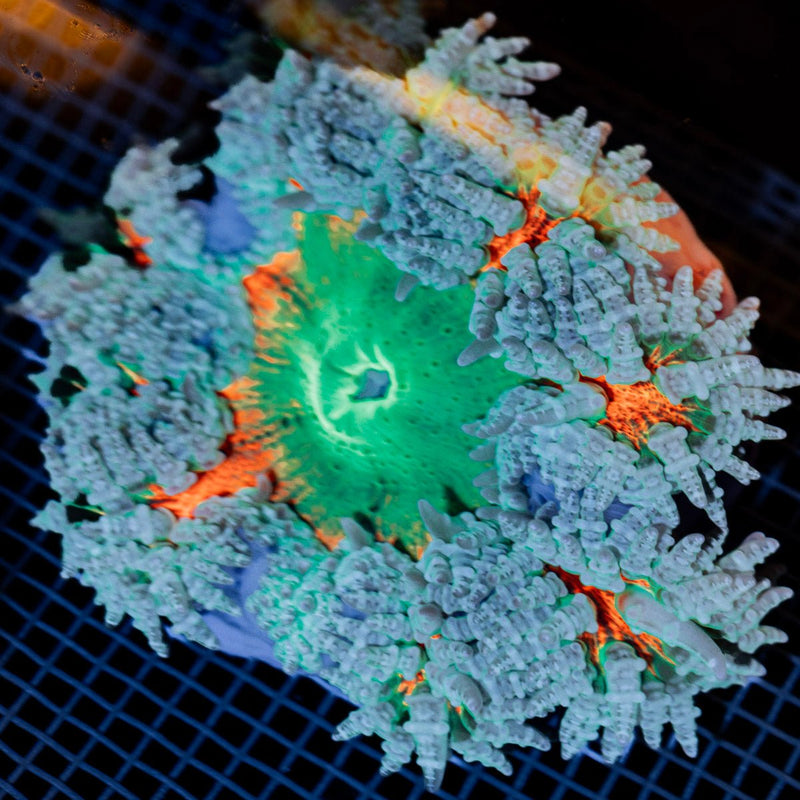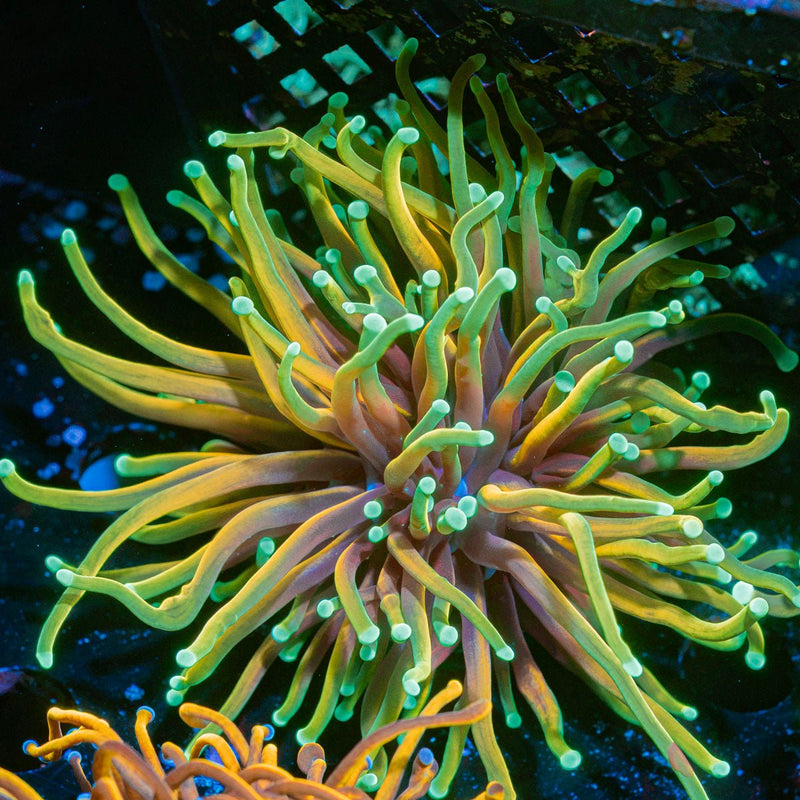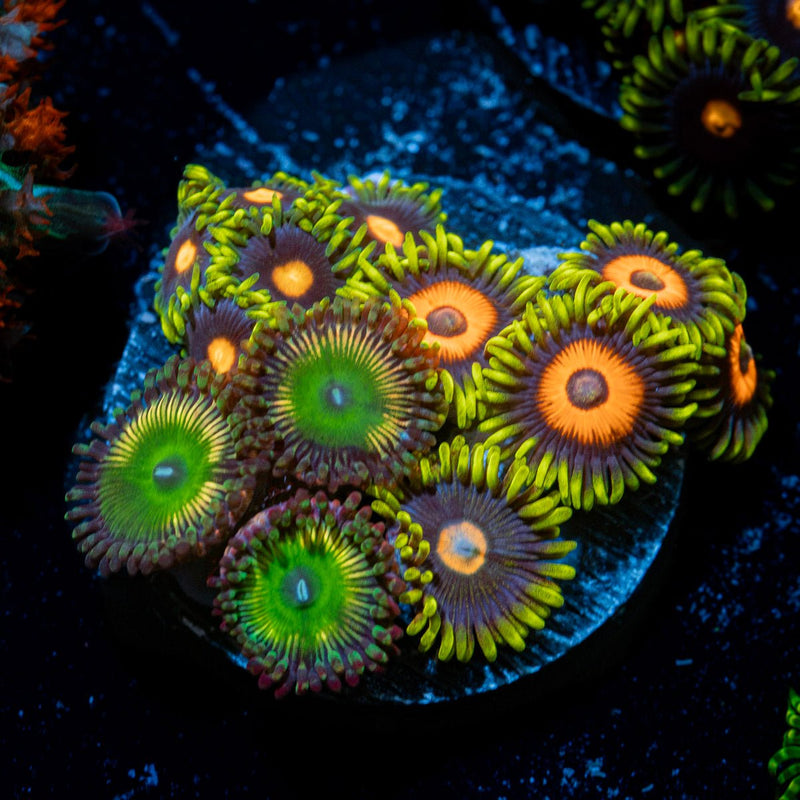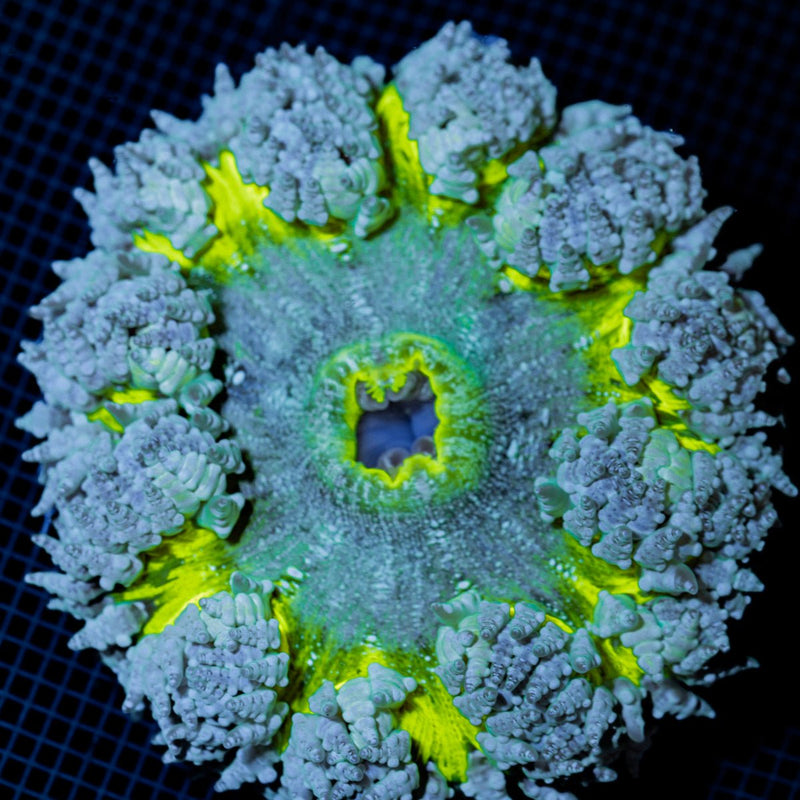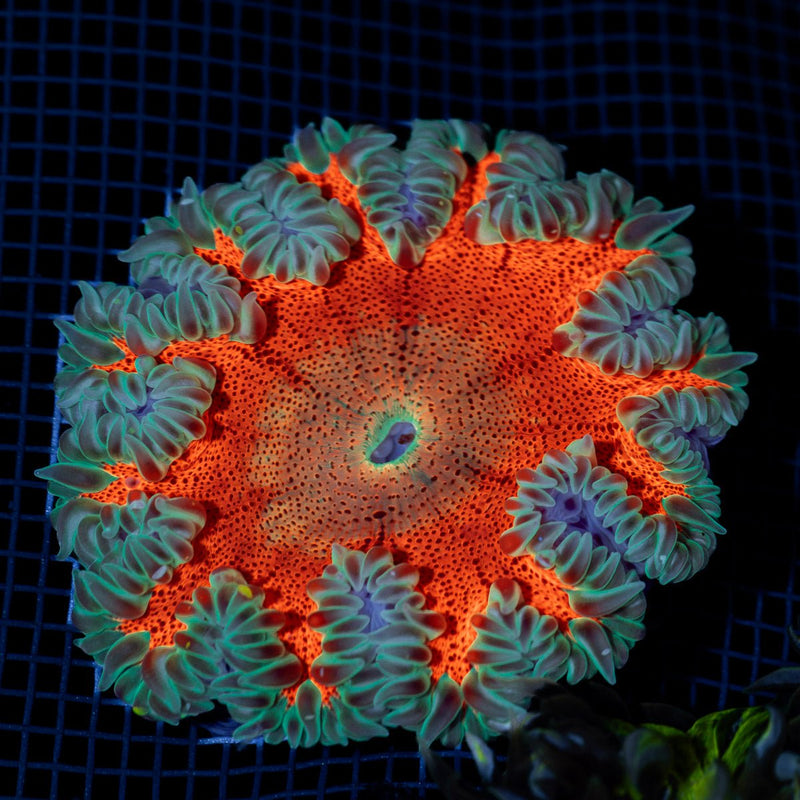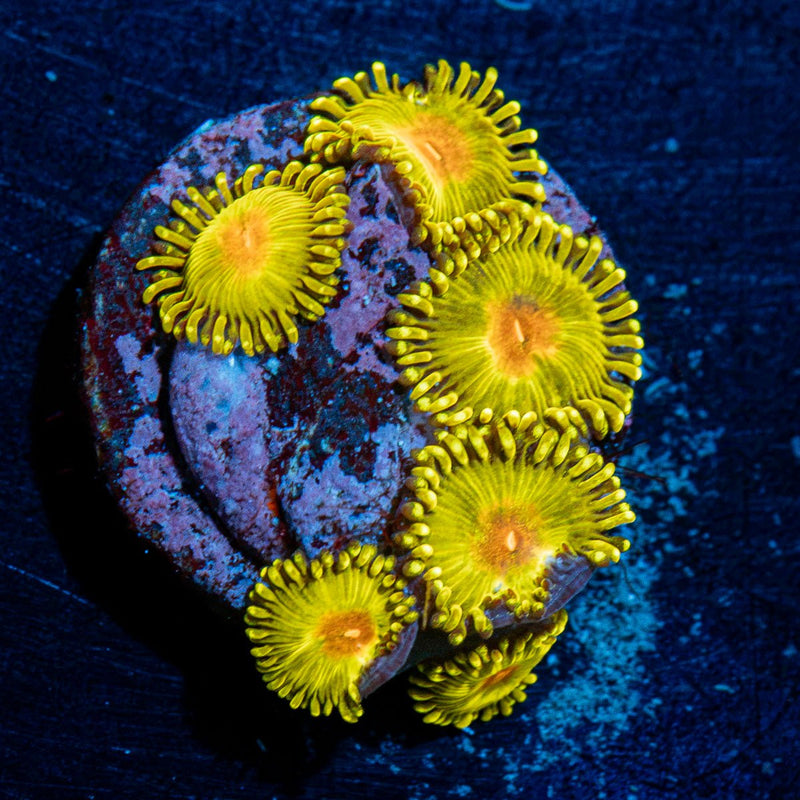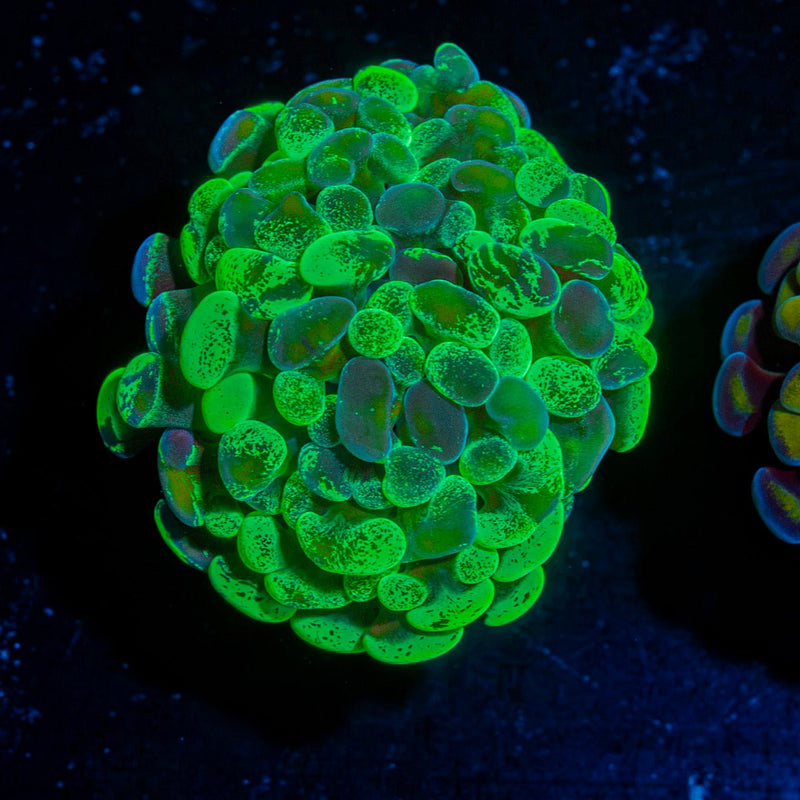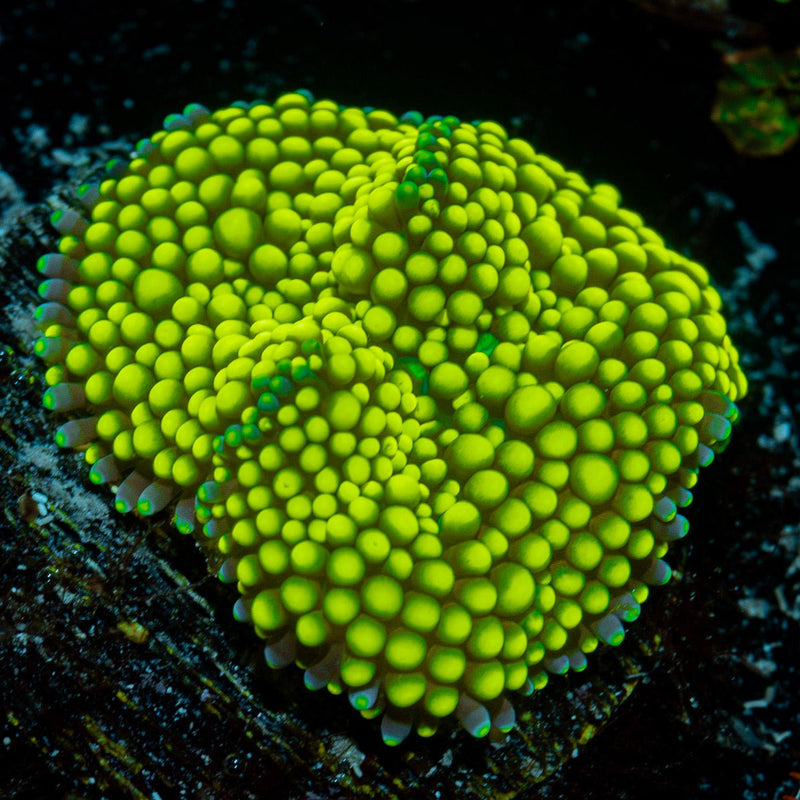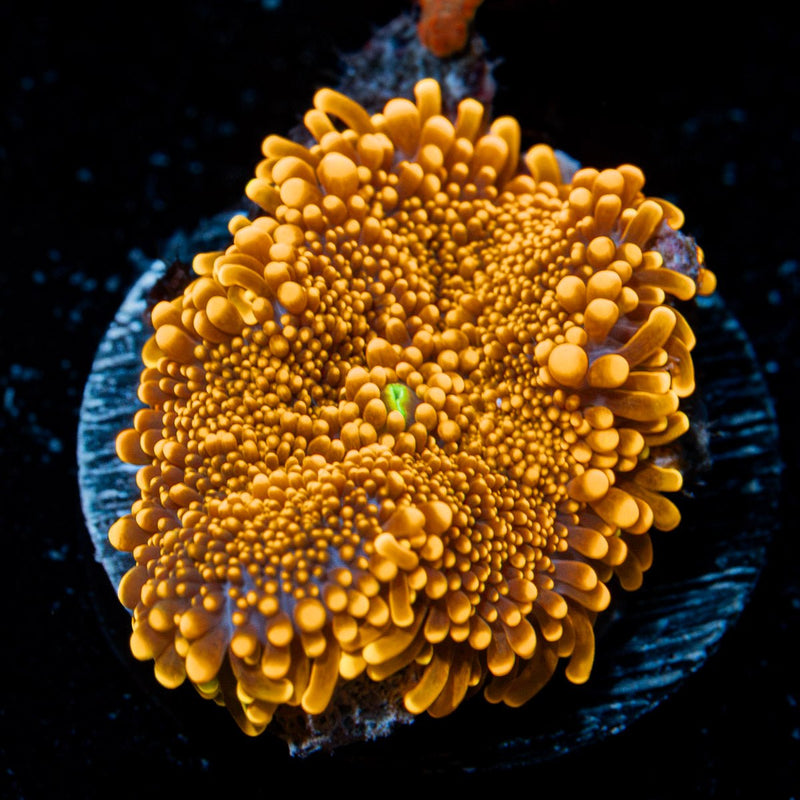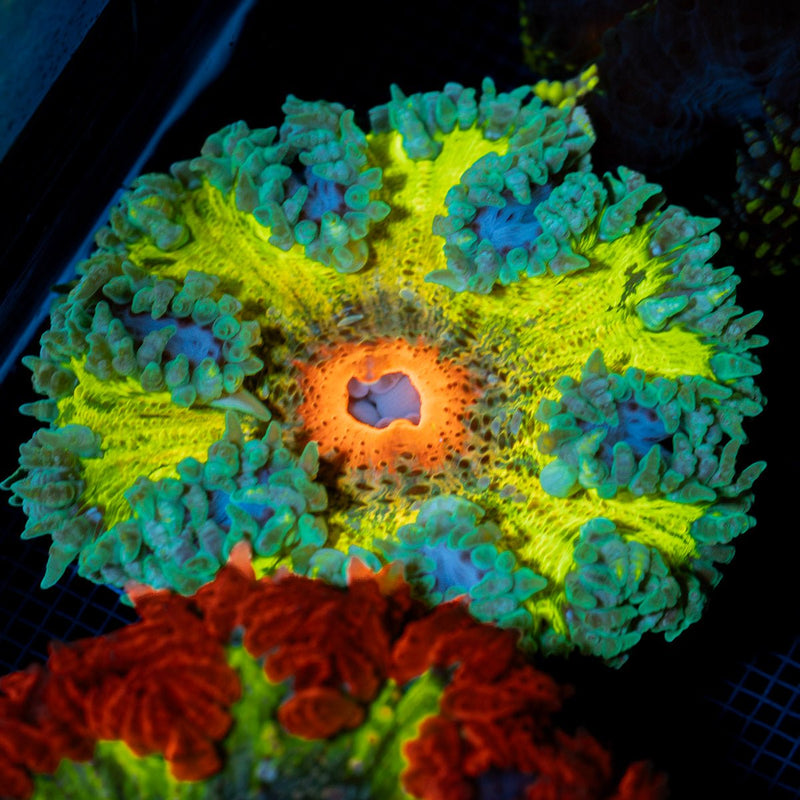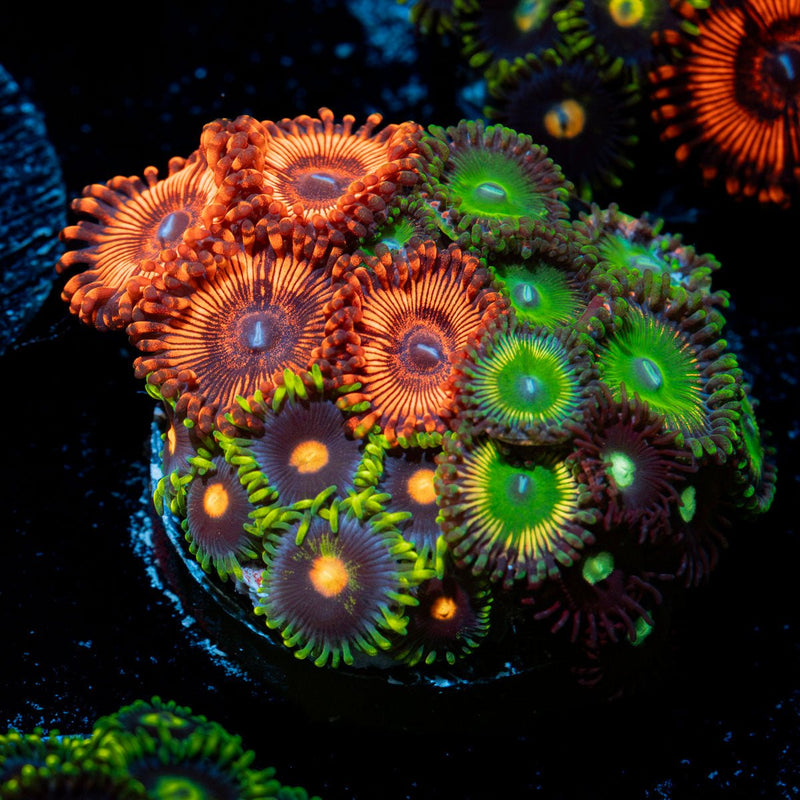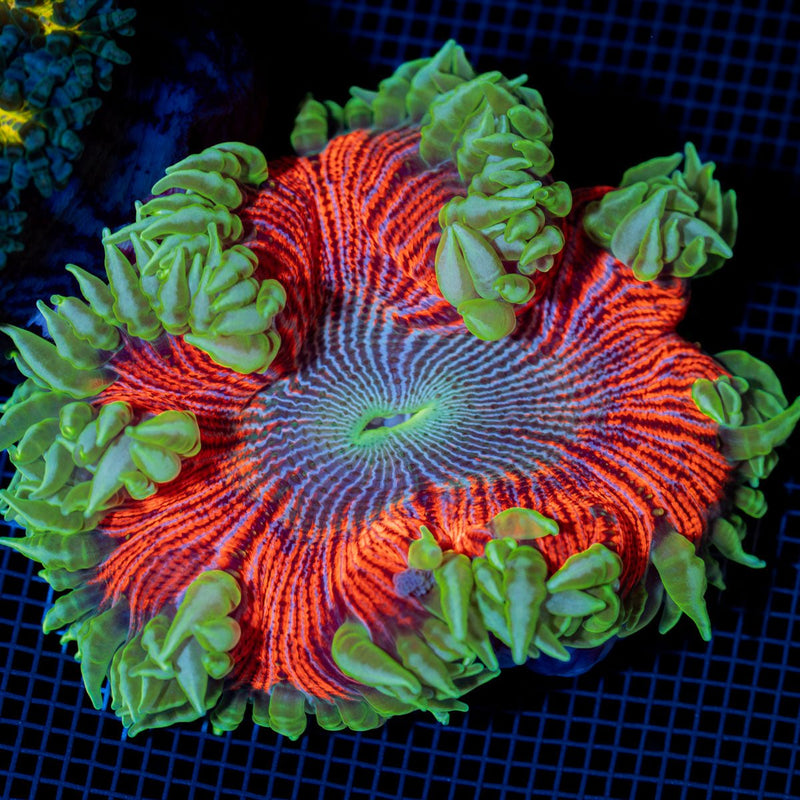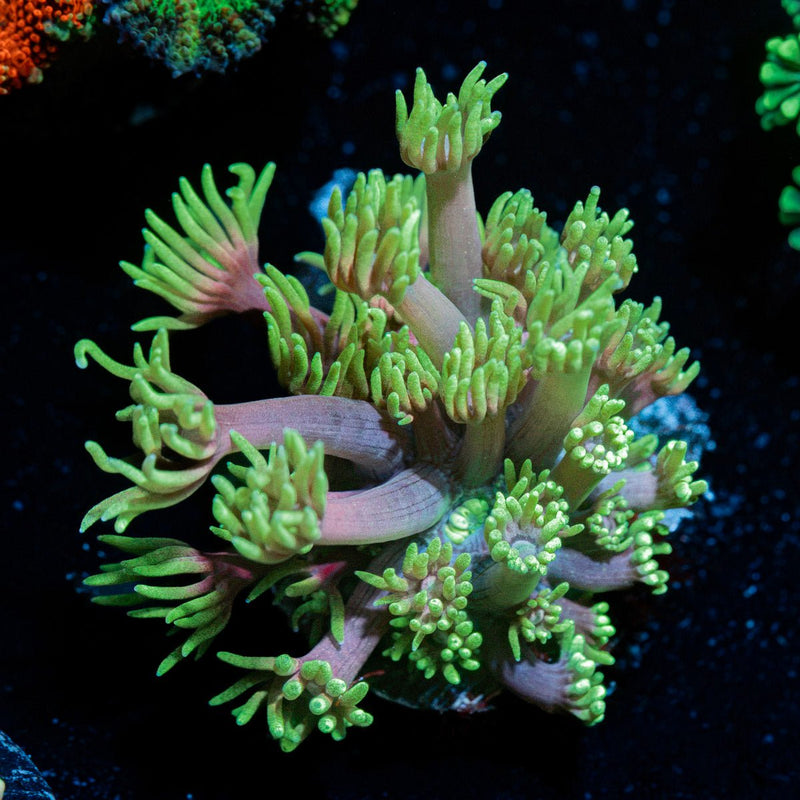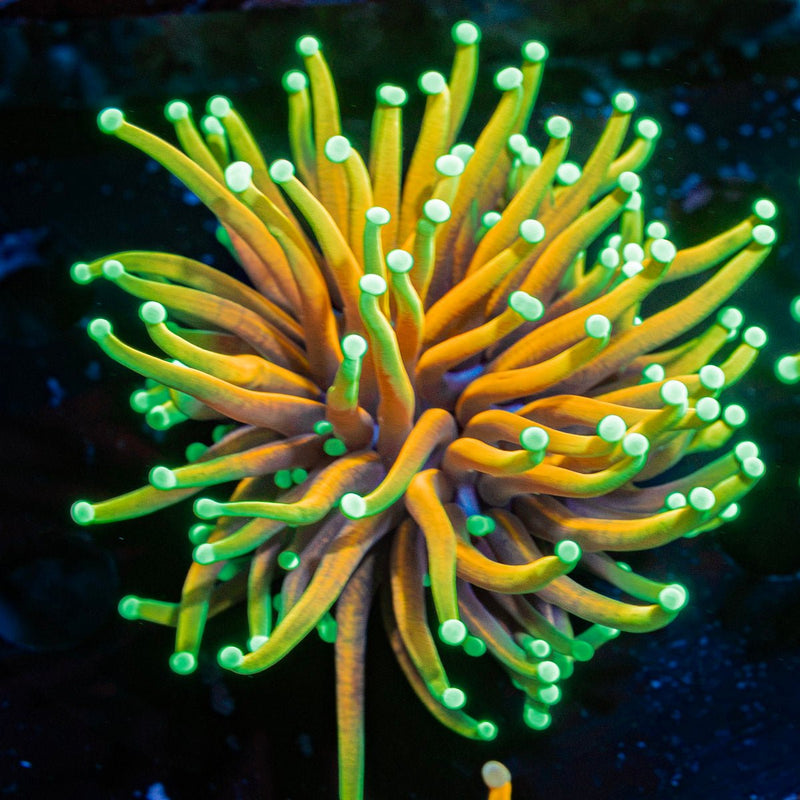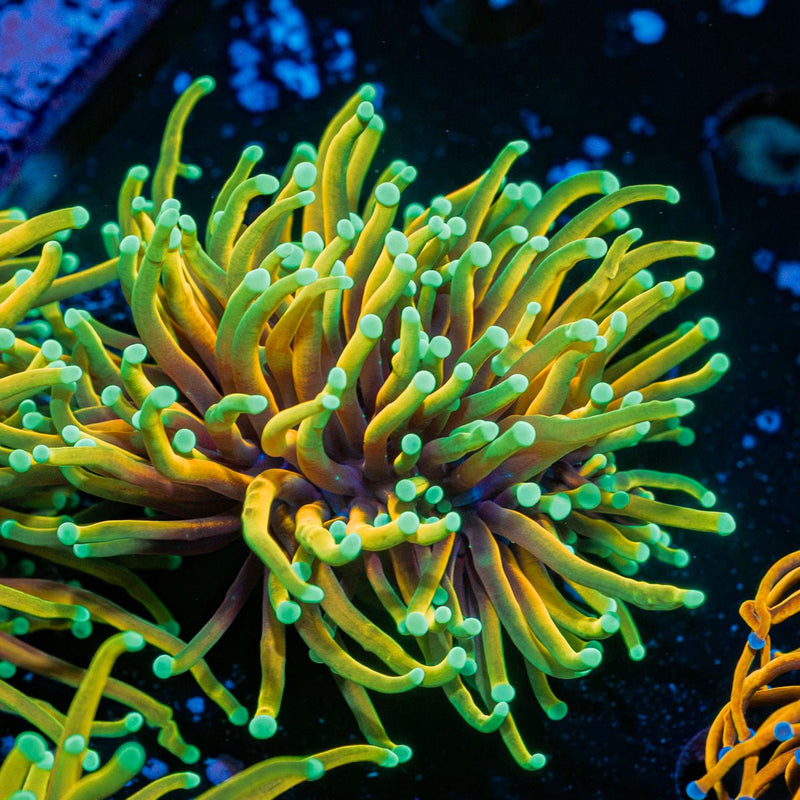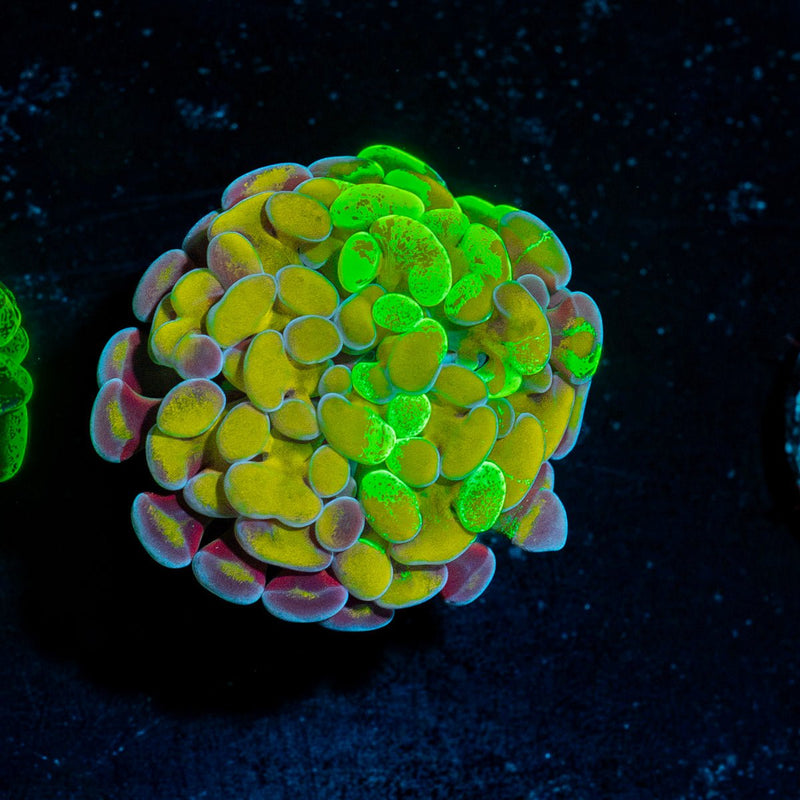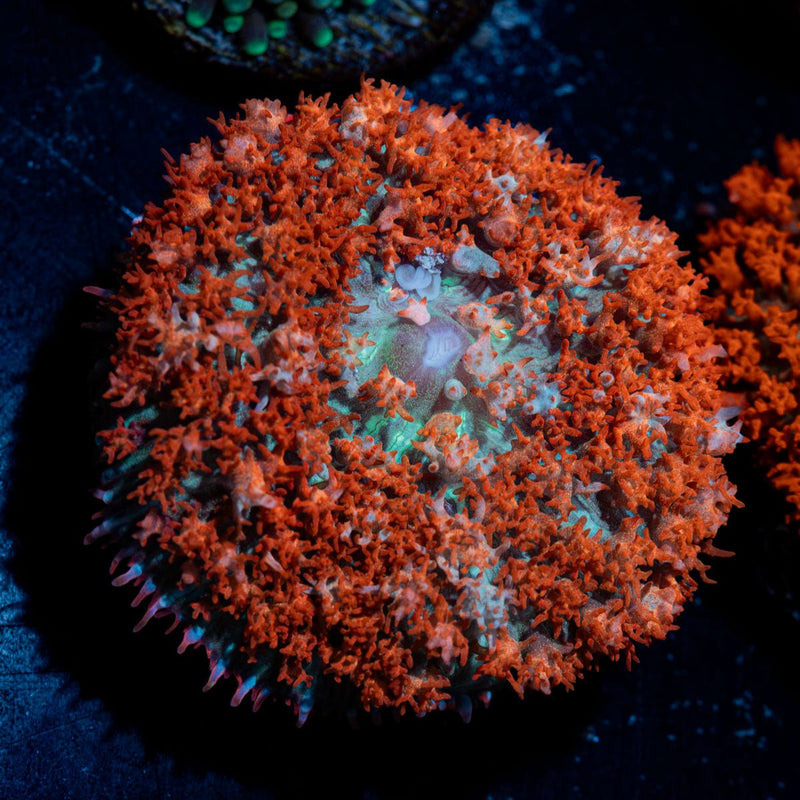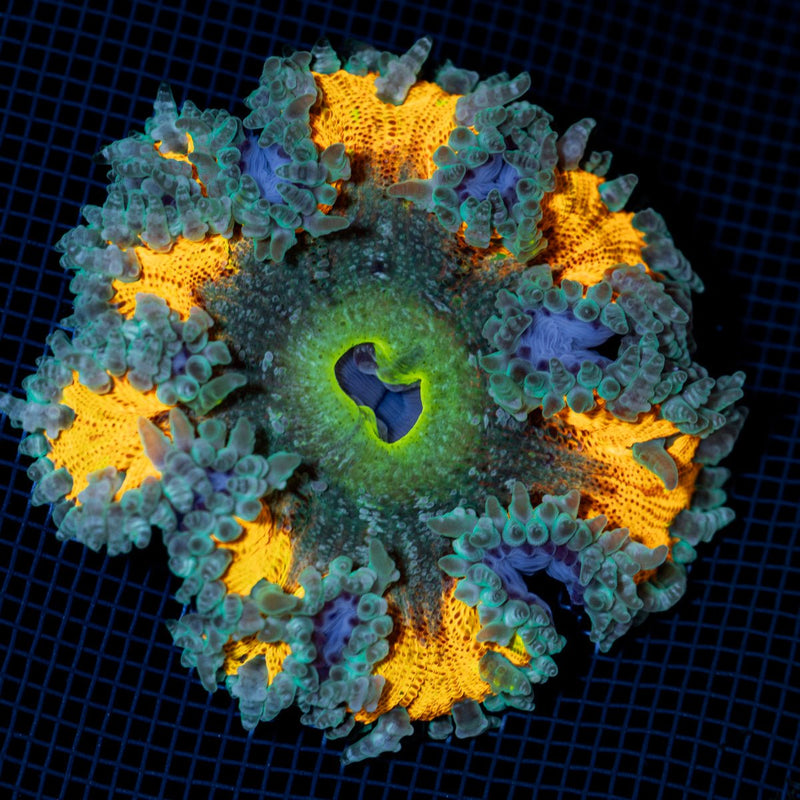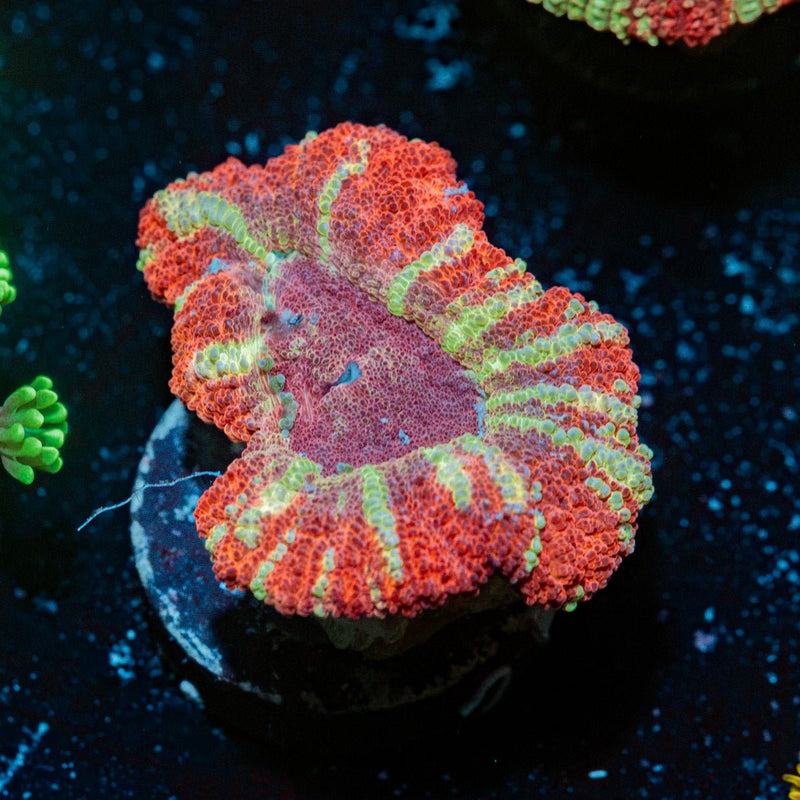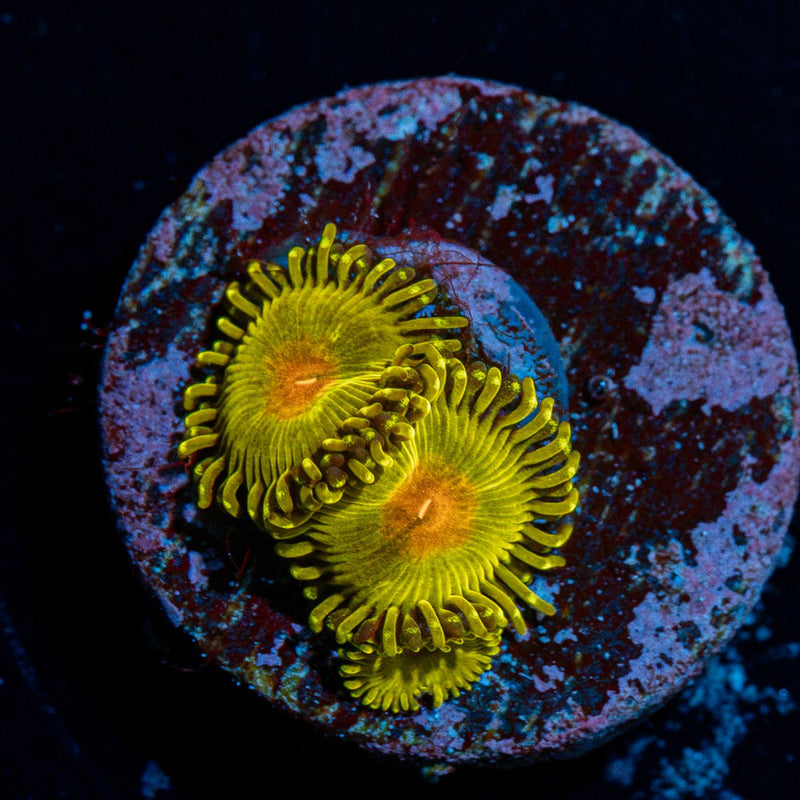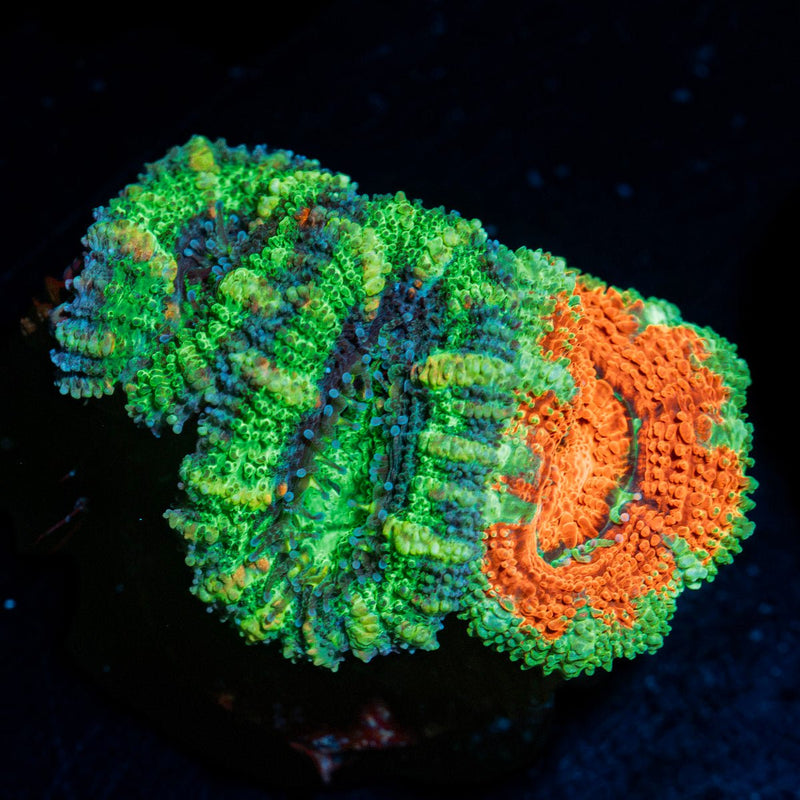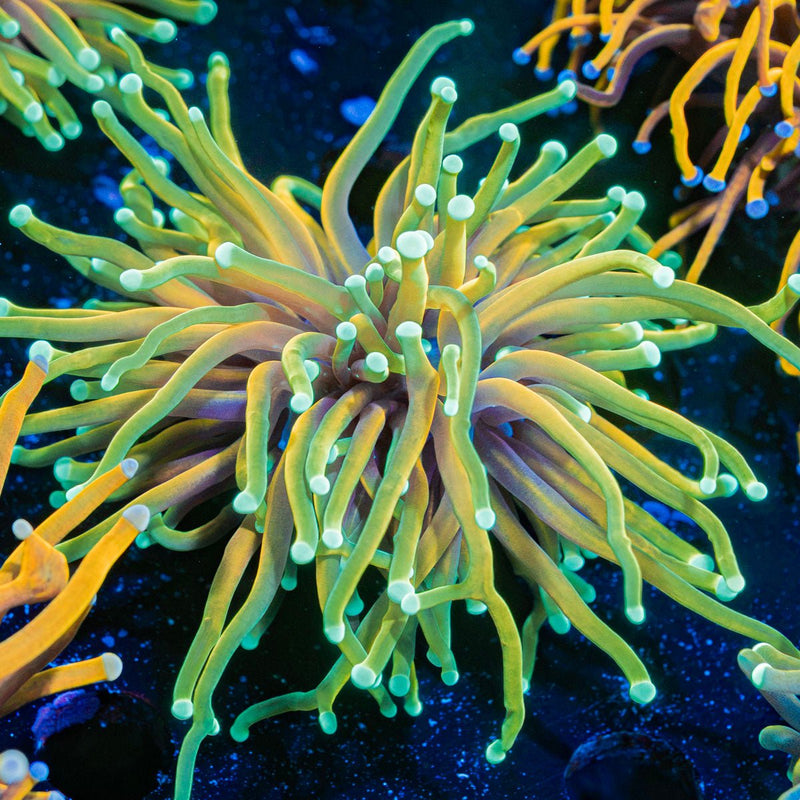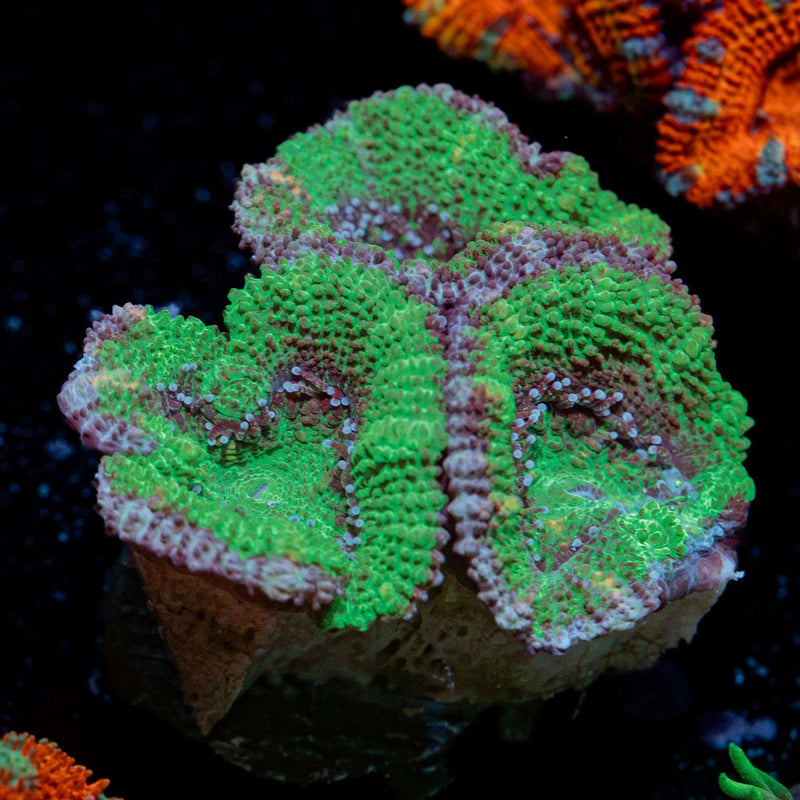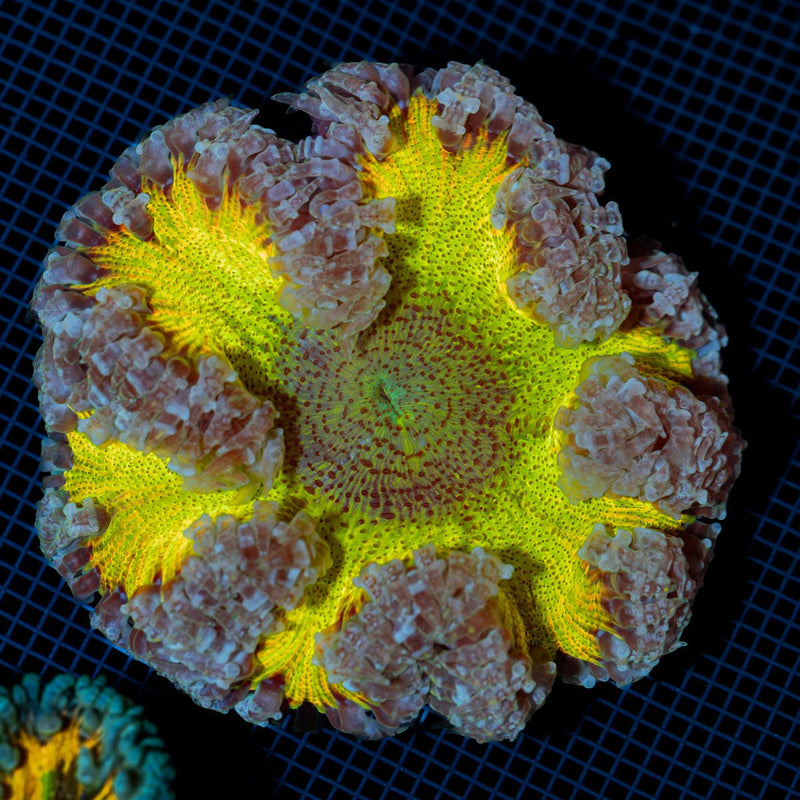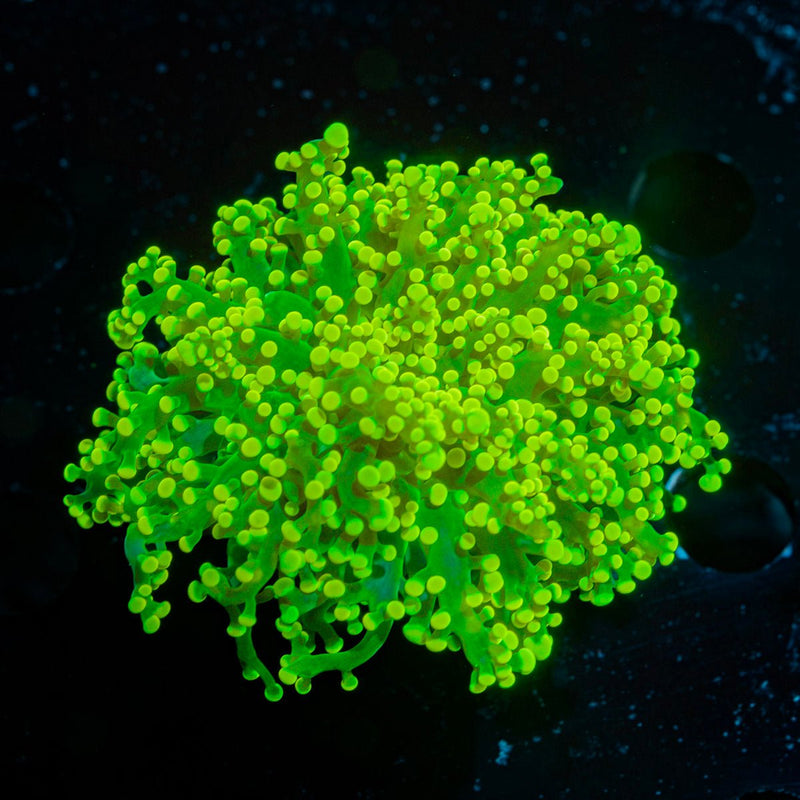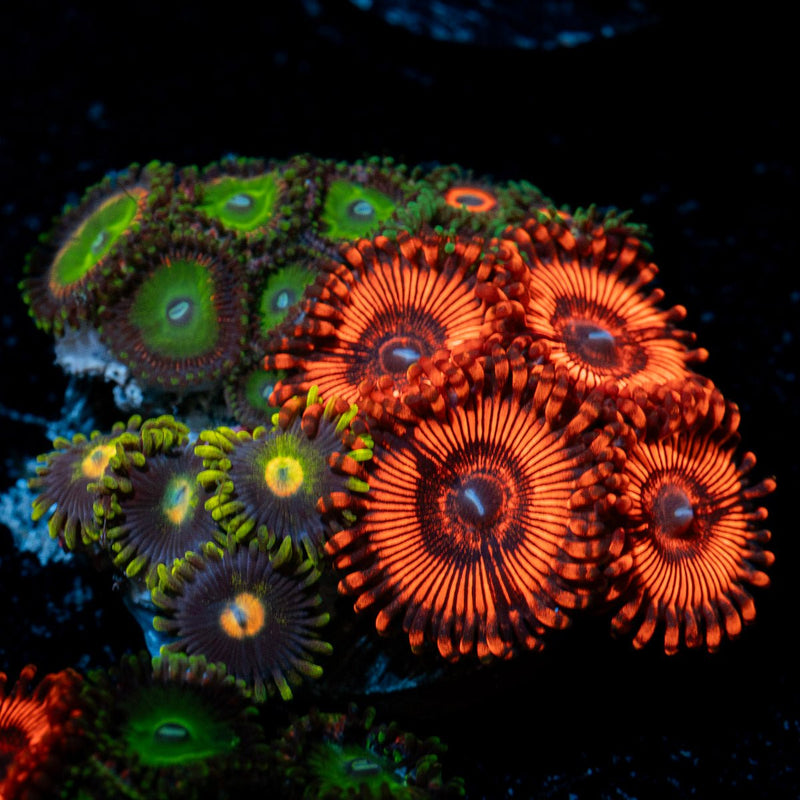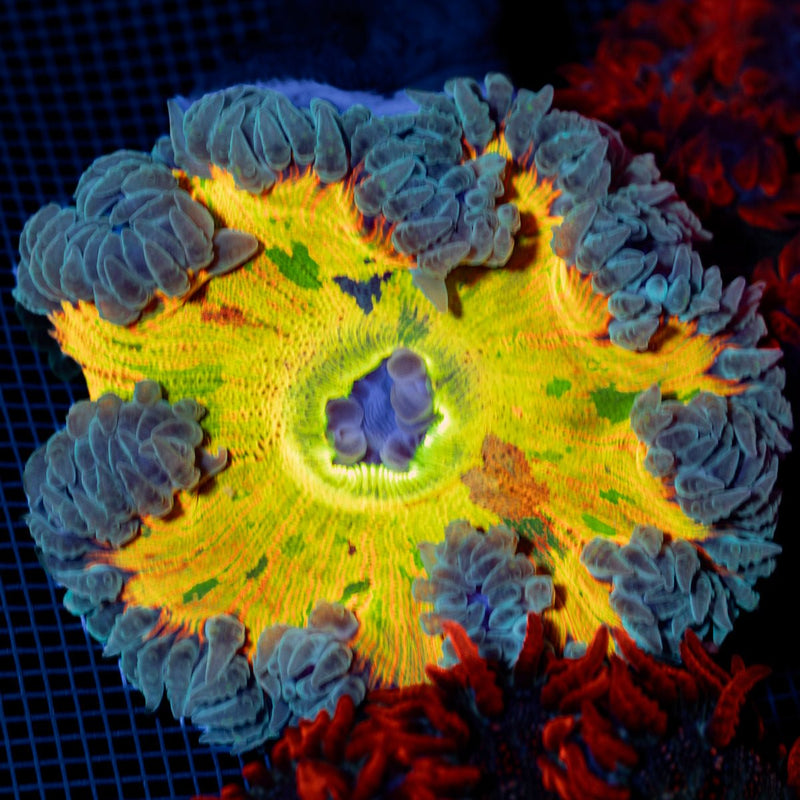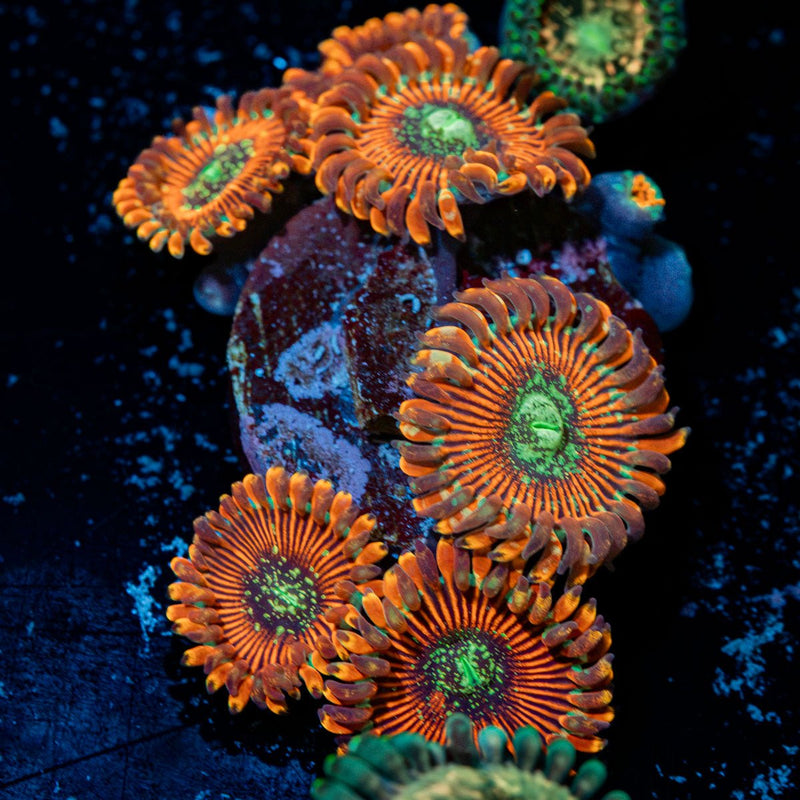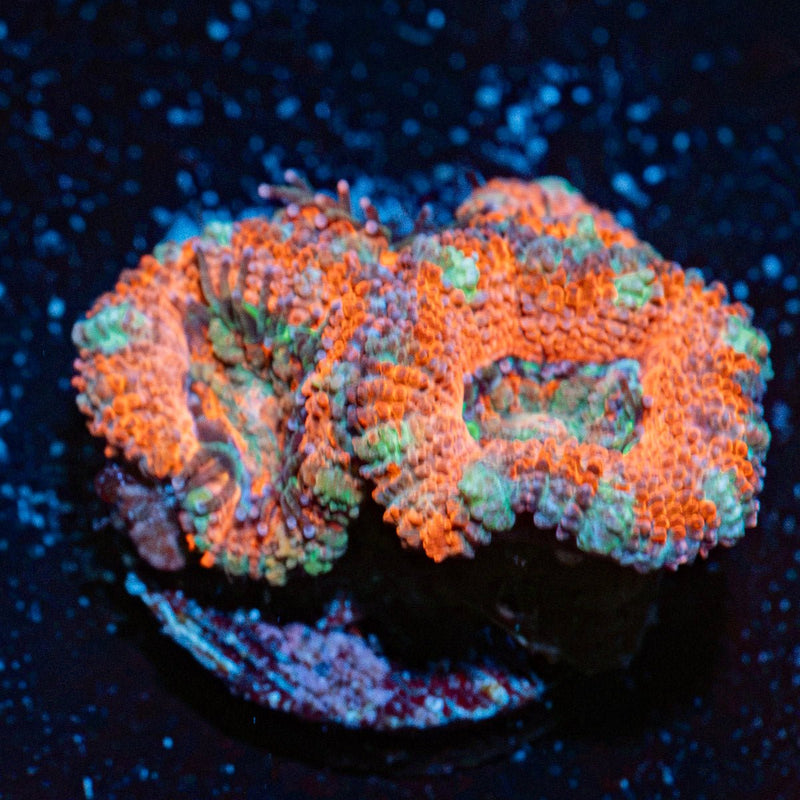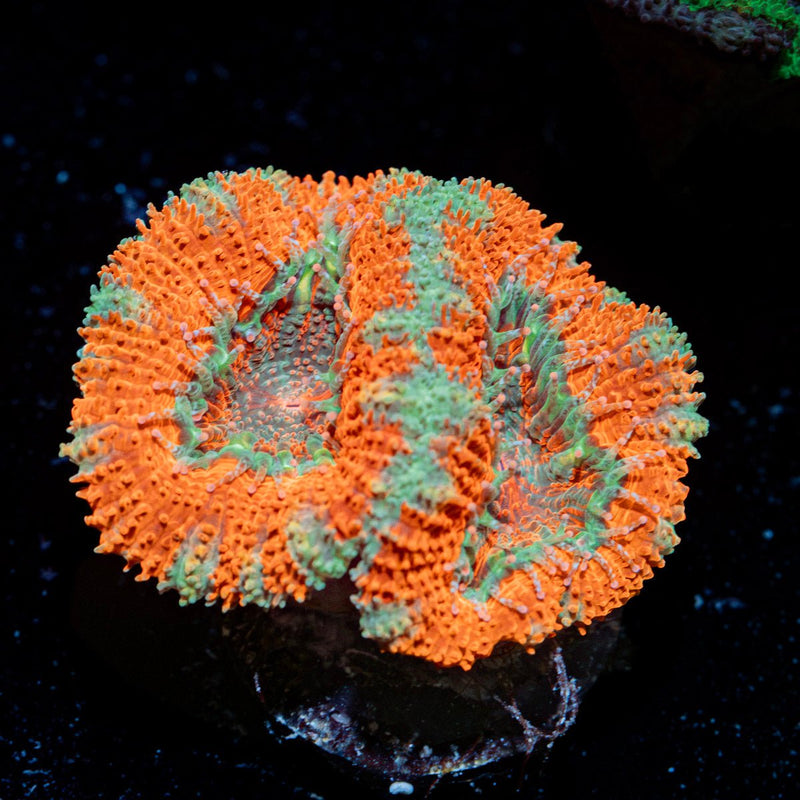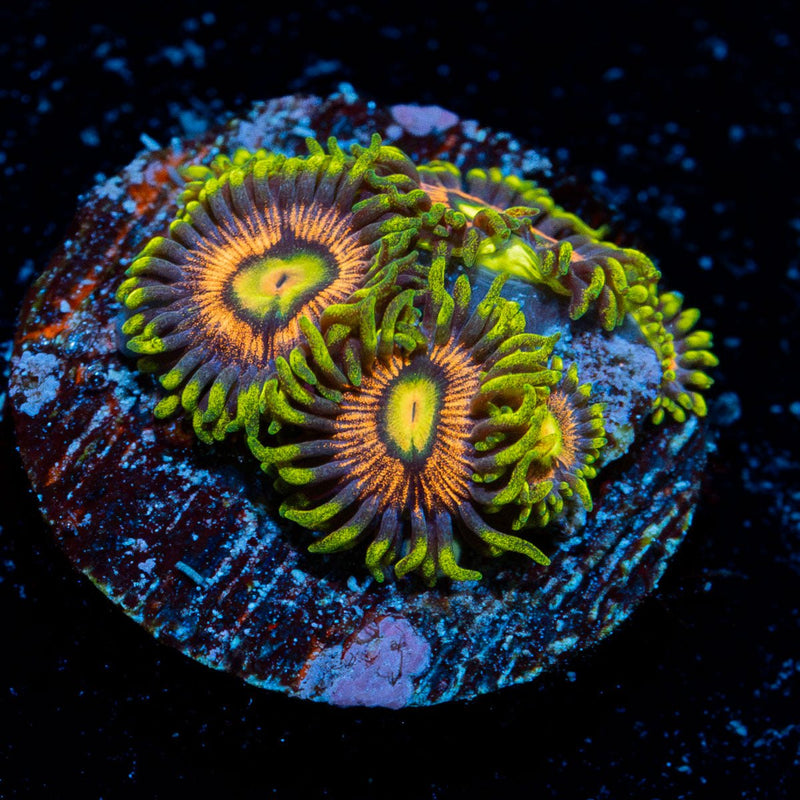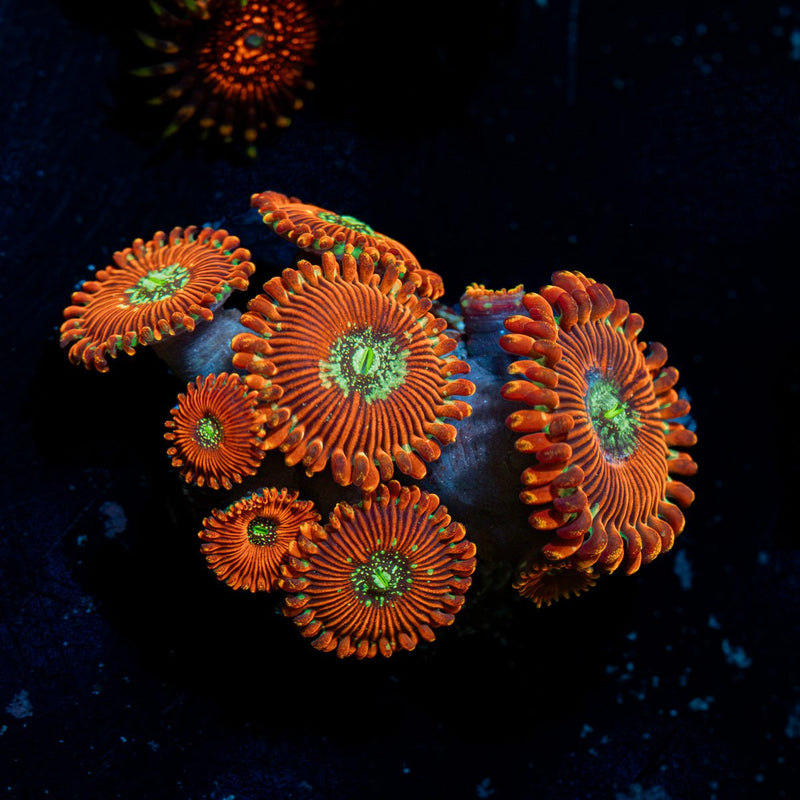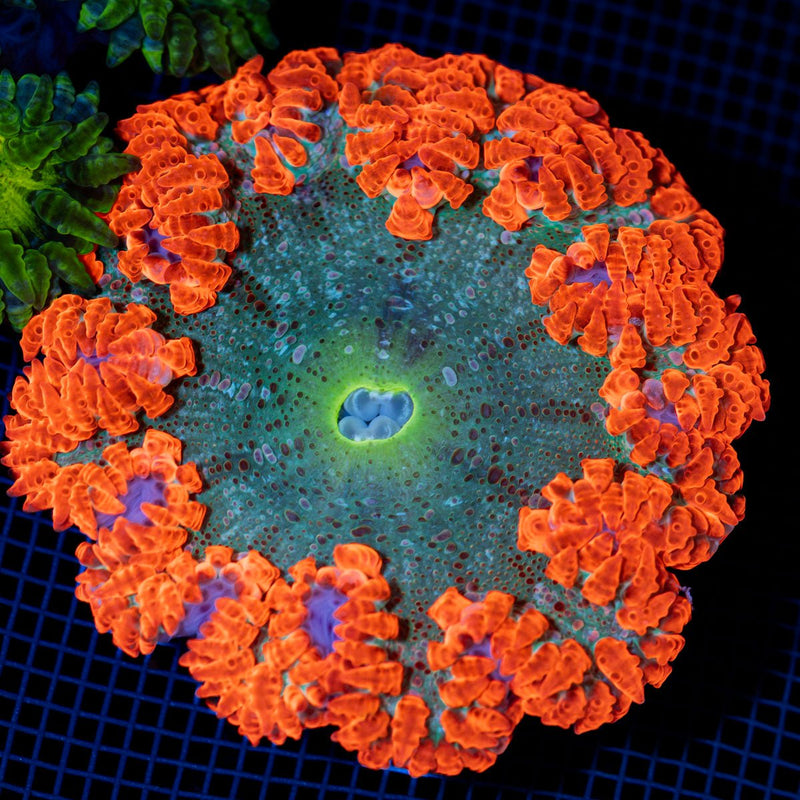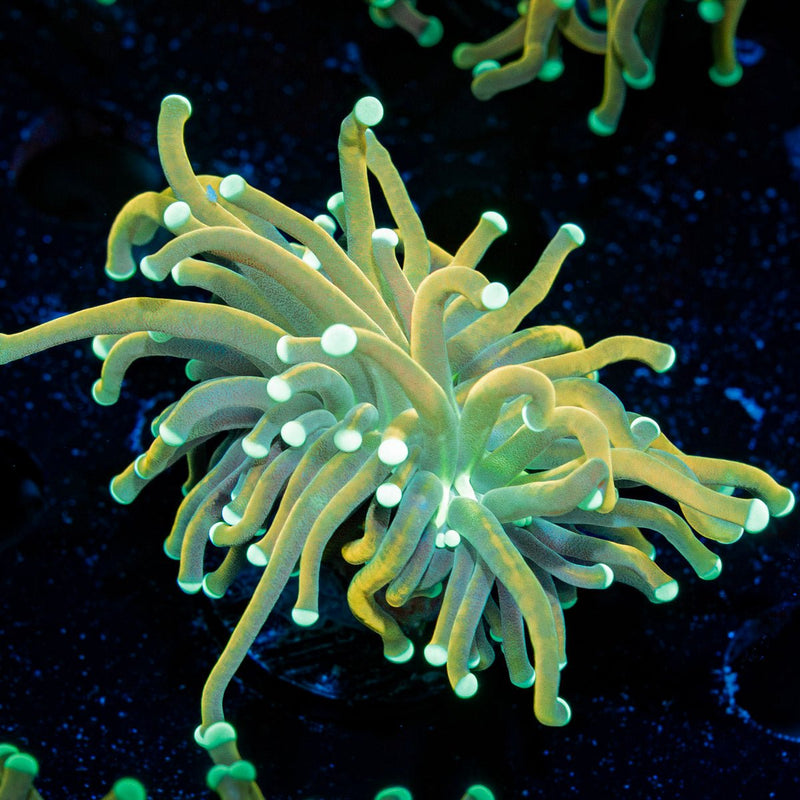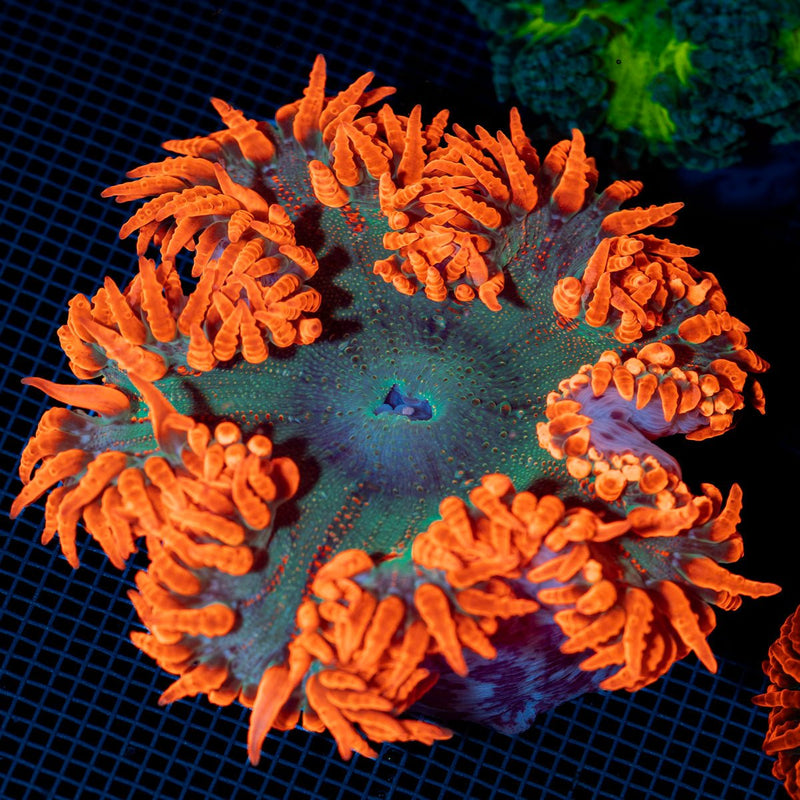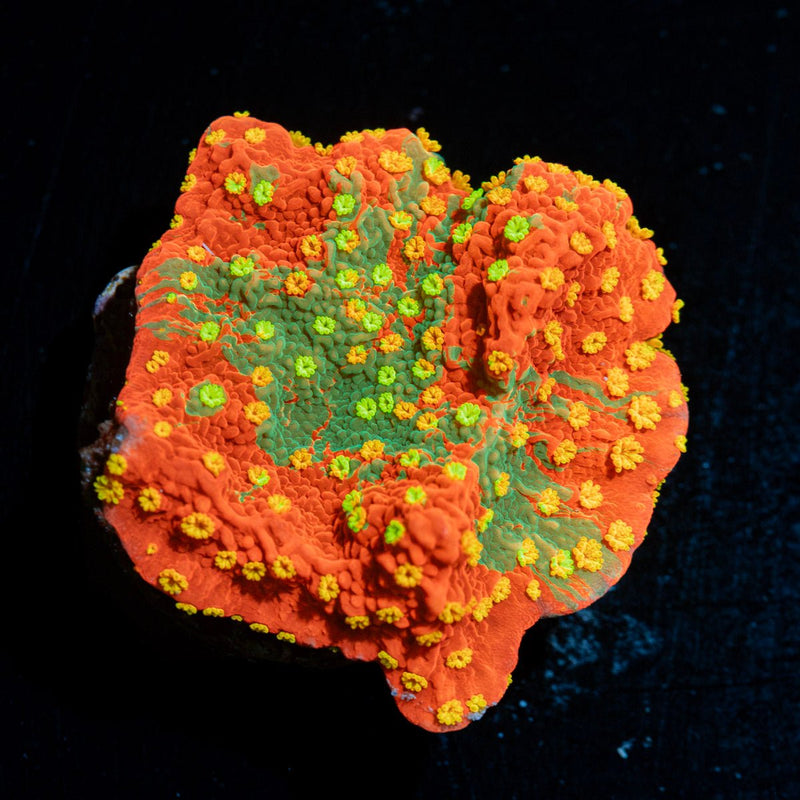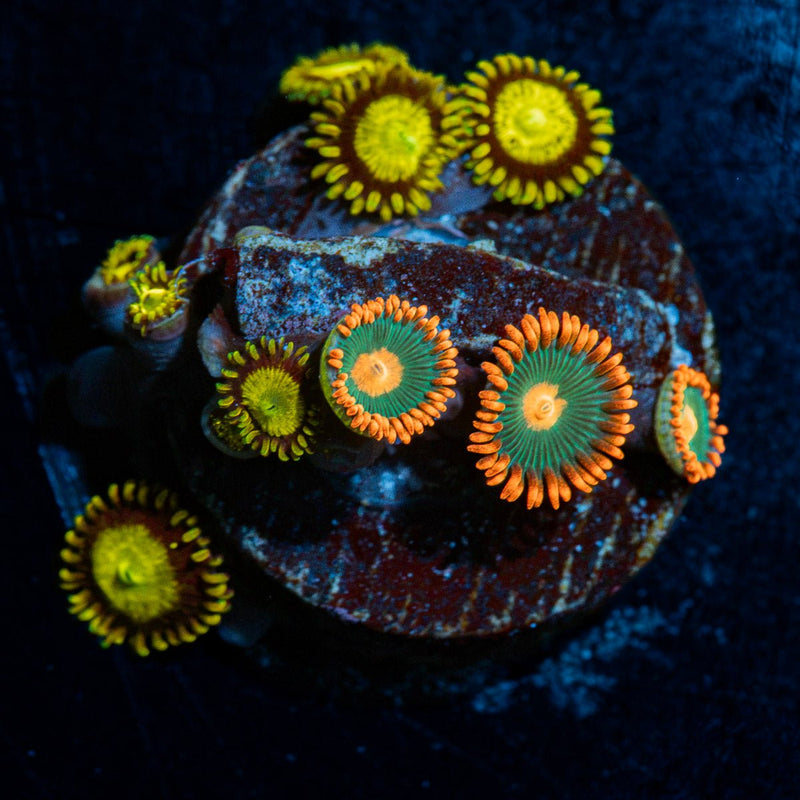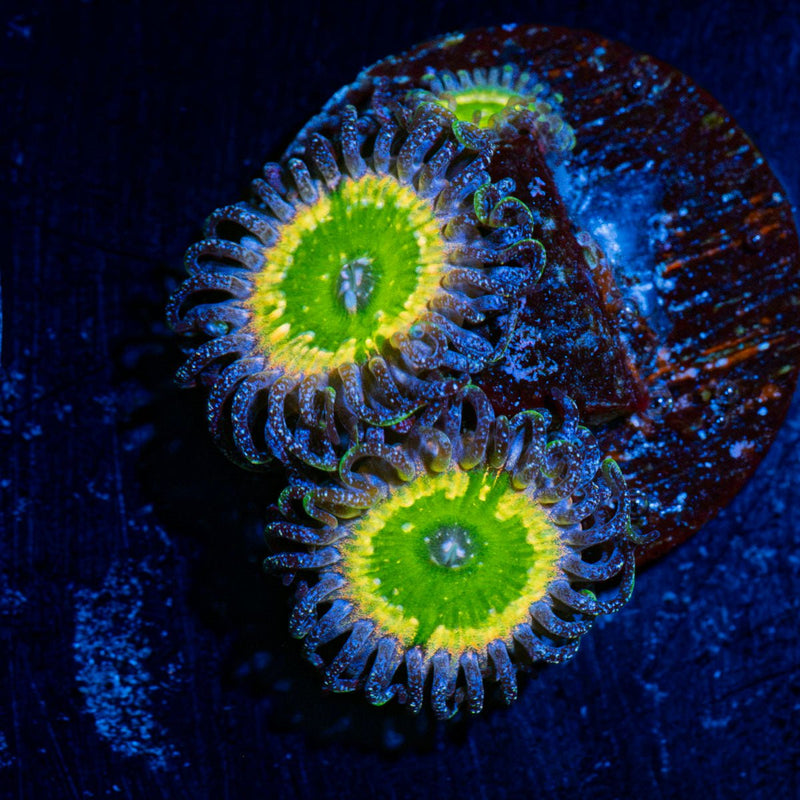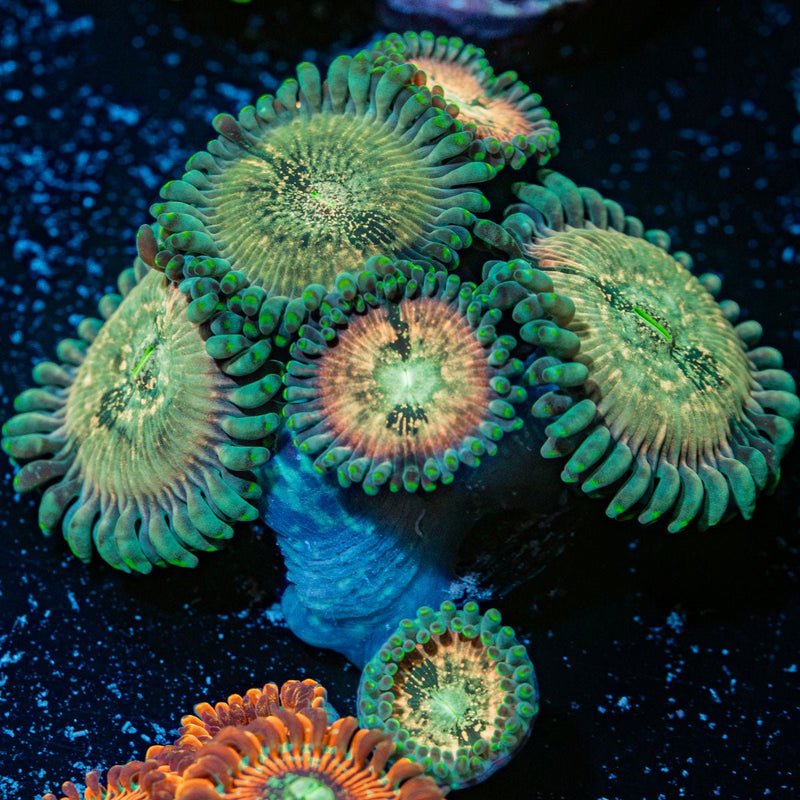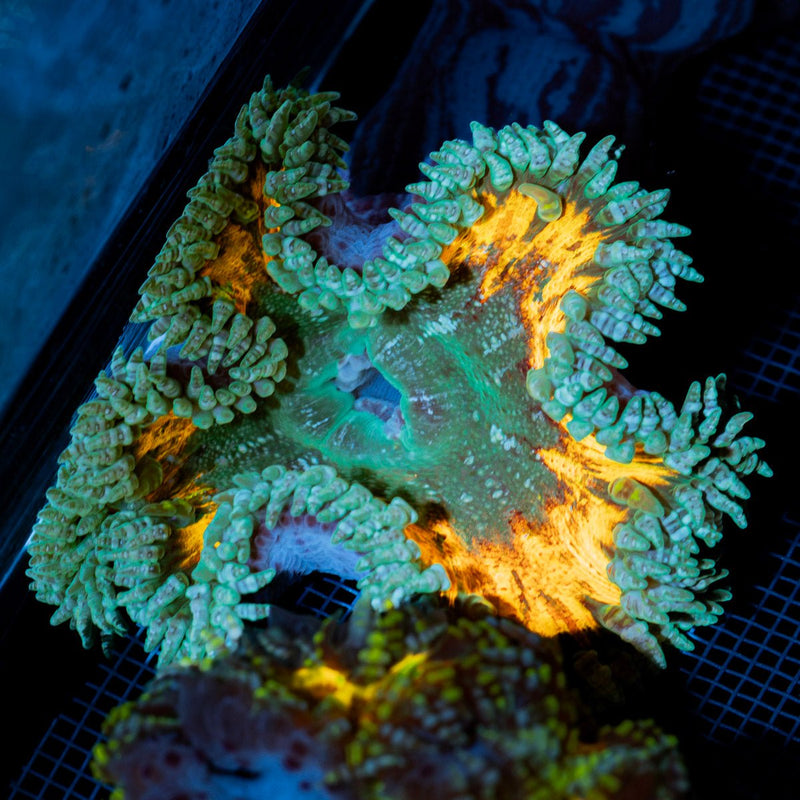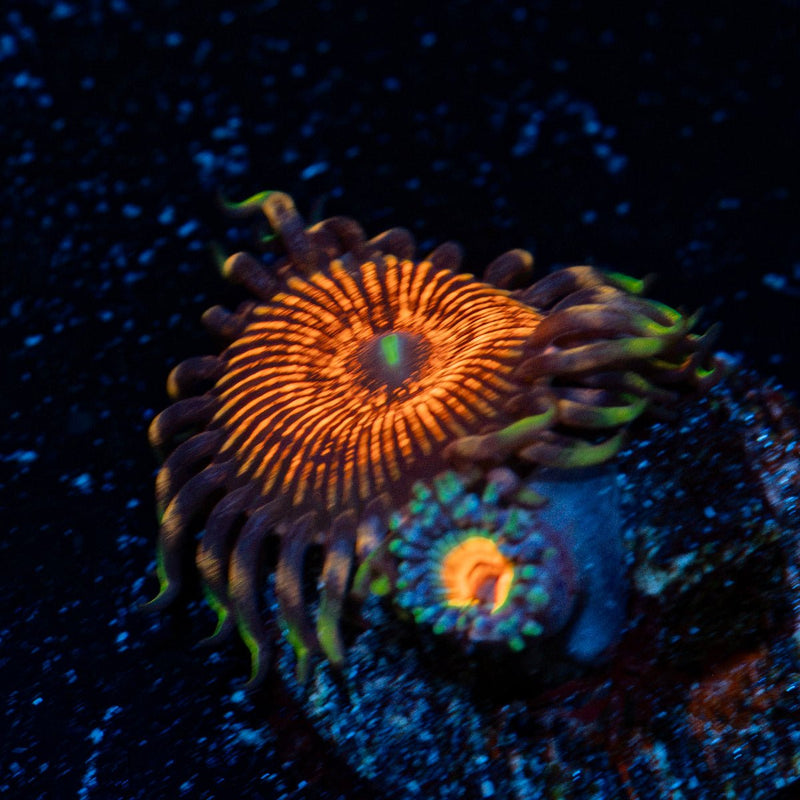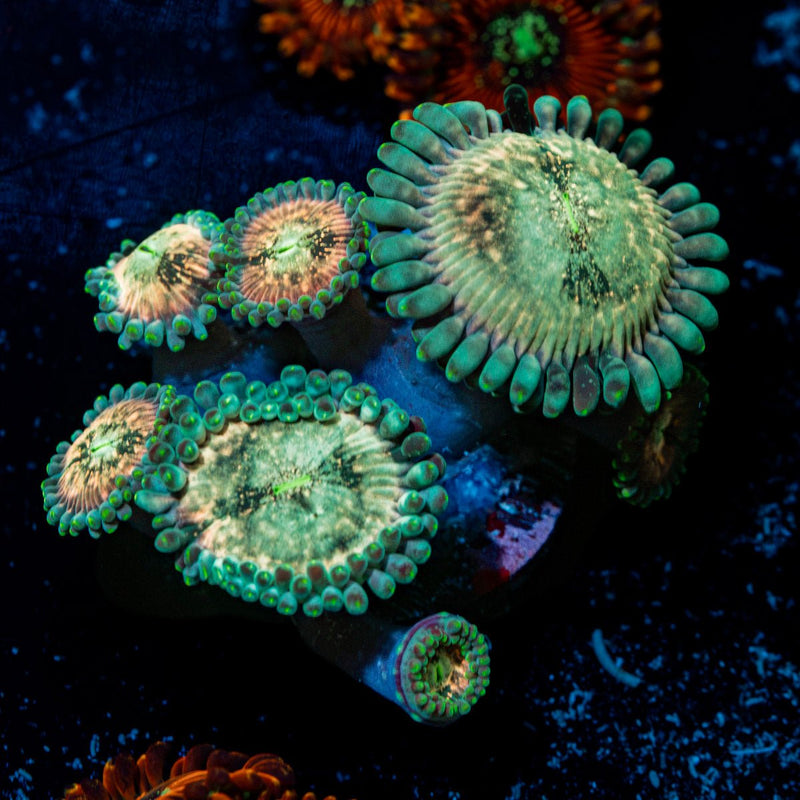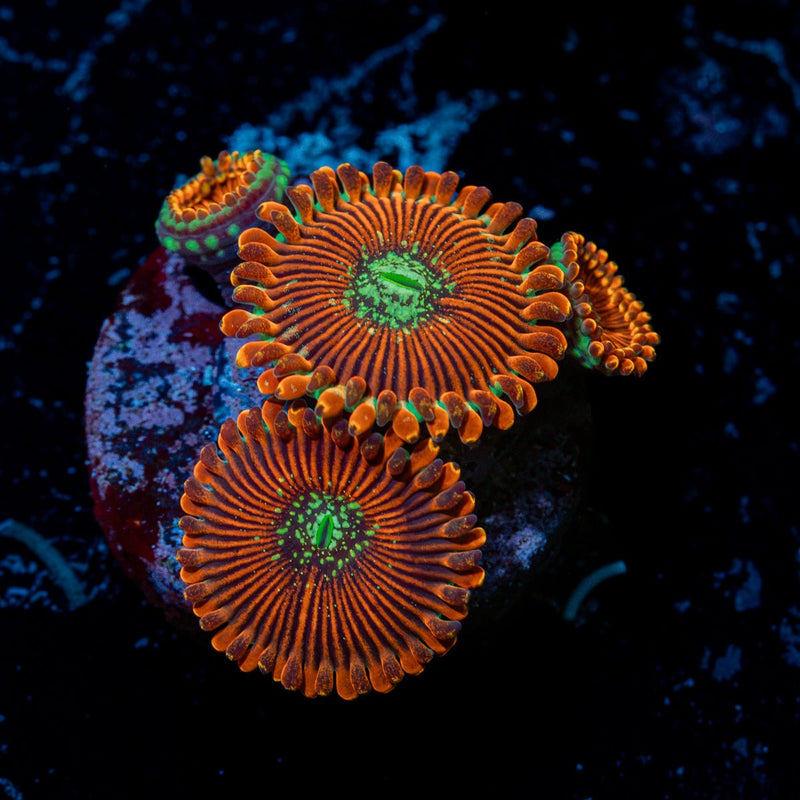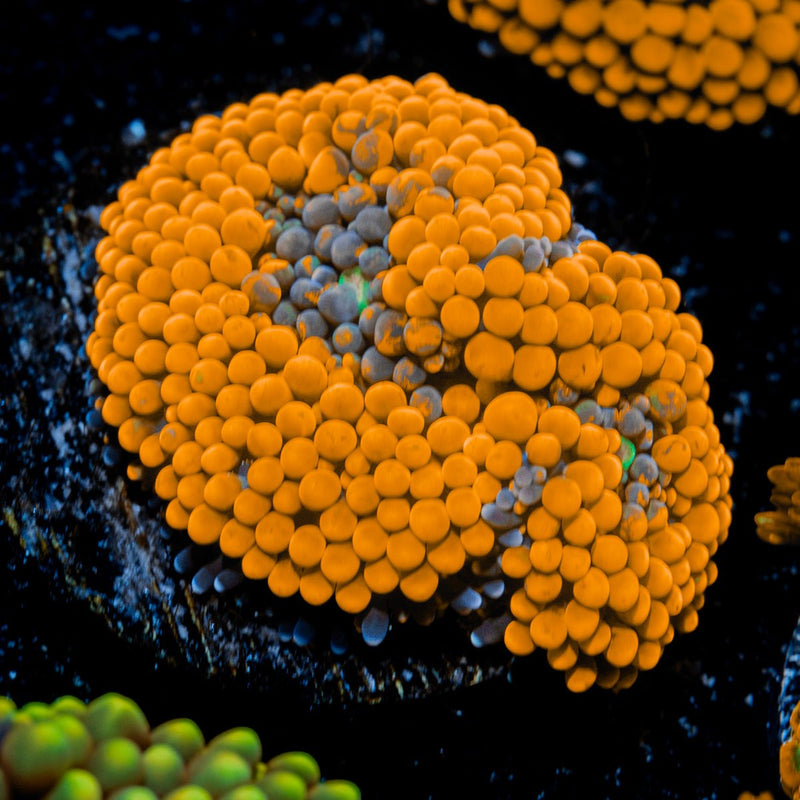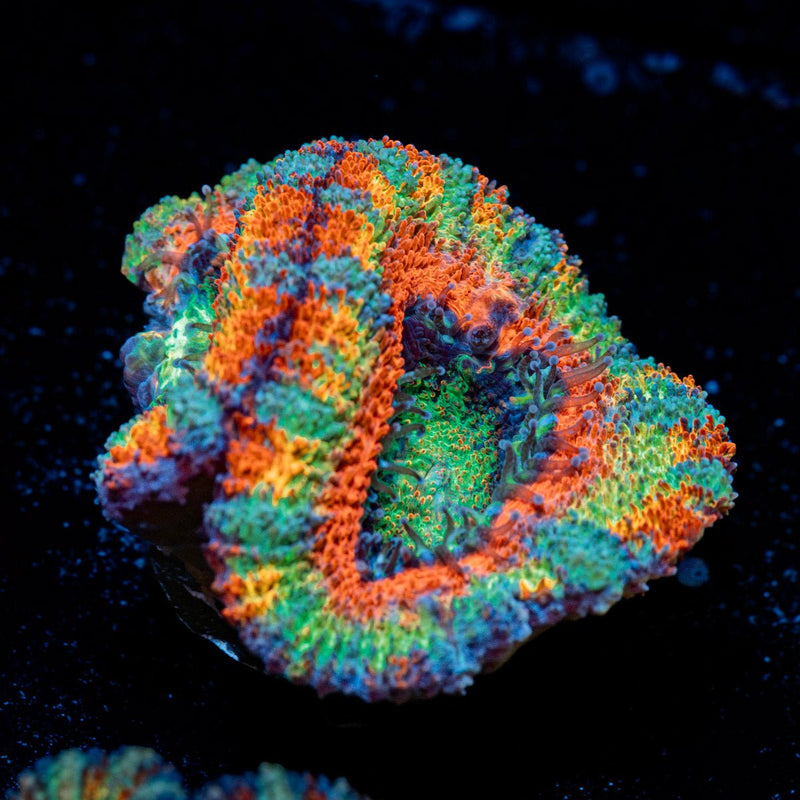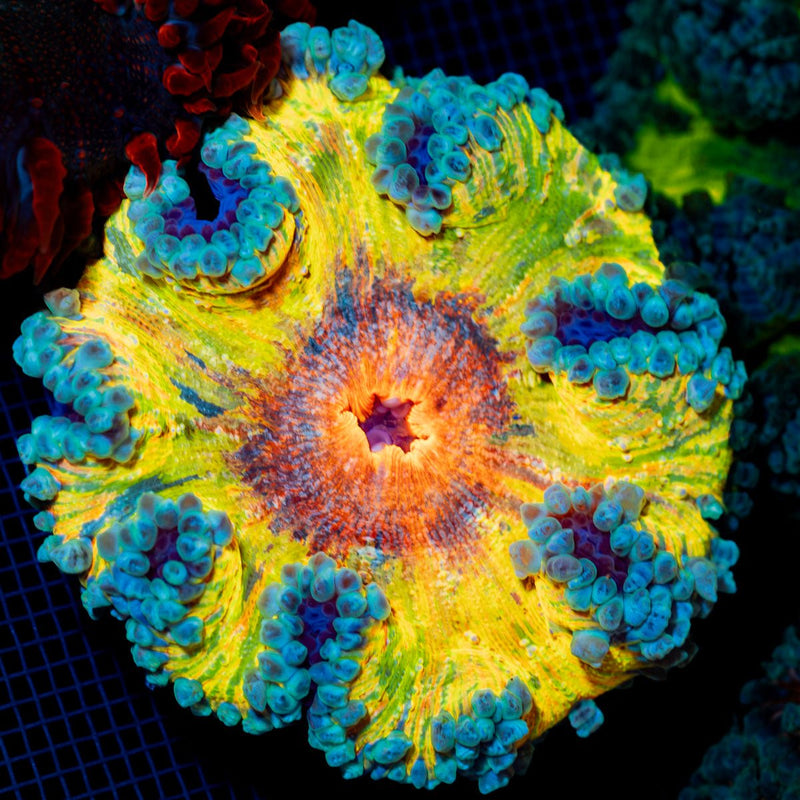
The future of reef aquaculture is already taking shape in reef tanks across the country: vibrant coral frags grown from established aquarium colonies, shipped with care, and ready to become the next living jewels in a home display. For hobbyists, that progress means more than a feel-good sourcing story. It means stronger purchase confidence, more dependable availability, and a growing selection of colorful corals that have adapted to life in captivity.
A great reef aquarium has always been equal parts patience, husbandry, and imagination. Aquaculture gives that imagination more room to grow. Whether you are choosing your first hardy zoanthids and mushrooms or searching for a showpiece Acropora, captive-grown coral can make building a healthy, personal reef feel more approachable.
Why the Future of Reef Aquaculture Matters
Reef aquaculture is the practice of growing and propagating corals in controlled systems rather than relying solely on collection from wild reefs. Many popular aquarium corals can be divided, fragged, and raised into new colonies. A single healthy mother colony can eventually produce many frags, each with the potential to grow into a full coral colony under the right conditions.
That model matters because the reef hobby loves variety. Hobbyists want glowing torches, colorful chalices, textured mushrooms, branching SPS, and soft corals that move with the current. Aquaculture helps meet that demand while reducing dependence on wild collection for corals that are well suited to propagation.
It also creates a practical advantage inside the aquarium. Captive-grown corals have spent generations, or at least significant time, living under artificial lighting, aquarium flow, stable salinity, and regular feeding. That does not make every aquacultured frag automatically easy to keep. A high-light Acropora still needs appropriate PAR, steady alkalinity, and clean, consistent water. But a coral raised in aquarium systems may arrive better prepared for the conditions it will experience in a well-managed home reef.
For beginners, this can make the first coral purchase less intimidating. A curated selection of beginner-friendly soft corals, mushrooms, zoanthids, and hardier LPS gives new reef keepers a realistic path toward success without sacrificing color or personality.
A more transparent way to buy coral
The online coral experience has changed along with aquaculture. Exact-item WYSIWYG photography lets customers see the actual frag or colony they are considering, not just a representative image from an idealized photo shoot. That level of accuracy matters when every coral has its own pattern, growth form, fluorescent color, and polyp extension.
As aquaculture expands, expect greater emphasis on traceability as well. Hobbyists increasingly want to know whether a coral is aquacultured, how long it has been established, and what conditions helped it thrive. Clear photos, honest descriptions, and appropriately labeled care guidance are becoming part of what premium livestock service looks like.
What Will Change in the Next Generation of Reef Tanks
The most exciting changes may not be limited to rare coral names or brighter color morphs. They will be felt in the day-to-day experience of stocking and maintaining a reef tank.
More color, more consistency, more choice
Coral propagation allows farms and hobbyists to preserve exceptional pieces. A particularly vivid hammer, a rainbow acan with unusual striping, or a high-end Millepora can be grown out and shared through frags over time. This is how many of the hobby's most recognizable strains become available beyond a single reef tank or one-time import.
The trade-off is patience. A coral cannot be sustainably produced overnight, especially slow-growing SPS and some LPS. Limited-release frags may remain limited because the mother colony needs time to recover and grow. Availability will improve for many corals, but the finest pieces will still reflect the care, space, and time required to raise them properly.
For shoppers, that creates a healthier kind of choice. You may be able to select from more aquacultured options at different price points, from colorful starter frags to premium WYSIWYG showpieces. The best choice is not always the rarest coral. It is the coral that fits your tank's lighting, flow, nutrient balance, and your willingness to provide stable care.
Better coral health starts before shipping
The strongest future for aquaculture is built around systems, not shortcuts. Healthy propagation facilities focus on stable water chemistry, appropriate light and flow, pest observation, quarantine practices, and careful handling. The goal is not simply to grow coral quickly. It is to grow coral that can handle the transition to a new aquarium.
Biosecurity will become even more valuable as the hobby grows. Pests and diseases can move through coral collections if new additions are rushed into a display tank without inspection or acclimation. Responsible vendors can reduce risk through careful husbandry, but no live coral should be treated as risk-free.
At home, a thoughtful acclimation process remains part of the partnership. Inspect each new frag, match temperature and salinity gradually, use a coral dip when appropriate for the species and product directions, and provide moderate placement while the coral adjusts. A live arrival is an important first step. Long-term success comes from giving that coral a stable place to settle in.
Smarter matching for every experience level
The future of reef aquaculture will also be more personalized. Rather than sorting corals only by price or popularity, hobbyists can shop by care level, placement, lighting needs, movement, growth pattern, and color palette.
A new reefer may want a collection of forgiving corals that looks full and vibrant without demanding intense light or ultra-low nutrients. An intermediate hobbyist may be ready to add hammers, frogspawn, acans, or chalices with more specific placement needs. An advanced SPS keeper may be looking for an exact Acropora frag with a known growth form and the potential to become a centerpiece colony.
That does not mean categories are rigid. Some soft corals can spread quickly, some LPS need plenty of room for sweeper tentacles, and even beginner-friendly corals can struggle in an unstable tank. Good curation helps set expectations, but each aquarium remains its own ecosystem.
The Sustainability Conversation Needs Honesty
Aquacultured coral is a meaningful part of a reef-safe hobby, but it is not a magic label. Coral farms use water, electricity, salt mix, equipment, packaging, and shipping. Maintaining healthy broodstock also requires responsible sourcing and long-term commitment. Sustainability improves when coral is grown efficiently, handled carefully, and kept alive for years after it reaches a hobbyist's tank.
That last piece belongs to all of us. A coral frag that thrives, grows, and is eventually shared locally or traded within the hobby extends the value of aquaculture far beyond its first purchase. A frag that is added to an uncycled tank, placed under unsuitable lighting, or exposed to unstable parameters does not get that opportunity.
The most responsible approach is also the most rewarding: buy thoughtfully, avoid overstocking, research compatibility, and let your reef mature at its own pace. Choosing a few corals that can genuinely flourish is better than filling every open space in a weekend.
How Hobbyists Can Support the Future of Reef Aquaculture
Supporting aquaculture does not require an advanced system or a collector-level budget. It begins with choosing healthy, responsibly grown coral that matches your aquarium. Look for clear livestock photos, realistic care information, and a seller that treats the arrival process with the seriousness live animals deserve.
When your coral arrives, give it time. Resist the urge to move a new frag repeatedly in search of instant color or maximum polyp extension. Stable placement, appropriate flow, and consistent water parameters usually tell a better story over the following weeks than any quick adjustment can.
It also helps to think like a future coral grower, even if you never set up a dedicated frag system. As colonies mature, consider sharing carefully grown frags with fellow hobbyists or your local reef community. Each successful propagation keeps the spirit of aquaculture moving forward.
At Riptide Aquaculture, that future is easy to picture: home reefs filled with healthy, colorful corals chosen with confidence, from approachable first frags to unforgettable WYSIWYG centerpieces. The next standout coral in your tank may begin as a small frag, but with steady care, it can become part of a much bigger story.