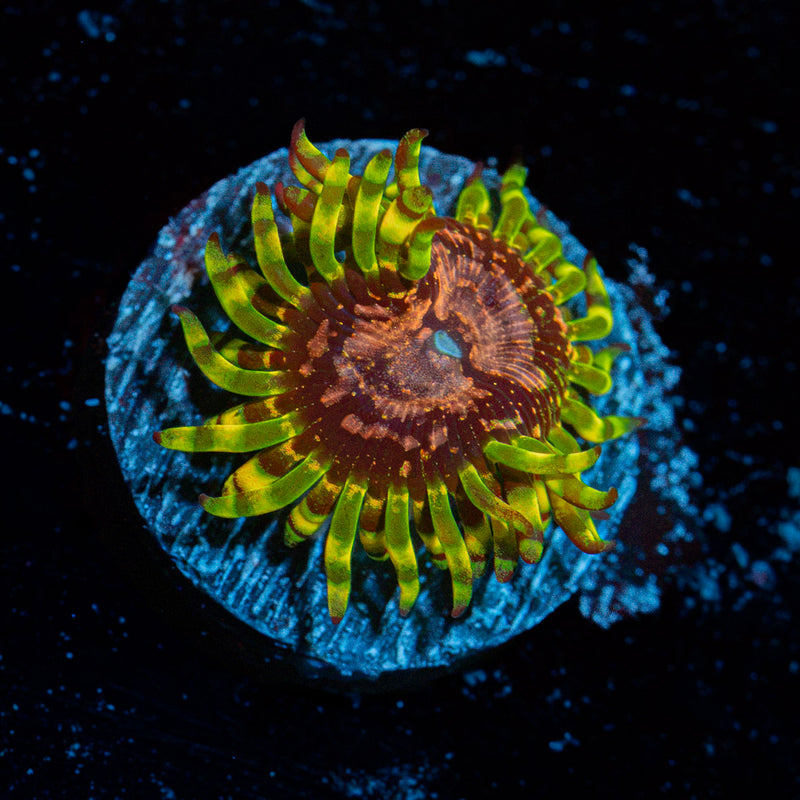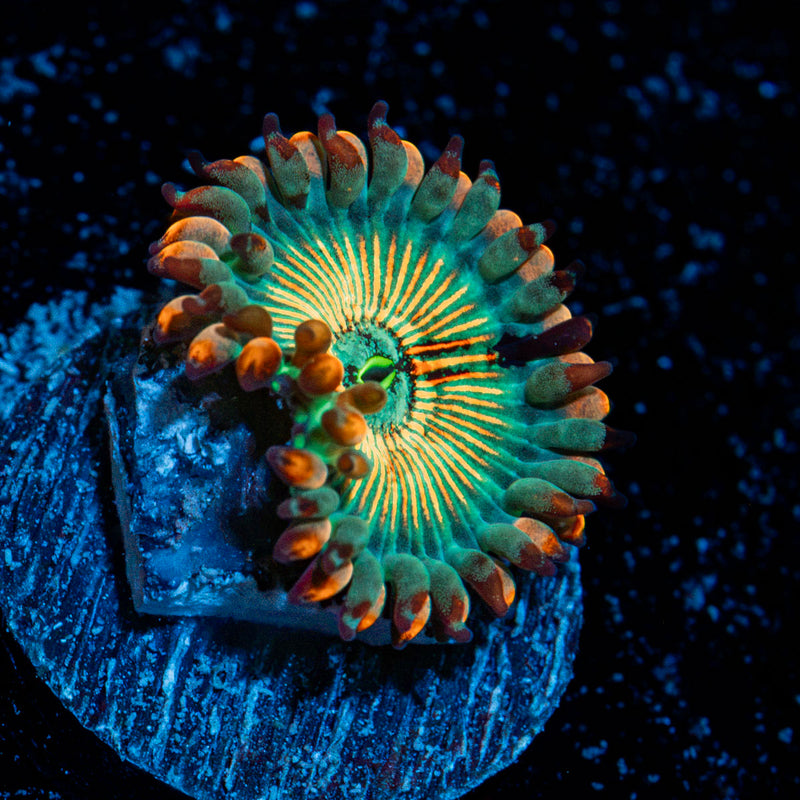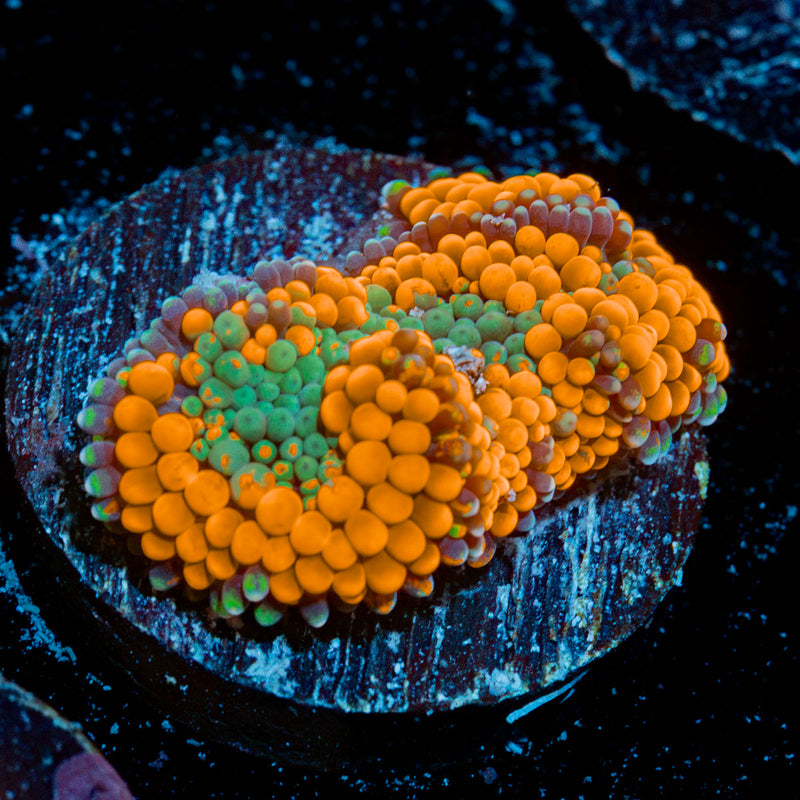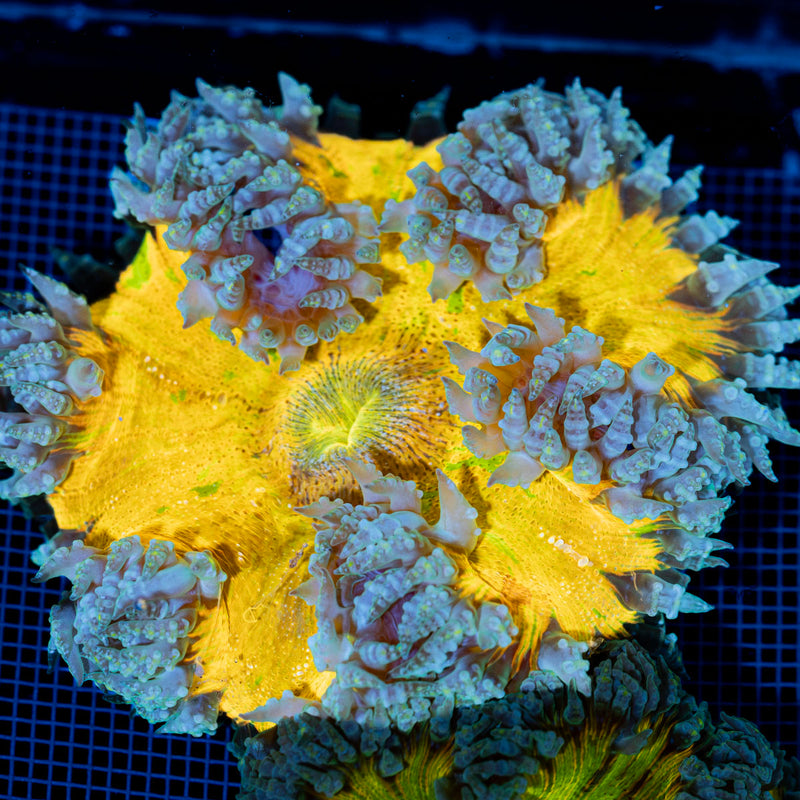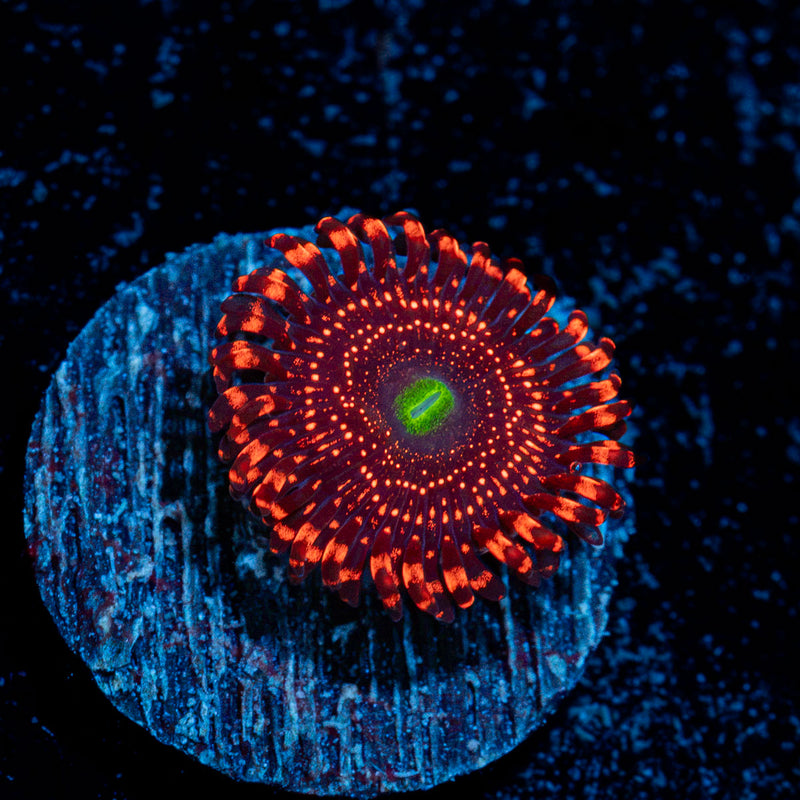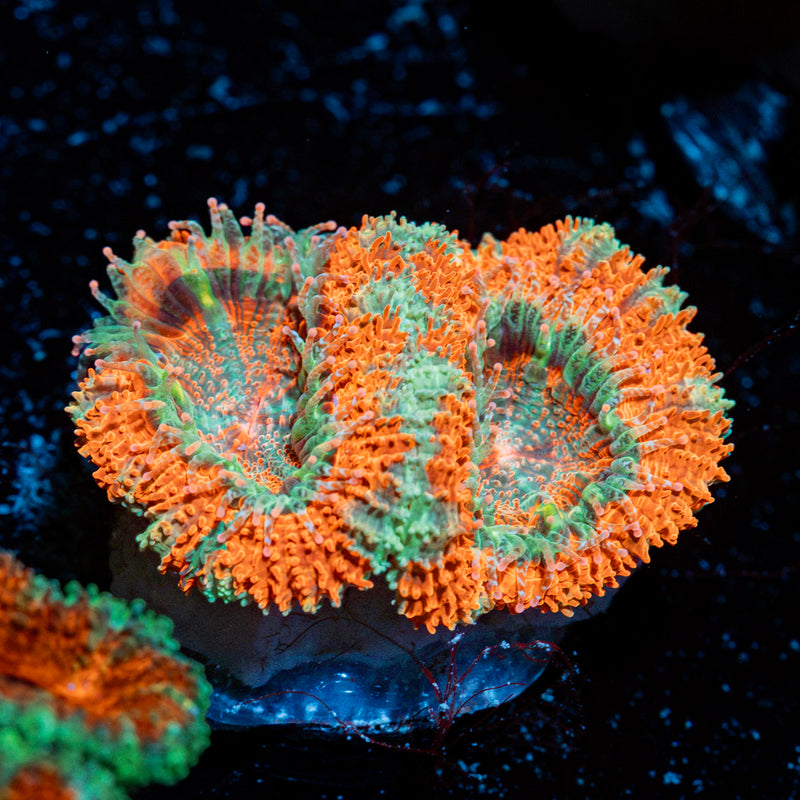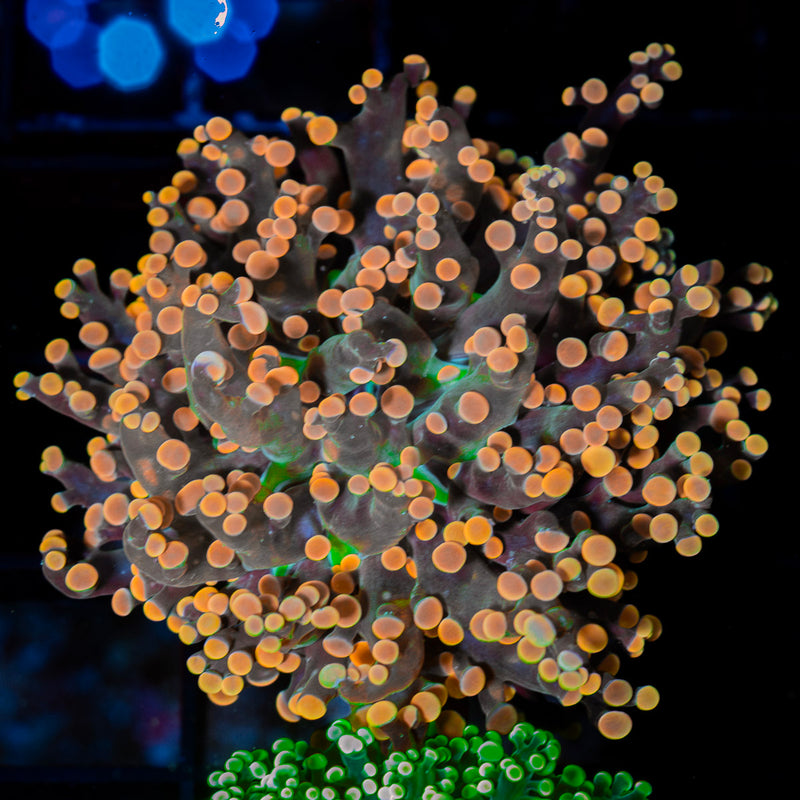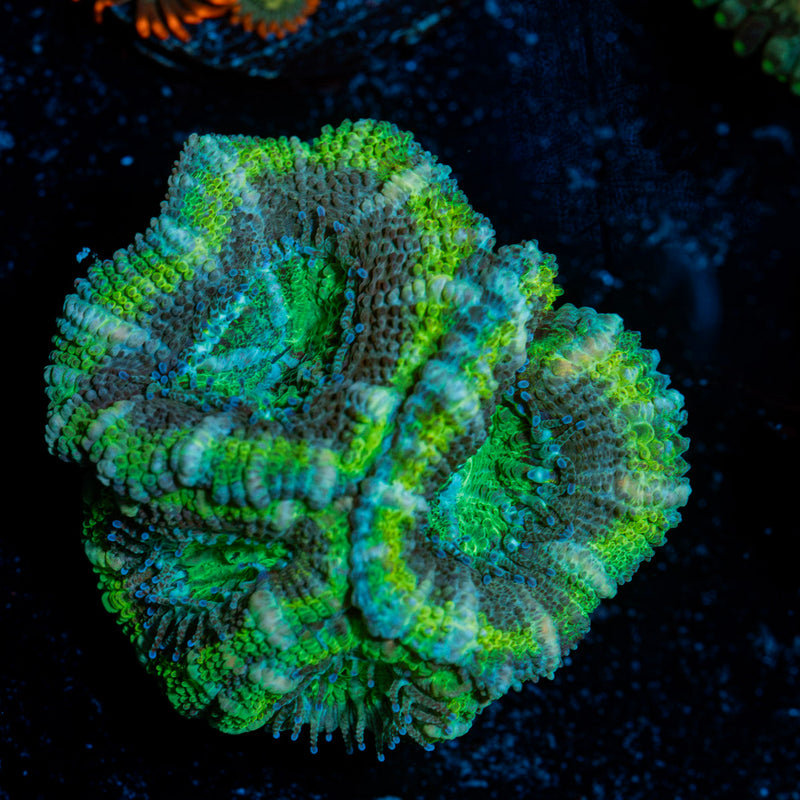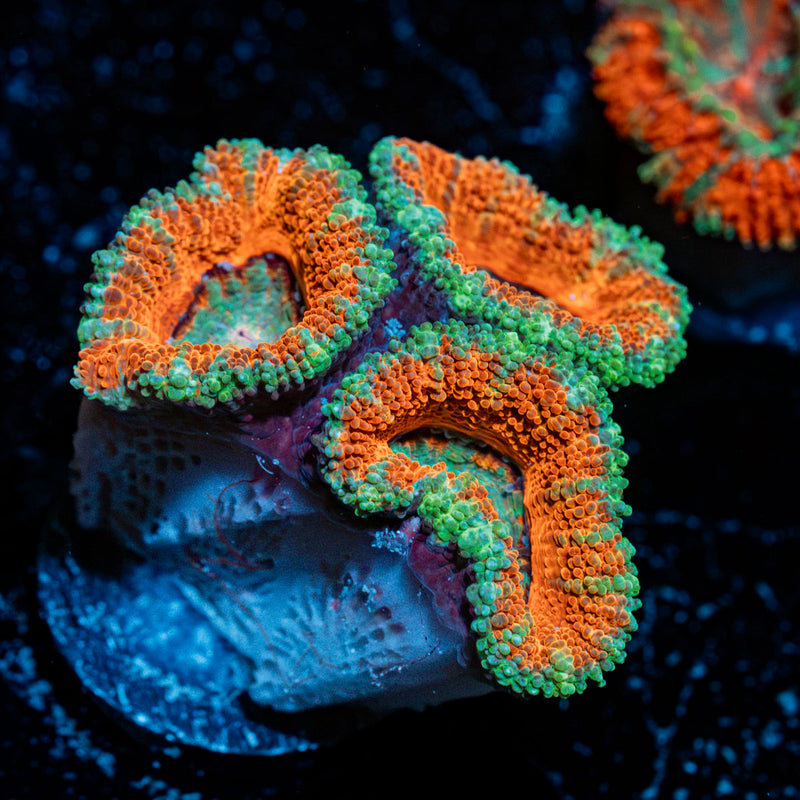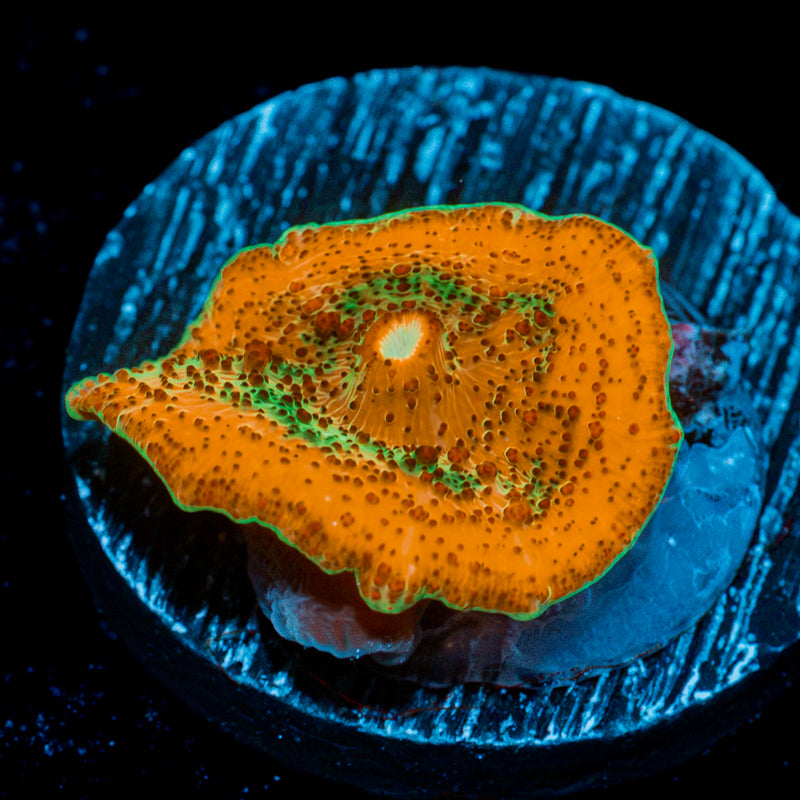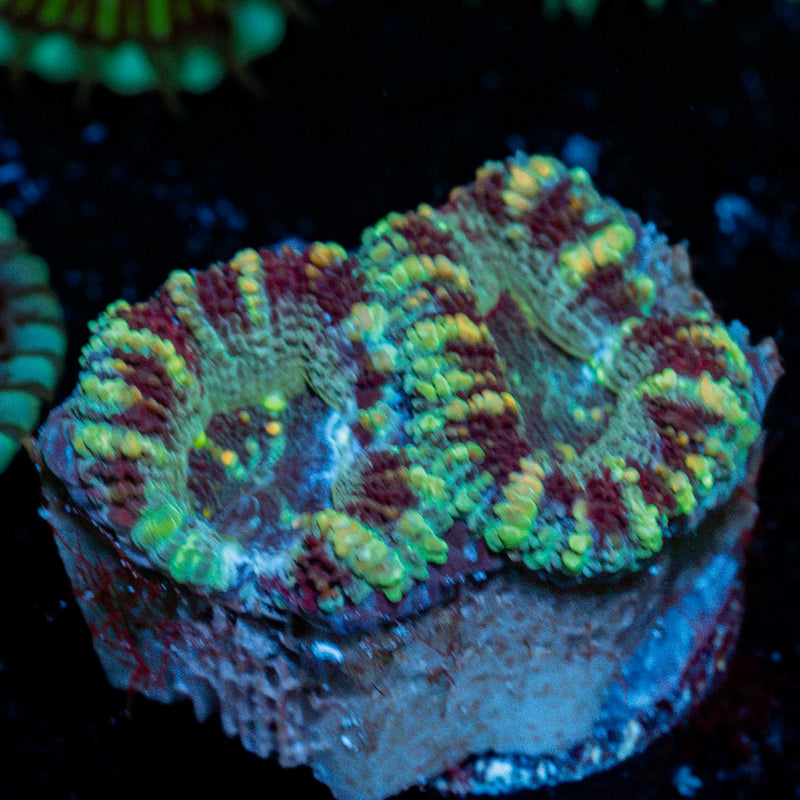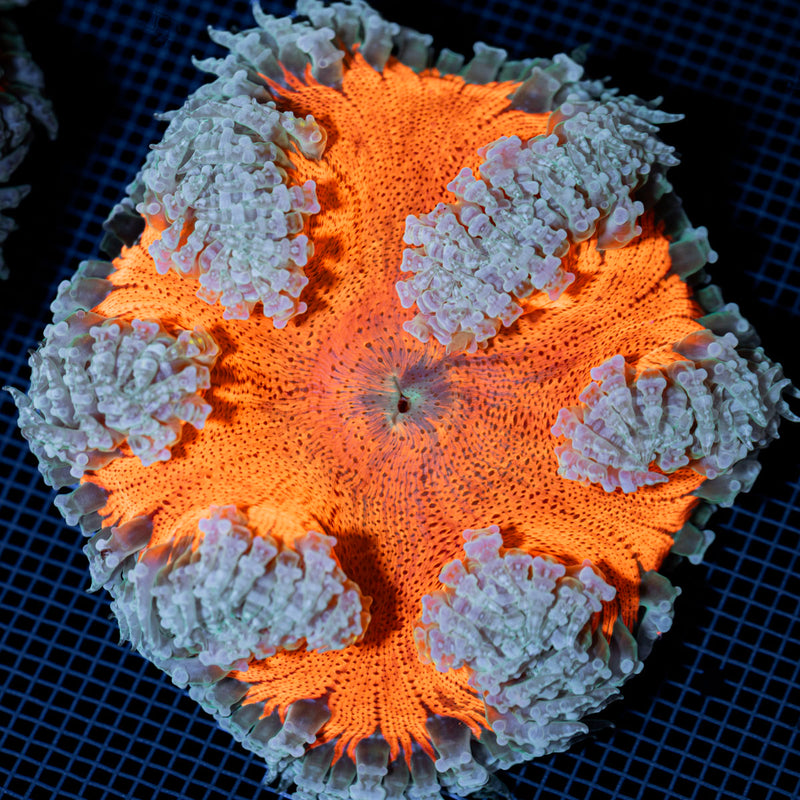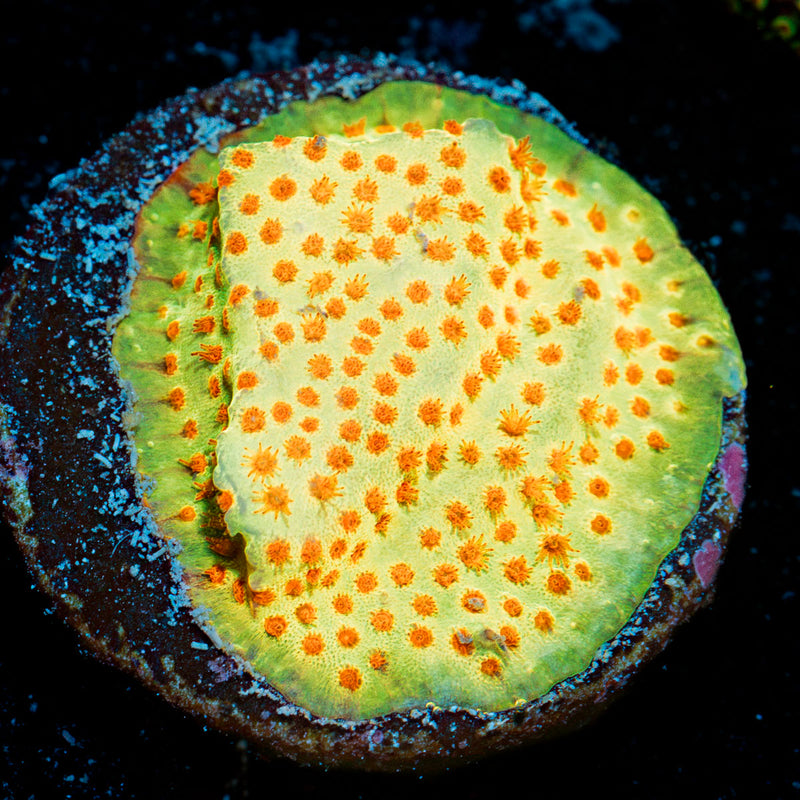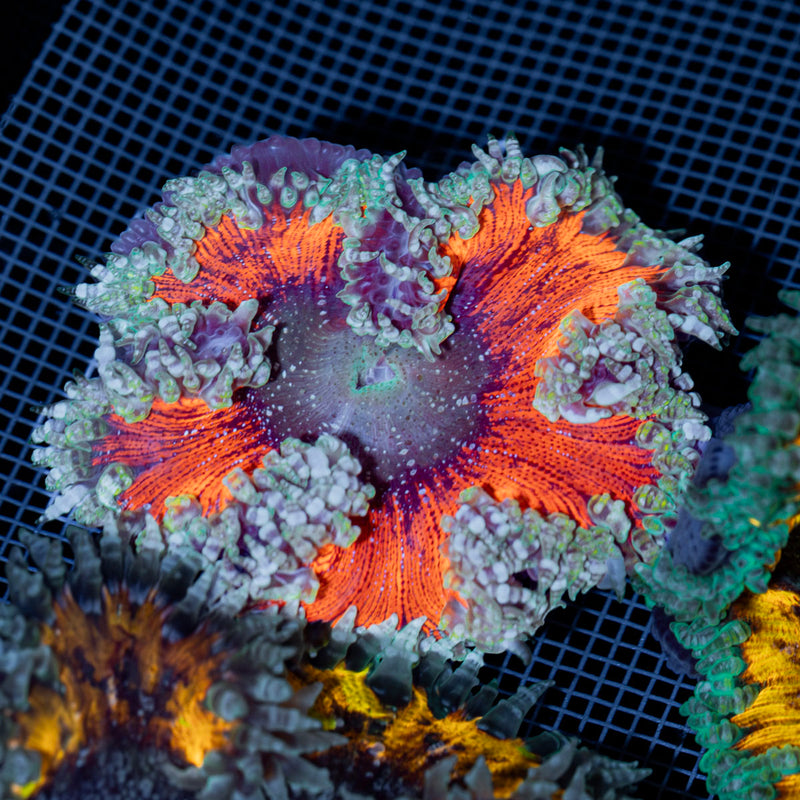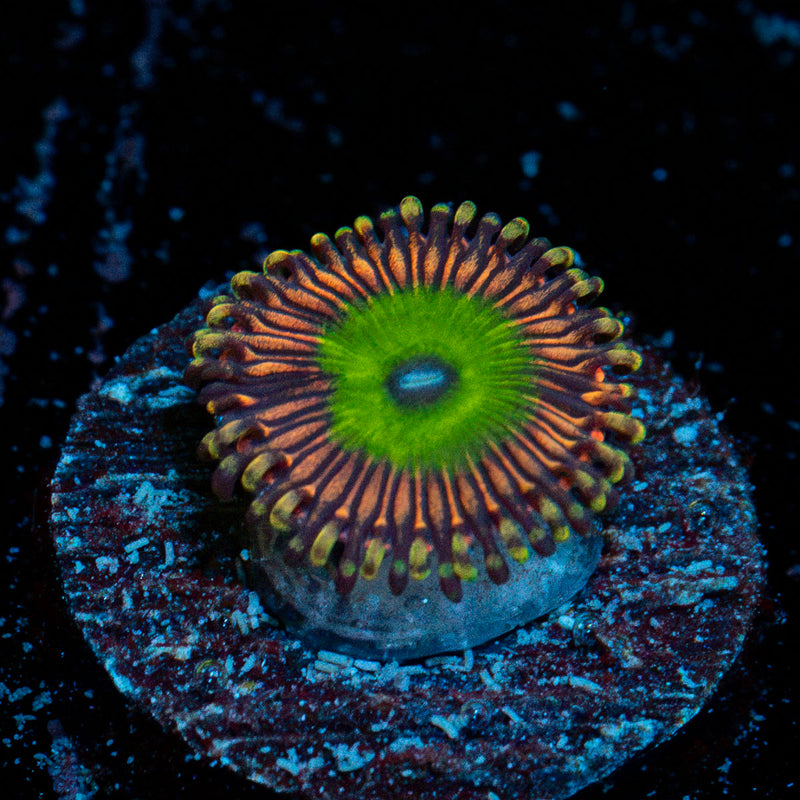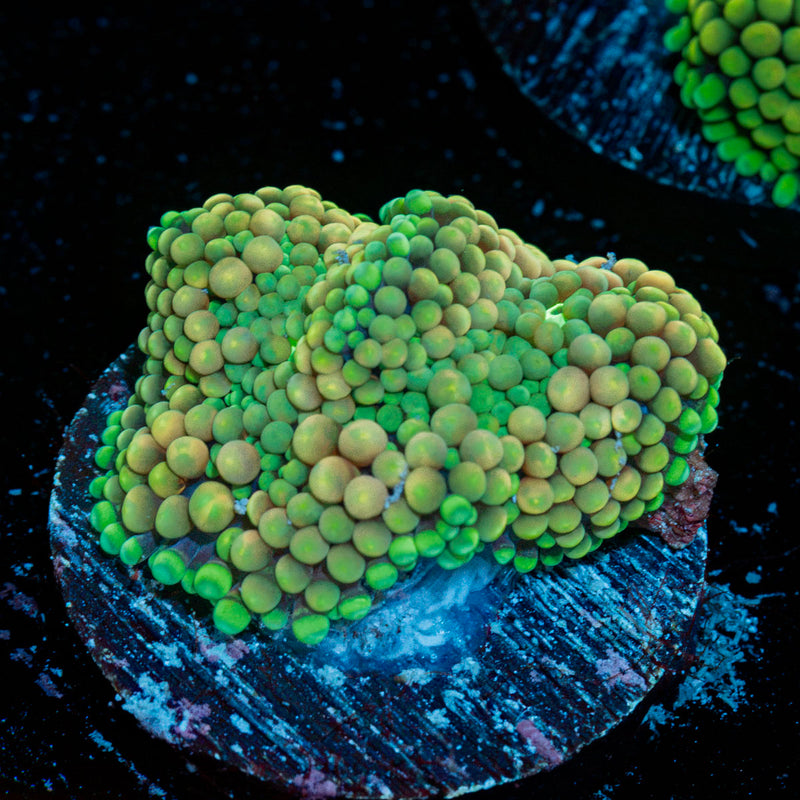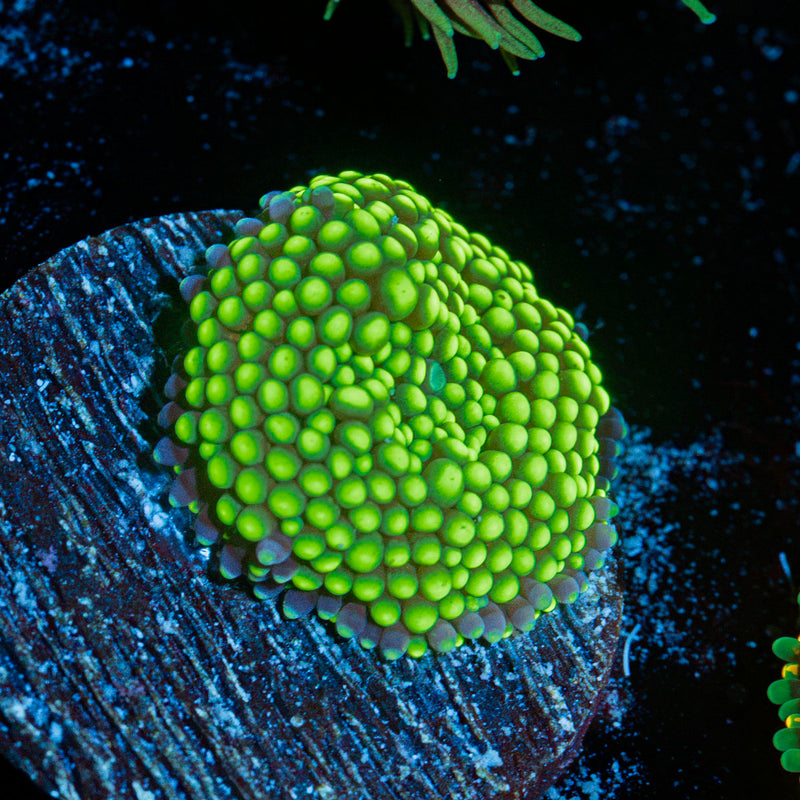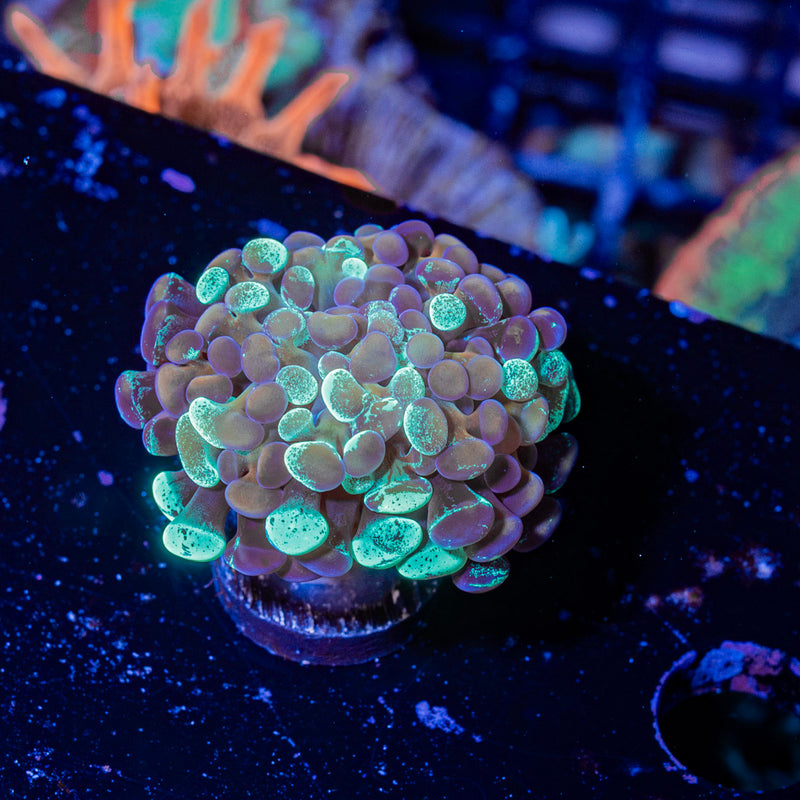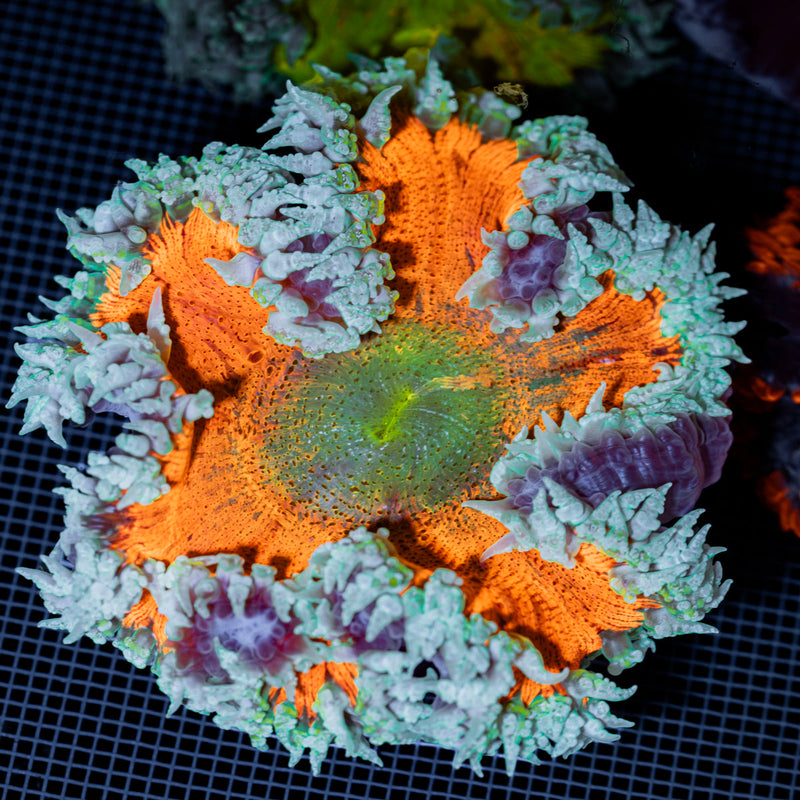
A coral pack can look like the easiest way to fill open rockwork, but the lowest price is not always the best deal. A smart frag pack value comparison looks beyond the number of plugs in the box. It asks whether those corals fit your lighting, flow, experience level, and vision for the reef six months from now.
The right pack can introduce a colorful mix of living jewels while keeping your first additions manageable. The wrong one can leave you with duplicates, demanding species, or frags that compete for the same small area of your aquarium. Value comes from choosing corals you will be excited to grow, not simply corals you can add to a cart at a discount.
What Makes a Coral Frag Pack a Good Value?
Start with the basics: total price divided by the number of frags. If a six-coral pack costs $180, the average is $30 per frag. That is useful, but it is only the opening calculation. A pack with six healthy, colorful, well-established aquacultured frags can offer much stronger value than a lower-priced pack of tiny or less suitable pieces.
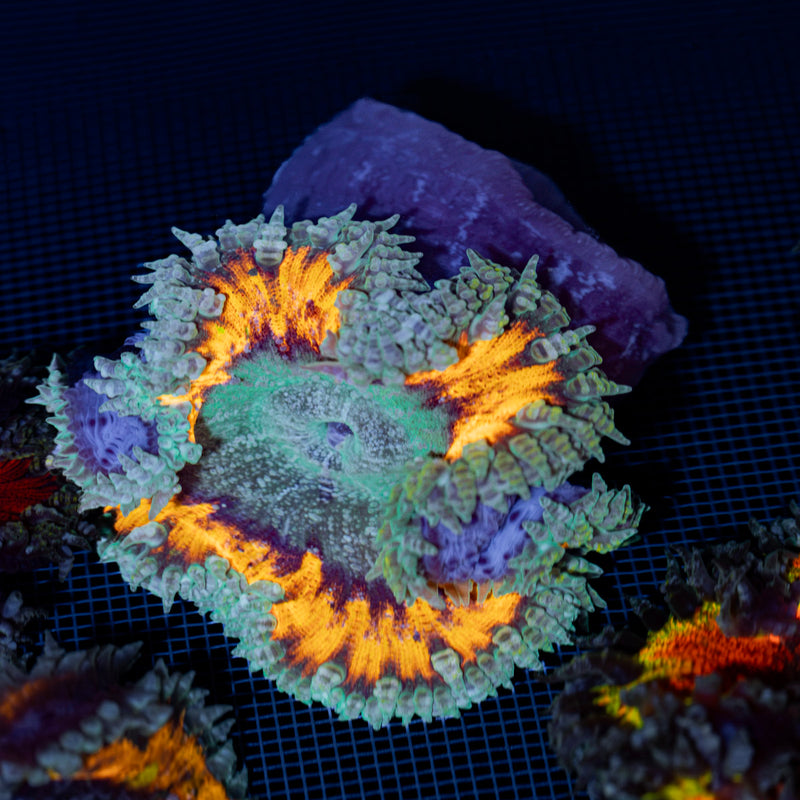
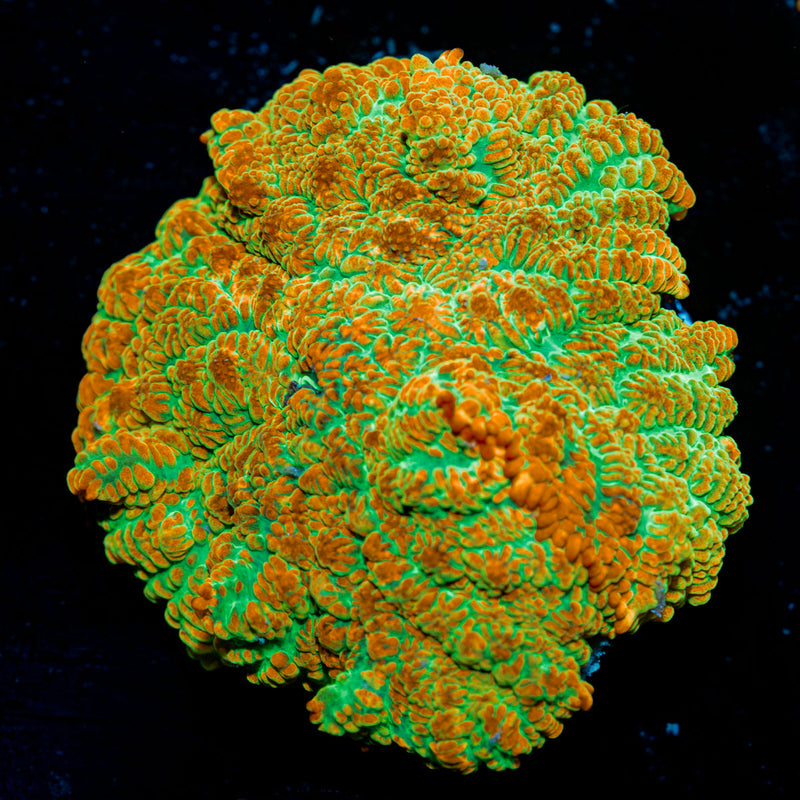
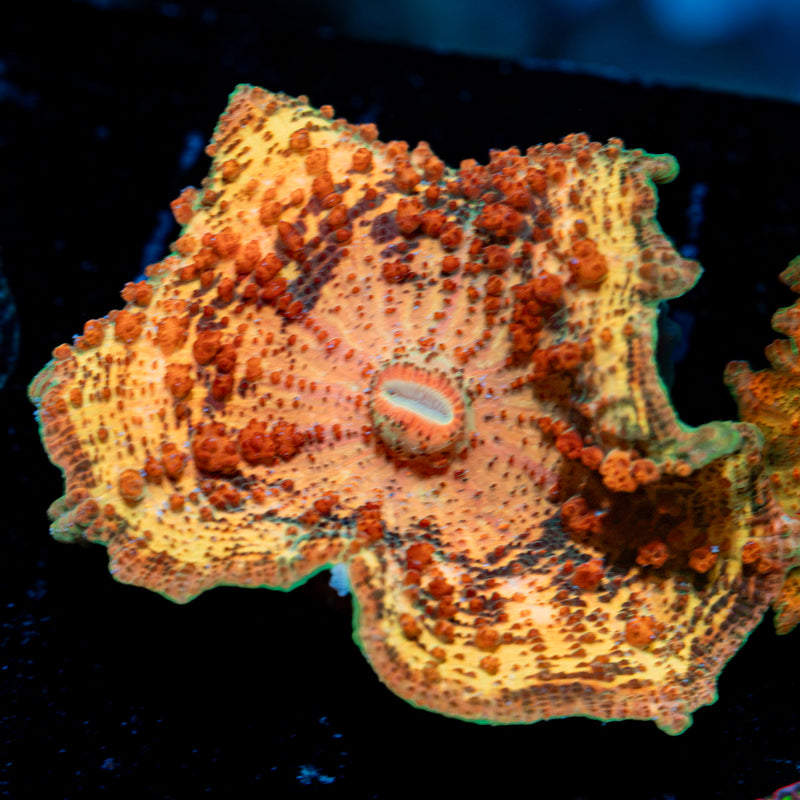
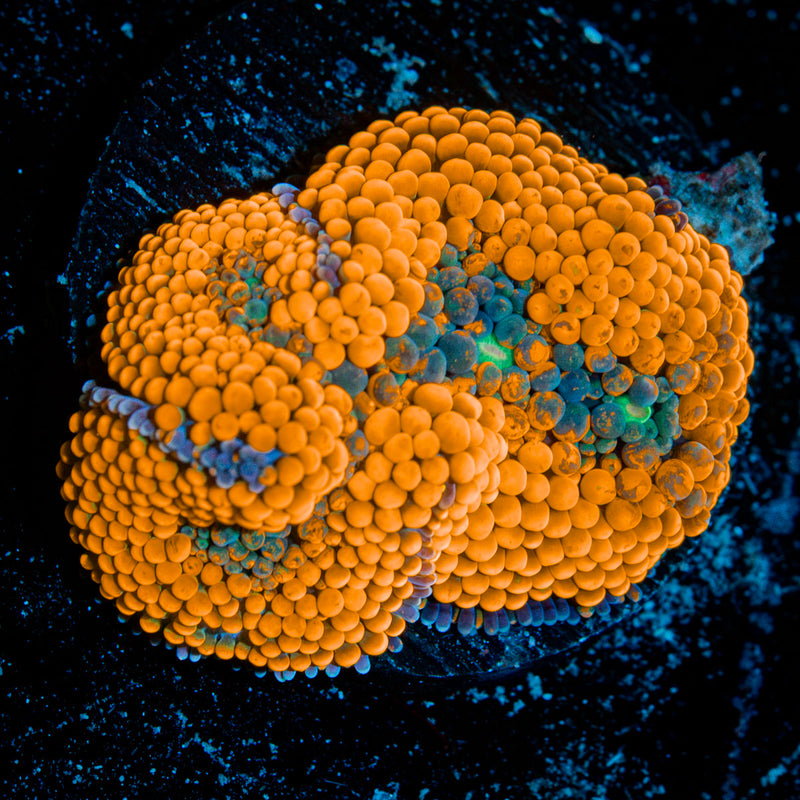
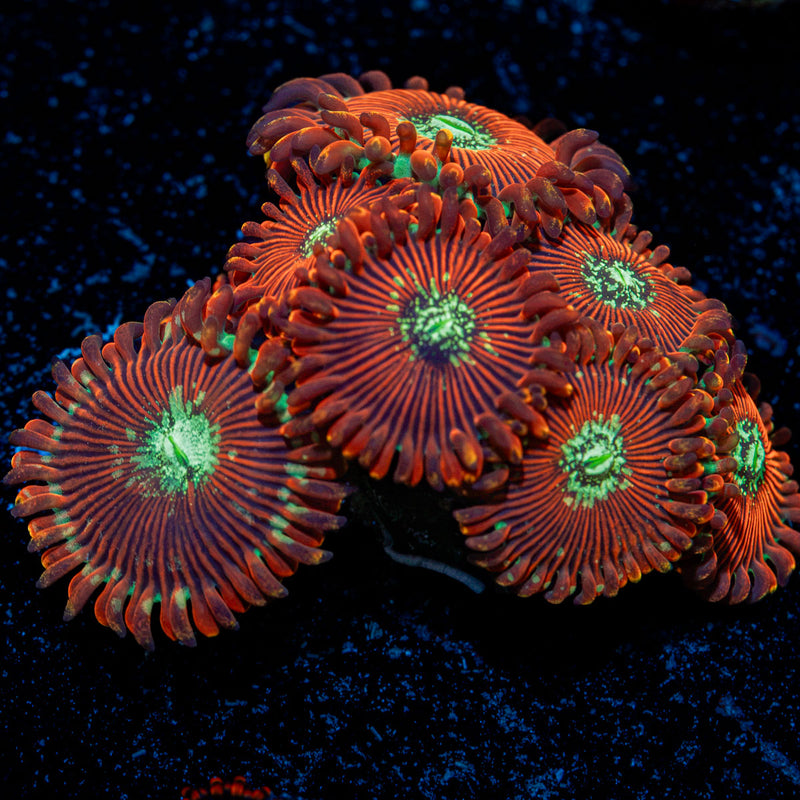
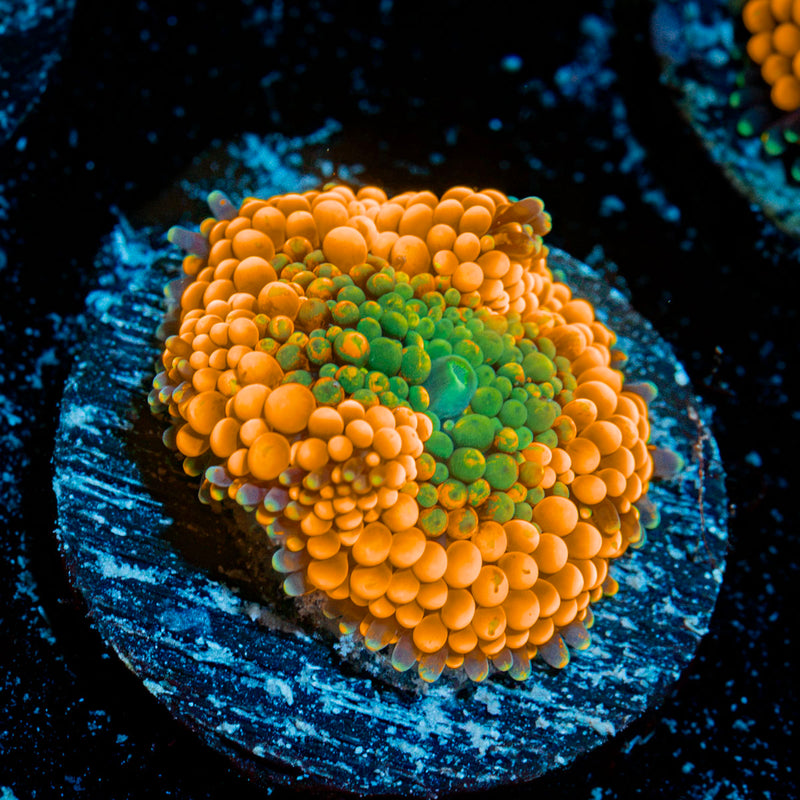
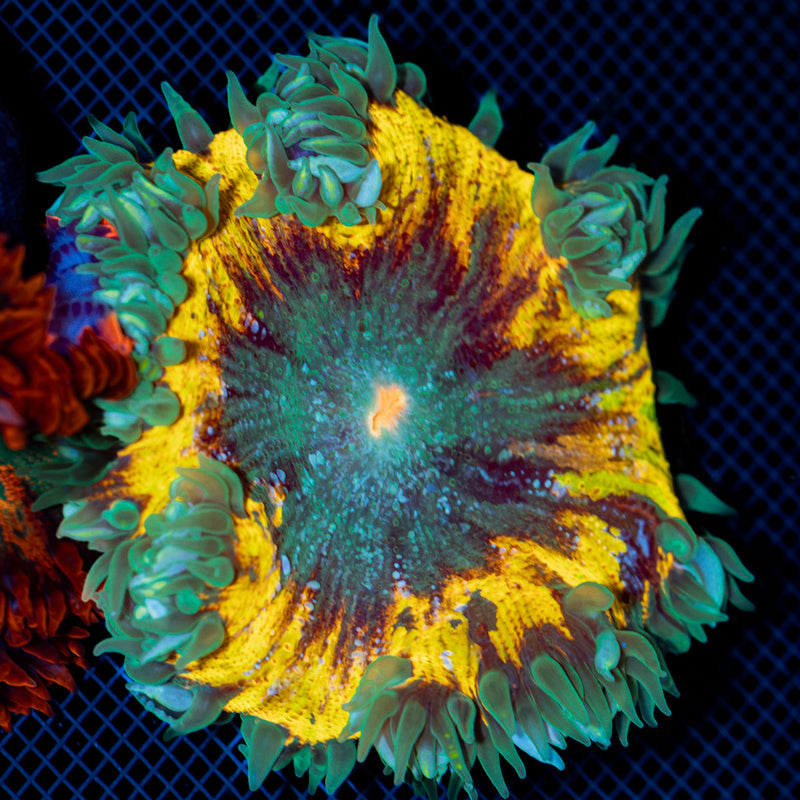
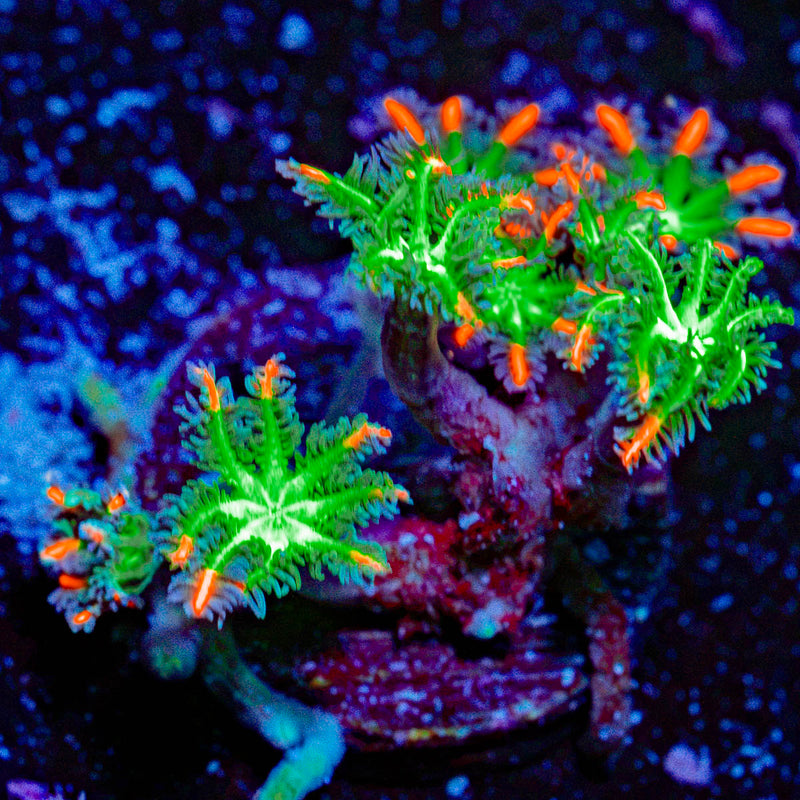
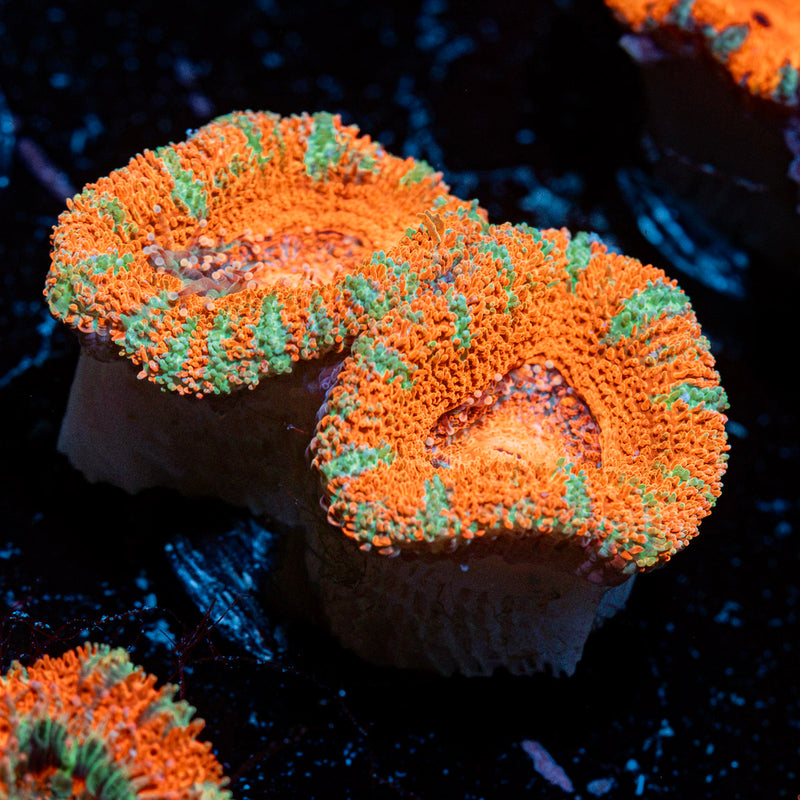
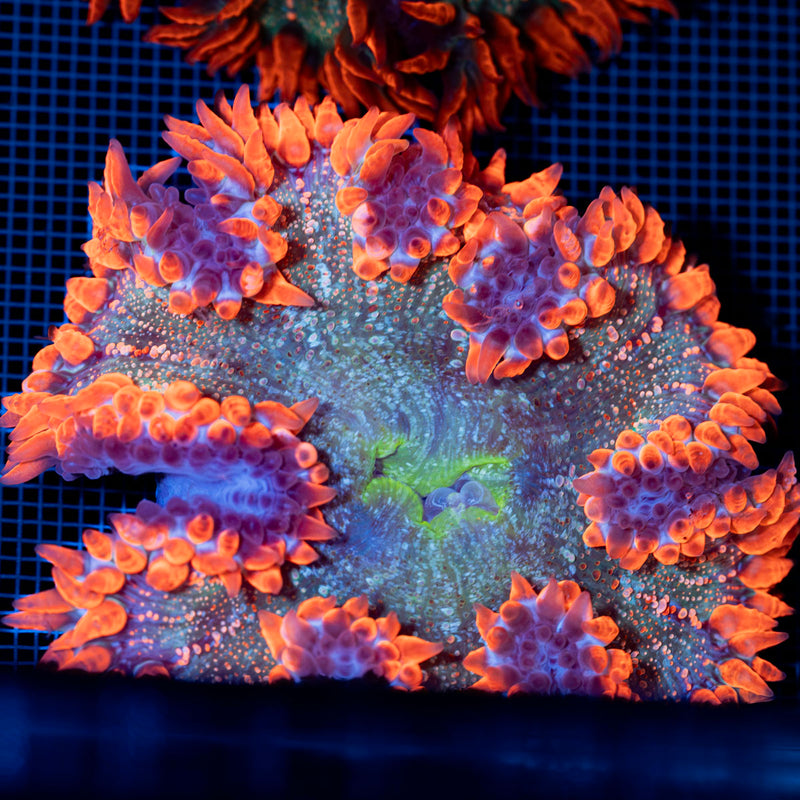
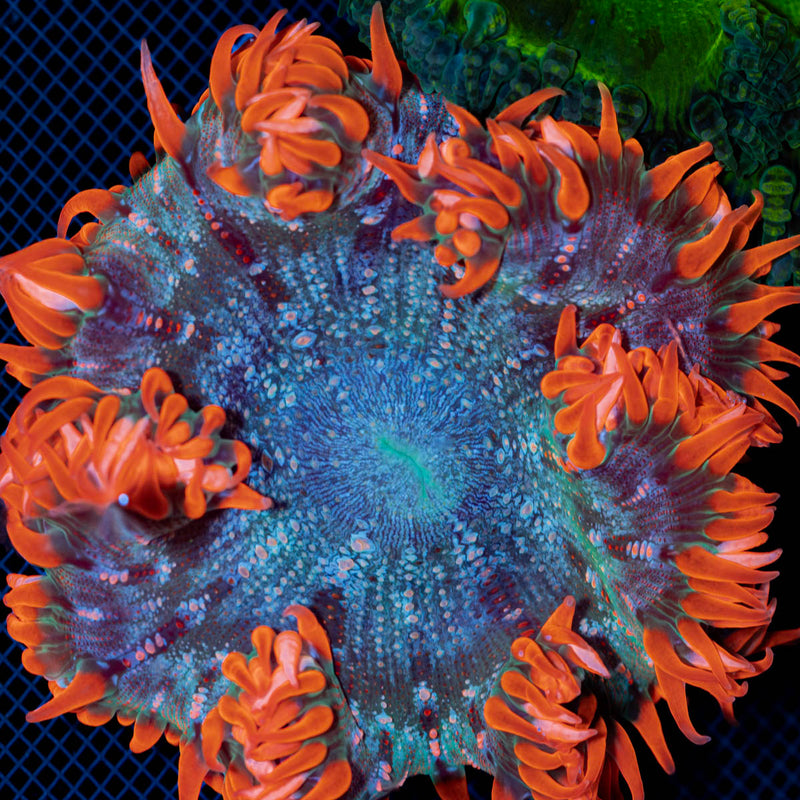
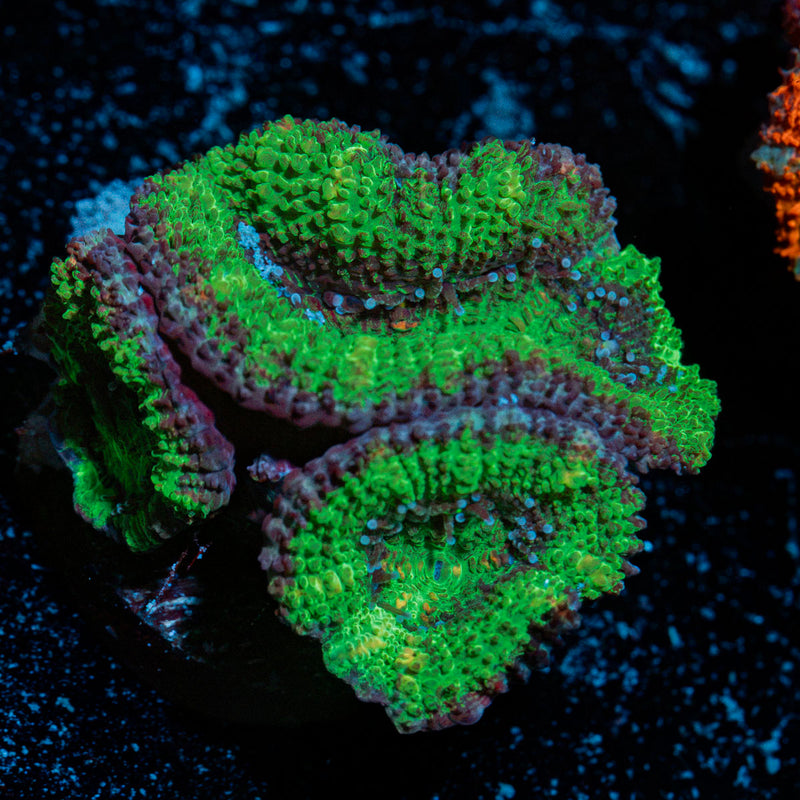
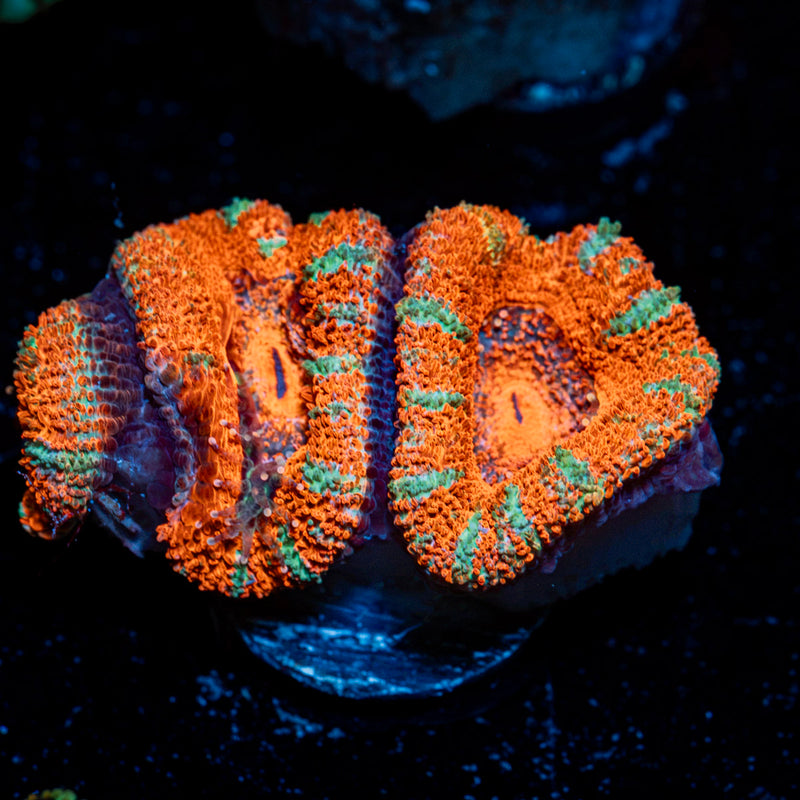
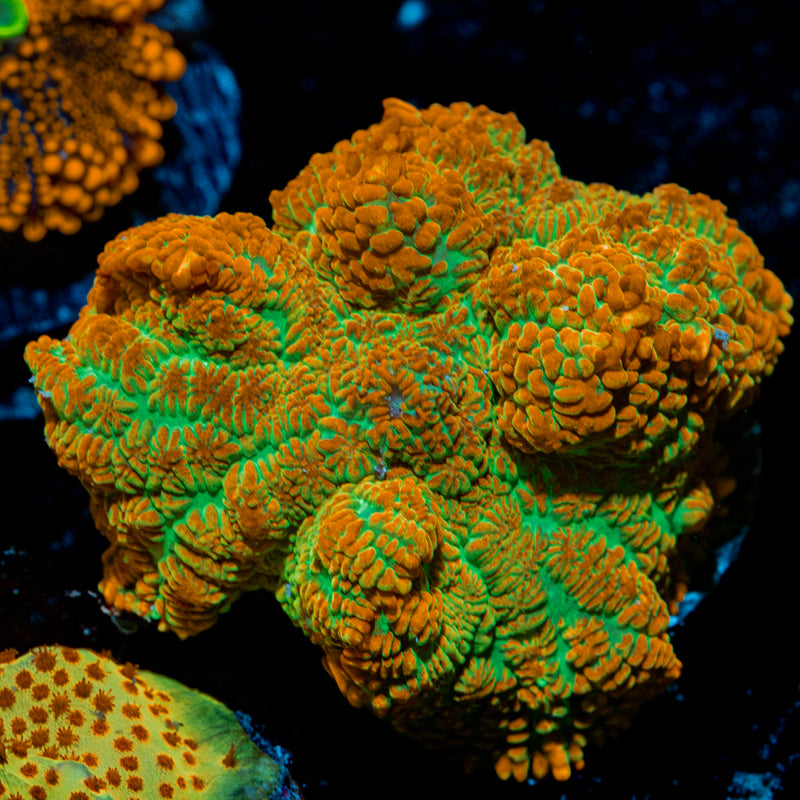
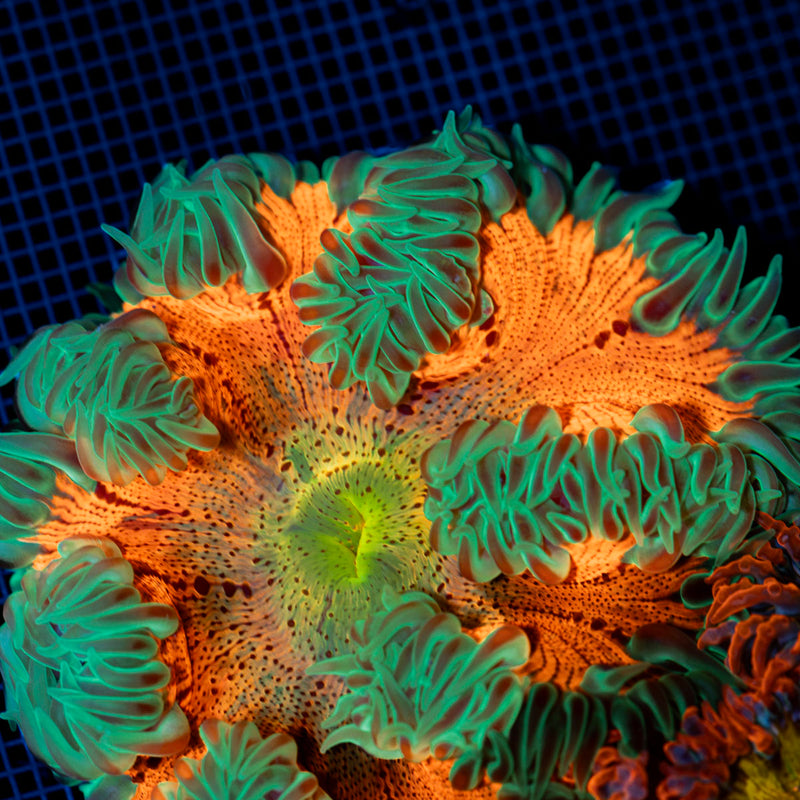
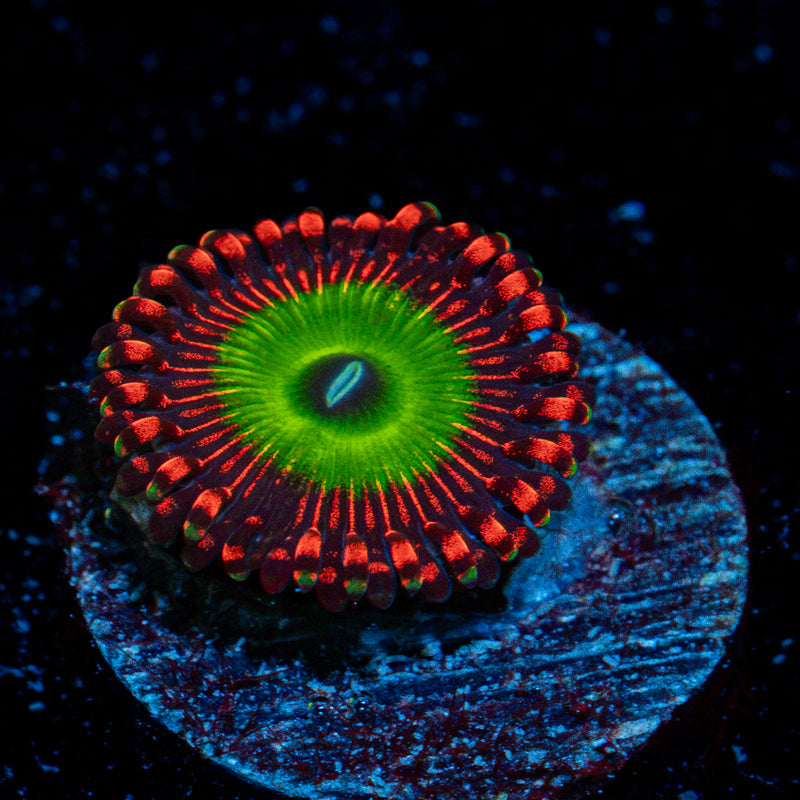
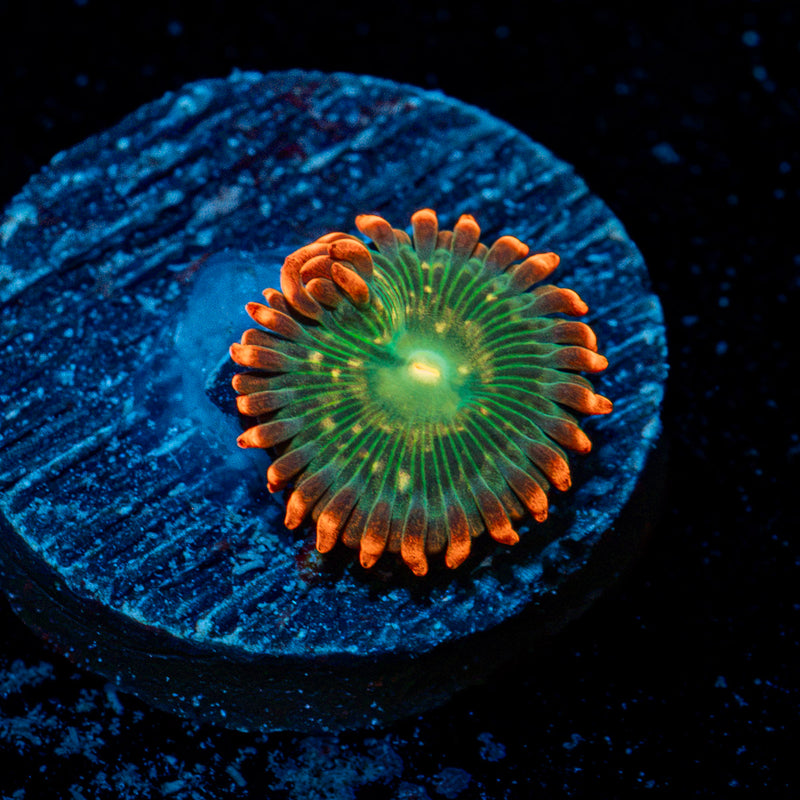
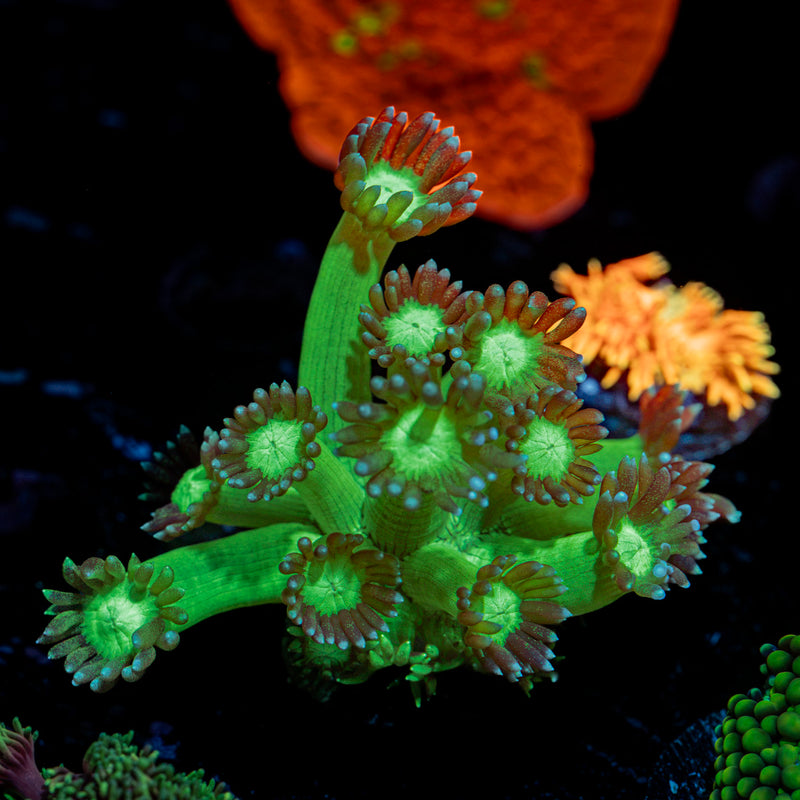
Coral type matters, too. A mixed pack containing zoanthids, mushrooms, hammers, and other generally forgiving LPS or soft corals may carry a different per-frag value than a pack built around SPS varieties. Acropora and Millepora can command more because of their color, growth form, and care expectations, but they are only a bargain when your system is ready to support them.
For most hobbyists, a valuable pack balances four things: coral health, visual variety, appropriate care needs, and a fair price for the actual specimens included. When all four line up, a curated selection can be a far better starting point than buying random individual frags.
Frag Pack Value Comparison: Look Past the Coral Count
A 10-frag pack will not automatically beat a five-frag pack. Consider what is inside it. Ten small frags of similar brown-green polyps may technically provide more pieces, while five distinct, bright, healthy corals can create much more visual impact and long-term interest.
Ask whether the pack shows representative photos or identifies the individual corals clearly. Exact-item WYSIWYG selections offer the highest level of confidence because you know precisely which specimen is coming home. Curated packs may not show every exact frag, but a trustworthy seller should still communicate the coral types, color range, and expected sizing honestly.
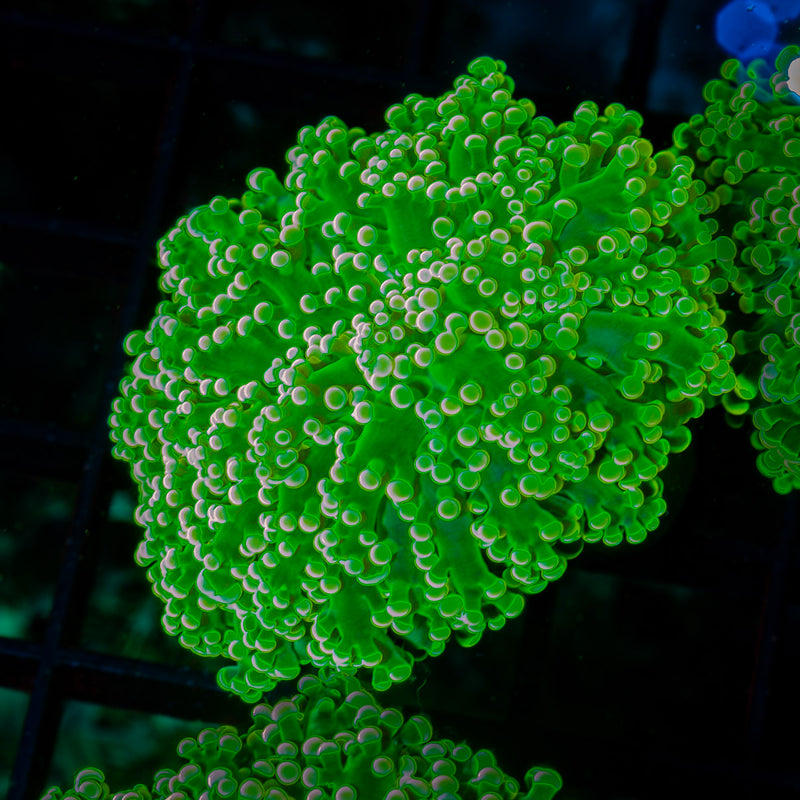
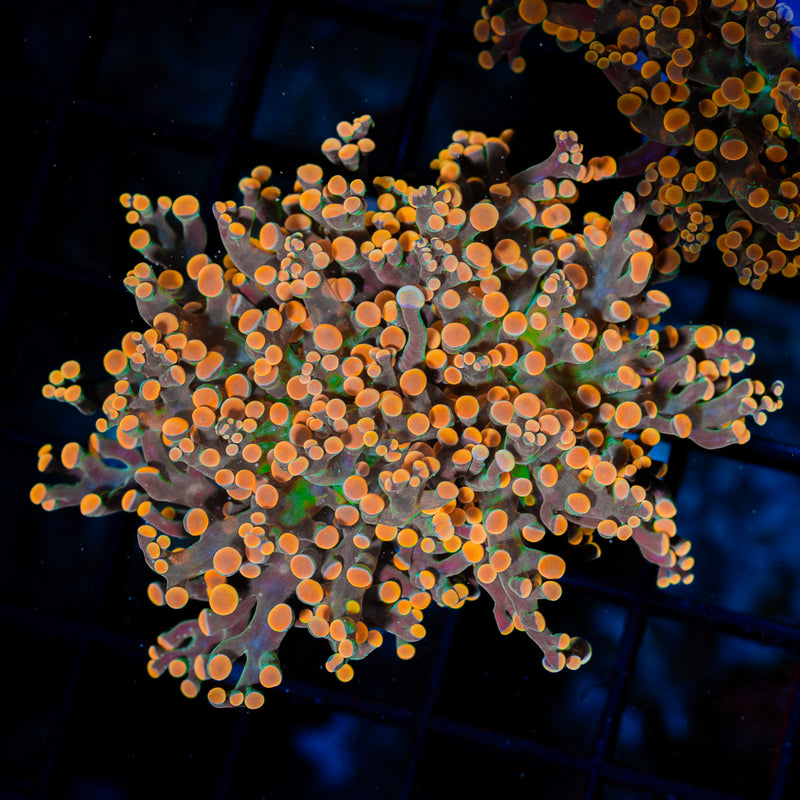
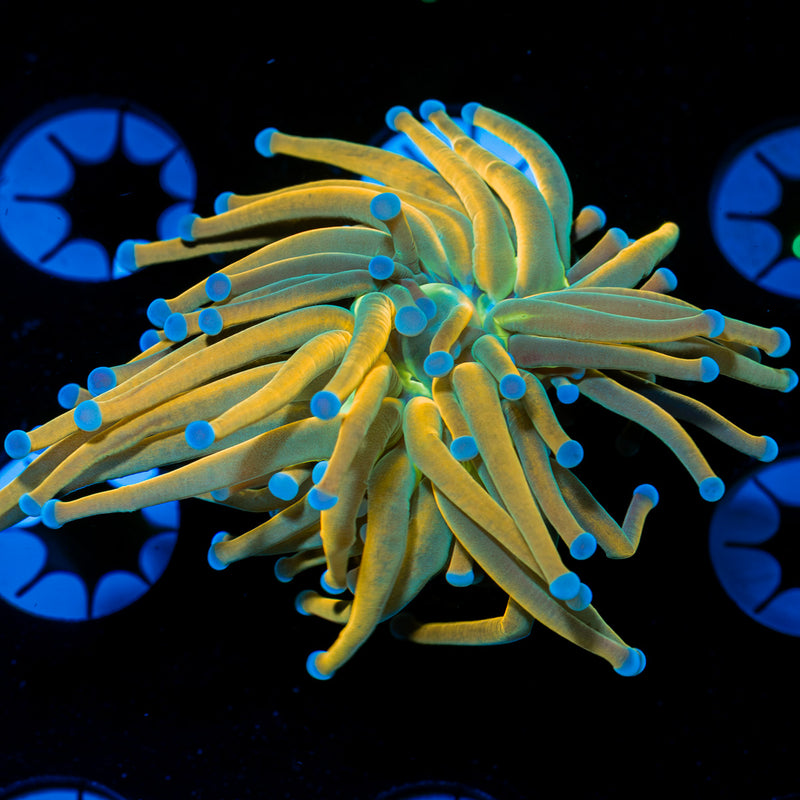
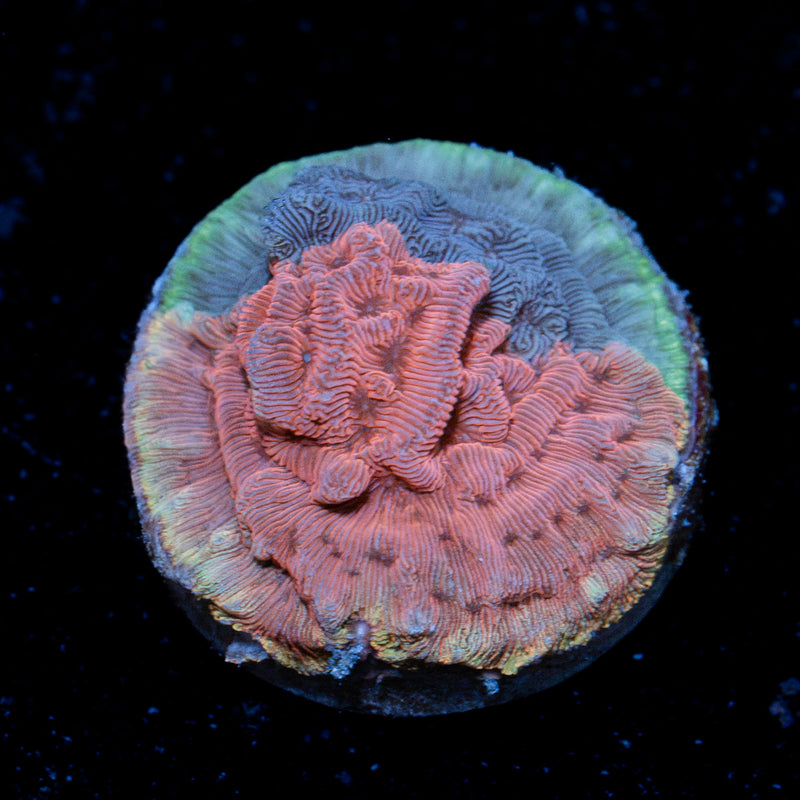
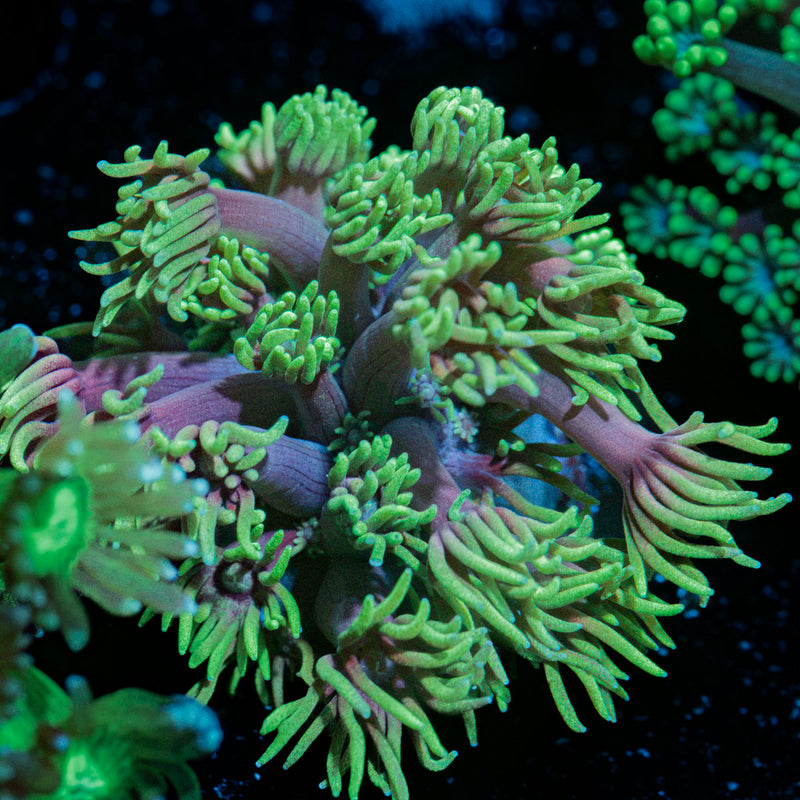
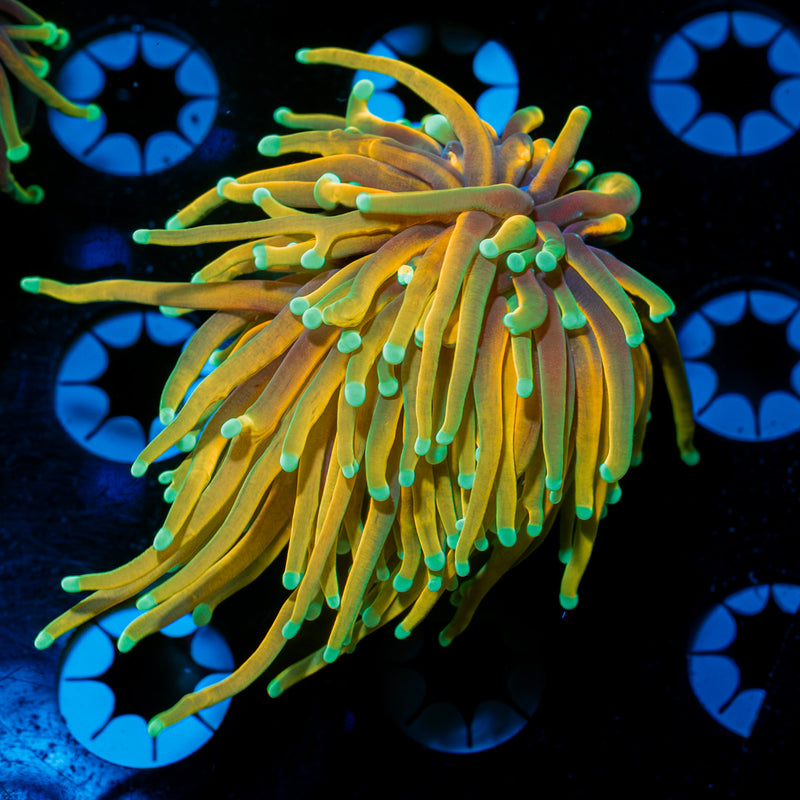
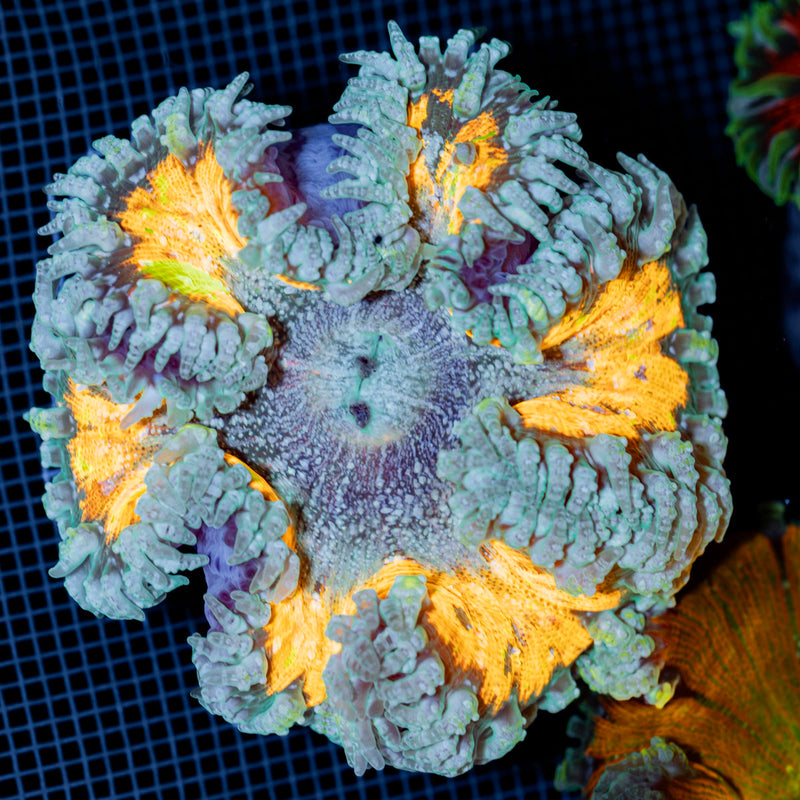
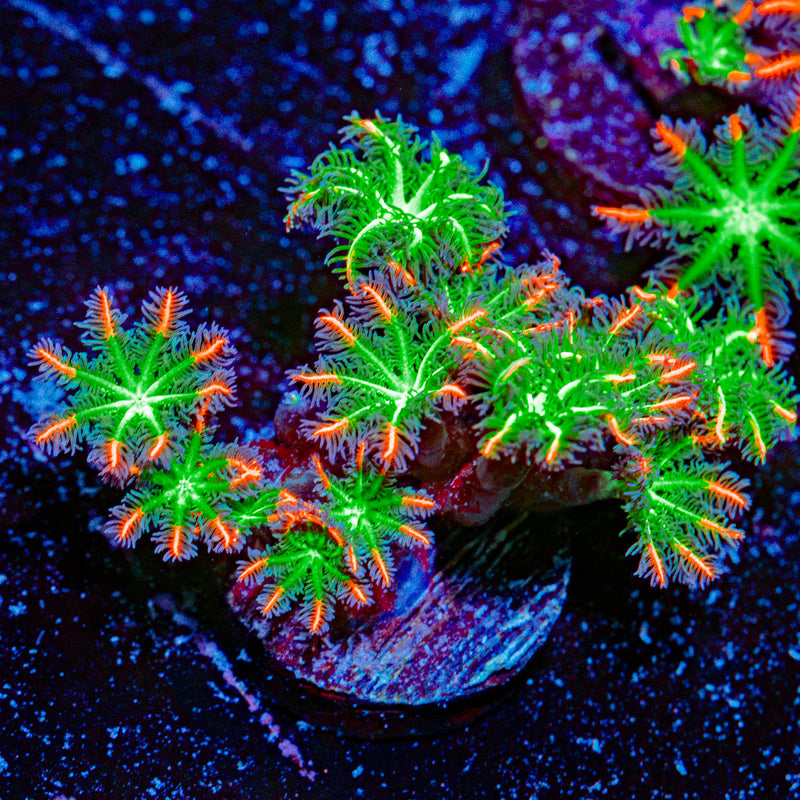
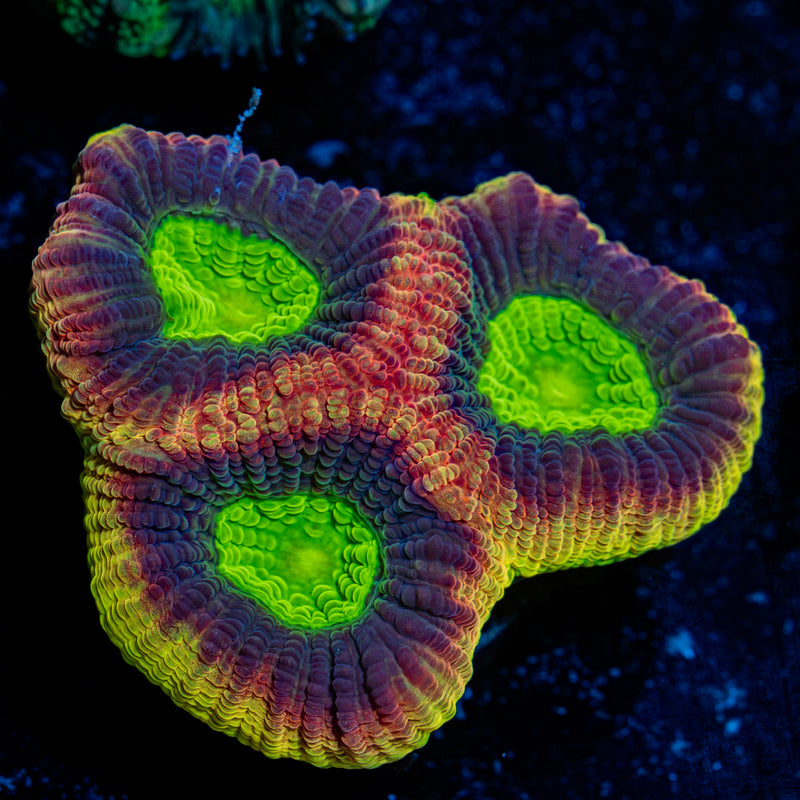
Size deserves a closer look. A fresh-cut single-head torch frag and a multi-head torch have very different value, even when their names sound similar. The same applies to branching hammers, frogspawn, acans, chalices, and SPS. A healthy smaller frag can be an excellent purchase if it is properly healed and priced accordingly, but it should not be compared directly to a more mature colony fragment.
Health is where an apparent bargain can fall apart. Look for signs that the corals have been aquacultured, conditioned, and grown in captive systems. Aquacultured coral frags are adapted to aquarium life and can provide more predictable care than recently imported wild specimens. Healthy tissue, secure attachment, clear coloration, and careful packing all support the value of the purchase after the shipping box is opened.
Match the Pack to Your Reef, Not the Trend
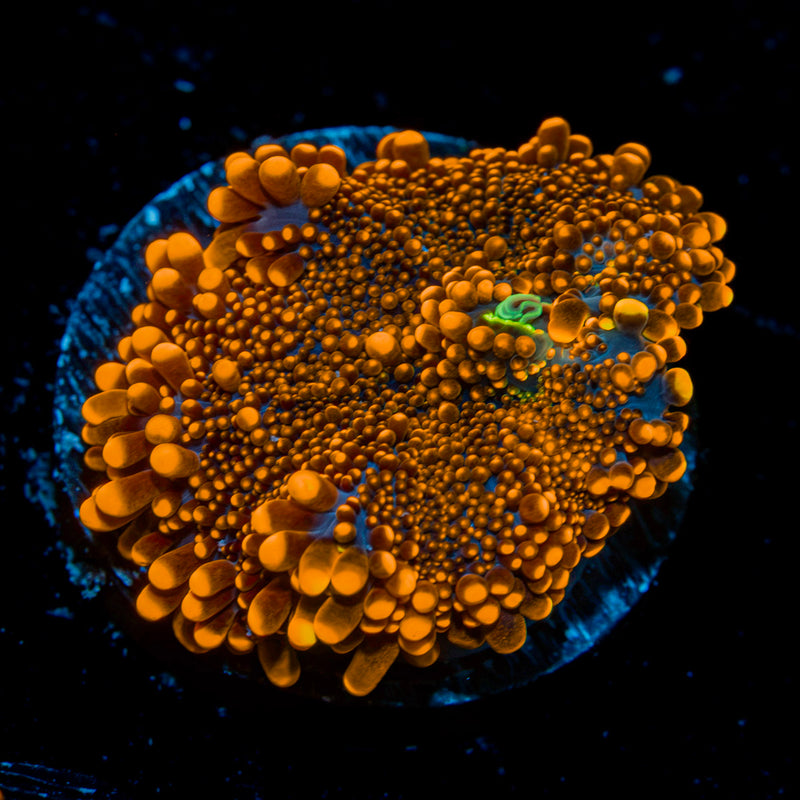
The best pack for a new reef is often not the pack with the rarest names. Beginner-friendly corals can deliver plenty of movement, texture, and color without demanding ultra-stable conditions from day one. Zoanthids, mushrooms, many soft corals, and select LPS are popular for good reason: they can help newer hobbyists learn coral placement, feeding, and water-quality consistency while building a vibrant display.
If your tank is established and you enjoy more precise husbandry, a higher-end SPS pack may make sense. SPS frags can become striking branching colonies, but their value depends heavily on stable alkalinity, appropriate nutrients, strong lighting, and intentional flow. A discounted SPS pack is not a deal if half the corals are incompatible with the current stage of your aquarium.
Mixed packs require the most planning. A combination of fast-growing soft corals, spreading zoanthids, and slower-growing LPS can be beautiful, but each needs room. Think about where each coral will go before it arrives. Mushrooms may spread across lower rockwork, while torches need generous space to avoid stinging nearby corals. Planning placement protects the investment and keeps the display from becoming crowded too quickly.
Consider Growth, Not Just Arrival Day
A pack that looks modest on arrival can become the foundation of a full reef. That is especially true with branching Euphyllia, zoanthid colonies, and many hardy soft corals. In a healthy system, a few well-chosen frags can grow into the colorful structure that makes a reef tank feel established.
This is why variety has more value than novelty alone. A thoughtful blend of color, movement, and growth forms creates layers in the aquascape. You might prefer a bright encrusting coral near the sand bed, a waving hammer in the middle, and a branching SPS near the top. A pack that supports this kind of intentional layout often gives more lasting enjoyment than several corals with nearly identical shapes and requirements.
Compare Included Value With the Real Cost of Buying Singles
Comparing a pack with individual-frag pricing is worthwhile, but use like-for-like comparisons. Check whether the pack includes corals that would genuinely interest you as single purchases. If a six-frag pack contains four pieces you love and two you would never choose, its savings may be less meaningful than a smaller, more targeted selection.
Shipping also affects the equation. Live coral orders require specialized packing, temperature awareness, and careful scheduling. Combining several corals in one shipment can make a pack practical, particularly when you are already planning an order. Still, avoid adding extra livestock merely to reach a shipping threshold. A coral that does not suit your reef is expensive at any price.
Purchase confidence belongs in the calculation as well. Clear live arrival assurance, accurate photography, and transparent coral descriptions reduce uncertainty when buying livestock online. Riptide Aquaculture curates aquacultured coral selections with that confidence in mind, helping hobbyists shop by coral category and experience level rather than guessing from a name alone.
A Quick Way to Evaluate Any Frag Pack
Before purchasing, read the pack description once for excitement and a second time for practical details. Confirm the number of frags, expected coral types, approximate size, and whether substitutions are possible. Then compare the pack with your tank's current lighting, flow, available space, and the corals already living there.
It also helps to give each pack a simple personal score. Rate its color appeal, care fit, variety, specimen confidence, and price from one to five. A pack with a slightly higher price can win easily if every coral fits your plan and you trust what will arrive. Conversely, a heavily discounted pack may score poorly if it is vague about contents or demands conditions your tank cannot yet provide.
Do not overlook compatibility. Some corals release chemical compounds, some spread aggressively, and many LPS corals use sweeper tentacles after lights out. Running carbon, maintaining space between colonies, and observing new additions closely can help, but these steps do not replace choosing compatible corals from the beginning.
When a Frag Pack Is Not the Best Buy
Individual WYSIWYG corals can be the better choice when you want a specific showpiece, are filling one exact location, or have little remaining room in the tank. They are also ideal for hobbyists who value seeing the exact polyp count, branching structure, and coloration before purchase.
A pack may be less appealing if you are still troubleshooting water parameters. It is usually wiser to stabilize temperature, salinity, alkalinity, and nutrient levels before introducing multiple new corals at once. More frags mean more opportunities to learn, but they also require more placement decisions and more careful observation during the first few weeks.
The strongest value is not measured when the package arrives. It shows up later, when healthy frags open fully, settle into their places, and begin turning bare rock into a reef that feels distinctly yours. Choose the pack that gives your aquarium room to grow beautifully.