A reef tank does not need a wall of demanding Acropora to look extraordinary. The right first frags can bring movement, fluorescent color, and that unmistakable living-reef feel without making every small adjustment a crisis. This low maintenance coral species list focuses on forgiving, aquacultured favorites that reward consistent basic care and give a new reef room to mature.
Low maintenance does not mean no maintenance. Every coral still depends on stable salinity, appropriate temperature, clean water, and a properly cycled aquarium. The difference is that the corals below tend to tolerate modest swings better than more sensitive species, adapt to a range of placements, and recover well when given time to settle in.
What makes a coral low maintenance?
The easiest corals usually share a few traits: they accept moderate light, thrive in gentle to moderate flow, and do not require the tightly controlled alkalinity and nutrient levels expected by many SPS corals. Soft corals, zoanthids, mushrooms, and several hardy LPS options are especially appealing because they deliver strong color before a tank is ready for more specialized livestock.
A healthy aquacultured frag is part of the equation. It has already adapted to life in an aquarium and has a track record of growing under captive conditions. Still, placement matters. Start a new frag low in the tank or in indirect light, then watch for a week or two before moving it. A coral that stays closed, pales, or stretches is giving useful feedback about its new location.
Low maintenance coral species list: 10 colorful picks
1. Zoanthids and palythoas
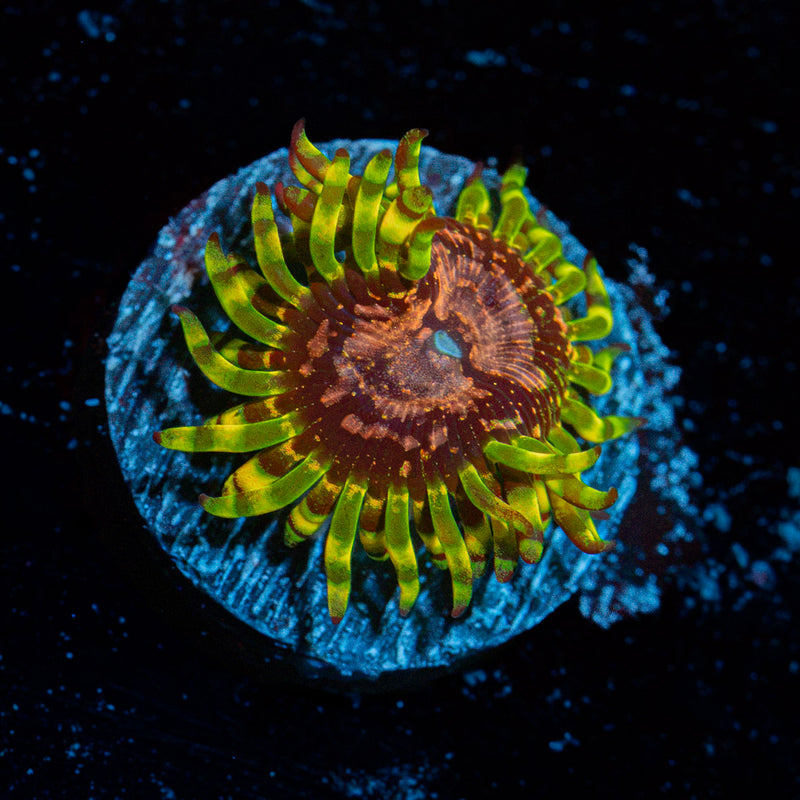
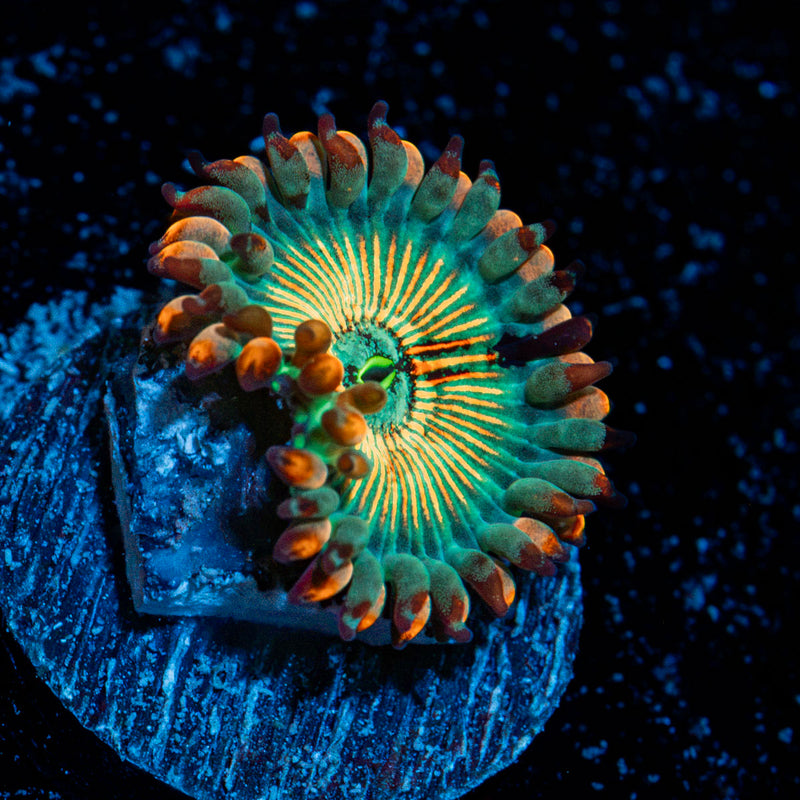
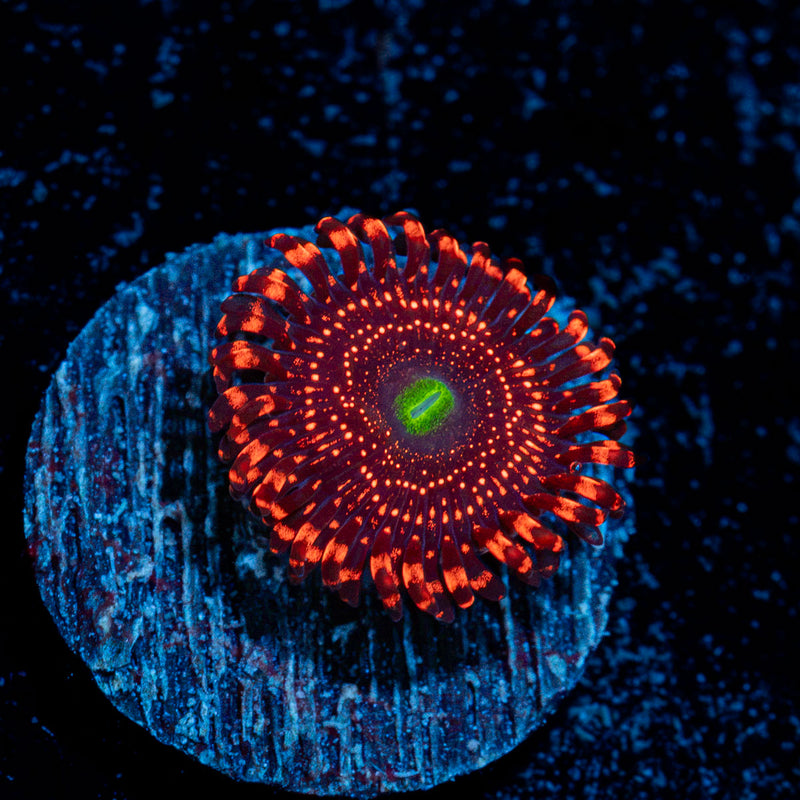
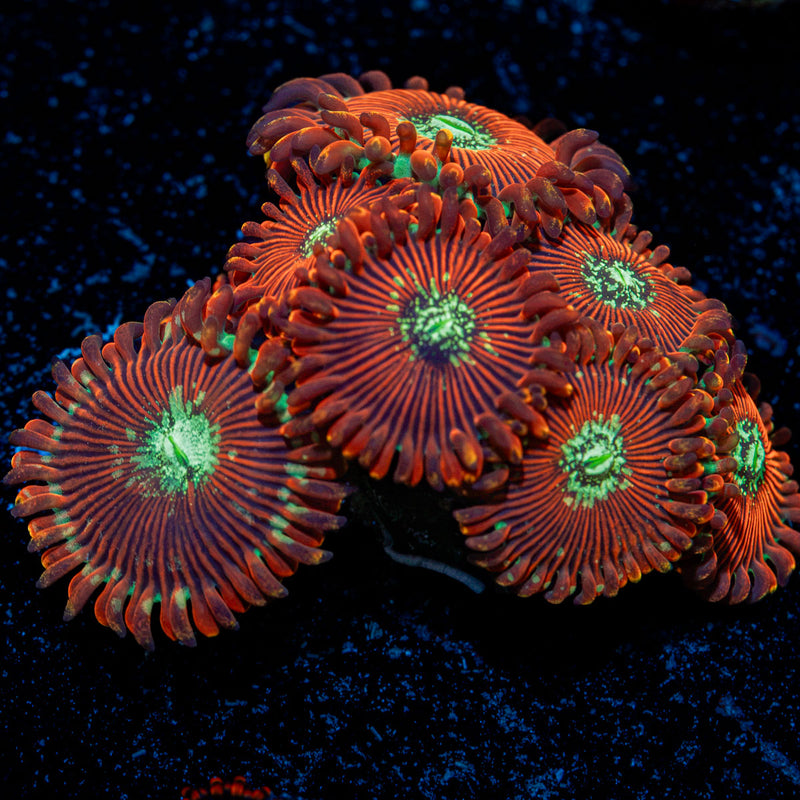
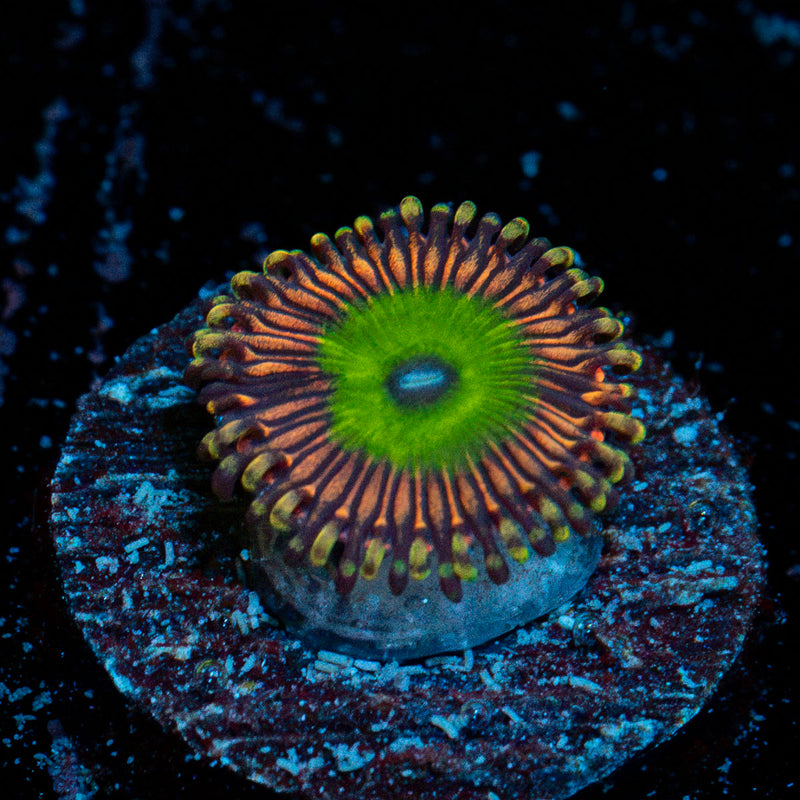
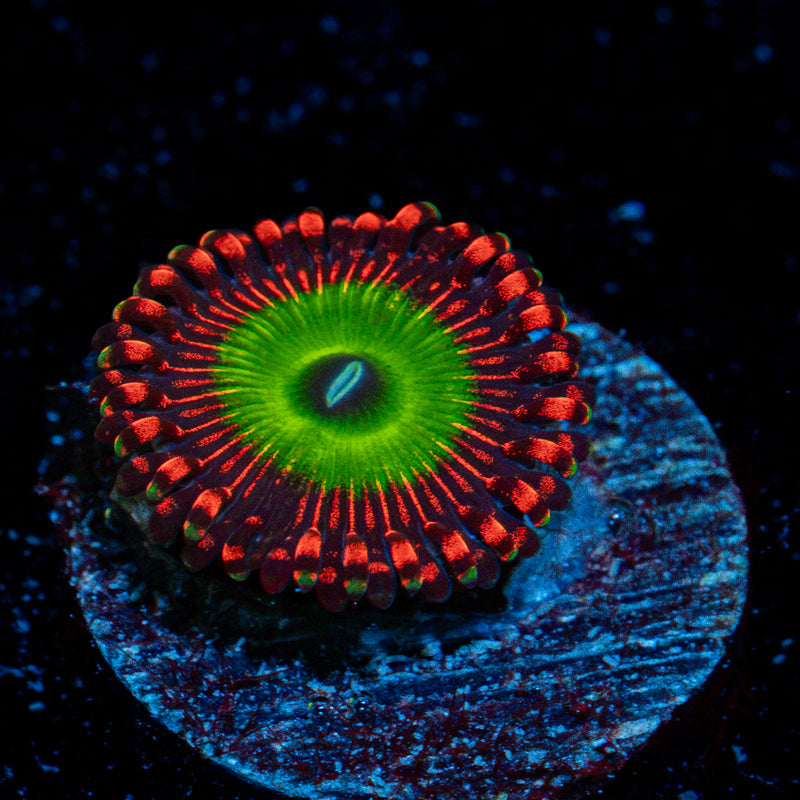
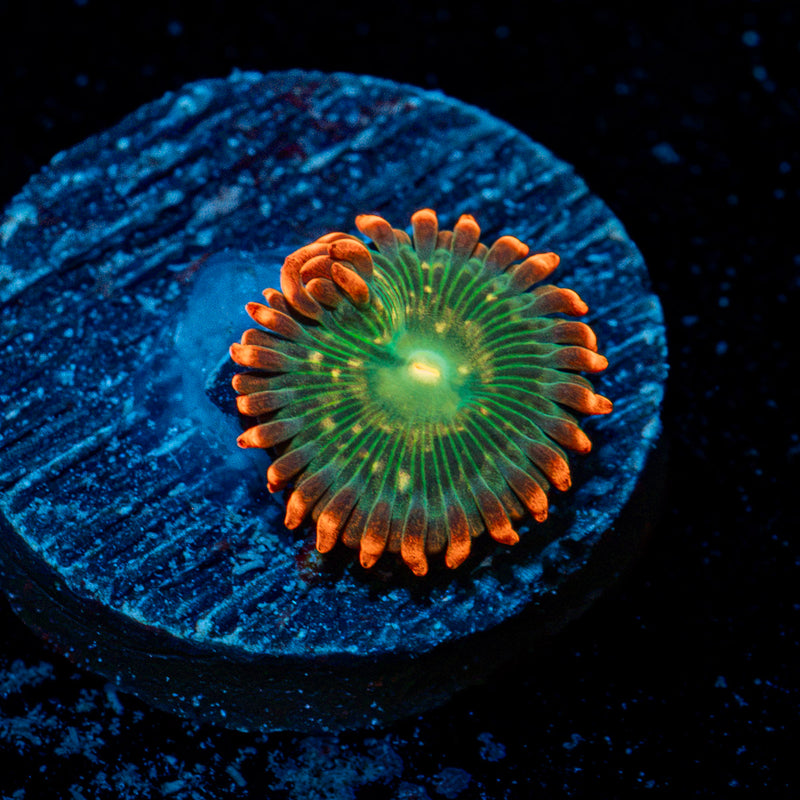
Zoanthids are one of the most popular ways to add a dense patch of color to a reef. Their small, button-like polyps come in vivid greens, oranges, reds, pinks, and multicolor patterns, and many varieties grow into a striking garden across a rock or isolated frag tile. Moderate light and gentle to moderate, indirect flow are a strong starting point.
They are forgiving, but they can spread quickly. Give them their own rock if you want to keep their colony contained. Use gloves and eye protection when fragging or handling palythoas, as some can contain palytoxin.
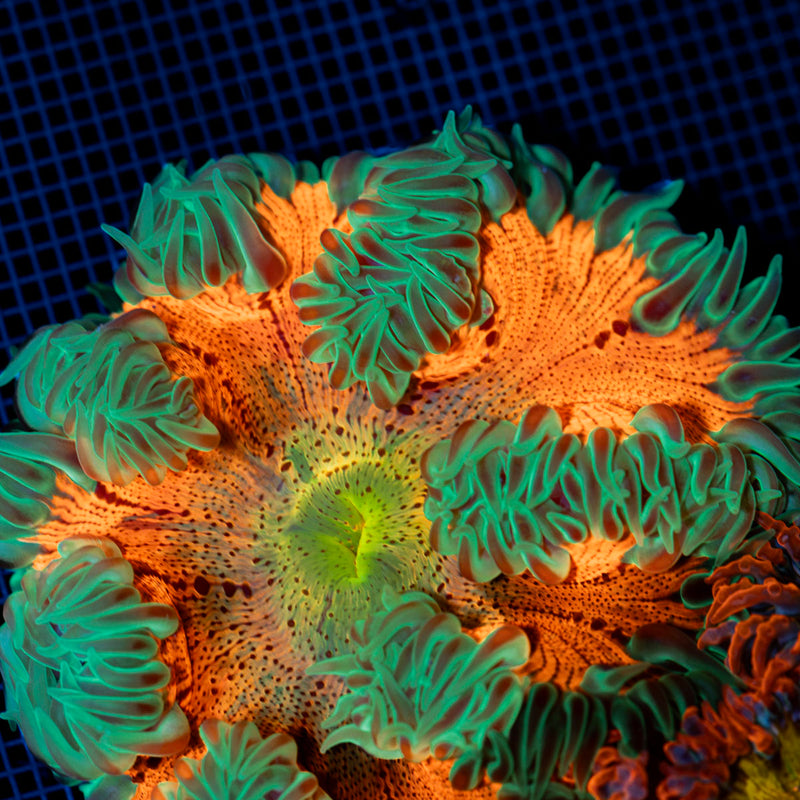
2. Mushroom corals
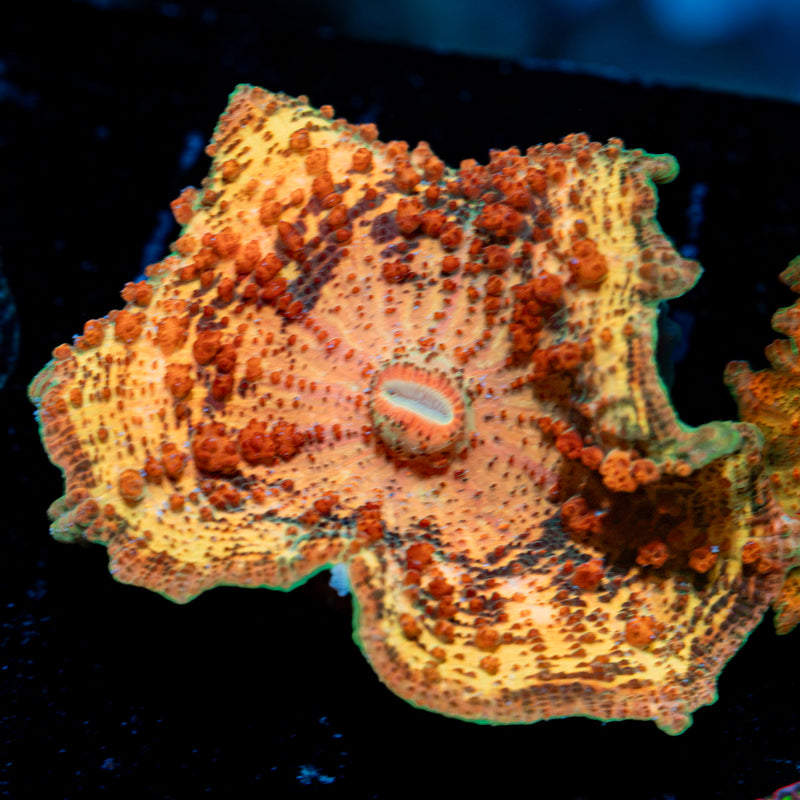
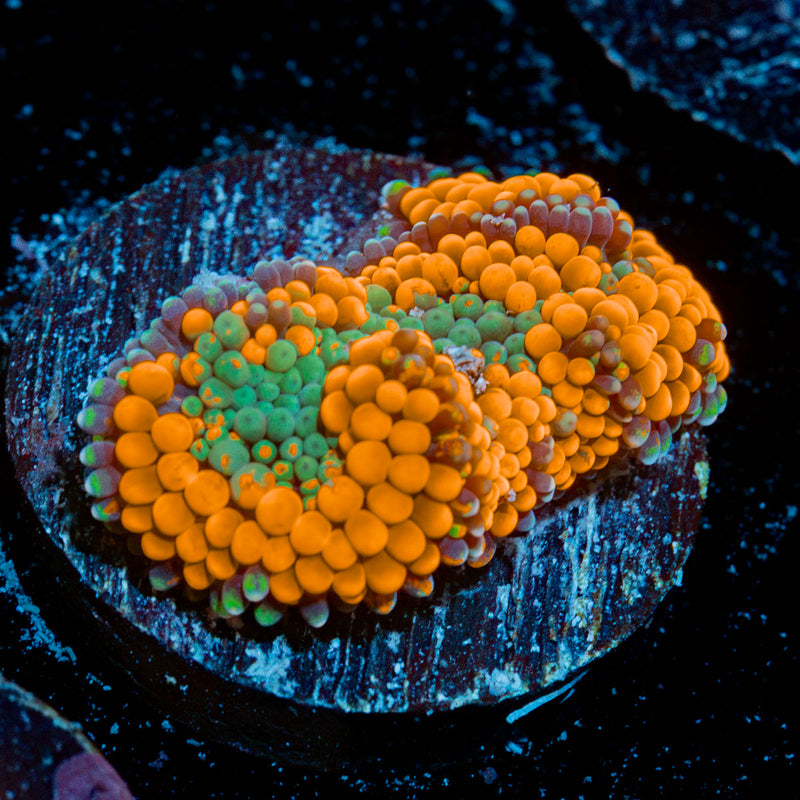
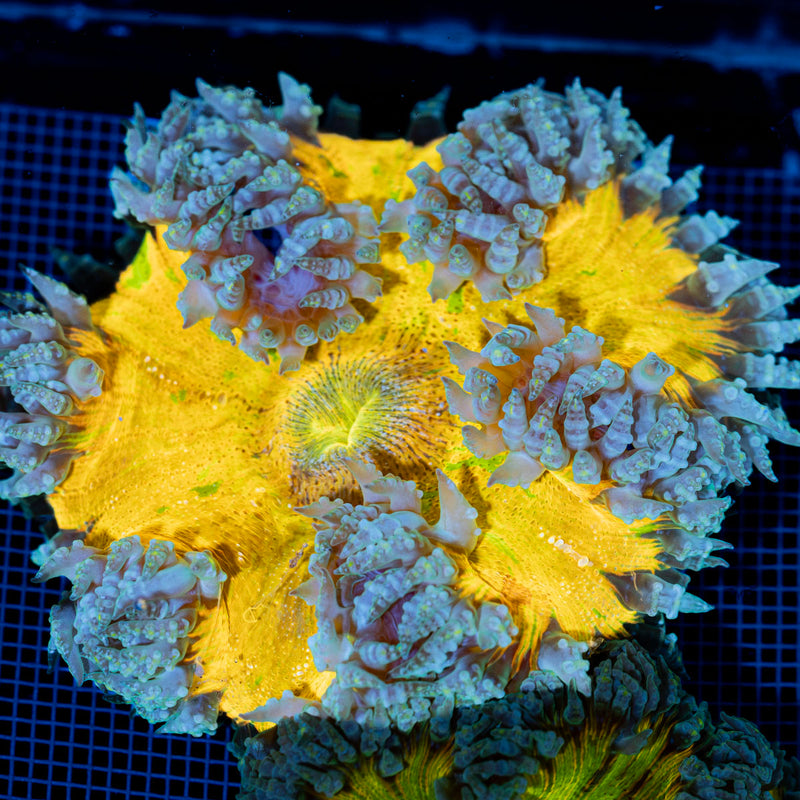
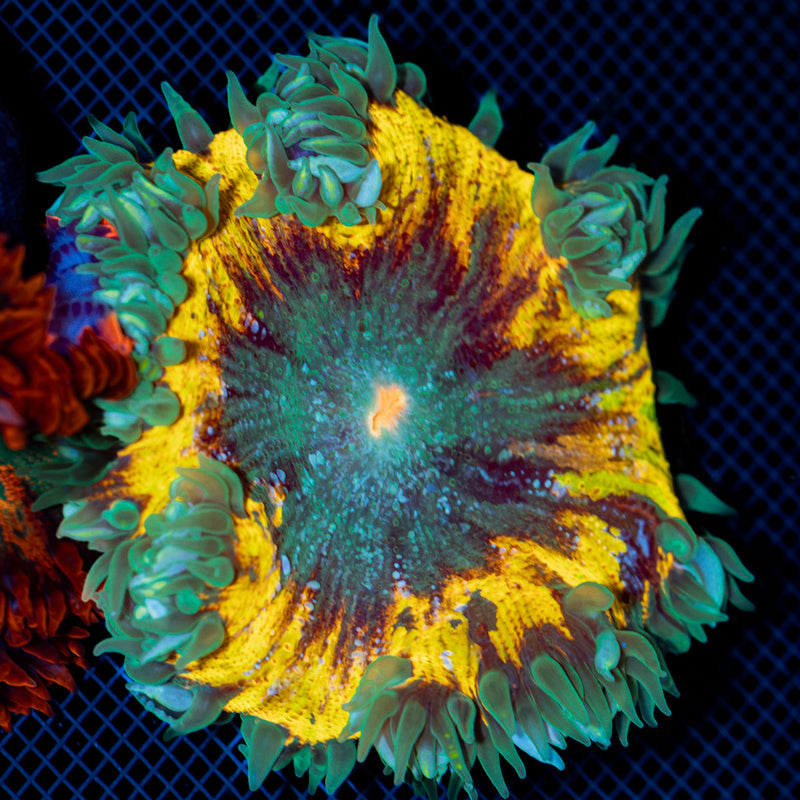
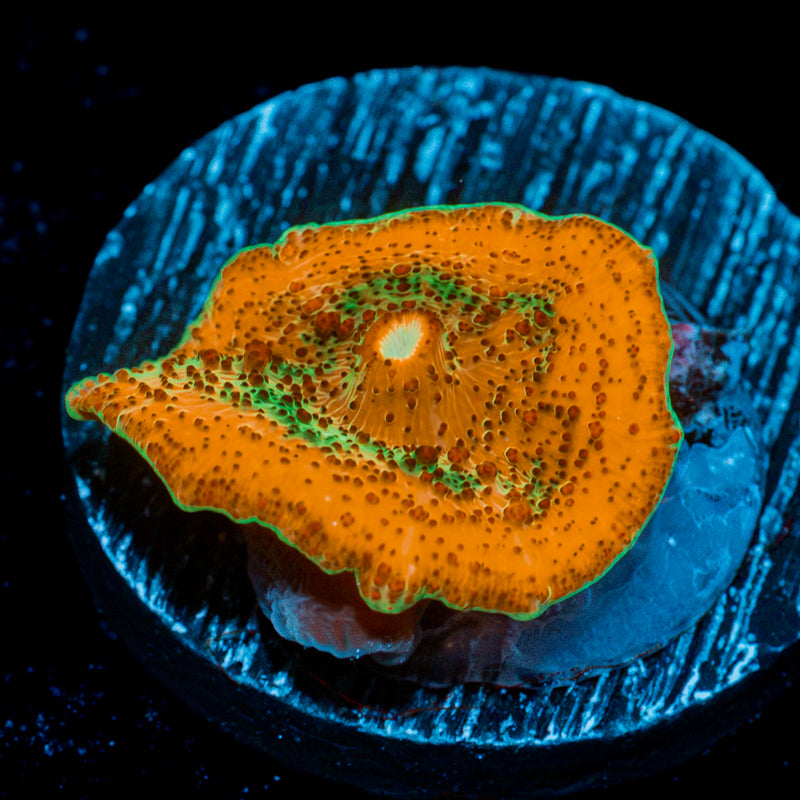
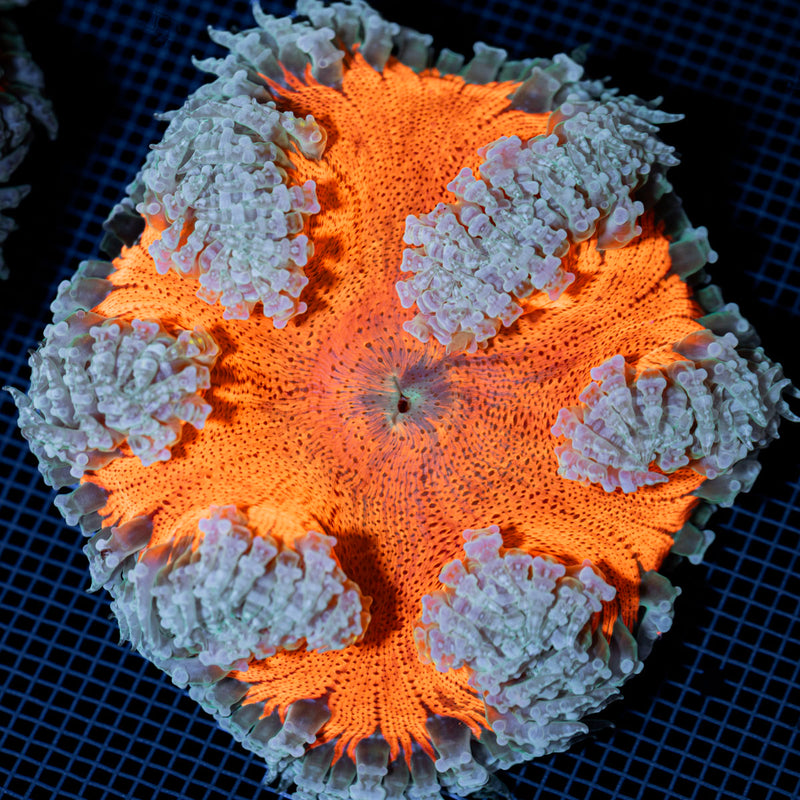
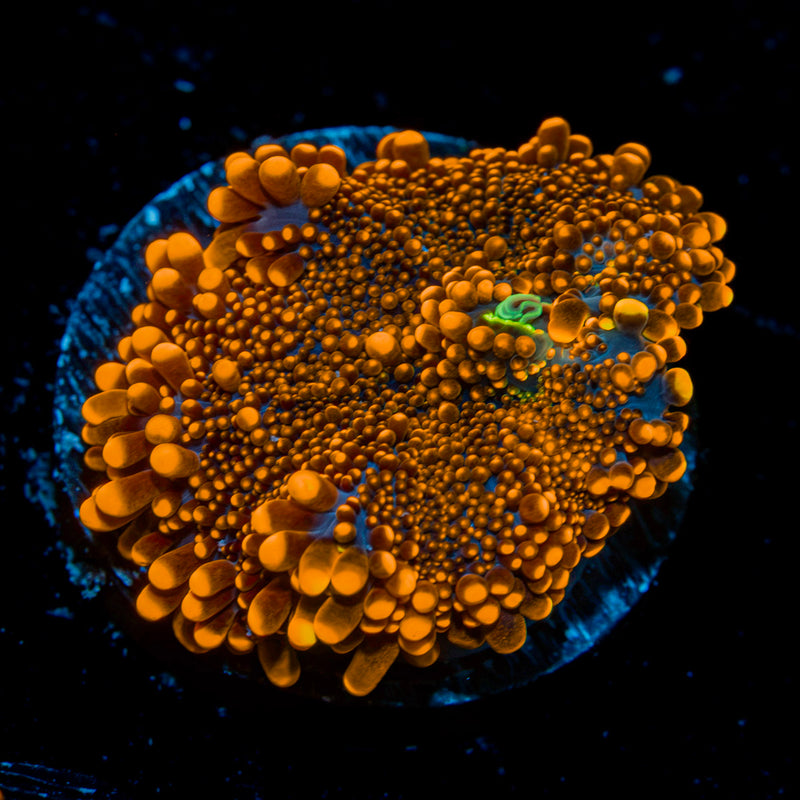
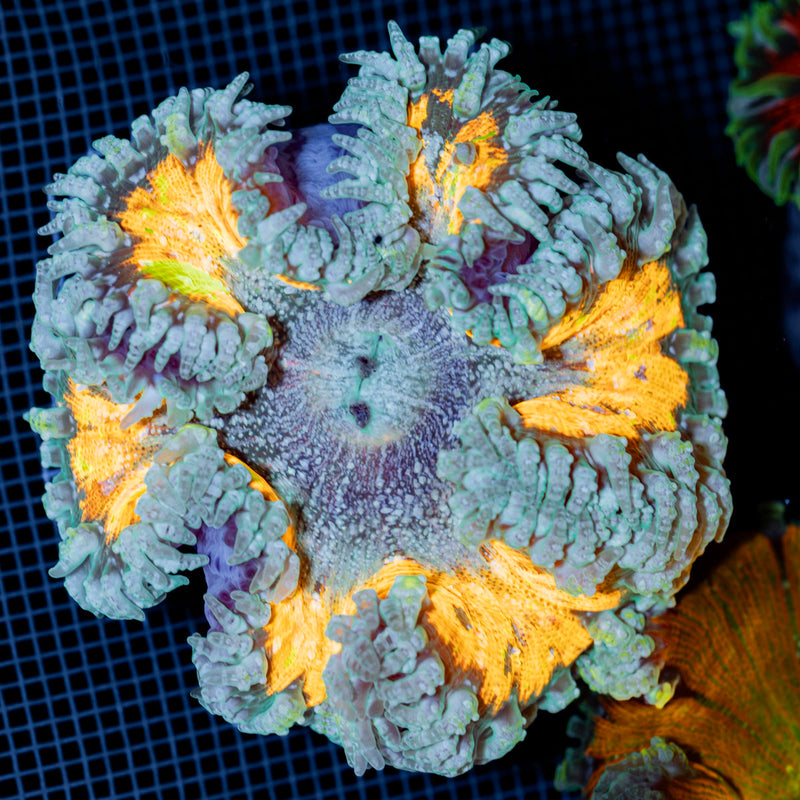
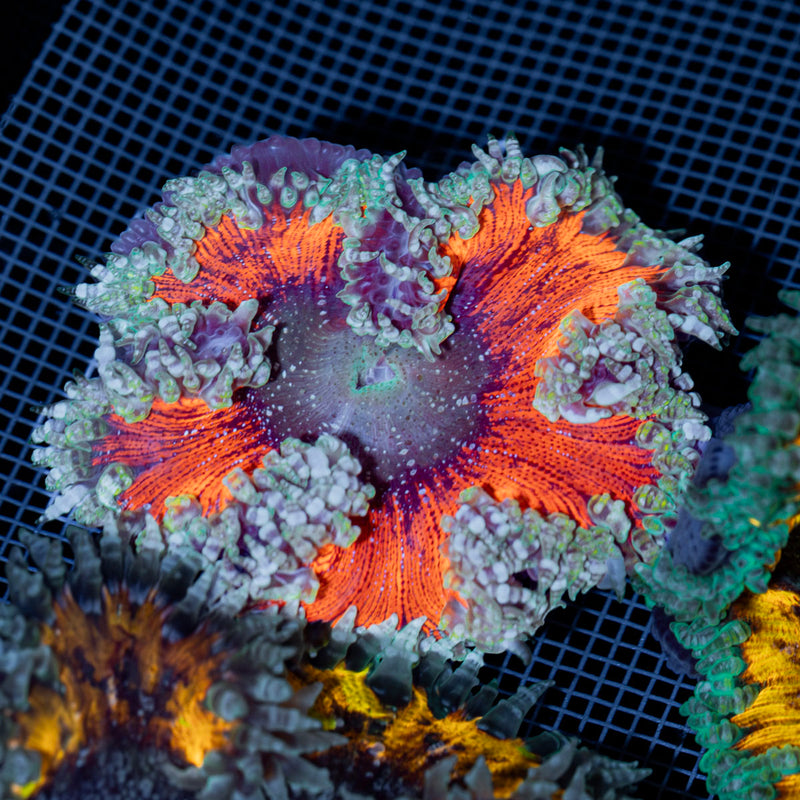
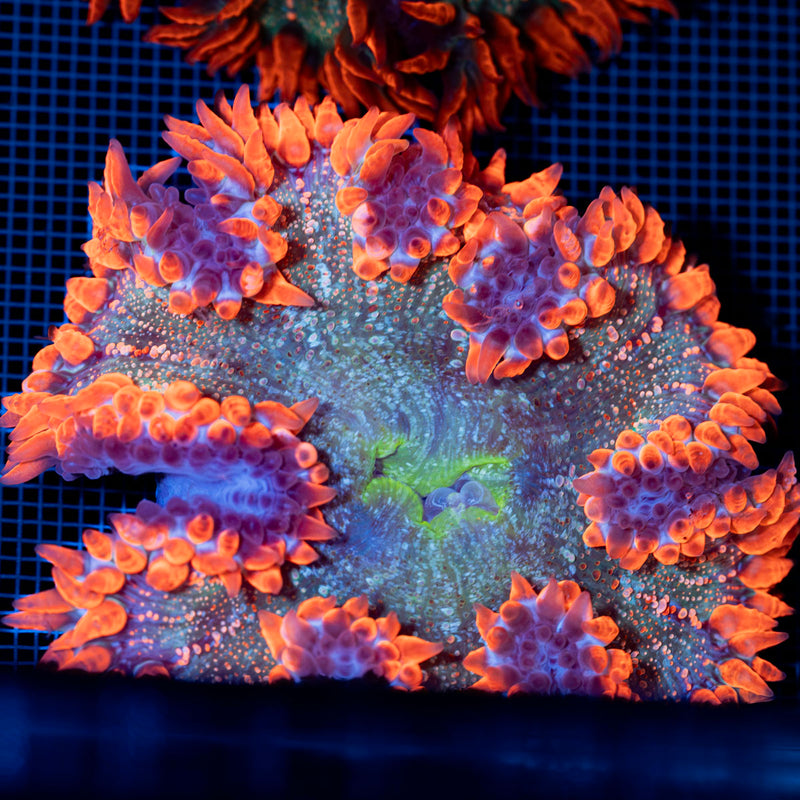
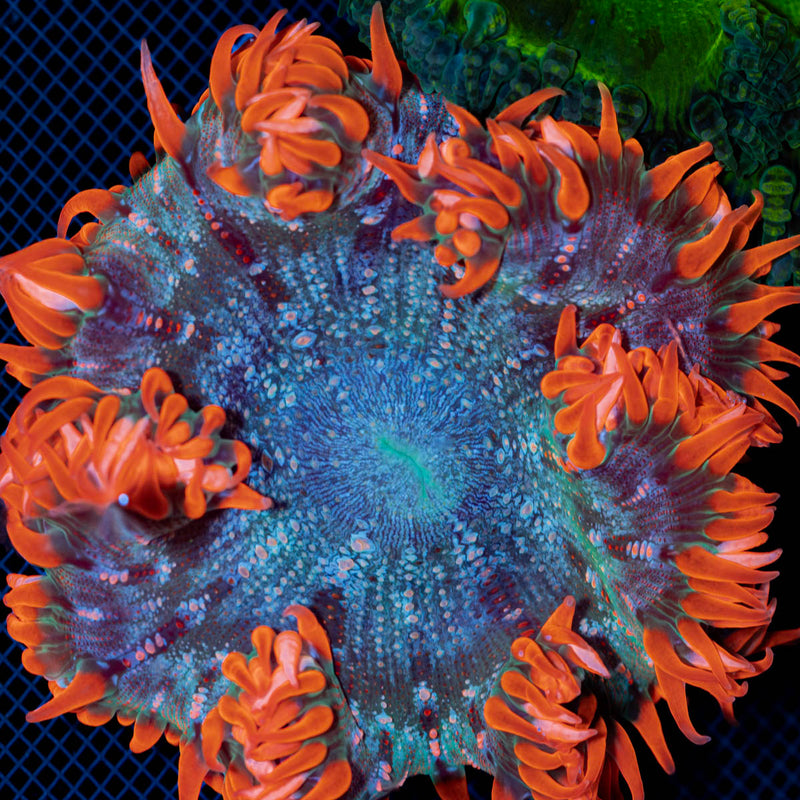
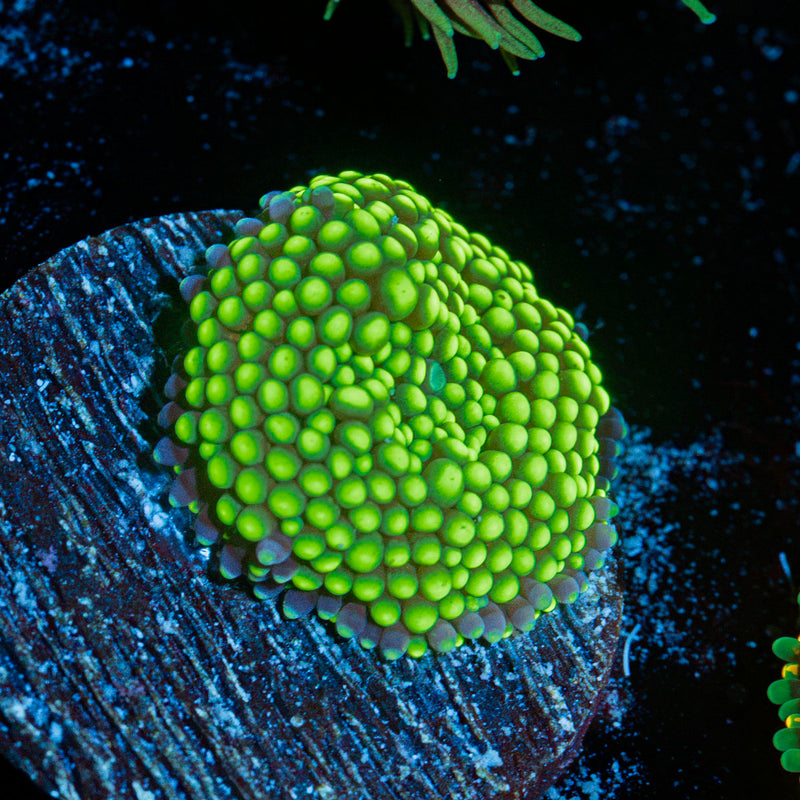
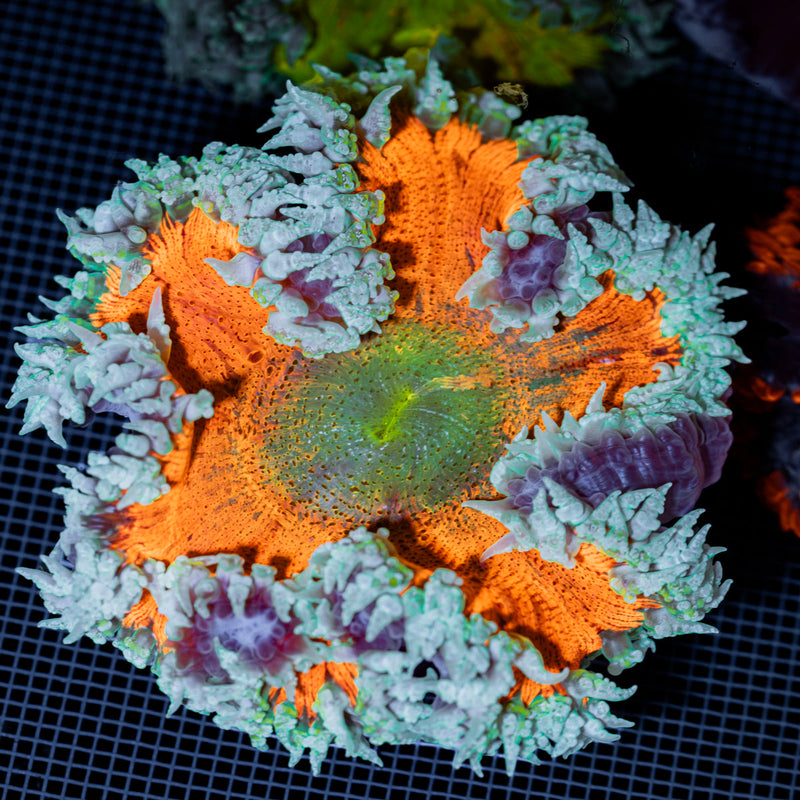
Mushrooms are ideal for lower-light areas that would leave many other corals looking underwhelmed. Discosoma, Rhodactis, and Ricordea varieties offer everything from smooth, neon discs to bumpy, oversized showpieces. Their gentle movement and saturated color make them especially effective near the sand bed or on shaded rockwork.
Keep flow low to moderate. Too much direct current can keep mushrooms folded up or cause them to detach. Some larger mushroom species can be surprisingly assertive around nearby corals, so allow them room to expand.
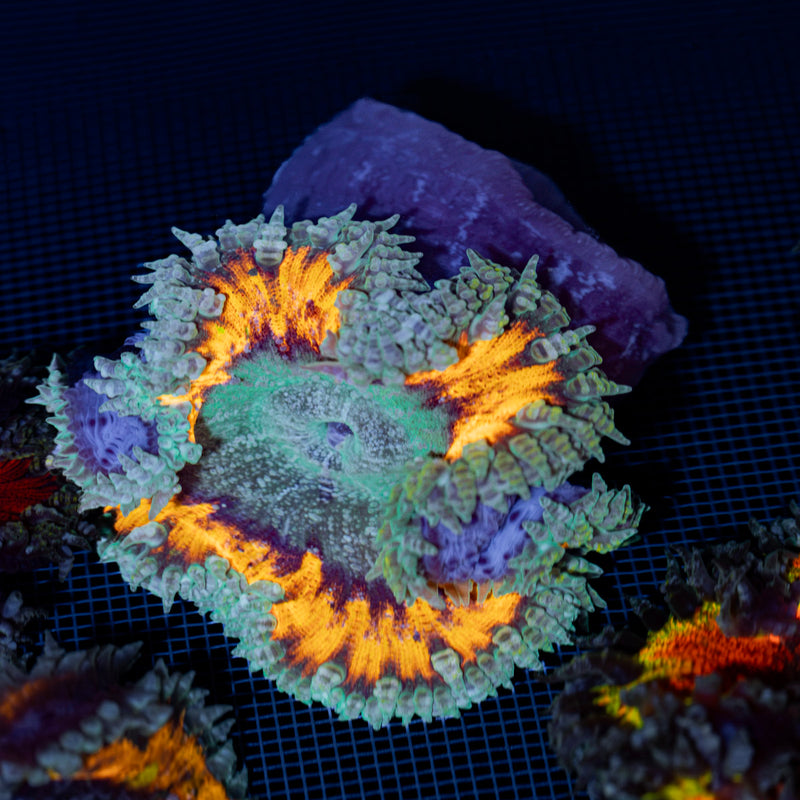
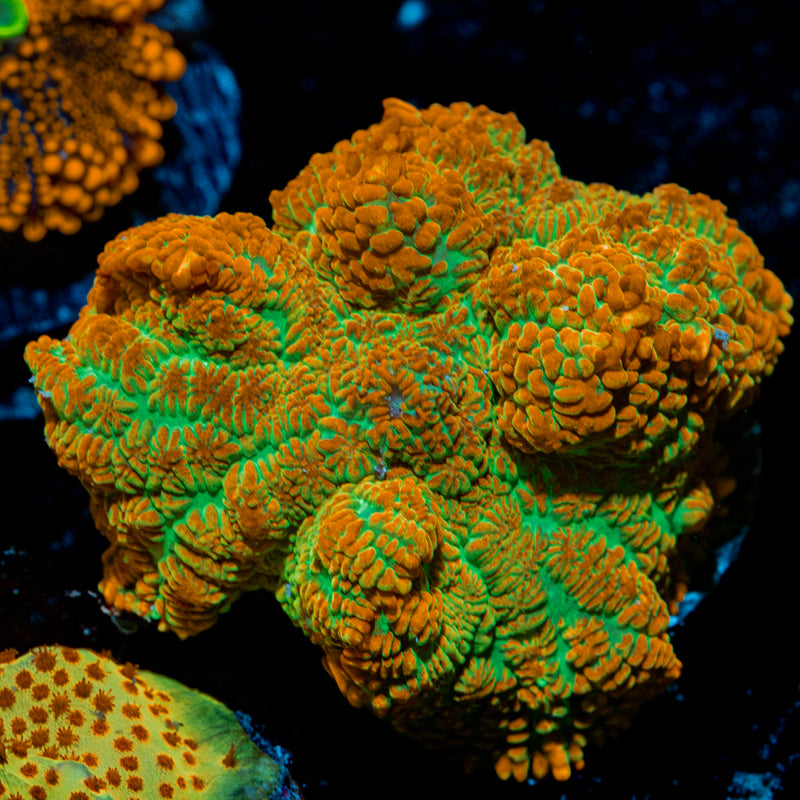
3. Ricordea florida
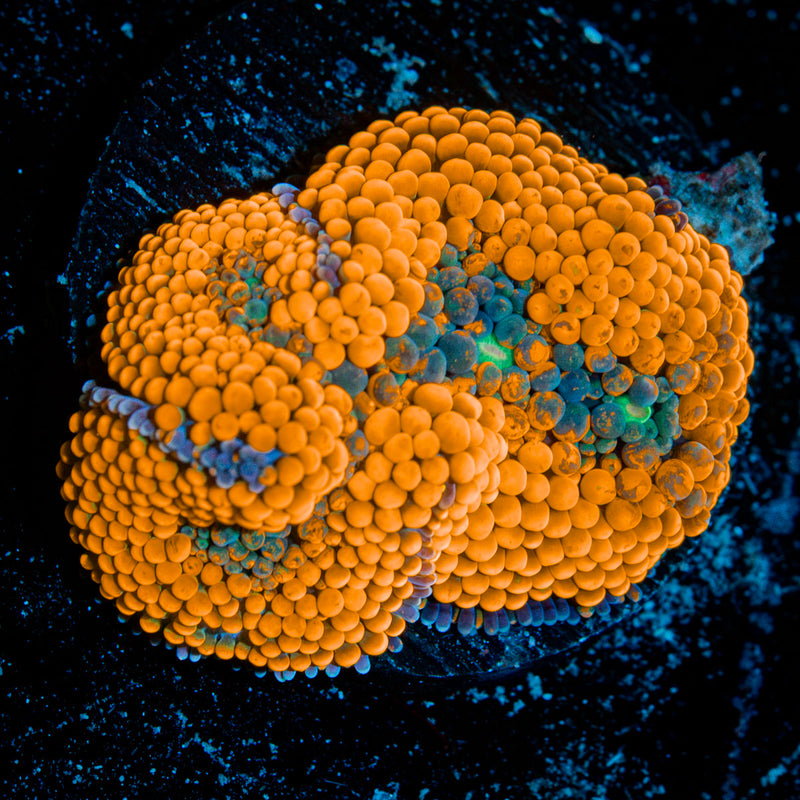
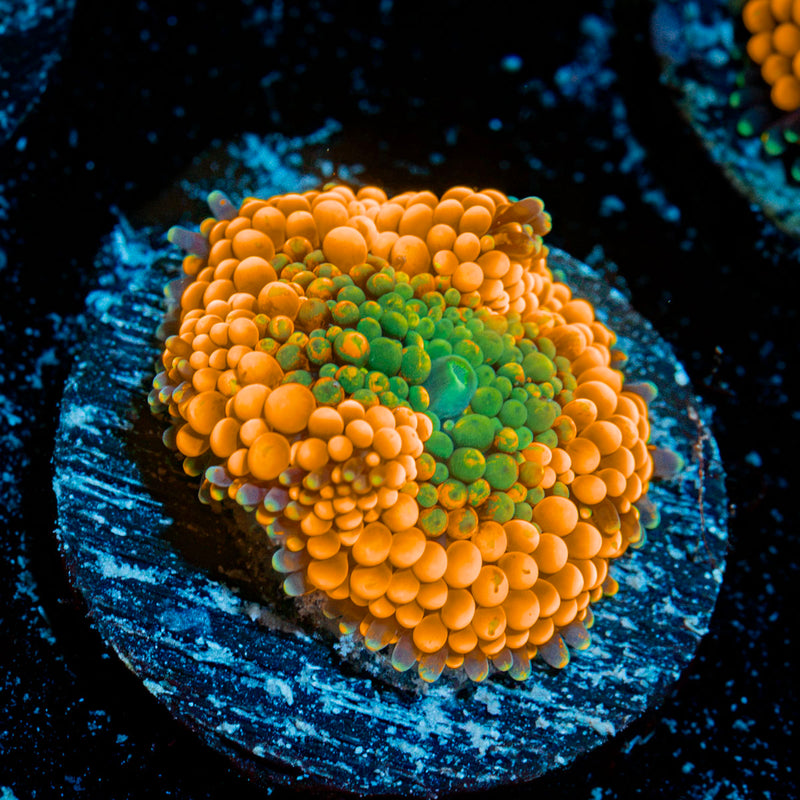
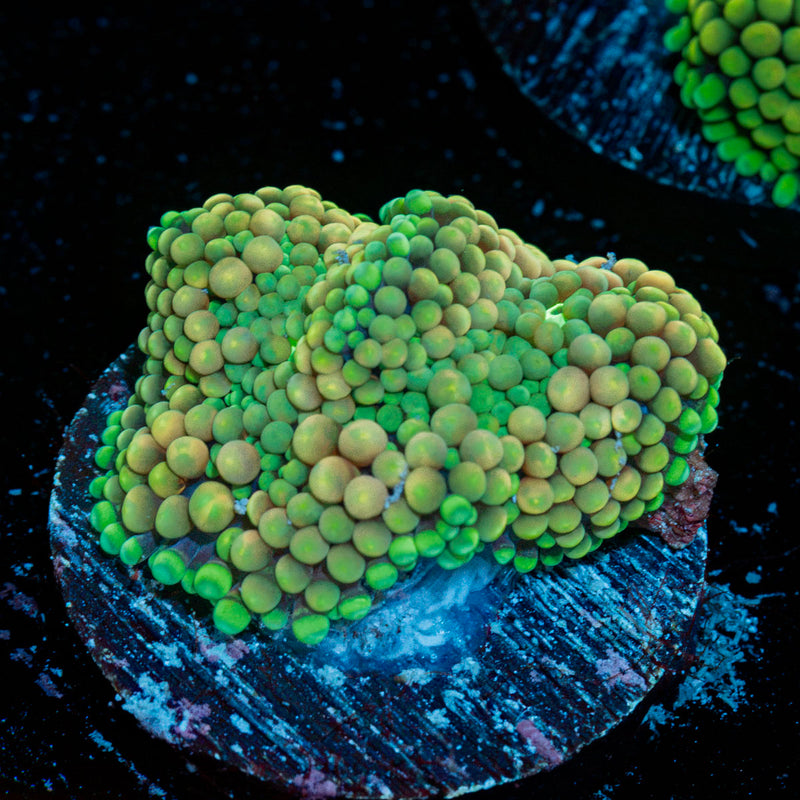
Ricordea florida deserves its own mention because it combines mushroom-level ease with an exceptionally polished look. Its rounded vesicles create a flower-like texture, often lit with blue, orange, green, or rainbow color. It is a natural choice for hobbyists who want a premium-looking coral without jumping into demanding care.
Place Ricordea in lower to moderate light with gentle flow. It generally appreciates stability more than intensity, and it is best kept away from aggressive neighbors that could sting its soft tissue.
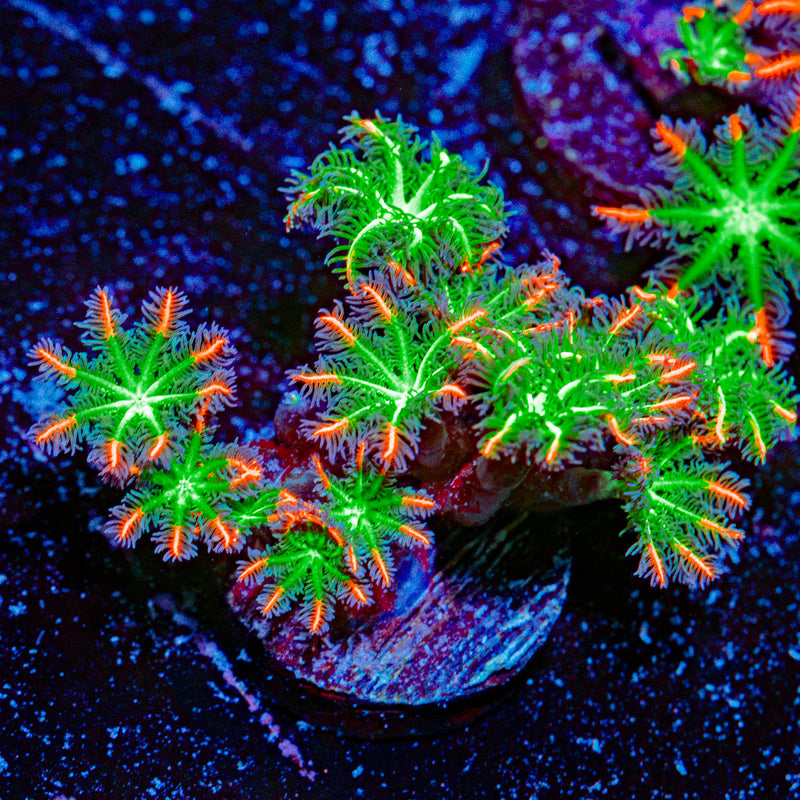
4. Green star polyps
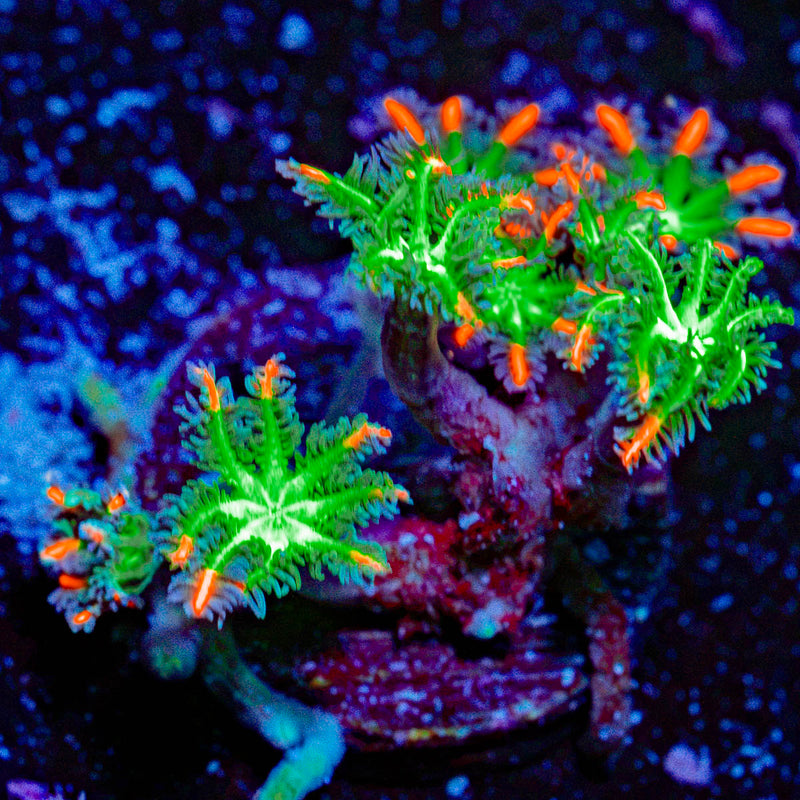
When green star polyps open fully, their bright green tentacles create a grassy, waving surface across the rockwork. Few corals offer so much motion for such straightforward care. They tolerate a broad range of lighting and do well with moderate water movement that keeps detritus from settling over the mat.
The trade-off is enthusiasm. Green star polyps can overtake adjacent rock, which is why many experienced reef keepers grow them on an isolated island or even a back wall. Managed well, they are a vivid, low-stress centerpiece rather than an unwanted takeover.
5. Toadstool leather corals
A toadstool leather starts as a compact frag and can become a graceful, branching focal point with a broad crown of flowing polyps. It handles moderate light and flow well, making it a dependable soft coral for newer systems. Its tan, green, yellow, or neon polyps bring a more natural reef texture to a mixed tank.
Leathers periodically retract and develop a waxy-looking film as they shed. This is normal, not necessarily a sign of decline. Moderate flow helps the coral clear that film and reopen. Give a growing toadstool plenty of space, as it can shade smaller corals over time.
6. Kenya tree coral
Kenya tree corals have loose, branching forms that add height and soft movement without the care demands of many branching SPS species. They do well under moderate light and flow, and they are generally tolerant of the nutrient levels found in a young but established reef aquarium.
Like green star polyps, Kenya trees can reproduce and spread. Detached branches may settle elsewhere in the aquarium. Choose one when you welcome a full, naturalized soft-coral look, and skip it if you want every inch of rockwork precisely controlled.
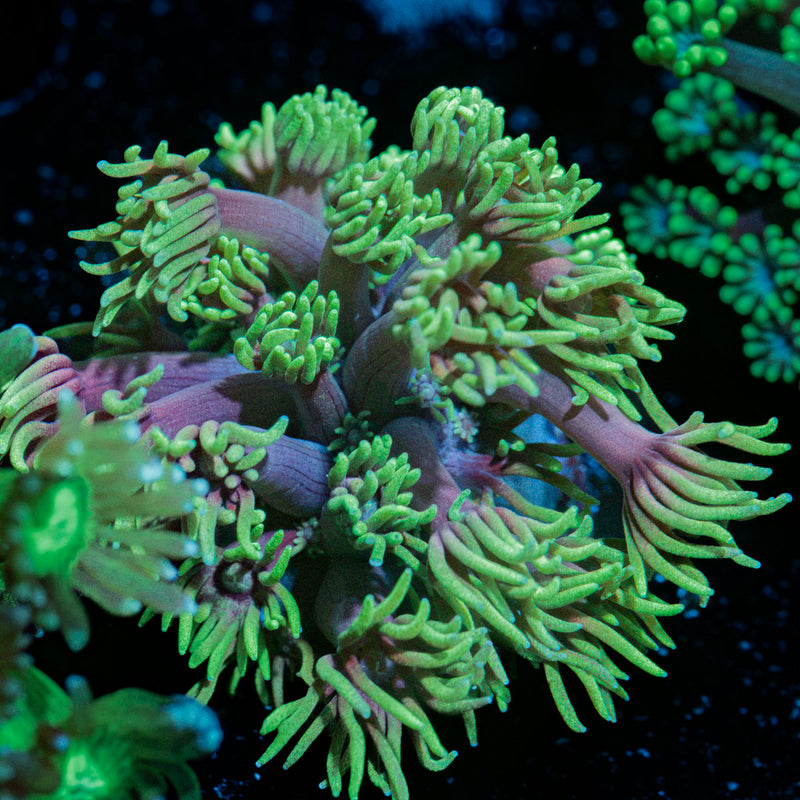
7. Candy cane coral
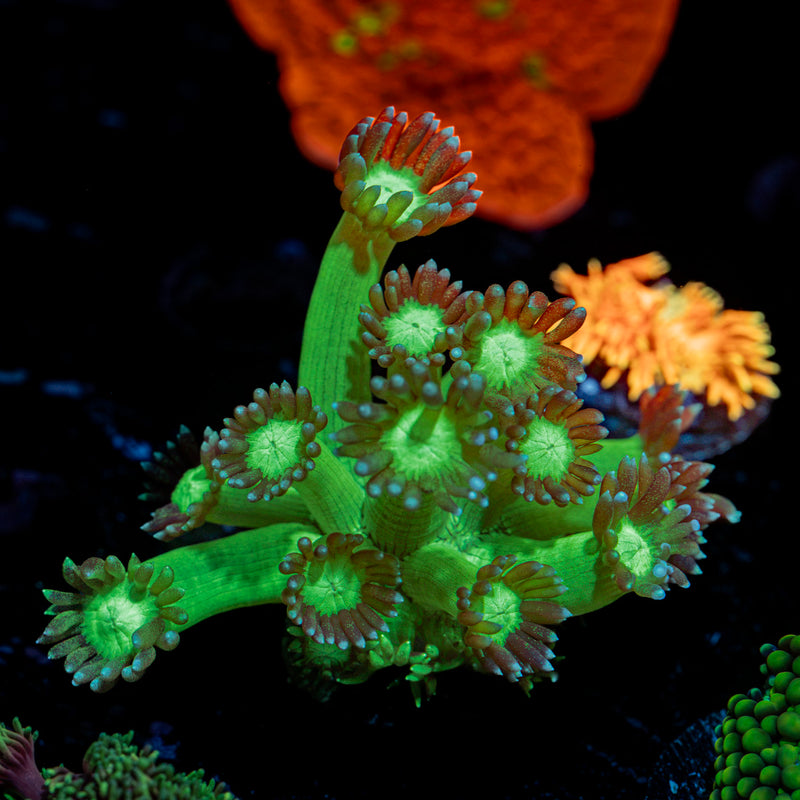
Candy canes, also called trumpet corals, are hardy LPS favorites with rounded heads that glow in green, blue, teal, or striped color morphs. They are an excellent bridge between soft corals and more fleshy, structured LPS. Moderate light, low to moderate flow, and occasional target feeding are usually enough to keep them plump and growing.
Their short tentacles are less aggressive than those of many LPS corals, but space still matters. Leave a few inches between colonies and neighboring frags, especially at night when feeding tentacles may extend.
8. Acan corals
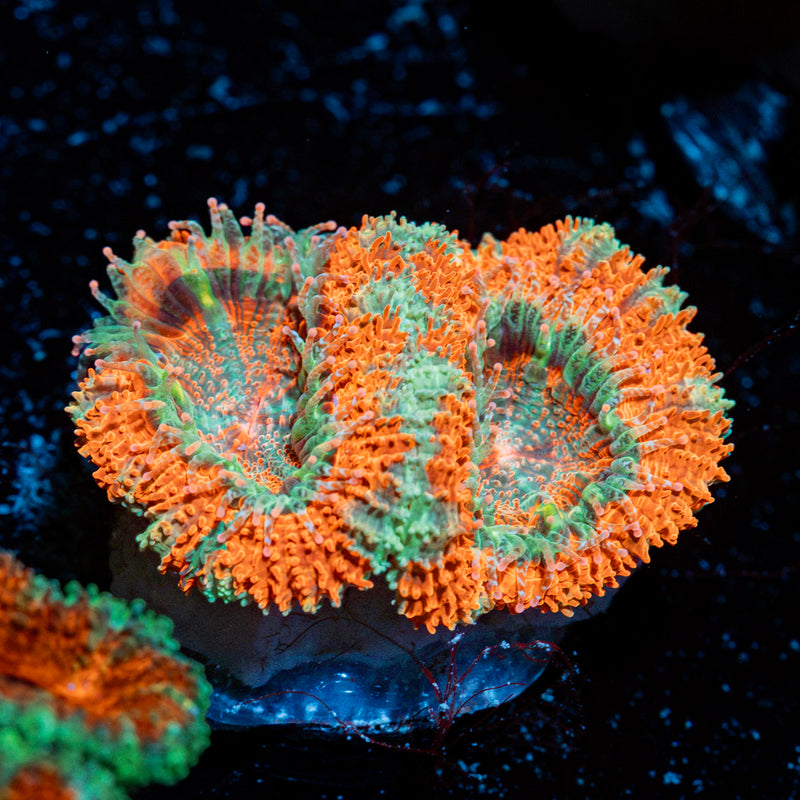
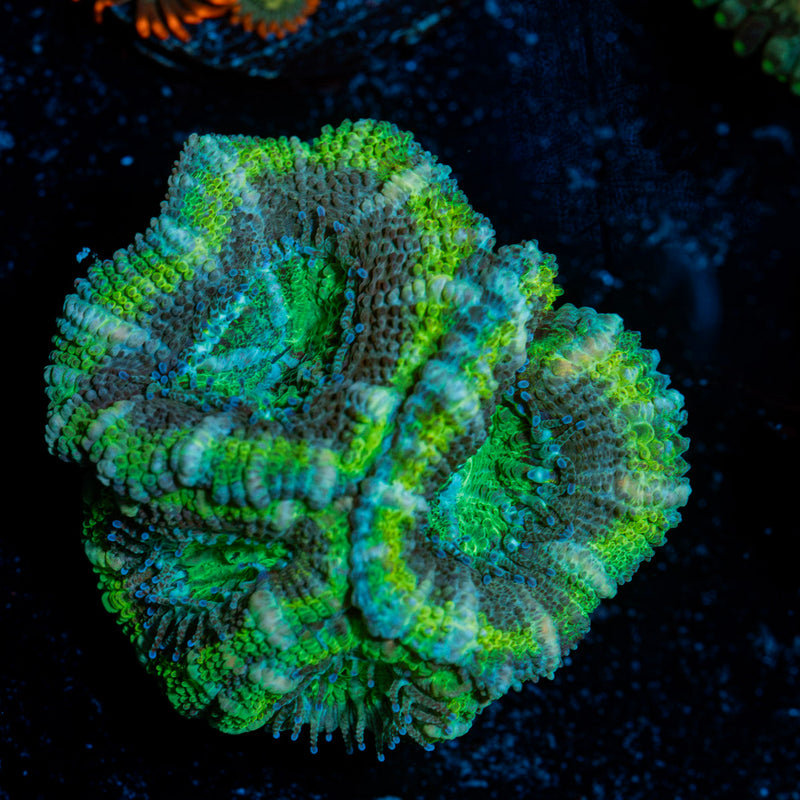
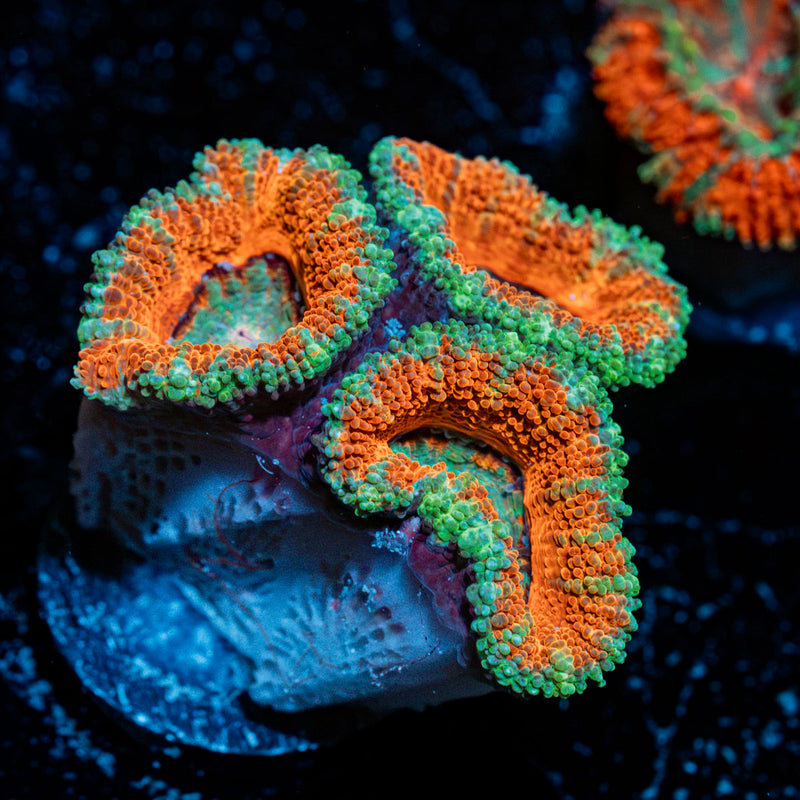
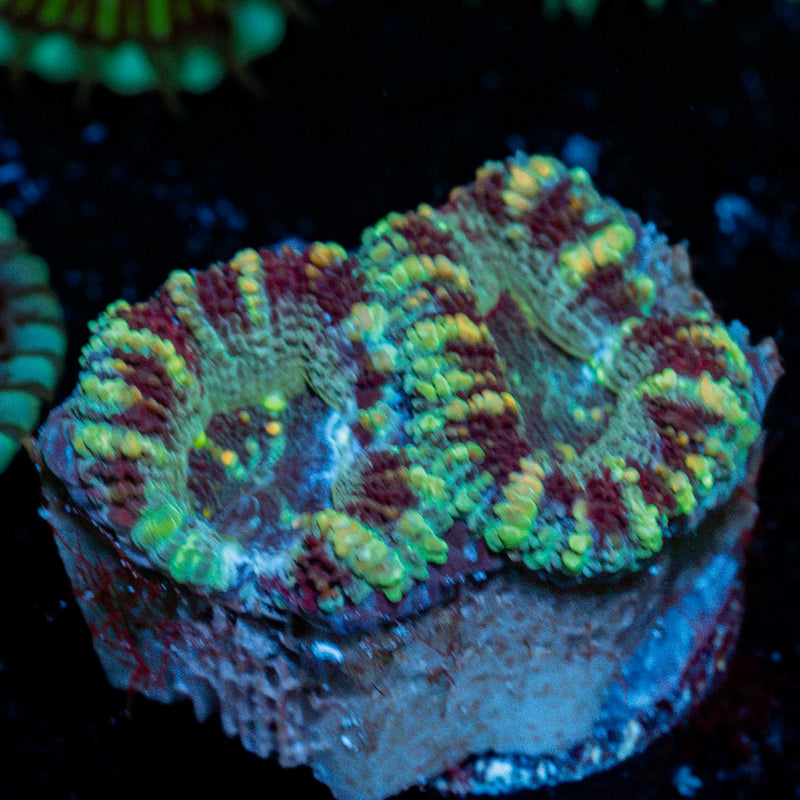
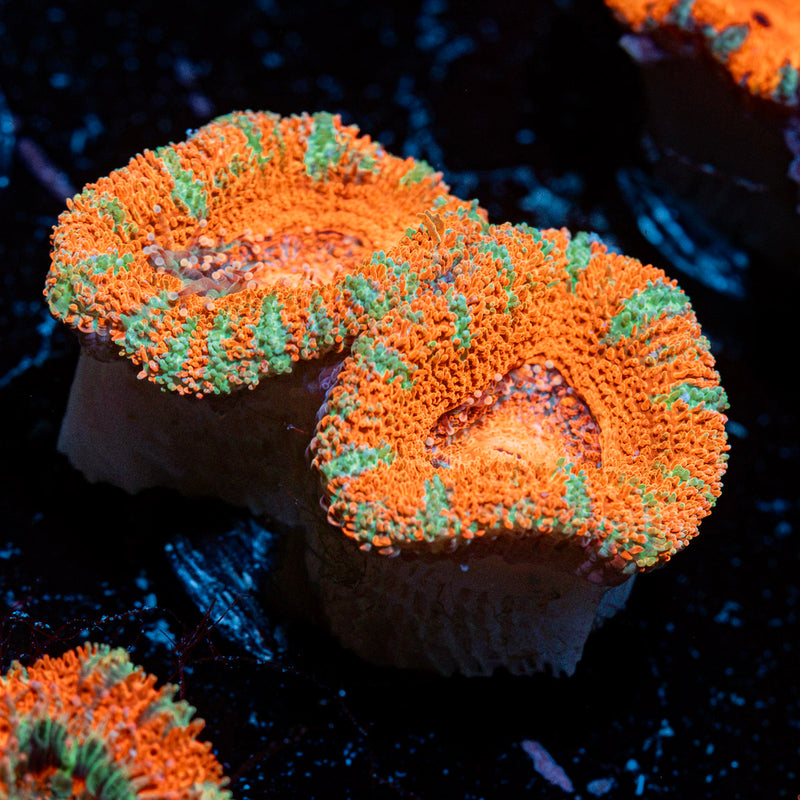
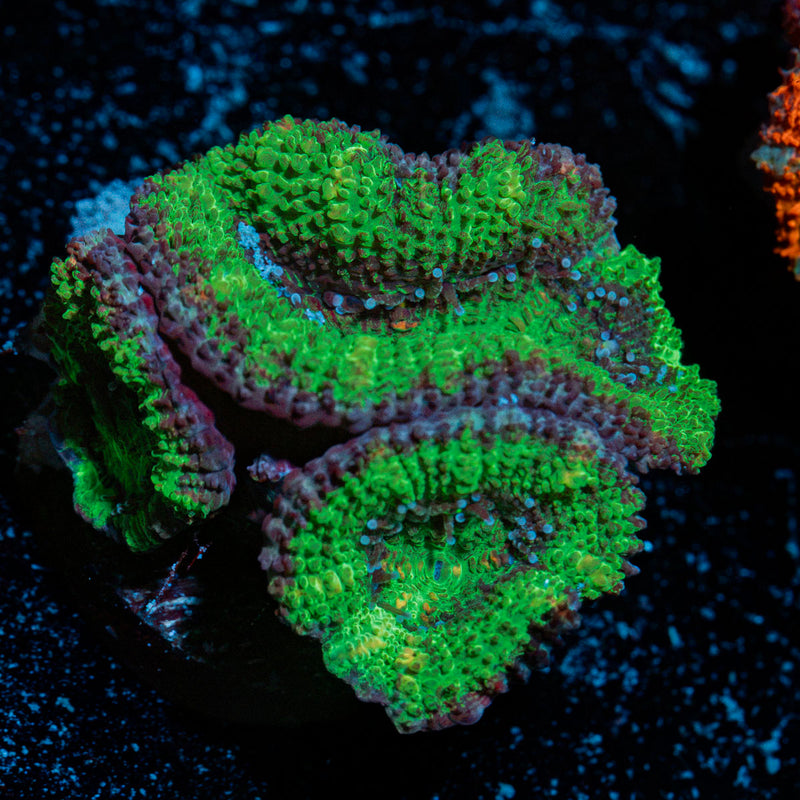
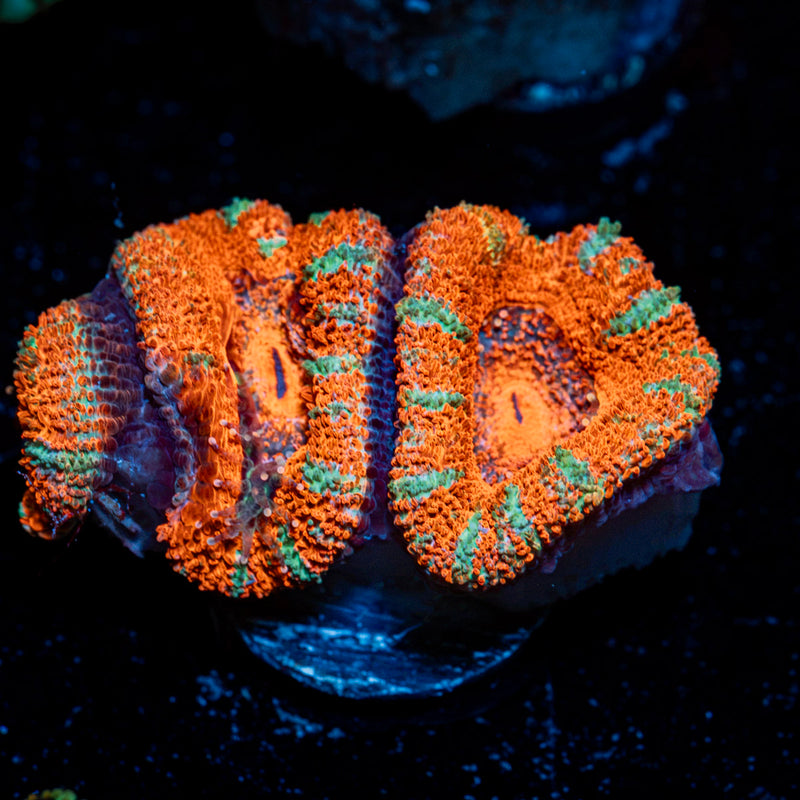
Often sold as Micromussa, acans bring deep, jewel-toned color and a fleshy, textured look to the lower third of the aquarium. Reds, oranges, blues, and lime green can all appear within a single colony. They prefer lower to moderate light and gentle flow that lets their tissue move without being blasted.
Acans benefit from occasional meaty foods, but they do not need daily feeding to look great in a stable, fish-fed reef. Keep them clear of direct contact with other LPS corals, since their nighttime sweepers can cause damage.
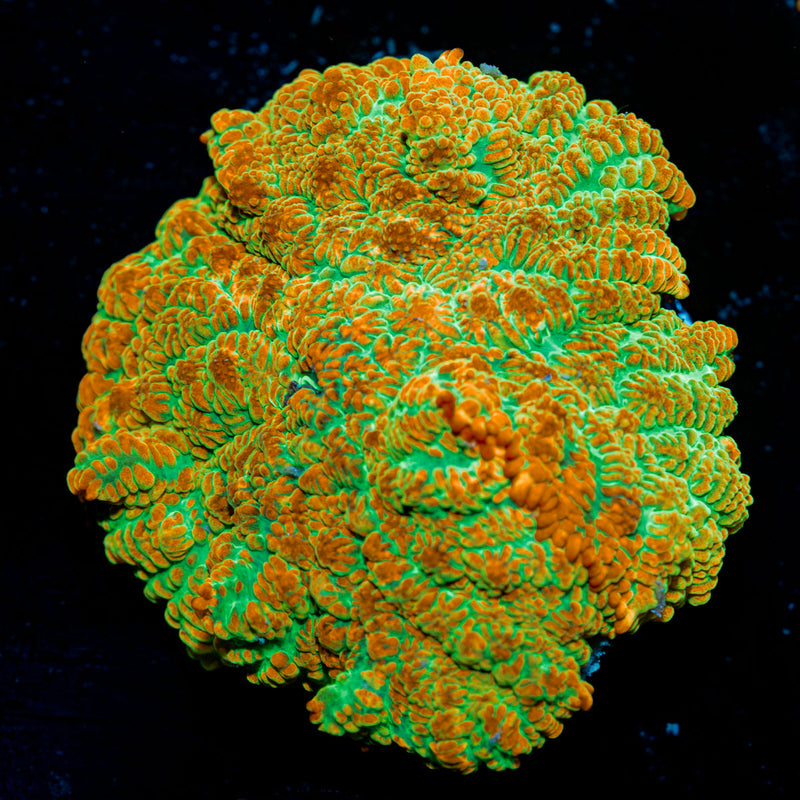
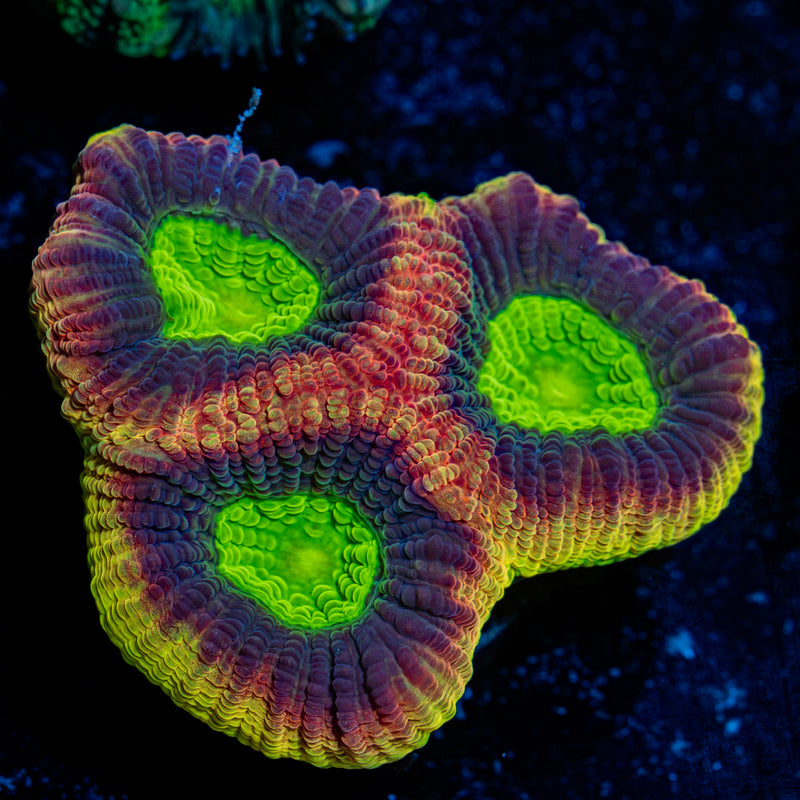
9. Favia and favites corals
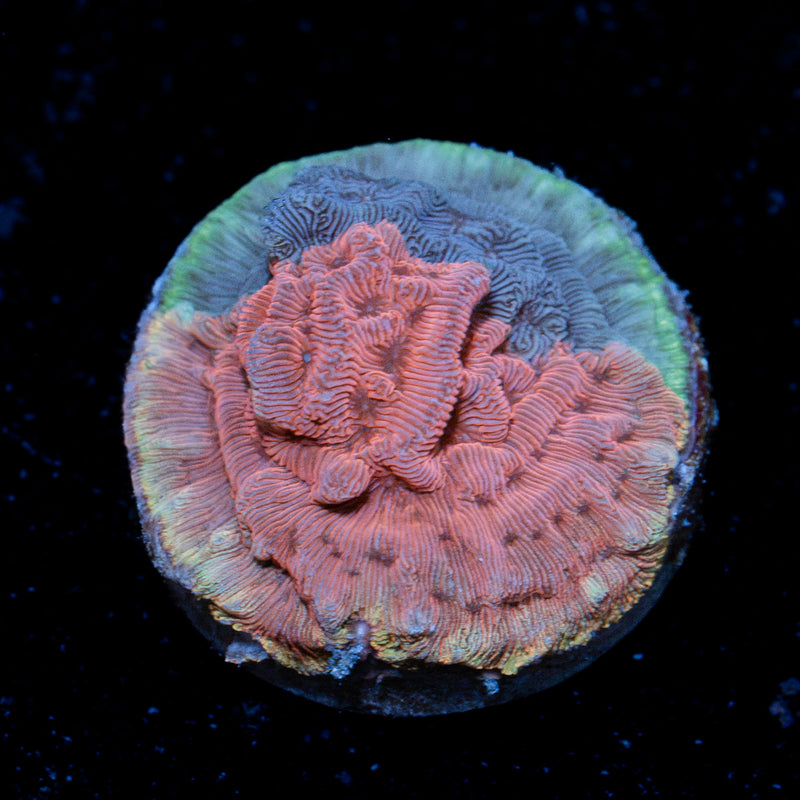
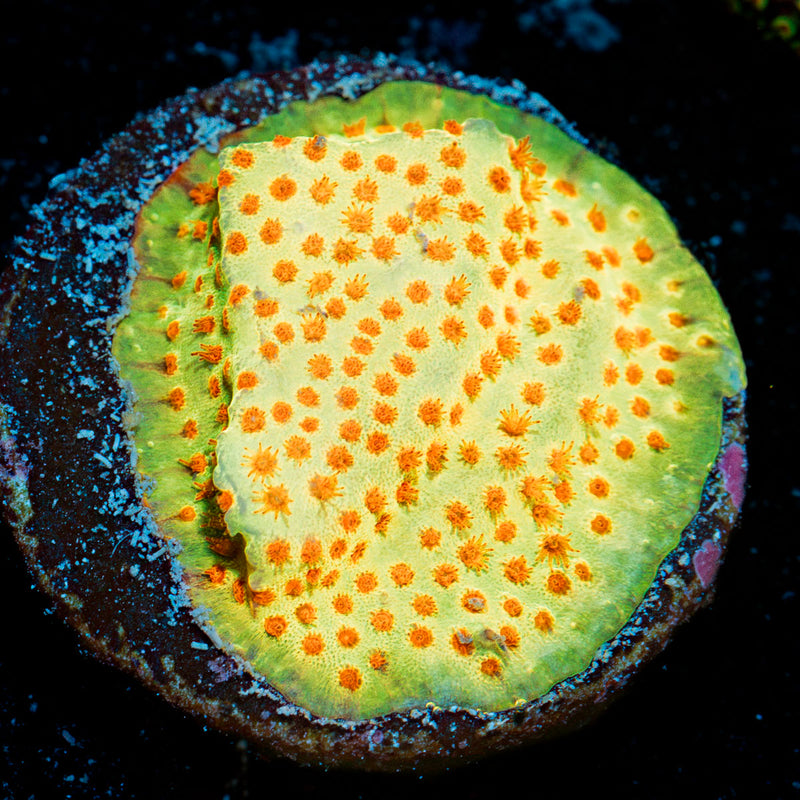
Favia and favites offer a patterned, maze-like surface that makes a reef look more established almost immediately. They are generally durable, adapt to moderate lighting, and appreciate gentle to moderate flow. Their encrusting growth habit also makes them satisfying corals to watch over the long term.
Their beauty comes with a spacing requirement. Many favia and favites extend potent sweeper tentacles after lights out. Set them on their own patch of rock or sand with a generous buffer around them.
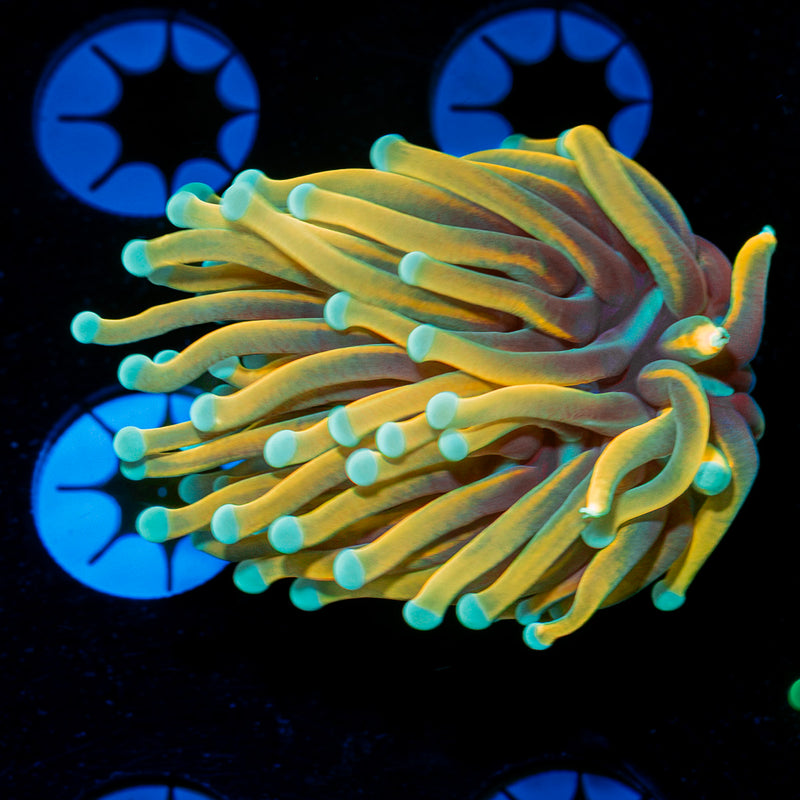
10. Hammer and frogspawn corals
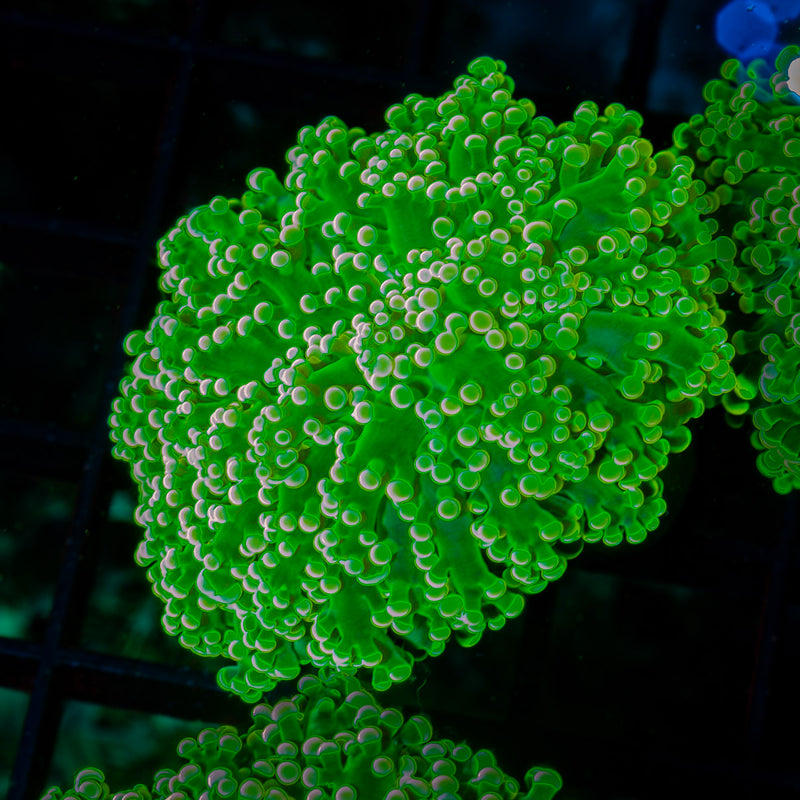
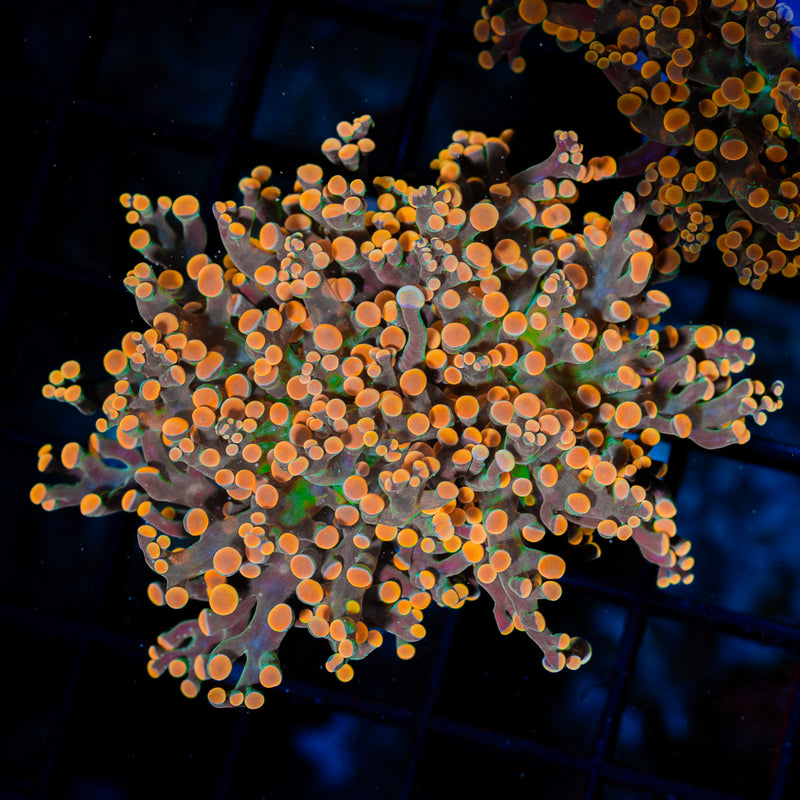
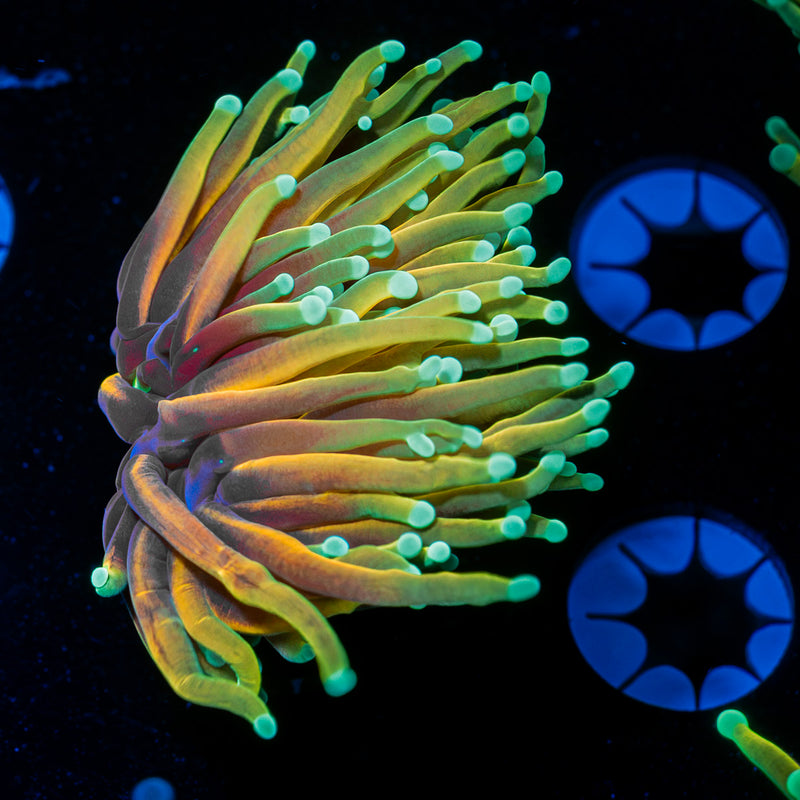
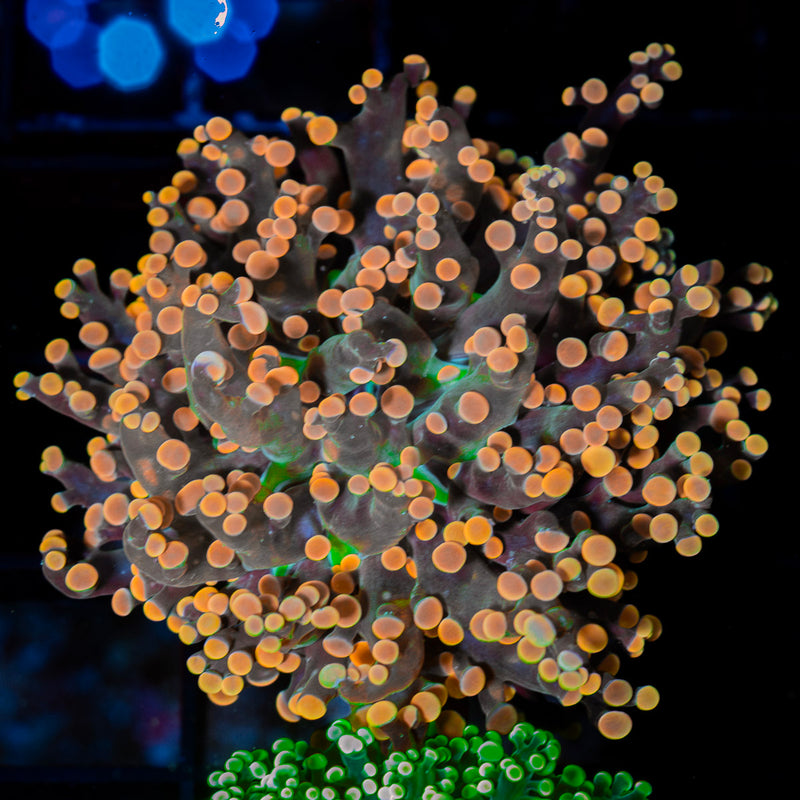
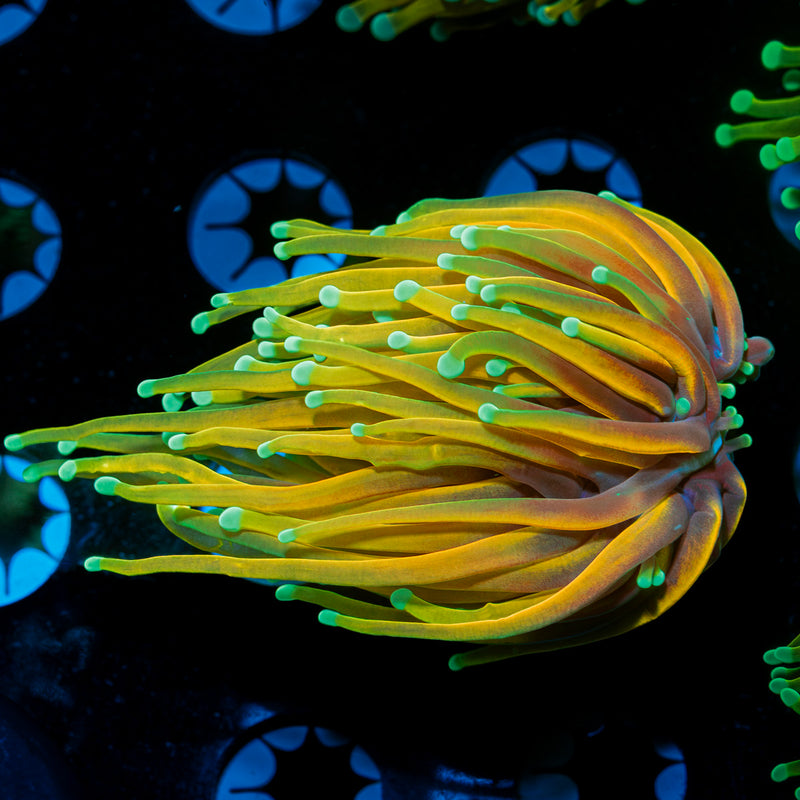
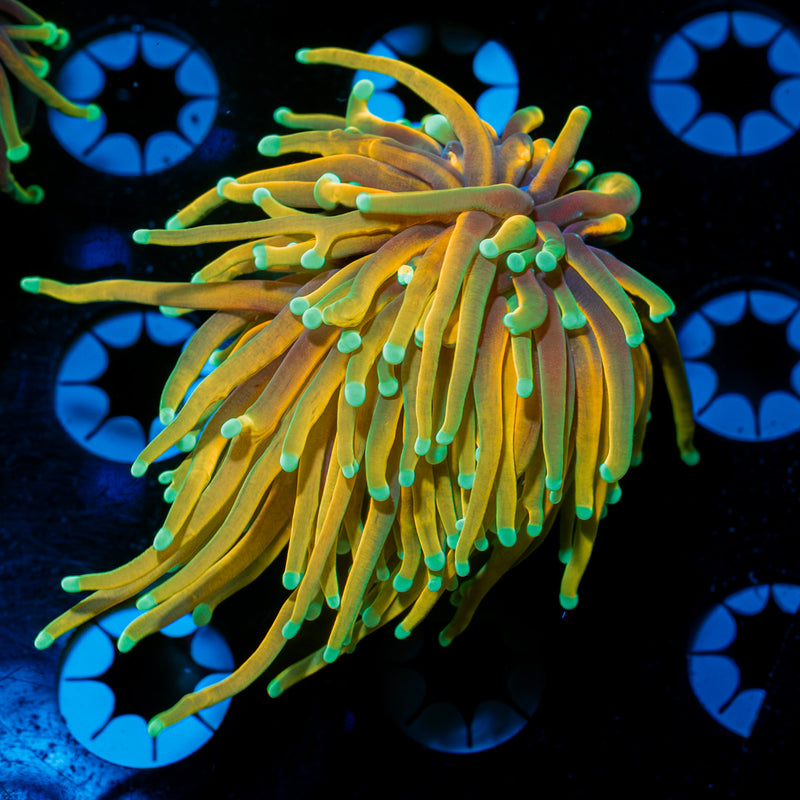
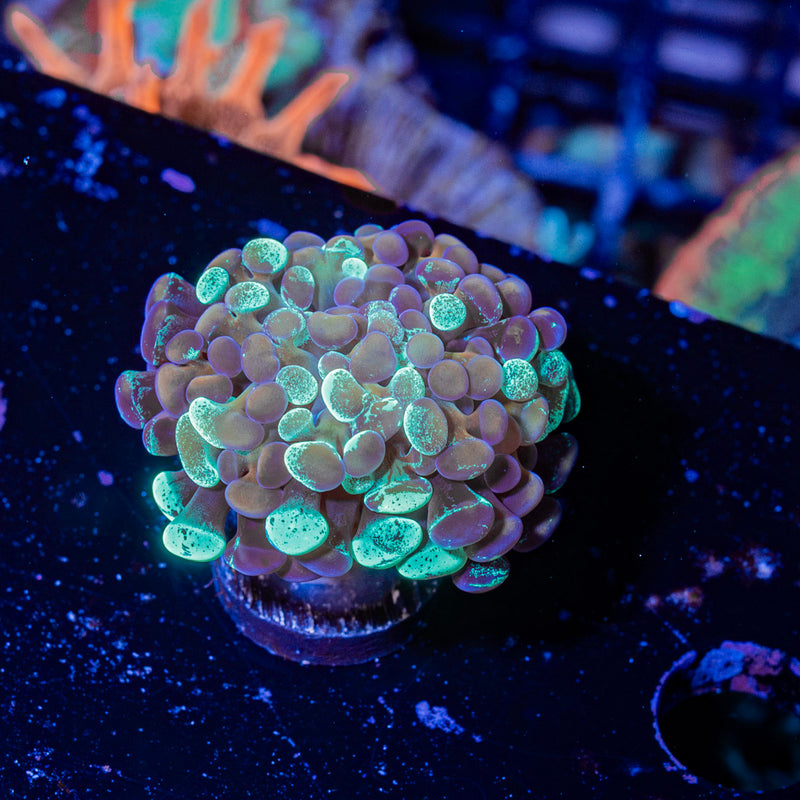
Hammer and frogspawn corals are often the first truly dramatic LPS purchase for a new hobbyist. Their fleshy tentacles sway in the current, creating movement that is hard to match, while colors range from classic green to gold, purple-tipped, and high-end multicolor specimens. In a stable tank, they are approachable choices for intermediate beginners.
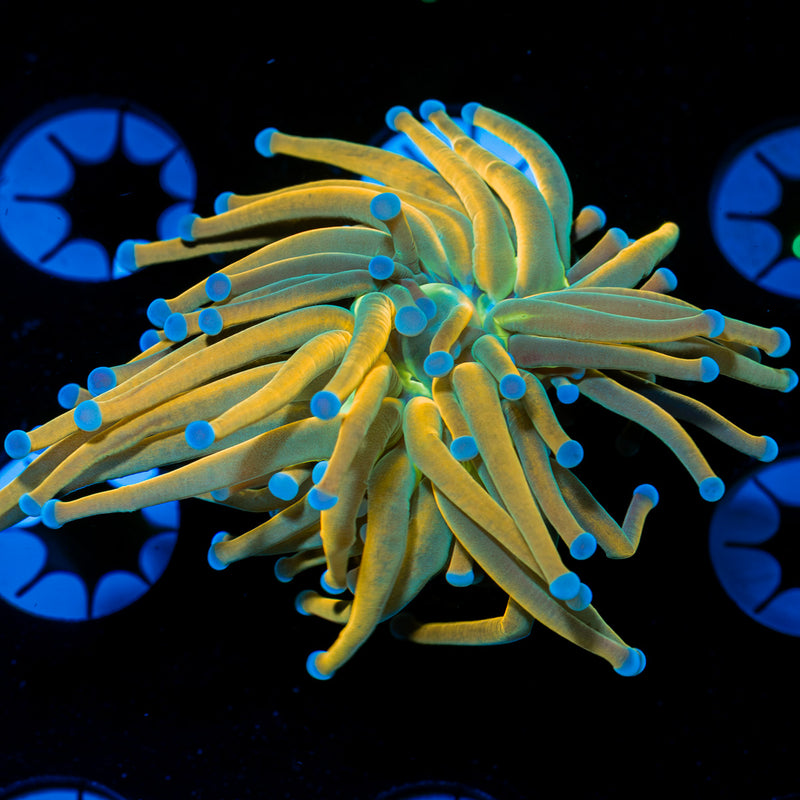
They are not quite as forgiving as mushrooms or zoanthids. Provide moderate light, indirect moderate flow, and stable alkalinity and salinity. Keep different coral groups at a distance, but hammer, frogspawn, and torch corals can often be placed carefully with compatible Euphyllia relatives. Watch closely, because individual specimens can behave differently.
Build around space, not just color
A low-maintenance reef succeeds when each coral has room to become what it is meant to be. A tiny frag may look far from its neighbors on day one, then fill that gap within months. Plan for mushroom expansion, soft-coral spreading, and LPS sweepers before attaching anything permanently.
It also helps to mix growth forms. A zoanthid island near the front, a mushroom garden in lower light, a leather coral for height, and a few candy canes or acans for structure can make a modest collection feel intentional and full of contrast. This approach creates a colorful display without forcing every coral into the same high-light, high-flow zone.
Give easy corals a stable start
Before adding any selection from this low maintenance coral species list, confirm that your aquarium is cycled and holding steady. Aim for a salinity around 1.025 to 1.026 specific gravity, a temperature near 76 to 79°F, and stable alkalinity. Nitrate and phosphate should not be stripped to zero, since many soft corals and LPS corals respond better to a little available nutrition than to ultra-clean water.
Acclimate new frags thoughtfully, inspect them before placement, and resist the urge to move them every day. Corals need time to adjust to new light, flow, and chemistry. Starting with healthy, aquacultured pieces from a curated collection, such as Riptide Aquaculture's beginner-friendly options, gives your reef a confident foundation.
Choose the coral that fits the space you have, not just the color that catches your eye first. A well-placed, thriving frag becomes far more impressive than a delicate showpiece fighting the conditions around it.