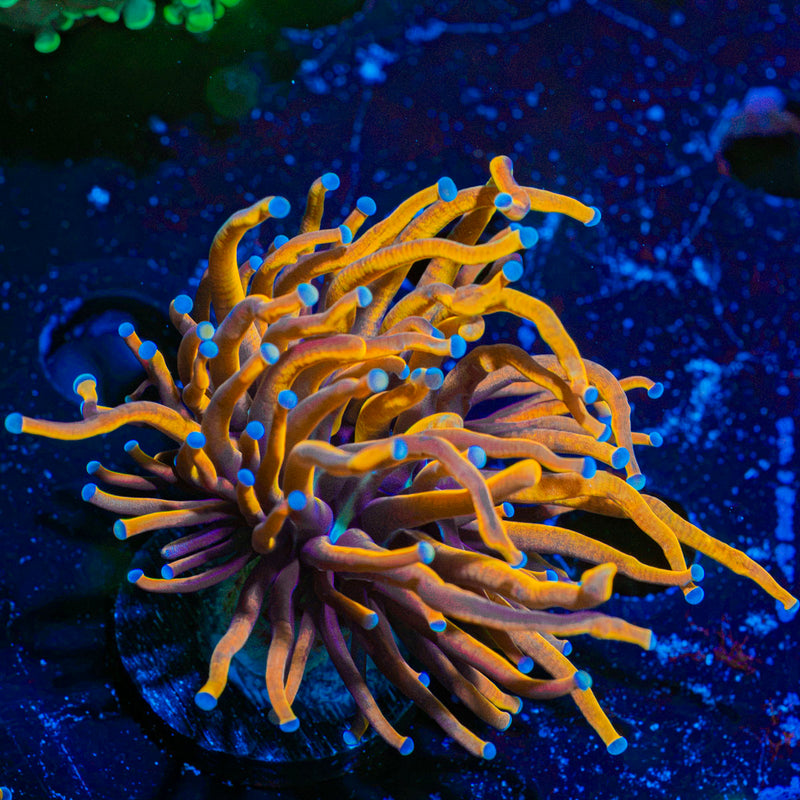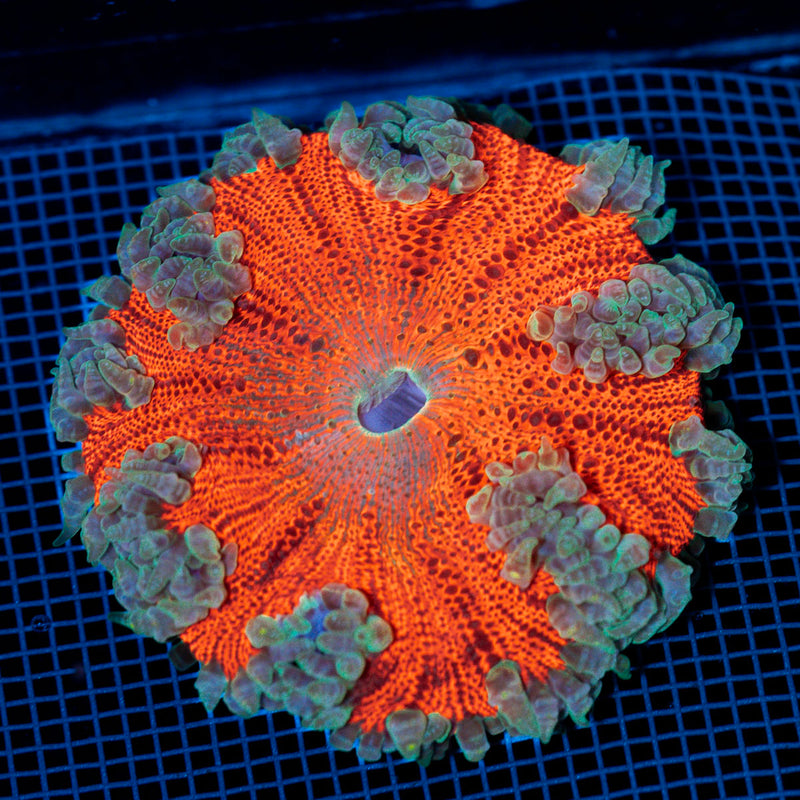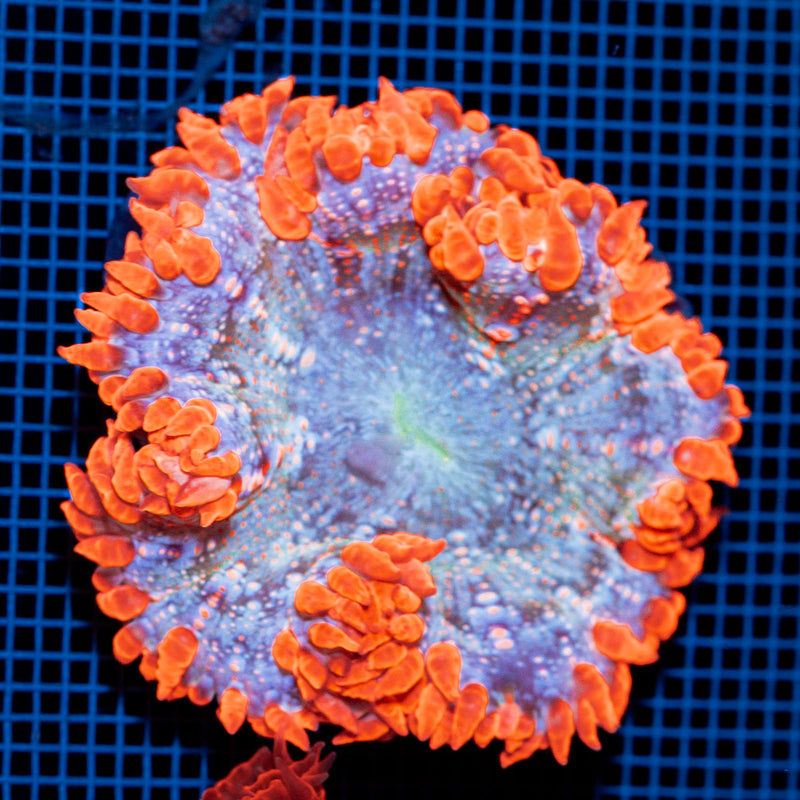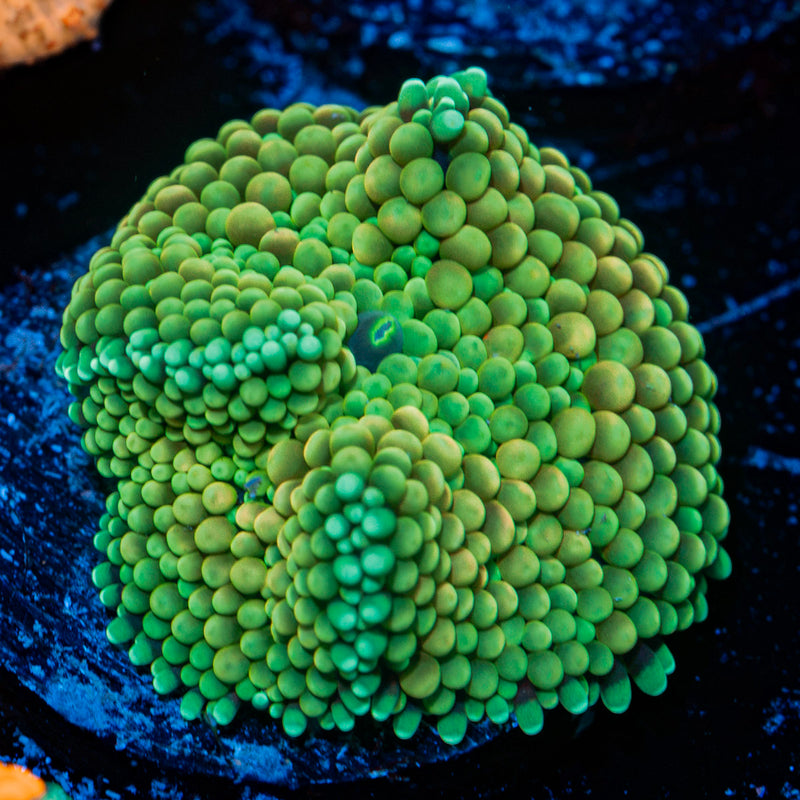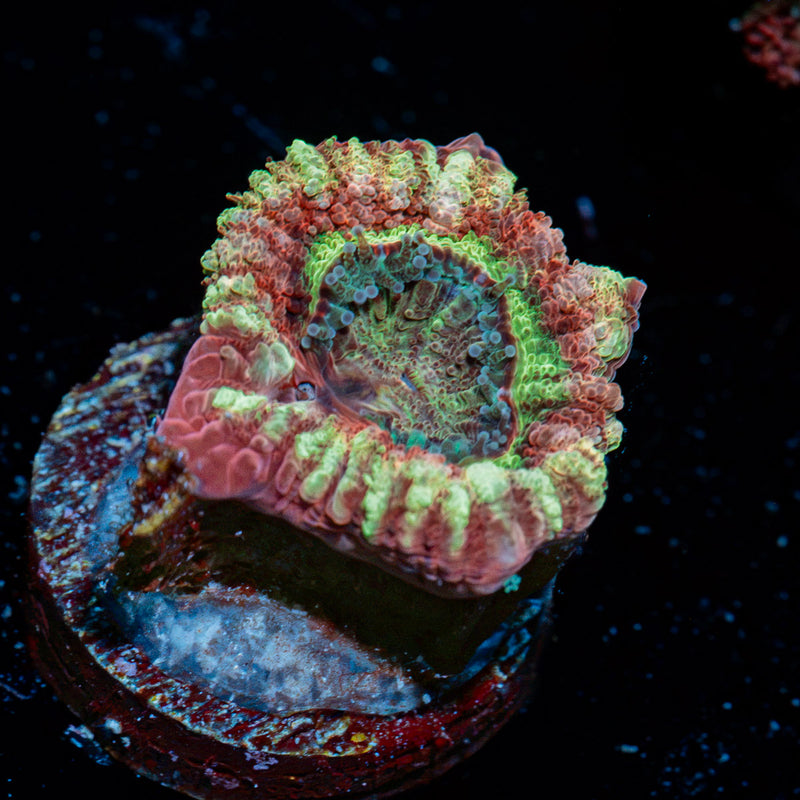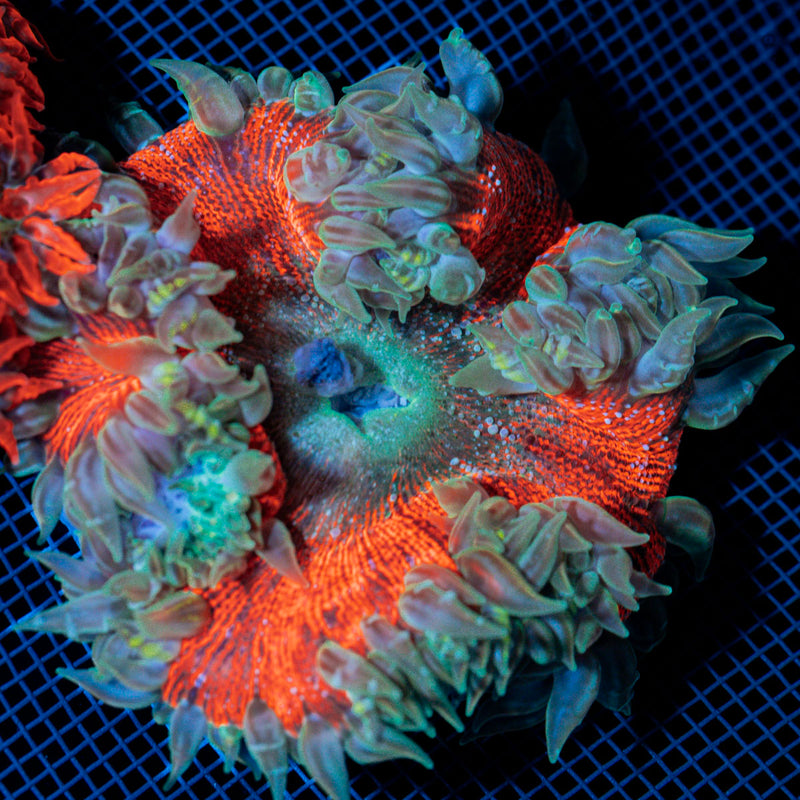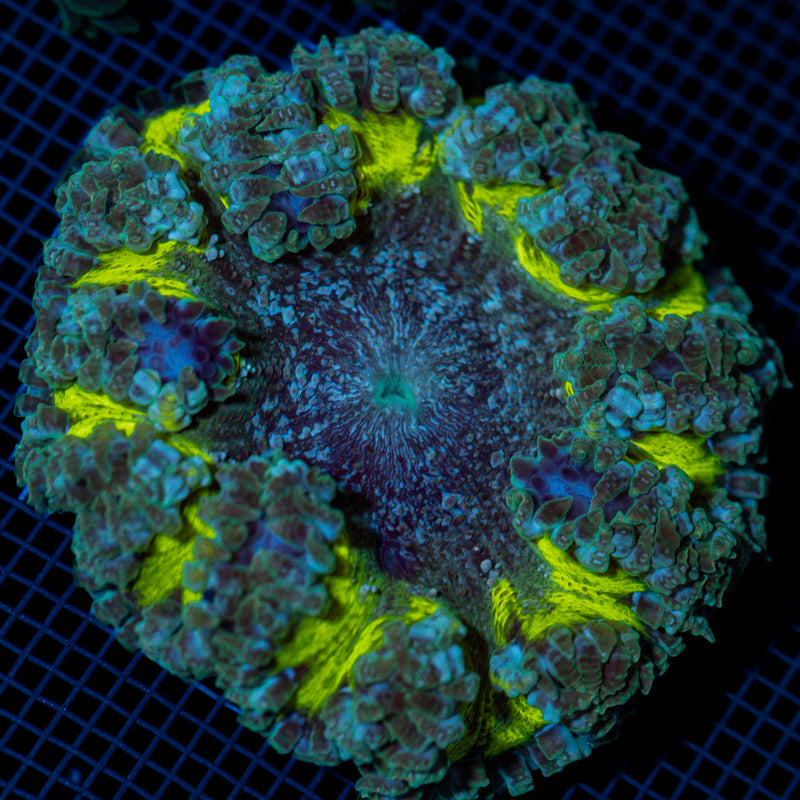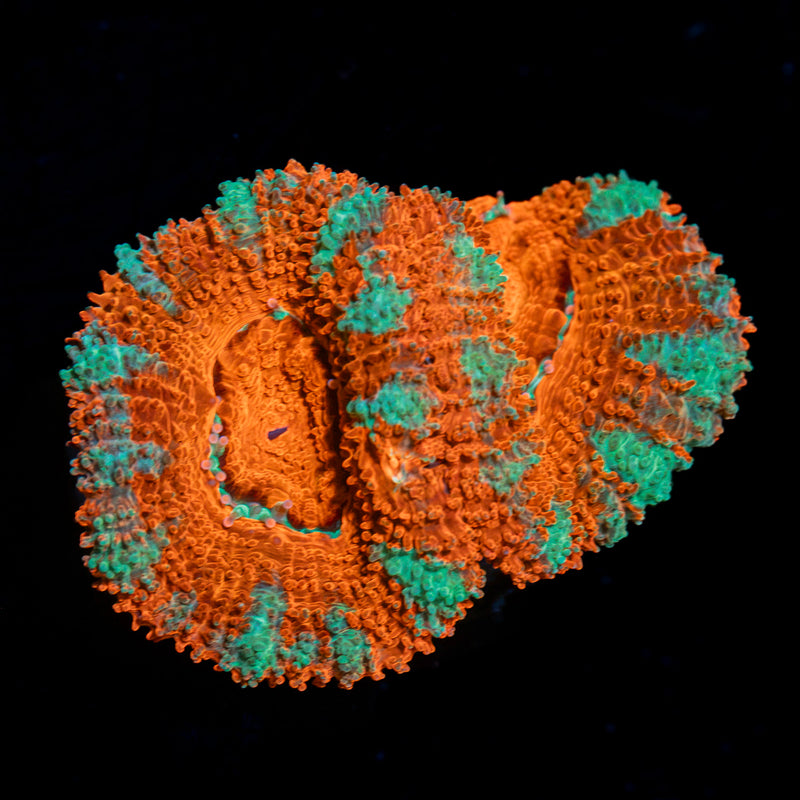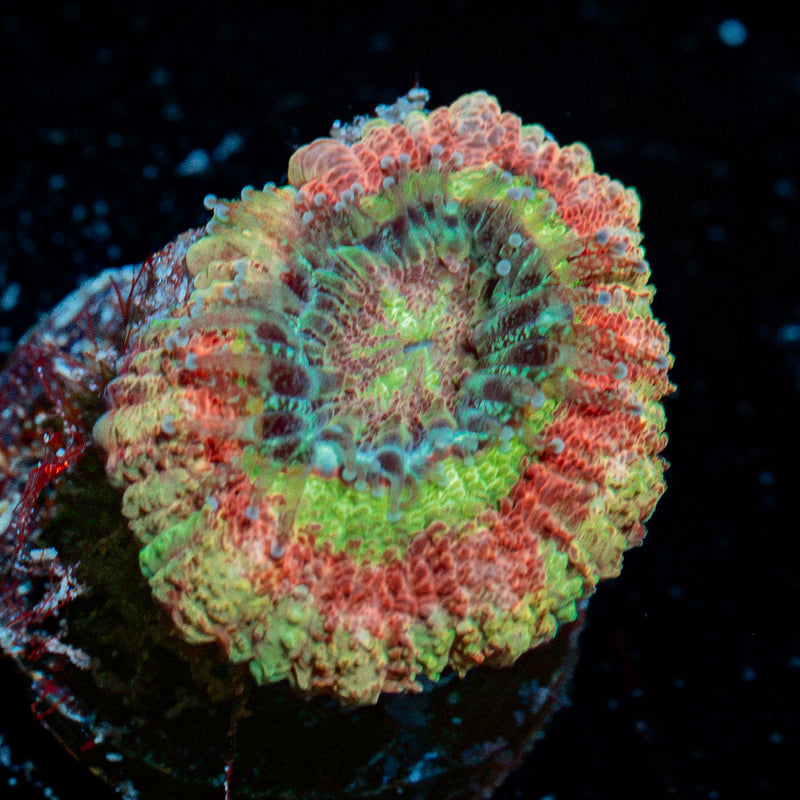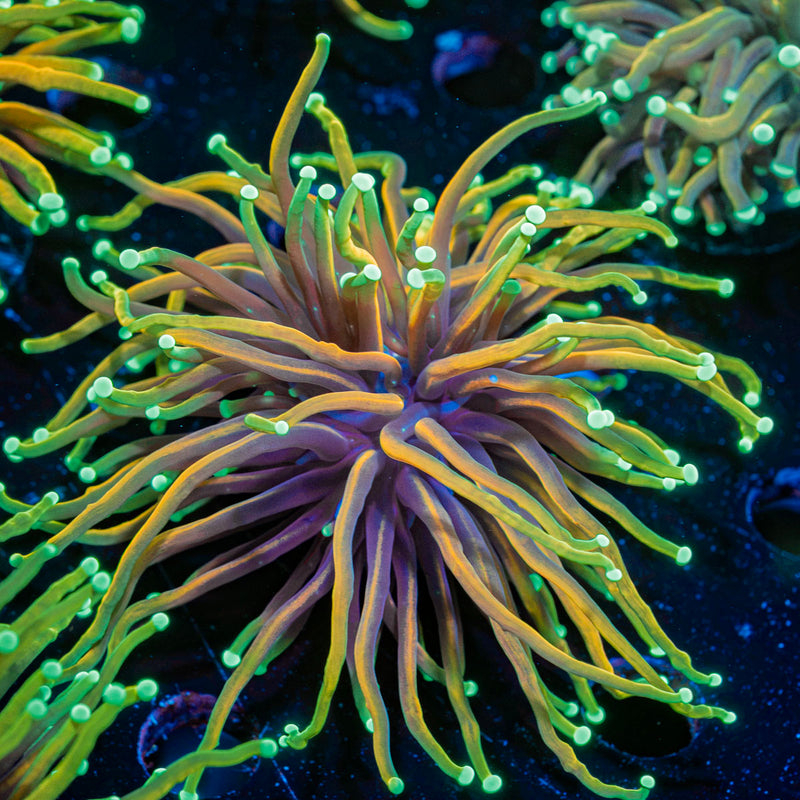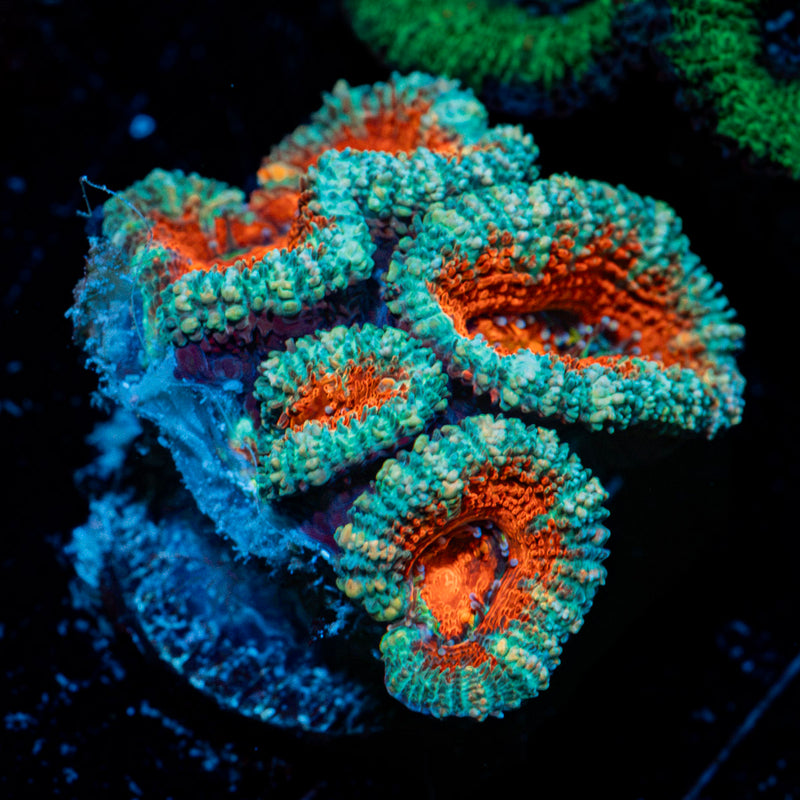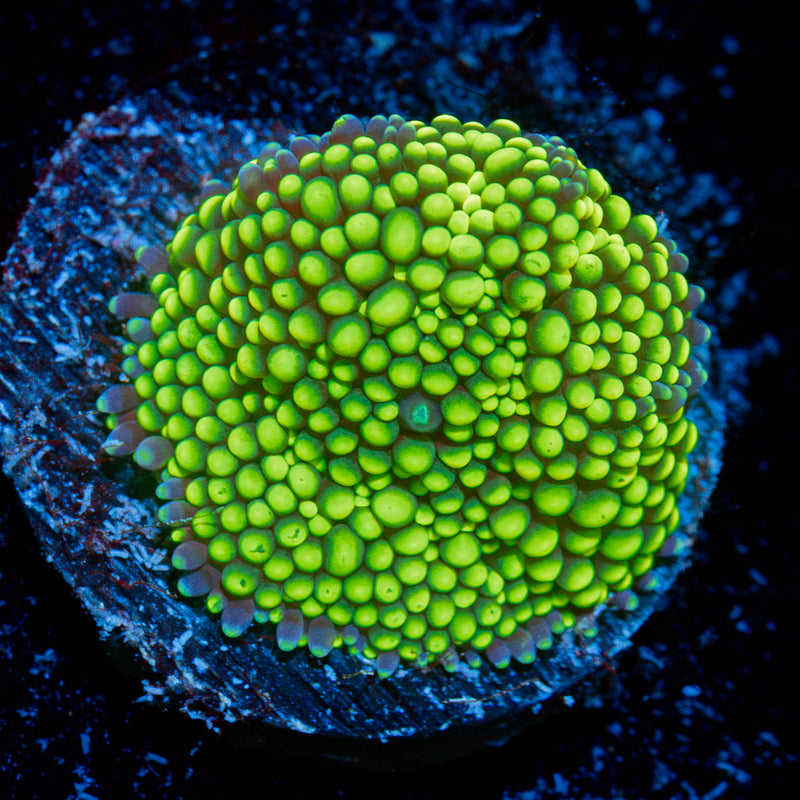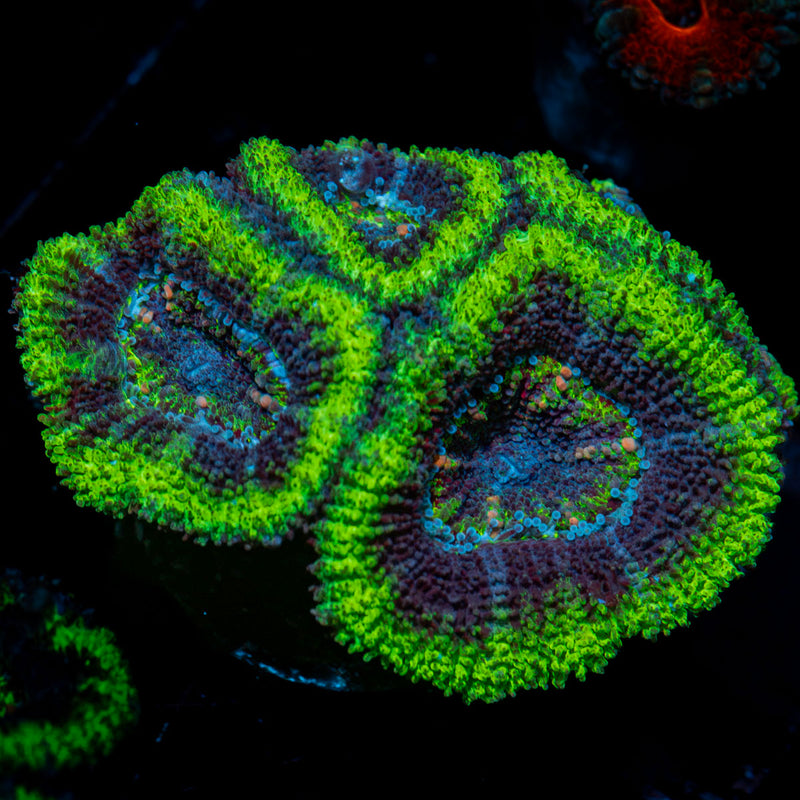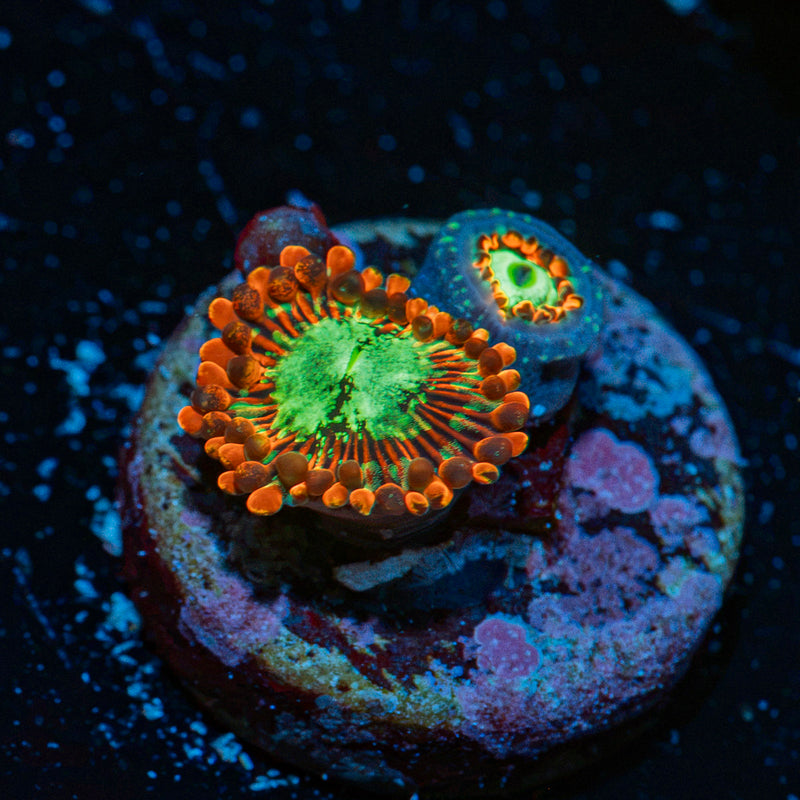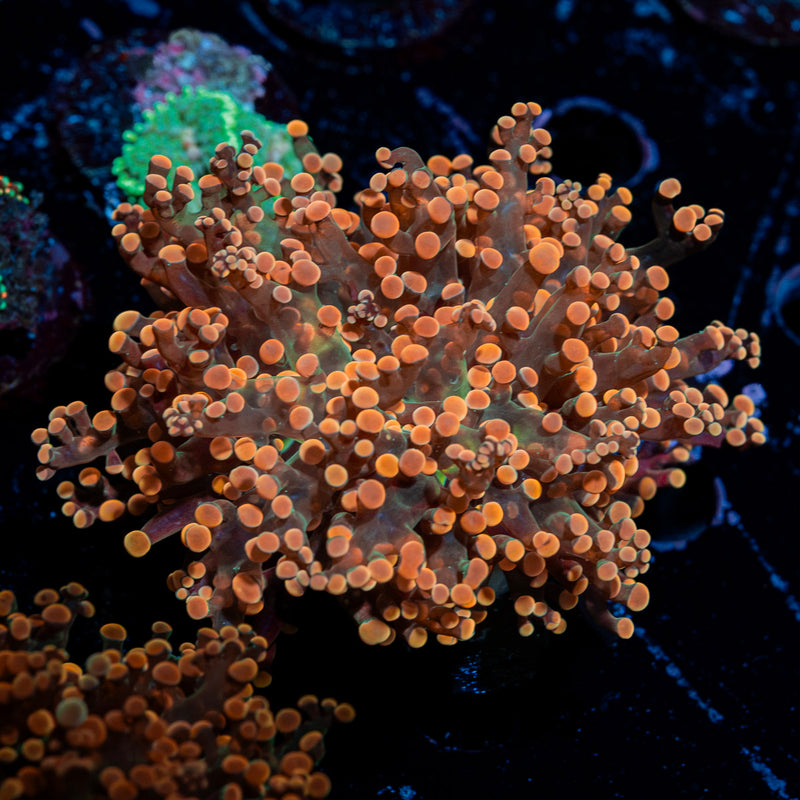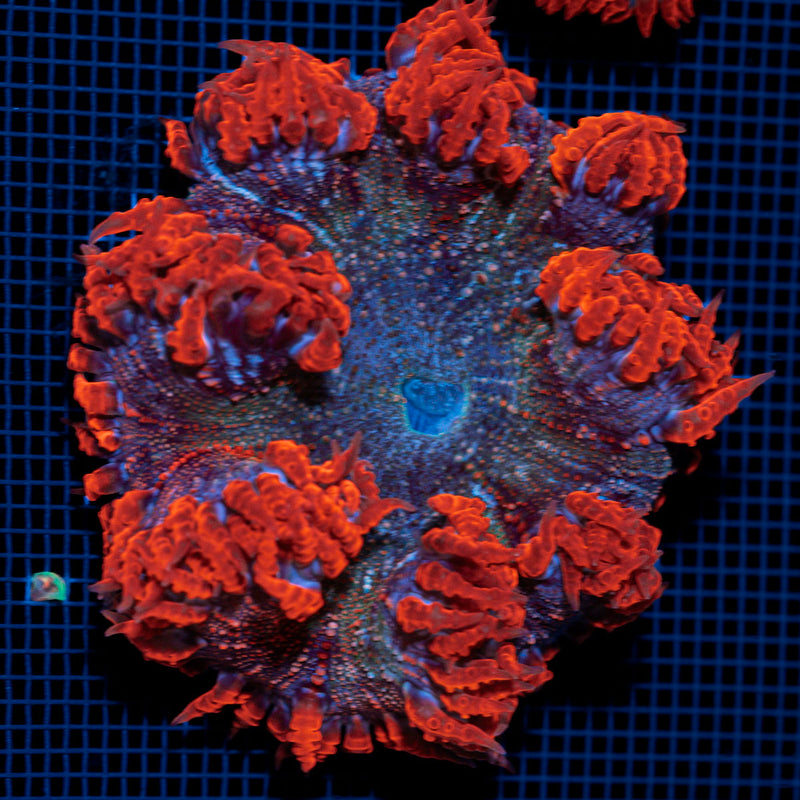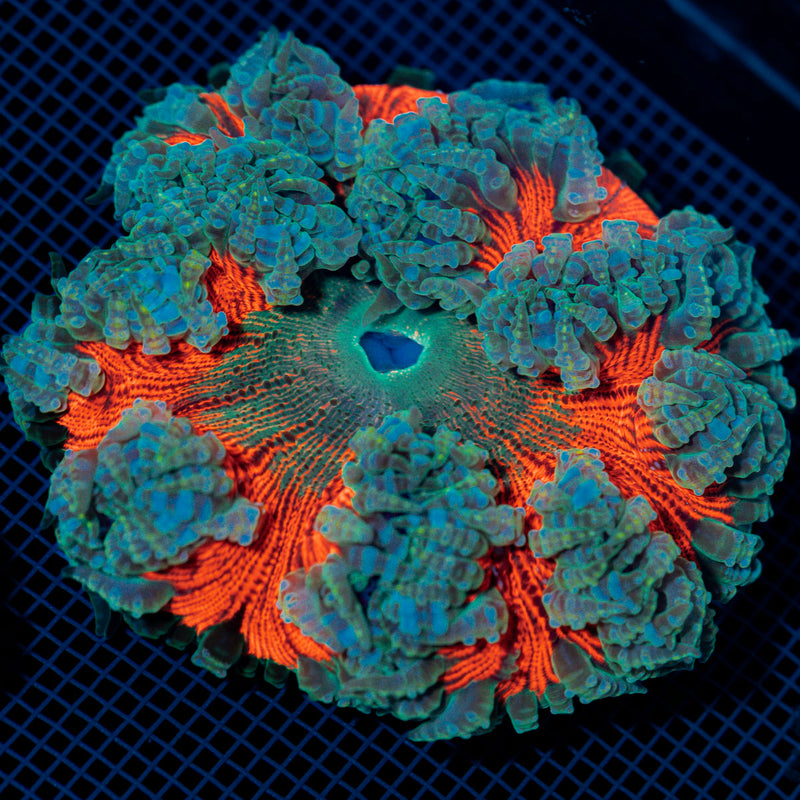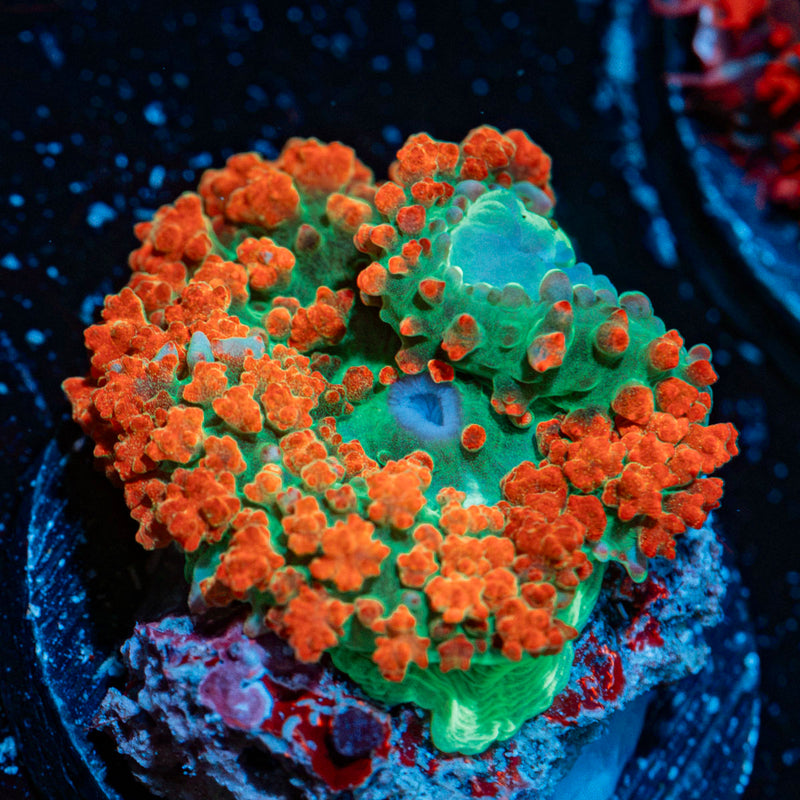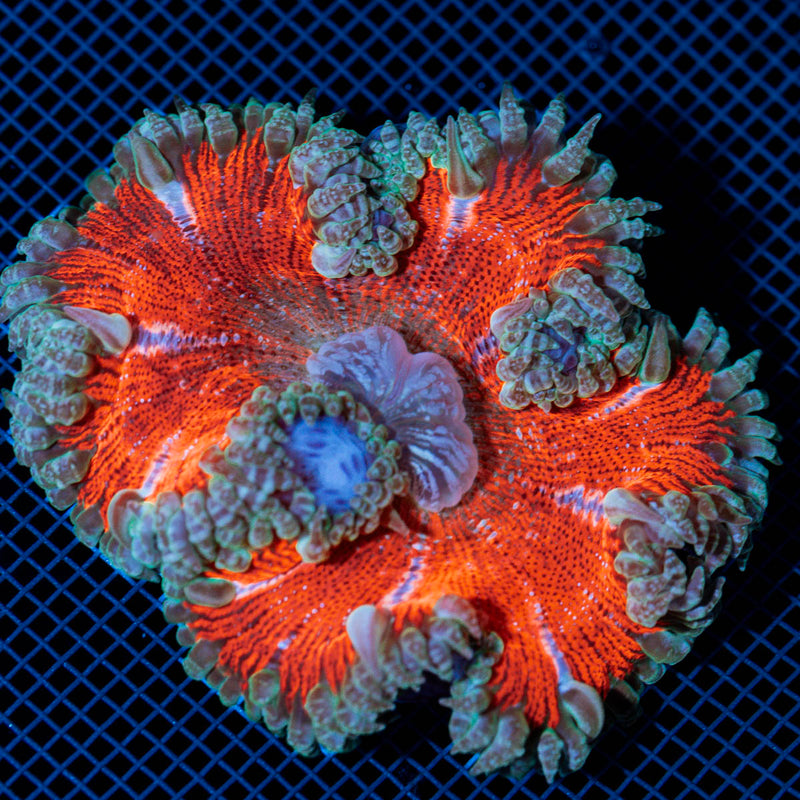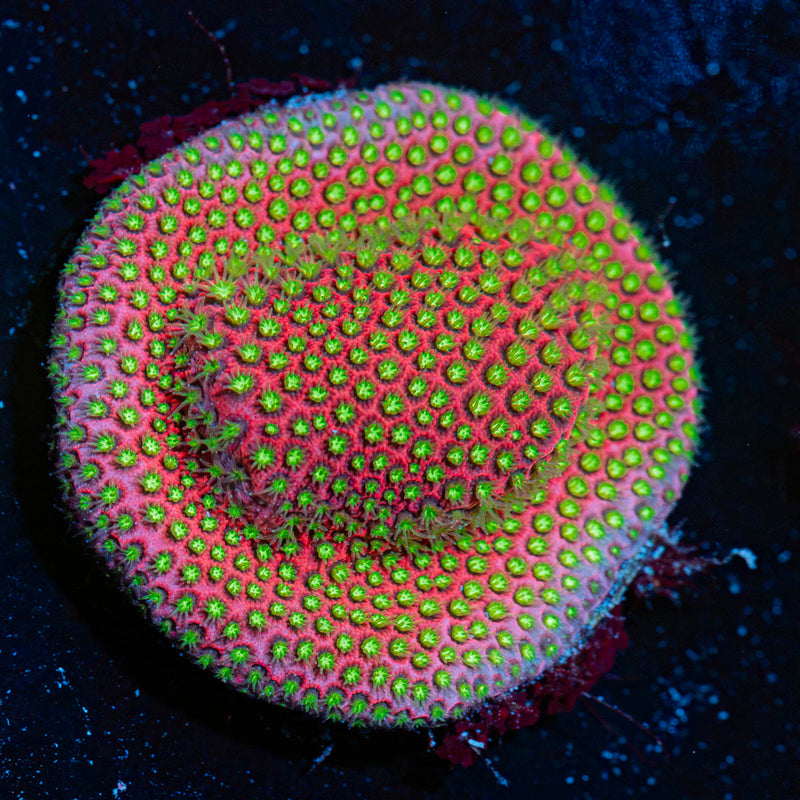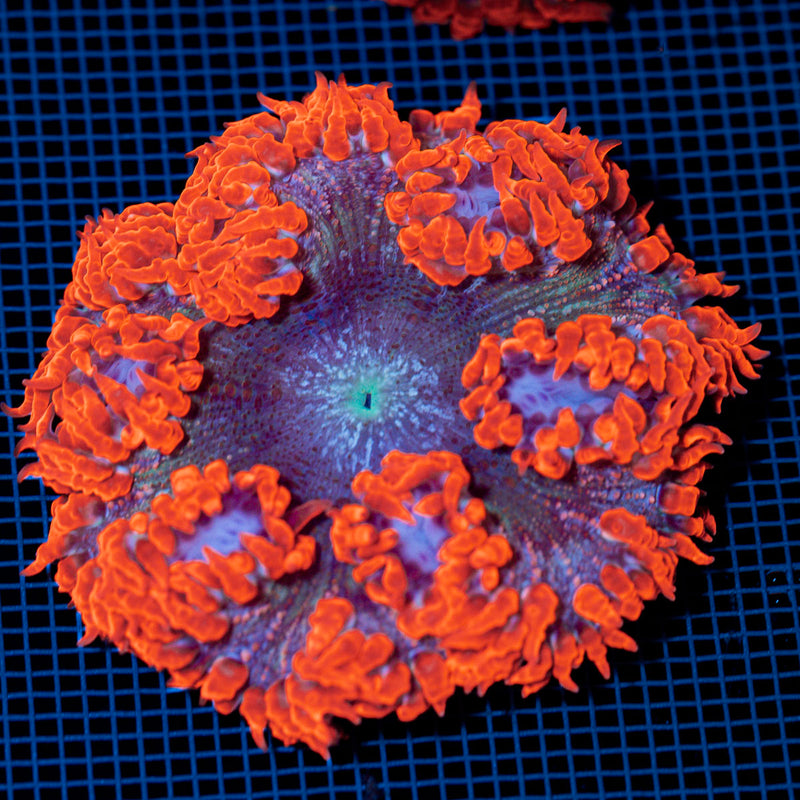
A torch coral swaying under blue light and an Acropora colony building a branching skyline can both make a reef tank feel spectacular. But their care styles are not interchangeable. Understanding LPS versus SPS care needs before you choose your next coral helps you build a display that is colorful, healthy, and realistic for the time and equipment you have.
LPS and SPS are broad hobby categories, not hard rules. There are easygoing SPS, demanding LPS, and plenty of individual exceptions. Still, the differences in skeleton size, polyp behavior, light tolerance, flow preferences, and response to instability offer a useful starting point when stocking a reef aquarium.
LPS Versus SPS Care Needs: The Big Difference
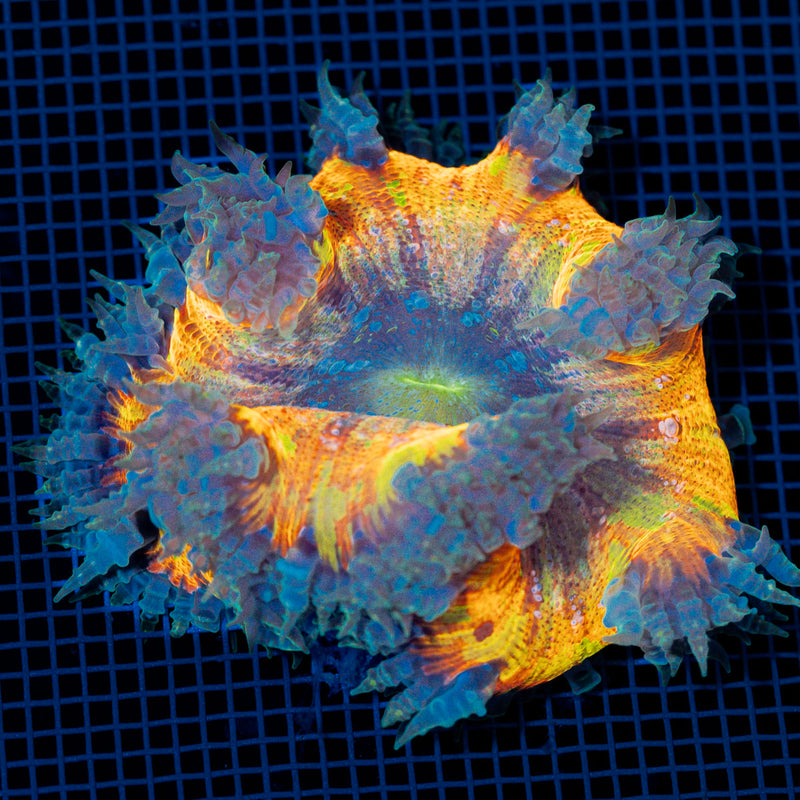
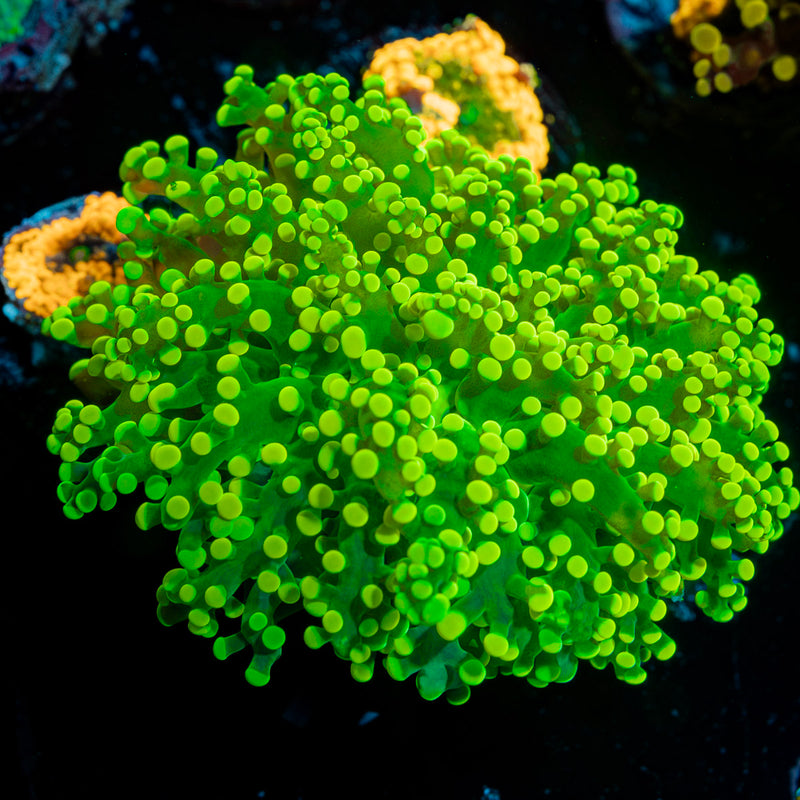
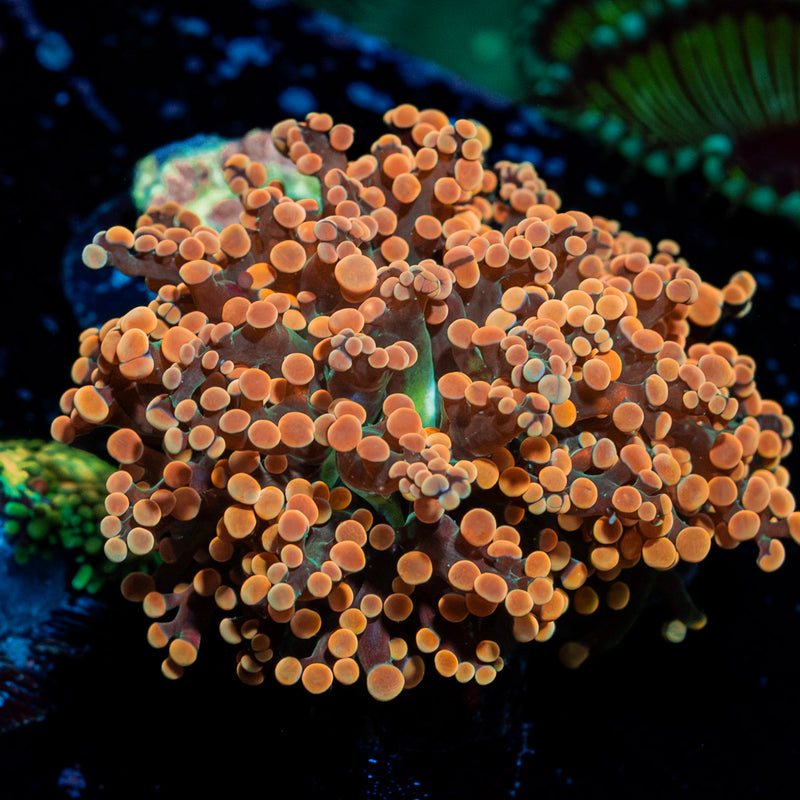
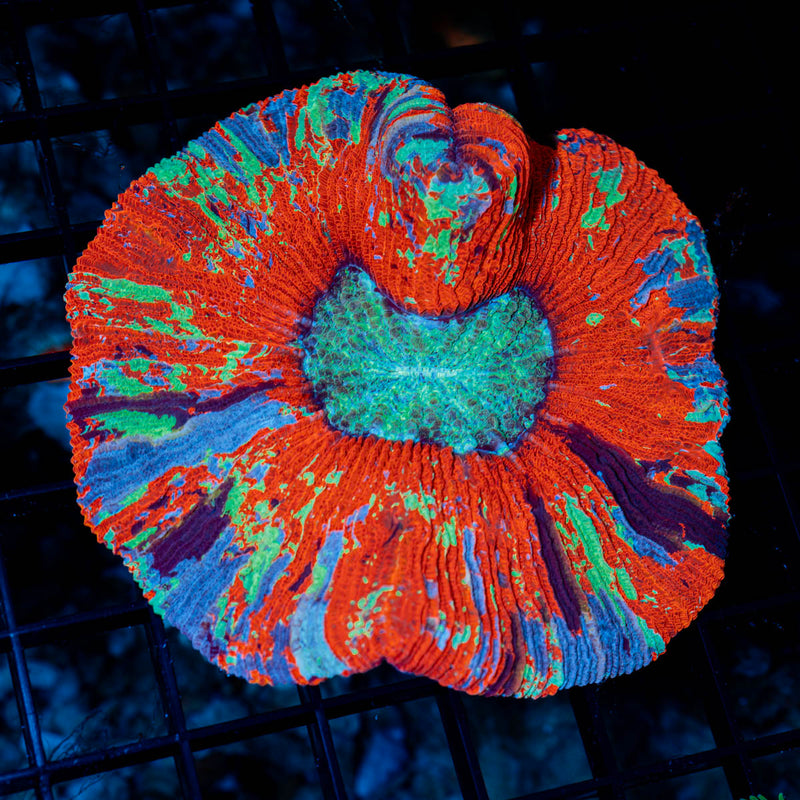
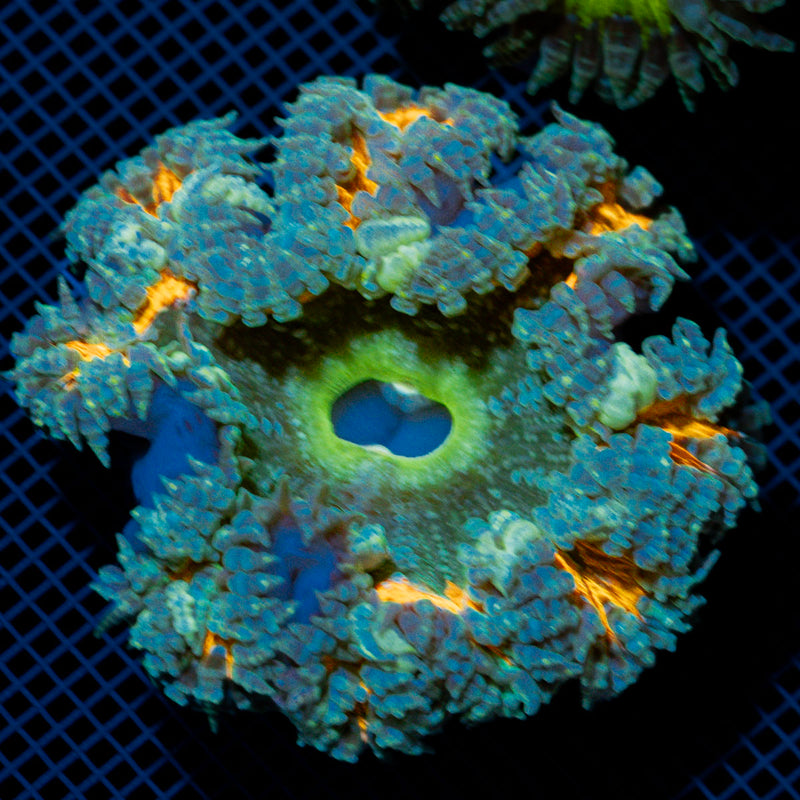
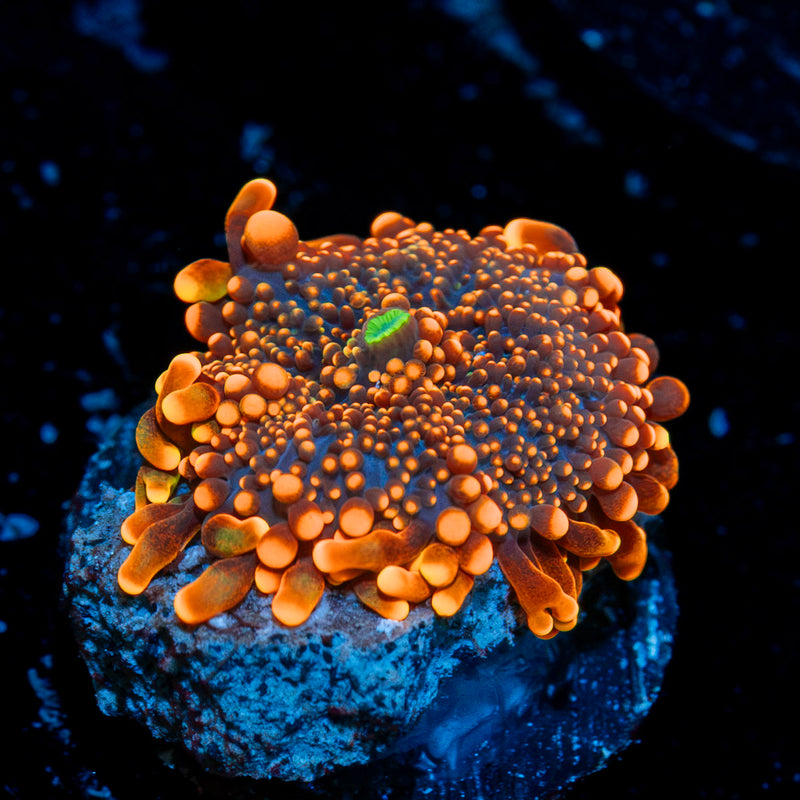
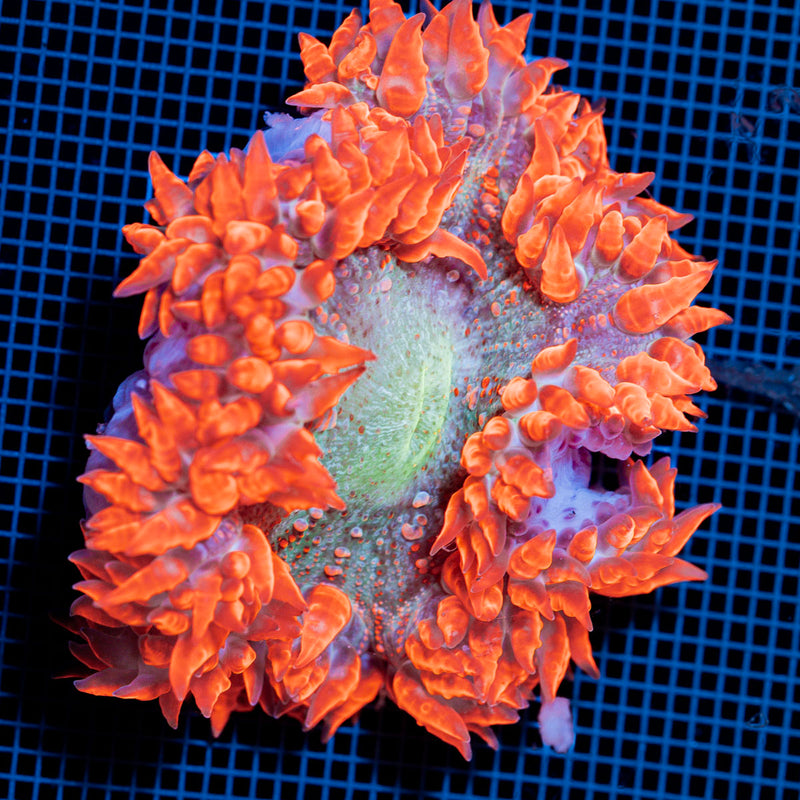
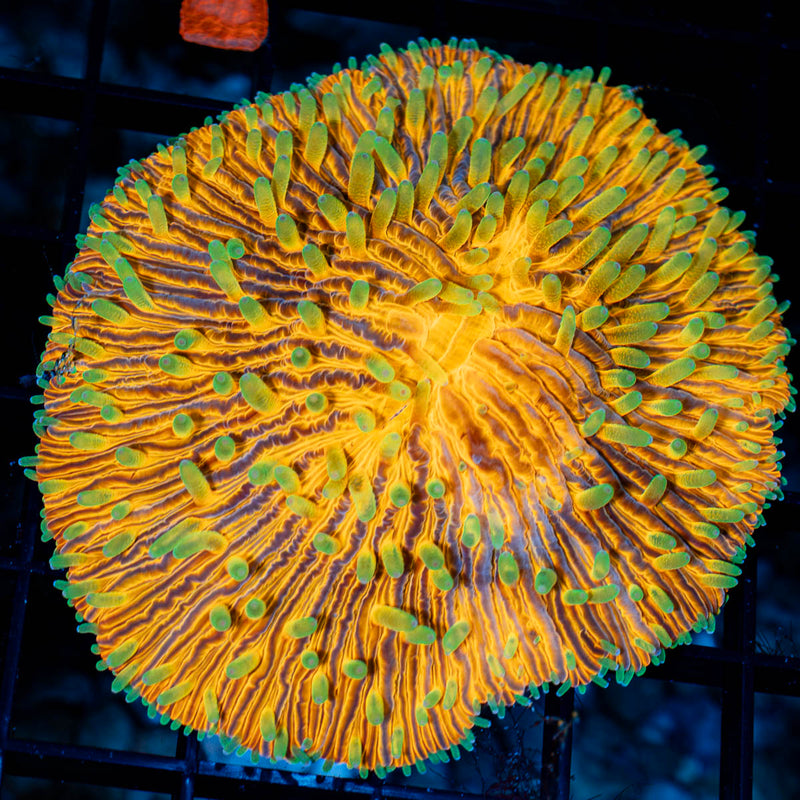
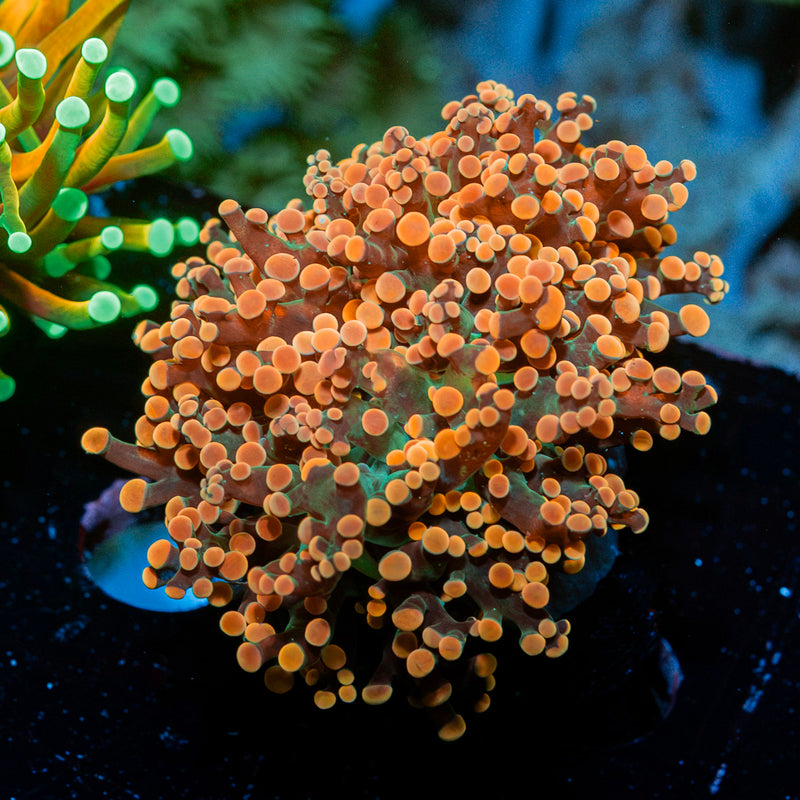
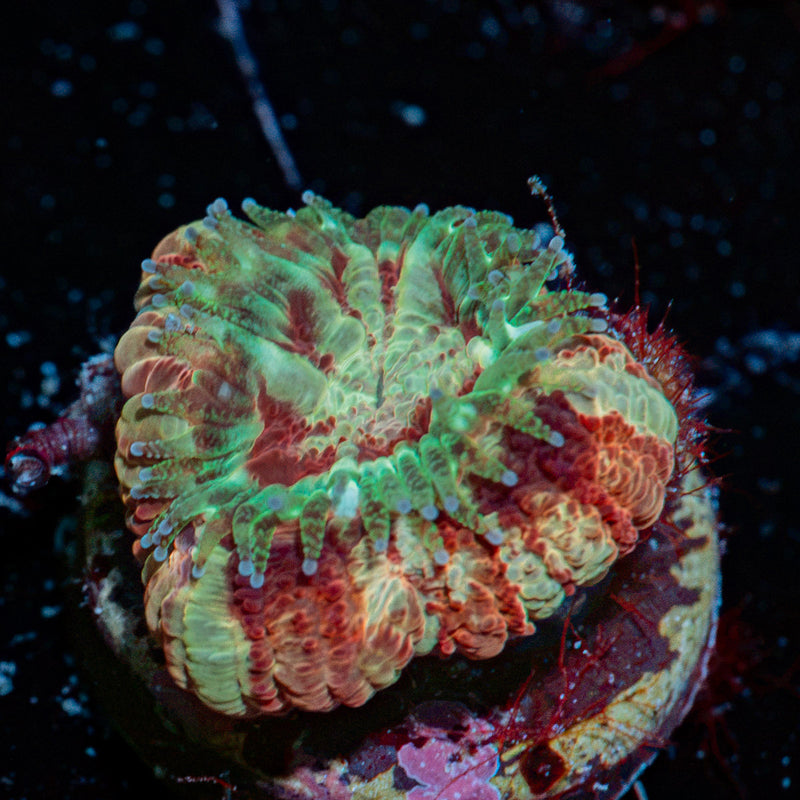
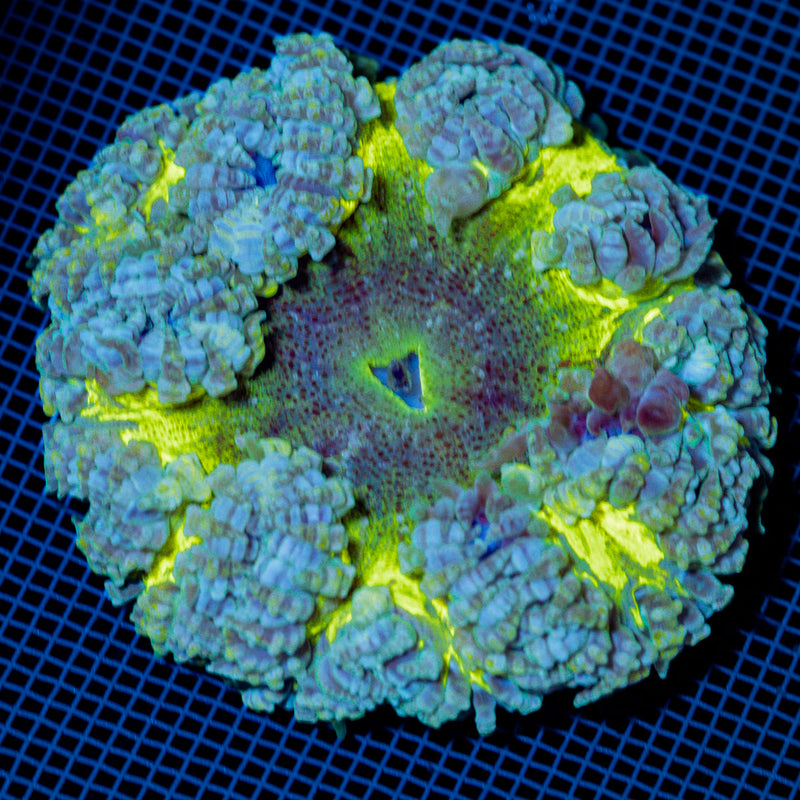
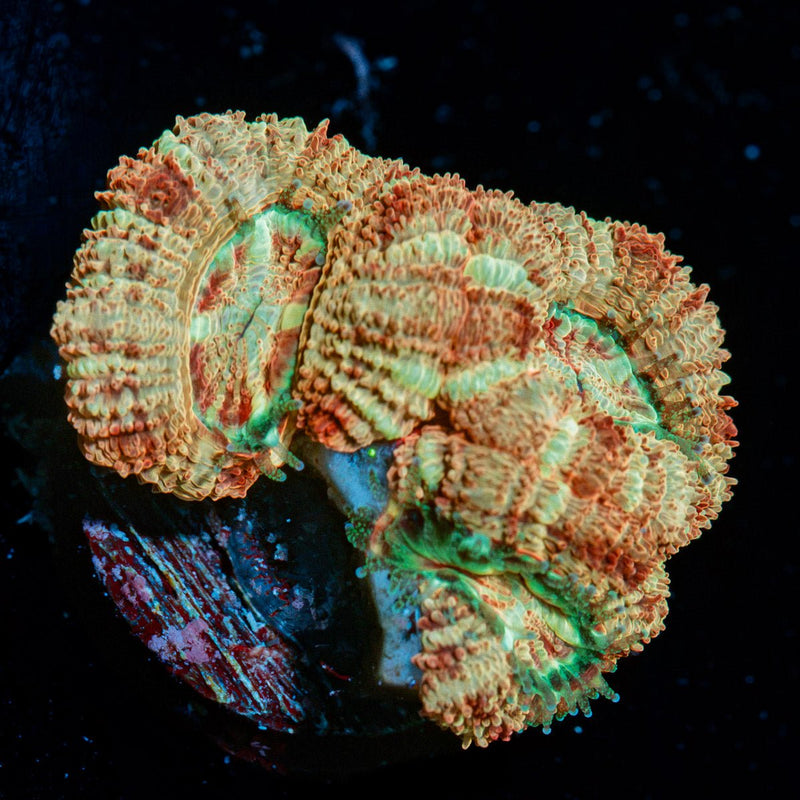
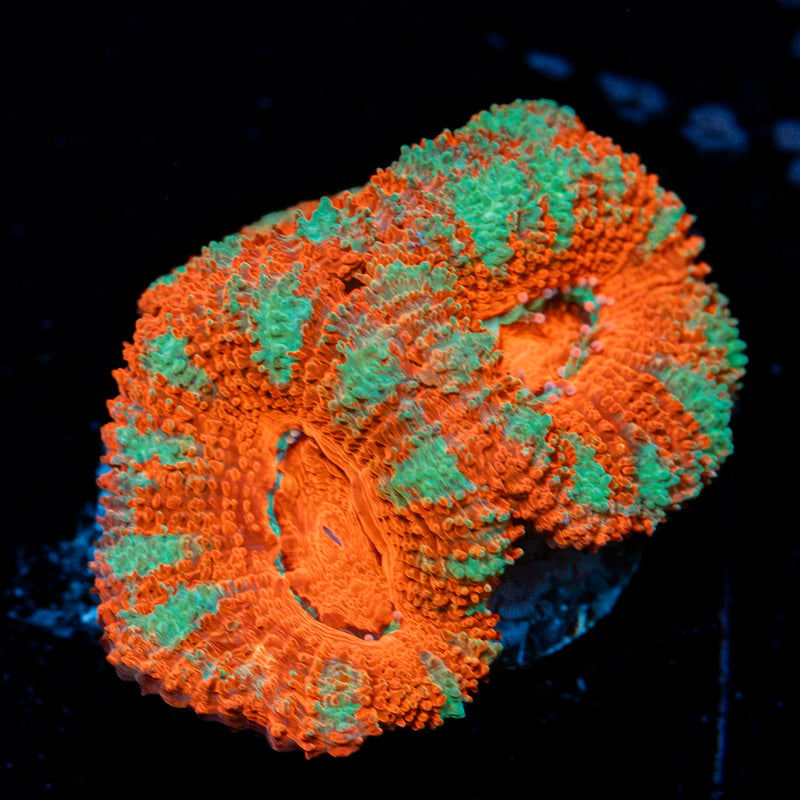
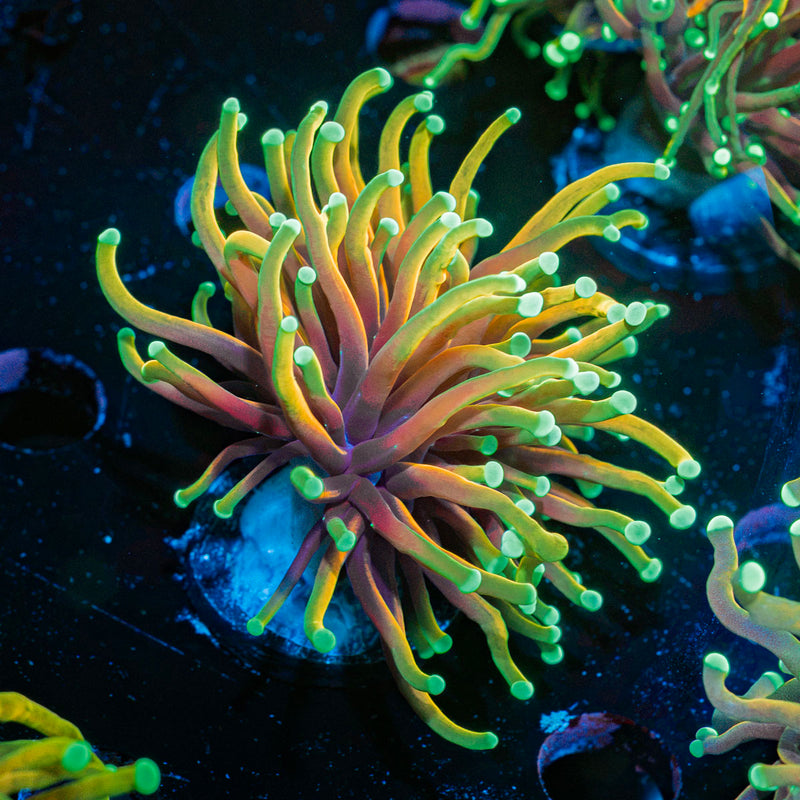
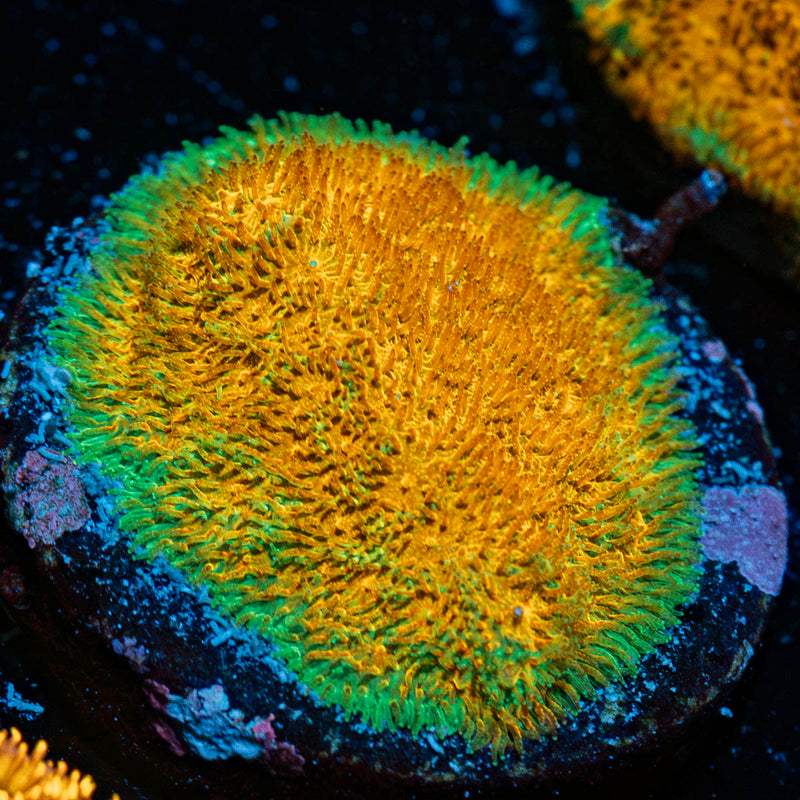
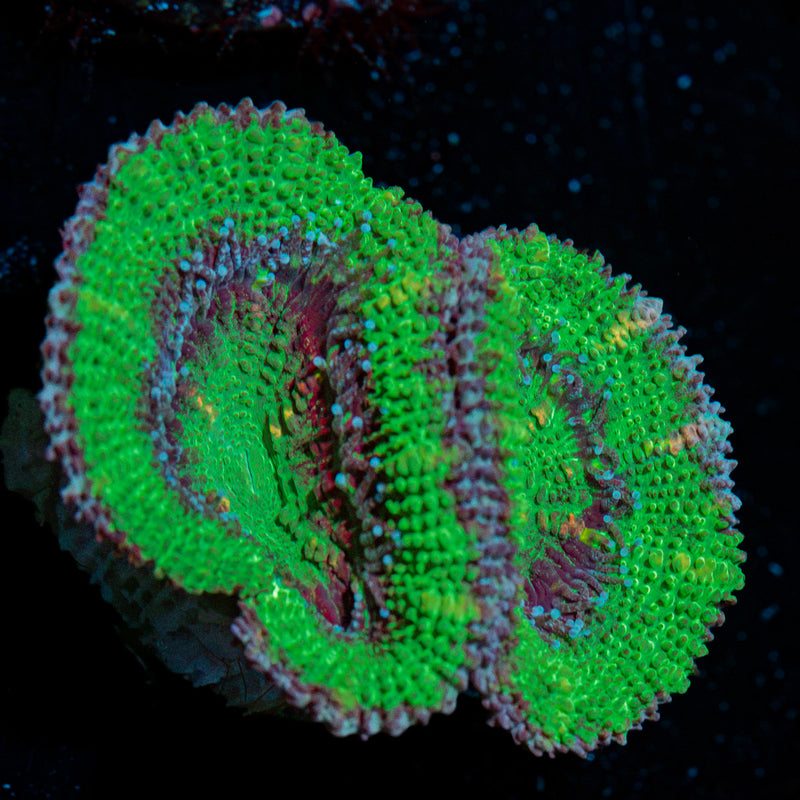
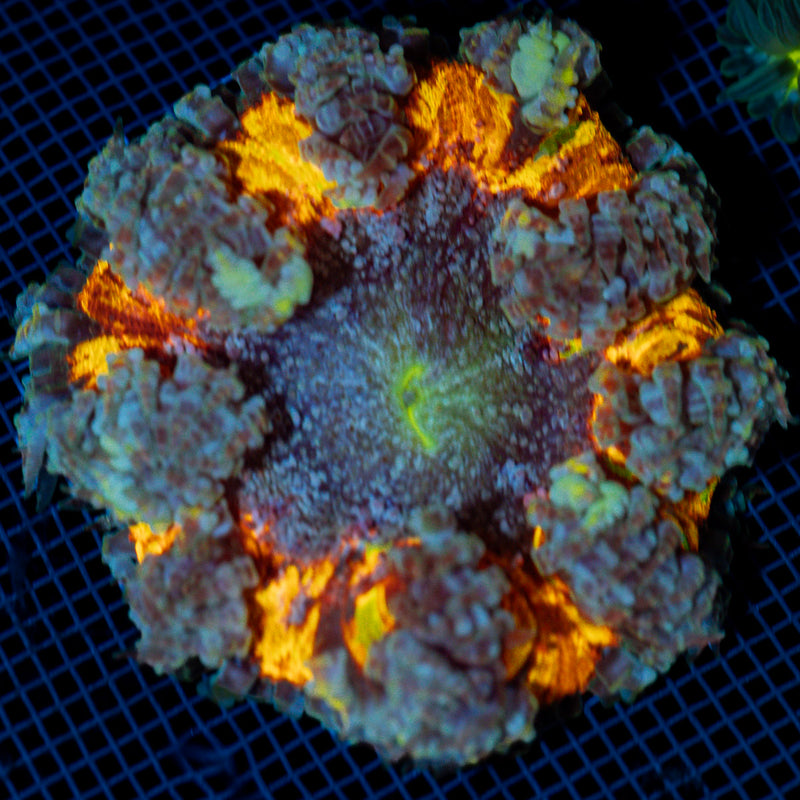
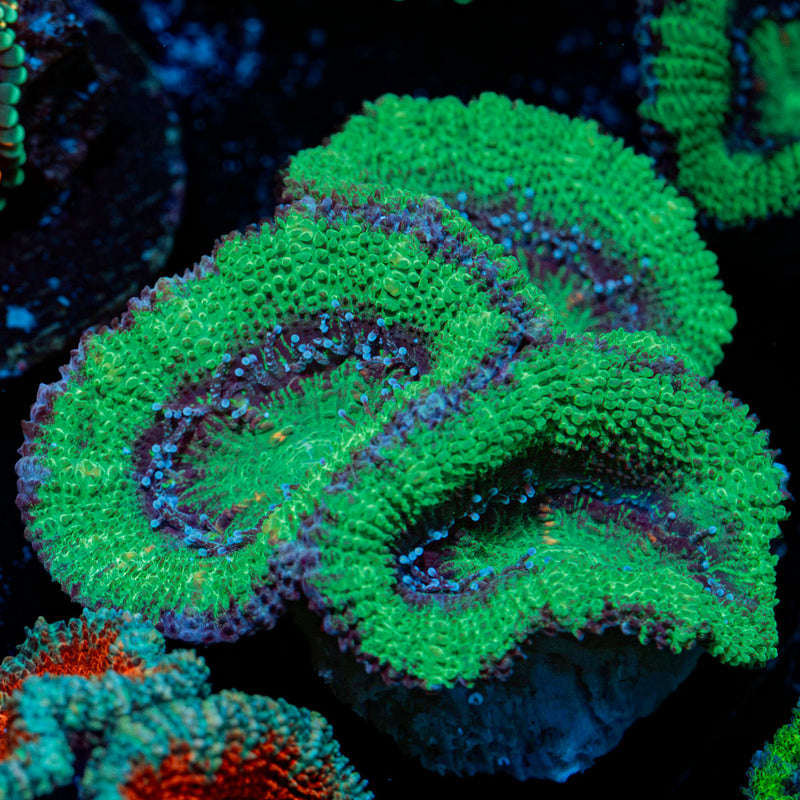
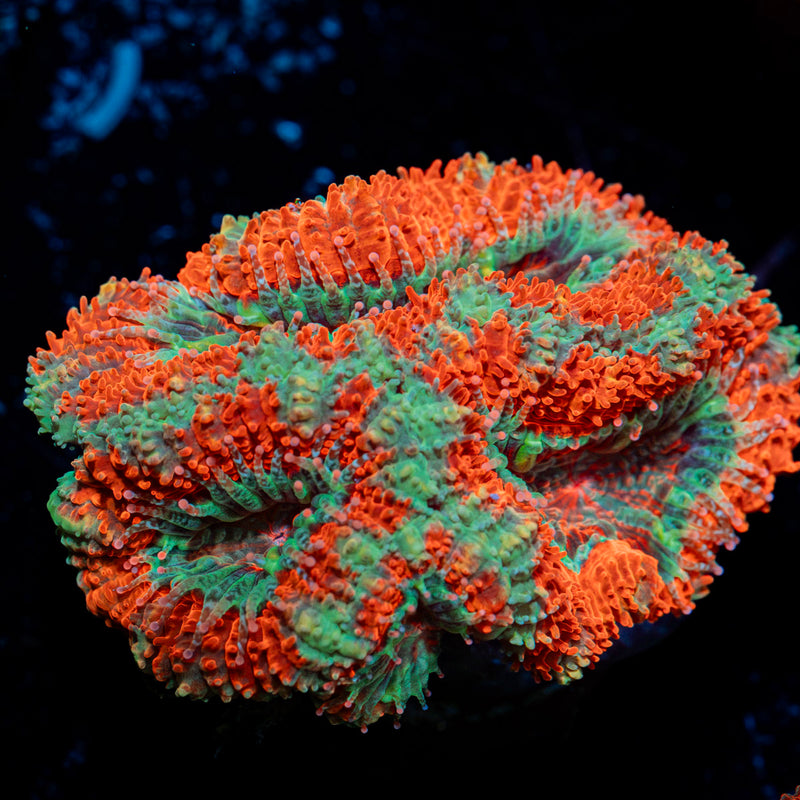
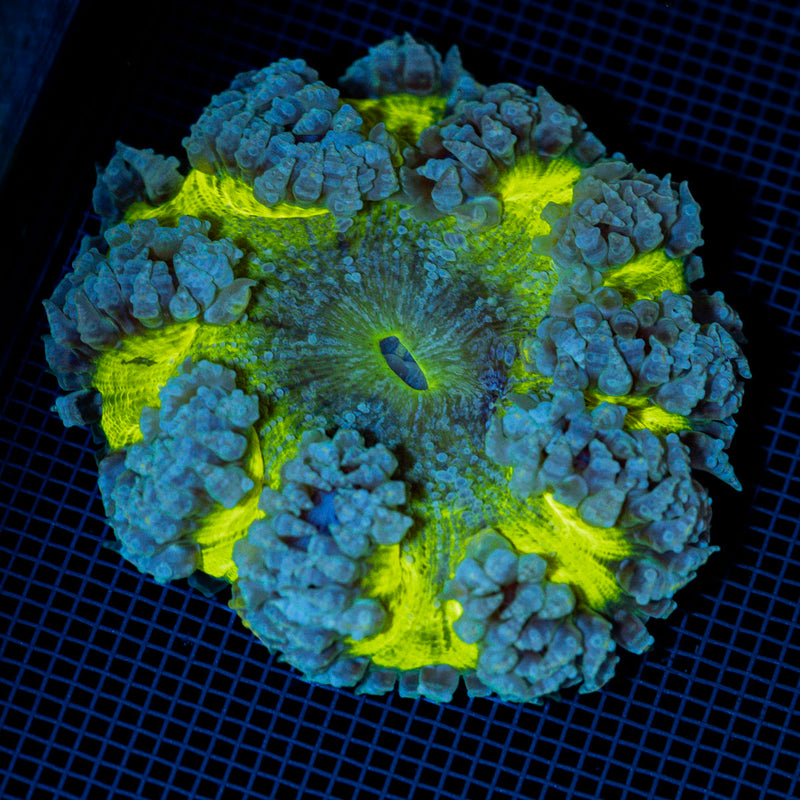
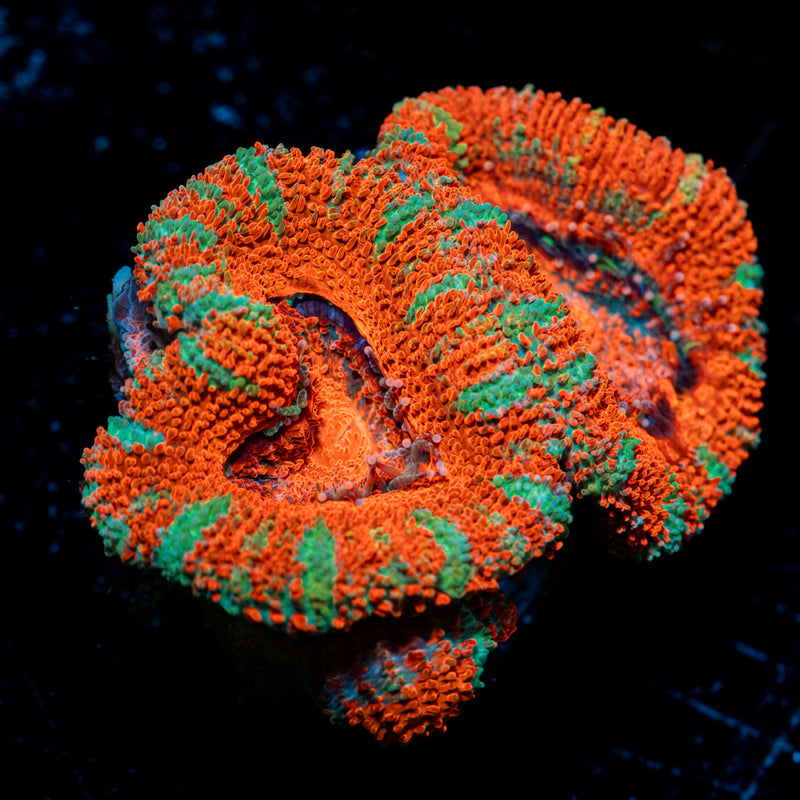
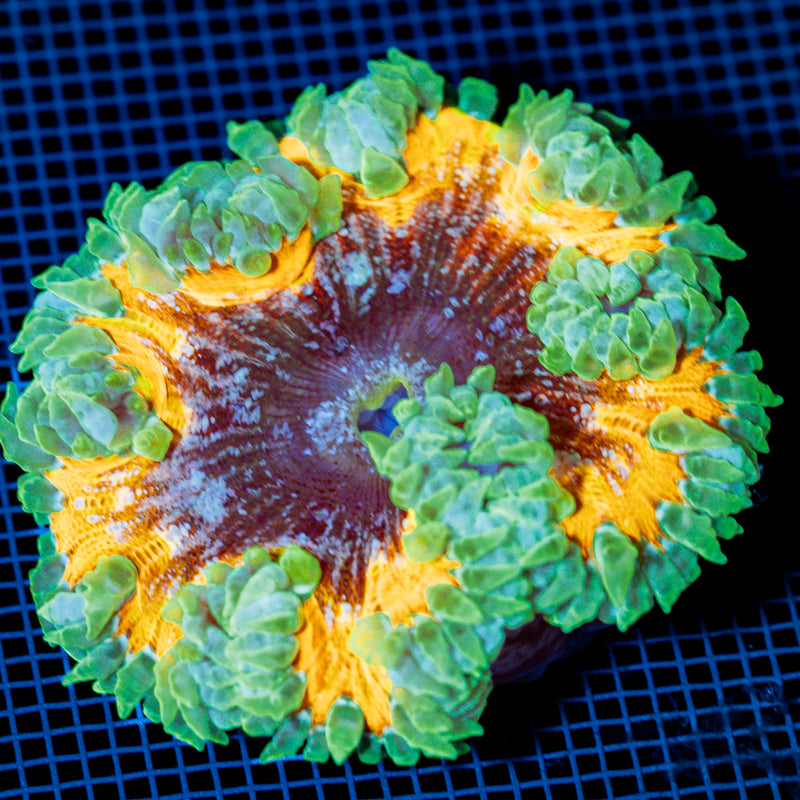
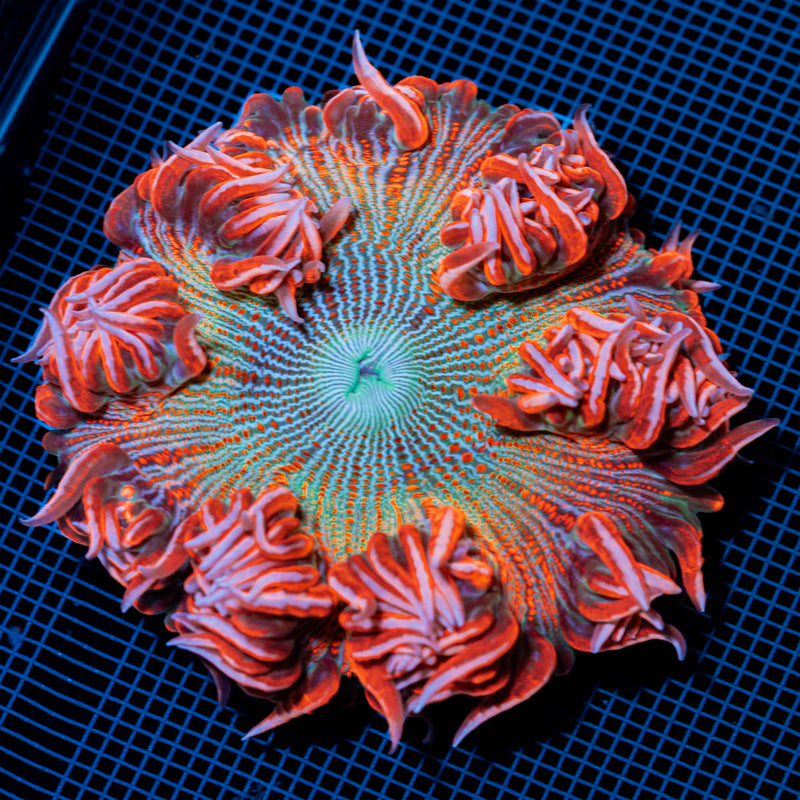
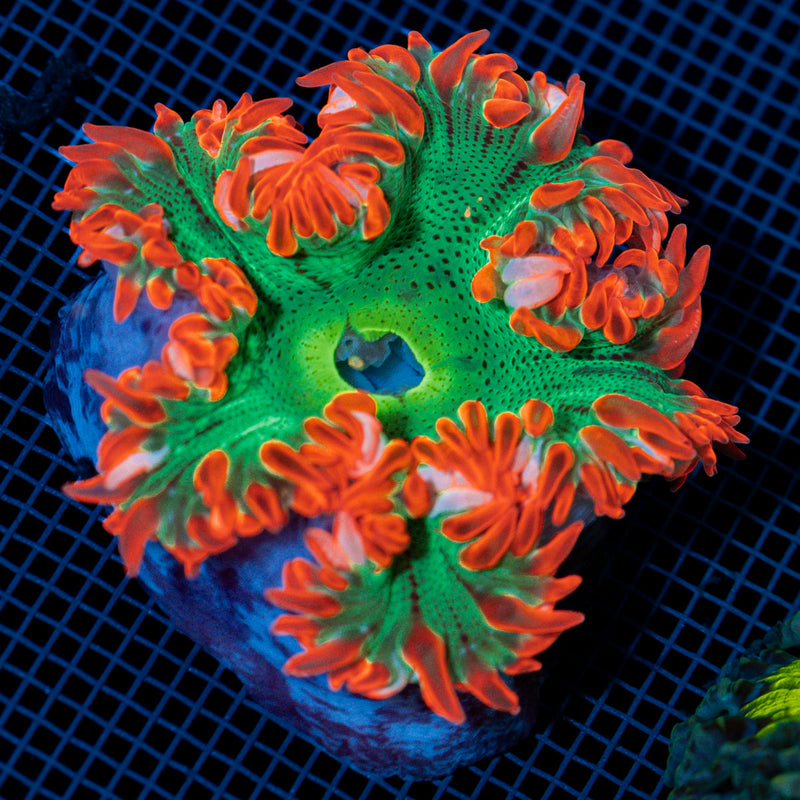
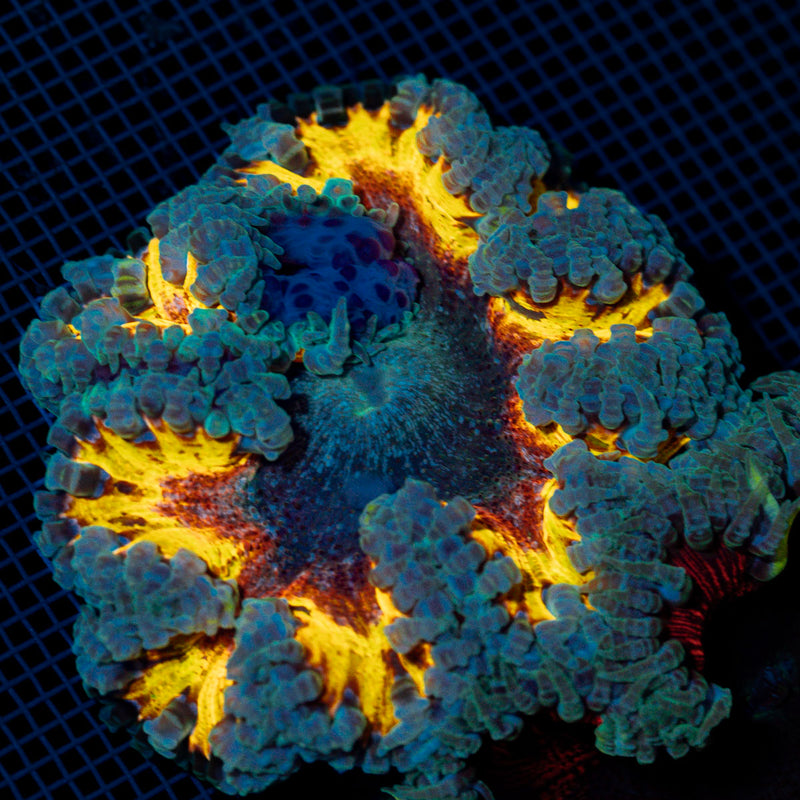
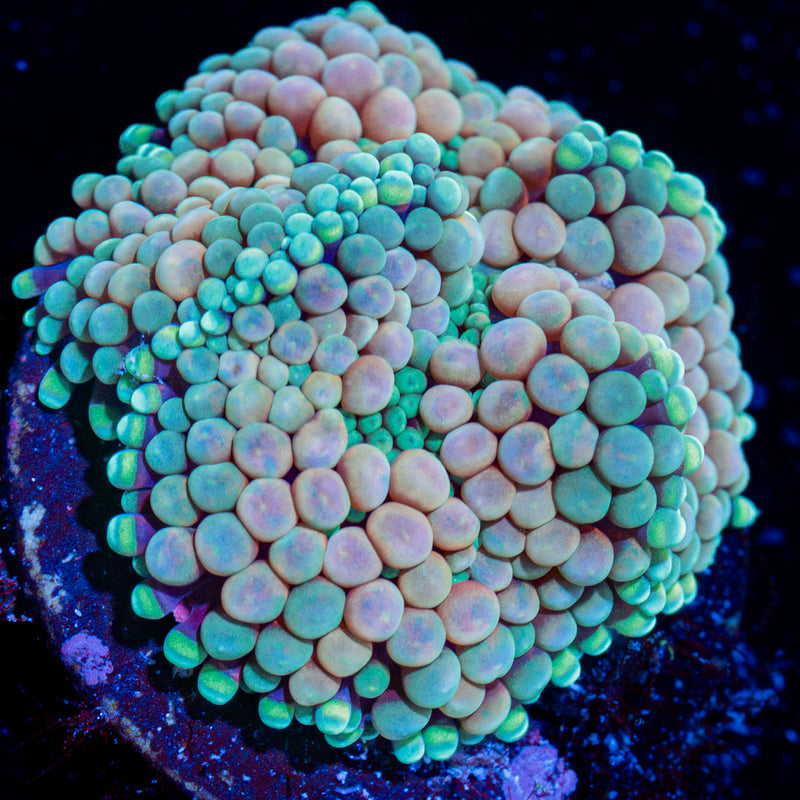
LPS means Large Polyp Stony coral. This group includes favorites such as torches, hammers, frogspawn, acans, chalices, and many brain corals. Their fleshy, visible polyps create movement, texture, and the kind of color that draws people straight to the glass. Many LPS corals are excellent choices for hobbyists who want a vibrant reef without immediately chasing ultra-high light or intense water movement.
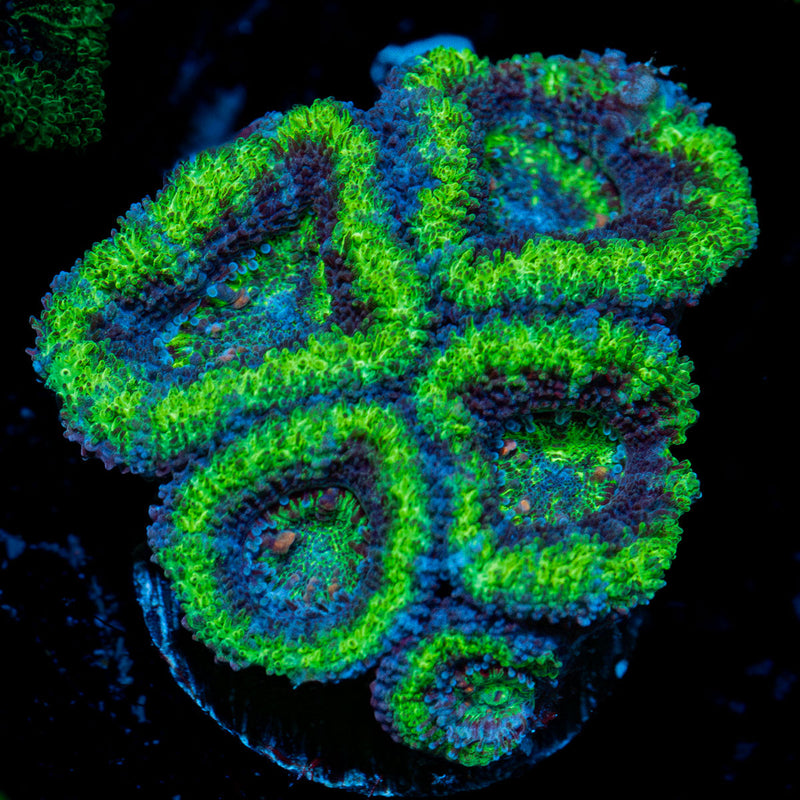
SPS means Small Polyp Stony coral. Acropora, Millepora, Montipora, Stylophora, and Birdsnest corals fall into this category. SPS are known for dense branching forms, intricate growth patterns, and electric color that can turn a mature reef into a living garden of hard coral. They are often associated with advanced systems because they tend to show water-quality swings quickly.
The practical difference is this: many LPS corals are more forgiving of moderate light, gentler flow, and slightly changing nutrient levels. Most SPS demand stronger, more consistent light and flow, along with a stable foundation of alkalinity, calcium, magnesium, temperature, and salinity. That does not make SPS impossible for newer reef keepers. It means consistency matters more than chasing a perfect number.
Lighting: Moderate Glow or High-Energy Growth
LPS commonly thrive under moderate lighting. A torch, hammer, or acan can develop rich color and strong extension without sitting directly beneath the brightest area of your fixture. Too much light, especially after a sudden placement change, can cause pale tissue, retraction, or stress. Starting an LPS frag lower in the aquarium and moving it gradually is often the safer path.
SPS generally require more light, particularly Acropora and Millepora. Higher PAR supports the photosynthetic algae living within their tissues, which fuels growth and coloration. Yet more light is only beneficial when the coral has been acclimated to it. A fresh SPS frag placed at the top of a high-output reef can bleach just as easily as an LPS placed too high.
Light intensity is only part of the picture. Spectrum, photoperiod, fixture spread, and coral acclimation all matter. If your tank is still new or you do not know your PAR levels, begin conservatively. Healthy corals that slowly adapt are far more rewarding than stressed frags pushed too hard for faster color.
A practical placement approach
For a mixed reef, reserve the upper rockwork and higher-light ledges for SPS. Use the middle and lower sections for most LPS, then adjust based on each coral’s response. Polyps that remain tightly closed, tissue that lightens, or a coral that repeatedly pulls away from the light may need a different location.
Flow: The Most Common Placement Mistake
LPS typically prefer moderate, indirect, varied flow. A hammer or torch should move with the current, not get blasted in one direction all day. Gentle movement helps these corals shed waste, access food, and show off their flowing tentacles. Constant direct flow can tear tissue against a sharp skeleton or prevent the polyps from fully opening.
SPS need stronger flow because their compact branches and small polyps collect detritus easily. The goal is not a nonstop jet aimed at the coral. It is broad, turbulent flow that reaches different sides of the colony and prevents dead spots. As a branching SPS grows, flow patterns change around it, so a location that worked for a small frag may need adjustment later.
This is where a thoughtfully planned aquascape pays off. Open rock structures allow water to circulate through the reef instead of trapping debris behind dense walls of stone. Positioning powerheads so currents intersect can create the random movement both groups benefit from, while still leaving calmer zones for fleshy LPS corals.
Stability Matters More for SPS
Every reef coral benefits from stable water parameters, but SPS are usually less forgiving when alkalinity or salinity shifts quickly. A sudden alkalinity swing can lead to tissue loss, muted color, or stalled growth. In a tank filled with demanding Acropora, regular testing and a dependable dosing plan are part of routine care, not optional extras.
LPS can tolerate a little more day-to-day variation, but that should not be confused with a license to neglect the system. Repeated swings in temperature, salinity, or nutrients can still cause receding tissue, poor polyp extension, and algae problems around the base of a frag.
For both groups, aim for stable salinity, a temperature that does not fluctuate wildly, and balanced calcium, alkalinity, and magnesium. Rather than making large corrections after a test result, make small adjustments and retest. The reef responds better to calm, predictable care.
Nutrients are another area where extremes cause trouble. SPS often lose color in overly nutrient-starved tanks, while LPS can react poorly when excess nutrients and detritus encourage algae or irritate their tissue. Nitrate and phosphate do not need to be driven to zero. A lightly fed, well-maintained reef with measurable nutrients often supports more natural color and healthier growth.
Feeding and Nutrition
LPS corals tend to make feeding easy to see. Many open their feeding tentacles in the evening and readily accept fine meaty foods, powdered coral foods, or small broadcast feedings. Target feeding can support growth in acans, brains, and other fleshy corals, but restraint matters. Too much food can raise nutrients faster than your filtration can handle.
SPS receive much of their energy from light, but they also benefit from a reef with available nutrients and fine suspended foods. Their tiny polyps do not always give the dramatic feeding response of an LPS coral, so it is easy to assume they need nothing beyond light. A balanced feeding routine, steady nutrients, and good flow usually provide a better foundation than heavy spot feeding.
If you keep both groups, feed for the aquarium rather than trying to force every coral into the same routine. Watch the results over several weeks: extension, color, growth tips, algae accumulation, and your test numbers all tell part of the story.
Choosing the Right Coral for Your Current Reef
Choose LPS if you want large, expressive polyps, graceful motion, and strong visual impact under moderate lighting. They are especially rewarding in newer reef tanks that have completed their initial cycle and are beginning to show stable parameters. A carefully selected torch, hammer, frogspawn, acan, or chalice can become a true centerpiece without requiring an SPS-focused setup.
Choose SPS if your tank has established stability, powerful lighting, energetic flow, and you enjoy the routine of testing and fine-tuning. SPS are ideal for hobbyists who love detailed aquascaping and the long-term satisfaction of watching a tiny frag become a branching colony.
A mixed reef can offer the best of both worlds. Keep SPS higher where light and circulation are strongest, give LPS room below, and remember coral aggression. Sweeper tentacles from some LPS can reach farther than expected, especially at night. Leave generous space between frags so each living jewel has room to grow.
For a confident start, select aquacultured corals that match your current tank rather than buying for the tank you hope to own someday. Build consistency first, add new pieces slowly, and let every healthy frag teach you what your reef does best.