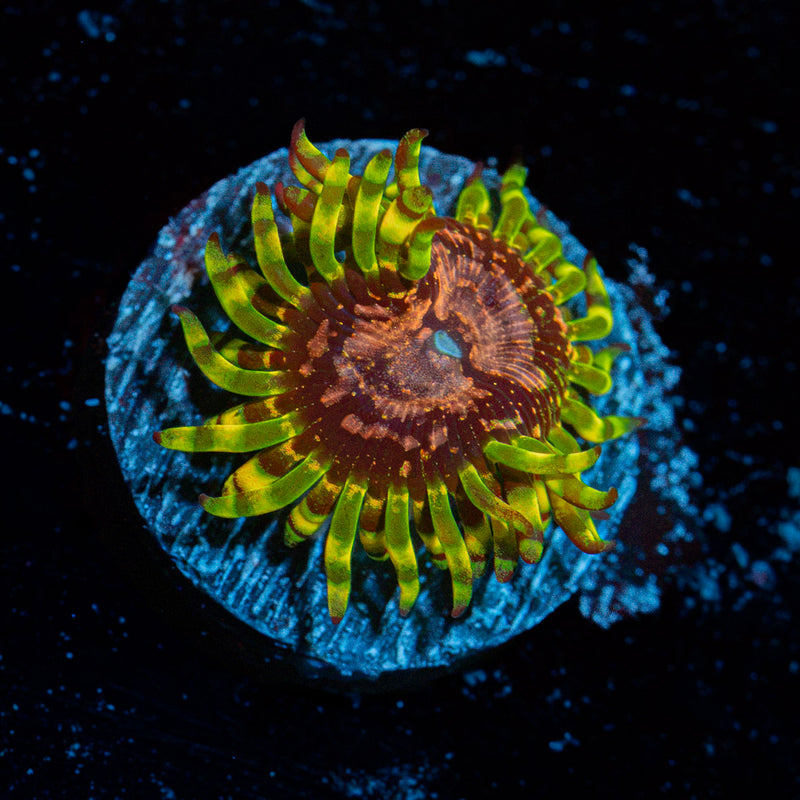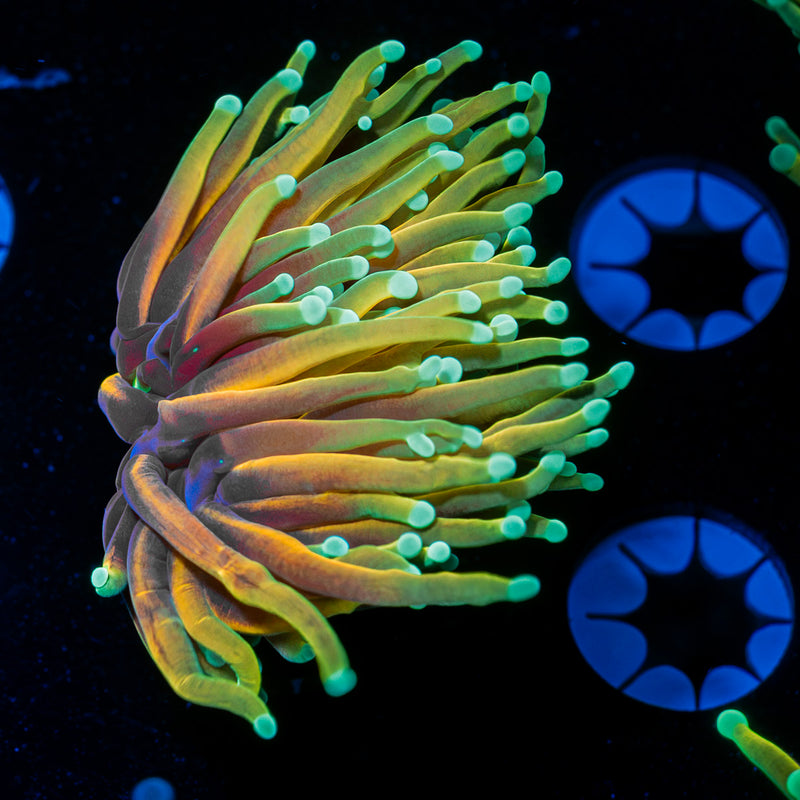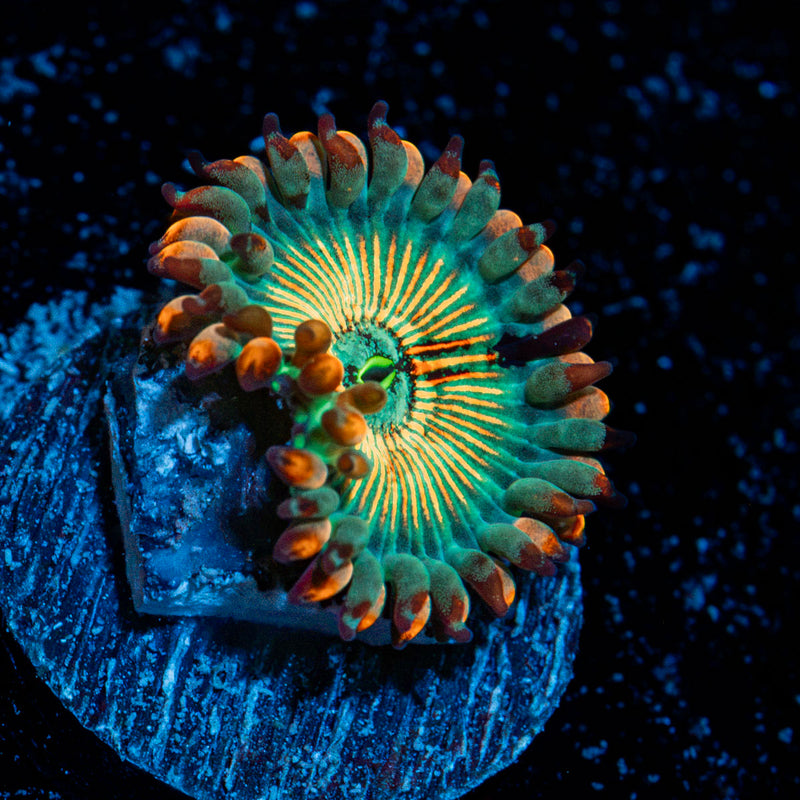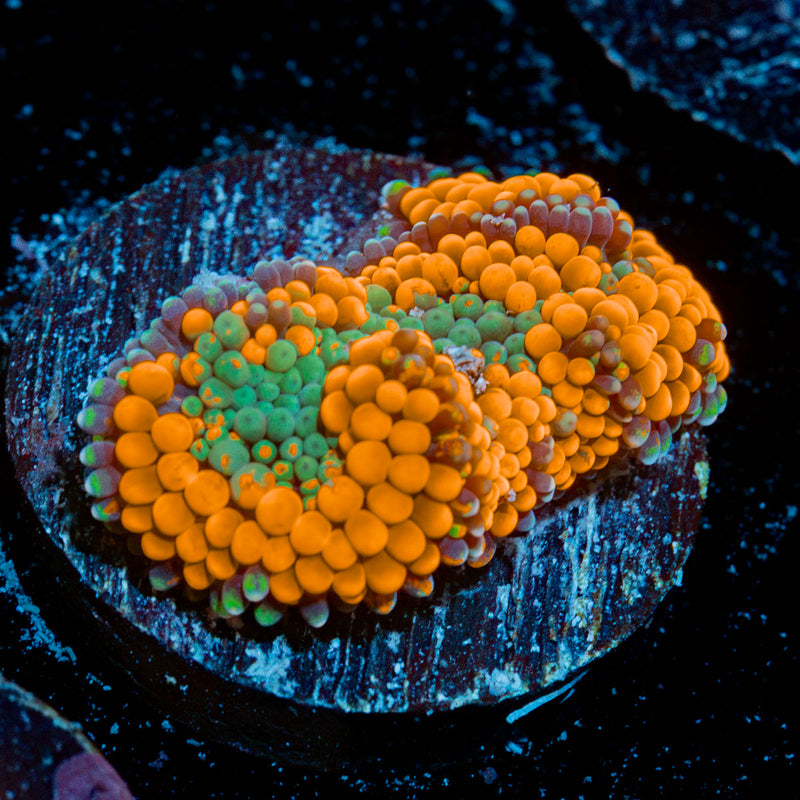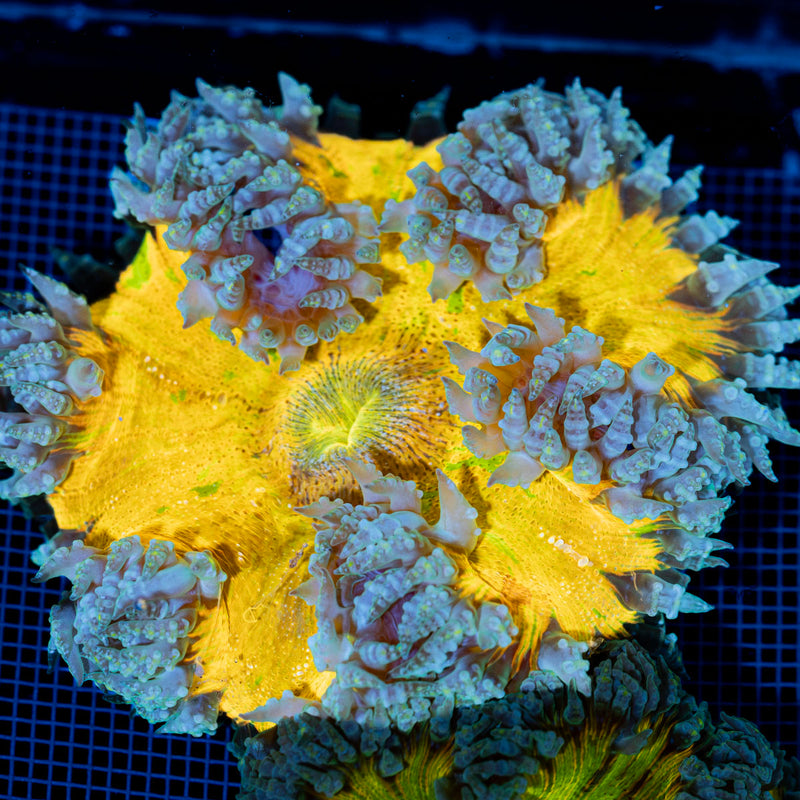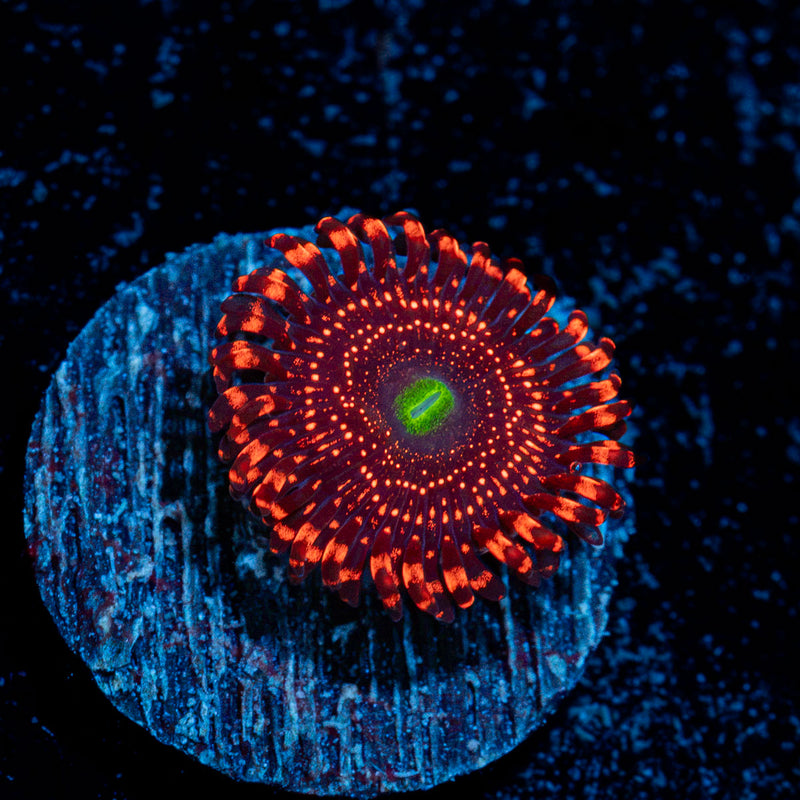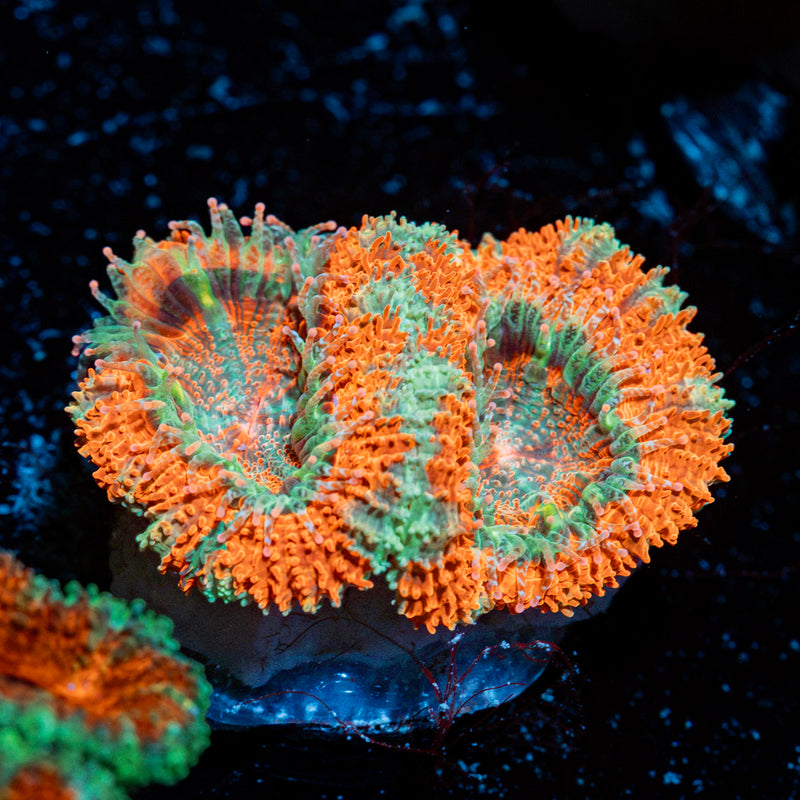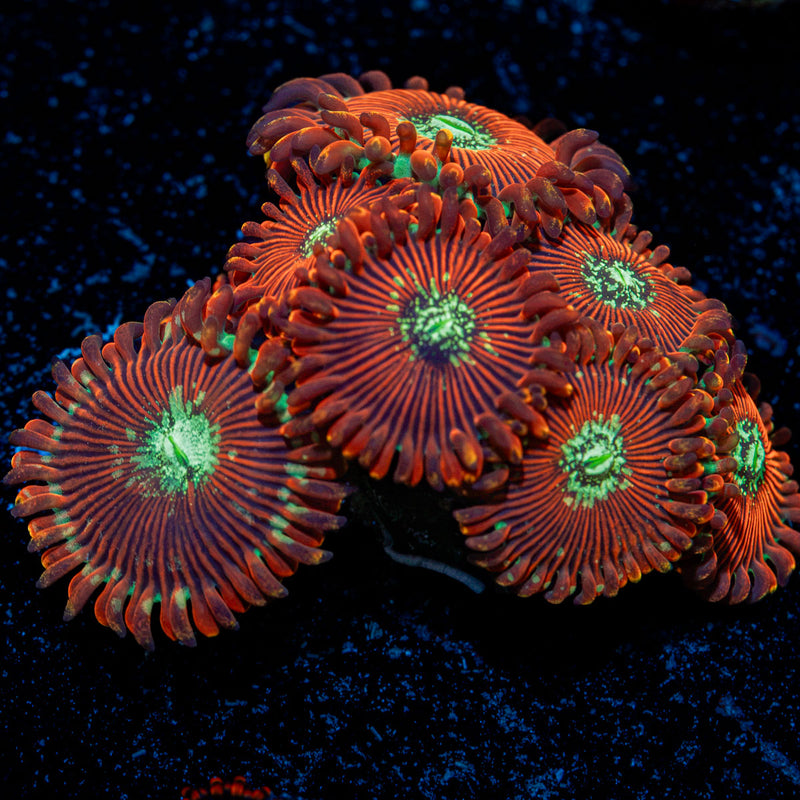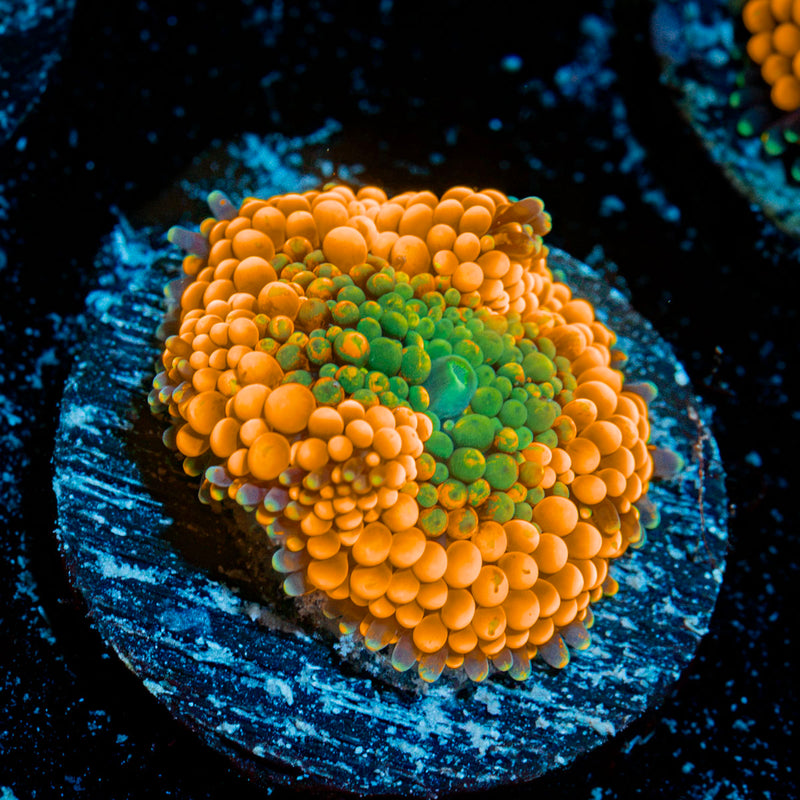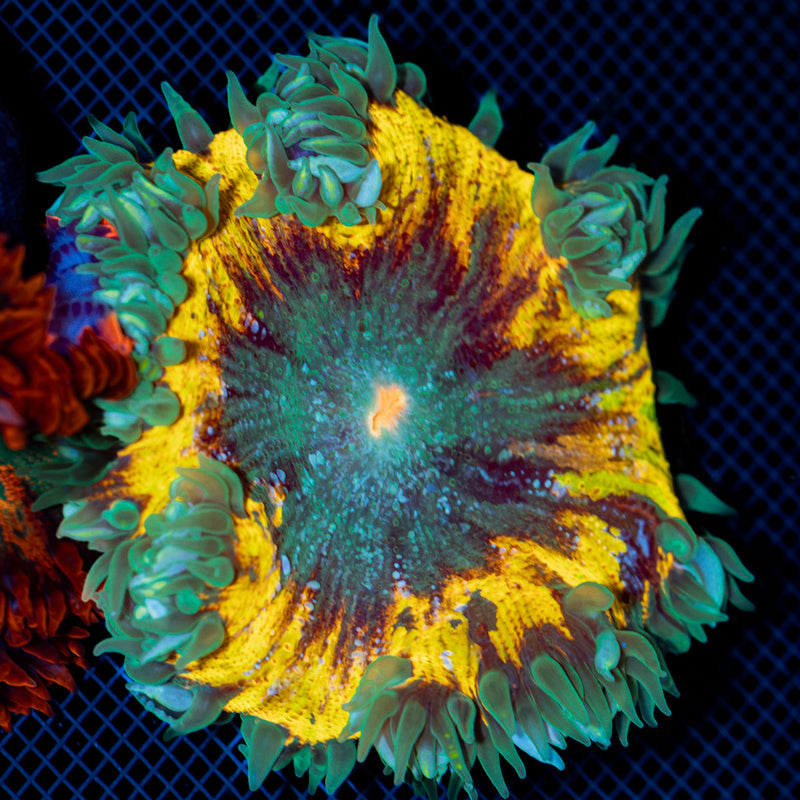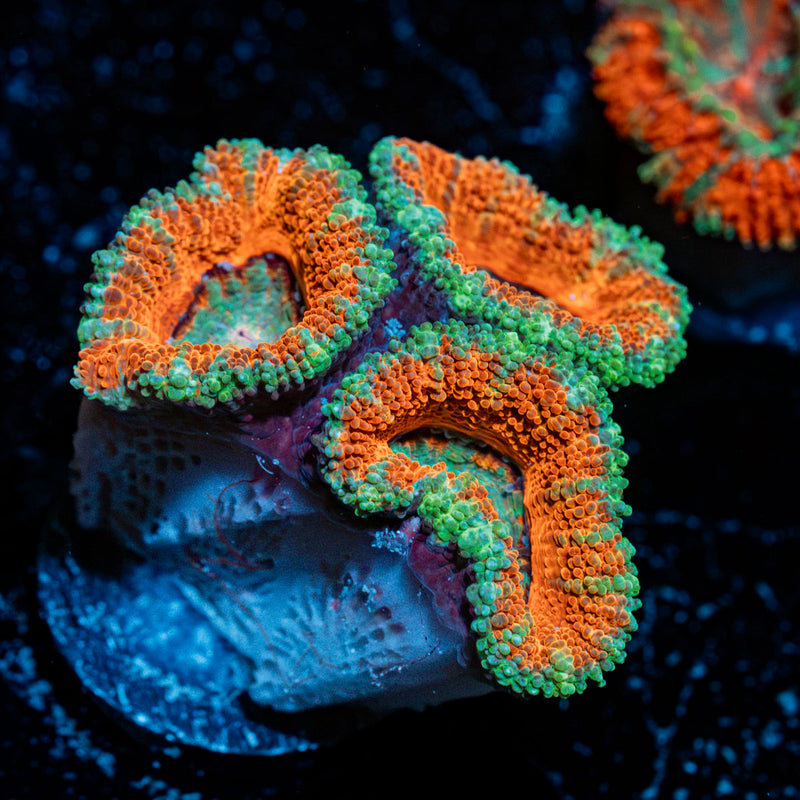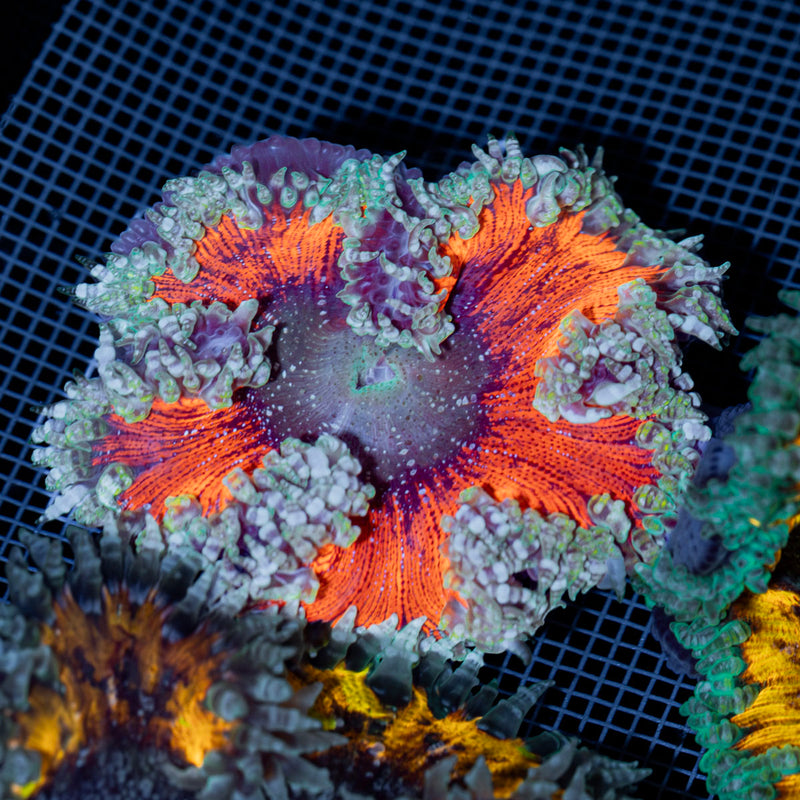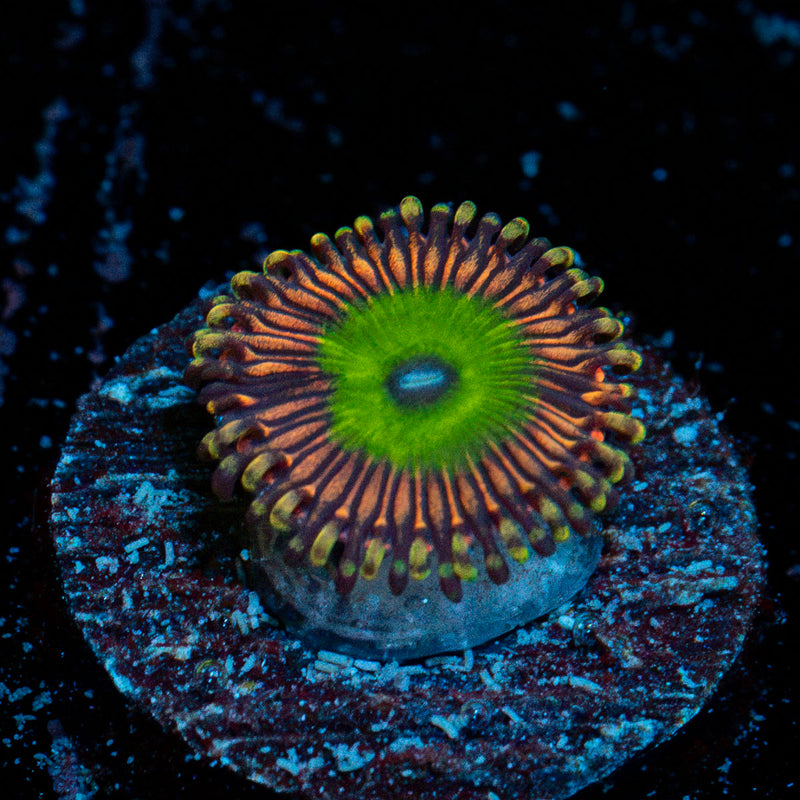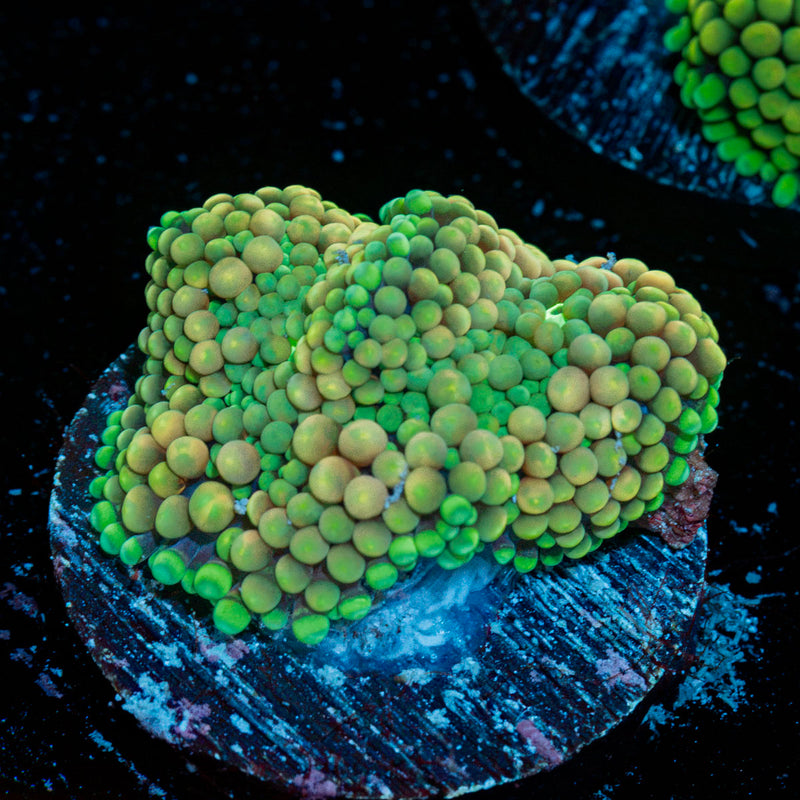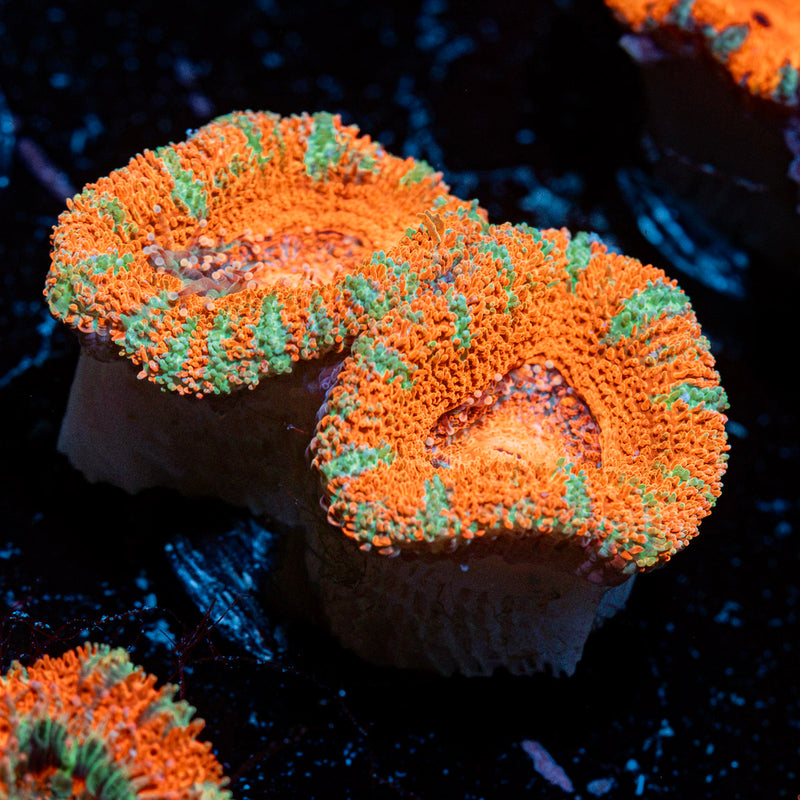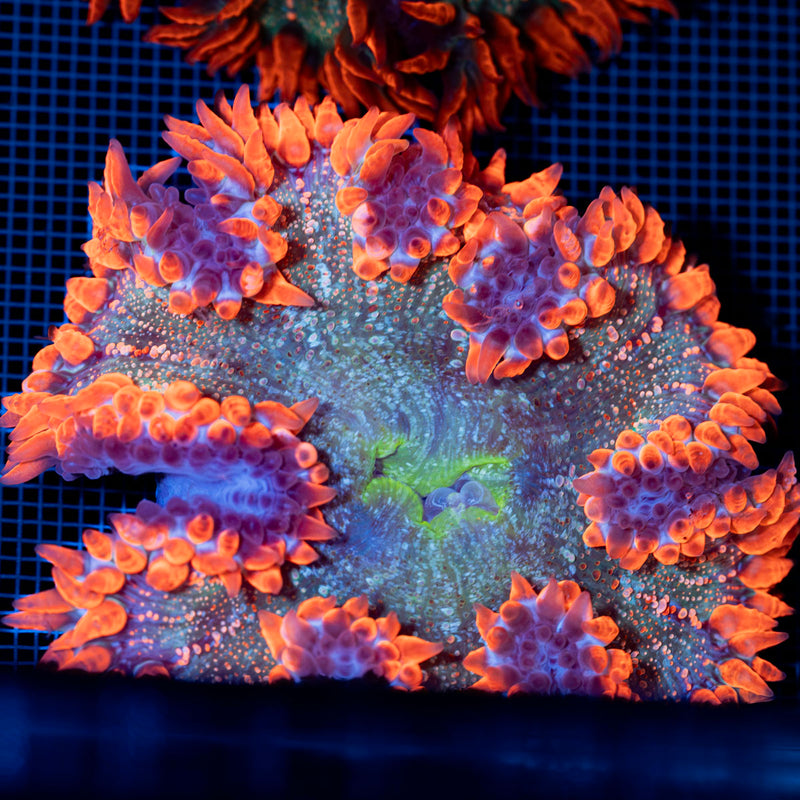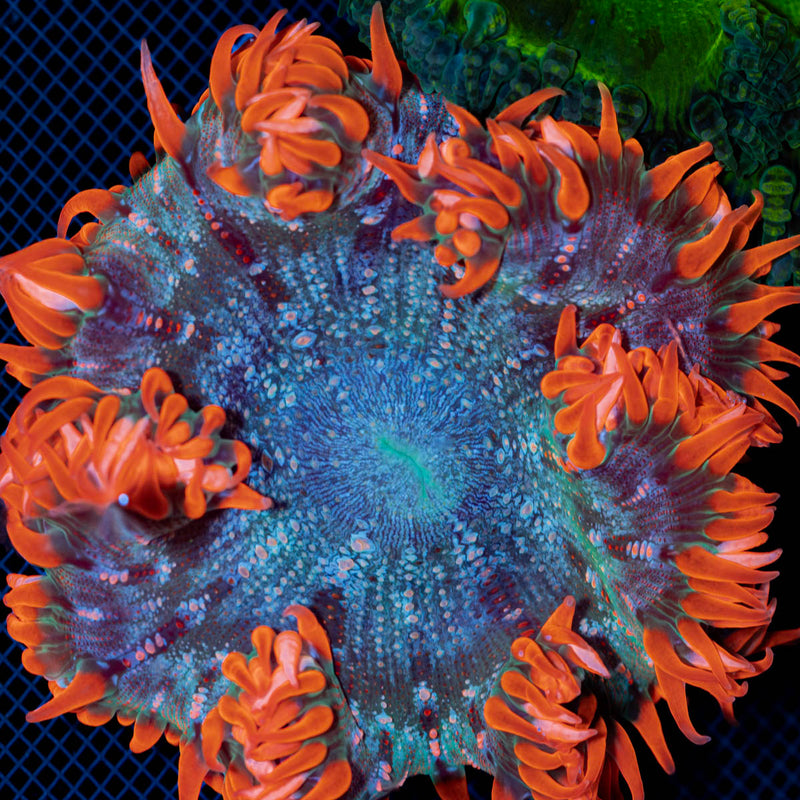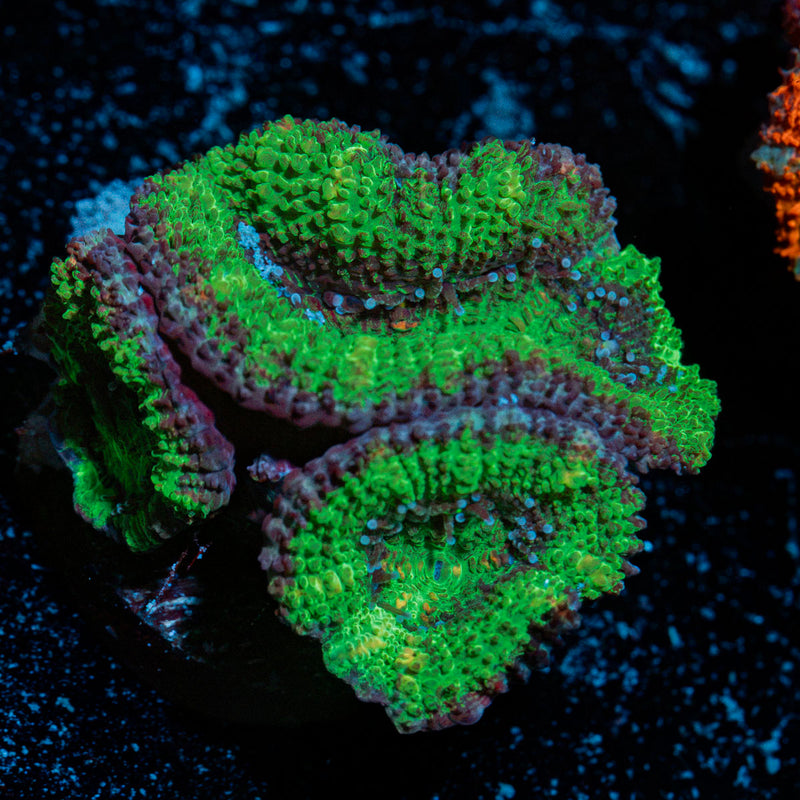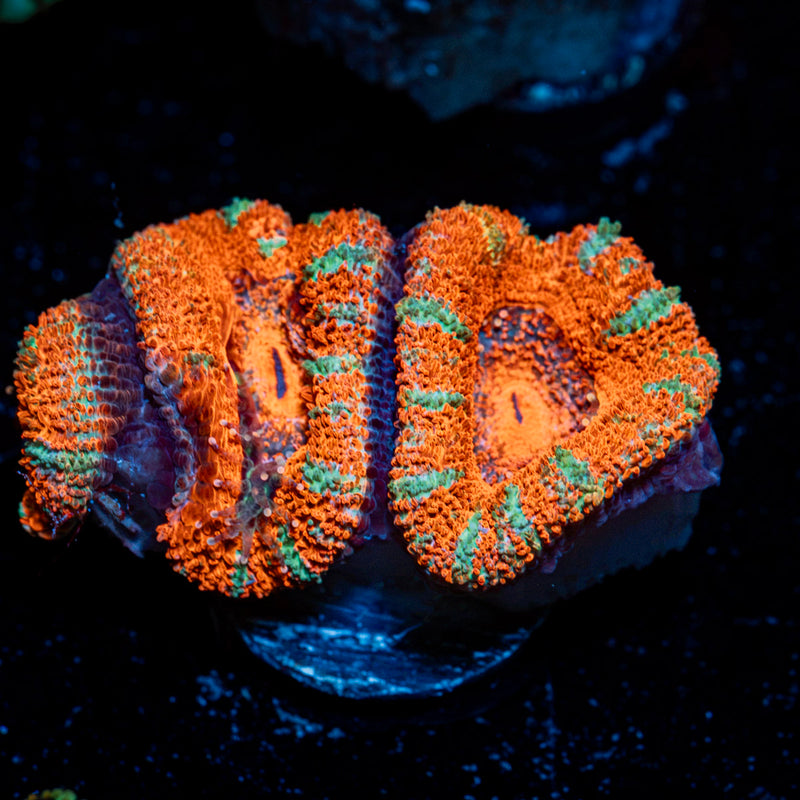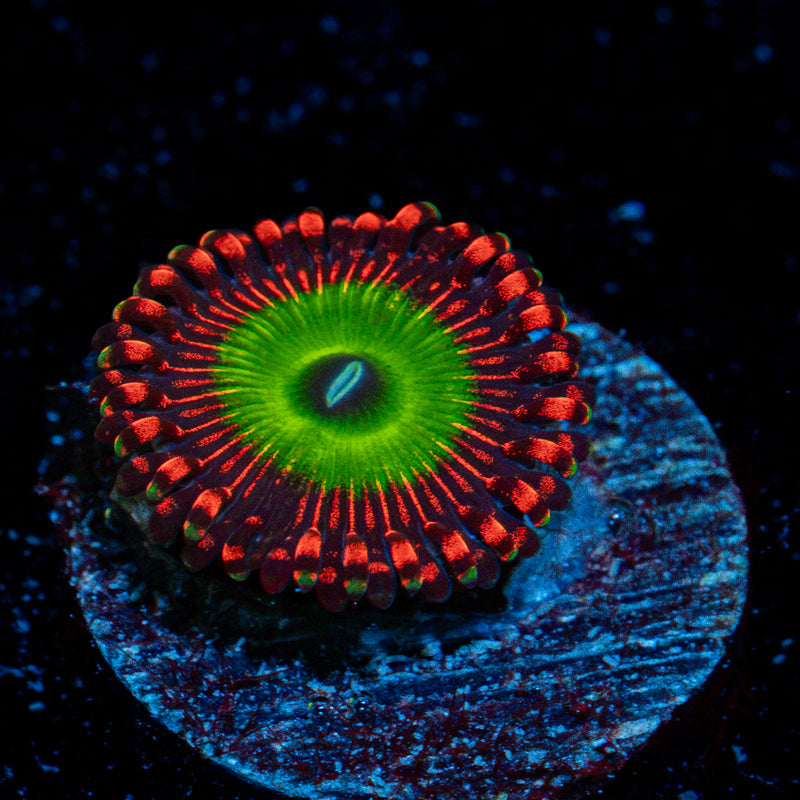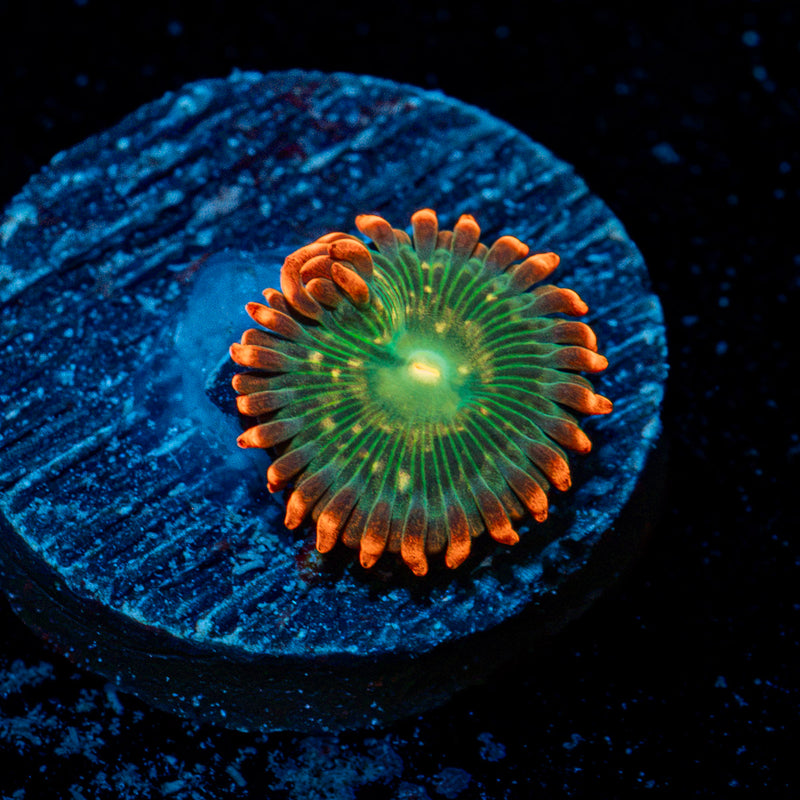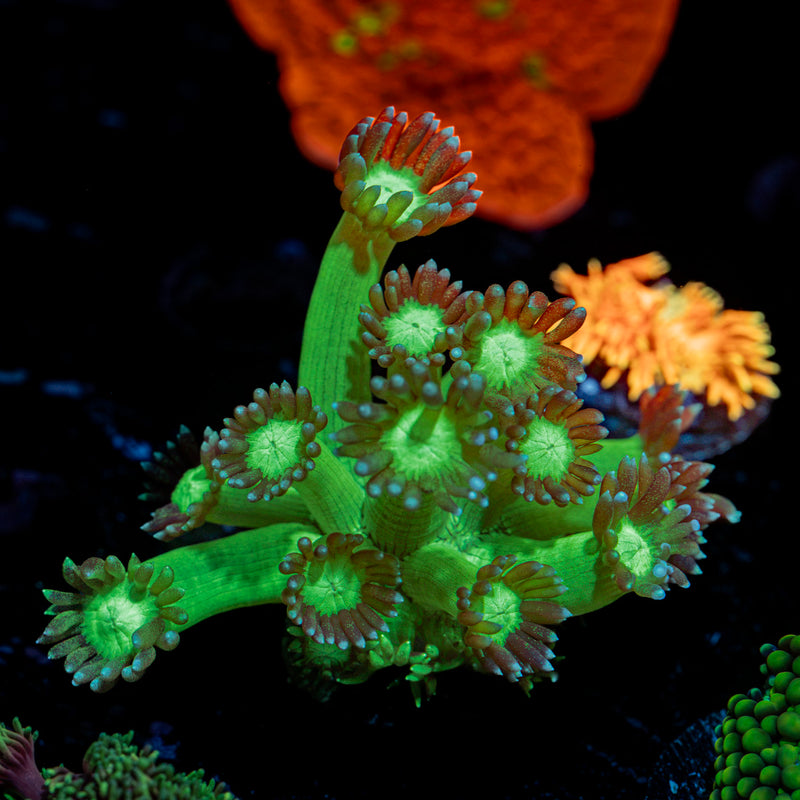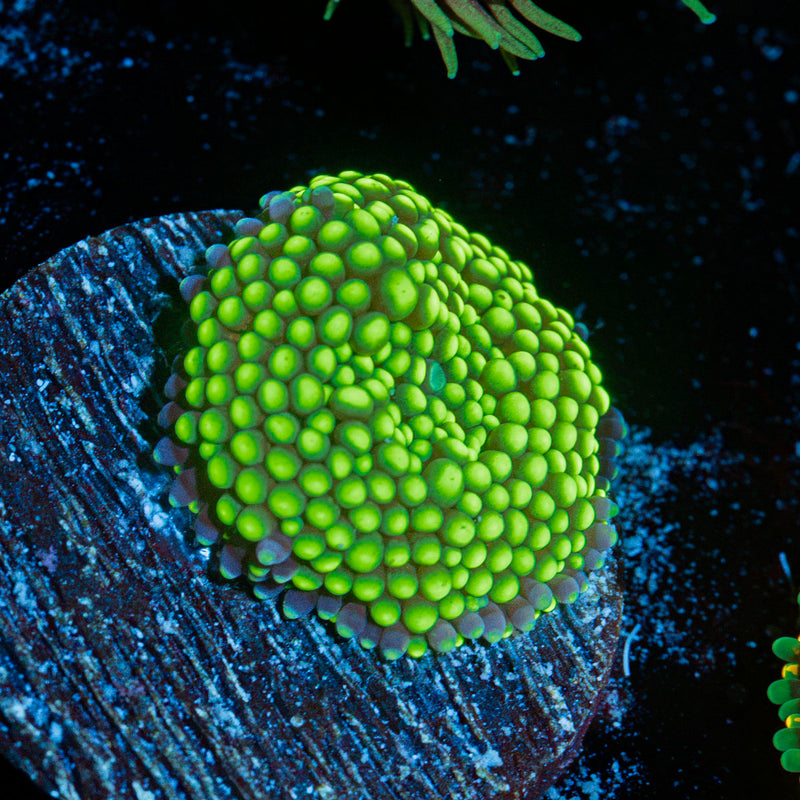
A great coral frag can change the entire feeling of a reef tank. One bright torch can bring motion to an open rockscape. A cluster of zoanthids can turn a quiet ledge into a field of color. A carefully chosen Acropora can become the future centerpiece of a mature reef. When you buy coral frags online, the goal is not simply to fill empty space. It is to choose living jewels that arrive healthy, suit your system, and have room to thrive.
Online coral shopping gives hobbyists access to a broader, more colorful selection than many local stores can maintain at one time. It also asks you to make smart decisions before the box arrives. Knowing what to look for - and what to prepare at home - makes that process exciting instead of stressful.
Why Buy Coral Frags Online?
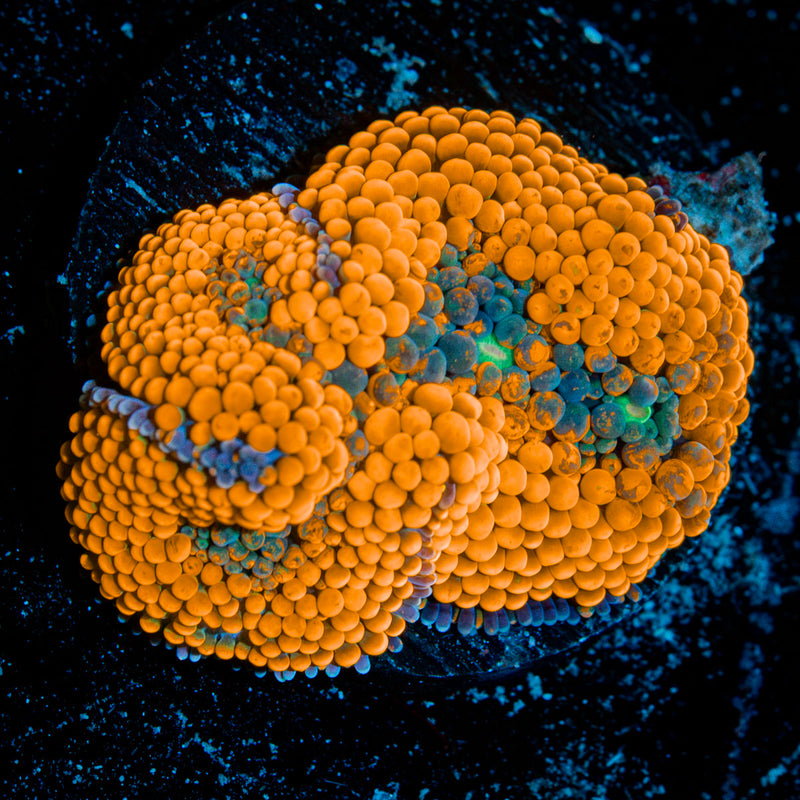
Shopping online makes it easier to compare coral types, growth forms, care needs, and color combinations before committing to a piece. You can build a thoughtful mix of soft corals, LPS, SPS, mushrooms, zoanthids, and showpiece specimens rather than choosing only from what happens to be available nearby that day.
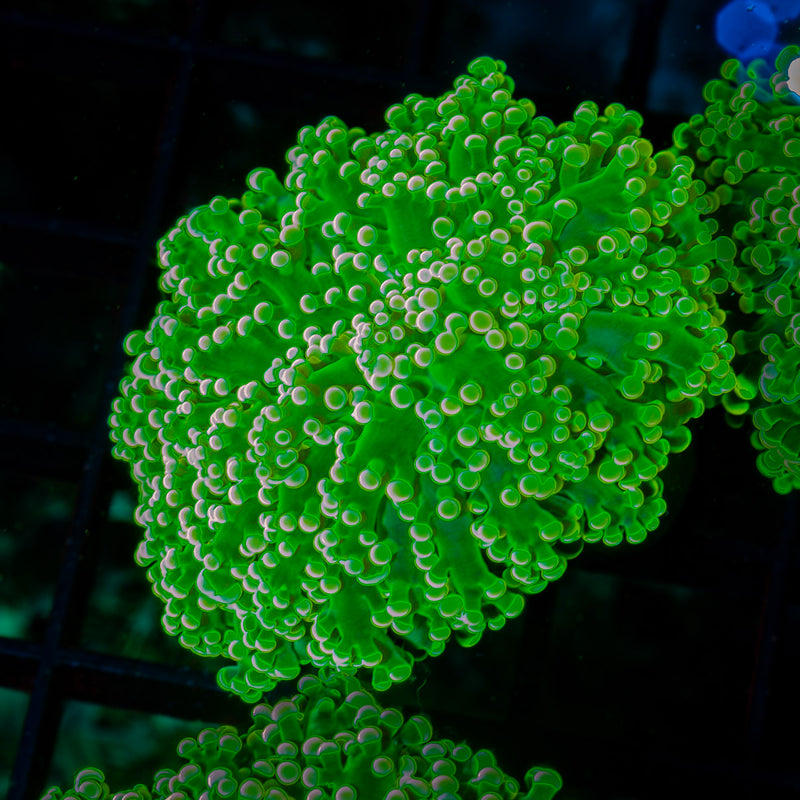
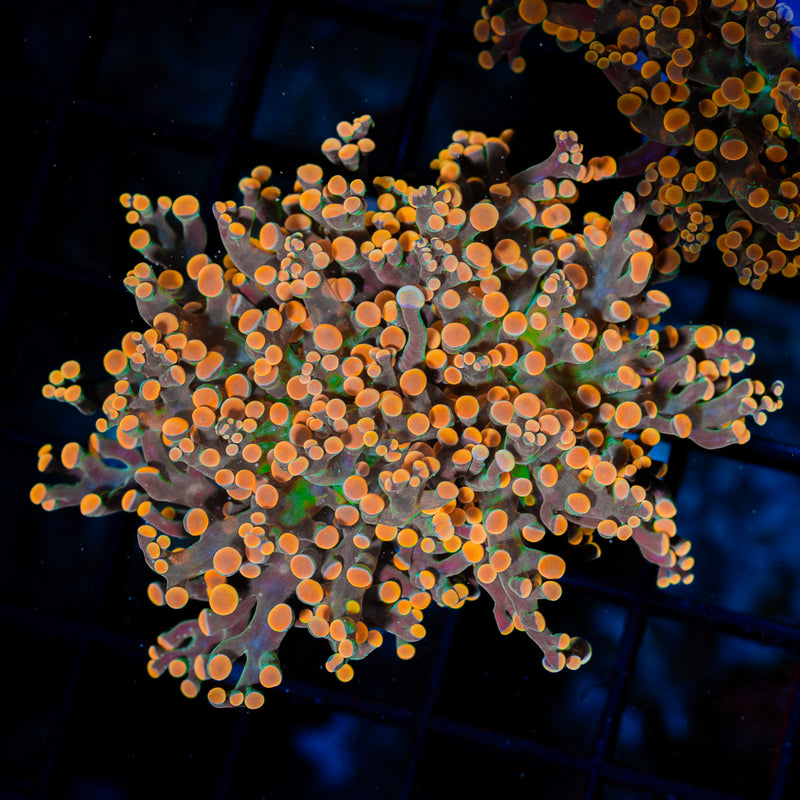
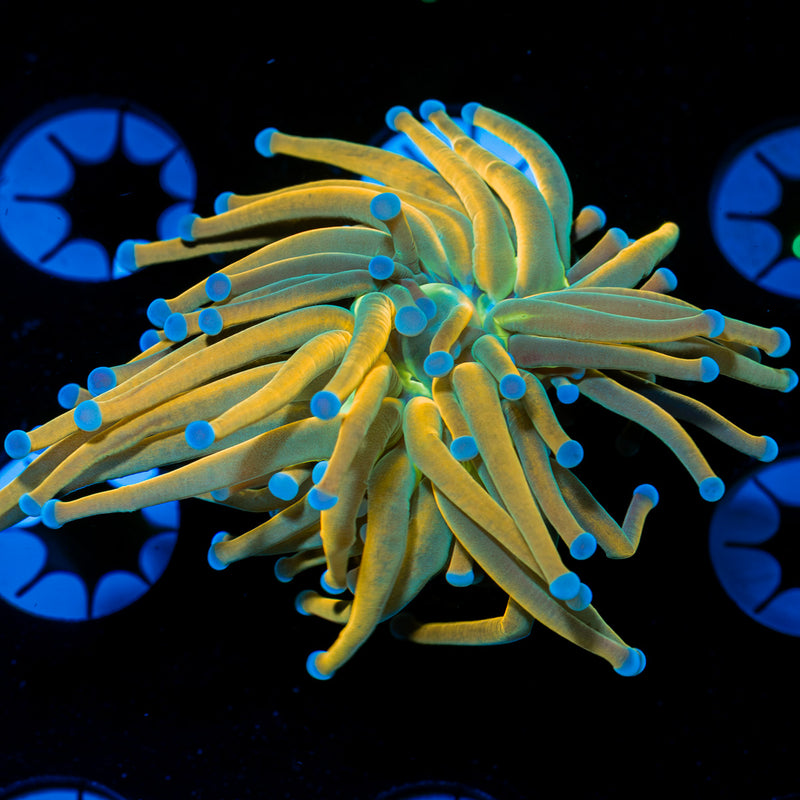
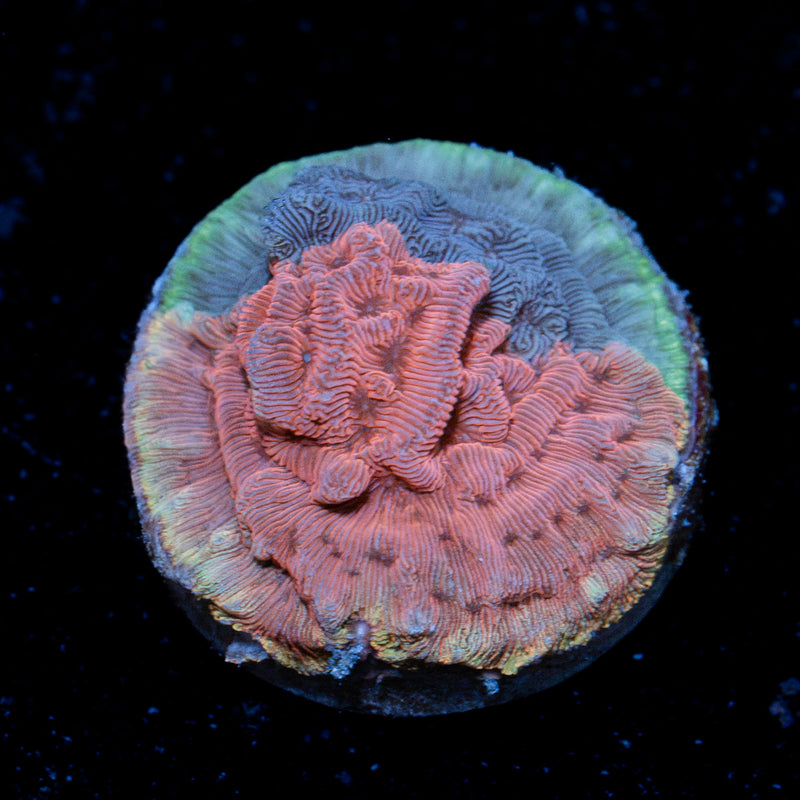
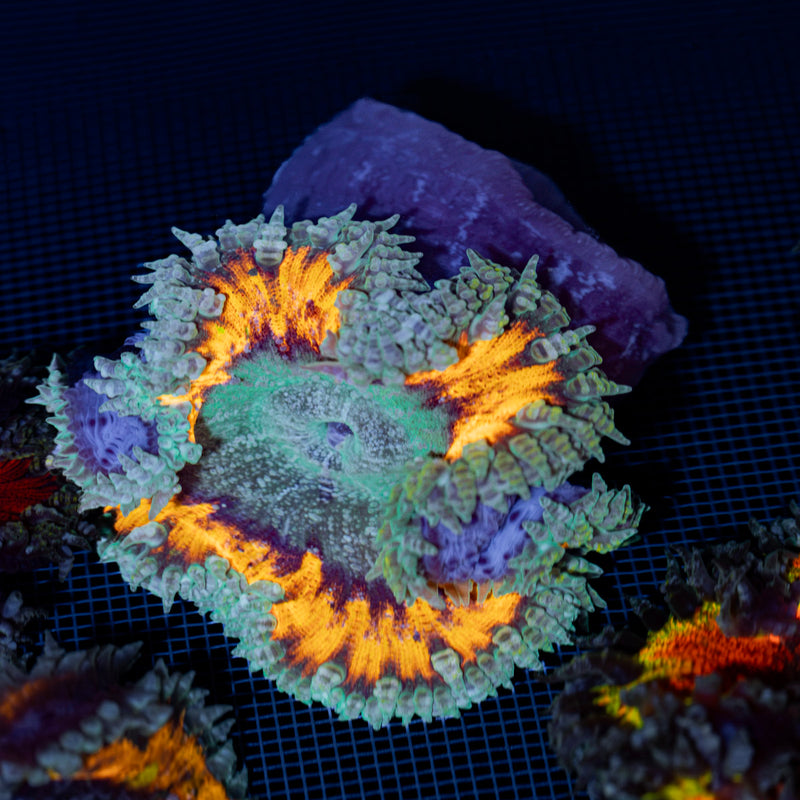
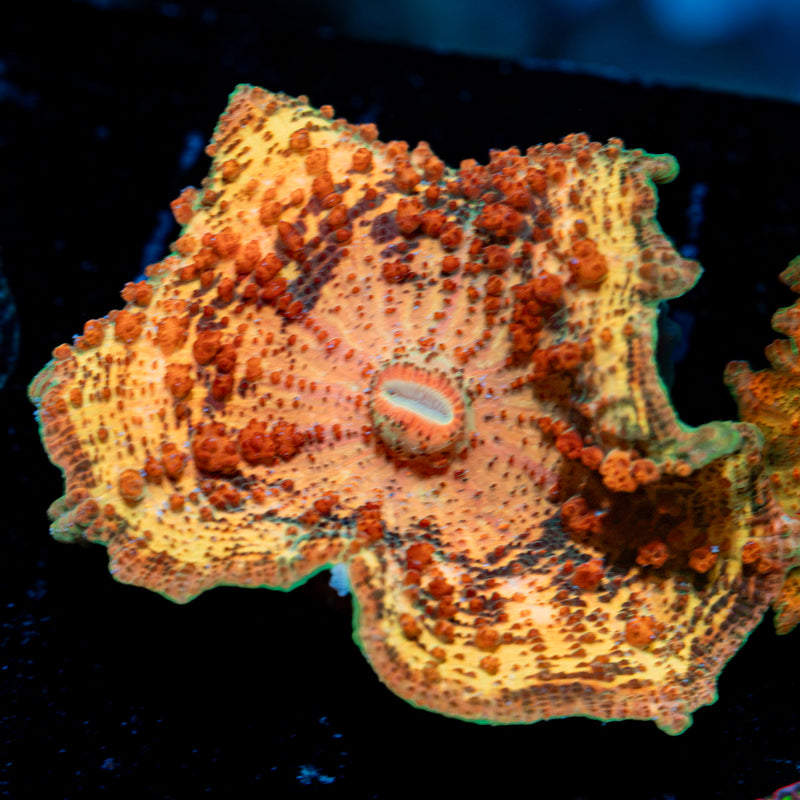
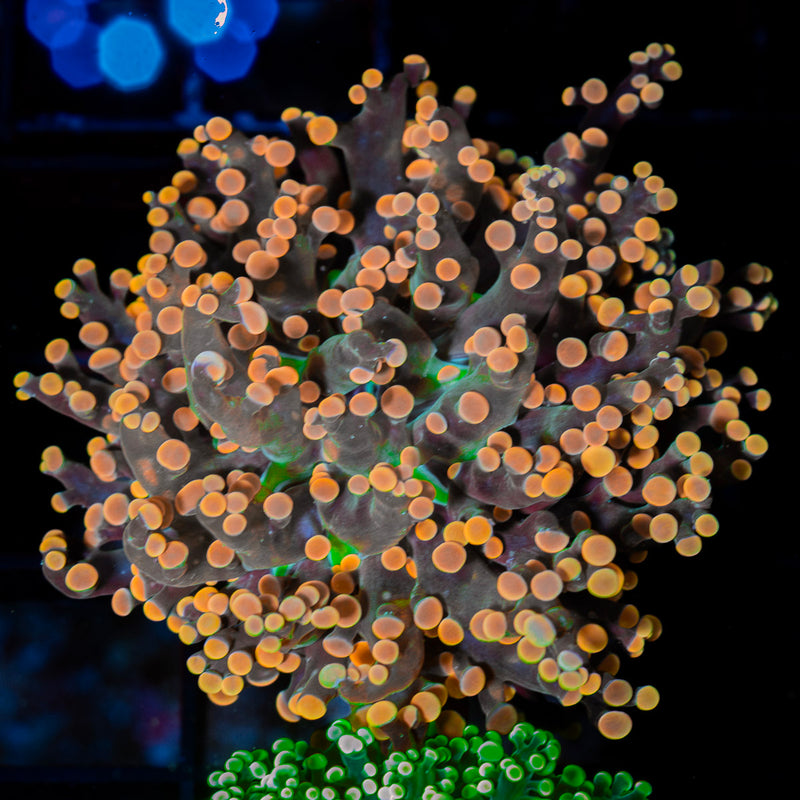
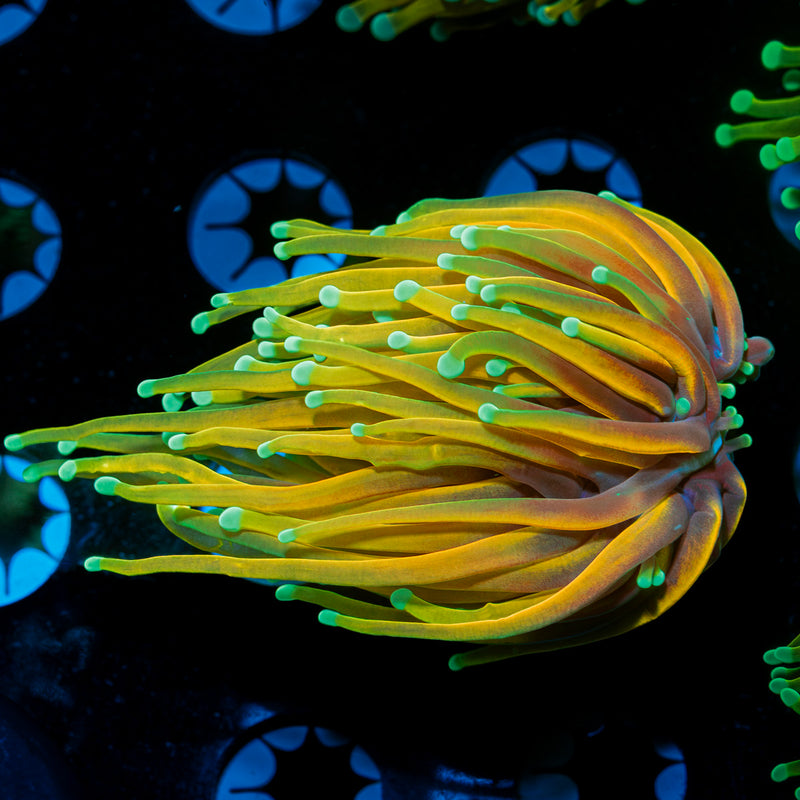
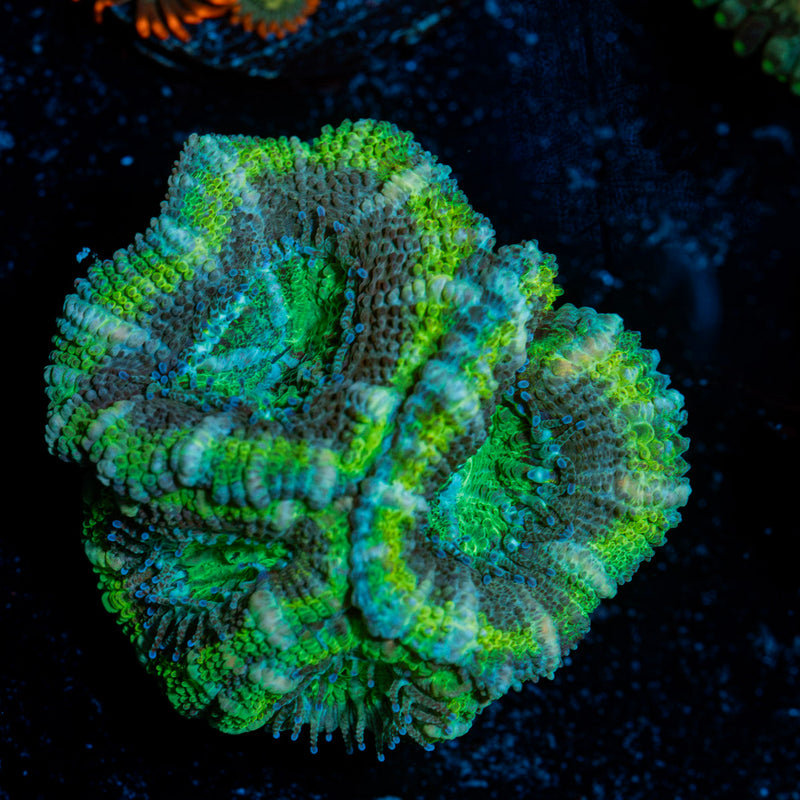
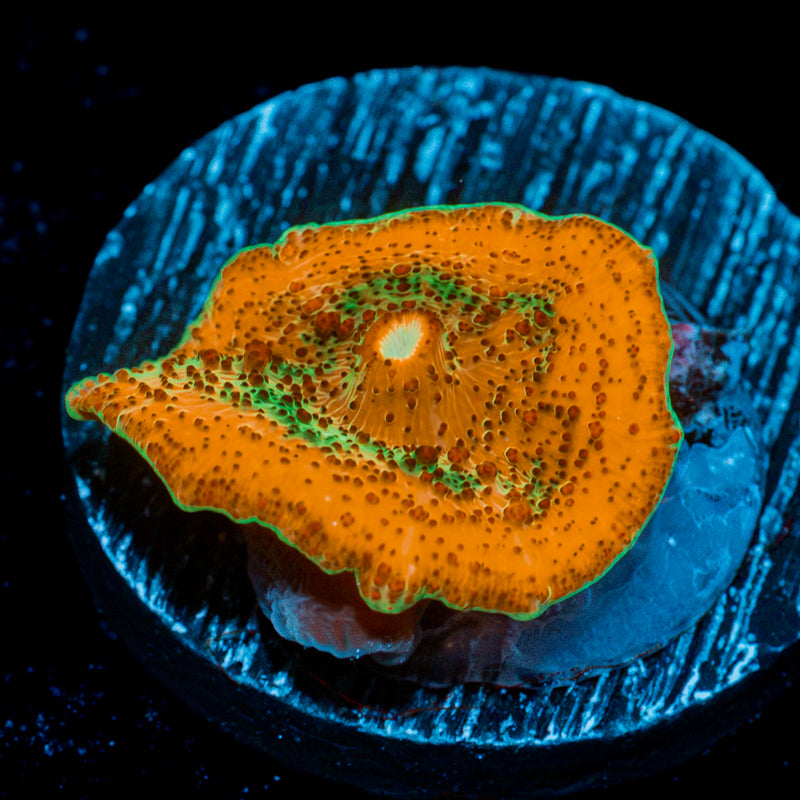
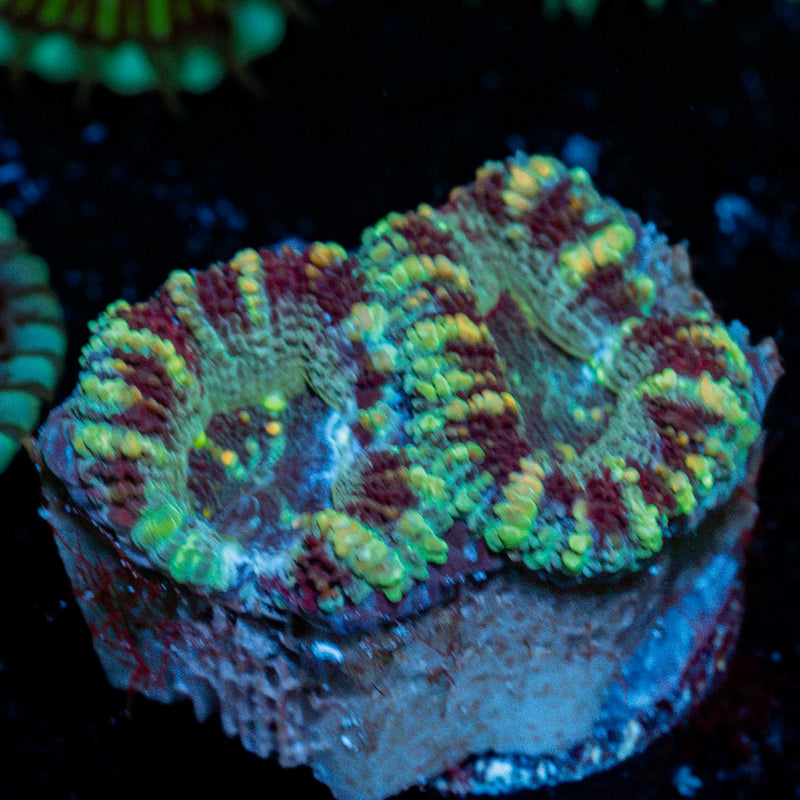
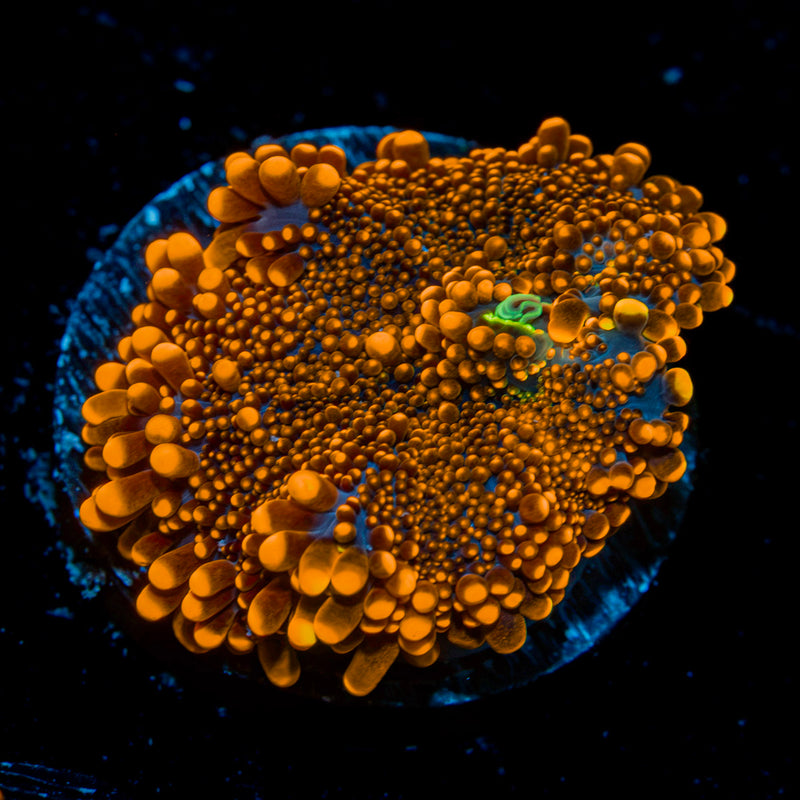
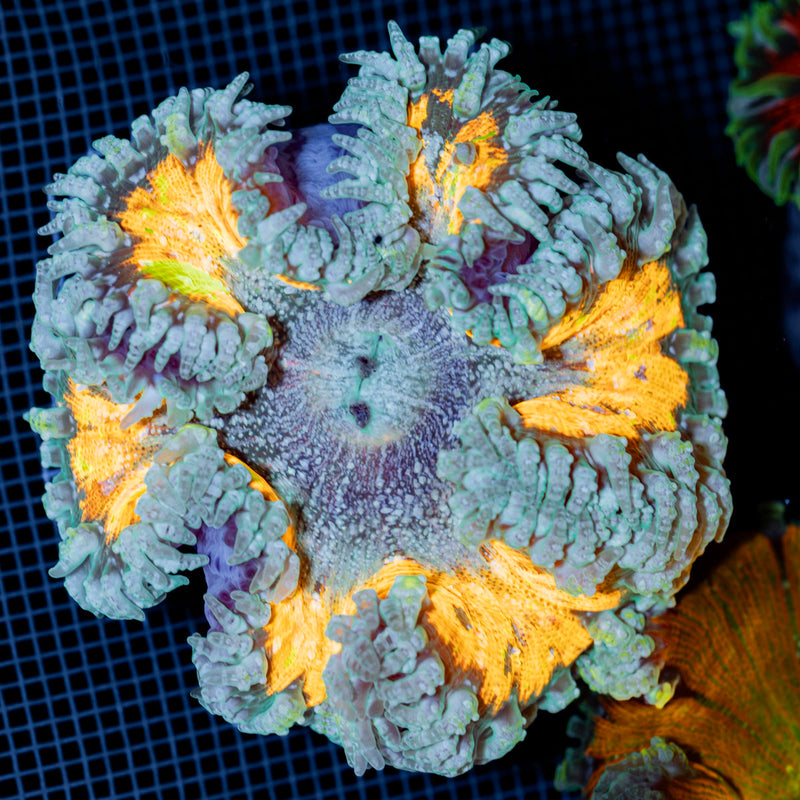
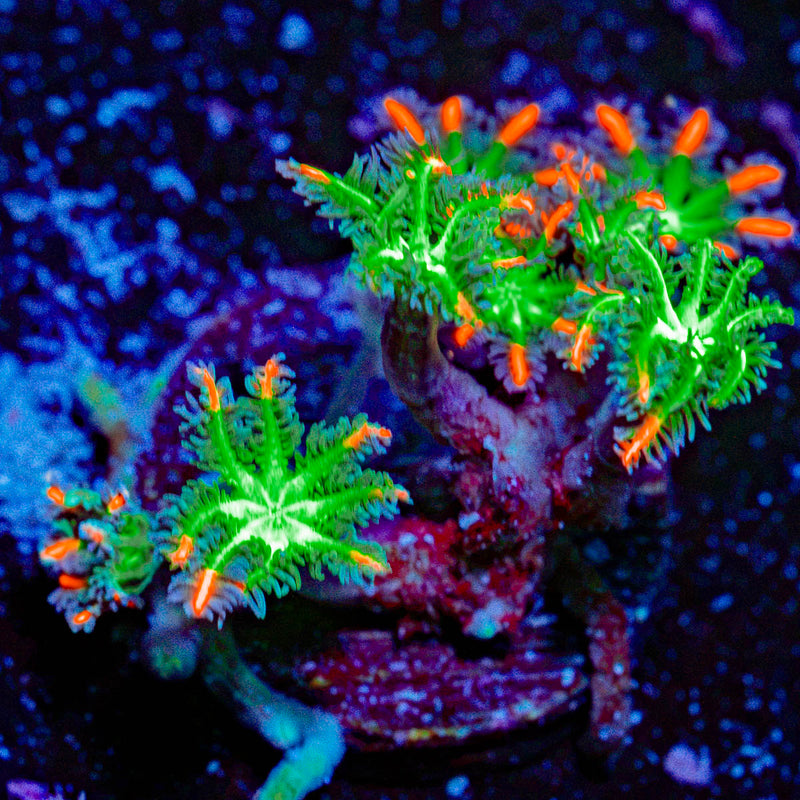
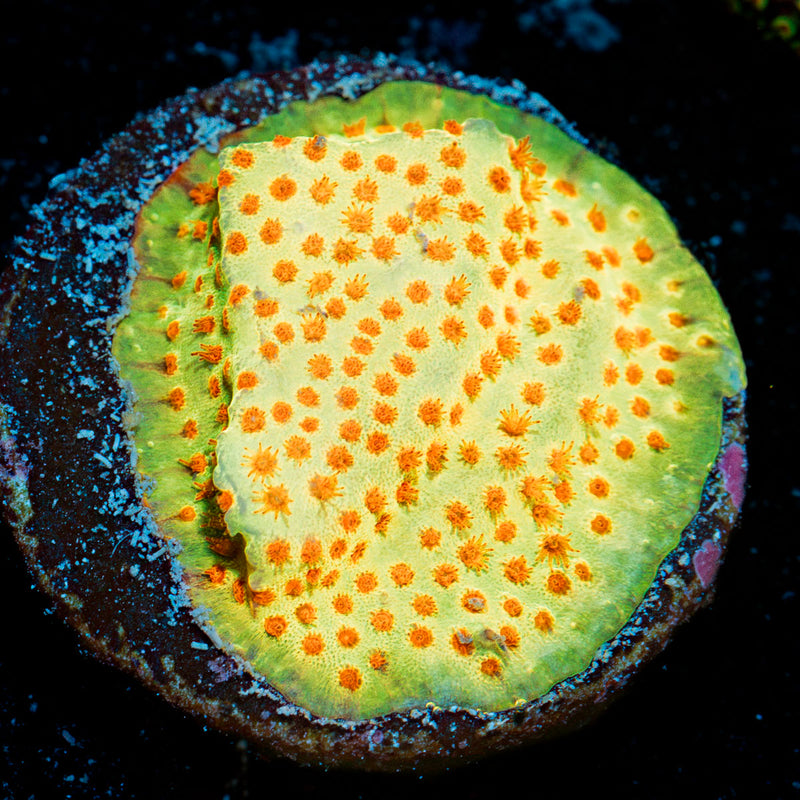
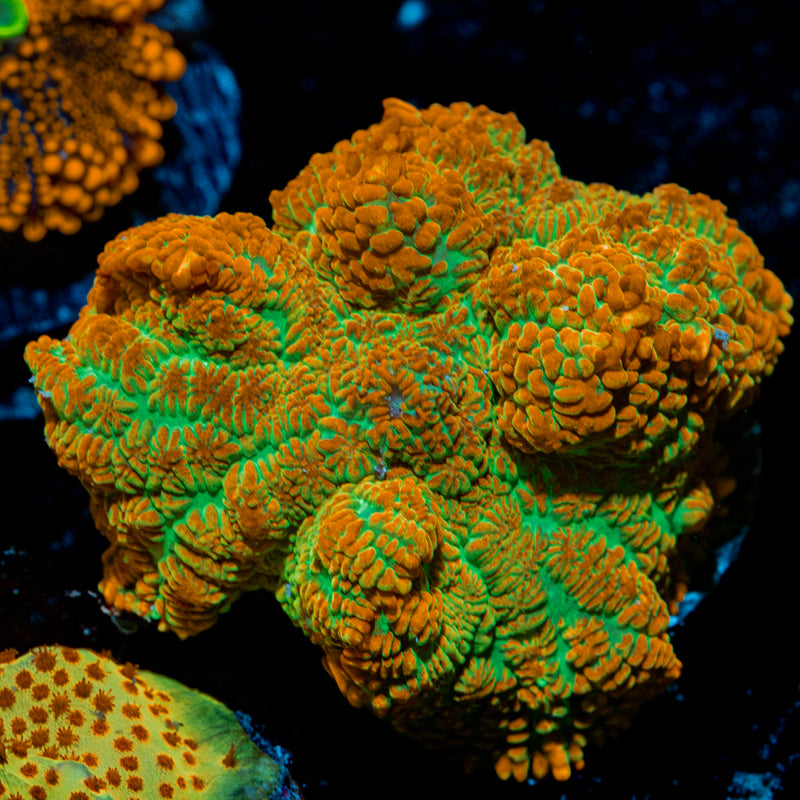
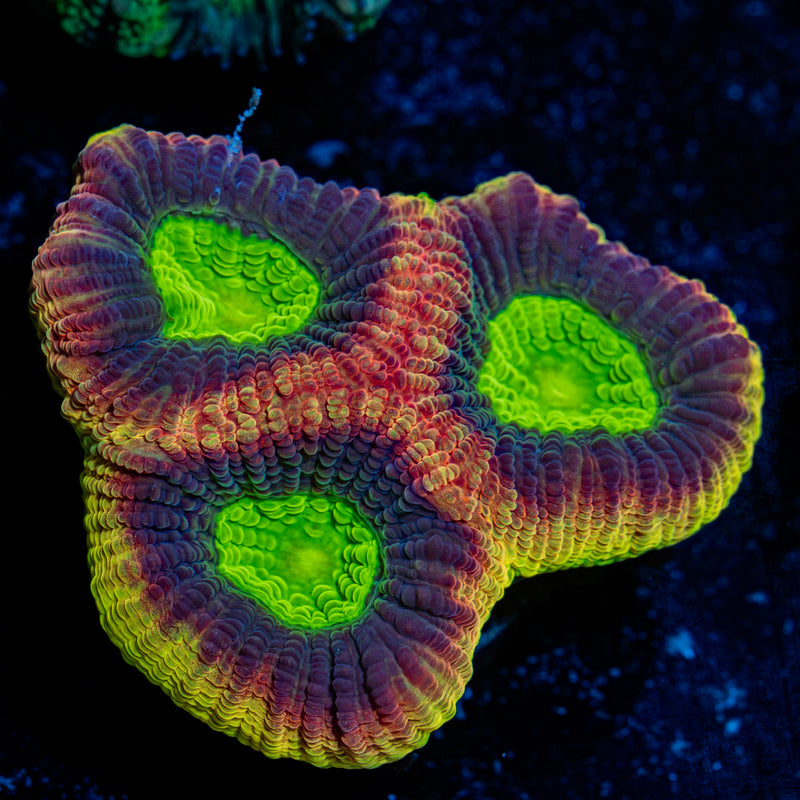
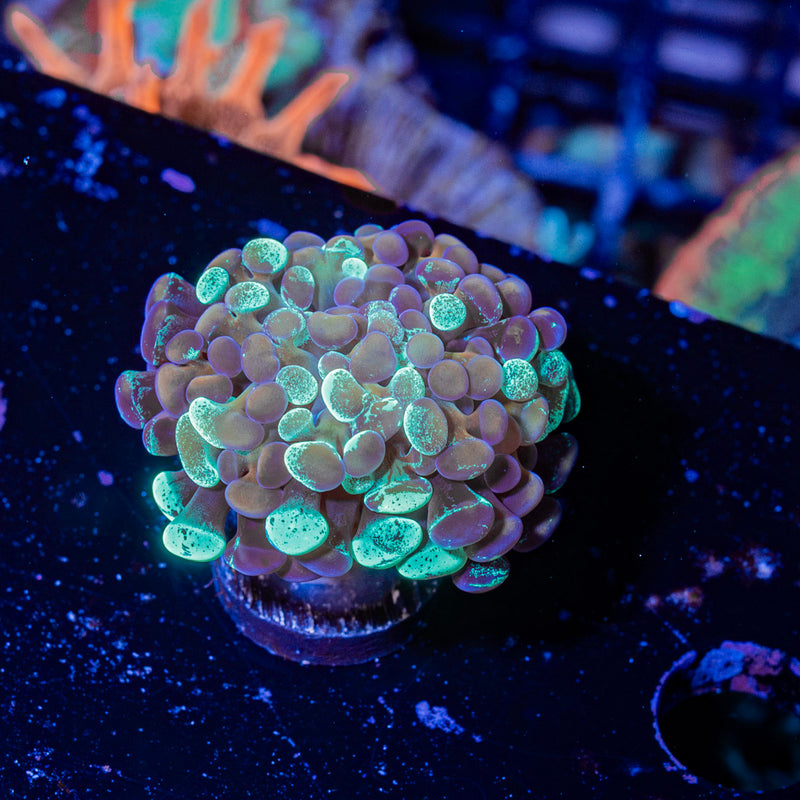
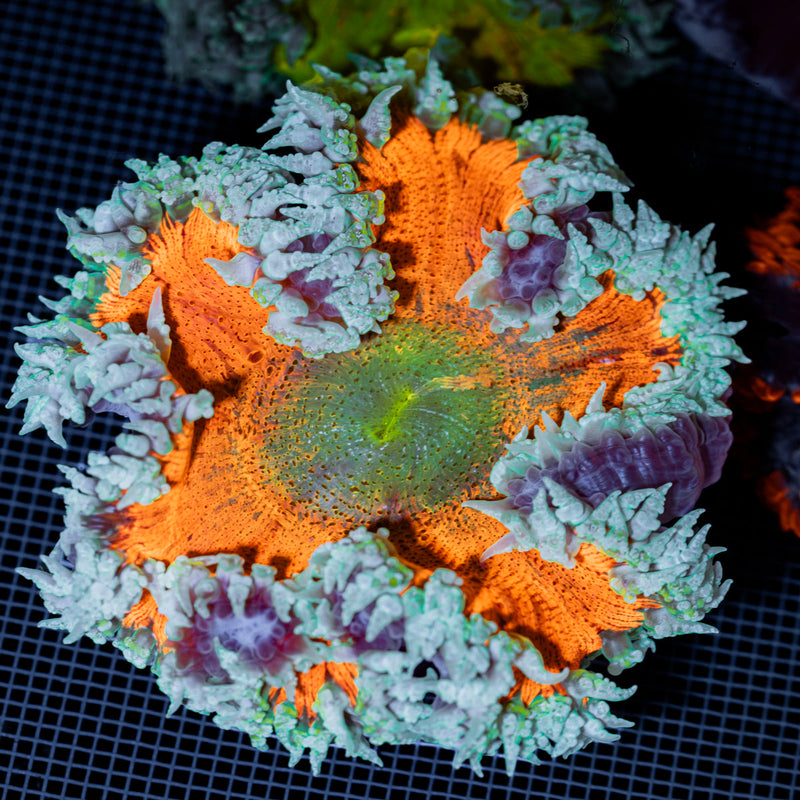
For many reef keepers, WYSIWYG shopping is the biggest advantage. WYSIWYG means “what you see is what you get,” so the coral photographed is the exact frag you receive. That matters when color, polyp structure, size, and pattern are part of the reason you fell in love with a particular piece. It gives you a clearer expectation than a generic stock image, especially with distinctive corals such as chalices, torches, acans, and premium SPS.
Aquacultured coral is another meaningful consideration. Corals grown in captivity are accustomed to aquarium conditions and are propagated with the reef hobby in mind. They can be an excellent choice for hobbyists who want vibrant livestock while supporting a more reef-conscious approach to stocking their tanks.
Start With Your Tank, Not the Coral Photo
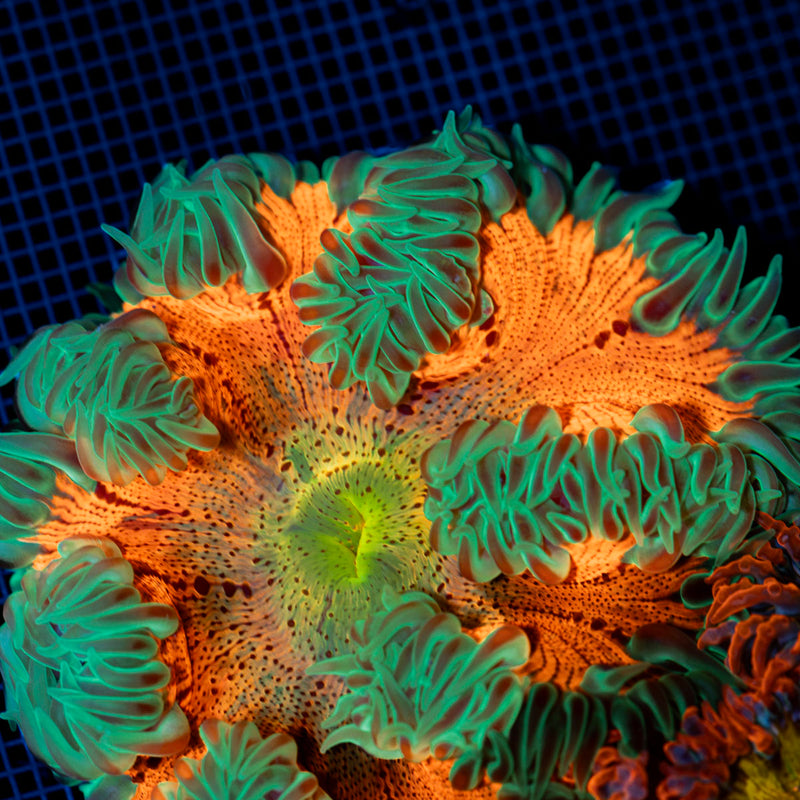
The most successful online coral order starts with an honest look at your aquarium. A stunning high-light SPS frag may be perfect for an established reef with stable alkalinity and strong flow, but it is not automatically the right first purchase for a new tank. Likewise, a beginner-friendly mushroom can be wonderfully forgiving, yet it may not be the best fit for a tightly packed display where its spread could become difficult to manage.
Before shopping, consider how long your tank has been running, how stable your salinity and temperature are, and what kind of lighting and water movement you have. You should also think about available space. Coral placement is not only about where a frag looks good on day one. It is about where it will fit after months of growth.
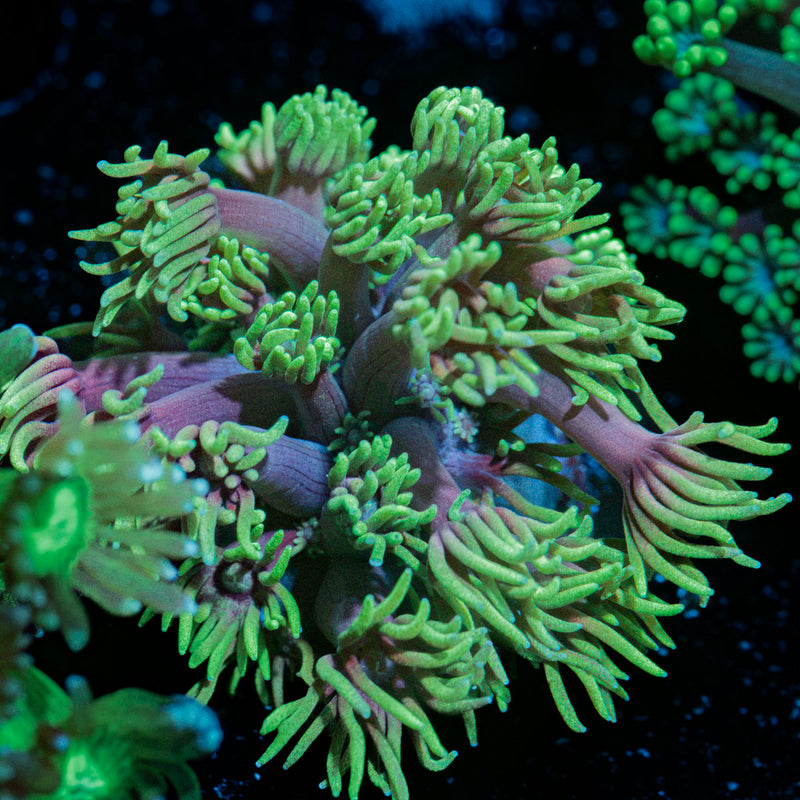
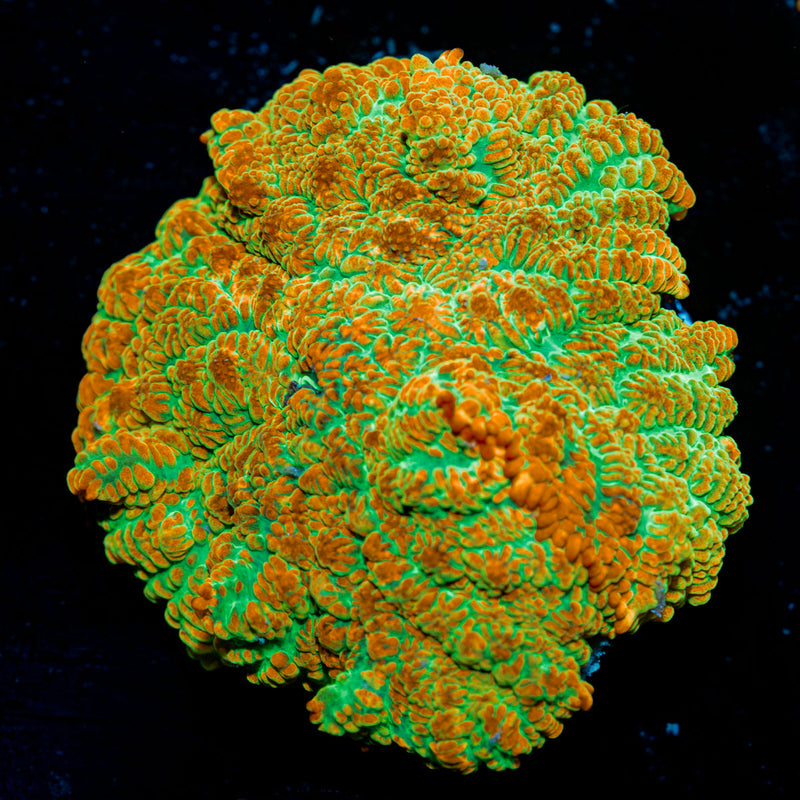
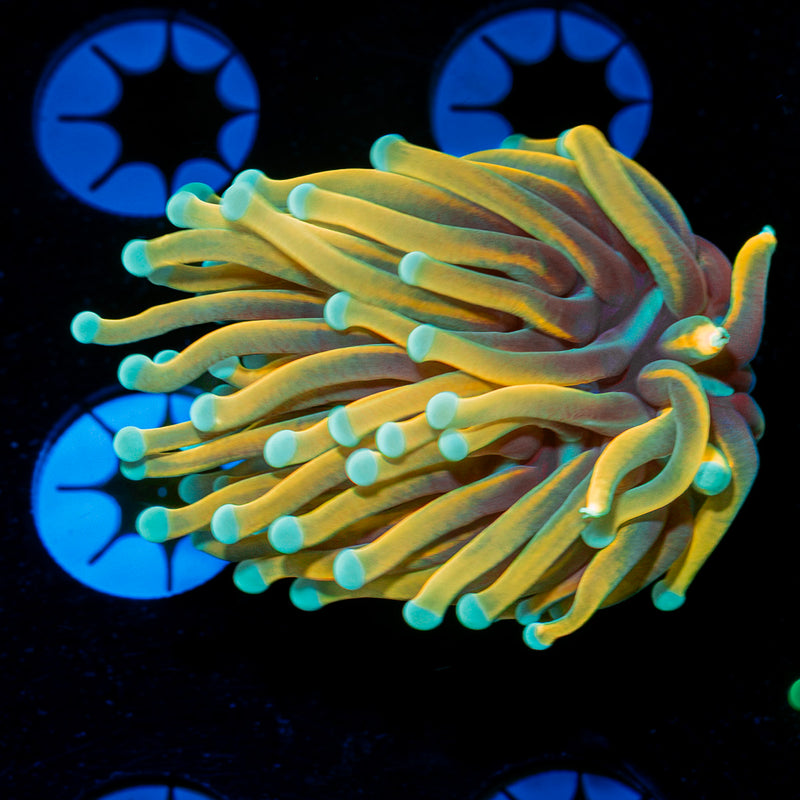
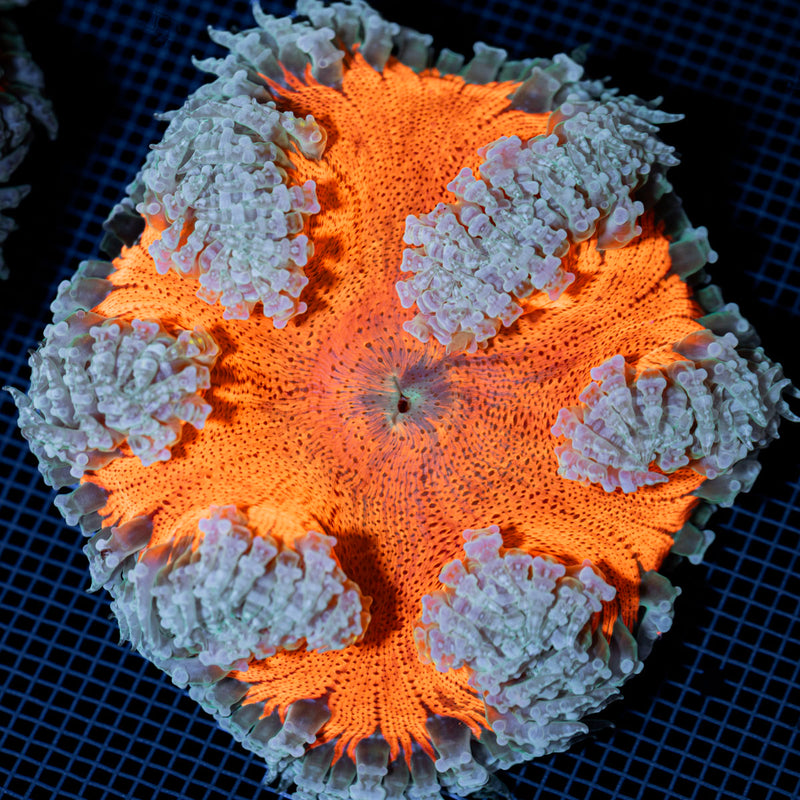
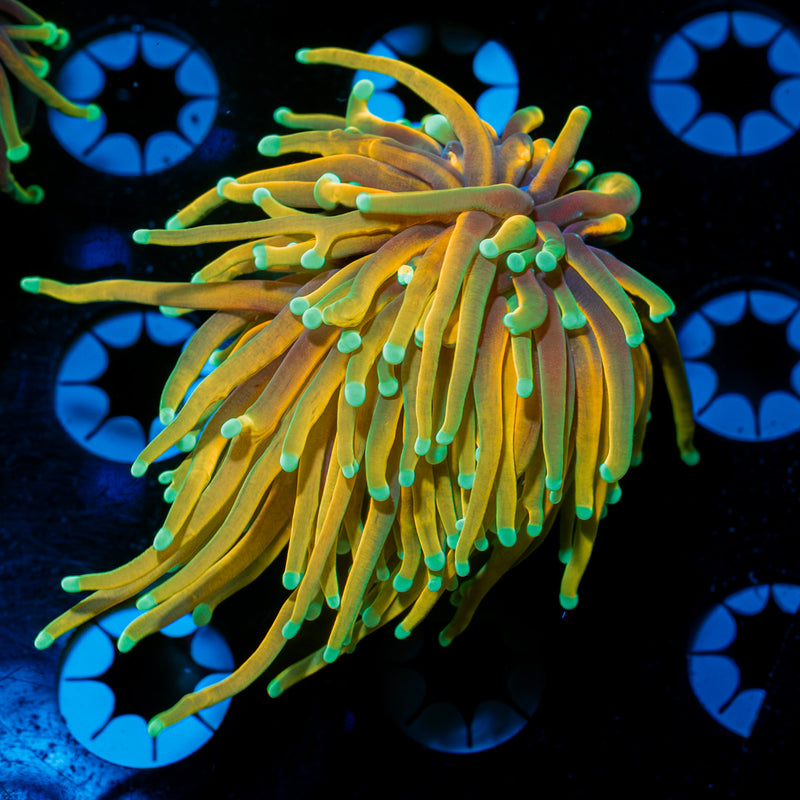
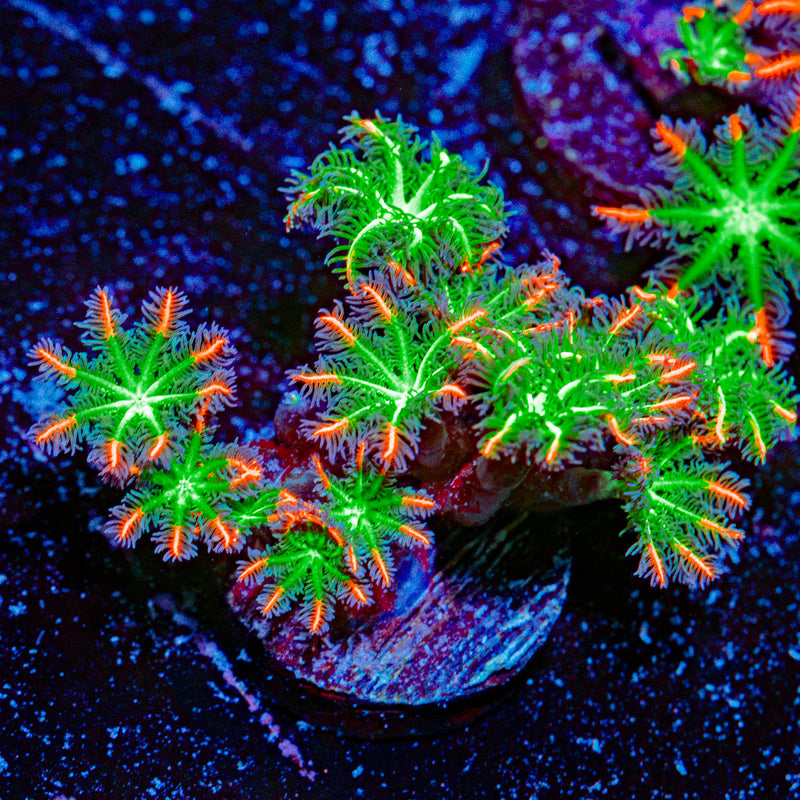
For newer reef keepers, soft corals, mushrooms, zoanthids, and many LPS corals offer colorful, approachable options. These categories can provide plenty of movement and personality without demanding the intense consistency often required by more sensitive SPS. Euphyllia corals such as hammers, frogspawn, and torches are especially popular because their flowing tentacles create a dramatic display, though they need room from neighboring corals because of their potential reach.
Experienced hobbyists may be ready to explore Acropora, Millepora, and other SPS that reward stable water chemistry, proper light, and purposeful flow with remarkable branching structure and color. The trade-off is simple: as care demands rise, the margin for sudden changes gets smaller.
Match the Coral to the Right Zone
Most coral listings include care guidance, but it helps to visualize your aquascape before the shipment arrives. Lower areas of the tank often work well for mushrooms, many chalices, and certain lower-light LPS. Mid-level ledges can suit zoanthids, acans, and a range of LPS depending on your lighting. Higher, brighter areas are often reserved for SPS and other corals that appreciate stronger light.
Flow deserves equal attention. Corals with long fleshy tentacles usually prefer a gentle, indirect sway rather than a constant blast from a powerhead. SPS generally benefit from stronger, more varied flow that keeps detritus from settling on their branches. Watch the coral after placement. Polyp behavior often tells you more than a one-time guess about whether its location is working.
What Healthy Online Coral Shopping Looks Like
Photos should give you confidence, not create more questions. With WYSIWYG coral, look closely at the overall shape, color, tissue coverage, and frag plug size. A healthy-looking frag should have intact tissue and a form that makes sense for its species. Keep in mind that photography, blue lighting, and screen settings can influence how color appears, but an exact-item photo remains the best way to understand the specimen you are selecting.
Read the practical details alongside the image. Care level, suggested lighting, flow preference, and approximate frag size help you make an informed choice. A quality coral retailer should also make it clear how live arrival assurance and shipping procedures work. Live corals are perishable livestock, so communication and preparation matter as much as the frag itself.
It is tempting to build an order entirely around rare names or the brightest fluorescent colors. There is nothing wrong with choosing a dream coral, but balance it with pieces that fit your current skill level and system. A curated frag pack can be an appealing option when you want a coordinated mix without having to select every coral individually. It can also help create a more natural-looking reef, with varied shapes, textures, and movement from the beginning.
Prepare Before Your Coral Shipment Arrives
Do not wait for delivery day to decide where the new frags will go. Clear a section of rockwork, confirm your salinity and temperature are steady, and have your acclimation supplies ready. You will want clean containers, tank water, a coral dip if you use one, gloves or coral tongs, and coral-safe adhesive or putty for final placement.
When the box arrives, bring it inside promptly and inspect the bags carefully. Temperature swings and delays are hard on any live shipment, so avoid leaving the package outdoors. Follow the seller’s arrival and acclimation instructions, including any requested documentation timing if there is an issue with the order.
Acclimation does not need to become a complicated ritual, but it should be calm and deliberate. Temperature-match the bags according to the provided guidance, inspect each coral, and use a coral dip when appropriate for your process. Dipping can help reduce the chance of introducing unwanted hitchhikers, although no method eliminates every risk. A separate observation or quarantine system offers another layer of protection for established displays, especially when adding corals to a valuable collection.
After acclimation, start conservatively with light exposure. Even aquacultured corals can need time to adjust to a different fixture, spectrum, and intensity. Placing a frag slightly lower than its intended final position, or reducing light intensity temporarily, can help prevent light shock. Move it gradually once it is showing normal extension and color.
Give New Frags Time to Settle
The first few days are not the time to chase perfection. A coral may look less inflated after shipping, close its polyps for a period, or show muted color while it adjusts. That does not automatically mean something is wrong. Stability is usually more valuable than constant intervention.
Check that the frag is secure, free of falling debris, and receiving appropriate flow. Then resist the urge to move it repeatedly. Frequent changes in placement, light, and flow can make it harder to tell what the coral actually prefers. Observe daily, but give it enough time to respond.
Water parameters are part of that stability. Maintain consistent salinity, temperature, alkalinity, calcium, and magnesium, and avoid major swings caused by rushed adjustments. Nutrients matter too. Ultra-low nutrient water is not always the answer, particularly for fleshy LPS and soft corals that benefit from a balanced, established reef environment.
At Riptide Aquaculture, the best online coral experience begins with choosing corals you can enjoy from the day they arrive and care for confidently as they grow. Start with a few pieces that fit your tank today, leave room for their future shape, and let your reef develop one vibrant frag at a time.