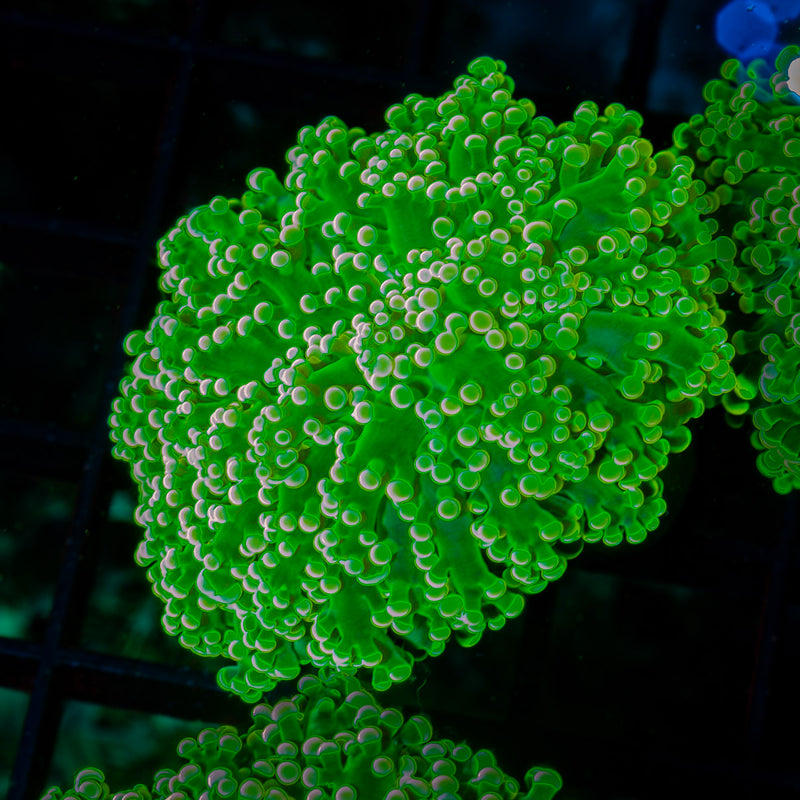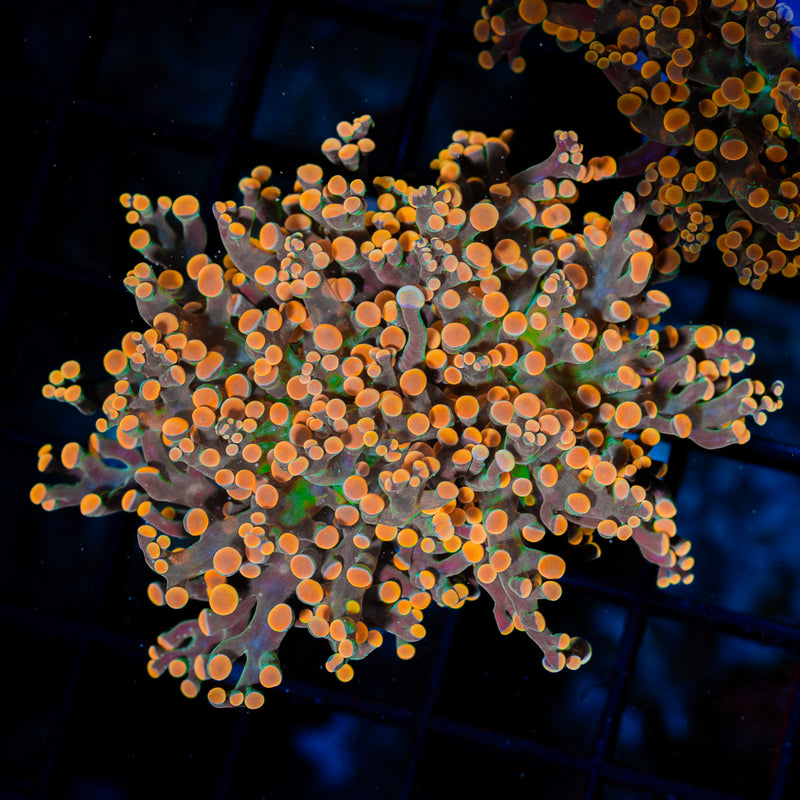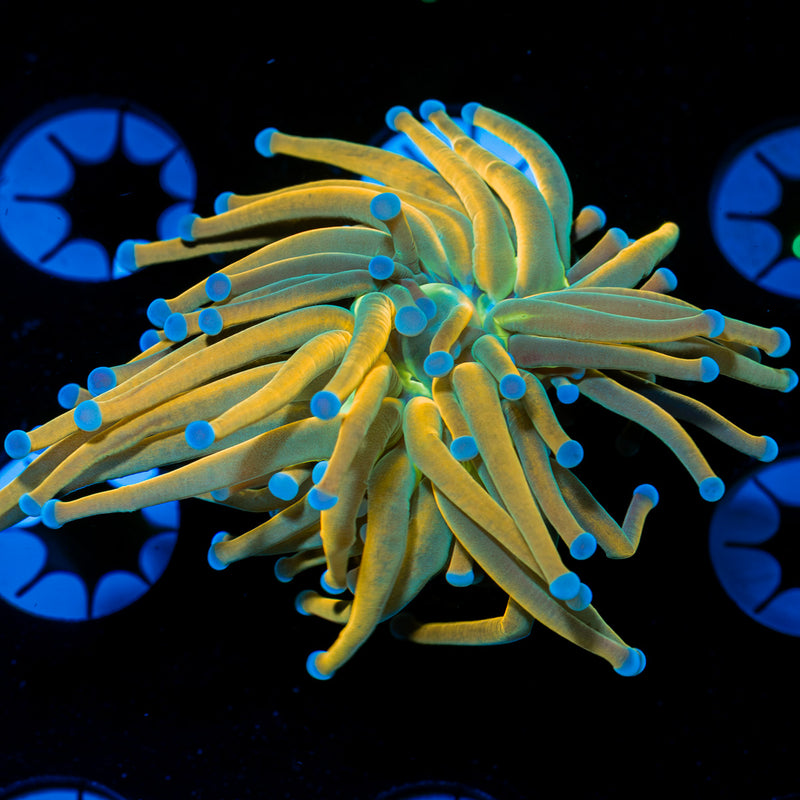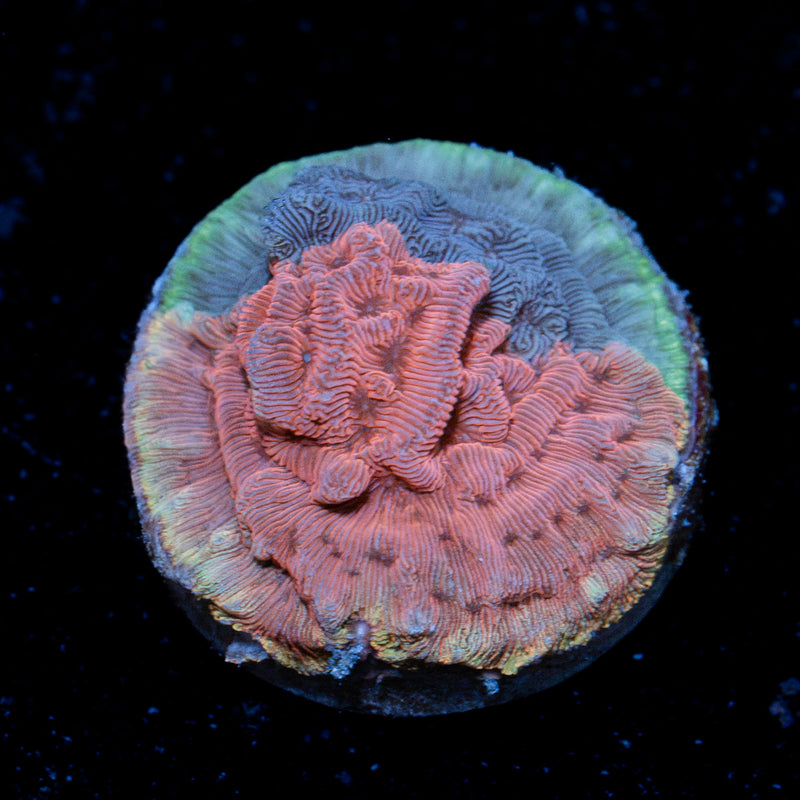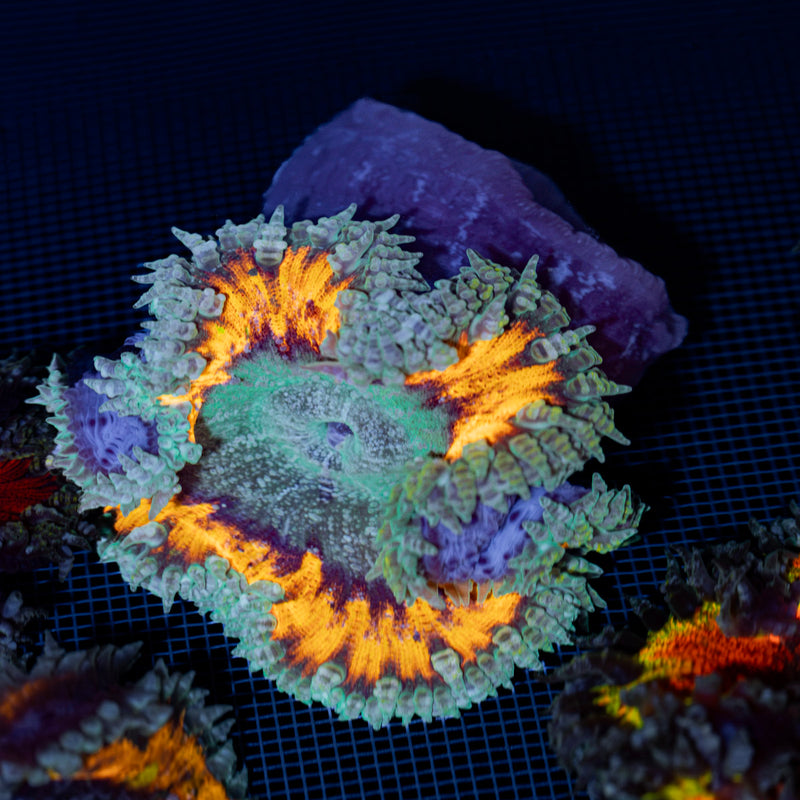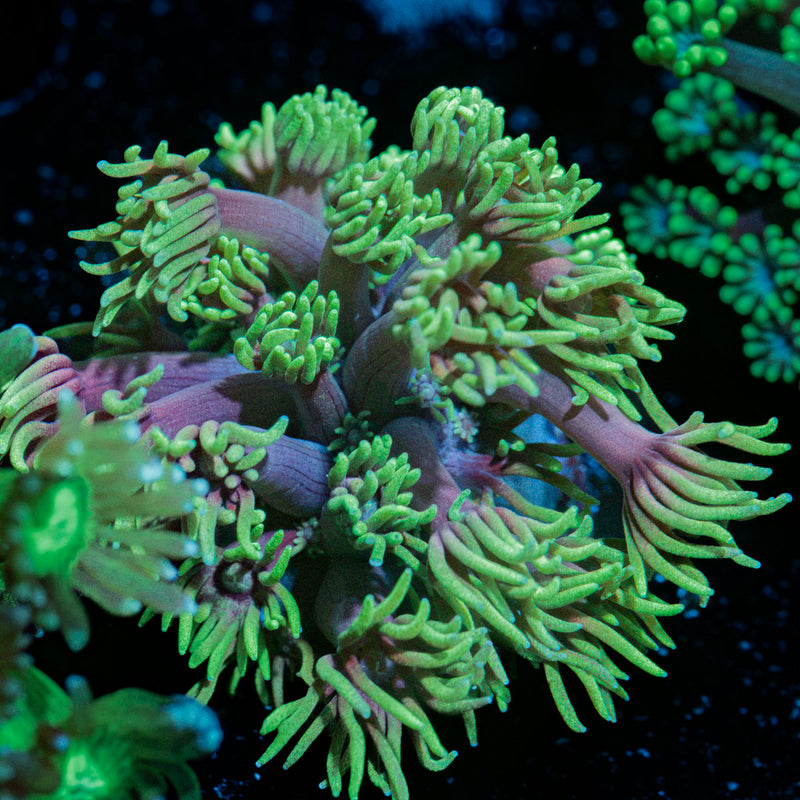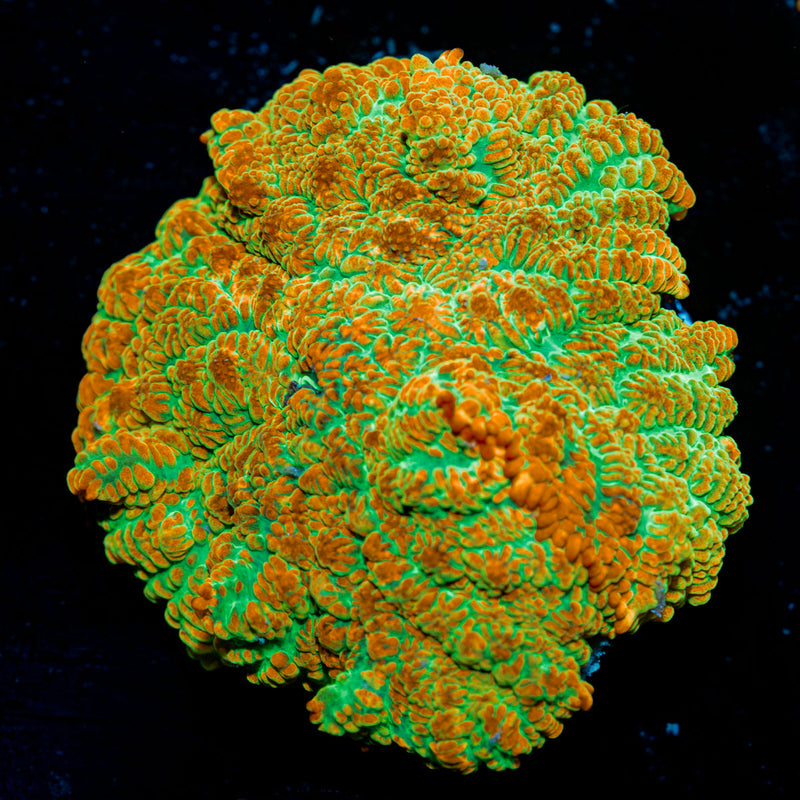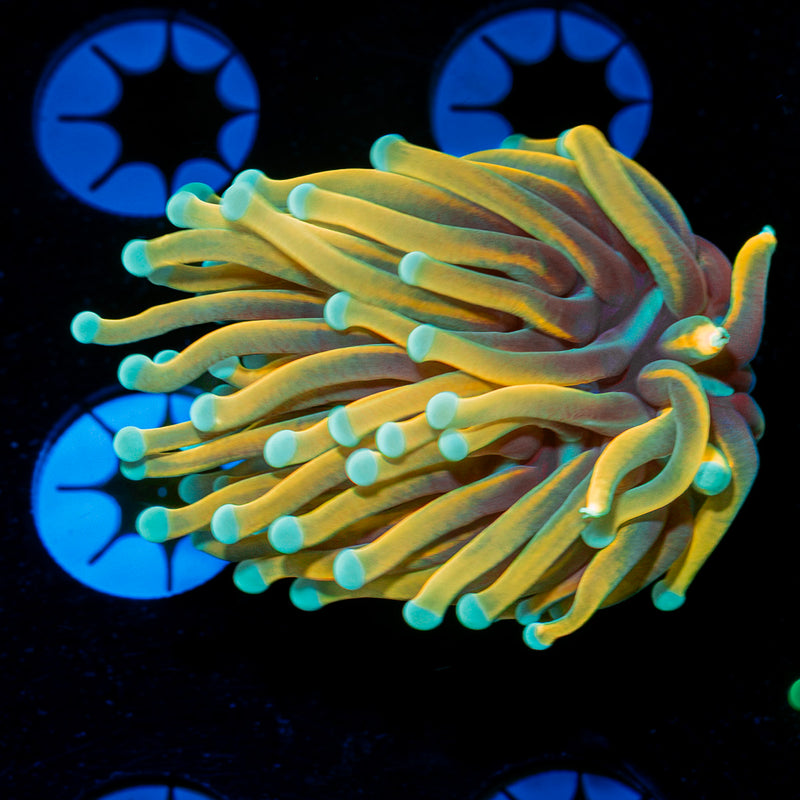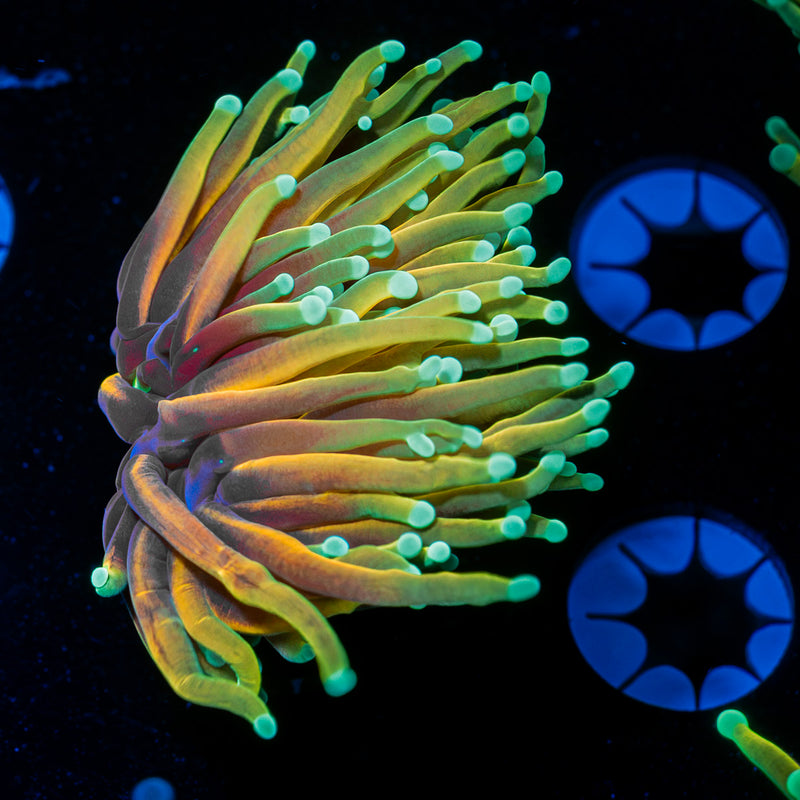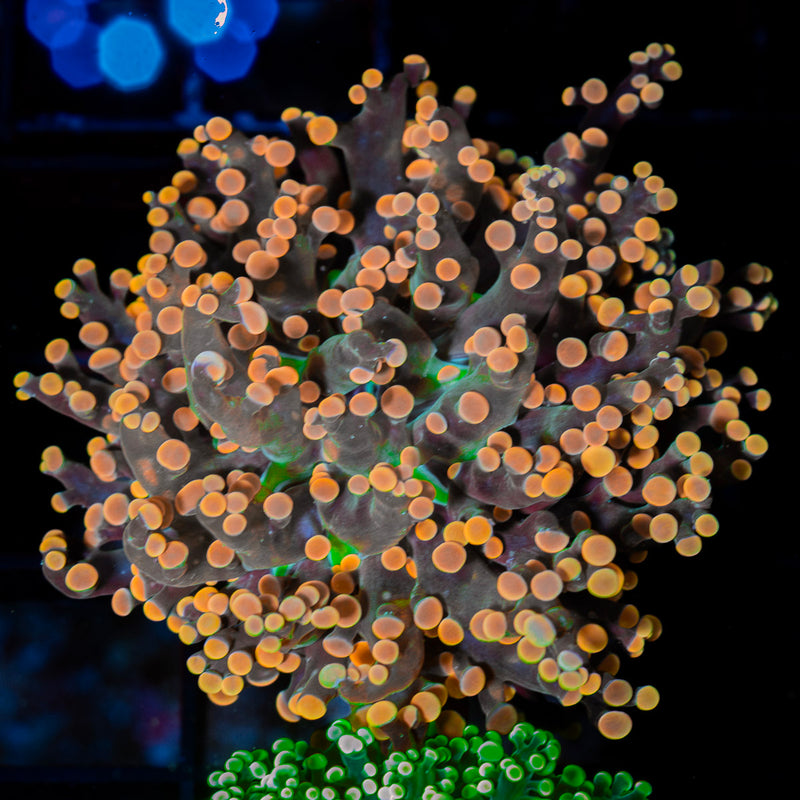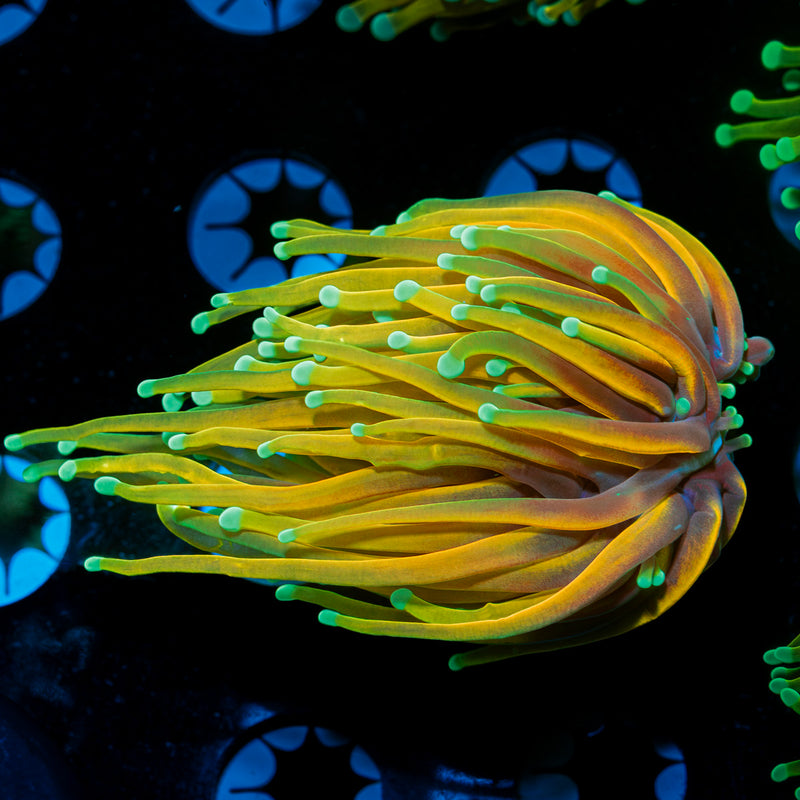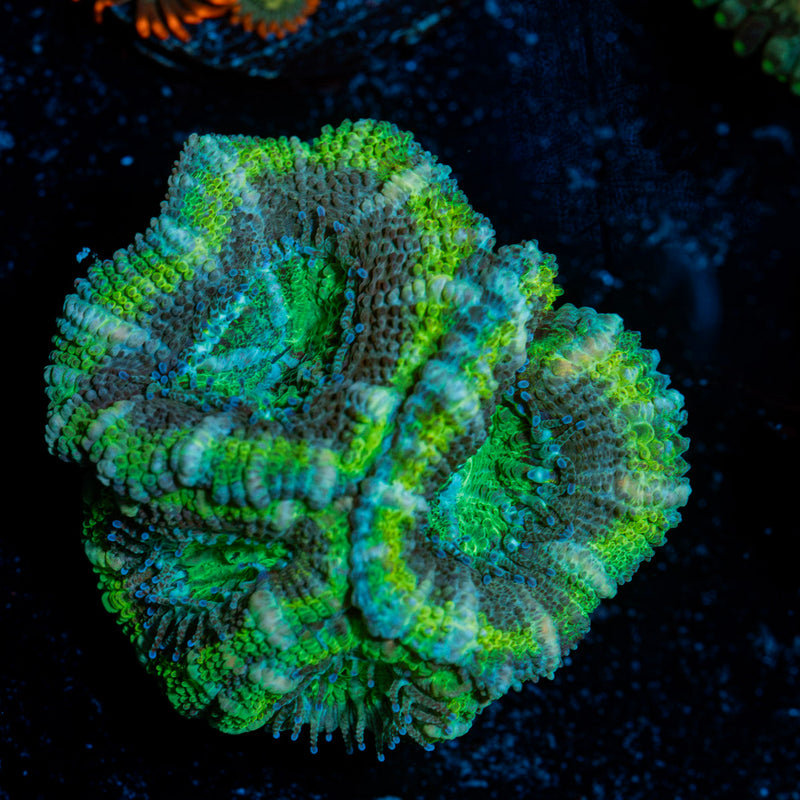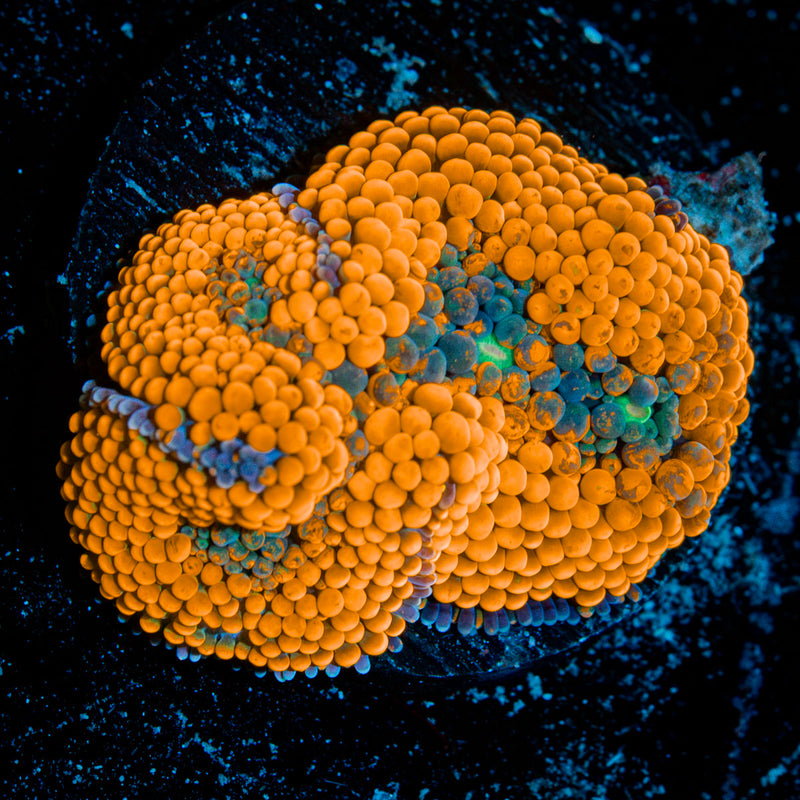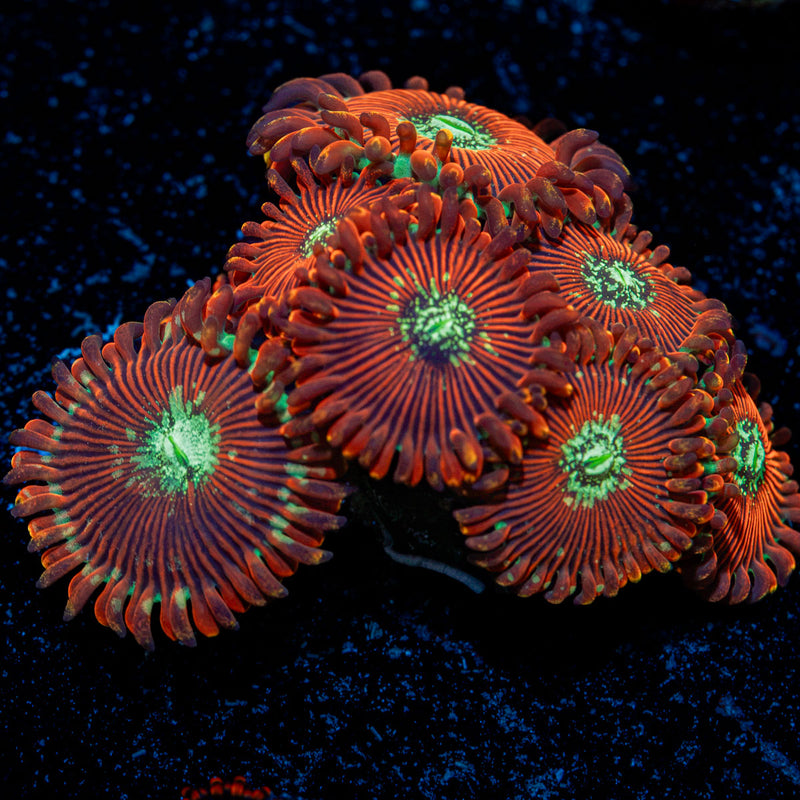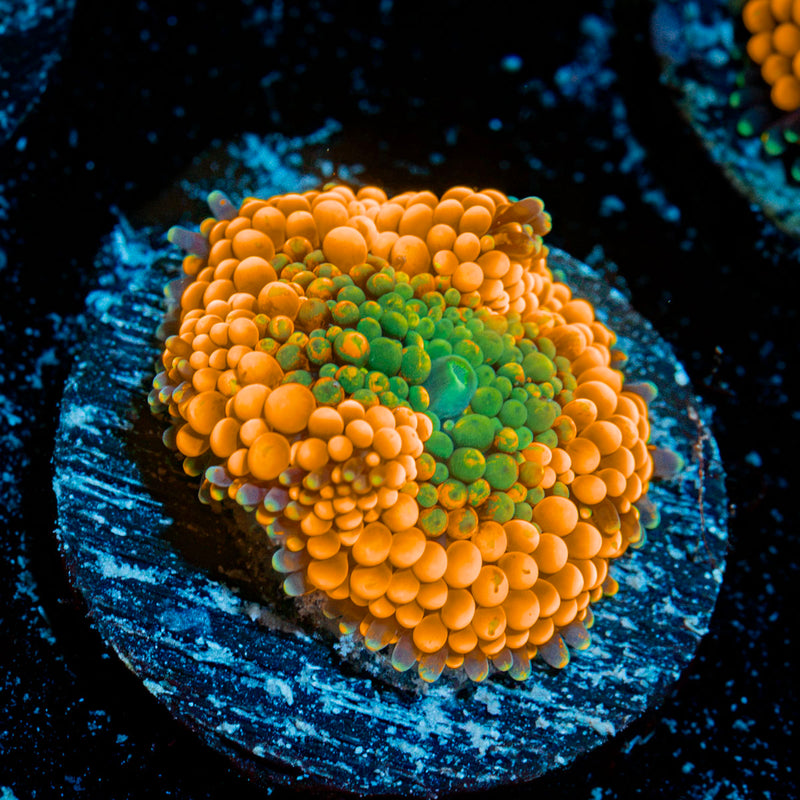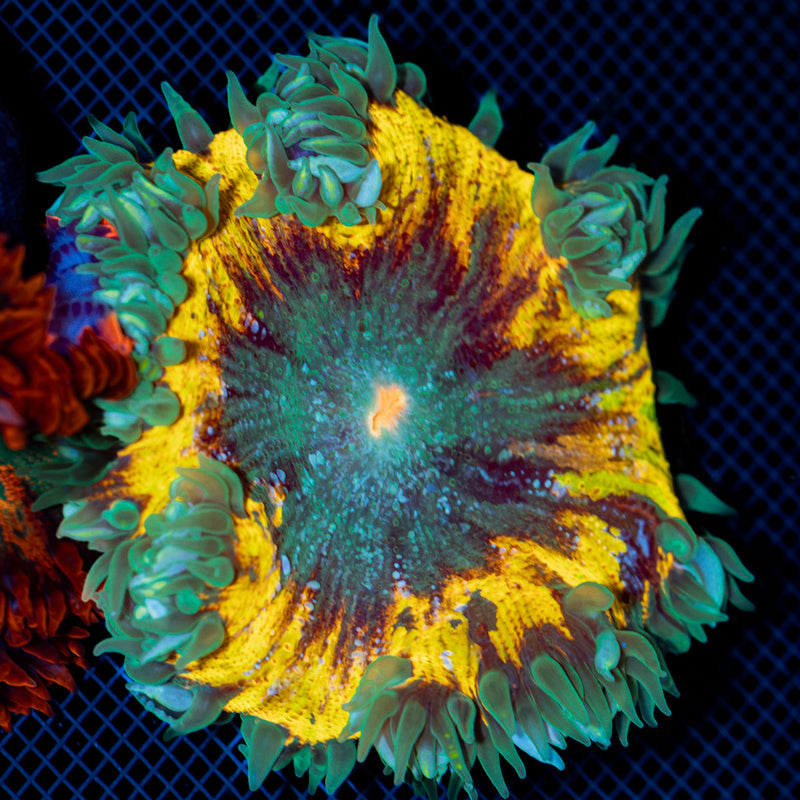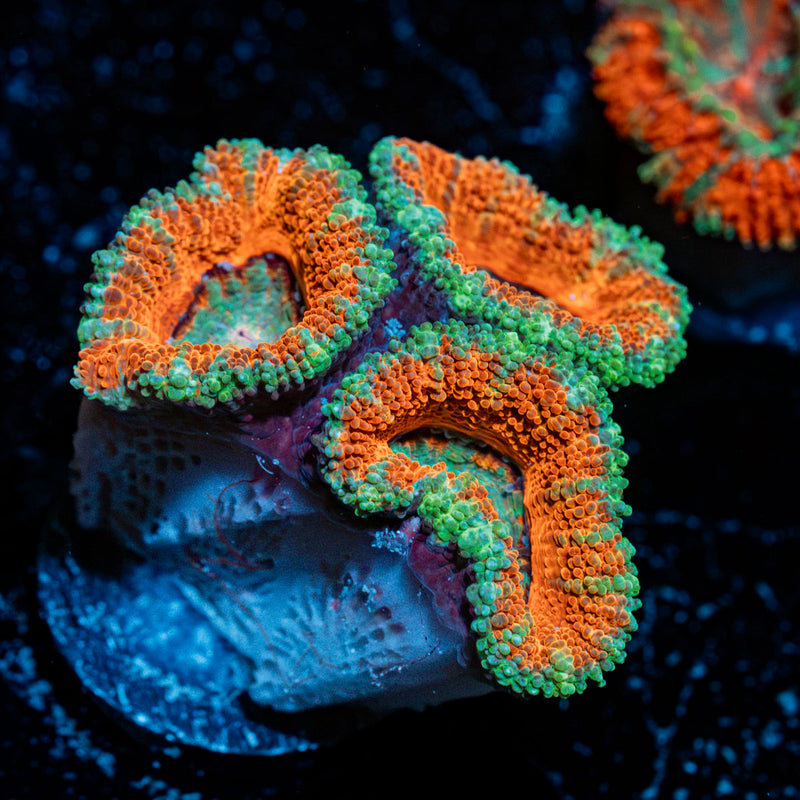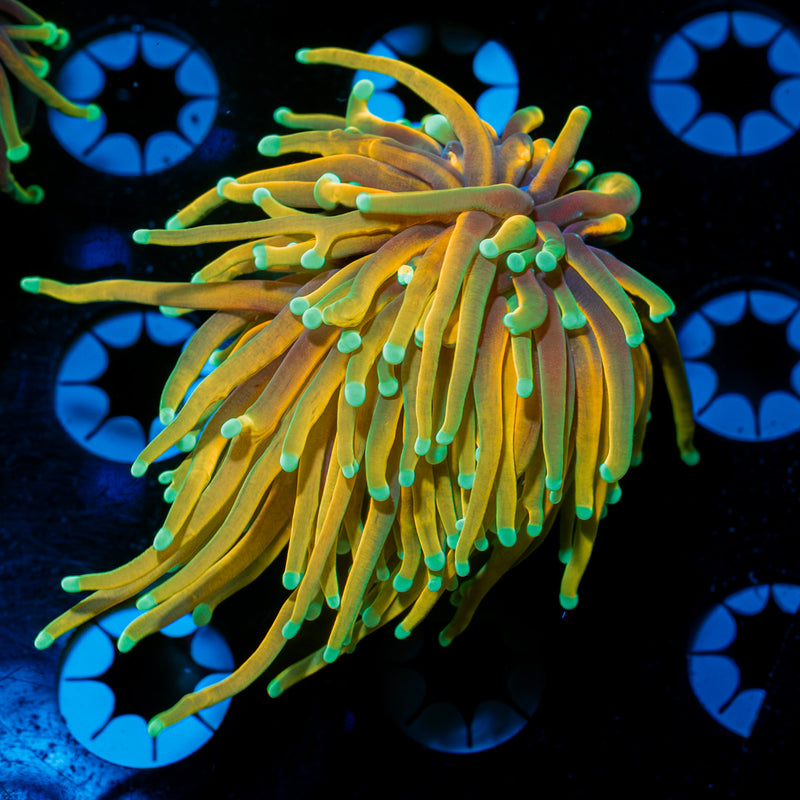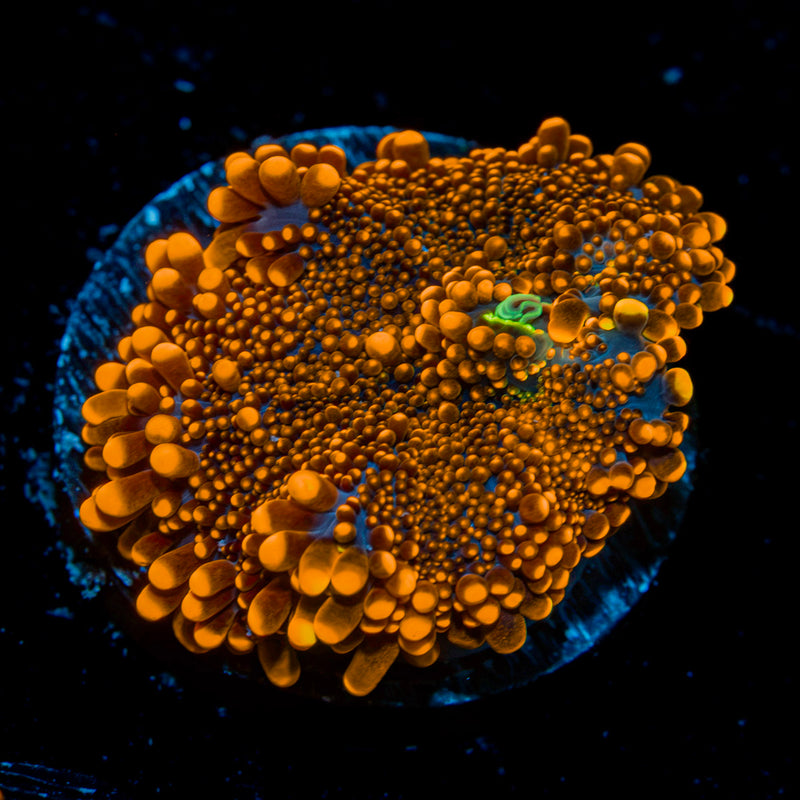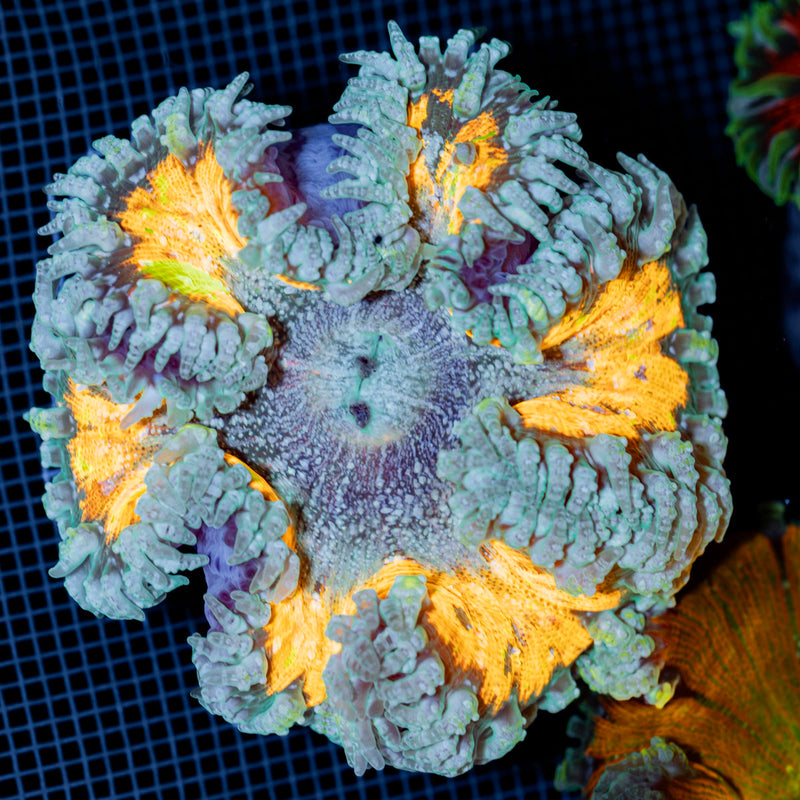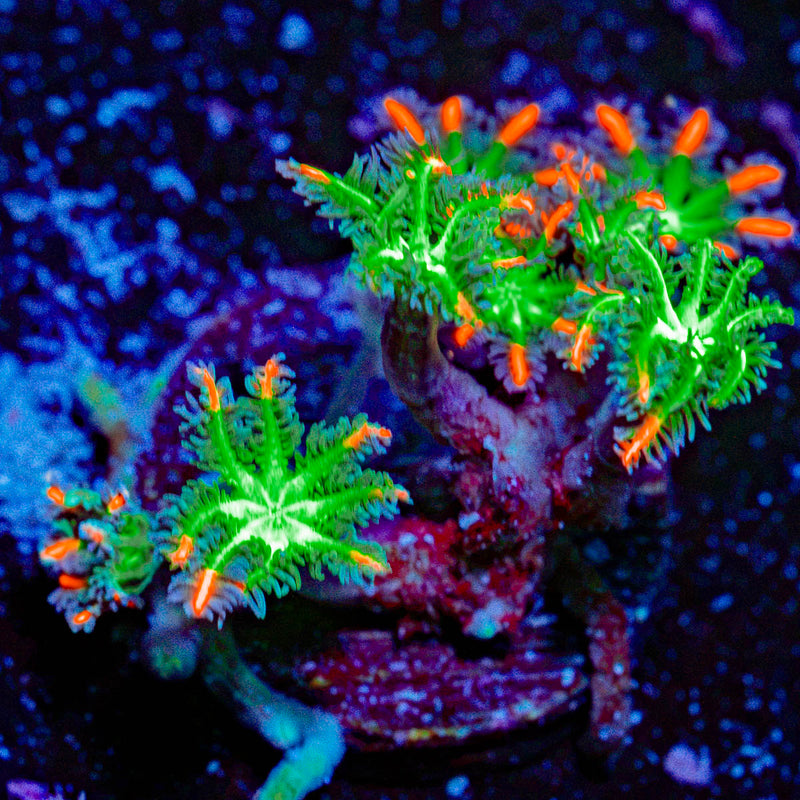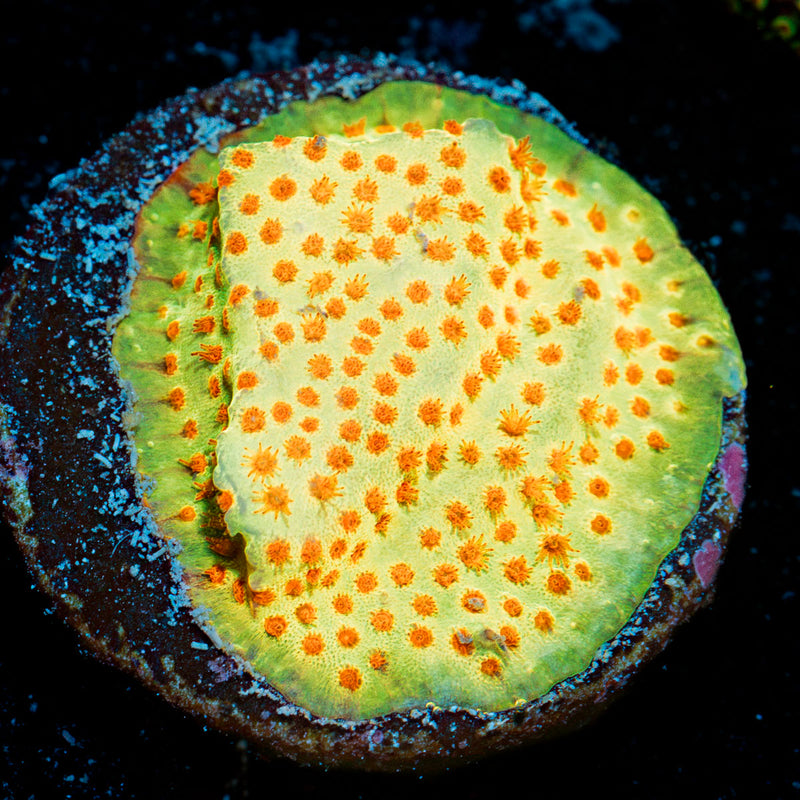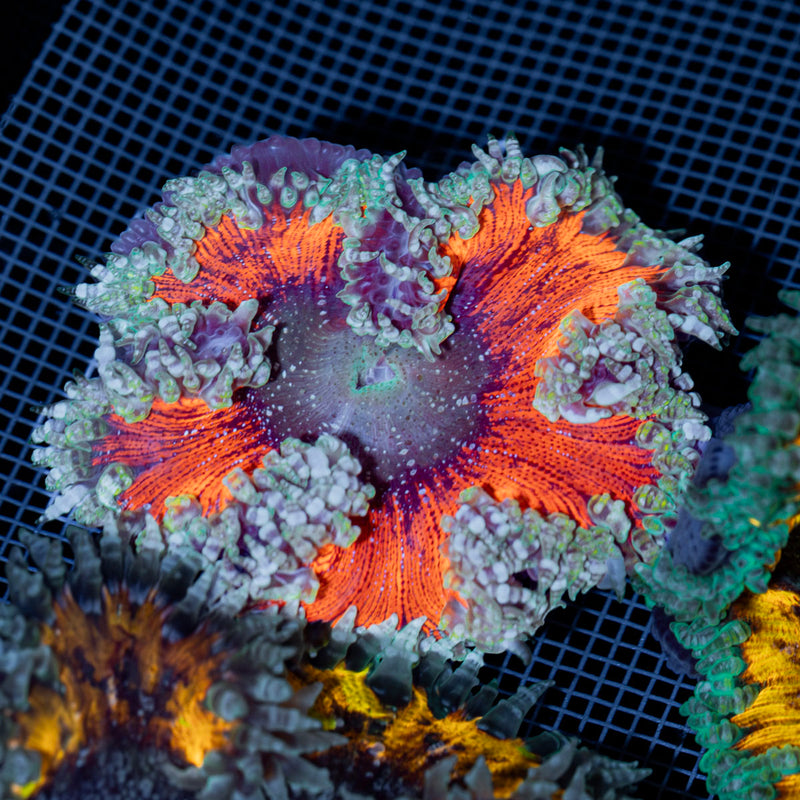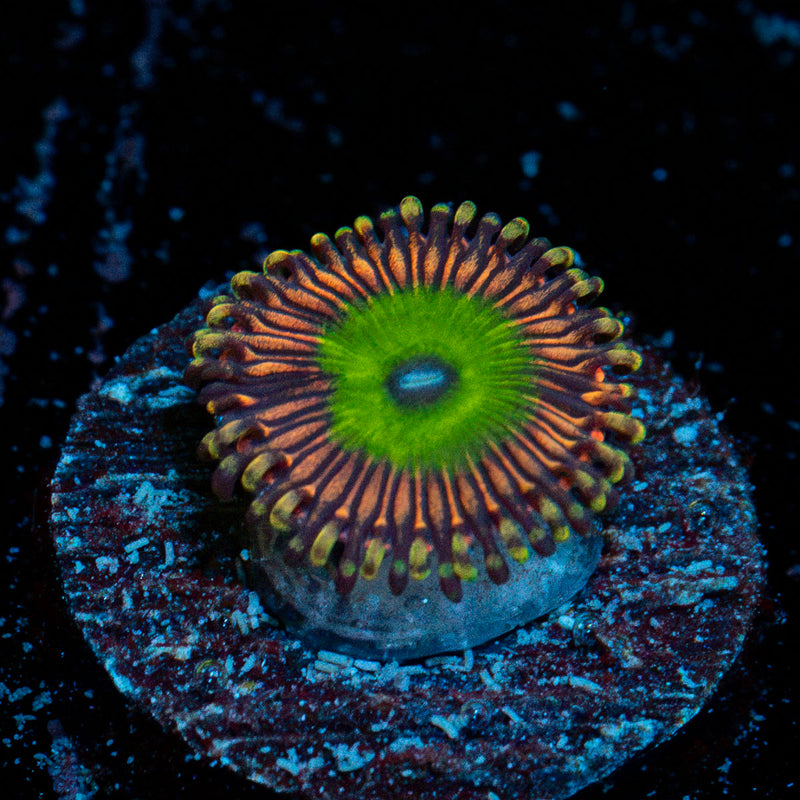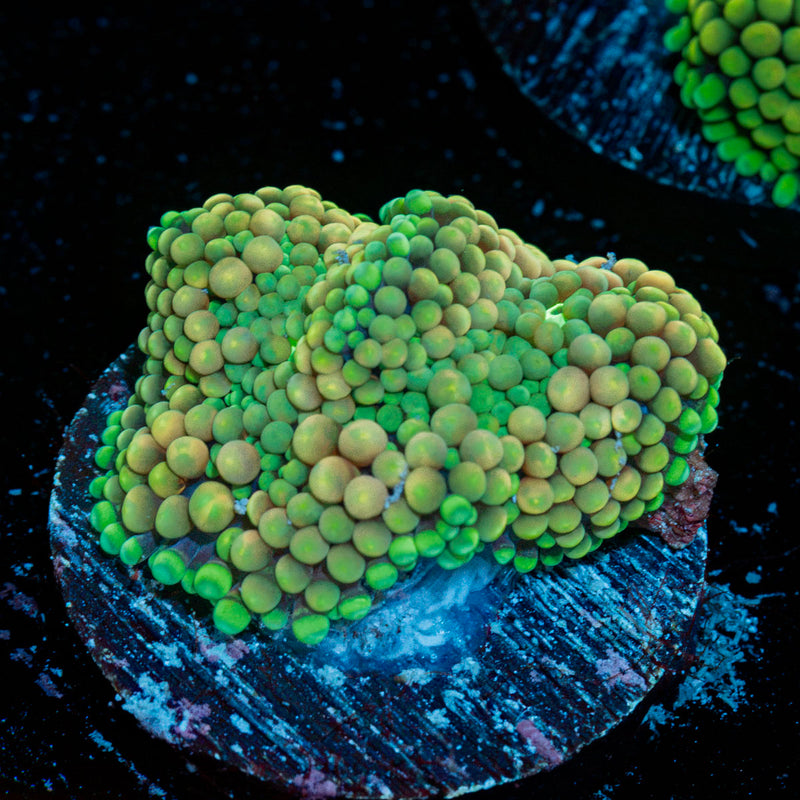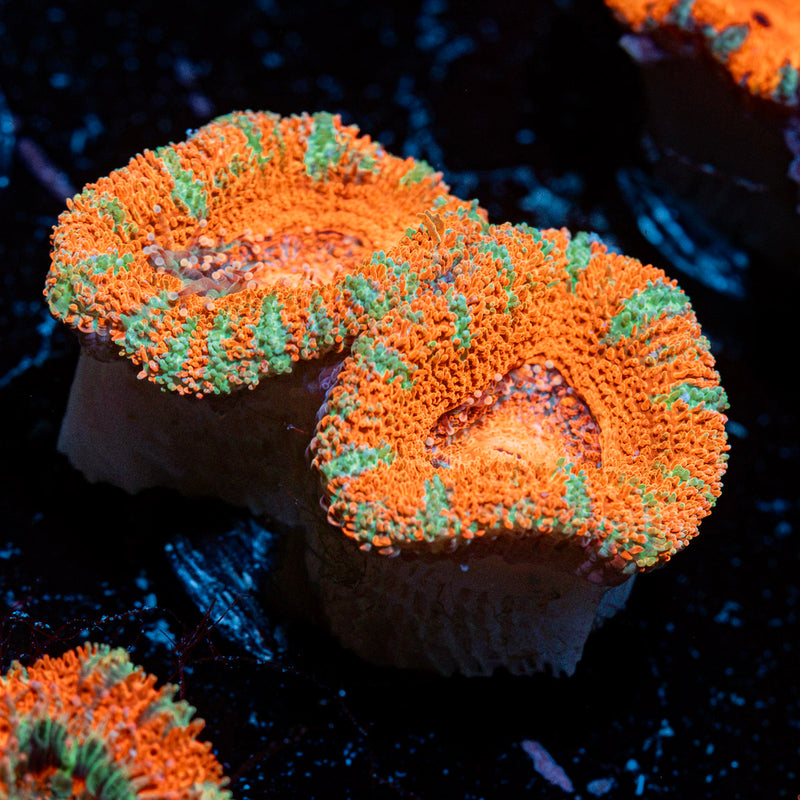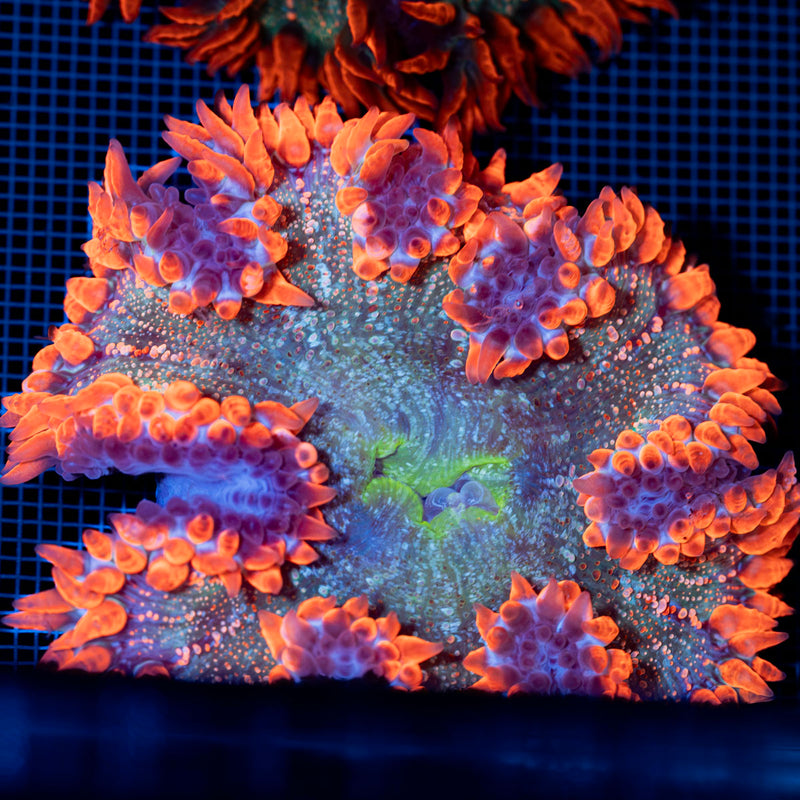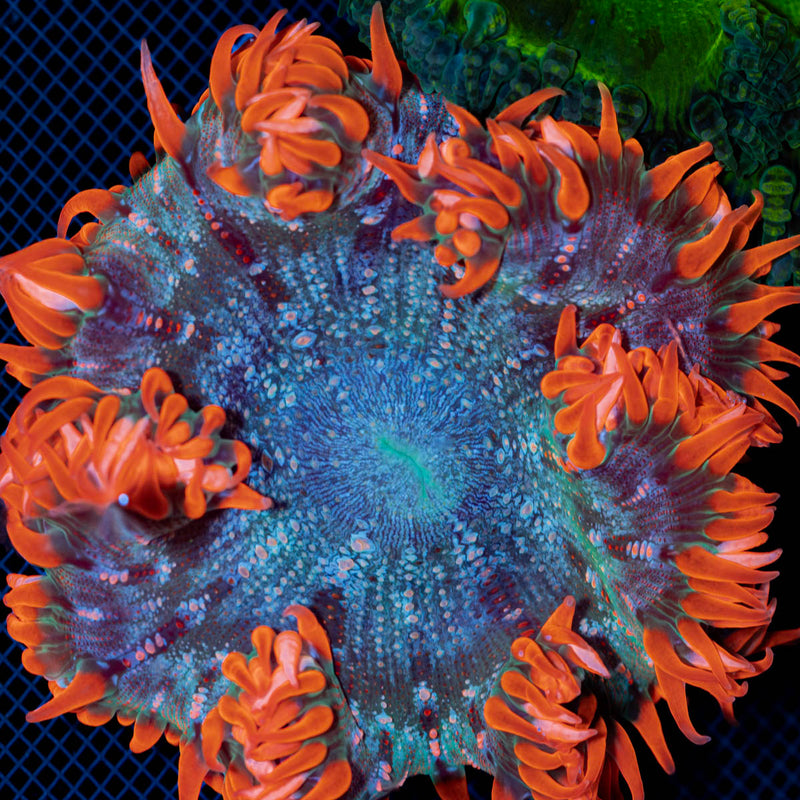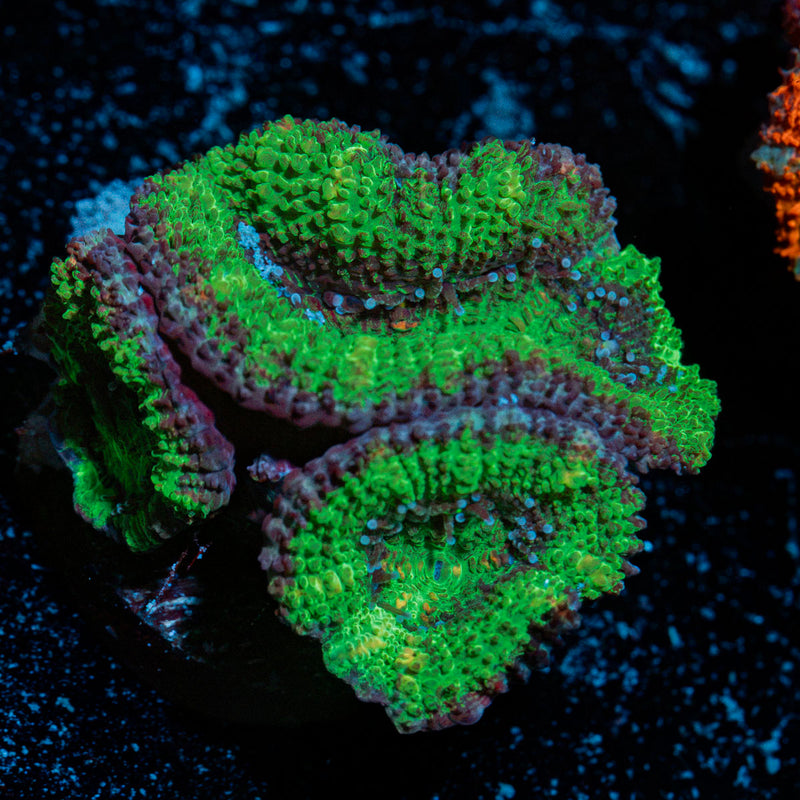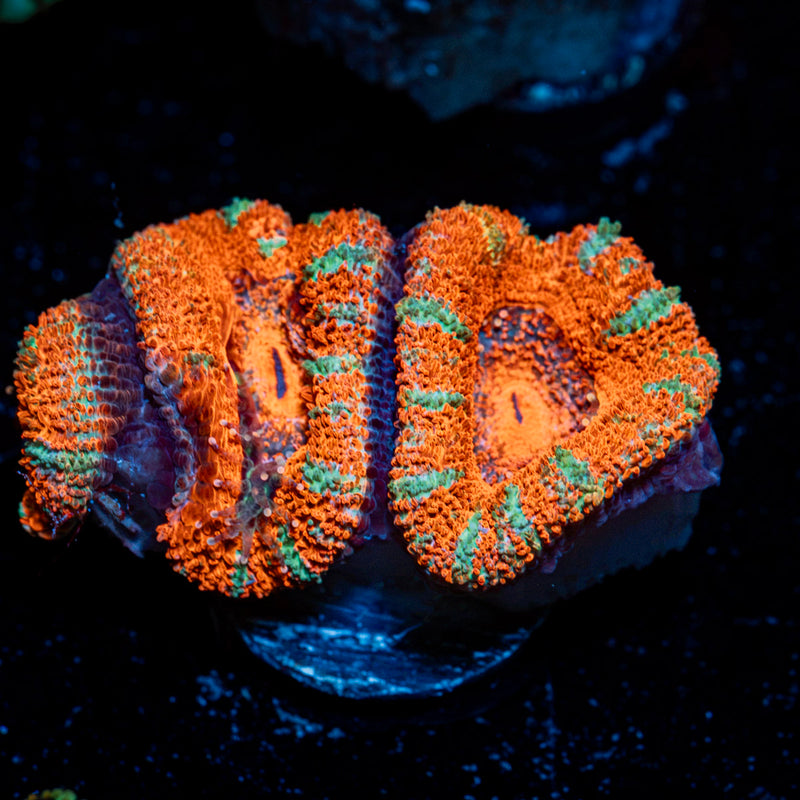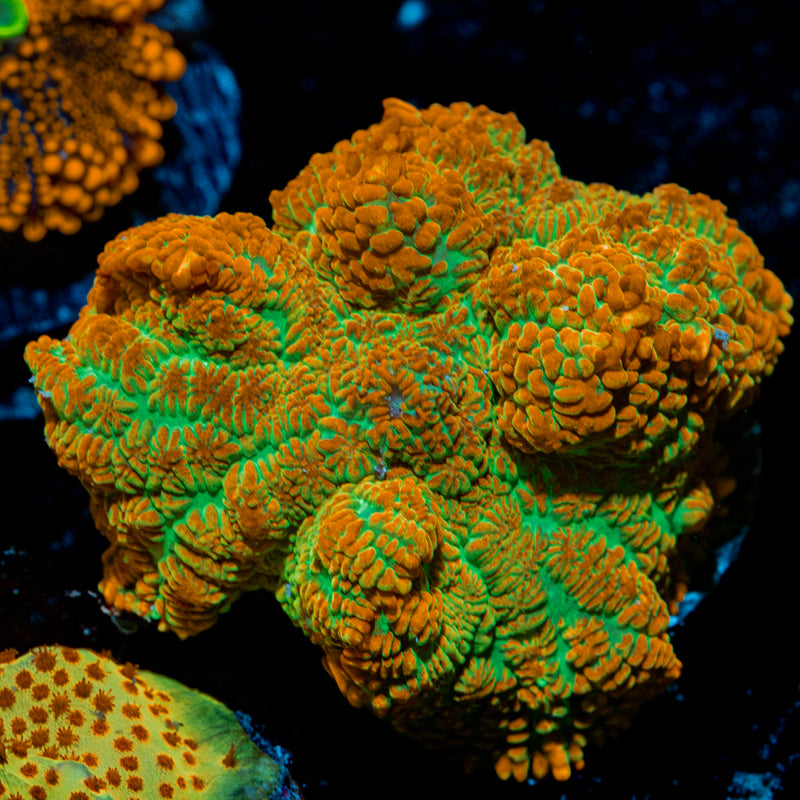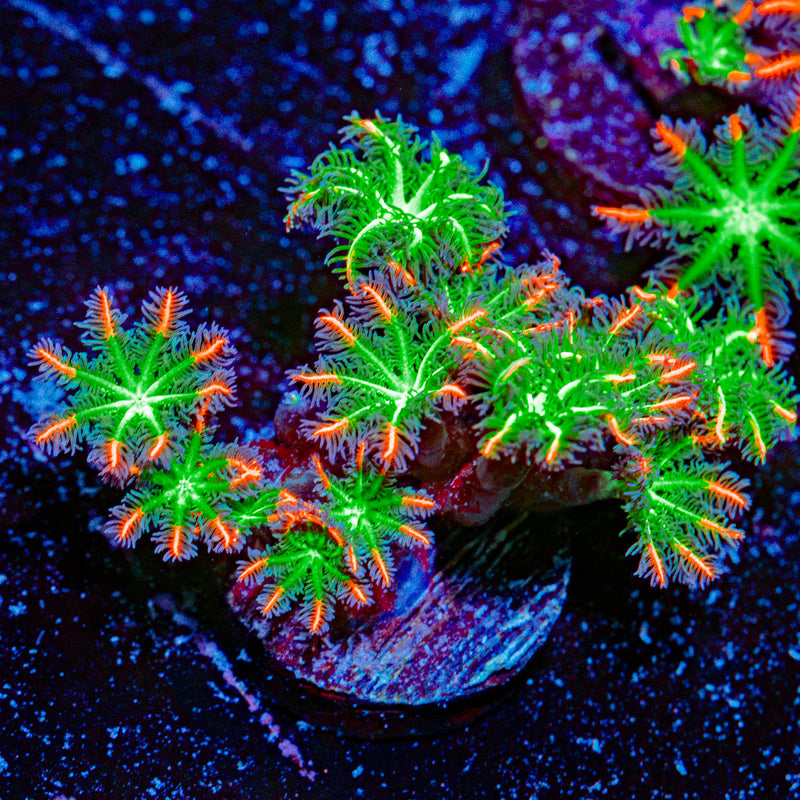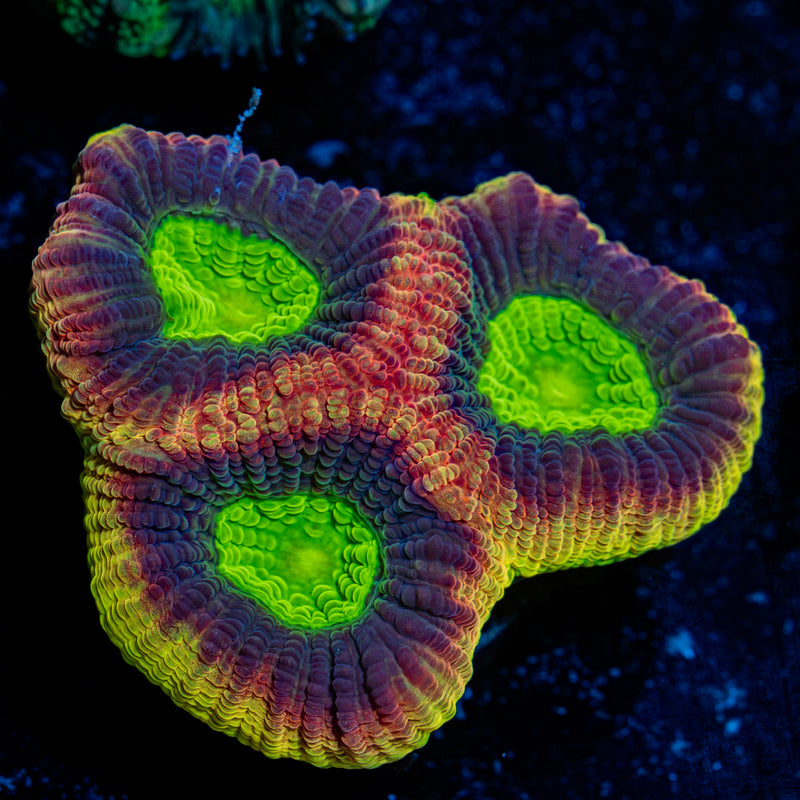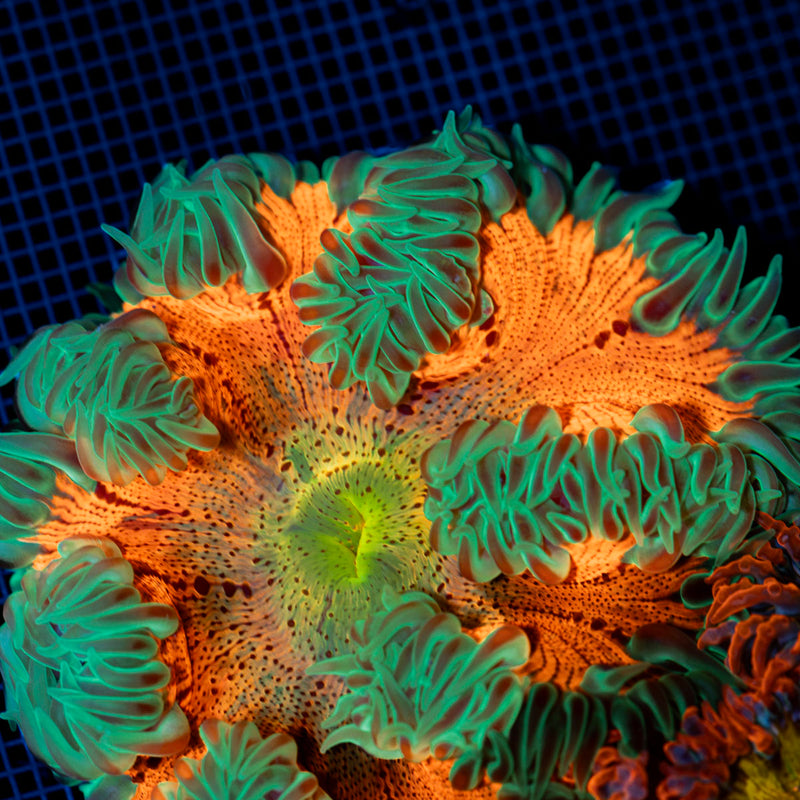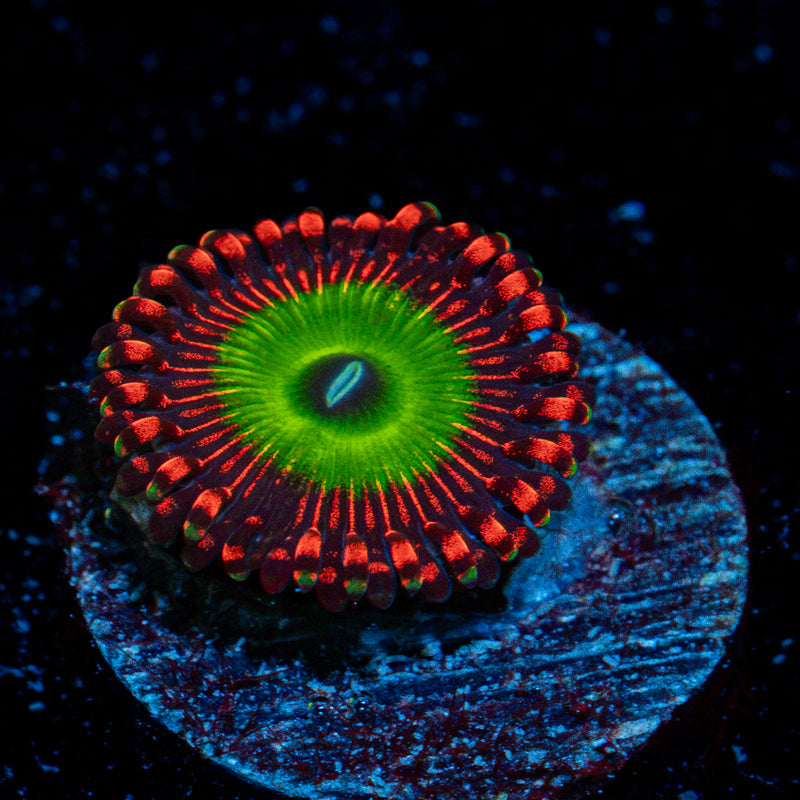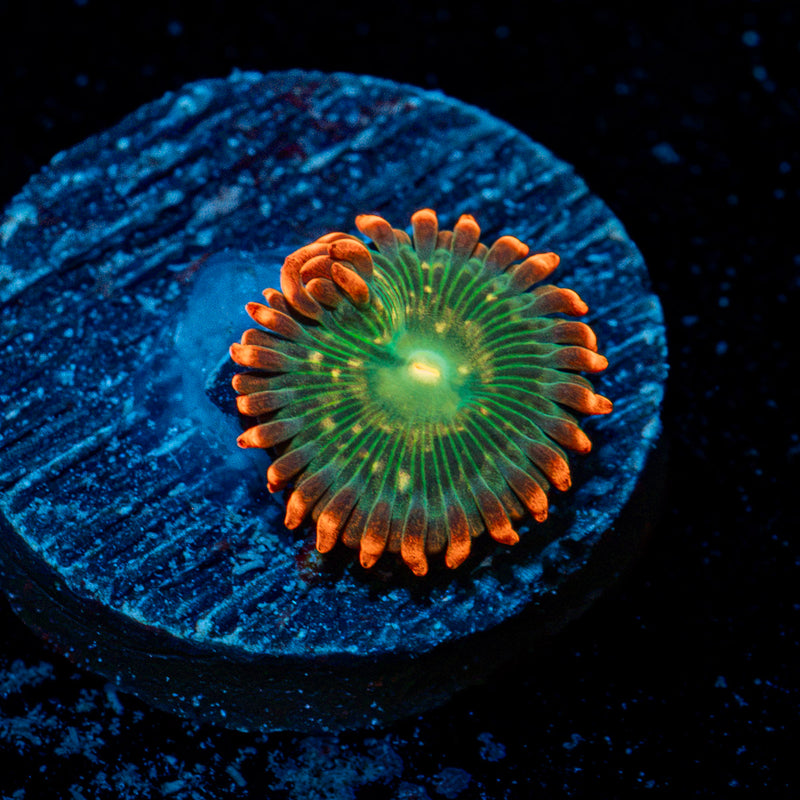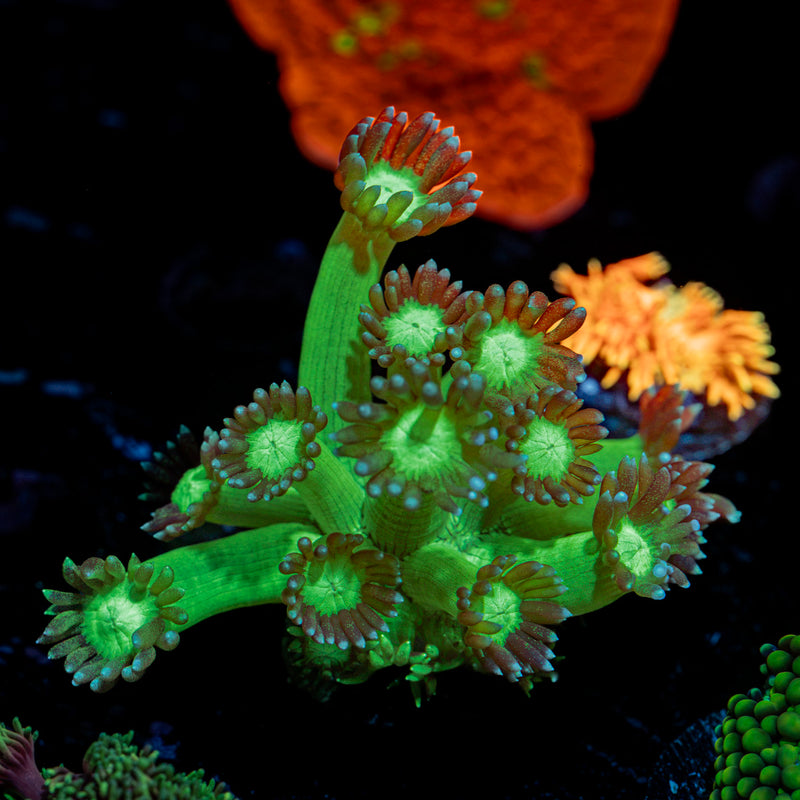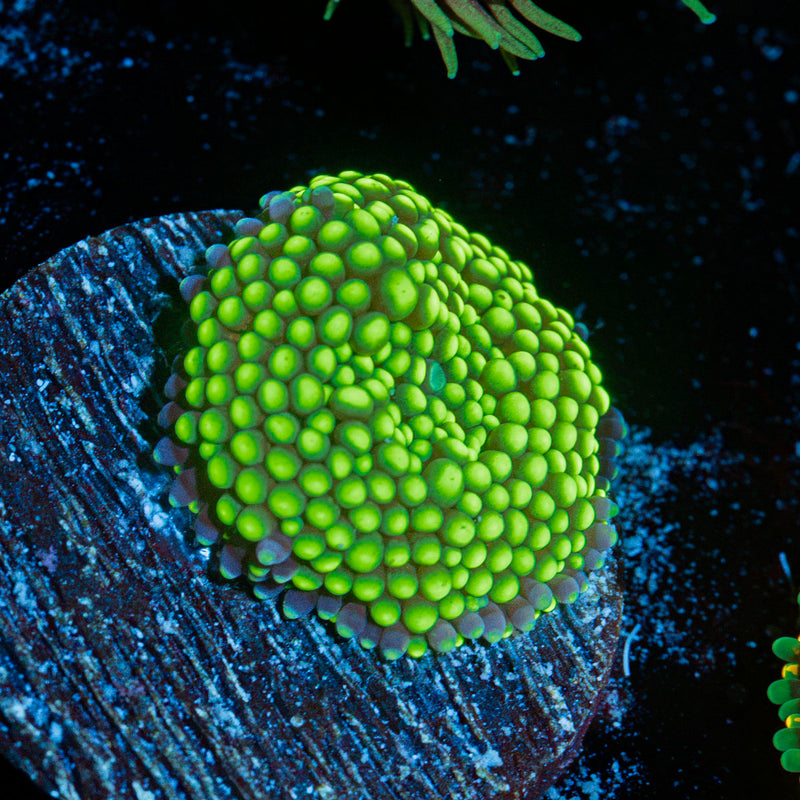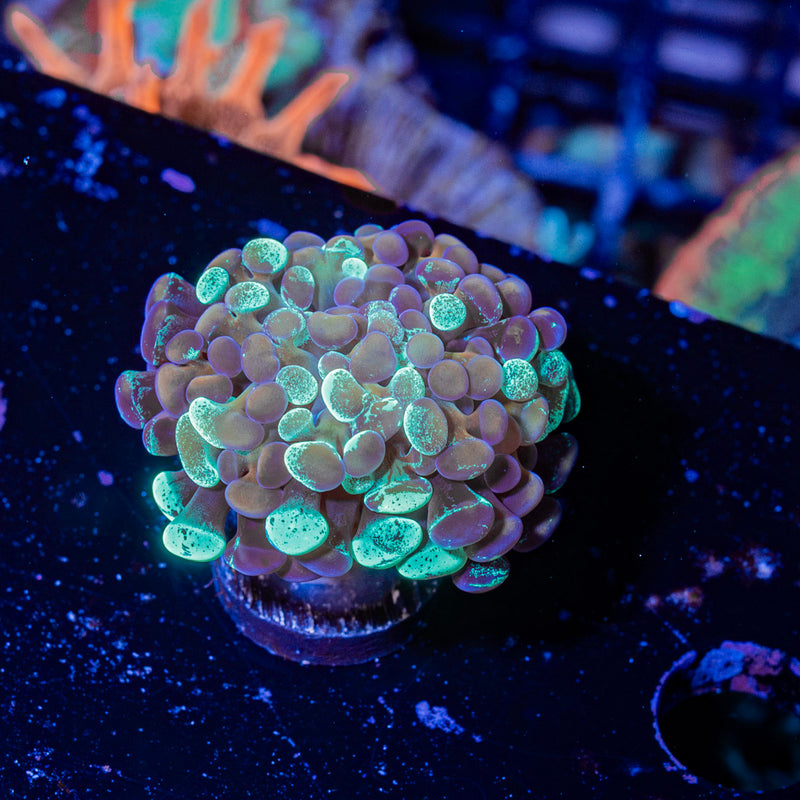
A great torch coral is hard to ignore. The movement is what gets most reef keepers first - long, flowing tentacles, bright tips, and that unmistakable glow under reef lighting. But when you see torch coral for sale online, the real question is not just which one looks the best on your screen. It is which one is most likely to arrive healthy, settle in well, and become a standout piece in your tank.
That is where smart shopping matters. Torch corals are some of the most eye-catching LPS corals in the hobby, but they are not all equal in health, size, color stability, or ease of care. A beautiful listing can still leave room for uncertainty if the coral is not presented clearly or if the seller does not make the buying process easy to trust.
Why torch coral stays in demand
Torch corals have a visual style that few other corals can match. They add motion without the upkeep of a fish, and they can turn an open section of rockwork into a focal point almost immediately. Gold, green, orange, yellow, purple, and multi-tone varieties each bring a different mood to a reef, from clean and elegant to high-contrast and electric.
They also appeal to a wide range of hobbyists. For newer reef keepers, a healthy aquacultured torch can feel like a first true showpiece. For experienced aquarists, torches offer collector appeal, especially when you are looking for distinct tip color, branching growth, or a specific WYSIWYG specimen.
Still, torch coral is not a one-size-fits-all purchase. Some frags are more beginner-friendly than others. Some are priced for everyday reef building, while others are clearly premium pieces. The best buying decision depends on your tank maturity, flow pattern, lighting, budget, and how much room you can dedicate to future growth.
How to evaluate torch coral for sale online
When you are shopping online, confidence comes from details. A strong listing should help you judge the coral beyond the name alone.
Look for full, natural extension
Healthy torch corals usually show inflated tissue and tentacles with some extension, even in a photo or video taken under controlled conditions. You are not looking for maximum extension in every image, because coral behavior changes throughout the day and during handling. What you do want is a coral that appears fleshy, stable, and intact rather than pinched, receded, or damaged around the skeleton.
Tentacle fullness matters because it gives you clues about overall condition. If a torch looks thin, sharply withdrawn, or uneven in a way that suggests stress, that should give you pause unless there is a clear reason provided.
Check the head count and frag size
Torch coral pricing often comes down to more than color. The number of heads, the maturity of the frag, and the way it has been cut all affect value. A single head frag can be a solid buy if it is healthy and well established, while a multi-head colony piece may justify a higher price because it offers more immediate display impact.
This is also where WYSIWYG listings stand out. Exact-item listings remove a lot of guesswork, especially with corals where color pattern, tip coloration, and branching shape can vary. If you care about getting the specific coral you chose, not just a similar one, that transparency is worth a lot.
Pay attention to color, but stay realistic
Everyone wants a torch with vivid color, but reef lighting can dramatically affect how a coral appears in photos. Blue-heavy lighting can make fluorescence pop in ways that may look different in your own tank. That does not mean the coral is not beautiful. It just means you should shop with a realistic eye.
A good seller presents corals in a way that highlights their color without making them unrecognizable outside one lighting profile. If a torch looks intensely saturated to the point of seeming artificial, or if there is little context around how it was photographed, it may be harder to know what to expect.
Aquacultured vs. wild torch corals
For most hobbyists, aquacultured torch corals are the better place to start. They are typically more adapted to aquarium life, and they support a more sustainable path for reef keeping. That matters practically as much as ethically. Corals grown and maintained in captivity often transition more smoothly than newly imported pieces that have gone through recent collection and shipping stress.
Aquacultured specimens also tend to fit the online buying model better. They are often cleaner in presentation, more consistent in care expectations, and easier to categorize by growth stage and visual traits. If you are building a reef with long-term success in mind, aquacultured frags are usually the more reassuring choice.
That said, even among aquacultured torches, there is variety. Some are hardier and more forgiving. Others are more collector-driven and may need a more stable system to really thrive. The point is not that every torch is beginner coral. It is that a well-selected aquacultured torch can be a much more approachable purchase than many hobbyists expect.
What beginners should know before buying
If this is your first torch, buy for health and stability before buying for hype. A clean, healthy, aquacultured frag with good extension is often a better first choice than chasing the most expensive name or hottest color morph.
Your tank should be mature enough to support LPS corals consistently. Stable salinity, alkalinity, calcium, and temperature matter more than chasing a perfect number once a week. Torch corals generally appreciate moderate lighting and moderate, indirect flow. Too little flow can let debris settle. Too much can keep the polyps whipped around and irritated.
Placement matters too. Torches have sweeper tentacles and can sting nearby corals, so they need personal space. That is one of the most common mistakes with a new torch purchase. It looks small on the frag plug, then expands dramatically once it settles in. Giving it room from the start saves trouble later.
Signs of a trustworthy coral listing
Not every coral photo tells the whole story. The listings that inspire the most confidence usually have a few things in common. They show the actual specimen clearly, present the frag in a way that helps you judge size, and describe the coral in language that supports the shopper instead of hiding behind hype.
Clear category structure helps too. If you can tell whether a coral is suited for beginners, whether it is WYSIWYG, and where it fits among other LPS options, the buying experience feels far less uncertain. For a live animal purchase, that matters. You are not buying decor. You are choosing a living coral that needs to arrive in strong condition and adapt to your reef.
That is one reason brands like Riptide Aquaculture appeal to hobbyists across experience levels. The combination of aquacultured coral, exact-item confidence, and approachable guidance makes it easier to buy with clear expectations.
Comparing price without missing the bigger picture
A cheaper torch is not always the better deal. If the coral is poorly documented, stressed, or vague in size, the lower price may simply shift risk onto the buyer. On the other hand, a premium-priced torch should offer something meaningful in return, whether that is stronger coloration, larger size, multiple heads, rarity, or exact-item assurance.
It helps to think in terms of value, not just cost. A healthy torch that settles in, grows steadily, and keeps its visual appeal is usually the better buy than a bargain piece that struggles from day one. Live arrival assurance, specimen accuracy, and overall coral quality all belong in that equation.
Torch coral for sale: buying with confidence
The best torch coral for your reef is not always the flashiest one in the lineup. Sometimes it is the healthy, well-presented frag that matches your tank, your experience level, and your goals for the space. If you want dramatic movement and vibrant color, torches absolutely deliver. The key is choosing one with the same care you put into the rest of your reef.
Shop for full tissue, honest presentation, realistic color, and clear specimen details. Favor aquacultured frags when possible. Give yourself room to choose for long-term success, not just instant excitement. A torch coral should feel like a living jewel the moment it opens in your tank, and the right purchase makes that first look a lot more rewarding.