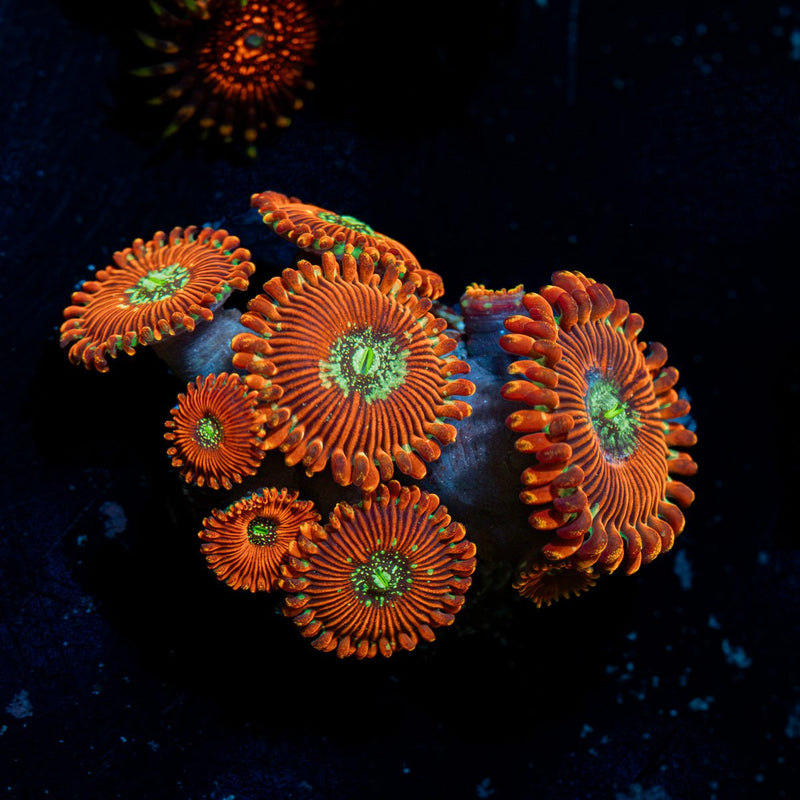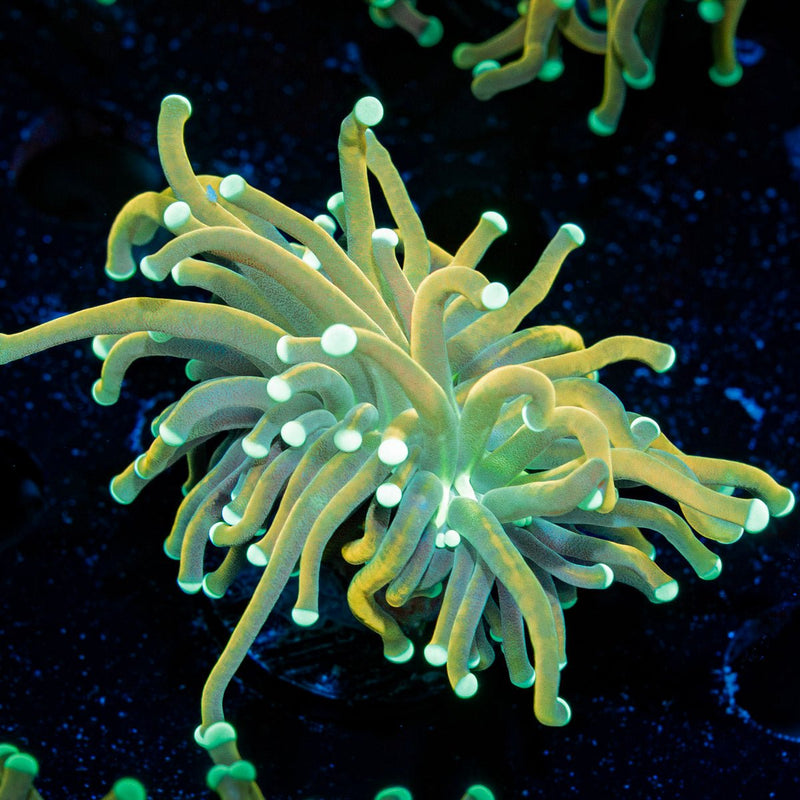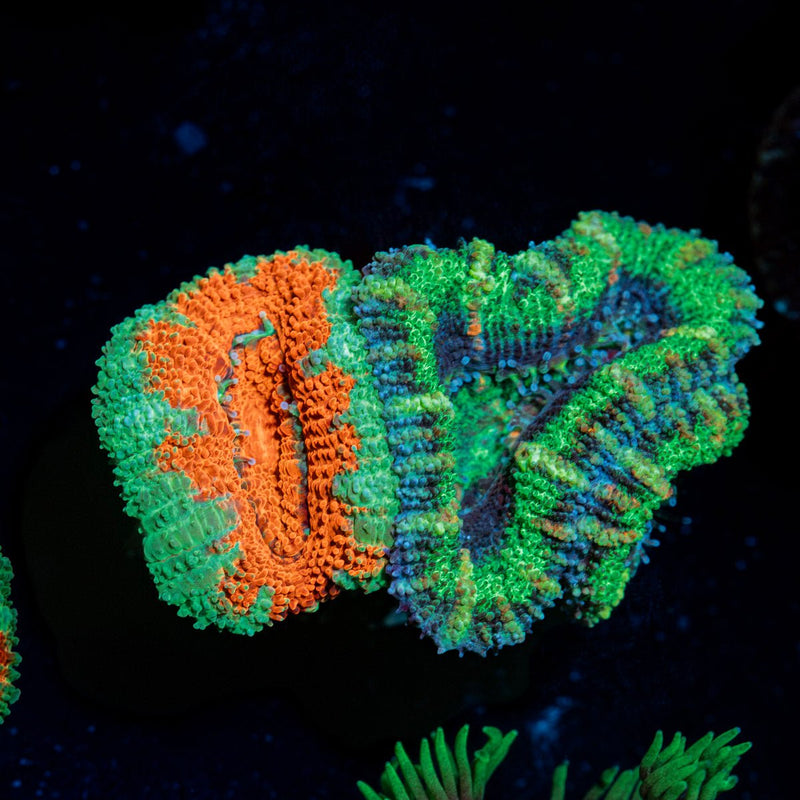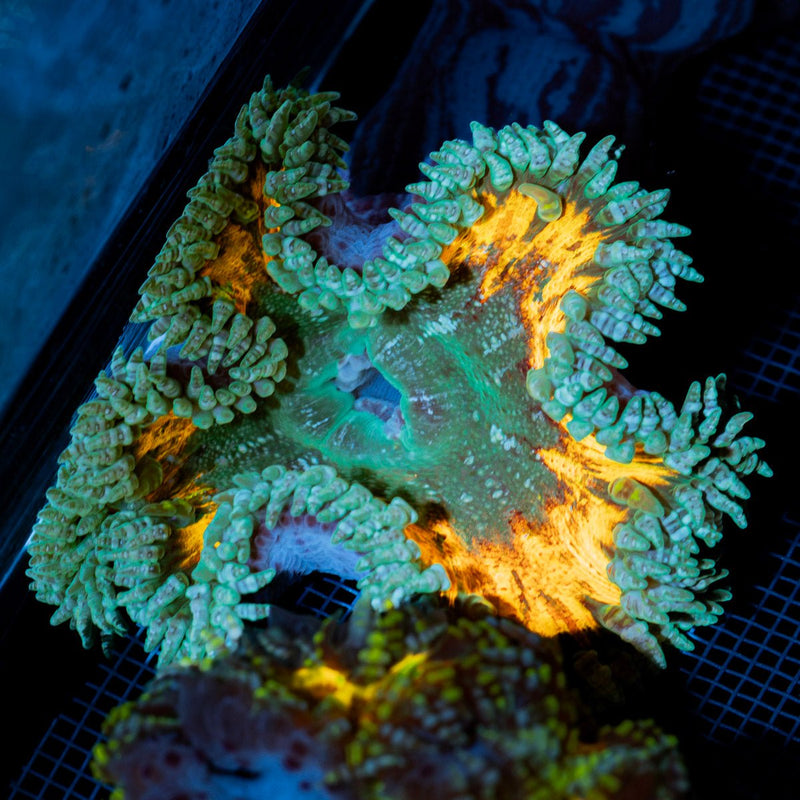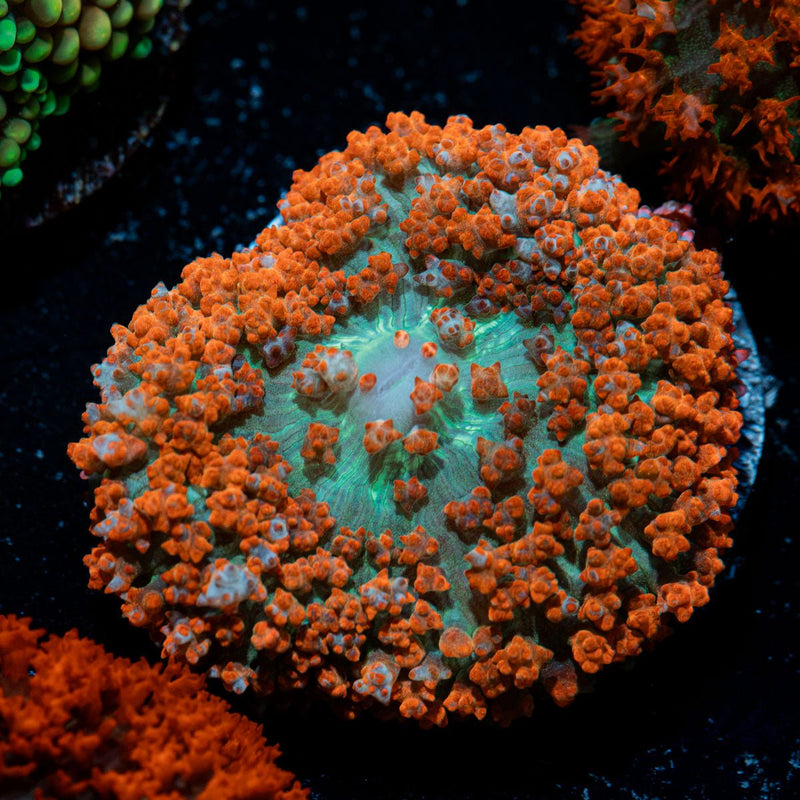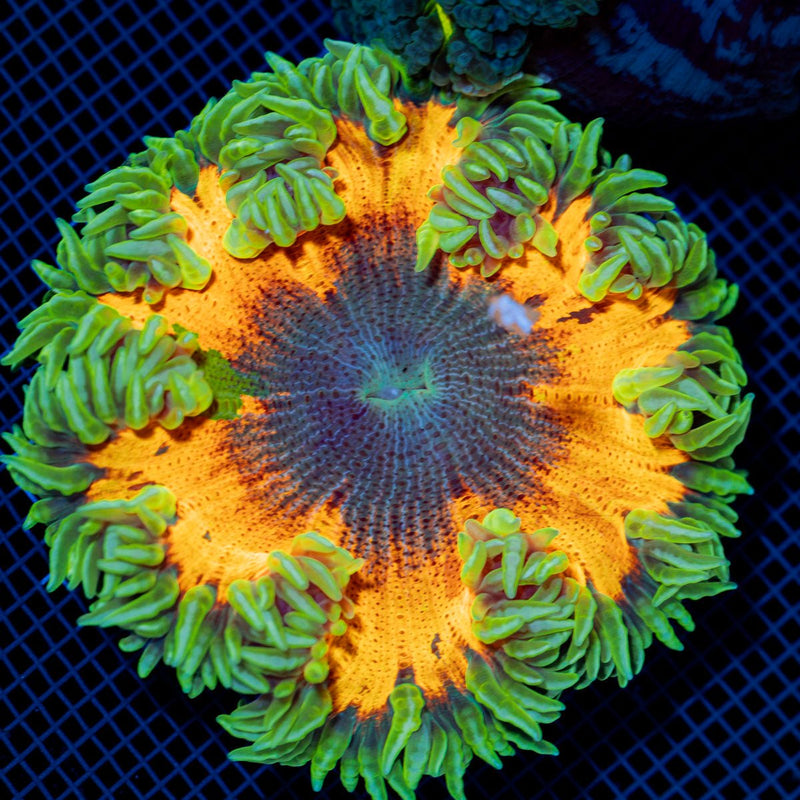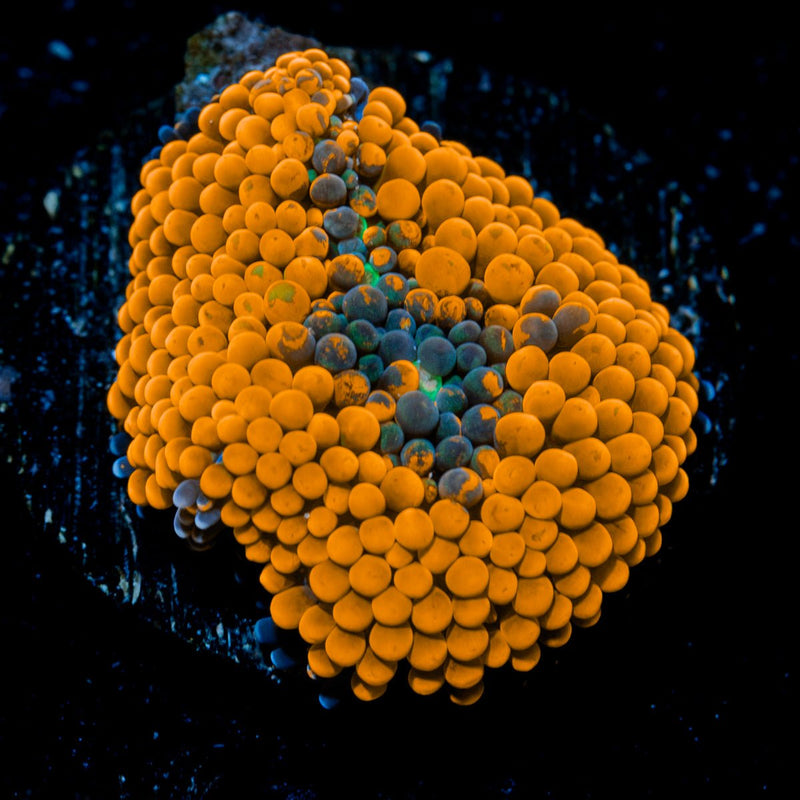
You can spot the mistake from across the room - a gorgeous anemone added on impulse, now wandering through a mixed reef and turning a clean aquascape into a stress test. When hobbyists search for reef safe anemones for sale, what they usually want is not a promise of zero risk. They want a species that can live beautifully in a reef tank without becoming a constant problem.
That distinction matters. Anemones are some of the most stunning animals in the hobby, with flowing tentacles, bright color, and the kind of movement that makes a reef feel alive. But “reef safe” with anemones always comes with context. Some are far more compatible with coral-heavy systems than others, and success depends as much on tank maturity, placement, and flow as it does on species choice.
What “reef safe” means with anemones
In reef keeping, reef safe usually means an animal is unlikely to damage corals, knock over rockwork, or create ongoing compatibility issues in a display built around corals and inverts. With anemones, that label is always conditional because anemones sting, move, and claim space.
A healthy anemone that stays put can be an incredible showpiece. A stressed anemone that starts roaming can irritate corals, get pulled into pumps, or settle exactly where you do not want it. So when you shop reef safe anemones for sale, it helps to think in terms of relative compatibility rather than absolutes.
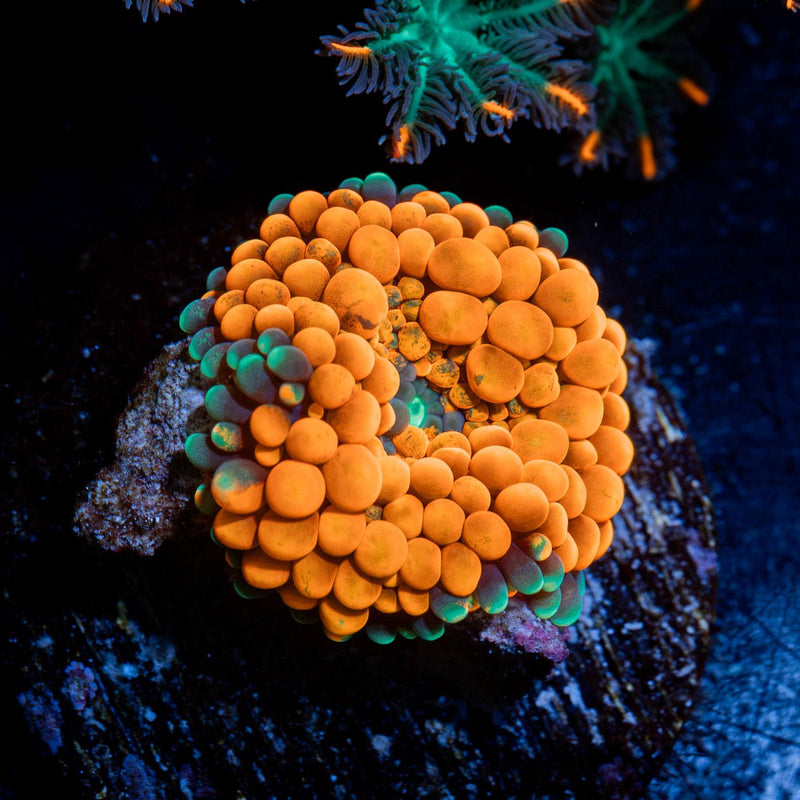
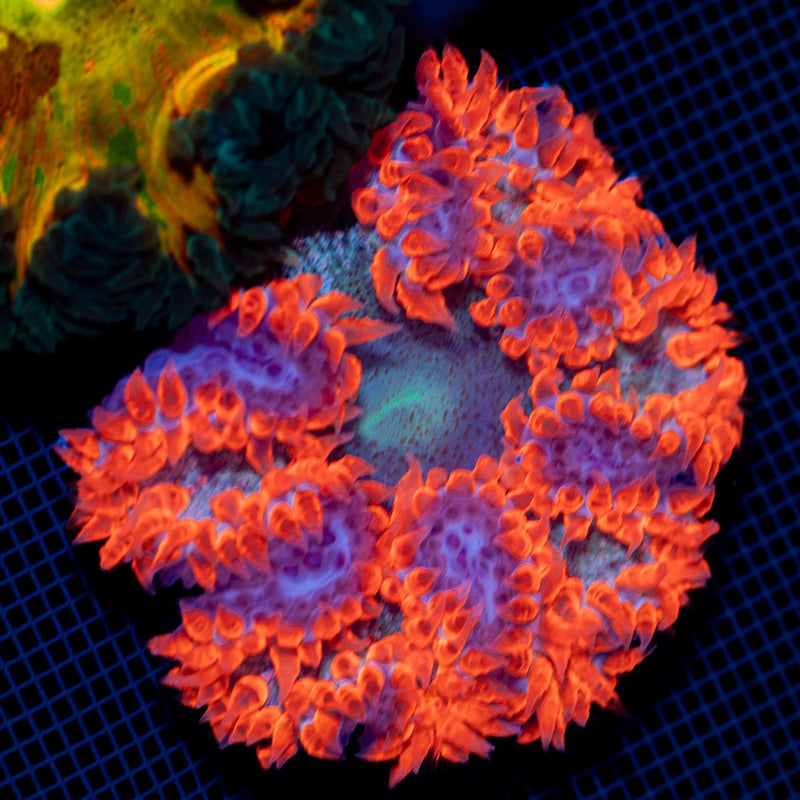
Bubble Tip Anemones are the species most hobbyists mean when they talk about reef-friendly options. They are popular for a reason. They adapt better to aquarium life than many alternatives, come in vibrant colors, and are widely kept in mixed reefs. That said, even a Bubble Tip can move if lighting, flow, or footing is not right.
The best reef safe anemones for sale for most hobbyists
If your goal is a colorful anemone with the strongest chance of long-term success in a home reef, start with tank-bred or aquacultured Bubble Tip Anemones when available. They offer the best balance of beauty, hardiness, and practicality for most reef keepers.
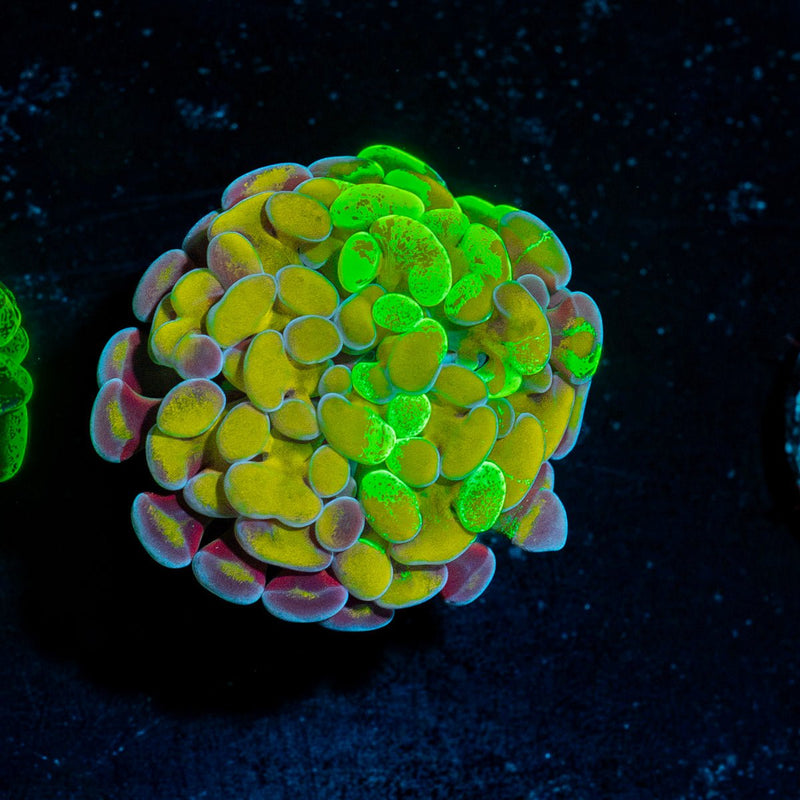
Bubble Tip Anemones
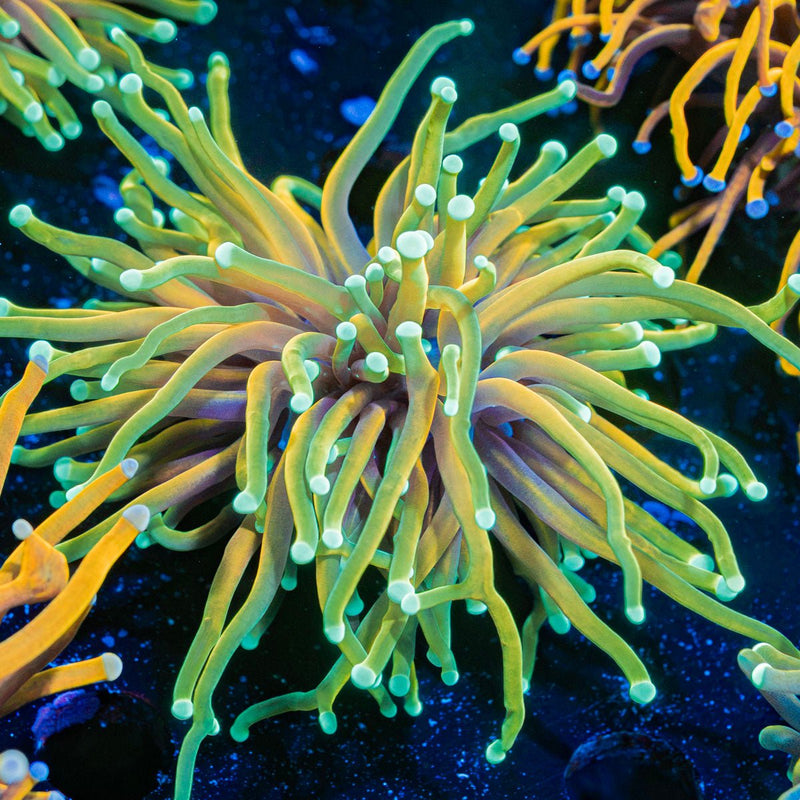
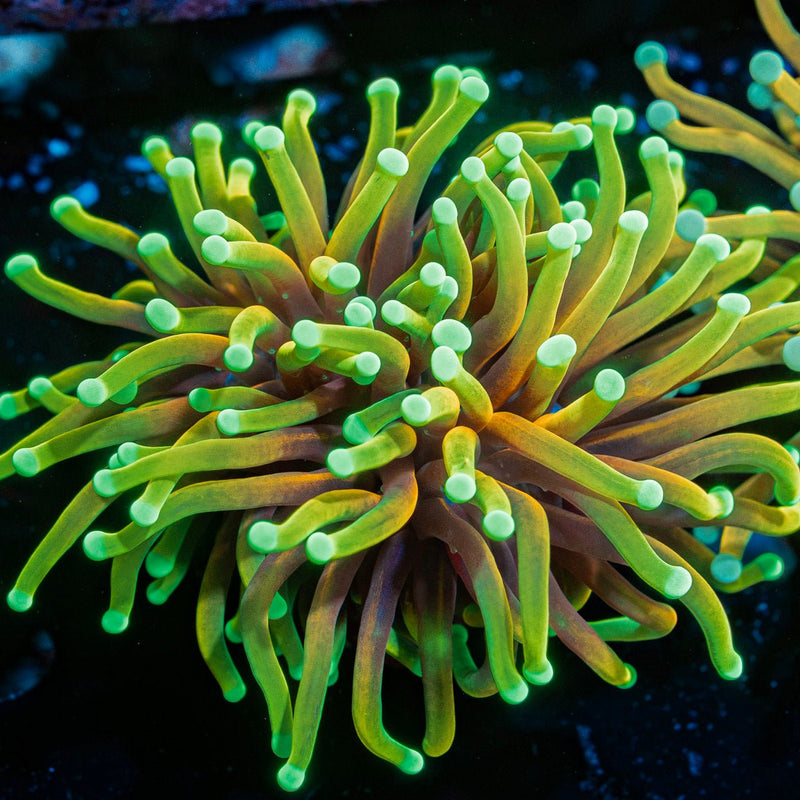
Bubble Tip Anemones, often called BTAs, are the clear front-runner for mixed reef tanks. They are available in striking color morphs, from rich reds and oranges to brighter green and rainbow variations, and they tend to acclimate well in stable systems. For many hobbyists, they deliver that classic anemone look without pushing into the higher-risk category of more demanding species.
The big advantage is predictability - not perfect predictability, but better odds. BTAs often attach deep in rock crevices and, once comfortable, may stay in place for long periods. They are still capable of moving, especially after introduction or if tank conditions shift, but they are generally the most approachable choice for beginners and intermediate reef keepers.
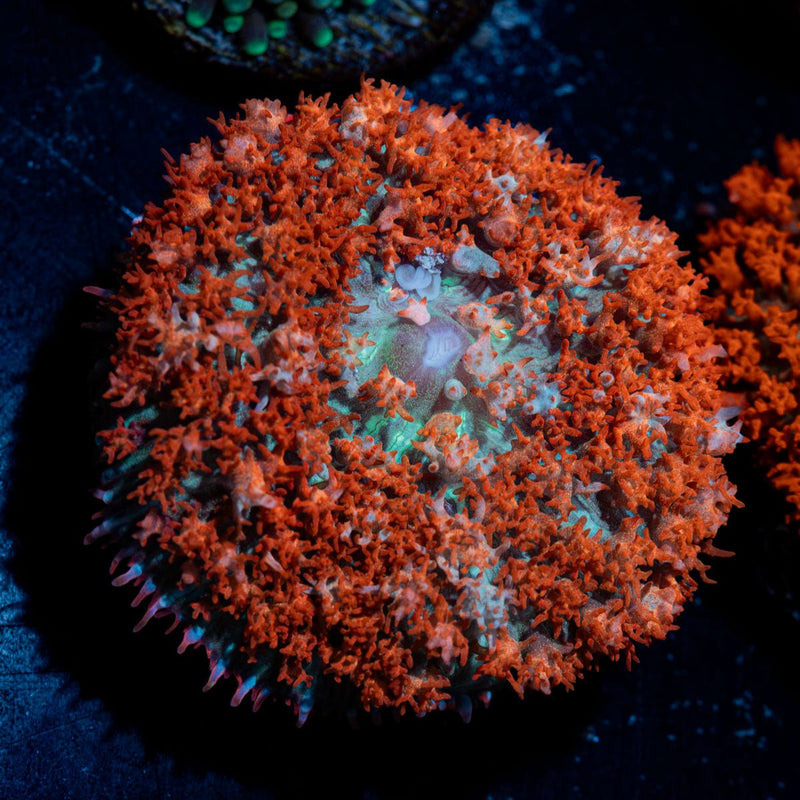
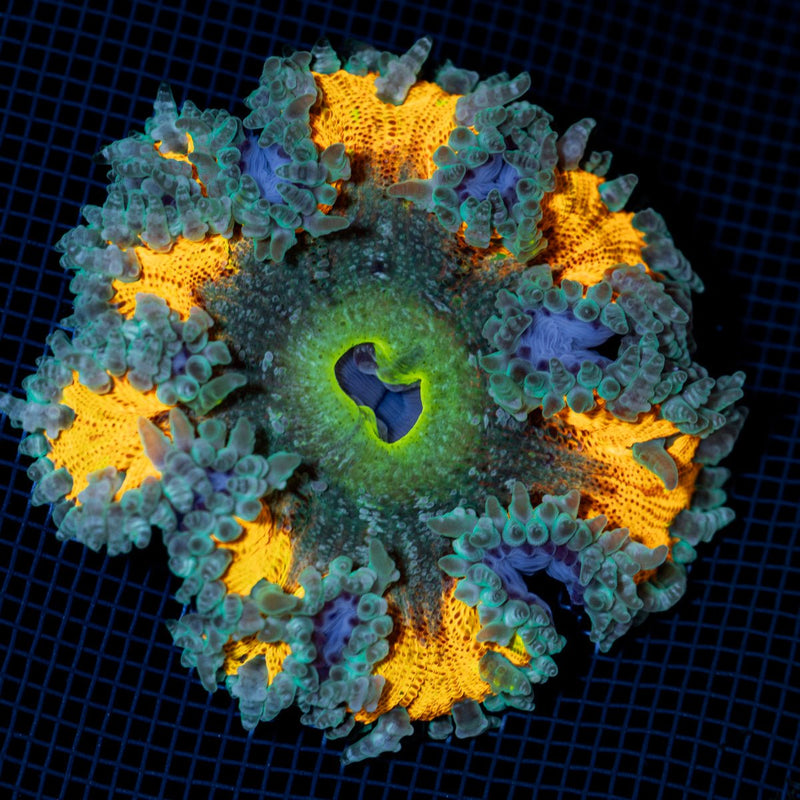
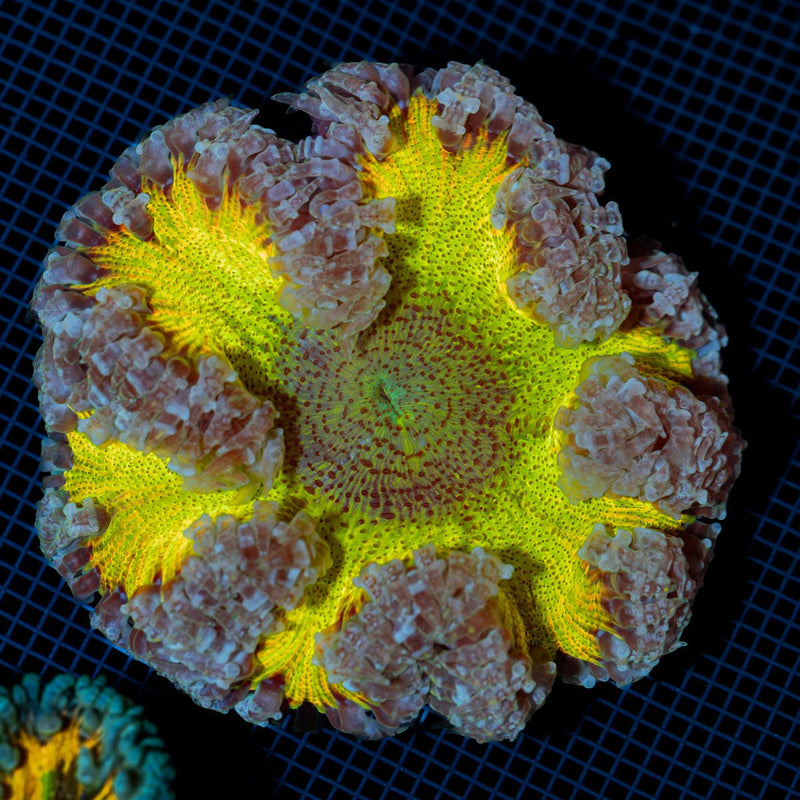
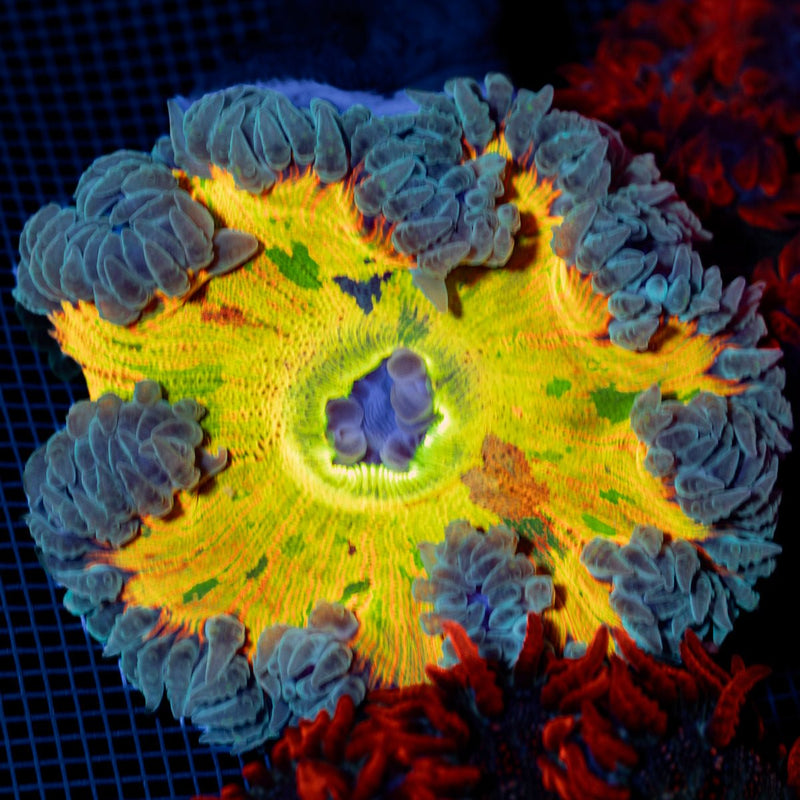
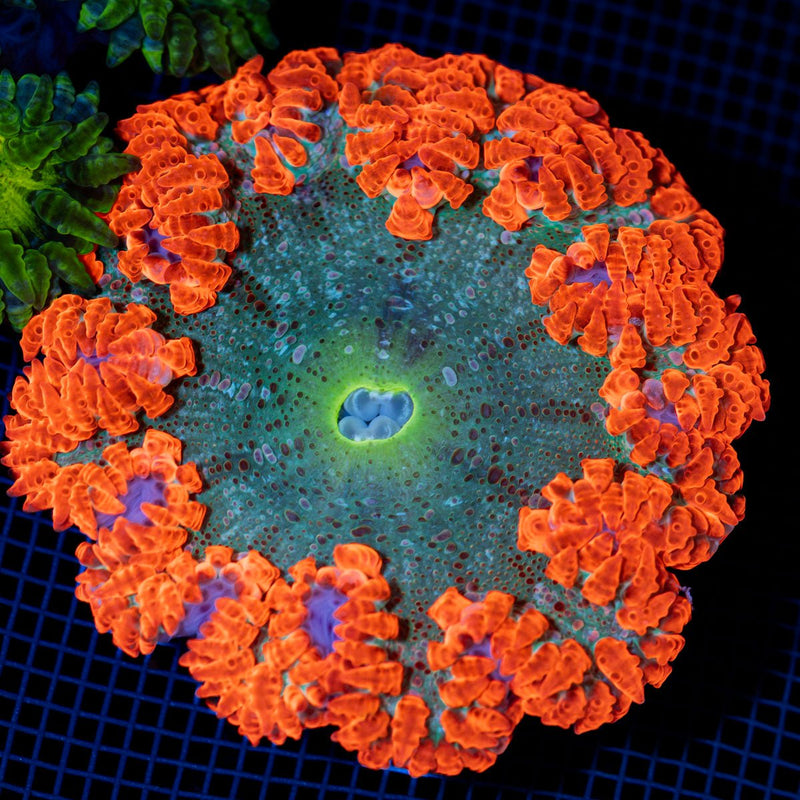
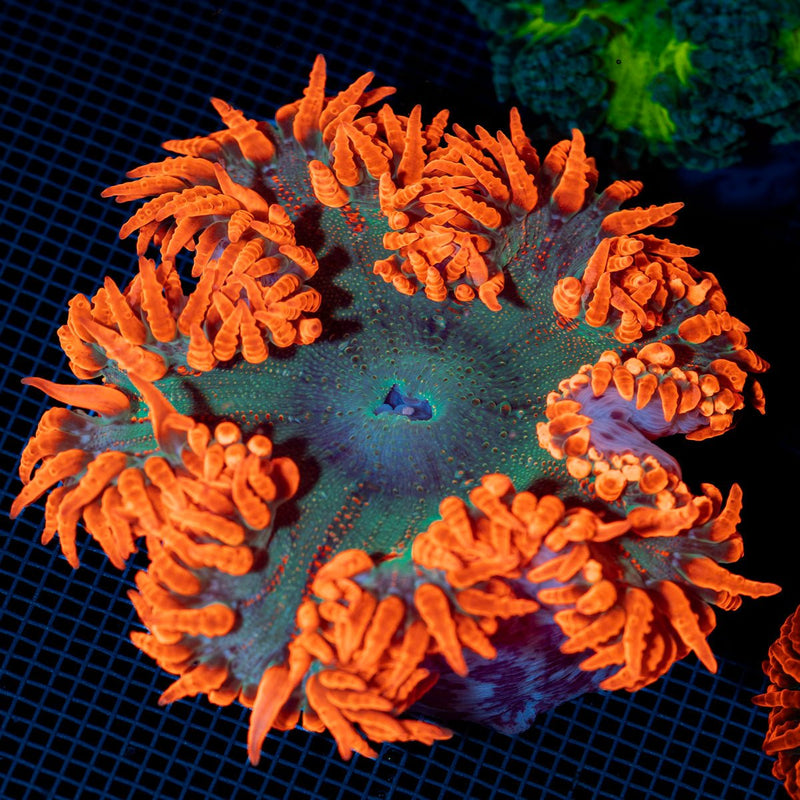
Rock Flower Anemones
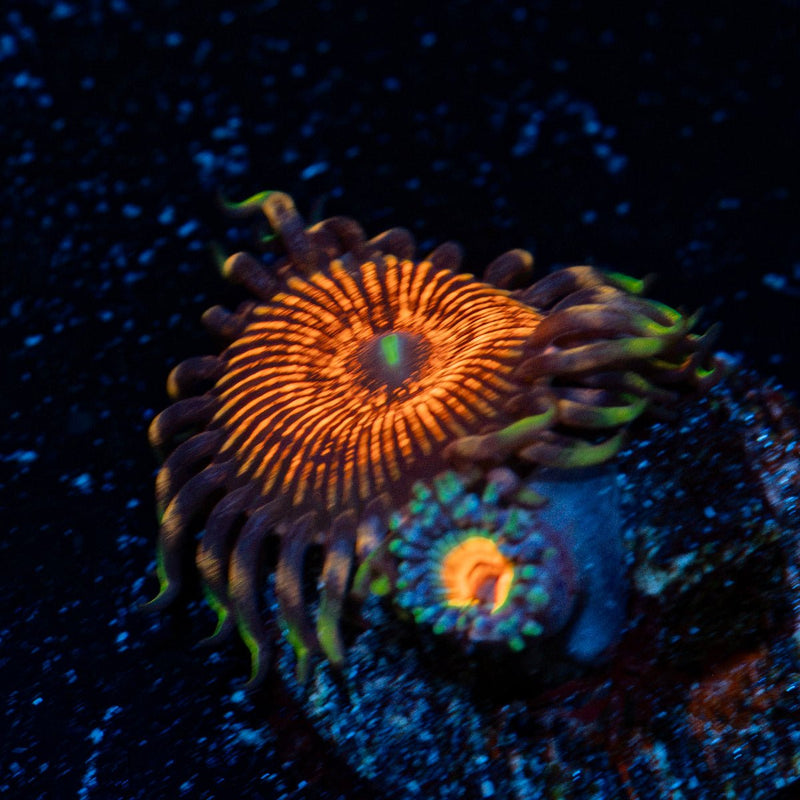
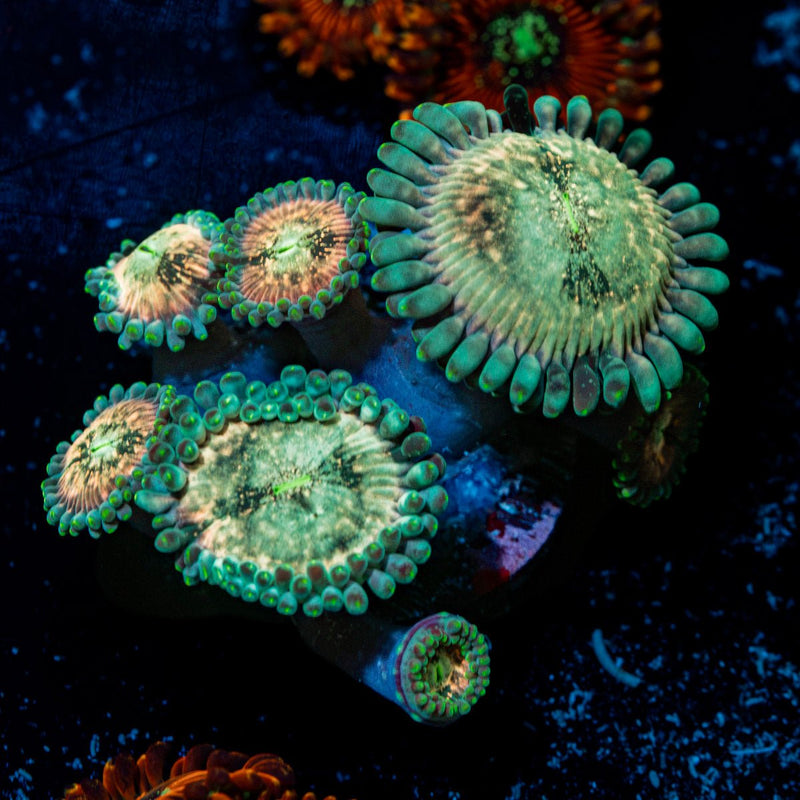
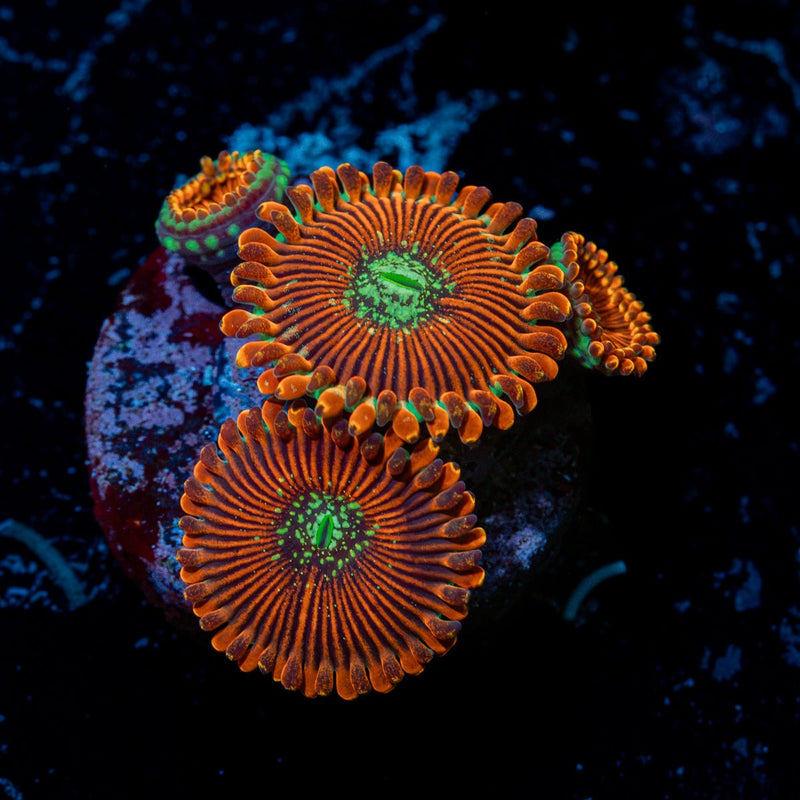
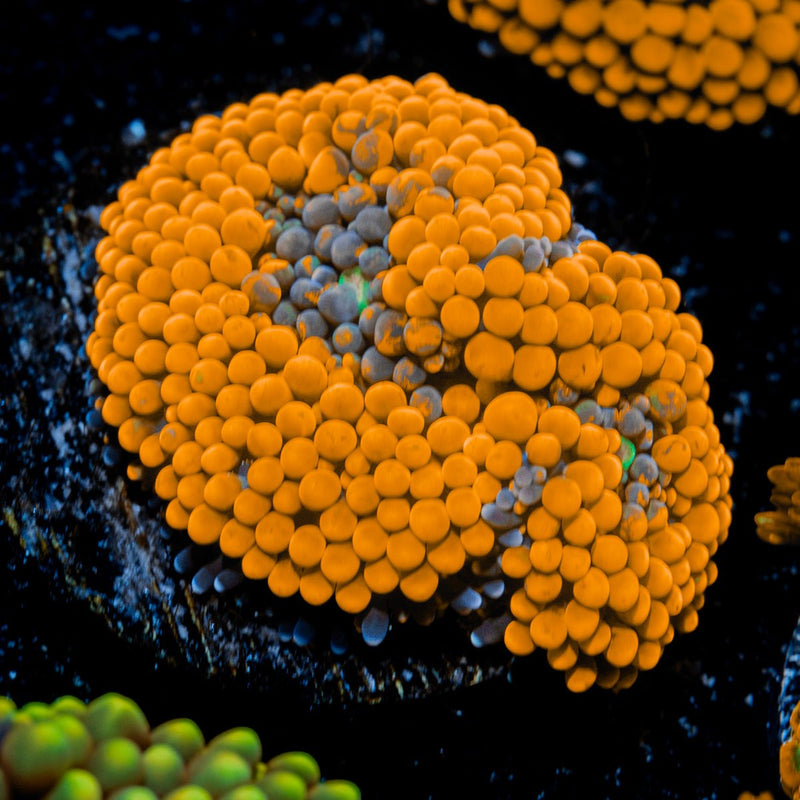
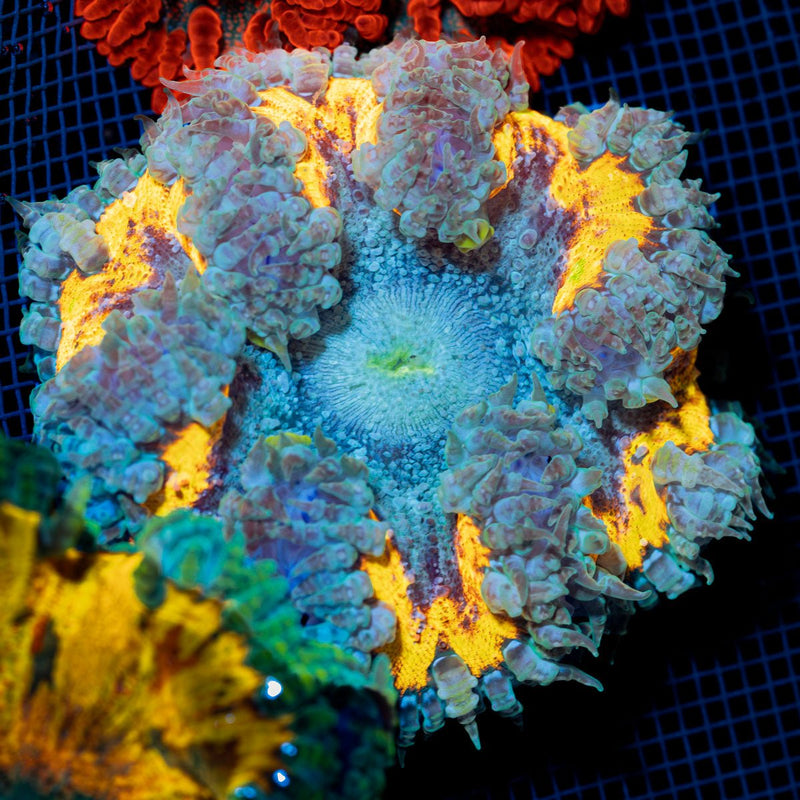
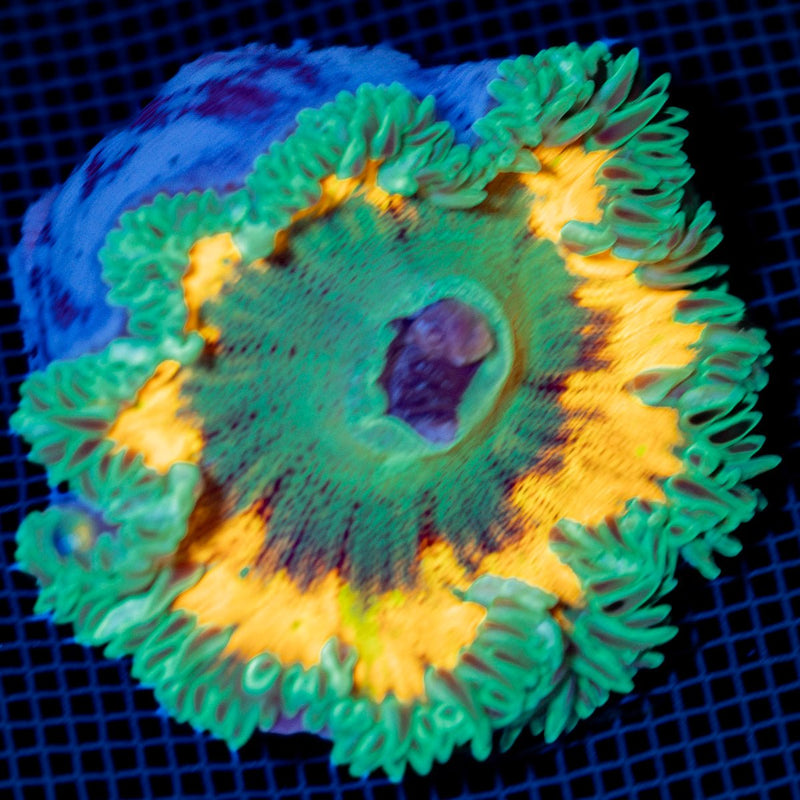
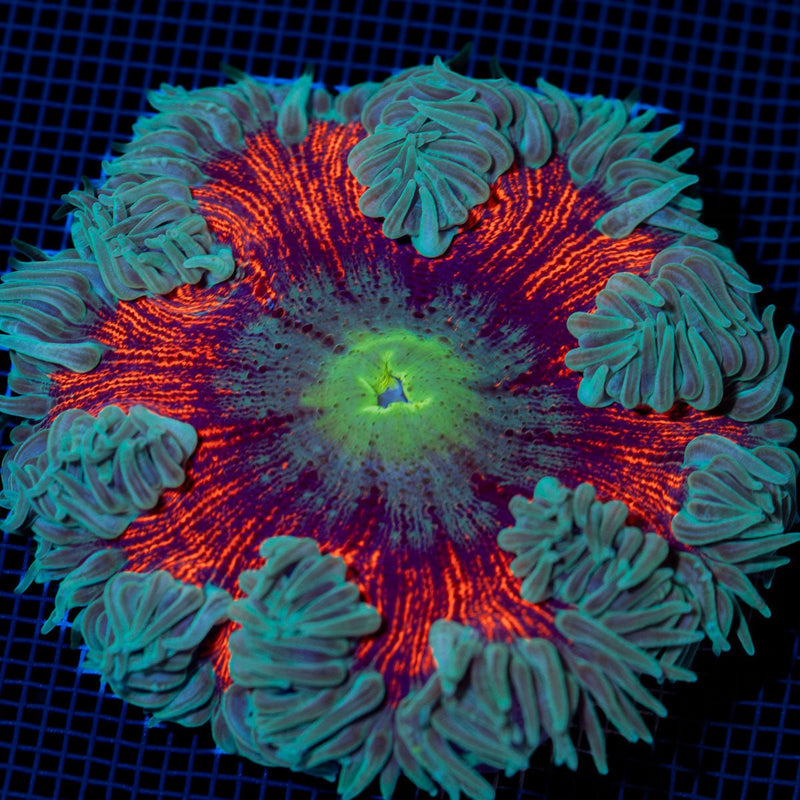
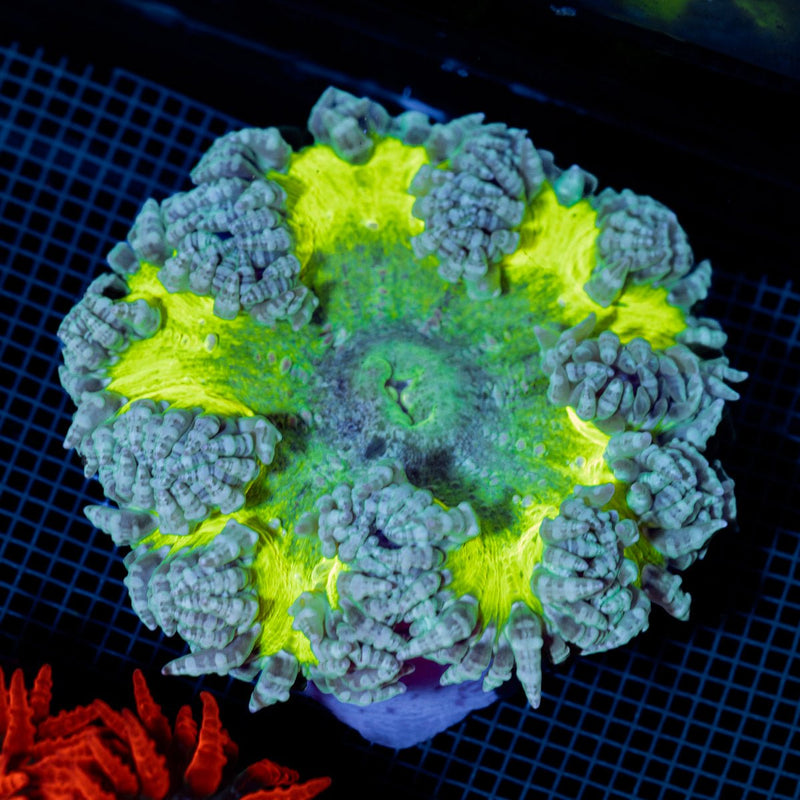
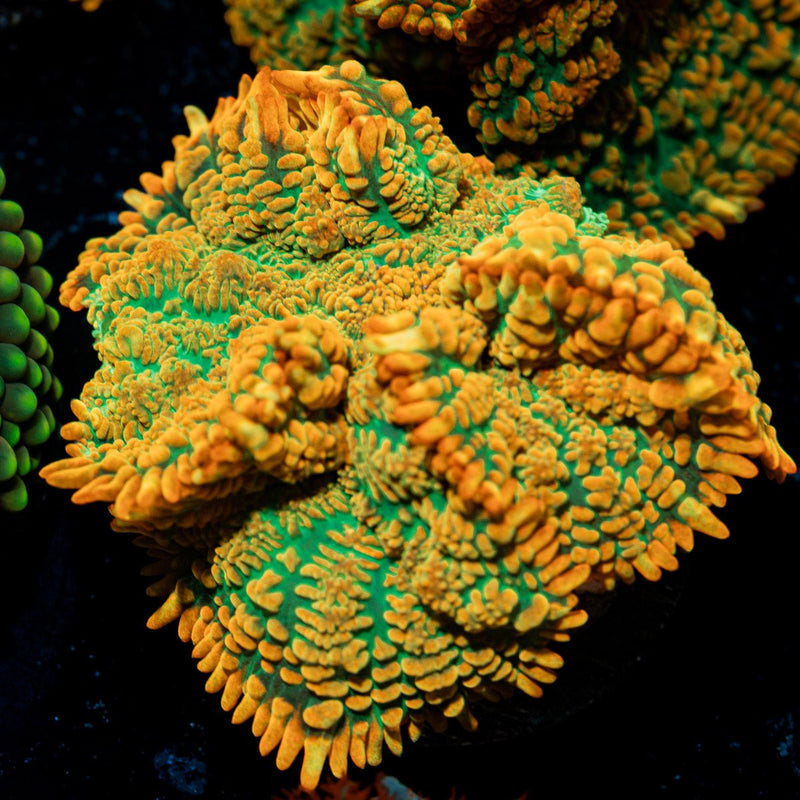
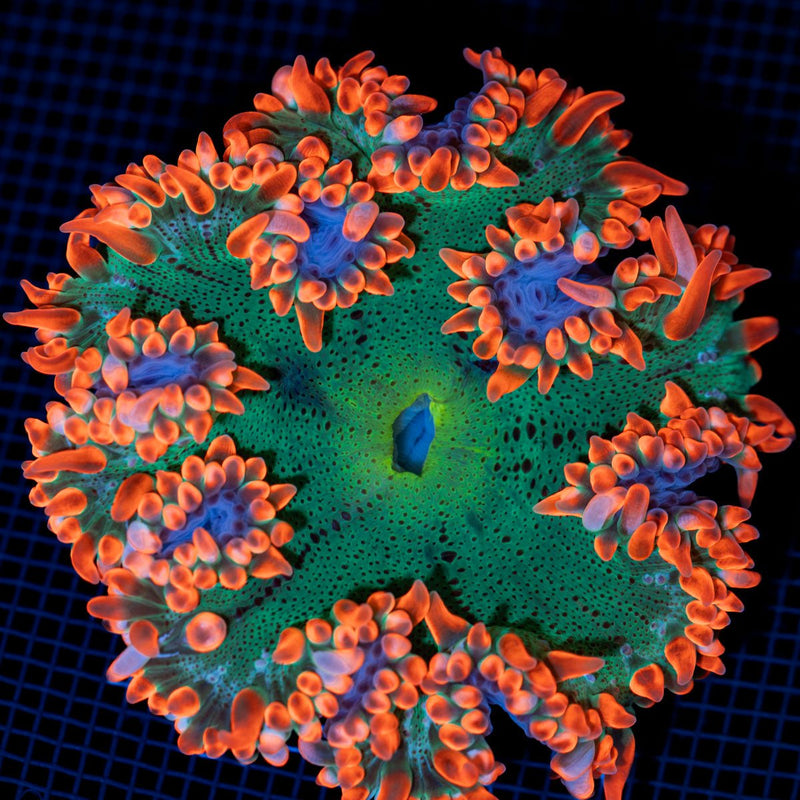
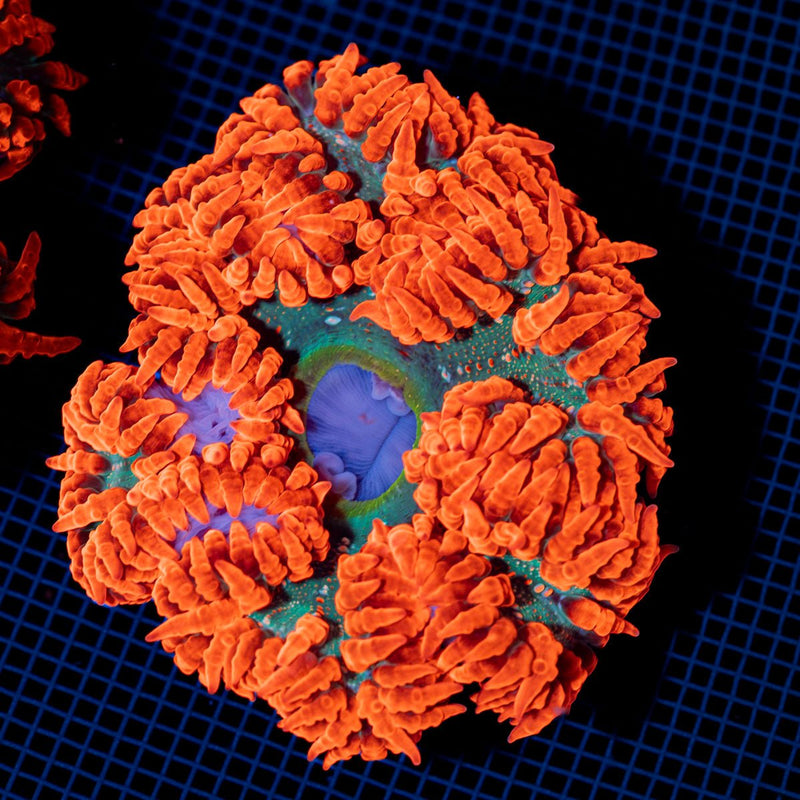
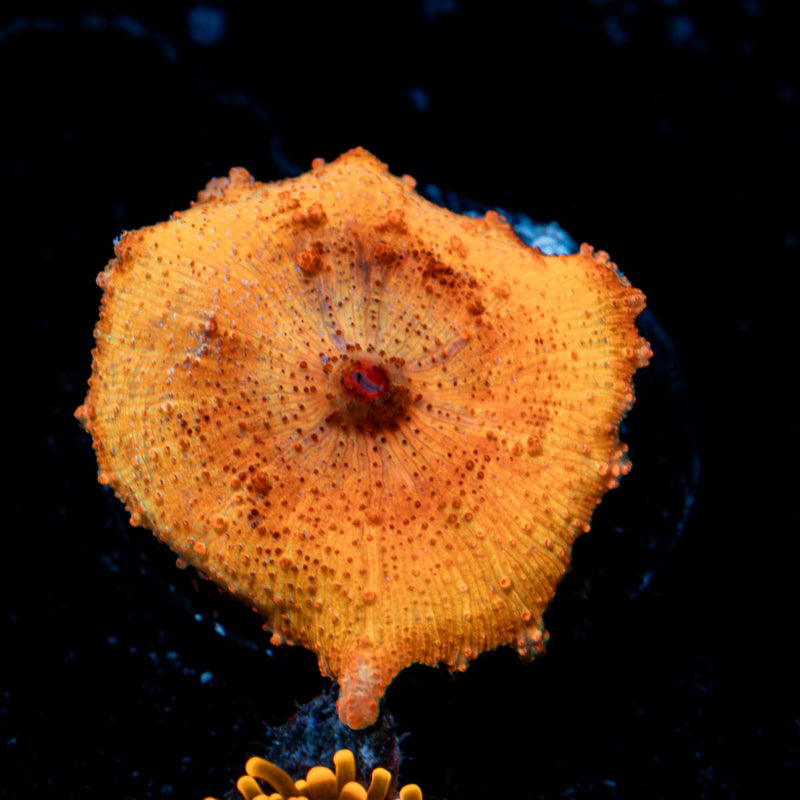
Rock Flower Anemones are another excellent option when people ask for reef safe anemones for sale. They are especially appealing for hobbyists who want bright color and lower drama. Unlike larger roaming species, Rock Flowers usually stay closer to where they settle, often on sand beds or lower rockwork.
They do not host clownfish the way BTAs often do, which matters if that symbiotic behavior is part of your vision. But if your priority is a vibrant anemone with a smaller footprint and a reduced chance of bulldozing through coral colonies, Rock Flower Anemones deserve serious consideration.
Species that are beautiful but less ideal in mixed reefs
This is where excitement needs a little restraint. Carpet anemones, Sebae anemones, and some larger host species can be stunning centerpieces, but they are not usually the best answer for a coral-packed display. They can grow large, sting aggressively, and create more serious compatibility issues.
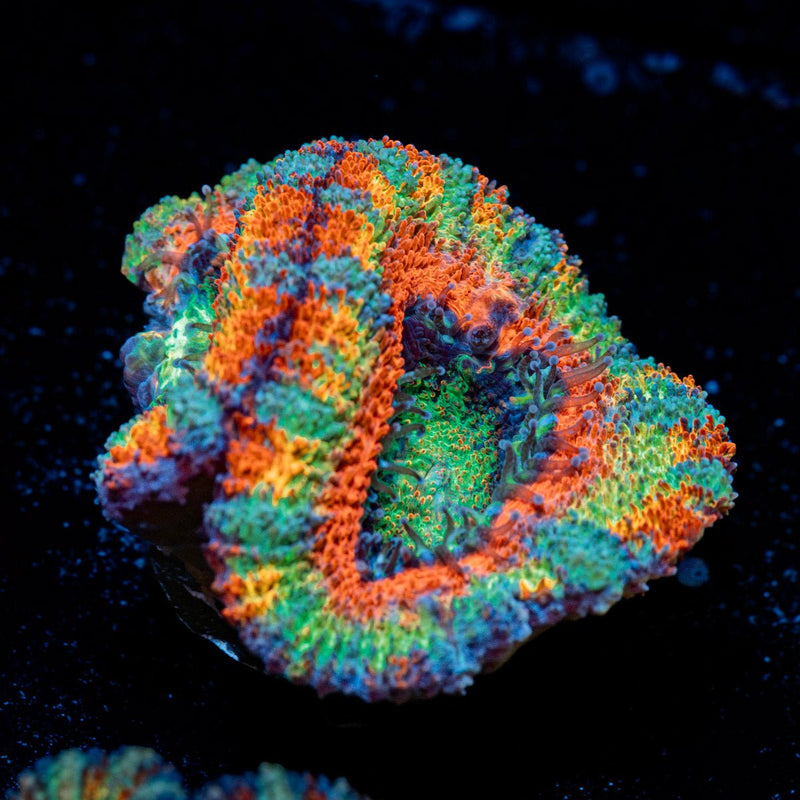
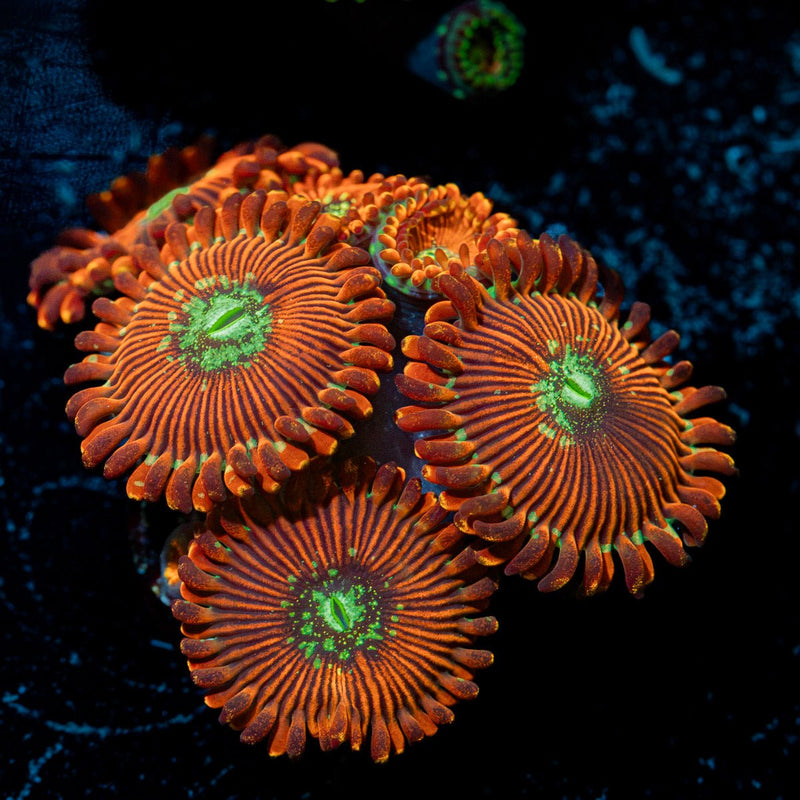
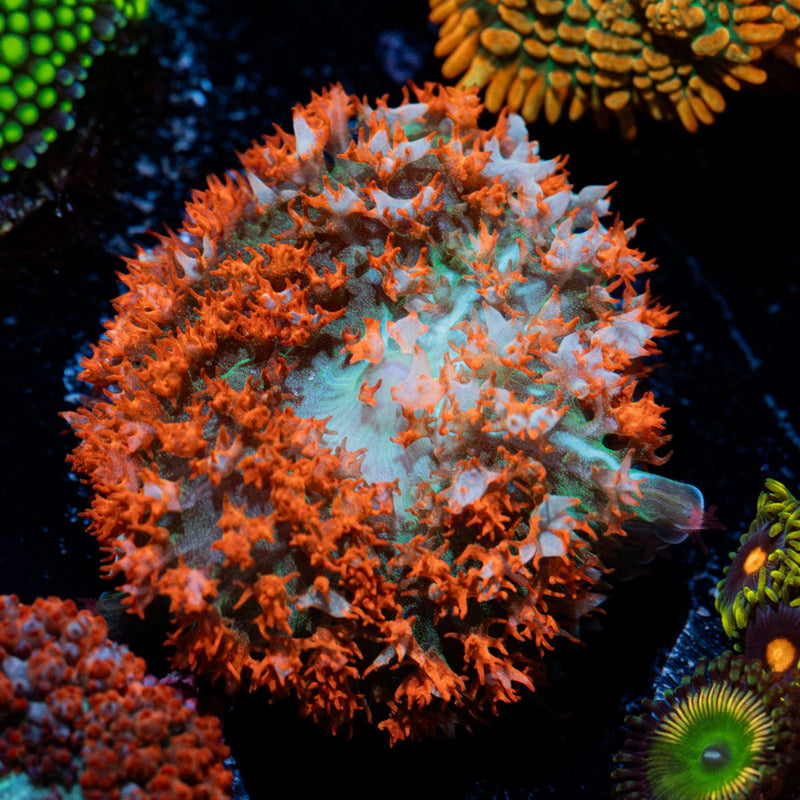
For advanced hobbyists with species-focused setups, these anemones can be rewarding. For the average mixed reef shopper, they often bring more risk than benefit. If your tank is built around acans, torches, zoas, mushrooms, and other colorful coral frags, a more manageable anemone usually makes the better long-term fit.
How to shop smart when you see reef safe anemones for sale
The best purchase is not just about species. It is about buying a healthy specimen that matches your system.
A healthy anemone should look full, responsive, and well attached when possible. Tentacles should show normal extension for the species, the mouth should not appear gaping, and the overall animal should look inflated rather than collapsed for long periods. Some temporary deflation is normal, especially during acclimation, but consistently poor inflation is a red flag.
Aquacultured livestock offers real advantages here. Animals that have been grown and maintained in captivity often adapt more readily to aquarium life than freshly imported specimens. That does not remove all risk, but it does tilt the odds in your favor. For online buyers, transparent merchandising also matters. Clear specimen photos, honest category descriptions, and a focus on healthy, established livestock can make the difference between a confident purchase and a gamble.
Tank conditions matter more than most listings admit
Anemones are not beginner livestock just because they are common. They do best in established aquariums with stable salinity, temperature, alkalinity, and nutrient levels. A brand-new tank may look ready, but anemones tend to expose instability faster than many corals will.
Lighting should be reef-capable and consistent. Most commonly kept anemones need moderate to strong light, though exact intensity depends on species and acclimation. Flow should be enough to keep the animal healthy without blasting it. The sweet spot is often indirect, varied flow that allows tentacles to move naturally rather than fold over or whip violently.
Tank maturity is a big one. Many hobbyists rush this step because anemones are irresistible. A mature, stable reef gives you a much better chance of keeping the animal settled and healthy. If your tank still swings, still cycles through nuisance algae blooms, or still feels unpredictable week to week, waiting is usually the smarter move.
Coral compatibility is all about spacing
Even the most reef-friendly anemone can become a problem if it is placed too close to prized corals. Anemones need room, and they do not respect the boundaries you imagined when you built the aquascape.
Give them a zone. If you are adding a Bubble Tip, many reef keepers intentionally create an island or a separated rock structure where the anemone can anchor and expand with less chance of touching nearby corals. This does not guarantee it will stay there, but it improves the odds.
Rock Flower Anemones are easier to work around because they are less likely to wander into the middle of a torch garden. Even so, spacing matters. Their sting is still real, and corals do not win many direct encounters.
A few honest trade-offs before you buy
Anemones bring motion and personality that few corals can match. They can also bring frustration. If you want a display where every frag stays exactly where you placed it and coral growth is the only thing changing shape, an anemone may not fit your style.
There is also the clownfish question. Many hobbyists want that iconic hosting behavior, and a Bubble Tip is the usual choice. But clownfish do not always cooperate on your schedule. Some host immediately, some ignore the anemone for months, and some pick a powerhead or torch coral instead. It is one of those parts of reef keeping that depends on the fish, the species, and a little luck.
The other trade-off is real estate. A healthy anemone can become a visual centerpiece, which is great until it starts claiming space you planned for coral growth. Think ahead. The best-looking mixed reefs are not just colorful - they are balanced.
Who should buy an anemone now, and who should wait
If your tank is mature, parameters are steady, your lighting is proven, and you are ready to give the animal dedicated space, this can be a great time to add an anemone. Bubble Tips are the most natural starting point for many reef keepers, while Rock Flower Anemones make a strong alternative for hobbyists who want bright color with a smaller compatibility footprint.
If your tank is newly established, your rockwork is still shifting, or you are just starting to build out a coral collection, waiting may save you money and frustration. There is nothing wrong with letting the reef settle first and choosing livestock in the order that gives each addition the best chance to thrive.
For hobbyists shopping online, confidence comes from more than a species name. It comes from healthy aquacultured livestock, clear presentation, and the reassurance that what you are buying was chosen for reef keepers who care about both beauty and compatibility. That is why curated selections matter.
A great anemone should add movement, color, and life to your reef - not make you second-guess the whole layout. Buy for the tank you actually have, not the dream tank you might build later, and you will usually make the better choice.
Products from the article