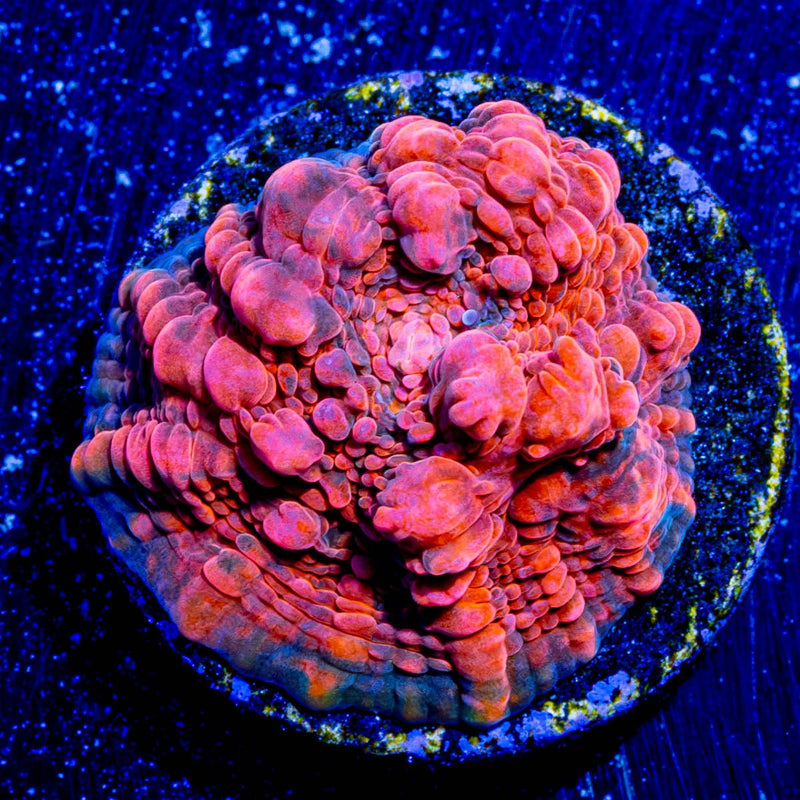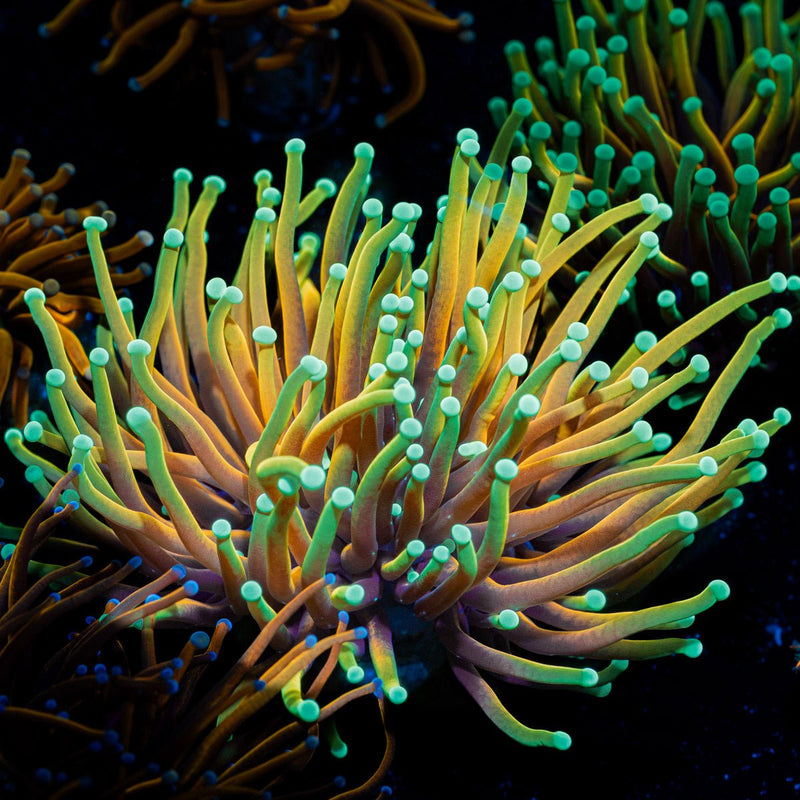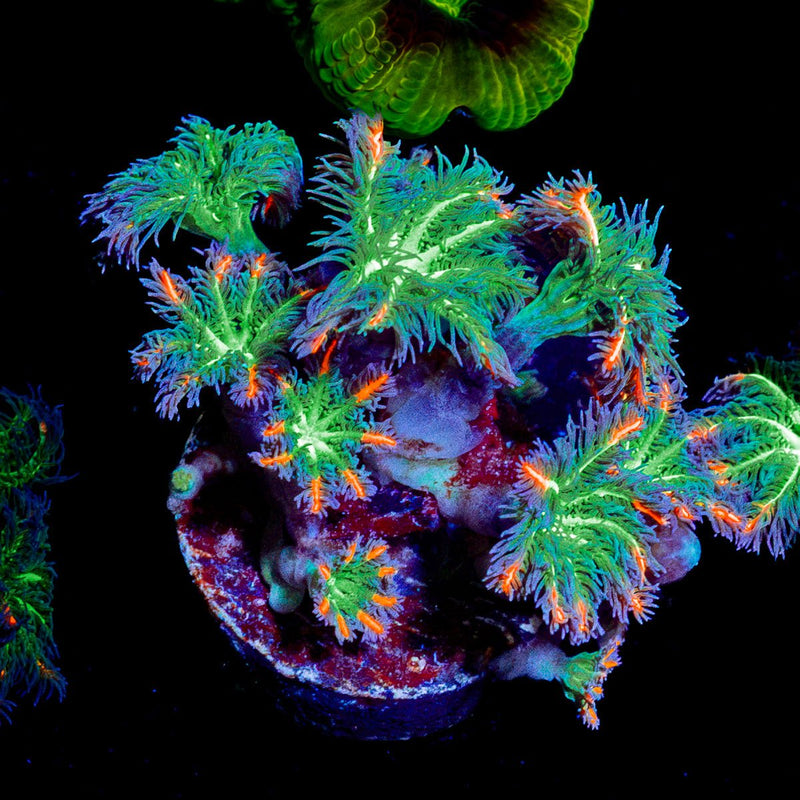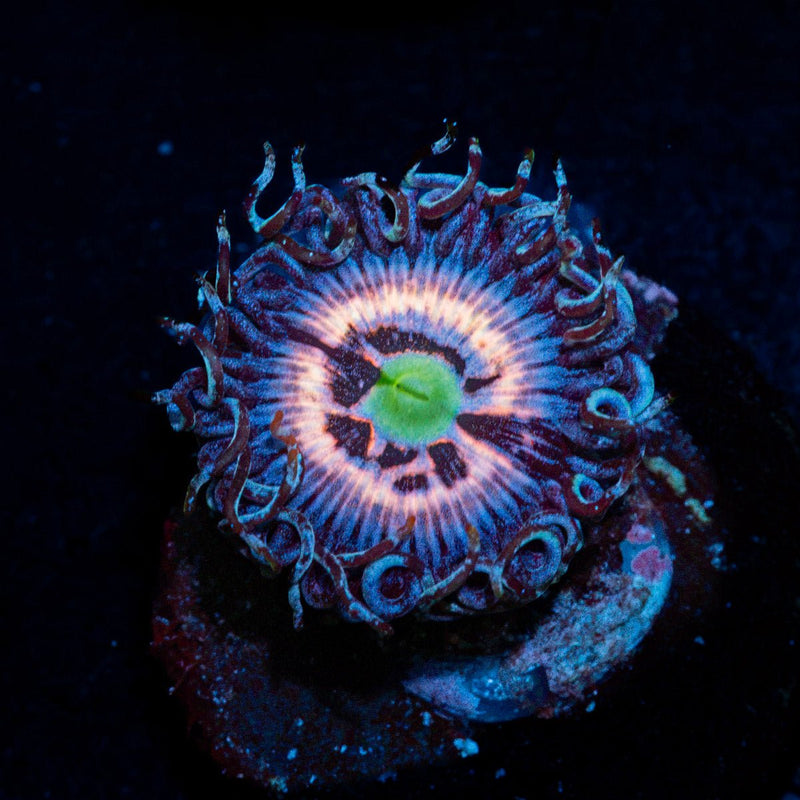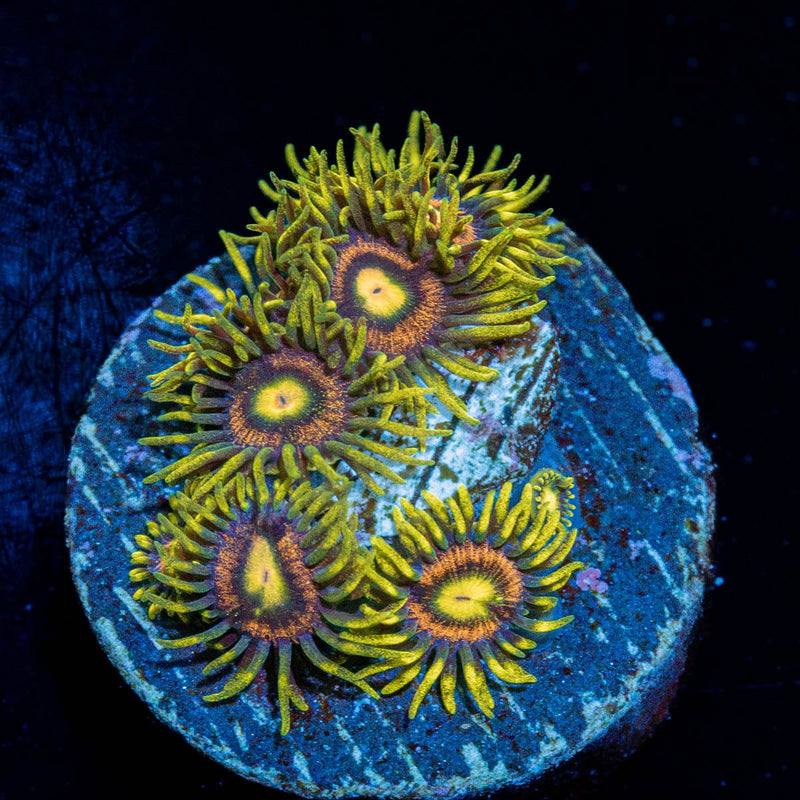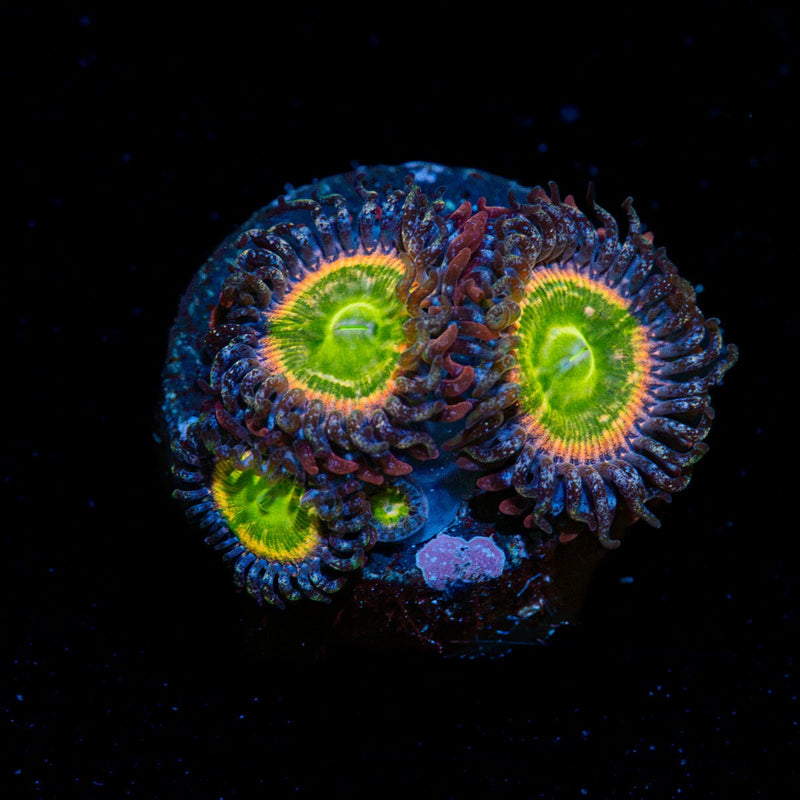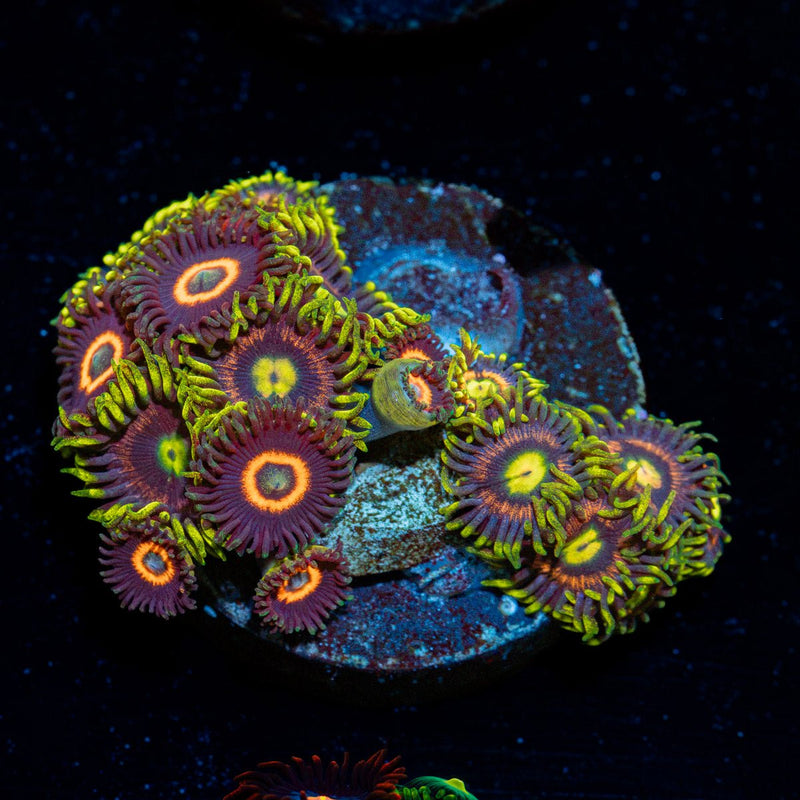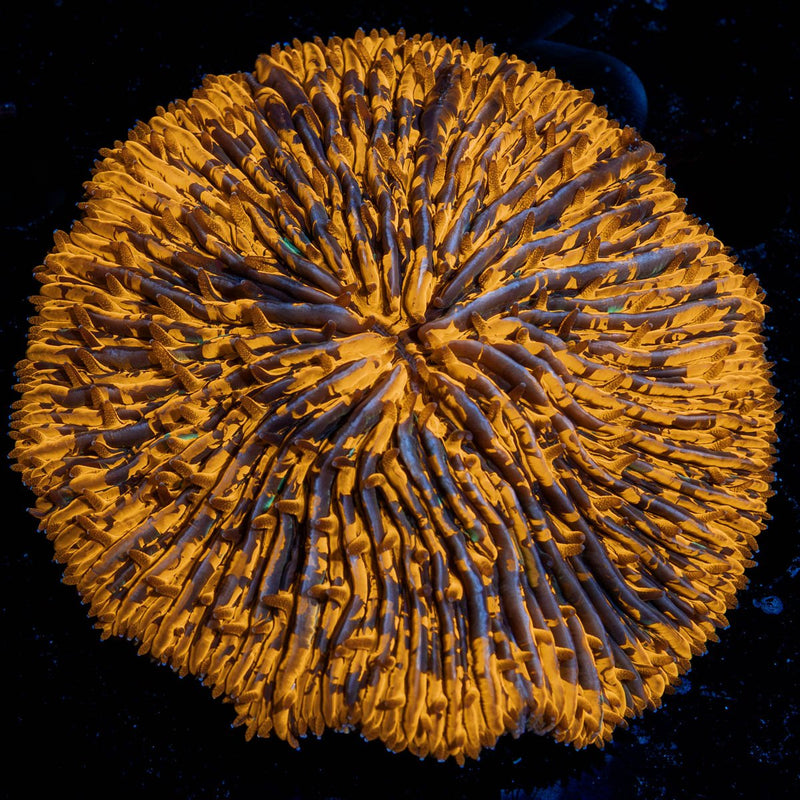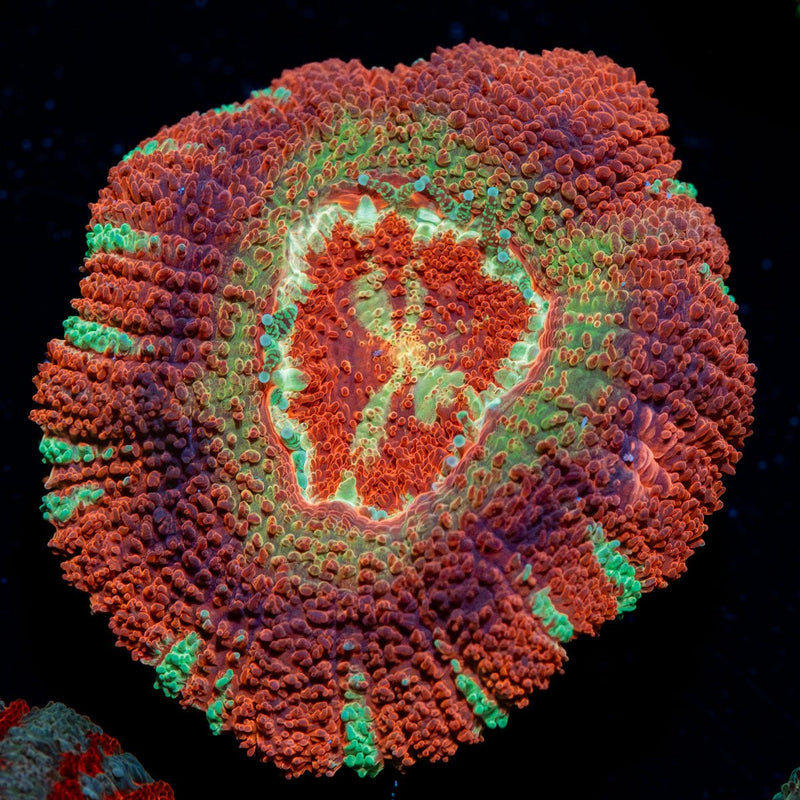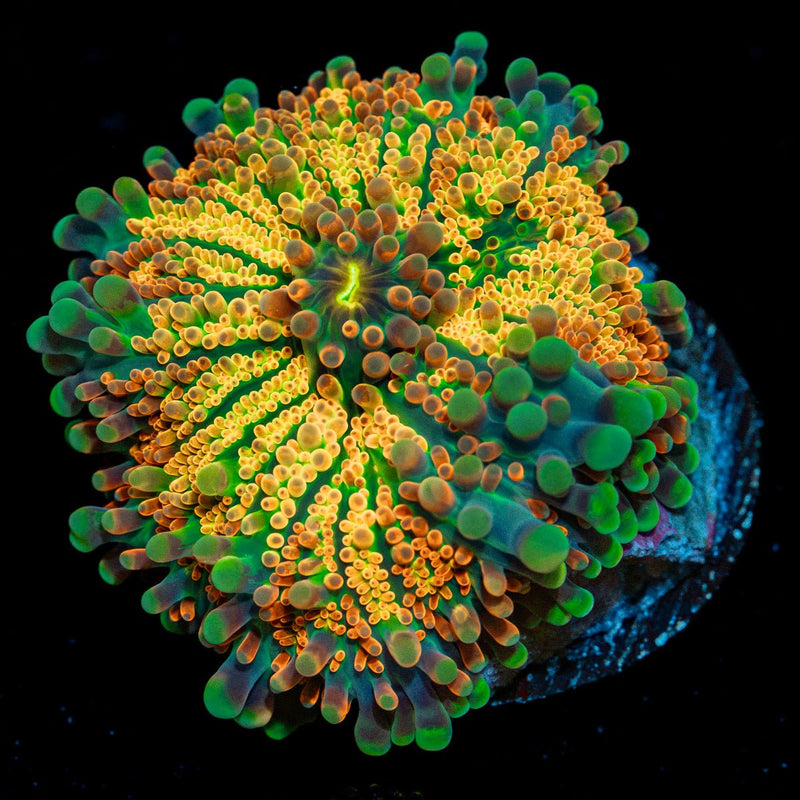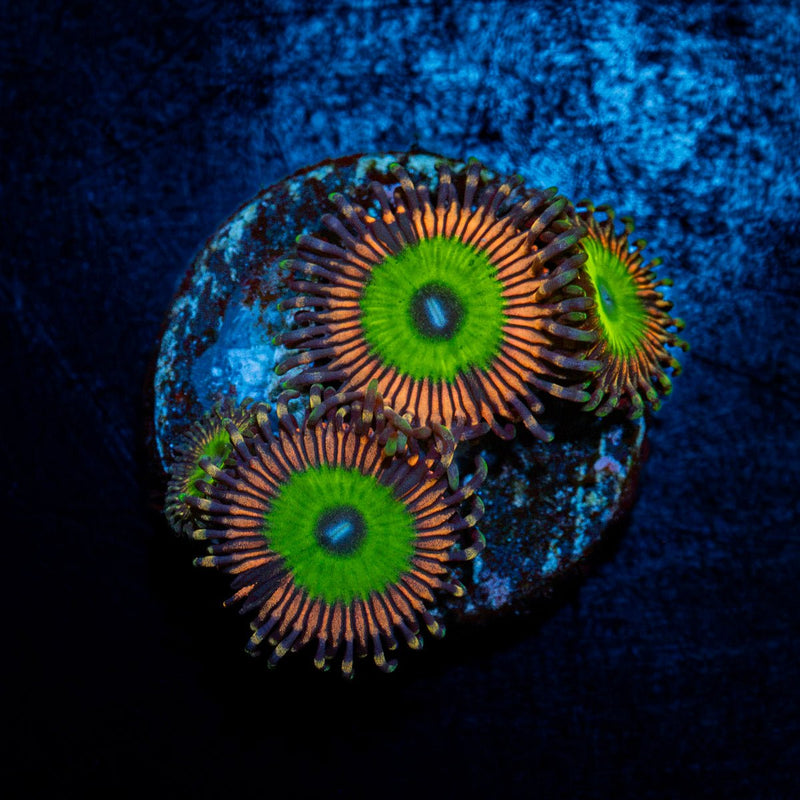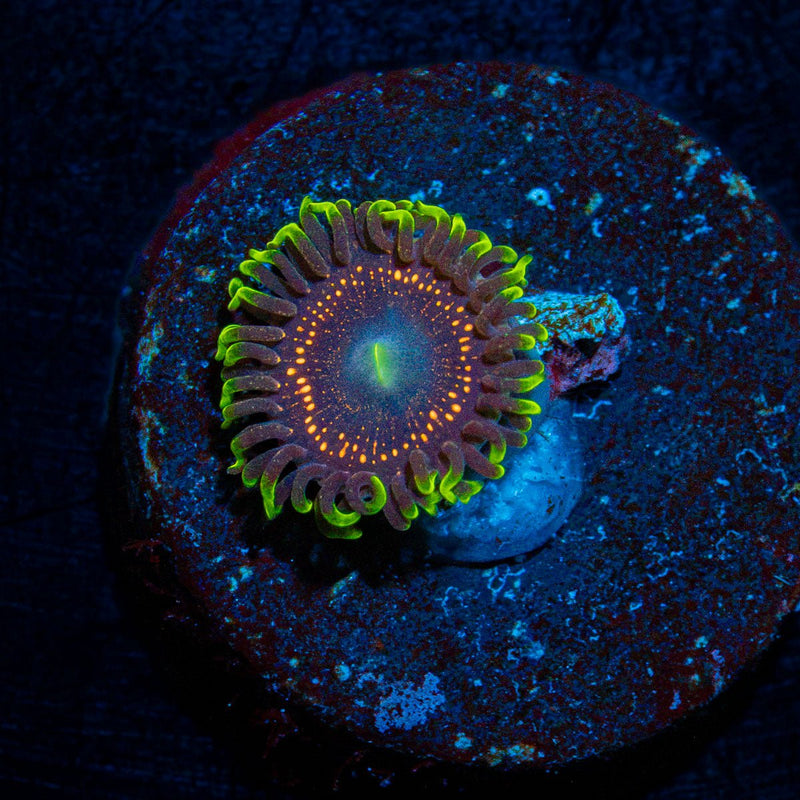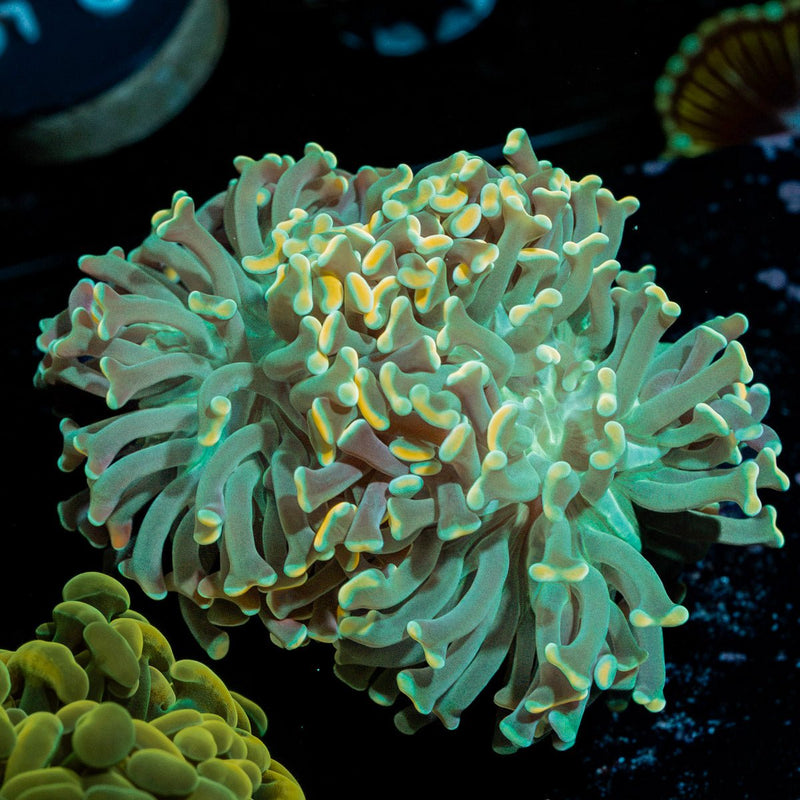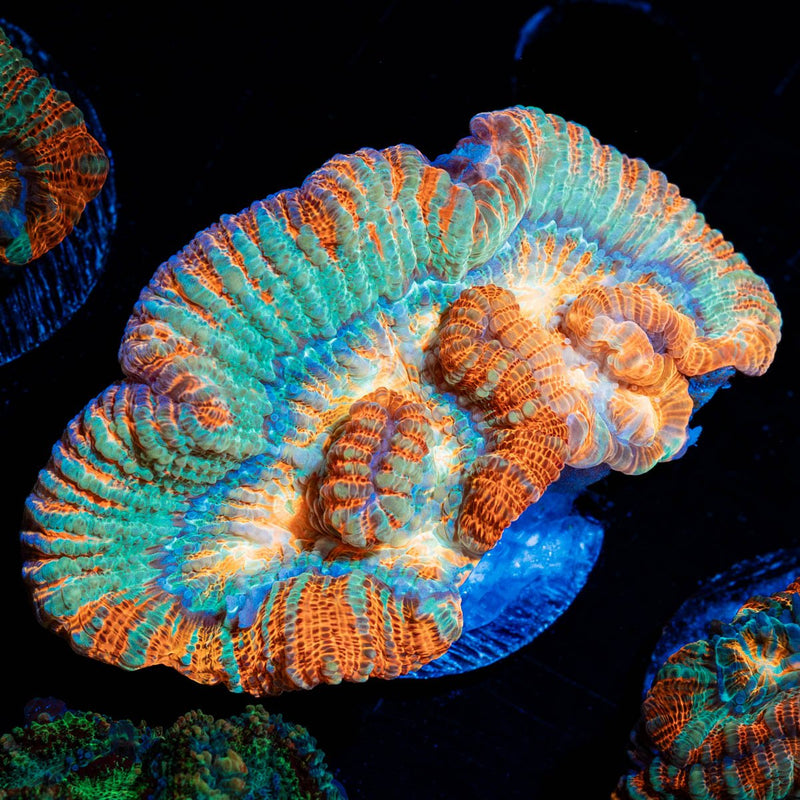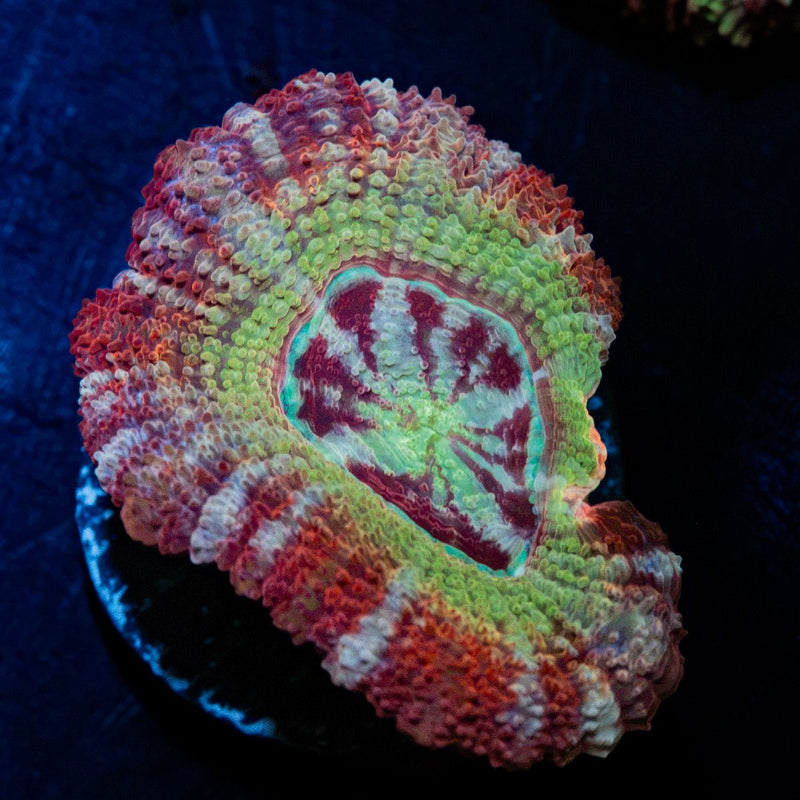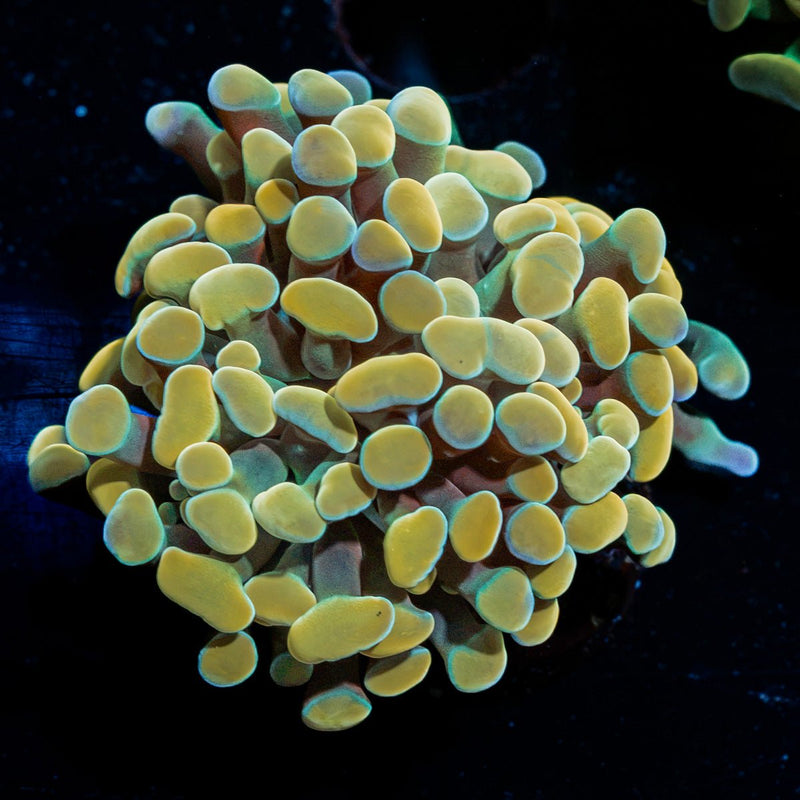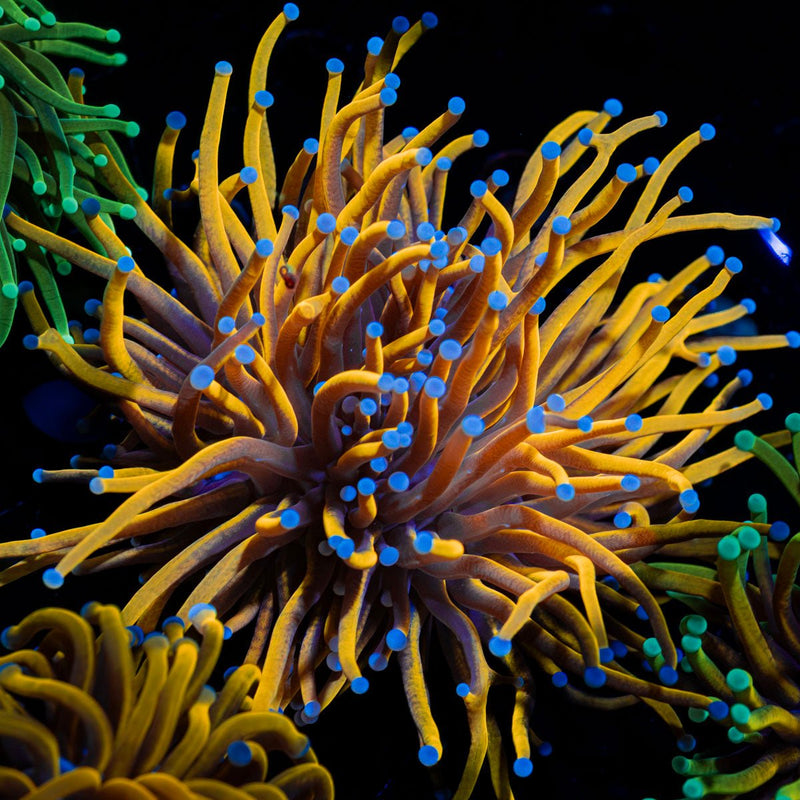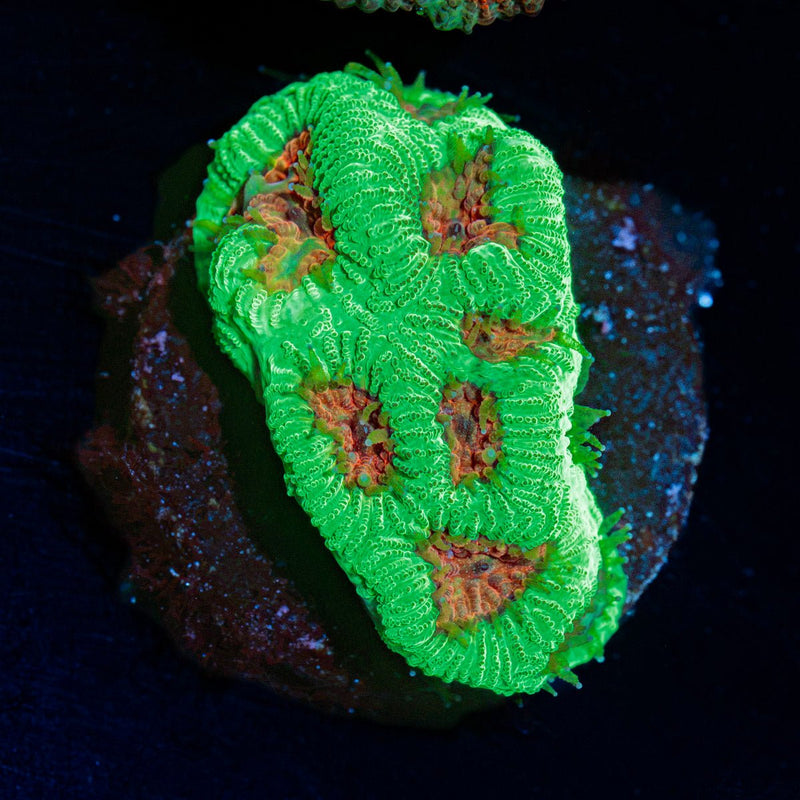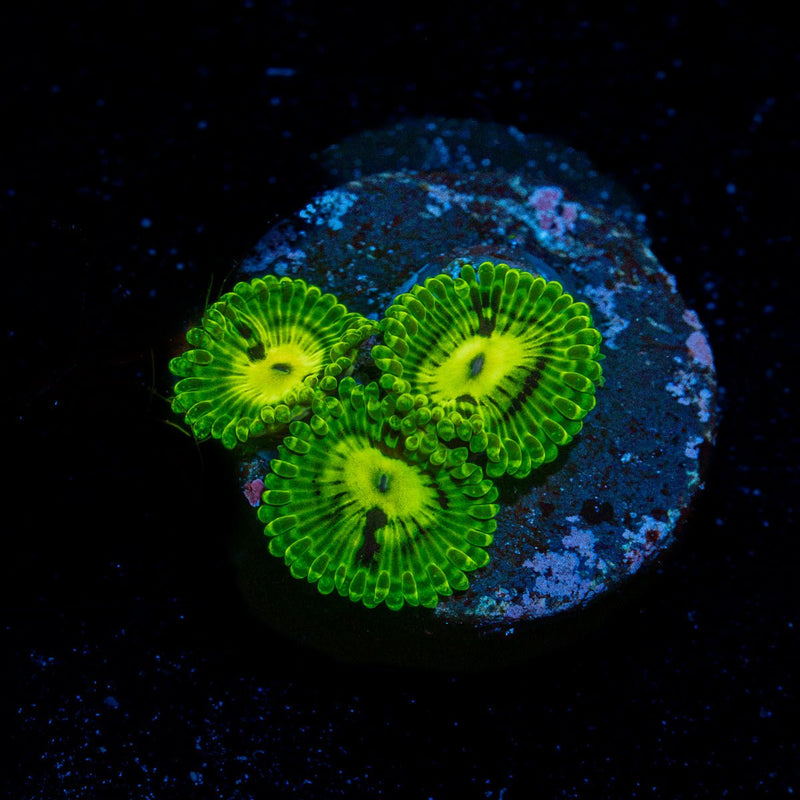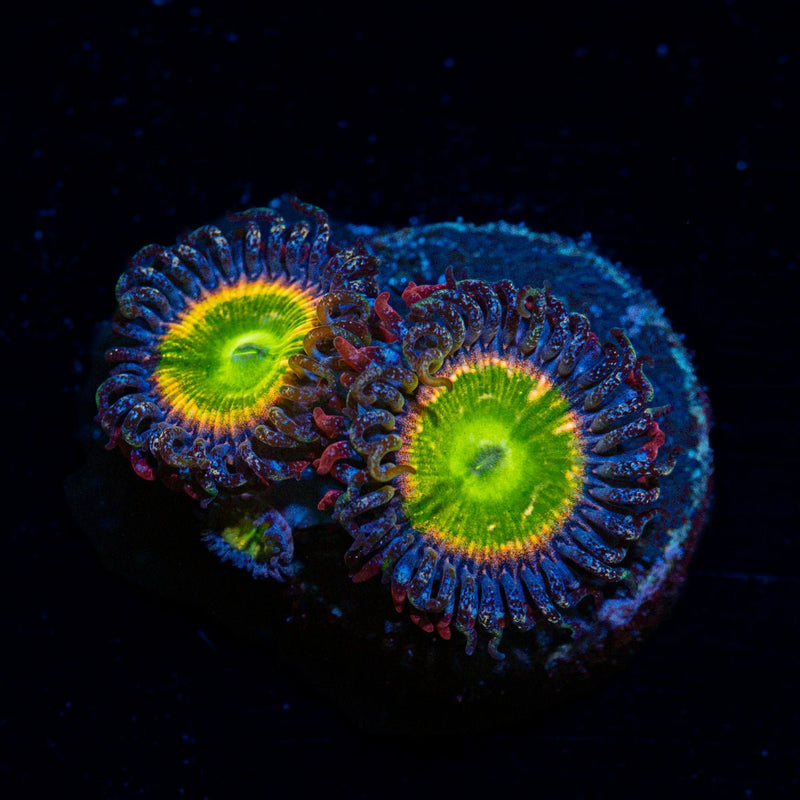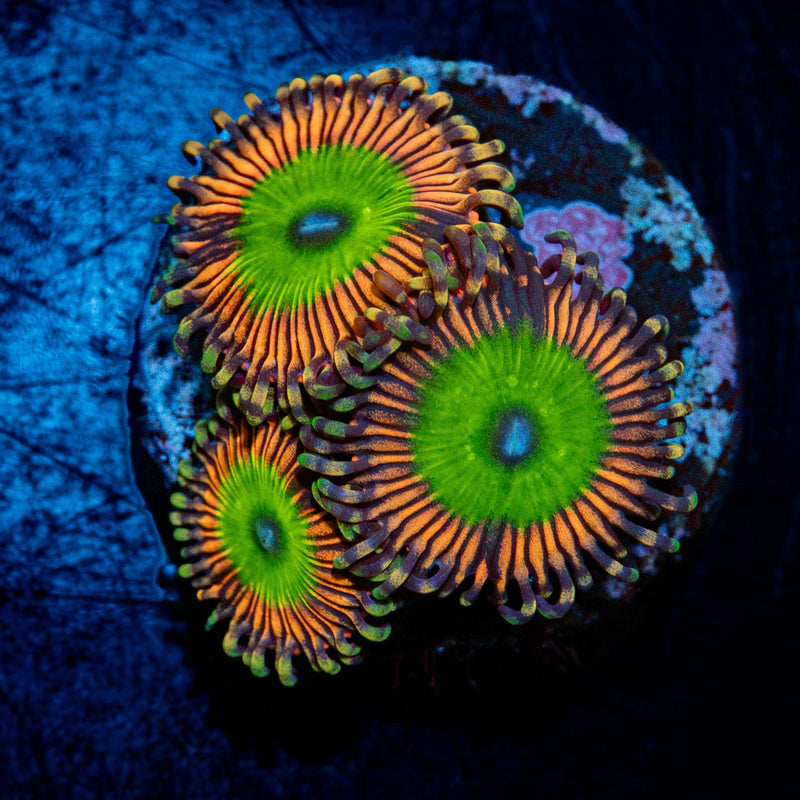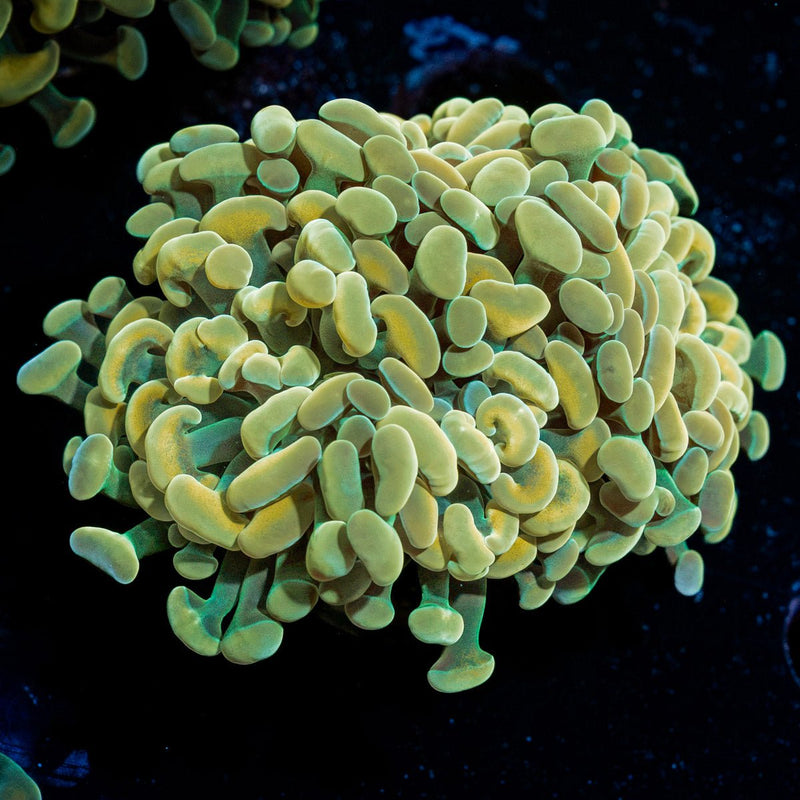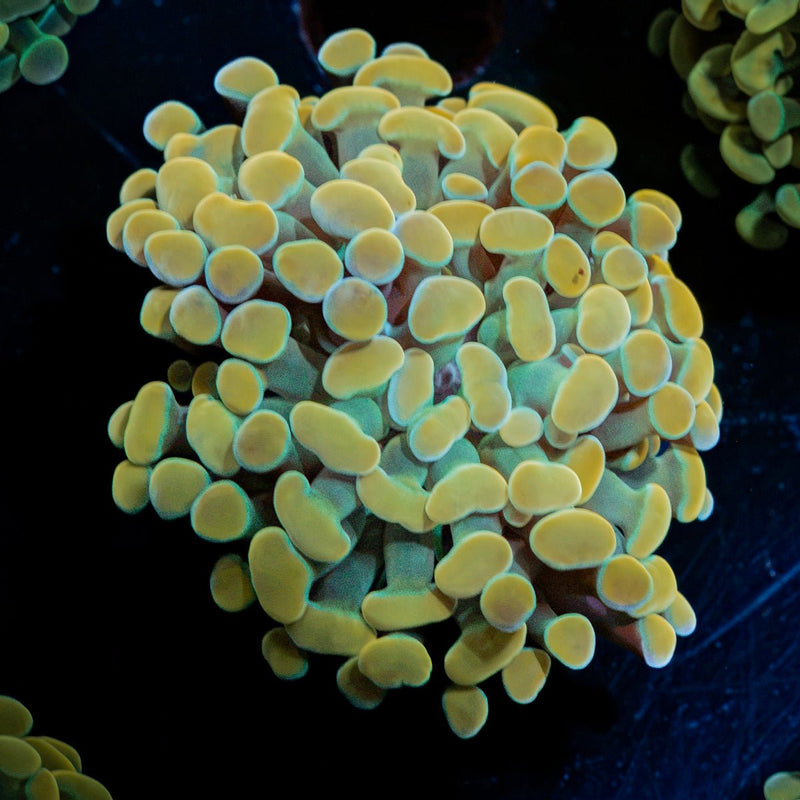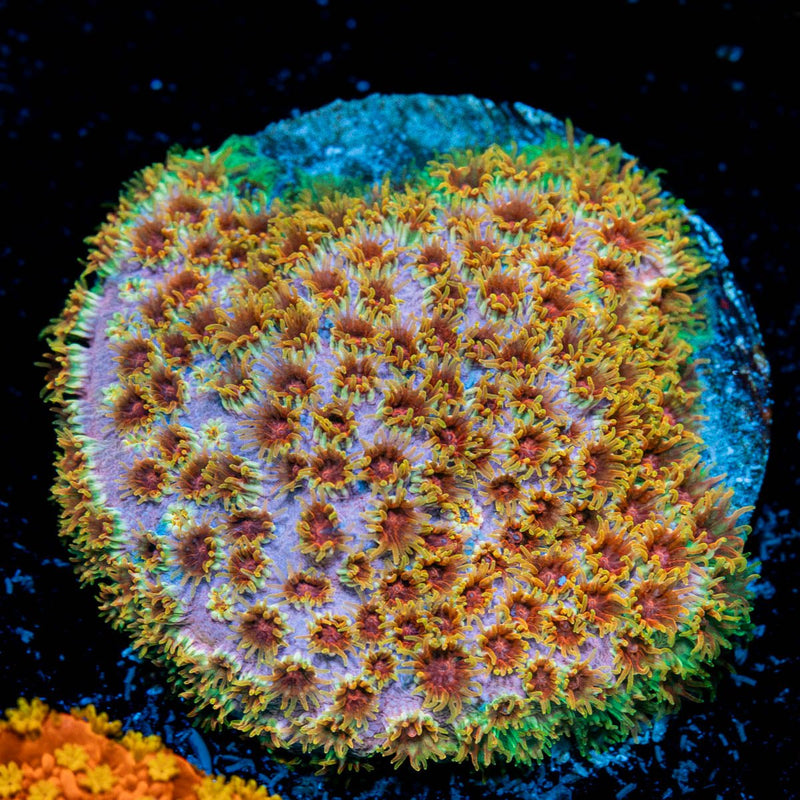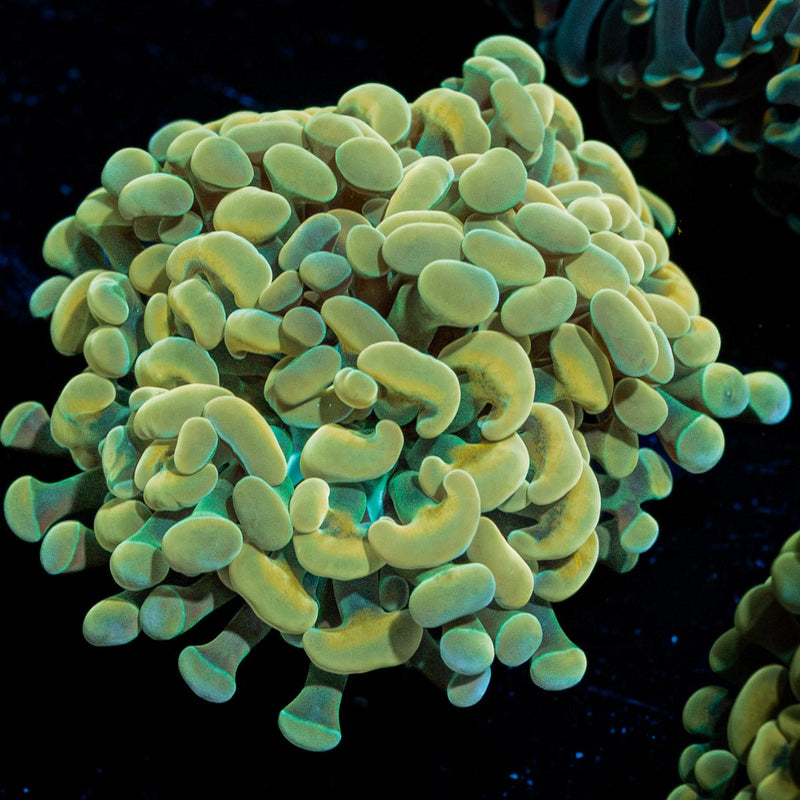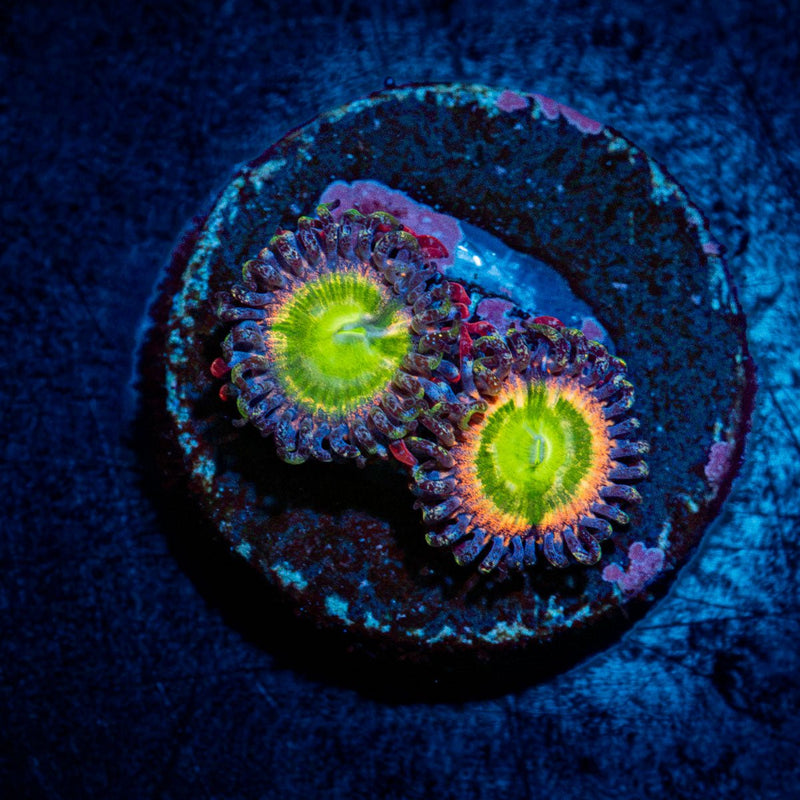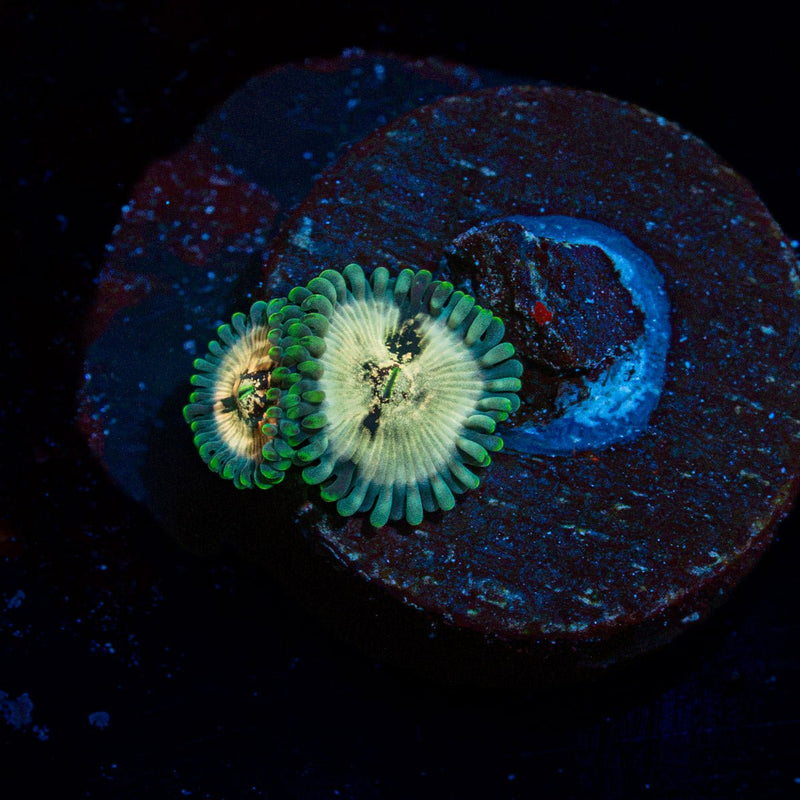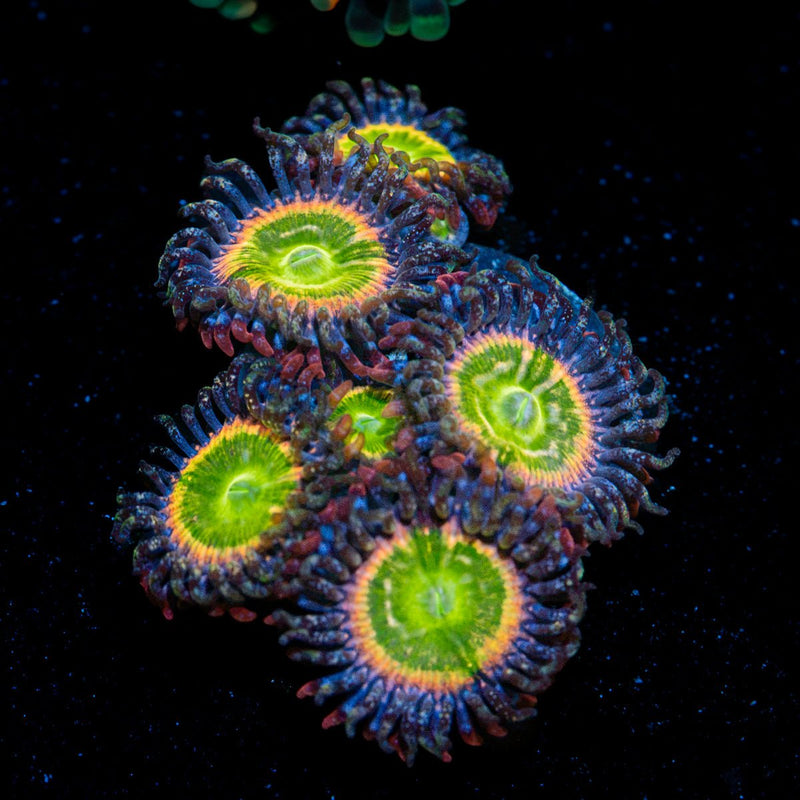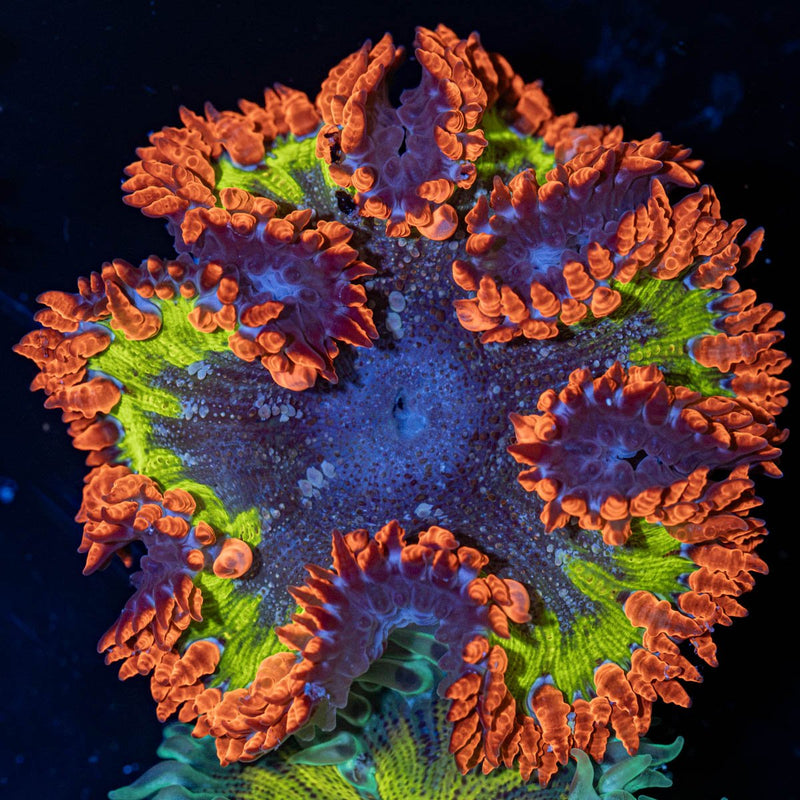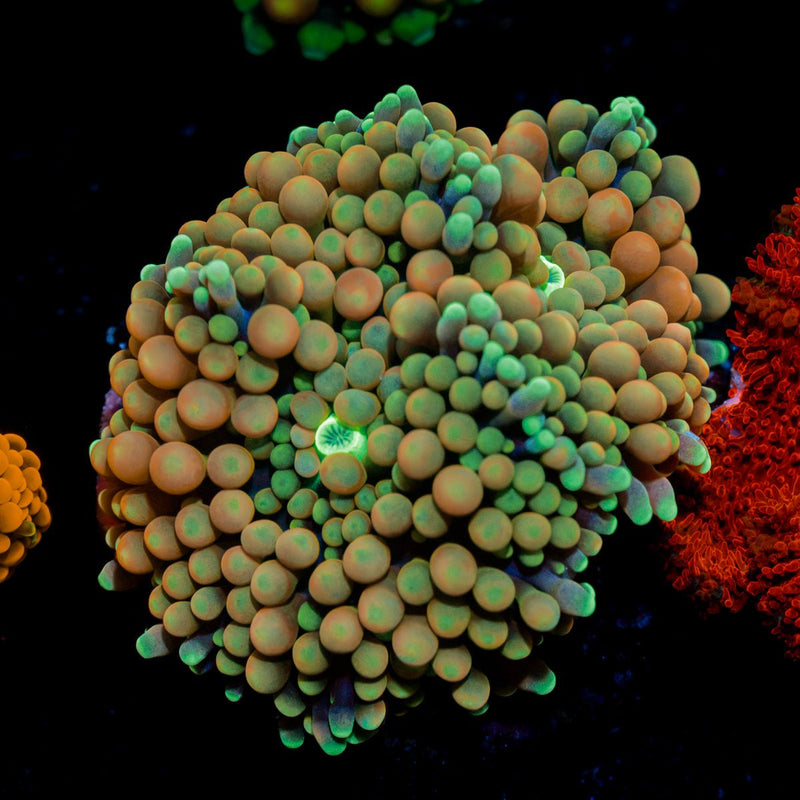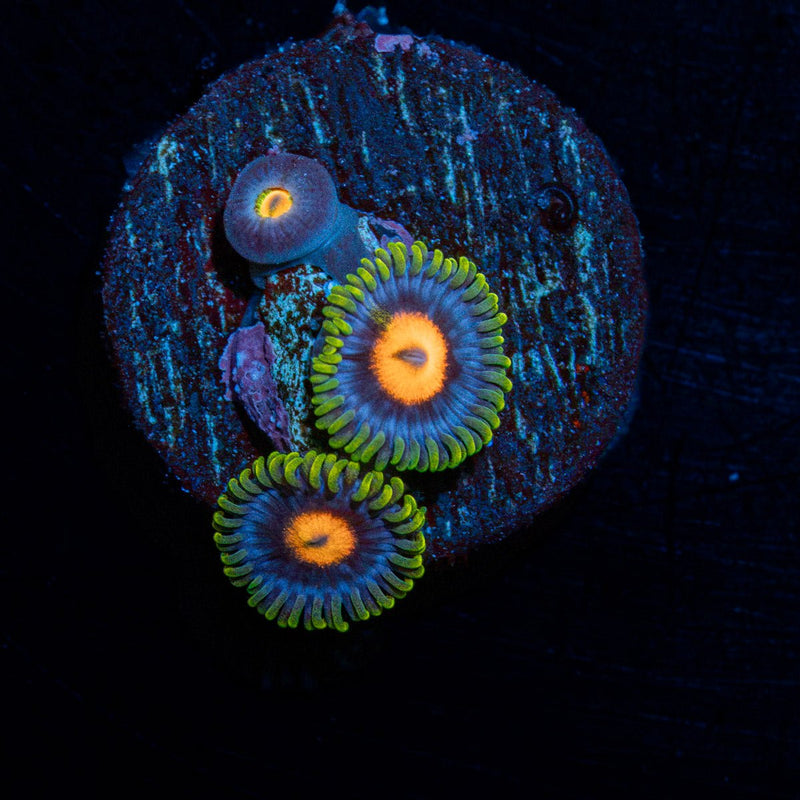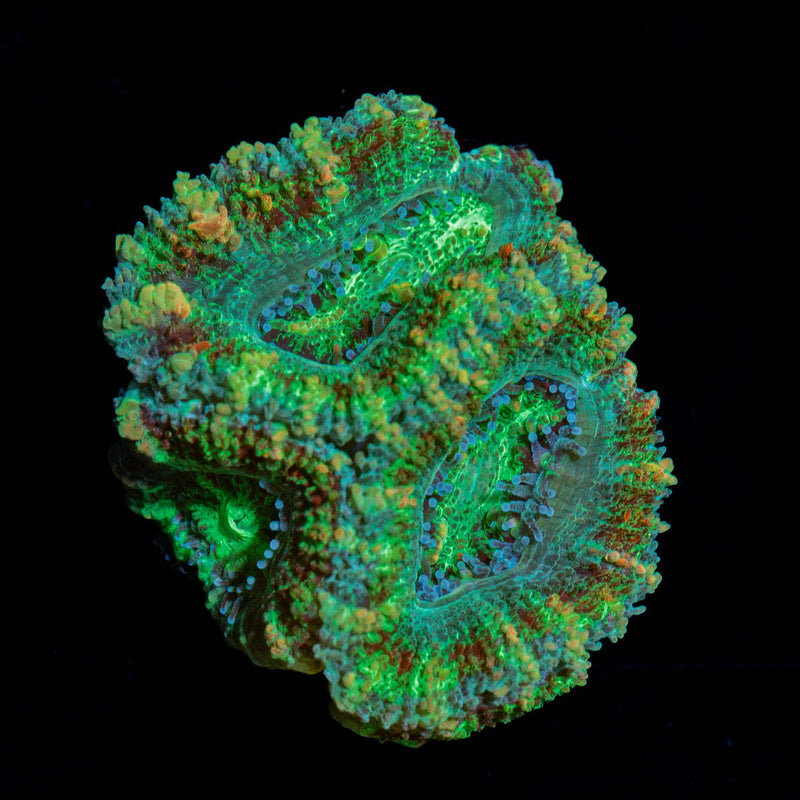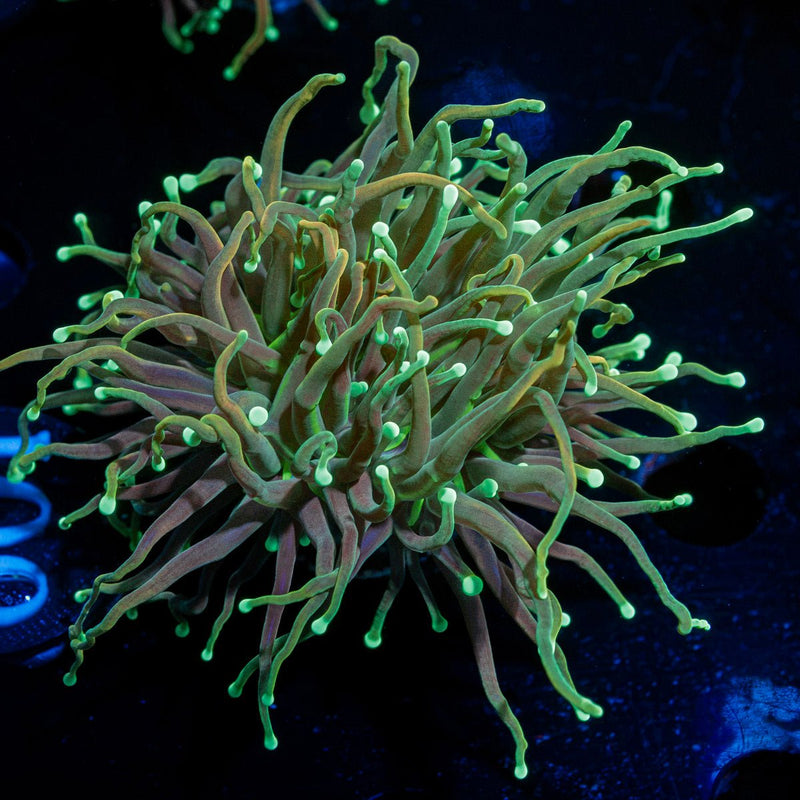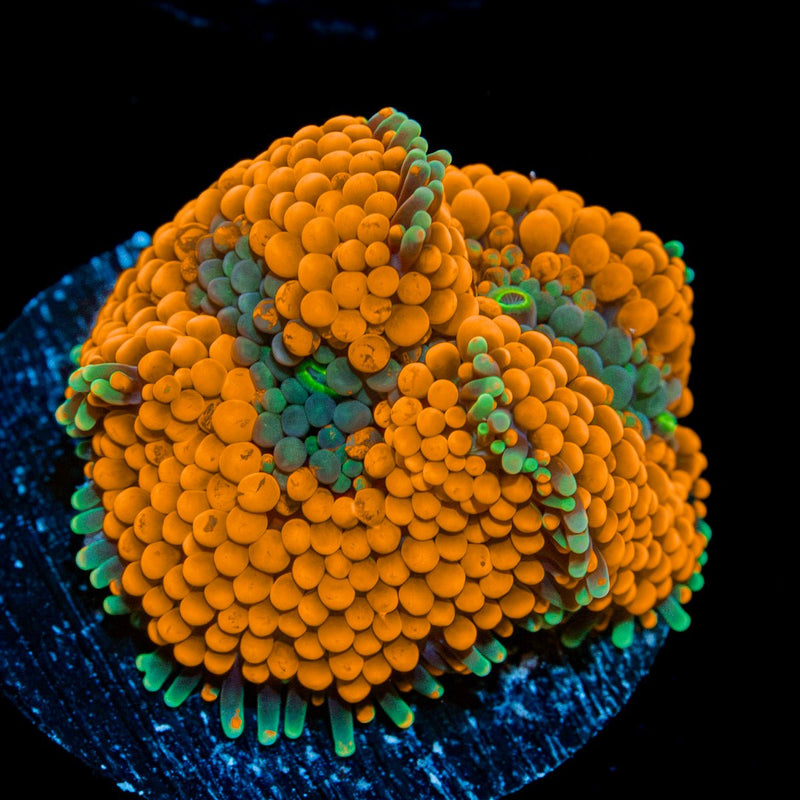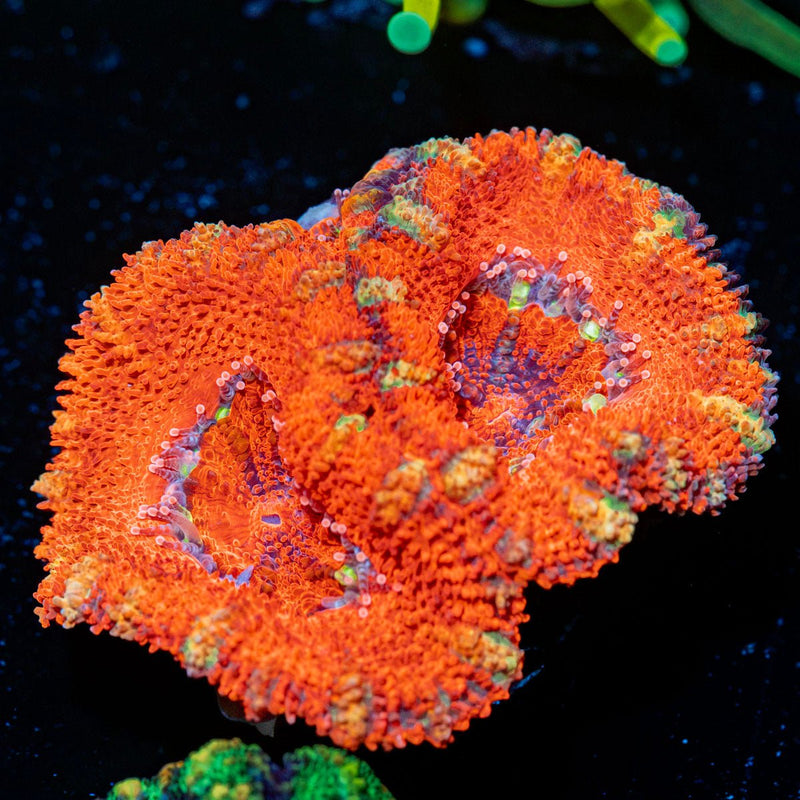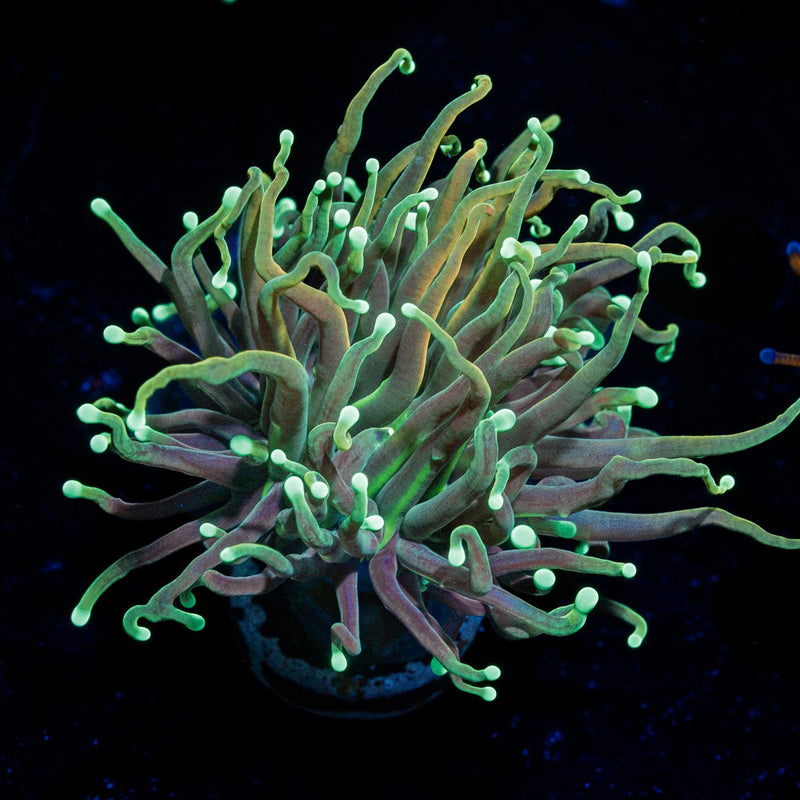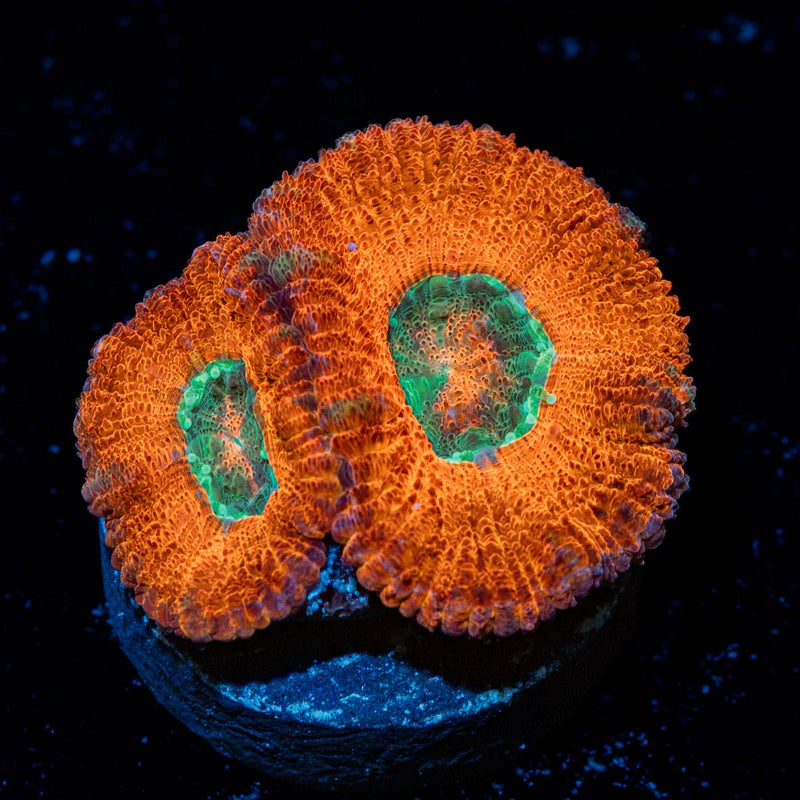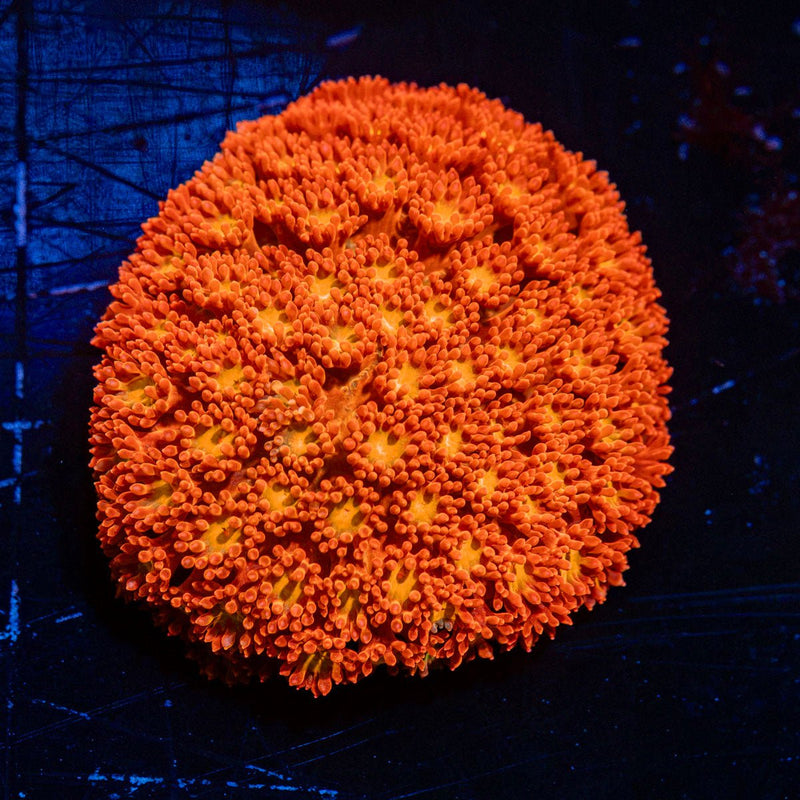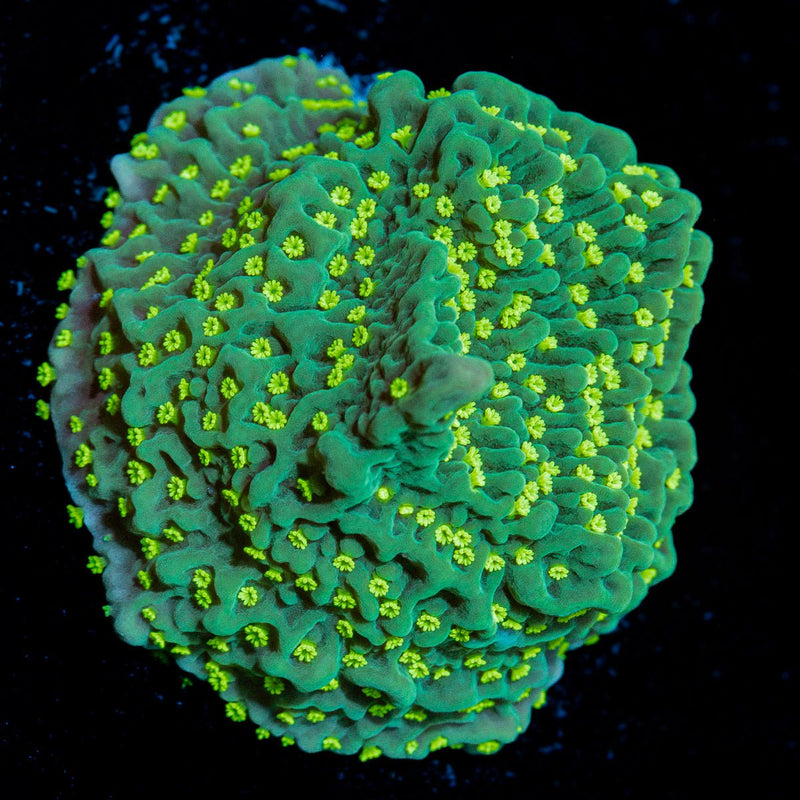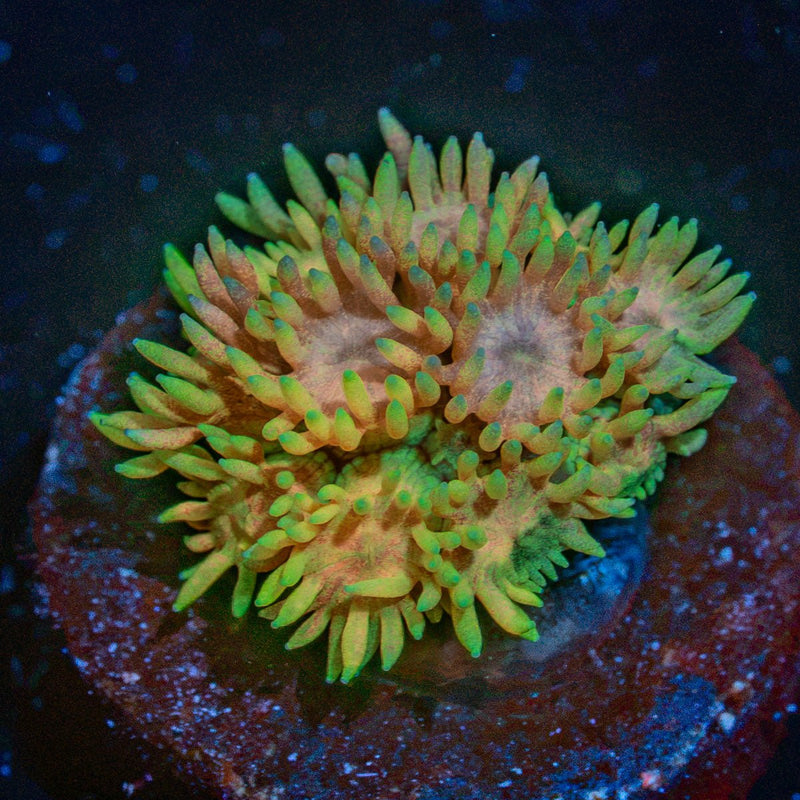
A coral can look stunning in a photo and still be the wrong fit for your reef. That is why aquacultured coral frags matter so much. They give hobbyists a more reliable path to color, growth, and long-term success, whether you are adding your first soft coral or hunting for a standout SPS piece that turns heads the moment the lights come on.
For many reef keepers, the appeal starts with confidence. You are not just buying a beautiful fragment of coral. You are choosing a piece that has been grown in captive systems, adapted to aquarium life, and selected with the home reef in mind. That difference can shape everything from how well a frag handles shipping to how quickly it settles into your tank.
What aquacultured coral frags really mean
Aquacultured coral frags are coral fragments grown and propagated in controlled aquarium or farm systems rather than taken directly from wild reefs for immediate resale. In practical terms, that usually means the coral has already spent time living under captive lighting, flow, and nutrient conditions that are much closer to what most hobbyists run at home.
That matters because aquarium adaptation is not a small detail. A frag that has grown in captivity often responds more predictably to placement, feeding, and stability than a freshly imported wild colony. It may still need time to adjust, of course, but the starting point is usually stronger.
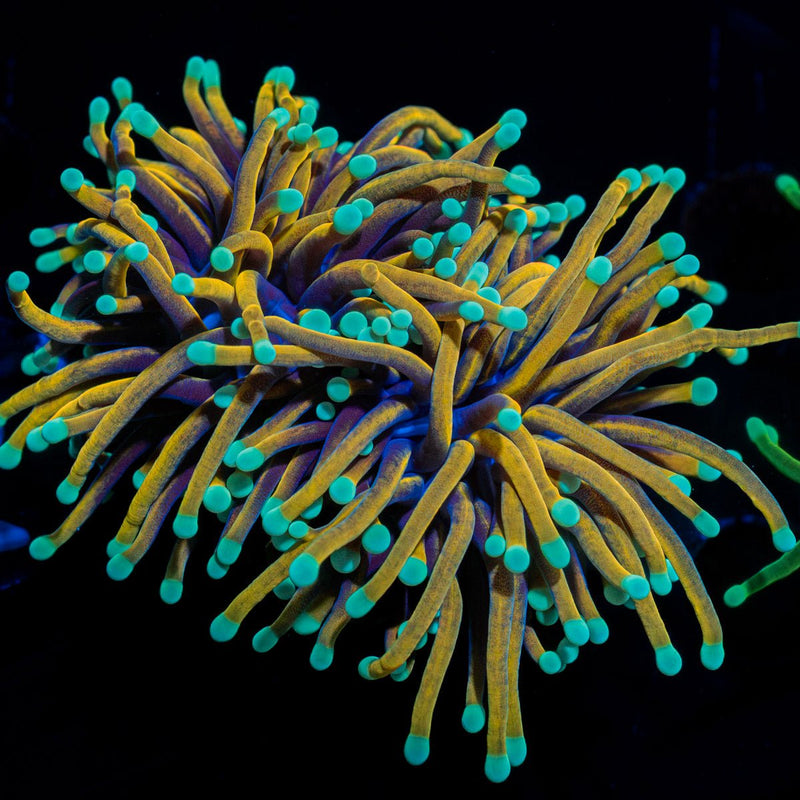
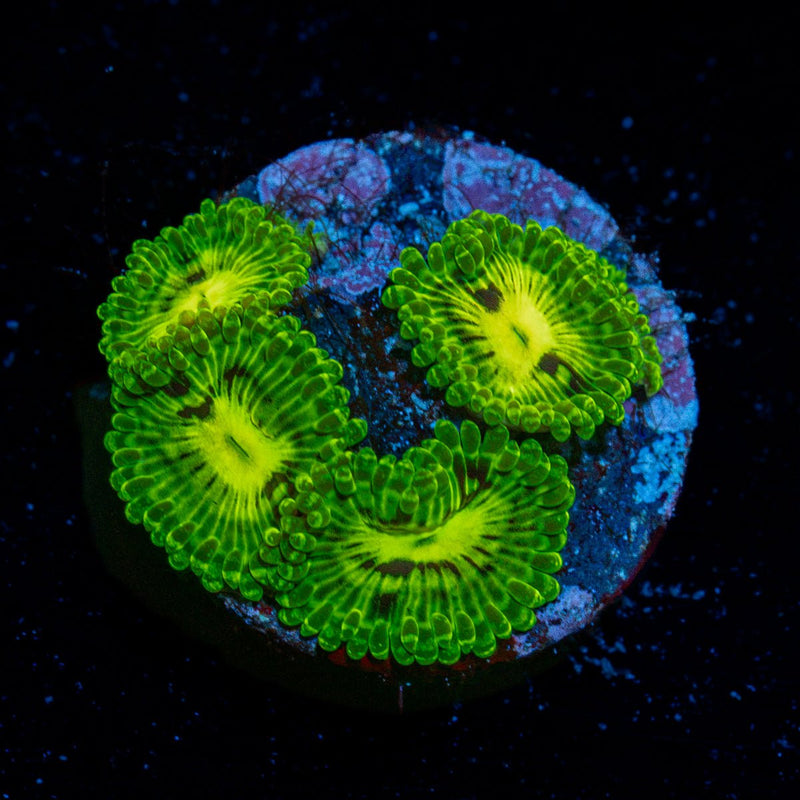
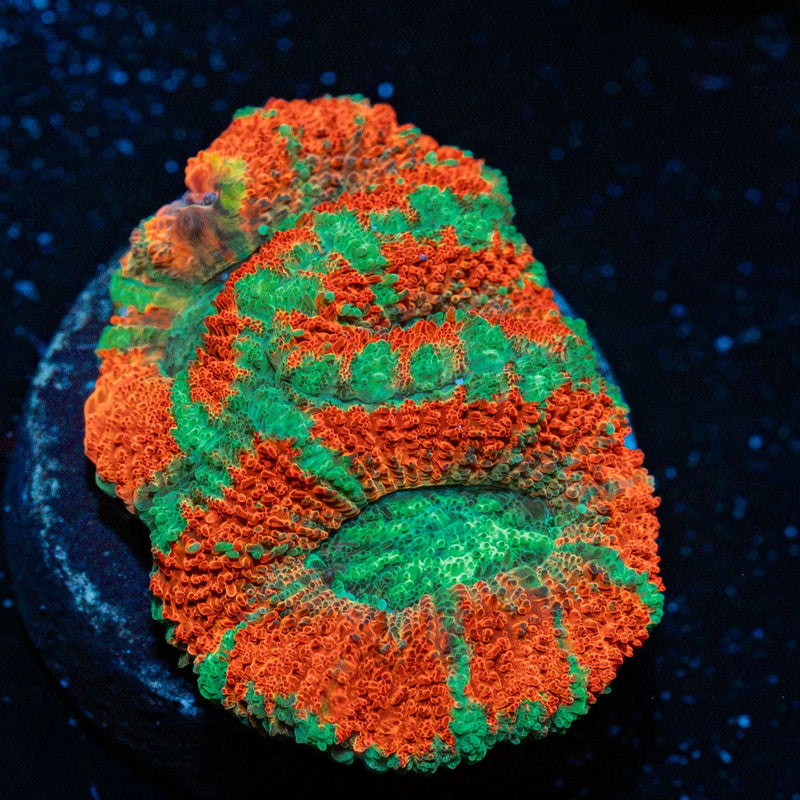
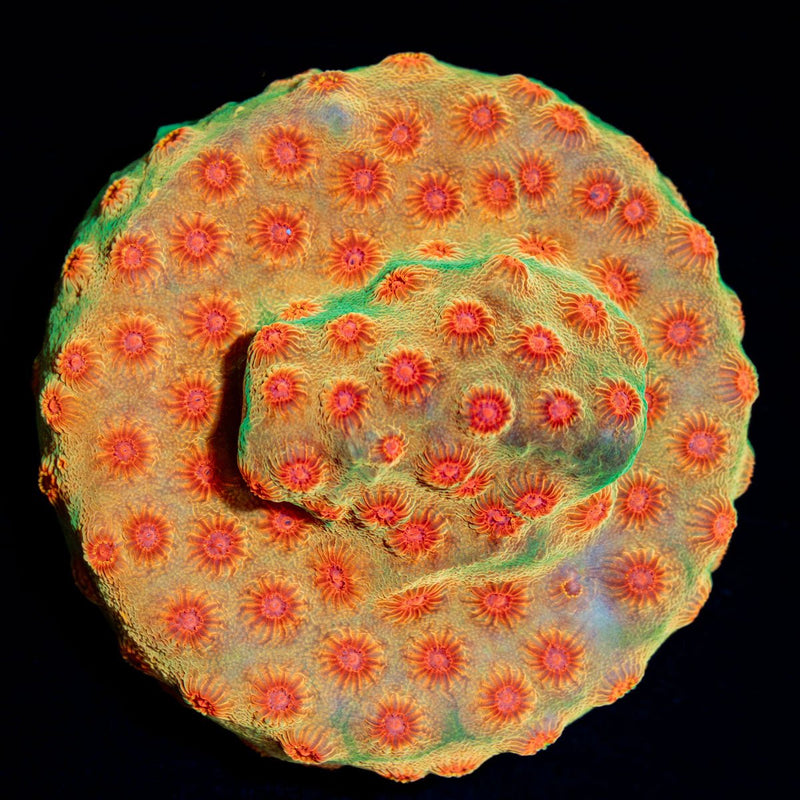
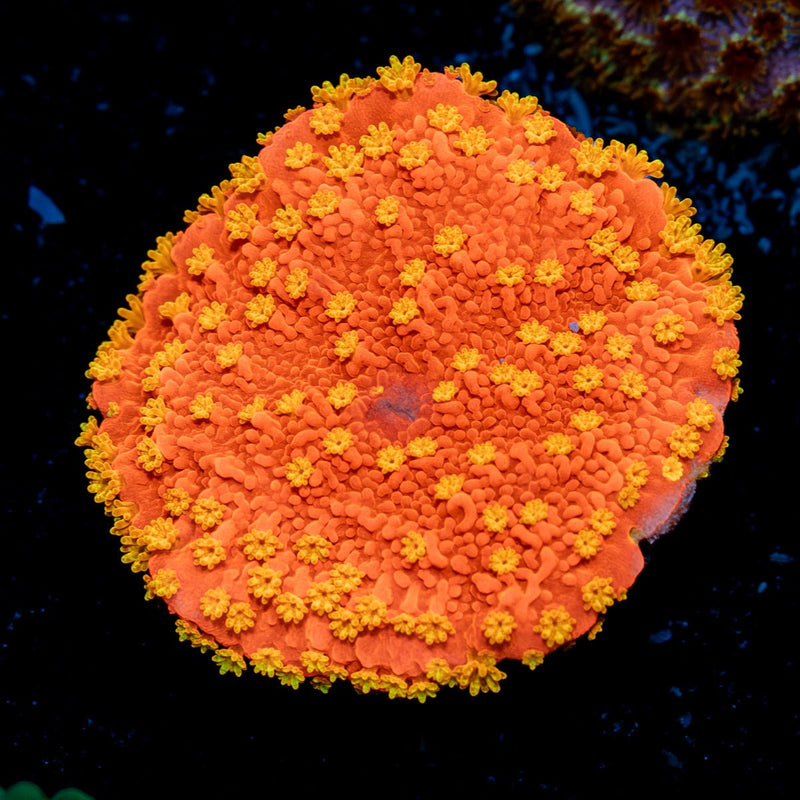
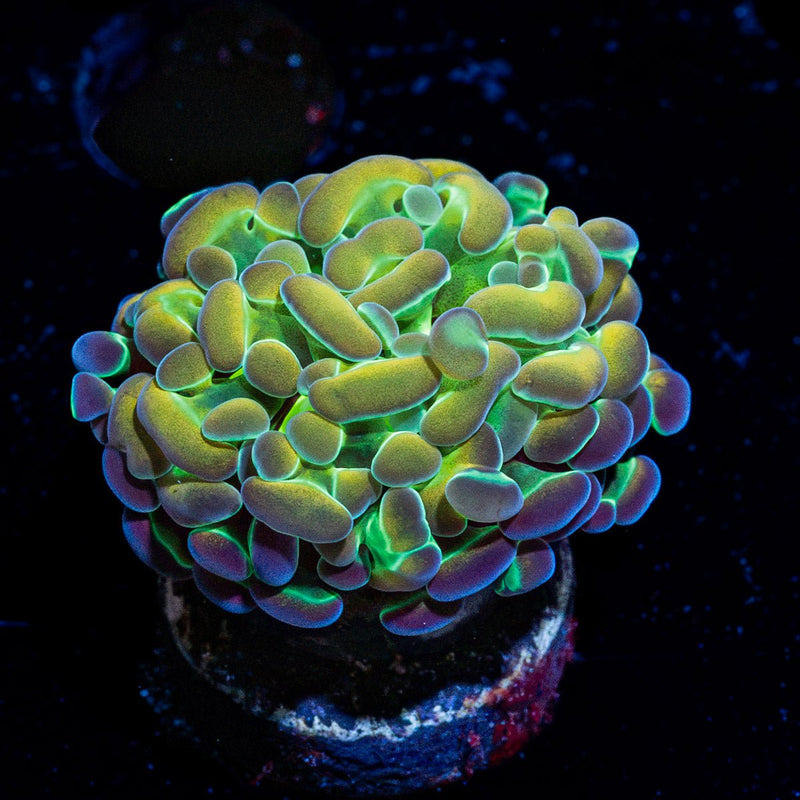
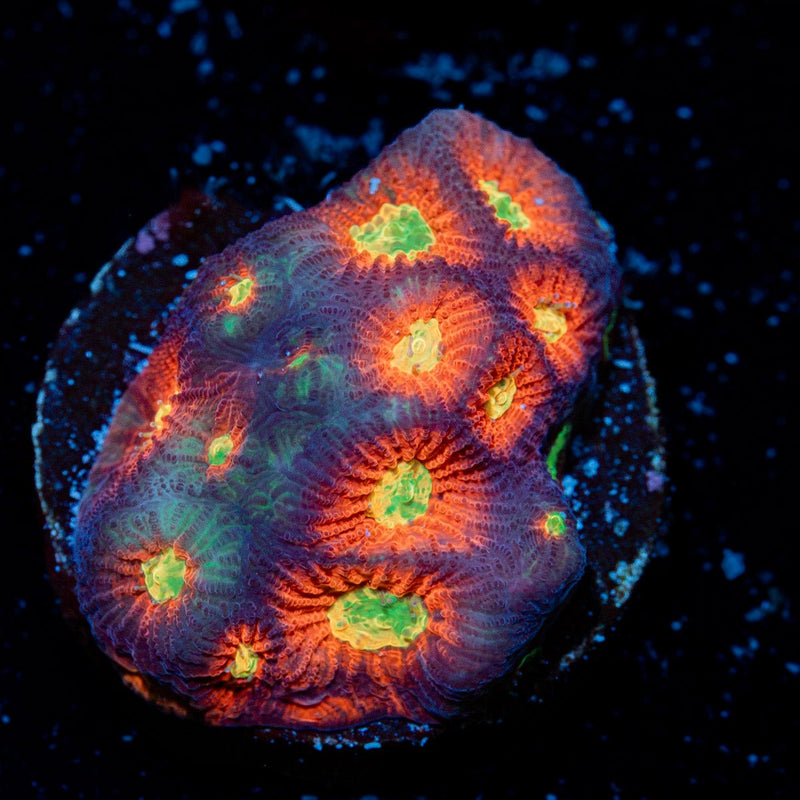
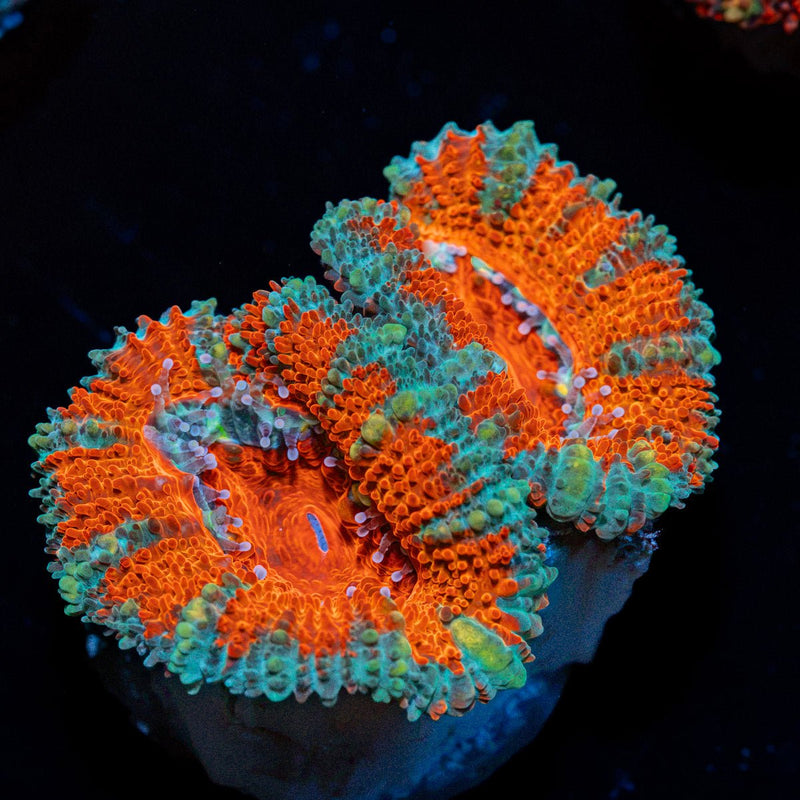
For reef keepers, this makes aquacultured pieces especially appealing across a wide range of categories. Soft corals, zoanthids, mushrooms, acans, hammers, torches, chalices, and even more demanding SPS can all benefit from that captive-grown foundation. The result is a coral that feels less like a gamble and more like a carefully chosen addition to your reef.
Why aquacultured coral frags are popular with reef keepers
The biggest reason is simple - they tend to offer more predictability. Reef tanks are full of variables, and every hobbyist knows that even a healthy system can throw surprises your way. Starting with a frag that has already been grown in aquarium conditions can reduce one major source of uncertainty.
Health is a big part of that. Aquacultured corals are often better adjusted to the rhythm of captive life, including handling, transport, and life under LEDs or T5s. They may show stronger extension, steadier feeding response, and more consistent growth once settled. That does not mean every frag is effortless, but it often means the coral is beginning the journey from a more stable place.
There is also a sustainability angle that many hobbyists care about. Choosing aquacultured coral frags supports propagation over fresh wild harvest, which aligns with the long-term future of reef keeping. For some aquarists, that is the main reason to buy them. For others, it is a welcome bonus attached to healthier, more aquarium-ready livestock.
Then there is the visual side, which is hard to ignore. A vibrant aquacultured frag can become one of the living jewels of a reef tank, especially when it has been grown for coloration in conditions similar to a display system. Color is never guaranteed to look identical in every tank, since lighting and nutrients change the final result, but captive-grown corals often have a track record hobbyists can trust.
The trade-offs hobbyists should understand
Aquacultured does not automatically mean easy. That is worth saying clearly.
Some aquacultured coral frags are very beginner-friendly, especially many mushrooms, zoas, leathers, and hardy LPS. Others are premium SPS pieces that still expect stable alkalinity, clean nutrient management, and thoughtful flow. The fact that a coral is aquacultured improves the odds, but it does not erase the care requirements of the species.
Price can also be a factor. A well-established aquacultured frag may cost more than a less proven alternative, especially if it has standout coloration, named lineage, or WYSIWYG presentation. For many reef keepers, that extra cost is justified by stronger confidence in what they are receiving. Still, budget matters, and the right choice depends on your goals.
Size is another trade-off. A frag is not a colony, and patience is part of the appeal. If you want the satisfaction of watching a coral encrust, branch, puff up, or spread across rockwork over time, frags are exciting. If you want instant visual mass, you may need a plan that mixes fast growers with showier pieces.
Choosing aquacultured coral frags for your tank
The best coral for your reef is not always the most expensive or the brightest one on the page. It is the one that fits your tank today.
If you are newer to reef keeping, beginner-safe aquacultured coral frags can make the hobby far more approachable. Soft corals and many LPS options usually offer movement, color, and forgiving care requirements. They can help you learn how your tank behaves before you step into more demanding territory.
If your system is mature and stable, SPS frags can be incredibly rewarding. Growth tips, polyp extension, and vivid coloration bring a different kind of satisfaction. But these pieces usually reward consistency more than correction. A tank that swings in alkalinity or temperature will test them quickly.
Placement matters, too. Even healthy aquacultured frags need a smart acclimation plan. Light intensity, flow pattern, and spacing from neighboring corals all affect success. A torch placed where it gets blasted or a chalice set too high under intense light can struggle even if the frag arrived in excellent condition.
That is why category-based shopping and clear descriptions are so helpful. When a coral is presented in a way that matches its care level and visual style, it becomes much easier to choose something beautiful that also makes sense for your reef.
Why WYSIWYG and aquacultured corals work so well together
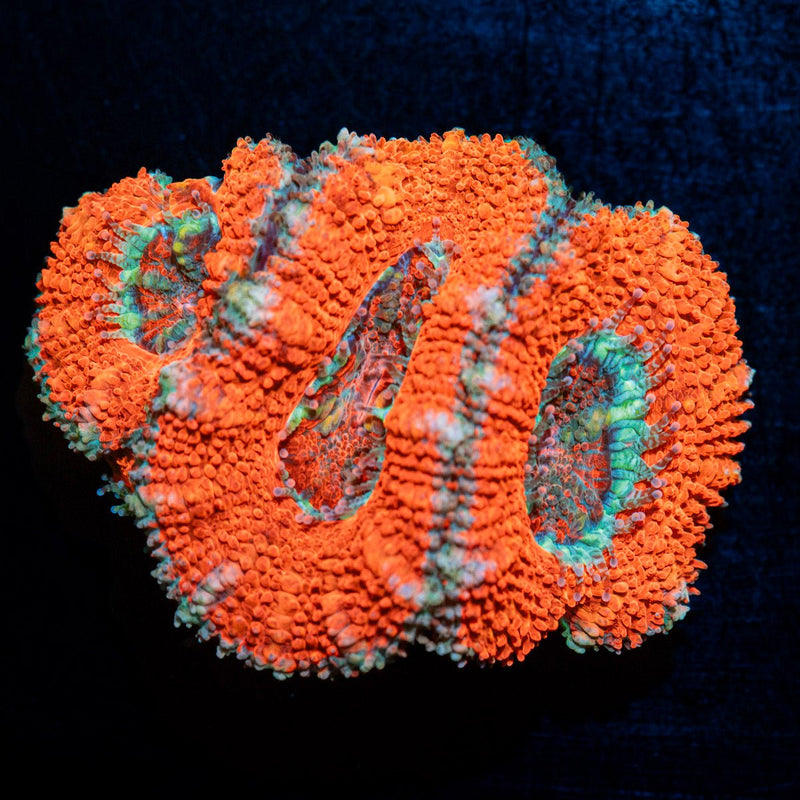
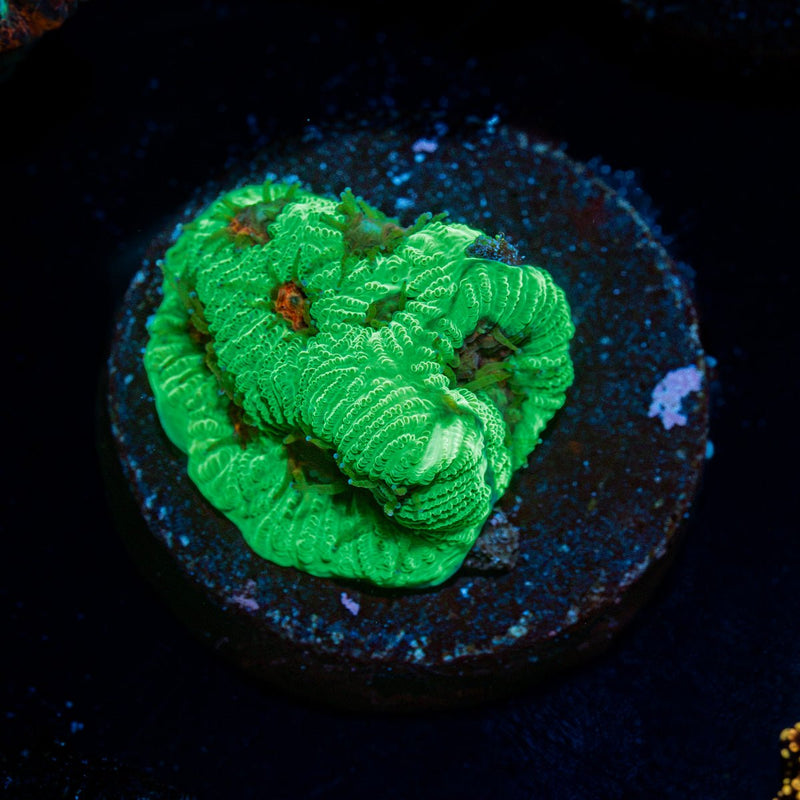
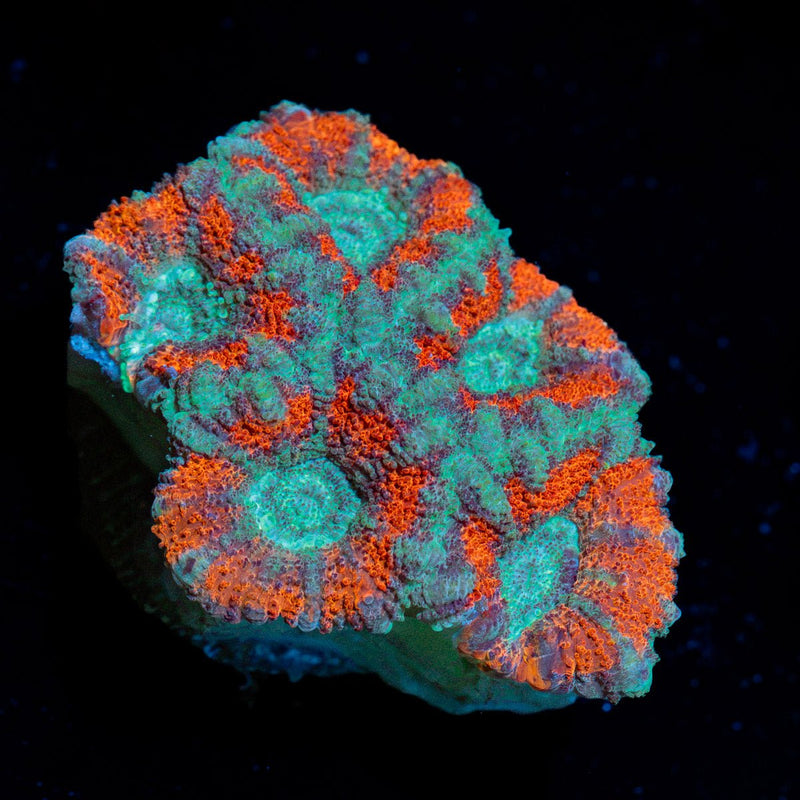
For online coral shopping, few things build trust faster than WYSIWYG. Seeing the exact frag you will receive removes a lot of guesswork, and that is especially valuable with premium or highly colorful pieces.
Aquacultured coral frags pair naturally with this model because they are often sold as individual, established pieces with distinct shape, color, and growth pattern. What you see is not a generic example. It is the actual coral that can become the next focal point in your tank.
That level of transparency matters for hobbyists at every stage. Beginners want reassurance that the coral will resemble the listing photo. Advanced reef keepers want confidence in lineage, coloration, and structure. Exact-item merchandising helps both groups buy with more certainty.
At Riptide Aquaculture, that mix of aquacultured quality and WYSIWYG confidence is part of what makes building a vibrant reef feel more approachable. You get the excitement of choosing a stunning living piece with a clearer sense of what is actually heading to your door.
Getting the most from aquacultured coral frags after arrival
Success does not stop at checkout. Even the healthiest coral benefits from a calm, thoughtful introduction to your system.
Temperature acclimation, gentle handling, and careful placement all matter. Many hobbyists also prefer to start new frags lower in the tank or in slightly reduced light, then move them gradually if needed. That approach can help limit stress, especially for brightly colored pieces that may react to a sudden jump in intensity.
Stability is the real secret. Corals usually respond better to steady parameters than to constant tinkering. If your salinity, alkalinity, calcium, and nutrient levels stay in a healthy range, most aquacultured coral frags have a much better chance to settle in, open fully, and start growing.
Patience helps with color expectations, too. A frag may arrive vibrant and hold that look right away, or it may need time to adjust before showing its best color in your system. Reef lighting, nutrient balance, and placement all influence the final presentation. Sometimes the glow comes fast. Sometimes it builds over weeks.
The fun part is watching that transformation happen in your own tank. A small frag can become a signature piece over time, adding movement, contrast, texture, or electric color exactly where your reef needs it.
Aquacultured coral frags are not just a smart purchase for many reef keepers. They are a more confident way to grow a reef that looks stunning and feels built to last. When you choose pieces that match your skill level, your tank conditions, and your vision for the display, you give yourself the best chance to enjoy the part of reef keeping that hooked you in the first place - watching a living reef come alive, one colorful frag at a time.
Products from the article