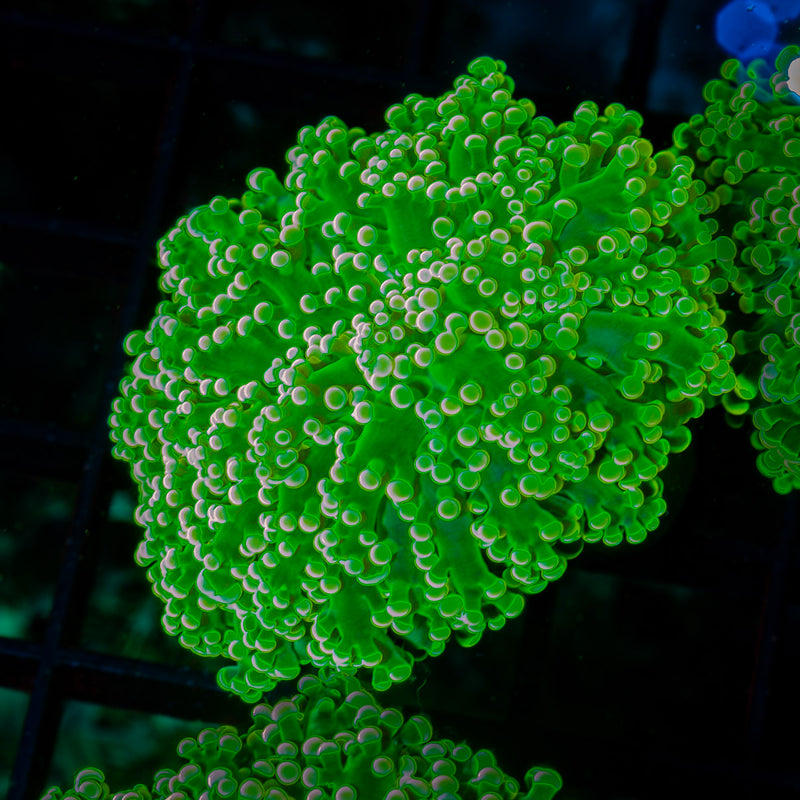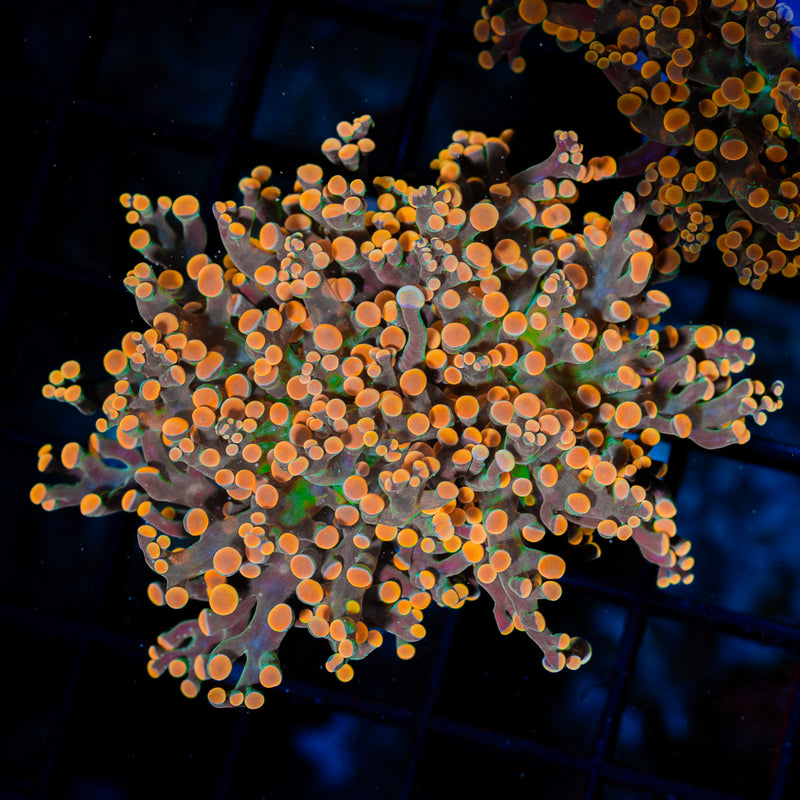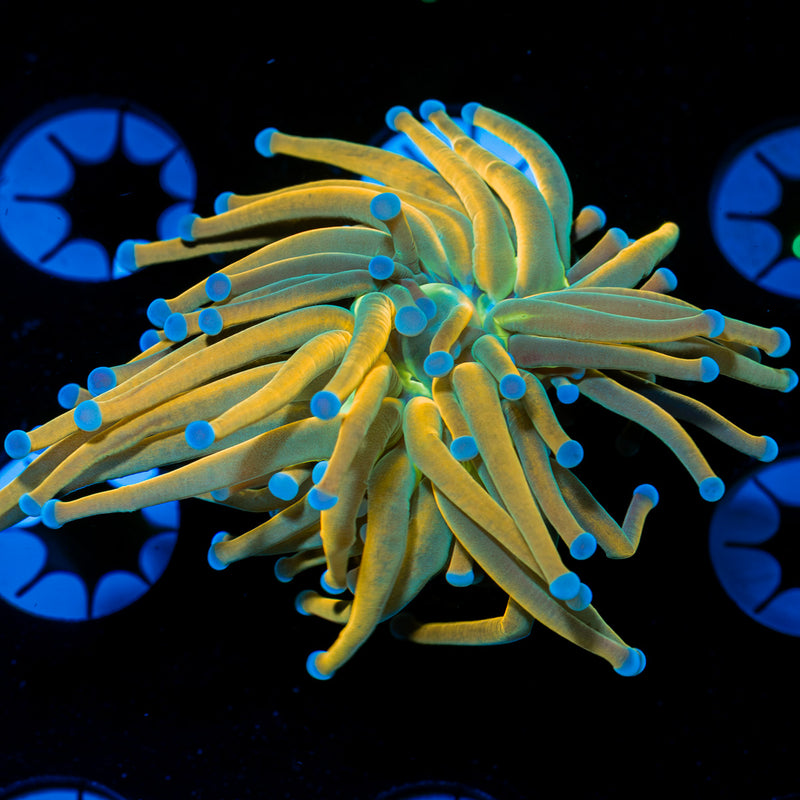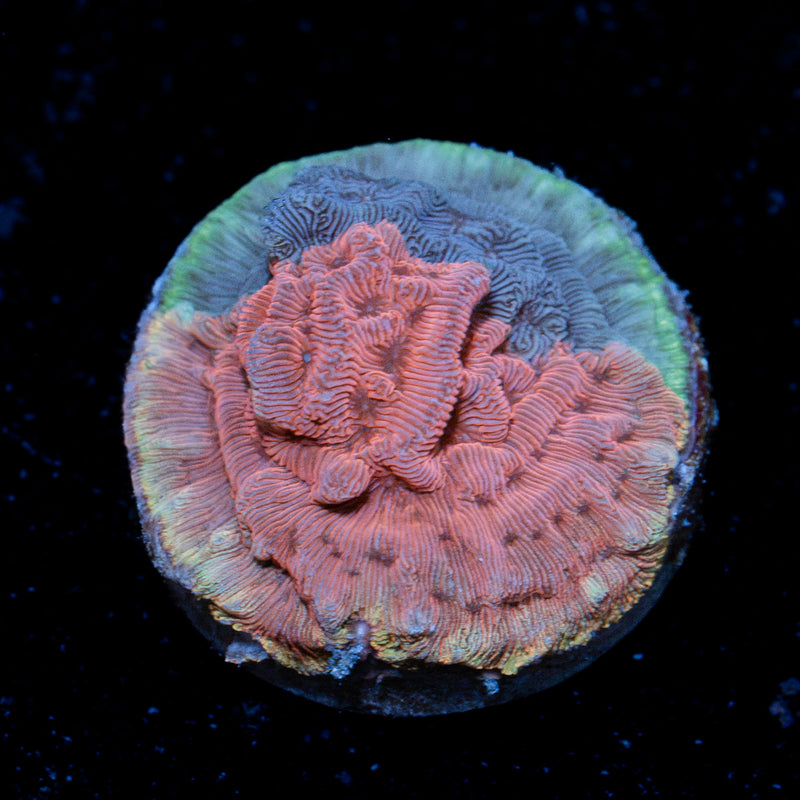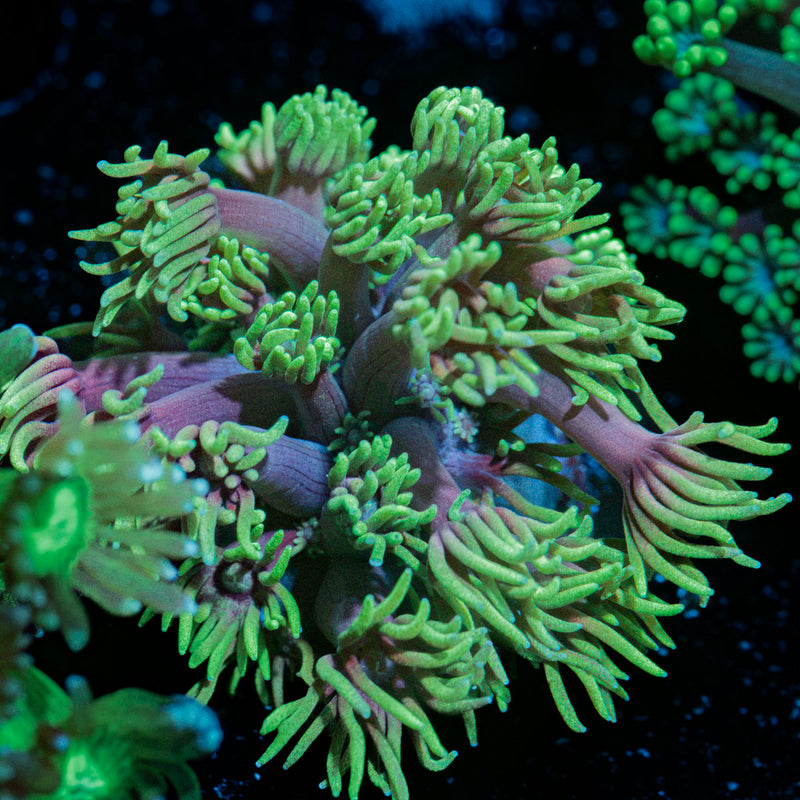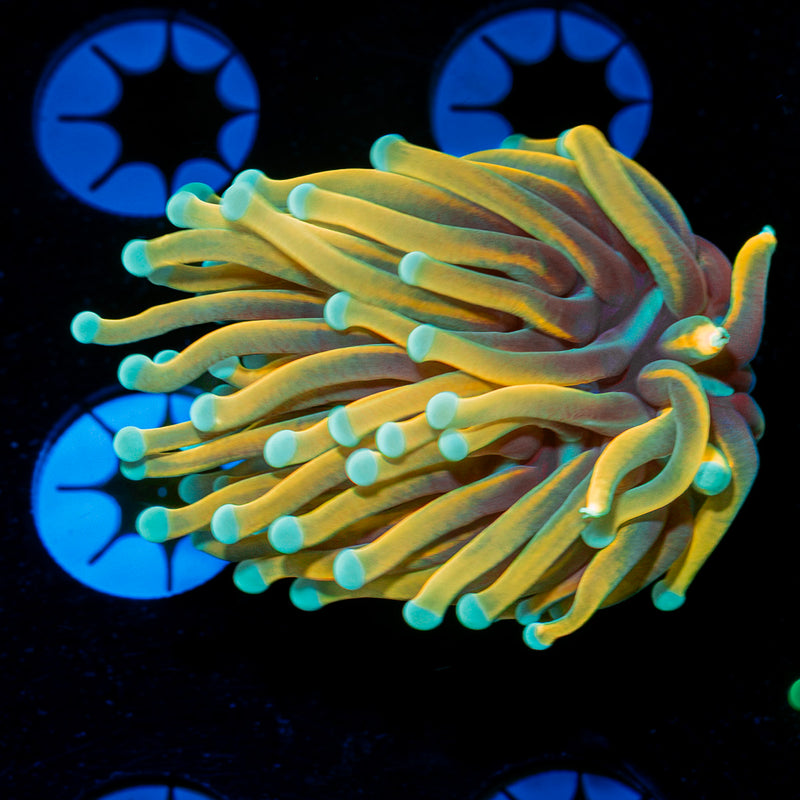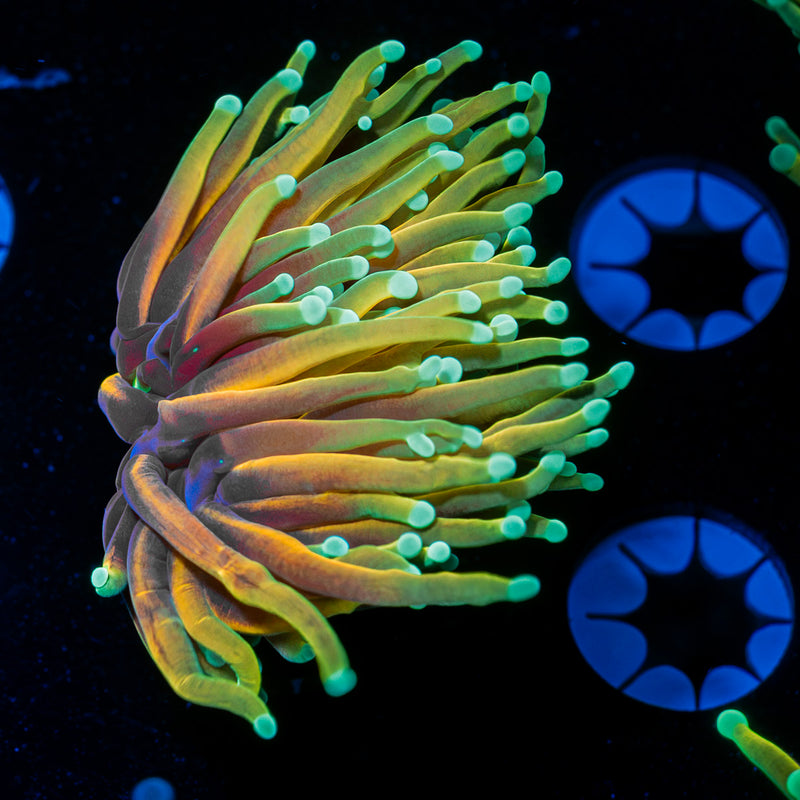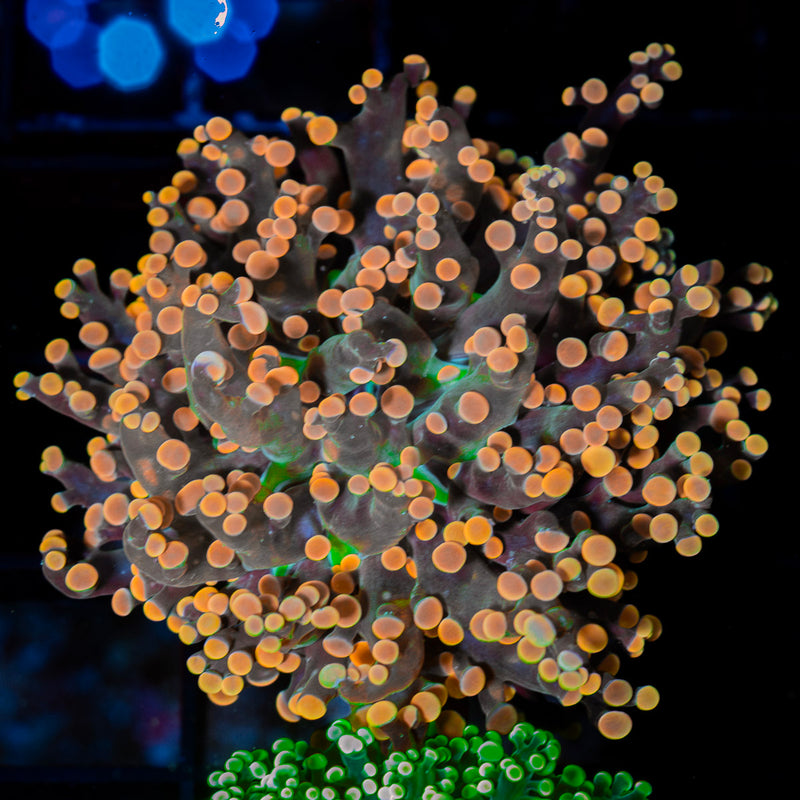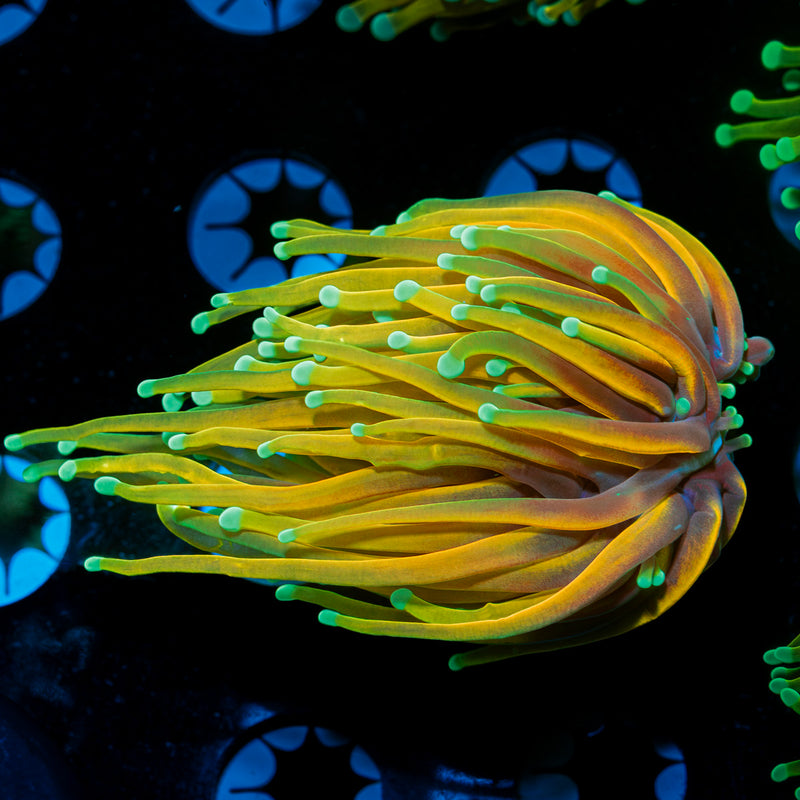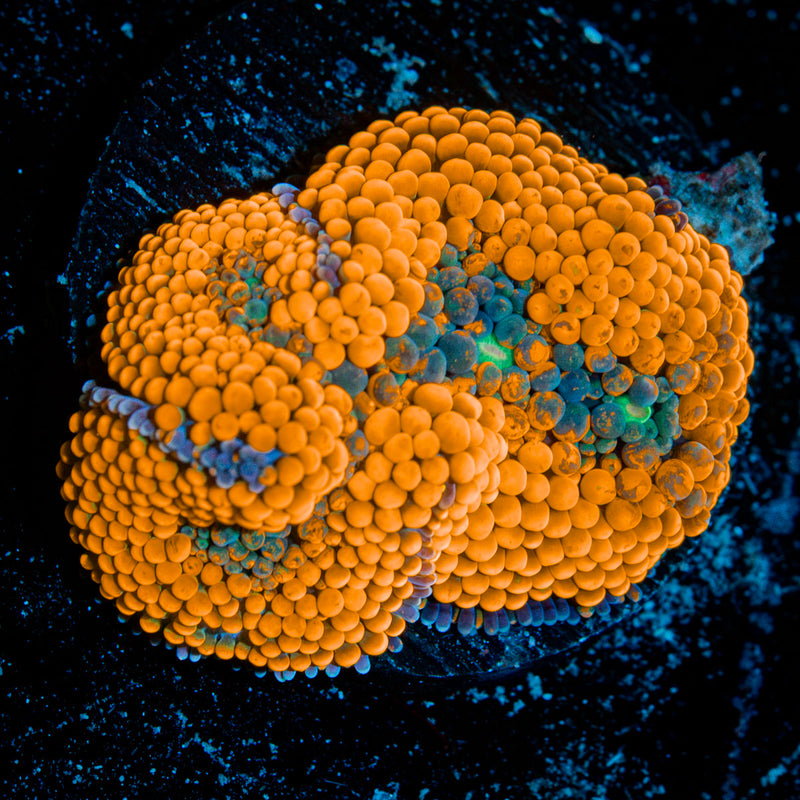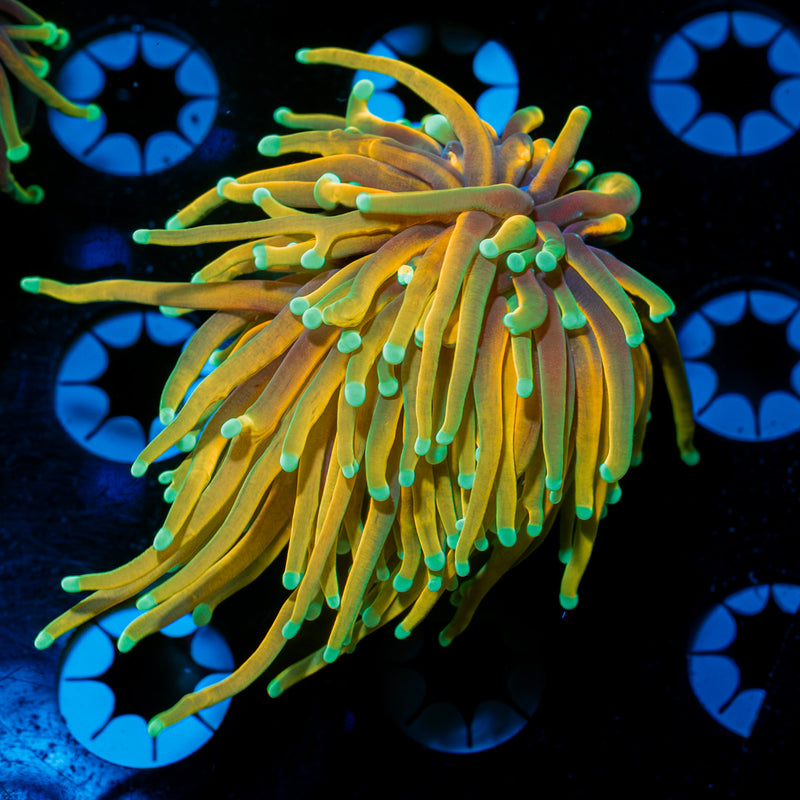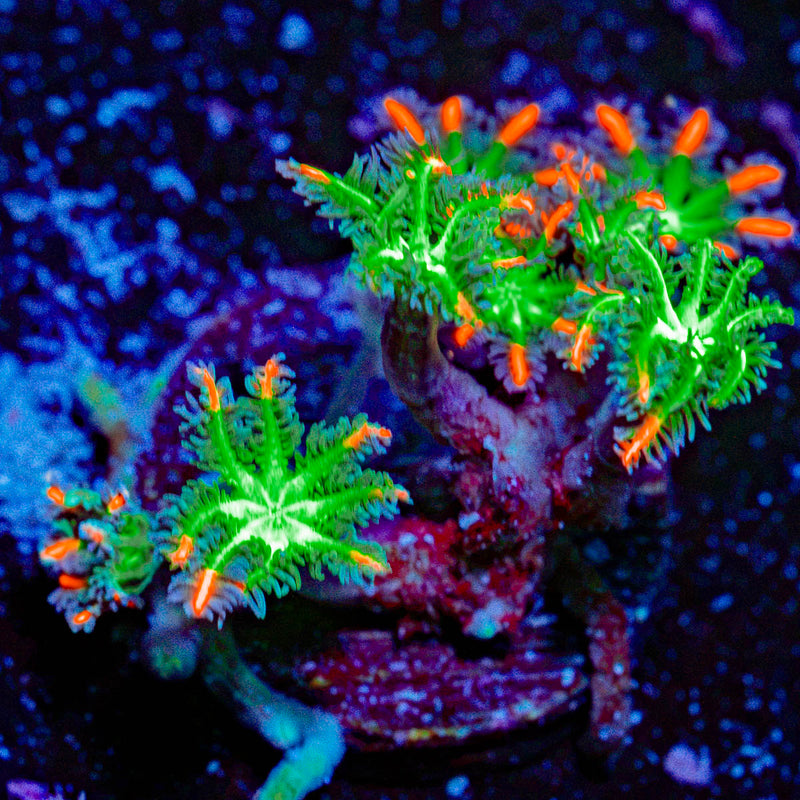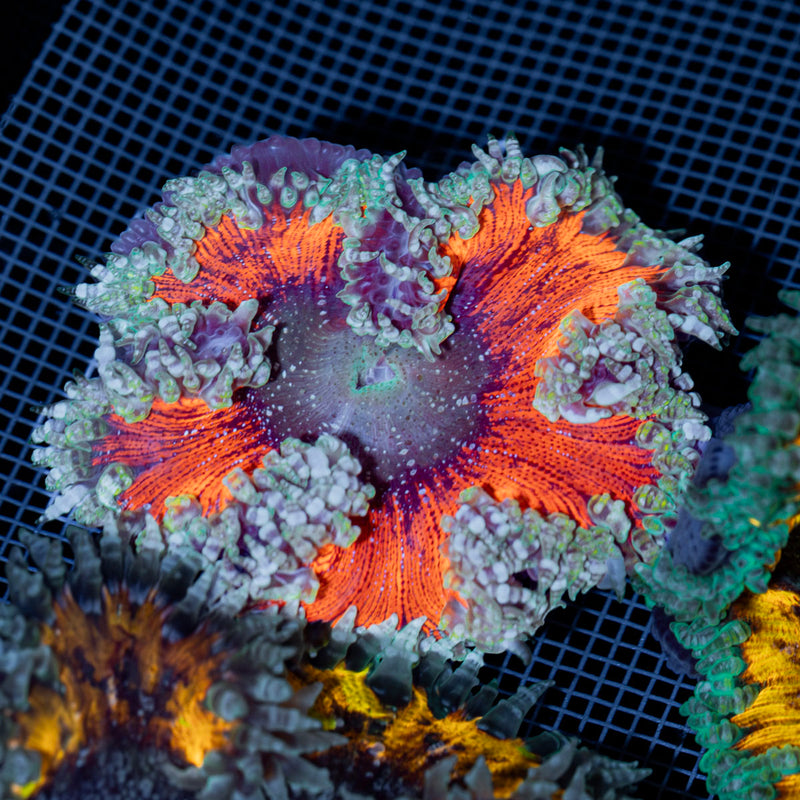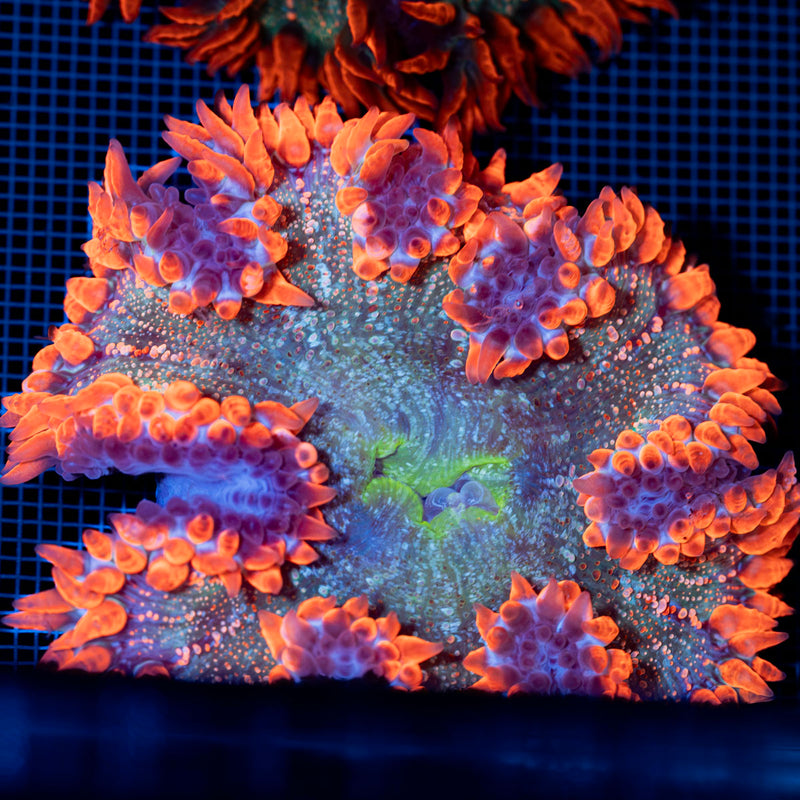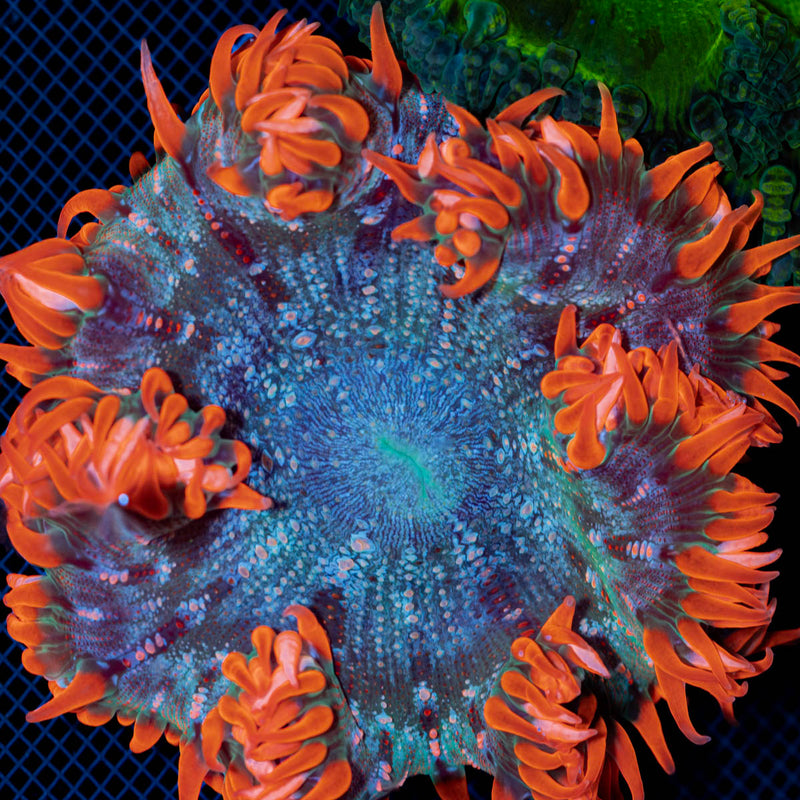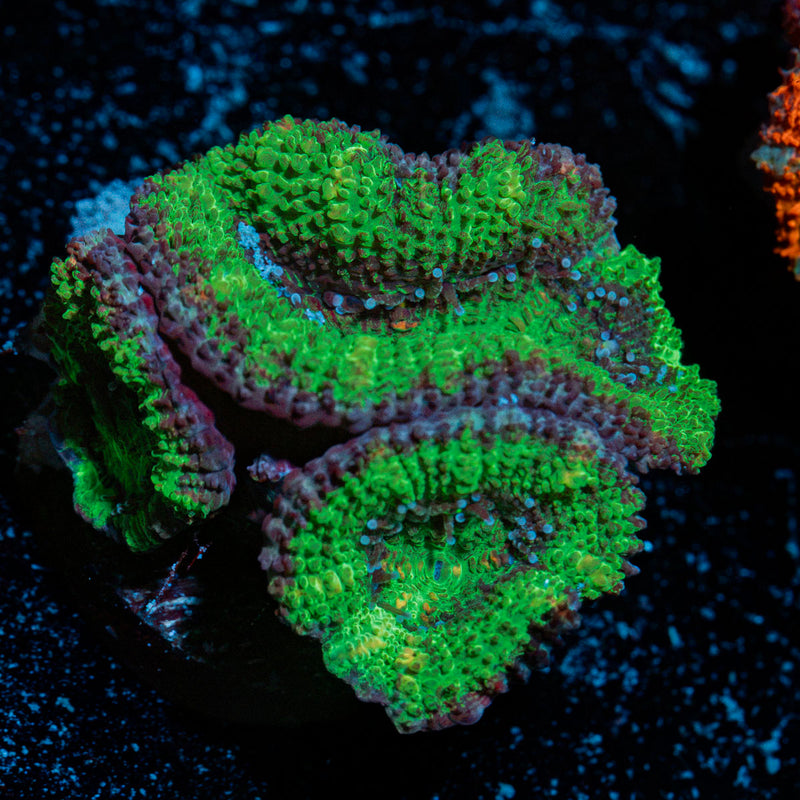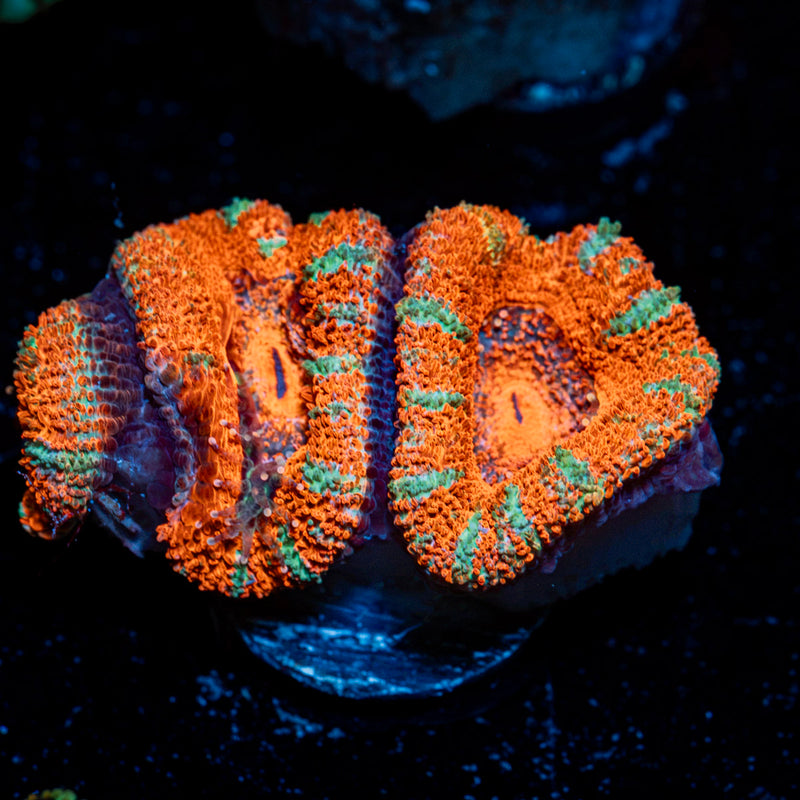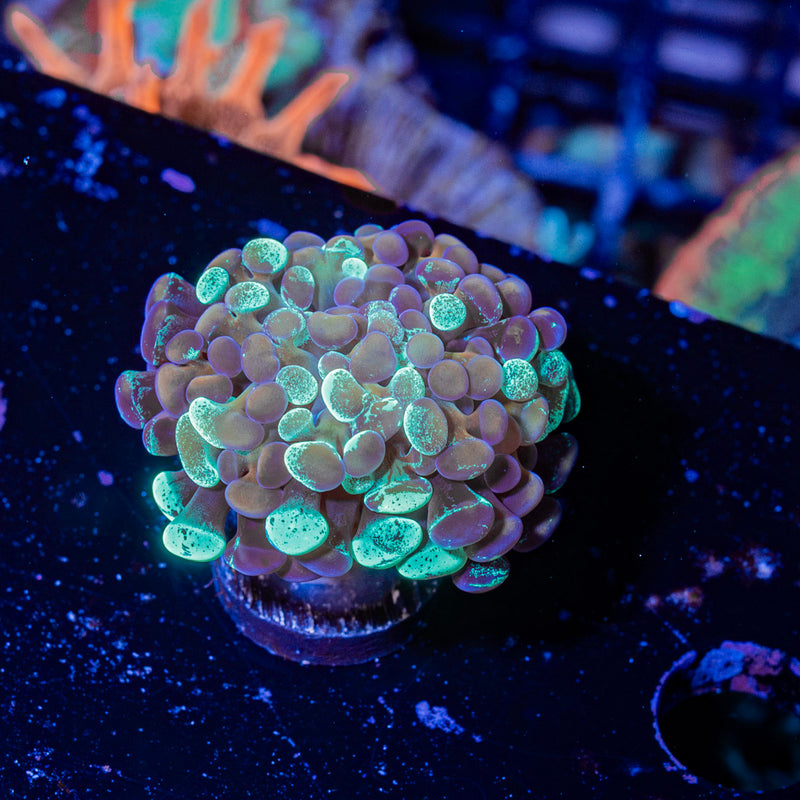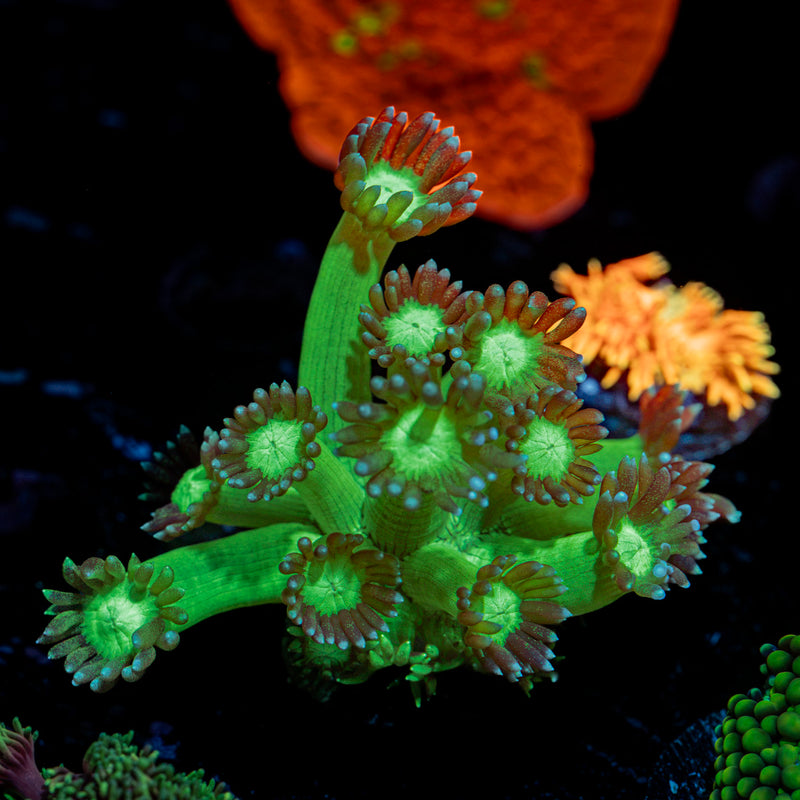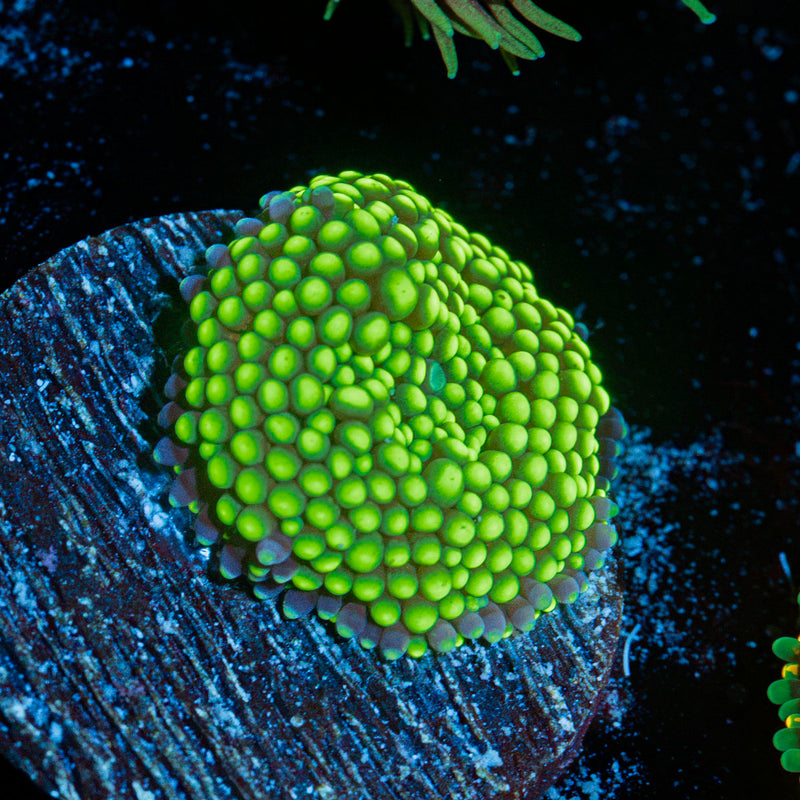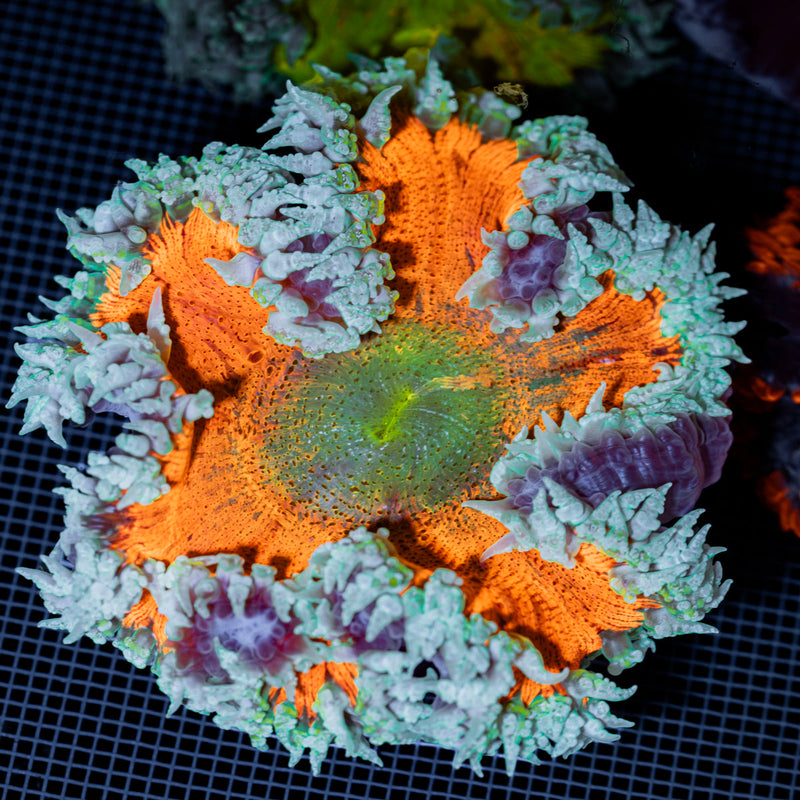
That first hammer coral usually wins people over fast. The movement is soft, the color can be stunning under reef lighting, and a healthy colony has that unmistakable look of a living jewel swaying in the current. If you are searching for hammer coral care beginner advice, the good news is that hammers are one of the more approachable LPS corals for a newer reef keeper, as long as you respect a few non-negotiables.
Hammer corals are not difficult in the same way some SPS are difficult. They do not need razor-thin parameter swings or ultra-intense light to look good. What they do need is consistency. Most beginner losses happen because the coral is placed in the wrong spot, blasted with too much flow, or added to an unstable young tank.
Why hammer corals work so well for beginners
A hammer coral gives you a lot of visual reward without demanding an expert-level system. It has motion, color, and strong presence even as a single frag. For newer hobbyists building a mixed reef, that matters. You can create a vibrant focal point early on without jumping straight into corals that punish every small mistake.
They are also fairly readable. When a hammer is happy, the polyps extend well, the tissue looks full, and the heads gently sway instead of snapping around. When something is off, the coral tells you. It may stay shrunken, show tissue recession near the skeleton, or look irritated after a sudden change. That feedback helps beginners learn faster.
There is a trade-off, though. Hammer corals are peaceful-looking, but they are not always peaceful neighbors. They can sting nearby corals, especially when they have room to extend sweeper tentacles. Their care is beginner-friendly, but placement still takes planning.
Hammer coral care beginner setup tips
If you want the simplest path to success, start with a stable reef tank that has already finished cycling and has settled in for a while. A brand-new tank with fluctuating salinity, alkalinity, or temperature is where many nice hammers go downhill. Stability beats chasing perfect numbers.
Aim for moderate lighting and moderate, indirect flow. That combination fits how hammer corals naturally thrive in many home reef systems. If you place one under harsh light on day one, or directly in front of a powerhead, the coral may stay closed and look worse before it ever gets a chance to adjust.
For water parameters, think steady rather than extreme. Salinity around 1.025, temperature in the upper 70s, alkalinity in a stable reef-safe range, calcium and magnesium kept consistent, and low but not zero nutrients all support good growth. A hammer in a tank with bottomed-out nutrients can look just as unhappy as one in dirty water.
Beginners sometimes ask whether hammers need a mature tank. The honest answer is yes, to a point. You do not need a tank that has been running for years, but you do want one that is no longer swinging wildly from week to week. If your alkalinity shifts every few days because you are still figuring out dosing or water changes, wait a bit before adding a premium specimen.
Placement, light, and flow
Placement is where a lot of hammer coral care beginner advice either helps or hurts. The best spot is usually lower to middle in the tank at first, where the light is moderate and the flow rolls across the coral instead of punching straight into it. You can always move it gradually if your system is dimmer or brighter than average.
Watch the polyp movement closely. A happy hammer has a gentle, rhythmic sway. If the flesh is whipping hard, folding over itself, or staying retracted, the flow is likely too strong. If the tissue barely moves and detritus settles around the coral, the flow may be too weak.
Lighting is similar. Too much light too quickly can cause stress, fading, or refusal to open fully. Too little light may not kill it right away, but growth and color can suffer over time. Most beginners do best by starting lower and acclimating upward only if the coral seems healthy and the system calls for it.
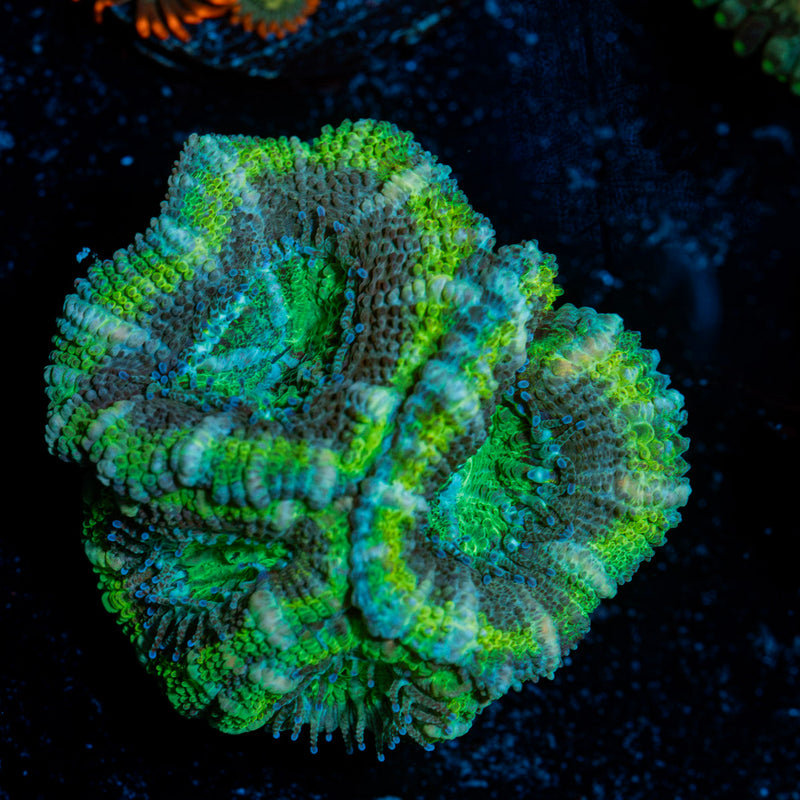
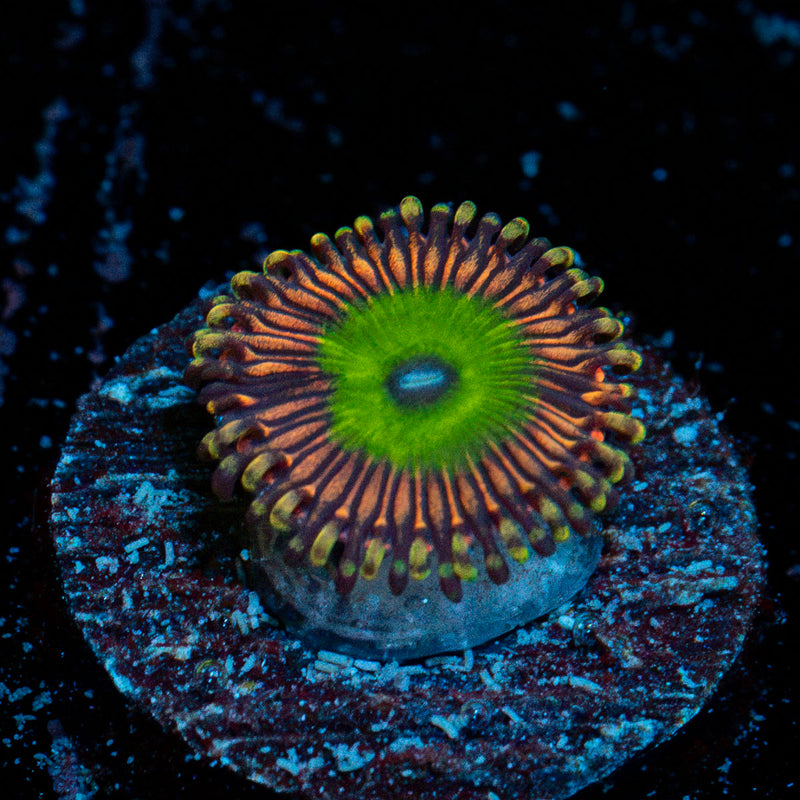
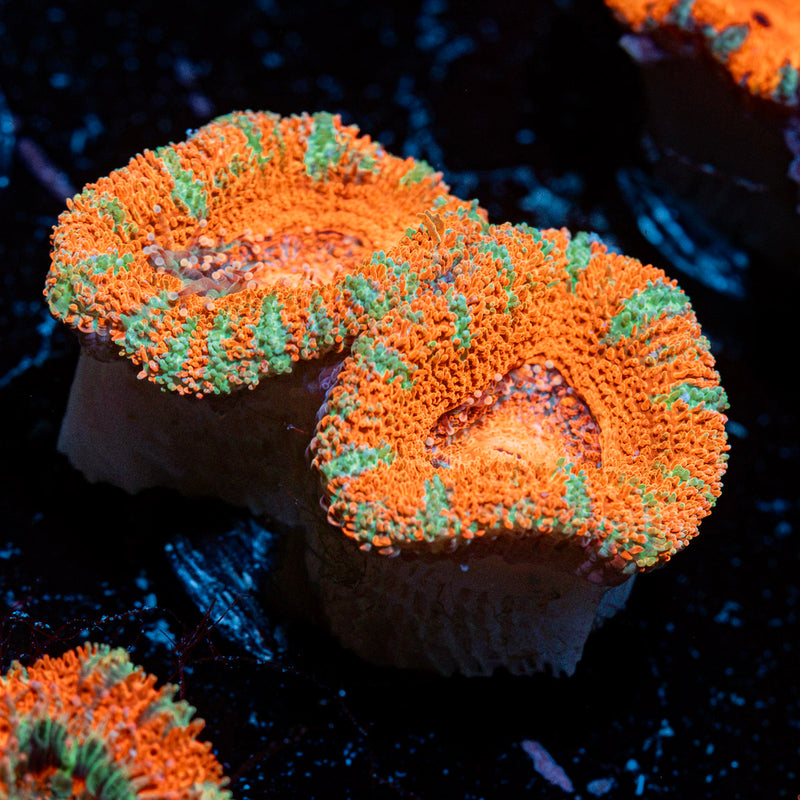
Give it space. Hammer corals can extend farther than new hobbyists expect, and they do not appreciate being packed tightly against acans, zoas, or other fleshy LPS. A little empty real estate around the frag now saves a lot of frustration later.
Feeding and growth expectations
Hammer corals get much of their energy from light, but they can also benefit from occasional feeding. You do not need a complicated coral feeding routine to keep one alive. In many stable tanks, a hammer will do well with regular fish feeding, dissolved nutrients, and quality lighting.
That said, small occasional feedings of reef-safe coral foods or fine meaty foods can support growth. The key is restraint. Overfeeding a young tank in the name of coral care often leads to nuisance algae and unstable nutrients, which creates bigger problems than it solves.
Growth is usually steady rather than explosive. A healthy hammer frag may begin as a single or double head and gradually branch into a fuller colony over time. Patience matters here. You are growing a centerpiece, not forcing one overnight.
Common beginner mistakes with hammer corals
The biggest mistake is chasing a magic number instead of protecting stability. New hobbyists often test, adjust, retest, and adjust again, which creates more stress than the original issue. Hammer corals generally tolerate a good stable range better than constant correction.
The second mistake is poor acclimation. A freshly shipped coral has already been through stress. Moving it from bag water into intense light and strong flow can be too much all at once. A careful temperature acclimation, a sensible dip if appropriate for your process, and a lower-light starting spot give the coral a much better landing.
The third is crowding. Because hammer corals look soft and elegant, people place them like décor pieces without thinking about aggression. As the coral settles in and expands, it may start stinging neighbors. Planning for future expansion is part of good reef design.
Another common issue is handling the flesh too roughly. The tissue around the skeleton is vulnerable. Always support the frag by the plug or hard base, not by squeezing the polyp area.
Signs your hammer coral is happy - or not
A healthy hammer usually opens well during the photoperiod, shows full fleshy extension, and keeps consistent color. The heads look inflated rather than pinched, and the movement is smooth. Over weeks to months, you may notice new budding growth at the branch tips or around existing heads.
Stress signs are usually clear. Brown jelly-like material is a serious warning and needs fast attention. Tissue pulling away from the skeleton, persistently closed heads, bleaching, or a sudden collapse in extension all suggest something in the environment needs to change.
It depends on timing, though. A hammer that stays a little withdrawn the same day you moved it is not always in trouble. A hammer that remains shrunken for several days while everything else looks normal deserves a closer look at flow, light, and water stability.
Choosing your first hammer coral
For a first purchase, look for a healthy aquacultured frag with good tissue inflation, clean flesh around the skeleton, and no obvious damage at the heads. Aquacultured pieces are often a smart beginner choice because they are already adapted to aquarium life and tend to transition more smoothly than wild colonies.
Color is part of the fun, of course. Hammers come in beautiful shades of green, gold, purple, and bi-color combinations that can transform a tank quickly. But beginners should prioritize health and structure first. A vibrant coral still needs to arrive and settle in well.
This is where curated beginner-friendly selections matter. Buying from a specialist that understands coral health, exact-item presentation, and shipping confidence can remove a lot of uncertainty from the process. At Riptide Aquaculture, that beginner-safe approach is part of what makes choosing your first coral feel exciting instead of risky.
A simple care mindset that works
If you remember only one thing, let it be this: hammer corals reward consistency more than perfection. Give them stable saltwater, moderate light, indirect flow, and enough space to expand. Resist the urge to keep tinkering every time the coral looks slightly different for a few hours.
A healthy hammer does not just fill space in a reef tank. It adds motion, color, and that unmistakable sense that your aquarium is becoming a real reef. Start with a good specimen, place it thoughtfully, and let steady care do the heavy lifting. Your coral will usually tell you the rest.