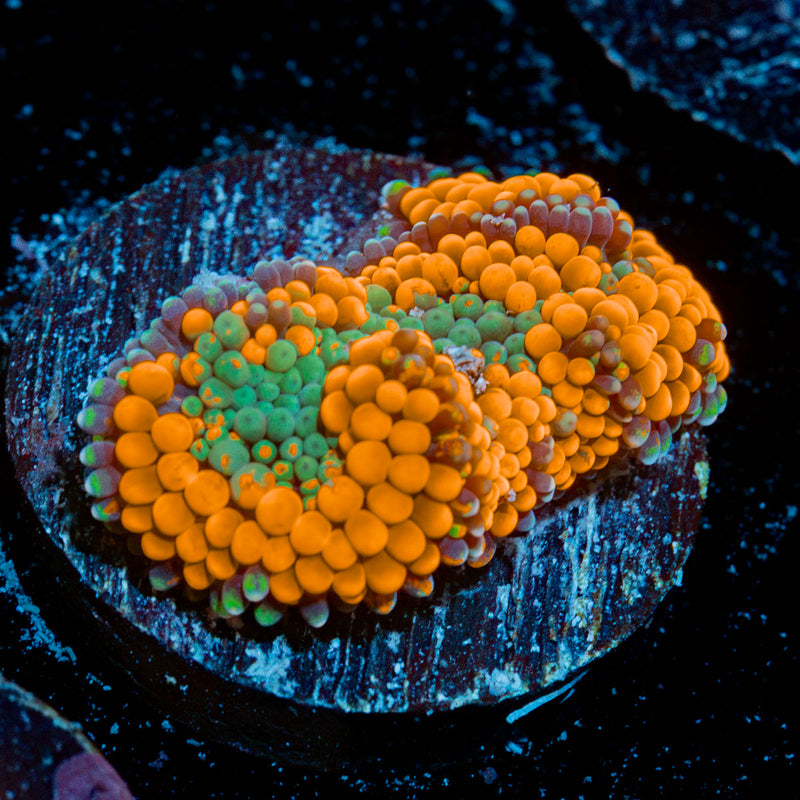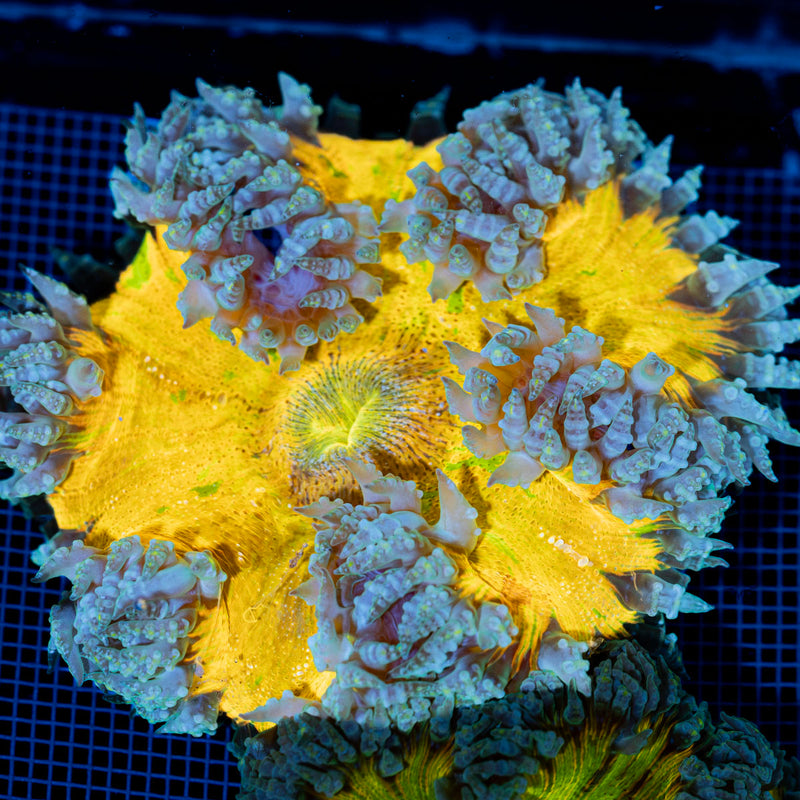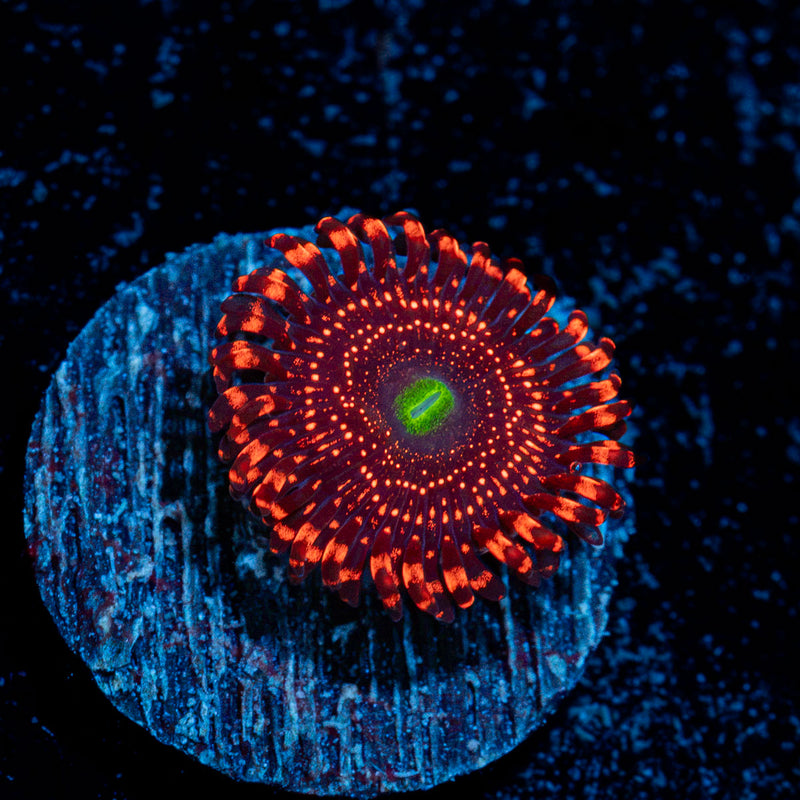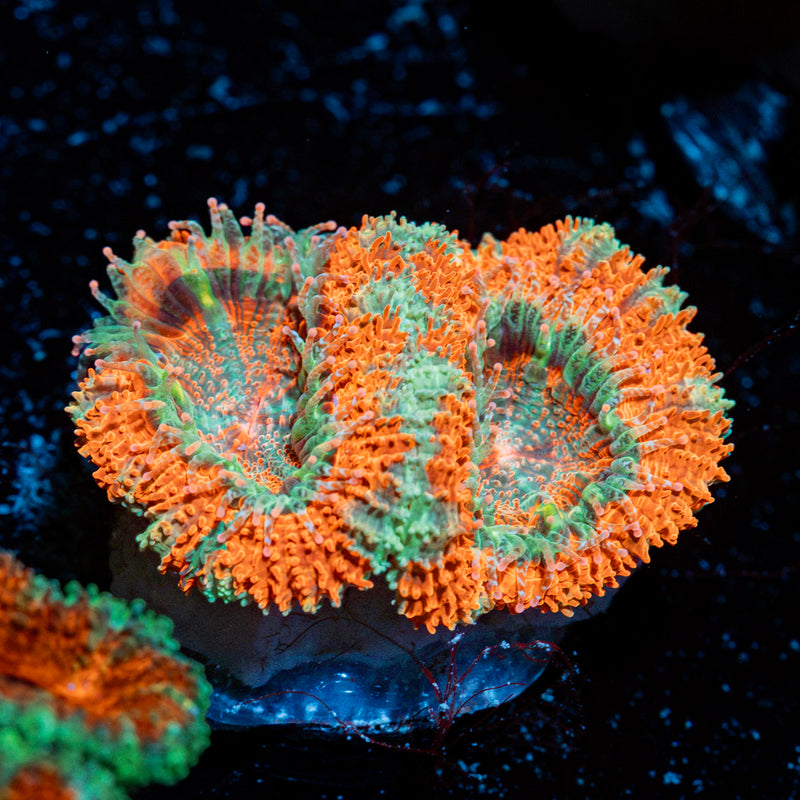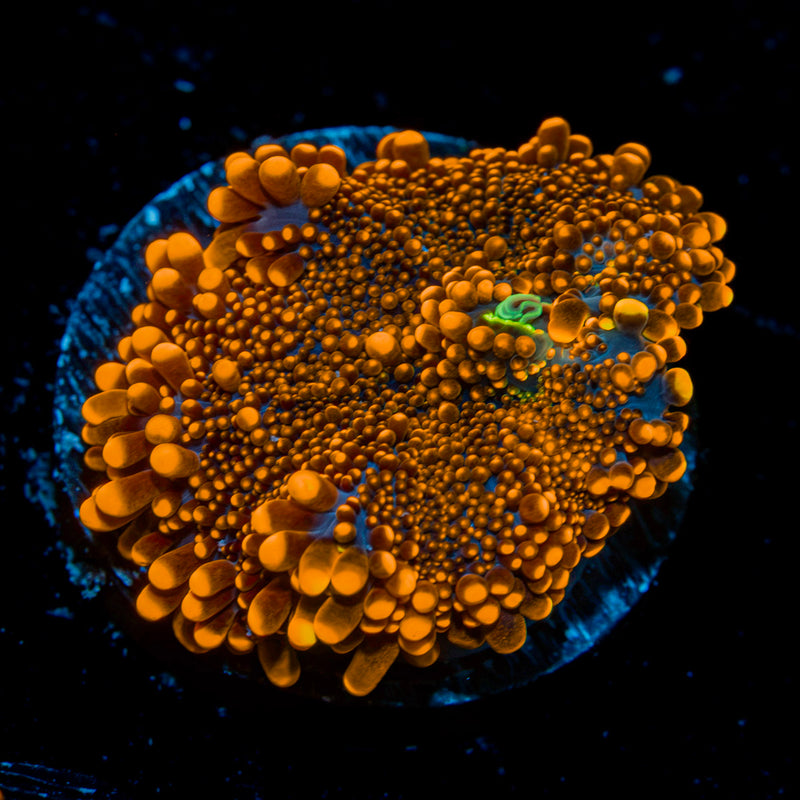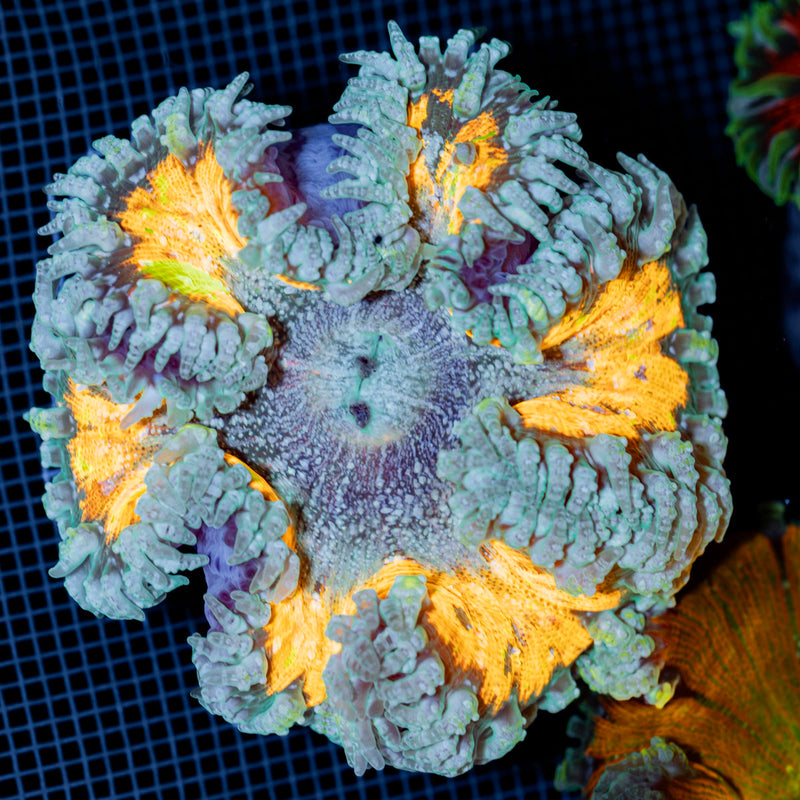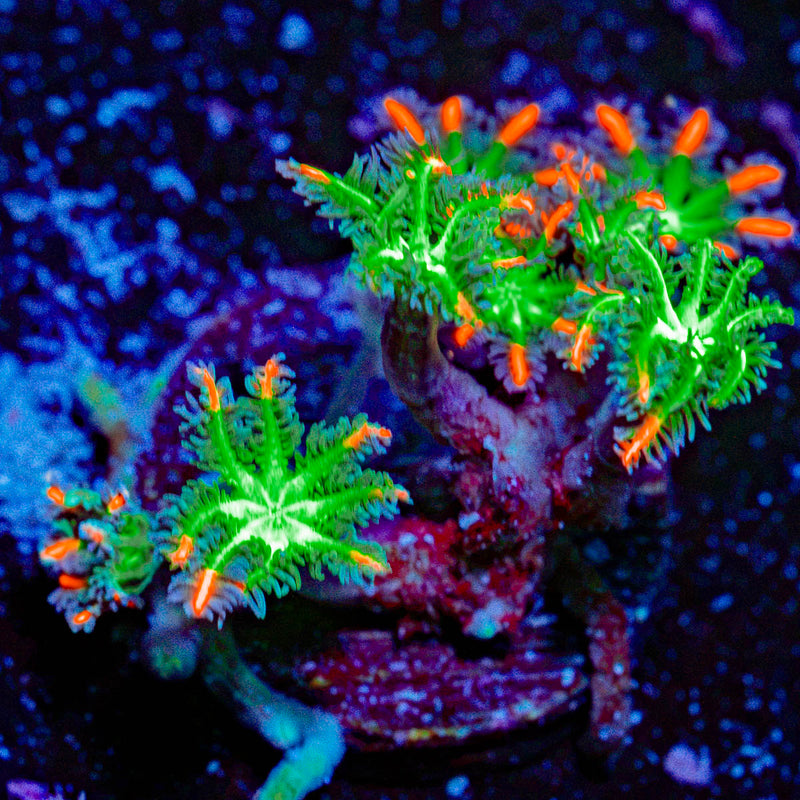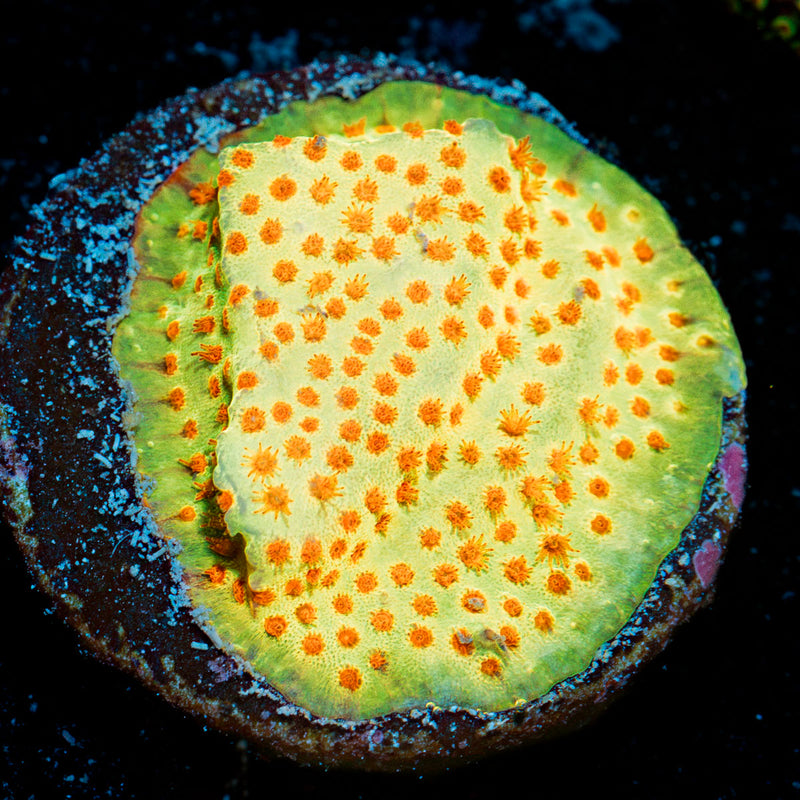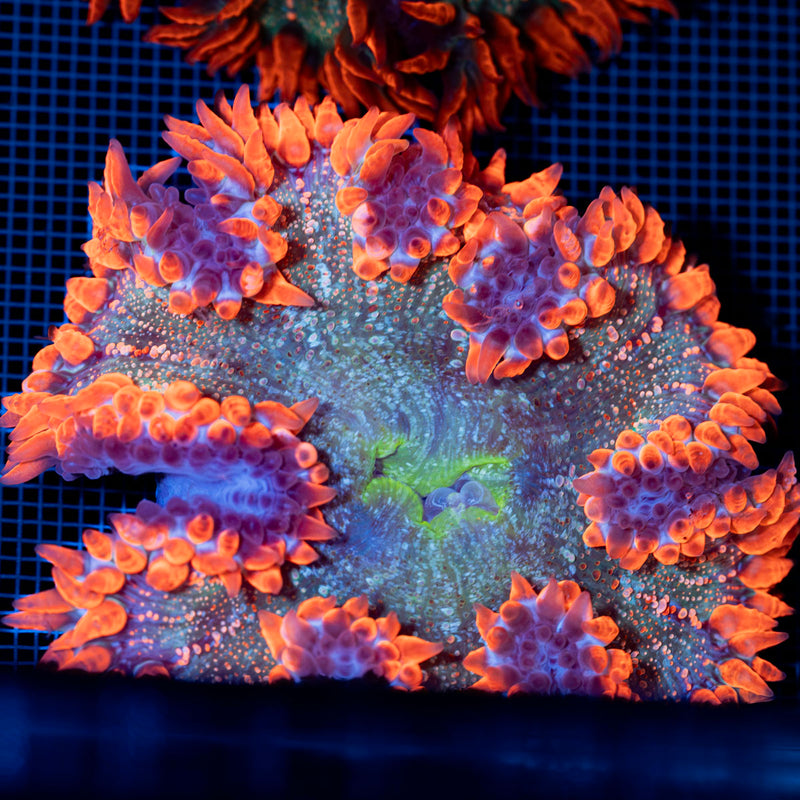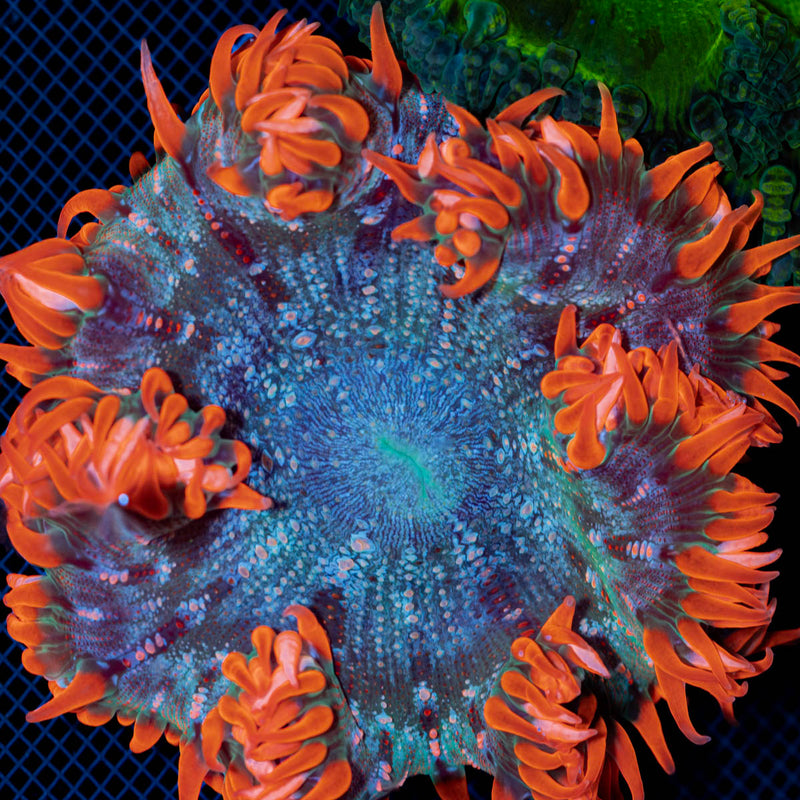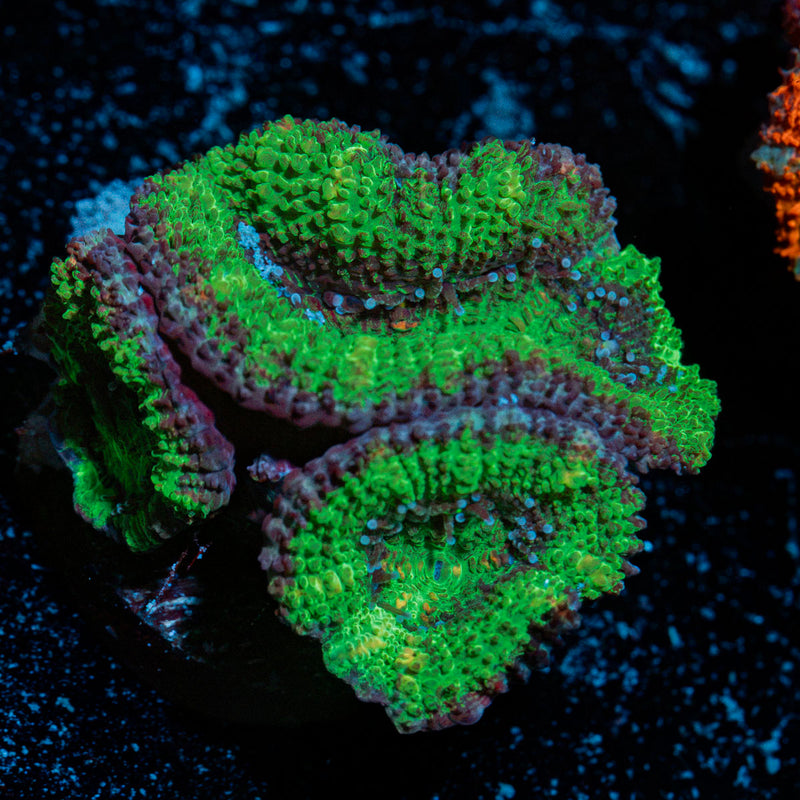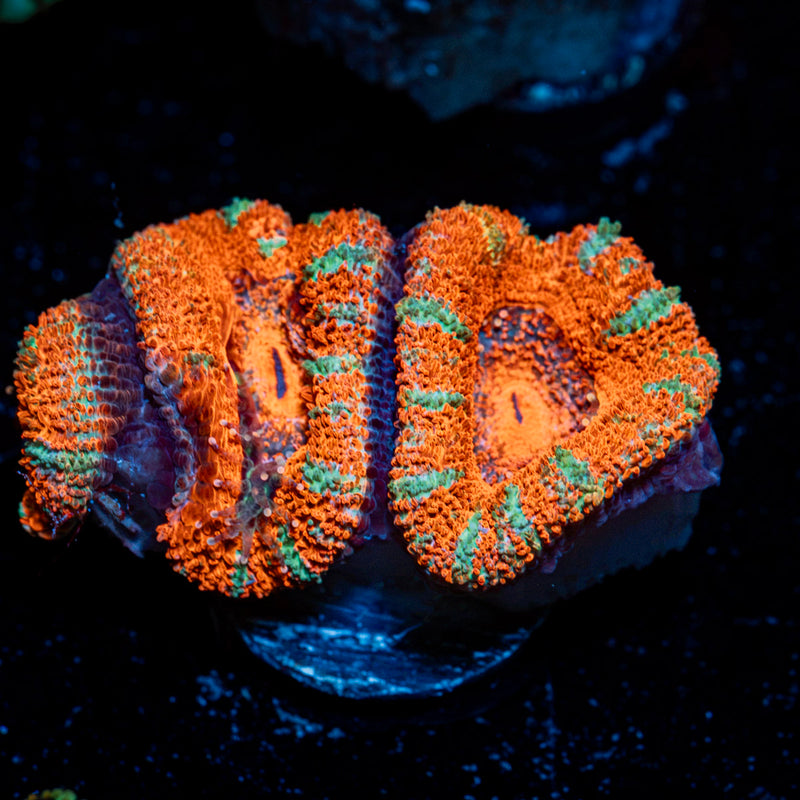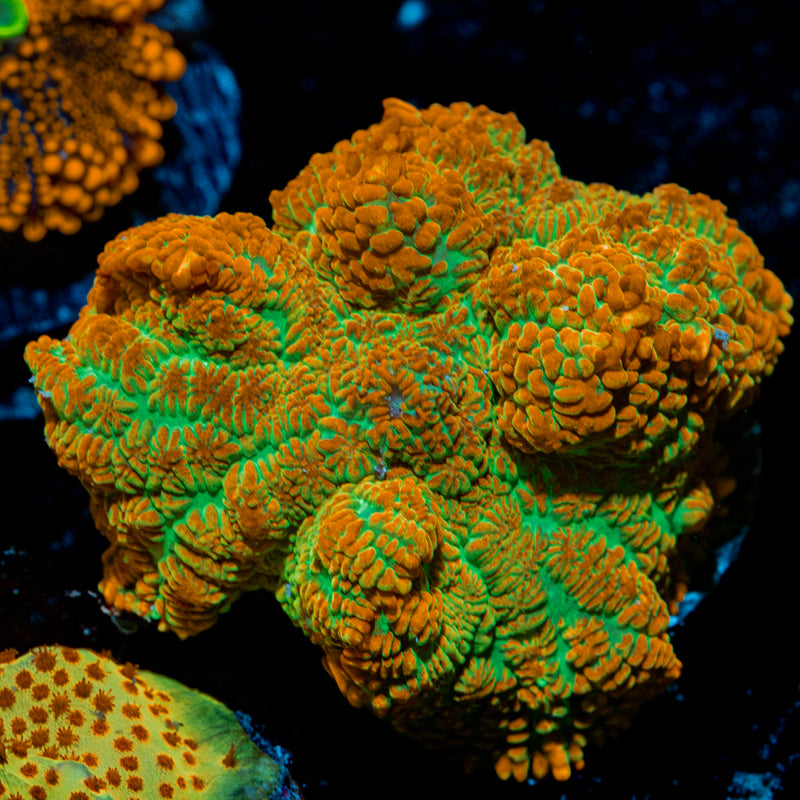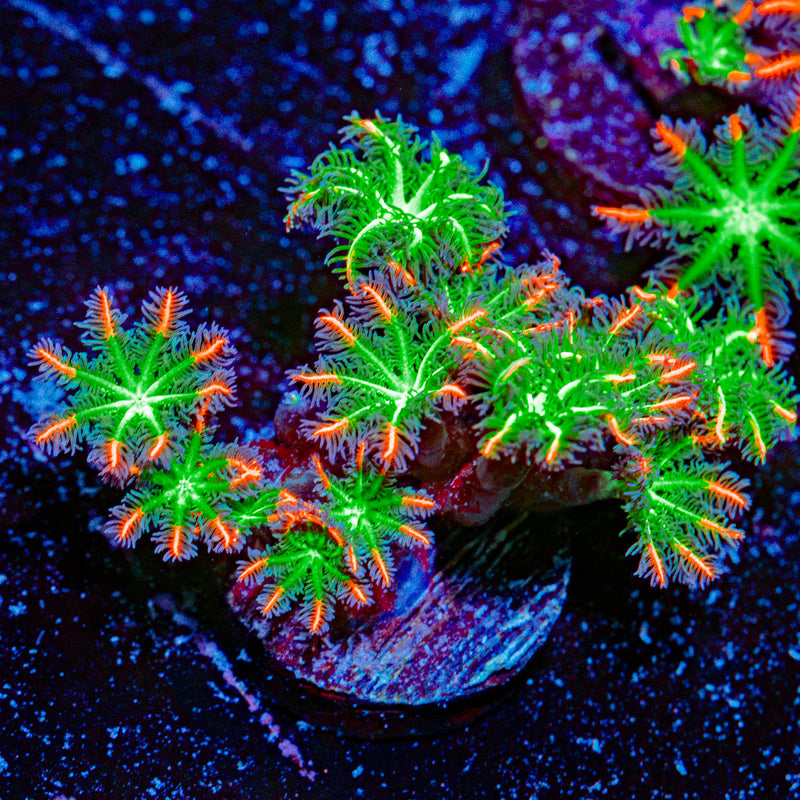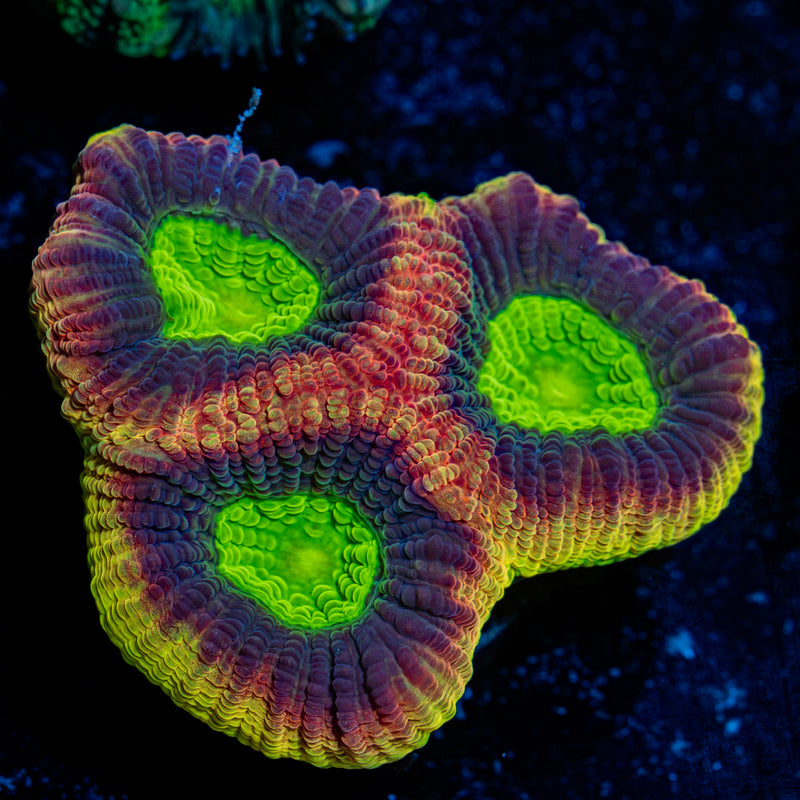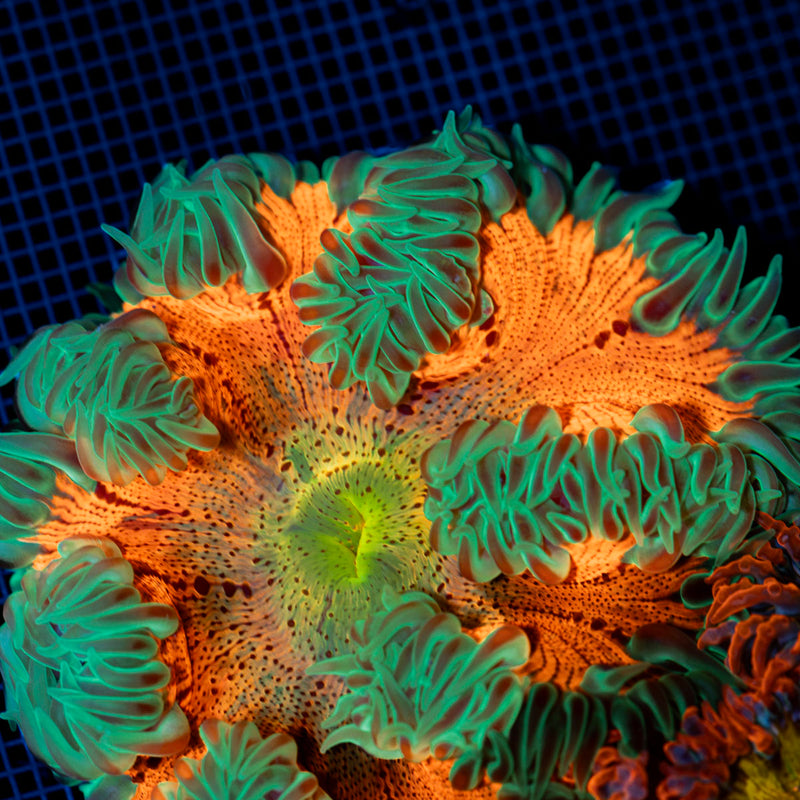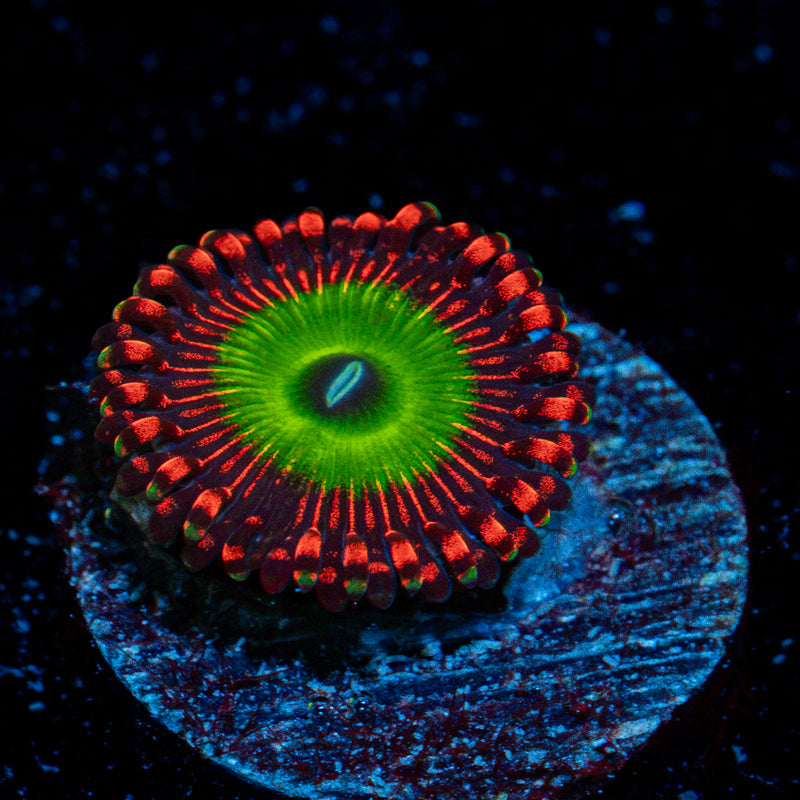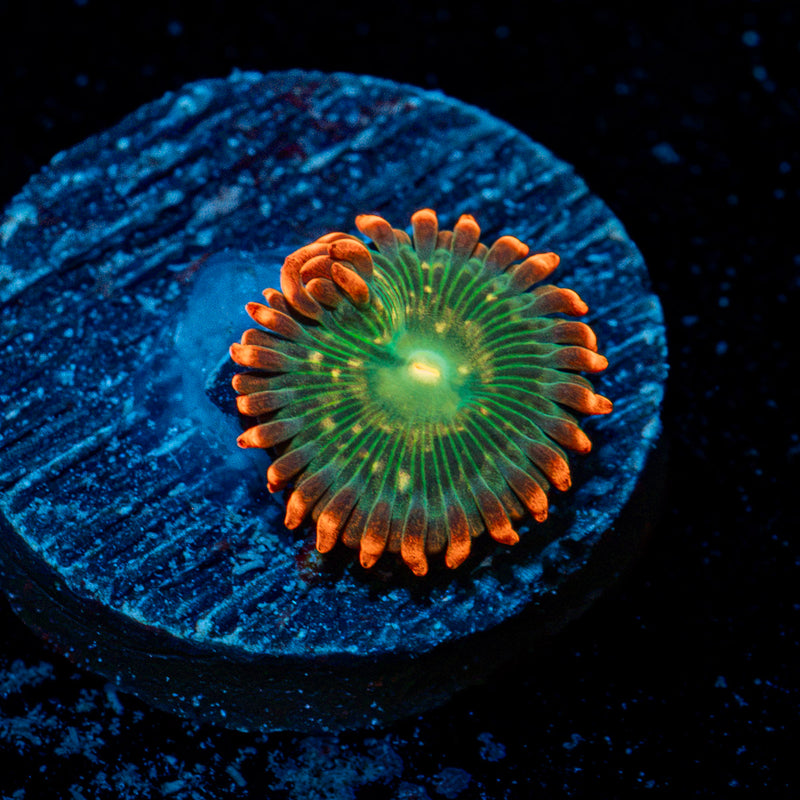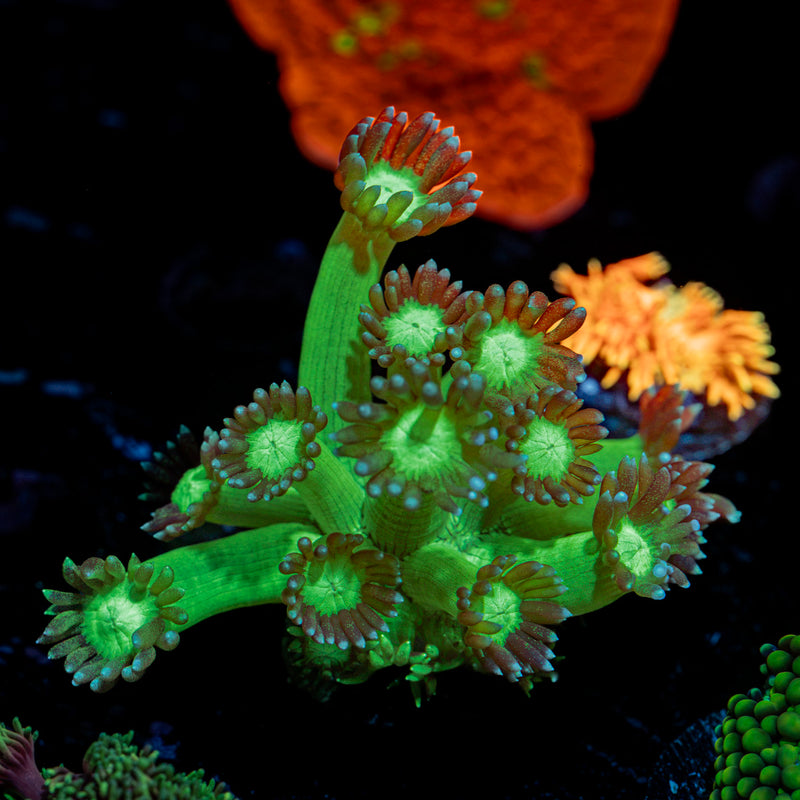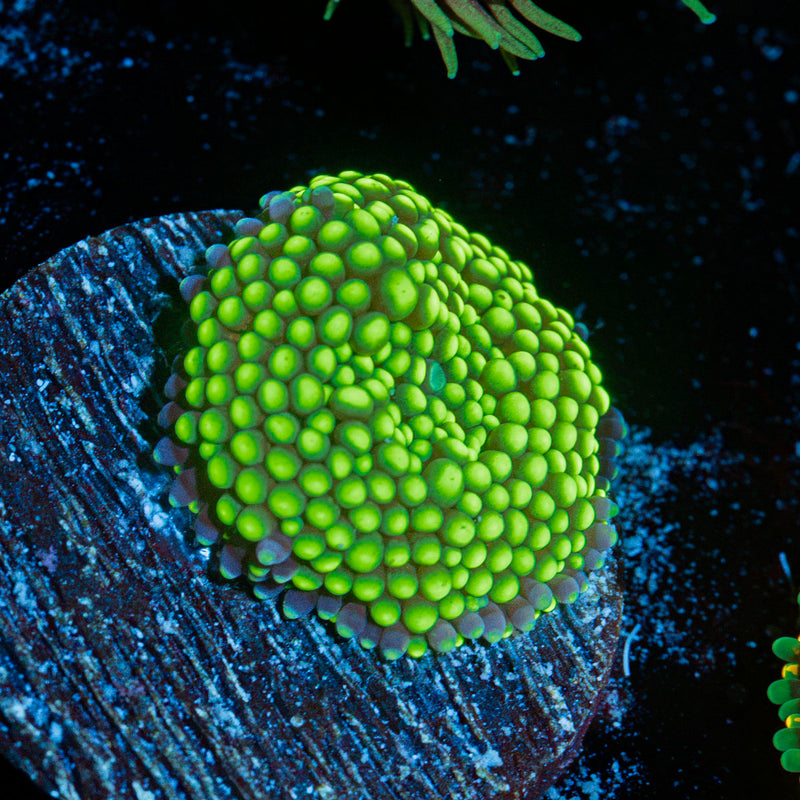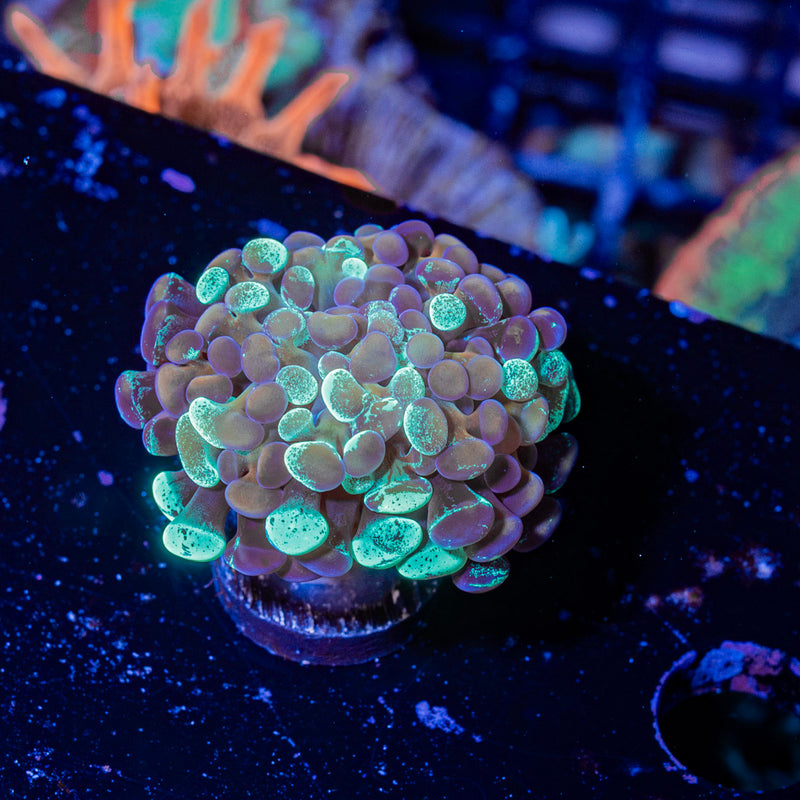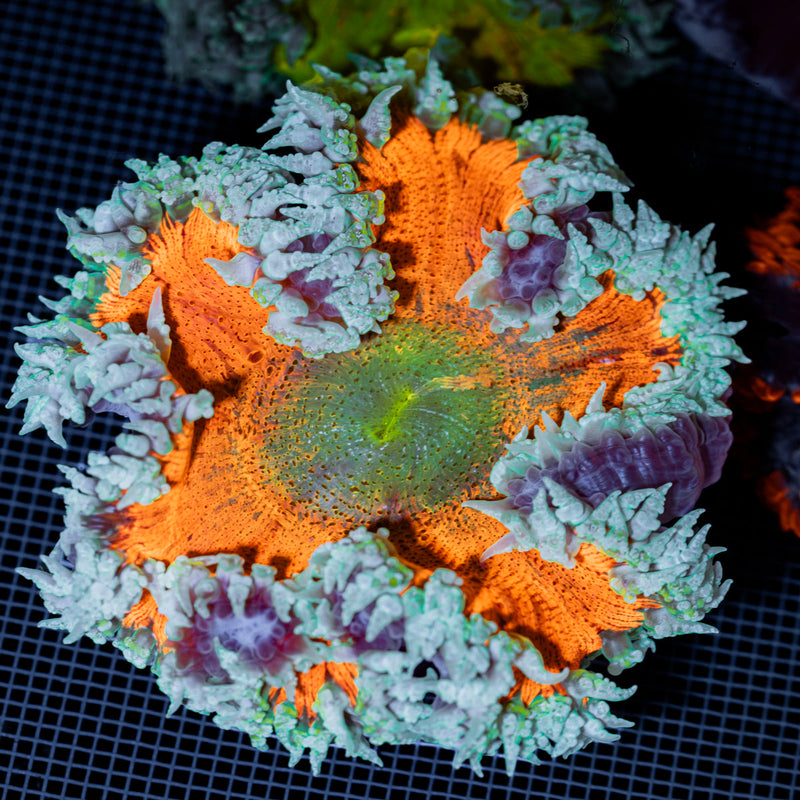
A bright coral frag may be only an inch or two across, yet its price can rival that of much larger aquarium livestock. So, why are coral frags expensive? Because the piece you see is the visible result of months, and sometimes years, of skilled care, controlled growing conditions, careful propagation, and a shipping process designed around a living animal arriving healthy at your door.
A coral frag is not a factory-made decoration. It is a living, growing colony with its own needs, growth rate, coloration, and personality. When you purchase one, you are paying for more than a colorful addition to your aquascape. You are investing in the time and expertise that helped turn a tiny cutting into a healthy, reef-ready living jewel.
Why Are Coral Frags Expensive Compared With Other Livestock?
Fish and many invertebrates are often collected, conditioned, and sold at a particular size. Aquacultured coral follows a different path. A small fragment must first come from a healthy mother colony, be cut or separated safely, mounted to a plug or disk, healed, grown out, inspected, photographed, and maintained until it is ready for a new reef.
That process requires a fully operating reef system every day of the year. Lighting, flow, filtration, heating, cooling, saltwater, test kits, foods, supplements, replacement equipment, and backup power all carry real costs. Even a modest coral system uses a meaningful amount of electricity and water, especially when it holds demanding SPS corals such as Acropora or Millepora.
The price also reflects the risk carried by the grower. Corals can experience stress from a sudden parameter swing, equipment issue, pests, disease, or a shipping delay. Responsible aquaculture means monitoring colonies closely, isolating concerns early, and refusing to sell frags that are not in suitable condition. That restraint protects your tank, but it also means not every cutting becomes sellable inventory.
Healthy Aquaculture Takes Time
The biggest cost behind many premium frags is simple: time. Coral growth is rarely fast enough to feel convenient.
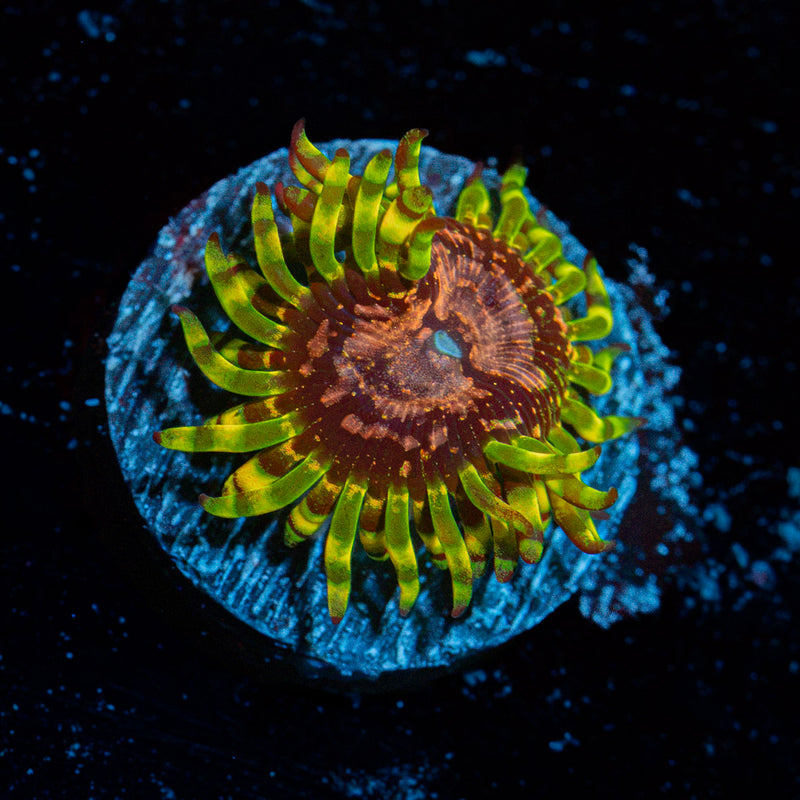
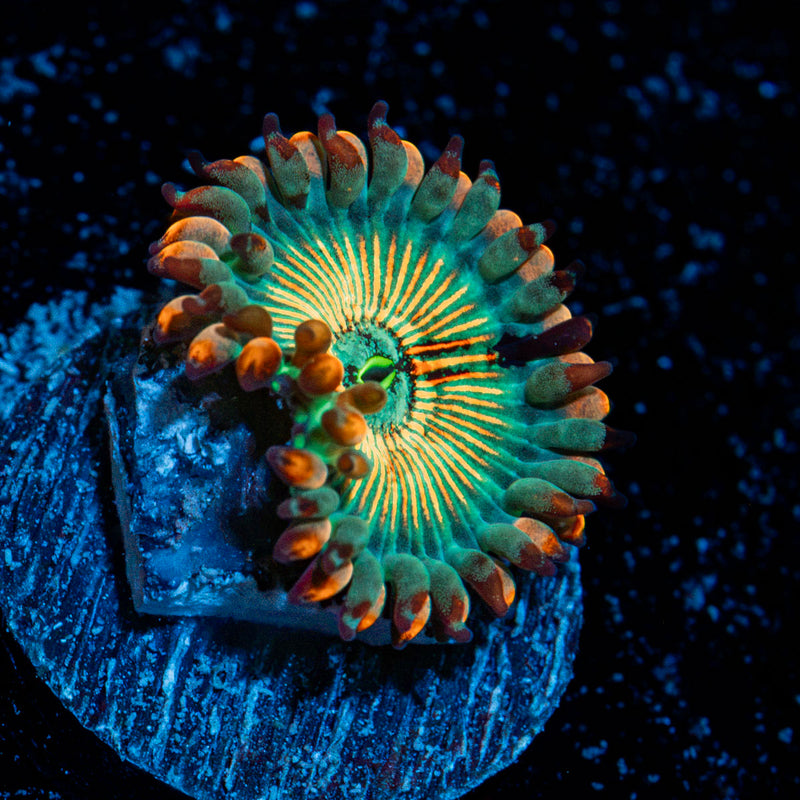
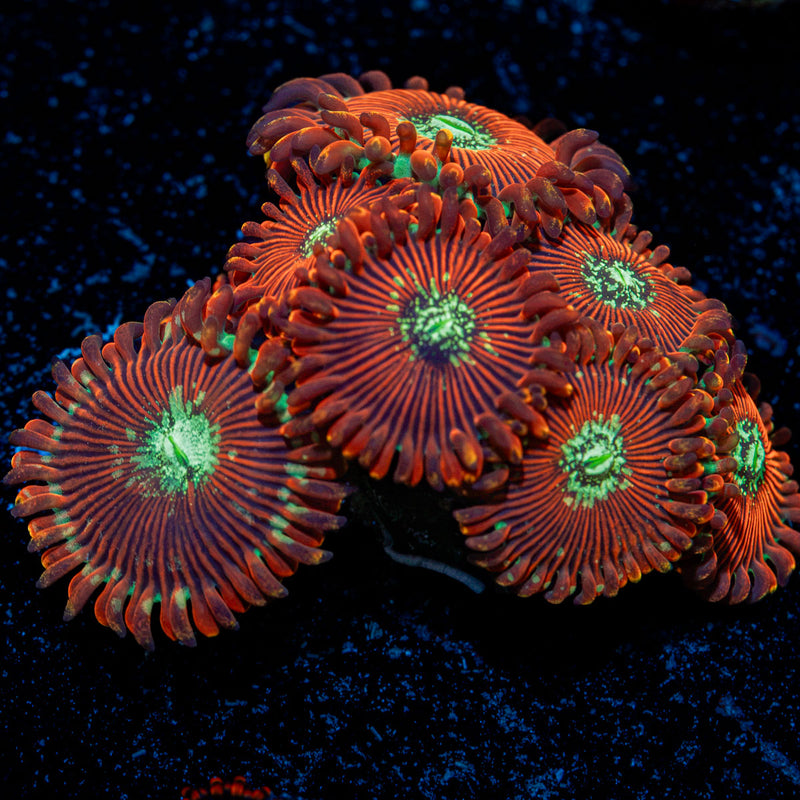
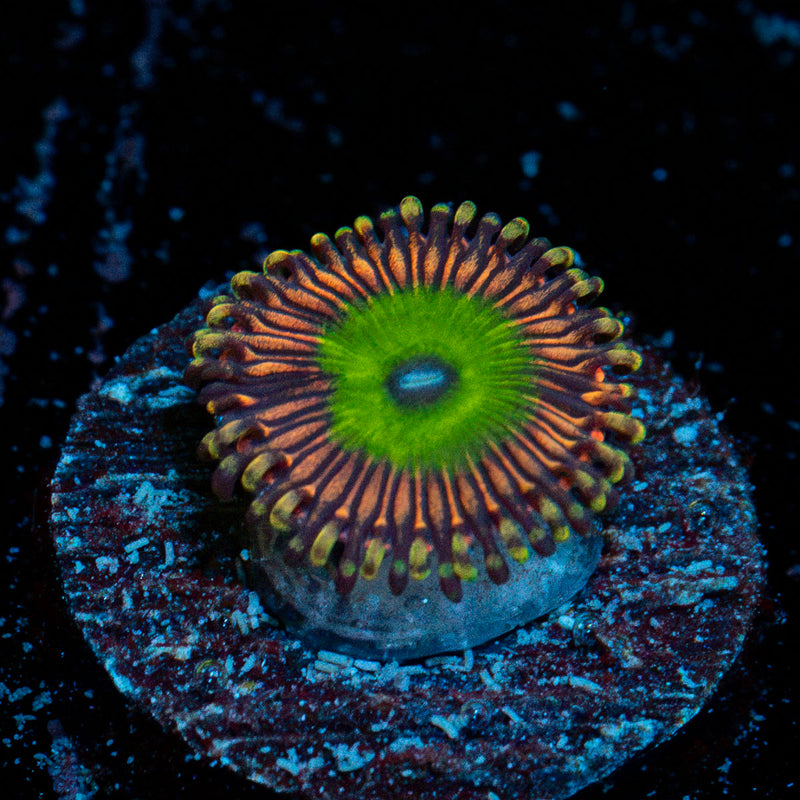
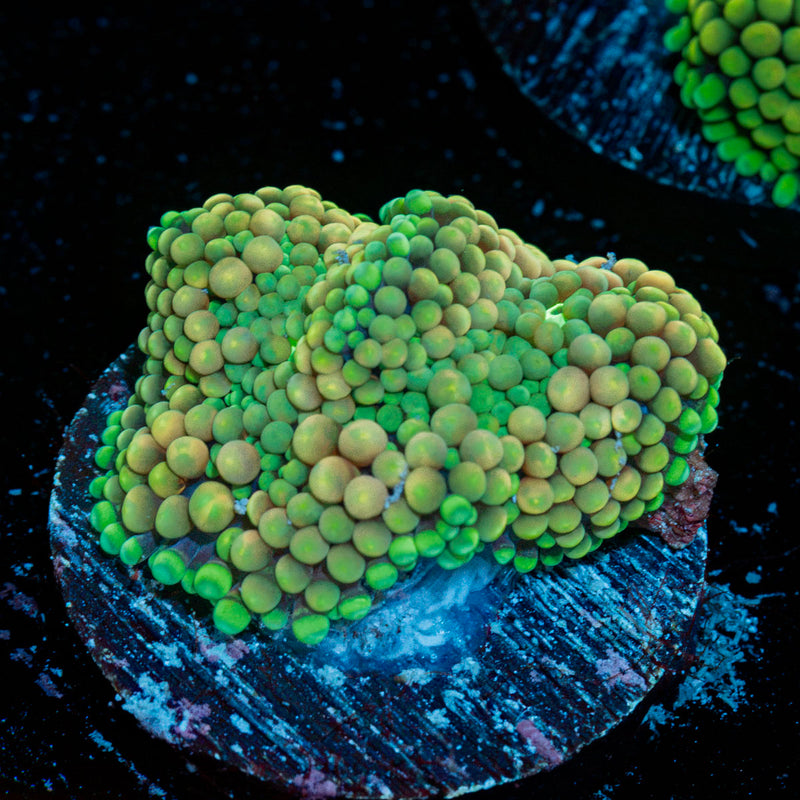
Soft corals, zoanthids, mushrooms, and some LPS can multiply steadily under good conditions, but even these groups need time to attach, recover, and develop a full, sale-ready appearance. A tiny zoanthid frag with a few polyps may be affordable, while a larger colony with dozens of fully developed polyps commands more because it represents more grow-out time and a stronger starting point for the buyer.
SPS corals often bring an even longer timeline. A fresh Acropora cutting may need months to heal, encrust its plug, establish new growth tips, and show consistent coloration. Some varieties grow readily; others are famously slow. If a strain grows only a few branches per year, the supply cannot expand overnight just because demand rises.
Aquaculture also asks the grower to keep parent colonies healthy enough to be fragged repeatedly. Cutting too aggressively can set a colony back, reduce its visual quality, or create unnecessary stress. A sustainable operation balances available inventory with the health of the original colony, rather than treating it like an unlimited source of cuttings.
Color, Rarity, and Lineage Influence Price
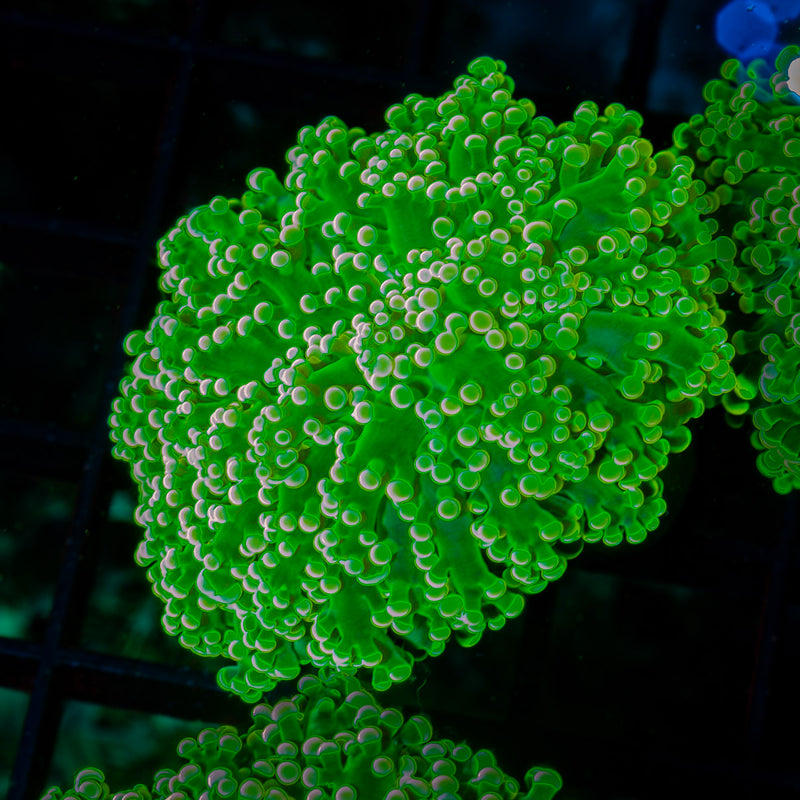
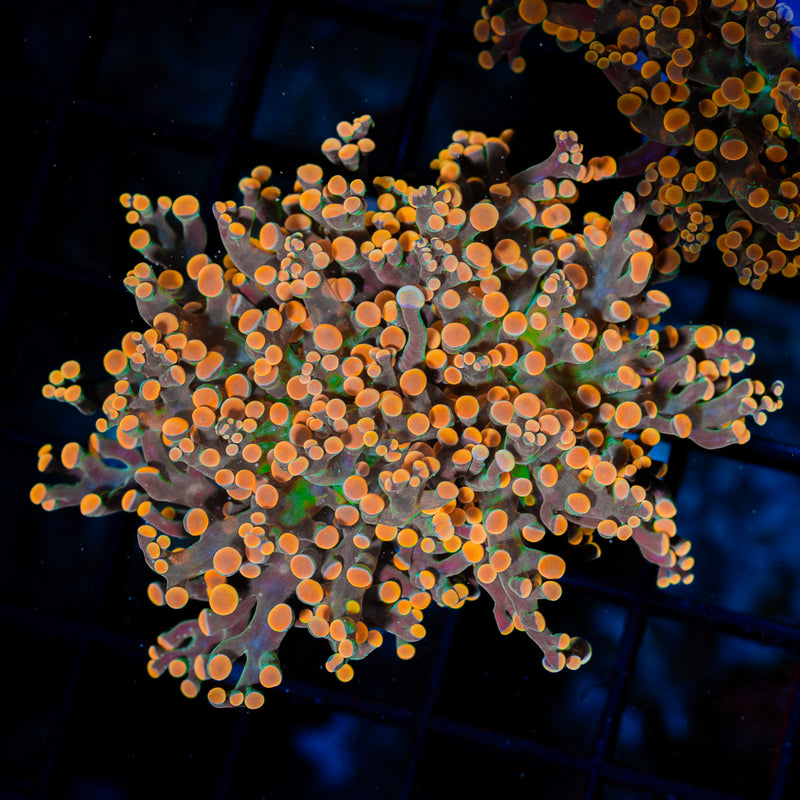
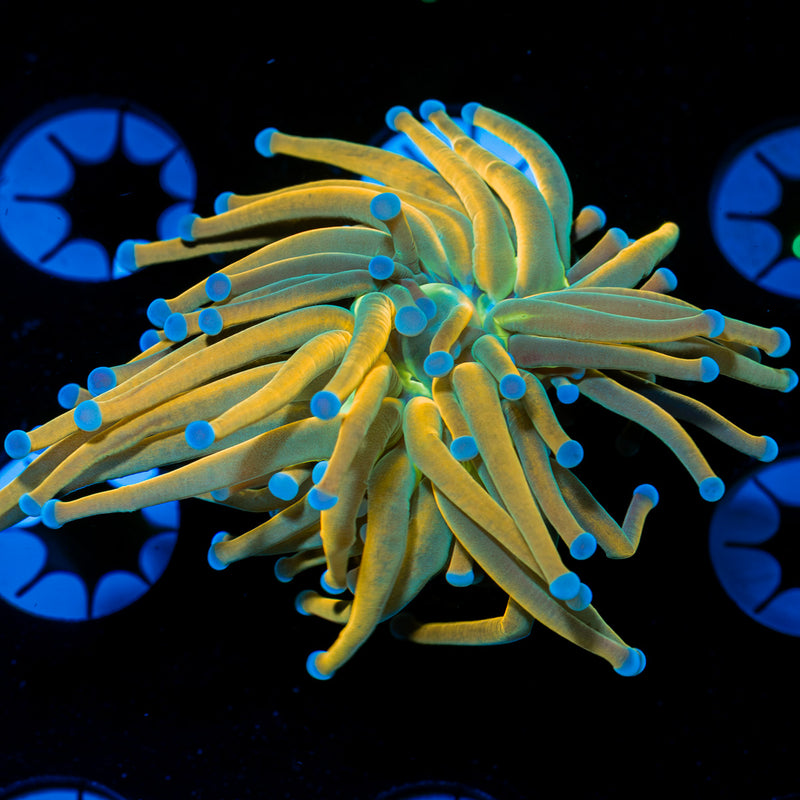
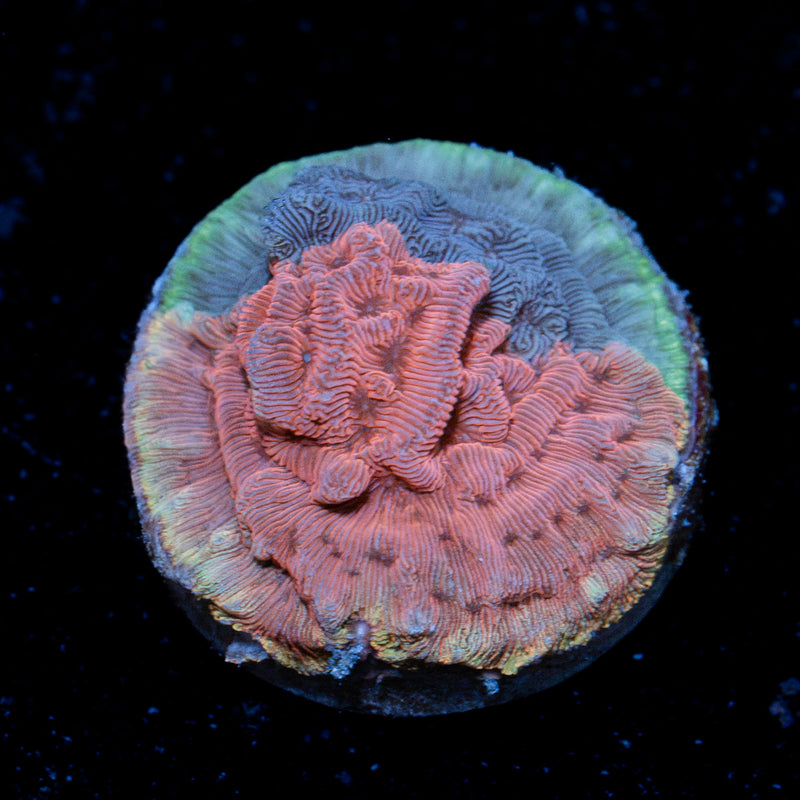
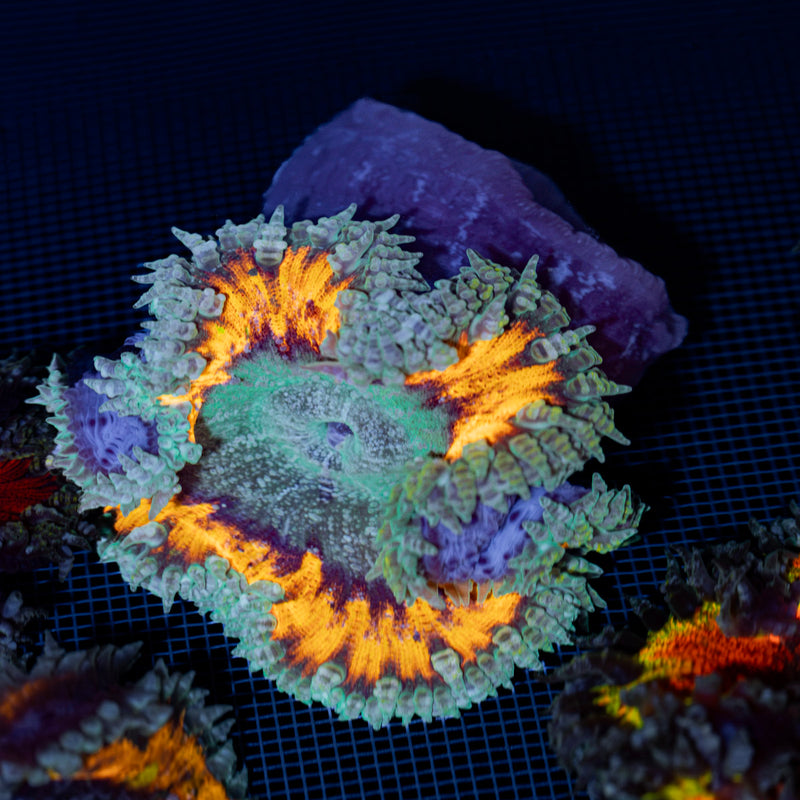
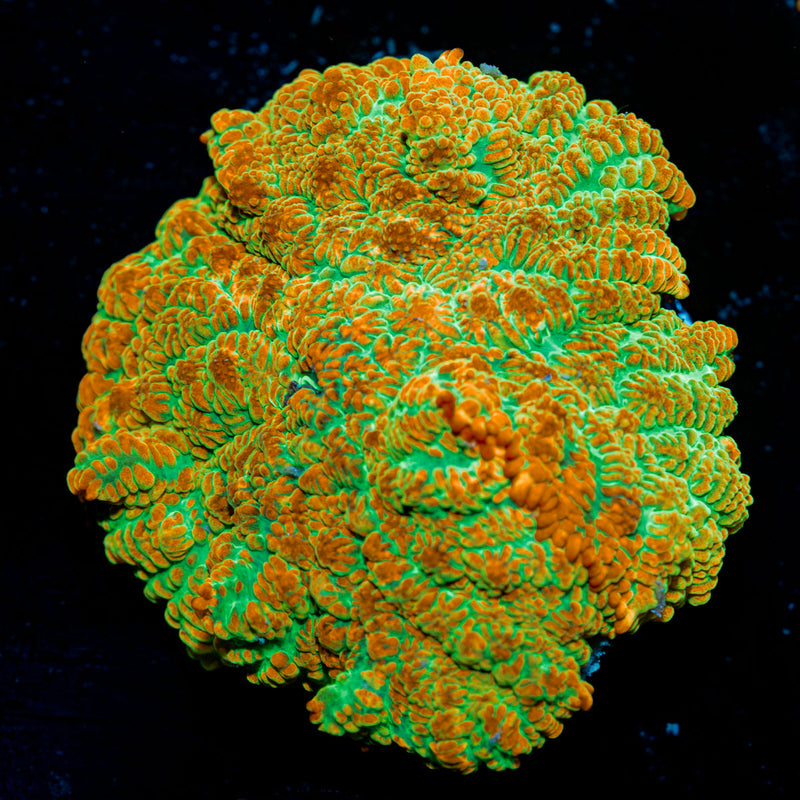
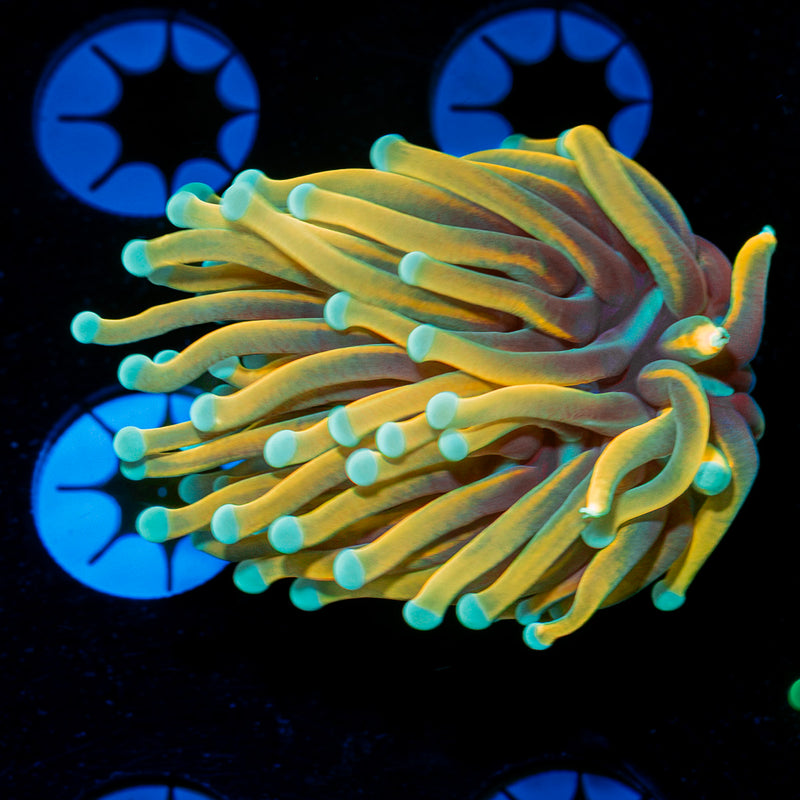
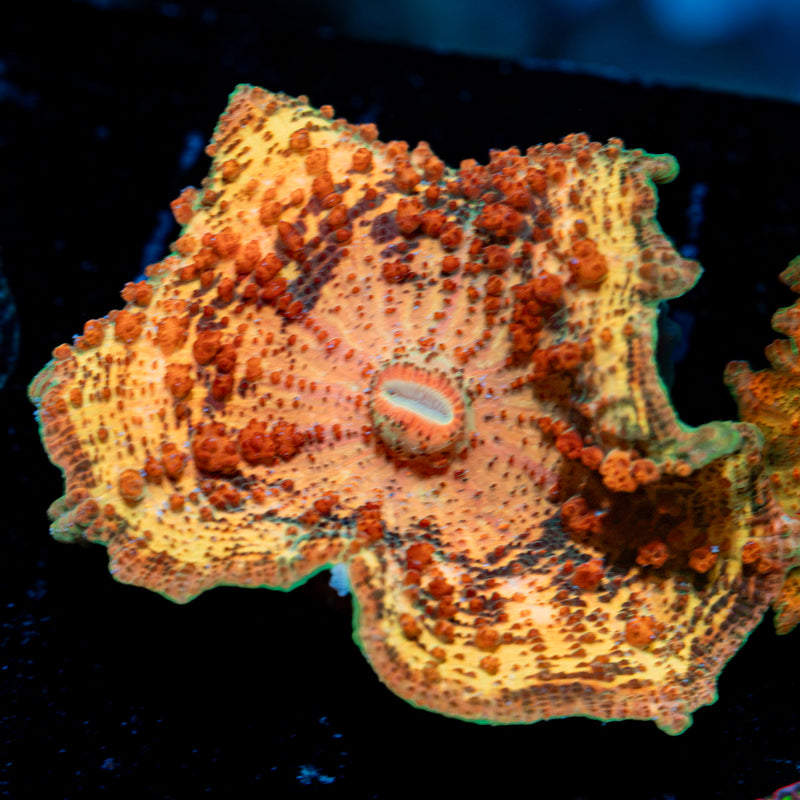
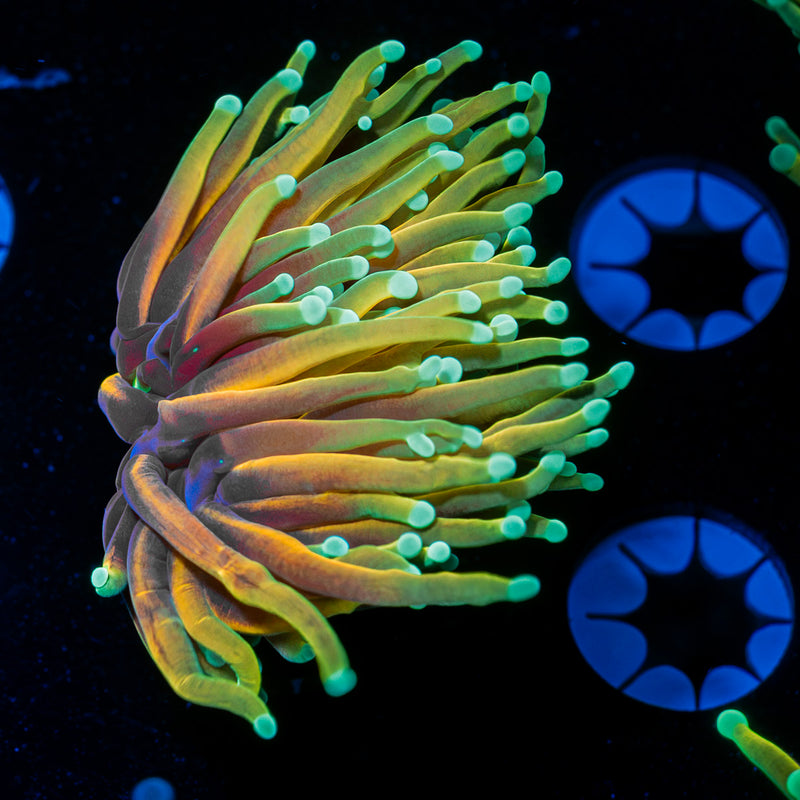
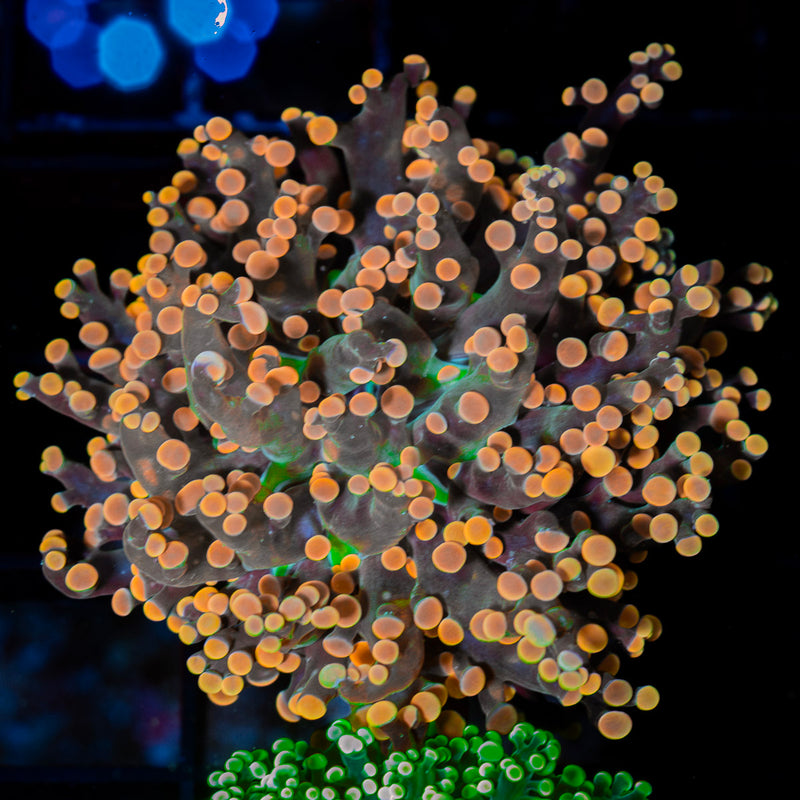
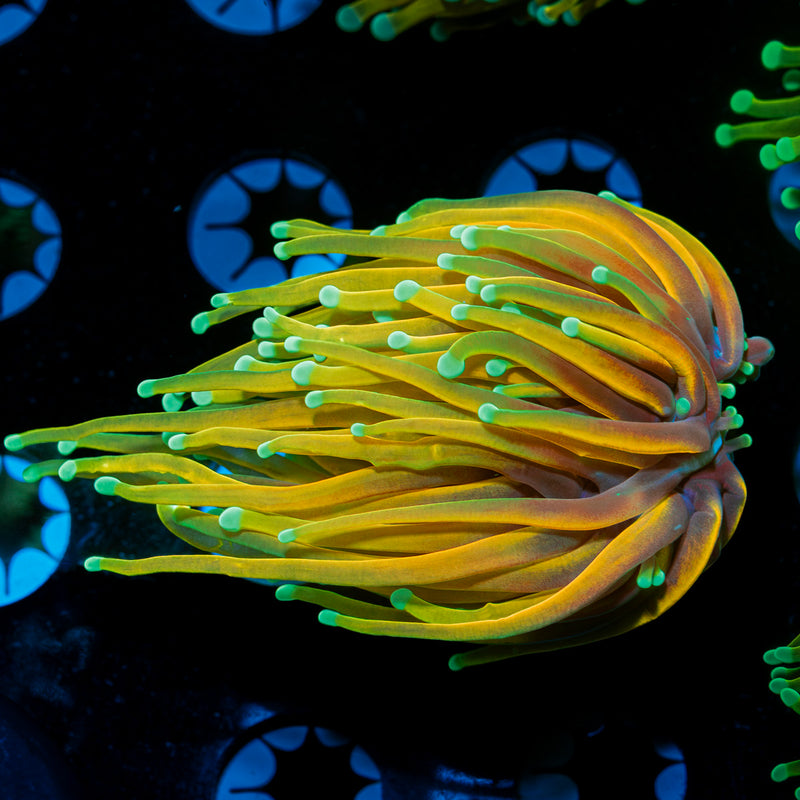
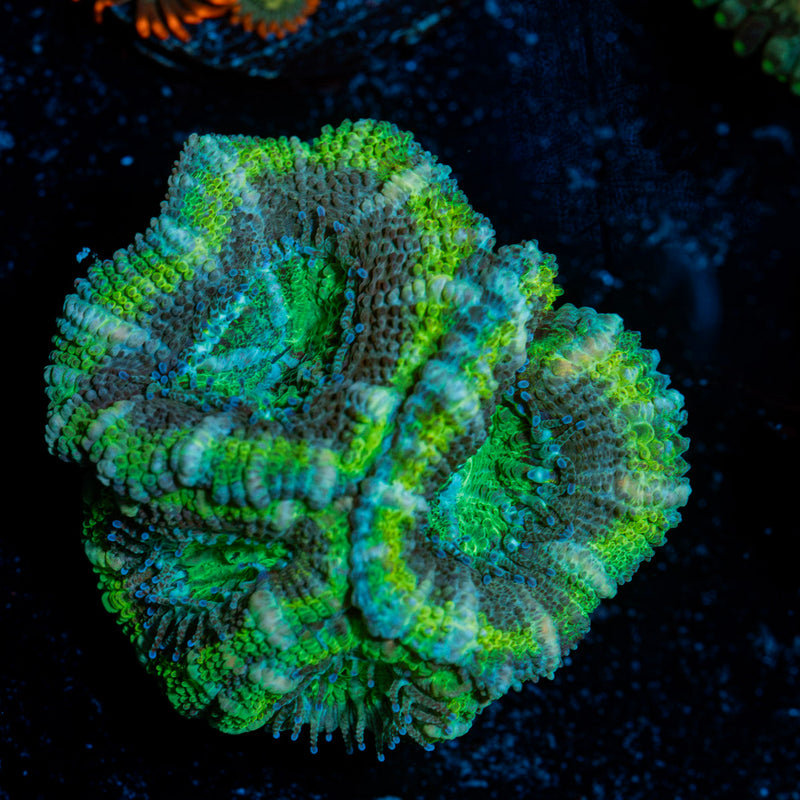
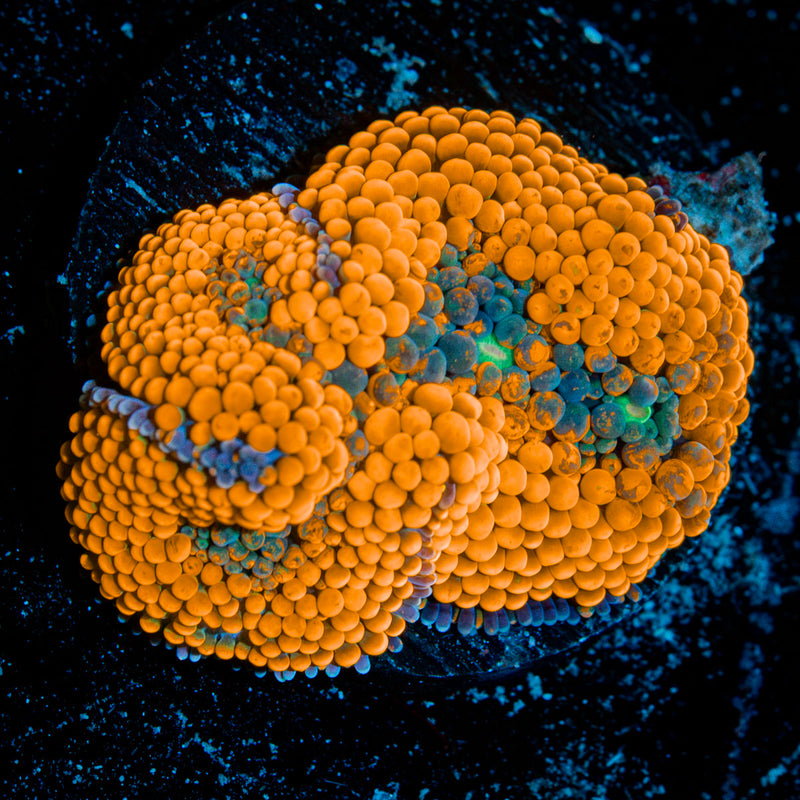
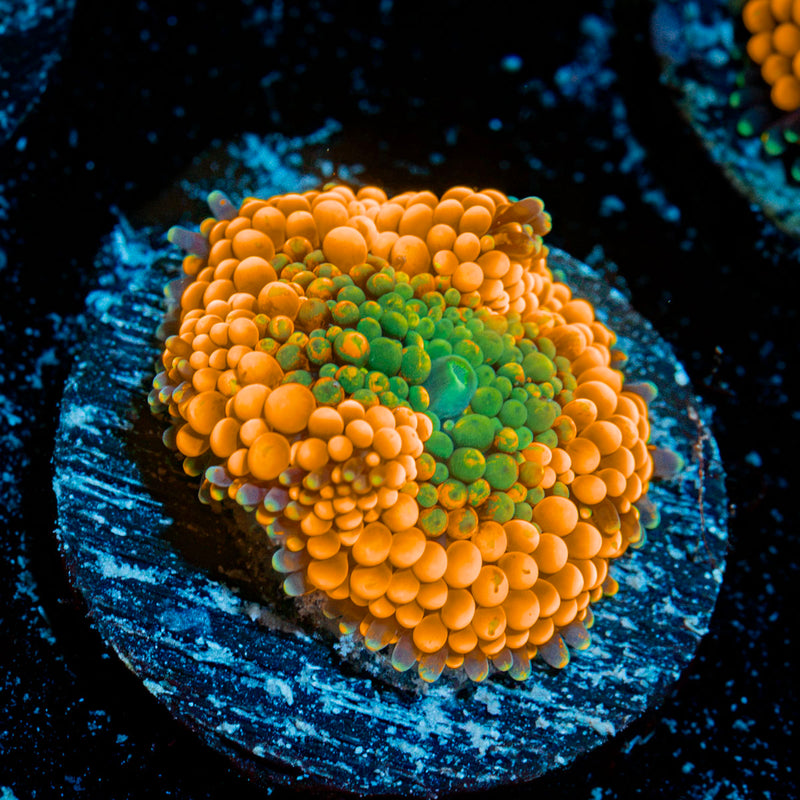
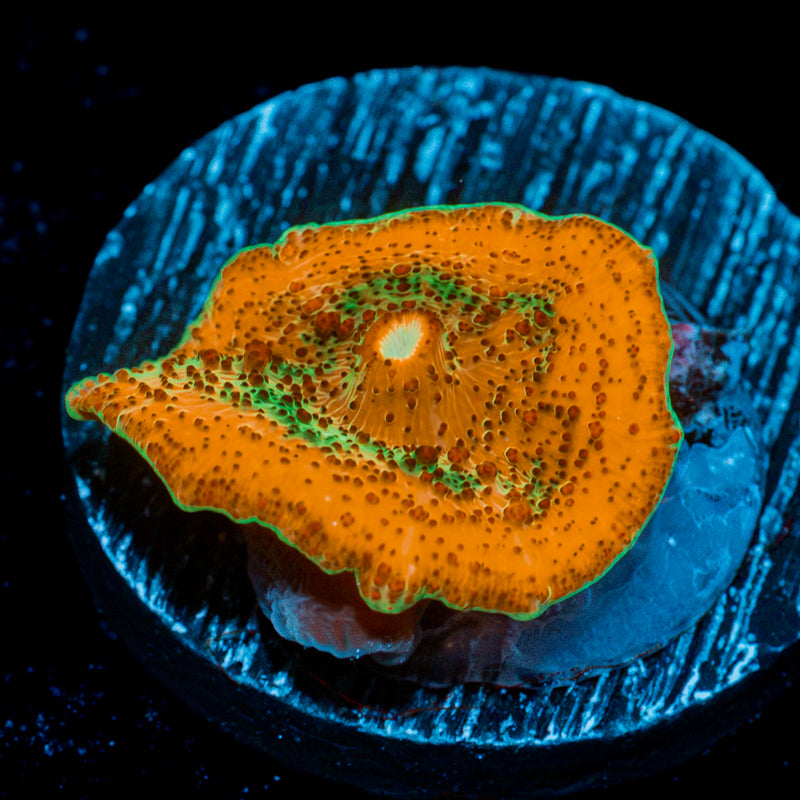
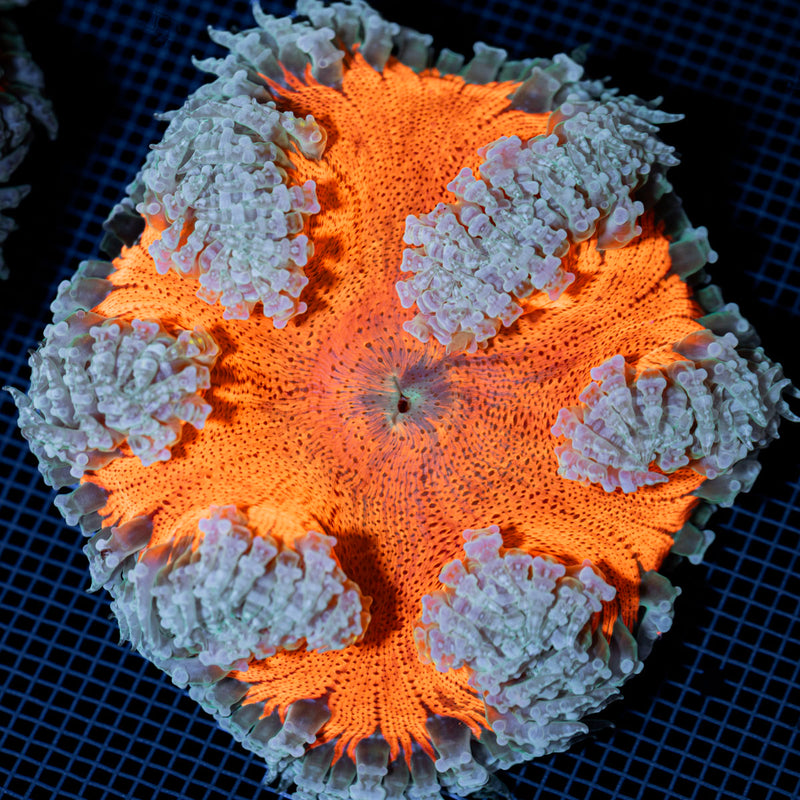
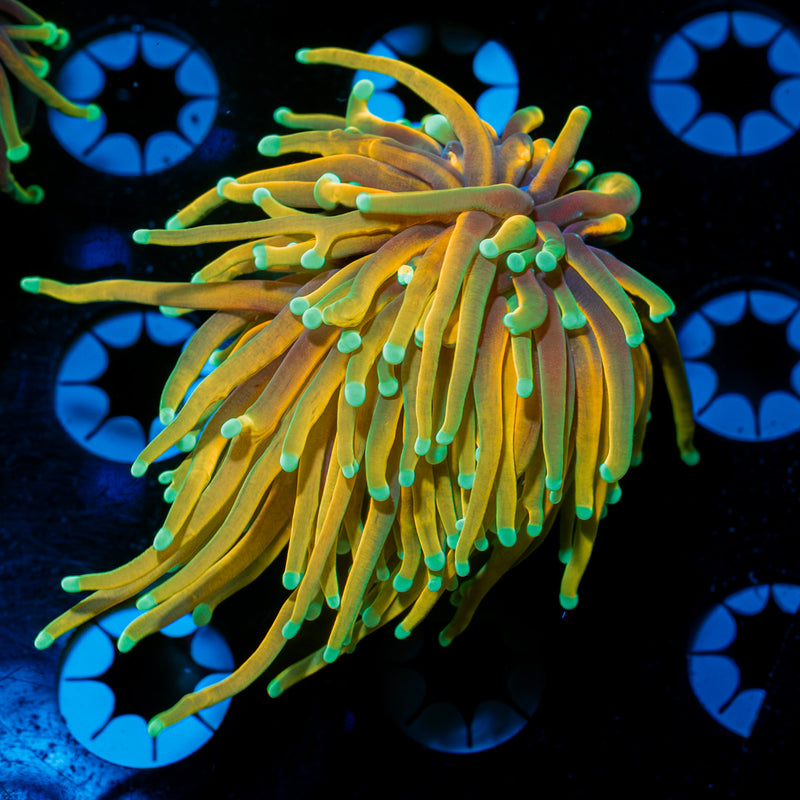
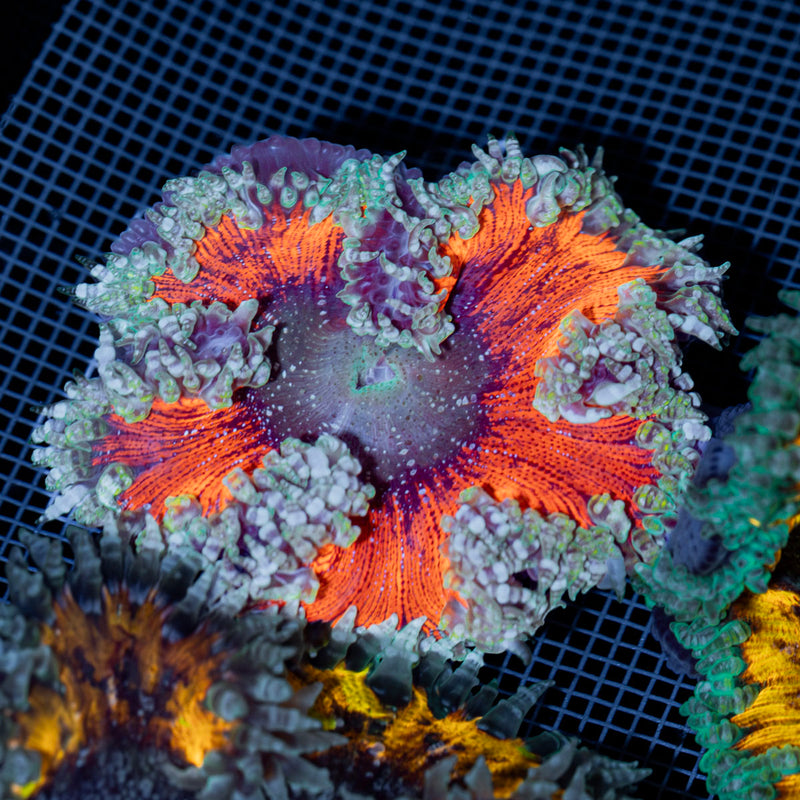
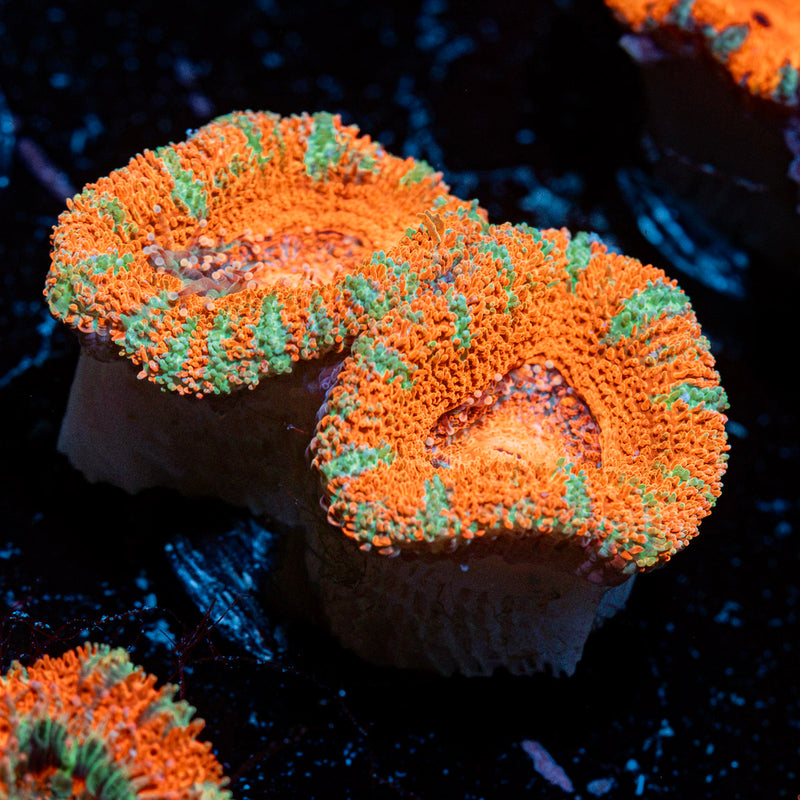
Not all coral colors are equally common. A familiar green hammer or orange mushroom may be grown in larger numbers and offered at a more approachable price. A torch with bright gold tips, a rainbow chalice with several distinct pigments, or a high-end Acropora with intense contrasting growth tips can be much less common and more difficult to reproduce consistently.
Color is not just about a coral looking good under blue lighting. Premium coloration must hold under stable care and continue developing as the coral grows. Some corals look ordinary when stressed or freshly imported, then become spectacular after months of healthy aquaculture. Others are beautiful but temperamental, meaning only experienced systems can maintain their best tones reliably.
Lineage matters for similar reasons. In the reef hobby, a recognized strain name can signal a coral with a known color pattern, growth habit, and track record in captivity. That does not mean a named coral is automatically better for every tank. It does mean the hobby has more confidence in what it is likely to become when kept well.
For collectors, proven lineage can make a rare piece more desirable. For newer hobbyists, it can provide useful context, but care needs should still come first. A hardy, colorful aquacultured coral that thrives in your system is always more valuable than a difficult showpiece that is not a fit for your current experience level.
Frag Size Changes the Value
A “frag” is a broad term. One frag may be a single head of hammer coral, while another may be a multi-head piece with a well-established base. One SPS frag may be a fresh quarter-inch clipping; another may be a fully encrusted, branching mini-colony. Those are not equal products, even if they share the same coral name.
Larger frags usually cost more because they contain more living tissue, required more time to grow, and give buyers a more immediate visual impact. They can also offer a little more resilience during acclimation, although no coral is guaranteed to thrive without appropriate tank conditions.
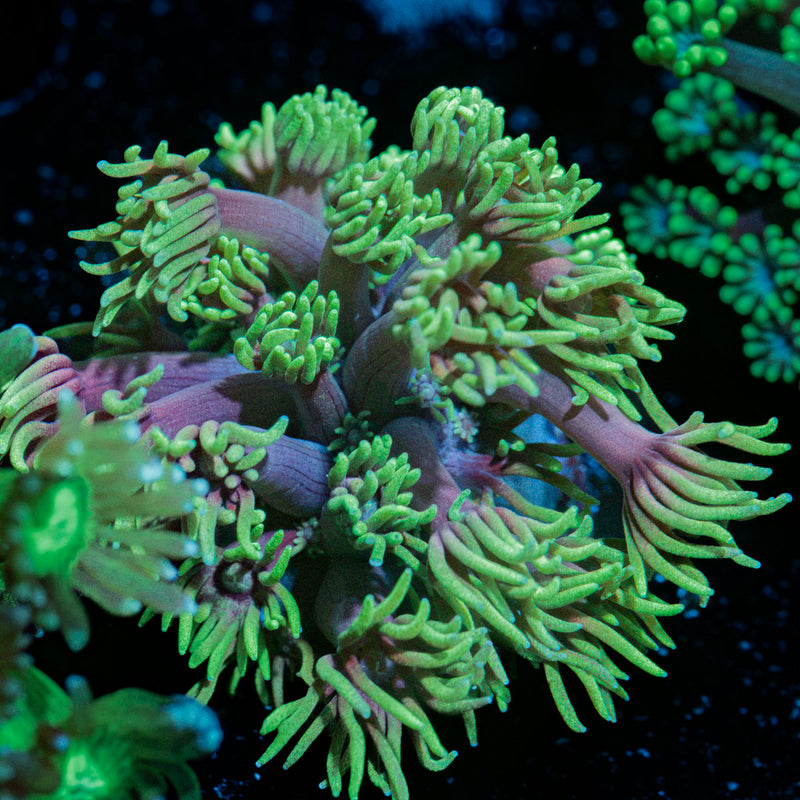
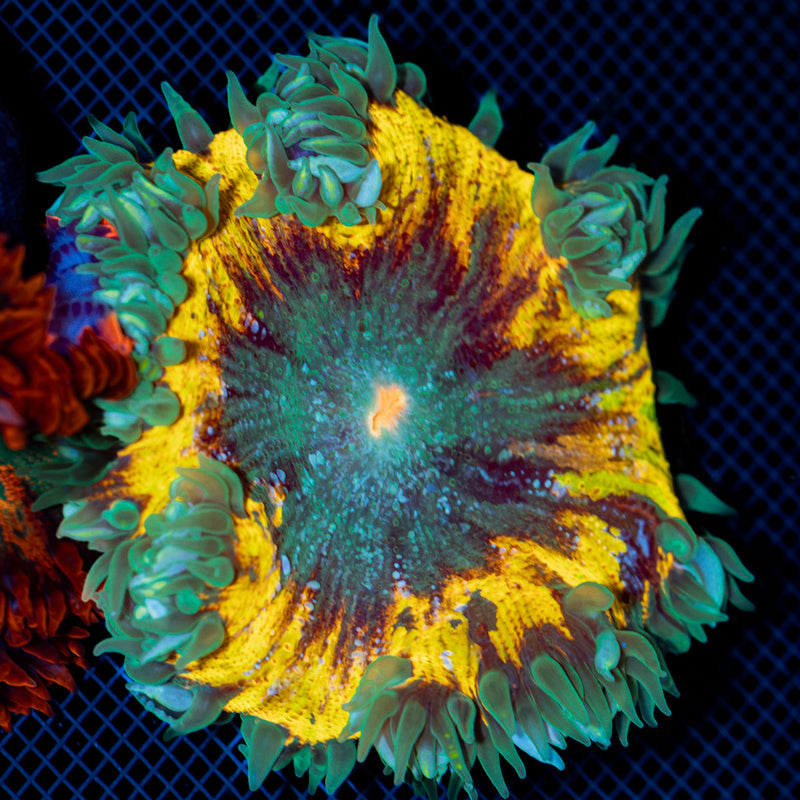
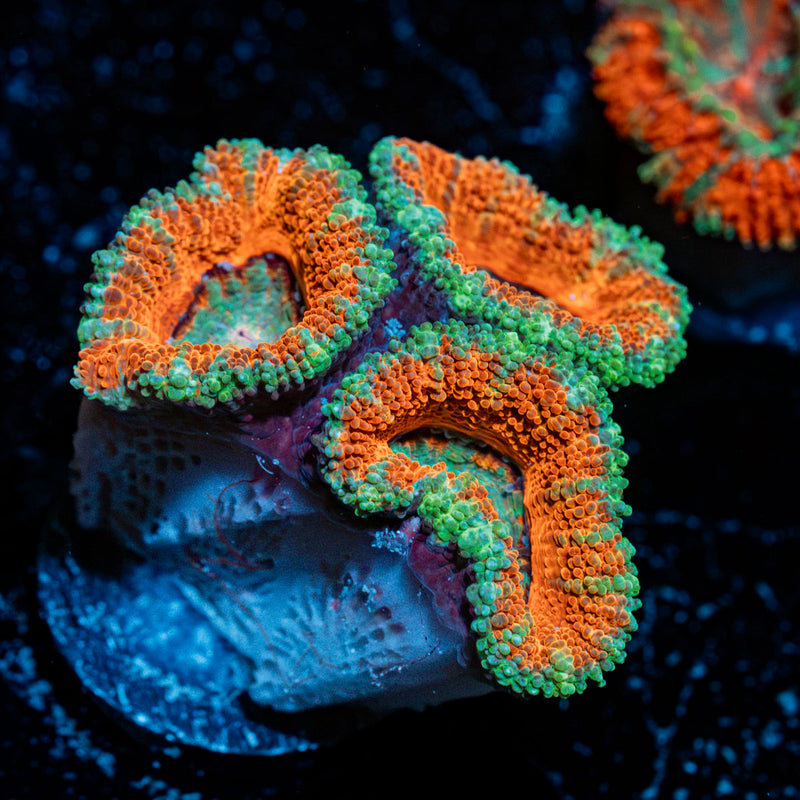
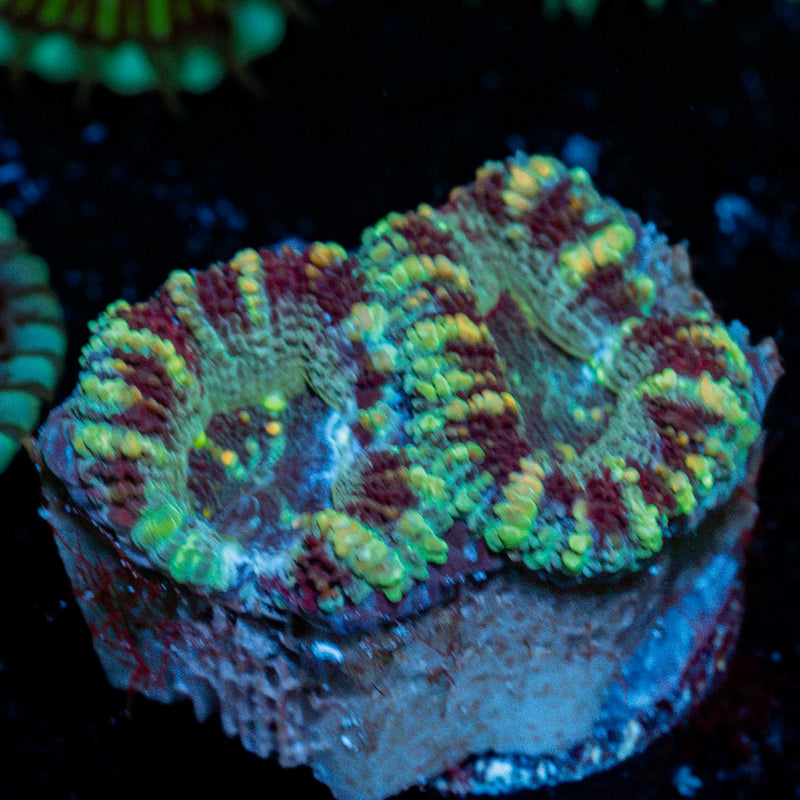
With corals like torches, hammers, frogspawn, acans, and mushrooms, visible size can be especially meaningful. A fuller specimen may make a bigger statement in the display from day one. With SPS, an encrusted base and active growth tips can be a reassuring sign that the frag has moved beyond the most vulnerable post-cutting stage.
This is why photos and descriptions matter. The best value is not always the lowest sticker price or the largest frag. It is the specimen whose size, health, color, and care requirements match what you want from your reef.
WYSIWYG Accuracy Has Real Value
When shopping for premium coral online, confidence matters. WYSIWYG - what you see is what you get - means the coral pictured is the exact coral being purchased, rather than a representative image of a similar specimen.
That level of accuracy takes extra work. Each individual coral needs to be staged, photographed under appropriate lighting, cataloged, and kept clearly identified until it ships. For visually distinctive corals such as chalices, torches, mushrooms, and collector SPS, that transparency helps you shop with far less uncertainty.
A coral can vary dramatically from another frag of the same named variety. Pattern, number of heads, polyp count, encrustment, branch structure, and color intensity all affect what arrives. Exact-item shopping lets you choose the particular living piece that fits your aquascape and your budget.
At Riptide Aquaculture, that confidence is part of the appeal of selecting aquacultured WYSIWYG corals: you can focus on the vibrant specimen in front of you, not guesswork about what a stock photo might represent.
Safe Shipping Is Part of the Price
Shipping coral is not like packing dry goods in a box. Each order requires careful preparation around weather, carrier timing, water volume, insulation, temperature management, and secure packing. A coral must remain protected while the box travels through sorting facilities, trucks, aircraft, and delivery routes.
The goal is to minimize stress and give the coral the best possible chance of arriving in strong condition. That includes selecting appropriate shipping windows and sometimes holding an order when weather conditions make travel riskier. Waiting an extra day can be frustrating, but a thoughtful hold is often the safer choice for a sensitive living animal.
Live arrival assurance also represents a commitment from the seller. While every aquarist remains responsible for providing stable tank conditions after arrival, a reputable livestock retailer stands behind careful preparation and clear expectations. That peace of mind has value, particularly for a first coral order or a higher-end showpiece.
When an Expensive Coral Is Worth It
A higher price is worthwhile when it corresponds to something you can recognize: larger size, exceptional coloration, a rare or slow-growing variety, strong aquaculture history, exact-item photos, or attentive shipping practices. You should be able to understand what separates the coral from a lower-priced alternative.
It is also perfectly reasonable to choose budget-friendly frags. Beginner-safe zoanthids, mushrooms, soft corals, and hardy LPS can create a colorful, lively reef without starting with collector pricing. As your confidence grows, you can add more specialized pieces where they make sense.
Rather than asking whether every coral is expensive, ask what kind of value you want. Are you building coverage over time? Looking for a centerpiece torch? Filling an SPS-dominant reef with proven, aquacultured strains? A curated frag pack may stretch a budget for a new tank, while a single stunning WYSIWYG coral may be the right choice for an open spot in an established display.
The right frag is not simply the cheapest or the rarest one. It is a healthy coral you can confidently care for, enjoy watching grow, and proudly make part of your own living reef.