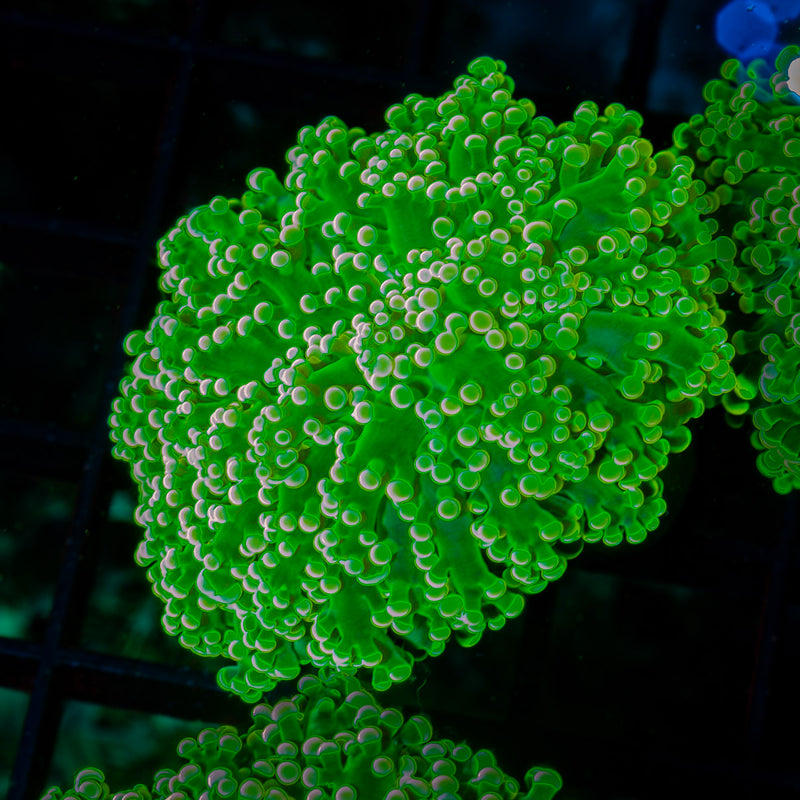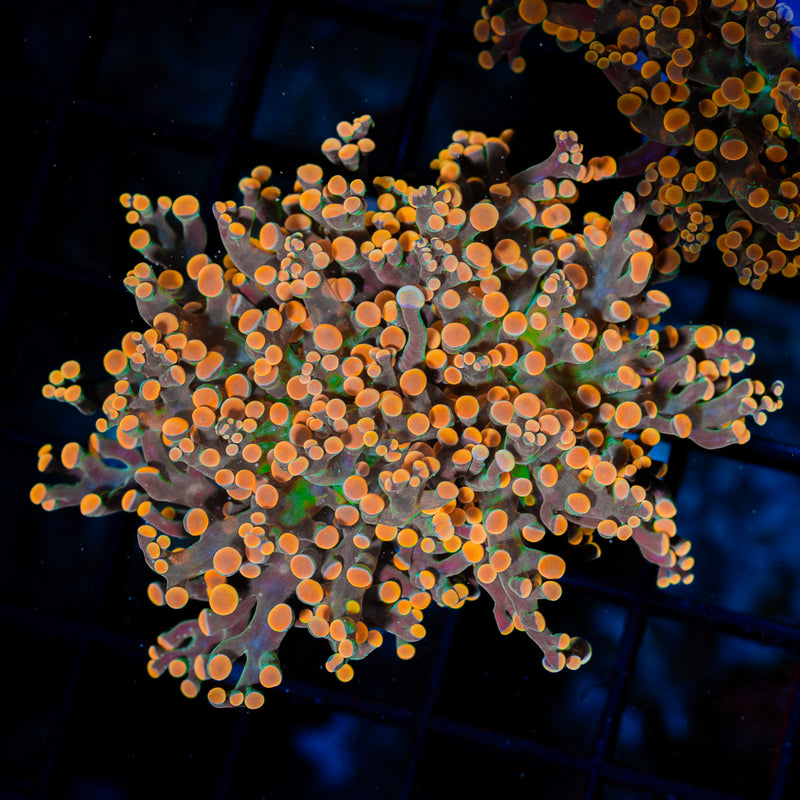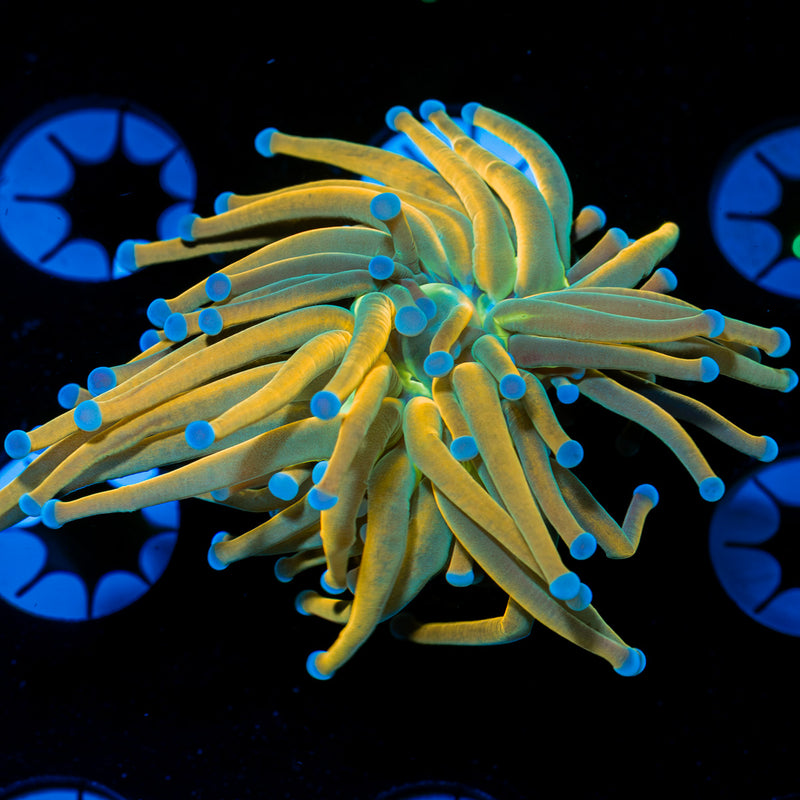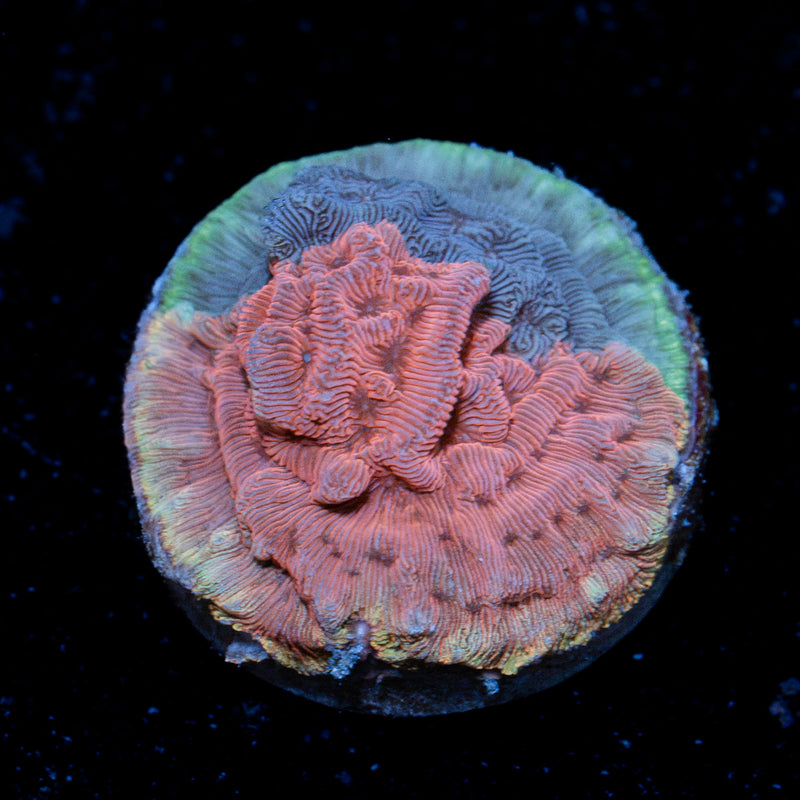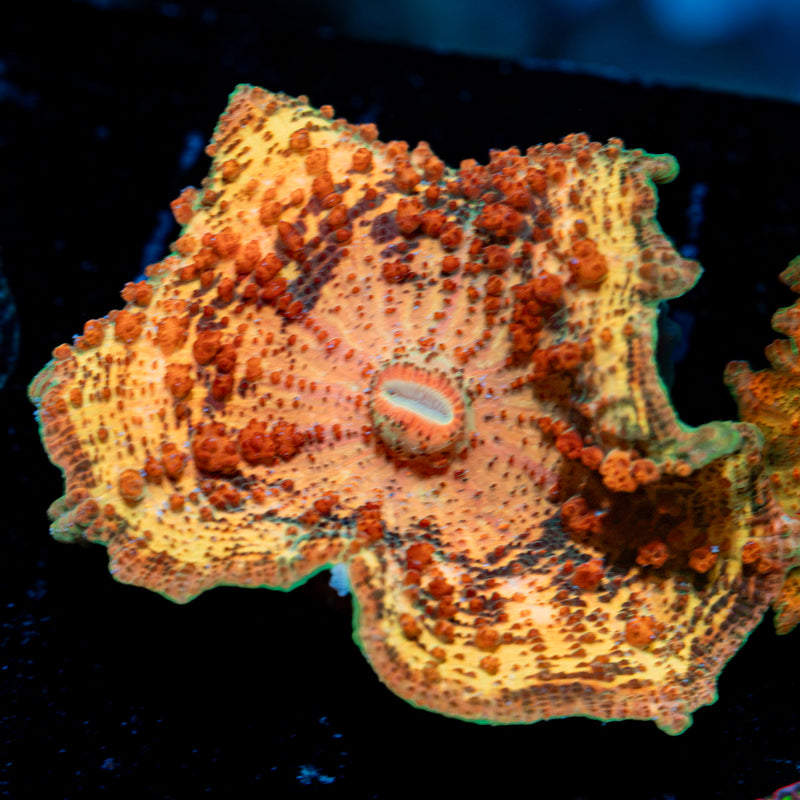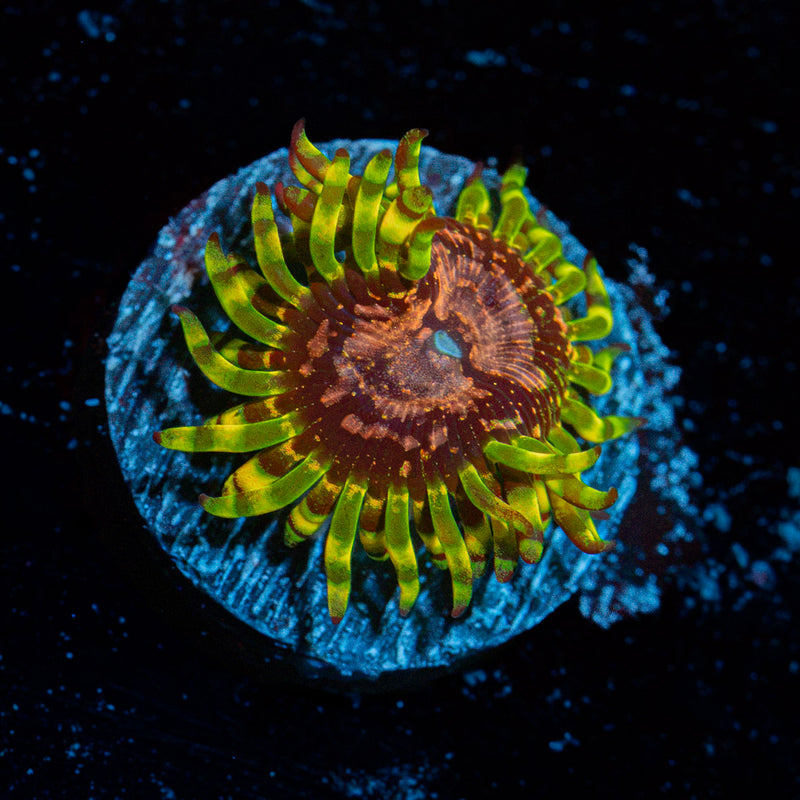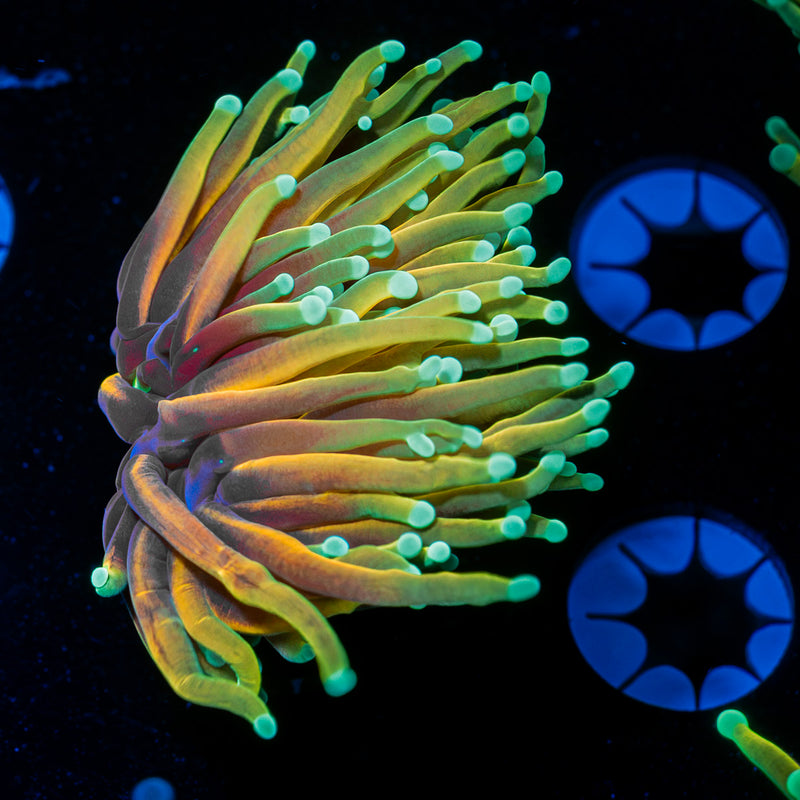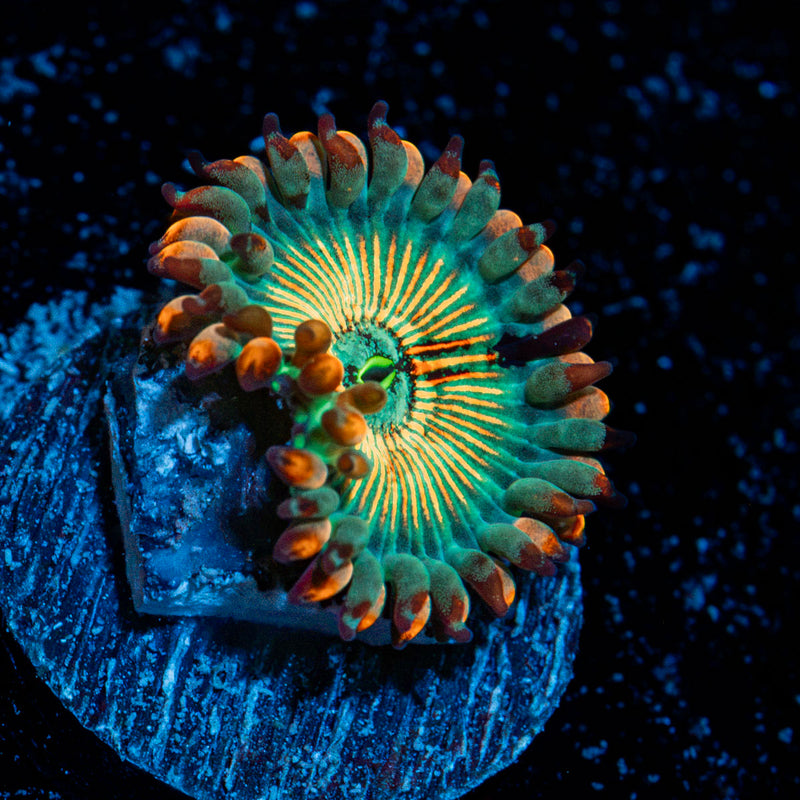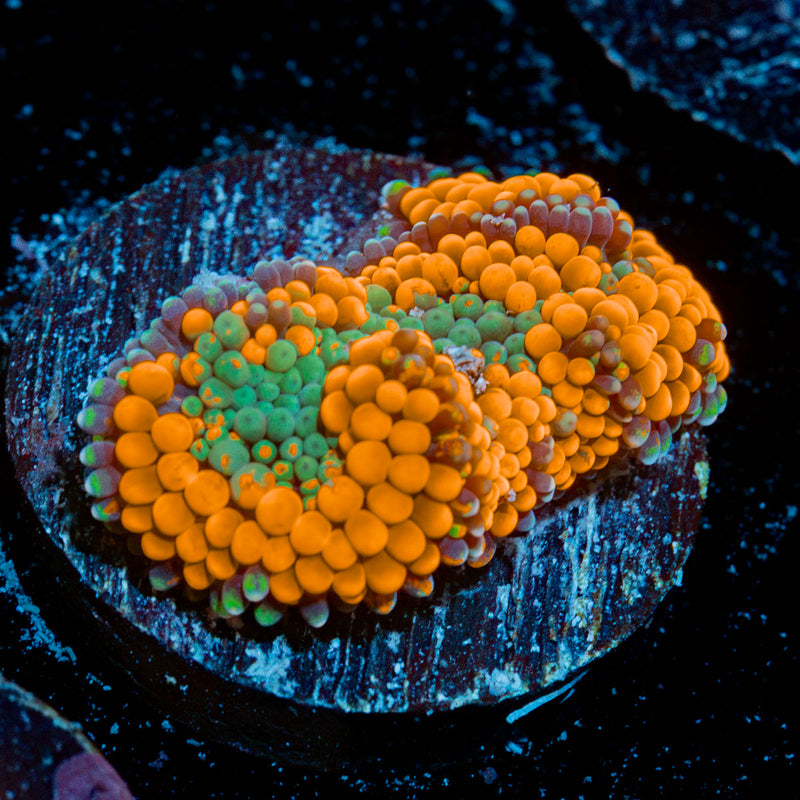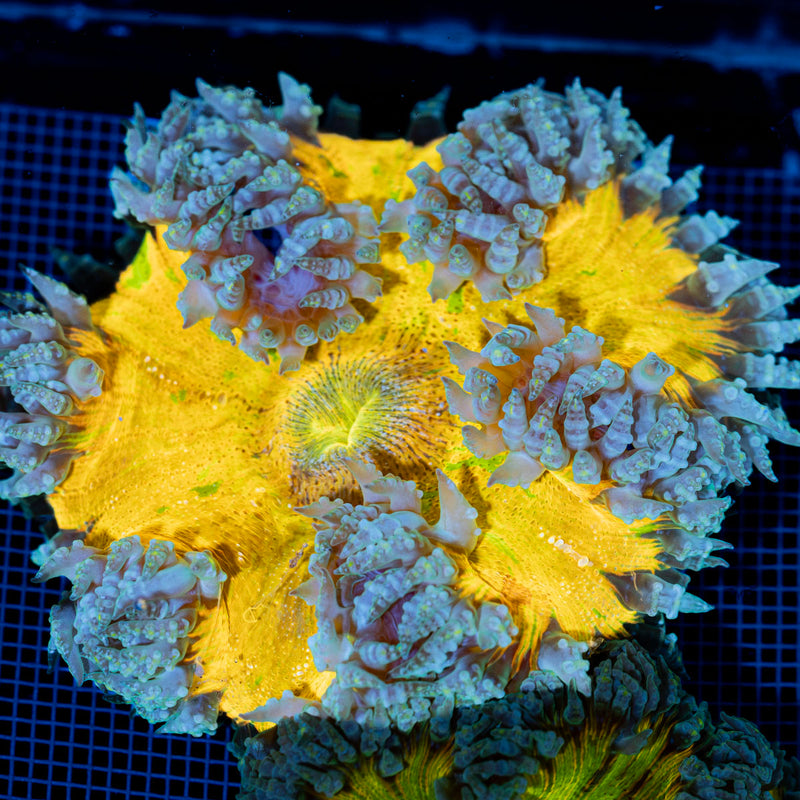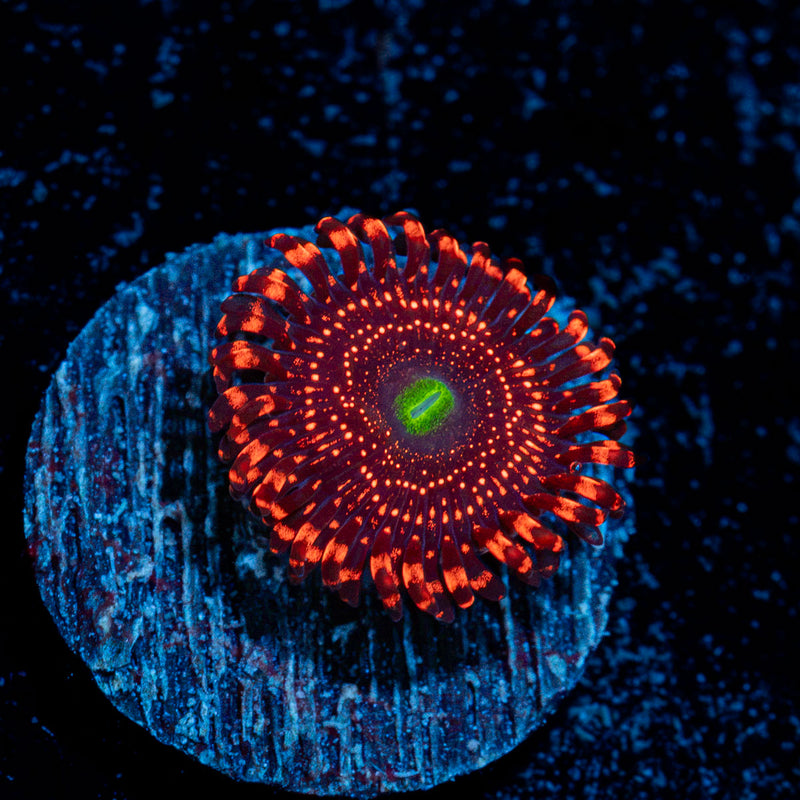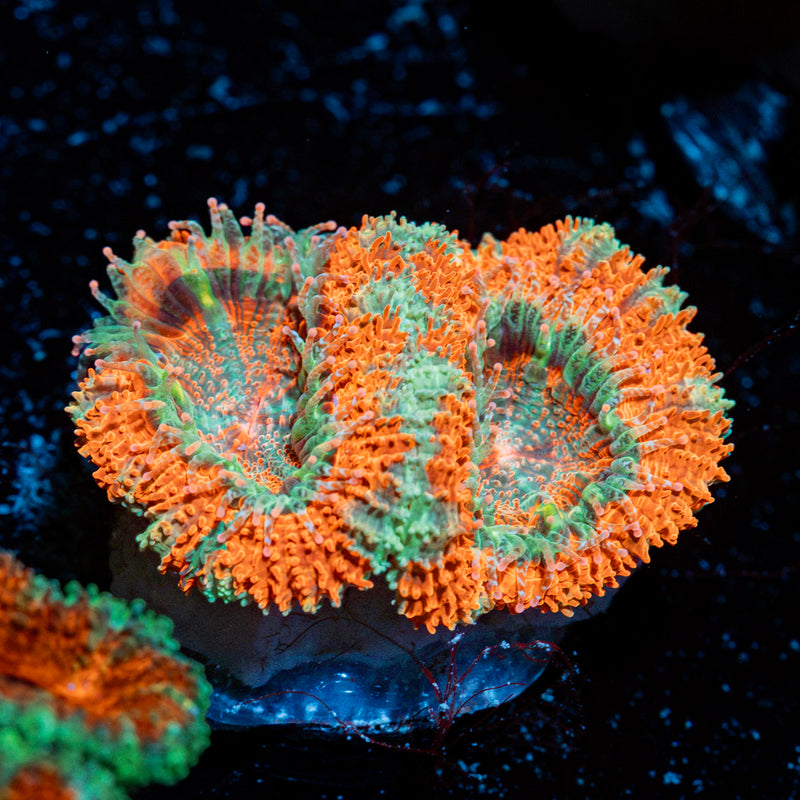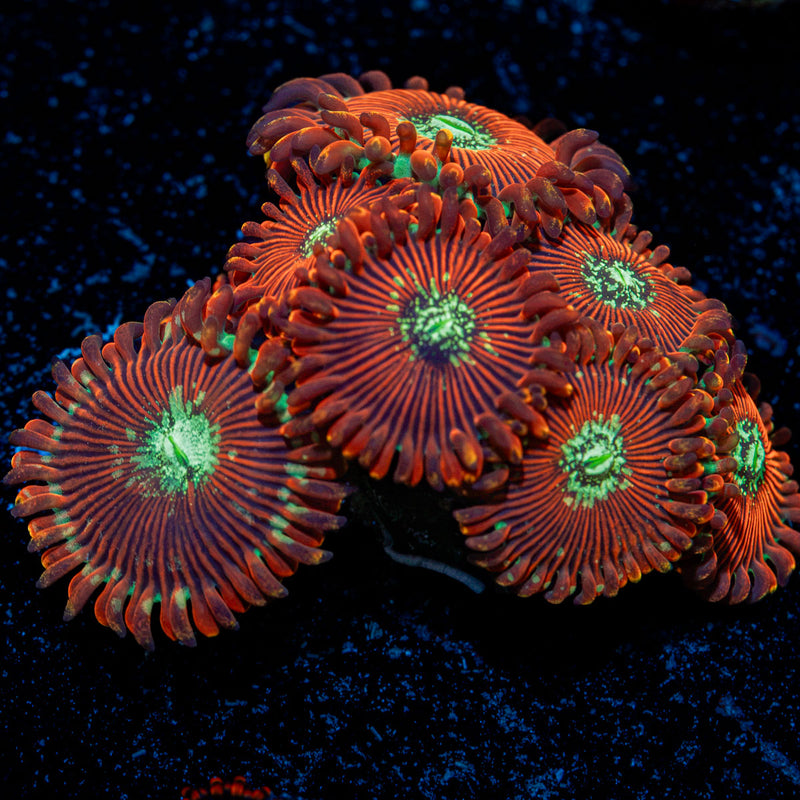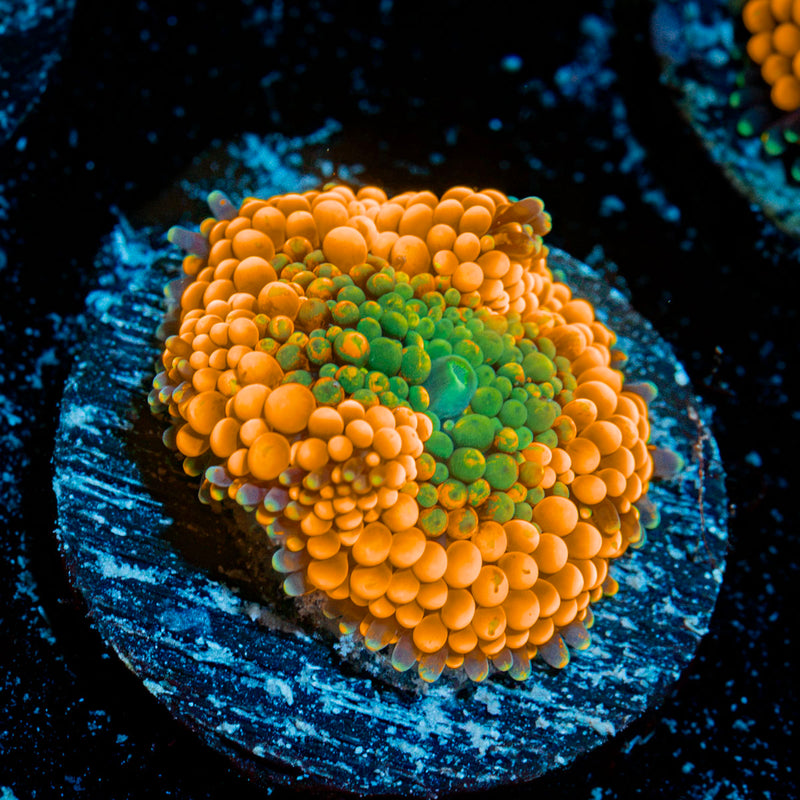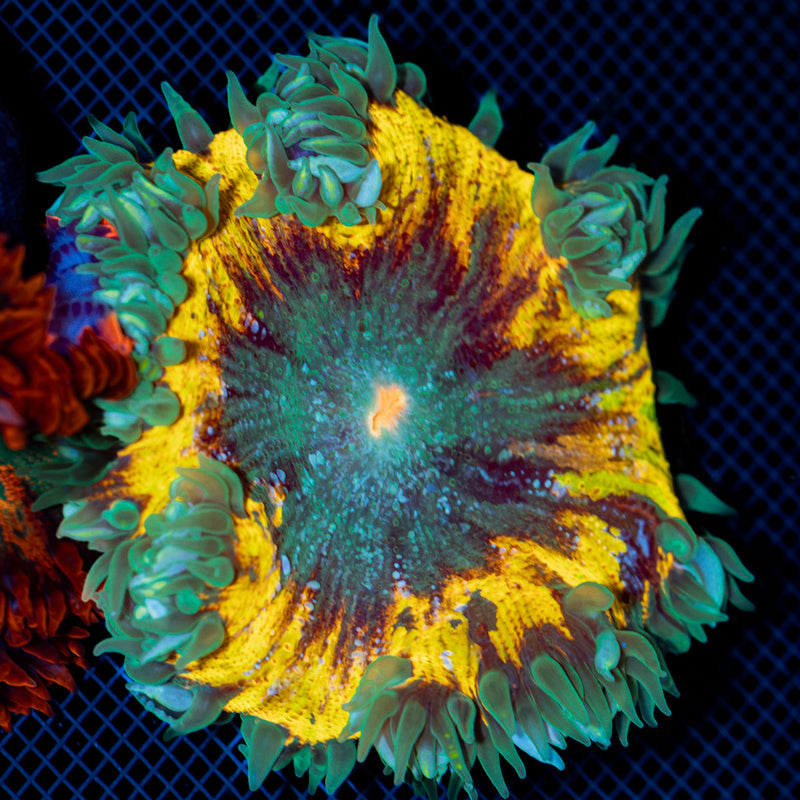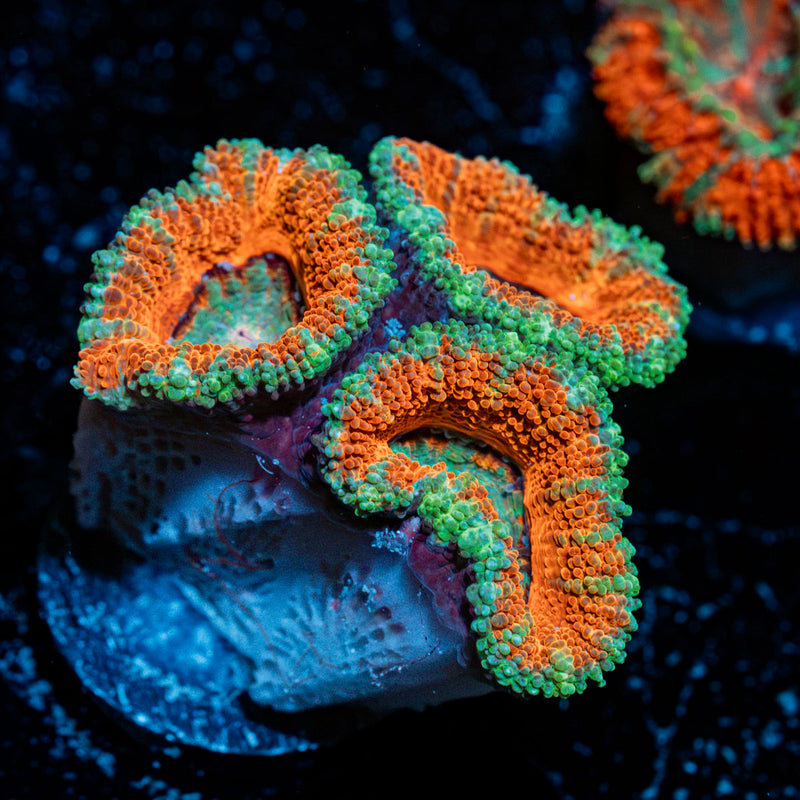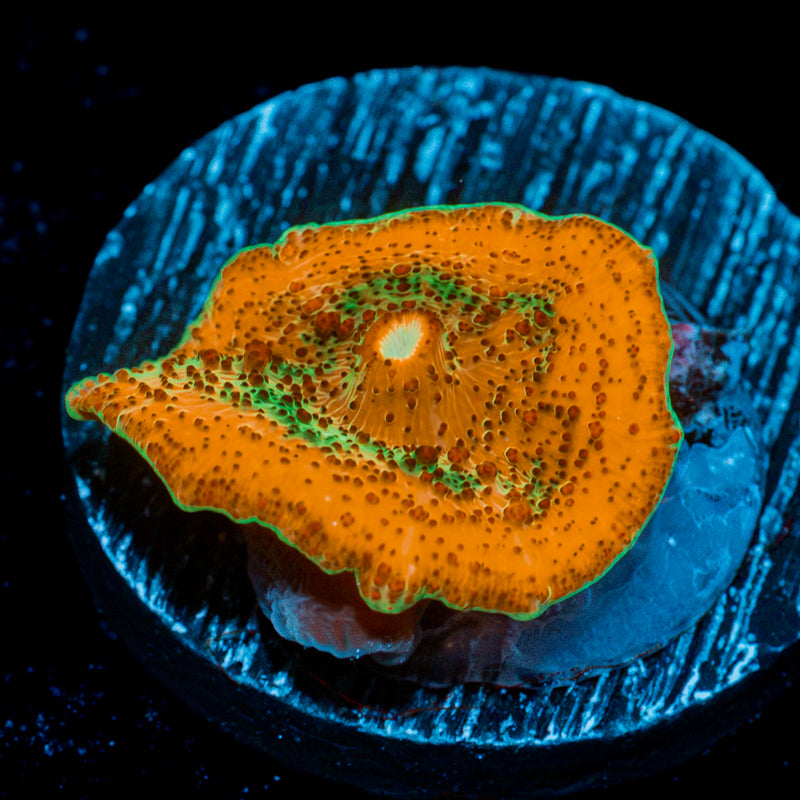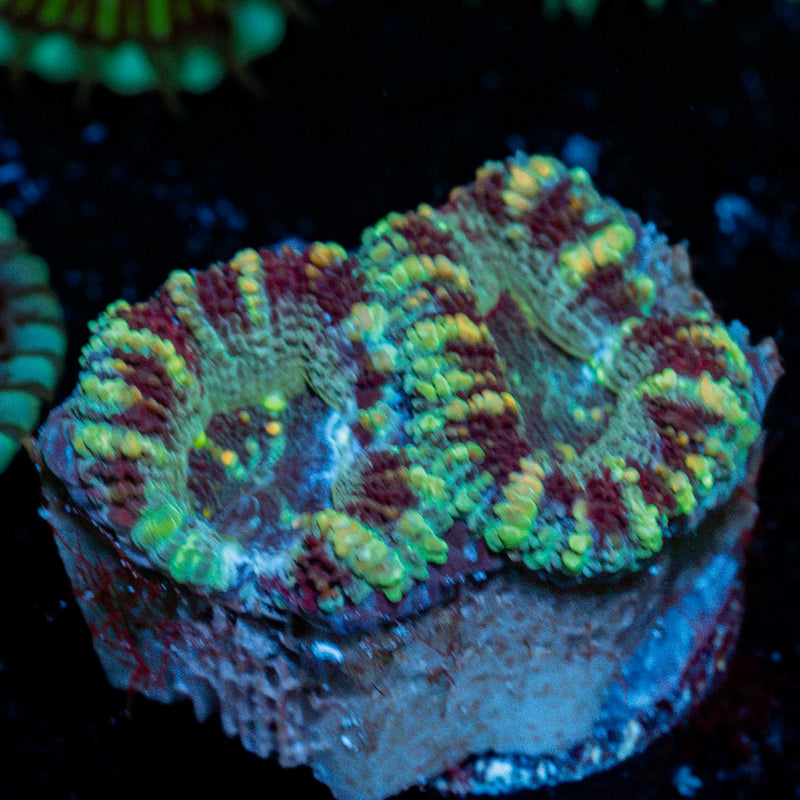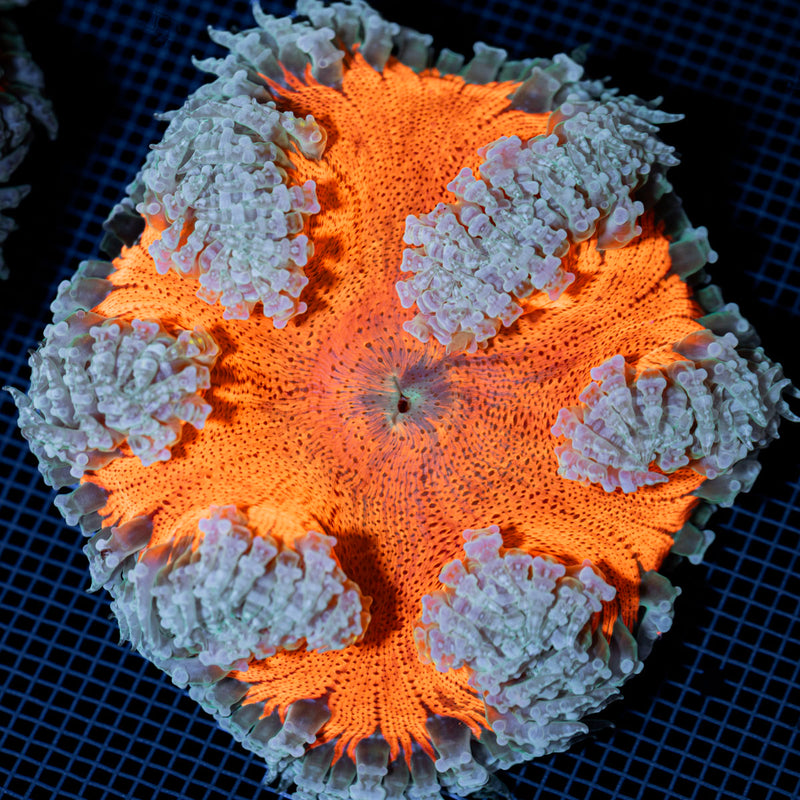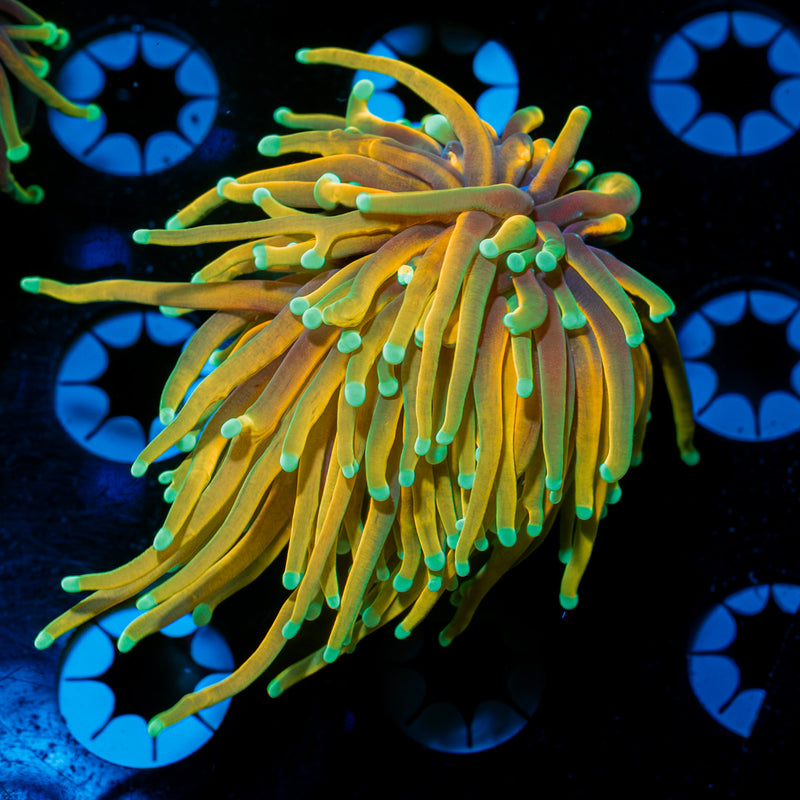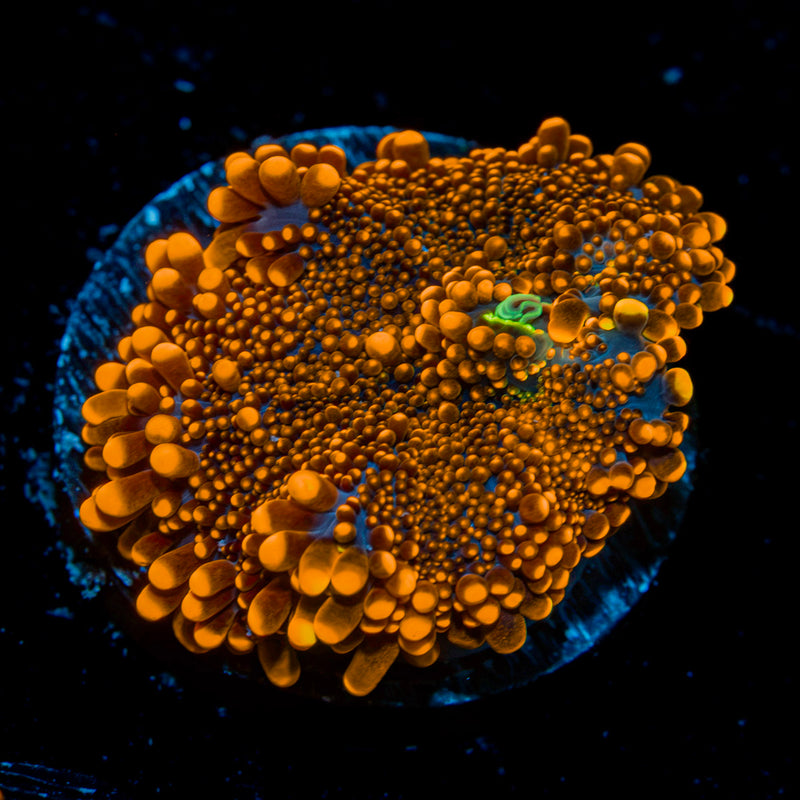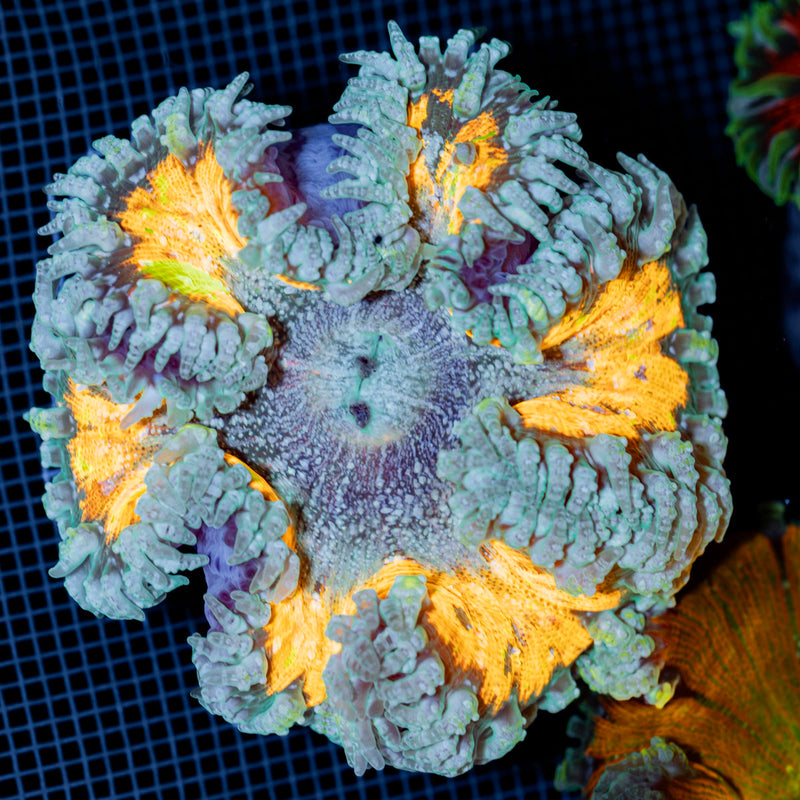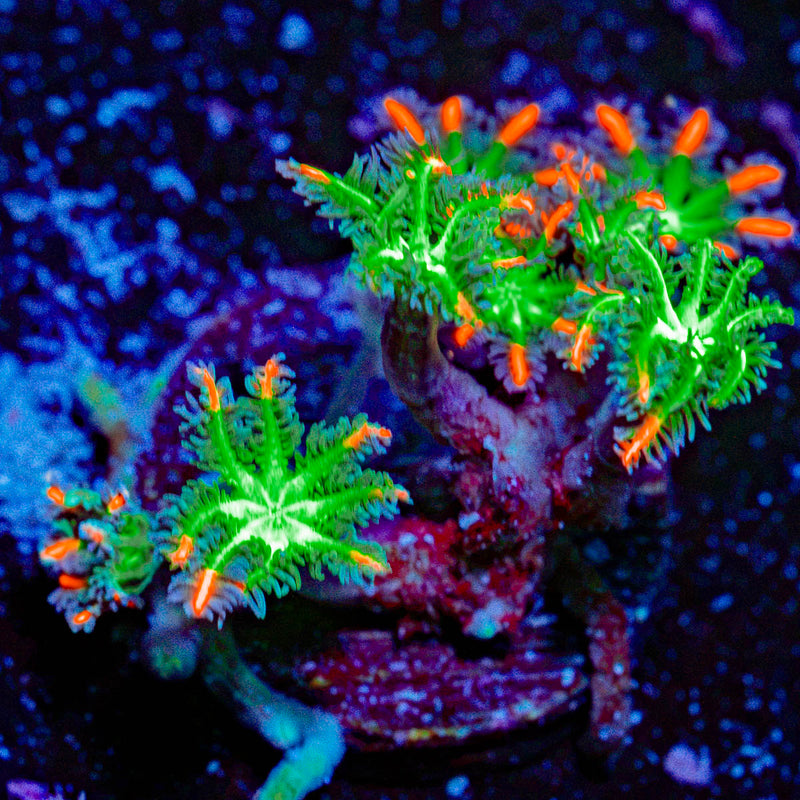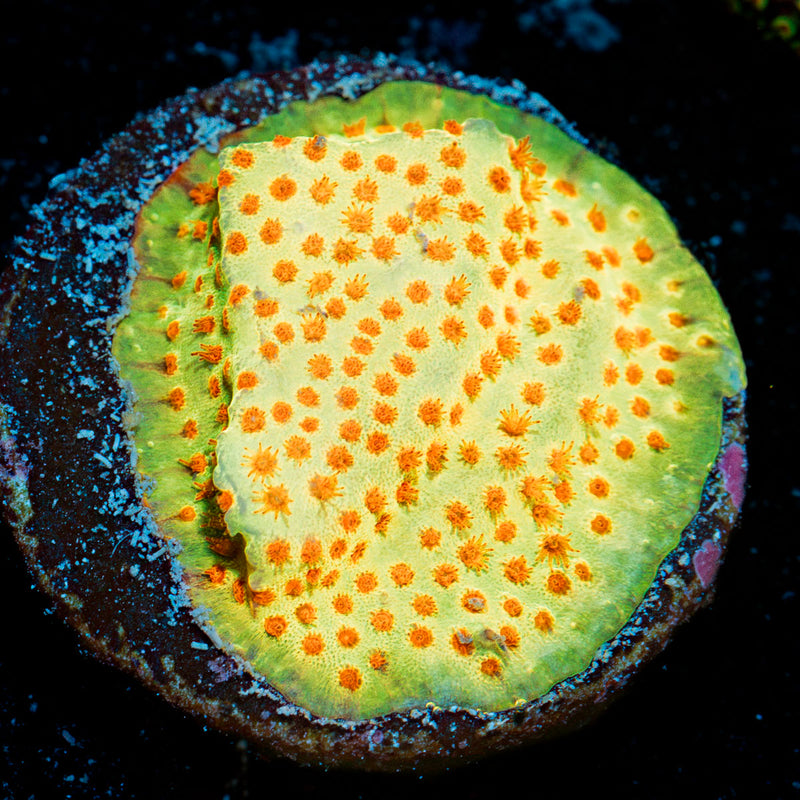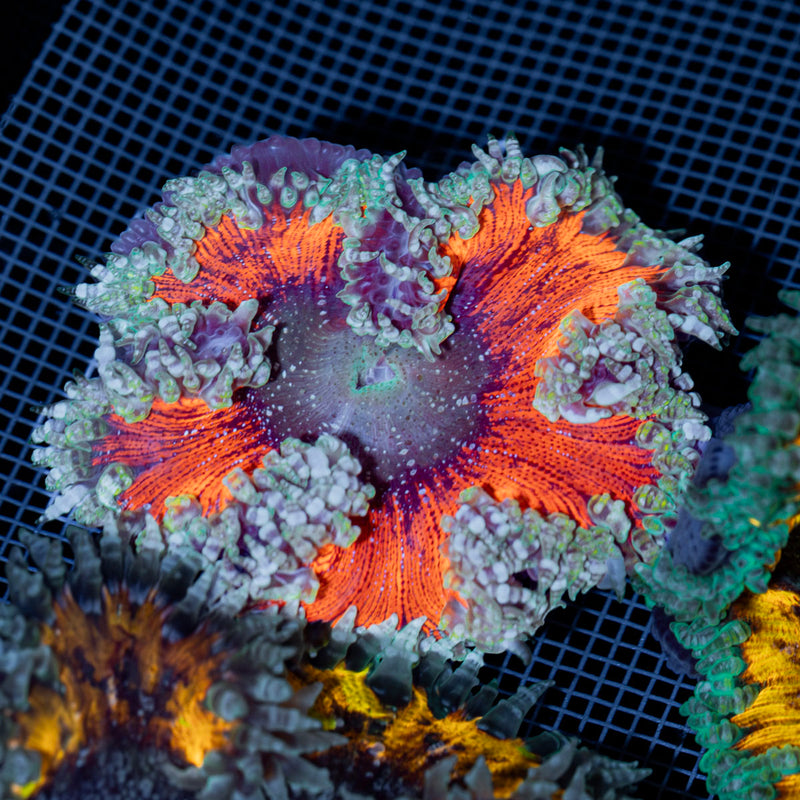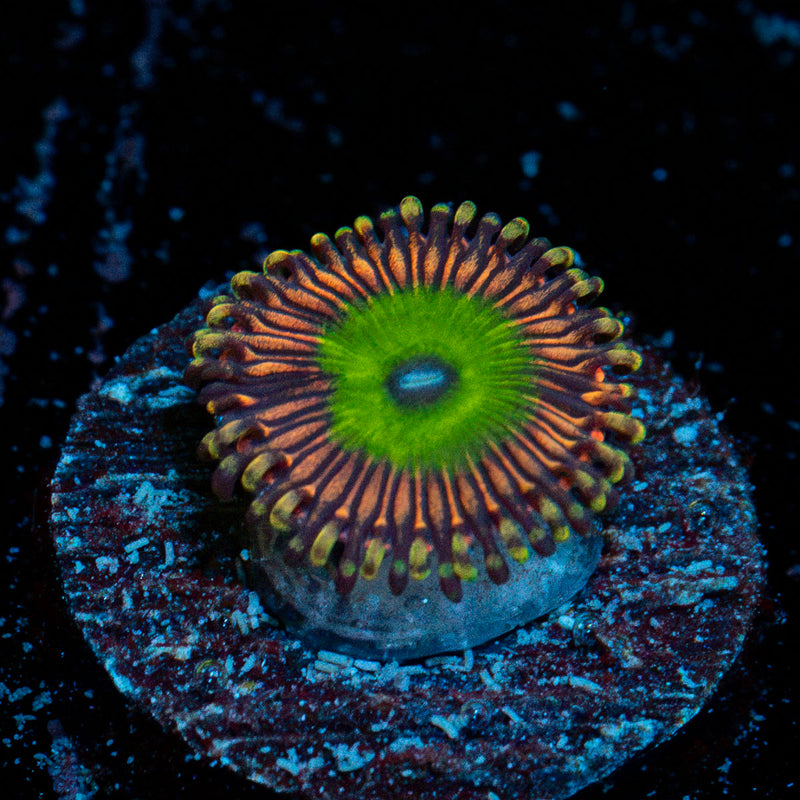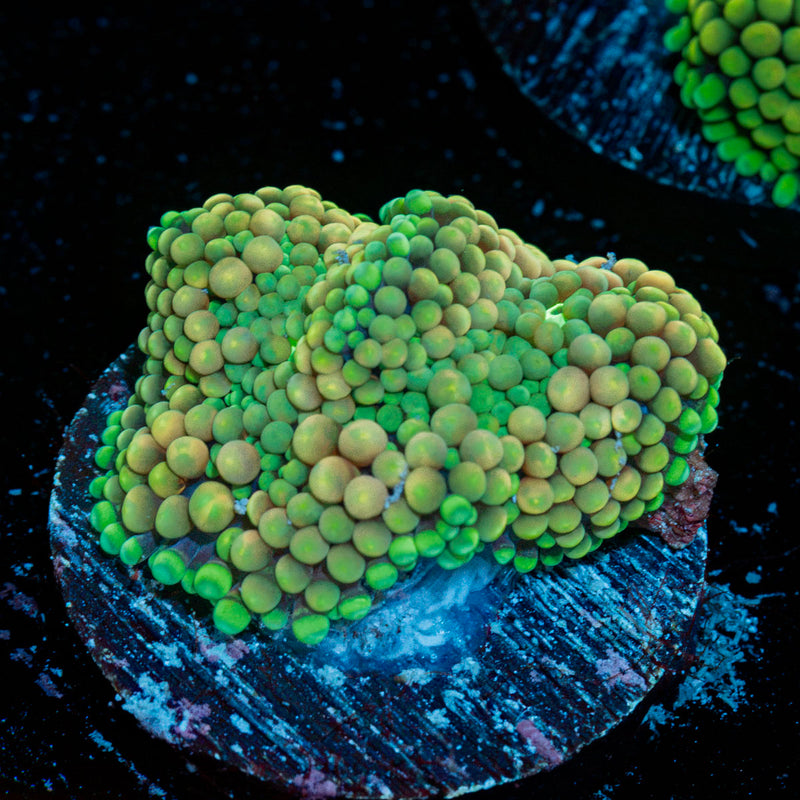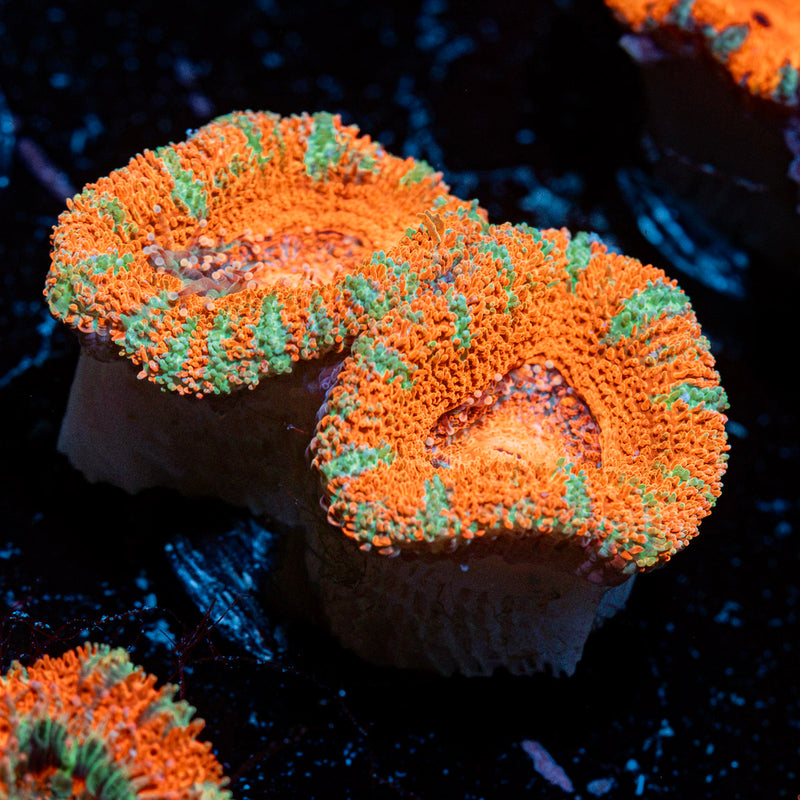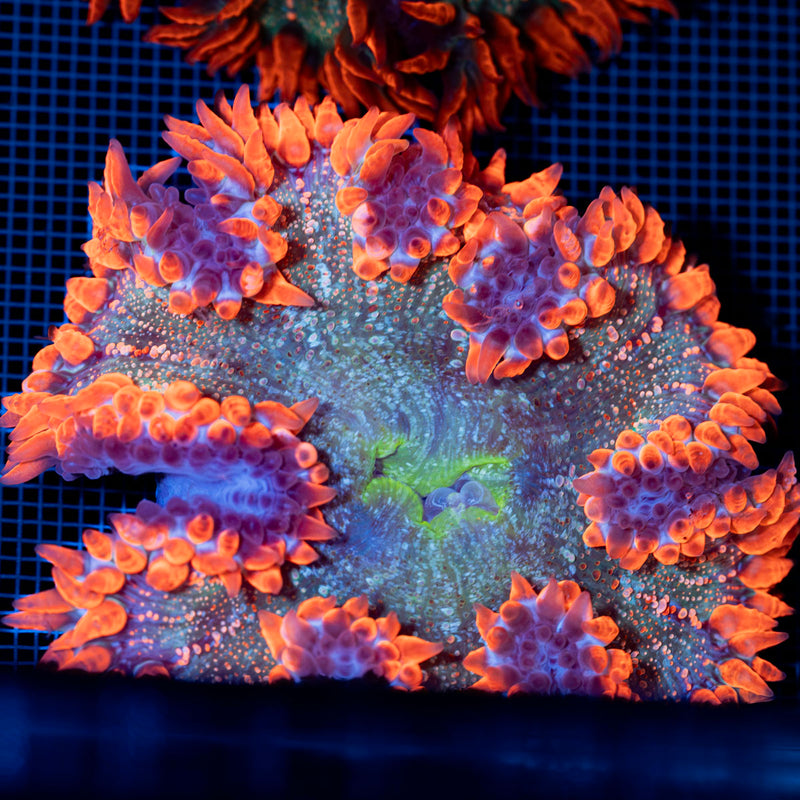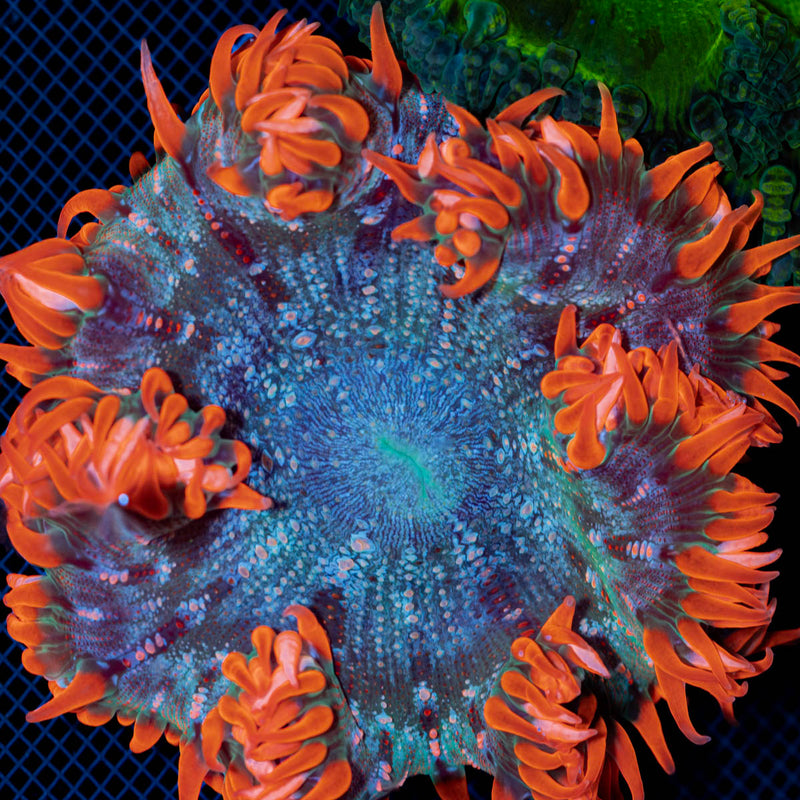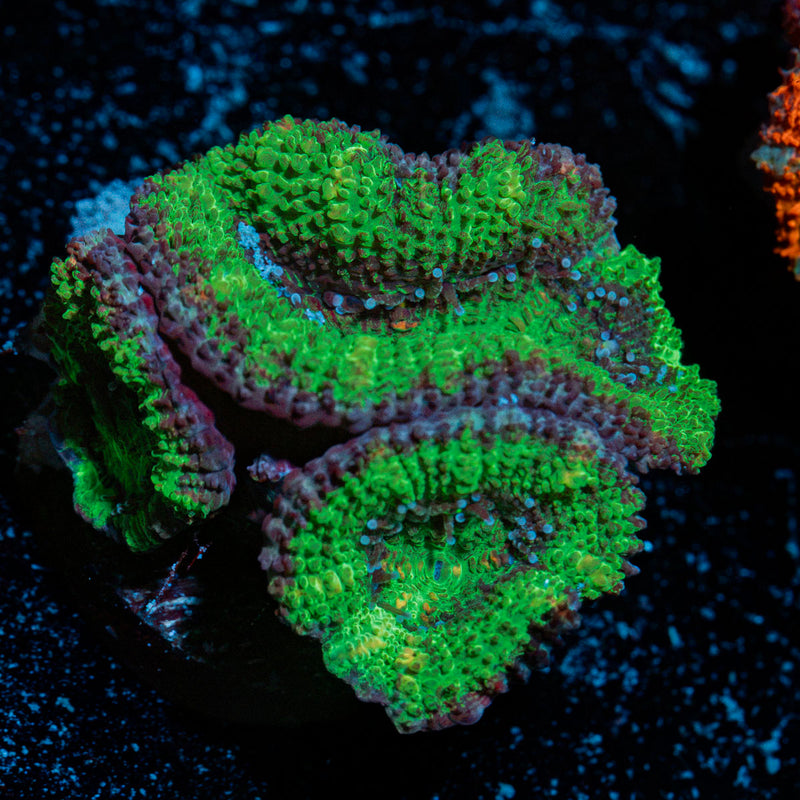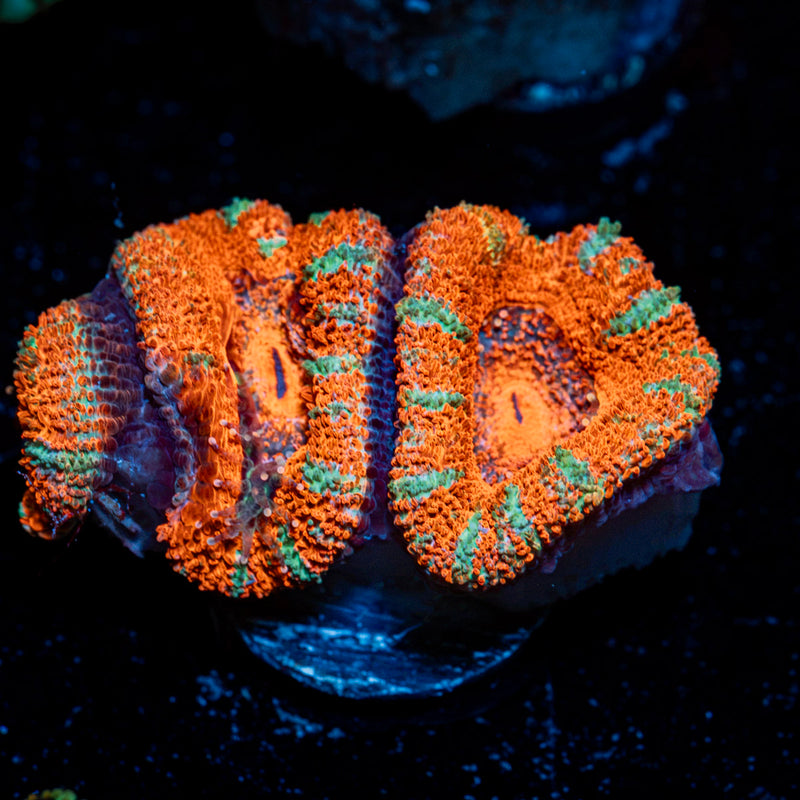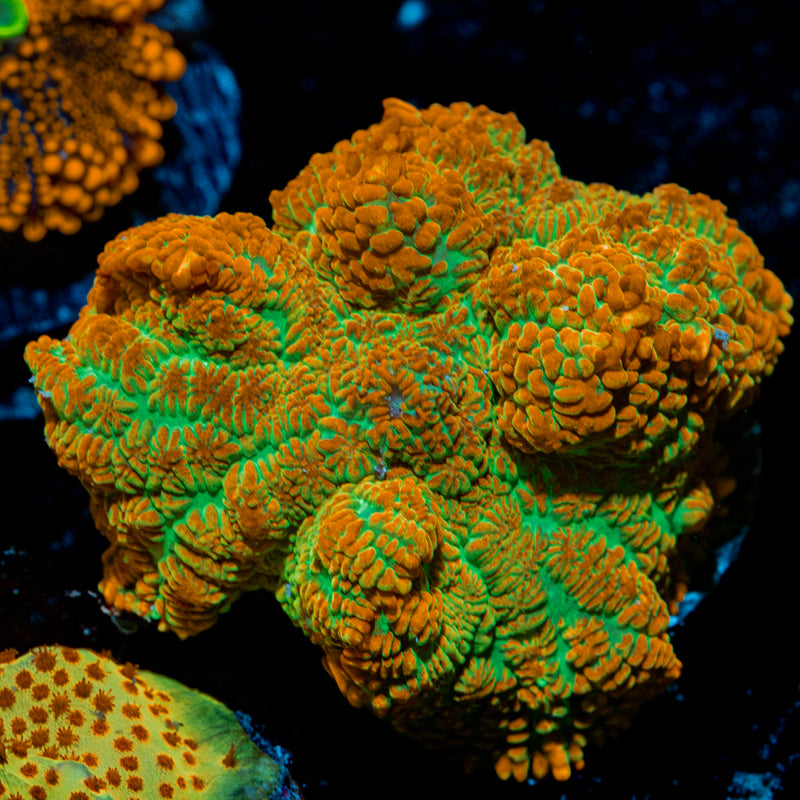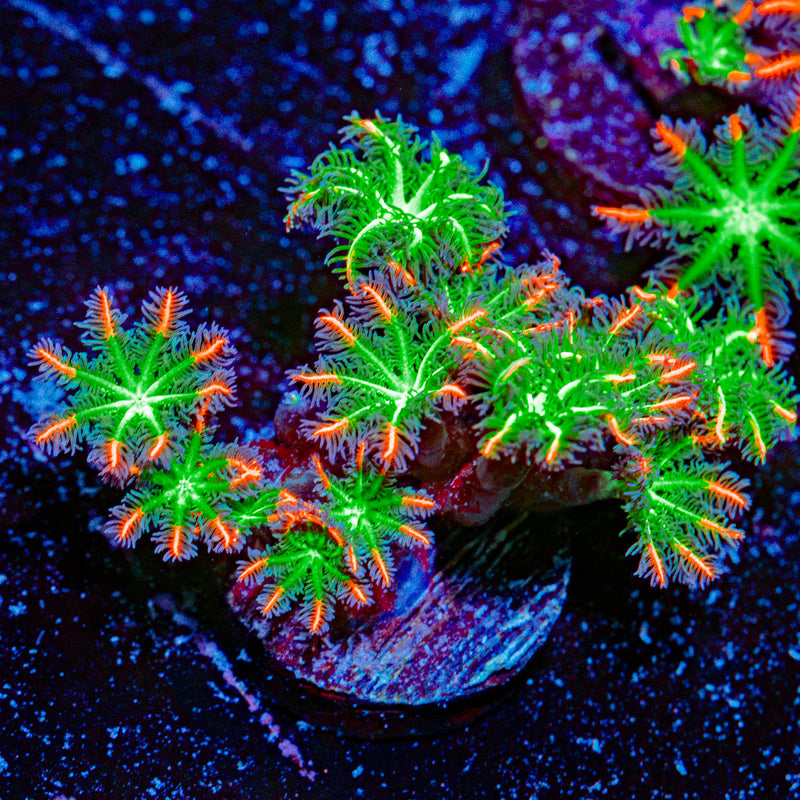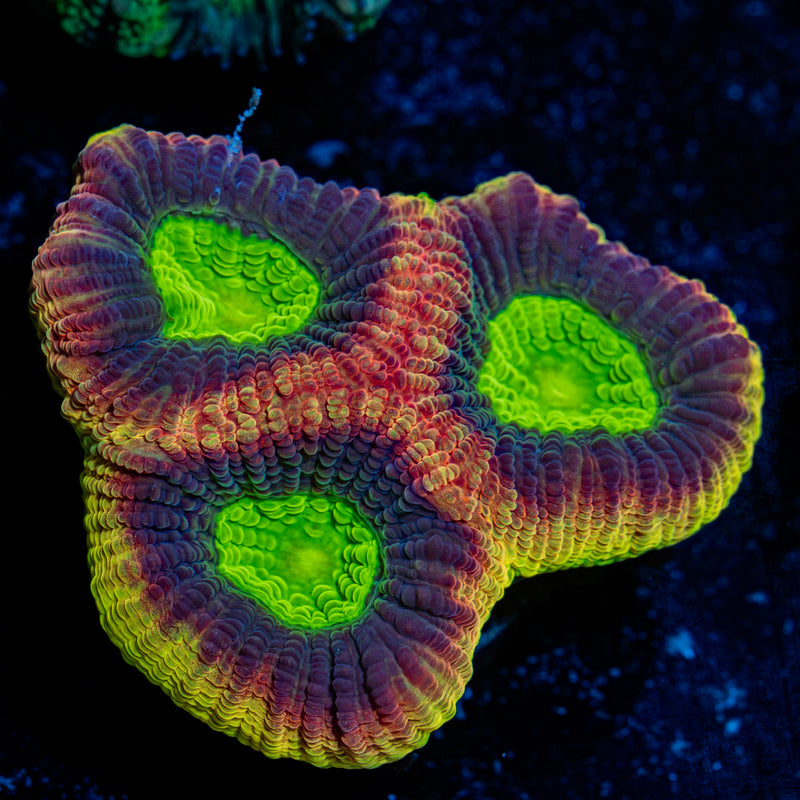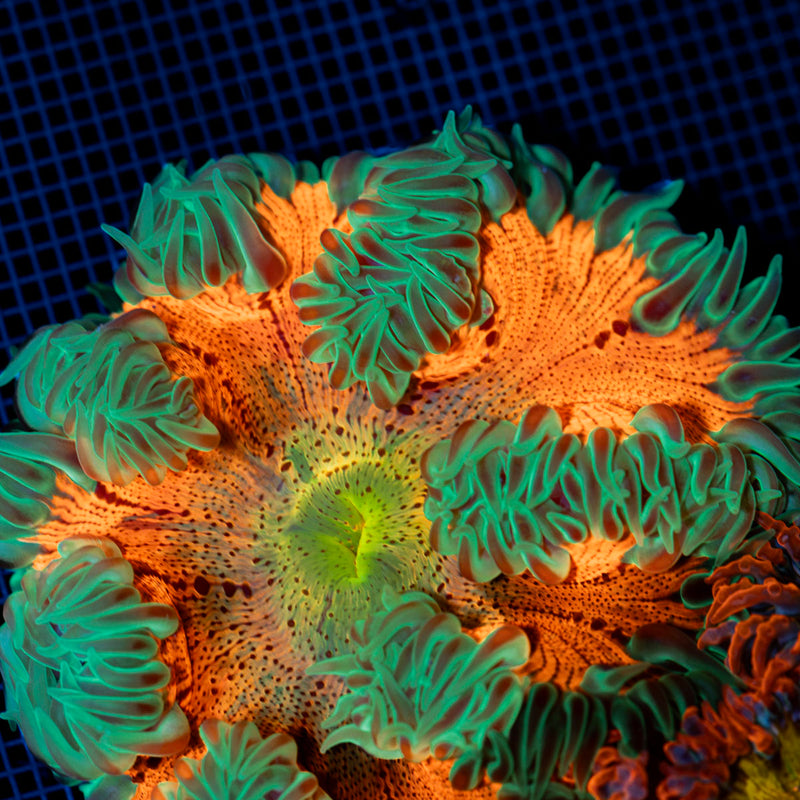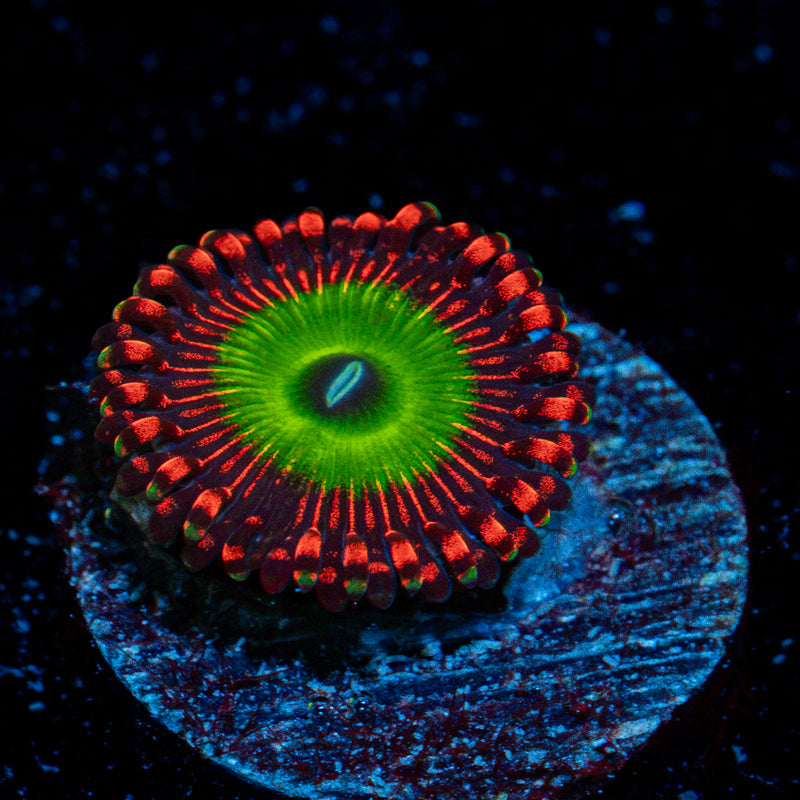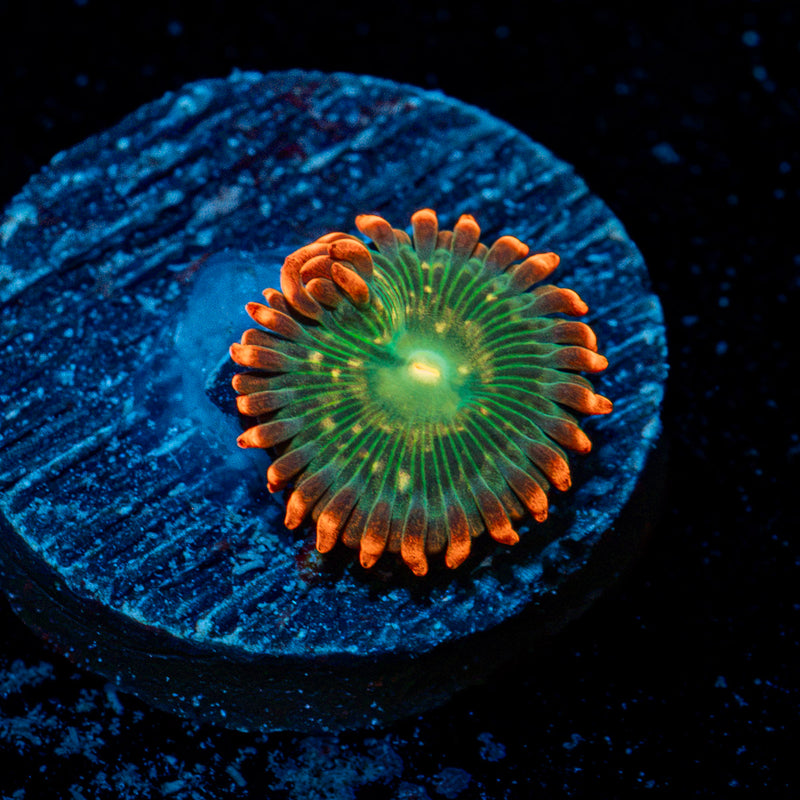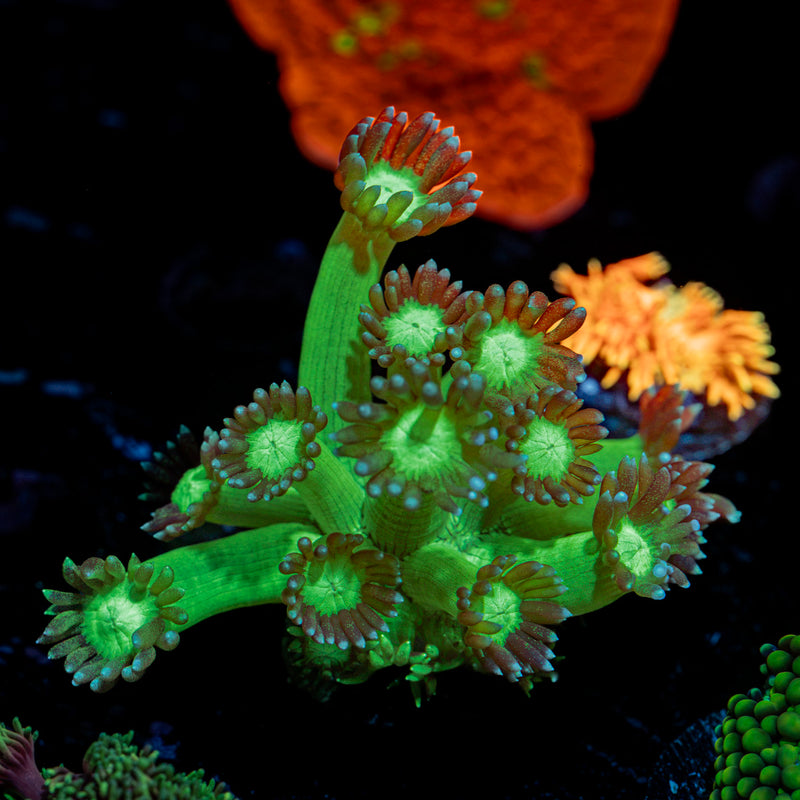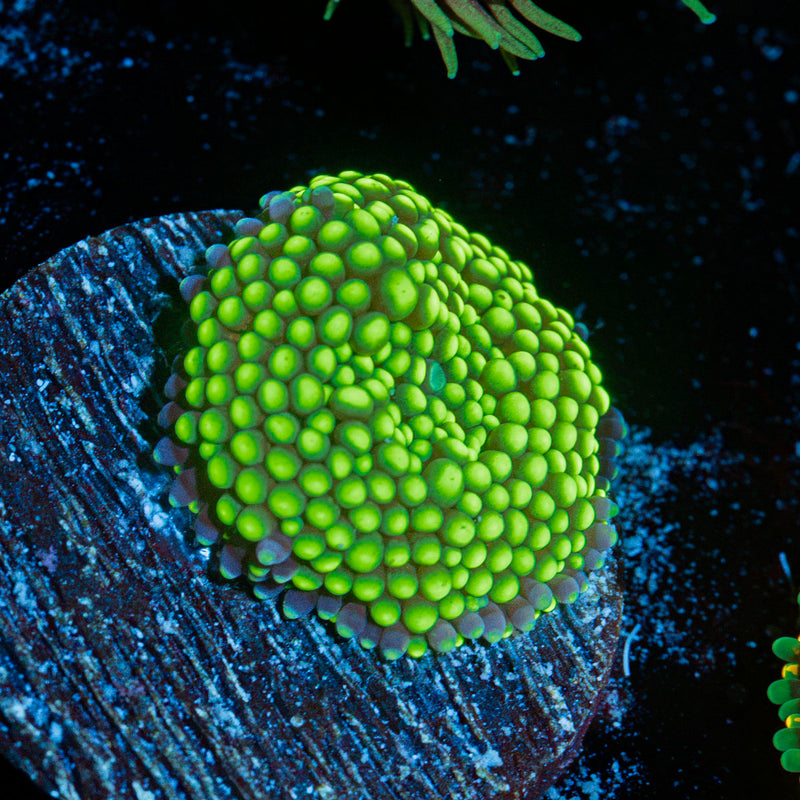
A coral that arrived as a stunning pink, electric green, or deep blue living jewel can look surprisingly ordinary a few weeks later. So, why do corals lose color in home reef aquariums? Usually, it is not one dramatic mistake. Color changes are often the coral’s response to lighting, water chemistry, nutrition, flow, or the stress of adjusting to a new environment.
The reassuring part is that fading does not automatically mean a coral is dying. Many aquacultured corals need time to settle in, and a little troubleshooting can often help them regain stronger coloration. The goal is not to chase a single “perfect” number. It is to create stable conditions that fit the coral you keep.
Why Do Corals Lose Color After Being Added?
Shipping and acclimation are major adjustments, even for healthy, carefully packed coral frags. A coral moves from a mature grow-out system with established light, flow, nutrients, and chemistry into a reef tank with its own personality. It may temporarily look duller, brownish, lighter, or less fluorescent while it adapts.
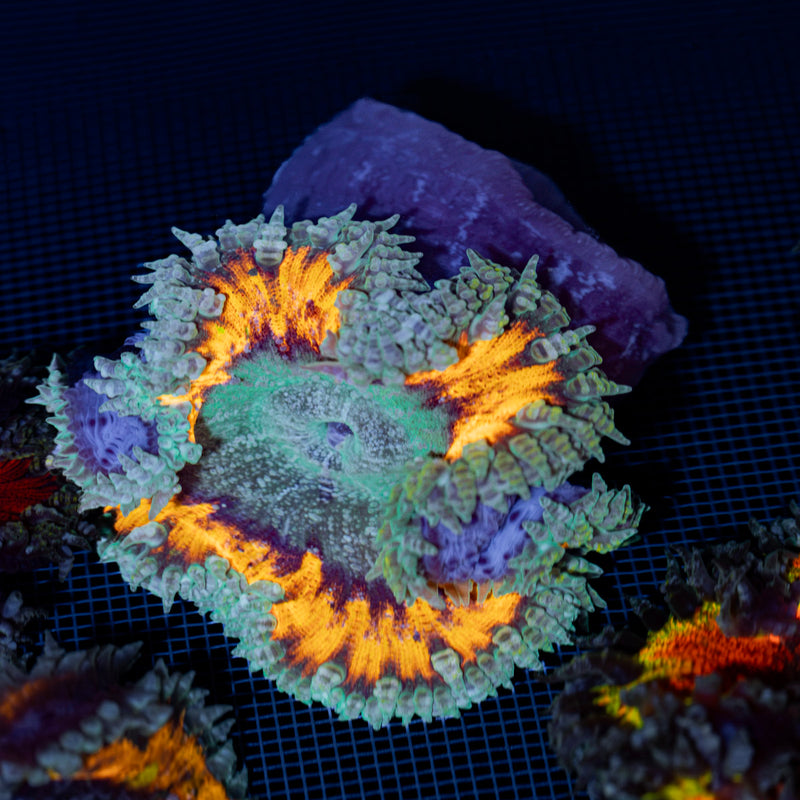
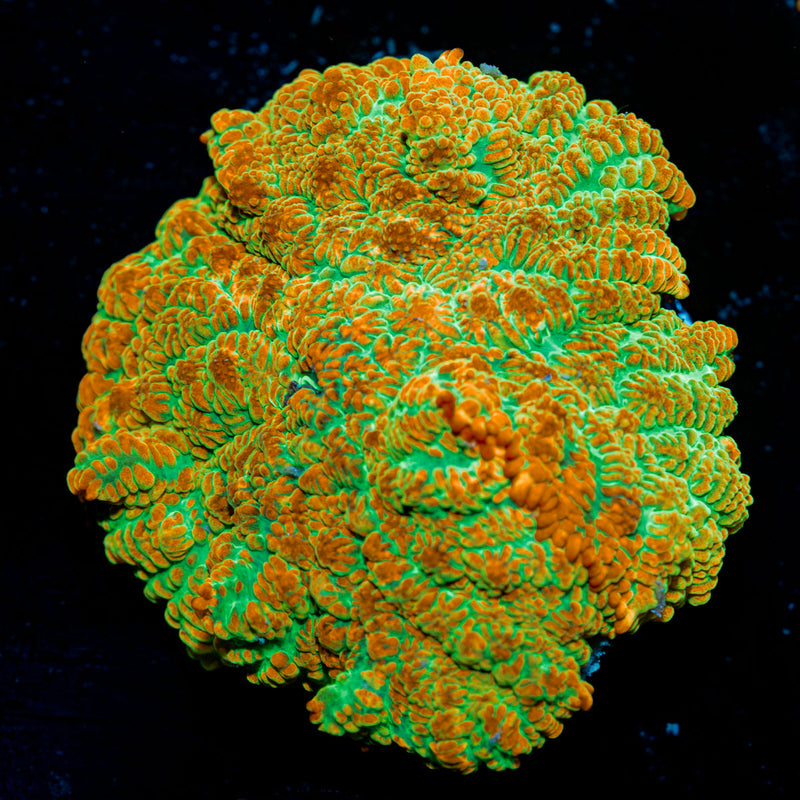
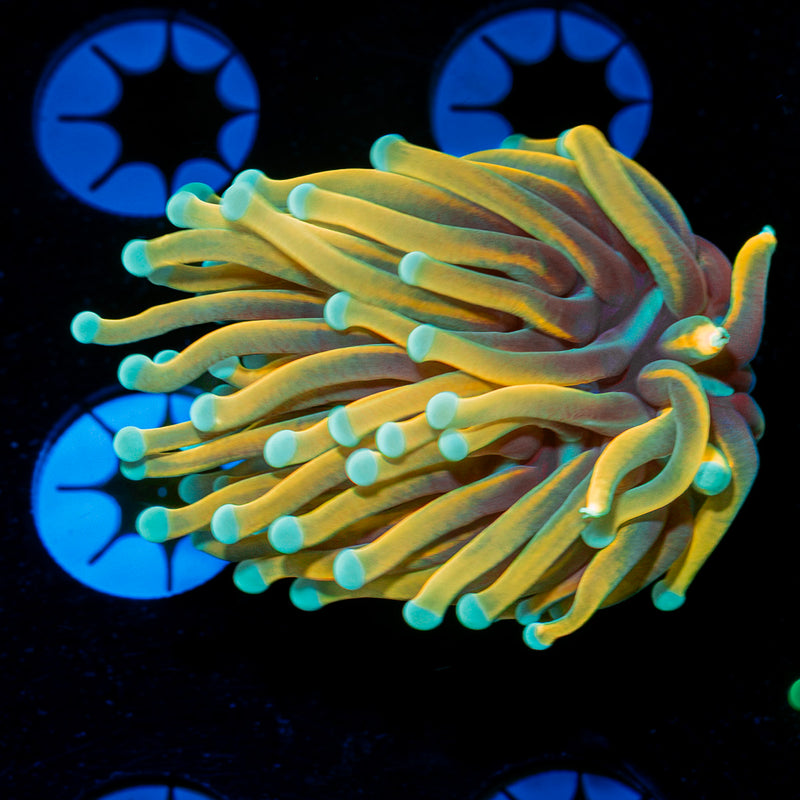
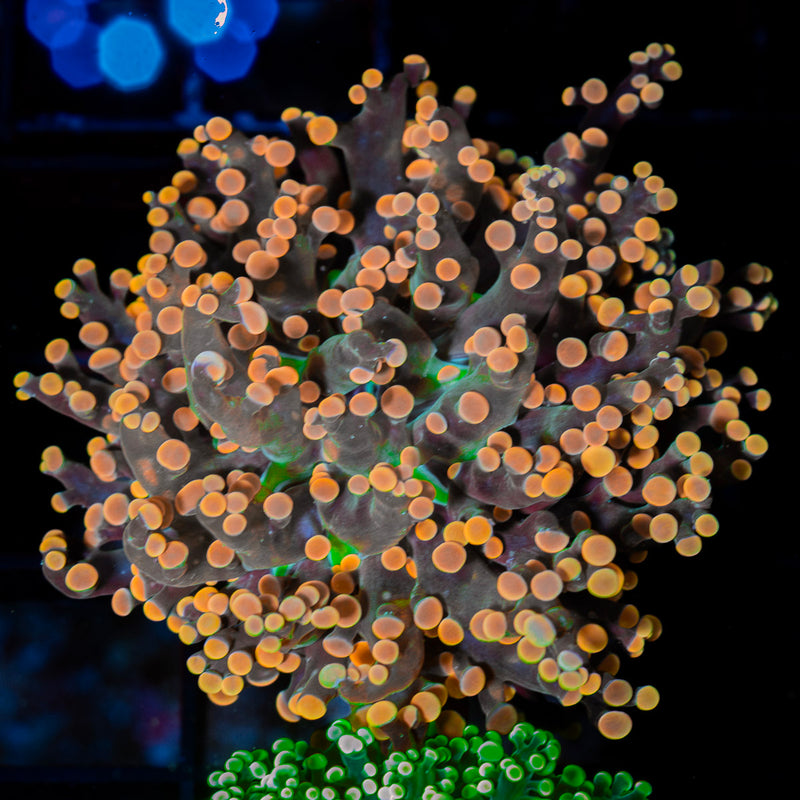
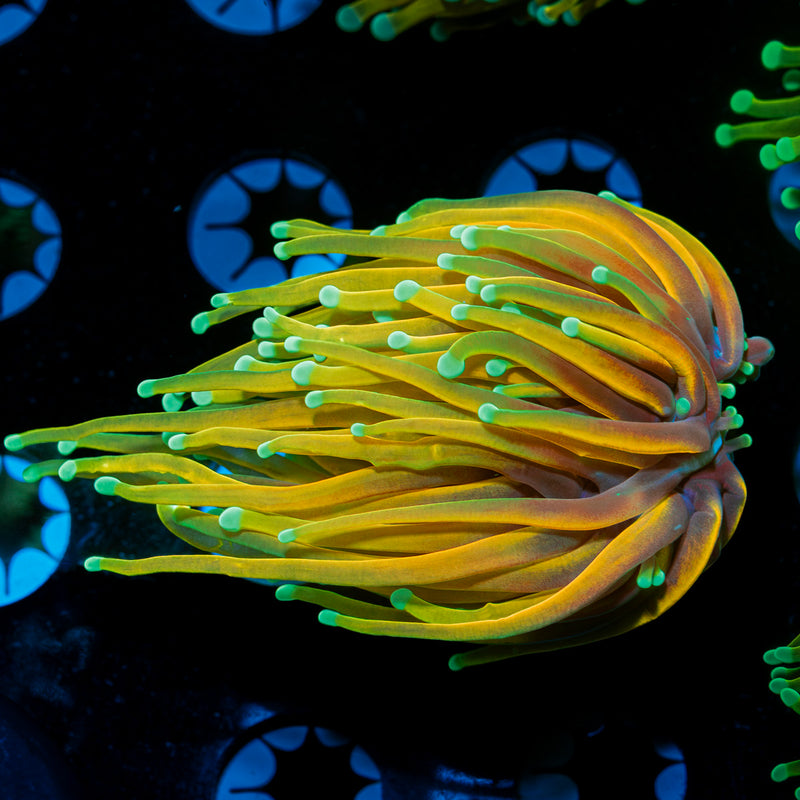
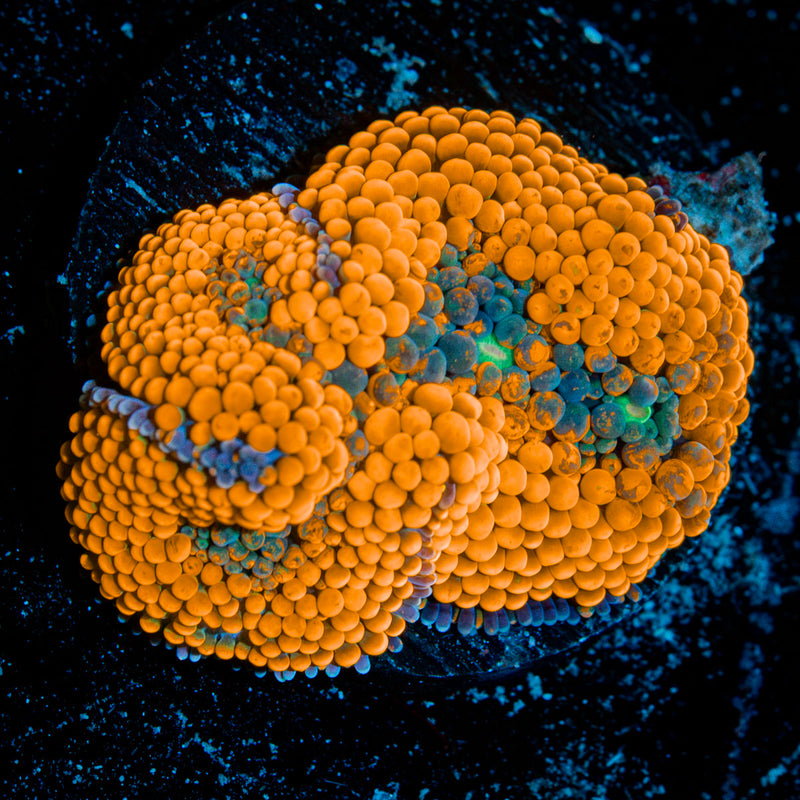
This is especially common with SPS corals such as Acropora and Millepora, which can be spectacularly colorful but more reactive to sudden changes. LPS corals, zoanthids, mushrooms, and soft corals may also shift shades, though the change can look different. A torch may appear less vivid, a zoanthid may stretch and lose contrast, or a mushroom may become less intensely fluorescent.
Give a newly introduced coral a little patience before making major corrections. If it is opening normally, holding tissue, and showing no signs of rapid recession, gradual acclimation is often the right first move. Constantly moving a frag around the tank can create more stress than it solves.
Light Can Fade Coral Color - or Bring It Back
Lighting is one of the biggest influences on coral color. Corals rely on symbiotic algae called zooxanthellae, which help provide energy through photosynthesis. The amount and type of light affects both those algae and the colorful pigments corals produce for protection.
Too little light can leave some corals looking brown, muted, or less fluorescent. In lower-light conditions, a coral may increase its zooxanthellae density to capture more energy. Those brownish algae can visually overpower the brighter pigments hobbyists love.
Too much light, especially too quickly, can be equally problematic. A coral that goes from moderate lighting to intense LEDs without acclimation may pale, bleach, or lose tissue. Bleaching happens when stress causes the coral to expel or lose much of its zooxanthellae. A bleached coral can look very light, white, or washed out, and it needs prompt attention.
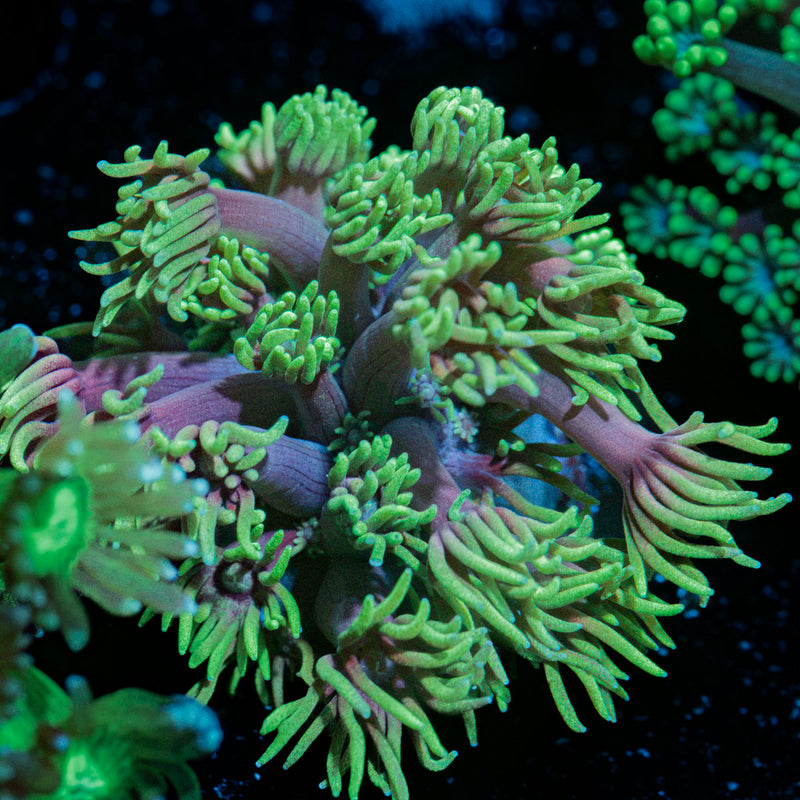
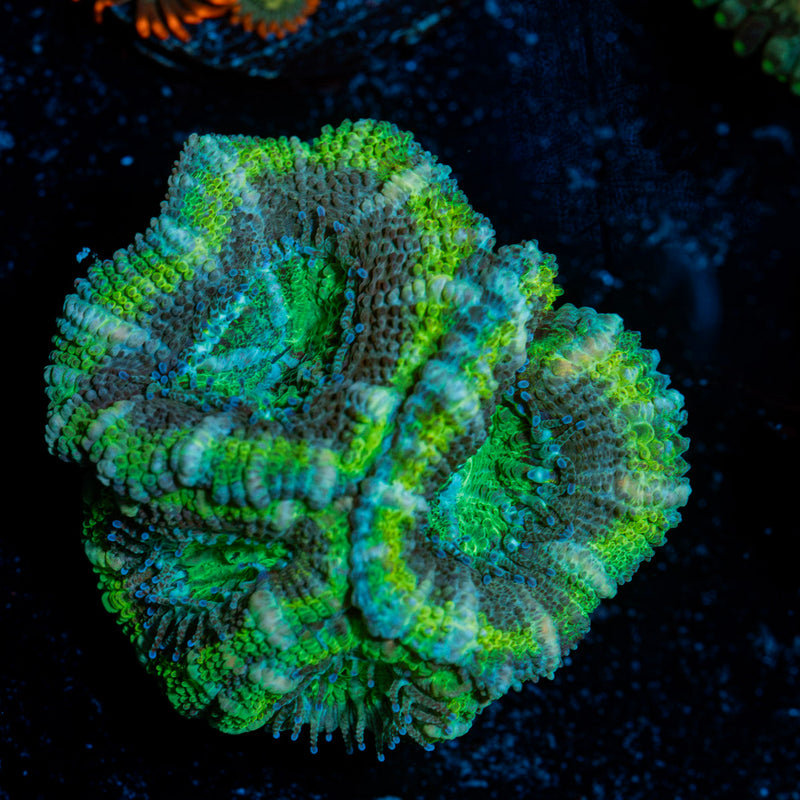
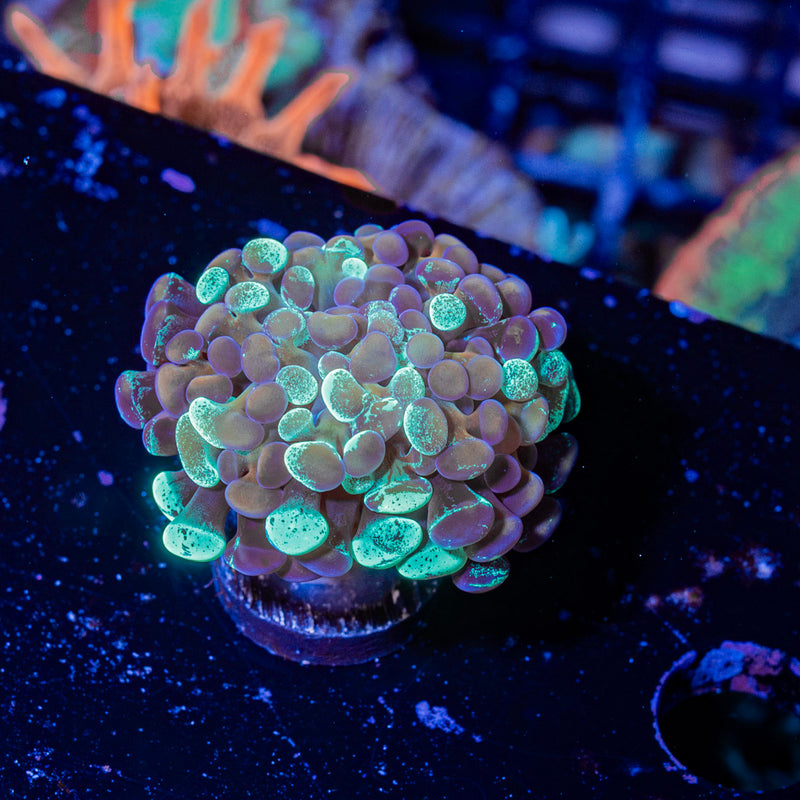
The right placement depends on the species and the specific frag’s history. Many soft corals, mushrooms, and beginner-friendly LPS thrive in moderate light. Torches, hammers, frogspawn, acans, and chalices often color up beautifully under moderate, stable lighting. Many SPS corals appreciate higher light, but “higher” should still be introduced gradually.
If you increase intensity, lengthen the photoperiod, or install a new fixture, make the transition slowly. Use your fixture’s acclimation setting if available, or reduce intensity and raise it in small increments over several weeks. Color development takes time. A coral rarely reaches its best color overnight.
Spectrum Matters, but Stability Matters More
Blue-heavy reef lighting can make fluorescent pigments pop, which is part of the magic of a vibrant reef display. But a pleasing blue spectrum does not replace appropriate intensity and consistent scheduling. Avoid regularly changing spectrum, intensity, and photoperiod all at once. When a coral changes color, you want to know which variable actually made the difference.
Nutrients Are Not the Enemy
Many aquarists see algae and immediately try to drive nitrate and phosphate to zero. Extremely low nutrients can make corals pale, reduce polyp extension, and limit the resources they need to maintain tissue and pigments. On the other hand, excessive nutrients can contribute to browning, nuisance algae, and less refined coloration in some corals.
The sweet spot varies by tank and coral collection. A mixed reef with fleshy LPS, zoanthids, and mushrooms may look excellent with more available nutrients than a tightly managed SPS-focused system. Rather than chasing another hobbyist’s exact readings, watch for consistency and observe how your own corals respond.
Feed fish and corals appropriately, maintain reliable export, and avoid abrupt nutrient swings. If nitrate or phosphate falls quickly after changing filtration, adding aggressive media, or increasing water changes, corals may react before a test kit tells the full story. Slow, measured adjustments are far safer than a sudden nutrient crash.
Water Stability Protects Vibrant Color
Corals can tolerate a range of acceptable water parameters better than they tolerate rapid change. Temperature, salinity, alkalinity, calcium, magnesium, and pH all influence coral health. Of these, unstable alkalinity is a common cause of stress in stony corals.
A tank with a slightly imperfect but steady alkalinity level is often easier on corals than a tank that swings every day because dosing is inconsistent. The same principle applies to salinity. Top-off failures, overly large water changes, and inaccurate mixing can shift salinity quickly enough to dull color or irritate tissue.
Test consistently, use calibrated equipment, and correct issues gradually. For a growing reef, regular testing becomes more valuable as the coral collection expands because calcium and alkalinity demand can change faster than expected. A beautiful display is built on predictable maintenance, not constant chasing.
Flow Shapes More Than Polyp Movement
Water movement delivers oxygen and nutrients while carrying away waste. Low flow can let detritus settle on coral tissue and may leave some species under-stimulated. Excessive direct flow can cause a coral to stay retracted, tear delicate tissue, or look stressed even when the water tests well.
LPS corals are particularly useful visual indicators. A hammer or torch should sway with a full, natural motion, not get blasted sideways by a narrow stream. SPS corals generally benefit from stronger, more turbulent flow, but even they need varied movement rather than a constant jet aimed at one branch.
If color loss comes with poor extension, inspect the frag’s location. A small adjustment to placement or pump direction can make a meaningful difference without changing the entire system.
Know the Difference Between Fading, Browning, and Bleaching
“Losing color” can describe several different conditions, and each points toward a different response.
Fading or paling may suggest excessive light, very low nutrients, or general stress. Browning often indicates increased zooxanthellae density, sometimes from lower light or elevated nutrients. Bleaching is more serious: the coral becomes unusually pale or white because it has lost much of its symbiotic algae. Tissue recession, exposed skeleton, brown jelly, rapid tissue loss, or a foul smell require immediate action beyond simple color tuning.
Also remember that photos can be misleading. Heavy blue lighting and camera filters can make a coral appear more fluorescent online or in a seller’s aquarium than it does under a home tank’s daylight settings. WYSIWYG coral photography helps you see the exact specimen, but the coral’s color will still respond to your lighting and husbandry after it arrives.
A Practical Way to Troubleshoot Coral Color Loss
Start by resisting the urge to change everything. Check temperature and salinity first, then review alkalinity stability and recent dosing changes. Look at nitrate and phosphate trends rather than a single test result. Finally, consider whether lighting, flow, placement, or a recent equipment change created the shift.
Keep brief notes on when a coral was added, moved, or exposed to a new light setting. This makes patterns easier to spot and prevents guesswork. If several unrelated corals fade at once, suspect a system-wide issue such as lighting, chemistry, or temperature. If only one coral changes, placement, species needs, pests, or localized flow are more likely.
When building a colorful reef, choosing corals that suit your current system matters as much as fine-tuning the system itself. Beginner-friendly mushrooms, zoanthids, and many LPS corals can offer bold color with a wider margin for error, while high-end SPS often reward the aquarist who enjoys close attention to stability and lighting.
A coral’s best color is not just a product of a certain LED setting or a bottle of additives. It is the visible result of a settled, well-fed, consistently maintained animal. Give your corals stable conditions and time to acclimate, and those subtle first signs of recovery - fuller tissue, stronger fluorescence, richer edges - can become the color-filled reef you were hoping to create.