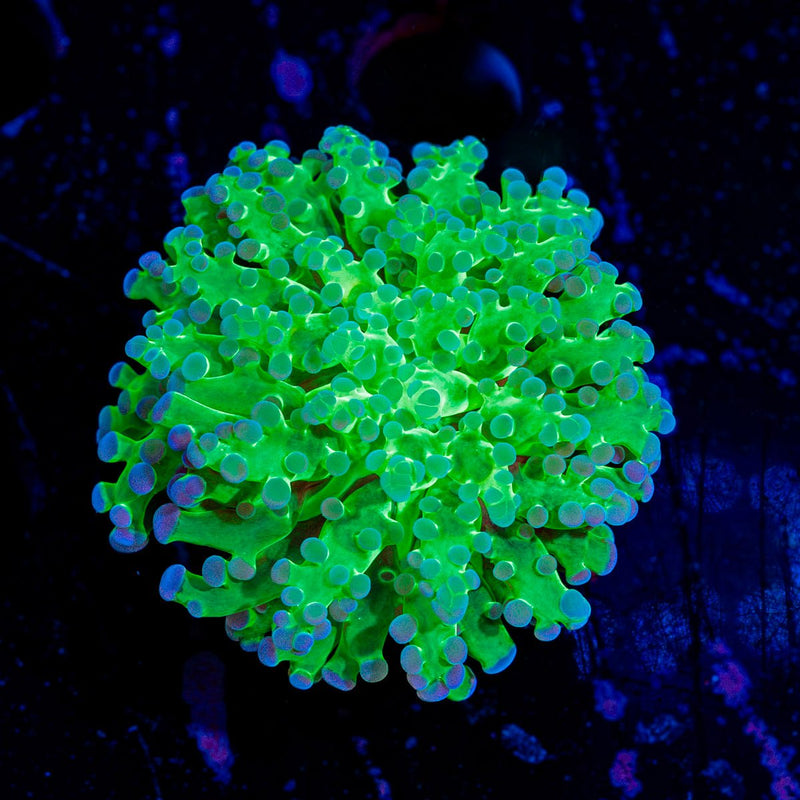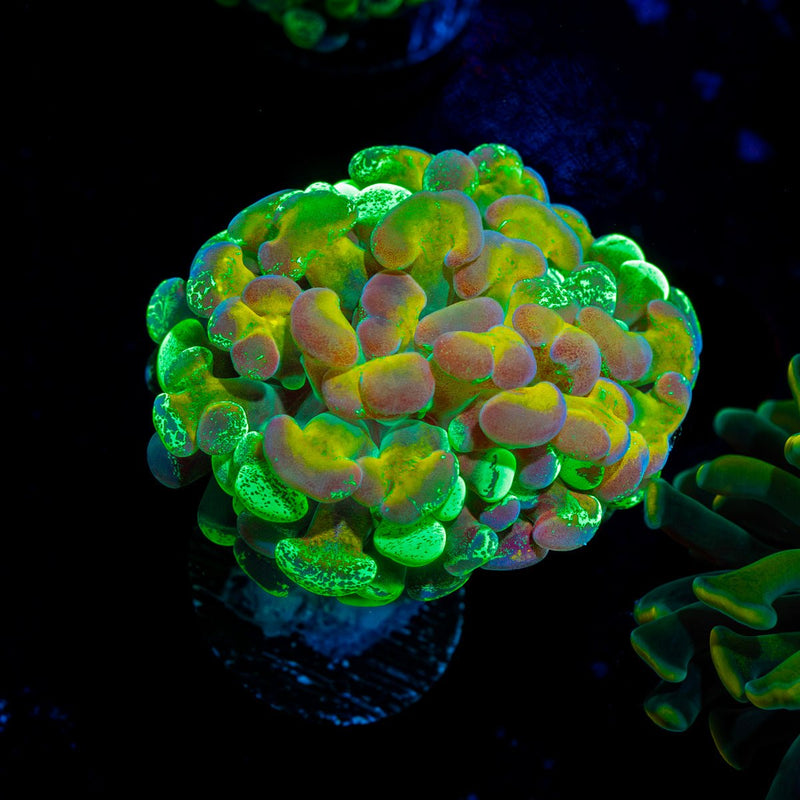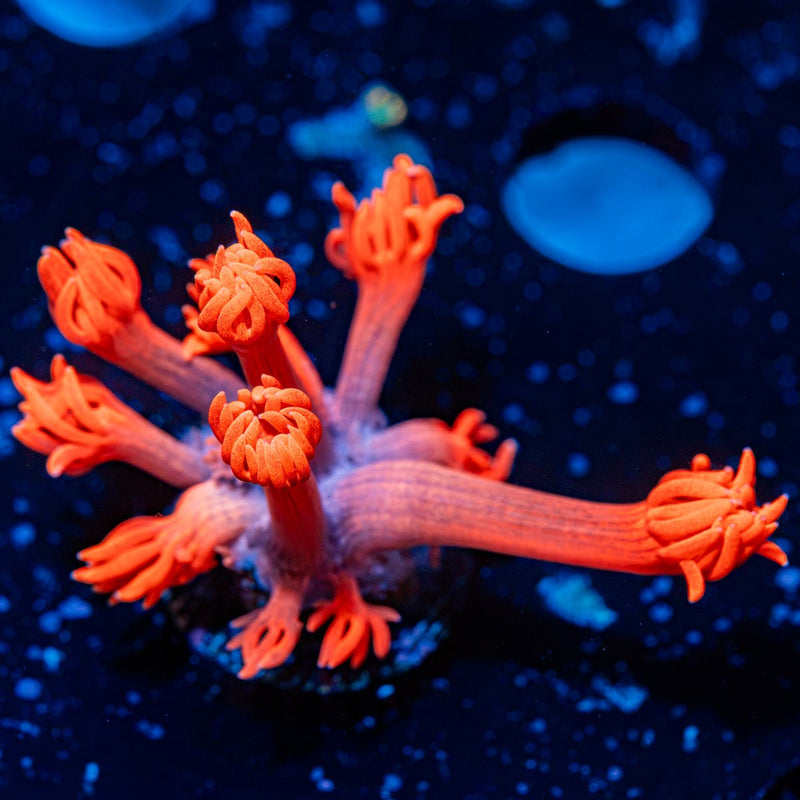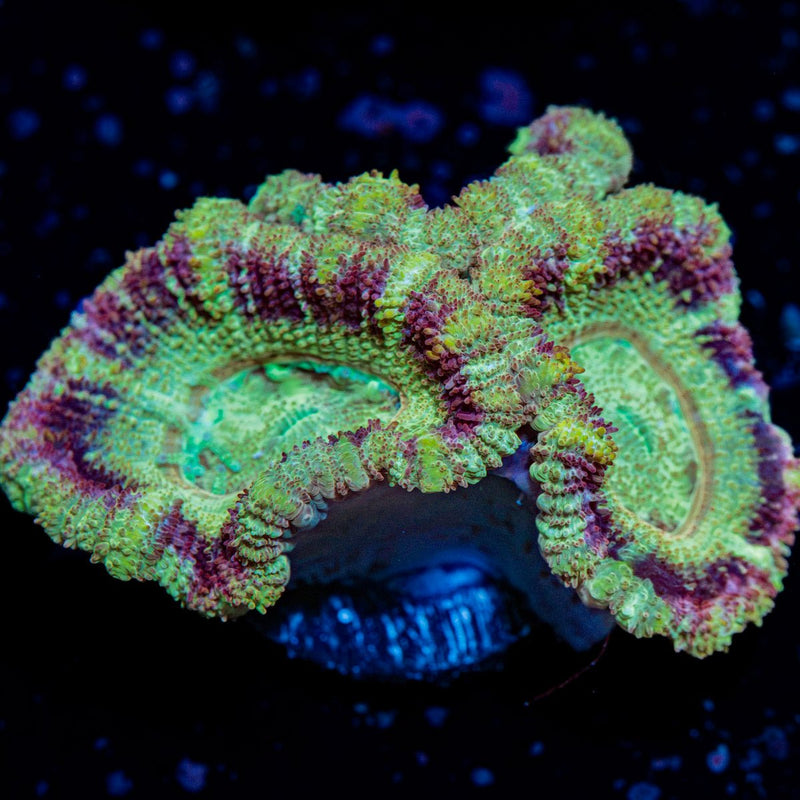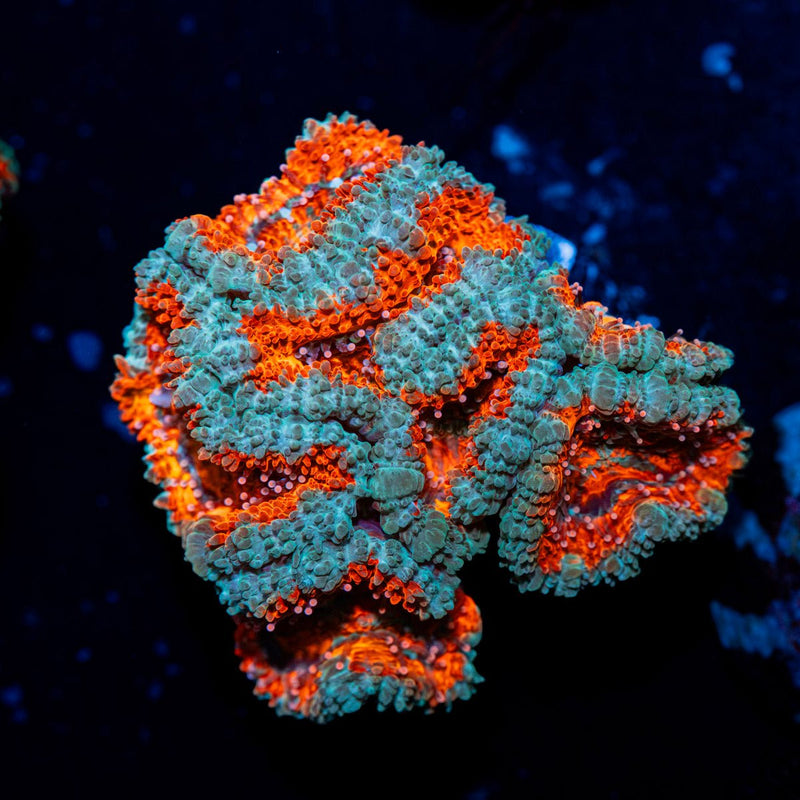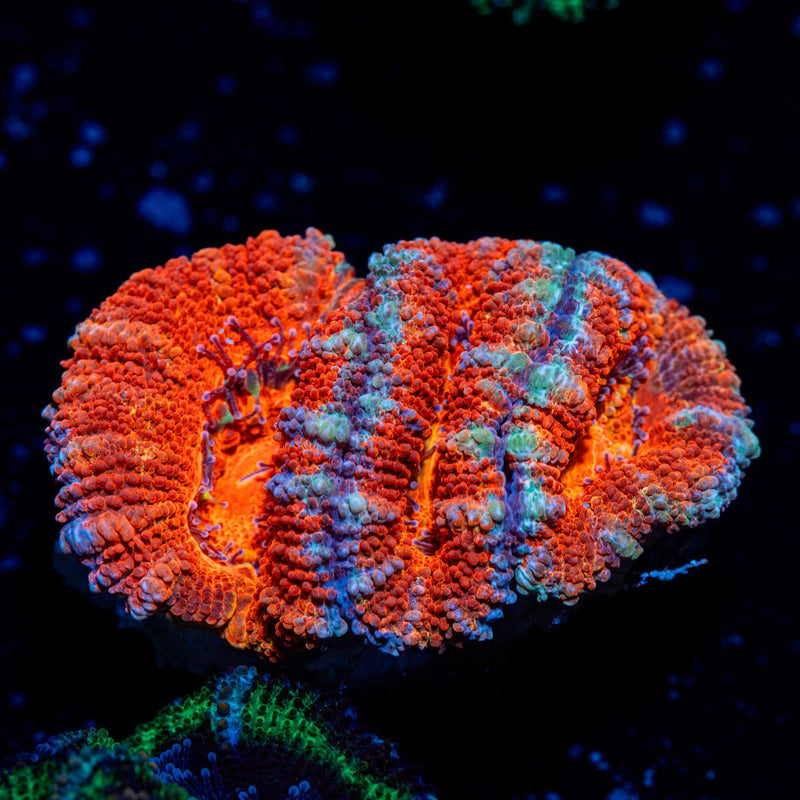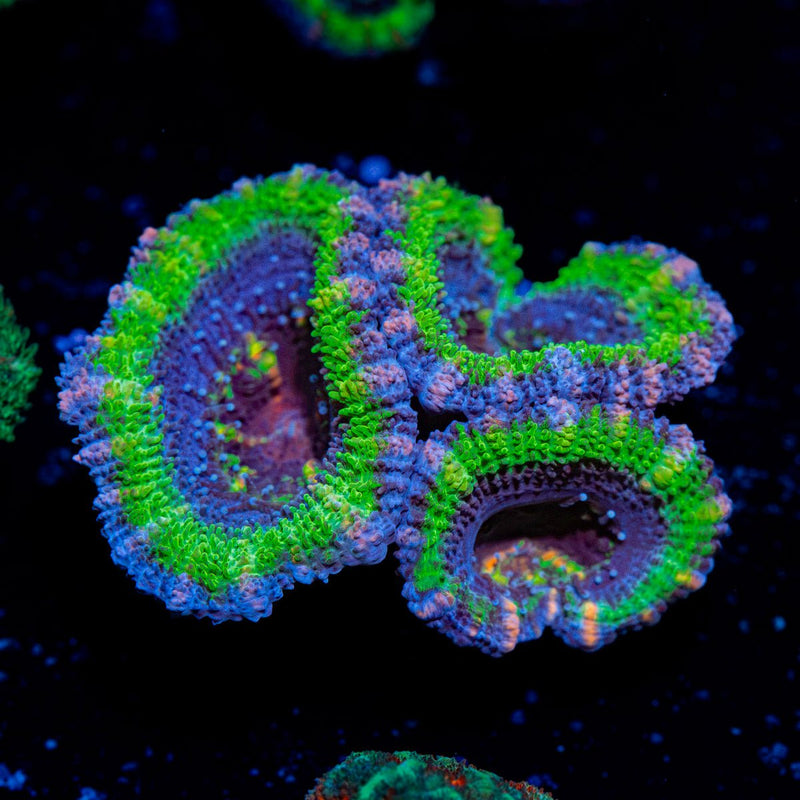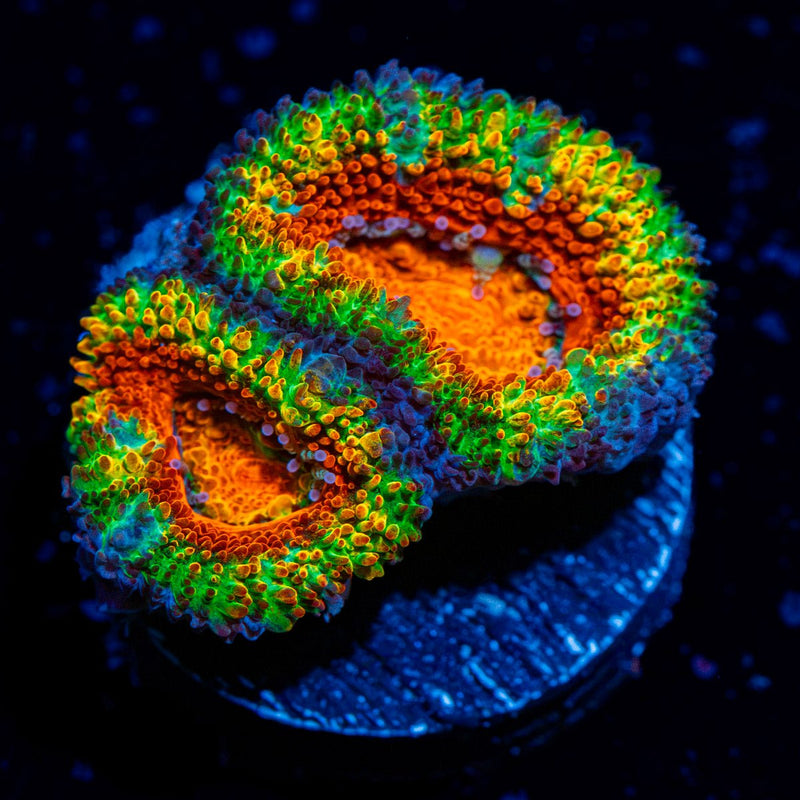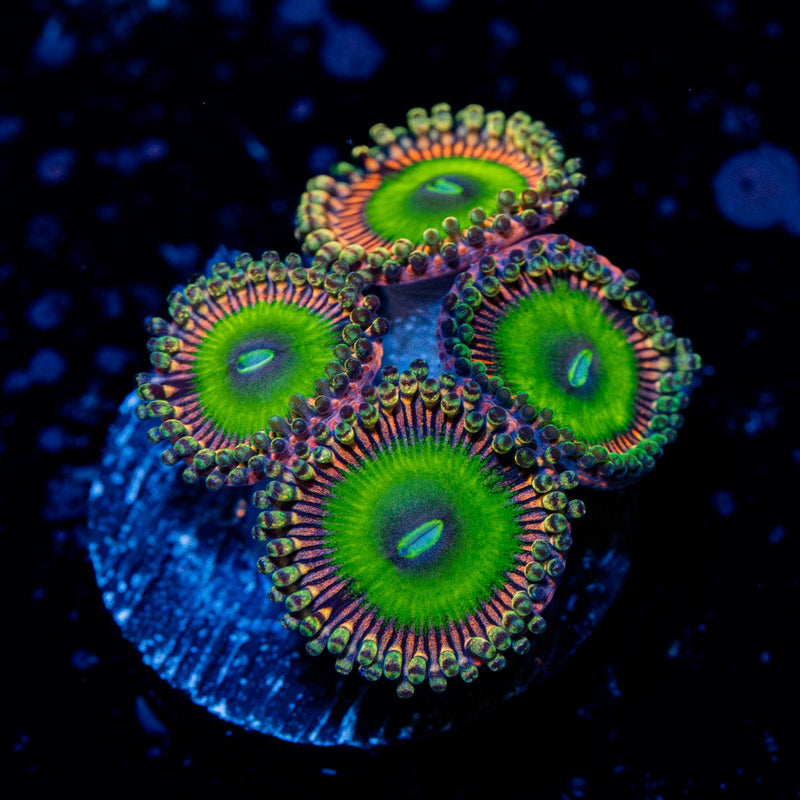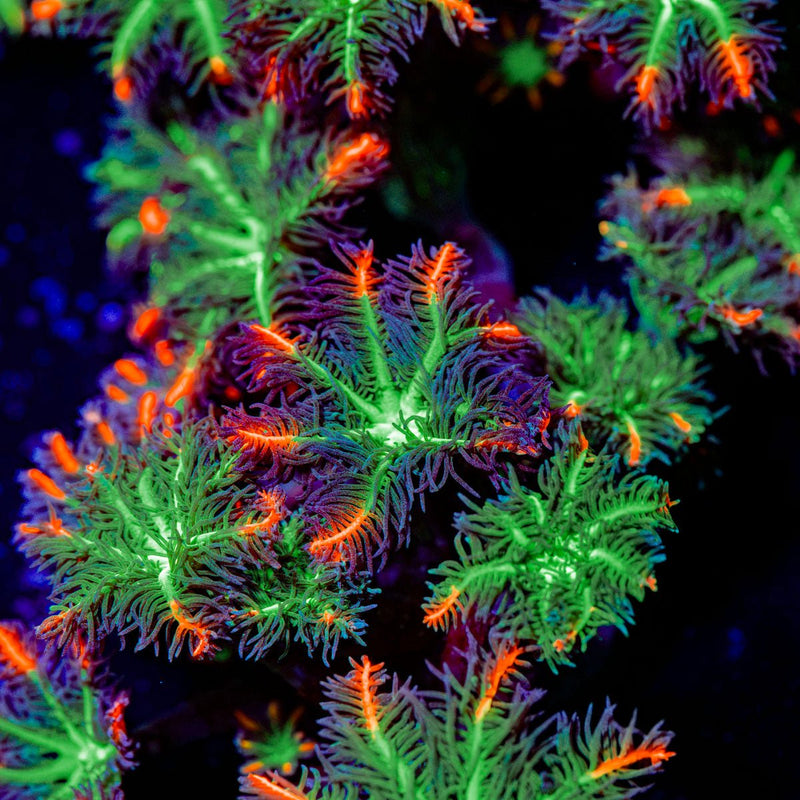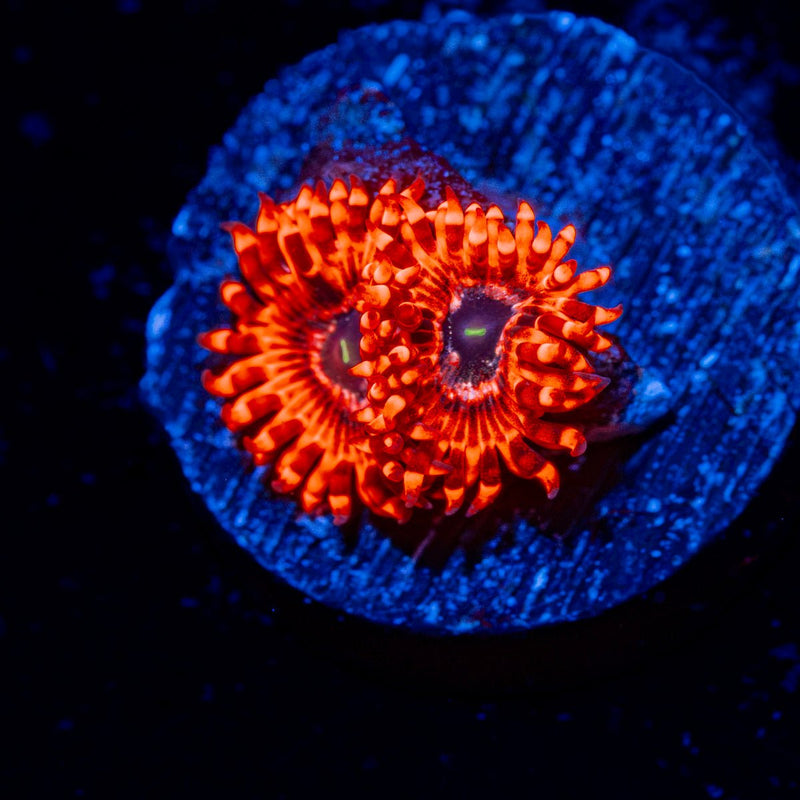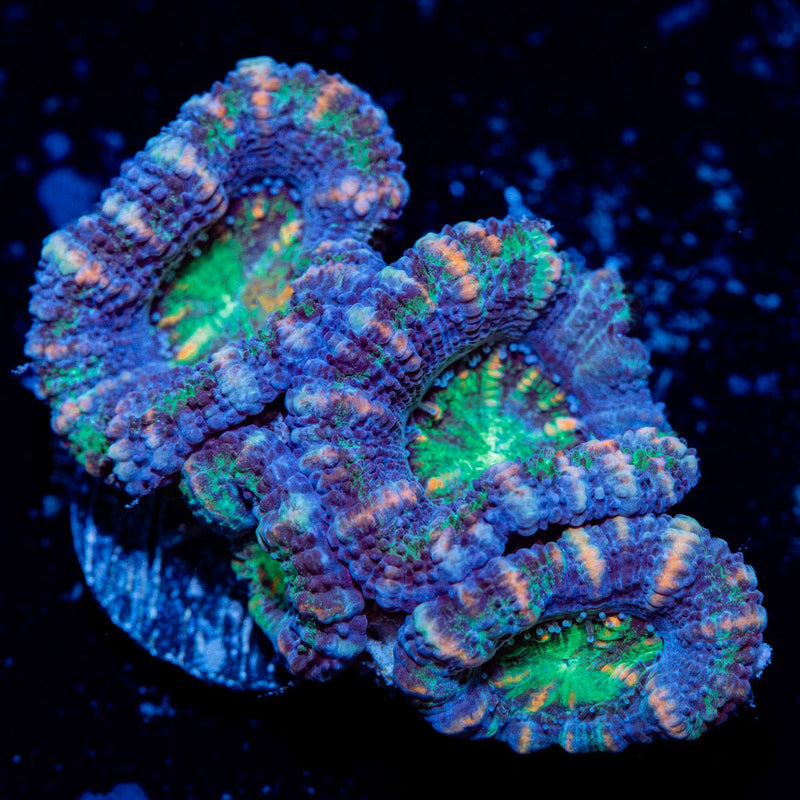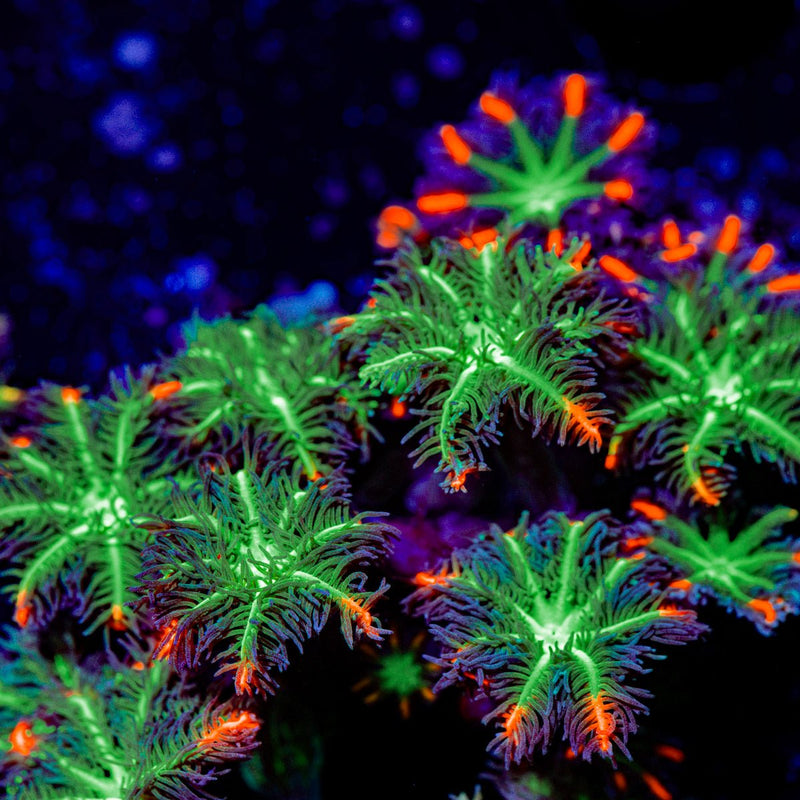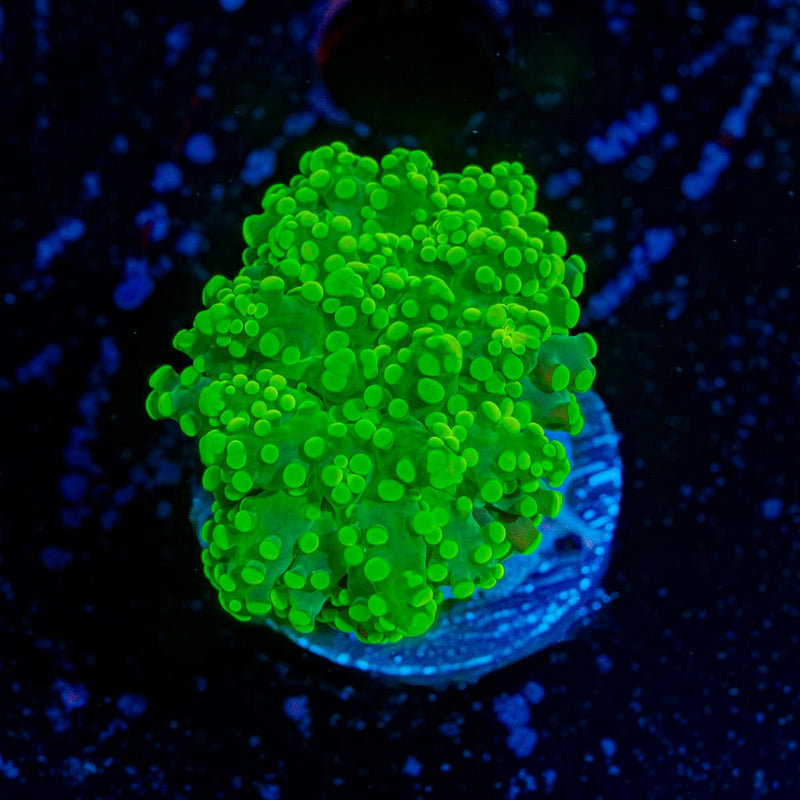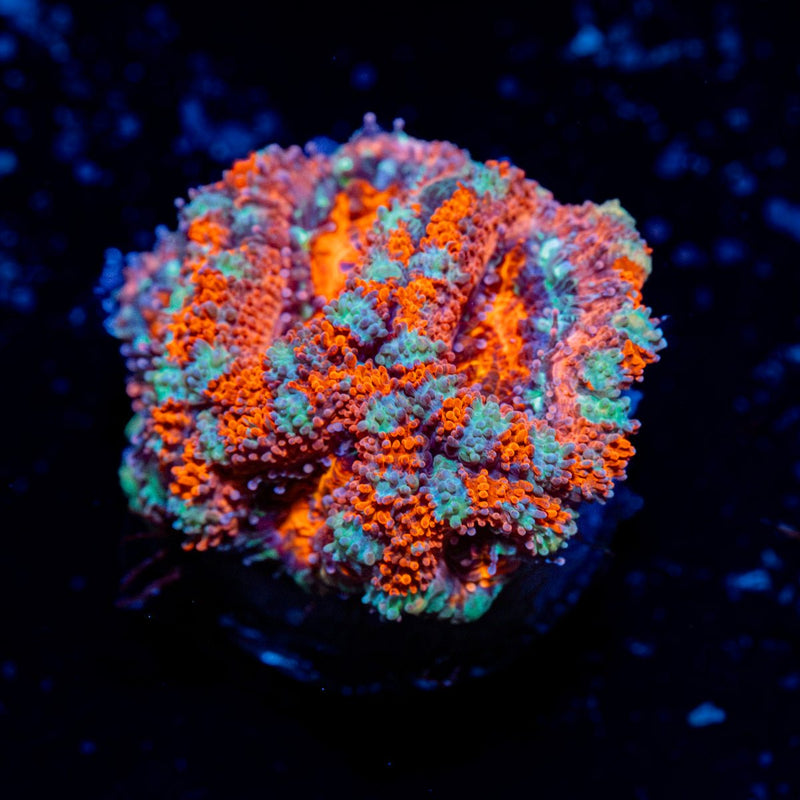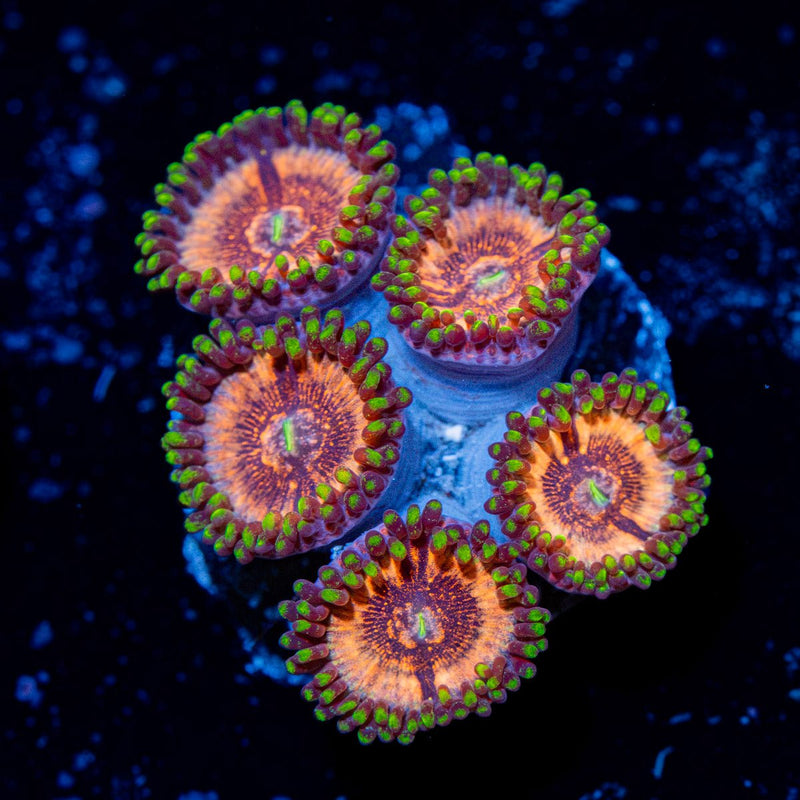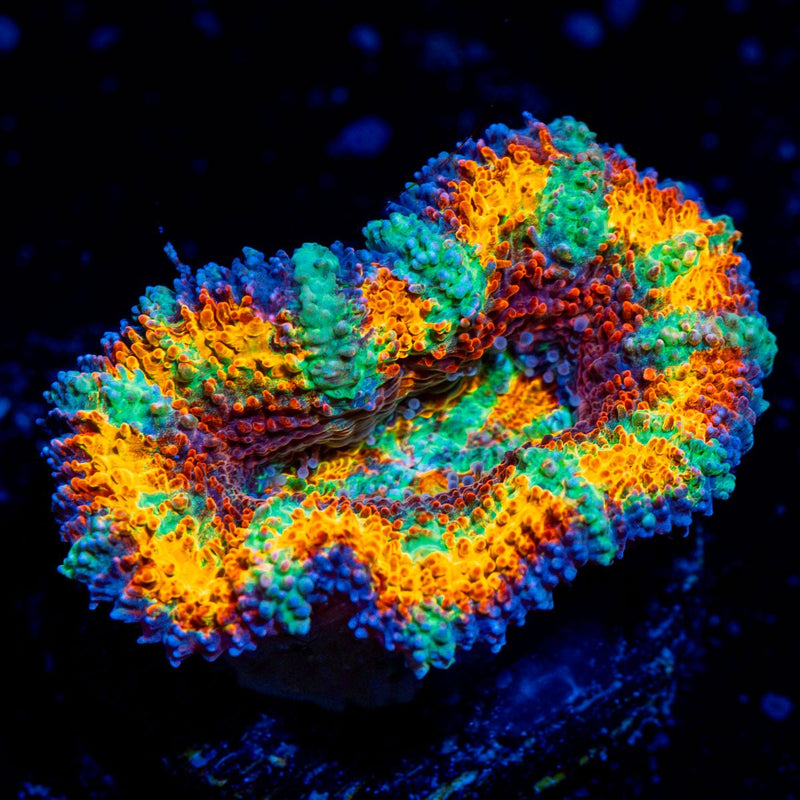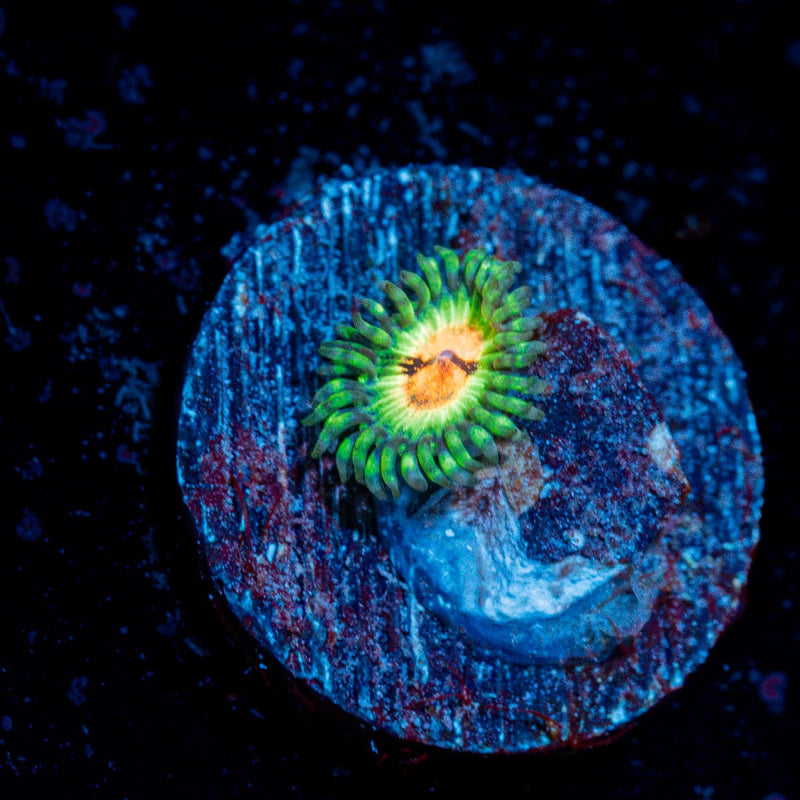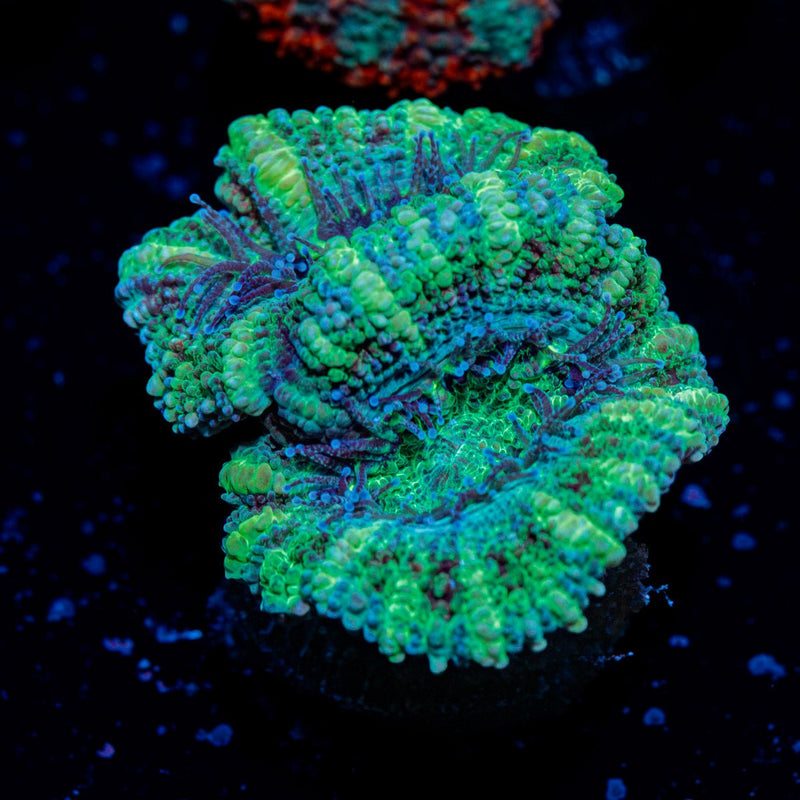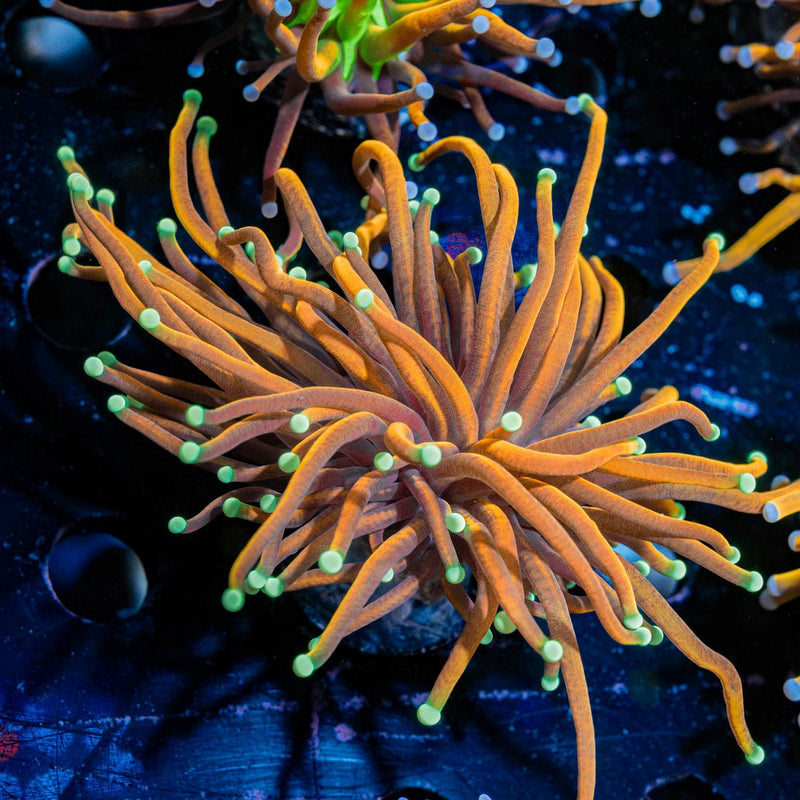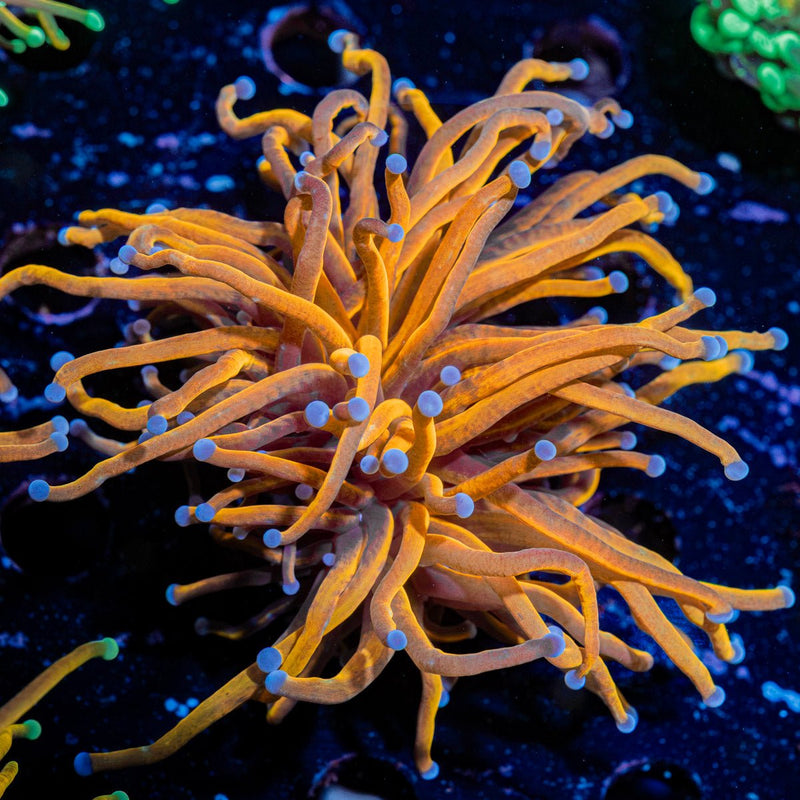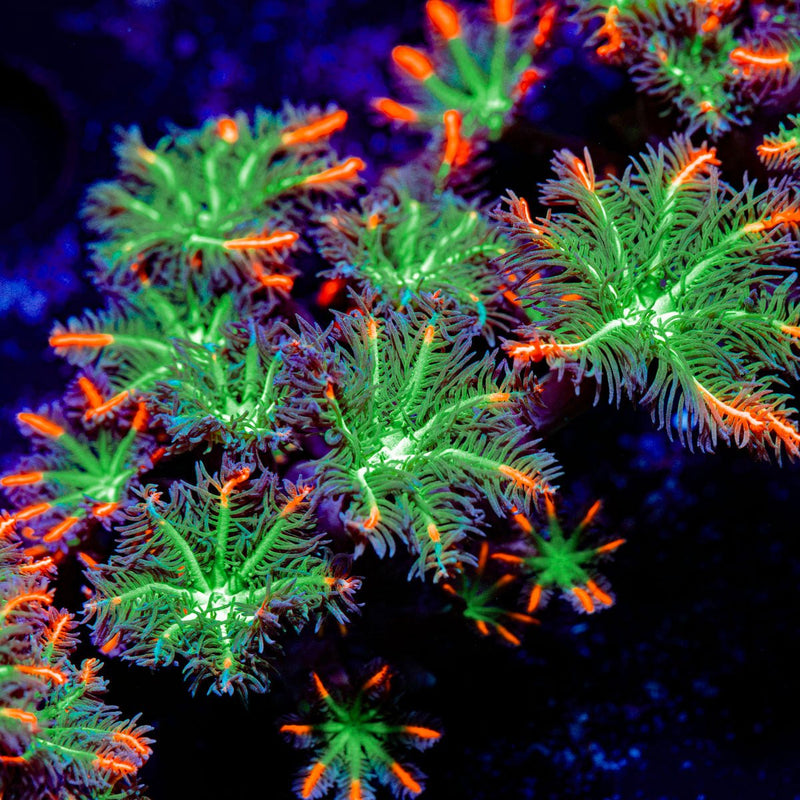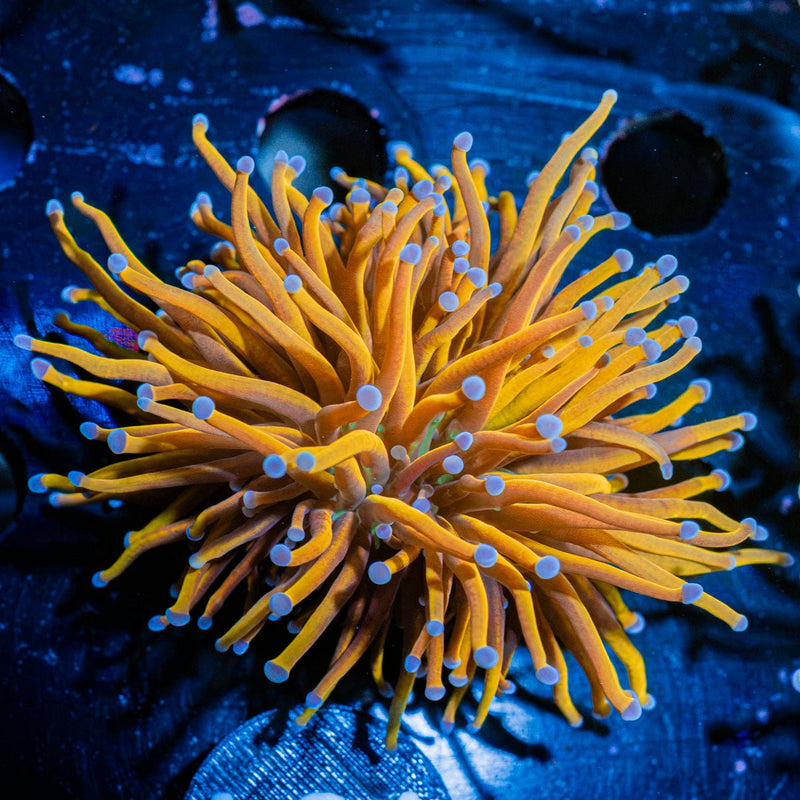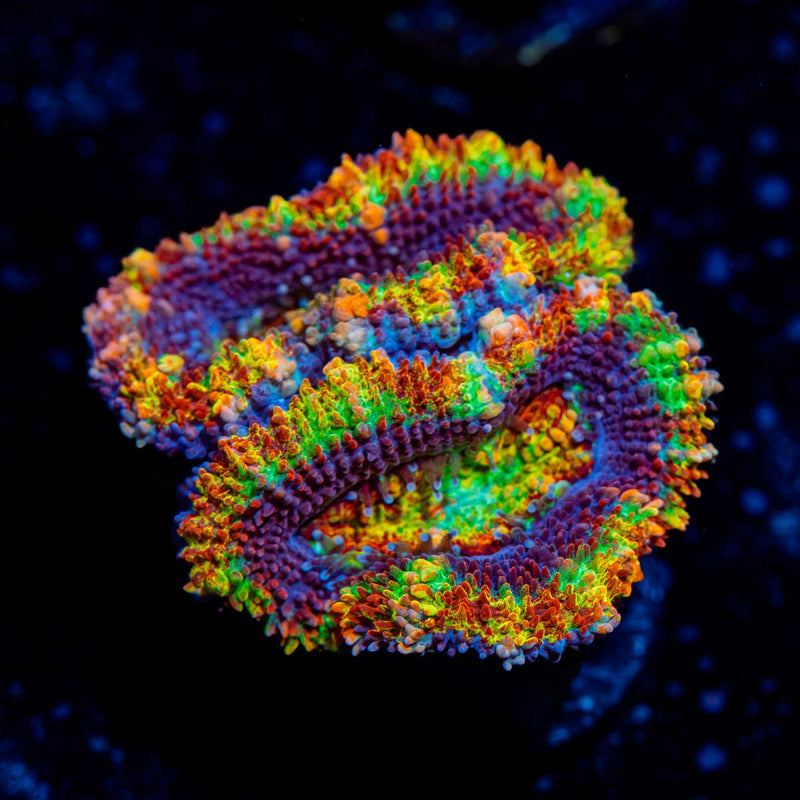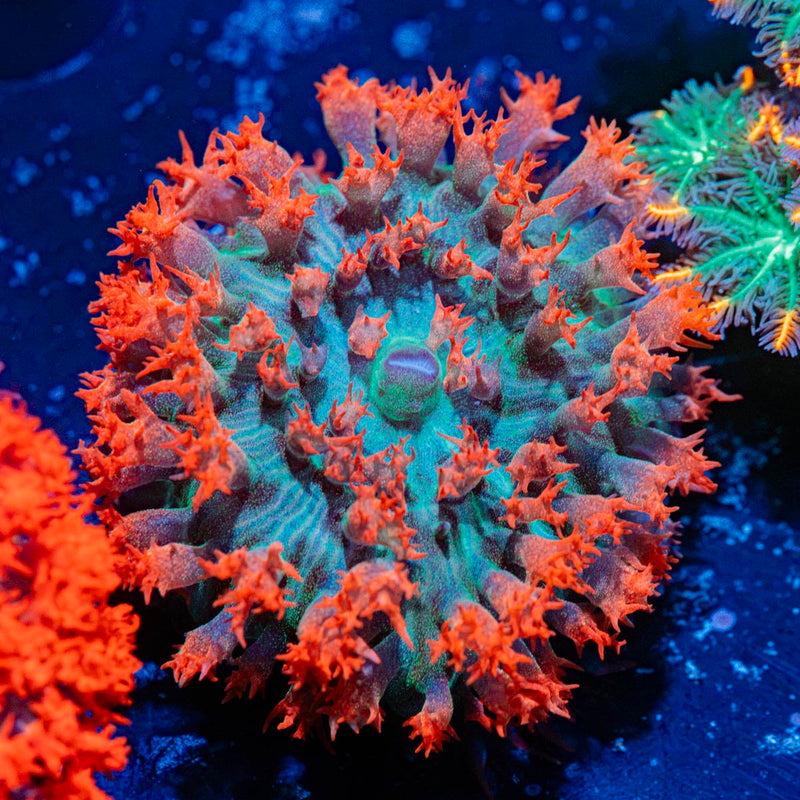
A frag pack can change the feel of a reef tank faster than almost any single coral purchase. One box can bring in glowing zoanthids, swaying Euphyllia, textured mushrooms, or the crisp branching structure of SPS. The best choice is not always the pack with the biggest coral count or the loudest colors. This reef frag pack selection guide is about choosing a collection your tank can support, your eye will enjoy, and your reef can grow with for the long haul.
Start With the Tank You Have
Every coral has its preferences, and a curated pack still needs to fit the conditions already established in your aquarium. Before choosing, look honestly at your lighting, water movement, available rockwork, and consistency. A pack can be an exciting value, but it should never ask a young or unstable tank to become something it is not yet.
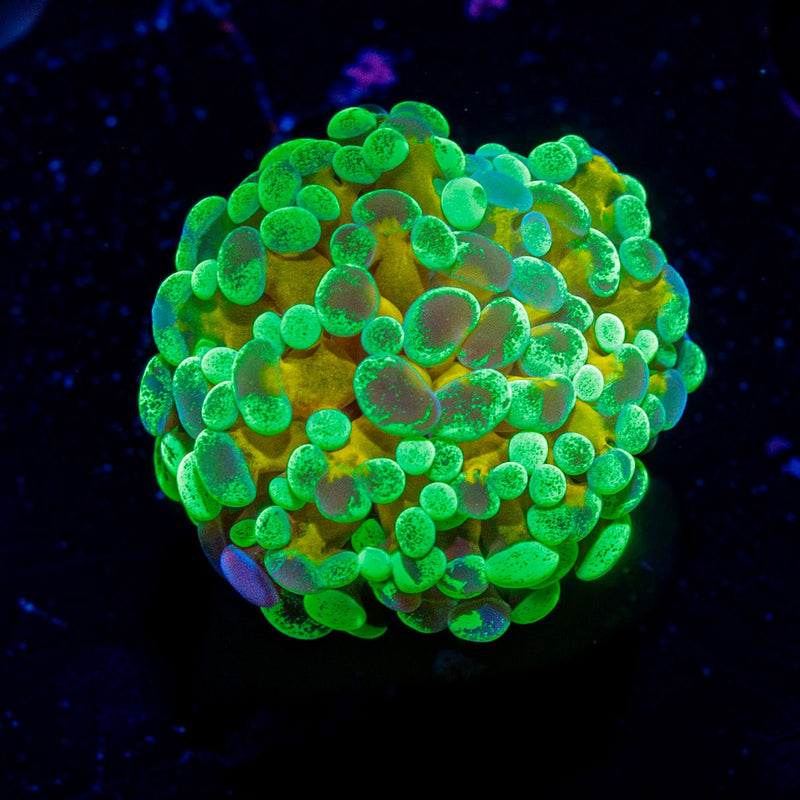
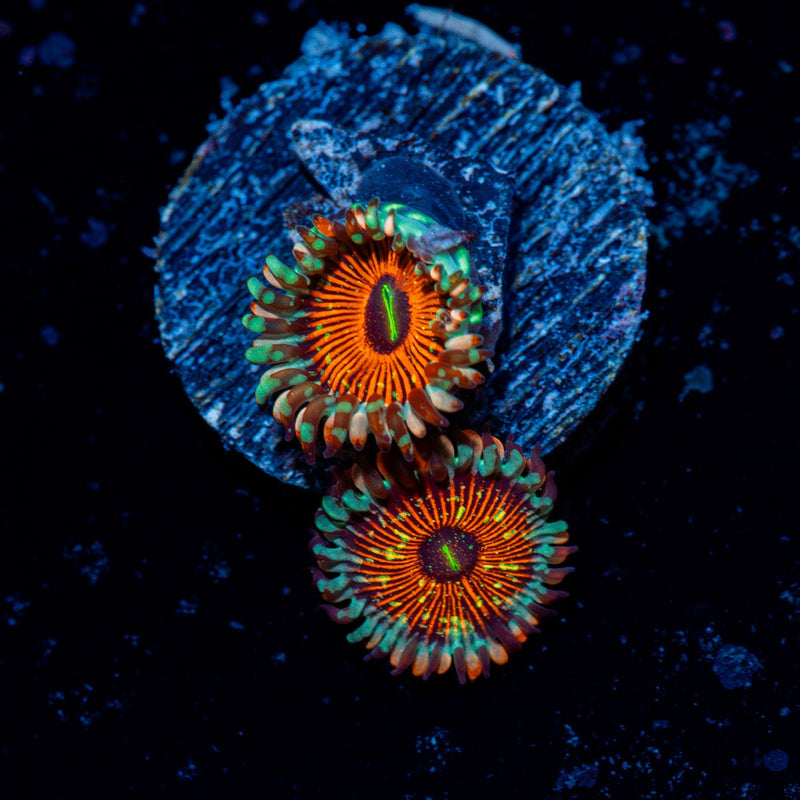
For newer reef keepers, soft coral, mushroom, zoanthid, and beginner-friendly LPS packs are often a comfortable starting point. These corals can bring immediate color and motion without demanding the intense light, precise nutrient balance, and high flow commonly associated with many SPS varieties. That does not mean they are disposable starter corals. A healthy ricordea garden, a colorful zoanthid island, or a collection of hammers can become the visual center of a mature display.
More established systems with dependable alkalinity, calcium, magnesium, nutrient levels, and lighting open the door to SPS-focused packs. Acropora, Millepora, and other small-polyp stony corals reward consistent care with vivid color and intricate growth. The trade-off is simple: SPS can be spectacular, but it is less forgiving when parameters or flow change suddenly.
Match the Pack to Light and Flow
A reef tank may have excellent equipment and still contain different zones. The upper ledges beneath your fixture can be very different from a lower, shaded shelf. A successful frag pack selection begins with knowing where each coral will actually live.
Soft corals and many mushrooms generally appreciate lower to moderate light and gentle to moderate flow. They are a natural fit for lower rockwork, side zones, and areas where you want color without filling every high-light location. Zoanthids are adaptable and visually versatile, although individual varieties can vary in their preferences. Moderate light and flow is a practical starting point for many collections.
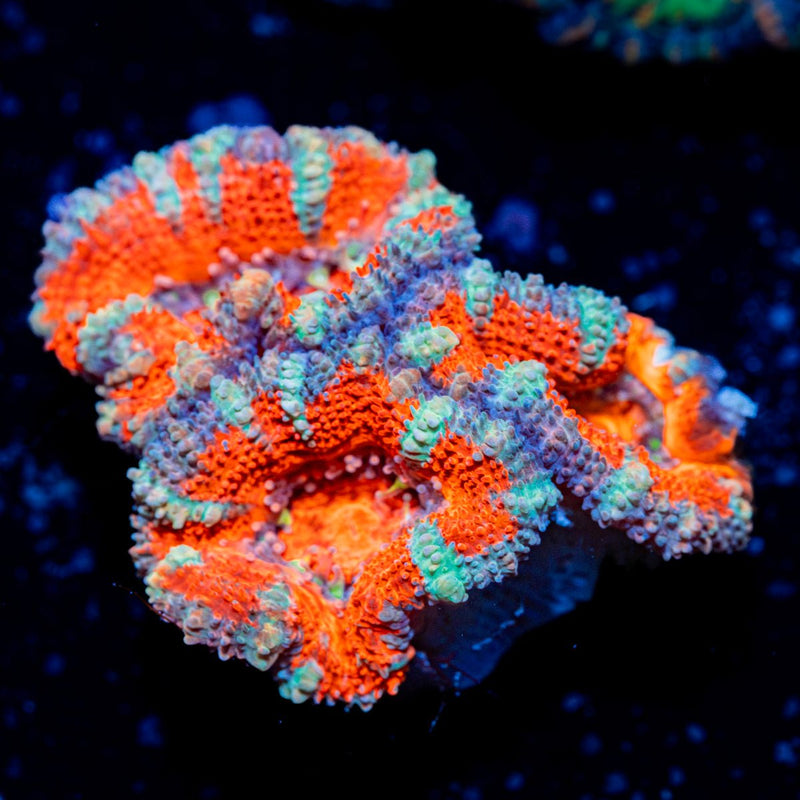
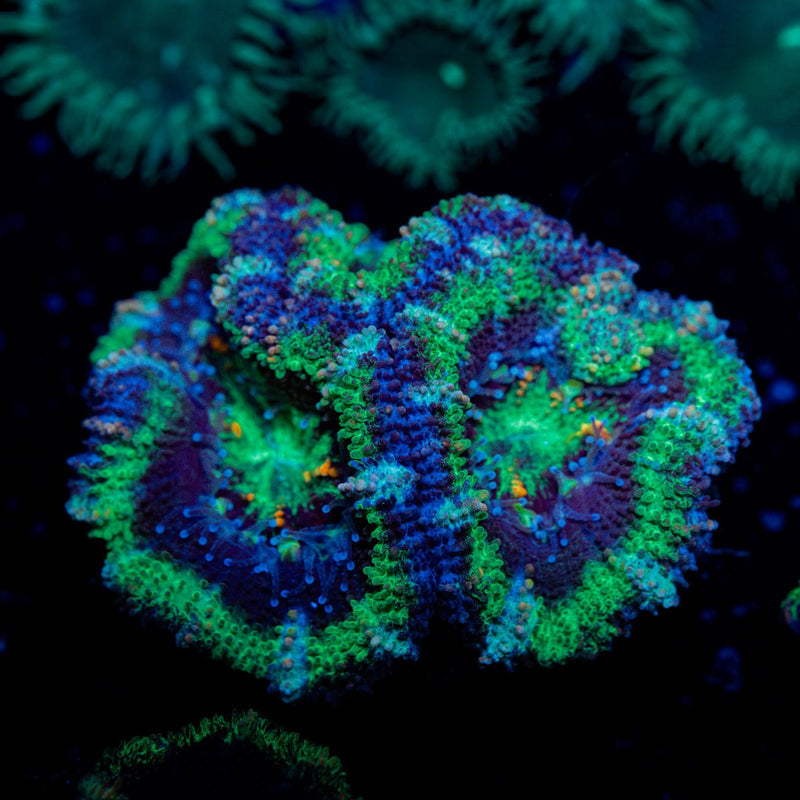
LPS corals also offer a broad range of looks, from fleshy acans and chalices to the flowing tentacles of torches, hammers, and frogspawn. Many prefer moderate light and indirect, variable flow. Their tissue should move naturally rather than get blasted in one direction. Euphyllia in particular needs room around it, both for its eventual size and for its sweeper tentacles.
SPS packs belong in higher-light, higher-flow areas, provided that flow is broad and turbulent rather than a narrow stream aimed at one frag. Plan for their growth from day one. A small Acropora frag may look modest on the rack, but branches can claim surprising space once conditions are right.
Check Compatibility Before the Box Arrives
A mixed pack can be beautiful, but mixed coral types do not always share the same ideal placement. If your tank has clear zones from low to high light and calm to energetic flow, a mixed pack gives you a lot of creative freedom. In a smaller aquarium with one dominant lighting and flow pattern, a more focused pack may be easier to place and maintain.
Also consider the corals already in your tank. Some soft corals can spread quickly and may release compounds that make life more challenging for sensitive stony corals. Chalices, acans, and Euphyllia can extend sweepers at night. Zoanthids can gradually cover nearby rock. None of these traits should rule out a coral, but they should shape your aquascape plan.
Choose a Goal, Not Just a Color Palette
Color is part of the fun. Fluorescent greens, electric blues, hot pinks, sunset oranges, and gold-tipped tentacles can make a reef feel like a collection of living jewels. Yet a frag pack is even more satisfying when it serves a clear purpose in the display.
A beginner may want a forgiving foundation that makes the tank look established while they build confidence. An intermediate hobbyist may want to fill a particular zone, such as a low-light mushroom garden or a colorful LPS ledge. An experienced SPS keeper may be building a branching reefscape with contrasting growth forms and premium color.
Think about visual variety as well. A pack with several corals in different shapes often creates more impact than several pieces with similar silhouettes. Pair encrusting corals with rounded polyps, plating forms, flowing tentacles, and branching structure. This gives the display depth even before the frags have had time to grow out.
There is also a practical reason to choose with intention: coral placement is easier when every frag has a job. Instead of setting new pieces wherever there is an empty spot, you can reserve a ledge for SPS, create an island for zoanthids, or leave a broad sandbed-facing area for LPS with room to expand.
A Reef Frag Pack Selection Guide to Value
The lowest price per frag is not always the best value. Healthy aquacultured corals, thoughtful curation, and clear expectations matter more than a large count of pieces that do not fit your system. A pack should save you time and create a cohesive collection, not leave you scrambling to rehome half of it.
Look at the coral categories included and ask whether you would genuinely choose each one individually. If you love two frags but have no suitable place for the other four, a smaller, more focused selection can be the smarter buy. On the other hand, a pack built around a category you already enjoy can be an excellent way to add variety without hunting for every piece one at a time.
WYSIWYG options offer another kind of confidence. Exact-item photography lets you see the particular coral you are purchasing, including its coloration, growth form, and size. Curated packs may not always show every individual frag in the same way, but the value is in a balanced assortment selected to work together. Choose based on what gives you the most confidence for the purchase at hand.
Plan for Acclimation and Placement
A beautiful frag pack deserves a calm first day. Prepare your temperature, salinity, and placement plan before the shipment arrives. Have clean tools ready, inspect each coral carefully, and follow your preferred acclimation and coral-dipping practices. A measured start protects your new additions and the reef you have already built.
Avoid placing every frag permanently on arrival. Let corals settle in lower or moderate light when appropriate, then observe polyp extension, coloration, and tissue response over the following days and weeks. Light acclimation is especially useful when corals are moving into a system with powerful LEDs. A gradual adjustment can prevent unnecessary stress.
Temporary frag racks are useful, but they are not a long-term aquascape. Corals need room to grow, and permanent placement should account for mature size, neighboring corals, and the ability to access the glass for cleaning. Use reef-safe putty or glue when you are confident in a location, and keep a little distance between frags that may become aggressive neighbors.
Build a Collection You Will Want to Grow
The most rewarding pack is one that still feels exciting six months later. It may be a beginner-safe mix that gives your first reef its signature color, an LPS collection that turns a quiet ledge into a field of movement, or an SPS pack that becomes the foundation for a thriving branch-filled display.
Riptide Aquaculture curates aquacultured coral selections for hobbyists who want that excitement with more purchase confidence. Still, the final choice belongs to your tank. Let your available space, stable conditions, and preferred reef style lead the way. Choose corals with room to become their best selves, and each new frag can grow into a piece of the reef you pictured from the start.