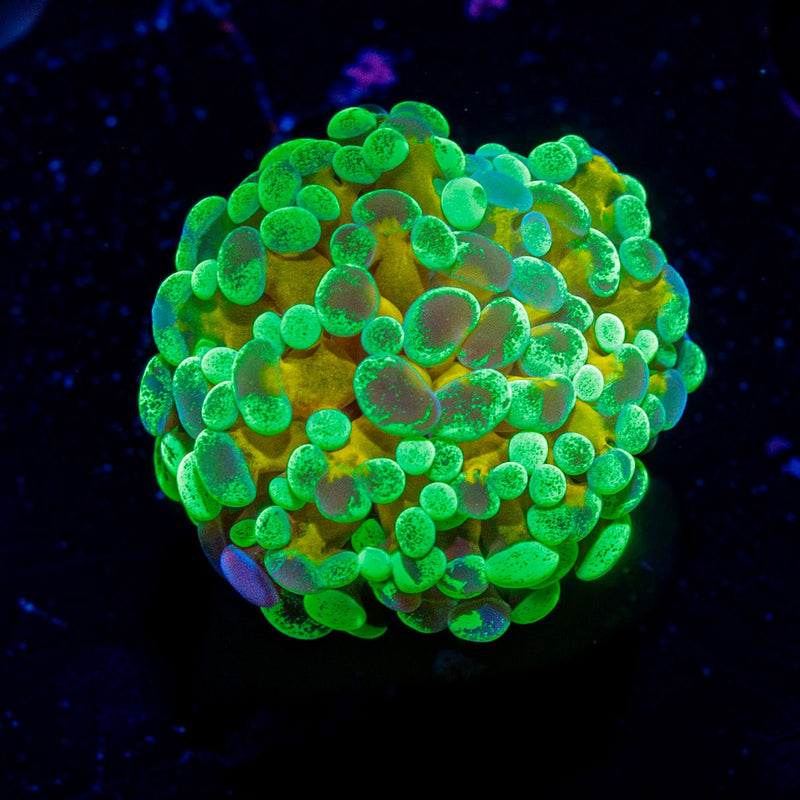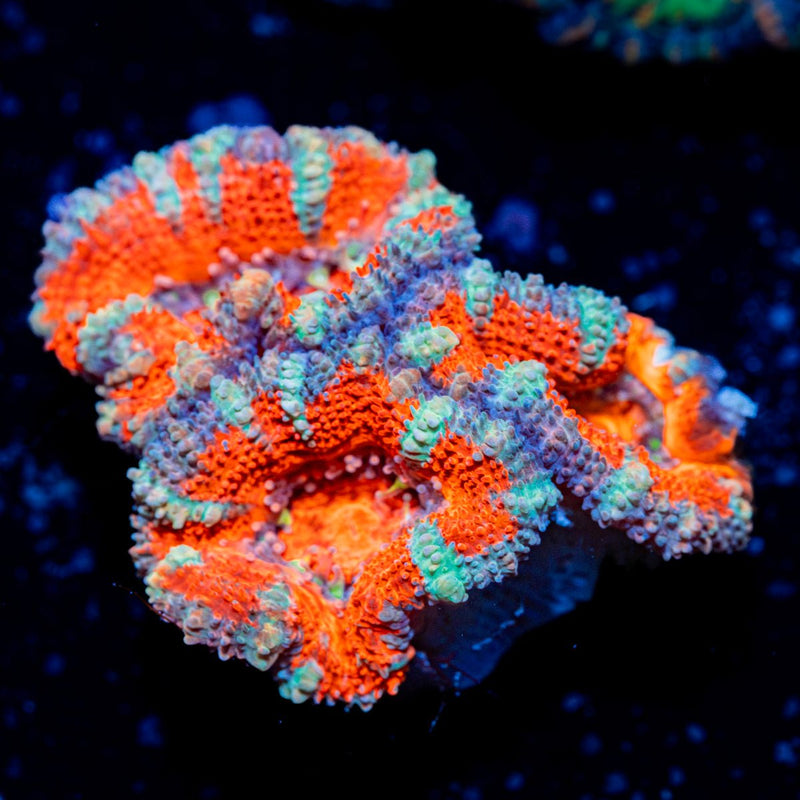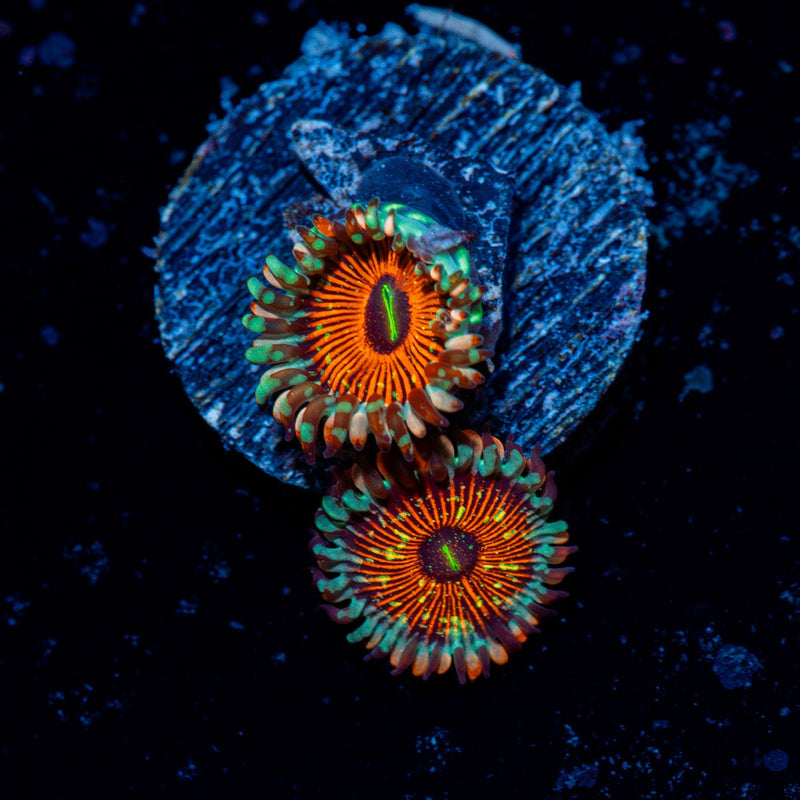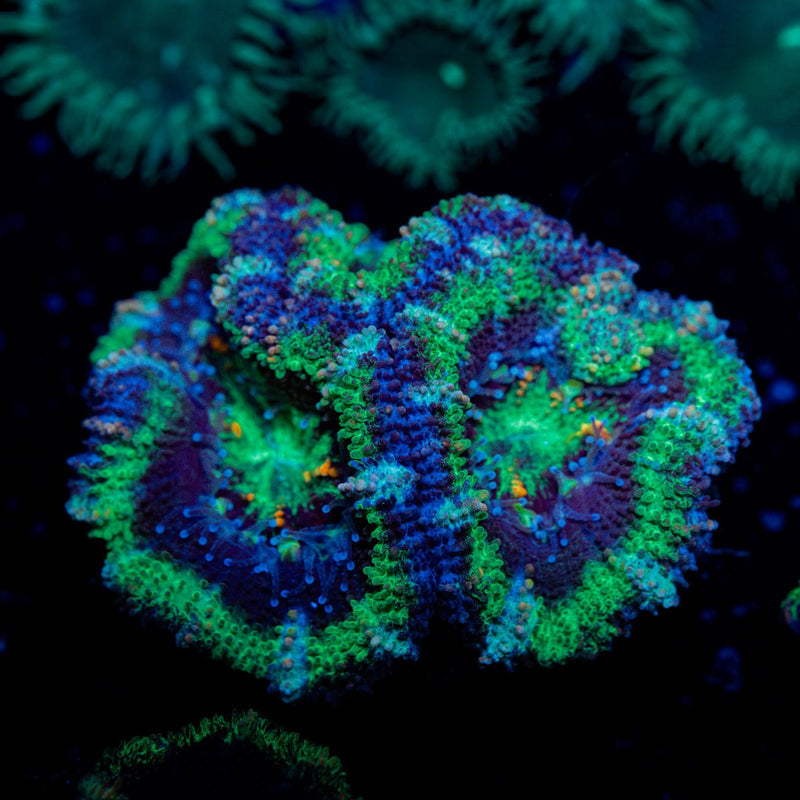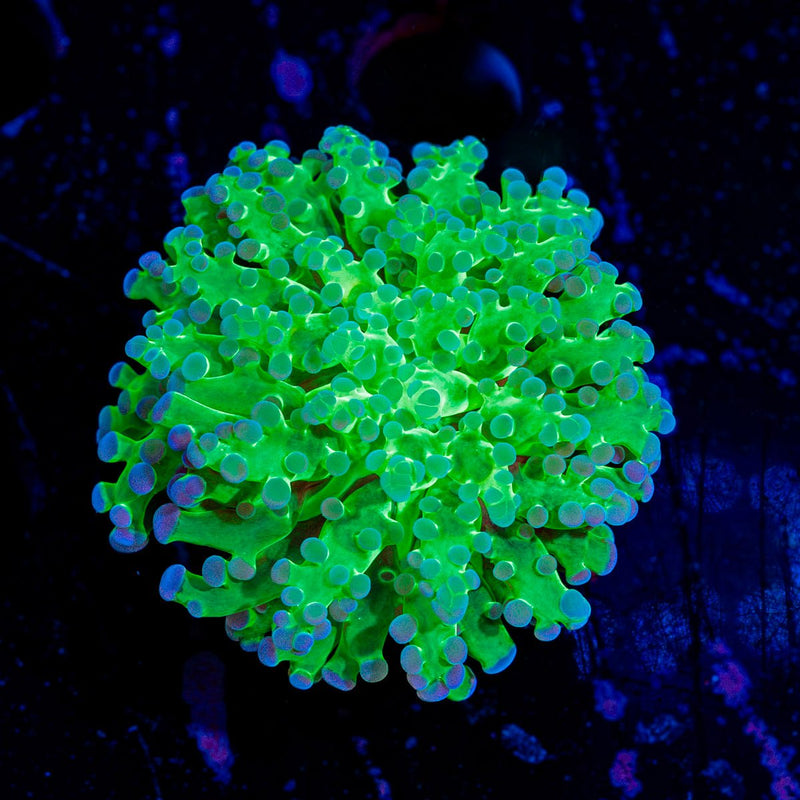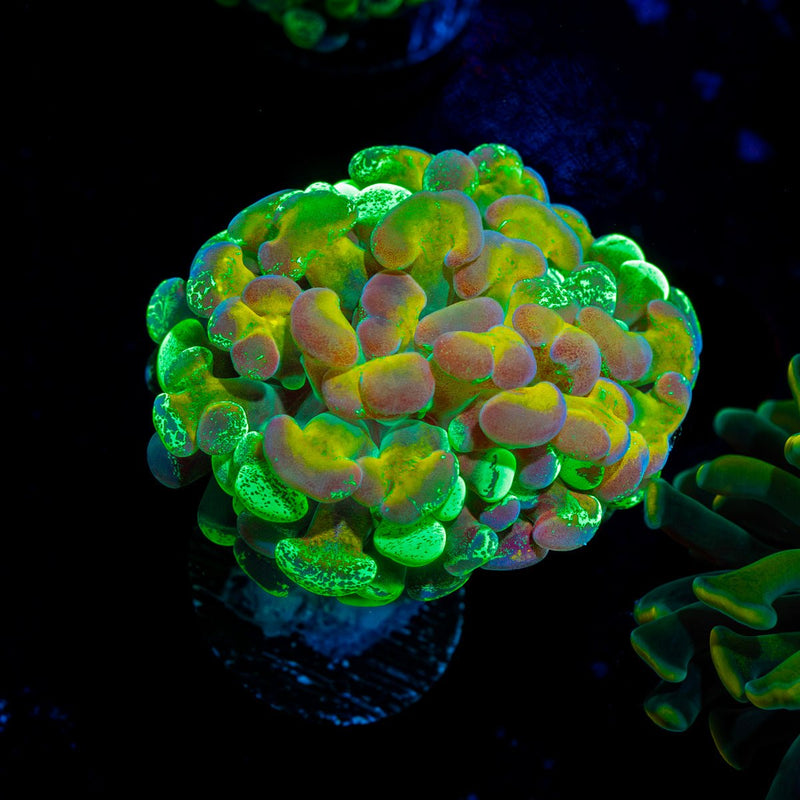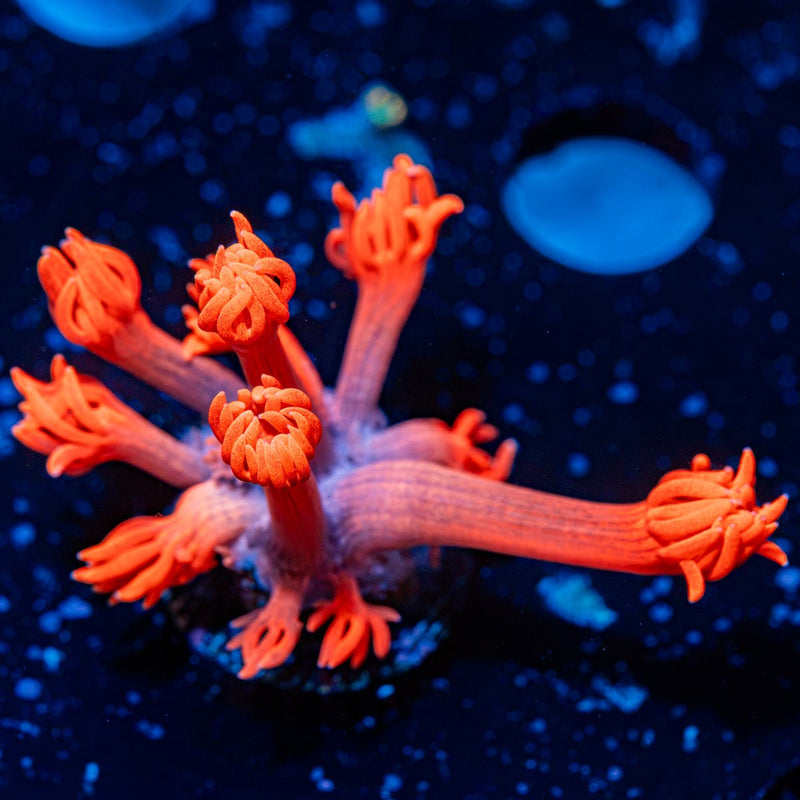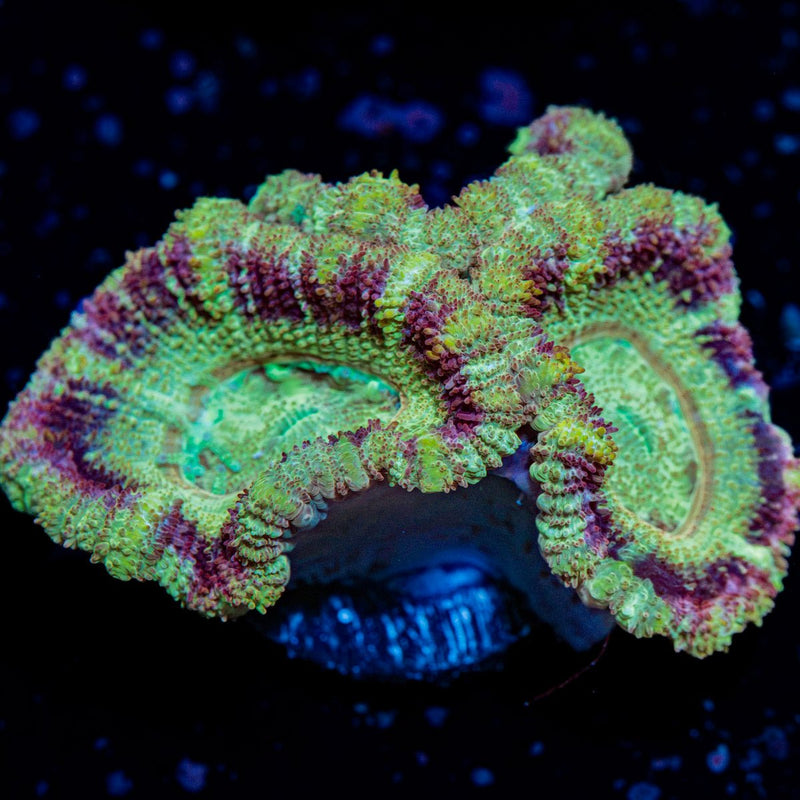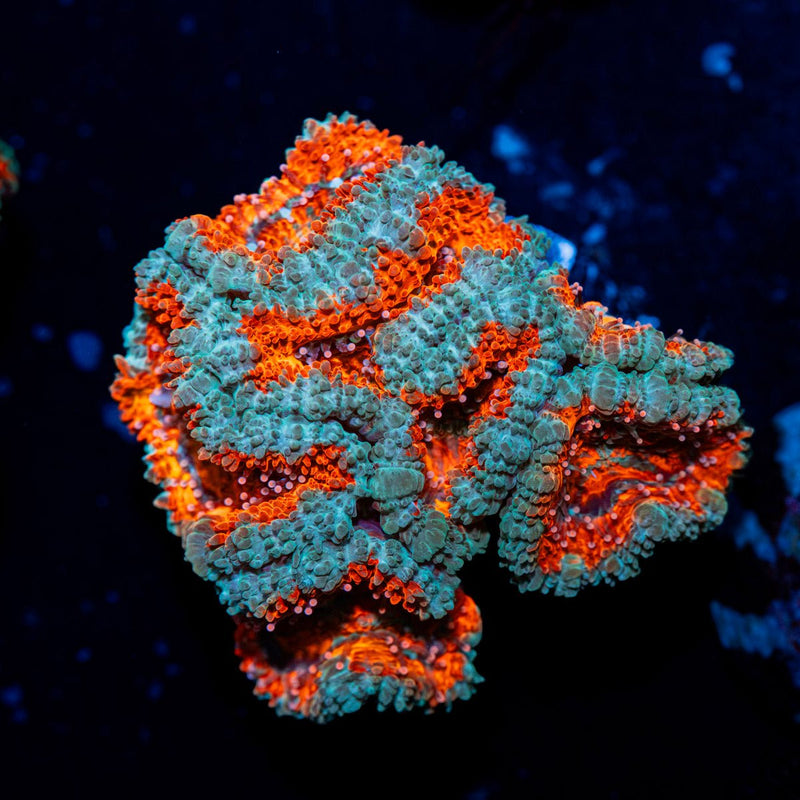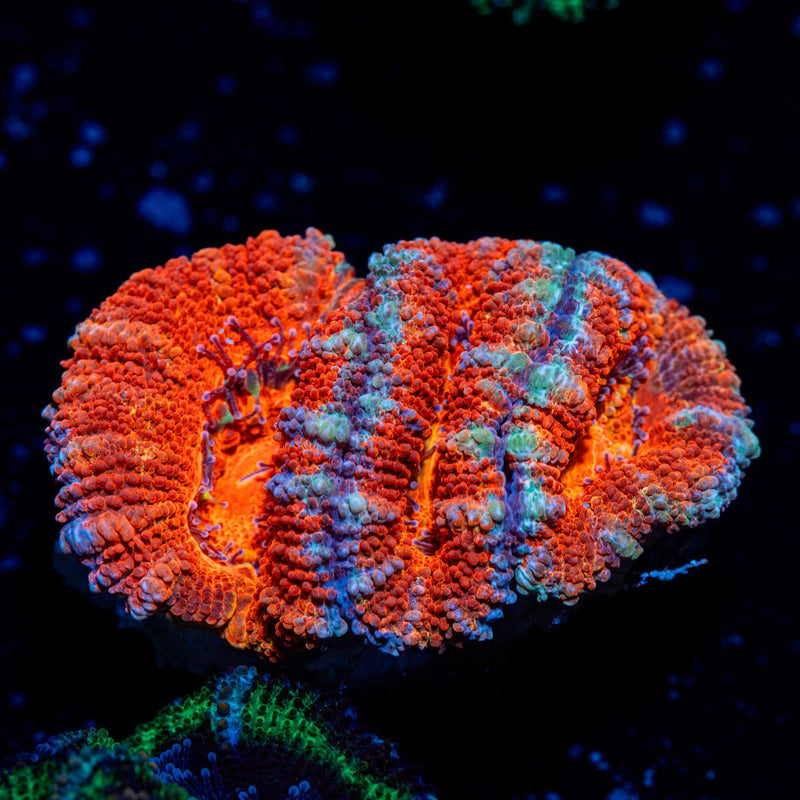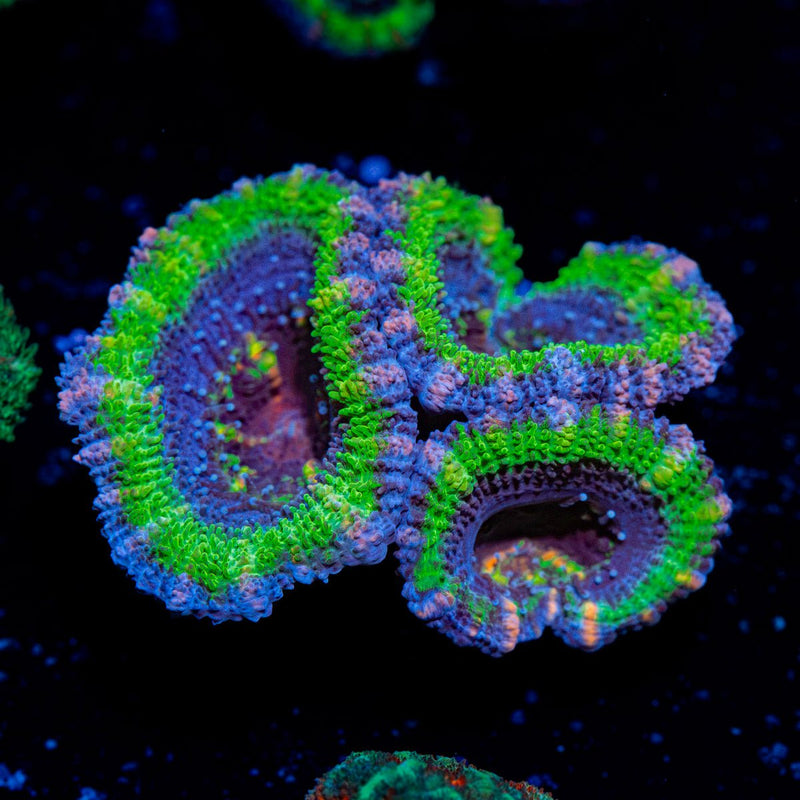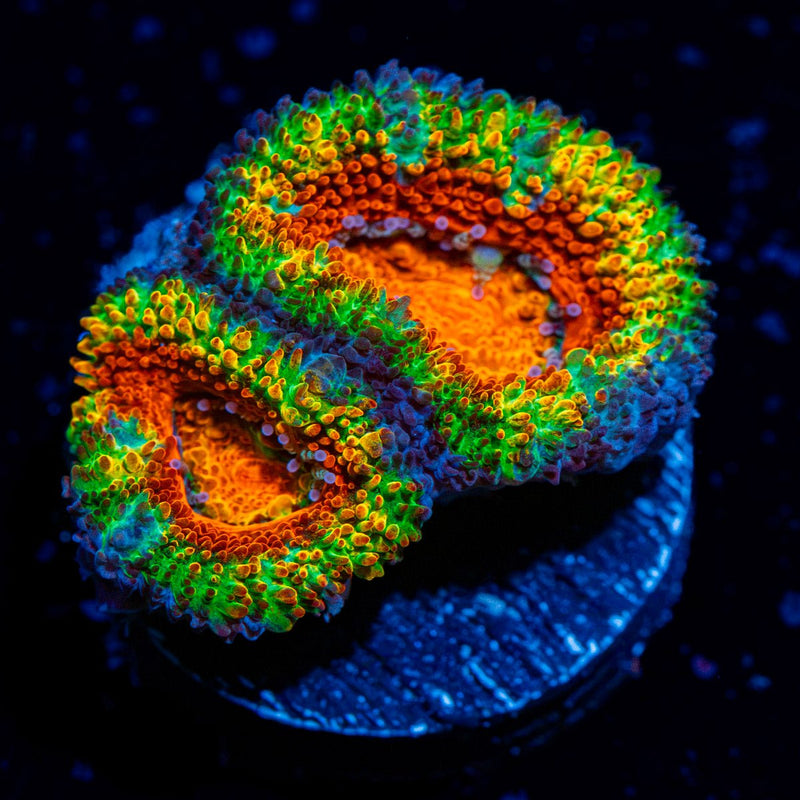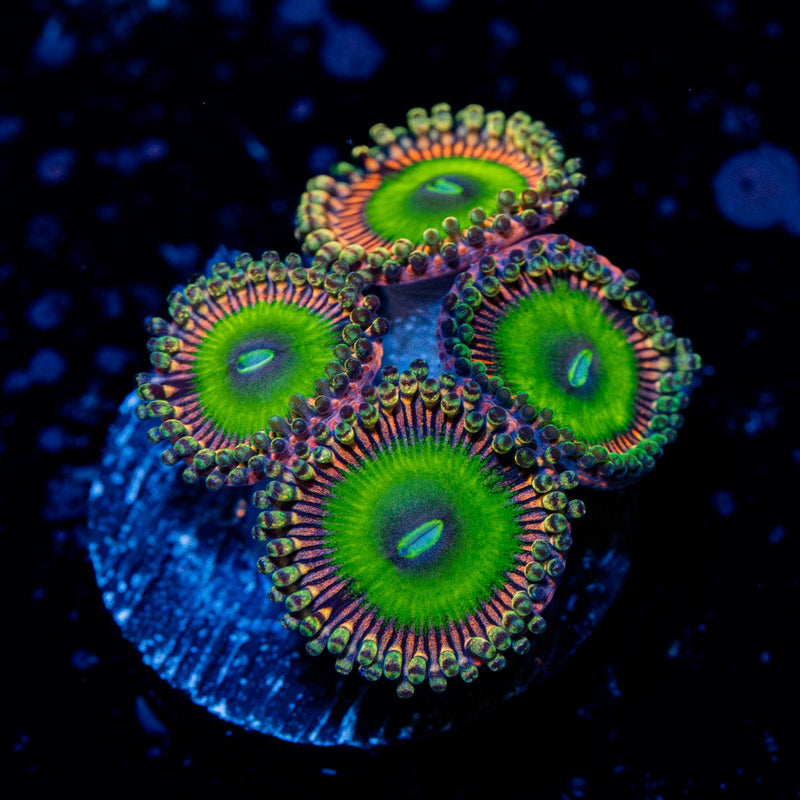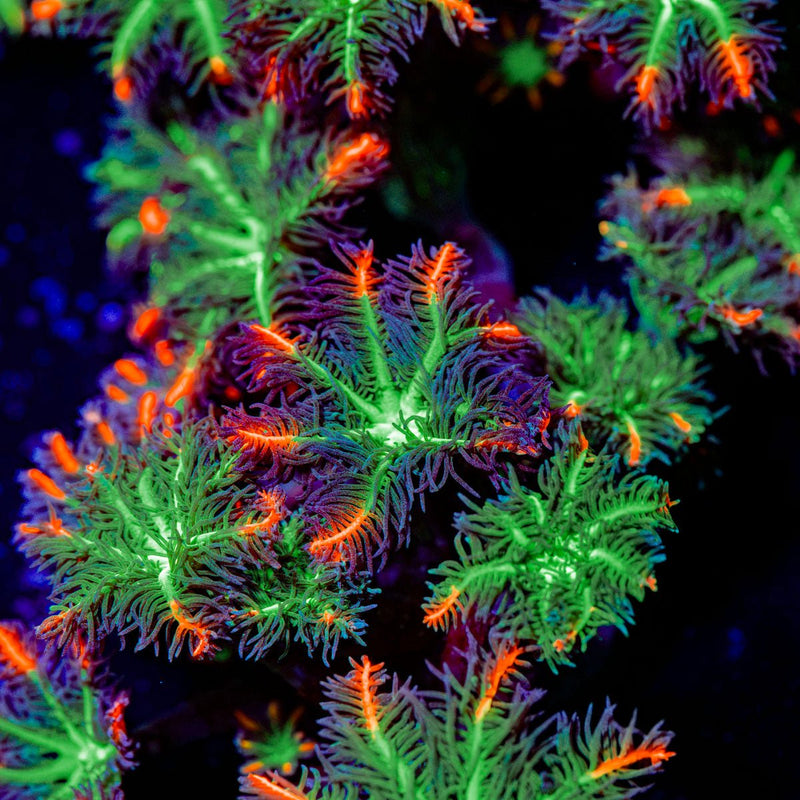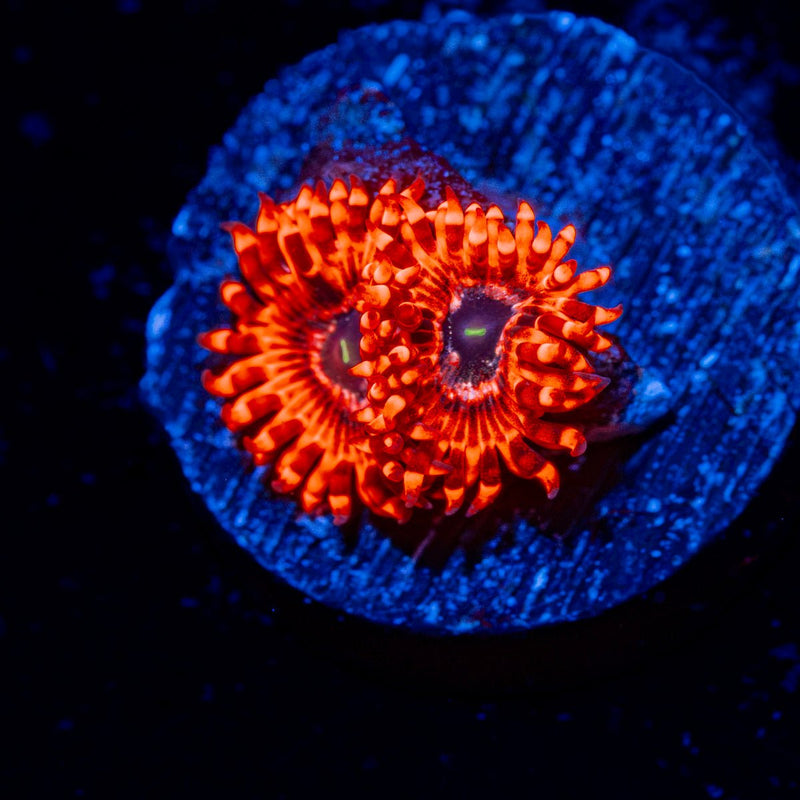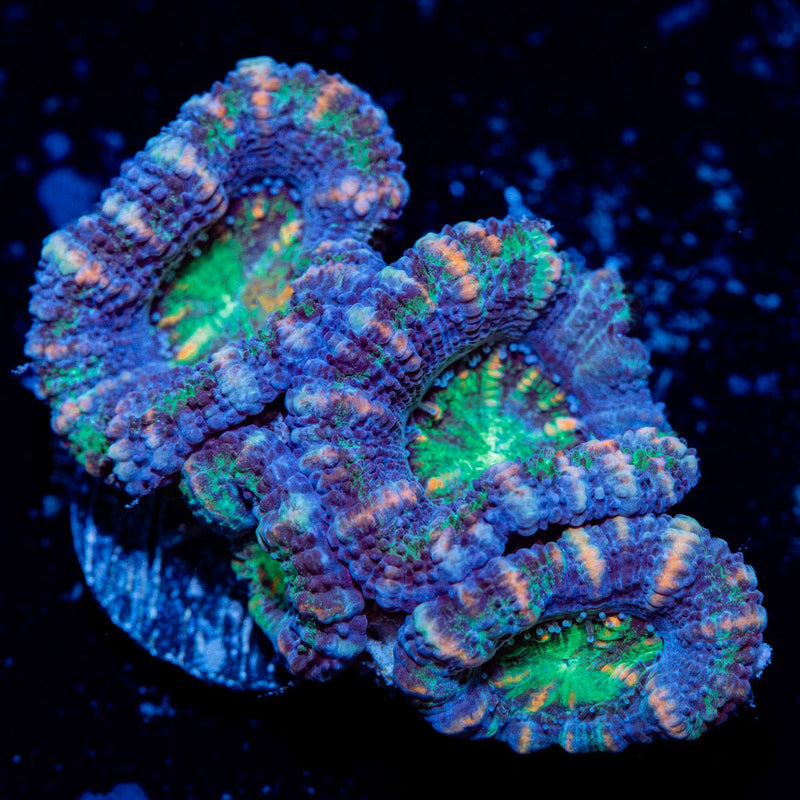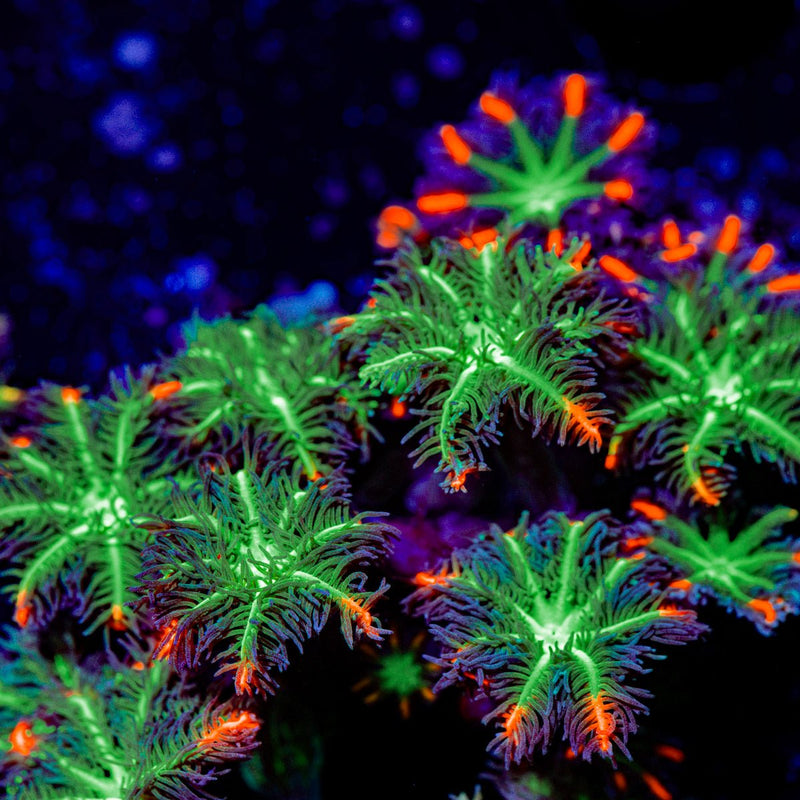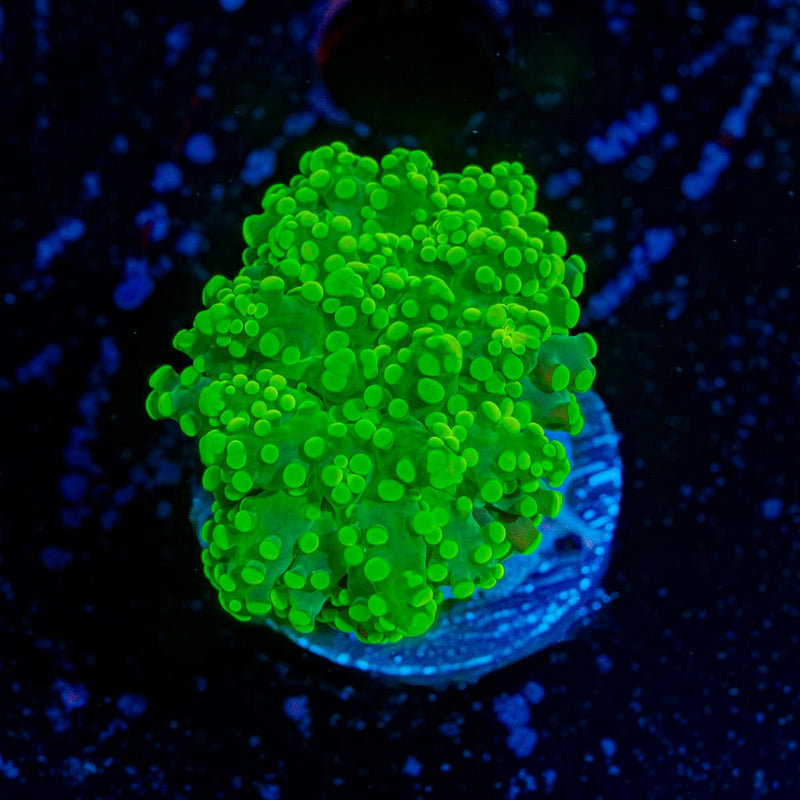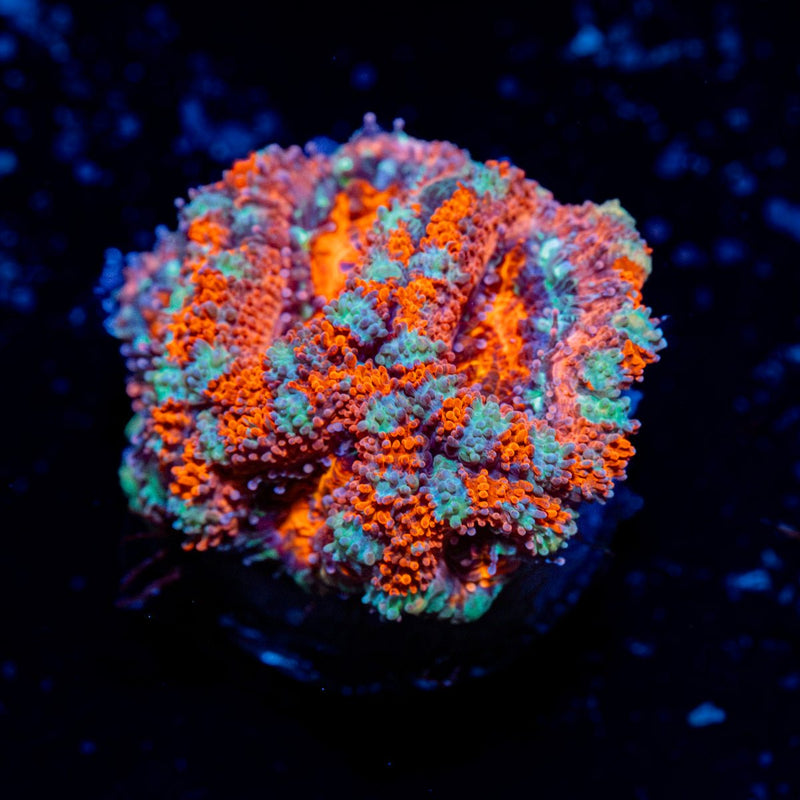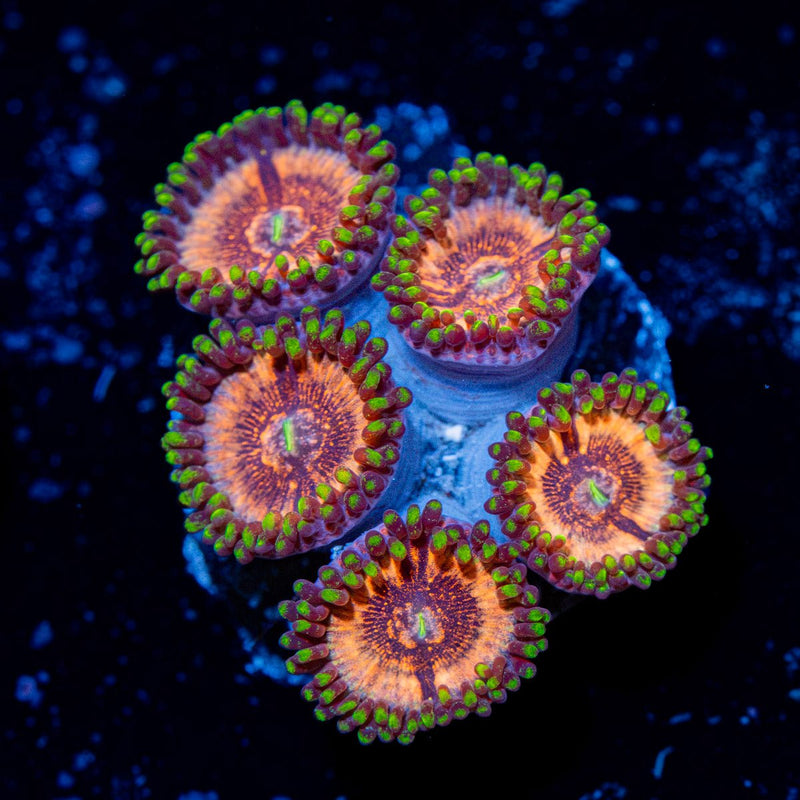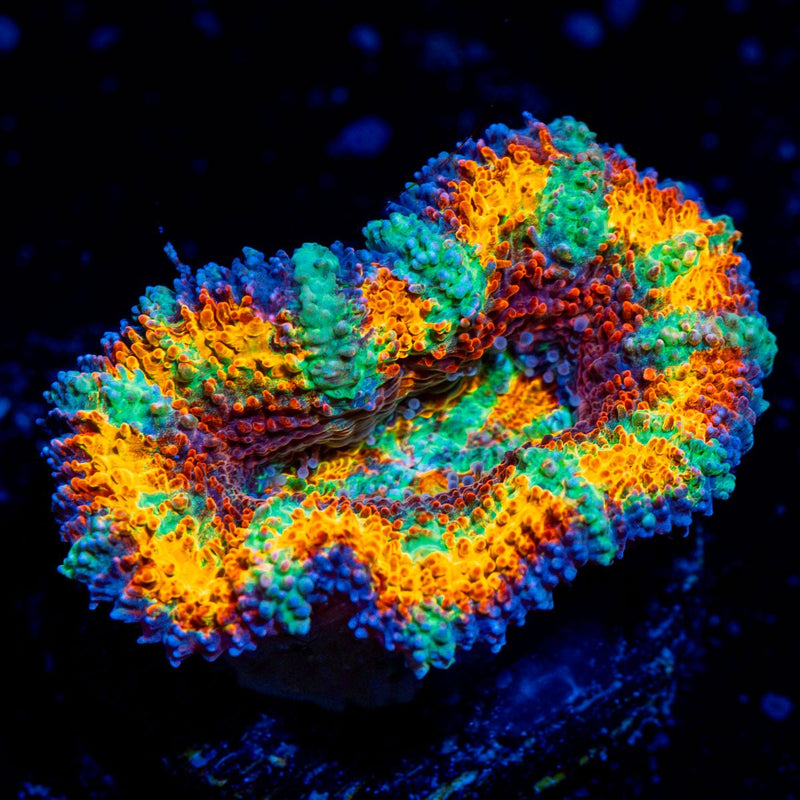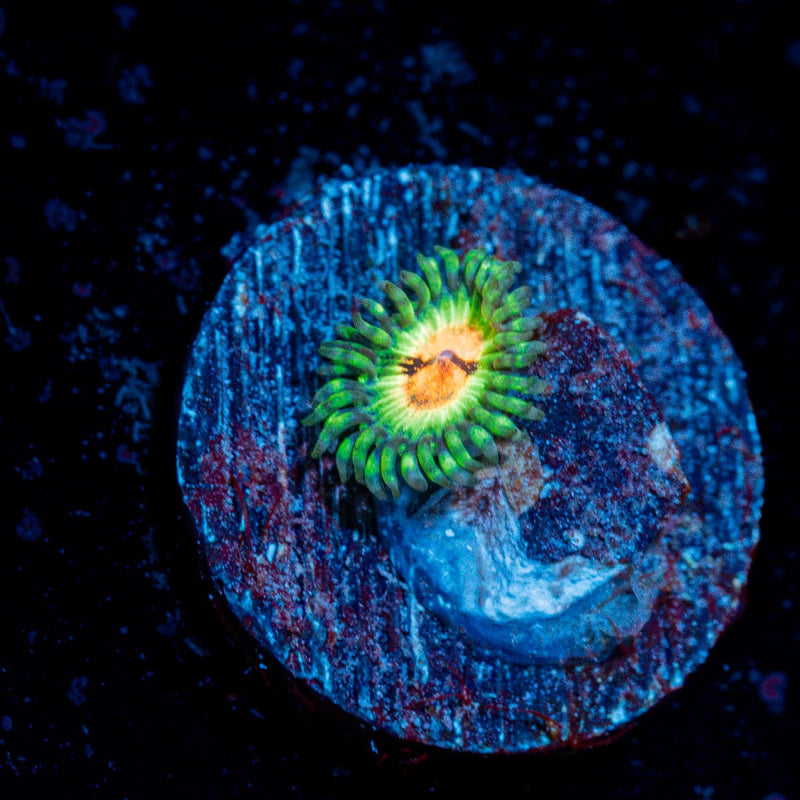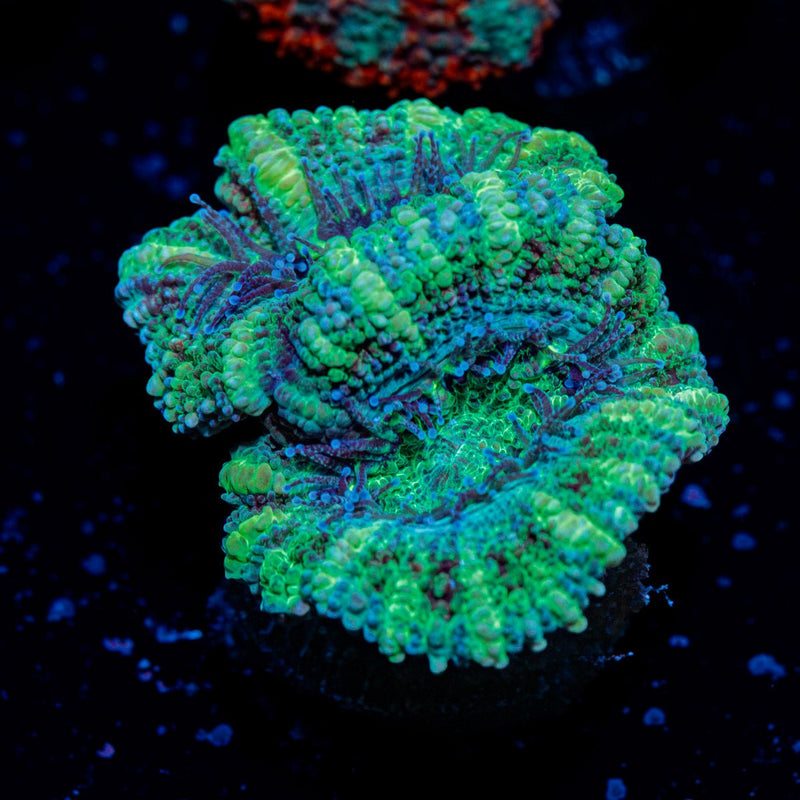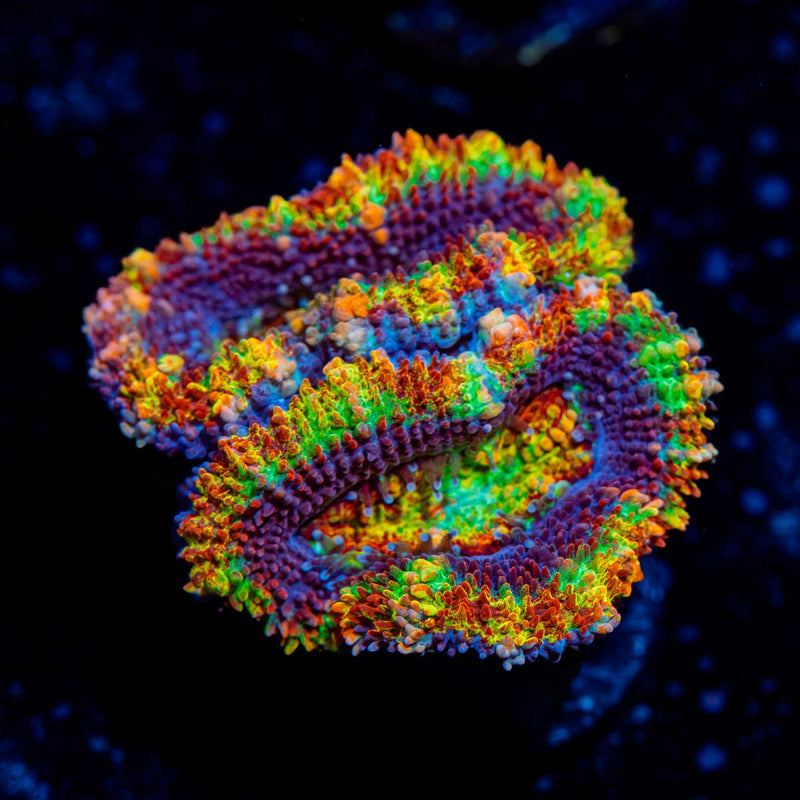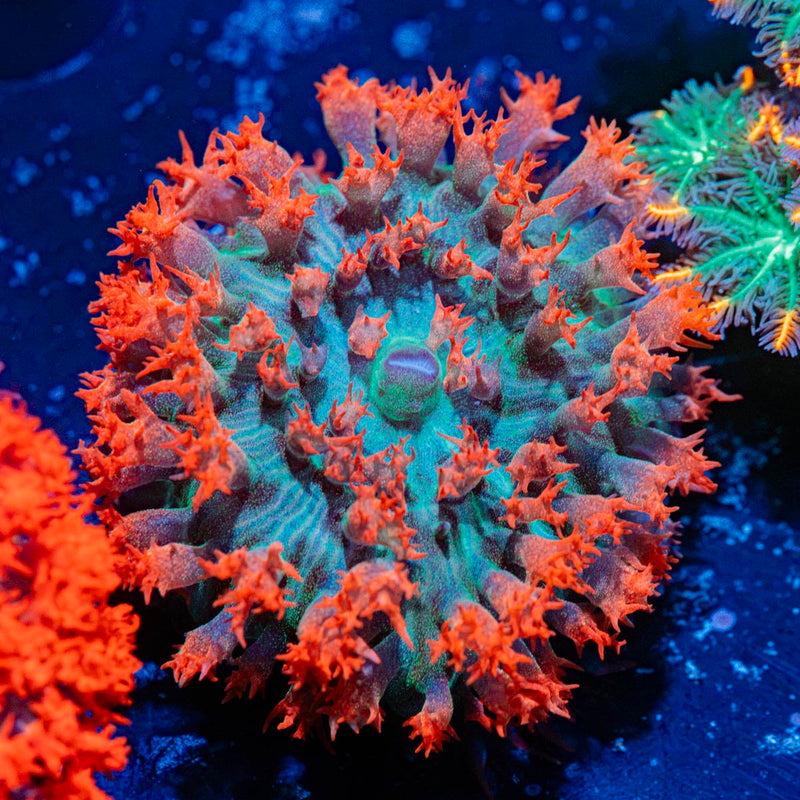
A coral bleaching example in a home reef can be easy to miss at first. That neon green hammer may look a little washed out. A purple Acropora may lose the rich color you loved while its polyps still extend. Then, over a few days, the coral becomes pale enough that its white skeleton begins to show through.
That change is not simply a color issue. It is a warning that the coral is under stress and needs stable, thoughtful care. The encouraging part is that catching bleaching early gives many aquarists a real chance to correct the problem before tissue loss begins.
What Coral Bleaching Looks Like in an Aquarium
Corals get much of their color and energy from microscopic photosynthetic algae living in their tissues. When heat, light, chemistry swings, or another major stressor overwhelms the coral, it can expel or lose those algae. The coral then appears pale, fluorescent, pastel, or nearly white.
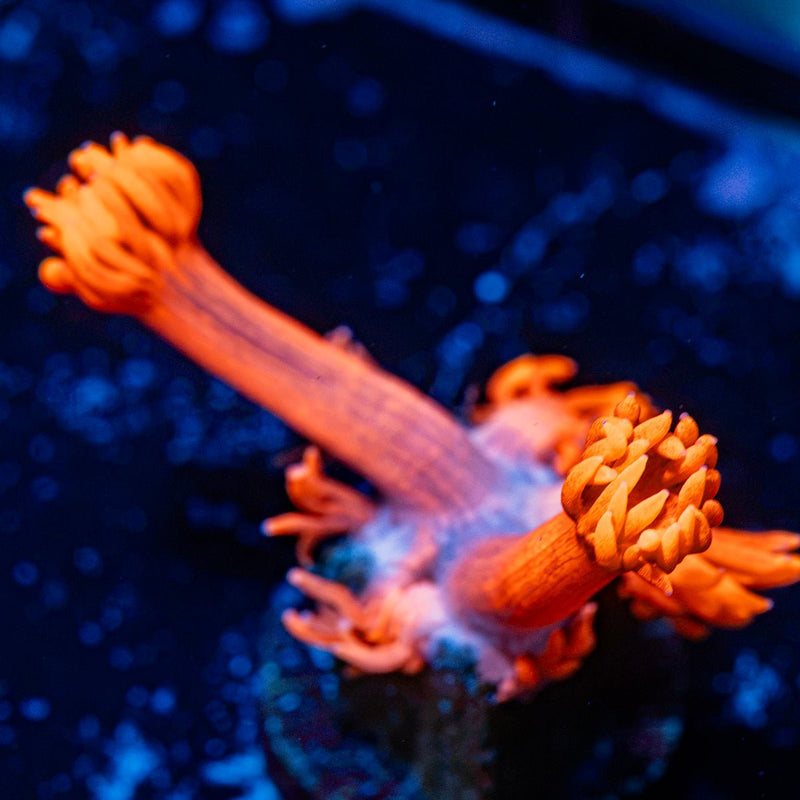
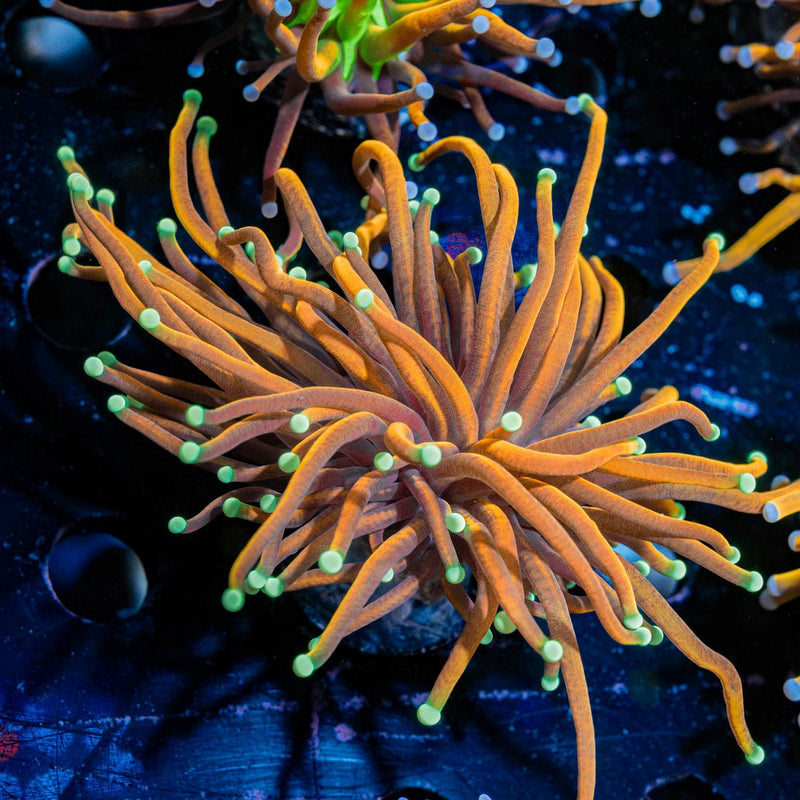
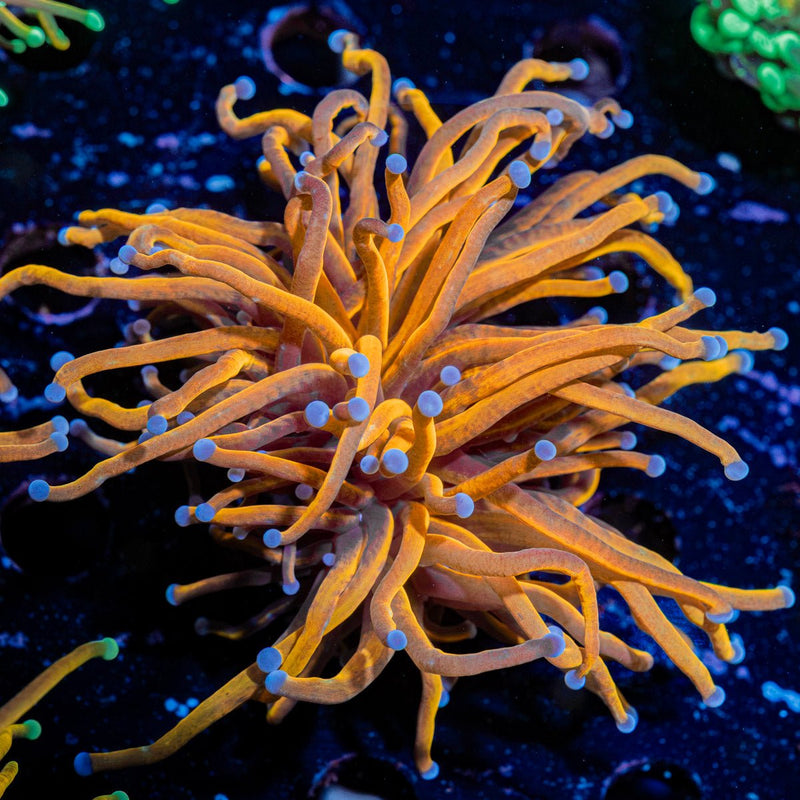
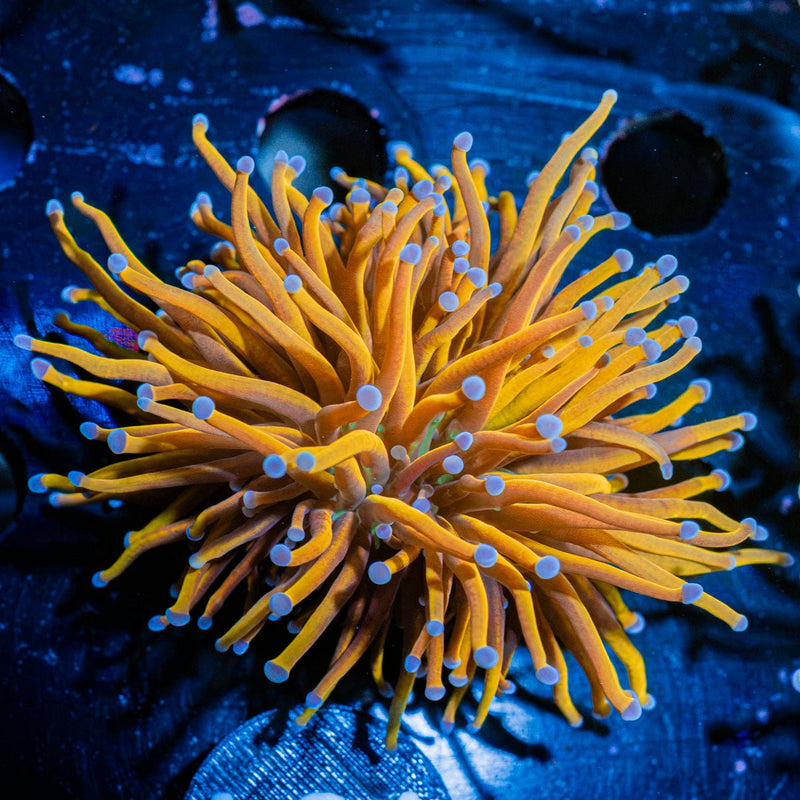
In a classic coral bleaching example, imagine a healthy gold torch coral that normally has dense golden tentacles and a darker base. After a heater sticks overnight and pushes the aquarium to 84°F, the tentacles may look unusually pale and translucent. Its movement and extension may remain decent at first, but the deeper color fades because the coral has lost some of the algae that help fuel it.
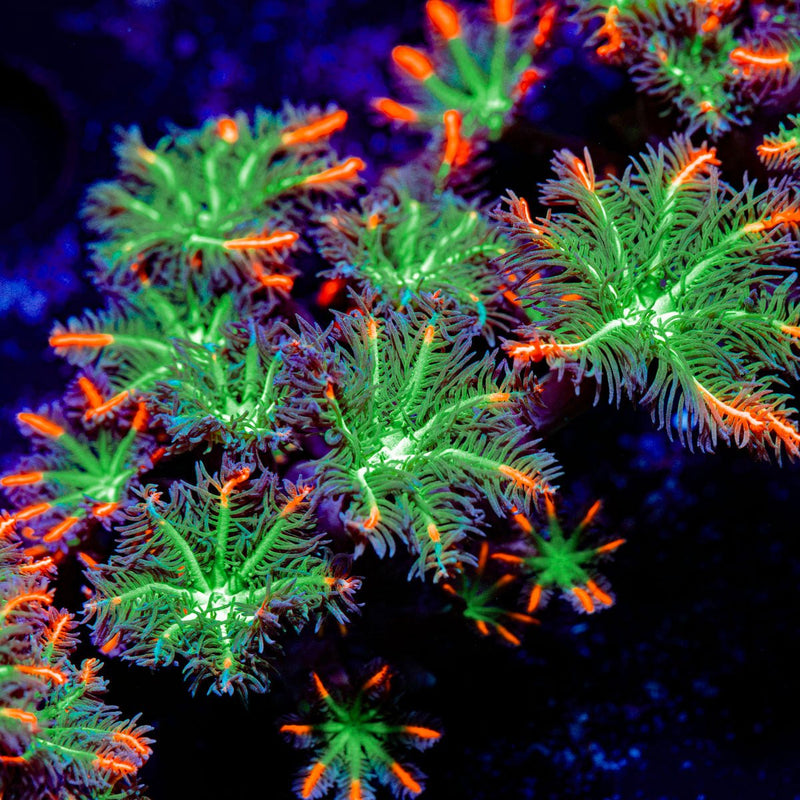
Bleaching is not always snow-white. Some corals first turn lighter brown, beige, cream, or pastel. Bright fluorescent pigments can also become more visible as the coral loses its usual density of zooxanthellae, which can make the situation look deceptively attractive. If a coral is suddenly more neon but less full-bodied in color, look closely and test the system rather than assuming it is thriving.
Bleaching vs. Normal Color Change
A coral can change color without bleaching. Many aquacultured corals shift in shade as they adjust to different lighting spectra, nutrient levels, or placement. A coral that arrives looking slightly different after shipping, for example, may be responding to a new environment while still retaining healthy tissue, inflation, and polyp behavior.
The difference is the speed and severity of the change. Gradual color adjustment over several weeks can be normal. Rapid paling, tissue transparency, retraction, or exposed skeletal structure is more concerning. Bleaching may also affect one side of a colony first, especially the side facing a powerful light source or direct pump flow.
This is why WYSIWYG coral selection and good tank records are so valuable. When you know what a coral looked like at purchase and take occasional photos under the same lighting, subtle changes become much easier to spot. Your eyes adapt to your tank every day. A photo from two weeks ago does not.
The Most Common Causes of Coral Bleaching
Too Much Light, Too Fast
Light shock is one of the most common causes in reef aquariums. A new LED fixture, a sudden increase in intensity, replacing old bulbs, or moving a frag directly to the top of the rockwork can all overwhelm a coral's ability to adapt.
SPS corals such as Acropora, Millepora, and many Montipora often show this quickly, but LPS corals and soft corals can bleach as well. A torch placed inches below a high-output LED may look stunning for a day or two, then begin to lighten and retract.
The right intensity depends on the coral, your spectrum, water clarity, nutrient level, and flow. There is no single percentage setting that works for every tank. When changing lights, acclimate slowly over several weeks. When adding new frags, begin lower in the aquascape or use a light-acclimation program rather than placing every coral in its final display position immediately.
Temperature Spikes and Instability
Corals tolerate stable conditions far better than repeated swings. A tank that sits reliably near 78°F is usually less stressful than one that rises and falls several degrees each day. Heater failures, hot rooms, power outages, and poorly ventilated canopies can all cause temperatures to climb fast enough to trigger bleaching.
A reliable thermometer, properly sized heater, and temperature controller are practical insurance for a coral collection. During warm weather, fans, ventilation, and a backup plan for outages matter just as much as the equipment you use on a normal day.
Water Chemistry Swings
Sudden changes in salinity, alkalinity, pH, nitrate, phosphate, or other major parameters can leave corals stressed and pale. The problem is often not a single number outside an ideal range. It is the swing.
For example, an alkalinity correction that moves too quickly can be harder on a mature SPS colony than maintaining a slightly lower but stable reading. Likewise, replacing a large amount of saltwater with poorly matched salinity can stress sensitive LPS and Acropora alike. Test before making large corrections, and make adjustments in controlled increments.
Very low nutrients can also contribute to washed-out coloration. Corals need a balanced environment, not sterile water. If nitrate and phosphate have been driven to zero through aggressive filtration or overuse of chemical media, some corals may lose color and vitality even under otherwise excellent lighting.
Flow, Pests, and Other Stressors
Direct, harsh flow can irritate tissue, especially on fleshy LPS corals such as hammers, frogspawn, acans, and chalices. On the other hand, insufficient flow can allow detritus to settle and create localized stress. Aim for varied, indirect movement that keeps waste suspended without blasting a coral from one direction all day.
Pests, bacterial issues, stings from nearby corals, and unstable new tanks can create similar symptoms. Before labeling every pale coral as bleached, inspect for bite marks, damaged tissue, brown jelly, vermetid snails, encroaching sweeper tentacles, or a frag that has been shaded by fast-growing neighbors.
What to Do When You See Bleaching
Your first move should be calm observation, not a chain of dramatic changes. Test temperature, salinity, alkalinity, nitrate, and phosphate. Review anything that changed recently: lighting settings, water changes, dosing, new equipment, cleaning routines, or coral placement.
If light is the likely trigger, reduce intensity modestly or move the coral to a lower-light area with similar flow. Avoid dropping the entire tank into near darkness for days unless there is an acute emergency. Corals still need light, and an abrupt blackout can create another stress event. The goal is gentler conditions, not a second shock.
If temperature caused the issue, bring it down gradually and stabilize it. Do not add ice directly to the aquarium. If chemistry is off, correct it in measured steps. A stable recovery environment is more useful than chasing perfect numbers every few hours.
Keep the coral free of detritus and give it appropriate flow. Many bleached corals also benefit from consistent feeding, especially larger-polyp LPS and corals with visible feeding responses. Offer a modest amount of quality coral food rather than overfeeding the whole tank and creating a nutrient spike. Recovery can take weeks or months, and color often returns slowly after the coral has regained stability.
Do not automatically frag a bleached coral. If tissue is intact and the coral is still responsive, stability is usually the better first strategy. If tissue recession is actively spreading, separating healthy tissue from a dying area may make sense, but that decision depends on the species and the cause. Watch the coral closely rather than treating every pale frag with the same response.
Choosing Corals That Match Your Tank Today
The easiest bleaching problem to manage is the one avoided before purchase. A bright, high-energy SPS display can be spectacular, but it asks for stable lighting, flow, and chemistry. A newer or lower-light reef may be better served by forgiving zoanthids, mushrooms, many soft corals, and carefully selected LPS frags.
That does not mean beginner-friendly corals are less beautiful. Colorful mushrooms, glowing hammers, frogspawn, acans, and zoanthids can create a vibrant reef display while giving you more room to learn your system. As your tank matures and your maintenance routine becomes predictable, you can add more demanding living jewels with confidence.
At Riptide Aquaculture, aquacultured frags and clear care guidance help hobbyists choose coral that suits the reef they have, not just the reef they hope to build. The best placement is not always the highest, brightest spot. It is the spot where a coral can settle in, extend naturally, and keep its color for the long run.
A pale coral is not always a lost coral. Treat it as your reef's early signal to slow down, look for the recent change, and restore the steady conditions that let healthy color return.