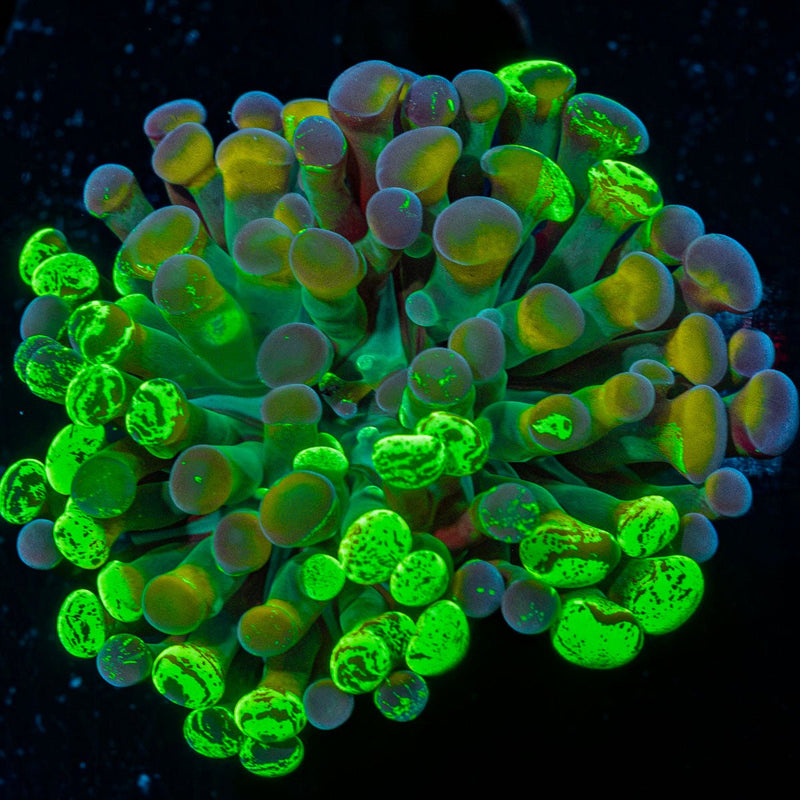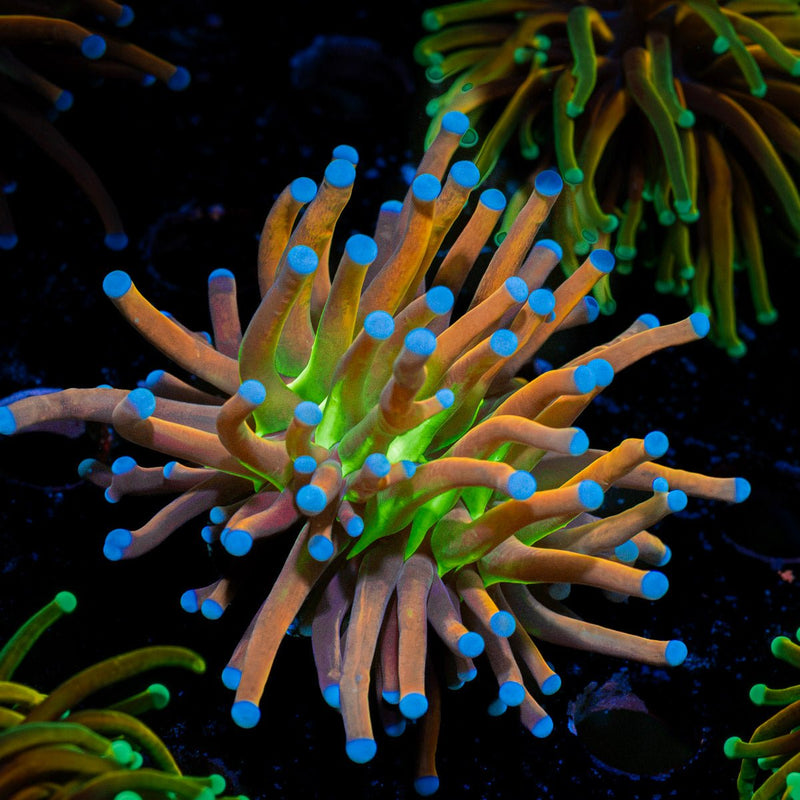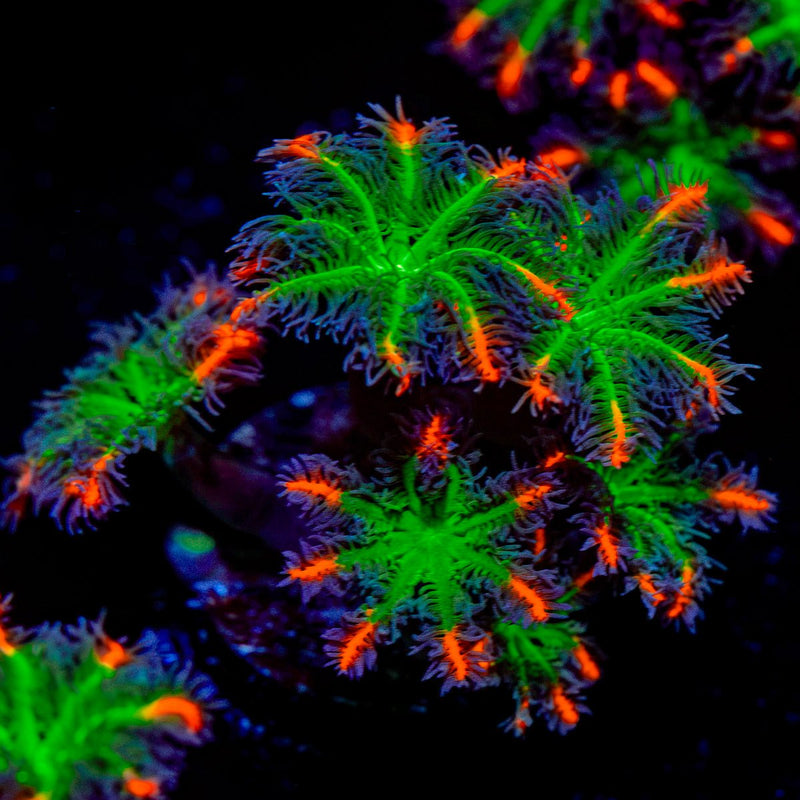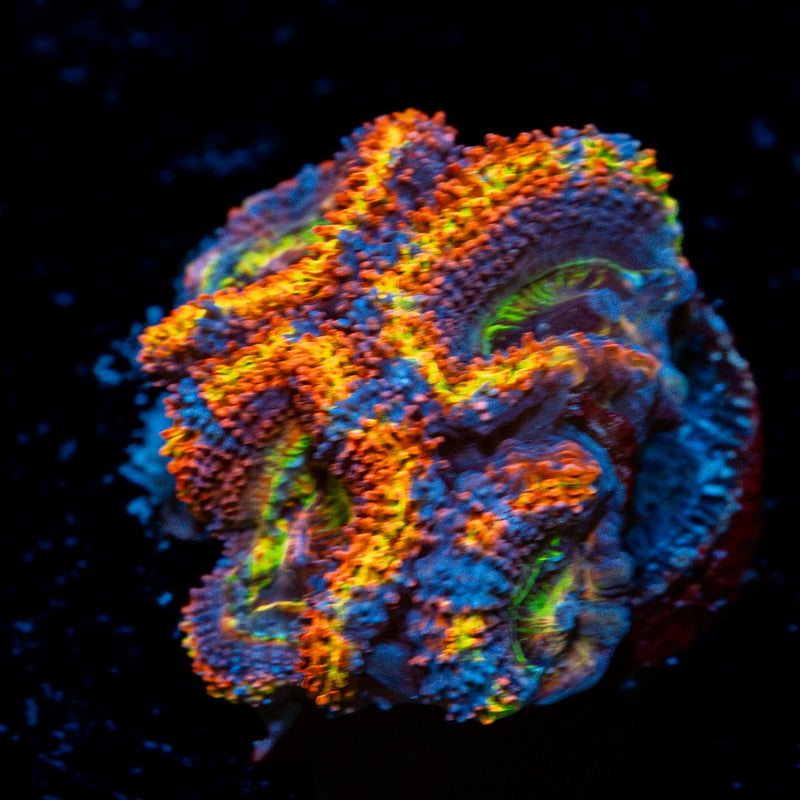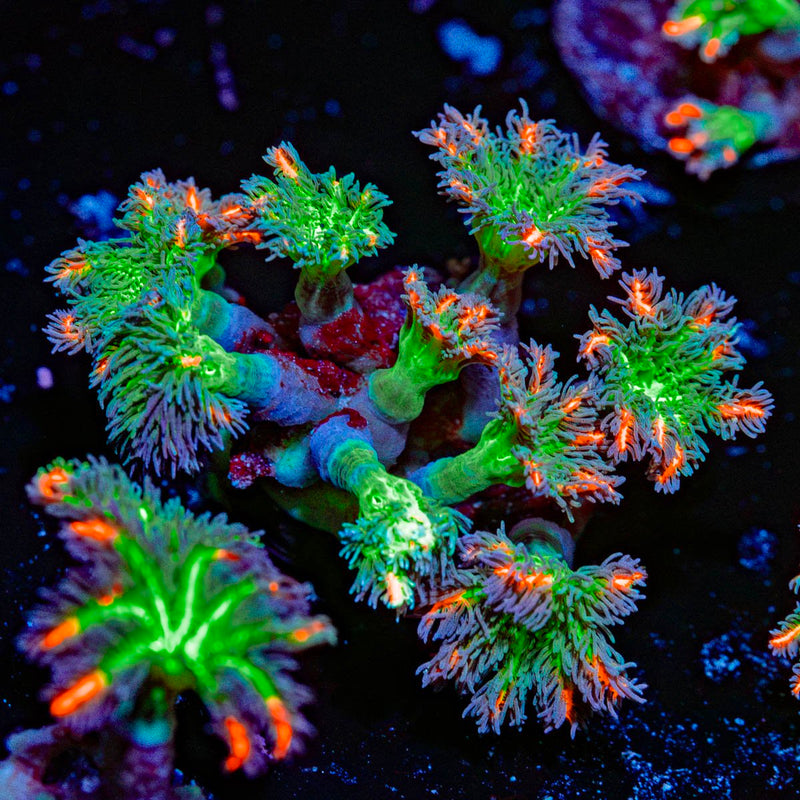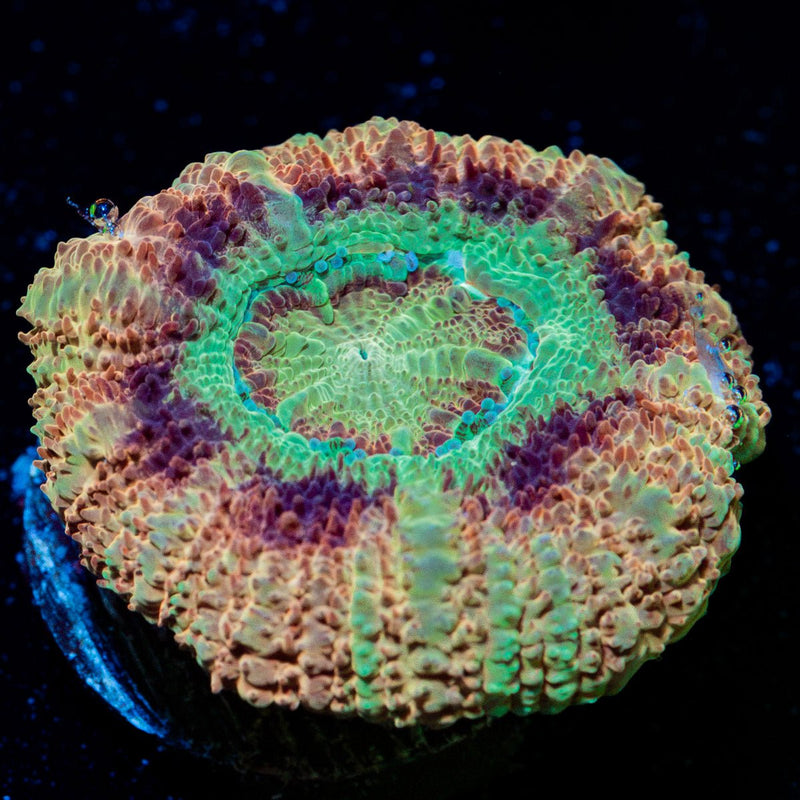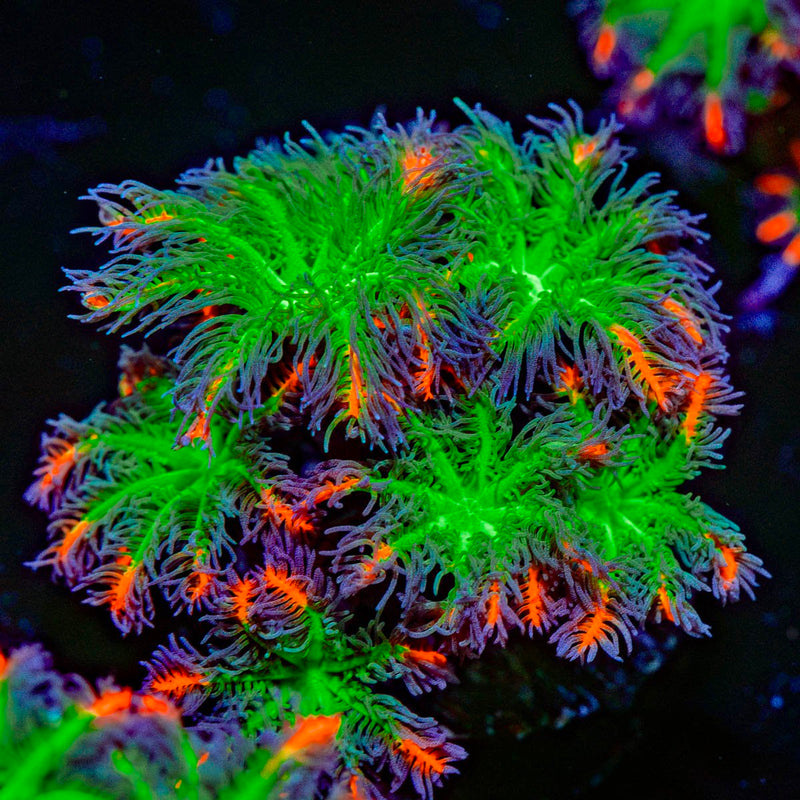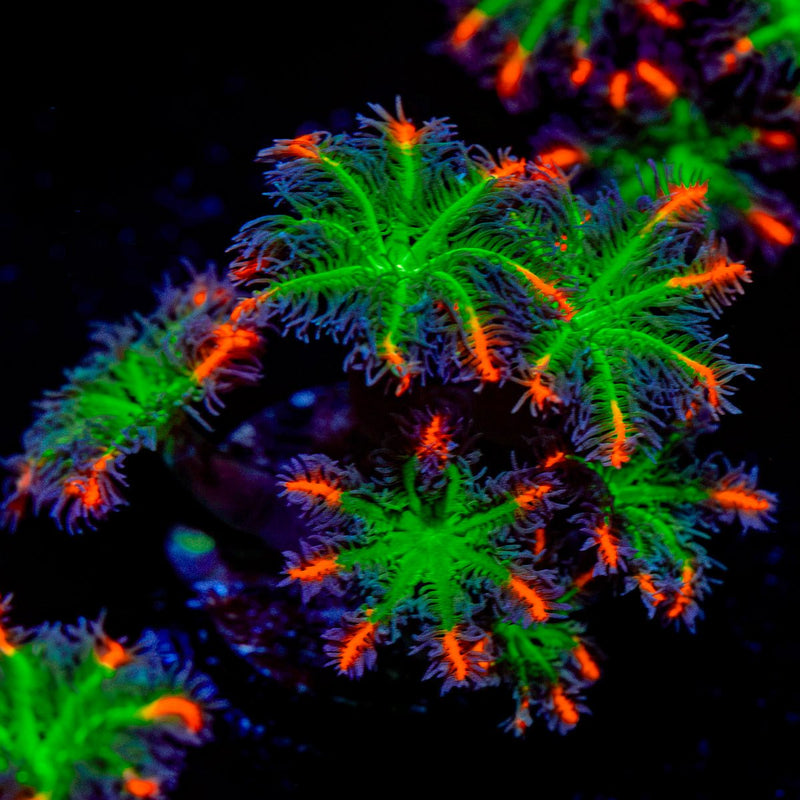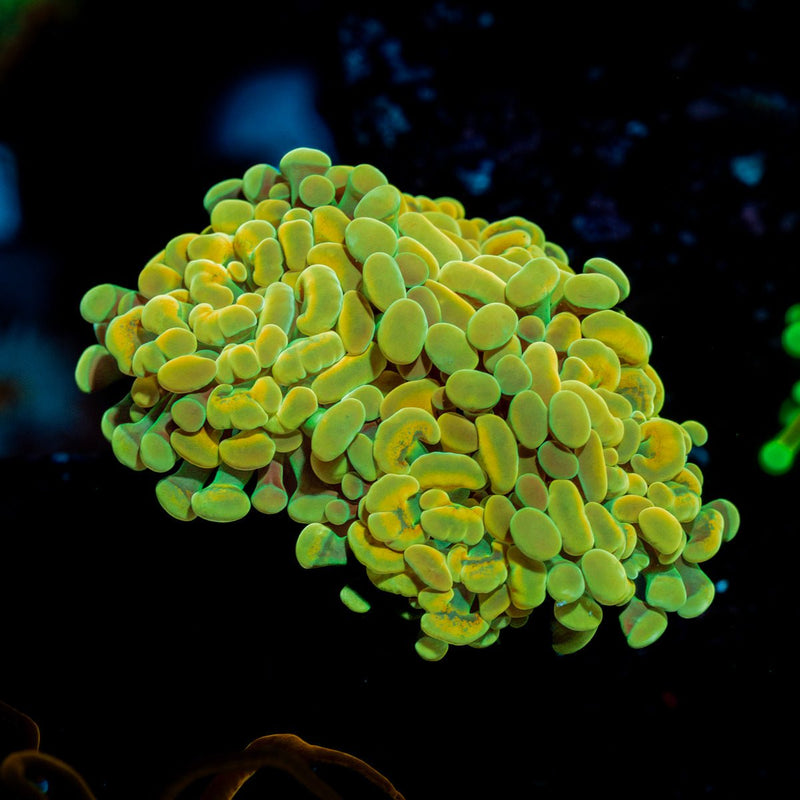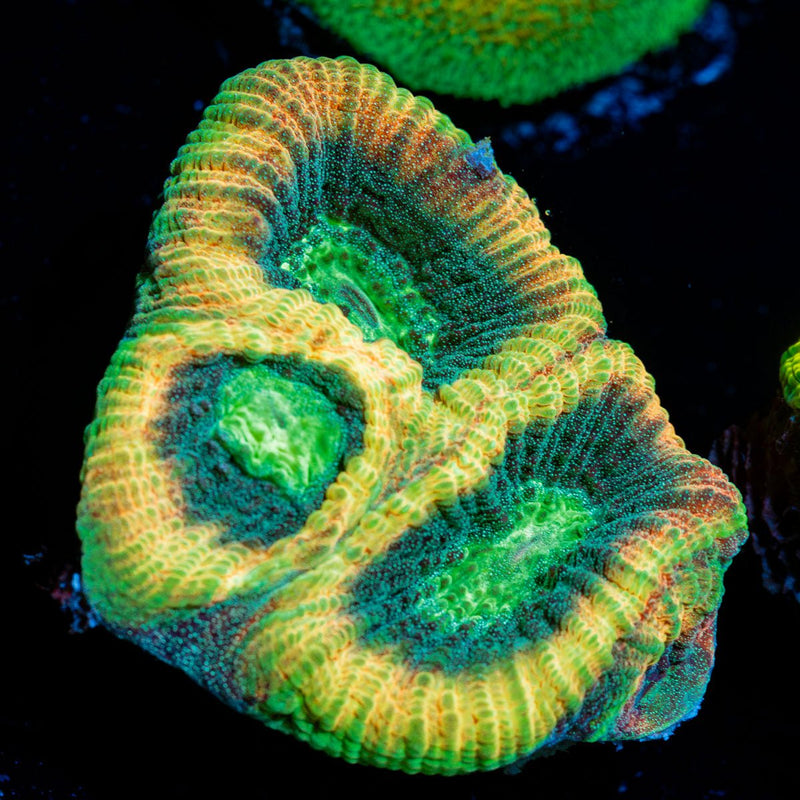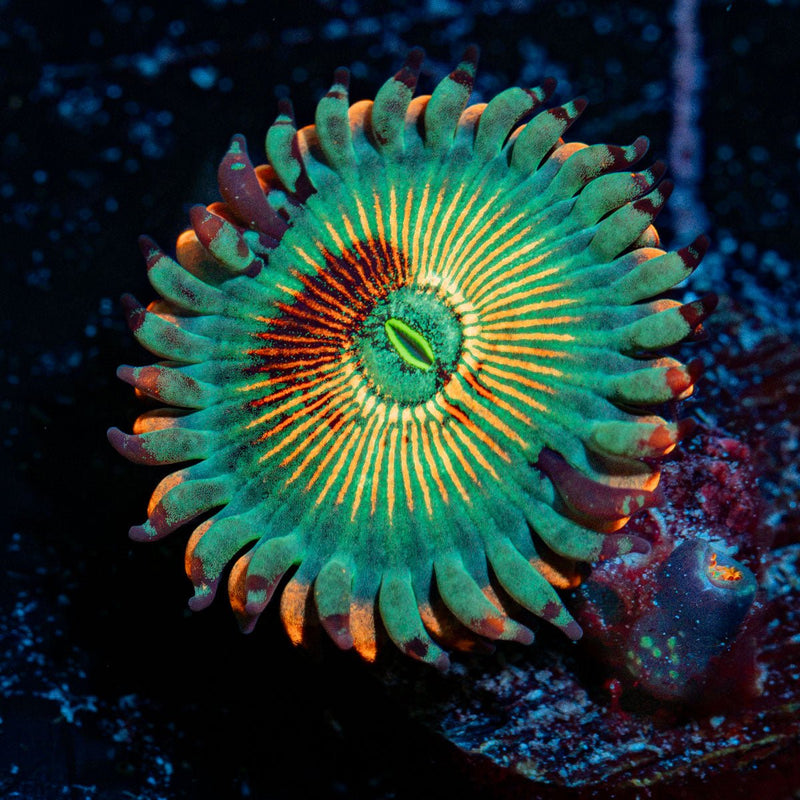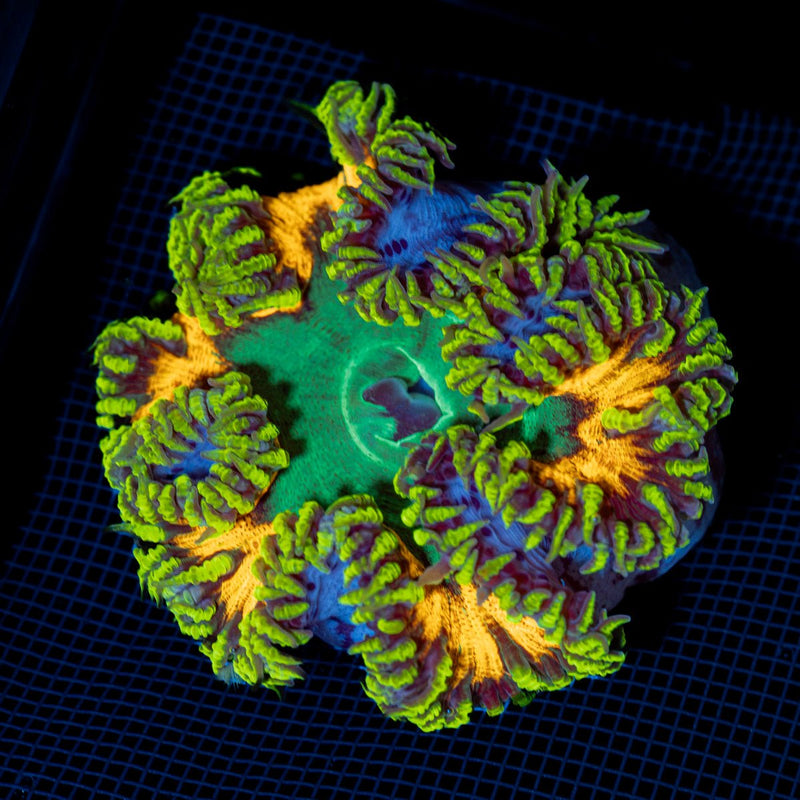
A thriving reef can look perfect at breakfast and stressed by dinner if alkalinity is swinging behind the scenes. Learning how to stabilize coral alkalinity is one of the most valuable skills in reef keeping because this single parameter affects coral growth, tissue health, coloration, and the confidence to add more living jewels to your tank.
Alkalinity is not about chasing one magic number. It is about giving your corals a predictable environment day after day. Whether your display is stocked with beginner-friendly mushrooms and zoanthids or demanding Acropora, steady alkalinity helps aquacultured corals settle in, extend their polyps, and put energy into growth instead of recovery.
What Alkalinity Does for Corals
In reef aquariums, alkalinity measures the water's ability to neutralize acids. For coral keepers, the practical takeaway is simple: it represents the supply of bicarbonate and carbonate that stony corals use to build their calcium-carbonate skeletons.
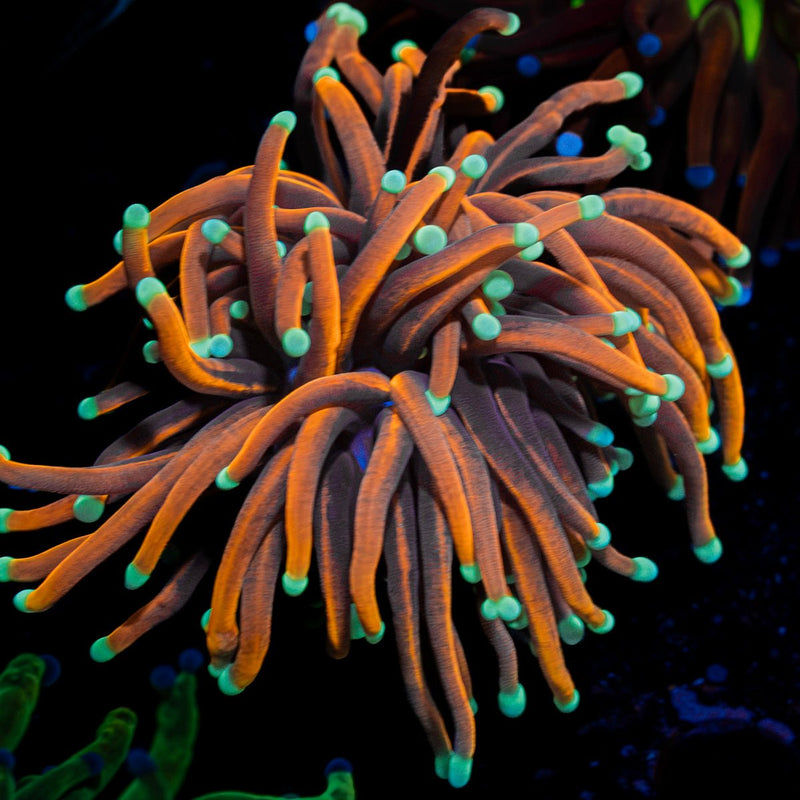
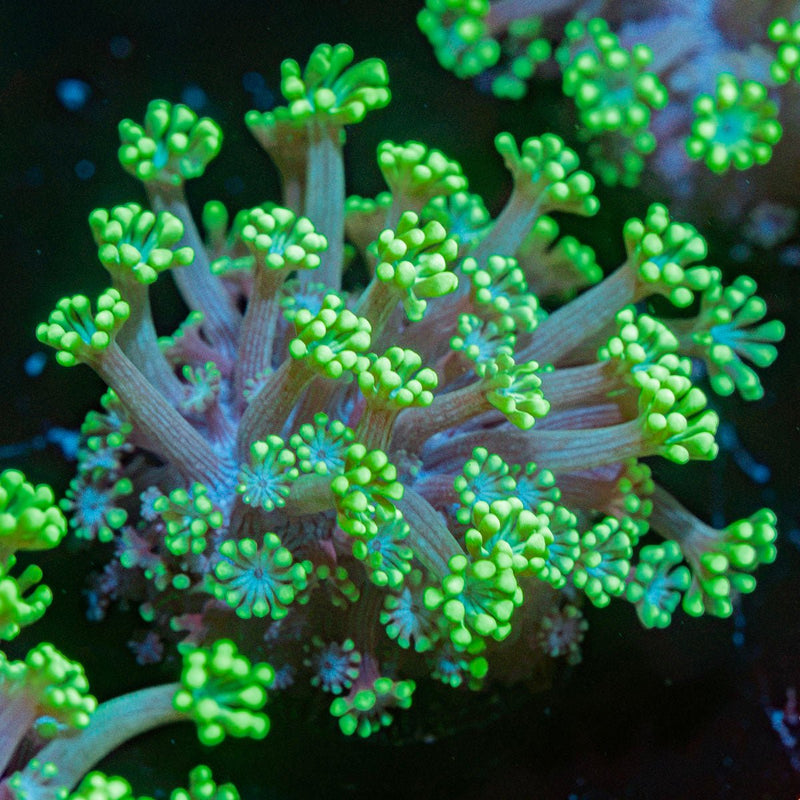
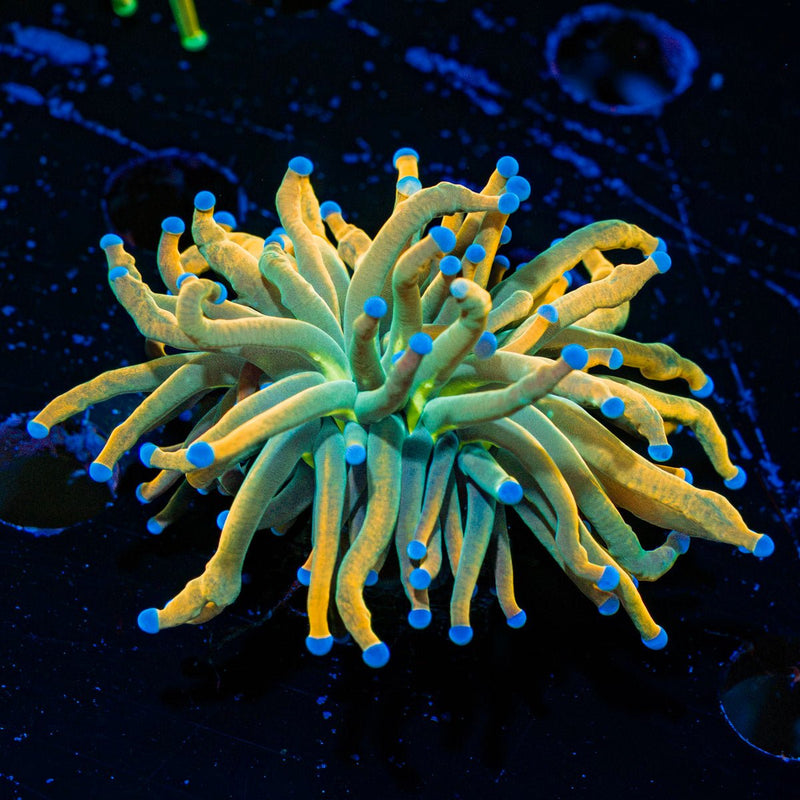
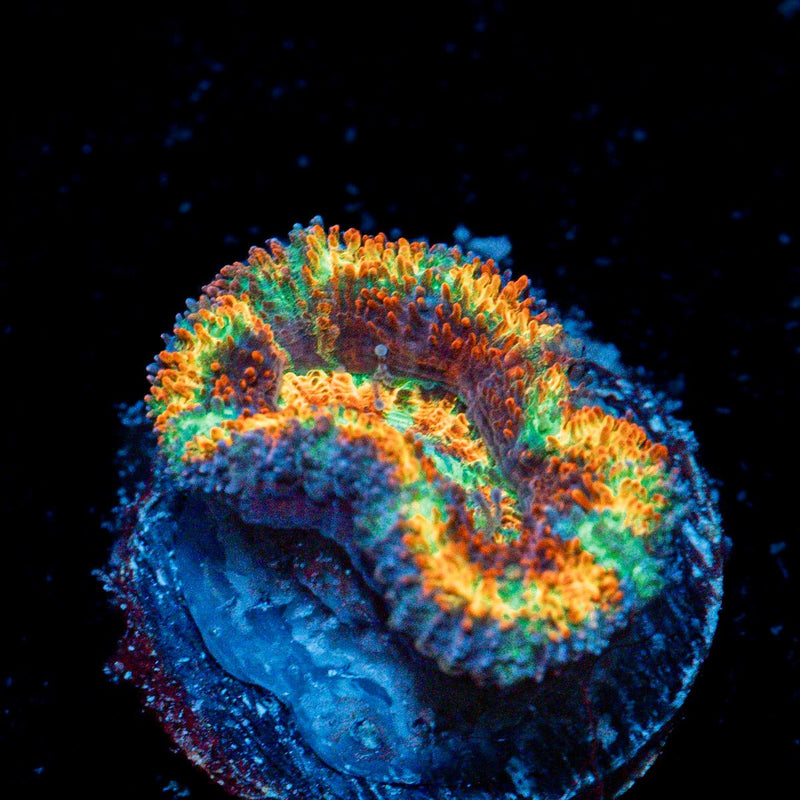
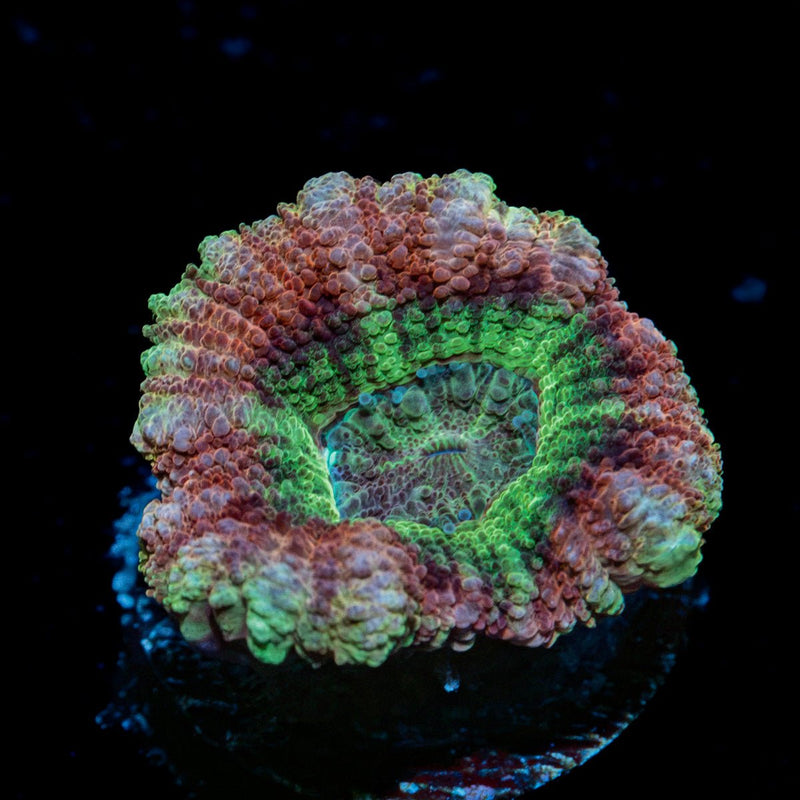
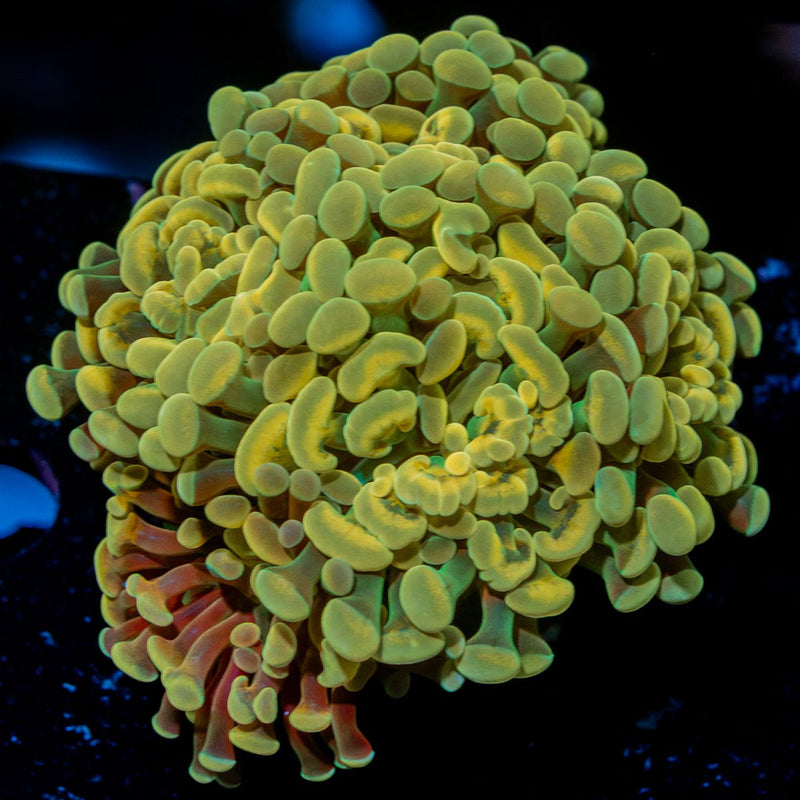
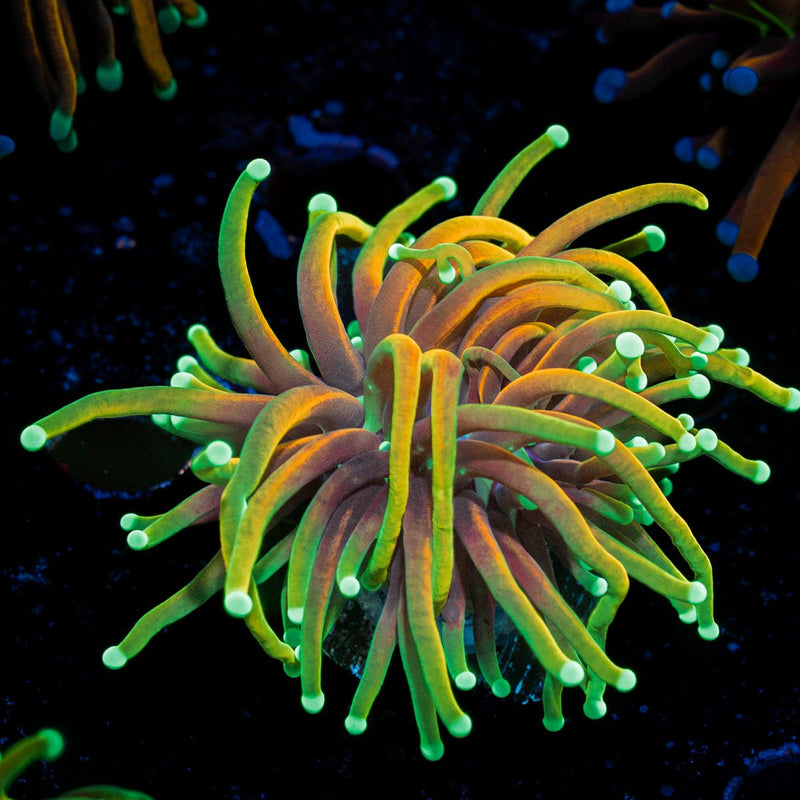
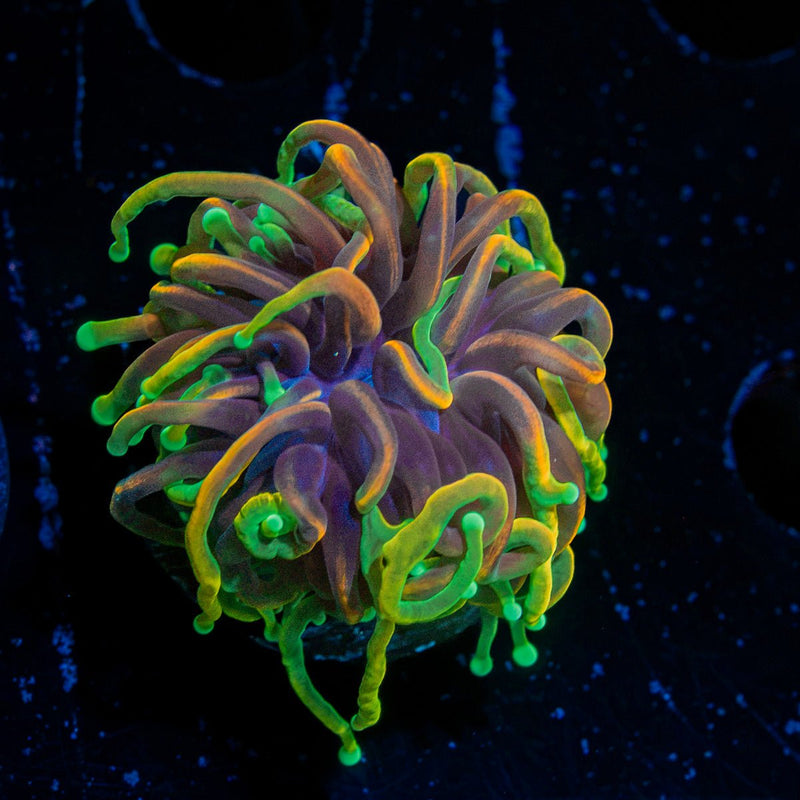
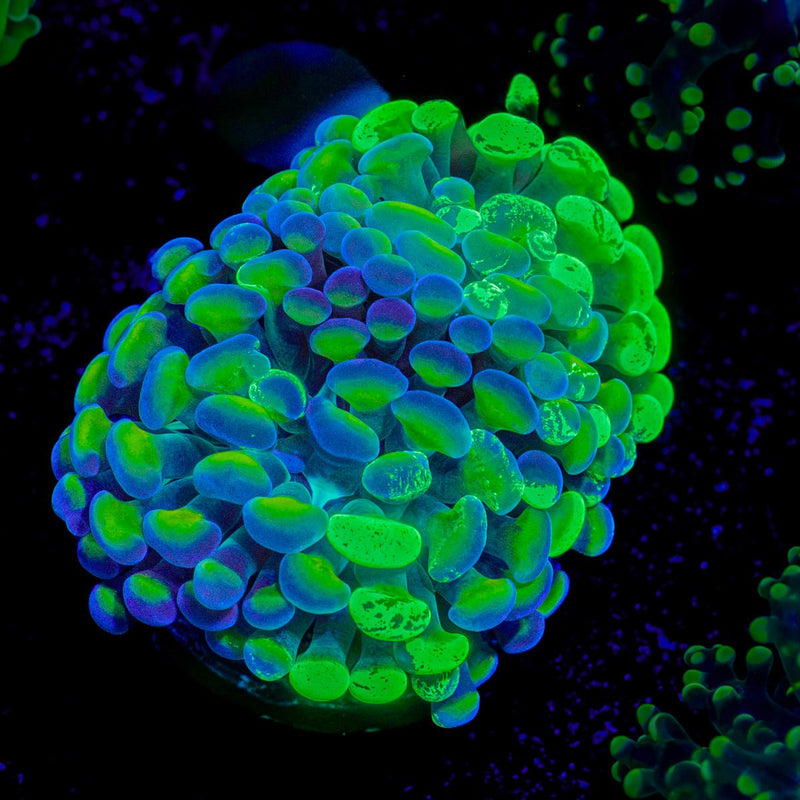
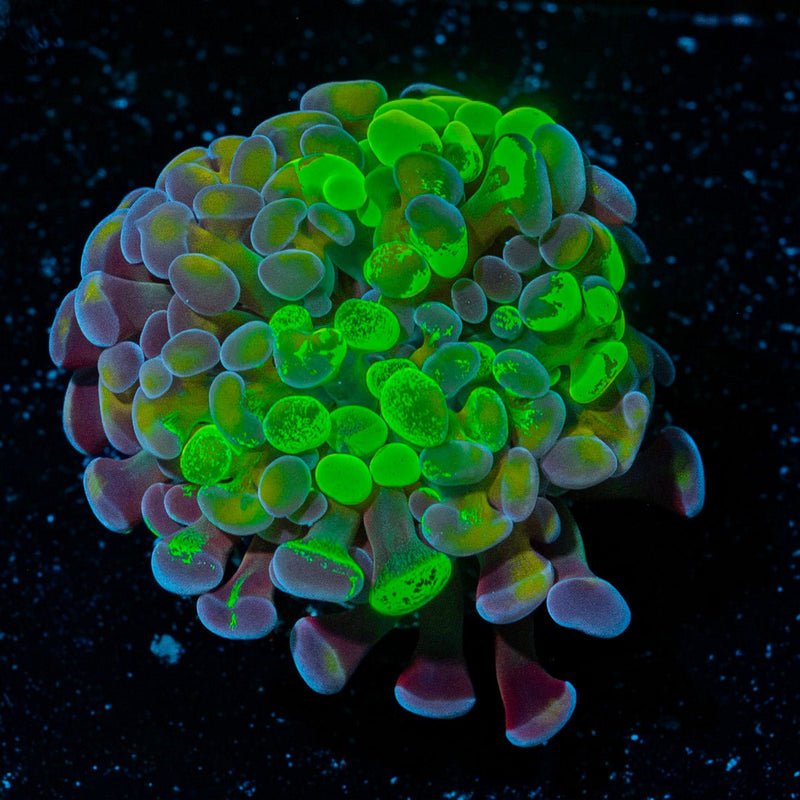
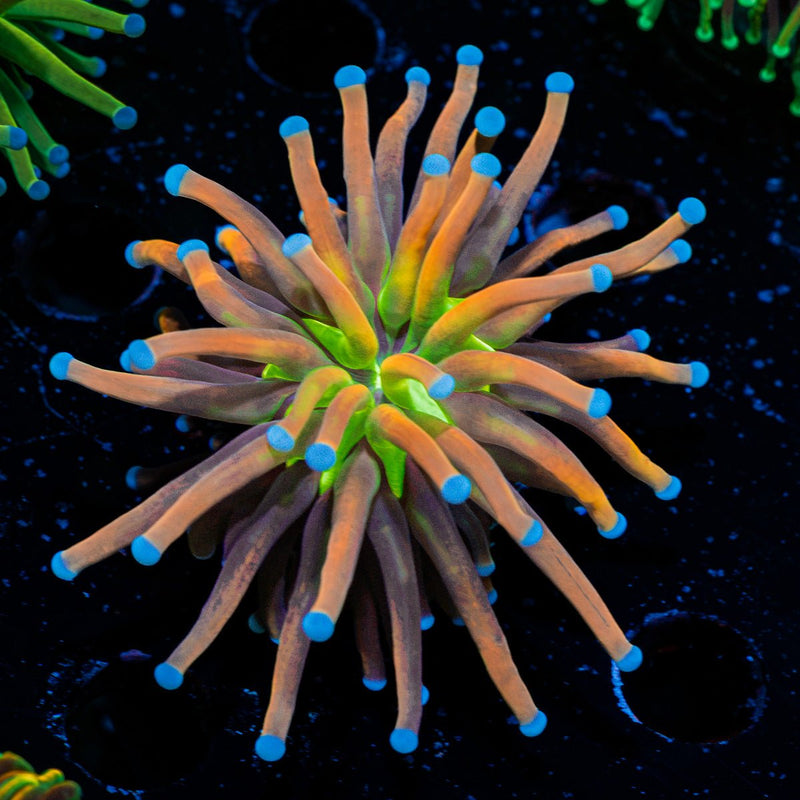
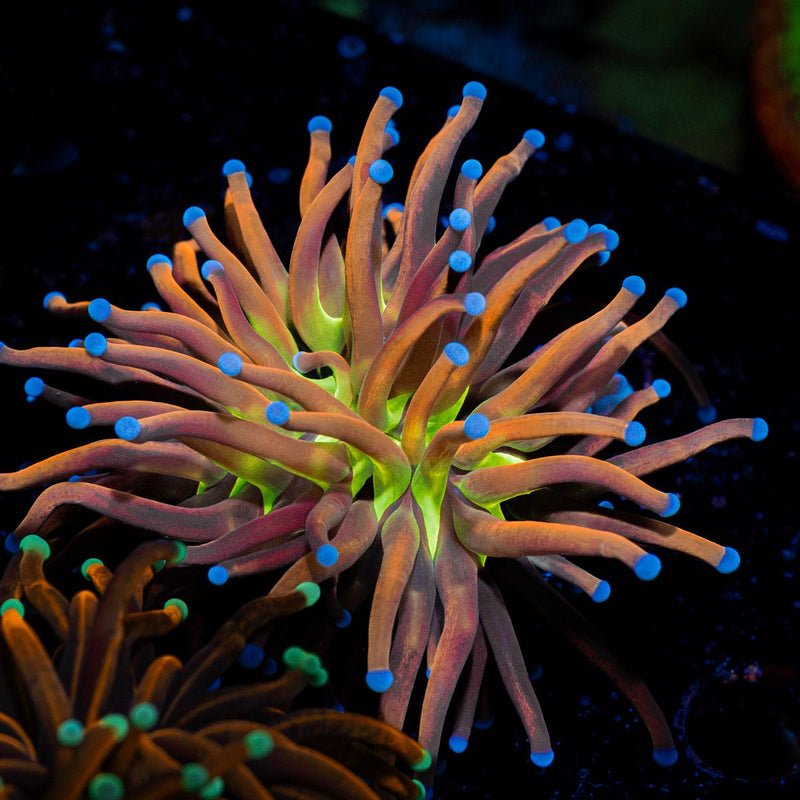
SPS corals, including Acropora and Millepora, can consume alkalinity quickly in a growing tank. LPS corals such as torches, hammers, frogspawn, acans, and chalices use it too, although usually at a slower overall rate. Even a soft-coral-dominant reef benefits from stable alkalinity because the entire aquarium's chemistry, including pH behavior, is connected.
Most successful reef tanks operate somewhere around 7 to 11 dKH. Natural seawater sits near 7 dKH, while many hobbyists maintain a slightly higher value, often around 8 to 9 dKH. The best target depends on your salt mix, nutrient levels, dosing method, and the needs of the corals you keep. A stable 8.0 dKH is generally far better than a tank bouncing between 7.5 and 9.5 dKH.
Choose a Target Before You Start Adjusting
The quickest way to create instability is to test a number, decide it feels wrong, and make a large correction. Before dosing anything, choose a realistic target that matches the water you already use and can be maintained consistently.
For a mixed reef, 8 to 9 dKH is a practical range for many aquarists. Tanks run with very low nutrients sometimes respond better to lower alkalinity, closer to natural seawater levels, because aggressive alkalinity combined with near-zero nitrate and phosphate can stress sensitive SPS. On the other hand, a healthy mixed reef with measurable nutrients may do beautifully at 8.5 or 9 dKH.
Consistency matters more than copying another hobbyist's number. If your corals are open, colorful, and growing at 8.2 dKH, there is little reason to force the aquarium toward 10 dKH. Make changes only when there is a clear reason, and make them slowly.
Test Often Enough to See the Pattern
A single alkalinity test is a snapshot. A week of test results reveals consumption.
When you are dialing in a new reef, adding several stony coral frags, or beginning a dosing routine, test alkalinity at the same time each day for at least several days. Record the result, even if you use a simple notebook or phone note. You are looking for how much alkalinity the aquarium loses over 24 hours.
For example, if your tank reads 8.4 dKH on Monday and 8.0 dKH on Tuesday without dosing, the system is consuming roughly 0.4 dKH per day. That number gives you a starting point for dosing. Once the tank has settled into a reliable routine, testing two or three times per week is often sufficient for a mixed reef. Fast-growing SPS systems may deserve daily checks or automated monitoring.
Use a quality test kit or digital checker, follow the instructions carefully, and watch for expired reagents. If a result seems wildly different from normal, retest before reacting. A bad test, an air bubble in a syringe, or a misread endpoint can lead to an unnecessary correction that creates the very swing you were trying to avoid.
How to Stabilize Coral Alkalinity With Dosing
Water changes can replace some consumed alkalinity, but they rarely keep up once a reef begins growing. Dosing is the usual answer, and the goal is to replace what the corals use in small, repeatable amounts.
Two-part calcium and alkalinity systems are popular because they are accessible and easy to fine-tune. Kalkwasser can work beautifully for tanks with moderate demand, especially when paired with automatic top-off, but it has limits and must be handled carefully. Calcium reactors are excellent for high-demand SPS aquariums, though they require more equipment knowledge and setup time.
Whichever method you choose, dose based on measured consumption, not the bottle label alone. Product instructions tell you how much a supplement can raise alkalinity, but they cannot know your tank's daily demand. Start with a conservative dose, test again after 24 hours, and adjust gradually.
Avoid raising alkalinity by more than about 0.5 dKH in a day when possible. A gentler correction is especially wise for a tank full of established SPS colonies or freshly introduced frags that are still adapting. Dose into a high-flow area, ideally in multiple small portions throughout the day. Splitting the daily amount reduces peaks and gives corals a calmer chemical environment.
An automatic dosing pump is one of the most useful stability upgrades for a reef tank. Instead of adding one large dose after work, you can deliver several smaller doses over 24 hours. That consistency is particularly helpful when your coral collection starts expanding and daily demand rises.
Keep Calcium and Magnesium in the Conversation
Alkalinity gets most of the attention because it changes quickly, but it does not work alone. Calcium supplies another major building block for coral skeletons, and magnesium helps keep calcium and carbonate available in solution rather than precipitating out.
A reasonable calcium range is commonly around 400 to 450 ppm, while magnesium is often maintained around 1250 to 1400 ppm. Do not try to adjust every parameter every day. Alkalinity should be tested most frequently because it is the fastest-moving value. Check calcium and magnesium periodically, especially if you are seeing unusual dosing behavior, slow growth, or precipitation on heaters and pumps.
If magnesium is very low, it can become harder to maintain calcium and alkalinity reliably. If calcium is severely out of range, correct it patiently rather than making a major same-day adjustment. Balanced chemistry supports the healthy, steady growth that makes a colorful reef look its best.
Watch Water Changes, Evaporation, and Equipment
A water change should refresh your aquarium, not surprise it. Test freshly mixed saltwater occasionally to learn its alkalinity level. If your display runs at 8.0 dKH but your new saltwater measures 11 dKH, a large water change can produce a noticeable jump. Smaller, more frequent changes or a salt mix that better matches your target can keep the transition smoother.
Evaporation does not remove alkalinity, but poorly managed top-off can still create problems. Use fresh RO/DI water for top-off, maintain your equipment, and make sure automatic top-off systems are not delivering kalkwasser unexpectedly or inconsistently.
Also inspect pumps, heaters, and dosing lines. White crusty buildup can indicate precipitation, which wastes supplements and may point to dosing too much at once or dosing into a low-flow area. A clogged dosing line can quietly stop delivery for days, then release a delayed, concentrated amount when it clears.
Read the Corals Before Making Big Changes
Numbers guide your decisions, but corals provide context. Sudden alkalinity swings can show up as reduced polyp extension, muted color, tissue recession, or stressed tips on sensitive SPS. LPS may stay tightly withdrawn or look less inflated than usual. These signs are not exclusive to alkalinity, so always consider temperature, salinity, nutrients, lighting, and flow before assigning blame.
New corals may take time to settle even when your parameters are excellent. Give them stable placement, appropriate light acclimation, and clean, consistent water. A beautiful WYSIWYG frag has a much better chance to hold its color and develop into a showpiece when it is not asked to adapt to changing chemistry every few days.
A Simple Routine That Builds Stability
For most reef keepers, the winning routine is pleasantly unglamorous: test at a consistent time, record the result, replace daily consumption with small doses, and make only one meaningful change at a time. Recheck after adjustments instead of stacking corrections for alkalinity, calcium, and magnesium all in the same afternoon.
As corals grow, their demand will grow with them. A dosing schedule that worked for a few small frags may become too light once your tank is filled with branching SPS, expanding LPS colonies, and vibrant encrusting corals. Review your numbers regularly, especially after adding several new pieces or noticing faster growth.
A stable reef is built through quiet consistency. Keep alkalinity predictable, let your corals tell you how they are responding, and your aquarium will have the calm foundation it needs to turn carefully selected frags into a thriving, colorful display.